



Games like Doki Doki Literature Club
If Doki Doki Literature Club rewired the way you think about visual novels, you're not alone in hunting for what comes next — and games like Doki Doki Literature Club are exactly what this list delivers. That mix of cute anime art, dating sim routines, and a story that curdles into psychological horror is a rare combination, and the itch to find something that pulls off the same trick doesn't go away easily. Good news: several titles nail that same unsettling magic.
What makes Doki Doki Literature Club stick with people isn't just the twist — it's the slow unraveling of a familiar dating sim loop (poems, clubroom chats, character routes) into something dark, meta, and genuinely disturbing. It's a free, story-rich experience built on contrast: cheerful visuals against psychological horror, memes against dread. Players searching for more of this aren't just after "cute girls" or "horror" separately — they want that specific bait-and-switch, delivered with real narrative craft.
What Makes a Good Alternative to Doki Doki Literature Club?
- Subverted dating sim structure — The best follow-ups start like ordinary romance games before twisting the formula, mirroring how DDLC turns routine choices into something sinister.
- Tonal contrast between art and content — Charming, cute art paired with dark or disturbing themes is central to DDLC's atmosphere, so alternatives need that same visual-emotional whiplash.
- Psychological horror over jump scares — DDLC unsettles through dread and character breakdown rather than gore, and the strongest alternatives favor that same slow-burn unease.
- Story-rich, single-player focus — These are narrative-driven experiences meant to be read and absorbed alone, with player choices shaping emotional outcomes rather than combat or reflexes.
- Free or low-barrier access — Part of DDLC's appeal was zero cost with no microtransactions, so many great alternatives share that same accessible, indie spirit.
Top Picks If You Enjoyed Doki Doki Literature Club
YOU and ME and HER: A Love Story leans hardest into DDLC's dark romance twist. Find Love or Die Trying offers a similarly free, twist-heavy plot with strong character writing. MetaWare High School Demo plays with meta-awareness in a clever, funny way. Hatoful Boyfriend hides real emotional depth behind an absurd premise. Omori brings the psychological horror and heart into a full RPG package.
Every recommendation below is ranked by genuine similarity to Doki Doki Literature Club, using actual player data on mechanics, themes, and what fans praised most. Scroll down to explore the full list and find your next obsession.
- 96%Game Brain ScoreMost mentioned positive aspects:story, emotionalMost mentioned negative aspects:atmosphere, grinding96% User Score 2,626 reviews
When you choose dialogue and manage affection, the cheerful dating-sim routine gradually becomes a test of how much you trust the game’s presentation. Doki Doki Literature Club fans will recognize that uneasy shift: cute anime styling, romance, and catchy music become tools for psychological horror rather than simple comfort.
YOU and ME and HER: A Love Story also makes player decisions matter through branching routes and multiple endings, encouraging replays to understand how small choices reshape relationships. That structure creates the same hands-on tension as DDLC, because progressing is not just watching a story—it means questioning whether your preferred outcome is actually safe or honest. Its humor, emotional depth, and more overt erotic drama provide a distinct flavor.
This is a worthy detour, not a direct replacement: it retains the possibility of grinding, so it does not fully solve DDLC’s slow-start or tedious-progression criticism. Best for players who want a darker, more choice-driven romance and are willing to trade DDLC’s shocking simplicity for heavier branching and melodrama.
If you enjoyed this game, see our list of games similar to YOU and ME and HER: A Love Story.View Game


- 98%Game Brain ScoreMost mentioned positive aspects:story, gameplayMost mentioned negative aspects:grinding, stability98% User Score 26,548 reviews
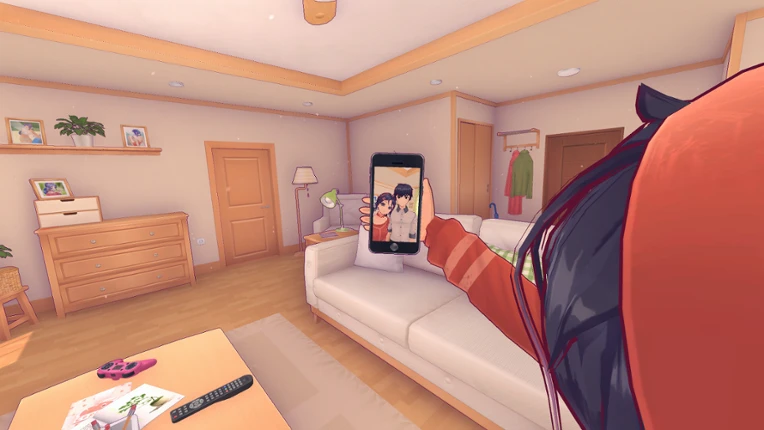
Includes: Base Game MiSide - Soundtrack Let's imagine that you have a game in which you care for a character. But could you imagine one day getting into that game yourself? Features Original visual styleThe authors hope to emphasize the contrast of colorful anime style against the background of the disturbing adventures of the main character. Interesting plotThe game has an unexpectedly developing… If you enjoyed this game, see our list of games similar to MiSide.
View Game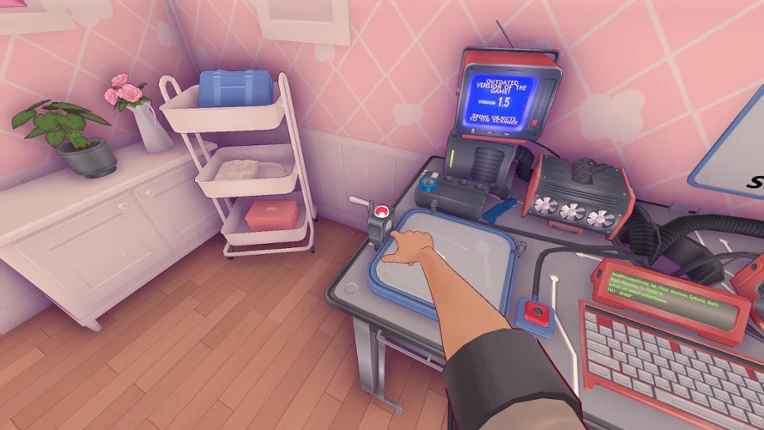
- 96%Game Brain ScoreMost mentioned positive aspects:story, musicMost mentioned negative aspects:grinding, replayability96% User Score 4,475 reviews
Both games hook you with the psychological whiplash of courting colorful love interests while bracing for a sudden, lethal twist. Find Love or Die Trying captures this tension, forcing you to navigate life-or-death stakes behind a breezy dating show facade. This pressure transforms standard dialogue choices into tense tactical decisions, mirroring the literature club's unsettling atmosphere.
Where the source game suffers from a tedious start, this alternative offers immediate momentum and more consistently fleshed-out characters. This deeper writing ensures the life-or-death stakes feel earned rather than purely shocking, because you actually grow attached to the cast. Both experiences deliver these dark, branching narratives completely free of charge.
Rather than altering game files, this experience shifts the challenge to a Choose Your Own Adventure format where survival hinges on final decisions. It trades meta-fiddling for a punchy, more comedic blend of drama and horror. Best for players seeking a shorter dose of romantic dread centered on character relationships over cosmic horror.
If you enjoyed this game, see our list of games similar to Find Love or Die Trying.View Game
- 94%Game Brain ScoreMost mentioned positive aspects:story, emotionalMost mentioned negative aspects:stability, grinding94% User Score 991 reviews
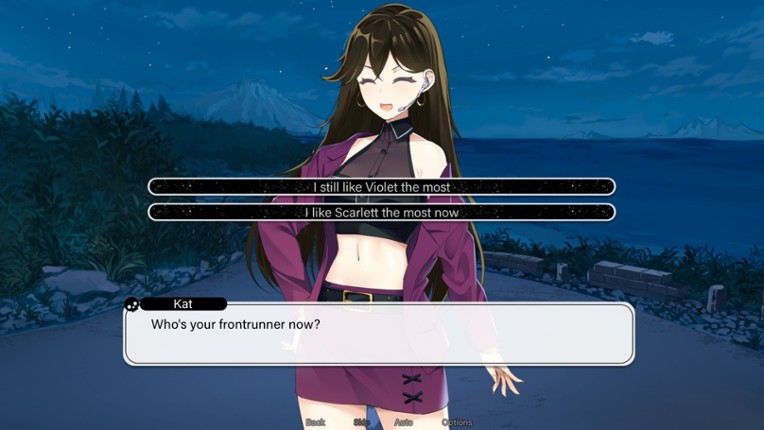
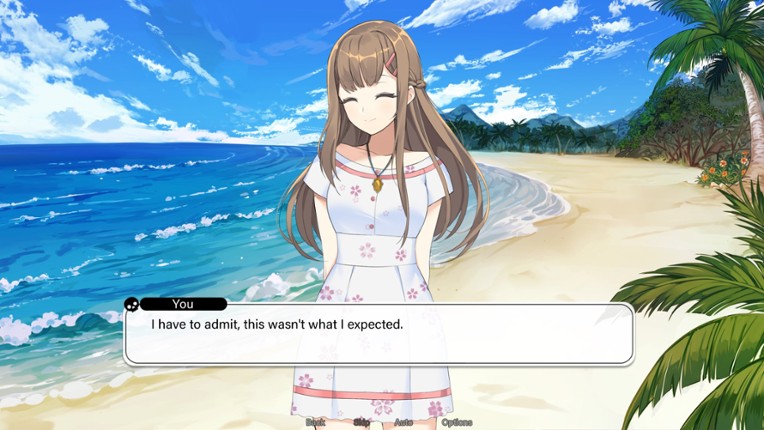
Pleh! shares DDLC’s biggest hook: a free, single-player psychological horror story that starts deceptively simple and then pivots into something much heavier.
It also leans on story-rich, first-person presentation, which matters because both games use perspective and atmosphere to keep you locked into the protagonist’s unraveling headspace.
The tradeoff is that Pleh! is far more overtly about mental health and less about the dating-sim bait-and-switch that made DDLC hit so hard, and its pacing can feel slower and more forced.
Pick this up if you want a free, dark narrative horror game with emotional weight but can live without DDLC’s romance setup and sharper twist structure.
If you enjoyed this game, see our list of games similar to Pleh!.View Game
- 97%Game Brain ScoreMost mentioned positive aspects:story, graphicsMost mentioned negative aspects:stability, grinding97% User Score 3,009 reviews
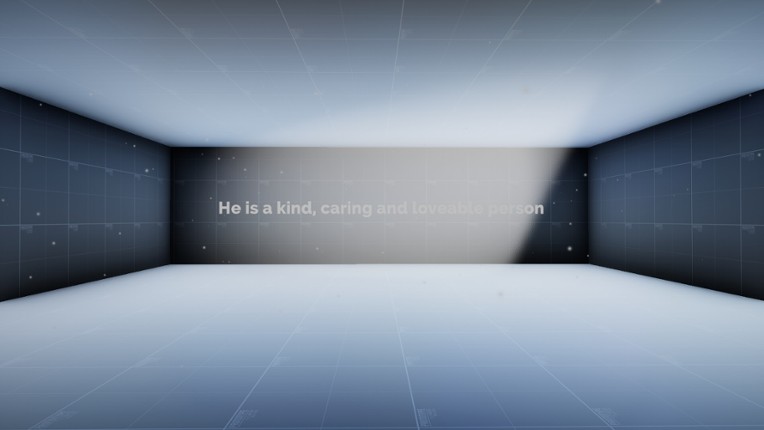
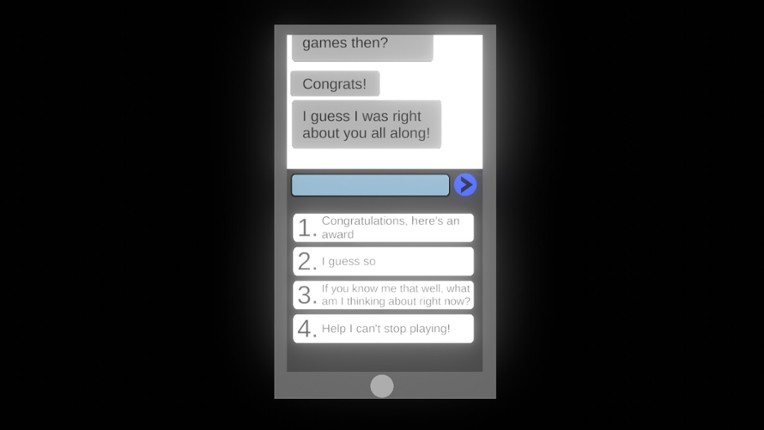
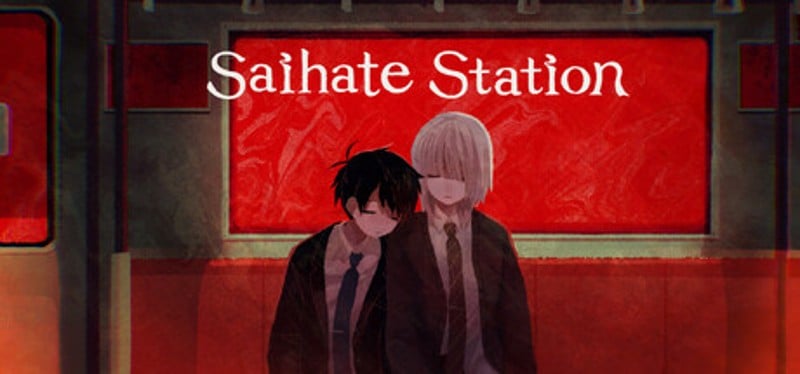
That creeping realization when a story's cute exterior starts cracking apart — Saihate Station chases the same nerve DDLC hit so hard. Both games weaponize disarming, anime-inspired art to lull you before pulling the floor out, and both lean on psychological horror that lives in dialogue and atmosphere rather than jump scares.
Where DDLC funnels you toward one inevitable collapse, Saihate Station gives you multiple endings and puzzle-driven exploration, so your choices actually reshape the descent instead of just delaying it. That branching structure also answers a common DDLC complaint: characters here get more room to feel relatable rather than existing purely for shock value.
It's also free, story-rich, and unmistakably indie — no financial barrier, same commitment to narrative over polish.
Expect rougher edges: text pacing drags at times and chase sequences can feel clunky. Best for players who loved DDLC's tonal gut-punch and want a moodier, more exploratory riff on it, not a carbon copy.
If you enjoyed this game, see our list of games similar to Saihate Station.View Game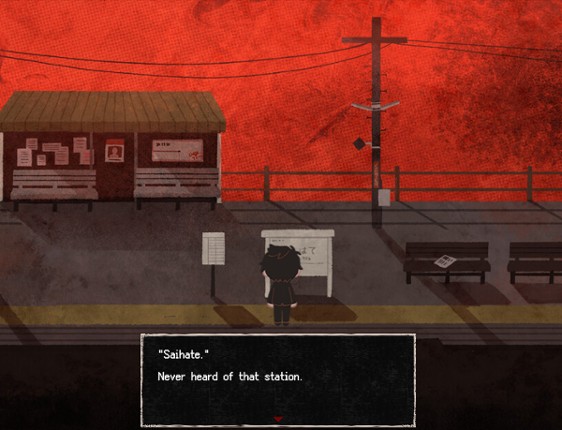
- 97%Game Brain ScoreMost mentioned positive aspects:humor, storyMost mentioned negative aspects:gameplay, grinding97% User Score 602 reviews
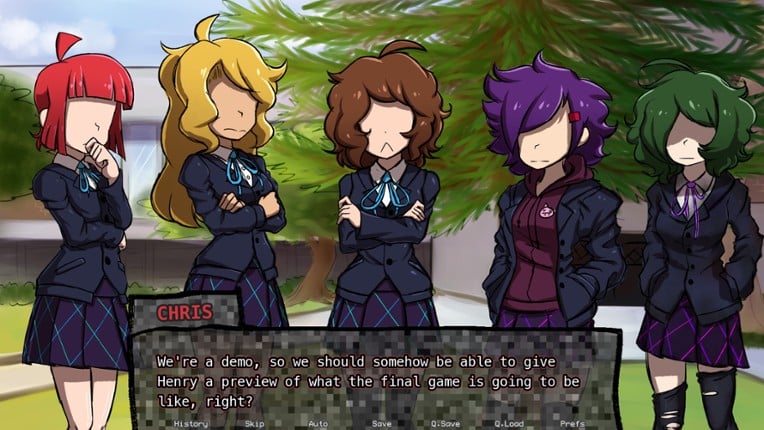
Both games weaponize self-aware narrative collapse—your choices matter less because the game itself is watching you, reshaping the experience based on what you know rather than what you do. This creates the same unsettling tension: you're not just playing a dating sim, you're complicit in a system that knows it's being played.
MetaWare mirrors DDLC's psychological horror layered beneath cute aesthetics, where charming anime visuals and lighthearted dialogue mask something fundamentally wrong. The tonal whiplash—humor dissolving into dread—produces the exact emotional vertigo DDLC fans chase, just through meta-commentary instead of file corruption.
Where DDLC stumbles with pacing drag in early hours, MetaWare operates as tight, intentional brevity. The demo's shortness isn't filler—it's the point. This addresses a real frustration for players who found the grind tedious, trading length for density.
One key shift: MetaWare leans harder into comedy and LGBTQ+ representation alongside horror, softening the shock-value edge some criticized in DDLC. It's psychological without being gratuitously disturbing.
Best for: Players drawn to DDLC's narrative trickery who'd welcome a shorter, funnier spin that respects your time while maintaining existential unease.
If you enjoyed this game, see our list of games similar to MetaWare High School Demo.View Game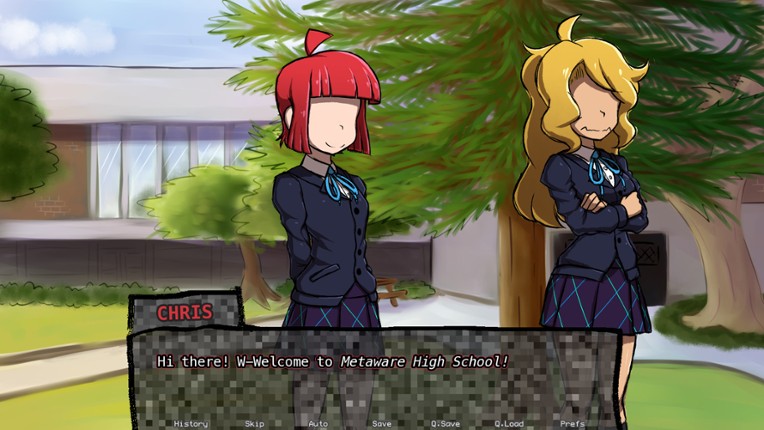
- 85%Game Brain ScoreMost mentioned positive aspects:story, humorMost mentioned negative aspects:grinding, stability94% User Score 5,833 reviewsCritic Score 74%9 reviews
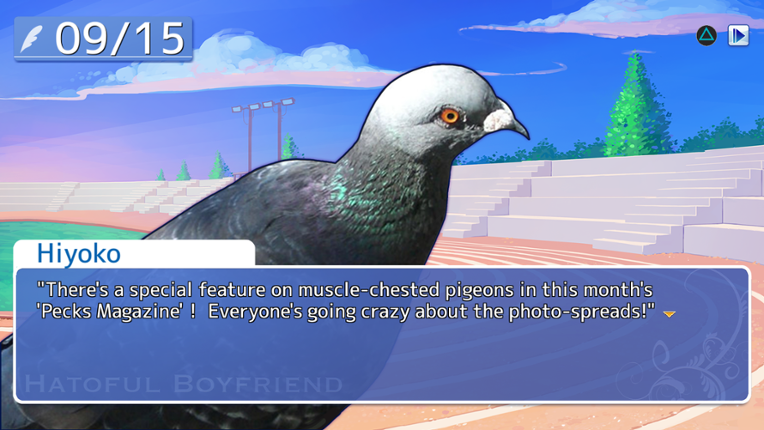
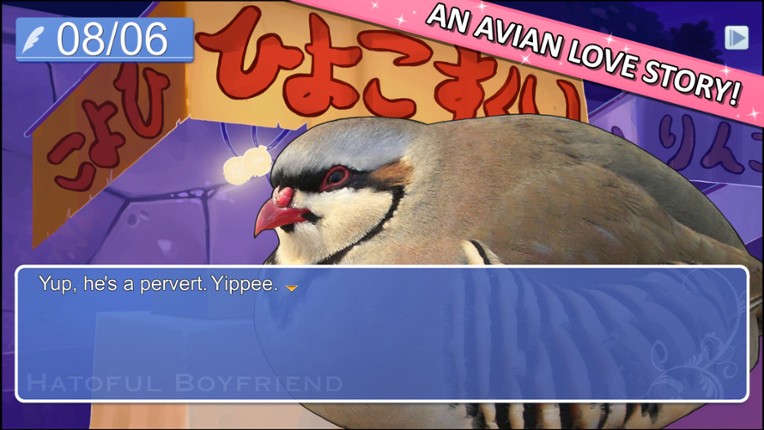
Fans of Doki Doki Literature Club often describe the experience of feeling emotionally manipulated by the game's systems—playing a dating sim only to have the game deliberately break its own rules and expose the player's assumptions. Hatoful Boyfriend delivers a strikingly similar sensation through a completely different mechanism: what begins as absurdist pigeon dating gradually reveals itself to be a tightly woven mystery with a devastating true route that recontextualizes everything.
The sense of progressive discovery mirrors DDLC's structure. Both games hide critical narrative content behind multiple playthroughs, rewarding players who invest time and attention rather than rushing through routes. This creates a comparable investigation-driven engagement where the player's curiosity becomes the primary motivator.
The critical difference lies in tone. DDLC weaponizes horror and self-awareness; Hatoful uses ironic detachment and absurdist humor to build toward the same emotional devastation. Players expecting pure parody will find genuine psychological weight, just delivered through laughter instead of dread.
Best for players who enjoy meta-narrative subversion and are willing to replay content to uncover hidden depth. A worthwhile detour for those who appreciated DDLC's willingness to break format. If you enjoyed this game, see our list of games similar to Hatoful Boyfriend.
View Game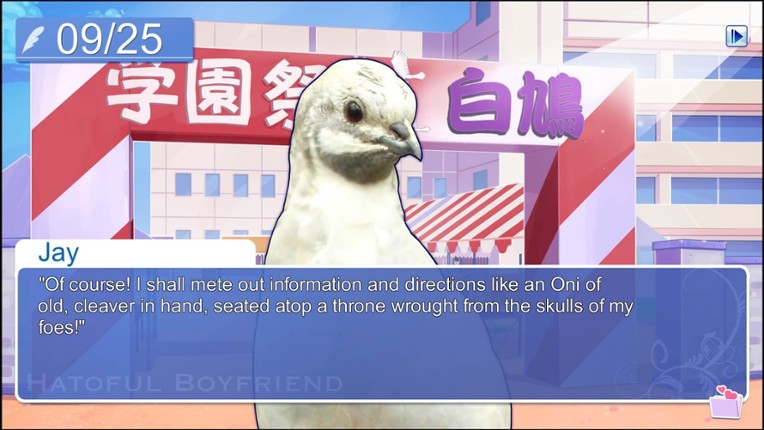
- 85%Game Brain ScoreMost mentioned positive aspects:story, musicMost mentioned negative aspects:gameplay, stability85% User Score 1,189 reviews
Both games drop you into a first‑person visual‑novel that masquerades as a cute dating sim before pivoting to psychological horror, a mechanic that deliberately shatters player expectations. Their meme‑laden script undercuts the sweetness, amplifying the unease. This shared meta‑commentary signals that the experience will subvert conventions just as Doki Doki does.
Moe Era trades Doki Doki’s tight horror pacing for a looser, philosophical story that can feel disjointed and occasionally stumbles with translation.
Pick it up if you want the same free‑to‑play, horror‑tinged visual‑novel vibe but can live with a less cohesive narrative and occasional dialogue rough edges.
If you enjoyed this game, see our list of games similar to Moe Era.View Game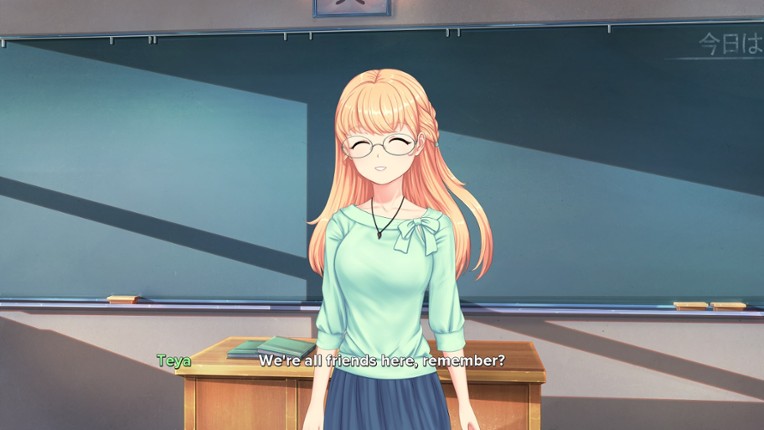


- 94%Game Brain ScoreMost mentioned positive aspects:story, emotionalMost mentioned negative aspects:grinding, stability98% User Score 94,700 reviewsCritic Score 83%2 reviews
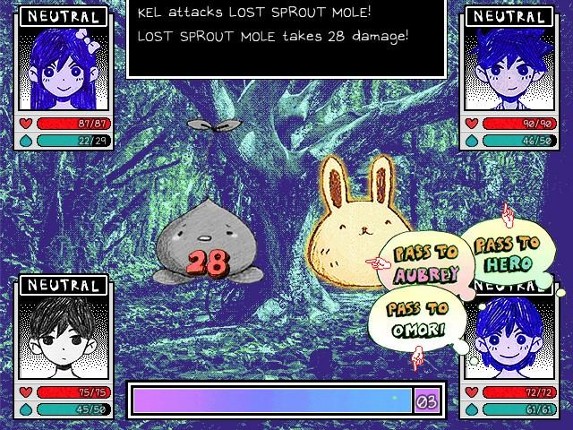
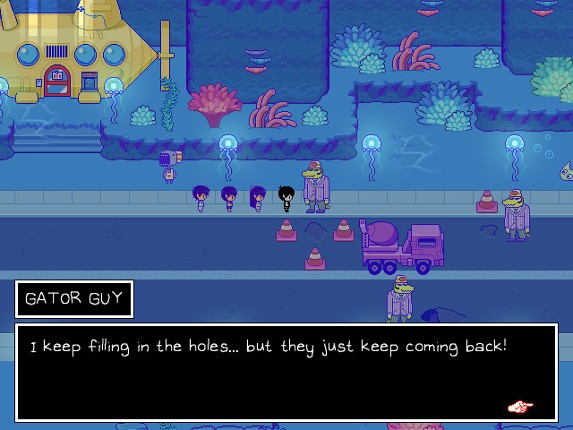
Both games weaponize deceptive aesthetics to camouflage a harrowing descent into trauma and instability. The visual shift from vibrant, colorful palettes to grotesque imagery acts as a gut-punch, jarring players who expected a lighthearted narrative.
While Doki Doki Literature Club plays with the constraints of the visual novel format, Omori demands active participation through turn-based combat and exploration. This shift necessitates a higher tolerance for mechanical grinding and party management compared to the passive reading experience of its predecessor.
Pick this up if you want a visceral psychological exploration of fractured mental states but can live without the meta-narrative fourth-wall breaking of a traditional visual novel.
If you enjoyed this game, see our list of games similar to Omori.View Game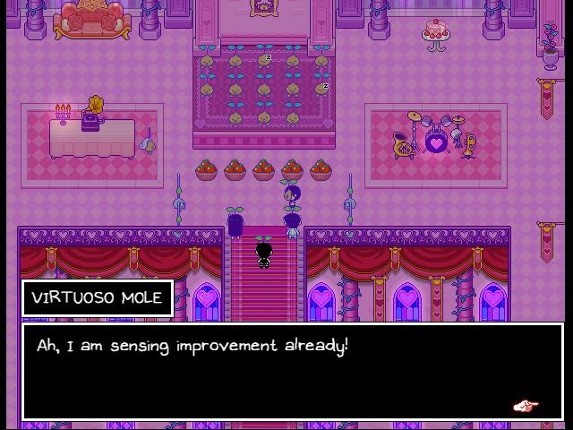
- 81%Game Brain ScoreMost mentioned positive aspects:story, musicMost mentioned negative aspects:grinding, replayability81% User Score 1,634 reviews
Embraces the erotic visual novel premise without the twist, delivering first-person choice-driven storytelling with branching endings.
If you enjoyed this game, see our list of games similar to Kidnapped Girl.View Game
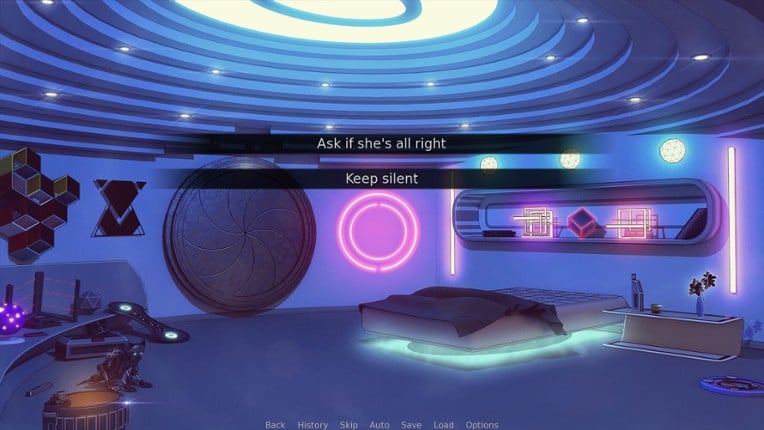

- 93%Game Brain ScoreMost mentioned positive aspects:story, graphicsMost mentioned negative aspects:grinding, replayability96% User Score 26,876 reviewsCritic Score 88%6 reviews
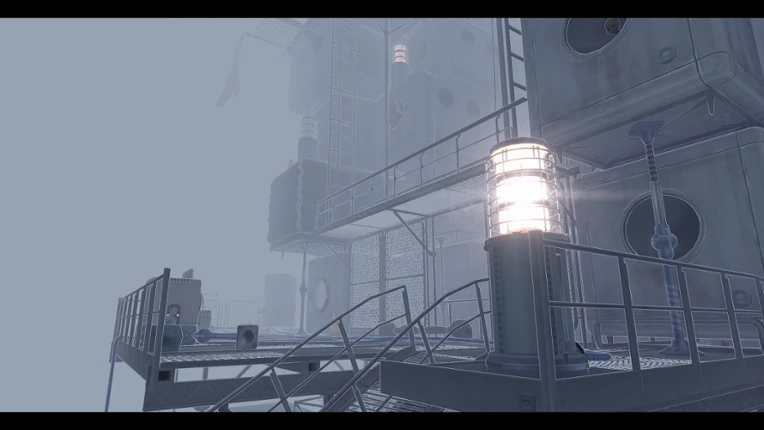
Both games weaponize narrative subversion within their genre frames, using false comfort (dating sim, space adventure) to ambush players with psychological horror that questions reality itself.
They share a minimalist visual approach—DDLC's anime charm and Mouthwashing's PS1 aesthetics—which amplifies unease through deliberate stylistic contrast.
The key difference: DDLC frontloads slow romance grinding before the twist; Mouthwashing commits fully to horror from the start, leaning into confusing nonlinear storytelling and shorter runtime.
Pick this up if you want psychological horror that respects your intelligence but can tolerate narrative fragmentation and don't need the extended slow-burn setup DDLC provides.
If you enjoyed this game, see our list of games similar to Mouthwashing.View Game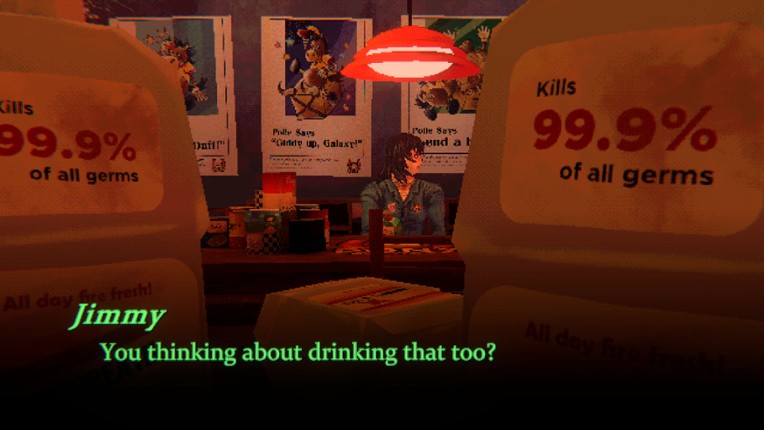

- 90%Game Brain ScoreMost mentioned positive aspects:story, musicMost mentioned negative aspects:replayability, grinding90% User Score 1,757 reviews
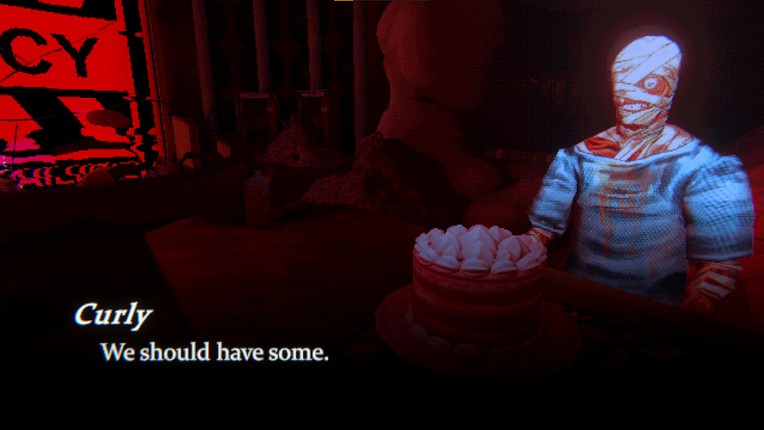
Like Doki Doki Literature Club, Kill or Love weaponizes the dating simulator format to deliver a jarring transition into psychological horror. Both titles exploit the player's expectation of romance to make their subsequent descent into violence feel earned.
The shared free-to-play model invites immediate experimentation, ensuring that the initial tone shift remains a gut punch rather than a financial commitment. While the narrative stakes feel authentic, the game lacks the meta-commentary that defined the genre's peak.
Be warned: the branching paths are significantly more linear here, culminating in a binary choice rather than a complex web of consequences. Pick this up if you crave disturbing anime-style tropes but can live without the fourth-wall-breaking complexity of the original.
If you enjoyed this game, see our list of games similar to Kill or Love.View Game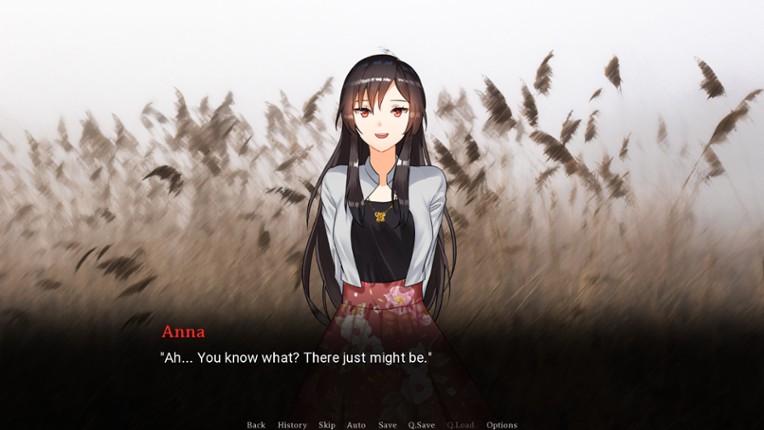
- 90%Game Brain ScoreMost mentioned positive aspects:story, musicMost mentioned negative aspects:grinding, monetization90% User Score 5,052 reviews
Maintains the dating sim foundation but wraps multiple romantic routes in mystery and replay incentives rather than subverting expectations.
If you enjoyed this game, see our list of games similar to Everlasting Summer.View Game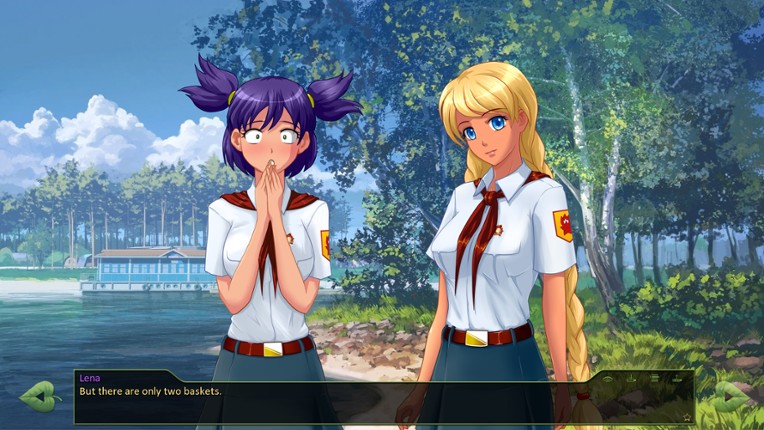
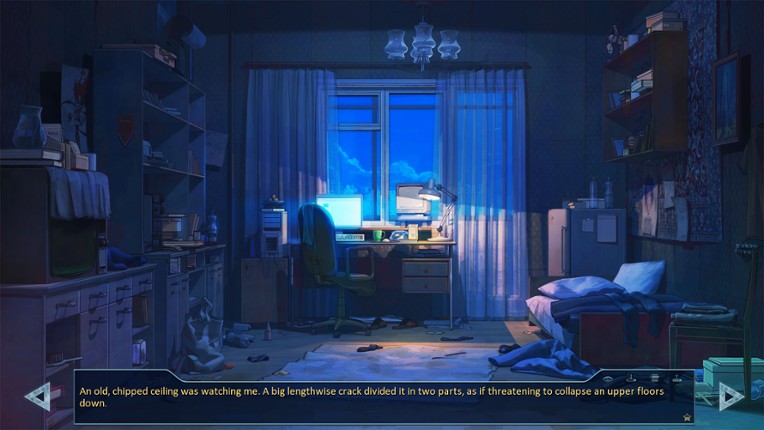
- 96%Game Brain ScoreMost mentioned positive aspects:story, graphicsMost mentioned negative aspects:grinding, replayability96% User Score 24,134 reviews
Strips away romance and memes entirely, focusing on atmospheric first-person psychological horror with minimal narrative branching.
If you enjoyed this game, see our list of games similar to Mouthwashing.View Game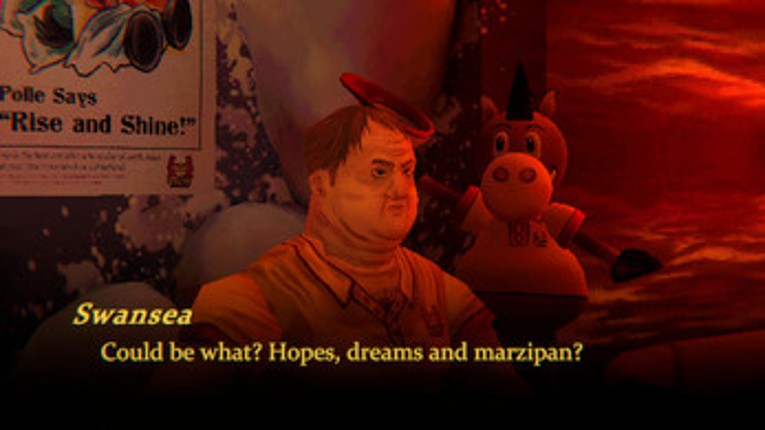
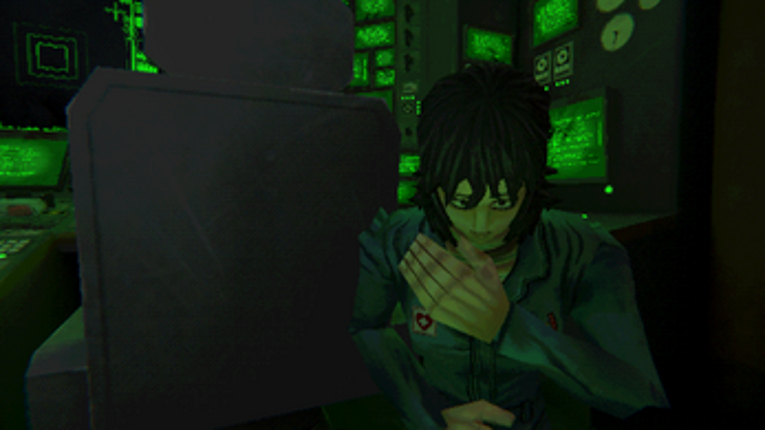

- 96%Game Brain ScoreMost mentioned positive aspects:story, graphicsMost mentioned negative aspects:grinding, stability96% User Score 11,075 reviews
Shifts from romantic choices to psychological unraveling through text-based conversations, emphasizing emotional consequence over visual horror.
If you enjoyed this game, see our list of games similar to Missed Messages.View Game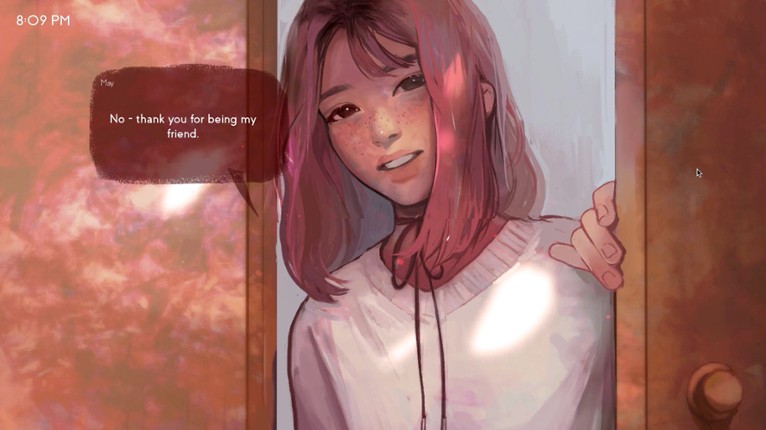
16 View Game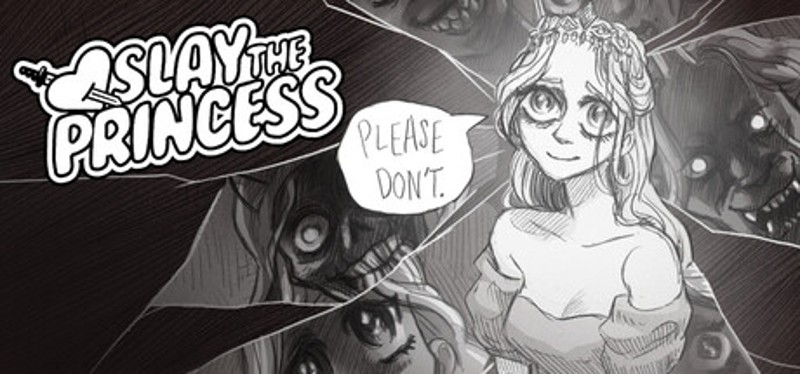 93%Game Brain ScoreMost mentioned positive aspects:story, musicMost mentioned negative aspects:grinding, stability97% User Score 24,873 reviewsCritic Score 89%8 reviews
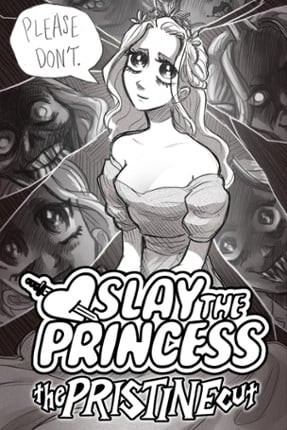
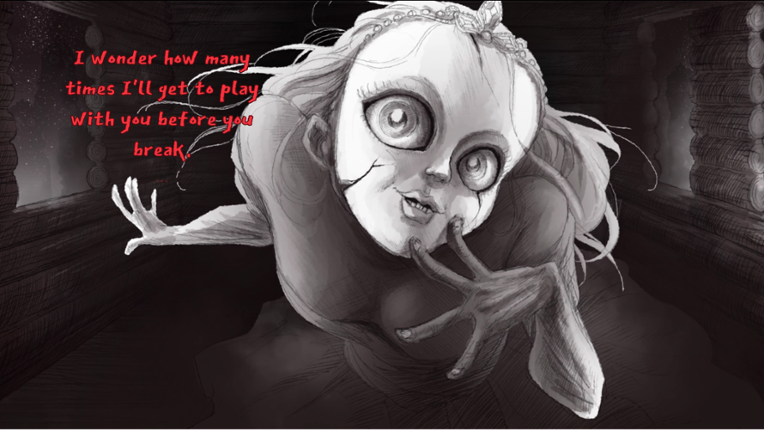
Matches the psychological horror and dark humor but scales up mechanical choice and lore depth across hand-drawn fantasy scenarios.
If you enjoyed this game, see our list of games similar to Slay the Princess.View Game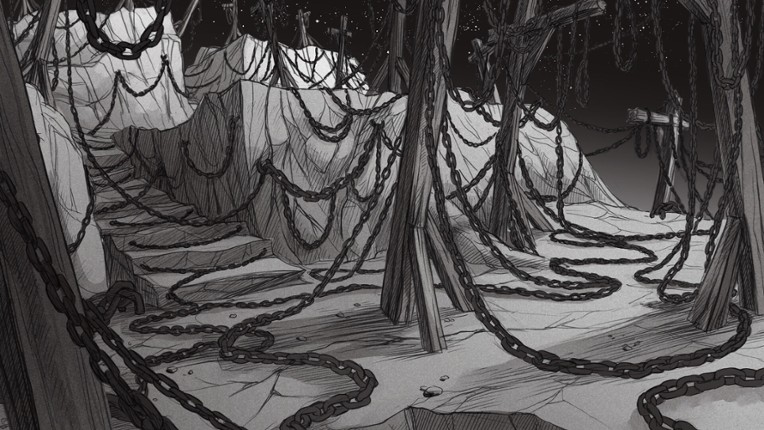
17 View Game 95%Game Brain ScoreMost mentioned positive aspects:music, storyMost mentioned negative aspects:grinding, stability95% User Score 17,771 reviews
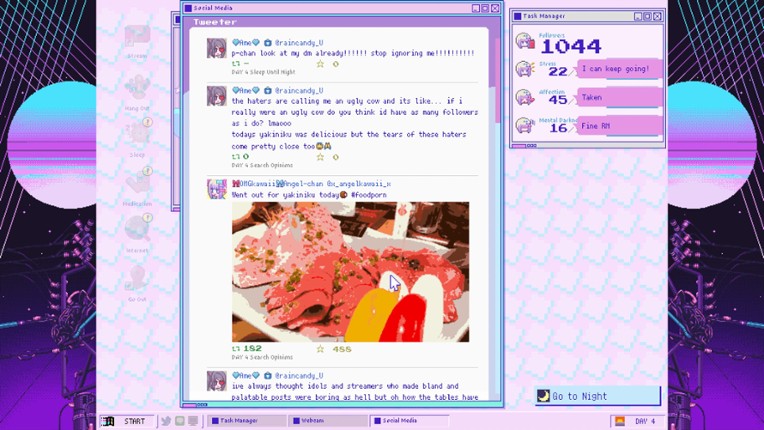
Recreates the text-based horror-comedy collision through a streamer roleplay angle, ditching the dating sim for parasocial manipulation themes.
If you enjoyed this game, see our list of games similar to NEEDY STREAMER OVERLOAD.View Game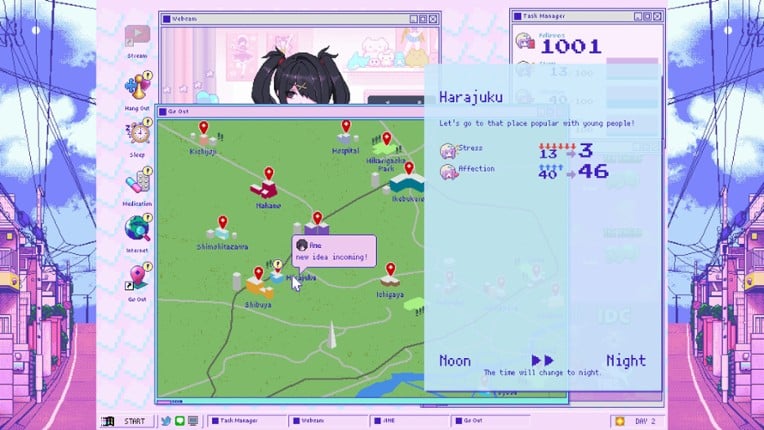
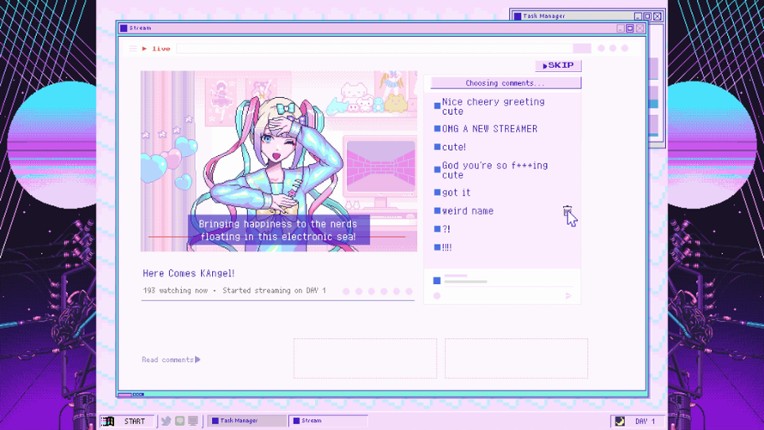
- 88%Game Brain ScoreMost mentioned positive aspects:story, musicMost mentioned negative aspects:atmosphere, replayability88% User Score 3,282 reviews
Compresses the dating sim-to-horror arc into a shorter experience with meme sensibility, but softens the psychological impact.
If you enjoyed this game, see our list of games similar to Carpe Diem.View Game
- 96%Game Brain ScoreMost mentioned positive aspects:story, musicMost mentioned negative aspects:grinding, stability97% User Score 175,257 reviewsCritic Score 95%1 reviews
Shares the psychological horror shell and meme legacy but replaces visual novel mechanics with bullet-hell gameplay and real combat choices.
If you enjoyed this game, see our list of games similar to Undertale.View Game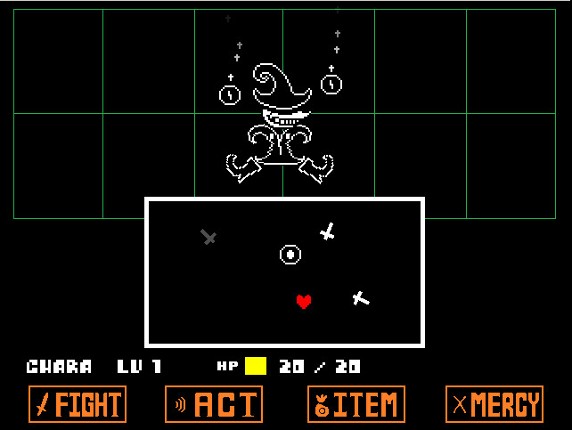

- 99%Game Brain ScoreMost mentioned positive aspects:story, emotionalMost mentioned negative aspects:replayability, stability99% User Score 4,352 reviews
Captures the choose-your-own-adventure framework and romantic premise but abandons psychological horror for lighthearted cartoony comedy.
If you enjoyed this game, see our list of games similar to I Wani Hug that Gator!.View Game
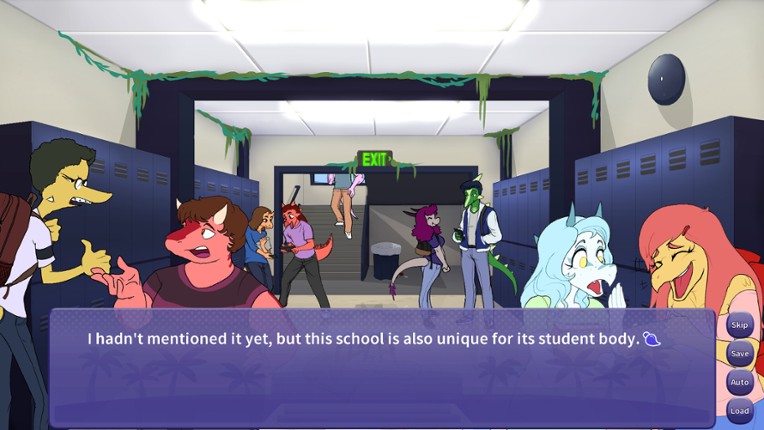
- 97%Game Brain ScoreMost mentioned positive aspects:story, graphicsMost mentioned negative aspects:grinding, stability97% User Score 14,426 reviews
While loosely related through psychological trauma, this hand-drawn gothic adventure emphasizes supernatural mystery and grim imagery rather than dating simulation mechanics.
If you enjoyed this game, see our list of games similar to Sally Face.View Game
- 95%Game Brain ScoreMost mentioned positive aspects:humor, storyMost mentioned negative aspects:optimization, grinding95% User Score 7,607 reviews
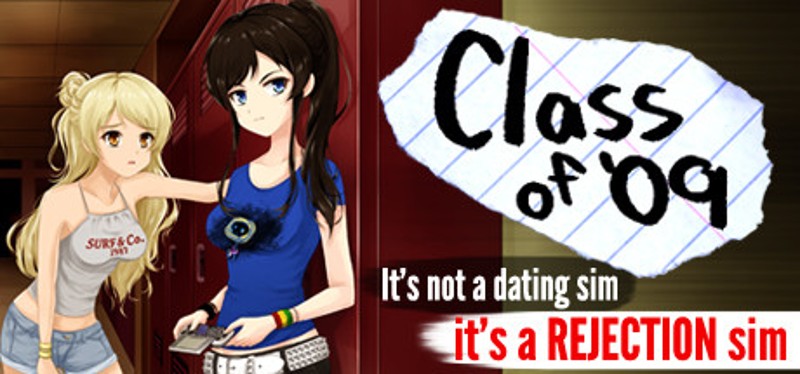
Inverts the schoolyard romance setup into satirical dark comedy about social dysfunction, keeping the erotic visual novel format but losing supernatural horror.
If you enjoyed this game, see our list of games similar to Class of '09.View Game
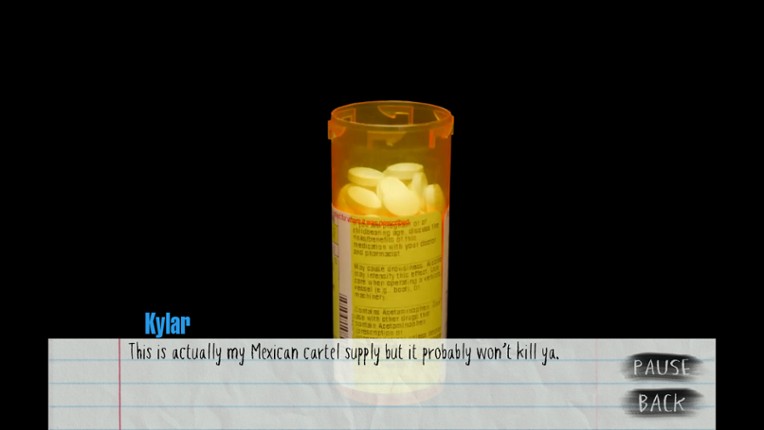
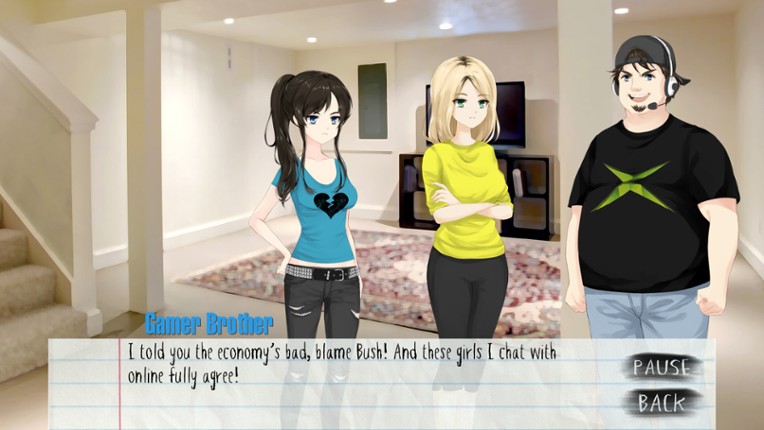
- 88%Game Brain ScoreMost mentioned positive aspects:story, emotionalMost mentioned negative aspects:stability, grinding98% User Score 10,186 reviewsCritic Score 79%15 reviews
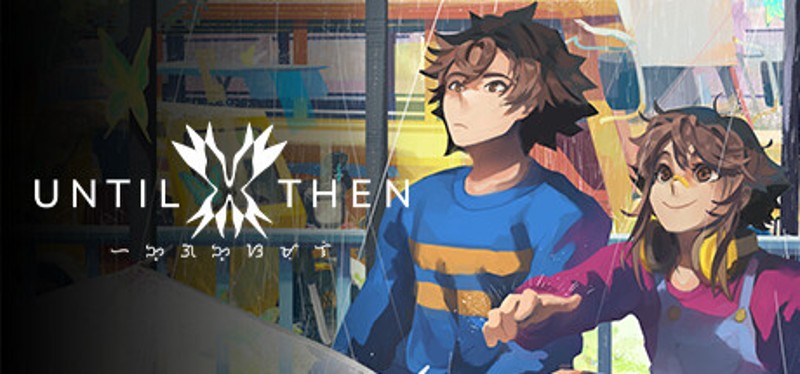
Focusing on coming-of-age nostalgia and LGBTQ+ themes, this narrative prioritizes emotional resonance over the meta-horror subversion found in Monika's digital world.
If you enjoyed this game, see our list of games similar to Until Then.View Game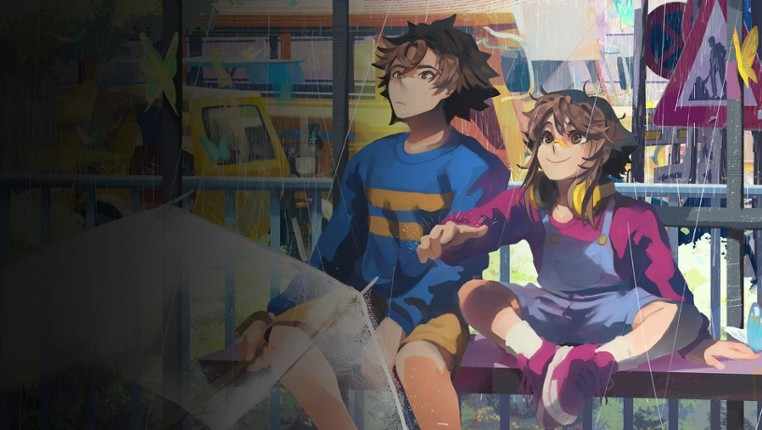
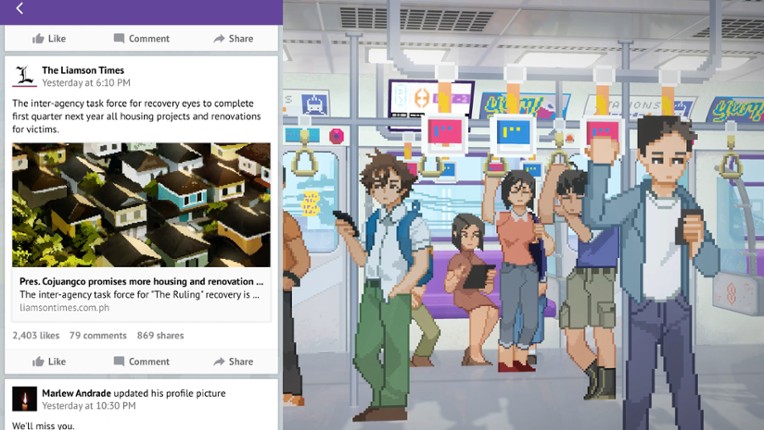
- 79%Game Brain ScoreMost mentioned positive aspects:story, gameplayMost mentioned negative aspects:grinding, stability79% User Score 4,604 reviews
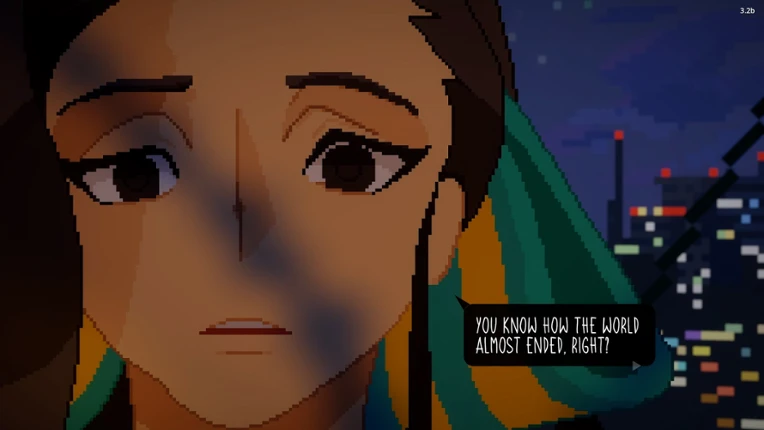
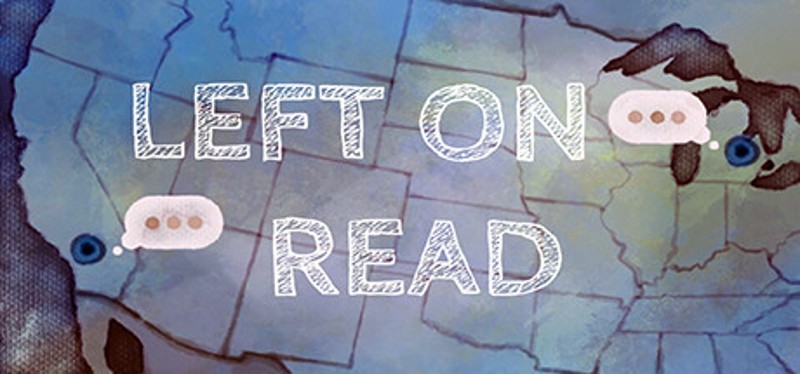
Text-messaging mechanics replace the visual novel interface here, delivering a shorter, punchy experience centered on modern dating anxiety rather than scripted literature club events.
If you enjoyed this game, see our list of games similar to Left on Read.View Game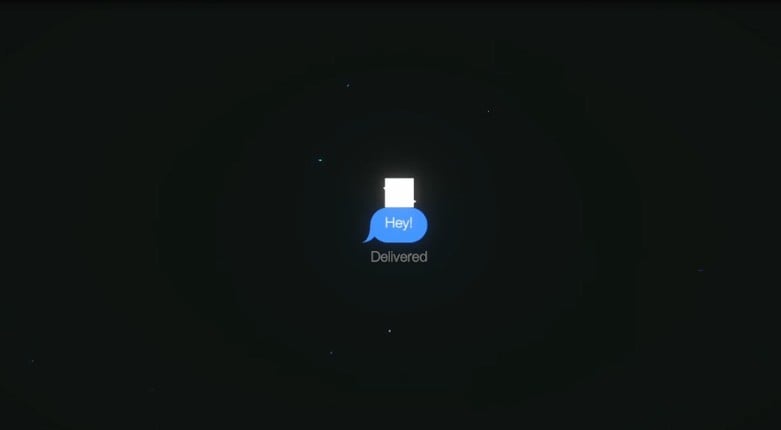
- 94%Game Brain ScoreMost mentioned positive aspects:story, graphicsMost mentioned negative aspects:grinding, stability94% User Score 1,252 reviews
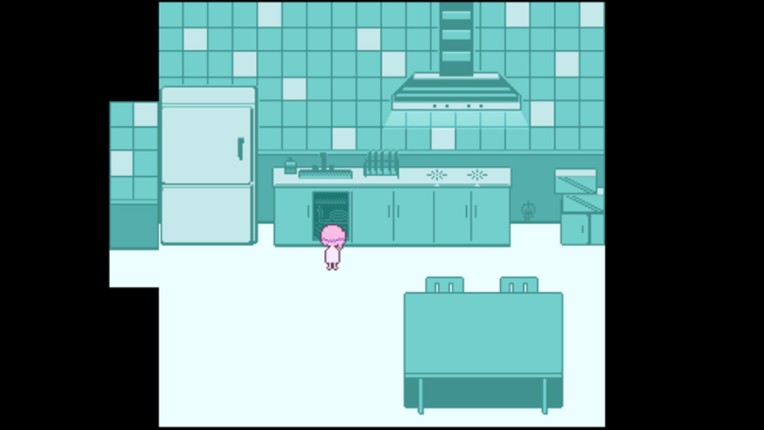
This lo-fi, pixelated mystery offers a more grounded, domestic sense of dread compared to the heightened anime tropes found in the literature club.
If you enjoyed this game, see our list of games similar to At Home Alone Final.View Game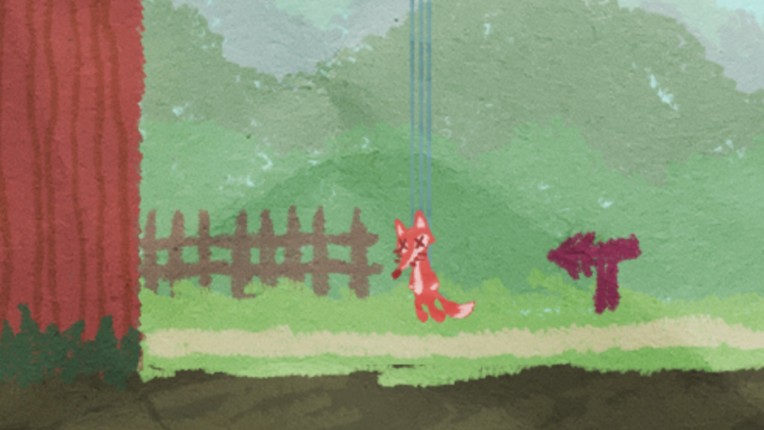
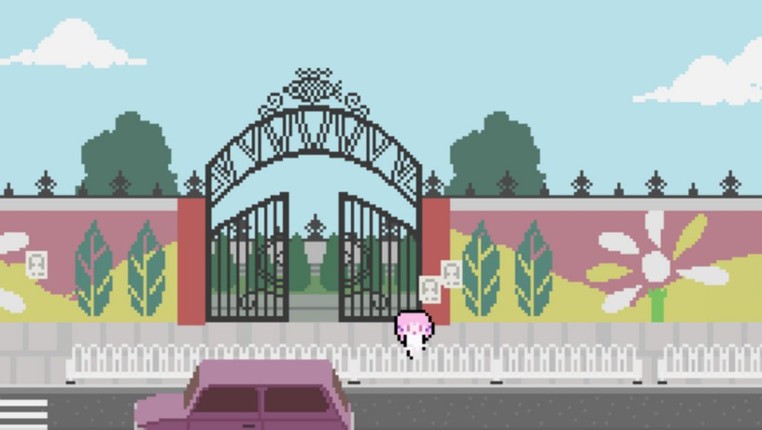
- 95%Game Brain ScoreMost mentioned positive aspects:story, emotionalMost mentioned negative aspects:gameplay, grinding95% User Score 926 reviews
Leaning into meta-parody and abstract visuals, this prototype delivers a more chaotic and experimental commentary on dating tropes than the polished horror of the club.
If you enjoyed this game, see our list of games similar to Reflexia Prototype ver..View Game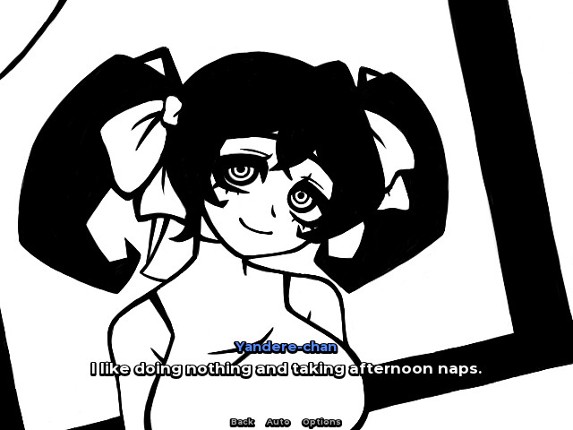
- 93%Game Brain ScoreMost mentioned positive aspects:story, humorMost mentioned negative aspects:stability, grinding93% User Score 12,216 reviews
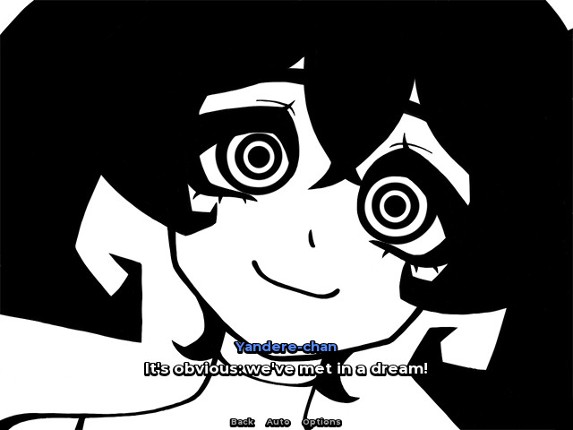
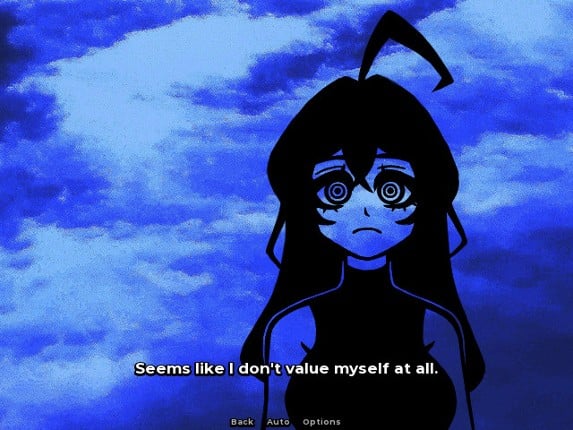
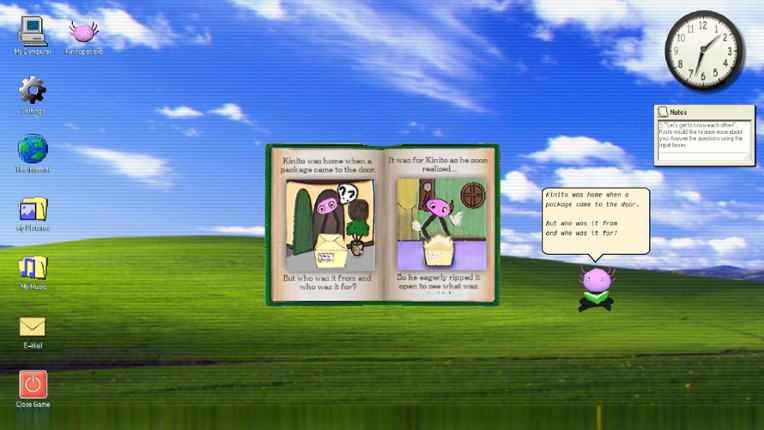
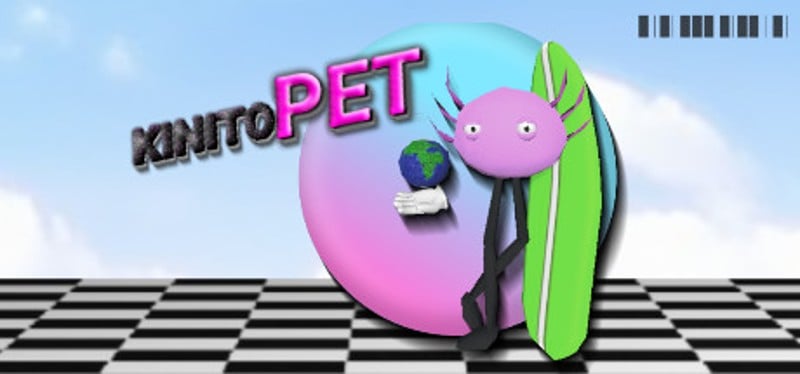
Departing from traditional anime art, this desktop-integrated experience weaponizes AI against the player to create an unsettling, meta-fictional reality beyond the literature club software.
If you enjoyed this game, see our list of games similar to KinitoPET.View Game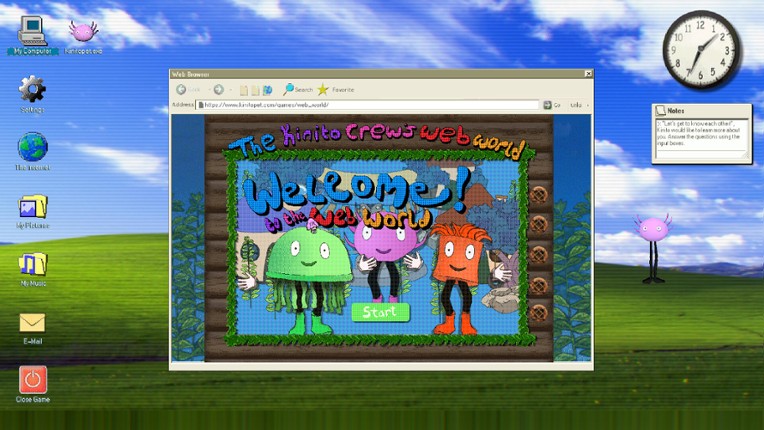
- 88%Game Brain ScoreMost mentioned positive aspects:story, graphicsMost mentioned negative aspects:replayability, grinding88% User Score 3,024 reviews
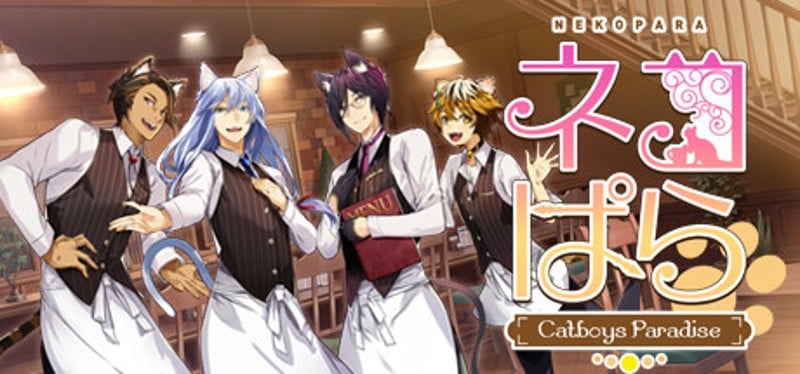
Serving as a relaxing, wholesome escape, this otome title lacks the deceptive narrative bait-and-switch that defined the literature club's dark reputation.
If you enjoyed this game, see our list of games similar to Nekopara: Catboys Paradise.View Game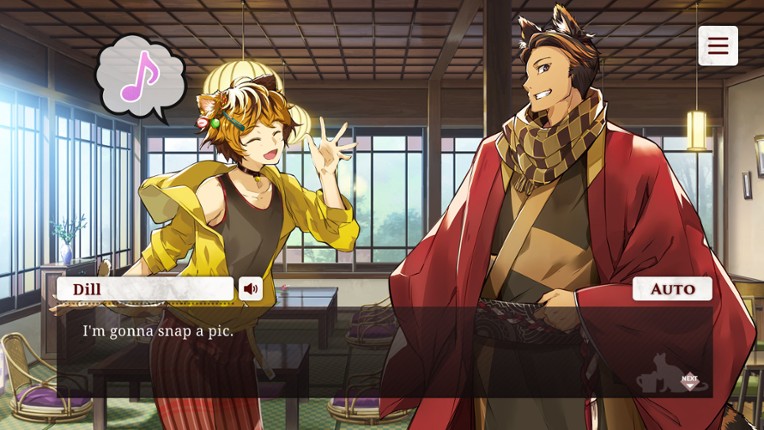
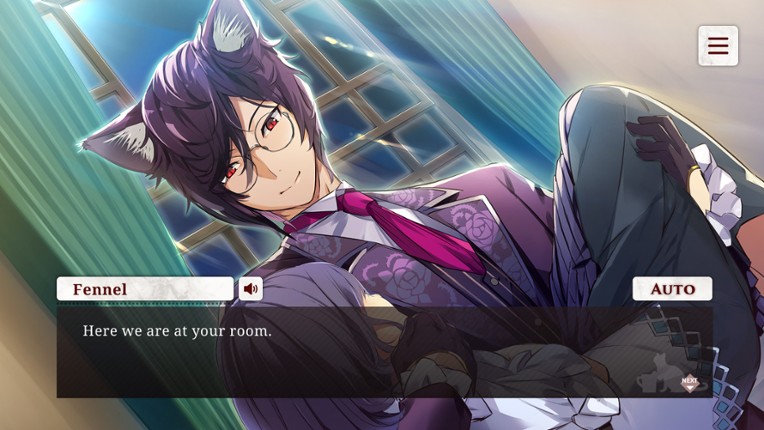
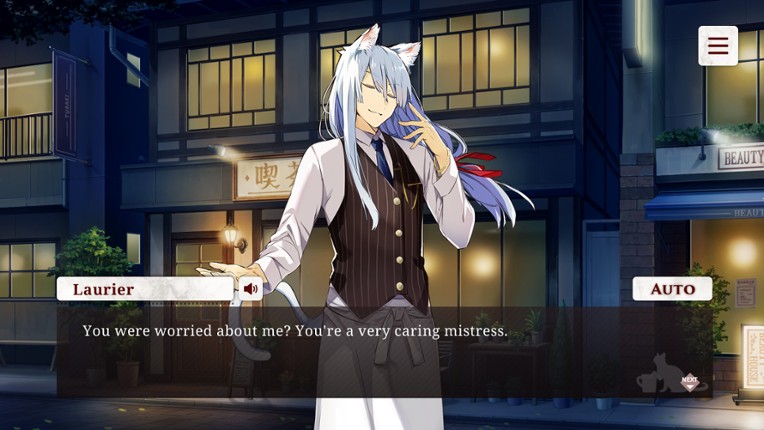
- 81%Game Brain ScoreMost mentioned positive aspects:story, musicMost mentioned negative aspects:gameplay, character development81% User Score 811 reviews
For players who want DDLC's cute-to-cruel tonal bait-and-switch, this leans harder into explicit romance and erotic visual-novel drama.
If you enjoyed this game, see our list of games similar to Her Lie I Tried To Believe.View Game
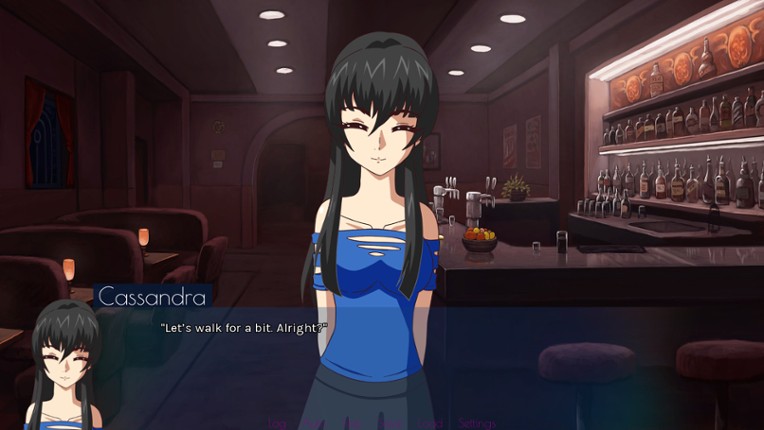
30 View Game 98%Game Brain ScoreMost mentioned positive aspects:story, emotionalMost mentioned negative aspects:character development, grinding98% User Score 1,125 reviews
For players drawn to DDLC's surreal breakdowns, this goes even stranger and more tragic, with sharper satire and science-fiction horror.
If you enjoyed this game, see our list of games similar to Hello Charlotte EP3: Childhood's End.View Game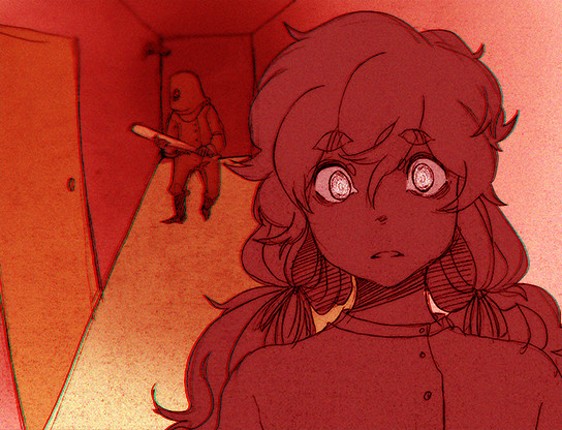
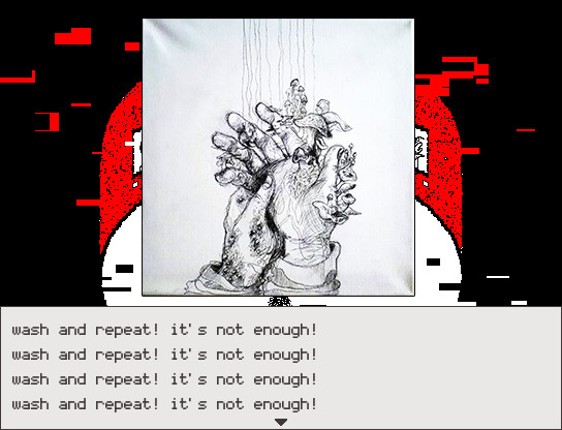
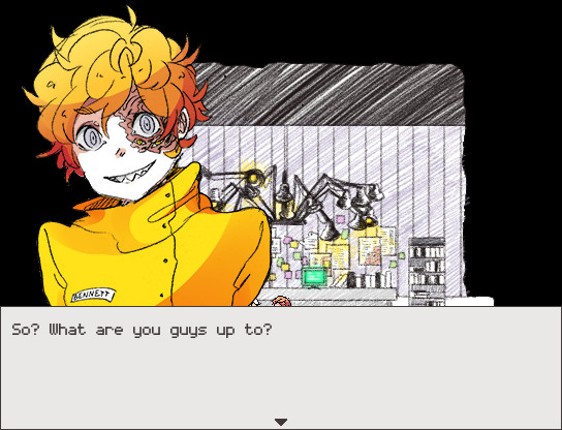
- 89%Game Brain ScoreMost mentioned positive aspects:story, musicMost mentioned negative aspects:grinding, replayability96% User Score 1,231 reviewsCritic Score 70%3 reviews
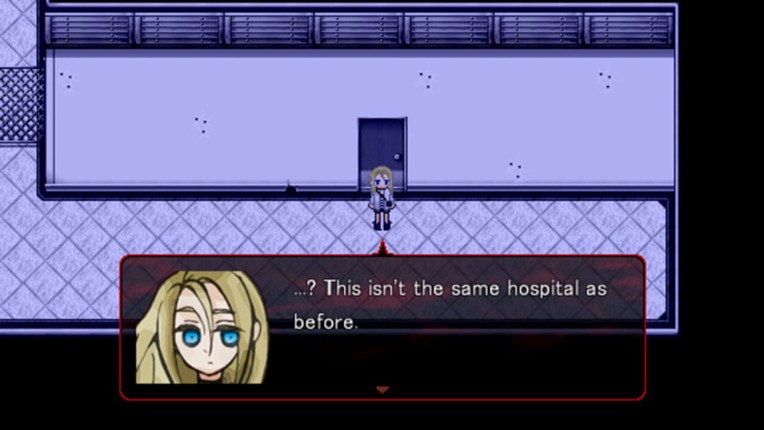
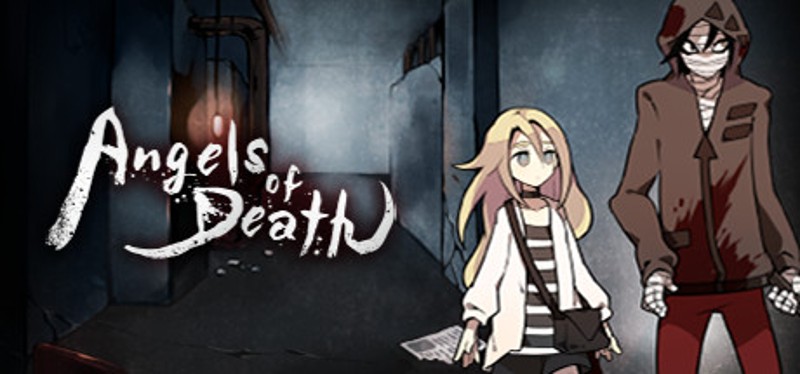
Shares the pixel-art horror atmosphere but centers on a female protagonist's survival escape rather than romantic entanglement and meta-awareness.
If you enjoyed this game, see our list of games similar to Angels of Death.View Game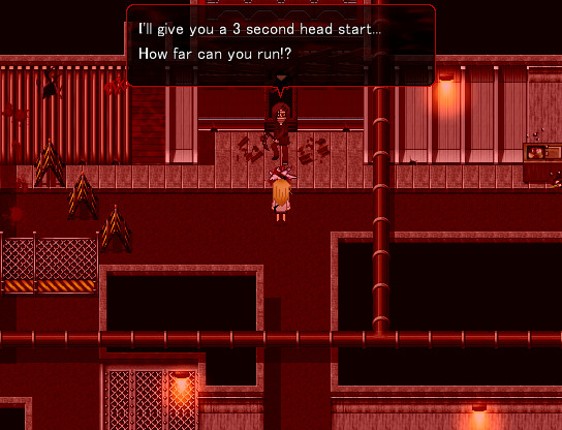
- 92%Game Brain ScoreMost mentioned positive aspects:story, graphicsMost mentioned negative aspects:grinding, optimization92% User Score 5,813 reviewsCritic Score 90%1 reviews
This is the looser, more meditative pick: DDLC's shock twists become bleak first-person introspection and philosophical dread.
If you enjoyed this game, see our list of games similar to When the Darkness comes.View Game

- 94%Game Brain ScoreMost mentioned positive aspects:story, humorMost mentioned negative aspects:stability, grinding94% User Score 6,475 reviews
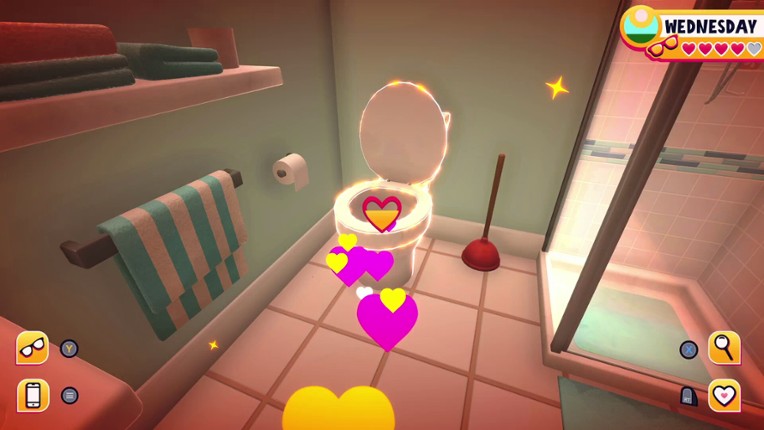
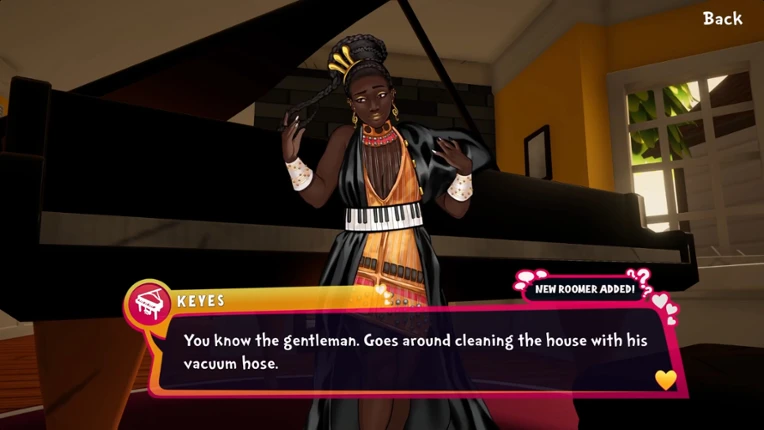
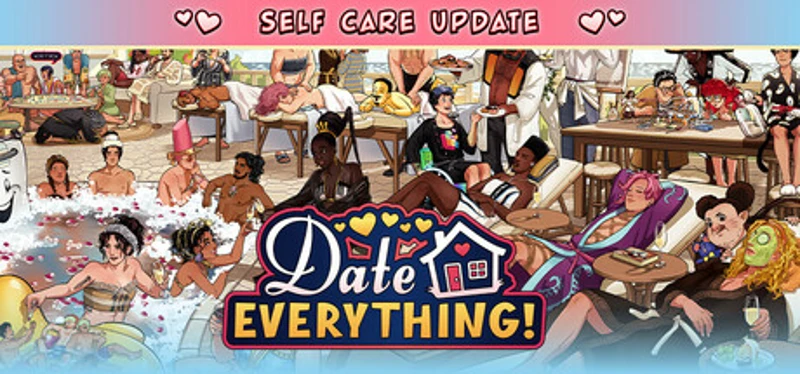
Where literature club subverts romance through horror, this title embraces absurd, over-the-top dating antics with almost every object in its colorful, lighthearted world.
If you enjoyed this game, see our list of games similar to Date Everything!.View Game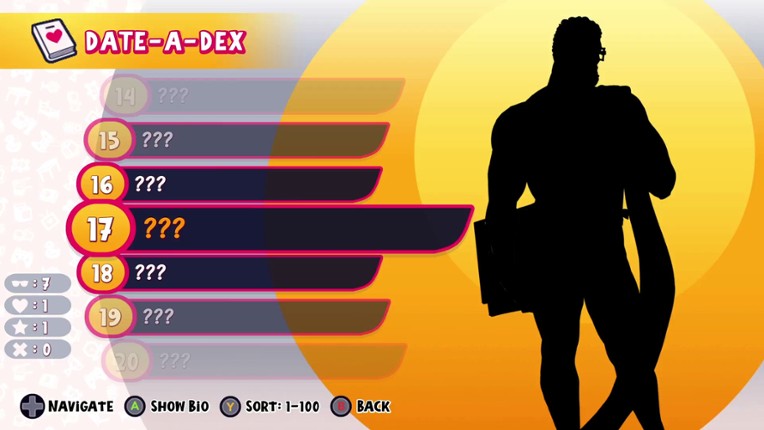
- 95%Game Brain ScoreMost mentioned positive aspects:story, humorMost mentioned negative aspects:grinding, optimization95% User Score 19,882 reviews
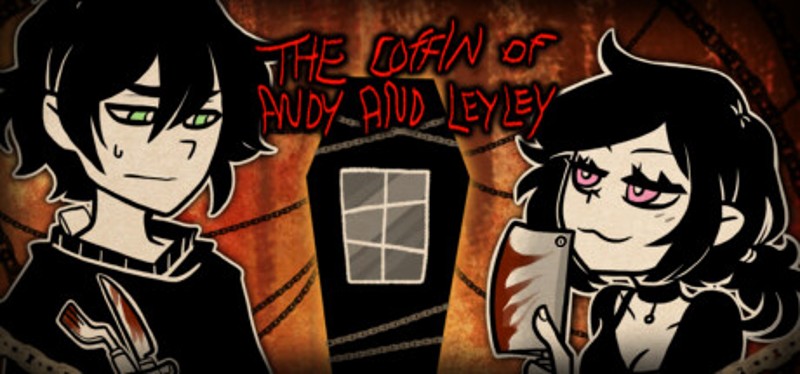
For fans of DDLC who want uglier humor and a much meaner edge, this swaps romance for dysfunctional sibling horror comedy.
If you enjoyed this game, see our list of games similar to The Coffin of Andy and Leyley.View Game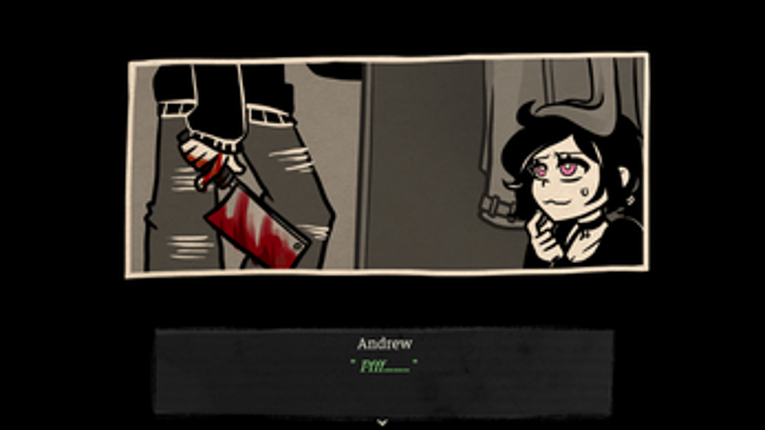
- 86%Game Brain ScoreMost mentioned positive aspects:story, musicMost mentioned negative aspects:stability, grinding95% User Score 75,297 reviewsCritic Score 75%8 reviews
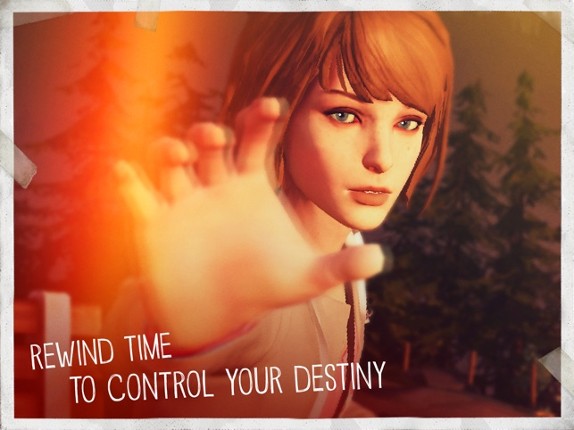
This broadens DDLC's emotional storytelling into an episodic teen drama with time manipulation, making it better for choice-driven mystery fans.
If you enjoyed this game, see our list of games similar to Life is Strange.View Game
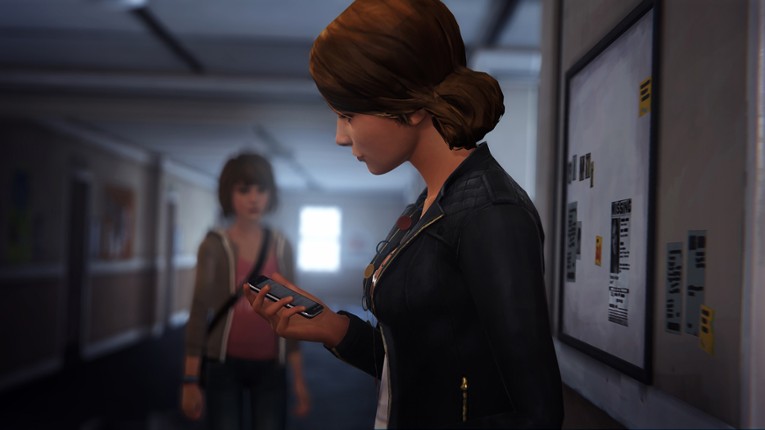
- 91%Game Brain ScoreMost mentioned positive aspects:story, musicMost mentioned negative aspects:gameplay, grinding92% User Score 886 reviewsCritic Score 90%1 reviews
This detective-driven mystery incorporates more traditional investigative gameplay than the literature club, though it shares similar anime-styled character routes and psychological tension.
If you enjoyed this game, see our list of games similar to Lucid9: Inciting Incident.View Game
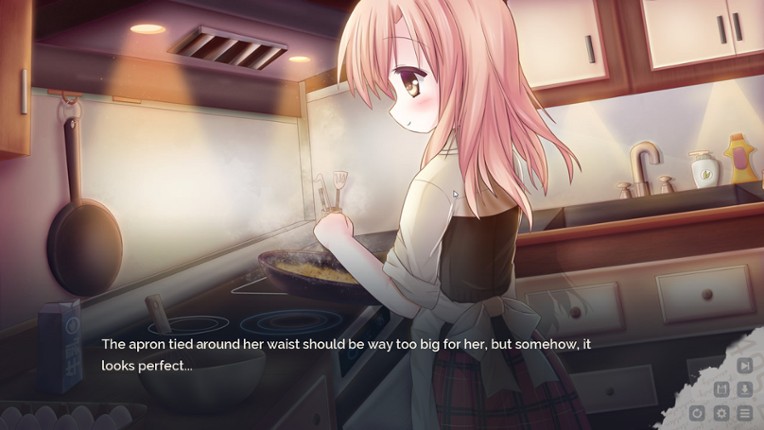

- 77%Game Brain ScoreMost mentioned positive aspects:story, graphicsMost mentioned negative aspects:replayability, stability94% User Score 15,454 reviewsCritic Score 30%3 reviews
This keeps the anime romance framing but drops DDLC's menace entirely, serving fans who want unabashed fanservice and cozy teasing.
If you enjoyed this game, see our list of games similar to NEKOPARA Vol. 1.View Game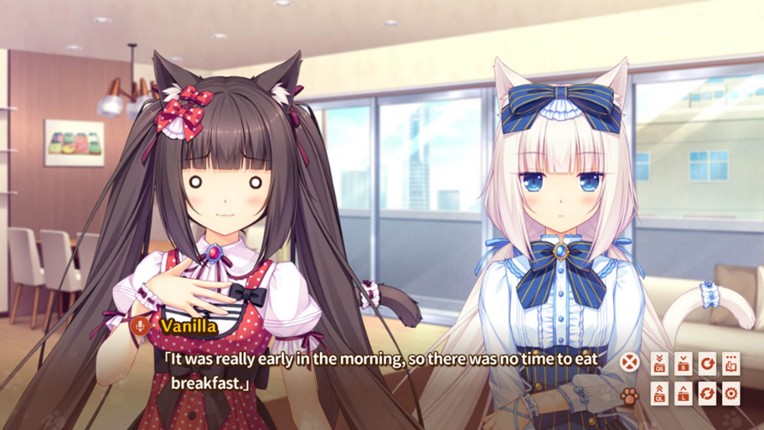

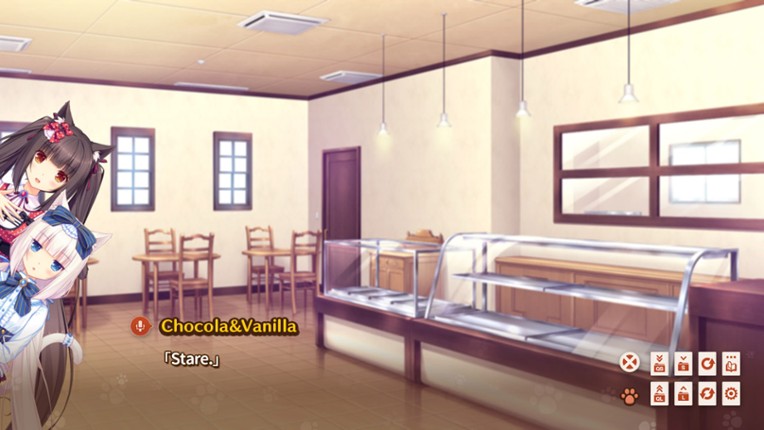
- 94%Game Brain ScoreMost mentioned positive aspects:story, humorMost mentioned negative aspects:replayability, stability94% User Score 1,299 reviews
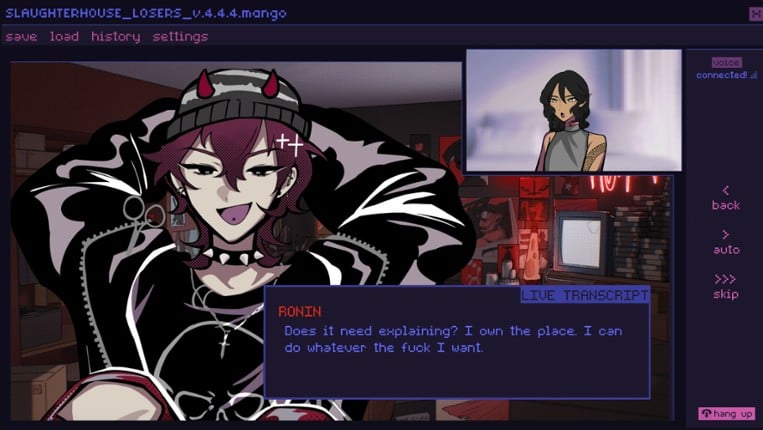
Mirrors the dating sim subversion through psychological horror but filters it through dark satire via chat-based first-person immersion.
If you enjoyed this game, see our list of games similar to Killer Chat.View Game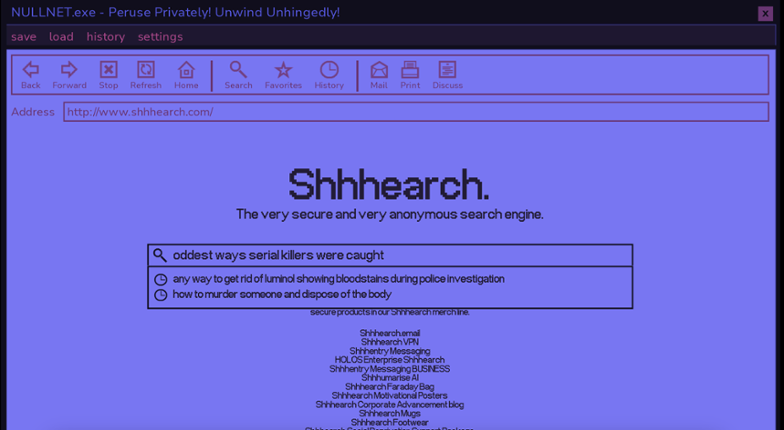
39 View Game 96%Game Brain ScoreMost mentioned positive aspects:music, storyMost mentioned negative aspects:grinding, stability96% User Score 792 reviews
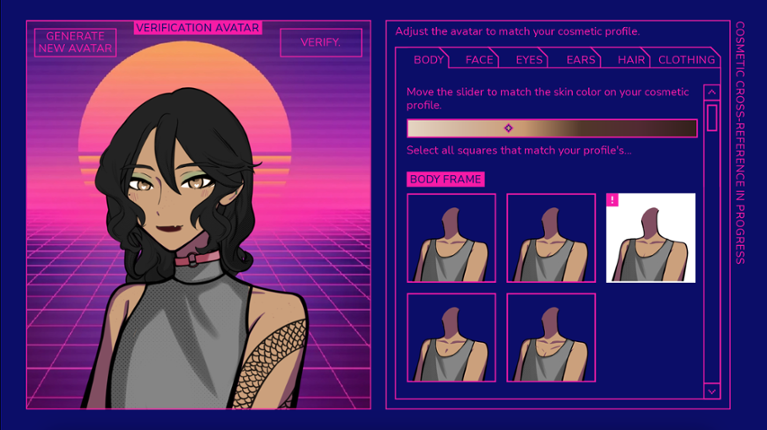
If DDLC's dating-sim setup was your favorite part, this keeps the cute romance shell but pushes into retro, nonlinear horror.
If you enjoyed this game, see our list of games similar to PockeDate! - Pocket Dating Simulator.View Game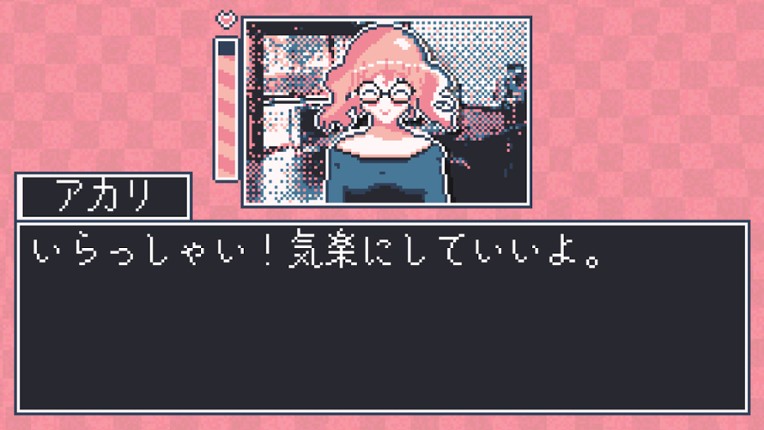
- 98%Game Brain ScoreMost mentioned positive aspects:story, humorMost mentioned negative aspects:monetization, grinding98% User Score 10,721 reviews
Swaps horror revelations for supernatural romance with branching choices, maintaining the visual novel structure and free-to-play accessibility.
If you enjoyed this game, see our list of games similar to A Date with Death.View Game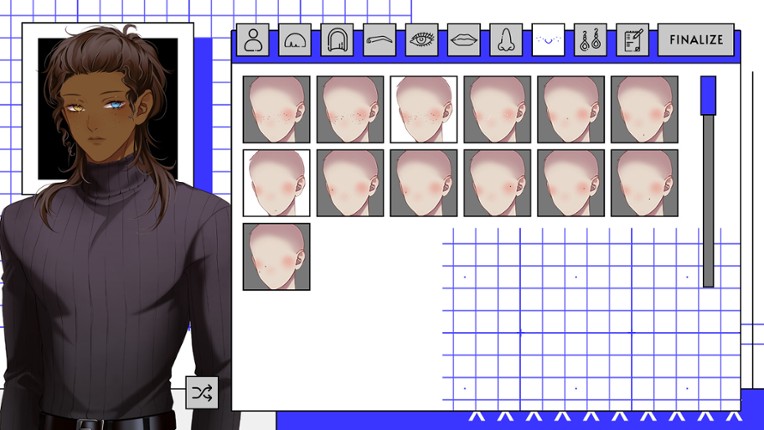
41 View Game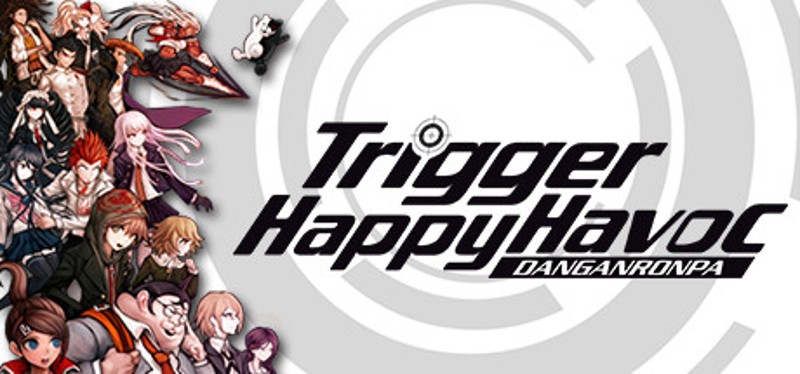 89%Game Brain ScoreMost mentioned positive aspects:story, gameplayMost mentioned negative aspects:grinding, stability96% User Score 16,710 reviewsCritic Score 83%15 reviews
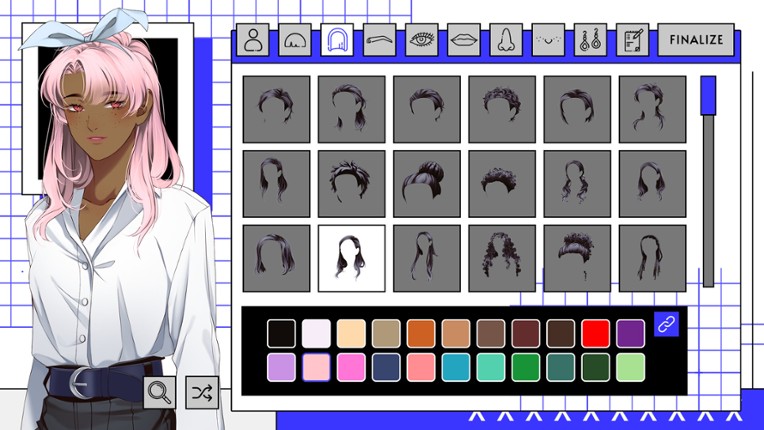
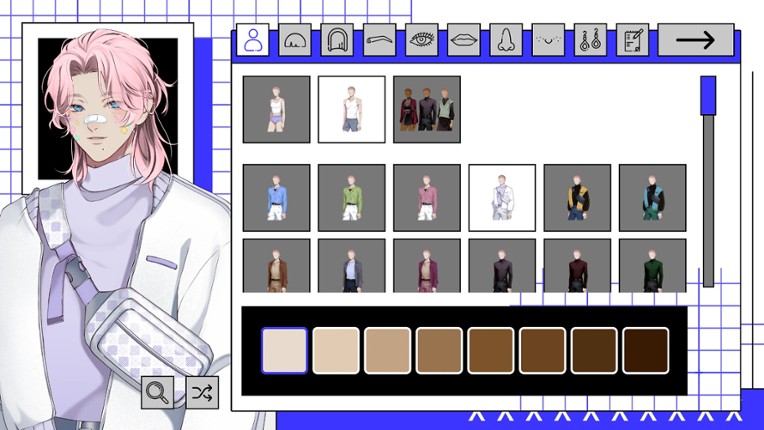
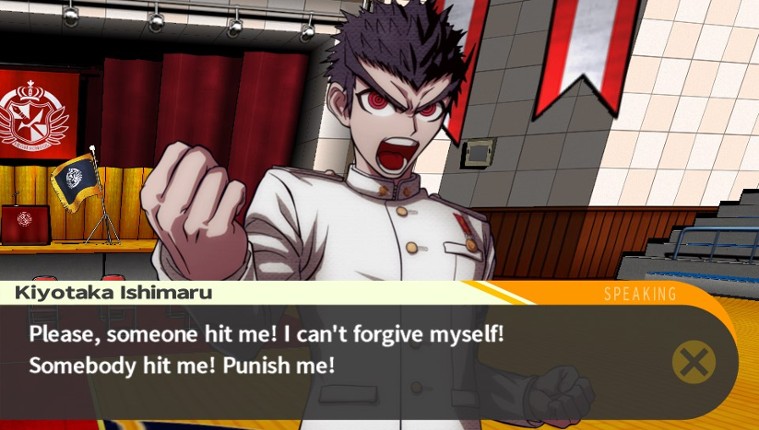
Darkens the dating sim premise into a locked-room mystery thriller where investigation and dark humor replace romantic tension.
If you enjoyed this game, see our list of games similar to Danganronpa: Trigger Happy Havoc.View Game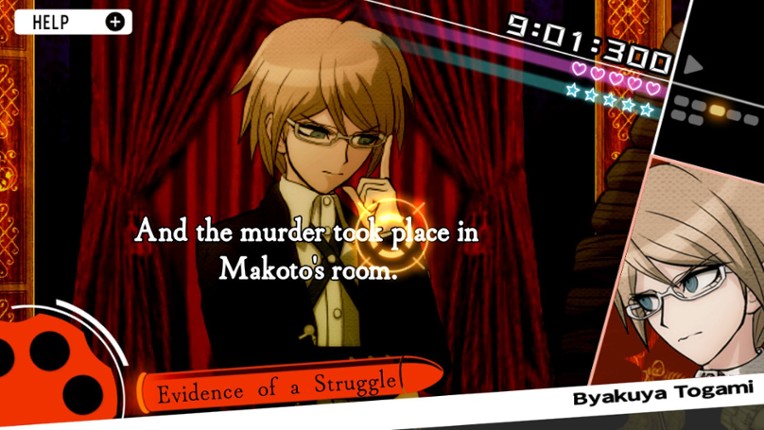

- 94%Game Brain ScoreMost mentioned positive aspects:humor, storyMost mentioned negative aspects:gameplay, grinding94% User Score 1,368 reviews
Where DDLC turns sweetness into dread, this stays playful and flirtatious, suiting players who want lighter meme-driven dating banter.
If you enjoyed this game, see our list of games similar to Lovers of Aether.View Game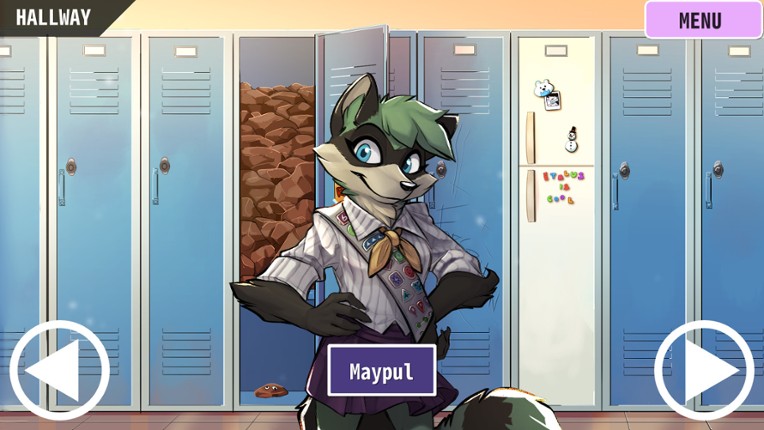
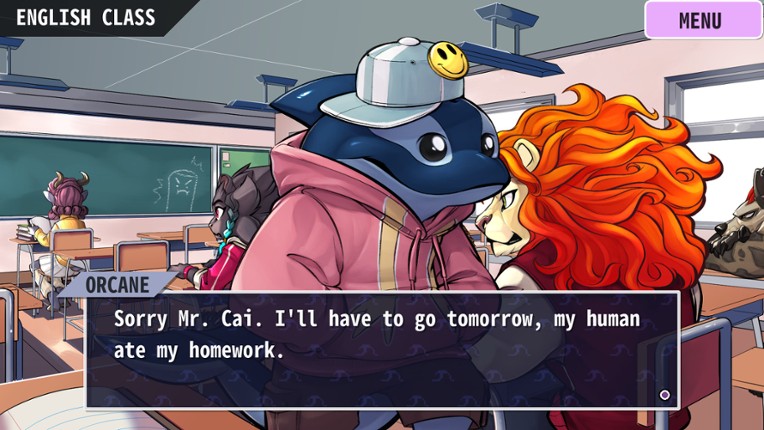
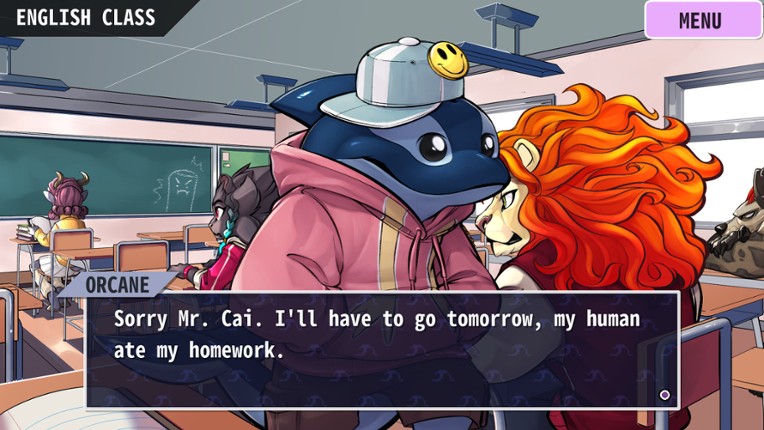
- 98%Game Brain ScoreMost mentioned positive aspects:music, storyMost mentioned negative aspects:grinding, monetization98% User Score 9,931 reviews
Condenses the psychological horror into a absurdist comedy sprint using first-person perspective and experimental cartoonish visuals.
If you enjoyed this game, see our list of games similar to Pineapple on pizza.View Game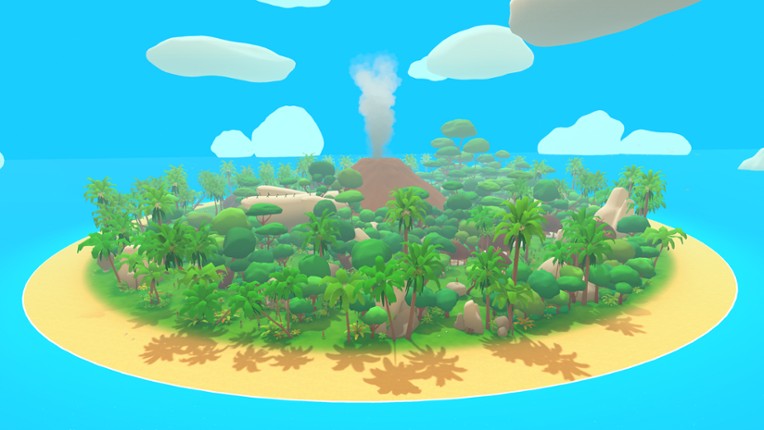

- 81%Game Brain ScoreMost mentioned positive aspects:story, gameplayMost mentioned negative aspects:grinding, stability81% User Score 662 reviews
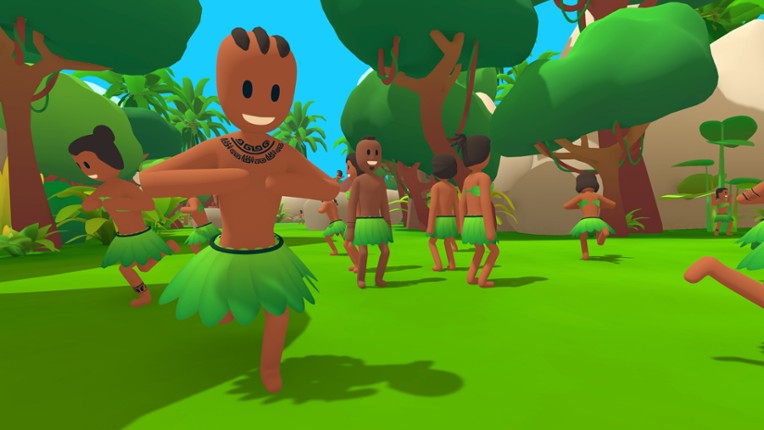
You're invited to the elite academy for magical girls! Will you take the opportunity to make new friends? Learn magic? Or... Will you try and date a cute magical girl? If you enjoyed this game, see our list of games similar to How To Date A Magical Girl!.
View Game
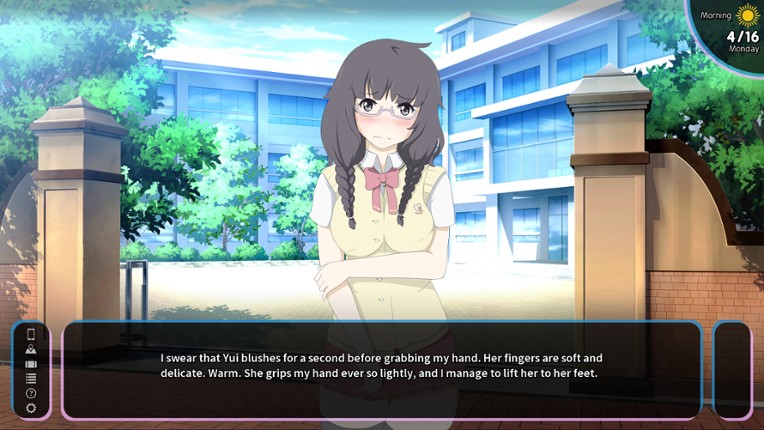

45 View Game 93%Game Brain ScoreMost mentioned positive aspects:story, emotionalMost mentioned negative aspects:grinding, stability95% User Score 2,164 reviewsCritic Score 86%1 reviews
Preserves the horror-romance collision but leans into psychological mystery over meta-narrative tricks, emphasizing LGBTQ+ relationships.
If you enjoyed this game, see our list of games similar to Hush Hush: Only Your Love Can Save Them.View Game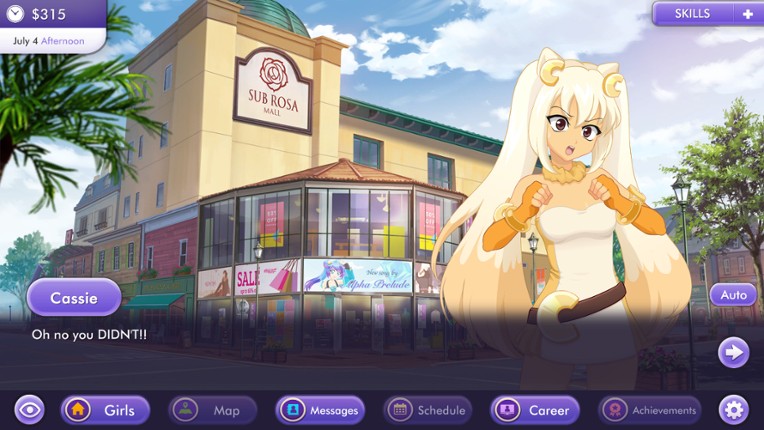
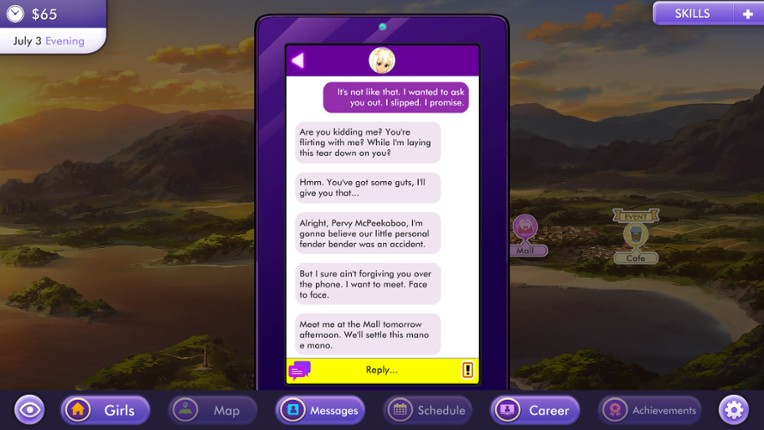

- 92%Game Brain ScoreMost mentioned positive aspects:story, musicMost mentioned negative aspects:grinding, atmosphere92% User Score 1,803 reviews
Strips away the horror entirely to celebrate the dating sim fundamentals with text-based romance, cats, and LGBTQ+ representation.
If you enjoyed this game, see our list of games similar to Nekojishi.View Game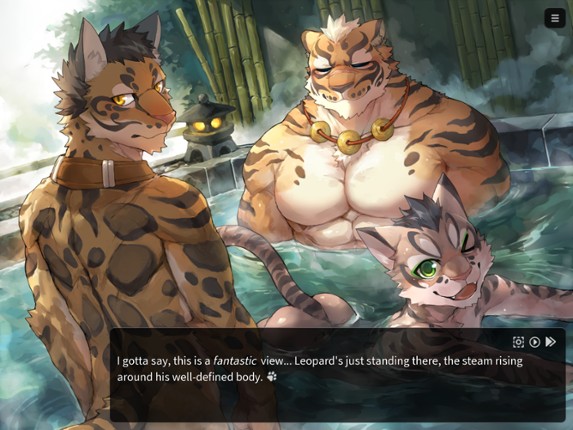
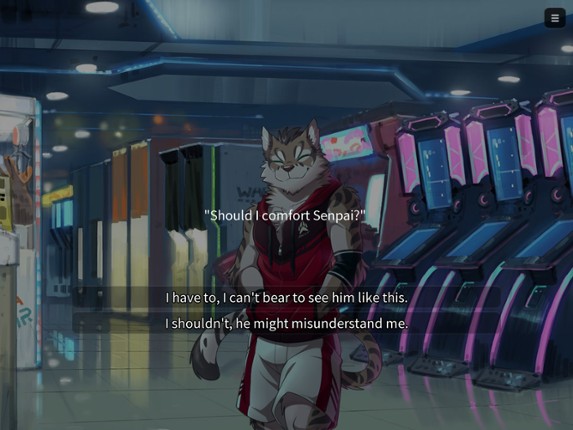
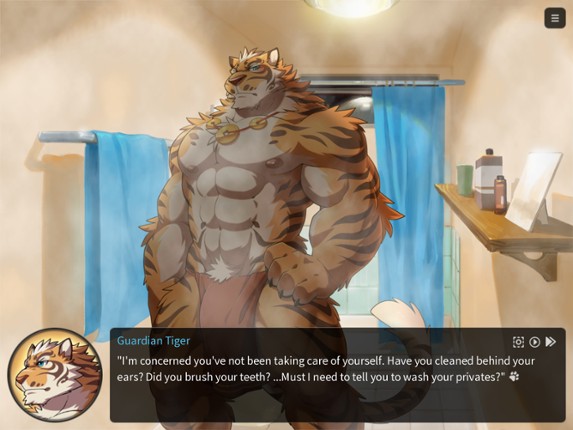
- 96%Game Brain ScoreMost mentioned positive aspects:story, emotionalMost mentioned negative aspects:grinding, stability96% User Score 3,626 reviews
This trades DDLC's subtle unease for a far more melodramatic, adult story with explicit relationships and heavier consequences.
If you enjoyed this game, see our list of games similar to Acting Lessons.View Game


- View Game90%Game Brain ScoreMost mentioned positive aspects:story, musicMost mentioned negative aspects:grinding, replayability90% User Score 1,328 reviews
The story took place after school when Willie decided to confess his love to his favorite girl, Liza. He was afraid of being refused so he hesitated for quite a while. Should he summon up all his courage to confess his love to her? If you enjoyed this game, see our list of games similar to Confess My Love.
- 89%Game Brain ScoreMost mentioned positive aspects:story, emotionalMost mentioned negative aspects:grinding, stability97% User Score 7,929 reviewsCritic Score 81%15 reviews
Replaces narrative branching with turn-based RPG combat and time-loop mechanics while retaining the psychological horror and emotional depth.
If you enjoyed this game, see our list of games similar to In Stars And Time.View Game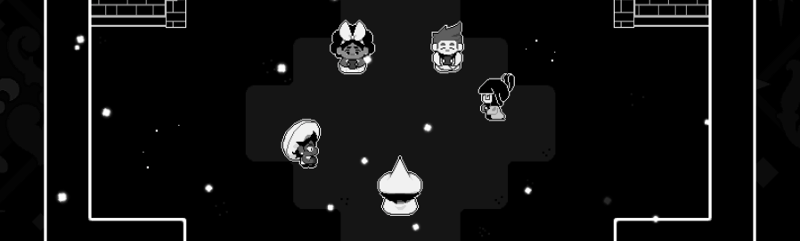
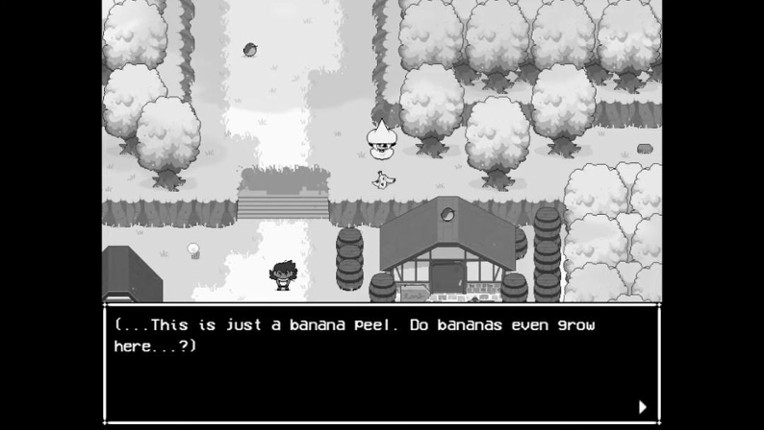
- 95%Game Brain ScoreMost mentioned positive aspects:story, emotionalMost mentioned negative aspects:stability, grinding98% User Score 14,431 reviewsCritic Score 80%1 reviews
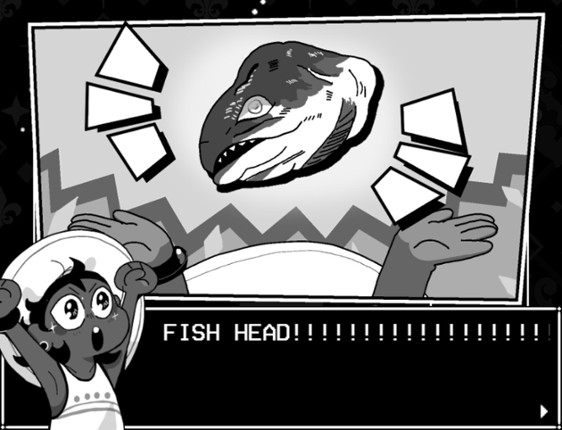
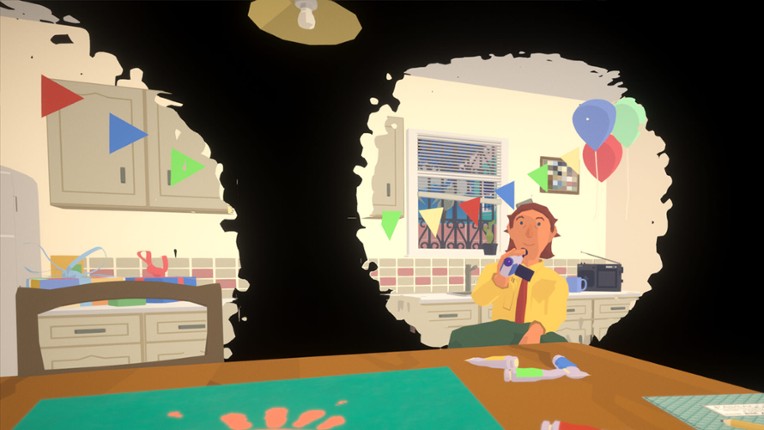
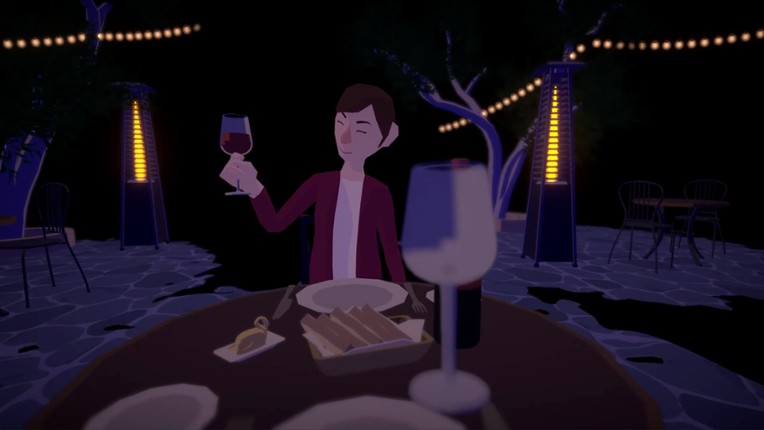
Play with your eyes If you enjoyed this game, see our list of games similar to Before Your Eyes.
View Game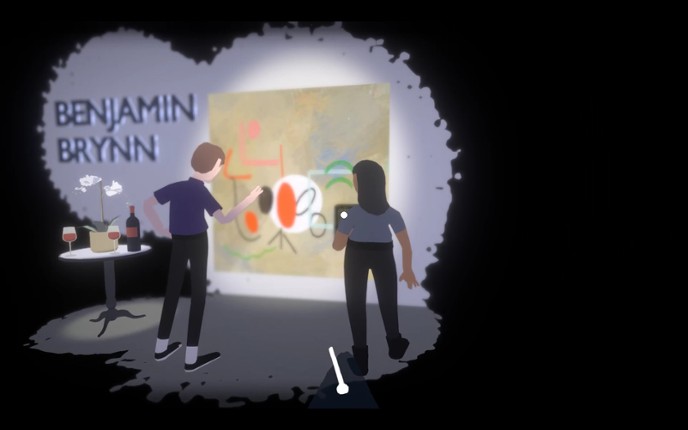


 View Game


































Frequently Asked Questions
Top recommendations include YOU and ME and HER: A Love Story, which shares the same blend of dating sim aesthetics with psychological horror twists, and Hatoful Boyfriend, a parody dating game that evolves into emotionally complex storytelling. Omori offers similar psychological depth with a colorful exterior hiding darker themes, while MetaWare High School Demo plays with meta-narrative concepts in a dating sim framework.
Yes, several excellent free options exist. Find Love or Die Trying is completely free with multiple plot twists and psychological horror elements. MetaWare High School Demo and Pleh! are also free, offering story-rich experiences without microtransactions. Saihate Station is another free indie title featuring psychological horror with beautiful art and multiple endings.
YOU and ME and HER: A Love Story and Find Love or Die Trying are pure visual novels with branching narratives and multiple endings. Hatoful Boyfriend combines visual novel storytelling with unique premise execution. Moe Era emphasizes choice-driven narrative paths where your decisions directly impact the story's outcome and ending.
Omori delivers intense psychological horror beneath cheerful pixel art aesthetics. Saihate Station blends cute visuals with eerie, dark atmosphere and crime elements. Pleh! explores mental health struggles through a haunting narrative. YOU and ME and HER: A Love Story features genuinely disturbing psychological twists that rival DDLC's narrative subversion.
Most similar games are primarily PC releases through Steam. However, Omori and some visual novels have mobile ports or companion apps. Hatoful Boyfriend has been adapted for various platforms. For authentic DDLC alternatives, PC remains the primary platform, though you can check individual game storefronts for mobile availability and compatibility.
Omori is acclaimed for its memorable, emotionally resonant soundtrack that enhances every scene. YOU and ME and HER: A Love Story and Hatoful Boyfriend both feature great music integral to their atmosphere. Saihate Station uses its soundtrack to amplify the blend of cute and eerie elements, making audio design central to the experience.