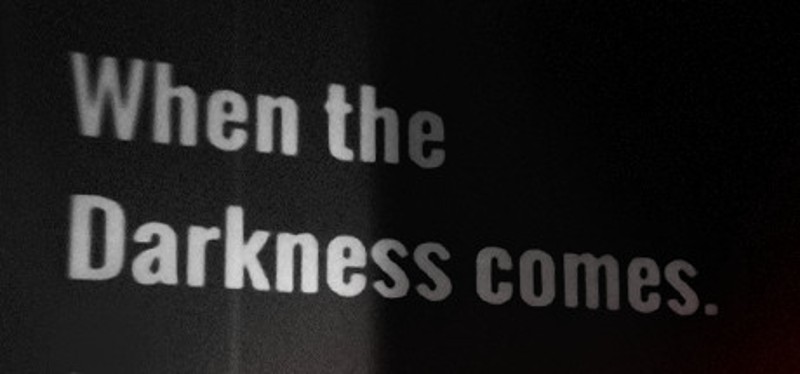
When the Darkness comes

When the Darkness Comes is a surprisingly smart horror game that manages to blend in introspective narrative elements seamlessly.
When the Darkness comes Game Cover
92%Game Brain Score
story, graphics
grinding, optimization
92% User Score Based on 5,813 reviews
Critic Score 90%Based on 1 reviews

Platforms

PCXboxWindows
When the Darkness comes Game Cover

About

When the Darkness comes is a single player simulation game with horror, drama, mystery and thriller themes. It was developed by Sirhaian and was released on March 1, 2019. It received positive reviews from critics and very positive reviews from players.

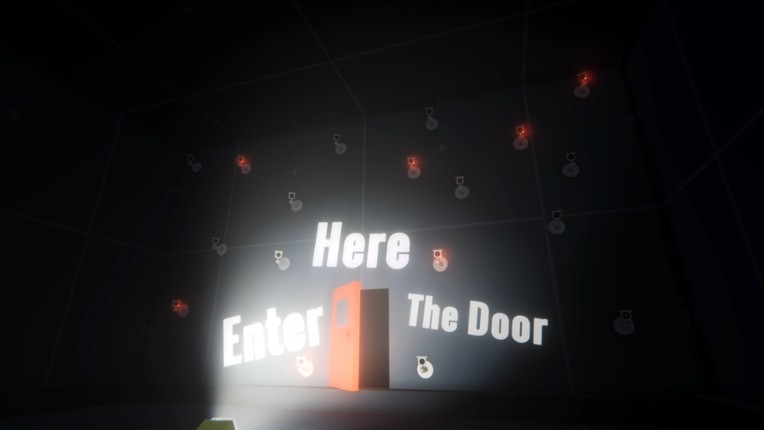
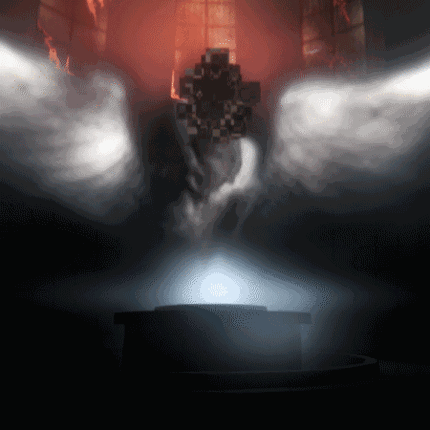
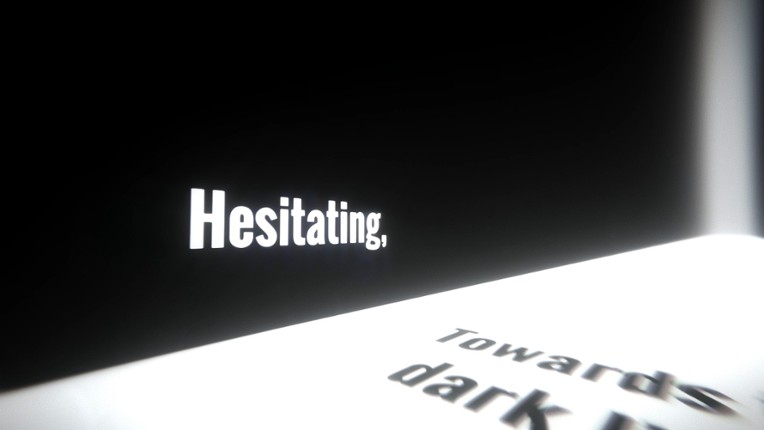
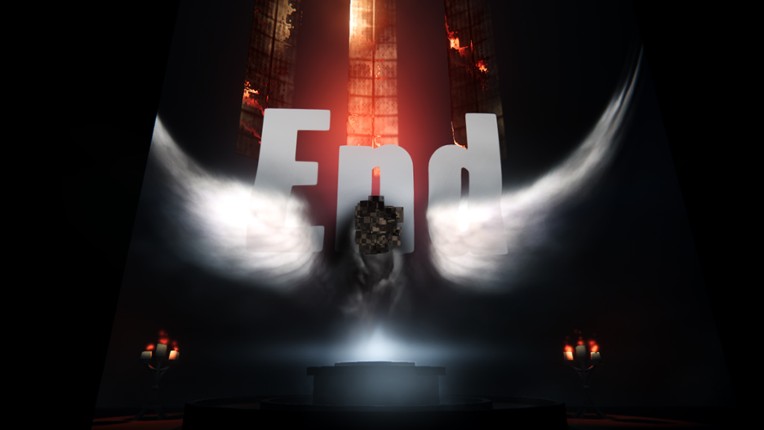
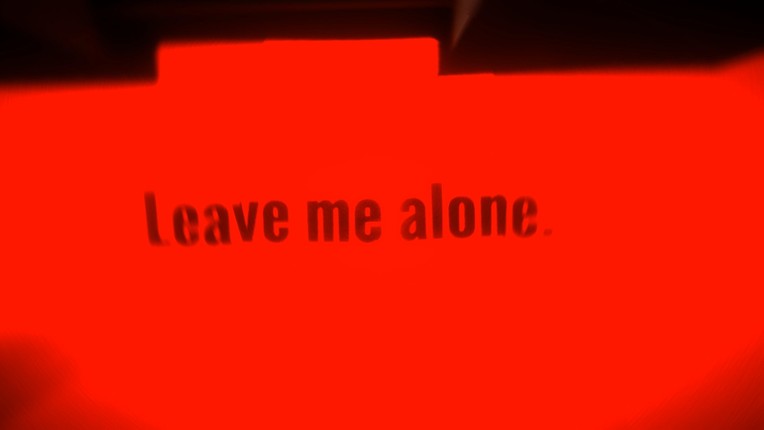
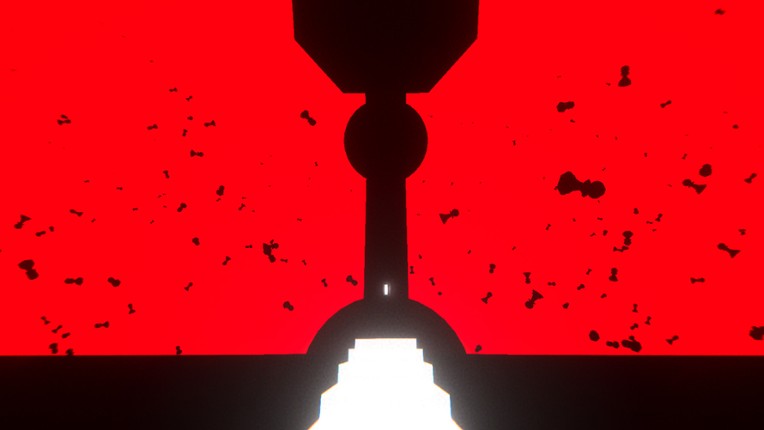
Taking around an hour on the first play-through, "When The Darkness Comes" feels like you're wandering around a glitchy hard drive full of abstract dreams and beautiful nightmares. The narrator initially makes it feel like a comedic game, but it soon starts to take a darker tone as you travel down the bizarre broken rabbit hole that explores the darkest themes of the human mind.

Skip User Reviews

92%
Audience ScoreBased on 5,813 reviews
story180 positive mentions
grinding27 negative mentions

  • Deeply impactful and emotional experience that deals thoughtfully with themes of depression, anxiety, and existential dread.
  • Unique narrative style with strong 4th wall breaks using player's real PC data, enhancing immersion and personalization.
  • Multiple playthroughs reveal different content and endings, rewarding players who explore fully and increasing replayability.
  • Certain gameplay mechanics, especially platforming in dark areas, are frustrating and poorly executed, detracting from the experience.
  • The game forcibly changes desktop wallpaper and leaves files on the player's PC, which some players find intrusive and unsettling.
  • Not suitable for players with anxiety, depression, or sensitivity to flashing lights due to triggering themes, jump scares, and intense atmosphere.
  • story
    425 mentions Positive Neutral Negative

    The game features a deeply personal, immersive, and thought-provoking story centered on themes of depression, anxiety, and existential meaning, often conveyed through a surreal, abstract narrative that encourages player interpretation. Reviewers praise its emotional impact, narrative depth, unique use of fourth wall breaks, and the need for multiple playthroughs to fully grasp the story. While some find the storytelling fragmented or slow due to gameplay mechanics, the overall consensus holds it as a powerful, meaningful experience that resonates strongly with many players.

    • “When the darkness comes is one of those rare indie games that doesn't just tell a story; it reaches into you, pulls out feelings you didn't realize you were still carrying, and forces you to sit with them.”
    • “It only took me about three hours to finish and get all the achievements, but the story about depression, anxiety, and social anxiety was genuinely heartbreaking.”
    • “The story is carefully organized and demonstrates how well the creator knows life.”
    • “I was really starting to get into this and wanted to know where this story leads but the fifth level is such rage-inducing bullshiet it's unbelievable.”
    • “I get that this is experimental and extremely personal to the creator, but the gameplay is frustrating (and not the good gamey frustrating), the scenarios and story are completely disconnected and vague.”
    • “The gameplay is really bad, the story is okay-ish, the major problem is he cares a lot about breaking the 4th wall and really forgot about the player experience. I'm trying to keep up with the story but the design is so bad that it kind of ruins the immersion.”
  • graphics
    267 mentions Positive Neutral Negative

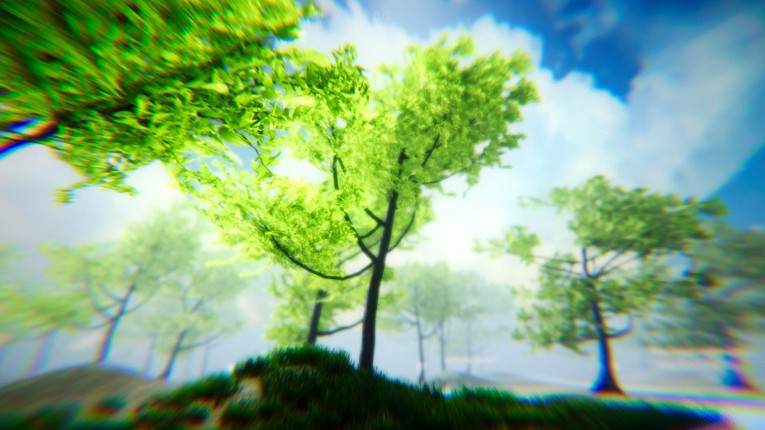
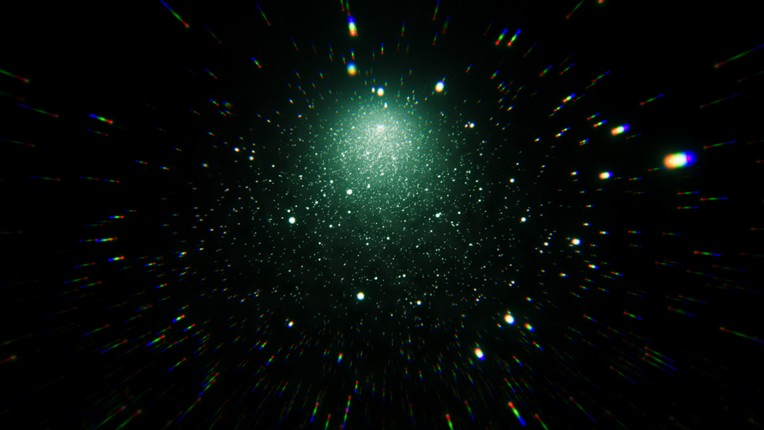
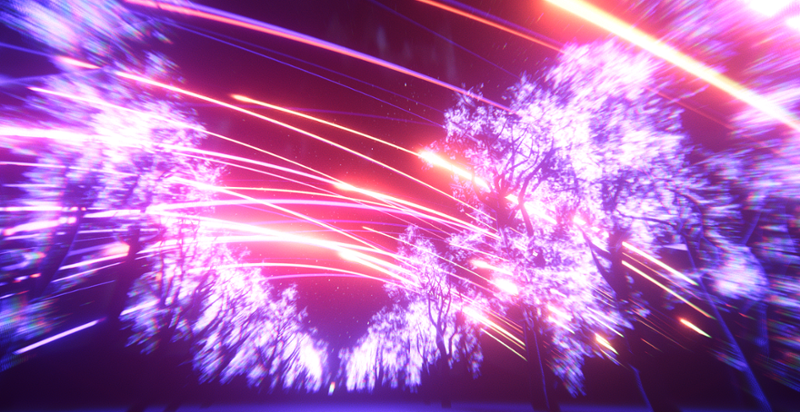
    The game's graphics are minimalist and abstract, effectively enhancing its unsettling atmosphere and emotional themes, though some find them simple or lackluster. While many praise the visuals as beautiful, consistent, and well-integrated with the story, others report performance issues and high GPU demands despite the modest visual complexity. Overall, the graphics serve the narrative well, creating a unique, thought-provoking experience that prioritizes mood and message over technical sophistication.

    • “The visuals are done well and the style stays consistent adding to the whole vibe of the game.”
    • “Developed using the Unity engine, 'When the Darkness Comes' delivers a simple yet solid technical standard in terms of art style, audio, and control design.”
    • “The game is super well designed, the story is great, the visuals and audio are just stunning, I just can’t find something wrong with it!”
    • “I did not enjoy this game and thought it was boring; and better yet it crashed my computer at the lowest graphics.”
    • “I've played this game on both the RX 580 and 2080 Super; all I have to say is that this game is quite GPU insensitive for graphics that really aren't deserving of that title.”
    • “Gotta love when the absolute lowest graphics setting labeled 'fastest' still chugs at 12 frames a second, thus making any platforming level impossible.”
  • emotional
    235 mentions Positive Neutral Negative

    "When the Darkness Comes" is an intensely emotional and deeply personal game, striking a raw chord with players by authentically portraying themes of depression, anxiety, and social isolation. Many reviewers describe it as a heart-wrenching, unique experience that evokes tears, reflection, and a sense of being understood, while some warn it can be emotionally overwhelming or triggering. Overall, it is praised as a powerful, thoughtful journey that transcends typical gaming boundaries to deliver a meaningful and memorable impact.

    • “It only took me about three hours to finish and get all the achievements, but the story about depression, anxiety, and social anxiety was genuinely heartbreaking.”
    • “When the darkness comes is the first game I have ever shed a tear to, and had me jaw dropped for weeks for its 4th wall breaking.”
    • “It’s not a game meant for escapism or easy enjoyment, but rather a powerful, emotional experience that resonates long after the screen fades to black.”
  • gameplay
    205 mentions Positive Neutral Negative

    The gameplay of "When the Darkness Comes" is largely minimalist, characterized by walking-simulator mechanics with simple interactions, occasional puzzles, and platforming segments that some players found frustrating or clunky. While it lacks traditional thrilling or complex gameplay, it uses disorienting, psychological, and metafictional elements to deepen the immersion and convey themes of mental health, making it a powerful, narrative-driven experience rather than an action-oriented game. Reception is mixed; many praise its atmosphere and emotional impact despite simplistic or uneven gameplay, while others find certain mechanics tedious or detracting from the overall experience.

    • “Unlike traditional horror games, “when the darkness comes” doesn’t rely on jump scares or combat mechanics but instead delivers a psychological journey that pulls players into a deeply unsettling, introspective experience.”
    • “Gameplay in “when the darkness comes” is simple and deliberately disorienting, using first-person movement and basic interaction mechanics.”
    • “The game uses your local data such as your name and your PC wallpaper and implements it in the gameplay, reinforcing your experience and giving the game a new dimension of surreality and horror.”
    • “The gameplay itself was very simplistically linear, and the spooky aspect wore off very quickly.”
    • “I get that this is experimental and extremely personal to the creator, but the gameplay is frustrating (and not the good gamey frustrating), the scenarios and 'story' are completely disconnected and vague.”
    • “It felt ham-fisted to me the entire time and the gameplay was actually frustrating in parts (the dark bridge section and platforming were especially annoying, especially with the unresponsive jumping controls. I spent at least ten minutes on my first playthrough getting more and more frustrated as I tried to get past these).”
  • atmosphere
    155 mentions Positive Neutral Negative

    The game excels in creating a rich, immersive atmosphere that effectively conveys themes of anxiety, depression, and existential dread through unsettling visuals, eerie sound design, and dark, shifting environments. Narration adds a compelling layer, blending charm and arrogance that enhances the surreal, often oppressive mood, while occasional jump scares complement rather than dominate the experience. Overall, the atmosphere is widely praised for its emotional depth, creativity, and ability to engage players profoundly, making it a standout feature that defines the game's impact.

    • “The atmosphere is unsettling in the best way, with the narrator's tone, shifting environments, and strange breaks in reality all mimicking what it's like to live inside your own spiraling mind.”
    • “The game’s atmospheric design, combined with its haunting soundtrack, creates an immersive experience that stays with you long after you’ve finished playing.”
    • “Through startling imagery and an overwhelmingly oppressive atmosphere, this experience brought up feelings and emotions that I can only begin to convey at a base level.”
    • “With the amount of warnings in the description and game I thought it was going to be darker, and while it did have a decent atmosphere it didn't really feel like that emotional of a game.”
    • “- jump scares feel unnecessary (atmosphere should've been enough)”
    • “Of course it adds to the atmosphere of the game, but it also takes away your control of the computer, which is pretty damn sacred to me.”
  • music
    106 mentions Positive Neutral Negative

    The music in the game is predominantly praised for its beautiful, emotional, and haunting piano melodies that effectively enhance the atmosphere and storytelling, evoking feelings of loneliness, anxiety, and immersion. While some users mention a minimal or repetitive soundtrack with occasional generic horror sounds and a few jump-scare cues, the overall soundtrack is seen as a major strength that deeply complements the game’s mood and themes. A few critiques note limited variety or less impressive sound design, but the music generally stands out as a memorable and integral part of the experience.

    • “Best game I've ever played, 100% all of it, the main OST is insanely good and emotional.”
    • “The soundtrack is minimal but effective, relying on ambient noise, unsettling whispers, and subtle shifts in pitch to create an ominous auditory landscape.”
    • “Like any good walking sim, another major strong-point is the music: the piano melody used all throughout this is perfect, Julie Maxwell has a very good grasp on emotional melodies that evoke feelings of loneliness and isolation, and it's no surprise the music plays a huge role in this game.”
    • “The first horror will jump strike you right here in the menu, you can't turn off that horrible piano music...”
    • “The voice acting sucks, the platforming is tedious and confusing, music is not great and don't even get me started on the graphics.”
    • “Very boring, cheap 'jump scares' with loud music, had no interest playing this game, it's not even a horror especially the level where you had to follow the light in a dark room was a pain in the ass, took me like 20 minutes to finish that level.”
  • humor
    94 mentions Positive Neutral Negative

    The game's humor is a blend of quirky, dark, and sometimes unsettling tones, often delivered through a charming, self-aware narrator that adds levity to heavy themes like depression and anxiety. Players appreciate the clever, meta, and occasionally trollish humor, especially in the game's early stages, though some find it less effective or annoying. Overall, humor serves as a key element that balances the serious narrative, enhancing engagement and emotional impact.

    • “The narration was quite funny, but there are dark themes explored, so keep that in mind.”
    • “Stanley parable: the whole game is narrated, there are choices that affect the story, you can mess with the narrator and he reacts in funny ways, the voice of the narrator is great.”
    • “The narrator is also quite funny and interactive with you (the player), which in my mind is always a perfect touch to a game like this.”
    • “The host, let's call him that, is not funny, breaking the fourth wall as if he's Deadpool.”
    • “Not funny.”
    • “Some humor, but it's only mildly funny.”
  • grinding
    34 mentions Positive Neutral Negative

    Grinding in the game is widely described as tedious and slow, with several sections requiring repetitive and time-consuming tasks that can frustrate players. While some find this grind thematically fitting to the game's portrayal of anxiety and depression, others feel it detracts from the overall experience due to its length and clunkiness. Despite this, the rewarding narrative and multiple endings motivate many to endure the grind.

    • “A bit grindy sometimes.”
    • “A bit grindy.”
    • “You'll need a second life for grinding.”
    • “The gameplay itself was also very tedious and difficult to progress through, which took away from the experience.”
    • “Pretty solid game except for the Slenderman-esque part where you have to grab all the clocks, brings momentum to a grinding halt but it's the only time this game is anything less than amazing.”
  • replayability
    27 mentions Positive Neutral Negative

    The game offers notable replayability through multiple endings, hidden easter eggs, and a compelling narrative that encourages multiple playthroughs. While some reviewers find the replay value limited or deliberately constrained, most praise its depth and intriguing content that make revisiting the game rewarding and enjoyable. Overall, replayability is highlighted as a strong aspect, enhancing the game's appeal despite its short length.

    • “This was so much fun, so much replay value, and really scratches that itch for similar games like The Stanley Parable, Beginner's Guide, and the Cursed Emerald games.”
    • “Another thing I'll credit this game for is its replay value; yes, there are multiple endings and so far I've only gotten one of them.”
    • “The story was engaging, the narrations had just enough humor, the replay value is incredible.”
    • “The game has limited replay value to a point, but there are deliberate limits on that, which I won’t go into here due to spoilers.”
    • “Which I think would be warranted if the game had a stronger replay value.”
    • “Overall, a 9/10 from me; the only thing that keeps it from a full 10 is lack of replayability, as seeking out hidden achievements in a game such as this doesn't seem very appealing.”
  • optimization
    24 mentions Positive Neutral Negative

    The game suffers from poor optimization, often causing significant performance drops even on mid to high-end hardware, with heavy GPU and CPU usage noted. Despite its simple graphics, it demands substantial resources, resulting in inconsistent and frustrating framerates, particularly in certain areas. Players recommend lowering graphics settings for smoother gameplay, as the game is not well-optimized overall.

    • “For a beta game that's also free, it's a total masterpiece that's well optimized and covers the perspective of depression in a very straightforward way.”
    • “Despite all this, the game runs fine on average, but in certain sections, it fails to maintain that decent level of performance.”
    • “The game has a few issues mostly due to the optimization as even for a visually simple game it can run poorly, and I recommend that you lower your graphics settings below what you think you can run.”
    • “Oh, and although it's just basic Unity assets and looks like a toaster, it's so poorly optimized that it runs an RTX 2070 at 100% load, even with capped FPS.”
    • “There is some very poor optimization in this game, causing it to play terribly in some areas.”
    • “As mentioned by others, the optimization is poor; running a GTX 1060 and it uses all of it, so for a game like this, it's a bit much.”
  • stability
    5 mentions Positive Neutral Negative

    The game's stability is mixed, with some users encountering glitches and performance issues, such as Discord freezing after gameplay, while others view these glitches as intentional artistic features that enhance the representation of mental illnesses. Overall, stability is seen as a deliberate part of the experience rather than a flaw by many players.

    • “Dead, and I'm currently having a problem on Discord after playing the game. Every time I join a voice channel, my Discord freezes. This has only happened after finishing all the endings.”
    • “I thought the lag and glitches were game features; what an interesting way to represent mental illnesses, I said to myself.”
    • “But glitches aside, this is a great game.”
  • monetization
    2 mentions Positive Neutral Negative

    The game's monetization is not directly mentioned, but the focus is on its immersive and intense horror experience that goes beyond typical scares.

  • character development
    1 mentions Positive Neutral Negative

    Character development is praised for its depth and quality, with exceptional dialogue that enhances the overall narrative and keeps players engaged.

    • “The dialogue and character development are exceptional, contributing to a captivating narrative.”
Skip Critic Reviews
Skip Game Offers

Buy When the Darkness comes

4h Median play time
6h Average play time
3-11h Spent by most gamers
*Based on 10 analyzed playthroughs
Skip Videos

Videos

Skip Games Like When the Darkness comes

Games Like When the Darkness comes

Pleh! Image
Games like Pleh!
Awkward Dimensions Redux Image
Games like Awkward Dimensions Redux
The Beginner's Guide Image
Games like The Beginner's Guide
Missed Messages Image
Games like Missed Messages
The Cat Lady Image
Games like The Cat Lady
Skip FAQs

Frequently Asked Questions

When the Darkness comes is a simulation game with horror, drama, mystery and thriller themes.

When the Darkness comes is available on PC, Windows and Xbox.

On average players spend around 6 hours playing When the Darkness comes.

When the Darkness comes was released on March 1, 2019.

When the Darkness comes was developed by Sirhaian.

When the Darkness comes has received positive reviews from players and positive reviews from critics. Most players liked this game for its story but disliked it for its grinding.

When the Darkness comes is a single player game.

Similar games include Pleh!, Awkward Dimensions Redux, The Beginner's Guide, Missed Messages, The Cat Lady and others.