

Games like Diablo IV
There's a reason you can't stop thinking about that gothic, blood-soaked world long after you've logged off, and it's exactly why so many players go searching for games like Diablo IV once they've cleared the campaign. Diablo IV's mix of isometric hack-and-slash combat, dark fantasy storytelling, and endless loot-chasing creates a specific kind of hook that's hard to shake — and hard to replace. The good news: plenty of other titles capture that same magic, and we've tracked down the best of them.
What makes Diablo IV click is the combination of gothic atmosphere, satisfying click-and-slash combat, and a loot loop that keeps you logging in "just one more run." It's an isometric action RPG built for both solo dives into dark lore and co-op sessions with friends, layered with character customization, dungeon crawling, and PvE/PvP options. Players searching for alternatives usually want that same blend: meaty combat systems, a dark or dramatic setting, and progression that feels rewarding without demanding a second job's worth of grinding.
What Makes a Good Alternative to Diablo IV?
- Isometric Action RPG Combat — The core hack-and-slash loop, complete with skill trees and satisfying hit feedback, is non-negotiable for scratching the same itch.
- Deep Loot and Build Systems — Diablo IV's obsessive gear-chasing works best when paired with meaningful character customization, so alternatives need robust itemization and build variety.
- Dark Fantasy Atmosphere — Gothic visuals, haunting music, and a genuinely dark tone are core to why Diablo IV feels distinct from lighter action RPGs.
- Co-Op and Multiplayer Support — Online co-op and PvE party play matter a lot to fans who enjoy dungeon-diving with friends rather than going it alone.
- Story-Rich Campaigns — A well-told, emotionally charged narrative gives the grind purpose, echoing what players praised most about Diablo IV's cinematic storytelling.
Top Picks If You Enjoyed Diablo IV
Last Epoch nails deep build customization with genuinely inventive skill trees. Wolcen: Lords of Mayhem delivers a dark, story-rich isometric world with satisfying combat. Torchlight III offers a lighter, more colorful take on the loot-driven dungeon crawl. WH&S brings co-op-focused, character-driven hack-and-slash action set in a suitably dark universe. Torchlight Infinite is a fast, free-to-play option with flashy combat and constant content updates.
Every game on this list was matched to Diablo IV using real player data and sorted by similarity, so the closest matches to what you already love come first. Scroll down to explore the full breakdown and find your next obsession.
- 58%Game Brain ScoreMost mentioned positive aspects:gameplay, graphicsMost mentioned negative aspects:story, stability51% User Score 9,556 reviewsCritic Score 67%8 reviews
You’ll recognize the satisfying rhythm of cutting through dense enemy packs, watching loot scatter, and immediately testing new gear in Torchlight III. Its isometric action-RPG combat, dungeon crawling, and class-based abilities create the same hands-on momentum that makes Diablo IV’s moment-to-moment play so rewarding.
Both games also support solo adventures and online two-player co-op, letting you coordinate attacks, compare drops, and build complementary characters. Torchlight III’s varied classes and improved pet system add another layer to that loop: customizing a companion gives exploration and combat a useful decision beyond simply chasing higher damage numbers.
The tradeoff is a brighter, more colorful fantasy-steampunk presentation rather than Diablo IV’s gothic horror, with a more linear story and less narrative weight. That focused structure may appeal to players tired of Diablo IV’s grind-heavy endgame, though Torchlight III’s bugs and repetition mean it is best treated as a lighter detour, not a full replacement. Best for co-op loot chasers who value playful customization over dark spectacle.
If you enjoyed this game, see our list of games similar to Torchlight III.View Game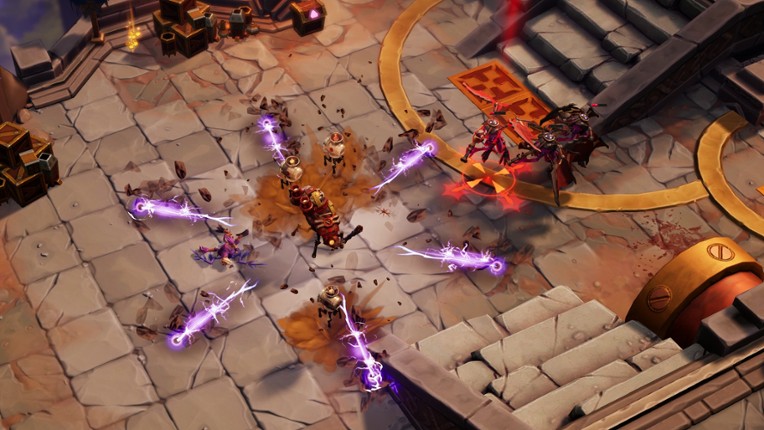
- 84%Game Brain ScoreMost mentioned positive aspects:gameplay, storyMost mentioned negative aspects:optimization, grinding83% User Score 98,960 reviewsCritic Score 90%1 reviews
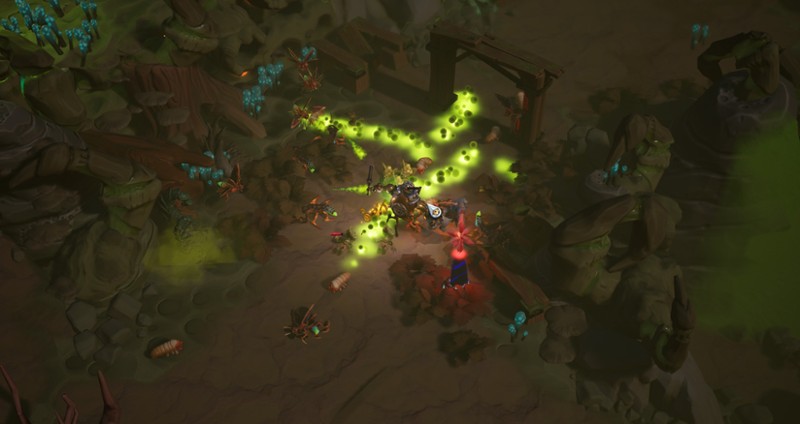
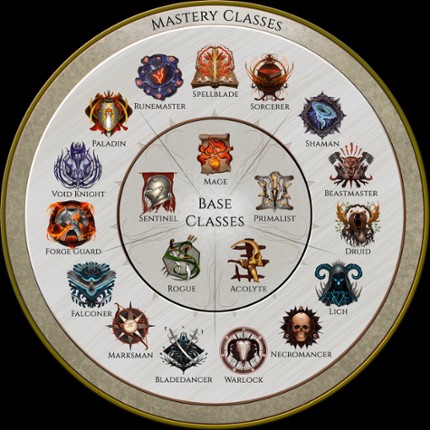
Fans of optimization will love how both titles task players with translating a screen full of exploding monsters into incremental, power-scaling stat upgrades. Both games share a satisfying isometric combat flow and deep class-based progression. Last Epoch’s genius lies in its individual skill trees, allowing you to modify how your attacks function so that every level-up directly alters your battlefield strategy, mirroring the theorycrafting joy of configuring a perfect Paragon board.
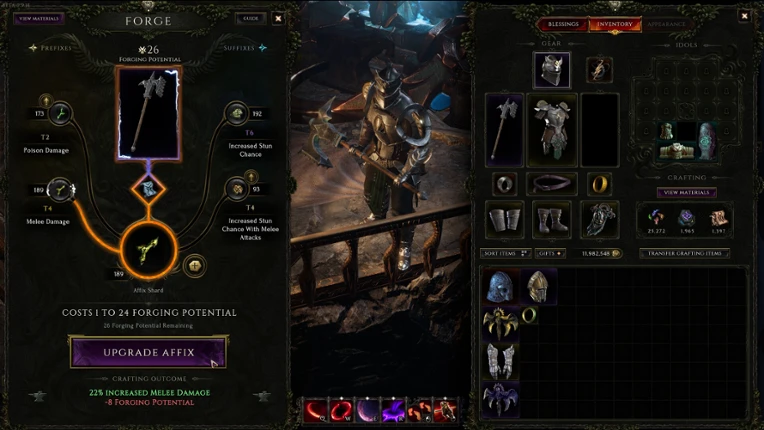
Where Diablo IV's endgame can feel like a frustrating, RNG-gated grind, Last Epoch offers a rewarding alternative with its robust, deterministic crafting system that empowers you to forge and target-farm the exact gear your build needs. This trade-off swaps Diablo's ultra-polished gothic horror atmosphere for unparalleled agency over your character's power curve.
Best for theorycrafters who prioritize mechanical depth and rewarding loot systems over cinematic spectacle.
If you enjoyed this game, see our list of games similar to Last Epoch.View Game
- 58%Game Brain ScoreMost mentioned positive aspects:story, gameplayMost mentioned negative aspects:stability, optimization57% User Score 55,130 reviewsCritic Score 59%9 reviews
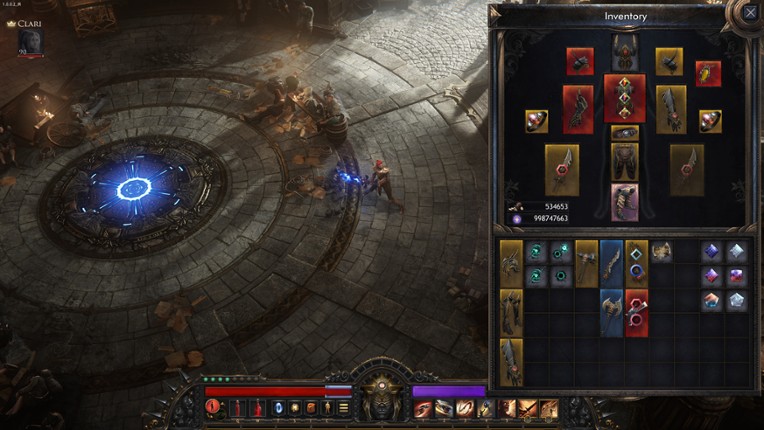
Both games anchor their appeal in the satisfying loop of clearing dense dungeons, harvesting loot, and watching your character grow tangibly stronger—a cycle that keeps players returning for "one more run." Wolcen locks into this same cadence with its isometric perspective and real-time hack-and-slash combat, making the moment-to-moment gameplay feel immediately familiar to Diablo IV veterans.
The cooperative multiplayer structure operates identically: drop in with friends, tackle dungeons together, and divvy rewards. This shared social experience—grinding alongside others rather than solo—creates the same bonds that make Diablo IV's endgame stick for groups of players.
Where Wolcen diverges is its open-world design, replacing Diablo IV's linear campaign with more exploration freedom and optional objectives. This shift trades narrative focus for player agency—a genuine tradeoff rather than a weakness.
Crucially, Wolcen arrives free of aggressive monetization, sidestepping one of Diablo IV's most vocal pain points without sacrificing depth or content. Its endgame still demands grinding, but rewards feel earned rather than pay-gated.
Best for players who loved Diablo IV's core loop but chafed at its monetization, or who want more exploration and less hand-holding within a familiar framework.
If you enjoyed this game, see our list of games similar to Wolcen: Lords of Mayhem.View Game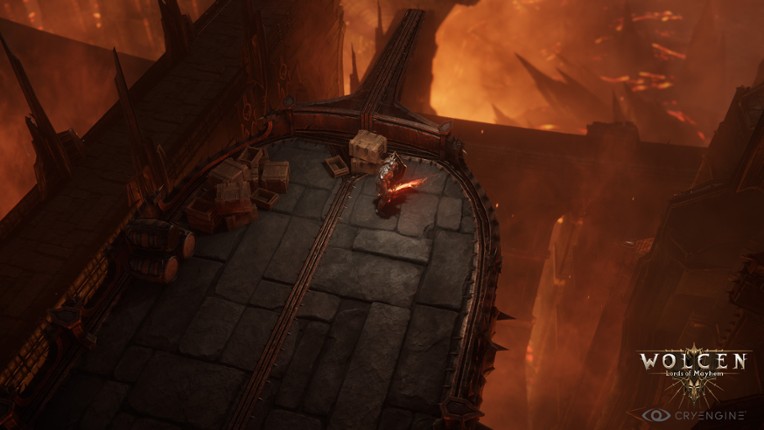

- 62%Game Brain ScoreMost mentioned positive aspects:gameplay, storyMost mentioned negative aspects:monetization, grinding62% User Score 8,011 reviews
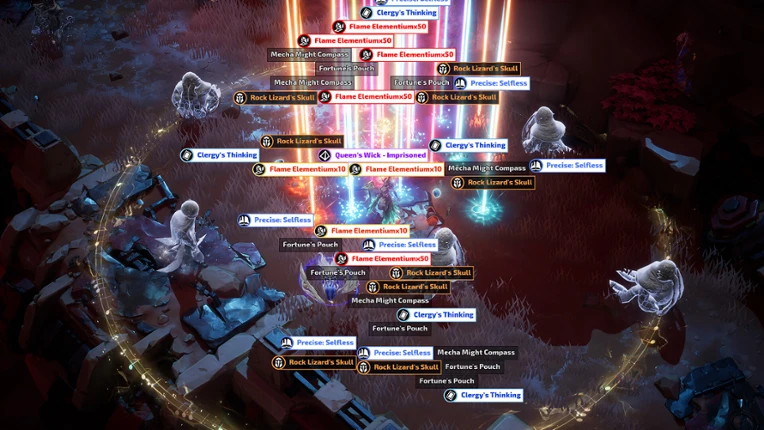
Torchlight Infinite captures the core visceral hack-and-slash loop that makes Diablo IV addictive, centering on high-octane combat and massive loot explosions. This shared DNA is bolstered by an in-depth build system, allowing for greater creative freedom when Theorycrafting your hero.
The primary trade-off is the shift from Diablo’s moody, gothic groundedness to a mobile-first, arcade aesthetic that prioritizes speed over atmosphere. You will sacrifice Diablo’s premium polish for a more aggressive, gacha-influenced economy that favors faster progression for spenders.
Pick this up if you want superior build flexibility and faster action, but can live with a cluttered UI and aggressive monetization.
If you enjoyed this game, see our list of games similar to Torchlight Infinite.View Game
- 68%Game Brain ScoreMost mentioned positive aspects:story, gameplayMost mentioned negative aspects:grinding, stability67% User Score 170,220 reviewsCritic Score 69%7 reviews
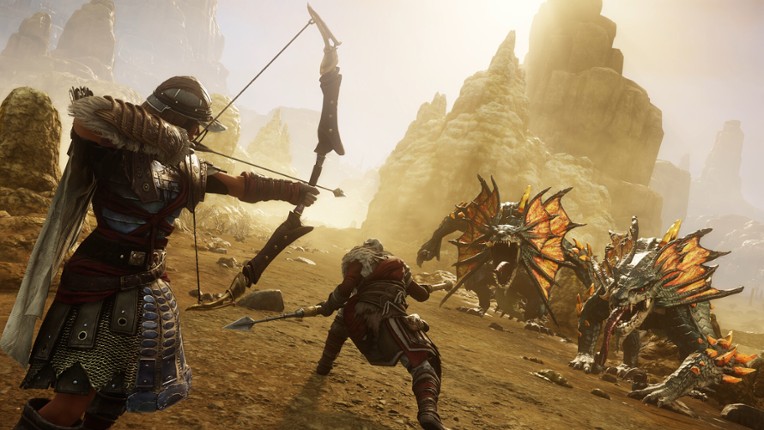
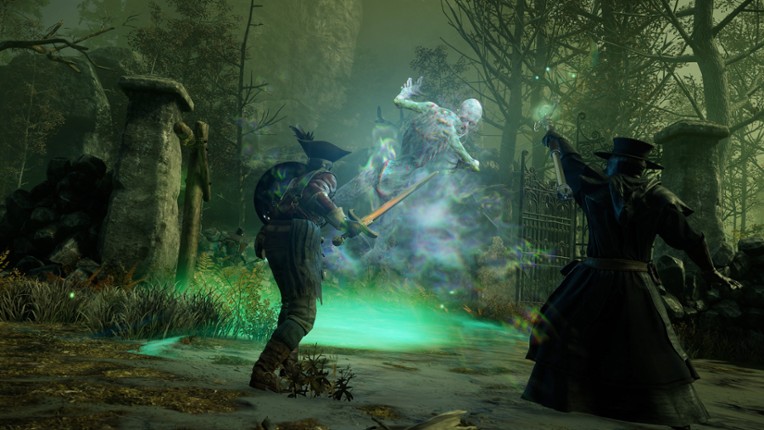
Real-time co-op loot chasing is the clearest link: both games are built around grinding enemies with friends for gear, levels, and build upgrades.
They also share online PvP and PvE MMO structure, which matters because it keeps the world populated and the combat loop competitive as well as cooperative.
The tradeoff is that New World leans harder into crafting, gathering, and an open-world MMO grind, while Diablo IV is faster, darker, and more focused on dungeon-driven loot runs.
Pick this up if you want Diablo-style progression in a persistent online world and can live without the tighter action-RPG pacing.
If you enjoyed this game, see our list of games similar to New World.View Game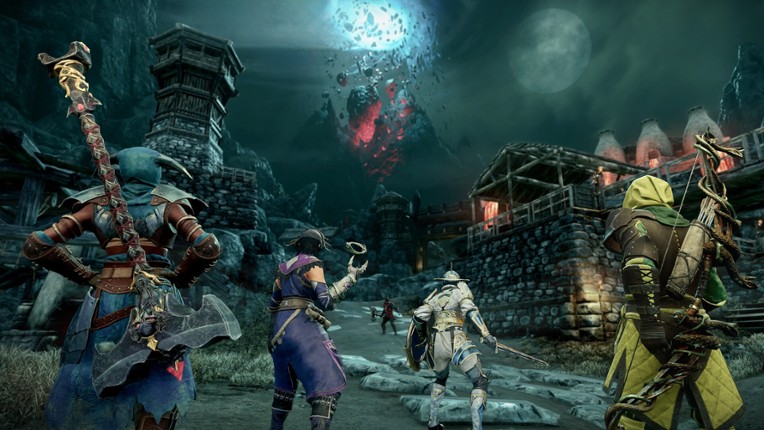
- 79%Game Brain ScoreMost mentioned positive aspects:story, gameplayMost mentioned negative aspects:grinding, stability79% User Score 17,258 reviews
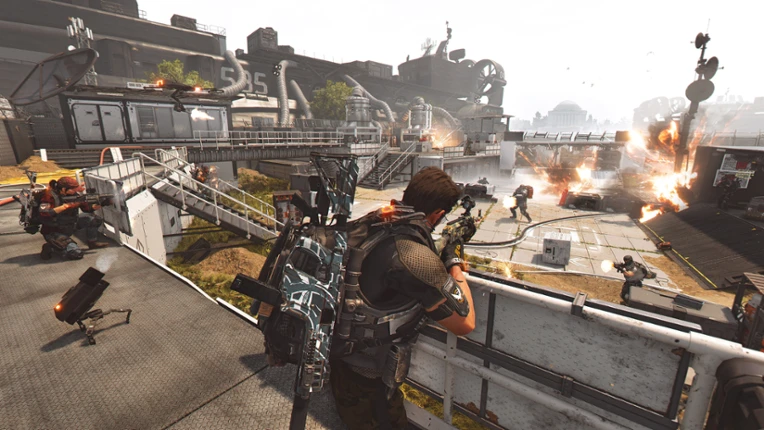
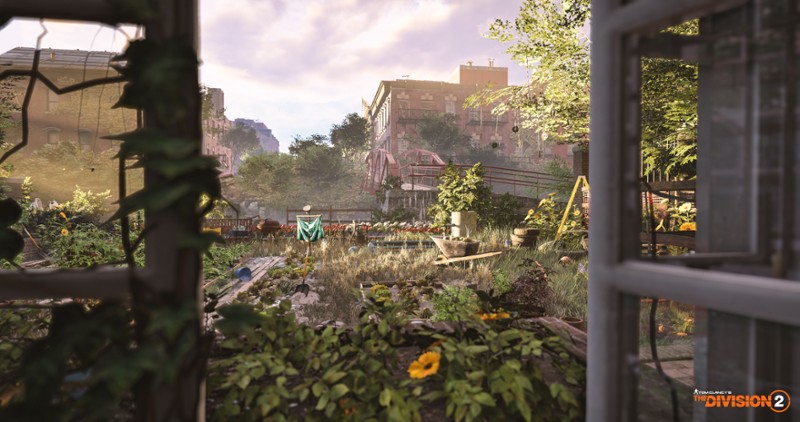
That itch to check one more stat sheet before heading into a fight? The Division 2 scratches it just as hard as Diablo IV does. Gear score chasing, build theorycrafting, and that dopamine hit of a perfect drop translate almost one-to-one between a gothic dungeon crawl and a ruined D.C. street.
Both games hinge on loot-driven build identity — where your skill tree and gear synergies define how you actually play, not just how strong you are. The cover-based, tactical combat swaps Diablo's visceral melee chaos for methodical positioning, but the underlying loop of "kill, loot, optimize, repeat" feels familiar fast.
Where Diablo IV's endgame draws criticism for grindy RNG with thin payoff, The Division 2 counters with raids, structured seasonal content, and clearer progression paths that reward the grind more consistently.
The tradeoff: you lose Diablo's dark fantasy atmosphere for a colder, systems-first sci-fi world — less narrative weight, more tactical precision.
Best for players who love the build-crafting and loot chase more than the fantasy horror aesthetic, and who want an endgame that respects their time investment.
If you enjoyed this game, see our list of games similar to Tom Clancy's The Division 2.View Game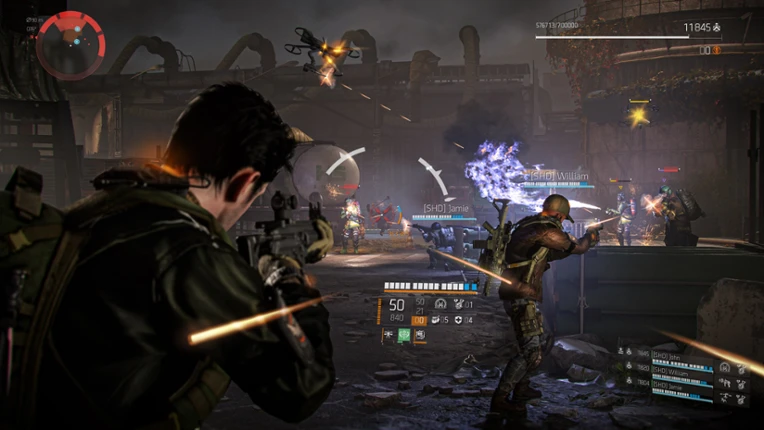
- 63%Game Brain ScoreMost mentioned positive aspects:story, gameplayMost mentioned negative aspects:grinding, stability58% User Score 3,138 reviewsCritic Score 67%38 reviews
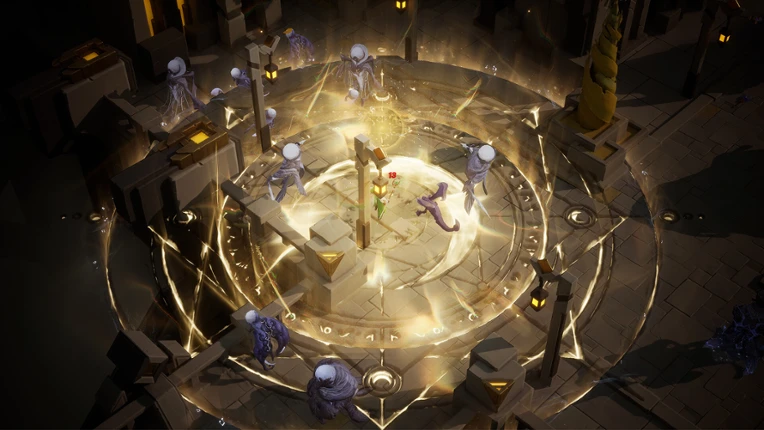
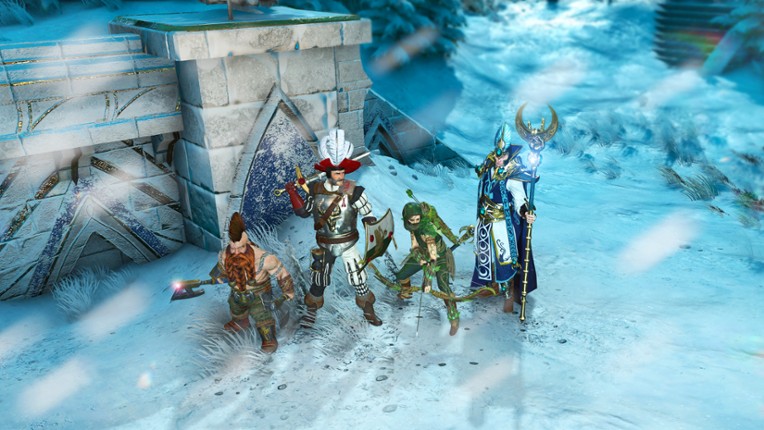
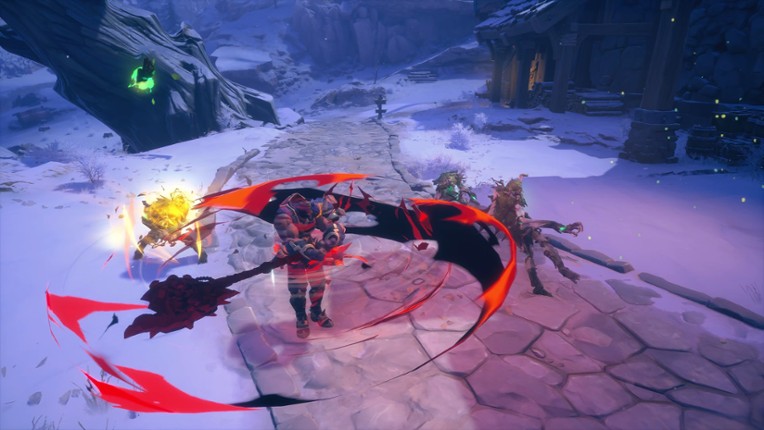
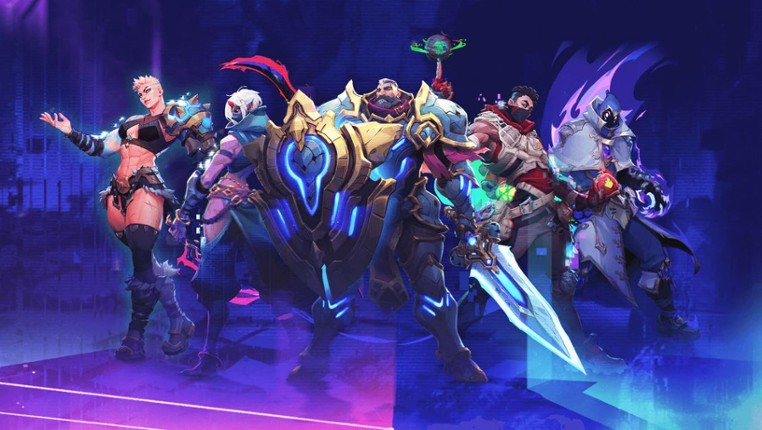
Hack through crowded dungeons with a friend, swap gear, and push toward the next encounter—that familiar drop-and-upgrade rhythm is central to WH&S as it is to Diablo IV. Its isometric perspective, dark-fantasy violence, and action-RPG combat keep the focus on positioning, quick attacks, and clearing enemies efficiently rather than managing long stretches of downtime.
Both games also support solo play, online co-op, local co-op, and split-screen, making WH&S a natural choice for players who enjoy turning dungeon runs into a shared activity. Distinct playable characters give co-op partners different tools and combat roles, while straightforward mechanics make it easy to start experimenting without Diablo IV’s heavier build complexity.
The tradeoff is a more compact, focused adventure: WH&S offers less story, customization, enemy variety, and long-term endgame depth, but that shorter campaign can appeal to Diablo IV players tired of repetitive grinding and RNG-driven progression. This is a solid detour rather than a direct replacement, best for co-op fans who value accessible combat and couch play over endless character optimization.
If you enjoyed this game, see our list of games similar to WH&S.View Game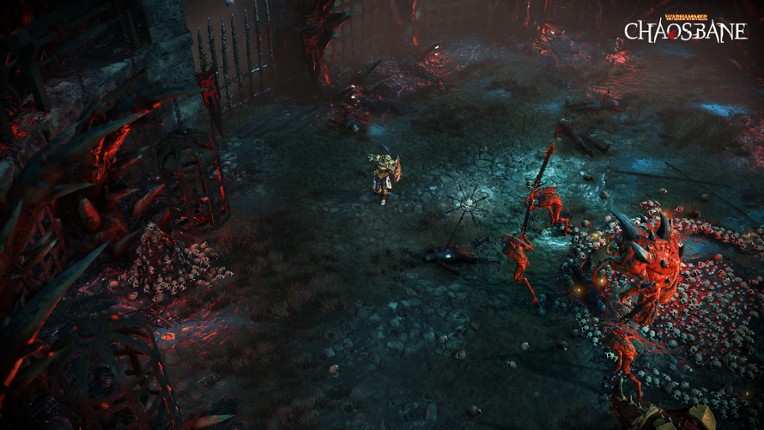
- 85%Game Brain ScoreMost mentioned positive aspects:gameplay, storyMost mentioned negative aspects:grinding, optimization89% User Score 138,617 reviewsCritic Score 78%5 reviews
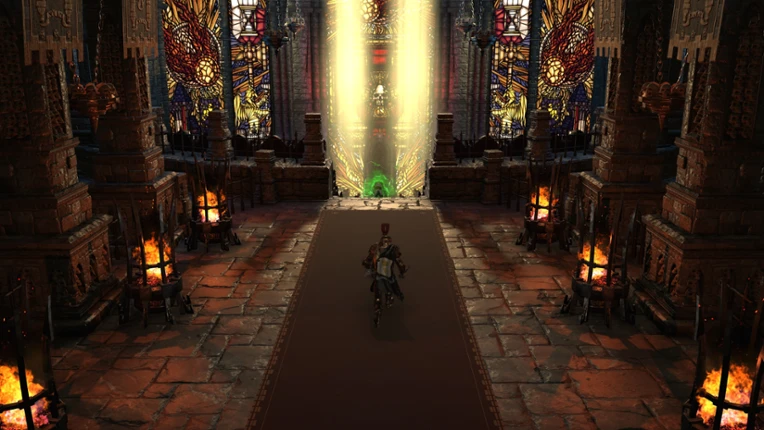
The shared soul of Path of Exile and Diablo IV lies in their complex loot-driven economy, where building the perfect character through relentless gear optimization defines the endgame.
Both titles lean heavily into dark fantasy aesthetics, ensuring the visceral, horror-soaked atmosphere of your dungeon crawls remains consistently oppressive.
The primary tradeoff is mechanical depth versus accessibility: while Diablo IV prioritizes a polished, cinematic experience, Path of Exile offers an intimidatingly expansive skill tree and build theory-crafting that rewards obsessive technical planning.
Pick this up if you crave limitless build variety and a fair, non-predatory economy, but are willing to survive a steep learning curve and occasional performance instability.
If you enjoyed this game, see our list of games similar to Path of Exile.View Game
- 76%Game Brain ScoreMost mentioned positive aspects:story, gameplayMost mentioned negative aspects:grinding, optimization76% User Score 3,432 reviews
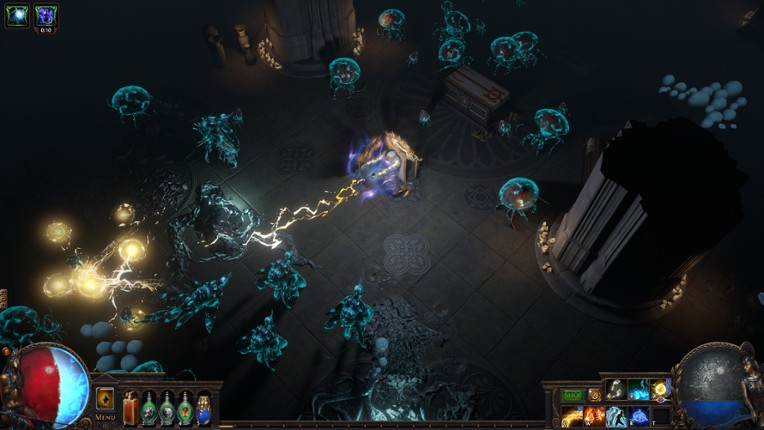
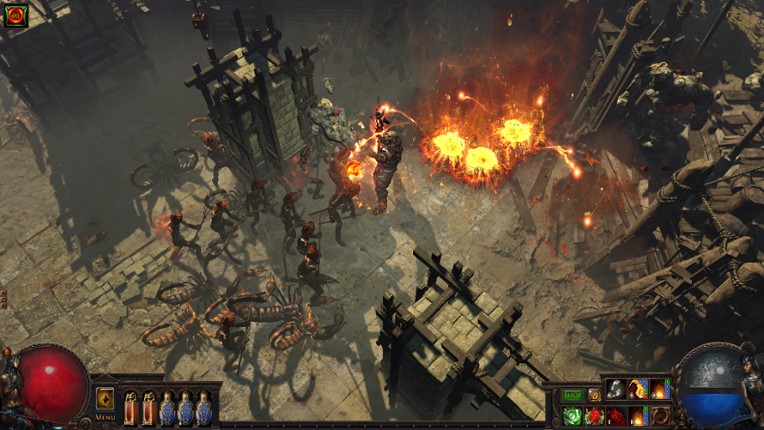
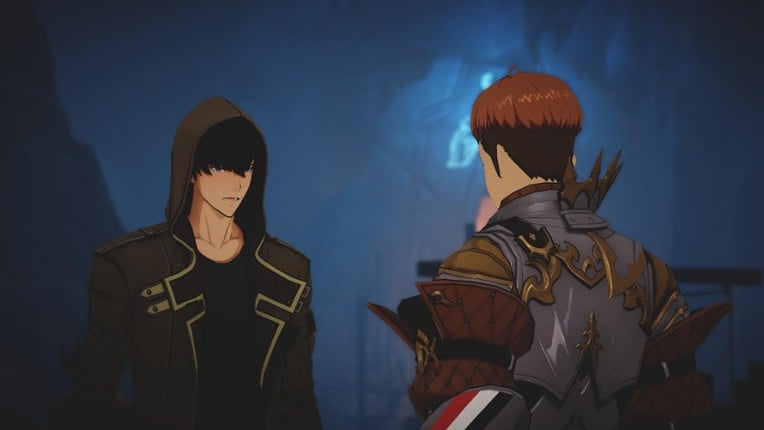
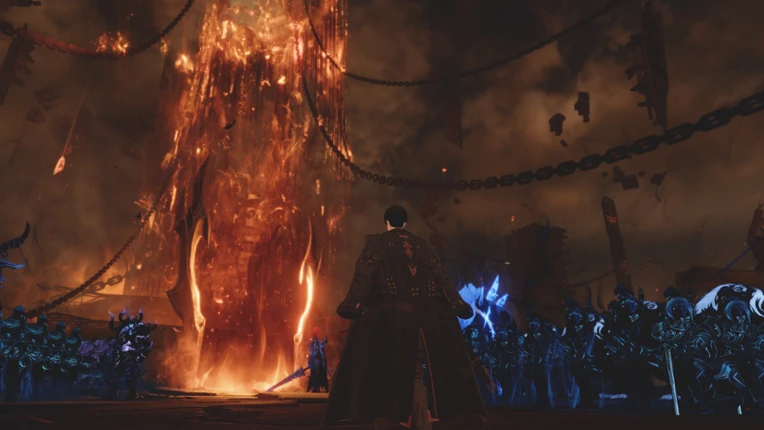
Solo Leveling: ARISE OVERDRIVE borrows Diablo's co-op carnage and souls-like depth but wraps it in anime aesthetics and modern urban fantasy rather than dark gothic dread.
If you enjoyed this game, see our list of games similar to Solo Leveling: ARISE OVERDRIVE.View Game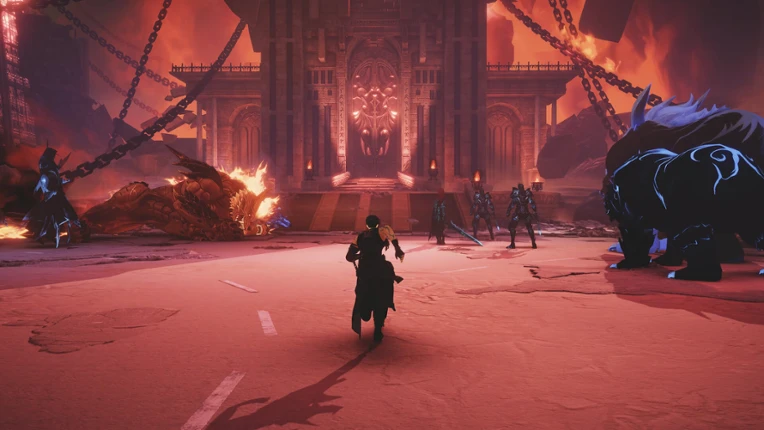
10 View Game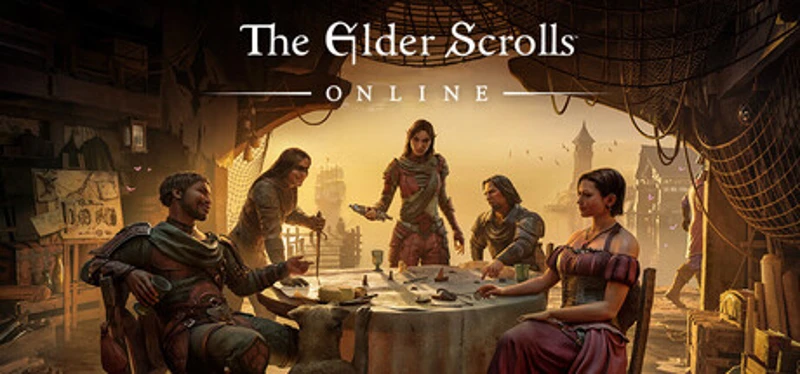 75%Game Brain ScoreMost mentioned positive aspects:story, gameplayMost mentioned negative aspects:grinding, monetization80% User Score 86,047 reviewsCritic Score 69%12 reviews
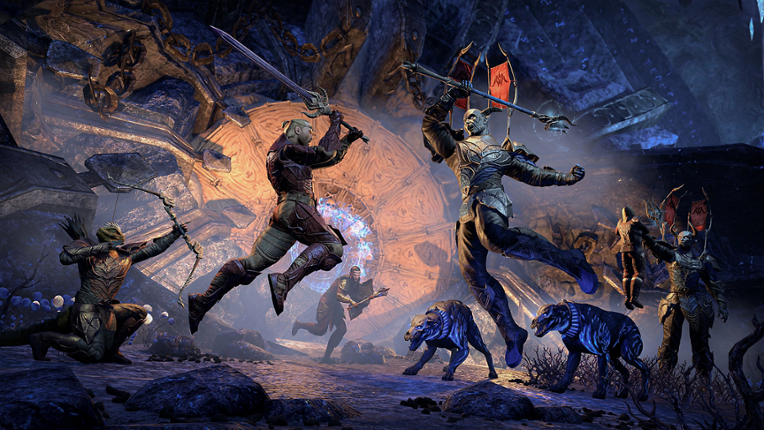
Both games anchor themselves in deep multiplayer dungeon crawling with solo flexibility—you can grind endgame content alone or squad up for tougher challenges, which matters because it keeps progression feeling personal rather than mandatory-social.
ESO leans harder into narrative depth and character customization, offering richer quest variety and build flexibility than Diablo IV's more linear class-based design.
The critical tradeoff: Diablo IV demands constant item farming for dopamine hits; ESO spreads progression across leveling, crafting, and story completion with less tyrannical RNG.
Pick ESO if you want story-driven co-op exploration but can tolerate a thinner endgame and performance hiccups that Diablo IV shares anyway.
If you enjoyed this game, see our list of games similar to The Elder Scrolls Online.View Game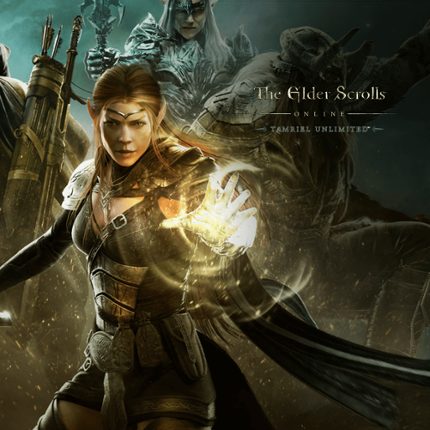
- 62%Game Brain ScoreMost mentioned positive aspects:story, gameplayMost mentioned negative aspects:monetization, grinding62% User Score 3,453 reviews
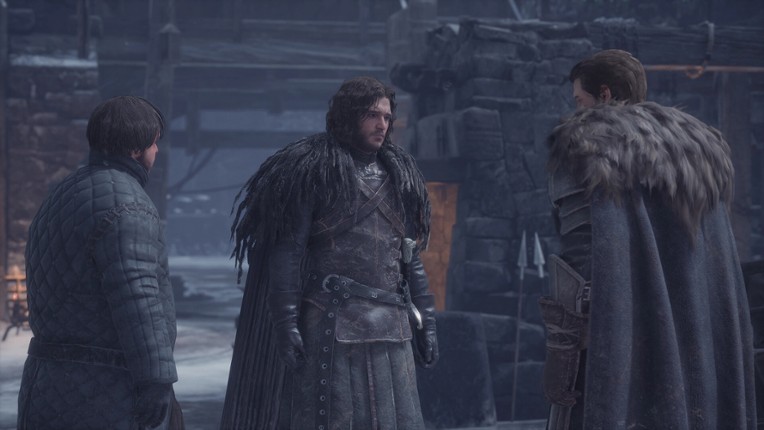
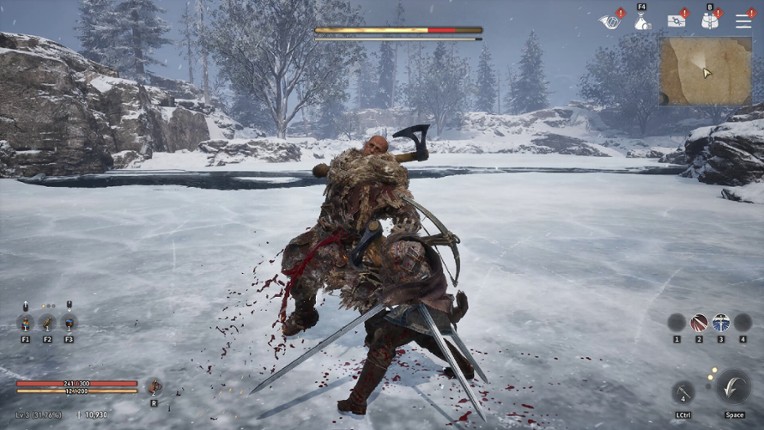
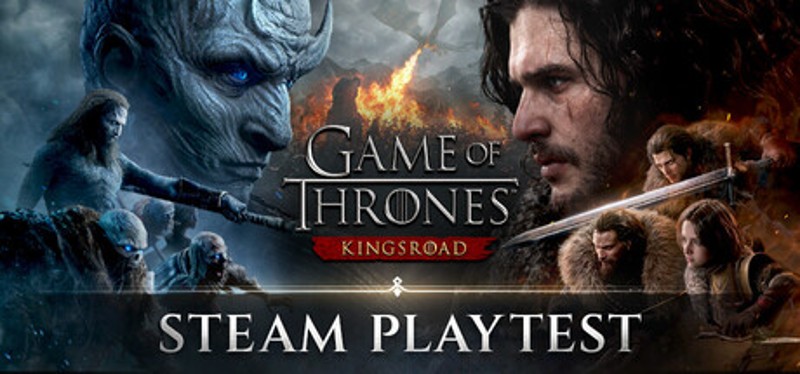
Both games anchor on action RPG combat wrapped in dark fantasy. Diablo IV and Game of Thrones: Kingsroad share hack-and-slash progression systems, cooperative PvE, and loot-driven character advancement. The core loop of dungeon crawling, leveling, and farming gear translates directly between them.
The narrative depth stands out as a secondary match — Kingsroad's lore-rich Game of Thrones setting delivers story beats as compelling as Diablo IV's campaign.
The critical trade-off is multiplayer scope and monetization. Diablo IV offers seamless co-op dungeon runs; Kingsroad restricts co-op to specific encounters and buries progression behind microtransactions. Players seeking free-to-play dark fantasy action RPGs will tolerate this, but those wanting unrestricted cooperative play should look elsewhere.
Pick this up if you want Diablo-style combat in Westeros and can overlook aggressive monetization. Skip it if cooperative dungeon crawling and balanced progression are non-negotiable.
If you enjoyed this game, see our list of games similar to Game of Thrones Kingsroad.View Game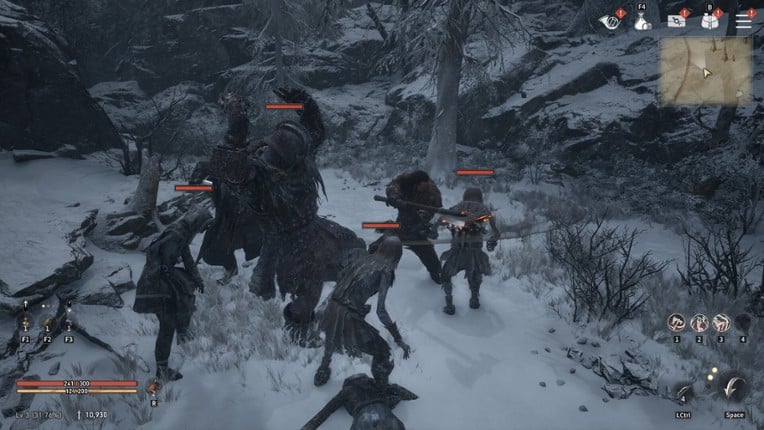
- 79%Game Brain ScoreMost mentioned positive aspects:gameplay, graphicsMost mentioned negative aspects:grinding, optimization74% User Score 122,329 reviewsCritic Score 86%8 reviews
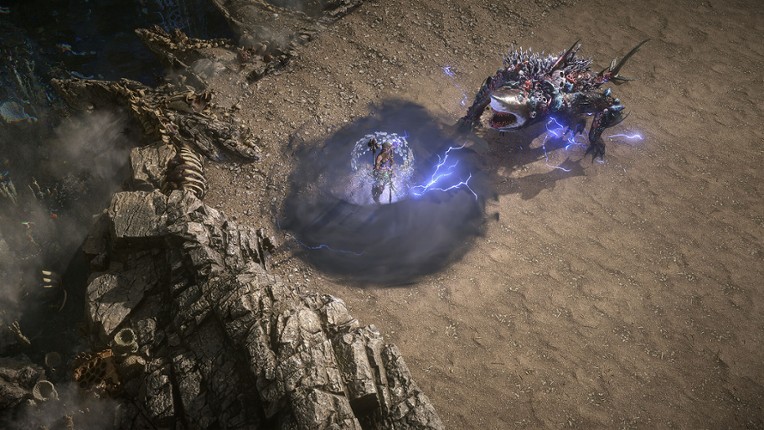
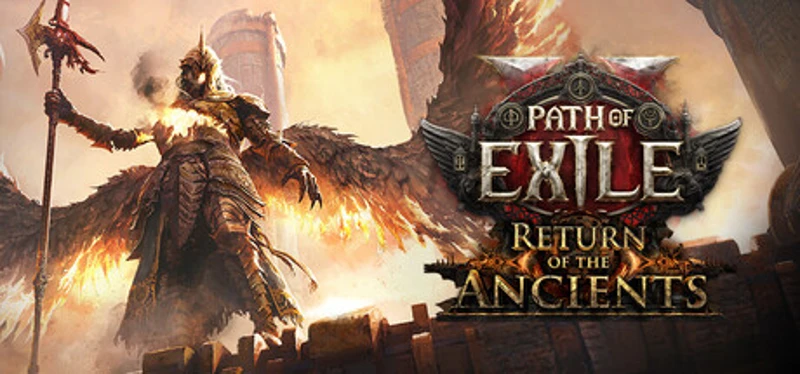
Path of Exile 2 doubles down on isometric dungeon crawling with vastly deeper crafting systems and character customization at the cost of Diablo's cinematic storytelling.
If you enjoyed this game, see our list of games similar to Path of Exile 2.View Game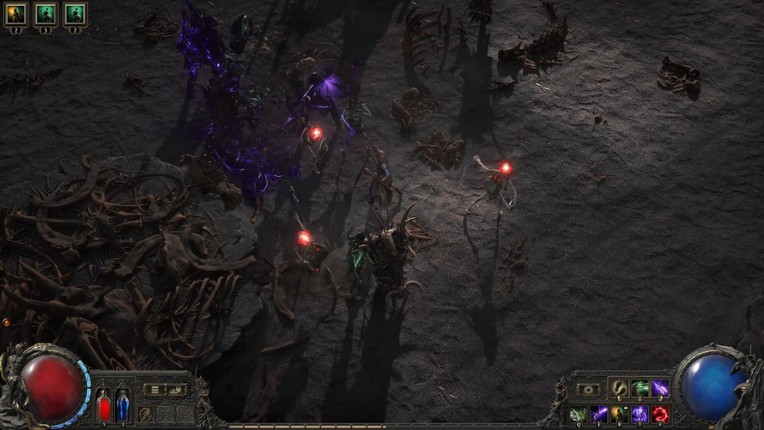
- 65%Game Brain ScoreMost mentioned positive aspects:gameplay, graphicsMost mentioned negative aspects:grinding, stability62% User Score 21,714 reviewsCritic Score 80%1 reviews
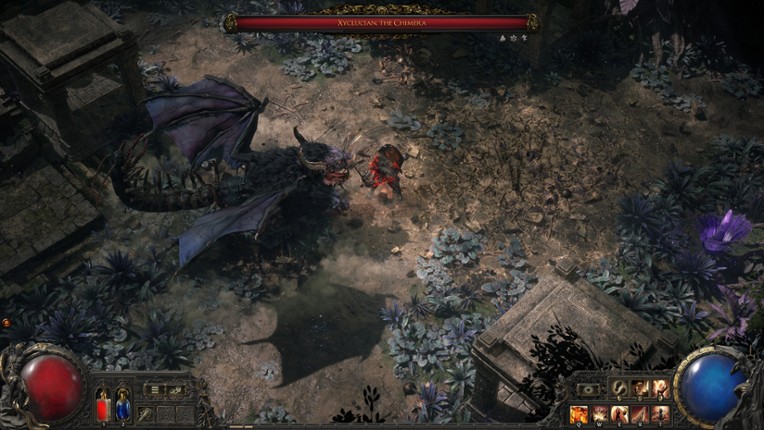
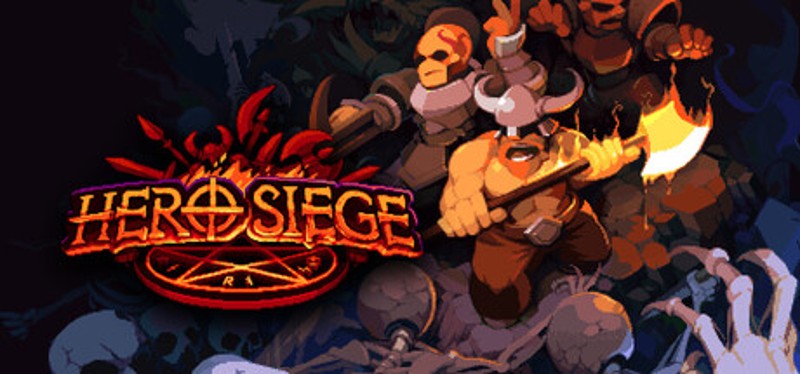
Hero Siege condenses Diablo's formula into pixel-art roguelite chaos with constant permadeath pressure and bullet-hell flourishes rather than persistent campaign progression.
If you enjoyed this game, see our list of games similar to Hero Siege.View Game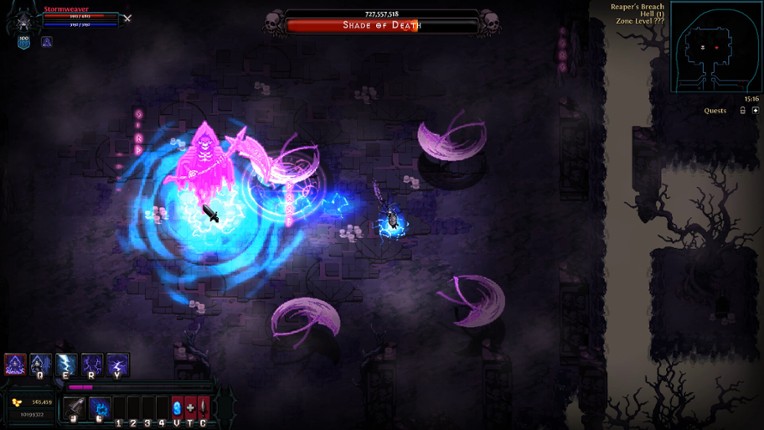

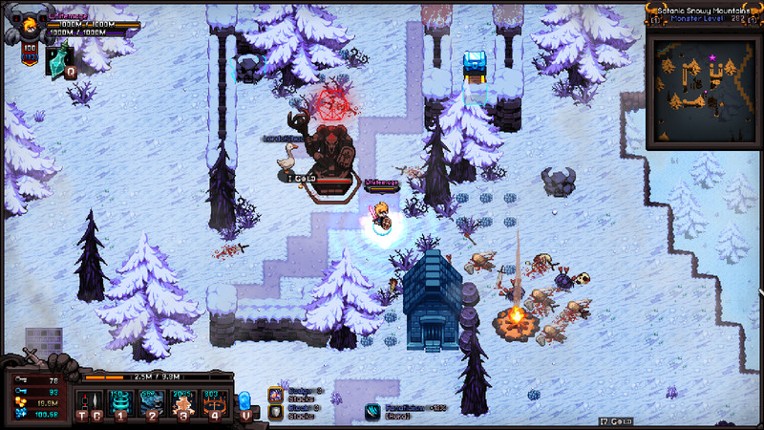
- 54%Game Brain ScoreMost mentioned positive aspects:gameplay, storyMost mentioned negative aspects:monetization, grinding54% User Score 4,878 reviews
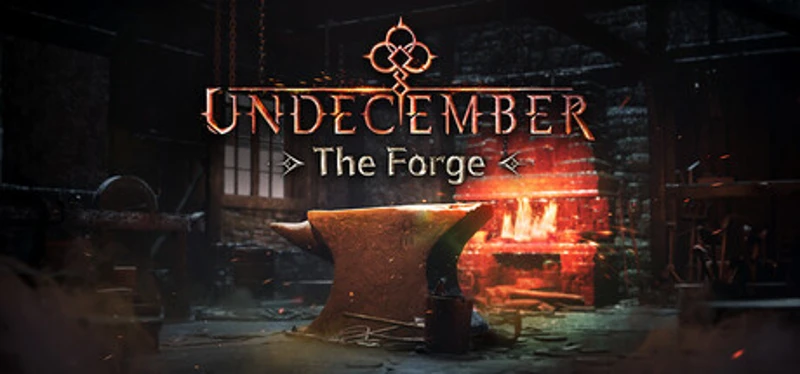
Undecember matches Diablo's third-person isometric loot chase but strips away the gothic horror for a more colorful free-to-play live service model with faster PvP integration.
If you enjoyed this game, see our list of games similar to Undecember.View Game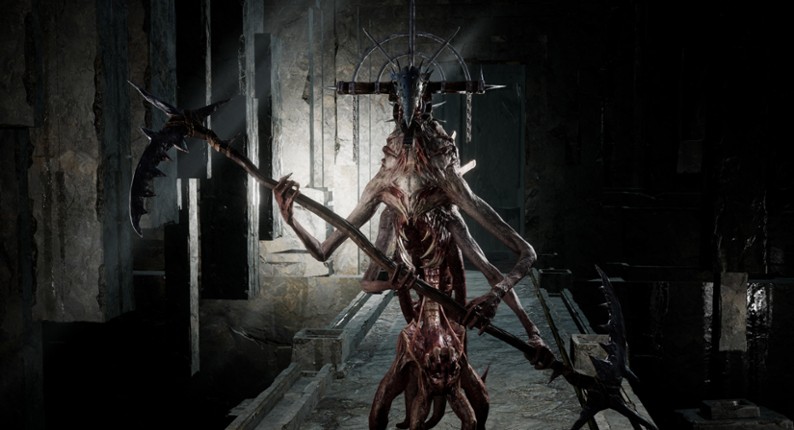
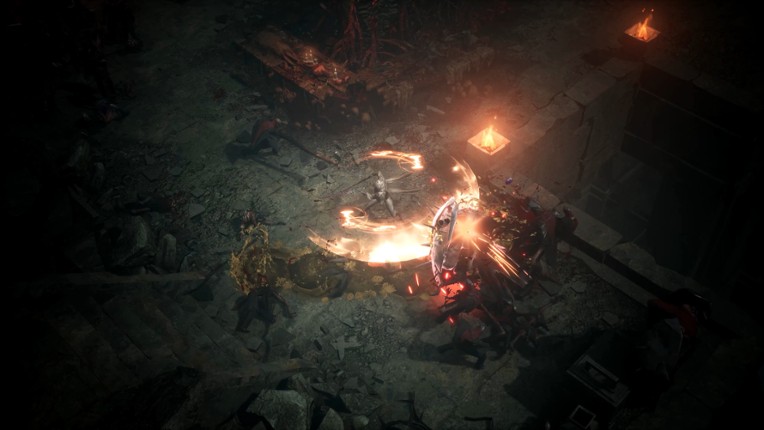
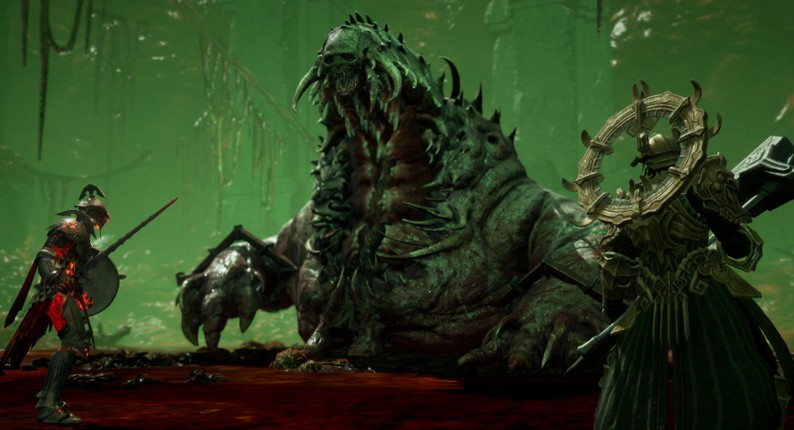
- 92%Game Brain ScoreMost mentioned positive aspects:story, gameplayMost mentioned negative aspects:grinding, optimization95% User Score 48,020 reviewsCritic Score 83%2 reviews
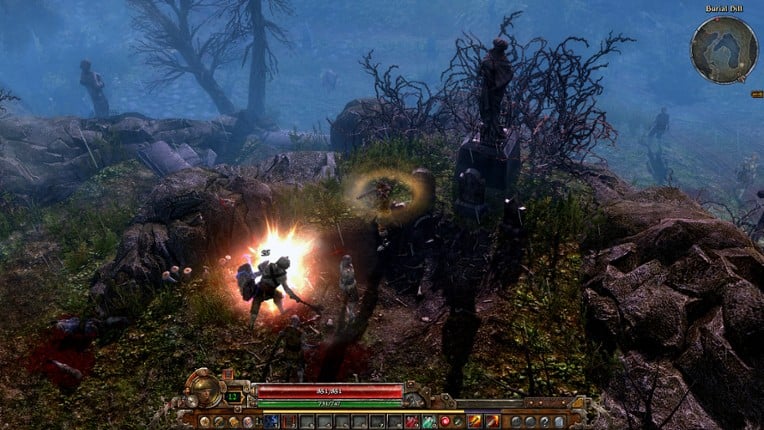
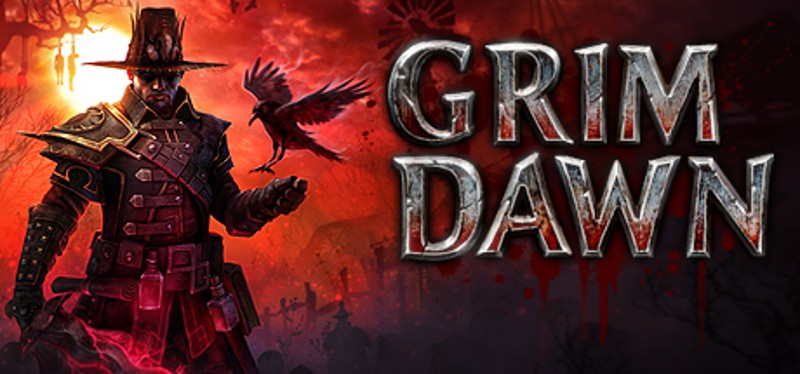
Grim Dawn maintains Diablo's isometric action and dark atmosphere but prioritizes intricate character builds and post-apocalyptic lore over mainstream accessibility and cinematic presentation.
If you enjoyed this game, see our list of games similar to Grim Dawn.View Game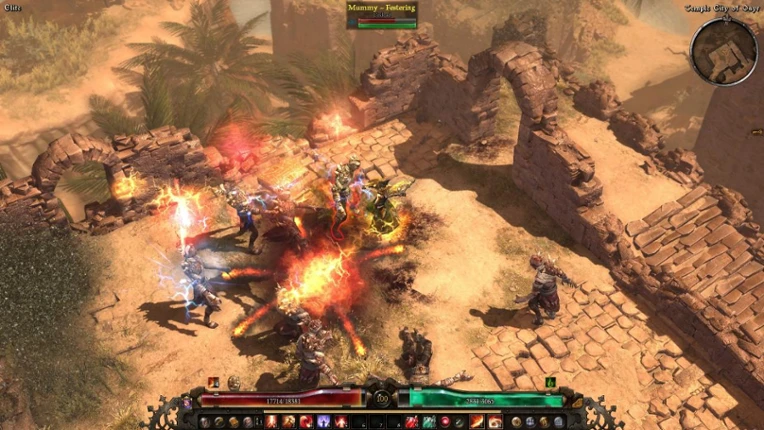
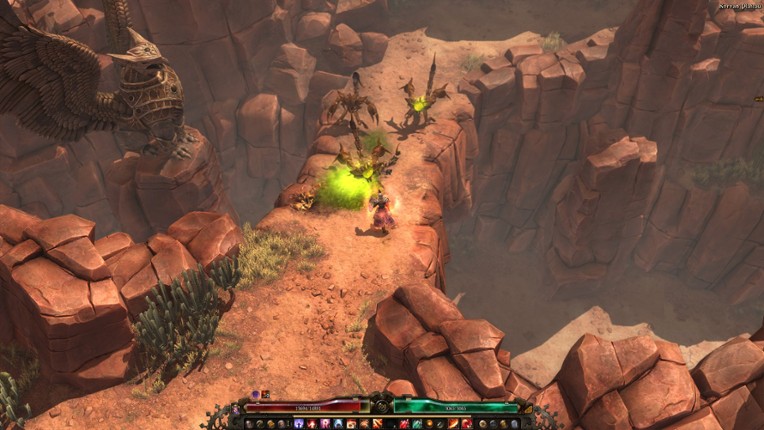
16 View Game 72%Game Brain ScoreMost mentioned positive aspects:story, gameplayMost mentioned negative aspects:grinding, optimization78% User Score 18,482 reviewsCritic Score 63%6 reviews
Warhammer 40K: Inquisitor - Martyr transplants Diablo's loot-driven isometric combat into the grim far-future with sci-fi violence and faction warfare replacing dark fantasy horror.
If you enjoyed this game, see our list of games similar to Warhammer 40,000: Inquisitor Martyr.View Game


- 69%Game Brain ScoreMost mentioned positive aspects:gameplay, storyMost mentioned negative aspects:optimization, grinding69% User Score 15,051 reviews
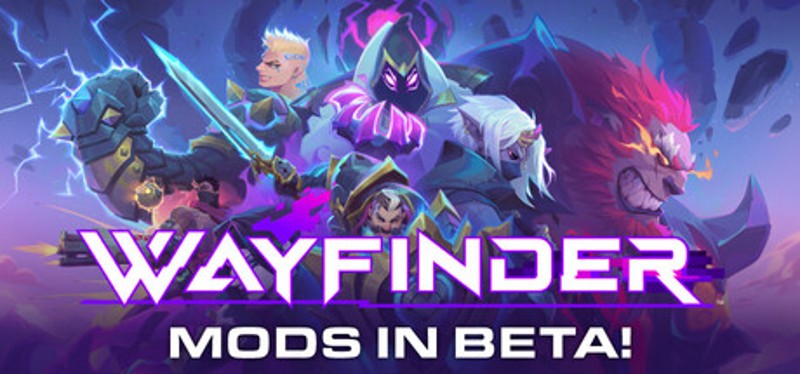
Wayfinder echoes Diablo's co-op dungeon exploration and loot-gathering but opts for high-fantasy atmosphere and team-based party dynamics over solo-friendly dark gothic immersion.
If you enjoyed this game, see our list of games similar to Wayfinder.View Game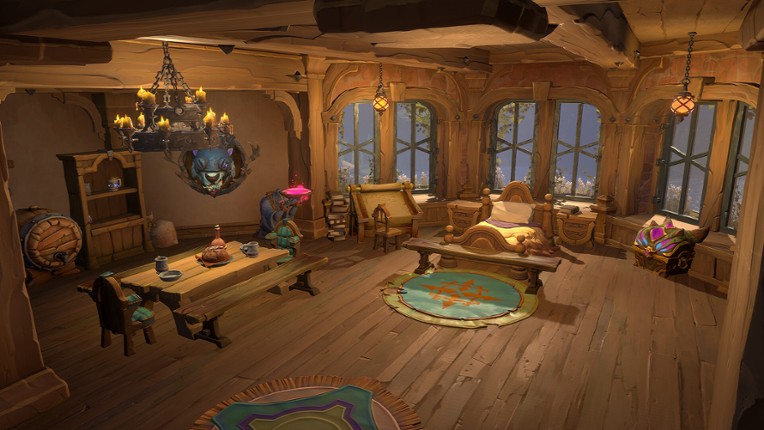
- 59%Game Brain ScoreMost mentioned positive aspects:story, gameplayMost mentioned negative aspects:grinding, monetization64% User Score 50,205 reviewsCritic Score 54%12 reviews
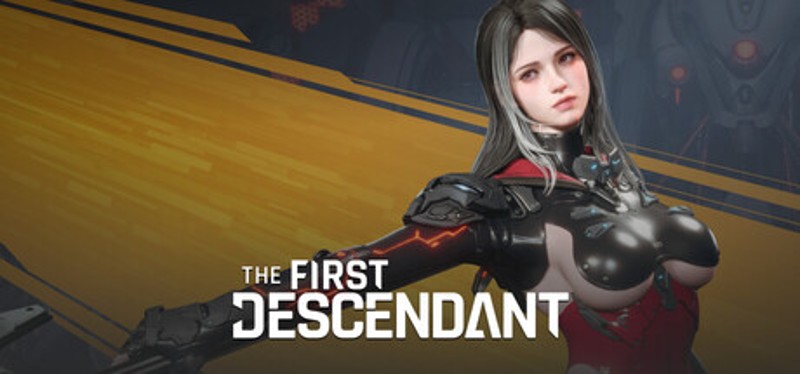
The First Descendant strips away Diablo's gothic dark fantasy and isometric perspective for a modern sci-fi looter-shooter free-to-play structure with third-person gunplay.
If you enjoyed this game, see our list of games similar to The First Descendant.View Game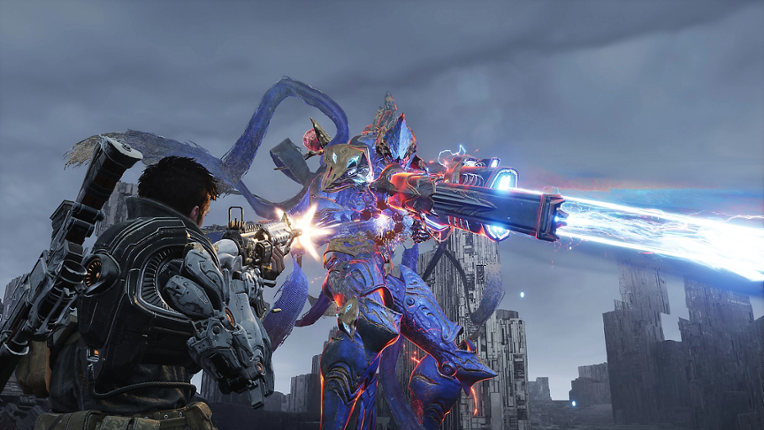
- 75%Game Brain ScoreMost mentioned positive aspects:story, gameplayMost mentioned negative aspects:grinding, monetization75% User Score 18,910 reviews
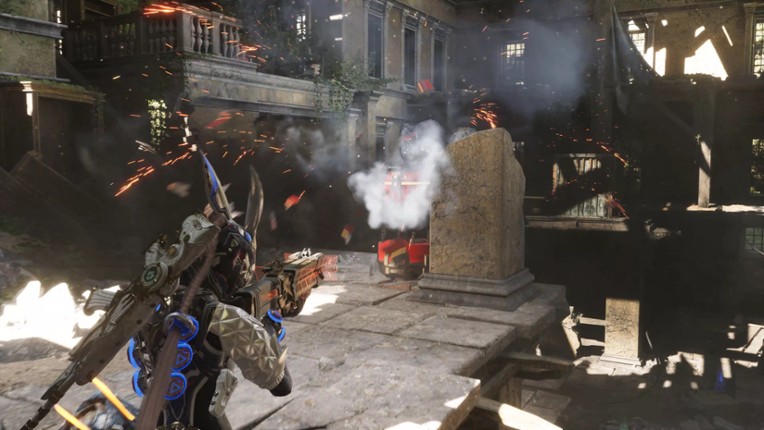
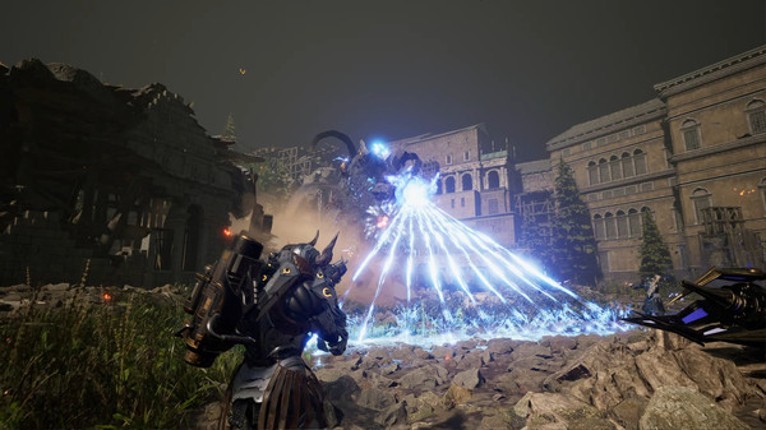
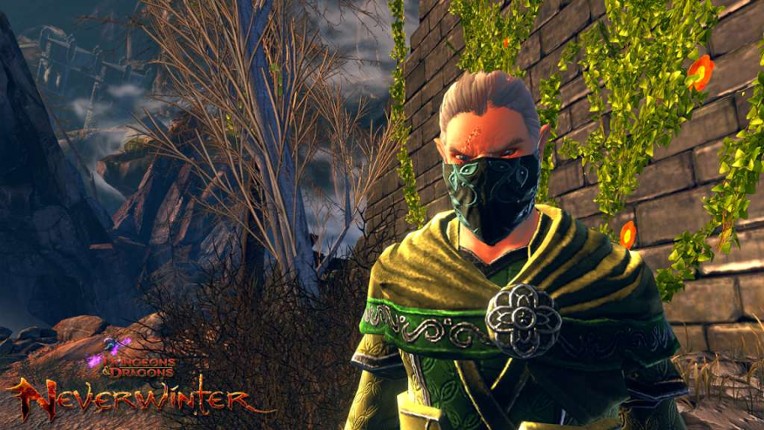
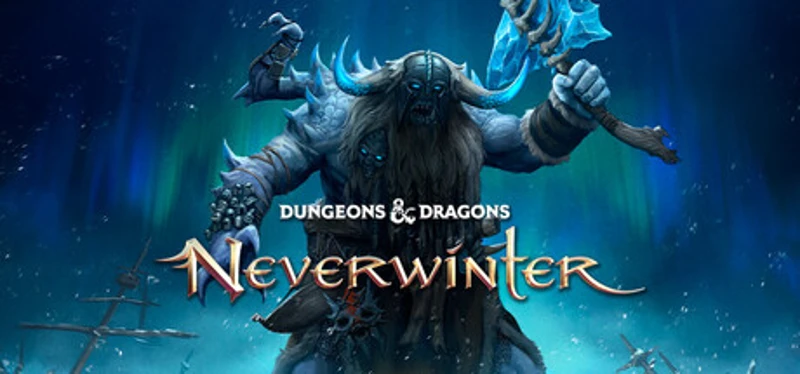
Neverwinter captures Diablo's action-RPG loot loop and co-op appeal within a sprawling Dungeons & Dragons MMO ecosystem, trading intimate campaigns for persistent world social progression.
If you enjoyed this game, see our list of games similar to Neverwinter.View Game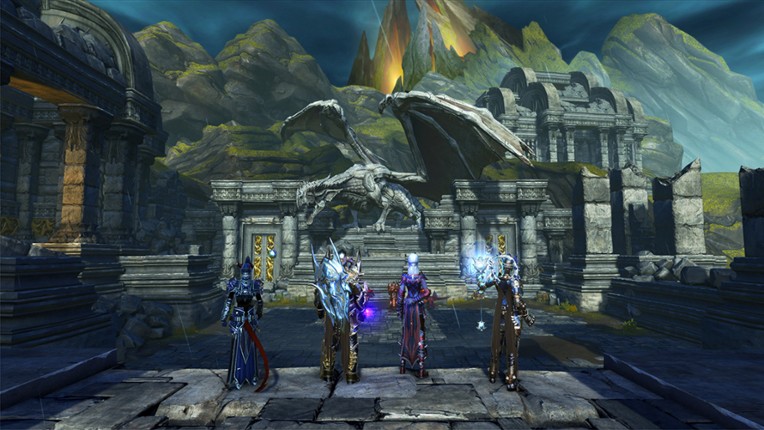
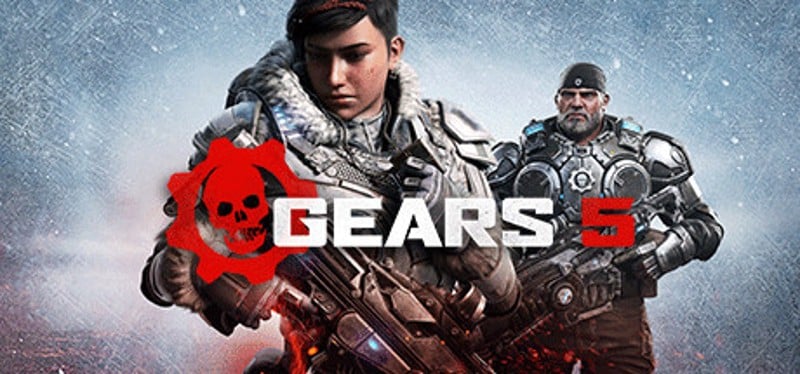
- 80%Game Brain ScoreMost mentioned positive aspects:story, gameplayMost mentioned negative aspects:stability, monetization72% User Score 9,385 reviewsCritic Score 87%12 reviews
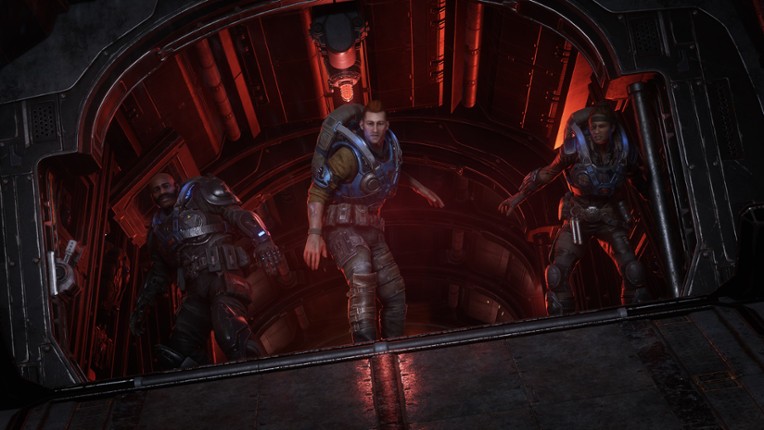
Swap the isometric perspective for intense third-person cover shooting while maintaining the same focus on cooperative squad-based tactical progression.
If you enjoyed this game, see our list of games similar to Gears 5.View Game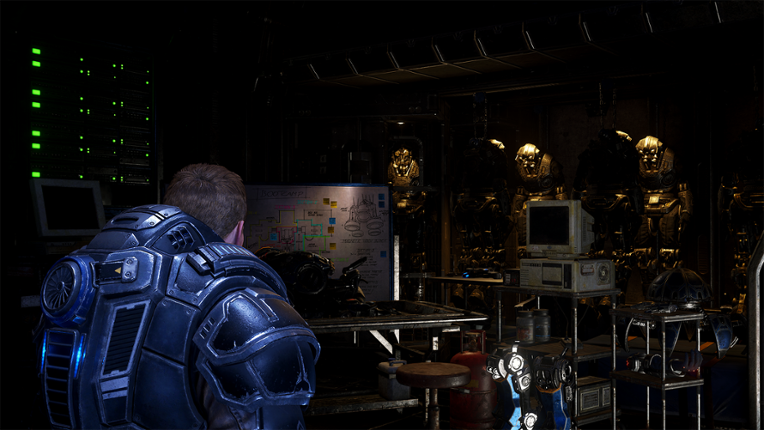
21 View Game 83%Game Brain ScoreMost mentioned positive aspects:graphics, gameplayMost mentioned negative aspects:grinding, monetization87% User Score 3,524 reviewsCritic Score 79%46 reviews
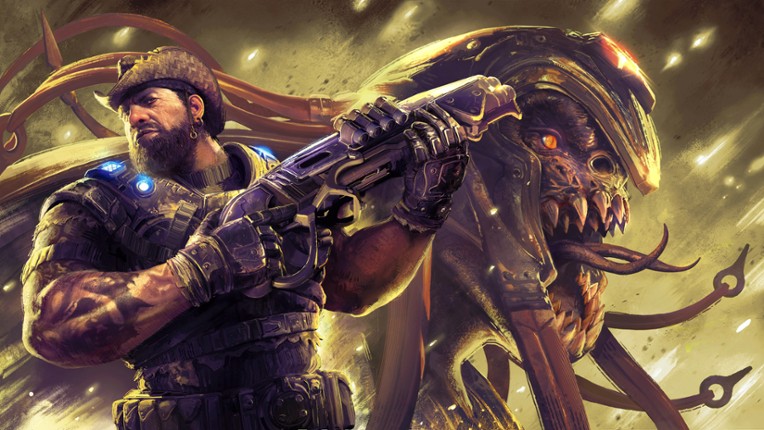
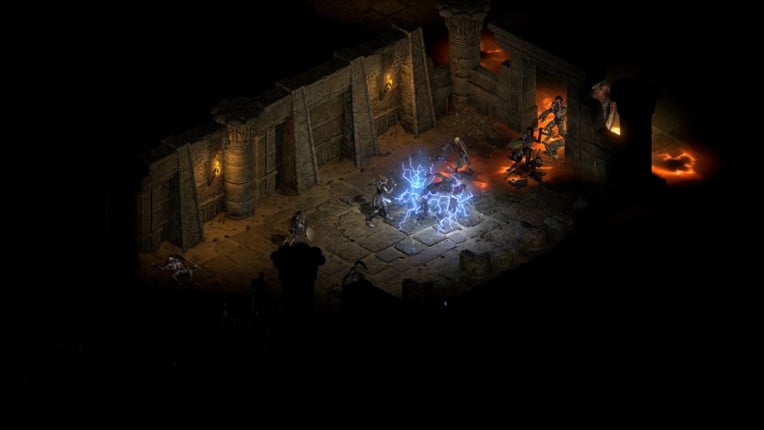
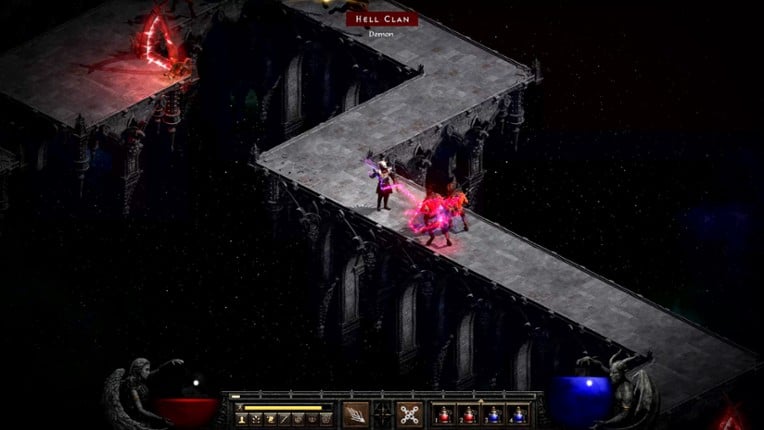
Diablo II: Resurrected is Diablo's direct spiritual predecessor with the same isometric loot treadmill and multiplayer foundation but refined for modern resolutions without Diablo IV's cinematic depth.
If you enjoyed this game, see our list of games similar to Diablo II: Resurrected.View Game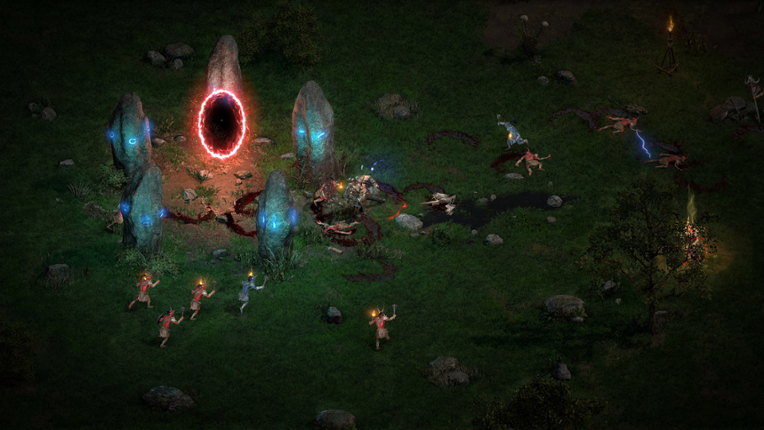
- 71%Game Brain ScoreMost mentioned positive aspects:story, gameplayMost mentioned negative aspects:stability, optimization68% User Score 29,971 reviewsCritic Score 73%56 reviews
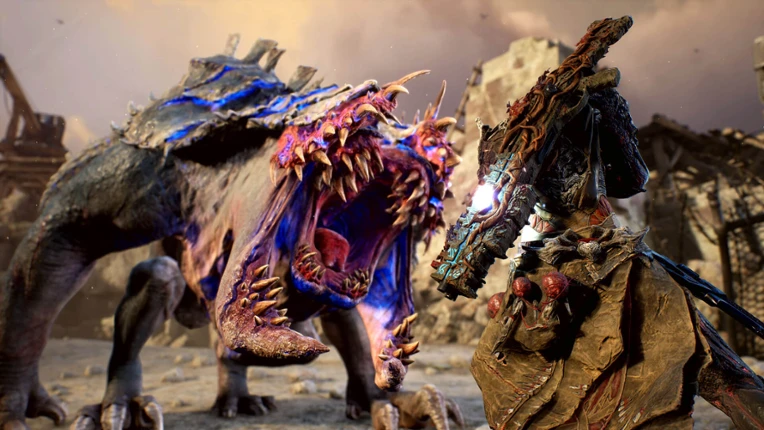
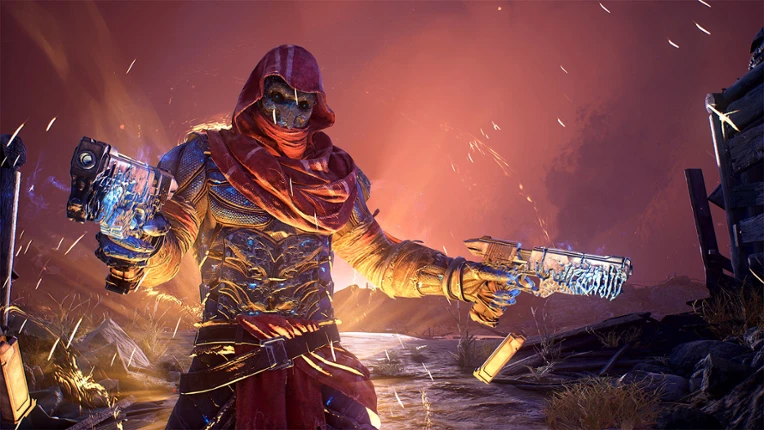
Outriders prioritizes aggressive ability-based gunplay over melee combat, creating a visceral sci-fi power fantasy for those seeking faster build synergy.
If you enjoyed this game, see our list of games similar to OUTRIDERS.View Game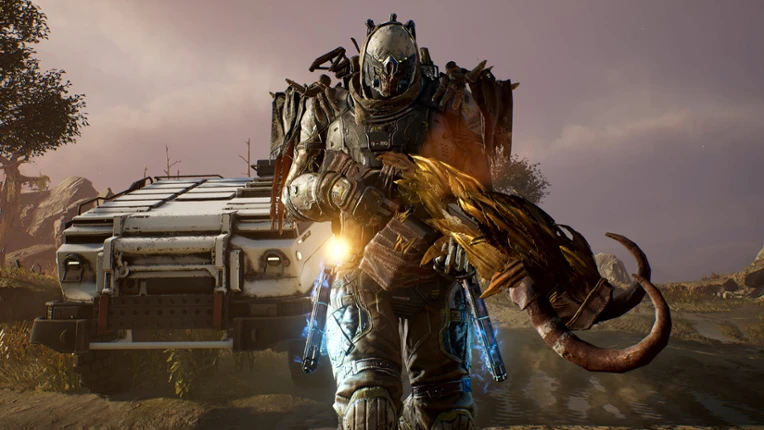
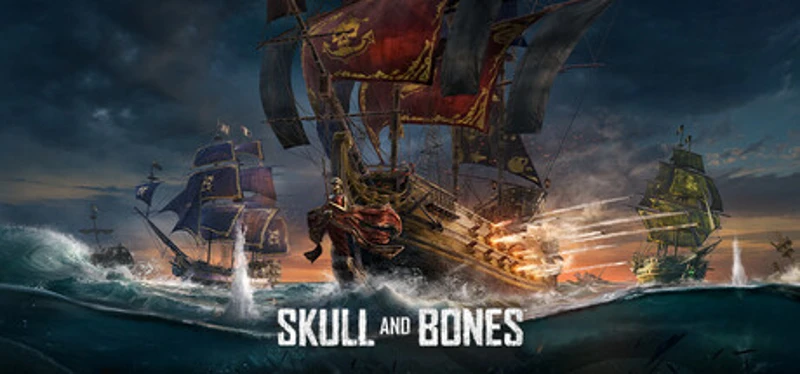
- 62%Game Brain ScoreMost mentioned positive aspects:story, gameplayMost mentioned negative aspects:grinding, stability68% User Score 2,295 reviewsCritic Score 55%8 reviews
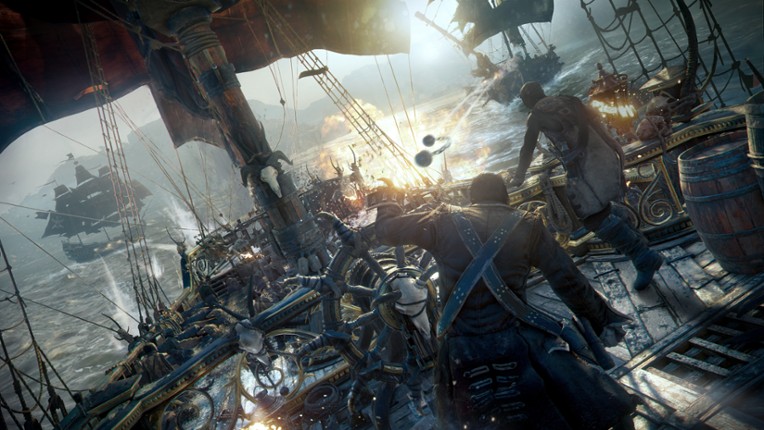
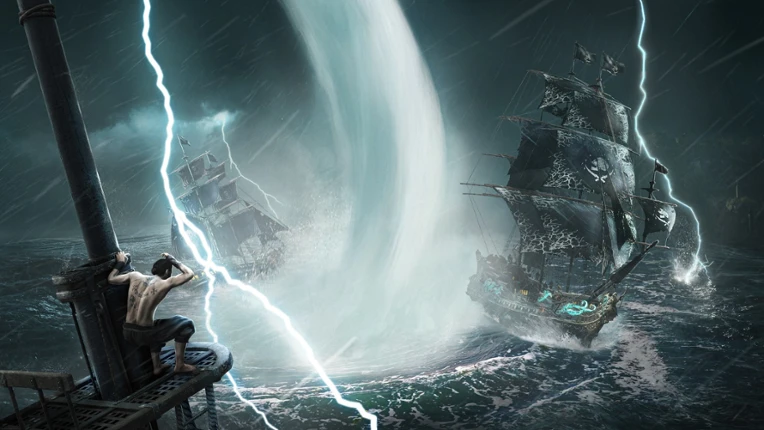
Replacing hellish dungeon crawling with open-sea naval warfare, this title caters to players who prefer vehicle-based combat and tactical exploration over classic looting.
If you enjoyed this game, see our list of games similar to Skull and Bones.View Game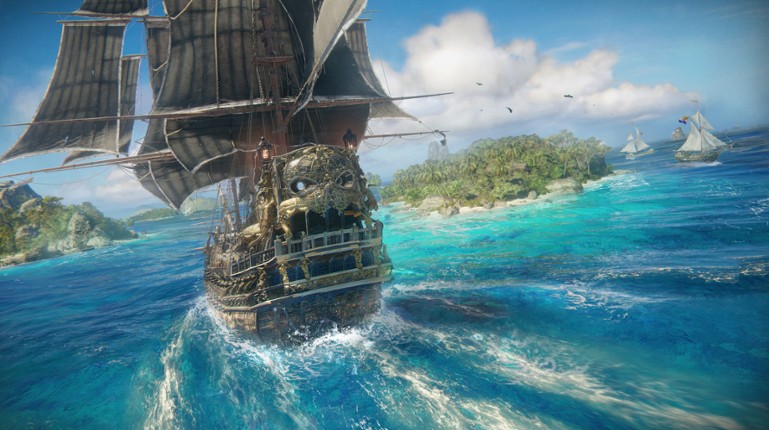
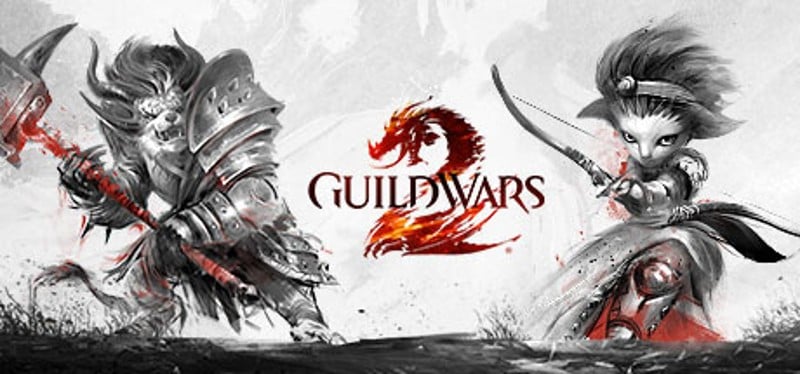
- 89%Game Brain ScoreMost mentioned positive aspects:story, gameplayMost mentioned negative aspects:grinding, monetization89% User Score 17,346 reviewsCritic Score 92%3 reviews
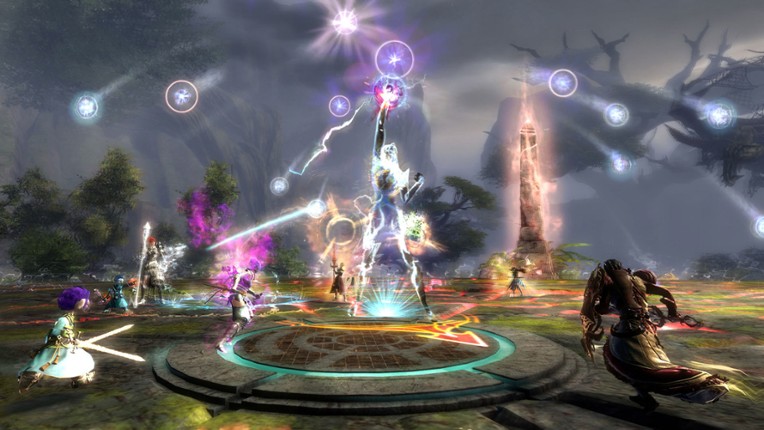
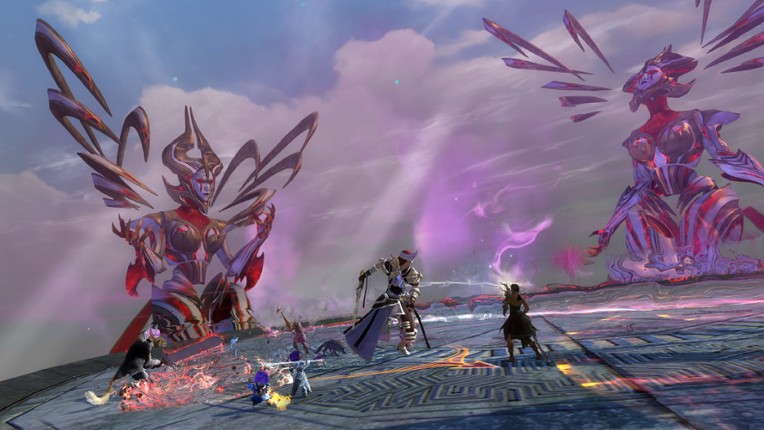
Transition into a sprawling persistent world where social interaction and massive group events replace the tight, instanced-dungeon focus of a typical gothic crawler.
If you enjoyed this game, see our list of games similar to Guild Wars 2.View Game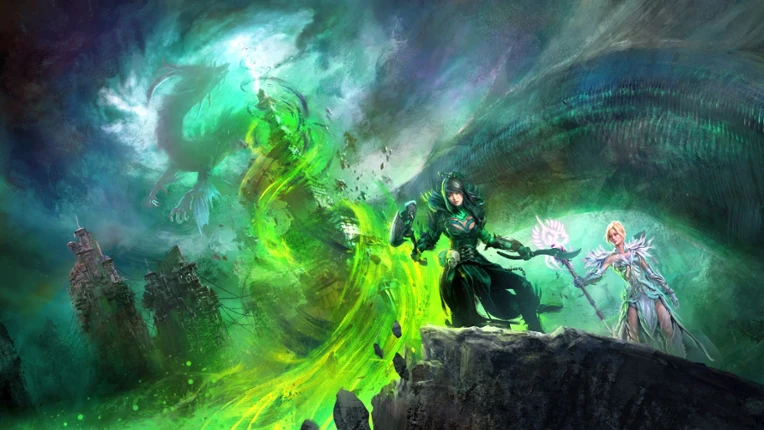
25 View Game 75%Game Brain ScoreMost mentioned positive aspects:story, gameplayMost mentioned negative aspects:grinding, stability75% User Score 1,961 reviews
Embrace a lighter, steampunk-infused take on the classic isometric loot-grind that focuses heavily on narrative humor and diverse magic-tech combinations.
If you enjoyed this game, see our list of games similar to The Incredible Adventures of Van Helsing: Final Cut.View Game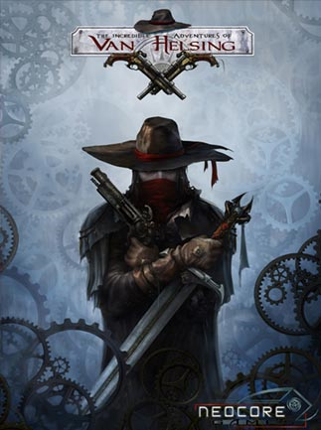


26 View Game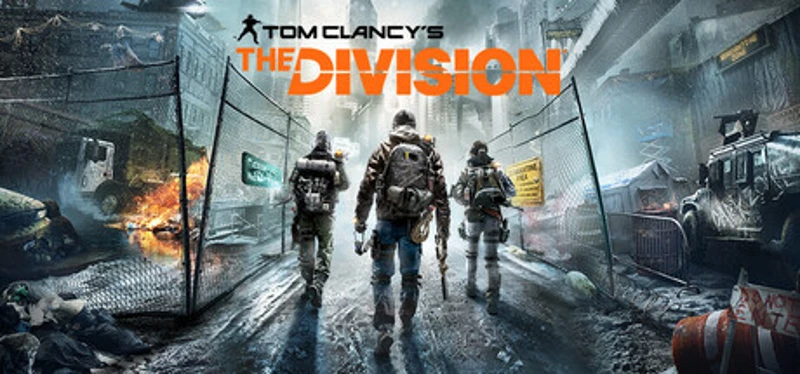 75%Game Brain ScoreMost mentioned positive aspects:story, gameplayMost mentioned negative aspects:grinding, stability72% User Score 25,005 reviewsCritic Score 77%44 reviews
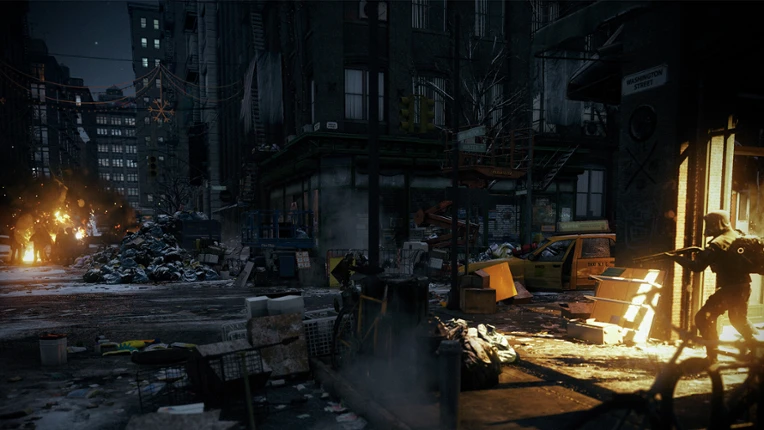
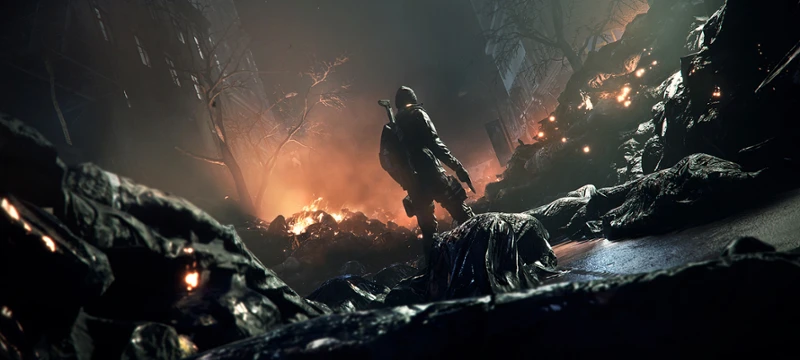
An exclusive XBOX Weapon skin for Tom Clancy's The Division If you enjoyed this game, see our list of games similar to Tom Clancy's The Division.
View Game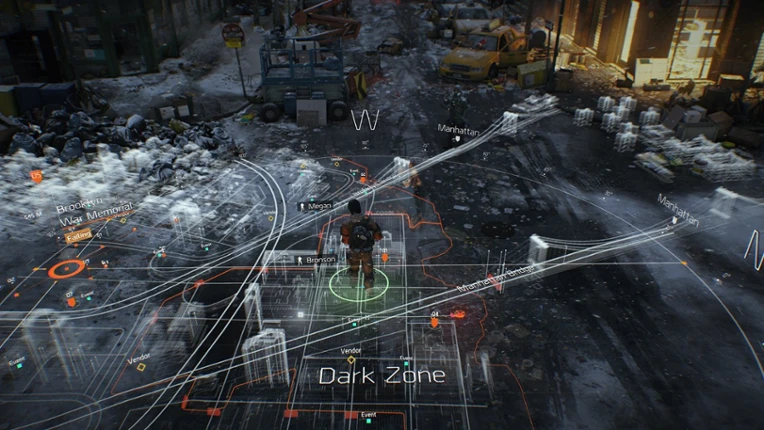
27 View Game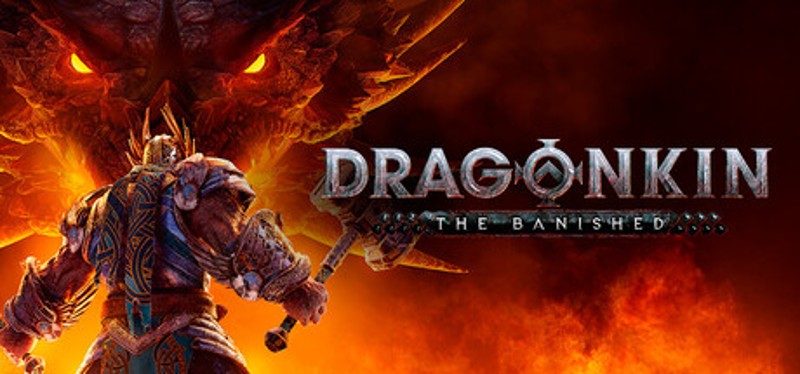 77%Game Brain ScoreMost mentioned positive aspects:story, gameplayMost mentioned negative aspects:grinding, stability79% User Score 1,137 reviewsCritic Score 74%8 reviews
Retaining the brutal isometric dungeon-crawling roots, this experience offers a more intimate split-screen focus for players wanting a tighter, localized cooperative challenge.
If you enjoyed this game, see our list of games similar to Dragonkin: The Banished.View Game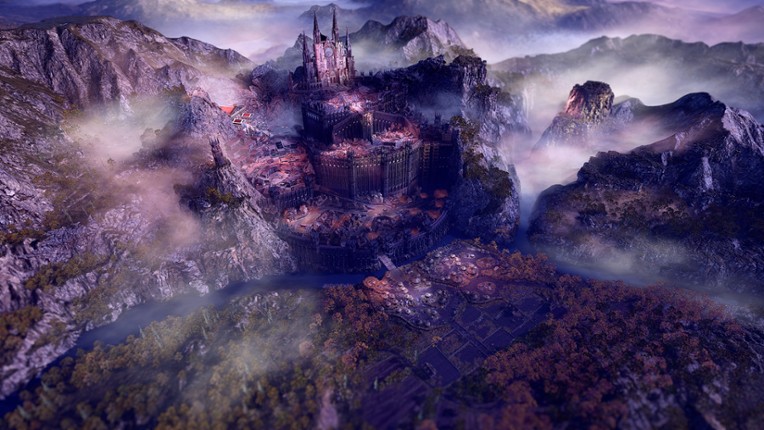
28 View Game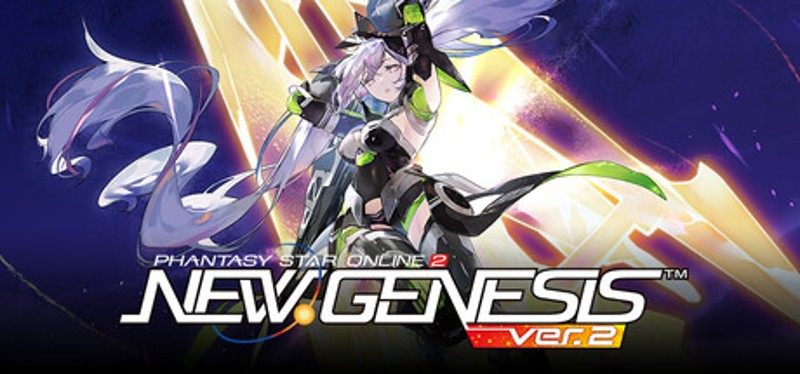 69%Game Brain ScoreMost mentioned positive aspects:story, gameplayMost mentioned negative aspects:grinding, monetization69% User Score 17,657 reviews
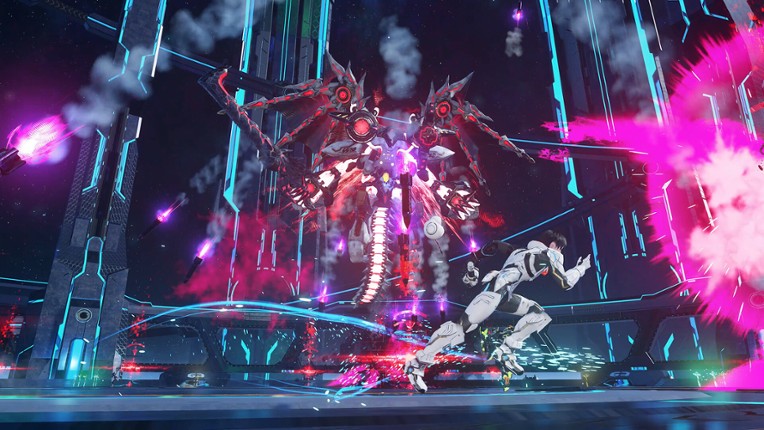
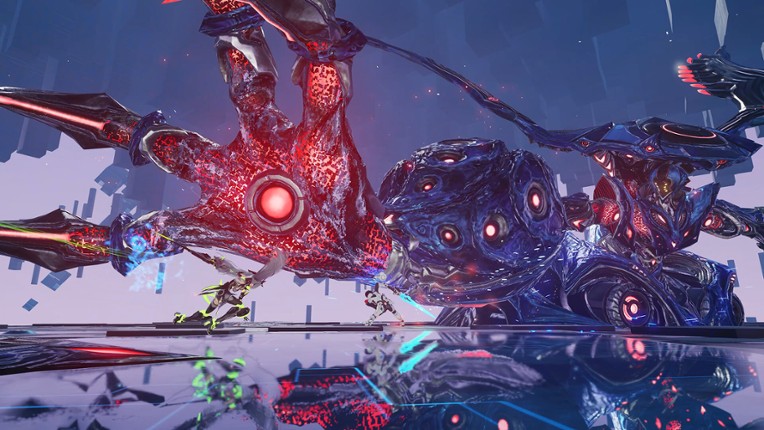
While the connection is looser, this title offers an anime-inspired, futuristic alternative focused on rapid-fire combo combat and highly detailed character customization.
If you enjoyed this game, see our list of games similar to Phantasy Star Online 2 New Genesis.View Game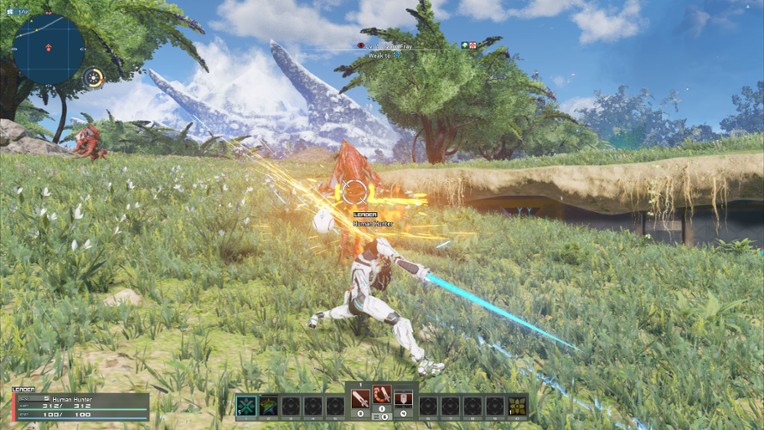
- 66%Game Brain ScoreMost mentioned positive aspects:story, gameplayMost mentioned negative aspects:stability, grinding72% User Score 82,736 reviewsCritic Score 54%4 reviews
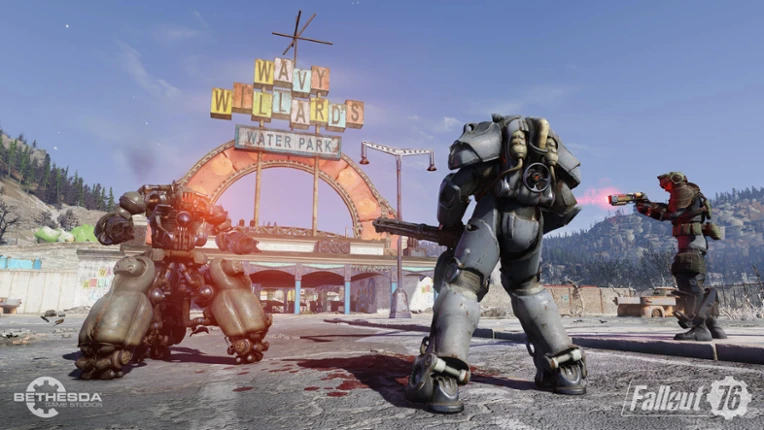
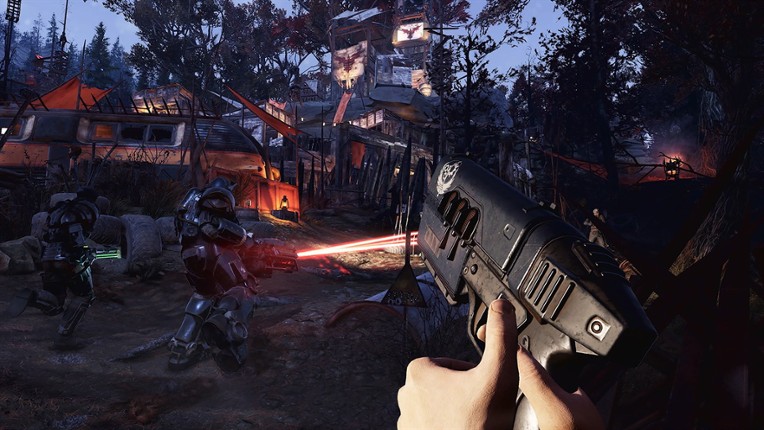
Swaps Diablo IV's gothic fantasy for post-apocalyptic satire, offering Fallout-style exploration, base building, and multiplayer survival in the wasteland.
If you enjoyed this game, see our list of games similar to Fallout 76.View Game
- 60%Game Brain ScoreMost mentioned positive aspects:story, gameplayMost mentioned negative aspects:grinding, monetization63% User Score 32,316 reviewsCritic Score 55%5 reviews
Replaces Diablo IV's grim dungeon crawling with a brighter MMORPG structure, built for players who want large-scale PvP and raid-style guild play.
If you enjoyed this game, see our list of games similar to Throne and Liberty.View Game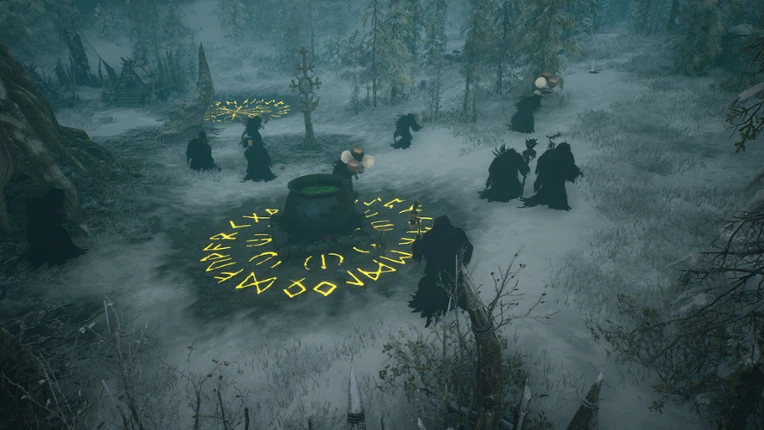
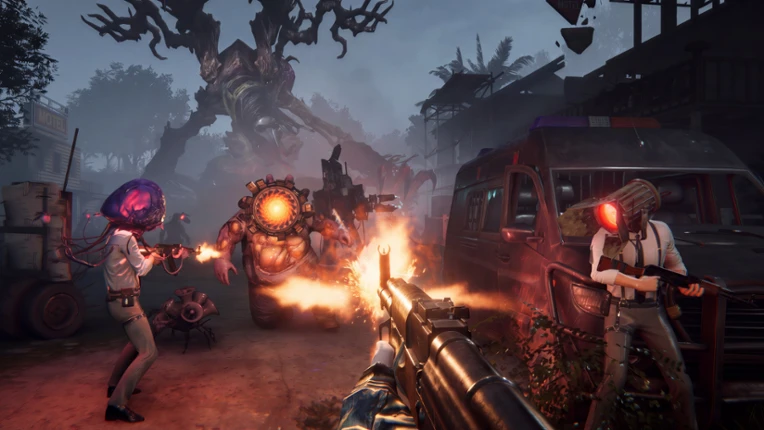
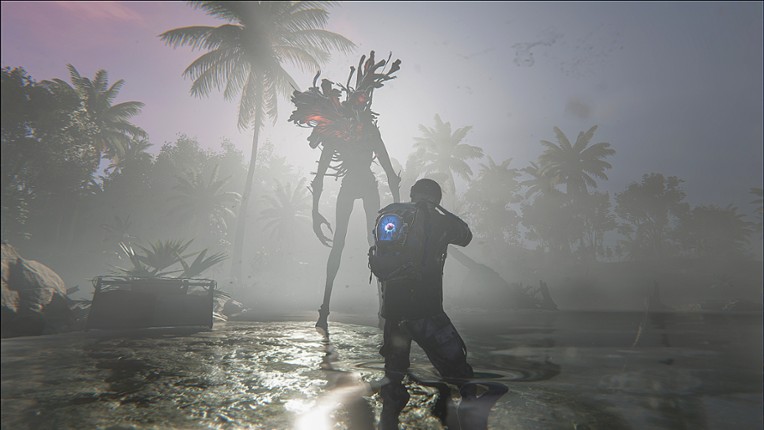
- 78%Game Brain ScoreMost mentioned positive aspects:gameplay, storyMost mentioned negative aspects:grinding, optimization79% User Score 79,363 reviewsCritic Score 77%6 reviews
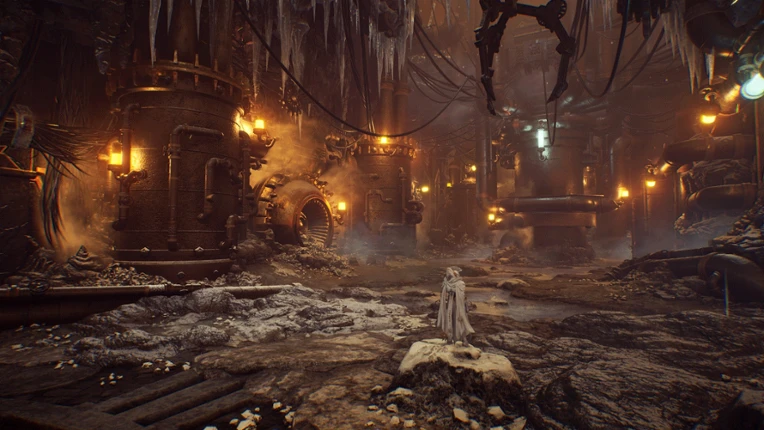
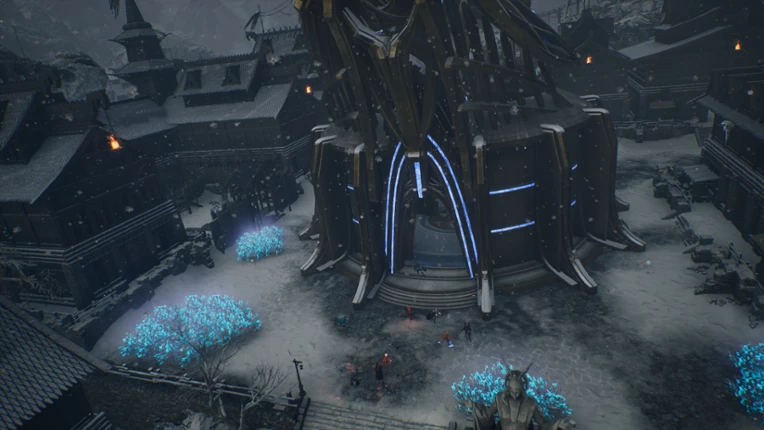
For players favoring survival over pure action, this post-apocalyptic shift emphasizes base building and resource management within a massive, interconnected multiplayer world.
If you enjoyed this game, see our list of games similar to Once Human.View Game
32 View Game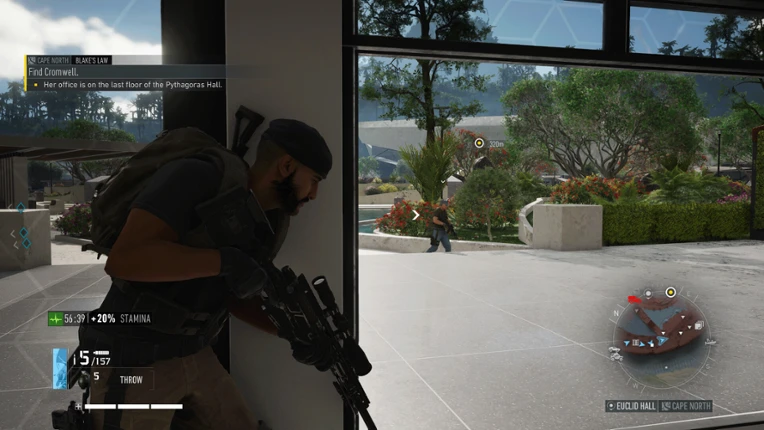
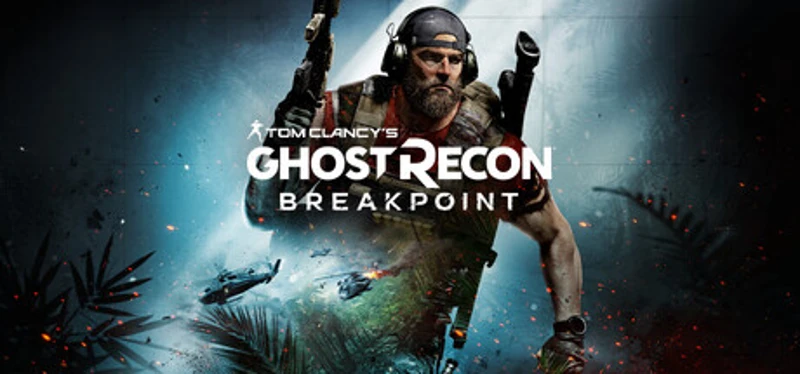
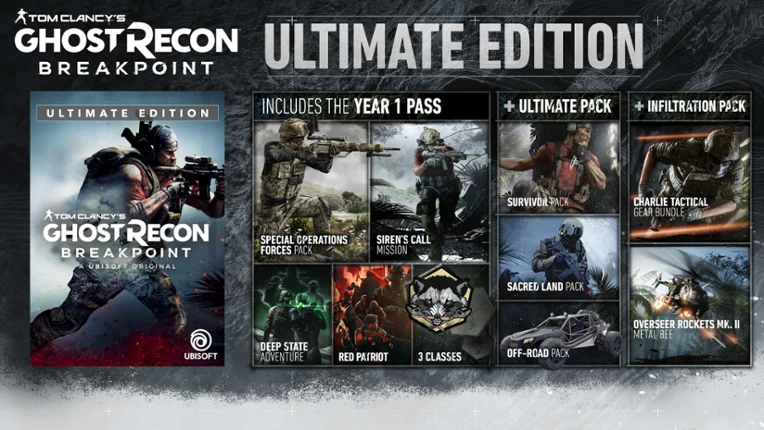 61%Game Brain ScoreMost mentioned positive aspects:story, gameplayMost mentioned negative aspects:stability, optimization73% User Score 20,321 reviewsCritic Score 48%9 reviews
For Diablo IV players who want less demons and more tactical military stealth, Breakpoint pivots the formula into squad-based firefights and open-world recon.
If you enjoyed this game, see our list of games similar to Tom Clancy's Ghost Recon Breakpoint.View Game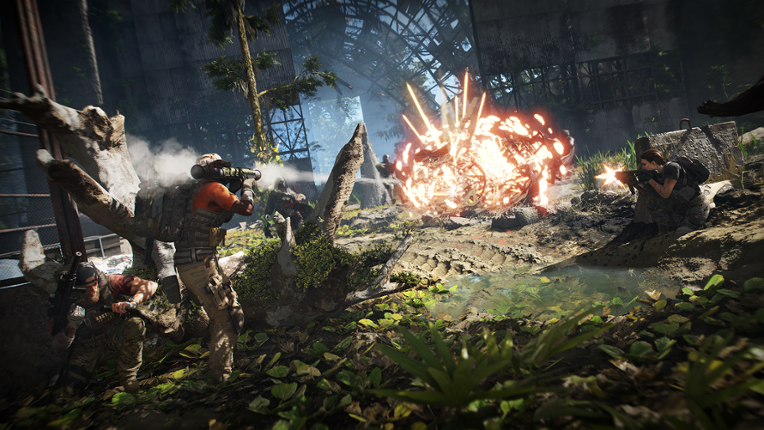
- 74%Game Brain ScoreMost mentioned positive aspects:graphics, gameplayMost mentioned negative aspects:monetization, grinding74% User Score 2,058 reviews
This is the more portable, streamlined alternative for Diablo IV fans who just want solo loot grinding without the darker presentation or multiplayer focus.
If you enjoyed this game, see our list of games similar to Torchlight: Infinite.View Game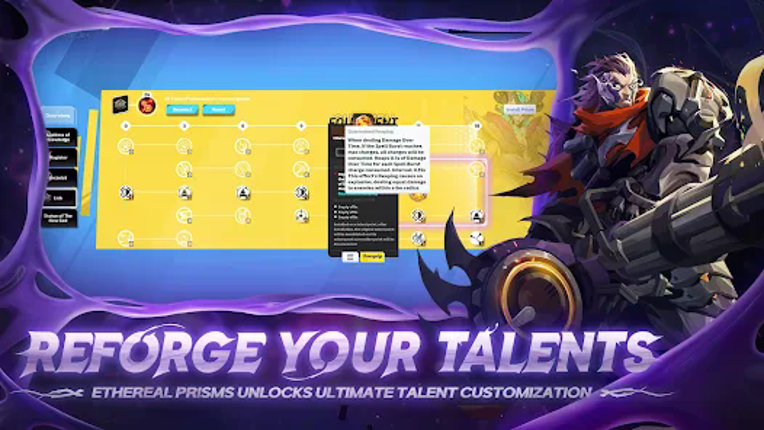
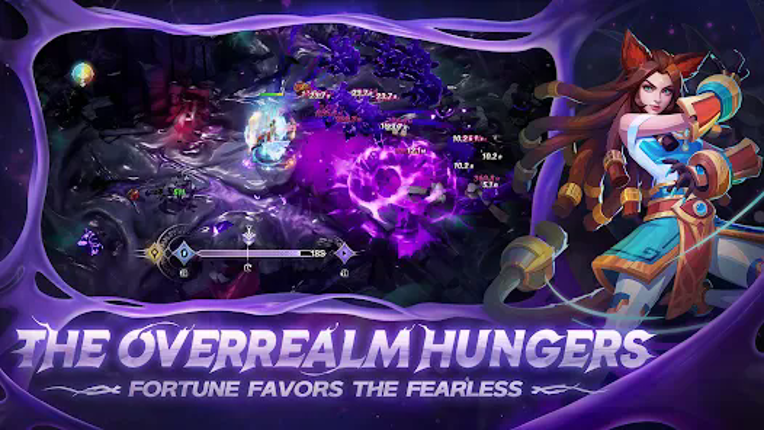
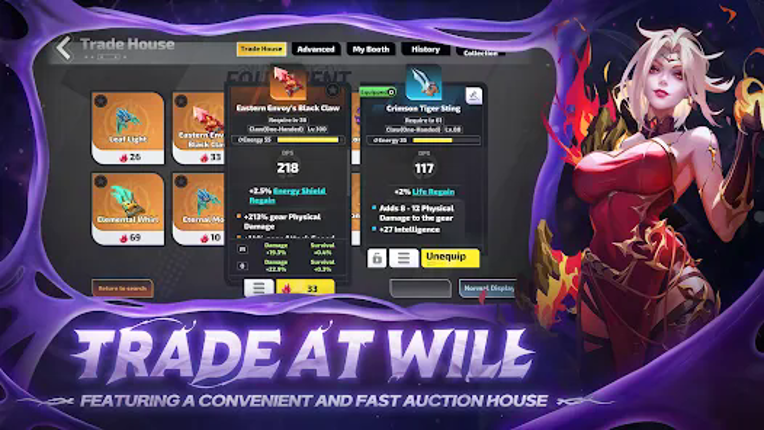
- 56%Game Brain ScoreMost mentioned positive aspects:story, gameplayMost mentioned negative aspects:monetization, grinding49% User Score 10,000 reviewsCritic Score 64%15 reviews
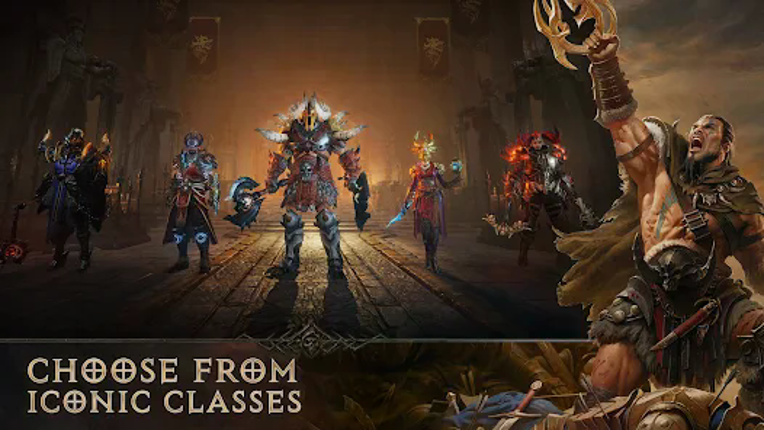
Keeps the Blizzard-style action RPG loop but shifts Diablo IV into a more accessible mobile-friendly fantasy grind with persistent online progression.
If you enjoyed this game, see our list of games similar to Diablo Immortal.View Game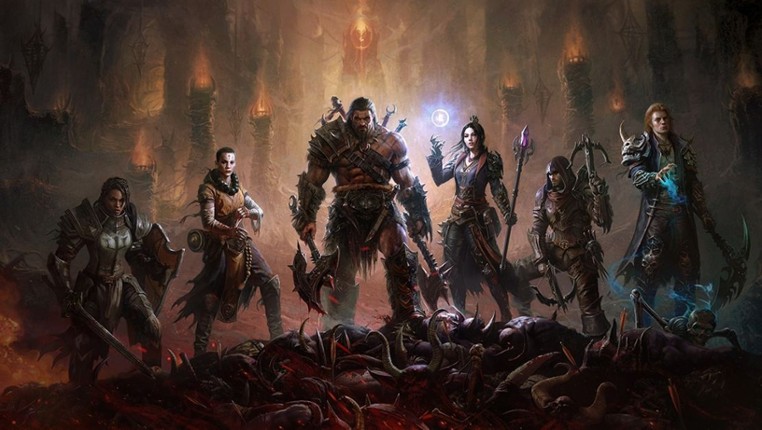
35 View Game 76%Game Brain ScoreMost mentioned positive aspects:story, gameplayMost mentioned negative aspects:stability, grinding69% User Score 18,414 reviewsCritic Score 83%88 reviews
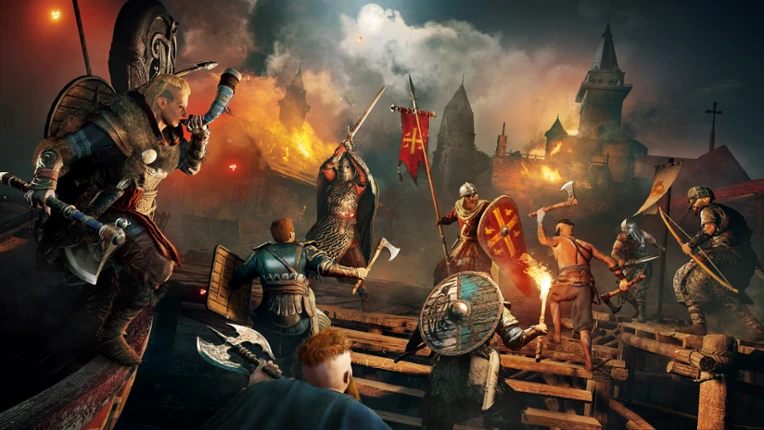
Shift from frantic clicking to calculated melee duels in a grounded, historical Viking setting that emphasizes cinematic storytelling over randomized loot drops.
If you enjoyed this game, see our list of games similar to Assassin's Creed Valhalla.View Game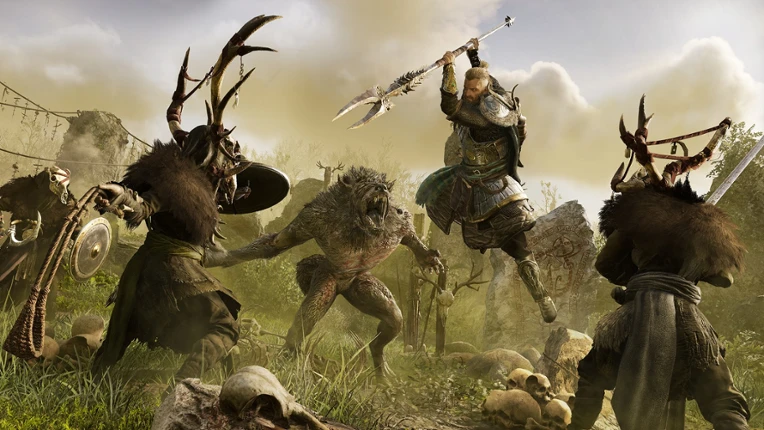
- 86%Game Brain ScoreMost mentioned positive aspects:story, gameplayMost mentioned negative aspects:grinding, optimization91% User Score 14,548 reviewsCritic Score 79%5 reviews
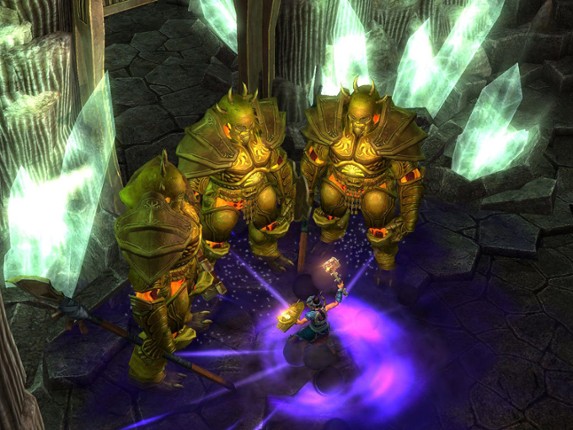
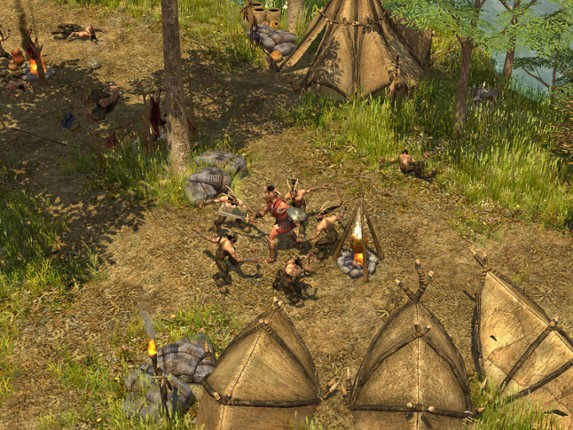
Titan Quest exchanges Diablo IV's gothic horror for mythological sightseeing, pairing classic isometric loot-hunting with a brighter, more ancient setting.
If you enjoyed this game, see our list of games similar to Titan Quest.View Game
37 View Game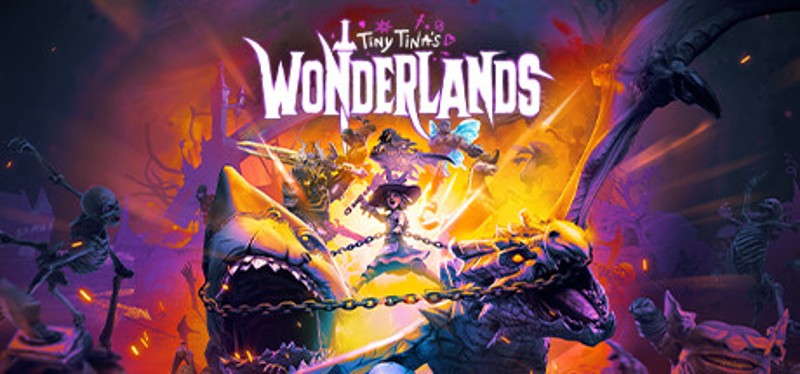 75%Game Brain ScoreMost mentioned positive aspects:story, gameplayMost mentioned negative aspects:grinding, optimization74% User Score 18,438 reviewsCritic Score 76%14 reviews
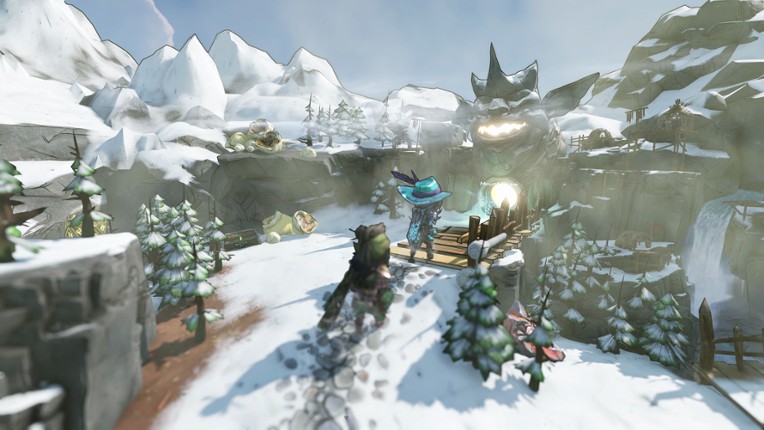
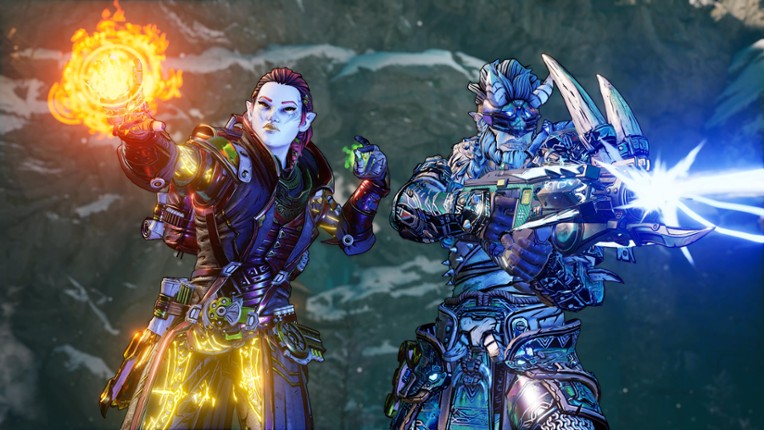
Tiny Tina's Wonderlands keeps the loot-and-skills loop but turns Diablo IV's menace into chaotic first-person comedy and tabletop-inspired fantasy.
If you enjoyed this game, see our list of games similar to Tiny Tina's Wonderlands.View Game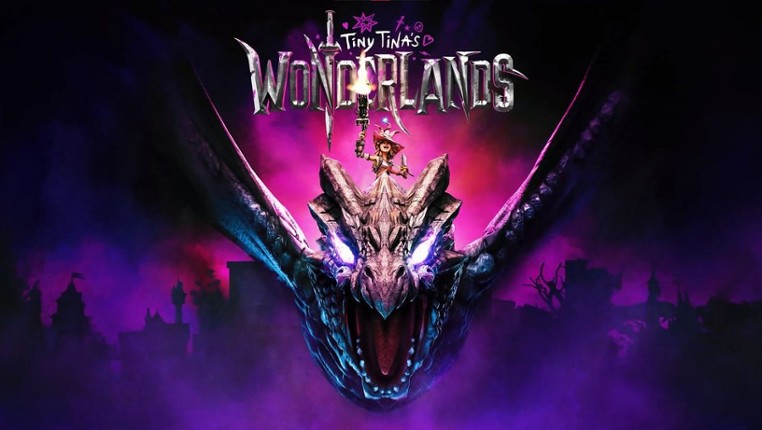
- 50%Game Brain ScoreMost mentioned positive aspects:story, gameplayMost mentioned negative aspects:grinding, monetization47% User Score 1,159 reviewsCritic Score 68%1 reviews
Pagan Online is for Diablo IV players wanting a tougher, more experimental isometric grind, with faster combat and a rougher early-access edge.
If you enjoyed this game, see our list of games similar to Pagan Online.View Game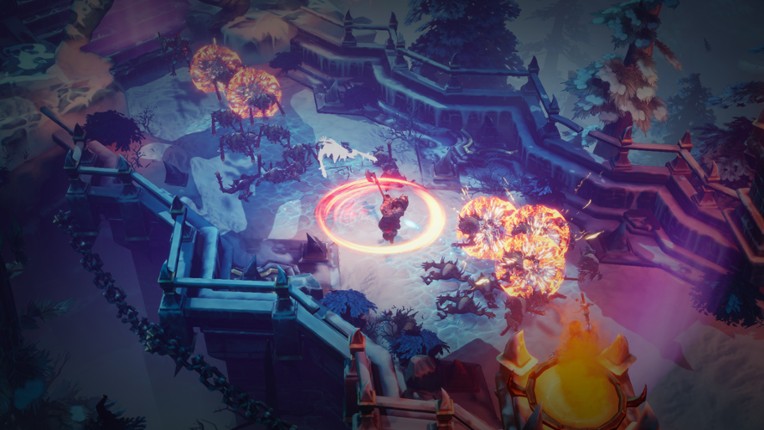
- 72%Game Brain ScoreMost mentioned positive aspects:story, gameplayMost mentioned negative aspects:grinding, monetization67% User Score 104,712 reviewsCritic Score 78%7 reviews
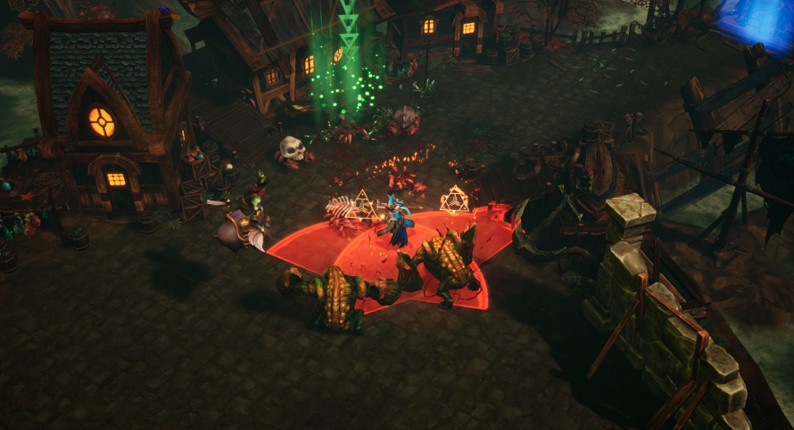
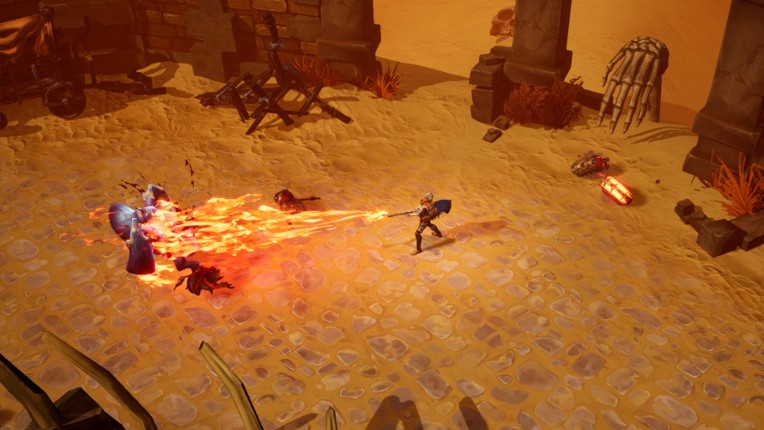
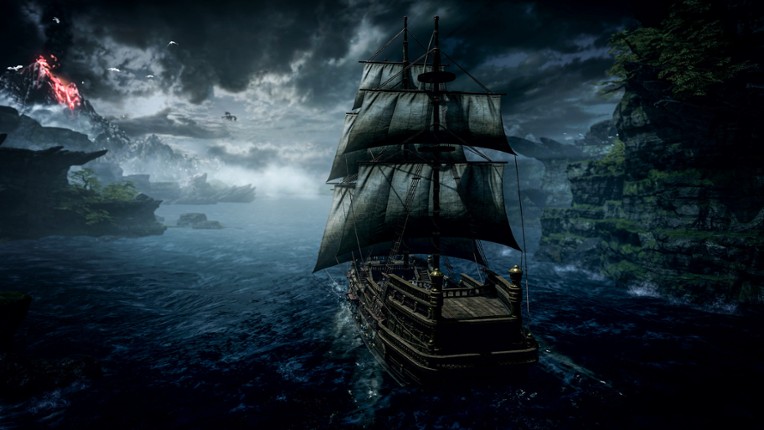
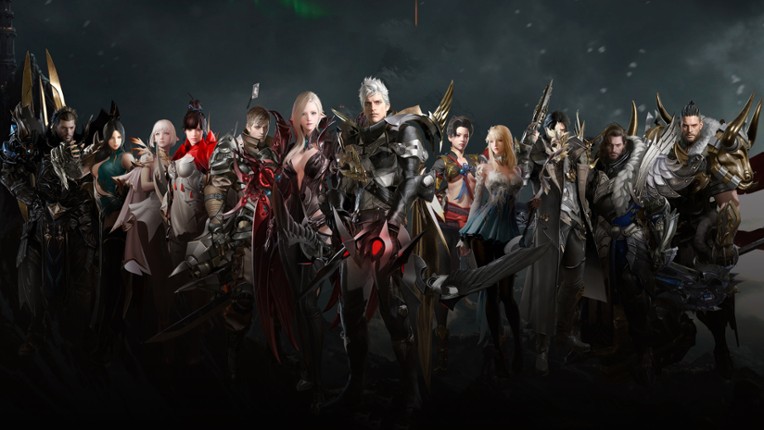
Free-to-play MMO scaling Diablo's hack-and-slash to massive multiplayer with wider progression systems and PvP focus.
If you enjoyed this game, see our list of games similar to Lost Ark.View Game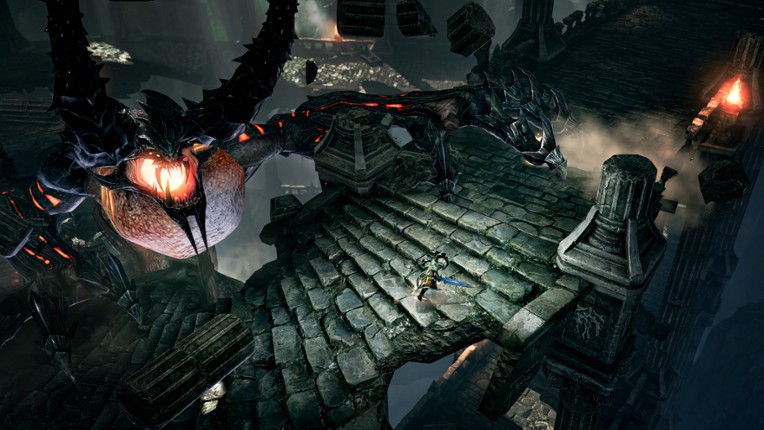
- 90%Game Brain ScoreMost mentioned positive aspects:story, gameplayMost mentioned negative aspects:grinding, stability93% User Score 10,054 reviewsCritic Score 81%2 reviews
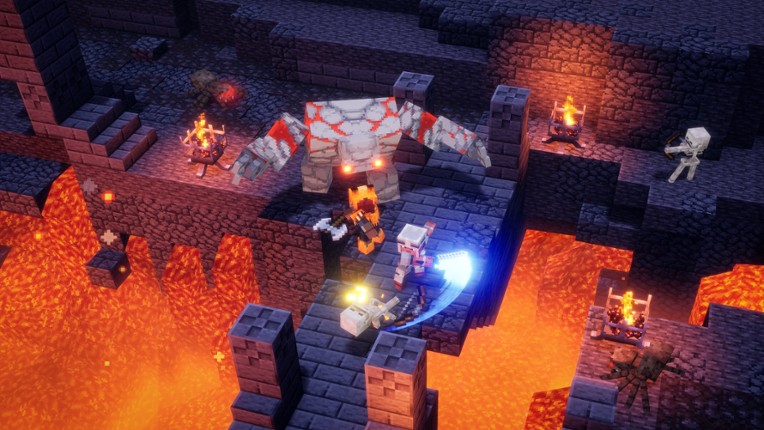
Strips Diablo's gothic horror for family-friendly colorfulness while preserving isometric dungeon crawling and local co-op accessibility.
If you enjoyed this game, see our list of games similar to Minecraft Dungeons.View Game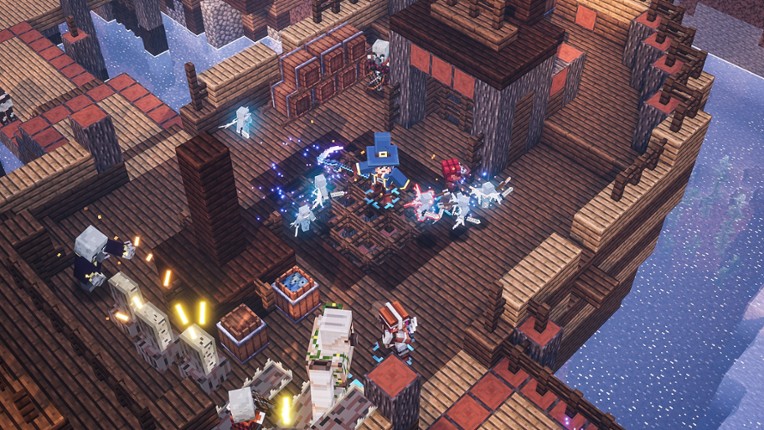
- 74%Game Brain ScoreMost mentioned positive aspects:gameplay, graphicsMost mentioned negative aspects:grinding, monetization74% User Score 13,231 reviews
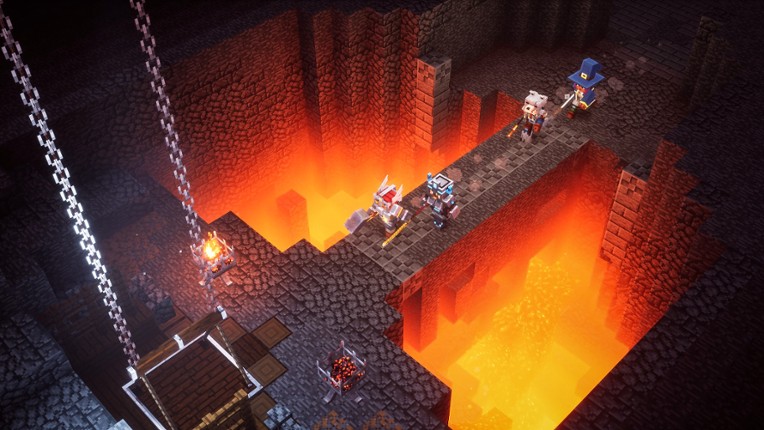
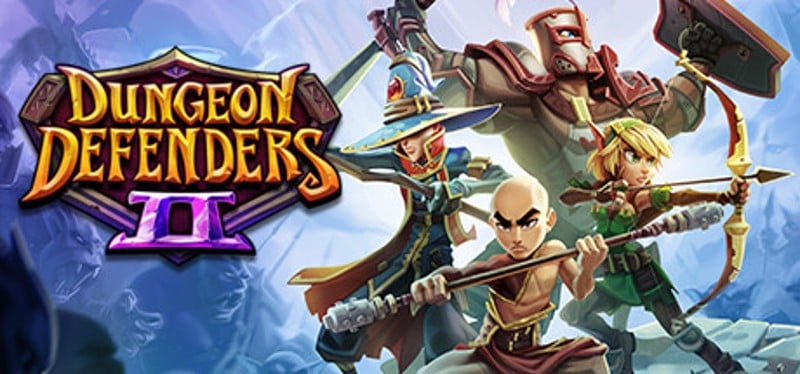
Instead of Diablo IV's dark dungeon combat, Dungeon Defenders II mixes loot with tower defense, rewarding players who like planning traps and lanes.
If you enjoyed this game, see our list of games similar to Dungeon Defenders II.View Game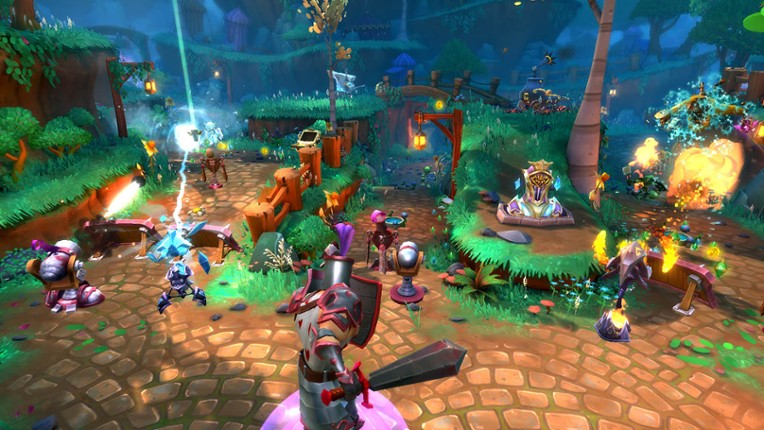
- 79%Game Brain ScoreMost mentioned positive aspects:gameplay, graphicsMost mentioned negative aspects:stability, grinding79% User Score 69,198 reviews
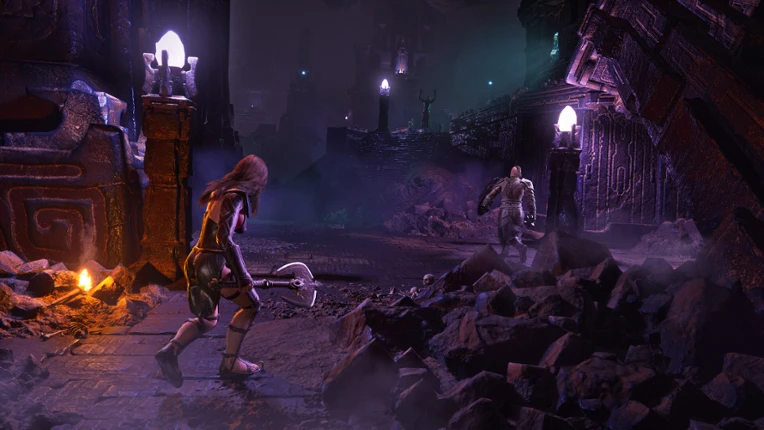
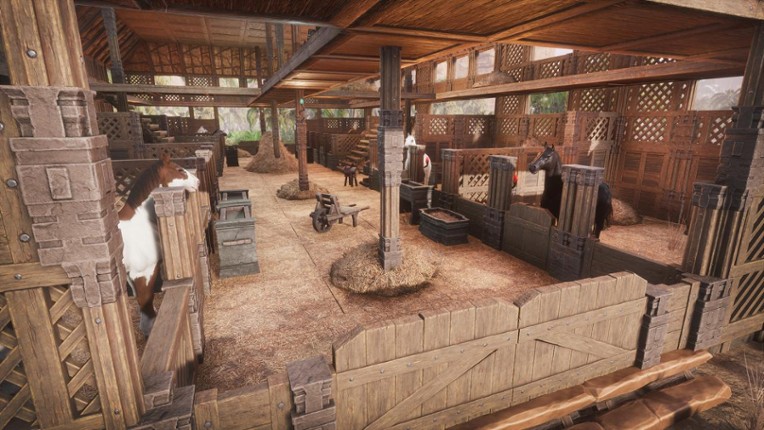
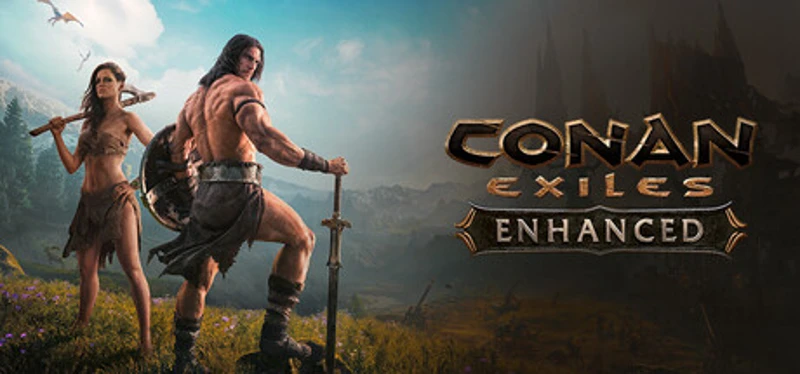
Replaces Diablo's focused combat with open-world survival building, trading, and persistent multiplayer base management.
If you enjoyed this game, see our list of games similar to Conan Exiles.View Game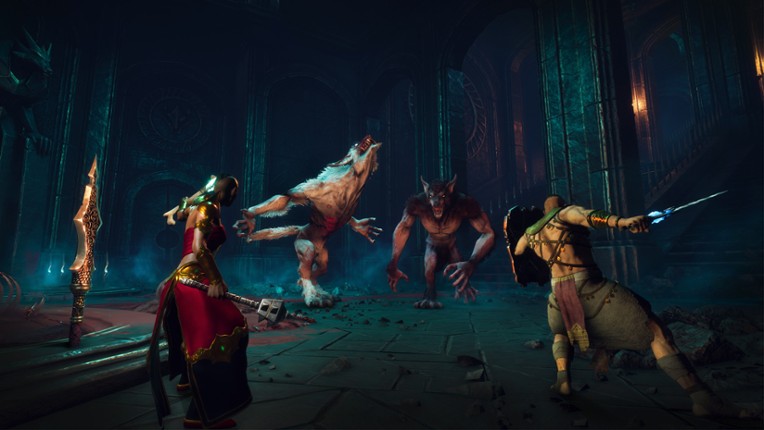
- 95%Game Brain ScoreMost mentioned positive aspects:graphics, gameplayMost mentioned negative aspects:grinding, stability95% User Score 6,346 reviews
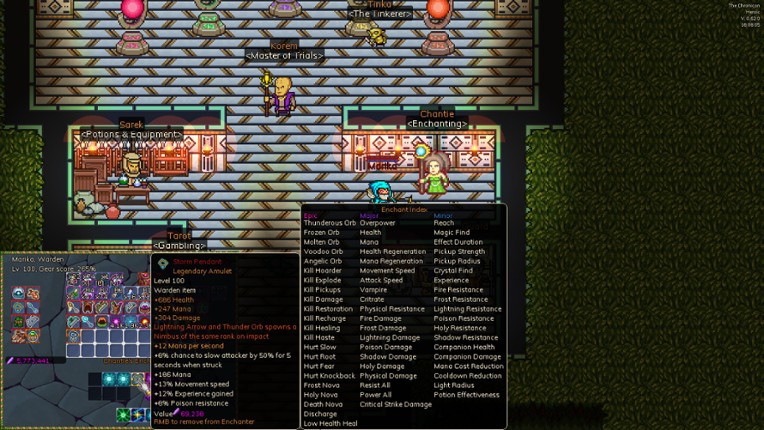
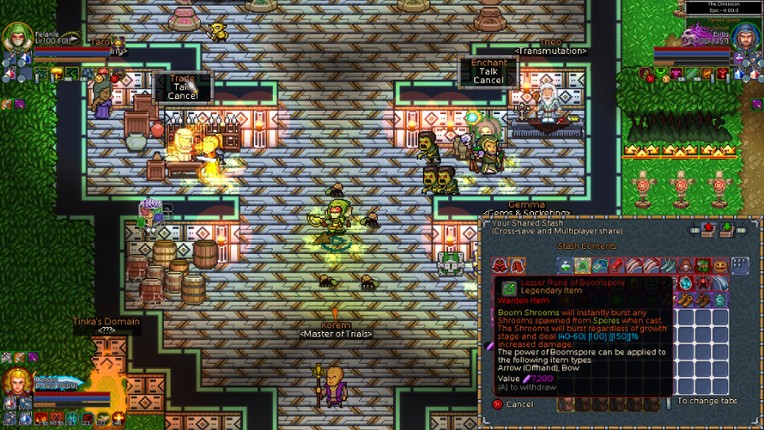
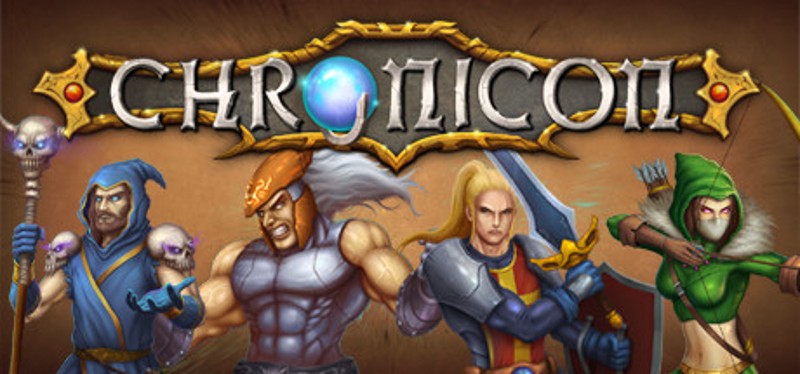
Indie pixel-art alternative delivering Diablo's dungeon-crawling and loot rewards with procedural generation and 4-player split-screen.
If you enjoyed this game, see our list of games similar to Chronicon.View Game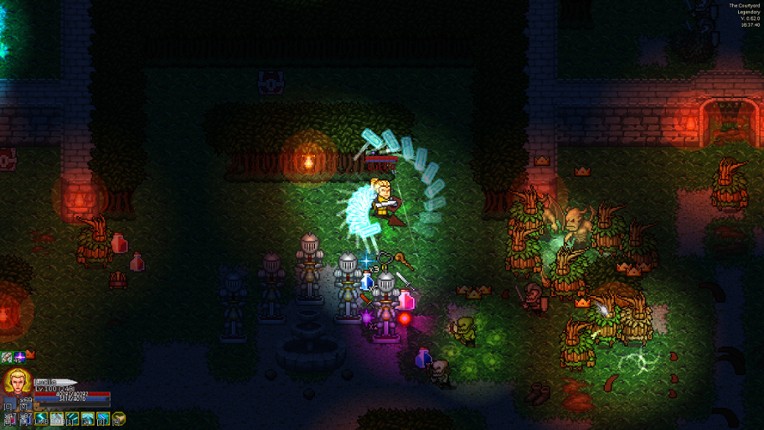
- 88%Game Brain ScoreMost mentioned positive aspects:graphics, storyMost mentioned negative aspects:monetization, grinding88% User Score 10,000 reviews
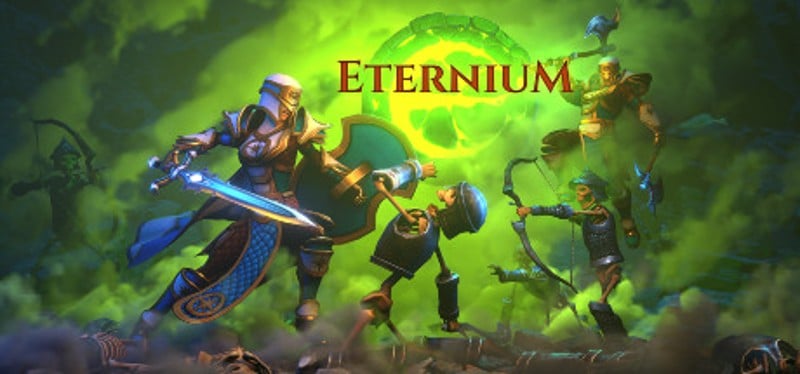
A looser fit for Diablo IV fans, Eternium delivers a lighter old-school action RPG grind with mobile-style simplicity and a top-down view.
If you enjoyed this game, see our list of games similar to Eternium.View Game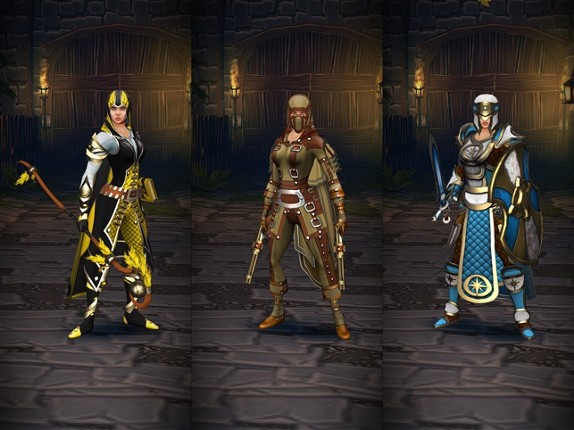
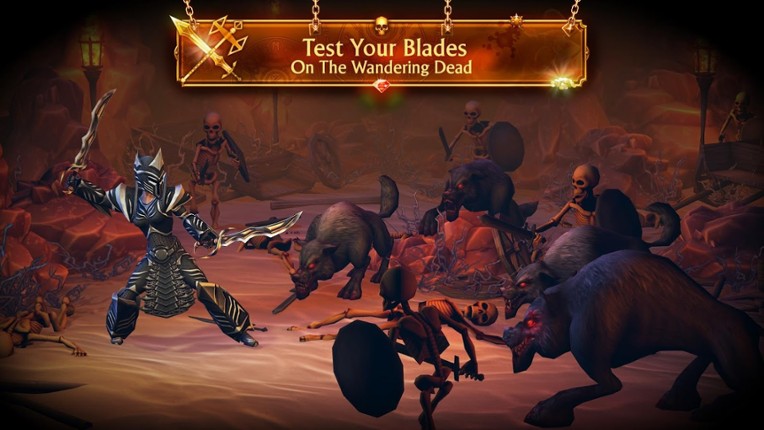
45 View Game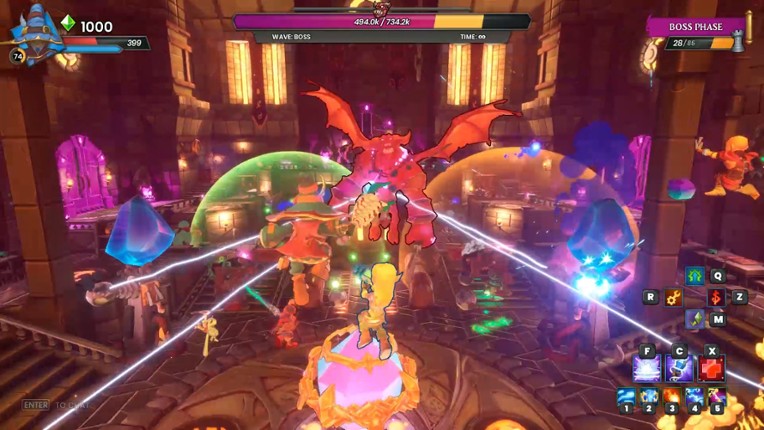 68%Game Brain ScoreMost mentioned positive aspects:graphics, gameplayMost mentioned negative aspects:stability, grinding66% User Score 3,472 reviewsCritic Score 72%6 reviews
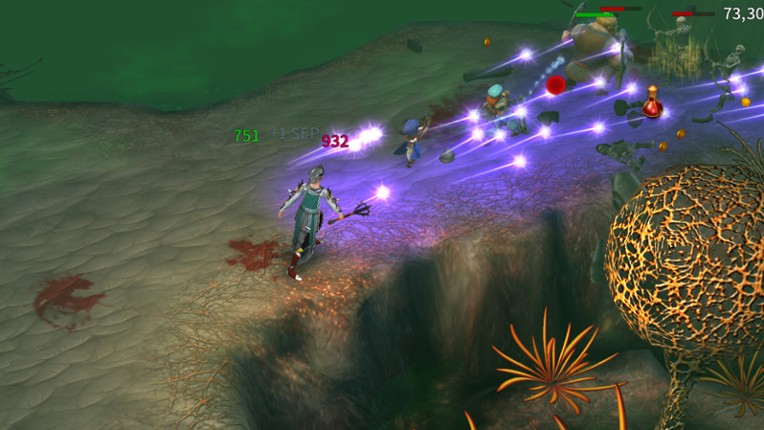
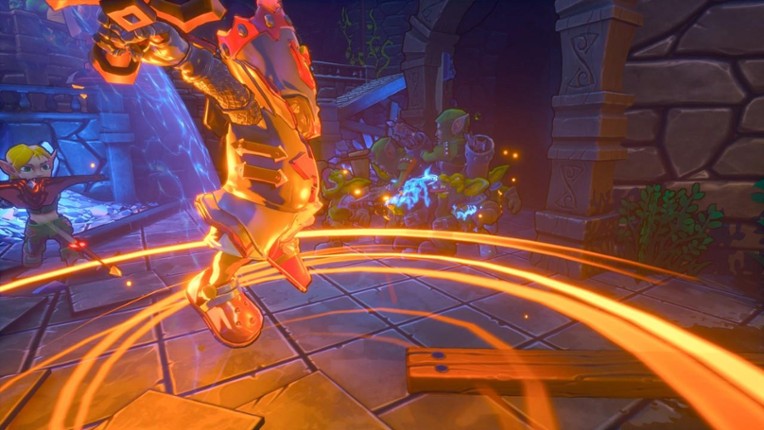
Blends Diablo's cooperative action with tower-defense mechanics and class specialization, favoring strategic positioning over pure hack-and-slash.
If you enjoyed this game, see our list of games similar to Dungeon Defenders: Awakened.View Game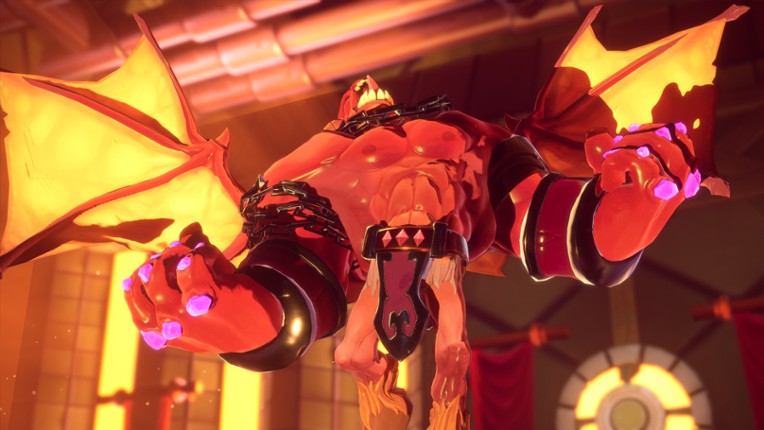
- 74%Game Brain ScoreMost mentioned positive aspects:story, gameplayMost mentioned negative aspects:grinding, monetization73% User Score 5,635 reviewsCritic Score 80%1 reviews
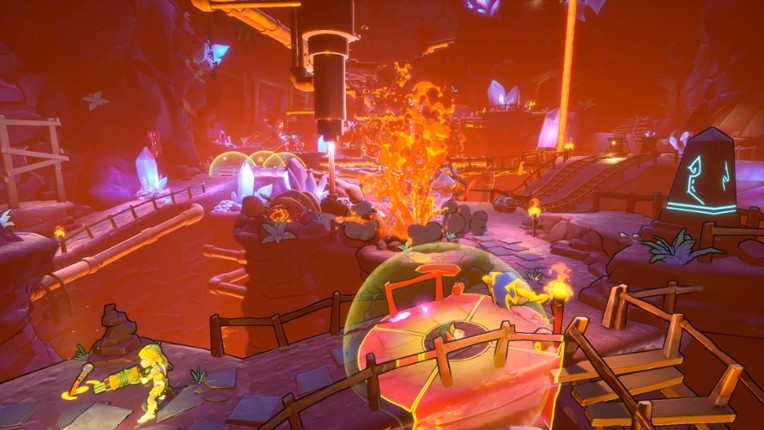
Soulworker is an anime action MMORPG which takes place in the Cloudrealm, a now vacant city which only harbors the psychics and a horde of monsters. Players will learn about the fate of the city and the reason for the disappearance of all inhabitants through the course of the game, as well as possibly finding a way to reverse this catastrophe. The English version of the game that was published by… If you enjoyed this game, see our list of games similar to Soulworker.
View Game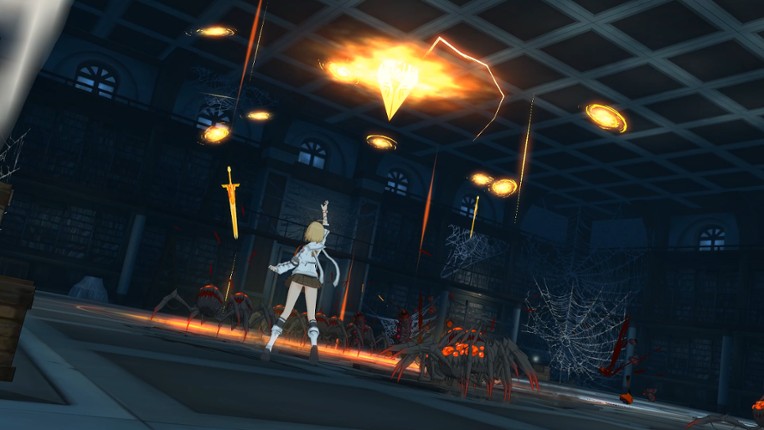
- 87%Game Brain ScoreMost mentioned positive aspects:story, graphicsMost mentioned negative aspects:monetization, grinding87% User Score 58,451 reviews
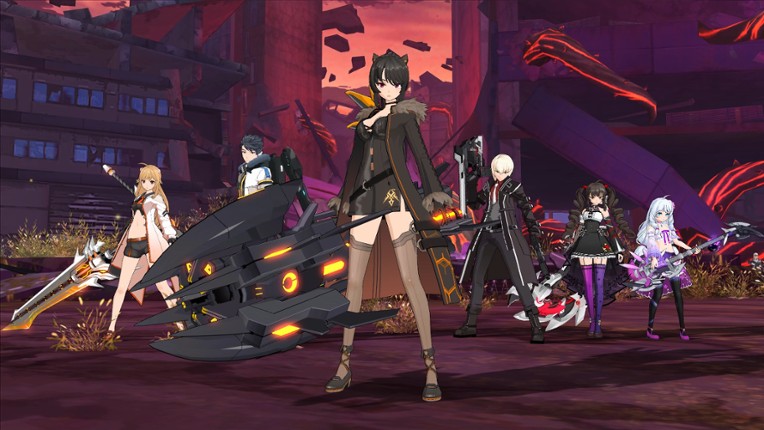
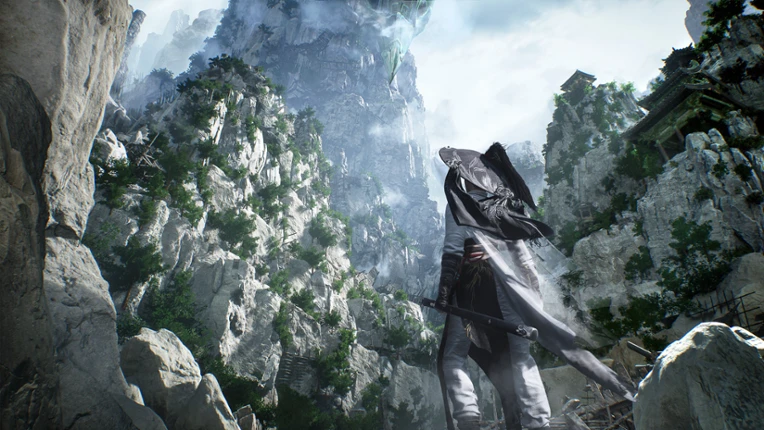
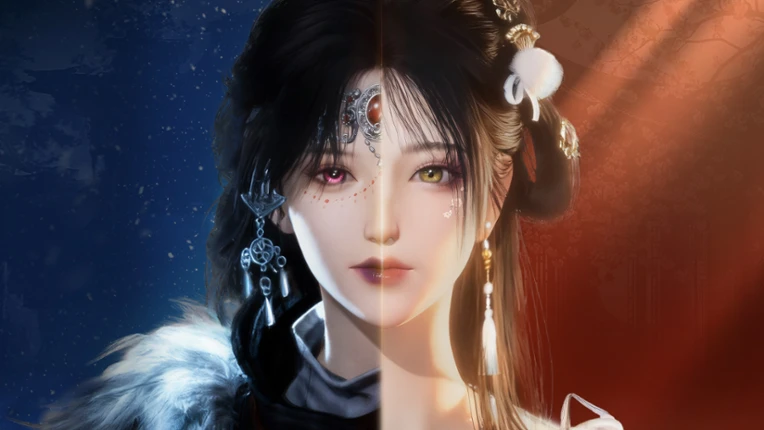
Discover Where Winds Meet on the official PlayStation site. Check out screens, trailers and game details for this epic action-adventure RPG set in ancient China, with solo and multiplayer options. If you enjoyed this game, see our list of games similar to Where Winds Meet.
View Game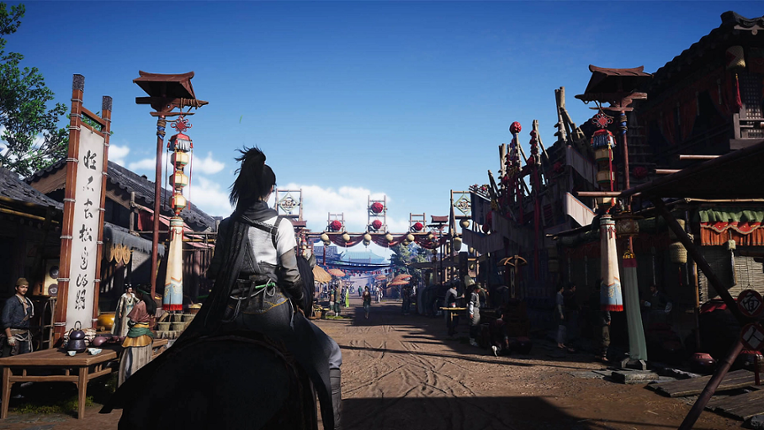
48 View Game 70%Game Brain ScoreMost mentioned positive aspects:story, gameplayMost mentioned negative aspects:stability, grinding68% User Score 1,528 reviewsCritic Score 75%6 reviews
Matches Diablo's dark-fantasy isometric style with gothic steampunk aesthetics, adding tower-defense layers and humor to the dungeon grind.
If you enjoyed this game, see our list of games similar to The Incredible Adventures of Van Helsing II.View Game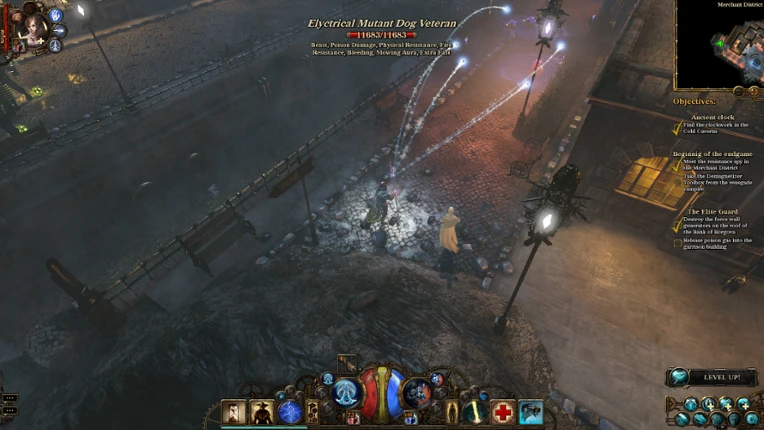
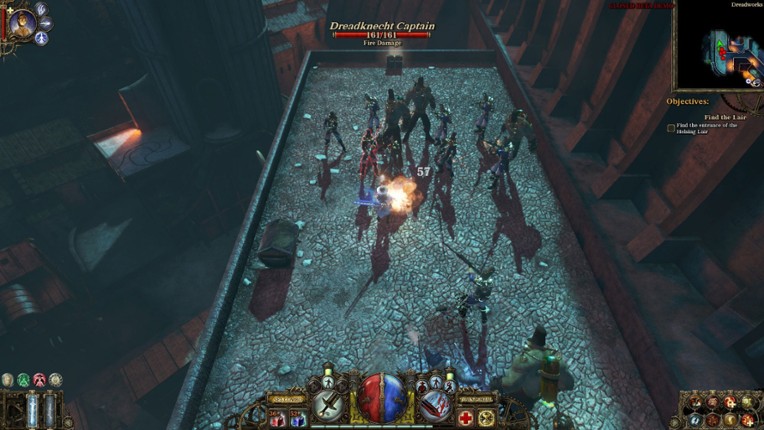

- 89%Game Brain ScoreMost mentioned positive aspects:story, gameplayMost mentioned negative aspects:grinding, stability93% User Score 23,748 reviewsCritic Score 85%10 reviews
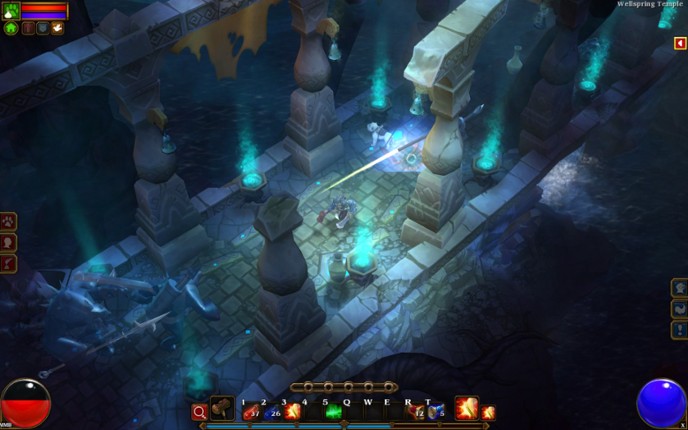
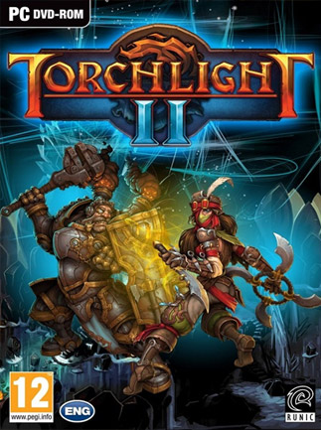
Indie classic capturing Diablo's isometric loot-loop with steampunk charm, tighter mechanical focus, and excellent replay value through character builds.
If you enjoyed this game, see our list of games similar to Torchlight II.View Game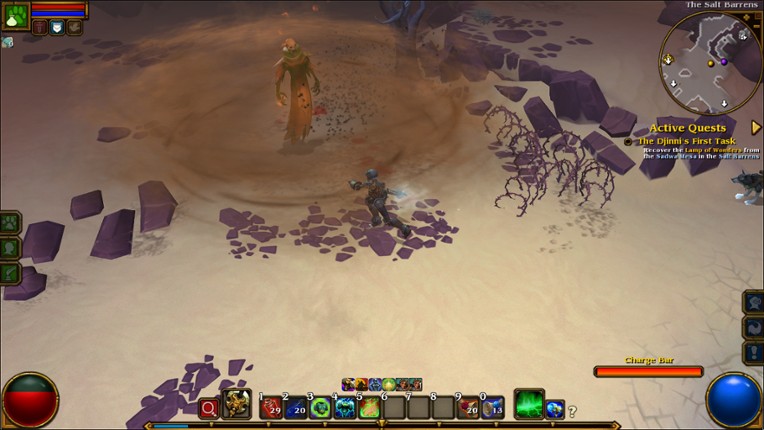
- 72%Game Brain ScoreMost mentioned positive aspects:story, gameplayMost mentioned negative aspects:grinding, optimization74% User Score 3,432 reviewsCritic Score 67%4 reviews
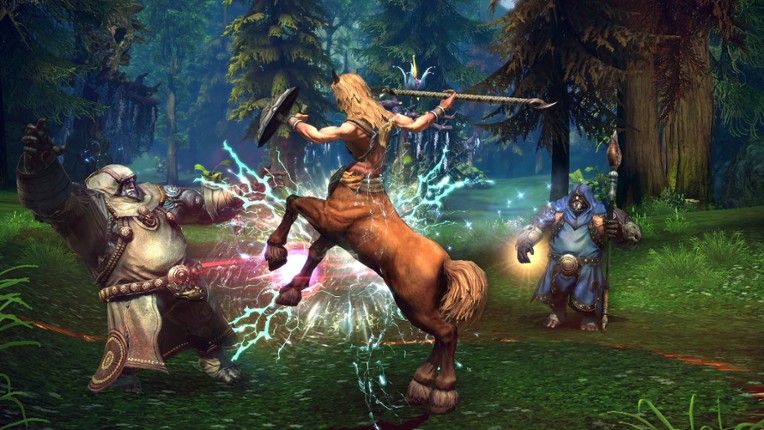
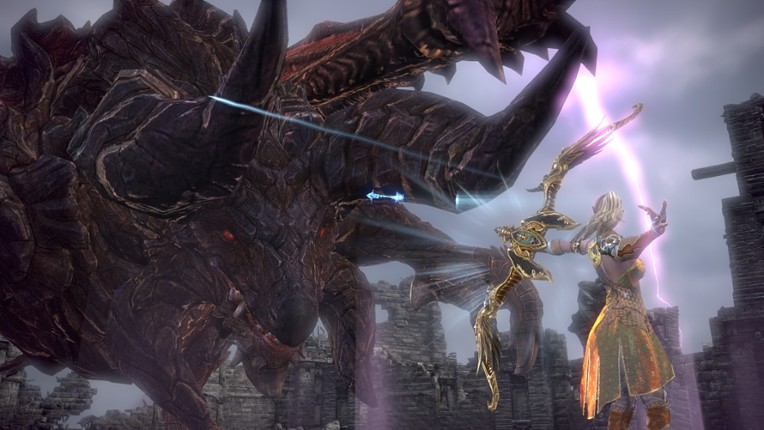
Scales Diablo's action-RPG formula into a free-to-play third-person MMO with spectacle-focused combat and persistent social hubs.
If you enjoyed this game, see our list of games similar to TERA.View Game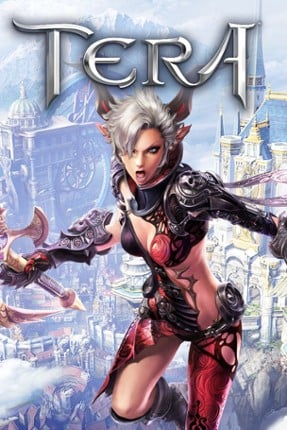


 View Game

















Frequently Asked Questions
Last Epoch and Wolcen: Lords of Mayhem deliver similar dark atmospheres with isometric hack-and-slash combat and deep character customization. WH&S also captures the gothic tone with Warhammer-themed demon-slaying action. All three offer compelling stories and loot-driven progression that appeal to Diablo IV veterans seeking that grim, immersive experience.
Torchlight III and Last Epoch excel at online co-op with seamless multiplayer integration and varied class mechanics. WH&S stands out for split-screen local co-op alongside online play, making it ideal for couch gaming. All three maintain Diablo IV's cooperative spirit while offering faster progression and less grinding than the endgame.
Torchlight Infinite and Game of Thrones: Kingsroad both offer free-to-play experiences with action RPG combat and character progression. Torchlight Infinite features cross-platform play and fluid combat loops, while Game of Thrones delivers narrative-rich storytelling. Both provide accessible entry points without aggressive monetization concerns that plague Diablo IV.
Tom Clancy's The Division 2 is the standout choice, blending tactical cover-based shooting with extensive build customization and raid content. While it swaps Diablo IV's melee combat for gunplay, it mirrors the addictive loot loop and post-apocalyptic atmosphere. Division 2 excels at rewarding exploration and offers superior optimization on diverse hardware.
Torchlight Infinite leads with cross-platform play across mobile, console, and PC. Tom Clancy's The Division 2 offers full console and PC support with extensive optimization. Last Epoch is primarily PC but runs smoothly, while WH&S supports multiple platforms. Each delivers console-quality experiences with Diablo IV's responsive gameplay.
Game of Thrones: Kingsroad captures complex narrative depth inspired by the HBO universe with cinematic storytelling. Wolcen: Lords of Mayhem offers rich world-building alongside its action, while Last Epoch delivers engaging lore through its time-travel mechanics and character arcs. These prioritize story as much as Diablo IV's campaign-driven experience.