

Games like Where Winds Meet
Where Winds Meet has carved out a loyal following for its souls-like combat, wuxia storytelling, and generous free-to-play structure, so if you've cleared the main quests and side content, you're likely hunting for games like Where Winds Meet that scratch the same itch. This mix of martial arts spectacle, third-person action RPG combat, and co-op exploration is rare, but it's not impossible to find. The good news: several titles capture that same magic, each with its own spin on the formula.
What sets Where Winds Meet apart is how it fuses a souls-like skill ceiling with massively multiplayer open-world exploration, wrapping parry-driven martial arts combat in a traditional Chinese fantasy setting. Players aren't just fighting bosses — they're uncovering an emotionally resonant wuxia narrative, customizing characters, and jumping into co-op dungeons, all without feeling pressured by aggressive monetization. Anyone searching for alternatives wants that same balance of challenging combat, rich atmosphere, and respectful free-to-play design.
What Makes a Good Alternative to Where Winds Meet?
- Souls-like combat depth — Precise parries, stamina management, and skill-driven fights are the backbone of Where Winds Meet's appeal, so alternatives need combat that rewards timing over button-mashing.
- Wuxia or fantasy-inspired world-building — The traditional Chinese aesthetic and emotionally driven story give Where Winds Meet its identity, and the best substitutes lean into similarly rich lore and atmosphere.
- Fair free-to-play monetization — Cosmetic-focused microtransactions without pay-to-win mechanics let players enjoy extensive content guilt-free, a standard Where Winds Meet sets high.
- Co-op and multiplayer flexibility — Whether it's online co-op dungeons or PvP skirmishes, the ability to team up or go solo matters as much as the combat itself.
- Character customization and replayability — Deep character builds, multiple difficulties, and varied activities keep players coming back long after the main story ends.
Top Picks If You Enjoyed Where Winds Meet
SWORD OF JUSTICE delivers a near-identical wuxia open world with fair cosmetic monetization. Wuthering Waves brings souls-like parries and stunning anime-style combat. Game of Thrones Kingsroad offers cinematic storytelling with tactical action RPG combat. Blue Protocol: Star Resonance leans into vibrant anime visuals and fluid class-based fighting. Once Human swaps wuxia for post-apocalyptic survival but keeps the deep customization and co-op hooks intact.
Every recommendation below is ranked by genuine similarity to Where Winds Meet, using real player data rather than guesswork. Scroll down to explore the full list of games like Where Winds Meet and find your next favorite.
- 54%Game Brain ScoreMost mentioned positive aspects:story, graphicsMost mentioned negative aspects:monetization, grinding54% User Score 829 reviews
A perfectly timed parry, a flashy martial-arts combo, and the freedom to tackle the next objective alone or with a partner define much of Where Winds Meet’s appeal. SWORD OF JUSTICE offers that same third-person action-RPG rhythm, with character customization, open-world exploration, co-op, and PvP giving skilled players plenty of ways to test their builds and reactions.
Its strongest distinction is breadth: alongside combat, you can trade, join social activities, pursue life skills, play mini-games, and explore a Wuxia/Xianxia-inspired world with AI companions for dungeon runs. That variety gives players alternatives when Where Winds Meet’s grinding, RNG loot, or repeated boss encounters begin to wear thin, though SWORD OF JUSTICE also uses stamina and time-gated progression.
The tradeoff is a more social sandbox rather than a pure combat showcase, and PC players should expect a cluttered mobile-first interface, occasional lag, and clunkier controls. Still, its cosmetic-focused free-to-play model and rich customization make it a worthwhile detour for players who want martial-arts action expanded into a living online world—especially those who value exploration and co-op variety over perfect combat polish.
If you enjoyed this game, see our list of games similar to SWORD OF JUSTICE.View Game


- 74%Game Brain ScoreMost mentioned positive aspects:story, gameplayMost mentioned negative aspects:monetization, grinding74% User Score 7,877 reviewsCritic Score 75%4 reviews
Traversing expansive, secrets-filled landscapes driven by high mobility and relentless curiosity defines the core loop of both titles. *Aniimo* matches *Where Winds Meet* in offering vast fantasy environments brimming with hidden encounters, paired with a transparent free-to-play economy that strictly limits purchases to cosmetics. This player-first approach ensures your progress feels earned through organic discovery rather than wallet depth.
Rather than demanding frame-perfect martial arts parries, *Aniimo* pivots toward a creature-collecting sandbox packed with evolving variants and puzzle mechanics. For players fatigued by time-gated farming caps and RNG-heavy gear progression, this offers a refreshingly self-paced journey where your own curiosity dictates your growth.
Best for open-world wanderers looking to trade high-stress sword duels for vibrant catch-and-craft exploration without sacrificing the joy of a massive online realm.
If you enjoyed this game, see our list of games similar to Aniimo.View Game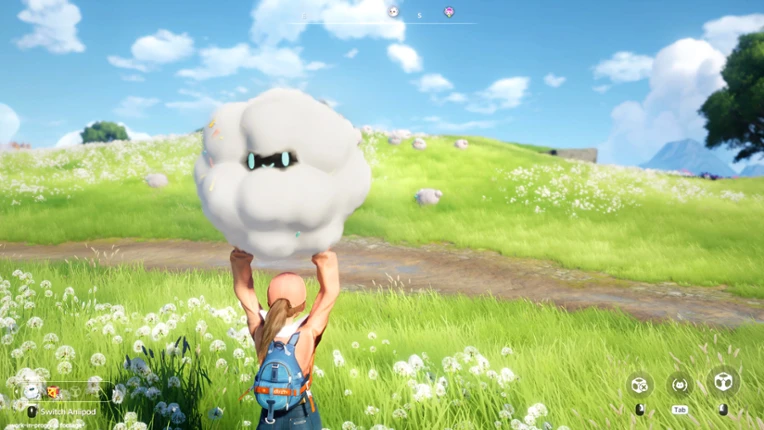

- 62%Game Brain ScoreMost mentioned positive aspects:story, gameplayMost mentioned negative aspects:monetization, grinding62% User Score 3,453 reviews
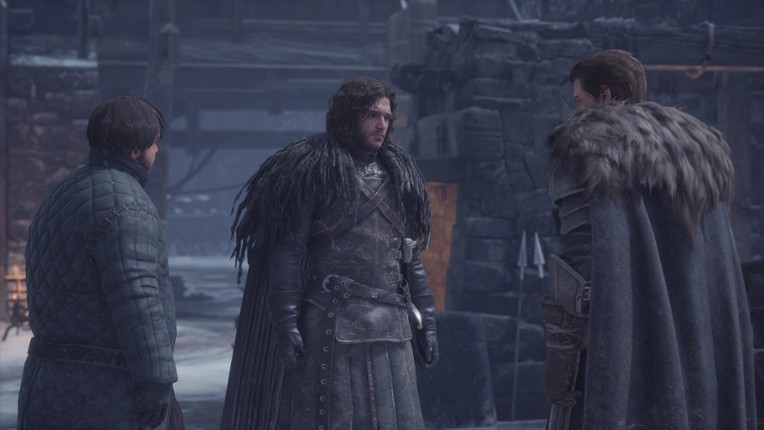
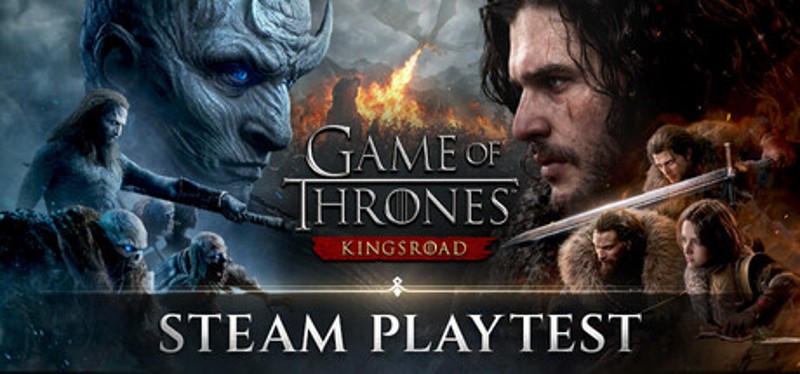
Both games reward players who master tactical positioning and combat timing rather than button-mashing. Where Winds Meet's parry-driven souls-like system trains you to read enemy patterns; Kingsroad's combat mirrors this philosophy with deliberate, animation-locked strikes that punish careless aggression and demand environmental awareness.
Character progression through customization and gear carries identical weight in both titles. In Where Winds Meet, your martial arts build defines your playstyle; Kingsroad delivers the same depth through class selection and equipment synergy, creating multiple viable approaches to the same encounter rather than forcing a single "correct" build.
Free-to-play design that respects player time is central to both experiences. Where Winds Meet avoids aggressive monetization; Kingsroad follows suit with cosmetic-focused spending, though its endgame does lean harder on grind systems—a tradeoff for a significantly larger open world to explore.
Where Winds Meet's progression systems occasionally frustrate through RNG and farming caps; Kingsroad grants you more map to discover while you level, creating natural pacing breaks that mitigate grinding fatigue.
Best for: players who value tactical combat mastery and exploration freedom over flawless technical performance.
If you enjoyed this game, see our list of games similar to Game of Thrones Kingsroad.View Game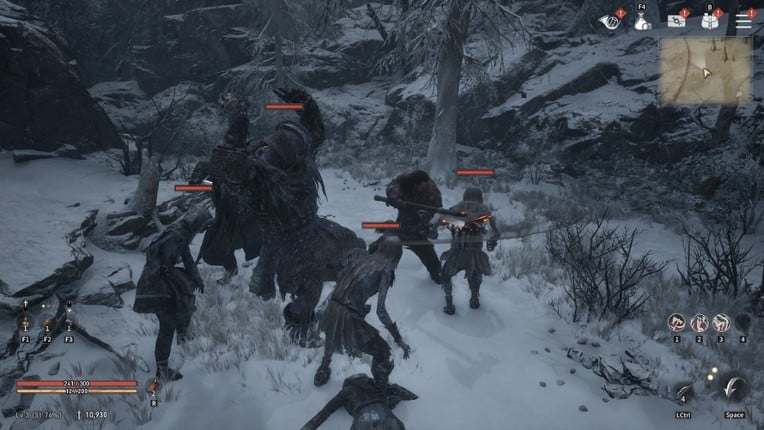
- 51%Game Brain ScoreMost mentioned positive aspects:story, gameplayMost mentioned negative aspects:grinding, monetization51% User Score 11,100 reviews
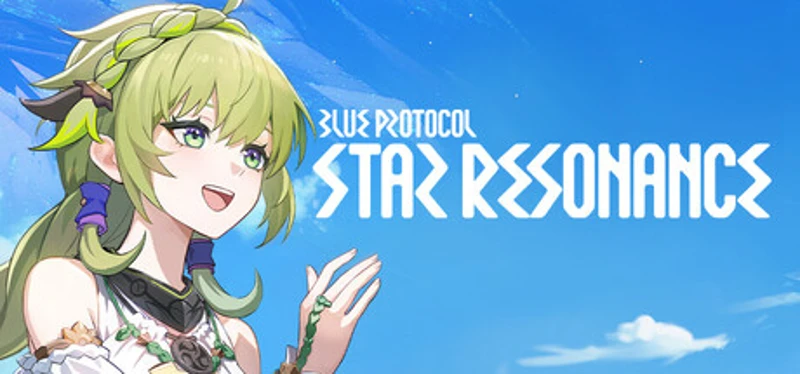
If you loved mastering the parry-and-counter rhythm in Where Winds Meet, Blue Protocol: Star Resonance delivers combat that rewards timing and class mastery in much the same way—fluid, animation-canceling exchanges that make every encounter feel earned rather than scripted.
Both games let you build an identity through deep character customization, but Blue Protocol leans into anime-inspired fashion and class loadouts that shift how your build plays, not just how it looks. The co-op structure mirrors Where Winds Meet's emphasis on synergy: you'll still coordinate with teammates to tackle bosses, though Blue Protocol's MMO scale adds a more communal layer to dungeon runs. Story-rich worlds anchor both experiences, yet Blue Protocol frames its narrative with lighthearted humor and visual spectacle rather than wuxia gravitas.
The trade-off is monetization philosophy: Where Winds Meet's respectful free-to-play model stands out, while Blue Protocol's cash shop is noticeably more aggressive—a real consideration if you value that restraint. Still, for players who prioritize fluid action combat and rich character shaping in a shared fantasy world, Blue Protocol offers a worthwhile detour with clear DNA from the experience you enjoyed.
If you enjoyed this game, see our list of games similar to Blue Protocol: Star Resonance.View Game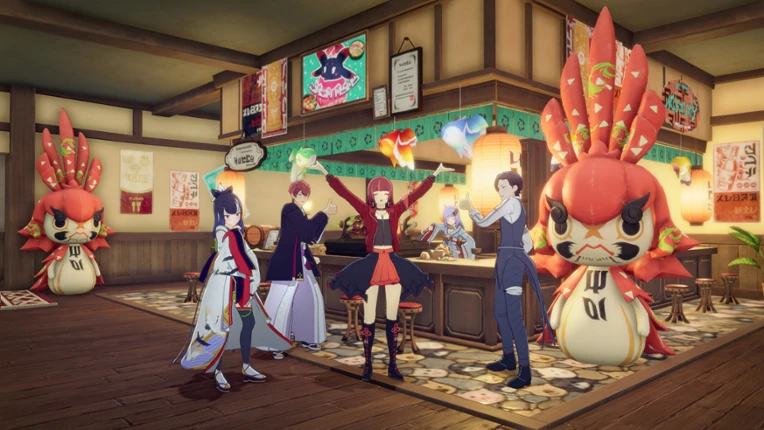
- 88%Game Brain ScoreMost mentioned positive aspects:story, gameplayMost mentioned negative aspects:grinding, monetization92% User Score 3,896 reviewsCritic Score 81%5 reviews
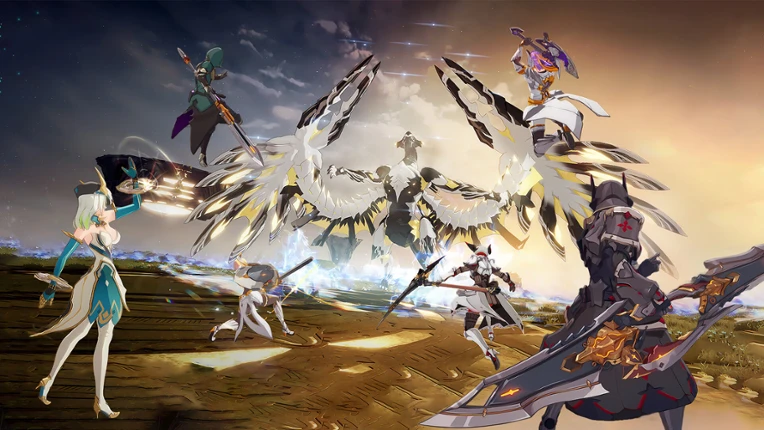
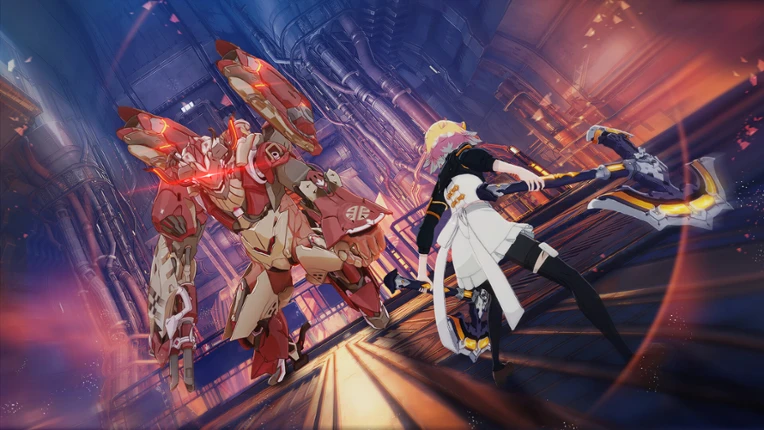
The primary draw for DragonSword: Awakening is its team-based, character-switching combat system, which demands the same high-level tactical execution found in Where Winds Meet. Both titles prioritize fluid, combo-heavy action in an expansive open world, giving players the satisfying agency to dismantle groups of foes with precise, rhythmic inputs.
The core tradeoff lies in the aesthetic and monetization shift: you trade the gritty, Souls-like Wuxia groundedness of Where Winds Meet for a polished buy-to-play anime experience that avoids aggressive gacha mechanics. While the story lacks the traditional cultural depth of its counterpart, the gameplay loop remains strictly focused on skill-based progression.
Pick this up if you crave complex action RPG combat but want to escape the grind-heavy, time-gated progression systems of free-to-play titles.
If you enjoyed this game, see our list of games similar to DragonSword: Awakening.View Game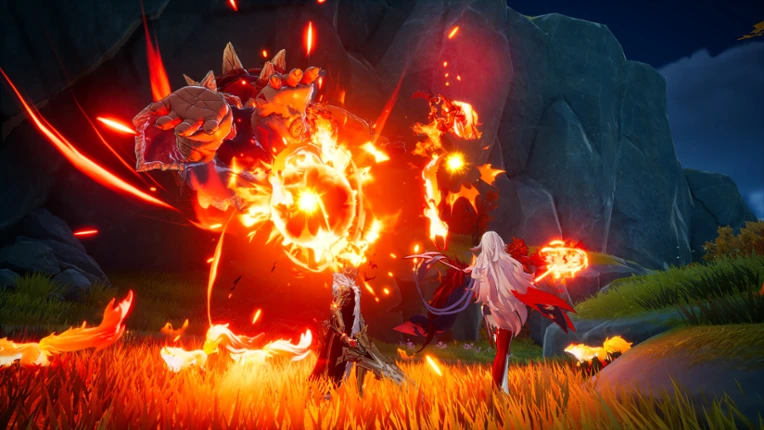
- 78%Game Brain ScoreMost mentioned positive aspects:gameplay, storyMost mentioned negative aspects:grinding, optimization79% User Score 79,363 reviewsCritic Score 77%6 reviews
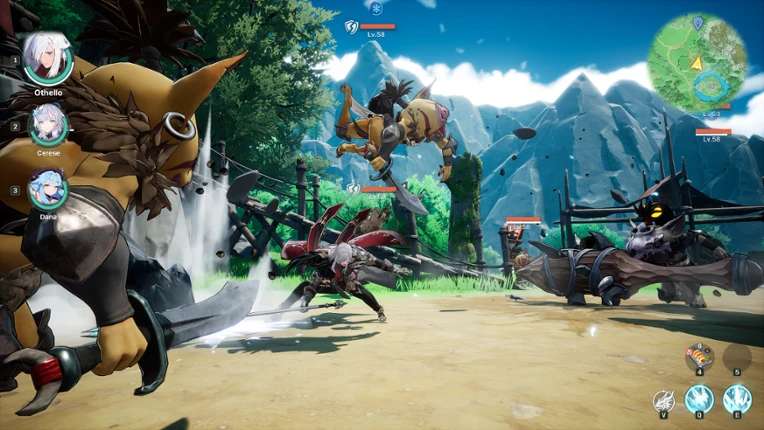
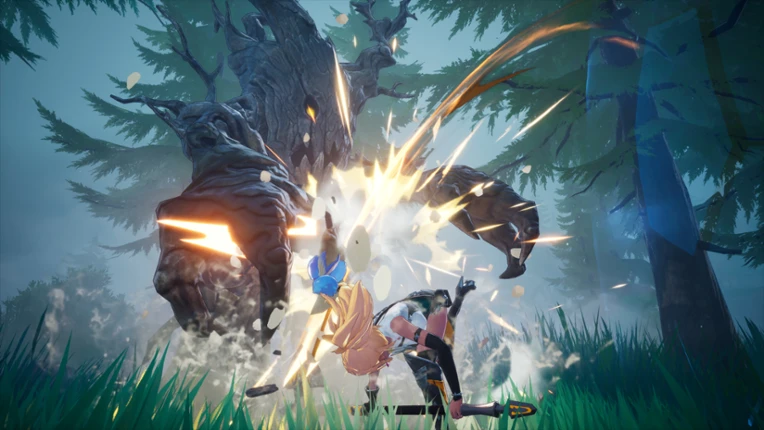
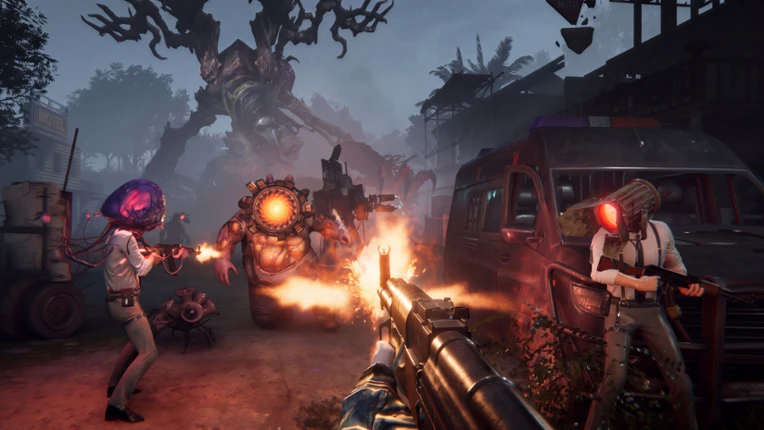
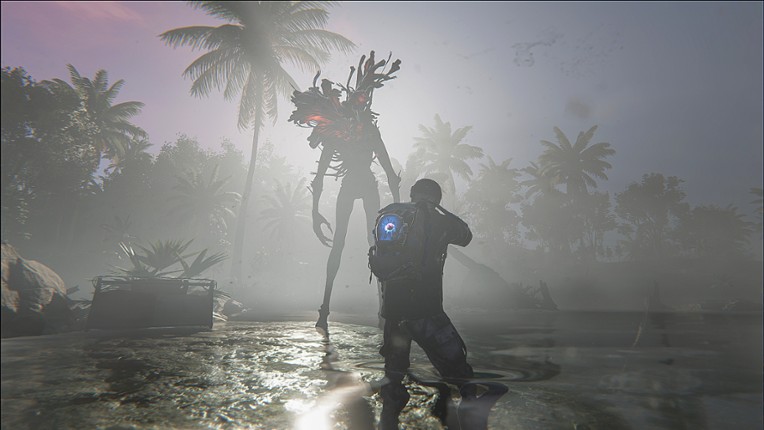
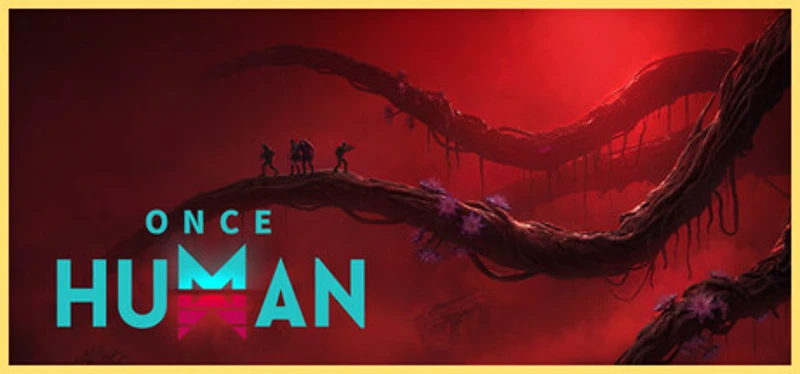
That feeling of dropping into a squad-based dungeon run in Where Winds Meet, where co-op timing and shared exploration carry the moment more than solo grinding — Once Human builds its entire loop around that same social rhythm. You're squatting with friends, splitting crafting duties, and pushing into dangerous zones together, which creates the same "we're in this together" tension that makes WWM's co-op dungeons click.
Both games lean on character customization and free-to-play systems that don't gatekeep core content behind paywalls, so the cosmetic-only monetization will feel familiar rather than predatory. Where WWM uses souls-like parries to create tension, Once Human leans on base-building and survival crafting under threat — a different skill expression, but the same payoff of earned competence.
If WWM's grindy RNG loot and time-gated systems frustrated you, know that Once Human swaps that for seasonal resets — a different kind of repetition, but one that rewards strategic replanning over pure luck.
The story here trades WWM's polished wuxia narrative for something rawer and more fragmented, so go in expecting atmosphere over plot clarity.
Best for players who want their co-op satisfaction paired with survival-crafting depth rather than pure combat mastery.
If you enjoyed this game, see our list of games similar to Once Human.View Game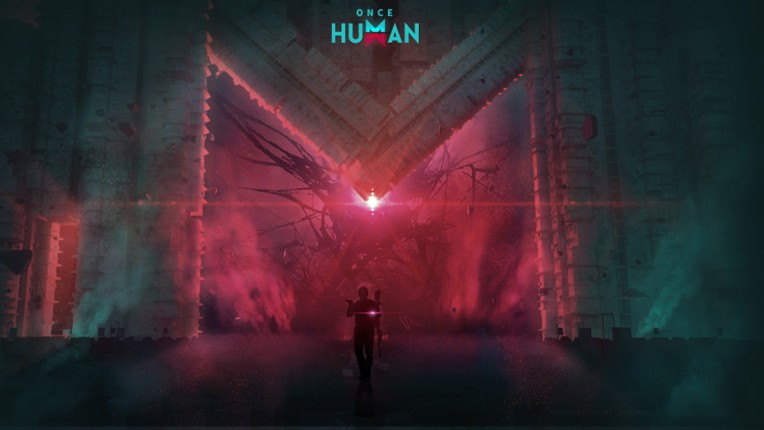
- 75%Game Brain ScoreMost mentioned positive aspects:story, gameplayMost mentioned negative aspects:grinding, monetization80% User Score 86,047 reviewsCritic Score 69%12 reviews
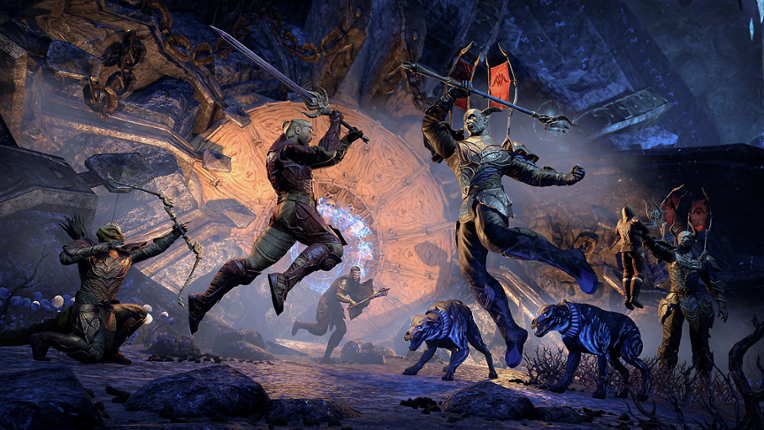
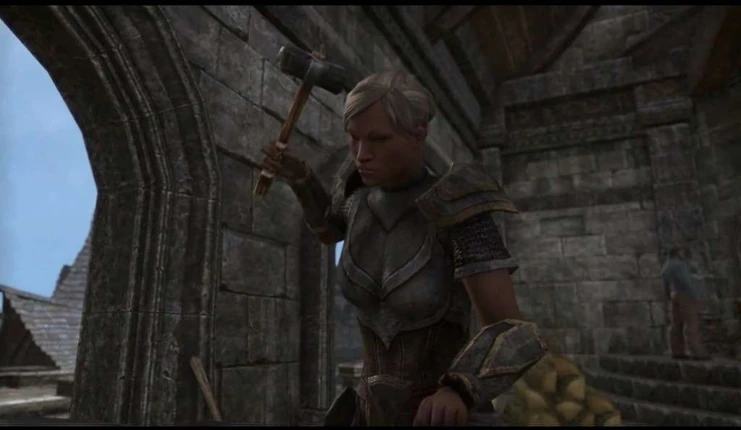
ESO matches Where Winds Meet on broad online fantasy roleplay: open-world questing, co-op, PvP, and a persistent MMO structure that lets you build a character and keep pushing into new zones and systems.
The big overlap is classless-ish build freedom and long-form progression, which matters if you like shaping a martial-arts-style fighter into something personal instead of being locked into a rigid role.
The tradeoff is pace and feel: ESO is slower, more tab-target MMO than action-first wuxia combat, with weaker moment-to-moment fighting and a much heavier monetization layer.
Pick this up if you want a huge fantasy world to live in with friends but can live without Where Winds Meet's sharper combat and movement.
If you enjoyed this game, see our list of games similar to The Elder Scrolls Online.View Game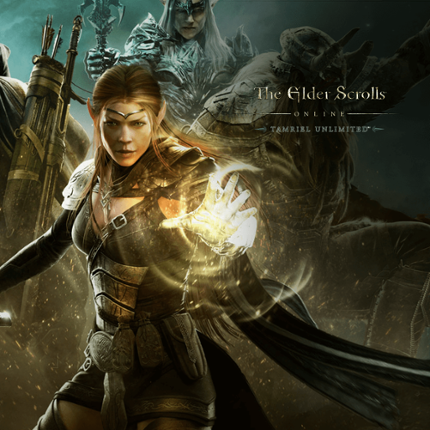
- 89%Game Brain ScoreMost mentioned positive aspects:story, gameplayMost mentioned negative aspects:optimization, grinding89% User Score 26,455 reviews
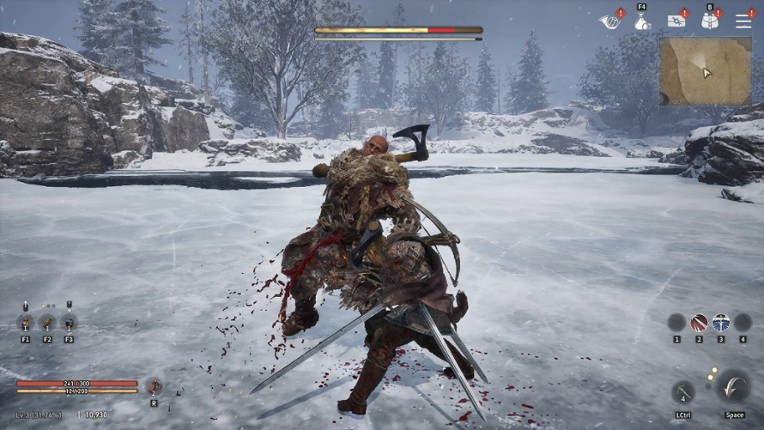
Wuthering Waves mirrors Where Winds Meet's souls-like combat DNA through tight parry windows, dodge mechanics, and a mastery curve that genuinely rewards practice.
Both titles share a respectful free-to-play model with mostly cosmetic purchases, plus deep character progression systems and co-op options.
Where Winds Meet leans into wuxia fantasy with traditional Chinese music; Wuthering Waves shifts to anime post-apocalyptic visuals with high-energy J-pop tracks.
Pick this up if you want Where Winds Meet's skill-driven combat but can live without the wuxia atmosphere and prefer anime aesthetics.
If you enjoyed this game, see our list of games similar to Wuthering Waves.View Game


- 60%Game Brain ScoreMost mentioned positive aspects:story, gameplayMost mentioned negative aspects:grinding, monetization63% User Score 32,316 reviewsCritic Score 55%5 reviews
Both titles prioritize large-scale, seamless open-world exploration as the primary vehicle for their narrative and combat progression. This focus matters because it anchors your character growth directly to the traversal of visually distinct, high-fidelity fantasy landscapes.
The core shift here is the departure from Where Winds Meet's skill-heavy, soulslike martial arts into the mass-multiplayer grind of Throne and Liberty. You trade intimate, spectacle-based combat for massive, chaotic PvP encounters and weapon-combo systems.
Pick this up if you crave expansive world-building and dynamic weather systems but can live without the nuanced, frame-perfect parrying found in a wuxia-inspired action RPG.
If you enjoyed this game, see our list of games similar to Throne and Liberty.View Game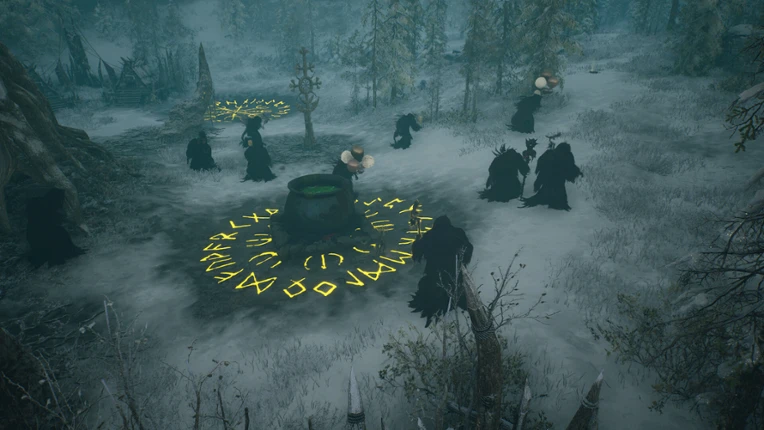
10 View Game 84%Game Brain ScoreMost mentioned positive aspects:story, gameplayMost mentioned negative aspects:grinding, stability87% User Score 69,482 reviewsCritic Score 75%3 reviews
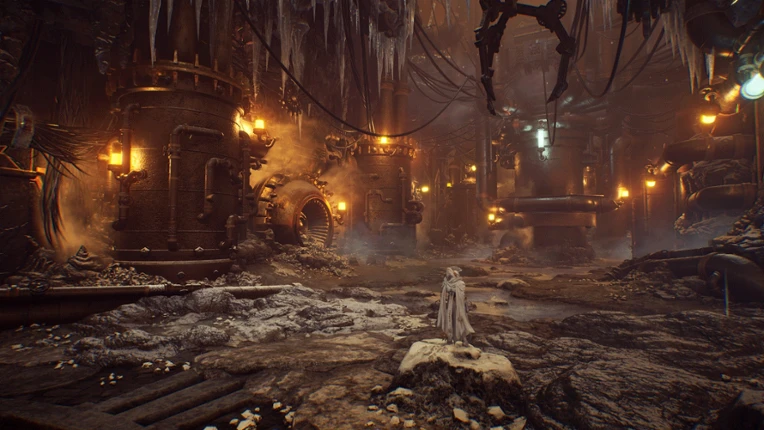
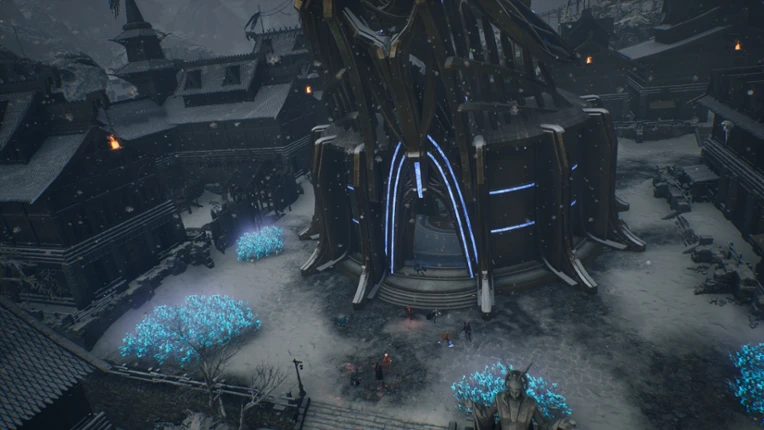
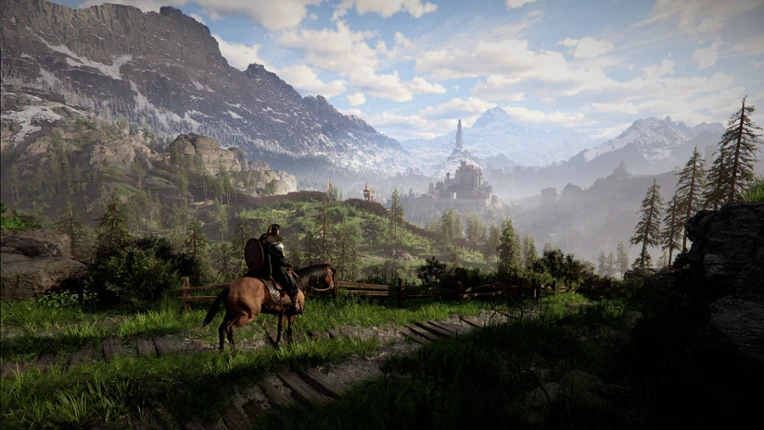
Unlike Where Winds Meet's co‑op and martial‑arts combat, Crimson Desert delivers a sprawling solo adventure with deep narrative quests and a focus on exploration.
If you enjoyed this game, see our list of games similar to Crimson Desert Enhanced.View Game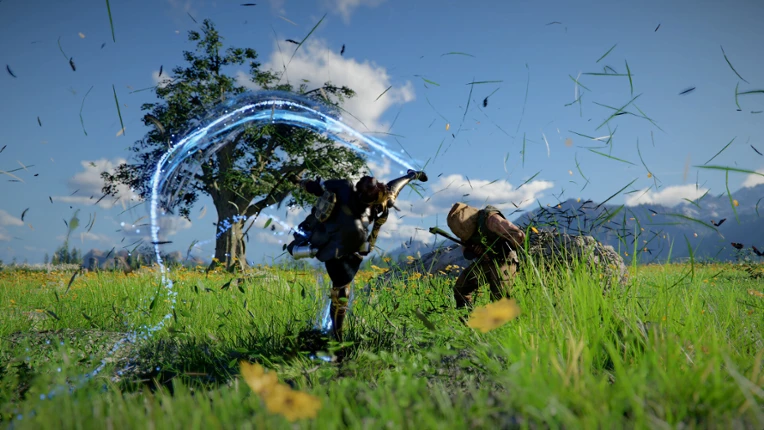

- View Game84%Game Brain ScoreMost mentioned positive aspects:story, gameplayMost mentioned negative aspects:grinding, monetization84% User Score 2,543 reviews
Both games nail skill-driven action combat with fluid character mechanics wrapped in free-to-play models that respect your wallet. The shared emphasis on parry-based gameplay and satisfying combat feedback creates a natural bridge between them.
Co-op integration matters here—each game builds multiplayer around its core loop rather than tacking it on. This directly affects how replayable the combat systems feel across repeated encounters.
The critical difference: Where Winds Meet commits to wuxia storytelling and martial arts depth, while NTE pivots toward a life-sim urban sandbox with dating and side activities. One is combat-first; the other dilutes combat with lifestyle mechanics.
Pick NTE if you want souls-like combat satisfaction but crave downtime between fights—social hangouts, fishing, and driving. Skip it if you demand the narrative focus and martial arts purity that Where Winds Meet delivers.
If you enjoyed this game, see our list of games similar to NTE: Neverness to Everness. - 79%Game Brain ScoreMost mentioned positive aspects:graphics, storyMost mentioned negative aspects:monetization, optimization79% User Score 1,300 reviews
AFK Journey trades Where Winds Meet's visceral martial‑arts combat for a relaxed, top‑down card‑battler with farming and crafting.
If you enjoyed this game, see our list of games similar to AFK Journey.View Game


- 87%Game Brain ScoreMost mentioned positive aspects:story, gameplayMost mentioned negative aspects:grinding, stability92% User Score 17,748 reviewsCritic Score 81%8 reviews
While both offer third‑person action RPGs, Relink swaps martial‑arts mastery for vibrant anime magic and cooperative dragon‑hunting quests.
If you enjoyed this game, see our list of games similar to Granblue Fantasy: Relink.View Game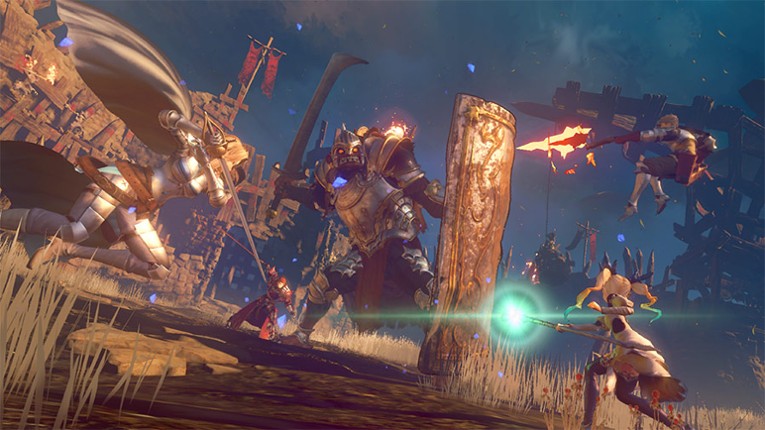
- 63%Game Brain ScoreMost mentioned positive aspects:story, graphicsMost mentioned negative aspects:grinding, optimization63% User Score 7,358 reviews
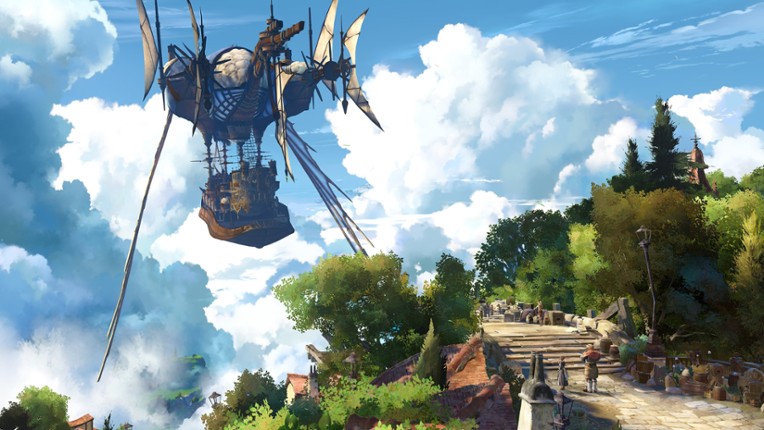
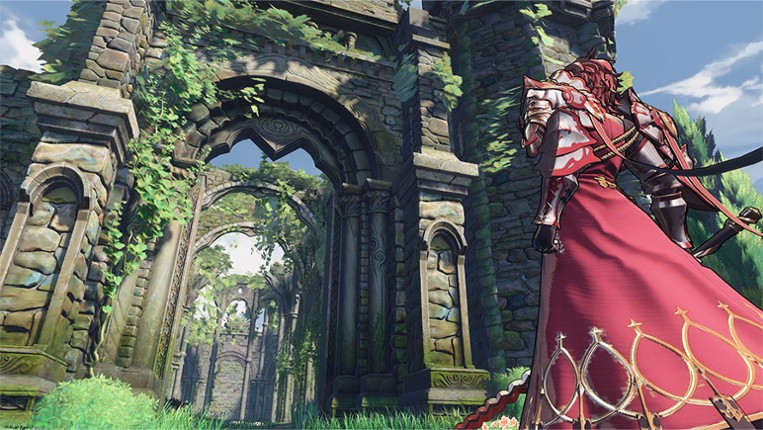
Bless Unleashed shifts the focus from wuxia martial‑arts mastery to a broader fantasy MMORPG with PvP, trading, and character customization.
If you enjoyed this game, see our list of games similar to Bless Unleashed.View Game


- 76%Game Brain ScoreMost mentioned positive aspects:story, gameplayMost mentioned negative aspects:grinding, monetization67% User Score 22,126 reviewsCritic Score 85%72 reviews
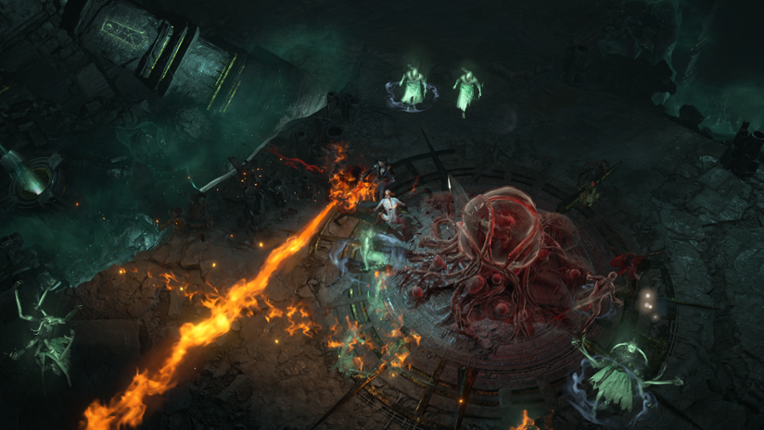
Diablo IV replaces martial‑arts fluidity with loot‑driven, isometric dungeon crawling, dark fantasy, and split‑screen co‑op.
If you enjoyed this game, see our list of games similar to Diablo IV.View Game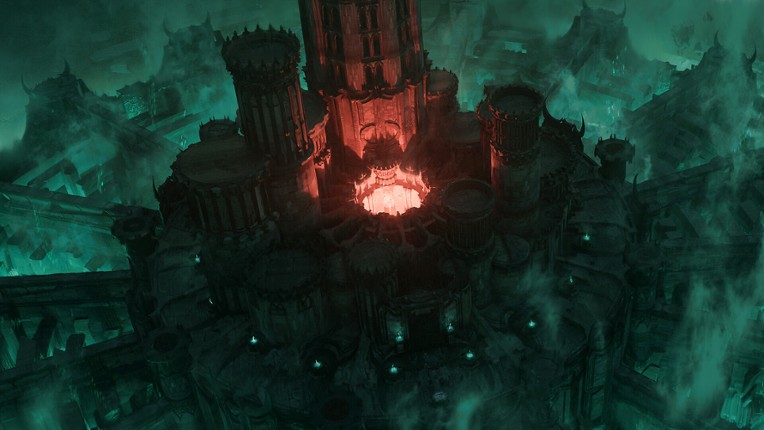
- 66%Game Brain ScoreMost mentioned positive aspects:story, graphicsMost mentioned negative aspects:grinding, monetization73% User Score 66,634 reviewsCritic Score 50%4 reviews
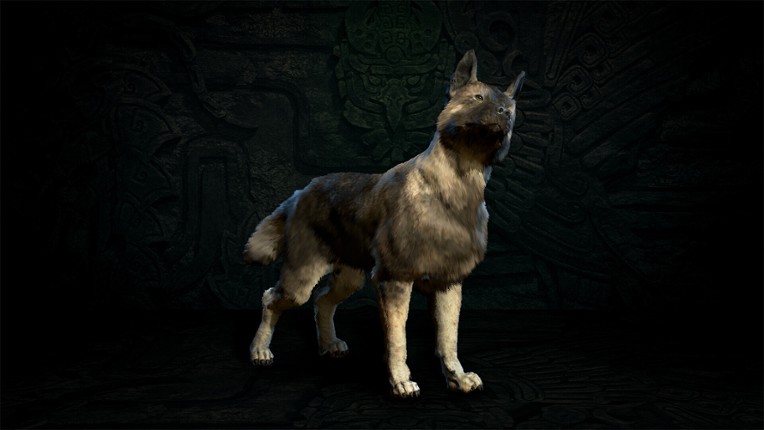
Black Desert diverges with a sandbox MMORPG approach, offering deep character customization, life skills, and first‑person exploration, but lacking martial‑arts combat.
If you enjoyed this game, see our list of games similar to Black Desert.View Game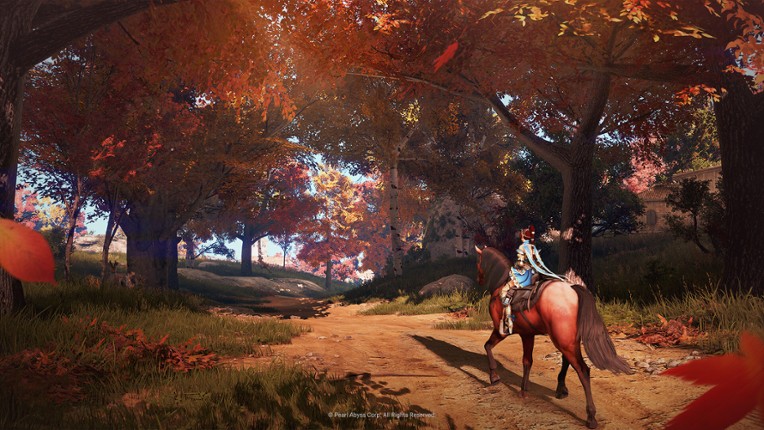


- 75%Game Brain ScoreMost mentioned positive aspects:story, gameplayMost mentioned negative aspects:grinding, monetization75% User Score 18,910 reviews
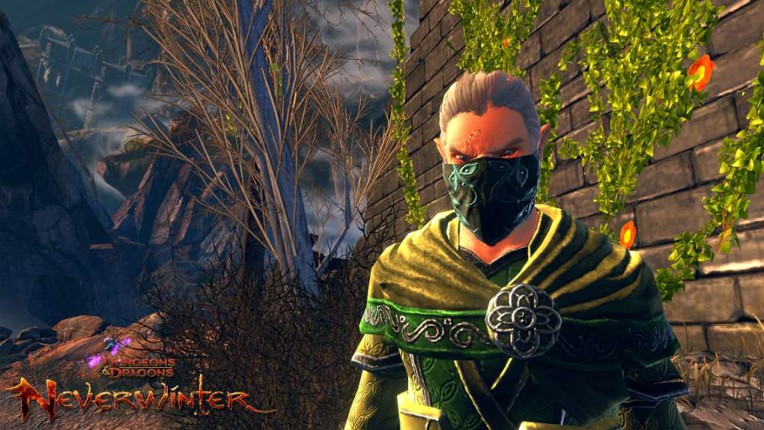
Neverwinter brings Dungeons & Dragons lore into a free‑to‑play MMORPG, featuring dragons and third‑person combat, but drops the martial‑arts style.
If you enjoyed this game, see our list of games similar to Neverwinter.View Game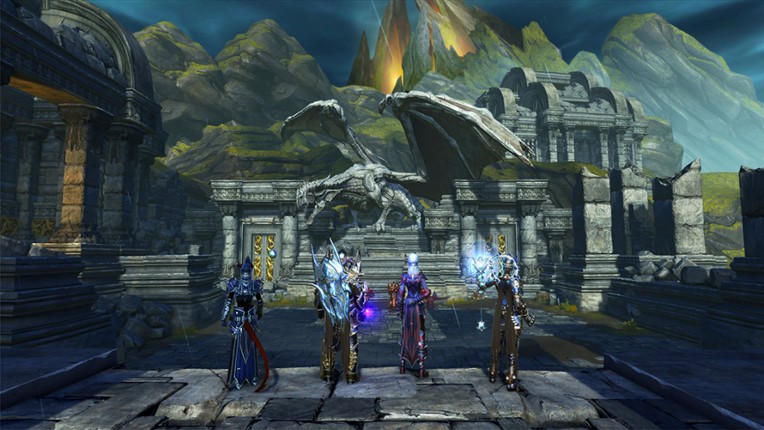
- 85%Game Brain ScoreMost mentioned positive aspects:story, graphicsMost mentioned negative aspects:grinding, optimization85% User Score 3,252 reviews
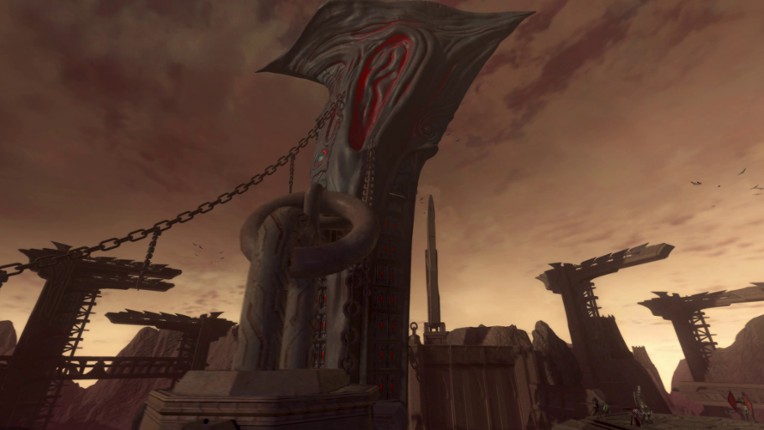
Gujian 3 expands on the martial‑arts and souls‑like combat with a mythic CRPG structure and adult themes, but ditches the cooperative multiplayer.
If you enjoyed this game, see our list of games similar to Gujian 3.View Game


- 50%Game Brain ScoreMost mentioned positive aspects:graphics, gameplayMost mentioned negative aspects:optimization, stability50% User Score 439 reviews
Blade & Soul Heroes replaces fluid parry combat with turn‑based team fights, adding colorful visuals and a story‑rich free‑to‑play format.
If you enjoyed this game, see our list of games similar to Blade & Soul Heroes.View Game


20 View Game 76%Game Brain ScoreMost mentioned positive aspects:story, gameplayMost mentioned negative aspects:grinding, optimization76% User Score 3,432 reviews
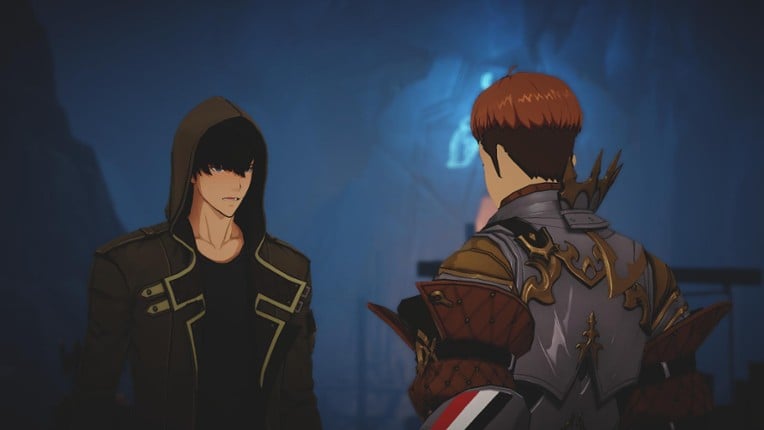
Solo Leveling: ARISE OVERDRIVE swaps the traditional wuxia setting for a modern, cartoony world while keeping souls‑like combat and split‑screen co‑op.
If you enjoyed this game, see our list of games similar to Solo Leveling: ARISE OVERDRIVE.View Game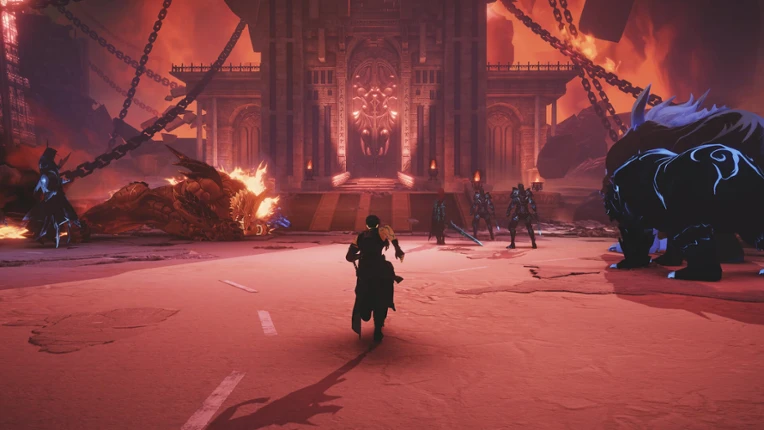
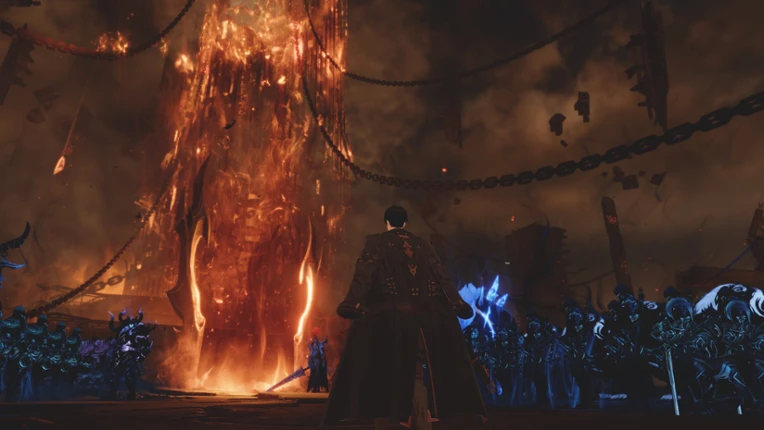
- 86%Game Brain ScoreMost mentioned positive aspects:story, graphicsMost mentioned negative aspects:optimization, stability91% User Score 170,068 reviewsCritic Score 81%10 reviews
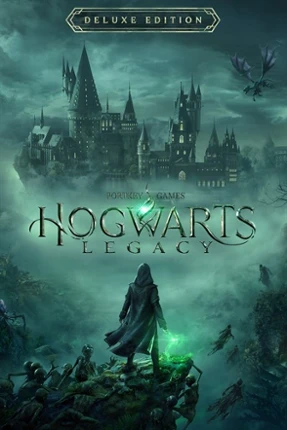
Swaps wuxia martial arts for Hogwarts magic systems, keeping the third-person action RPG framework and atmospheric exploration but prioritizing spellcasting over melee skill.
If you enjoyed this game, see our list of games similar to Hogwarts Legacy.View Game
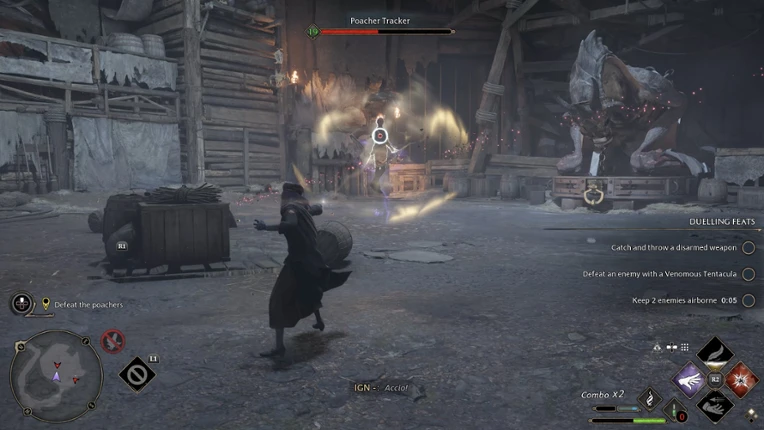
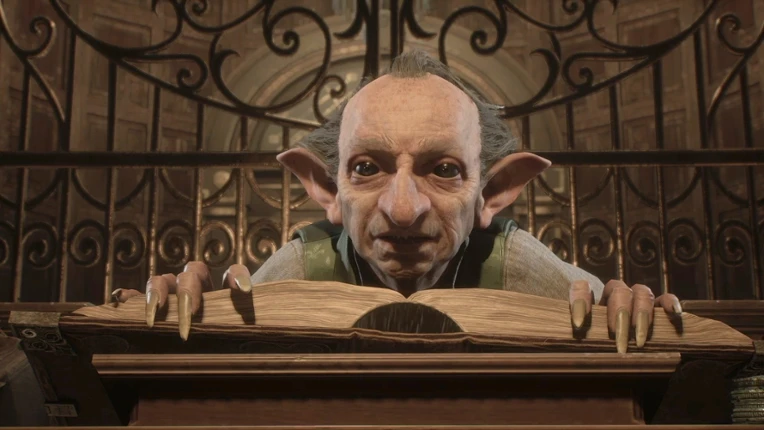
- 62%Game Brain ScoreMost mentioned positive aspects:gameplay, storyMost mentioned negative aspects:monetization, grinding62% User Score 8,011 reviews
Distills the action RPG formula into top-down dungeon crawling with heavy loot progression, maintaining co-op and free-to-play accessibility while ditching narrative depth for itemization loops.
If you enjoyed this game, see our list of games similar to Torchlight Infinite.View Game
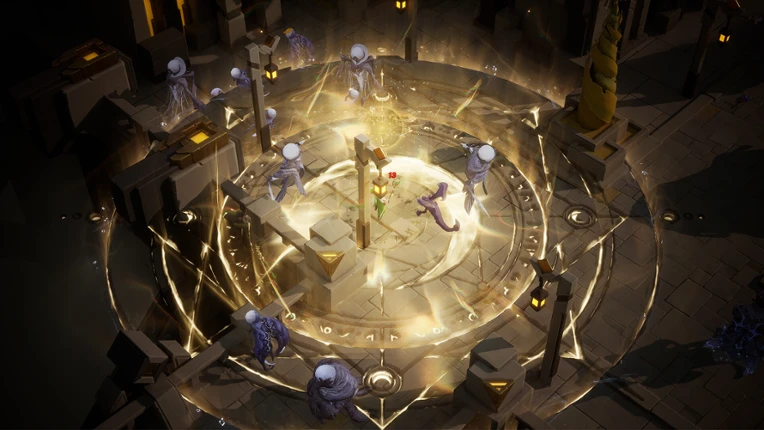
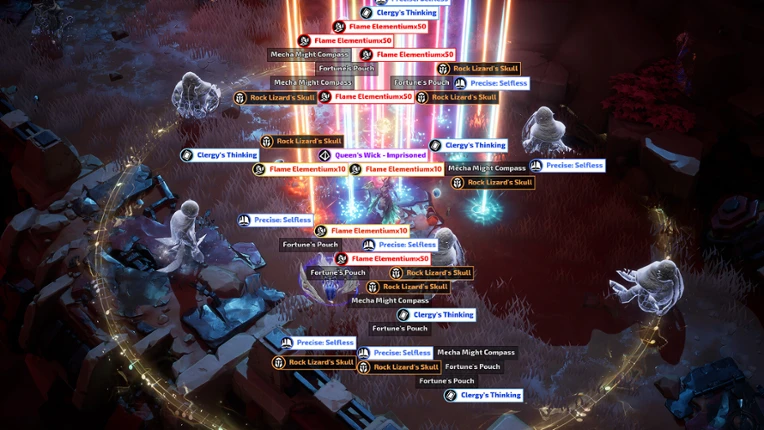
- 86%Game Brain ScoreMost mentioned positive aspects:gameplay, graphicsMost mentioned negative aspects:optimization, grinding86% User Score 32,968 reviews
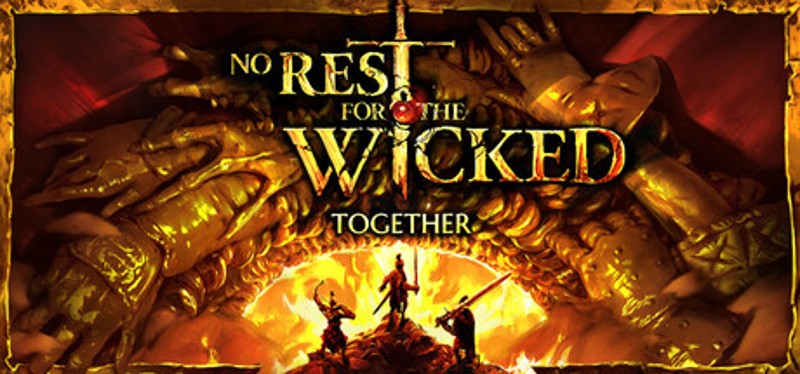
Doubles down on souls-like difficulty and atmospheric dread with isometric framing, preserving co-op and early-access indie spirit while trading wuxia grace for dark fantasy grittiness.
If you enjoyed this game, see our list of games similar to No Rest for the Wicked.View Game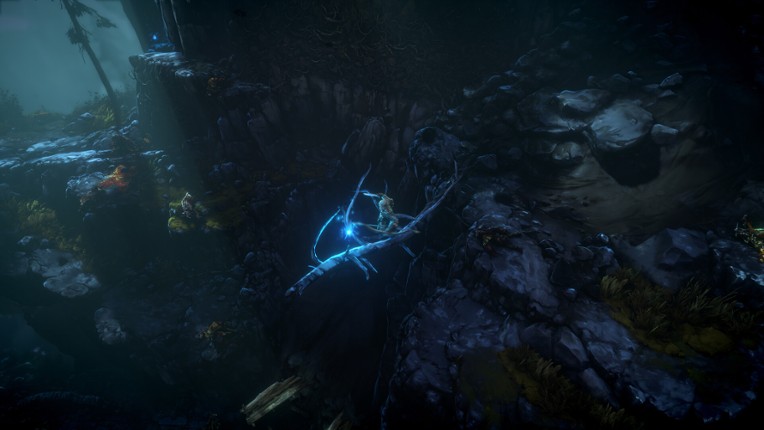
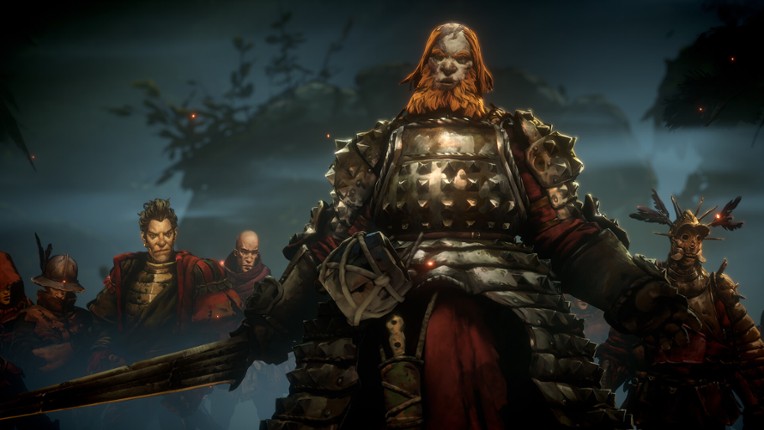
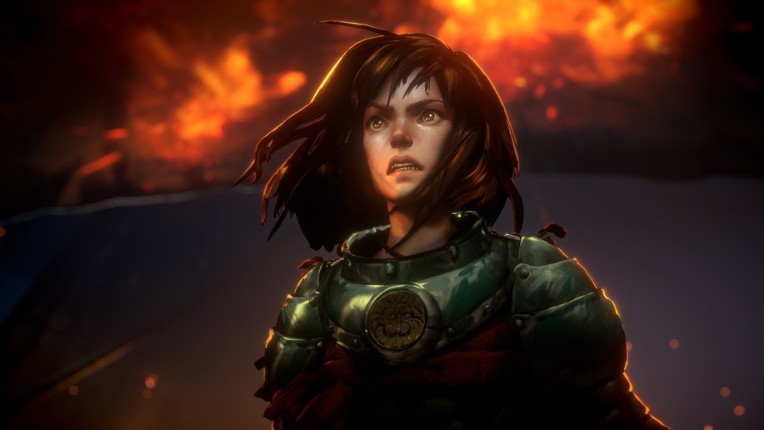
- 74%Game Brain ScoreMost mentioned positive aspects:story, gameplayMost mentioned negative aspects:grinding, monetization73% User Score 5,635 reviewsCritic Score 80%1 reviews
Expands multiplayer ambition into full MMO territory with PvP and psychological horror themes, maintaining character action combat and free-to-play model but abandoning cohesive narrative for fragmented world-building.
If you enjoyed this game, see our list of games similar to Soulworker.View Game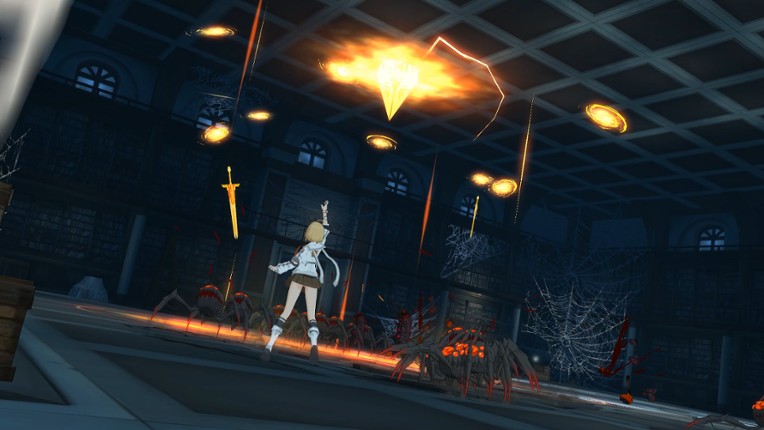

- 69%Game Brain ScoreMost mentioned positive aspects:gameplay, storyMost mentioned negative aspects:optimization, grinding69% User Score 15,051 reviews
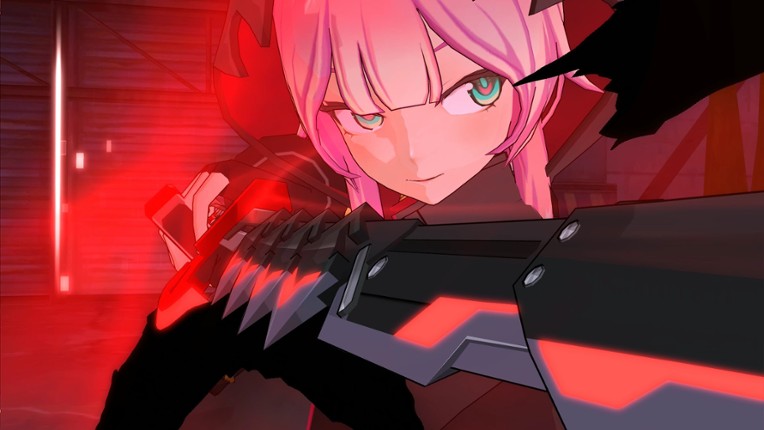
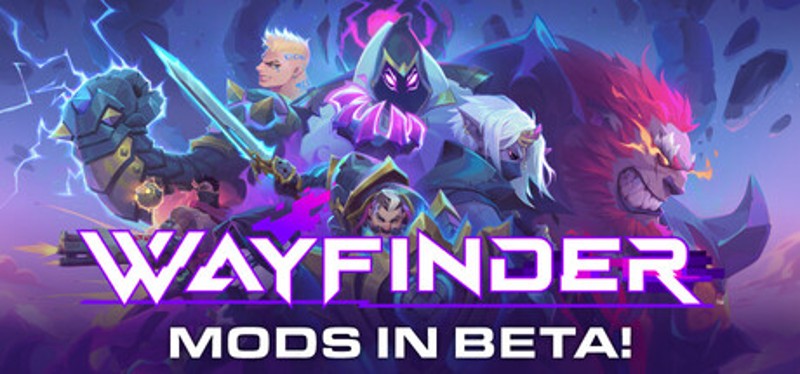
Embraces dungeon-crawler structure and party-based tactics over solo martial arts mastery, sharing the indie co-op framework and atmospheric tone while leaning into team synergy and loot discovery.
If you enjoyed this game, see our list of games similar to Wayfinder.View Game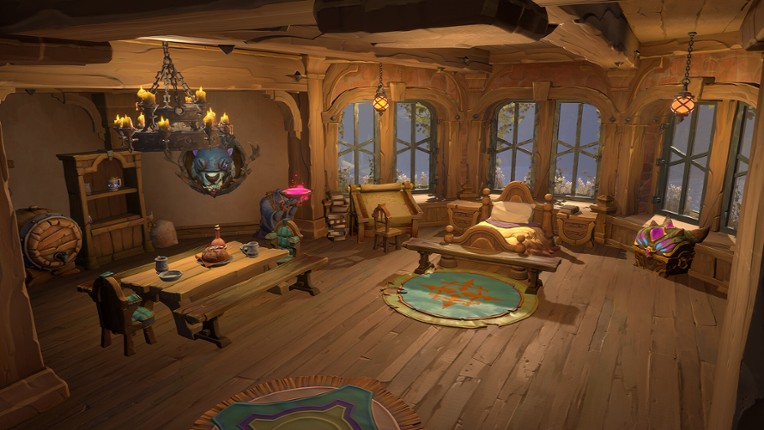

- 90%Game Brain ScoreMost mentioned positive aspects:gameplay, graphicsMost mentioned negative aspects:grinding, optimization90% User Score 89,178 reviews
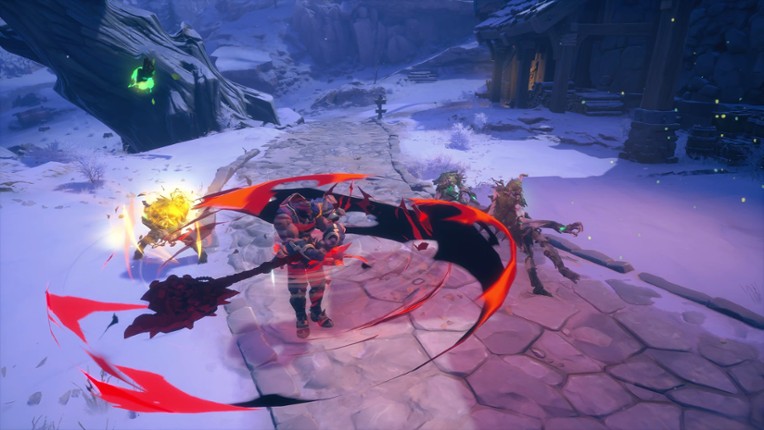
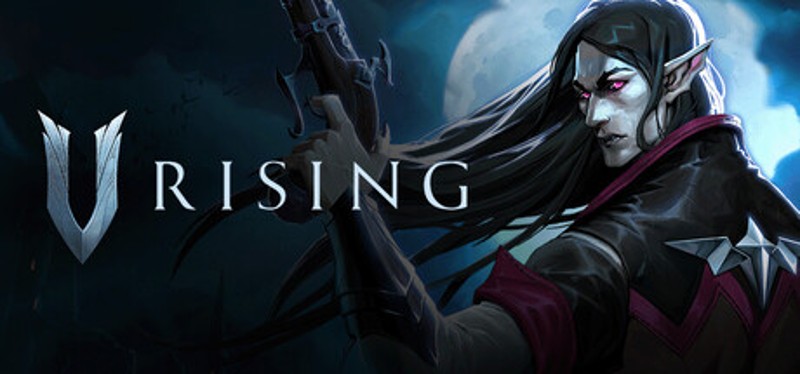
Pivots toward base-building and PvP territorial control with a top-down perspective, preserving multiplayer depth and dark fantasy flavor while sacrificing story and skill-driven moment-to-moment combat.
If you enjoyed this game, see our list of games similar to V Rising.View Game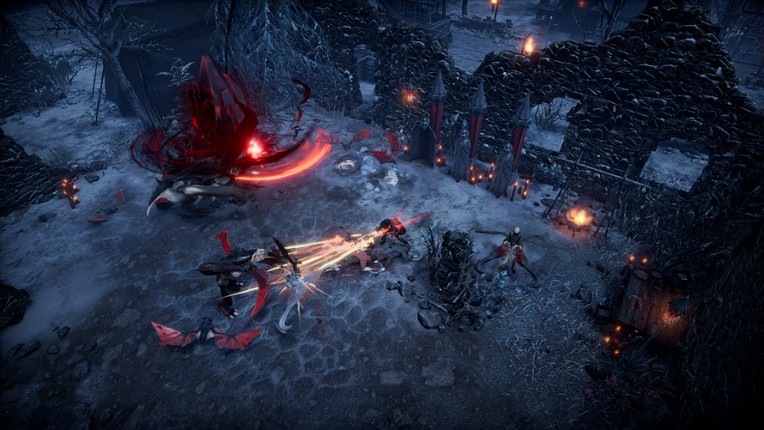
- 52%Game Brain ScoreMost mentioned positive aspects:story, gameplayMost mentioned negative aspects:grinding, monetization52% User Score 2,425 reviews
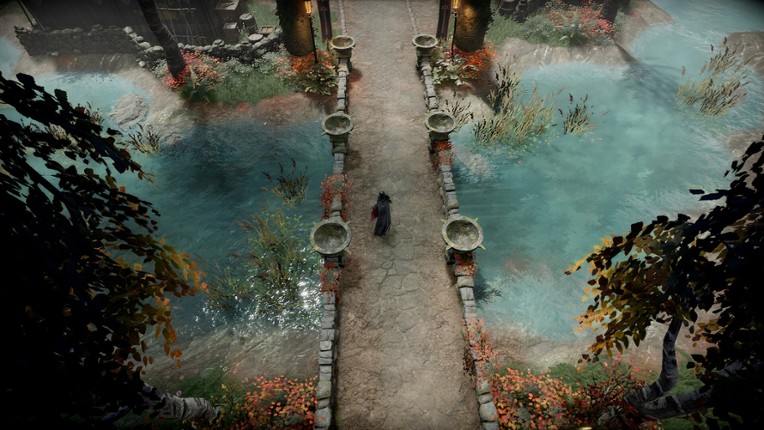
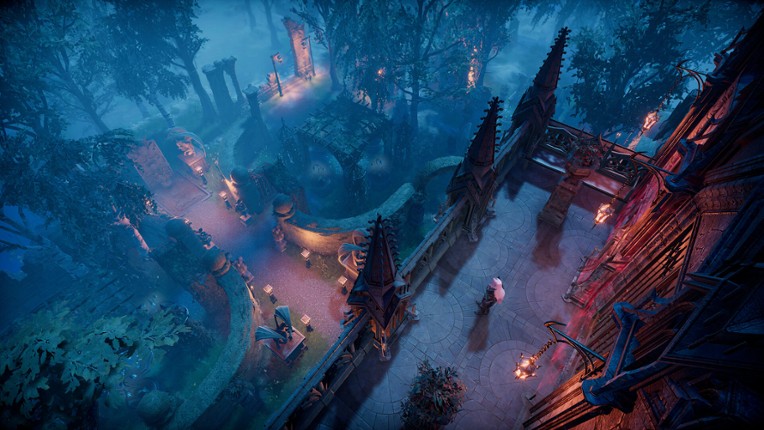
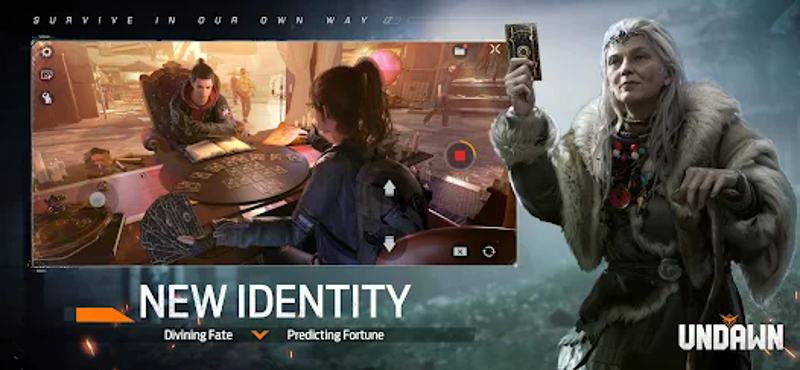
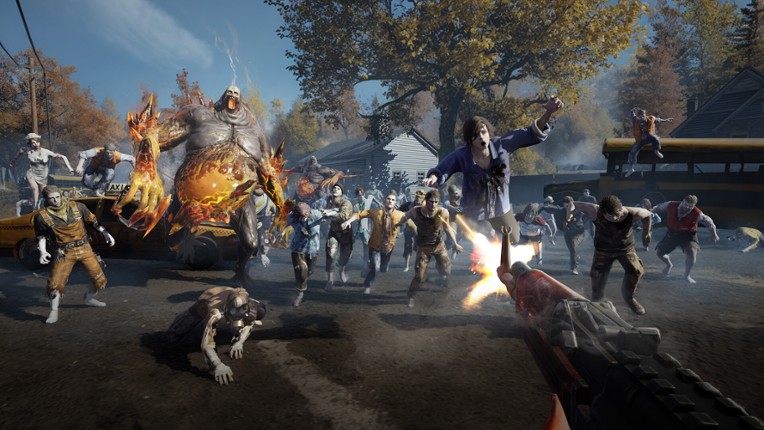
Transplants the survival and crafting systems into a post-apocalyptic zombie setting with massively multiplayer scope, maintaining free-to-play accessibility and character customization while replacing martial finesse with resource scavenging.
If you enjoyed this game, see our list of games similar to Undawn.View Game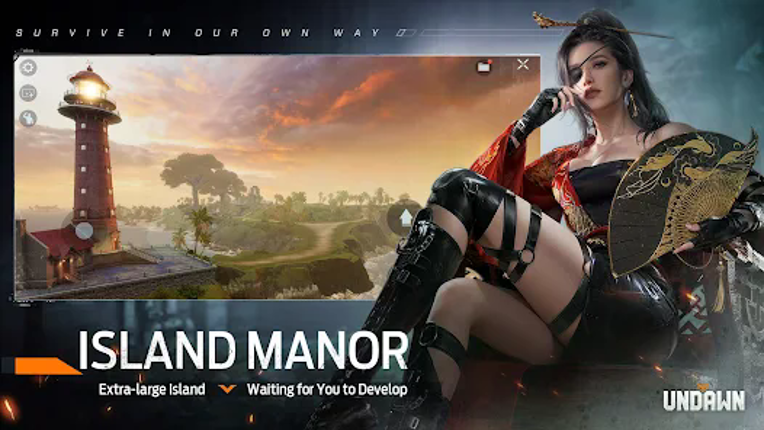
- 68%Game Brain ScoreMost mentioned positive aspects:graphics, storyMost mentioned negative aspects:stability, monetization68% User Score 9,992 reviews
Anime Style Open World MMORPG Game, Class Performer Join the Battle! If you enjoyed this game, see our list of games similar to Dragon Raja: Anime MMORPG.
View Game


29 View Game 78%Game Brain ScoreMost mentioned positive aspects:story, graphicsMost mentioned negative aspects:optimization, stability78% User Score 8,987 reviews
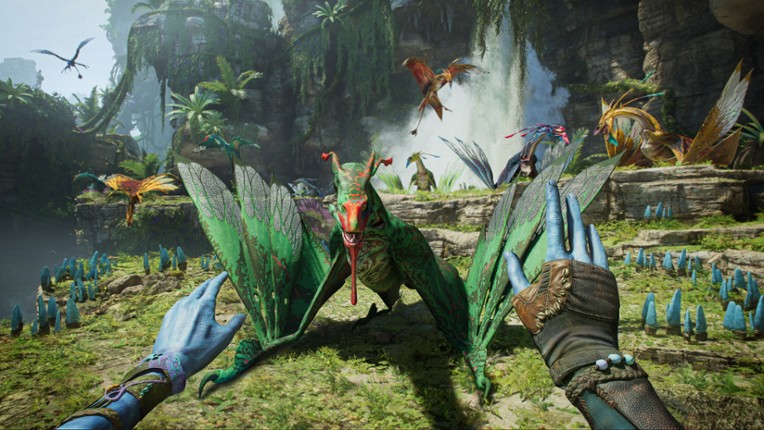
Abandon the spectacle-focused melee in favor of a first-person immersive sim experience that emphasizes detailed environmental traversal across alien landscapes.
If you enjoyed this game, see our list of games similar to Avatar: Frontiers of Pandora.View Game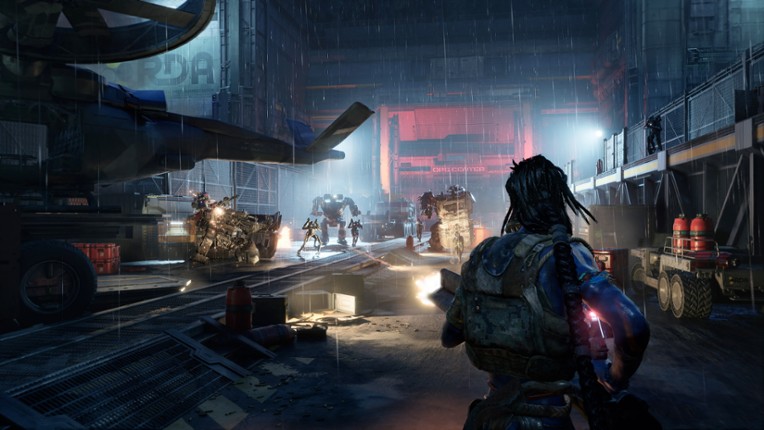
- 86%Game Brain ScoreMost mentioned positive aspects:story, gameplayMost mentioned negative aspects:optimization, grinding87% User Score 51,928 reviewsCritic Score 85%10 reviews
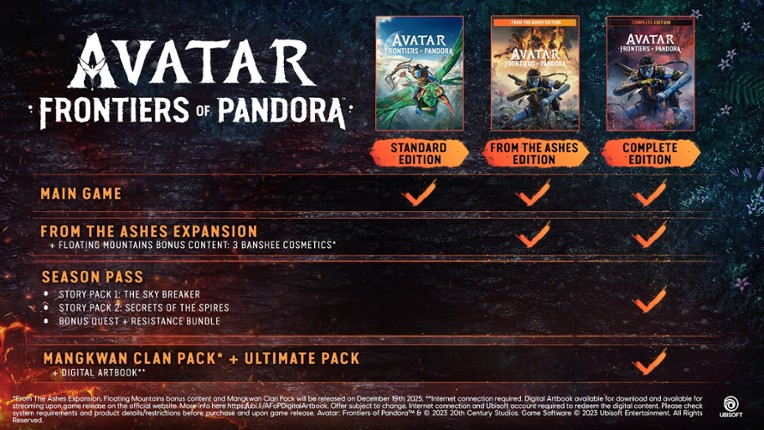
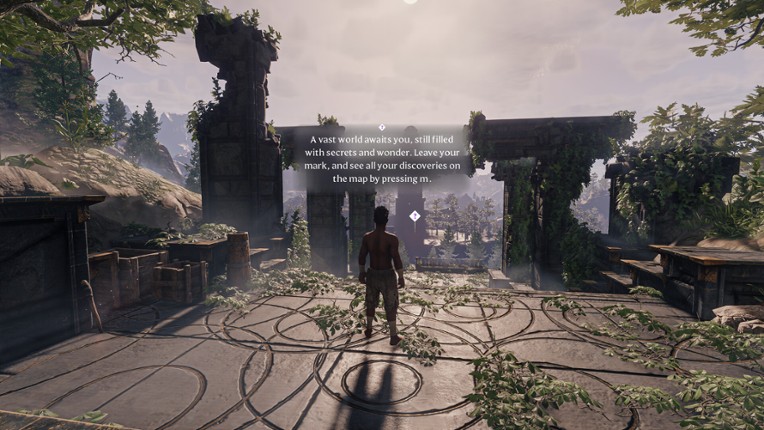
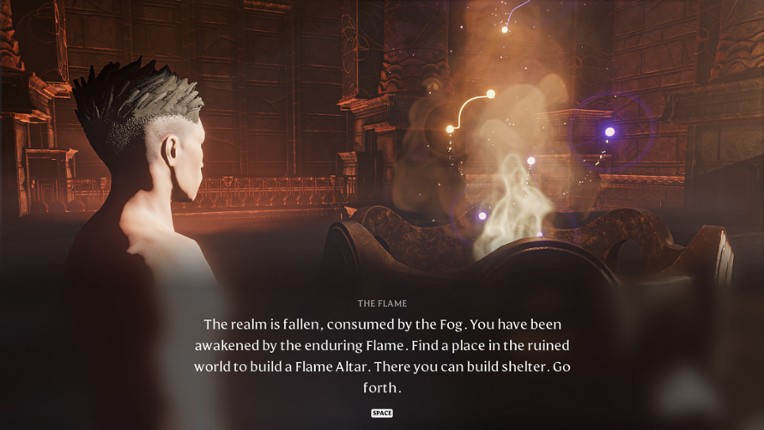
Fuses open-world exploration with survival crafting mechanics and cooperative base-building, keeping the co-op and indie identity while stripping narrative in favor of creative construction and resource management.
If you enjoyed this game, see our list of games similar to Enshrouded.View Game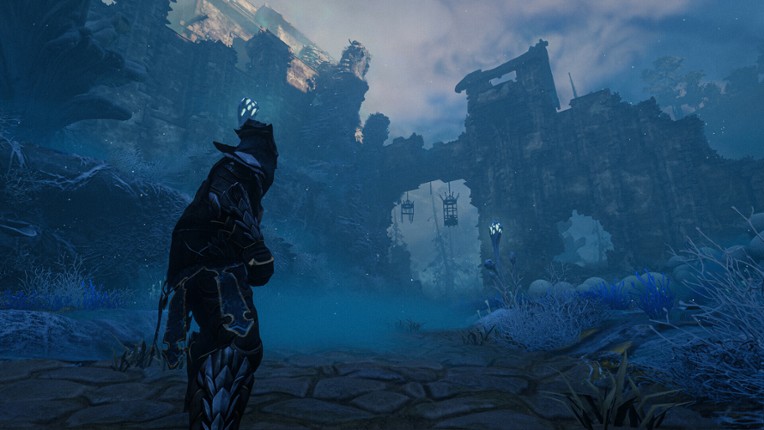
- 76%Game Brain ScoreMost mentioned positive aspects:story, graphicsMost mentioned negative aspects:grinding, optimization76% User Score 5,291 reviews
Streamlines into a pure MMO trading hub with minimal combat depth, sharing the fantasy setting and free-to-play model while sacrificing the skill-driven martial arts combat and narrative entirely.
If you enjoyed this game, see our list of games similar to Aura Kingdom.View Game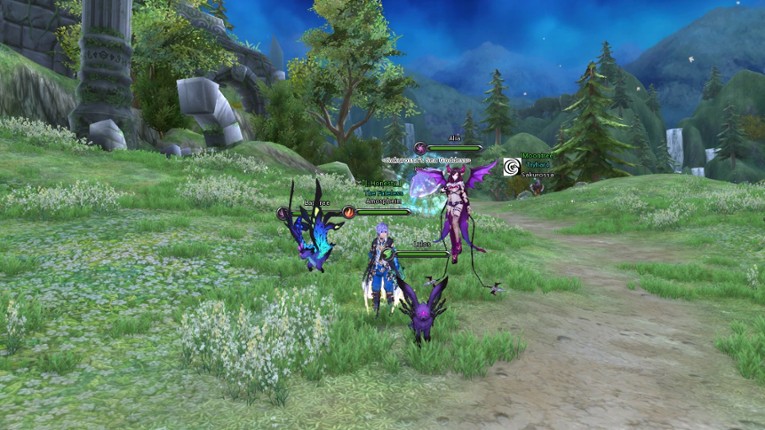
- 89%Game Brain ScoreMost mentioned positive aspects:story, gameplayMost mentioned negative aspects:grinding, monetization89% User Score 17,346 reviewsCritic Score 92%3 reviews
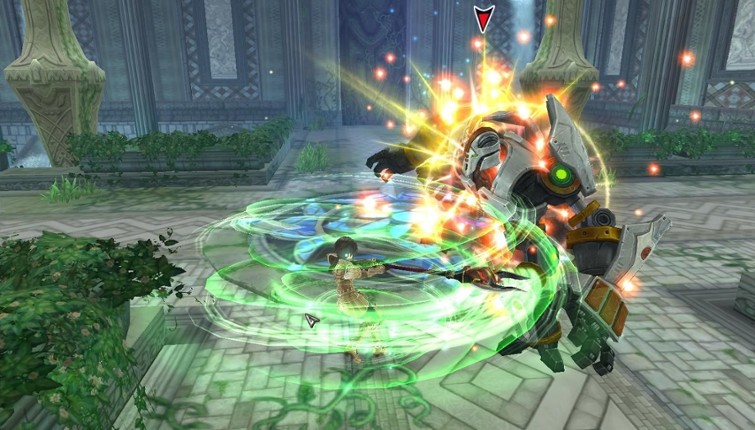
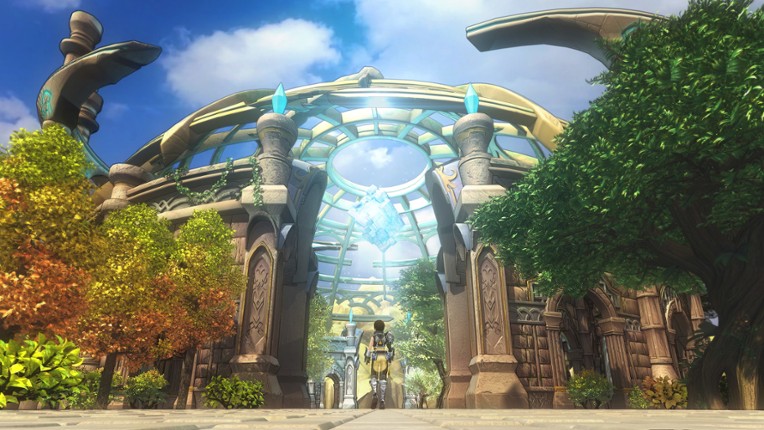
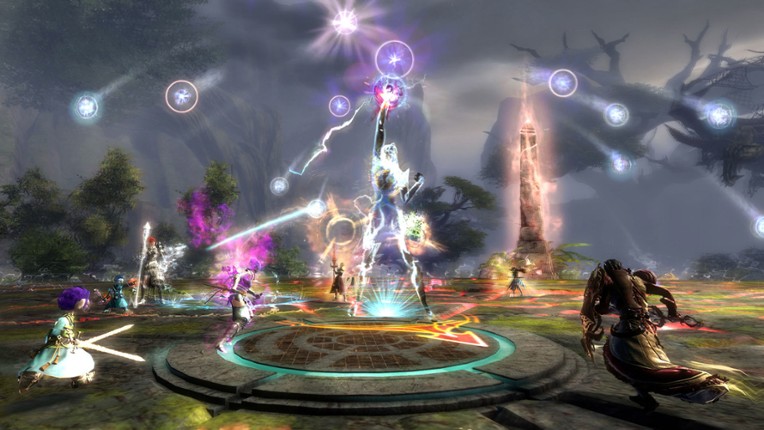
Scales up to a traditional class-based MMO with expansive PvP and cooperative endgame, retaining atmospheric world-building and free-to-play generosity while trading individual martial mastery for coordinated group tactics.
If you enjoyed this game, see our list of games similar to Guild Wars 2.View Game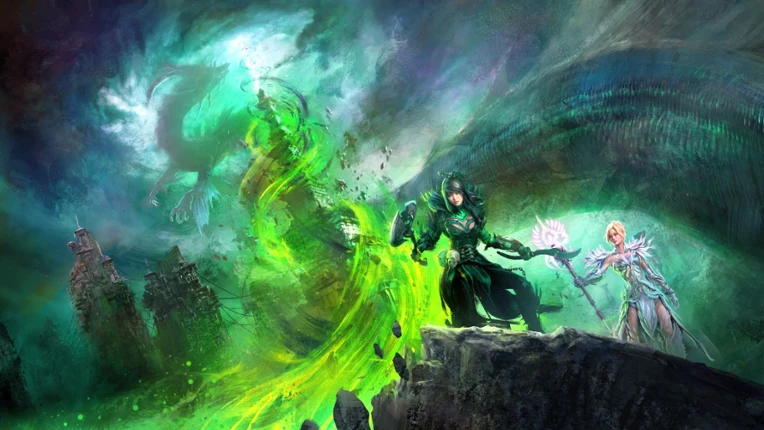
- 77%Game Brain ScoreMost mentioned positive aspects:story, graphicsMost mentioned negative aspects:grinding, monetization77% User Score 9,999 reviews
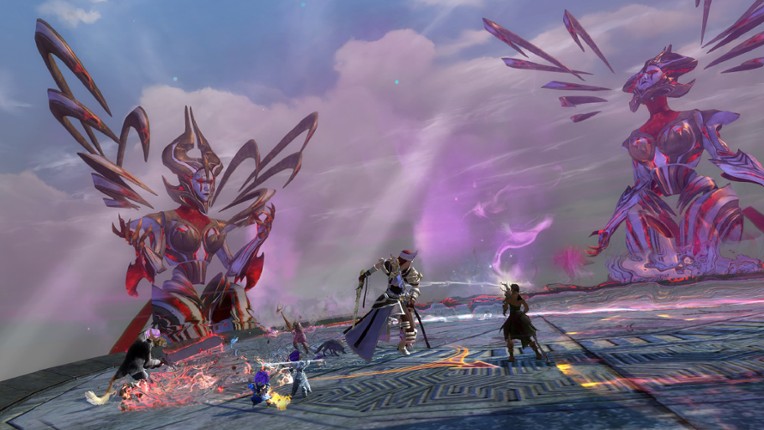
HoYoverse Sci-fi Adventure Action Game If you enjoyed this game, see our list of games similar to Honkai Impact 3rd.
View Game


- 81%Game Brain ScoreMost mentioned positive aspects:story, graphicsMost mentioned negative aspects:grinding, music81% User Score 6,707 reviews
Swap the martial arts focus for lighthearted, tongue-in-cheek exploration and parkour-heavy questing within a vibrant, simplified 3D fantasy world.
If you enjoyed this game, see our list of games similar to AdventureQuest 3D.View Game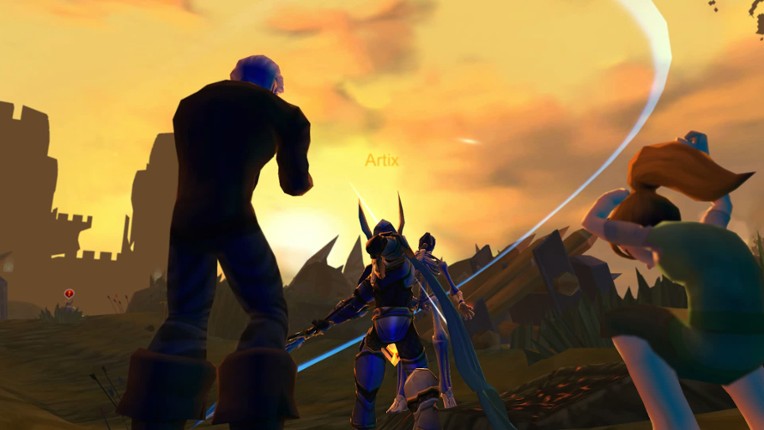
35 View Game 69%Game Brain ScoreMost mentioned positive aspects:story, gameplayMost mentioned negative aspects:grinding, monetization69% User Score 17,657 reviews
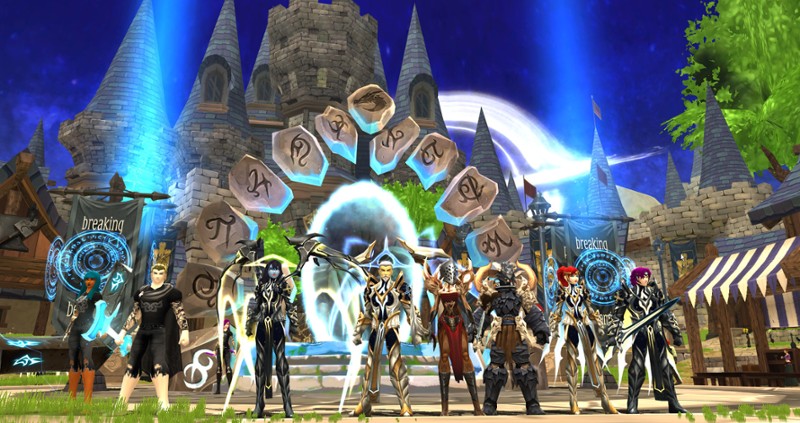
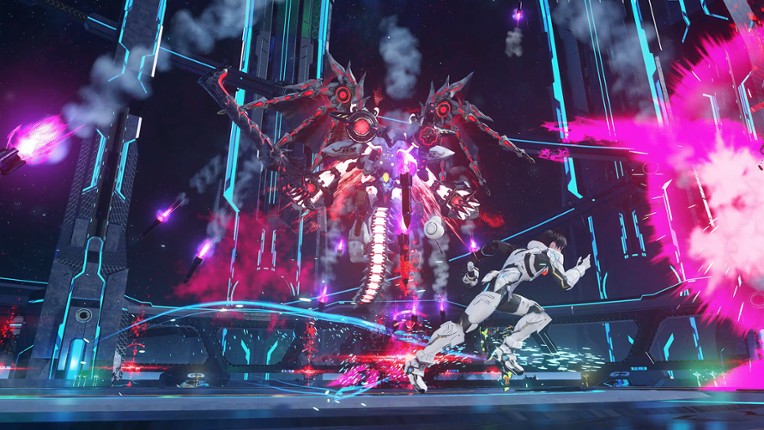
Replace traditional wuxia storytelling with a futuristic sci-fi setting, emphasizing high-speed mech-infused action and expansive anime-style social hubs.
If you enjoyed this game, see our list of games similar to Phantasy Star Online 2 New Genesis.View Game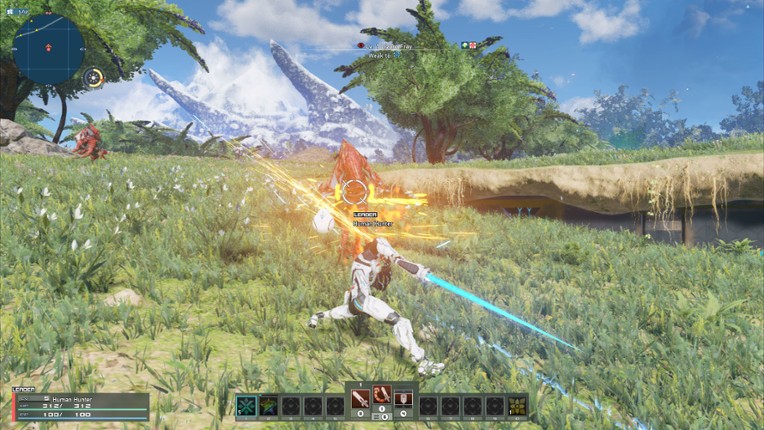
36 View Game 72%Game Brain ScoreMost mentioned positive aspects:story, gameplayMost mentioned negative aspects:grinding, optimization74% User Score 1,825 reviewsCritic Score 69%6 reviews
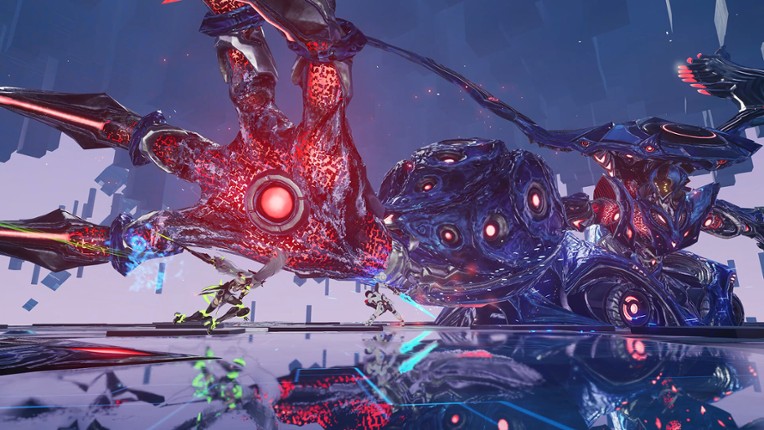
While lacking the grounded historical grit, this experience mimics a virtual reality simulation with a narrative focused on high-stakes anime digital combat.
If you enjoyed this game, see our list of games similar to Sword Art Online: Hollow Realization.View Game


- 86%Game Brain ScoreMost mentioned positive aspects:story, gameplayMost mentioned negative aspects:grinding, stability96% User Score 2,720 reviewsCritic Score 70%6 reviews
Embrace a slower, turn-based approach to martial arts mastery using a nostalgic 2.5D aesthetic instead of fluid, real-time souls-like combat mechanics.
If you enjoyed this game, see our list of games similar to Wandering Sword.View Game


- 89%Game Brain ScoreMost mentioned positive aspects:story, gameplayMost mentioned negative aspects:grinding, stability89% User Score 26,624 reviews
Shift your focus from combat mastery to cozy life-simulation tasks like farming and village building within a serene, non-violent MMO environment.
If you enjoyed this game, see our list of games similar to Palia.View Game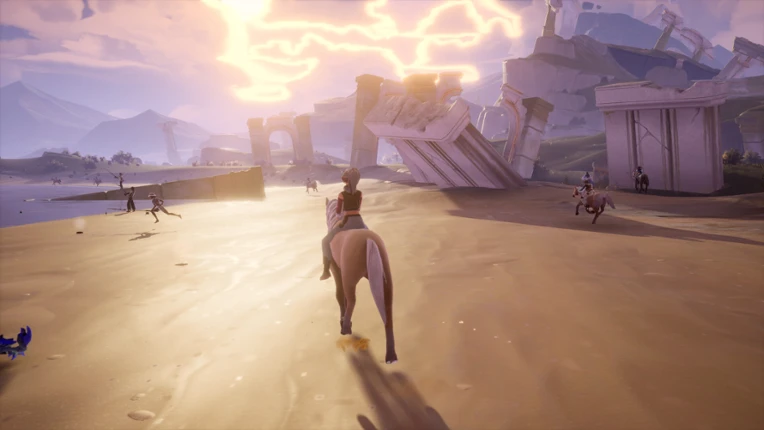
- 86%Game Brain ScoreMost mentioned positive aspects:story, gameplayMost mentioned negative aspects:optimization, grinding86% User Score 45,791 reviews
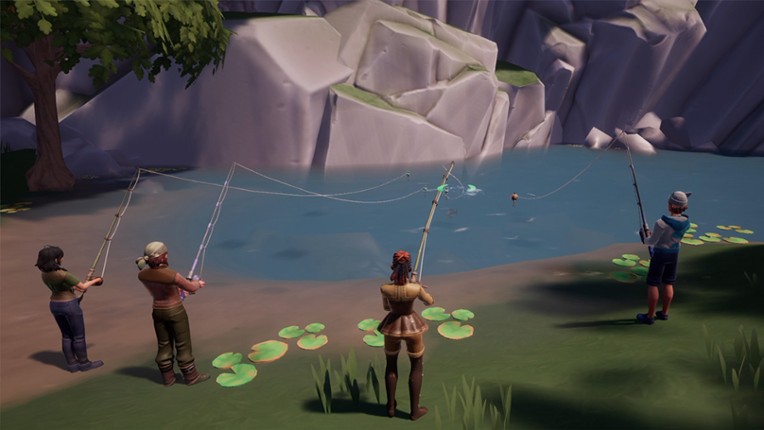
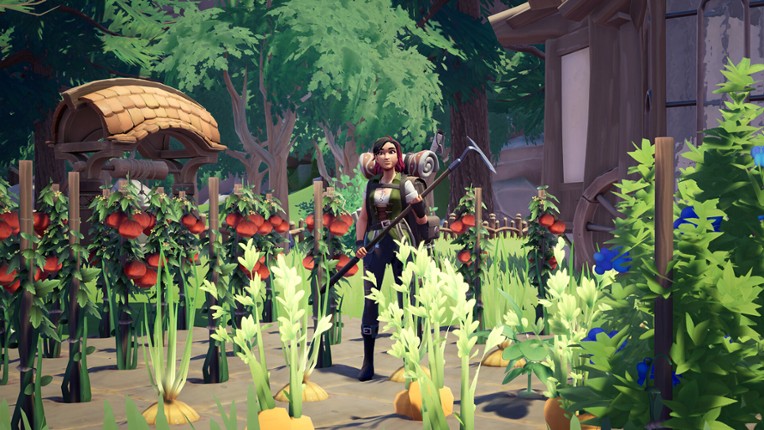
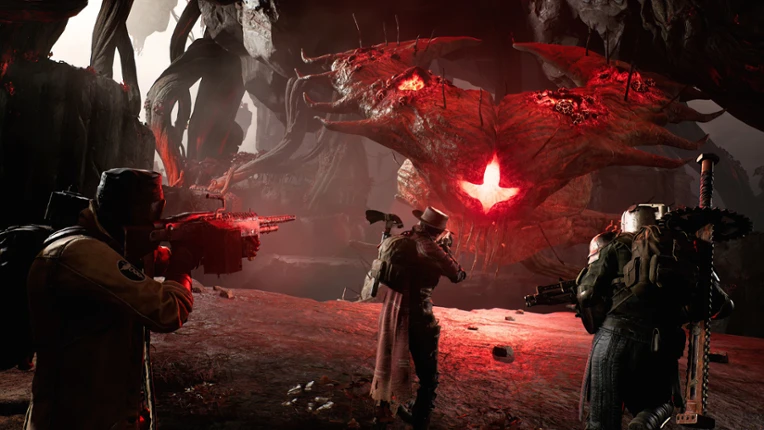
Prioritize firearm-based tactical shooting and procedurally generated encounters over the traditional Chinese wuxia swordsmanship found in the original experience.
If you enjoyed this game, see our list of games similar to Remnant 2.View Game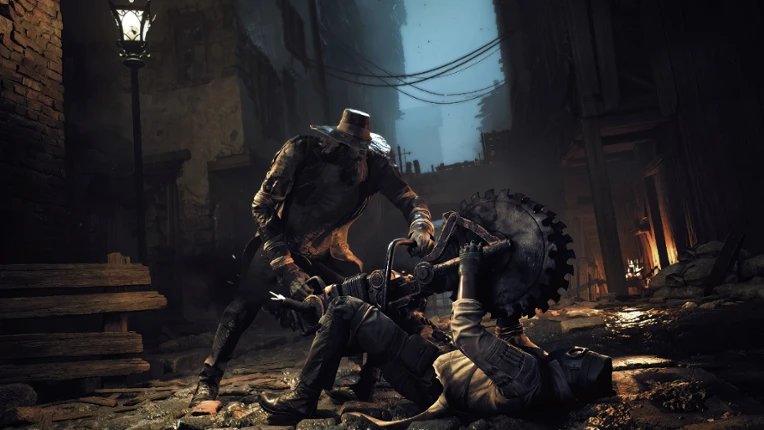

- 77%Game Brain ScoreMost mentioned positive aspects:graphics, storyMost mentioned negative aspects:monetization, stability77% User Score 10,000 reviews
Expect a significantly more casual mobile-oriented MMO loop that simplifies the combat complexity into streamlined, automated character progression systems.
If you enjoyed this game, see our list of games similar to The Legend of Neverland.View Game


- 72%Game Brain ScoreMost mentioned positive aspects:story, gameplayMost mentioned negative aspects:grinding, monetization67% User Score 104,712 reviewsCritic Score 78%7 reviews
Choose an isometric perspective to manage large-scale group raids and high-octane ability rotations instead of the grounded, third-person souls-like dueling.
If you enjoyed this game, see our list of games similar to Lost Ark.View Game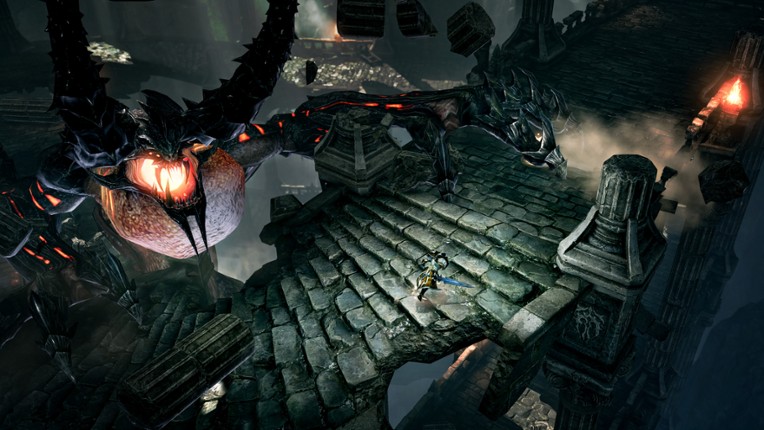

- 80%Game Brain ScoreMost mentioned positive aspects:story, gameplayMost mentioned negative aspects:grinding, monetization83% User Score 35,441 reviewsCritic Score 76%19 reviews
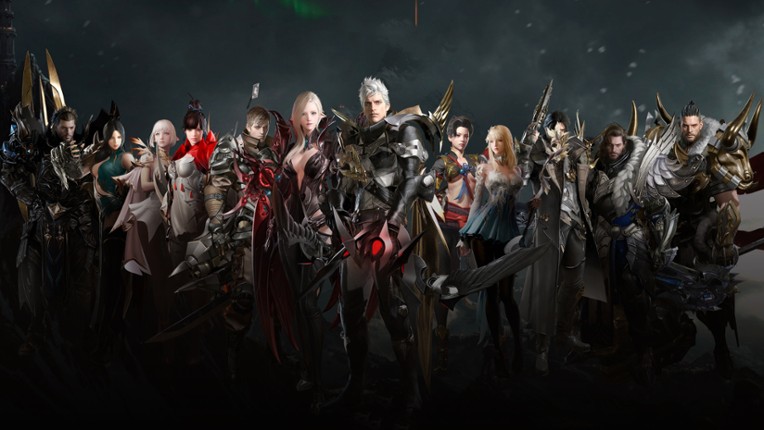
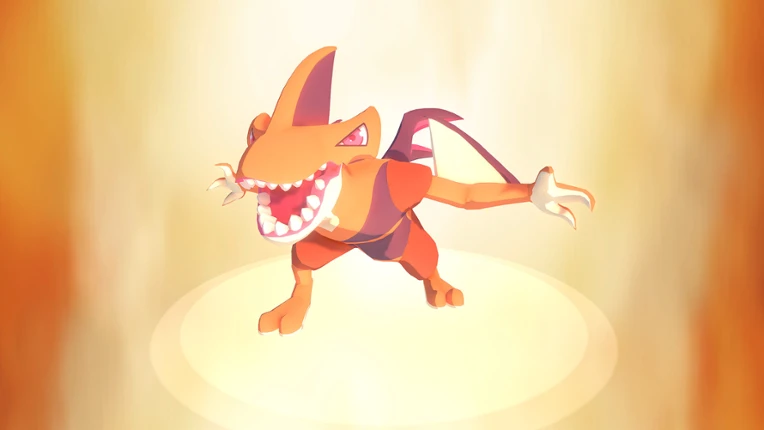
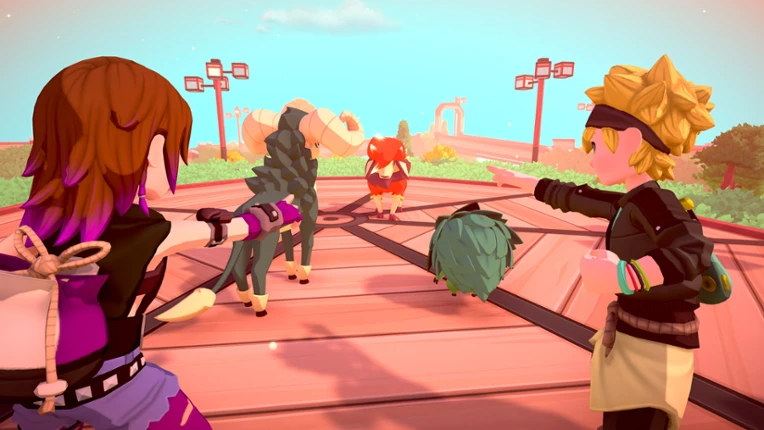
Trade the soul-like boss duels for a creature-collecting journey that blends strategic turn-based combat with colorful, anime-inspired social exploration.
If you enjoyed this game, see our list of games similar to Temtem.View Game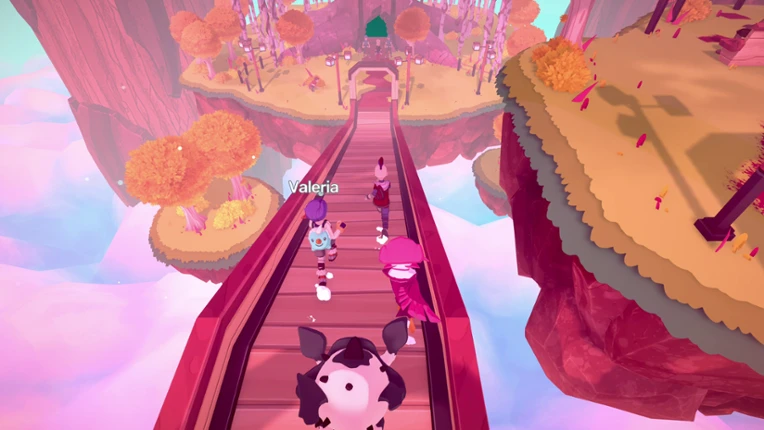
43 View Game 74%Game Brain ScoreMost mentioned positive aspects:story, gameplayMost mentioned negative aspects:optimization, stability71% User Score 4,461 reviewsCritic Score 78%7 reviews
For players who want Where Winds Meet’s martial-arts duels pushed into a harsher, more punishing historical setting with heavier boss pressure.
If you enjoyed this game, see our list of games similar to Wo Long: Fallen Dynasty.View Game


- 72%Game Brain ScoreMost mentioned positive aspects:story, graphicsMost mentioned negative aspects:grinding, stability74% User Score 3,999 reviewsCritic Score 65%2 reviews
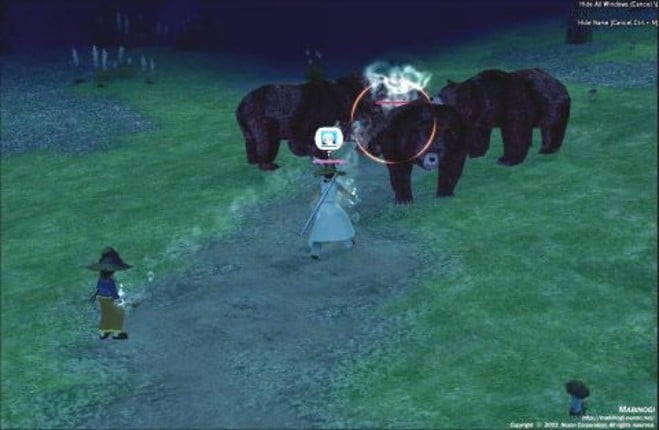
Replaces intense wuxia combat with a social fantasy life sim, fitting players who want co-op, character growth, and a gentler online world.
If you enjoyed this game, see our list of games similar to Mabinogi.View Game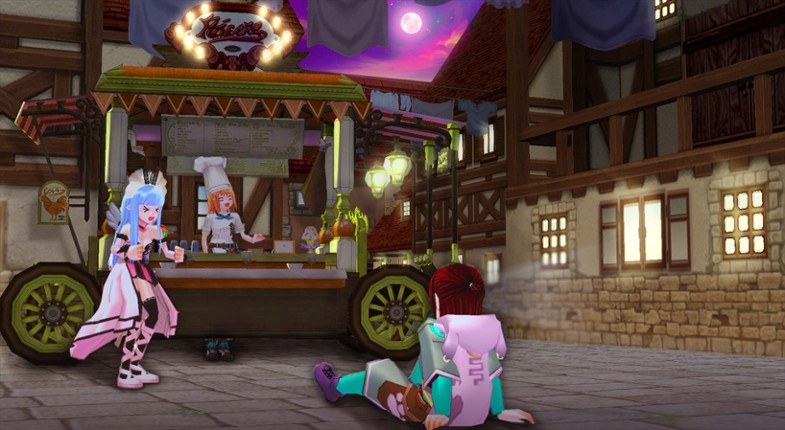
- 74%Game Brain ScoreMost mentioned positive aspects:graphics, storyMost mentioned negative aspects:monetization, stability74% User Score 1,100 reviews
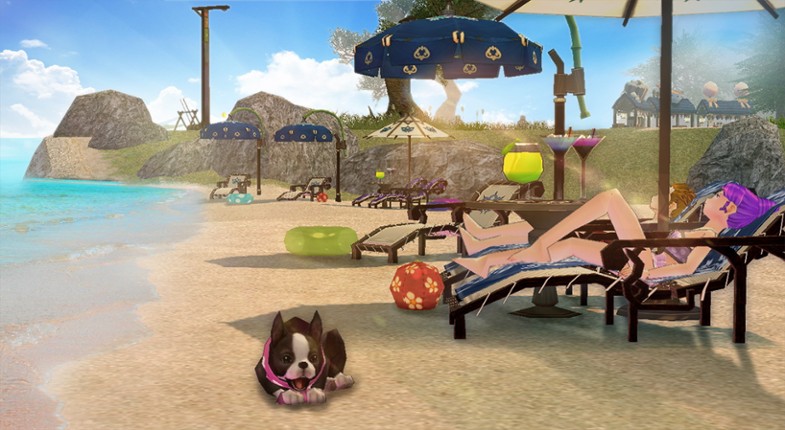
This one is for MMO fans who want the broad online structure of Where Winds Meet without its martial-arts flair or story-heavy presentation.
If you enjoyed this game, see our list of games similar to Crystal of Atlan.View Game


- 79%Game Brain ScoreMost mentioned positive aspects:story, graphicsMost mentioned negative aspects:grinding, stability77% User Score 10,000 reviewsCritic Score 81%18 reviews
Keeps the open-world free-to-play adventure angle, but trades grounded wuxia for a brighter anime ecosystem built around elemental exploration and team comps.
If you enjoyed this game, see our list of games similar to Genshin Impact.View Game


- 76%Game Brain ScoreMost mentioned positive aspects:gameplay, graphicsMost mentioned negative aspects:grinding, optimization76% User Score 6,063 reviewsCritic Score 78%1 reviews
Instead of wandering a cinematic wuxia land, this leans into survival, base-building, and large-scale warfare for players who want harsher persistence.
If you enjoyed this game, see our list of games similar to Myth of Empires.View Game


- 89%Game Brain ScoreMost mentioned positive aspects:story, graphicsMost mentioned negative aspects:grinding, stability93% User Score 101,073 reviewsCritic Score 85%17 reviews
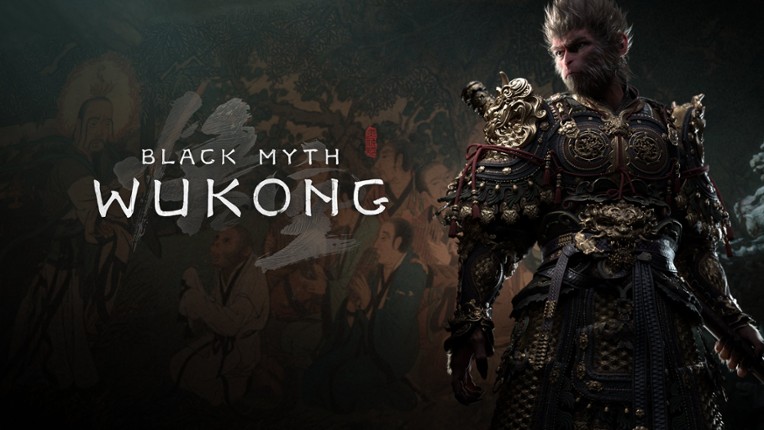
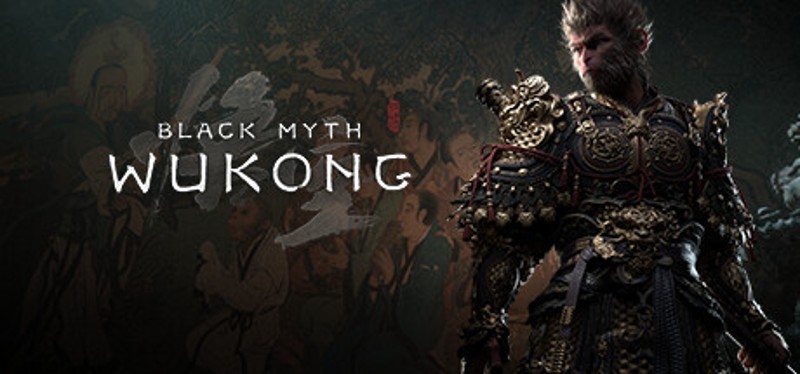
Drops the multiplayer wandering for a single-player mythic boss gauntlet, ideal if you want tougher combat and a darker, more focused journey.
If you enjoyed this game, see our list of games similar to Black Myth: Wukong.View Game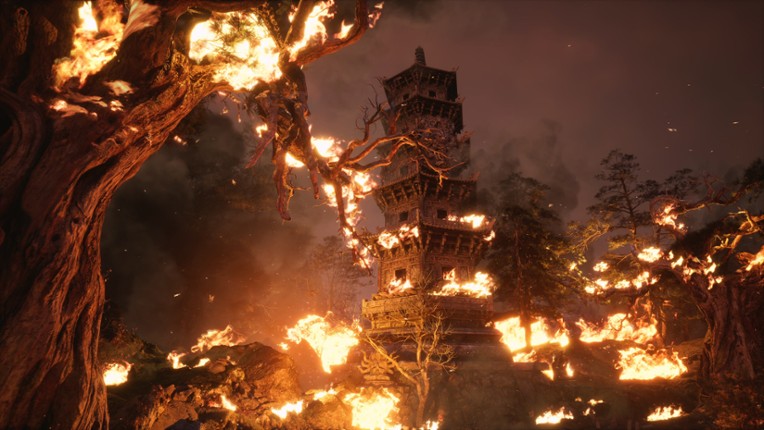
- 70%Game Brain ScoreMost mentioned positive aspects:graphics, storyMost mentioned negative aspects:grinding, monetization70% User Score 10,000 reviews
Bringing Together Adventurers Worldwide, United Server If you enjoyed this game, see our list of games similar to Black Desert Mobile.
View Game


- 65%Game Brain ScoreMost mentioned positive aspects:story, graphicsMost mentioned negative aspects:optimization, stability62% User Score 10,000 reviewsCritic Score 69%8 reviews
Matches the shared free-to-play open-world scale, but pushes into flashier sci-fi spectacle and co-op shooting for players who want a louder palette.
If you enjoyed this game, see our list of games similar to Tower of Fantasy.View Game


 View Game






























Frequently Asked Questions
Top recommendations include Wuthering Waves for fluid souls-like combat with character-switching mechanics, SWORD OF JUSTICE for wuxia storytelling and fair free-to-play monetization, and Game of Thrones Kingsroad for immersive open-world exploration with tactical combat depth. Each offers rich narratives and respectful cosmetic-focused monetization similar to Where Winds Meet's approach.
Wuthering Waves, SWORD OF JUSTICE, Blue Protocol: Star Resonance, and Aniimo all offer free-to-play models with cosmetic-only monetization. Like Where Winds Meet, these games provide extensive content without pay-to-win mechanics, supporting solo and cooperative play with optional cosmetic purchases for character customization.
Wuthering Waves features the most similar parry and dodge mechanics with satisfying souls-like combat. DragonSword: Awakening emphasizes character-switching combos and team synergy, while Game of Thrones Kingsroad delivers tactical combat with rewarding animations. All three focus on player skill rather than gear progression.
SWORD OF JUSTICE offers robust online co-op with AI companion support for dungeons, while Once Human features deep cooperative survival crafting. Wuthering Waves includes co-op domains and multiplayer content. The Elder Scrolls Online provides extensive four-player dungeons and group questing for extended cooperative gameplay.
SWORD OF JUSTICE directly mirrors Where Winds Meet's wuxia and xianxia heritage with character customization rooted in Chinese culture. DragonSword: Awakening features anime-style action with Eastern influences and character-driven storytelling. Both capture similar martial arts themes and rich lore in expansive open worlds with exploration and side quests.
Once Human delivers emotionally resonant post-apocalyptic narratives with branching paths, while The Elder Scrolls Online features extensive voice acting and personal questlines. Wuthering Waves offers cinematic character arcs with emotional depth. All three combine story-rich campaigns with open-world exploration and meaningful player progression like Where Winds Meet.