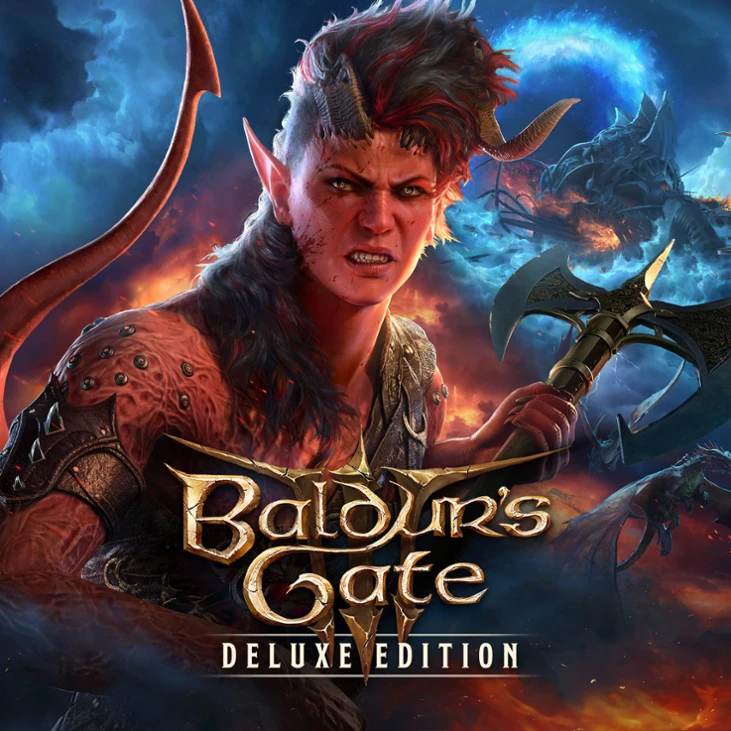


Games like Baldur's Gate 3
If you've sunk dozens of hours into games like Baldur's Gate 3 — or more precisely, into Baldur's Gate 3 itself — and now find yourself staring at the main menu with nowhere left to go, you're in exactly the right place. BG3 occupies a rare sweet spot: a turn-based tactical CRPG built on D&D 5e rules, dripping with dark fantasy atmosphere, meaningful choices, and co-op that actually works. The good news is that several games come remarkably close to that same feeling.
What separates Baldur's Gate 3 from most RPGs is the density of its systems working in harmony. Class-based character builds feed into turn-based tactical combat, which feeds into a story that genuinely reacts to your decisions. Layer on top of that the tonal balance — dark fantasy with flashes of humor, mature themes alongside deep emotional storytelling, romance and consequence — and you get a game that rewards both min-maxers and narrative explorers equally. Players searching for similar games want all of that, not just one piece of it.
What Makes a Good Alternative to Baldur's Gate 3?
- Turn-based tactical combat with meaningful builds — BG3's combat shines because positioning, abilities, and class synergies create real decisions every turn. The best alternatives replicate that satisfying crunch rather than defaulting to action-RPG button-mashing.
- Story-rich writing with choices that matter — BG3 is praised heavily for narrative and emotional depth. Alternatives worth your time branch meaningfully, remember your decisions, and deliver companions with actual arcs.
- CRPG party-based structure — Managing a roster of distinct characters, each with their own abilities and personalities, is central to the BG3 loop. The best picks here share that party-based DNA.
- Dark fantasy tone with atmospheric worldbuilding — The setting's weight matters. Games that blend dark themes with rich lore scratch the same itch that BG3's Faerûn delivers so effectively.
- Replayability through character customization — Multiple classes, origins, and diverging paths give BG3 enormous replay value. Strong alternatives offer similarly deep builds and diverging playthroughs.
Top Picks If You Enjoyed Baldur's Gate 3
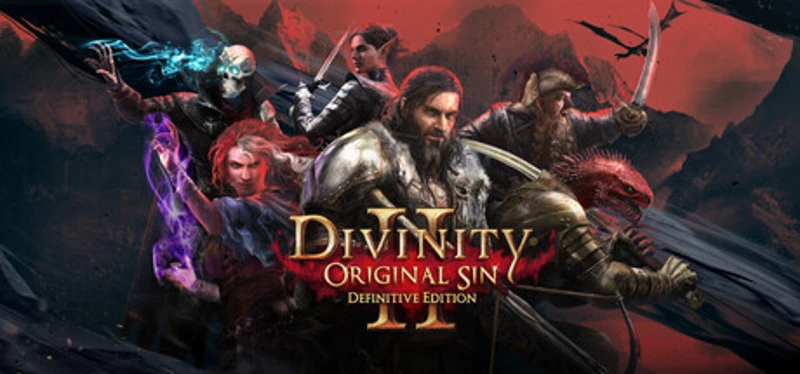
Divinity: Original Sin 2 is the closest match — same studio, same tactical depth, outstanding co-op. Pathfinder: Wrath of the Righteous delivers a staggering CRPG with mythic-scale choices. Dragon Age: Origins nails dark fantasy party storytelling with real emotional weight. Pillars of Eternity II: Deadfire offers a beautifully written world with flexible real-time or turn-based combat. Warhammer 40,000: Rogue Trader brings that same Owlcat CRPG craftsmanship to a grimdark sci-fantasy setting.
Every recommendation below is ranked by similarity using real player data, so the closest matches appear first. Browse the full list to find your next obsession.
- 94%Game Brain ScoreMost mentioned positive aspects:story, gameplayMost mentioned negative aspects:grinding, stability95% User Score 89,581 reviewsCritic Score 92%37 reviews
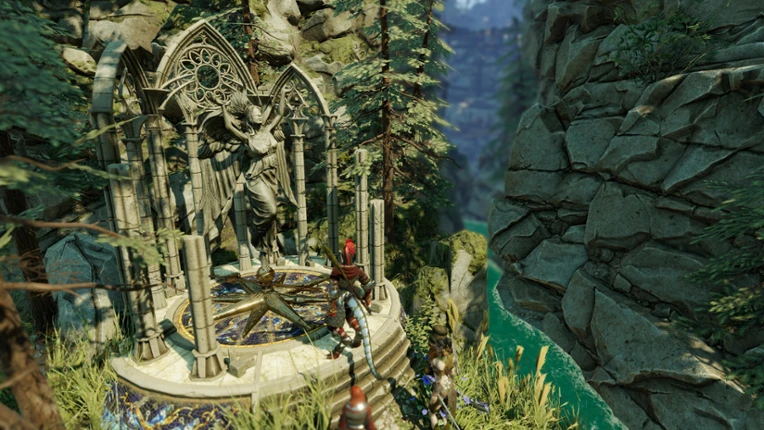
Both games center on a core loop of tactical positioning combined with consequence-driven decision-making—your party placement determines which skills land, which enemies flank you, and which NPCs live or die based on your choices in dialogue and combat alike.
The co-op campaign structure operates identically: you and a friend control separate party members with competing dialogue options, forcing negotiation over strategy and story direction in real time. This shared vulnerability—where one player's tactical mistake or moral choice ripples across both playthroughs—creates the same high-stakes collaborative tension.
Character customization reaches similar depth, letting you min-max builds or embrace roleplay without mechanical penalty. Both reward experimentation across playthroughs through branching quest outcomes and radically different party compositions.
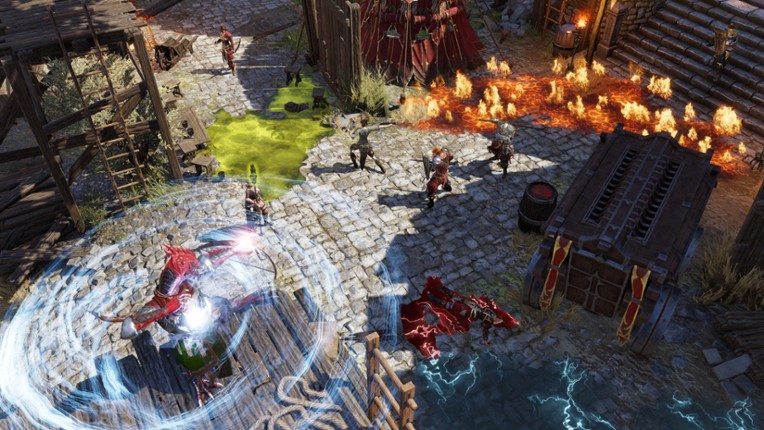
Where Divinity steps sideways is its isometric camera and elemental interaction system—you'll set puddles alight and electrify water in ways Baldur's Gate 3 reserves for specific spells, opening combat possibilities that feel fresher on replays.
If you've hit Baldur's Gate 3's grinding wall or replayed it to exhaustion, Divinity's denser skill trees and longer campaign offer measurably more hours before fatigue sets in. Best for players who prize tactical depth and co-op storytelling over cinematic presentation.
If you enjoyed this game, see our list of games similar to Divinity: Original Sin 2.View Game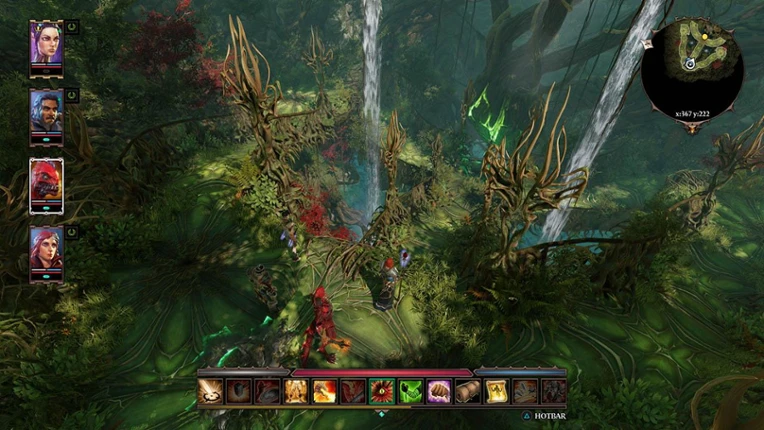
- 83%Game Brain ScoreMost mentioned positive aspects:story, gameplayMost mentioned negative aspects:stability, grinding82% User Score 30,282 reviewsCritic Score 85%1 reviews
For players who love planning a turn, setting up the perfect spell or position, and watching the whole fight swing because of one smart choice, Pathfinder: Wrath of the Righteous delivers that same tactical payoff. Both games reward choices matter decisions, deep character customization, and combat that asks you to think a few moves ahead instead of just mashing attacks.
It also scratches the story-rich CRPG itch with a darker fantasy tone, strong party-driven progression, and plenty of reasons to replay with different builds. That matters because one of Baldur's Gate 3's biggest draws is experimentation, and Wrath of the Righteous leans even harder into systems mastery, letting you fine-tune classes and party roles until every encounter feels earned.
The big tradeoff is scope: Pathfinder is more rules-heavy and less polished in places, but it answers BG3’s common complaint about not enough grinding for build-minded players with a much longer, denser campaign. Best for players who want deep tactical control, frequent build tinkering, and a huge CRPG to sink into.
If you enjoyed this game, see our list of games similar to Pathfinder: Wrath of the Righteous.View Game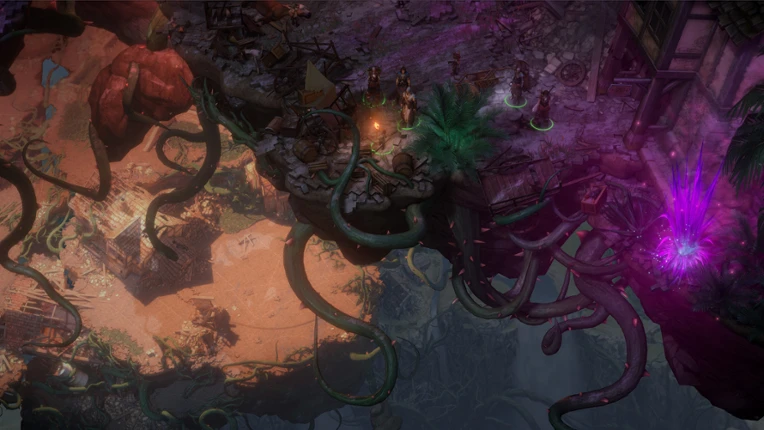
- 85%Game Brain ScoreMost mentioned positive aspects:story, gameplayMost mentioned negative aspects:stability, optimization86% User Score 22,039 reviewsCritic Score 84%7 reviews
That moment in Baldur's Gate 3 where a single dialogue choice reshapes a companion's loyalty — or ends their life — is exactly the emotional currency Dragon Age: Origins trades in. Both games build their best moments around party relationships that feel genuinely earned, where the people traveling with you push back, demand answers, and remember what you did.
The tactical combat lands differently here: Origins uses a real-time-with-pause system instead of turn-based, but the underlying loop of positioning your party, exploiting enemy weaknesses, and managing ability cooldowns will feel immediately familiar. Meaningful choices with branching consequences are baked into the structure at every level — origins, alliances, and endings all shift based on decisions made hours earlier.
Where BG3 can feel dense with systems, Origins spreads its complexity across a darker, more grounded political world — less spectacle, more slow-burn consequence.
BG3 players who found the campaign too short will appreciate that Origins rewards multiple full playthroughs, each starting from a genuinely different backstory that reframes the entire narrative.
Best for players who prioritize companion writing and long-term choice payoff over graphical polish or mechanical precision.
If you enjoyed this game, see our list of games similar to Dragon Age: Origins.View Game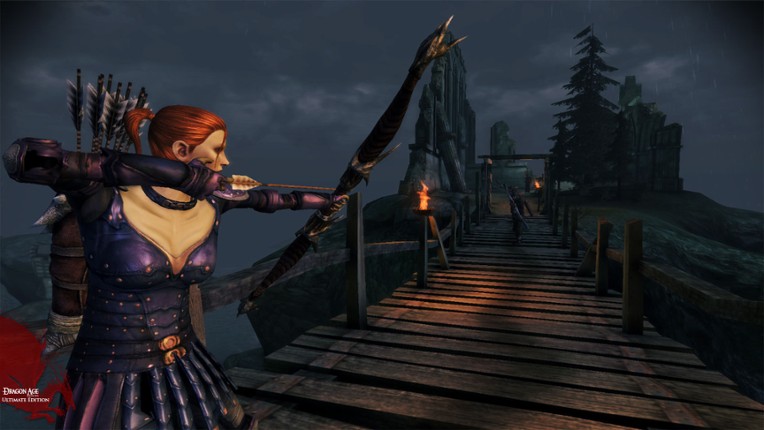
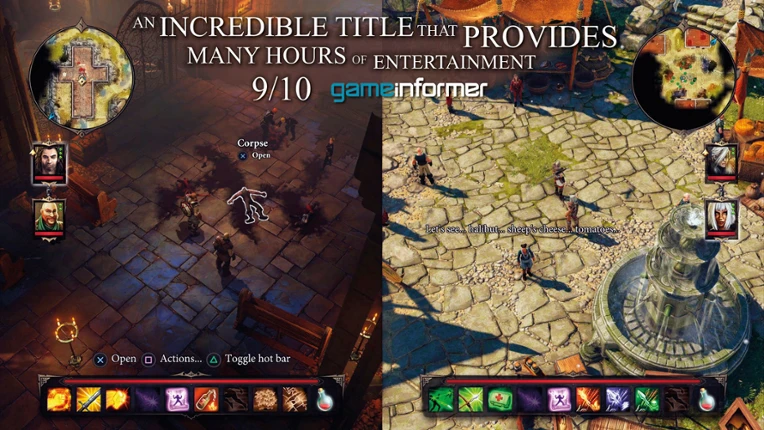
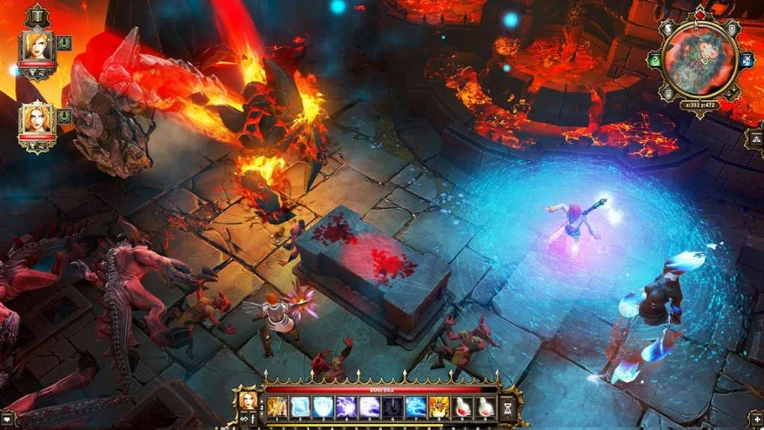
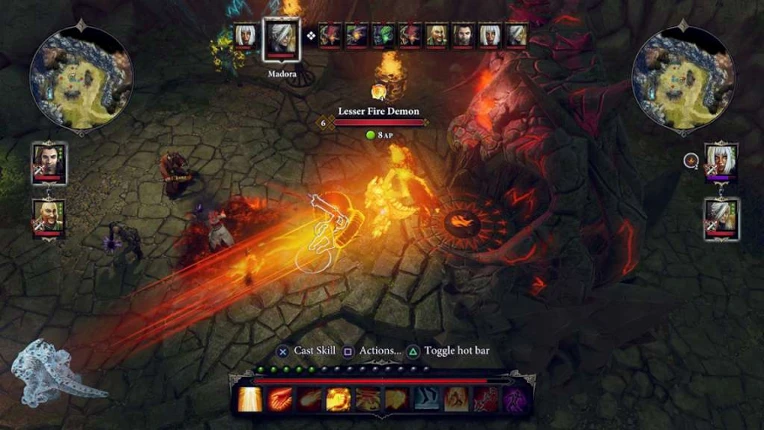
- 88%Game Brain ScoreMost mentioned positive aspects:story, gameplayMost mentioned negative aspects:grinding, stability87% User Score 19,560 reviewsCritic Score 88%24 reviewsShrinks the scope to two-player co-op and isometric perspective while matching BG3's environmental interactivity and reactive storytelling. If you enjoyed this game, see our list of games similar to Divinity: Original Sin.View Game
- 83%Game Brain ScoreMost mentioned positive aspects:story, gameplayMost mentioned negative aspects:stability, grinding92% User Score 6,245 reviewsCritic Score 73%19 reviews
Both games force you to navigate high-stakes party dynamics where your companions’ personal quests and moral alignments directly collide with your central goals. You will find that the Dungeons & Dragons foundation creates a familiar loop of tactical experimentation and reactive storytelling. This deep character customization ensures every leveling choice feels impactful, mirroring the satisfaction of building a specialized party that can survive overwhelming odds.
While the turn-based nature of the newer title is absent, the shift to Real-Time with Pause combat offers a fresh, fluid pace for managing complex magical encounters. This classic adventure also avoids the grinding sensations sometimes found in modern titles by delivering a dense, high-level journey where every encounter feels hand-crafted. It remains the definitive choice for players who prioritize narrative scale and mechanical mastery over cinematic spectacle.
If you enjoyed this game, see our list of games similar to Baldur's Gate 2.View Game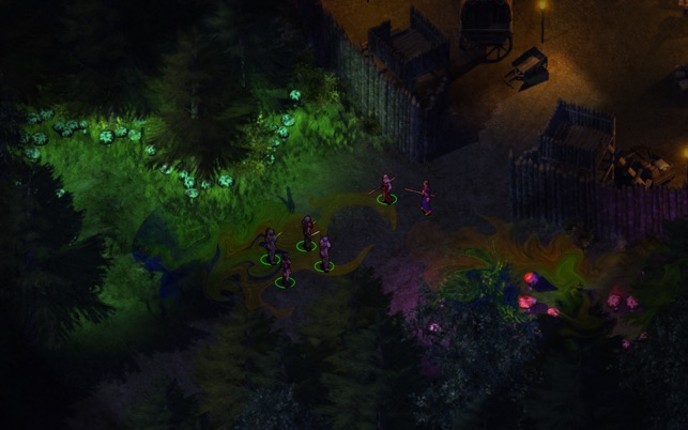
- 86%Game Brain ScoreMost mentioned positive aspects:story, gameplayMost mentioned negative aspects:grinding, stability87% User Score 19,334 reviewsCritic Score 84%27 reviews
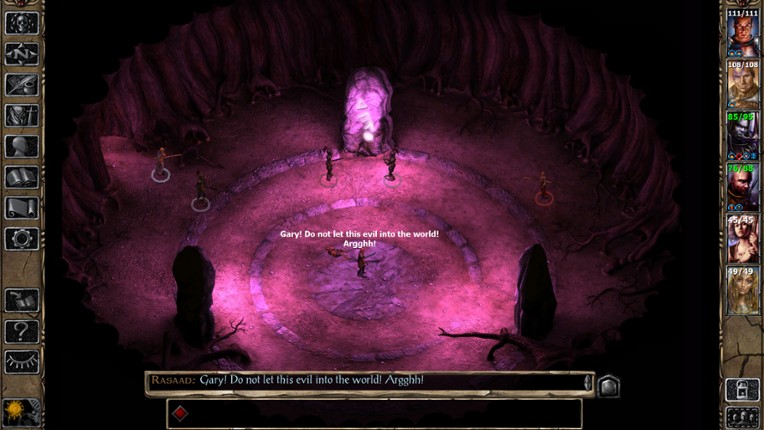
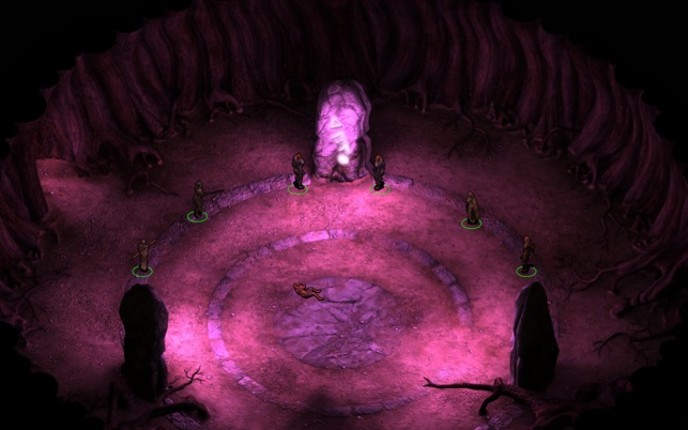
Pillars of Eternity mirrors Baldur’s Gate 3’s commitment to reactive, consequence-heavy storytelling where your dialogue choices fundamentally reshape the political landscape. This narrative depth provides a familiar, high-stakes moral weight, ensuring that every faction you alienate or align with carries tangible repercussions.
The primary departure is the combat engine: where Baldur’s Gate 3 favors tactical, turn-based deliberation, Pillars utilizes Real-Time with Pause. This system demands faster reflexes and a more frantic approach to managing your party’s abilities during chaotic skirmishes.
Pick this up if you crave the complex, gritty world-building of a classic CRPG, provided you can sacrifice the accessibility and cinematic flair of Larian’s turn-based system.
If you enjoyed this game, see our list of games similar to Pillars of Eternity.View Game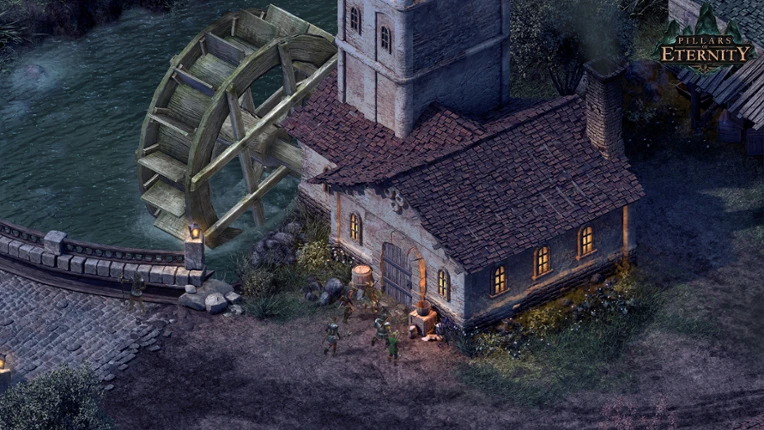
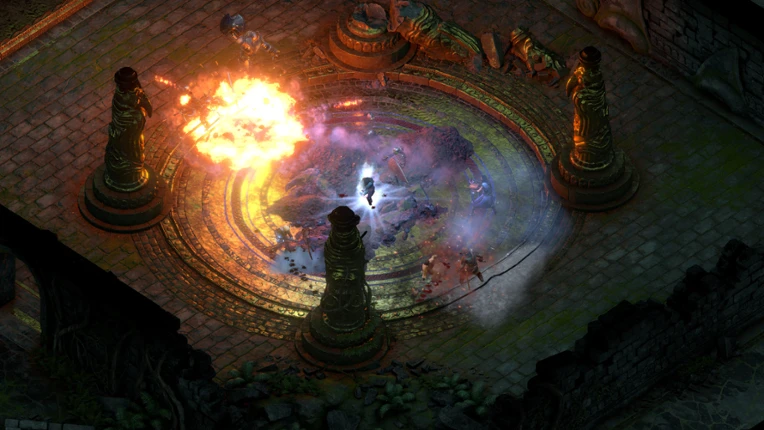
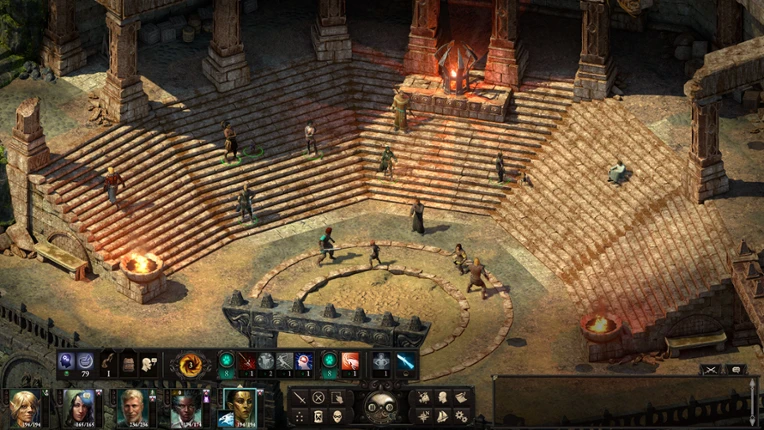
- 84%Game Brain ScoreMost mentioned positive aspects:story, gameplayMost mentioned negative aspects:optimization, grinding88% User Score 14,892 reviewsCritic Score 81%27 reviews
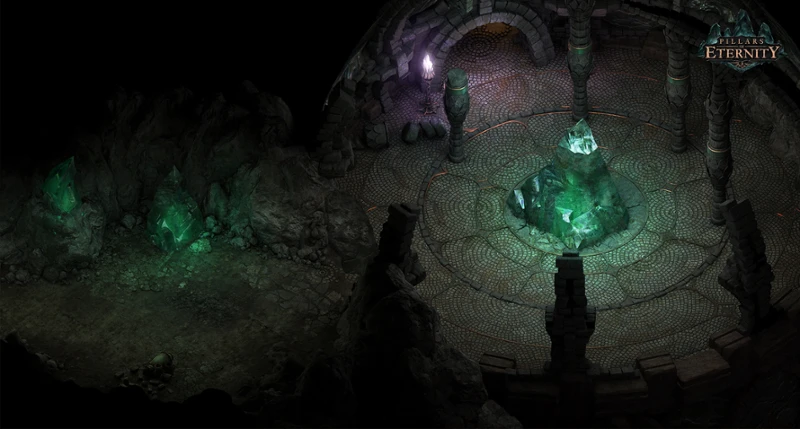
If you loved orchestrating complex turn-based battles in Baldur's Gate 3, where every spell cast and positioning decision felt consequential, Pillars of Eternity II: Deadfire delivers that same tactical intensity—though it lets you switch to real-time with pause when you want to accelerate the pace.
The game inherits the CRPG tradition of meaningful choices that ripple through its narrative, complete with romance options and deep character customization across a party of companions. Like Baldur's Gate 3, your decisions shape not just the story but the world itself, creating that same sense of agency that keeps you thinking about "what if" long after you've stopped playing. The combat rewards preparation and party synergy just as much as quick reflexes.
The setting flips the script: where Baldur's Gate 3 drags you through dense dungeons and planar threats, Deadfire drops you into a sun-scorched archipelago of pirate-infested islands and uncharted waters. The open-world exploration and ship management add a layer of strategic freedom that feels less about linear progression and more about carving your own legend across the Deadfire.
Best for players who want BG3's tactical depth and choice-driven storytelling but crave a different setting and more open-ended exploration. If aggressive monetization gives you pause, the base game still offers 60+ hours of content to lose yourself in.
If you enjoyed this game, see our list of games similar to Pillars of Eternity II: Deadfire.View Game
- 76%Game Brain ScoreMost mentioned positive aspects:story, gameplayMost mentioned negative aspects:stability, grinding77% User Score 15,052 reviewsCritic Score 73%6 reviews
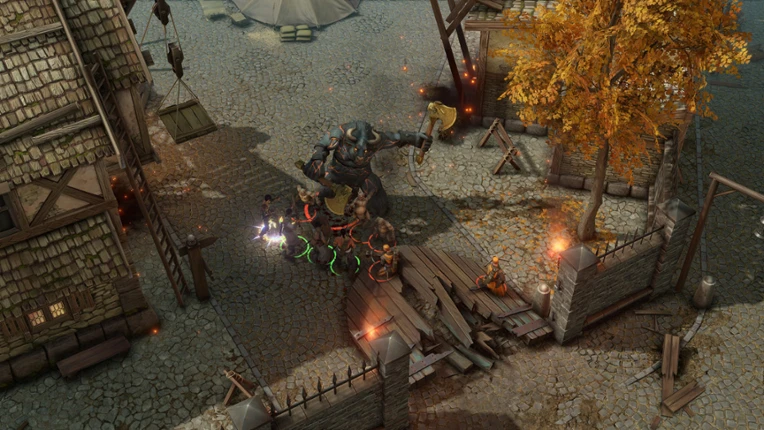
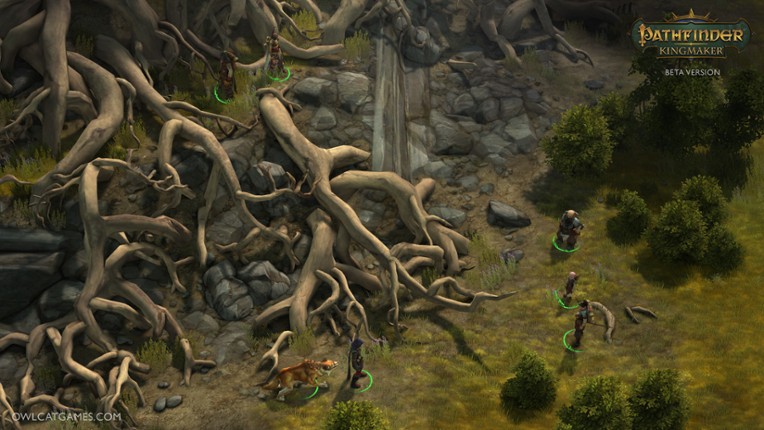
Pathfinder: Kingmaker captures the same high-stakes tactical depth that defines Baldur’s Gate 3, tasking you with navigating complex, world-altering consequences. Both titles share a deeply reactive narrative structure, ensuring your moral choices fundamentally reshape the political landscape of your realm.
The primary tradeoff is mechanical accessibility; while Baldur’s Gate 3 streamlines its ruleset, Kingmaker demands mastery of a dense, uncompromising Pathfinder tabletop engine. Expect a steeper learning curve and a more punishing approach to party composition.
Pick this up if you crave crushing difficulty and kingdom-management systems but can live without the cinematic polish and co-op capabilities of Larian’s flagship title.
If you enjoyed this game, see our list of games similar to Pathfinder: Kingmaker.View Game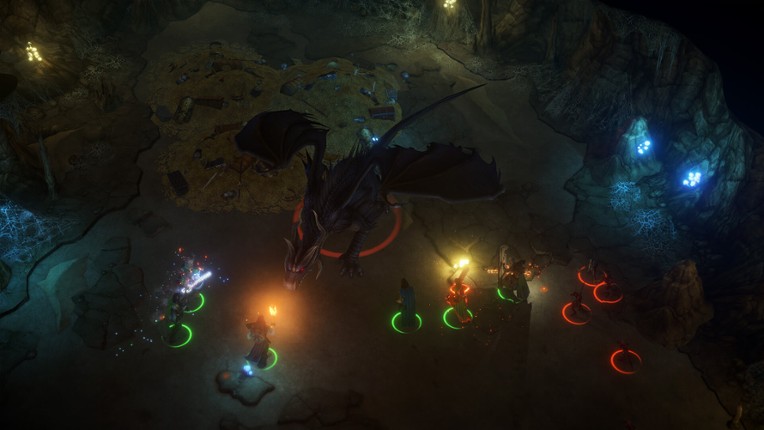
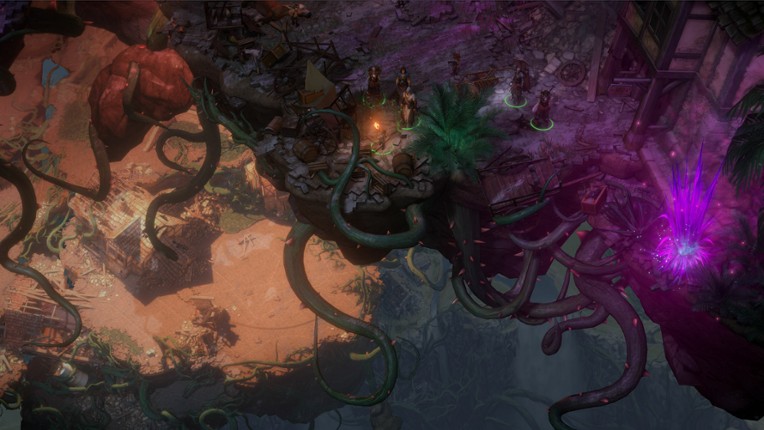
- 78%Game Brain ScoreMost mentioned positive aspects:story, gameplayMost mentioned negative aspects:grinding, stability75% User Score 18,314 reviewsCritic Score 80%32 reviews
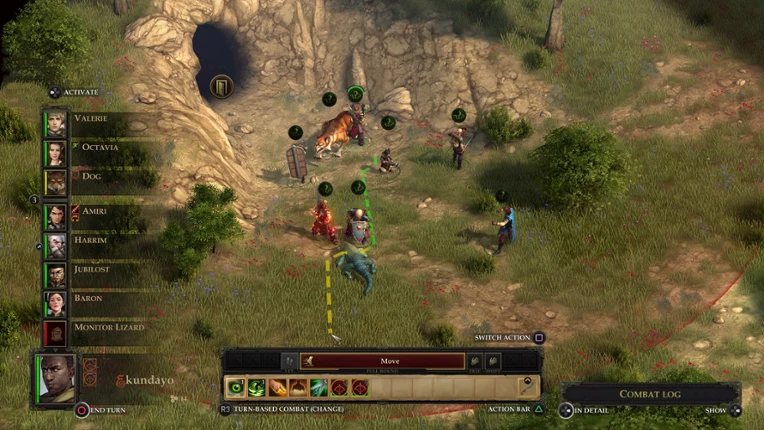
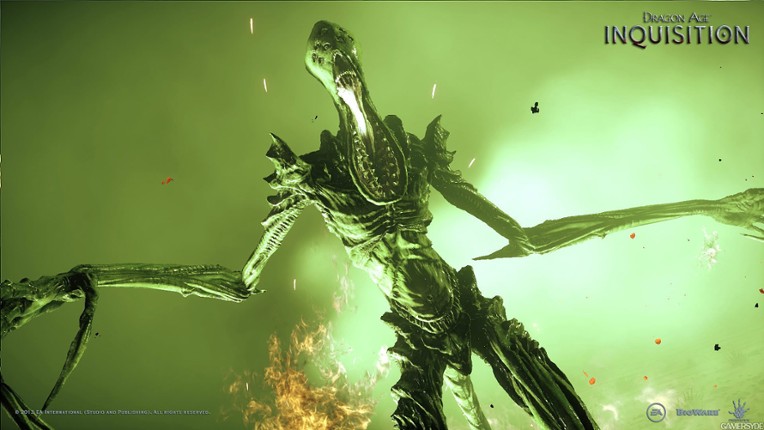
Both games hinge on tactical turn-based combat paired with meaningful story choices that reshape your campaign. This combination is rare enough that it defines the experience in each.
Inquisition matches BG3's rich character relationships and romance options, which deepen replayability by making different playthroughs feel genuinely distinct.
The tradeoff: Inquisition uses real-time combat with tactical pausing rather than pure turn-based systems, making encounters faster but less methodical.
Pick this up if you want another story-first fantasy RPG with consequential decisions and companion depth, but expect a more action-oriented pace and fewer mechanical layers in combat.
If you enjoyed this game, see our list of games similar to Dragon Age: Inquisition.View Game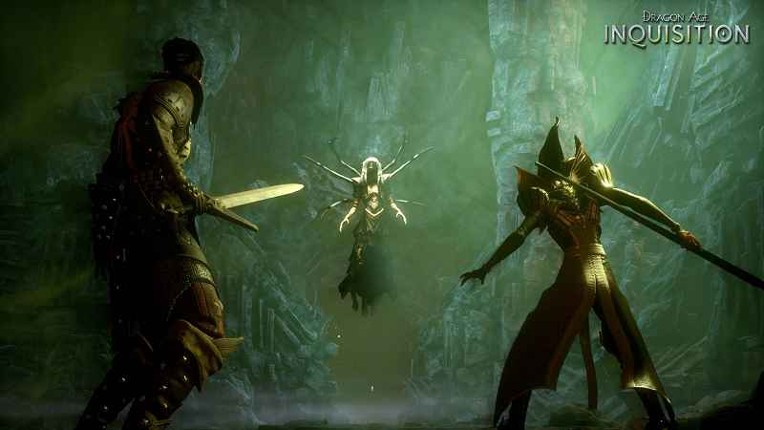
10 View Game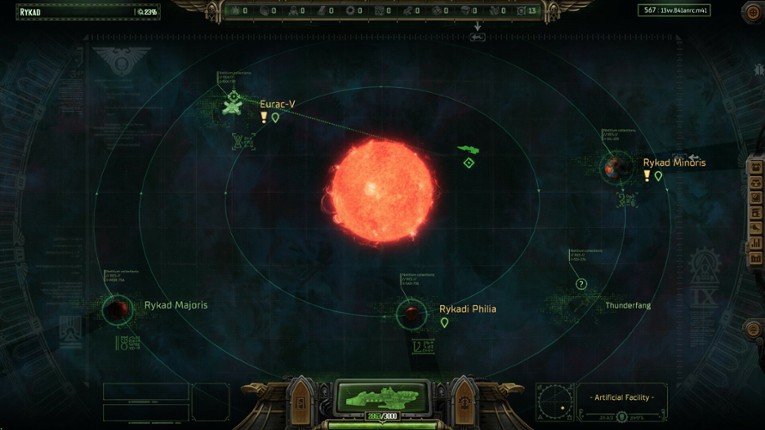
 81%Game Brain ScoreMost mentioned positive aspects:story, gameplayMost mentioned negative aspects:stability, grinding87% User Score 24,457 reviewsCritic Score 75%25 reviews
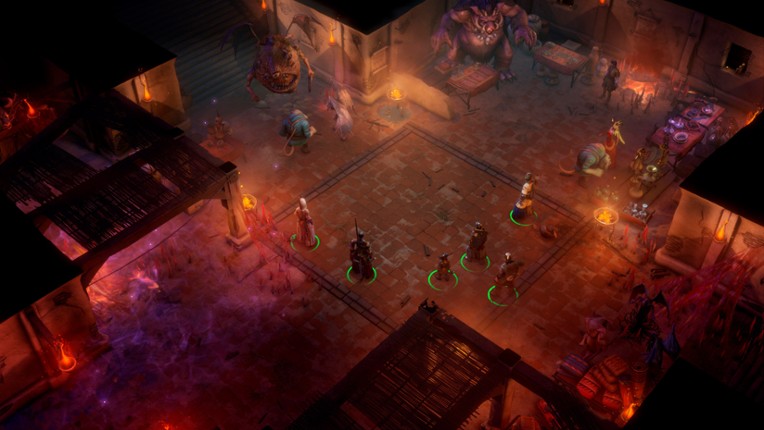
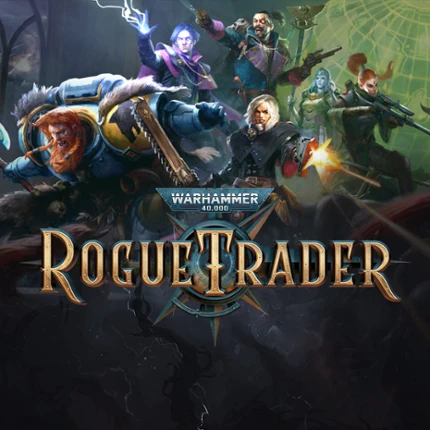
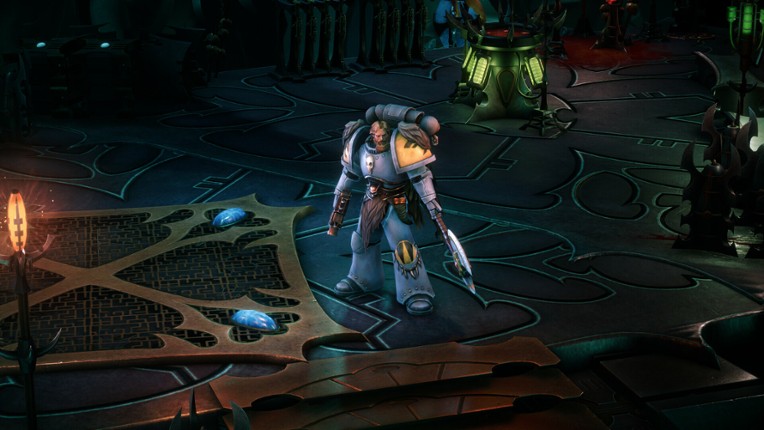
Warhammer 40,000: Rogue Trader nails the turn-based tactical combat Baldur’s Gate 3 fans appreciate, delivering strategic depth in a grimdark setting. The shared emphasis on choices matter shapes finely woven, story-rich campaigns that reward thoughtful decisions.
The key difference is Rogue Trader’s space-fantasy backdrop and aggressive monetization, which can undercut immersion and pacing. Although it matches on co-op and character customization, the Warhammer theme feels narrower and more intense than Baldur’s Gate’s broader fantasy appeal.
Pick this up if you want a dark, tactical CRPG with multiplayer skin that tests your strategy chops but can tolerate microtransaction pressure and a less forgiving sci-fi tone.
If you enjoyed this game, see our list of games similar to Warhammer 40,000: Rogue Trader.View Game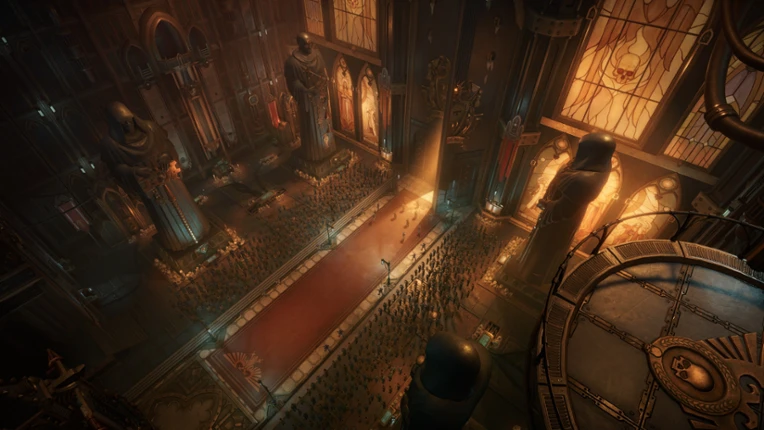
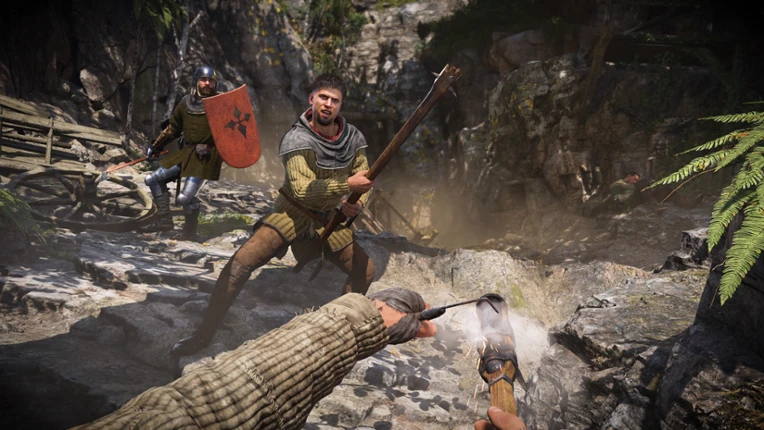
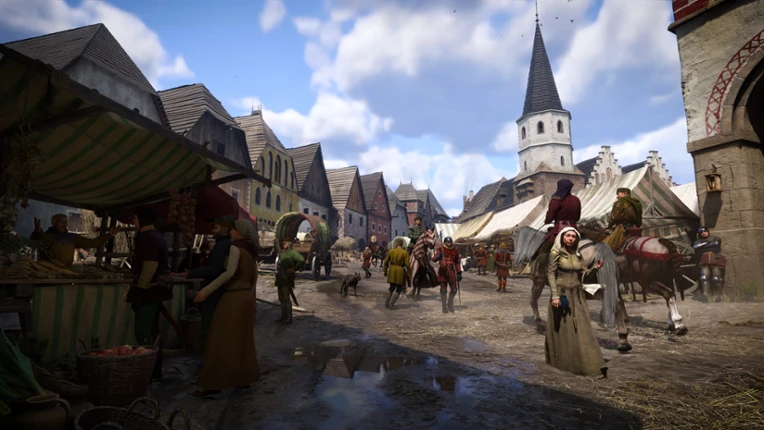
11 View Game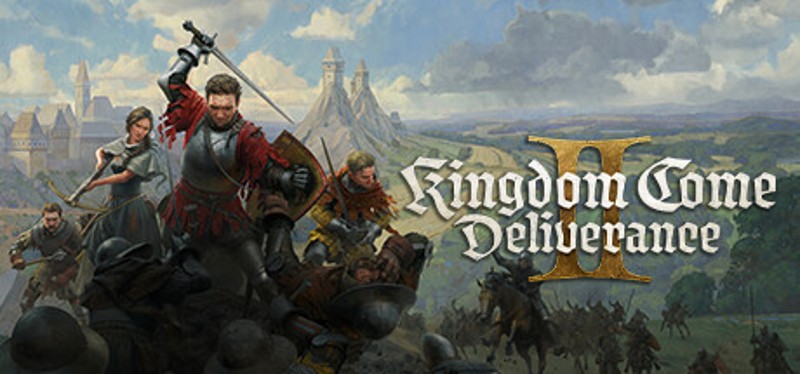 94%Game Brain ScoreMost mentioned positive aspects:story, gameplayMost mentioned negative aspects:stability, grinding94% User Score 73,949 reviewsReplaces fantasy dungeons and magic with gritty medieval realism and first-person immersion, keeping the choice-driven narrative but ditching turn-based combat. If you enjoyed this game, see our list of games similar to Kingdom Come: Deliverance II.View Game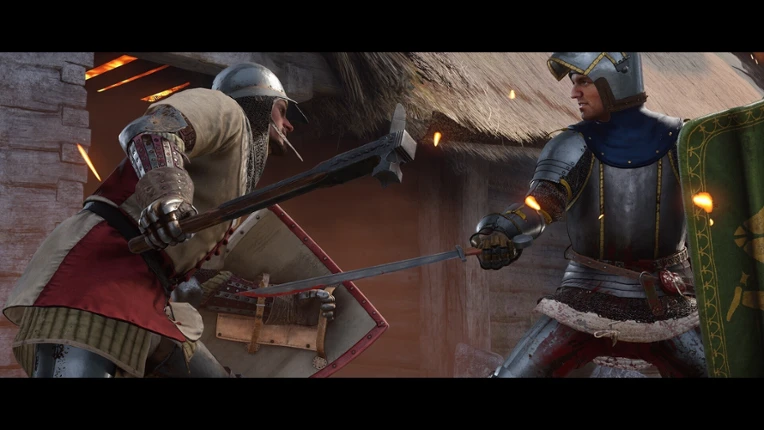
12 View Game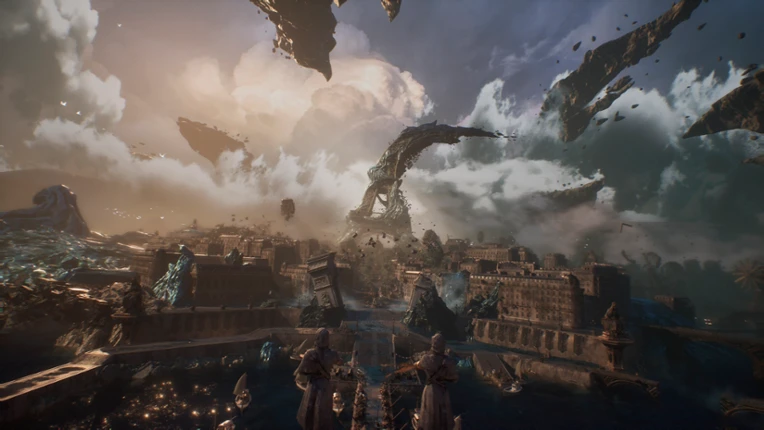
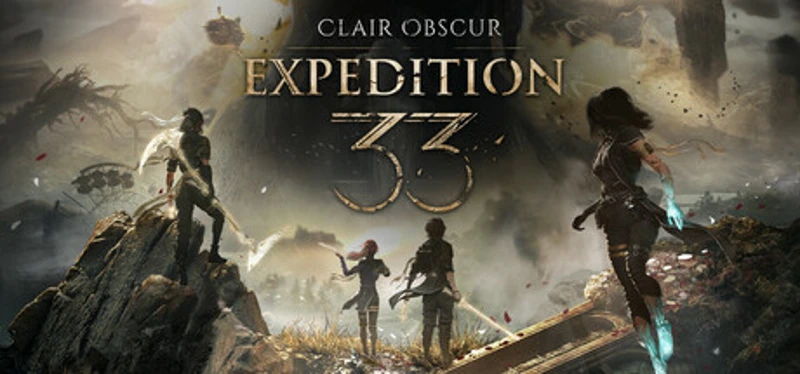
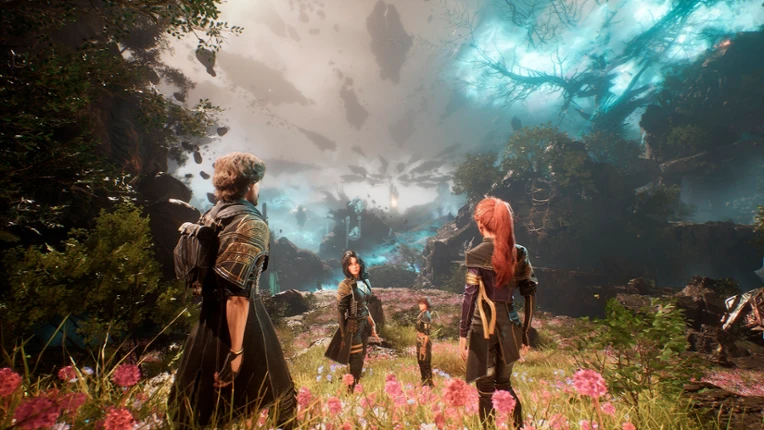 97%Game Brain ScoreMost mentioned positive aspects:story, musicMost mentioned negative aspects:grinding, stability97% User Score 124,463 reviewsStrips away multiplayer and party systems for a solo turn-based fantasy adventure that prioritizes cinematic combat spectacle over role-playing depth. If you enjoyed this game, see our list of games similar to Clair Obscur: Expedition 33.View Game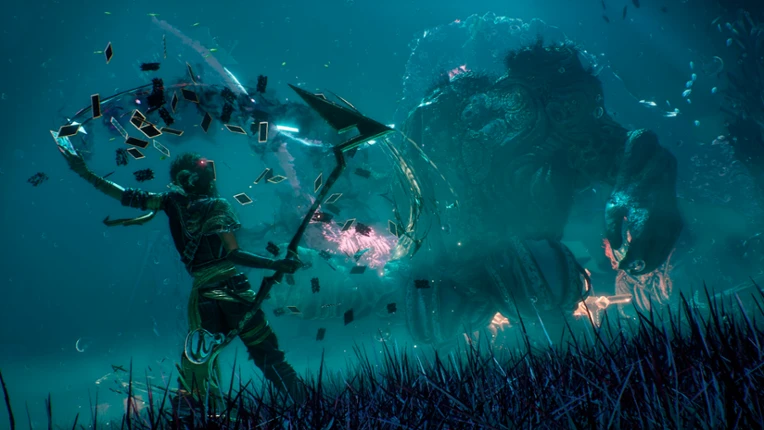
13 View Game View Game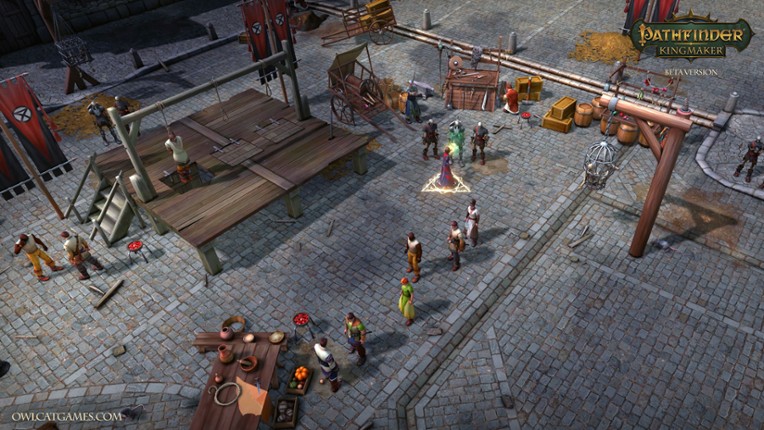
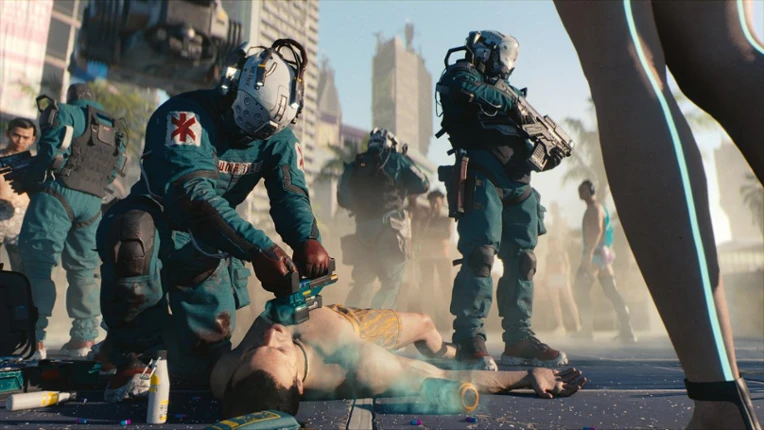
- 80%Game Brain ScoreMost mentioned positive aspects:story, gameplayMost mentioned negative aspects:stability, optimization88% User Score 381,061 reviewsCritic Score 72%51 reviewsMirrors BG3's character customization and mature themes in a cyberpunk open world, sacrificing tactical depth and party dynamics for first-person immersion. If you enjoyed this game, see our list of games similar to Cyberpunk 2077.View Game


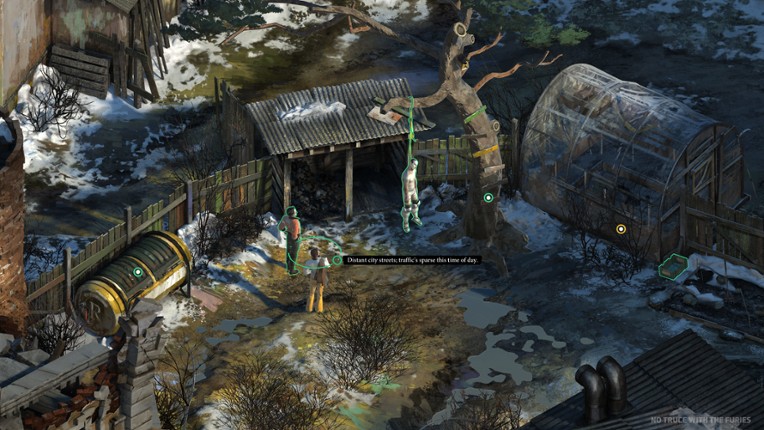
- 95%Game Brain ScoreMost mentioned positive aspects:story, gameplayMost mentioned negative aspects:grinding, stability93% User Score 35,422 reviewsCritic Score 100%2 reviewsAbandon tactical combat for a surreal, dialogue-heavy investigation where your internal psyche represents the most complex party member you ever manage. If you enjoyed this game, see our list of games similar to Disco Elysium.View Game

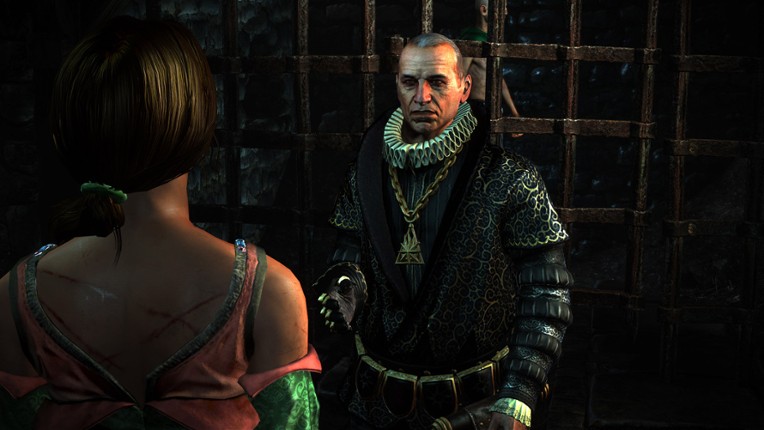
16 View Game 88%Game Brain ScoreMost mentioned positive aspects:story, gameplayMost mentioned negative aspects:optimization, stability88% User Score 28,832 reviewsDelivers dark fantasy storytelling and consequence-heavy choices but through real-time action and a single fixed hero rather than a customizable party. If you enjoyed this game, see our list of games similar to The Witcher 2: Assassins of Kings.View Game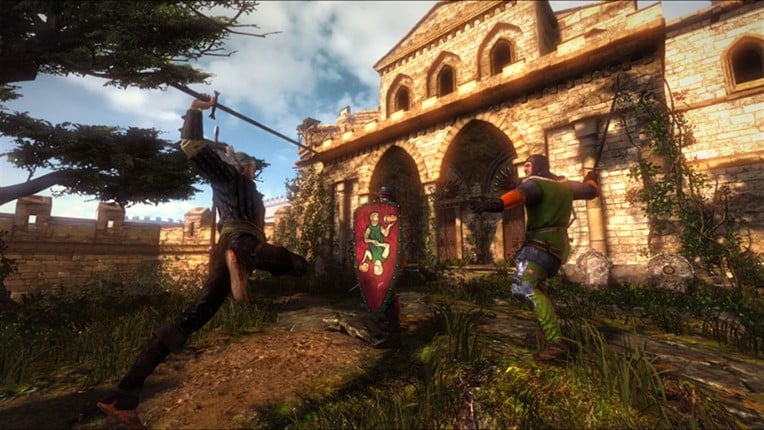
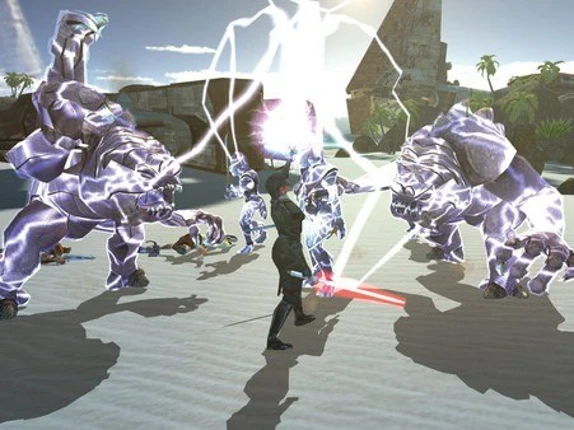
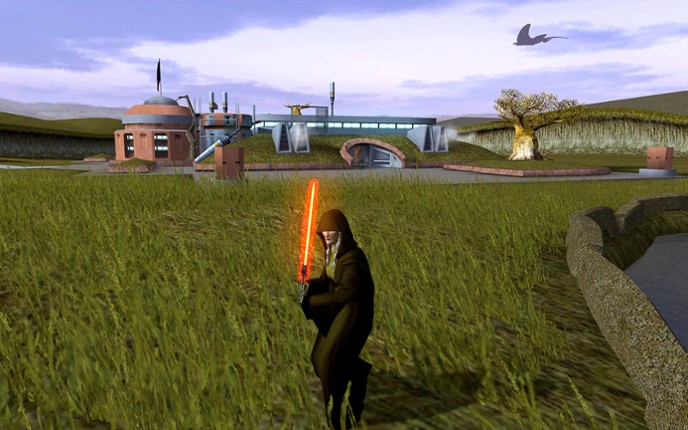
17 View Game 92%Game Brain ScoreMost mentioned positive aspects:story, gameplayMost mentioned negative aspects:stability, grinding91% User Score 24,505 reviewsCritic Score 93%5 reviewsCaptures BG3's party-based turn-combat and moral choices across a space-opera setting, though with less narrative reactivity and more linear progression. If you enjoyed this game, see our list of games similar to Star Wars Knights of the Old Republic.View Game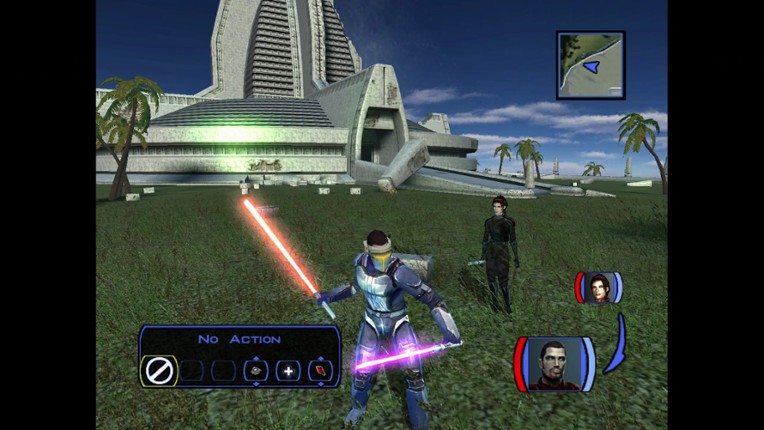
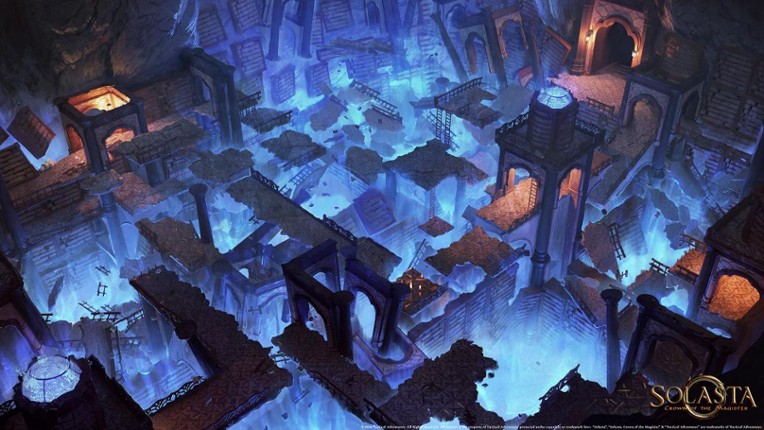
18 View Game 82%Game Brain ScoreMost mentioned positive aspects:story, gameplayMost mentioned negative aspects:stability, grinding88% User Score 23,970 reviewsCritic Score 75%16 reviewsDistills BG3's D&D ruleset into a leaner tactical experience with stronger emphasis on squad positioning over narrative branching. If you enjoyed this game, see our list of games similar to Solasta: Crown of the Magister.View Game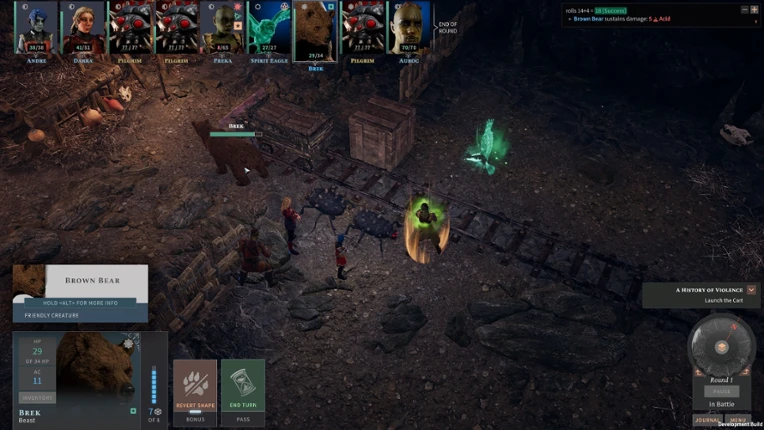
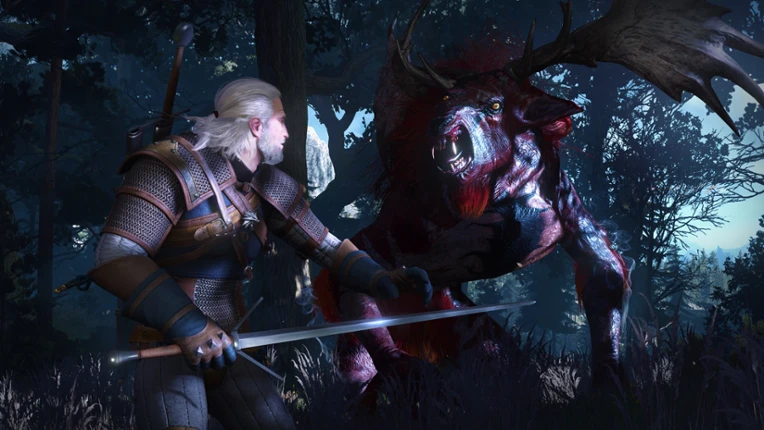
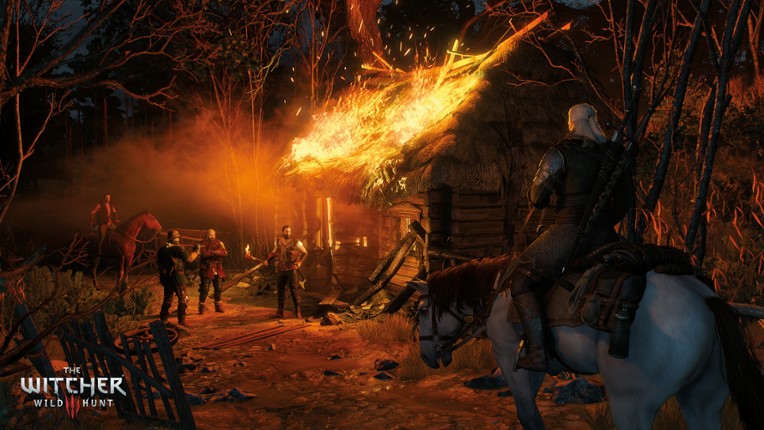
19 View Game 95%Game Brain ScoreMost mentioned positive aspects:story, graphicsMost mentioned negative aspects:stability, grinding97% User Score 245,794 reviewsCritic Score 92%8 reviewsOffers the story-rich single-player fantasy adventure but through a pre-defined protagonist and real-time swordplay rather than party tactics and builds. If you enjoyed this game, see our list of games similar to The Witcher 3: Wild Hunt.View Game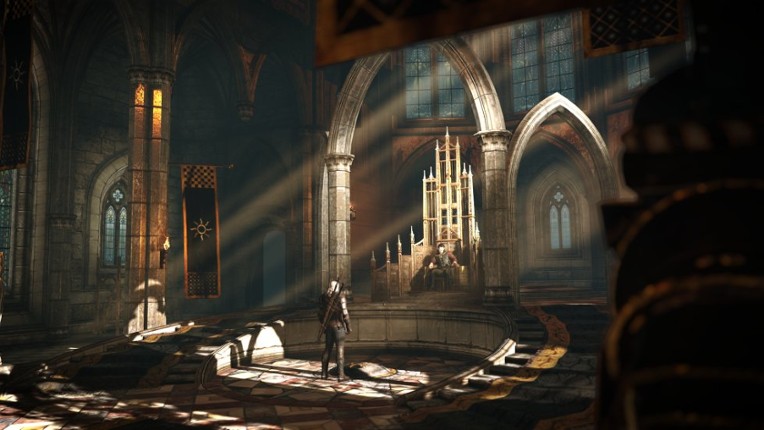
20 View Game 69%Game Brain ScoreMost mentioned positive aspects:story, graphicsMost mentioned negative aspects:stability, grinding69% User Score 29,939 reviewsTrade turn-based deliberation for high-octane real-time action, focusing on intense character-driven romance and political intrigue within a sprawling dragon-infested continent. If you enjoyed this game, see our list of games similar to Dragon Age: The Veilguard.View Game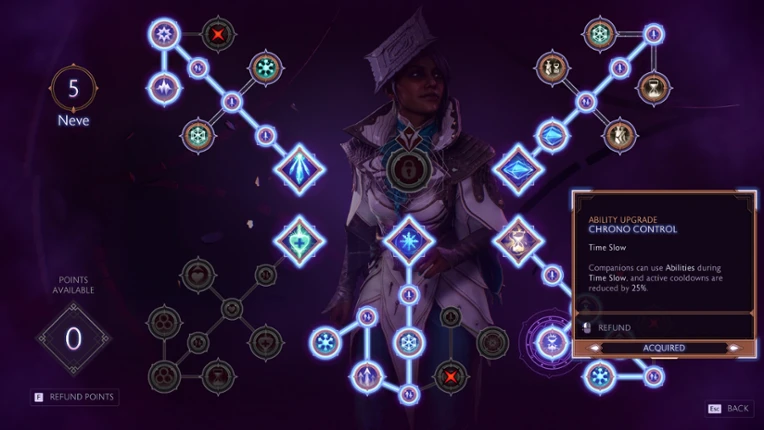
21 View Game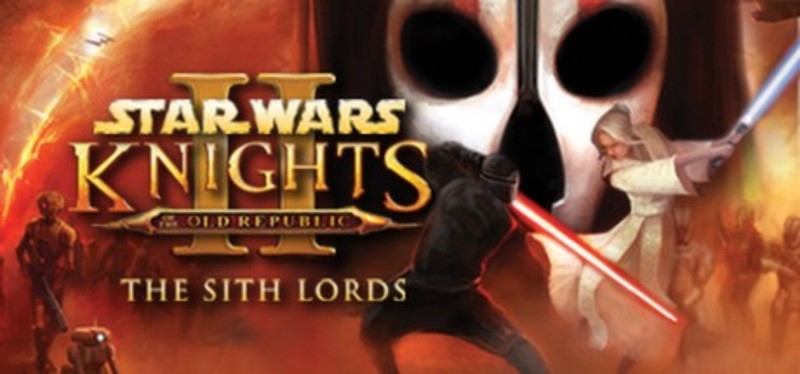 86%Game Brain ScoreMost mentioned positive aspects:story, gameplayMost mentioned negative aspects:stability, grinding94% User Score 19,807 reviewsCritic Score 78%15 reviewsSwap high fantasy for a cinematic Star Wars narrative where your alignment with the Force dictates your party influence and story progression. If you enjoyed this game, see our list of games similar to Star Wars: Knights of the Old Republic II - The Sith Lords.View Game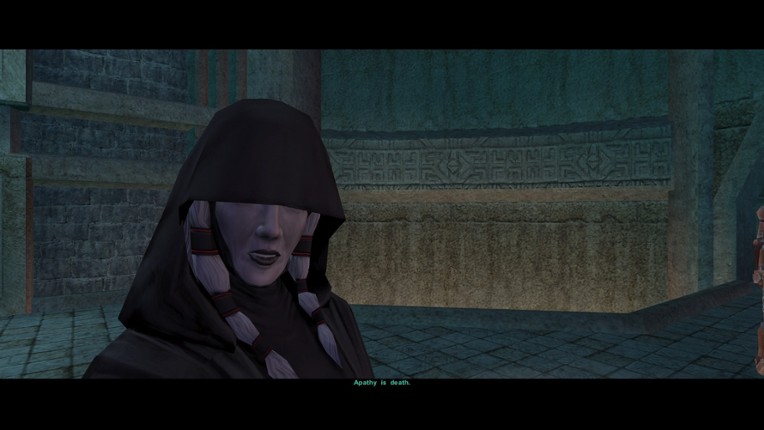

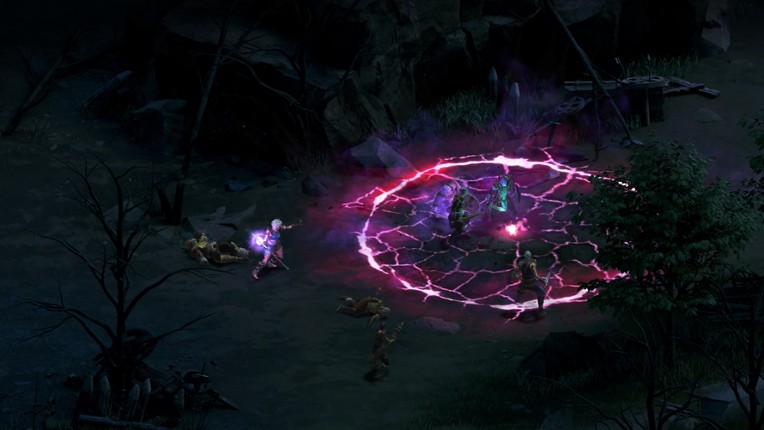
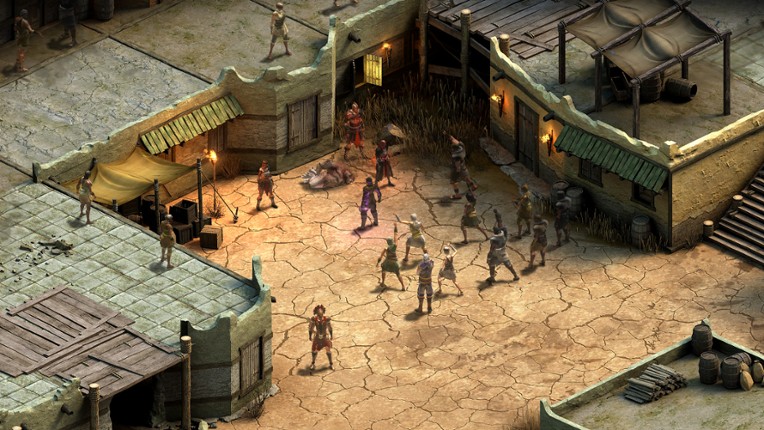
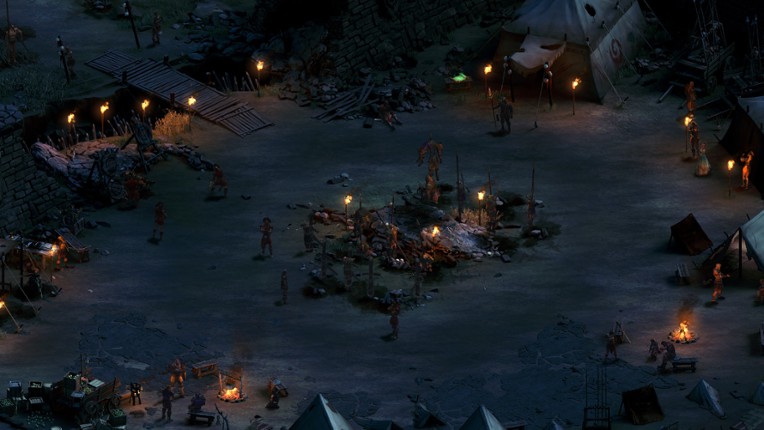
- 82%Game Brain ScoreMost mentioned positive aspects:story, gameplayMost mentioned negative aspects:grinding, stability86% User Score 8,187 reviewsCritic Score 78%28 reviewsFocus on the legalistic consequences of an evil empire victory where your choices define the fate of a conquered fantasy realm. If you enjoyed this game, see our list of games similar to Tyranny.View Game
23 View Game 95%Game Brain ScoreMost mentioned positive aspects:story, graphicsMost mentioned negative aspects:stability, grinding96% User Score 24,537 reviewsCritic Score 93%3 reviews
After the mysterious and untimely death of the Emperor, desperate factions vie for control of Tamriel's throne. With the empire ready to crumble, the gates of Oblivion open and demons march upon the land, laying waste to everything in their path. To turn the tide of darkness the player must find the lost heir to the throne and unravel the sinister plot that threatens to destroy all of Tamriel. If you enjoyed this game, see our list of games similar to The Elder Scrolls IV: Oblivion.
View Game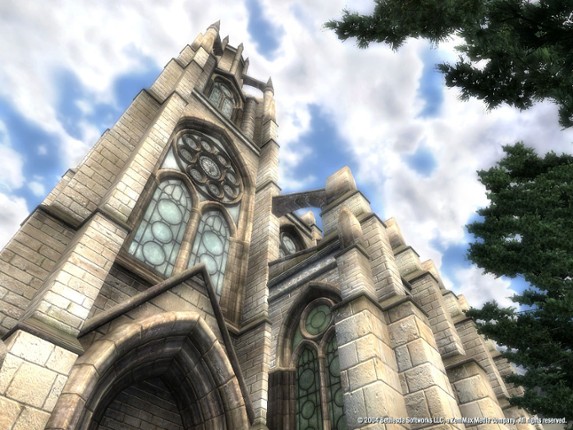
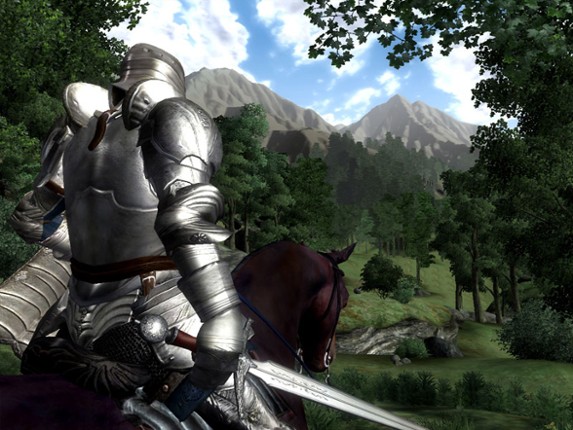

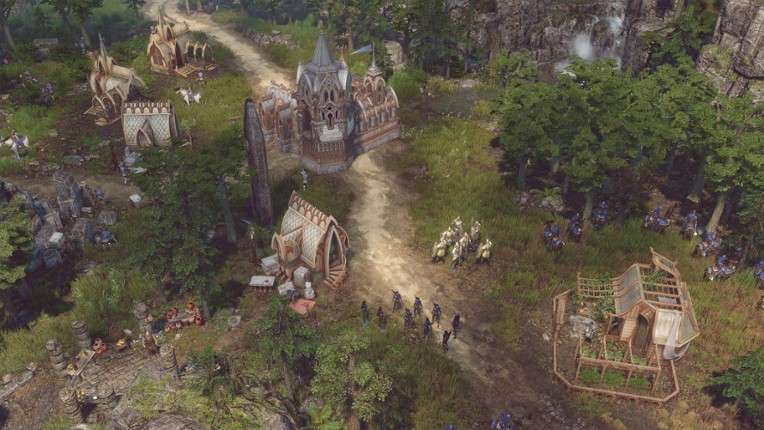
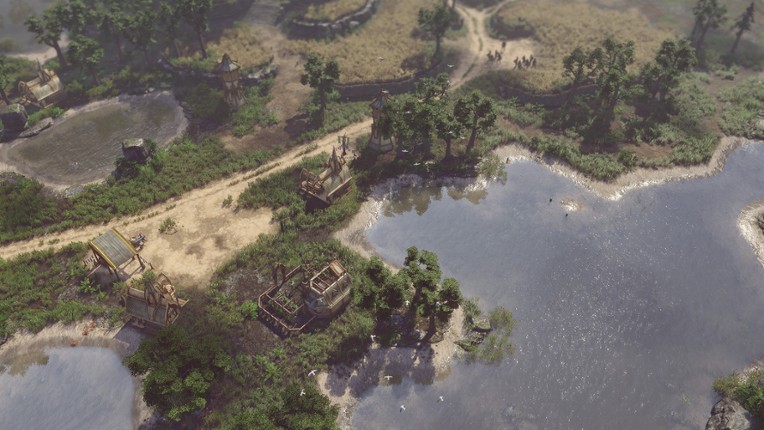
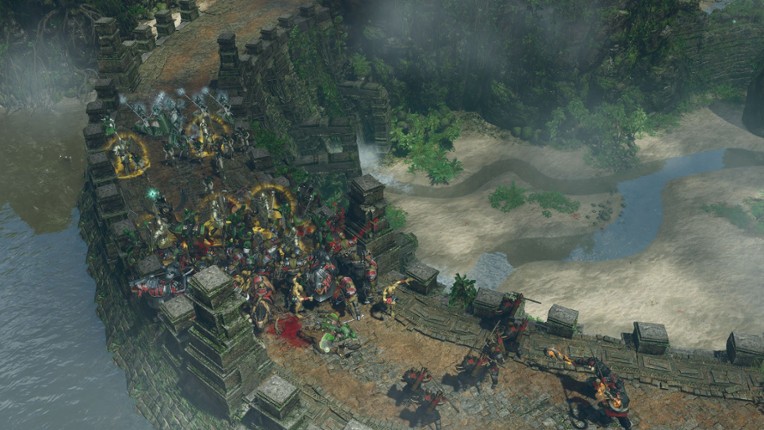
- 72%Game Brain ScoreMost mentioned positive aspects:story, gameplayMost mentioned negative aspects:stability, optimization75% User Score 2,585 reviewsCritic Score 70%20 reviewsBalance traditional RPG storytelling with real-time base-building and RTS-style army management for a wider-scale experience beyond party-sized heroics. If you enjoyed this game, see our list of games similar to SpellForce 3.View Game
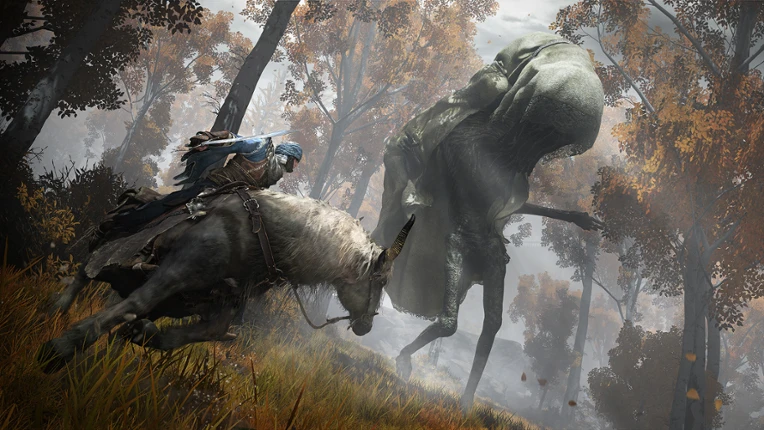
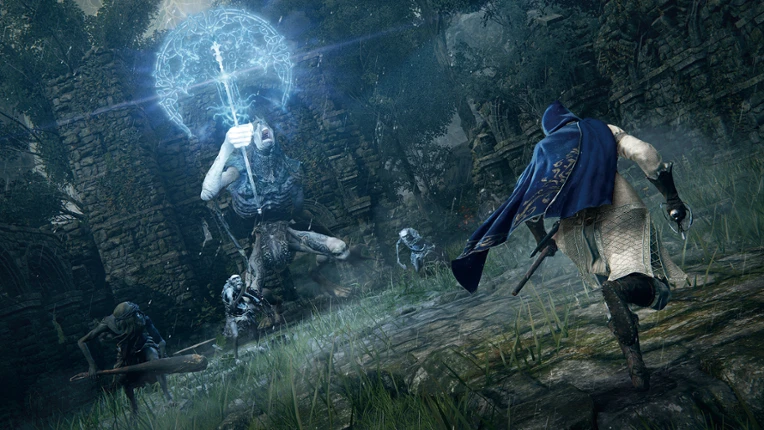
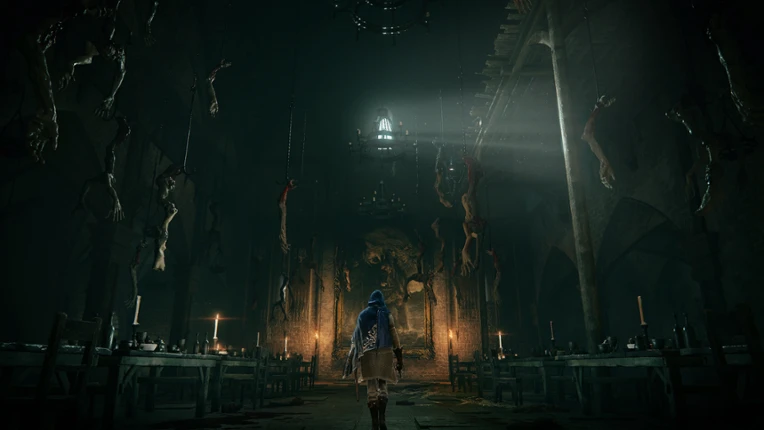
- 94%Game Brain ScoreMost mentioned positive aspects:story, gameplayMost mentioned negative aspects:optimization, grinding94% User Score 553,632 reviewsCritic Score 95%87 reviewsMaintains co-op fantasy adventuring and character builds but through punishing real-time combat and environmental storytelling over narrative dialogue choices. If you enjoyed this game, see our list of games similar to Elden Ring.View Game
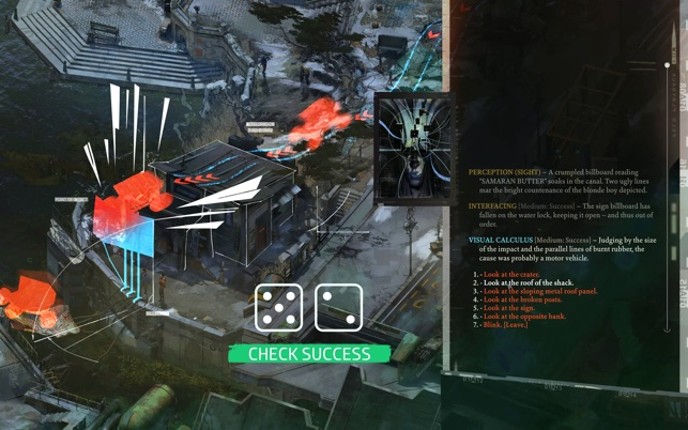
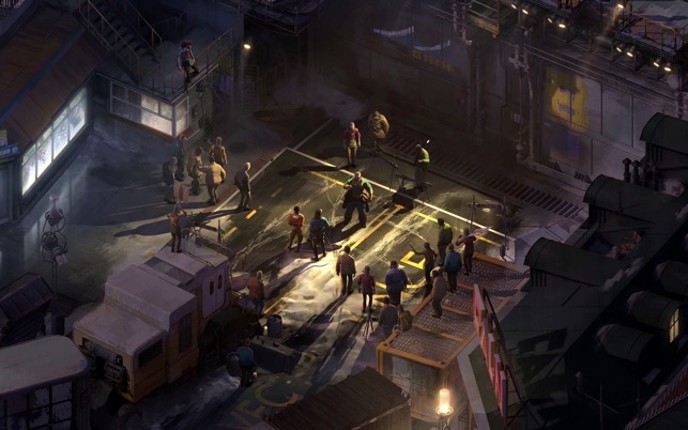
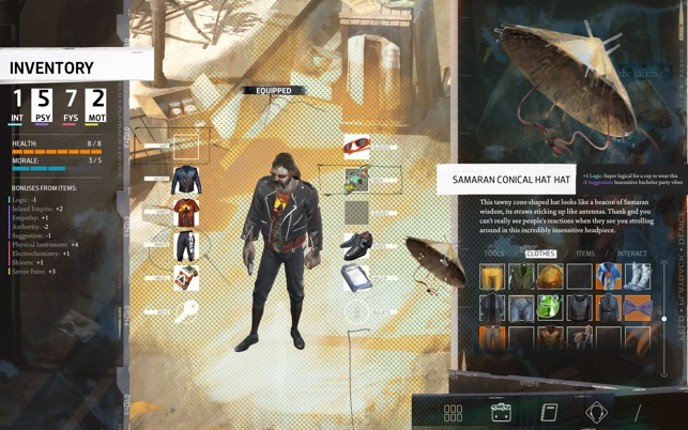
- 93%Game Brain ScoreMost mentioned positive aspects:story, gameplayMost mentioned negative aspects:grinding, stability93% User Score 58,300 reviewsDelivers a choice-heavy, story-rich CRPG grounded in noir detective work and surreal, political themes with a unique isometric perspective. If you enjoyed this game, see our list of games similar to Disco Elysium: The Final Cut.View Game
27 View Game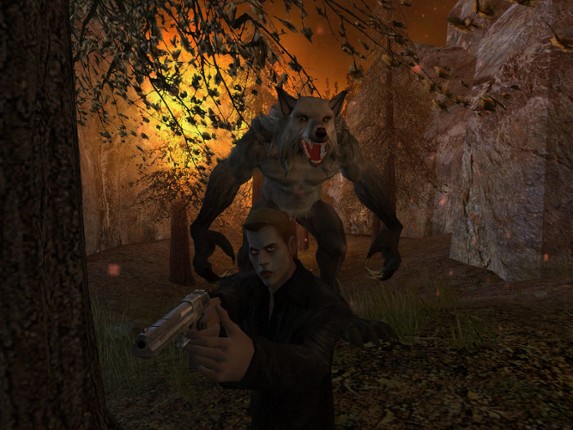
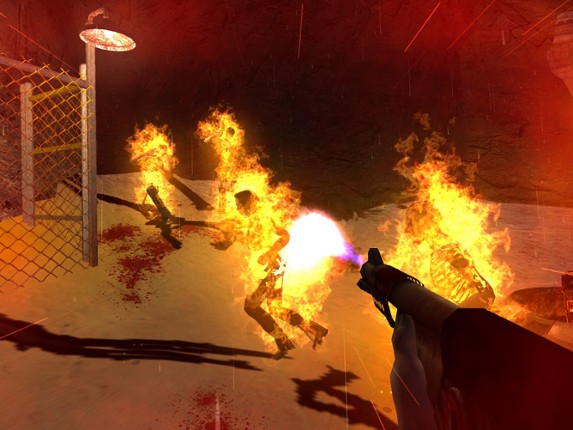 90%Game Brain ScoreMost mentioned positive aspects:story, gameplayMost mentioned negative aspects:stability, grinding95% User Score 11,224 reviewsCritic Score 74%2 reviewsIntegrates dark urban fantasy with single-player RPG elements emphasizing narrative choices in a vampire-infested thriller world. If you enjoyed this game, see our list of games similar to Vampire: The Masquerade - Bloodlines.View Game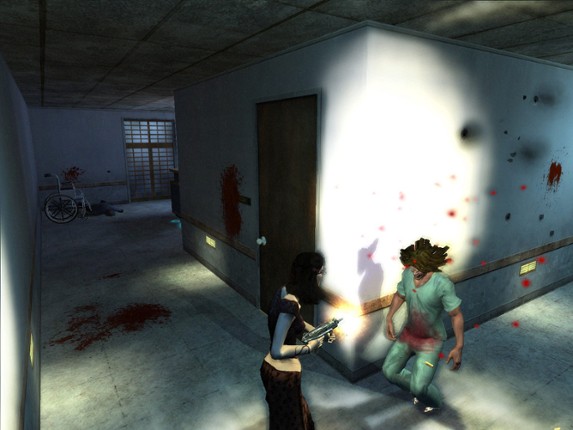
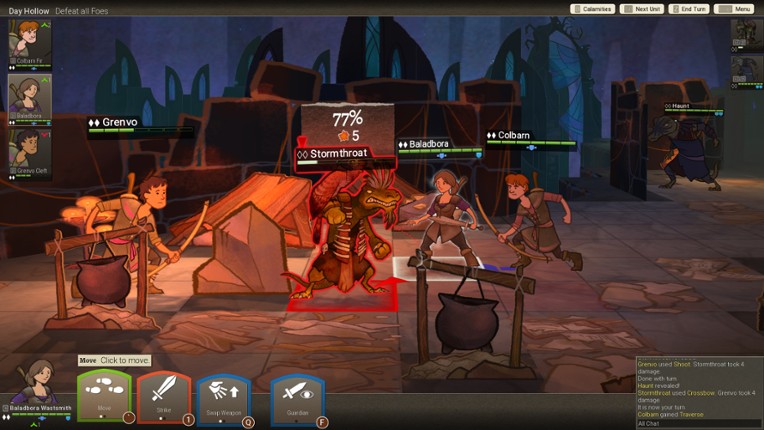
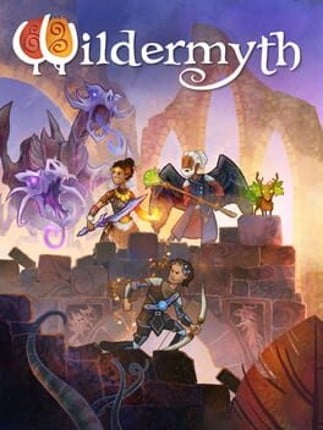
- 94%Game Brain ScoreMost mentioned positive aspects:story, gameplayMost mentioned negative aspects:grinding, stability96% User Score 10,360 reviewsCritic Score 89%2 reviewsShifts toward tactical turn-based combat with handcrafted and procedural storytelling designed for cooperative multiplayer and deep replayability. If you enjoyed this game, see our list of games similar to Wildermyth.View Game

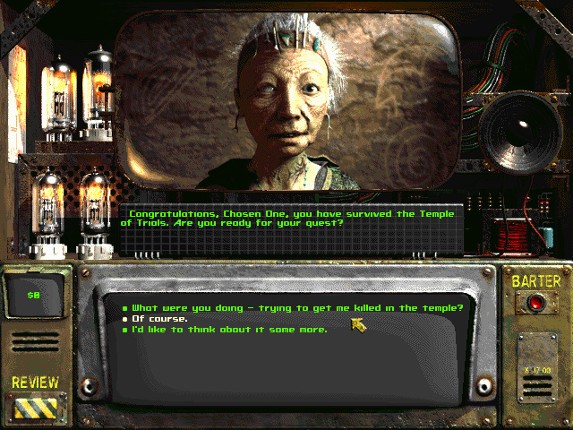
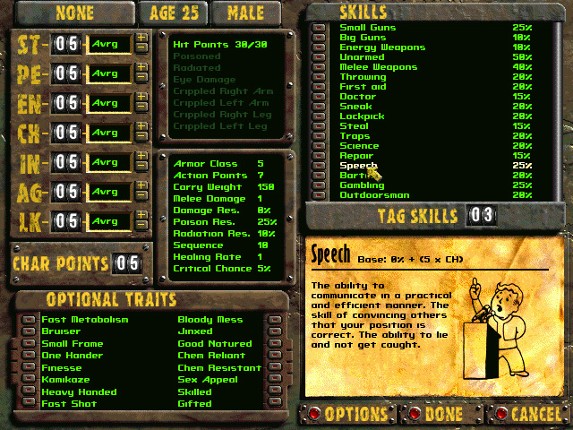
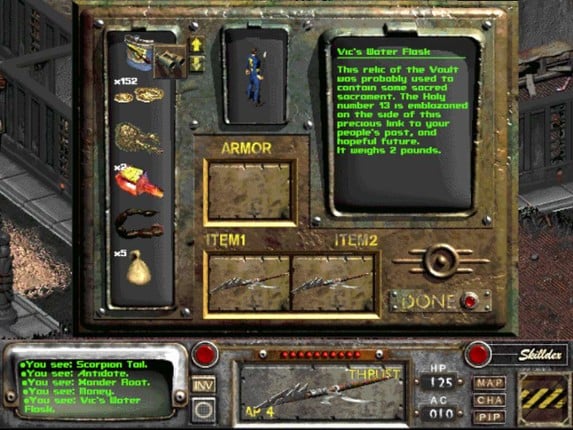
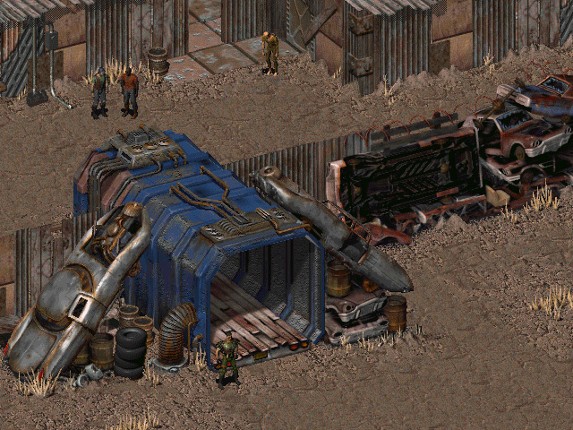
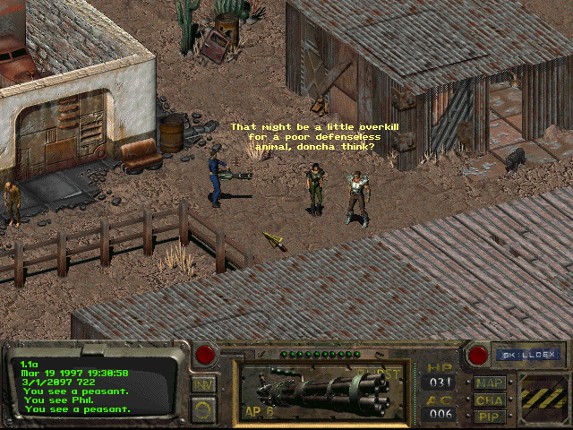
29 View Game 94%Game Brain ScoreMost mentioned positive aspects:story, gameplayMost mentioned negative aspects:graphics, stability94% User Score 15,146 reviewsEmbrace a gritty, satirical post-nuclear wasteland where the brutal turn-based challenge prioritizes survivalist scavenging over high-fantasy heroism. If you enjoyed this game, see our list of games similar to Fallout 2: A Post Nuclear Role Playing Game.View Game
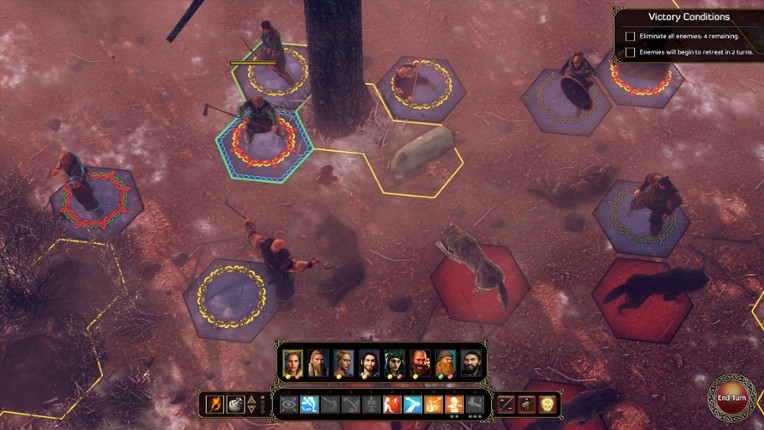
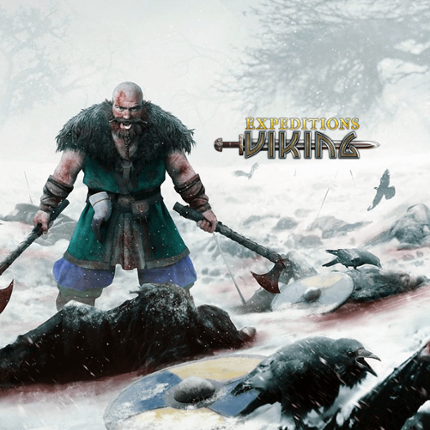
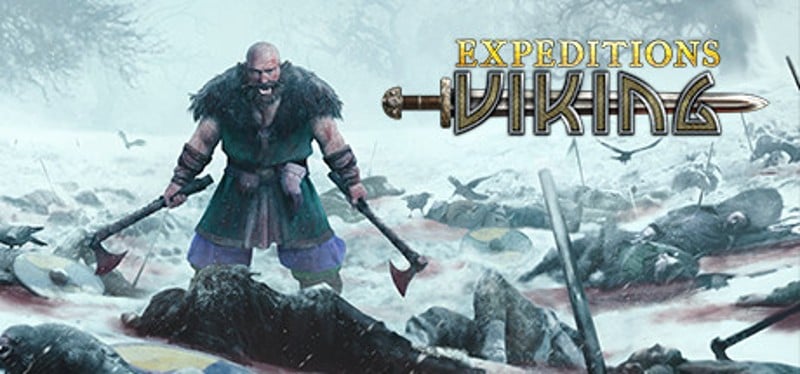
- 79%Game Brain ScoreMost mentioned positive aspects:story, gameplayMost mentioned negative aspects:stability, grinding82% User Score 2,323 reviewsCritic Score 70%2 reviewsCenters on a historical Viking setting with tactical turn-based battles and moral choices emphasizing a grounded, gritty atmosphere. If you enjoyed this game, see our list of games similar to Expeditions: Viking.View Game
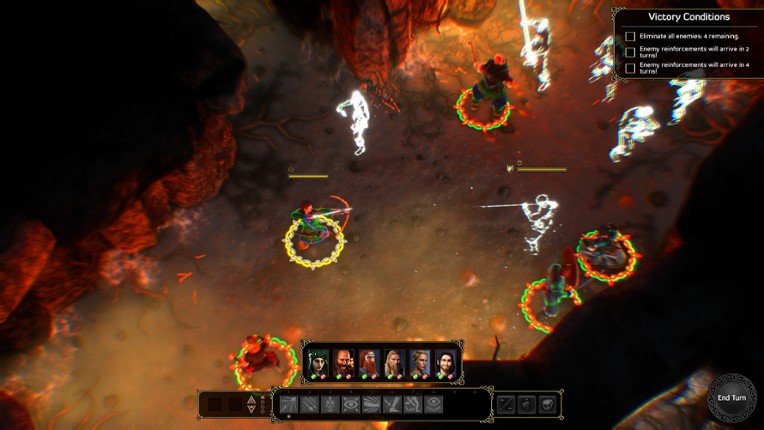
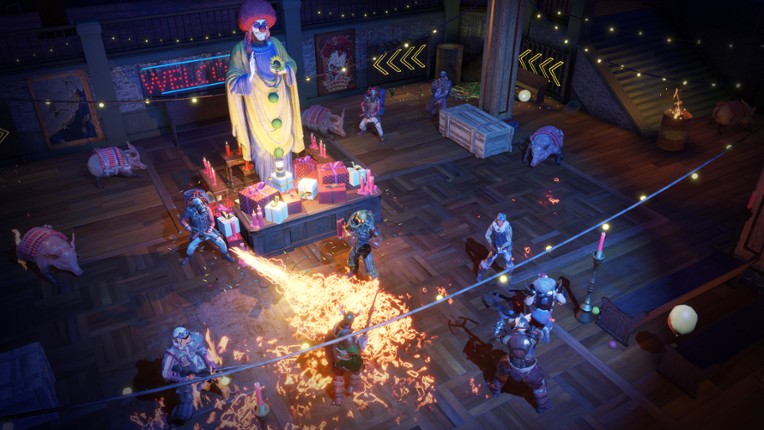
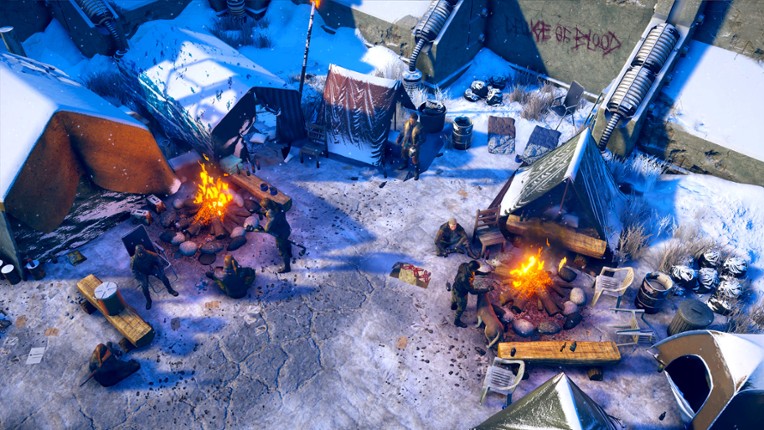
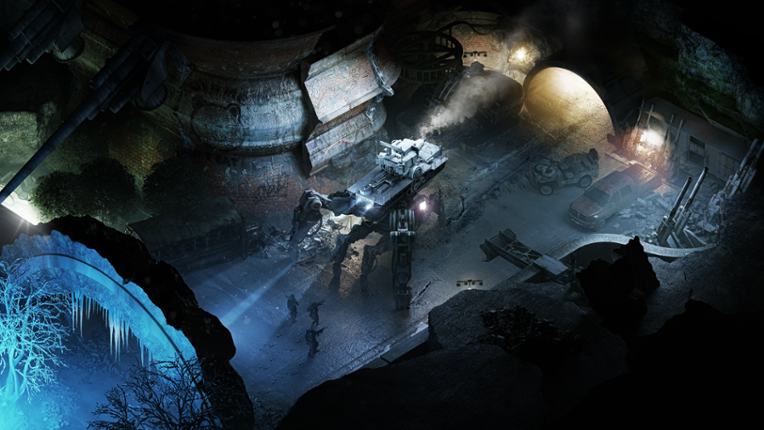
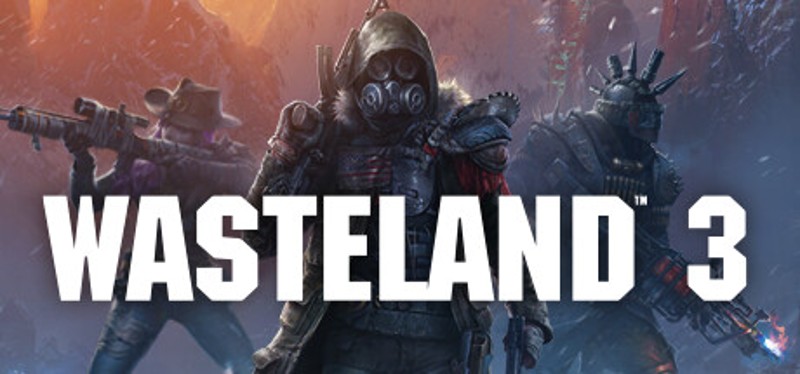
- 85%Game Brain ScoreMost mentioned positive aspects:story, gameplayMost mentioned negative aspects:stability, optimization85% User Score 14,077 reviewsCritic Score 85%52 reviewsRecreates BG3's co-op turn-based tactics and moral choices in a post-apocalyptic wasteland with tighter encounter design and less narrative consequence. If you enjoyed this game, see our list of games similar to Wasteland 3.View Game
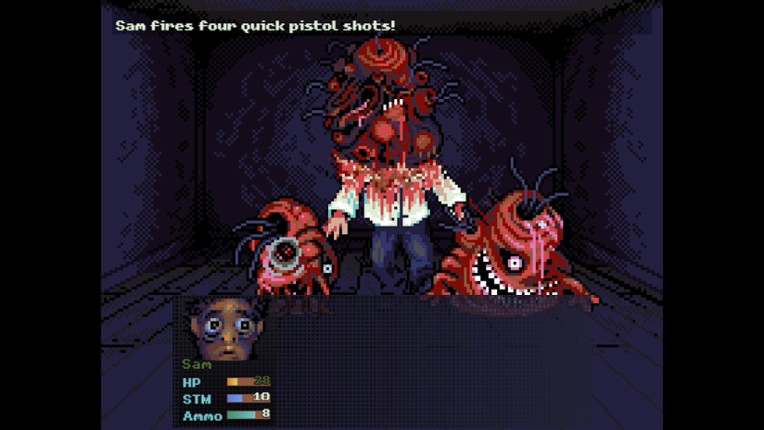
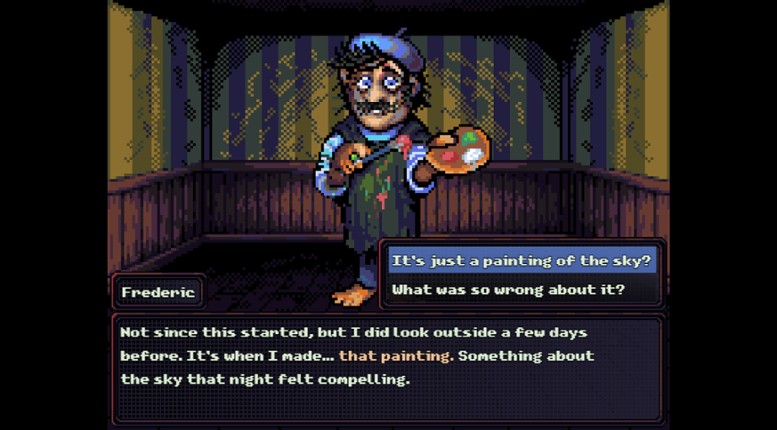
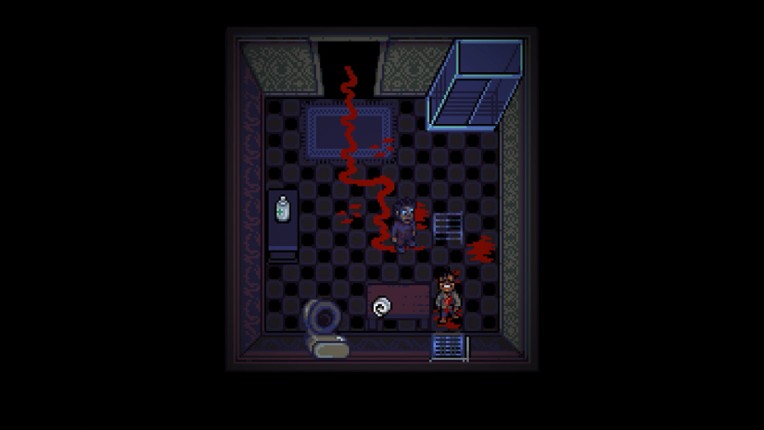
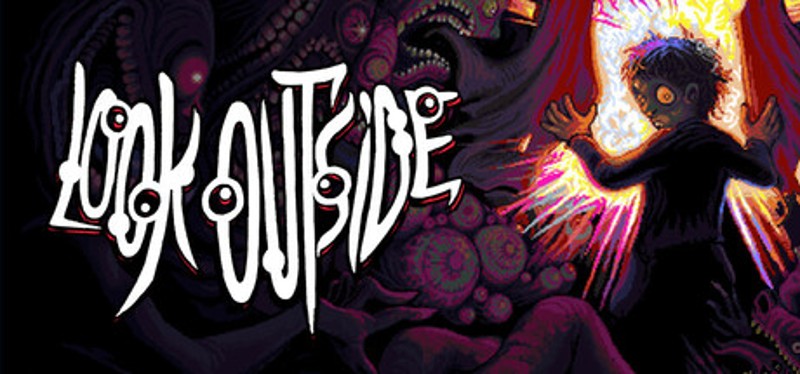
- 94%Game Brain ScoreMost mentioned positive aspects:story, musicMost mentioned negative aspects:grinding, stability98% User Score 10,171 reviewsCritic Score 80%2 reviewsPixel-art Lovecraftian horror with turn-based combat offers indie charm and concentrated darkness compared to BG3's scope. If you enjoyed this game, see our list of games similar to Look Outside.View Game
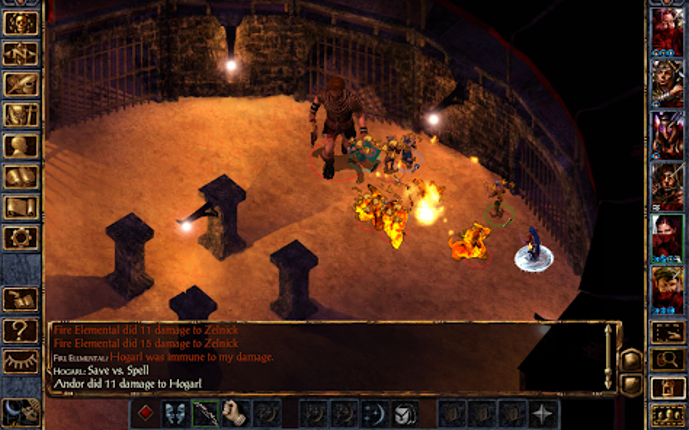
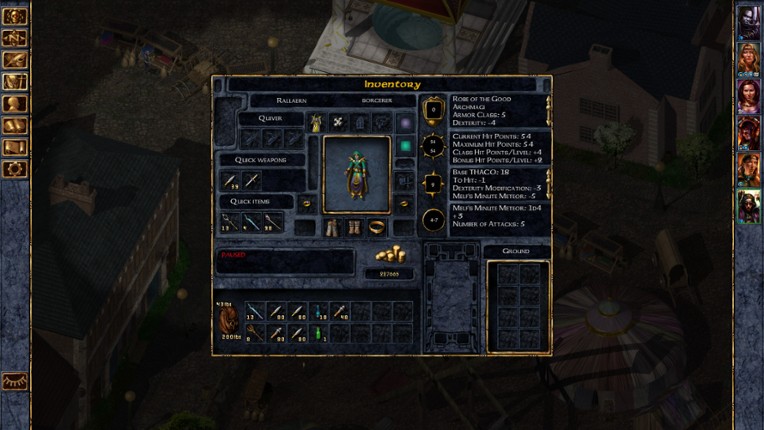
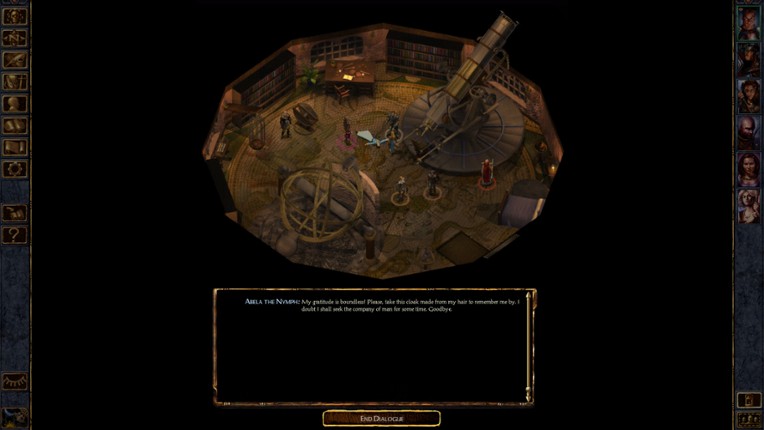
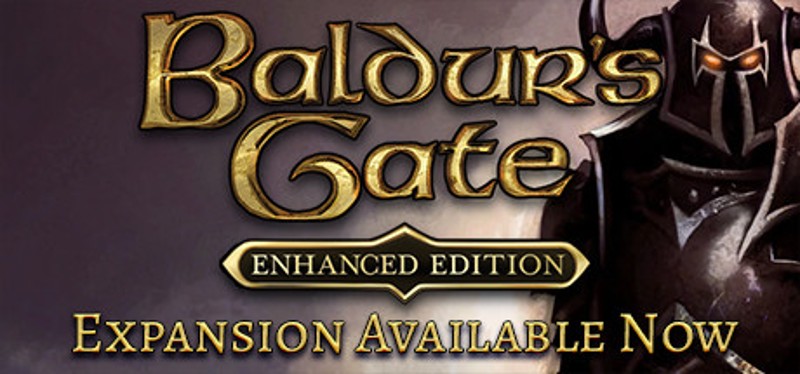
- 92%Game Brain ScoreMost mentioned positive aspects:story, gameplayMost mentioned negative aspects:stability, grinding92% User Score 7,920 reviewsExperience the legendary precursor to modern D&D adaptations, trading cinematic polish for a nostalgic, real-time tactical experience in the Forgotten Realms. If you enjoyed this game, see our list of games similar to Baldur's Gate.View Game
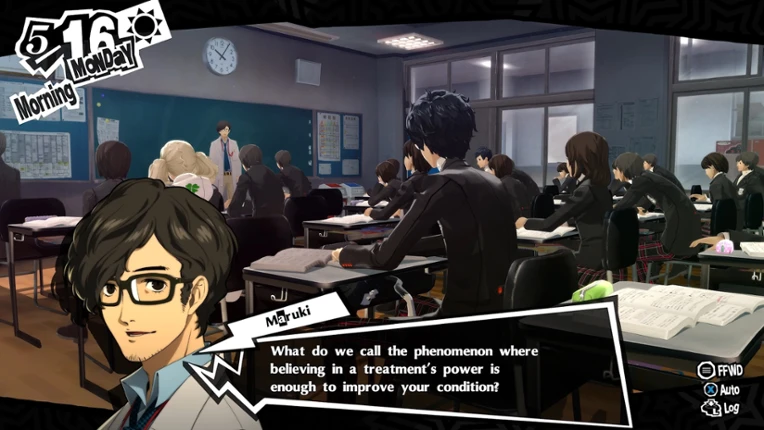
- 97%Game Brain ScoreMost mentioned positive aspects:story, musicMost mentioned negative aspects:grinding, monetization97% User Score 41,862 reviewsShift from D&D mechanics to a stylish modern-day occult journey where social simulation and building relationships serve as your primary power growth. If you enjoyed this game, see our list of games similar to Persona 5 Royal.View Game


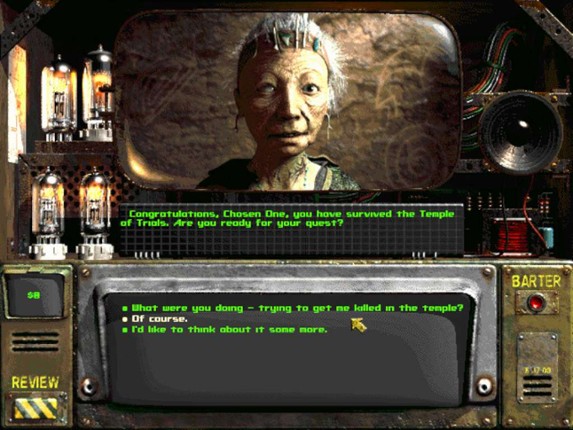
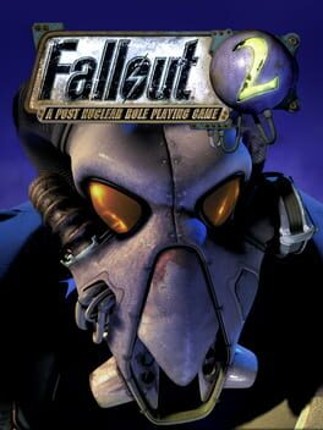
- 94%Game Brain ScoreMost mentioned positive aspects:story, gameplayMost mentioned negative aspects:graphics, stability94% User Score 5,878 reviewsFeatures a classic post-apocalyptic RPG experience with a sharp comedic tone and single-player focus that loosely connects to traditional fantasy RPGs. If you enjoyed this game, see our list of games similar to Fallout 2.View Game
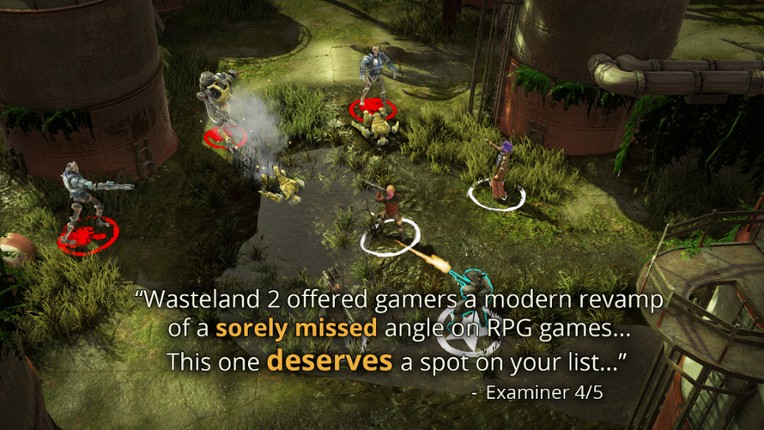
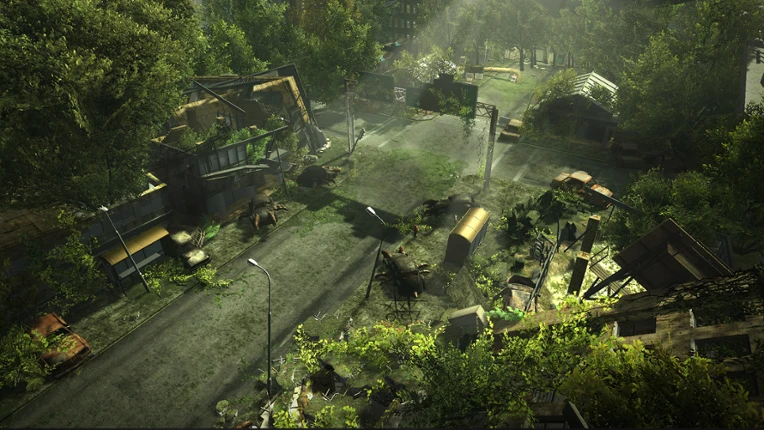
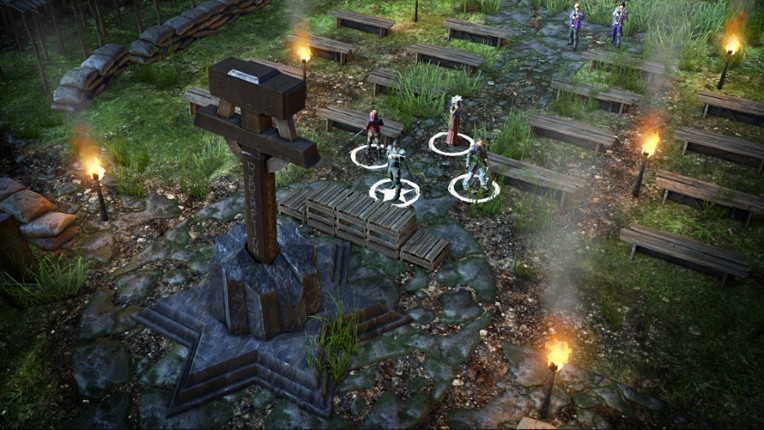
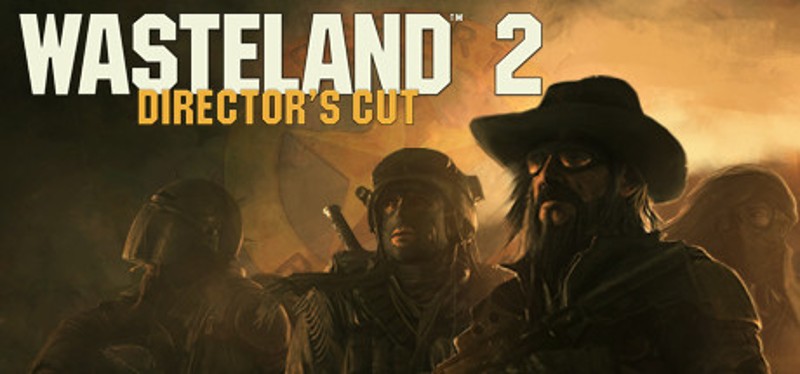
- 81%Game Brain ScoreMost mentioned positive aspects:story, gameplayMost mentioned negative aspects:stability, grinding81% User Score 6,190 reviewsCritic Score 80%12 reviewsTakes a post-apocalyptic sci-fi approach with isometric turn-based combat and mature storytelling, sacrificing fantasy for grit and strategy. If you enjoyed this game, see our list of games similar to Wasteland 2.View Game
- 94%Game Brain ScoreMost mentioned positive aspects:story, gameplayMost mentioned negative aspects:stability, grinding94% User Score 15,780 reviews
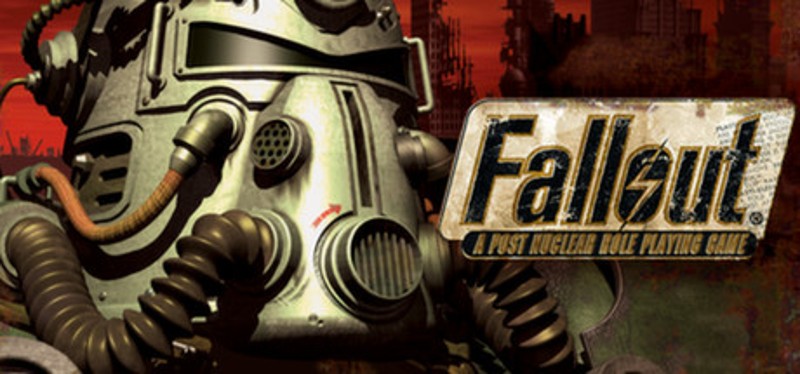
Gameplay in Fallout consists of traveling around the game world, visiting locations and interacting with the local inhabitants, and is typically in real-time. Occasionally, inhabitants will be immersed in dilemmas which the player may choose to solve in order to acquire karma and experience points. If you enjoyed this game, see our list of games similar to Fallout.
View Game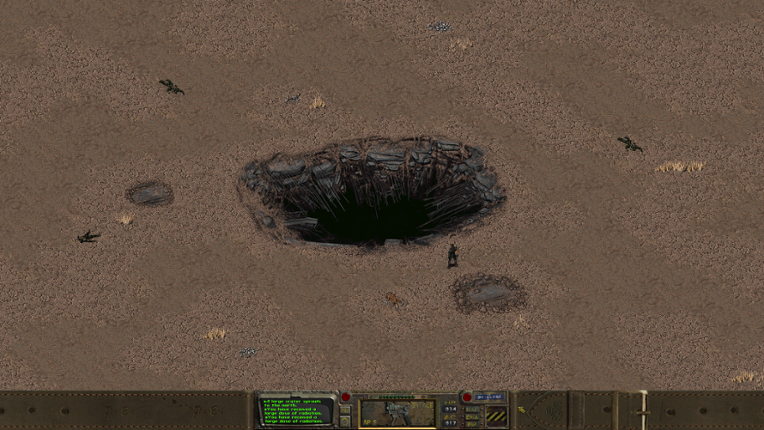
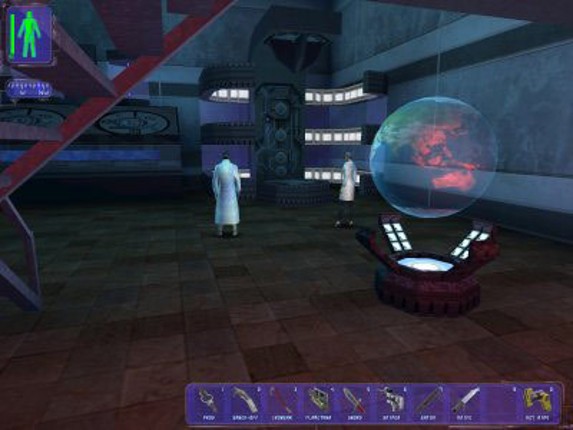
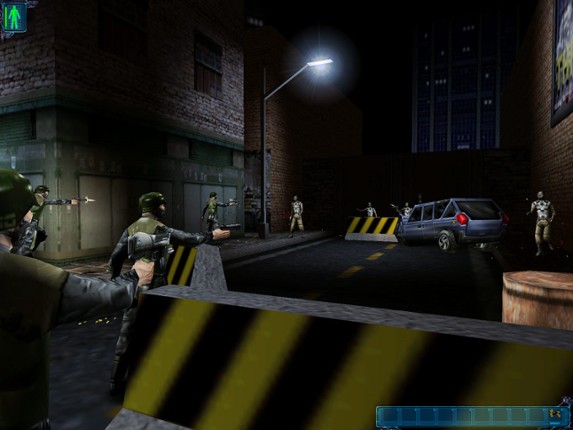
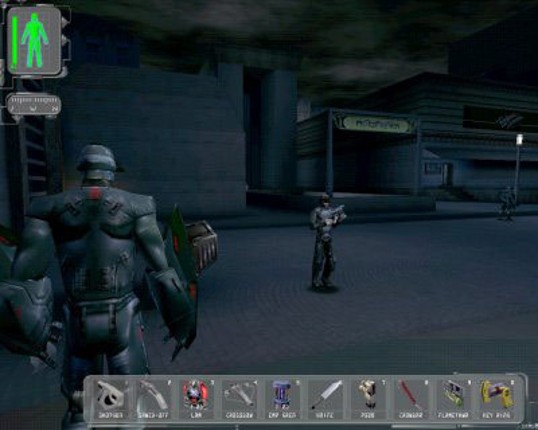
- 94%Game Brain ScoreMost mentioned positive aspects:story, gameplayMost mentioned negative aspects:graphics, optimization95% User Score 11,781 reviewsCritic Score 91%2 reviewsCyberpunk sci-fi shooter-RPG hybrid replaces fantasy magic with augmentations and conspiracy-driven storytelling in a dystopian world. If you enjoyed this game, see our list of games similar to Deus Ex.View Game
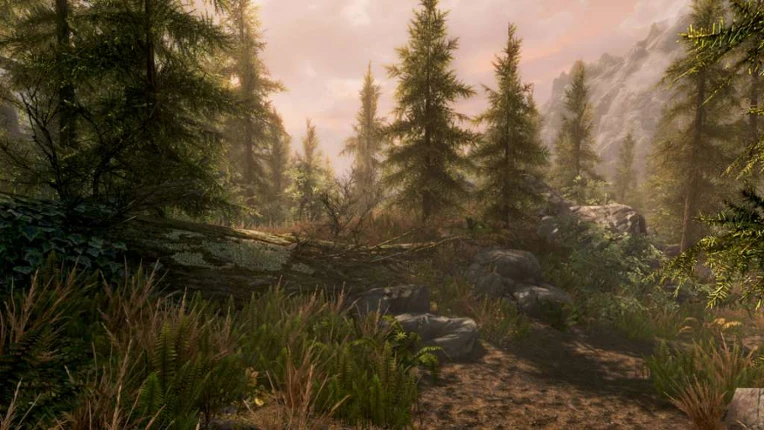
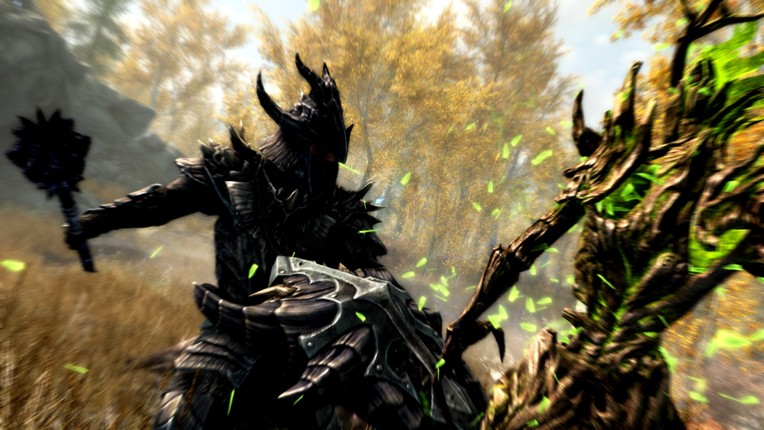
39 View Game 87%Game Brain ScoreMost mentioned positive aspects:story, graphicsMost mentioned negative aspects:stability, grinding94% User Score 209,954 reviewsCritic Score 79%25 reviewsEpic open-world dragon fantasy with first-person exploration and deep character building replaces turn-based combat for real-time action. If you enjoyed this game, see our list of games similar to The Elder Scrolls V: Skyrim.View Game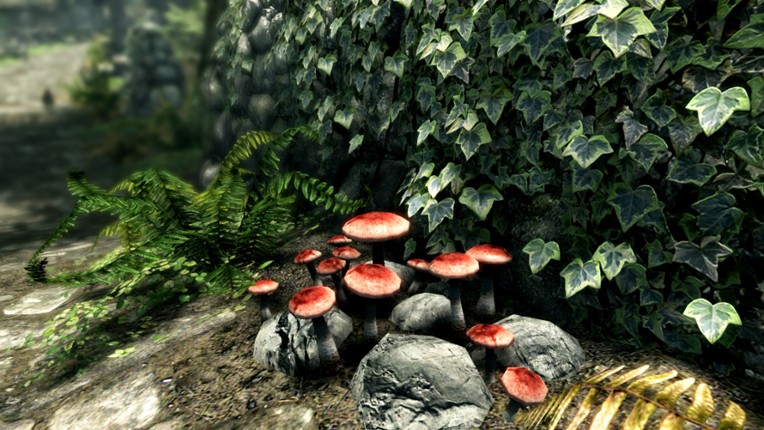
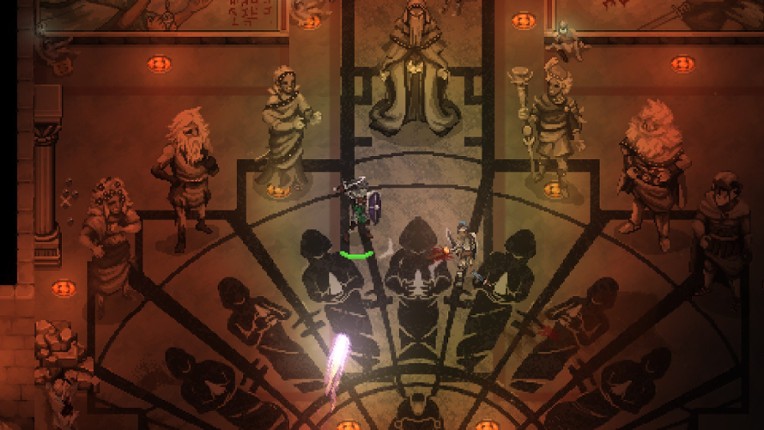
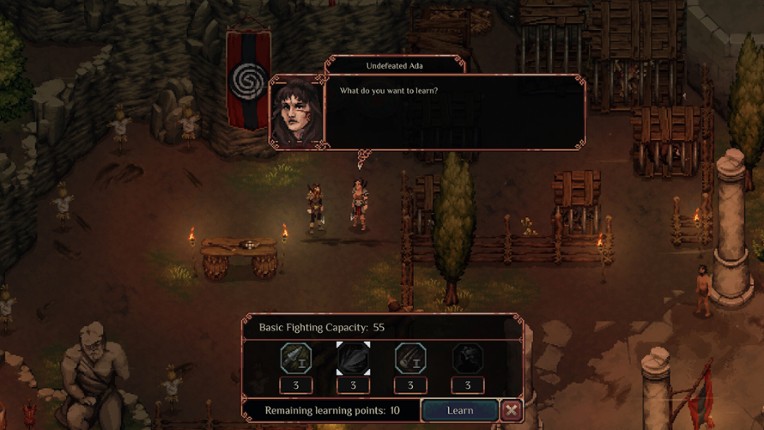
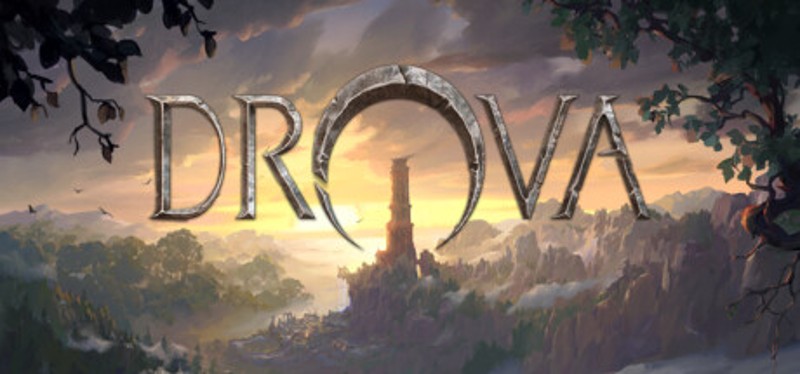
- 84%Game Brain ScoreMost mentioned positive aspects:story, gameplayMost mentioned negative aspects:grinding, stability94% User Score 4,813 reviewsCritic Score 70%6 reviewsConnect through a looser, more solitary experience that emphasizes challenging souls-like combat and bleak moral choices in a grim, pixelated wilderness. If you enjoyed this game, see our list of games similar to Drova: Forsaken Kin.View Game
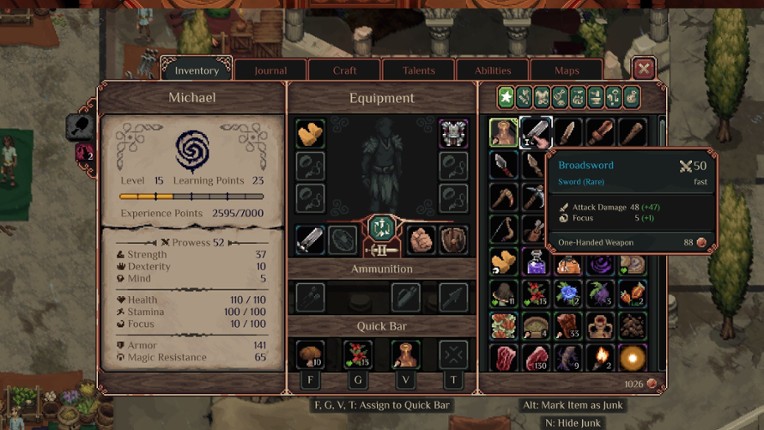
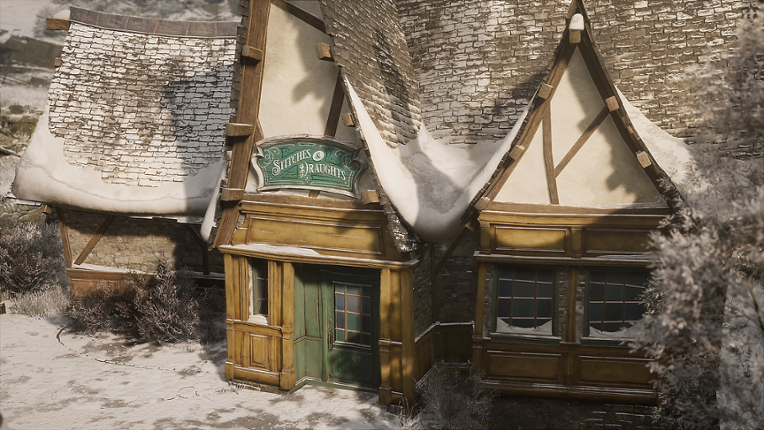
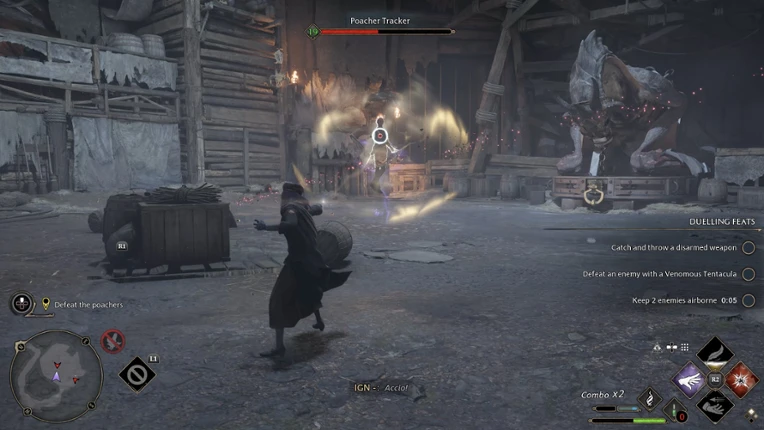
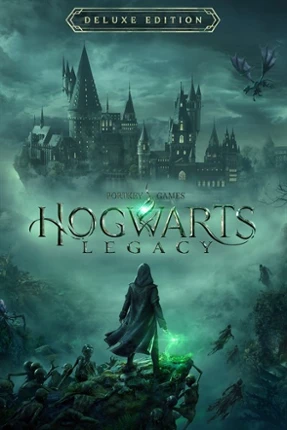
- 86%Game Brain ScoreMost mentioned positive aspects:story, graphicsMost mentioned negative aspects:optimization, stability91% User Score 170,068 reviewsCritic Score 81%10 reviewsDelivers wizarding world adventure with action-RPG combat and family-friendly tone instead of D&D's mature dark fantasy. If you enjoyed this game, see our list of games similar to Hogwarts Legacy.View Game
- 58%Game Brain ScoreMost mentioned positive aspects:story, gameplayMost mentioned negative aspects:stability, optimization58% User Score 1,632 reviews
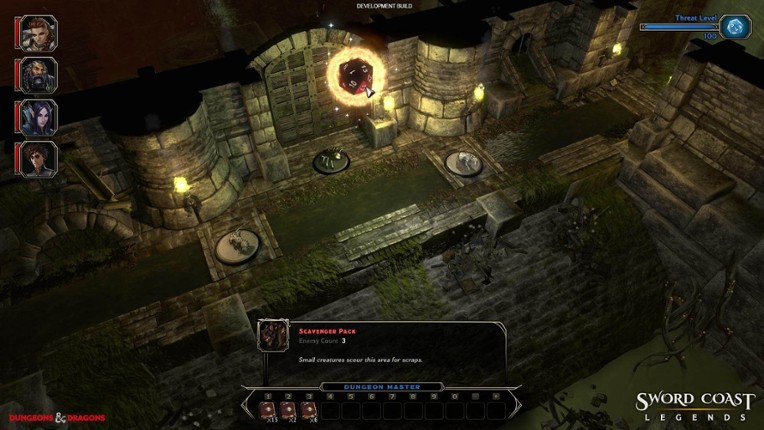
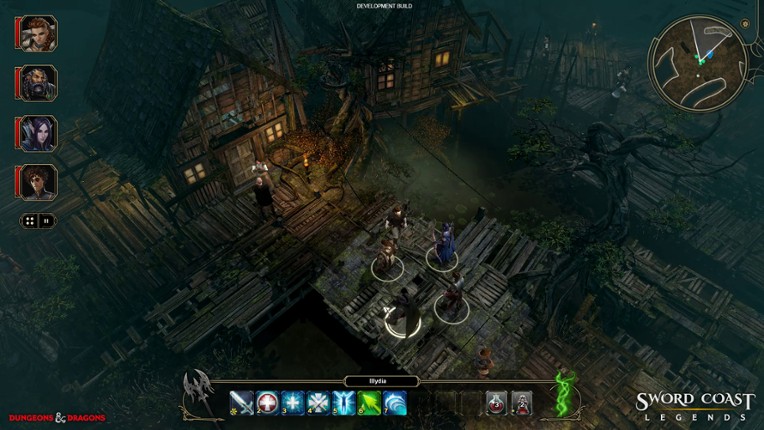
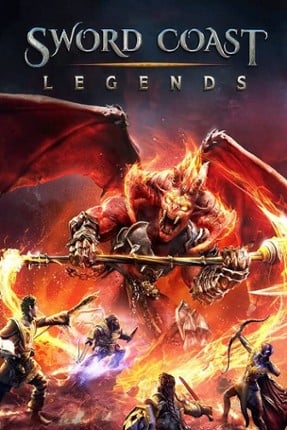
Set in the lush and vibrant world of the Forgotten Realms, Sword Coast Legends offers an all-new way to enjoy the time-tested magic of playing Dungeons & Dragons as a shared storytelling experience. With a deep narrative developed by a team of long-time industry veterans and a partnership with Wizards of the Coast, the single player campaign of Sword Coast Legends brings the world of Faerûn home l… If you enjoyed this game, see our list of games similar to Sword Coast Legends.
View Game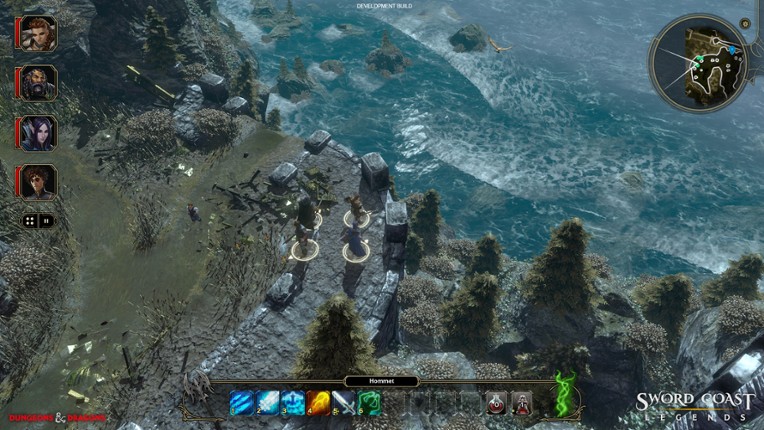
- 82%Game Brain ScoreMost mentioned positive aspects:story, gameplayMost mentioned negative aspects:graphics, music82% User Score 668 reviews
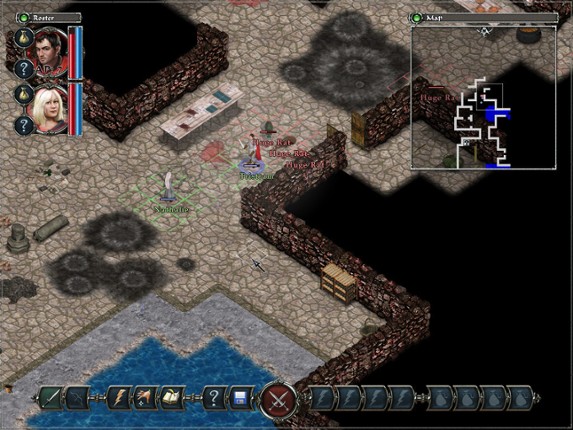
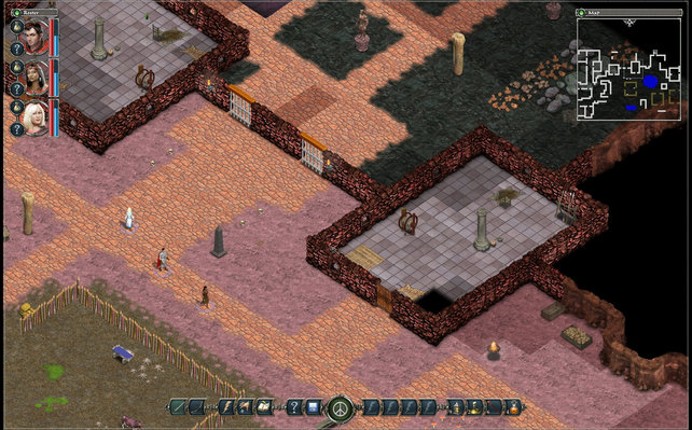
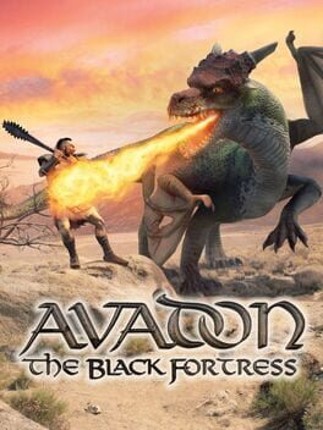
Spiderweb Software brings you Avadon: The Black Fortress, the first chapter in a new, epic fantasy saga. You will serve the keep of Avadon, working as a spy and warrior to fight the enemies of your homeland. As a servant of the Black Fortress, your word is law. Experience an exciting fantasy role-playing adventure and battle a conspiracy to destroy your people. Avadon: The Black Fortress Features… If you enjoyed this game, see our list of games similar to Avadon: The Black Fortress.
View Game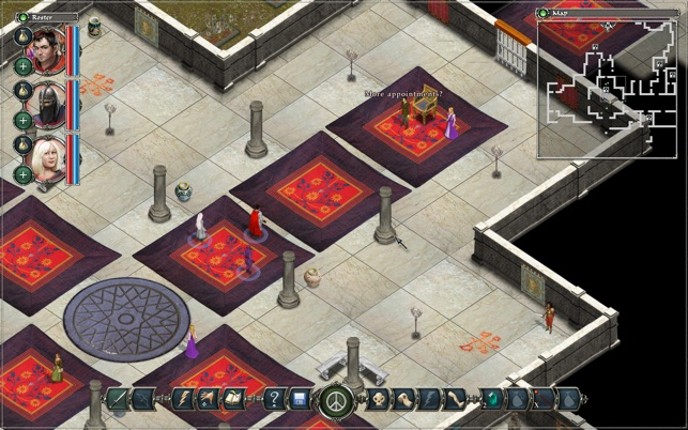
- 86%Game Brain ScoreMost mentioned positive aspects:story, gameplayMost mentioned negative aspects:optimization, grinding86% User Score 45,791 reviews
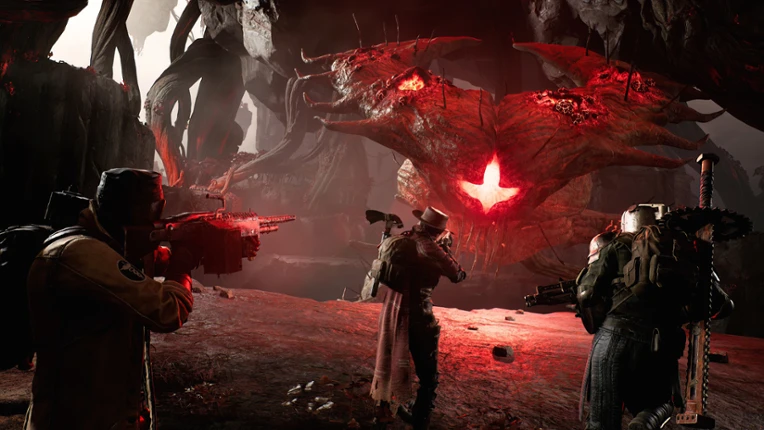
The Deluxe Edition includes: - The game - Early Access to 3 sets: (Elder Armor, Radiant Armor, and Void Armor) If you enjoyed this game, see our list of games similar to Remnant 2.
View Game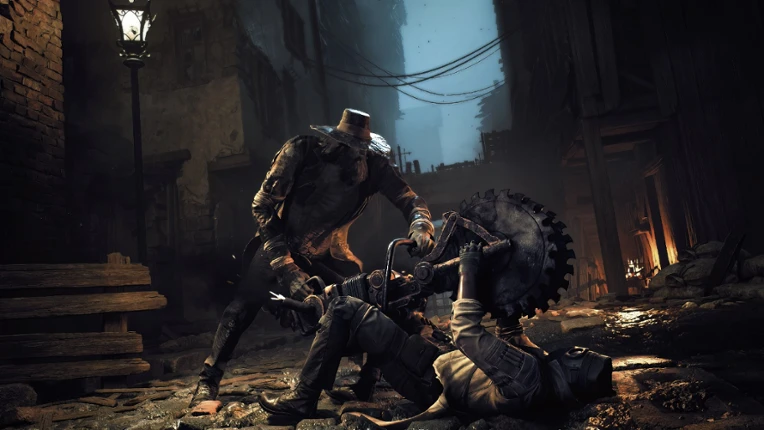
- 85%Game Brain ScoreMost mentioned positive aspects:story, gameplayMost mentioned negative aspects:grinding, stability85% User Score 1,146 reviews
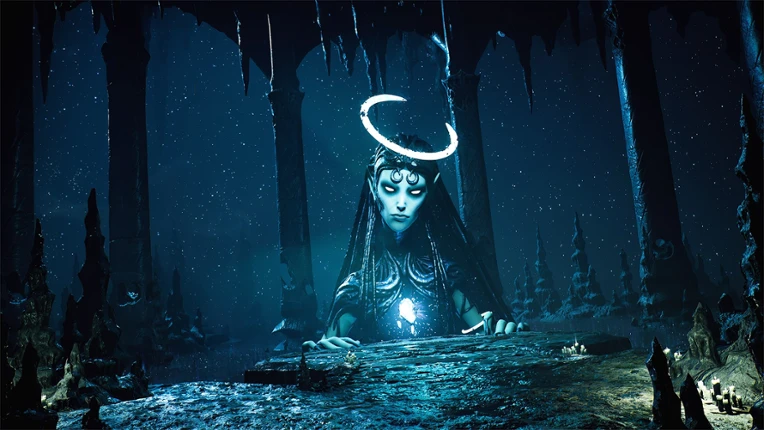
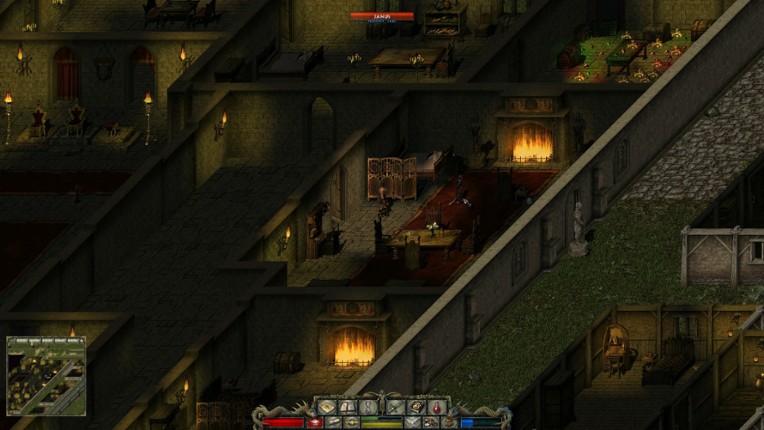
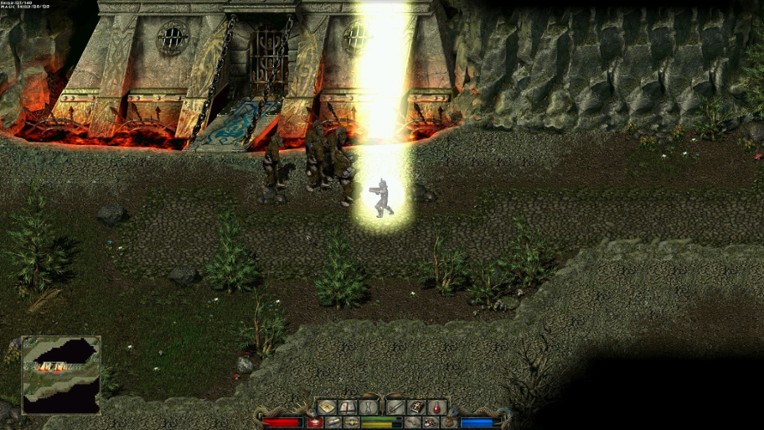
Listed among the "Top 100 PC Games Of All Time" by PC GAMER (2012), Divine Divinity is an epic role-playing game with hack-and-slash action, offering a huge world to explore and thousands of items to investigate, trade and use. Key Features: An RPG of Epic Proportions An adventure that will last you over 100 hours, filled with tons of non-linear quests and offering an enormous world to explore! C… If you enjoyed this game, see our list of games similar to Divine Divinity.
View Game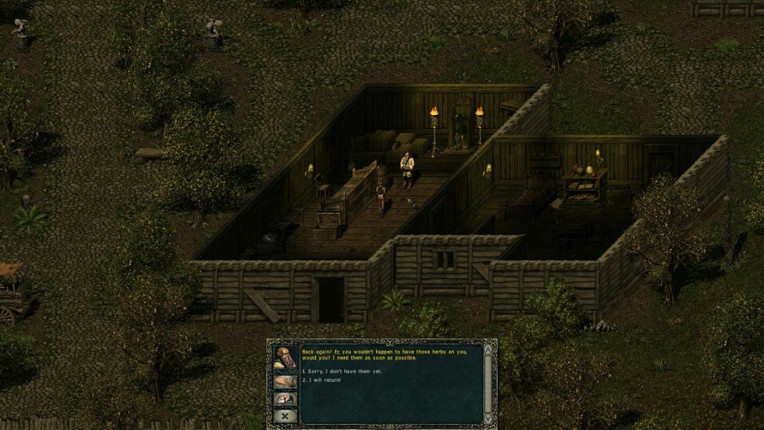
- 85%Game Brain ScoreMost mentioned positive aspects:story, gameplayMost mentioned negative aspects:grinding, stability85% User Score 1,751 reviews
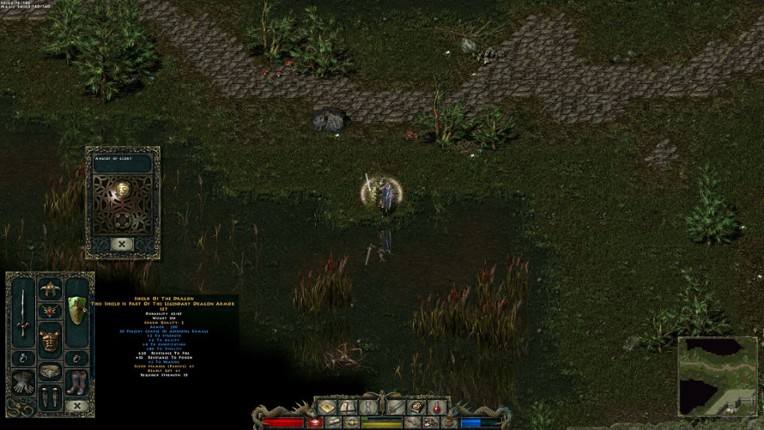
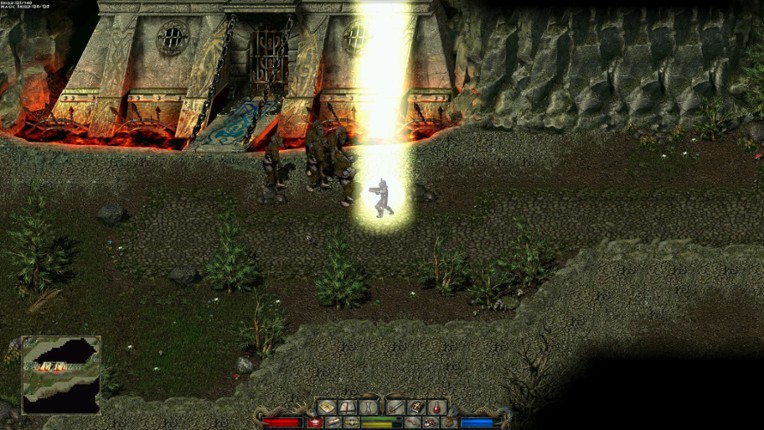
Listed among the "Top 100 PC Games Of All Time" by PC GAMER (2012), Divine Divinity is an epic role-playing game with hack-and-slash action, offering a huge world to explore and thousands of items to investigate, trade and use. The game chronicles the never-ending battle between valiant heroes and the destructive powers of Chaos harnessed by the Black Ring, a cult of enduring evil. You … If you enjoyed this game, see our list of games similar to Divine Divinity.
View Game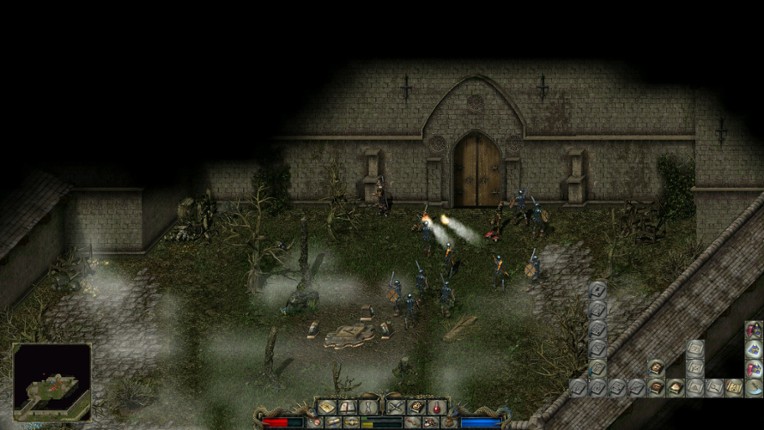
47 View Game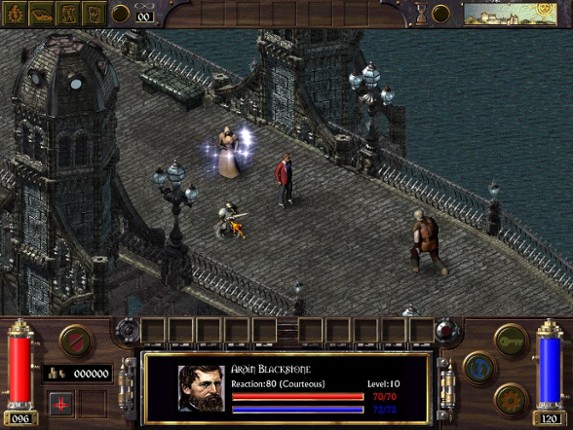
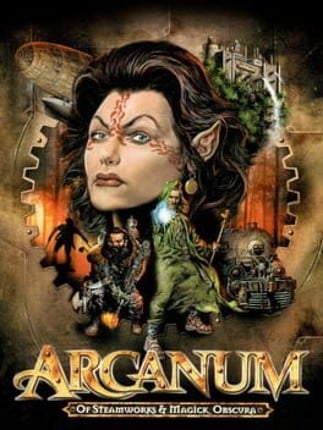
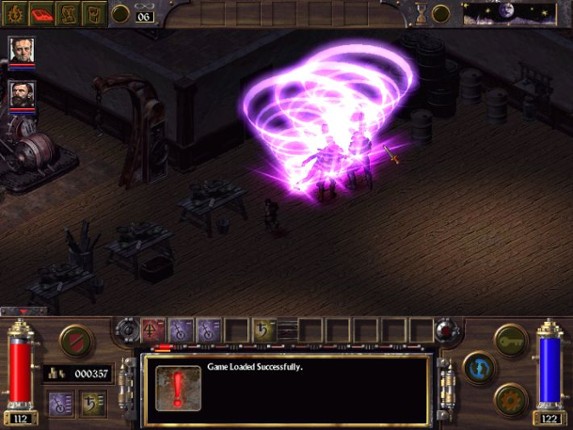 86%Game Brain ScoreMost mentioned positive aspects:story, gameplayMost mentioned negative aspects:graphics, stability86% User Score 815 reviews
Imagine a place of wonder,where magic and technology hold equal sway, and an adventurer might just as easily wield a flintlock pistol as a flaming sword. A place where great industrial cities house castle keeps and factories, home to Dwarves, Humans, Orcs and Elves alike. A place of ancient runes and steamworks, of magic and machines, of sorcery and science. Arcanum is the first game to come from… If you enjoyed this game, see our list of games similar to Arcanum: of Steamworks and Magick Obscura.
View Game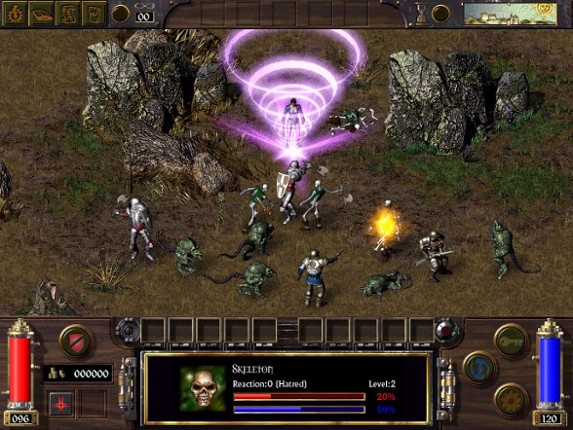
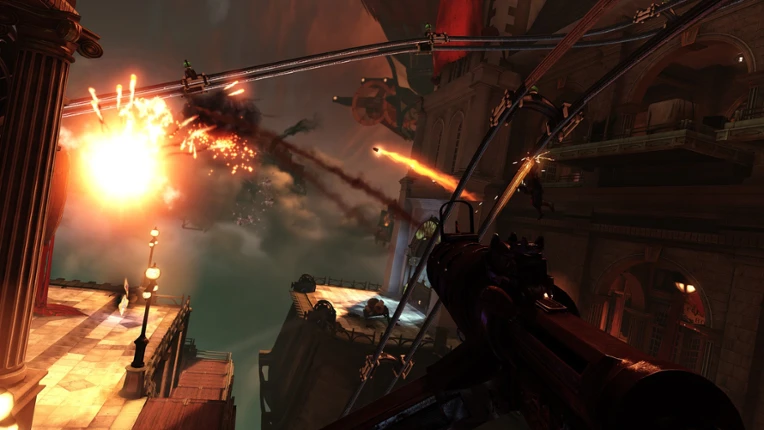
- 87%Game Brain ScoreMost mentioned positive aspects:story, gameplayMost mentioned negative aspects:grinding, stability91% User Score 63,802 reviewsCritic Score 82%8 reviewsSwaps D&D fantasy for steampunk time-travel narrative in a story-driven first-person shooter with atmospheric world-building. If you enjoyed this game, see our list of games similar to BioShock Infinite.View Game
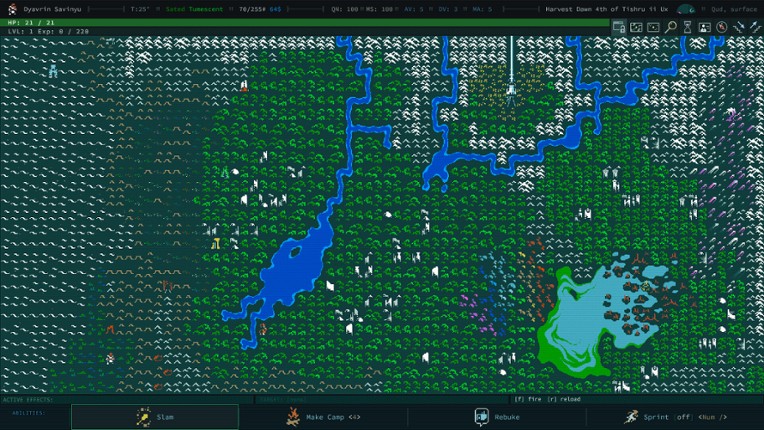
- 87%Game Brain ScoreMost mentioned positive aspects:gameplay, storyMost mentioned negative aspects:grinding, stability95% User Score 11,271 reviewsCritic Score 74%6 reviews
Caves of Qud is a science fantasy roguelike epic steeped in retrofuturism, deep simulation, and swathes of sentient plants. Come inhabit an exotic world and chisel through layers of thousand-year-old civilizations. If you enjoyed this game, see our list of games similar to Caves of Qud.
View Game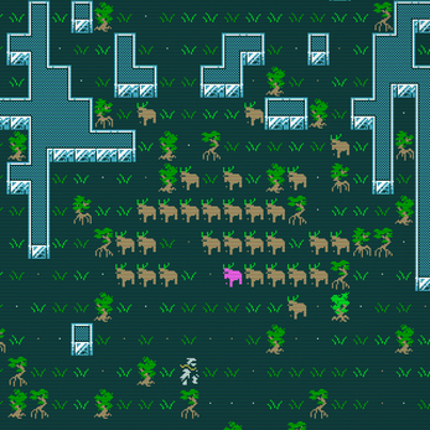
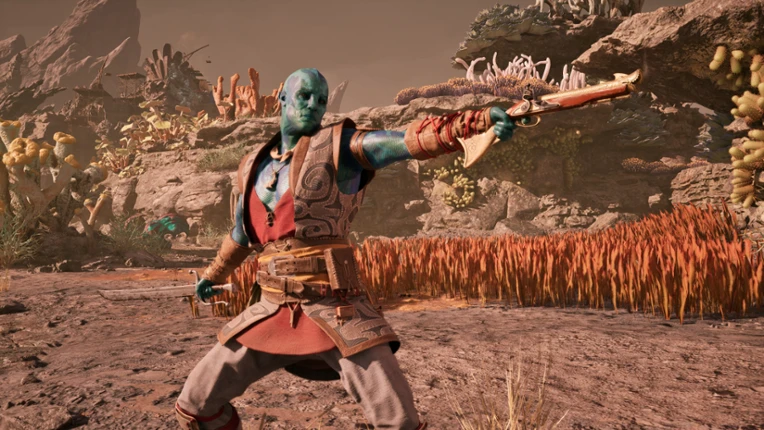
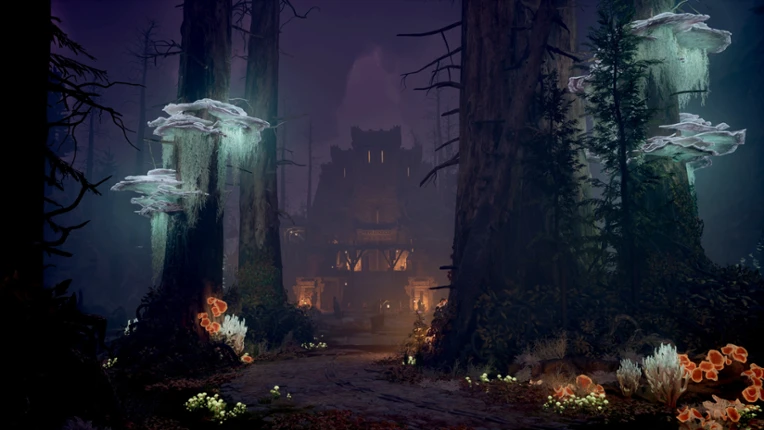
- 78%Game Brain ScoreMost mentioned positive aspects:story, gameplayMost mentioned negative aspects:optimization, stability78% User Score 10,048 reviews
Premium Edition includes: - Avowed base game - Up to 5 days early access - Two Premium Skin Packs - Access to Avowed Digital Artbook & Original Soundtrack If you enjoyed this game, see our list of games similar to Avowed.
View Game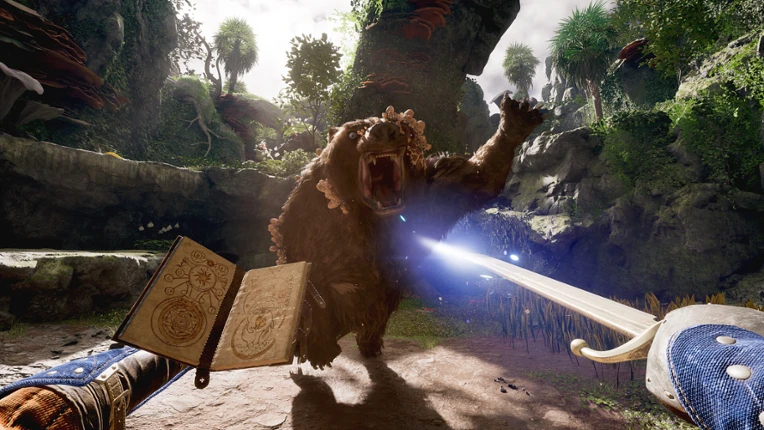


 View Game



















Frequently Asked Questions
Start with Divinity: Original Sin 2, which shares turn-based tactical combat, co-op campaigns, and story-driven choices. Pathfinder: Wrath of the Righteous offers similar CRPG depth with character customization and branching narratives. For classic inspiration, Baldur's Gate 2 delivers epic storytelling and party-based strategy, while Dragon Age: Origins excels in companion relationships and replayability.
Divinity: Original Sin 2 and Pathfinder: Wrath of the Righteous both feature tactical turn-based systems with environmental interactions and positioning strategy. Warhammer 40,000: Rogue Trader adds sci-fi flavor with turn-based tactical gameplay and meaningful choices. All three match Baldur's Gate 3's deliberate, strategic approach to combat over real-time action.
Divinity: Original Sin 2 stands out with robust local and online co-op for up to four players, including competitive PvP modes. Baldur's Gate 2 and Warhammer 40,000: Rogue Trader support co-op play, though with fewer players. These alternatives let you experience story campaigns cooperatively with friends, matching Baldur's Gate 3's multiplayer appeal.
Most CRPG alternatives require purchase, but Pathfinder: Kingmaker frequently goes on sale. Watch for deep discounts on Pillars of Eternity and Pillars of Eternity II: Deadfire during seasonal sales. These indie-backed titles offer exceptional value compared to AAA releases, providing 100+ hours of gameplay for modest investment.
Dragon Age: Origins delivers gritty, dark storytelling with mature themes and morally complex choices. Pathfinder: Wrath of the Righteous explores darker supernatural elements and heavy narrative consequences. Pillars of Eternity maintains an atmospheric, somber tone throughout. All three match Baldur's Gate 3's willingness to embrace mature, darker fantasy narratives.
Dragon Age: Origins excels with multiple origin stories, unique classes, and branching narratives that change dramatically per playthrough. Divinity: Original Sin 2 offers environmental puzzle solutions and character interactions that vary wildly based on your party composition. Pathfinder: Kingmaker provides extensive character building options and different story paths, encouraging multiple runs.