

If games like Mass Effect are what you're searching for, you already know the feeling — a richly authored sci-fi universe where every conversation, every squad bond, and every trigger pull feels like it matters. Mass Effect carved out something rare: a third-person action RPG fused with cinematic storytelling, meaningful moral choices, and a cast of companions you genuinely care about. The good news is there are other games out there that can scratch that same itch.
What makes Mass Effect so hard to replicate is its specific cocktail of systems. It blends real-time cover-based shooting with deep role-playing mechanics — character customization, branching dialogue, and choices that ripple across dozens of hours of story. Layer on top of that a space-opera atmosphere, a killer soundtrack, and romance options that carry real emotional weight, and you have a game that players love for its story richness as much as its combat. That intersection of action and authored narrative is the core of what fans are chasing.
Mass Effect 2 refines everything and delivers the series' most celebrated story and loyalty missions. Dragon Age: Origins offers the same BioWare DNA with a darker fantasy setting and unforgettable party dynamics. Star Wars: Knights of the Old Republic is the spiritual predecessor — morality-driven, companion-focused, and essential. Dragon Age: Inquisition scales things up with open-world exploration and a massive, choice-driven narrative. KOTOR II: The Sith Lords goes deeper on moral complexity and character philosophy than almost anything else in the genre.
Every recommendation below is ranked by similarity using real player data, so the closest matches appear first. Browse the full list to find your next obsession.
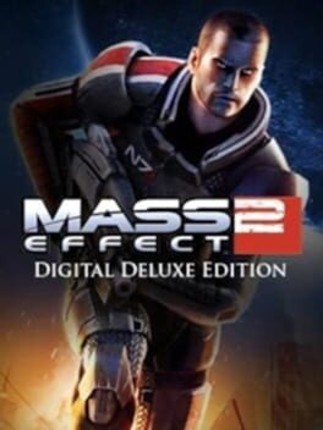
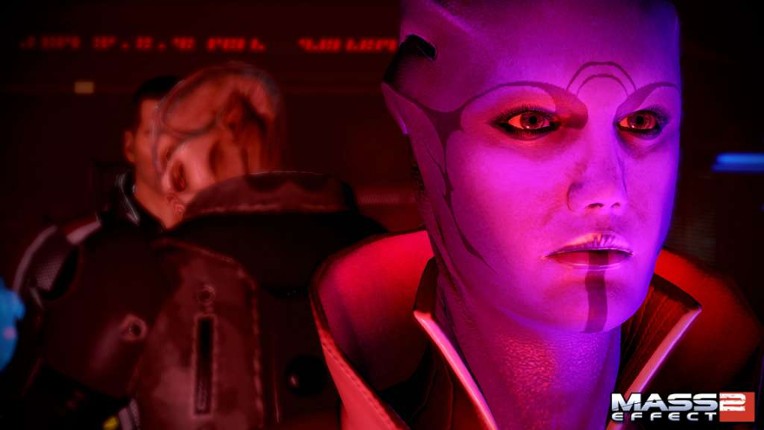
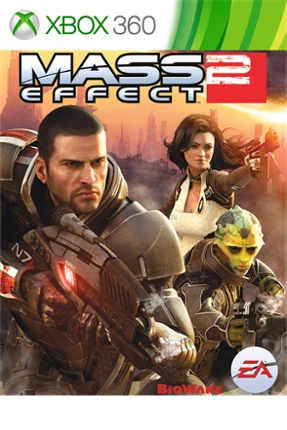
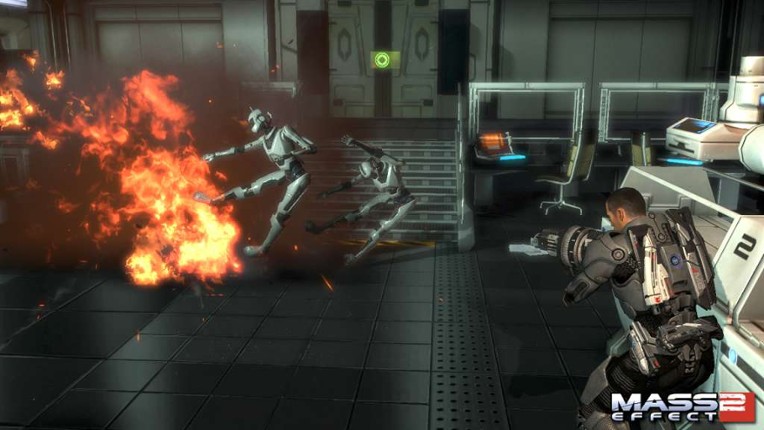
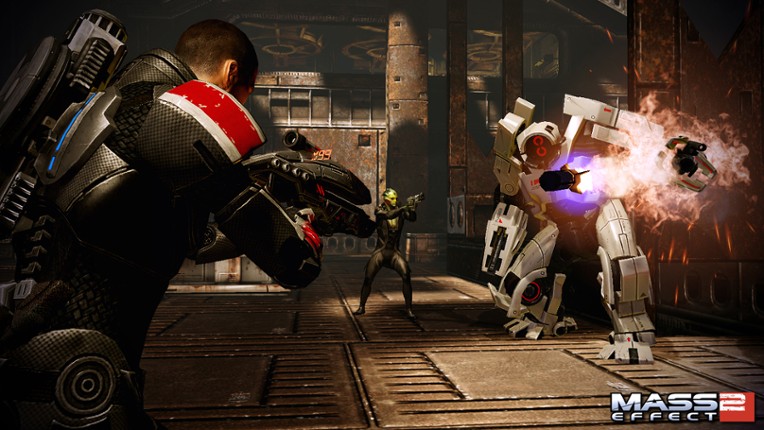
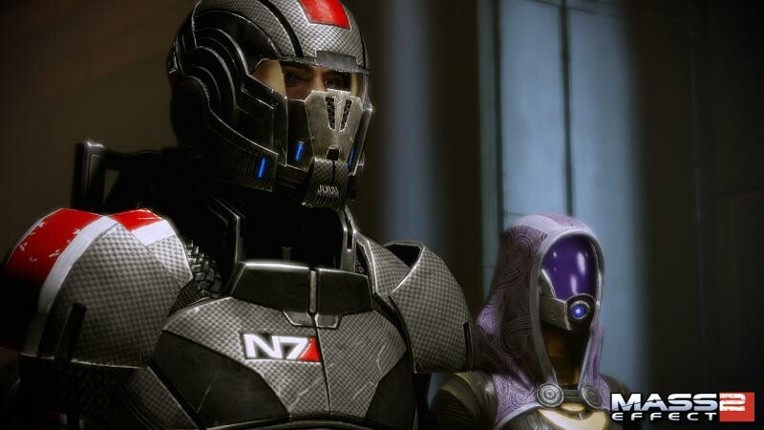
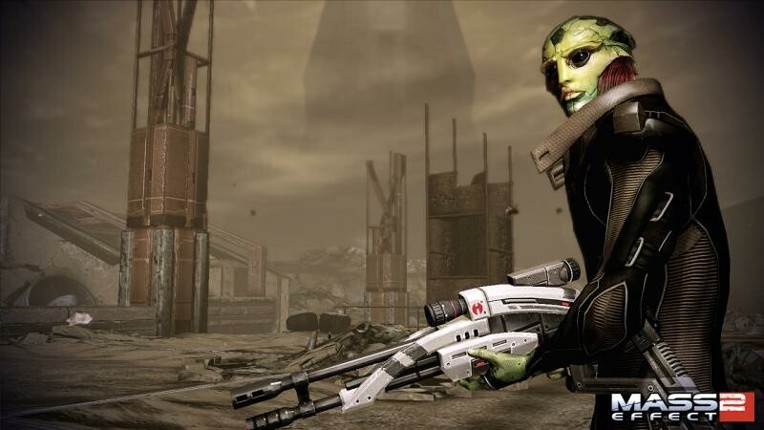
Mass Effect 2 tightens the real-time tactical combat that made the first game's third-person shooter sequences compelling, stripping away some cover-and-pause complexity in exchange for faster, more visceral firefights. This shift means you'll feel more direct control over squad positioning and weapon handling—the kind of mechanical refinement that rewards players who mastered the original's pace.
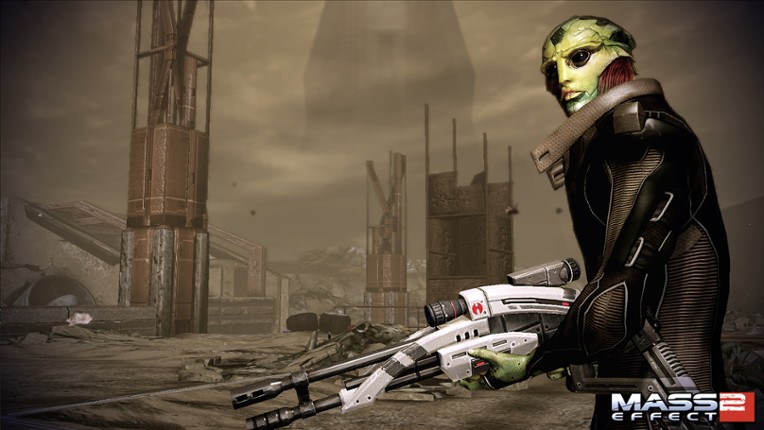
The loyalty mission system deepens what made Mass Effect's relationship-driven narrative work: each squad member now has a personal story arc that directly ties to their combat effectiveness and survival odds. This creates a feedback loop where emotional investment literally shapes your tactical options, rather than feeling separate from gameplay.
Where Mass Effect 2 departs is in RPG customization—the first game's deeper character-building options give way to streamlined loadouts. Rather than a weakness, this refocuses your agency toward narrative choice and squad composition, trading breadth of builds for weight of decisions that actually matter.
Best for players who valued Mass Effect's storytelling and character relationships above grinding or theorycrafting. If you came for the squad drama and emotional stakes, Mass Effect 2 amplifies exactly that.
If you enjoyed this game, see our list of games similar to Mass Effect 2.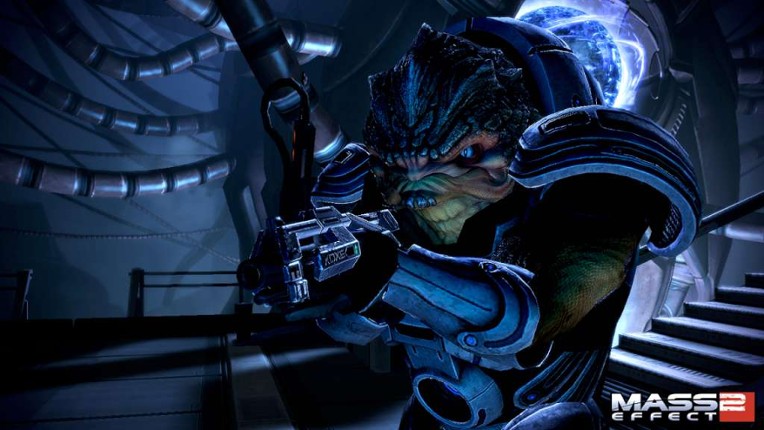
Includes Mass Effect 2 game, digital soundtrack, The Making of Mass Effect 2 videos, digital art book, Cerberus Network code, digital Mass Effect Redemption #1 comic, Collector Armor and Assault Rifle, and Incisor Rifle. If you enjoyed this game, see our list of games similar to Mass Effect 2: Digital Deluxe Edition.
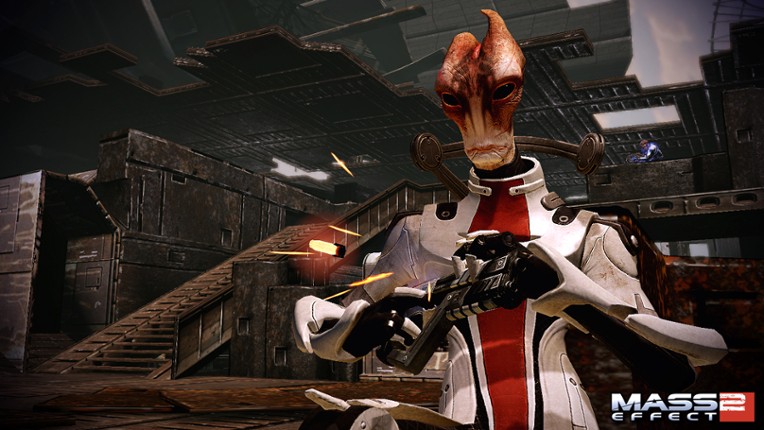
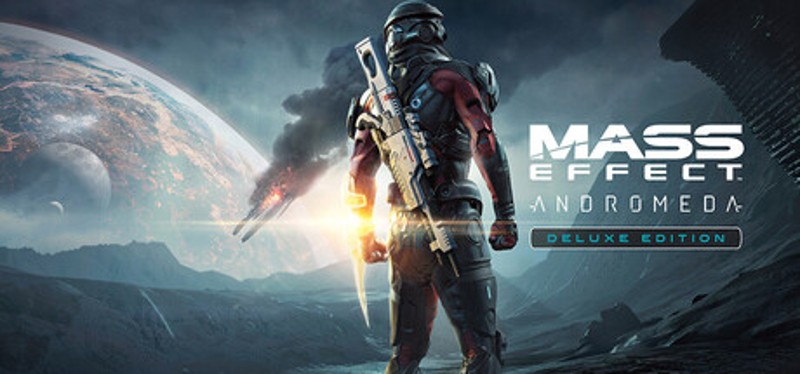
That same rhythm of scanning a hostile sector, picking dialogue paths, and then dropping into cover-shooter combat is intact here. Andromeda keeps the choices-matter feel and the squad-based firefights, so you’re still making quick tactical decisions between exploration, conversation, and combat. The result is the same kind of player loop Mass Effect fans love: talk, plan, shoot, then live with the outcome.
It also preserves the series’ strengths in character-building with deep customization, a female protagonist option, and plenty of spacefaring side systems like trading and loadout tuning. Because the game leans harder into open-world exploration, it gives you more room to roam, experiment, and come back to fights with a stronger build. That directly helps with one of Mass Effect’s usual pain points: the grind is spread across a larger sandbox instead of feeling boxed in.
The big tradeoff is tone: Andromeda feels a bit more forward-looking and less military-structured, which gives the adventure a fresh edge without losing the sci-fi framework. Best for players who want more room to explore and build, while still chasing that Mass Effect combat-and-choice loop.
If you enjoyed this game, see our list of games similar to Mass Effect Andromeda.

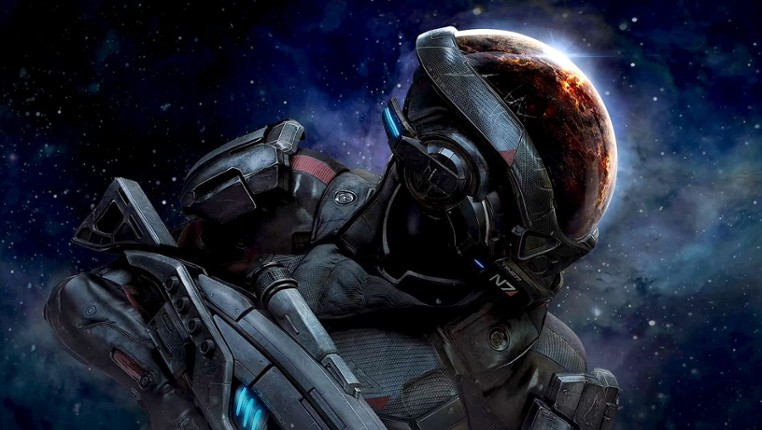
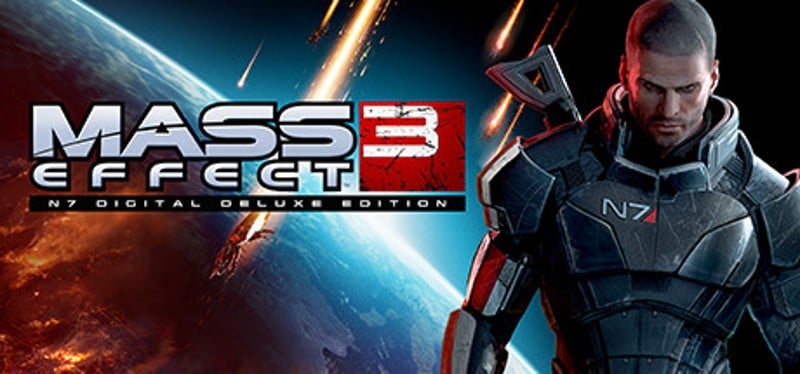
Navigating the weight of galactic-scale decisions while balancing complex squad dynamics remains the heartbeat of this experience. You will recognize the real-time with pause tactical system, which transforms chaotic firefights into a strategic chessboard of biotic and tech abilities. This mechanical continuity ensures that your hard-earned mastery over power combos and squad positioning translates directly into this high-stakes sequel.
While the original title occasionally slowed down due to repetitive grinding and planetary exploration, this entry replaces those lulls with a significantly more fluid and responsive cover-based combat system. The character customization provides a solid evolution of the previous RPG systems, allowing you to fine-tune your protagonist's specialization to match a specific playstyle. This shift creates a much tighter gameplay loop where every encounter feels impactful and polished.
A fresh angle is introduced through the cooperative multiplayer mode, which offers a way to explore the series' combat mechanics in a collaborative setting outside the main story. This addition provides a new tactical challenge without detracting from the core narrative focus you expect. Best for players who want to see their long-term narrative choices culminate in a definitive, high-octane military conclusion.
If you enjoyed this game, see our list of games similar to Mass Effect 3.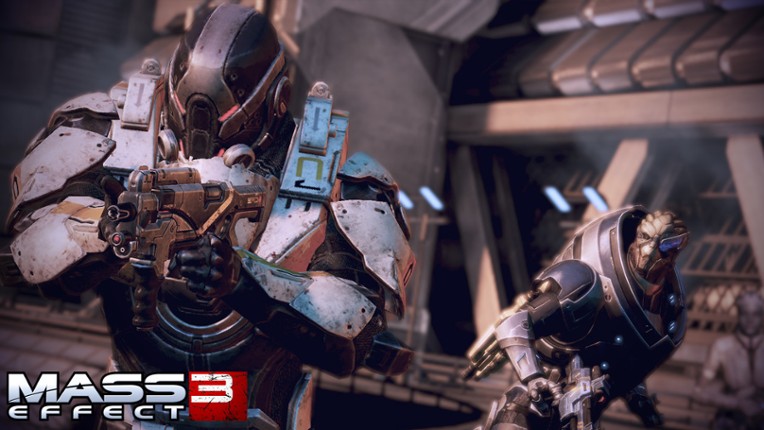
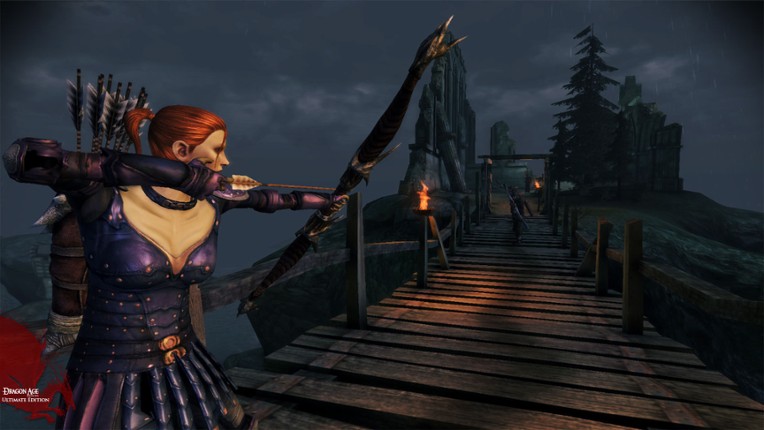
Dragon Age: Origins matches Mass Effect most closely through its real-time with pause combat and impactful player choices, ensuring your decisions shape the narrative and character relationships deeply.
Both games emphasize multiple endings and rich character customization, which matter because they boost replay value and personalize every playthrough.
The key tradeoff is that Dragon Age: Origins leans heavily into a darker fantasy setting with a slower pace and more technical issues compared to the polished sci-fi action and smoother gameplay of Mass Effect.
Choose this if you want a story-driven RPG with complex companions and weighty morality in a fantasy world but can tolerate clunkier combat and dated visuals. If you enjoyed this game, see our list of games similar to Dragon Age: Origins.
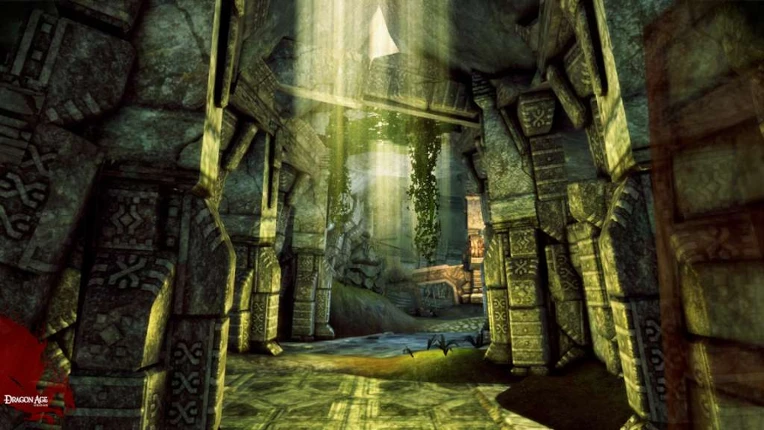
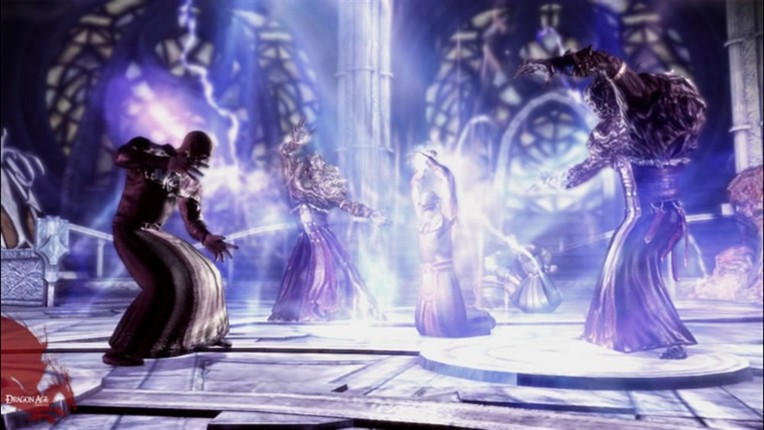
The moment a companion's loyalty shifts based on a choice you made three hours ago — that's a feeling Mass Effect players know well, and KOTOR II builds its entire identity around it. Your decisions don't just change outcomes; they reshape the worldview of the people traveling with you, creating a feedback loop where your moral stance is constantly reflected back through your crew.
Character customization and branching narrative are the twin engines in both games. KOTOR II's alignment system functions like Mass Effect's Paragon/Renegade track, but pushes further — it actively corrupts or redeems your companions based on your influence over them, meaning the same playthrough feels genuinely different in tone depending on how you shaped those relationships.
The sharpest tradeoff: combat here is turn-based and tactical rather than real-time, slowing the pace but rewarding deliberate build planning in ways Mass Effect rarely demands.
Mass Effect fans who found the trilogy too polished to feel dangerous will find KOTOR II's rougher, philosophically darker edges a worthwhile detour. Best for players who prioritize companion writing and moral complexity over mechanical smoothness.
If you enjoyed this game, see our list of games similar to Star Wars: Knights of the Old Republic II - The Sith Lords.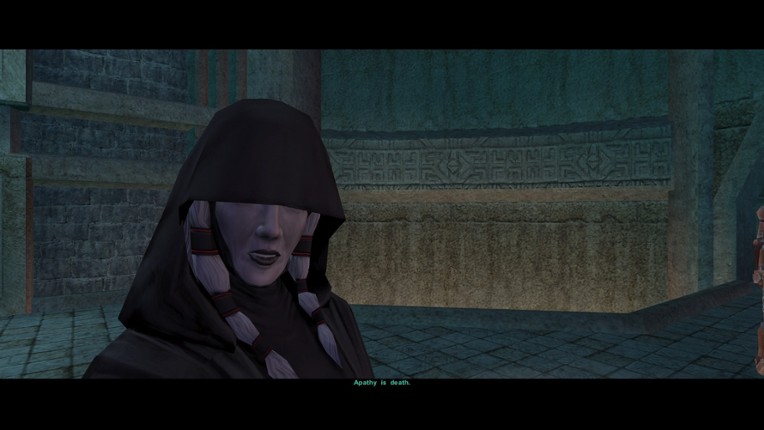

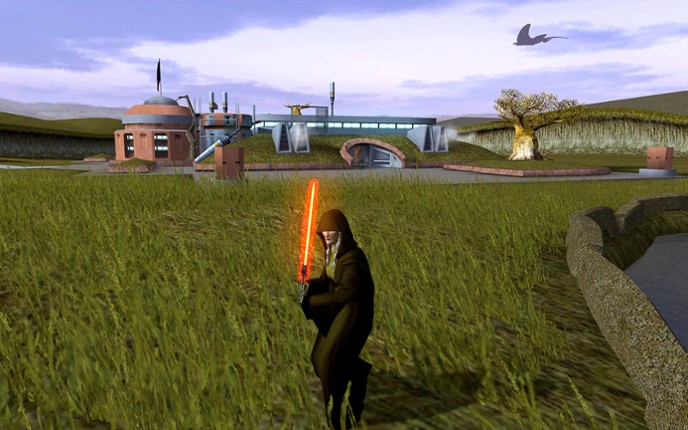
The shared DNA between these titles is their branching narrative structure, where every dialogue choice fundamentally shifts your moral alignment and the fate of your galaxy.
You will recognize the squad-based combat system, which provides a tactical framework for building loyalties and managing diverse companion skill sets.
The primary tradeoff is mechanical: while Mass Effect leans into fluid, third-person shooter action, Knights of the Old Republic utilizes a clunky, dice-roll based engine that feels distinctly dated by modern standards.
Pick this up if you crave Mass Effect’s epic, high-stakes space opera storytelling but can live with a slower, more methodical approach to combat.
If you enjoyed this game, see our list of games similar to Star Wars Knights of the Old Republic.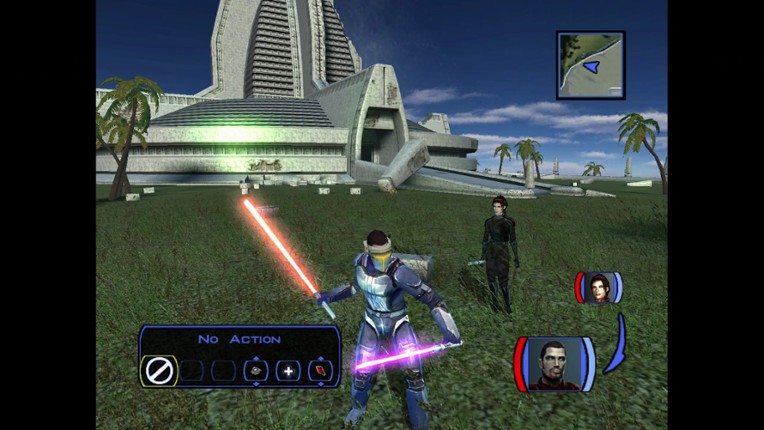
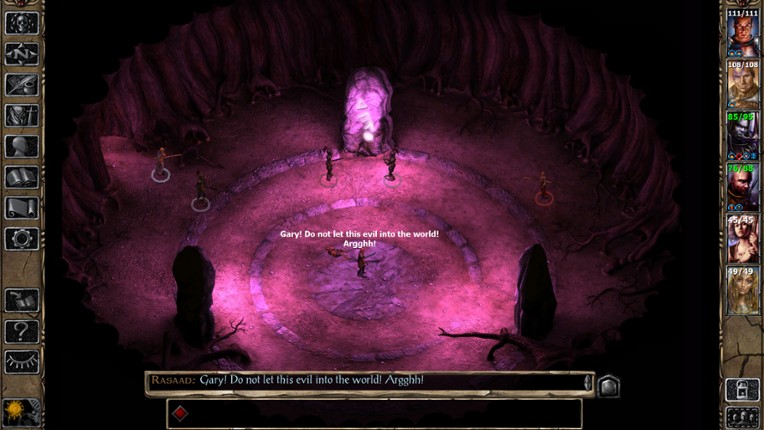
Real-time with pause combat is the strongest bridge between these two — both games let you freeze the action to issue precise orders, rewarding tactical patience over twitch reflexes.
They also share a commitment to choices that fundamentally reshape the story, giving every dialogue pick and party decision weight that echoes into later hours.
The trade-off is stark: BG2 drops Mass Effect's sleek sci-fi for dense fantasy and uses visuals that haven't aged gracefully, replacing the Commander Shepard saga with tabletop-inspired dungeon crawling.
Best for players who want deeper party dynamics and morally complex companion arcs but can tolerate dated graphics and a steeper learning curve.
If you enjoyed this game, see our list of games similar to Baldur's Gate 2.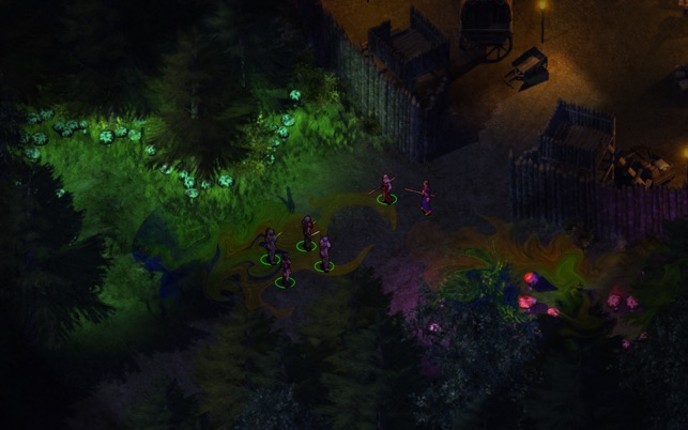
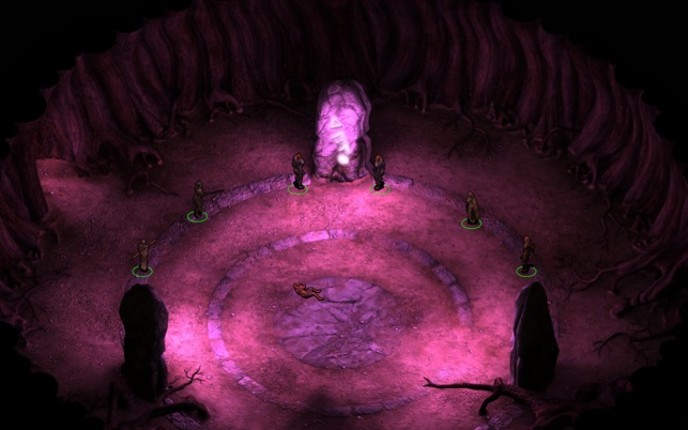
You are Hawke, a refugee seeking to escape the darkspawn-plagued land of Ferelden and become Champion of Kirkwall. Rise to power and fight epic battles while making decisions that determine the course of civilization. If you enjoyed this game, see our list of games similar to Dragon Age 2.
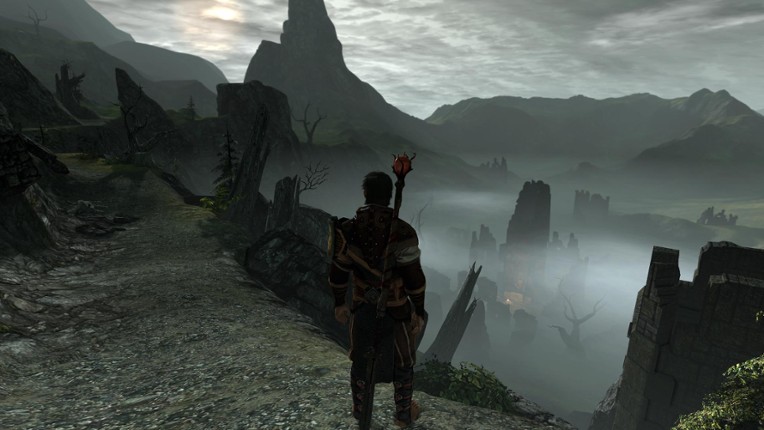
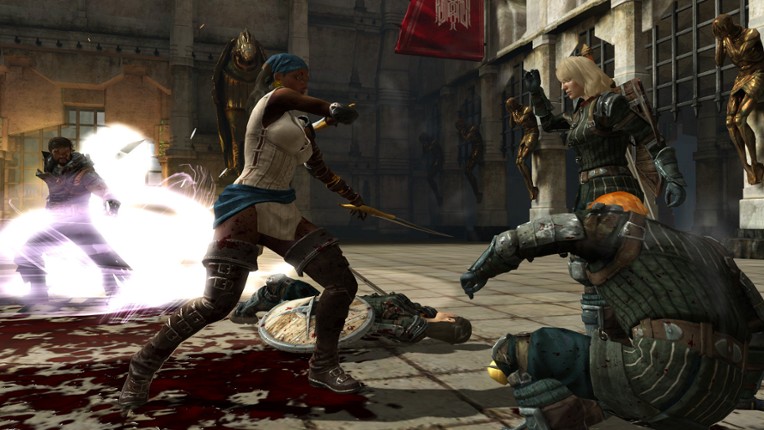
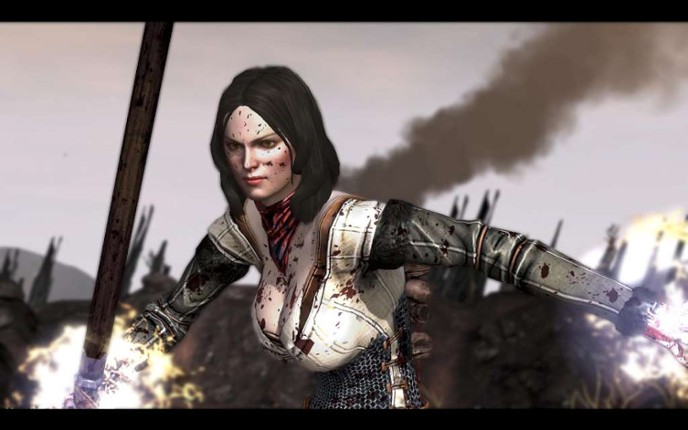
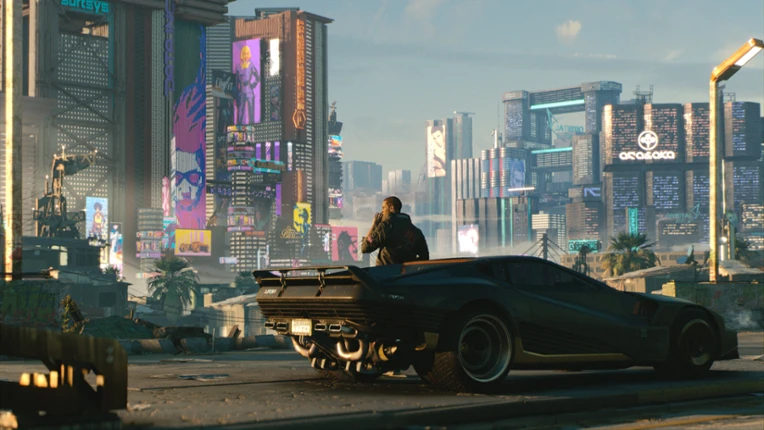
Buy Cyberpunk 2077 on PlayStation Store. Explore a vast, futuristic metropolis in a cutting-edge action-RPG. Recommended for PS5 & PS4 Pro consoles. If you enjoyed this game, see our list of games similar to Cyberpunk 2077.
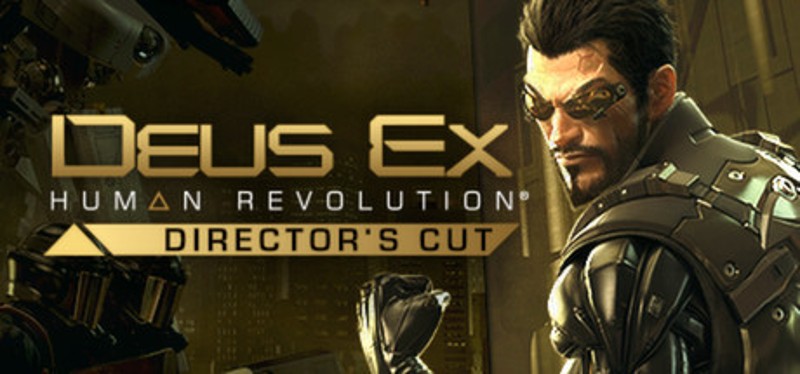
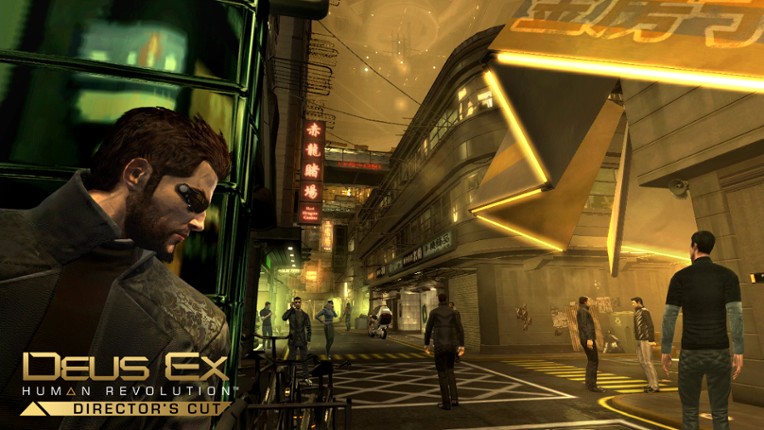
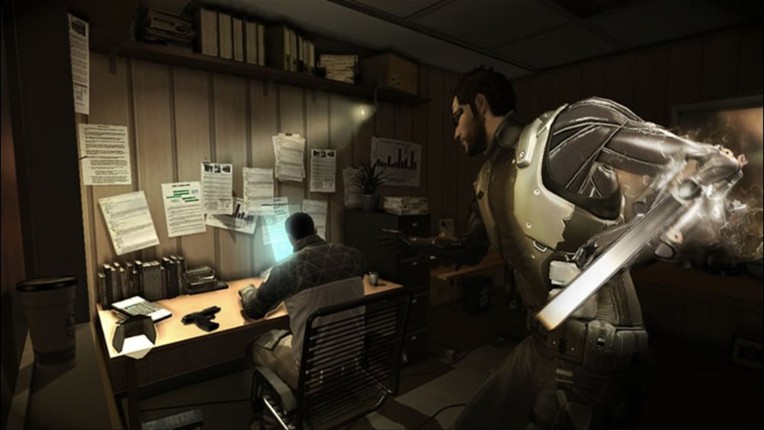
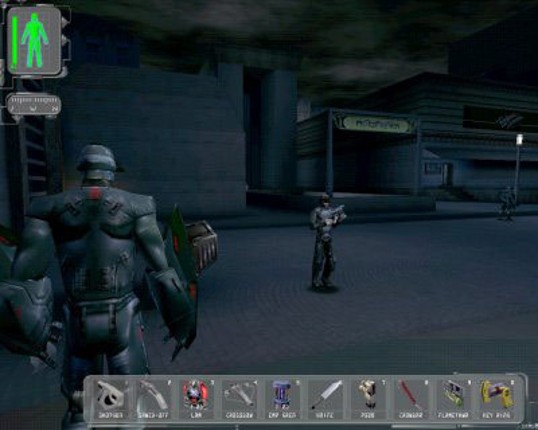
Both games hinge on meaningful player choice shaping narrative outcomes—your decisions cascade into branching story paths rather than cosmetic variations. This matters because it rewards replaying the entire campaign to explore fundamentally different scenarios.
They also share a first-person perspective paired with real-time tactical gameplay, letting you approach combat as stealth, hacking, or direct action depending on your build.
The tradeoff: Mass Effect's cinematic squad-based third-person combat and romance depth give way to Deus Ex's solo infiltration and philosophical sci-fi worldbuilding focused on transhumanism rather than relationships.
Pick this up if you crave choice-driven sci-fi narratives with mechanical flexibility, but expect a more austere, introspective experience than Mass Effect's ensemble drama—and be prepared for dated performance and occasionally clunky mechanics.
If you enjoyed this game, see our list of games similar to Deus Ex: Human Revolution.
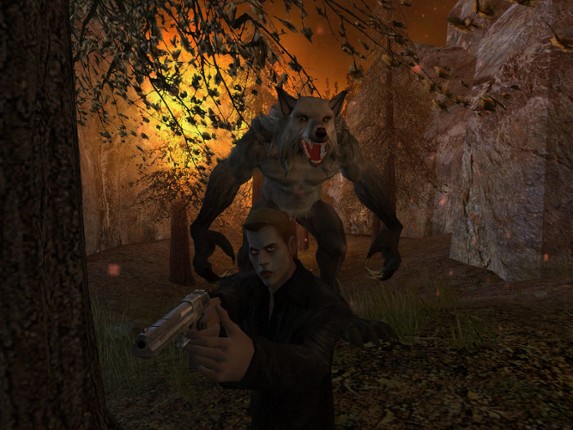
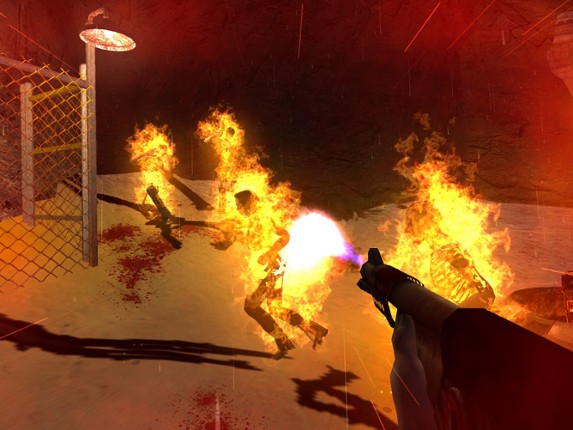
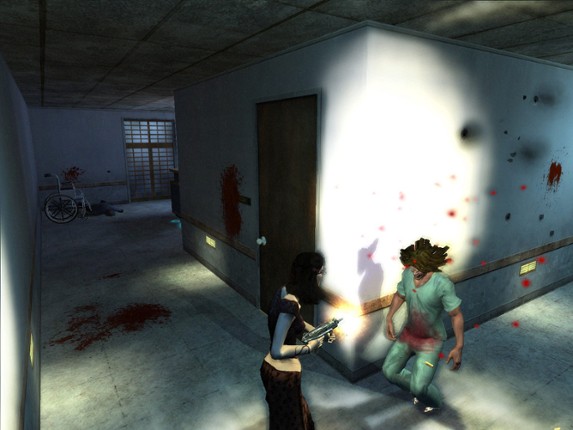
A first- and third-person Western RPG based on the Vampire: The Masquerade tabletop RPG with a heavy emphasis on character building and role-playing, in which the player embodies a fledgling vampire under the guidance of vampire prince Sebastian LaCroix. The player must serve the prince while getting to know the various factions of vampires in Los Angeles and forming their own political views. If you enjoyed this game, see our list of games similar to Vampire: The Masquerade - Bloodlines.
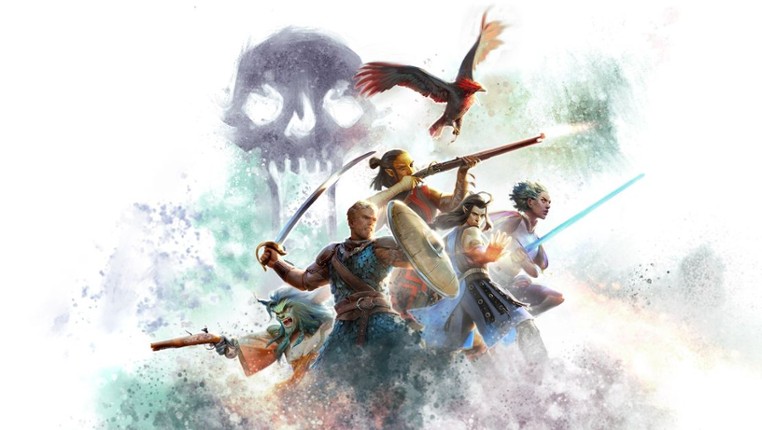
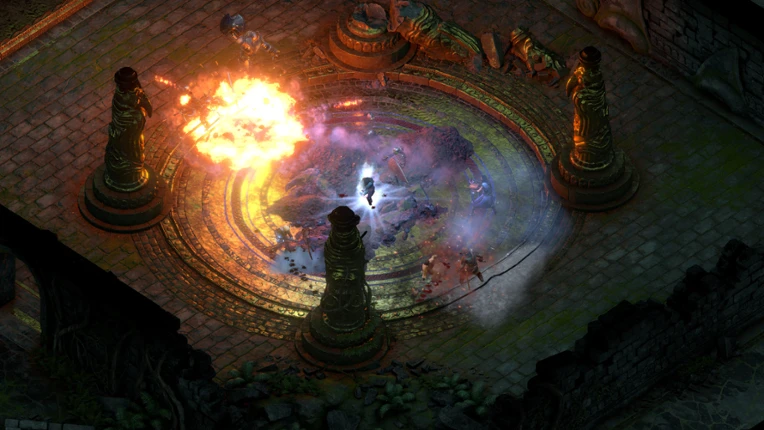
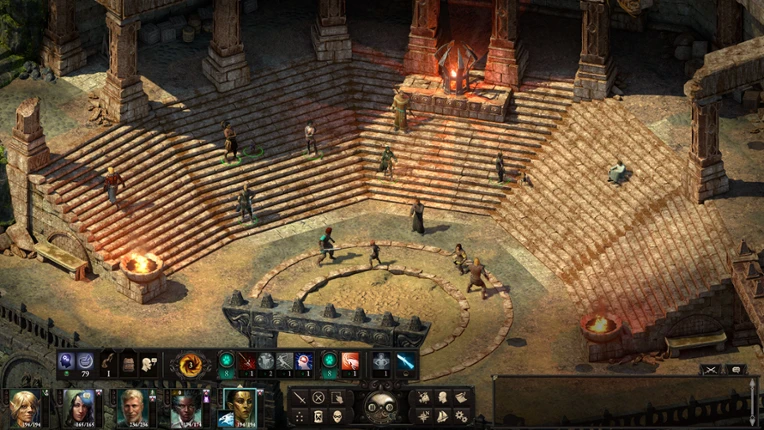
The Obsidian Edition includes all 3 of the major paid DLCs included in the Season Pass as well as the Explorer's Pack If you enjoyed this game, see our list of games similar to Pillars of Eternity II: Deadfire.

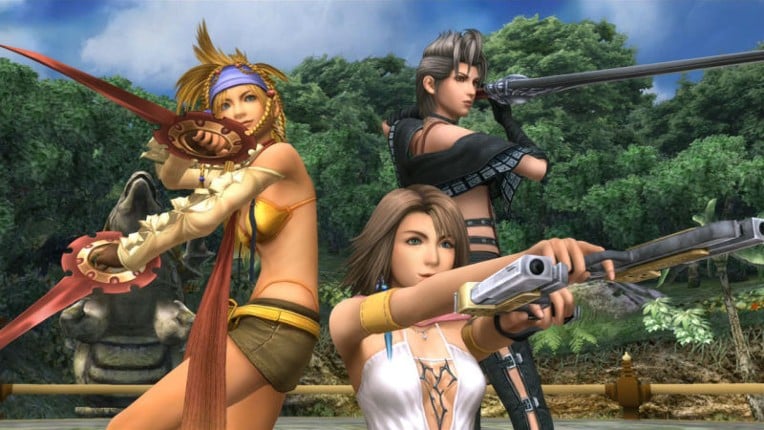
The core link here is the centralized, character-driven journey, where your party’s interpersonal bonds directly mirror the stakes of the overarching narrative. These relationships matter because they ground the high-concept world-building in genuine emotional stakes.
You lose the Mass Effect real-time tactical shooting, trading it for a strictly turn-based combat system that prioritizes long-term party strategy over reflexive aim. The focus shifts from moral dialogue wheels to a more linear, cinematic unfolding of destiny.
Pick this up if you want the deep social dynamics and epic, planet-hopping scale of the Normandy crew, but can live without the third-person cover-shooter mechanics.
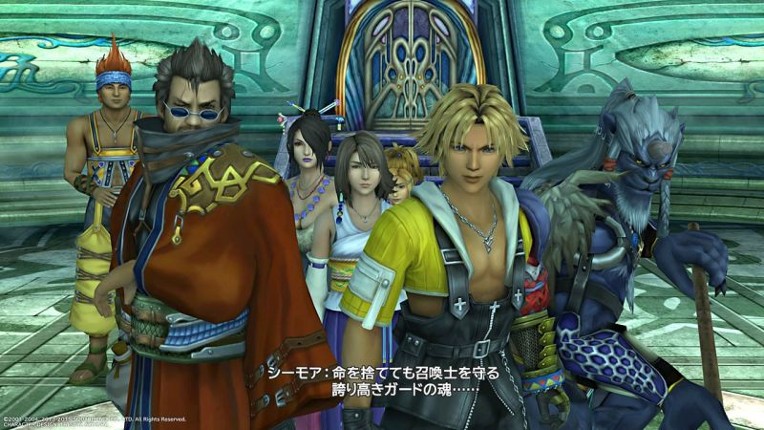
If you enjoyed this game, see our list of games similar to Final Fantasy X/X-2 HD Remaster.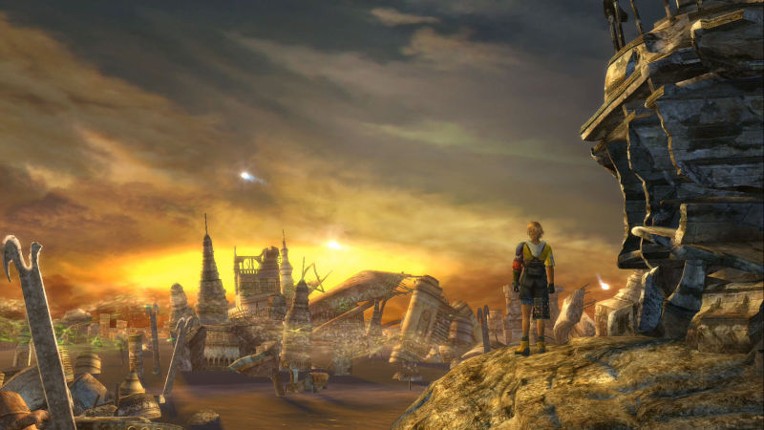
This Collector's Edition includes: - Deus Ex: Mankind Divided (Day One Edition) with the steelbook packaging - 9" Adam Jensen figurine - Artbook (physical, 48 pages) - Prism box packaging If you enjoyed this game, see our list of games similar to Deus Ex: Mankind Divided.
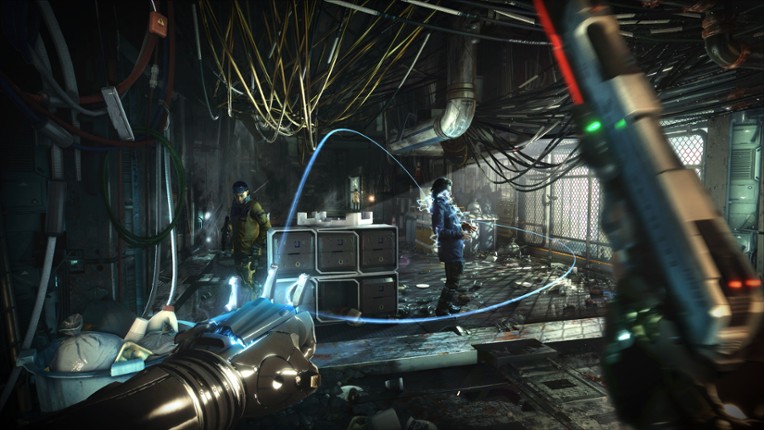
BioShock Infinite: The Complete Edition is a re-release of BioShock Infinite including all its downloadable content. If you enjoyed this game, see our list of games similar to BioShock Infinite.
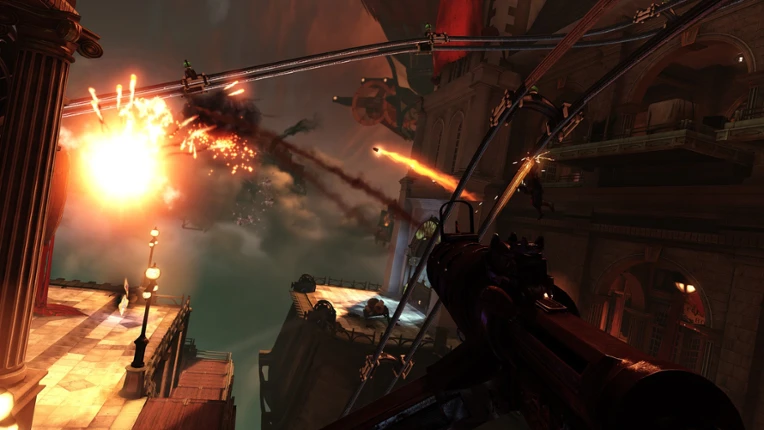
Prepare for the Future with Fallout 3: Game of the Year Edition, experience the most acclaimed game of 2008 like never before. Create a character of your choosing and descend into an awe-inspiring, post-apocalyptic world where every minute is a fight for survival. If you enjoyed this game, see our list of games similar to Fallout 3.
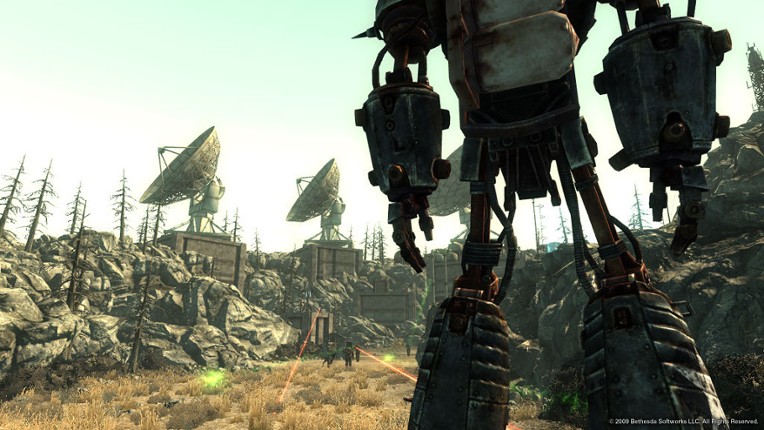
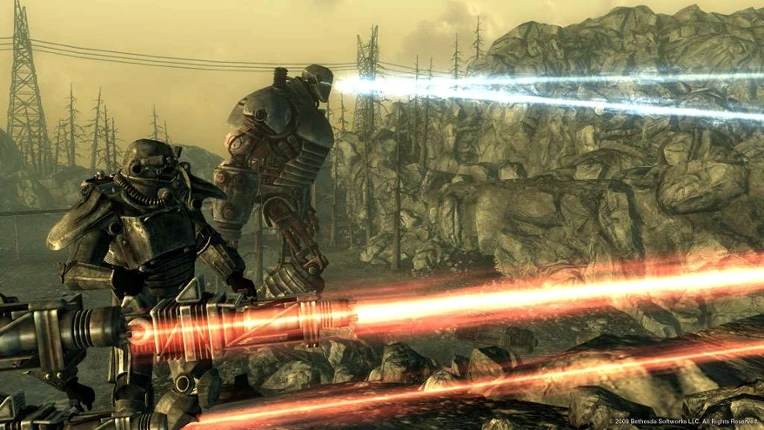
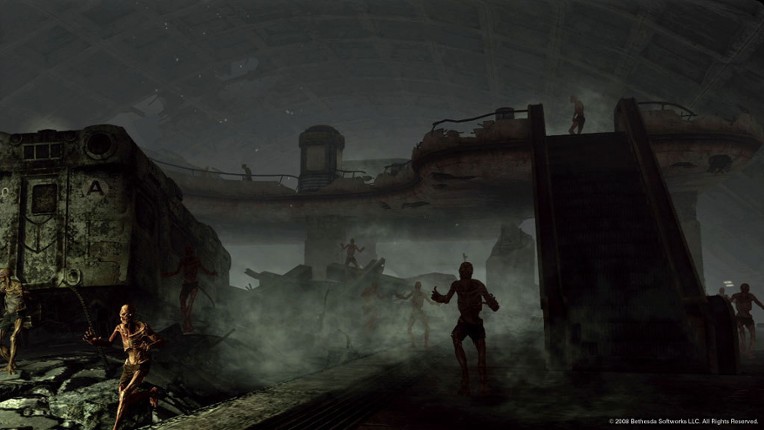
Metro Exodus is an epic, story-driven first person shooter from 4A Games that blends deadly combat and stealth with exploration and survival horror in one of the most immersive game worlds ever created. Flee the shattered ruins of dead Moscow and embark on an epic, continent-spanning journey across post-apocalyptic Russia in the greatest Metro adventure yet. Explore the Russian wilderness in vas… If you enjoyed this game, see our list of games similar to Metro Exodus.
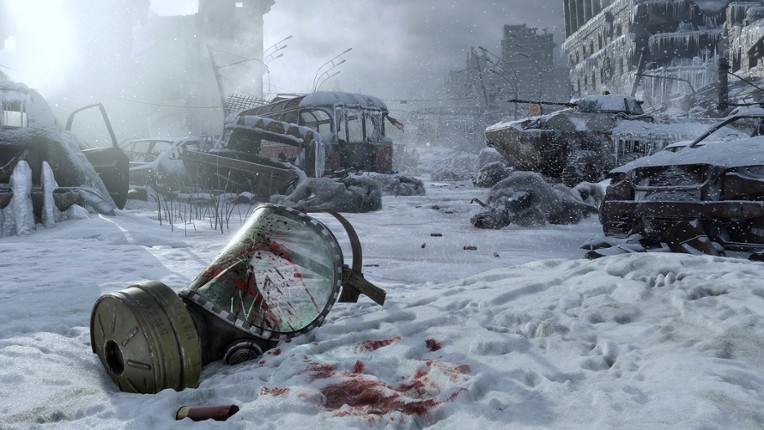
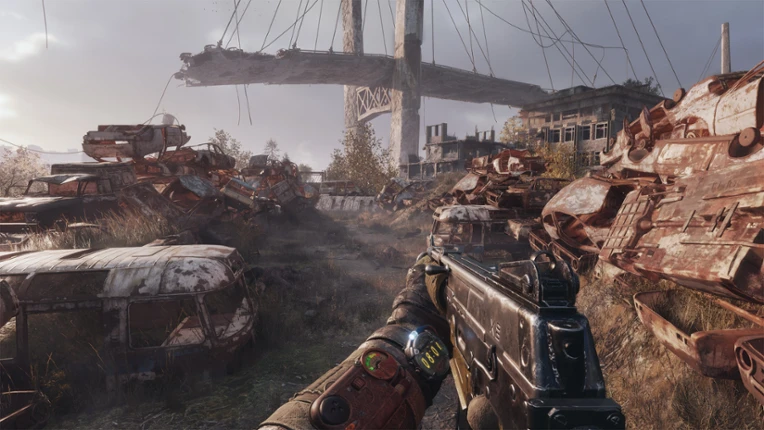
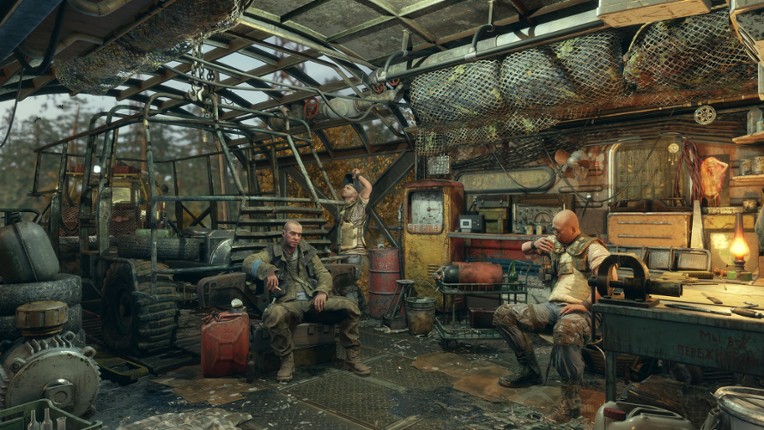
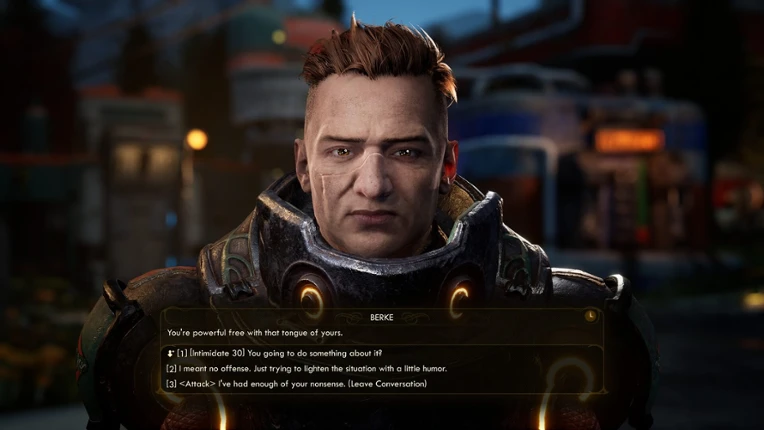
The Outer Worlds: Spacer’s Choice Edition is the ultimate way to play the award-winning RPG from Obsidian Entertainment and Private Division. Including the base game and all DLC, this remastered masterpiece is the absolute best version of The Outer Worlds. If you enjoyed this game, see our list of games similar to The Outer Worlds.
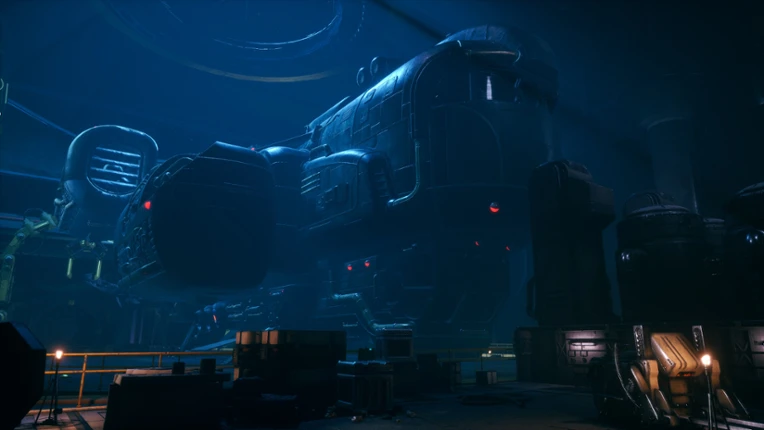
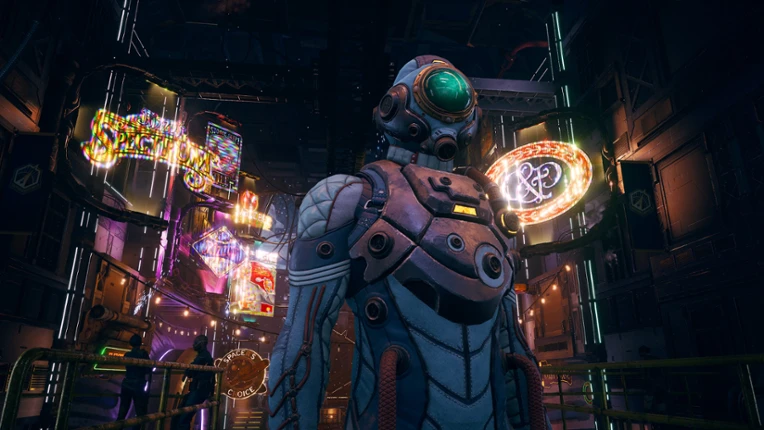

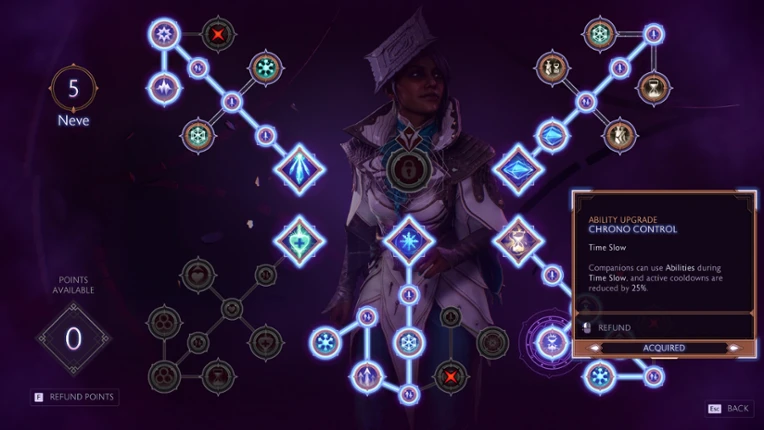
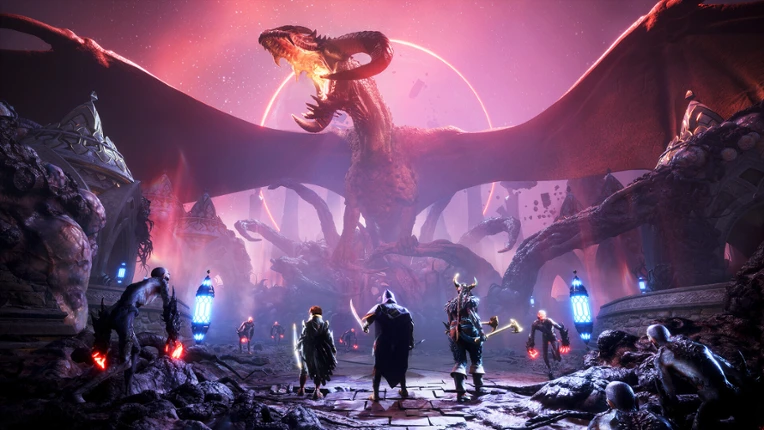
Includes: Blood Dragon Cosmetic Armor Sets A blood dragon armor cosmetic set for Rook - 1 per class (Warrior, Mage, Rogue). If you enjoyed this game, see our list of games similar to Dragon Age: The Veilguard.
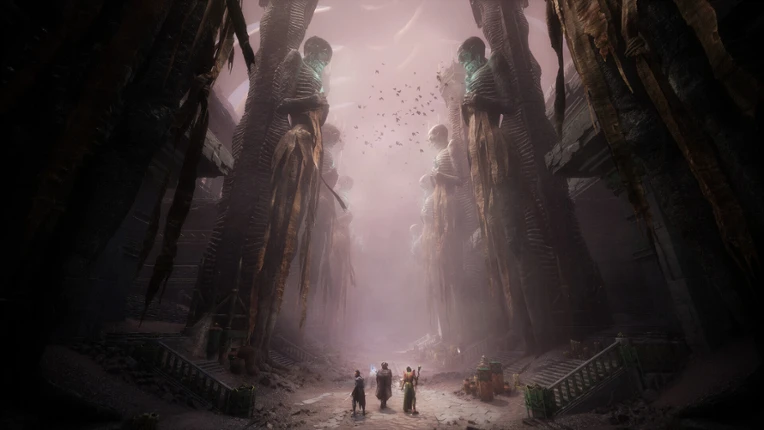
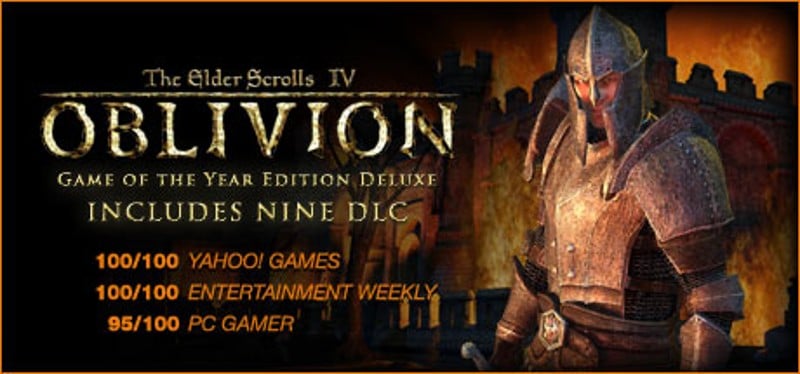
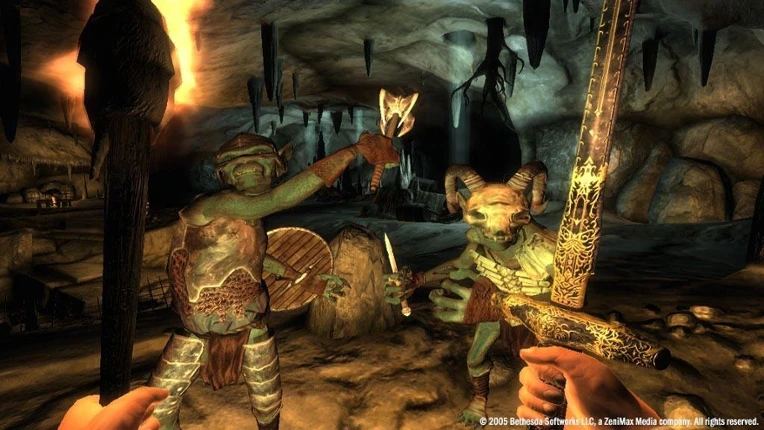
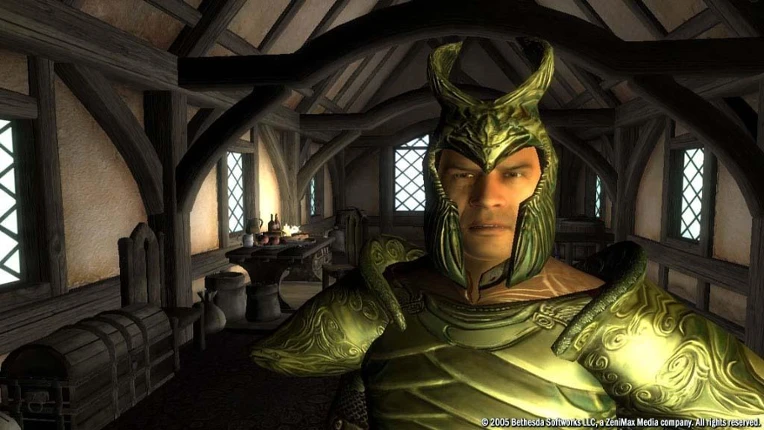
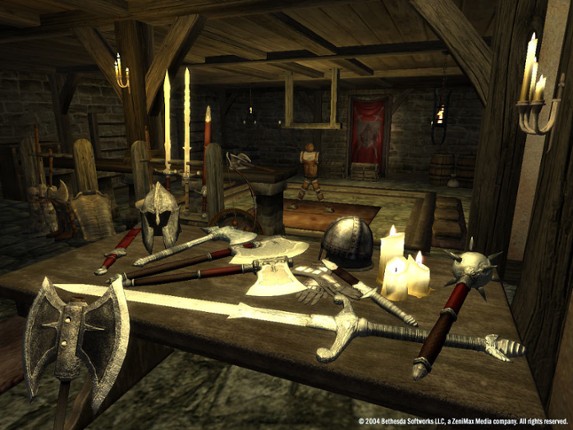
The Elder Scrolls IV: Oblivion Game of the Year Edition presents one of the best RPGs of all time like never before. Step inside the most richly detailed and vibrant game-world ever created. With a powerful combination of freeform gameplay and unprecedented graphics, you can unravel the main quest at your own pace or explore the vast world and find your own challenges. If you enjoyed this game, see our list of games similar to The Elder Scrolls IV: Oblivion.
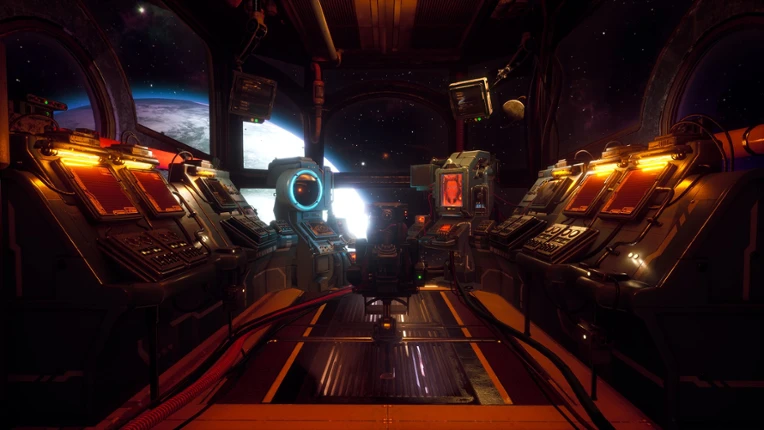
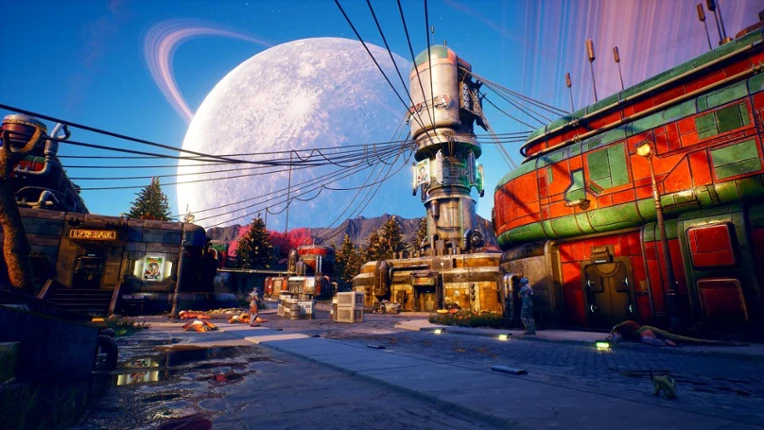
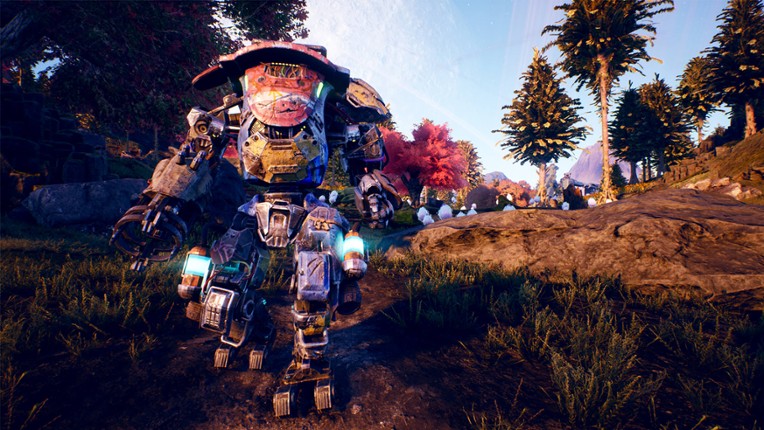




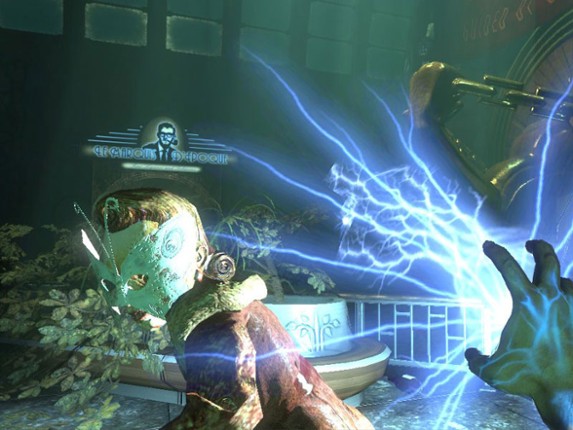
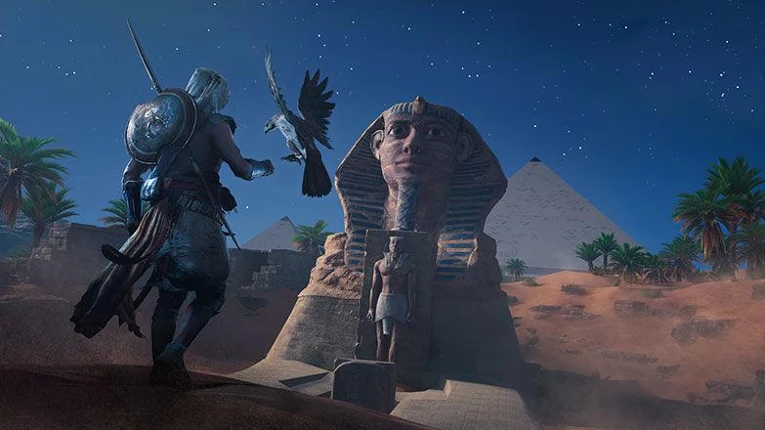
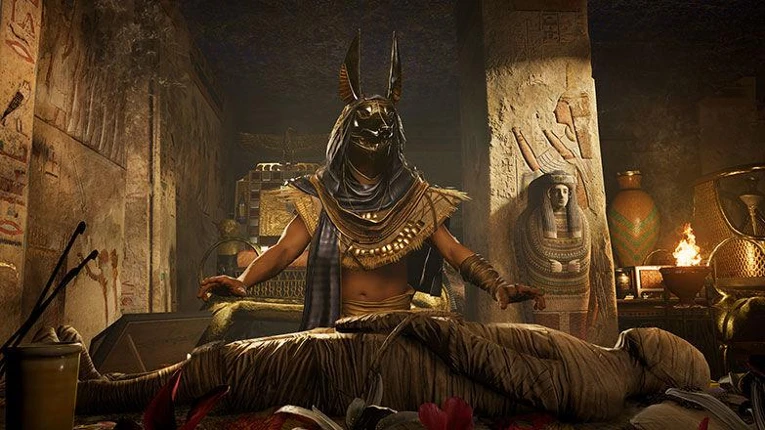
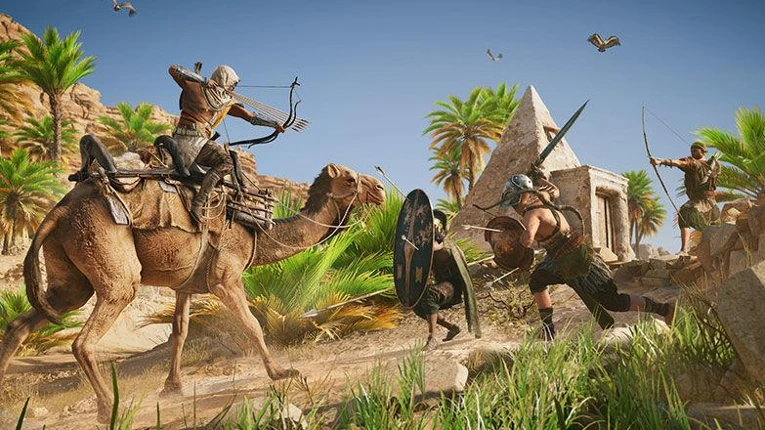
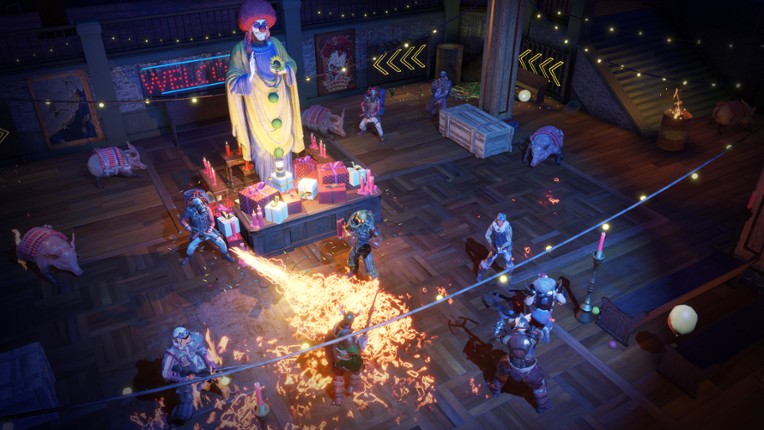
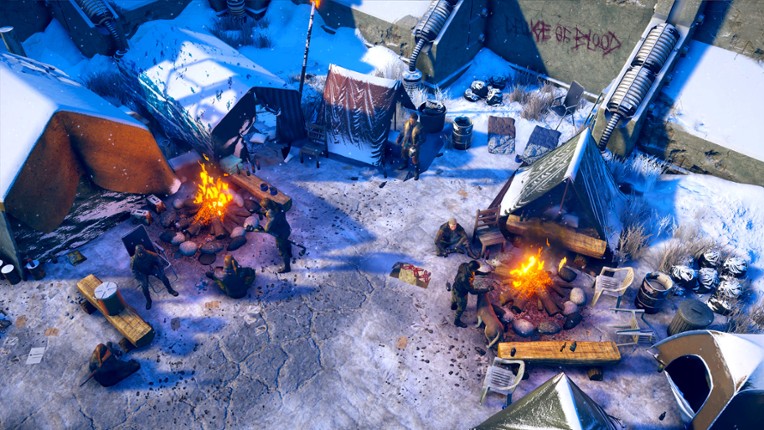
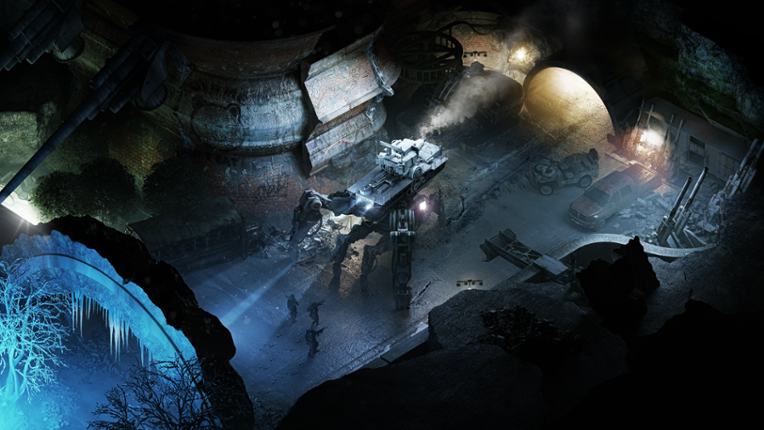

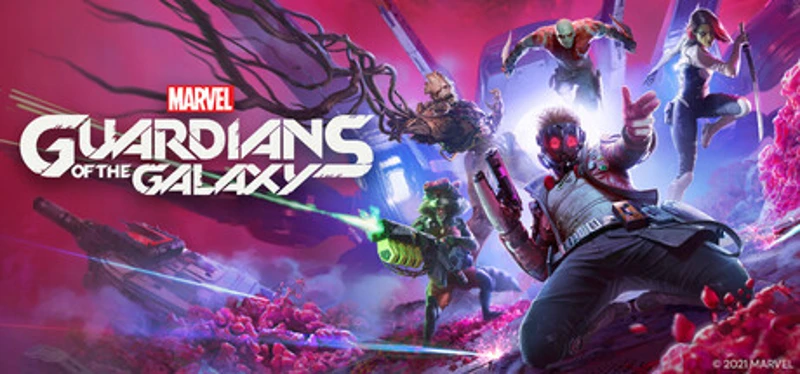
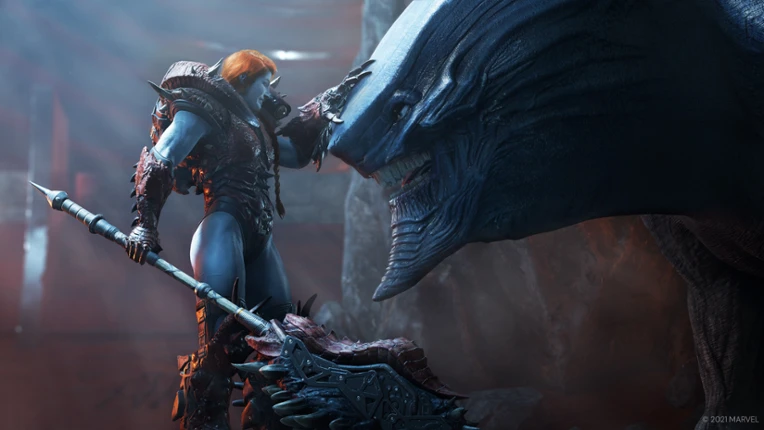
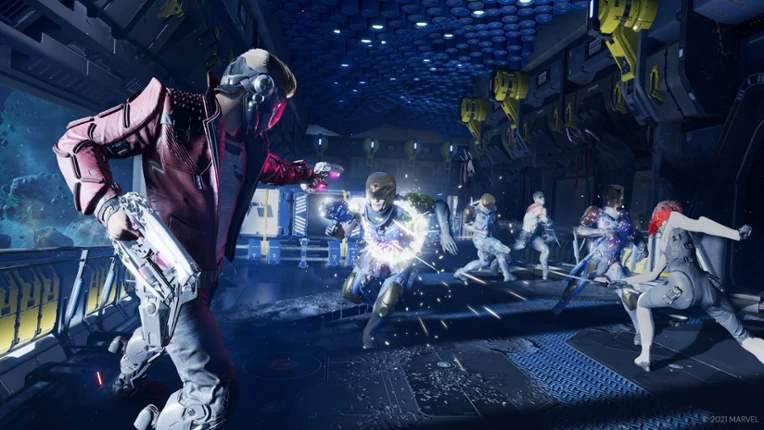
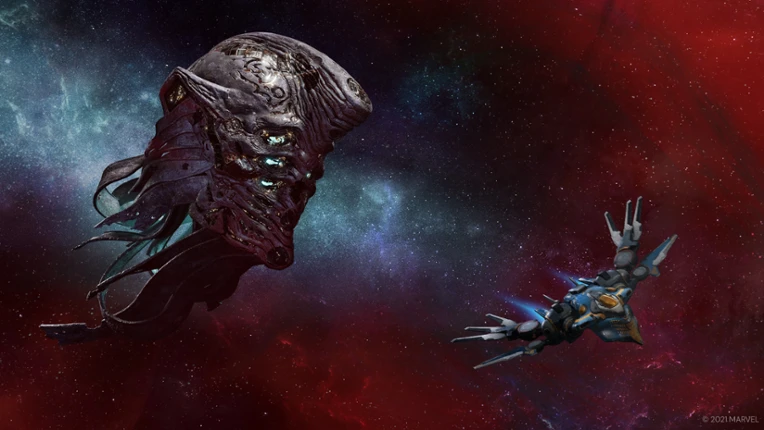
You are Star-Lord. The fate of the galaxy and the Guardians is in your hands. Time to show the universe what you’re made of. You got this. Probably. If you enjoyed this game, see our list of games similar to Marvel's Guardians of the Galaxy.
Dreamfall Chapters is an episodic, story-driven adventure game about choices and consequences, dreams and reality, magic and science, chaos and order, and the broken heroes whose actions will shape the course of history in all worlds. With a brand new storyline, Dreamfall Chapters introduces new players to The Longest Journey Saga, while returning players will get the conclusion they have been wai… If you enjoyed this game, see our list of games similar to Dreamfall Chapters.
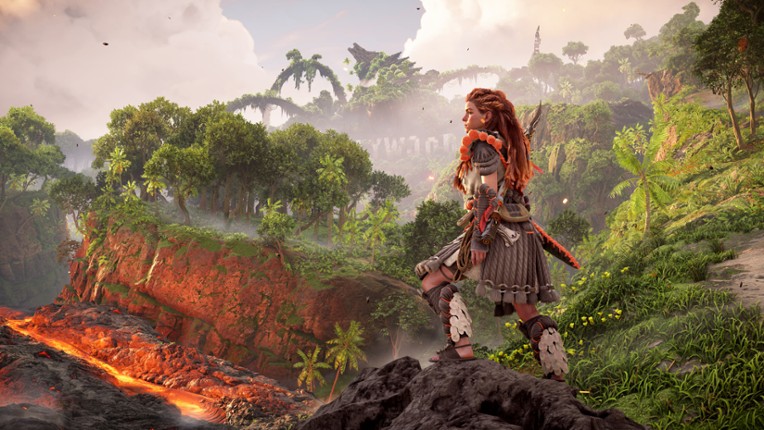
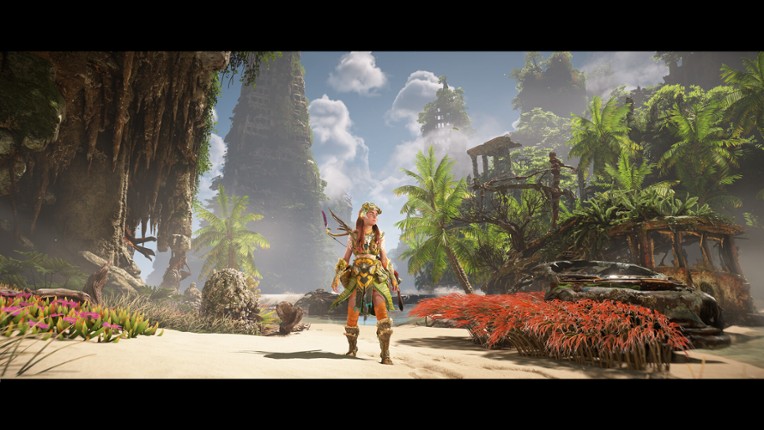
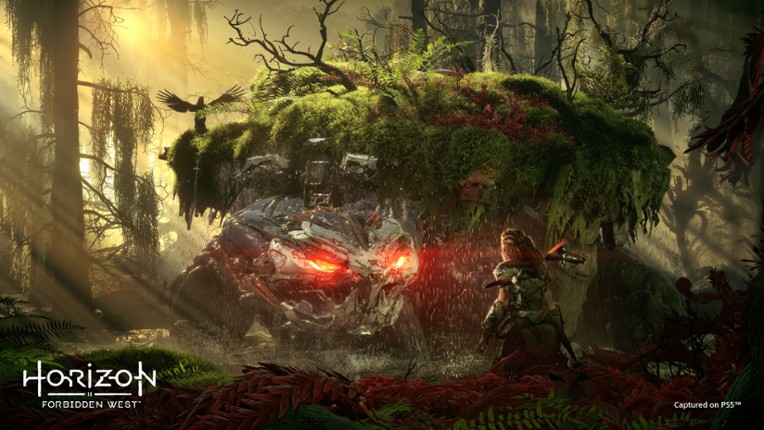
Horizon Forbidden West continues Aloy’s story as she moves west to a far-future America to brave a majestic, but dangerous frontier where she’ll face awe-inspiring machines and mysterious new threats. If you enjoyed this game, see our list of games similar to Horizon Forbidden West.
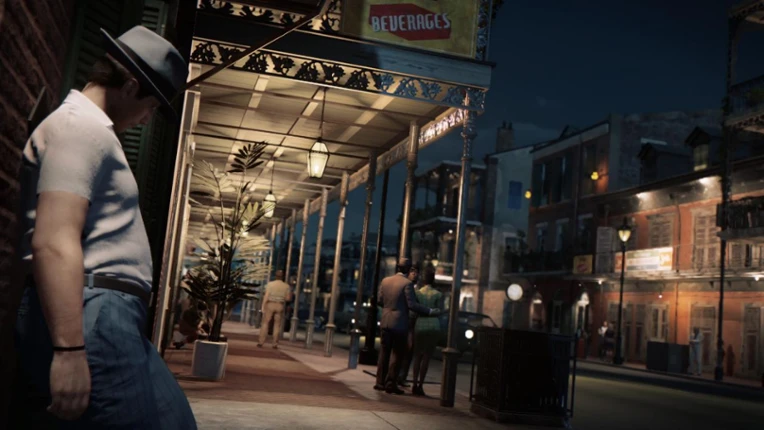

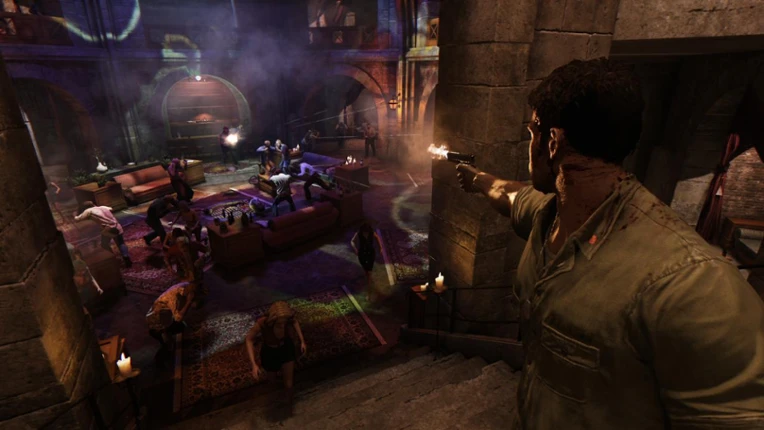
(Online Interactions Not Rated by the ESRB) The Games on Demand version supports English, French, and Spanish. In BioShock 2, you step into the boots of the most iconic denizen of Rapture, the Big Daddy, as you explore through the decrepit and beautiful fallen city, chasing an unseen foe in search of answers and your own survival If you enjoyed this game, see our list of games similar to BioShock 2.

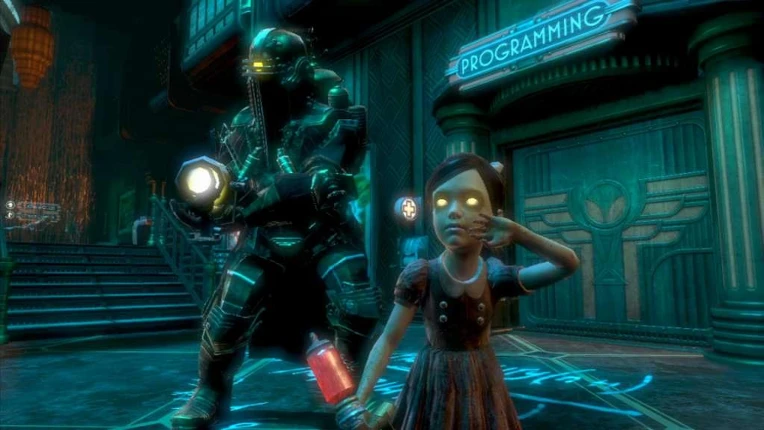
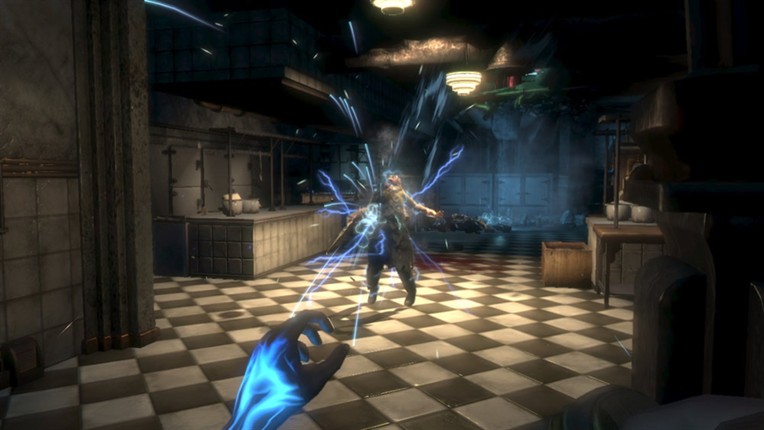
In this sci-fi masterpiece, explore and survive an alien-infested space station If you enjoyed this game, see our list of games similar to null.

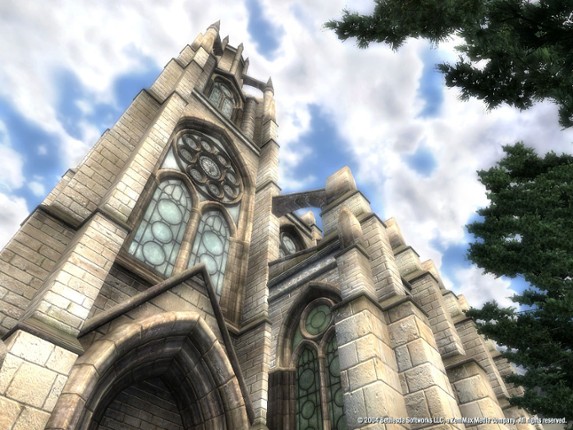
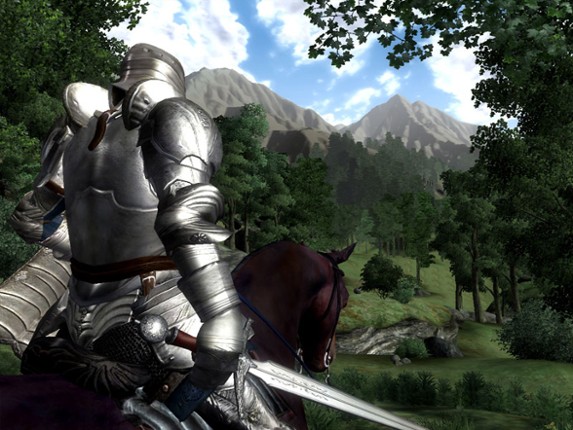
After the mysterious and untimely death of the Emperor, desperate factions vie for control of Tamriel's throne. With the empire ready to crumble, the gates of Oblivion open and demons march upon the land, laying waste to everything in their path. To turn the tide of darkness the player must find the lost heir to the throne and unravel the sinister plot that threatens to destroy all of Tamriel. If you enjoyed this game, see our list of games similar to The Elder Scrolls IV: Oblivion.


Mass Effect 2 is the natural starting point with incredible story and character loyalty missions that add emotional depth. For deeper narrative complexity, Star Wars: Knights of the Old Republic II explores morality through rich companion arcs and multiple endings. Dragon Age: Origins offers branching narratives where your choices meaningfully reshape companion relationships and the overall story.
Mass Effect 3 features an active cooperative multiplayer mode that extends gameplay beyond the campaign. Mass Effect Andromeda also includes robust online co-op options for squad-based missions. If you prefer single-player with squad mechanics, Dragon Age: Inquisition offers co-op gameplay alongside its rich single-player campaign and tactical combat.
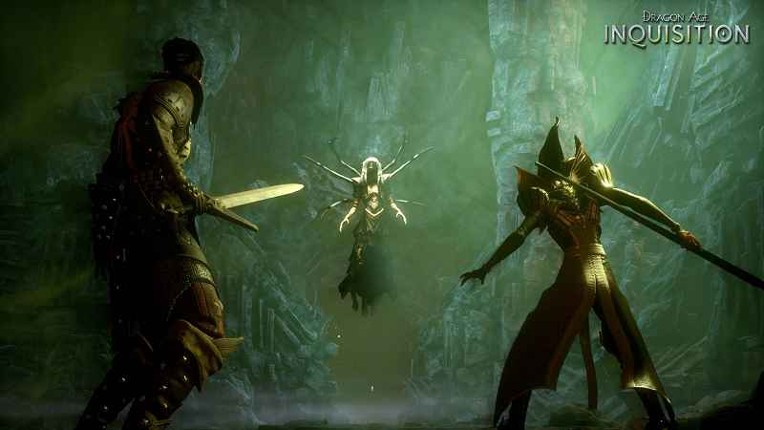
Dragon Age: Inquisition and Dragon Age: Origins both feature real-time combat with tactical pause, letting you strategize mid-battle like Mass Effect's system. Star Wars: Knights of the Old Republic offers similar real-time combat with pause functionality. Baldur's Gate 2 provides deeper tactical control for those who prefer strategic gameplay.
Unfortunately, the top story-driven games comparable to Mass Effect—like Mass Effect 2, Dragon Age: Origins, and Star Wars: Knights of the Old Republic—are premium titles. However, older classics like KOTOR frequently go on sale for under $10 during Steam sales, offering exceptional value for story-rich space RPGs.
Star Wars: Knights of the Old Republic II explores dark themes through meaningful moral choices between light and dark side paths. Dragon Age: Origins features a gritty, dark fantasy setting where your decisions have serious consequences. Both games emphasize how player choices shape character development and companion relationships in morally complex ways.
Mass Effect Andromeda lets you play as a female protagonist with extensive character customization options. Dragon Age: Inquisition and Dragon Age: Origins also support female characters with deep customization. Star Wars: Knights of the Old Republic offers character creation freedom, letting you build diverse protagonists with varied backgrounds and abilities.


 View Game