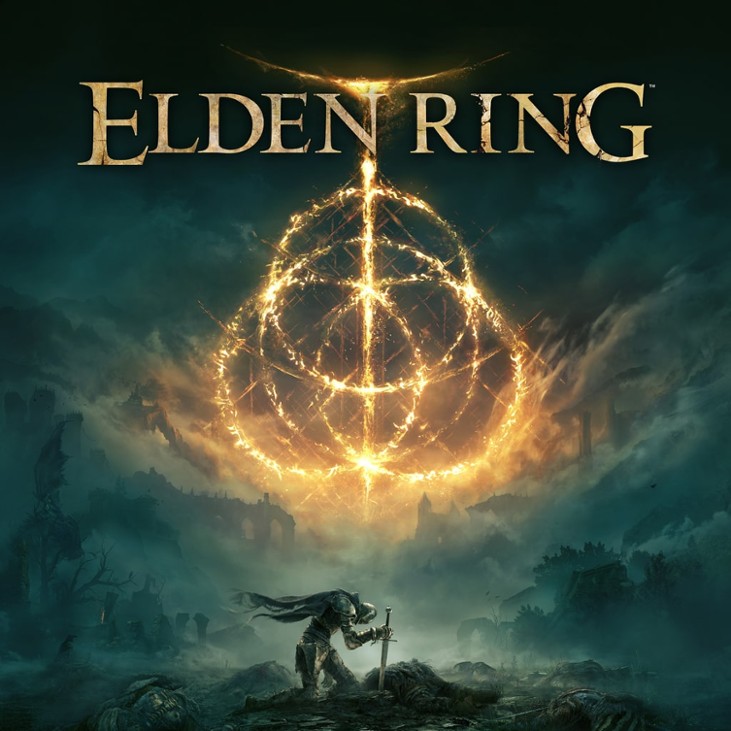


Games like ELDEN RING
There's nothing quite like the feeling of dropping into the Lands Between for the first time, and if you've fallen hard for Elden Ring, you're probably already hunting for games like Elden Ring that scratch the same itch. FromSoftware's masterpiece blends open-world exploration with punishing, build-driven combat and co-op summons, wrapped in a grim, atmospheric world that rewards curiosity over hand-holding. The good news: plenty of other titles capture that same magic.
What makes Elden Ring special isn't just the difficulty—it's how that difficulty intersects with freeform exploration, deep character building, and a co-op system that lets friends jump in to help with brutal bosses. The cryptic, lore-heavy storytelling forces players to piece together the world themselves, while the total absence of microtransactions signals a game built for players first. That combination of freedom, challenge, and craftsmanship is exactly what people search for when looking for something similar.
What Makes a Good Alternative to Elden Ring?
- Souls-like combat systems — Punishing, stamina-based combat that rewards patience and build experimentation is central to Elden Ring's appeal, so any alternative needs tight, deliberate action rather than button-mashing.
- Online or local co-op — Elden Ring's summon system lets friends jump in to help with brutal fights, and the best alternatives offer similar co-op or multiplayer options for shared victories.
- Atmospheric, lore-driven worlds — Cryptic storytelling and item descriptions that hint at a larger history give Elden Ring its mysterious pull, so alternatives should reward exploration with environmental storytelling rather than spelling everything out.
- Deep character customization — The freedom to build a mage, tank, or dex-focused warrior keeps runs fresh, and games with similar build variety extend that same replay value long after the credits roll.
- Complete, respectful game design — No microtransactions and a focus on a finished, polished experience mirror the integrity players praised most about Elden Ring.
Top Picks If You Enjoyed Elden Ring
If you want the closest experience, DARK SOULS III delivers similar open-world exploration with refined, punishing combat. Sekiro: Shadows Die Twice trades builds for precision swordplay and stealth. Dark Souls: Remastered and Dark Souls II offer the series' foundational lore and atmosphere. For something different, Hollow Knight brings souls-like difficulty to a 2D metroidvania, while Remnant 2 mixes co-op shooting with RPG progression. These are some of the best games like Elden Ring available today.
Every recommendation below is ranked by similarity to Elden Ring using real player data on genres, mechanics, and what fans praised most. Browse the full list to find your next obsession.
- 90%Game Brain ScoreMost mentioned positive aspects:gameplay, storyMost mentioned negative aspects:grinding, optimization94% User Score 161,869 reviewsCritic Score 86%45 reviews
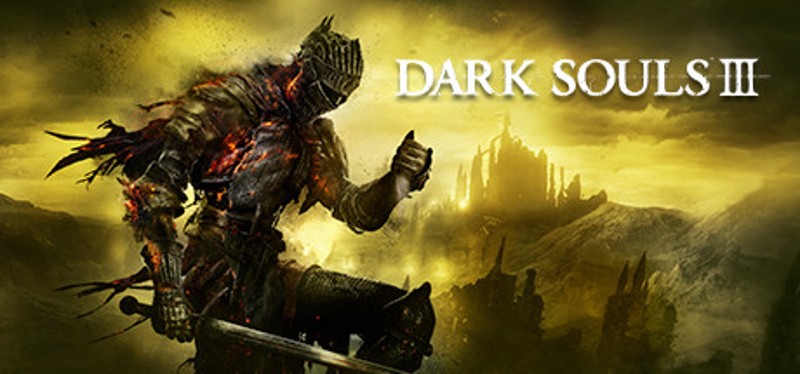
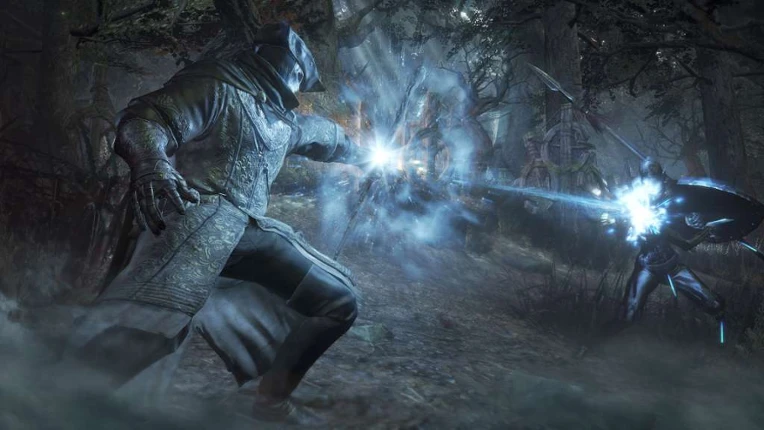
Every hard-won boss victory in Elden Ring trains you to read attack cues, manage stamina, and turn a failed attempt into a workable strategy—habits DARK SOULS III rewards immediately. Its tightly tuned combat, flexible character builds, and demanding bosses create the same satisfying loop of experimentation, defeat, and mastery.
Both games also make exploration and lore feel like active investigation: optional paths, hidden items, and cryptic clues reward players who inspect corners and piece together meaning themselves. Online co-op and PvP add another layer, letting you summon help for a wall of a boss or test a build against other players.
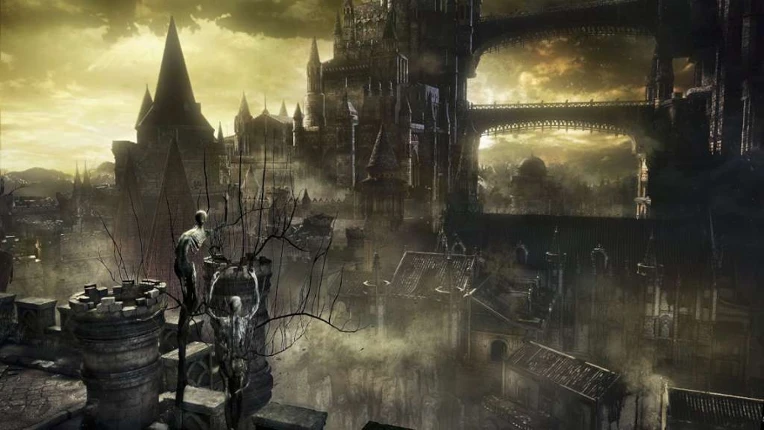
The tradeoff is scale. Rather than Elden Ring’s sprawling open world and freedom to ride away and level up, DARK SOULS III offers a more focused, interconnected route, making each shortcut, checkpoint, and encounter feel deliberately placed; that concentration can reduce the overwhelming grind some Elden Ring players feel. Its orchestral soundtrack and gothic darkness shift the emphasis from vast spectacle to pressure and atmosphere.
Best for players who chase mastery, build experimentation, and carefully earned progress over boundless exploration.
If you enjoyed this game, see our list of games similar to DARK SOULS III.View Game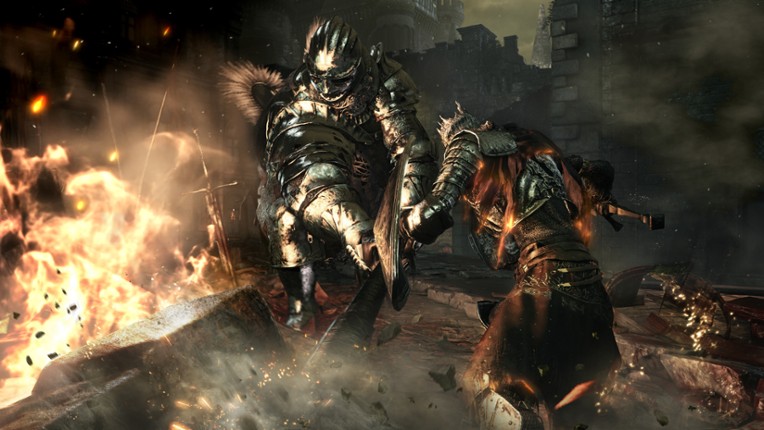
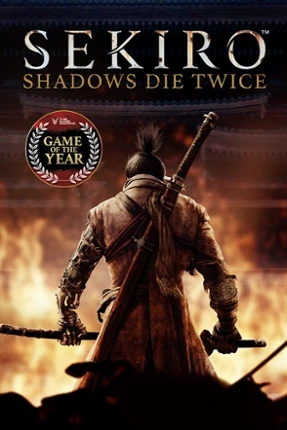
- 87%Game Brain ScoreMost mentioned positive aspects:gameplay, storyMost mentioned negative aspects:grinding, stability94% User Score 144,510 reviewsCritic Score 80%74 reviews
Both games demand you internalize enemy patterns and react with precision rather than simply outlevel your opponents. This creates the same rhythm of failure-and-mastery that makes Elden Ring's combat so rewarding—except Sekiro strips away build variety to force a singular, razor-focused duel mentality.
You'll recognize the stamina-management dance and punish-window timing that define Elden Ring's toughest encounters. Sekiro weaponizes these mechanics even more aggressively: every boss demands you learn their moveset cold, then execute your defense flawlessly. The story-rich, single-player structure also mirrors Elden Ring's narrative approach—cryptic, atmospheric, and woven directly into world exploration rather than cutscene dumps.
The crucial difference is scope: where Elden Ring lets you roam and grind to overcome difficulty spikes, Sekiro locks you into specific boss gauntlets with no stat-padding escape route. This removes the tedium some Elden Ring players criticized, but demands sharper mechanical discipline.
Best for players who found Elden Ring's hardest bosses more satisfying than its easier zones—those who value perfected execution over experimental builds.
If you enjoyed this game, see our list of games similar to Sekiro: Shadows Die Twice.View Game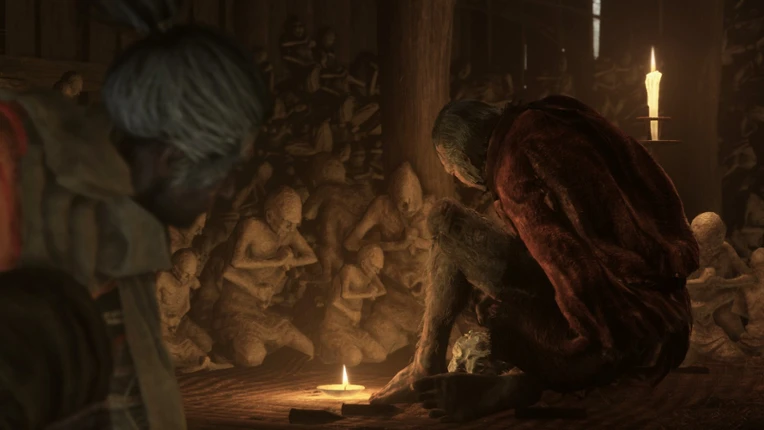
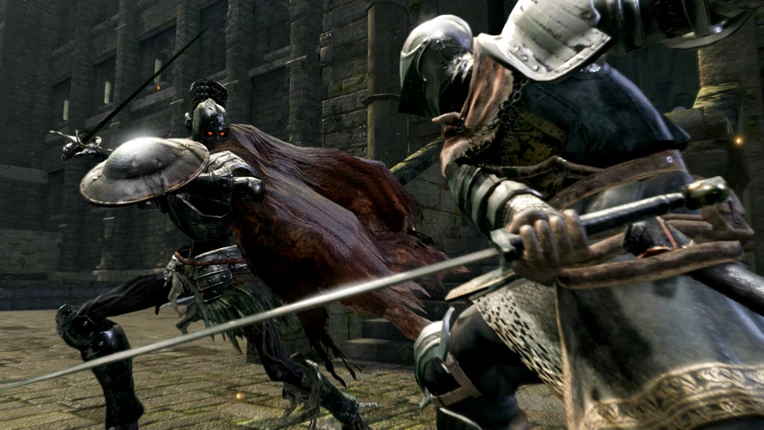
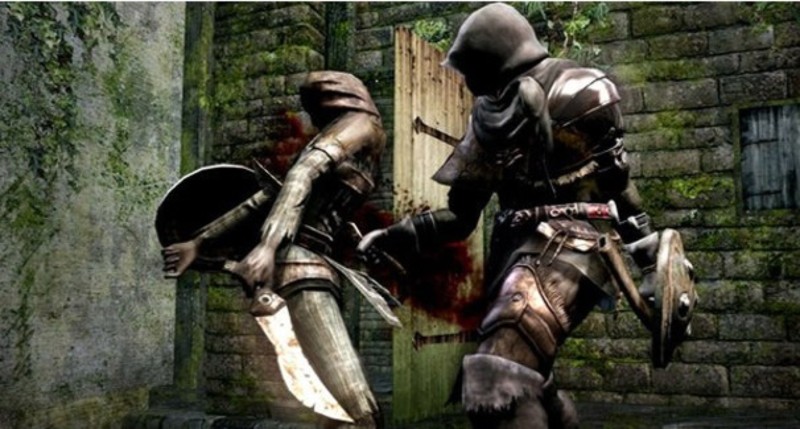
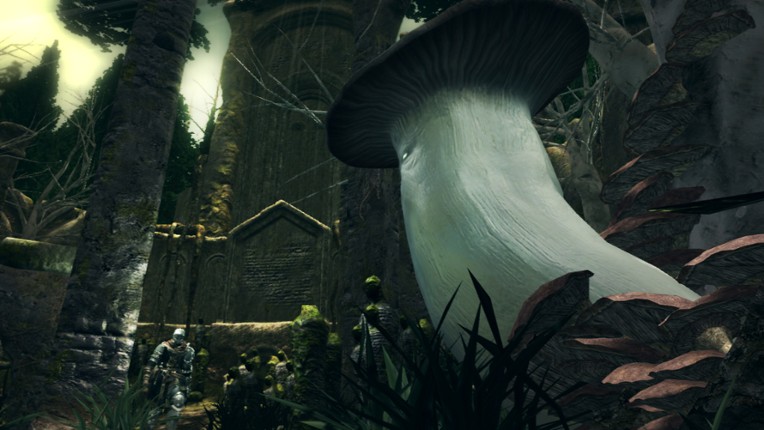
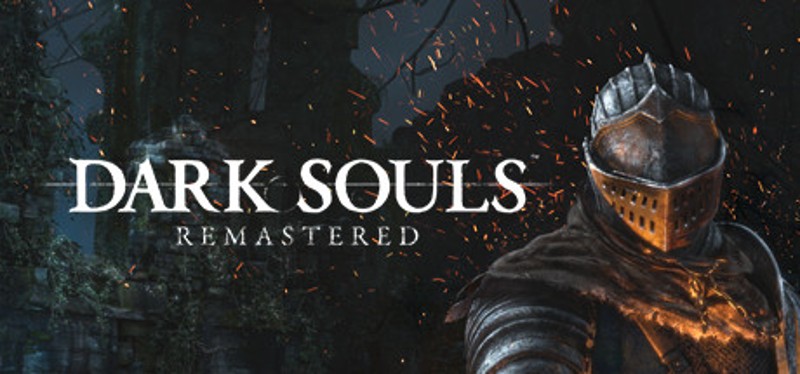
- 86%Game Brain ScoreMost mentioned positive aspects:gameplay, graphicsMost mentioned negative aspects:stability, grinding91% User Score 74,500 reviewsCritic Score 81%56 reviews
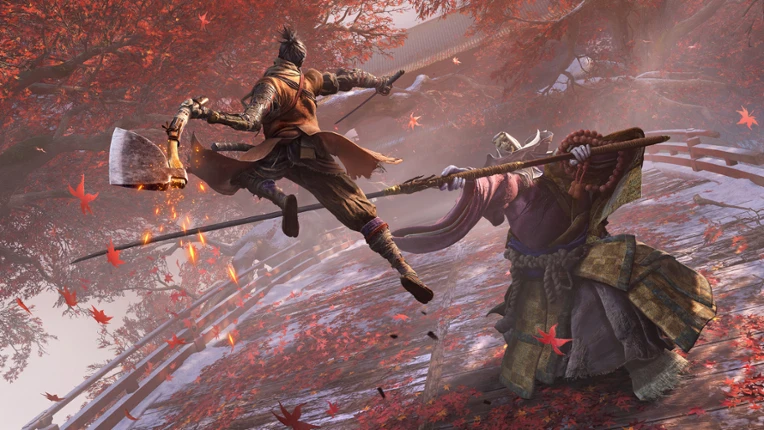
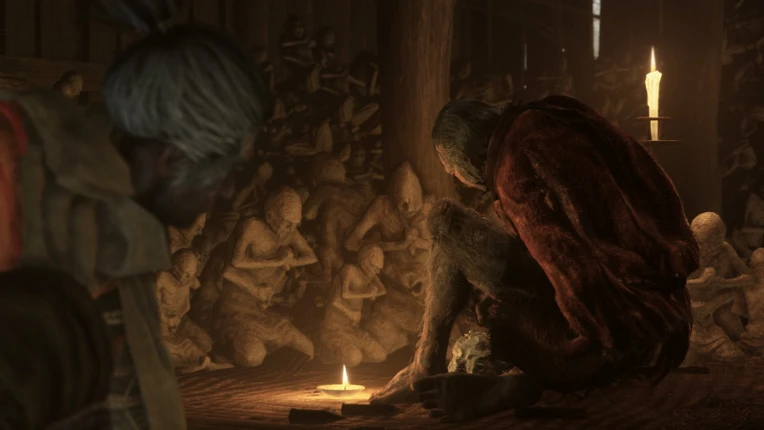
Surviving through pixel-perfect dodge rolls and calculating stamina expenditure during intense, high-stakes boss battles is a core thrill in both titles.
You will find the same deep character customization, alongside a cooperative summoning system that lets you bring in allies for brutal encounters. This multiplayer mechanic fosters a shared sense of community triumph, as overcoming a punishing boss alongside a phantom helper feels just as rewarding here. Furthermore, if you suffered from Elden Ring’s notorious PC stuttering and frame drops, this optimized classic provides a buttery-smooth 60 FPS performance.
Instead of a sprawling open world, this journey constricts you into a brilliant, interconnected vertical labyrinth where shortcuts serve as your fast travel. This tighter level design offers a masterclass in tension, making every unlocked gate feel like a massive victory. Best for players who prioritize meticulous, maze-like exploration and rock-solid performance over vast open horizons.
If you enjoyed this game, see our list of games similar to Dark Souls: Remastered.View Game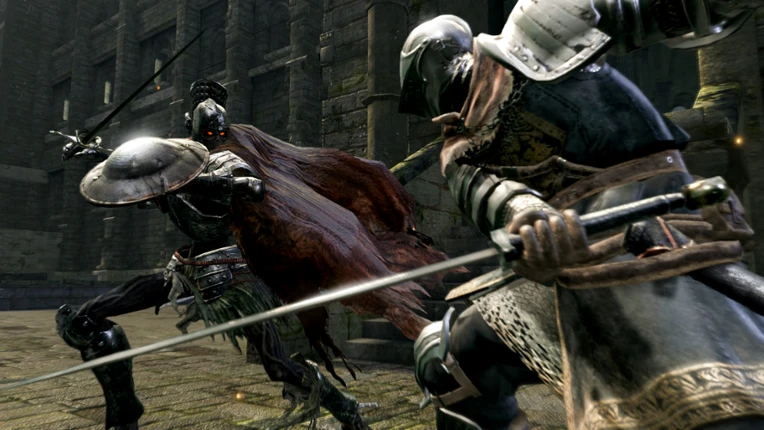
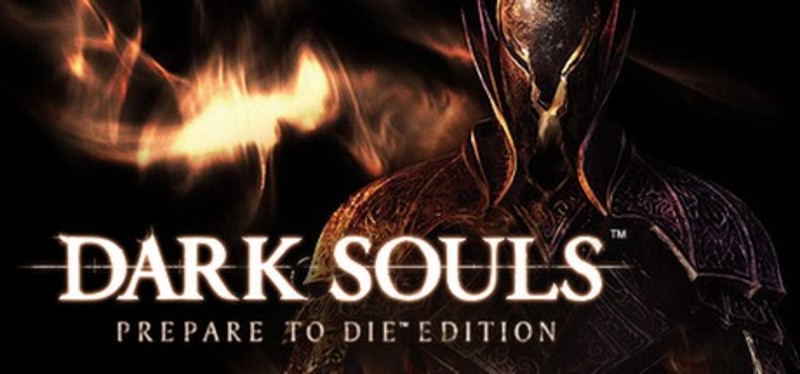
- 87%Game Brain ScoreMost mentioned positive aspects:story, gameplayMost mentioned negative aspects:optimization, grinding89% User Score 32,279 reviewsCritic Score 82%2 reviews
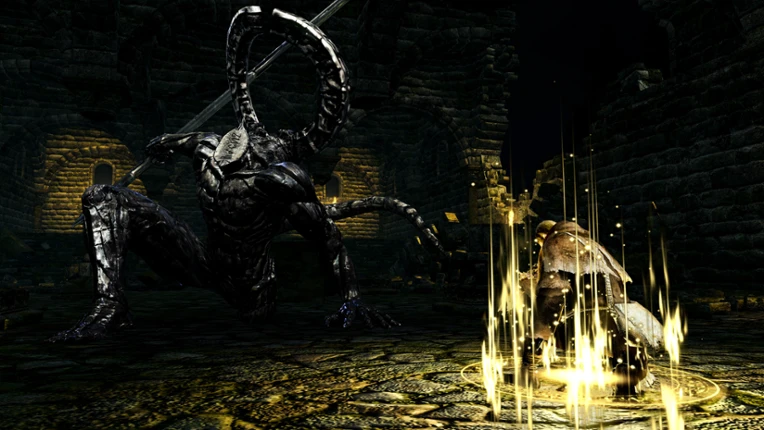
When a boss falls after deaths, the triumph feels the same in Elden Ring and Dark Souls: Prepare to Die Edition. Both games treat death as a lesson, not a penalty, in a world where perseverance is rewarded.
Stamina‑based combat demands timing of attacks, blocks, and dodges, mirroring Elden Ring's core combat feel. Interconnected levels reward exploration with shortcuts and bonfires, creating a loop of discovery and risk that feels familiar across both titles.
Dark Souls: Prepare to Die Edition offers a single, knit world rather than Elden Ring's sprawling map, guiding you through its dungeons with a clearer path. This trade‑off reduces travel fatigue, letting you focus on each encounter without wandering aimlessly.
Story unfolds via item descriptions and NPC quests, giving a more explicit narrative thread that may appeal to players frustrated by Elden Ring's cryptic lore. Best for those who want tight, punishing combat and a connected world, even if they sacrifice some open‑world freedom.
If you enjoyed this game, see our list of games similar to Dark Souls: Prepare to Die Edition.View Game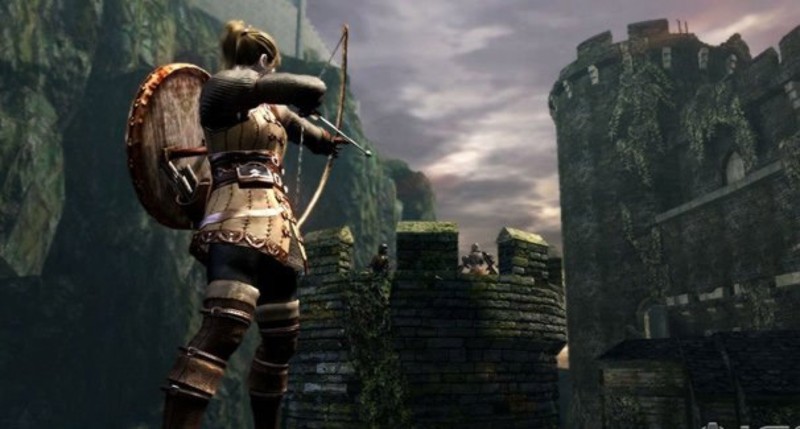
- 86%Game Brain ScoreMost mentioned positive aspects:gameplay, storyMost mentioned negative aspects:grinding, stability85% User Score 28,752 reviewsCritic Score 88%12 reviews
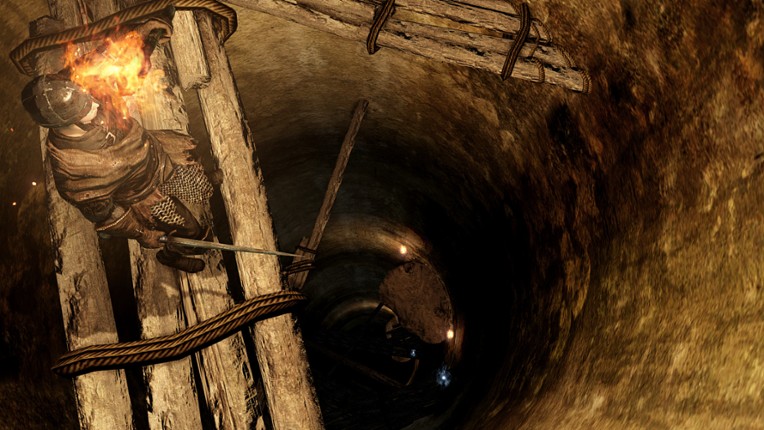
That moment in Elden Ring where you spot a distant bonfire-like grace and cautiously push toward it, unsure what's waiting — Dark Souls II is built entirely around that tension. Death still means clawing back your lost currency, and every new area demands the same patient, methodical approach that made Elden Ring's exploration so tense.
The build variety carries over directly: weapon arts, stat allocation, and PvP invasions all reward experimentation rather than locking you into one playstyle. Where it diverges is pacing — DS2's world is more linear and compartmentalized than the Lands Between's sprawl, which actually makes backtracking and mastery feel less overwhelming.
Players burned out on Elden Ring's grinding will find DS2's leveling curve more transparent, and its bosses telegraph punishable openings rather than demanding memorization of cryptic patterns.
Best for players who want the same unforgiving combat loop without an open world's scale anxiety.
If you enjoyed this game, see our list of games similar to Dark Souls II.View Game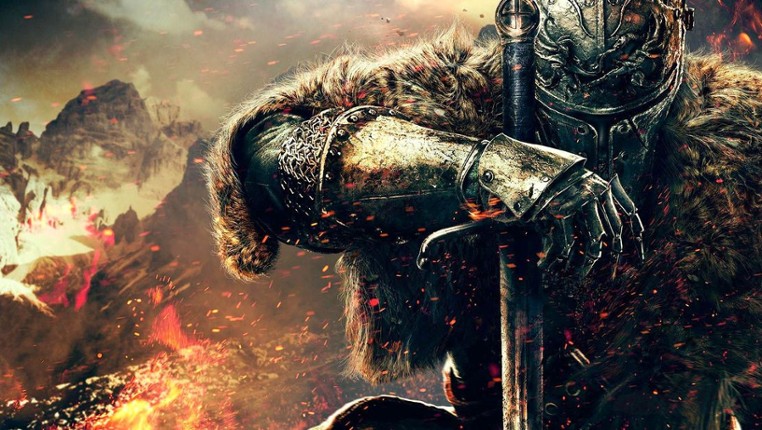
- 85%Game Brain ScoreMost mentioned positive aspects:gameplay, storyMost mentioned negative aspects:grinding, stability82% User Score 49,533 reviewsCritic Score 89%14 reviews
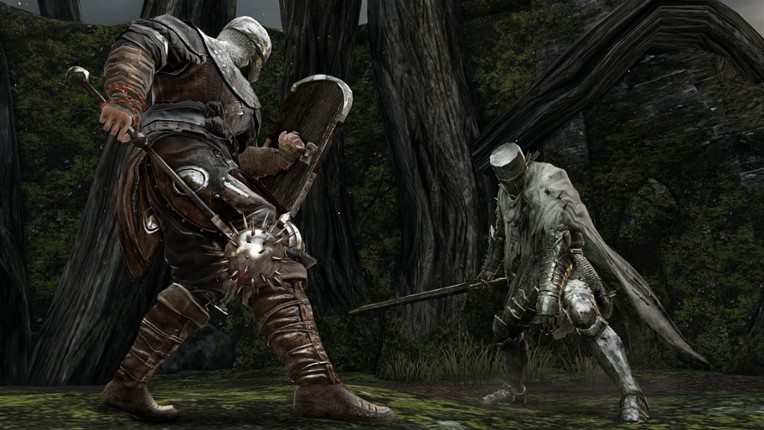
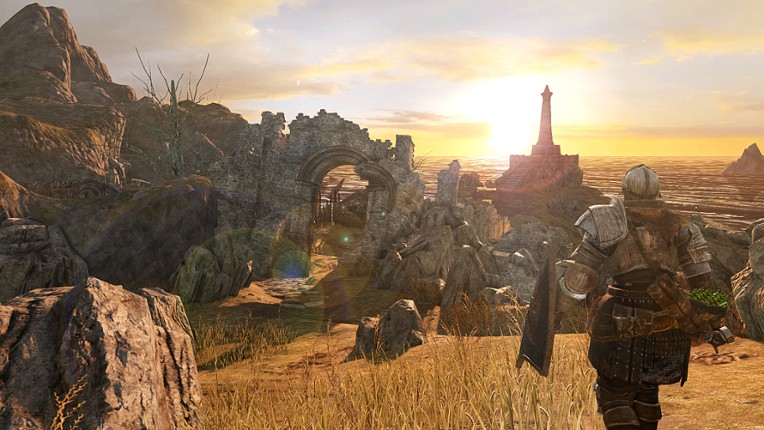
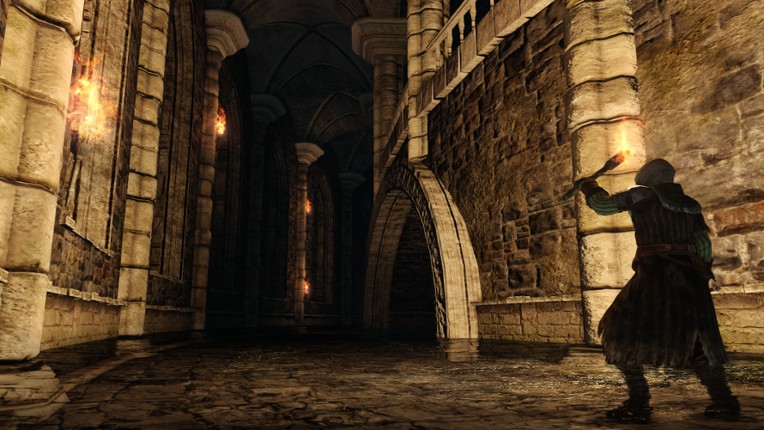
Both games are built around punishing combat and buildcraft first: you live or die by weapon choice, stat planning, and learning enemy patterns.
Dark Souls 2: Scholar of the First Sin also gives you the same co-op and online multiplayer options, which matters because it softens the grind and makes repeated boss attempts less solitary. The atmosphere and world design land in a similar bleak fantasy lane, even if the tone is less overtly horror-driven.
The tradeoff is blunt: DS2 is rougher and more divisive, with clunkier movement, nastier hitboxes, and more technical jank than Elden Ring. Pick this up if you want another serious Souls challenge with deep build variety but can live without Elden Ring’s polish and open-world scale.
If you enjoyed this game, see our list of games similar to Dark Souls 2: Scholar of the First Sin.View Game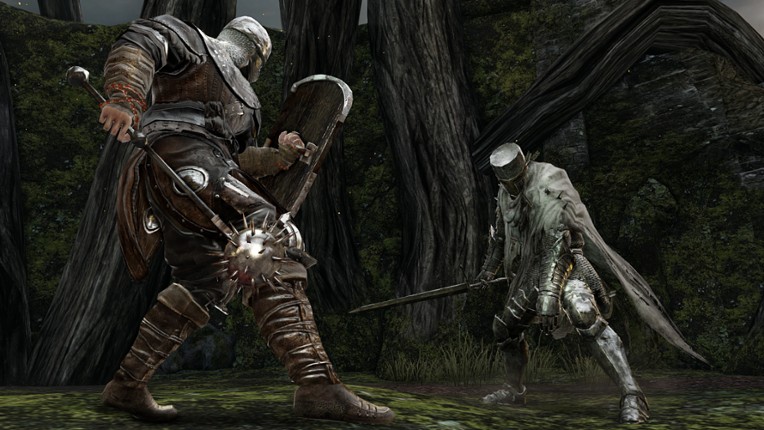
- 94%Game Brain ScoreMost mentioned positive aspects:music, storyMost mentioned negative aspects:grinding, stability97% User Score 193,267 reviewsCritic Score 90%9 reviews
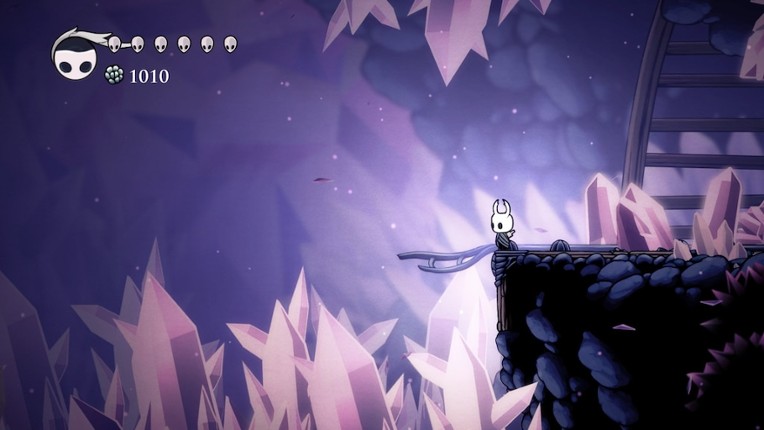
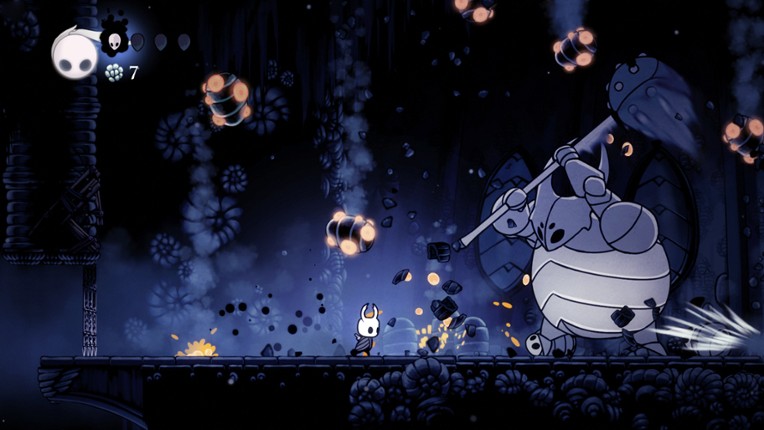
The core link is punishing, deliberate combat that demands mastery of enemy patterns and stamina management. Both titles prioritize a learn-by-dying philosophy, which forces you to internalize boss move-sets rather than simply out-leveling threats.
You trade Elden Ring’s expansive 3D landscapes for a tightly interconnected, 2D subterranean labyrinth. While you lose the scale of the Lands Between, you gain the most refined platforming and exploration mechanics in the modern soulslike genre.
Pick this up if you crave the brutal satisfaction of victory but are willing to sacrifice 3D open-world freedom for artistic, hand-drawn precision.
If you enjoyed this game, see our list of games similar to Hollow Knight.View Game
- 86%Game Brain ScoreMost mentioned positive aspects:story, gameplayMost mentioned negative aspects:optimization, grinding86% User Score 45,791 reviews
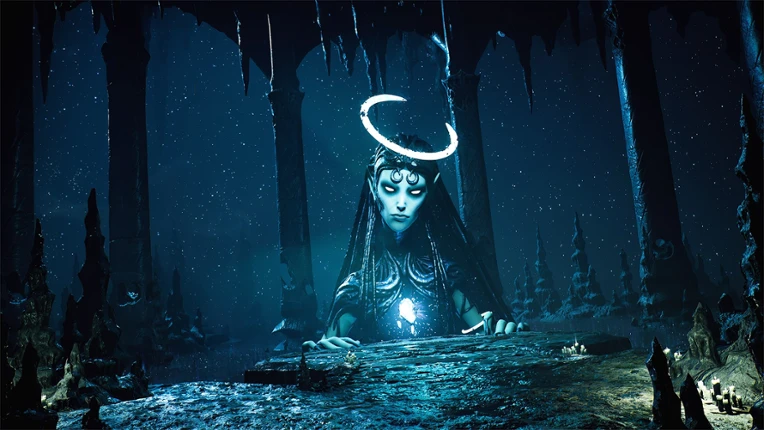
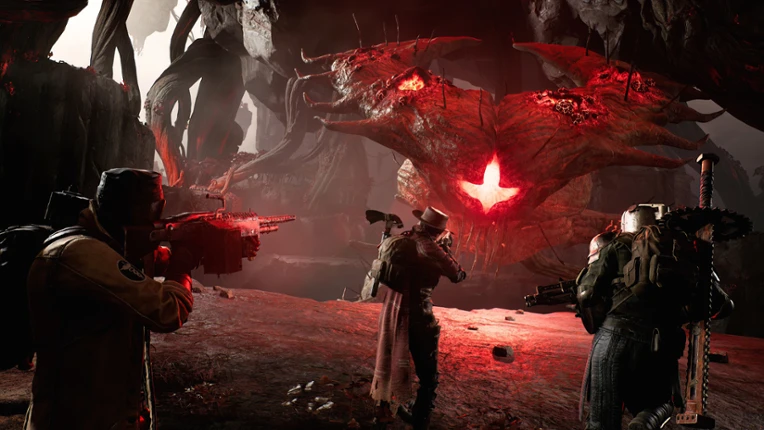
If you loved Elden Ring's punishing co-op encounters, Remnant 2 delivers that same collaborative tension—three-player squads against overwhelming odds where communication and build synergy determine survival.
The shared horror atmosphere elevates both games, but Remnant 2's semi-procedural, level-based structure trades Elden Ring's vast open world for tighter pacing and randomized encounters.
Pick this up if you want co-op soulslike combat with better story clarity, but can live without the expansive seamless world and accept aggressive monetization.
If you enjoyed this game, see our list of games similar to Remnant 2.View Game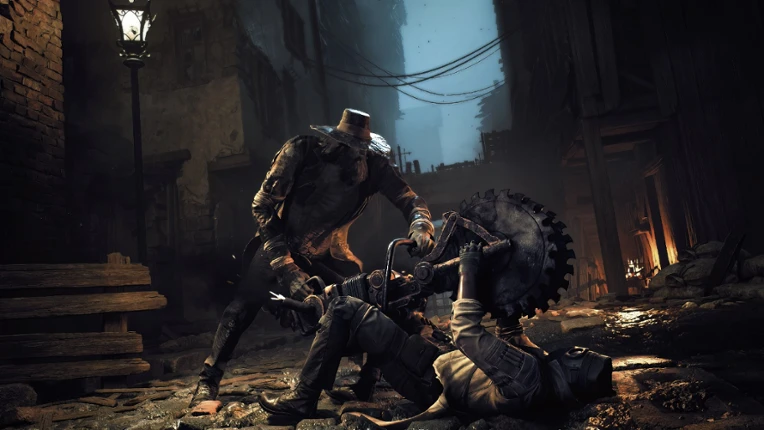
- 87%Game Brain ScoreMost mentioned positive aspects:story, gameplayMost mentioned negative aspects:grinding, monetization93% User Score 35,676 reviewsCritic Score 80%18 reviews
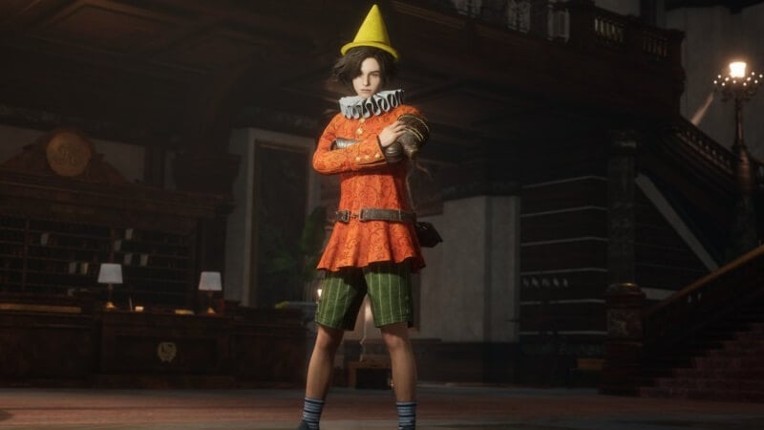
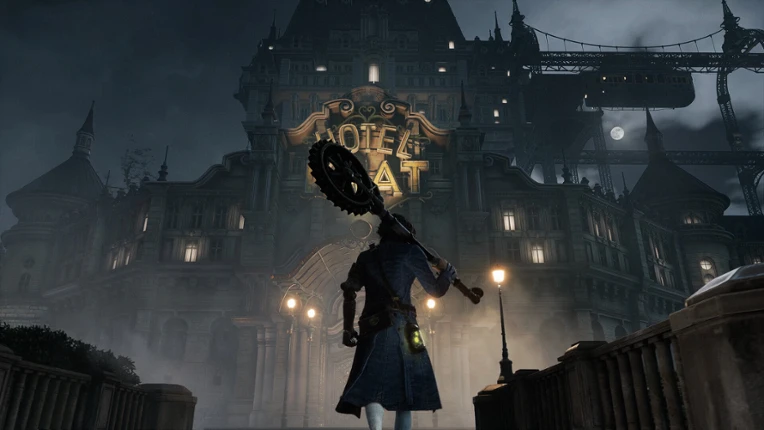
Lies of P captures the punishing, rhythmic satisfaction of Elden Ring’s boss encounters by demanding mastery of precision combat and stamina management. This mechanical bridge matters because it preserves the high-stakes intensity that makes FromSoftware titles so addictive.
The primary tradeoff is structure: while Elden Ring offers a vast, non-linear open world, Lies of P is strictly corridor-based and linear. You lose the freedom of exploration but gain a tighter, more focused narrative experience.
Pick this up if you crave relentless, skill-based boss duels but can live without the sprawling discovery of an open-world sandbox.
If you enjoyed this game, see our list of games similar to Lies of P.View Game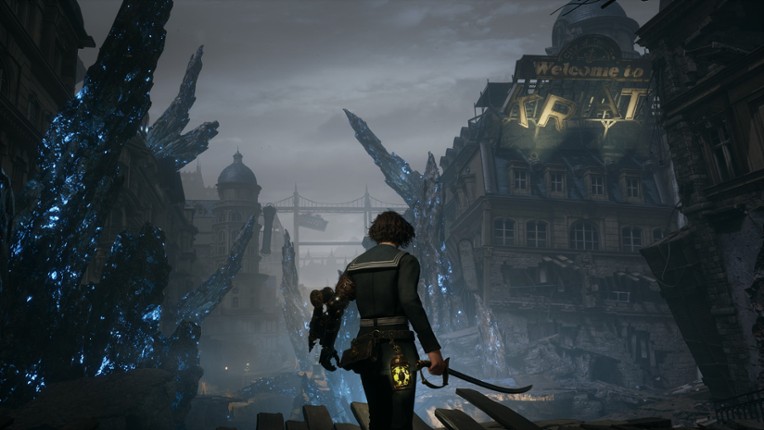
10 View Game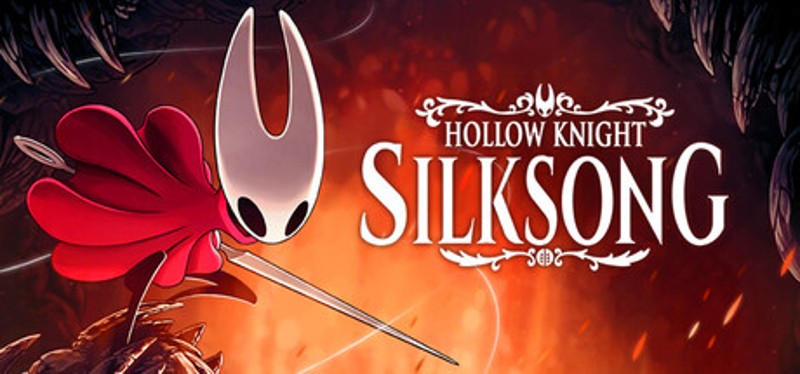 93%Game Brain ScoreMost mentioned positive aspects:music, gameplayMost mentioned negative aspects:grinding, stability93% User Score 154,237 reviewsCritic Score 93%8 reviews
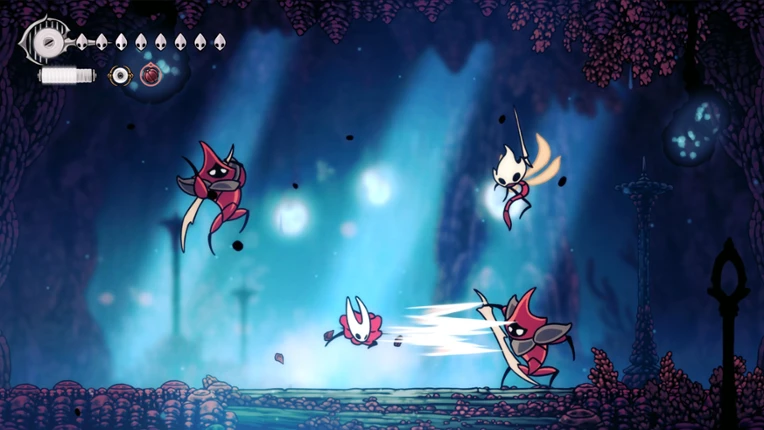
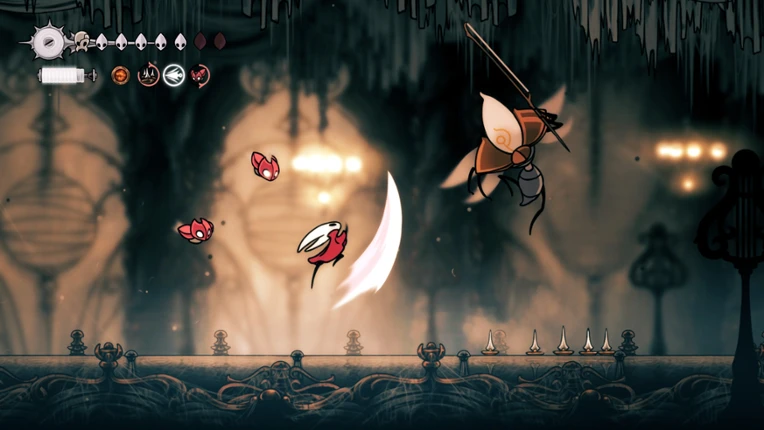
Both games anchor their appeal on punishing combat that rewards mastery—you'll die repeatedly, learn patterns, and feel genuine satisfaction when you break through. Elden Ring's build variety mirrors Silksong's combo depth; they're both about learning to move, not just attack.
The atmospheric art direction matters here too, since both games use visual storytelling to compensate for sparse narrative guidance. You'll spend hours absorbing world design rather than reading quest logs.
The real split: Elden Ring is a sprawling open world with grinding and performance baggage; Silksong is a tightly paced 2D metroidvania with zero fat but brutal late-game pacing dips.
Pick Silksong if you want Elden Ring's combat precision and atmosphere but demand zero bloat—and you're fine trading open-world freedom for a focused, hand-crafted experience that respects your time.
If you enjoyed this game, see our list of games similar to Hollow Knight: Silksong.View Game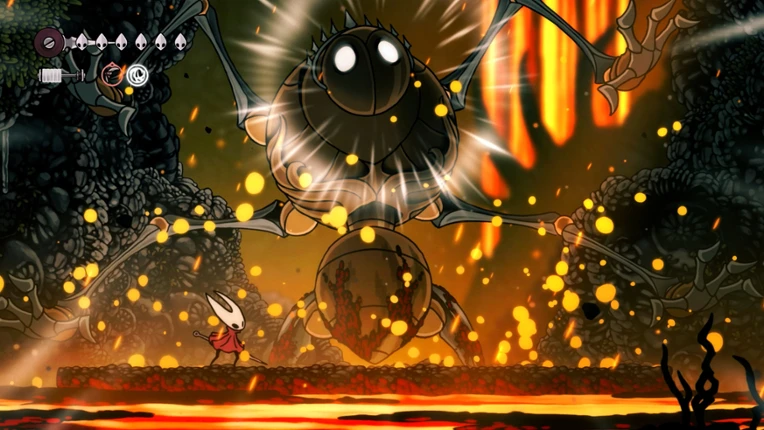
- 89%Game Brain ScoreMost mentioned positive aspects:story, graphicsMost mentioned negative aspects:grinding, stability93% User Score 101,073 reviewsCritic Score 85%17 reviews
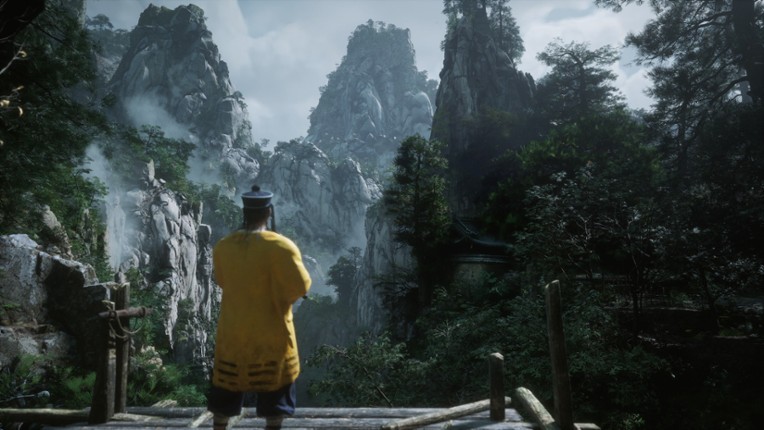
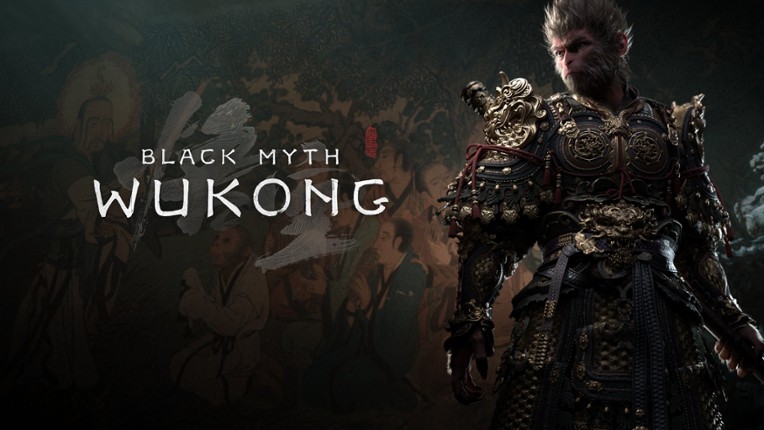
Strips away co-op entirely, delivering Black Myth's mythological combat through a tight, cinematic single-player journey rooted in Chinese folklore.
If you enjoyed this game, see our list of games similar to Black Myth: Wukong.View Game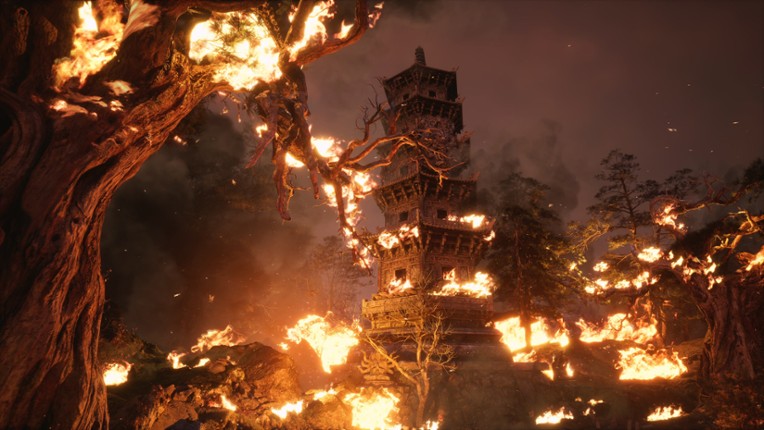
12 View Game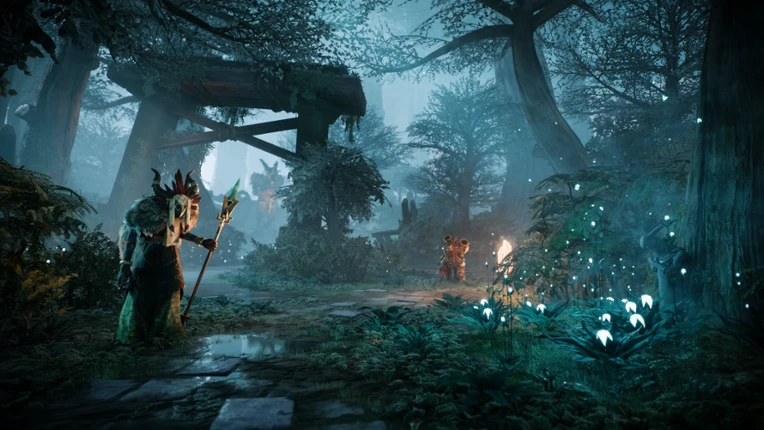
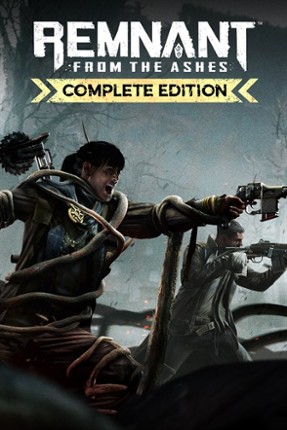
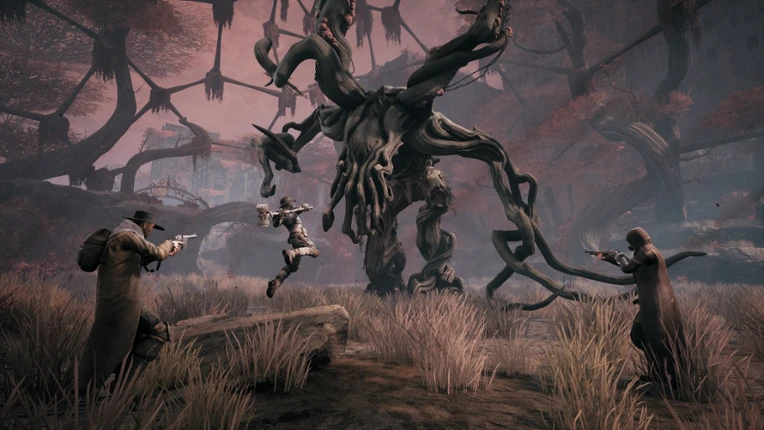 86%Game Brain ScoreMost mentioned positive aspects:gameplay, storyMost mentioned negative aspects:grinding, stability87% User Score 45,980 reviewsCritic Score 80%1 reviews
Shifts to gun-based third-person combat in Remnant's shooter-meets-souls formula, where co-op survival against monstrous hordes takes center stage.
If you enjoyed this game, see our list of games similar to Remnant: From the Ashes.View Game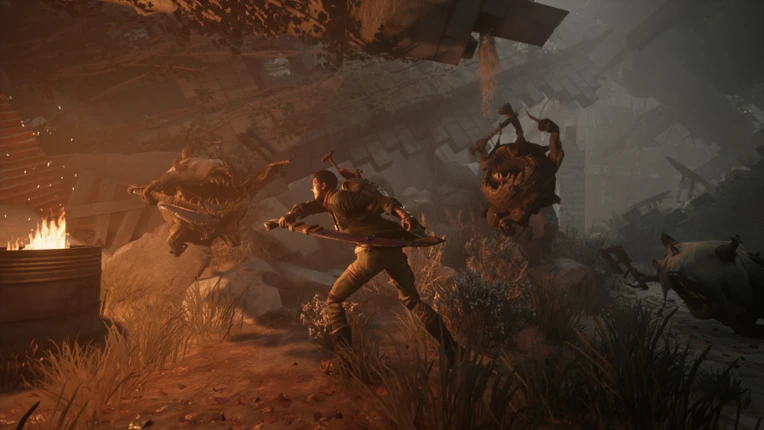
13 View Game 93%Game Brain ScoreMost mentioned positive aspects:story, gameplayMost mentioned negative aspects:grinding, monetization93% User Score 11,145 reviews
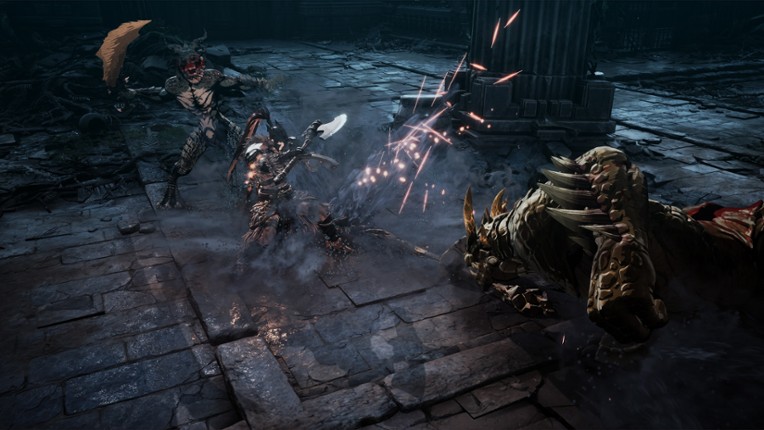
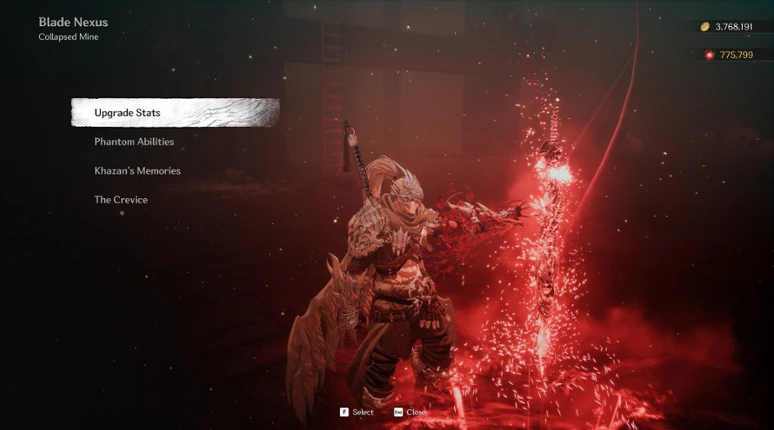
Experience the brutal action of The First Berserker: Khazan, a hardcore Action RPG adventure set 800 years before the events of the Dungeon Fighter Online (DNF) Universe. Will you embrace the path of the First Berserker and embark on Khazan's path of revenge? Buy now at PlayStation Store. If you enjoyed this game, see our list of games similar to The First Berserker: Khazan.
View Game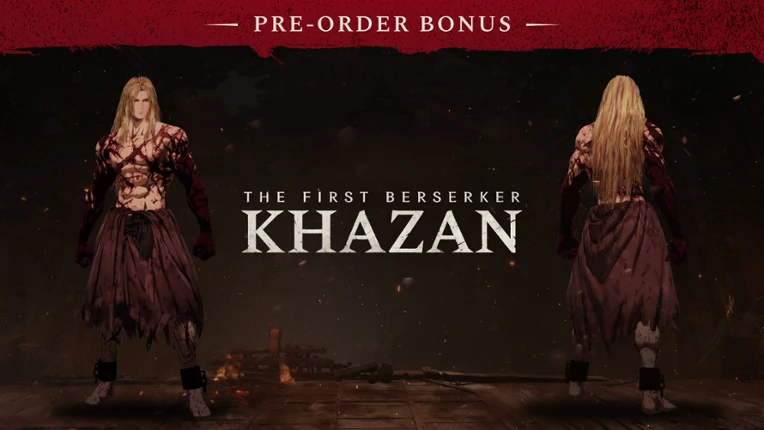
- 67%Game Brain ScoreMost mentioned positive aspects:gameplay, graphicsMost mentioned negative aspects:grinding, stability68% User Score 4,717 reviewsCritic Score 65%2 reviews
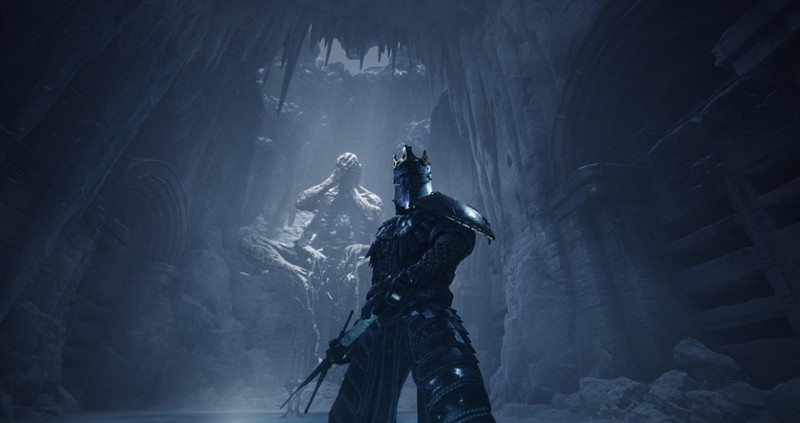
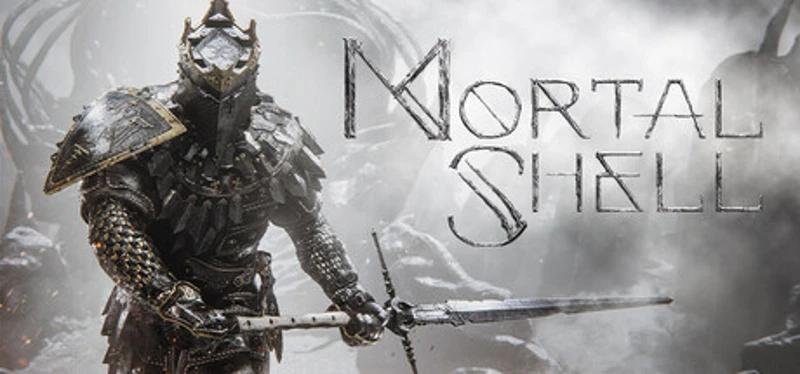
Emphasizes slow, methodical horror in Mortal Shell's oppressive atmosphere where shell-swapping and limited resources create a grimmer pace.
If you enjoyed this game, see our list of games similar to Mortal Shell.View Game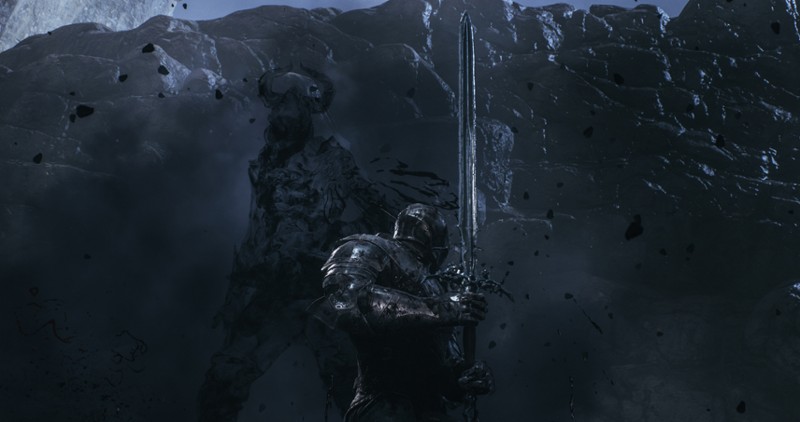
- 72%Game Brain ScoreMost mentioned positive aspects:story, graphicsMost mentioned negative aspects:grinding, stability66% User Score 1,899 reviewsCritic Score 78%24 reviews
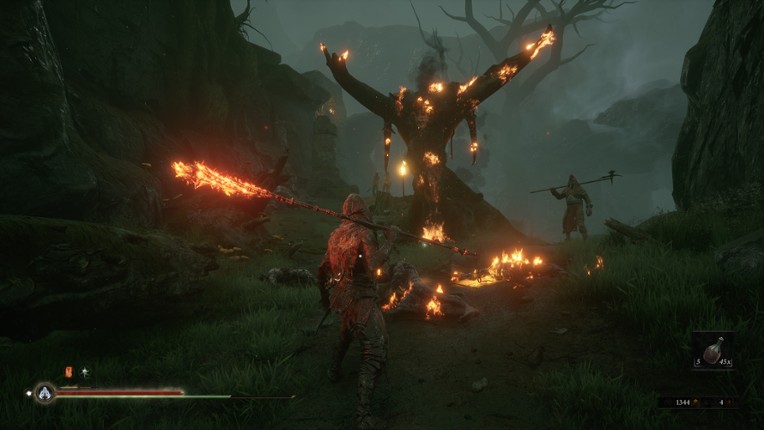
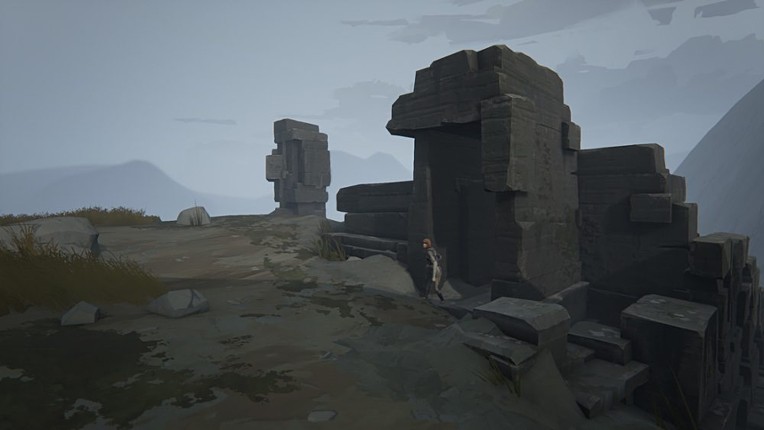
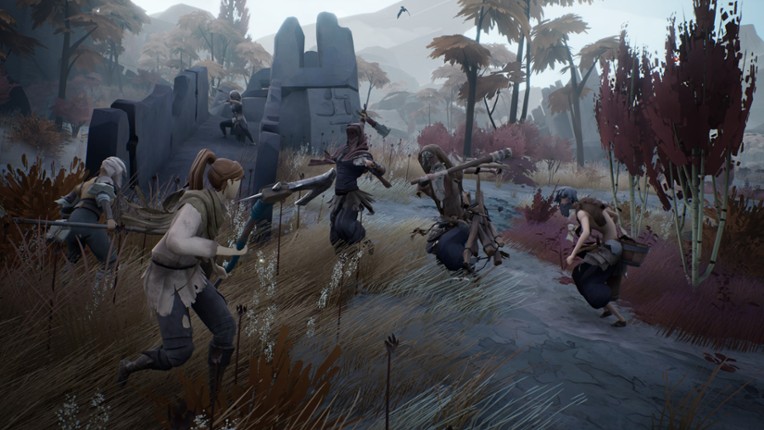
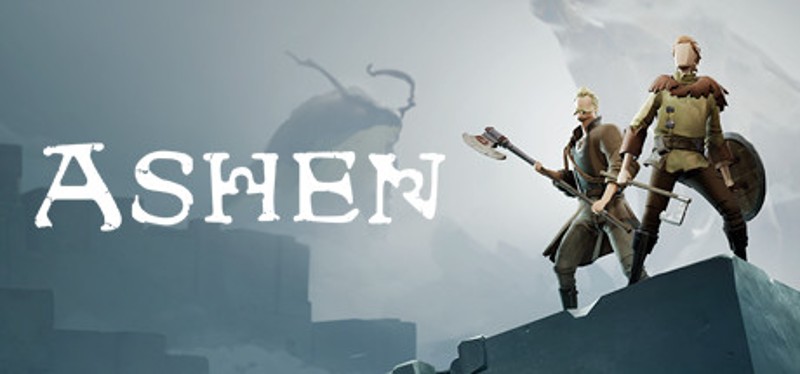
Brings Ashen's muted indie aesthetic and online co-op partnerships to a harsh, minimalist dark fantasy world that rewards exploration over loot.
If you enjoyed this game, see our list of games similar to Ashen.View Game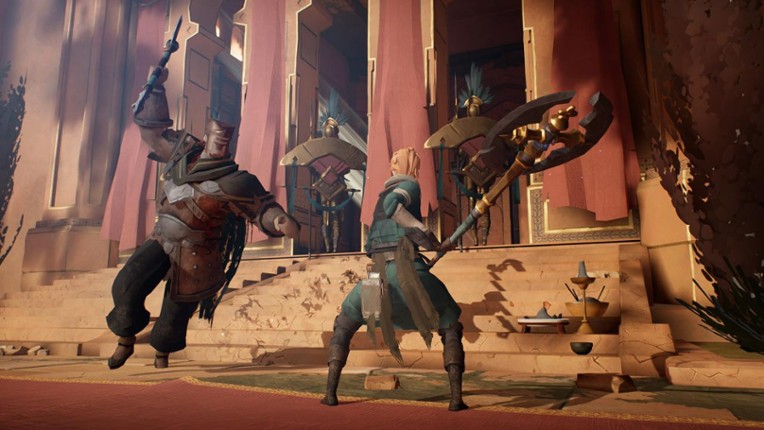
- 88%Game Brain ScoreMost mentioned positive aspects:story, gameplayMost mentioned negative aspects:grinding, stability91% User Score 14,289 reviewsCritic Score 85%17 reviews
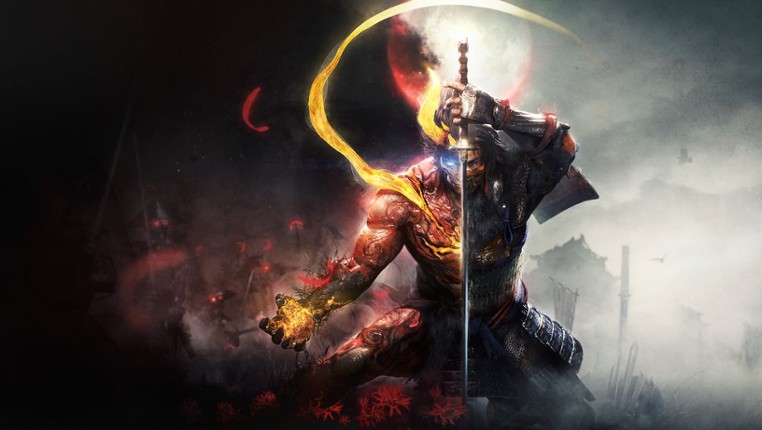
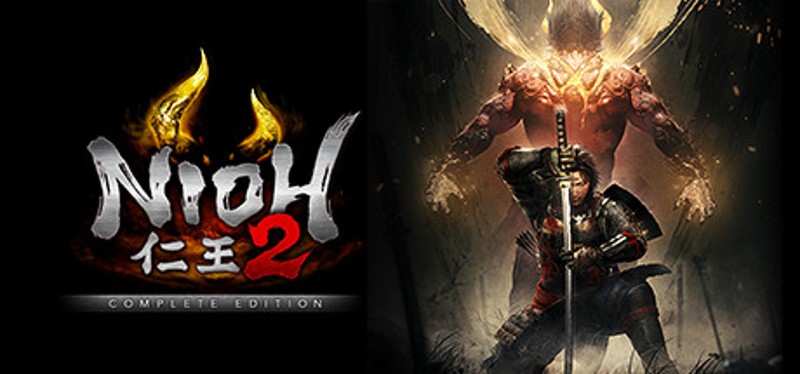
Packs Nioh 2's punishing feudal Japan combat and deep loot systems into a tighter, mission-based structure that rewards mastery over exploration.
If you enjoyed this game, see our list of games similar to Nioh 2.View Game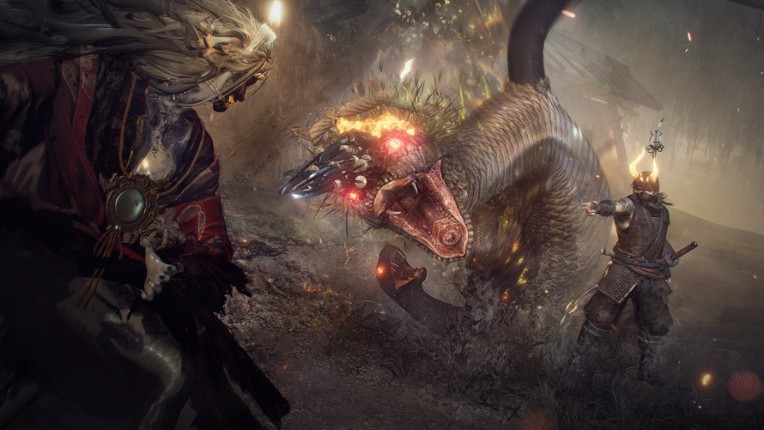

17 View Game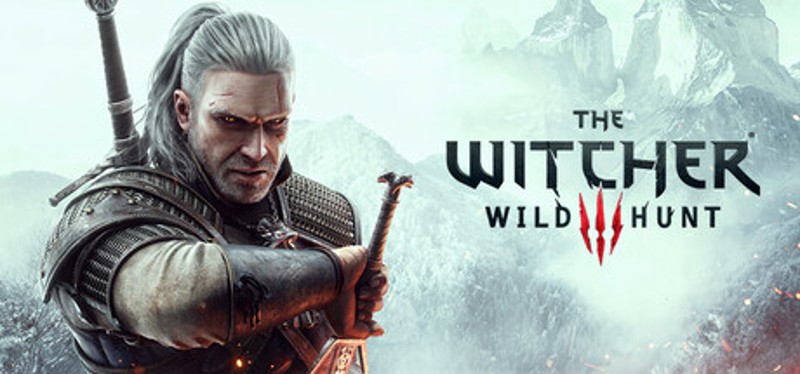 95%Game Brain ScoreMost mentioned positive aspects:story, graphicsMost mentioned negative aspects:stability, grinding97% User Score 245,794 reviewsCritic Score 92%8 reviews
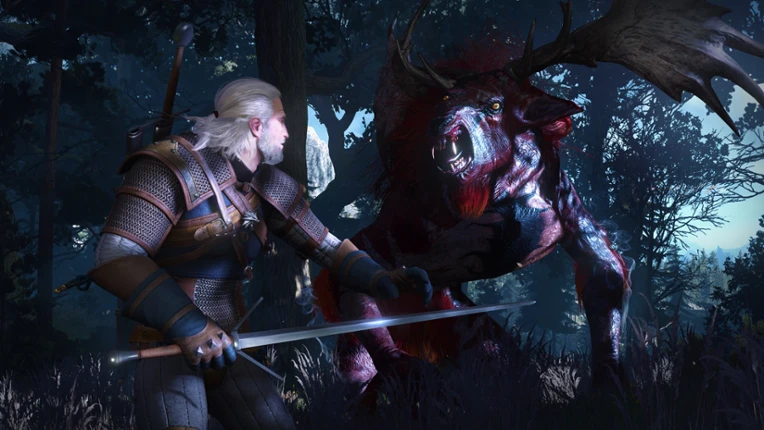
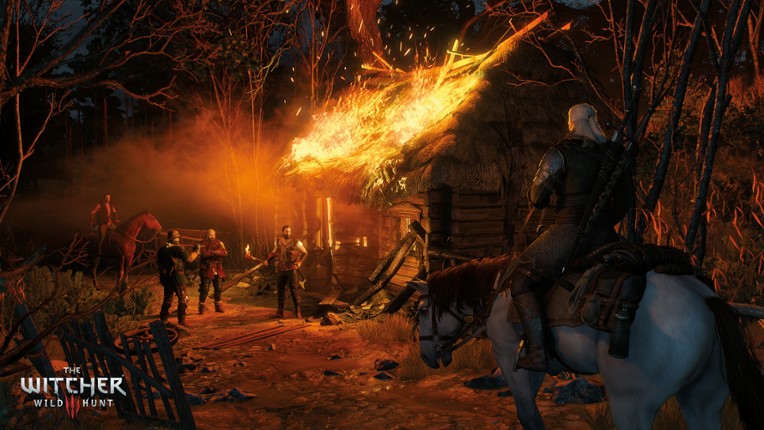
Prioritizes narrative depth and moral choices over exploration, offering Witcher 3's expansive open world as a slower, story-driven experience.
If you enjoyed this game, see our list of games similar to The Witcher 3: Wild Hunt.View Game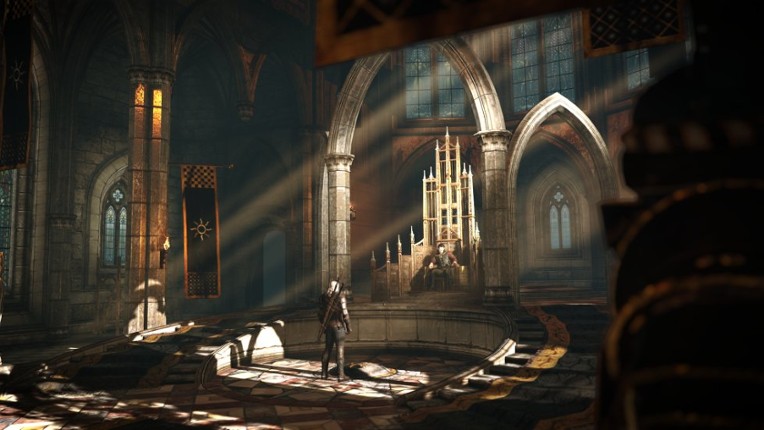
18 View Game 87%Game Brain ScoreMost mentioned positive aspects:gameplay, graphicsMost mentioned negative aspects:grinding, stability88% User Score 13,190 reviewsCritic Score 85%4 reviews
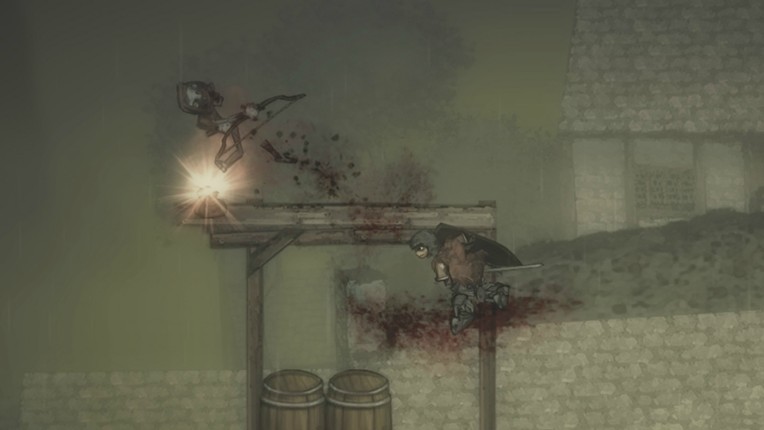
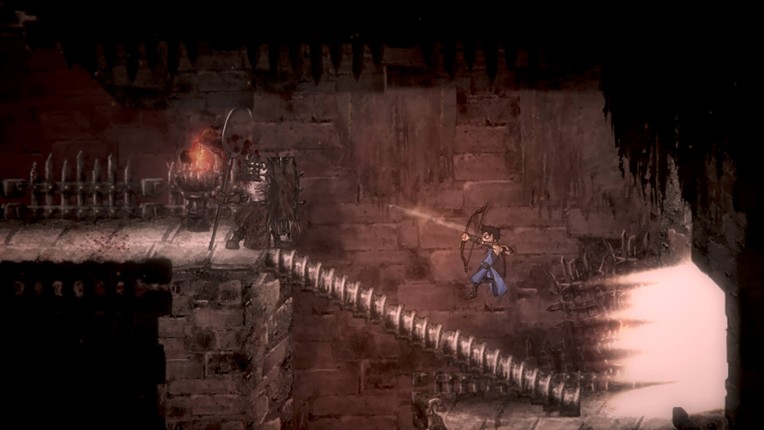
Condenses the Souls formula into Salt and Sanctuary's 2D side-scrolling world with local split-screen co-op and Metroidvania exploration.
If you enjoyed this game, see our list of games similar to Salt and Sanctuary.View Game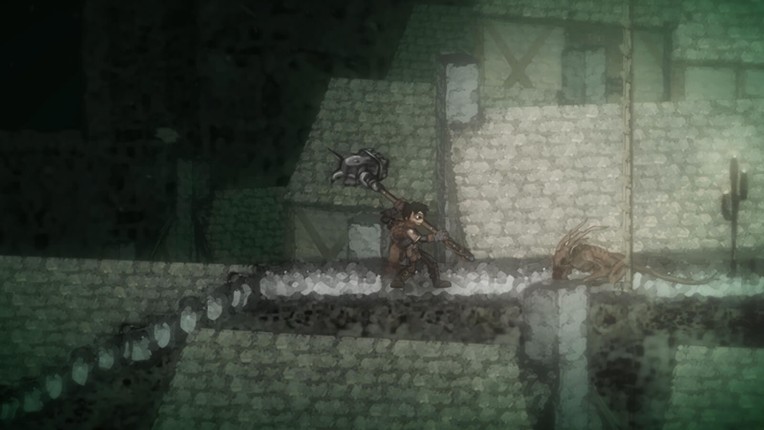
19 View Game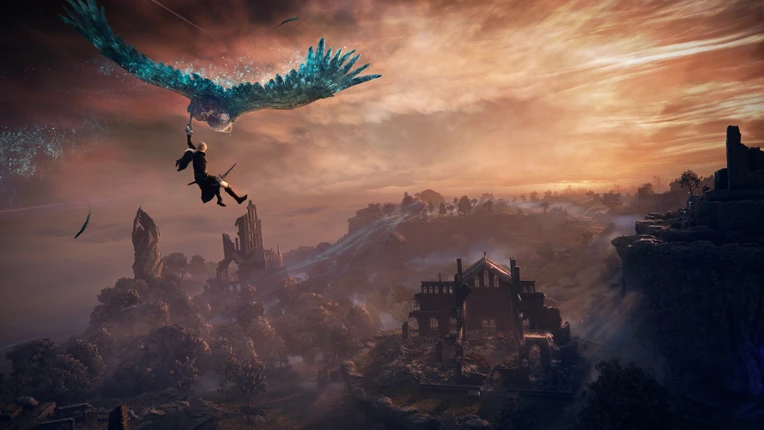
 79%Game Brain ScoreMost mentioned positive aspects:gameplay, storyMost mentioned negative aspects:optimization, grinding87% User Score 89,148 reviewsCritic Score 61%4 reviews
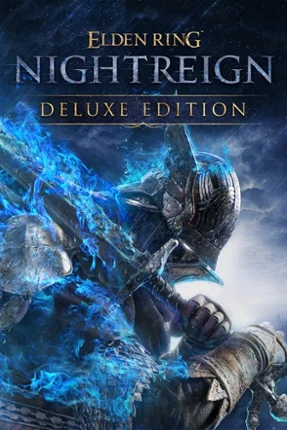
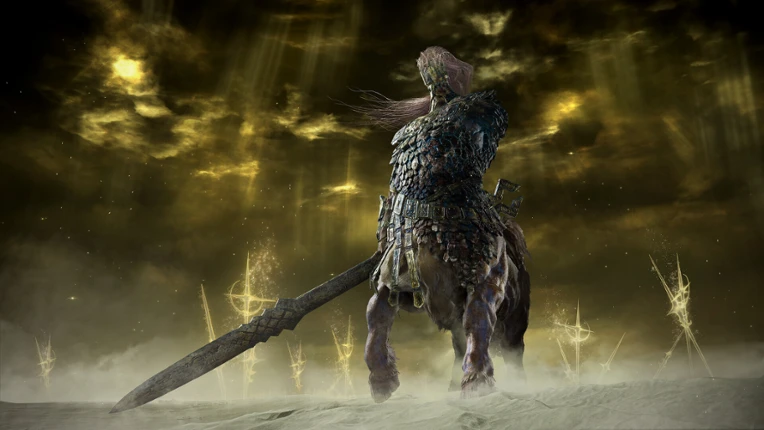
Distills Elden Ring's essence into Nightreign's compact roguelike runs, where streamlined co-op raids prioritize replayable sessions over open-world depth.
If you enjoyed this game, see our list of games similar to ELDEN RING NIGHTREIGN.View Game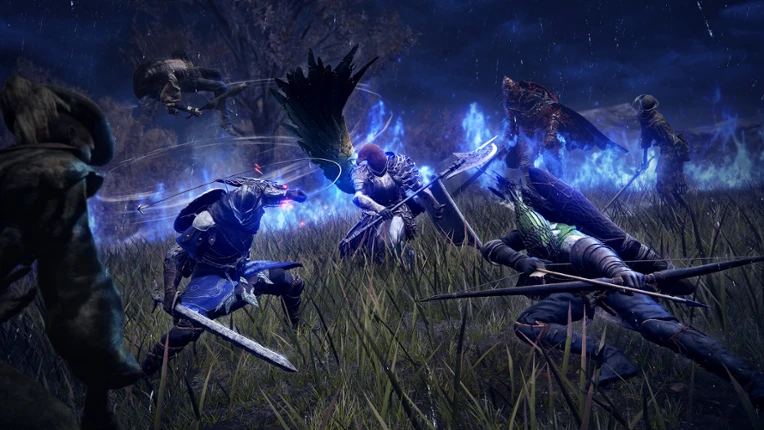
20 View Game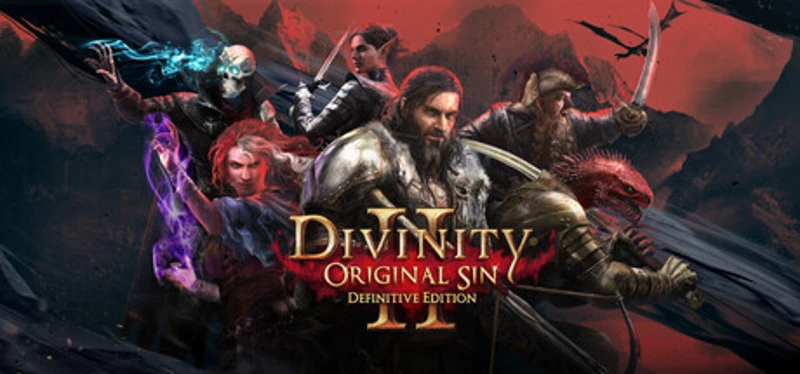 94%Game Brain ScoreMost mentioned positive aspects:story, gameplayMost mentioned negative aspects:grinding, stability95% User Score 89,581 reviewsCritic Score 92%37 reviews
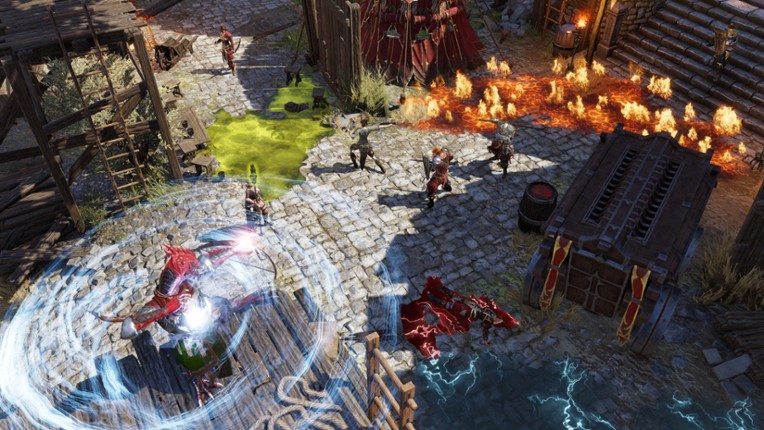
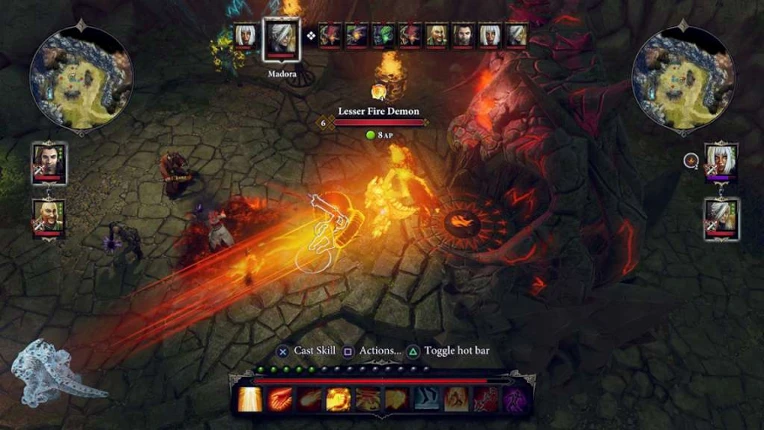
Strategic turn-based combat and split-screen co-op replace real-time dueling, but maintains deep character builds and story-rich fantasy adventure.
If you enjoyed this game, see our list of games similar to Divinity: Original Sin 2.View Game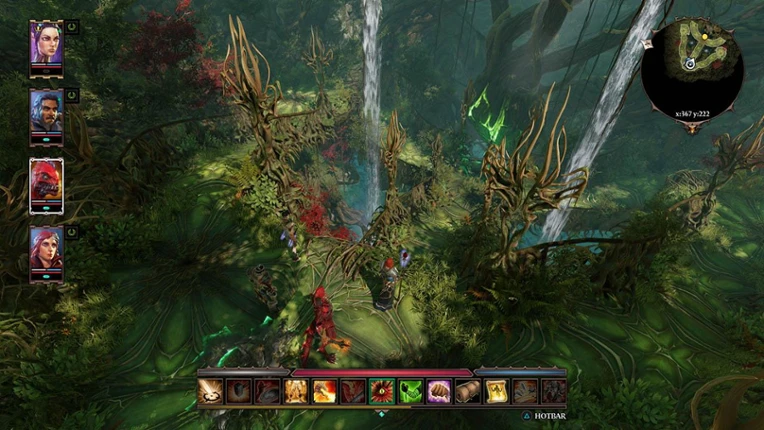
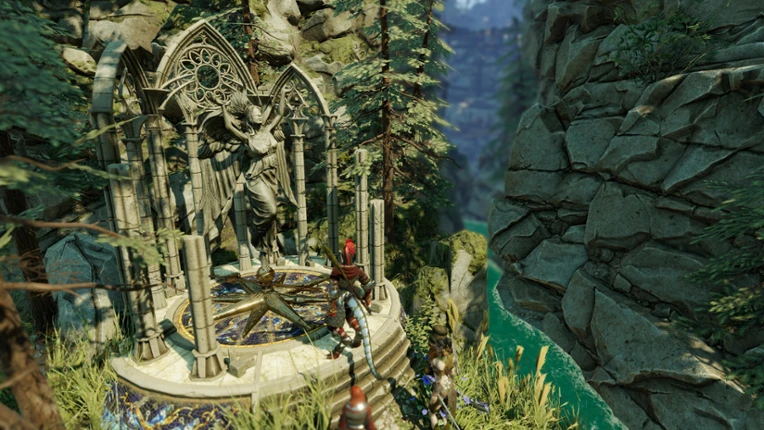
- 96%Game Brain ScoreMost mentioned positive aspects:story, gameplayMost mentioned negative aspects:stability, monetization97% User Score 708,180 reviewsCritic Score 95%69 reviews
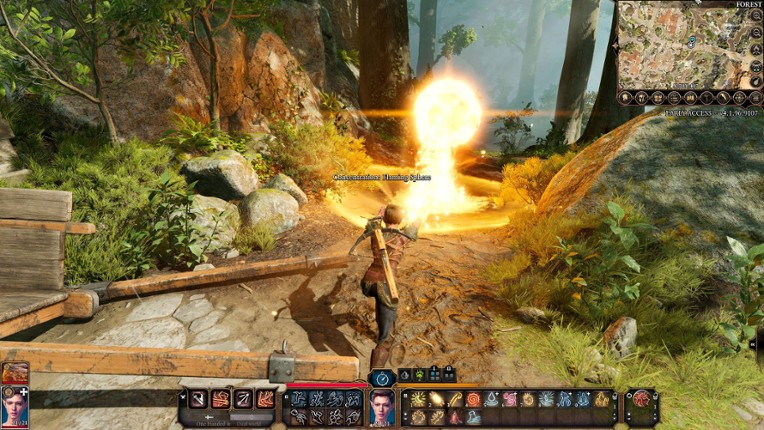
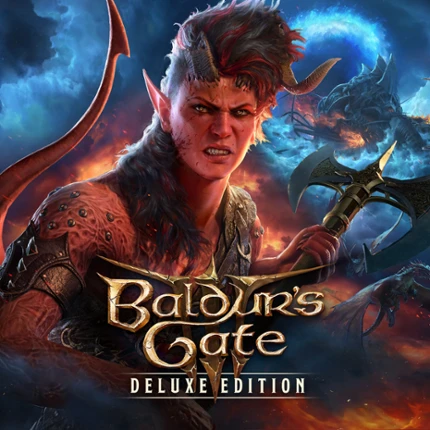
This fantasy co-op game shares multiplayer backbone and turn-based tactical gameplay, though specific mechanics remain unclear from available data.
If you enjoyed this game, see our list of games similar to Baldur's Gate 3.View Game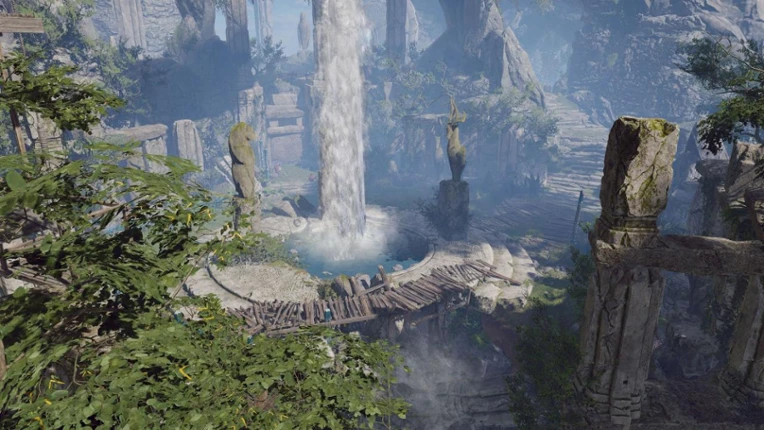
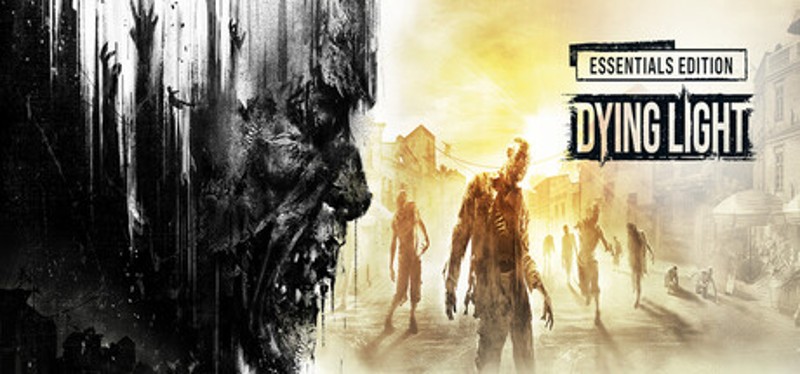
- 87%Game Brain ScoreMost mentioned positive aspects:story, gameplayMost mentioned negative aspects:stability, grinding94% User Score 132,525 reviewsCritic Score 80%33 reviews
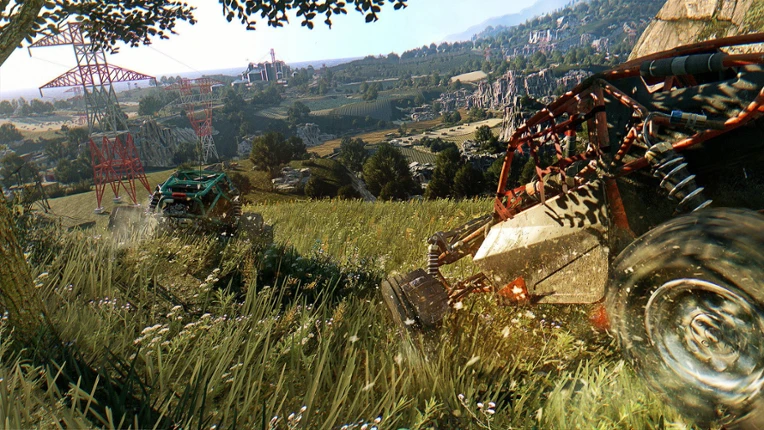
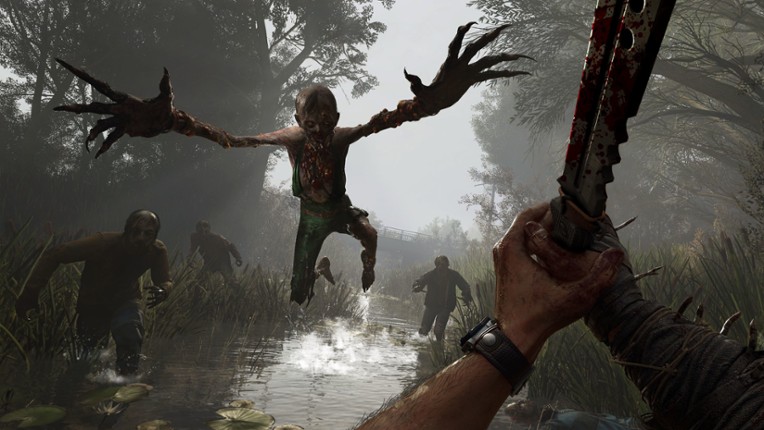
Swaps medieval gothic for post-apocalyptic zombie horror and parkour traversal while preserving open-world co-op exploration and challenging survival combat.
If you enjoyed this game, see our list of games similar to Dying Light.View Game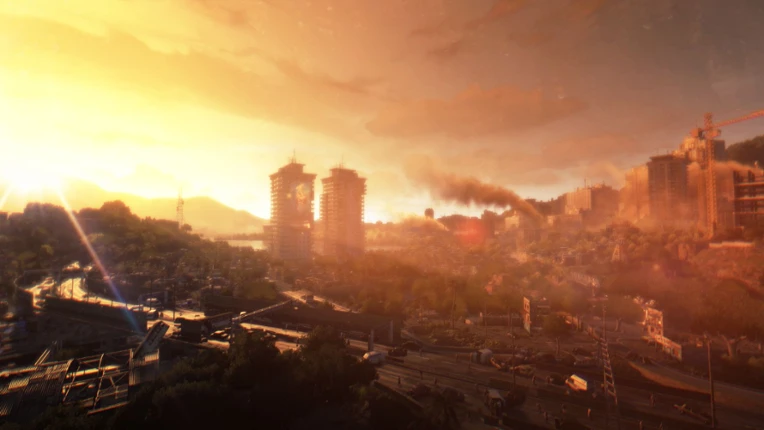
23 View Game 90%Game Brain ScoreMost mentioned positive aspects:story, gameplayMost mentioned negative aspects:grinding, stability94% User Score 48,555 reviewsCritic Score 85%38 reviews
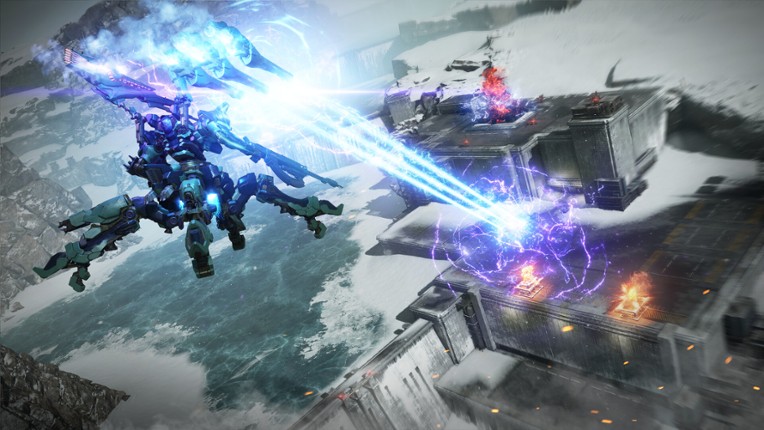
Mecha-piloting action strips away open-world exploration and story for pure PvP and co-op combat challenges with build variety.
If you enjoyed this game, see our list of games similar to ARMORED CORE VI FIRES OF RUBICON.View Game

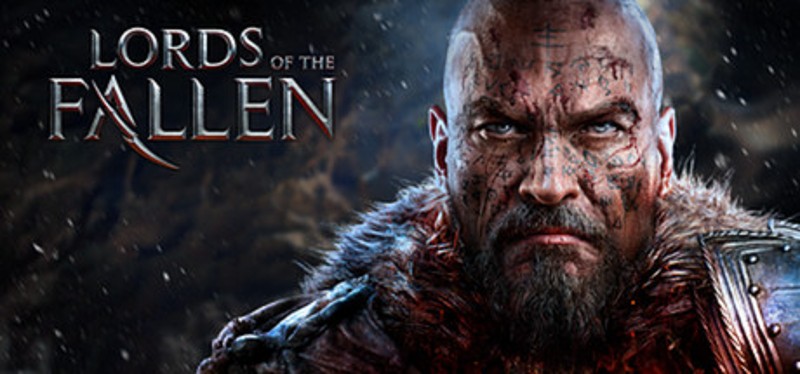
- 60%Game Brain ScoreMost mentioned positive aspects:story, gameplayMost mentioned negative aspects:optimization, stability53% User Score 7,474 reviewsCritic Score 69%8 reviews
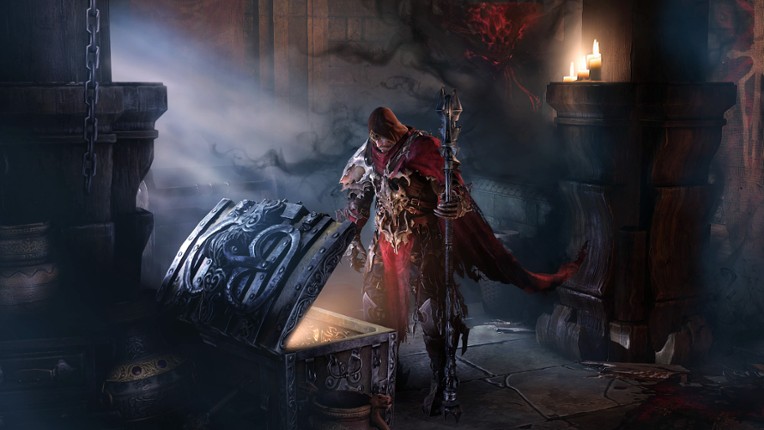
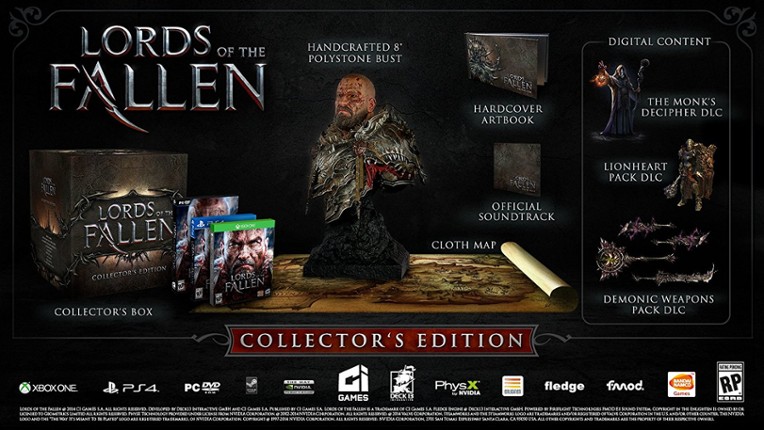
Direct souls-like successor with atmospheric third-person combat and online co-op, but leans harder into gothic darkness and lore-rich storytelling.
If you enjoyed this game, see our list of games similar to Lords of the Fallen.View Game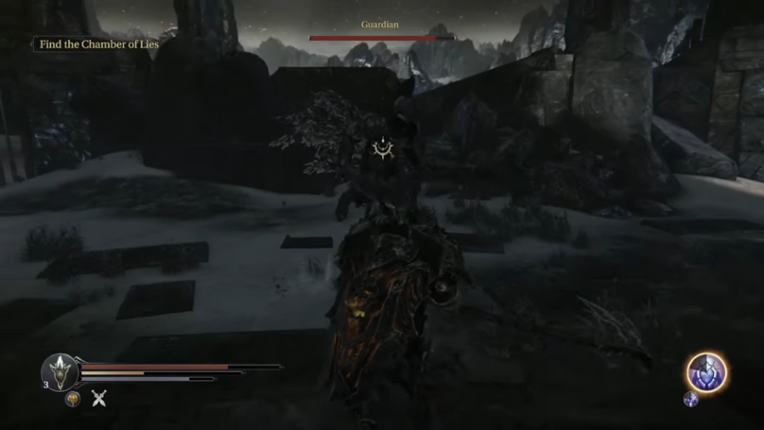
25 View Game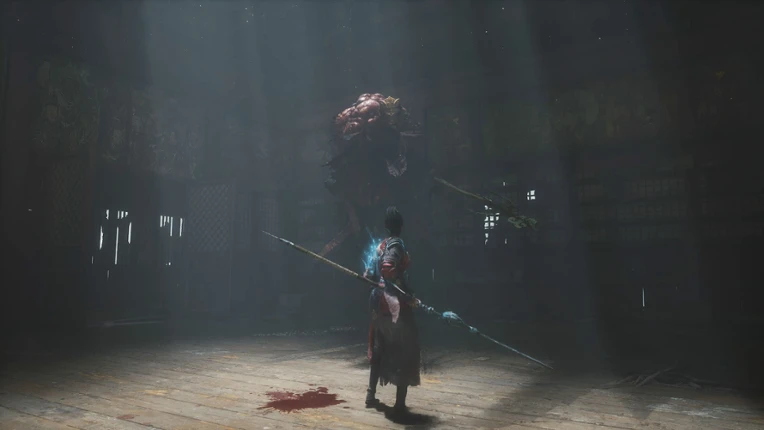
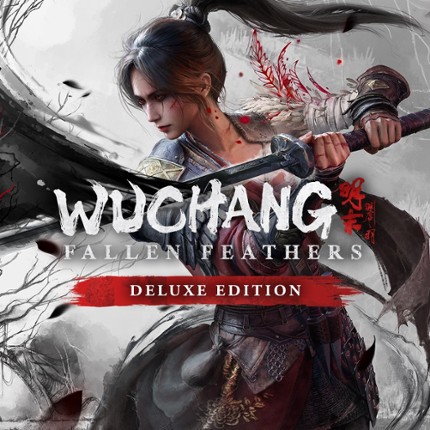
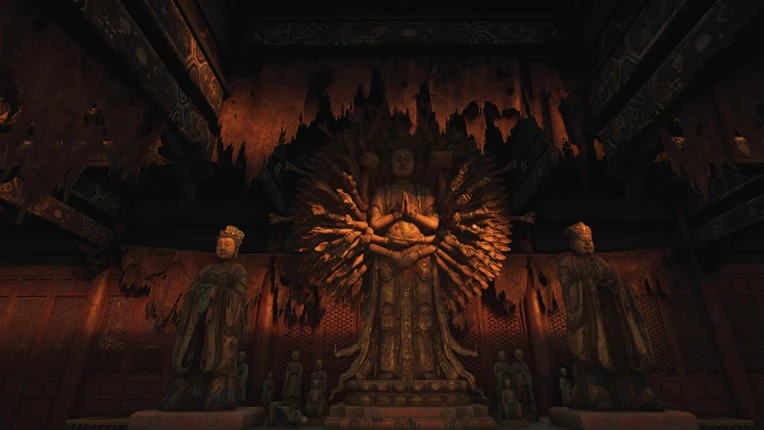 73%Game Brain ScoreMost mentioned positive aspects:gameplay, storyMost mentioned negative aspects:optimization, grinding73% User Score 7,284 reviews
Solo-only indie pivot emphasizing mystery and exploration over multiplayer, retaining action-RPG structure but scaling scope significantly downward.
If you enjoyed this game, see our list of games similar to Wuchang: Fallen Feathers.View Game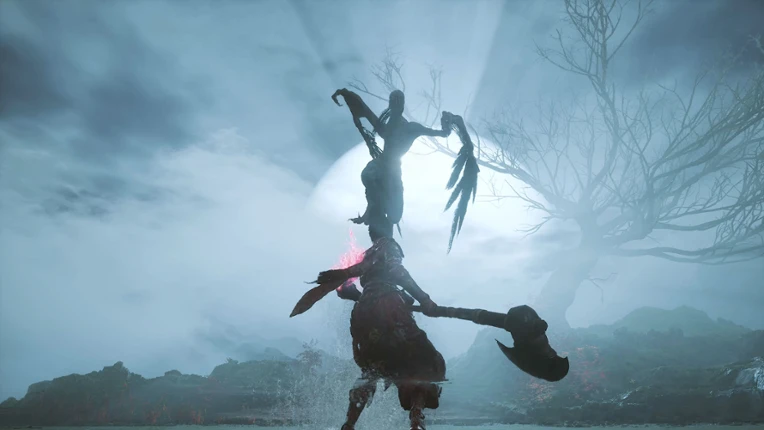
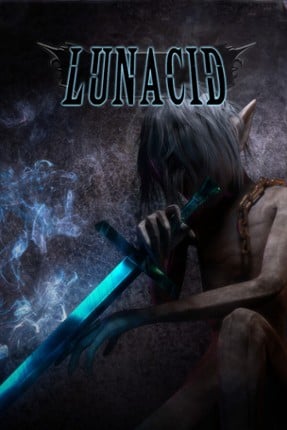
- 90%Game Brain ScoreMost mentioned positive aspects:music, atmosphereMost mentioned negative aspects:grinding, stability91% User Score 11,674 reviewsCritic Score 85%2 reviews
Early-access dungeon crawler trades open-world freedom for claustrophobic first-person Metroidvania design with horror atmosphere and retro aesthetic.
If you enjoyed this game, see our list of games similar to Lunacid.View Game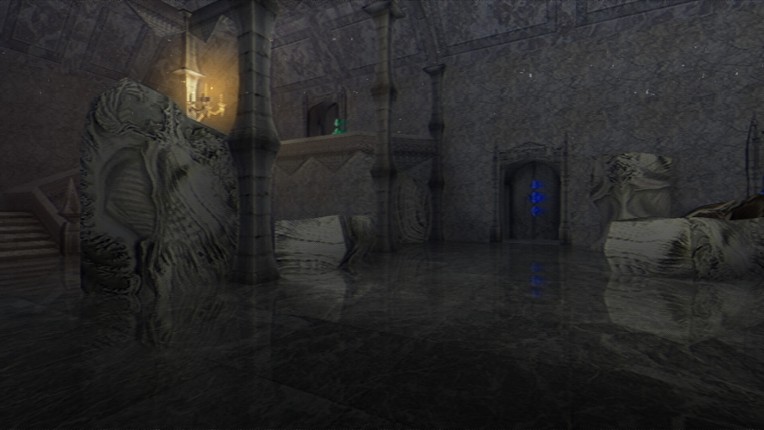

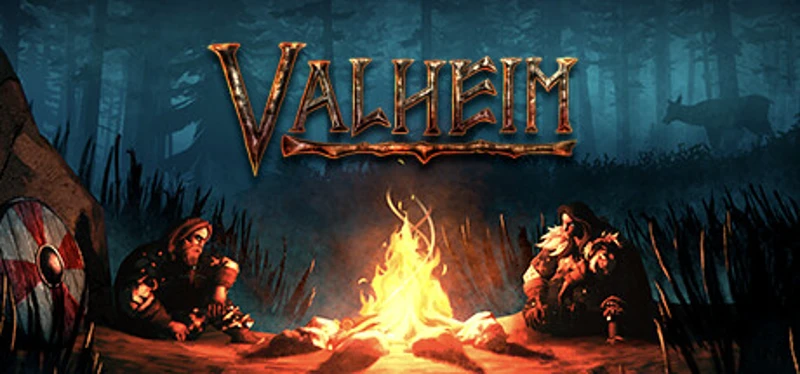
- 92%Game Brain ScoreMost mentioned positive aspects:gameplay, graphicsMost mentioned negative aspects:grinding, optimization95% User Score 291,882 reviewsCritic Score 90%11 reviews
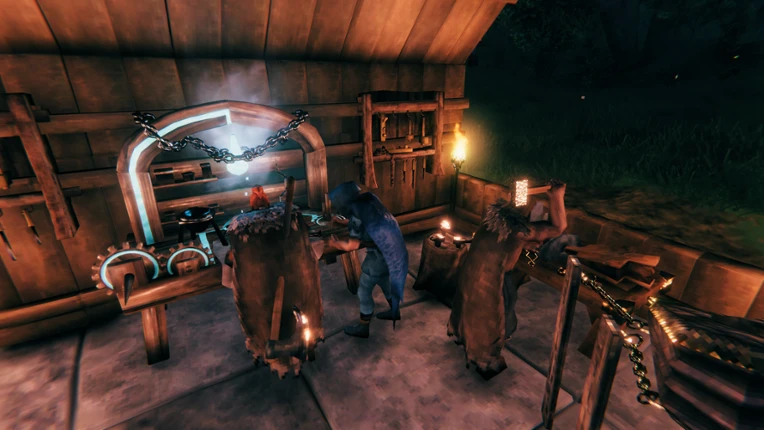
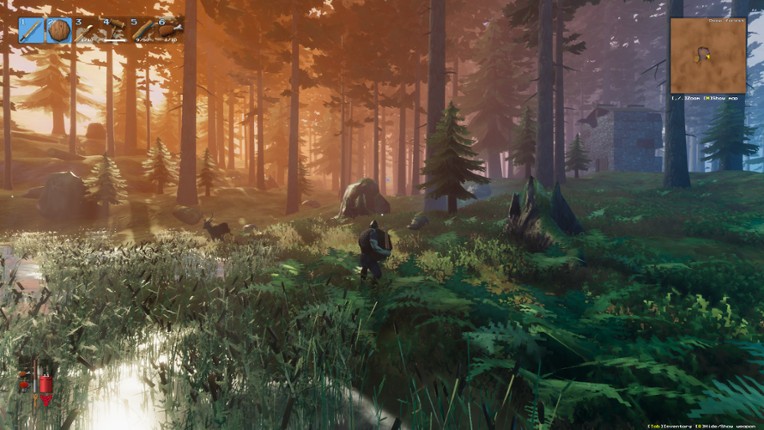
Leans into Valheim's Viking survival crafting, replacing Elden Ring's combat rigor with base building and cooperative resource gathering in a harsh Nordic world.
If you enjoyed this game, see our list of games similar to Valheim.View Game
28 View Game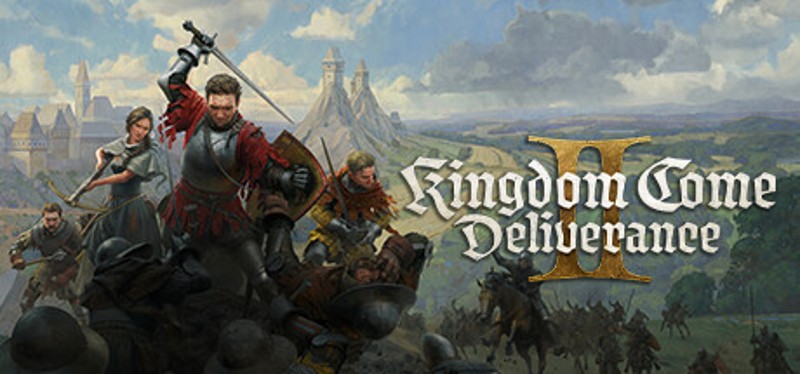 94%Game Brain ScoreMost mentioned positive aspects:story, gameplayMost mentioned negative aspects:stability, grinding94% User Score 73,949 reviews
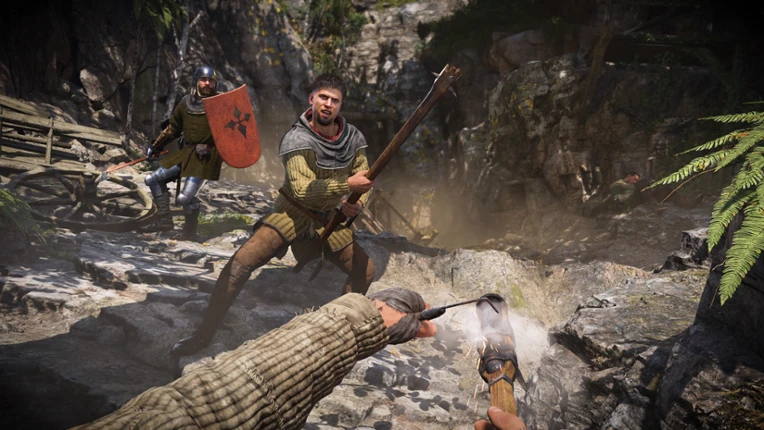
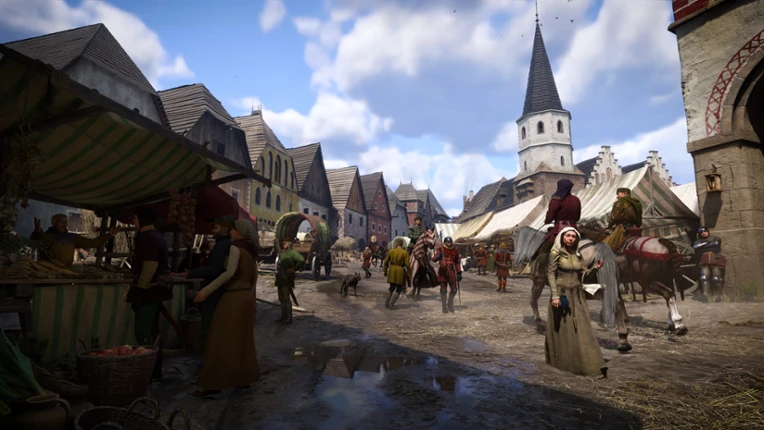
Historical medieval setting and immersive sim detail dominate over fantasy, removing multiplayer entirely but deepening roleplay and political consequences.
If you enjoyed this game, see our list of games similar to Kingdom Come: Deliverance II.View Game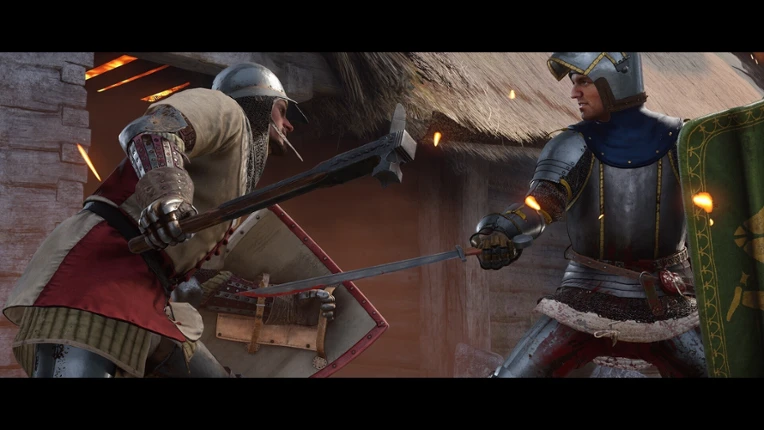
- 73%Game Brain ScoreMost mentioned positive aspects:story, gameplayMost mentioned negative aspects:grinding, stability73% User Score 27,614 reviewsCritic Score 72%10 reviews
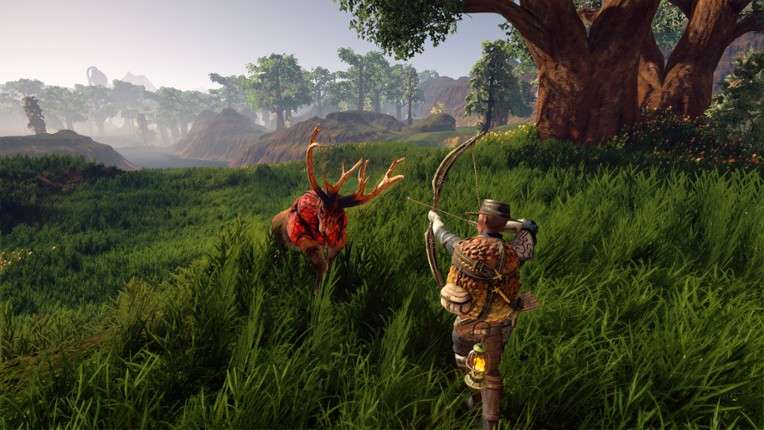
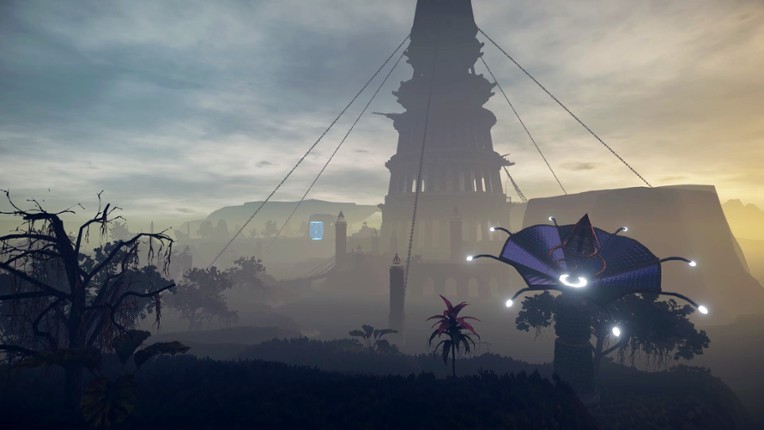
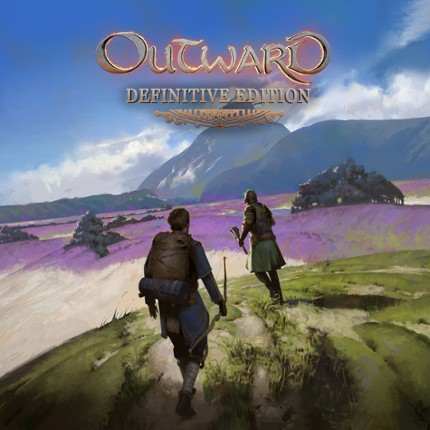
Souls-like multiplayer co-op emphasizes local split-screen and resource scarcity over Elden Ring's online seamlessness, maintaining third-person difficulty.
If you enjoyed this game, see our list of games similar to Outward.View Game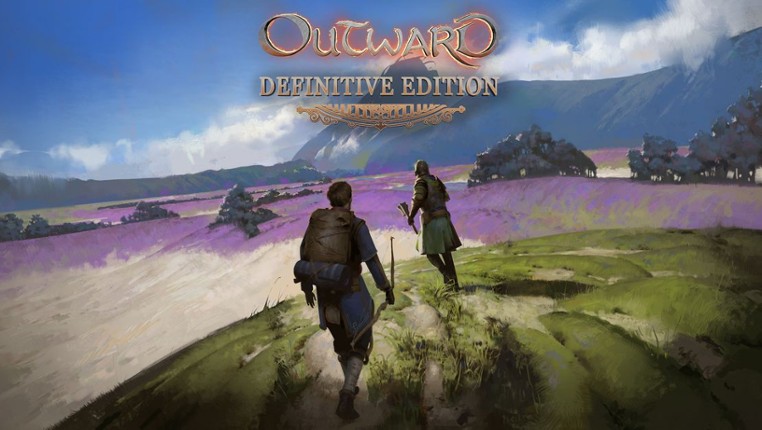
- 91%Game Brain ScoreMost mentioned positive aspects:story, gameplayMost mentioned negative aspects:grinding, optimization92% User Score 96,352 reviewsCritic Score 89%58 reviews
Transforms the formula through Monster Hunter's weapon mastery and massive creature hunts, trading dark fantasy for a more approachable, multiplayer ecosystem.
If you enjoyed this game, see our list of games similar to Monster Hunter World.View Game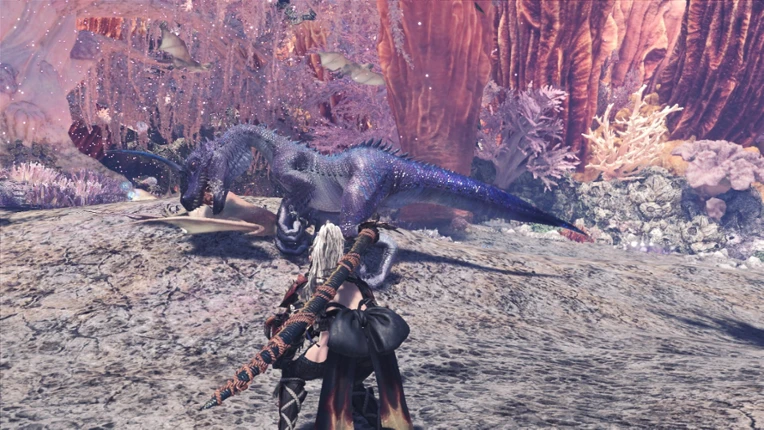


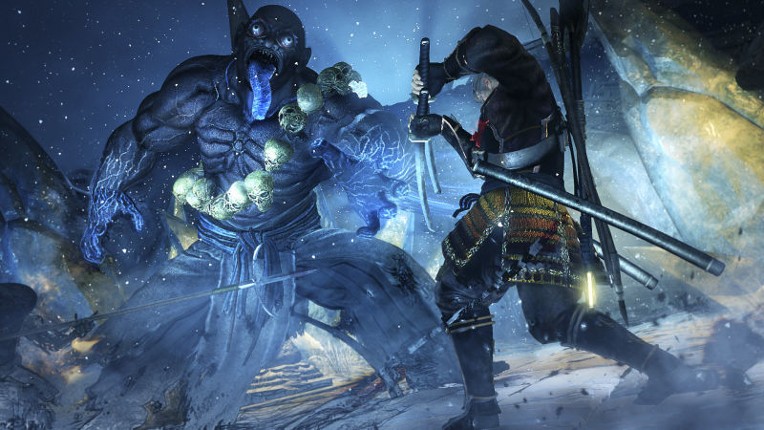
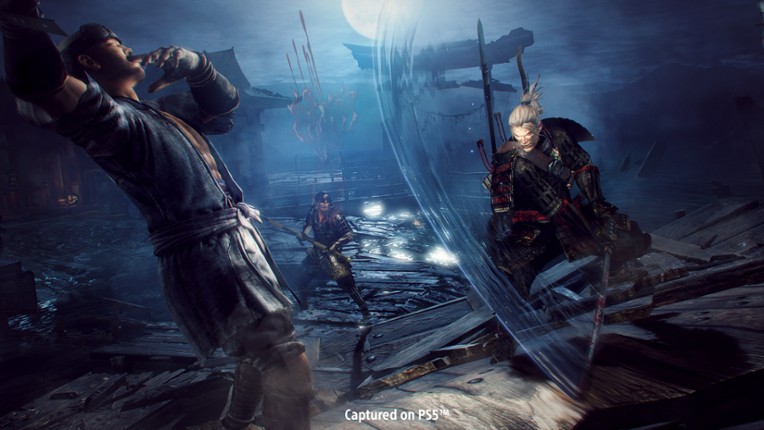
- 84%Game Brain ScoreMost mentioned positive aspects:story, gameplayMost mentioned negative aspects:grinding, optimization82% User Score 11,412 reviewsCritic Score 86%41 reviews
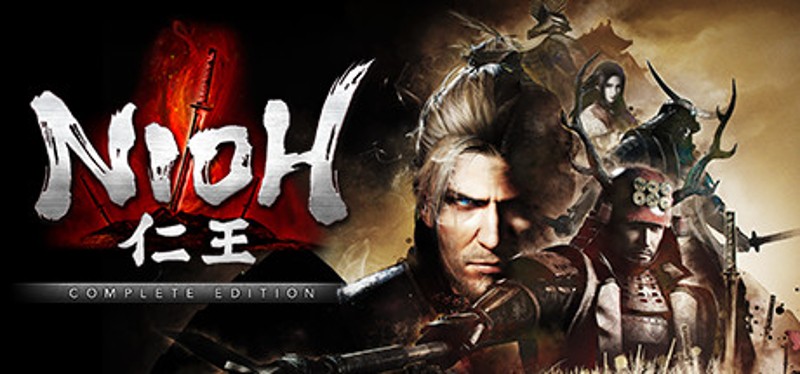
Swap the vast open world for mission-based levels while keeping the intense stamina-management combat and deep character build customization intact.
If you enjoyed this game, see our list of games similar to NiOh.View Game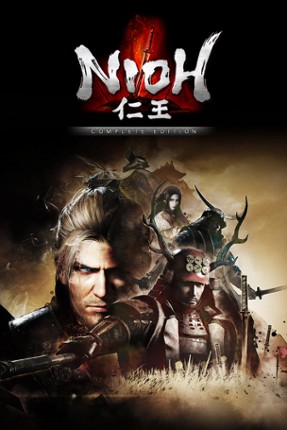
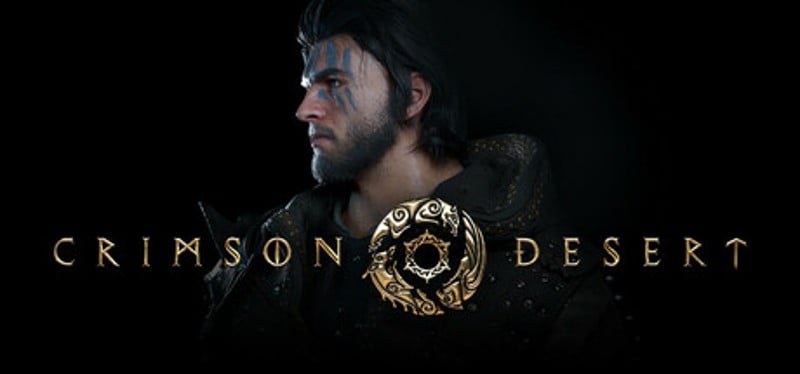
- 84%Game Brain ScoreMost mentioned positive aspects:story, gameplayMost mentioned negative aspects:grinding, stability87% User Score 69,482 reviewsCritic Score 75%3 reviews
Includes: Crimson Desert - Pre-Order Bonus Crimson Desert - Khaled Shield If you enjoyed this game, see our list of games similar to Crimson Desert.
View Game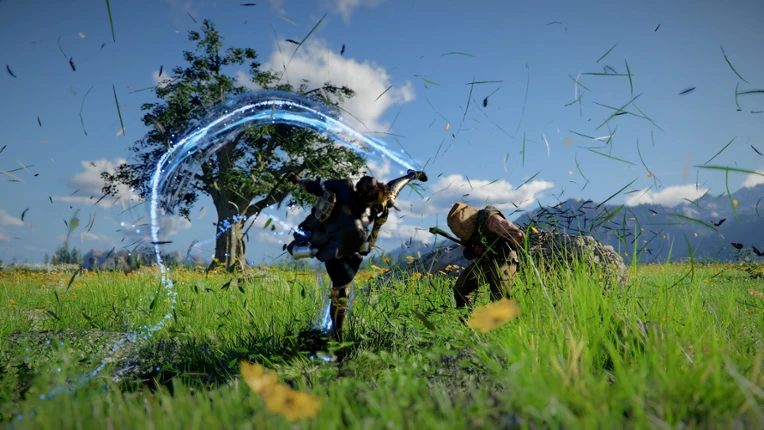

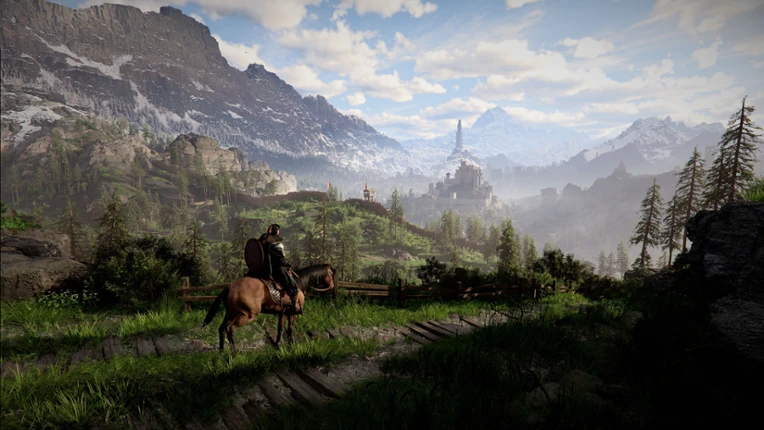
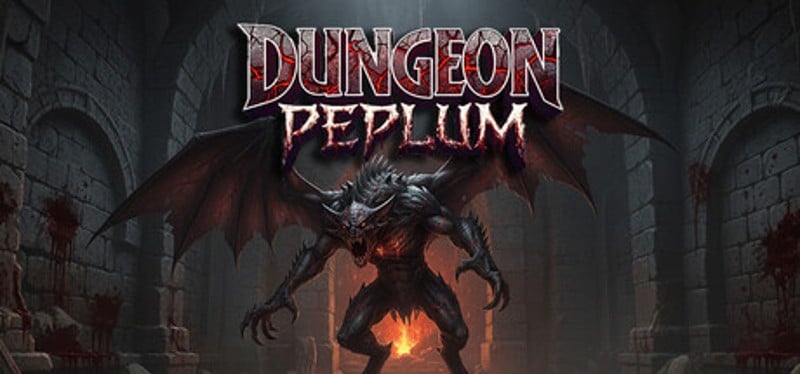
- 85%Game Brain ScoreMost mentioned positive aspects:gameplay, musicMost mentioned negative aspects:stability, grinding85% User Score 1,145 reviews
As a smaller-scale alternative, this title features tight, corridor-focused encounters that diverge from the sweeping vistas and massive scope of modern epics.
If you enjoyed this game, see our list of games similar to Dungeon Peplum.View Game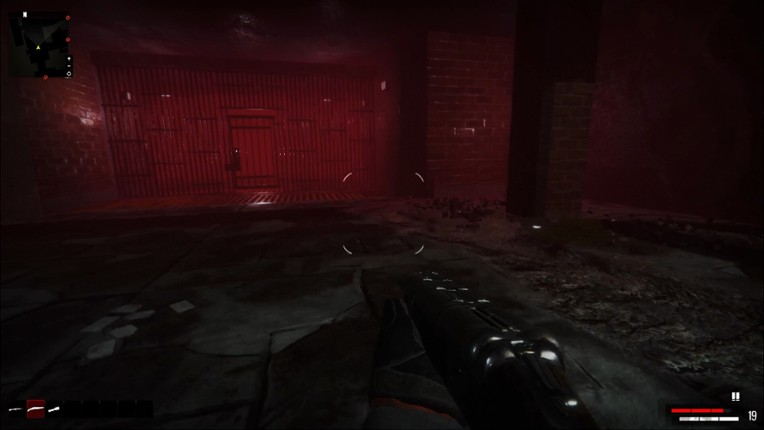
- 86%Game Brain ScoreMost mentioned positive aspects:story, gameplayMost mentioned negative aspects:optimization, grinding86% User Score 1,125 reviews
This indie offering provides a vastly stripped-down, focused challenge that prioritizes quick-reflex mechanics over the sprawling exploration found in larger epics.
If you enjoyed this game, see our list of games similar to Leviaclaw.View Game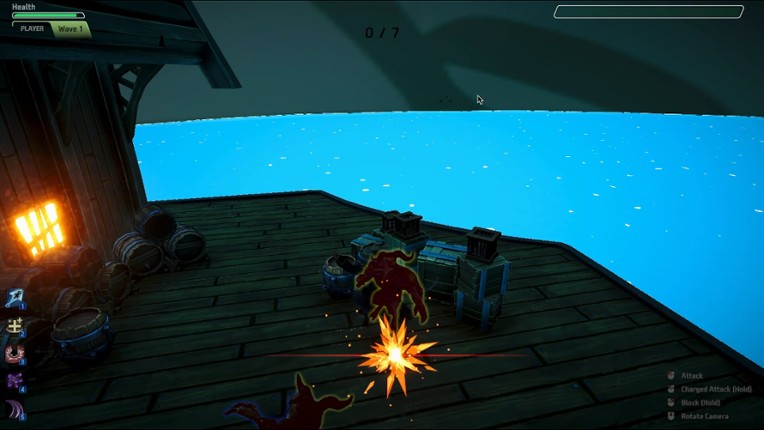
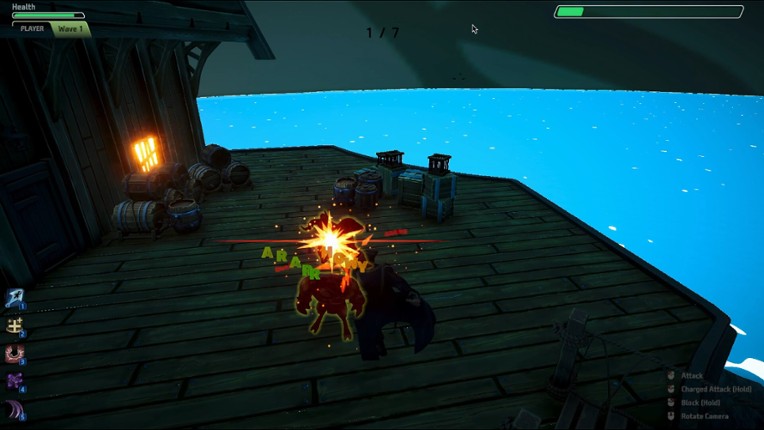
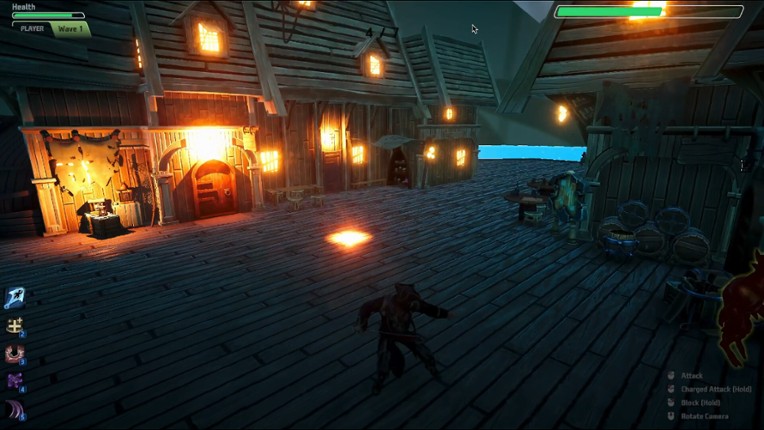
- 83%Game Brain ScoreMost mentioned positive aspects:gameplay, graphicsMost mentioned negative aspects:stability, grinding83% User Score 9,525 reviews
Experience a condensed, dark-fantasy iteration that replaces extensive character creation with a unique shell-swapping system for diverse playstyle adaptations.
If you enjoyed this game, see our list of games similar to Mortal Shell II.View Game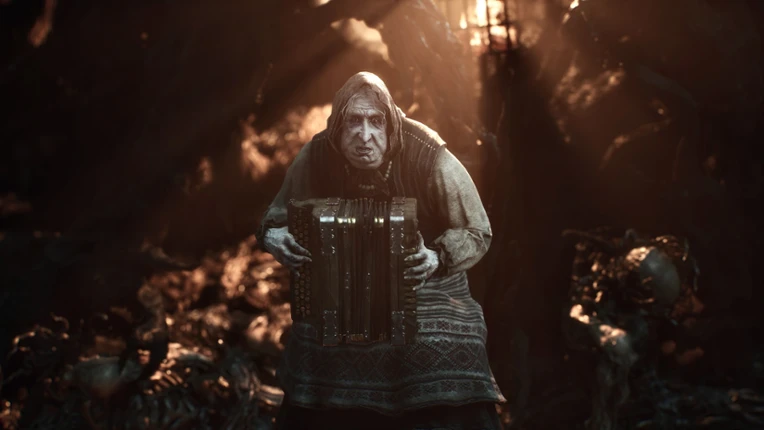
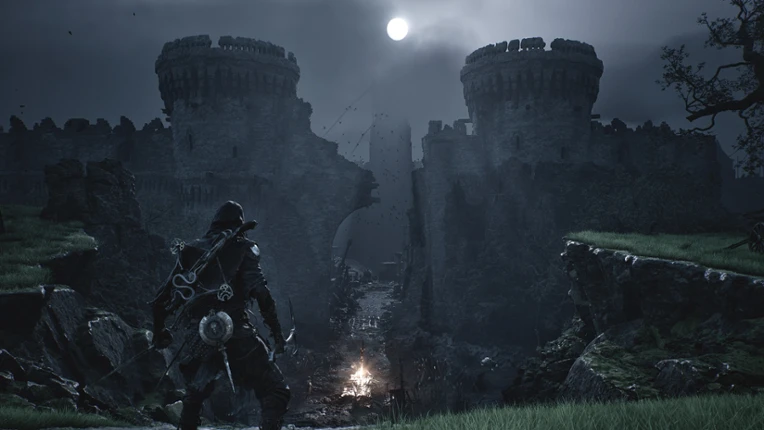

- 86%Game Brain ScoreMost mentioned positive aspects:story, gameplayMost mentioned negative aspects:stability, optimization87% User Score 176,320 reviewsCritic Score 83%6 reviews
Swaps Elden Ring's lonely fantasy wandering for first-person survival horror, aimed at players who want co-op building, crafting, and constant dread.
If you enjoyed this game, see our list of games similar to Sons Of The Forest.View Game


37 View Game 74%Game Brain ScoreMost mentioned positive aspects:story, gameplayMost mentioned negative aspects:stability, optimization84% User Score 79,776 reviewsCritic Score 53%4 reviews
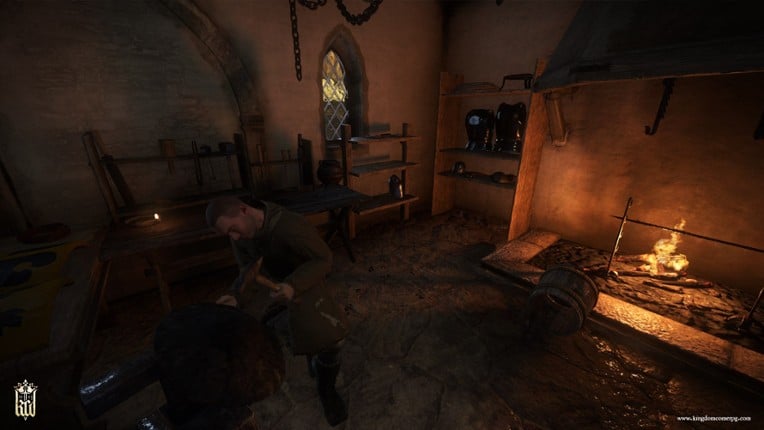
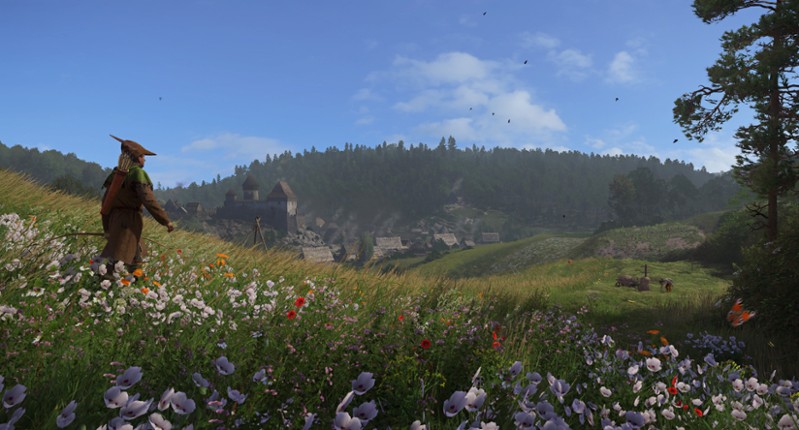
Trading supernatural bosses for grounded historical realism, this experience demands mastery of realistic swordplay rather than magical spellcasting and fantasy builds.
If you enjoyed this game, see our list of games similar to Kingdom Come: Deliverance.View Game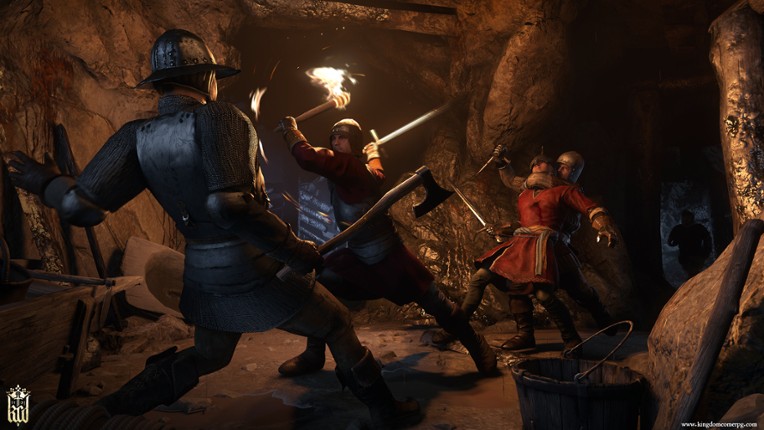
- 81%Game Brain ScoreMost mentioned positive aspects:story, gameplayMost mentioned negative aspects:grinding, optimization81% User Score 1,096 reviews
Minimal shared DNA—solo indie title with unclear mechanics, positioned as a looser thematic connection rather than direct Elden Ring successor.
If you enjoyed this game, see our list of games similar to Virelia.View Game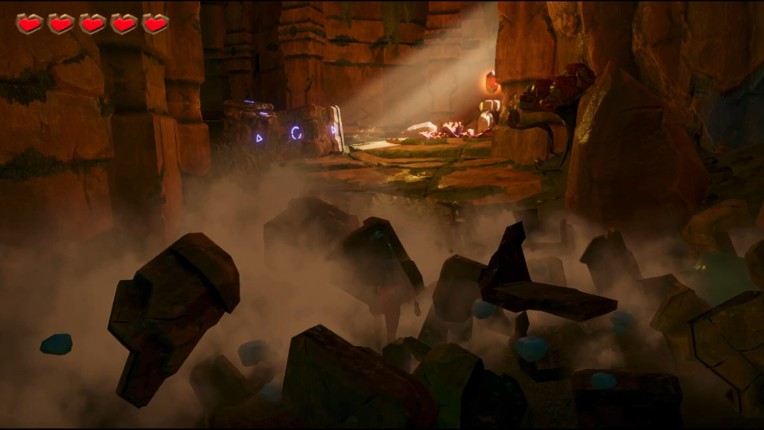
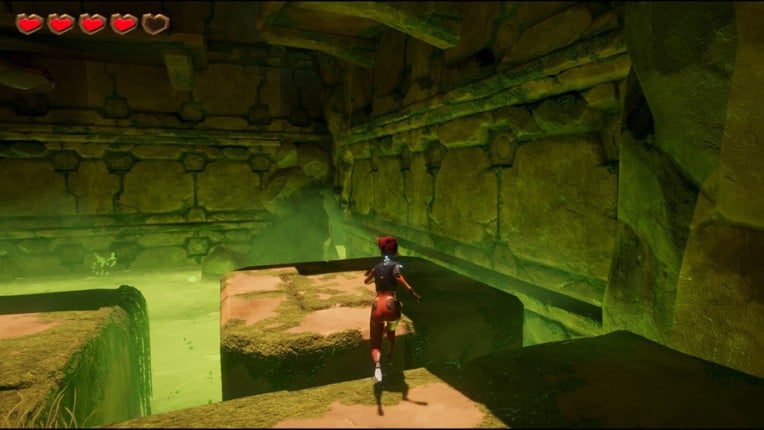
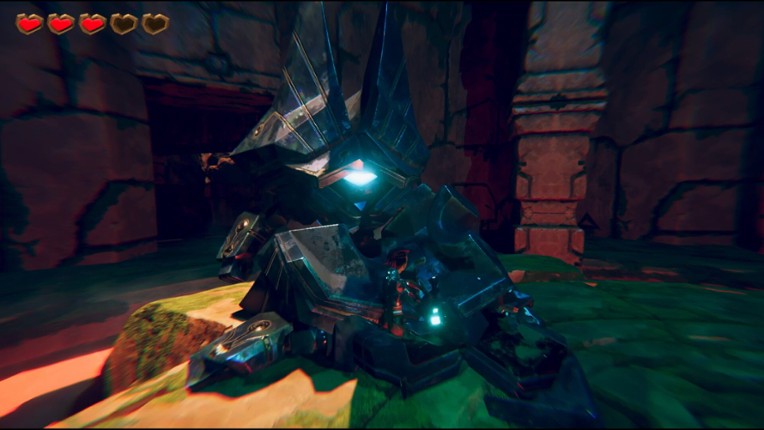
- 84%Game Brain ScoreMost mentioned positive aspects:gameplay, storyMost mentioned negative aspects:grinding, stability91% User Score 27,205 reviewsCritic Score 78%30 reviews
Translate the punishing combat into a brutal 2D gothic landscape that leans harder into religious horror than traditional high-fantasy exploration.
If you enjoyed this game, see our list of games similar to Blasphemous.View Game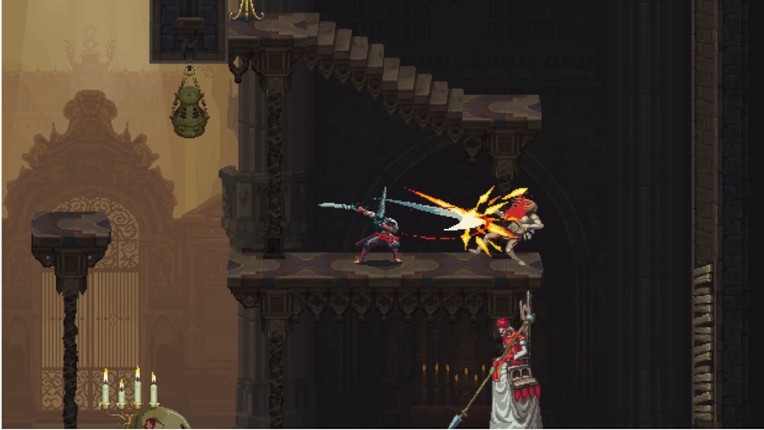
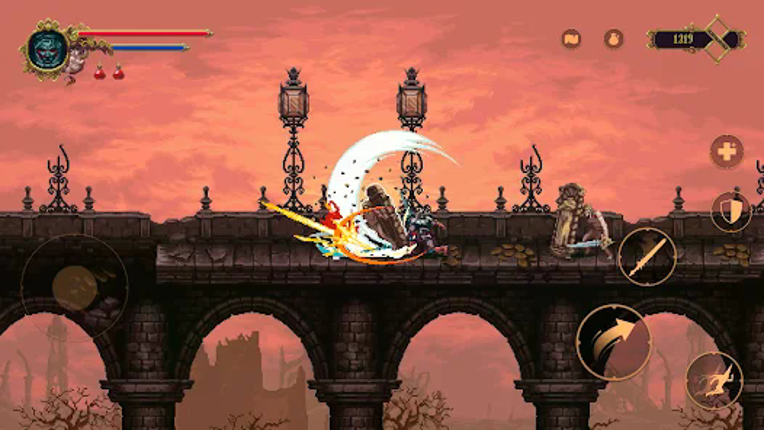
- 84%Game Brain ScoreMost mentioned positive aspects:gameplay, graphicsMost mentioned negative aspects:grinding, stability98% User Score 1,063,956 reviewsCritic Score 70%20 reviews
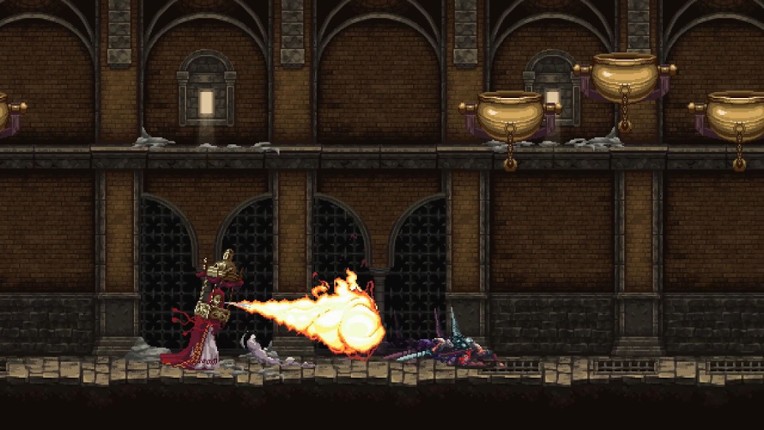
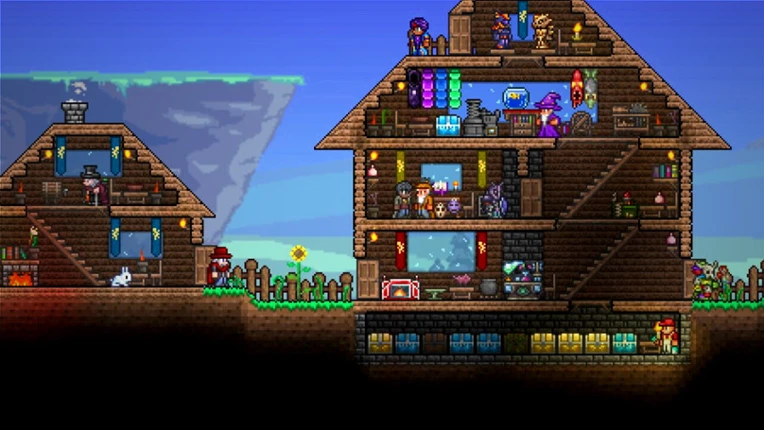
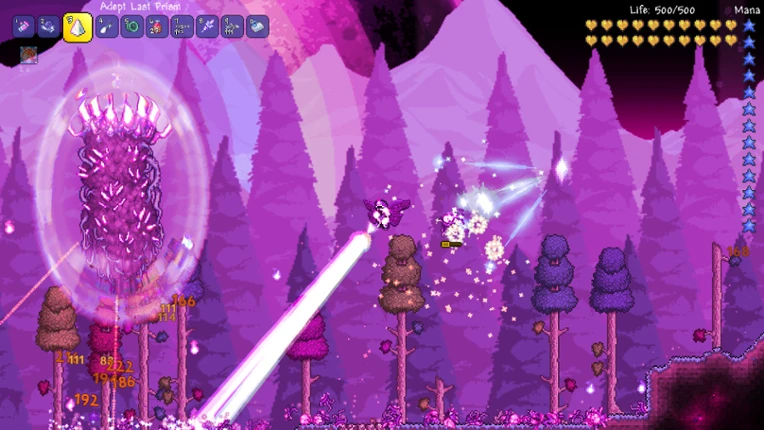
Dig, Fight, Explore, Build: The very world is at your fingertips as you fight for survival, fortune, and glory. Will you delve deep into cavernous expanses in search of treasure and raw materials with which to craft ever-evolving gear, machinery, and aesthetics? Perhaps you will choose instead to seek out ever-greater foes to test your mettle in combat? Maybe you will decide to construct your own … If you enjoyed this game, see our list of games similar to Terraria.
View Game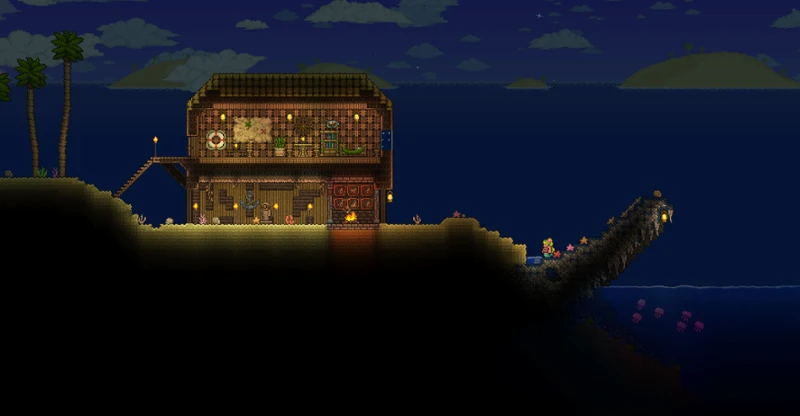
- 84%Game Brain ScoreMost mentioned positive aspects:story, gameplayMost mentioned negative aspects:grinding, stability94% User Score 4,813 reviewsCritic Score 70%6 reviews
Deeper narrative consequences define this isometric journey, focusing on branching dialogue and player choices that impact the world far more significantly.
If you enjoyed this game, see our list of games similar to Drova: Forsaken Kin.View Game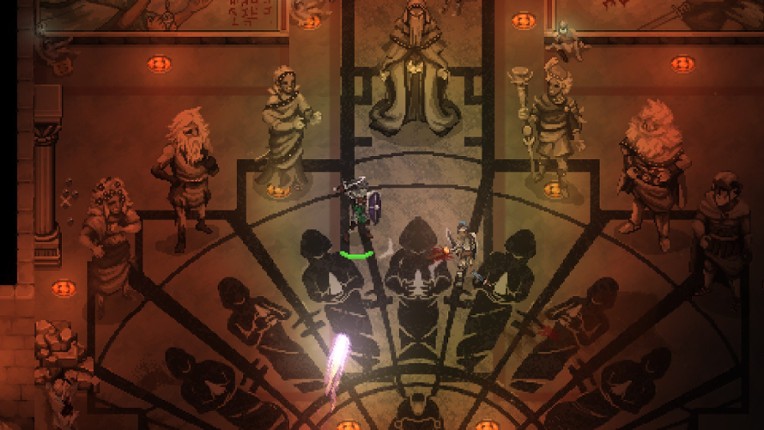
42 View Game 94%Game Brain ScoreMost mentioned positive aspects:story, gameplayMost mentioned negative aspects:graphics, stability94% User Score 15,146 reviews
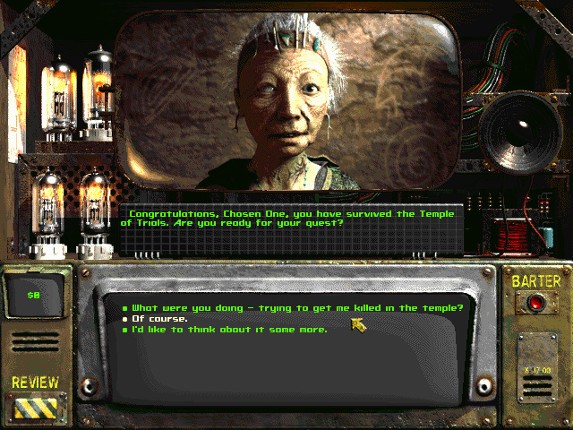
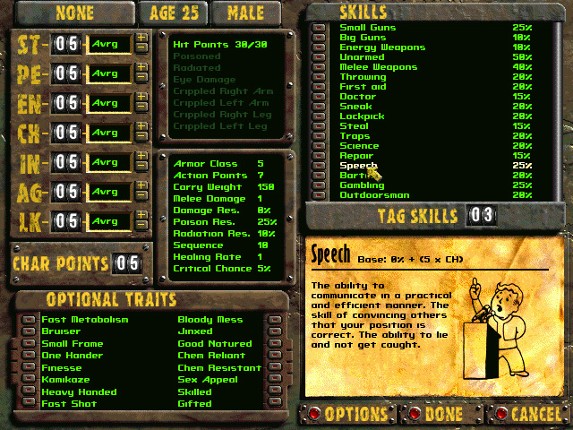
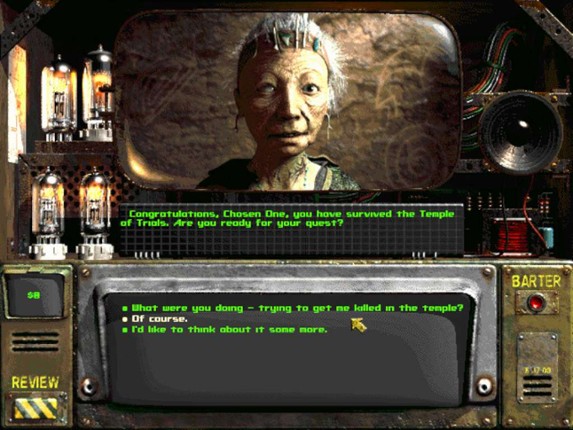
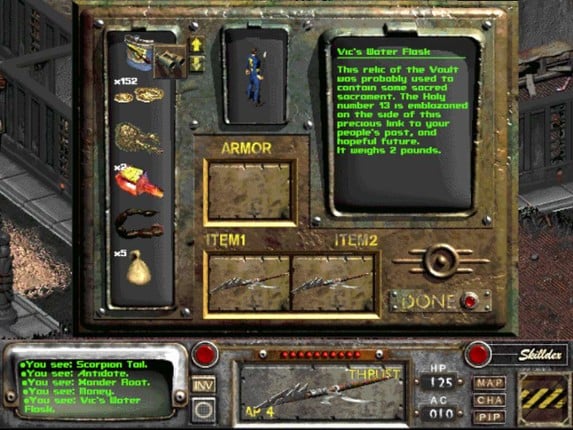
Though the mechanical connection is distant, this classic offers the same unforgiving sense of discovery through complex, turn-based role-playing systems.
If you enjoyed this game, see our list of games similar to Fallout 2: A Post Nuclear Role Playing Game.View Game
- 75%Game Brain ScoreMost mentioned positive aspects:story, gameplayMost mentioned negative aspects:stability, grinding76% User Score 11,983 reviewsCritic Score 73%66 reviews
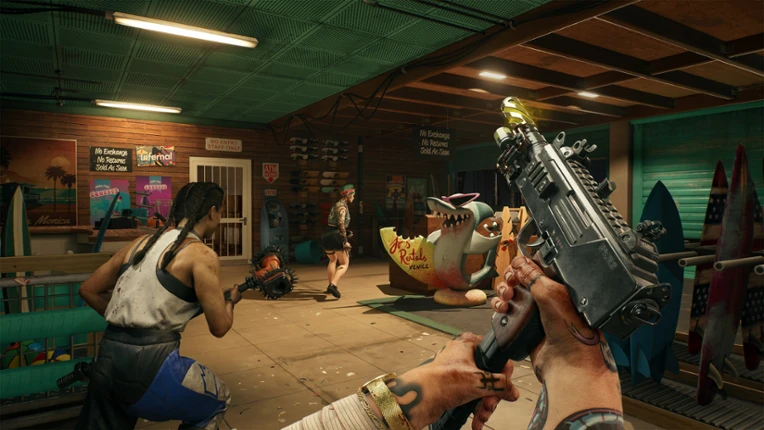
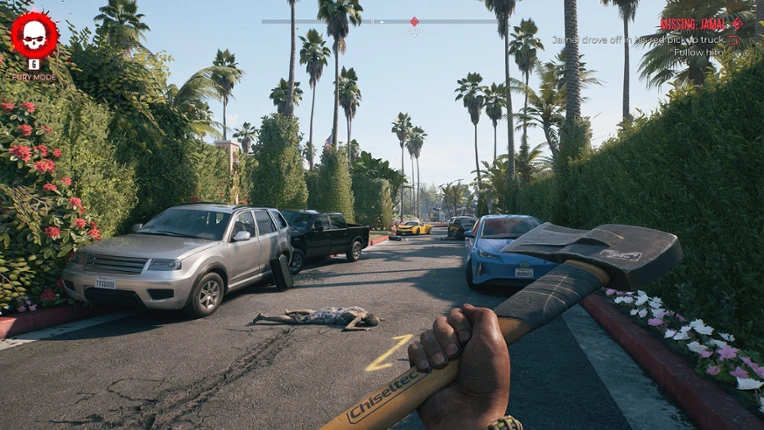
Keeps the brutal melee combat and co-op structure, but trades Elden Ring's solemn tension for loud, gore-soaked zombie carnage and dark jokes.
If you enjoyed this game, see our list of games similar to Dead Island 2.View Game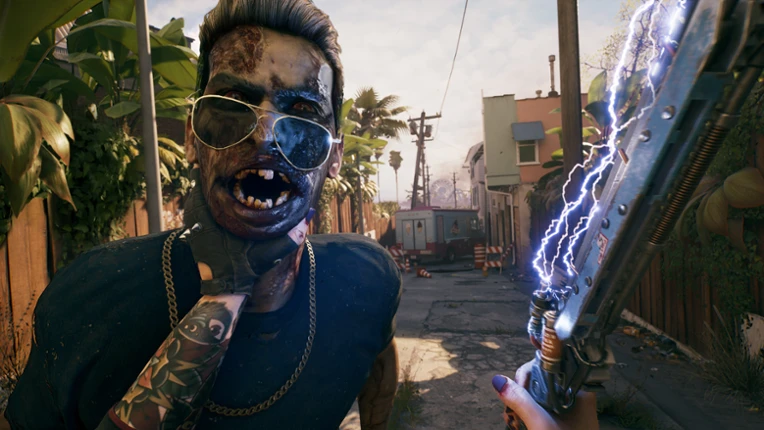
- 82%Game Brain ScoreMost mentioned positive aspects:story, gameplayMost mentioned negative aspects:grinding, stability88% User Score 16,451 reviewsCritic Score 75%47 reviews
Utilize an anime-inspired art style to explore a companion-focused journey that emphasizes cooperative party dynamics during high-stakes combat encounters.
If you enjoyed this game, see our list of games similar to CODE VEIN.View Game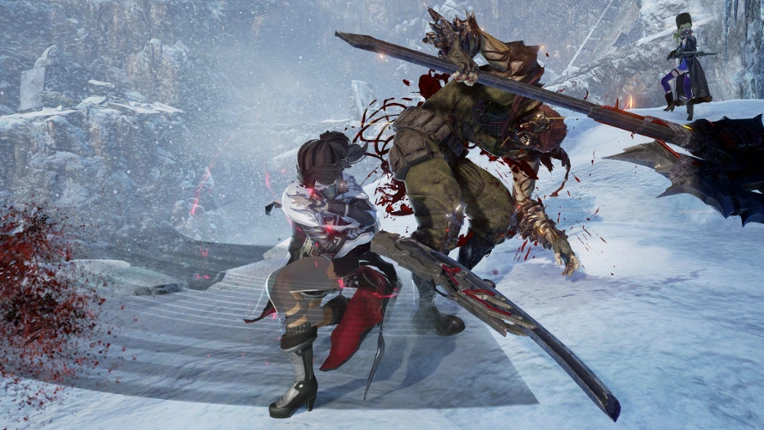
- 94%Game Brain ScoreMost mentioned positive aspects:story, gameplayMost mentioned negative aspects:graphics, stability94% User Score 5,878 reviews
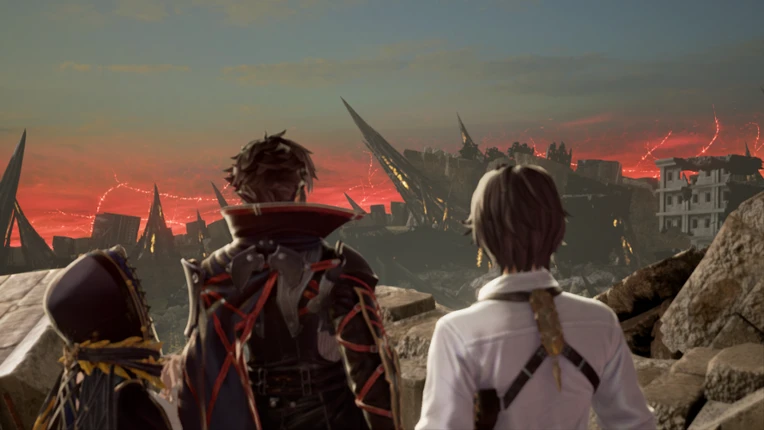
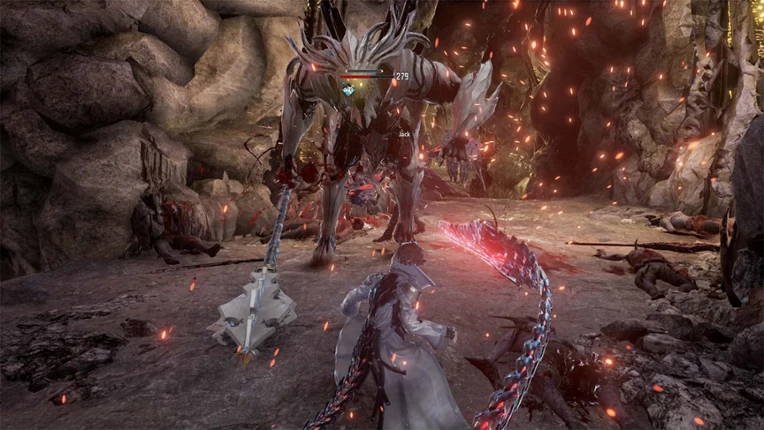
This is only a loose fit: it shares the open-ended role-playing freedom, but replaces Elden Ring's action combat with classic isometric turn-based quests.
If you enjoyed this game, see our list of games similar to Fallout 2.View Game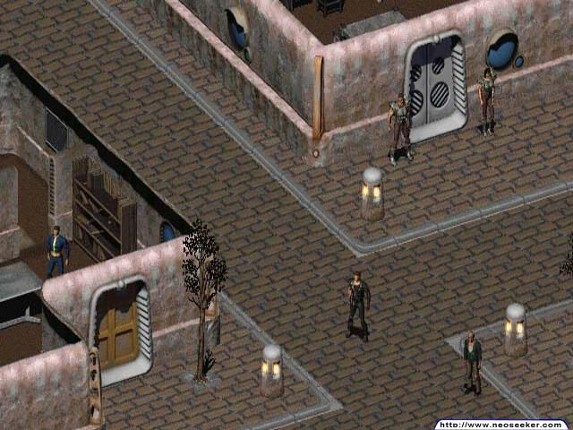
46 View Game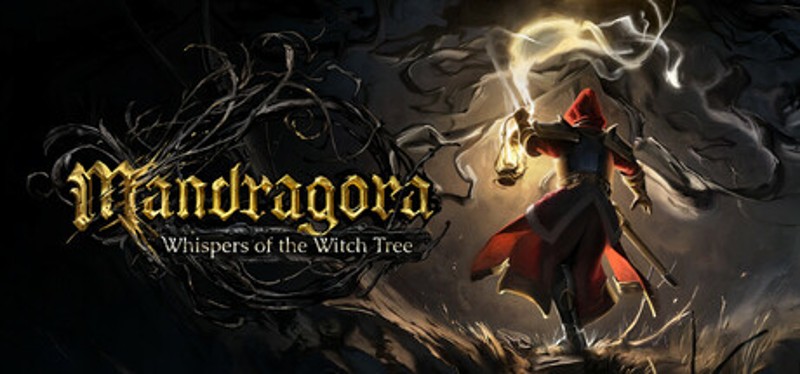 78%Game Brain ScoreMost mentioned positive aspects:story, gameplayMost mentioned negative aspects:grinding, stability79% User Score 1,419 reviewsCritic Score 77%9 reviews
Channels Elden Ring's difficult exploration and dark fantasy mood, but wraps it in 2.5D metroidvania structure and heavier story emphasis.
If you enjoyed this game, see our list of games similar to Mandragora: Whispers of the Witch Tree.View Game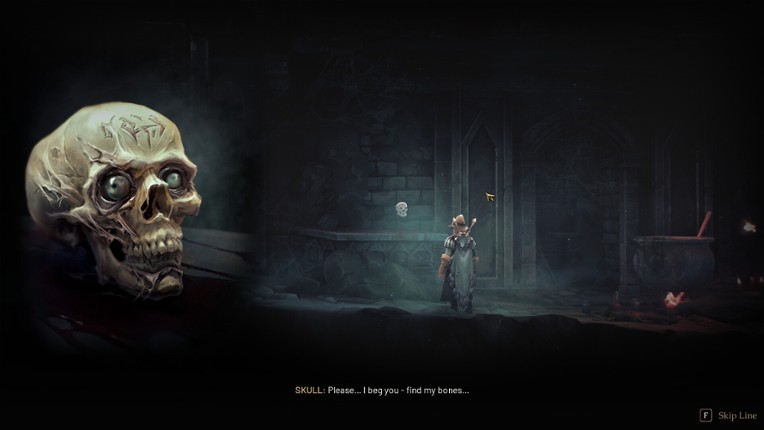
47 View Game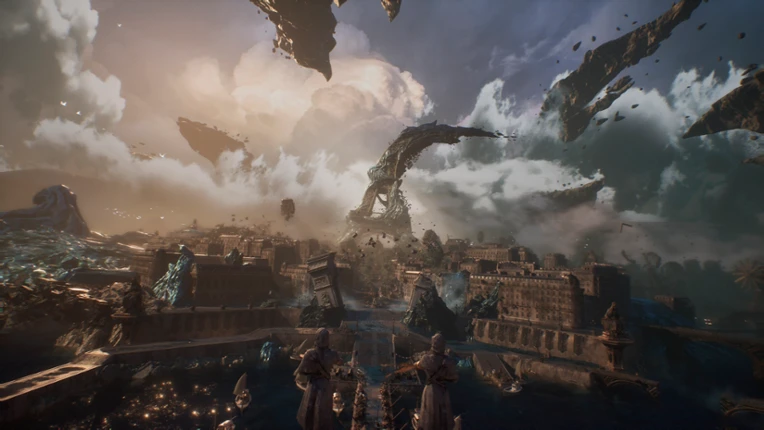
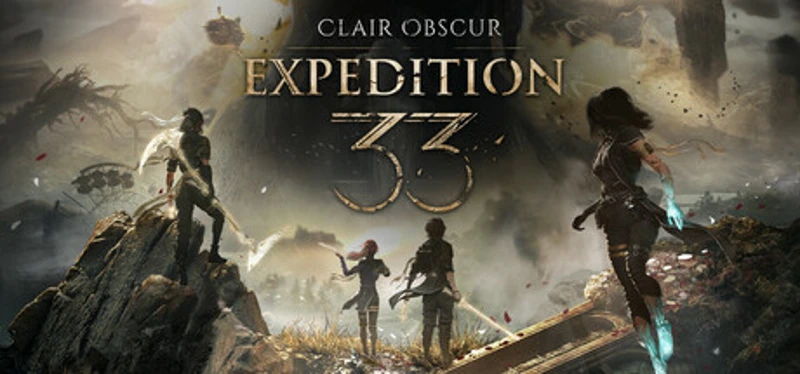
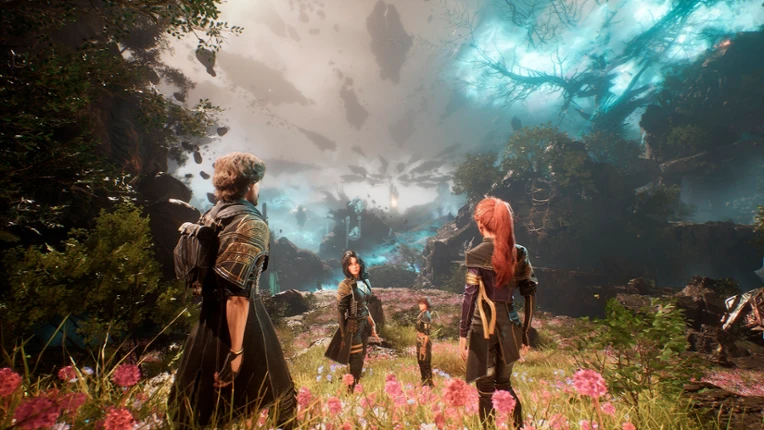 97%Game Brain ScoreMost mentioned positive aspects:story, musicMost mentioned negative aspects:grinding, stability97% User Score 124,463 reviews
Expect a more narrative-driven journey where cinematic storytelling takes precedence over the environmental lore discovery typical of the genre.
If you enjoyed this game, see our list of games similar to Clair Obscur: Expedition 33.View Game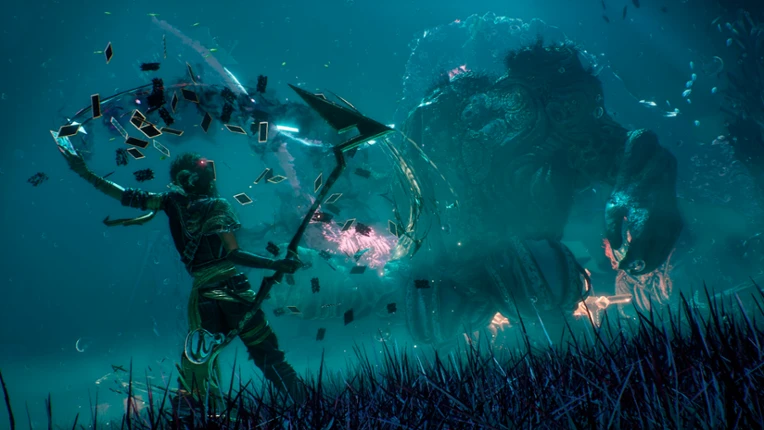
- 75%Game Brain ScoreMost mentioned positive aspects:story, gameplayMost mentioned negative aspects:optimization, monetization66% User Score 78,860 reviewsCritic Score 84%68 reviews
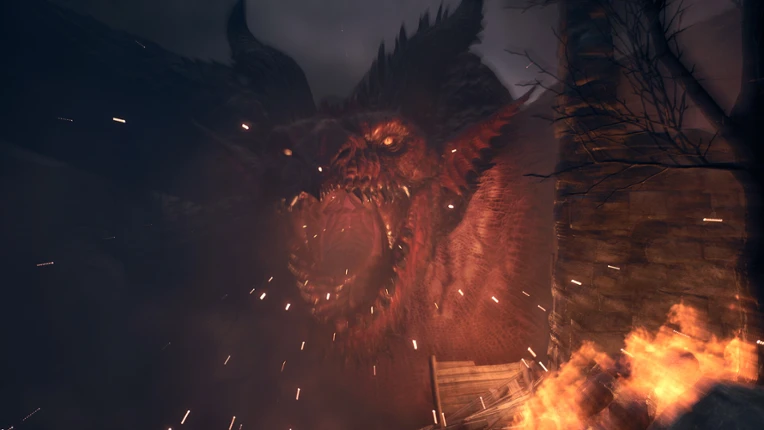
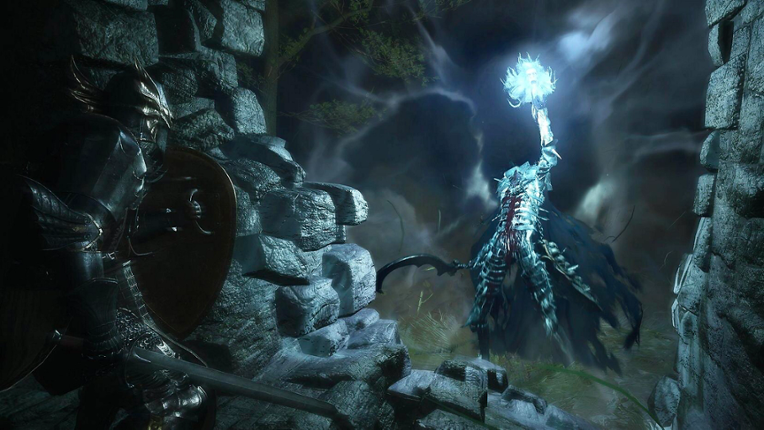
Keeps the open-world action-RPG ambition, yet swaps Elden Ring's bleak mystery for a more companion-driven fantasy adventure with a towering scale.
If you enjoyed this game, see our list of games similar to Dragon's Dogma 2.View Game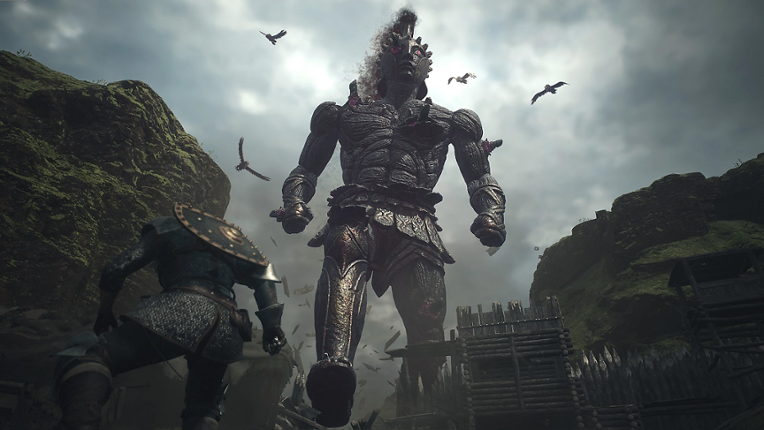
49 View Game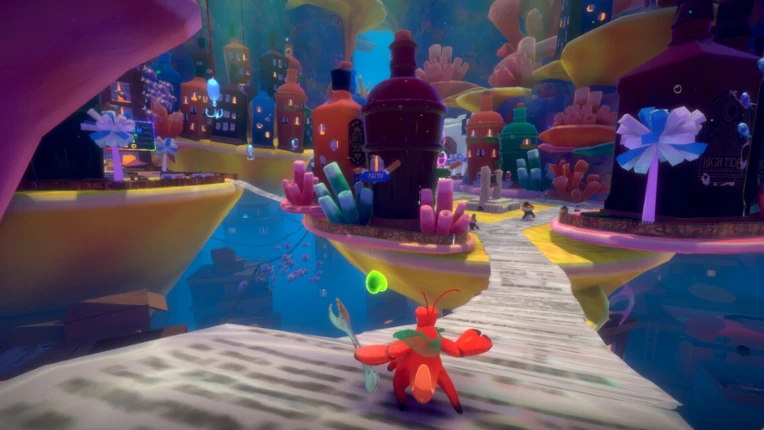
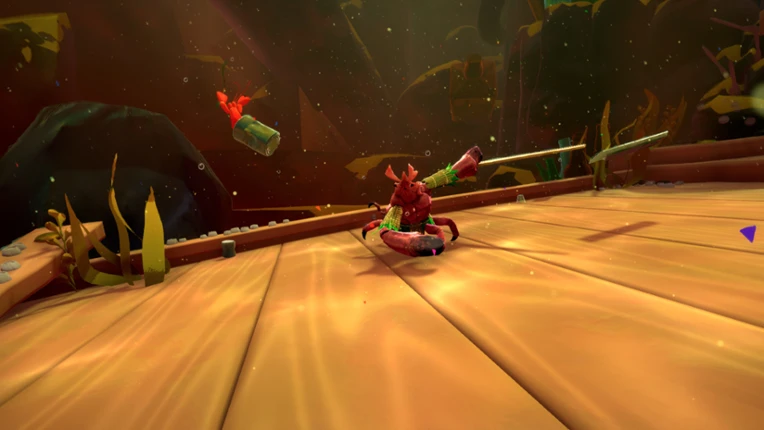 90%Game Brain ScoreMost mentioned positive aspects:story, gameplayMost mentioned negative aspects:stability, grinding95% User Score 10,876 reviewsCritic Score 77%3 reviews
For players drawn to Elden Ring's demanding action and strange exploration, but happier with a quirky underwater setting and lighter mood.
If you enjoyed this game, see our list of games similar to Another Crab's Treasure.View Game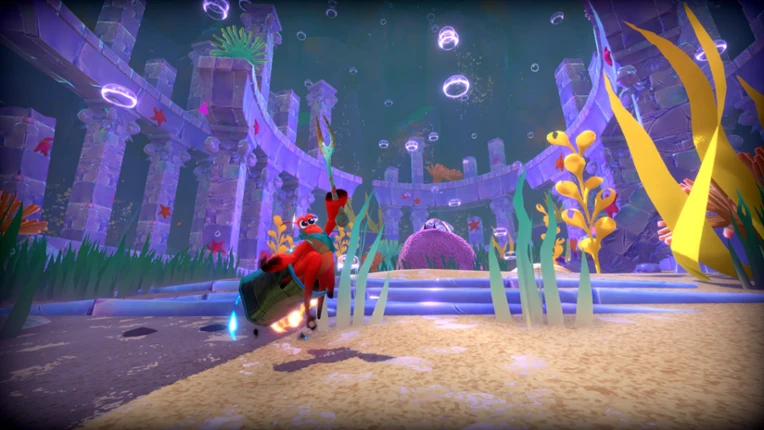
- 88%Game Brain ScoreMost mentioned positive aspects:story, gameplayMost mentioned negative aspects:grinding, stability87% User Score 19,560 reviewsCritic Score 88%24 reviews
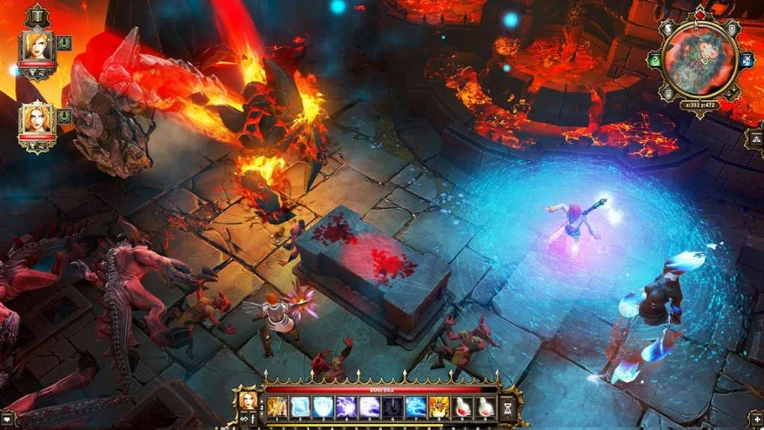
Takes the co-op, story-rich fantasy route but abandons Elden Ring's real-time combat for tactical turn-based party planning and spell combos.
If you enjoyed this game, see our list of games similar to Divinity: Original Sin.View Game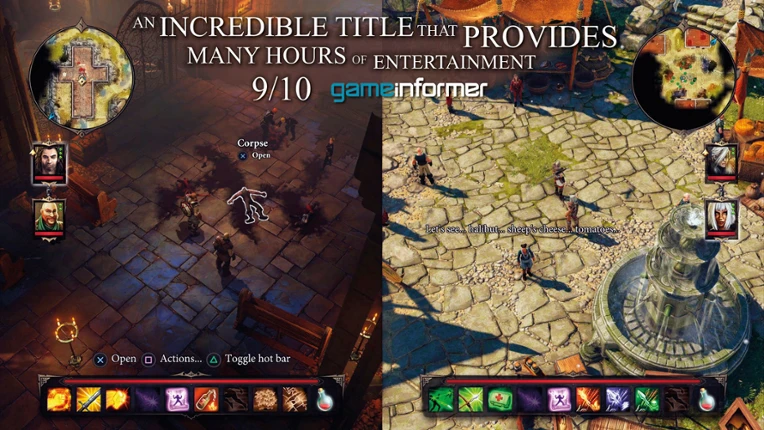


 View Game























Frequently Asked Questions
Start with Dark Souls III, which shares Elden Ring's challenging combat and intricate level design with a dark gothic aesthetic. Dark Souls: Remastered and Dark Souls II offer similar exploration and rewarding gameplay loops. All three feature refined action RPG mechanics, stellar soundtracks, and deep lore that rewards curious players willing to piece together the story themselves.
Dark Souls III, Dark Souls: Remastered, and Dark Souls II: Scholar of the First Sin all support online co-op, letting you summon friends for challenging boss battles. Remnant 2 offers full co-op campaigns for up to three players with similar challenging combat and build variety. Each delivers that rewarding difficulty Elden Ring fans crave while playing together.
Sekiro: Shadows Die Twice stands out with focused storytelling, breathtaking visuals, and an unforgettable soundtrack that rivals Elden Ring's emotional weight. Hollow Knight delivers haunting atmosphere through hand-drawn art and a deeply mysterious narrative. Both games excel at creating immersive worlds without microtransactions, prioritizing complete, satisfying single-player experiences.
Unfortunately, none of the top alternatives to Elden Ring are completely free. However, Hollow Knight is exceptionally affordable for an indie title, with extensive free content updates post-launch. The Dark Souls series frequently goes on sale during Steam and console sales. These premium titles avoid predatory monetization, offering complete experiences without battle passes or cosmetic grinding.
Dark Souls III refined Elden Ring's combat foundation with phenomenal boss design and balanced difficulty. Dark Souls II: Scholar of the First Sin excels with extensive build variety through power stancing and unique character development options. Sekiro: Shadows Die Twice offers the most demanding boss encounters with a fixed playstyle. Each rewards mastery and experimentation.
Dark Souls III features gothic horror atmosphere with intricate architectural design and disturbing enemy designs. Dark Souls: Remastered pioneers this dark fantasy tone with lore-rich worldbuilding. Hollow Knight delivers a haunting, melancholic experience through its hand-drawn aesthetics and mysterious narrative. All three create unsettling yet beautiful worlds that emphasize dread and discovery over jump scares.