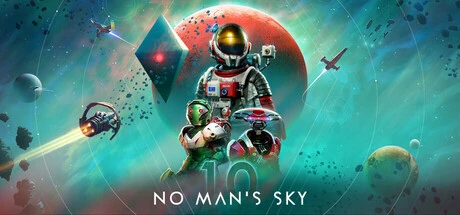



Games like No Man's Sky
There's nothing quite like landing on a procedurally generated planet, scanning a strange alien creature, and knowing you might be the only person who's ever seen it — which is exactly why players start searching for games like No Man's Sky after sinking hundreds of hours into Hello Games' universe. That mix of first-person exploration, crafting, base-building, and space simulation is rare, but great alternatives exist.
No Man's Sky succeeds by fusing open-world survival, crafting, and space simulation into one seamless loop: you scan, mine, build, upgrade your ship, and warp to the next system, all while a moody sci-fi soundtrack sets the atmosphere. It's equally about quiet solo wandering and online co-op with friends. Players searching for something similar usually want that same freedom — procedural exploration, meaningful crafting progression, and the sense that the galaxy keeps surprising them.
What Makes a Good Alternative to No Man's Sky?
- Procedural exploration — endless, algorithmically generated worlds or star systems keep every landing feeling fresh, just like No Man's Sky's planet generation.
- Crafting and base building — turning raw resources into gear, ships, and bases gives the grind purpose and mirrors No Man's Sky's survival progression.
- Space travel and ship upgrades — the freedom to fly between planets, dock, and improve your vessel is central to that sense of open-world scale.
- Atmosphere and sound design — a strong sci-fi soundtrack and ambient tone make solitary exploration feel meaningful rather than empty.
- Co-op flexibility — the option to play solo or drop into online co-op with friends without losing the core loop's appeal.
Top Picks If You Enjoyed No Man's Sky
If you want the closest sibling, Starbound delivers the same procedural, crafting-heavy exploration in 2D pixel form. Elite Dangerous trades cartoon planets for a hardcore, realistic galaxy simulation. ASTRONEER softens the survival elements into a colorful, cooperative building experience. Empyrion: Galactic Survival leans harder into base construction and modding, while Starfield swaps procedural planets for handcrafted, story-rich questing across the stars.
Every game on this list is ranked by how closely it matches No Man's Sky's signature blend of exploration, crafting, and atmosphere, based on real player data. Browse the full list of games like No Man's Sky below to find your next galaxy-spanning obsession.
- 86%Game Brain ScoreMost mentioned positive aspects:story, gameplayMost mentioned negative aspects:grinding, optimization89% User Score 101,534 reviewsCritic Score 83%10 reviews
Landing on an unfamiliar world, gathering what you need, and deciding whether to explore, trade, or build next creates the satisfying loop that keeps No Man’s Sky players roaming. In both games, procedural exploration, crafting, and survival turn each new location into a practical problem—and a potential home.
Starbound also supports solo play, co-op, online multiplayer, and trading, so you can pursue a self-directed expedition alone or share the chaos with friends. Because resources feed directly into tools, gear, and construction, exploration feels purposeful rather than merely scenic; every detour can improve your next trip.
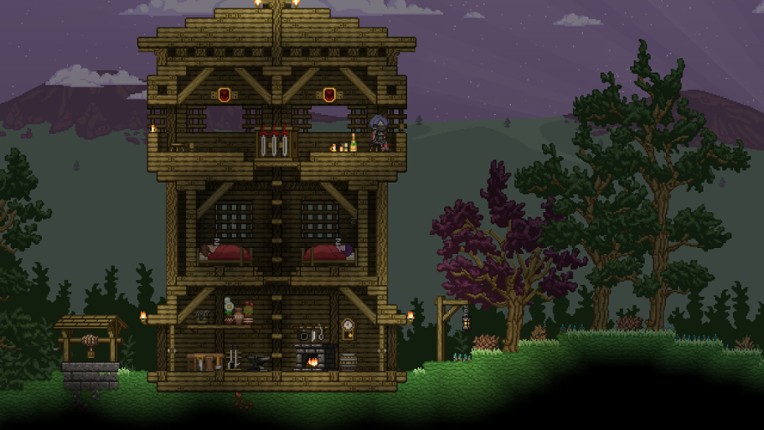
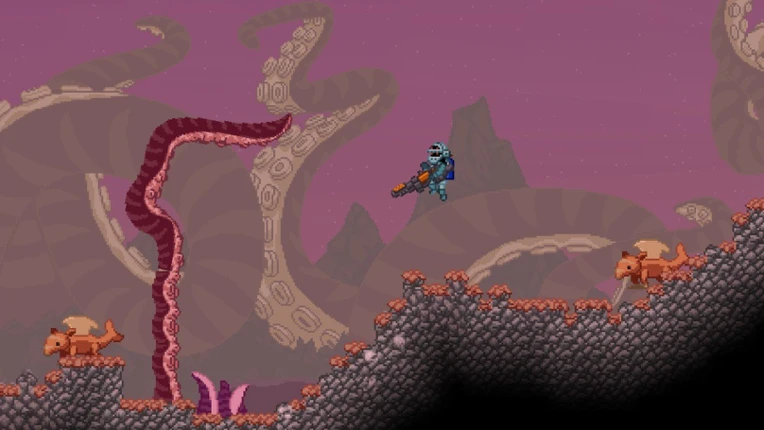
The fresh angle is its 2D pixel-art presentation: instead of No Man’s Sky’s first-person spectacle and seamless planetary scale, you dig through layered worlds, build compact bases, and approach combat like a platforming adventure. That tradeoff makes Starbound more tactile and readable, though less cinematic.
Its comparable grind and occasional stability complaints mean it is not a guaranteed cure for No Man’s Sky’s rough edges, but the sandbox replayability remains a strong match. Best for players who want exploratory freedom with hands-on building and co-op experimentation.
If you enjoyed this game, see our list of games similar to Starbound.View Game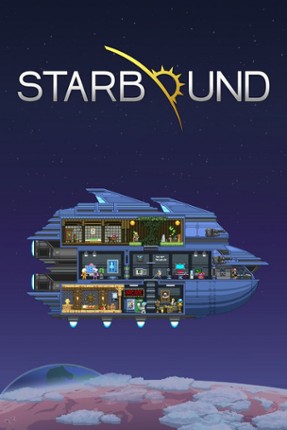
- 78%Game Brain ScoreMost mentioned positive aspects:gameplay, graphicsMost mentioned negative aspects:story, grinding76% User Score 94,098 reviewsCritic Score 81%14 reviews
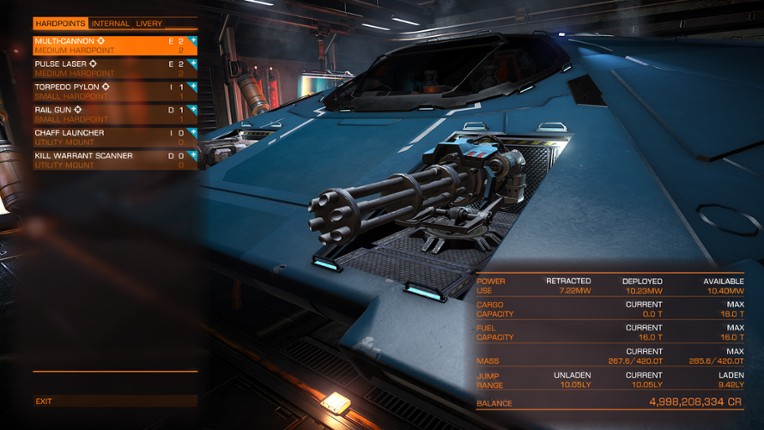
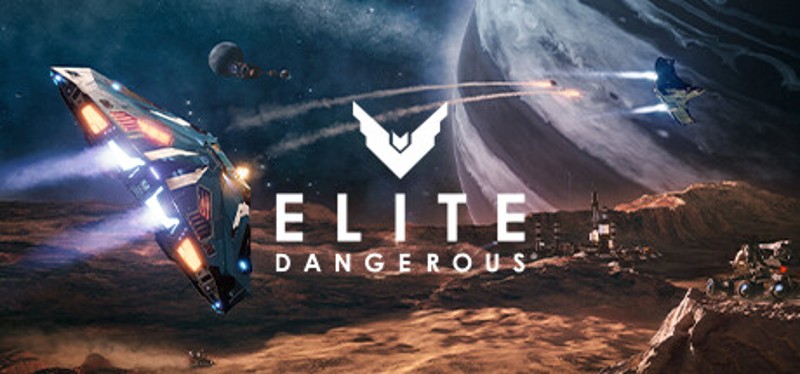
Steering your starship through the silent void, plotting hyperspace jumps to unmapped star systems, and establishing profitable trade routes captures that same intoxicating freedom of charting the unknown. Elite Dangerous shares this core loop of self-directed cosmic exploration, but trades stylized fantasy for hard-science realism. Your hard-earned knowledge of orbital mechanics and ship systems directly influences your survival, making every successful docking maneuver feel like a hard-won triumph.
If you found the planetary transitions and flight physics in your previous journey a bit clunky or poorly optimized, this adventure offers a remarkably smooth, scientifically grounded flight model. Instead of arcade-style controls, you are handed Newtonian physics and a fully mapped, 1:1 scale recreation of our actual Milky Way galaxy. This shift replaces casual planet-hopping with a demand for genuine pilot skill and spatial awareness.
Best for players who chase realistic flight mastery and the quiet awe of authentic space science.
If you enjoyed this game, see our list of games similar to Elite Dangerous.View Game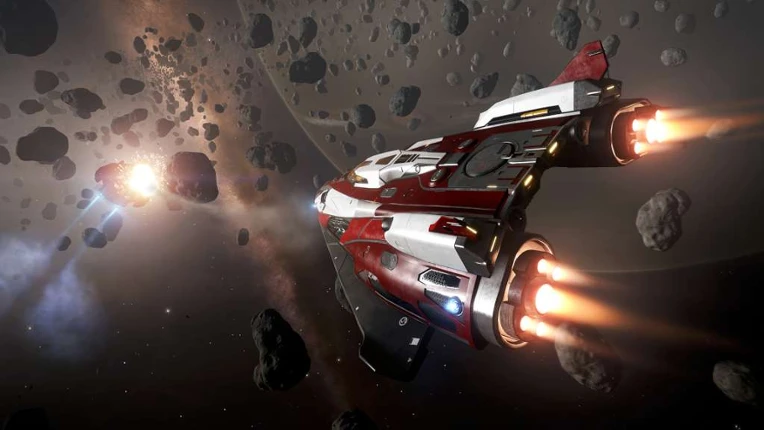

- 92%Game Brain ScoreMost mentioned positive aspects:gameplay, graphicsMost mentioned negative aspects:stability, grinding92% User Score 44,980 reviews
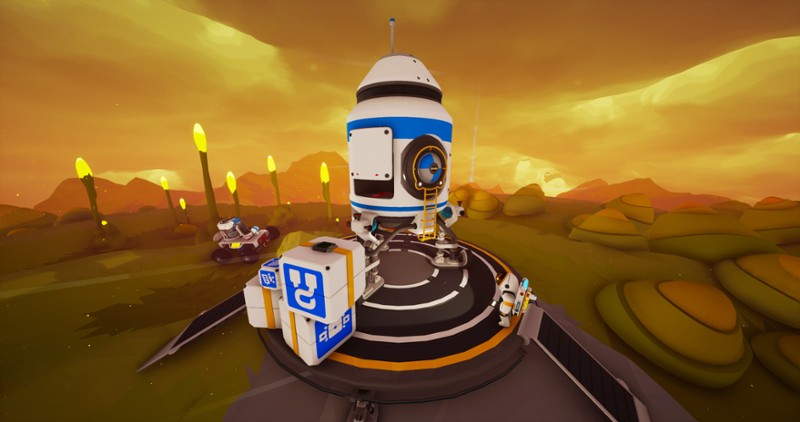
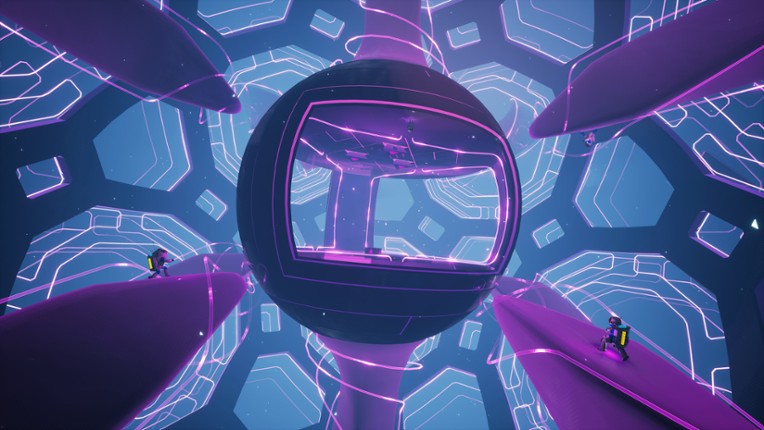
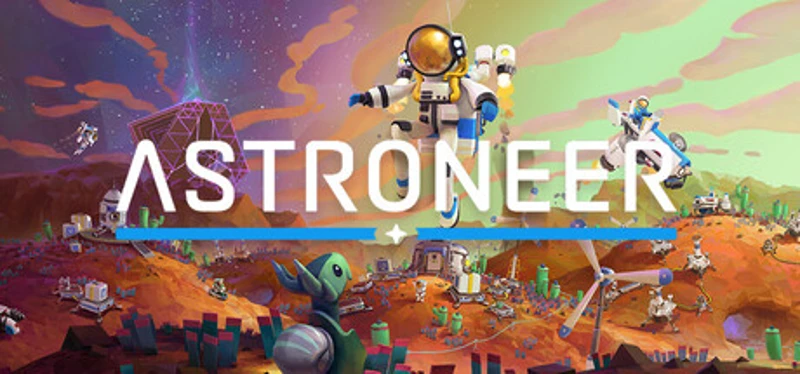
Both games center on the rhythmic loop of resource gathering, crafting, and incremental base expansion across alien worlds. In No Man's Sky, you hunt materials to fuel your multi-tool and starship; in ASTRONEER, you harvest ores and organics to unlock increasingly complex automation chains. This creates the same addictive cycle of small progress feeding into larger capability.
The exploration payoff differs in a crucial way: No Man's Sky rewards you with discovery through procedural generation and rare finds, while ASTRONEER emphasizes purposeful vertical progression—each new planet or tech tier unlocks tangible new regions to access. Both scratch the same itch, but ASTRONEER's science-driven structure can feel less grindy because advancement directly gates where you can venture next.
ASTRONEER trades No Man's Sky's vast, solitary universe for tighter planetary design built for co-op. The colorful, compact worlds encourage shared base-building rather than solo wandering—a notable pivot, but one that preserves the core appeal of collaborative survival crafting.
Best for: No Man's Sky veterans craving exploration without the grinding fatigue, especially those who prefer base-building as their primary goal over combat or trading.
If you enjoyed this game, see our list of games similar to null.View Game
- 79%Game Brain ScoreMost mentioned positive aspects:gameplay, storyMost mentioned negative aspects:stability, optimization79% User Score 20,953 reviews
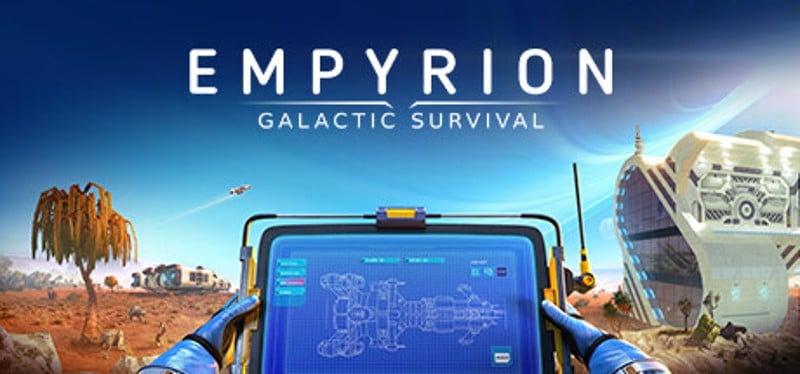
Fans who treasure the quiet triumph of landing on an untouched world, scanning its flora, and building a foothold will feel immediately at home in Empyrion's galaxy.
Both games anchor progression in open-world survival crafting, where gathering resources and constructing bases provides the backbone of your session—but Empyrion pushes this further by letting players design fully functional starships and orbital stations from modular components, creating a tangible sense of engineering mastery that complements No Man's Sky's simpler vessel upgrades. The procedural galaxy in both titles rewards curiosity; you never know if the next planet holds alien ruins or a perfect mining spot.
Empyrion does lean harder into ground combat and structured PvE missions, offering more robust first-person shooter mechanics that demand tactical play rather than pure exploration, though this comes with a steeper learning curve and less narrative cohesion than some players expect.
Best for survival sandbox fans who prioritize creative building and combat depth over atmospheric storytelling.
If you enjoyed this game, see our list of games similar to Empyrion: Galactic Survival.View Game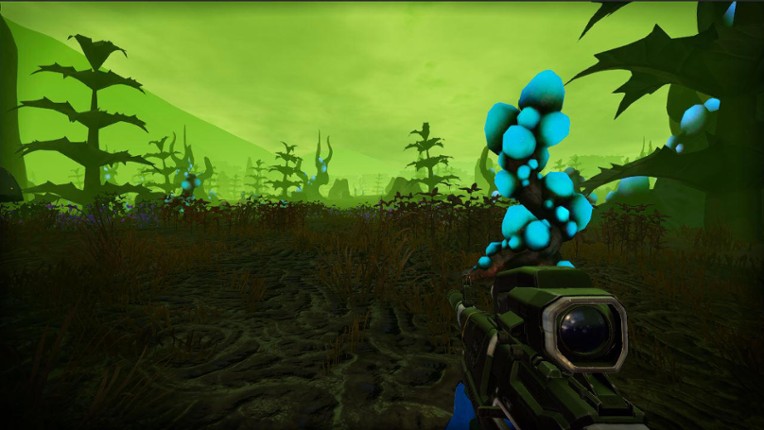
- 89%Game Brain ScoreMost mentioned positive aspects:gameplay, graphicsMost mentioned negative aspects:optimization, stability89% User Score 85,786 reviews
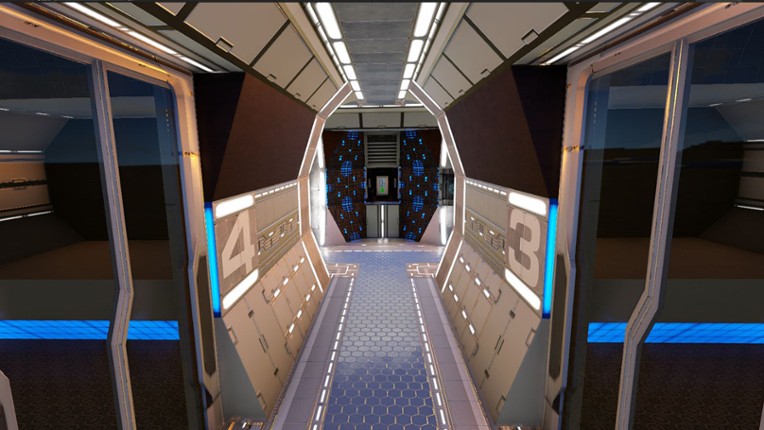
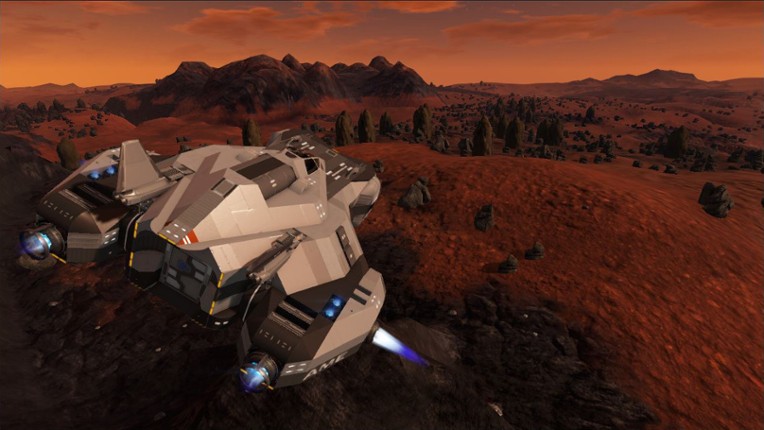
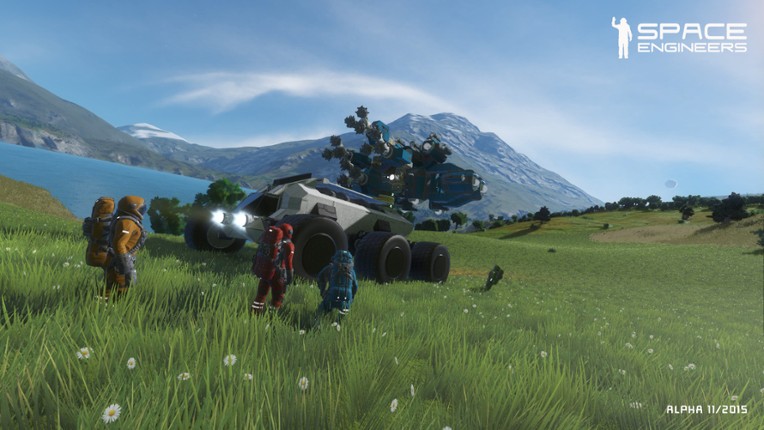
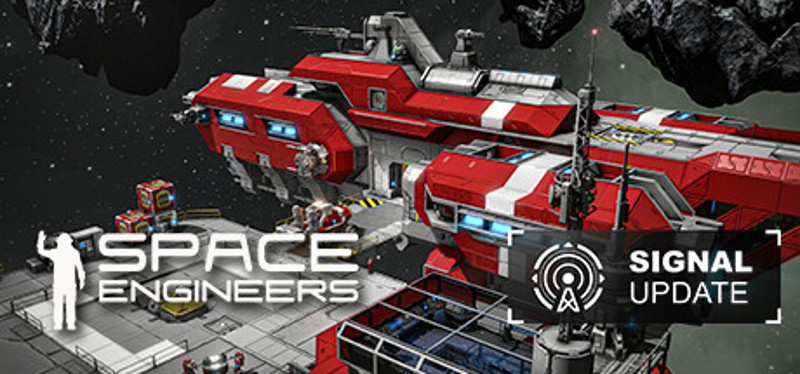
That moment in No Man's Sky when you're scavenging a derelict freighter, calculating whether you have enough resources to survive the trip home — Space Engineers builds an entire game around that tension. Instead of exploring pre-built structures, though, you're the one welding the ship together, plating by plate.
Both games share that procedural-adjacent creative loop: gather, craft, expand, repeat. But where No Man's Sky's building feels like decoration on top of exploration, Space Engineers makes construction the actual survival mechanic — your ship's structural integrity and power grid genuinely matter, thanks to real physics simulation rather than aesthetic snapping.
If grinding wore you down in No Man's Sky, know upfront that Space Engineers doesn't fix that — resource gathering here is arguably even more punishing, just in service of engineering payoffs instead of narrative ones.
The tradeoff: less atmosphere and story, far more mechanical depth and multiplayer chaos as ships collide, break apart, and somehow still fly.
Best for players who found themselves more excited by base-building than by lore — engineers at heart, not explorers.
If you enjoyed this game, see our list of games similar to Space Engineers.View Game
- 53%Game Brain ScoreMost mentioned positive aspects:story, graphicsMost mentioned negative aspects:stability, grinding53% User Score 15,950 reviews
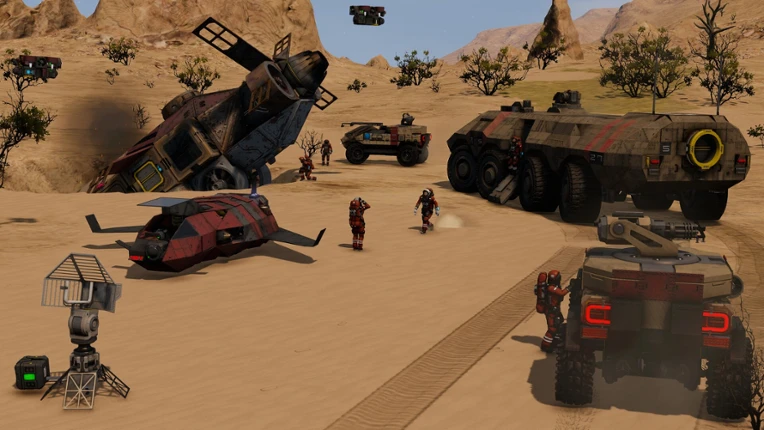
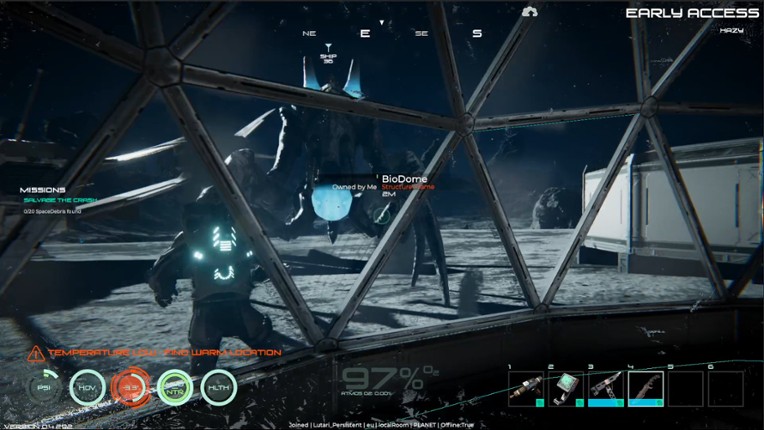
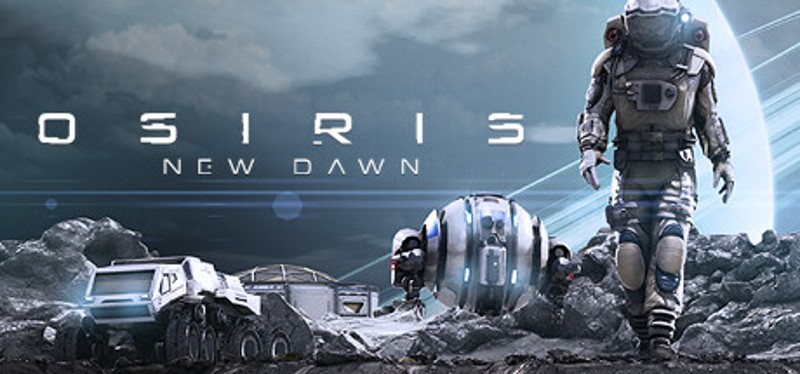
Both games center on the loop of planetary colonization, forcing you to harvest raw resources to survive hostile, alien environments. This focus on Open World Survival Craft mechanics makes base building the primary tether between your progress and the alien landscape.
The core difference lies in the atmosphere; where No Man’s Sky leans into colorful wonder, Osiris: New Dawn prioritizes gritty, tactile horror. You will trade the vibrant, lighthearted aesthetic of space travel for claustrophobic encounters and a much harder survival edge.
Pick this up if you want the technical thrill of ship maintenance and planetary base expansion but can live without the polite, low-stakes chill of a procedurally generated universe.
If you enjoyed this game, see our list of games similar to Osiris: New Dawn.View Game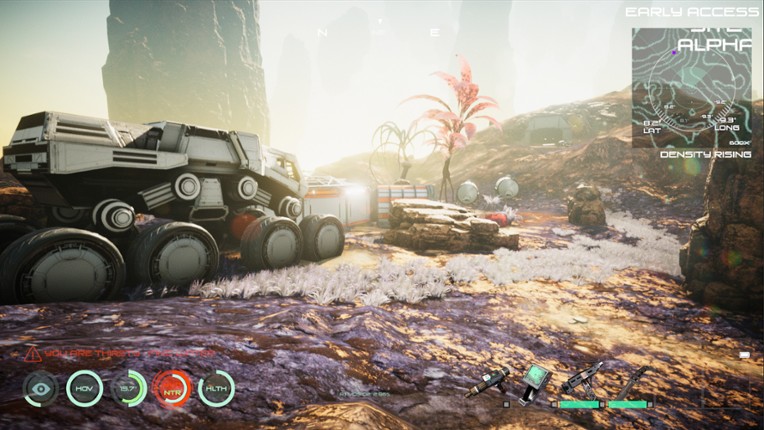

- 70%Game Brain ScoreMost mentioned positive aspects:story, gameplayMost mentioned negative aspects:optimization, stability56% User Score 115,259 reviewsCritic Score 83%81 reviews
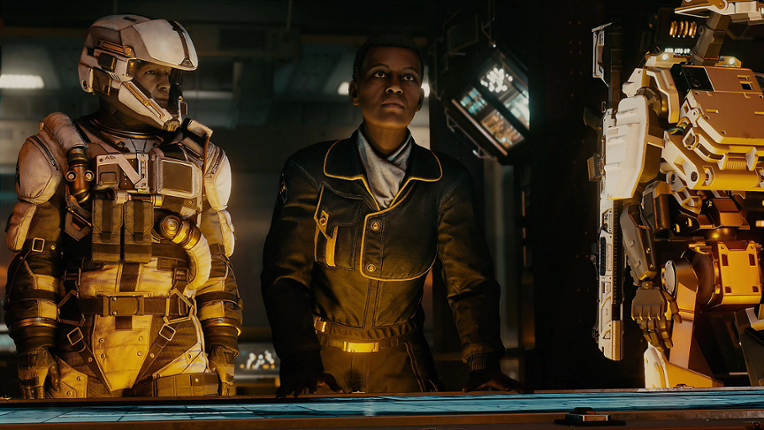
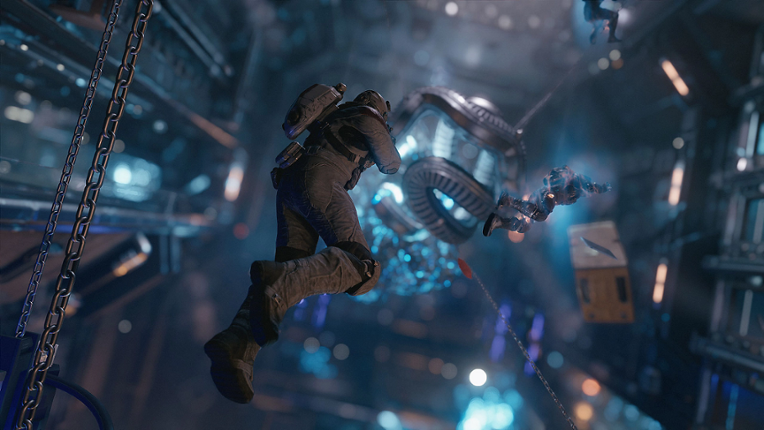
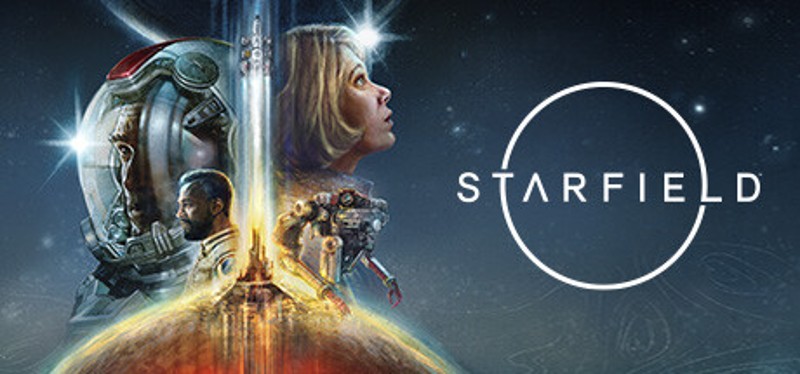
Starfield and No Man’s Sky both hinge on space exploration, and that shared loop is the whole hook here: charting planets, traveling between systems, and chasing what’s over the next horizon.
They also overlap on trading and first-person adventuring, which matters because both games reward roaming, looting, and making your own route through a huge galaxy.
The tradeoff is simple: Starfield is far more story-driven and polished in presentation, but it lacks No Man’s Sky’s procedural sandbox freedom and never gives you that same persistent survival-crafting progression.
Pick this up if you want a big single-player space RPG with exploration and faction quests, but can live without true open-ended survival and co-op.
If you enjoyed this game, see our list of games similar to Starfield.View Game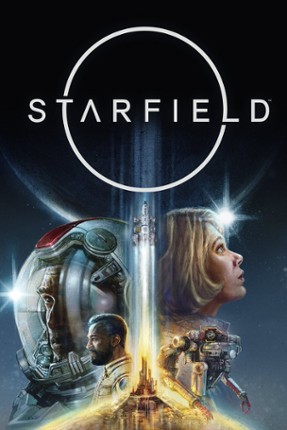
- 62%Game Brain ScoreMost mentioned positive aspects:gameplay, graphicsMost mentioned negative aspects:story, optimization85% User Score 183,471 reviewsCritic Score 40%18 reviews
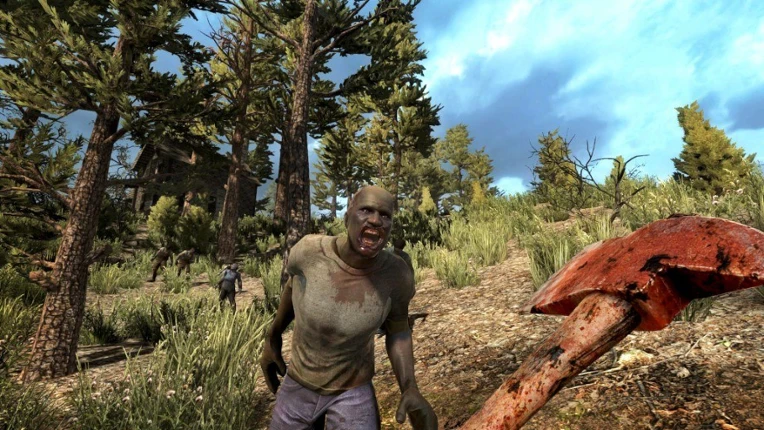
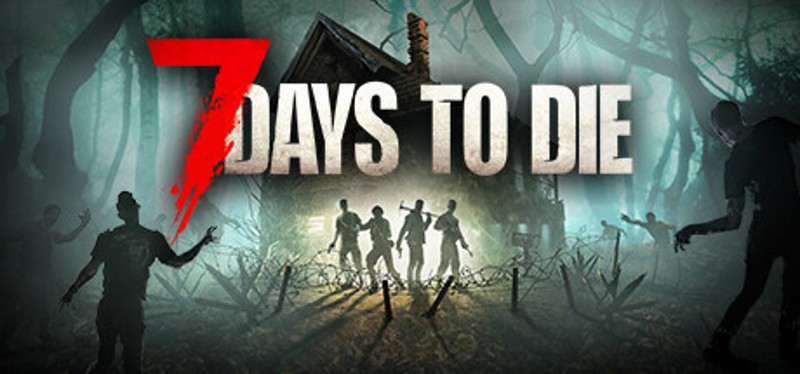
Both games anchor themselves in procedural open-world survival crafting, where every playthrough generates fresh worlds to explore, scavenge, and build within. The multiplayer experience mirrors No Man's Sky's co-op freedom—team up to gather, construct, and survive together.
The critical difference is setting and stakes: 7 Days to Die replaces alien serenity with zombie horror, trading planetary exploration for tower defense against increasingly brutal hordes. Combat is immediate and lethal rather than exploratory.
Pick this up if you want the same addictive crafting-loop structure but can stomach persistent bugs and prefer visceral survival tension over cosmic wonder.
If you enjoyed this game, see our list of games similar to 7 Days to Die.View Game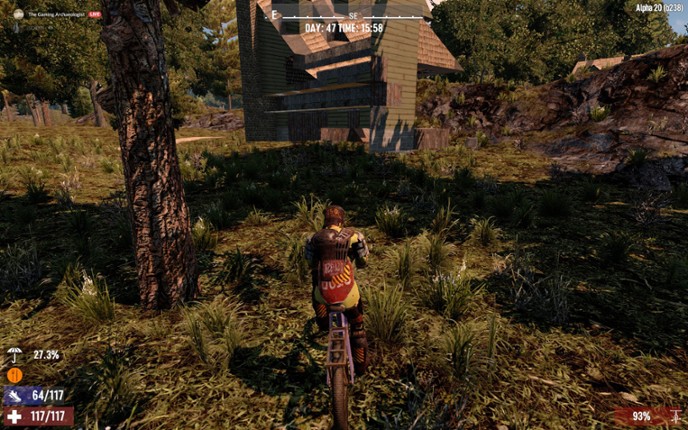
- 79%Game Brain ScoreMost mentioned positive aspects:gameplay, graphicsMost mentioned negative aspects:stability, grinding79% User Score 69,198 reviews
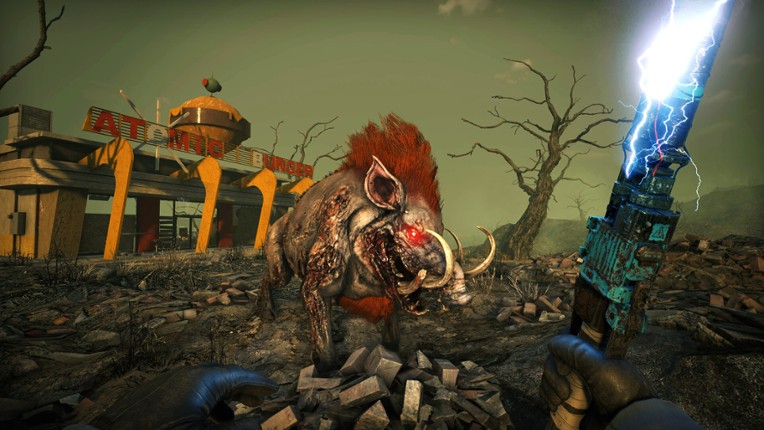
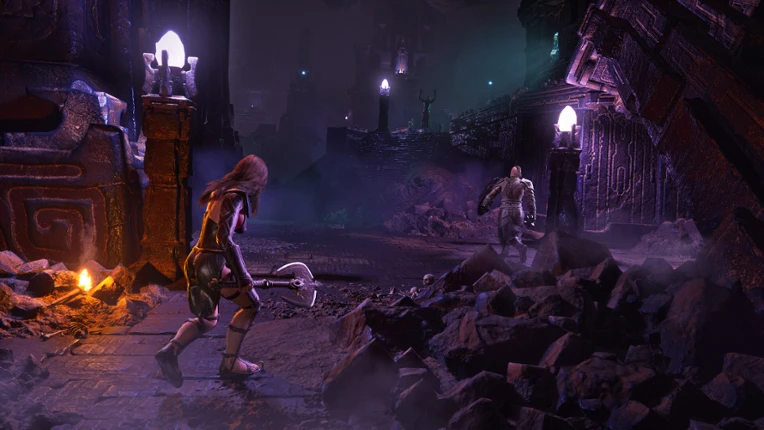
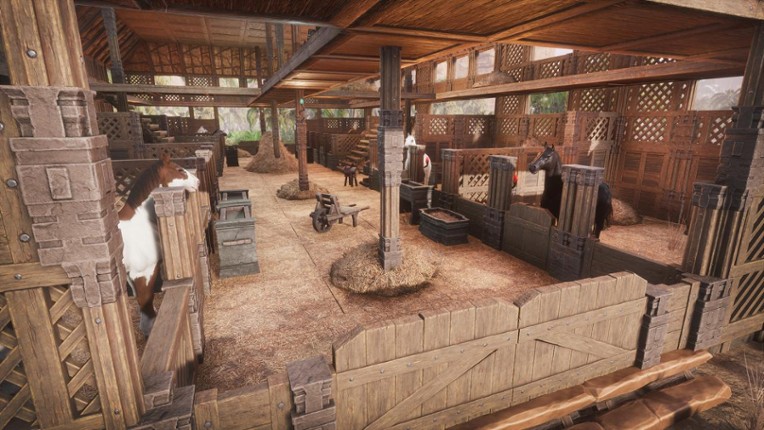
Both games nail the open-world survival-crafting loop—scavenge, build, defend, repeat—with identical multiplayer flexibility across single-player, co-op, and PvP servers.
Conan Exiles shares No Man's Sky's atmospheric exploration, which keeps grinding from feeling like pure busywork.
The critical difference: Conan trades sci-fi procedural generation for a fixed dark-fantasy setting, making it feel more grounded but less replayable.
Pick this if you want survival-crafting with melee combat and base-building depth, but can accept a static world and heftier performance demands.
If you enjoyed this game, see our list of games similar to Conan Exiles.View Game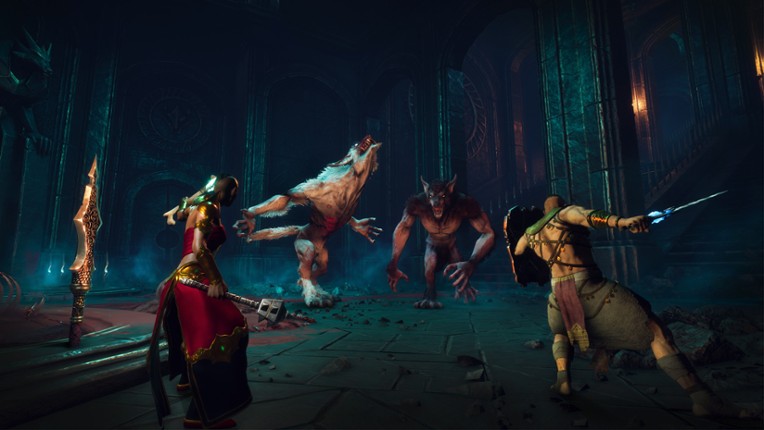
- 75%Game Brain ScoreMost mentioned positive aspects:story, gameplayMost mentioned negative aspects:grinding, stability75% User Score 1,369 reviews
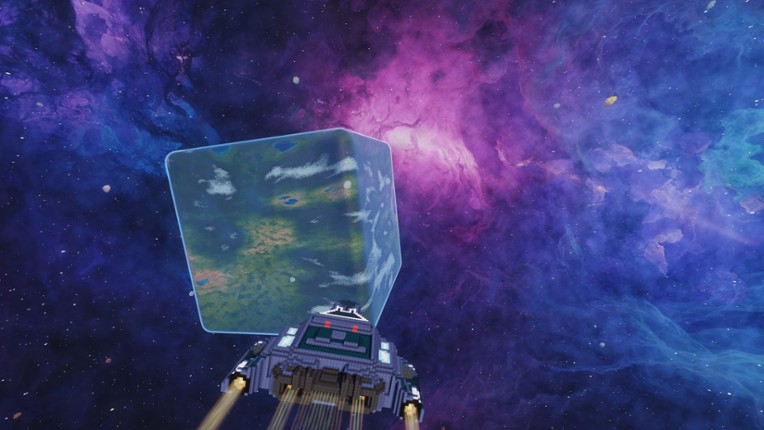
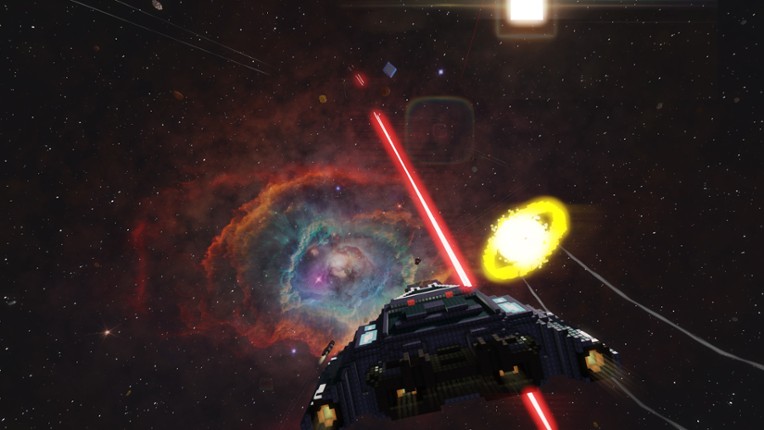
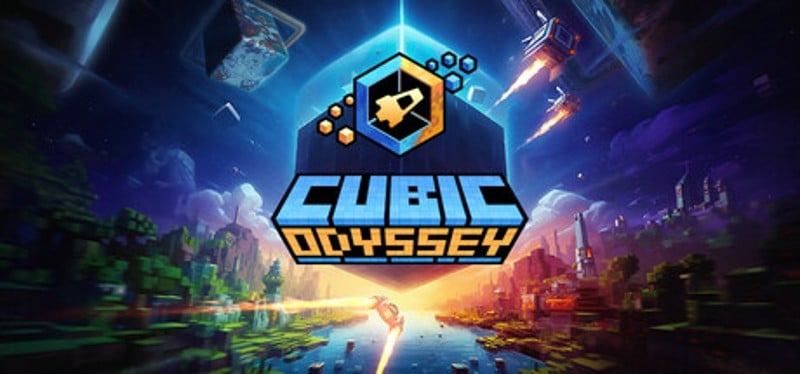
Cubic Odyssey captures the same infinite wonder of procedural space exploration as No Man’s Sky, emphasizing the rewarding loop of discovery and resource acquisition. The game also leans heavily into voxel-based base building, which offers more architectural freedom than its predecessor’s rigid snap-to-grid systems.
While No Man’s Sky prioritizes smooth, polished planetary traversal, Cubic Odyssey trades that stability for a deeper, block-by-block construction experience that allows for total creative control over your starships and outposts.
Pick this up if you crave complex engineering and creative building, but be prepared to overlook significant technical friction and buggy multiplayer connectivity.
If you enjoyed this game, see our list of games similar to Cubic Odyssey.View Game
- 76%Game Brain ScoreMost mentioned positive aspects:graphics, storyMost mentioned negative aspects:grinding, stability76% User Score 1,731 reviews
Salt swaps No Man's Sky’s cosmic vistas for stormy seas and pirate survival horror, targeting players craving a grittier maritime adventure.
If you enjoyed this game, see our list of games similar to Salt.View Game
- 57%Game Brain ScoreMost mentioned positive aspects:gameplay, graphicsMost mentioned negative aspects:monetization, optimization57% User Score 4,560 reviews
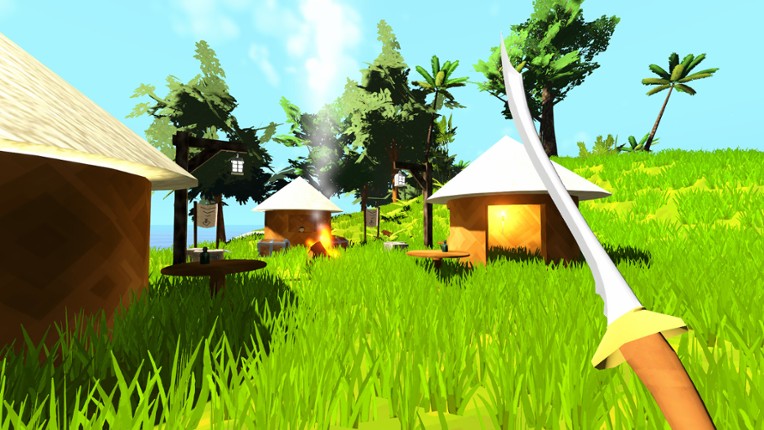
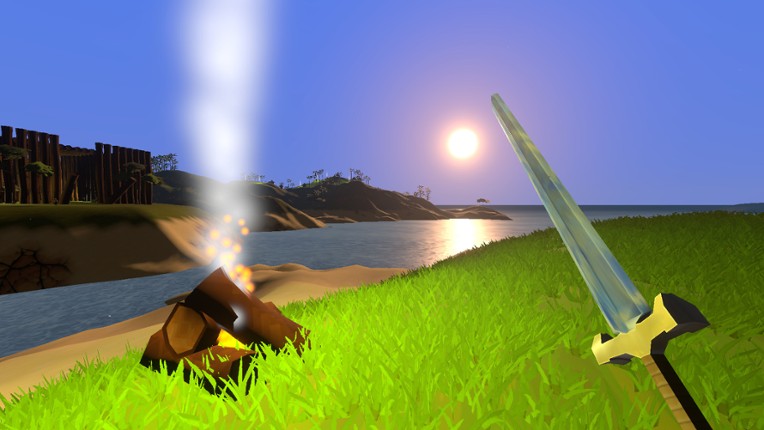
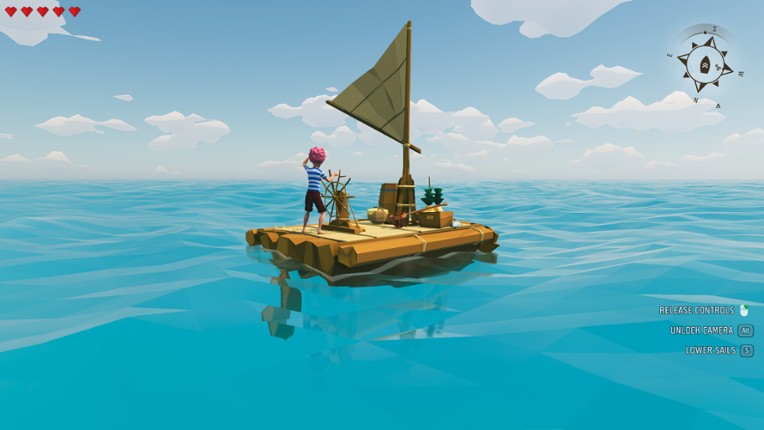
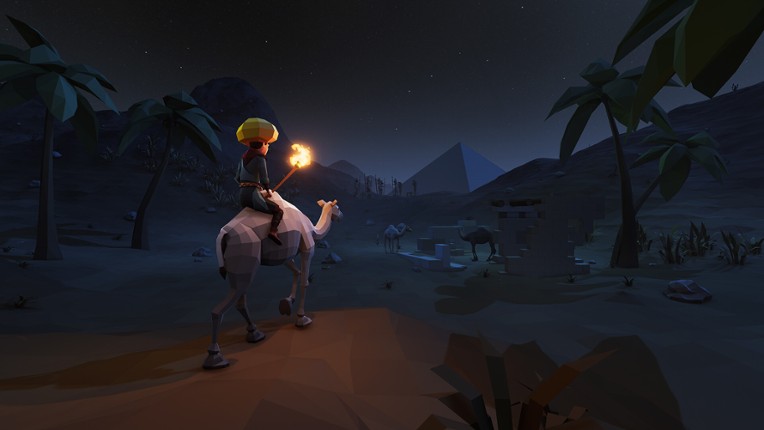
Ylands ditches the cold cosmos for bright, forgiving islands where building and creative freedom outweigh harsh survival challenges.
If you enjoyed this game, see our list of games similar to Ylands.View Game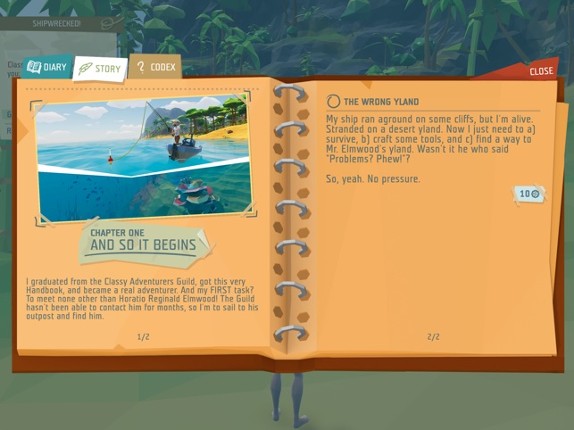
- 59%Game Brain ScoreMost mentioned positive aspects:story, graphicsMost mentioned negative aspects:stability, optimization59% User Score 6,096 reviewsCritic Score 60%1 reviews
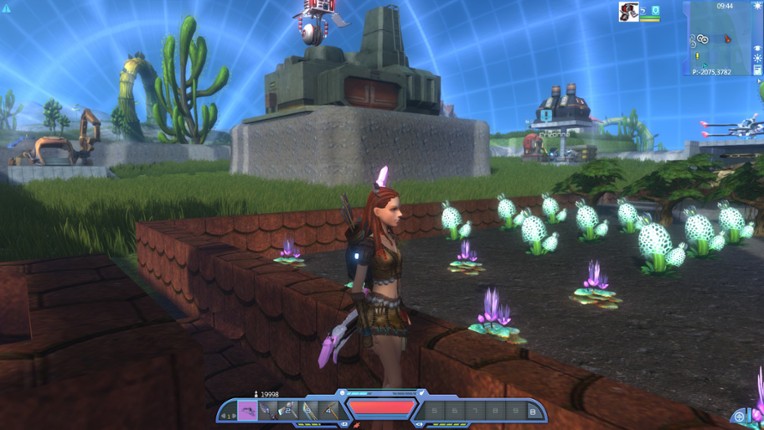
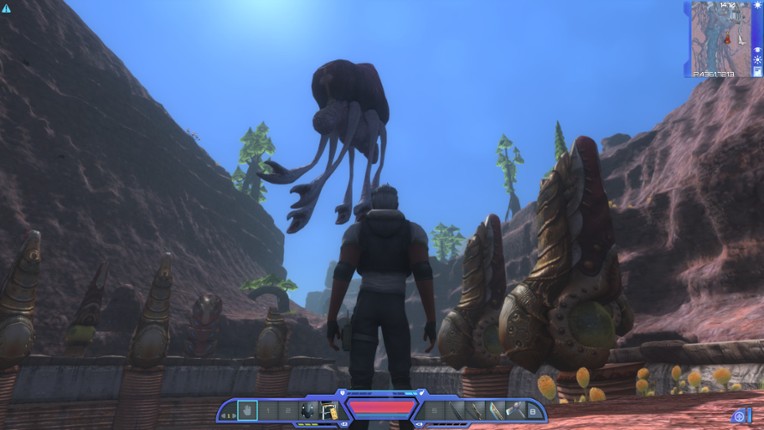
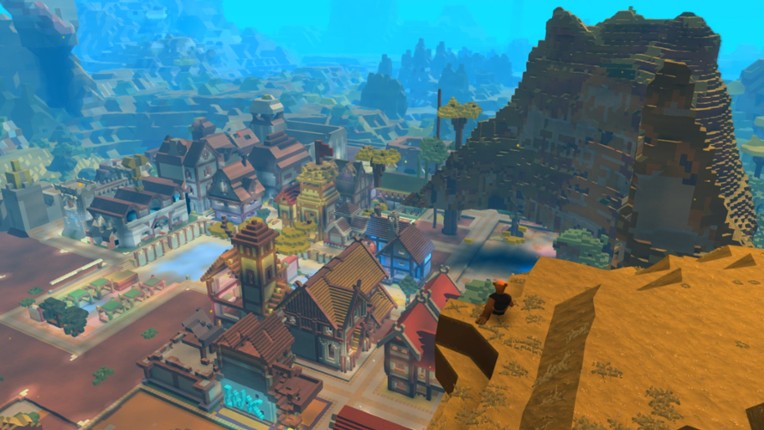
Planet Explorers blends voxel building and RPG quests with a sci‑fi world, offering deeper progression than No Man's Sky’s exploration‑focused trek.
If you enjoyed this game, see our list of games similar to Planet Explorers.View Game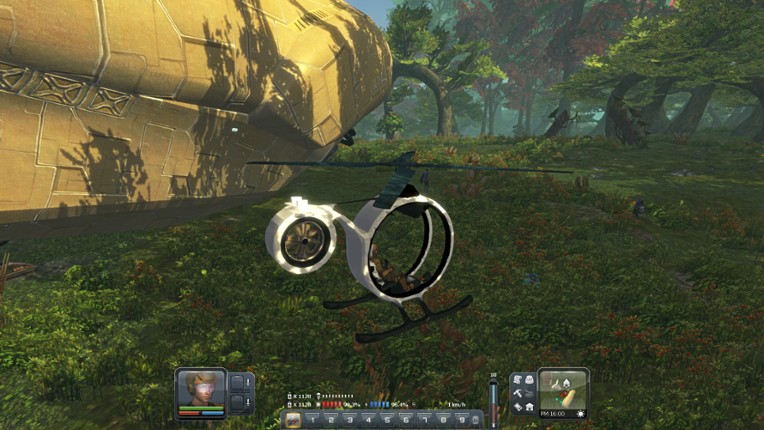
- 90%Game Brain ScoreMost mentioned positive aspects:gameplay, storyMost mentioned negative aspects:grinding, stability90% User Score 14,354 reviews
Avorion shifts focus to ship construction and economy, letting players design and battle fleets in a multiplayer space sandbox.
If you enjoyed this game, see our list of games similar to Avorion.View Game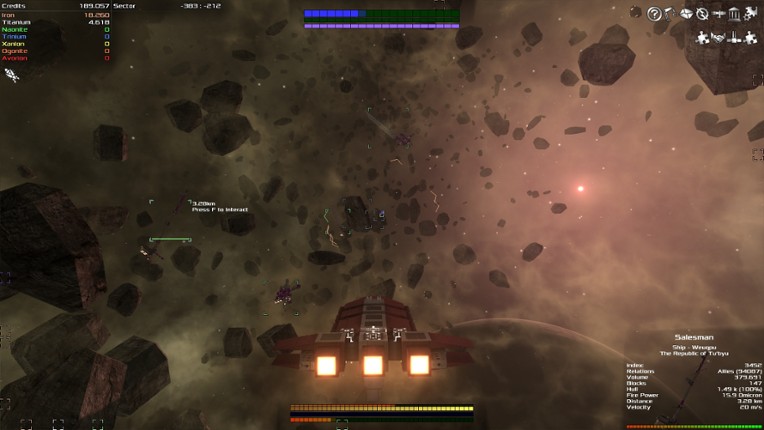
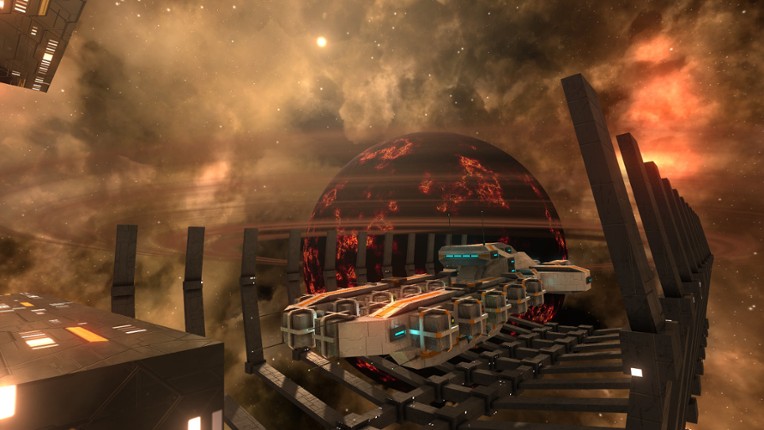
- 82%Game Brain ScoreMost mentioned positive aspects:story, gameplayMost mentioned negative aspects:grinding, stability93% User Score 24,206 reviewsCritic Score 62%5 reviews
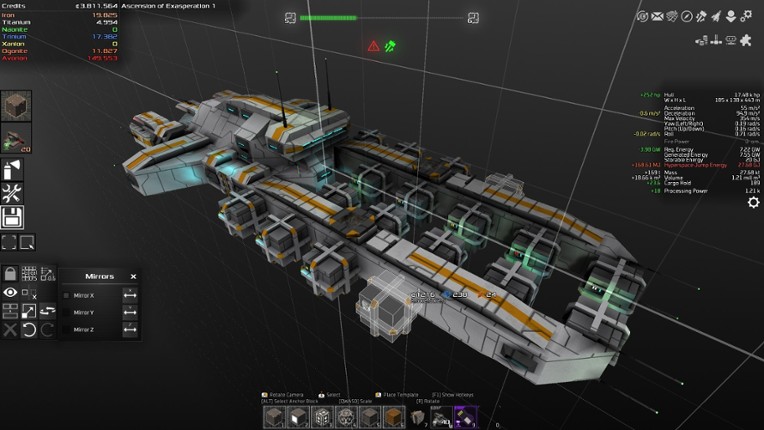
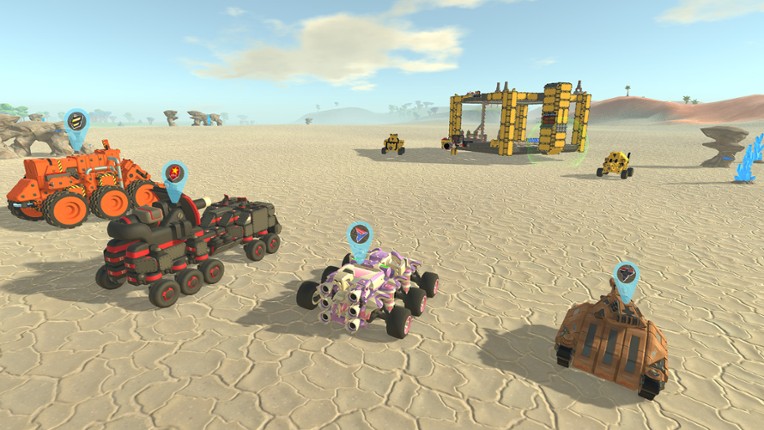
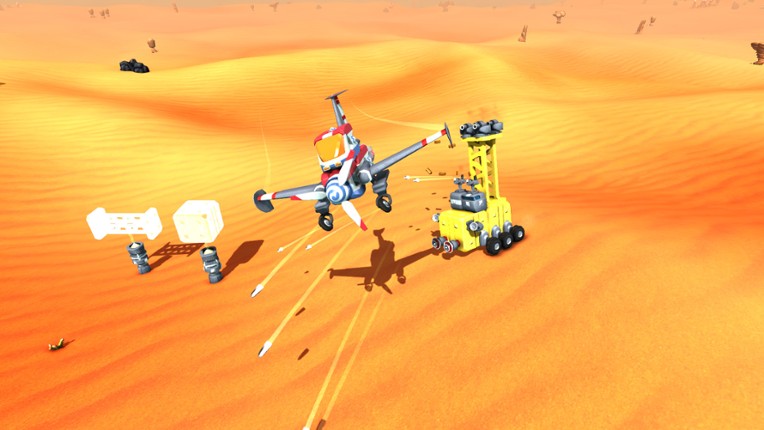
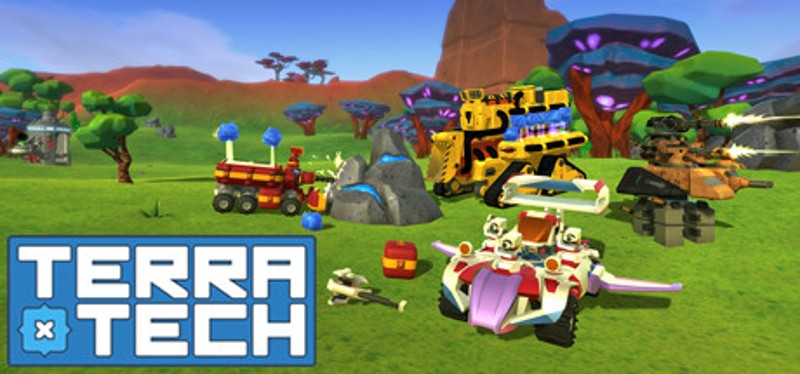
TerraTech replaces alien worlds with a modular vehicle builder where physics‑driven combat trumps the serene exploration of No Man's Sky.
If you enjoyed this game, see our list of games similar to TerraTech.View Game
- 88%Game Brain ScoreMost mentioned positive aspects:gameplay, storyMost mentioned negative aspects:grinding, stability96% User Score 43,956 reviewsCritic Score 78%7 reviews
Planet Crafter puts you in charge of terraforming Mars, blending story‑driven goals with base‑building on a single, hostile world.
If you enjoyed this game, see our list of games similar to Planet Crafter.View Game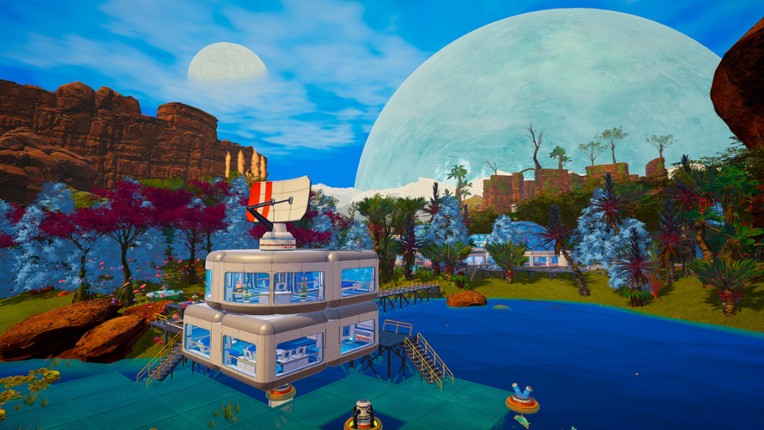
- 88%Game Brain ScoreMost mentioned positive aspects:story, gameplayMost mentioned negative aspects:grinding, monetization88% User Score 1,702 reviews
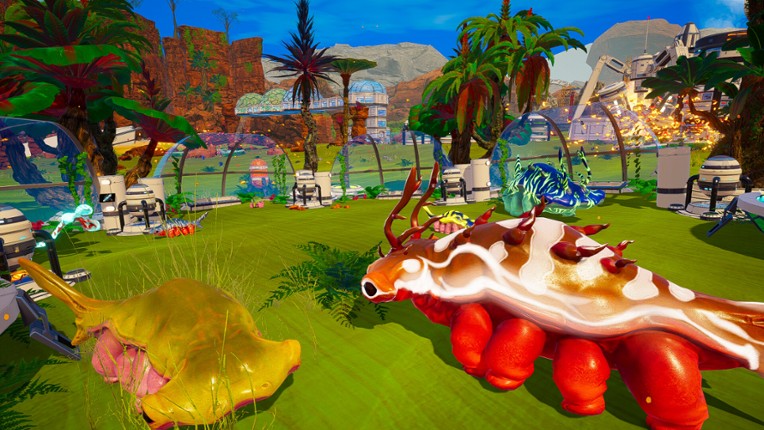
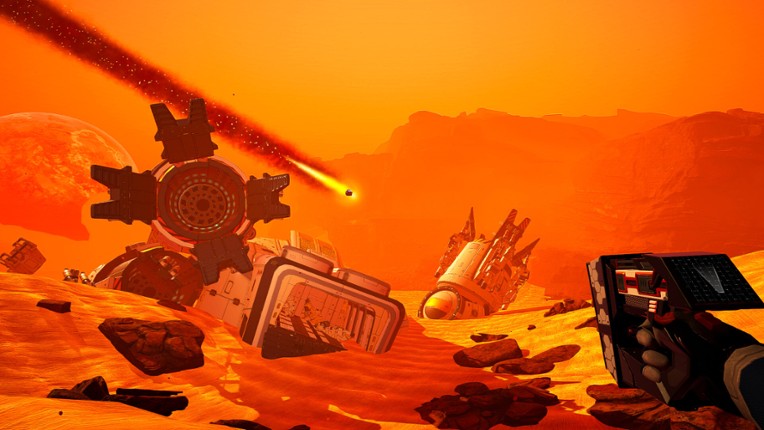
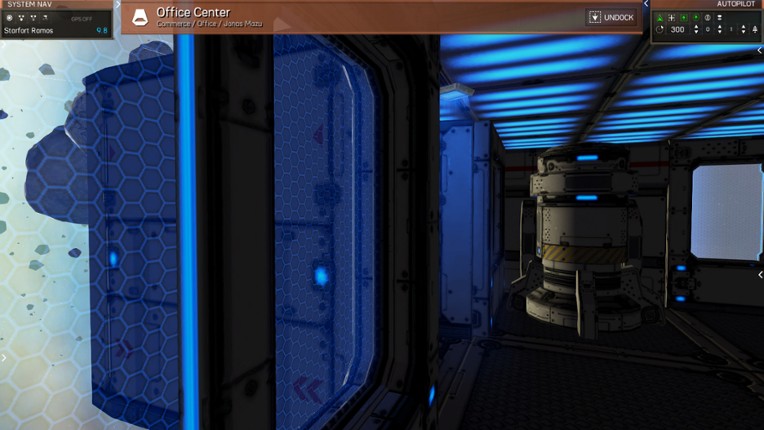
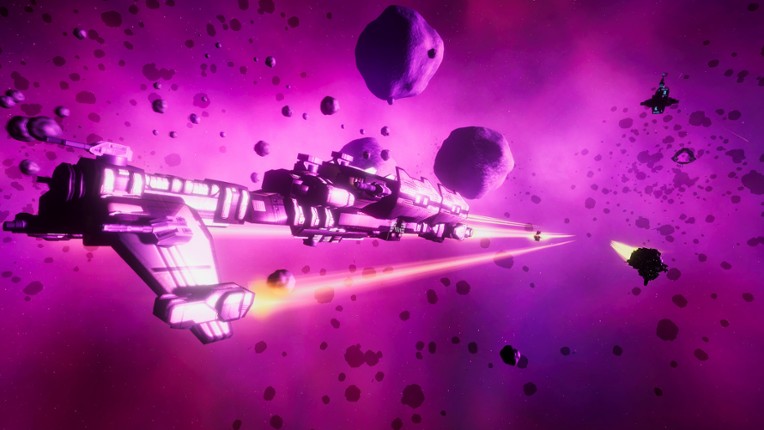
Astrox Imperium strips multiplayer away, focusing on atmospheric solo mining and exploration of a gritty, uncharted sector.
If you enjoyed this game, see our list of games similar to Astrox Imperium.View Game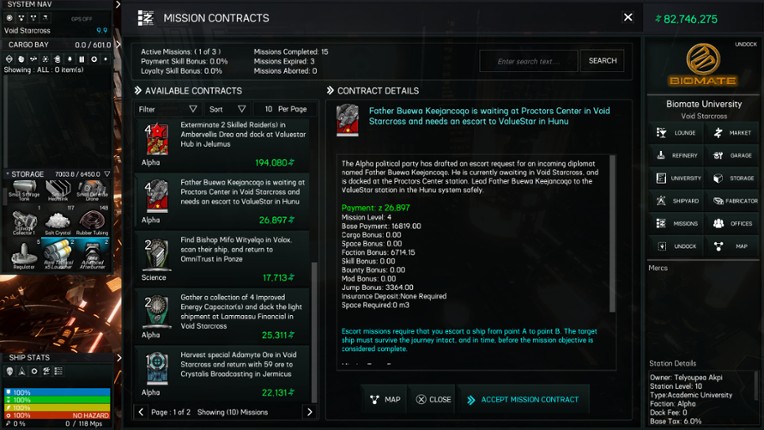
- 86%Game Brain ScoreMost mentioned positive aspects:gameplay, graphicsMost mentioned negative aspects:grinding, optimization86% User Score 4,114 reviews
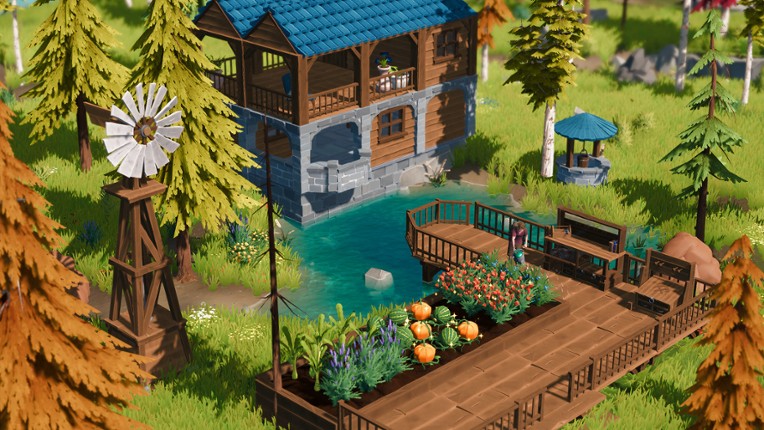
Len’s Island mixes island survival with fantasy dungeons and farming, diverging from No Man’s Sky’s sci‑fi galaxy for a mystical, ground‑level adventure.
If you enjoyed this game, see our list of games similar to Len's Island.View Game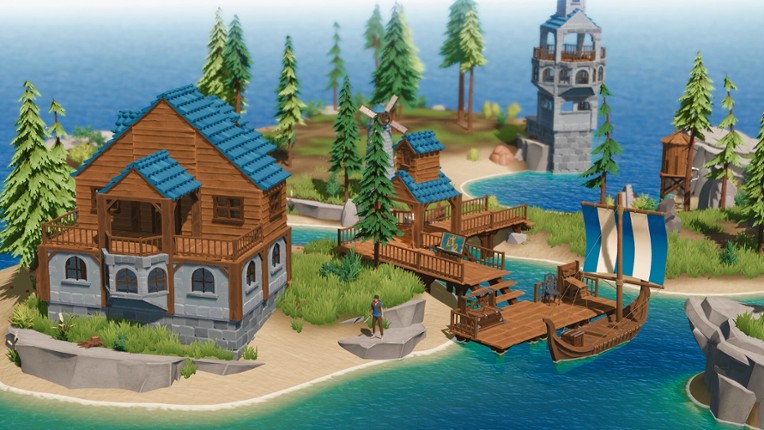
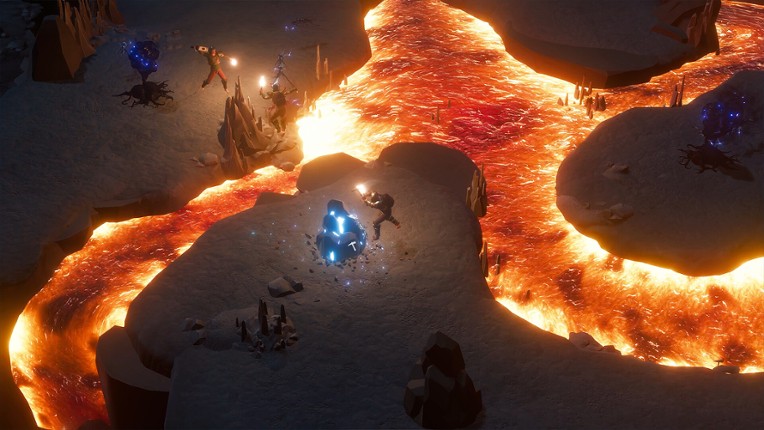
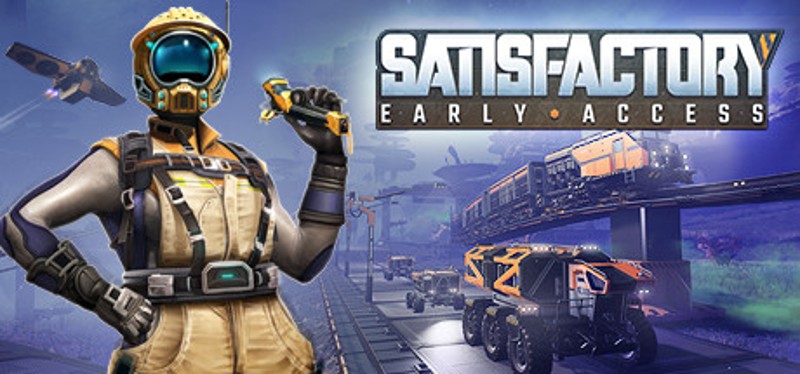
- 95%Game Brain ScoreMost mentioned positive aspects:gameplay, graphicsMost mentioned negative aspects:grinding, stability97% User Score 153,748 reviewsCritic Score 91%7 reviews
Satisfactory trades galaxy‑wide wandering for factory‑scale automation, challenging players to design efficient production lines on an alien planet.
If you enjoyed this game, see our list of games similar to Satisfactory.View Game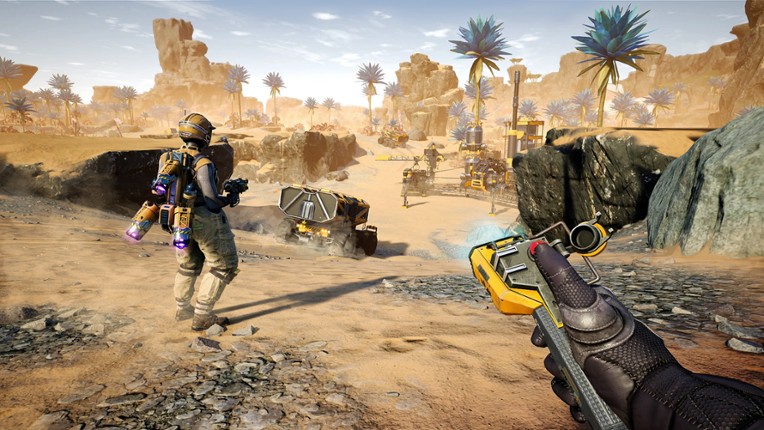
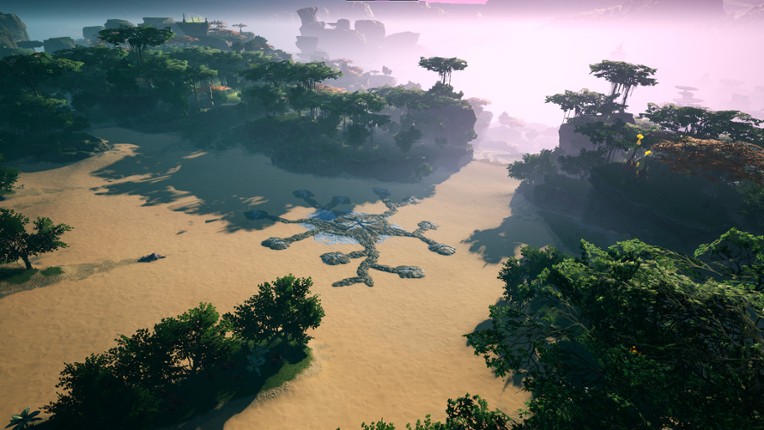
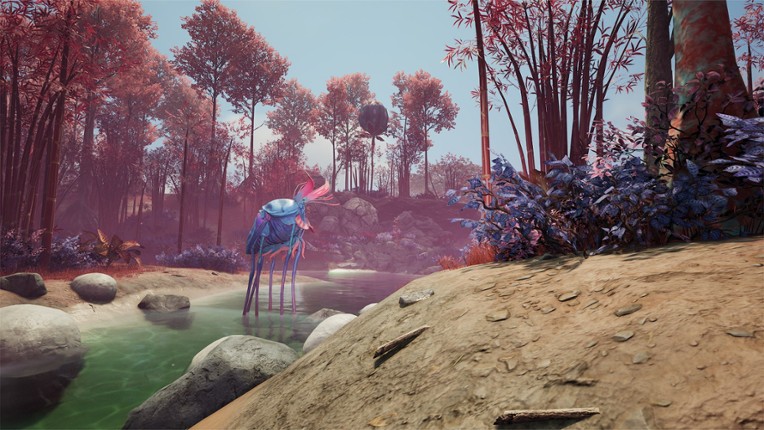
- 73%Game Brain ScoreMost mentioned positive aspects:story, gameplayMost mentioned negative aspects:optimization, grinding75% User Score 39,742 reviewsCritic Score 70%5 reviews
Icarus emphasizes realistic, harsh planet survival and mining, offering a grounded, mission‑based experience that diverges from No Man's Sky’s boundless space.
If you enjoyed this game, see our list of games similar to ICARUS.View Game
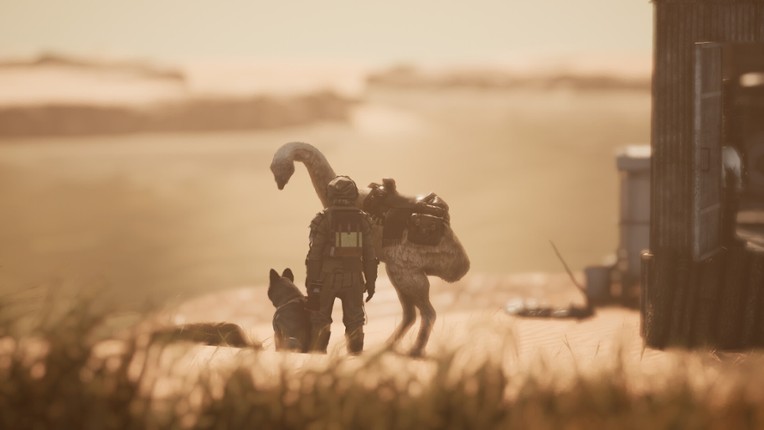

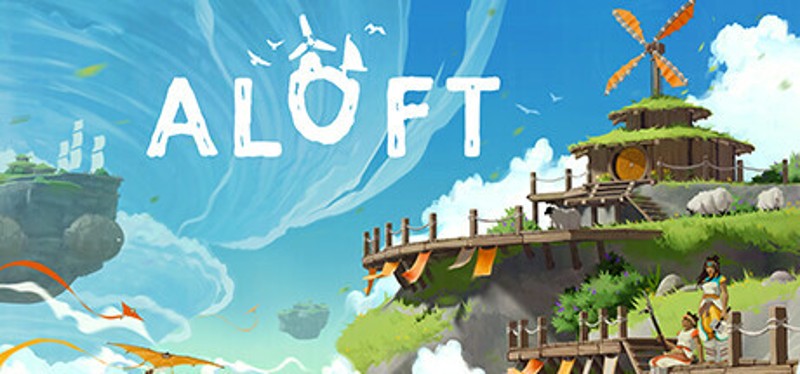
- 86%Game Brain ScoreMost mentioned positive aspects:gameplay, graphicsMost mentioned negative aspects:grinding, optimization86% User Score 2,120 reviews
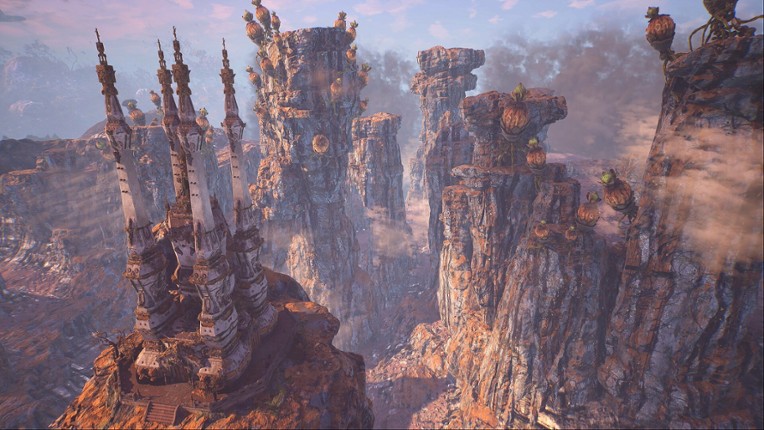
Shrinks the cosmic scope to intimate sky-islands where farming and sailing replace starship exploration, keeping co-op and crafting intact.
If you enjoyed this game, see our list of games similar to ALOFT.View Game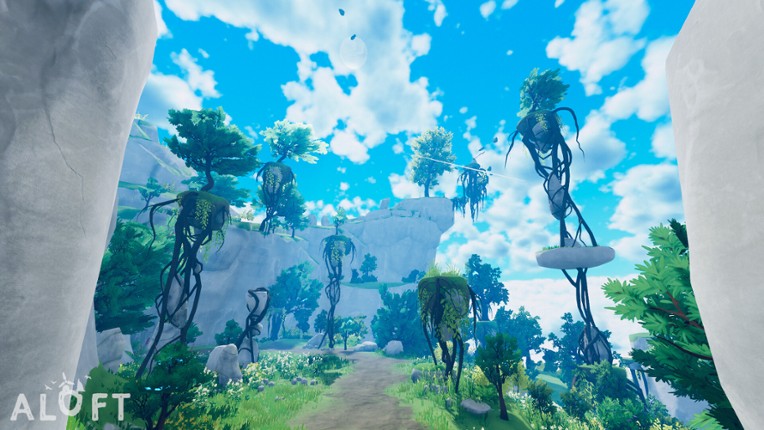
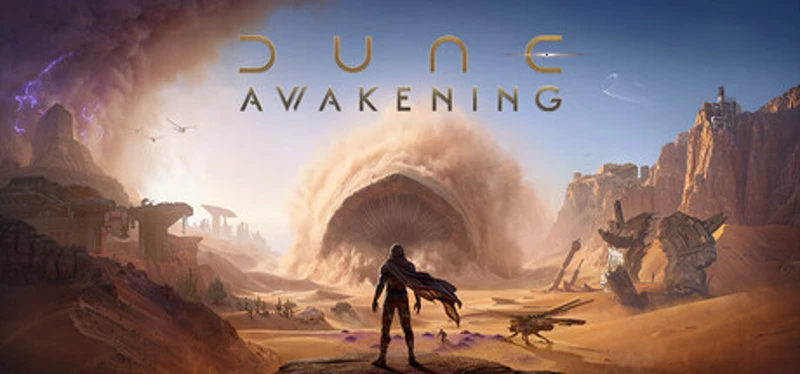
- 76%Game Brain ScoreMost mentioned positive aspects:story, gameplayMost mentioned negative aspects:grinding, stability71% User Score 52,982 reviewsCritic Score 80%27 reviews
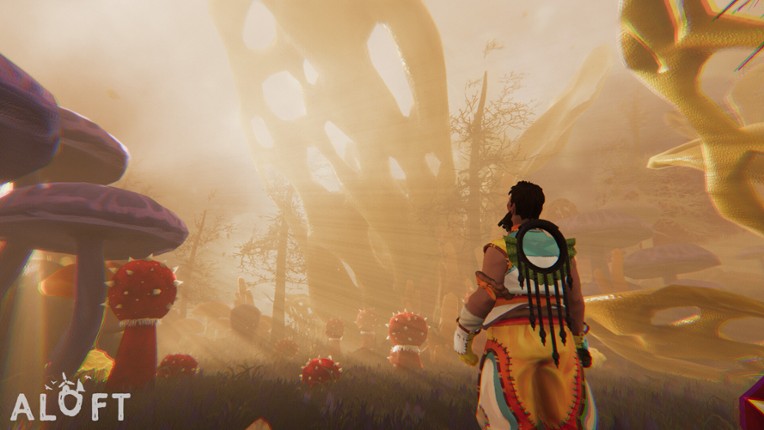
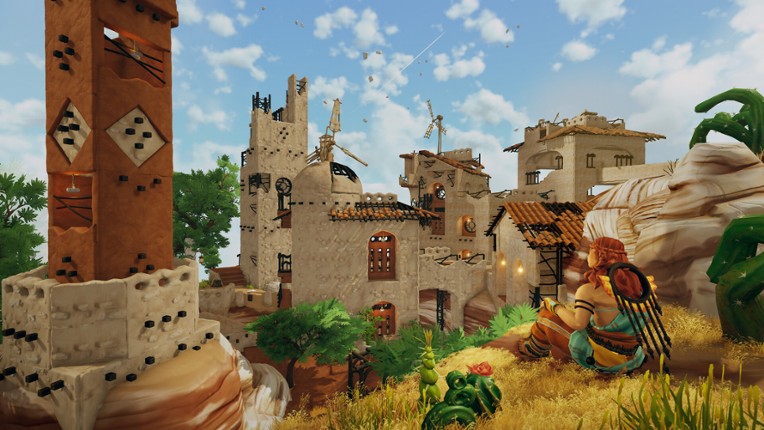
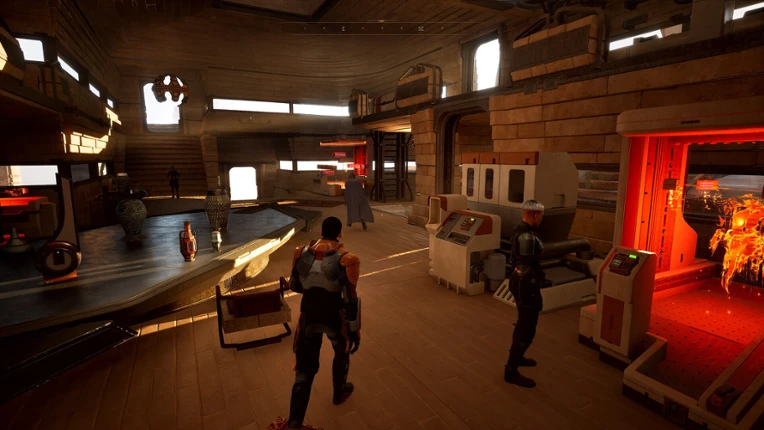
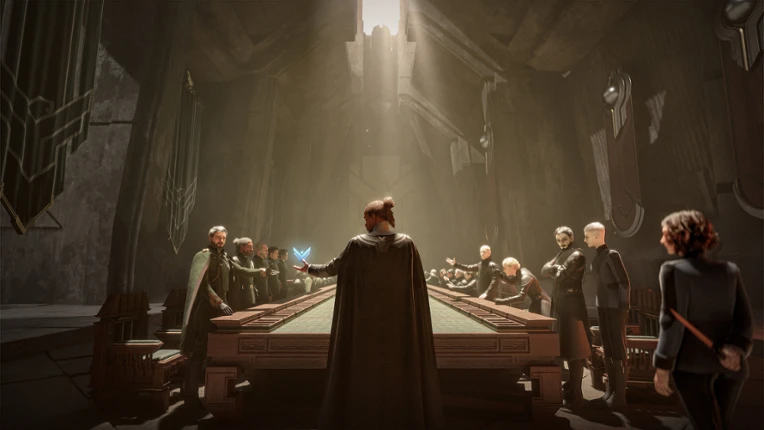
Plants survival crafting in Dune's harsh desert sandbox with massive multiplayer politics and base-building, swapping procedural planets for one lived-in world.
If you enjoyed this game, see our list of games similar to Dune: Awakening.View Game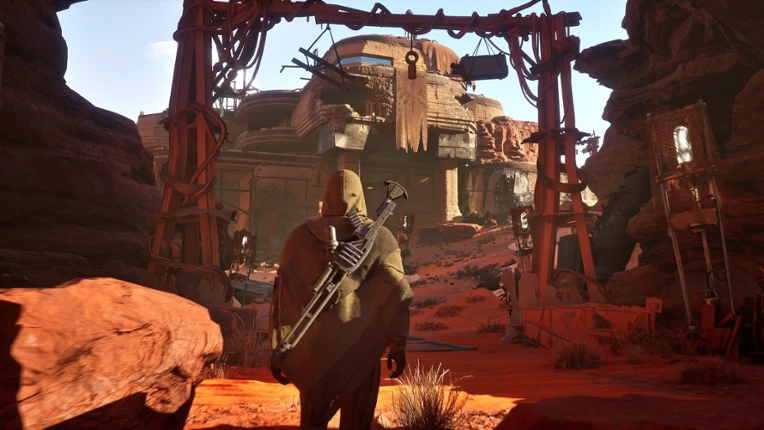
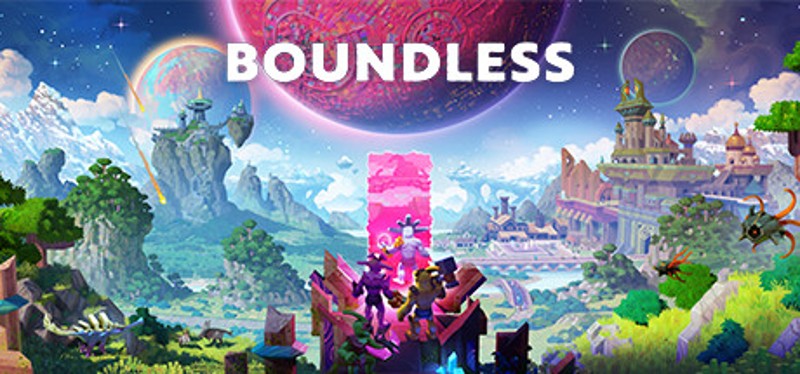
- 75%Game Brain ScoreMost mentioned positive aspects:gameplay, graphicsMost mentioned negative aspects:grinding, story75% User Score 2,608 reviews
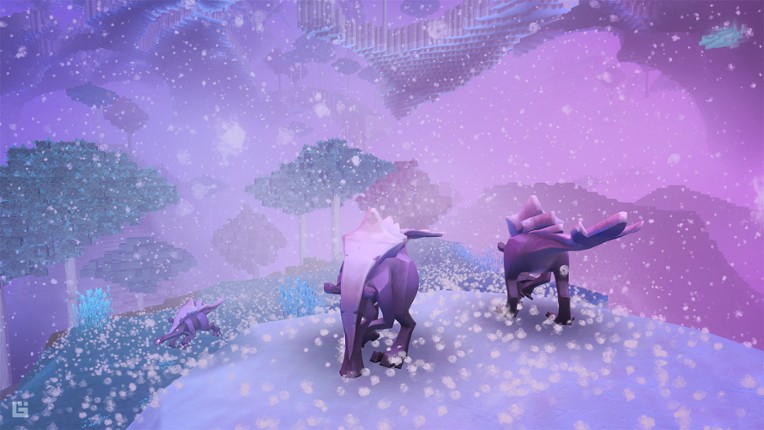
Exchanges No Man's Sky's exploration for voxel-building dominance in space, trading wonder-discovery for creative construction with darker, edgier atmosphere.
If you enjoyed this game, see our list of games similar to Boundless.View Game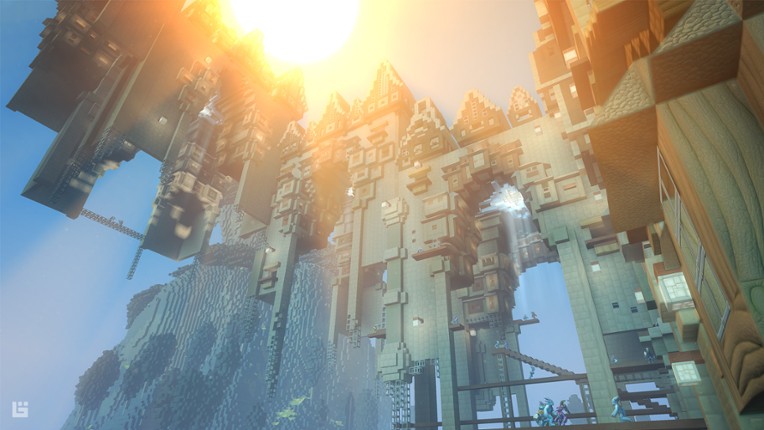
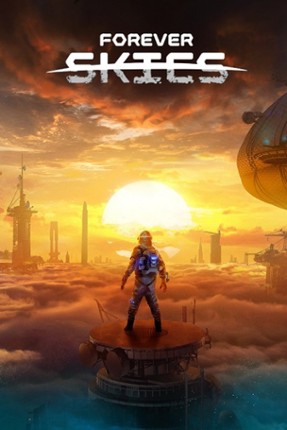
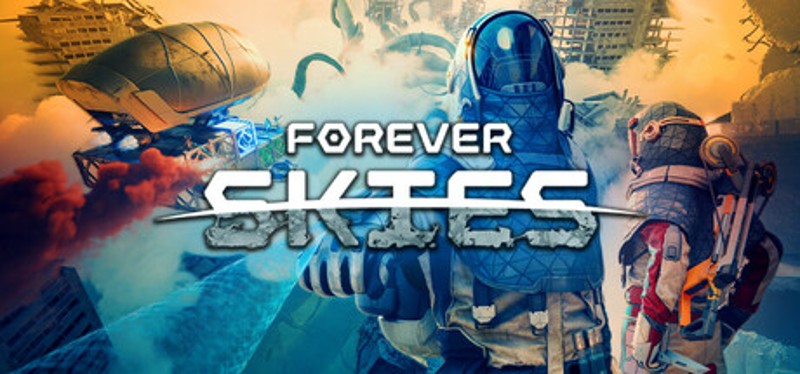
- 81%Game Brain ScoreMost mentioned positive aspects:story, gameplayMost mentioned negative aspects:optimization, grinding88% User Score 4,854 reviewsCritic Score 71%7 reviews
Confines exploration to a post-apocalyptic sky-world where atmospheric dread replaces cosmic optimism, but preserves first-person survival and base-building co-op.
If you enjoyed this game, see our list of games similar to Forever Skies.View Game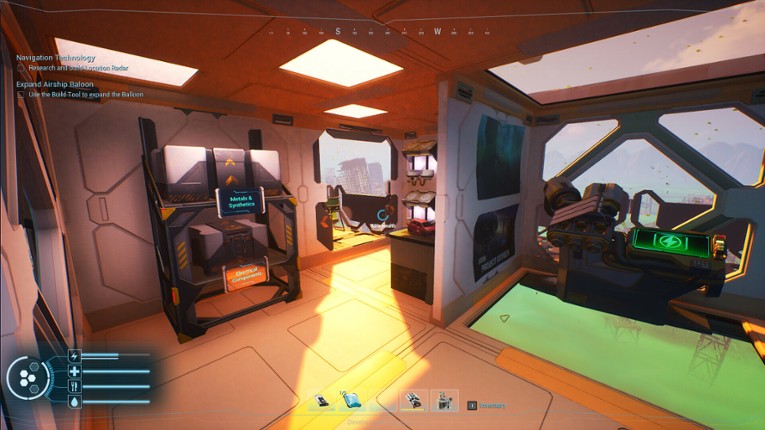
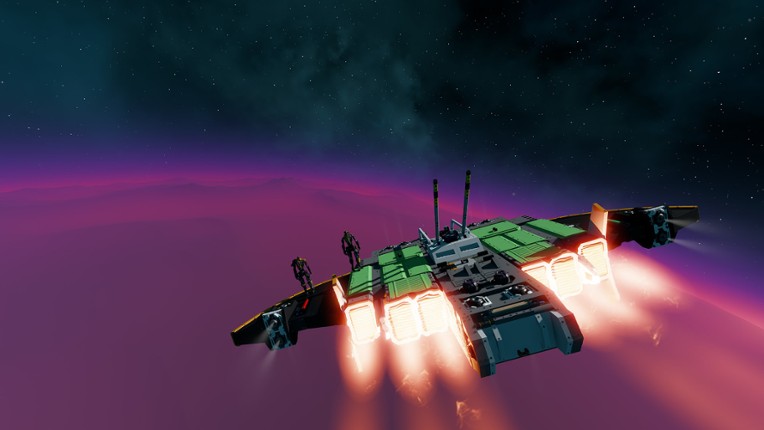
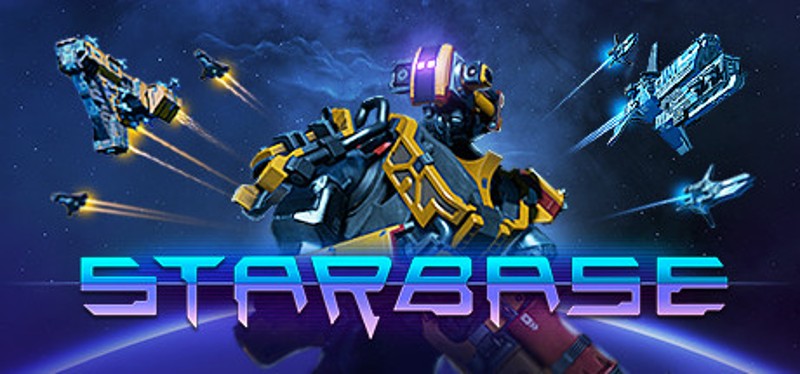
- 59%Game Brain ScoreMost mentioned positive aspects:gameplay, graphicsMost mentioned negative aspects:stability, grinding59% User Score 8,444 reviews
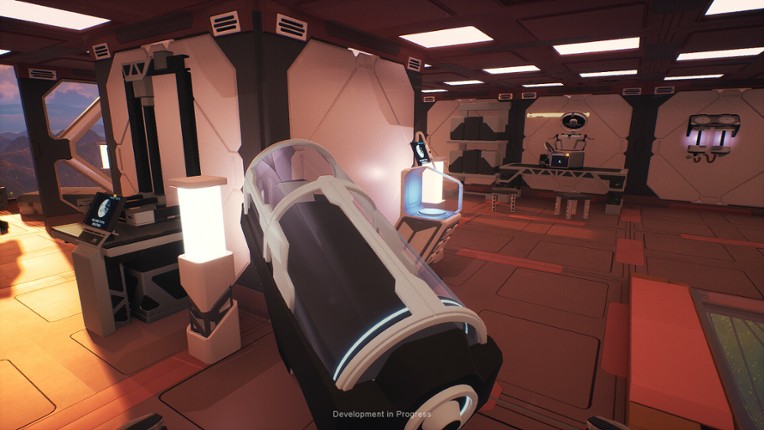
Trades procedural exploration for persistent space stations where destruction physics and robot engineering create emergent gameplay on a single destructible world.
If you enjoyed this game, see our list of games similar to Starbase.View Game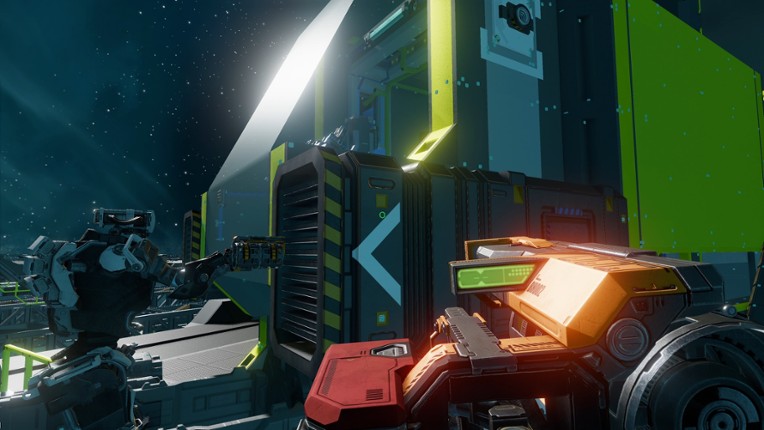

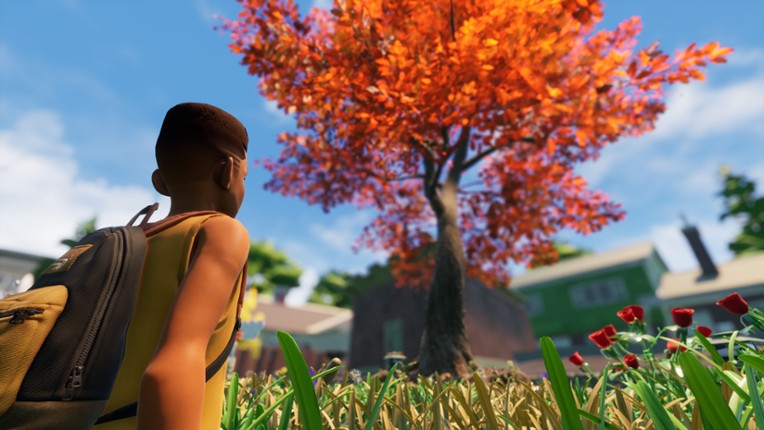
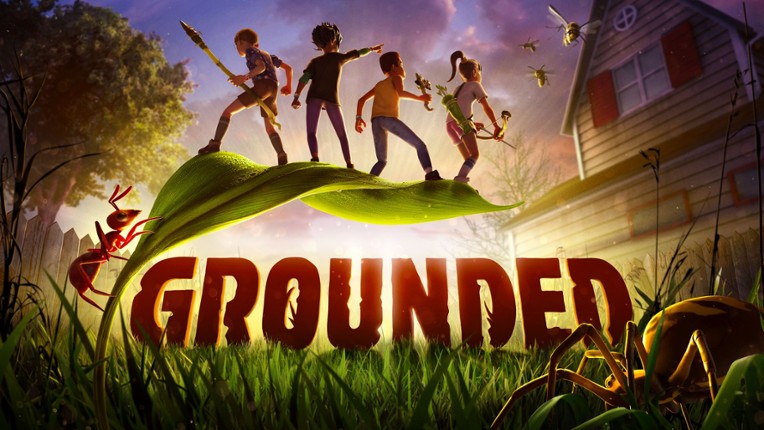
- 86%Game Brain ScoreMost mentioned positive aspects:story, gameplayMost mentioned negative aspects:stability, grinding92% User Score 65,944 reviewsCritic Score 79%27 reviews
Shrinks the universe to backyard scale with humorous horror-tinged survival, maintaining co-op crafting while grounding exploration in intimate, creepy proximity.
If you enjoyed this game, see our list of games similar to Grounded.View Game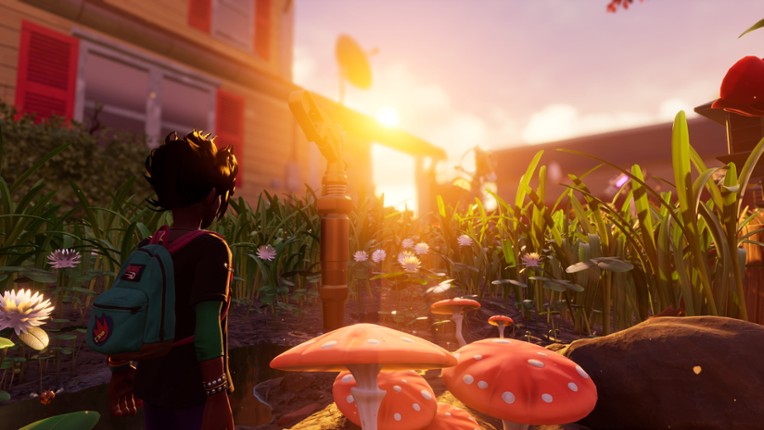
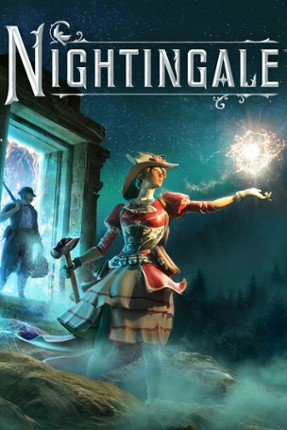
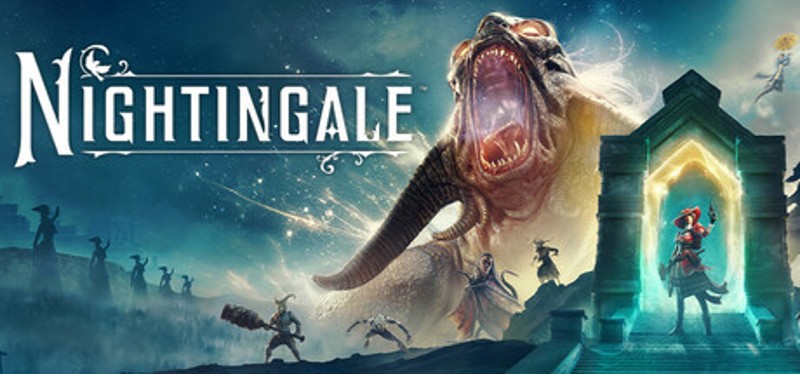
- 70%Game Brain ScoreMost mentioned positive aspects:gameplay, storyMost mentioned negative aspects:grinding, optimization70% User Score 16,164 reviews
Replaces procedural galaxies with story-driven fantasy worlds where procedural generation serves narrative depth rather than infinite discovery.
If you enjoyed this game, see our list of games similar to Nightingale.View Game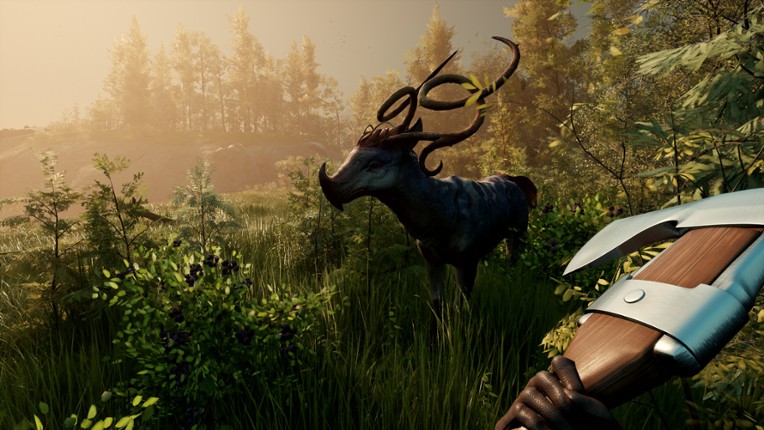
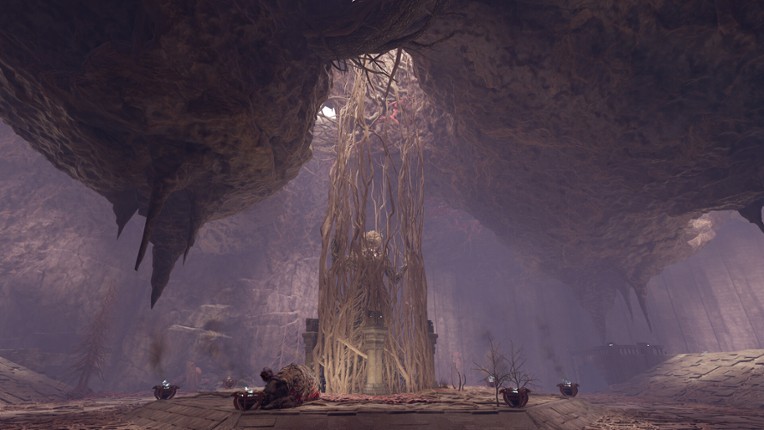
- 78%Game Brain ScoreMost mentioned positive aspects:gameplay, storyMost mentioned negative aspects:grinding, optimization79% User Score 79,363 reviewsCritic Score 77%6 reviews
Grounds survival crafting in a post-apocalyptic MMO where community building and horror atmosphere replace solitary space-faring exploration.
If you enjoyed this game, see our list of games similar to Once Human.View Game

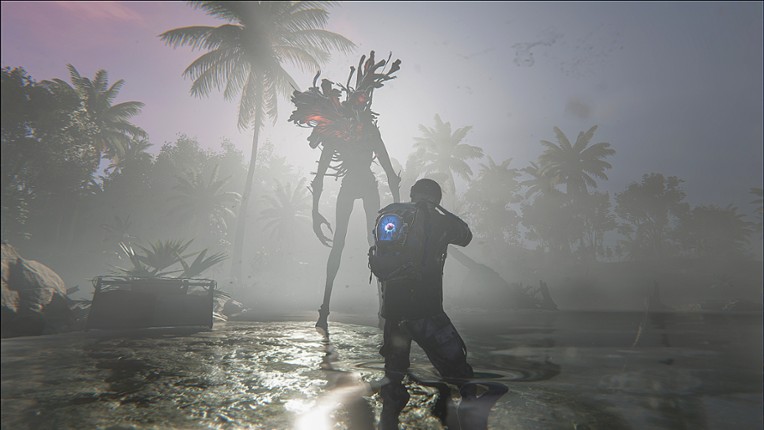
- 97%Game Brain ScoreMost mentioned positive aspects:story, gameplayMost mentioned negative aspects:stability, optimization97% User Score 1,567 reviews
Loosely echoes exploration through time-travel and flight mechanics, but prioritizes action-RPG intensity and story over cosmic discovery wonder.
If you enjoyed this game, see our list of games similar to No Time.View Game
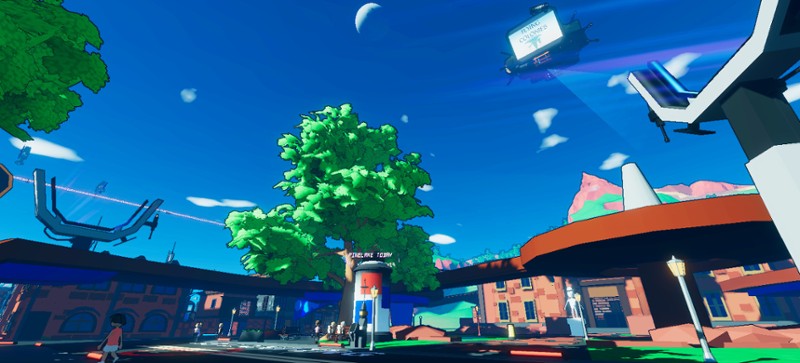
- 70%Game Brain ScoreMost mentioned positive aspects:graphics, gameplayMost mentioned negative aspects:stability, grinding75% User Score 44,756 reviewsCritic Score 64%9 reviews
Strips away space to strand survival on ocean islands where water-bound exploration and crafting replace planetary-hopping with intimate realism.
If you enjoyed this game, see our list of games similar to Stranded Deep.View Game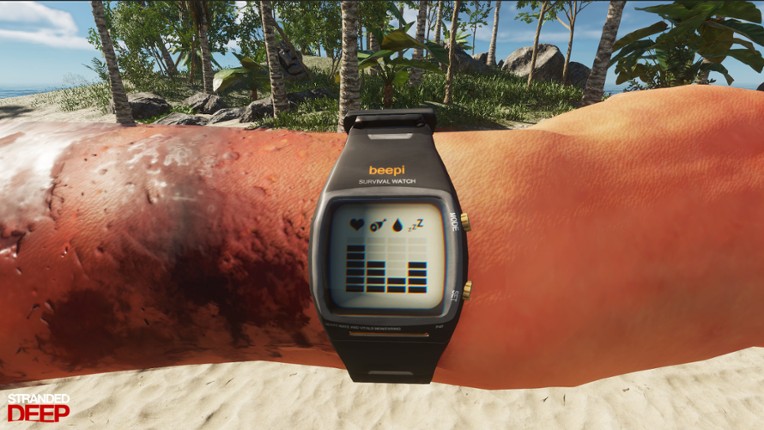


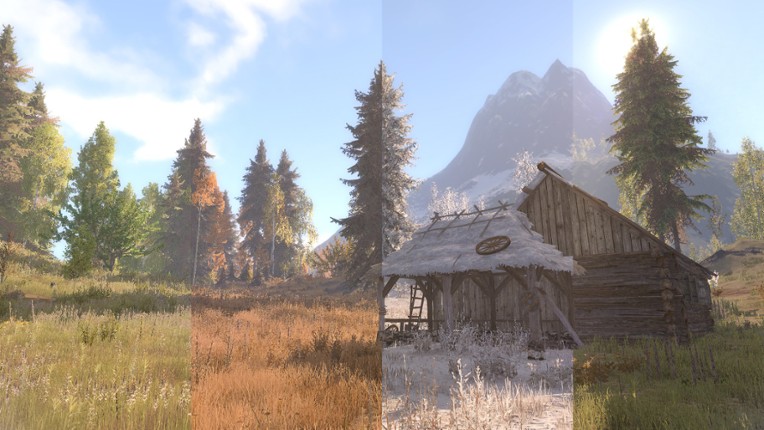
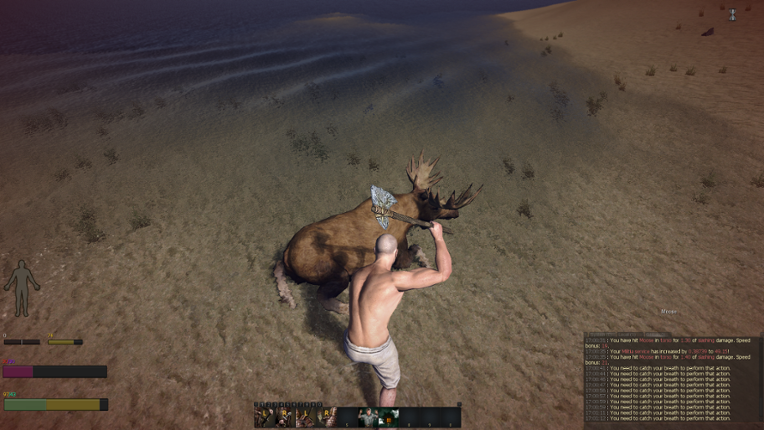
- 60%Game Brain ScoreMost mentioned positive aspects:gameplay, graphicsMost mentioned negative aspects:grinding, stability59% User Score 8,514 reviewsCritic Score 61%4 reviews
Swap intergalactic travel for gritty medieval survival, emphasizing grounded building and realistic group coordination in a harsh, unforgiving historical sandbox.
If you enjoyed this game, see our list of games similar to Life is Feudal: Your Own.View Game
- 89%Game Brain ScoreMost mentioned positive aspects:story, gameplayMost mentioned negative aspects:grinding, stability89% User Score 2,269 reviews
Focuses entirely on top-down space ship management and combat, distilling the vast exploration of cosmic vistas into tight tactical RPG progression.
If you enjoyed this game, see our list of games similar to Star Valor.View Game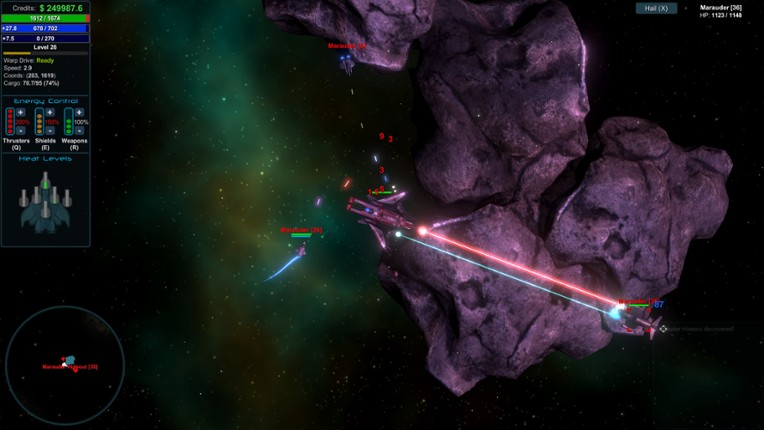
- 67%Game Brain ScoreMost mentioned positive aspects:gameplay, humorMost mentioned negative aspects:graphics, stability67% User Score 1,416 reviews
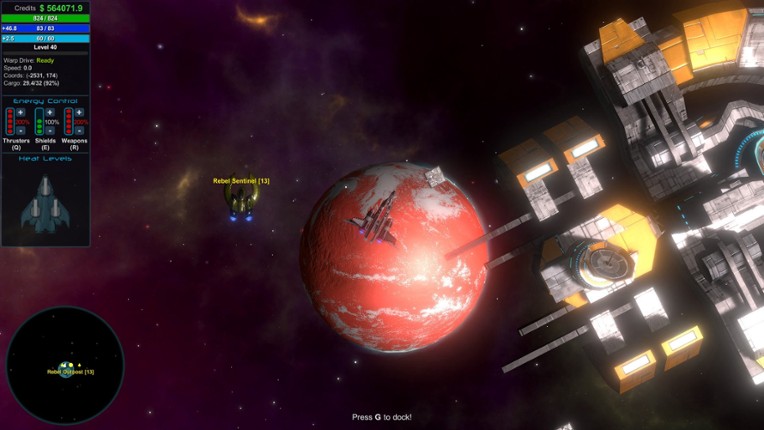
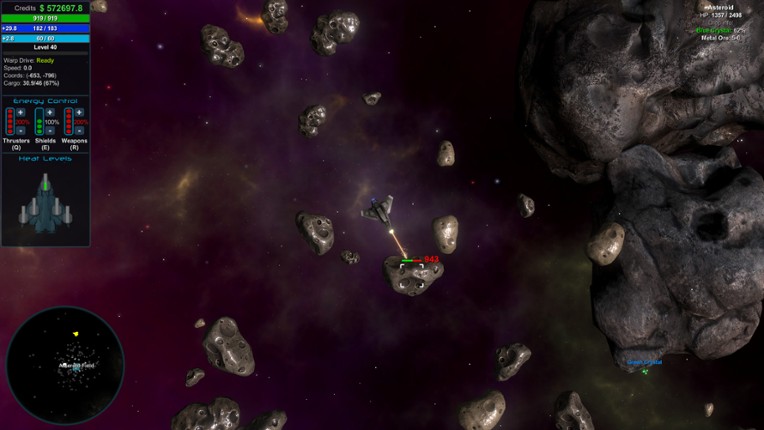
Prioritizes gritty, high-stakes science fiction survival and first-person combat in a persistent online environment where resource competition is the primary goal.
If you enjoyed this game, see our list of games similar to Stars End.View Game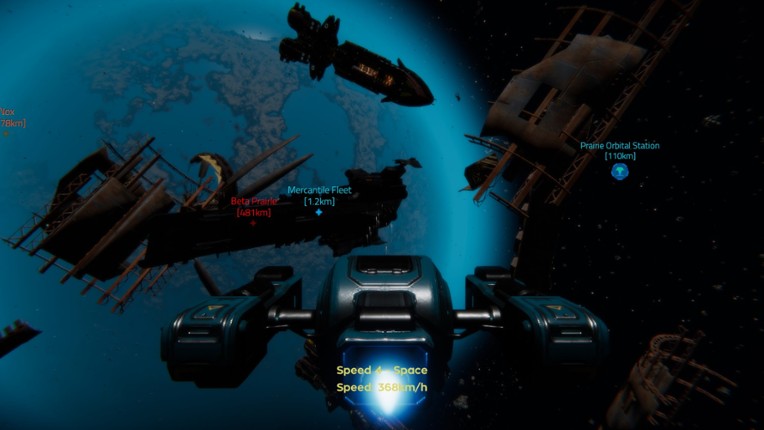
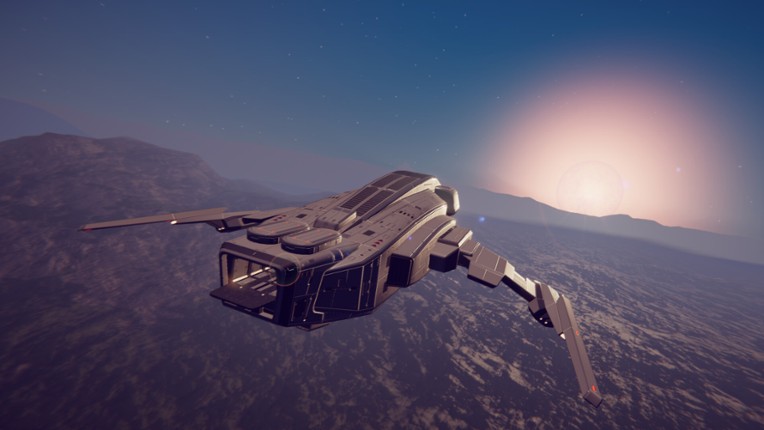
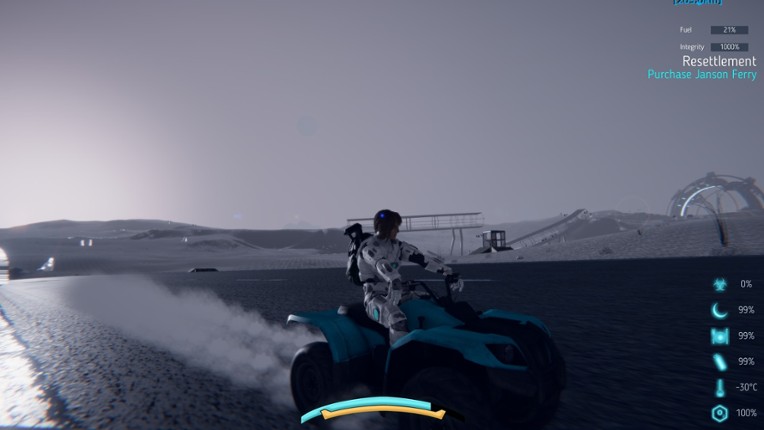
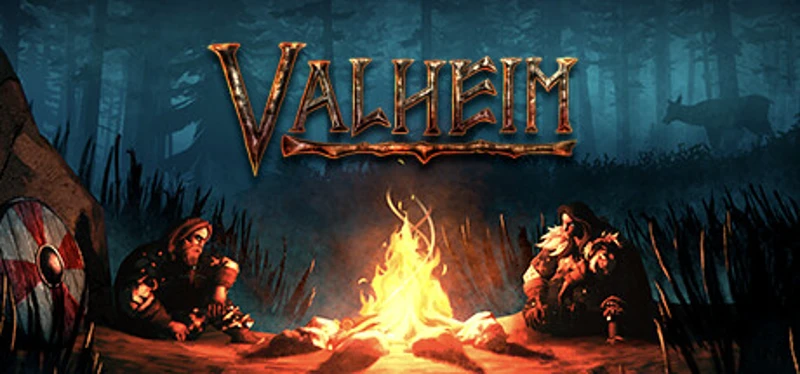
- 92%Game Brain ScoreMost mentioned positive aspects:gameplay, graphicsMost mentioned negative aspects:grinding, optimization95% User Score 291,882 reviewsCritic Score 90%11 reviews
Trading infinite procedural planets for a singular, handcrafted mythical realm, this title emphasizes challenging boss progression and brutal, stamina-based combat mechanics.
If you enjoyed this game, see our list of games similar to Valheim.View Game
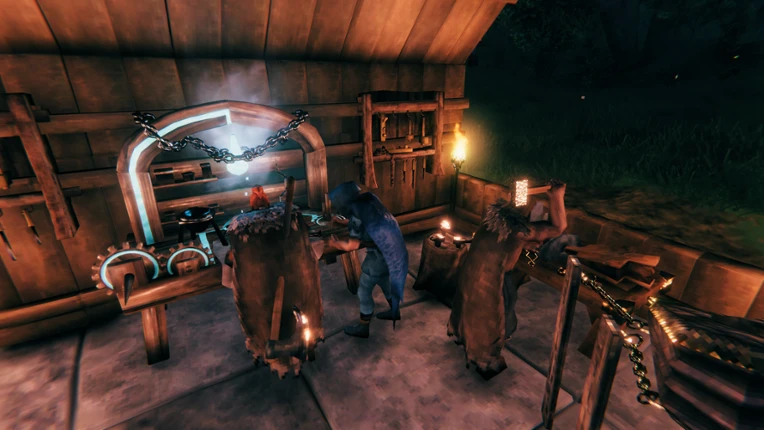
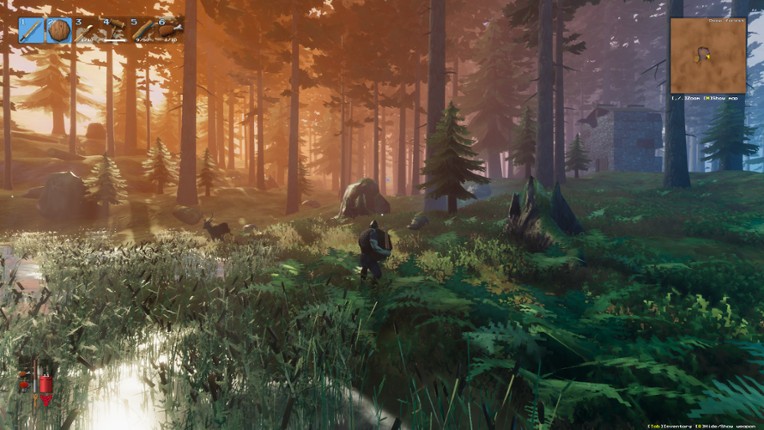
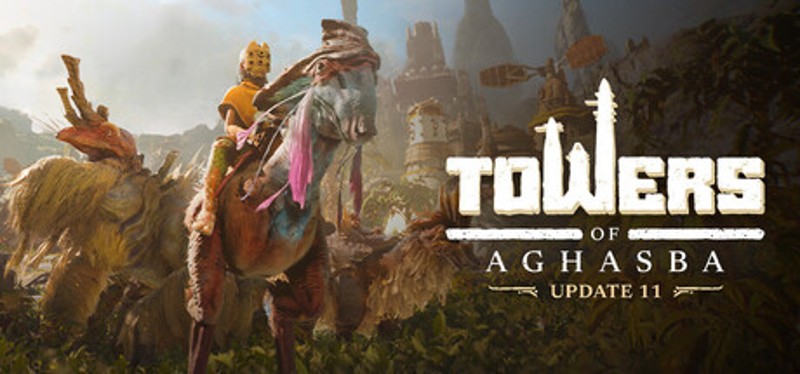
- 76%Game Brain ScoreMost mentioned positive aspects:story, gameplayMost mentioned negative aspects:grinding, stability76% User Score 983 reviews
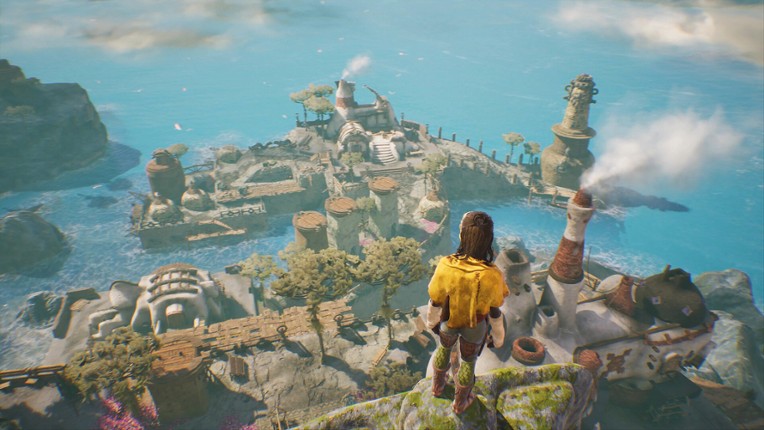
Replaces the lonely vacuum of space with a lush, creature-filled alien ecosystem designed for cozy, creature-collecting base management and ecological restoration.
If you enjoyed this game, see our list of games similar to Towers of Aghasba.View Game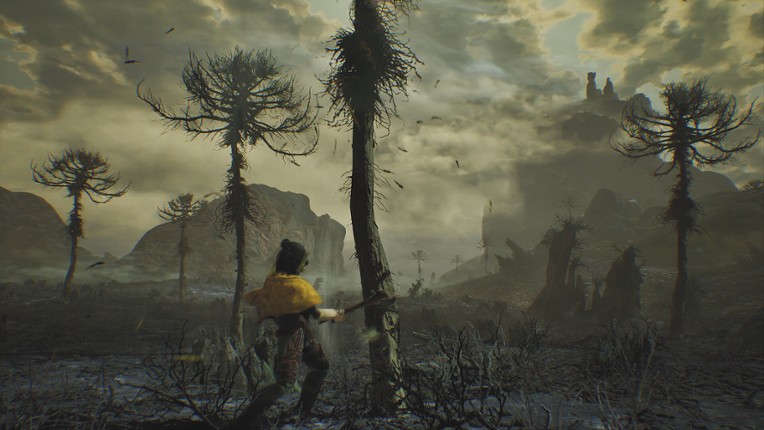
- 73%Game Brain ScoreMost mentioned positive aspects:gameplay, storyMost mentioned negative aspects:grinding, stability73% User Score 1,530 reviews
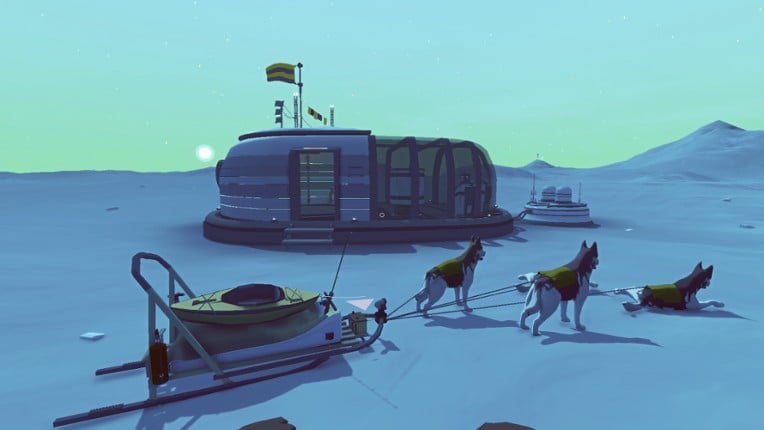
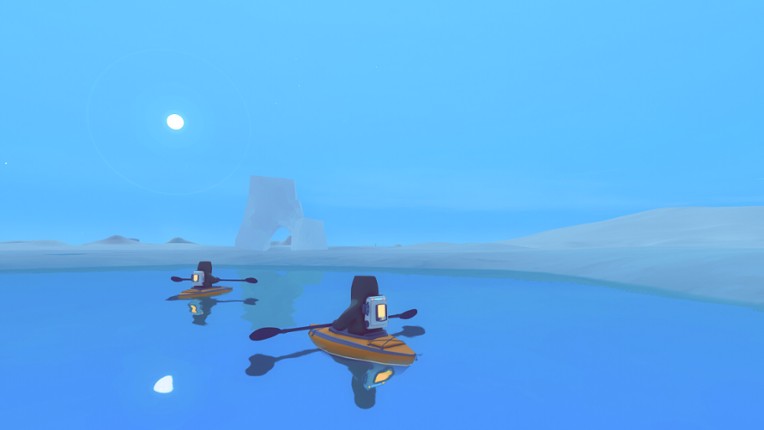
Ditches high-tech space flight for a lonely, meditative dog-sledding journey across a serene, frozen wilderness focused on calm exploration and survival.
If you enjoyed this game, see our list of games similar to Arctico.View Game
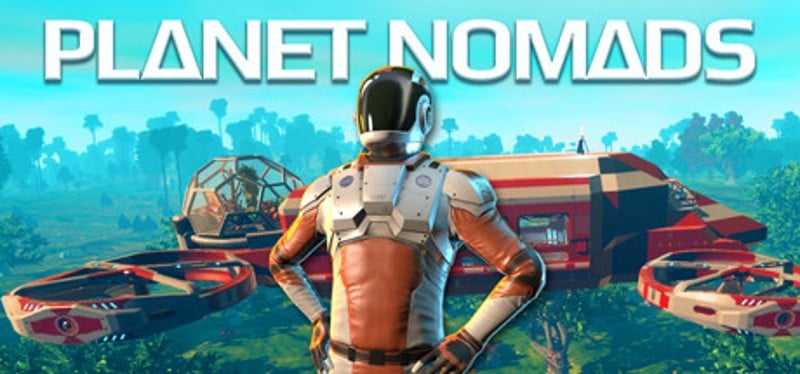
- 66%Game Brain ScoreMost mentioned positive aspects:story, graphicsMost mentioned negative aspects:optimization, stability66% User Score 1,802 reviews
Focuses on complex mechanical engineering and voxel-based destruction, offering a more technical, physics-driven approach to surviving on desolate alien landscapes.
If you enjoyed this game, see our list of games similar to Planet Nomads.View Game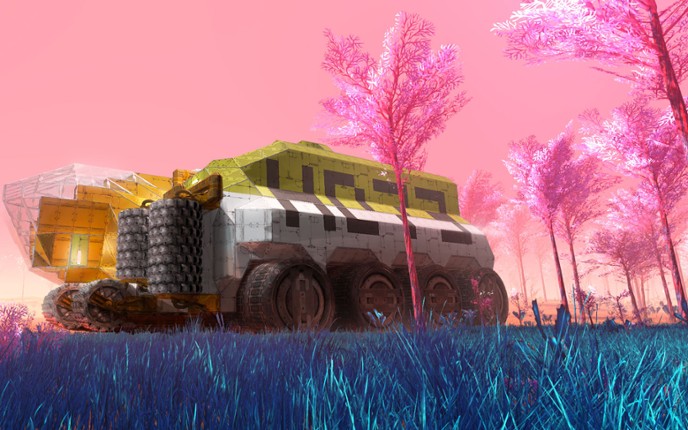


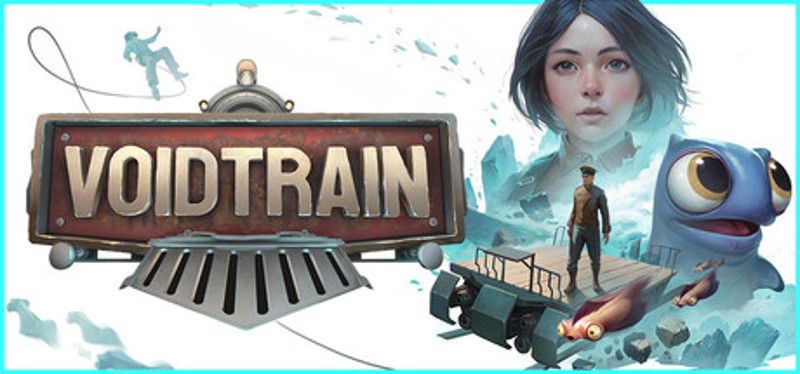
- 76%Game Brain ScoreMost mentioned positive aspects:gameplay, storyMost mentioned negative aspects:grinding, stability75% User Score 5,242 reviewsCritic Score 80%2 reviews
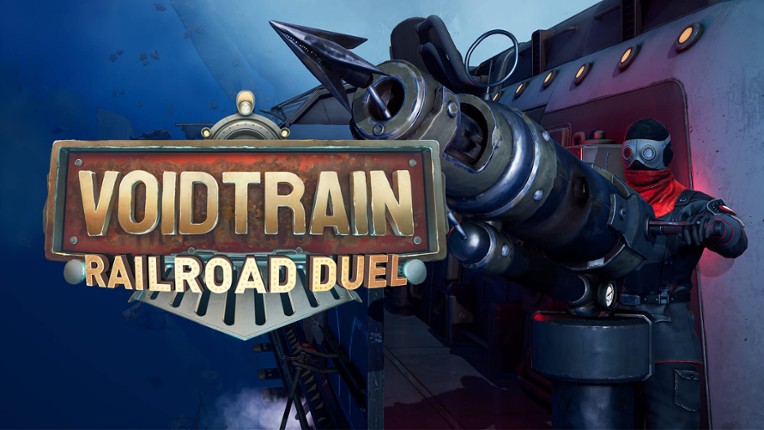
Abandons the starship cockpit for a mobile, expanding interdimensional train, centering the entire adventure on base-building within a constantly moving vehicle.
If you enjoyed this game, see our list of games similar to Voidtrain.View Game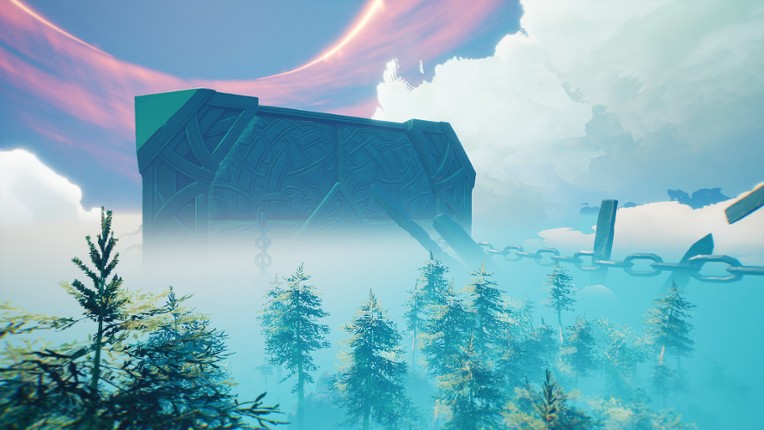
- 86%Game Brain ScoreMost mentioned positive aspects:graphics, gameplayMost mentioned negative aspects:grinding, stability86% User Score 3,425 reviews
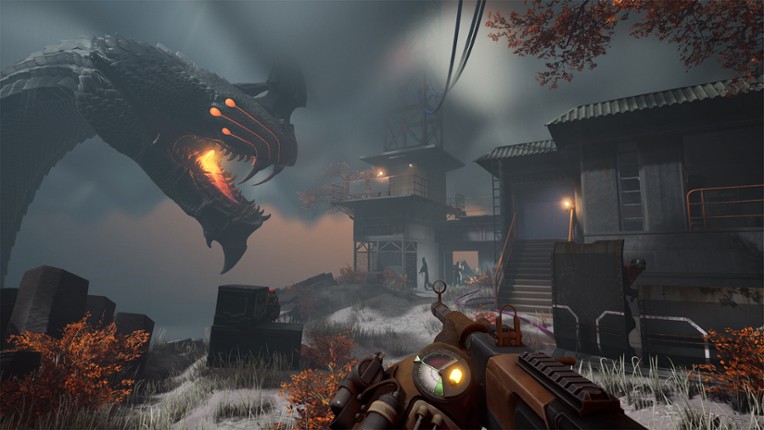
Prioritizes total creative freedom in a procedurally generated voxel world, offering deeper terraforming and building tools than standard space-faring survival experiences.
If you enjoyed this game, see our list of games similar to Rising World.View Game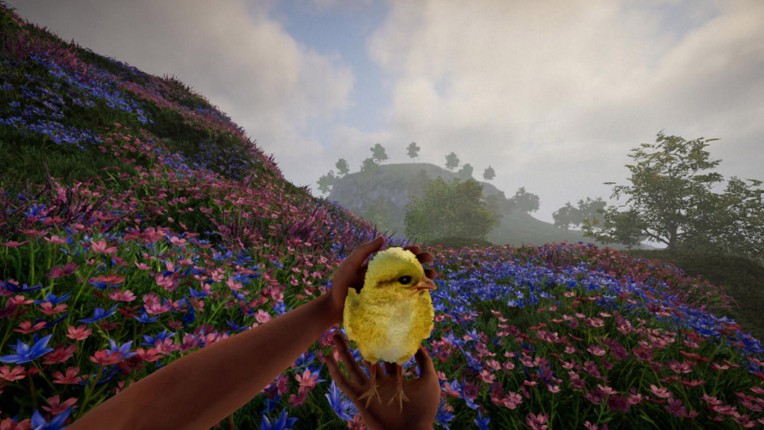
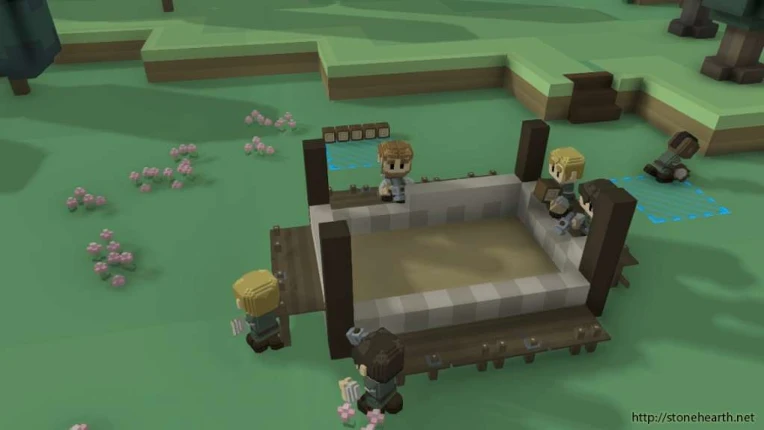
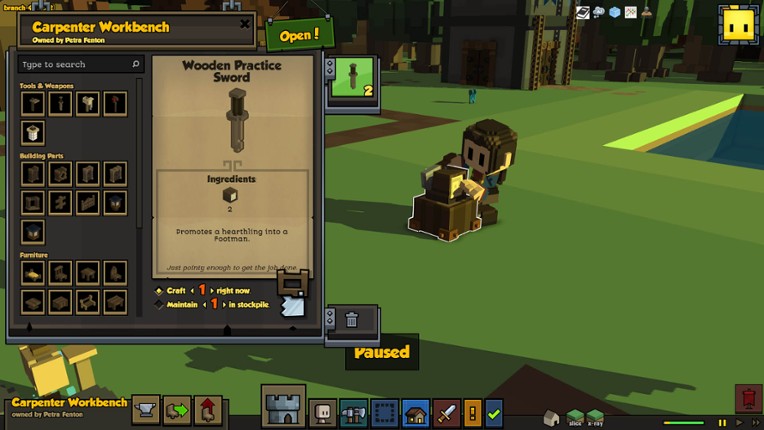
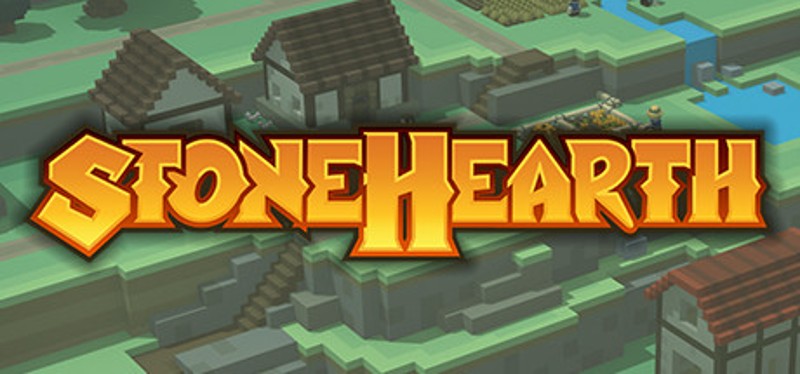
- 73%Game Brain ScoreMost mentioned positive aspects:gameplay, graphicsMost mentioned negative aspects:stability, optimization73% User Score 11,254 reviews
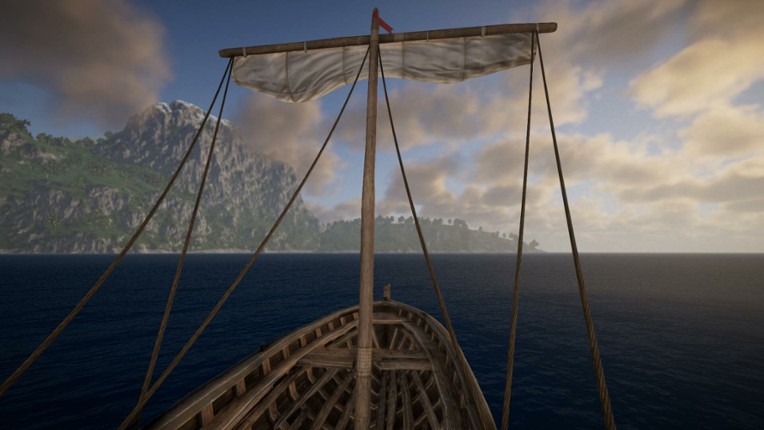
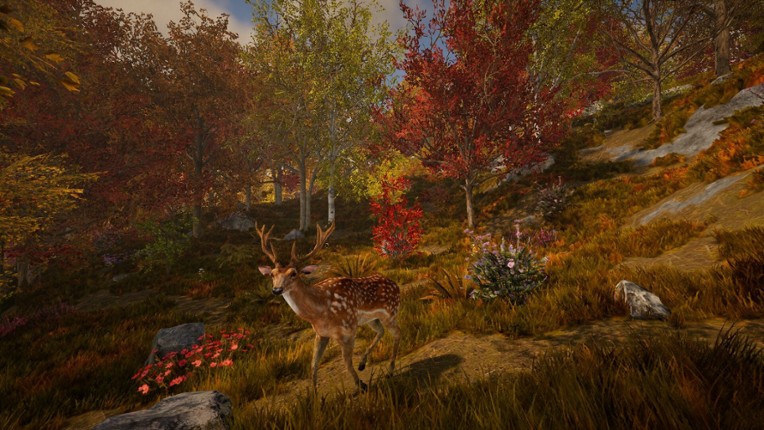
While lacking the space-faring scope, this title provides a town-management layer, shifting the focus from individual exploration to building a thriving fantasy community.
If you enjoyed this game, see our list of games similar to Stonehearth.View Game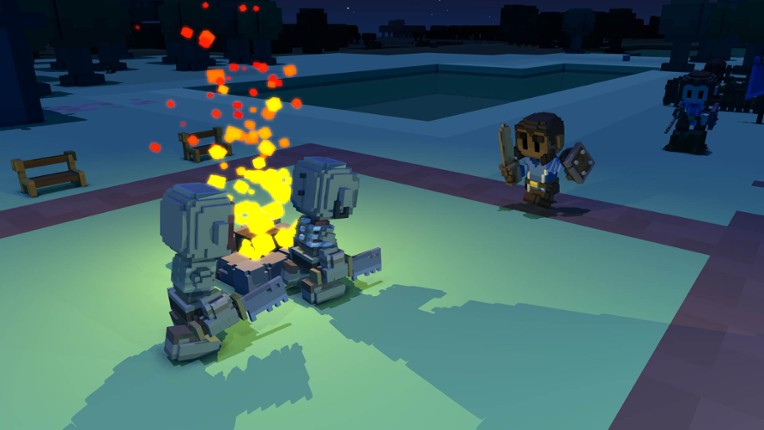
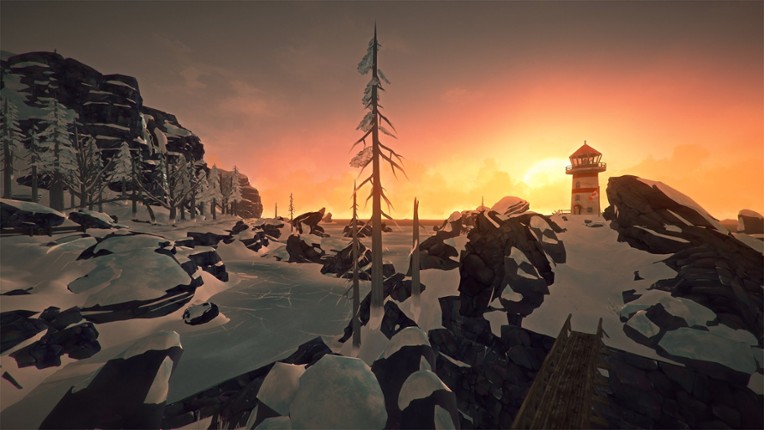
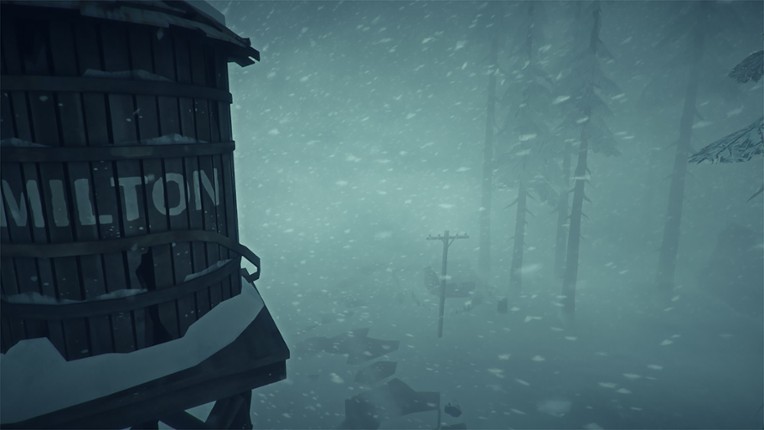
- 84%Game Brain ScoreMost mentioned positive aspects:story, gameplayMost mentioned negative aspects:grinding, stability89% User Score 43,788 reviewsCritic Score 79%22 reviews
Swap No Man's Sky's hopeful star-hopping for a harsher survival trip where freezing weather and scarcity make every expedition tense.
If you enjoyed this game, see our list of games similar to The Long Dark.View Game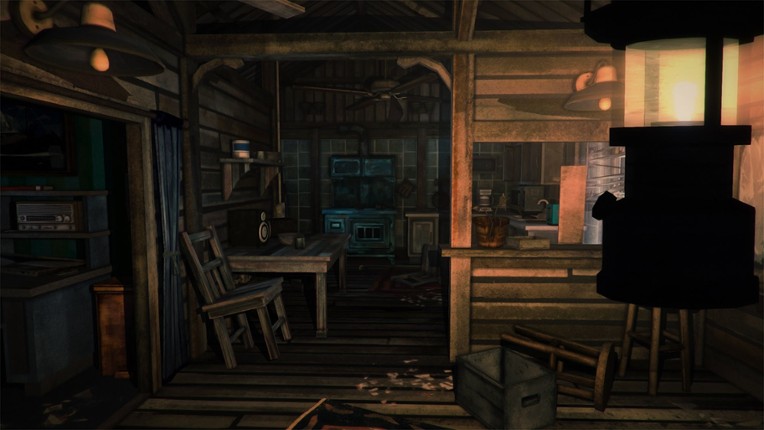
- 93%Game Brain ScoreMost mentioned positive aspects:story, gameplayMost mentioned negative aspects:grinding, stability93% User Score 6,104 reviews
For pilots who want No Man's Sky's trading and wandering, but in a 2D, text-heavy space economy with far more faction depth.
If you enjoyed this game, see our list of games similar to Endless Sky.View Game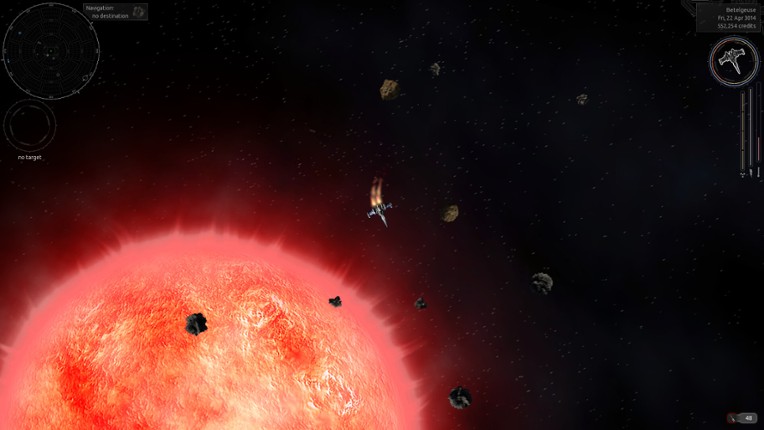
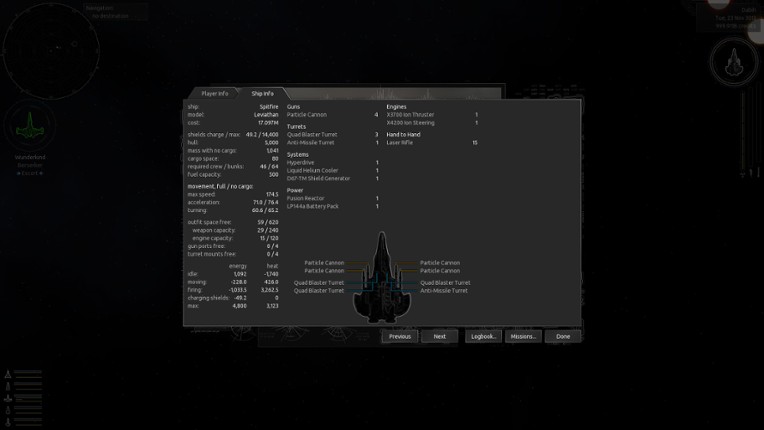
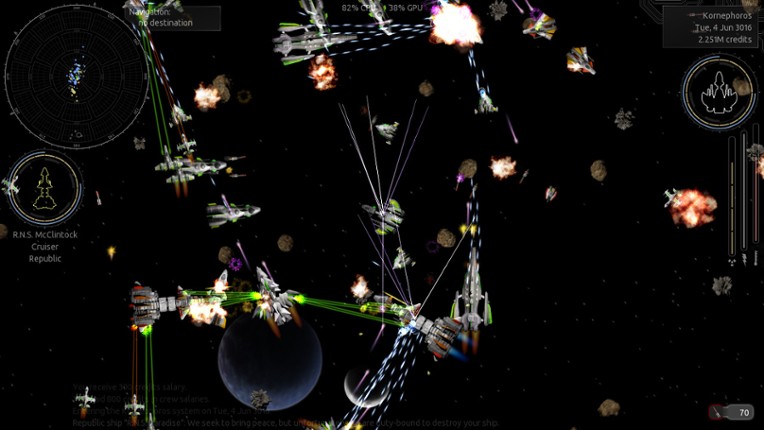
- 80%Game Brain ScoreMost mentioned positive aspects:story, gameplayMost mentioned negative aspects:stability, grinding80% User Score 4,868 reviews
It keeps the freeform space travel, yet shifts No Man's Sky toward a denser solo sandbox of shipbuilding, politics, and lore.
If you enjoyed this game, see our list of games similar to SpaceBourne 2.View Game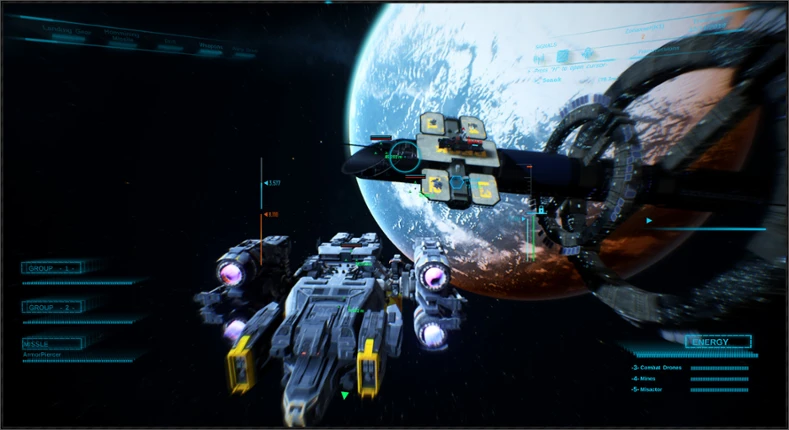
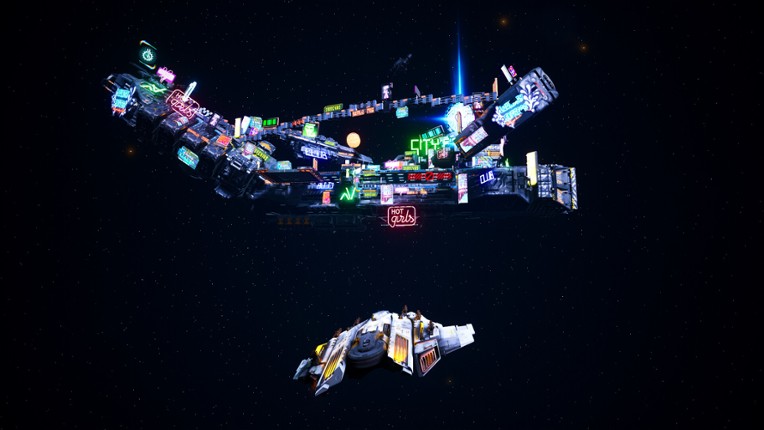
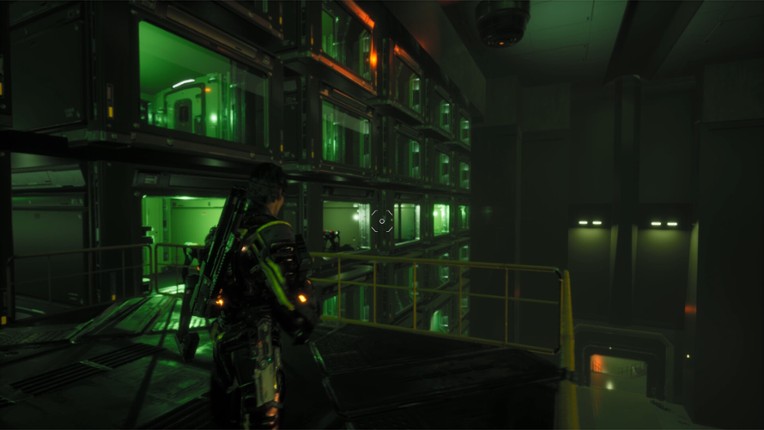
- 79%Game Brain ScoreMost mentioned positive aspects:gameplay, graphicsMost mentioned negative aspects:grinding, story81% User Score 2,217 reviewsCritic Score 74%4 reviews
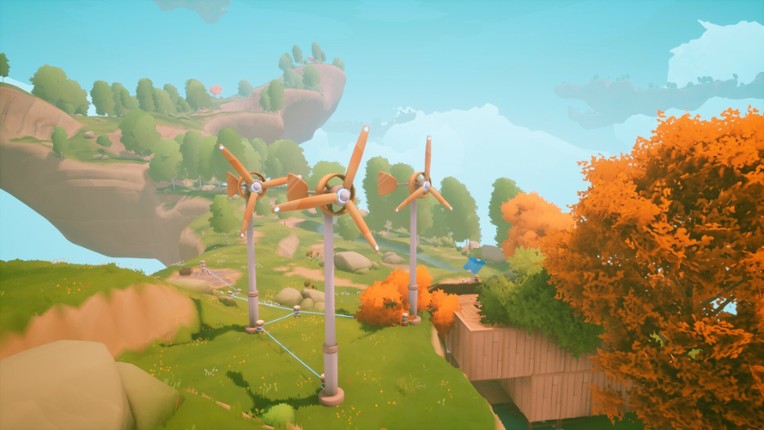
If you want No Man's Sky's crafting and exploration recast as a cozy, solar-powered colony builder, this is the gentler detour.
If you enjoyed this game, see our list of games similar to Solarpunk.View Game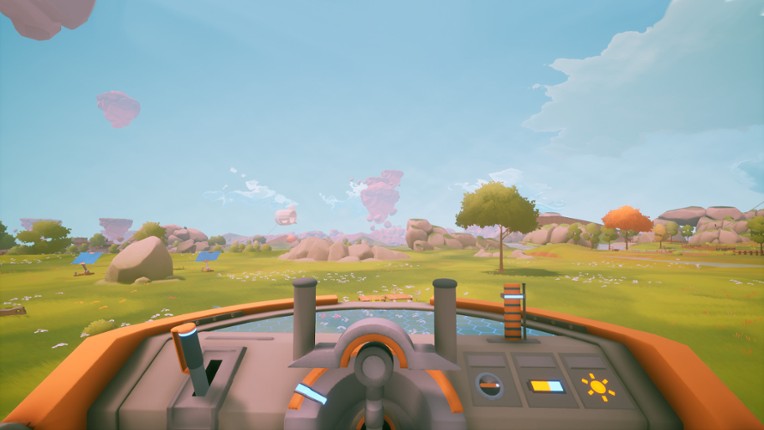
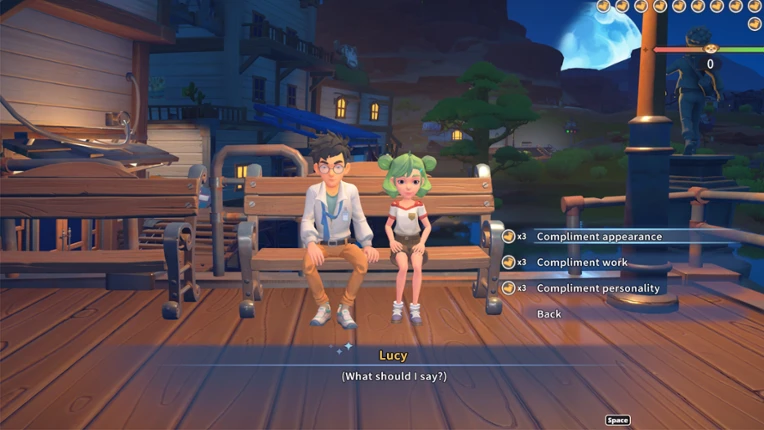
45 View Game 87%Game Brain ScoreMost mentioned positive aspects:story, gameplayMost mentioned negative aspects:grinding, stability94% User Score 10,945 reviewsCritic Score 73%4 reviews
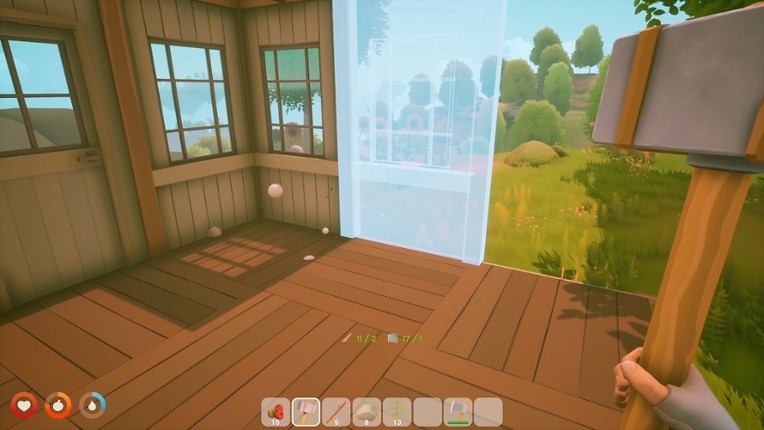
This trades No Man's Sky's space survival for a post-apocalyptic town-and-workshop loop, aimed at players who enjoy co-op crafting and life sim progression.
If you enjoyed this game, see our list of games similar to My Time at Sandrock.View Game
- 81%Game Brain ScoreMost mentioned positive aspects:story, gameplayMost mentioned negative aspects:grinding, stability89% User Score 21,371 reviewsCritic Score 74%10 reviews
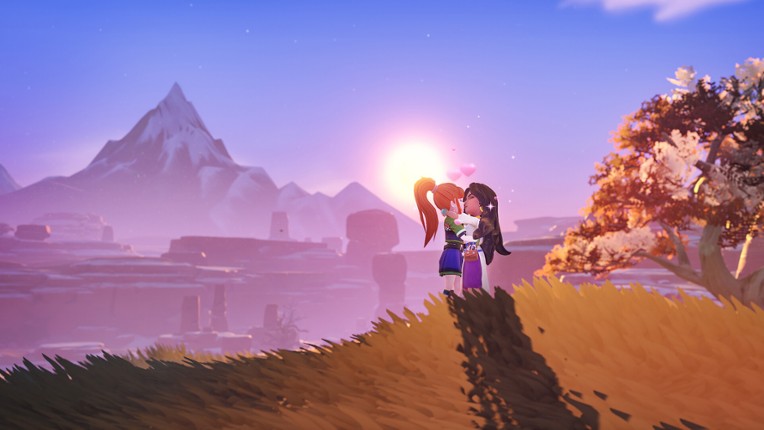
It keeps the first-person gathering and building vibe from No Man's Sky, but grounds everything in a slower medieval settlement survival grind.
If you enjoyed this game, see our list of games similar to Medieval Dynasty.View Game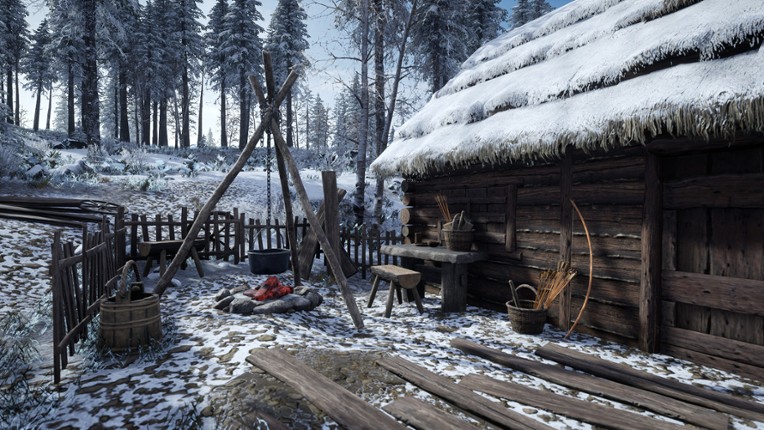
- 77%Game Brain ScoreMost mentioned positive aspects:story, humorMost mentioned negative aspects:grinding, stability77% User Score 3,148 reviewsCritic Score 77%10 reviews
Instead of lonely procedural planets, this sends No Man's Sky fans into a chatty starship romp with combat, jokes, and branching choices.
If you enjoyed this game, see our list of games similar to Star Control: Origins.View Game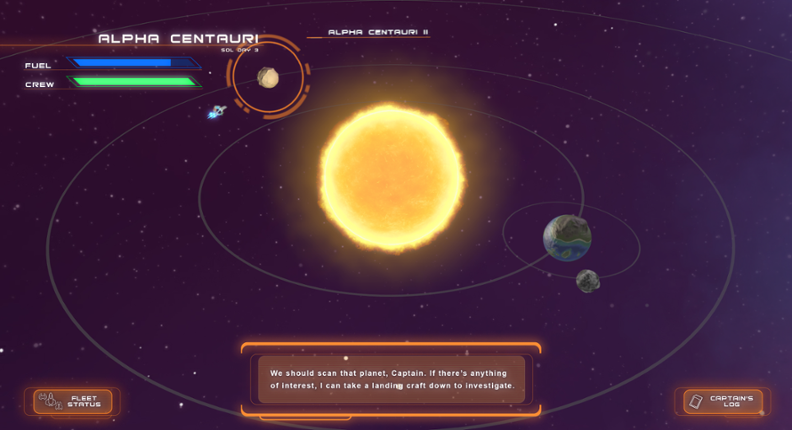
- 67%Game Brain ScoreMost mentioned positive aspects:gameplay, graphicsMost mentioned negative aspects:stability, optimization67% User Score 3,414 reviews
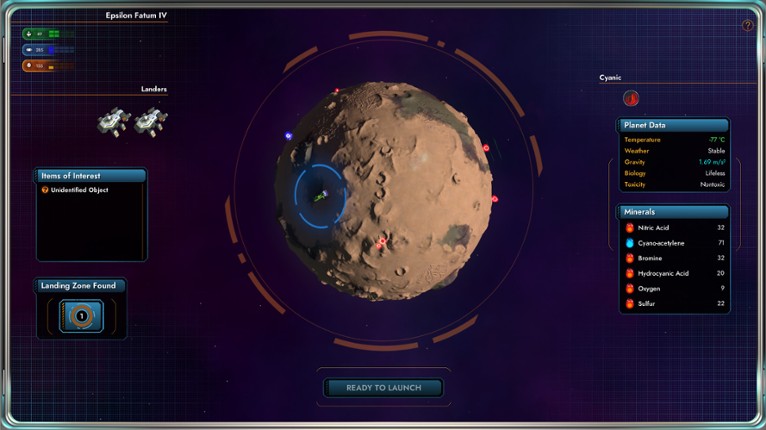
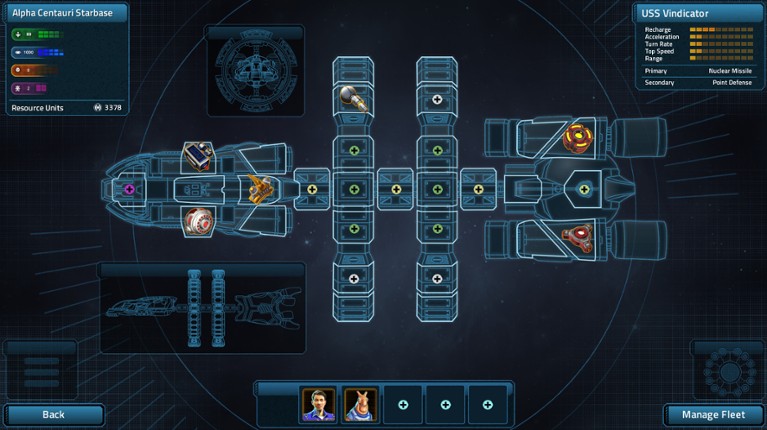
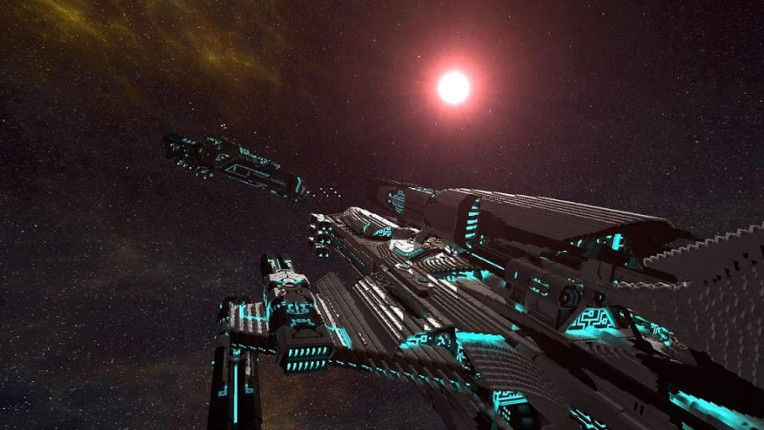
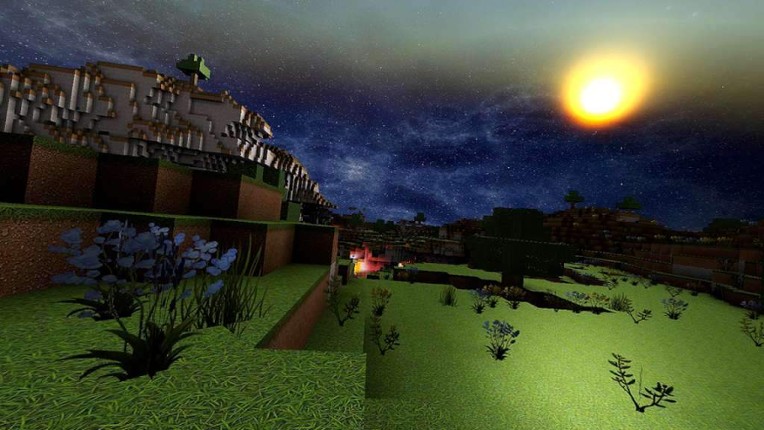
For players who want No Man's Sky's space building and multiplayer chaos pushed into a voxel universe where engineering matters more than discovery.
If you enjoyed this game, see our list of games similar to StarMade.View Game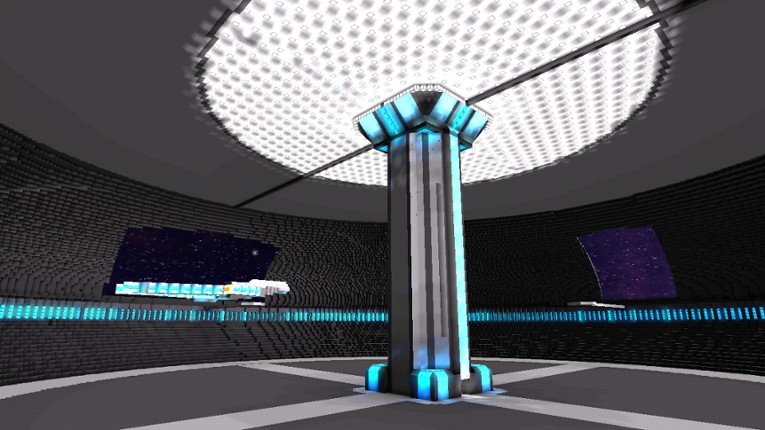
- 77%Game Brain ScoreMost mentioned positive aspects:story, gameplayMost mentioned negative aspects:stability, optimization77% User Score 19,846 reviews
If No Man's Sky's trade-and-explore loop is what you enjoy, this offers a deeper solo economy sim with corporate-scale space management.
If you enjoyed this game, see our list of games similar to X4: Foundations.View Game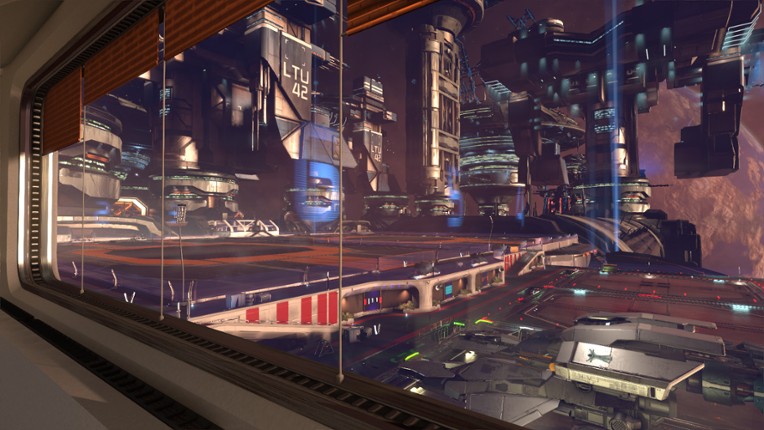
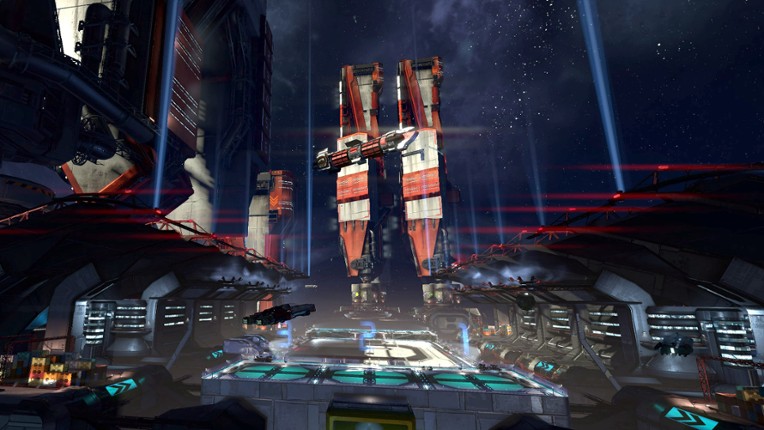
- 81%Game Brain ScoreMost mentioned positive aspects:gameplay, storyMost mentioned negative aspects:optimization, grinding88% User Score 133,145 reviewsCritic Score 73%32 reviews
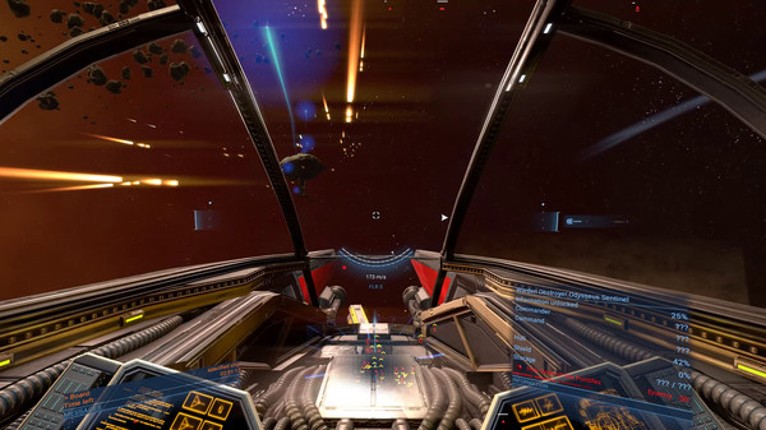
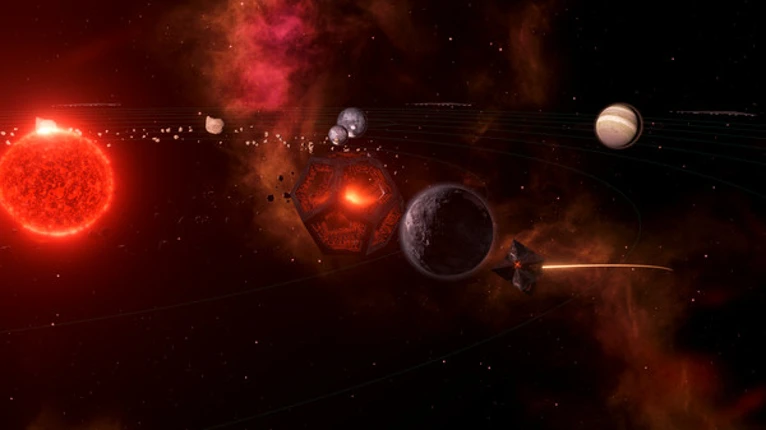
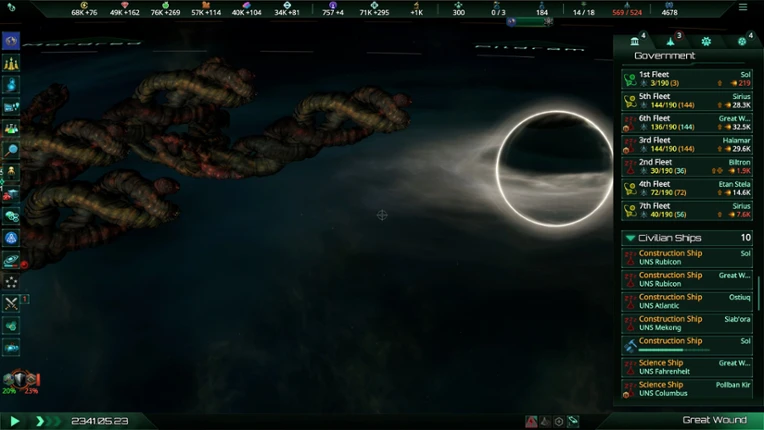
This swaps No Man's Sky's personal exploration for galaxy-level strategy, rewarding anyone who wants procedural space empires instead of piloting.
If you enjoyed this game, see our list of games similar to Stellaris.View Game


 View Game





































Frequently Asked Questions
For pure exploration and discovery, Elite Dangerous offers a massive procedurally-generated galaxy with deep space simulation, while ASTRONEER focuses on planetary exploration with creative base-building. Starbound delivers similar progression across diverse worlds with charming pixel graphics and rich atmosphere. All three nail the sense of wonder that makes No Man's Sky special.
ASTRONEER and Empyrion: Galactic Survival both feature robust online co-op for up to four players, letting you explore and build together. Space Engineers supports multiplayer building and sandbox creativity with friends. Starbound also includes online co-op exploration. All provide that shared adventure feeling without the single-player limitation.
Empyrion: Galactic Survival combines deep survival mechanics with extensive base construction on alien worlds. Space Engineers excels at complex building with physics-driven construction, while 7 Days to Die demands resource management and defensive structures. ASTRONEER blends survival with automation and creative base layouts. Each offers substantial crafting depth.
Starbound costs significantly less than No Man's Sky and delivers comparable exploration, crafting, and co-op gameplay across procedurally-generated worlds. 7 Days to Die offers excellent value for survival and building fans. While not free, these indie titles provide substantial content at budget prices compared to AAA pricing.
Starfield provides story-rich faction quests and cinematic narrative depth within a space-exploration framework. Starbound features charming story progression and memorable characters across its universe. ASTRONEER delivers emotional narrative elements alongside exploration. These titles balance No Man's Sky's gameplay loops with stronger character-driven storytelling.
Space Engineers offers unmatched creative freedom with physics-based construction of intricate ships and stations. Empyrion: Galactic Survival provides rewarding building alongside survival on exotic planets. 7 Days to Die lets you design defensive bases with complex mechanics. All emphasize player creativity over linear progression, perfect for builders.