

Games like Victoria 3
If Victoria 3 has its hooks in you — the meticulous population management, the push-and-pull of 19th-century politics, the thrill of industrializing a nation while keeping your people from revolting — then searching for games like Victoria 3 is a completely natural next step. That particular blend of grand strategy, economic simulation, and alternate history storytelling is genuinely rare, but there are titles out there that hit many of the same notes. Here's where to start.
Victoria 3 occupies a specific niche: it's a real-time-with-pause grand strategy game rooted in historical economy and political simulation, where managing pops, trade routes, and ideological movements matters just as much as fielding armies. The core loop rewards long-term planning and tolerates creative chaos — a single tariff change or reform can cascade into revolution or prosperity. Players who love it are chasing that feeling of steering a living society through history, not just conquering a map.
What Makes a Good Alternative to Victoria 3?
- Grand strategy depth — The best alternatives offer layered systems where diplomacy, economics, and military power interact meaningfully, mirroring how Victoria 3 makes every decision feel consequential at a national scale.
- Population and economic simulation — Victoria 3's soul is in its pop system and production chains; games that model trade, resource flows, or societal classes scratch that same itch in satisfying ways.
- Alternate history and replayability — The ability to fork history — to industrialize Ethiopia or turn Austria into a republic — is central to the appeal, so strong sandbox replayability is essential.
- Political and diplomatic systems — Managing internal factions, passing legislation, and navigating great-power rivalry are defining Victoria 3 experiences; alternatives should offer meaningful political depth.
- A strong soundtrack and atmosphere — Victoria 3's orchestral score and period-authentic tone are frequently praised; the best alternatives use music and visual style to reinforce their historical or strategic atmosphere.
Top Picks If You Enjoyed Victoria 3
Europa Universalis V delivers deep population and trade mechanics straight from Paradox's playbook. Victoria II, the direct predecessor, remains beloved for its intricate pop and economic systems. Imperator: Rome brings the same real-time-with-pause politics to the ancient world. Supreme Ruler offers surprisingly deep military and economic simulation across modern-era scenarios. Millennia innovates on alternate history with its age-based progression system. HUMANKIND rounds things out with sweeping 4X civilization-building and an era-evolving soundtrack.
Every recommendation below is ranked by similarity using real player data, so the closest matches appear first. Browse the full list to find the title that fits exactly what you loved most about Victoria 3.
- 65%Game Brain ScoreMost mentioned positive aspects:gameplay, storyMost mentioned negative aspects:optimization, stability65% User Score 24,020 reviews
Managing a sprawling state while juggling taxes, pops, and political pressure is the shared hook here: every decision in Victoria 3 fans enjoy—balancing growth against stability—has a Roman-era counterpart in Imperator: Rome. You’re constantly nudging trade, diplomacy, and internal power blocs so your realm doesn’t unravel while you expand.
The overlap in grand strategy, politics, and real-time-with-pause control matters because it creates the same “one more decree” rhythm: you finish one reform, then immediately spot a border threat, a loyalty problem, or a better trade route. That loop is especially strong for players who like steering a nation through cascading systems instead of micromanaging individual units.
Imperator adds a sharper military layer and a more explicit ancient-world sandbox, which is a fresh tradeoff rather than just extra complexity. If Victoria 3 sometimes feels grindy, Imperator’s faster strategic swings and war-focused decisions can scratch the same mastery itch with a more campaign-driven pace.
Best for players who want statecraft first and spectacle second.
If you enjoyed this game, see our list of games similar to Imperator: Rome.View Game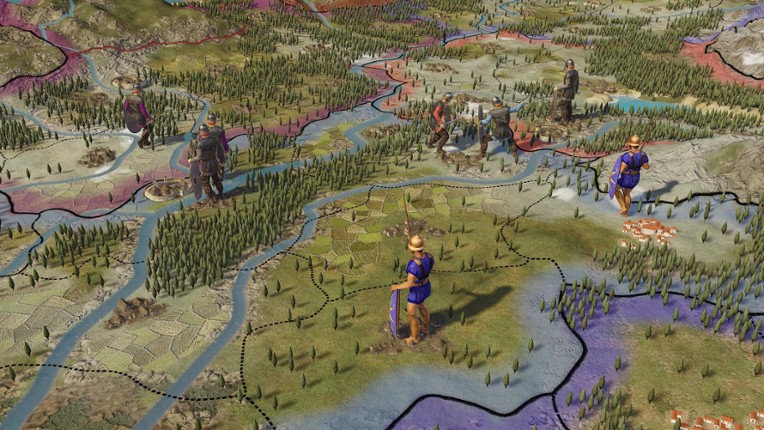
- 70%Game Brain ScoreMost mentioned positive aspects:gameplay, graphicsMost mentioned negative aspects:optimization, story70% User Score 15,633 reviews
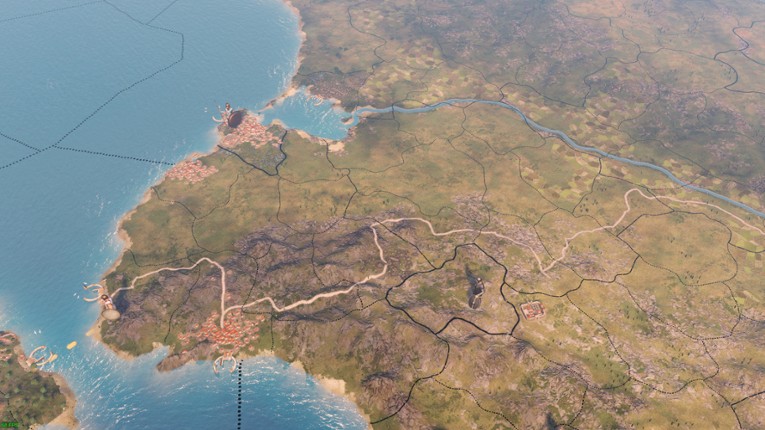
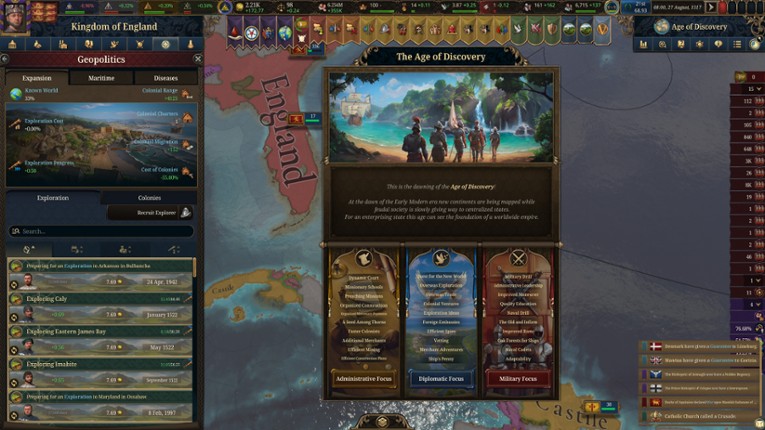
Both Victoria 3 and Europa Universalis V trap you in the same loop: watching interconnected systems spiral into uncontrollable complexity as your nation evolves across decades. The satisfaction comes not from a narrative finish line, but from wrestling with cascading economic and diplomatic consequences that force constant adaptation.
You'll recognize the resource management depth immediately—trading networks, production chains, and population dynamics demand attention in both games. More importantly, this creates the same compulsive "just one more decision" gameplay loop: fixing one bottleneck reveals three new problems, each solvable but never simultaneously.
The diplomatic and alternate-history sandbox operates on identical principles, letting you reshape continents through coalition-building and strategic positioning rather than pure military force. Europa Universalis V pivots toward warfare and territorial painting where Victoria 3 emphasized internal systems, but both reward long-term geopolitical scheming over moment-to-moment tactics.
Where Victoria 3 sometimes drowns in grinding, Europa Universalis V's late-game also suffers from tedious micromanagement and stability issues—a familiar friction, not a solution. However, if you crave a shift from economic simulation toward conquest without abandoning systemic depth, this is the natural next step.
Best for players comfortable with Paradox's learning curve who want to trade internal-economy mastery for external empire-building.
If you enjoyed this game, see our list of games similar to Europa Universalis V.View Game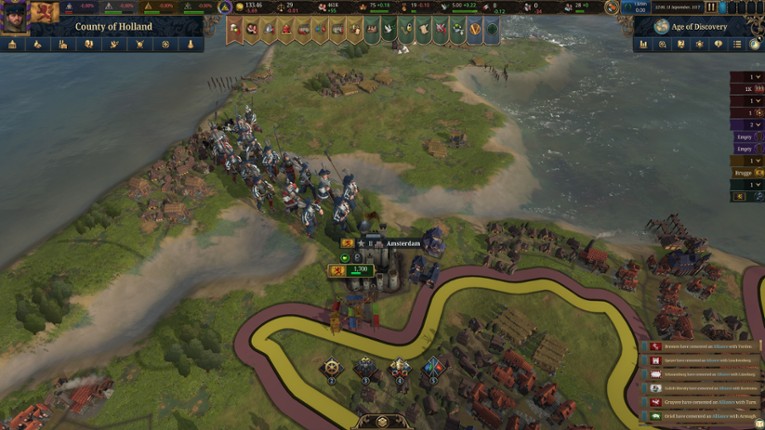
- 68%Game Brain ScoreMost mentioned positive aspects:gameplay, replayabilityMost mentioned negative aspects:graphics, optimization69% User Score 3,194 reviewsCritic Score 66%5 reviews
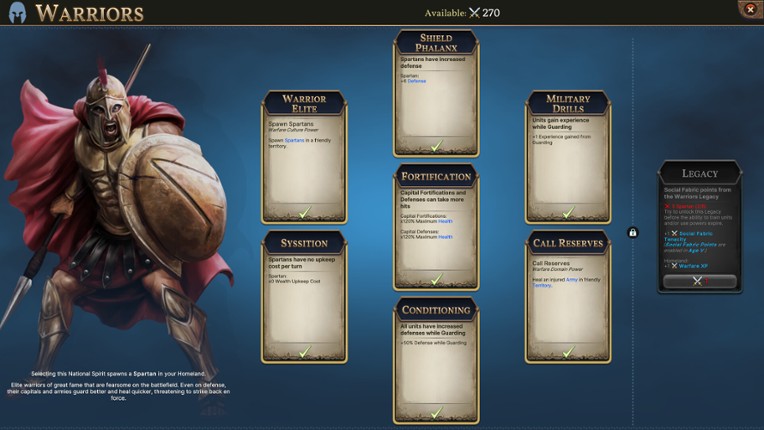
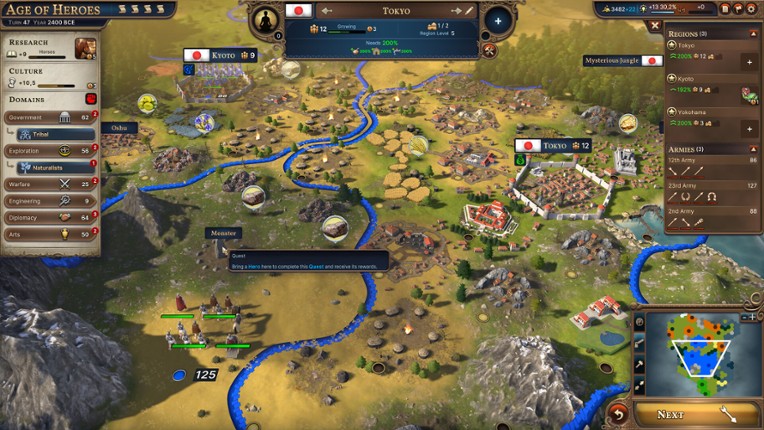
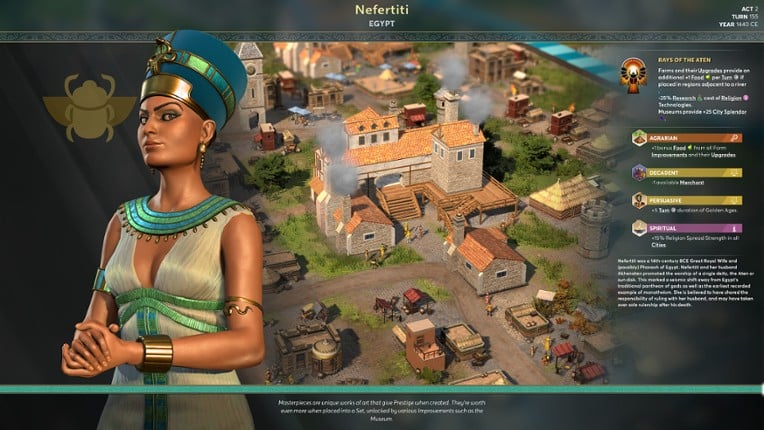
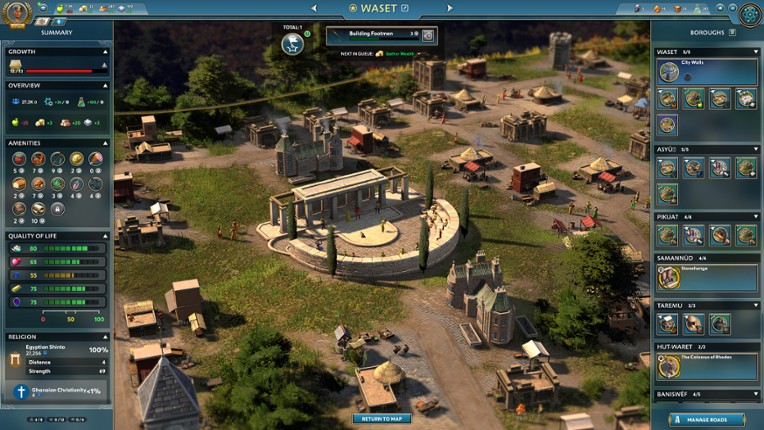
Victoria 3 players who thrive on watching complex systems interlock will find familiar satisfaction in Millennia's production chains and resource networks. Both games reward players who think several moves ahead, whether balancing economic outputs or managing the political consequences of expansion. The feeling of "I made that happen" through careful planning emerges just as strongly in Millennia's turn-based world.
The alternate history framework appears in both titles, letting players explore "what if" scenarios that reshape the course of civilization. Victoria 3 handles this through its detailed socioeconomic simulation, while Millennia uses its innovative age system to branch history in unexpected directions. Both prioritize reason and nation-building over military conquest as primary paths to victory.
Where Millennia diverges is its turn-based structure, trading Victoria 3's real-time pacing for deliberate, chess-like calculation. This shift transforms optimization from reactive firefighting into proactive mastery. The tradeoff suits players who prefer strategic depth over the constant micro-management that sometimes exhausts Victoria 3's audience.
Best for strategy fans who consider a well-balanced economy more satisfying than battlefield glory.
If you enjoyed this game, see our list of games similar to Millennia.View Game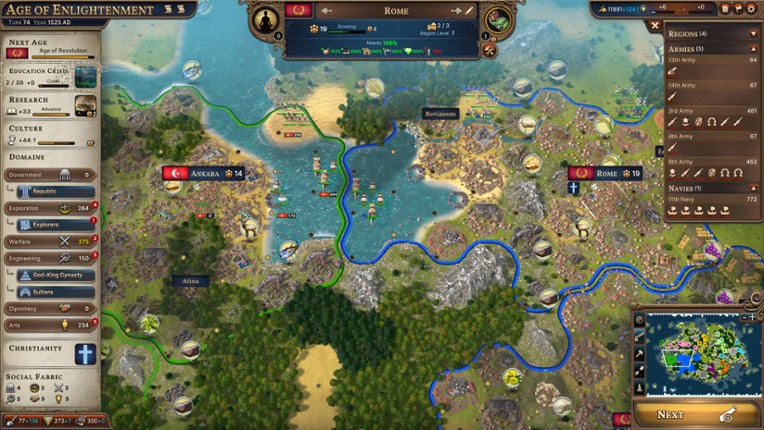
- 90%Game Brain ScoreMost mentioned positive aspects:gameplay, graphicsMost mentioned negative aspects:stability, story93% User Score 11,075 reviewsCritic Score 76%1 reviews
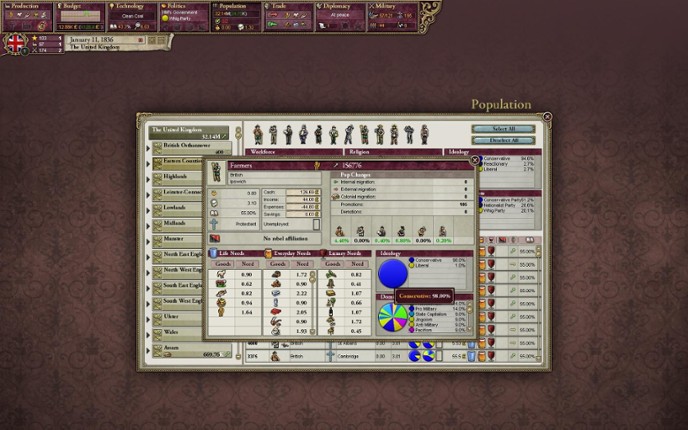
Managing the volatile demands of a rising middle class while balancing industrial output defines the core loop of both experiences. The granular POP system and global market simulation ensure that every legislative change ripples through your society, forcing you to navigate internal unrest alongside international trade. This mechanical depth requires you to treat your population as a living entity that reacts dynamically to your economic successes or failures.
A notable shift occurs in the direct control of military units, offering a more tactical approach to warfare than the abstract front-line system. While Victoria 3 sometimes struggles with performance and modern monetization, this predecessor offers a stable, finalized simulation perfected through years of extensive community modding. It trades streamlined menus for a rigorous, spreadsheet-driven complexity that rewards microscopic attention to detail.
Best for players who crave tactical agency and want to master the high-stakes "Crisis System" at the height of Great Power diplomacy.
If you enjoyed this game, see our list of games similar to Victoria II.View Game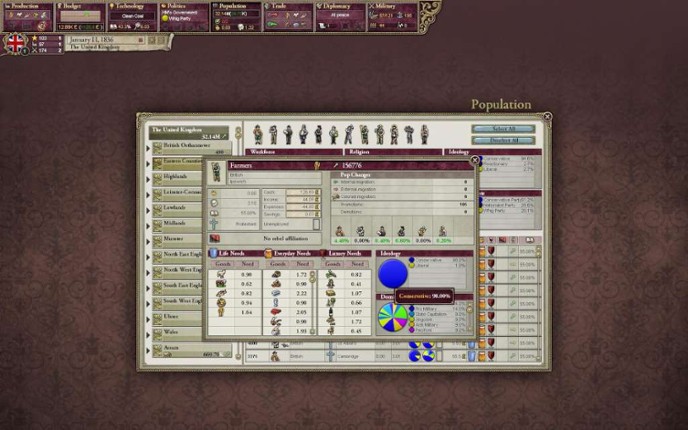
- 87%Game Brain ScoreMost mentioned positive aspects:gameplay, replayabilityMost mentioned negative aspects:stability, grinding87% User Score 68,455 reviewsCritic Score 88%2 reviews
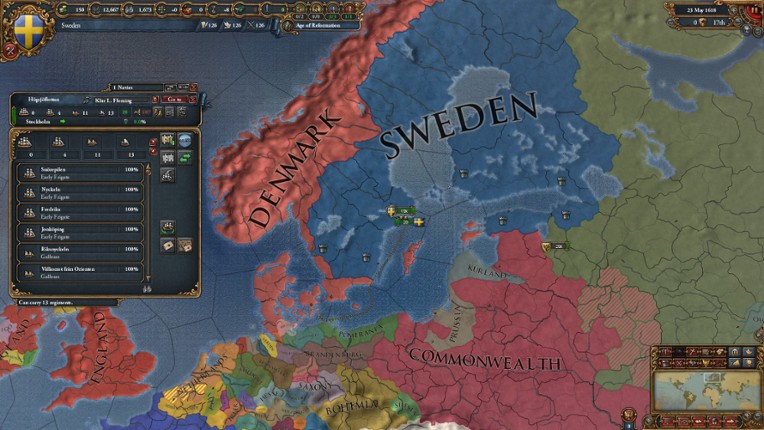
Four centuries of detailed history come alive in Paradox’s classic grand strategy game. Lead any nation from Renaissance to Revolution in a complex simulation of the early modern world. Master the art of war, diplomacy and trade to shape and change your nation’s history! If you enjoyed this game, see our list of games similar to Europa Universalis IV.
View Game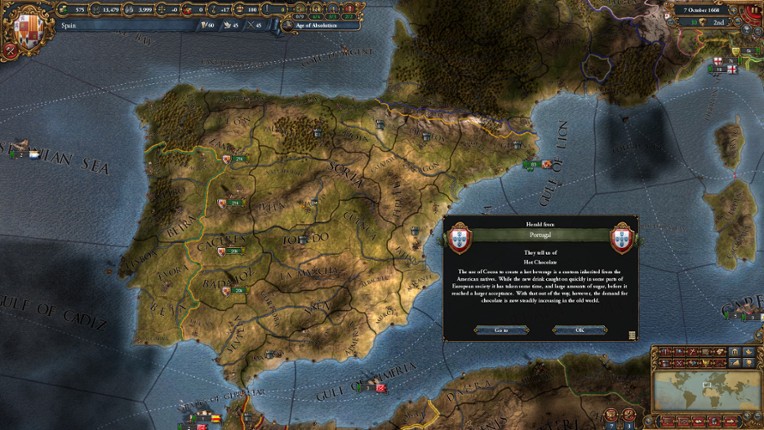
- 72%Game Brain ScoreMost mentioned positive aspects:gameplay, graphicsMost mentioned negative aspects:stability, optimization68% User Score 14,765 reviewsCritic Score 90%1 reviews
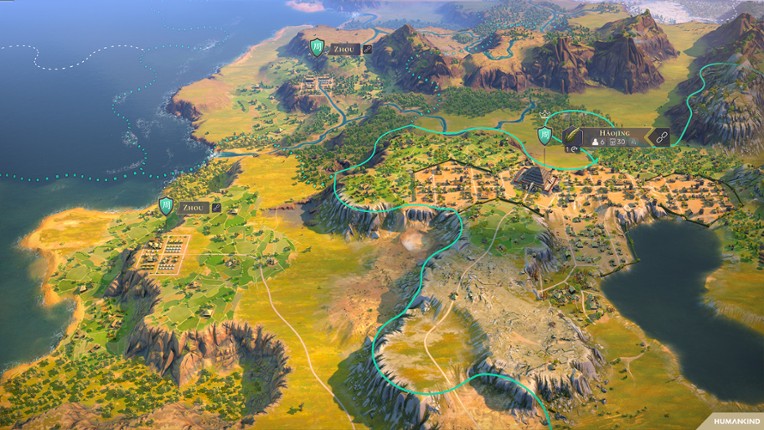
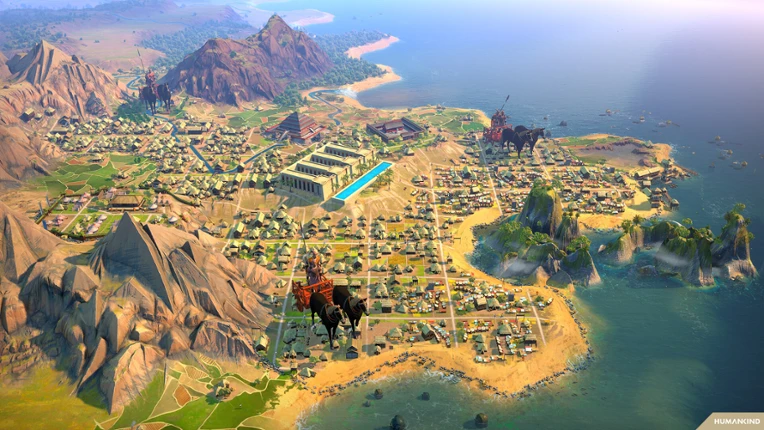
That feeling of steering a nation through economic and political upheaval — watching systems strain and respond to your decisions — is something HUMANKIND captures in its own distinct way. Both games ask you to manage competing pressures across history, balancing resources, diplomacy, and cultural identity across long, evolving timescales.
The alternate history sandbox is where the overlap runs deepest. In Victoria 3, your choices gradually diverge from the historical record through economic and political pressure; in HUMANKIND, culture-switching between eras lets you actively construct a civilization's identity, creating a similar sense of authored historical divergence. The grand strategy pacing and richly layered management systems will feel immediately familiar, even if the mechanics differ.
The key tradeoff: HUMANKIND shifts from real-time political simulation to turn-based tactical combat, giving you more deliberate control over warfare than Victoria 3 typically allows.
Victoria 3 players frustrated by bugs and stability issues should know HUMANKIND shares some of those rough edges — especially in multiplayer — so go in with measured expectations.
Best for players who love shaping historical trajectories through systems rather than scripted stories.
If you enjoyed this game, see our list of games similar to HUMANKIND.View Game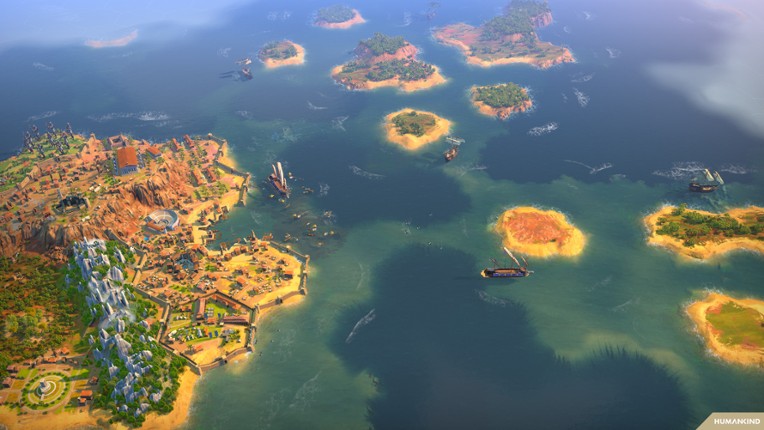
- 73%Game Brain ScoreMost mentioned positive aspects:gameplay, graphicsMost mentioned negative aspects:optimization, music70% User Score 3,688 reviewsCritic Score 80%4 reviews
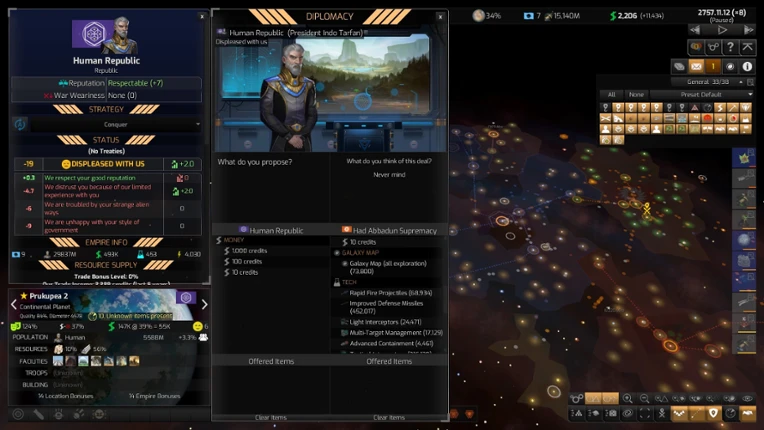
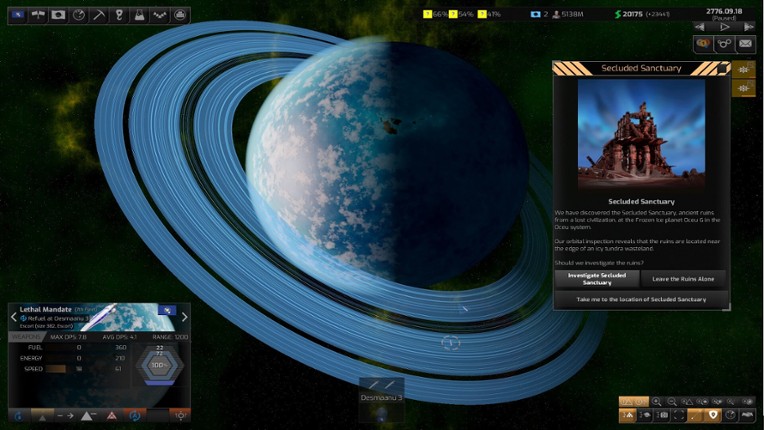
Distant Worlds 2 shares Victoria 3’s obsession with macro-economic simulation, forcing you to manage complex supply chains across a vast, living state. This focus on systemic management matters because it transforms the map into a reactive engine rather than a static board.
While Victoria 3 is grounded in historical geopolitics, this title pivots to interstellar expansion and ship design. You trade Victorian-era diplomatic maneuvering for the technical challenges of space-faring logistics.
Pick this up if you crave the depth of internal production chains but can live with a clunkier interface and significant performance optimization hurdles.
If you enjoyed this game, see our list of games similar to Distant Worlds 2.View Game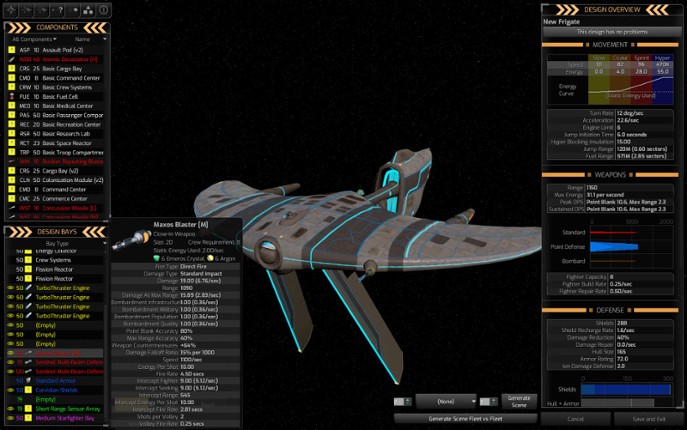
- 72%Game Brain ScoreMost mentioned positive aspects:gameplay, graphicsMost mentioned negative aspects:optimization, grinding68% User Score 1,494 reviewsCritic Score 77%13 reviews
Both games center on resource management as the primary driver of national power. Victoria 3 and Ara: History Untold reward players who think several steps ahead, allocating resources to build economies that can sustain military campaigns and diplomatic leverage. The management loop in both titles feels purposeful, turning abstract numbers into tangible national growth.
They share a commitment to historical grand strategy where nations evolve over centuries. You’re not just playing a game—you’re steering a civilization through the complexities of alternate history, which gives weight to every decision about production, trade, and expansion.
Ara’s turn-based approach trades Victoria 3’s real-time tension for tactical planning freedom, but its combat system lacks the strategic depth of its predecessor. The production chains are innovative, yet clunky UI and performance issues plague the experience.
Pick this up if you want Victoria 3’s economic complexity in a turn-based format but can live without polished combat and smooth performance.
If you enjoyed this game, see our list of games similar to Ara: History Untold.View Game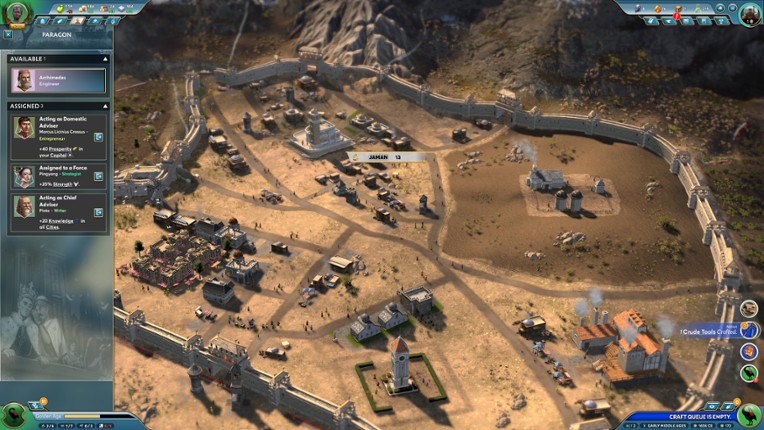
- View Game77%Game Brain ScoreMost mentioned positive aspects:gameplay, replayabilityMost mentioned negative aspects:graphics, optimization77% User Score 1,628 reviews
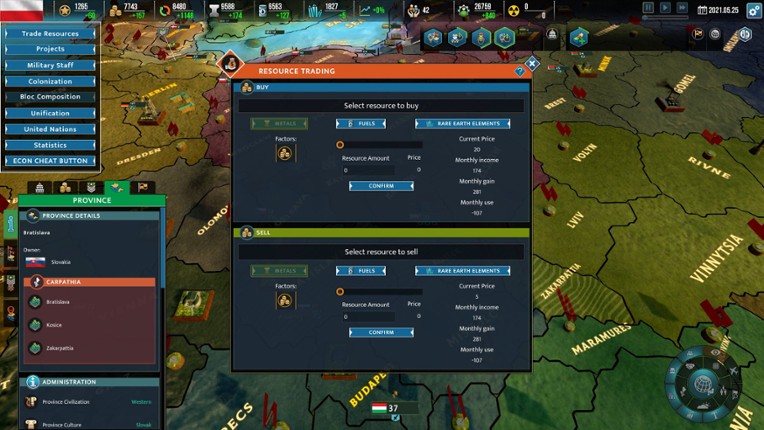
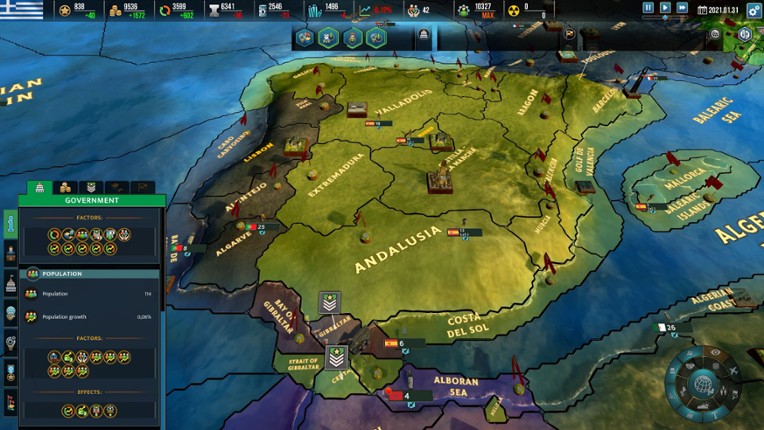
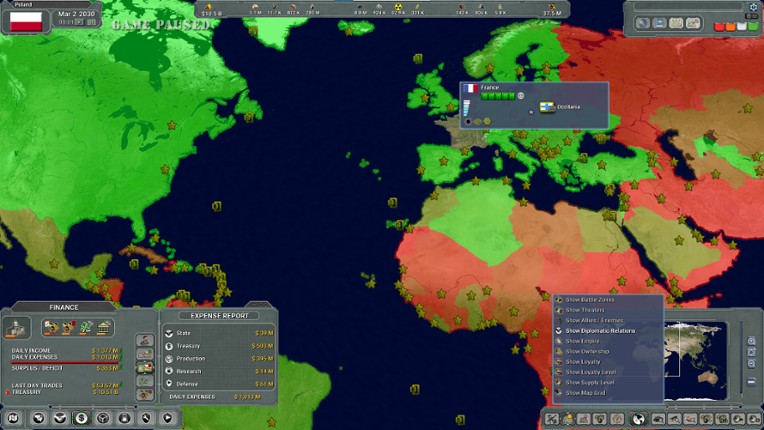
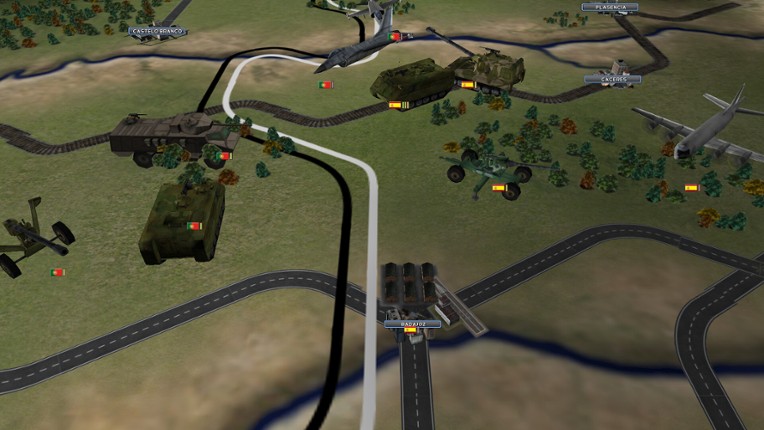
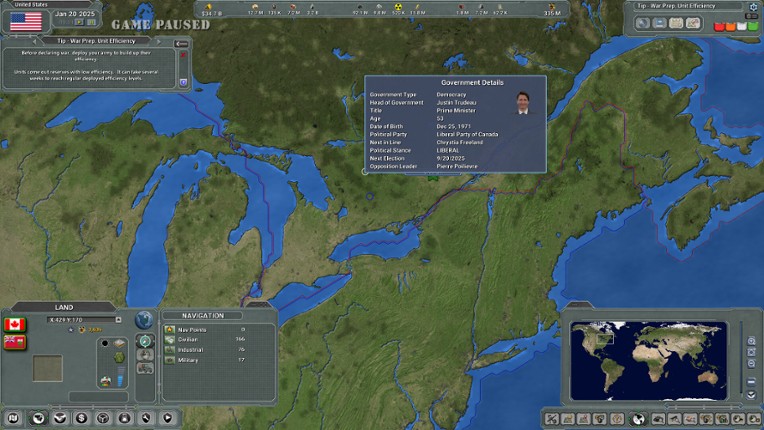
Victoria 3Supreme Ruler share a deep real-time grand strategy system with pause, emphasizing complex political and military management. This mechanic drives the core strategic challenge and player agency in shaping nations over time. Their shared focus on alternate history adds meaningful variety to each campaign’s outcome.
Both games feature robust economic layers intertwined with warfare, which matters because a failing economy can quickly collapse military ambitions. However, Supreme Ruler's clunky interface and weak AI contrast sharply with Victoria 3’s more polished diplomacy and user experience. Performance issues and convoluted controls in Supreme Ruler often frustrate players seeking smooth long-term strategy sessions.
Pick Supreme Ruler if you want a sprawling multi-scenario sandbox spanning 1936–2020 and don’t mind rough edges or AI headaches. Avoid it if you prioritize refined UI and consistent AI competence that Victoria 3 delivers more reliably.
If you enjoyed this game, see our list of games similar to Supreme Ruler. - 86%Game Brain ScoreMost mentioned positive aspects:gameplay, optimizationMost mentioned negative aspects:graphics, story86% User Score 492 reviews
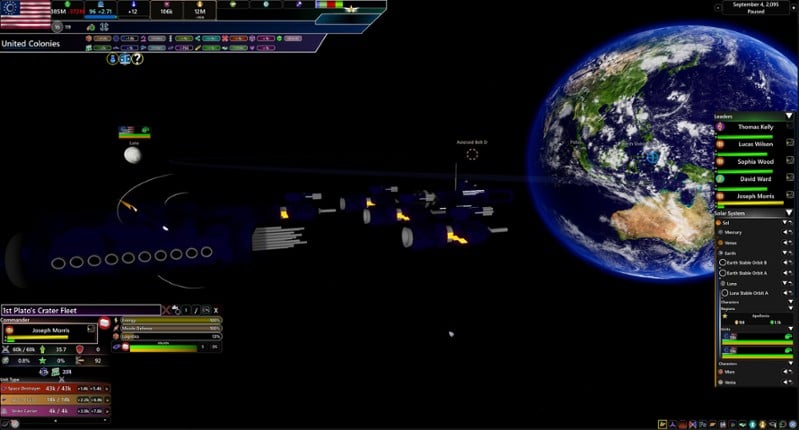
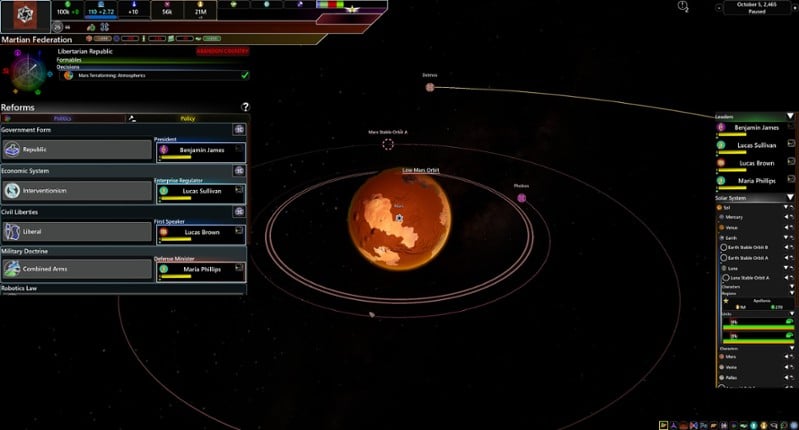
Lead humanity from its infantile cradle to supreme solar dominance in Solar Nations 2, the grand strategy game where the Solar System becomes an intricate battlefield. Build colonies on distant worlds, develop revolutionary technologies, and decide whether humanity will unite among the stars… or destroy itself in nuclear fire. LEAD HUMANITY INTO SPACE The nine planets of Sol are waiting to be… If you enjoyed this game, see our list of games similar to Solar Nations 2.
View Game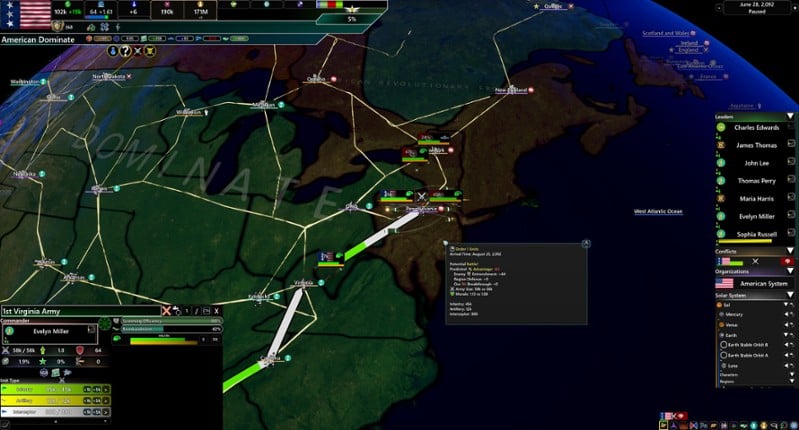
- 59%Game Brain ScoreMost mentioned positive aspects:gameplay, graphicsMost mentioned negative aspects:stability, optimization58% User Score 780 reviewsCritic Score 60%1 reviews
Both games let you manipulate geopolitics through real-time diplomacy and nation-building, with pause functionality giving you time to scheme without the micromanagement stress of live strategy.
Realpolitiks doubles down on modern-day scenarios over Victoria 3's historical sweep, which keeps each run feeling distinct rather than cyclical.
The tradeoff: Realpolitiks trades Victoria 3's economic depth and sandbox complexity for faster-paced geopolitical maneuvering, but suffers from thinner diplomacy systems and more frequent bugs.
Pick this if you want modern politics without 19th-century economics, but expect a rougher, less polished experience than Victoria 3's production values.
If you enjoyed this game, see our list of games similar to Realpolitiks.View Game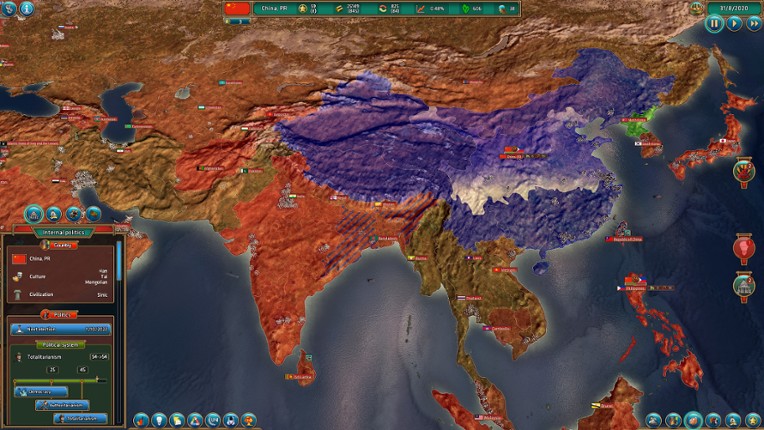

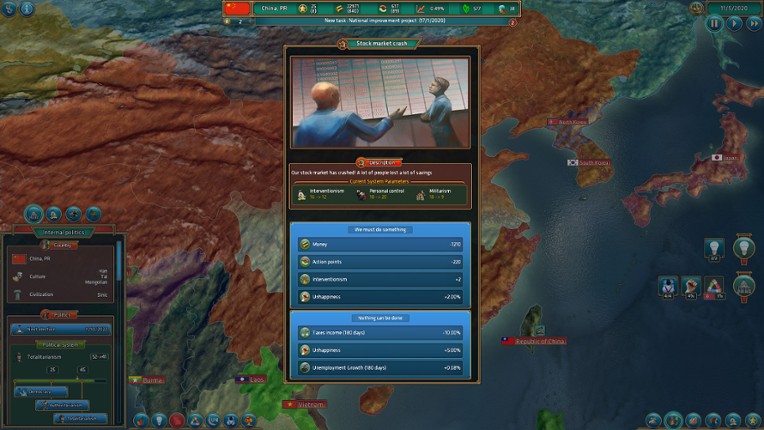
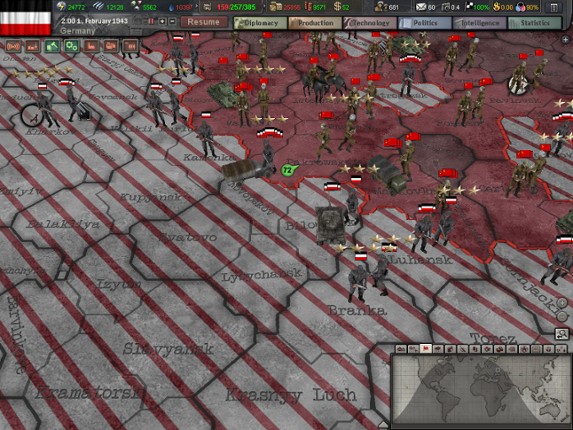
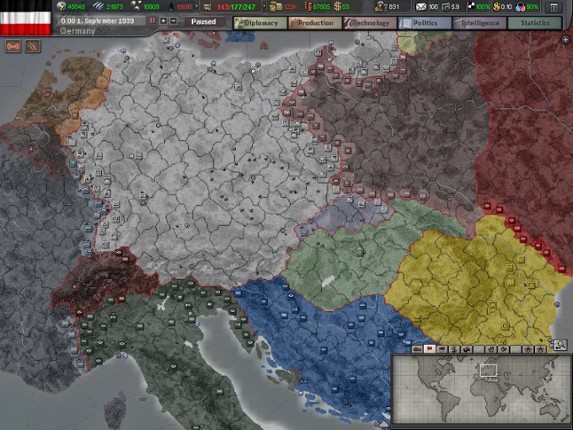
- 78%Game Brain ScoreMost mentioned positive aspects:gameplay, graphicsMost mentioned negative aspects:stability, grinding78% User Score 5,324 reviewsCritic Score 80%1 reviewsHearts of Iron III pivots toward WWII combat, offering a military‑centric experience for war gamers. If you enjoyed this game, see our list of games similar to Hearts of Iron III.View Game
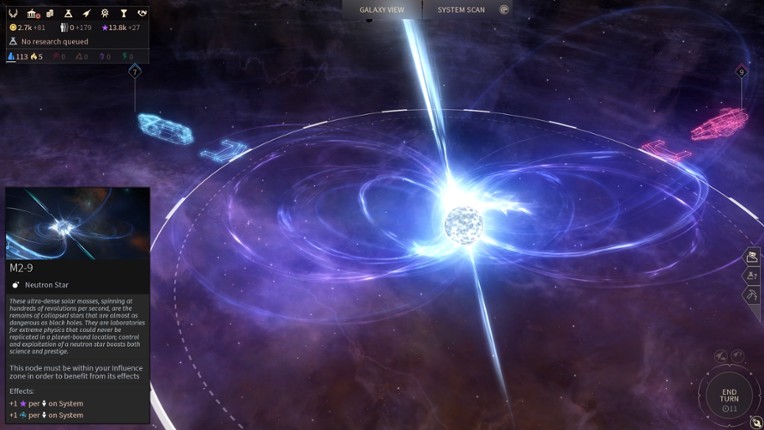
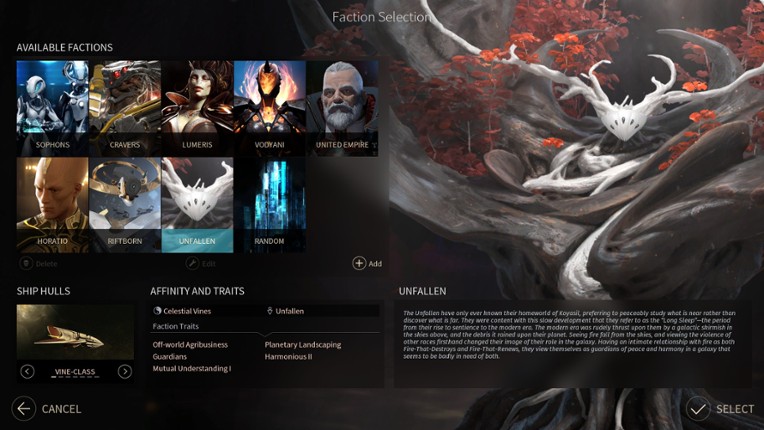
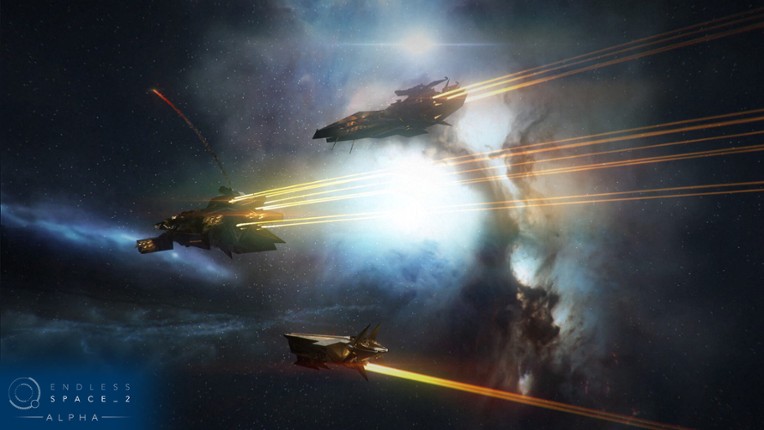
- 82%Game Brain ScoreMost mentioned positive aspects:gameplay, graphicsMost mentioned negative aspects:stability, optimization82% User Score 12,281 reviewsEndless Space 2 moves the grand strategy formula into a sci‑fi galaxy, appealing to explorers. If you enjoyed this game, see our list of games similar to Endless Space 2.View Game
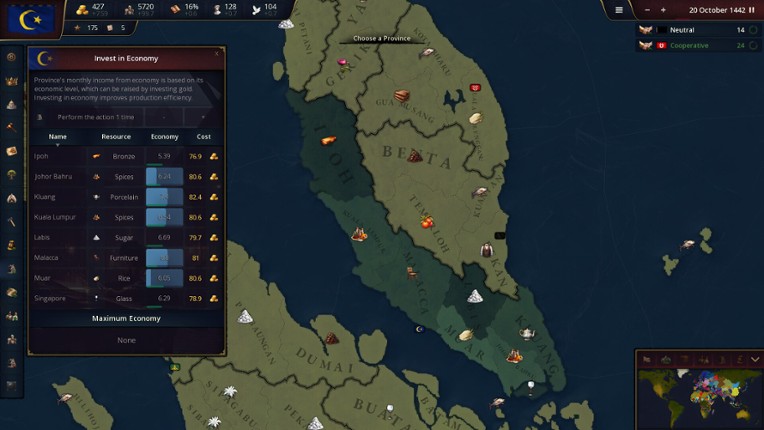
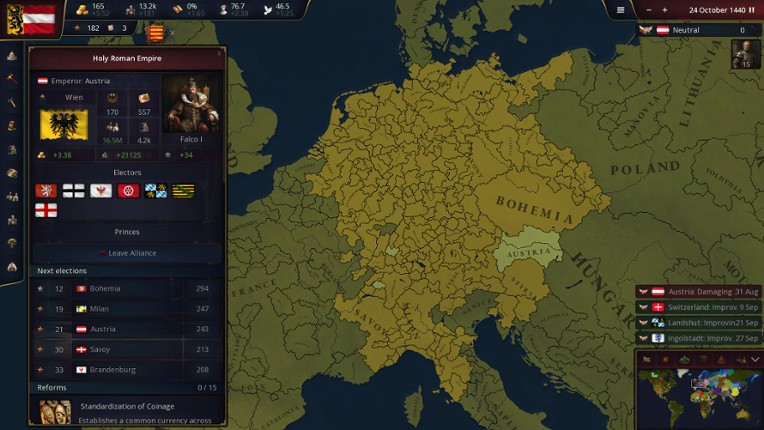
- 83%Game Brain ScoreMost mentioned positive aspects:gameplay, graphicsMost mentioned negative aspects:story, grinding83% User Score 3,381 reviewsAge of History III broadens the historical scope across centuries, ideal for those wanting a sweeping timeline. If you enjoyed this game, see our list of games similar to Age of History 3.View Game
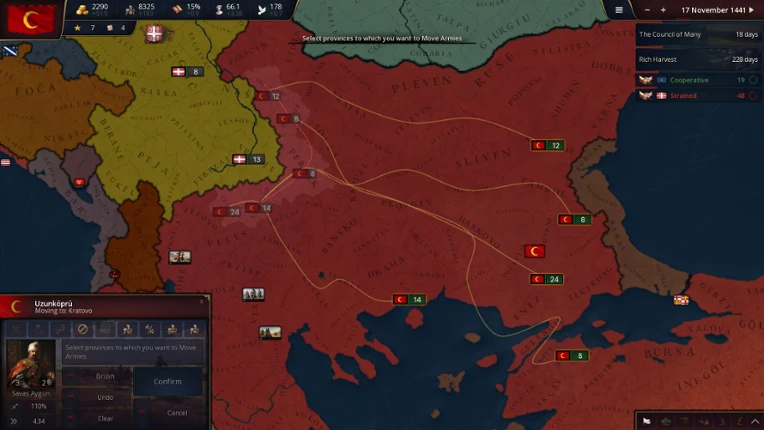
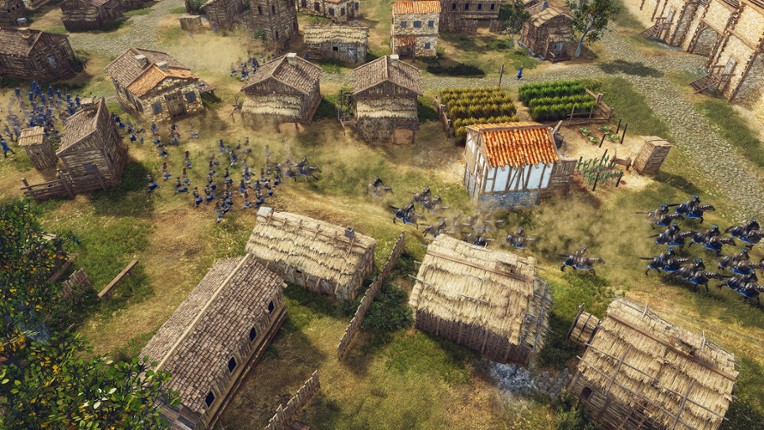
15 View Game 74%Game Brain ScoreMost mentioned positive aspects:gameplay, graphicsMost mentioned negative aspects:story, optimization76% User Score 3,452 reviewsCritic Score 72%12 reviewsKnights of Honor II: Sovereign grounds the genre in medieval kingdoms with a real‑time trading emphasis. If you enjoyed this game, see our list of games similar to Knights of Honor II: Sovereign.View Game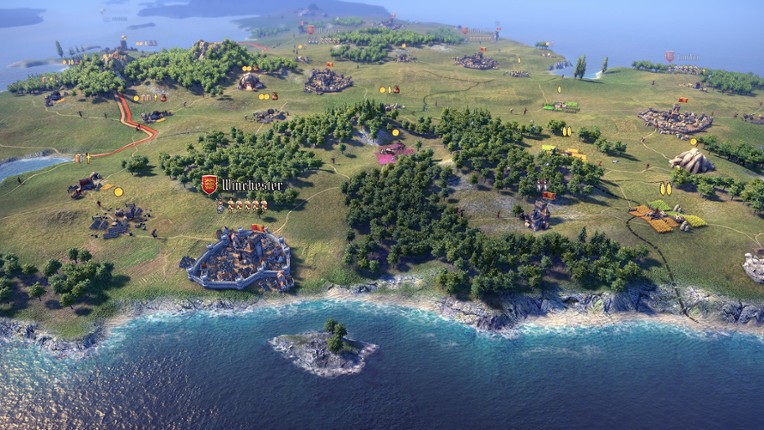
- 43%Game Brain ScoreMost mentioned positive aspects:gameplay, replayabilityMost mentioned negative aspects:stability, optimization43% User Score 384 reviews
Realpolitiks 2 mirrors Victoria 3 through its focus on high-level geopolitical maneuvering, placing you in the seat of a national leader tasked with balancing complex global alliances. This shared emphasis on political strategy is critical, as it forces players to navigate diplomatic consequences rather than simple military conquest.
The core shift here is the jump from Victoria 3's deep economic simulation to a more abstract, modern-day sandbox framework. While the former prioritizes internal industrialization, this title simplifies resource management to prioritize direct, aggressive statecraft.
Pick this up if you crave complex political power plays but can live without the refined performance and technical polish of a Paradox-tier title.
If you enjoyed this game, see our list of games similar to Realpolitiks 2.View Game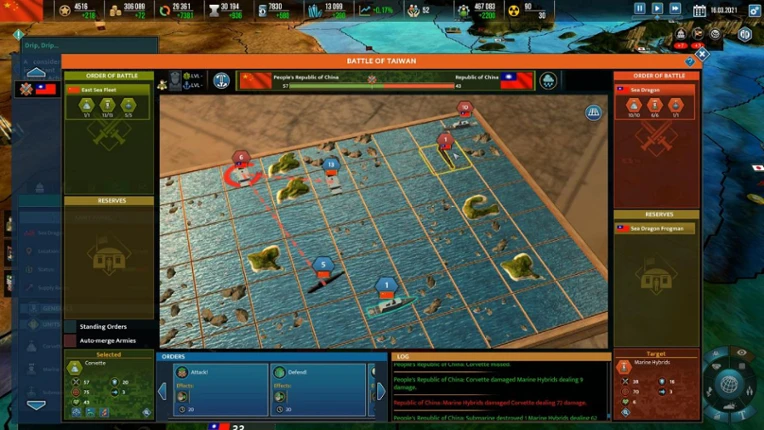
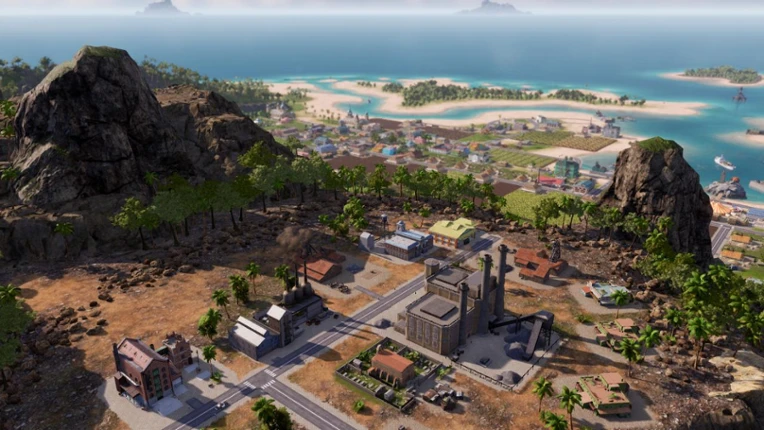
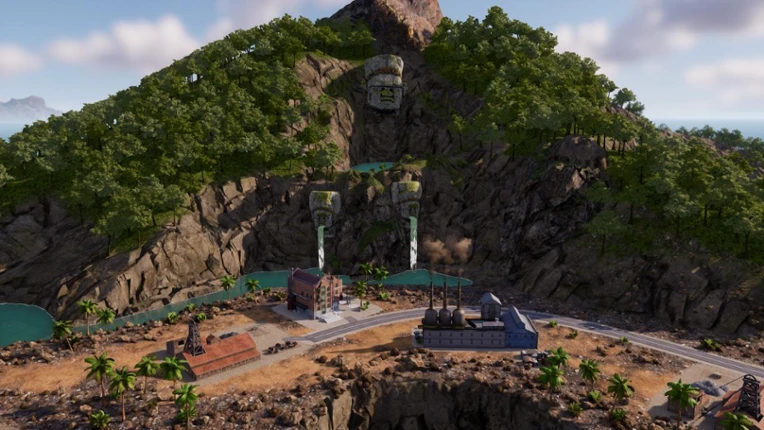
- 86%Game Brain ScoreMost mentioned positive aspects:story, gameplayMost mentioned negative aspects:stability, grinding87% User Score 17,532 reviewsCritic Score 80%1 reviewsCaptures Victoria 3's political scheming and economy but shrinks the scope to a single island dictatorship with comedic tone. If you enjoyed this game, see our list of games similar to Tropico 6.View Game

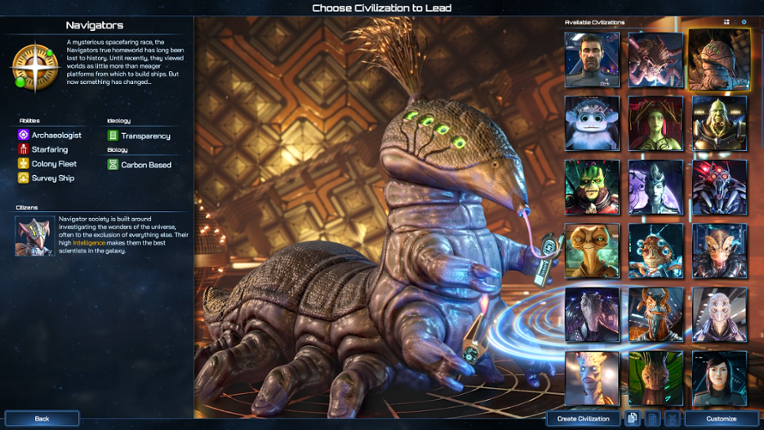
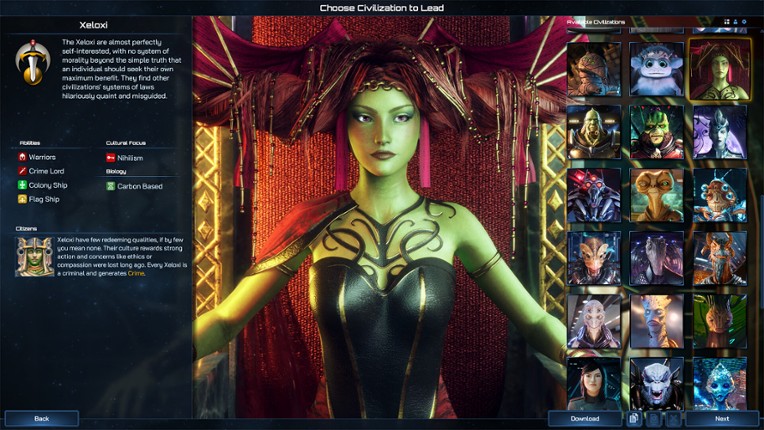
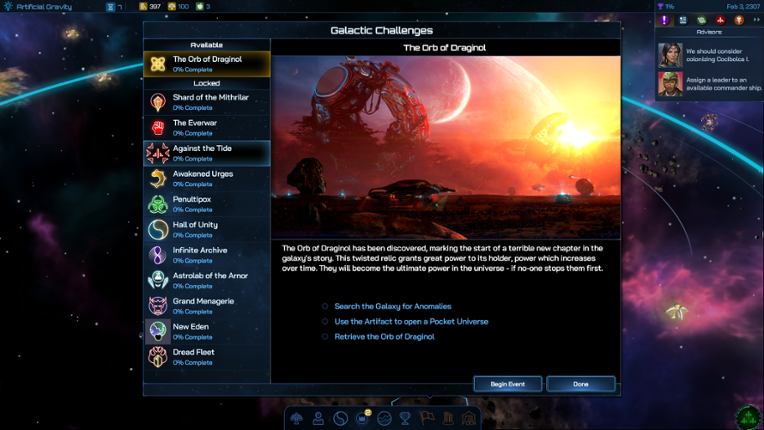
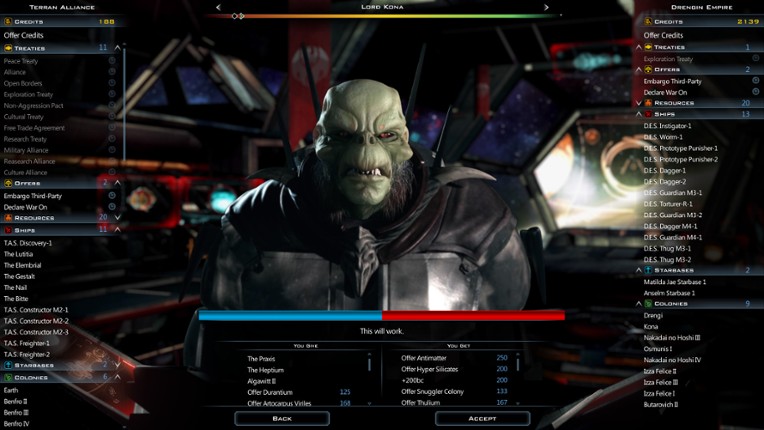
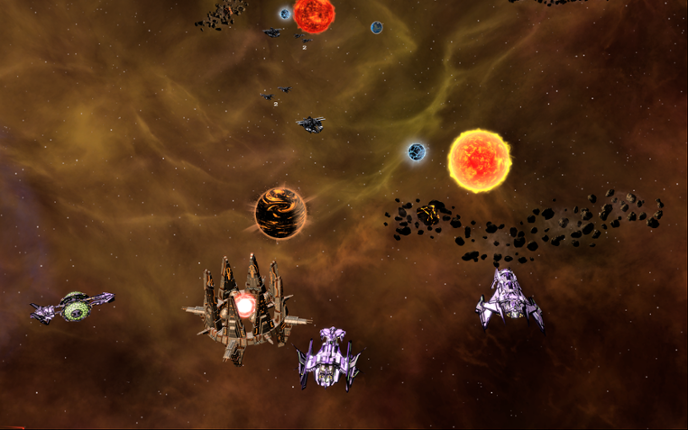
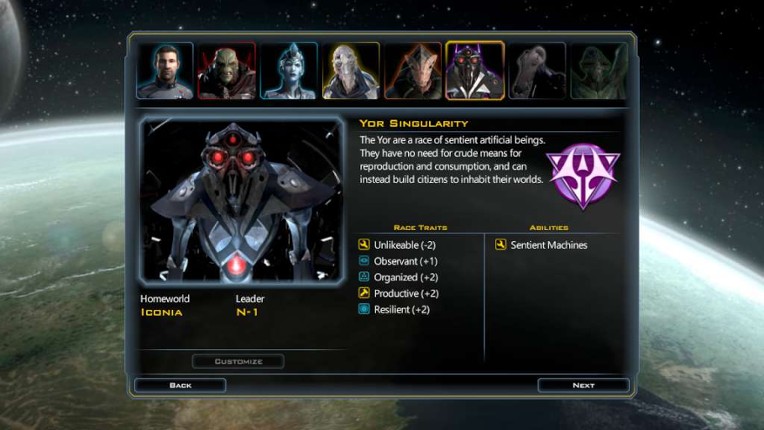
- 73%Game Brain ScoreMost mentioned positive aspects:gameplay, graphicsMost mentioned negative aspects:stability, grinding74% User Score 1,870 reviewsCritic Score 73%9 reviewsTransplants the diplomatic sandbox to space with turn-based exploration and sci-fi factions replacing historical nations. If you enjoyed this game, see our list of games similar to Galactic Civilizations IV.View Game
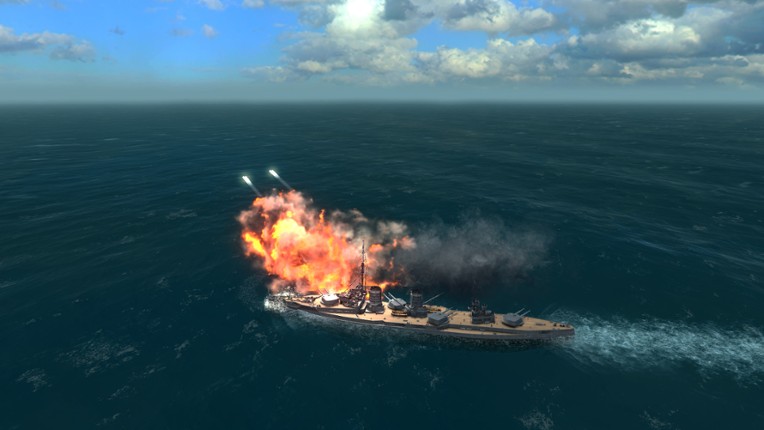
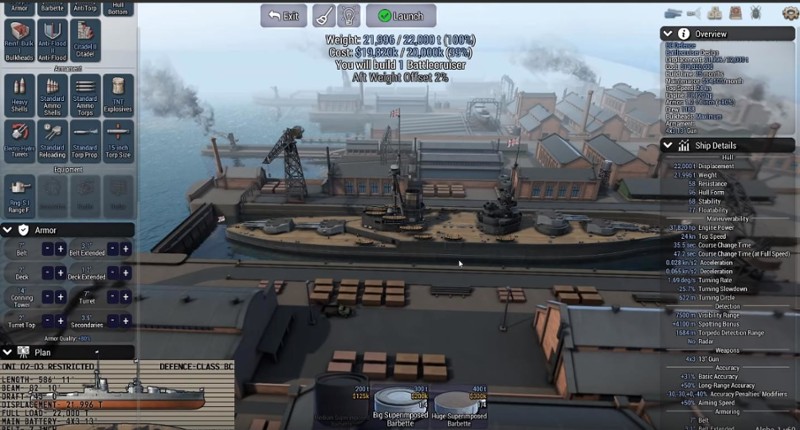
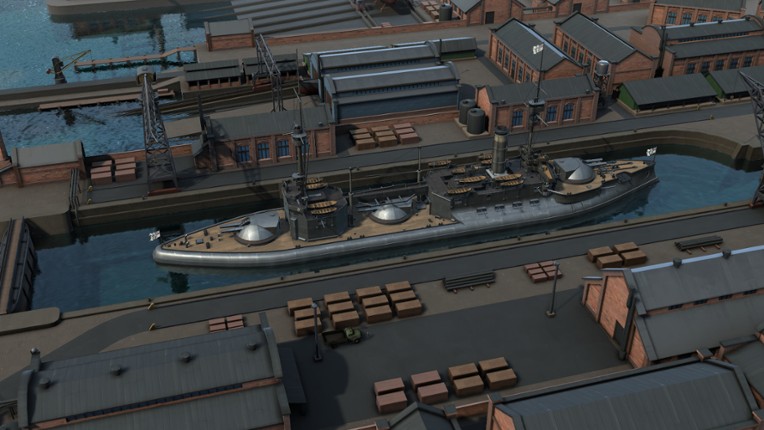
- 60%Game Brain ScoreMost mentioned positive aspects:gameplay, storyMost mentioned negative aspects:stability, optimization60% User Score 5,153 reviewsUltimate Admiral: Dreadnoughts dives into naval warfare, delivering deep ship design mechanics for historical admirals. If you enjoyed this game, see our list of games similar to Ultimate Admiral: Dreadnoughts.View Game
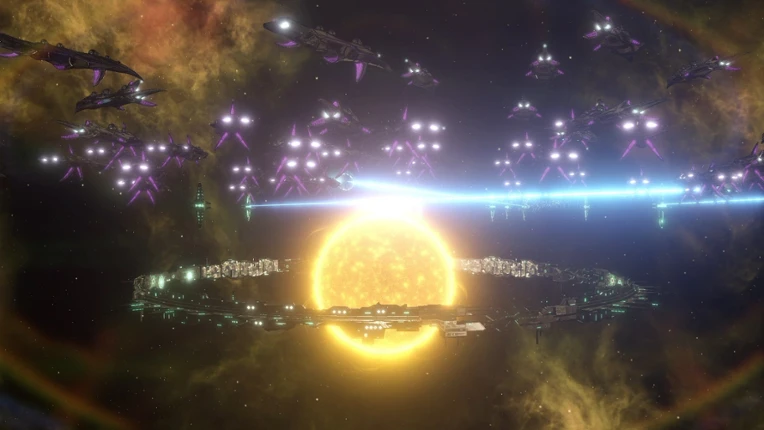
- 81%Game Brain ScoreMost mentioned positive aspects:gameplay, storyMost mentioned negative aspects:optimization, grinding88% User Score 133,145 reviewsCritic Score 73%32 reviewsStellaris reimagines grand strategy as a sci‑fi empire builder, perfect for interstellar expansion fans today. If you enjoyed this game, see our list of games similar to Stellaris.View Game
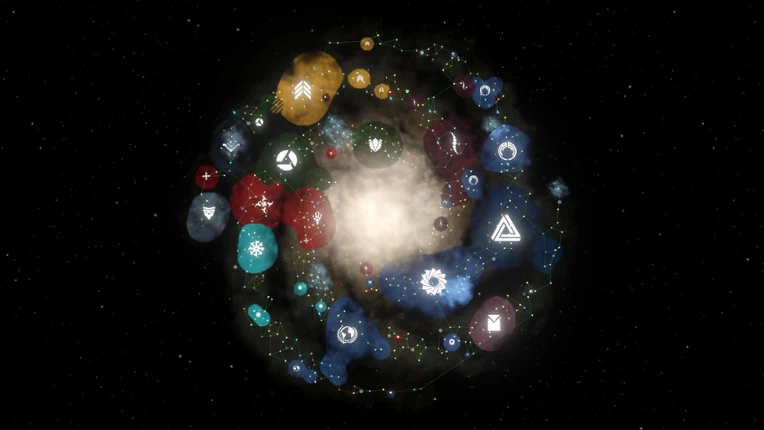
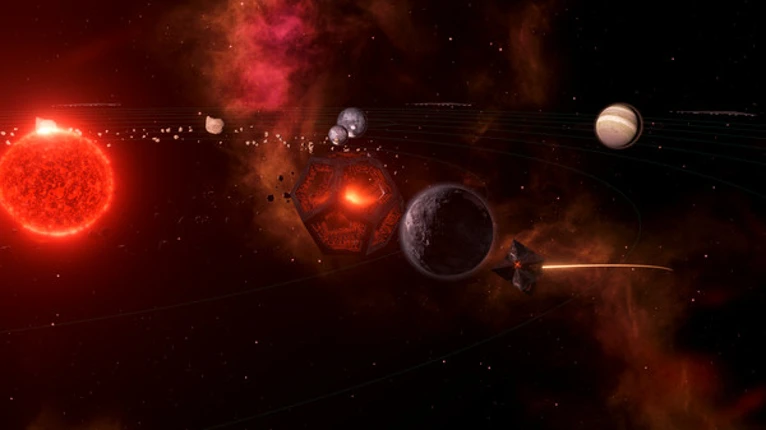
- 70%Game Brain ScoreMost mentioned positive aspects:gameplay, graphicsMost mentioned negative aspects:optimization, story77% User Score 487 reviewsCritic Score 55%4 reviewsKAISERPUNK mixes alternate‑history WWI aesthetics with industrial building, targeting steampunk enthusiasts who love gritty war economies. If you enjoyed this game, see our list of games similar to KAISERPUNK.View Game
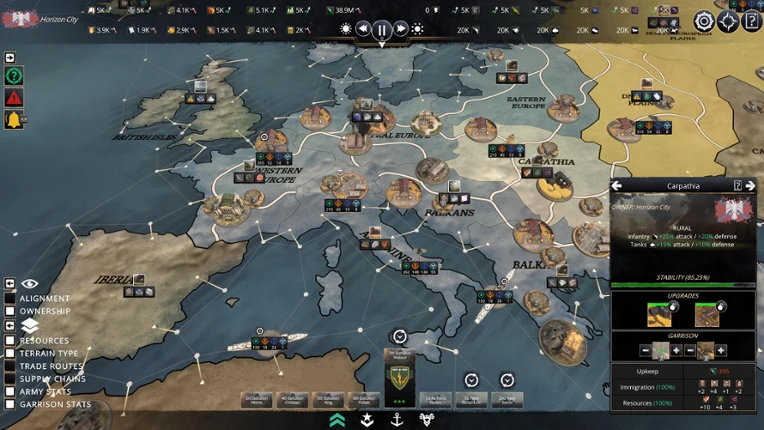
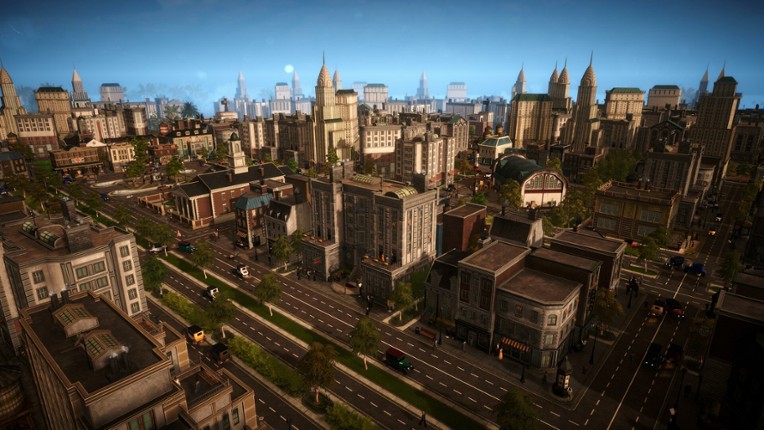
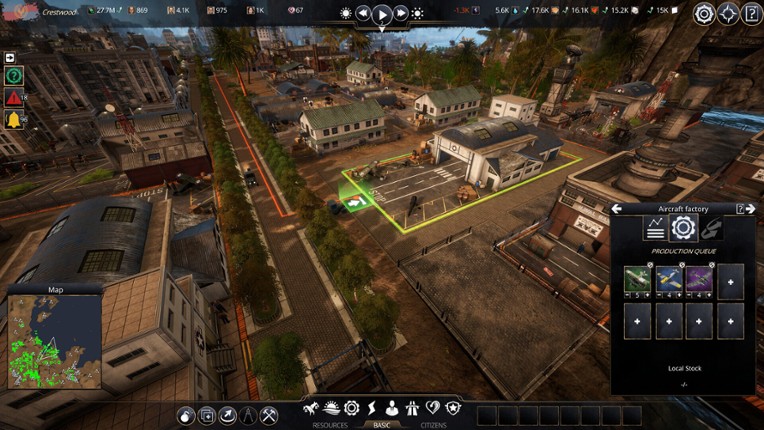
- 65%Game Brain ScoreMost mentioned positive aspects:graphics, gameplayMost mentioned negative aspects:stability, story65% User Score 573 reviewsModernizes Victoria 3's grand strategy for contemporary geopolitics with real-time combat and multiplayer warfare focus. If you enjoyed this game, see our list of games similar to Supreme Ruler 2030.View Game
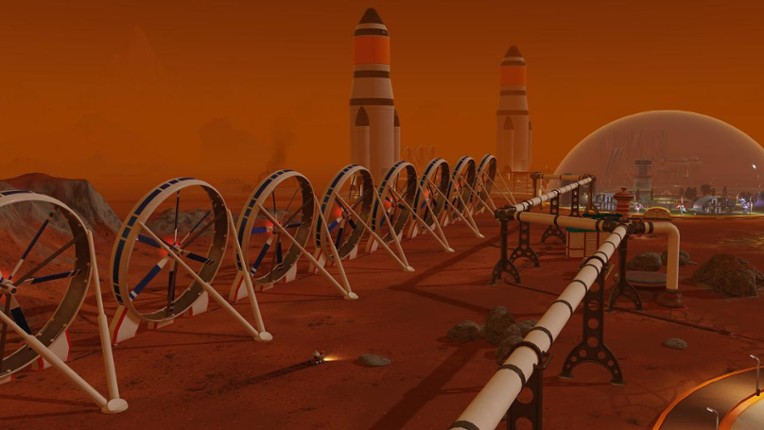
- 79%Game Brain ScoreMost mentioned positive aspects:gameplay, graphicsMost mentioned negative aspects:grinding, stability79% User Score 15,549 reviewsStrips away diplomacy and military conflict for a focused colony survival experience on Mars with resource management depth. If you enjoyed this game, see our list of games similar to Surviving Mars.View Game


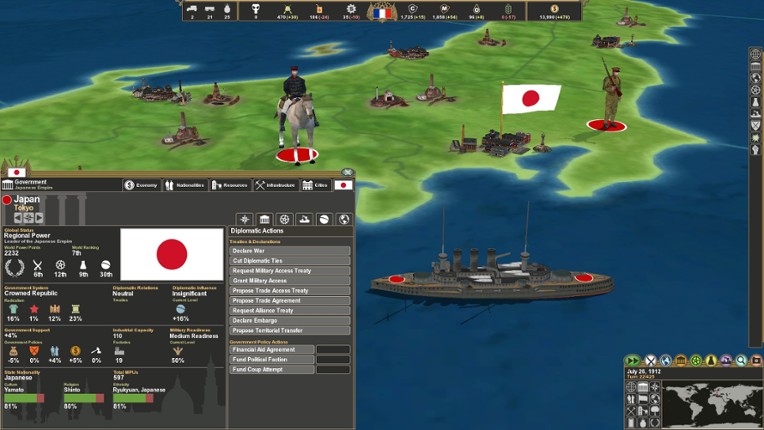
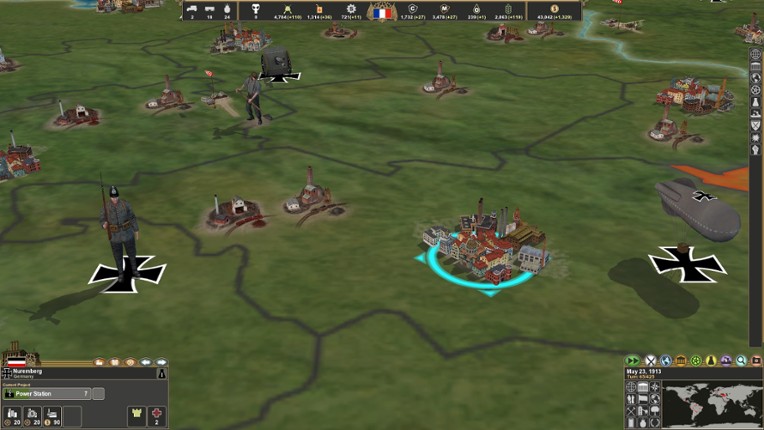
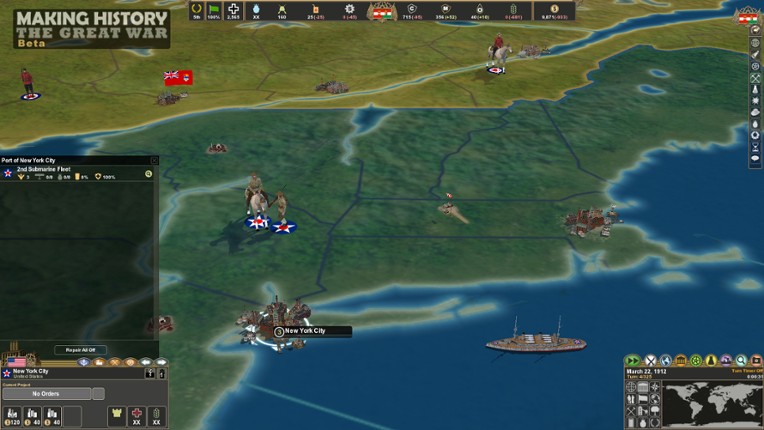
- 75%Game Brain ScoreMost mentioned positive aspects:graphics, gameplayMost mentioned negative aspects:stability, grinding75% User Score 552 reviewsCentering exclusively on the Great War, this wargame prioritizes military movement and mobilization over the long-term societal and economic shifts of a grand campaign. If you enjoyed this game, see our list of games similar to Making History: The Great War.View Game
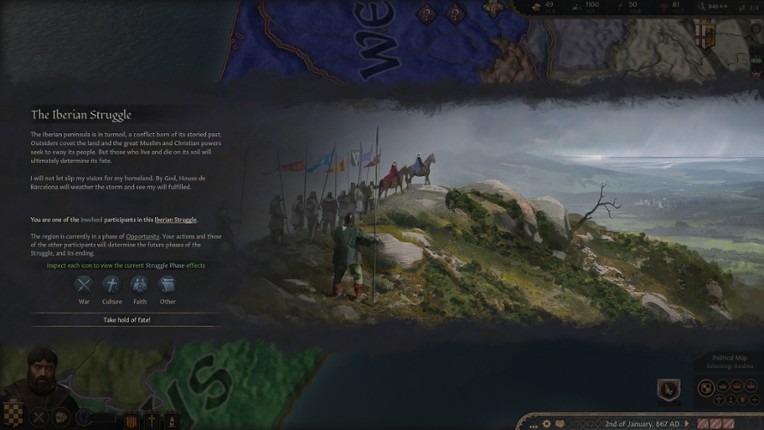
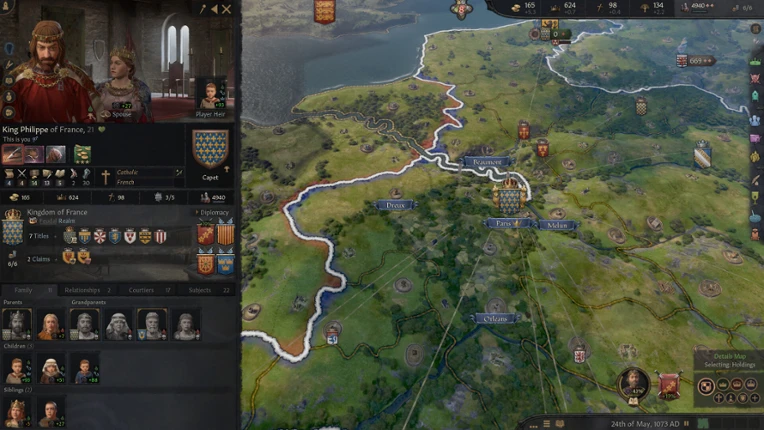
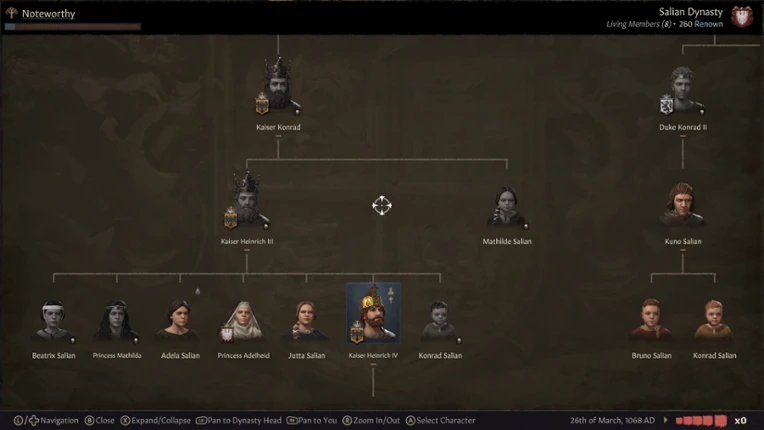
- 90%Game Brain ScoreMost mentioned positive aspects:gameplay, storyMost mentioned negative aspects:stability, grinding90% User Score 63,369 reviewsCritic Score 90%36 reviewsCrusader Kings III shifts the focus to medieval dynasties and personal politics, catering to role‑play enthusiasts. If you enjoyed this game, see our list of games similar to Crusader Kings III.View Game
- 82%Game Brain ScoreMost mentioned positive aspects:gameplay, storyMost mentioned negative aspects:grinding, optimization82% User Score 7,158 reviews
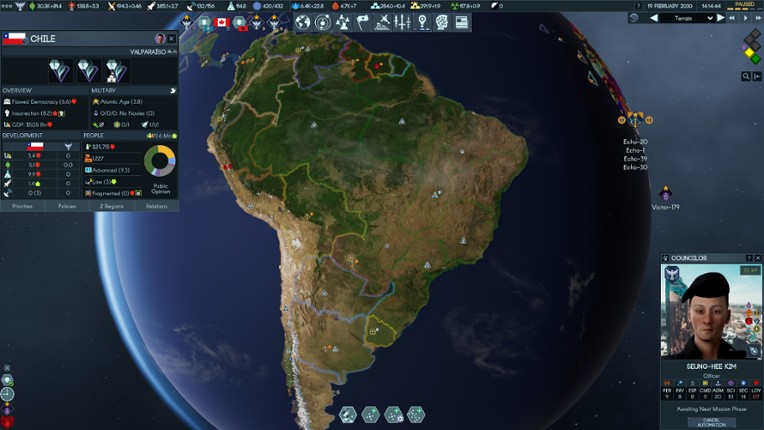
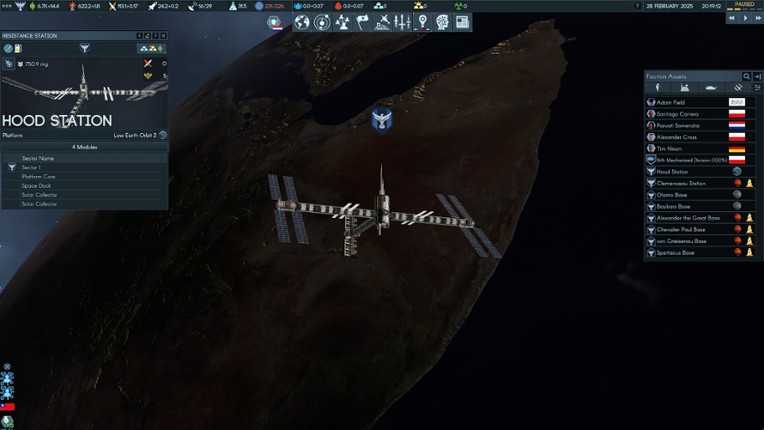
An extraterrestrial probe is detected approaching Earth. Unknown to humanity, an alien force has arrived in the far reaches of the icy Kuiper Belt and has begun mining a dwarf planet to prepare for an invasion. With Earth’s nations unable to unite to address the alien arrival, transnational groups of like-minded political, military, and scientific leaders develop covert channels to coordinate a r… If you enjoyed this game, see our list of games similar to Terra Invicta.
View Game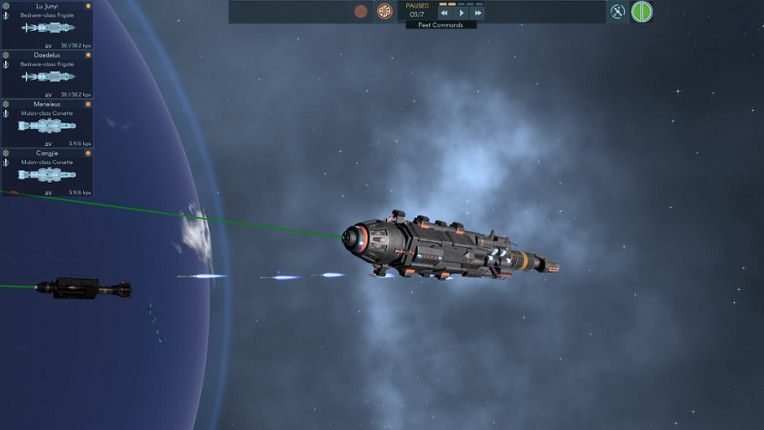
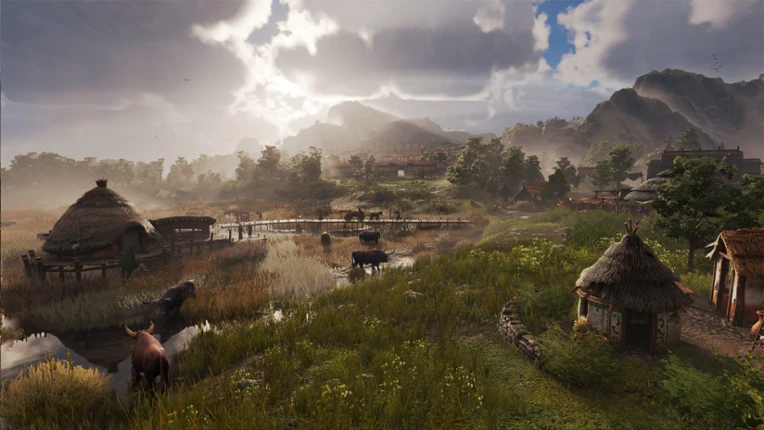
- 66%Game Brain ScoreMost mentioned positive aspects:gameplay, storyMost mentioned negative aspects:optimization, stability66% User Score 5,235 reviewsAdapts Victoria 3's city-building and economic management to Roman times with story choices and exploration supplementing strategy. If you enjoyed this game, see our list of games similar to Anno 117: Pax Romana.View Game
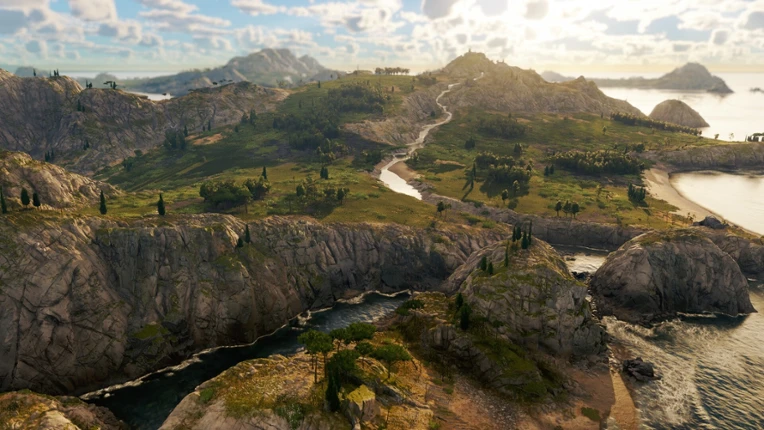
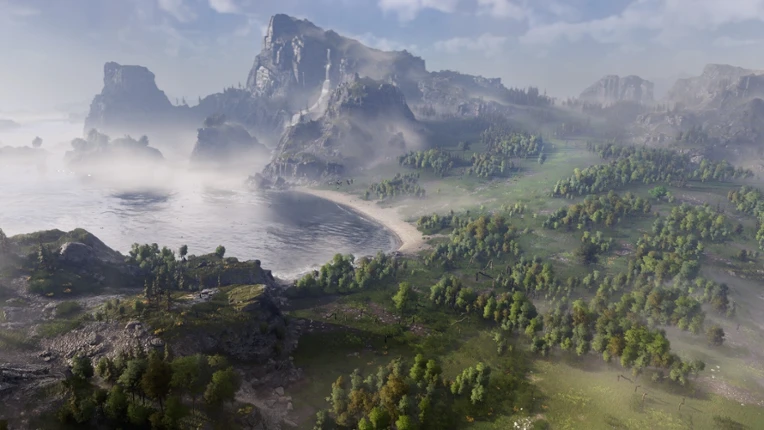
- 81%Game Brain ScoreMost mentioned positive aspects:gameplay, storyMost mentioned negative aspects:optimization, grinding84% User Score 4,254 reviewsCritic Score 75%4 reviewsChannels Victoria 3's alternate-history diplomacy into an ancient world setting with turn-based movement and dynasty mechanics. If you enjoyed this game, see our list of games similar to Old World.View Game
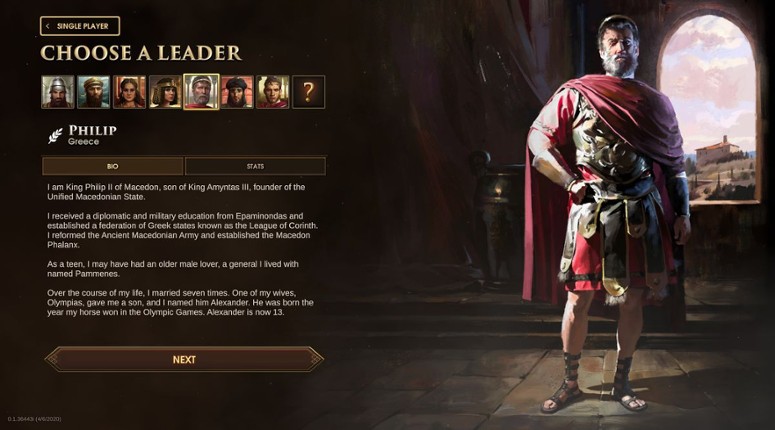
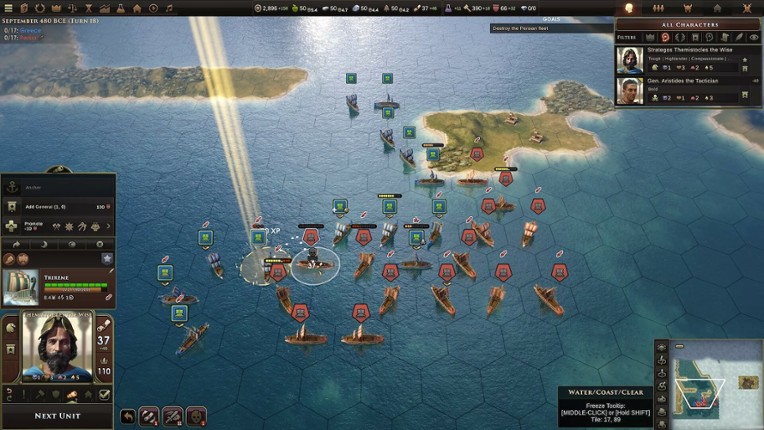
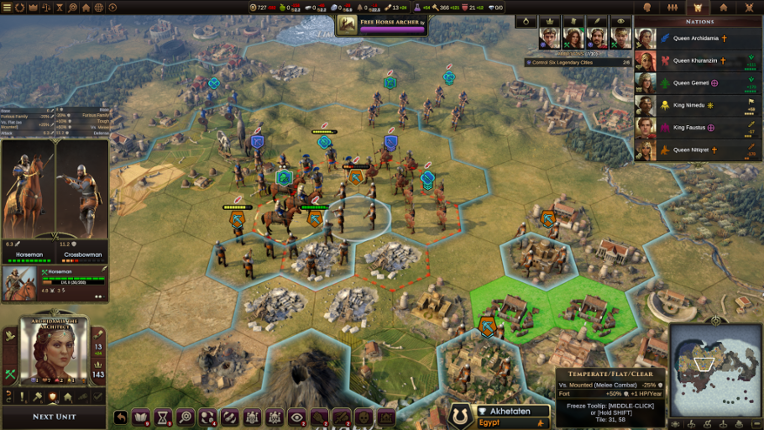
- 46%Game Brain ScoreMost mentioned positive aspects:gameplay, graphicsMost mentioned negative aspects:replayability, grinding46% User Score 906 reviewsMirrors Victoria 3's economic and political systems during medieval times with real-time agriculture and warfare instead of industrial capitalism. If you enjoyed this game, see our list of games similar to Grand Ages: Medieval.View Game
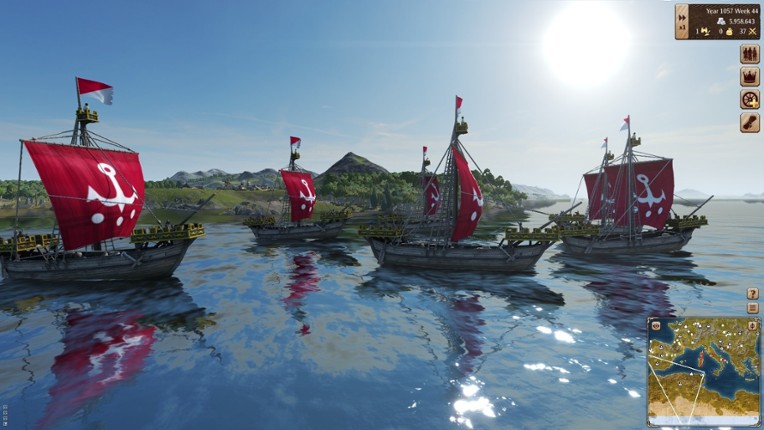
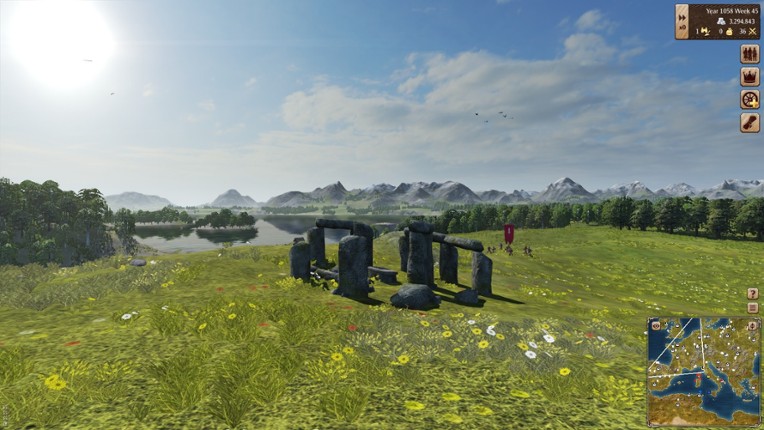
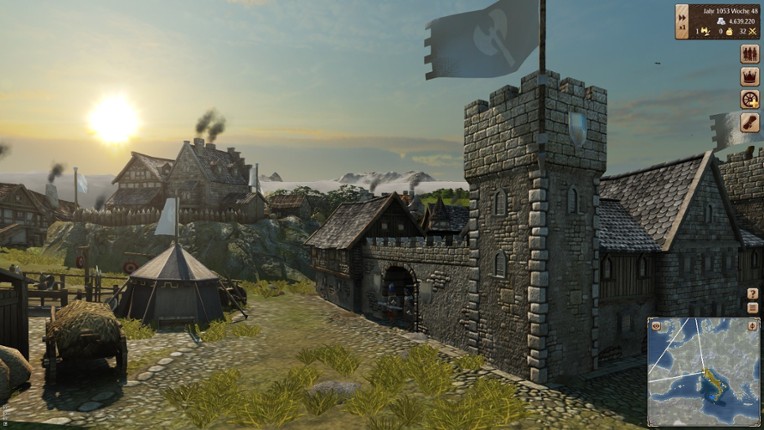
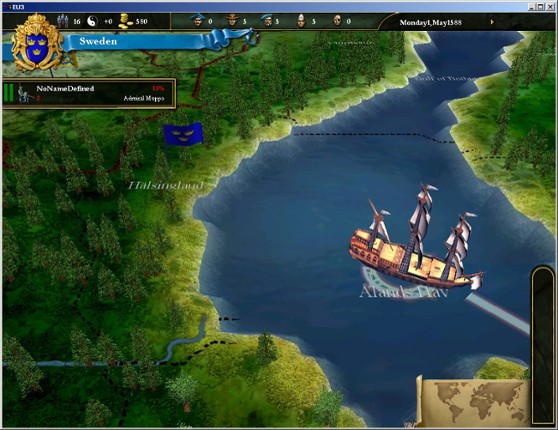
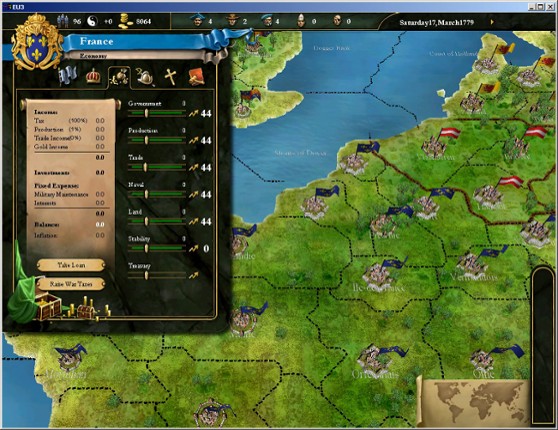
- 84%Game Brain ScoreMost mentioned positive aspects:gameplay, replayabilityMost mentioned negative aspects:graphics, stability87% User Score 1,788 reviewsCritic Score 70%1 reviewsEuropa Universalis III stretches the historical timeline back centuries, inviting players who love early modern diplomacy. If you enjoyed this game, see our list of games similar to Europa Universalis III.View Game
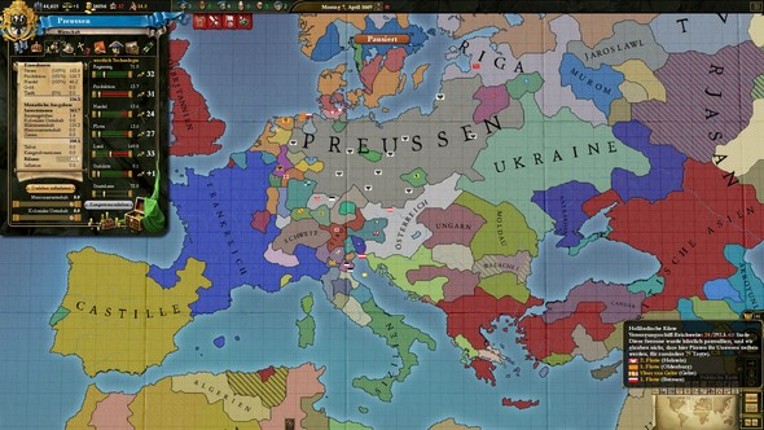
- 87%Game Brain ScoreMost mentioned positive aspects:gameplay, graphicsMost mentioned negative aspects:stability, story87% User Score 9,543 reviews
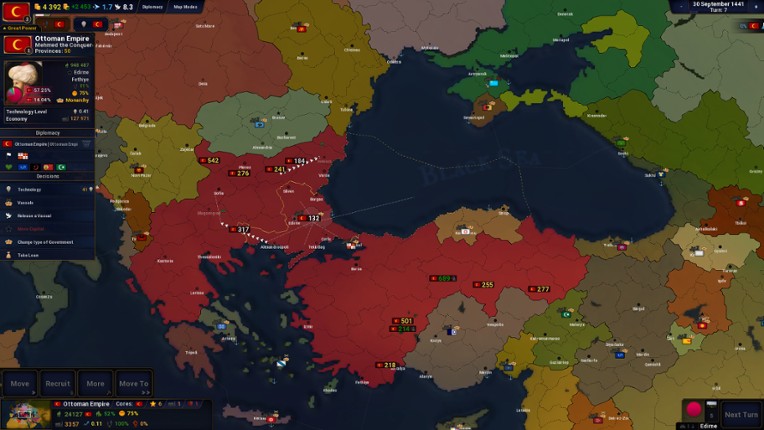
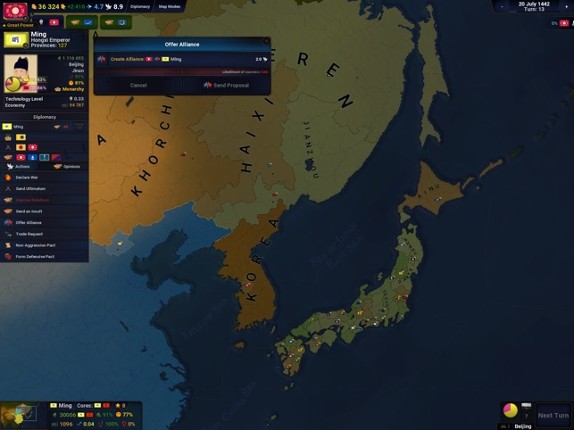
AoH2 is a grand strategy wargame that is simple to learn yet hard to master. If you enjoyed this game, see our list of games similar to Age of History II.
View Game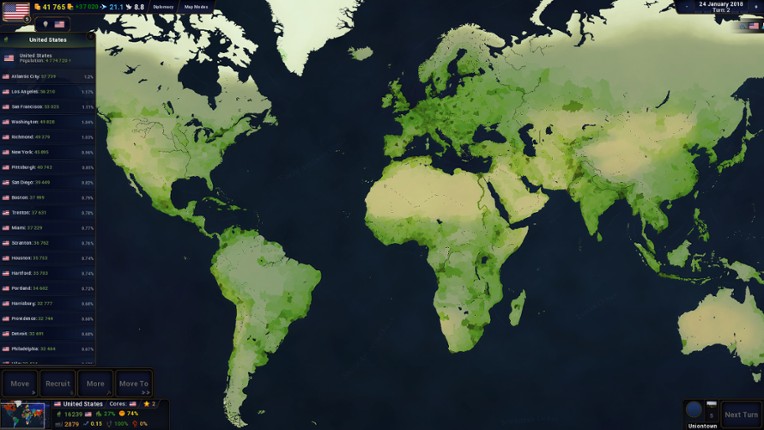
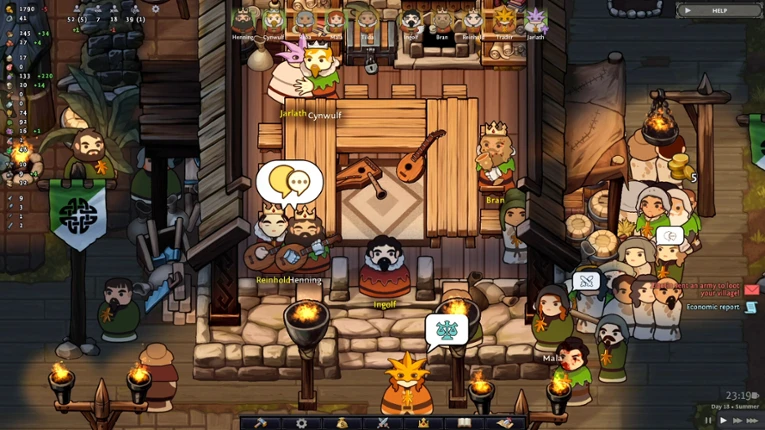
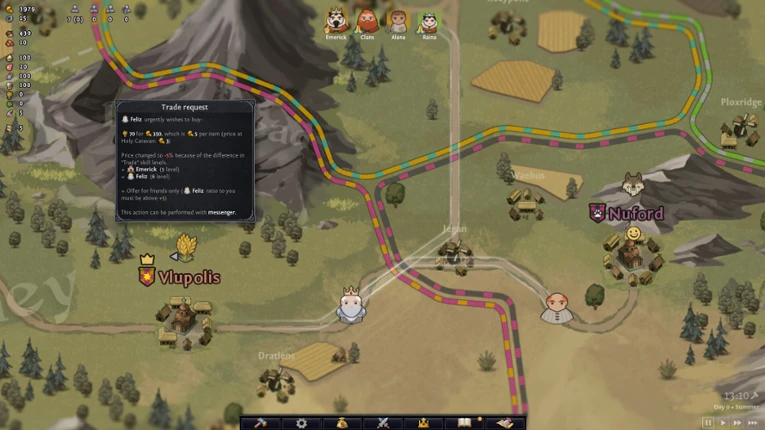
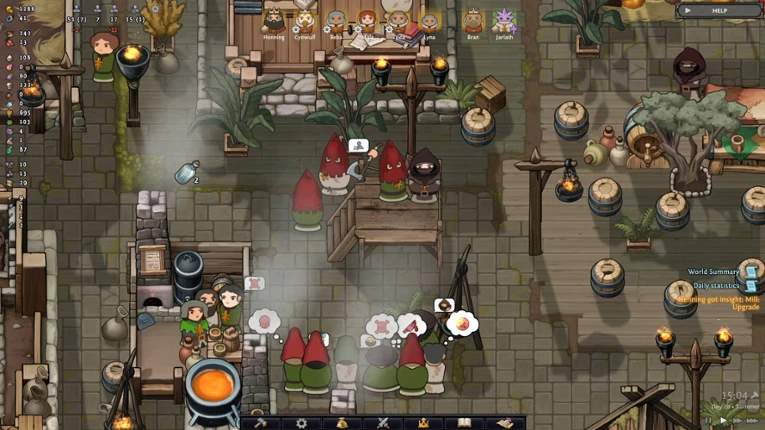
- 83%Game Brain ScoreMost mentioned positive aspects:gameplay, storyMost mentioned negative aspects:grinding, stability83% User Score 2,876 reviewsBrings colony simulation and base-building into a historical economy context, spotlighting sandbox-style management that diverges from Victoria 3's political narrative. If you enjoyed this game, see our list of games similar to Norland.View Game
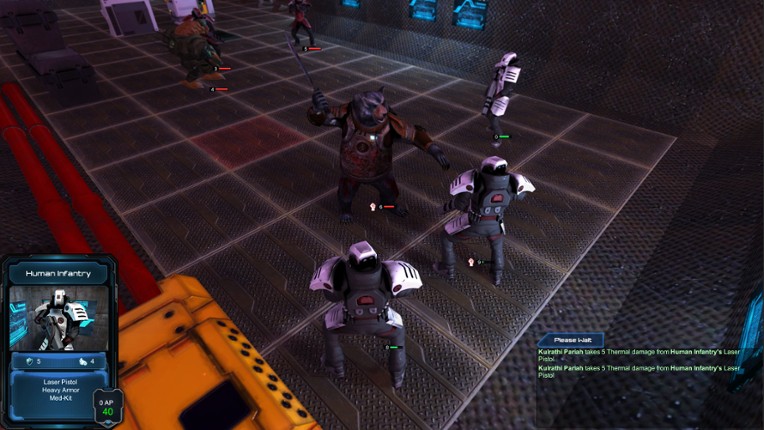
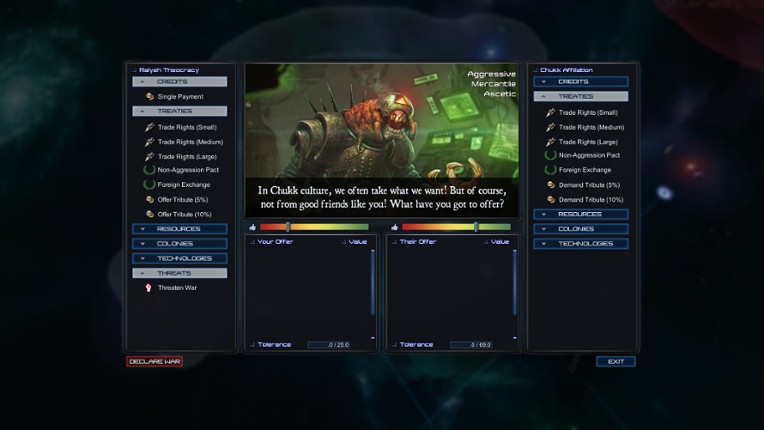
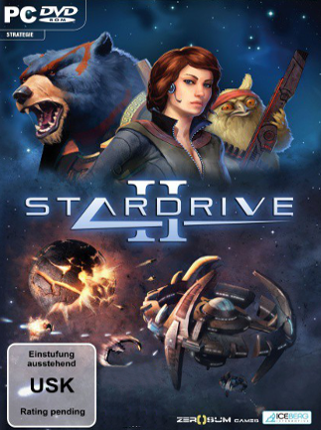
- 61%Game Brain ScoreMost mentioned positive aspects:gameplay, graphicsMost mentioned negative aspects:stability, grinding55% User Score 2,790 reviewsCritic Score 69%6 reviewsFor players seeking deep space fleet customization, this title shifts the focus from Victorian geopolitical management to tactical ship design and exploration. If you enjoyed this game, see our list of games similar to StarDrive 2.View Game
- 75%Game Brain ScoreMost mentioned positive aspects:gameplay, graphicsMost mentioned negative aspects:optimization, stability80% User Score 23,838 reviewsCritic Score 70%23 reviews
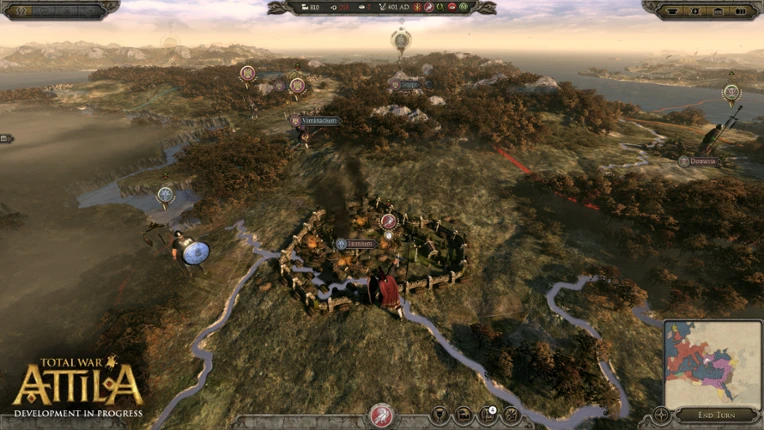
Against a darkening background of famine, disease and war, a new power is rising in the great steppes of the East. With a million horsemen at his back, the ultimate warrior king approaches, and his sights are set on Rome… The next instalment in the multi award-winning PC series that combines turn-based strategy with real-time tactics, Total War: ATTILA casts players back to 395 AD. A time of apoca… If you enjoyed this game, see our list of games similar to Total War: ATTILA.
View Game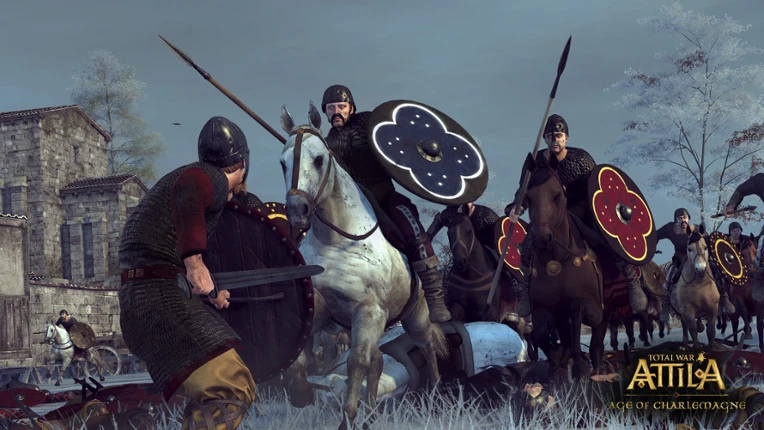
- 71%Game Brain ScoreMost mentioned positive aspects:gameplay, graphicsMost mentioned negative aspects:stability, story71% User Score 931 reviewsMoving from nation-states to colonial village management, this title prioritizes local production chains and atmospheric growth over grand-scale international diplomacy and warfare. If you enjoyed this game, see our list of games similar to Ymir.View Game
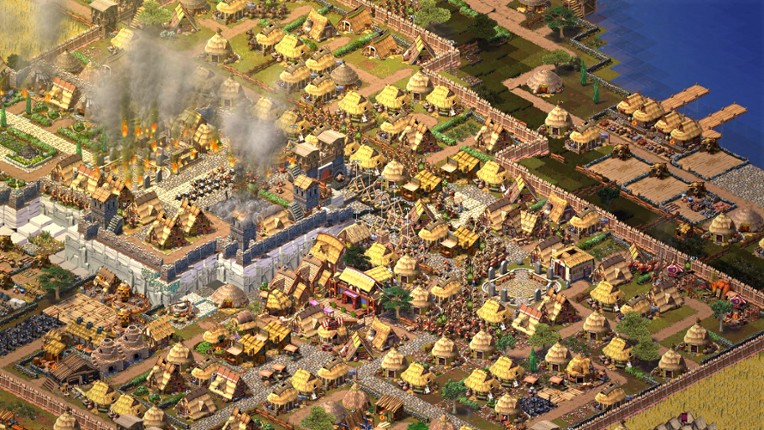
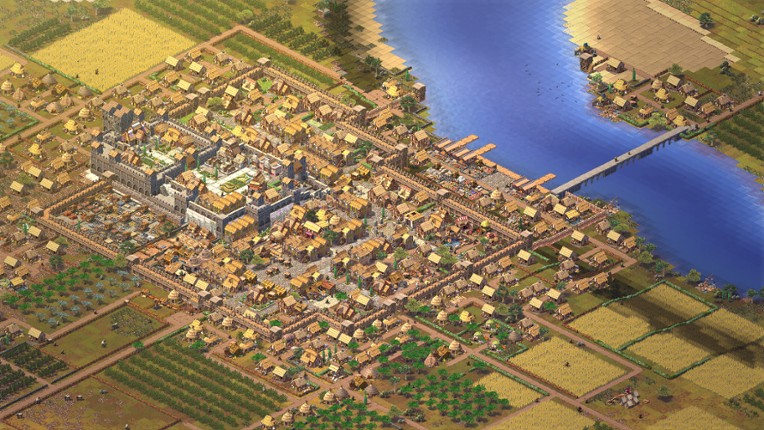
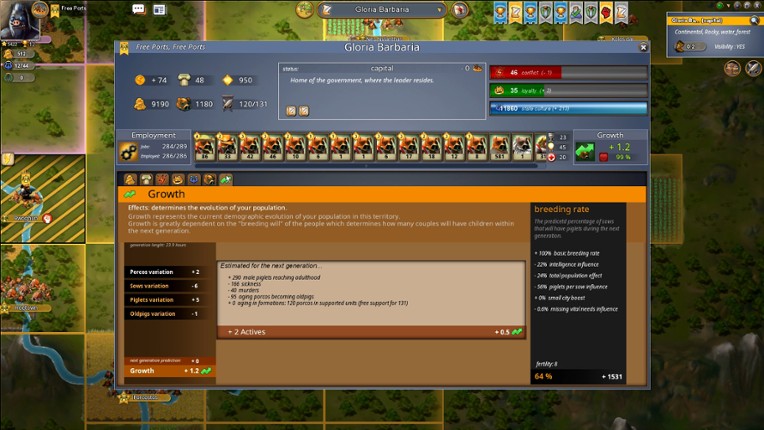
- 81%Game Brain ScoreMost mentioned positive aspects:gameplay, graphicsMost mentioned negative aspects:story, stability88% User Score 173,462 reviewsCritic Score 75%17 reviewsMount & Blade II blends third‑person combat with kingdom management, satisfying those who crave personal valor. If you enjoyed this game, see our list of games similar to null.View Game
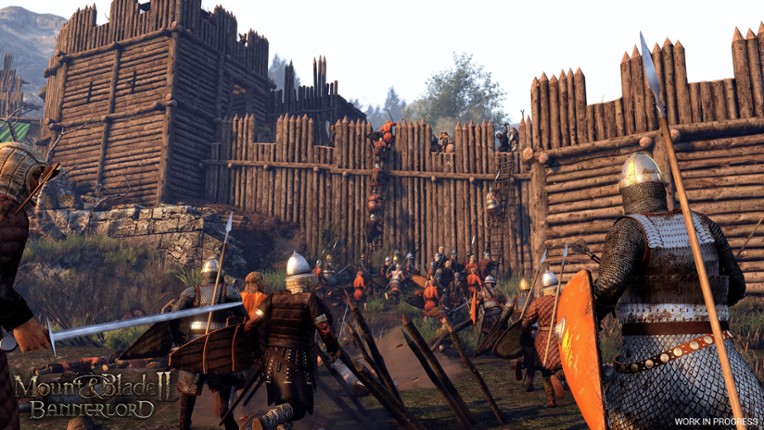
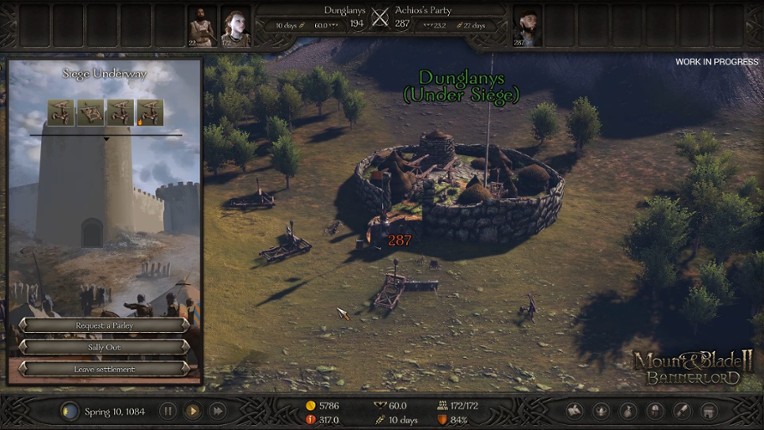
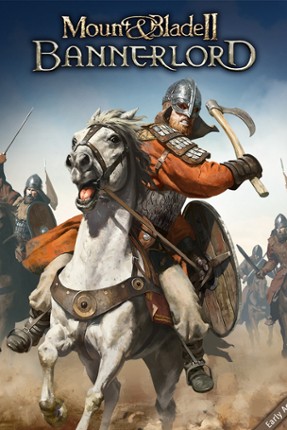
- 60%Game Brain ScoreMost mentioned positive aspects:gameplay, graphicsMost mentioned negative aspects:stability, optimization62% User Score 2,438 reviewsCritic Score 54%2 reviewsFocusing on the microcosm of individual prosperity, this experience trades global macro-strategy for a granular, family-focused life simulator set in medieval times. If you enjoyed this game, see our list of games similar to The Guild 3.View Game
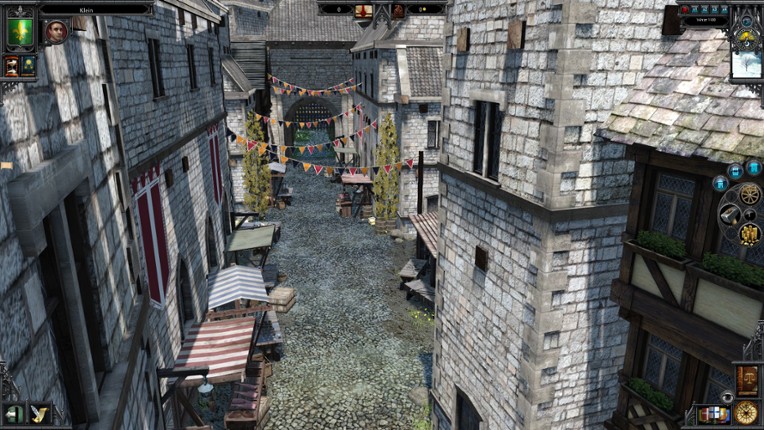
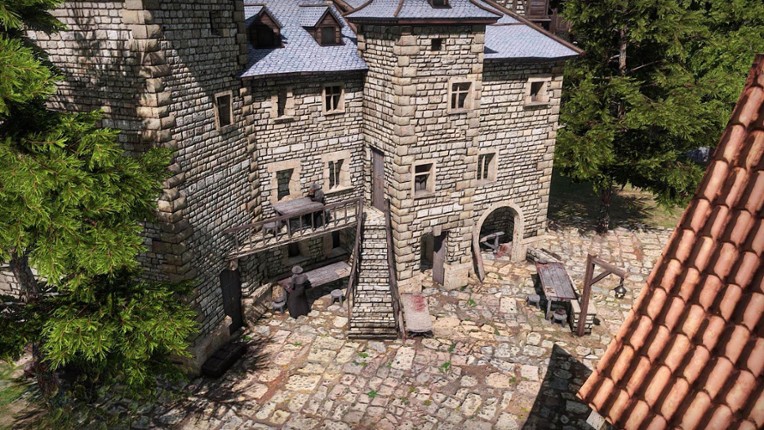
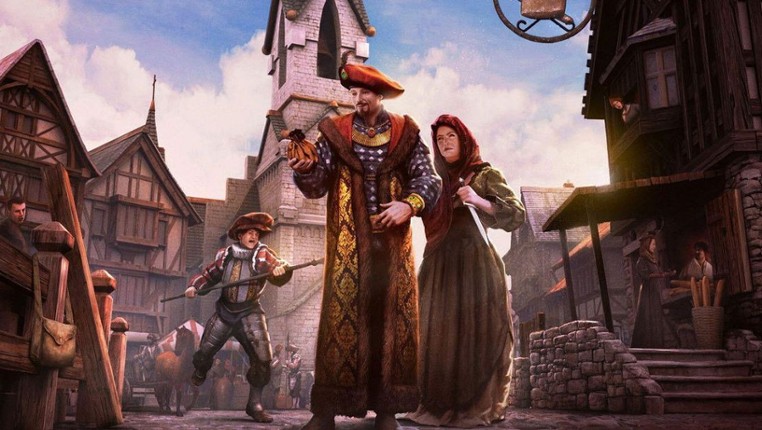
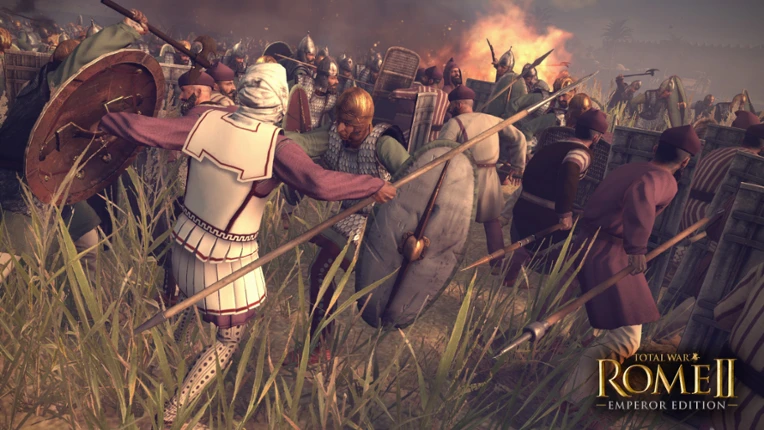
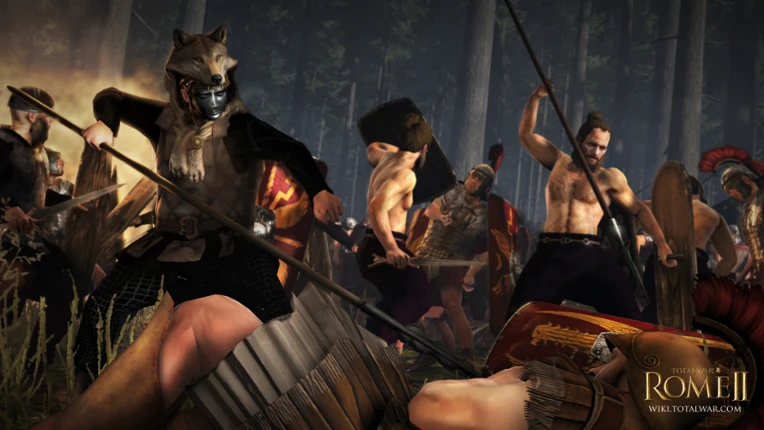
- 81%Game Brain ScoreMost mentioned positive aspects:graphics, gameplayMost mentioned negative aspects:stability, optimization85% User Score 47,120 reviewsCritic Score 74%5 reviewsEmphasizes tactical real-time battles over economic management, condensing Victoria 3's strategic depth into turn-based empire control. If you enjoyed this game, see our list of games similar to Total War: Rome II.View Game
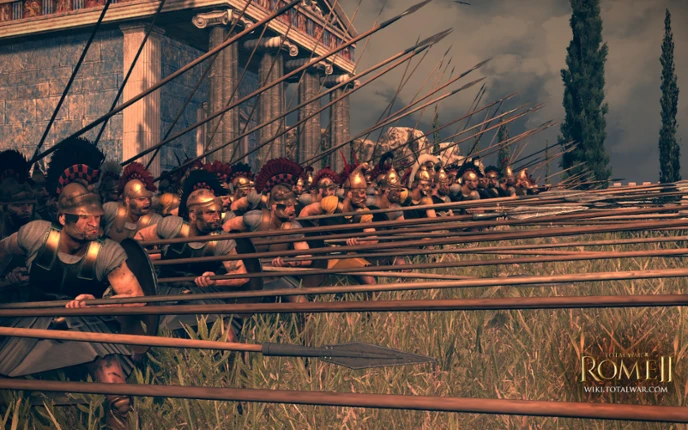
- 58%Game Brain ScoreMost mentioned positive aspects:gameplay, graphicsMost mentioned negative aspects:stability, monetization59% User Score 18,890 reviewsCritic Score 53%1 reviews
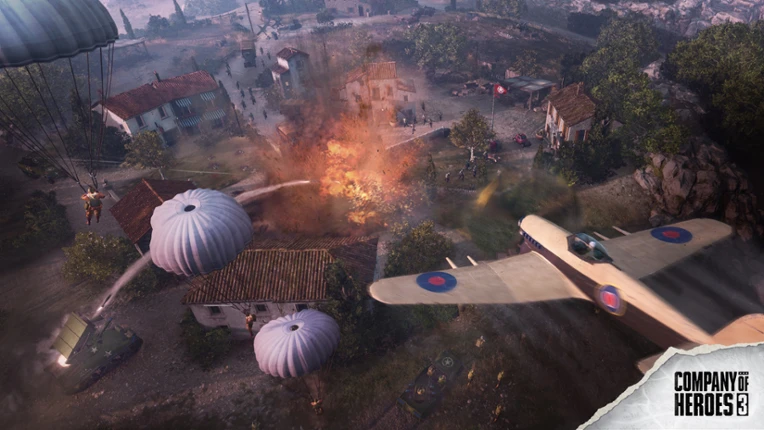
Company of Heroes 3 - Command, Conquer, and Dominate! The legendary strategy franchise returns with Company of Heroes 3, offering the ultimate blend of action, tactics, and strategy. Dive into the heat of real-time battle, then step into the role of a General guiding the entire campaign where every decision shapes the outcome. Company of Heroes 3 promises an unparalleled strategy experience, combi… If you enjoyed this game, see our list of games similar to Company of Heroes 3.
View Game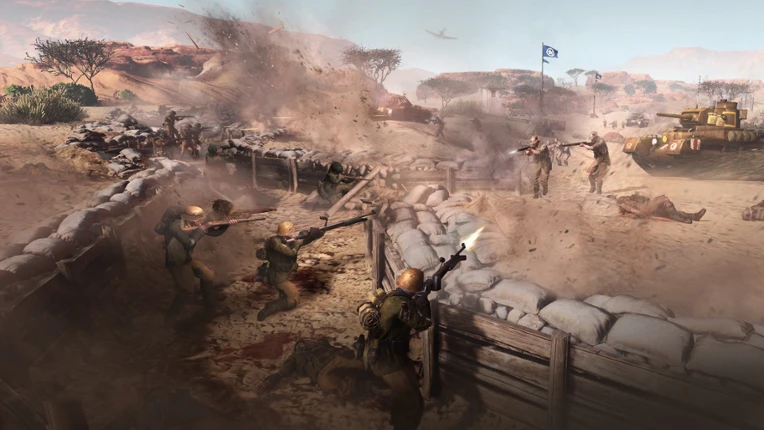

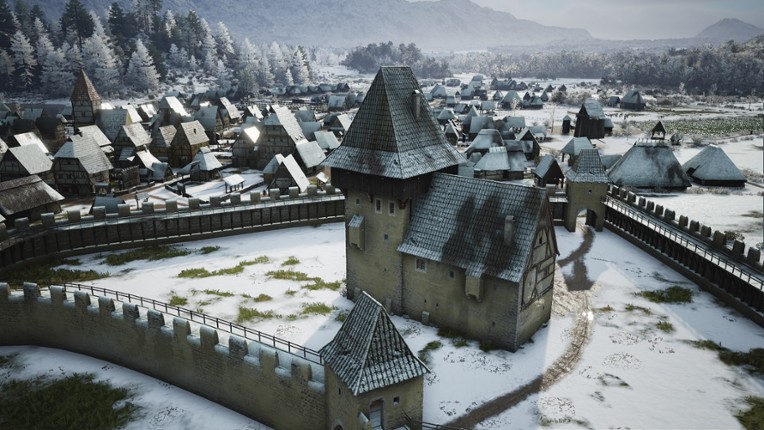
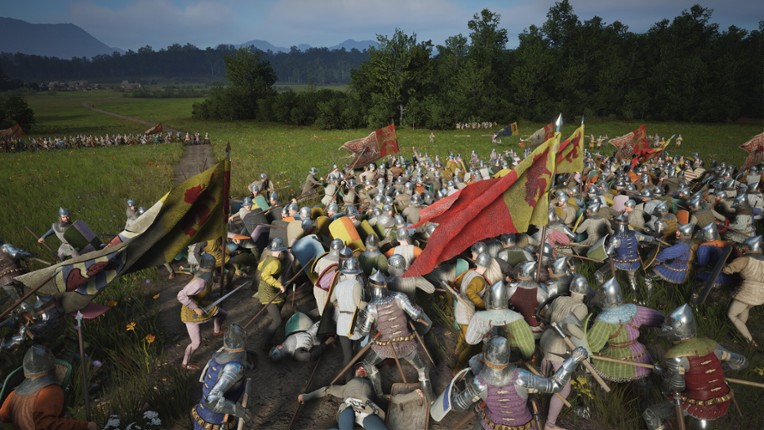
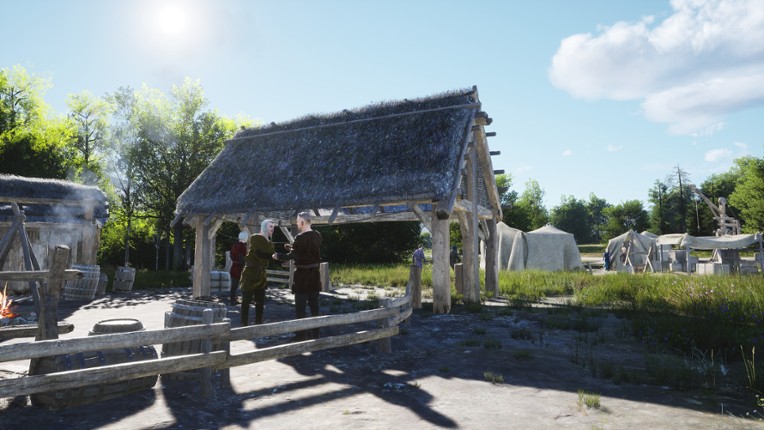
- 90%Game Brain ScoreMost mentioned positive aspects:gameplay, graphicsMost mentioned negative aspects:grinding, stability90% User Score 52,442 reviewsCombines medieval fantasy with economy-driven grand strategy and early access development, trading Victoria 3’s strict historical realism for a hybrid setting. If you enjoyed this game, see our list of games similar to Manor Lords.View Game
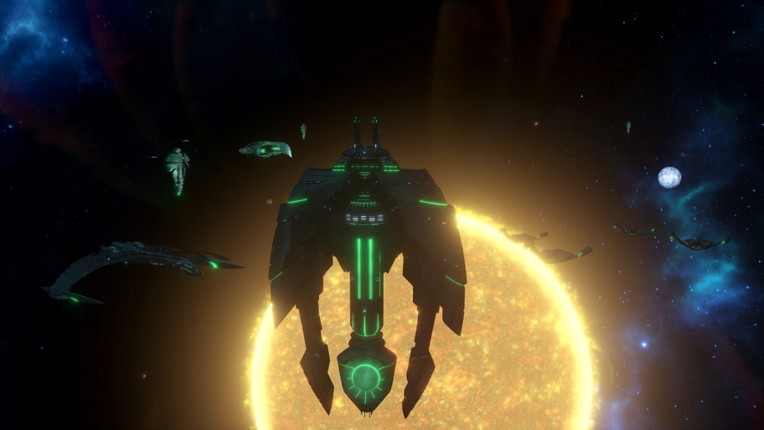
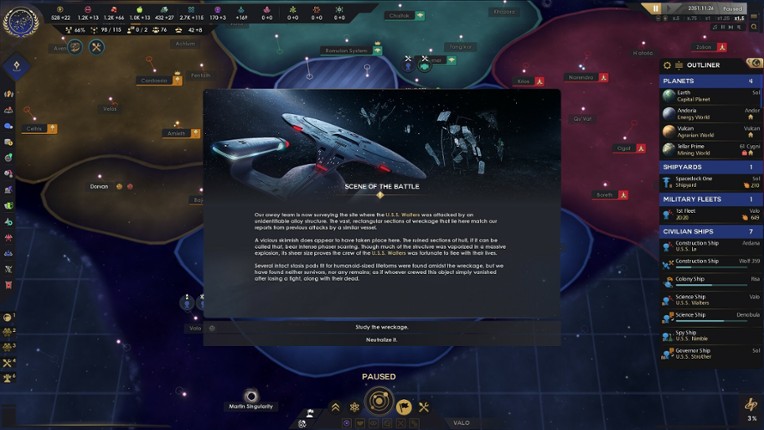
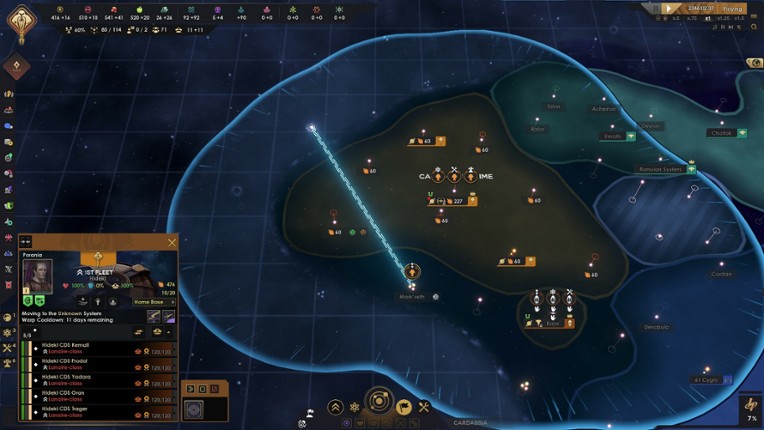
- 48%Game Brain ScoreMost mentioned positive aspects:story, gameplayMost mentioned negative aspects:stability, monetization42% User Score 4,288 reviewsCritic Score 80%1 reviewsApplies grand strategy and diplomacy to a Star Trek universe, swapping historical authenticity for sci-fi lore and choice-driven narratives. If you enjoyed this game, see our list of games similar to Star Trek: Infinite.View Game
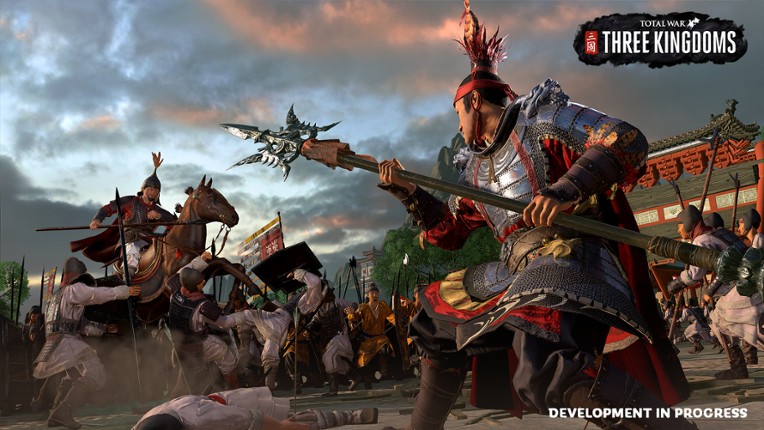
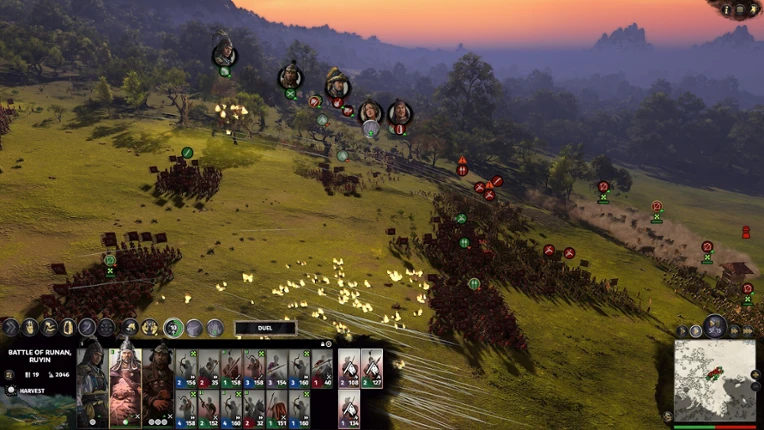
- 84%Game Brain ScoreMost mentioned positive aspects:gameplay, graphicsMost mentioned negative aspects:stability, grinding84% User Score 31,616 reviewsCritic Score 83%9 reviewsWhile lacking the economic breadth of the nineteenth century, this title offers a more visceral military experience rooted in ancient Chinese political upheaval. If you enjoyed this game, see our list of games similar to Total War: THREE KINGDOMS.View Game
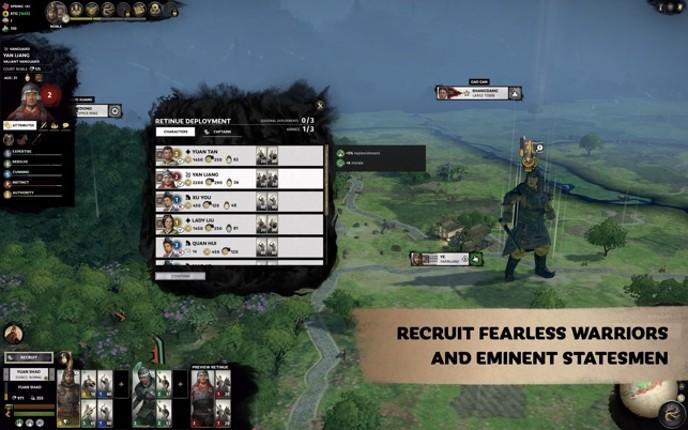
- 64%Game Brain ScoreMost mentioned positive aspects:gameplay, musicMost mentioned negative aspects:stability, graphics64% User Score 469 reviewsOperating as a looser connection, this project offers a smaller-scale sandbox experience for those who prefer freeform nation-building over deep historical simulation mechanics. If you enjoyed this game, see our list of games similar to Minds of Nations.View Game
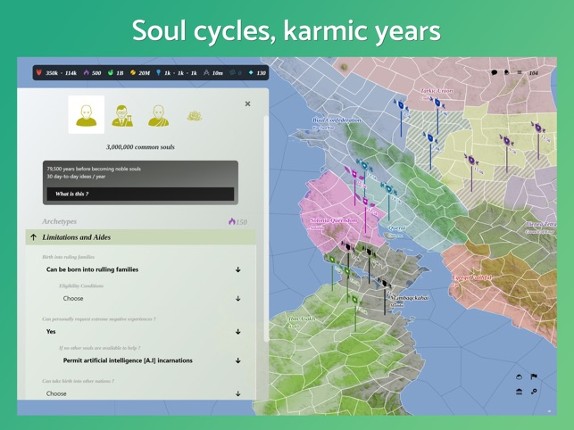
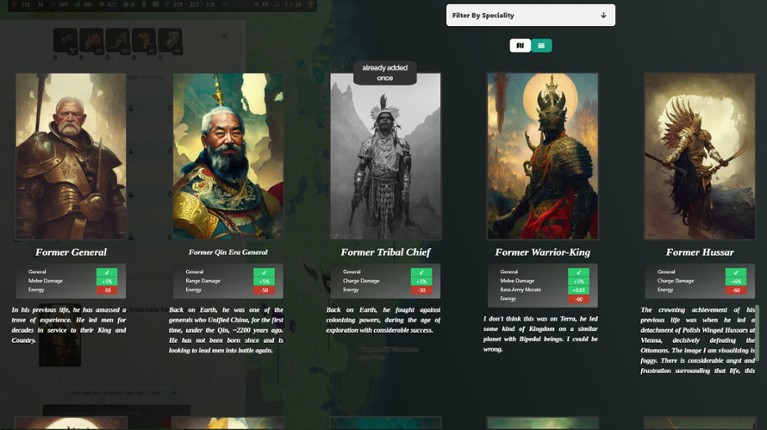
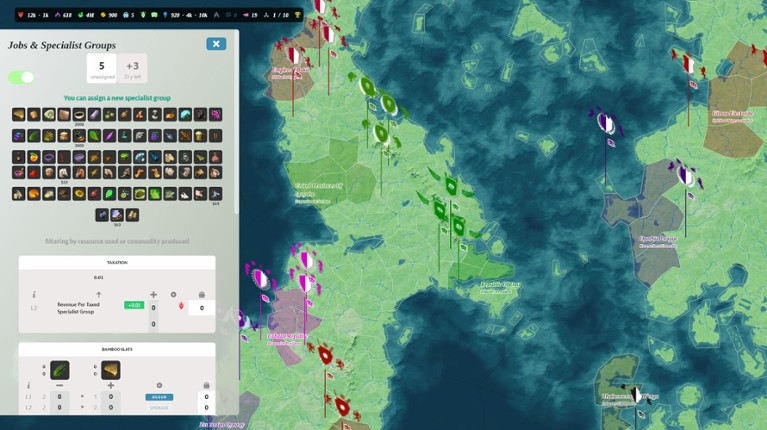
- 49%Game Brain ScoreMost mentioned positive aspects:gameplay, graphicsMost mentioned negative aspects:stability, music39% User Score 602 reviewsCritic Score 76%3 reviewsTrading the industrial revolution for the migration of ancient tribes, this turn-based title provides a stripped-down, focused exploration of nomadic settlement building. If you enjoyed this game, see our list of games similar to Jon Shafer's At the Gates.View Game
- 83%Game Brain ScoreMost mentioned positive aspects:gameplay, storyMost mentioned negative aspects:stability, grinding83% User Score 2,062 reviews
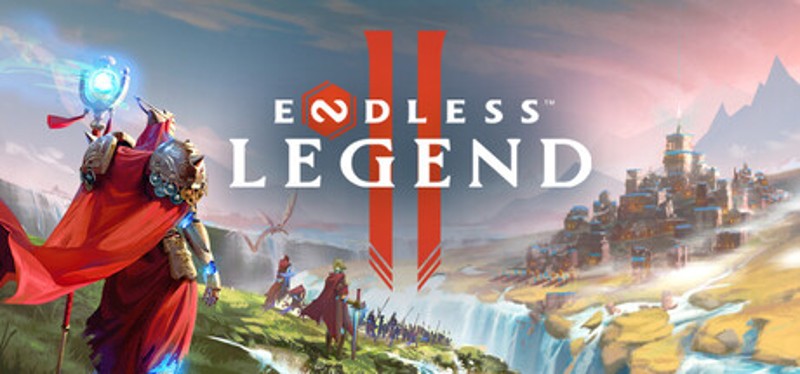
With a mysterious, ever-changing world, unique factions, and epic storytelling, the much-awaited sequel to the strategy game classic ENDLESS Legend is here, opening a new chapter of the award-winning ENDLESS universe. Write your legend and unveil the secrets of a dreamlike ocean-planet on the verge of extinction. If you enjoyed this game, see our list of games similar to Endless Legend 2.
View Game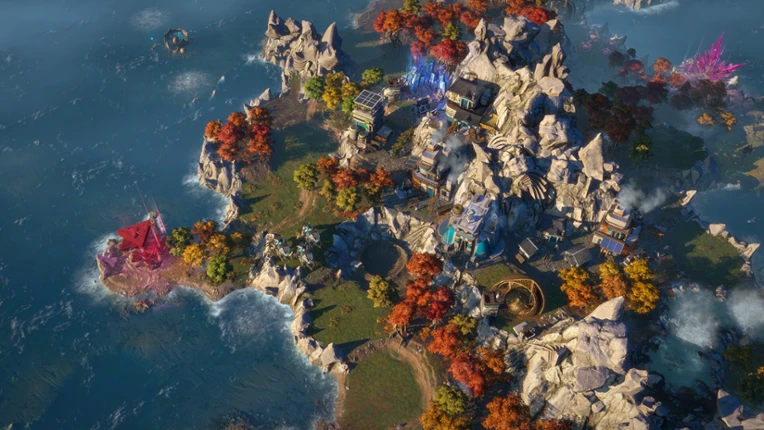
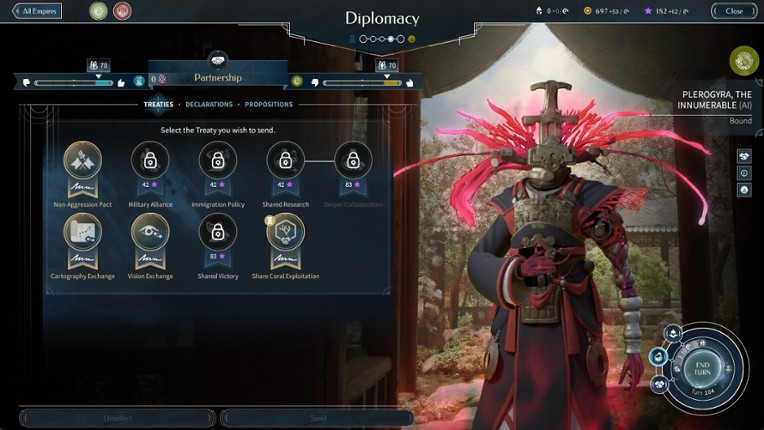
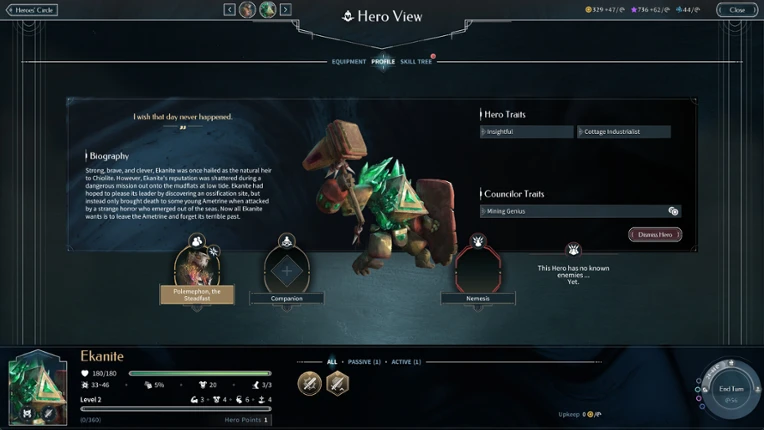
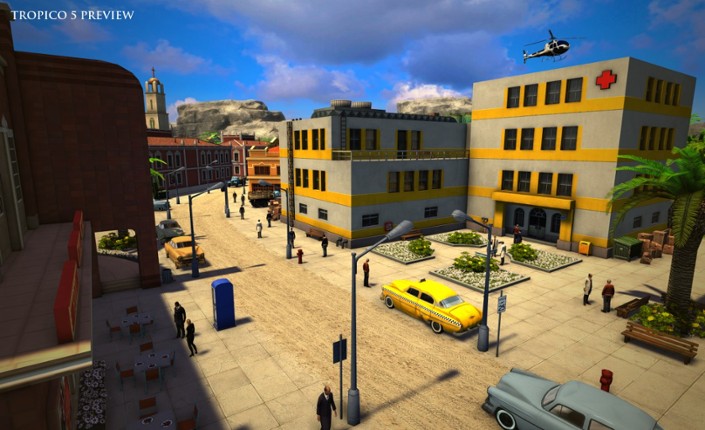
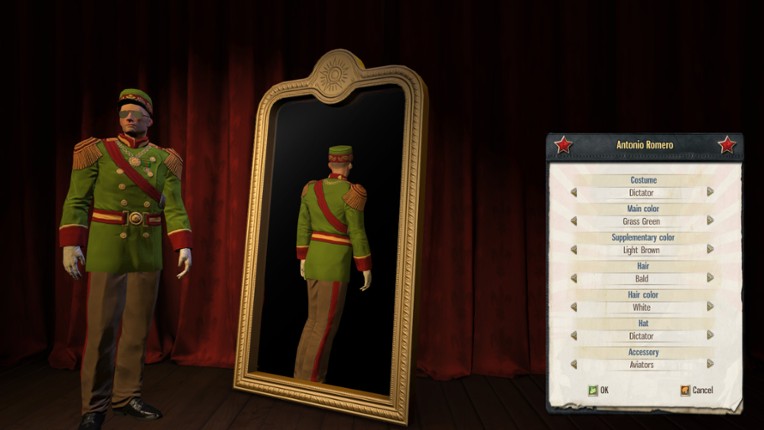
- 79%Game Brain ScoreMost mentioned positive aspects:story, gameplayMost mentioned negative aspects:stability, grinding77% User Score 6,551 reviewsCritic Score 85%3 reviewsThis satirical island management sim swaps the rigid historical simulation of Victoria for a lighthearted, comedic take on political corruption and banana republics. If you enjoyed this game, see our list of games similar to Tropico 5.View Game

- 80%Game Brain ScoreMost mentioned positive aspects:gameplay, graphicsMost mentioned negative aspects:stability, grinding78% User Score 12,958 reviewsCritic Score 82%11 reviewsAlthough the science-fiction setting diverges from our timeline, its grand scale mirrors the complex technological progression and research trees found in the Victorian era. If you enjoyed this game, see our list of games similar to Galactic Civilizations III.View Game
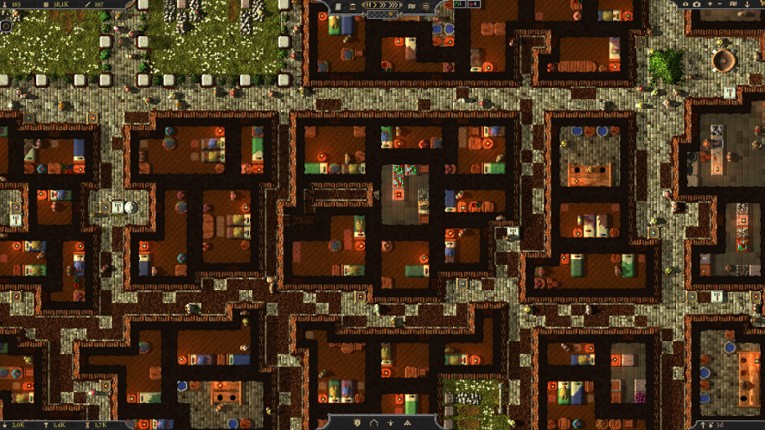
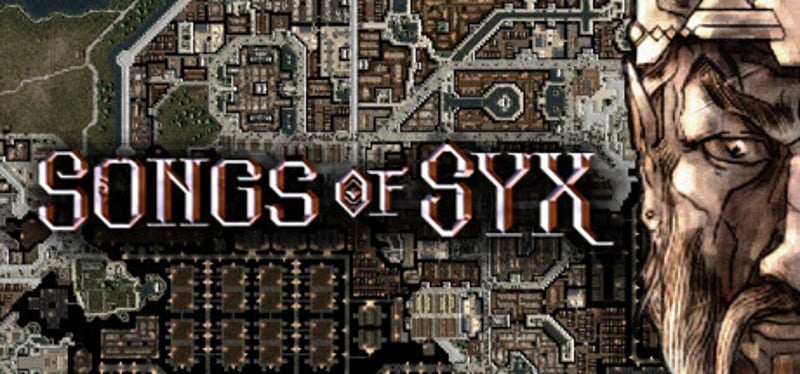
- 95%Game Brain ScoreMost mentioned positive aspects:gameplay, graphicsMost mentioned negative aspects:grinding, stability95% User Score 6,007 reviewsMarries medieval fantasy warfare with base-building and pixel art aesthetics, sacrificing Victoria 3’s polished graphics for nostalgic visual style and combat focus. If you enjoyed this game, see our list of games similar to Songs of Syx.View Game
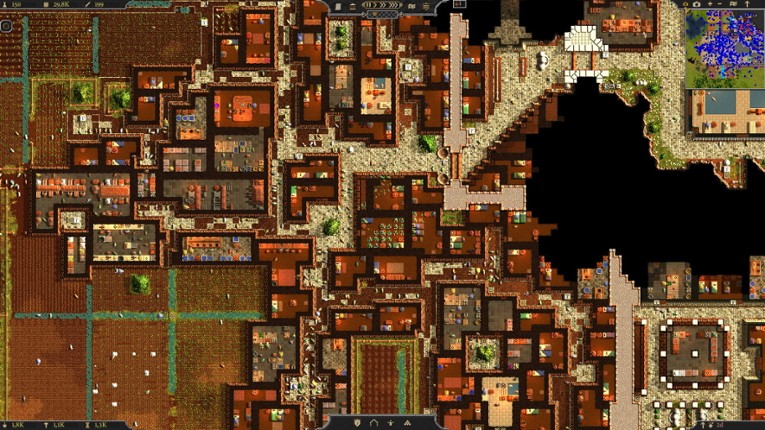
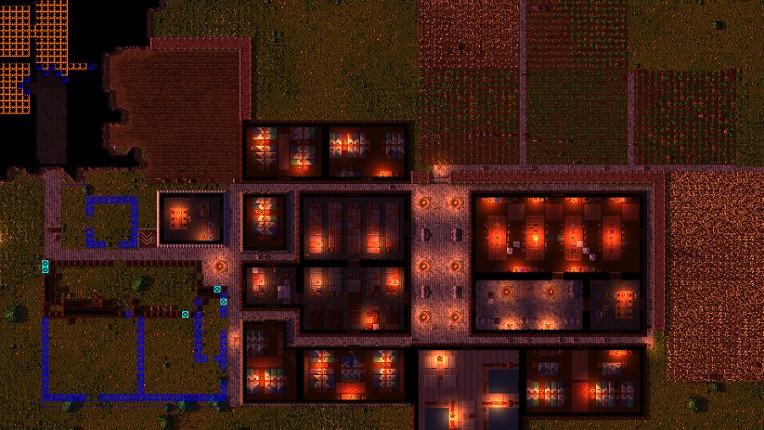
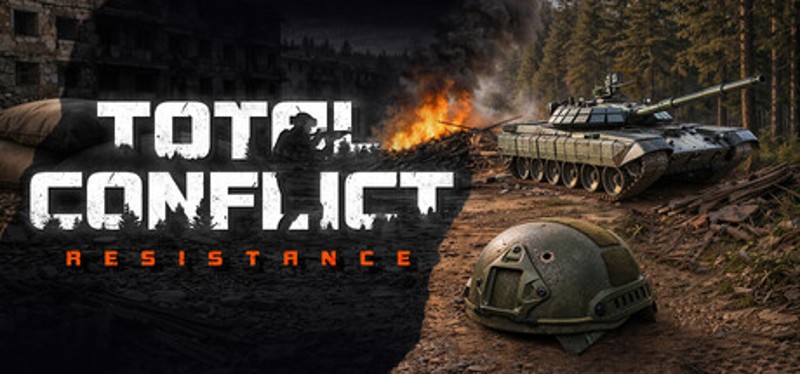
- 75%Game Brain ScoreMost mentioned positive aspects:gameplay, graphicsMost mentioned negative aspects:stability, grinding75% User Score 2,430 reviewsOffers a focused two-player grand strategy experience emphasizing realistic wartime politics and cooperative decision-making, unlike Victoria 3's broad single-player scope. If you enjoyed this game, see our list of games similar to Total Conflict: Resistance.View Game
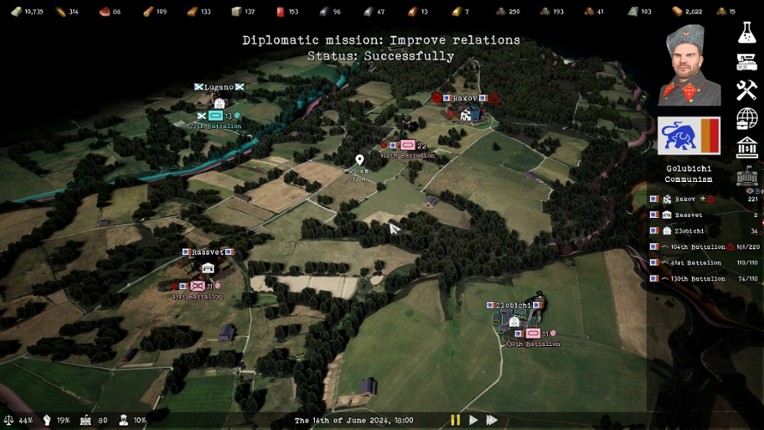
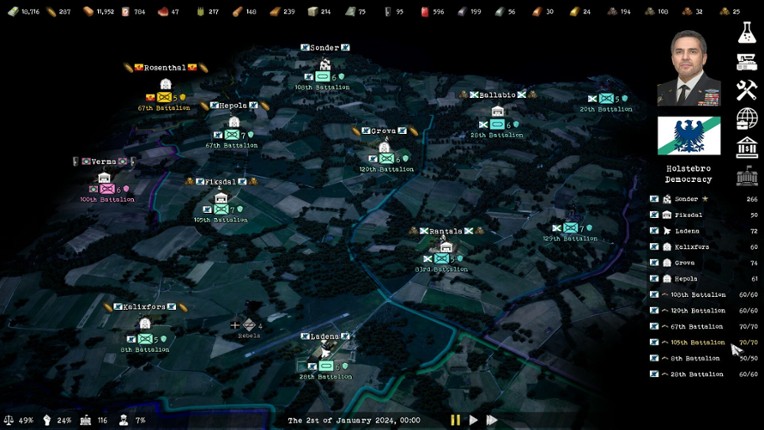
- 80%Game Brain ScoreMost mentioned positive aspects:gameplay, graphicsMost mentioned negative aspects:optimization, grinding80% User Score 801 reviews
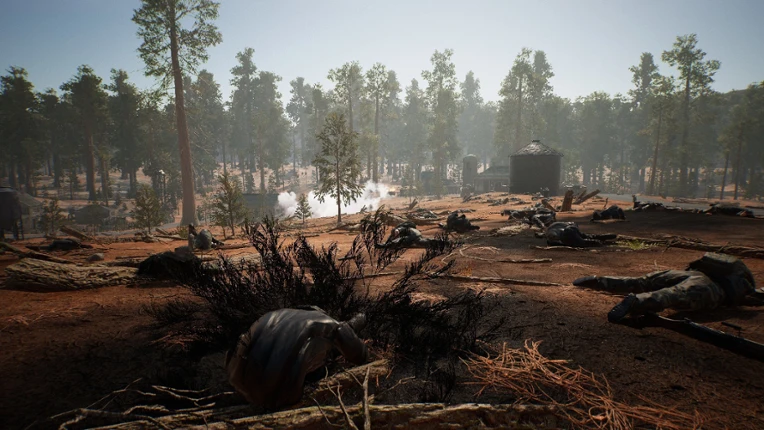
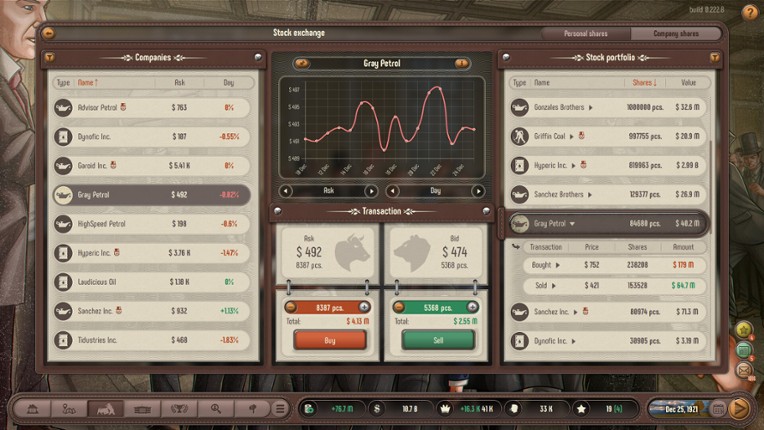
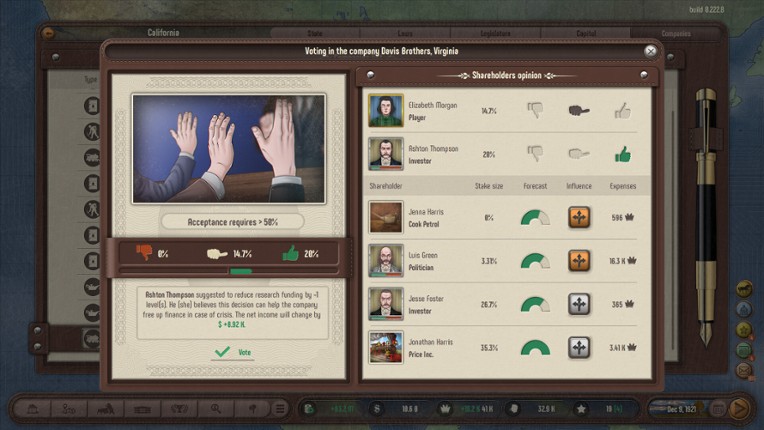
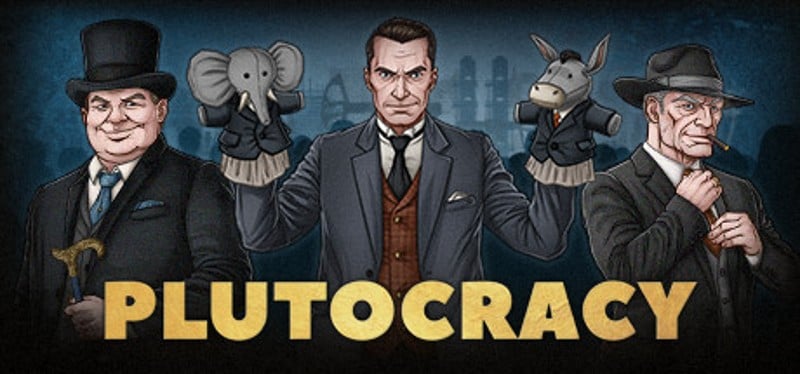
The business simulator Plutocracy gives you the chance to become wealthy and powerful to take control over the America. Join the race with the first billionaires and squeeze them out of the market. Use your brilliant mind and indomitable will to do it or dirty methods of a competitive struggle. If you enjoyed this game, see our list of games similar to Plutocracy.
View Game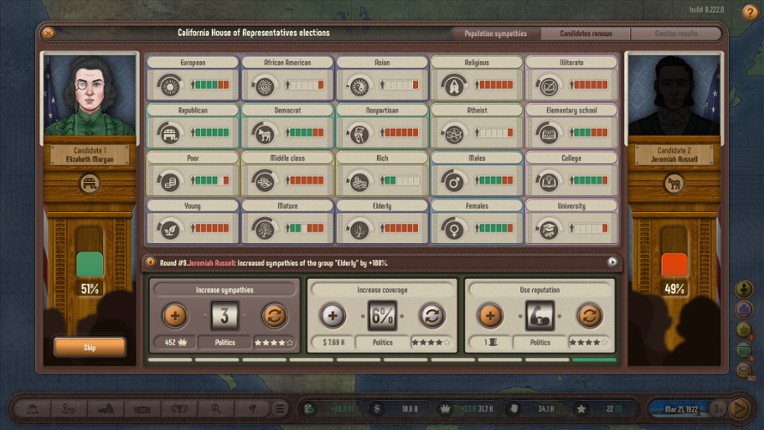


 View Game






















Frequently Asked Questions
The top recommendations are Europa Universalis V for its depth in trade and population management, Victoria II for authentic Victorian-era complexity, and Imperator: Rome for political intrigue. Each offers the real-time-with-pause gameplay and diplomatic mechanics that Victoria 3 players love, with equally exceptional soundtracks that enhance immersion throughout your campaigns.
Millennia and HUMANKIND provide turn-based takes on grand strategy with strong economy systems and alternate history options. Ara: History Untold adds innovative production chains and city management. These games capture Victoria 3's strategic depth and replayability while offering turn-based pacing for players who prefer planning over real-time decision-making.
Victoria II features a phenomenal orchestral soundtrack that perfectly complements its Victorian setting. Europa Universalis V and HUMANKIND are also praised for emotionally impactful soundtracks that evolve with gameplay. If atmospheric immersion is your priority, these three deliver the period-authentic audio design that makes Victoria 3 so memorable.
Europa Universalis V excels at trading and population management mechanics, while Distant Worlds 2 features a fully simulated economy with deep production systems. Victoria II integrates complex economic and political mechanics seamlessly. These games prioritize economic strategy as heavily as Victoria 3 does, making them perfect for players who love capitalism simulation.
Victoria II and Supreme Ruler both support multiplayer gameplay for cooperative or competitive campaigns. HUMANKIND also offers multiplayer modes. However, most Victoria 3 alternatives focus on single-player experiences, so multiplayer options are limited compared to the base game. Check individual titles for current multiplayer features and stability.
Unfortunately, the major grand strategy games similar to Victoria 3 are premium titles with no free versions. However, several alternatives like Distant Worlds 2 and Ara: History Untold are available in early access or have trial periods. Your best option is watching gameplay videos or checking Steam reviews before purchasing to ensure a game matches your preferences.