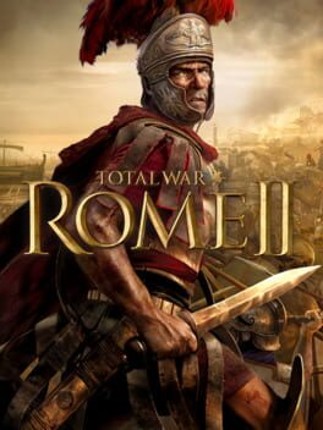
Total War: Rome II

Total War: Rome 2 may not reignite one's fervor for the genre, but it is an awesomely fun war-gaming experience all the same.
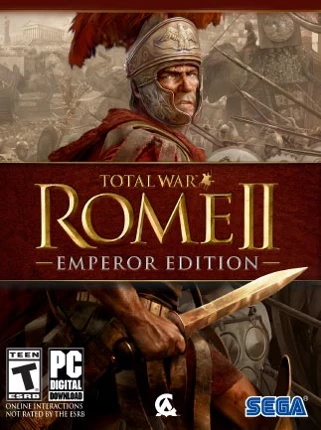
Total War: Rome II Game Cover
81%Game Brain Score
graphics, gameplay
stability, optimization
85% User Score Based on 47,120 reviews
Critic Score 74%Based on 5 reviews

Platforms

PCCloudMac OSWindows
Total War: Rome II Game Cover

About

Total War: Rome II is a single player and multiplayer tactical role playing game with fantasy and historical themes. It was developed by Feral Interactive and was released on September 2, 2013. It received mostly positive reviews from critics and positive reviews from players.

Encompassing one of the best-known periods in world history, Total War: Rome II will combines turn-based campaigns with large, cinematic real-time battles.
Skip User Reviews

85%
Audience ScoreBased on 47,120 reviews
graphics1.5k positive mentions
stability1.2k negative mentions

  • Deep and engaging strategic and tactical gameplay combining turn-based empire management with real-time battles.
  • Wide variety of unique factions and extensive mod support provide hundreds to thousands of hours of replayability.
  • Impressive and immersive visuals, atmospheric music, and epic battle scales create a convincing ancient world experience.
  • The game launched with numerous technical issues including buggy AI, frequent crashes, poor optimization, and performance problems that still occasionally persist.
  • Some gameplay mechanics such as unit control, diplomacy, and character development are clunky, simplified, or underwhelming compared to earlier titles.
  • Excessive monetization via many overpriced DLCs and microtransactions detracts from the core experience and alienates some fans.
  • graphics
    3,176 mentions Positive Neutral Negative

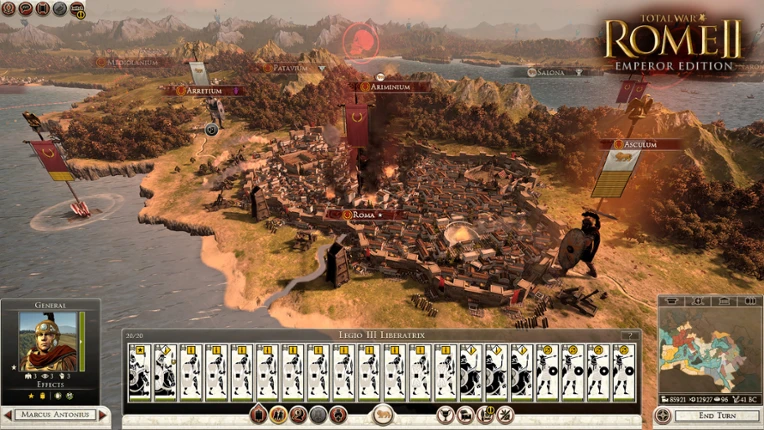
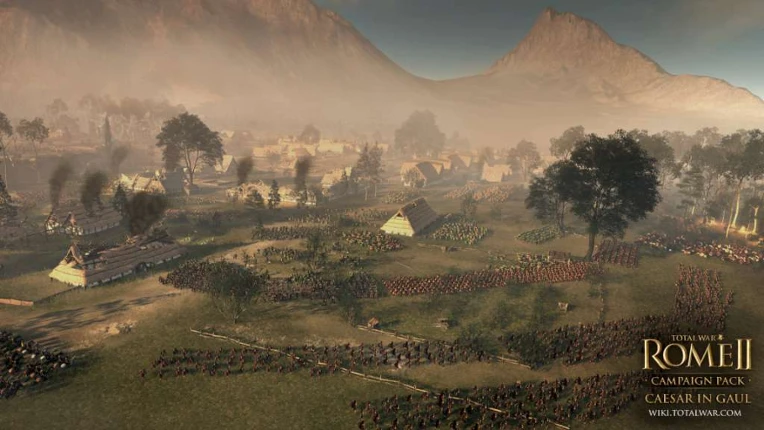
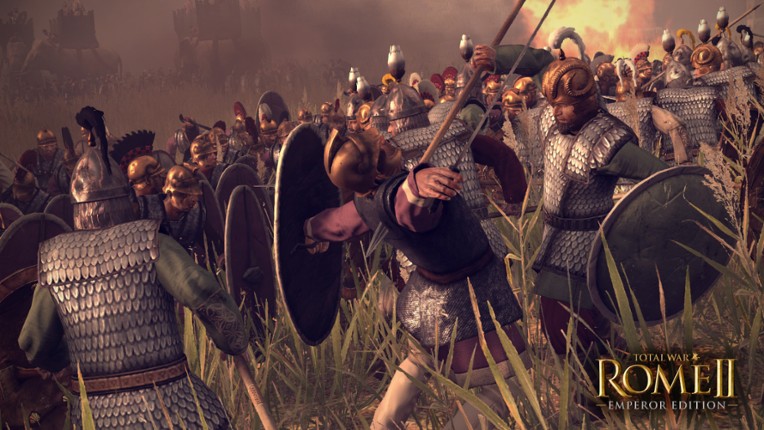
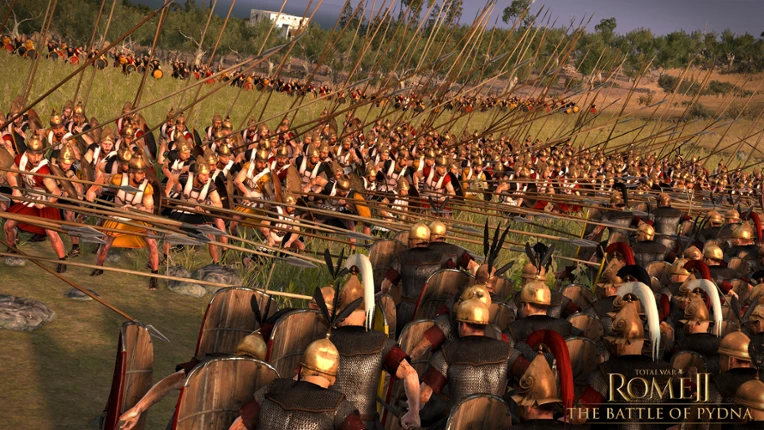
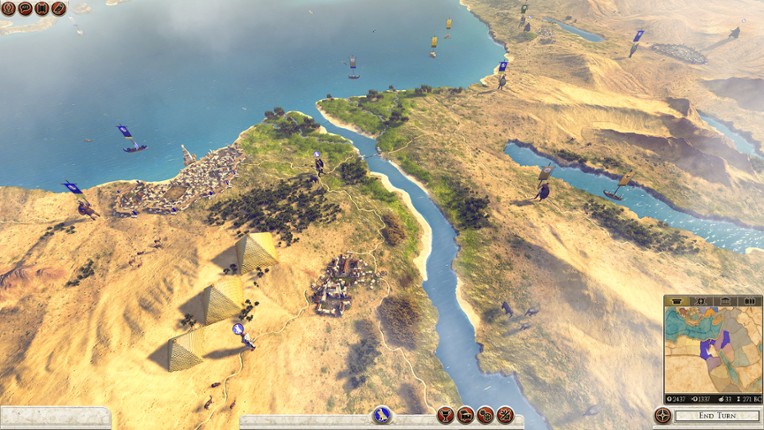
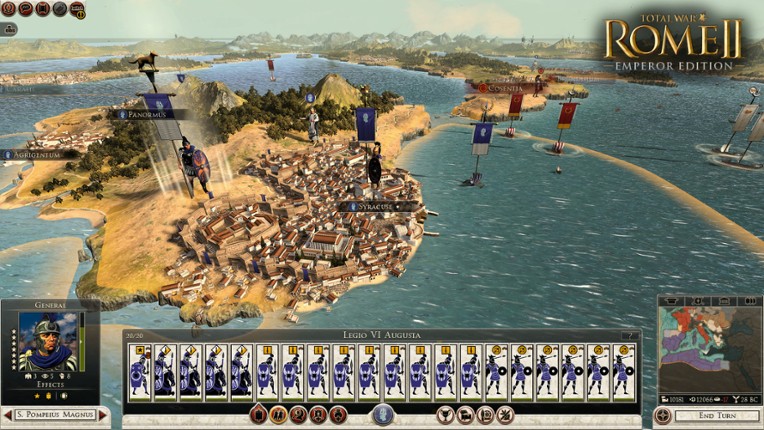
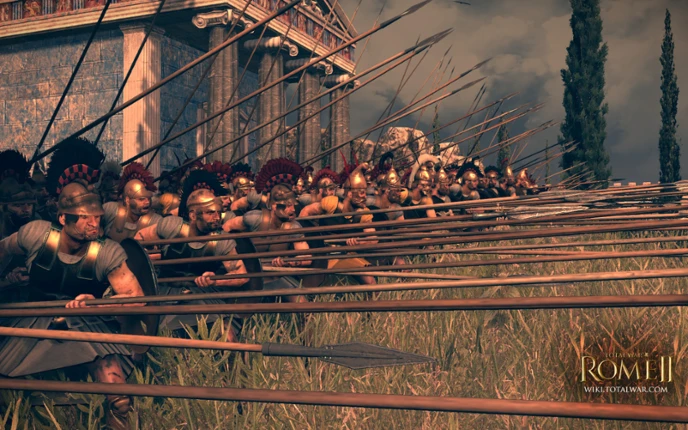
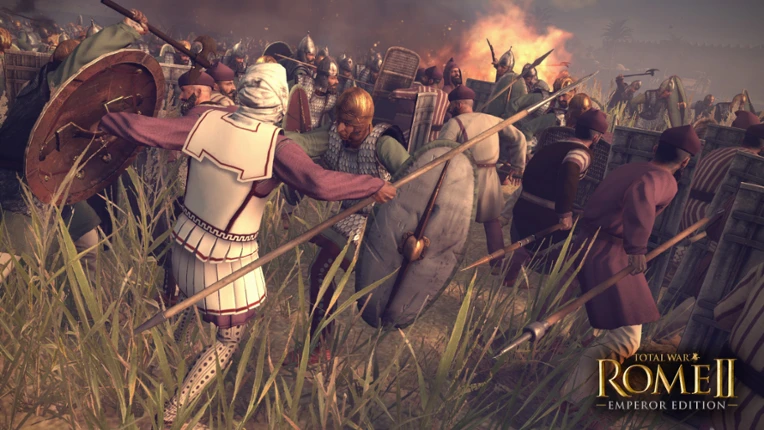
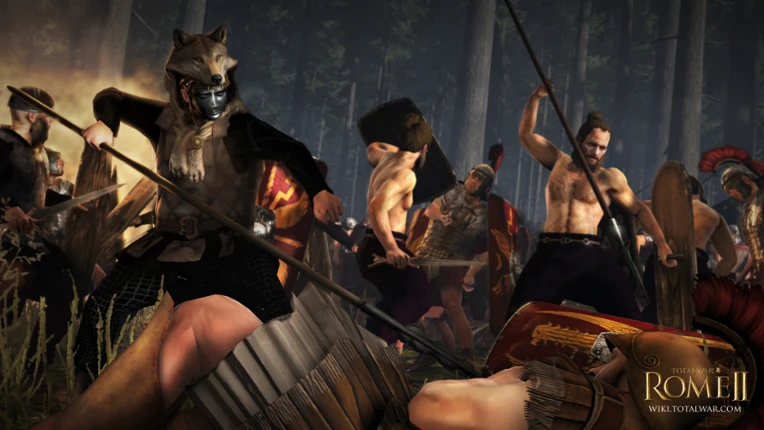
    Total War: Rome II offers impressive and often stunning graphics that have held up well since its 2013 release, especially in battles and campaign maps, with detailed units and immersive visuals. However, the game has experienced frequent graphical glitches, optimization issues, and inconsistent performance across different systems, sometimes requiring high-end hardware or mods to run smoothly. Despite initial bugs and some UI and art style criticisms, ongoing patches and community mods have significantly improved the graphics and overall visual experience.

    • “The graphics are stunning, the voice lines for the troops are hilarious, and the game has plenty of mods and DLCs to add hundreds of hours of replay and enjoyment.”
    • “From the very moment you set foot in the world of Rome II, you're greeted by breathtaking visuals that bring antiquity to life with astonishing detail.”
    • “Rome II shines with its visuals, especially in battles where thousands of units clash in detailed environments.”
    • “Can never forgive them for the graphics quality compared to what we were sold in the original trailers.”
    • “The campaign, on the lowest graphics, will not run on my computer, and I am sure many of you have a reasonable Windows PC with a reasonable graphics card that is not in any way 'old'.”
    • “Rome 2 is butt-ass ugly from top to bottom, and presents no aesthetic competition to its predecessors.”
  • gameplay
    3,057 mentions Positive Neutral Negative

    Total War: Rome II features deep, engaging strategic and tactical gameplay with a mix of turn-based empire management and real-time battles, supported by diverse factions and extensive modding community that greatly enhances its replayability. However, the game faced criticism for buggy AI, clunky mechanics, poor diplomacy and political systems, and some diluted or poorly implemented campaign features, which have been improved over time with patches and expansions. While visually impressive and offering hundreds of hours of gameplay, especially with mods, some players find the mechanics overwhelming or simplified compared to earlier titles, and the late-game can become repetitive or frustrating due to certain design choices.

    • “Gameplay: addictive mix of grand strategy and real-time tactics, offering deep gameplay, epic battles, and a richly detailed ancient setting.”
    • “"Total War: Rome II" after 807 hours of gameplay, this game stands as a titan in the realm of strategy games, offering a deeply immersive experience that has captivated gamers worldwide. The game's vast array of mods is a testament to its vibrant community, each mod adding layers of complexity and freshness to the gameplay. These mods not only enhance the game but also provide endless hours of gameplay, ensuring that every campaign feels unique. The strategic gameplay is robust, demanding careful planning and execution to conquer the ancient world.”
    • “With thousands of hours of gameplay to explore, countless factions, and endless replayability, this is a game I keep coming back to. The game balances historical accuracy with engaging gameplay mechanics, offering an immersive and rewarding strategy experience.”
    • “It can be fun with mods but the game itself is one of the worst I have ever played, mechanically at least.”
    • “To list a few of the mechanics that make this game unplayable: units rarely listen to commands, especially on walls.”
    • “A worse engine, a bizarre focus on macroscale strategic elements (i.e. food, which I despise as a mechanic), and a dismal lack of role playing depth, making your cities and generals feel more like mannequins than meaningful and significant elements in the game's world.”
  • stability
    1,295 mentions Positive Neutral Negative

    Total War: Rome II launched as a highly buggy and unstable game, plagued by frequent crashes, freezes—especially during battle loading screens—and numerous gameplay and AI glitches. Despite ongoing patches and updates over several years improving stability and resolving many issues, some bugs and occasional freezes persist, particularly affecting naval battles, multiplayer, and late-game performance on certain modern systems. Overall, while significantly more stable now and enjoyable with mods, the game’s troubled technical history and remaining glitches affect its reliability for some players.

    • “Spent over 70 hours in the game and encountered almost no glitches or bugs, and those that I did encounter were purely cosmetic.”
    • “The game runs great now after countless optimization patches have been released.”
    • “It is now pretty much bug free and I can't remember the last crash I got.”
    • “The game crashes very often even on decent hardware, sometimes also freezes when trying to close it.”
    • “Constantly freezes when loading battles, forcing you to restart your PC.”
    • “Despite a buggy launch, the game has almost metaphorically risen from the ashes but still freezes often and the AI is terrible.”
  • optimization
    693 mentions Positive Neutral Negative

    Total War: Rome II suffered from severe optimization and performance issues at launch, including stuttering, long load times, and crashes even on high-end PCs. While numerous patches and the Emperor Edition update have significantly improved stability and performance, occasional frame drops and poor optimization remain, especially in large battles and on lower-end systems. Despite these lingering issues, many users now find the game playable and enjoyable with proper hardware or mods, though it still requires a robust PC for optimal experience.

    • “The units fight and move in a way that is nearly miraculous for how low the requirements are for the game itself, and the optimization for a nearly stutter-free combat situation on a computer running on only 4 GB of RAM makes me forever grateful to the dev team that worked on this.”
    • “Performance-wise, the game has improved a lot since launch, but there's still occasional stuttering in larger battles or during the late game when empires balloon into dozens of provinces.”
    • “With the right submods (MI graphics mods, AI uses population, performance maker, better diplomacy/vassals, etc.) it becomes the best historical Total War experience out there.”
    • “Very solid total war game, let down at times by truly bad optimization.”
    • “Even playing this game more than 10 years after release with a 30-series card, 32GB of RAM, and a 12-core processor, detailing in with gore during large battles caused noticeable frame drops and stuttering.”
    • “Since minor updates to the chat, performance has declined significantly making the game a buggy and unplayable mess in multiplayer.”
  • replayability
    549 mentions Positive Neutral Negative

    The game boasts immense replayability thanks to its wide variety of unique factions, deep strategic campaigns, and extensive mod support, allowing for countless hours of diverse and engaging gameplay. While the base game offers substantial replay value, the active modding community significantly enhances this aspect, often creating near-infinite replay scenarios. Despite some early issues and a few repetitive factions, the combination of different play styles, faction traits, and constant updates ensures long-term appeal for both casual and hardcore strategy fans.

    • “The campaigns are endlessly replayable, the faction variety is vast, and the small tweaks you can make through mods add plenty of customization.”
    • “With thousands of hours of gameplay to explore, countless factions, and endless replayability, it’s a game I keep coming back to.”
    • “Each faction has unique traits, units, and starting challenges, which encourages replayability.”
    • “Usually they're not worth more than a single playthrough, as many factions feel like reskins and autoresolve allows for little replayability.”
    • “Game has absolute zero replayability, once you play one race you played them all, but the story is pretty good, the last mission is kinda tough but if you can beat the boss you're in the clear.”
    • “Even now the vanilla game (without a mod of any kind) is sort of bland and un-replayable.”
  • music
    410 mentions Positive Neutral Negative

    The music in Total War: Rome II receives mixed reactions, with many finding it less memorable, generic, and less epic compared to the iconic soundtracks of Rome I and Medieval II. While some praise the atmospheric and immersive score, others criticize its repetitiveness, poor audio mixing, and lack of dynamic variety between factions, often recommending mods that replace the soundtrack with the original Rome I music for a more engaging experience. Overall, the soundtrack fits the game's tone but does not reach the high acclaim of earlier series entries.

    • “This game has an epic ambiance, amazing soundtrack, the battles are fun and engaging.”
    • “The cinematic camera adds to the epic scale, and the soundtrack perfectly complements the game's tone.”
    • “The music is spectacular and the storytelling possibilities are vast.”
    • “The music is horrible to the point that the violin sound really causes a headache in the battles.”
    • “Compared to Rome 1 music, this is absolute garbage; I can't even defend a single battle track of Rome 2.”
    • “Unlike the music part, I will not recommend anything specific; the soundtrack is bland and boring and doesn't bring the game to life like in Rome 1, Medieval 2 or Shogun 2.”
  • story
    396 mentions Positive Neutral Negative

    The story in Total War: Rome II is largely sandbox-style and player-driven, with no strong scripted narrative, though it includes some historical framing and faction-specific missions that add context. While some appreciate the immersive, dynamic storytelling through gameplay and diplomacy, others find the campaign lacks depth and character development, noting issues with repetitive missions and limited narrative engagement. Story-driven DLCs improve the experience for many, but overall, the base game is seen as more focused on strategy than on delivering a polished, cohesive story.

    • “Every faction plays differently and every campaign tells its own story.”
    • “With a variety of campaigns and various ways to play the storylines given, you can seriously say no two games are the same.”
    • “Whether you lead Rome’s disciplined legions or the complex Seleucid empire, every campaign feels like its own story — shaped by your choices in diplomacy, conquest, and politics.”
    • “Rome 2 mission campaigns are glitchy, broken, crash recurrent, unplayable, worse than Rome 1 mission campaigns (which came out 20 years ago and works well for its time).”
    • “The campaign is far too easy and the story is linear.”
    • “Negatives: the campaign is a self-driven, storyless saga that is intended to allow the player to create his or her own drama; however, the developers didn't create any tools to spur the players' imagination or to assist in creating the drama in the player's head.”
  • grinding
    206 mentions Positive Neutral Negative

    Grinding in the game is widely described as tedious and repetitive, particularly in mid-to-late campaigns where managing large empires, politics, and battles becomes a monotonous chore. Many players find the micromanagement of cities, armies, and political systems overwhelming and dull, leading to prolonged grind sessions with little engaging variety. While some appreciate the complexity and historical depth, the overall consensus highlights that the game often devolves into a long, tiresome slog requiring patience rather than strategic enjoyment.

    • “Excellent game mechanics, visualizations, historically accurate, and most of all, not tedious in politics like some of the latter "total" games.”
    • “A bit grindy sometimes.”
    • “One long, tedious grind.”
    • “It is just too tedious when you also have only a limited time per day for gaming.”
    • “Save yourself the frustration of grinding generals up to having decent campaign movement range only for them to die of old age 5 turns later because the calendar in this game is screwed up.”
    • “To actually win a campaign with all of the victory conditions is tedious and grindy, and basically just a checkbox exercise that isn't overly fun.”
  • humor
    140 mentions Positive Neutral Negative

    The humor in this game is often derived from its various bugs, glitches, and AI inconsistencies, which players find both funny and occasionally frustrating. Pre-battle speeches, unit chatter, and political mechanics add to the comedic charm, though some find the humor uneven and sometimes outweighed by gameplay flaws. Overall, the game blends strategic depth with moments of unintended comedy, making it entertaining if not always polished.

    • “The voice lines for the troops are hilarious, and the game has plenty of mods and DLCs to add hundreds of hours of replay and enjoyment.”
    • “But it is hilarious, and fun, and in this game you can hire your characters' in-faction political opponents for chariot of doom duty, so when they get stuck somewhere and shanked you don't even have to feel bad about it, since they can't start a civil war if they all went missing in a tragic lawnmower accident.”
    • “Also your soldiers in a unit talk to each other and respond to what people are saying and some conversations are very funny.”
    • “Too bad it's not funny, there's no sense of achievement, and a total failure in terms of strategic and tactical play.”
    • “I love both micro and macro managing, but this is so hamfisted it's not funny.”
  • atmosphere
    104 mentions Positive Neutral Negative

    The atmosphere of the game is frequently praised for its immersive ancient Roman war setting, detailed visuals, atmospheric music, and epic battle scale, creating a convincing and engaging experience. However, some reviews note it lacks the charm and depth of previous Total War titles like Rome 1 and Shogun 2, citing removed features, less historical accuracy, and occasional performance issues as factors that detract from the overall ambiance. Despite these criticisms, many find the rich faction variety, campaign scope, and combined land-sea battles contribute positively to its distinctive atmosphere.

    • “When performance is stable (on a decent PC), animations, unit variety, battle effects, map detail, and the visual/audio atmosphere combine to deliver a truly “epic war simulation.””
    • “The visuals, sound design, and historical atmosphere create a convincing and enjoyable experience.”
    • “The atmosphere, the cinematic camera, and the sheer variety of factions—from the nomadic steppe tribes to the Diadochi kingdoms—ensure that no two campaigns feel the same.”
    • “The game doesn't represent the period accurately, it's very arcadey, nor does it enthrall you in its atmosphere.”
    • “Rome 1 had an atmosphere that this one just plain doesn't and gameplay a million times more fun.”
    • “The game simply has no atmosphere and nothing worth playing for.”
  • monetization
    82 mentions Positive Neutral Negative

    Monetization in this game is widely criticized as excessive and opportunistic, with numerous overpriced DLCs and microtransactions perceived as blatant cash grabs that detract from the core experience. While some players acknowledge the game’s quality and ongoing improvements, many feel that the focus on constant monetization undermines value, comparing it unfavorably to earlier, less DLC-heavy series entries. Overall, the heavy reliance on paid content and aggressive monetization strategies have damaged the series' reputation among dedicated fans.

    • “The start of in-game purchases/add-ons begins here, but not to such a degree that it detracts from the game.”
    • “Microtransactions are needed: DLC which add blood in the game!”
    • “I expect heavy in-game purchases or many DLC on free games, but $49 worth of DLC on a $60 game?”
    • “This is the game where Total War really started going for the opportunist cash grabs and the DLC train which they still sell today for twenty dollars apiece (yikes).”
    • “Make no mistake this is an amazing game plagued by several performance and coding issues, and absurd cash grabbing DLC practices.”
    • “The amount of DLC with this game makes it a giant cash grab.”
  • emotional
    57 mentions Positive Neutral Negative

    Emotional responses to the game are mixed, with some players feeling a genuine connection to its battles, characters, and historical immersion, while others criticize the lack of emotional depth in faction characters, generic traits, and disappointing campaign dynamics. Longtime fans often express heartbreak and frustration over changes from earlier titles, citing a decline in emotional investment due to simplified mechanics and uninspired storytelling. Overall, the emotional impact varies widely, with nostalgia and attachment to earlier series entries influencing many players' experiences.

    • “The gameplay dynamics are a bit different from everything Creative Assembly had done before, but once fully understood, it opens the door to one of the most emotionally involving Total War experiences to date, especially for Roman Empire history lovers. The game earns extra points by featuring Titus Pullo and Vorenus as available ancillaries in the late game.”
    • “Politics is a fun new addition that can see you emotionally bond with certain characters and wish to see them do well, making intrigue and diplomacy far more important, and it seems that now they have put more effort into it than in previous games.”
    • “It's one of those mechanics where you easily become emotionally attached to your armies and are able to craft destinies for each one.”
  • character development
    14 mentions Positive Neutral Negative

    Character development in the game is generally seen as lacking depth and context, with many reviewers finding it mechanical and less engaging compared to similar titles like Crusader Kings II. While some appreciate the inclusion of traits, talents, and passive development elements—especially when enhanced by mods—core aspects such as generals and political figures often feel underdeveloped and short-lived. Overall, character progression contributes moderately to gameplay enjoyment but is considered a weak point without mod support.

    • “The gameplay is solid, the armies work well, and the character development keeps you enjoying it.”
    • “Also disasters like disease, earthquakes and floods as well as character development of generals and politicians is included.”
    • “The tech tree may look simple but then people are discounting the character development tree for generals, spies, champions and dignitaries.”
    • “Ca suffers from far too enthusiastic infant/youth mortality, and general/agent character development is sadly wanting.”
    • “Generals have no character development and die way too soon to care about them, unlike Rome 1.”
    • “The character development is also complete trash; the interface is also poor.”
Skip Critic Reviews
Skip Game Offers

Buy Total War: Rome II

225h Median play time
538h Average play time
50h Main story
210h Completionist
50-700h Spent by most gamers
*Based on 257 analyzed playthroughs
Skip Videos

Videos

Skip Games Like Total War: Rome II
Skip FAQs

Frequently Asked Questions

Total War: Rome II is a tactical role playing game with fantasy and historical themes.

Total War: Rome II is available on PC, Mac OS, Windows and Cloud.

The main story can be completed in around 50 hours, while the entire game is estimated to take about 210 hours to finish. On average players spend around 538 hours playing Total War: Rome II.

Total War: Rome II was released on September 2, 2013.

Total War: Rome II was developed by Feral Interactive.

Total War: Rome II has received positive reviews from players. Most players liked Total War: Rome II for its graphics but disliked it for its stability.

Total War: Rome II is a single player game with multiplayer and local co-op support.

Similar games include Total War: ATTILA, Total War: Shogun 2, Total War: WARHAMMER, Total War: THREE KINGDOMS, Total War: WARHAMMER II and others.