

Games like Starfield
If you've sunk hundreds of hours into scanning planets, joining factions, and building out your ship in Bethesda's sprawling space RPG, you're probably hunting for games like Starfield that scratch the same itch. What makes Starfield click is its rare combination of first-person action RPG combat, deep character customization, and that particular Bethesda brand of story-rich exploration — all wrapped in a "nasa-punk" sci-fi aesthetic. The good news: there are several worthy alternatives waiting for you.
Starfield's appeal comes from a specific overlap: open-world freedom married to faction-based questlines, trading and crafting systems, and a New Game+ structure that rewards replaying with new builds. It's a game about slow, atmospheric immersion — cinematic dialogue, detailed environments, and the feeling of carving your own path through a galaxy — even when the main story stumbles into fetch-quest territory. Players searching for alternatives usually want that same sandbox freedom without the padding.
What Makes a Good Alternative to Starfield?
- Faction-driven storytelling — Starfield's best writing lives in its faction quests, so alternatives need branching allegiances and consequences, not just a single linear main plot.
- Deep character customization — Building an Action RPG character around your preferred playstyle is core to Starfield's loop, and the best substitutes let you respec, multiclass, or reroll builds just as freely.
- Atmosphere over polish — Starfield trades some technical smoothness for mood and detail; alternatives that prioritize a strong visual identity and soundtrack tend to satisfy fans more than technically cleaner but flatter worlds.
- Exploration with a purpose — Whether it's scanning planets or looting ruins, players want open-world traversal that feeds back into story, trading, or crafting systems.
- Replayability through choice — New Game+ and meaningful decisions keep Starfield fans coming back, so games with multiple endings or build variety score higher as recommendations.
Top Picks If You Enjoyed Starfield
Fallout 4 offers the same Bethesda RPG DNA with deeper crafting and modding. Mass Effect Andromeda delivers space exploration with stronger character writing. The Outer Worlds 2 nails faction satire and companion banter. Dragon's Dogma 2 swaps space for fantasy but matches the open-world scope. No Man's Sky leans hardest into planetary exploration and procedural discovery.
Every recommendation below is ranked using real player data and similarity scoring against Starfield's genres, mechanics, and themes — not guesswork. Scroll down to explore the full list and find your next obsession.
- 80%Game Brain ScoreMost mentioned positive aspects:story, gameplayMost mentioned negative aspects:stability, optimization80% User Score 261,649 reviewsCritic Score 80%16 reviews
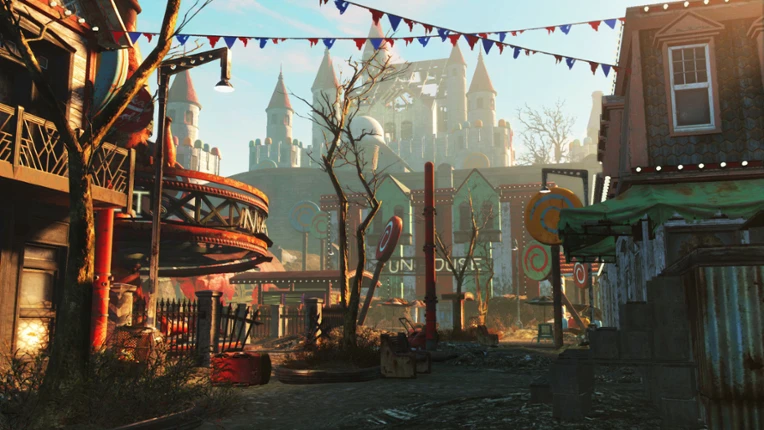
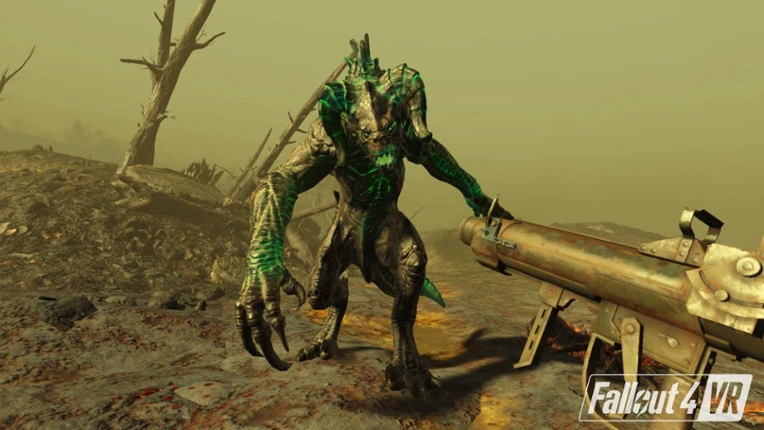
You can spend an hour scanning a horizon, collecting useful materials, and turning a rough build into a more capable character before advancing any major quest. Fallout 4 shares that hands-on loop through first-person shooting, exploration, character customization, and crafting; every abandoned building can yield gear or components that change how you approach the next fight. That constant reward for wandering creates the same “one more stop” rhythm that drives Starfield’s best planetary excursions.
Fallout 4 also gives faction choices and side quests enough room to shape a playthrough, while its settlement system adds a practical reason to revisit explored areas. It does not completely solve Starfield’s criticism of repetitive main-story objectives—the central plot can be predictable here too—but its denser side content provides more varied diversions. The tradeoff is a grounded, post-apocalyptic setting and more immediate gunplay instead of Starfield’s vast spacefaring scale.
Best for players who want Starfield’s exploration-and-build freedom concentrated into a busier world, with faction choices and mod-friendly experimentation rewarding repeated play.
If you enjoyed this game, see our list of games similar to Fallout 4.View Game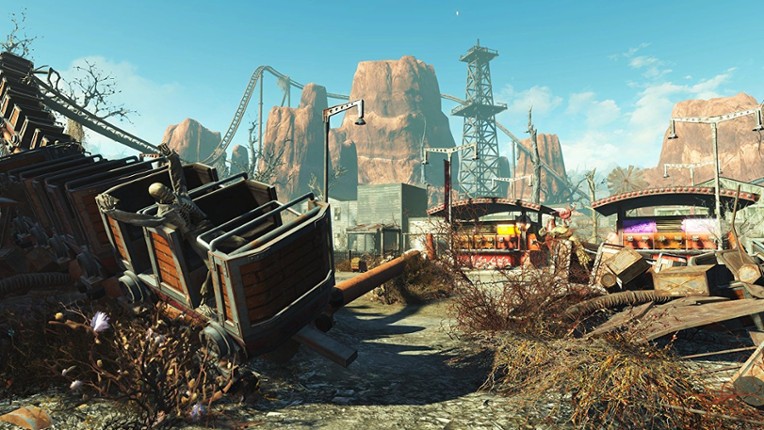
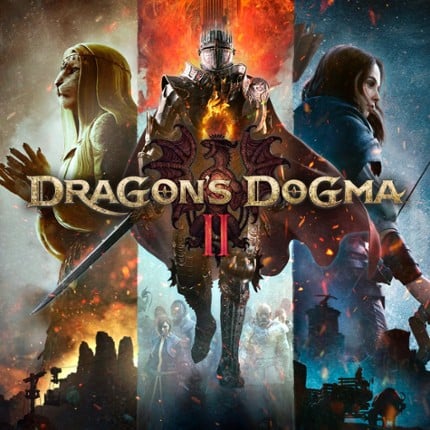
- 75%Game Brain ScoreMost mentioned positive aspects:story, gameplayMost mentioned negative aspects:optimization, monetization66% User Score 78,860 reviewsCritic Score 84%68 reviews
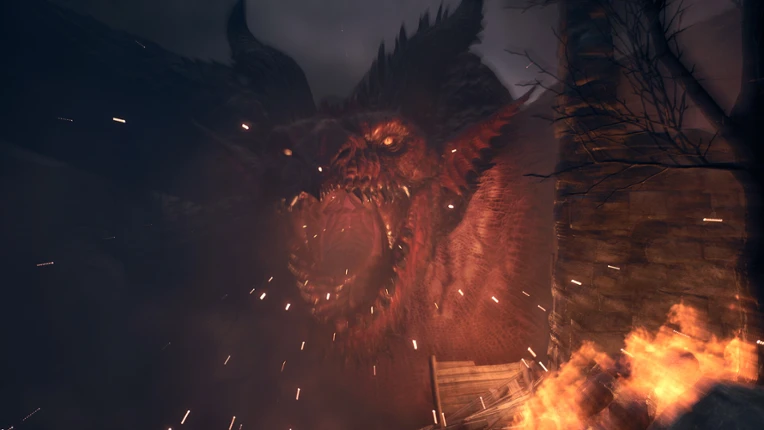
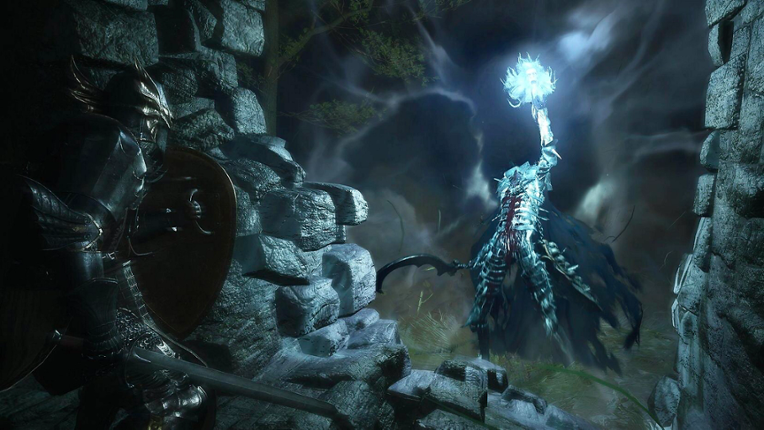
Fans who loved plotting their own course through Starfield’s star systems will find a familiar thrill in charting the untamed wilderness of Dragon's Dogma 2. Both titles emphasize deep character customization and companions who react to your choices, fostering a highly personalized sense of agency. The companion pawn system replicates the feel of a starship crew, offering a loyal squad that actively guides you to hidden treasures and strategizes alongside you during battles.
While Starfield sometimes bogs down players with loading screens and repetitive fetch quests, this fantasy alternative trades fast-travel convenience for organic, unscripted chaos. You will navigate a seamless world where a routine stroll can instantly erupt into a spectacular, multi-stage boss fight. It is a design tradeoff that replaces sterile quest logs with pure, emergent adventure.
Best for players who want to swap rigid space navigation for a raw, tactile journey where survival depends on your wits and your squad.
If you enjoyed this game, see our list of games similar to Dragon's Dogma 2.View Game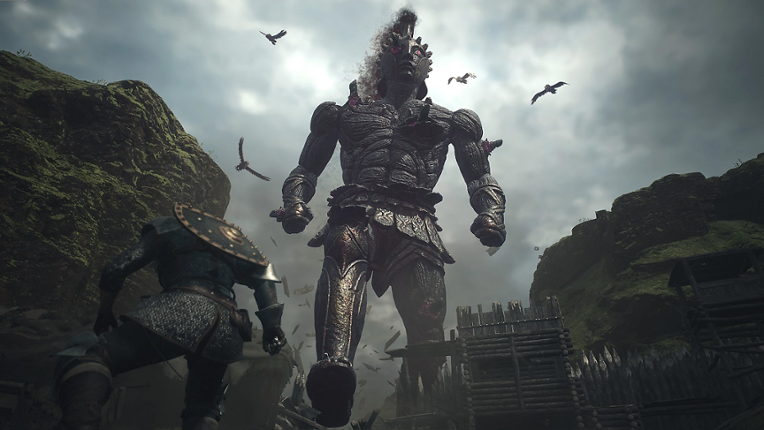
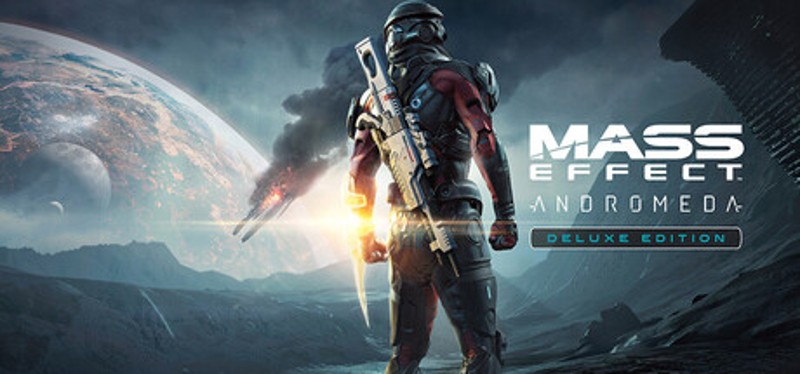
- 73%Game Brain ScoreMost mentioned positive aspects:story, gameplayMost mentioned negative aspects:stability, grinding75% User Score 16,040 reviewsCritic Score 71%59 reviews
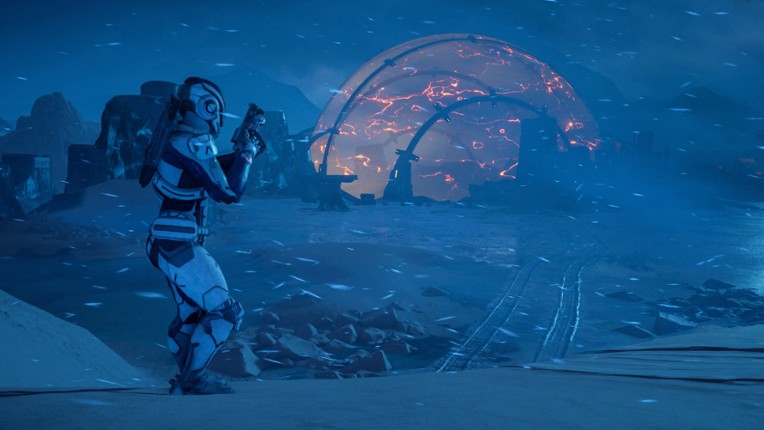
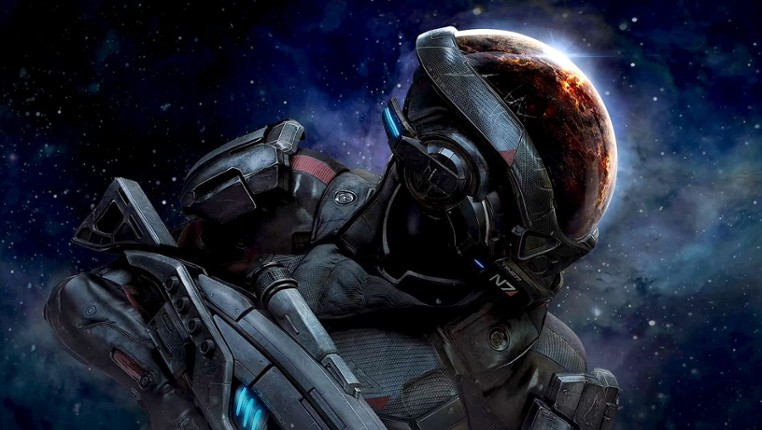
Both games center on methodically building a character across sprawling space environments, then testing those builds through faction-driven missions that reward your specific choices. This creates the same loop Starfield excels at: customize → explore → commit to a faction path → see how your decisions reshape the world around you.
The character progression system functions identically in both—you're juggling skill trees, gear loadouts, and dialogue options that genuinely change how encounters play out. Trading and resource management also mirror each other; both games make you feel like you're maintaining an operation across multiple worlds rather than just following a linear quest log.
Where Andromeda diverges is combat immediacy. Starfield lets you pause and plan; Andromeda demands real-time positioning and ability timing, making encounters feel more kinetic. This shift forces a different kind of engagement—less about optimizing builds on paper, more about executing them under pressure.
If Starfield's main storyline left you wanting more narrative punch from your faction work, Andromeda doubles down on companion depth and storyline payoff, though it inherits similar monetization friction you'll want to sidestep.
Best for: Players who value character agency and replayability over cinematic pacing, and who prefer action-driven problem-solving to stealth or pure roleplay.
If you enjoyed this game, see our list of games similar to Mass Effect Andromeda.View Game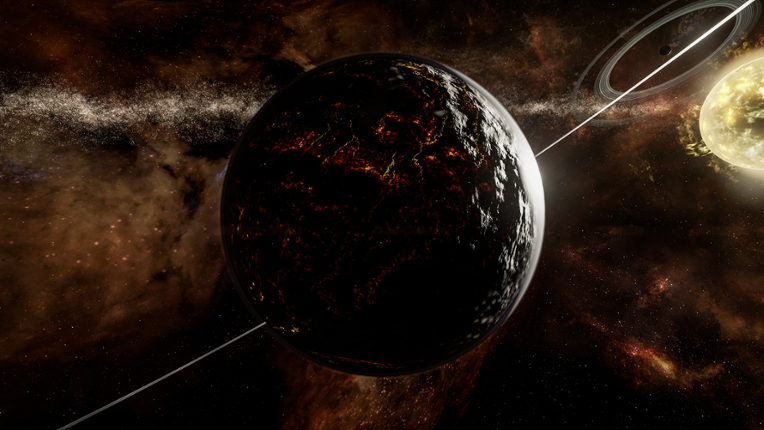
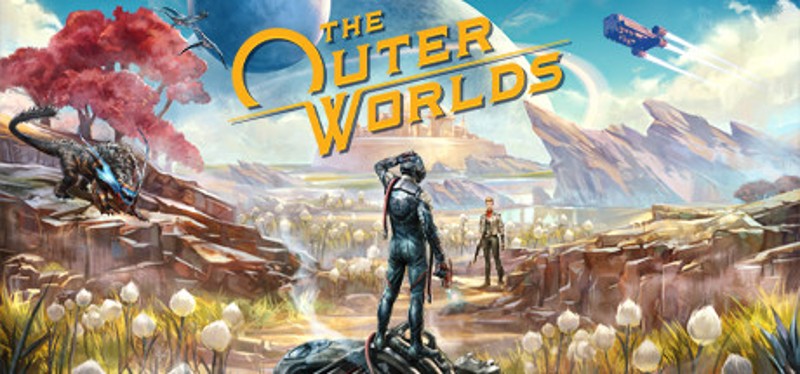
- 78%Game Brain ScoreMost mentioned positive aspects:story, gameplayMost mentioned negative aspects:optimization, stability82% User Score 19,009 reviewsCritic Score 70%4 reviews
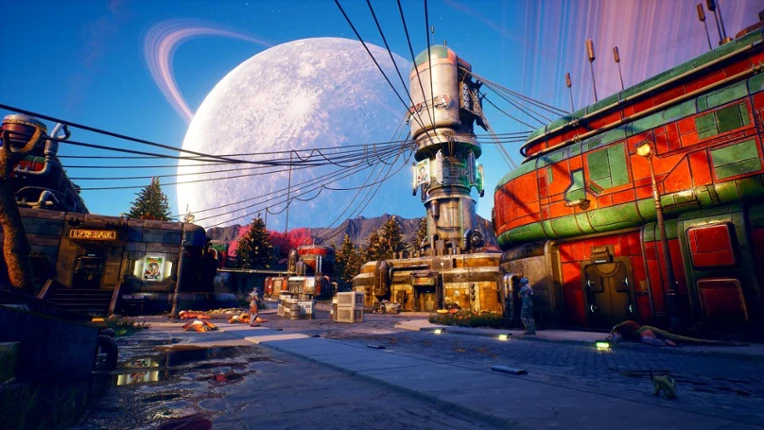
Docking on an alien outpost and deciding to negotiate, fight, or sneak mirrors the same weighty split‑second decision in both Starfield and The Outer Worlds.
Both games reward wandering off the beaten path with hidden lore, trade routes, and side quests. Handcrafted environments make each detour feel purposeful, not filler.
Faction reputation gates options, forcing you to weigh consequences. Companions travel with you, grant bonuses, and have personal missions that shift outcomes, turning combat into a larger story.
The Outer Worlds swaps Starfield’s sprawling planet‑hopping for a tighter, retro‑futuristic single‑system setting, offering faster pacing but less interstellar scale. If you value breadth over speed, the trade‑off may feel like a missing piece, yet tighter scope sharpens story focus.
Starfield’s repetitive storyline is less of an issue here, as The Outer Worlds weaves branching quest arcs that keep the narrative fresh. Best for players who crave deep faction storytelling and a handcrafted sci‑fi world over sprawling procedural exploration.
If you enjoyed this game, see our list of games similar to The Outer Worlds.View Game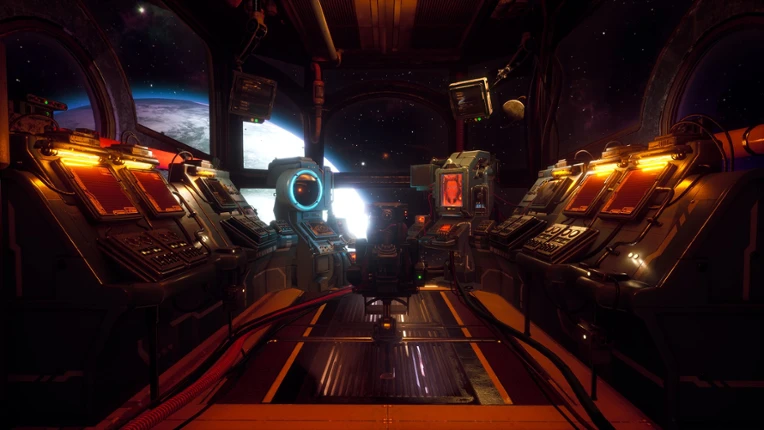
- 75%Game Brain ScoreMost mentioned positive aspects:story, gameplayMost mentioned negative aspects:optimization, stability75% User Score 5,633 reviews
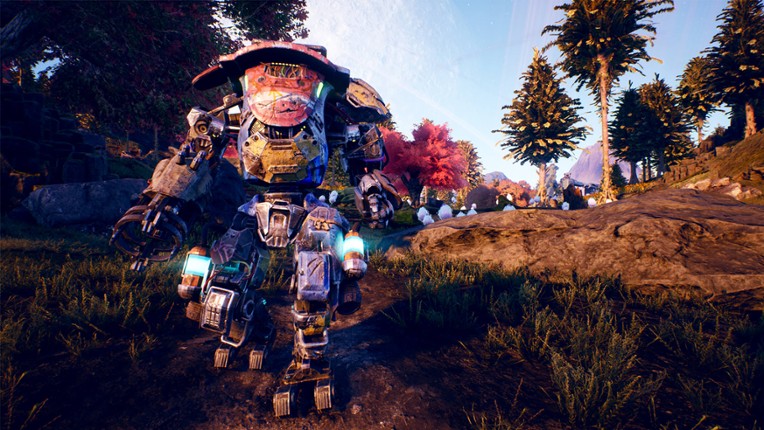
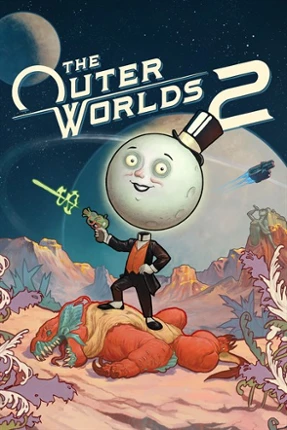
That moment in Starfield when you're deep in a faction questline, weighing dialogue options that actually reshape the outcome — The Outer Worlds 2 builds its entire structure around that same tension. Choices carry weight here, and the writing leans into sharp satire rather than the flatter fetch-quest pacing that dragged down Starfield's main story.
Both games hand you a build-your-own-playstyle RPG chassis: character customization, companions, and branching factions that reward experimentation. Where Starfield's New Game+ let you replay with fresh builds, Outer Worlds 2 pushes that further with genuinely varied worlds and reactive companions who comment on your choices, making each playthrough feel distinct rather than repetitive.
The tradeoff is scale versus focus — you're trading Starfield's sprawling procedural galaxy for a tighter, more handcrafted setting where the humor and factions carry more narrative punch, even if some players find the character depth still falls short of expectations.
Expect the same rough edges, too: bugs, crashes, and load-time issues persist, so this isn't a technical upgrade so much as a tonal one.
Best for players who care more about witty writing and meaningful choice than raw exploration scale, and who don't mind restrictive leveling in exchange for sharper satire.
If you enjoyed this game, see our list of games similar to The Outer Worlds 2.View Game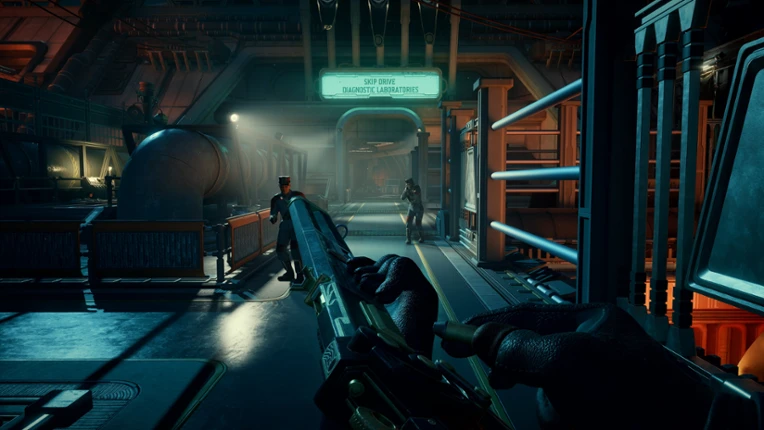
- 75%Game Brain ScoreMost mentioned positive aspects:story, gameplayMost mentioned negative aspects:grinding, optimization78% User Score 149,300 reviewsCritic Score 71%47 reviews
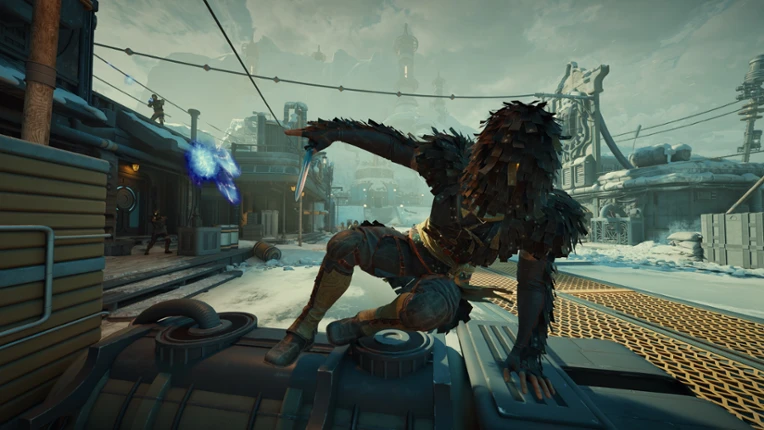
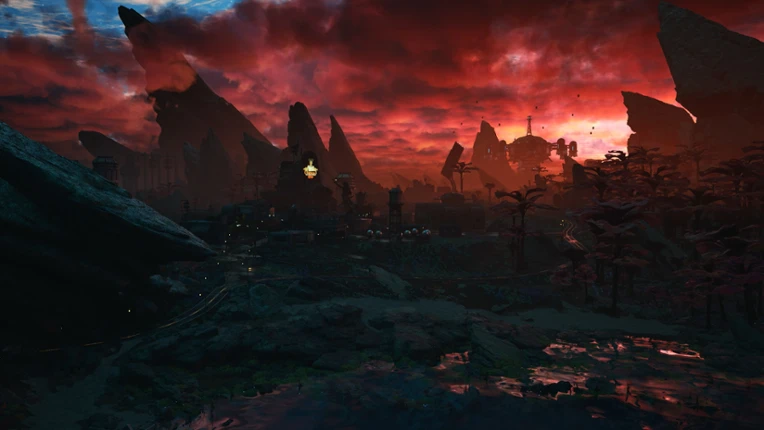
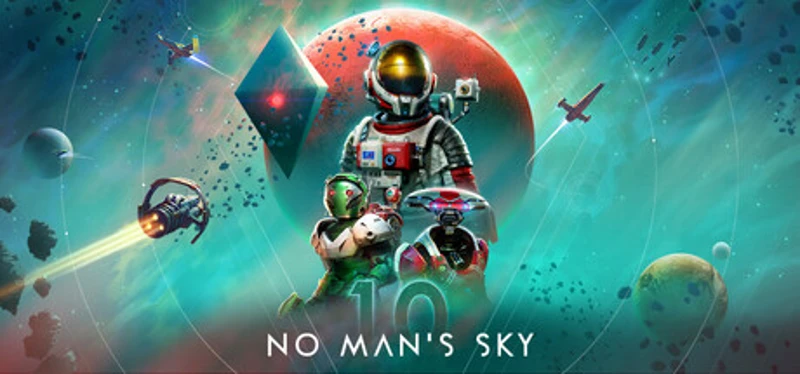
Both games center on the sheer scale of space exploration, tasking you with piloting your own vessel across an infinite, procedurally generated galaxy. You will spend hours charting alien planets and managing resources, a loop that matters because it turns the cockpit into your primary home base.
The core difference is systemic focus: where Starfield prioritizes scripted RPG factions and narrative choices, No Man’s Sky leans entirely into unrestricted survival, crafting, and seamless planetary landings. You trade Bethesda’s dense urban dialogue trees for a relentless, sandbox-driven loop of discovery and base building.
Pick this up if you want boundless interstellar travel but can live without the hand-crafted, cinematic storytelling of a traditional RPG.
If you enjoyed this game, see our list of games similar to No Man's Sky.View Game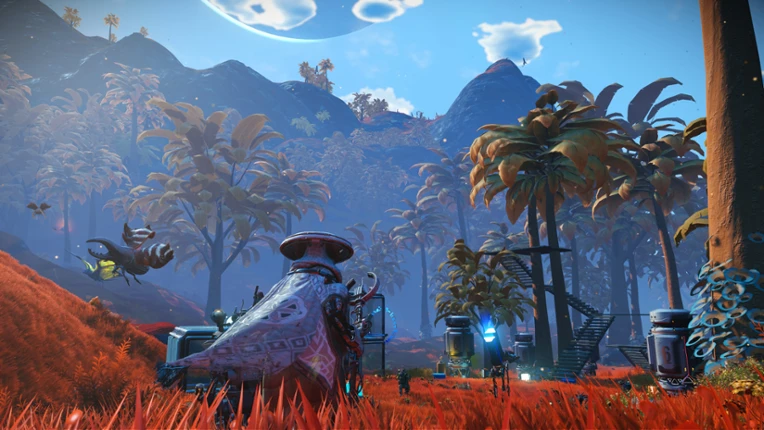
- 75%Game Brain ScoreMost mentioned positive aspects:story, gameplayMost mentioned negative aspects:optimization, stability71% User Score 7,223 reviewsCritic Score 79%7 reviews
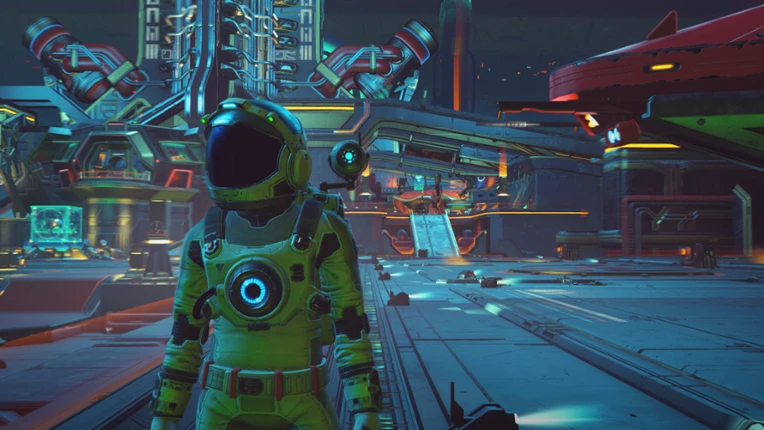
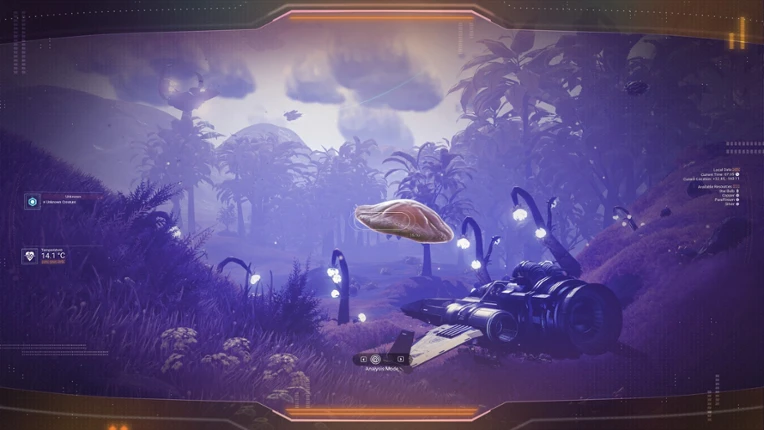
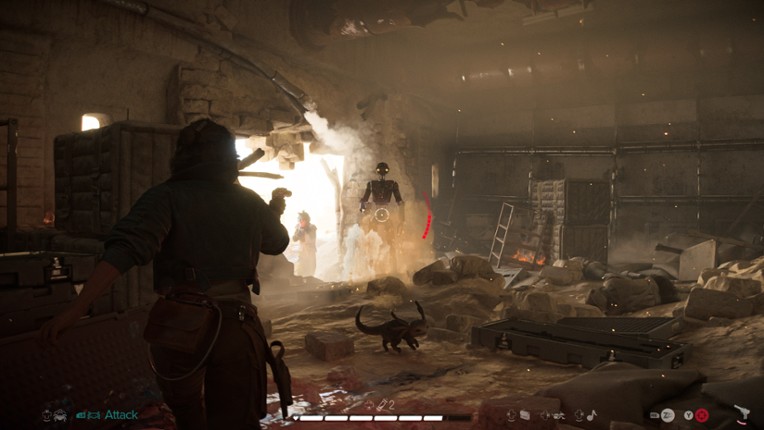
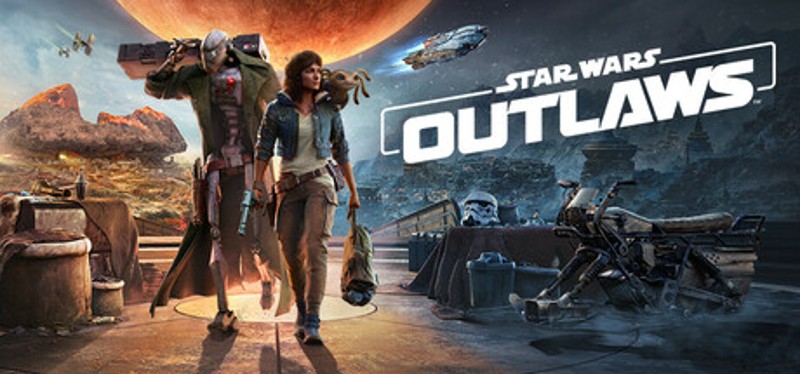
Star Wars Outlaws matches Starfield on the core loop of roaming a big sci-fi open world, hopping between planets, and chasing upgrades through exploration and ship travel.
The story-rich third-person action setup also lands close, which matters because both games sell their worlds through questing and faction-driven progression rather than pure combat.
The tradeoff is clear: Outlaws is more focused and more hand-holdy, with tighter stealth and heist design but far less build freedom, faction depth, and sandbox scale than Starfield.
Pick it up if you want Starfield’s space adventure energy in a more guided, character-led package and can live without deep RPG systems.
If you enjoyed this game, see our list of games similar to Star Wars Outlaws.View Game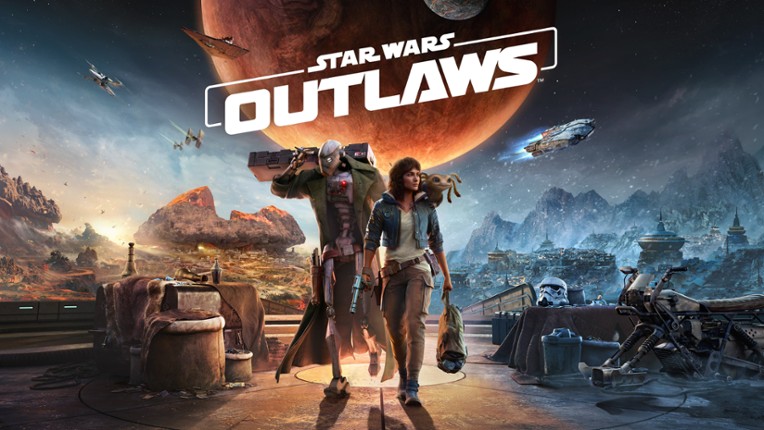
- 78%Game Brain ScoreMost mentioned positive aspects:story, gameplayMost mentioned negative aspects:optimization, stability78% User Score 10,048 reviews
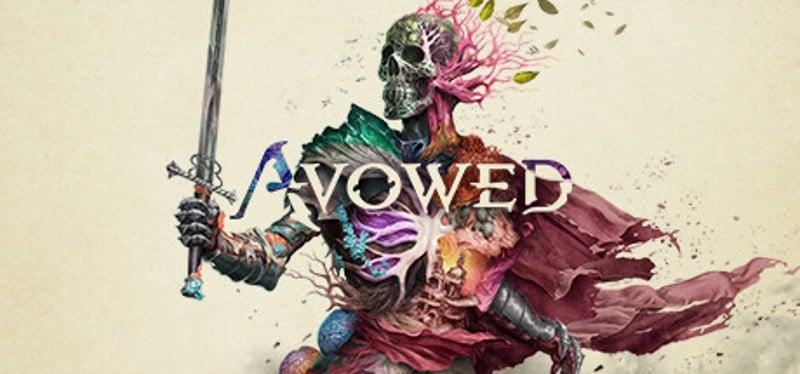
If you loved Starfield's blend of story-rich action RPG with deep character customization and open-world trading, Avowed delivers the same DNA in a fantasy shell. Both games let you build characters your way and explore worlds dense with lore and faction politics.
Both also suffer from optimization struggles — stuttering and crashes plague each, a frustration that undermines their otherwise polished presentation.
The core tradeoff: Starfield offers cosmic scale and procedural planets, while Avowed trades that scope for tighter melee-and-magic combat and a handcrafted world that feels more cohesive. Avowed also lacks the New Game+ replayability that keeps Starfield players coming back.
Pick this up if you want Starfield's role-playing depth and faction intrigue but crave immediate, satisfying combat and can tolerate rough performance. Skip it if you need the grandiosity of space exploration or flawless optimization.
If you enjoyed this game, see our list of games similar to Avowed.View Game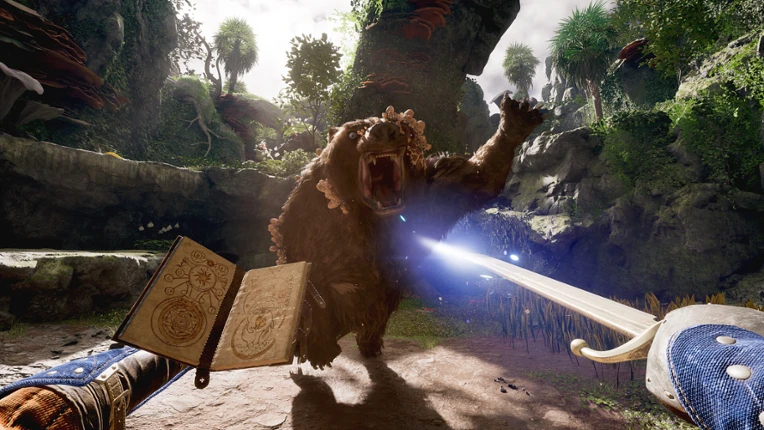
- 66%Game Brain ScoreMost mentioned positive aspects:story, graphicsMost mentioned negative aspects:optimization, music72% User Score 2,544 reviewsCritic Score 61%35 reviews
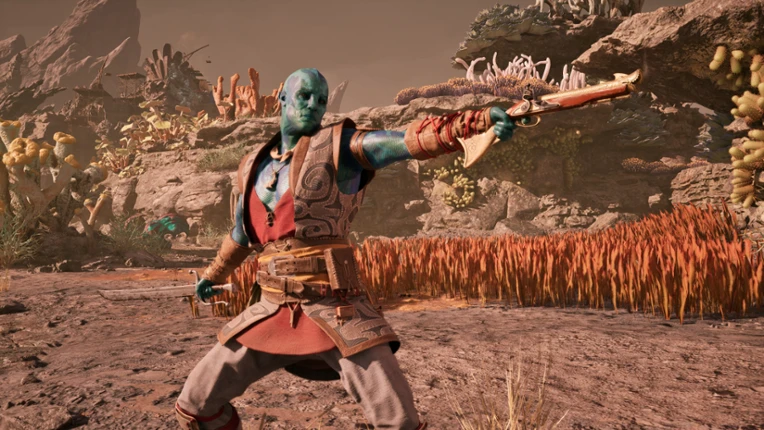
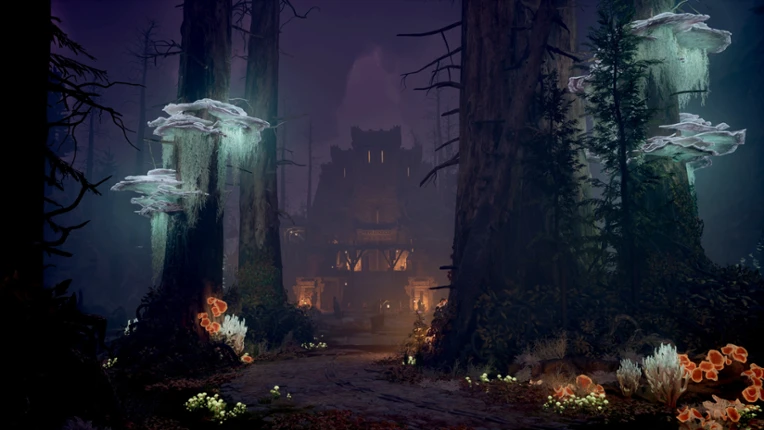
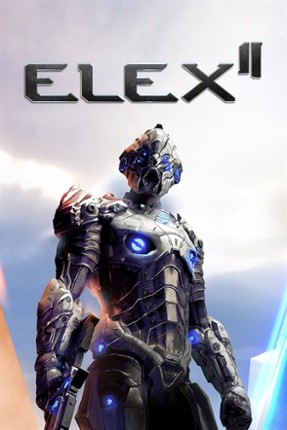
Both games excel at faction-driven world-building, tasking players to navigate complex political landscapes and shifting loyalties within massive, hostile environments. Their shared emphasis on expansive open-world exploration creates a similar sense of agency as you chart your own path through diverse planetary biomes.
While Starfield prioritizes polished, high-budget space exploration, Elex II doubles down on grit and clunky, high-stakes combat that blends science fiction with raw, post-apocalyptic fantasy. You sacrifice the refined visual fidelity of a AAA space sim for a more punishing, uncompromising role-playing experience.
Pick this up if you crave deep faction politics and branching narratives but can live without the technical polish and futuristic cleanliness of Starfield.
If you enjoyed this game, see our list of games similar to Elex II.View Game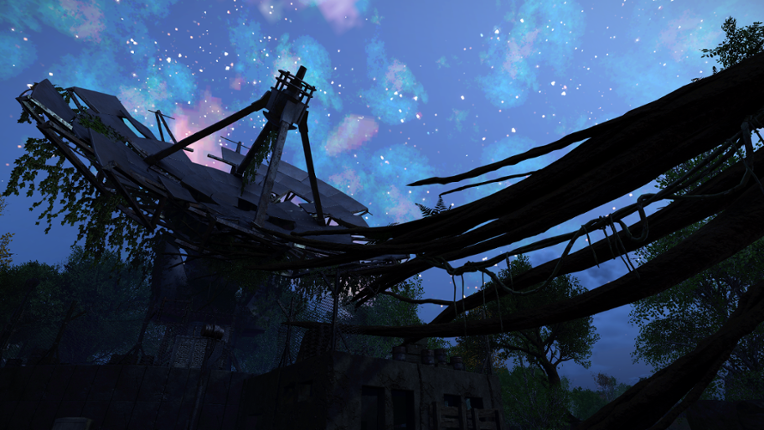
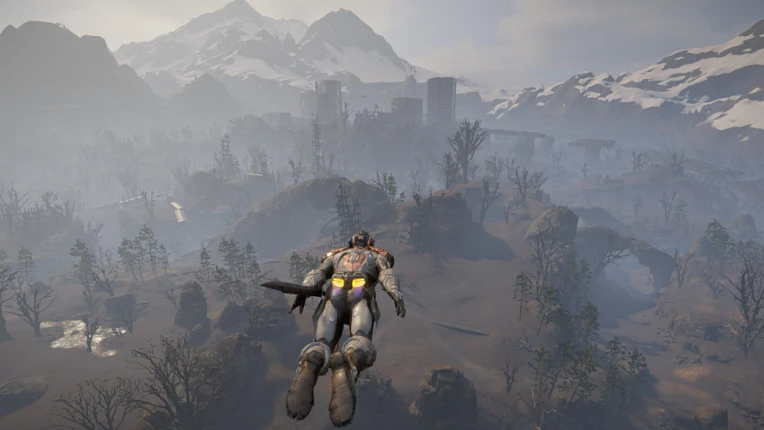
- 78%Game Brain ScoreMost mentioned positive aspects:story, graphicsMost mentioned negative aspects:optimization, stability76% User Score 3,453 reviewsCritic Score 79%11 reviews
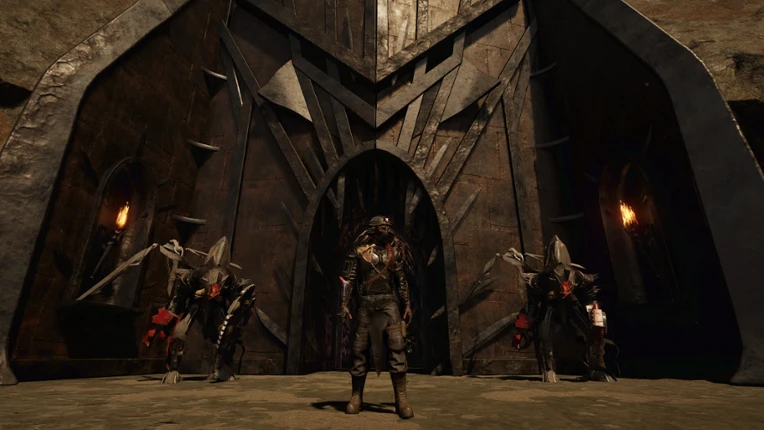
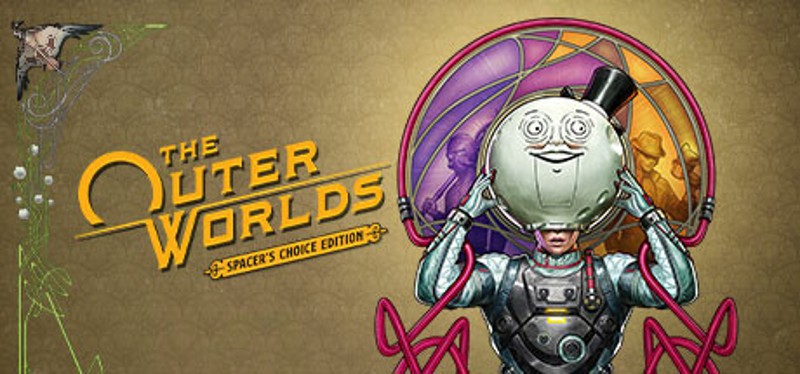
The Outer Worlds swaps Starfield's epic, serious space opera for witty, dialogue‑driven satire, perfect for players craving snappy humor and choices.
If you enjoyed this game, see our list of games similar to The Outer Worlds.View Game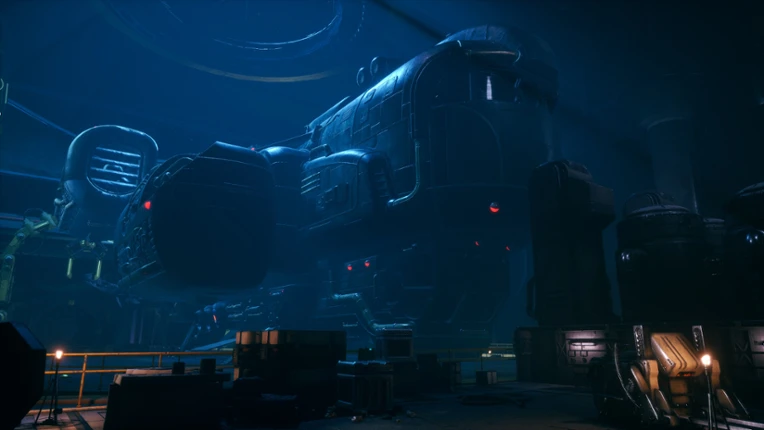
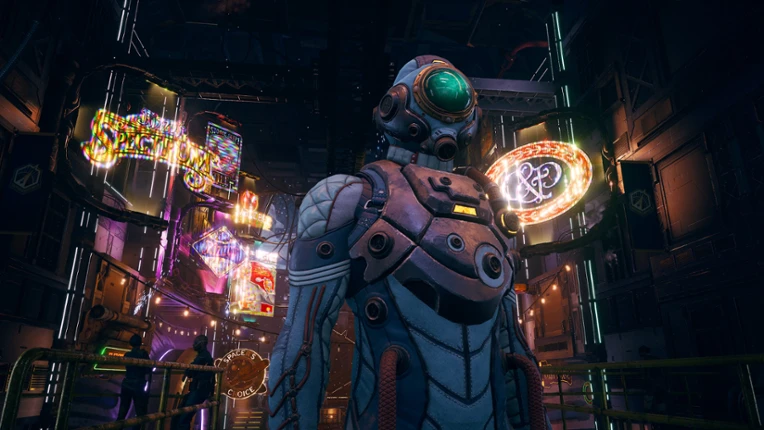
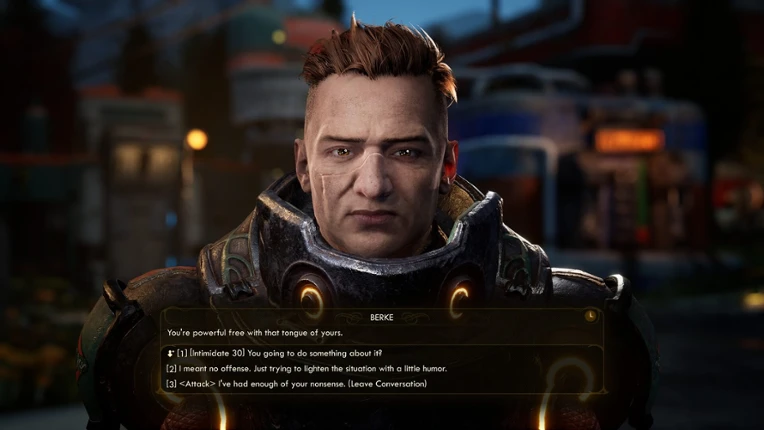
- 75%Game Brain ScoreMost mentioned positive aspects:story, gameplayMost mentioned negative aspects:stability, optimization75% User Score 13,234 reviews
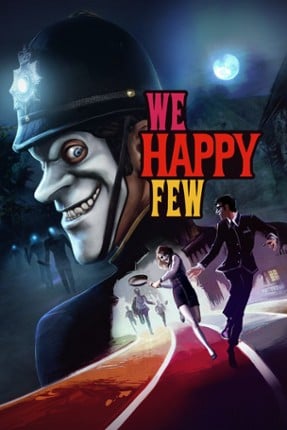
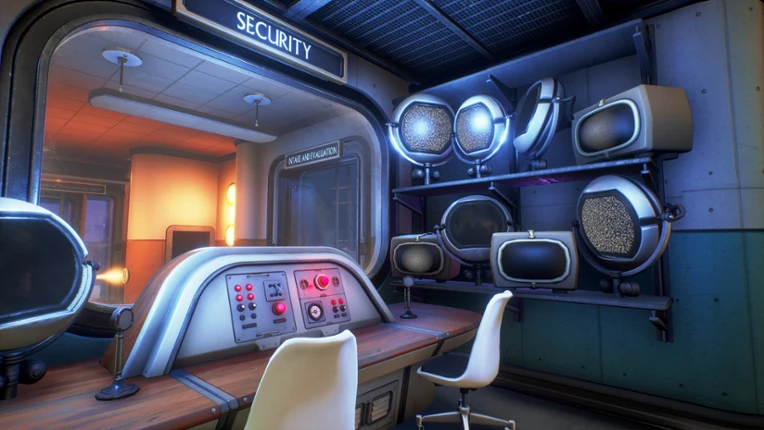
Both games lean hard on atmosphere over polish, crafting worlds where tone matters more than technical perfection. This shared priority means world-building and environmental storytelling carry the narrative weight.
We Happy Few matches Starfield's faction-driven quests, offering branching paths that reward exploration and character choice—the structure players actually praised in Starfield.
The critical difference: We Happy Few is a tightly-scoped indie experience, while Starfield swings for blockbuster scale. You're trading vast space opera for a claustrophobic, surreal 1960s dystopia.
Pick this if you want strong writing and creative quests but accept a smaller scope and can tolerate the same optimization roughness that plagues Starfield—just smaller in scale.
If you enjoyed this game, see our list of games similar to We Happy Few.View Game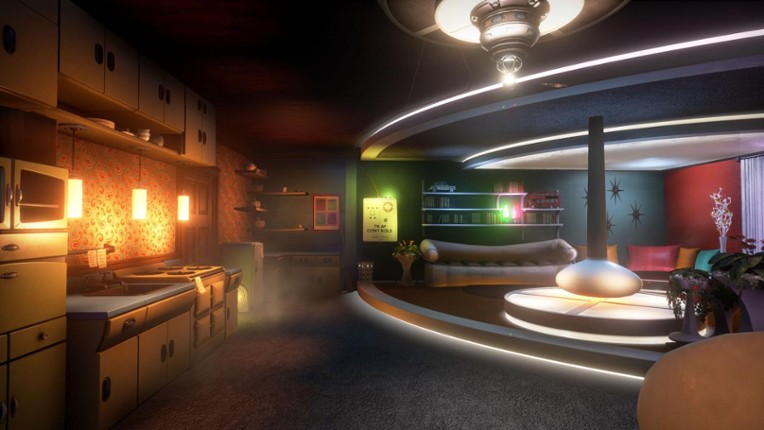
- 80%Game Brain ScoreMost mentioned positive aspects:story, gameplayMost mentioned negative aspects:stability, grinding80% User Score 4,868 reviews
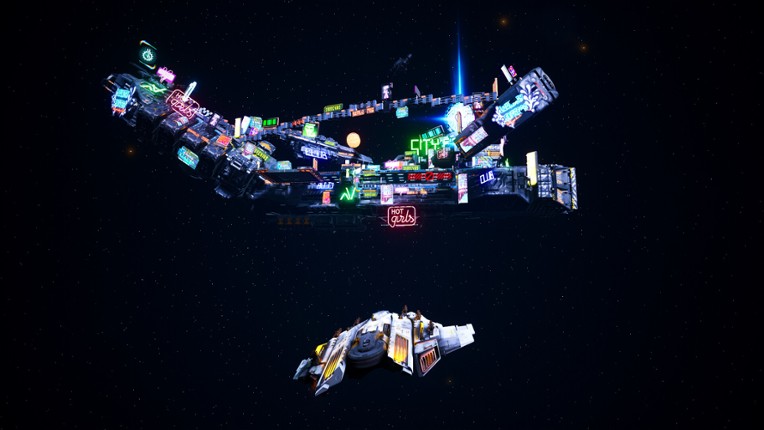
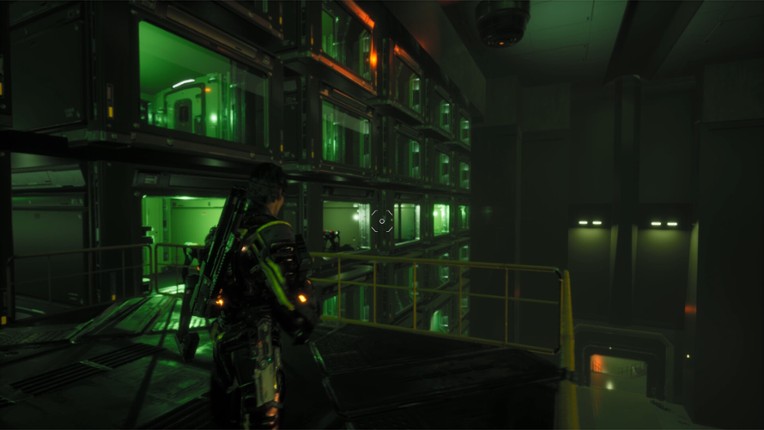
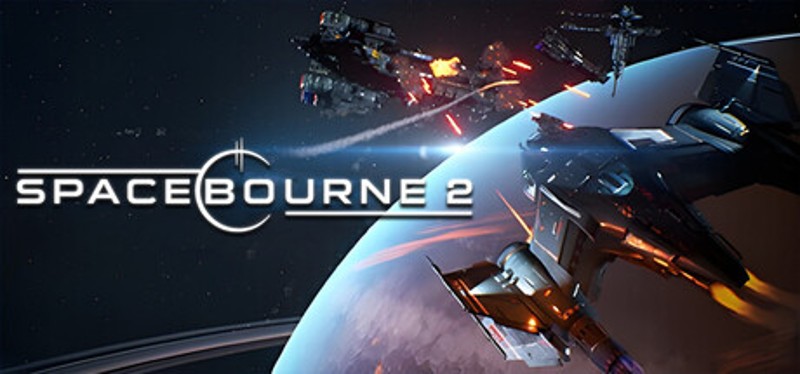
SpaceBourne 2 ditches Starfield's narrative polish for sandbox colony construction, giving economy‑obsessed explorers a procedural universe to shape.
If you enjoyed this game, see our list of games similar to SpaceBourne 2.View Game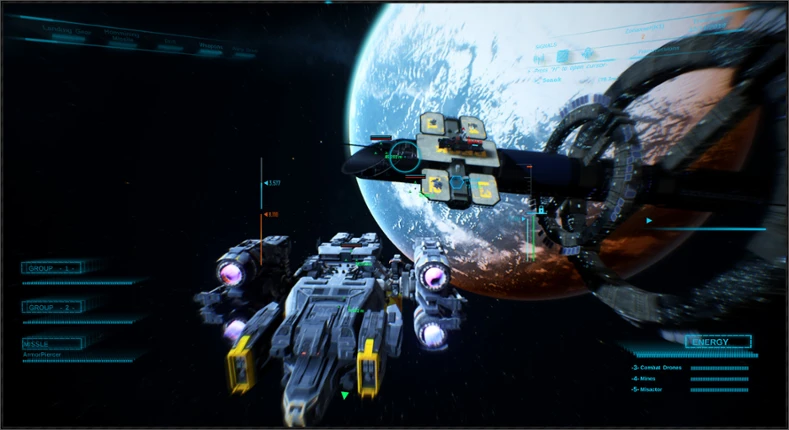
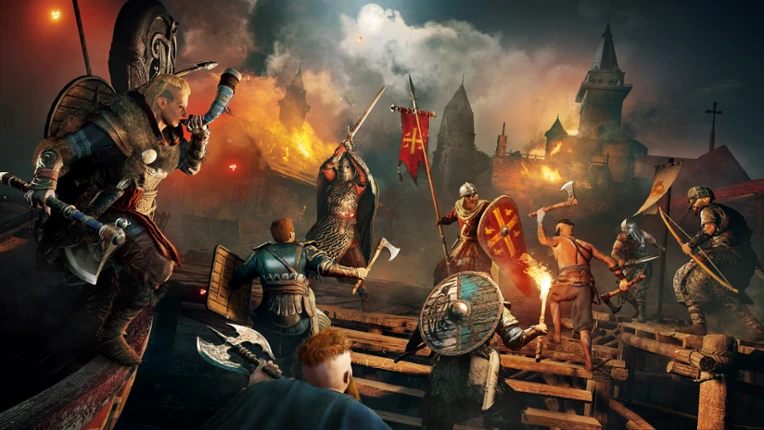
13 View Game 76%Game Brain ScoreMost mentioned positive aspects:story, gameplayMost mentioned negative aspects:stability, grinding69% User Score 18,414 reviewsCritic Score 83%88 reviews
Assassin's Creed Valhalla trades Starfield's futuristic universe for a Viking‑era open world, catering to fans of historical action RPGs.
If you enjoyed this game, see our list of games similar to Assassin's Creed Valhalla.View Game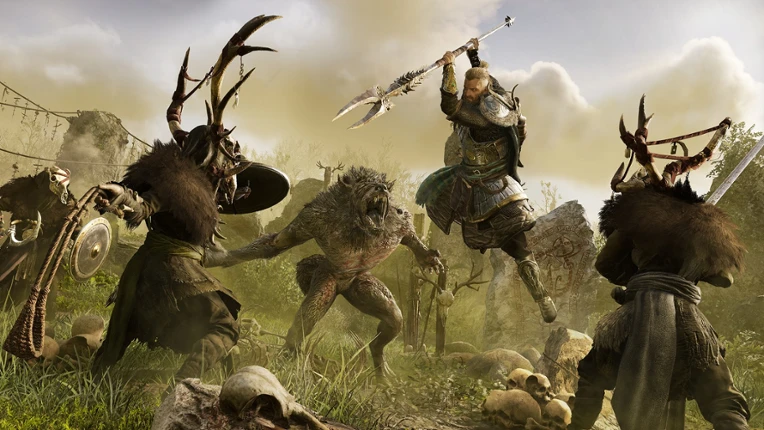

- 67%Game Brain ScoreMost mentioned positive aspects:story, gameplayMost mentioned negative aspects:grinding, stability68% User Score 1,930 reviewsCritic Score 65%4 reviews
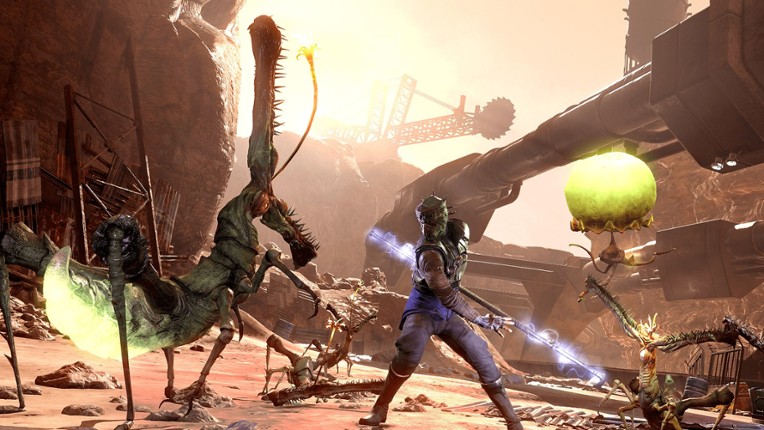
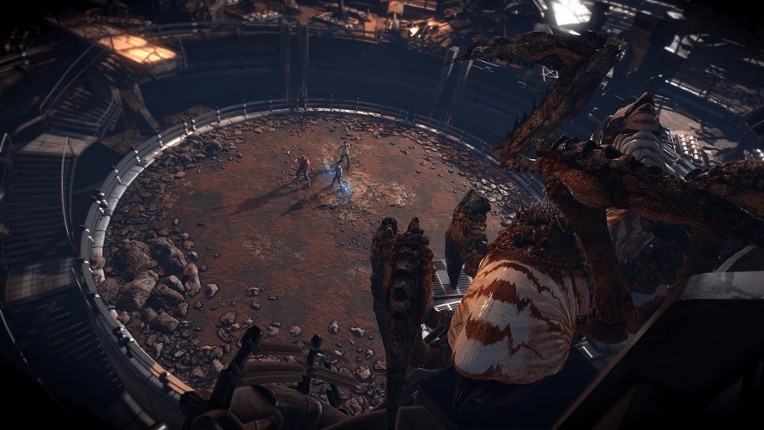
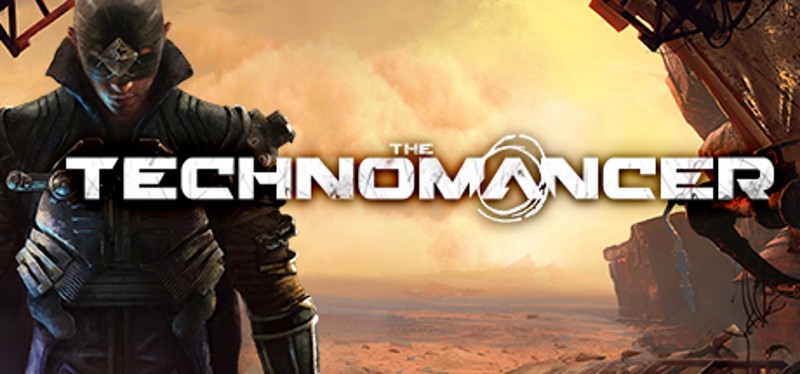
The Technomancer replaces Starfield's sleek NASA‑punk aesthetic with gritty cyberpunk on Mars, adding romance arcs and a heavy electronic soundtrack.
If you enjoyed this game, see our list of games similar to The Technomancer.View Game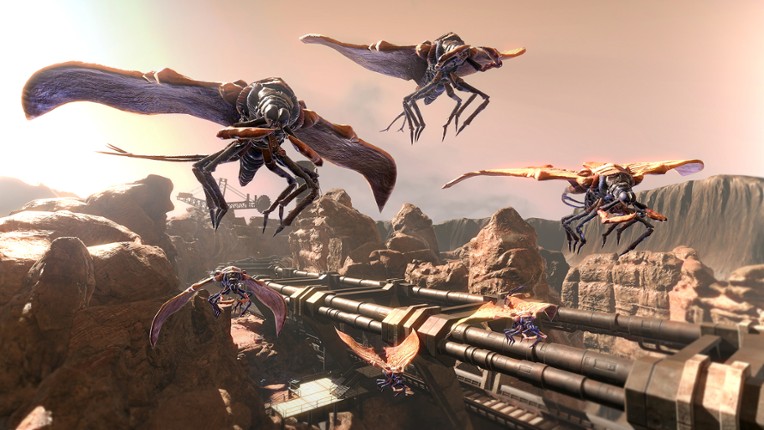
15 View Game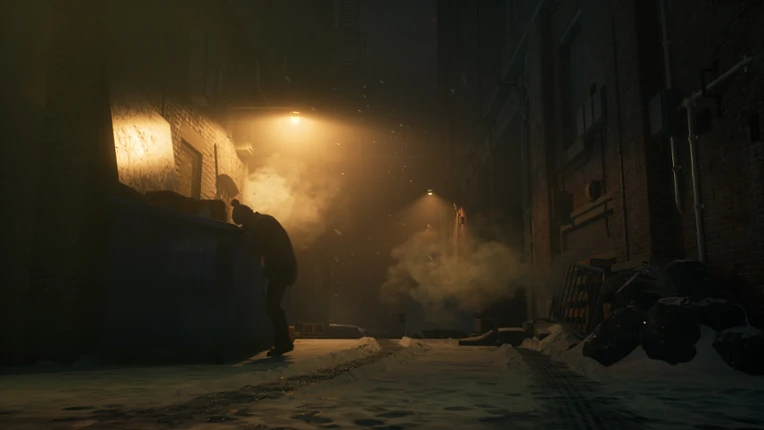 56%Game Brain ScoreMost mentioned positive aspects:story, gameplayMost mentioned negative aspects:optimization, grinding56% User Score 7,226 reviews
Vampire: The Masquerade – Bloodlines 2 shifts the tone from Starfield's hopeful space exploration to a gothic vampire thriller with deep character customization.
If you enjoyed this game, see our list of games similar to Vampire: The Masquerade - Bloodlines 2.View Game
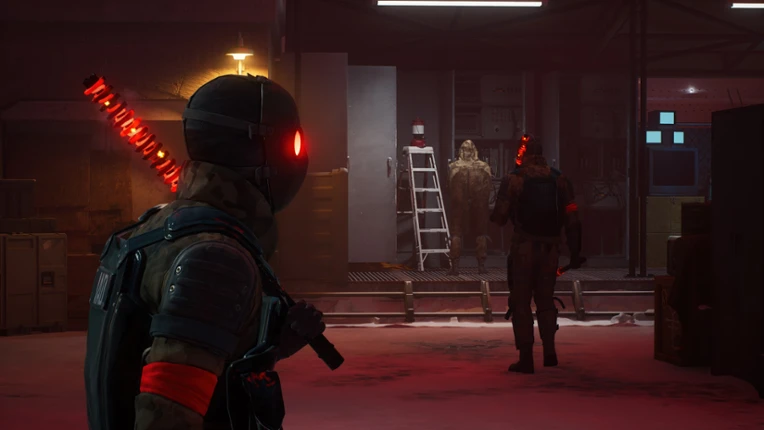
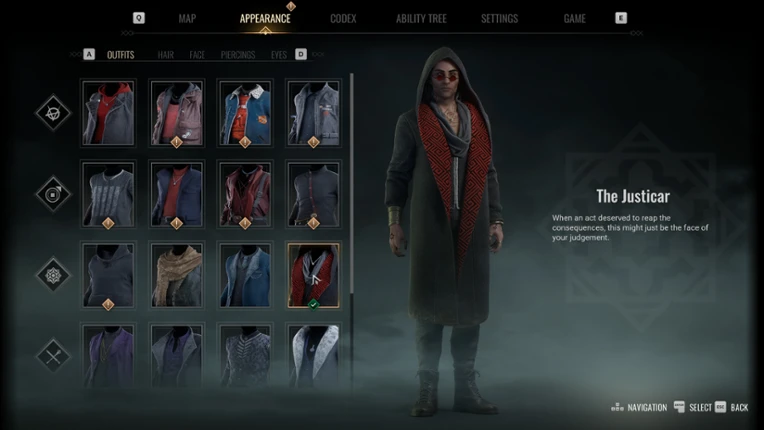
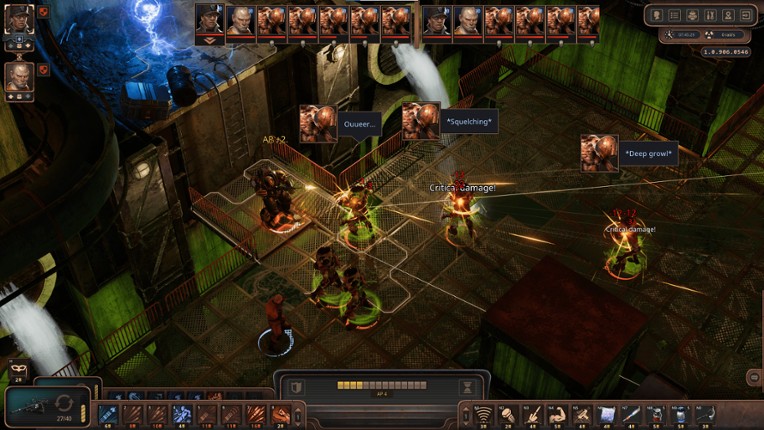
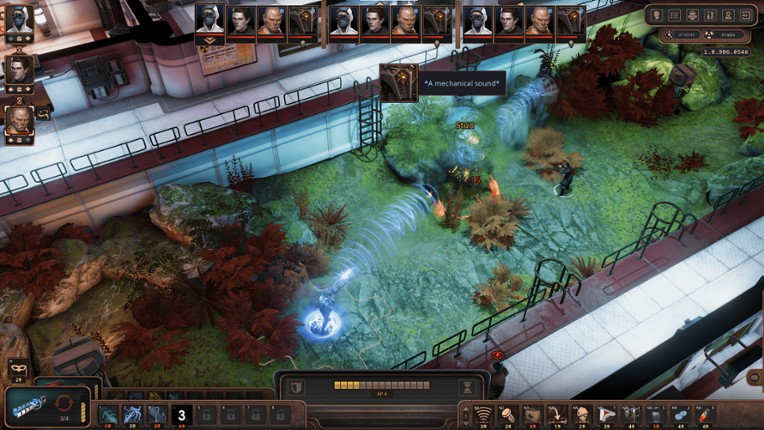
- 75%Game Brain ScoreMost mentioned positive aspects:story, gameplayMost mentioned negative aspects:grinding, stability75% User Score 3,678 reviews
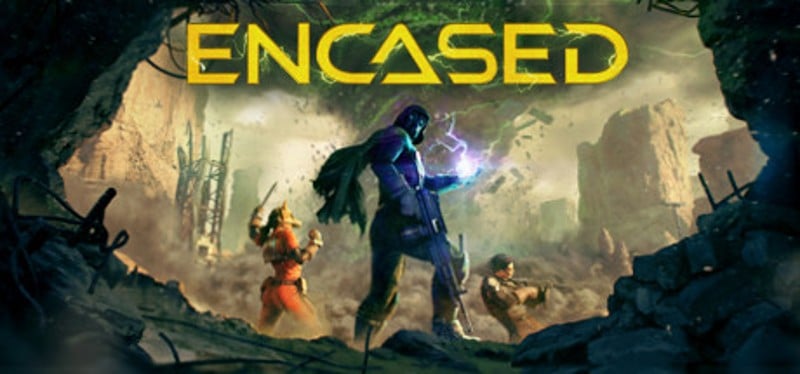
Encased offers a retro, turn‑based CRPG experience set in a Cold‑War‑era alternate history, a stark contrast to Starfield's first‑person action.
If you enjoyed this game, see our list of games similar to Encased.View Game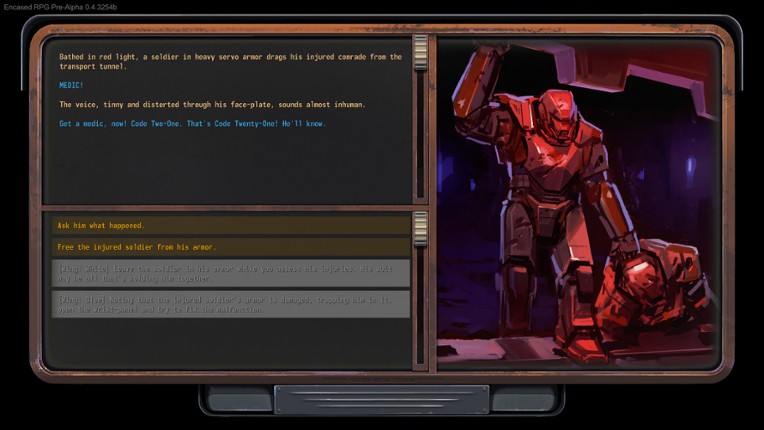
- 69%Game Brain ScoreMost mentioned positive aspects:story, gameplayMost mentioned negative aspects:stability, grinding69% User Score 11,445 reviewsCritic Score 69%2 reviews
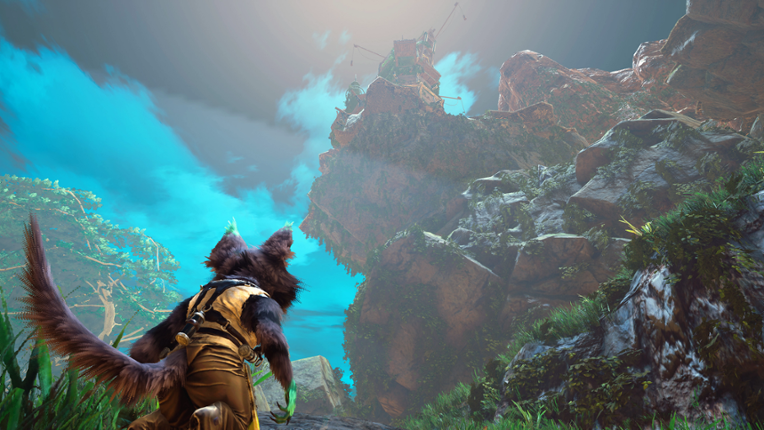
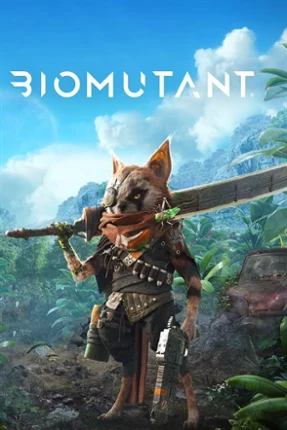
Biomutant swaps the cosmic scale of Starfield for a quirky, post‑apocalyptic world where mutated wildlife and martial arts dominate.
If you enjoyed this game, see our list of games similar to Biomutant.View Game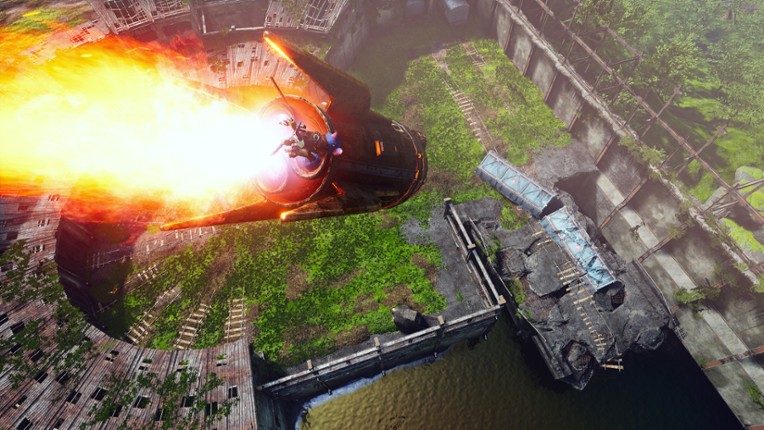
- 82%Game Brain ScoreMost mentioned positive aspects:story, gameplayMost mentioned negative aspects:grinding, stability89% User Score 11,908 reviewsCritic Score 57%2 reviews
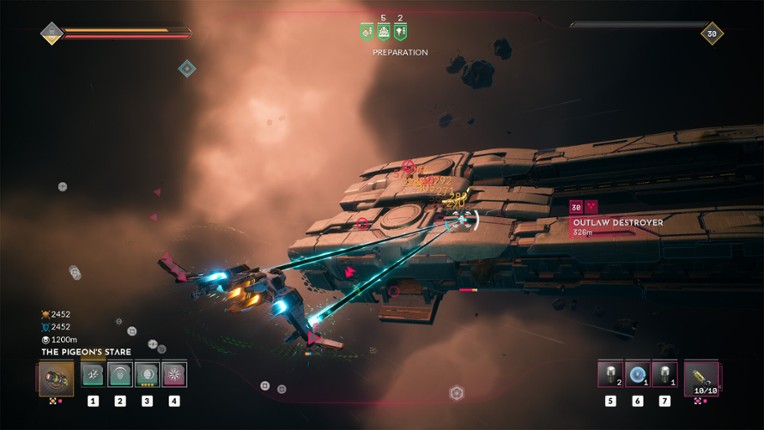
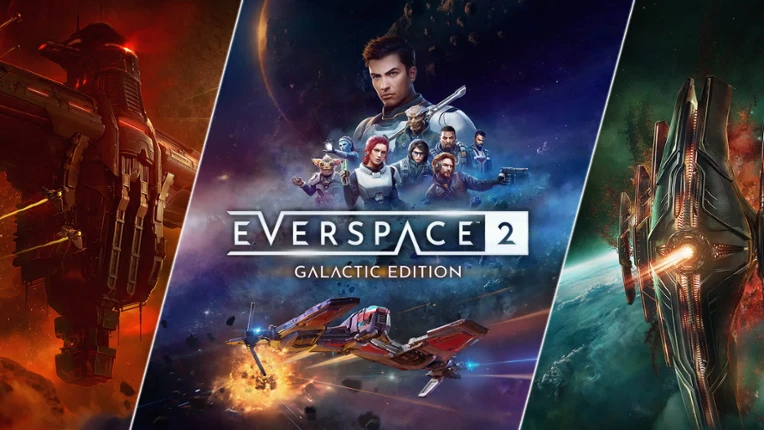
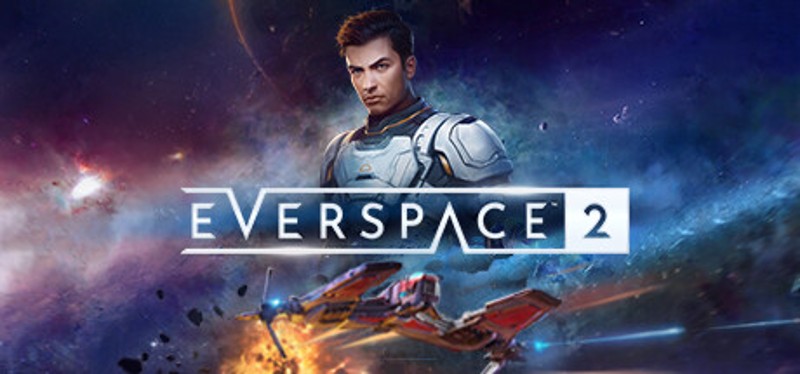
Everspace 2 leans into fast‑paced space combat and loot collection, offering a more arcade‑style experience than Starfield's measured exploration.
If you enjoyed this game, see our list of games similar to Everspace 2.View Game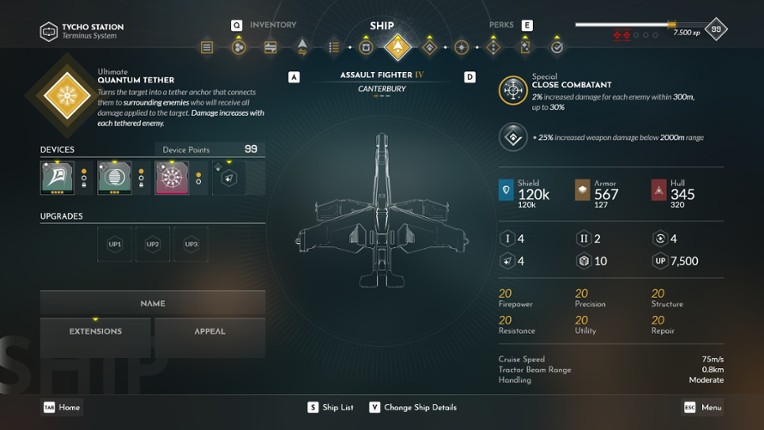
- 82%Game Brain ScoreMost mentioned positive aspects:story, gameplayMost mentioned negative aspects:optimization, stability85% User Score 9,562 reviewsCritic Score 77%3 reviews
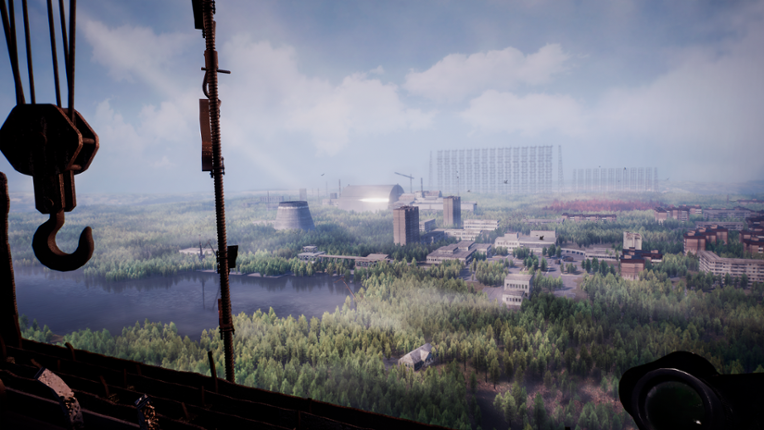
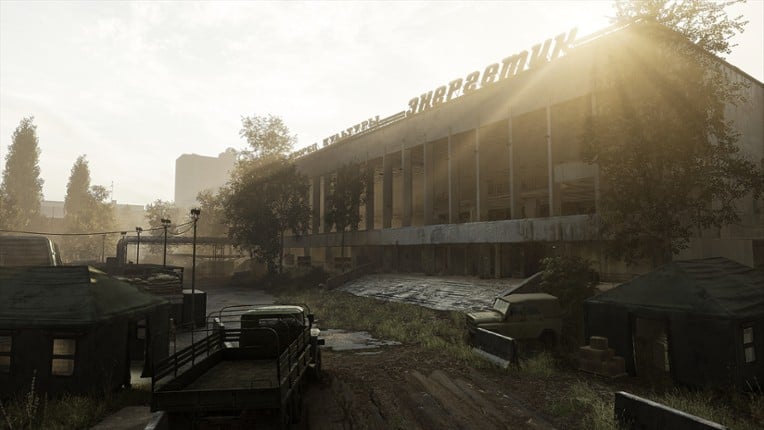
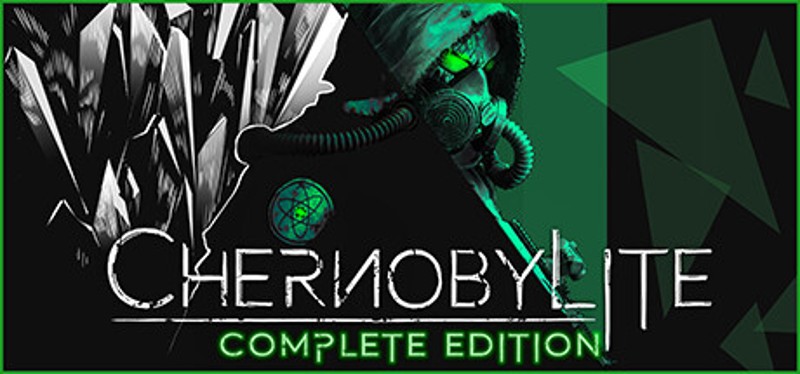
Chernobylite brings co‑op horror to the sci‑fi mix, letting you and a friend investigate a haunted nuclear wasteland instead of cruising the stars.
If you enjoyed this game, see our list of games similar to Chernobylite.View Game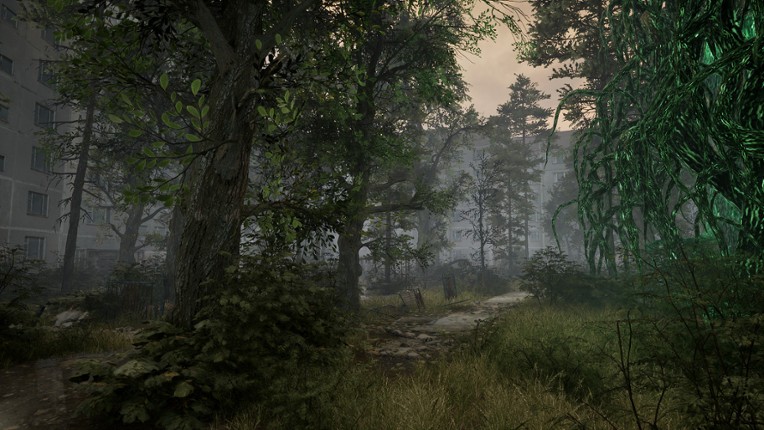
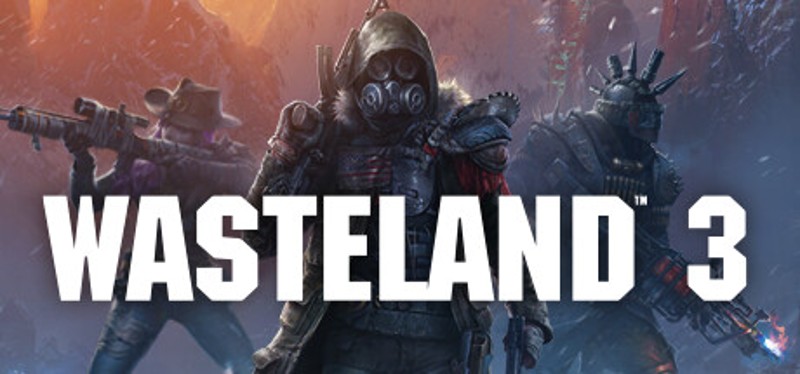
- 85%Game Brain ScoreMost mentioned positive aspects:story, gameplayMost mentioned negative aspects:stability, optimization85% User Score 14,077 reviewsCritic Score 85%52 reviews
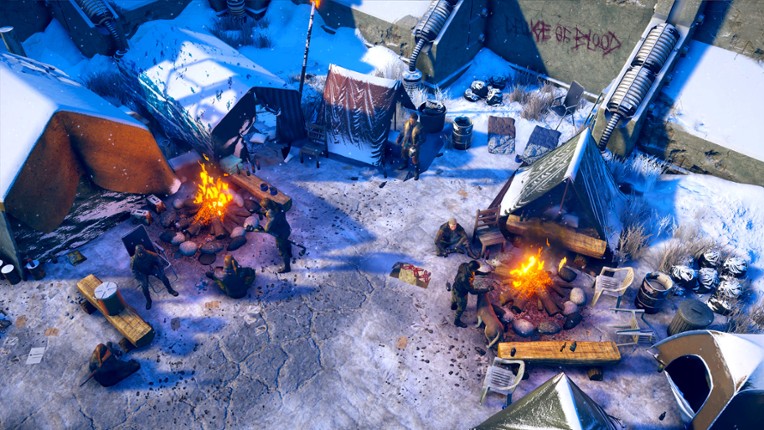
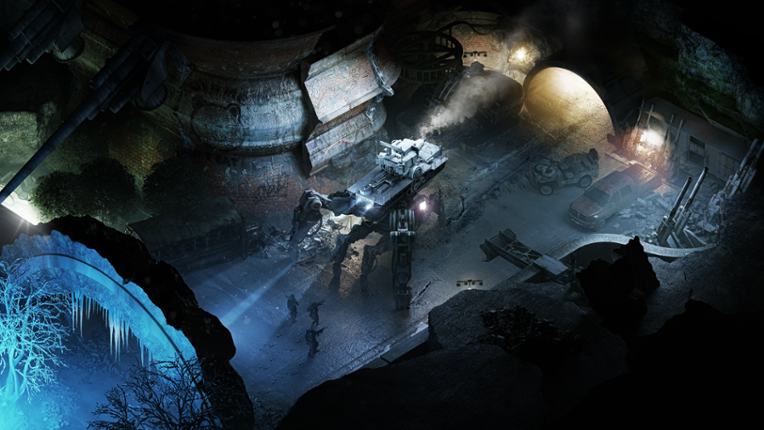
Swaps Starfield's real-time exploration for tactical turn-based combat across a post-apocalyptic wasteland, with co-op multiplayer and faction depth.
If you enjoyed this game, see our list of games similar to Wasteland 3.View Game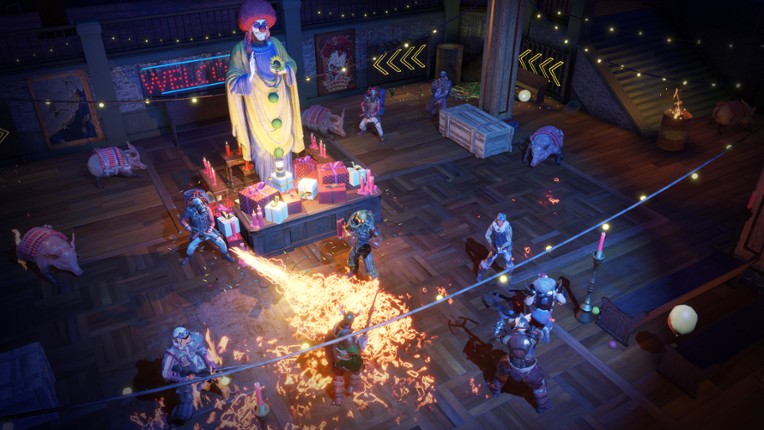
21 View Game 78%Game Brain ScoreMost mentioned positive aspects:story, gameplayMost mentioned negative aspects:grinding, stability75% User Score 18,314 reviewsCritic Score 80%32 reviews
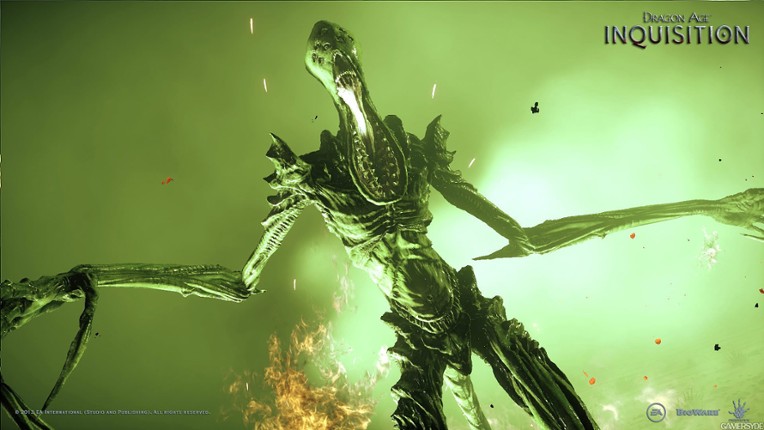
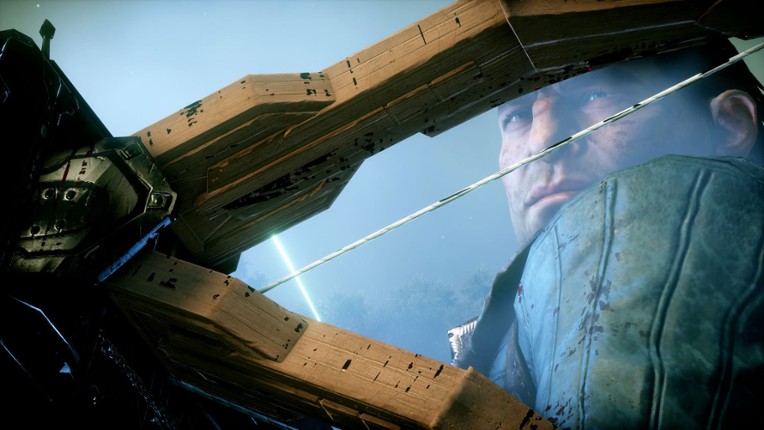
Replaces space exploration with medieval fantasy politics and keeps the faction quests but trades first-person immersion for third-person party tactics.
If you enjoyed this game, see our list of games similar to Dragon Age: Inquisition.View Game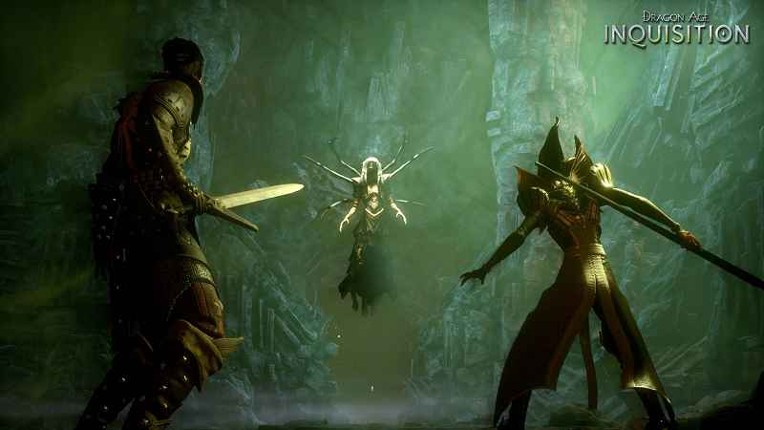
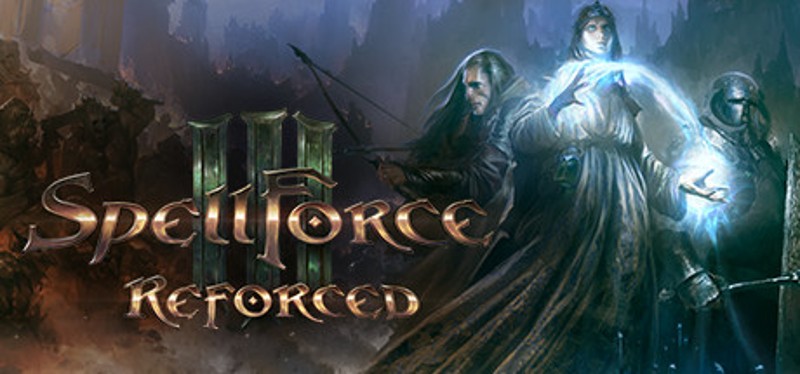
- 72%Game Brain ScoreMost mentioned positive aspects:story, gameplayMost mentioned negative aspects:stability, optimization75% User Score 2,585 reviewsCritic Score 70%20 reviews
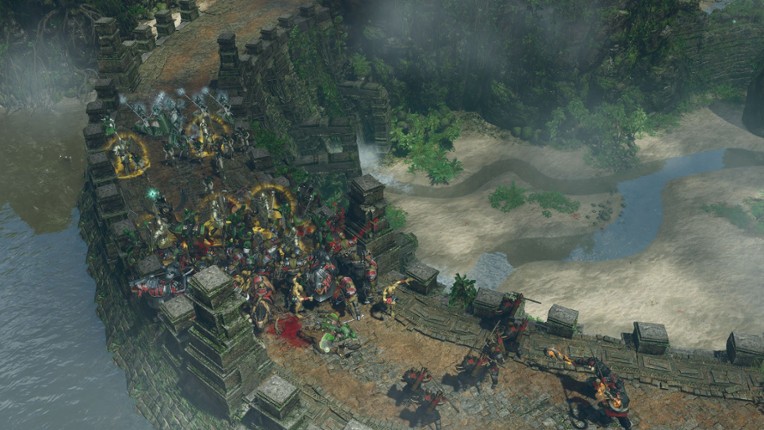
Maintains the atmospheric soundtrack and story-rich world-building but adds real-time base building and isometric perspective to a fantasy realm.
If you enjoyed this game, see our list of games similar to SpellForce 3.View Game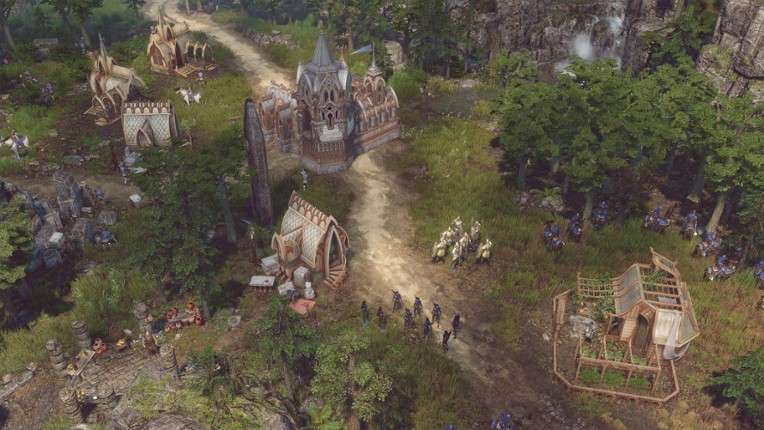
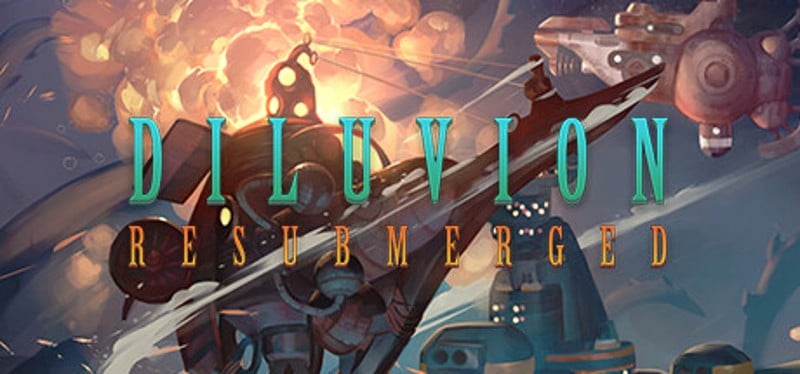
- 64%Game Brain ScoreMost mentioned positive aspects:story, gameplayMost mentioned negative aspects:stability, grinding64% User Score 998 reviewsCritic Score 64%7 reviews
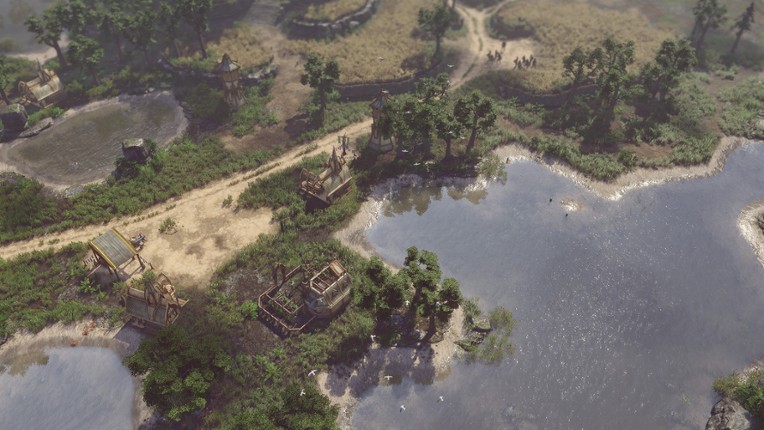
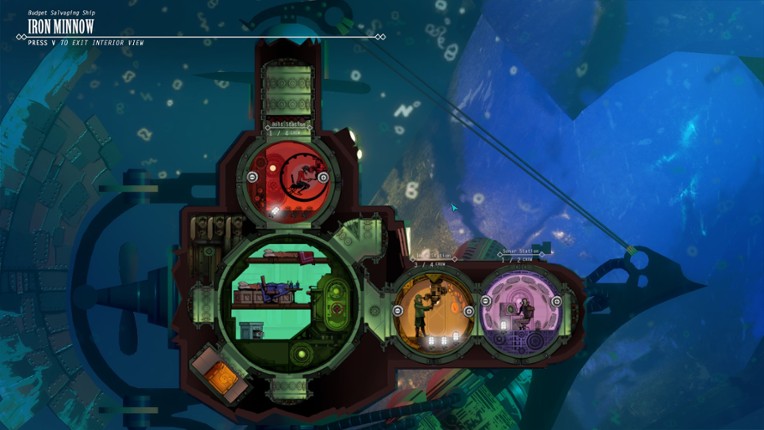
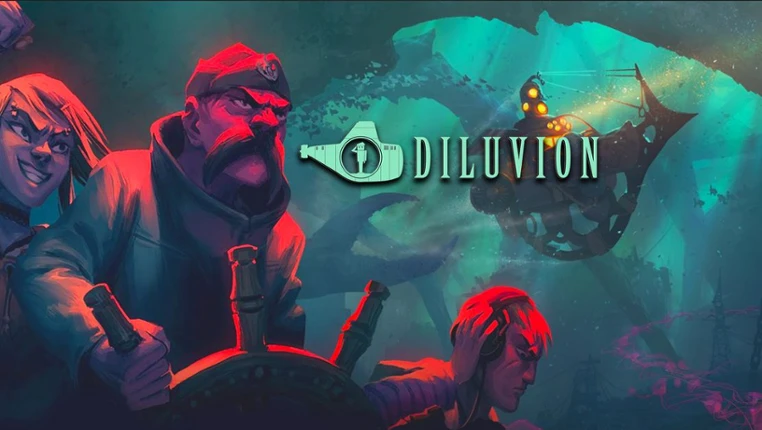
Captures Starfield's atmospheric soundtrack and trading loops in a steampunk submarine setting, sacrificing scale for intimate indie exploration.
If you enjoyed this game, see our list of games similar to Diluvion.View Game
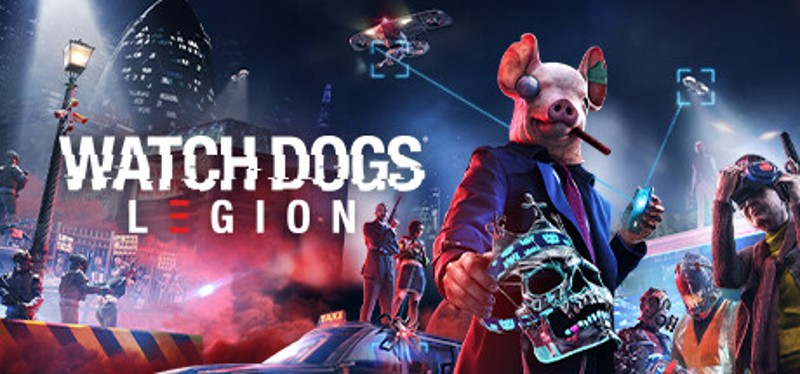
- 66%Game Brain ScoreMost mentioned positive aspects:story, gameplayMost mentioned negative aspects:stability, optimization59% User Score 4,408 reviewsCritic Score 72%62 reviews
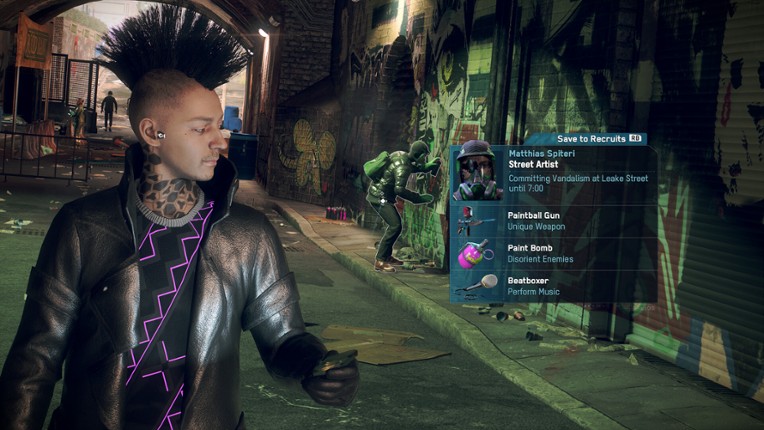
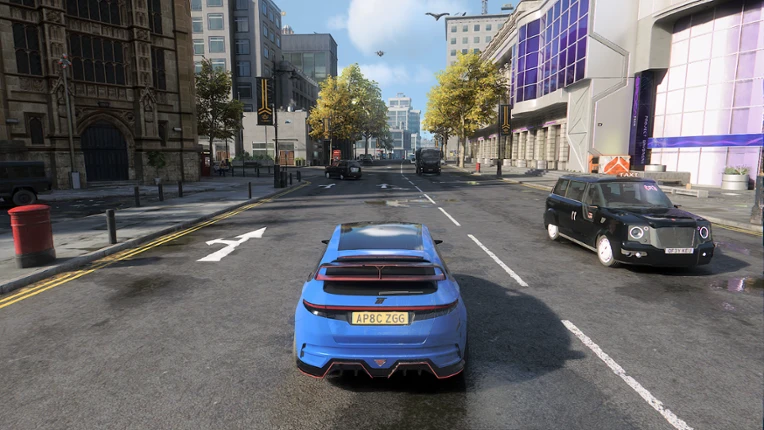
Watch Dogs Legion swaps Starfield's cosmic frontier for a dystopian near‑future London, emphasizing hacking and multiplayer missions over space exploration.
If you enjoyed this game, see our list of games similar to Watch Dogs Legion.View Game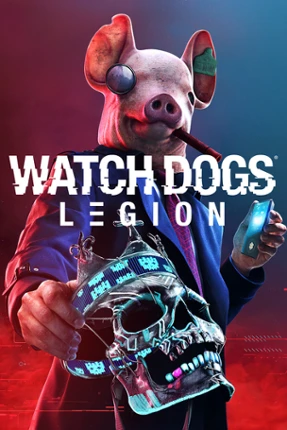
- 66%Game Brain ScoreMost mentioned positive aspects:story, gameplayMost mentioned negative aspects:stability, grinding72% User Score 82,736 reviewsCritic Score 54%4 reviews
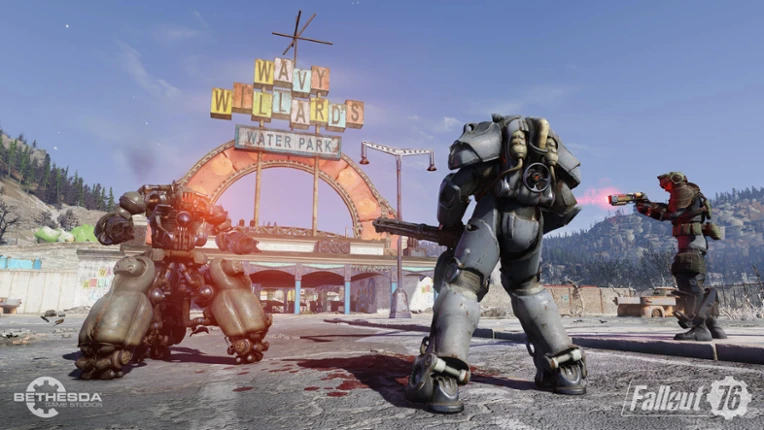
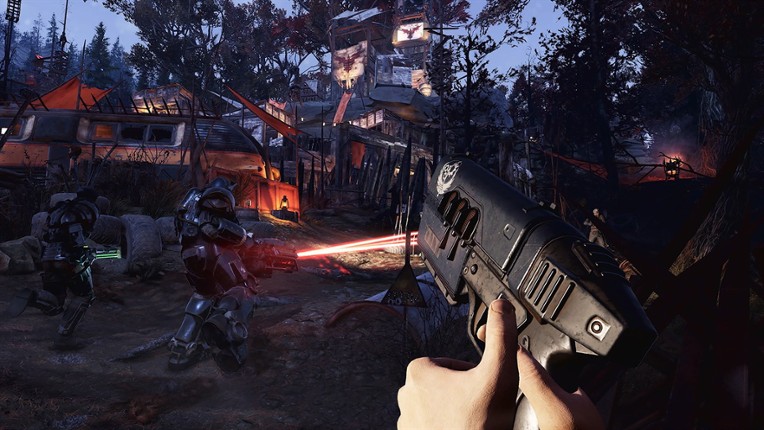
Borrows Starfield's post-launch foundation but pivots to multiplayer chaos and dark humor, replacing faction depth with base-building and survival focus.
If you enjoyed this game, see our list of games similar to Fallout 76.View Game
- 57%Game Brain ScoreMost mentioned positive aspects:story, gameplayMost mentioned negative aspects:optimization, grinding53% User Score 2,398 reviewsCritic Score 62%32 reviews
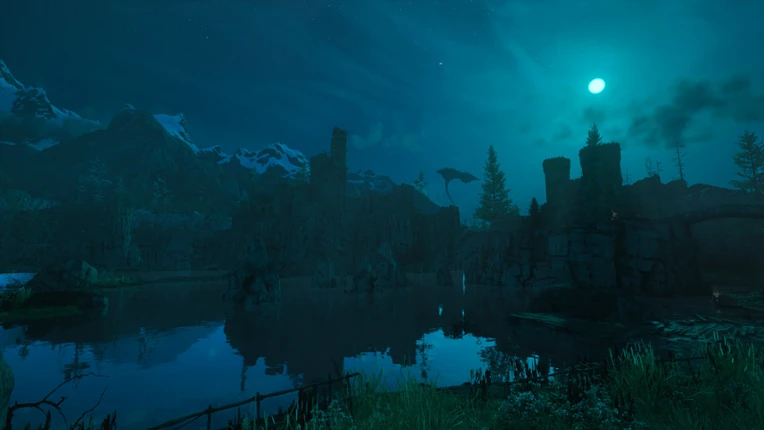
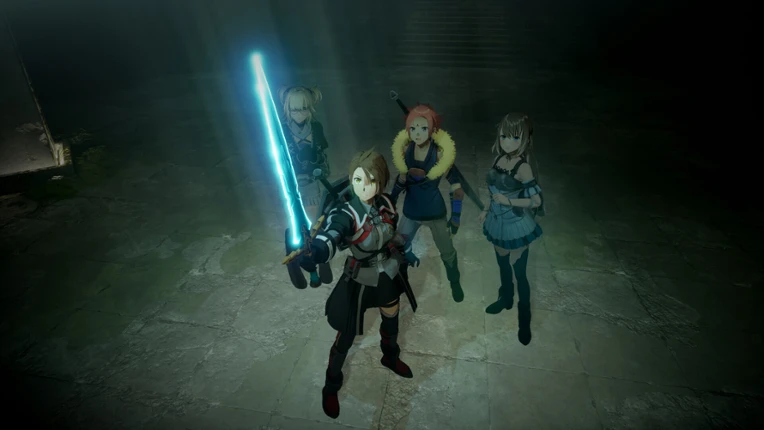
While lacking the space-faring scope, this adventure focuses on contained, anime-inspired role-playing progression that appeals to dedicated character-growth fans.
If you enjoyed this game, see our list of games similar to Echoes of Aincrad.View Game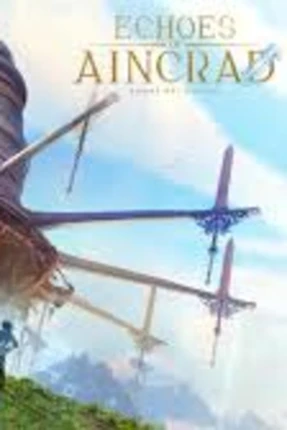
27 View Game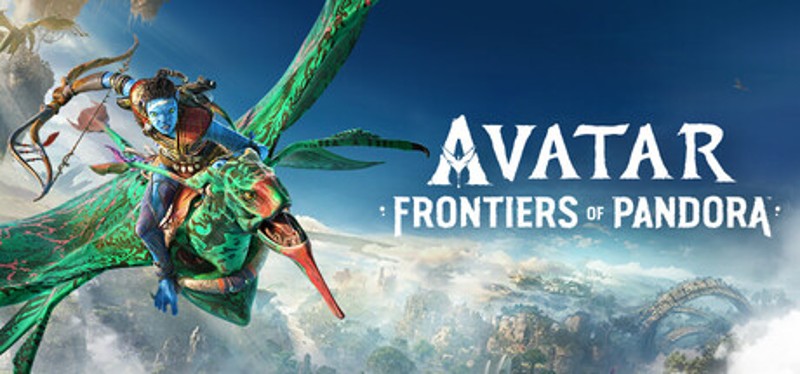 78%Game Brain ScoreMost mentioned positive aspects:story, graphicsMost mentioned negative aspects:optimization, stability78% User Score 8,987 reviews
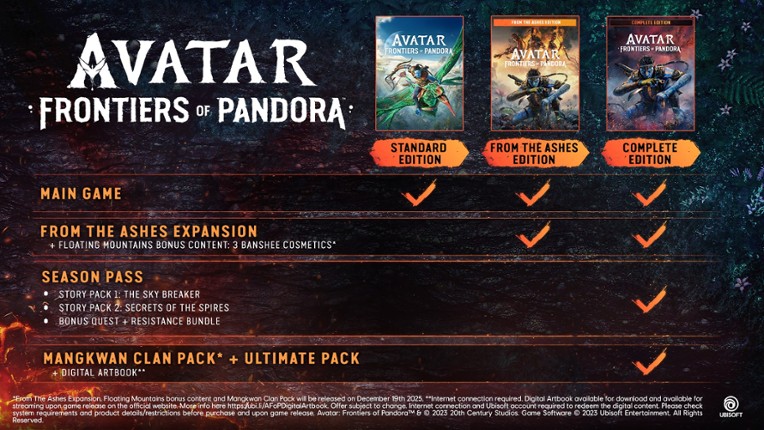
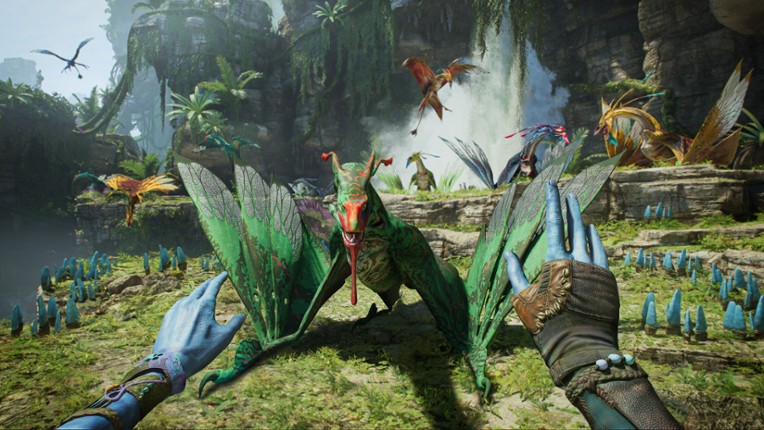
Swap the cold vacuum of space for a lush, alien wilderness where exploration emphasizes traversal and reactive ecosystem beauty over faction-based political intrigue.
If you enjoyed this game, see our list of games similar to Avatar: Frontiers of Pandora.View Game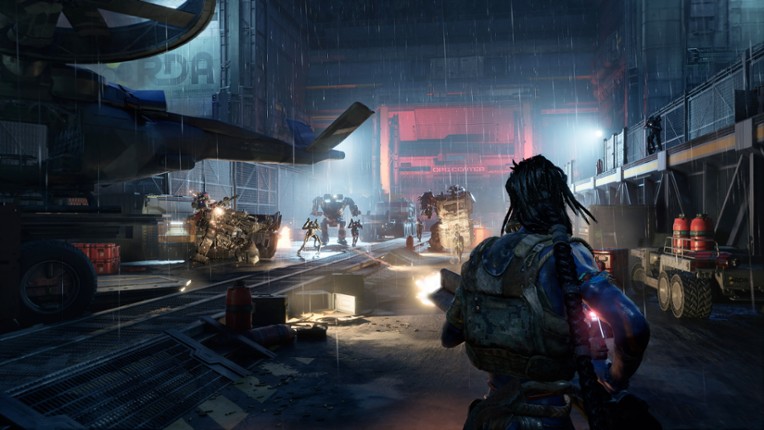
- 73%Game Brain ScoreMost mentioned positive aspects:story, gameplayMost mentioned negative aspects:grinding, stability73% User Score 27,614 reviewsCritic Score 72%10 reviews
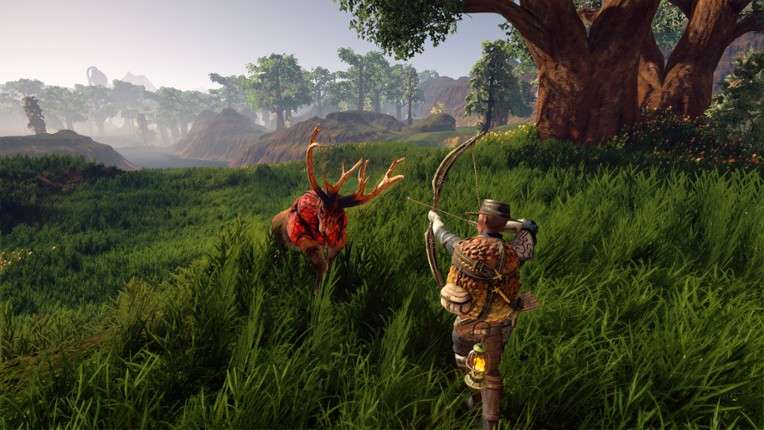
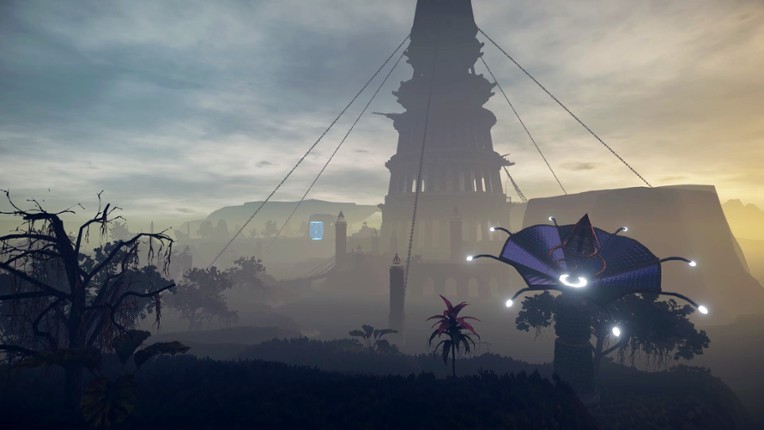
Strips away Starfield's scale and faction breadth for intimate co-op survival, keeping third-person exploration but demanding resource management and difficulty.
If you enjoyed this game, see our list of games similar to Outward.View Game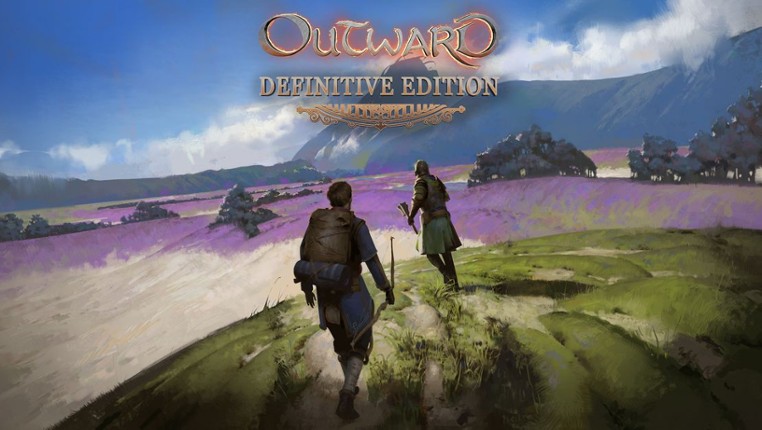
- 62%Game Brain ScoreMost mentioned positive aspects:story, gameplayMost mentioned negative aspects:grinding, stability68% User Score 2,295 reviewsCritic Score 55%8 reviews
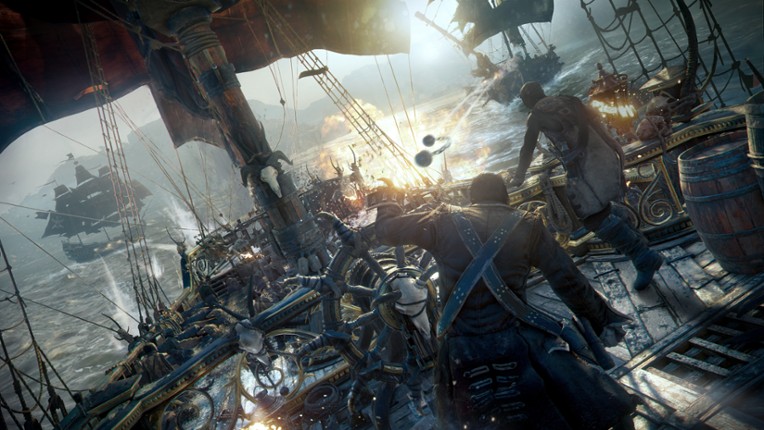
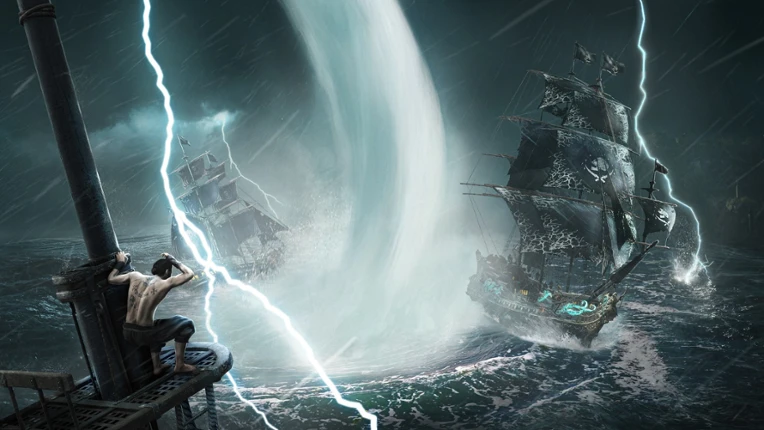
Takes the exploration and action RPG combat but channels it into naval warfare and piracy, with multiplayer PvP replacing single-player faction storylines.
If you enjoyed this game, see our list of games similar to Skull and Bones.View Game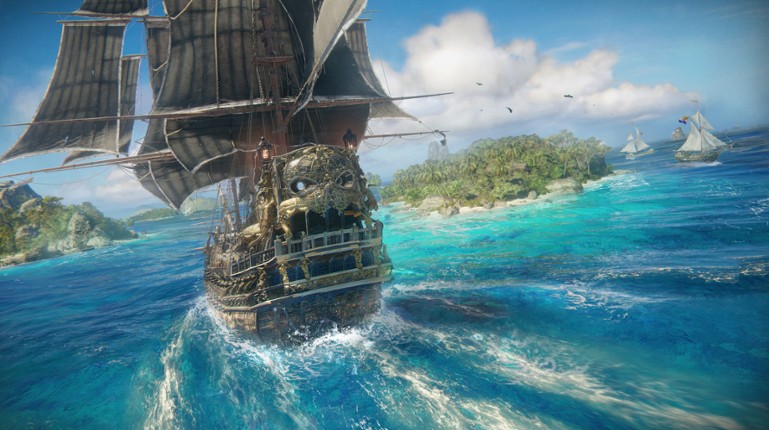
- 77%Game Brain ScoreMost mentioned positive aspects:story, gameplayMost mentioned negative aspects:stability, optimization77% User Score 19,846 reviews
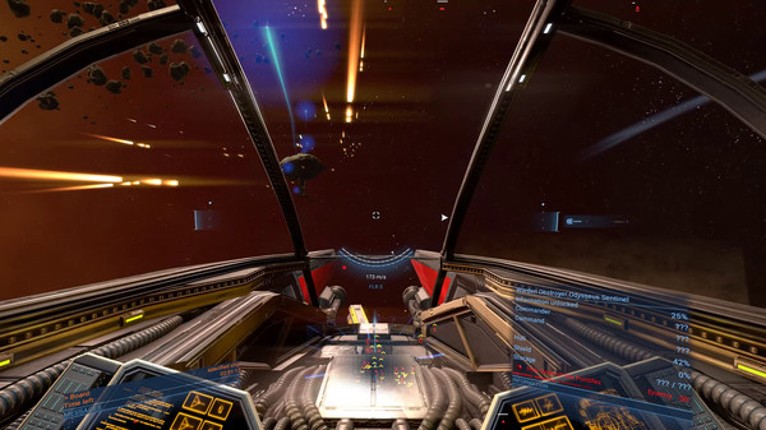
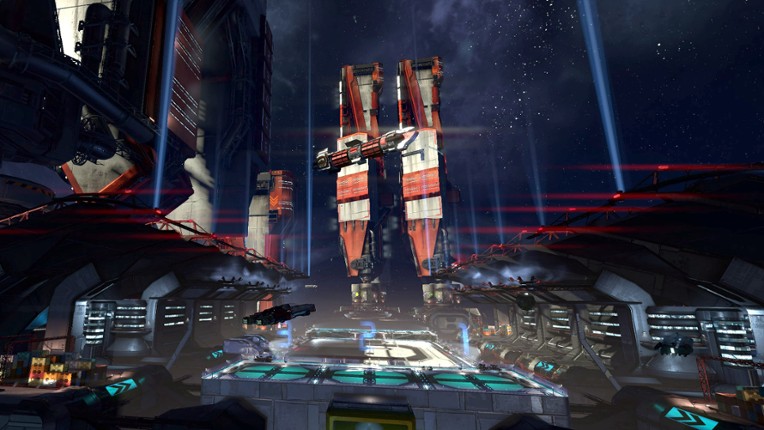
Maintains sci-fi exploration and trading but trades character-driven narratives for deep economic simulation and piloting-focused immersive gameplay.
If you enjoyed this game, see our list of games similar to X4: Foundations.View Game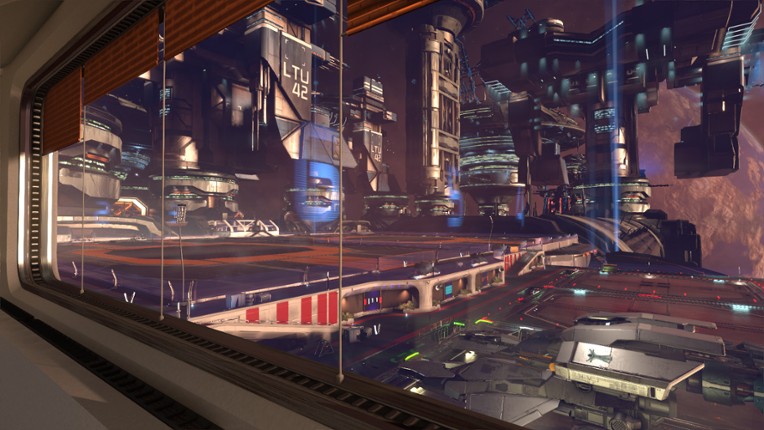
31 View Game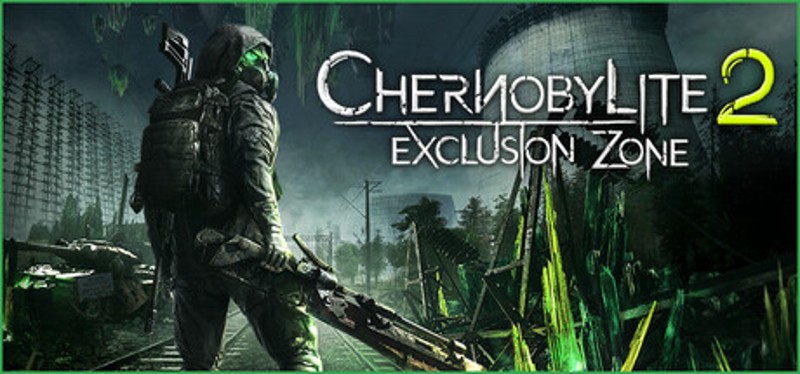 70%Game Brain ScoreMost mentioned positive aspects:story, gameplayMost mentioned negative aspects:optimization, stability70% User Score 301 reviews
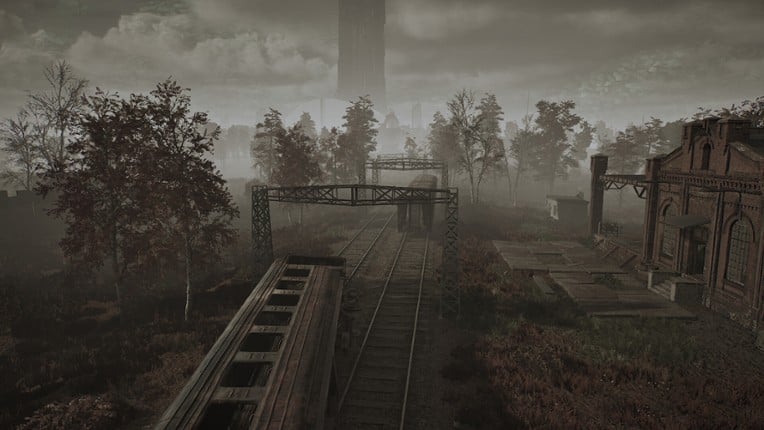
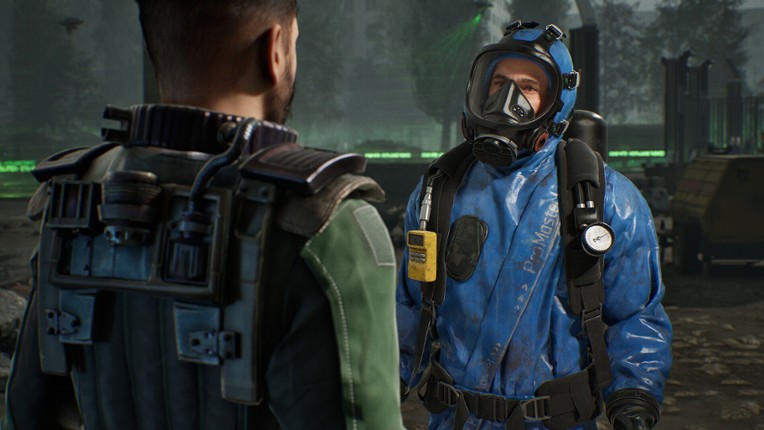
Combine planetary survival and base building with localized radioactive dread, trading off space exploration for tense, narrative-driven Eastern European atmospheric horror.
If you enjoyed this game, see our list of games similar to Chernobylite 2: Exclusion Zone.View Game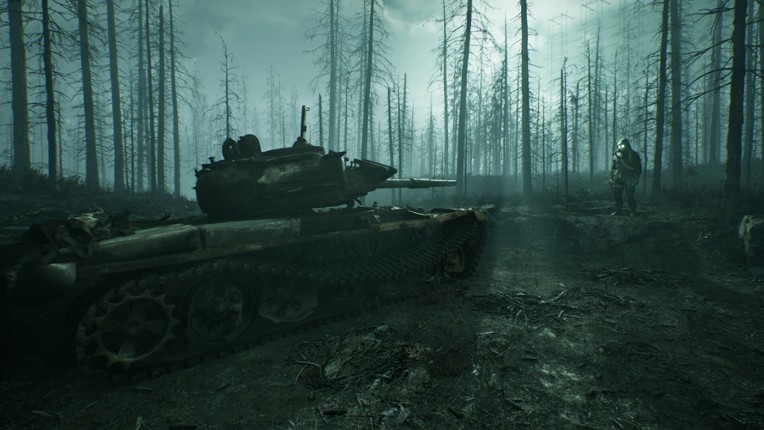
- 75%Game Brain ScoreMost mentioned positive aspects:story, gameplayMost mentioned negative aspects:stability, optimization76% User Score 14,984 reviewsCritic Score 75%49 reviews
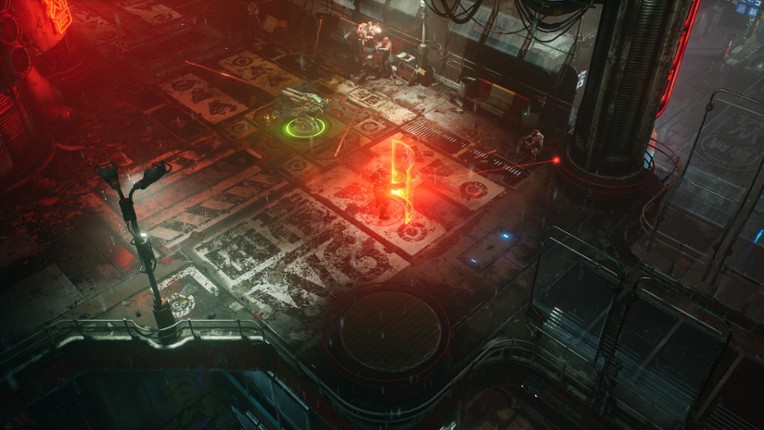
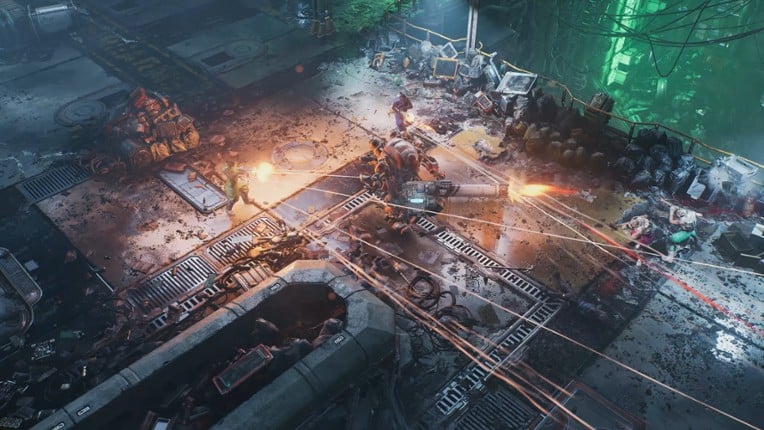
Trade the massive galactic scale for a dense, claustrophobic cyberpunk metropolis that offers twin-stick combat instead of traditional first-person exploration.
If you enjoyed this game, see our list of games similar to The Ascent.View Game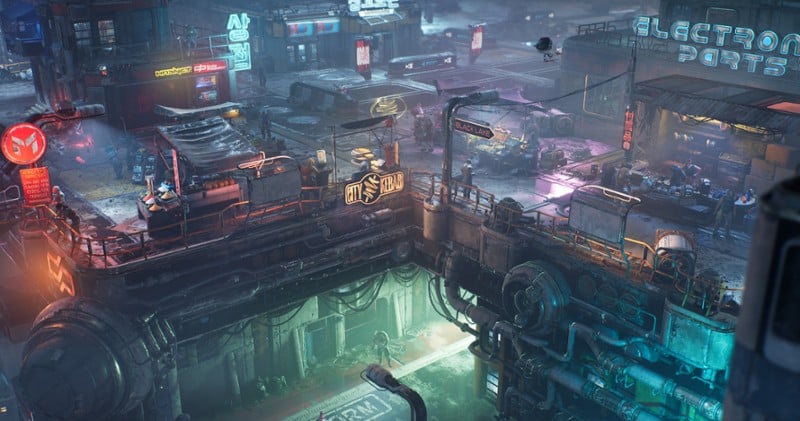
- 70%Game Brain ScoreMost mentioned positive aspects:story, graphicsMost mentioned negative aspects:stability, optimization69% User Score 3,578 reviewsCritic Score 70%2 reviews
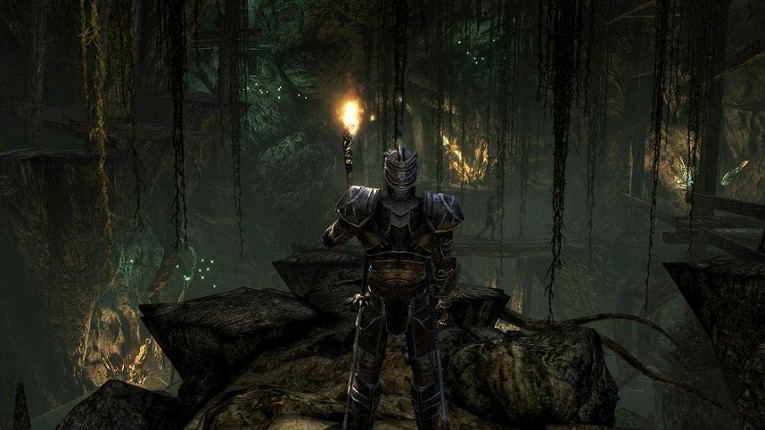
Delivers dark fantasy atmosphere and first-person exploration with the same great soundtrack, but ditches Starfield's sci-fi scope for gothic medieval immersion.
If you enjoyed this game, see our list of games similar to Gothic 3.View Game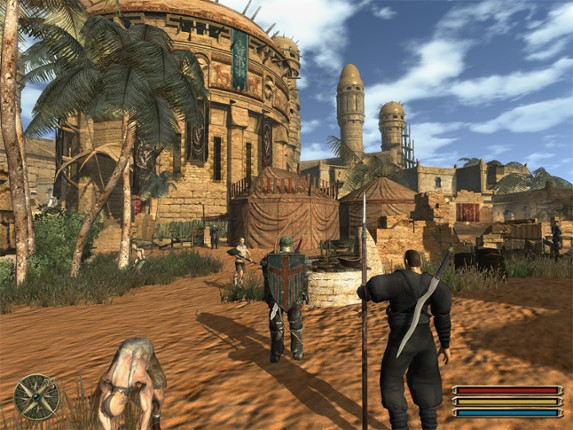
- 58%Game Brain ScoreMost mentioned positive aspects:story, graphicsMost mentioned negative aspects:monetization, stability54% User Score 4,158 reviewsCritic Score 66%5 reviews
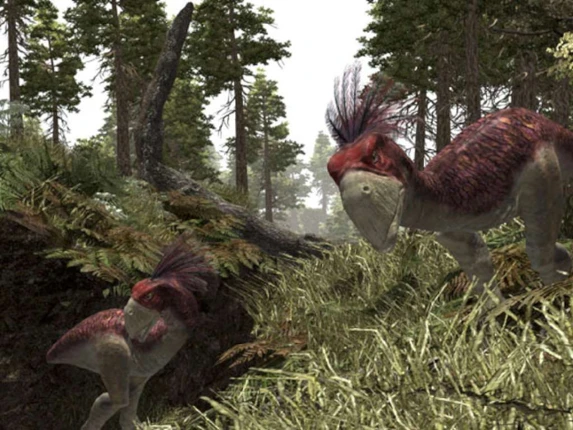
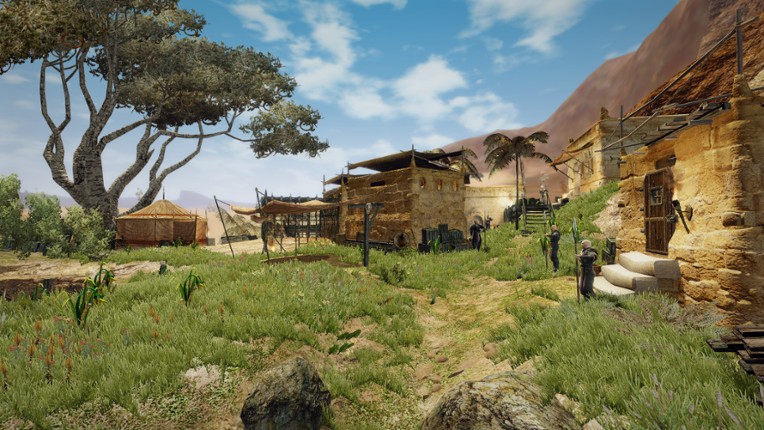
Echoes Starfield's action RPG formula and inventory systems in medieval fantasy, adding co-op multiplayer and magic systems that replace space technology.
If you enjoyed this game, see our list of games similar to Two Worlds II.View Game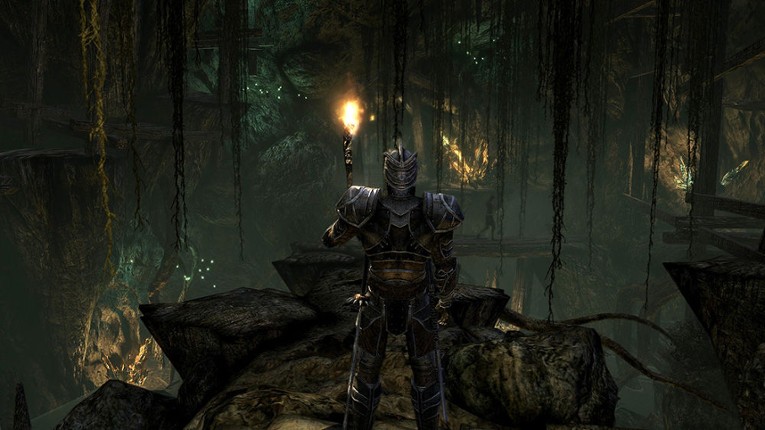
- 66%Game Brain ScoreMost mentioned positive aspects:gameplay, graphicsMost mentioned negative aspects:story, stability65% User Score 7,866 reviewsCritic Score 67%10 reviews
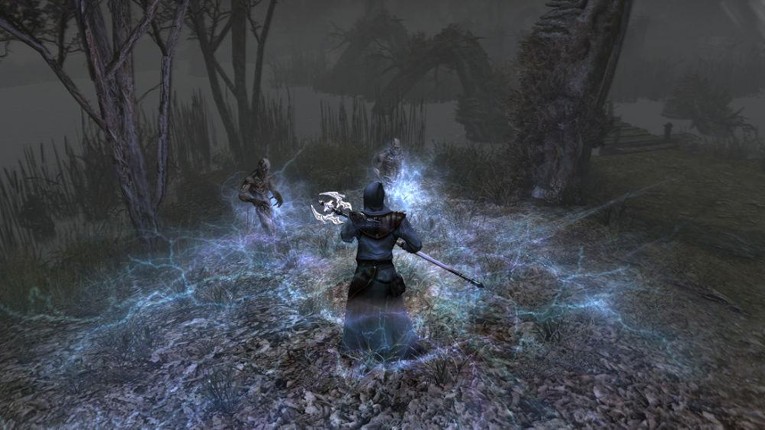
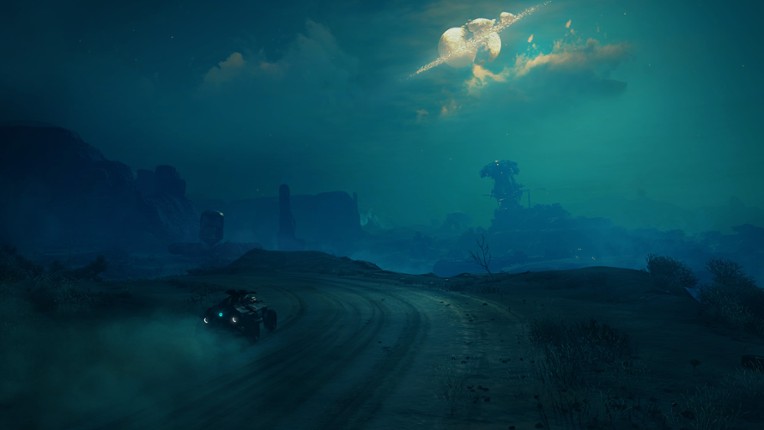
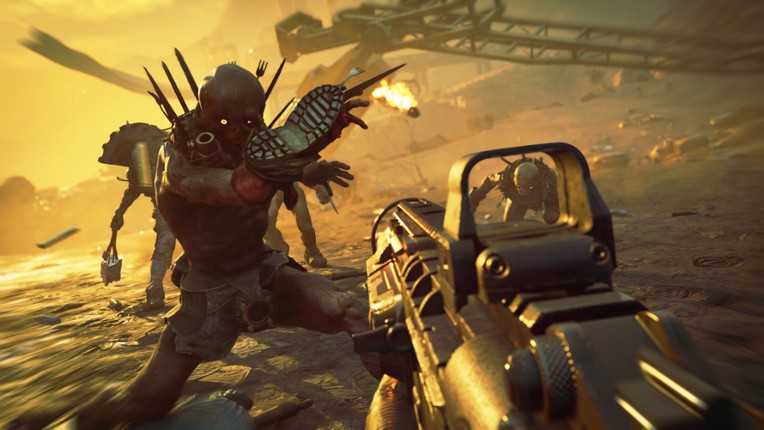
Ditch the grounded realism for a high-octane, post-apocalyptic power fantasy where vehicular chaos takes precedence over deep dialogue systems and diplomacy.
If you enjoyed this game, see our list of games similar to RAGE 2.View Game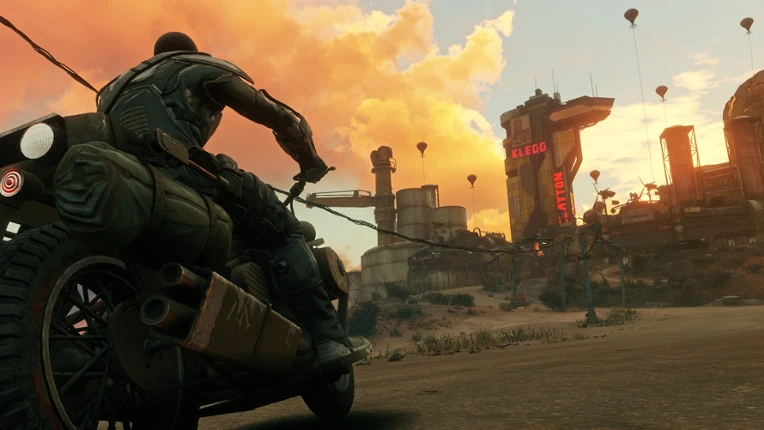
36 View Game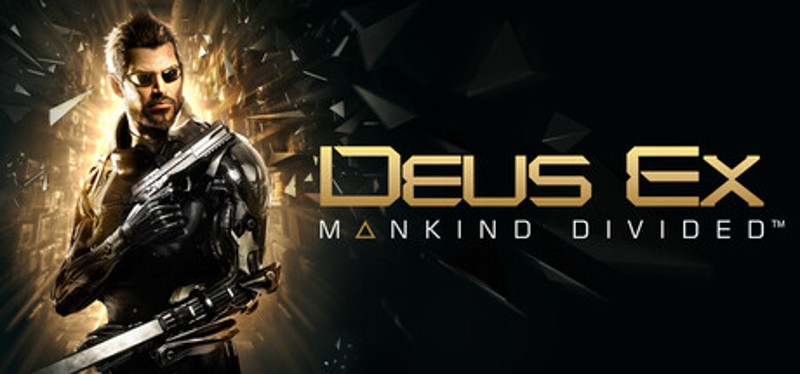 77%Game Brain ScoreMost mentioned positive aspects:story, gameplayMost mentioned negative aspects:optimization, monetization75% User Score 30,792 reviewsCritic Score 80%53 reviews
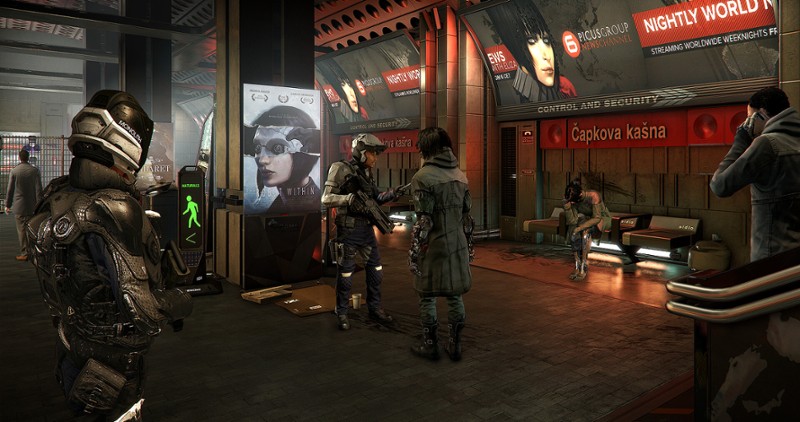
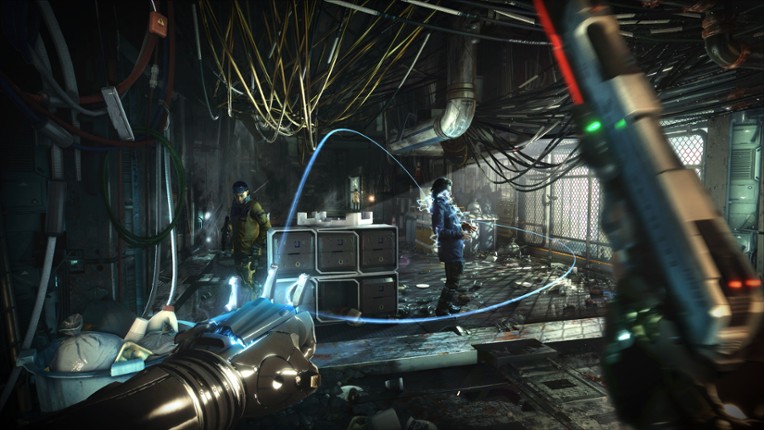
Prioritize complex stealth and social engineering in a confined city setting rather than the expansive planetary travel found in NASA-punk simulations.
If you enjoyed this game, see our list of games similar to Deus Ex: Mankind Divided.View Game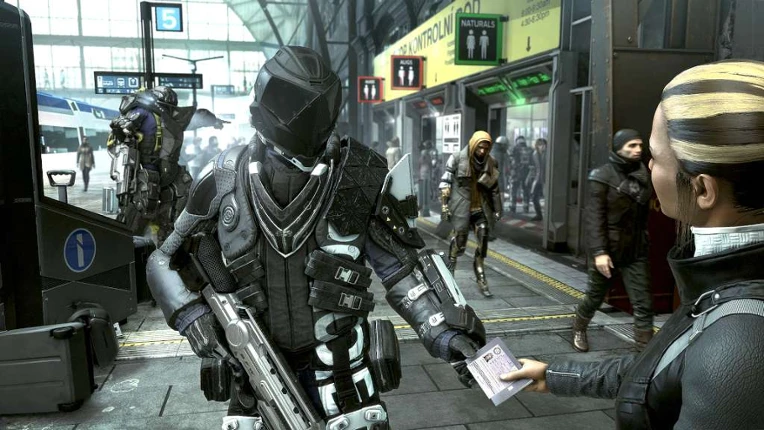
37 View Game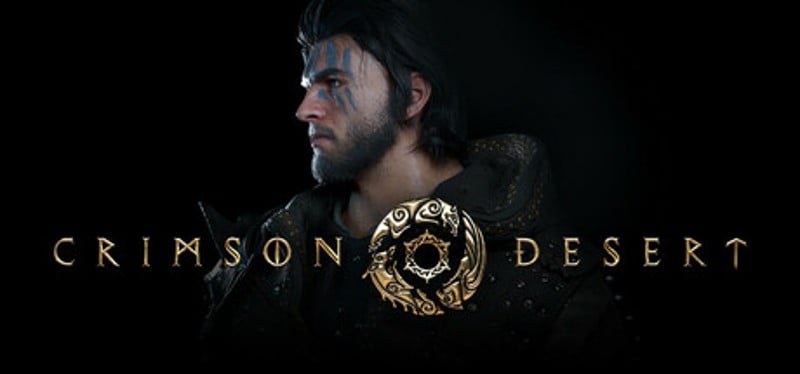 84%Game Brain ScoreMost mentioned positive aspects:story, gameplayMost mentioned negative aspects:grinding, stability87% User Score 69,482 reviewsCritic Score 75%3 reviews
Moving away from sci-fi, this title offers an expansive fantasy world that prioritizes melee-heavy combat over the industrial starship aesthetic.
If you enjoyed this game, see our list of games similar to Crimson Desert Enhanced.View Game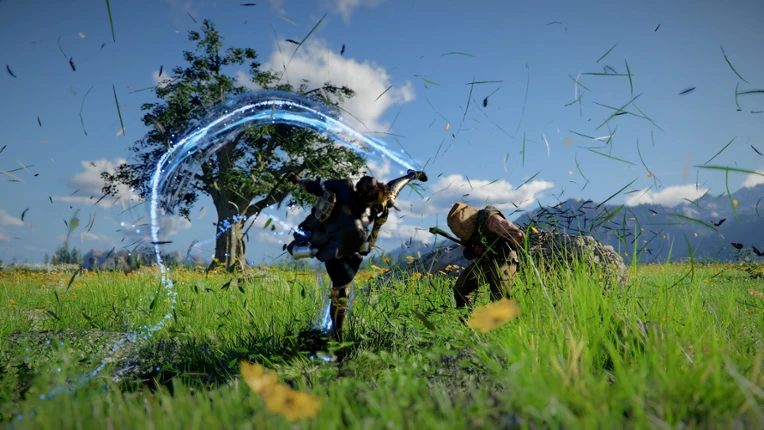

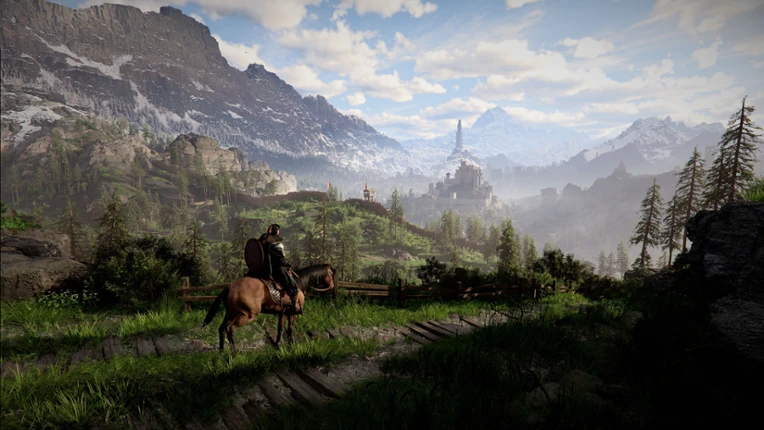
- 59%Game Brain ScoreMost mentioned positive aspects:story, graphicsMost mentioned negative aspects:stability, optimization59% User Score 6,096 reviewsCritic Score 60%1 reviews
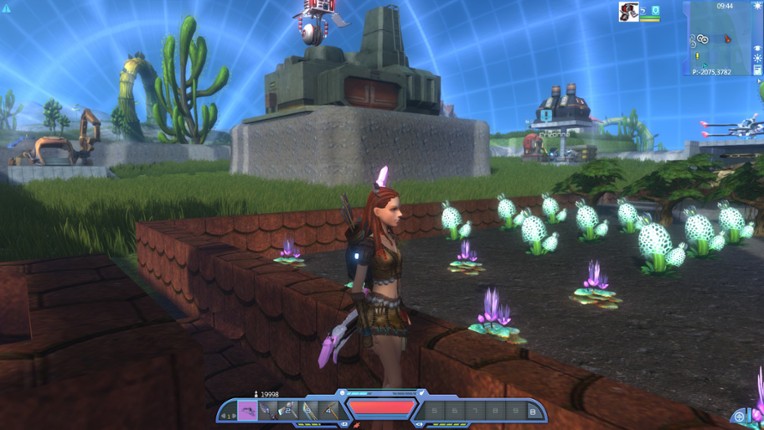
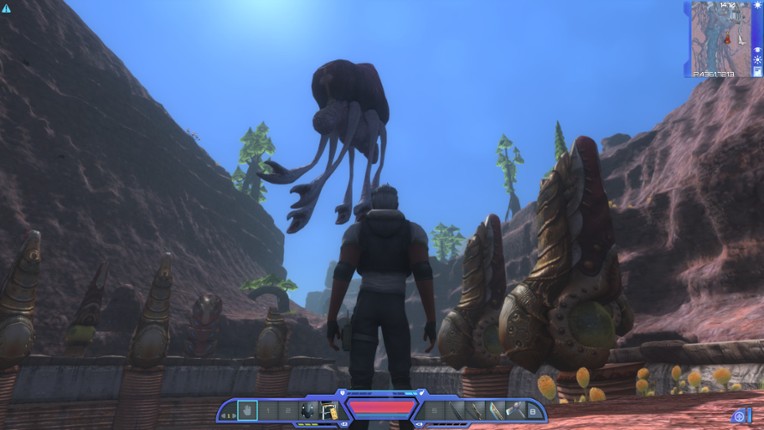
Planet Explorers channels Starfield's sci-fi wandering into a scrappier survival-crafting game with voxel building and multiplayer support.
If you enjoyed this game, see our list of games similar to Planet Explorers.View Game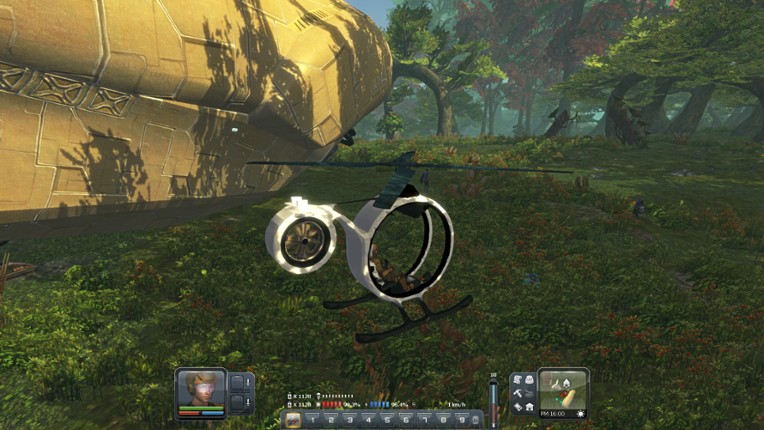
- 68%Game Brain ScoreMost mentioned positive aspects:story, gameplayMost mentioned negative aspects:optimization, stability70% User Score 20,336 reviewsCritic Score 66%82 reviews
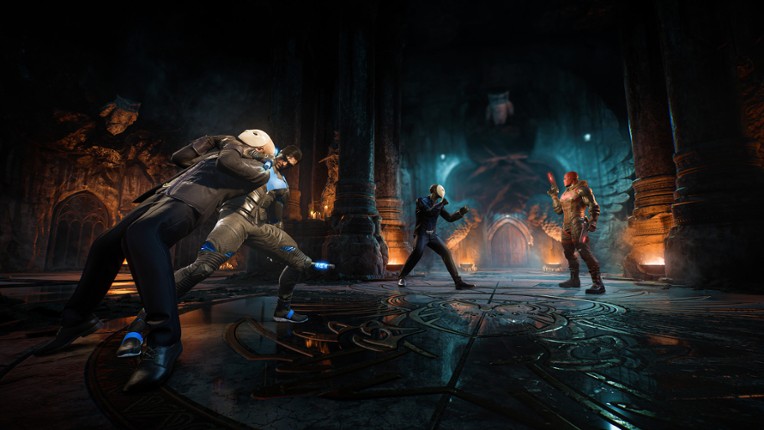
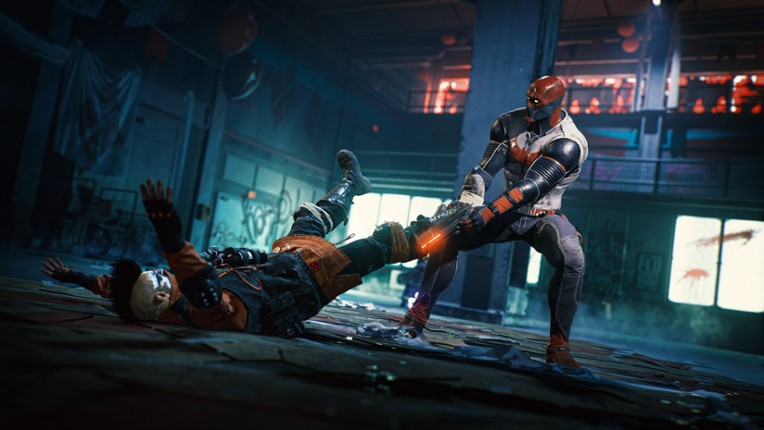
Focus on urban verticality and superhero acrobatics in a modern city, sacrificing deep space customization for a story centered on specific legacy characters.
If you enjoyed this game, see our list of games similar to Gotham Knights.View Game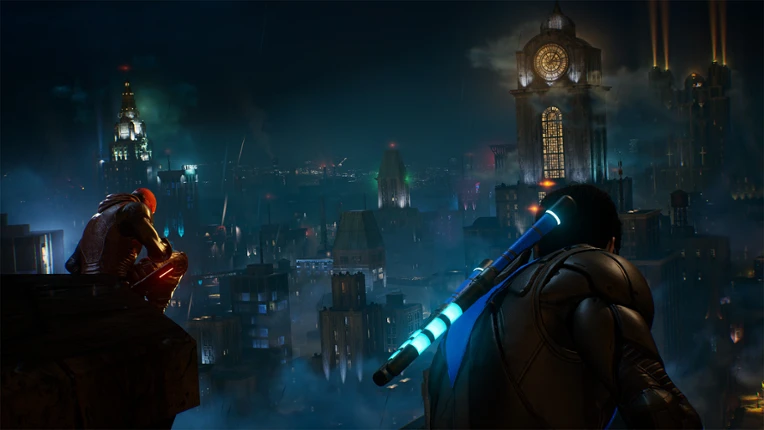
- 52%Game Brain ScoreMost mentioned positive aspects:story, gameplayMost mentioned negative aspects:grinding, stability52% User Score 555 reviews
Starpoint Gemini 3 swaps Starfield's polished blockbuster feel for a rougher, more humorous space sandbox centered on ship trading and exploration.
If you enjoyed this game, see our list of games similar to Starpoint Gemini 3.View Game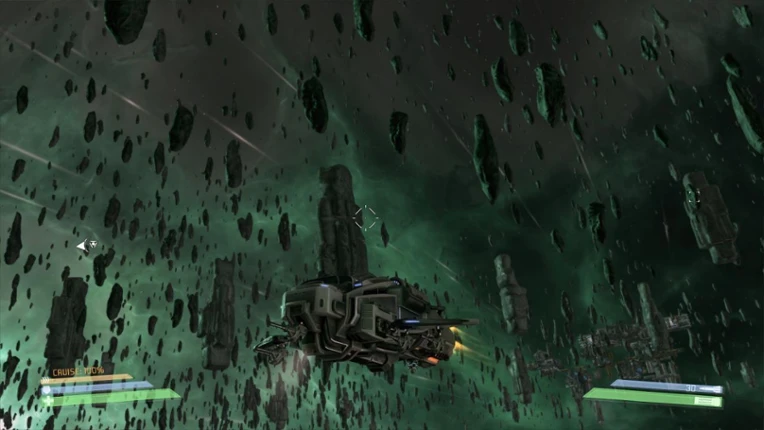
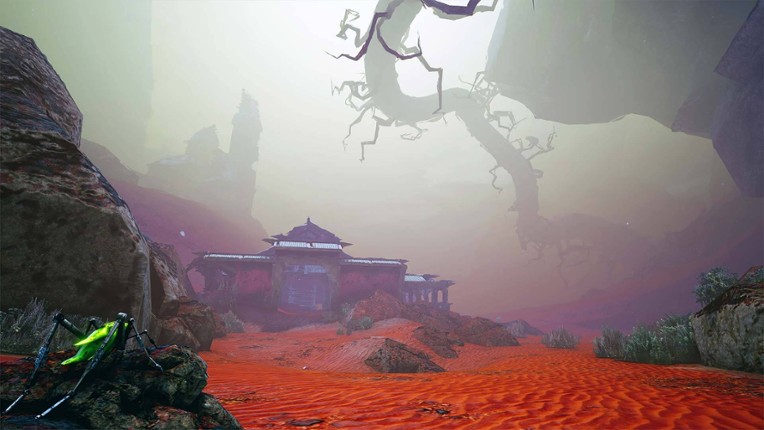
- 76%Game Brain ScoreMost mentioned positive aspects:story, gameplayMost mentioned negative aspects:grinding, stability71% User Score 52,982 reviewsCritic Score 80%27 reviews
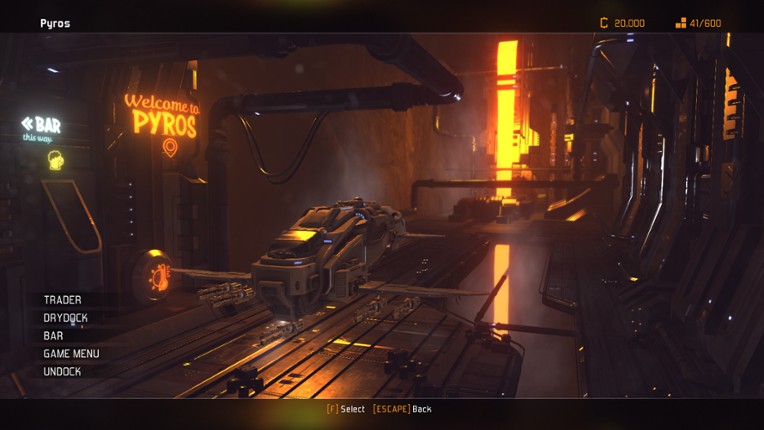
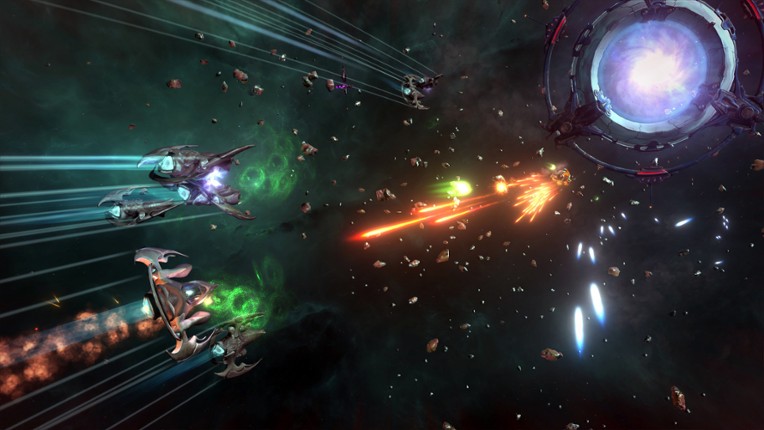
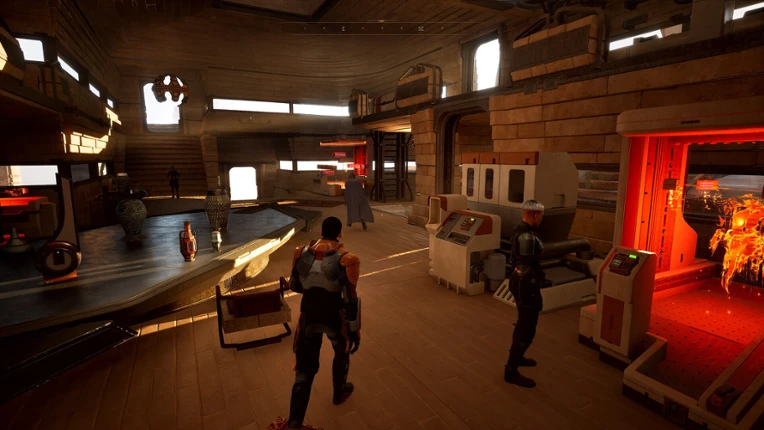
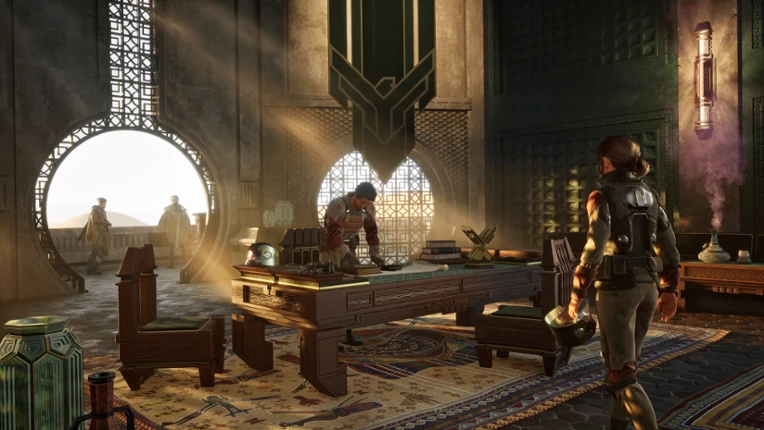
• Step into the world of Dune and explore an immersive, open world Arrakis, from sandworm-infested deserts to the sprawling city of Arrakeen • Experience a unique, cinematic Dune story that gives clear meaning and purpose to your otherwise freeform survival crafting journey • From the slow blade to epic firepower, train and progress as a Swordmaster, Bene Gesserit, Trooper, and Mentat to unlock th… If you enjoyed this game, see our list of games similar to Dune: Awakening.
View Game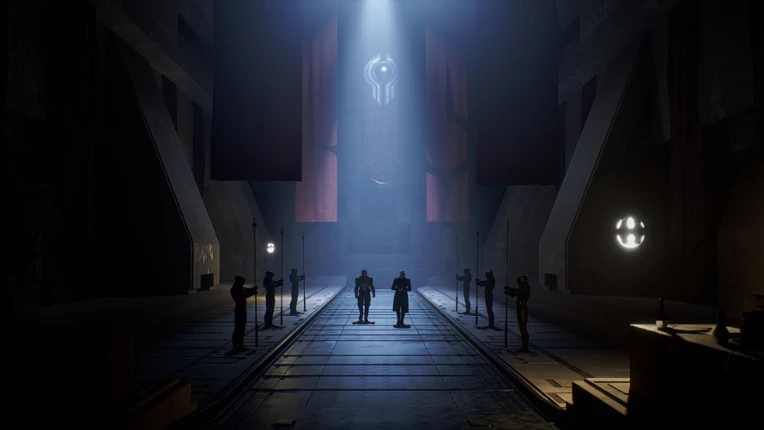
42 View Game 81%Game Brain ScoreMost mentioned positive aspects:gameplay, graphicsMost mentioned negative aspects:story, stability88% User Score 173,462 reviewsCritic Score 75%17 reviews
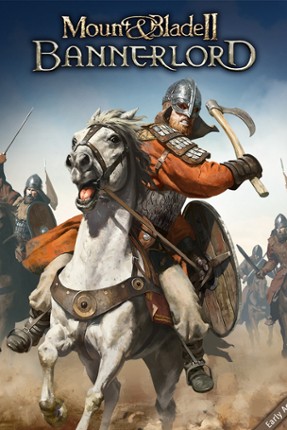
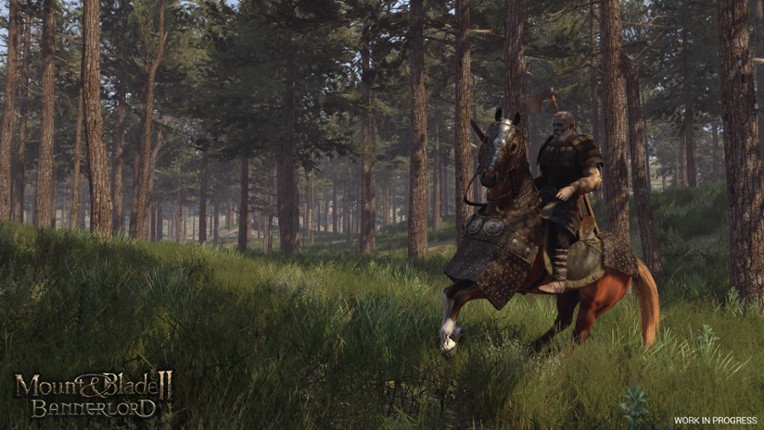
Mount & Blade II keeps the open-world, trade-and-build spirit, but shifts Starfield's future setting into medieval warfare and mounted armies.
If you enjoyed this game, see our list of games similar to Mount & Blade II.View Game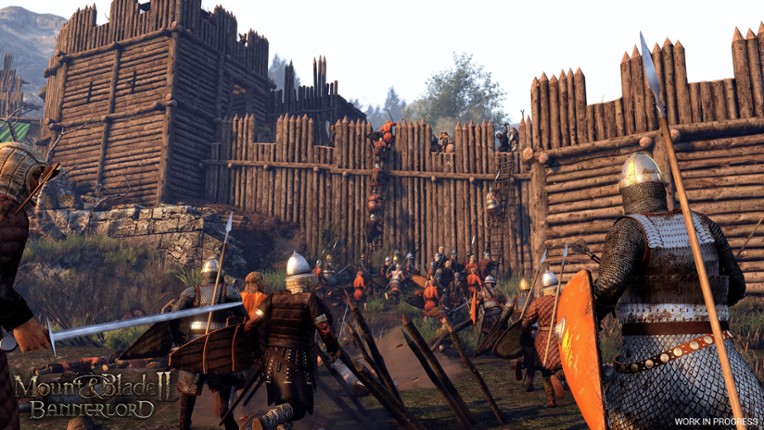
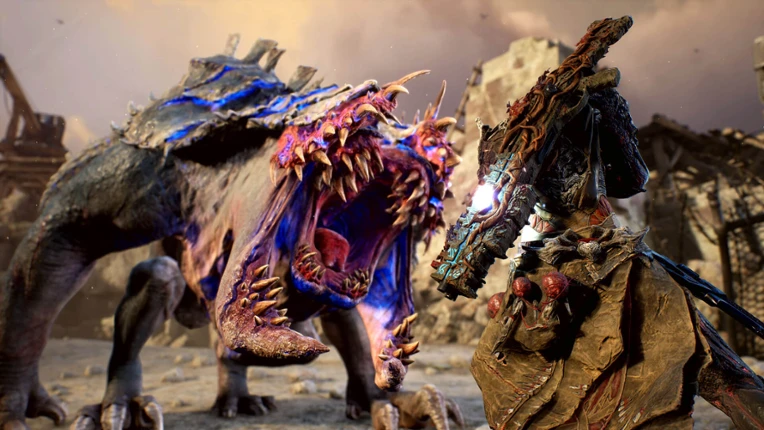
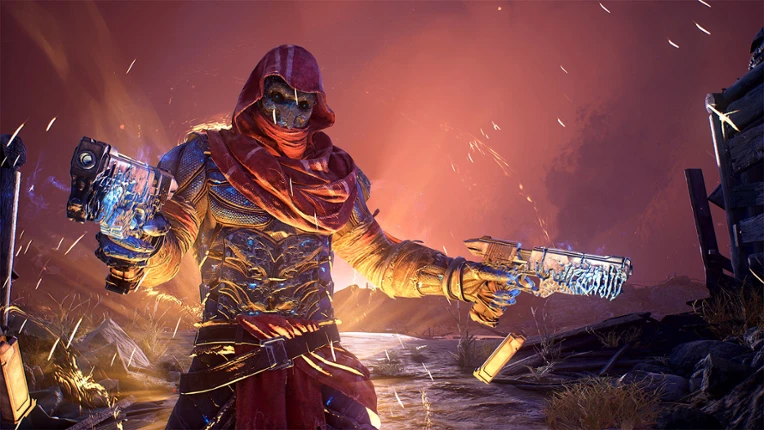
- 71%Game Brain ScoreMost mentioned positive aspects:story, gameplayMost mentioned negative aspects:stability, optimization68% User Score 29,971 reviewsCritic Score 73%56 reviews
OUTRIDERS is for players who want Starfield's loot-and-build progression reworked into faster co-op firefights and a mission-based structure.
If you enjoyed this game, see our list of games similar to OUTRIDERS.View Game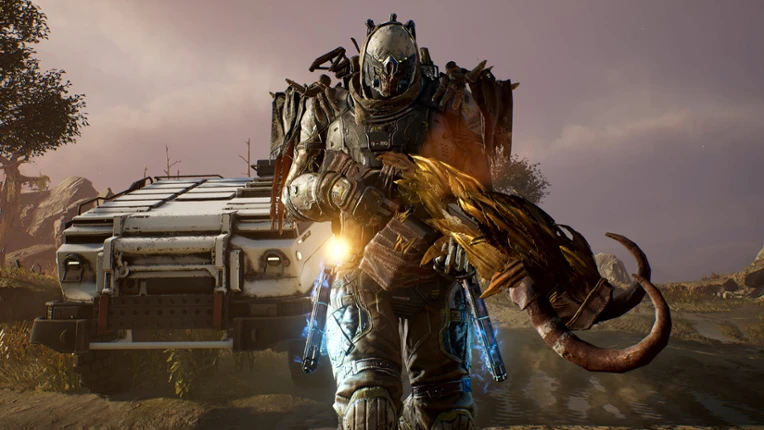
44 View Game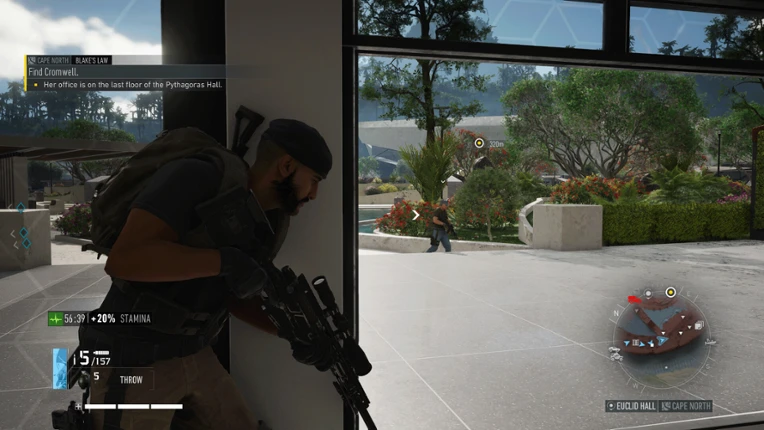
 61%Game Brain ScoreMost mentioned positive aspects:story, gameplayMost mentioned negative aspects:stability, optimization73% User Score 20,321 reviewsCritic Score 48%9 reviews
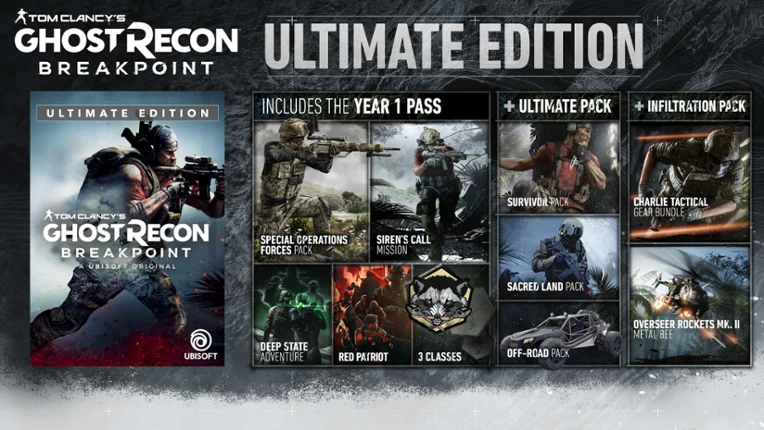
The Year 1 Pass includes: - Mission: Siren's Call, previously called Greenstone - Expansion: Deep State - Expansion: Red Patriot, previously called Transcendence - In-game DLC: Special Operations Forces Pack If you enjoyed this game, see our list of games similar to Tom Clancy's Ghost Recon Breakpoint.
View Game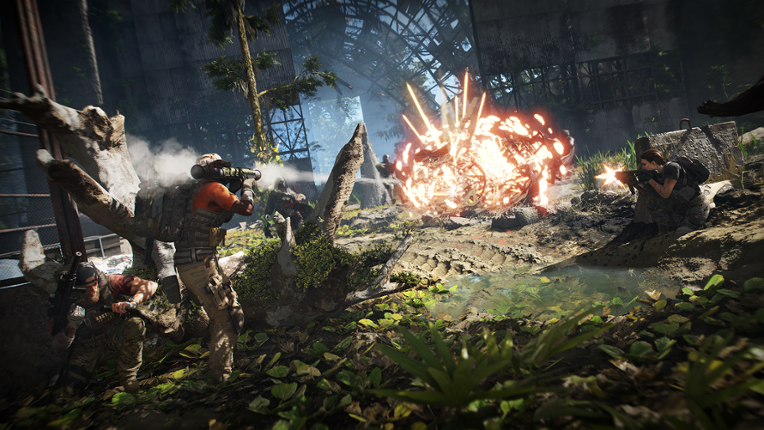
- 78%Game Brain ScoreMost mentioned positive aspects:gameplay, graphicsMost mentioned negative aspects:story, grinding76% User Score 94,098 reviewsCritic Score 81%14 reviews
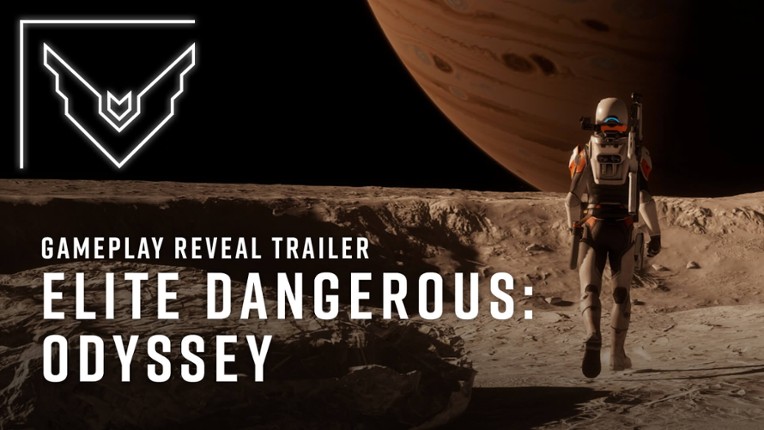
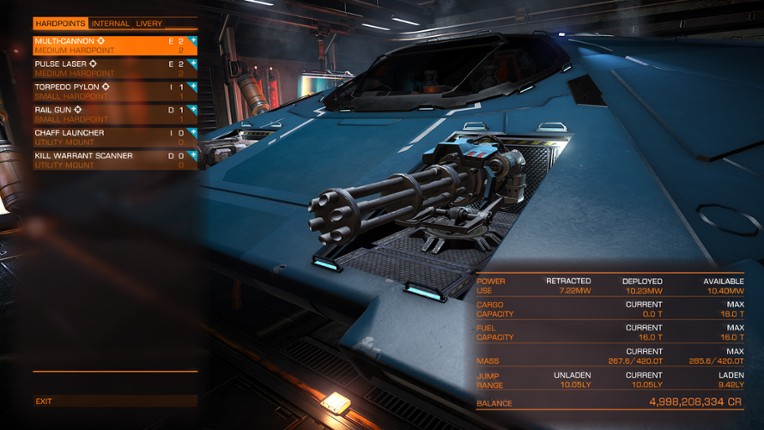
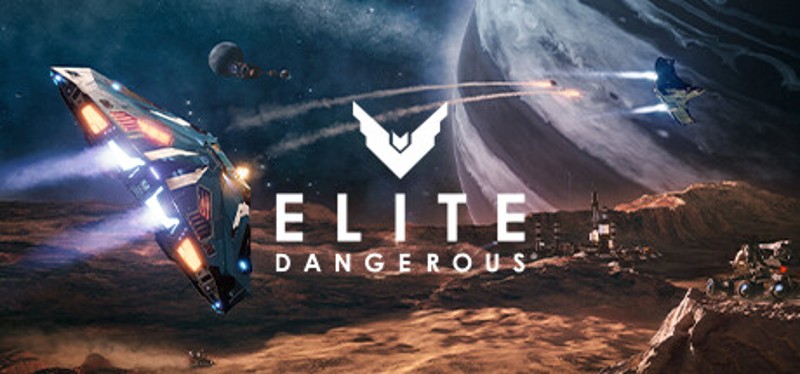
Elite Dangerous narrows the fantasy to a harsher, more technical galaxy where piloting and trading matter more than story or character drama.
If you enjoyed this game, see our list of games similar to Elite Dangerous.View Game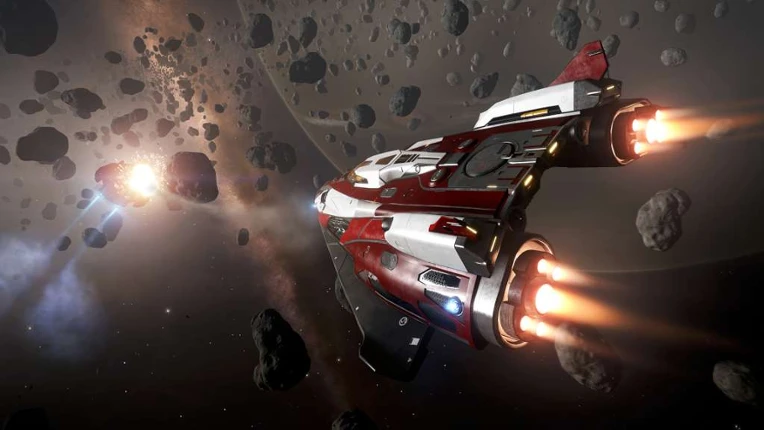
46 View Game 79%Game Brain ScoreMost mentioned positive aspects:gameplay, storyMost mentioned negative aspects:stability, optimization79% User Score 20,953 reviews
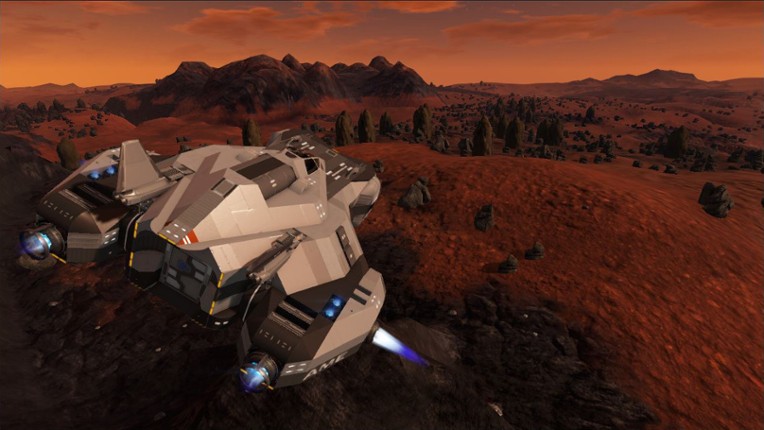
Empyrion: Galactic Survival is the rougher, systems-heavy option for Starfield fans who want base building, crafting, and survival pressure in space.
If you enjoyed this game, see our list of games similar to Empyrion: Galactic Survival.View Game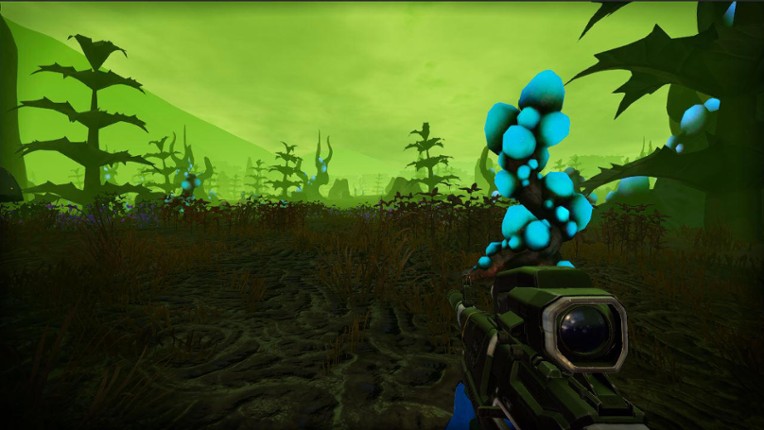
- 80%Game Brain ScoreMost mentioned positive aspects:story, gameplayMost mentioned negative aspects:stability, optimization87% User Score 38,385 reviewsCritic Score 72%73 reviews
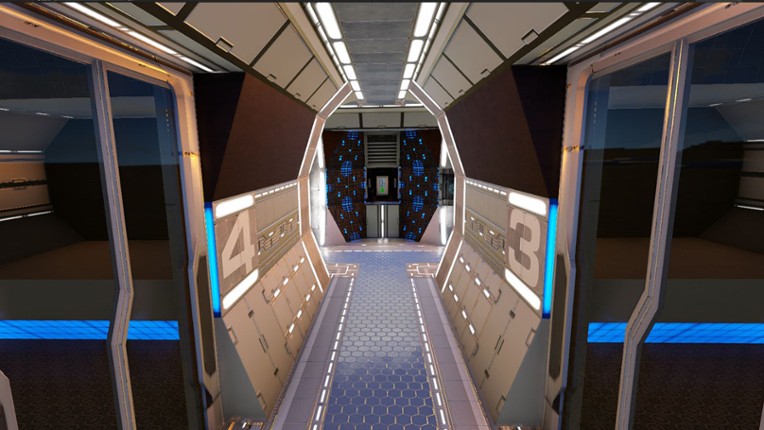
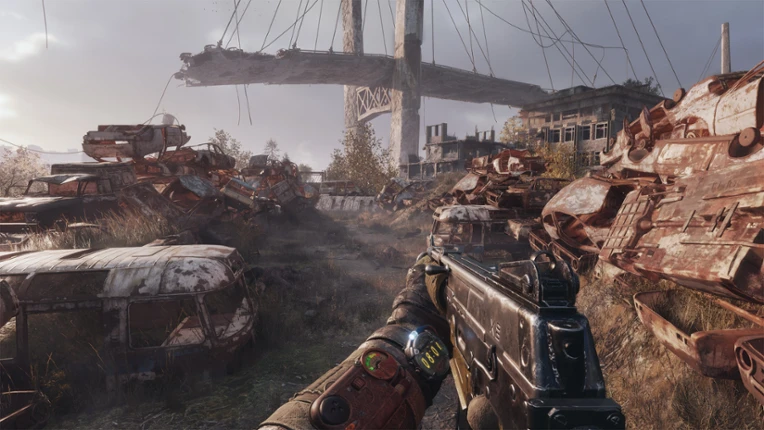
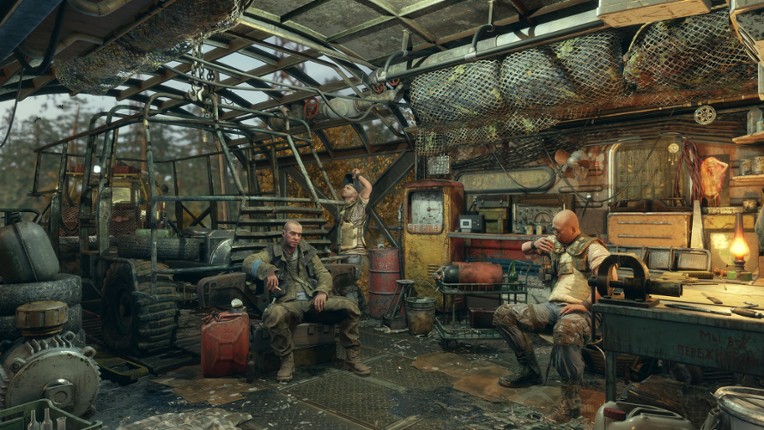
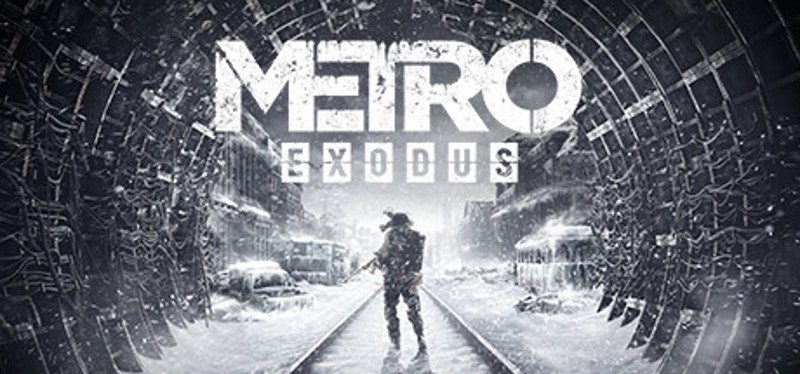
Metro Exodus only loosely overlaps, but it appeals to Starfield players seeking atmospheric first-person exploration in a bleak, post-apocalyptic sci-fi world.
If you enjoyed this game, see our list of games similar to Metro Exodus.View Game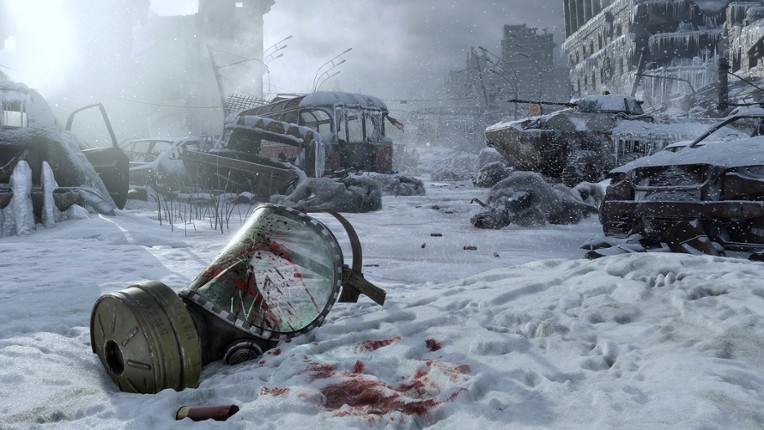
- 58%Game Brain ScoreMost mentioned positive aspects:gameplay, graphicsMost mentioned negative aspects:story, stability51% User Score 9,556 reviewsCritic Score 67%8 reviews
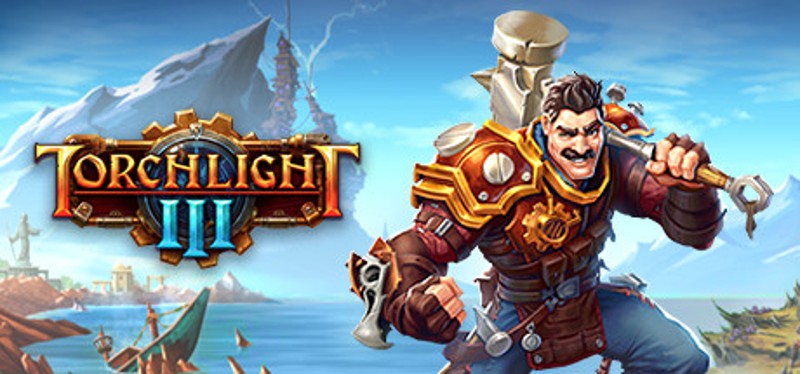
Torchlight III abandons Starfield's sci-fi scale for colorful dungeon crawling, offering a lighter, lootier action-RPG fix instead.
If you enjoyed this game, see our list of games similar to Torchlight III.View Game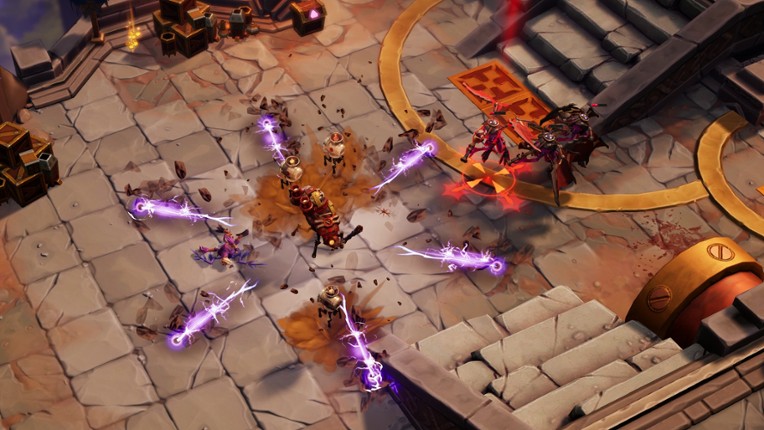
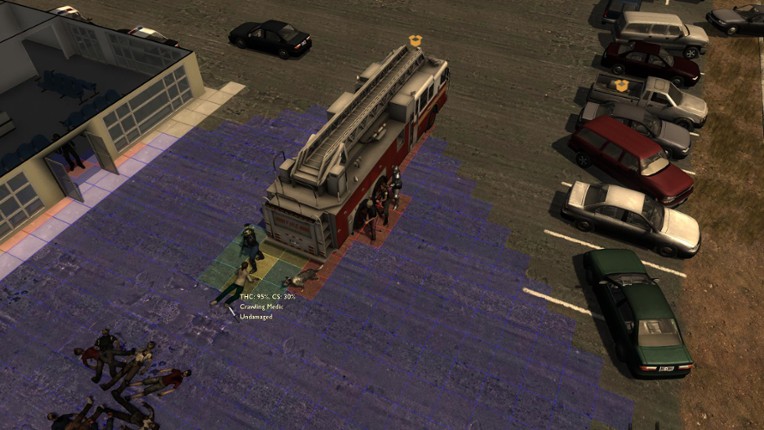
- 70%Game Brain ScoreMost mentioned positive aspects:story, gameplayMost mentioned negative aspects:stability, grinding71% User Score 2,921 reviewsCritic Score 69%3 reviews
Dead State is a compelling, high-tension survival RPG set in central Texas at the collapse of civilization and the dawn of the undead apocalypse. As society is beginning to fall apart, the player must organize a group of survivors together, fortify a shelter, scout for food and supplies, negotiate with or defend against other factions, and maintain order inside the shelter as humanity teeters on t… If you enjoyed this game, see our list of games similar to Dead State: Reanimated.
View Game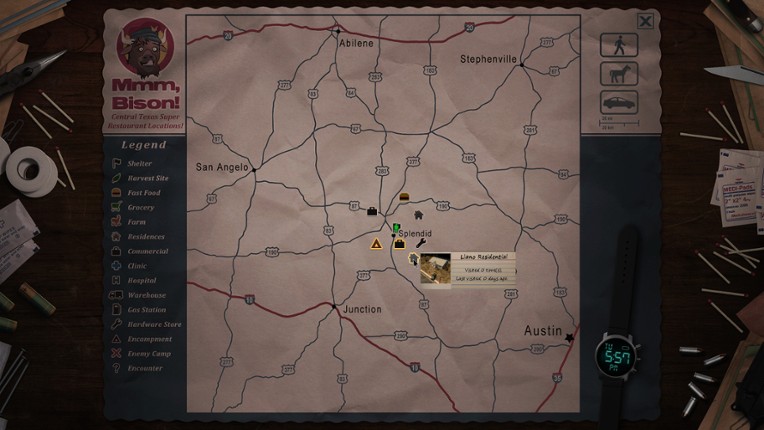
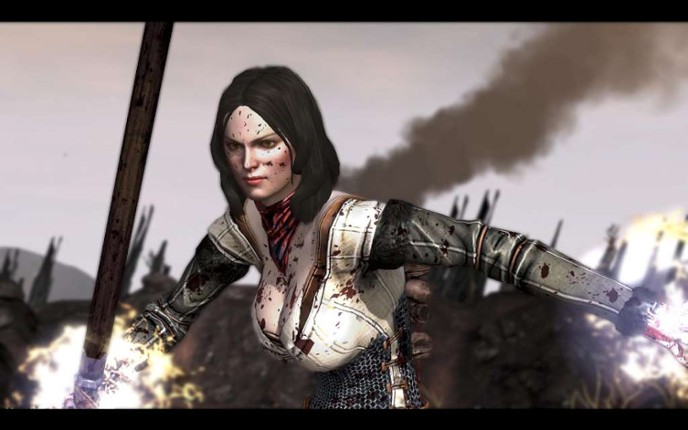
- 80%Game Brain ScoreMost mentioned positive aspects:story, gameplayMost mentioned negative aspects:stability, grinding80% User Score 6,252 reviewsCritic Score 79%7 reviews
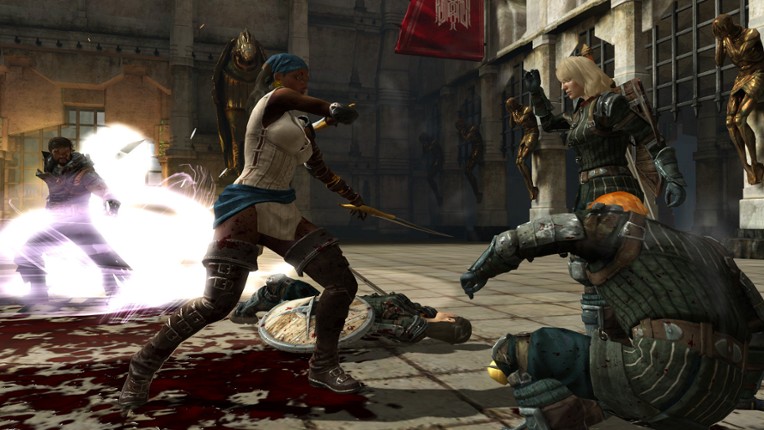
Embrace a party-based tactical structure where cinematic character relationships dictate the narrative arc rather than the open-ended, solo exploration of the cosmos.
If you enjoyed this game, see our list of games similar to Dragon Age 2.View Game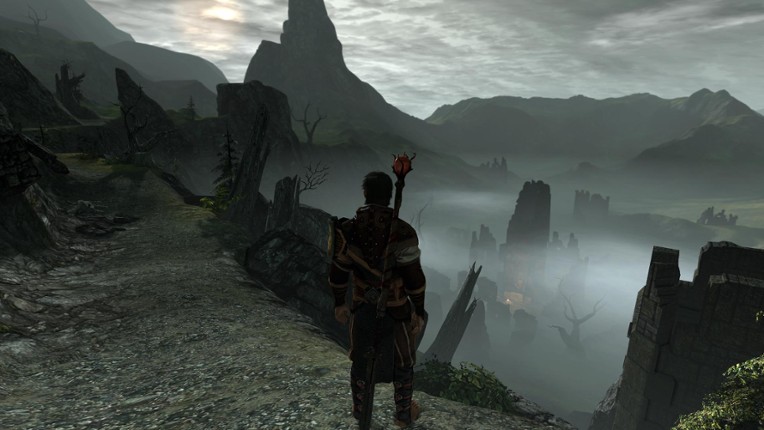


 View Game





















Frequently Asked Questions
No Man's Sky offers procedural-generation exploration across endless planets with trading and survival mechanics. Mass Effect Andromeda delivers a sci-fi RPG with squad-based combat and faction storylines. For a grittier experience, The Outer Worlds combines sharp writing with retro-futuristic worlds and meaningful character choices.
Fallout 4 excels with multiple faction questlines and a vast modding community that extends replayability. The Outer Worlds 2 features witty writing, meaningful choices, and well-voiced companions. Avowed offers story-driven quests tied to the Pillars of Eternity universe with impactful decisions throughout.
No Man's Sky launched paid but now has extensive free content updates, offering space exploration and survival gameplay. While most Starfield alternatives require purchase, No Man's Sky's free-to-play elements make it the most accessible option for players wanting similar sci-fi experiences without upfront costs.
Dragon's Dogma 2 provides extensive character creation and playstyle flexibility with action-oriented combat. Avowed combines character customization with Souls-like combat blending melee, magic, and ranged options. The Outer Worlds 2 offers varied build customization and playstyles with meaningful narrative choices affecting your journey.
Star Wars Outlaws delivers immersive world-building with authentic planet details and an outlaw-focused narrative. Fallout 4 features atmospheric post-apocalyptic exploration with rich environmental storytelling. Avowed showcases gorgeous, vibrant landscapes with detailed environments that enhance single-player exploration and narrative immersion.
Mass Effect Andromeda includes online co-op multiplayer alongside its single-player campaign. No Man's Sky supports co-op exploration where up to four players can explore planets together. Most other Starfield alternatives like Fallout 4 and The Outer Worlds focus on single-player experiences without multiplayer options.