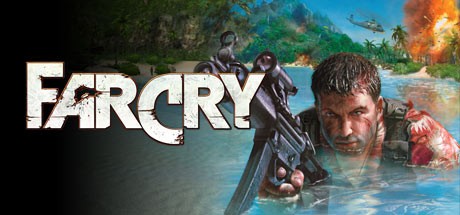


If Far Cry's open-world tropical sandbox left a permanent mark on how you think about first-person shooters, you're not alone — and your search for games like Far Cry puts you in good company. The 2004 original delivered something genuinely rare: sprawling outdoor environments, multi-approach mission design, and combat that rewarded patience and tactical thinking as much as reflexes. The good news is that several games capture that same spirit, and some even push it further.
What made Far Cry stand out wasn't just its visuals or open maps — it was the tension between freedom and consequence. You could scout from a distance, flank through jungle cover, or go in loud, but the AI would punish sloppy play hard. That loop of planning, adapting, and surviving across large, detailed environments is exactly what players are chasing when they look for games like Far Cry. It's single-player, science-flavored adventure design at its most demanding and most rewarding.
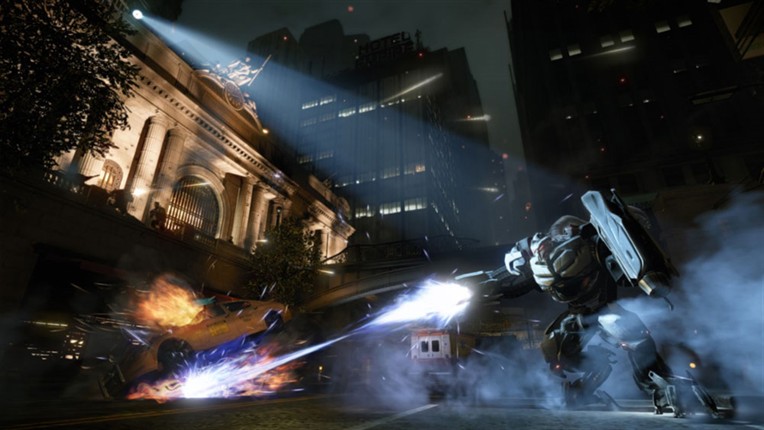
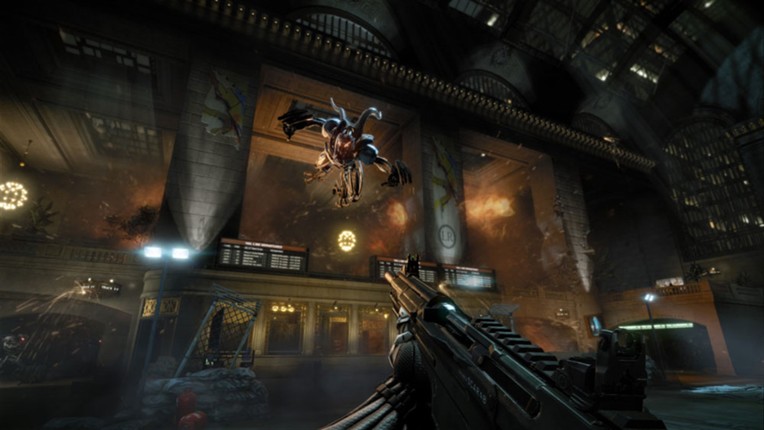
Crysis builds directly on Far Cry's DNA with a nanosuit and sandbox island combat; Far Cry 2 strips things back to a brutal, realistic African warzone with dynamic fire and weapon degradation; Red Faction brings destructible environments and punchy classic FPS combat; Crysis 2 trades jungles for a crumbling New York with stealth-heavy Nanosuit gameplay; and Return to Castle Wolfenstein offers tightly crafted corridors with that same demanding old-school challenge.
Every recommendation below is ranked by similarity using real player data, so the closest matches to Far Cry appear first. Scroll down to explore the full list and find your next obsession.
Both games trap you in hostile environments where how you approach each encounter matters more than raw firepower. The open-ended level design rewards experimentation—you can flank, snipe from distance, or go loud—and that freedom to choose your angle creates genuinely different playthroughs.
The checkpoint-driven progression system returns in Far Cry®, which means tension builds the same way: every decision carries weight because backtracking stings. This shared friction actually sharpens tactical thinking rather than diluting it, forcing you to commit to strategies instead of save-scumming through encounters.
Where Far Cry® diverges is in scale and pacing—the sandbox sprawls significantly larger, offering denser mission variety and a longer campaign to sink into. This addresses the original's inconsistent difficulty spikes by giving you more breathing room between power curves.
The AI still exploits unfair sightlines at times, but dynamic enemy behavior keeps encounters unpredictable in ways that reward observation and positioning. Best for players who want the original's tactical depth expanded rather than streamlined—those comfortable trading accessibility for emergent complexity.
If you enjoyed this game, see our list of games similar to Far Cry®.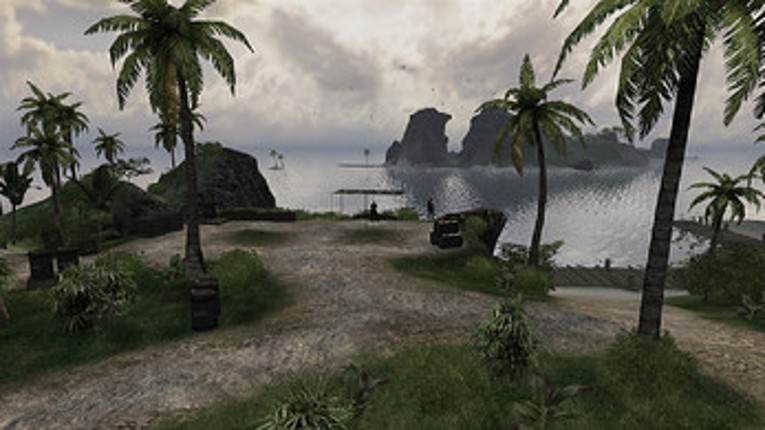
Both games give you the thrill of approaching firefights as a problem to solve, not just a corridor to clear. In Far Cry, that meant picking angles, managing sightlines, and using the environment to outthink enemies; Red Faction carries that same pressure into its Mars bases, where every room can become a new tactical puzzle.
The biggest overlap is the emphasis on player freedom inside hostile spaces. Red Faction’s Geo-Mod system lets you blast alternate paths through walls, which creates the same kind of improvisational energy Far Cry fans remember from scouting, flanking, and adapting on the fly. It also scratches the sci-fi military-shooting itch with a varied arsenal and solid, responsive gunplay.
The tradeoff is that Red Faction is more structured and shorter, but that can be a win for anyone who found Far Cry’s later stretches dragged or punished mistakes with awkward checkpointing. Its campaign respects your time while still offering tough encounters, though the difficulty can spike hard. Best for players who want tactical shooter chaos with a stronger sense of place.
If you enjoyed this game, see our list of games similar to Red Faction.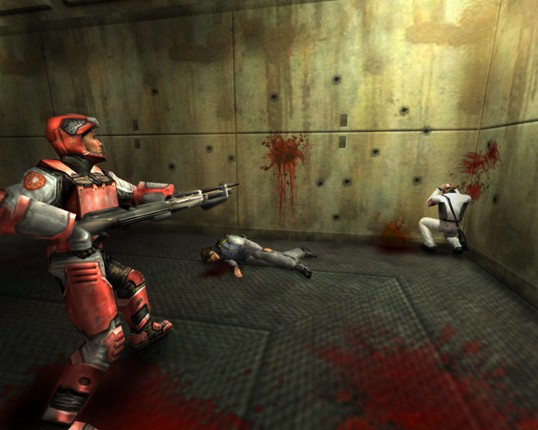
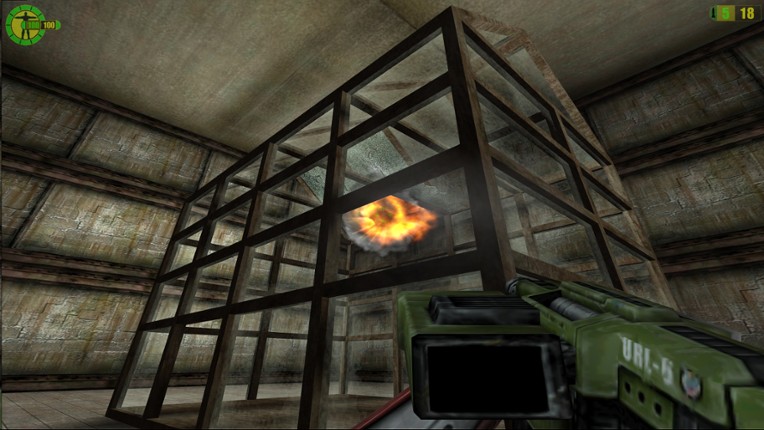
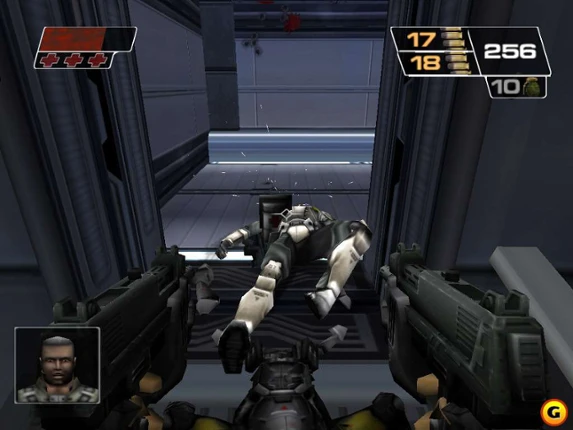
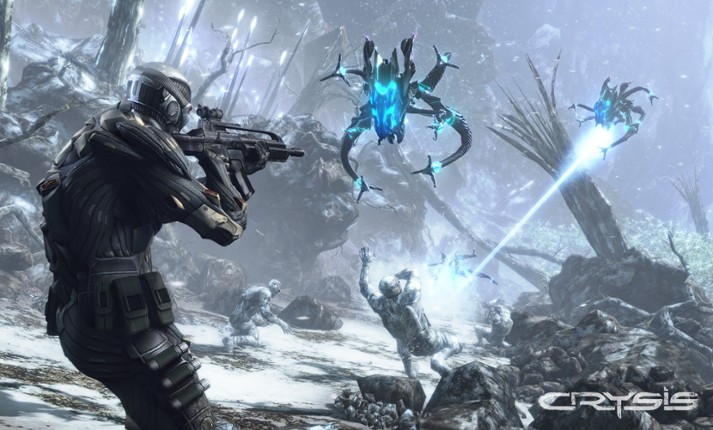
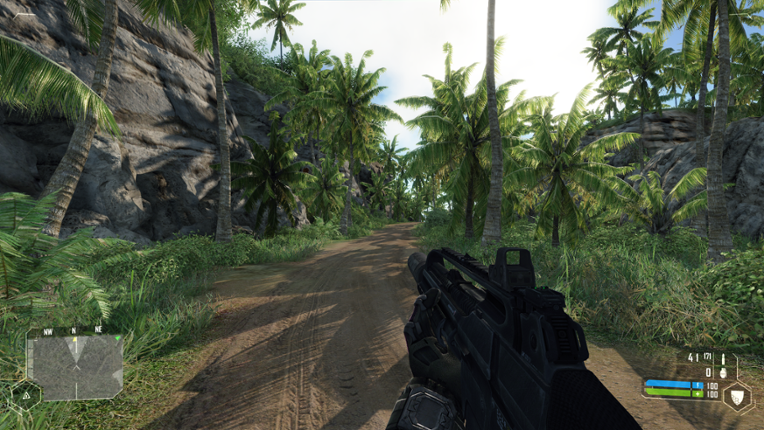
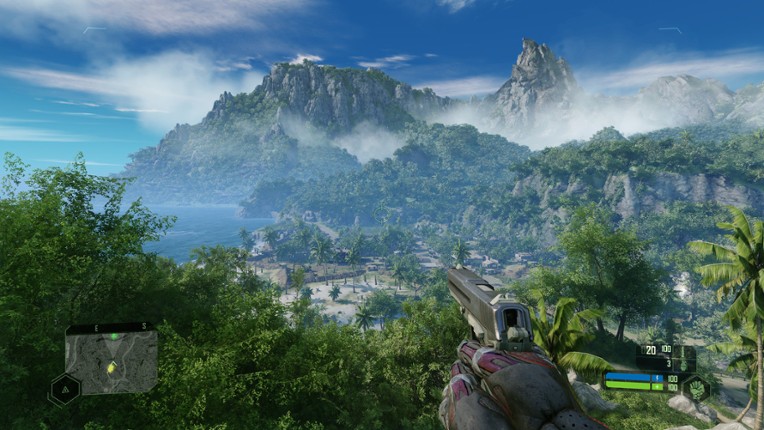
Both titles drop you into a dense tropical sandbox where scouting a mercenary camp from a distant ridge is the vital first step of any encounter. You are given the freedom to choose your path, whether that means sniping from the undergrowth or driving a technical through the front gate. This reliance on strategic improvisation mirrors the original Far Cry experience, rewarding players who value planning and reconnaissance over frantic twitch-reflexes.
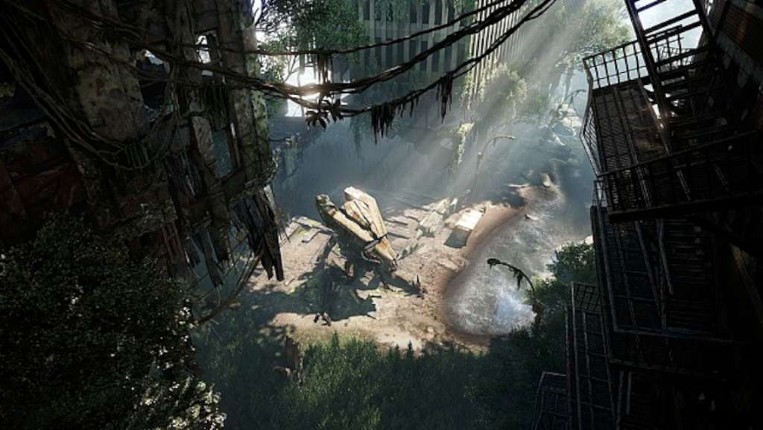
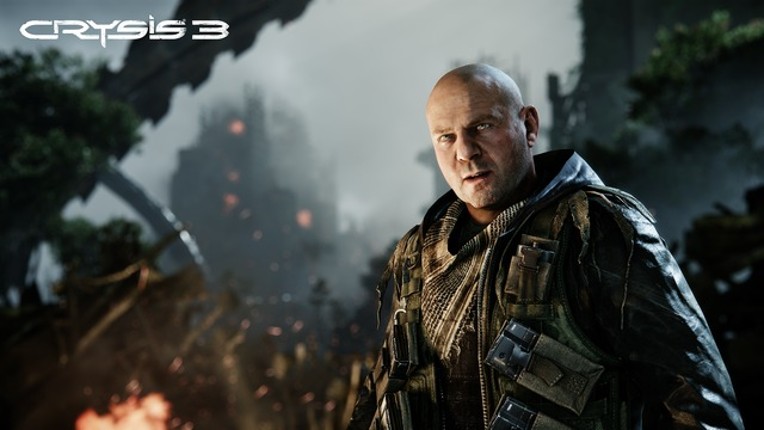
While Far Cry often frustrated players with "wall-hacking" AI, Crysis provides a more refined tactical layer through its Nanosuit technology. This mechanic allows you to actively manipulate the environment and enemy line-of-sight, effectively solving the previous game's stealth issues. The addition of destructible environments further enhances the combat, letting you level the very buildings your targets are using for cover.
Expect a shift toward science-fiction spectacle as the grounded jungle warfare eventually gives way to high-tech alien encounters. This evolution offers a fresh pace that trades traditional guerrilla tactics for superhuman power management. Best for players who prioritize creative problem-solving and sandbox agency over scripted set pieces.
If you enjoyed this game, see our list of games similar to Crysis.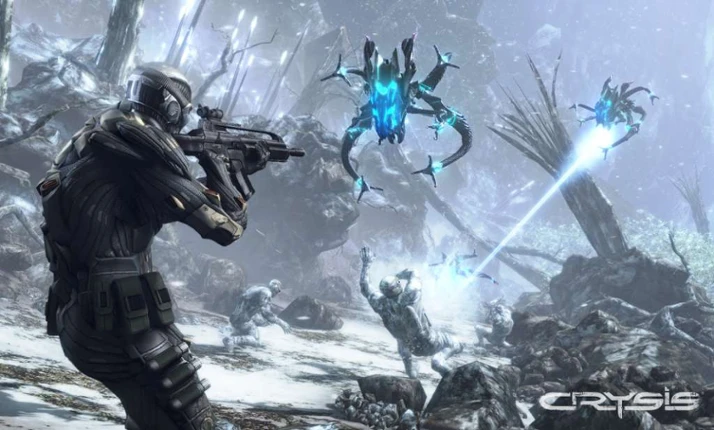
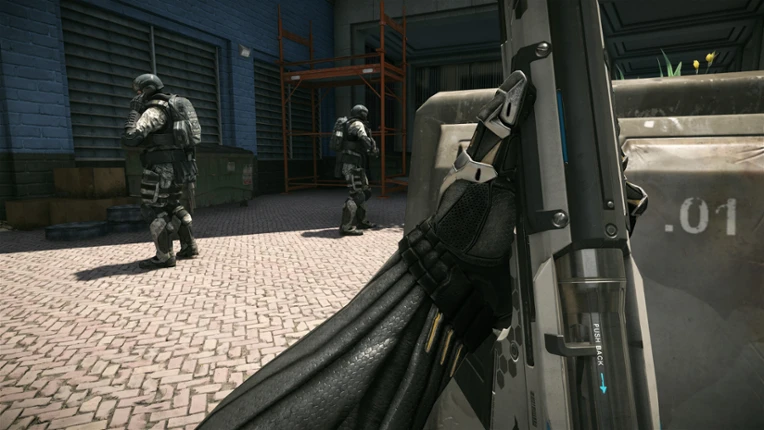
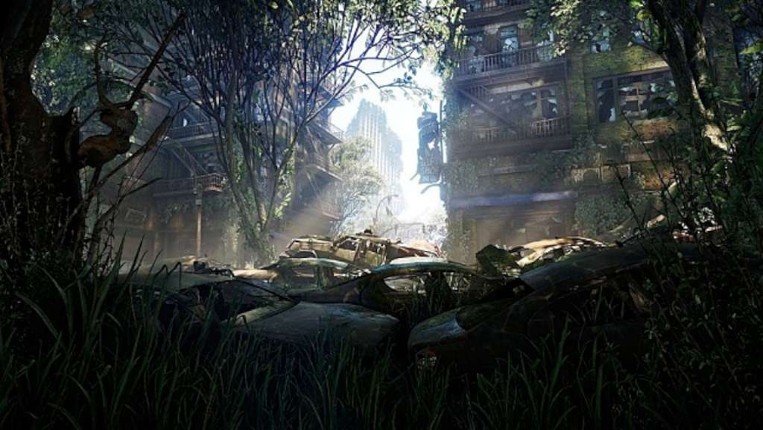
Crysis 2 mirrors Far Cry’s emphasis on freedom in combat, offering multiple approaches to encounters that balance stealth and direct action. This flexibility injects strategic depth, rewarding players who adapt their tactics. The strong science fiction setting reinforces this dynamic, adding futuristic gadgets and weaponry to classic shooter mechanics.
The major tradeoff is Crysis 2’s linear level design, which limits exploration compared to Far Cry’s open-world expanses. While its visuals and soundtrack remain impressively polished, the restrictive environments reduce player agency and replay value. Additionally, AI inconsistency undercuts challenge at times, contrasting with Far Cry’s punishing difficulty.
Pick Crysis 2 if you want tactical freedom within a tighter, story-driven framework but can live without open-world exploration or consistent AI challenge. It best suits players who prioritize polished production values and tight combat over sandbox scope.
If you enjoyed this game, see our list of games similar to Crysis 2.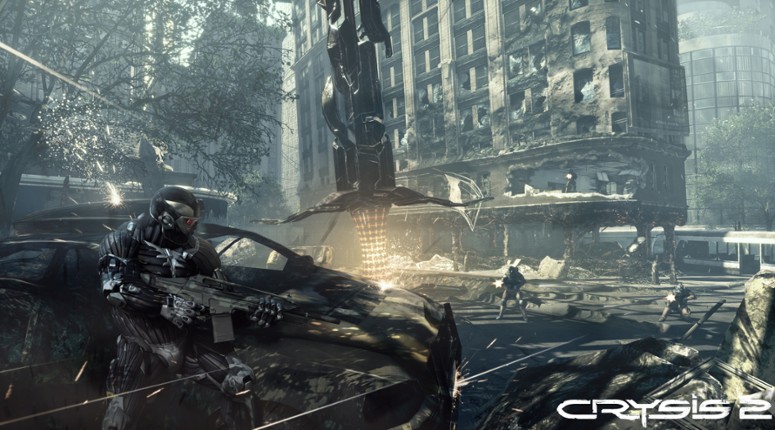
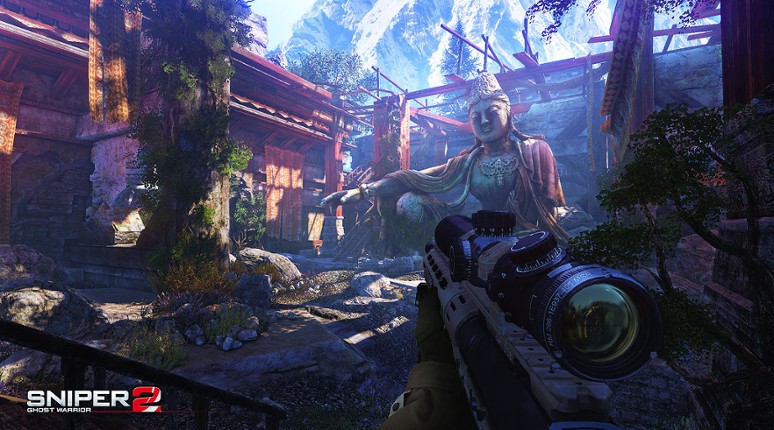
Both titles prioritize tactical stealth, forcing you to treat every open-world engagement as a calculated operation rather than a mindless run-and-gun scenario. This shared focus on environmental reconnaissance matters because it rewards players who carefully scout enemy positions before firing a single shot.
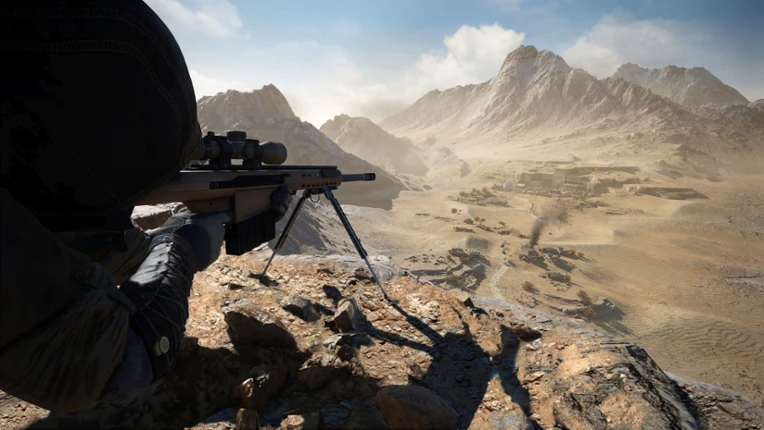
While Far Cry leans into chaotic, systemic sandbox freedom, Sniper: Ghost Warrior 2 demands clinical, long-range precision within more rigid, mission-oriented structures. You sacrifice the ability to experiment with different vehicular or explosive approaches for a more focused, high-stakes ballistics experience.
Pick this up if you want the punishing stealth tension of early 2000s shooters, but can live without the sprawling sandbox freedom.
If you enjoyed this game, see our list of games similar to Sniper: Ghost Warrior 2.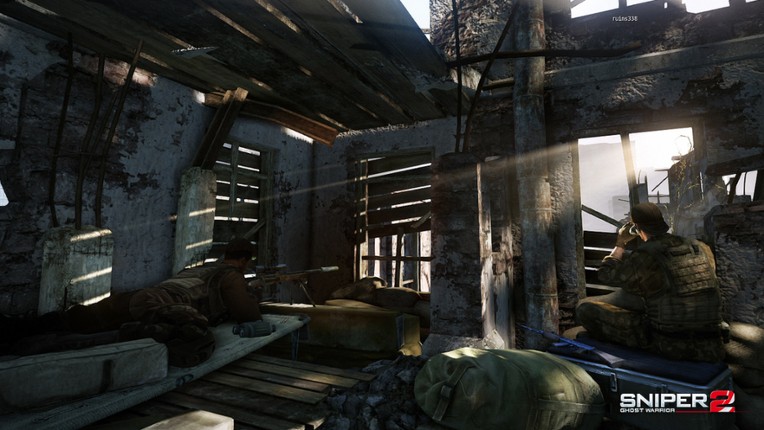
That tension of sizing up an enemy compound, reading patrol patterns, and deciding whether to go loud or stay quiet — Far Cry built its reputation on exactly that kind of tactical decision-making, and Return to Castle Wolfenstein puts you in the same headspace repeatedly.
Both games reward players who observe before acting, and RtCW's weapon variety encourages the same kind of resourceful thinking Far Cry demands when supplies run thin. The first-person perspective here isn't just a camera angle — it creates the same physical intimacy with the environment that made Far Cry's jungle firefights feel genuinely dangerous rather than abstract.
Where Far Cry frustrated players with punishing AI and sparse checkpoints, RtCW's level structure is more contained, reducing the pain of restarts significantly. The tradeoff is a shift from open-world improvisation to corridor-driven momentum — less freeform, but tighter and more propulsive.
The WWII-meets-supernatural setting adds a layer Far Cry never attempted, blending historical grounding with occult strangeness. Best suited for players who enjoyed Far Cry's combat pressure but wanted more structure around it.
If you enjoyed this game, see our list of games similar to Return to Castle Wolfenstein.
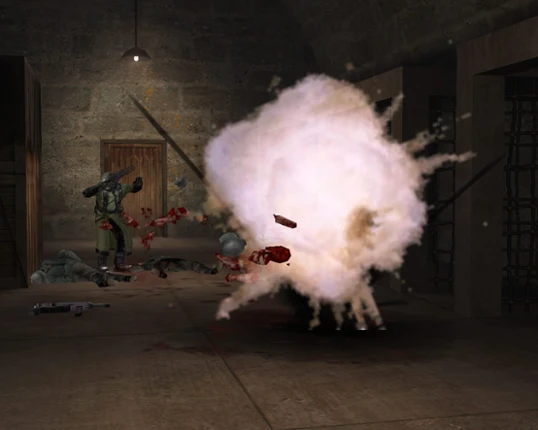

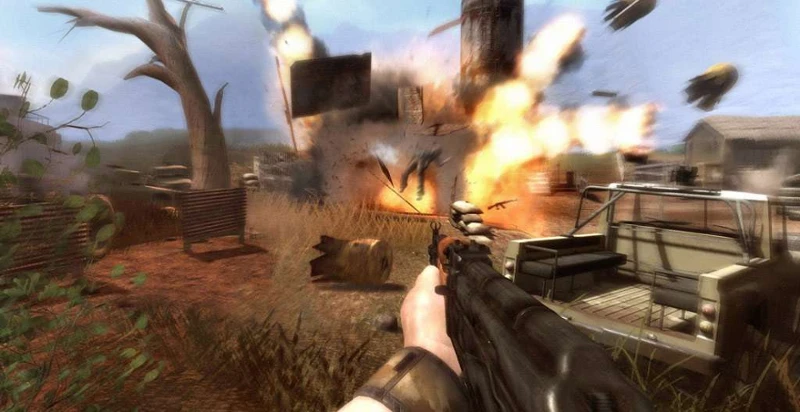
Both games reward players who study the terrain before committing to action. In Far Cry, that meant finding sniper nests and flanking routes; Far Cry 2 demands the same patience, but the landscape itself becomes a weapon—fire spreads realistically, turning cover into a liability mid-fight.
The AI improvements address a core frustration from the original. Where the 2004 release featured enemies who saw through walls, Far Cry 2 gives foes actual tactical behavior: they flank, call for reinforcements, and even attempt to rescue downed allies. This creates unpredictable firefights that reward adaptive thinking over memorized patterns.
The weapon degradation system adds a layer of resource anxiety absent from the original. Your rifle jams, your pistol overheats—and suddenly that distant mission marker feels much farther away. It's a fresh tradeoff: instead of pure skill tests, survival hinges on improvisation and preparation.
Best for players who value strategic problem-solving over narrative—those who found Far Cry's checkpoint frustration worth enduring for the moments of clever improvisation.
If you enjoyed this game, see our list of games similar to Far Cry 2.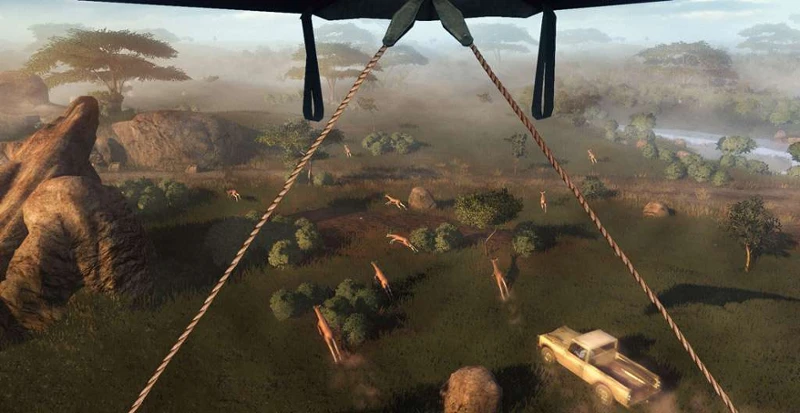
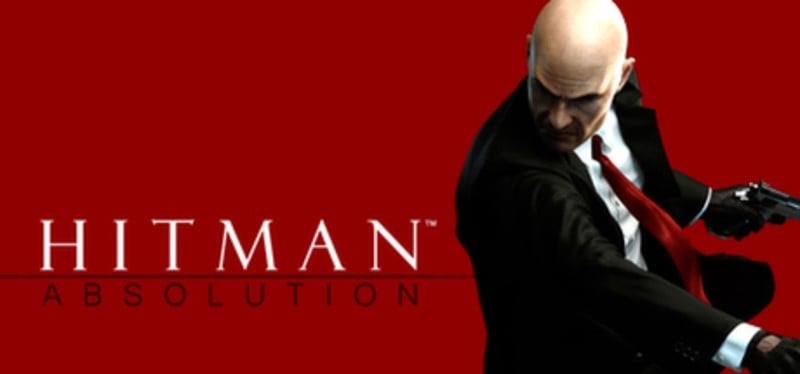
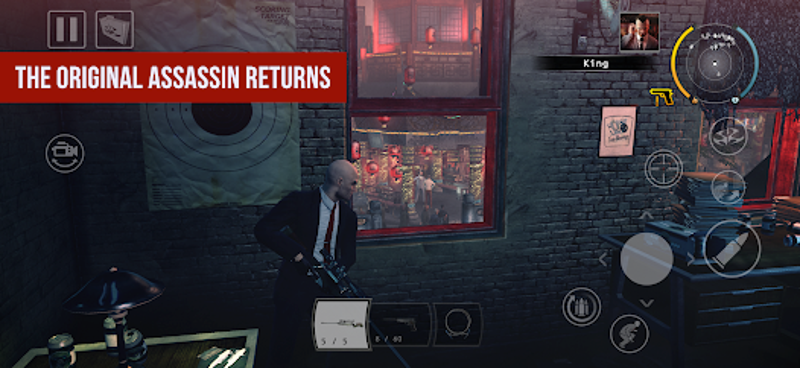
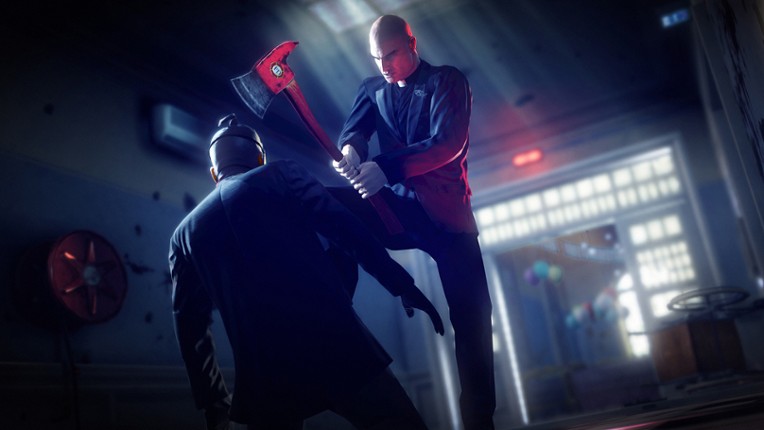
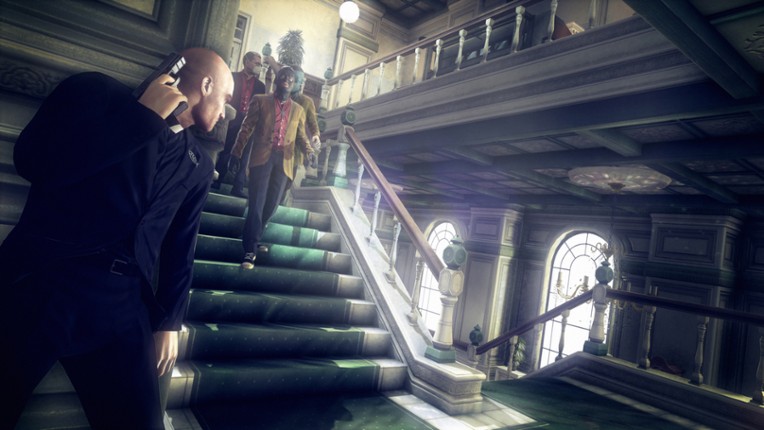
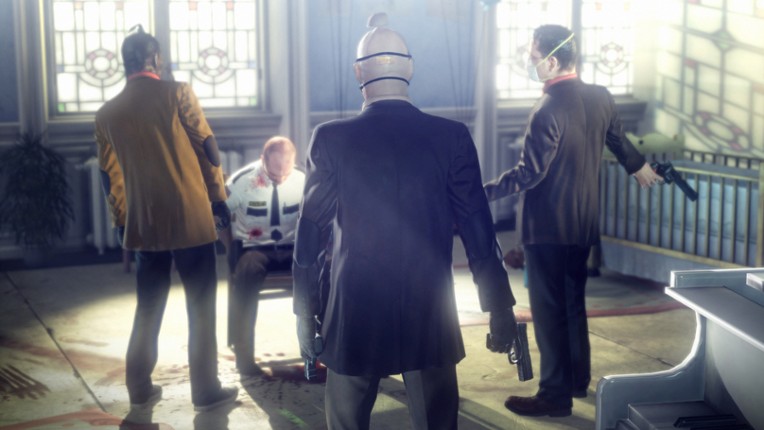
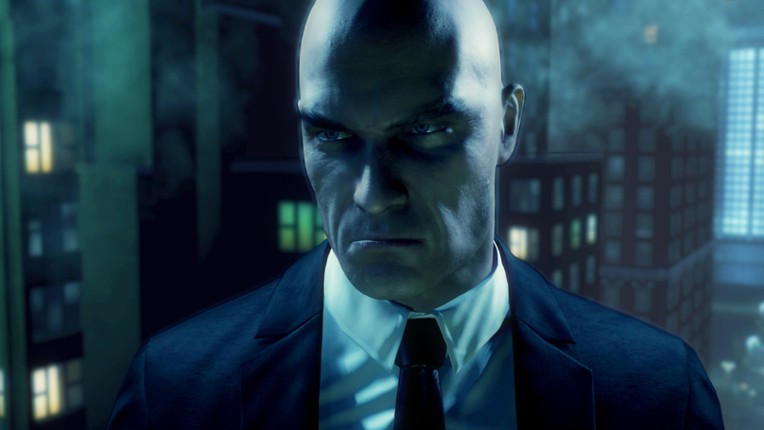
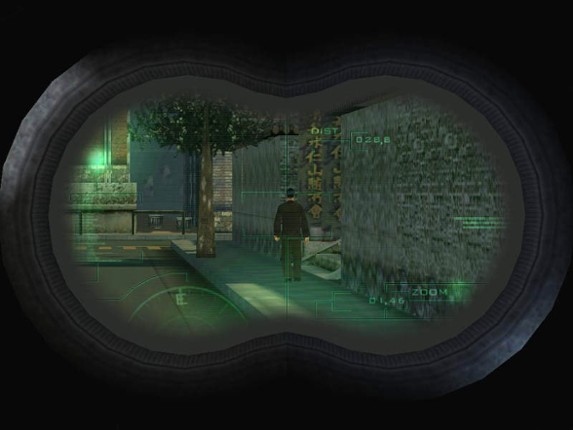
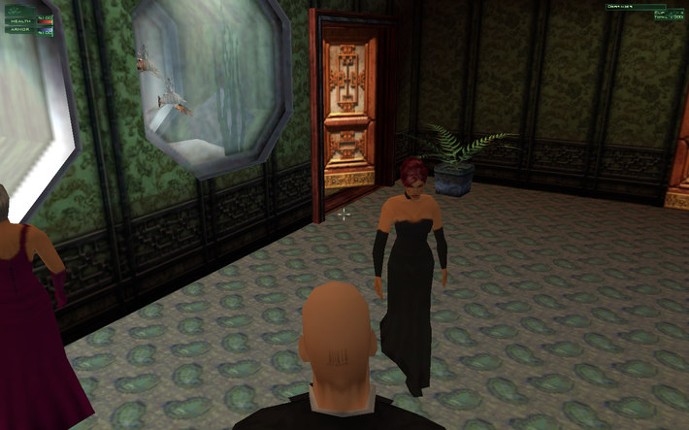
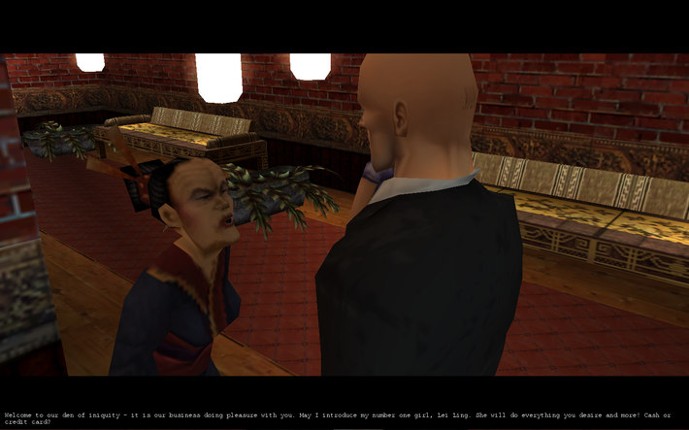
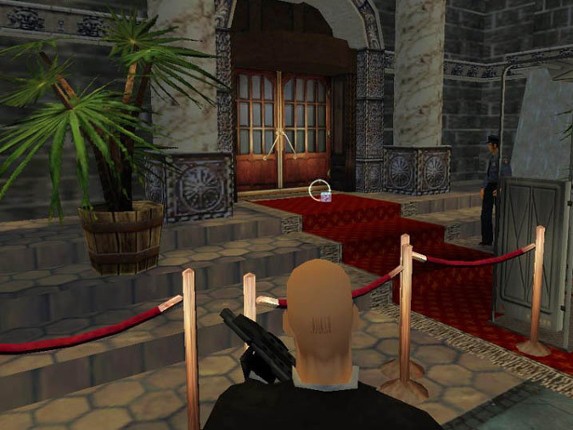
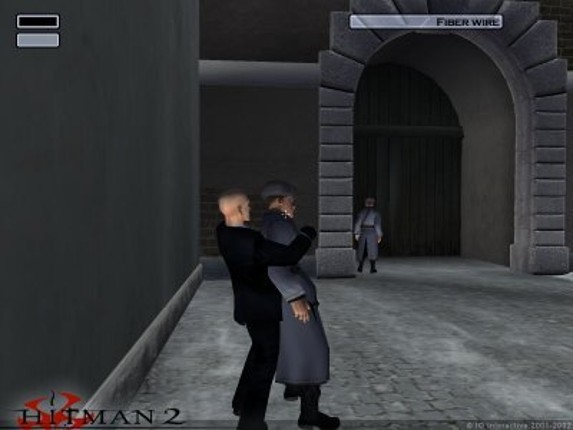
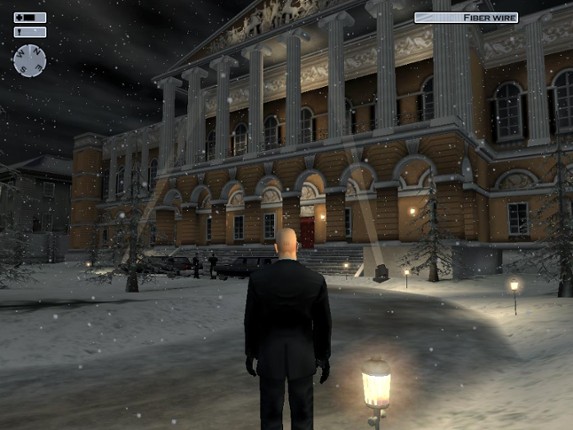
Both Far Cry and Hitman: Absolution demand mastery over emergent sandbox tactics, forcing you to exploit environmental variables to outwit superior enemy numbers. This shared reliance on systemic improvisation allows for creative mission execution, providing the same satisfaction of outsmarting a rigid AI.
The primary shift is a move from open-terrain survival to high-stakes social stealth in confined, urban spaces. Where Far Cry rewards long-range aggression, Hitman punishes direct confrontation, forcing you to prioritize disguise and misdirection over raw firepower.
Pick this up if you want the strategic freedom of Far Cry’s encounter design, but can live without its wide-open wilderness and run-and-gun potential.
If you enjoyed this game, see our list of games similar to Hitman Absolution.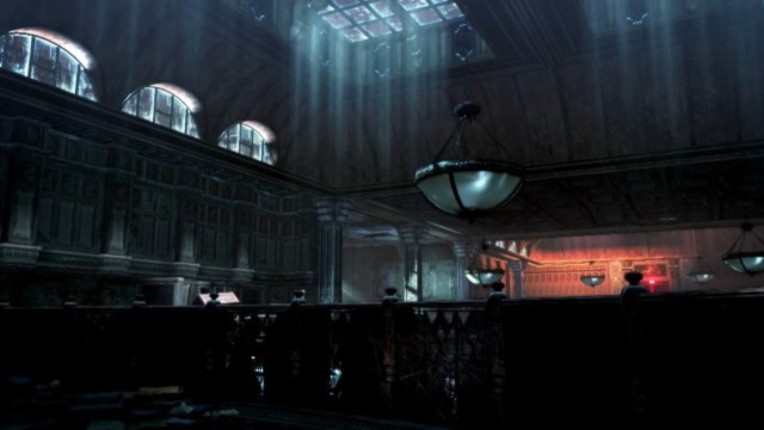
Both games share brutally honest AI that breaks in laughable ways — enemies that shoot through solid cover or swing between aimbot precision and total blindness. This creates a shared brand of chaotic combat where players must exploit the same inconsistencies to survive.
Each delivers a sci-fi shooter that values player skill over narrative polish, with challenging encounters that reward strategic thinking and quick reflexes over story investment.
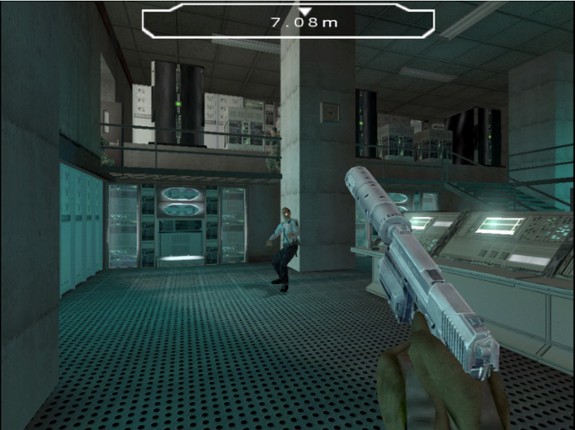
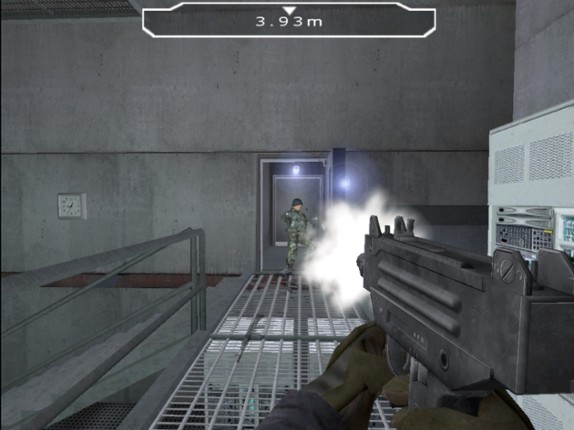
Chaser swaps Far Cry's tropical open-world for tight, linear corridors on Mars — trading exploration for faster-paced gunplay and a retro FPS aesthetic.
Pick this up if you want tense, skill-testing firefights with questionable AI but can tolerate confusing level design and dated presentation.
If you enjoyed this game, see our list of games similar to Chaser.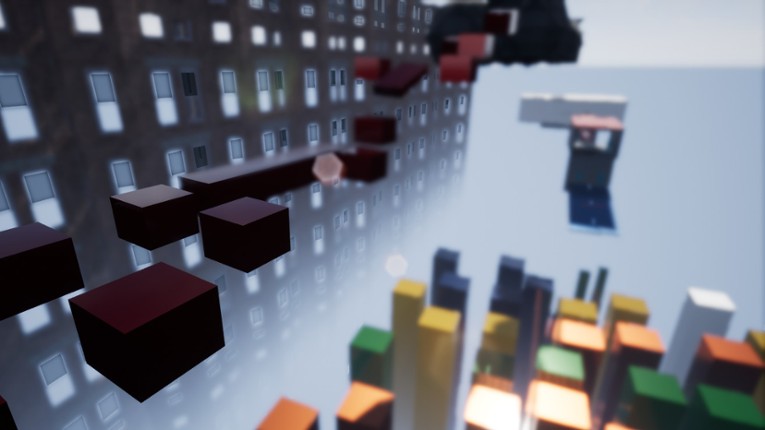
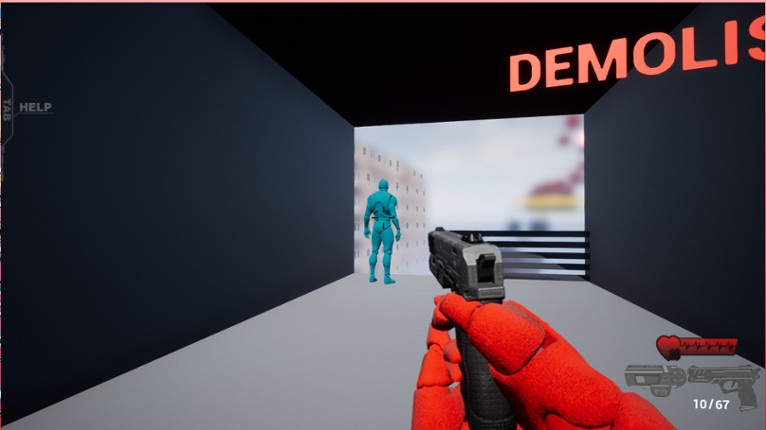
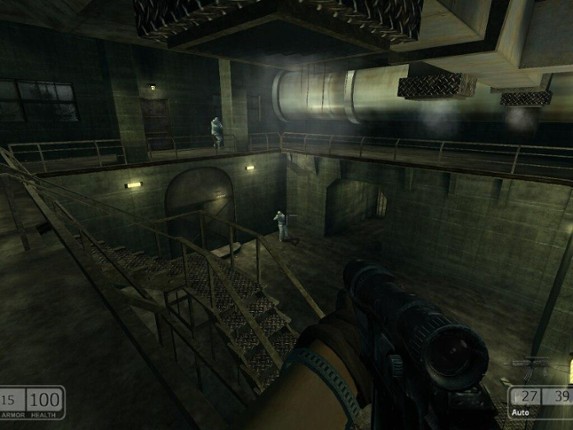
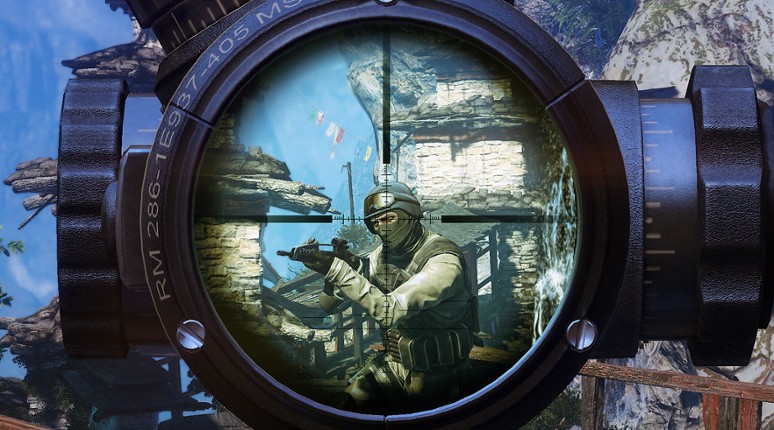
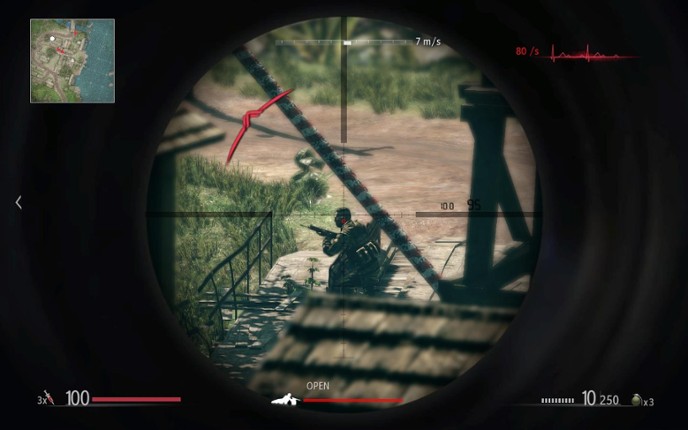
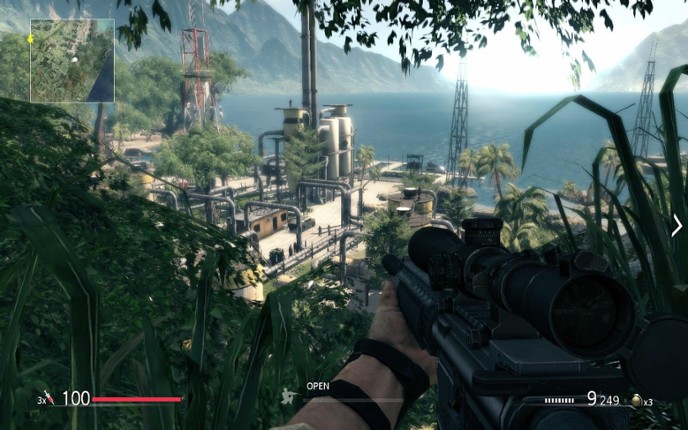
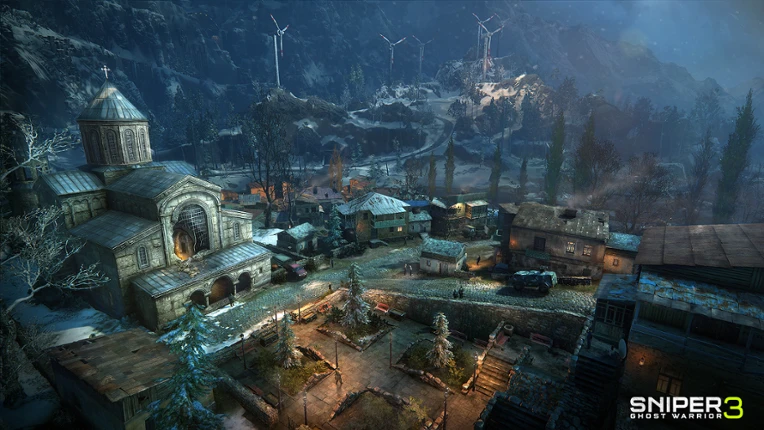
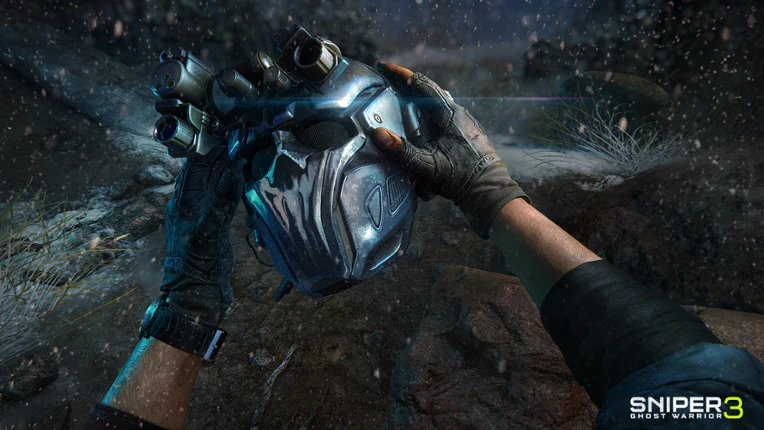
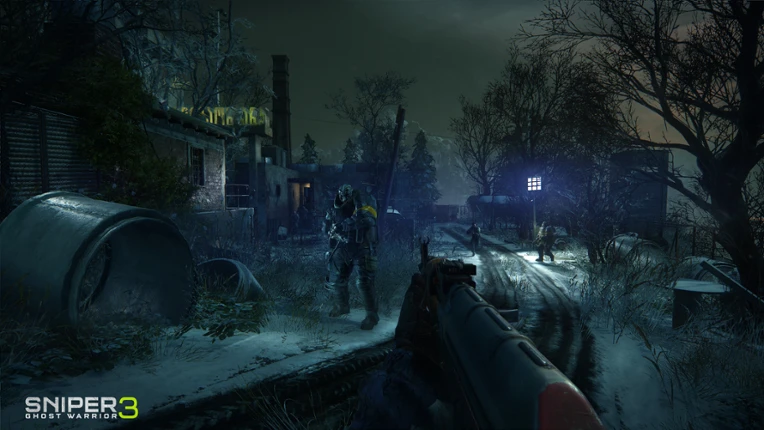
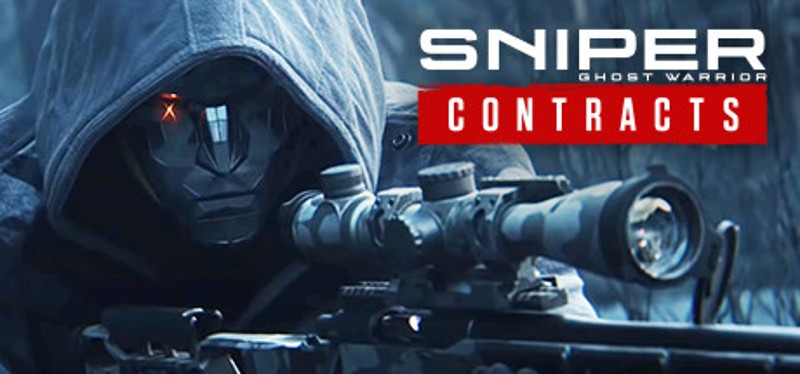
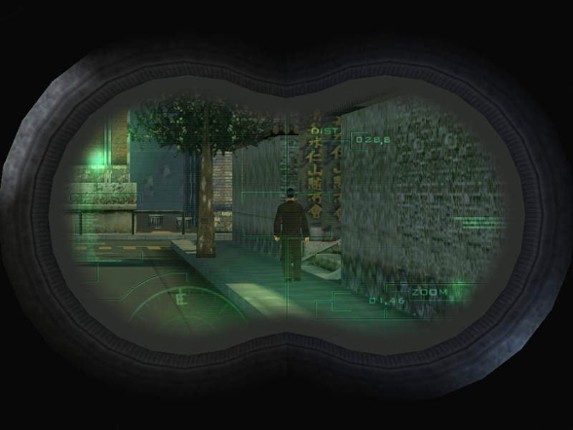
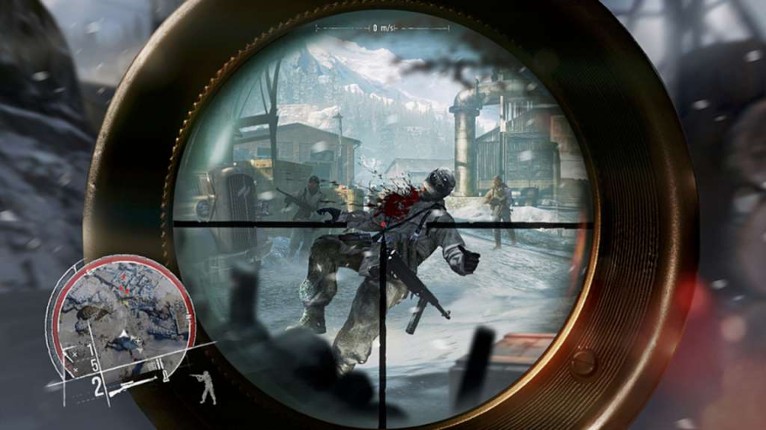
Both games let you approach missions with tactical flexibility—stealth or guns blazing—which Far Cry pioneered and Ghost Warrior refines through dedicated sniper mechanics. This flexibility matters because it rewards patience over reflexes.
The trade-off is stark: Ghost Warrior trades Far Cry's open-world freedom for linear, mission-based structure and a narrower focus on long-range engagement. You lose exploration; you gain mechanical depth in one specific skill.
Pick this up if you want to master satisfying sniper shots and don't mind sacrificing the sandbox design that made Far Cry special—but expect the same frustrating AI inconsistencies and poor hit detection you're trying to escape.
If you enjoyed this game, see our list of games similar to Sniper: Ghost Warrior.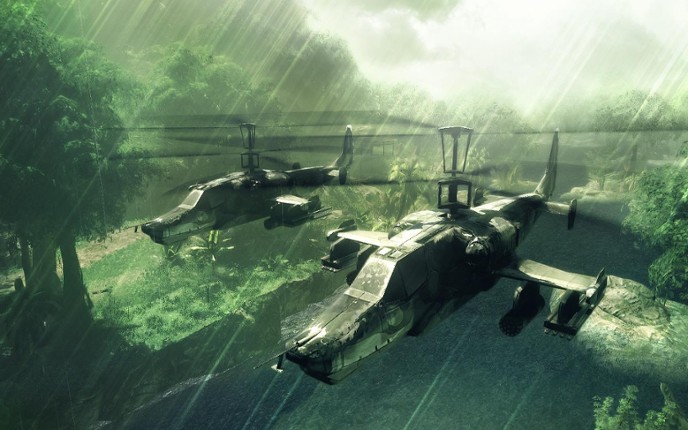
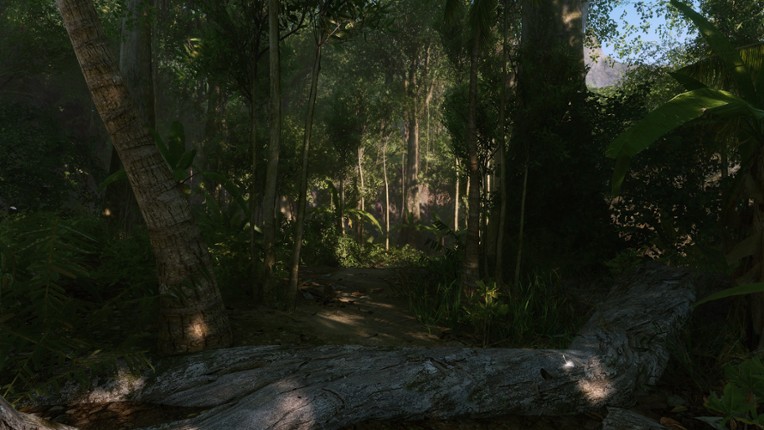
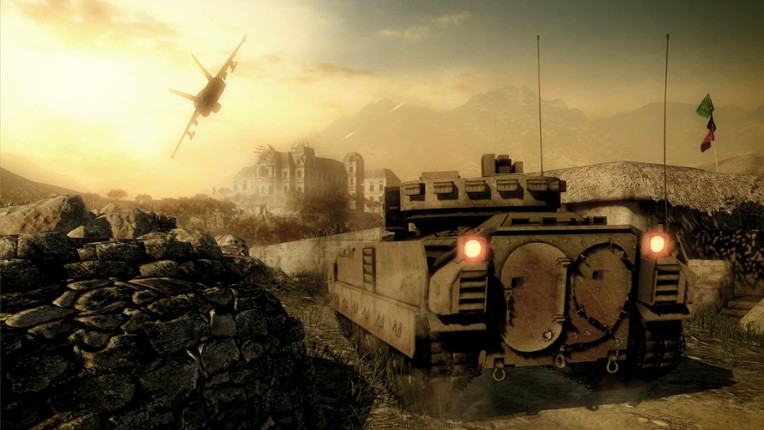
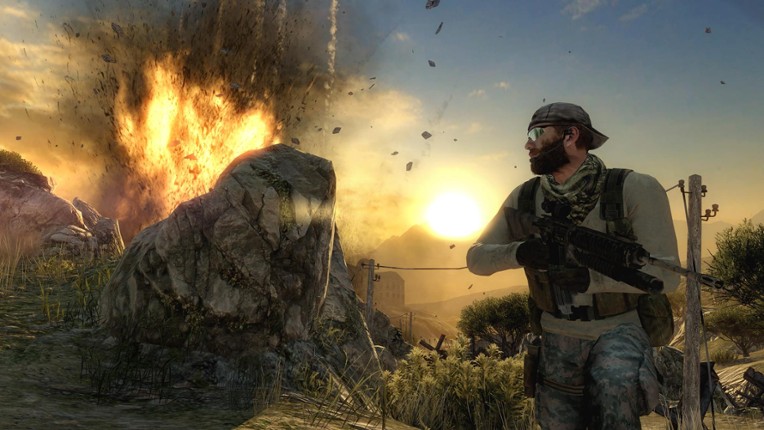
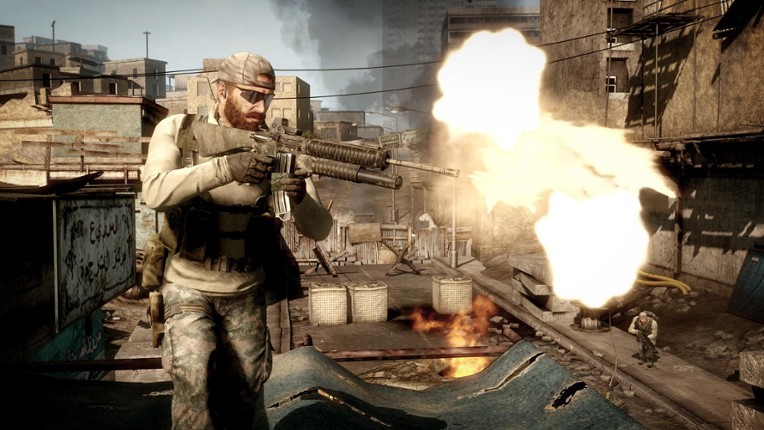
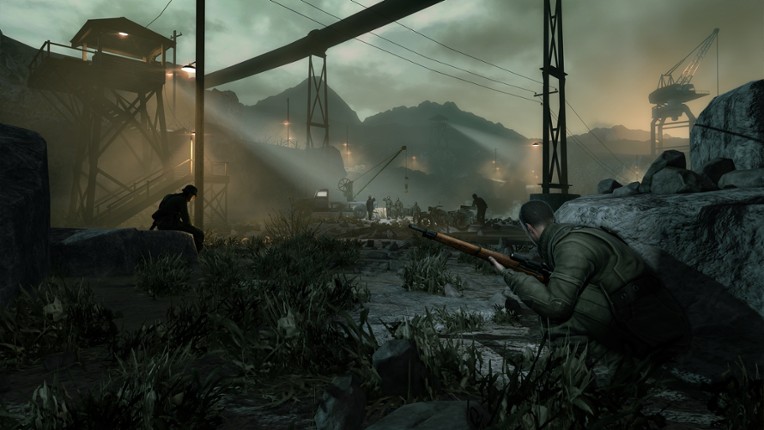
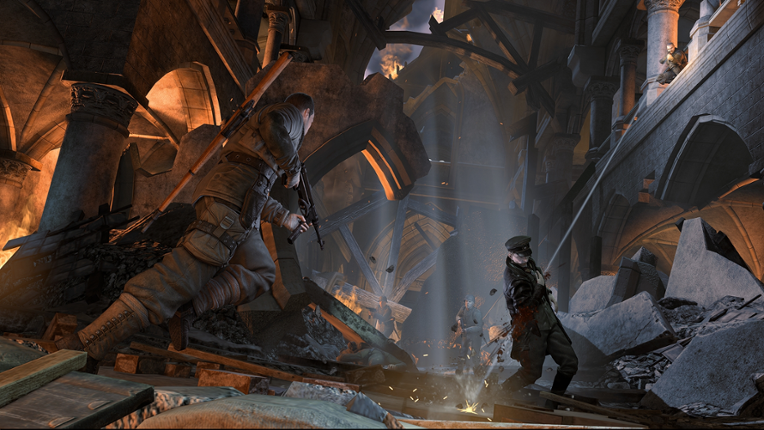

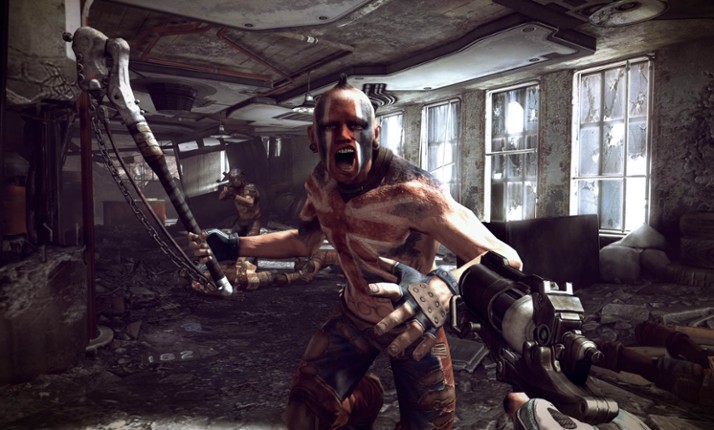
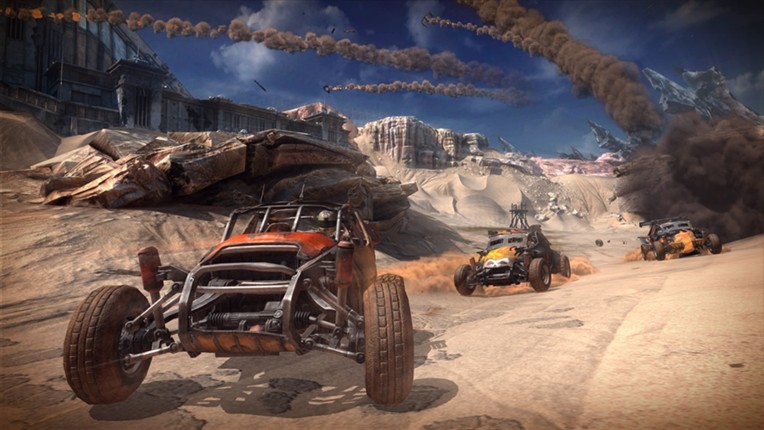
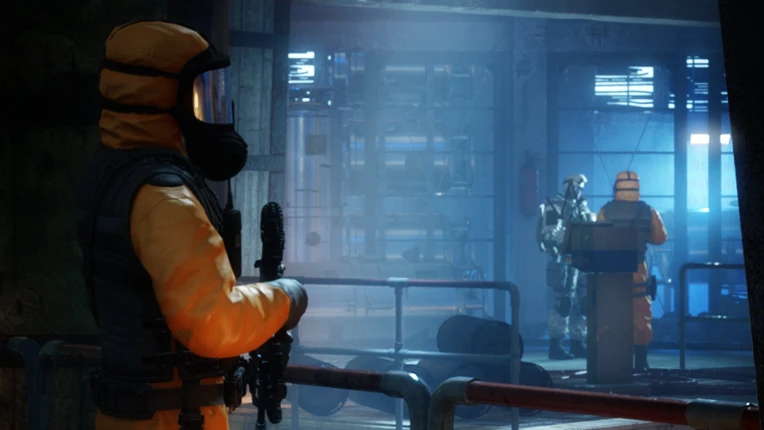
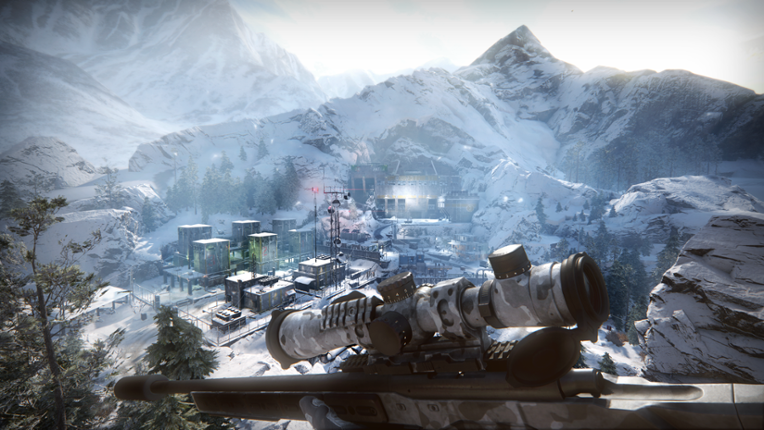
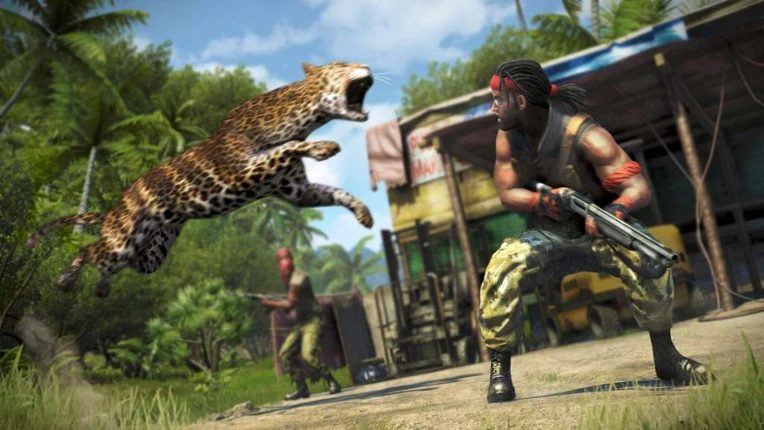
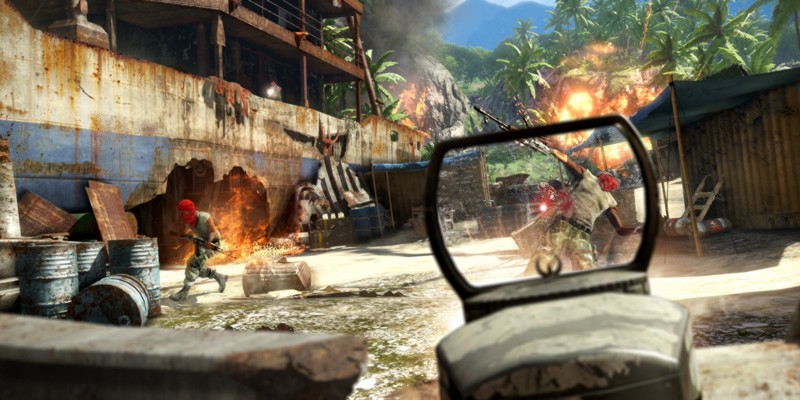
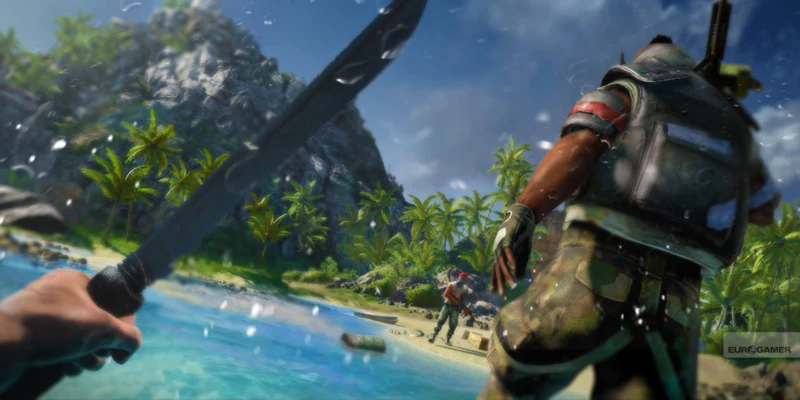
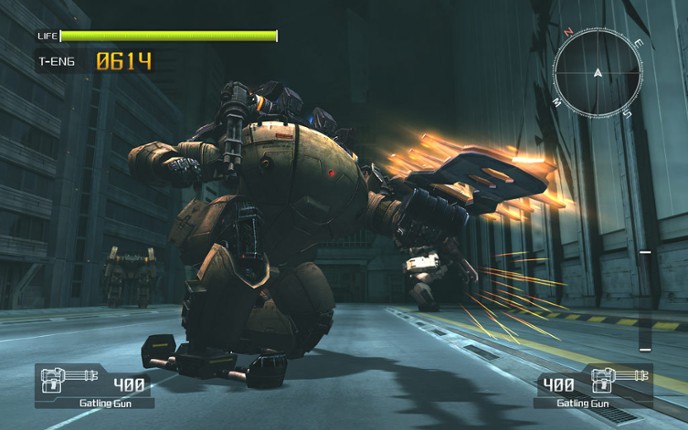
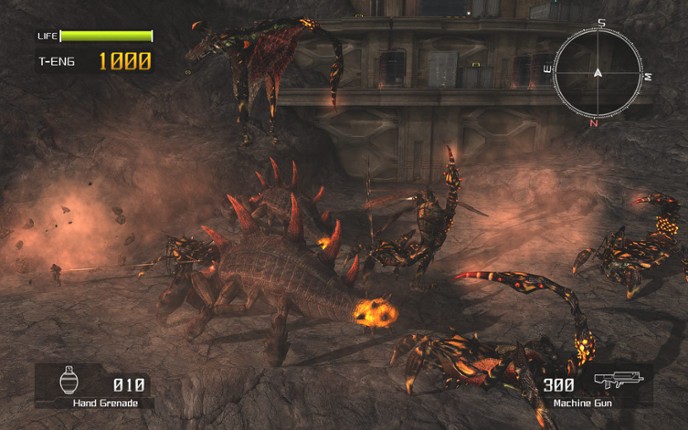
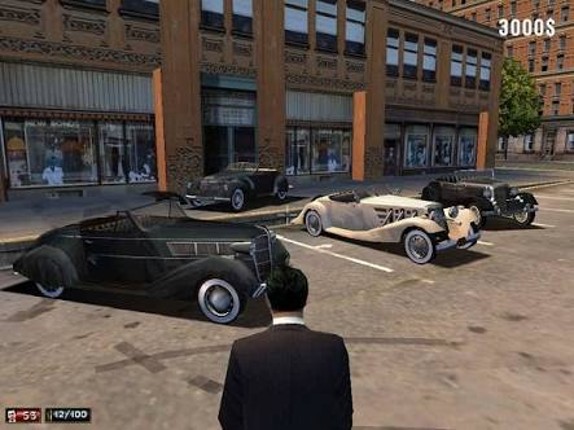
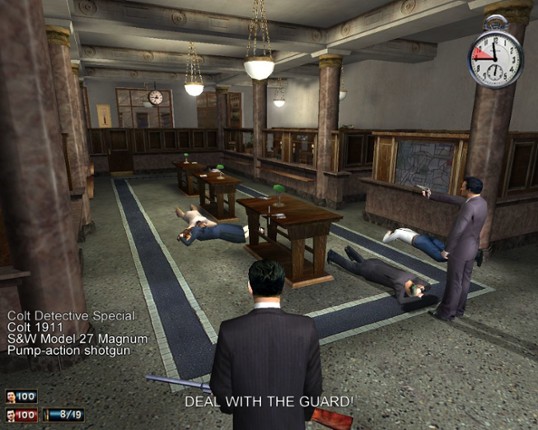

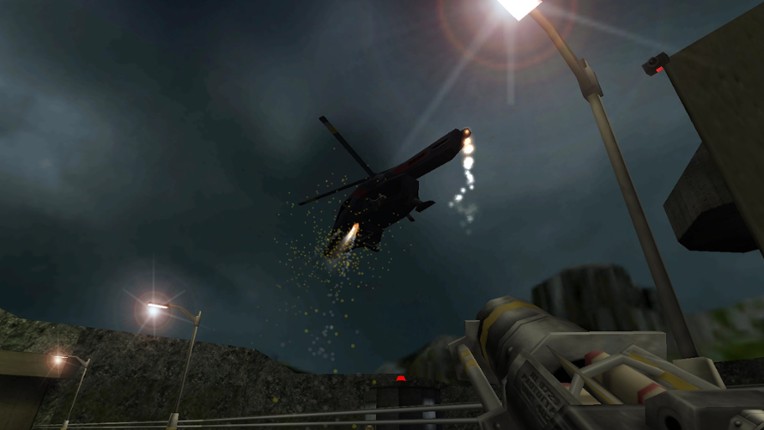
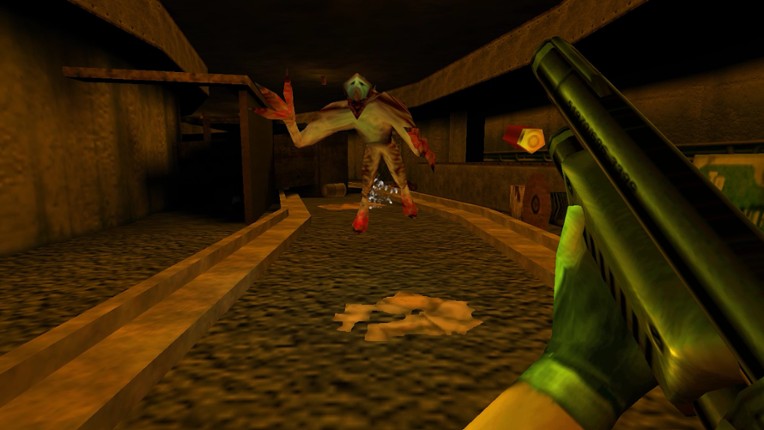

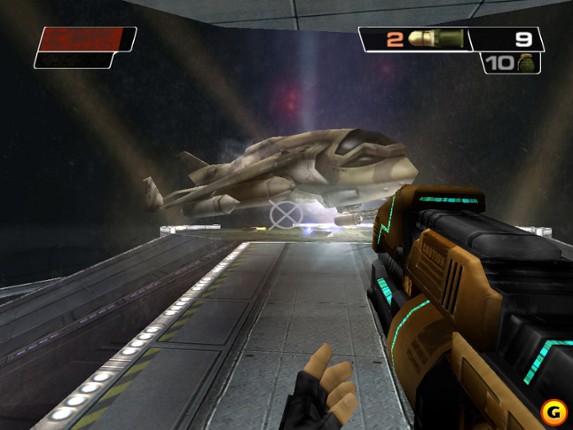
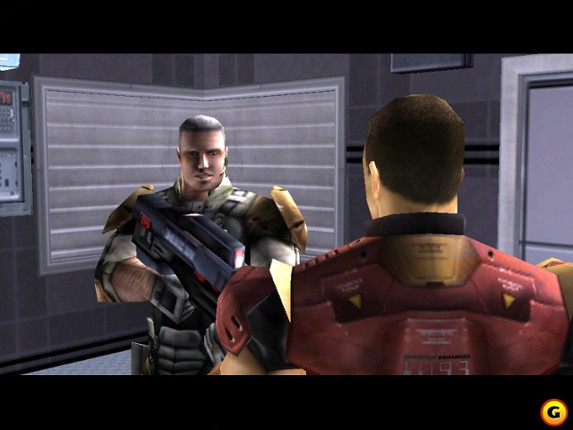
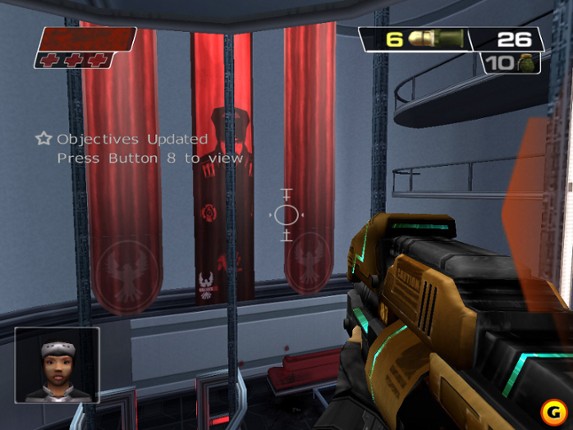
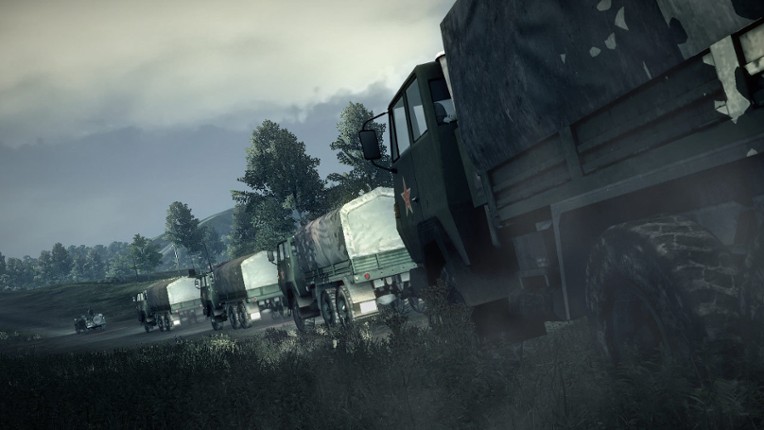
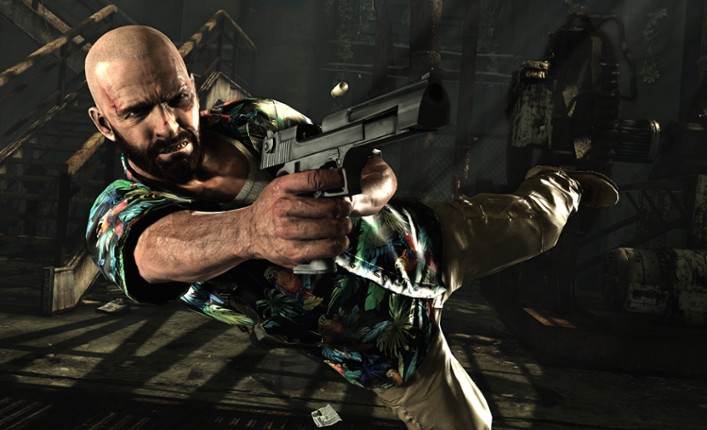
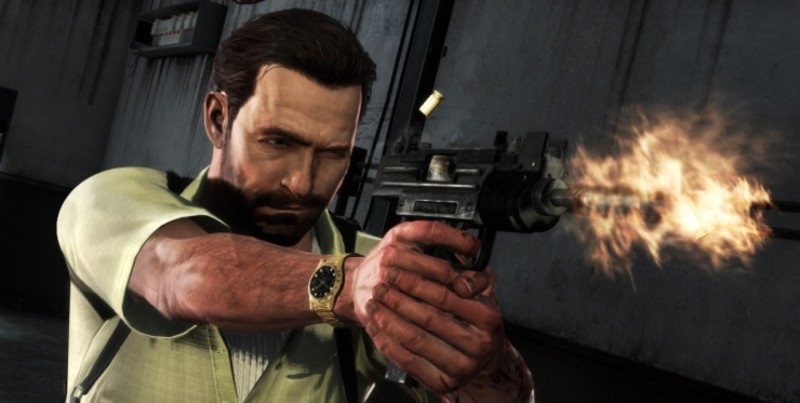
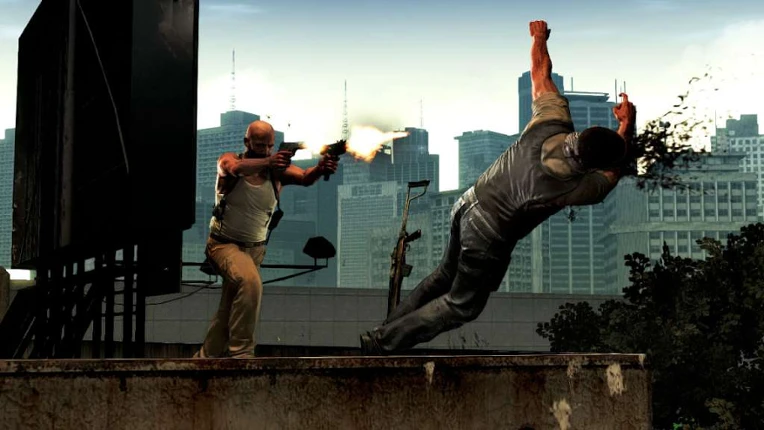
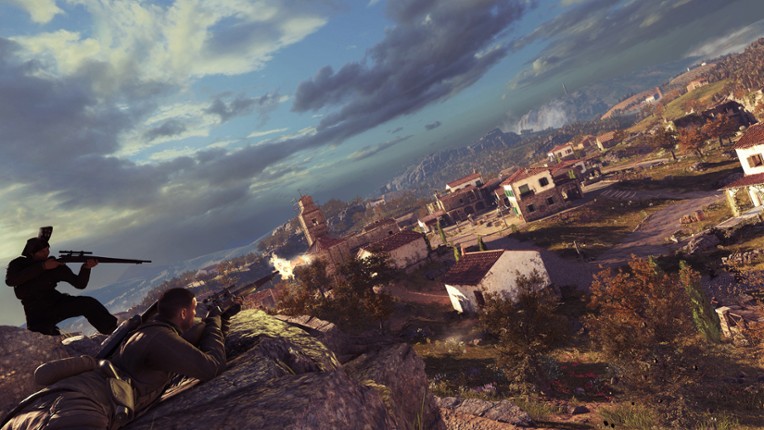
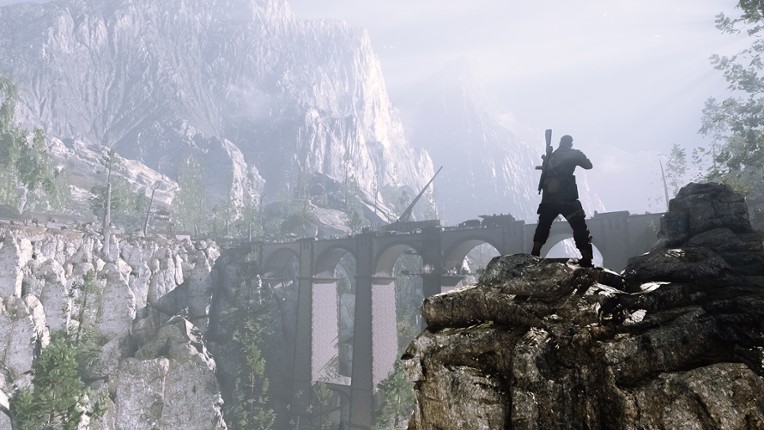
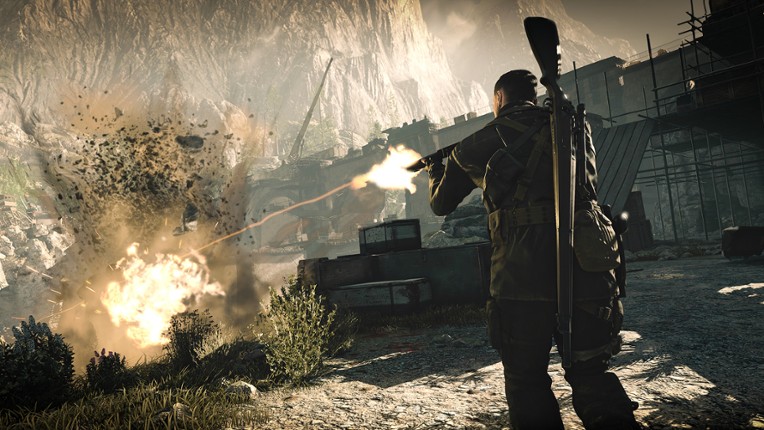
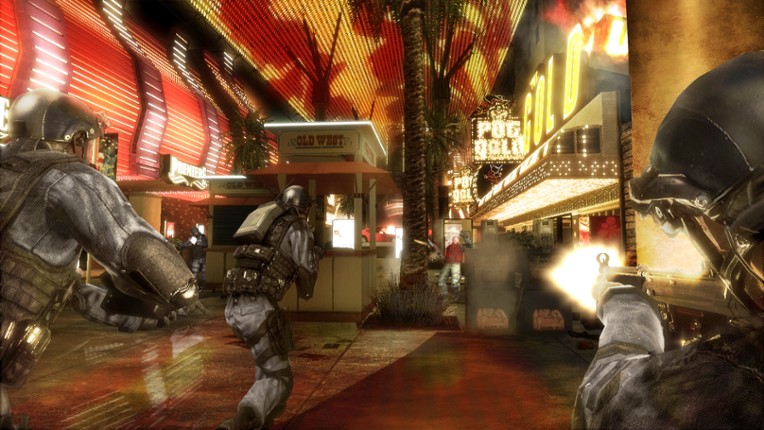
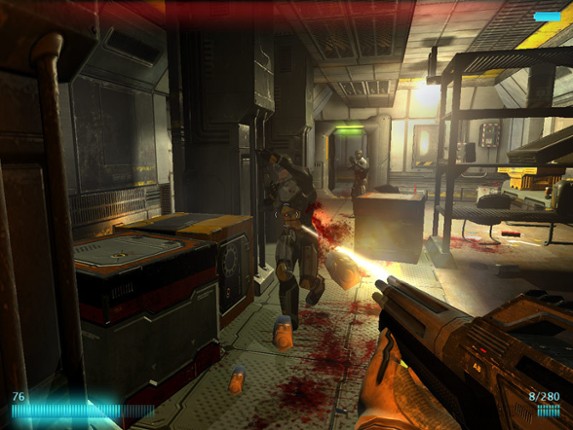
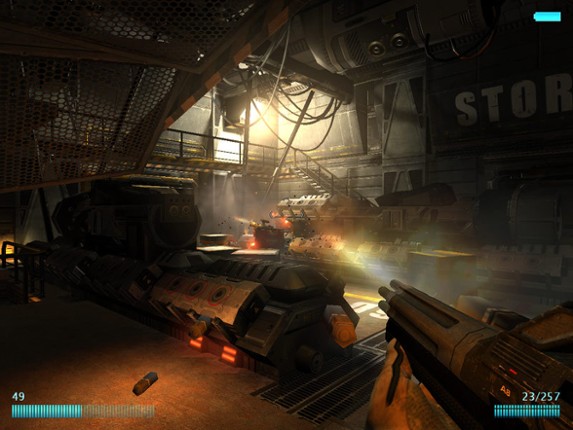
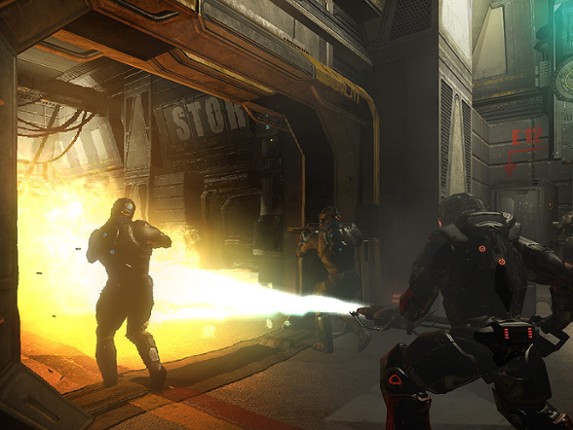
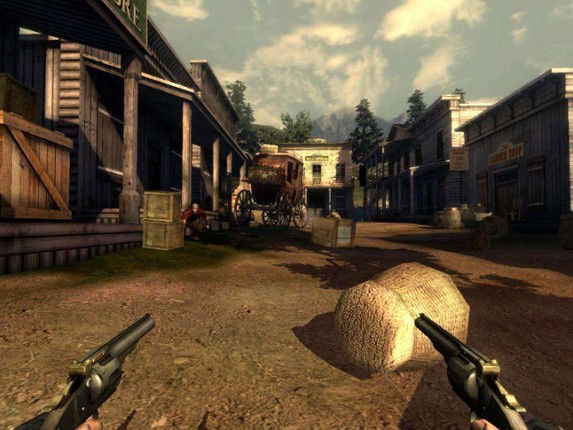
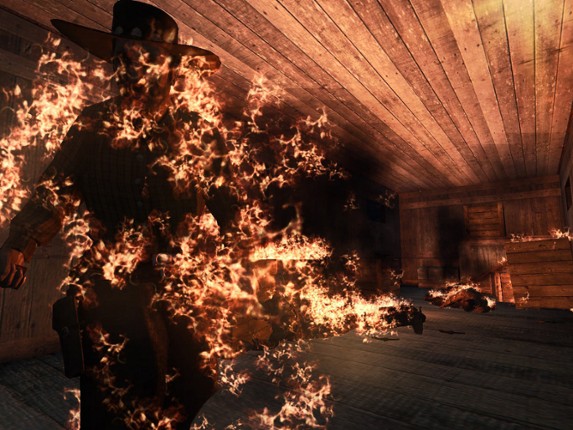
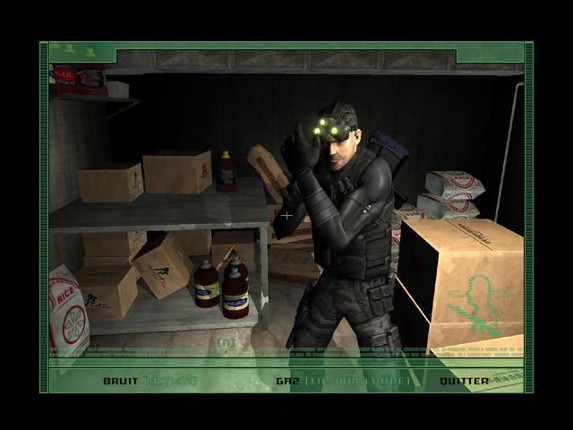
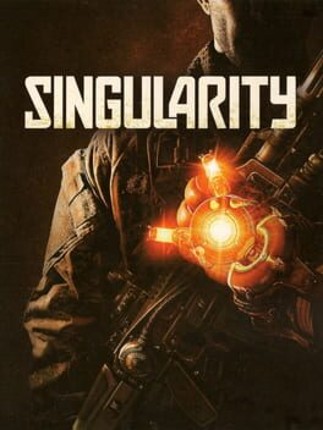
In this FPS, you travel across a remote island off the coast of Russia ripping through space and time, and are given your own Time Manipulation Device of which you use to vaporize enemies. You can upgrade your TMD, yourself, and weapons throughout the campaign which is reminiscent of every modern shooter from the Call of Duty Modern Warfare and World at War series to Half Life 2, and F.E.A.R. Time… If you enjoyed this game, see our list of games similar to Singularity.
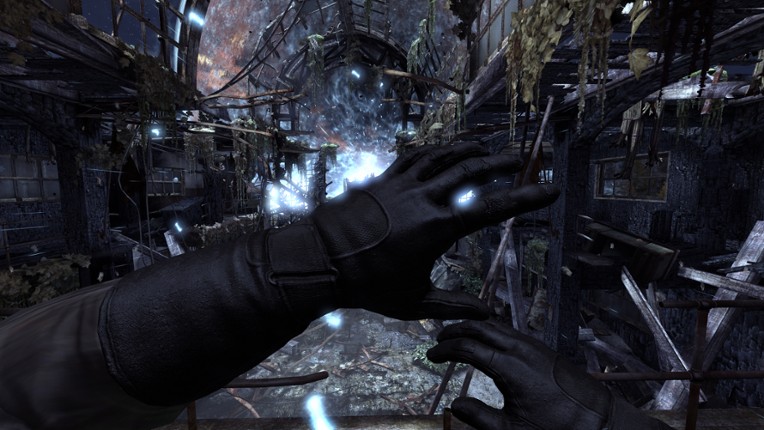
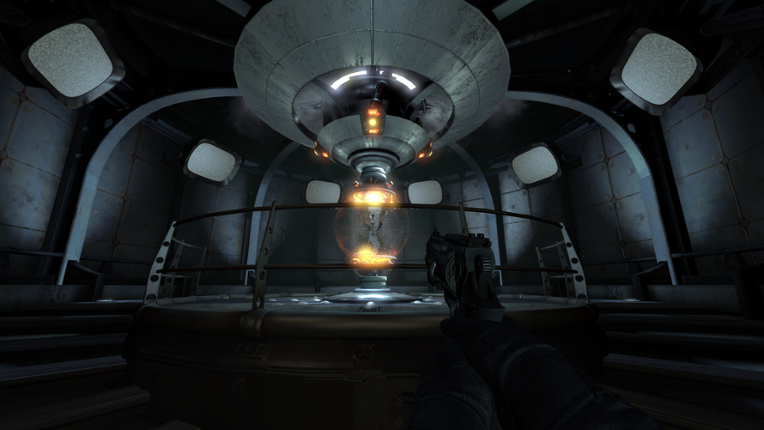
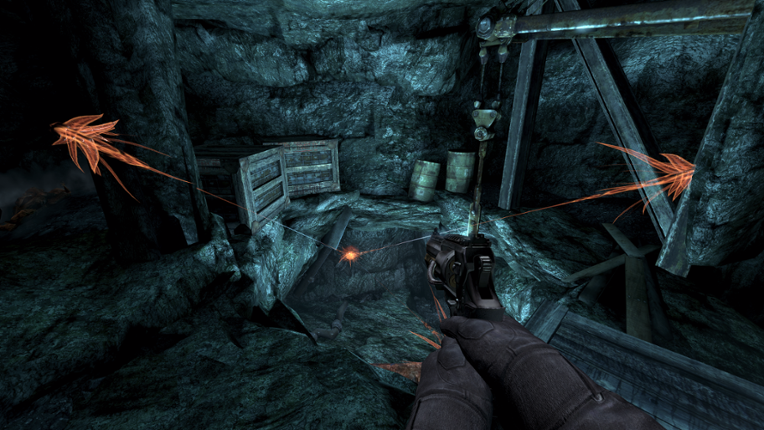
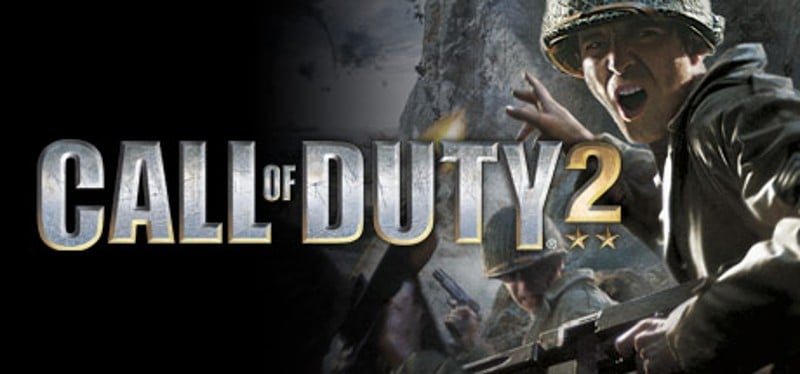
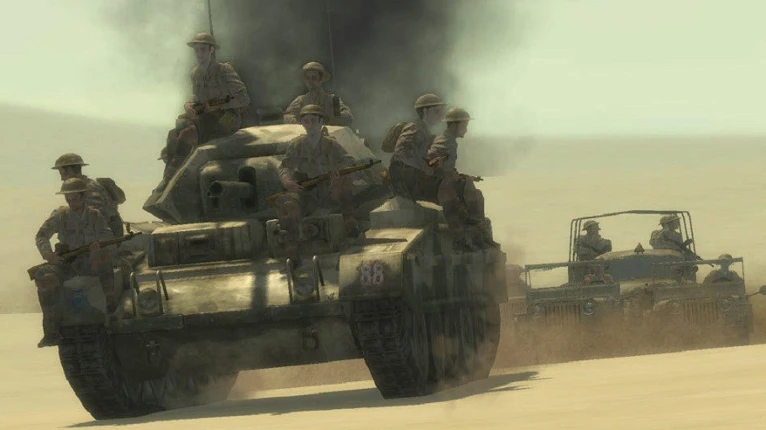
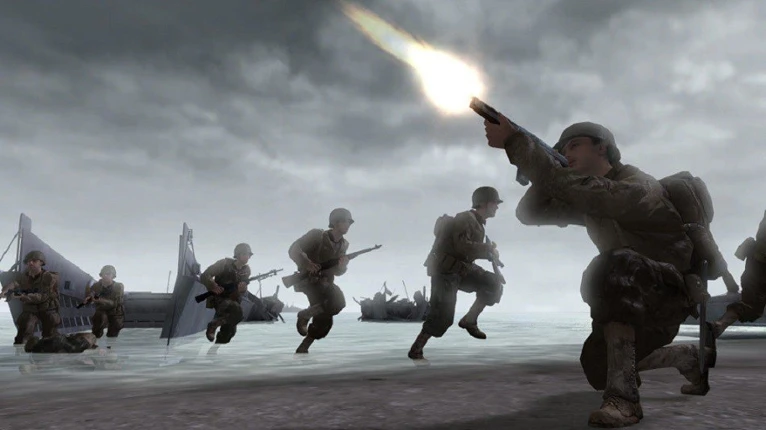
Call of Duty 2: Game of the Year Edition includes material from the Special Edition, plus a token to download the Skirmish Map Pack. If you enjoyed this game, see our list of games similar to Call of Duty 2.


For open-world adventures similar to Far Cry, try Crysis and Crysis 2, which offer sandbox environments with multiple tactical approaches to combat. Far Cry 2 is the spiritual successor, featuring a war-torn African setting with dynamic weather and advanced AI that uses flanking tactics. All three emphasize player freedom and environmental interaction like the original.
Crysis and Crysis 2 both blend stealth with first-person shooting, letting you approach encounters stealthily or guns-blazing. Hitman: Absolution offers stealth-focused gameplay with tactical options and replayability. If you enjoyed Far Cry's mix of sneaking and combat, these games provide similar flexibility in how you tackle missions.
Far Cry 2 stands out for its drop-in co-op gameplay across its campaign missions. Red Faction also features local multiplayer and split-screen options. Crysis 2 includes online multiplayer, though not traditional co-op. If multiplayer is important, Far Cry 2 is your best bet for cooperative story progression.
Red Faction revolutionized gaming with its Geo-Mod engine, allowing destructible terrain and structures. Far Cry 2 features realistic fire mechanics and weapon degradation that affect gameplay dynamically. Crysis lets you manipulate environments through its nanosuit, offering creative problem-solving. These games go beyond Far Cry's static level design.
Unfortunately, most games like Far Cry—Crysis, Far Cry 2, and Red Faction—are paid titles, though they're often discounted on sale. Some older classics like Return to Castle Wolfenstein have free or budget versions available. Your best option is watching for sales on these established games rather than seeking free alternatives.
Far Cry 2 features surprisingly advanced AI with enemies using flanking and rescue tactics, creating unpredictable encounters. Crysis offers intelligent enemies that adapt to your playstyle. Chaser provides classic fast-paced difficulty. If you want games that punish careless play like Far Cry's infamous wall-shooting AI, these deliver comparable challenge and tactical demands.


 View Game