

Games like RuneScape
Few MMOs blend open-world exploration, point-and-click questing, and skill-based progression quite like RuneScape, and if you've sunk hundreds of hours into Gielinor, you're probably hunting for games like RuneScape that scratch the same itch. That instantly recognizable mix of sandbox freedom, deep lore, and a genuinely funny quest system has kept players hooked for over two decades. Good news: plenty of worlds out there offer that same magic.
RuneScape's appeal comes from stacking systems on top of each other — 25+ skills, over 200 quests, PvP and PvE content, and a persistent free-to-play economy — all wrapped in a distinct medieval fantasy atmosphere carried by an acclaimed soundtrack. It's not just an MMO, it's a sandbox where your progression path is entirely self-directed. Players searching for alternatives usually want that same freedom, depth, and sense of a living, lore-rich world.
What Makes a Good Alternative to RuneScape?
- Deep, humor-laced quest design — RuneScape's quests are praised for wit, puzzles, and emotional payoff, so the best games like RuneScape need storytelling that goes beyond simple fetch quests.
- Skill-based, self-directed progression — instead of locking you into one class, freeform leveling across many skills lets you build your own path, mirroring RuneScape's signature grind.
- Persistent, explorable open world — sandbox elements and player-driven activities matter more than linear zones when recreating that Gielinor sense of freedom.
- Free-to-play accessibility with real depth — a low barrier to entry paired with genuinely long-term content, not a shallow trial disguised as a full game.
- Welcoming community with PvP and PvE options — social systems and optional competitive content are what keep RuneScape's playerbase loyal after twenty years.
Top Picks If You Enjoyed RuneScape
Old School RuneScape delivers the exact same world with nostalgic, community-driven updates. EverQuest II offers comparably deep crafting and housing systems for sandbox lovers. Mabinogi lets you master multiple skill sets at once, echoing RuneScape's flexible progression. The Elder Scrolls Online brings similarly lore-rich questing with modern production values. Wizard101 and MapleStory round things out with charming art styles and welcoming communities.
Every recommendation below is ranked by genuine similarity to RuneScape, based on real player data covering genres, mechanics, and what fans actually praise. Scroll down to explore the full list of games like RuneScape and find your next favorite world.
- 81%Game Brain ScoreMost mentioned positive aspects:story, graphicsMost mentioned negative aspects:grinding, monetization82% User Score 16,719 reviewsCritic Score 77%1 reviews
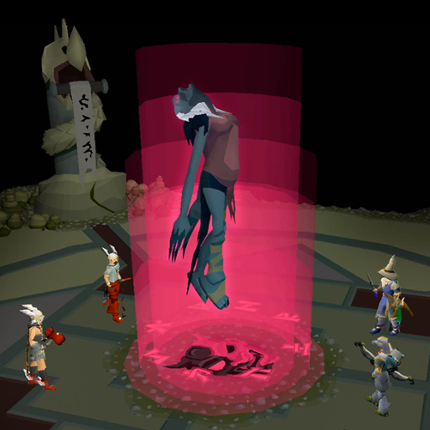
Whether you are mapping an unfamiliar region, solving a multi-step quest puzzle, or choosing which skill to train next, both games turn small decisions into long-term character progress. RuneScape fans will recognize the satisfying loop of exploring for resources, improving a skill, and returning later with new options. Because progression spans combat, gathering, crafting, and quests, experimentation feels worthwhile rather than forcing one fixed route.
OSRS also preserves RuneScape’s quest-focused flavor: its humorous, lore-rich missions use puzzles, prerequisites, and memorable characters to make the world feel connected, while trading, PvP, and cooperative communities give solo goals a social backdrop. That combination supports the same “set your own objective” habit that makes RuneScape work for both short sessions and years of play.
The fresh angle is deliberate old-school restraint. Where RuneScape’s mixed-era graphics can create a jarring visual experience, OSRS embraces a consistent retro look and slower, more granular advancement—the tradeoff is less visual polish and a membership gate for much of the full quest and skill experience.
Best for players who chase mastery, discovery, and self-directed progression over spectacle.
If you enjoyed this game, see our list of games similar to Old School RuneScape.View Game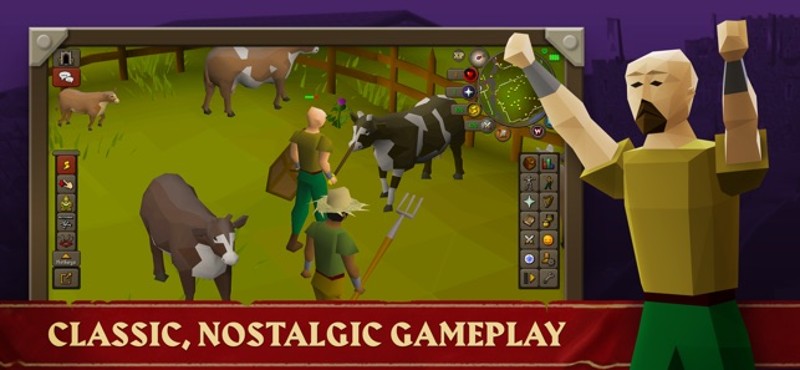
- 80%Game Brain ScoreMost mentioned positive aspects:story, graphicsMost mentioned negative aspects:grinding, monetization80% User Score 2,435 reviewsCritic Score 81%2 reviews
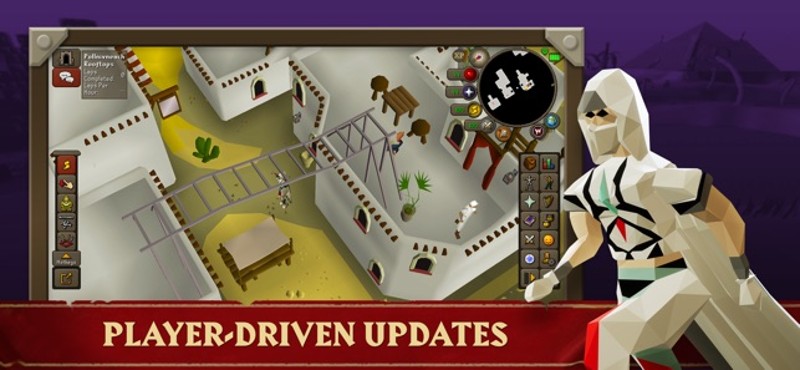
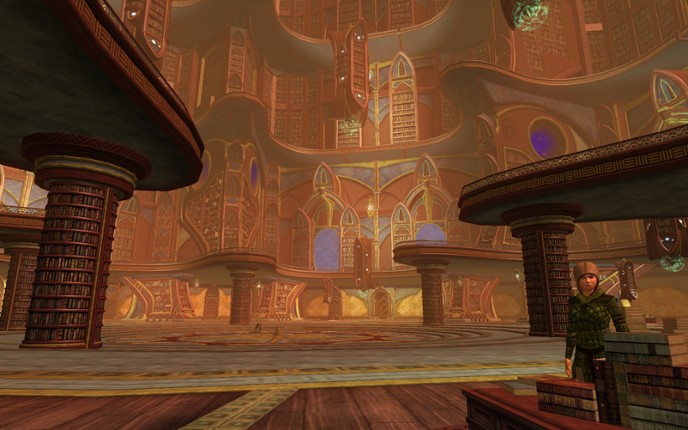
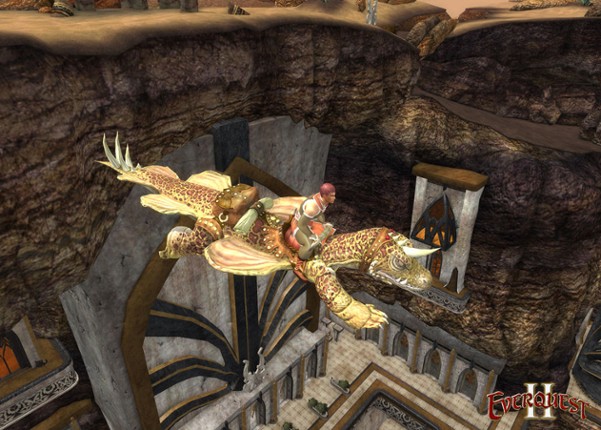
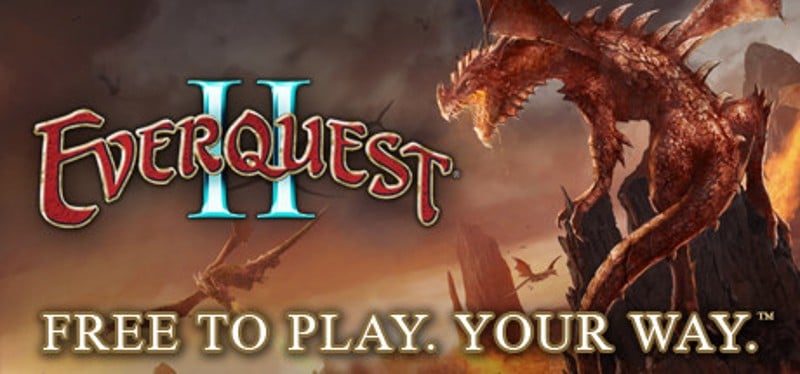
RuneScape players who love losing themselves in a massive, lore-saturated world where every corner holds a piece of history will find a familiar sense of wonder in EverQuest II. Both games reward patient exploration and self-directed progression, allowing you to wander off the beaten path to uncover hidden quests and forgotten ruins. This shared focus on rich world-building means your curiosity is constantly rewarded with narrative depth rather than just mindless mob grinding.
While RuneScape's inconsistent graphics and mismatched visual assets can sometimes break your focus, EverQuest II offers a visually cohesive, classic high-fantasy aesthetic that preserves its nostalgic atmosphere. Additionally, the game's robust crafting and player housing systems mirror the satisfying, long-term progression of RuneScape's skill-leveling, giving you tangible goals and a personalized space to showcase your achievements.
However, EverQuest II trades RuneScape's open-ended classless system for highly specialized, traditional RPG archetypes, offering a fresh tactical angle to character building. Best for players who prioritize deep world-building and robust crafting over modern graphical polish.
If you enjoyed this game, see our list of games similar to EverQuest II.View Game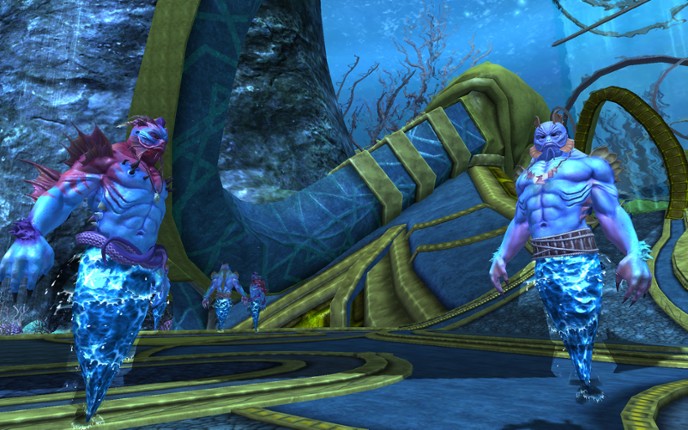
- 83%Game Brain ScoreMost mentioned positive aspects:story, gameplayMost mentioned negative aspects:grinding, monetization83% User Score 8,320 reviews
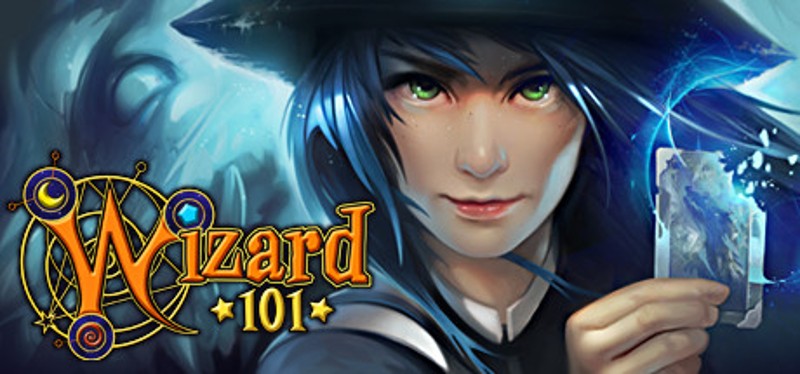
Fans of RuneScape's skill-based progression will find a familiar addiction in Wizard101's pip system, where turn-based combat hinges on strategic timing and resource management rather than reflexes. Both games reward exploration with hidden quests, lore snippets, and world secrets that surface naturally as you traverse expansive, hand-crafted zones. The community-driven economies also translate—Wizard101's housing, crafting, and pet systems create social hubs where players trade, collaborate, and showcase accomplishments, mirroring the guild and market dynamics RuneScape veterans know well.
Where Wizard101 diverges is its narrative pacing: instead of RuneScape's notorious grind-heavy skill training, Wizard101 delivers structured, story-driven progression that feels more like guided adventure than open-ended toil. The turn-based combat is a strategic tradeoff—no real-time action—but it rewards tactical planning and team coordination in ways that combat timers and prayer switching never quite achieve. This shift from muscle memory to thoughtful decision-making offers a fresh angle for players burned out on mechanical repetition.
The progression systems create a comparable sense of mastery and optimization that rewards dedicated players. While Wizard101's visuals may feel dated to some, the smooth performance across modern systems offers a more stable experience than what RuneScape sometimes delivers.
Best for players who want deep progression and world exploration but with a more structured, turn-based approach rather than real-time action.
If you enjoyed this game, see our list of games similar to Wizard101.View Game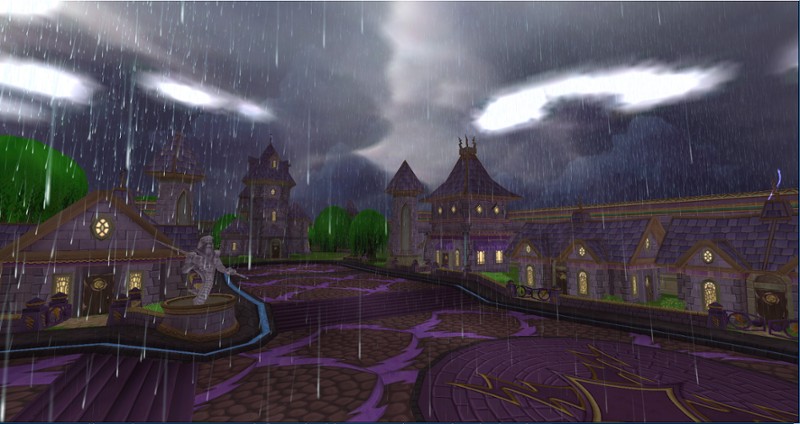
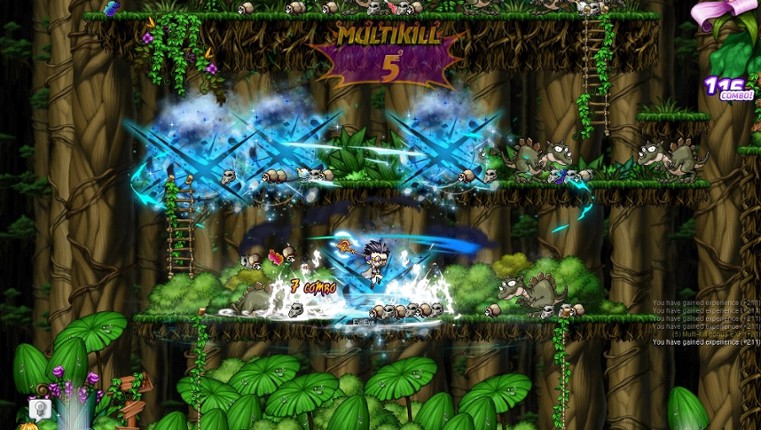
- 62%Game Brain ScoreMost mentioned positive aspects:story, gameplayMost mentioned negative aspects:grinding, monetization62% User Score 12,801 reviews
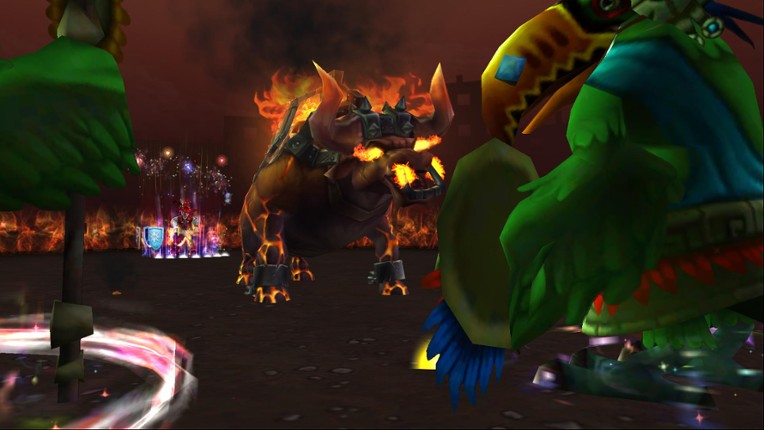
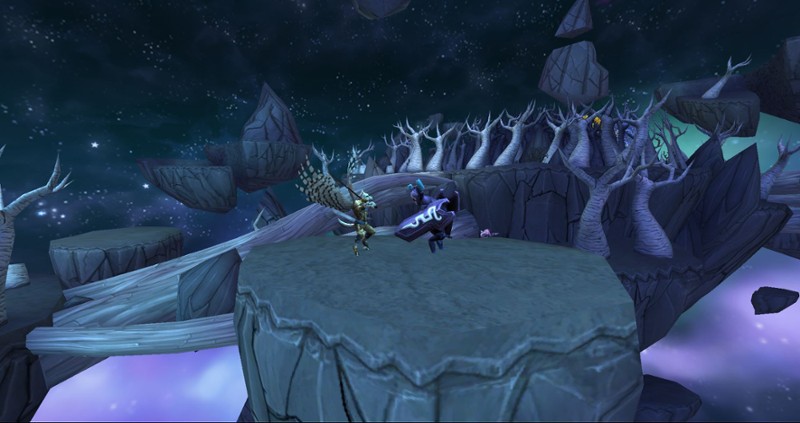
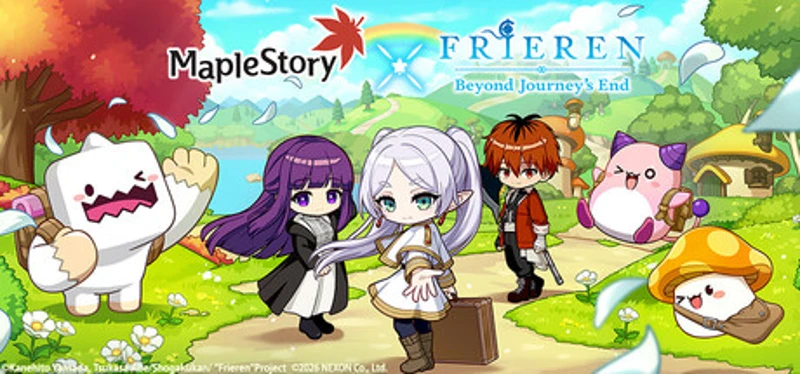
Both games anchor their appeal on long-term character progression through diverse skill systems and quest-driven exploration that reward curiosity over speed. RuneScape's 25+ skills and MapleStory's expansive class roster create similar loops: you return repeatedly to master different playstyles, and each progression tier feels distinct rather than cosmetic.
The community trading and economic systems function identically in both—player-driven markets make gear acquisition a social experience, not just a loot table. This transforms grinding from isolated busywork into purposeful wealth-building alongside others, which RuneScape veterans already understand as core to long-term engagement.
Where MapleStory diverges meaningfully: its 2D platformer combat replaces point-and-click navigation with active positioning and jump-based mechanics. This shift demands more mechanical engagement than RuneScape's turn-based feel, offering a fresher skill expression for players comfortable with active input.
Both games lean heavily on monetization and grinding—a shared weakness. However, MapleStory's boss encounters carry memorable mechanical design that can offset grind fatigue, whereas RuneScape's quest narratives do the heavy lifting elsewhere.
Best for: RuneScape players seeking another progression treadmill who don't mind trading medieval immersion for anime charm and faster-paced combat.
If you enjoyed this game, see our list of games similar to MapleStory.View Game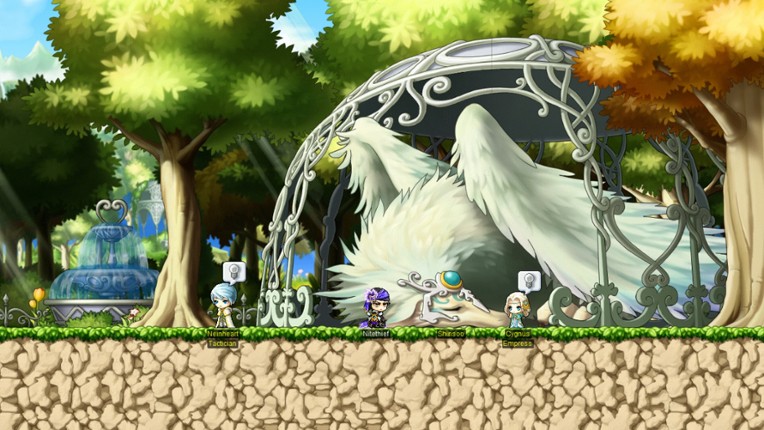

- 75%Game Brain ScoreMost mentioned positive aspects:story, gameplayMost mentioned negative aspects:grinding, monetization80% User Score 86,047 reviewsCritic Score 69%12 reviews
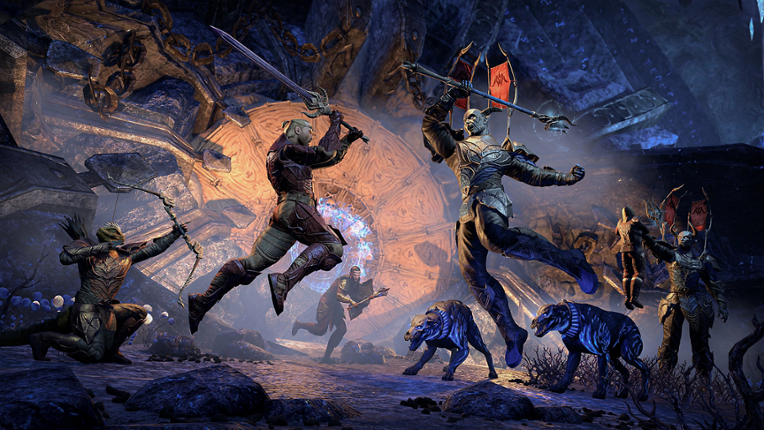
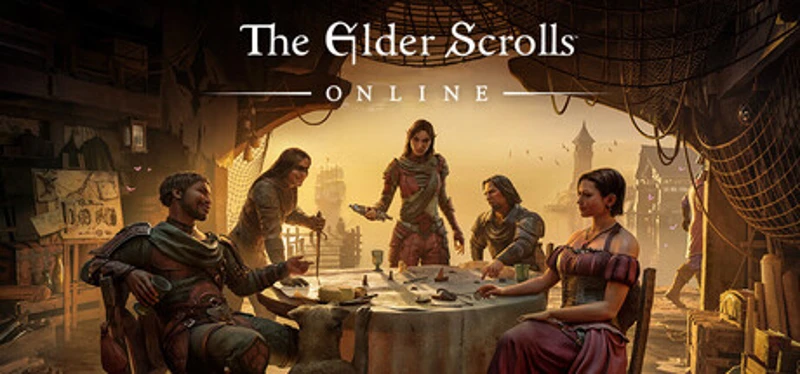
That feeling of logging in just to see what your friends are up to, then getting sucked into a quest chain for three hours — ESO captures that same drop-in, drop-out MMO rhythm RuneScape fans already know by heart.
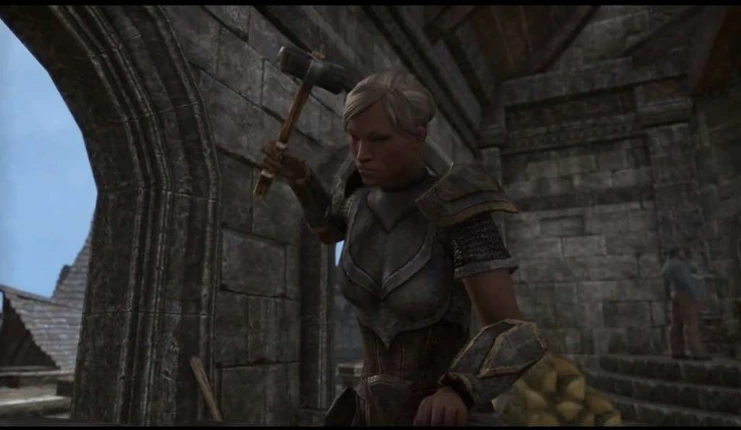
Both games let you build a character around how you want to play rather than a fixed class, and both reward exploration with quests that actually have punchlines and payoffs instead of generic fetch-fifty-boars filler. Where RuneScape leans on text and atmosphere, ESO backs its lore with full voice acting and detailed environments, so the storytelling hits with more cinematic weight.
If RuneScape's dated visuals ever pulled you out of the moment, ESO's polished world fixes that exact complaint without losing the sense of a living, persistent realm.
The tradeoff: ESO trades RuneScape's grindy skill-based sandbox for more structured, guided progression, so freeform tinkerers may need to adjust expectations.
Best for: players who loved RuneScape's questing and lore but want a visual and narrative upgrade to match.
If you enjoyed this game, see our list of games similar to The Elder Scrolls Online.View Game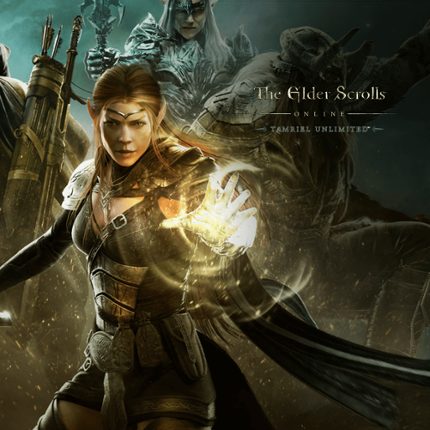
- 72%Game Brain ScoreMost mentioned positive aspects:story, graphicsMost mentioned negative aspects:grinding, stability74% User Score 3,999 reviewsCritic Score 65%2 reviews
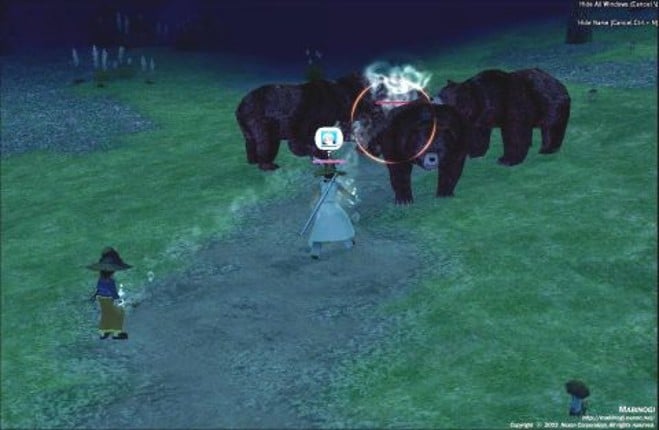
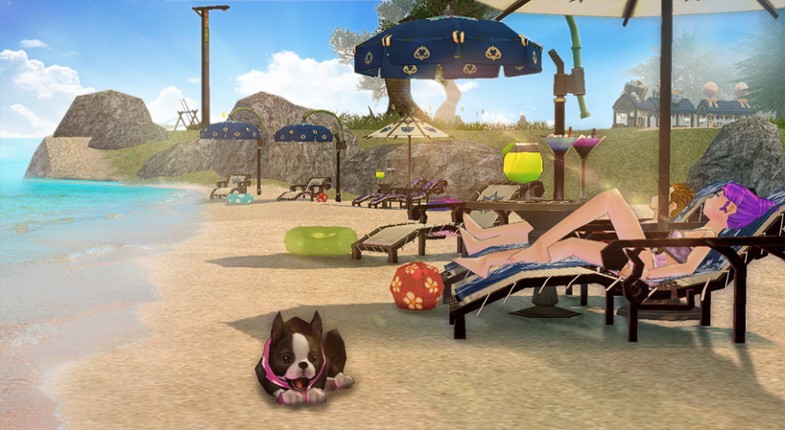
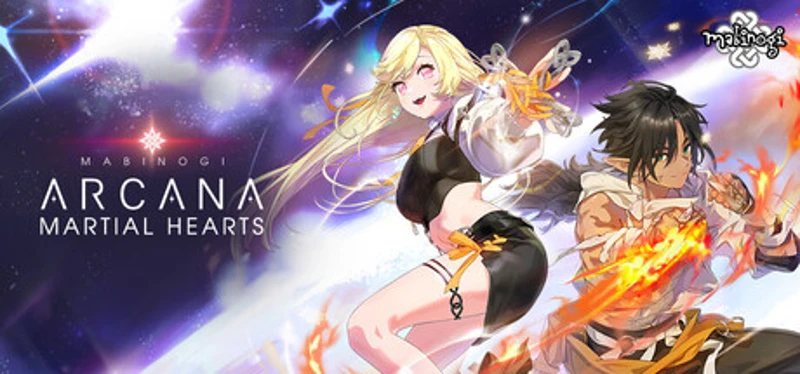
Both Mabinogi and RuneScape thrive on a horizontal progression philosophy, where your character’s identity is defined by a massive, interconnected web of skills rather than a rigid class structure. This shared depth allows you to experiment freely across combat, life skills, and social professions, ensuring your time invested always feels like meaningful growth.
The primary trade-off is aesthetic and tonal: while RuneScape relies on a gritty, nostalgic medieval setting, Mabinogi pivots to a stylized anime life-sim experience. You will be trading RuneScape's iconic quest-based storytelling for Mabinogi's focus on player fashion and social sandbox interactions.
Pick this up if you crave limitless character growth and a world that rewards experimentation, but can tolerate aging UI and aggressive monetization schemes.
If you enjoyed this game, see our list of games similar to Mabinogi.View Game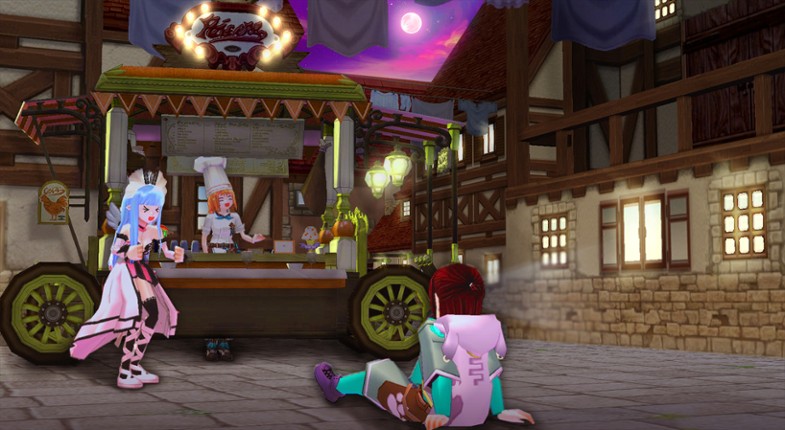
- 81%Game Brain ScoreMost mentioned positive aspects:story, graphicsMost mentioned negative aspects:grinding, music81% User Score 6,707 reviews
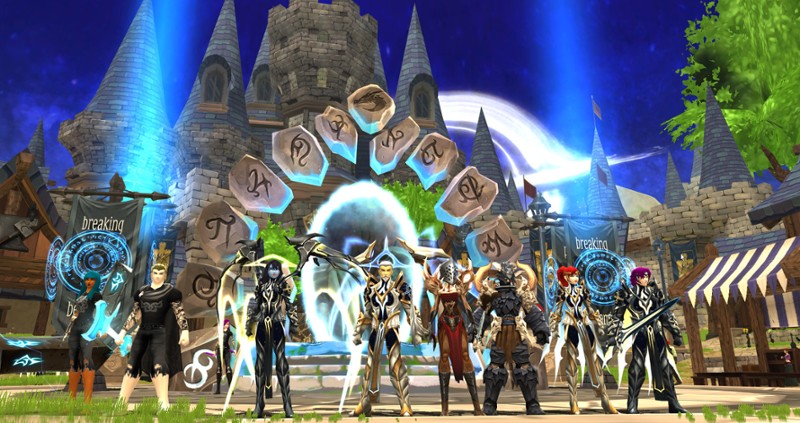
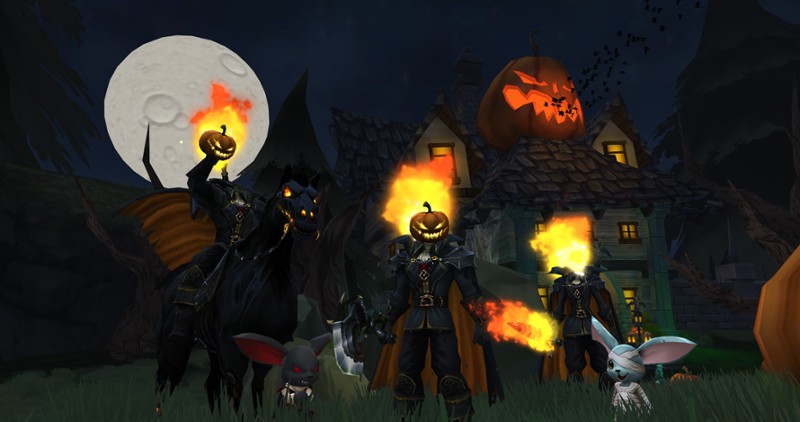
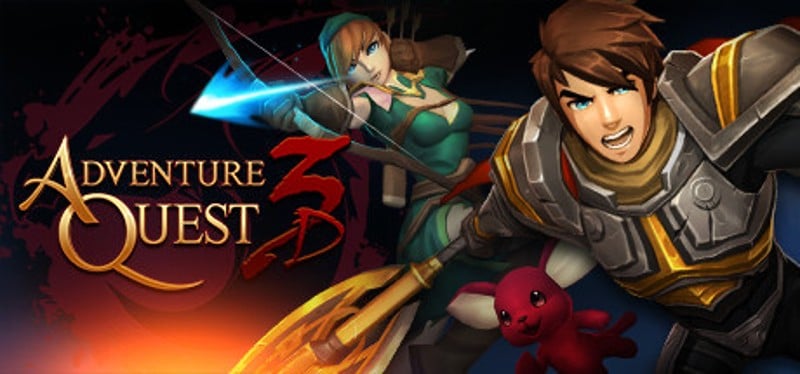
AdventureQuest 3D is closest to RuneScape in its free-to-play MMORPG grind, with open-world quests, PvE, PvP, and long-term character progression that scratch the same “log in and keep advancing” itch.
The overlap in character customization and exploration matters because both games sell persistence over quick runs, so your choices and route through the world actually stick.
The tradeoff is blunt: AdventureQuest 3D is much lighter and simpler, with shallower combat, more repetitive quests, and a more casual presentation than RuneScape’s denser systems and lore-heavy questing.
Pick it up if you want RuneScape-style MMO progression and social play, but can live without deep combat and a more hardcore skill grind.
If you enjoyed this game, see our list of games similar to AdventureQuest 3D.View Game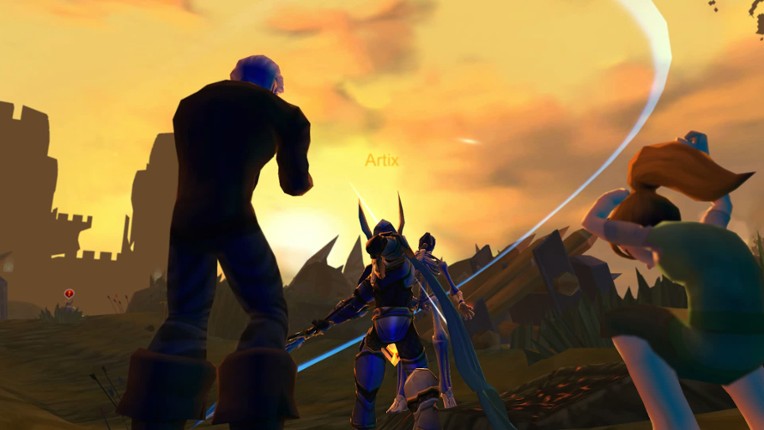
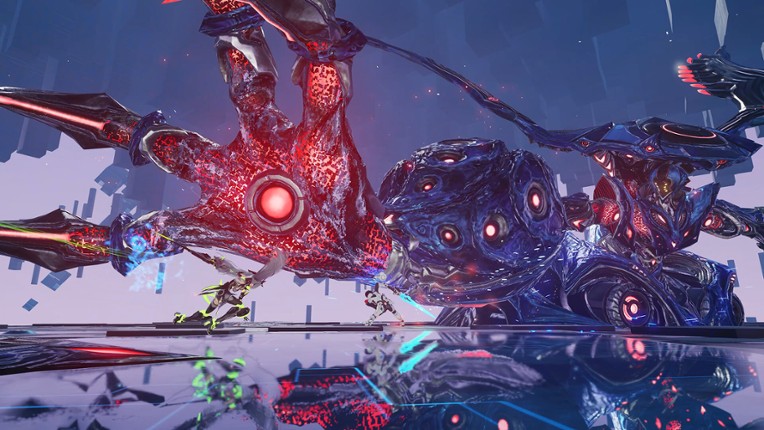
- 69%Game Brain ScoreMost mentioned positive aspects:story, gameplayMost mentioned negative aspects:grinding, monetization69% User Score 17,657 reviews
Both games deliver extensive character customization within a free-to-play MMO framework, letting players build and evolve distinct avatars across thousands of hours of gameplay. RuneScape's 25+ skill system and PSO2 New Genesis's layered character creation both prioritize long-term identity building over disposable progression.
Both titles layer acclaimed soundtracks over expansive open worlds, using music to differentiate regions and enhance exploration. The free-to-play model in each case supports massive multiplayer populations, though the implementation differs significantly.
RuneScape excels in narrative depth with 200+ quests featuring humor, emotion, and complex puzzles, while PSO2 New Genesis prioritizes fluid action combat over story-driven content.
Pick this up if you want fast, responsive combat and vibrant anime aesthetics but can live without RuneScape's deep questing and medieval world-building.
If you enjoyed this game, see our list of games similar to Phantasy Star Online 2 New Genesis.View Game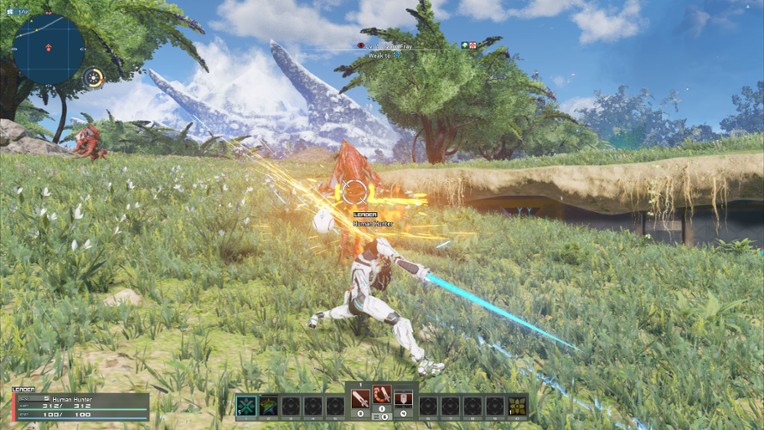
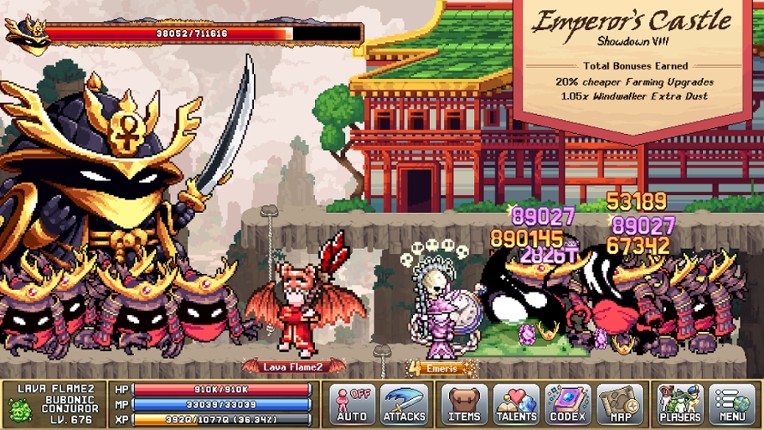
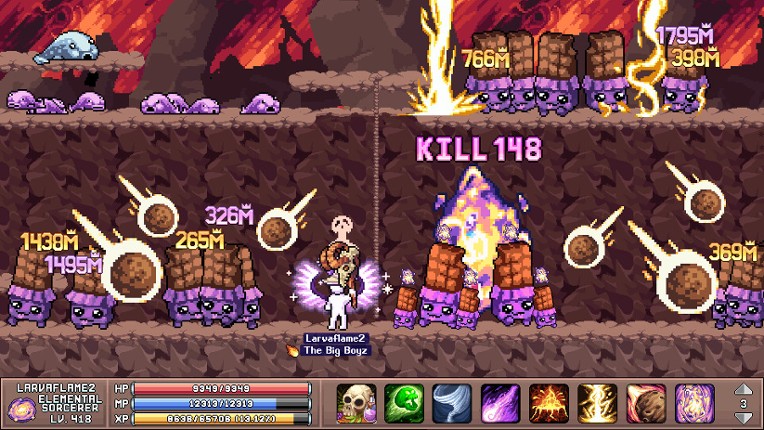
- 79%Game Brain ScoreMost mentioned positive aspects:gameplay, storyMost mentioned negative aspects:grinding, monetization79% User Score 20,013 reviews
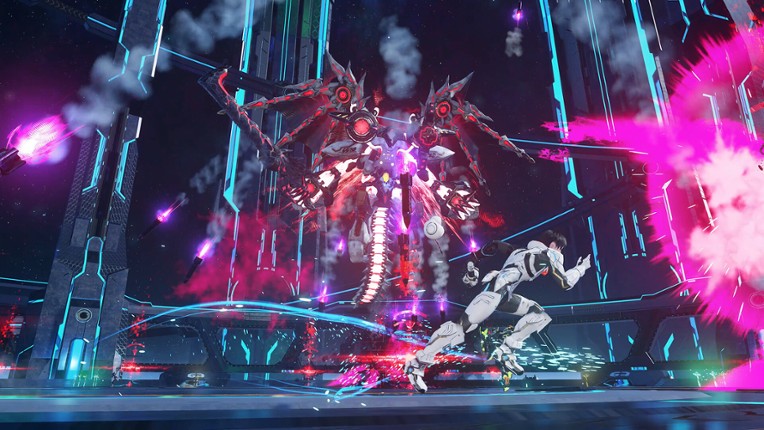
Both games let you build characters across multiple skills and activities at your own pace in a free-to-play sandbox. This matters because RuneScape players value long-term progression without rigid timelines.
IdleOn strips away RuneScape's quest narrative and intricate world-building for pure mechanical depth—you're optimizing resources and idle loops rather than exploring lore-rich regions.
Pick IdleOn if you want RuneScape's progression systems and character customization but accept pixel-art simplicity and less storytelling in exchange for faster dopamine hits.
If you enjoyed this game, see our list of games similar to IdleOn: The Idle MMO.View Game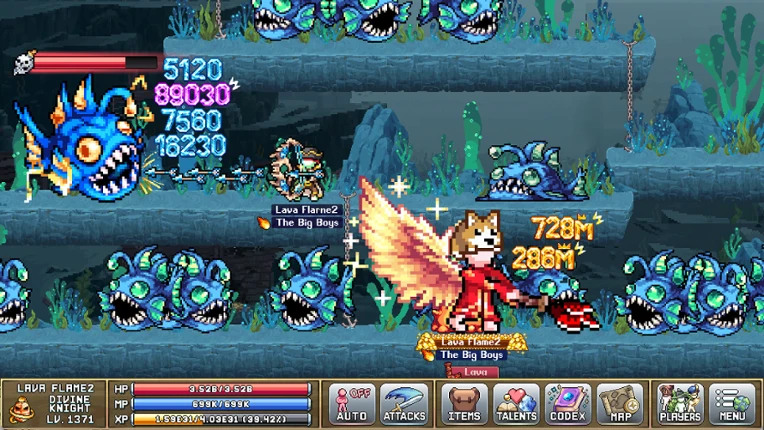
- 81%Game Brain ScoreMost mentioned positive aspects:story, gameplayMost mentioned negative aspects:graphics, grinding80% User Score 2,349 reviewsCritic Score 84%1 reviews
Both titles prioritize long-term character progression through decades of accumulated, deep-rooted skill leveling and world-building.
You will experience the same sandbox freedom that defined early MMOs, allowing you to define your own path in a persistent, high-fantasy setting.
While RuneScape favors quest-driven storytelling and solo-friendly puzzles, EverQuest demands rigid team cooperation and intense tactical coordination to survive its brutal environments.
Pick this up if you crave the challenging, old-school mastery of a classic grind but are willing to trade modern quality-of-life features for a steeper, more social learning curve.
If you enjoyed this game, see our list of games similar to EverQuest.View Game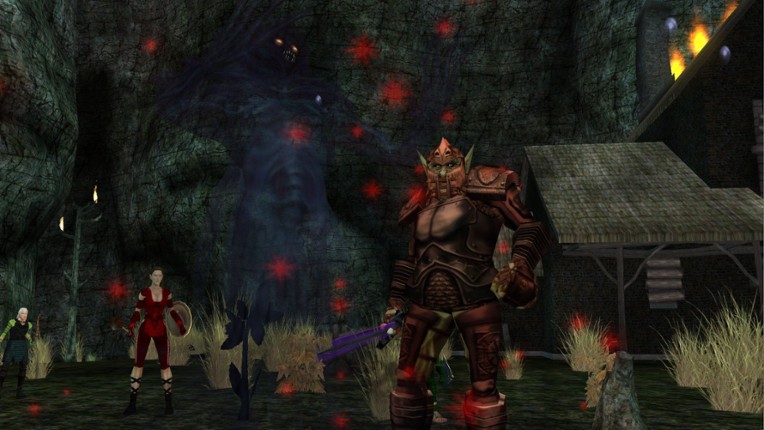
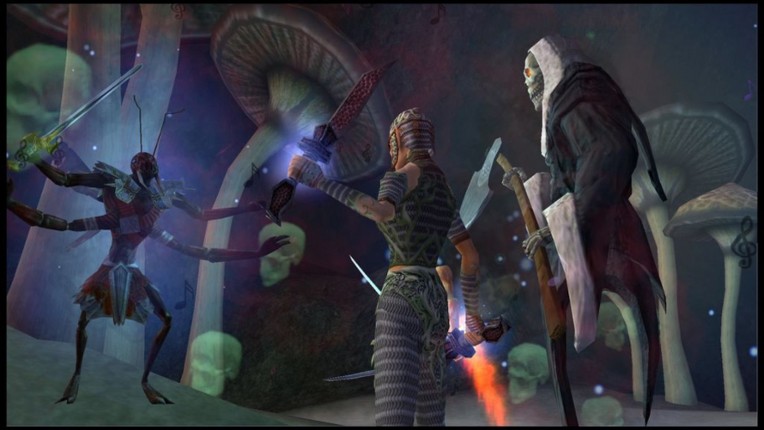
- 72%Game Brain ScoreMost mentioned positive aspects:story, gameplayMost mentioned negative aspects:grinding, monetization67% User Score 104,712 reviewsCritic Score 78%7 reviews
Lost Ark replaces the open‑world MMORPG grind with fast, combo‑driven ARPG dungeons and a linear story campaign, catering to action‑seekers.
If you enjoyed this game, see our list of games similar to Lost Ark.View Game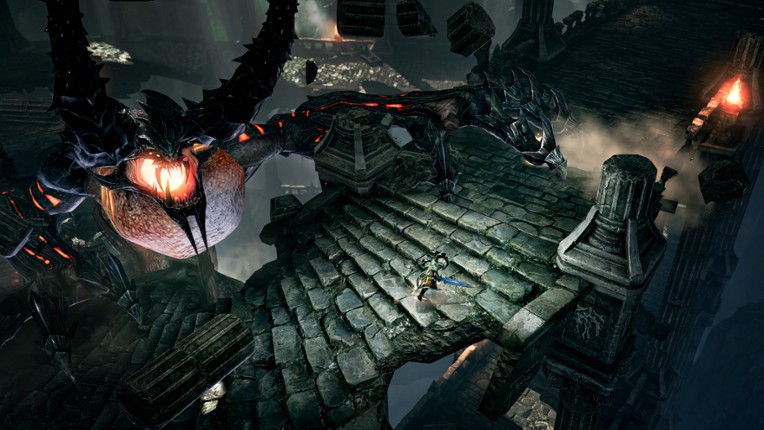
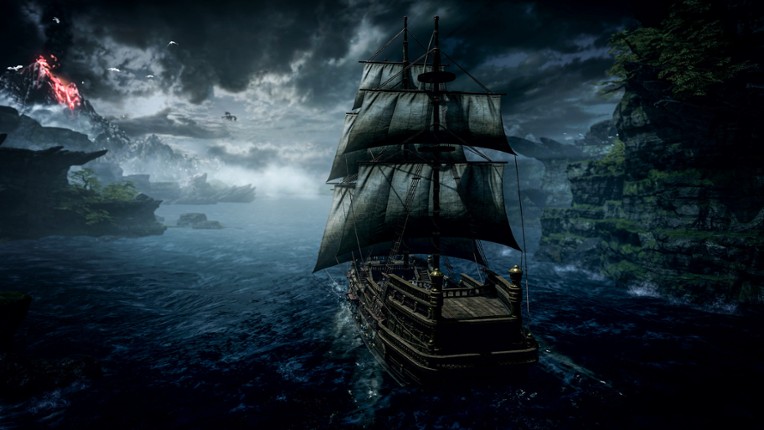
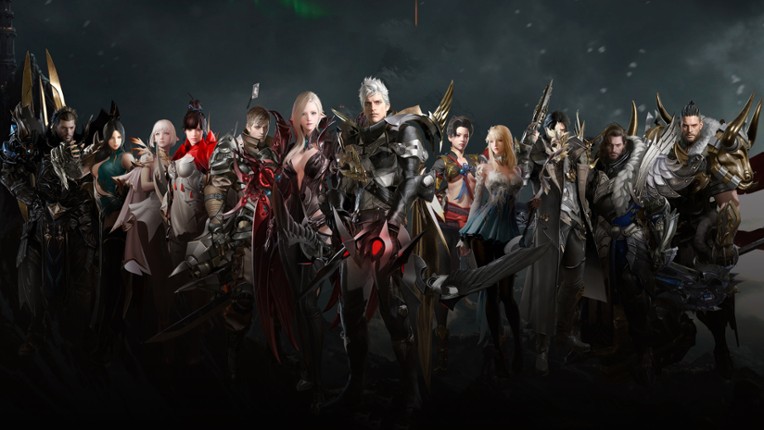
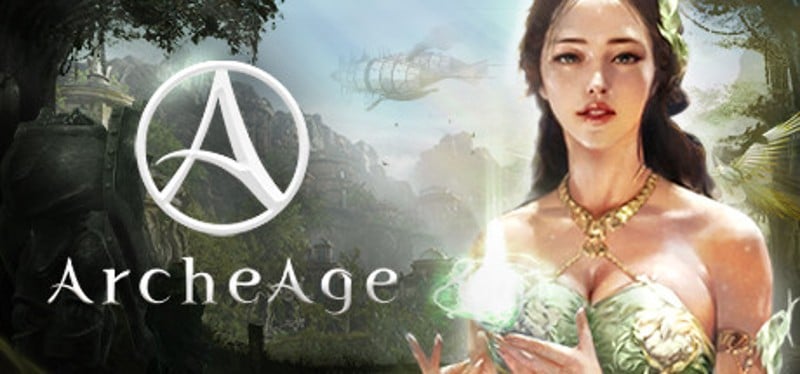
- 61%Game Brain ScoreMost mentioned positive aspects:story, gameplayMost mentioned negative aspects:grinding, monetization49% User Score 5,332 reviewsCritic Score 85%4 reviews
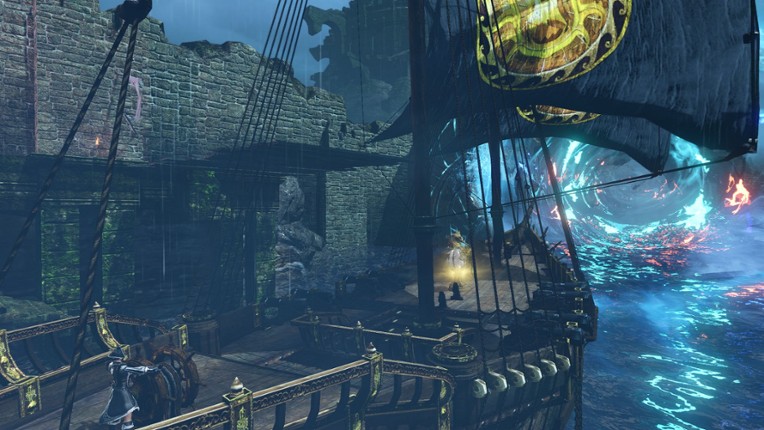
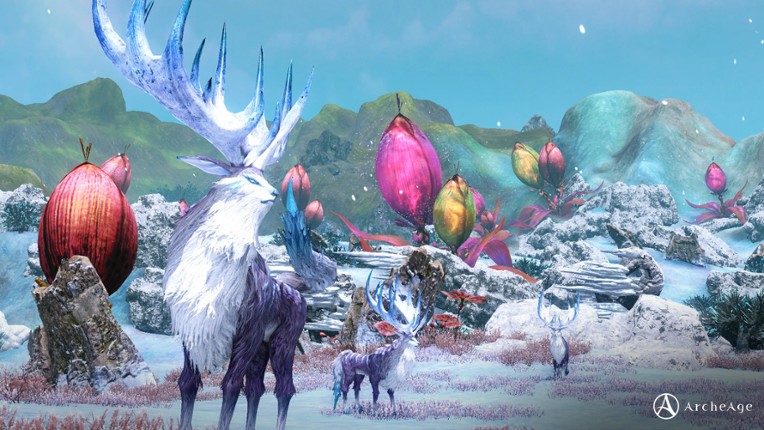
ArcheAge introduces expansive sandbox gameplay with ship‑building, housing, and a player‑driven economy to the fantasy MMO mix, perfect for builders and pirates.
If you enjoyed this game, see our list of games similar to ArcheAge.View Game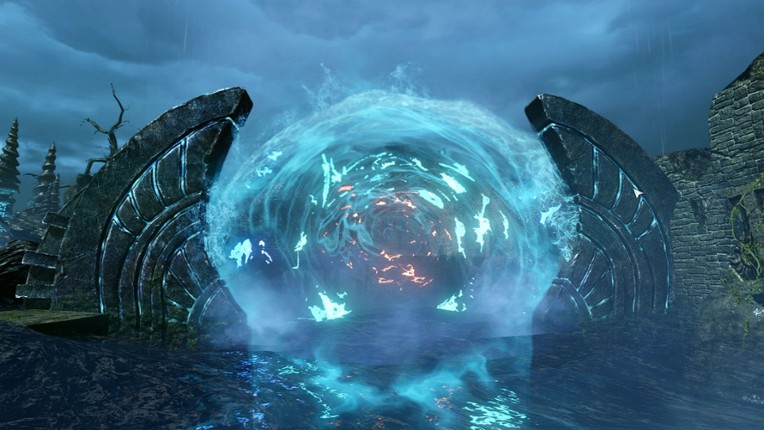
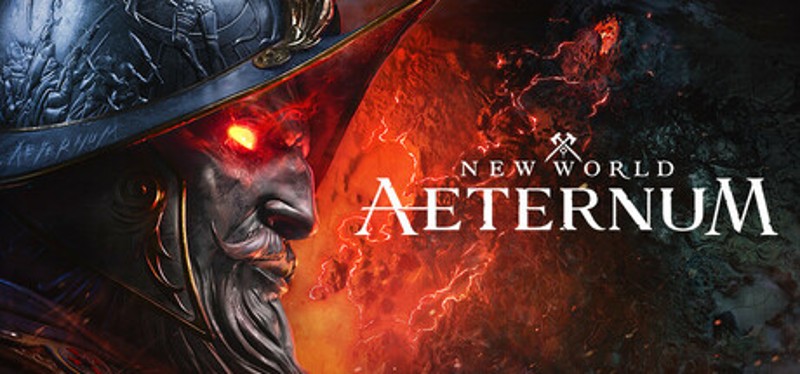
- 68%Game Brain ScoreMost mentioned positive aspects:story, gameplayMost mentioned negative aspects:grinding, stability67% User Score 170,220 reviewsCritic Score 69%7 reviews
New World trades RuneScape’s medieval quests for territory‑control warfare and deep crafting, targeting players who love building and PvP domination.
If you enjoyed this game, see our list of games similar to New World.View Game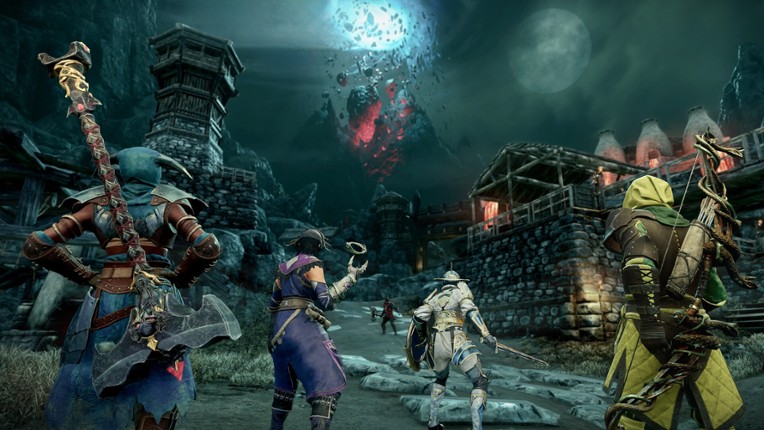
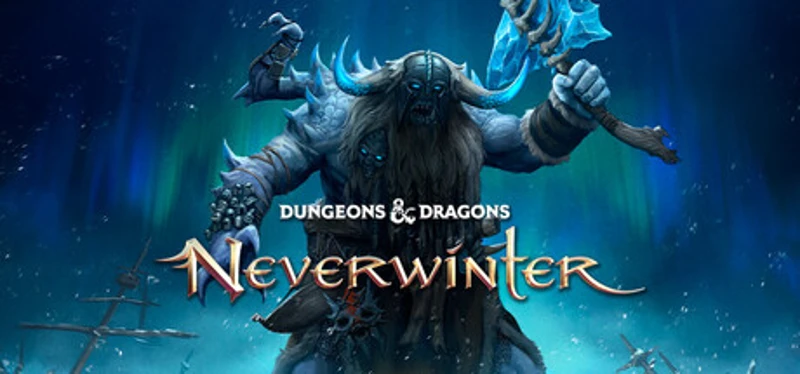
- 75%Game Brain ScoreMost mentioned positive aspects:story, gameplayMost mentioned negative aspects:grinding, monetization75% User Score 18,910 reviews
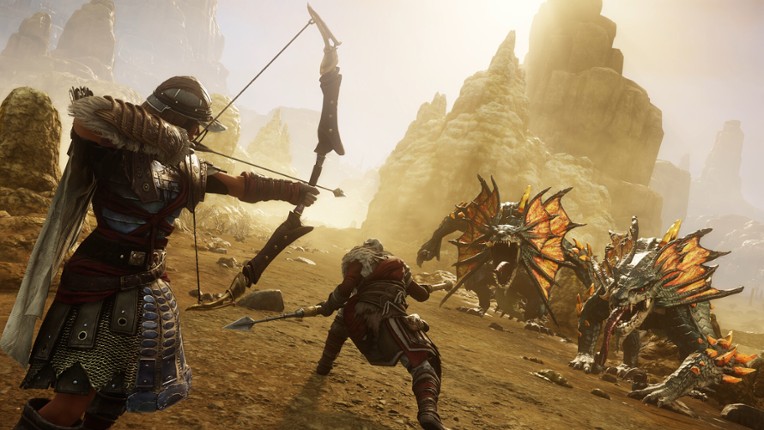
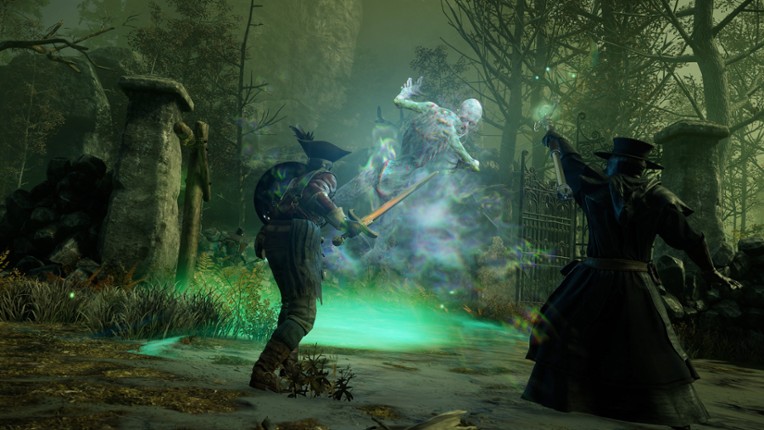
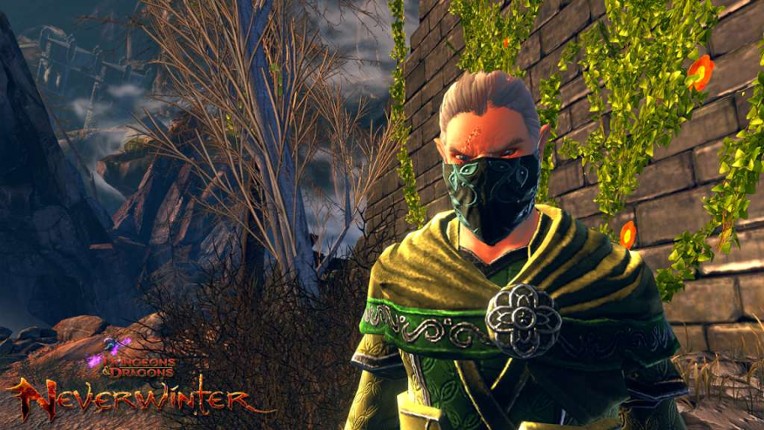
Neverwinter leans on D&D classes and companion combat instead of RuneScape’s skill grind, appealing to fans of tactical RPG action.
If you enjoyed this game, see our list of games similar to Neverwinter.View Game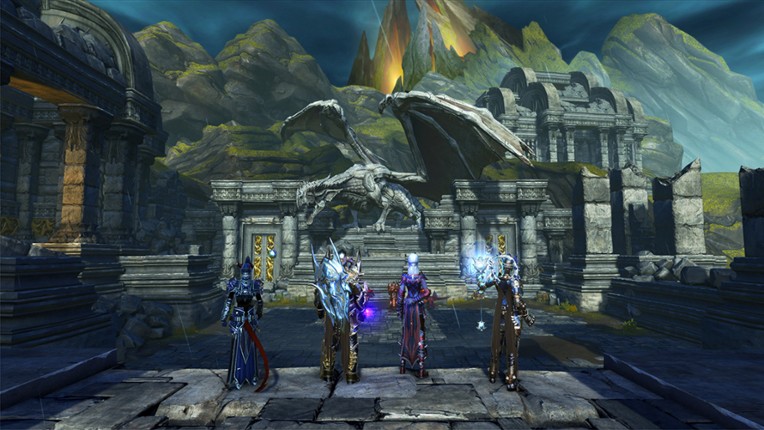
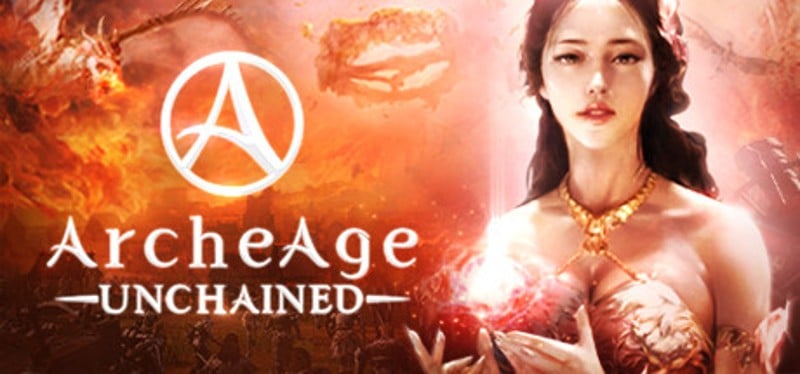
- 54%Game Brain ScoreMost mentioned positive aspects:story, gameplayMost mentioned negative aspects:grinding, stability50% User Score 4,389 reviewsCritic Score 70%1 reviews
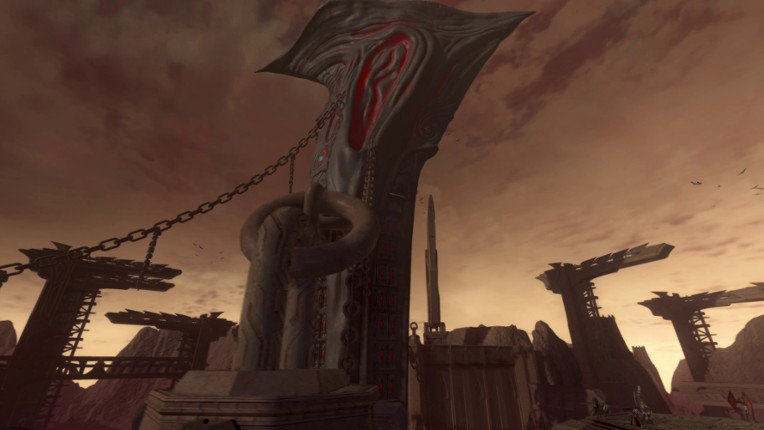
ArcheAge: Unchained strips away microtransactions from the sandbox mix, delivering a fairer, player‑driven experience for veterans craving balanced competition.
If you enjoyed this game, see our list of games similar to ArcheAge: Unchained.View Game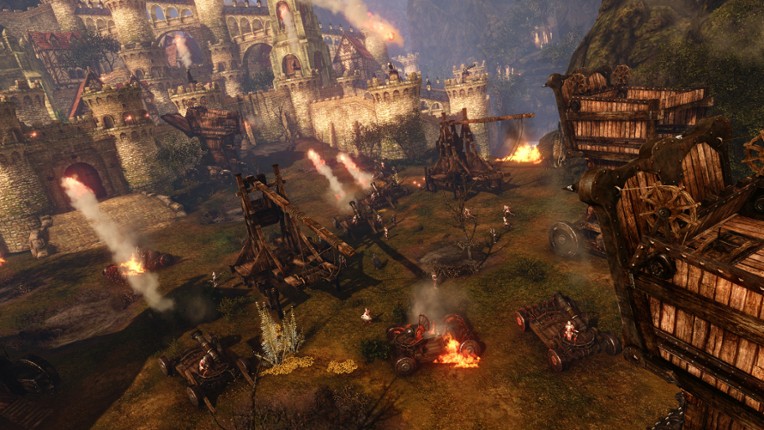
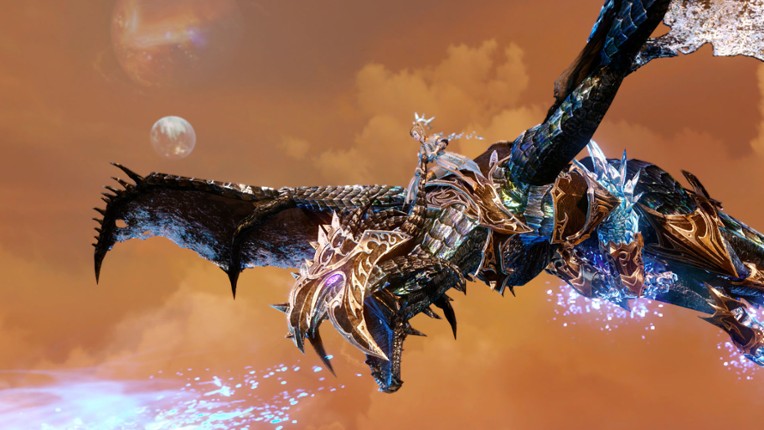
- 89%Game Brain ScoreMost mentioned positive aspects:story, gameplayMost mentioned negative aspects:grinding, monetization89% User Score 17,346 reviewsCritic Score 92%3 reviews
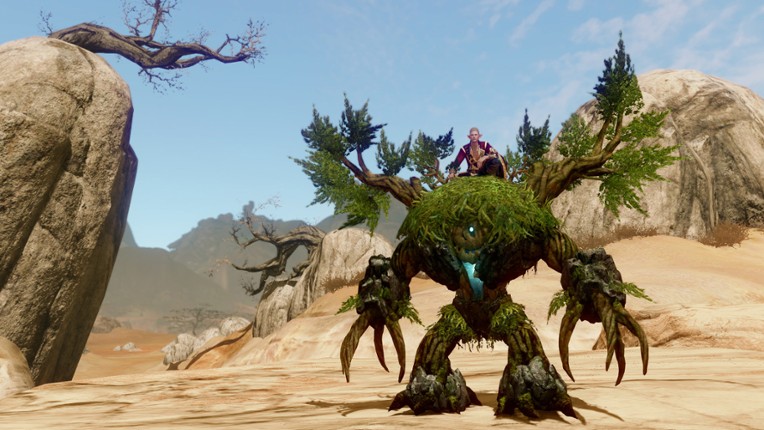
Guild Wars 2 swaps grindy skill training for dynamic events and horizontal progression, ideal for players seeking story‑rich combat without long‑term grind.
If you enjoyed this game, see our list of games similar to Guild Wars 2.View Game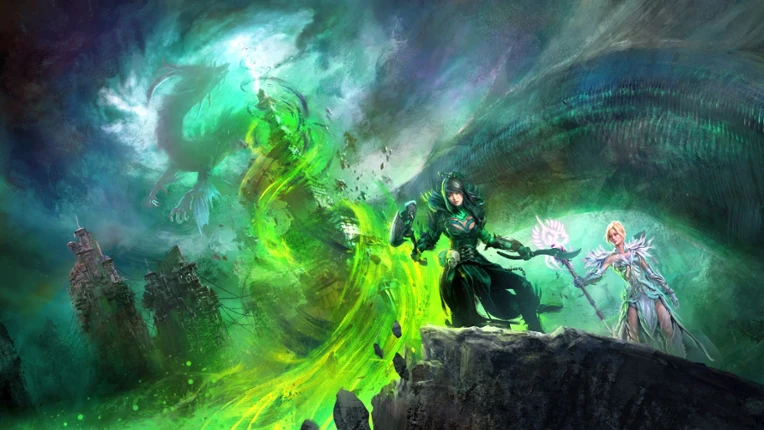
- 76%Game Brain ScoreMost mentioned positive aspects:story, graphicsMost mentioned negative aspects:grinding, monetization74% User Score 7,371 reviewsCritic Score 81%5 reviews
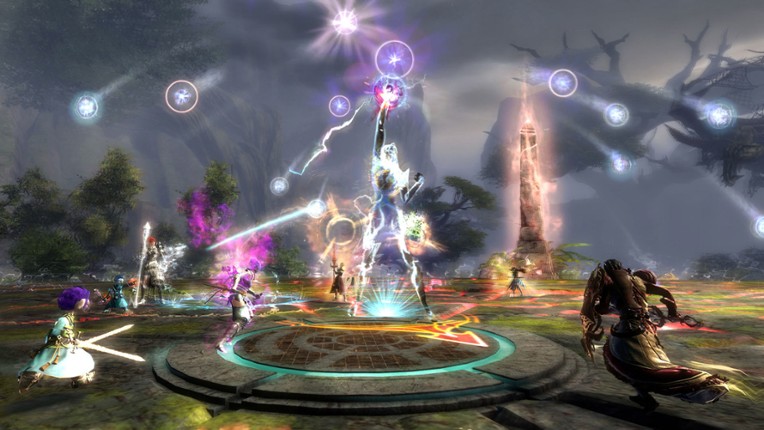
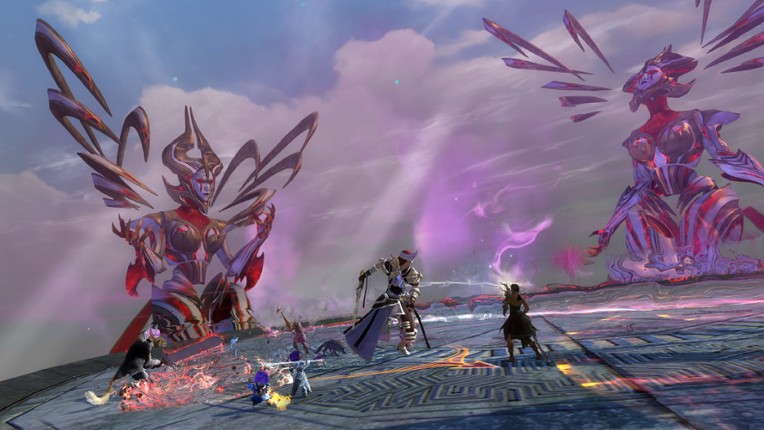
RIFT swaps traditional class limits for a multi‑soul system and world‑invading rifts, catering to players who love hybrid builds and instant events.
If you enjoyed this game, see our list of games similar to RIFT.View Game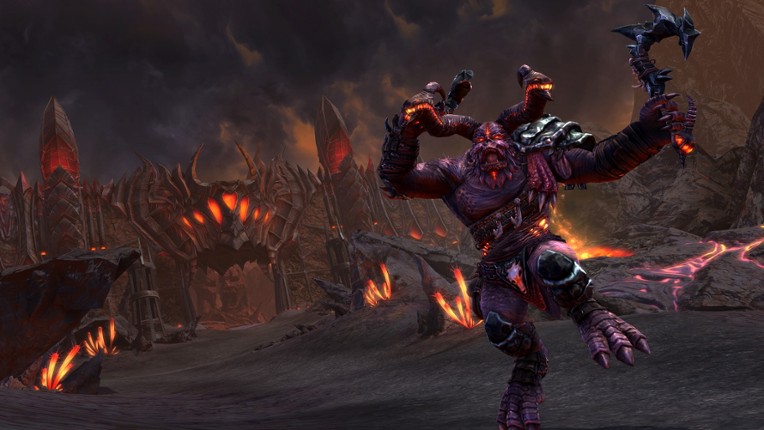
- 72%Game Brain ScoreMost mentioned positive aspects:story, gameplayMost mentioned negative aspects:grinding, optimization74% User Score 3,432 reviewsCritic Score 67%4 reviews
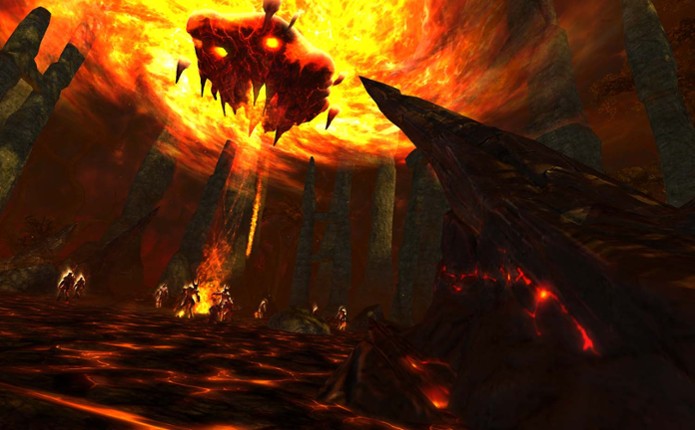
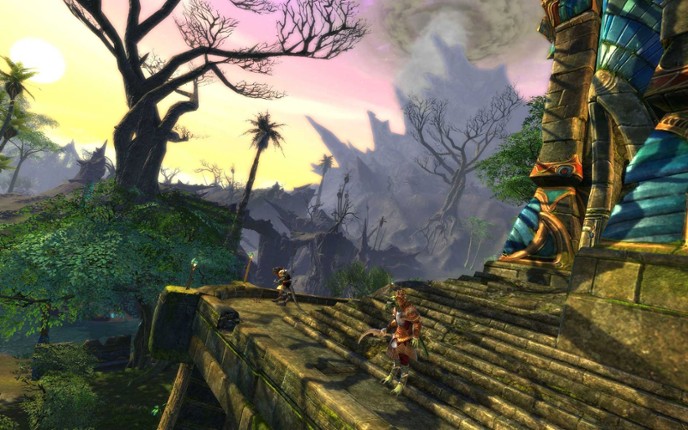
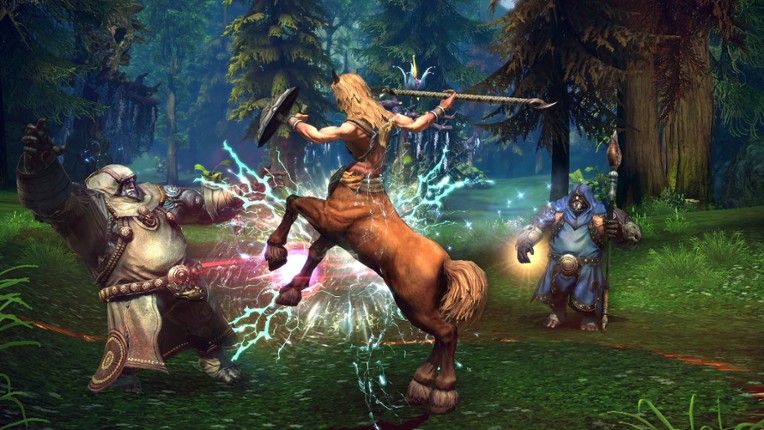
TERA shifts from tab‑target combat to true‑aim action and flashy boss encounters, perfect for players craving high‑skill melee and ranged combat.
If you enjoyed this game, see our list of games similar to TERA.View Game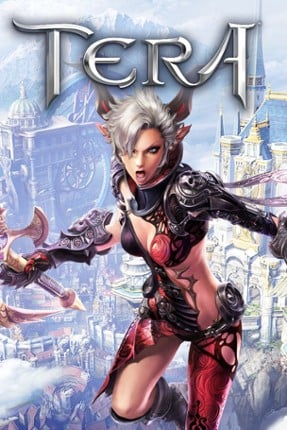
19 View Game 84%Game Brain ScoreMost mentioned positive aspects:story, gameplayMost mentioned negative aspects:grinding, monetization87% User Score 64,303 reviewsCritic Score 80%8 reviews
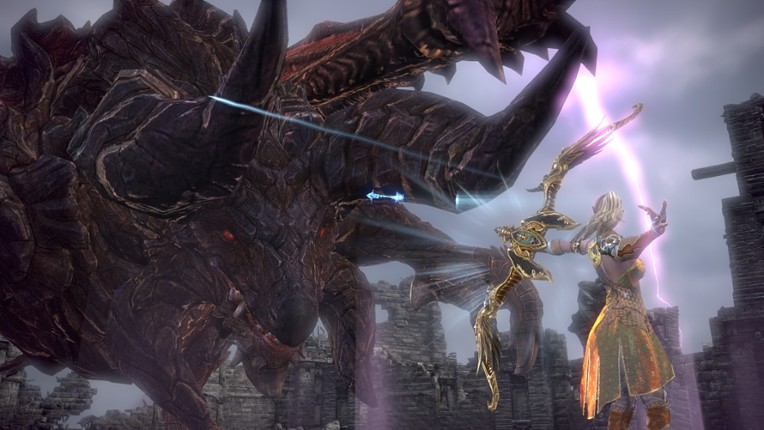
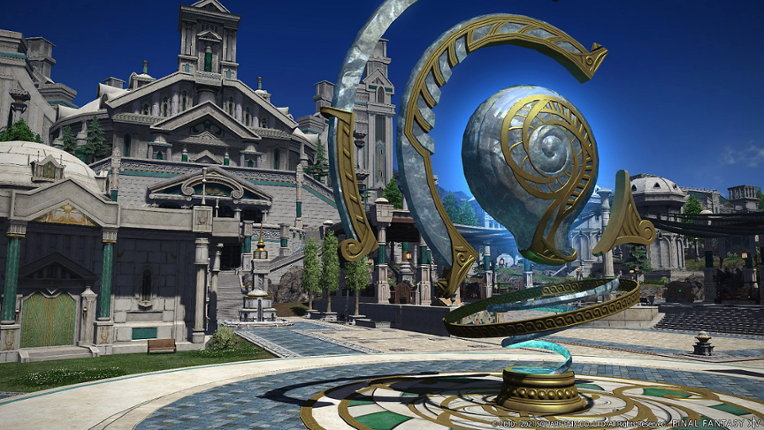
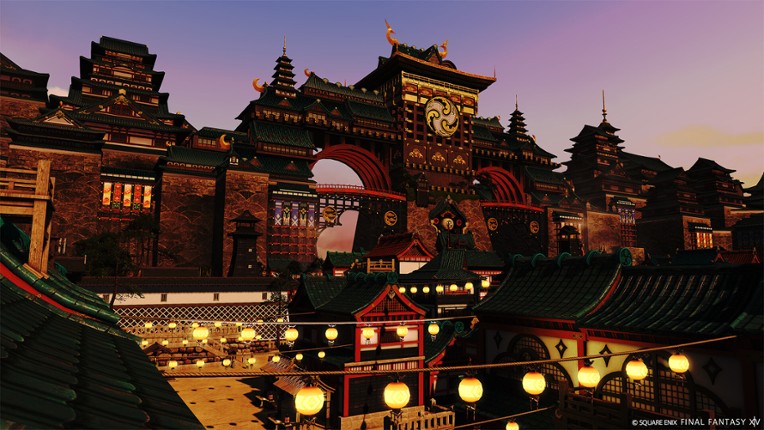
Final Fantasy XIV moves away from open skill grind, embracing job‑based progression and story‑driven raids, catering to fans of polished JRPG raids.
If you enjoyed this game, see our list of games similar to FINAL FANTASY XIV Online.View Game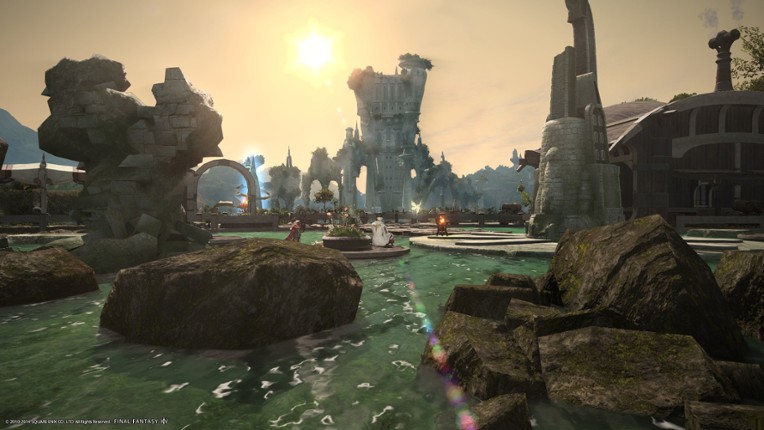
- 69%Game Brain ScoreMost mentioned positive aspects:story, gameplayMost mentioned negative aspects:grinding, monetization69% User Score 3,087 reviewsCritic Score 69%4 reviews
Champions Online delivers superhero powers and comic‑book flair, inviting players to build custom heroes and soar through cityscapes instead of medieval quests.
If you enjoyed this game, see our list of games similar to Champions Online.View Game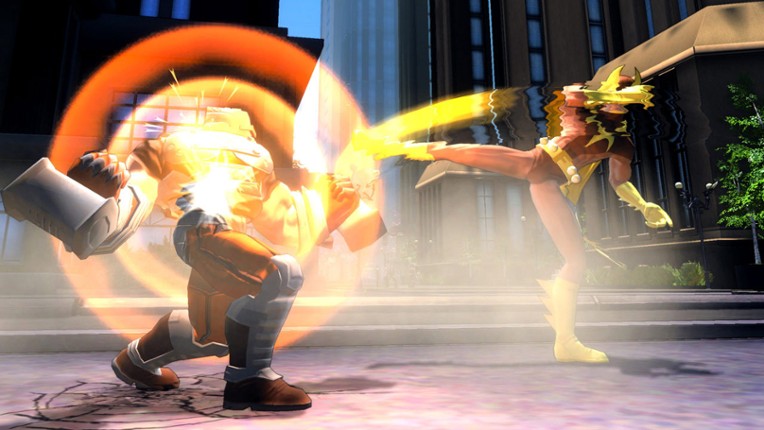
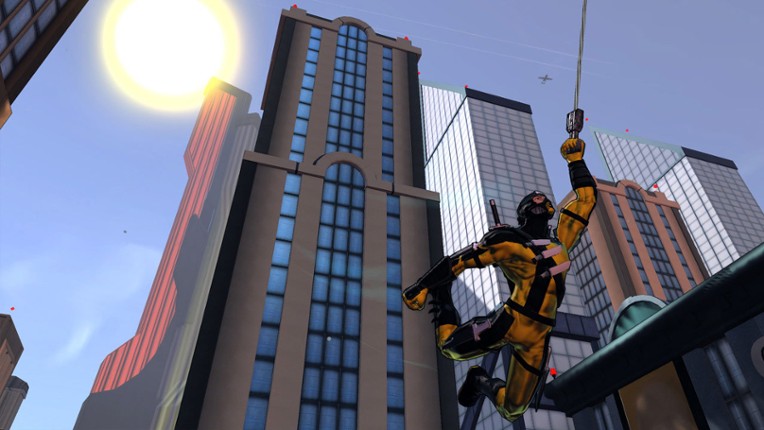
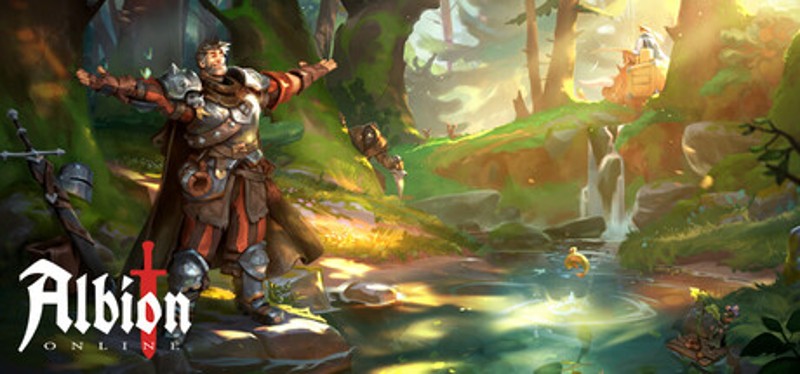
- 77%Game Brain ScoreMost mentioned positive aspects:gameplay, graphicsMost mentioned negative aspects:grinding, story75% User Score 26,846 reviewsCritic Score 85%2 reviews
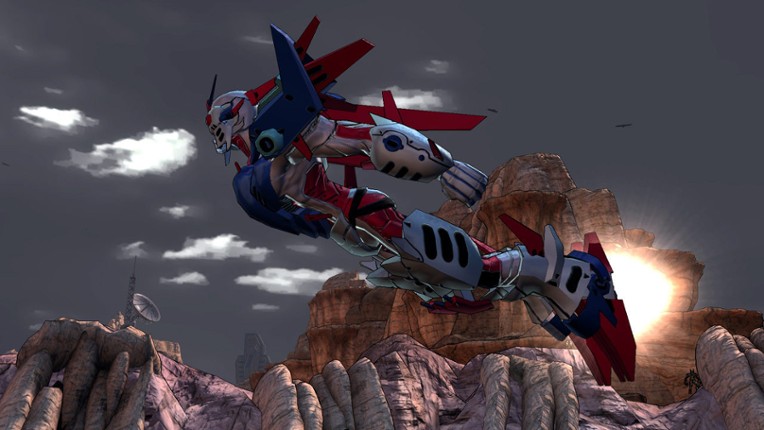
Replaces RuneScape's quest-driven narrative with hardcore PvP-focused sandbox economics and territorial warfare.
If you enjoyed this game, see our list of games similar to Albion Online.View Game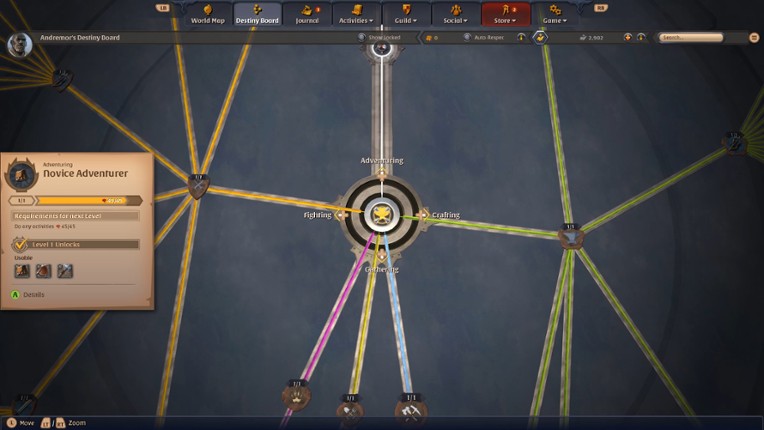
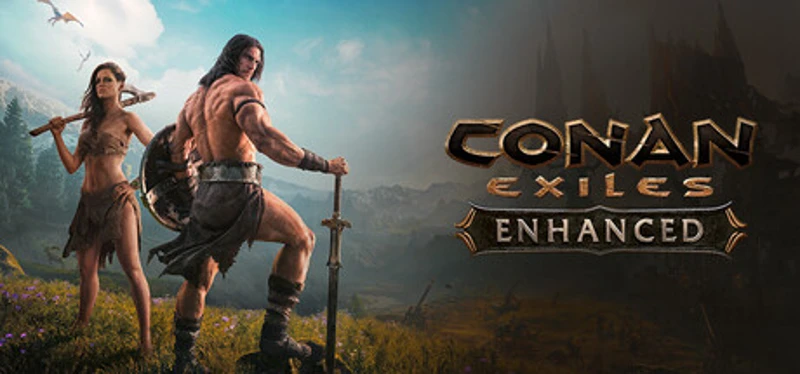
- 79%Game Brain ScoreMost mentioned positive aspects:gameplay, graphicsMost mentioned negative aspects:stability, grinding79% User Score 69,198 reviews
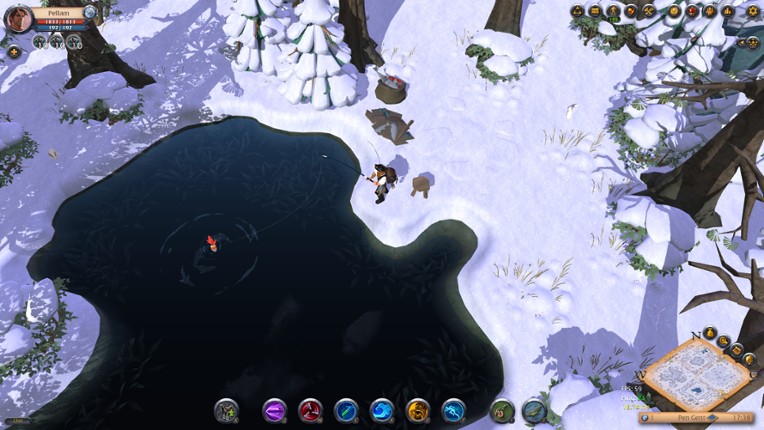
Strips away quests and progression for raw survival building, brutal combat, and persistent player-constructed worlds.
If you enjoyed this game, see our list of games similar to Conan Exiles.View Game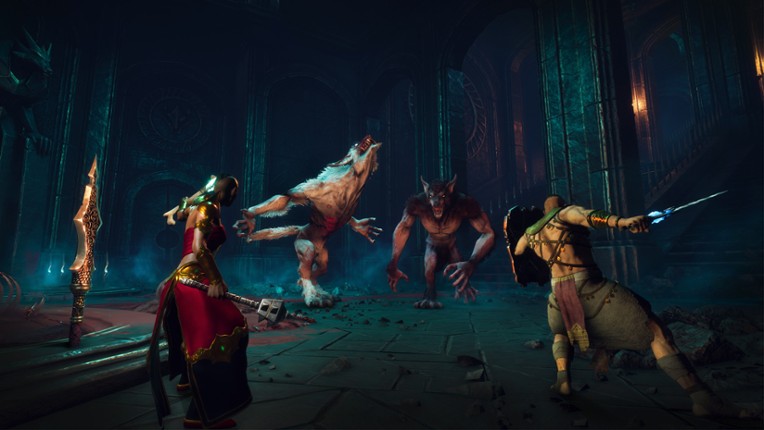
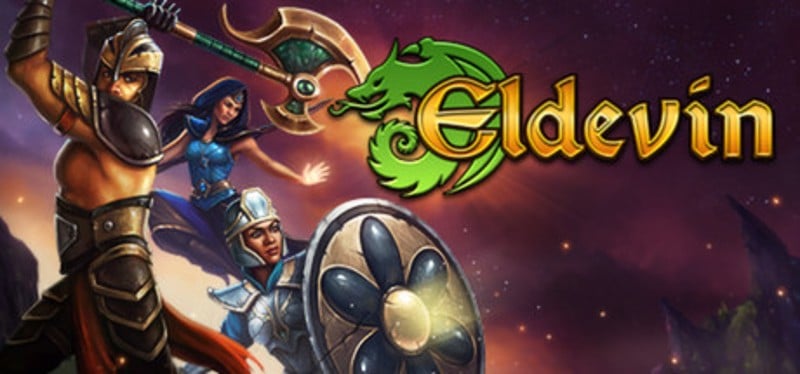
- 78%Game Brain ScoreMost mentioned positive aspects:story, graphicsMost mentioned negative aspects:grinding, optimization78% User Score 1,215 reviews
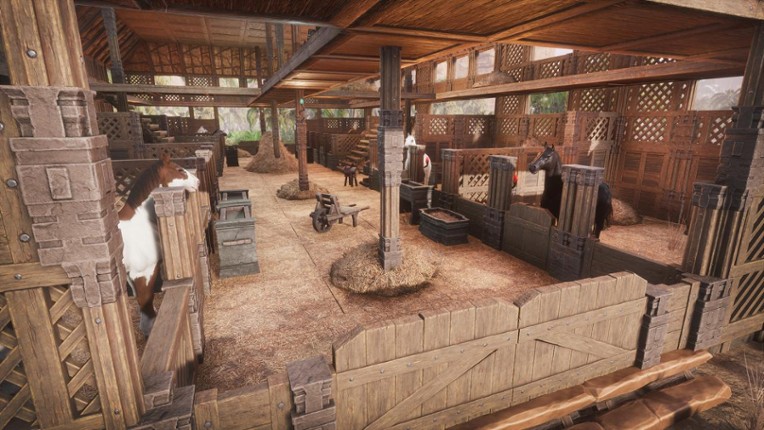
Captures RuneScape's free-to-play MMO bones and skill diversity but scales down scope with indie development and lighter mechanics.
If you enjoyed this game, see our list of games similar to Eldevin.View Game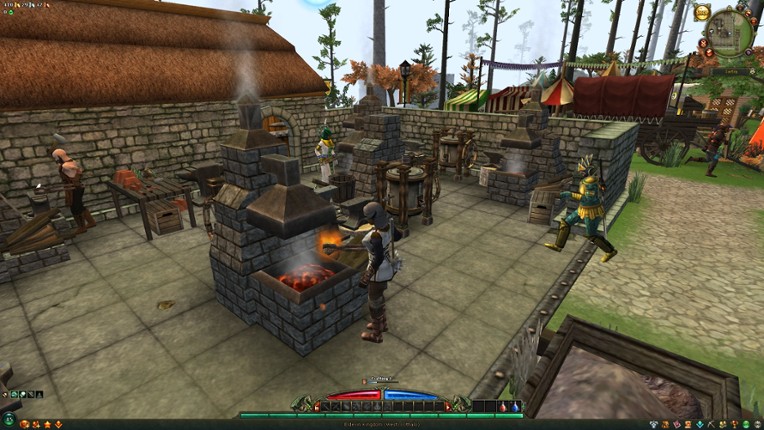
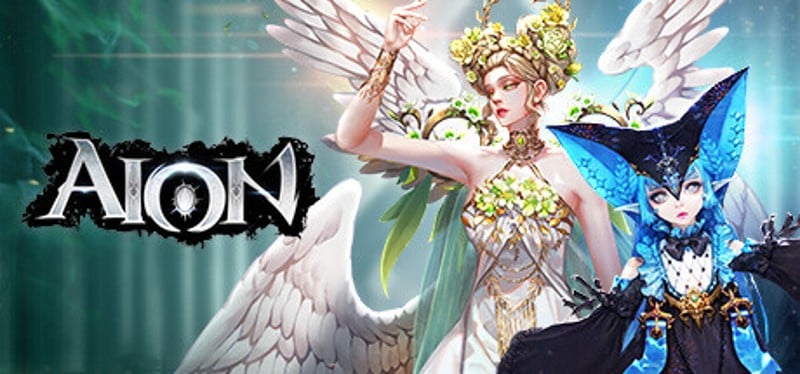
- 44%Game Brain ScoreMost mentioned positive aspects:story, graphicsMost mentioned negative aspects:grinding, monetization44% User Score 1,228 reviews
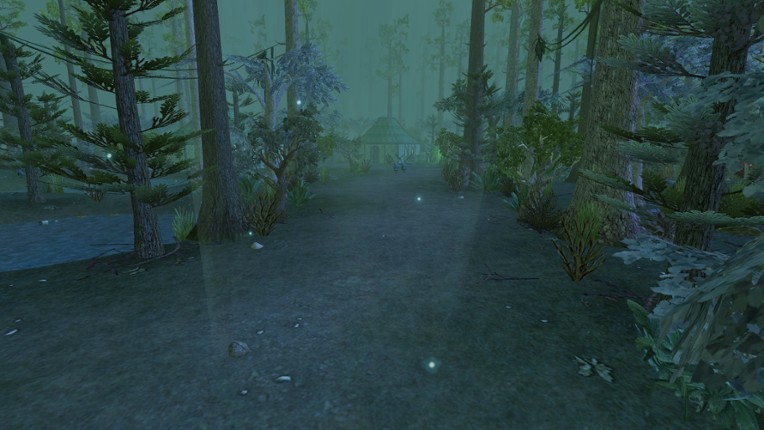
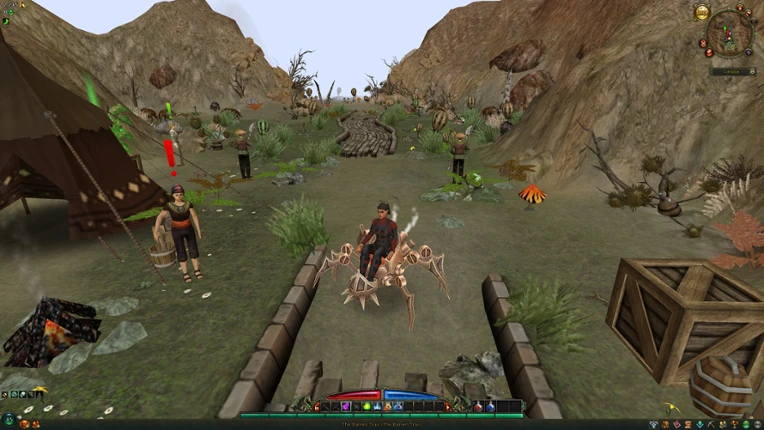
Maintains class-based progression and PvE dungeons while swapping medieval fantasy for anime aesthetics and faster-paced action combat.
If you enjoyed this game, see our list of games similar to AION MMO.View Game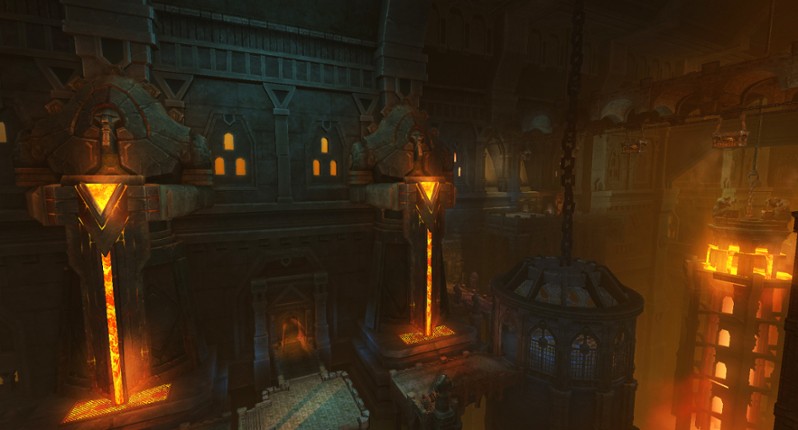
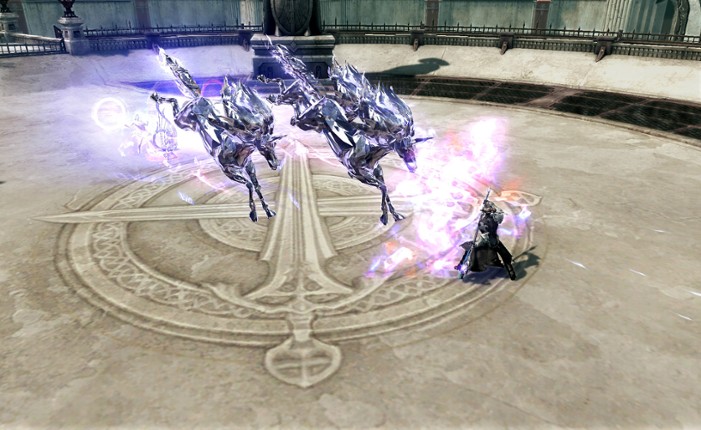
- 90%Game Brain ScoreMost mentioned positive aspects:story, gameplayMost mentioned negative aspects:grinding, monetization90% User Score 49,698 reviewsCritic Score 89%5 reviews
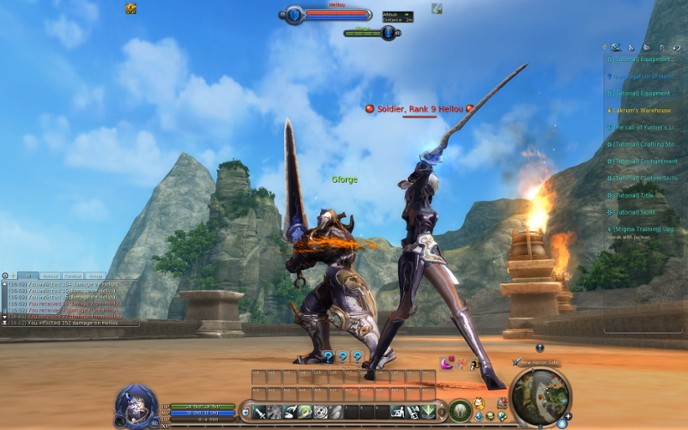
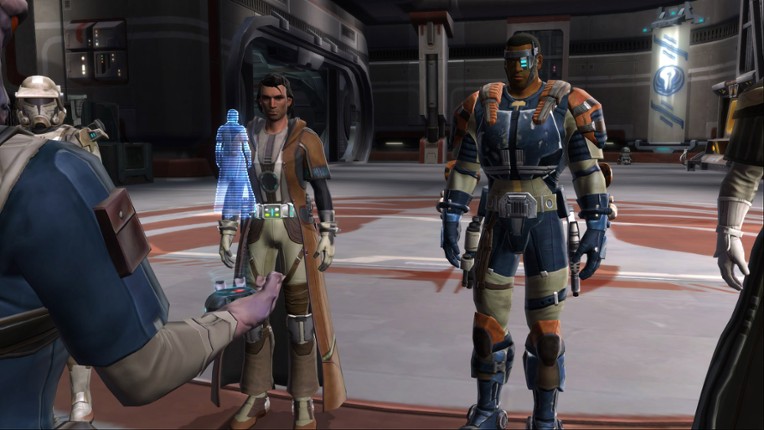
Exchanges RuneScape's branching exploration for cinematic story-driven progression, offering bioware-style dialogue choices across sci-fi settings.
If you enjoyed this game, see our list of games similar to Star Wars: The Old Republic.View Game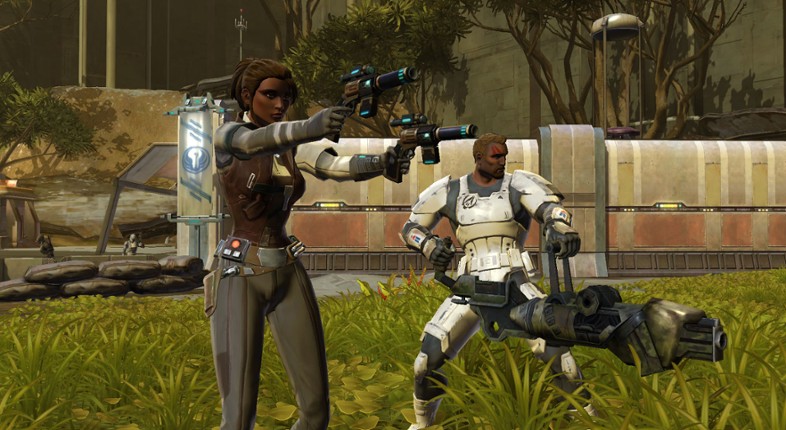
- 76%Game Brain ScoreMost mentioned positive aspects:story, graphicsMost mentioned negative aspects:grinding, optimization76% User Score 5,291 reviews
Borrows the casual MMO accessibility and fantasy setting but streamlines skill systems and world depth significantly.
If you enjoyed this game, see our list of games similar to Aura Kingdom.View Game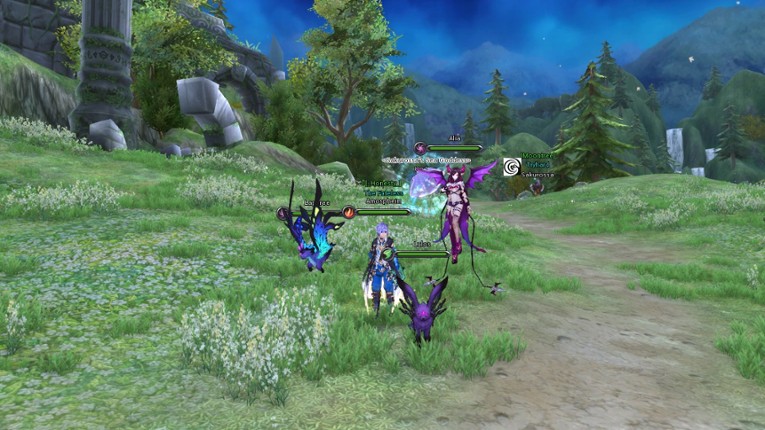
- 72%Game Brain ScoreMost mentioned positive aspects:story, graphicsMost mentioned negative aspects:grinding, monetization71% User Score 5,798 reviewsCritic Score 75%2 reviews
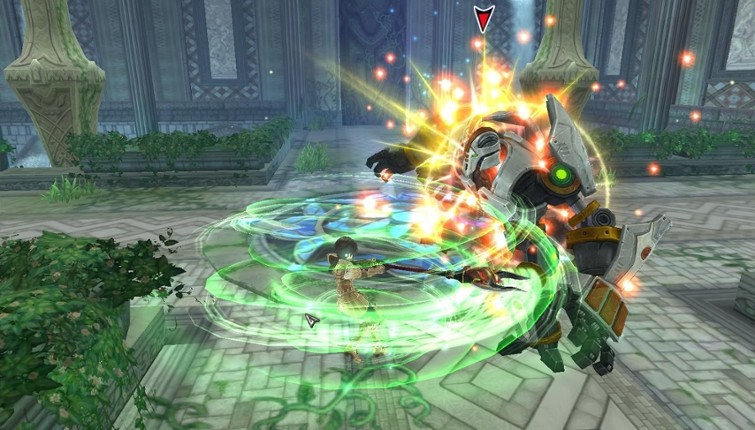
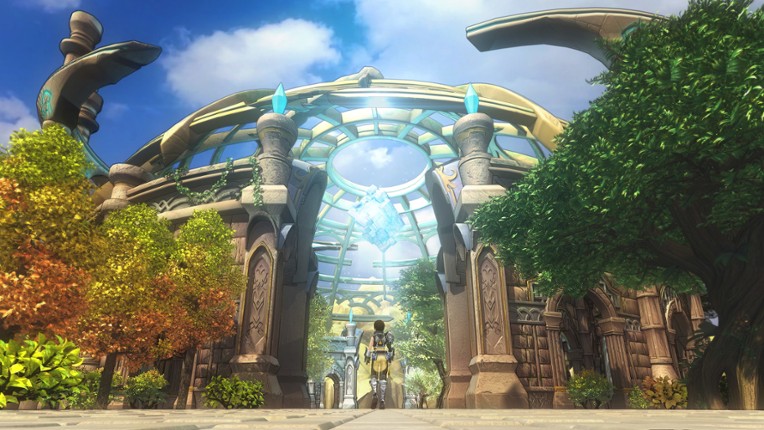
Honors Dungeons & Dragons lore and dungeon crawling where RuneScape emphasizes overworld freedom, featuring dungeons as primary content.
If you enjoyed this game, see our list of games similar to Dungeons & Dragons Online.View Game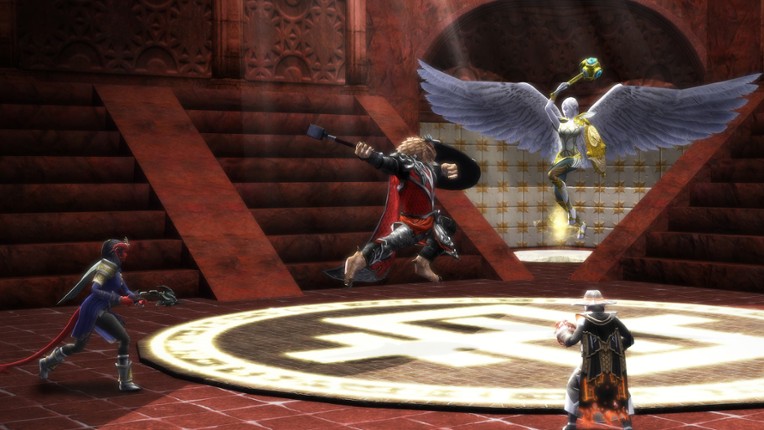
- 75%Game Brain ScoreMost mentioned positive aspects:graphics, gameplayMost mentioned negative aspects:grinding, story75% User Score 1,528 reviews
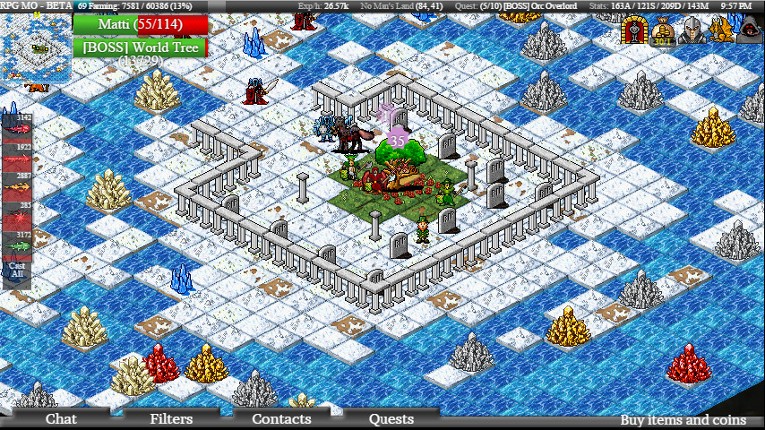
Retains exploration and multi-skill progression in a cooperative sandbox but trades high-fantasy depth for retro pixel aesthetic and relaxed pacing.
If you enjoyed this game, see our list of games similar to RPG MO.View Game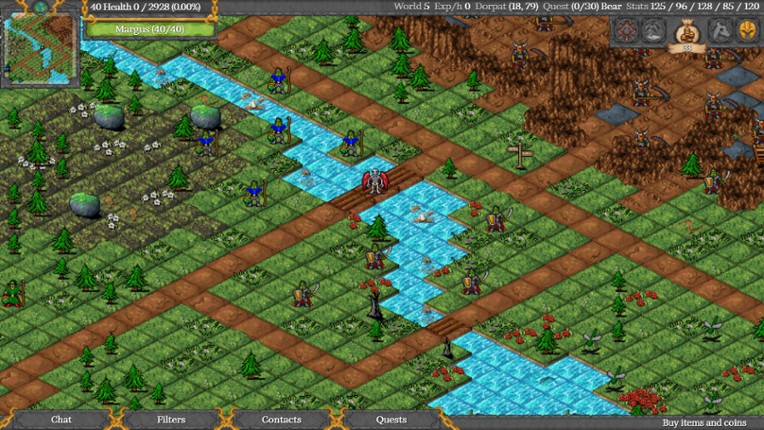
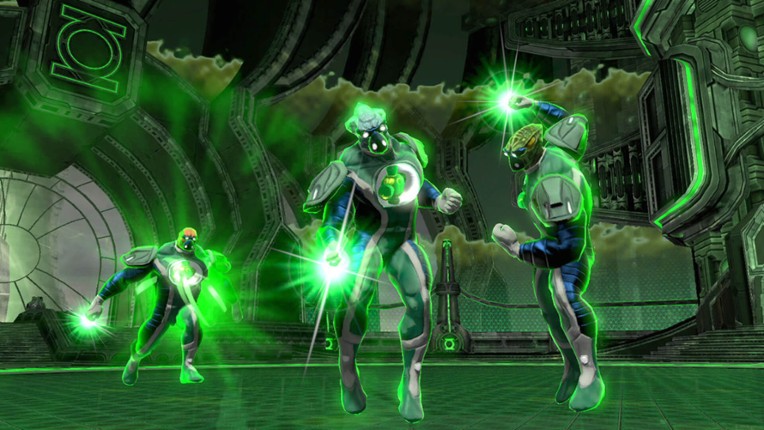
29 View Game 76%Game Brain ScoreMost mentioned positive aspects:story, gameplayMost mentioned negative aspects:grinding, monetization79% User Score 12,361 reviewsCritic Score 73%15 reviews
Translates RuneScape's exploration and character customization into a superhero urban setting with action-heavy combat instead of strategic skills.
If you enjoyed this game, see our list of games similar to DC Universe Online.View Game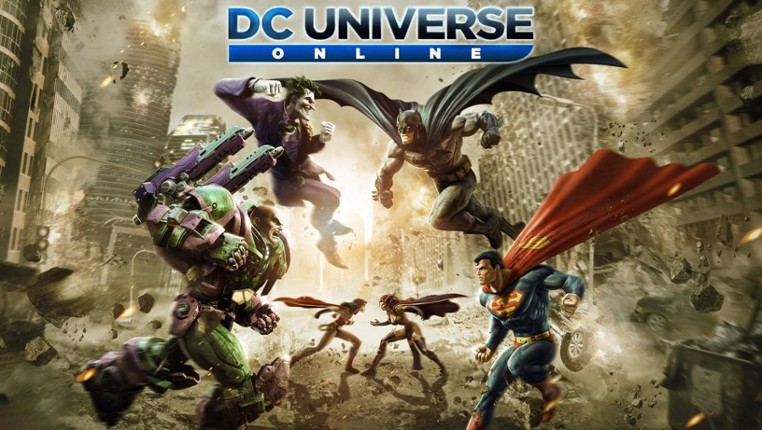
- 66%Game Brain ScoreMost mentioned positive aspects:story, graphicsMost mentioned negative aspects:grinding, monetization73% User Score 66,634 reviewsCritic Score 50%4 reviews
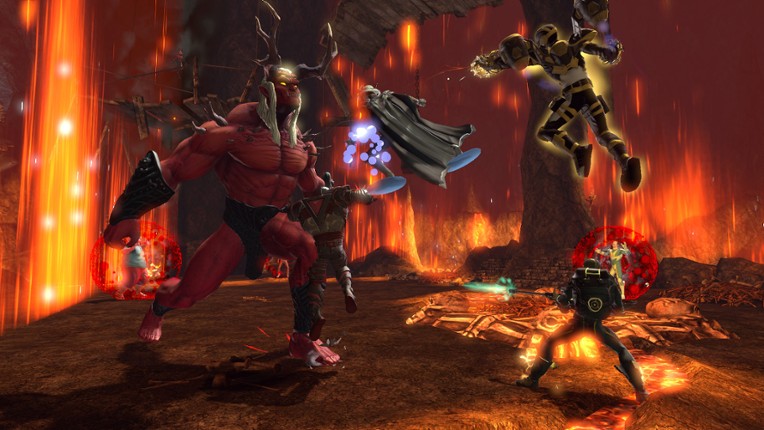
Matches RuneScape's extensive skill crafting and PvP territory control but prioritizes visceral real-time combat and cinematic presentation.
If you enjoyed this game, see our list of games similar to Black Desert.View Game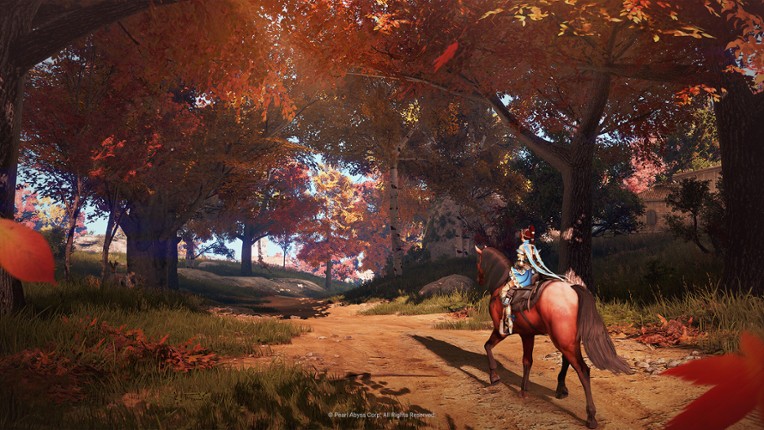
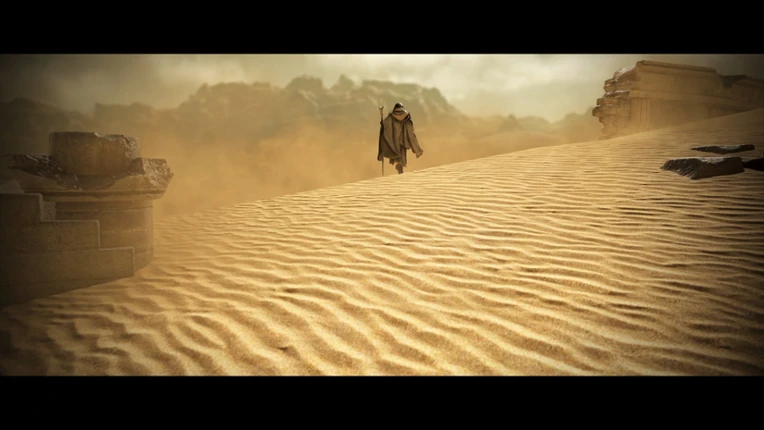

- 93%Game Brain ScoreMost mentioned positive aspects:gameplay, graphicsMost mentioned negative aspects:grinding, story93% User Score 14,554 reviews
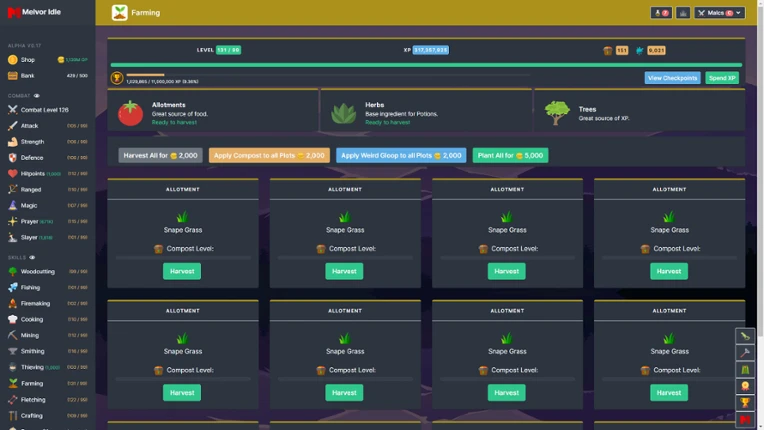
Distills the skilling and economy loop into a purely menu-driven idle experience, perfect for players who want the grind without the manual inputs.
If you enjoyed this game, see our list of games similar to Melvor Idle.View Game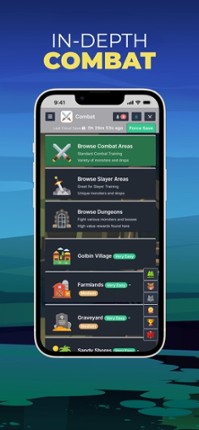
- 74%Game Brain ScoreMost mentioned positive aspects:gameplay, graphicsMost mentioned negative aspects:grinding, monetization74% User Score 1,078 reviews
Adapts the skill-training foundation into a social-focused idle clicker, emphasizing cooperative clan progression over individual quest-based adventure.
If you enjoyed this game, see our list of games similar to Idle Clans.View Game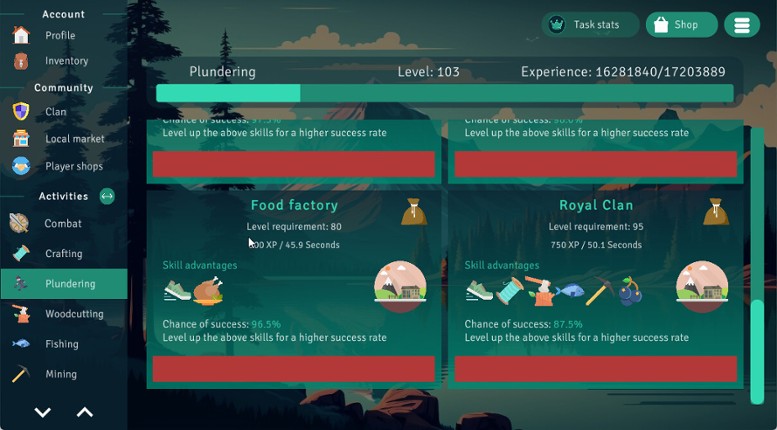
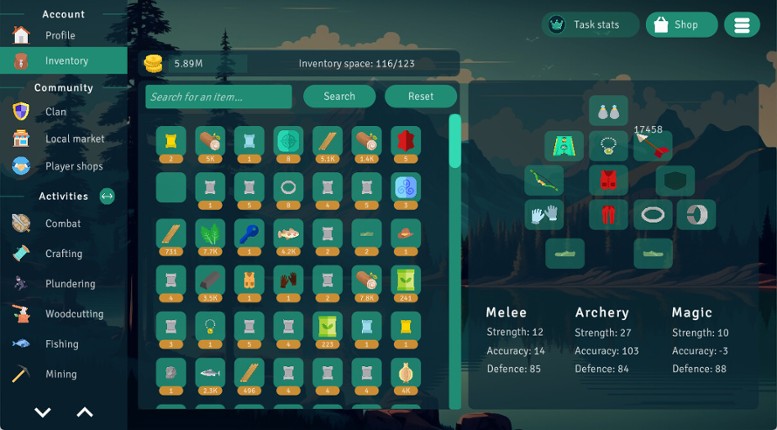
- 68%Game Brain ScoreMost mentioned positive aspects:gameplay, storyMost mentioned negative aspects:grinding, stability68% User Score 3,970 reviews
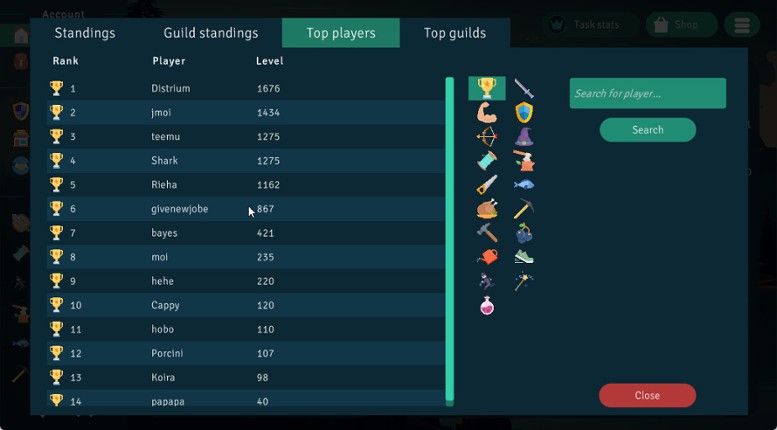
Replaces the real-time combat style with tactical turn-based strategy, offering a deeper focus on positioning and grid-based team coordination.
If you enjoyed this game, see our list of games similar to WAKFU.View Game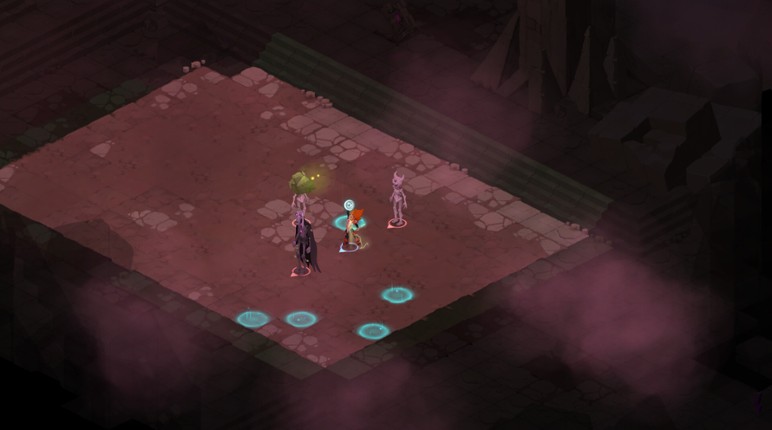
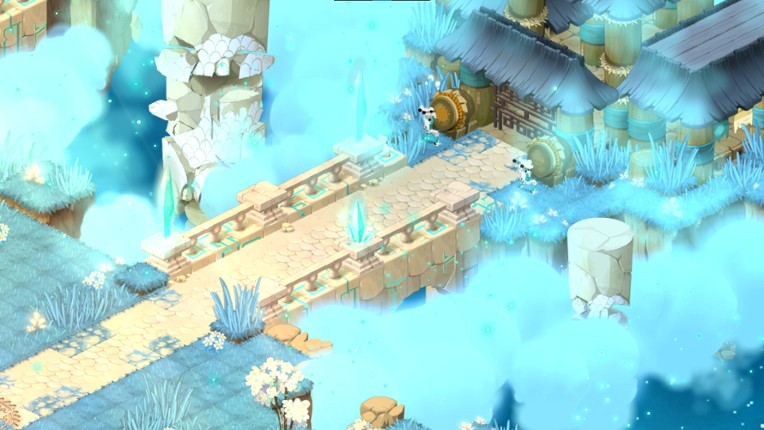
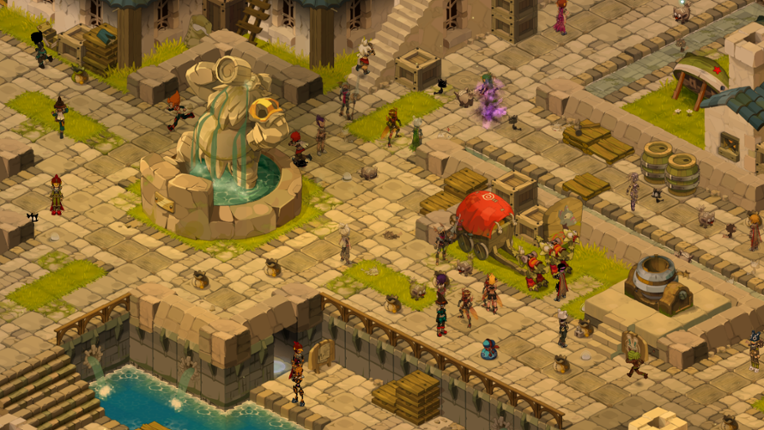
- 70%Game Brain ScoreMost mentioned positive aspects:story, gameplayMost mentioned negative aspects:grinding, monetization70% User Score 8,384 reviews
Crafted by RuneScape’s own creator, this title refines the classic point-and-click traversal and skill system for a more modern, modernized mechanical interface.
If you enjoyed this game, see our list of games similar to Brighter Shores.View Game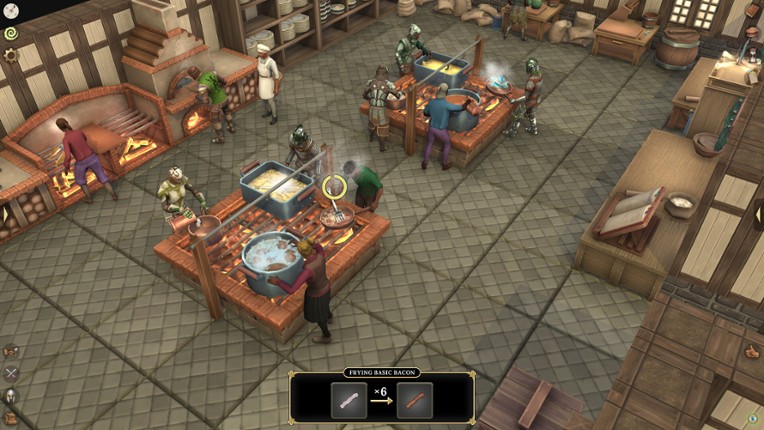
- 78%Game Brain ScoreMost mentioned positive aspects:gameplay, storyMost mentioned negative aspects:grinding, optimization79% User Score 79,363 reviewsCritic Score 77%6 reviews
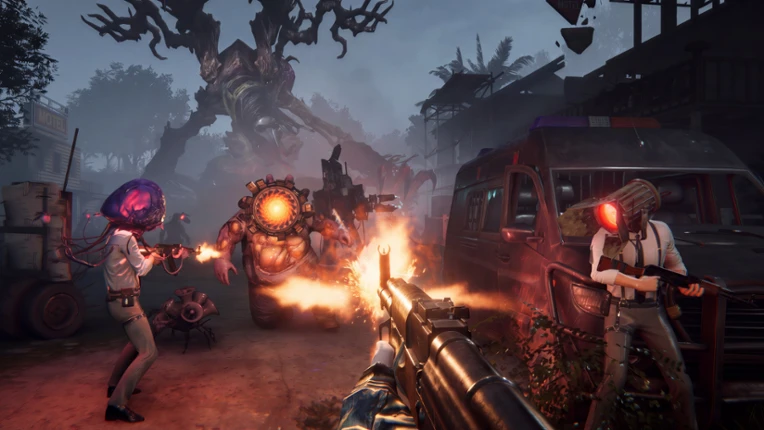
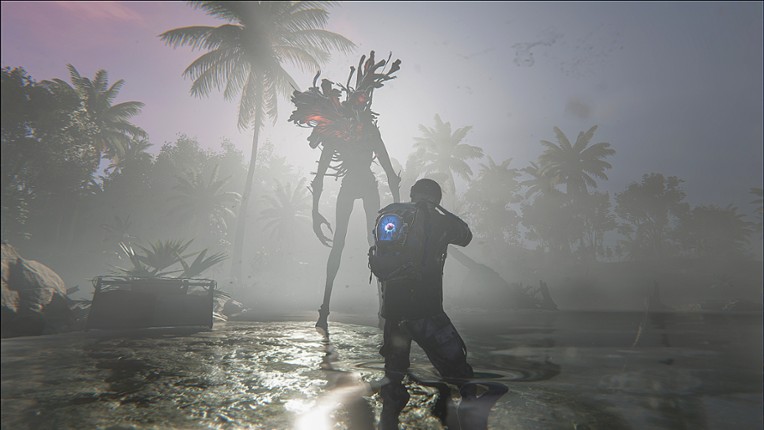
While diverging into survival-horror, it keeps the expansive open-world sense of progression by centering gameplay on territory control and resource management.
If you enjoyed this game, see our list of games similar to Once Human.View Game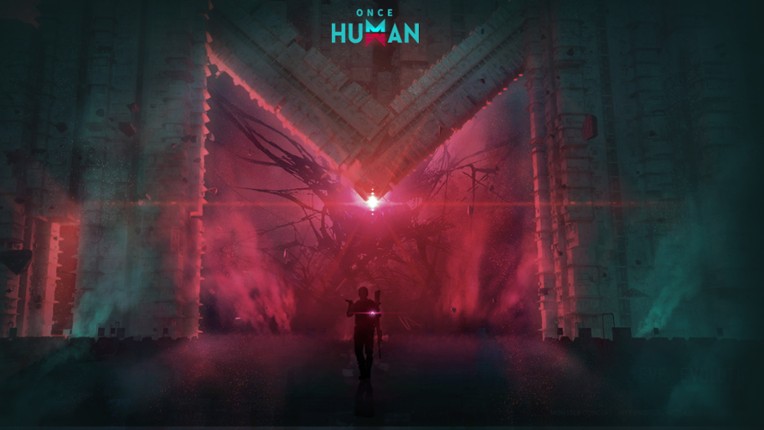
- 72%Game Brain ScoreMost mentioned positive aspects:gameplay, graphicsMost mentioned negative aspects:grinding, monetization77% User Score 42,132 reviewsCritic Score 65%6 reviews
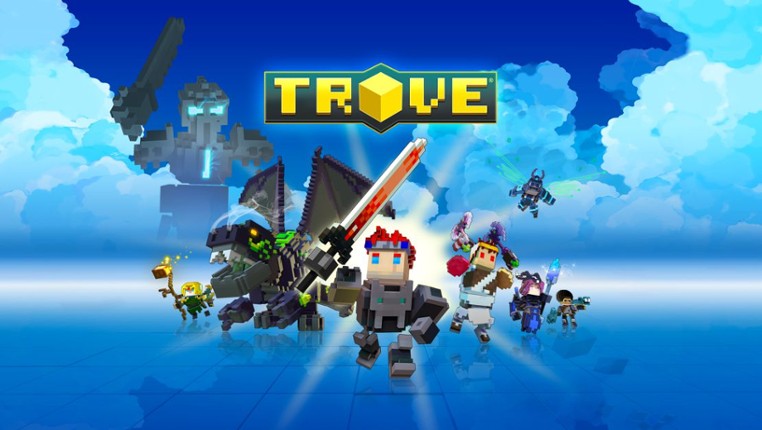
Shifts the medieval fantasy focus toward a creative, voxel-based sandbox where building and procedural dungeon crawling outweigh traditional quest narratives.
If you enjoyed this game, see our list of games similar to Trove.View Game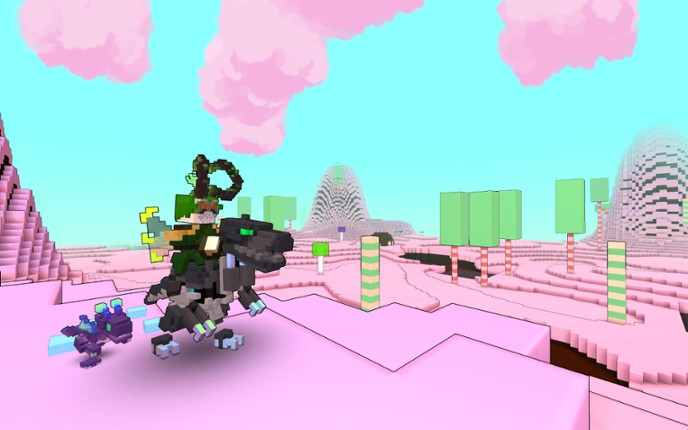
- 72%Game Brain ScoreMost mentioned positive aspects:gameplay, graphicsMost mentioned negative aspects:grinding, story72% User Score 785 reviews
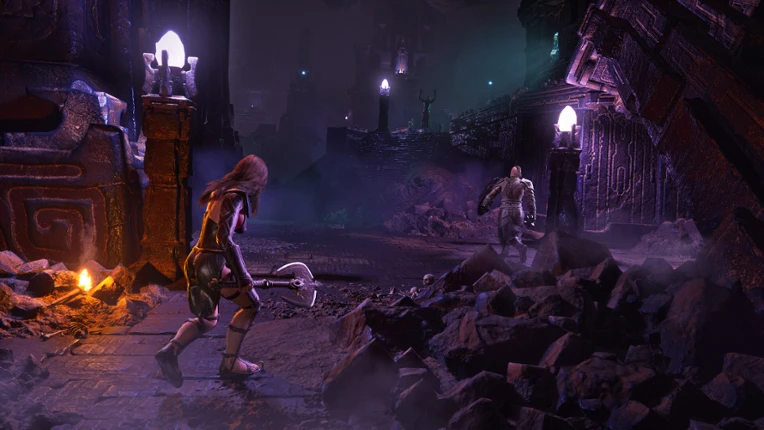
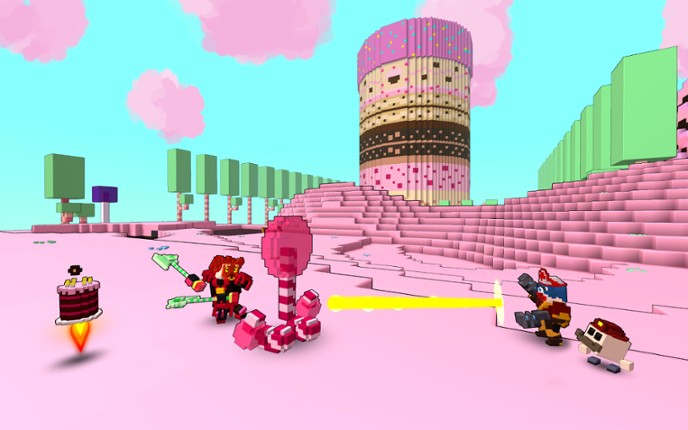
Keeps RuneScape's open-world free-to-play structure, but trades its quirky questing for a harsher old-school survival grind centered on mining and crafting.
If you enjoyed this game, see our list of games similar to Winds of Valen.View Game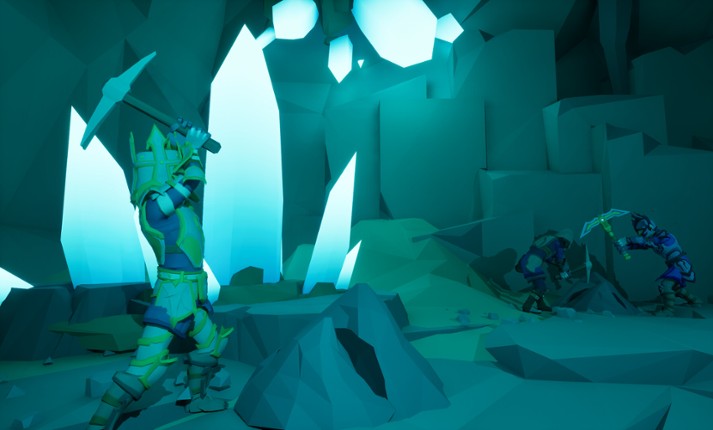
- 61%Game Brain ScoreMost mentioned positive aspects:story, graphicsMost mentioned negative aspects:grinding, optimization64% User Score 617 reviewsCritic Score 53%3 reviews
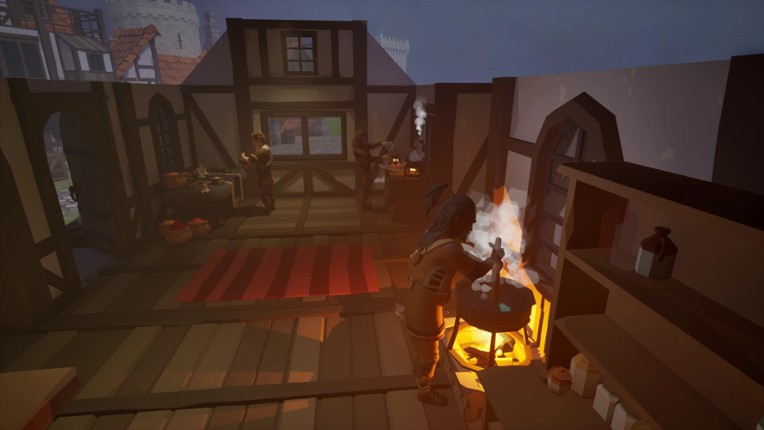
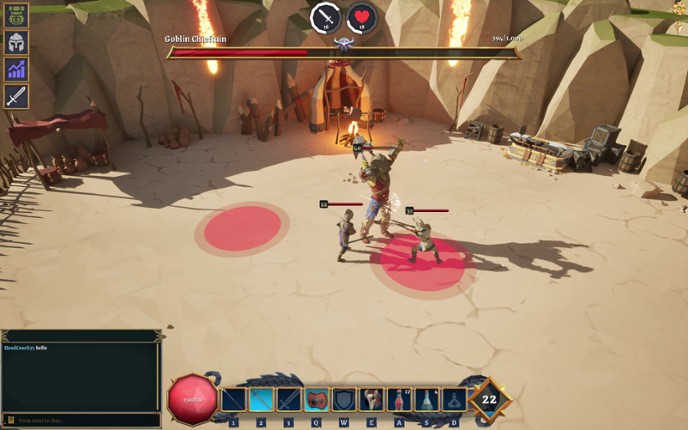
Brings traditional 3D action-RPG camera angles and more frequent combat encounters to the classic fantasy skill-progression formula.
If you enjoyed this game, see our list of games similar to Runes of Magic.View Game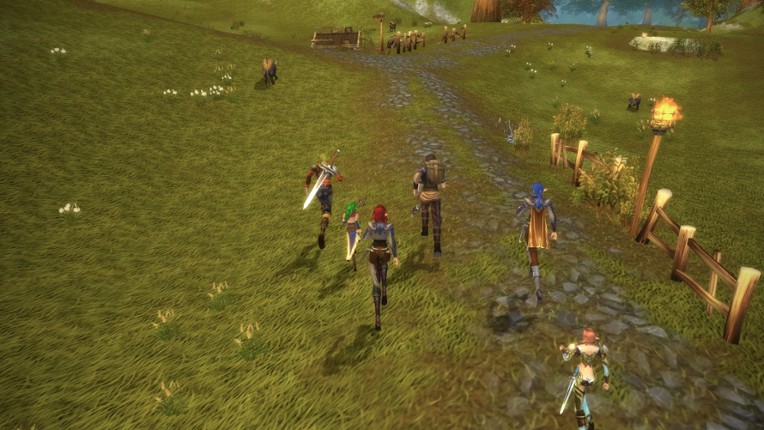
- 73%Game Brain ScoreMost mentioned positive aspects:story, gameplayMost mentioned negative aspects:grinding, monetization73% User Score 21,985 reviewsCritic Score 75%3 reviews
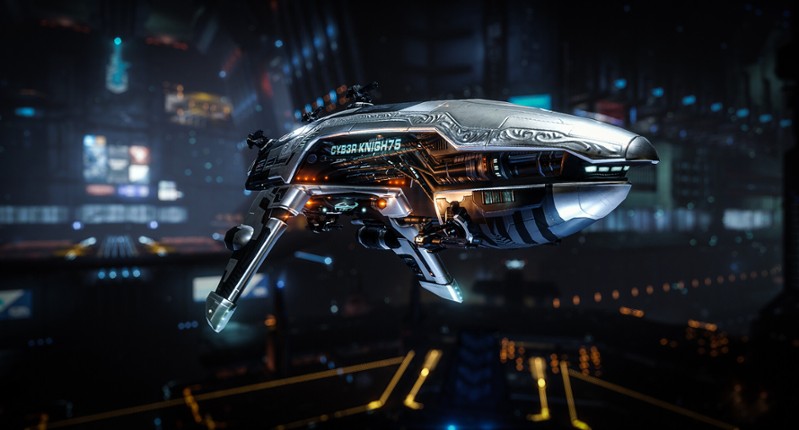
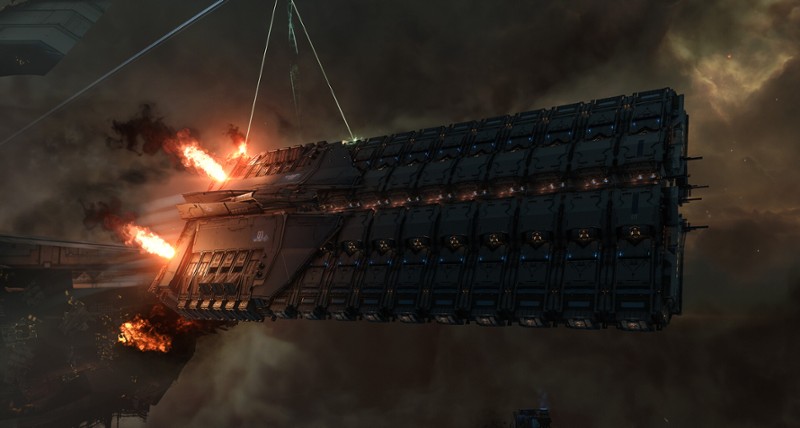
Though the setting is space-faring rather than medieval, it matches the grand sense of scale and player-driven economic complexity found in Gielinor.
If you enjoyed this game, see our list of games similar to EVE Online.View Game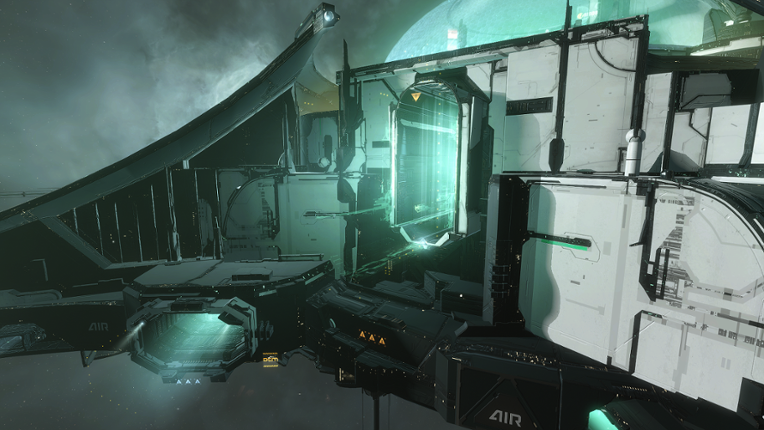
- 87%Game Brain ScoreMost mentioned positive aspects:story, gameplayMost mentioned negative aspects:grinding, monetization87% User Score 5,528 reviews
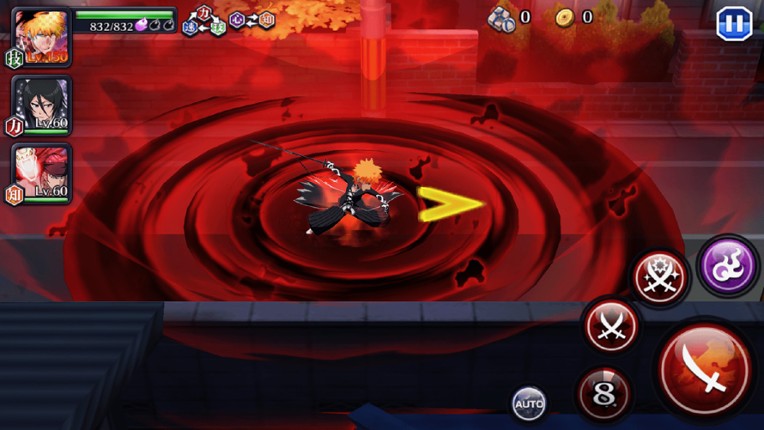
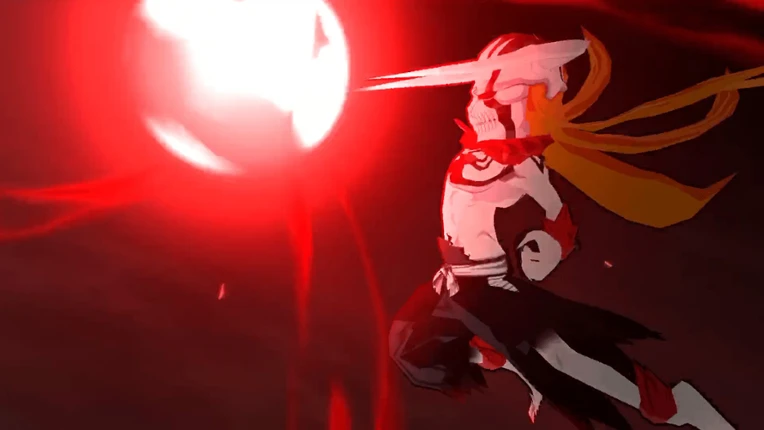
Strips away the exploration and open-world skilling to focus exclusively on action-RPG combat sequences and character-driven story missions.
If you enjoyed this game, see our list of games similar to BLEACH Brave Souls.View Game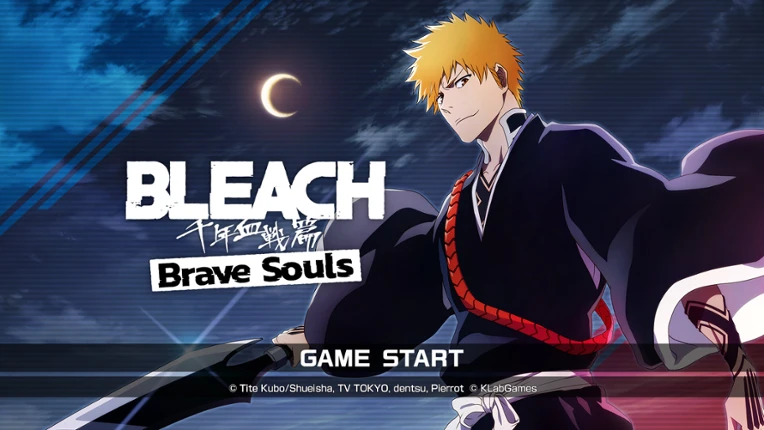
- 77%Game Brain ScoreMost mentioned positive aspects:story, gameplayMost mentioned negative aspects:grinding, monetization82% User Score 14,693 reviewsCritic Score 51%1 reviews
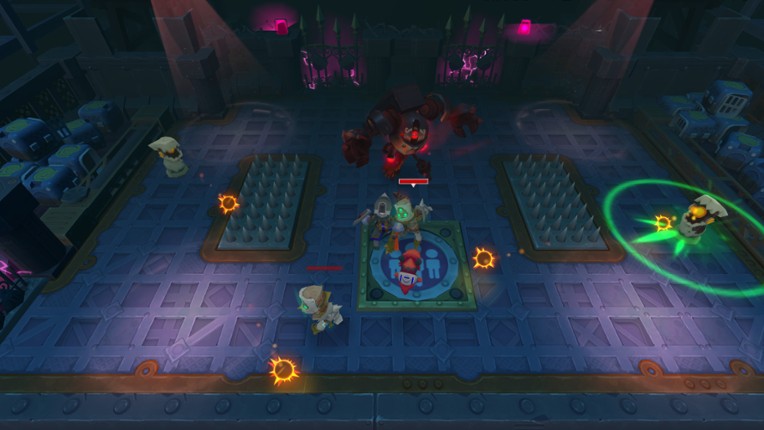
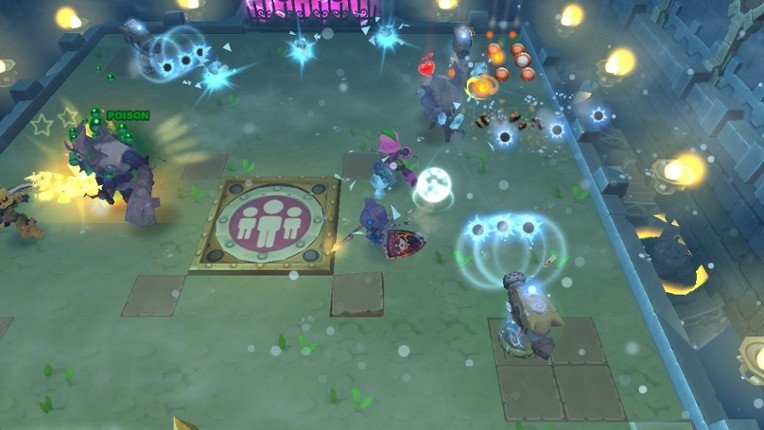
Swaps RuneScape's medieval world for a cute sci-fi dungeon crawler, while still appealing to free-to-play co-op fans who enjoy soundtrack-driven exploration.
If you enjoyed this game, see our list of games similar to Spiral Knights.View Game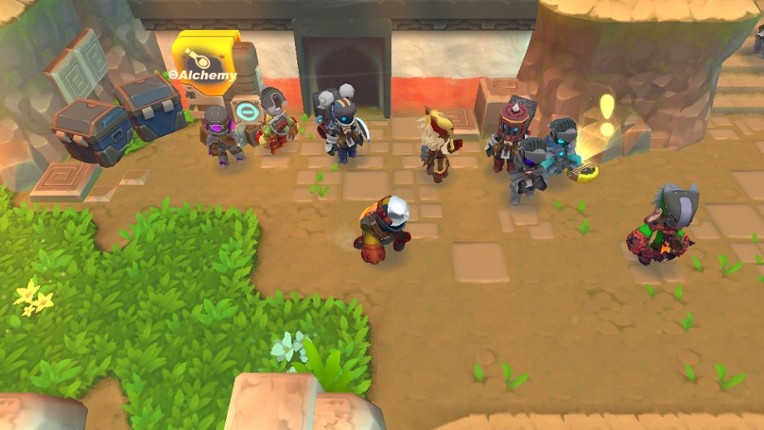
- 82%Game Brain ScoreMost mentioned positive aspects:story, gameplayMost mentioned negative aspects:graphics, grinding82% User Score 4,381 reviews
Leans harder into RuneScape's sandboxy skill grind, but with a rougher early-access edge and stranger systems for players who enjoy discovery over polish.
If you enjoyed this game, see our list of games similar to Project: Gorgon.View Game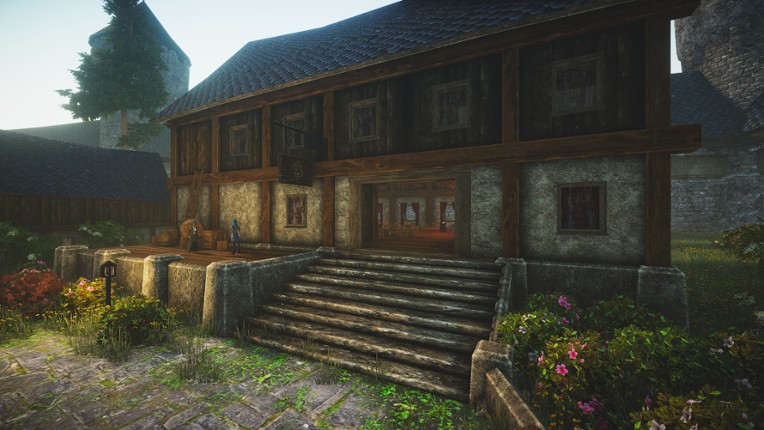

- 80%Game Brain ScoreMost mentioned positive aspects:story, gameplayMost mentioned negative aspects:grinding, stability80% User Score 3,245 reviews
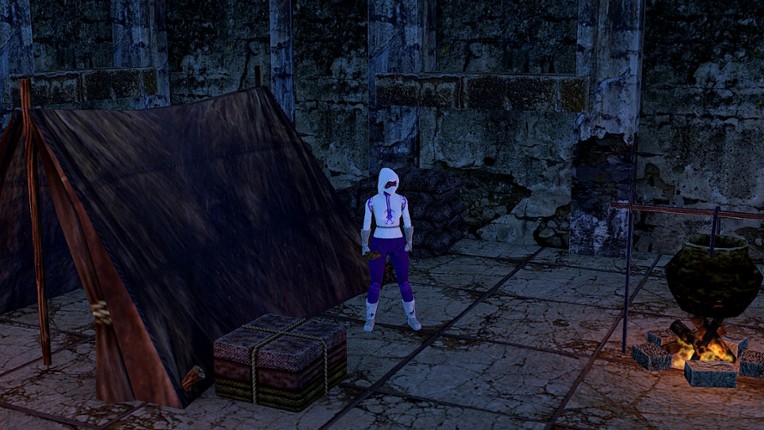
Offers a more intimate, anime-styled narrative journey that prioritizes complex boss encounters and boss-heavy PvE challenges over open-ended life simulation.
If you enjoyed this game, see our list of games similar to Toram Online.View Game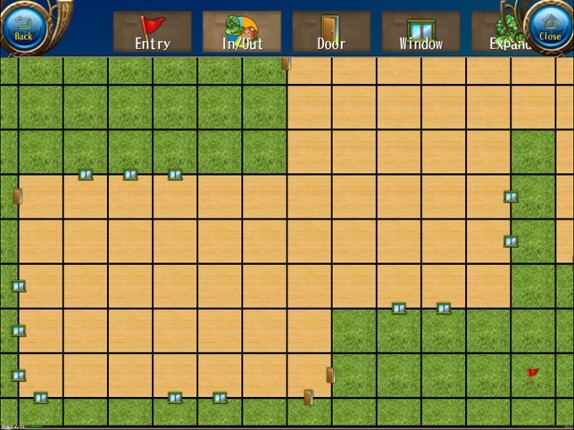
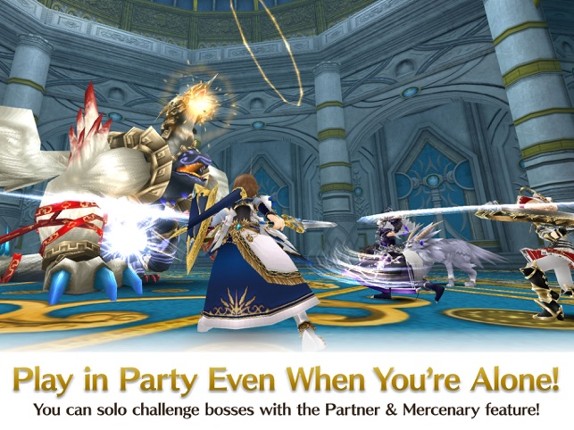
- 67%Game Brain ScoreMost mentioned positive aspects:gameplay, storyMost mentioned negative aspects:monetization, grinding77% User Score 6,138 reviewsCritic Score 20%1 reviews
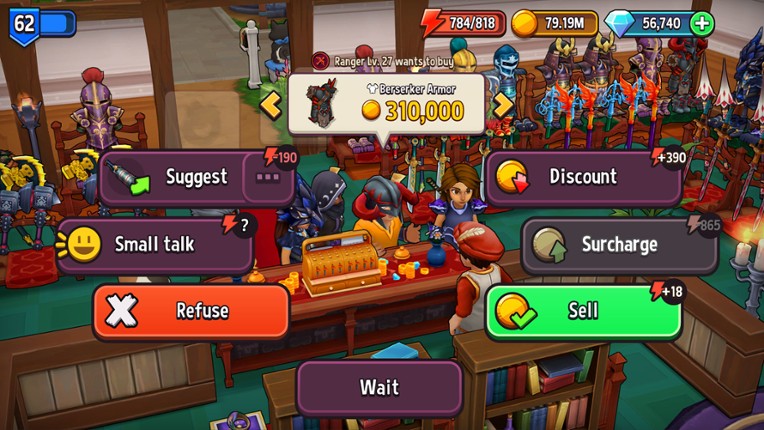
Keeps the trading and customization hooks from RuneScape, but turns the fantasy world into a cozy shopkeeping business sim for economy-minded players.
If you enjoyed this game, see our list of games similar to Shop Titans.View Game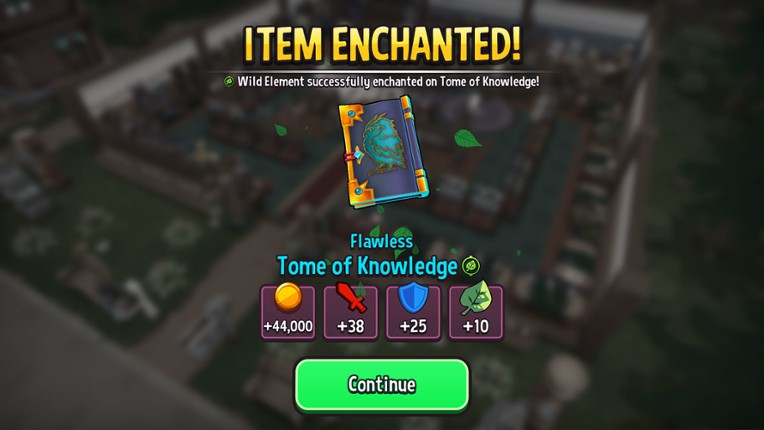
- 61%Game Brain ScoreMost mentioned positive aspects:story, gameplayMost mentioned negative aspects:grinding, monetization61% User Score 3,213 reviews
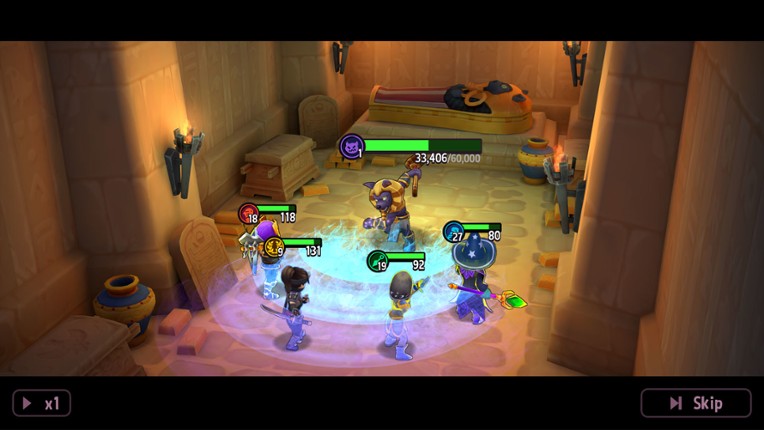
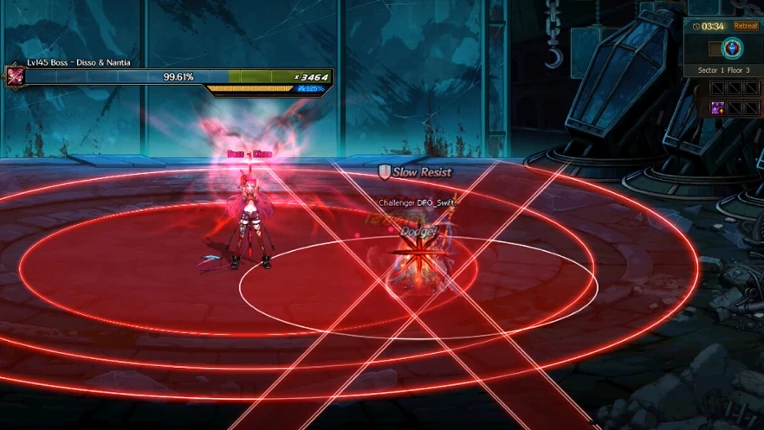
Replaces RuneScape's sprawling wilderness with flashy dungeon runs and 2D brawler combat, for players who want MMO progression with arcade intensity.
If you enjoyed this game, see our list of games similar to Dungeon Fighter Online.View Game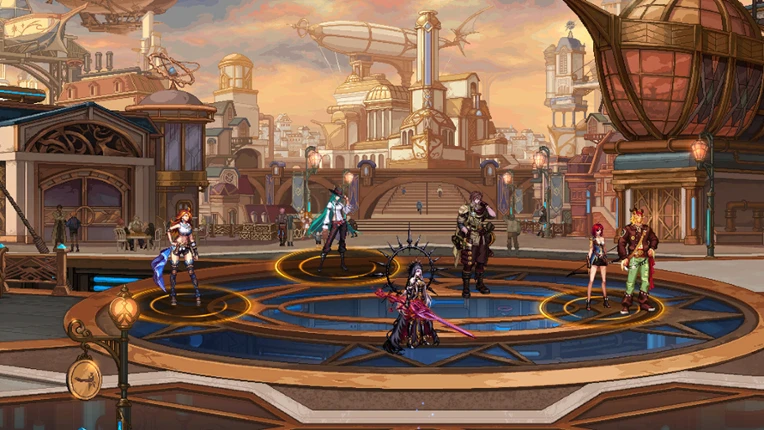
- 82%Game Brain ScoreMost mentioned positive aspects:story, gameplayMost mentioned negative aspects:grinding, monetization88% User Score 2,262 reviewsCritic Score 76%23 reviews
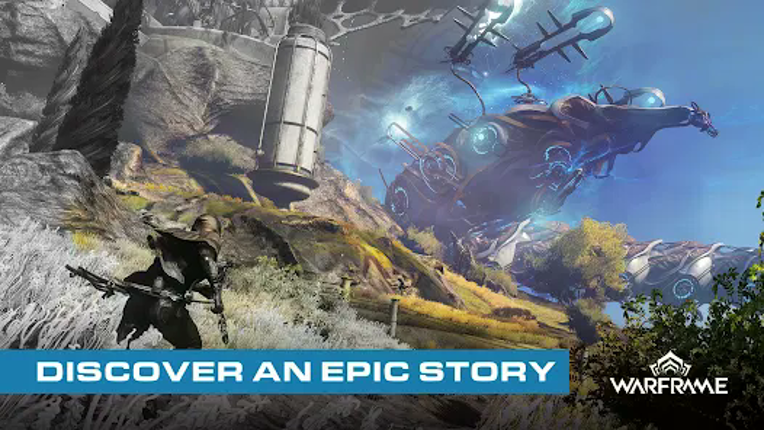
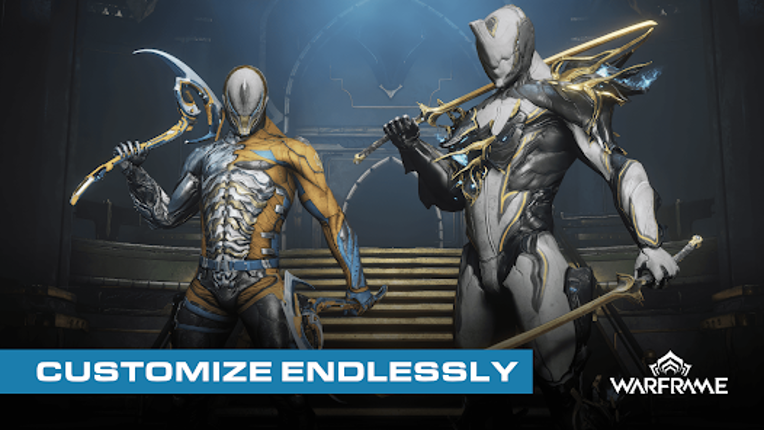
Shares RuneScape's free-to-play MMO progression, but replaces medieval fantasy with a sleek sci-fi power fantasy built around parkour and loot-driven shooting.
If you enjoyed this game, see our list of games similar to Warframe.View Game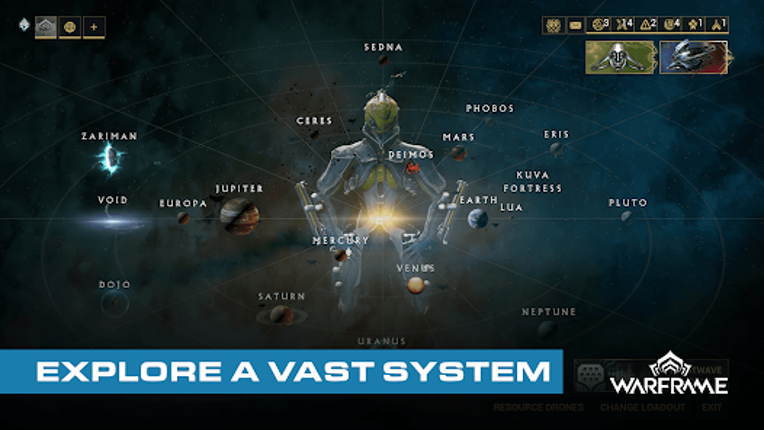
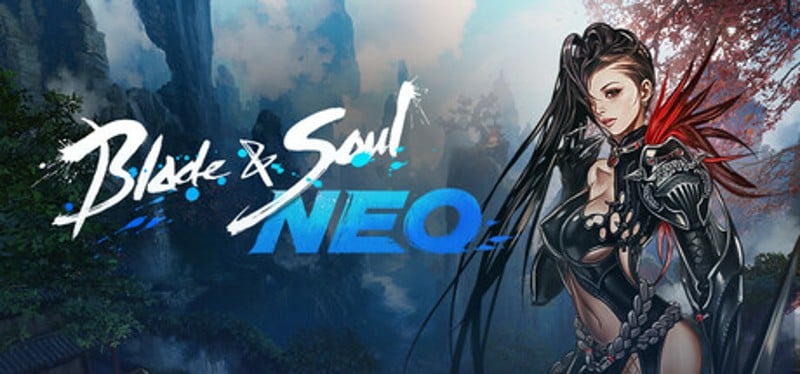
- 38%Game Brain ScoreMost mentioned positive aspects:story, graphicsMost mentioned negative aspects:monetization, grinding38% User Score 545 reviews
Echoing RuneScape's MMO quest structure, it swaps retro charm for class-based martial arts combat and a more polished PvP/PvE fantasy grind.
If you enjoyed this game, see our list of games similar to Blade & Soul NEO.View Game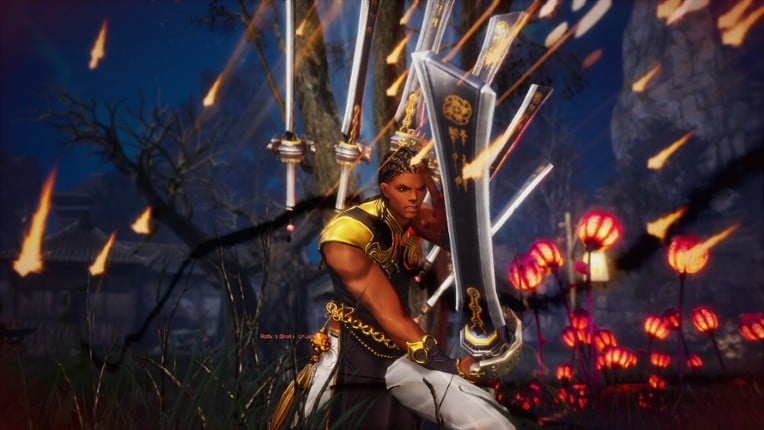
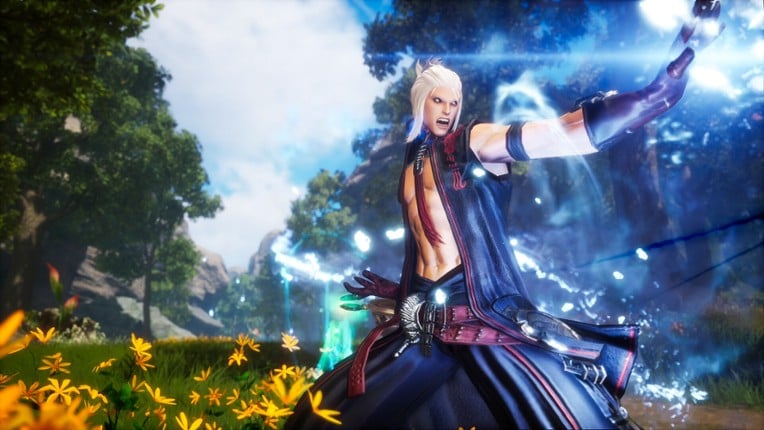
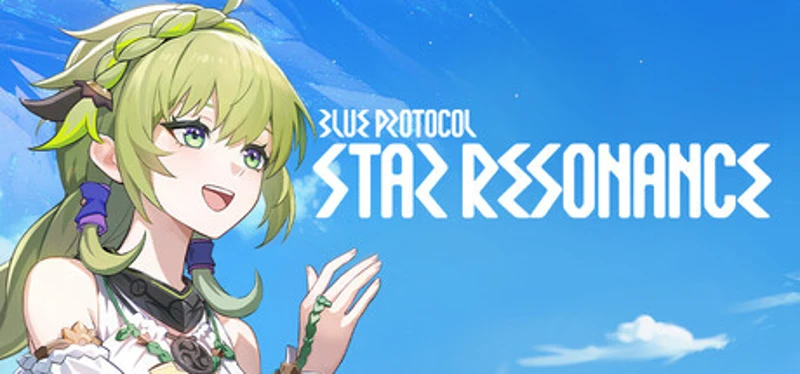
- 51%Game Brain ScoreMost mentioned positive aspects:story, gameplayMost mentioned negative aspects:grinding, monetization51% User Score 11,100 reviews
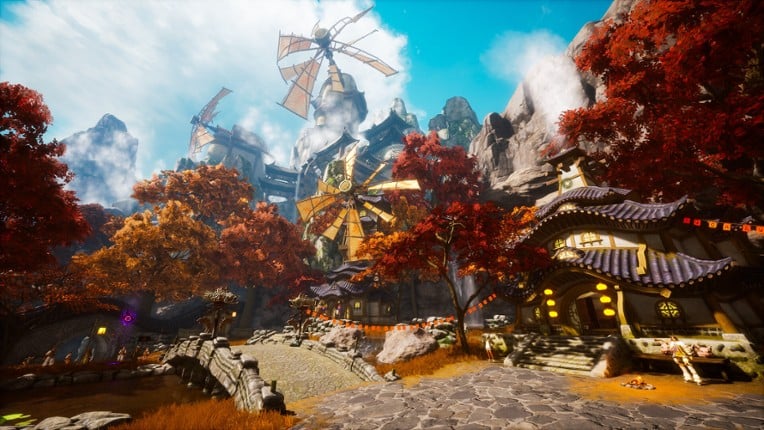
For RuneScape players open to anime flair, this shifts the experience toward bright action combat and a more story-forward, character-driven MMO.
If you enjoyed this game, see our list of games similar to Blue Protocol: Star Resonance.View Game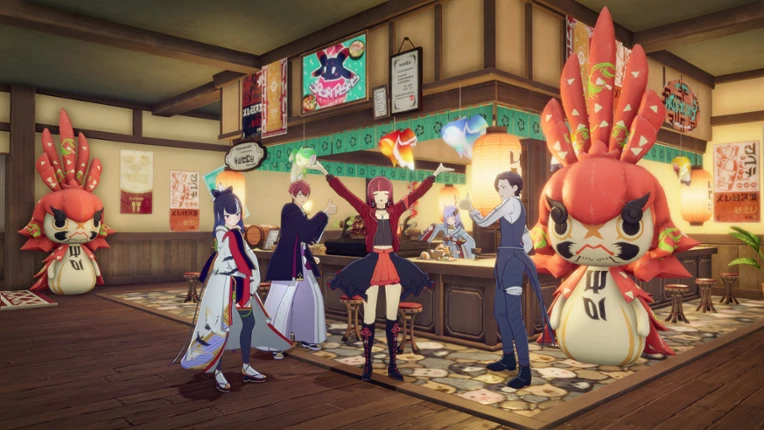
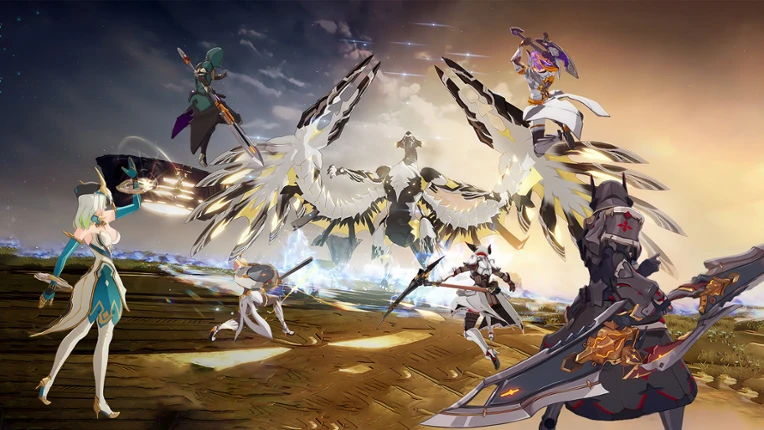
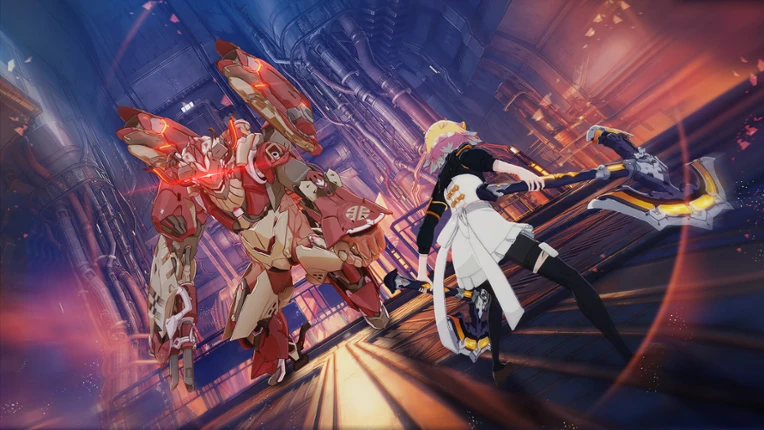
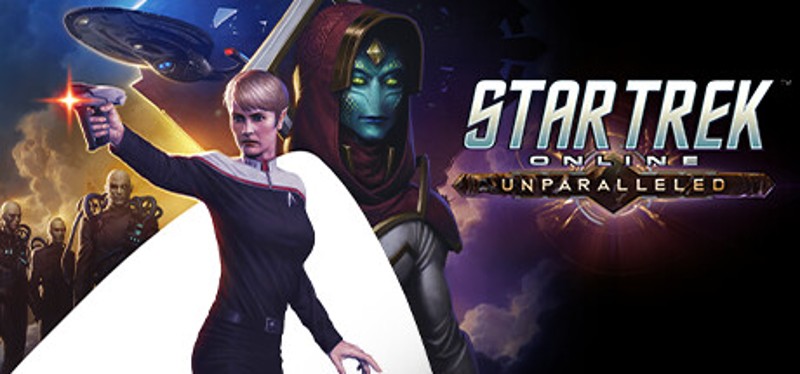
- 75%Game Brain ScoreMost mentioned positive aspects:story, gameplayMost mentioned negative aspects:grinding, monetization79% User Score 16,422 reviewsCritic Score 68%6 reviews
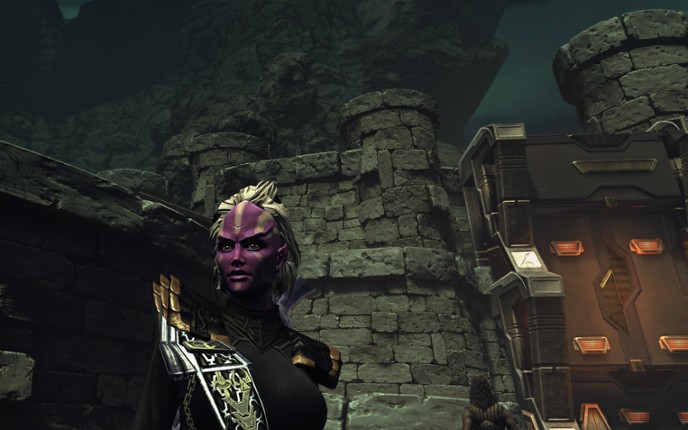
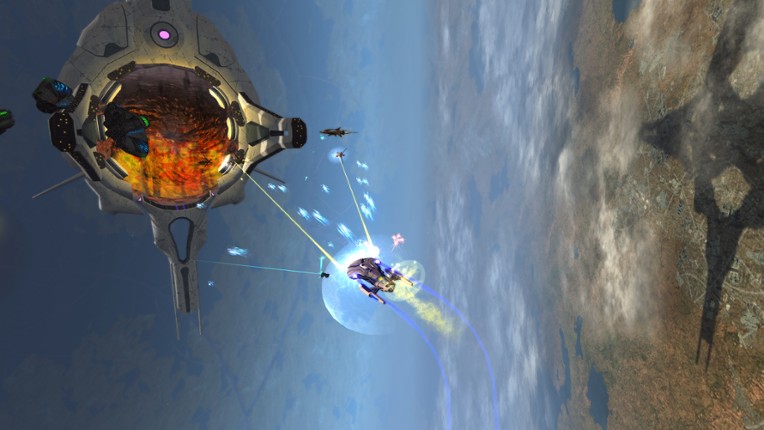
Takes RuneScape's exploration-minded MMO structure into Star Trek space, trading medieval quests for faction missions, starship travel, and sci-fi roleplay.
If you enjoyed this game, see our list of games similar to Star Trek Online.View Game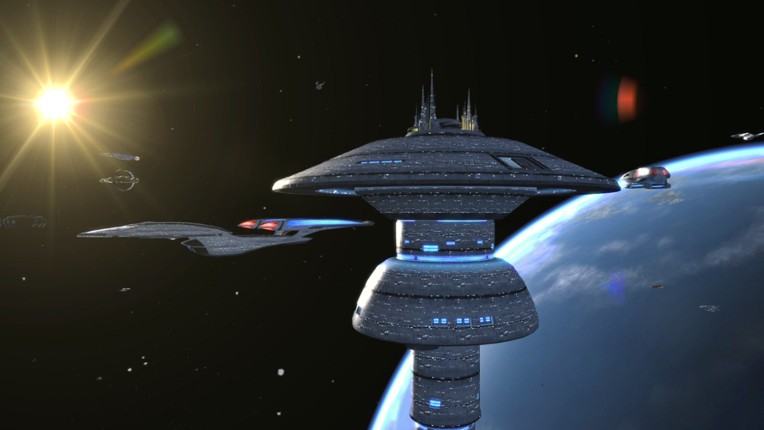
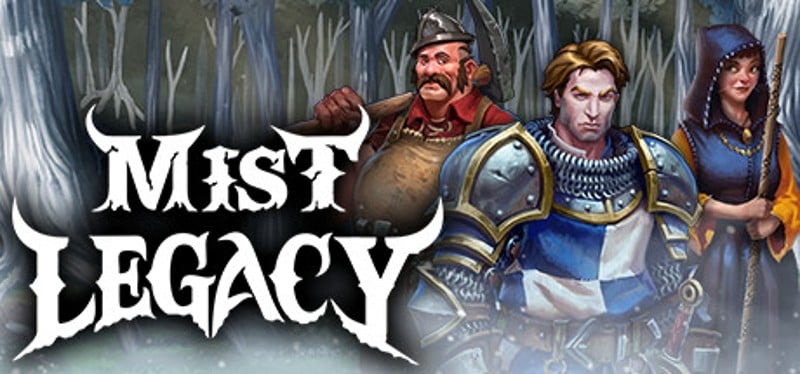
- 70%Game Brain ScoreMost mentioned positive aspects:story, gameplayMost mentioned negative aspects:grinding, monetization70% User Score 829 reviews
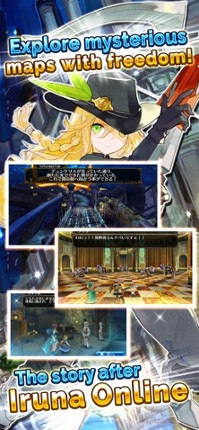
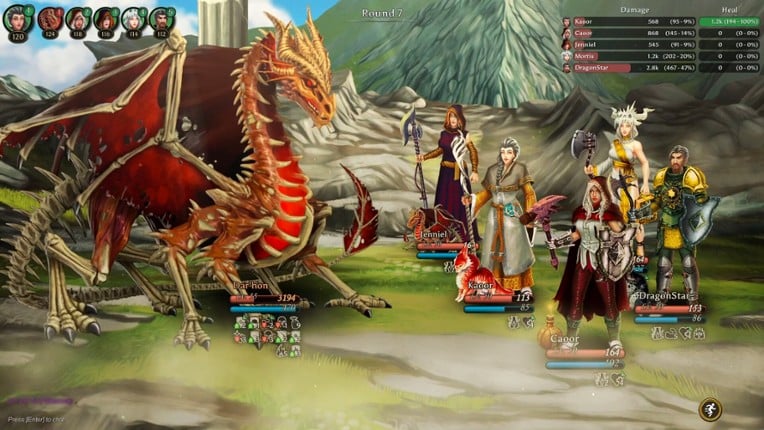
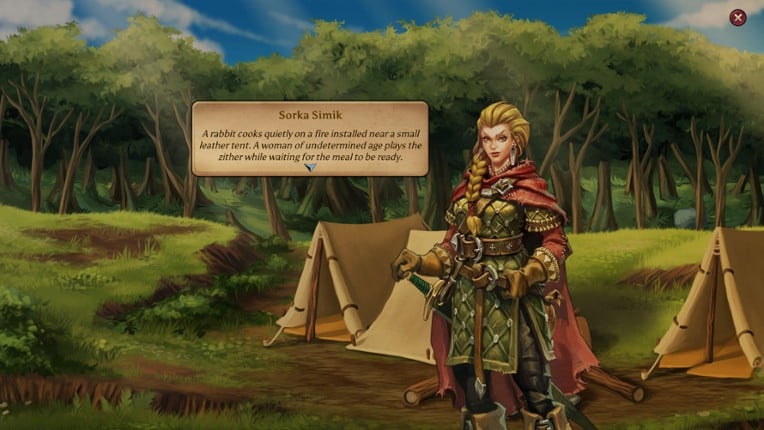
Mist Legacy is a MMORPG created by Virtys. The game offer an intricate gameplay system presented in a simple top-view cartographic environment. Mist Legacy use turn-based combat, skill-based progression and material distribution scheme for crafting. If you enjoyed this game, see our list of games similar to Mist Legacy.
View Game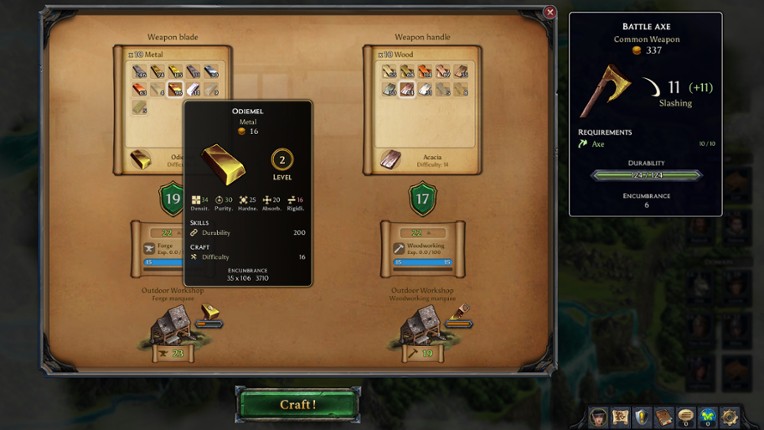


 View Game

















Frequently Asked Questions
For classic MMO experiences, Old School RuneScape delivers the same addictive gameplay with granular character development and exceptional quest design. EverQuest II offers a vast world with rich lore and robust crafting systems. The Elder Scrolls Online provides stunning graphics, engaging questlines, and flexible character builds. All three capture RuneScape's blend of exploration, progression, and community.
Old School RuneScape, MapleStory, Wizard101, and The Elder Scrolls Online are all free-to-play MMORPGs with optional premium content. Mabinogi and AdventureQuest 3D also offer free access with cosmetic monetization. Each provides hundreds of hours of content without requiring payment to enjoy core gameplay and progression systems.
MapleStory is available on PC and mobile platforms with full cross-compatibility. Wizard101 supports multiple platforms for accessible gameplay. AdventureQuest 3D features cross-platform play between mobile and PC, making it convenient to progress anywhere. Mabinogi also offers wide platform support for flexible gaming sessions.
Old School RuneScape excels with deeply creative, humorous quests featuring complex puzzles and memorable characters. The Elder Scrolls Online offers rich lore with extensive voice acting and immersive questlines. Wizard101 provides compelling storylines with voice acting across vibrant worlds. Mabinogi delivers story-rich experiences with unique progression mechanics.
EverQuest II provides vast character customization with granular build options and housing systems. Mabinogi stands out with extensive fashion items, dyes, and the ability to learn multiple classes simultaneously for personalized playstyles. The Elder Scrolls Online offers flexible character development allowing unique builds. Phantasy Star Online 2 New Genesis features creative cosmetic customization.
Wizard101 and MapleStory support flexible session lengths with turn-based and episodic content. Mabinogi blends life simulation with combat, allowing varied playstyles. AdventureQuest 3D provides bite-sized quests and cross-platform convenience. These games let you progress meaningfully without long commitment windows, balancing depth with accessibility for casual players.