

Games like Warframe
If Warframe has its hooks in you — the fluid parkour, the constant loot chase, the sci-fi world dripping with lore — then you already know how hard it is to find something that scratches the same itch. Games like Warframe need to deliver that precise cocktail of fast third-person action, deep character customization, and rewarding co-op progression to feel like a worthy follow-up. The good news: there are genuinely strong alternatives out there worth your time.
Warframe sits at a rare crossroads: it's a free-to-play looter shooter with hack-and-slash momentum, Action RPG progression, and a cooperative multiplayer structure built around replayable missions. The core loop — run missions, farm materials, craft powerful gear, repeat — is wrapped in a space-ninja aesthetic and a surprisingly generous economy where patient players can earn premium currency without spending a cent. Players who love it are chasing that blend of movement-based combat, build crafting, and cooperative PvE grind in a sci-fi setting.
What Makes a Good Alternative to Warframe?
- Free-to-play with fair progression — Warframe's accessibility without mandatory spending is a big part of its appeal; the best alternatives respect your time and wallet similarly.
- Co-op PvE missions and multiplayer structure — The ability to squad up for missions, help newcomers, and tackle content cooperatively is central to what makes Warframe feel alive.
- Deep character or loadout customization — Whether it's classes, subclasses, or ship loadouts, alternatives need meaningful build variety to replicate Warframe's "craft your own playstyle" appeal.
- Looter or crafting progression loop — Warframe's grind is its heartbeat; games that offer a satisfying cycle of earning materials, unlocking gear, and trading with other players hit the same nerve.
- Massively multiplayer world with a community — A living, populated world where a friendly playerbase helps newcomers is something Warframe players consistently praise and actively look for elsewhere.
Top Picks If You Enjoyed Warframe
Defiance delivers open-world looter shooter co-op with dynamic events; Once Human blends survival crafting, third-person shooting, and deep character customization in a stunning post-apocalyptic world; Trove offers a cheerful voxel take on the hack-and-slash class grind; Star Conflict brings the free-to-play space aesthetic into ship-based combat with solid PvE and PvP variety; and Dead Frontier 2 scratches the third-person shooter RPG itch with a grittier, survival-horror edge.
Every recommendation below is ranked by similarity to Warframe using real player data, covering genres, mechanics, and community feedback. Browse the full list to find your next obsession.
- 72%Game Brain ScoreMost mentioned positive aspects:gameplay, graphicsMost mentioned negative aspects:grinding, monetization77% User Score 42,132 reviewsCritic Score 65%6 reviews
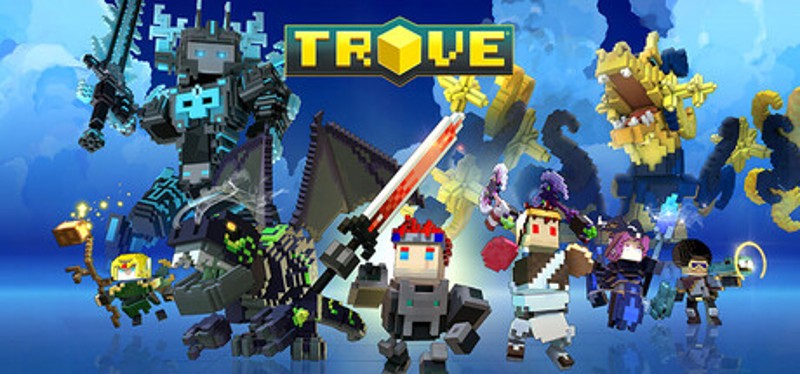
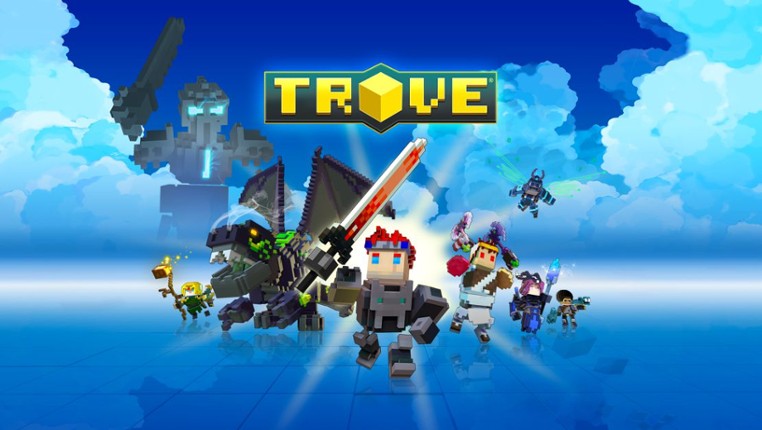
Warframe fans will feel at home in Trove’s loop of jumping into co-op runs, clearing enemies fast, and chasing better loot to strengthen a character build. Both games reward players who like swapping between solo play and busy online sessions without losing momentum.
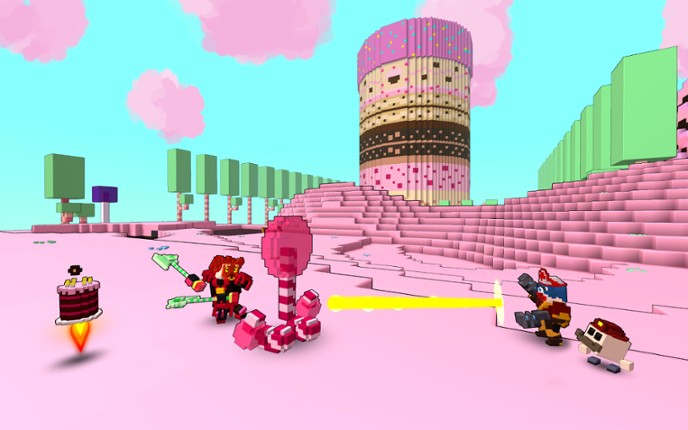
The overlap goes beyond combat speed. Trove’s class system, trading, crafting, and constant gear progression scratch the same itch as Warframe’s build tinkering and resource hunting, because every session can move you closer to a new setup or upgrade. Its voxel worlds and procedural dungeons also give the game a “one more run” rhythm that suits players who enjoy grinding toward power.
Where Trove adds a fresh angle is in its lighter fantasy sandbox structure: instead of Warframe’s sharper sci-fi mission flow, you get building, exploration, and a more playful tone between dungeon dives. That makes the grind feel less like a checklist and more like a flexible playground, which helps address Warframe’s biggest complaint about burnout from heavy repetition.
Best for players who want fast co-op progression, lots of systems to master, and a grind that feels more playful than punishing.
If you enjoyed this game, see our list of games similar to Trove.View Game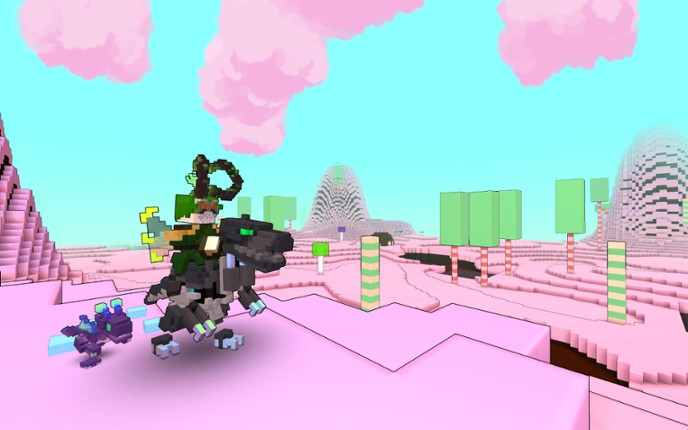
- 75%Game Brain ScoreMost mentioned positive aspects:story, gameplayMost mentioned negative aspects:grinding, monetization75% User Score 18,910 reviews
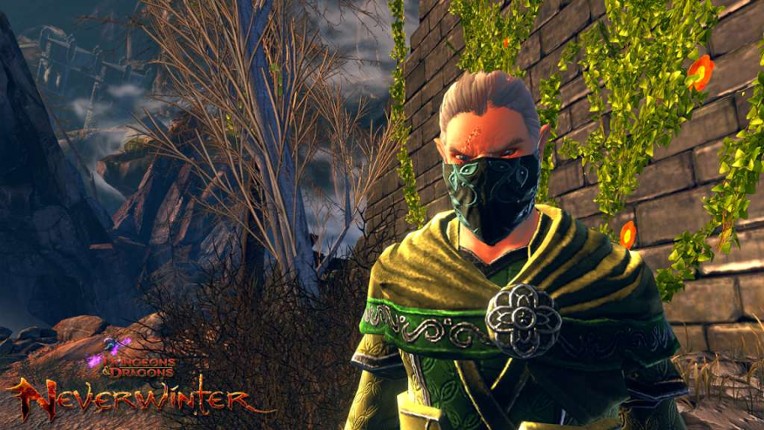
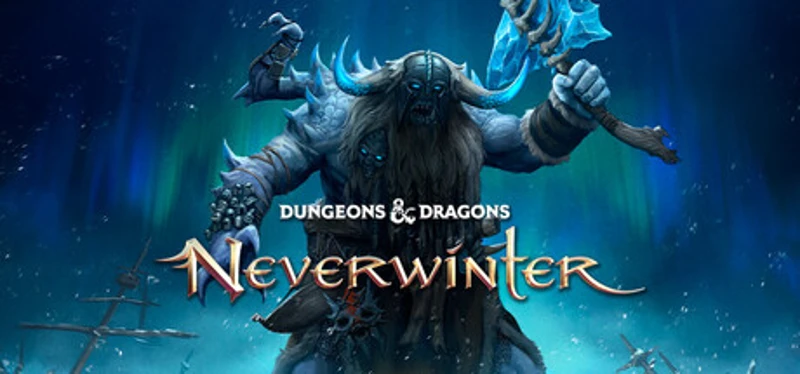
Neverwinter is a free, action MMORPG based on the acclaimed Dungeons & Dragons fantasy roleplaying game. Epic stories, action combat and classic roleplaying await those heroes courageous enough to enter the fantastic world of Neverwinter! If you enjoyed this game, see our list of games similar to Neverwinter.
View Game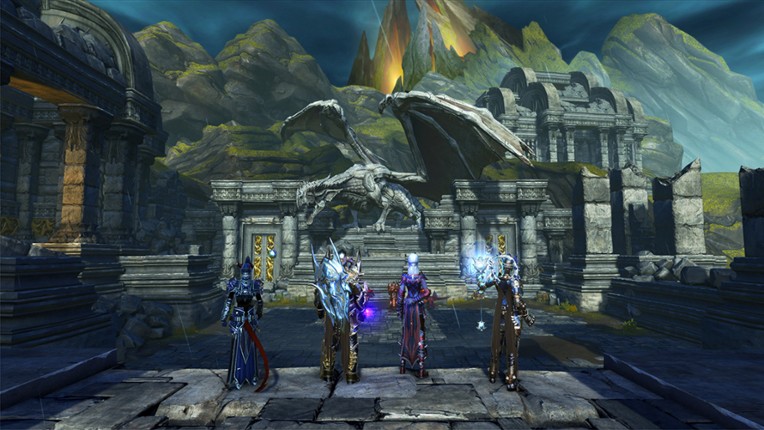
- 76%Game Brain ScoreMost mentioned positive aspects:story, graphicsMost mentioned negative aspects:grinding, optimization76% User Score 5,291 reviews
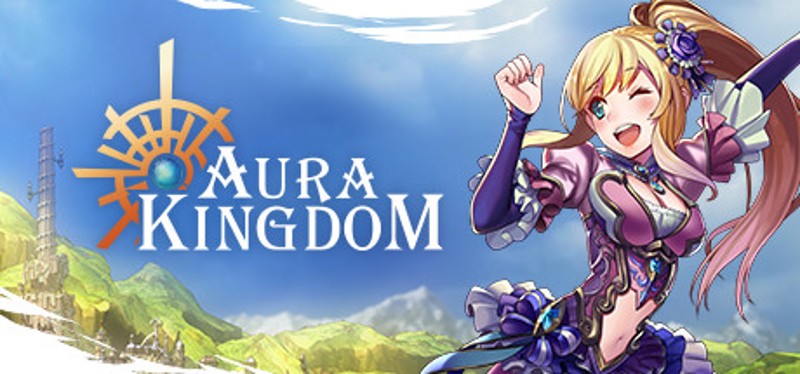
Both games anchor themselves around community-driven progression—you're grinding alongside multiplayer allies, trading hard-won drops, and relying on friendly players to carry you through tougher content. This shared social loop creates the same sense of belonging that keeps Warframe veterans logging in.
Class customization and build variety mirror Warframe's appeal. Aura Kingdom's subclass system lets you pivot playstyles mid-campaign much like swapping frames, rewarding experimentation rather than forcing narrow builds. The freedom to respec and explore different character identities produces that same satisfying sense of ownership.
Where Aura Kingdom diverges is its anime-fantasy aesthetic—brighter, more whimsical, less grimdark. If Warframe's sci-fi militarism feels worn down, this tonal shift offers genuine novelty without abandoning the core progression loop.
Critically, Aura Kingdom sidesteps Warframe's notorious onboarding problem: new players report finding immediate community support and clearer quest direction, reducing the learning cliff that frustrates fresh starters in Warframe.
Best for: players fatigued by Warframe's grind who want smoother early access and a friendlier aesthetic—but with full awareness that free-to-play economy demands patience.
If you enjoyed this game, see our list of games similar to Aura Kingdom.View Game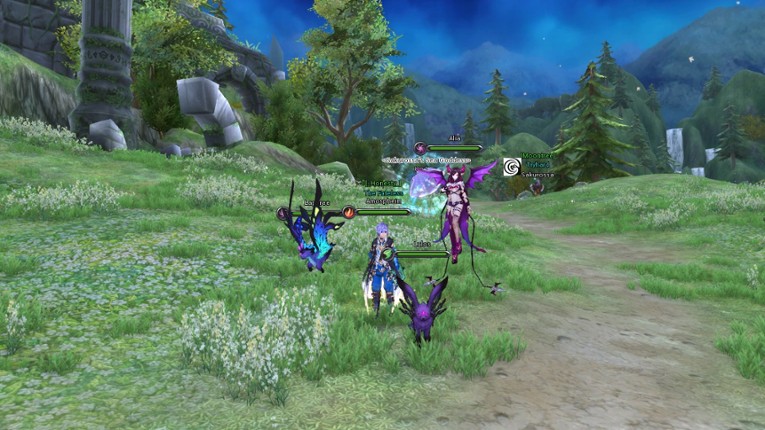
- 59%Game Brain ScoreMost mentioned positive aspects:story, gameplayMost mentioned negative aspects:grinding, monetization64% User Score 50,205 reviewsCritic Score 54%12 reviews
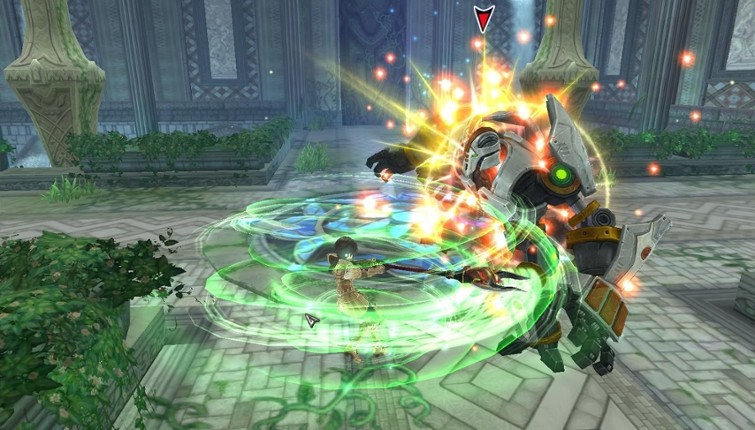
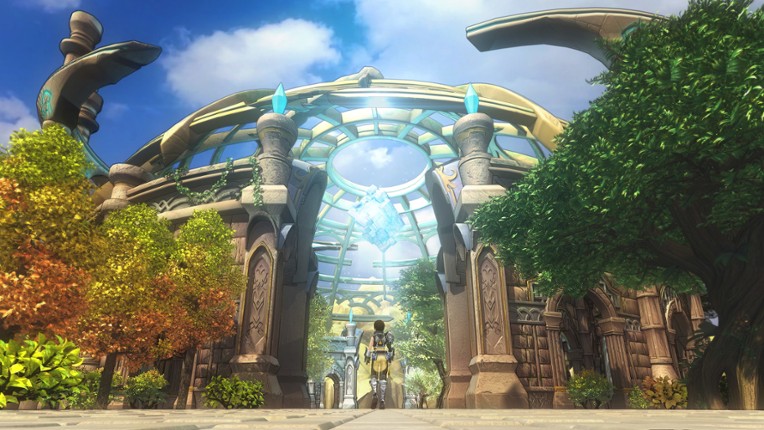
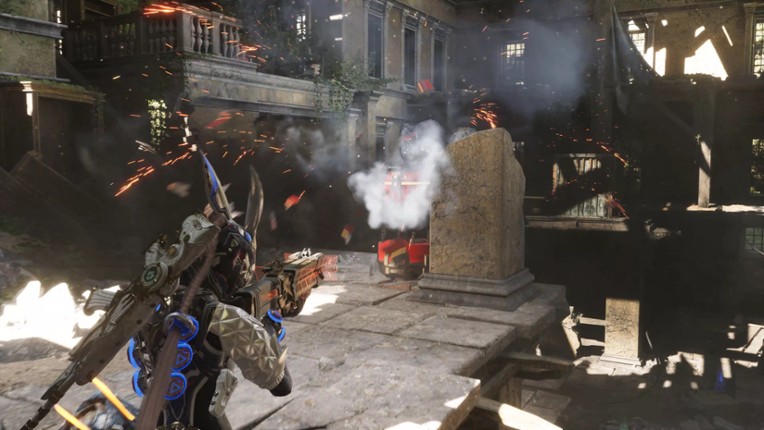
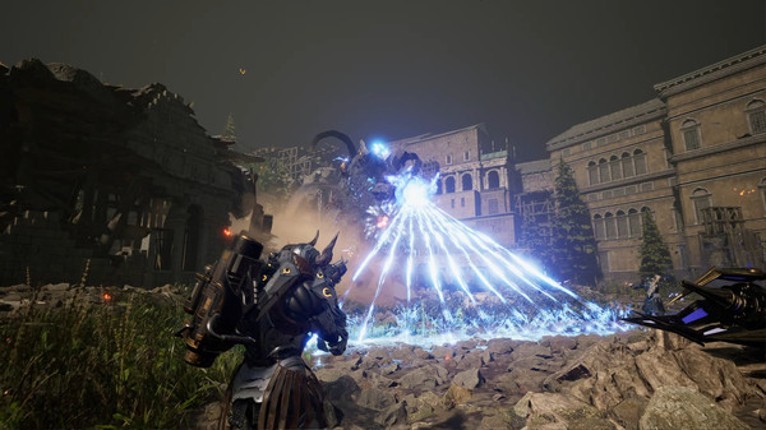
Download The First Descendant free at PlayStation Store, a next-gen, cross-platform, third-person looter-shooter powered by Unreal Engine 5. If you enjoyed this game, see our list of games similar to The First Descendant.
View Game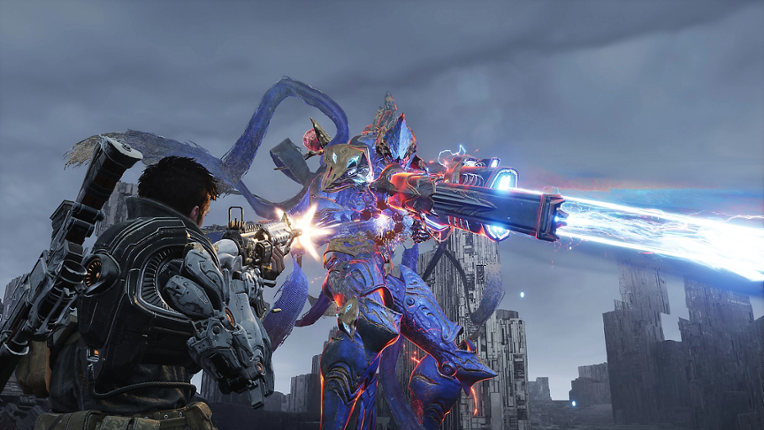
- 77%Game Brain ScoreMost mentioned positive aspects:story, gameplayMost mentioned negative aspects:grinding, monetization82% User Score 14,693 reviewsCritic Score 51%1 reviews
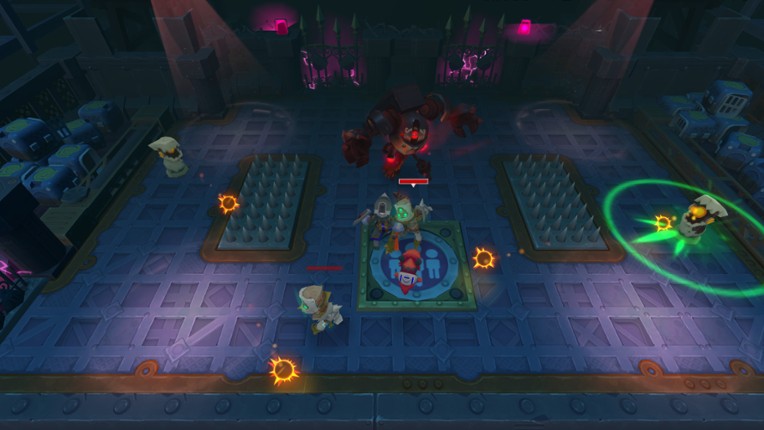
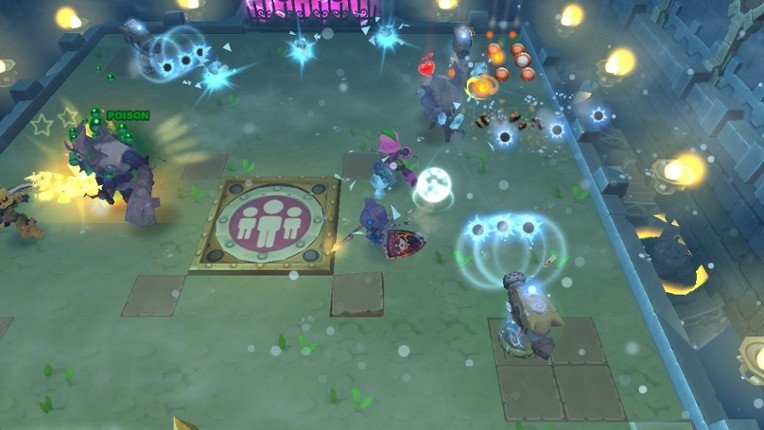
That loop of diving into procedural runs, collecting loot, and upgrading your loadout before heading back in? Spiral Knights runs on the same rhythm. Both games are free-to-play action RPGs built around co-op dungeon runs, a robust trading system, and the steady pull of crafting better gear.
The co-op structure in Spiral Knights earns its comparison here — like Warframe's squads, grouping up meaningfully changes how you tackle encounters, rewarding coordination rather than just individual skill. The trading economy also mirrors Warframe's player-driven market, giving you a path to progress that doesn't require opening your wallet.
The key difference is tone and pace: Spiral Knights trades Warframe's kinetic, parkour-heavy chaos for tighter, methodical top-down combat with a distinctly charming aesthetic. If Warframe's relentless velocity sometimes feels overwhelming, this is a more measured alternative.
It's worth noting that both games share a grind-heavy reputation, so this isn't an escape from that pattern. Best suited for Warframe players who want cooperative loot progression with a lighter, cozier wrapper.
If you enjoyed this game, see our list of games similar to Spiral Knights.View Game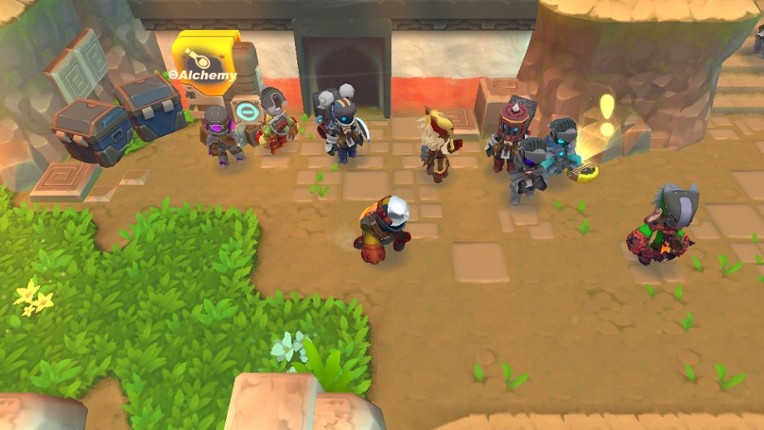
- 69%Game Brain ScoreMost mentioned positive aspects:gameplay, storyMost mentioned negative aspects:grinding, monetization69% User Score 6,144 reviews
Both games thrive on the obsession with modular power, where your effectiveness depends entirely on how you tune your gear before the mission begins. You will find a familiar rhythm in the deep ship customization, which mirrors Warframe’s modding system by requiring you to balance energy outputs and weapon synergies to survive high-tier zones. This loop rewards the same theory-crafting mindset, transforming your vessel from a basic scout into a specialized engine of destruction.
While Warframe often struggles with connectivity and performance stability, Star Conflict offers a noticeably smoother technical experience with polished, visually striking space combat. You trade the frantic ground-based parkour for tactical, 360-degree flight, offering a fresh angle on high-speed sci-fi combat. This transition shifts the focus from individual movement tricks to environmental positioning and fleet coordination.
Best for players who crave the complex progression of a looter but want to take their combat expertise into the pilot’s seat.
If you enjoyed this game, see our list of games similar to Star Conflict.View Game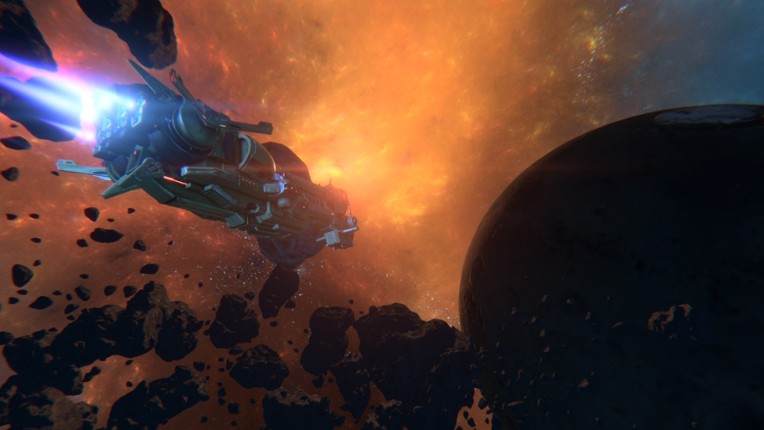
- 67%Game Brain ScoreMost mentioned positive aspects:story, gameplayMost mentioned negative aspects:stability, grinding74% User Score 6,279 reviewsCritic Score 56%7 reviews
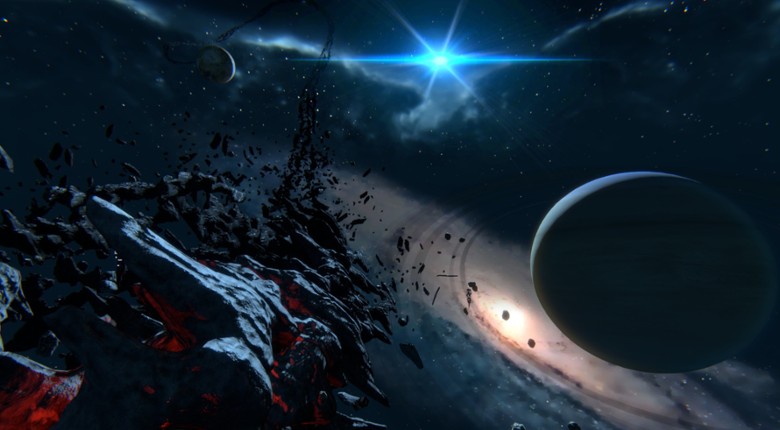
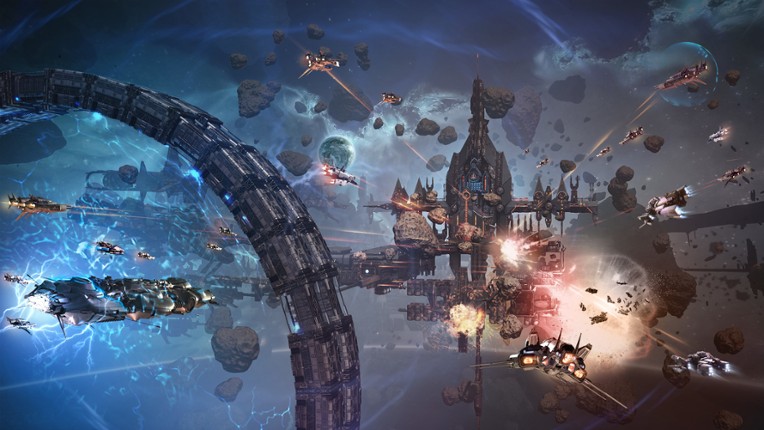
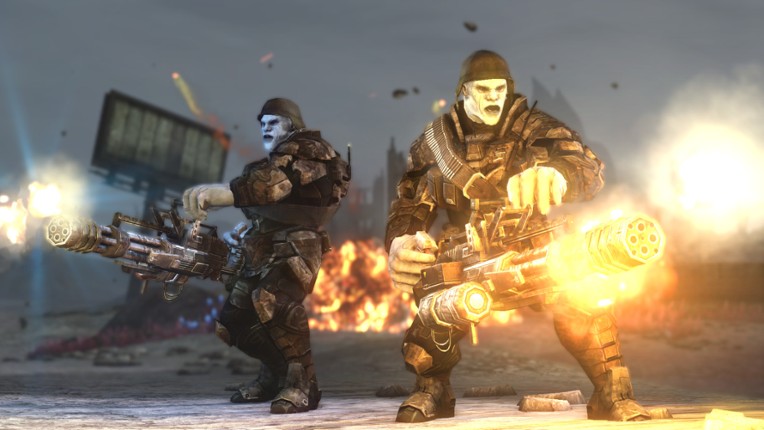
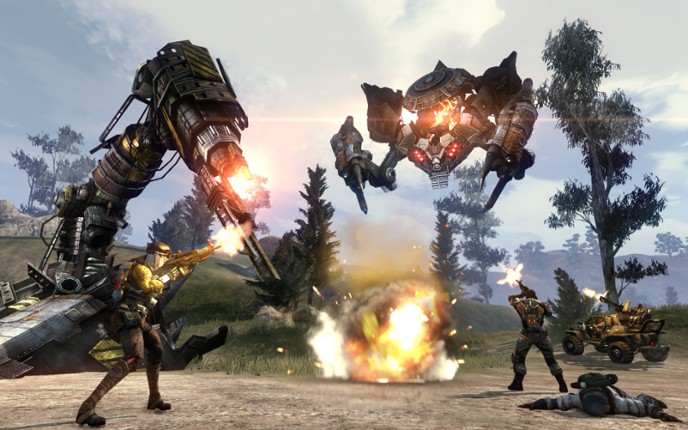
Warframe's endless quest loop trains players to chase the perfect loadout, and Defiance mirrors that addiction with its own loot-driven progression. Both games reward grinding with tangible power growth, letting you feel the shift from fragile newcomer to combat veteran. The loot drop system in each title creates that "one more run" compulsion Warframe fans know too well.
Cooperative play feels nearly identical in both titles. Dropping into a public match to tackle dynamic events alongside strangers taps the same social energy as joining a Warframe squad for an exterminate. Defiance's open-world maps echo the mission variety Warframe offers, except now you're exploring post-apocalyptic zones rather than procedurally generated tiles. That shift from sci-fi ninja parkour to gritty survival shooter delivers the same cooperative buzz with a different aesthetic skin.
Warframe's learning curve famously throws players into the deep end without a manual, but Defiance's introductory missions actually hold your hand. The tradeoff is narrower build depth—fewer mastery ranks and no modding system as intricate as Warframe's. For players burned out on grinding forma and polarity puzzles, Defiance's more direct progression feels refreshing rather than shallow.
Best for Warframe veterans craving cooperative looter shooter fixes without the meta stress of endless Forma crafting.
If you enjoyed this game, see our list of games similar to Defiance.View Game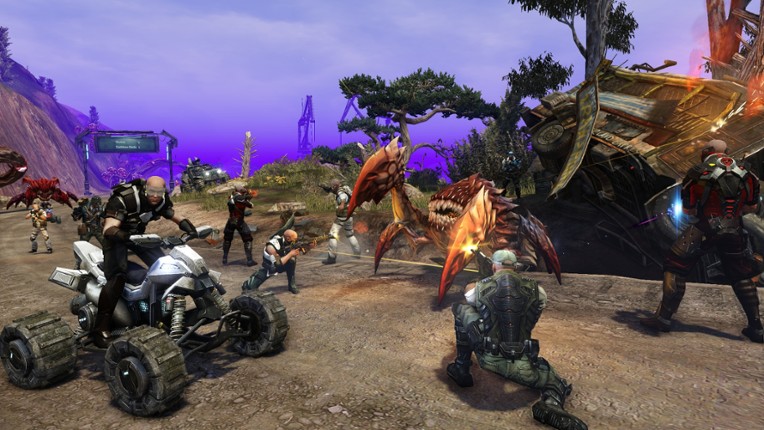
- 78%Game Brain ScoreMost mentioned positive aspects:gameplay, storyMost mentioned negative aspects:grinding, optimization79% User Score 79,363 reviewsCritic Score 77%6 reviews
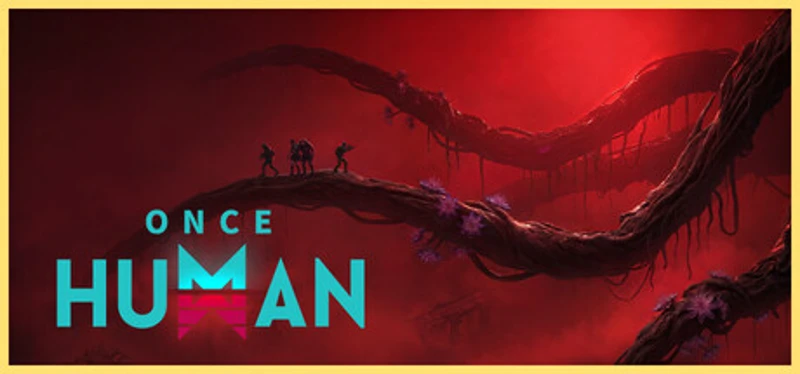
Both games center on the addictive loop of resource grinding to fuel deep, complex gear customization. This shared pursuit of power is supported by robust trading economies, which keep the player-driven market vital and rewarding.
The primary trade-off is the shift in pacing and setting. While Warframe delivers high-octane, sci-fi ninja mobility, Once Human forces you to slow down for methodical base building and open-world survival mechanics.
Pick this up if you crave the grind and character progression of Warframe but want to trade the space-faring acrobatics for a grittier, post-apocalyptic survival challenge.
If you enjoyed this game, see our list of games similar to Once Human.View Game
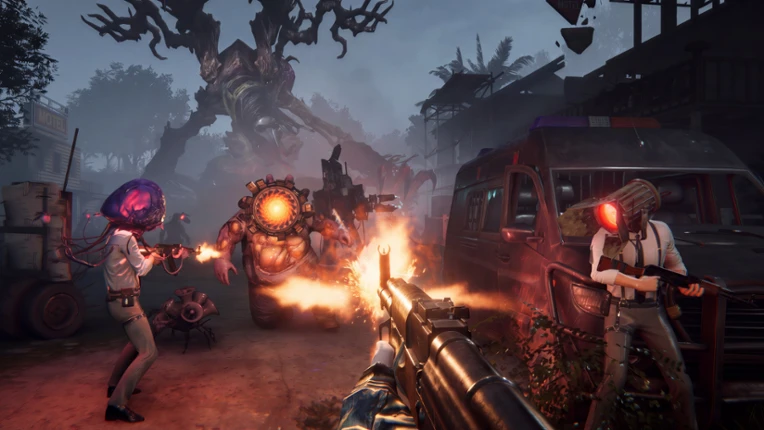
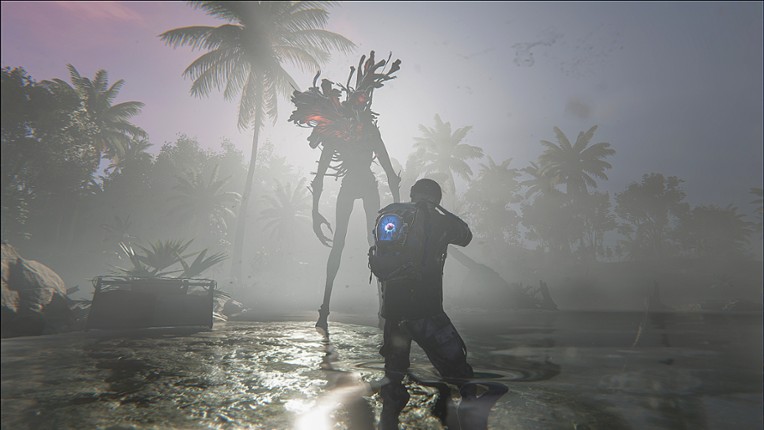
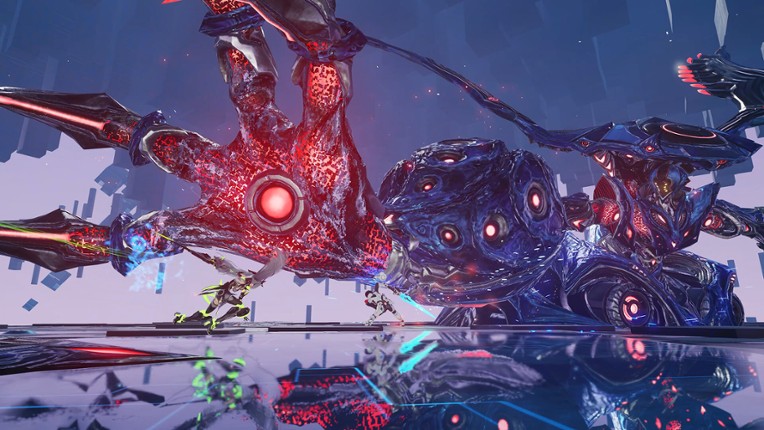
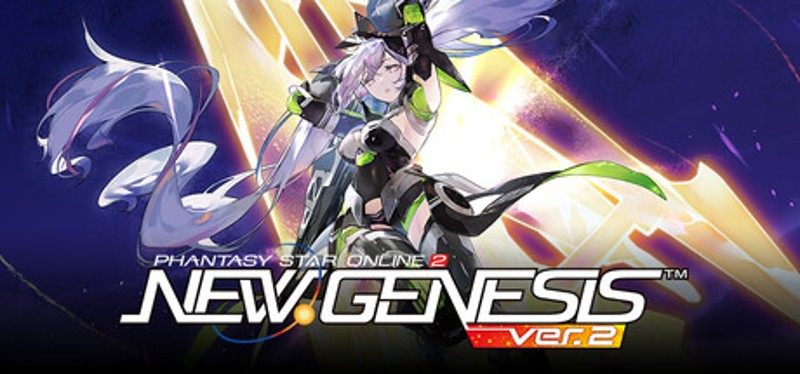
- 69%Game Brain ScoreMost mentioned positive aspects:story, gameplayMost mentioned negative aspects:grinding, monetization69% User Score 17,657 reviewsOffers a brighter, anime-styled sci-fi universe with mechs and a richer social hub, catering to fans who want slower, story-driven co-op. If you enjoyed this game, see our list of games similar to Phantasy Star Online 2 New Genesis.View Game
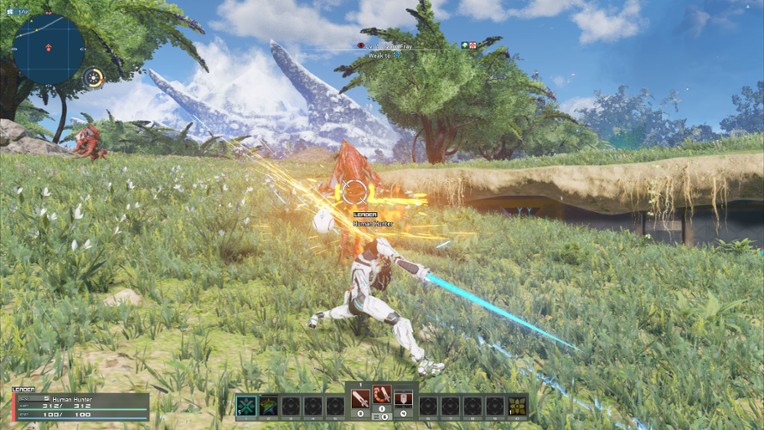
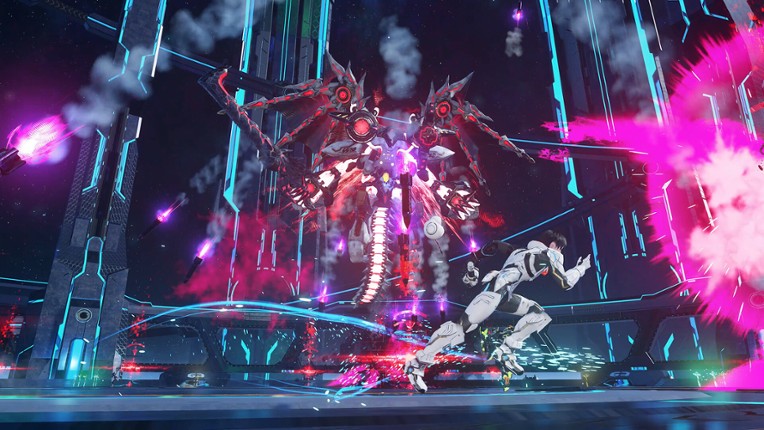
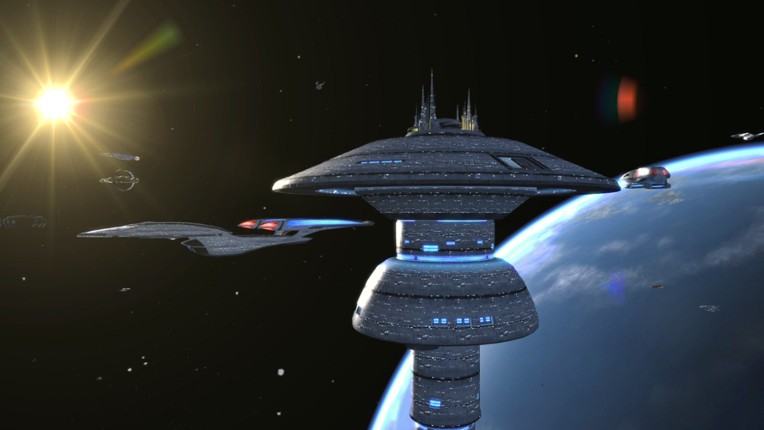
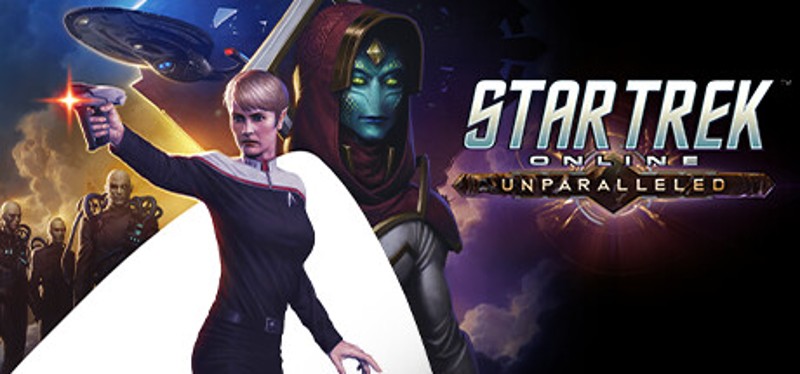
- 75%Game Brain ScoreMost mentioned positive aspects:story, gameplayMost mentioned negative aspects:grinding, monetization79% User Score 16,422 reviewsCritic Score 68%6 reviewsCenters on commanding starships and exploring the galaxy in a story-driven sci-fi MMO, swapping the fast ninja parkour for strategic space combat and diplomacy. If you enjoyed this game, see our list of games similar to Star Trek Online.View Game
- 89%Game Brain ScoreMost mentioned positive aspects:story, gameplayMost mentioned negative aspects:grinding, monetization89% User Score 17,346 reviewsCritic Score 92%3 reviews
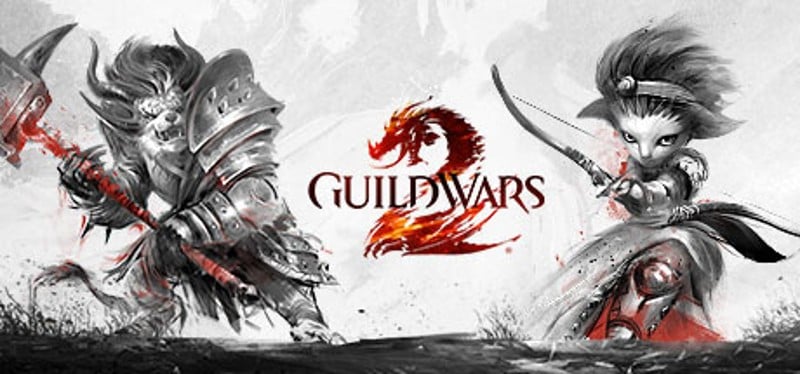
Guild Wars 2 is an online role-playing game with fast-paced action combat, a rich and detailed universe of stories, awe-inspiring landscapes to explore, two challenging player vs. player modes, and no subscription fees! If you enjoyed this game, see our list of games similar to Guild Wars 2.
View Game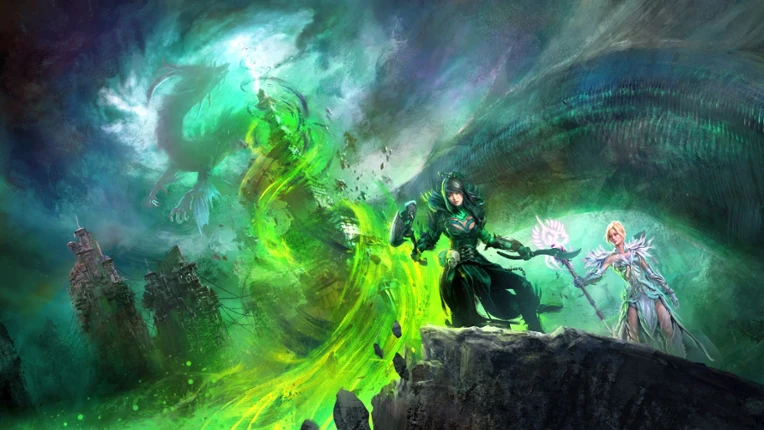
- 76%Game Brain ScoreMost mentioned positive aspects:story, graphicsMost mentioned negative aspects:grinding, monetization74% User Score 7,371 reviewsCritic Score 81%5 reviews
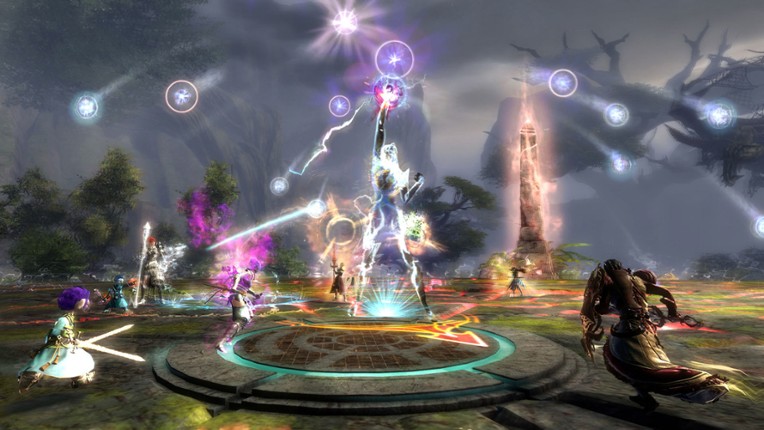
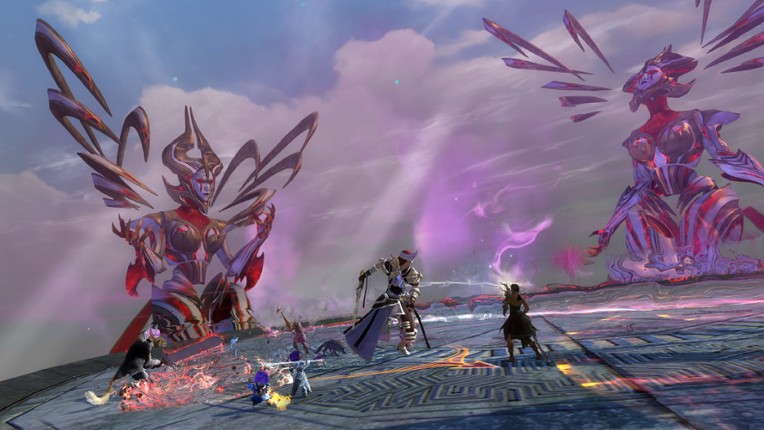
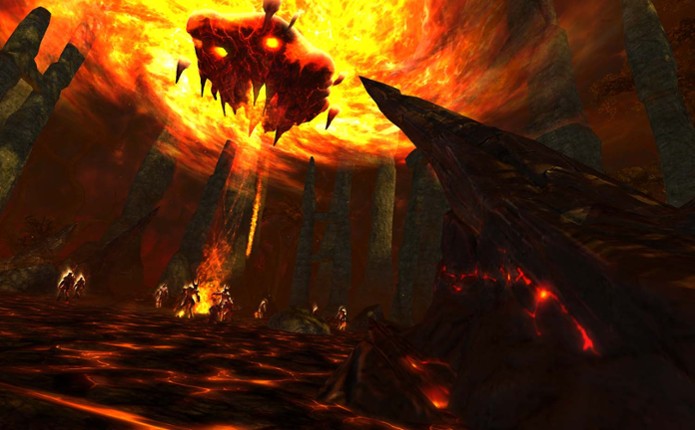
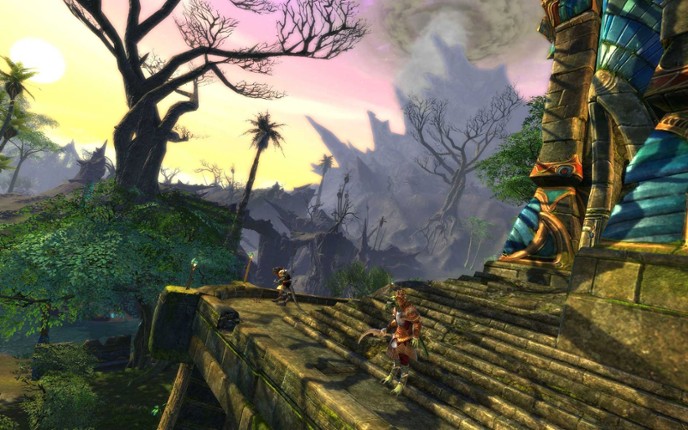
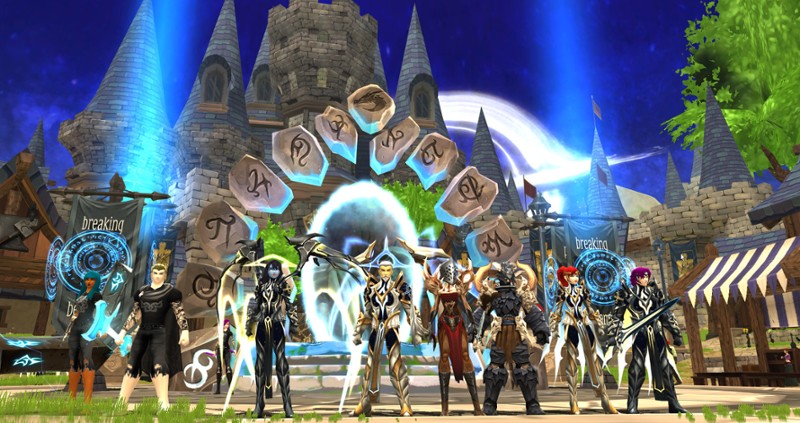
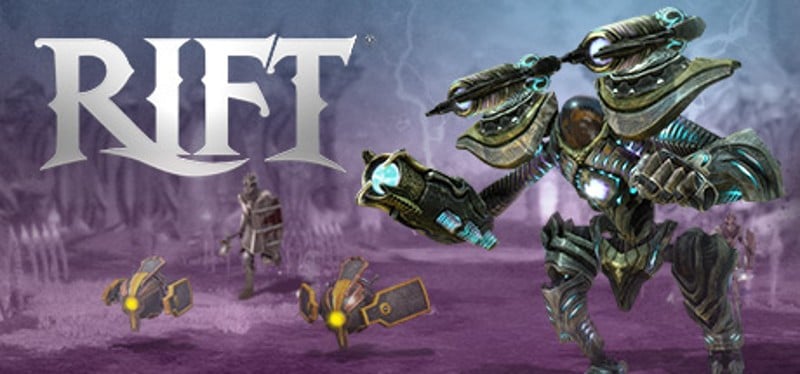
Both RIFT and Warframe deliver free‑to‑play, co‑op action built around highly reconfigurable characters that let you swap abilities on the fly.
They also share a player‑driven economy with trading, which matters because you can acquire premium currency without opening your wallet.
The main tradeoff is that RIFT is rooted in classic fantasy and a dated UI, whereas Warframe thrives on sci‑fi parkour and constant content updates.
Pick RIFT if you want deep, mix‑and‑match class builds in a fantasy setting but can tolerate a shrinking population and aggressive monetization.
If you enjoyed this game, see our list of games similar to RIFT.View Game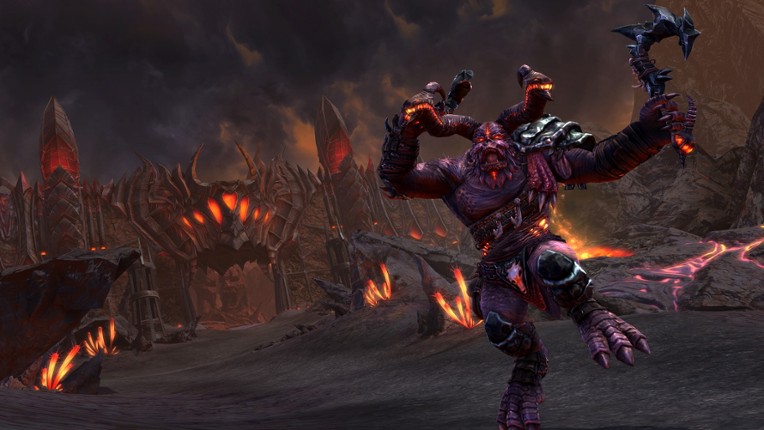
- 68%Game Brain ScoreMost mentioned positive aspects:story, gameplayMost mentioned negative aspects:grinding, optimization67% User Score 6,778 reviewsCritic Score 70%1 reviews
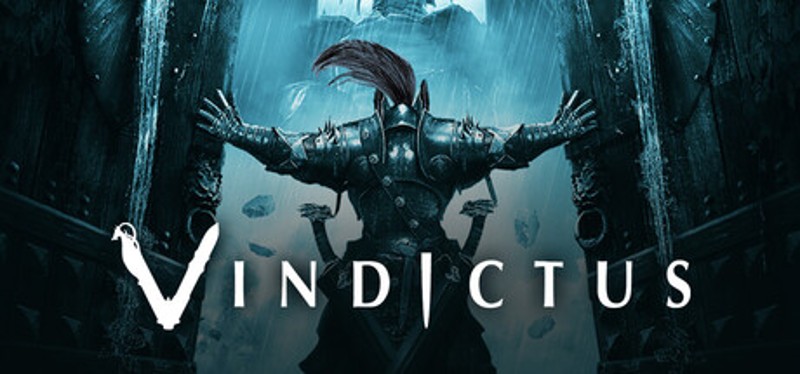
The core draw is the visceral, high-speed combat loop that turns every mission into a display of technical proficiency. Both titles prioritize character-focused action, rewarding players for mastering specialized kits and diverse skill rotations.
While Warframe utilizes a massive, interconnected solar system for its grind, Vindictus leans into instanced, arena-style combat encounters. You trade space-ninja mobility for more traditional, weightier hack-and-slash mechanics.
Pick this up if you crave deep combat customization and high-octane boss battles, but can live without the open-ended exploration and player-driven economy that defines the Origin System.
If you enjoyed this game, see our list of games similar to Vindictus.View Game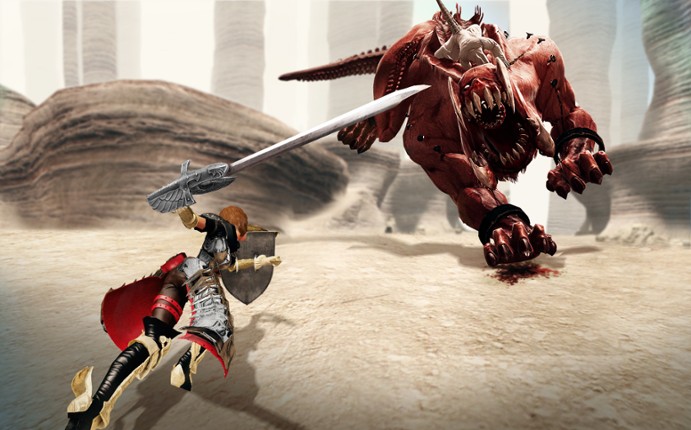
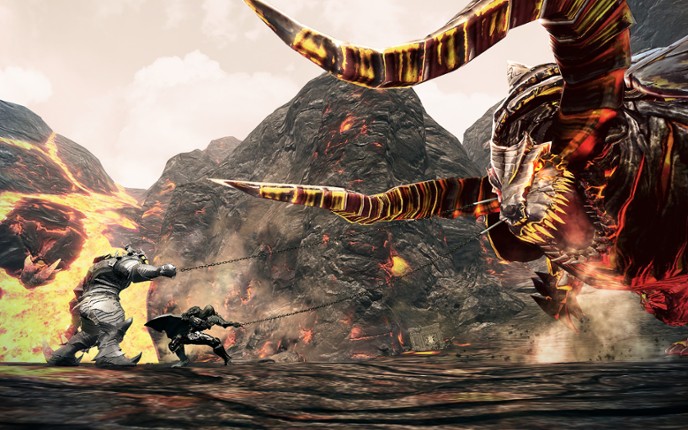
- 72%Game Brain ScoreMost mentioned positive aspects:story, graphicsMost mentioned negative aspects:grinding, stability74% User Score 3,999 reviewsCritic Score 65%2 reviews
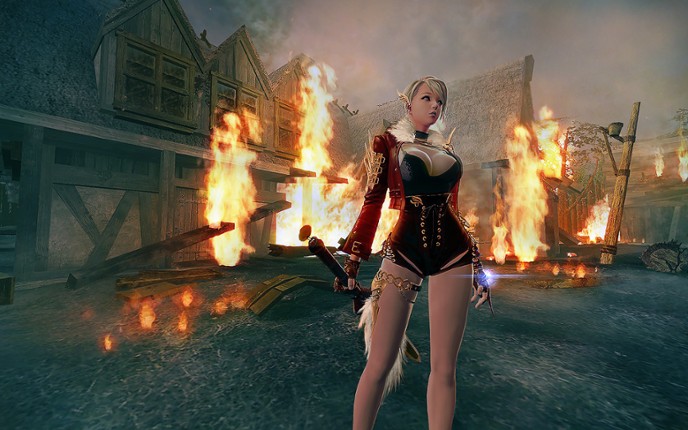
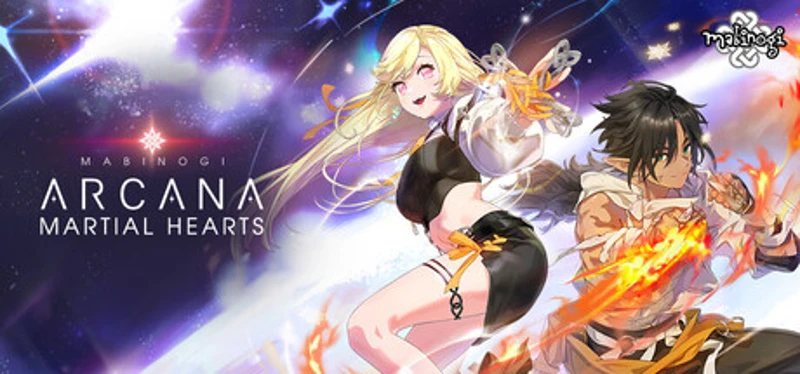
Embark on amazing adventures, build lasting friendships or even find romance in this unique social game, where a welcoming community with thousands of devoted players await! Whoever you are, or whatever your heart’s desire, come express it in Mabinogi and start living your fantasy life! If you enjoyed this game, see our list of games similar to Mabinogi.
View Game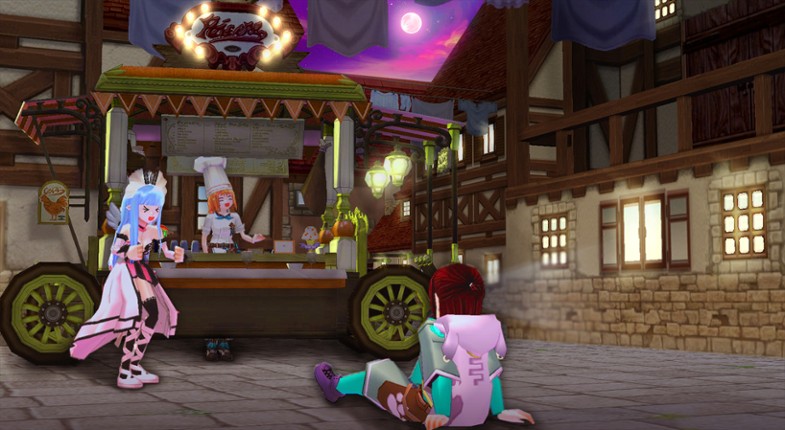
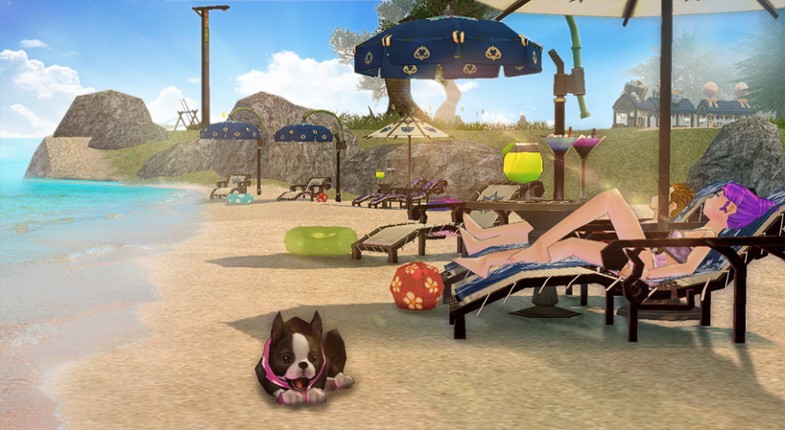
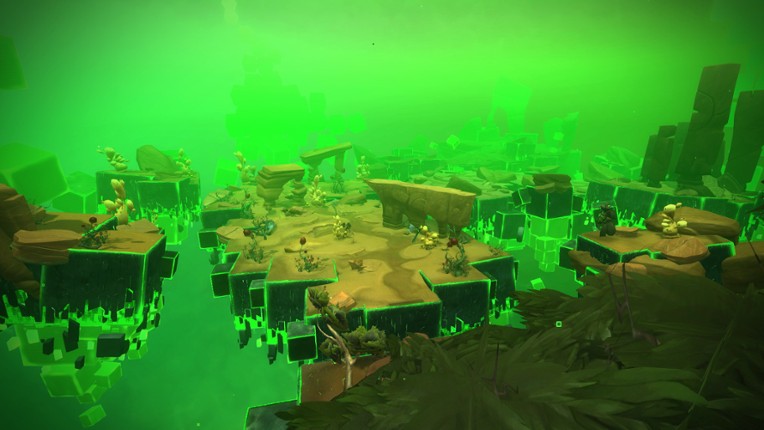
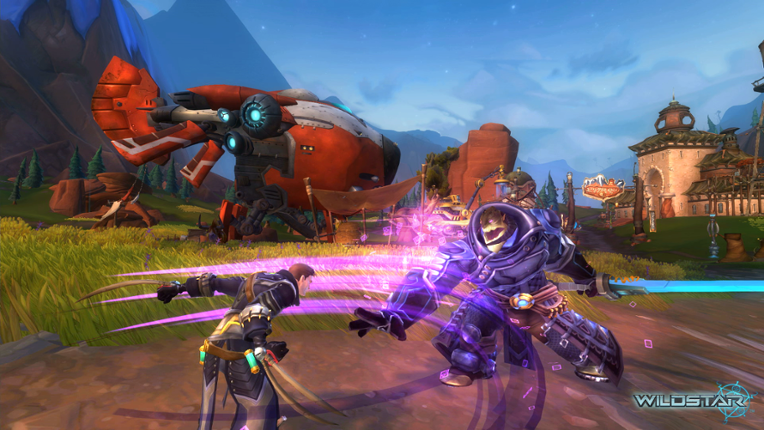
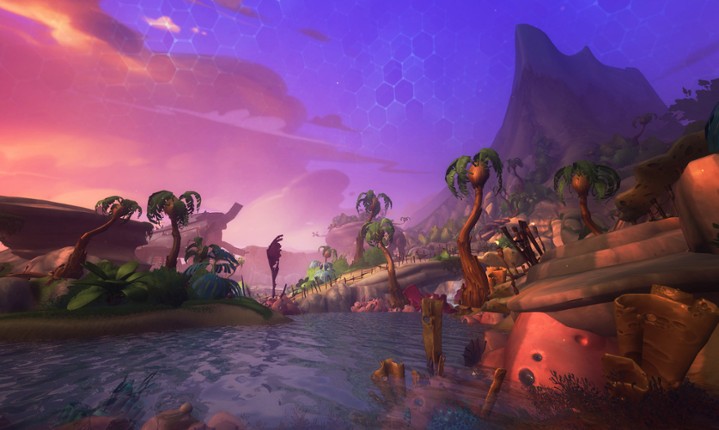
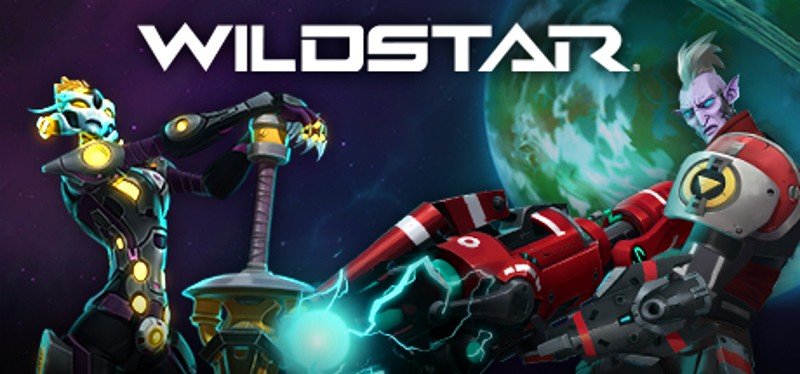
- 79%Game Brain ScoreMost mentioned positive aspects:story, graphicsMost mentioned negative aspects:grinding, optimization80% User Score 3,542 reviewsCritic Score 77%16 reviewsAdopts an irreverent, cartoon-style sci-fi setting with housing and path classes, providing a lighter, more humorous take on cooperative combat. If you enjoyed this game, see our list of games similar to WildStar.View Game
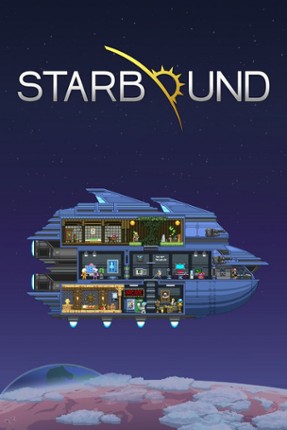
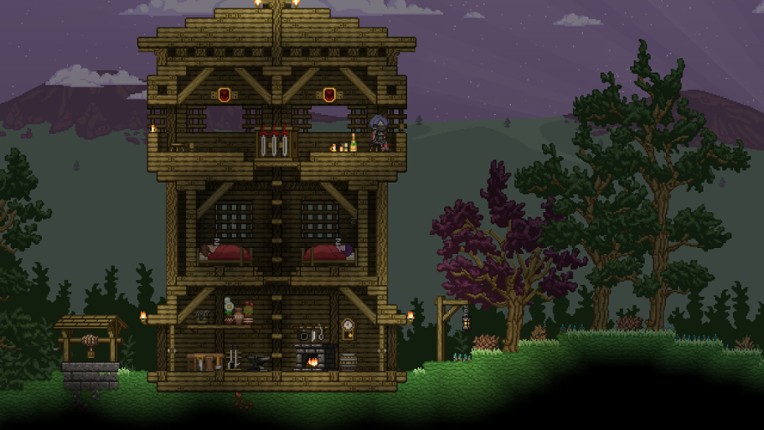
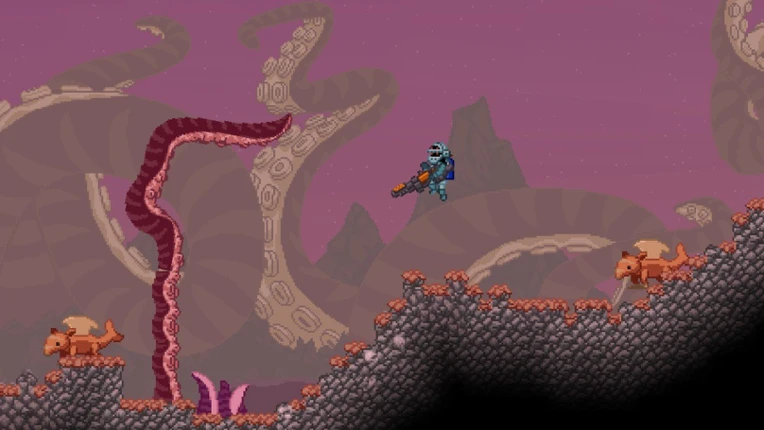
- 86%Game Brain ScoreMost mentioned positive aspects:story, gameplayMost mentioned negative aspects:grinding, optimization89% User Score 101,534 reviewsCritic Score 83%10 reviewsDelivers a 2D side-scrolling space adventure with robust building and crafting, focusing on exploration rather than the high-octane parkour of Warframe. If you enjoyed this game, see our list of games similar to Starbound.View Game
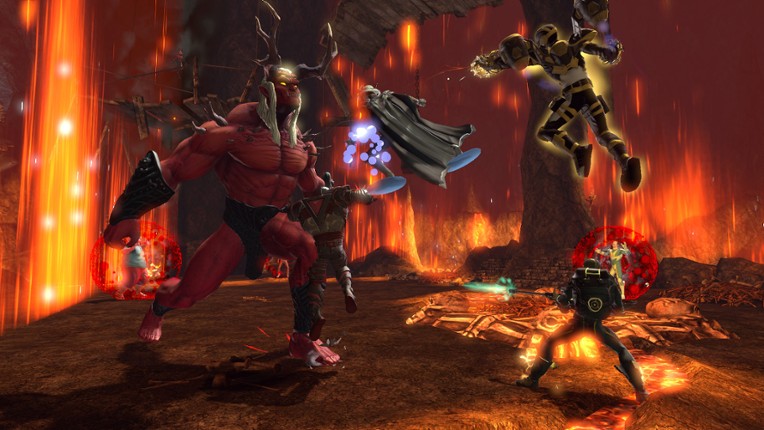
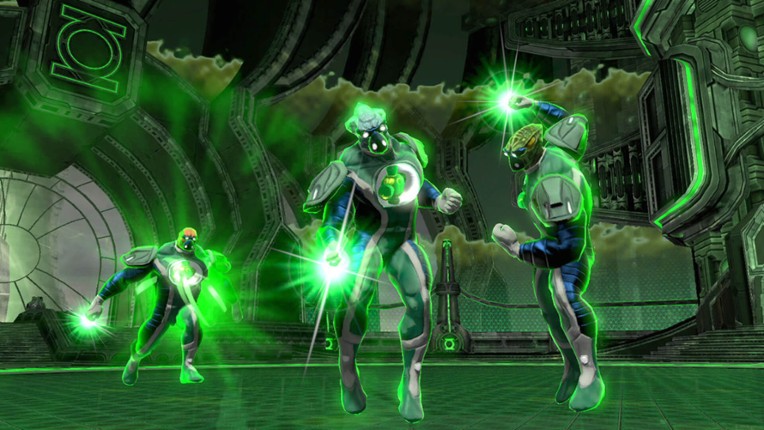
17 View Game 76%Game Brain ScoreMost mentioned positive aspects:story, gameplayMost mentioned negative aspects:grinding, monetization79% User Score 12,361 reviewsCritic Score 73%15 reviewsPlaces players in a comic-book superhero world with iconic characters and third-person combat, shifting from ninja sci-fi to iconic hero power fantasy. If you enjoyed this game, see our list of games similar to DC Universe Online.View Game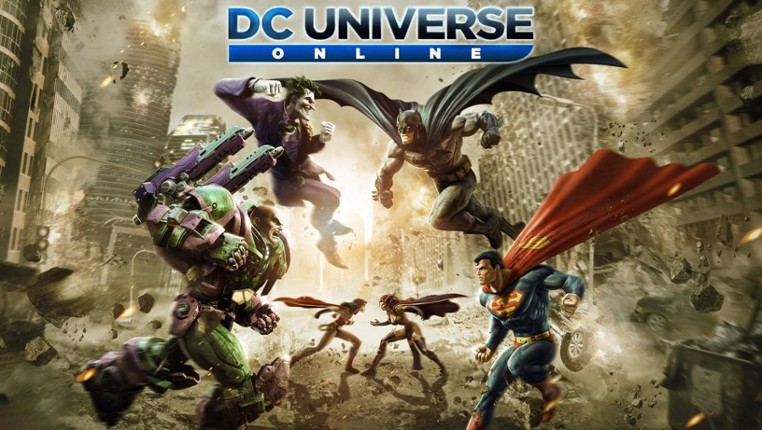
- 71%Game Brain ScoreMost mentioned positive aspects:gameplay, graphicsMost mentioned negative aspects:story, grinding71% User Score 10,893 reviews
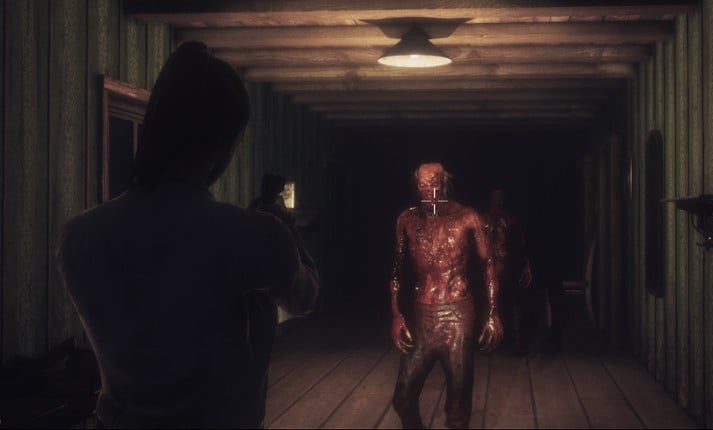
Both Warframe and Dead Frontier 2 deliver robust co-op multiplayer action that fuels teamwork-driven PvE experiences. Their shared focus on trading systems fosters player-driven economies, enhancing long-term engagement.
However, Dead Frontier 2 leans heavily into survival horror with a darker, post-apocalyptic tone and limited character customization, contrasting Warframe’s expansive sci-fi lore and deep progression. Expect more grind and repetitive quest design in Dead Frontier 2, coupled with notable performance hiccups.
Pick Dead Frontier 2 if you want tense zombie combat in an unforgiving universe but can accept fewer polish and less varied progression than Warframe offers.
If you enjoyed this game, see our list of games similar to Dead Frontier 2.View Game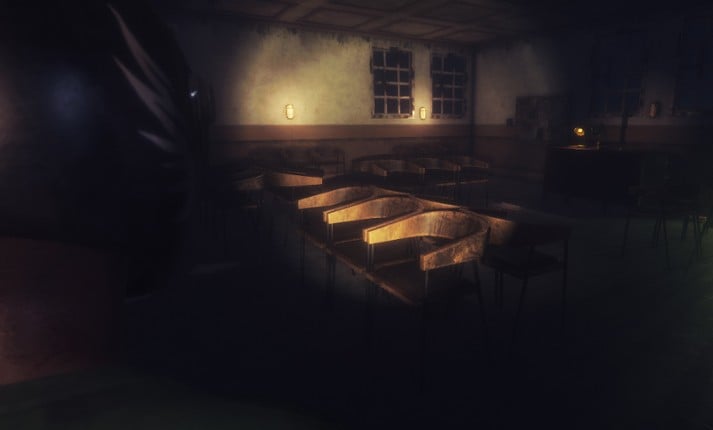
- 81%Game Brain ScoreMost mentioned positive aspects:story, graphicsMost mentioned negative aspects:grinding, music81% User Score 6,707 reviews
Both games nail free-to-play action RPG progression with parkour movement and third-person combat in shared multiplayer spaces. Character customization drives long-term investment in each.
AdventureQuest 3D trades Warframe's complexity for accessibility—simpler combat mechanics and shorter quest loops mean less friction for casual players, though less mechanical depth overall.
Pick AdventureQuest 3D if you want Warframe's accessibility and cross-platform convenience but can tolerate shallower combat systems and are willing to accept comparable server stability issues.
If you enjoyed this game, see our list of games similar to AdventureQuest 3D.View Game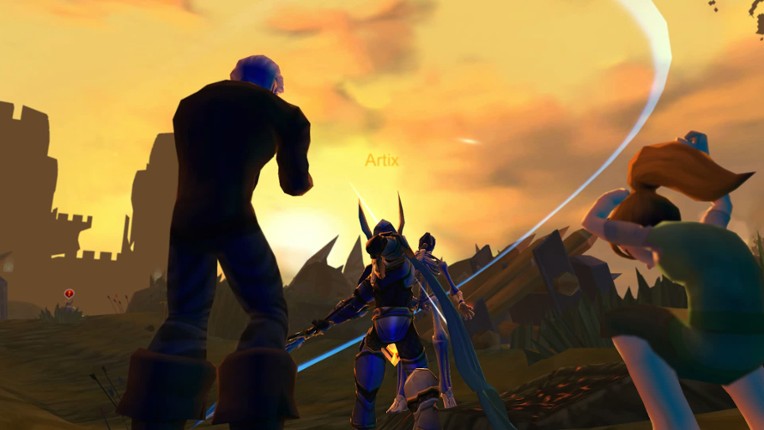
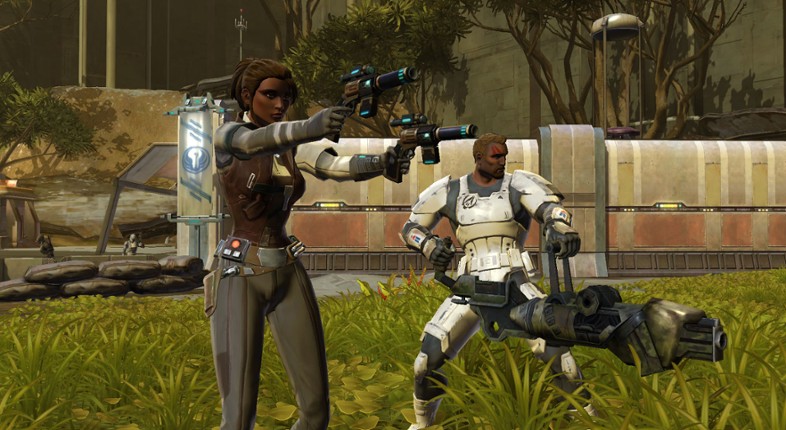
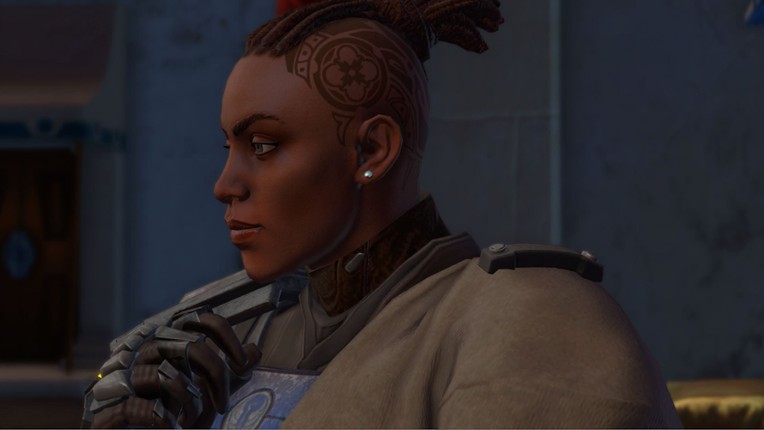
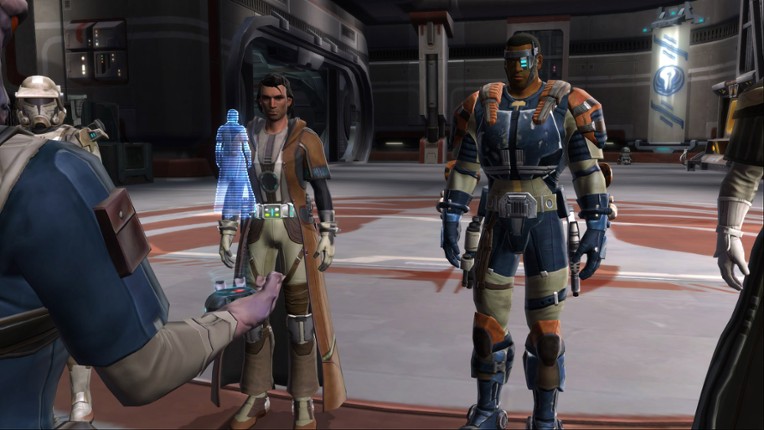
- 90%Game Brain ScoreMost mentioned positive aspects:story, gameplayMost mentioned negative aspects:grinding, monetization90% User Score 49,698 reviewsCritic Score 89%5 reviewsImmerses players in the Star Wars universe with deep, branching storylines and class-specific quests, offering a more narrative-driven RPG compared to Warframe's action-heavy flow. If you enjoyed this game, see our list of games similar to Star Wars: The Old Republic.View Game
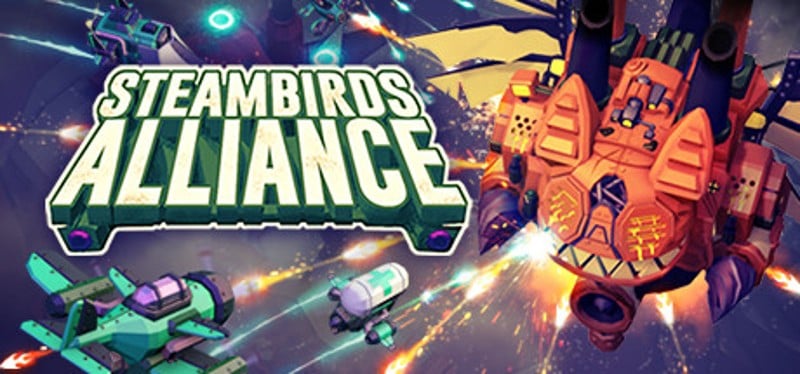
- View Game77%Game Brain ScoreMost mentioned positive aspects:gameplay, storyMost mentioned negative aspects:grinding, monetization77% User Score 648 reviewsFeatures steampunk aerial dogfights in a cooperative multiplayer arena, replacing parkour with strategic flight and teamwork. If you enjoyed this game, see our list of games similar to Steambirds Alliance.
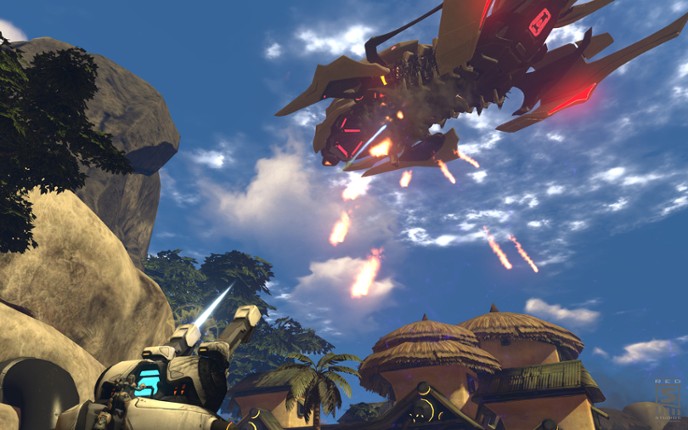
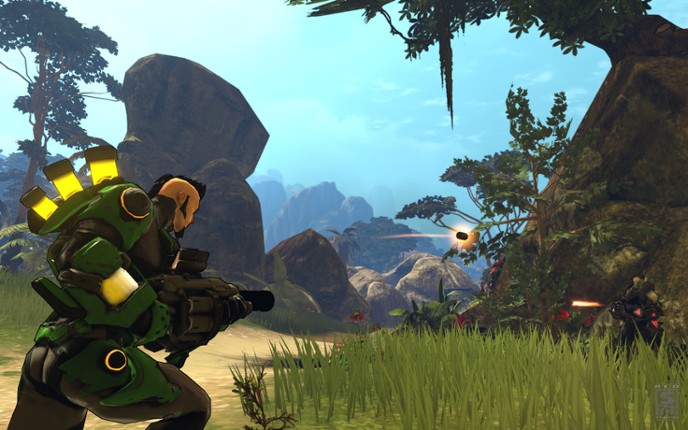
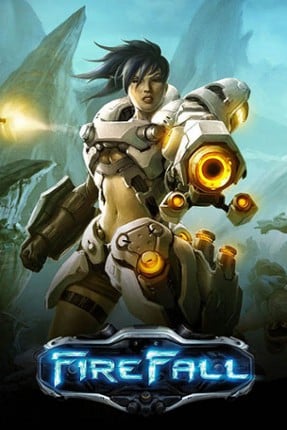
- 55%Game Brain ScoreMost mentioned positive aspects:story, gameplayMost mentioned negative aspects:grinding, stability57% User Score 322 reviewsCritic Score 54%9 reviewsThird-person sci-fi shooter emphasizes jetpack mobility and squad co-op like Warframe but centers on open-world environmental combat over mission variety. If you enjoyed this game, see our list of games similar to FireFall.View Game
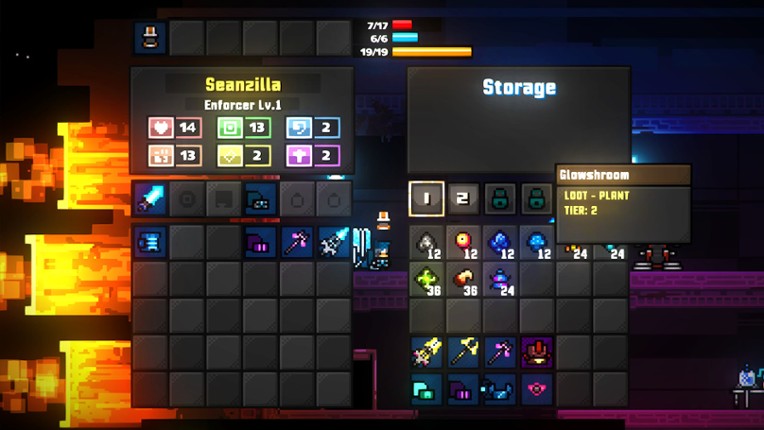
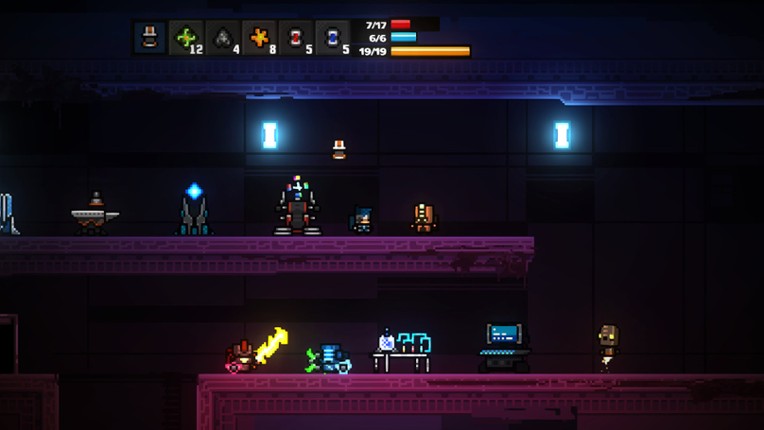
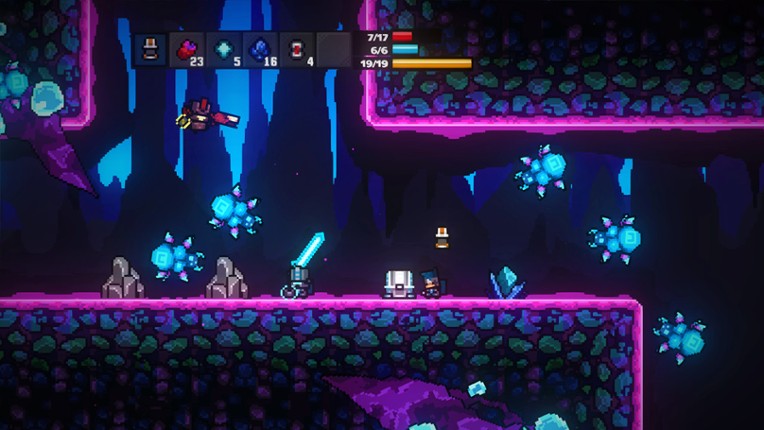
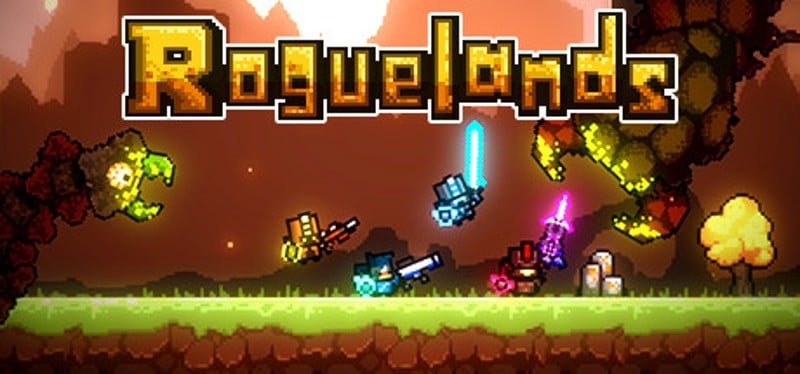
- 78%Game Brain ScoreMost mentioned positive aspects:gameplay, storyMost mentioned negative aspects:grinding, stability78% User Score 2,417 reviewsPresents a retro pixel-art sci-fi roguelite with permadeath and procedurally generated worlds, trading Warframe's polished mobility for punishing, replayable challenge. If you enjoyed this game, see our list of games similar to Roguelands.View Game
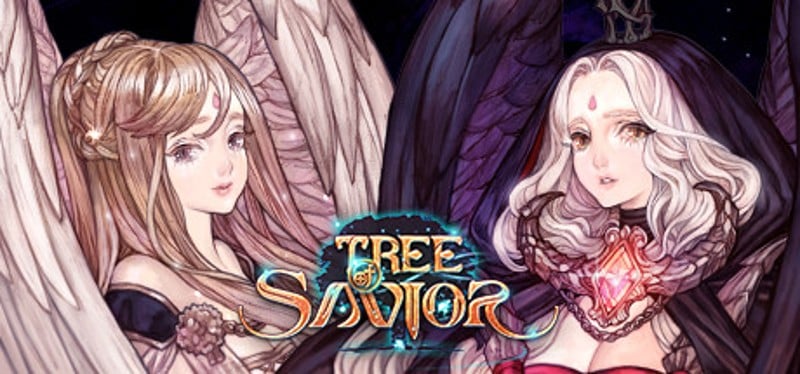
- 61%Game Brain ScoreMost mentioned positive aspects:story, graphicsMost mentioned negative aspects:grinding, optimization59% User Score 10,343 reviewsCritic Score 67%2 reviewsIsometric fantasy MMO that swaps Warframe's sci-fi parkour for anime-styled hack-and-slash exploration with heavy community meme culture. If you enjoyed this game, see our list of games similar to Tree of Savior.View Game
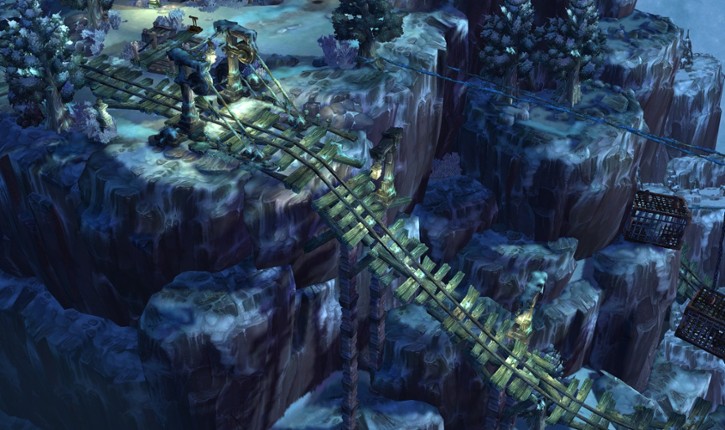
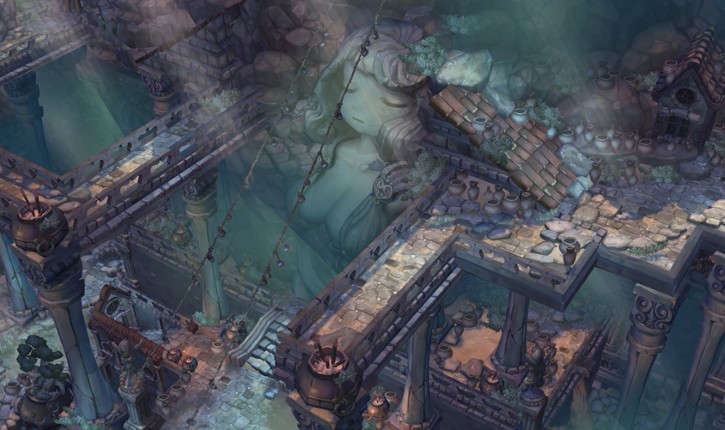
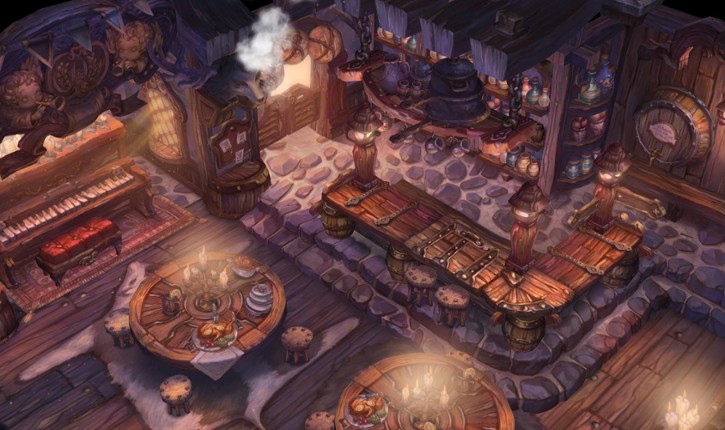
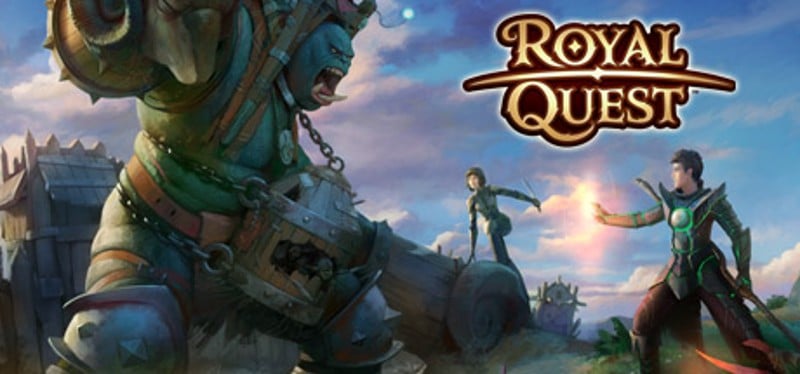
- 64%Game Brain ScoreMost mentioned positive aspects:story, graphicsMost mentioned negative aspects:grinding, monetization64% User Score 694 reviewsThird-person fantasy MMO strips away Warframe's complex progression for straightforward hack-and-slash action in a more traditional medieval setting. If you enjoyed this game, see our list of games similar to Royal Quest.View Game
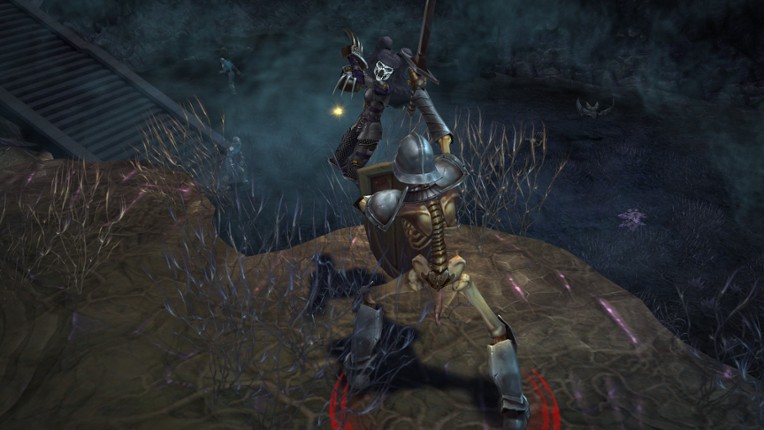
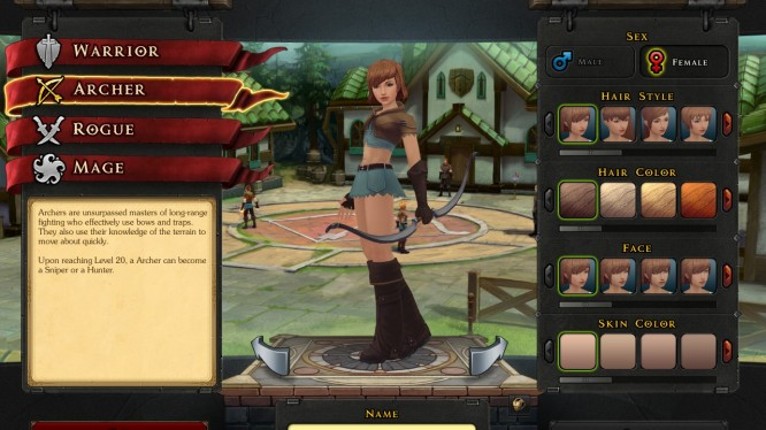
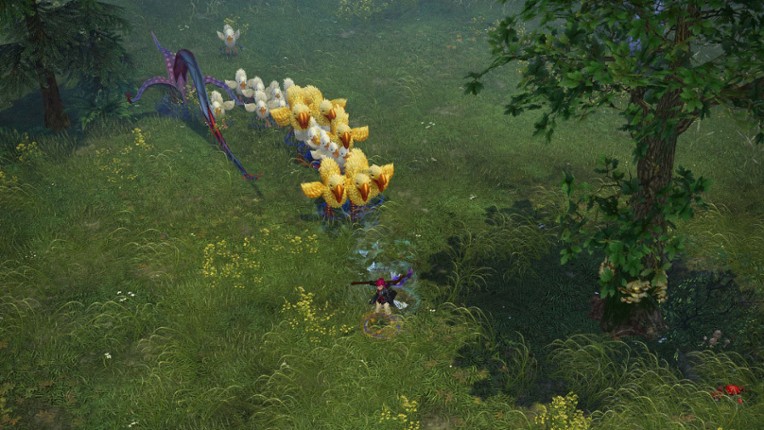
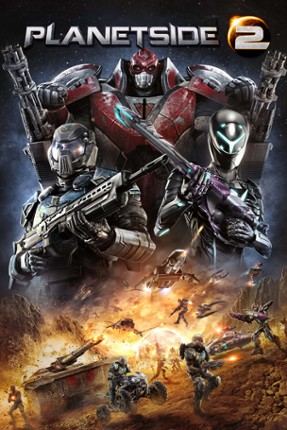
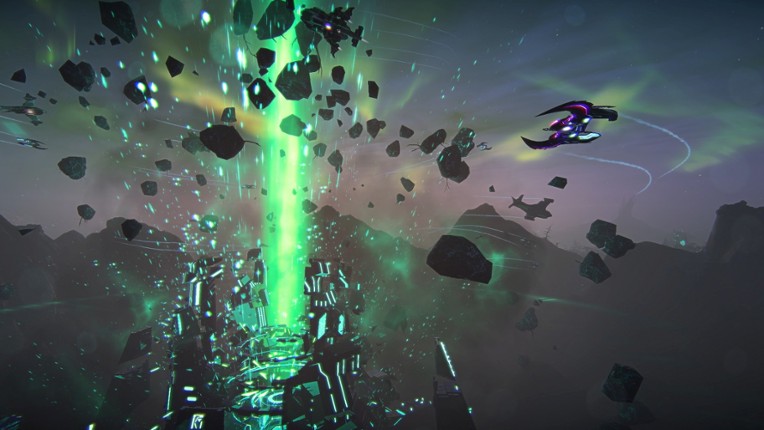
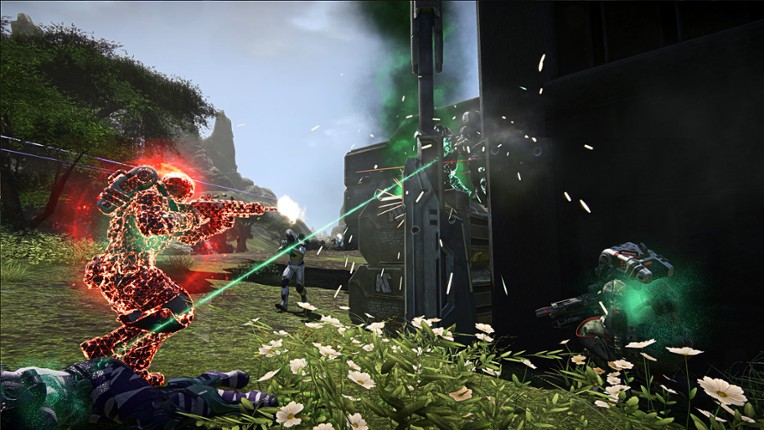
- 79%Game Brain ScoreMost mentioned positive aspects:gameplay, graphicsMost mentioned negative aspects:optimization, grinding82% User Score 47,051 reviewsCritic Score 75%12 reviewsMassive-scale sci-fi shooter trades Warframe's PvE stealth and mobility for team-based warfare with persistent planetary faction conflicts. If you enjoyed this game, see our list of games similar to PlanetSide 2.View Game
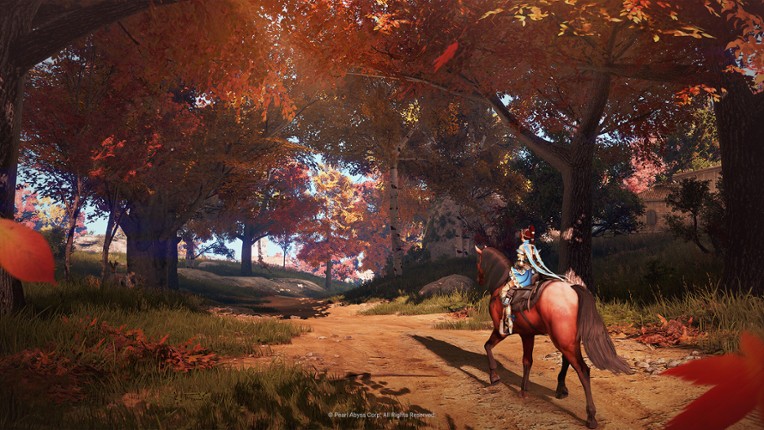
- 66%Game Brain ScoreMost mentioned positive aspects:story, graphicsMost mentioned negative aspects:grinding, monetization73% User Score 66,634 reviewsCritic Score 50%4 reviewsMedieval fantasy MMO matches Warframe's character customization and grinding loop but prioritizes crafting, life skills, and PvP over cooperative missions. If you enjoyed this game, see our list of games similar to Black Desert.View Game
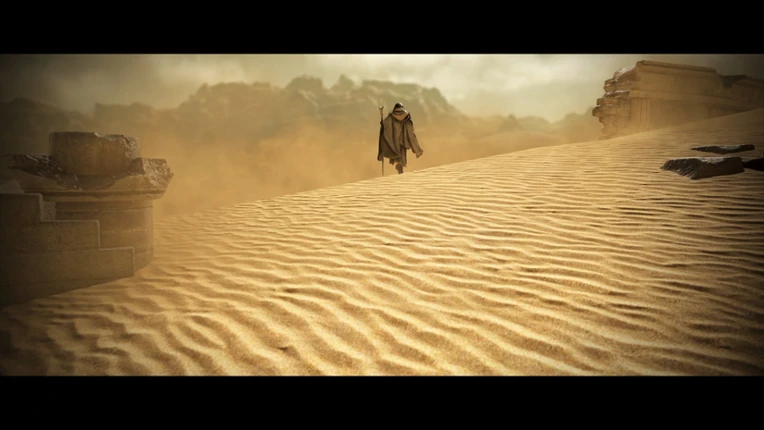

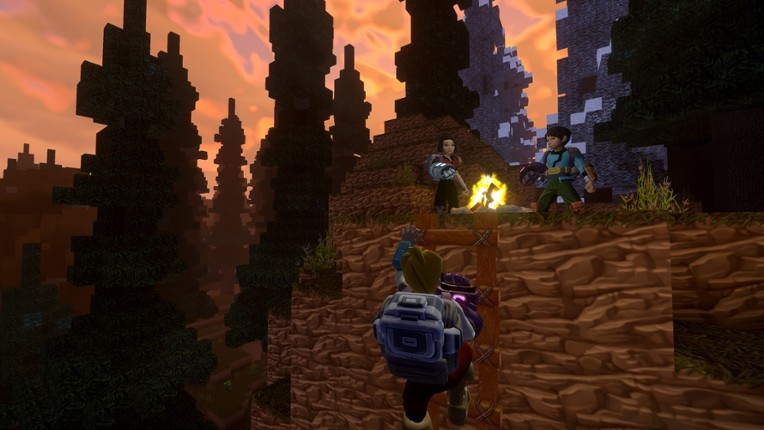
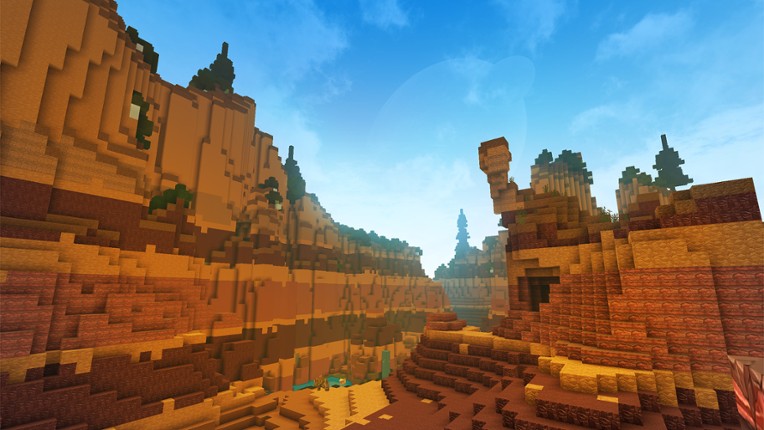
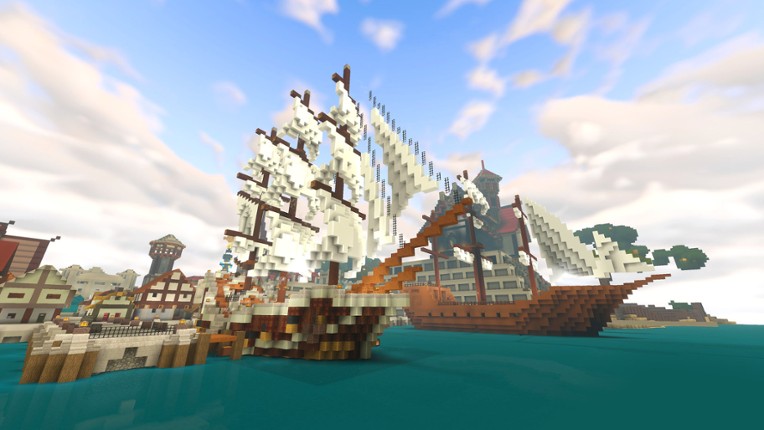
- 76%Game Brain ScoreMost mentioned positive aspects:graphics, gameplayMost mentioned negative aspects:monetization, grinding75% User Score 14,503 reviewsCritic Score 80%1 reviewsVoxel-based sandbox trades Warframe's combat depth for creative building and survival mechanics while maintaining cooperative multiplayer exploration. If you enjoyed this game, see our list of games similar to Creativerse.View Game
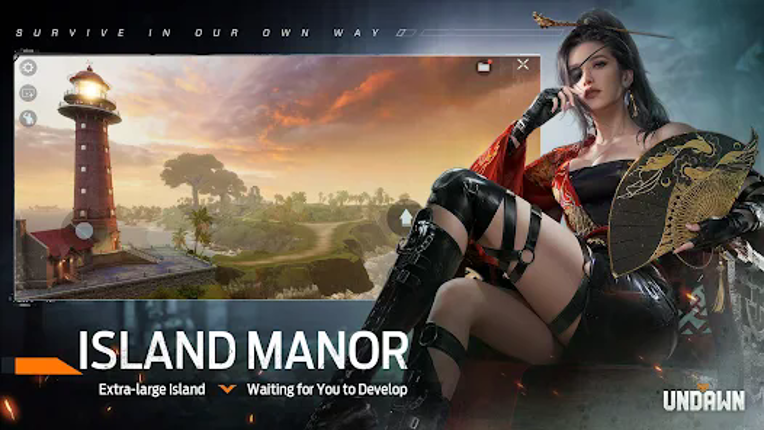
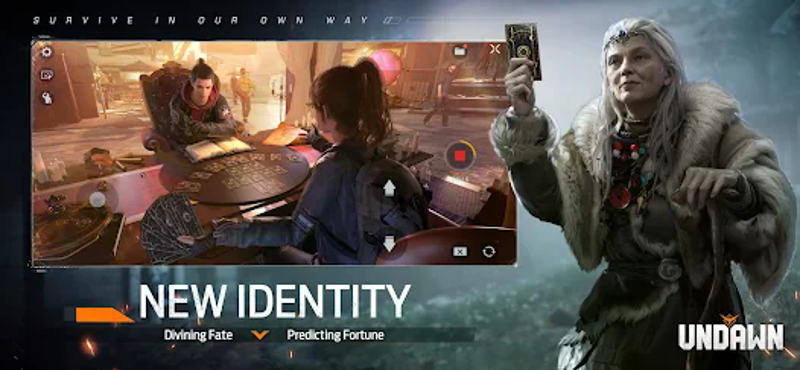
- 52%Game Brain ScoreMost mentioned positive aspects:story, gameplayMost mentioned negative aspects:grinding, monetization52% User Score 2,425 reviewsPost-apocalyptic survival shooter borrows Warframe's character customization but emphasizes base-building and zombie threats over sci-fi mission structures. If you enjoyed this game, see our list of games similar to Undawn.View Game
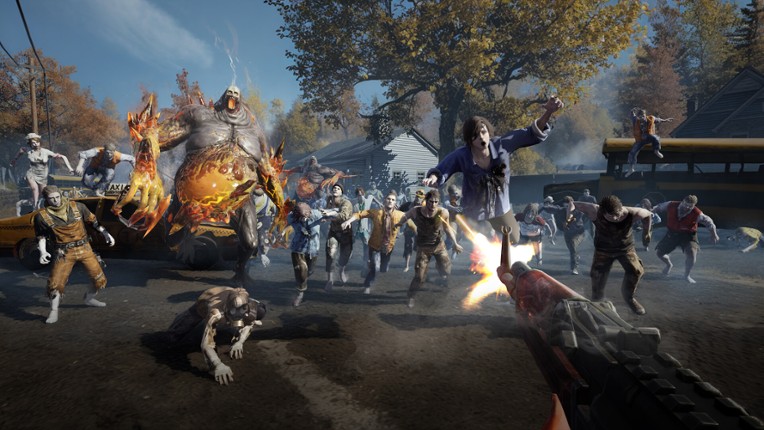
- 72%Game Brain ScoreMost mentioned positive aspects:story, gameplayMost mentioned negative aspects:grinding, optimization74% User Score 3,432 reviewsCritic Score 67%4 reviews
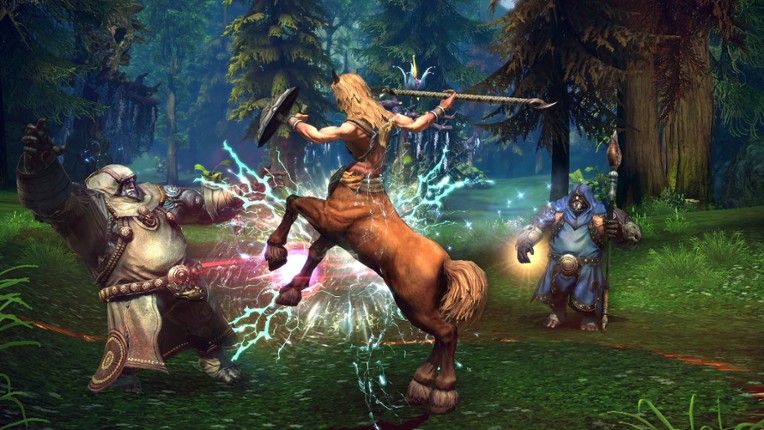
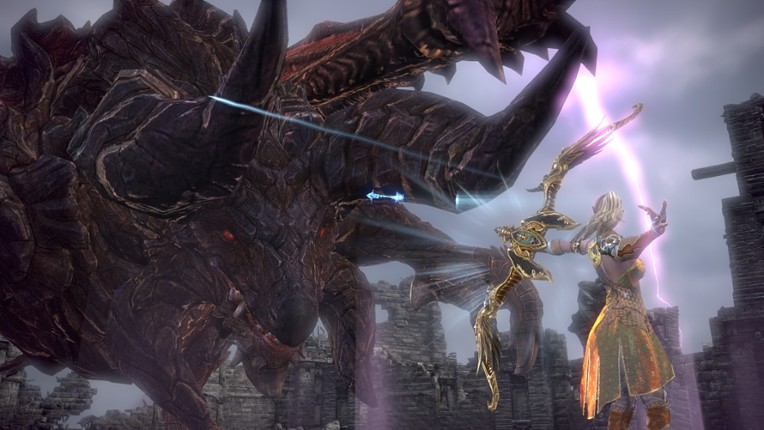
Tera is an epic fantasy mmorpg experience. Master the action-packed combat system and prove yourself in solo and multiplayer adventures - all in the stunningly beautiful world of Arborea! If you enjoyed this game, see our list of games similar to TERA.
View Game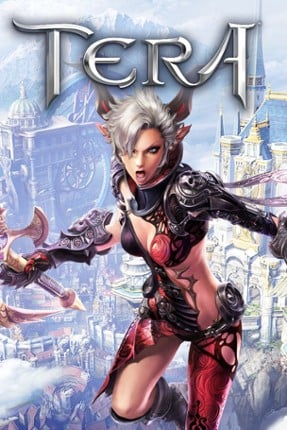
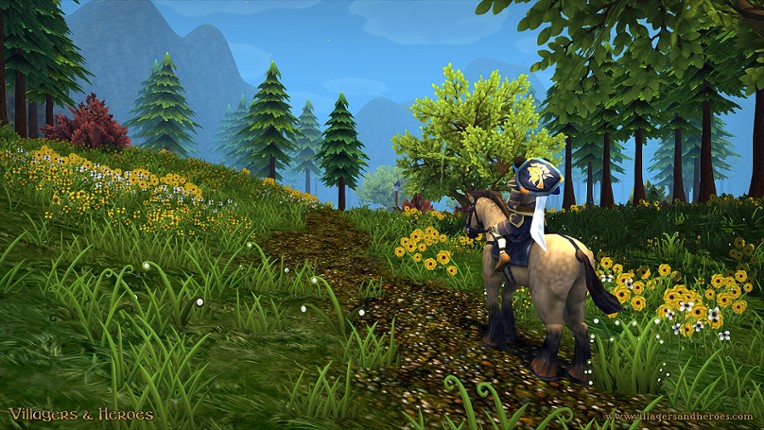
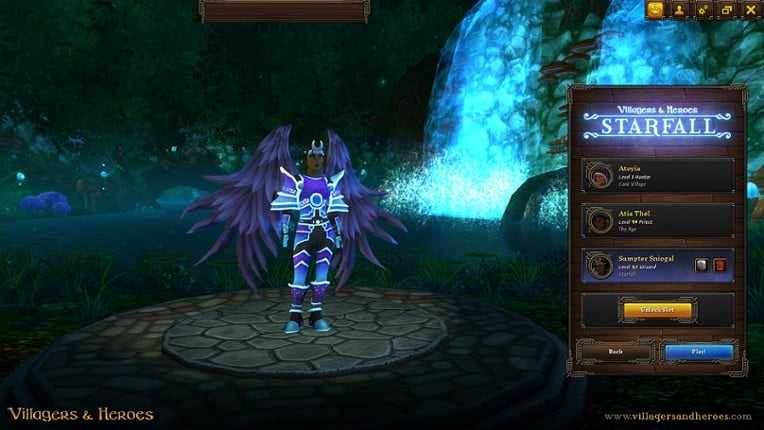
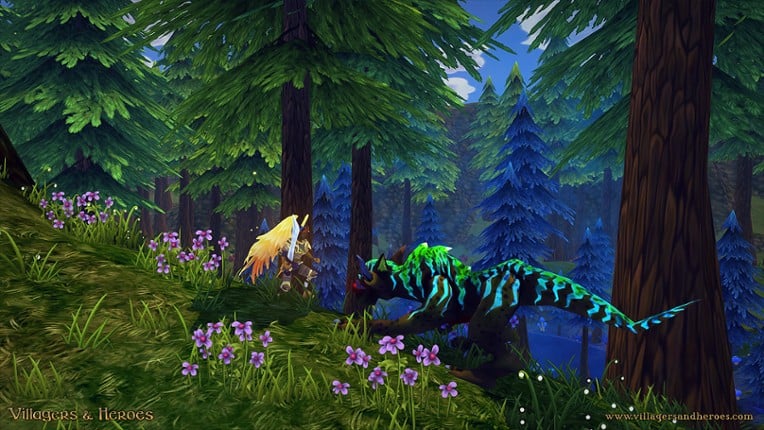
- 59%Game Brain ScoreMost mentioned positive aspects:story, graphicsMost mentioned negative aspects:grinding, stability59% User Score 1,733 reviewsMoves away from sci-fi action toward a cozy, community-centric experience, ideal for players seeking a relaxed crafting and social-focused virtual world. If you enjoyed this game, see our list of games similar to Villagers and Heroes.View Game
- 70%Game Brain ScoreMost mentioned positive aspects:gameplay, graphicsMost mentioned negative aspects:grinding, stability70% User Score 57,362 reviews
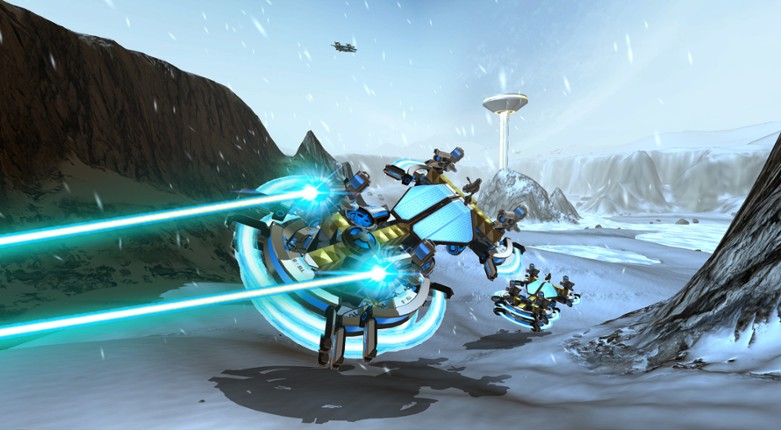
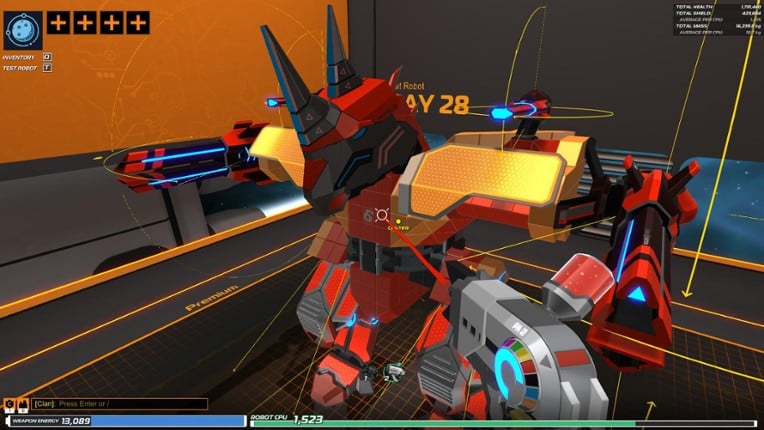
If Minecraft smashed straight into World of Tanks you'd get Robocraft. BUILD, DRIVE & FIGHT in this Free-To-Play MMO Robot vehicle shooter. BUILD - A futuristic robo vehicle from cubes. Add... If you enjoyed this game, see our list of games similar to Robocraft.
View Game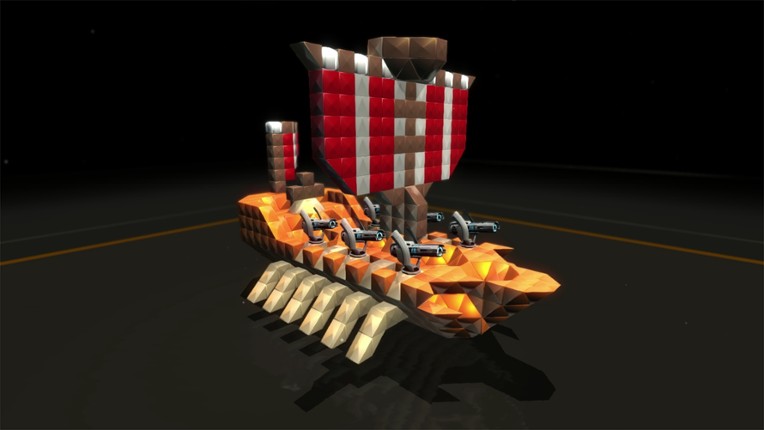
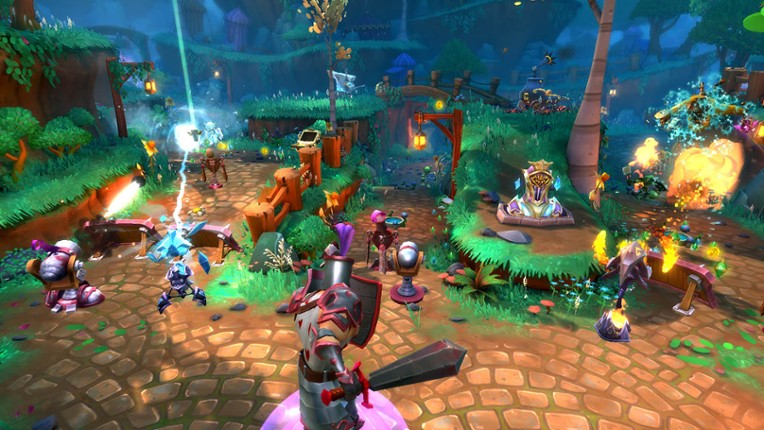
- 74%Game Brain ScoreMost mentioned positive aspects:gameplay, graphicsMost mentioned negative aspects:grinding, monetization74% User Score 13,231 reviewsShifts the focus from offensive movement to strategic base defense, offering tower-building mechanics for players who want to protect objectives collectively. If you enjoyed this game, see our list of games similar to Dungeon Defenders II.View Game
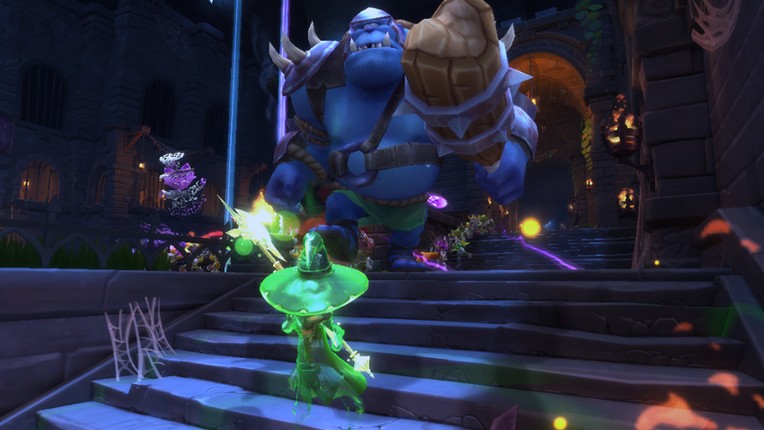
- 77%Game Brain ScoreMost mentioned positive aspects:gameplay, graphicsMost mentioned negative aspects:grinding, story75% User Score 26,846 reviewsCritic Score 85%2 reviews
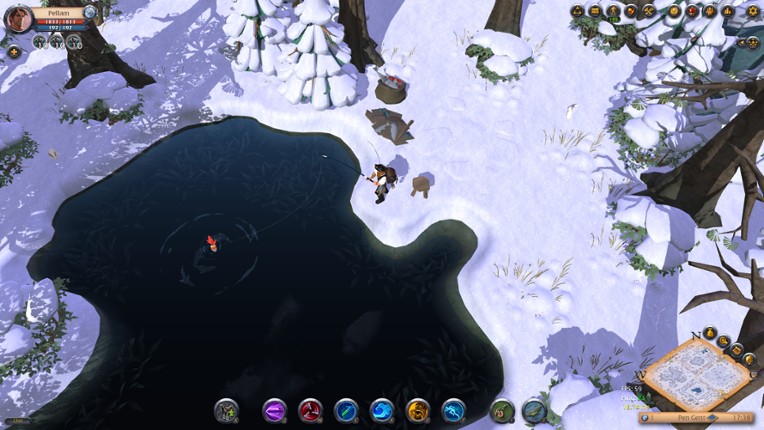
Albion Online: A true sandbox MMORPG with open-world PvP and millions of players If you enjoyed this game, see our list of games similar to Albion Online.
View Game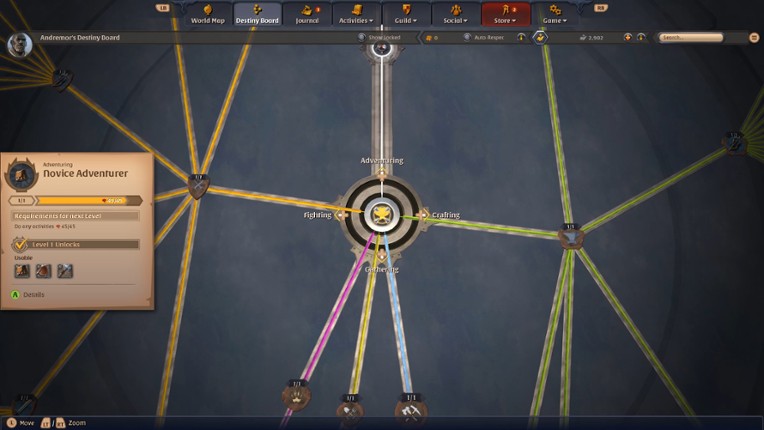
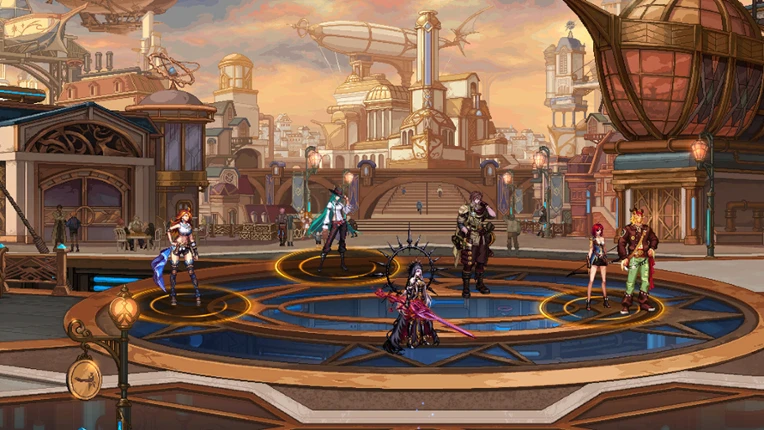
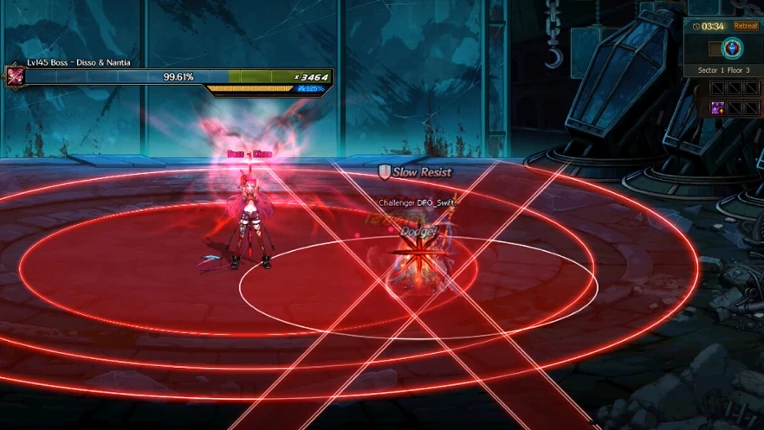
- 61%Game Brain ScoreMost mentioned positive aspects:story, gameplayMost mentioned negative aspects:grinding, monetization61% User Score 3,213 reviewsExchanges third-person parkour for a classic 2D beat-'em-up perspective that offers deep combo mechanics for those who prefer retro-style arcade combat. If you enjoyed this game, see our list of games similar to Dungeon Fighter Online.View Game
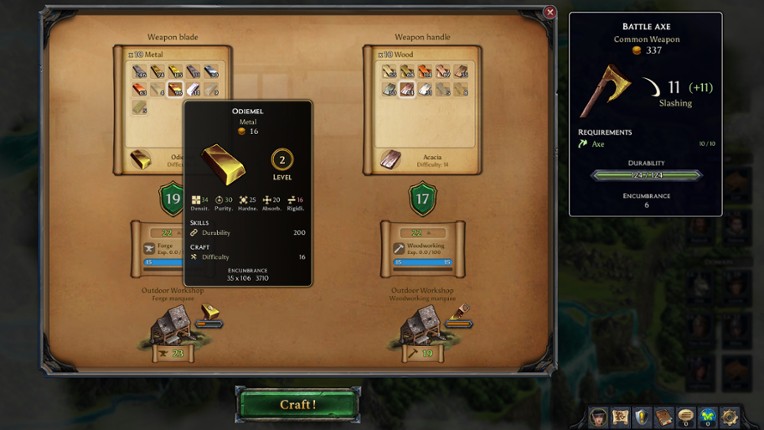
- 70%Game Brain ScoreMost mentioned positive aspects:story, gameplayMost mentioned negative aspects:grinding, monetization70% User Score 829 reviewsTurn-based tactical RPG shares Warframe's cooperative multiplayer and character progression but replaces fast action with strategic grid-based combat. If you enjoyed this game, see our list of games similar to Mist Legacy.View Game
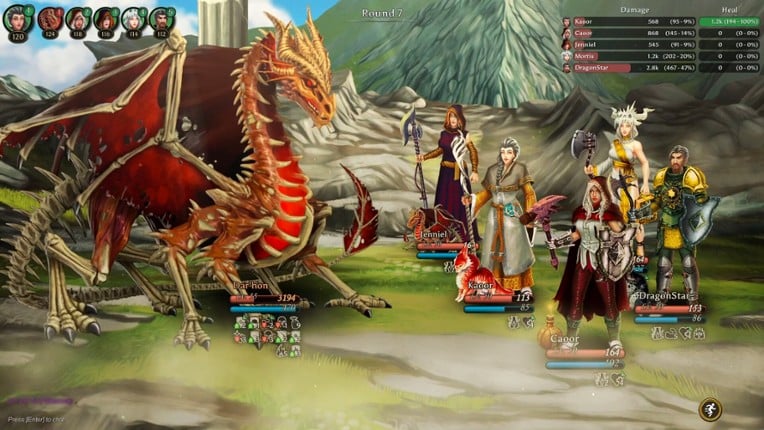
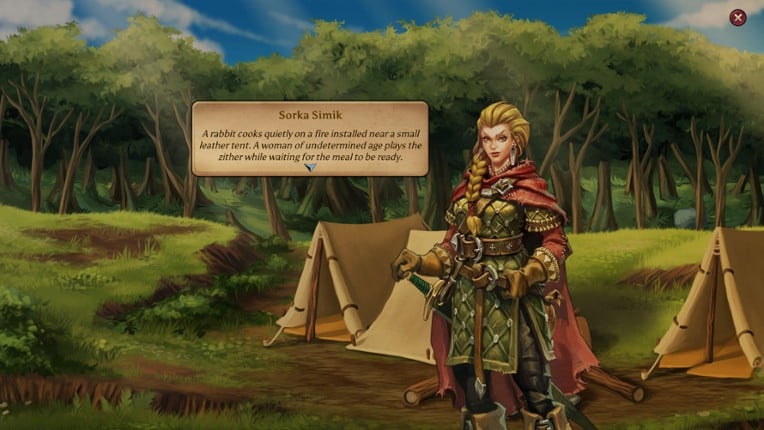
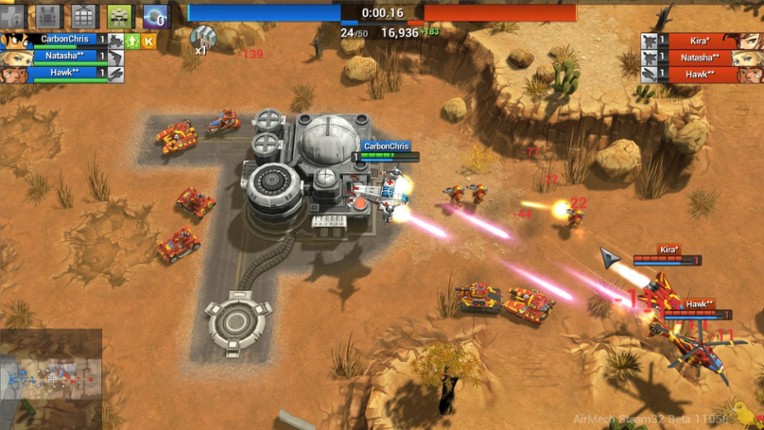
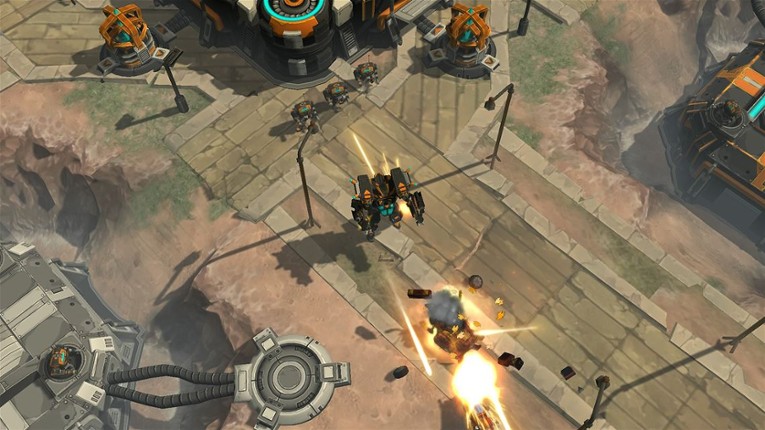
- 83%Game Brain ScoreMost mentioned positive aspects:gameplay, graphicsMost mentioned negative aspects:story, grinding83% User Score 5,766 reviewsFast-paced mech-based MOBA replaces Warframe's methodical ninja gameplay with arcade-style team combat and real-time strategy positioning. If you enjoyed this game, see our list of games similar to AirMech.View Game
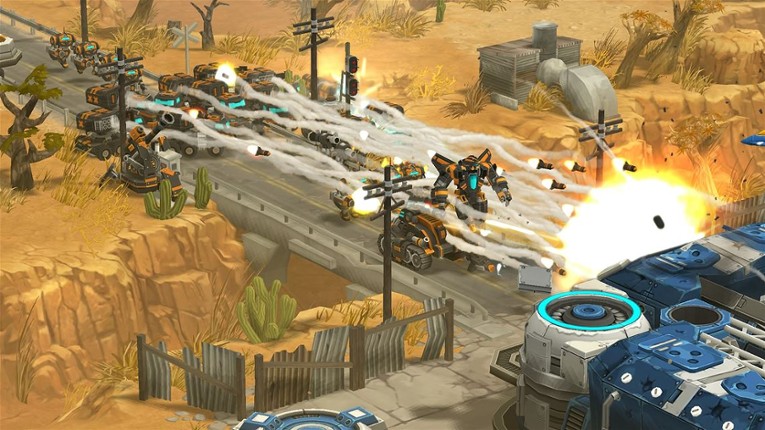
- 53%Game Brain ScoreMost mentioned positive aspects:story, graphicsMost mentioned negative aspects:grinding, stability54% User Score 2,347 reviewsCritic Score 51%4 reviews
In Skyforge, you will walk the path from an immortal warrior to a mighty God, gaining followers as you fight to protect your world. Your loyal followers will help you increase your power as you rise to become an Elder God. The best of the best will join the Order of Keepers and shape the fate of the world. If you enjoyed this game, see our list of games similar to Skyforge.
View Game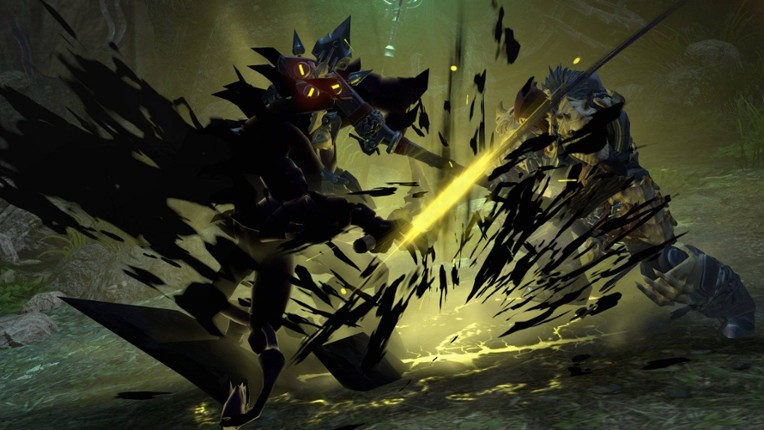

- 75%Game Brain ScoreMost mentioned positive aspects:graphics, gameplayMost mentioned negative aspects:grinding, story75% User Score 1,528 reviews
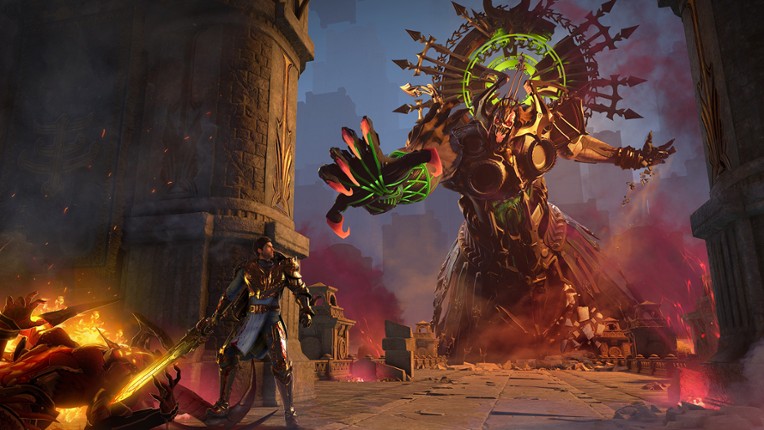
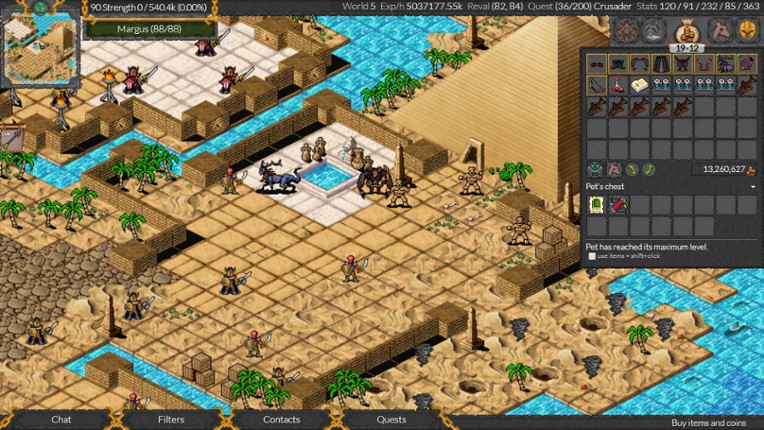
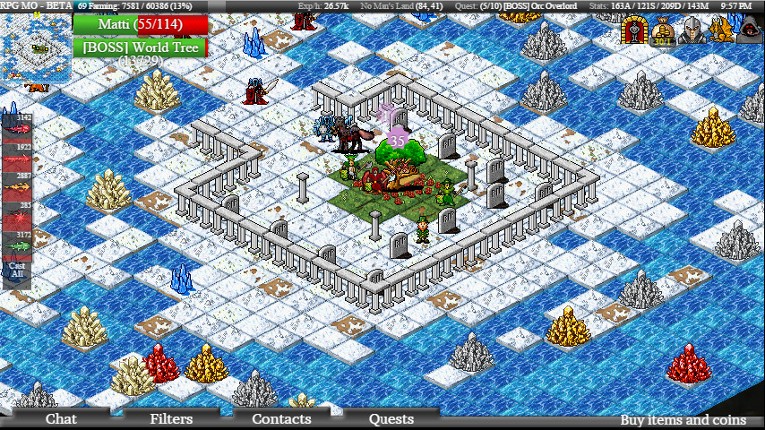
RPG Mo is a nostalgic MMORPG that reminds of Ultima and Runescape Classic. If you enjoyed this game, see our list of games similar to RPG MO.
View Game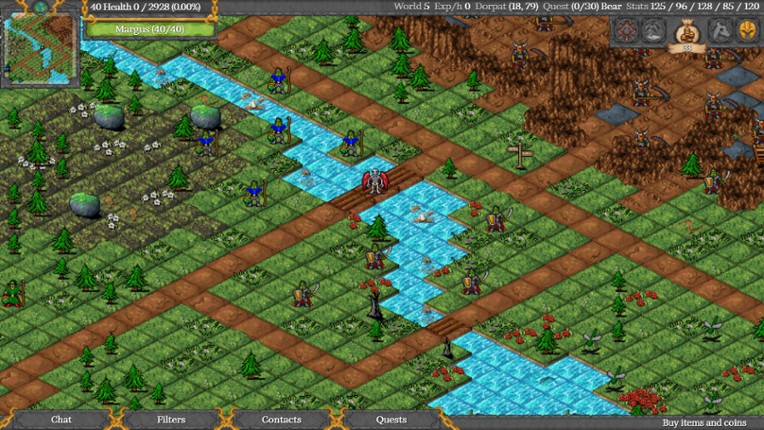
40 View Game
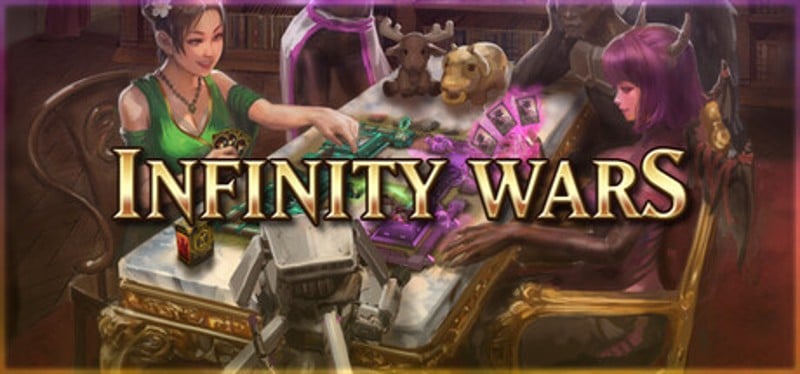
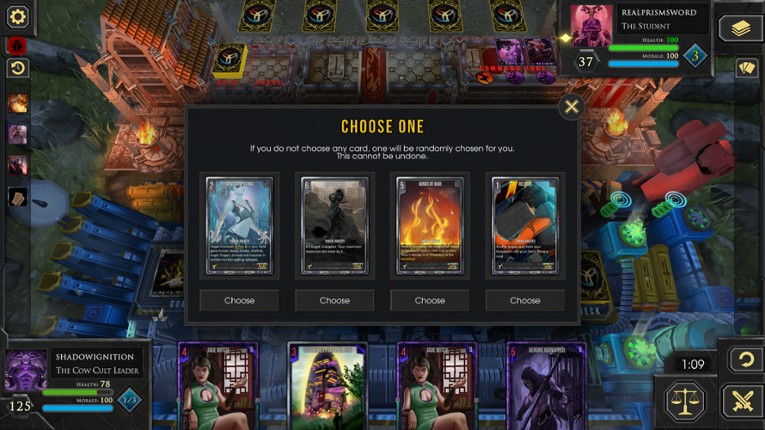 77%Game Brain ScoreMost mentioned positive aspects:gameplay, storyMost mentioned negative aspects:stability, grinding77% User Score 2,359 reviewsMoves away from real-time action to a strategic, turn-based collectible card game blending fantasy and sci-fi themes with competitive deckbuilding. If you enjoyed this game, see our list of games similar to Infinity Wars: Animated Trading Card Game.View Game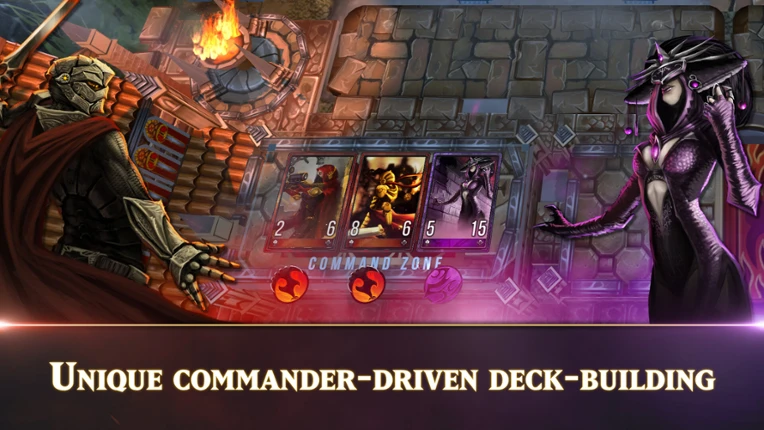
- 61%Game Brain ScoreMost mentioned positive aspects:story, gameplayMost mentioned negative aspects:grinding, monetization49% User Score 5,332 reviewsCritic Score 85%4 reviews
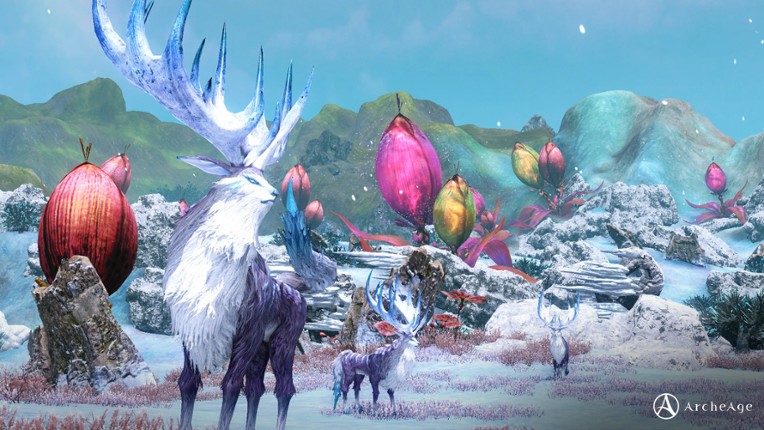
ArcheAge is a free to play MMORPG that players can make their own way starting from Haranya/Nuia to the lost shores of Auroria. Players can experience 120 unique classes, 20 crafting vocations, various life contents (including farming, trading, housing) and alliance contents. If you enjoyed this game, see our list of games similar to ArcheAge.
View Game
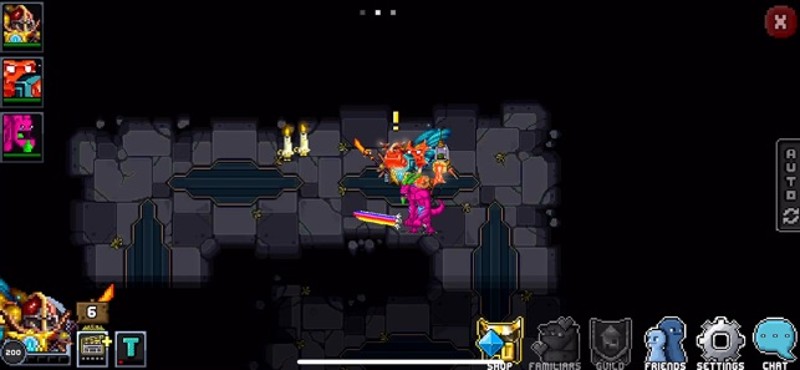
- 75%Game Brain ScoreMost mentioned positive aspects:gameplay, graphicsMost mentioned negative aspects:grinding, monetization75% User Score 1,561 reviewsOffers pixel-art dungeon crawling and turn-based gameplay emphasizing creature collection and idling instead of real-time action. If you enjoyed this game, see our list of games similar to Bit Heroes Quest.View Game
- 88%Game Brain ScoreMost mentioned positive aspects:gameplay, storyMost mentioned negative aspects:grinding, monetization88% User Score 16,056 reviews
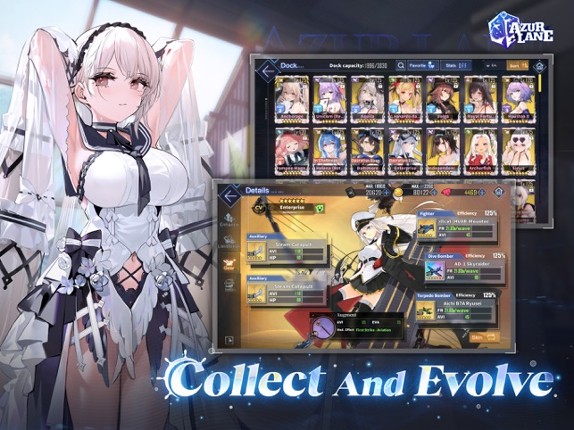
An ideal Naval Warfare game like you always imagined! If you enjoyed this game, see our list of games similar to Azur Lane.
View Game

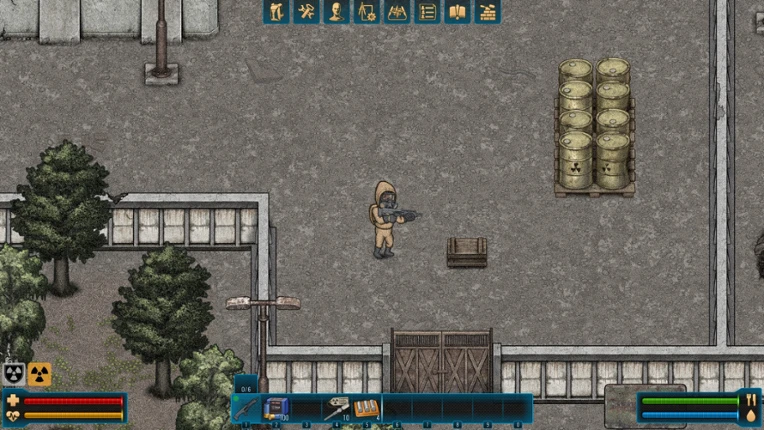
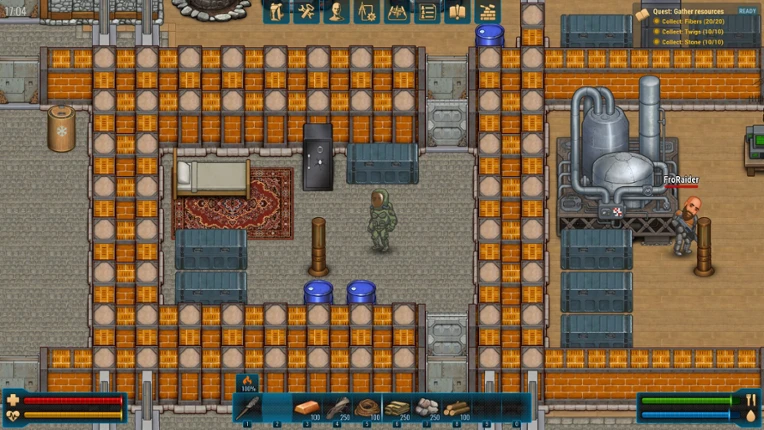
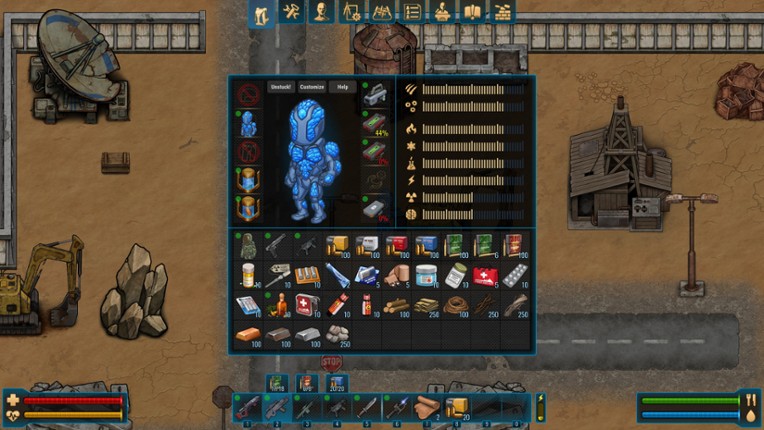
- 69%Game Brain ScoreMost mentioned positive aspects:gameplay, graphicsMost mentioned negative aspects:grinding, stability75% User Score 2,848 reviewsCritic Score 50%2 reviewsTrades Warframe’s sleek third-person action for 2D open-world survival with deep crafting, base building, and colony management in a sci-fi setting. If you enjoyed this game, see our list of games similar to CryoFall.View Game
- 70%Game Brain ScoreMost mentioned positive aspects:story, gameplayMost mentioned negative aspects:grinding, stability68% User Score 1,371 reviewsCritic Score 80%1 reviews
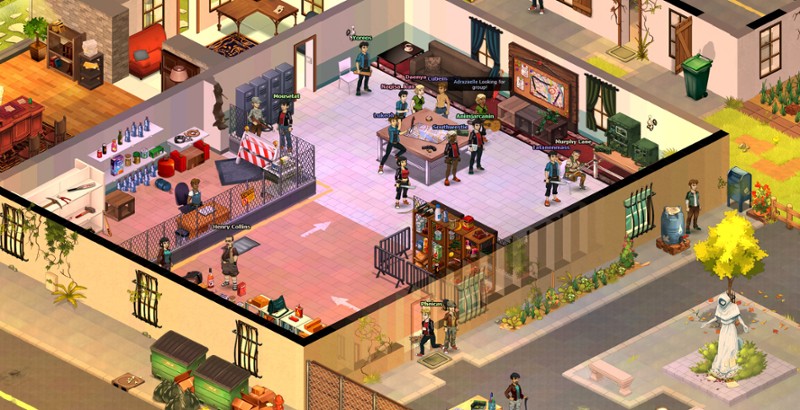
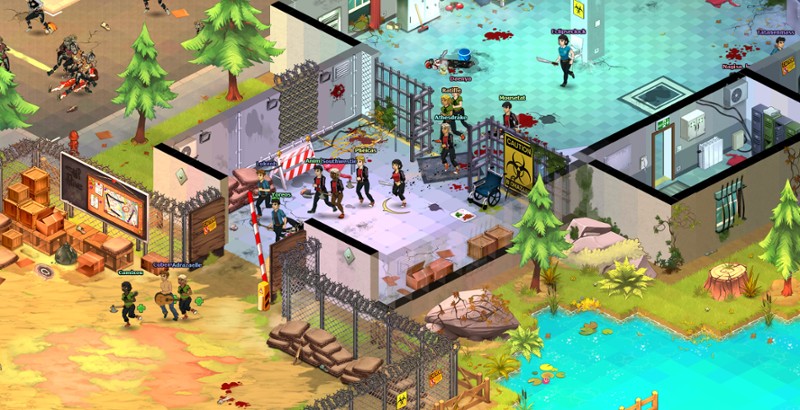
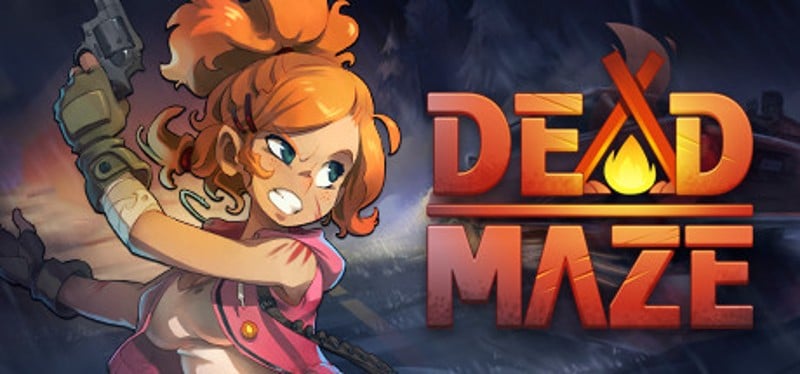
Dead Maze is a 2D MMO game set in a destroyed contemporary world, filled with zombies. Explore the world, scavenge and craft as many items as possible, to survive the hostile environment and upgrade your gear and camp as you go. If you enjoyed this game, see our list of games similar to Dead Maze.
View Game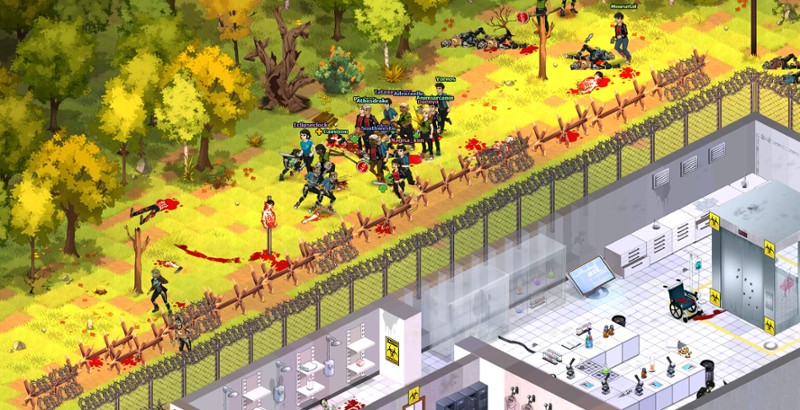
- 73%Game Brain ScoreMost mentioned positive aspects:story, gameplayMost mentioned negative aspects:grinding, atmosphere73% User Score 782 reviews
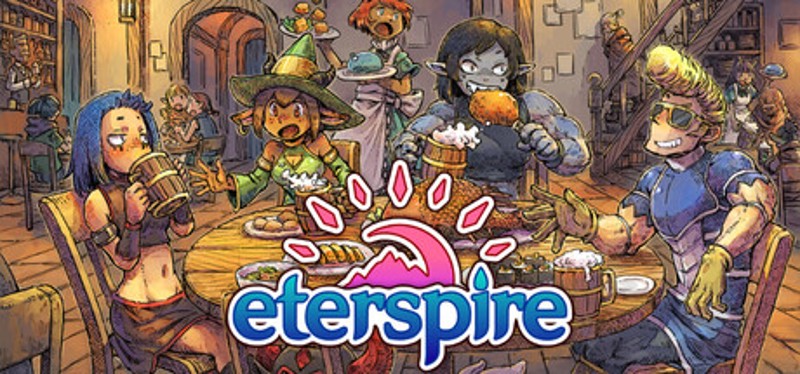
Eterspire is a free, massively multiplayer online role-playing game. Here, you'll take on the role of an adventurer in the land of Thairia, find treasure, battle monsters, explore, complete quests and make friends with other players! Features Customize your character the way you like!Lots of quests to complete!Hundreds of items to find and equip!Tenths of handcrafted areas to explore!Meet, play, a… If you enjoyed this game, see our list of games similar to Eterspire.
View Game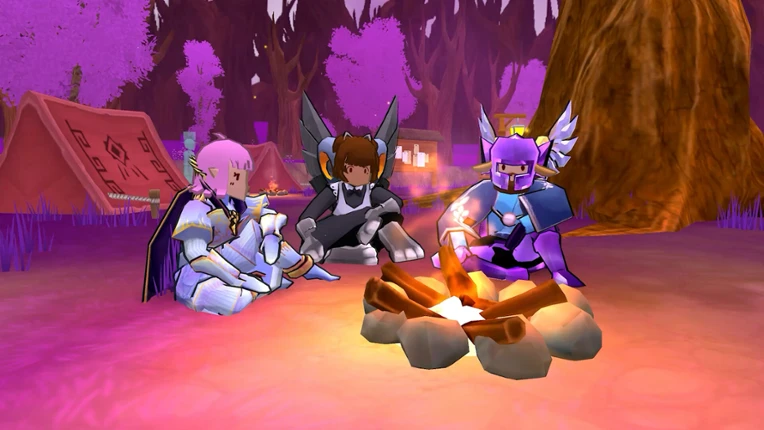
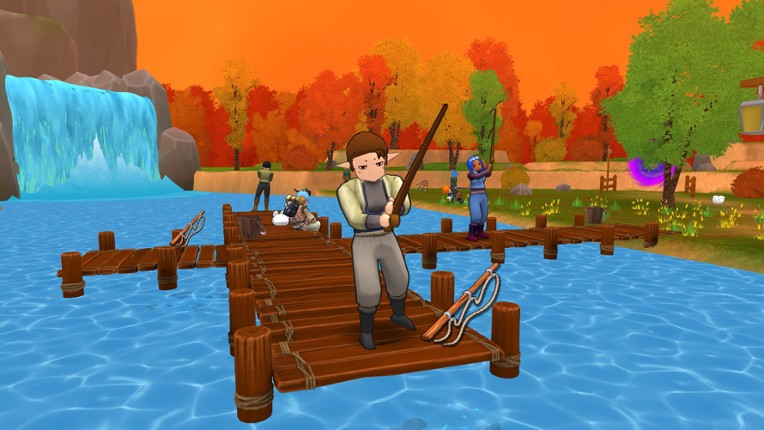
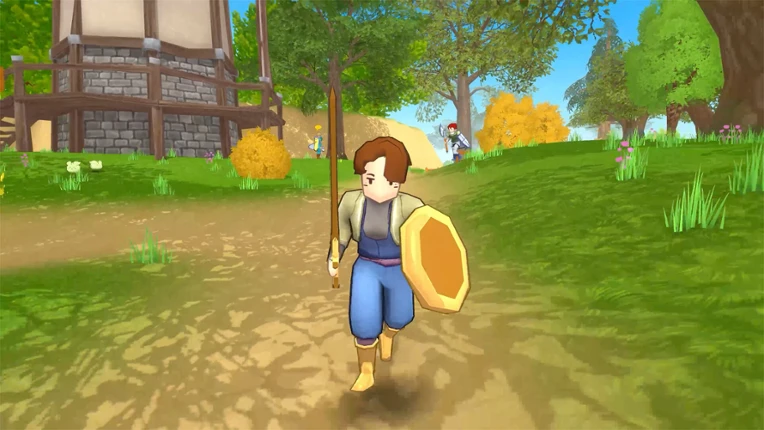
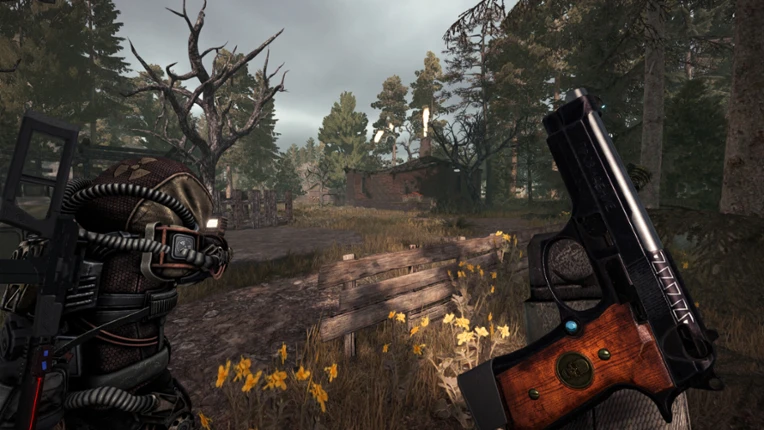
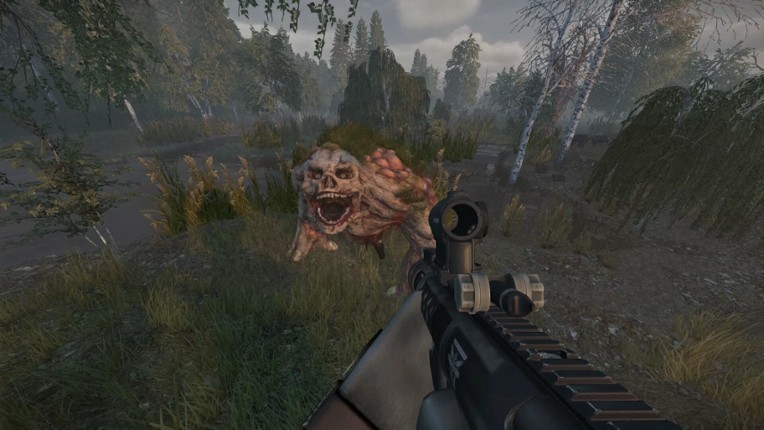
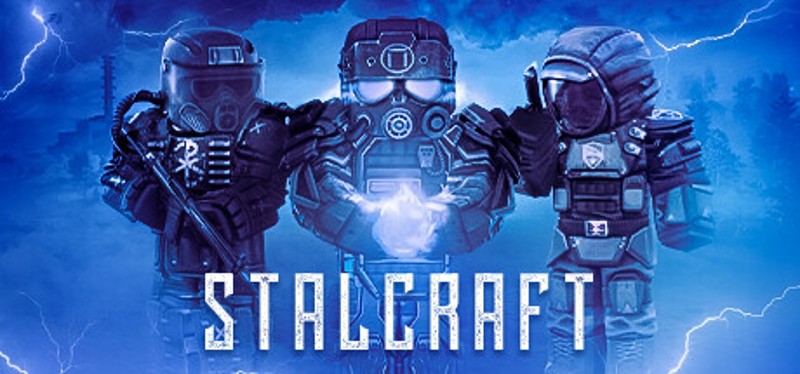
- 67%Game Brain ScoreMost mentioned positive aspects:story, gameplayMost mentioned negative aspects:grinding, monetization67% User Score 17,279 reviewsSwaps high-tech mobility for a gritty, post-apocalyptic shooter experience where survival and zone exploration take center stage over ninja acrobatics. If you enjoyed this game, see our list of games similar to STALZONE.View Game
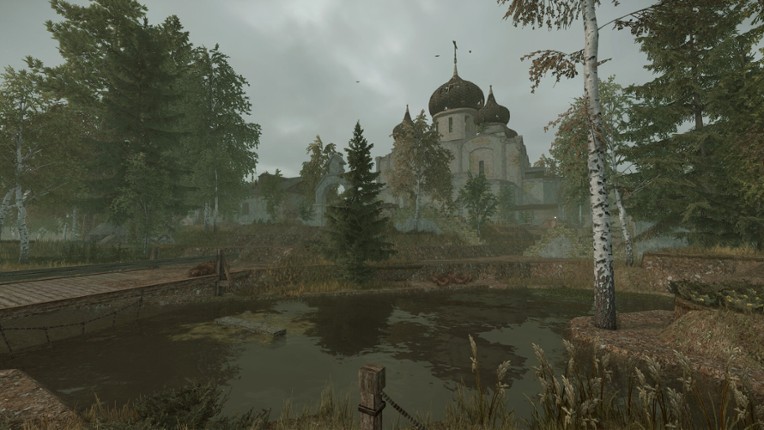
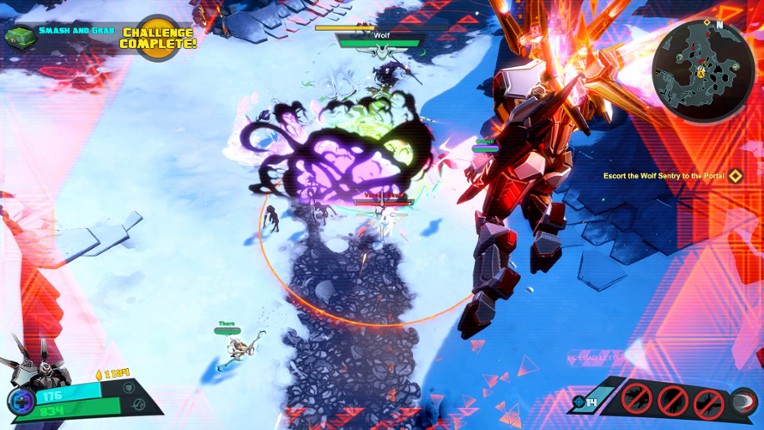
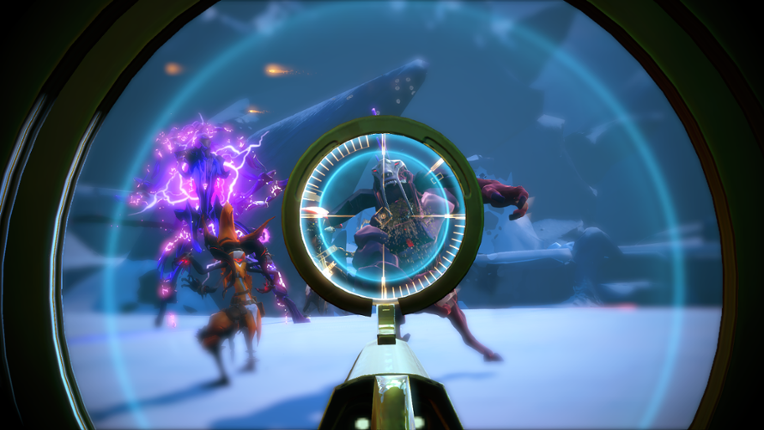
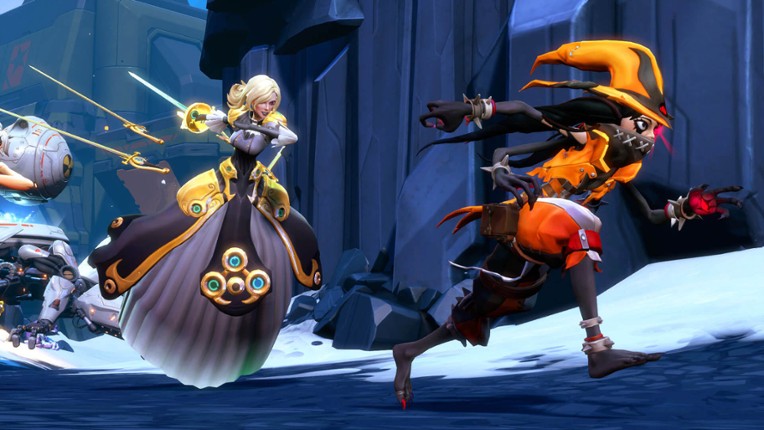
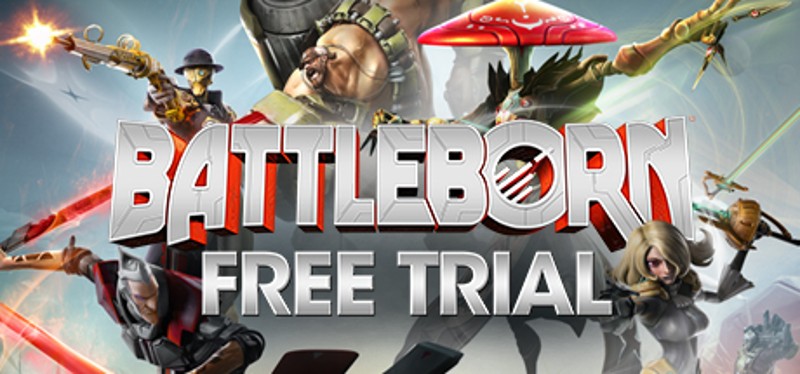
- 66%Game Brain ScoreMost mentioned positive aspects:story, gameplayMost mentioned negative aspects:optimization, monetization63% User Score 6,428 reviewsCritic Score 69%16 reviewsSwaps fast-paced third-person ninja combat for a class-based hero shooter with MOBA elements and a more humorous tone. If you enjoyed this game, see our list of games similar to Battleborn.View Game
- 62%Game Brain ScoreMost mentioned positive aspects:story, gameplayMost mentioned negative aspects:grinding, stability68% User Score 2,295 reviewsCritic Score 55%8 reviews
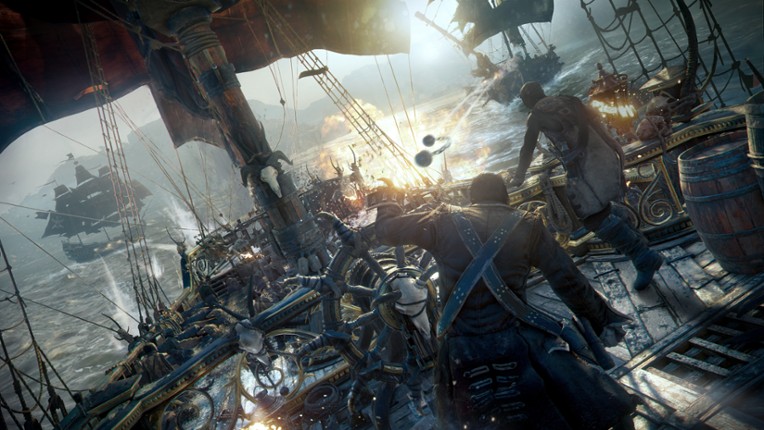
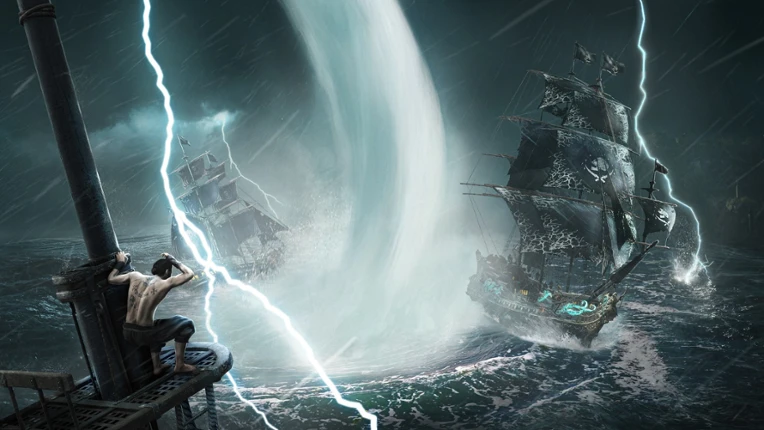
Buy Skull and Bones on PlayStation Store. Overcome the odds and rise from an outcast to an infamous pirate. If you enjoyed this game, see our list of games similar to Skull and Bones.
View Game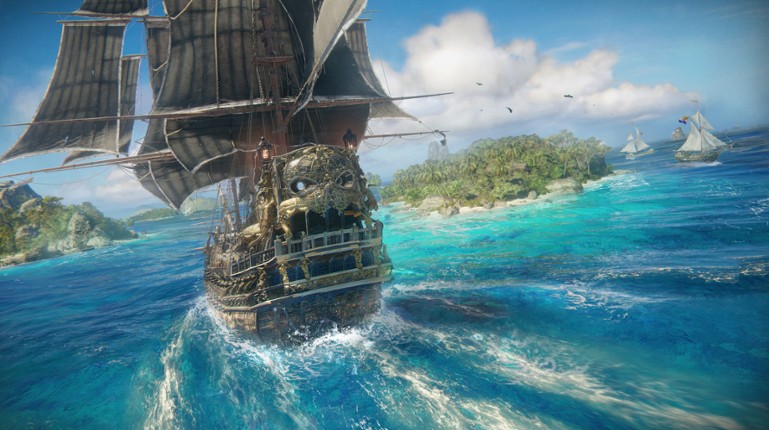
- 67%Game Brain ScoreMost mentioned positive aspects:gameplay, graphicsMost mentioned negative aspects:monetization, grinding67% User Score 2,103 reviews
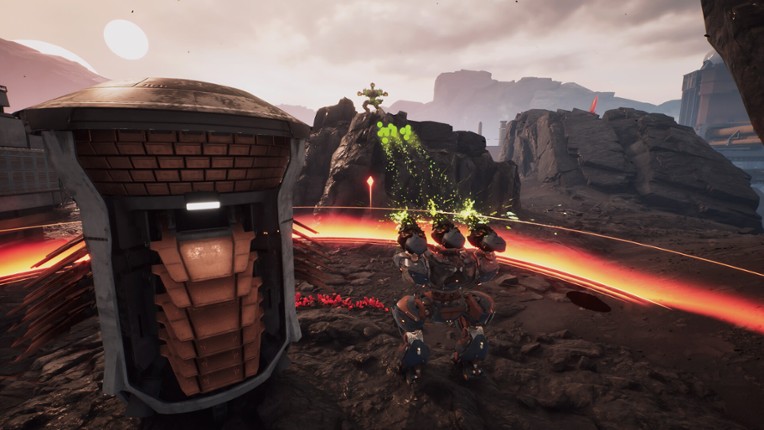
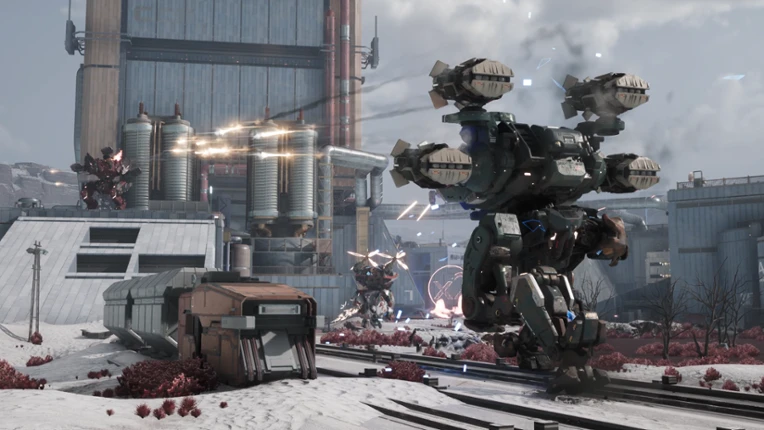
War Robots: Frontiers is an online multiplayer mech shooter that launches the War Robots universe into the stars. Build and customize your mechs, squad up, and unleash the destructive power of your machines in epic online battles. If you enjoyed this game, see our list of games similar to War Robots: Frontiers.
View Game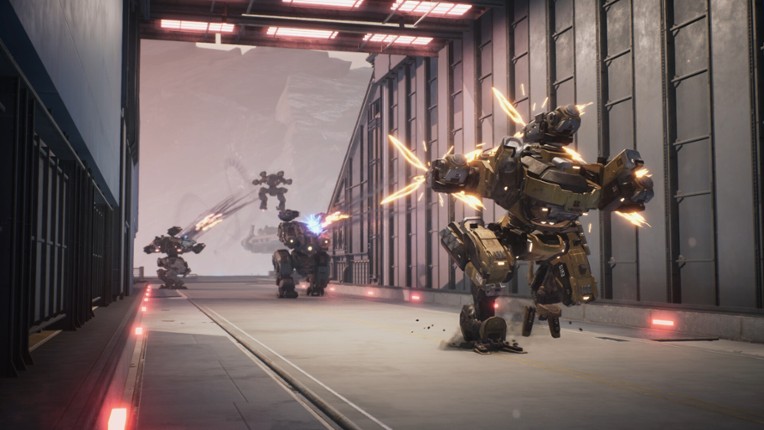


 View Game





















Frequently Asked Questions
Defiance offers looter-shooter mechanics with open-world exploration and cooperative missions, much like Warframe's squad-based gameplay. Star Conflict delivers space combat with ship customization and PvE content. Trove combines hack-and-slash action with dungeon crawling and a friendly community, all without requiring payment.
Aura Kingdom emphasizes friendly co-op with diverse classes and trading systems. Spiral Knights features charming cooperative dungeon crawling with engaging combat mechanics. RIFT offers dynamic group events and flexible class customization, encouraging team play and player-driven economies for trading and progression.
Trove combines fast-paced action with intuitive combat and vertical exploration in its dungeons. While less parkour-focused than Warframe, Spiral Knights offers agile movement and responsive combat mechanics. Dead Frontier 2 provides intense action gameplay with exploration elements that reward player skill and movement awareness.
Once Human features extensive crafting, base-building, and survival progression with deep customization. Defiance includes loot-based progression similar to Warframe's grind. RIFT offers crafting systems and character progression that rewards dedicated playtime, appealing to players who enjoy long-term goals and achievement systems.
Dead Frontier 2 delivers dark, gritty zombie survival with intense combat and exploration. Once Human features post-apocalyptic atmosphere with haunting sound design and survival mechanics. Both games maintain the cooperative multiplayer focus of Warframe while emphasizing immersive, atmospheric world-building over bright sci-fi aesthetics.
Defiance launched on multiple platforms with cross-play support. RIFT remains available on PC with stable server infrastructure. Trove supports PC and console play. Most free-to-play action games on this list prioritize accessibility, though platform availability varies—check individual titles for current support in your region.