

Games like Ready or Not
If Ready or Not has ruined every other shooter for you — the slow door breaches, the radio chatter, the weight of every decision — you already know exactly what you're chasing. Searching for games like Ready or Not means looking for something specific: tactical first-person gameplay built around deliberate pacing, cooperative teamwork, and an atmosphere that makes you feel the cost of every mistake. The good news is that some genuinely excellent alternatives are out there waiting for you.
Ready or Not sits at a rare intersection of military simulation, psychological tension, and cooperative tactics. Its core loop demands communication and patience over reflexes — you're clearing rooms, managing suspects, and absorbing a dark, gritty world where sound design and environmental storytelling do as much heavy lifting as the gunplay itself. Players who love it are really craving that combination of realistic team-based combat, oppressive atmosphere, and the kind of intensity that makes a successful breach feel genuinely earned.
What Makes a Good Alternative to Ready or Not?
- Tactical, deliberate pacing — Ready or Not punishes rushing and rewards coordination. The best alternatives share this slow-burn approach to combat, where planning before the trigger pull matters as much as accuracy.
- First-person realism and gun handling — The weight and authenticity of Ready or Not's gunplay and gun customization set it apart from arcade shooters. Alternatives worth your time replicate that grounded, first-person feel.
- Cooperative team mechanics — Whether through online co-op or co-op campaign structure, Ready or Not shines brightest with a squad. The best alternatives make teamwork and communication a mechanical necessity, not just an option.
- Oppressive atmosphere and sound design — The dark, gritty environments and tense audio are inseparable from what makes Ready or Not memorable. Strong alternatives use atmosphere as a gameplay element in its own right.
- Psychological and emotional weight — Ready or Not isn't just a shooter; it carries psychological horror undertones and mature themes. The alternatives that hit hardest share that sense of consequence and emotional tension.
Top Picks If You Enjoyed Ready or Not
Six Days in Fallujah delivers the closest tactical realism with procedurally generated urban combat missions. Zero Hour captures the same team-based breach-and-clear tension with solid first-person simulation. Onward is a must if you want military realism pushed even further into deliberate, methodical play. SCP: 5K trades the crime scenes for a chilling co-op campaign with strong atmosphere and gun customization. Into the Radius 2 brings the psychological dread and first-person tension into a survival-horror direction worth exploring.
Every recommendation below is ranked by similarity to Ready or Not using real player data — genre overlap, core mechanics, and tone all factor in. Browse the full list to find your next obsession.
- 68%Game Brain ScoreMost mentioned positive aspects:gameplay, humorMost mentioned negative aspects:story, graphics68% User Score 7,127 reviews
Both games demand you move deliberately through hostile space with a squad, where every footstep and decision compounds under pressure. This cooperative tension—where your team's coordination directly determines survival—is the core draw, not just a mode bolted onto single-player.
Onward mirrors Ready or Not's class-based tactical depth and online co-op backbone, forcing you to specialize and trust your squad's roles. The first-person perspective, modern warfare setting, and realistic gunplay create that same grounded, high-stakes atmosphere where panic gets people killed.
Where Onward diverges is its eSports-leaning design—shorter, objective-focused rounds rather than sprawling campaigns. This shift actually sidesteps Ready or Not's grinding tedium; matches feel fresher and losses sting less when commitment is measured in minutes, not hours.
Best for players who crave tactical coordination over narrative, and who value a tighter feedback loop between preparation, execution, and outcome.
If you enjoyed this game, see our list of games similar to Onward.View Game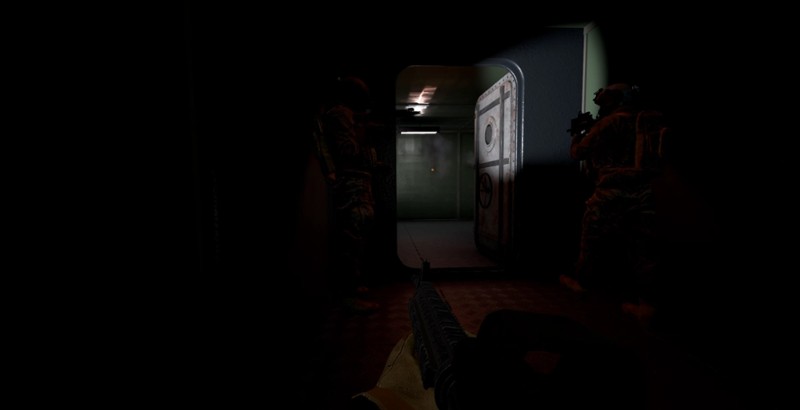
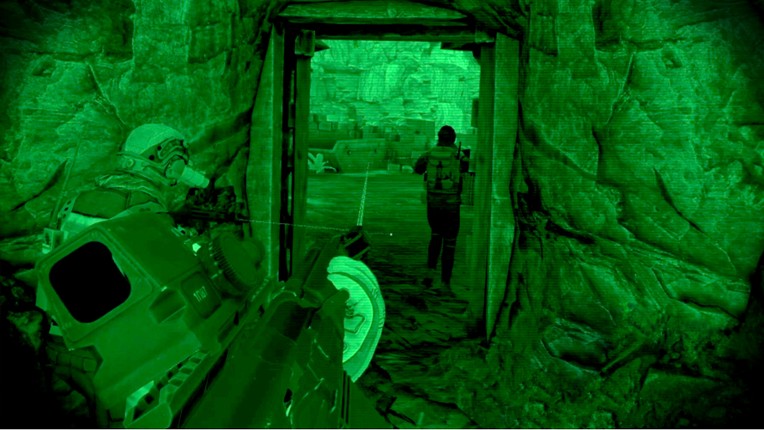
- 55%Game Brain ScoreMost mentioned positive aspects:gameplay, storyMost mentioned negative aspects:optimization, stability55% User Score 8,658 reviews
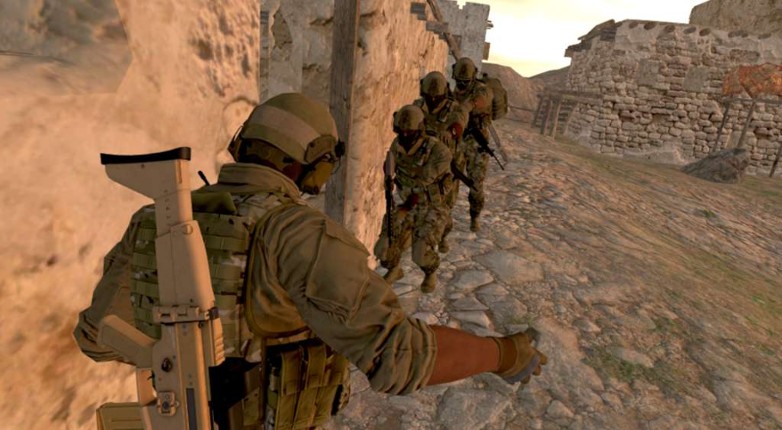
Locking down a route, clearing corners, and surviving one mistake at a time is the core rhythm Ready or Not fans will recognize in No More Room in Hell 2. Both games reward tight communication, patience, and a squad that moves with purpose instead of rushing headlong into danger.
The overlap goes beyond tension: first-person teamwork, limited breathing room, and deadly encounters force you to read space carefully and coordinate every push. That creates the same pressure-cooker feel, where success comes from discipline and not from spraying bullets or improvising recklessly. Ready or Not players who like methodical co-op will feel right at home here.
The big tradeoff is the enemy side: zombies replace tactical suspects, shifting the challenge from rules of engagement to constant attrition and crowd control. That fresh angle gives the formula a survival-horror edge, while still scratching the same teamwork-focused itch. It also speaks directly to a common Ready or Not complaint—its grind can feel tedious—because NMRIH2 leans into shorter, harsher, more desperate runs.
Best for players who want squad coordination under relentless pressure.
If you enjoyed this game, see our list of games similar to No More Room in Hell 2.View Game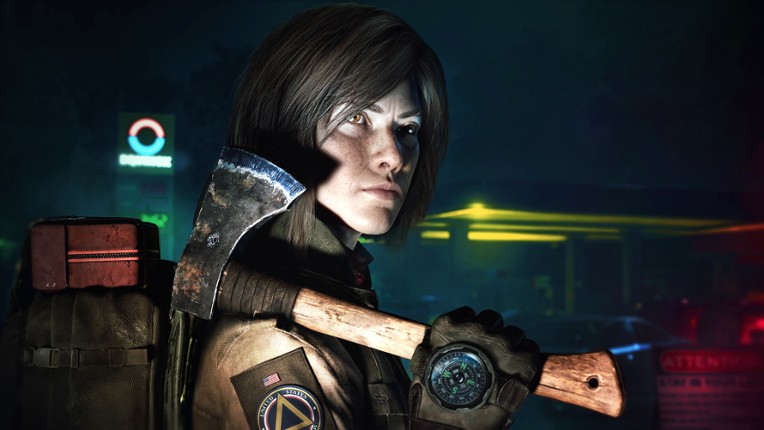
- 80%Game Brain ScoreMost mentioned positive aspects:story, gameplayMost mentioned negative aspects:stability, optimization80% User Score 10,079 reviews
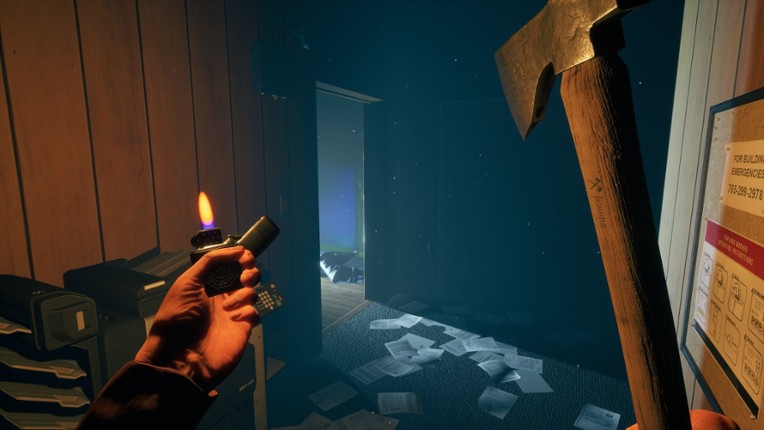
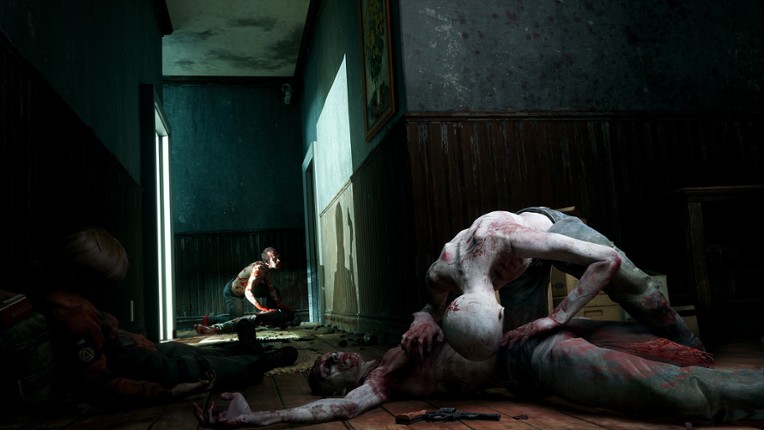
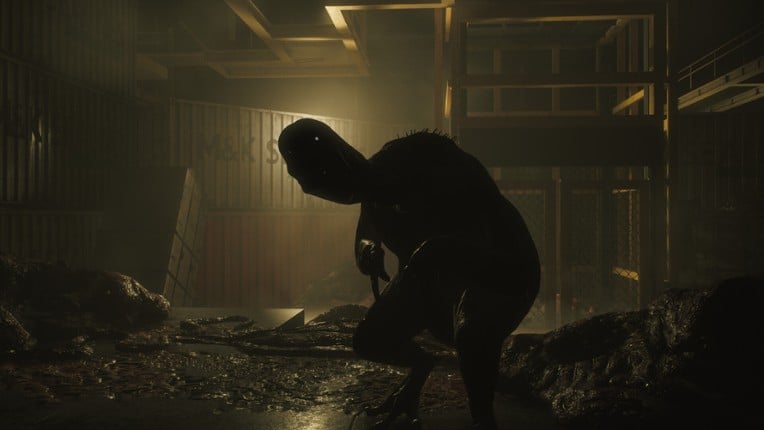
The tense, door-to-door room clearing that defines Ready or Not finds a paranormal sibling in SCP: 5K. Both titles demand calculated movement where one wrong peek results in instant failure. This shared reliance on deliberate pacing ensures every trigger pull feels consequential.
Intricate gun customization systems require you to balance ergonomics with stopping power, making pre-mission planning as vital as the execution. This forces your squad to specialize loadouts for specific engagement ranges, mirroring the tactical depth of high-stakes police raids. The realistic first-person perspective further heightens the dread of every unknown corner.
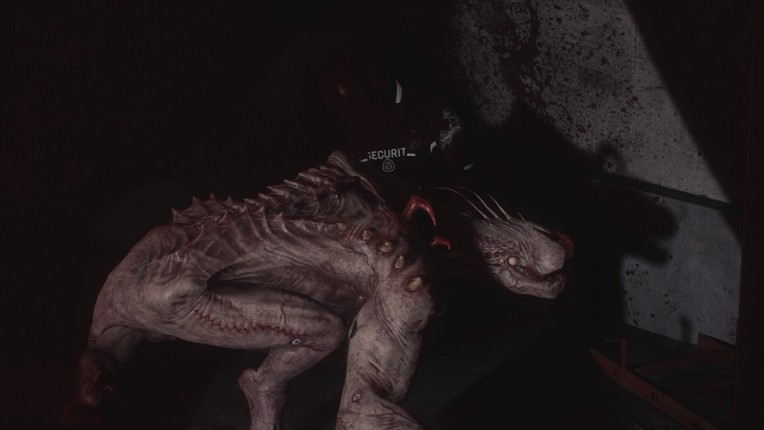
SCP: 5K pivots into a lore-rich conspiracy that provides the narrative weight some fans find lacking in recent civilian-focused updates. This supernatural angle offers a fresh shift toward psychological horror without sacrificing mechanical realism.
Best for tactical purists who want to see their hard-won CQB skills applied to a darker, more experimental world.
If you enjoyed this game, see our list of games similar to SCP: 5K.View Game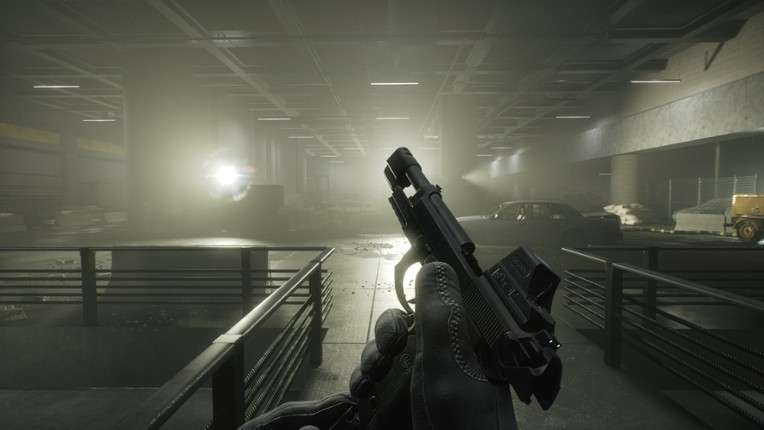
- 81%Game Brain ScoreMost mentioned positive aspects:story, gameplayMost mentioned negative aspects:stability, optimization80% User Score 1,036,310 reviewsCritic Score 82%48 reviews
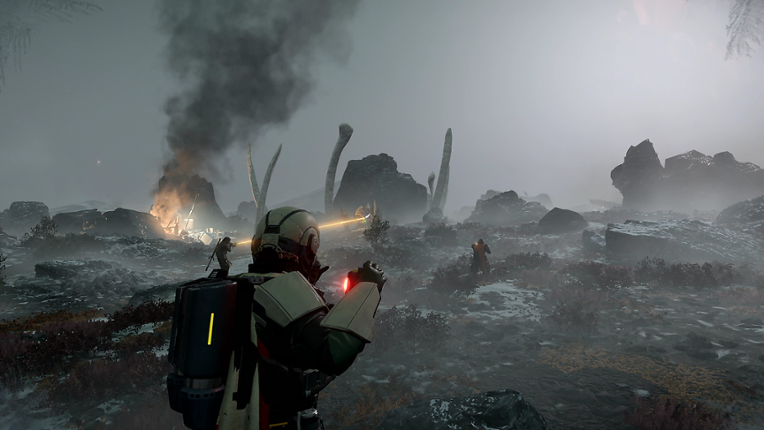
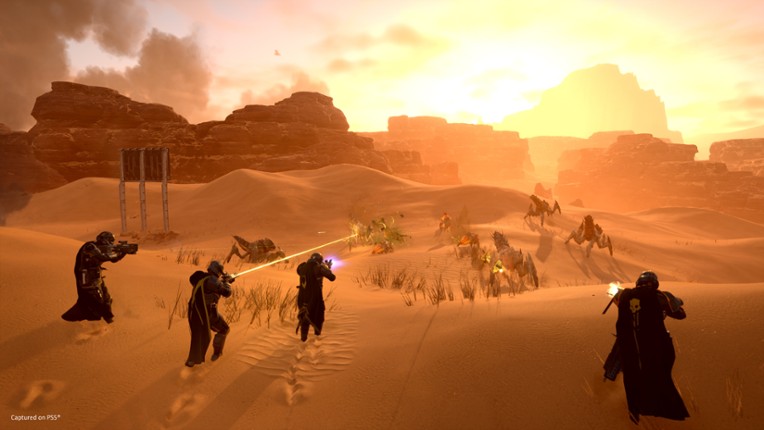
Both games demand teamwork as a survival requirement, not a suggestion. In Ready or Not, a single miscommunication can mean a mission failure; HELLDIVERS 2 mirrors this with squad-wide consequences where no hero plays alone.
The psychological tension carries over remarkably well. Ready or Not builds dread through realistic scenarios; HELLDIVERS 2 achieves something similar in its dark sci-fi setting where bugs and bots create genuine panic. Both games reward patience over aggression, making every successful mission feel earned.
The tradeoff: Ready or Not grounds you in gritty modern realism while HELLDIVERS 2 throws you into over-the-top sci-fi satire. If you want the same deliberate, co-op intensity without the crime-thriller aesthetic, this shift feels refreshing rather than hollow.
Best for players who prioritize squad coordination and atmospheric tension over realistic gunplay. If you enjoyed the planning phase and squad debriefs in Ready or Not, you'll find that same strategic heartbeat in HELLDIVERS 2. If you enjoyed this game, see our list of games similar to HELLDIVERS 2.
View Game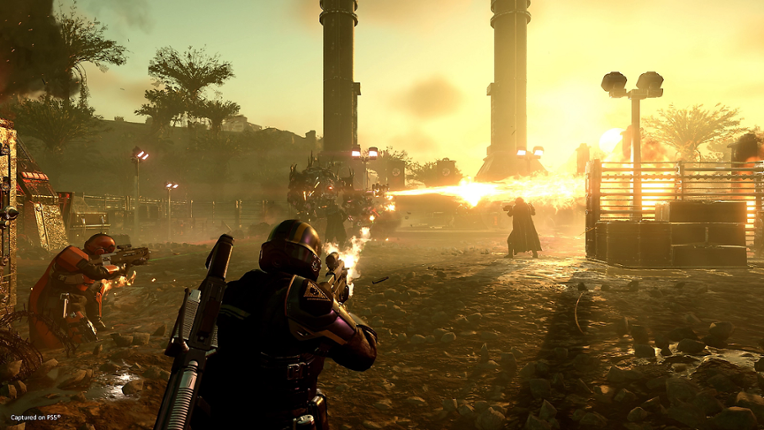
- 84%Game Brain ScoreMost mentioned positive aspects:story, gameplayMost mentioned negative aspects:optimization, stability84% User Score 10,811 reviews
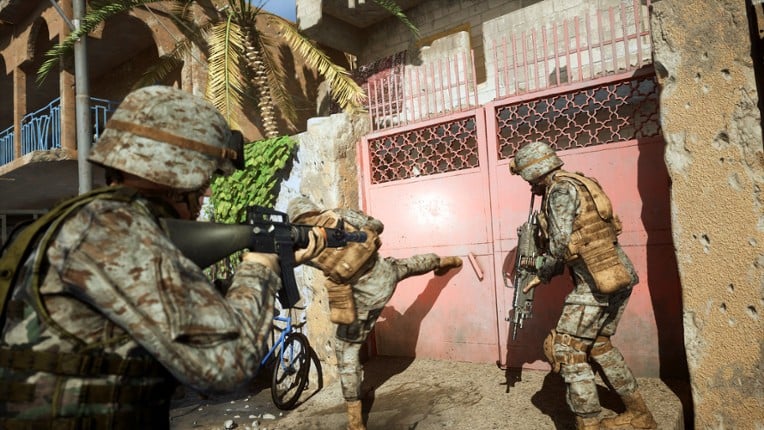
That slow-breach tension — where every doorway is a potential ambush and rushing gets you killed — is the connective tissue between these two games. Six Days in Fallujah demands the same deliberate, room-by-room discipline that Ready or Not players have trained themselves to respect.
Both games lean hard on realistic first-person co-op tactics, where communication and positioning matter more than reflexes. The sound design in Six Days carries the same weight — gunfire feels consequential, not cinematic, which is exactly why the tension in Ready or Not hits so hard. That shared philosophy of "every mistake has a cost" creates the same stomach-drop feeling when a plan unravels.
Where Six Days diverges is its procedurally generated maps, meaning no two runs through a building play out identically — a meaningful contrast to Ready or Not's fixed layouts. If the grinding repetition in Ready or Not has worn on you, that unpredictability offers a genuine structural refresh.
Best for players who want their tactical patience tested by environments that actively resist memorization.
If you enjoyed this game, see our list of games similar to Six Days in Fallujah.View Game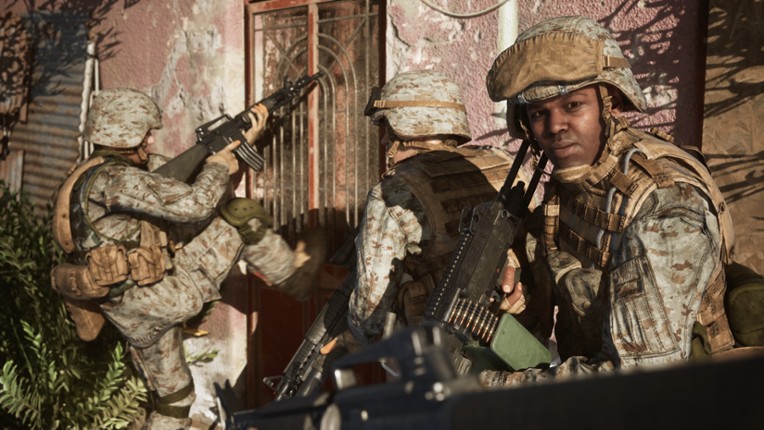
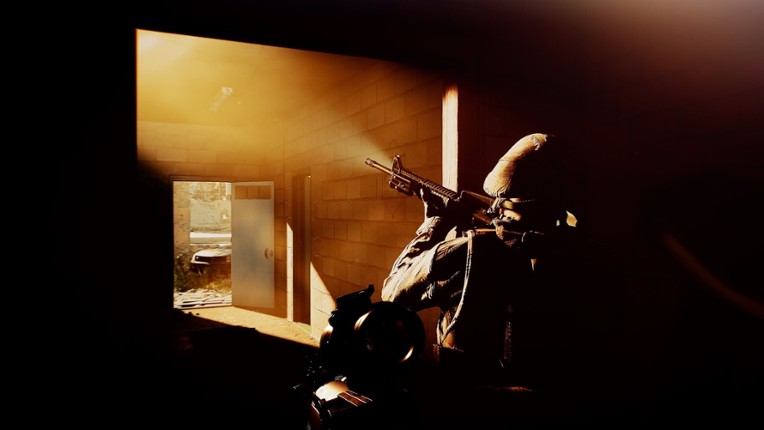
- 80%Game Brain ScoreMost mentioned positive aspects:gameplay, storyMost mentioned negative aspects:stability, optimization80% User Score 31,492 reviews
Zero Hour replicates the high-stakes CQC precision found in Ready or Not, demanding the same calculated room-clearing and deliberate tactical movement. This shared emphasis on lethal efficiency matters because it forces players to prioritize communication over individual reflex.
The primary tradeoff is technical polish; while Ready or Not offers superior production values, Zero Hour provides a more stripped-back, budget-focused interpretation of the genre. You trade high-fidelity environmental storytelling for a leaner, more raw tactical simulation.
Pick this up if you want unforgiving SWAT-style gameplay but can live without the visual luster and polished performance of a triple-A studio release.
If you enjoyed this game, see our list of games similar to Zero Hour.View Game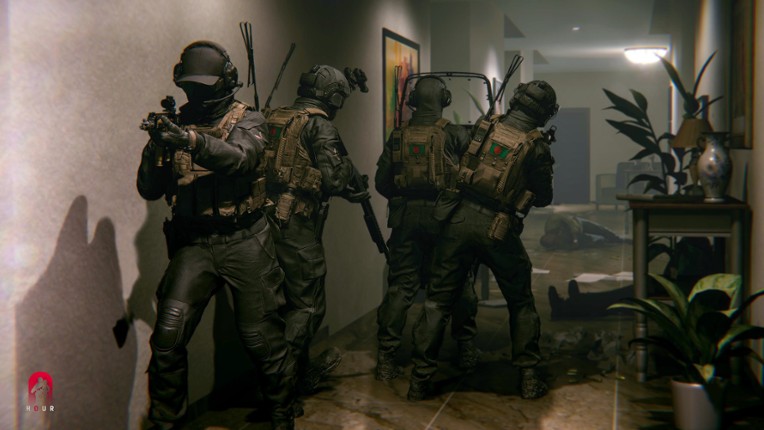
- 75%Game Brain ScoreMost mentioned positive aspects:story, graphicsMost mentioned negative aspects:stability, optimization75% User Score 3,159 reviews
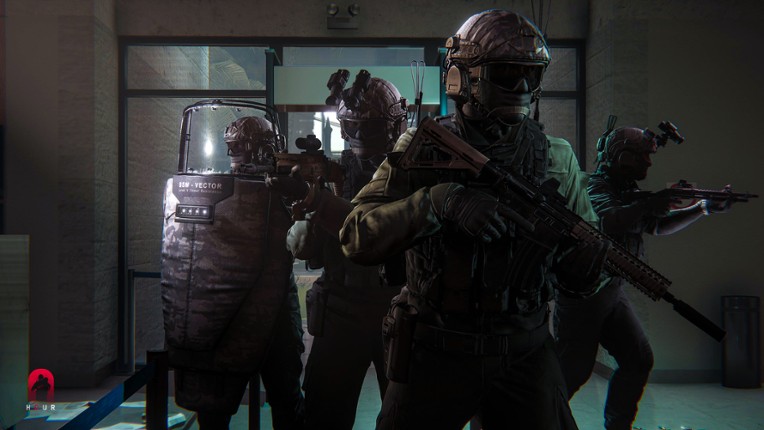
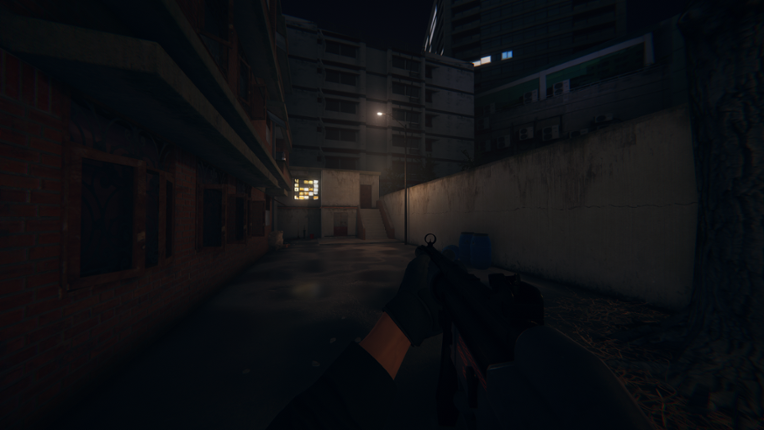
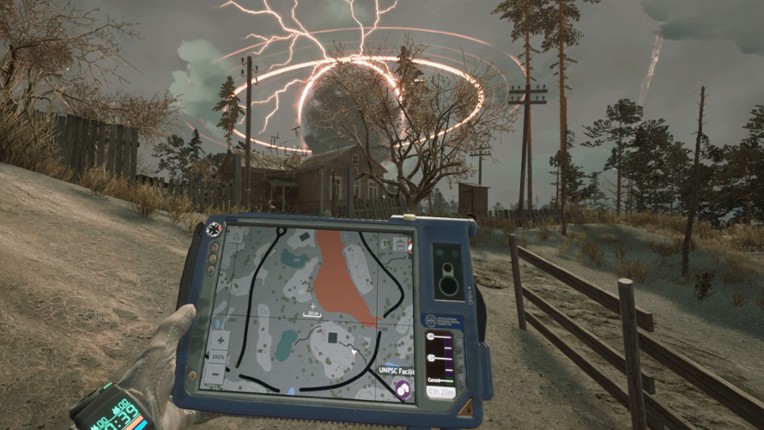
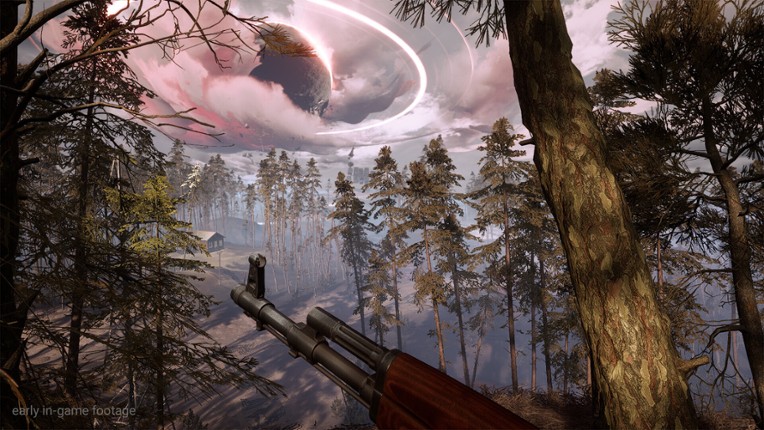
Both Ready or Not and Into the Radius 2 heavily emphasize psychological horror fused with realistic gun customization, delivering tension through deliberate combat and atmospheric pressure.
They also share a strong co-op focus, crucial for navigating each game's high-stakes scenarios with teamwork and strategy.
However, Into the Radius 2 sacrifices stability and feature depth—riddled with bugs and missing key systems like melee combat—while Ready or Not faces performance issues but offers more polished gameplay and narrative weight.
Choose Into the Radius 2 if you want a post-apocalyptic setting with innovative inventory management and can tolerate technical rough edges; stick with Ready or Not for a tighter, more consistent tactical shooter experience grounded in modern law enforcement realism.
If you enjoyed this game, see our list of games similar to Into the Radius 2.View Game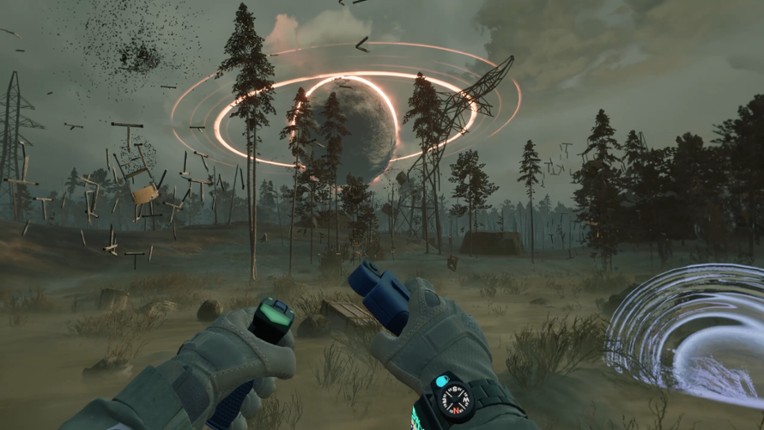
- 76%Game Brain ScoreMost mentioned positive aspects:gameplay, graphicsMost mentioned negative aspects:optimization, stability77% User Score 168,177 reviewsCritic Score 76%24 reviews
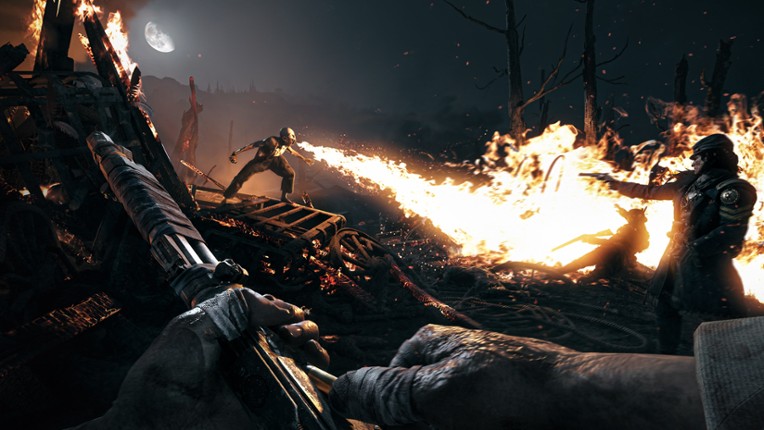
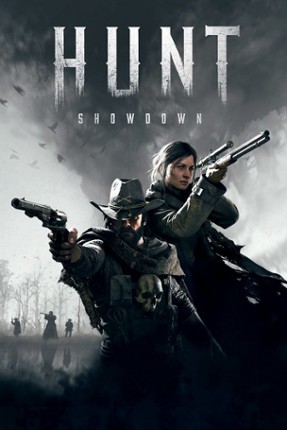
Both Hunt: Showdown and Ready or Not anchor their horror on first-person tactical combat where every encounter demands patience, sound management, and tight team coordination. Both reward methodical playstyles that punish reckless aggression.
Where Hunt diverges is its extraction shooter framework with PvP elements, introducing permanent death and risk-versus-reward progression that Ready or Not sidesteps entirely. The tradeoff: Hunt delivers relentless tension through survival mechanics, but aggressive monetization and tedious grinding can wear thin.
Pick this up if you want horror shooter atmosphere and cooperative tension but can live without simulation depth and linear campaigns.
If you enjoyed this game, see our list of games similar to Hunt: Showdown.View Game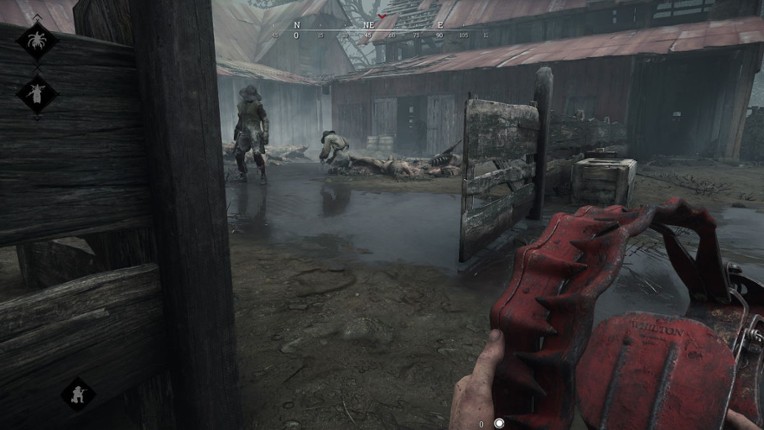
- 51%Game Brain ScoreMost mentioned positive aspects:gameplay, storyMost mentioned negative aspects:grinding, optimization43% User Score 40,352 reviewsCritic Score 66%5 reviews
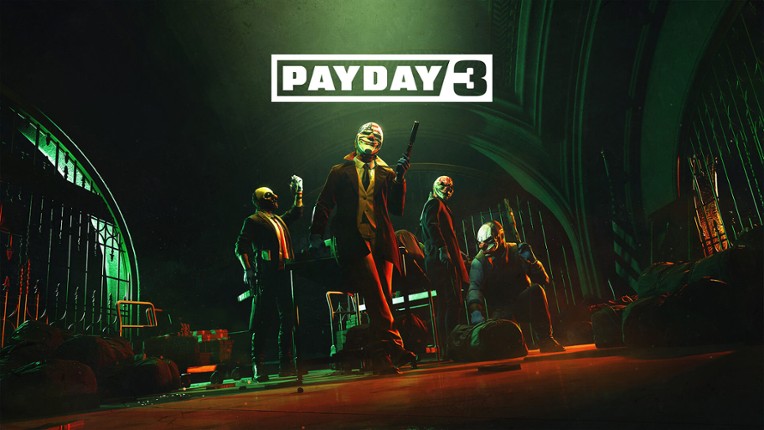
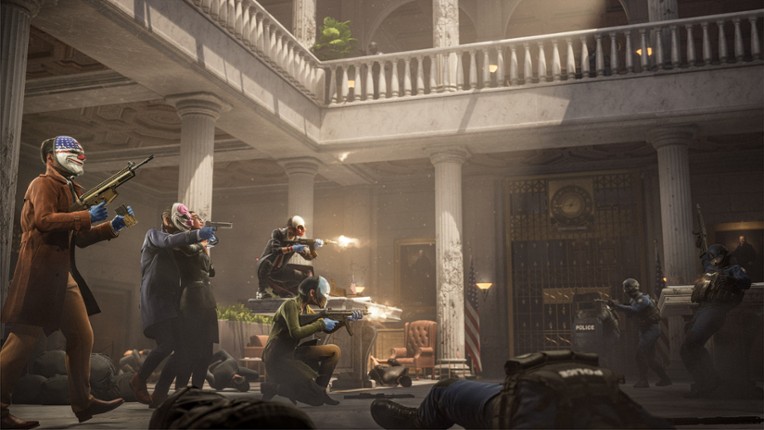
Both games anchor themselves in co-op heist gameplay with tactical depth—you're coordinating with teammates through deliberate, high-stakes scenarios. The shared emphasis on gun customization and realistic first-person combat means familiar loadout systems and weapon handling.
The critical difference: Ready or Not trades PAYDAY 3's dark humor and stylized chaos for relentless psychological tension and immersion. PAYDAY leans into absurdist heist fantasy; Ready or Not commits to grim realism.
Pick PAYDAY 3 if you want co-op crime gameplay with personality and levity, but can tolerate looser atmosphere and aggressive monetization pressures that Ready or Not avoids.
If you enjoyed this game, see our list of games similar to PAYDAY 3.View Game
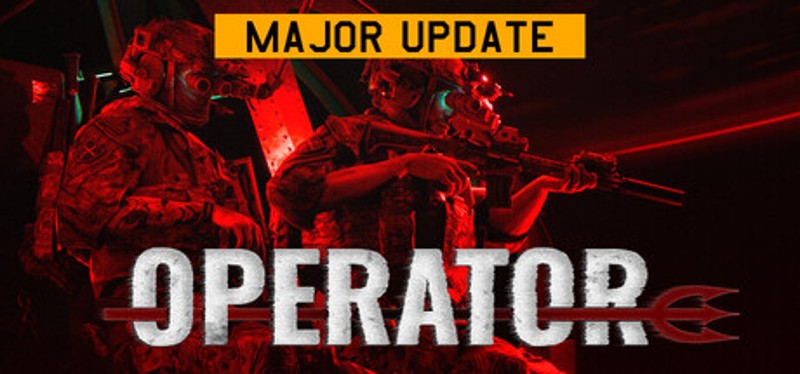
- 85%Game Brain ScoreMost mentioned positive aspects:gameplay, storyMost mentioned negative aspects:optimization, stability85% User Score 4,119 reviews
The primary bridge between these titles is granular weapon modification, which demands that you fine-tune your loadout to match specific environmental threats. This is bolstered by a shared hard-boiled tactical focus, ensuring every movement across the map is deliberate and punishing.
While Ready or Not delivers a polished, atmospheric police simulation, OPERATOR leans into a raw, Early Access military sandbox. You sacrifice the refined pacing and narrative polish of a SWAT raid for the freedom of a developing tactical shooter.
Pick this up if you prioritize detailed firearms engineering and community-driven development, but can live with inconsistent AI and a limited map pool.
If you enjoyed this game, see our list of games similar to OPERATOR.View Game
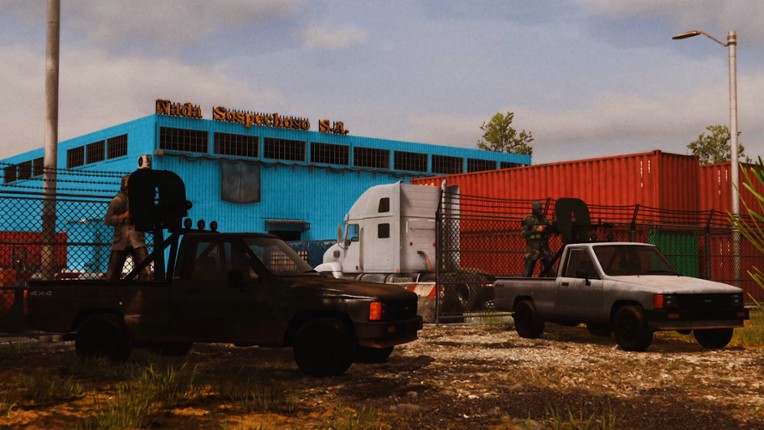
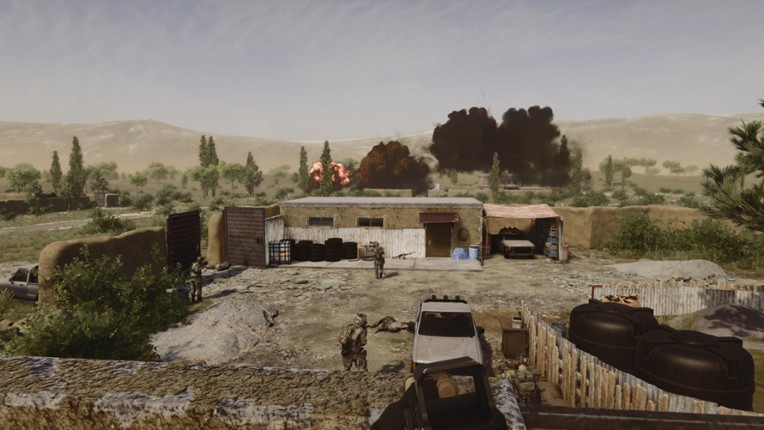
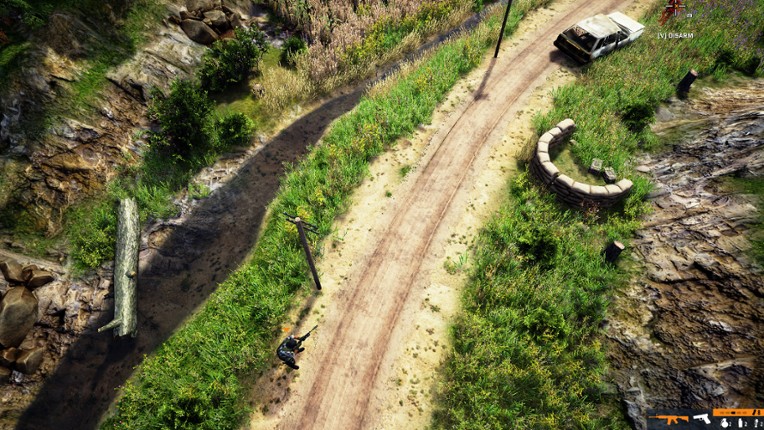
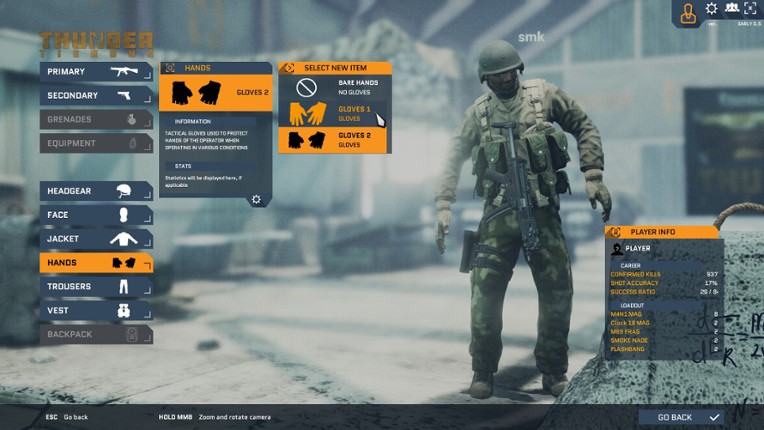
- 67%Game Brain ScoreMost mentioned positive aspects:story, gameplayMost mentioned negative aspects:replayability, stability70% User Score 2,046 reviewsCritic Score 58%3 reviewsFree-to-play military shooter that trades Ready or Not's dark urban grit for brighter, more arcadey special ops missions. If you enjoyed this game, see our list of games similar to Thunder Tier One.View Game
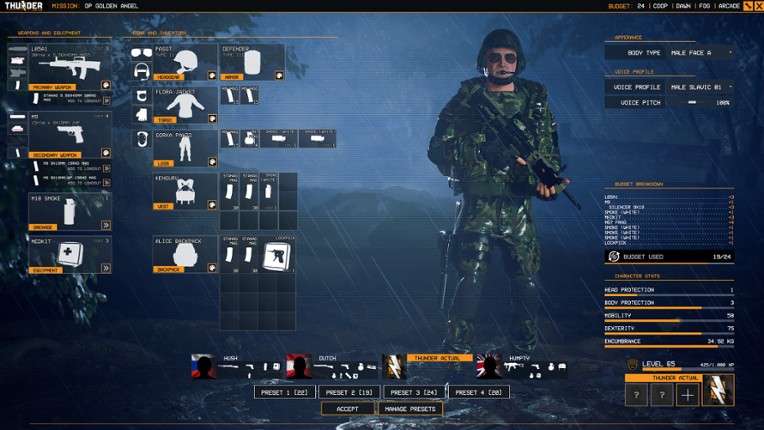
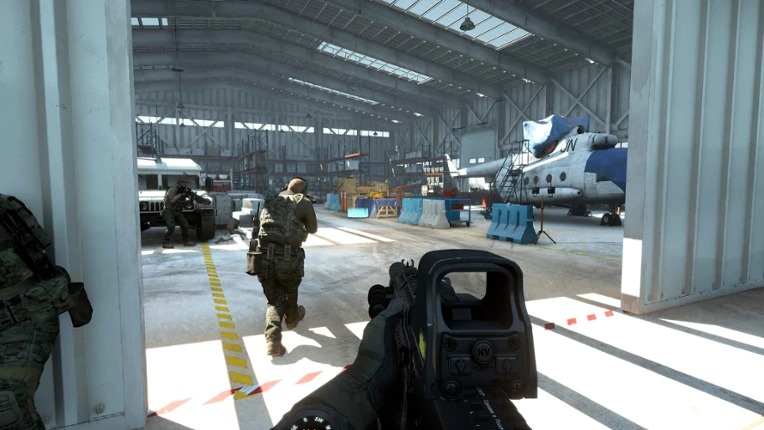
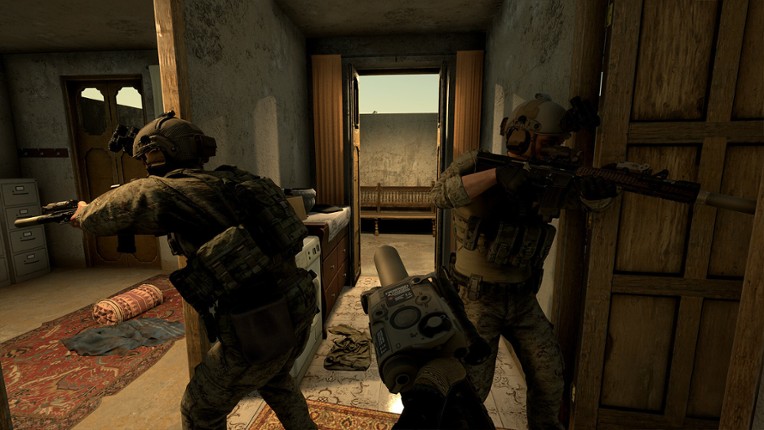
- 89%Game Brain ScoreMost mentioned positive aspects:gameplay, storyMost mentioned negative aspects:optimization, stability89% User Score 15,709 reviewsStripped-down milsim that emphasizes extensive gun customization and atmospheric tension over narrative storytelling. If you enjoyed this game, see our list of games similar to GROUND BRANCH.View Game
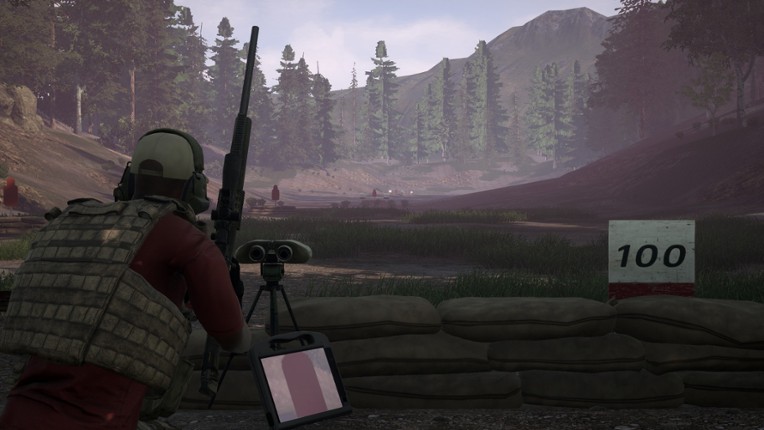
13 View GameView Game70%Game Brain ScoreMost mentioned positive aspects:gameplay, graphicsMost mentioned negative aspects:stability, monetization70% User Score 18,713 reviewsCritic Score 68%2 reviewsMassive military sandbox that prioritizes large-scale terrain simulation over Ready or Not's tight urban tactical operations. If you enjoyed this game, see our list of games similar to Arma Reforger (PC) - Steam Key - CIS.14 View Game
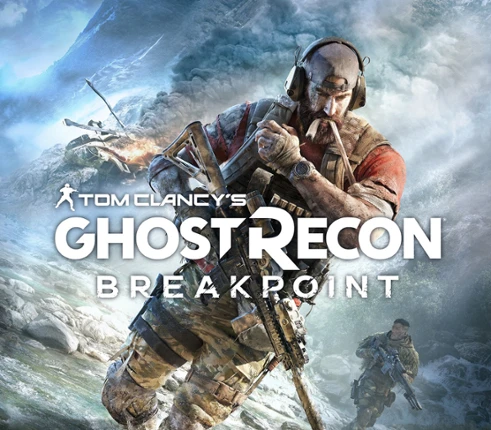
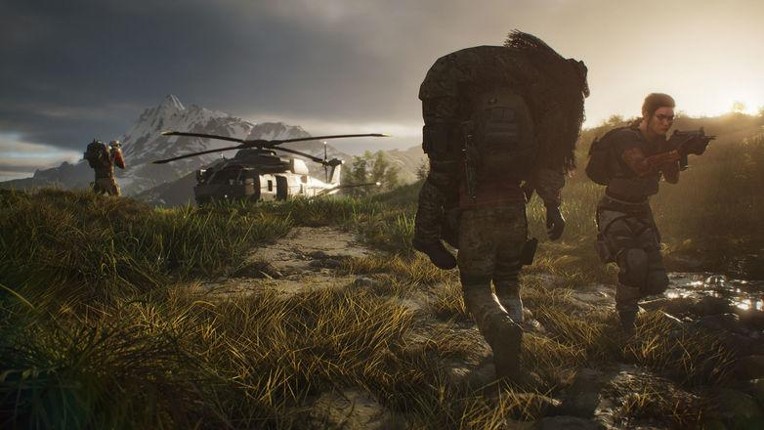 61%Game Brain ScoreMost mentioned positive aspects:story, gameplayMost mentioned negative aspects:stability, optimization73% User Score 17,870 reviewsCritic Score 48%9 reviewsThird-person shooter that layers RPG progression and open-world exploration onto its military framework. If you enjoyed this game, see our list of games similar to Tom Clancy's Ghost Recon Breakpoint.View Game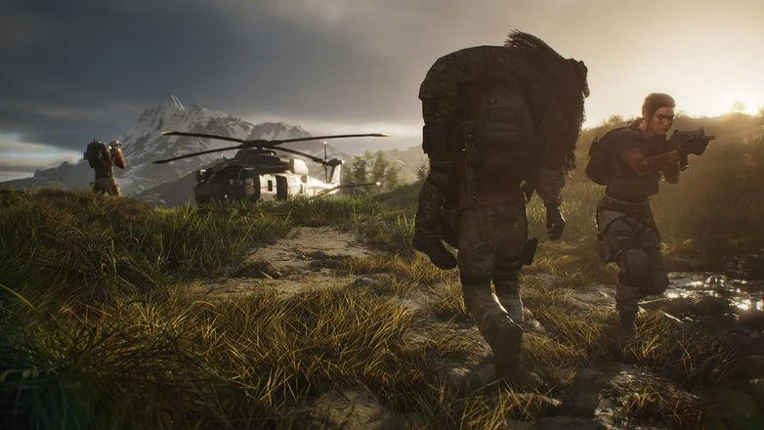
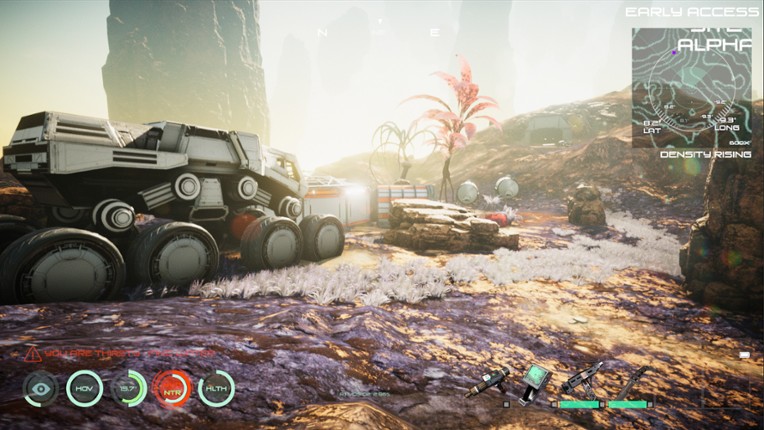
- 53%Game Brain ScoreMost mentioned positive aspects:story, graphicsMost mentioned negative aspects:stability, grinding53% User Score 15,950 reviewsSci-fi survival game that replaces modern crime scenarios with alien exploration and base-building mechanics. If you enjoyed this game, see our list of games similar to Osiris: New Dawn.View Game
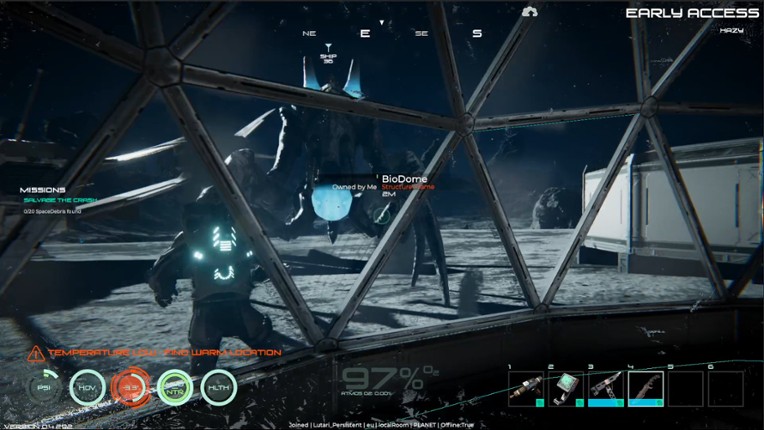

- 81%Game Brain ScoreMost mentioned positive aspects:story, gameplayMost mentioned negative aspects:stability, optimization81% User Score 15,836 reviewsReal-time hybrid that blends tactical shooter combat with strategic command elements in faster-paced battles. If you enjoyed this game, see our list of games similar to Call to Arms.View Game
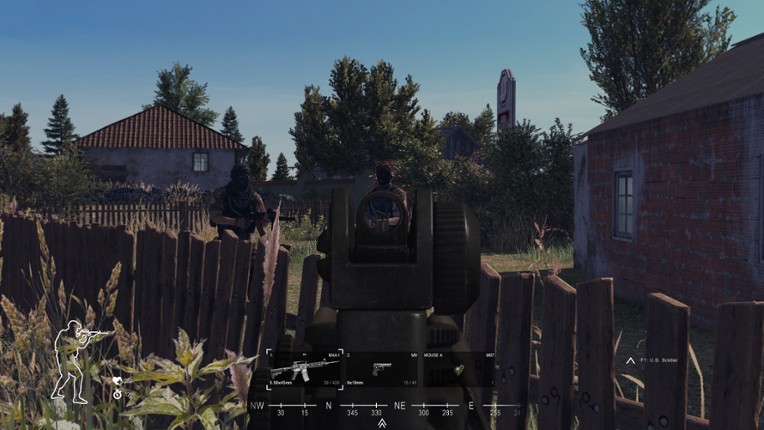

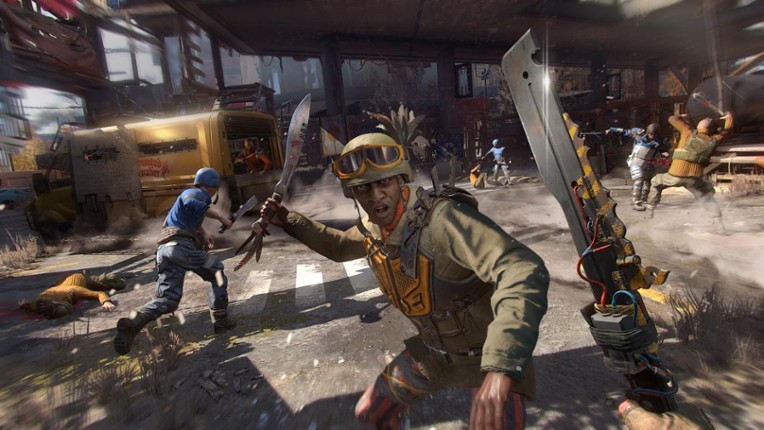
17 View Game 78%Game Brain ScoreMost mentioned positive aspects:story, gameplayMost mentioned negative aspects:stability, optimization78% User Score 82,755 reviewsCritic Score 80%3 reviewsParkour-driven zombie survival game that swaps human threats for infected hordes and post-apocalyptic exploration. If you enjoyed this game, see our list of games similar to Dying Light 2 Stay Human.View Game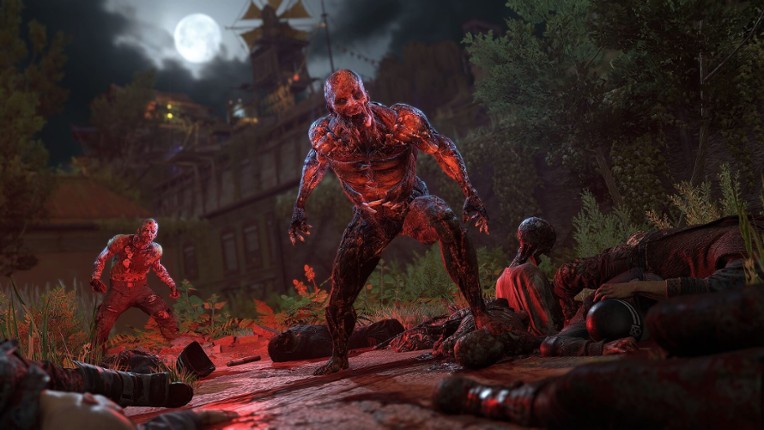
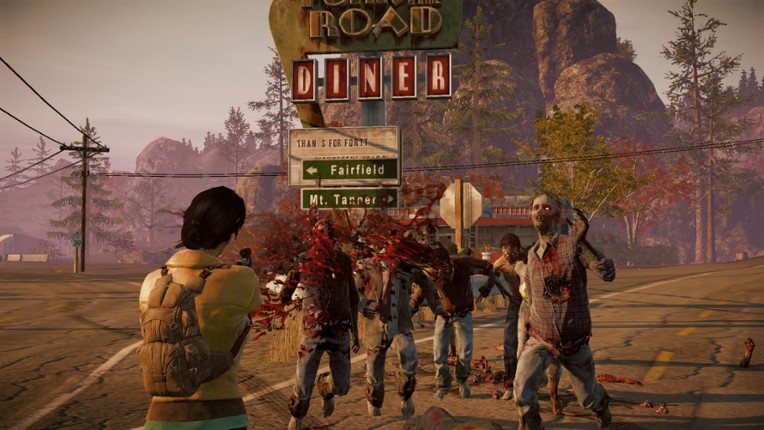
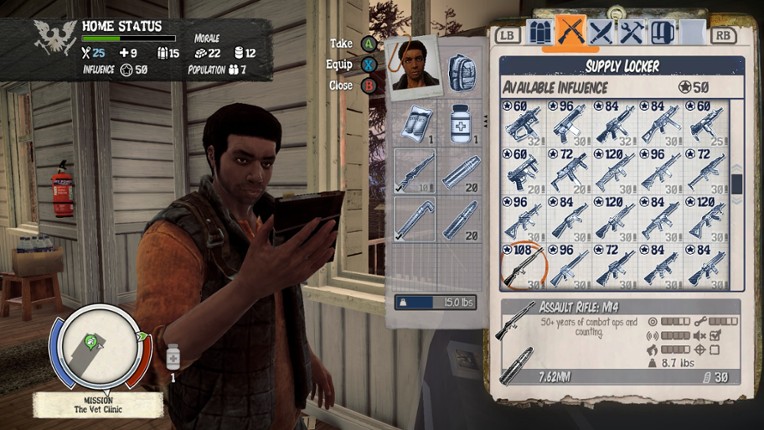
- 78%Game Brain ScoreMost mentioned positive aspects:story, gameplayMost mentioned negative aspects:stability, optimization78% User Score 8,408 reviewsIsometric zombie survival experience centered on base management and community building rather than tactical gunfights. If you enjoyed this game, see our list of games similar to State of Decay: YOSE.View Game
- 36%Game Brain ScoreMost mentioned positive aspects:gameplay, humorMost mentioned negative aspects:story, graphics36% User Score 3,786 reviewsCritic Score 35%2 reviewsPunishingly difficult tactical shooter where extreme challenge becomes the source of darkly comedic frustration. If you enjoyed this game, see our list of games similar to Takedown: Red Sabre.View Game
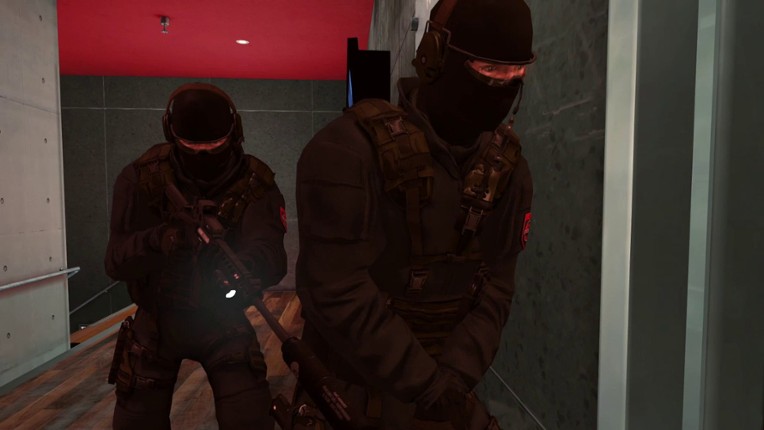

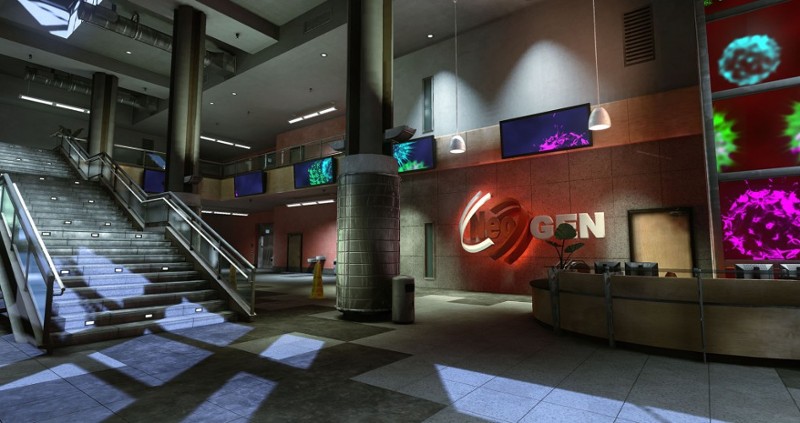
- 61%Game Brain ScoreMost mentioned positive aspects:gameplay, storyMost mentioned negative aspects:optimization, stability61% User Score 11,570 reviewsHardcore extraction shooter where death means losing everything, creating punishing stakes far beyond Ready or Not's permadeath. If you enjoyed this game, see our list of games similar to Escape from Tarkov.View Game
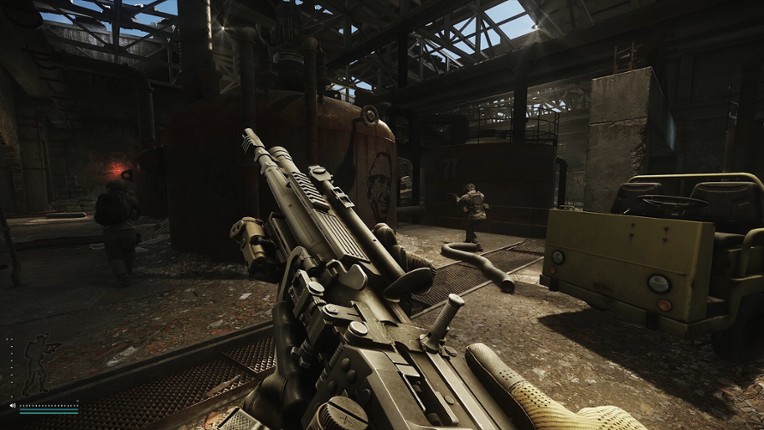
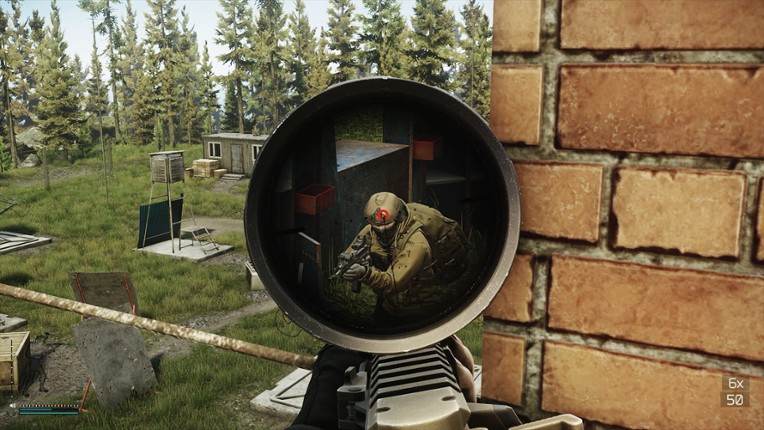
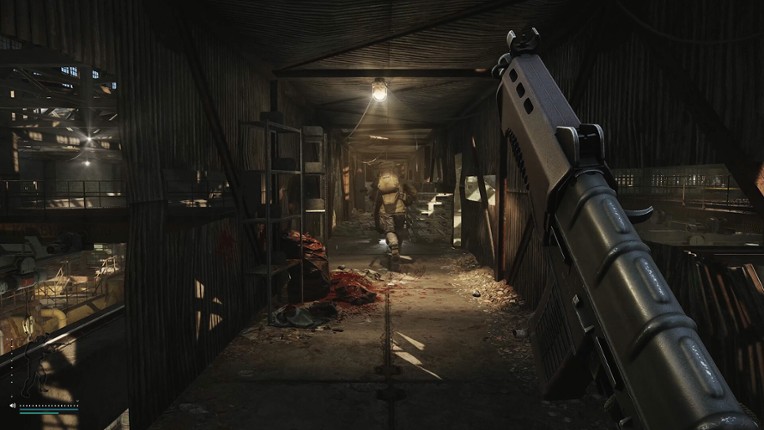
- 75%Game Brain ScoreMost mentioned positive aspects:gameplay, storyMost mentioned negative aspects:optimization, stability75% User Score 20,744 reviewsPost-apocalyptic squad shooter that softens Ready or Not's crime-procedural focus for dystopian survival, keeping tactical co-op intensity intact. If you enjoyed this game, see our list of games similar to The Forever Winter.View Game
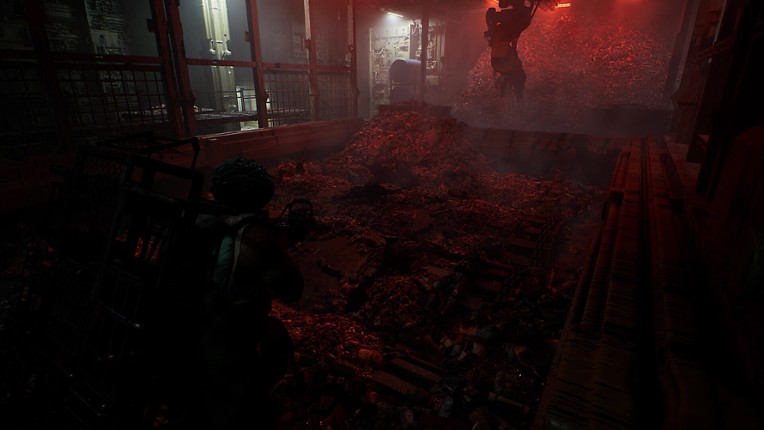
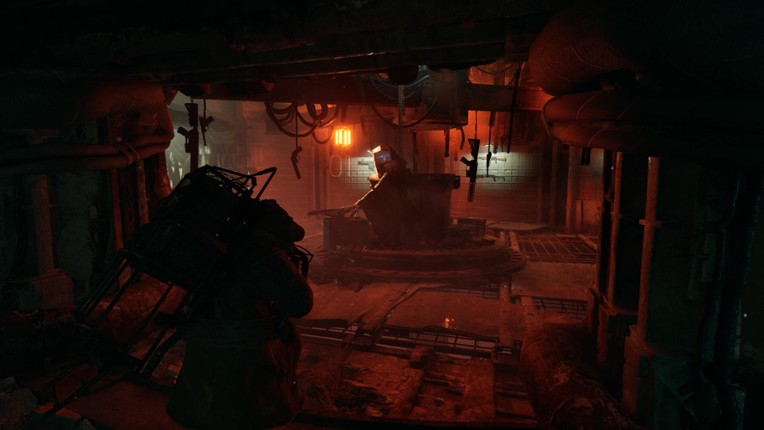
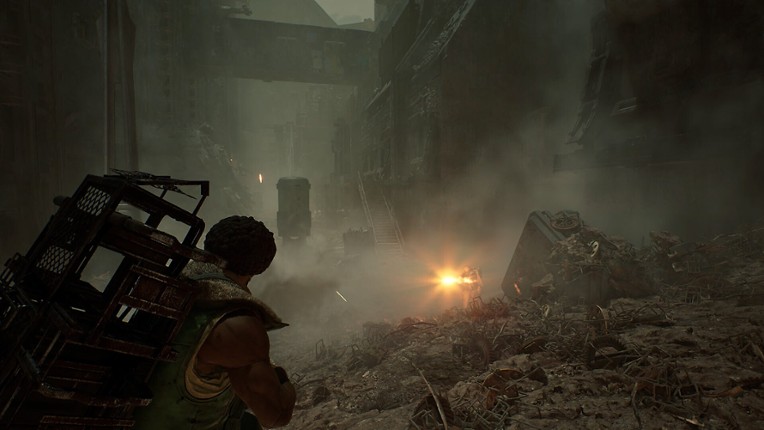
- 81%Game Brain ScoreMost mentioned positive aspects:story, gameplayMost mentioned negative aspects:optimization, stability81% User Score 239 reviewsDistills Ready or Not's SWAT formula into a leaner, early-access tactical shooter with identical first-person intensity but less narrative weight. If you enjoyed this game, see our list of games similar to SWAT Commander.View Game
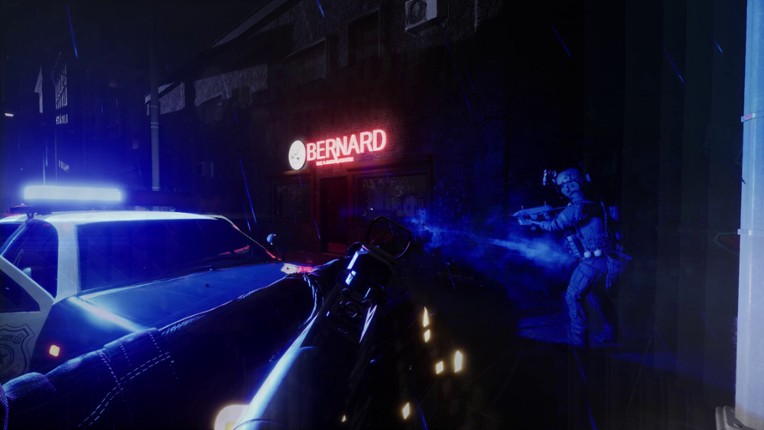
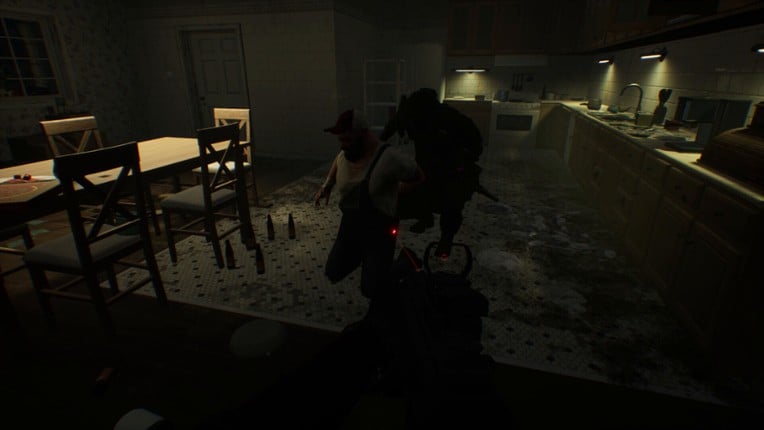
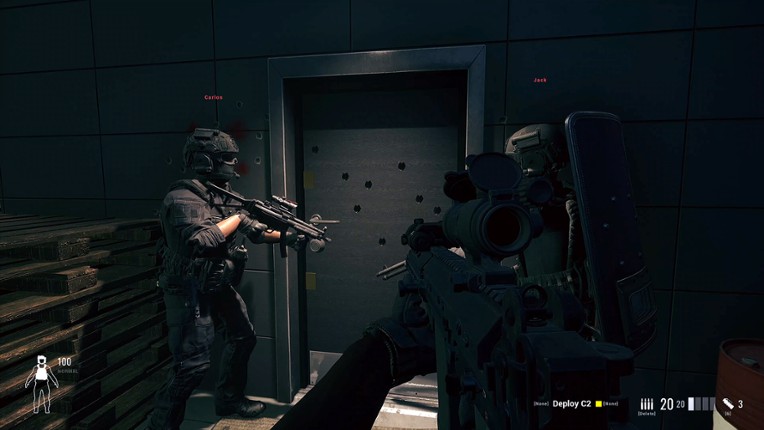
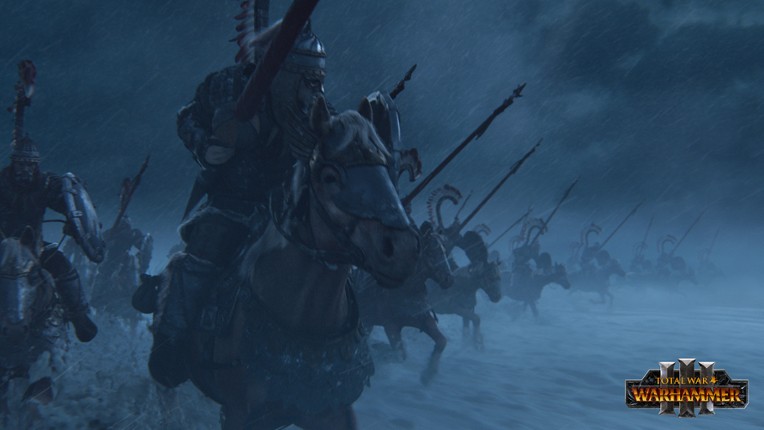
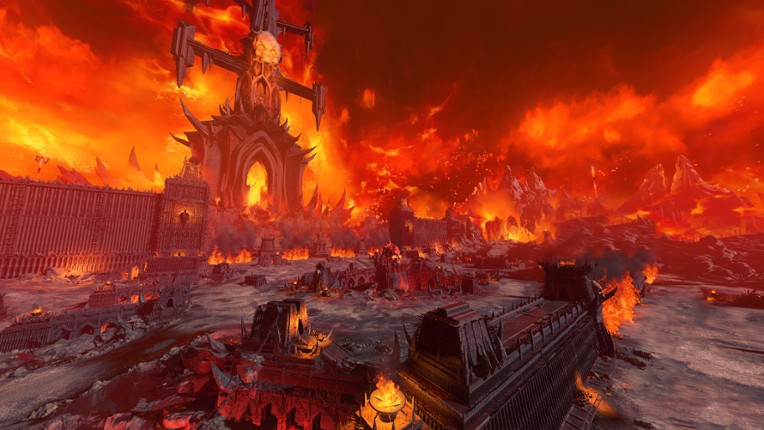
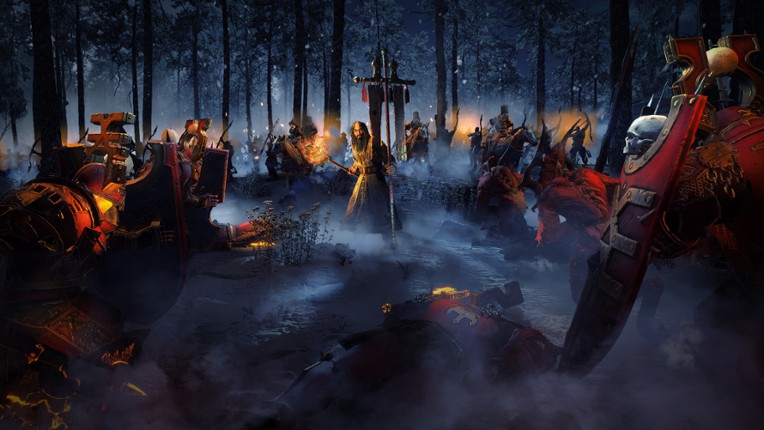
- 76%Game Brain ScoreMost mentioned positive aspects:gameplay, graphicsMost mentioned negative aspects:optimization, stability69% User Score 82,158 reviewsCritic Score 83%23 reviewsReplaces Ready or Not's minute-to-minute tension with grand-strategy decision-making; co-op and teamwork remain, but on an army-commanding scale. If you enjoyed this game, see our list of games similar to Total War: WARHAMMER III.View Game
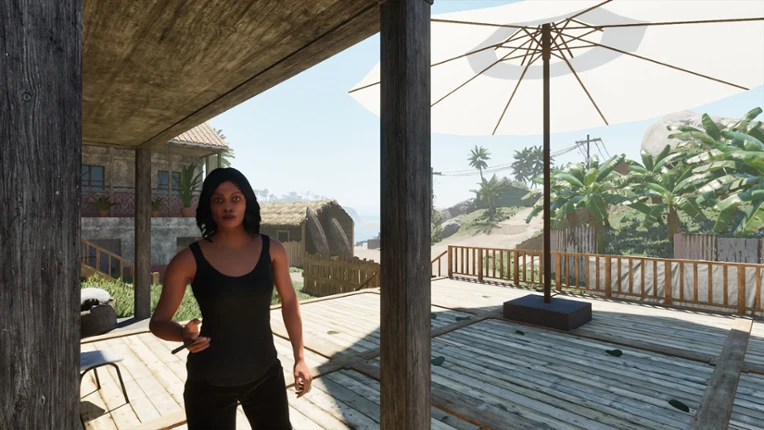
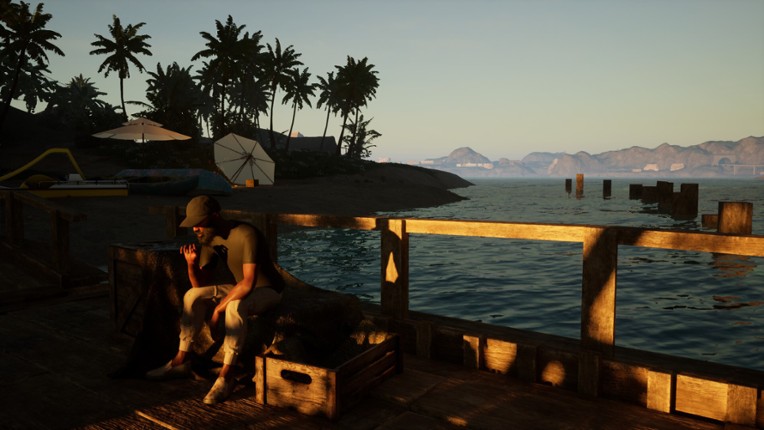
- 68%Game Brain ScoreMost mentioned positive aspects:gameplay, storyMost mentioned negative aspects:stability, optimization68% User Score 3,940 reviewsShares Ready or Not's crime-world first-person atmosphere and co-op campaign structure but pivots toward resource management and survival simulation. If you enjoyed this game, see our list of games similar to Drug Dealer Simulator 2.View Game
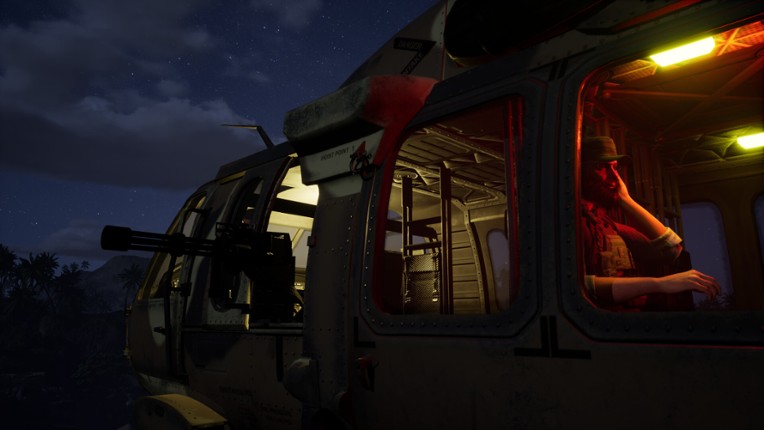
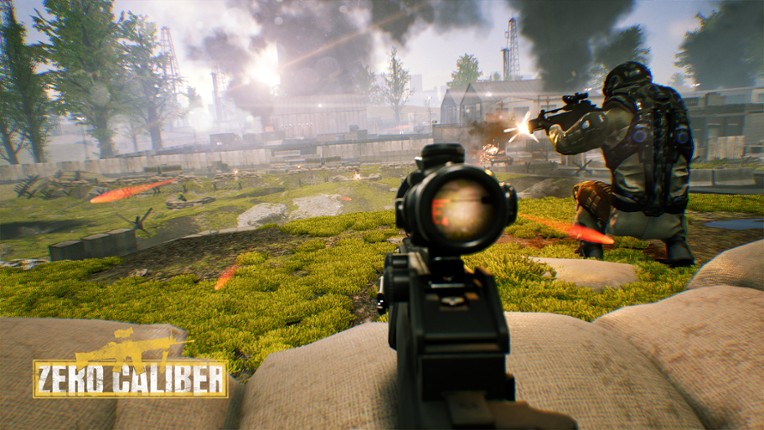
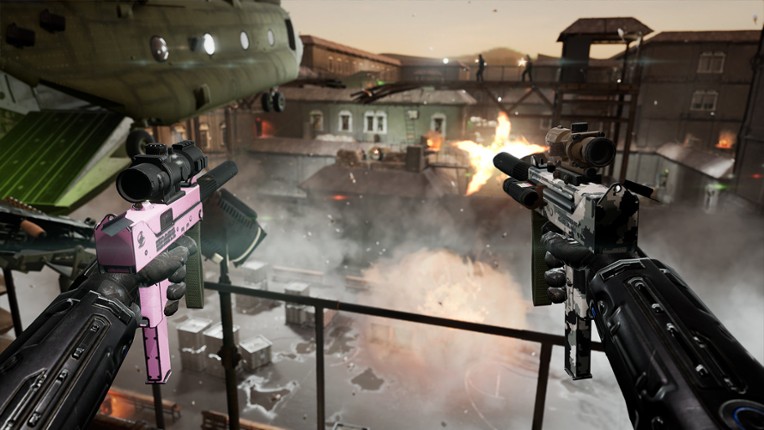
- 79%Game Brain ScoreMost mentioned positive aspects:story, gameplayMost mentioned negative aspects:optimization, stability79% User Score 5,734 reviewsVR-exclusive take on Ready or Not's gunplay and military co-op, trading procedural raid tension for arcade-leaning multiplayer gunfights. If you enjoyed this game, see our list of games similar to Zero Caliber VR.View Game
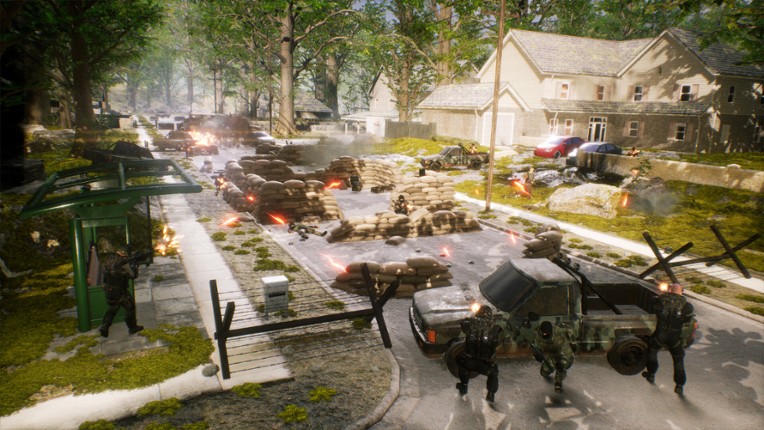
- 68%Game Brain ScoreMost mentioned positive aspects:gameplay, humorMost mentioned negative aspects:graphics, optimization68% User Score 2,810 reviewsTransplants Ready or Not's crime-world co-op into a physics-driven, 1980s-set multiplayer sandbox; realism yields to comedic chaos and roleplay. If you enjoyed this game, see our list of games similar to Sub Rosa.View Game
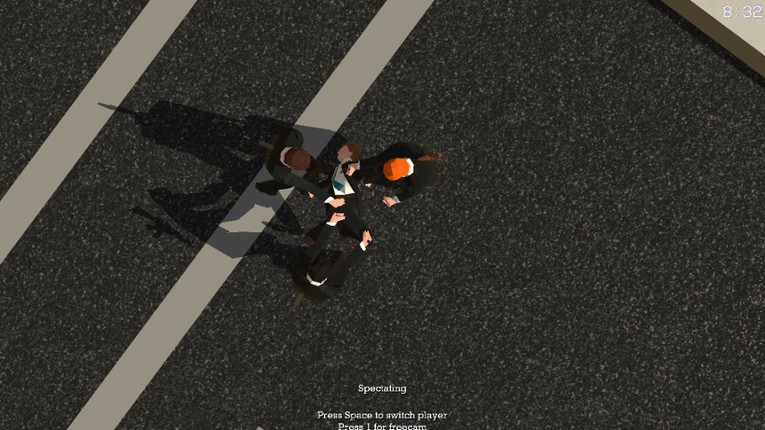
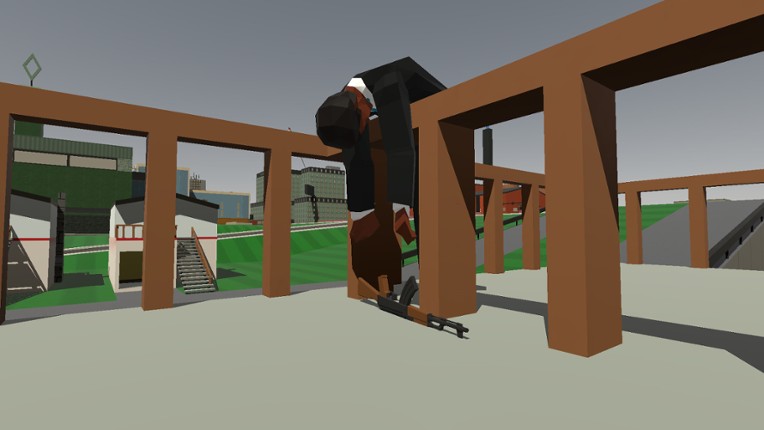
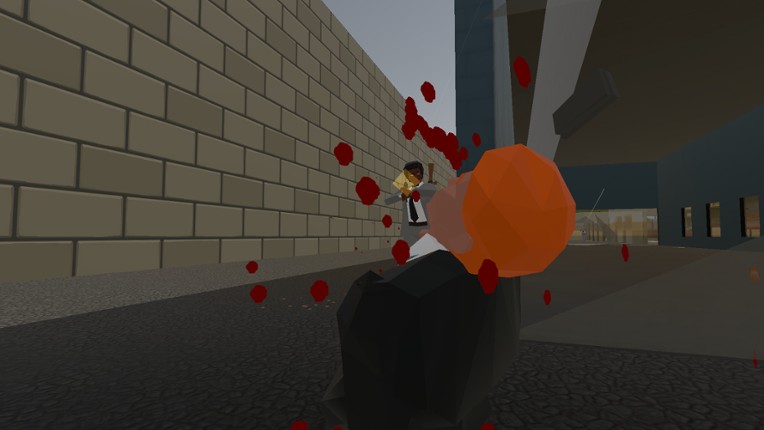
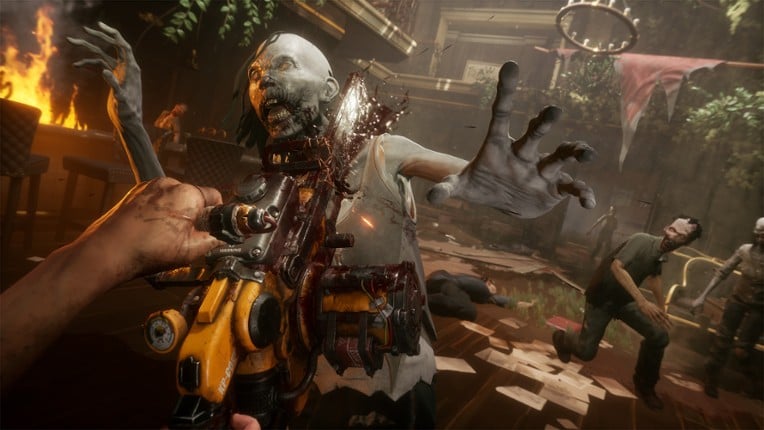
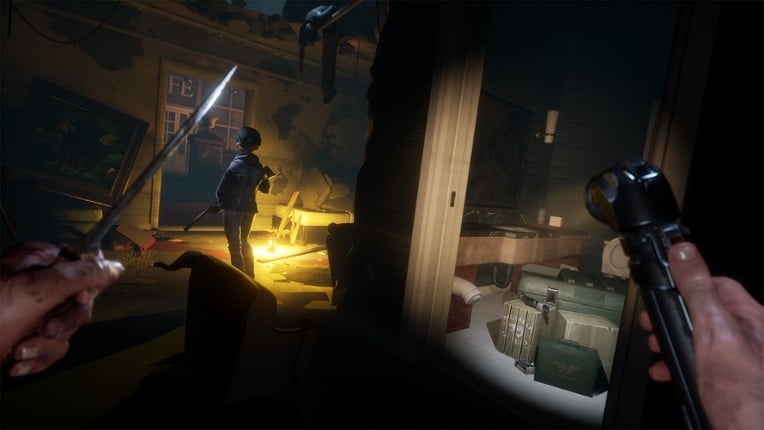
27 View Game 75%Game Brain ScoreMost mentioned positive aspects:story, gameplayMost mentioned negative aspects:optimization, stability67% User Score 934 reviewsCritic Score 83%11 reviewsTrades Ready or Not's tactical planning for horror-survival action; zombie apocalypse and moral choices replace hostage scenarios entirely. If you enjoyed this game, see our list of games similar to The Walking Dead: Saints & Sinners.View Game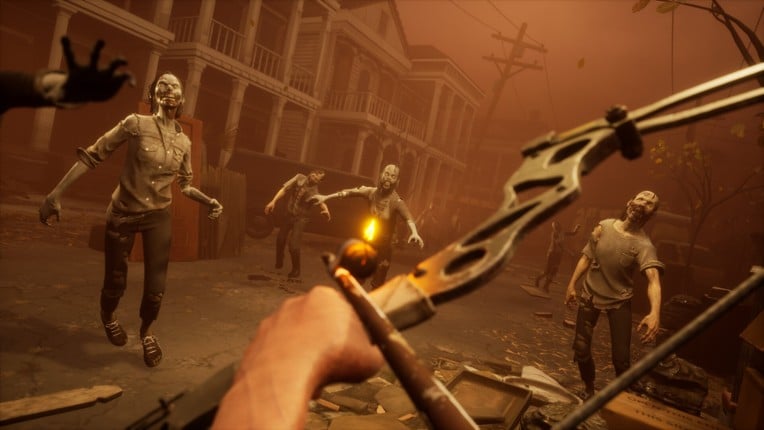
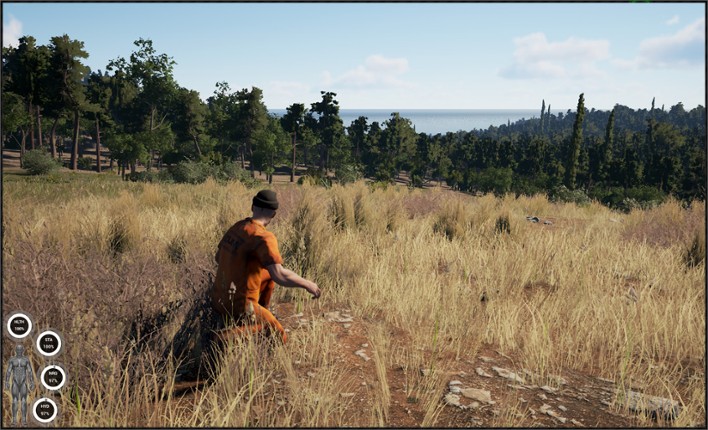
- 73%Game Brain ScoreMost mentioned positive aspects:gameplay, graphicsMost mentioned negative aspects:optimization, stability73% User Score 46,927 reviewsMassively multiplayer survival sandbox that borrows Ready or Not's co-op backbone but scatters focus across open-world PvP, crafting, and character systems. If you enjoyed this game, see our list of games similar to SCUM.View Game
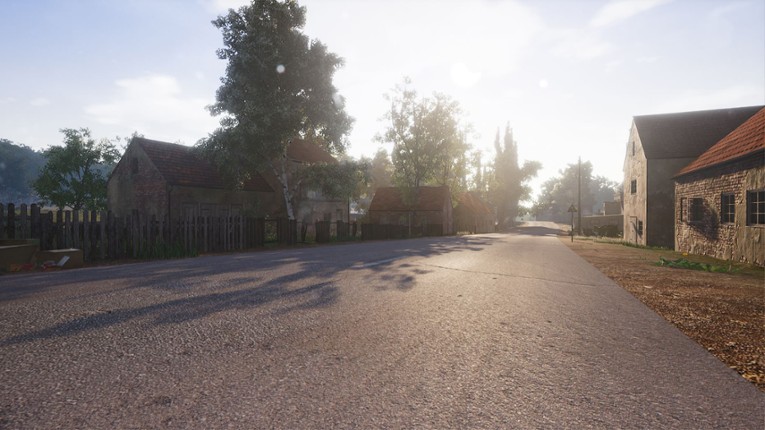
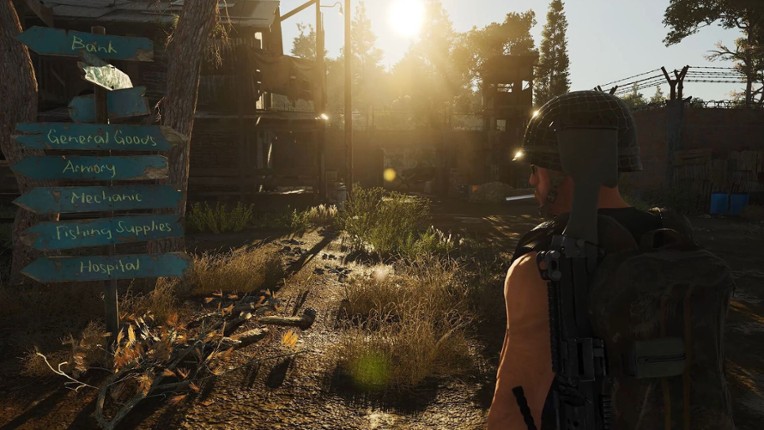
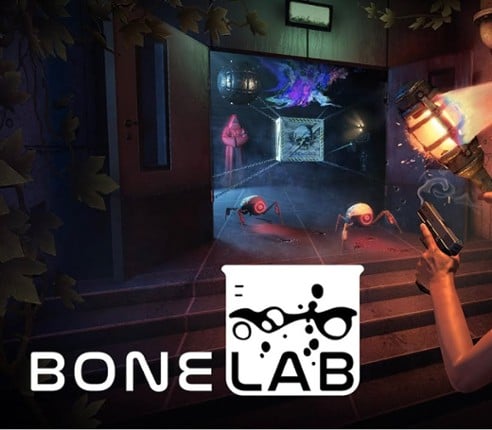
- 79%Game Brain ScoreMost mentioned positive aspects:story, gameplayMost mentioned negative aspects:stability, optimization79% User Score 14,497 reviewsCritic Score 81%1 reviewsSingle-player psychological action game that isolates Ready or Not's atmospheric dread and combat intensity from any tactical or team structure. If you enjoyed this game, see our list of games similar to Bonelab.View Game
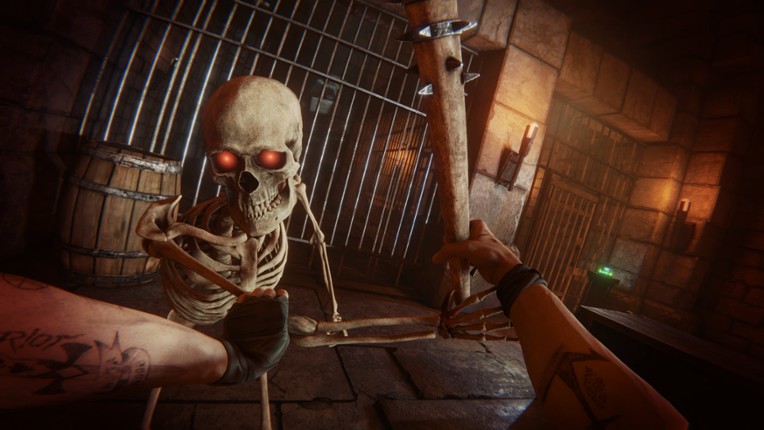
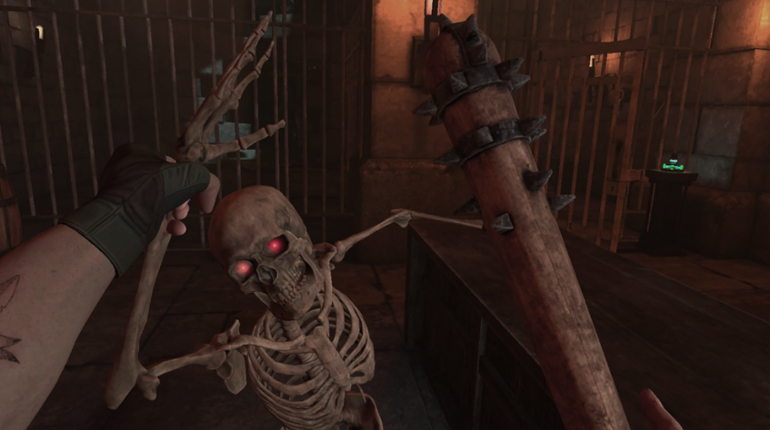
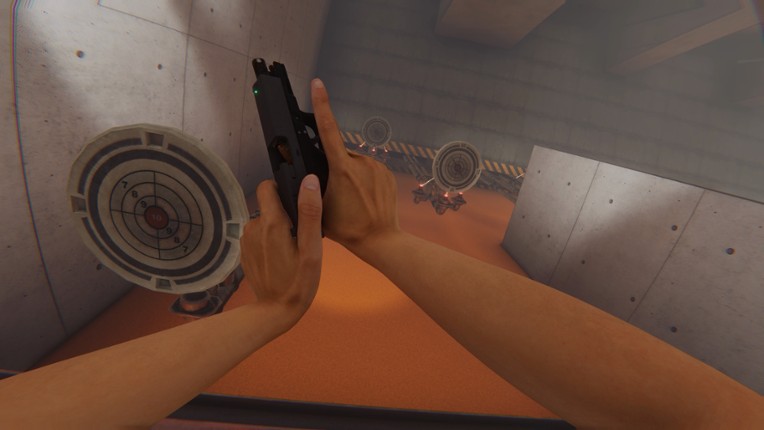
30 View Game 78%Game Brain ScoreMost mentioned positive aspects:story, gameplayMost mentioned negative aspects:optimization, stability78% User Score 944 reviewsApplies Ready or Not's co-op immersion and America-set realism to firefighting rescue operations, trading violence for procedural urgency. If you enjoyed this game, see our list of games similar to Firefighting Simulator: Ignite.View Game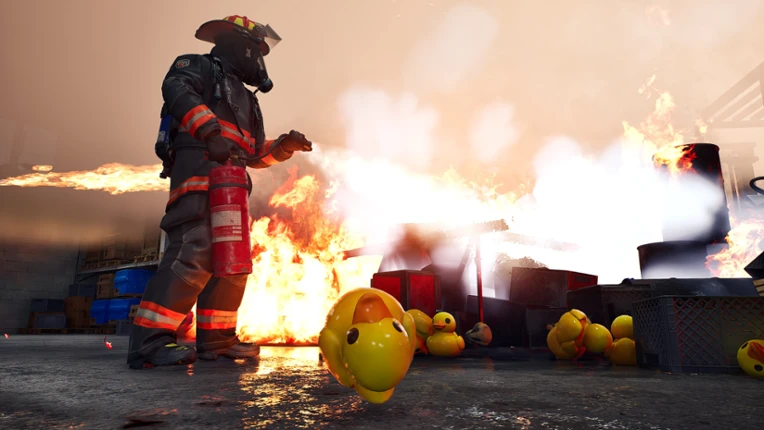

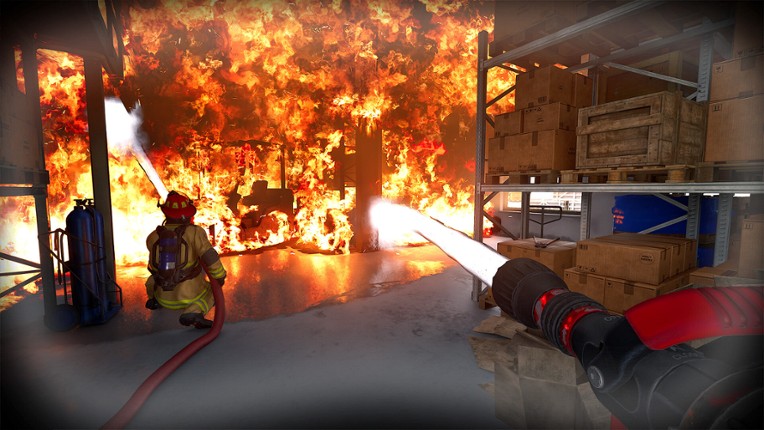
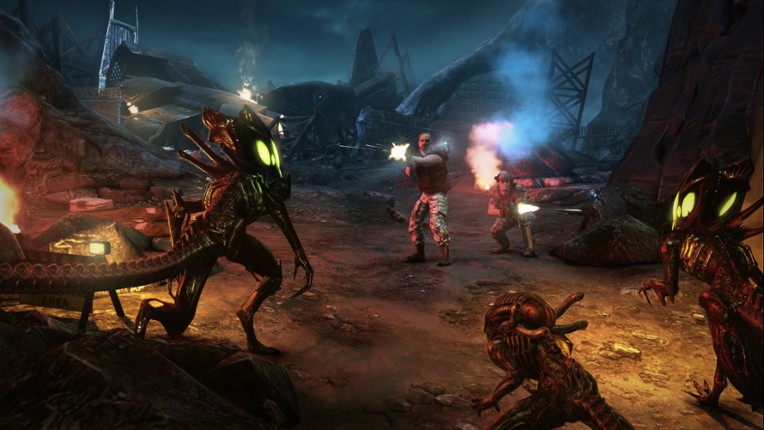
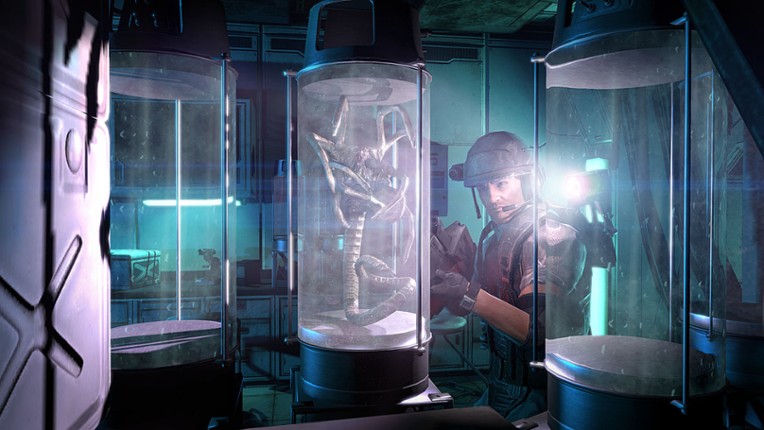
31 View Game 56%Game Brain ScoreMost mentioned positive aspects:story, graphicsMost mentioned negative aspects:stability, optimization56% User Score 6,553 reviewsWhile lacking the grounded police realism, this sci-fi shooter offers a loose co-op experience for those craving terror against extraterrestrial swarms instead. If you enjoyed this game, see our list of games similar to Aliens: Colonial Marines Collection.View Game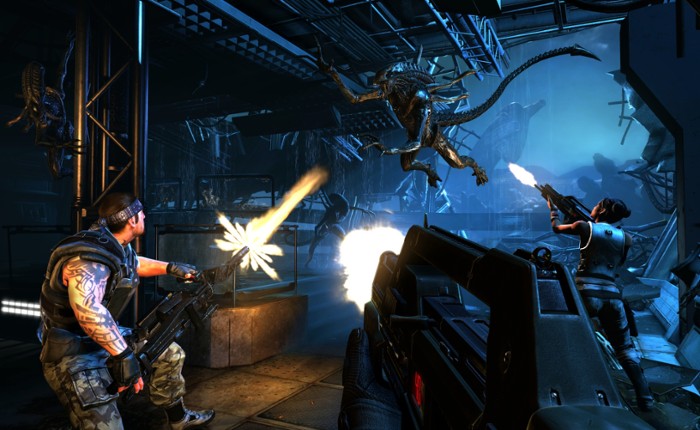
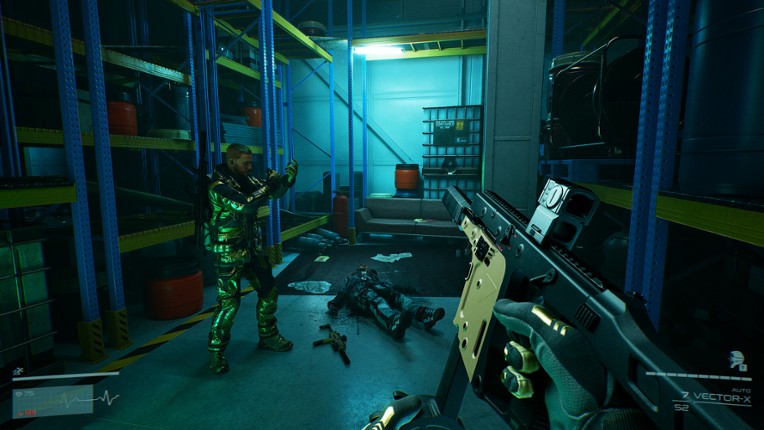
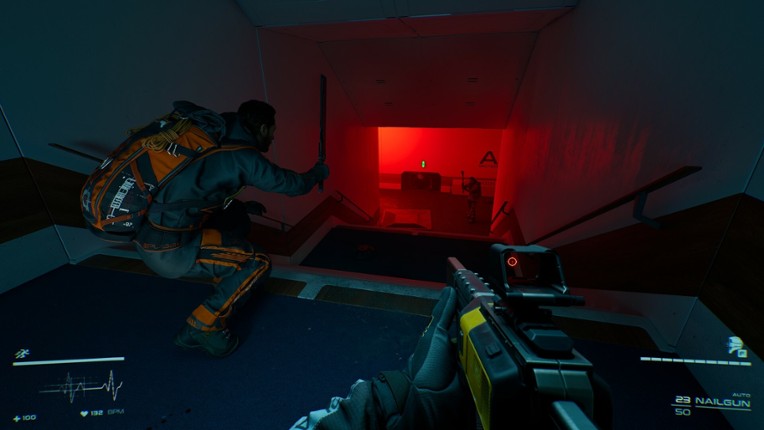
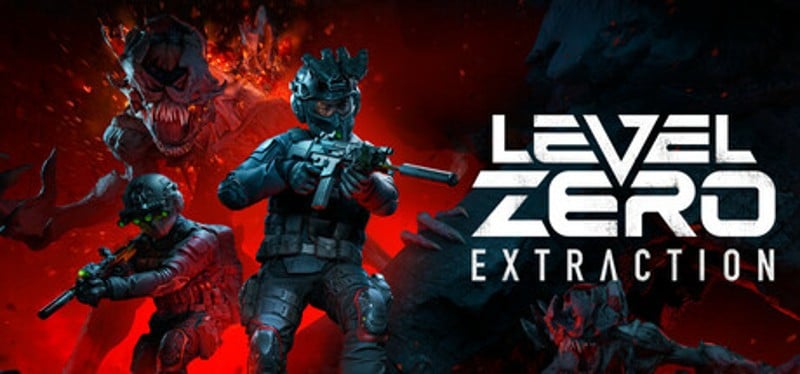
- 66%Game Brain ScoreMost mentioned positive aspects:gameplay, atmosphereMost mentioned negative aspects:optimization, grinding66% User Score 2,599 reviewsThis asymmetric multiplayer title bridges the tactical gap by forcing human squads to scavenge for survival against alien threats in dark, claustrophobic corridors. If you enjoyed this game, see our list of games similar to Level Zero: Extraction.View Game
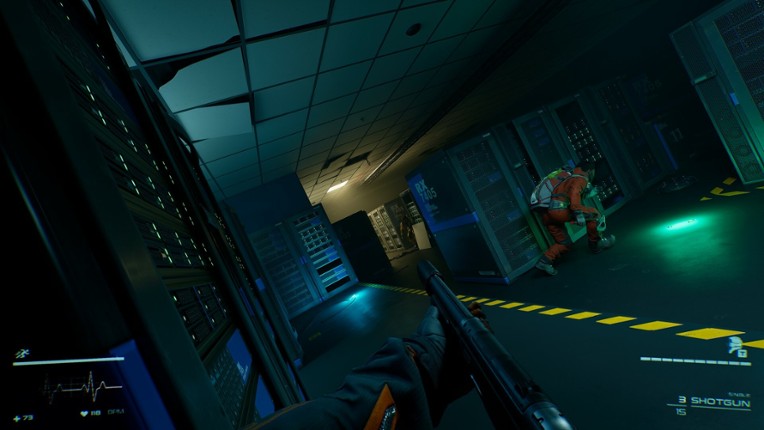
- View Game47%Game Brain ScoreMost mentioned positive aspects:story, gameplayMost mentioned negative aspects:optimization, stability40% User Score 3,138 reviewsCritic Score 54%50 reviewsFans of team-based coordination might find this supernatural romp a loose departure, trading interior breach-and-clear mechanics for an open-world vampire hunting experience. If you enjoyed this game, see our list of games similar to Redfall.
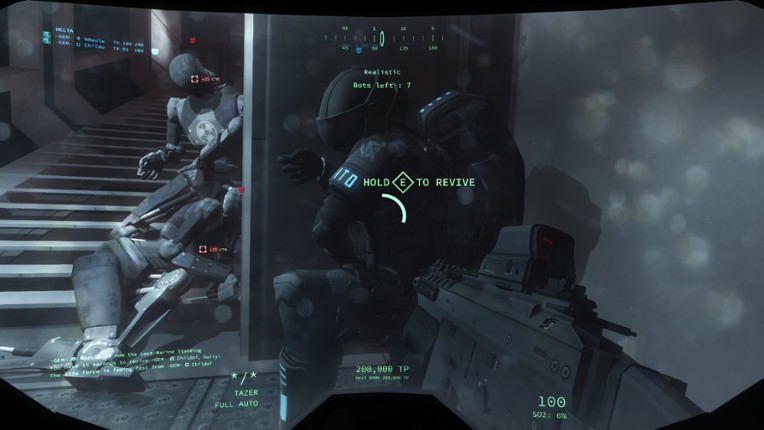
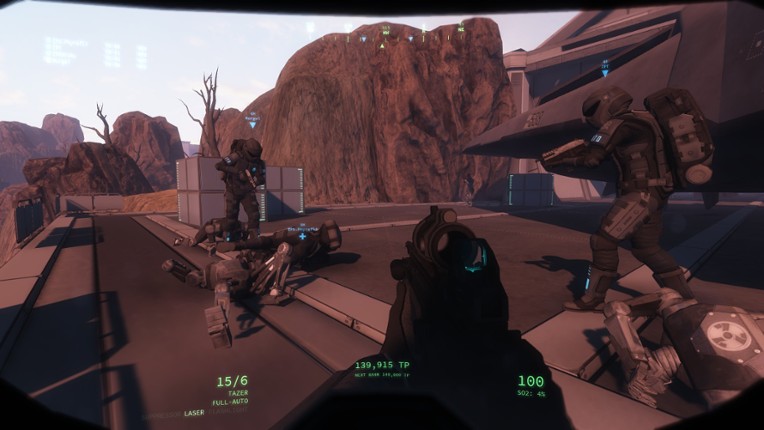
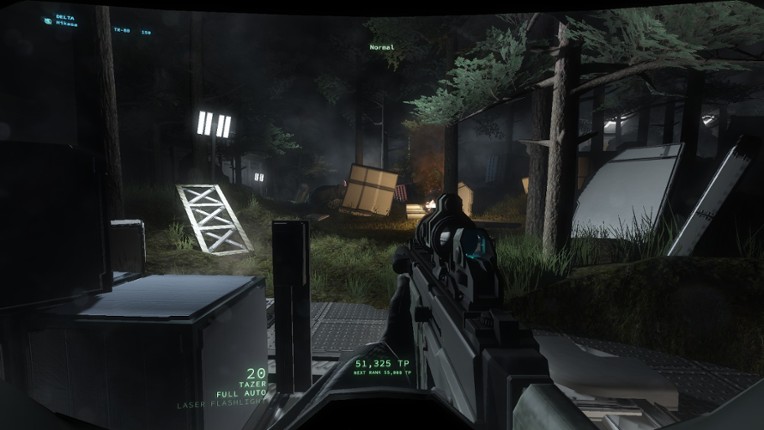
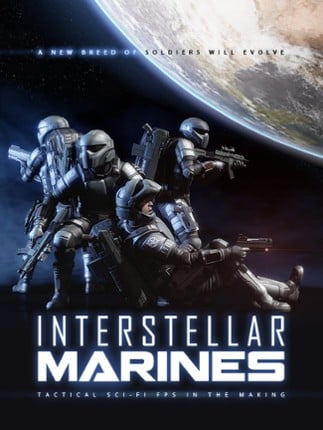
- 53%Game Brain ScoreMost mentioned positive aspects:story, gameplayMost mentioned negative aspects:optimization, stability53% User Score 5,736 reviewsRetaining a high-stakes tactical feel, this project focuses on futuristic space-based operations that emphasize tense, deliberate movement over urban swat procedures. If you enjoyed this game, see our list of games similar to Interstellar Marines.View Game
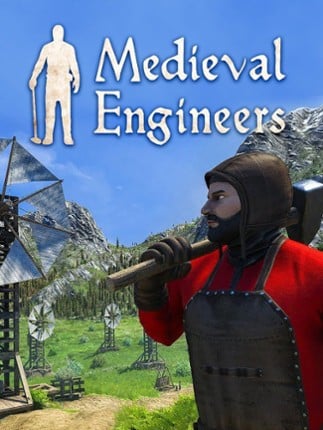
- 50%Game Brain ScoreMost mentioned positive aspects:gameplay, graphicsMost mentioned negative aspects:stability, optimization50% User Score 5,041 reviewsThough lacking the law enforcement setting, the focus on physics and construction provides a sandbox challenge for players who enjoy highly methodical planning. If you enjoyed this game, see our list of games similar to Medieval Engineers.View Game
36 View Game 65%Game Brain ScoreMost mentioned positive aspects:story, gameplayMost mentioned negative aspects:stability, optimization65% User Score 455 reviewsThis VR-exclusive survival title offers a distant, chaotic take on tension, prioritizing panicked zombie defense over the clinical precision of professional police work. If you enjoyed this game, see our list of games similar to Contagion VR: Outbreak.View Game


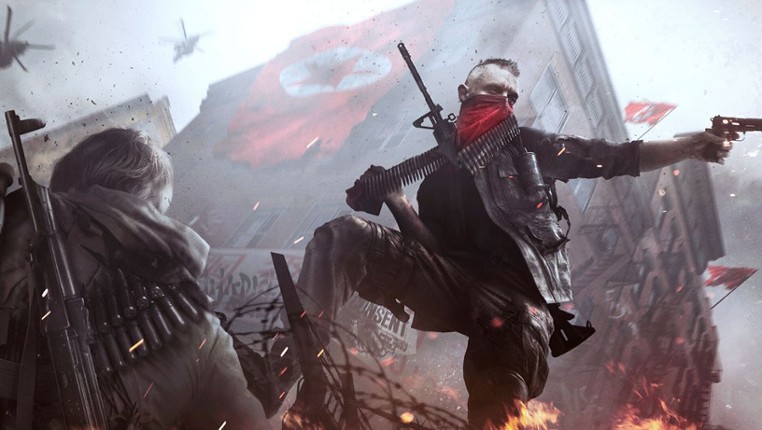
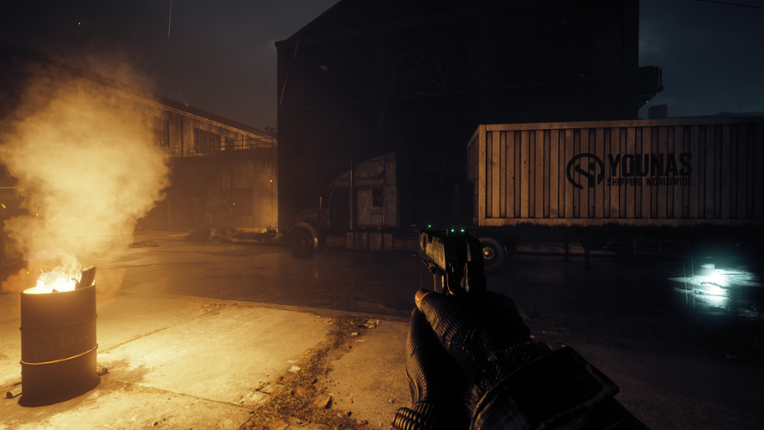
37 View Game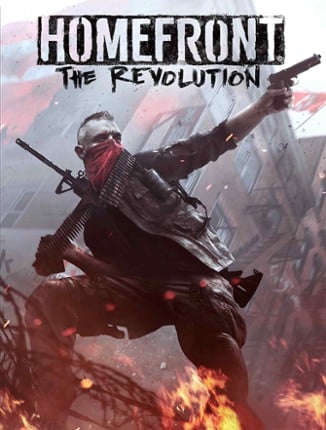 58%Game Brain ScoreMost mentioned positive aspects:story, gameplayMost mentioned negative aspects:stability, optimization68% User Score 9,276 reviewsCritic Score 47%40 reviewsWhile the tactical depth is less punishing, the urban guerrilla warfare setting offers a familiar gritty resistance fantasy for those weary of police simulations. If you enjoyed this game, see our list of games similar to Homefront: The Revolution.View Game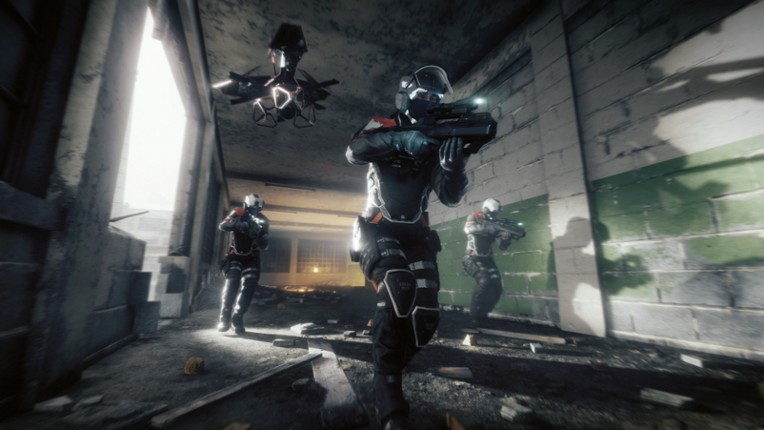
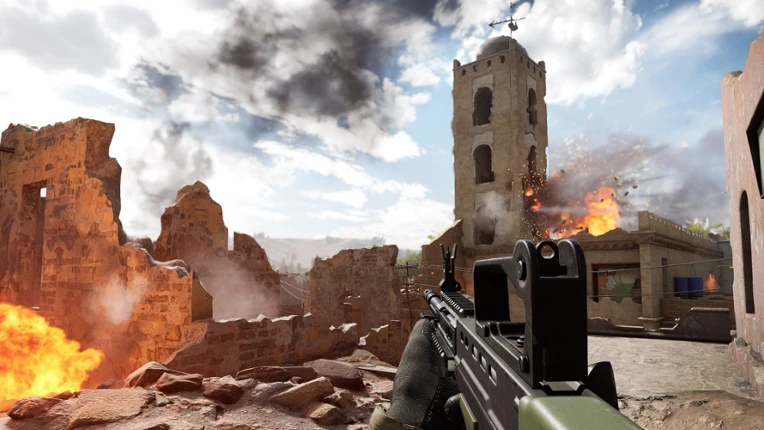
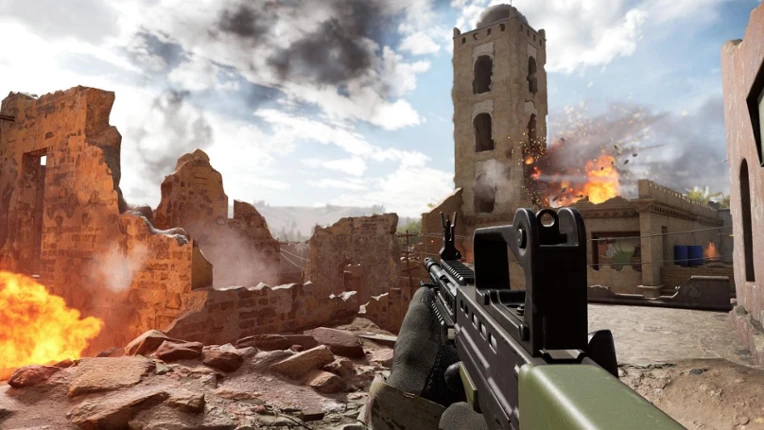
- 83%Game Brain ScoreMost mentioned positive aspects:gameplay, graphicsMost mentioned negative aspects:optimization, stability87% User Score 110,248 reviewsCritic Score 78%6 reviewsMaintaining the lethal, high-stakes combat you enjoy, this intense military shooter swaps interior room-clearing for massive, open-ended battlefield objectives and squad communication. If you enjoyed this game, see our list of games similar to Insurgency: Sandstorm.View Game
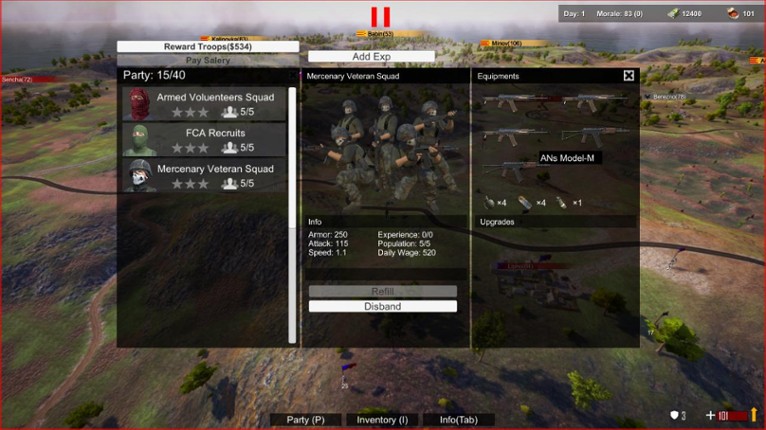
- 66%Game Brain ScoreMost mentioned positive aspects:gameplay, graphicsMost mentioned negative aspects:story, stability64% User Score 10,108 reviewsCritic Score 75%1 reviewsIf you enjoy the strategic side of military operations, this grand strategy hybrid scales up the tactical combat into an expansive, army-leading campaign mode. If you enjoyed this game, see our list of games similar to Freeman: Guerrilla Warfare.View Game
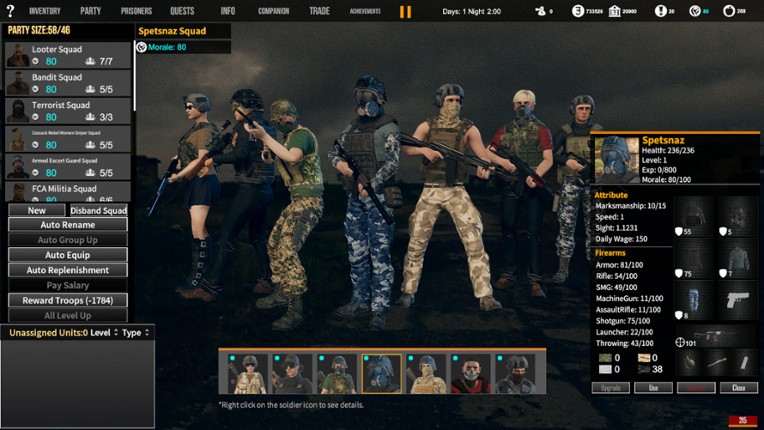
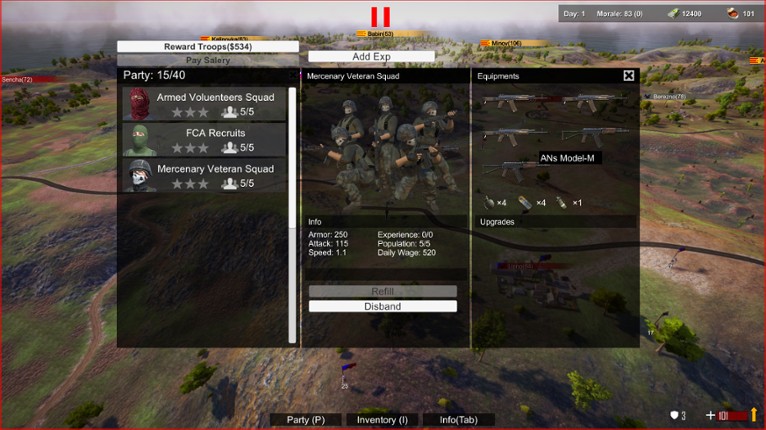
- 81%Game Brain ScoreMost mentioned positive aspects:story, graphicsMost mentioned negative aspects:stability, grinding81% User Score 1,106 reviewsThis stylistic VR experience adopts the core premise of tactical hostage rescue but flips the gritty realism for a vibrant, arcade-like speed-run aesthetic. If you enjoyed this game, see our list of games similar to Fast and Low.View Game
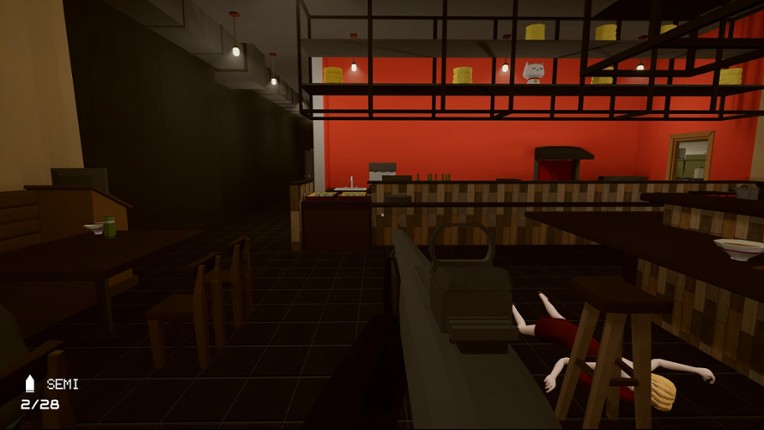
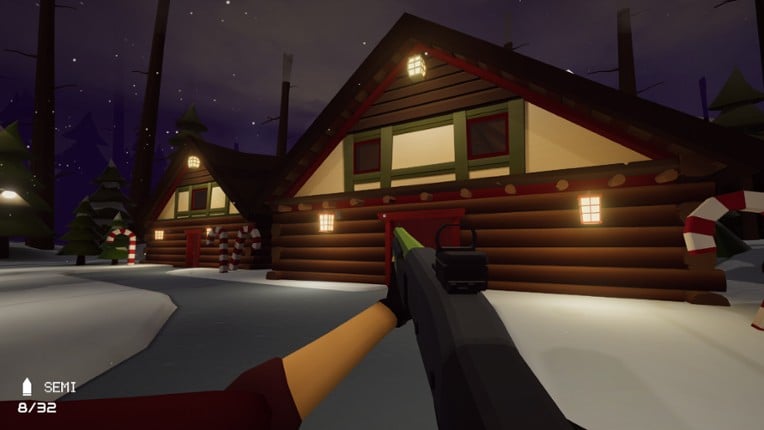
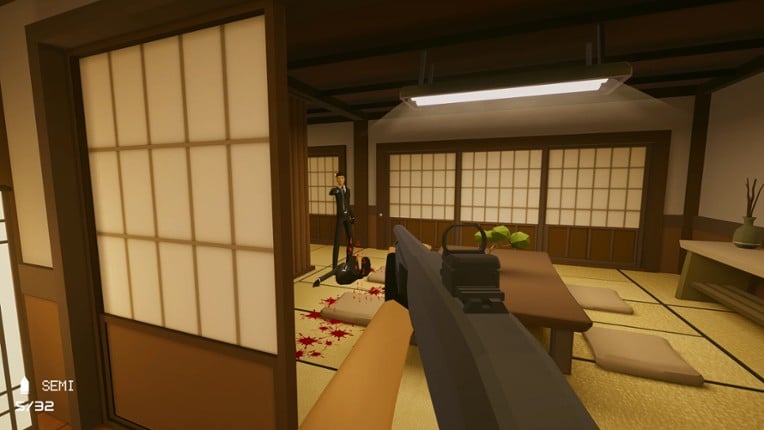
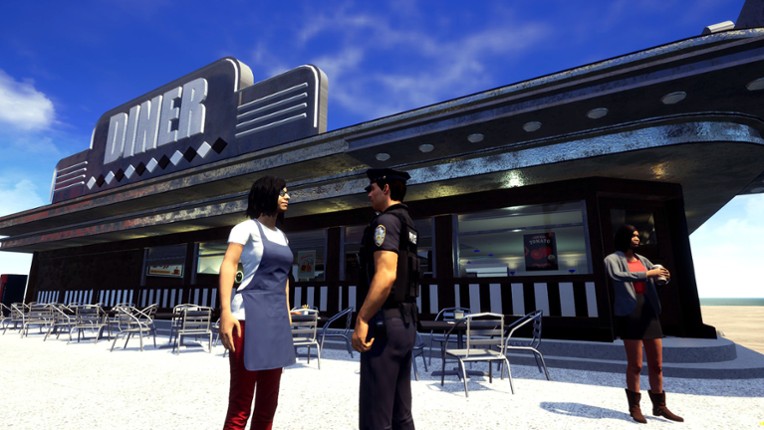
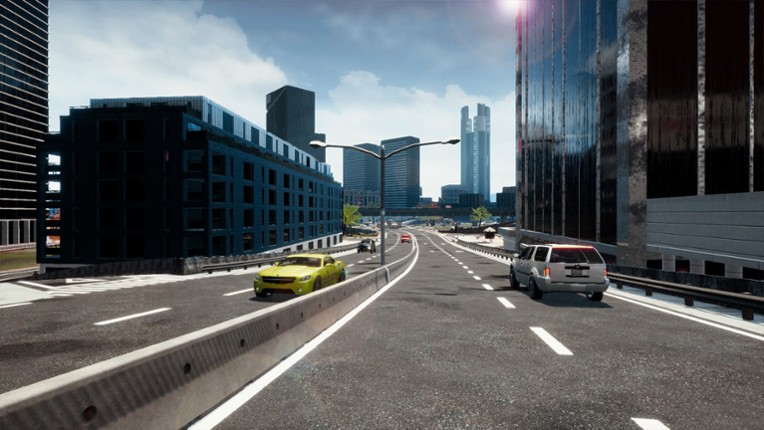
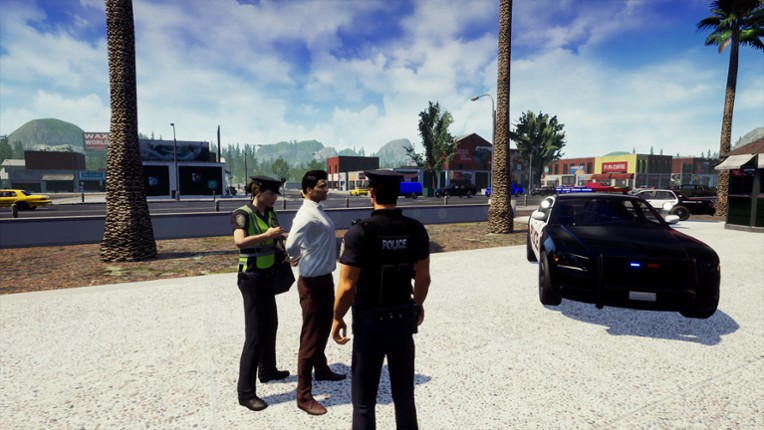
- 49%Game Brain ScoreMost mentioned positive aspects:graphics, gameplayMost mentioned negative aspects:story, stability49% User Score 3,489 reviewsLeans into psychological horror and dystopian police tactics with online co-op intensity, contrasting Ready or Not’s strict realism and grounded tone. If you enjoyed this game, see our list of games similar to Police Simulator: Patrol Duty.View Game
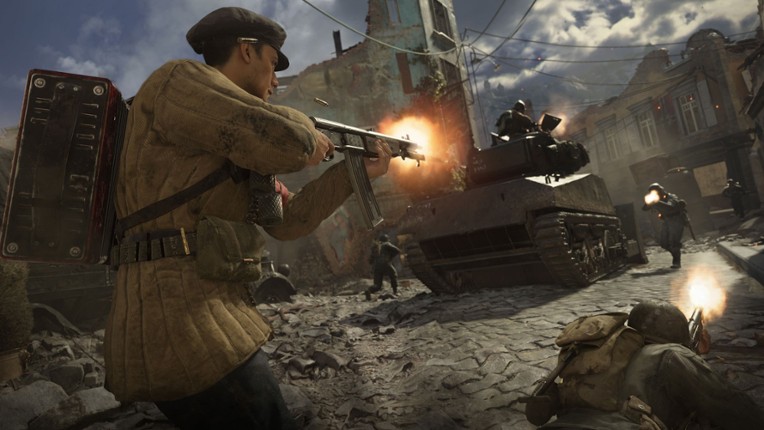
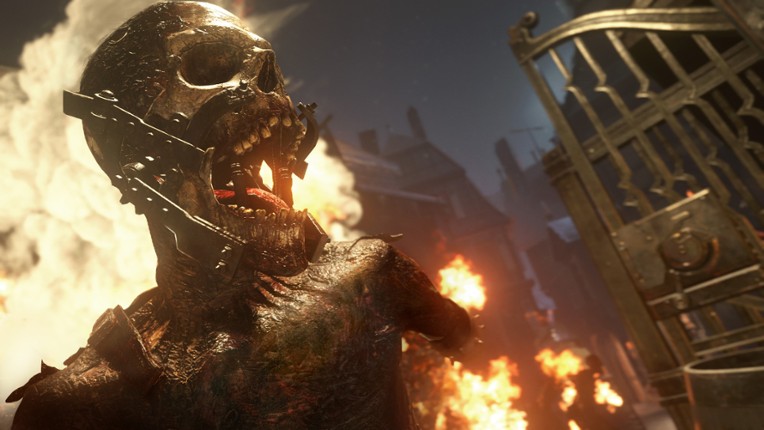
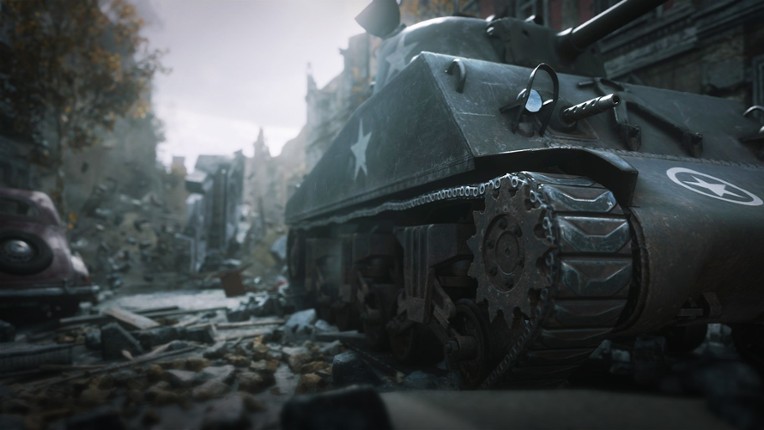
- 71%Game Brain ScoreMost mentioned positive aspects:story, graphicsMost mentioned negative aspects:optimization, stability64% User Score 25,032 reviewsCritic Score 78%40 reviewsShifts focus to historical warfare and large-scale World War II battles while retaining tense cooperative and psychological horror moments. If you enjoyed this game, see our list of games similar to Call of Duty: WWII.View Game
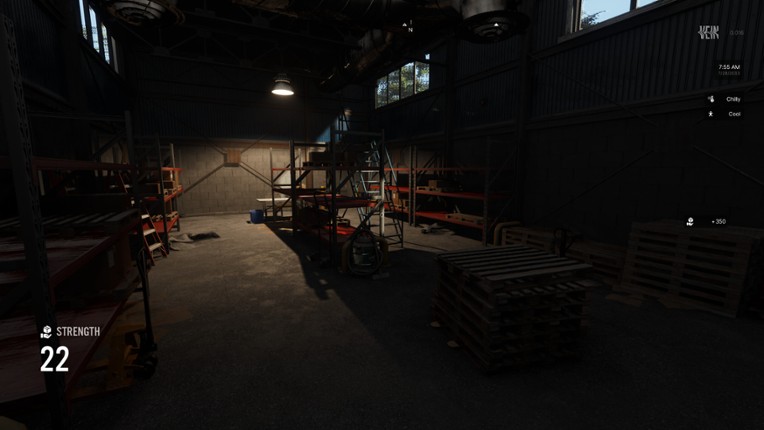
- 91%Game Brain ScoreMost mentioned positive aspects:gameplay, graphicsMost mentioned negative aspects:stability, grinding91% User Score 7,362 reviewsOffers a looser connection through immersive survival and building in a post-apocalyptic world, trading tactical realism for broader crafting systems. If you enjoyed this game, see our list of games similar to VEIN.View Game
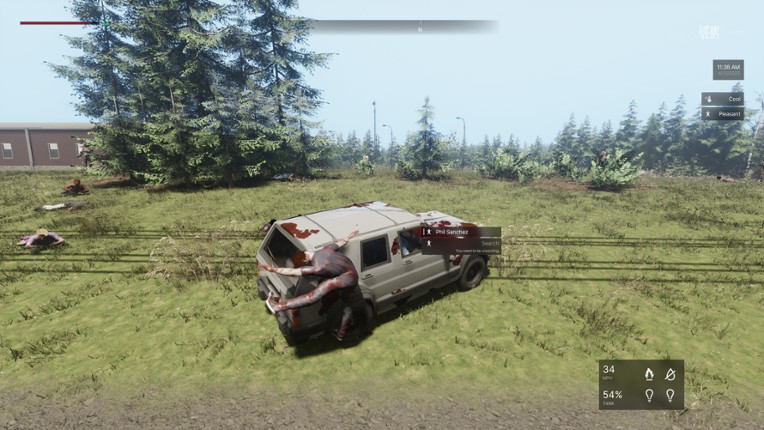
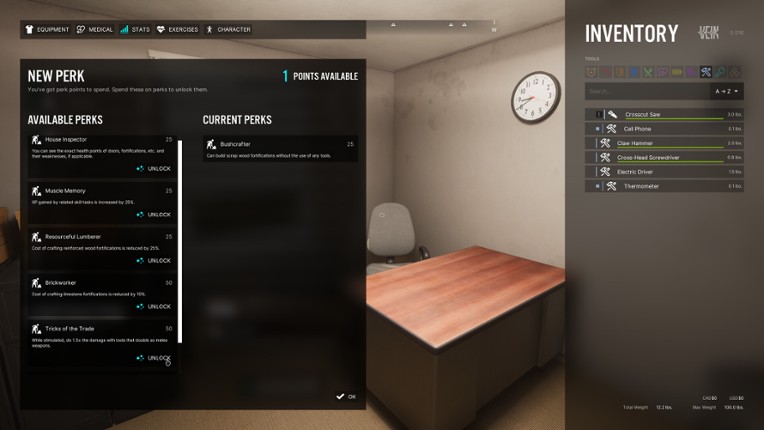
44 View Game 70%Game Brain ScoreMost mentioned positive aspects:story, gameplayMost mentioned negative aspects:optimization, stability70% User Score 301 reviewsPairs atmospheric horror and RPG elements in a post-apocalyptic zone, trading Ready or Not’s pure tactical gameplay for narrative and choice-driven exploration. If you enjoyed this game, see our list of games similar to Chernobylite 2: Exclusion Zone.View Game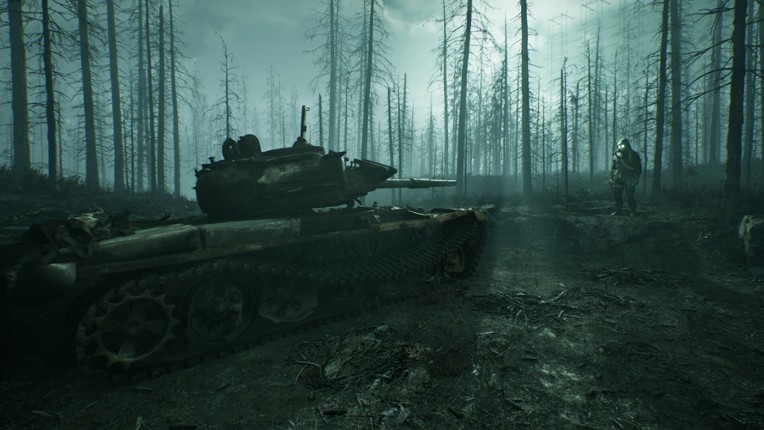
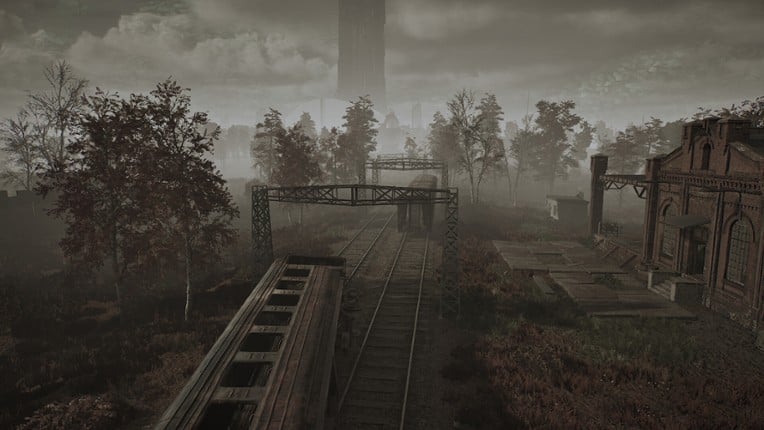
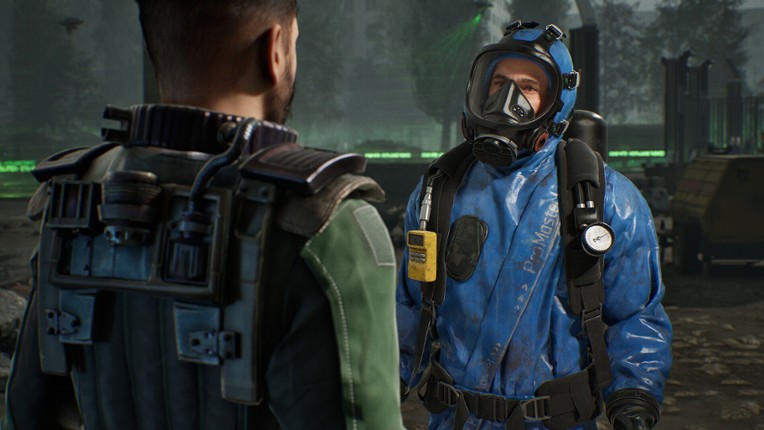
- 74%Game Brain ScoreMost mentioned positive aspects:graphics, gameplayMost mentioned negative aspects:optimization, stability74% User Score 21,673 reviewsEmphasizes immersive military combat with an indie approach and zombies, offering tactical cooperative gameplay that’s less polished but deeply atmospheric. If you enjoyed this game, see our list of games similar to Bodycam.View Game
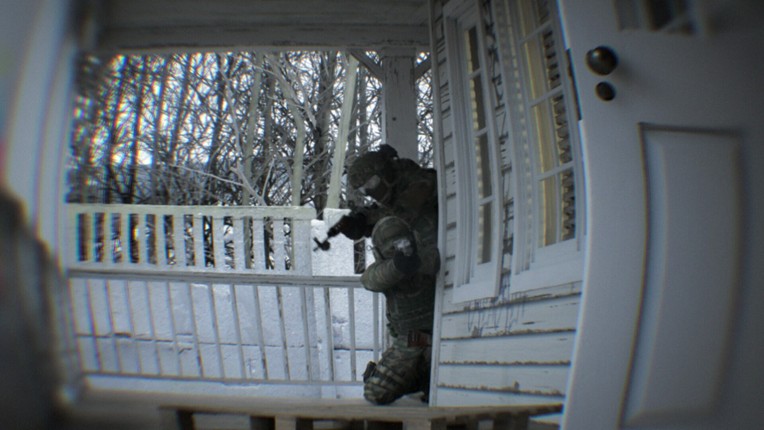
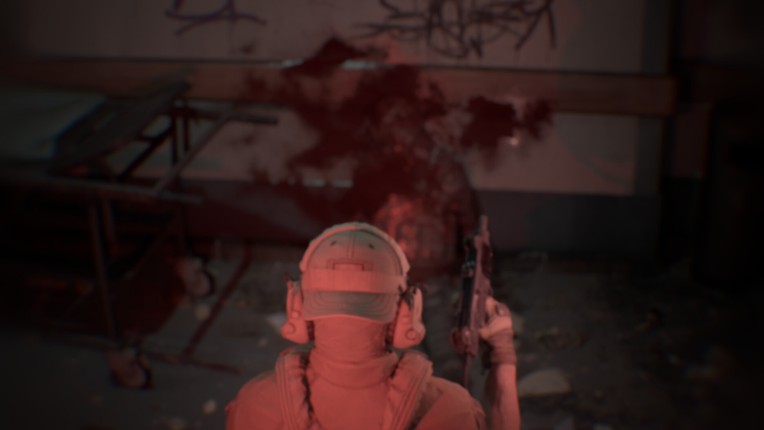
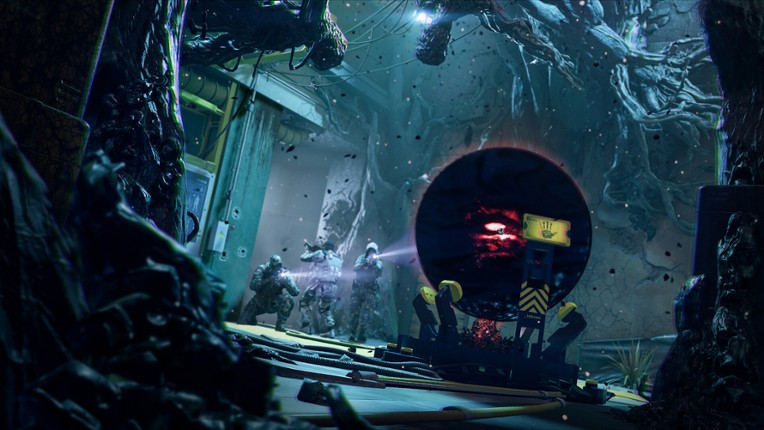
46 View Game 69%Game Brain ScoreMost mentioned positive aspects:story, gameplayMost mentioned negative aspects:grinding, stability69% User Score 1,352 reviewsPresents high-stakes alien and military combat with strong team-based cooperative elements, diverging by adding science fiction and PvE objectives. If you enjoyed this game, see our list of games similar to Tom Clancy’s Rainbow Six® Extraction.View Game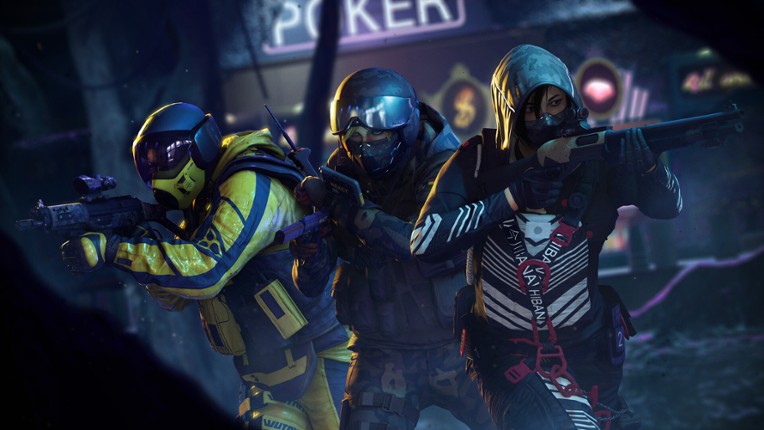
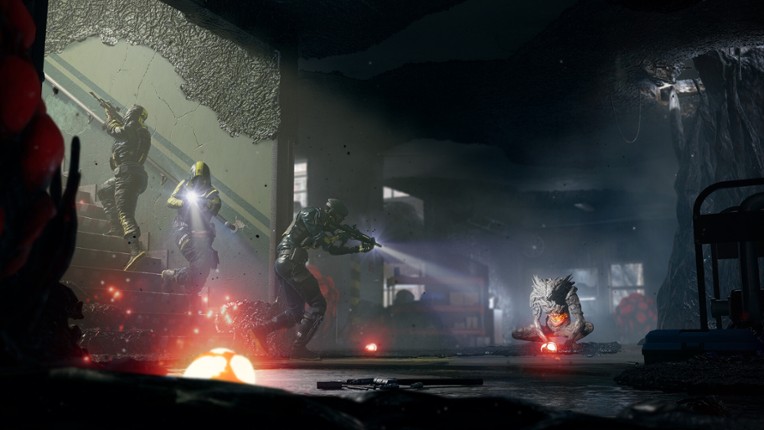
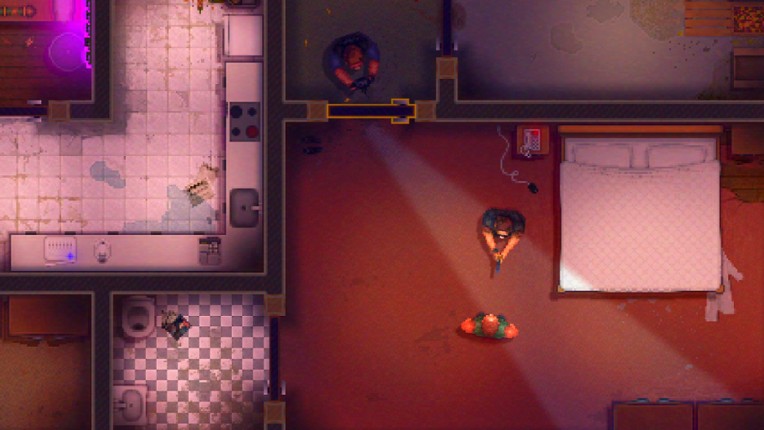
- 81%Game Brain ScoreMost mentioned positive aspects:story, gameplayMost mentioned negative aspects:stability, grinding83% User Score 4,244 reviewsCritic Score 70%1 reviewsMatches tactical police action in a gritty, pixel-art style, blending intense co-op with a retro top-down view distinct from Ready or Not’s immersive first-person. If you enjoyed this game, see our list of games similar to Police Stories.View Game

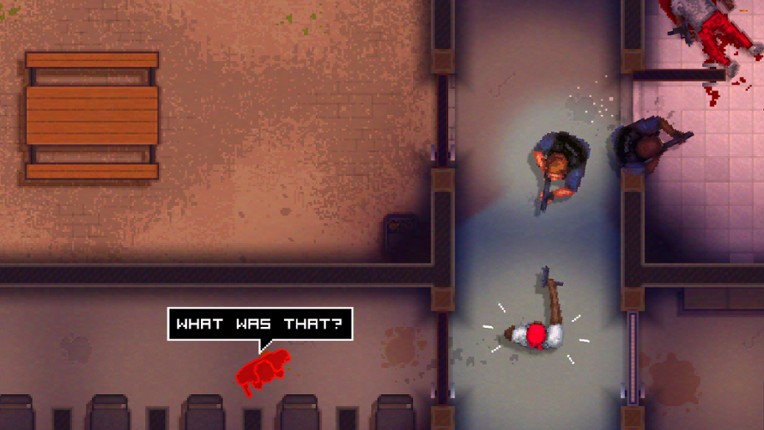
- 56%Game Brain ScoreMost mentioned positive aspects:gameplay, graphicsMost mentioned negative aspects:optimization, stability56% User Score 10,727 reviewsMoves away from realism toward fast-paced, free-to-play battle royale co-op action with an indie sensibility and simplified combat systems. If you enjoyed this game, see our list of games similar to The Culling.View Game
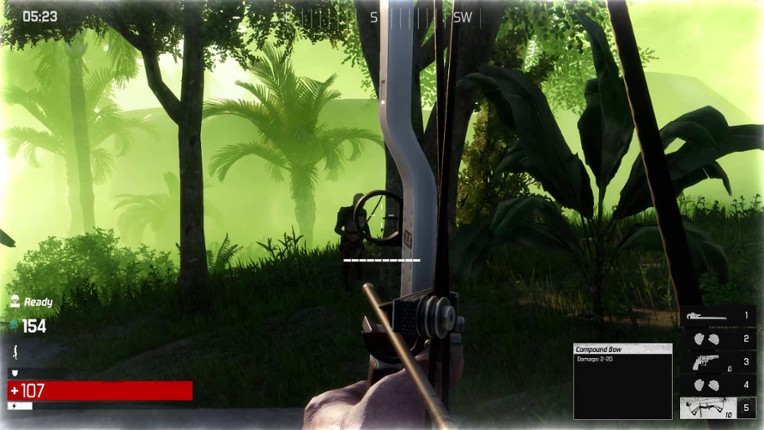

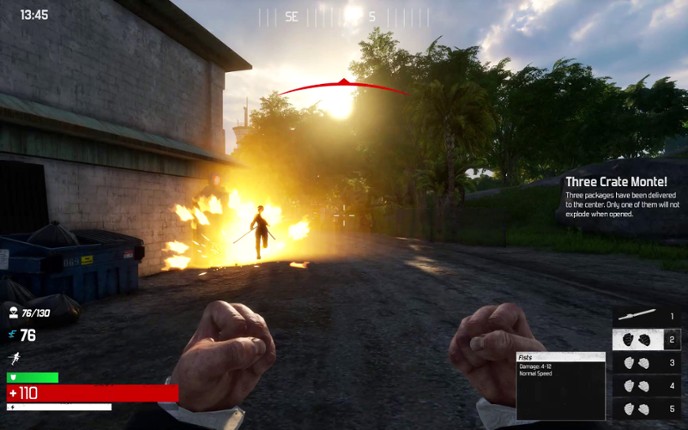
- 19%Game Brain ScoreMost mentioned positive aspects:gameplay, humorMost mentioned negative aspects:optimization, graphics19% User Score 617 reviewsConnects through its survival horror tone but leans heavily on base building and roguelike mechanics in a post-apocalyptic zombie setting. If you enjoyed this game, see our list of games similar to Dead Matter.View Game
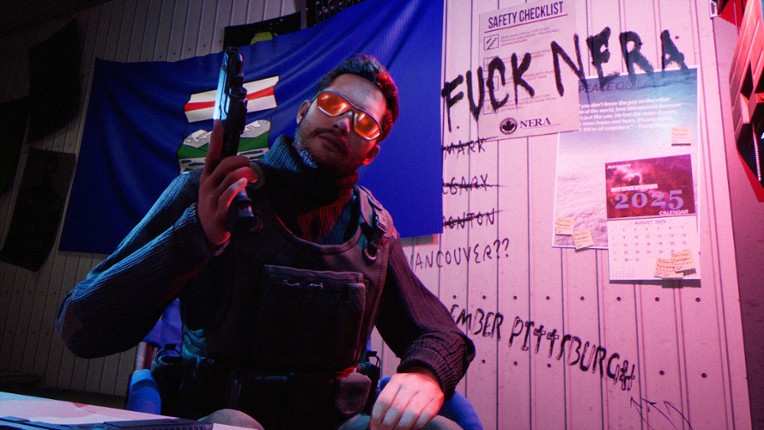

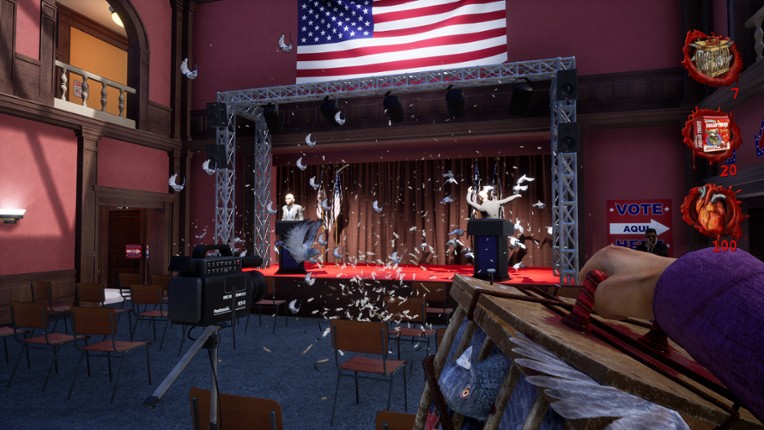
- 54%Game Brain ScoreMost mentioned positive aspects:humor, graphicsMost mentioned negative aspects:story, optimization69% User Score 7,918 reviewsCritic Score 31%6 reviewsTrades readiness and tactical tension for absurd dark comedy and parody delivered in a third-person perspective with a quirky story focus. If you enjoyed this game, see our list of games similar to POSTAL 4: No Regerts.View Game



 View Game





























Frequently Asked Questions
Onward delivers intense tactical gameplay with strong teamwork focus, while Six Days in Fallujah offers procedurally generated missions with realistic urban combat. SCP: 5K combines tactical co-op with immersive atmosphere and gun customization. All three emphasize deliberate, strategic play across online co-op campaigns similar to Ready or Not's core appeal.
Zero Hour features immersive sim mechanics with team-based tactical gameplay and exceptional atmosphere. Hunt: Showdown delivers realistic gunplay and environmental tension, though with PvP elements. Both maintain Ready or Not's focus on realism, sound design, and intense, deliberate combat in dark, gritty settings that demand careful teamwork.
No More Room in Hell 2 combines cooperative survival with psychological horror in a zombie apocalypse. Into the Radius 2 features atmospheric dread and first-person survival horror with gun customization. Both emphasize teamwork and communication while maintaining tense, immersive atmospheres that rival Ready or Not's psychological intensity and dark tone.
HELLDIVERS 2 is available on PlayStation and PC, offering co-op tactical action with strong soundtrack and atmosphere. Hunt: Showdown released on console platforms with full feature parity. However, Onward, SCP: 5K, and Six Days in Fallujah remain PC-exclusive in early access, requiring a gaming PC for the most similar tactical experiences.
HELLDIVERS 2 is the closest option, offering free-to-play co-op tactical action with optional cosmetics. While not entirely free, it provides accessible entry to team-based gameplay without a paywall. Unfortunately, most hardcore tactical alternatives like Onward and Six Days in Fallujah require purchase, though they occasionally feature sales or discounts.
Onward emphasizes squad-based tactics and verbal coordination, while No More Room in Hell 2 requires constant teammate communication for survival. SCP: 5K rewards tactical planning and collaboration across co-op campaigns. All three prioritize teamwork over solo play, matching Ready or Not's philosophy that success depends on coordinated, deliberate communication with partners.