

Games like Destiny 2
If Destiny 2 has its hooks in you — that perfect loop of loot drops, tight gunplay, and raids that demand real teamwork — then hunting down games like Destiny 2 is a completely natural next step. Whether you're burned out on the monetization, craving a fresh setting, or just want something to fill the void between seasons, there's a strong lineup of alternatives worth your time.
What Destiny 2 does better than almost anything else is fuse a first-person shooter's moment-to-moment feel with deep RPG progression and a genuinely atmospheric sci-fi/fantasy world. The core loop — run an activity, chase better gear, build out a loadout, repeat — is polished to a mirror shine. Players stay for the lore-rich universe, the satisfying gunplay, and the cooperative PvE content like strikes and raids. When you're searching for games like Destiny 2, you're really looking for that same blend of shooter precision and RPG depth wrapped in a world worth exploring.
What Makes a Good Alternative to Destiny 2?
- Looter-shooter progression — The gear treadmill is central to Destiny 2's identity. The best alternatives keep you chasing meaningful loot upgrades that actually change how you play, not just padding your numbers.
- Co-op PvE activities — Raids, strikes, and dungeons are where Destiny 2 shines brightest. Alternatives worth your attention offer structured cooperative content that rewards coordination and repeat runs.
- Rich world-building and lore — Destiny's universe rewards players who dig into its story. Games with deep world-building and layered narratives scratch that same itch for players who want to feel invested in a setting.
- Satisfying gunplay or combat feel — Destiny 2's weapons feel responsive and weighty. Any real alternative needs combat that holds up under hundreds of hours of repetition without feeling hollow.
- PvP and PvE hybrid options — The Crucible exists alongside PvE content for a reason. Games that offer both competitive and cooperative play give you the same flexibility to switch up how you engage.
Top Picks If You Enjoyed Destiny 2
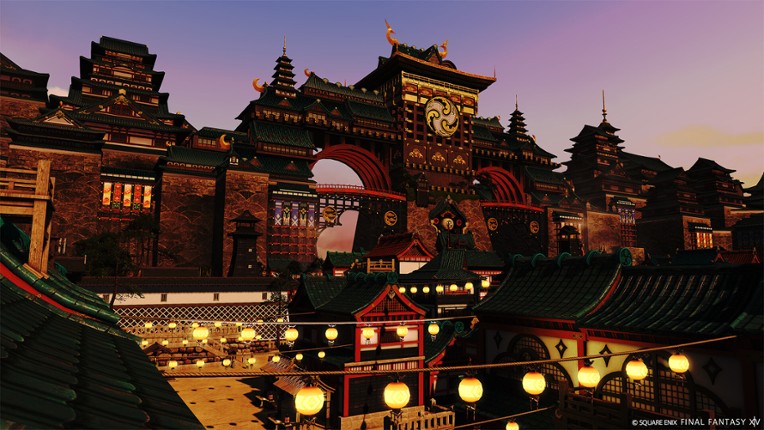
Tom Clancy's The Division 2 nails the looter-shooter loop in a grounded open-world setting. Halo Infinite delivers that same polished first-person combat with strong lore and free-to-play multiplayer. FINAL FANTASY XIV Online is the MMO for players who crave story and co-op depth. The Elder Scrolls Online offers massive open-world RPG exploration with flexible character builds. Fallout 76 brings atmospheric world-building and co-op survival to a post-apocalyptic sandbox.
Every recommendation below is ranked by similarity to Destiny 2 using real player data, so the closest matches appear first. Scroll down to find your next obsession.
- 68%Game Brain ScoreMost mentioned positive aspects:story, gameplayMost mentioned negative aspects:grinding, stability67% User Score 170,220 reviewsCritic Score 69%7 reviews
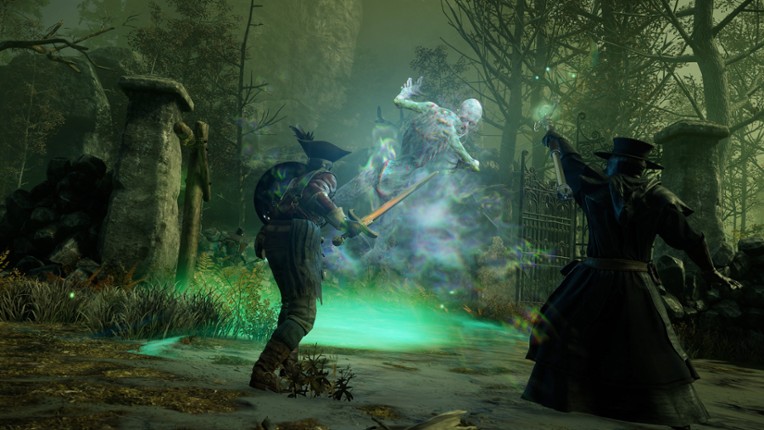
The strongest link between these titles is large-scale, persistent social world-building. Both games rely on constant online co-op and PvP cycles to drive player retention, providing a reliable loop of group activities that keeps the endgame fresh.
You lose the tight, snappy first-person gunplay of Destiny 2 and trade it for heavy, deliberate melee-focused combat. The transition from science fiction space-magic to grounded, gritty fantasy requires a shift in how you approach positioning and skill cooldowns.
Pick this up if you crave long-term gear progression and massive multiplayer interactions, but can live without the fluid movement of a dedicated shooter.
If you enjoyed this game, see our list of games similar to New World.View Game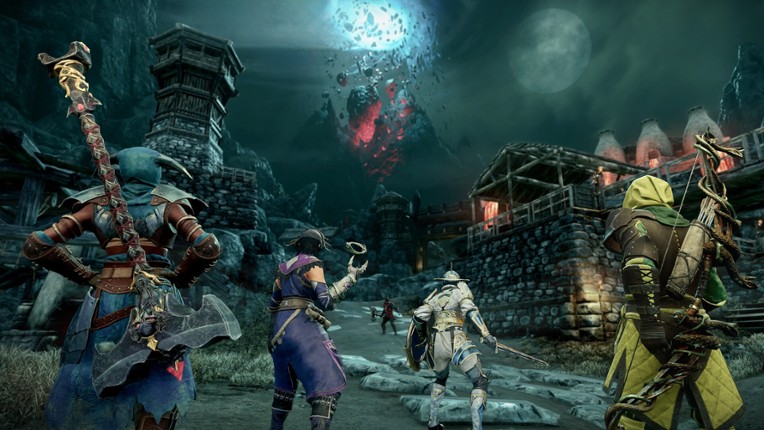
- 79%Game Brain ScoreMost mentioned positive aspects:story, gameplayMost mentioned negative aspects:grinding, stability79% User Score 17,258 reviews
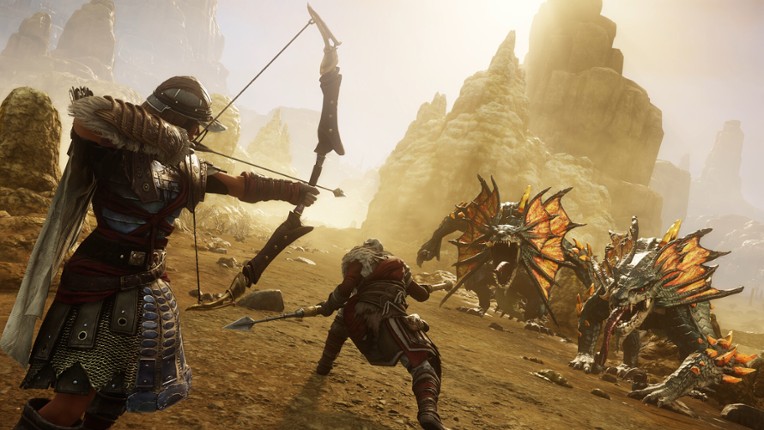
Both games hook you with the same core loop: hunt enemies, dismantle their loot, and feed those drops into your character's power—then repeat at higher difficulty tiers. This treadmill works because each engagement feels tactile; gunplay rewards positioning and weapon synergy, not just raw stats.
The shared DNA runs deeper in squad-based co-op design and open-world patrol flexibility. You can tackle content solo, matchmake with strangers, or bring friends—The Division 2 respects all three approaches. Crucially, this flexibility exists because the game's loot system doesn't gate progression behind seasonal battle passes or story vaults; your old gear stays relevant.
Where Division 2 pivots is its third-person perspective and grittier tone. You'll lose Destiny's soaring sci-fi spectacle but gain tactical cover-based combat and a more grounded, humor-laced apocalypse that feels less exhausting to parse.
If Destiny 2's aggressive monetization or fragmented new-player experience frustrated you, Division 2 offers a self-contained campaign and seasonal content that doesn't demand constant reinvestment to stay current.
Best for players craving the loot-and-shoot core without the live-service pressure.
If you enjoyed this game, see our list of games similar to Tom Clancy's The Division 2.View Game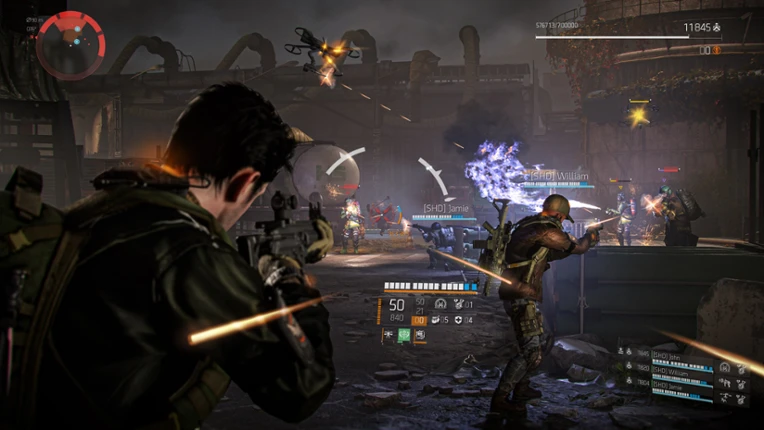
- 76%Game Brain ScoreMost mentioned positive aspects:gameplay, storyMost mentioned negative aspects:monetization, optimization68% User Score 137,967 reviewsCritic Score 84%58 reviews
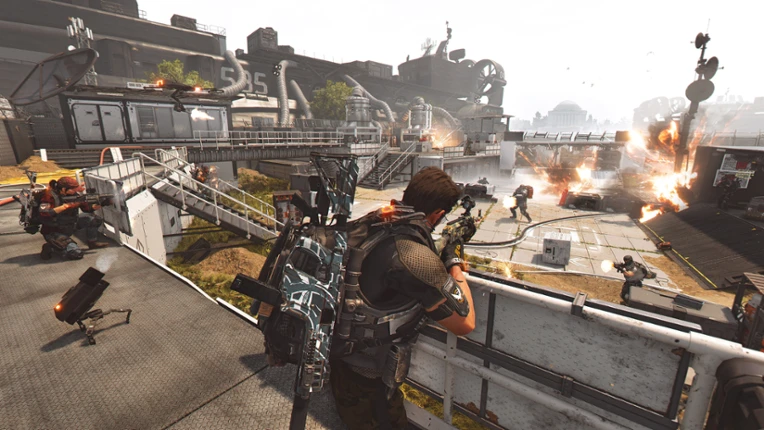
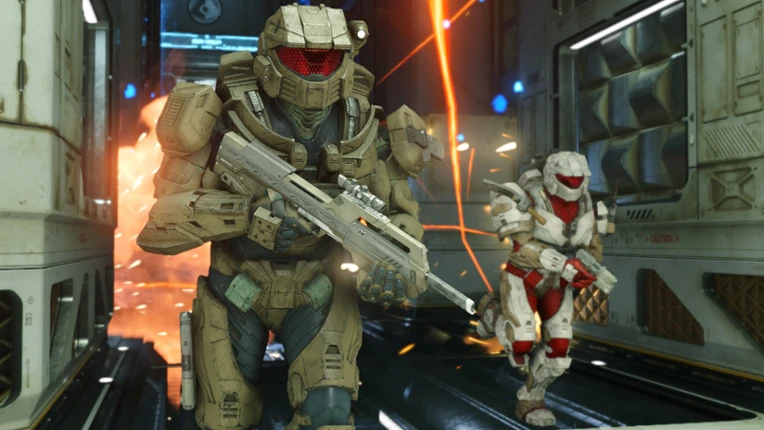
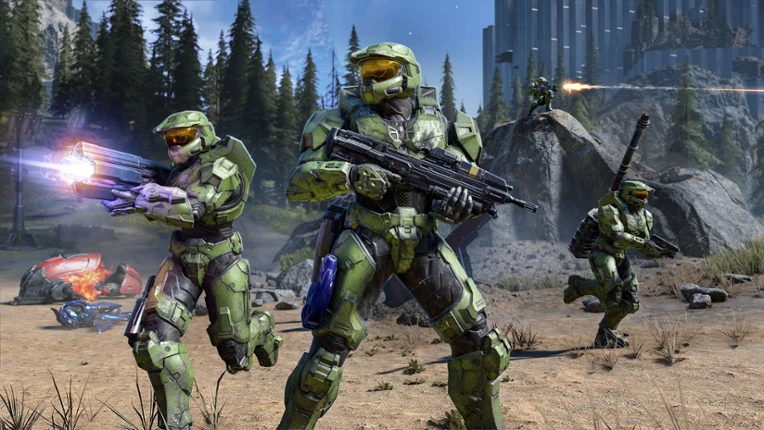
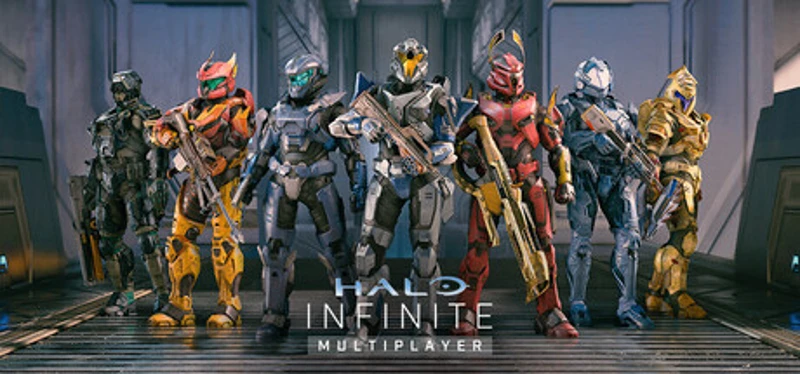
Stepping into the boots of the Master Chief provides that unmistakable kinetic weight and snappy gunplay pioneered by Bungie. You’ll find the rhythmic dance of lowering energy shields before delivering a precision headshot feels familiar, echoing the shield-shredding tactics of high-level PvE strikes.
The Grappleshot mirrors the verticality found in Destiny’s subclasses, allowing for creative flanking maneuvers across an expansive open-world sandbox. This emphasis on physics-driven interaction means success depends on manipulating your environment, replicating the emergent tactical moments that make Destiny’s combat loops so addictive. Both titles excel at building lore-rich atmospheres where ancient alien mysteries drive the frontline warfare.
While Destiny 2 often struggles with confusing onboarding and vaulted content, Halo Infinite provides a stable, permanent campaign experience. You trade the perpetual gear grind and power-level chasing for a fresh focus on sandbox mastery and tactical freedom.
Best for players who crave tight, responsive gunplay but want a break from the eternal loot treadmill.
If you enjoyed this game, see our list of games similar to Halo Infinite.View Game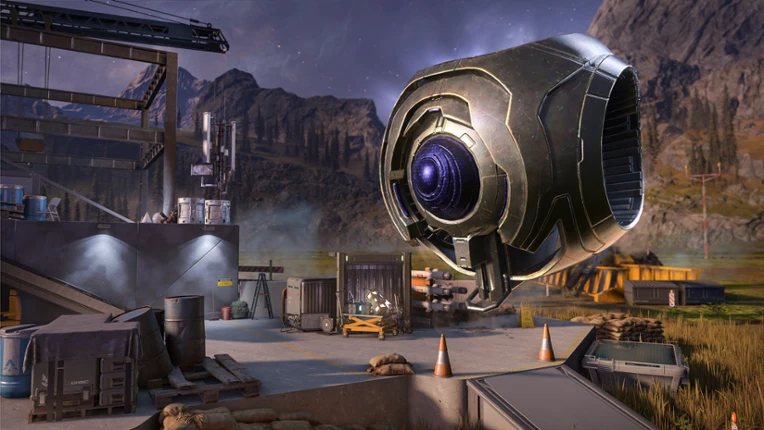
- View Game

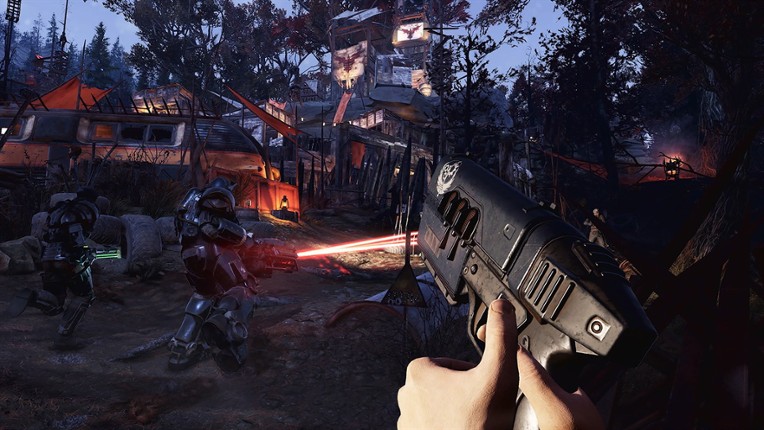
- 79%Game Brain ScoreMost mentioned positive aspects:gameplay, graphicsMost mentioned negative aspects:stability, grinding79% User Score 69,198 reviews
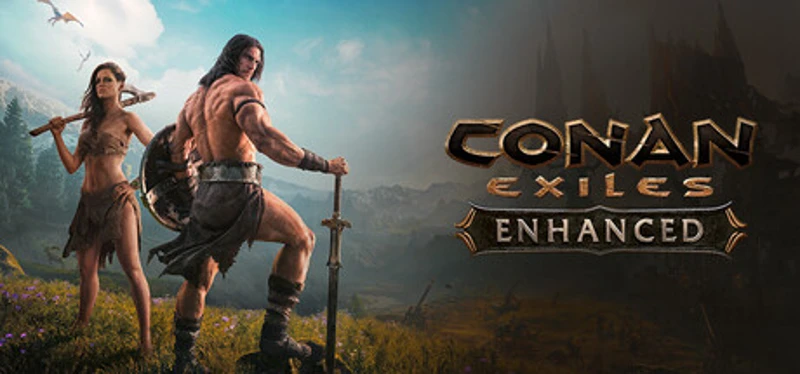
Massively multiplayer co-op gameplay is the strongest link between Destiny 2 and Conan Exiles, delivering expansive worlds where teaming up shapes the core experience. Both games emphasize PvP and online interaction, which keeps the action competitive and dynamic at all times.
The key tradeoff is that Conan Exiles dives deep into survival crafting and base building rather than Destiny 2’s tight first-person shooter combat and polished sci-fi narrative. This makes Conan’s world rougher and more grind-heavy, with more bugs and less story focus.
Pick Conan Exiles if you want a persistent open-world experience with survival mechanics and PvP, but can live without Destiny 2’s refined gunplay and structured story progression.
If you enjoyed this game, see our list of games similar to Conan Exiles.View Game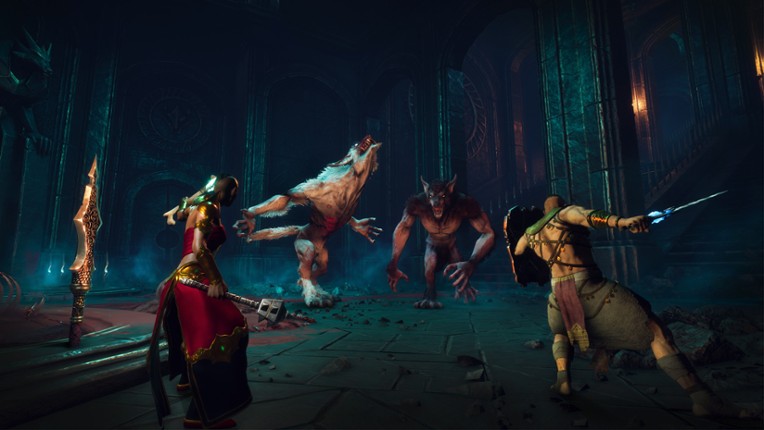
- 67%Game Brain ScoreMost mentioned positive aspects:story, gameplayMost mentioned negative aspects:grinding, monetization67% User Score 17,279 reviews
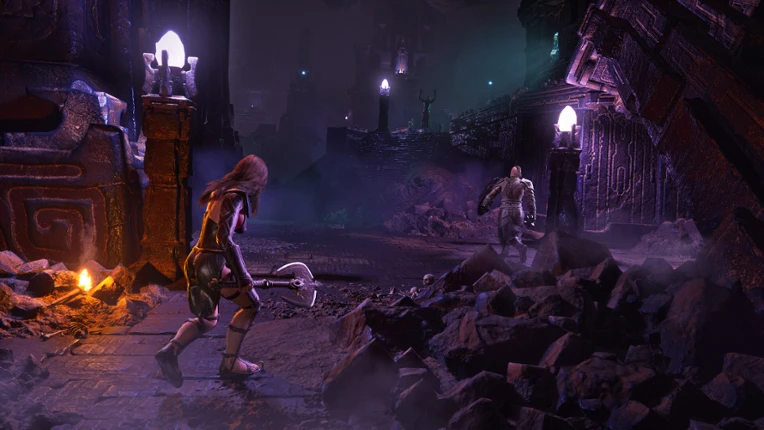
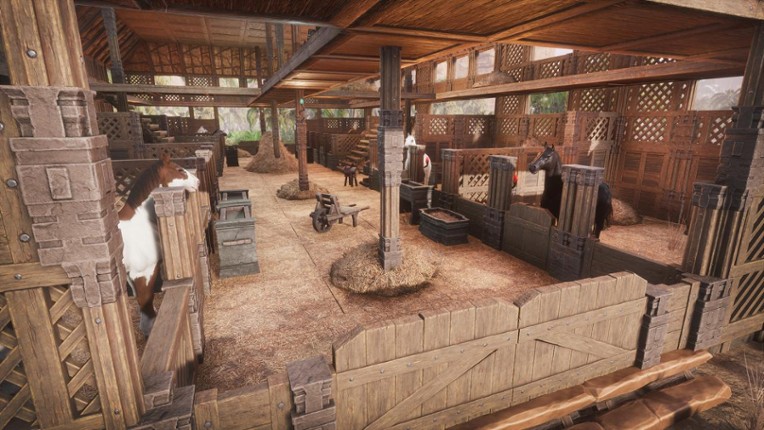
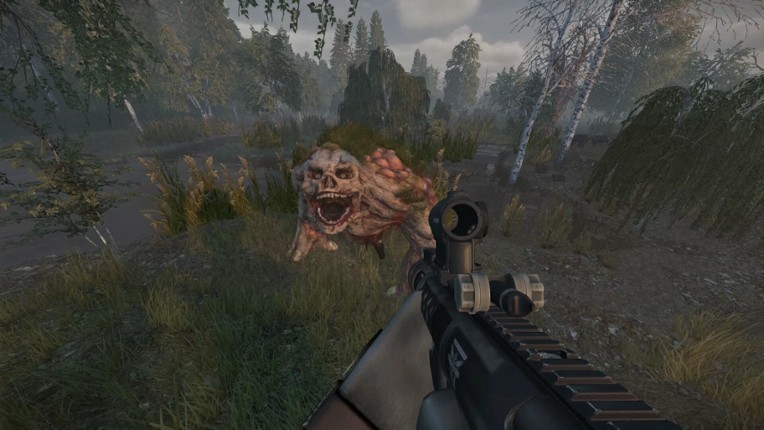
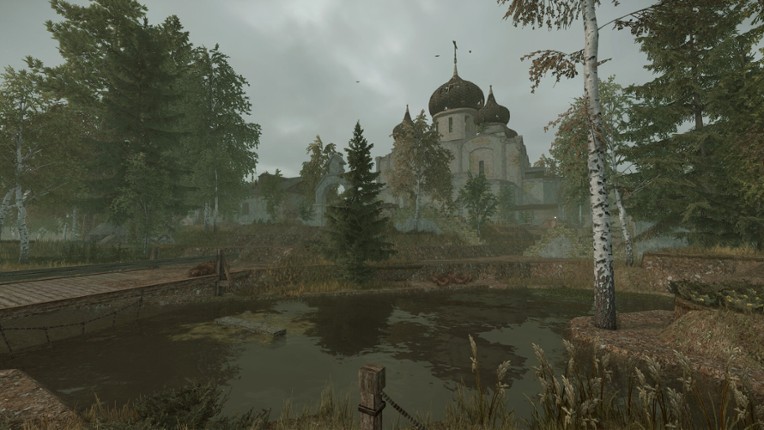
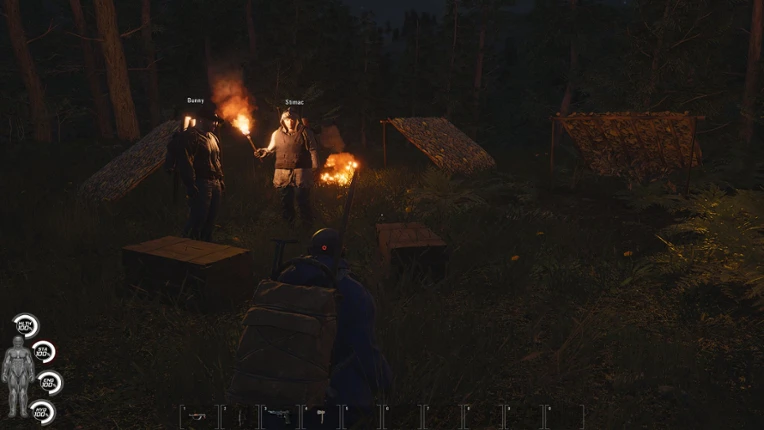
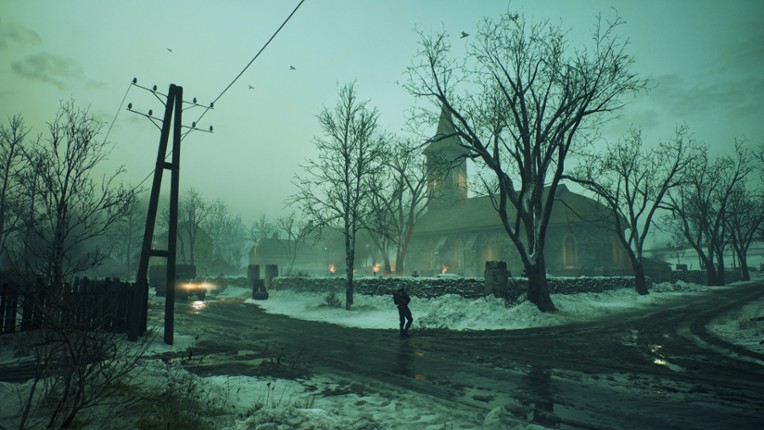
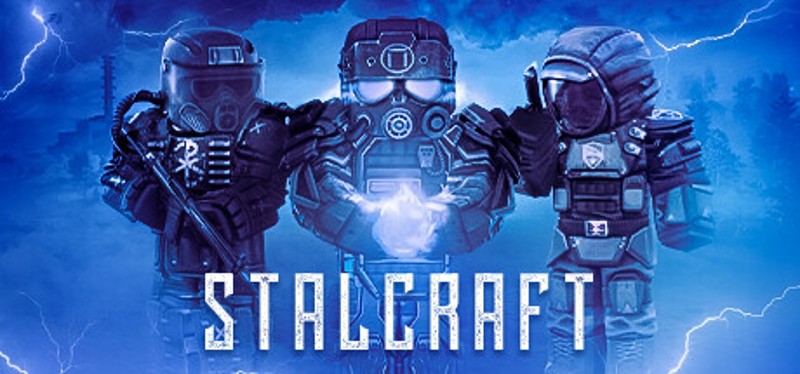
Stalcraft is a dynamic survival horror MMOFPS set in the open world of the Chernobyl Exclusion Zone. If you enjoyed this game, see our list of games similar to STALZONE.
View Game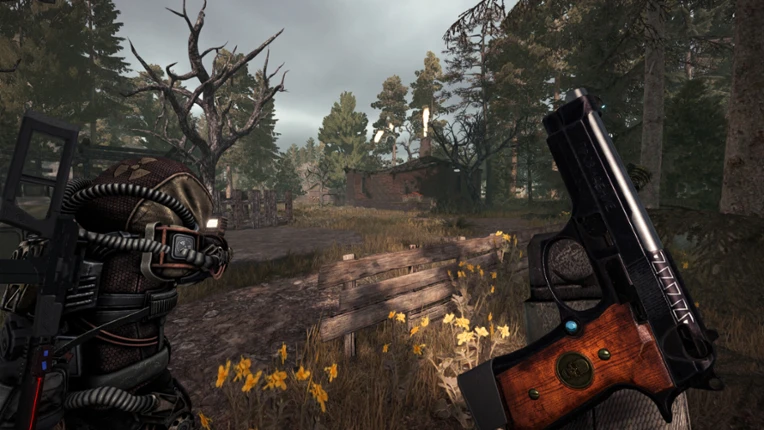
- 54%Game Brain ScoreMost mentioned positive aspects:story, gameplayMost mentioned negative aspects:grinding, monetization48% User Score 1,737 reviewsCritic Score 75%2 reviews
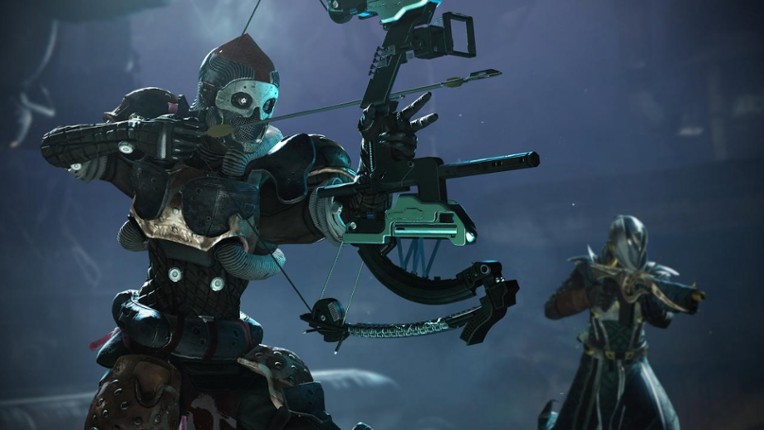
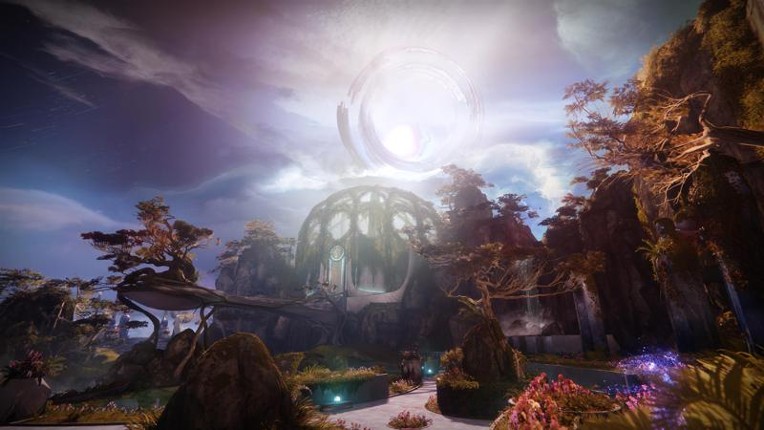
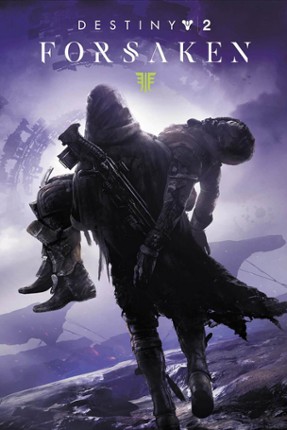
That loop of chasing powerful loot through demanding content — raids, dungeons, and high-stakes PvE — is exactly what Destiny 2: Forsaken was built around, and it remains one of the expansion's strongest offerings.
The smooth first-person gunplay and co-op structure carry over directly, but Forsaken earns its place by wrapping them in some of the most mechanically dense endgame content Destiny 2 has ever produced. The Last Wish raid and Shattered Throne dungeon demand the same tight coordination and build mastery that long-time Destiny 2 players already thrive on — which is precisely why the content hits differently than the base game's more approachable missions.
Where the base game has drawn criticism for a fragmented, hard-to-follow narrative, Forsaken delivers a focused, emotionally driven story arc that gives the lore real weight. It's a tighter experience by design.
The tradeoff worth knowing: a portion of content has been vaulted, so this is a leaner package than it once was — a fair caveat for a solid overlap rather than a perfect mirror.
Best for players who want Destiny 2's core feel sharpened around a single, cohesive expansion with high-difficulty rewards at the center.
If you enjoyed this game, see our list of games similar to Destiny 2: Forsaken.View Game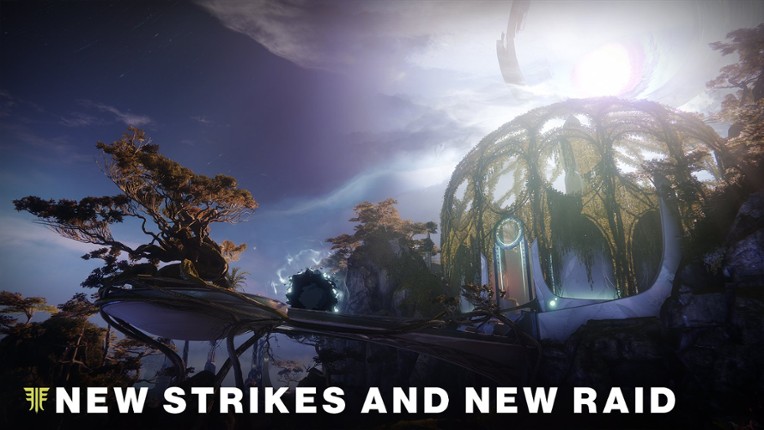
- 79%Game Brain ScoreMost mentioned positive aspects:gameplay, graphicsMost mentioned negative aspects:stability, monetization77% User Score 67,959 reviewsCritic Score 82%5 reviews
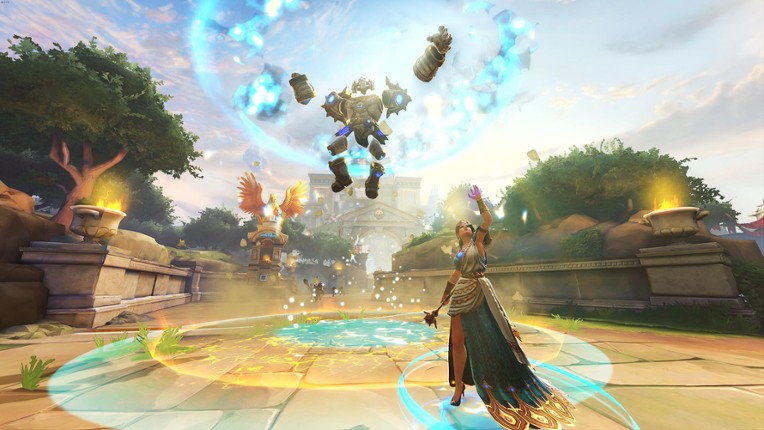
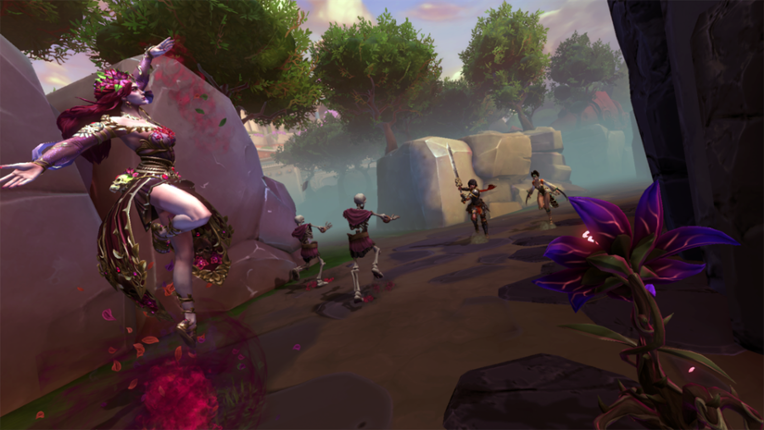
Come with us and leve your mortal world behind. This is SMITE, an online battleground where the Gods of Old wage war in the name of conquest, glory, and most of all, FUN. Whether this is your first Multiplayer Online Battle Arena (MOBA) game or you're a seasoned veteran, the intense action and irreverent mythology of SMITE will make you a believer. If you enjoyed this game, see our list of games similar to Smite.
View Game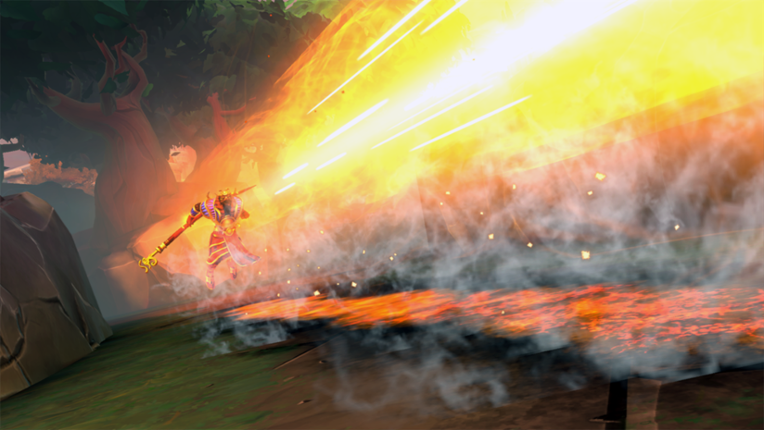
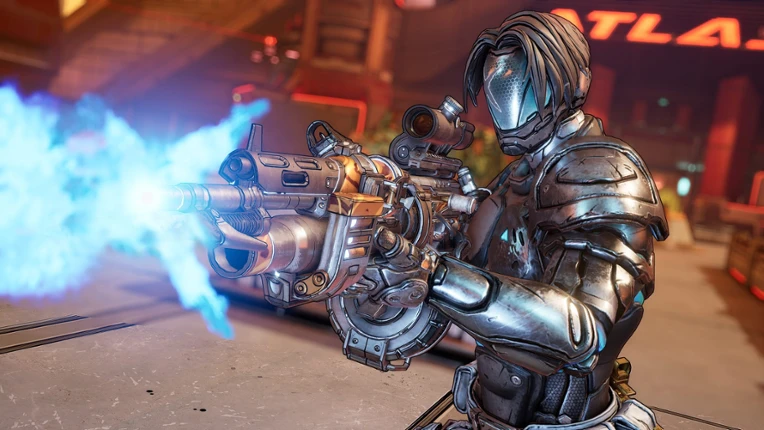
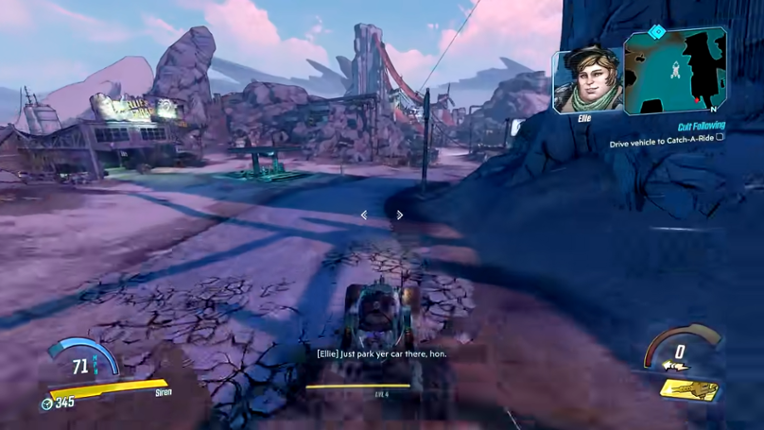
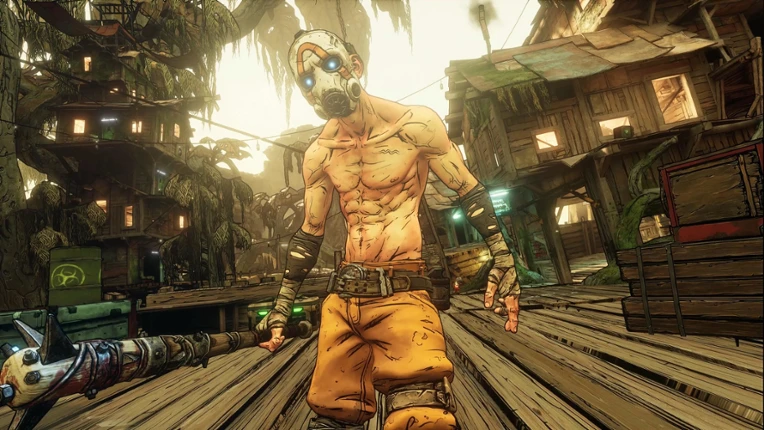
- 83%Game Brain ScoreMost mentioned positive aspects:story, gameplayMost mentioned negative aspects:optimization, grinding85% User Score 102,022 reviewsCritic Score 81%9 reviewsTrades Destiny's sci-fi warfare for anarchic humor and procedural loot across absurdist post-apocalyptic planets with stronger RPG progression. If you enjoyed this game, see our list of games similar to Borderlands 3.View Game
- 76%Game Brain ScoreMost mentioned positive aspects:story, gameplayMost mentioned negative aspects:grinding, monetization67% User Score 22,126 reviewsCritic Score 85%72 reviews
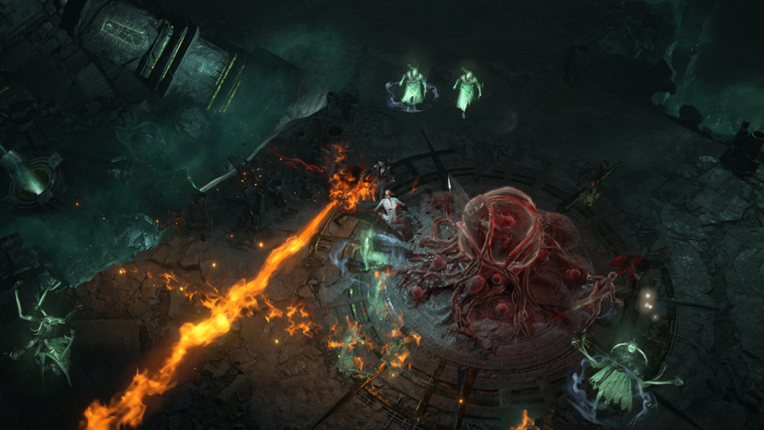
Endless demons to slaughter. Deep customization through Talents, Skill Points, Runes, and Legendary loot. Randomized dungeons contained in a dynamic open world. Survive and conquer darkness—or succumb to the shadows. If you enjoyed this game, see our list of games similar to Diablo IV.
View Game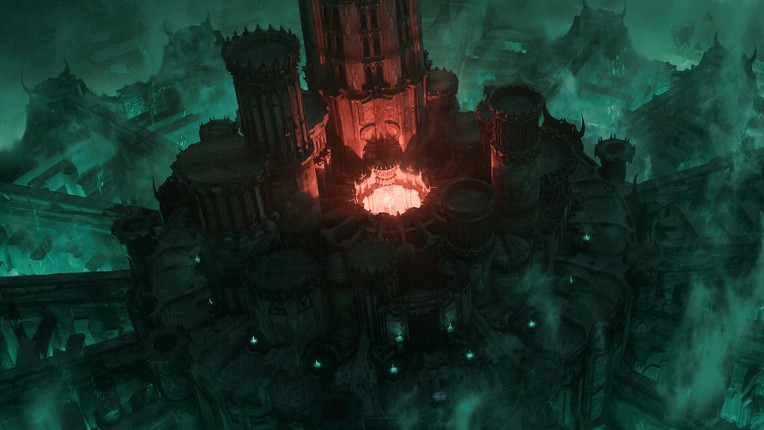
- 82%Game Brain ScoreMost mentioned positive aspects:gameplay, storyMost mentioned negative aspects:grinding, stability82% User Score 247,322 reviews
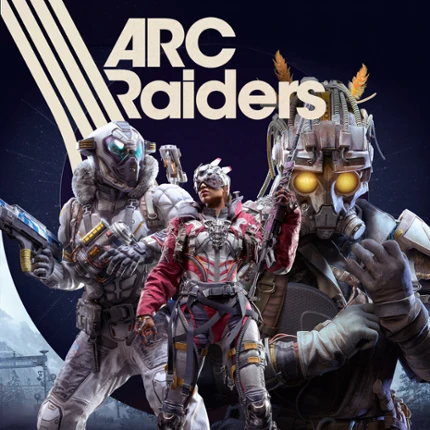
ARC Raiders is a free-to-play, reimagined, cooperative action shooter that offers an intense struggle in every session: together with your squad, defend our home and resist the onslaught of ARC – a ruthless mechanized threat descending from space. If you enjoyed this game, see our list of games similar to ARC Raiders.
View Game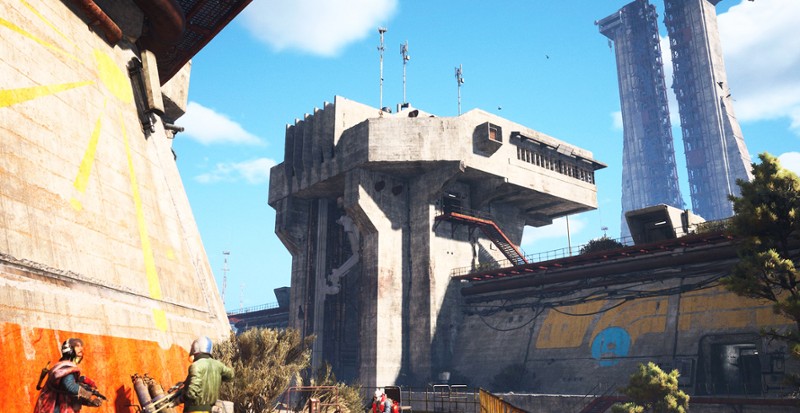
- 59%Game Brain ScoreMost mentioned positive aspects:story, gameplayMost mentioned negative aspects:grinding, monetization64% User Score 50,205 reviewsCritic Score 54%12 reviews
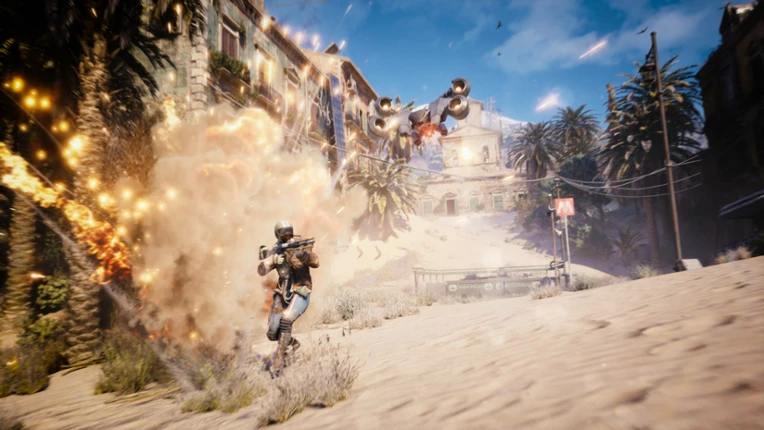
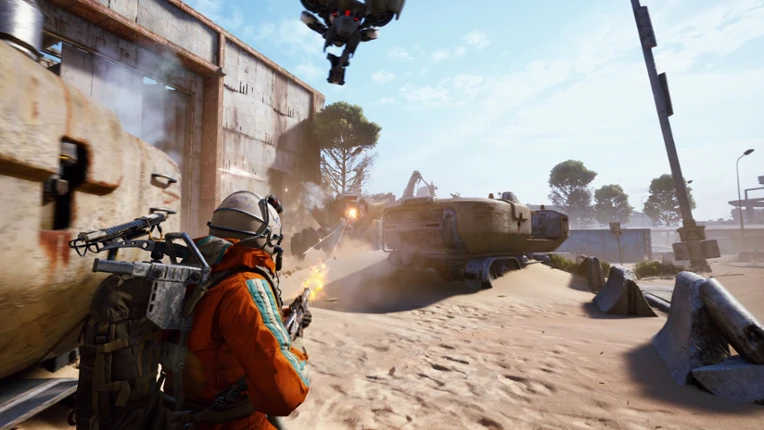
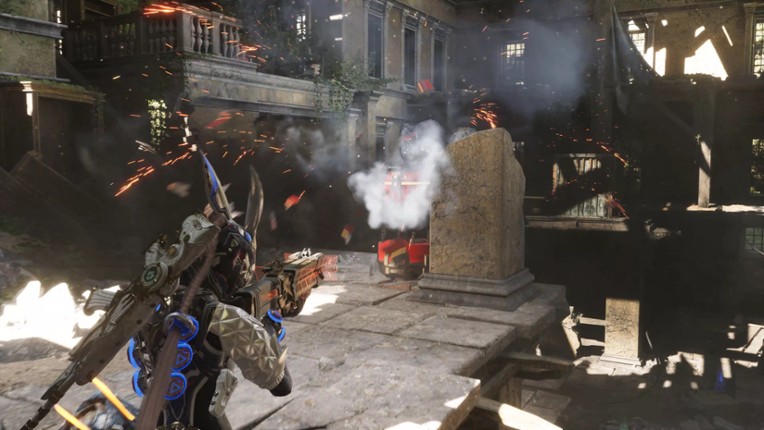
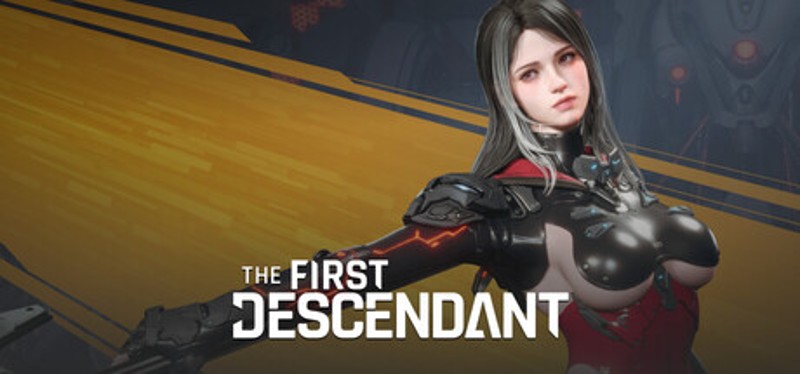
Download The First Descendant free at PlayStation Store, a next-gen, cross-platform, third-person looter-shooter powered by Unreal Engine 5. If you enjoyed this game, see our list of games similar to The First Descendant.
View Game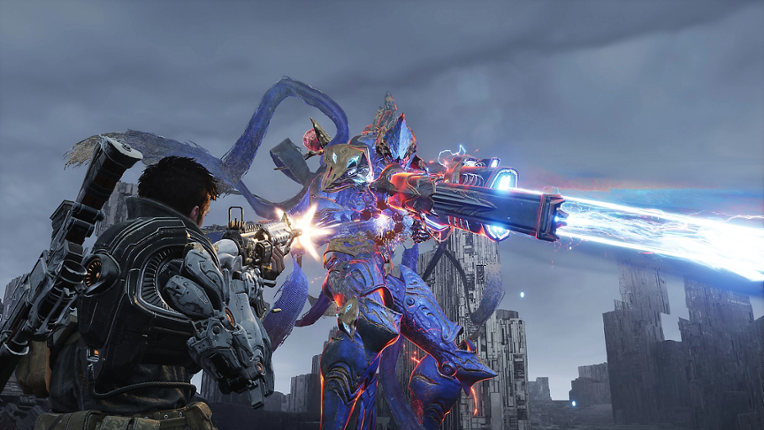
13 View Game View Game
- 89%Game Brain ScoreMost mentioned positive aspects:story, gameplayMost mentioned negative aspects:grinding, monetization89% User Score 17,346 reviewsCritic Score 92%3 reviews
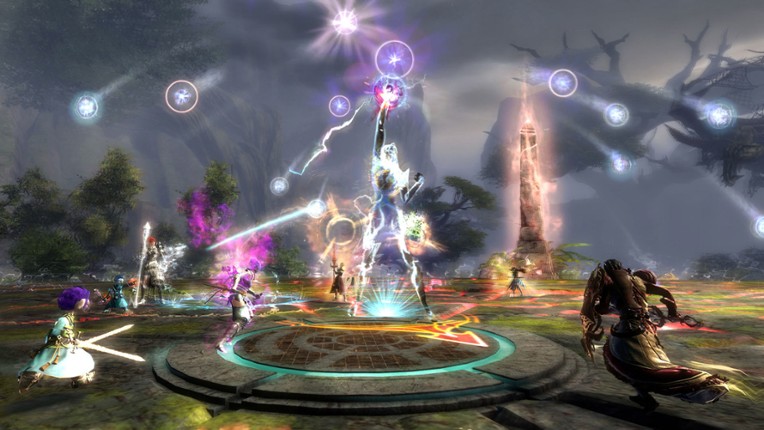
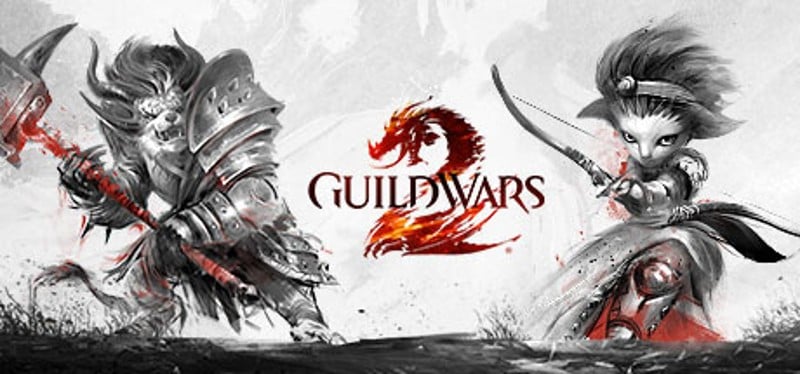
Guild Wars 2 is an online role-playing game with fast-paced action combat, a rich and detailed universe of stories, awe-inspiring landscapes to explore, two challenging player vs. player modes, and no subscription fees! If you enjoyed this game, see our list of games similar to Guild Wars 2.
View Game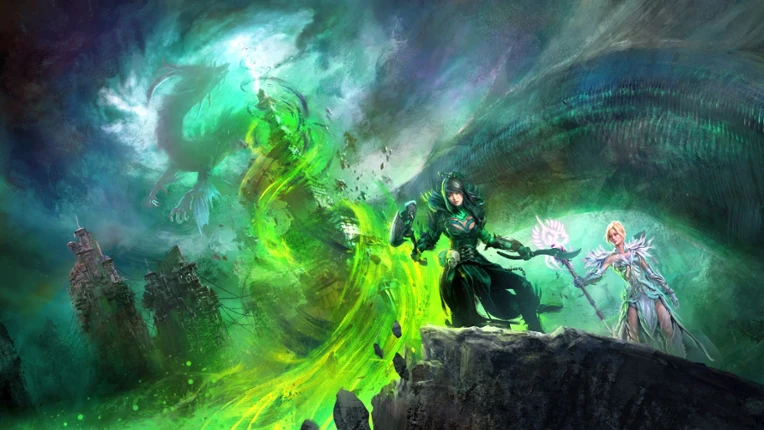
- 81%Game Brain ScoreMost mentioned positive aspects:gameplay, graphicsMost mentioned negative aspects:stability, monetization82% User Score 127,445 reviewsCritic Score 80%12 reviews
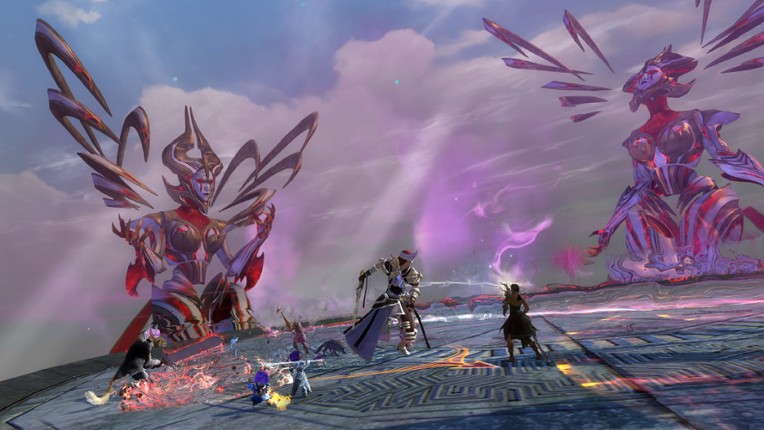
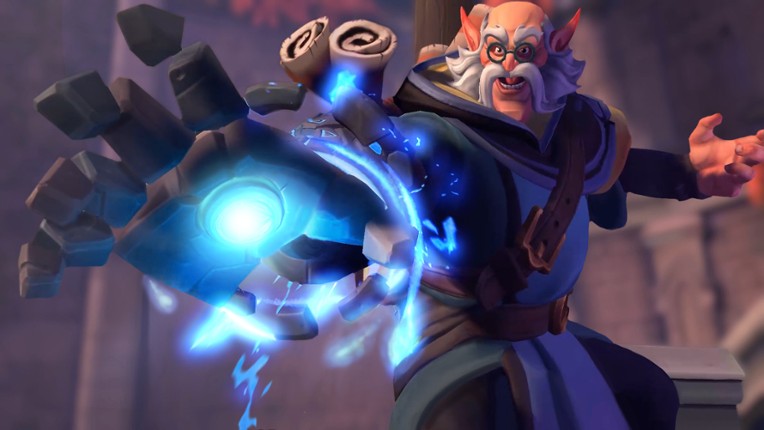
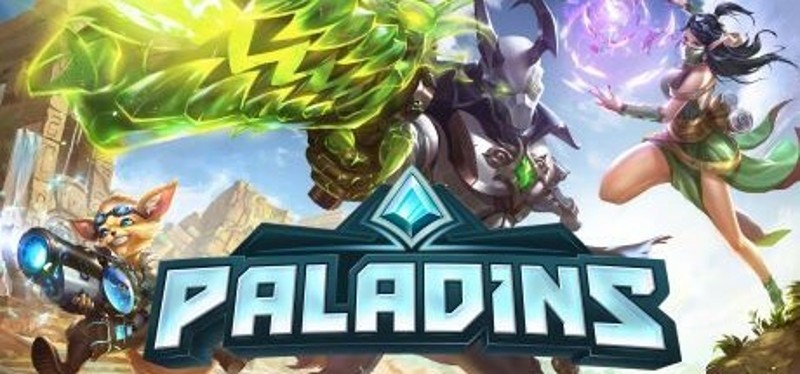
Join 50 million players in Paladins, the free-to-play fantasy team-based shooter sensation. Wield guns and magic as a legendary Champion of the Realm, customizing your core set of abilities to play exactly how you want to play. If you enjoyed this game, see our list of games similar to Paladins.
View Game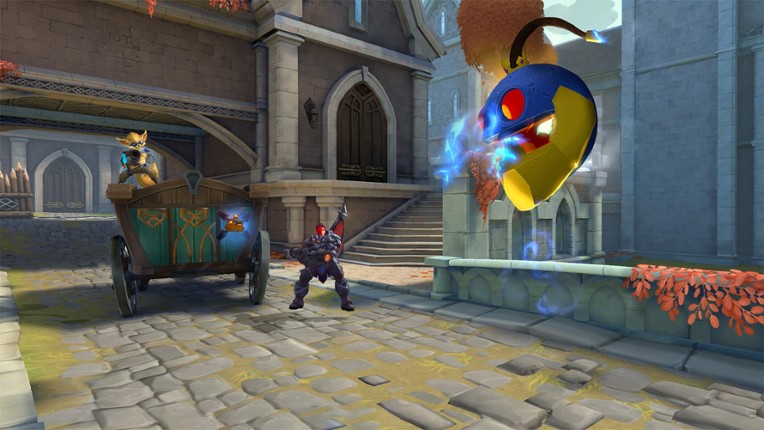
- 72%Game Brain ScoreMost mentioned positive aspects:story, gameplayMost mentioned negative aspects:grinding, monetization67% User Score 104,712 reviewsCritic Score 78%7 reviews
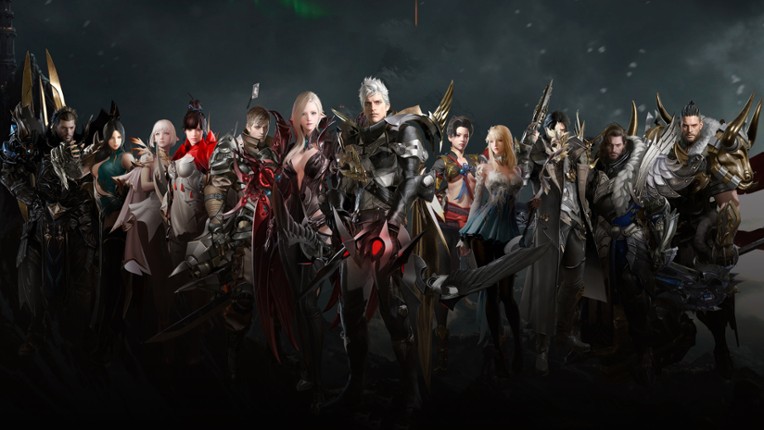
Embark on an odyssey for the Lost Ark in a vast, vibrant world: explore new lands, seek out lost treasures, and test yourself in thrilling action combat in this action-packed free-to-play RPG. If you enjoyed this game, see our list of games similar to Lost Ark.
View Game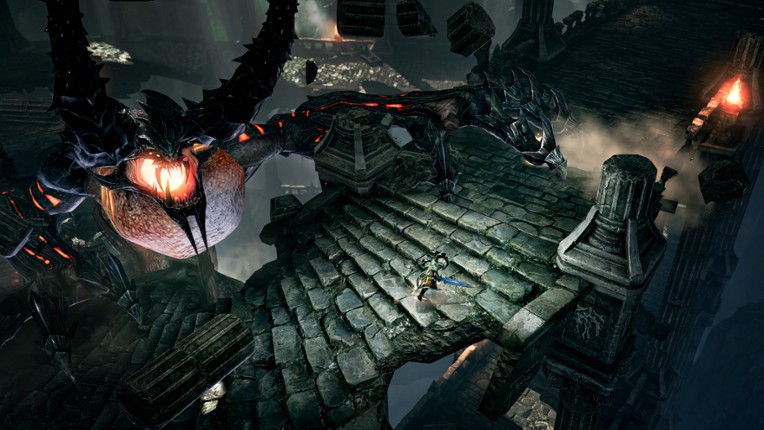
- 55%Game Brain ScoreMost mentioned positive aspects:gameplay, storyMost mentioned negative aspects:monetization, grinding34% User Score 132,714 reviewsCritic Score 76%54 reviews
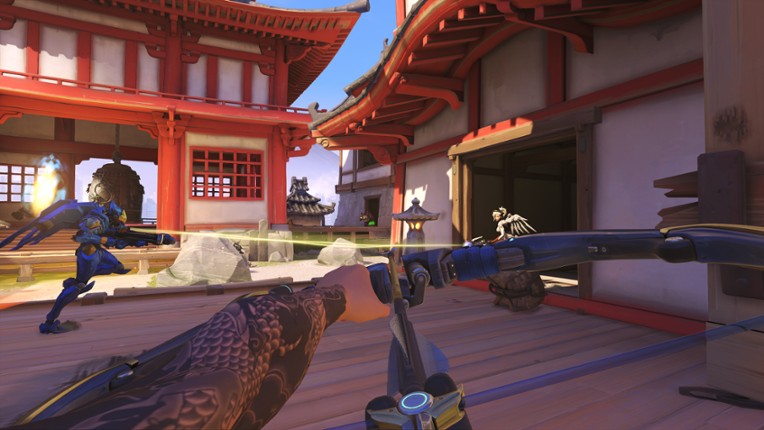
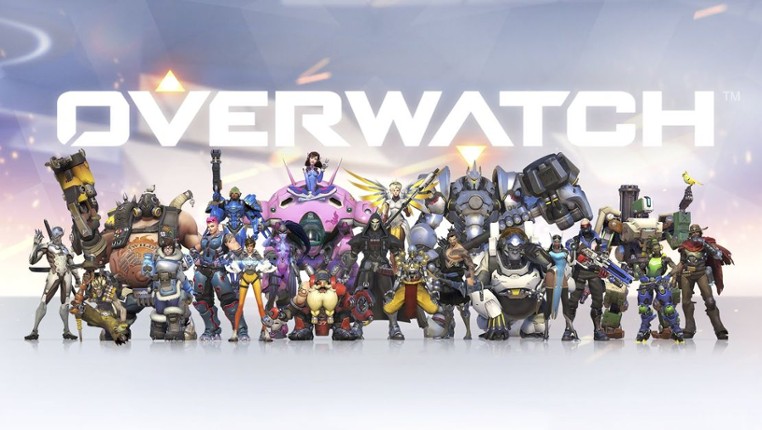
The shared DNA of Overwatch 2 and Destiny 2 lies in their masterful first-person gunplay, where every ability trigger and projectile feels punchy and responsive. This mechanical polish is reinforced by a vibrant, lore-drenched sci-fi aesthetic, ensuring that both titles look and move with high-production confidence.
However, the transition requires a shift in priorities: you are trading Destiny 2’s expansive, grind-heavy looter-shooter progression for highly specialized, team-based hero combat. Where the former focuses on character building, the latter prioritizes rigid class synergy and rapid-fire objective control.
Pick this up if you crave snappy combat mechanics but are ready to swap massive raid environments for intense, high-stakes 5v5 competitive matches.
If you enjoyed this game, see our list of games similar to Overwatch.View Game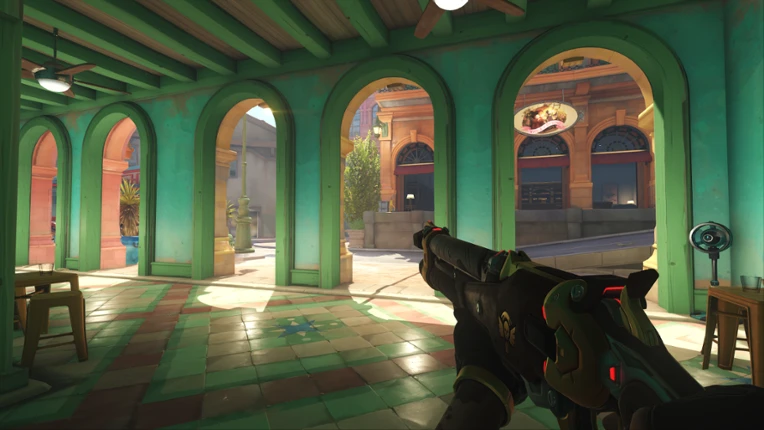
- 78%Game Brain ScoreMost mentioned positive aspects:gameplay, storyMost mentioned negative aspects:grinding, optimization79% User Score 79,363 reviewsCritic Score 77%6 reviews
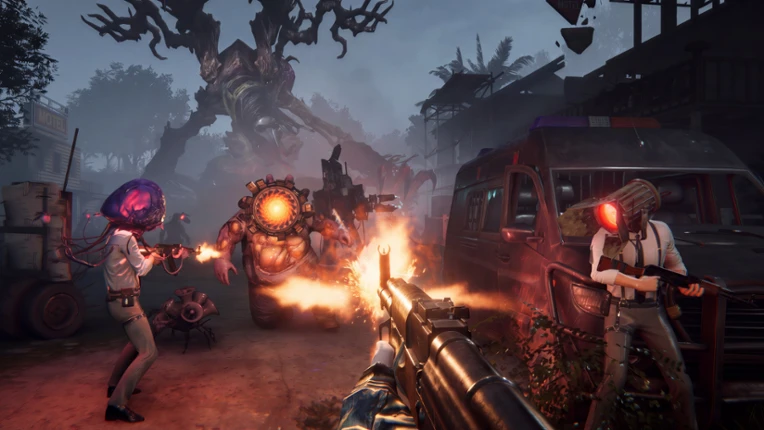
Once Human is a Strange Worlds Survival Game set in a strange, post-apocalyptic future. Unite with friends to fight monstrous enemies, uncover secret plots, compete for resources, and build your own territory. Once, you were merely human. Now, you have the power to remake the world. If you enjoyed this game, see our list of games similar to Once Human.
View Game
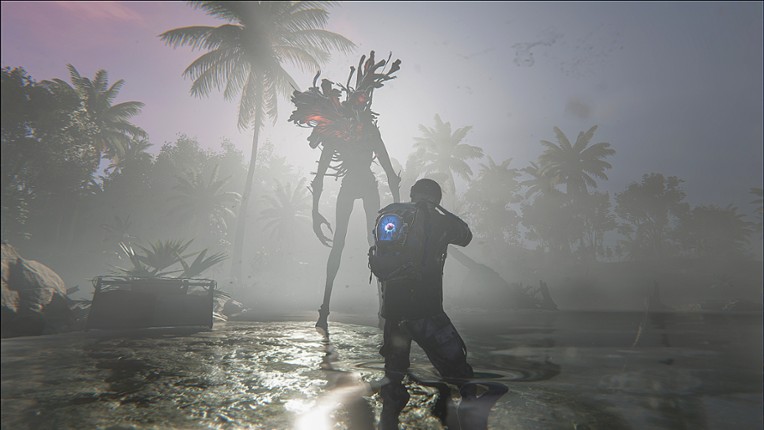
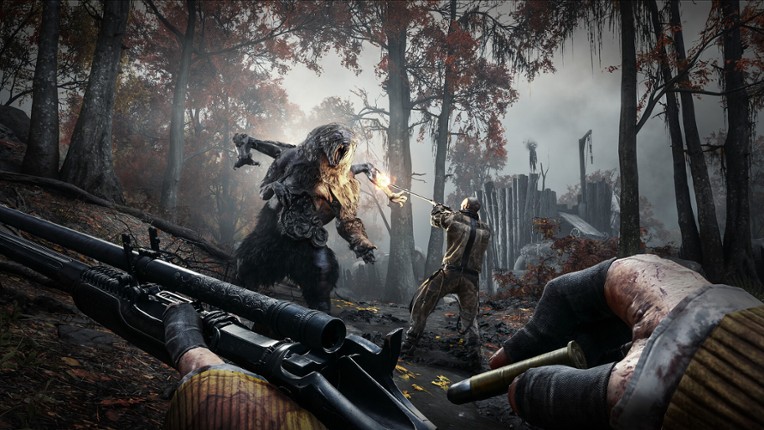
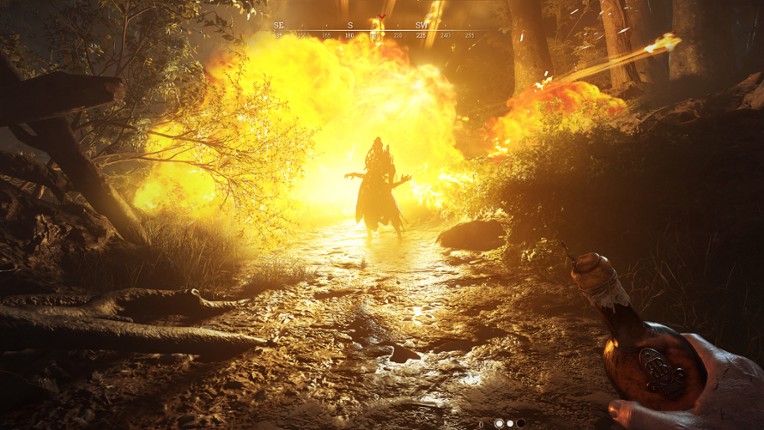
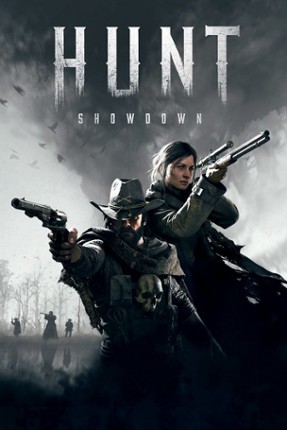
- 76%Game Brain ScoreMost mentioned positive aspects:gameplay, graphicsMost mentioned negative aspects:optimization, stability77% User Score 168,177 reviewsCritic Score 76%24 reviewsSwaps space exploration for gothic horror bounty hunting where co-op turns competitive when extracting with loot, emphasizing tension over spectacle. If you enjoyed this game, see our list of games similar to Hunt: Showdown.View Game
- 82%Game Brain ScoreMost mentioned positive aspects:story, gameplayMost mentioned negative aspects:grinding, monetization82% User Score 21,471 reviewsCritic Score 85%1 reviews
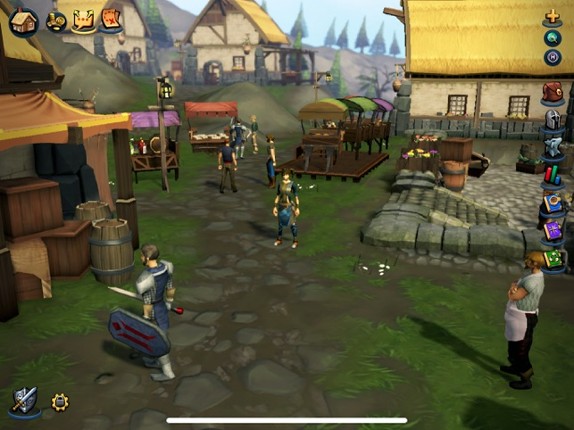
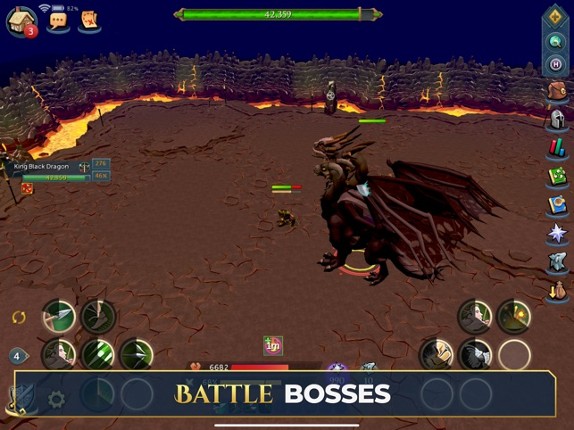
RuneScape Pre-Paid cards can be used to purchase a wide range of Membership, RuneCoin and Key packages. They're a great way to enhance your experience! If you enjoyed this game, see our list of games similar to RuneScape.
View Game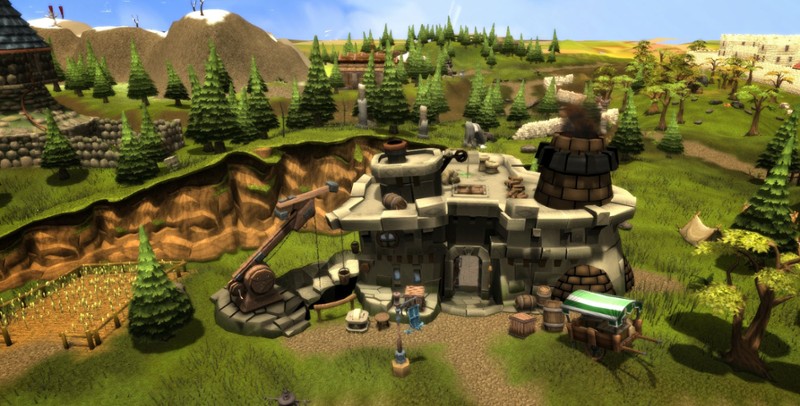
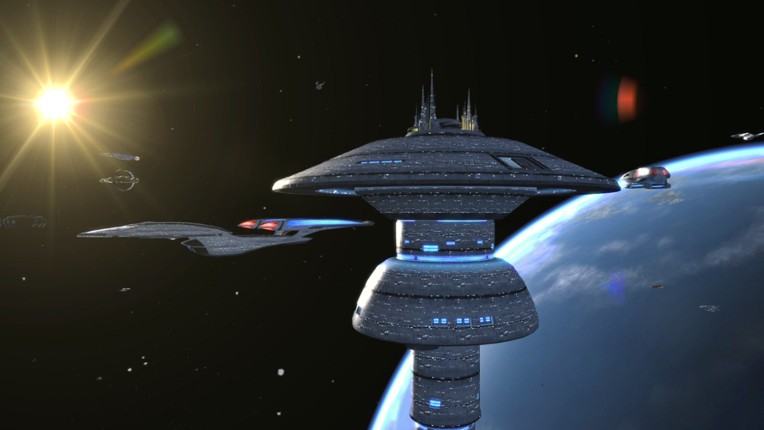
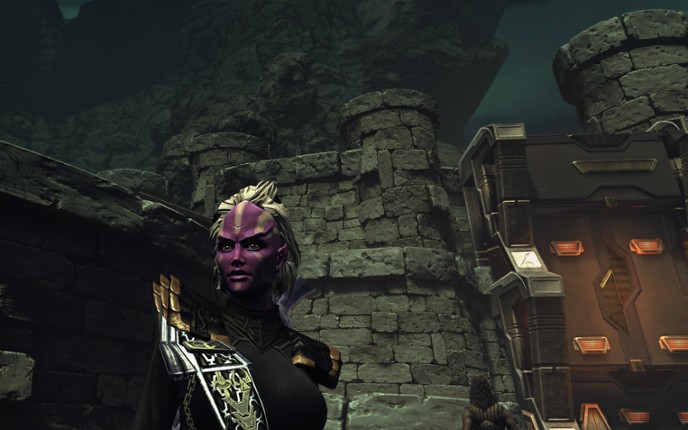
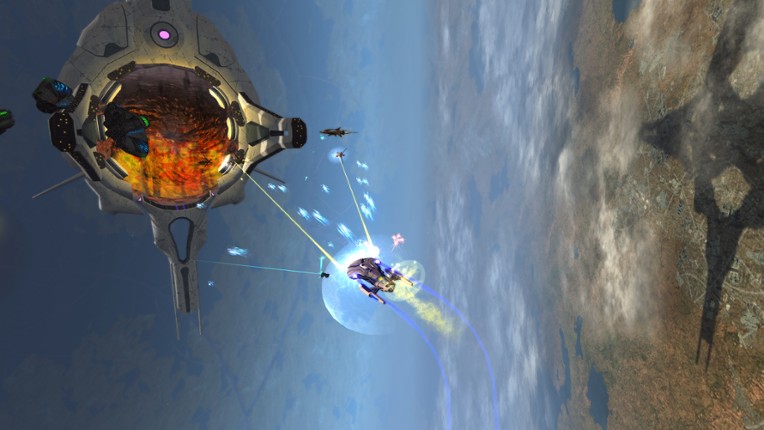
- 75%Game Brain ScoreMost mentioned positive aspects:story, gameplayMost mentioned negative aspects:grinding, monetization79% User Score 16,422 reviewsCritic Score 68%6 reviewsSpace-faring MMO that mirrors Destiny's exploration fantasy but grounds it in Star Trek's diplomacy and tactical ship combat over individual Guardians. If you enjoyed this game, see our list of games similar to Star Trek Online.View Game
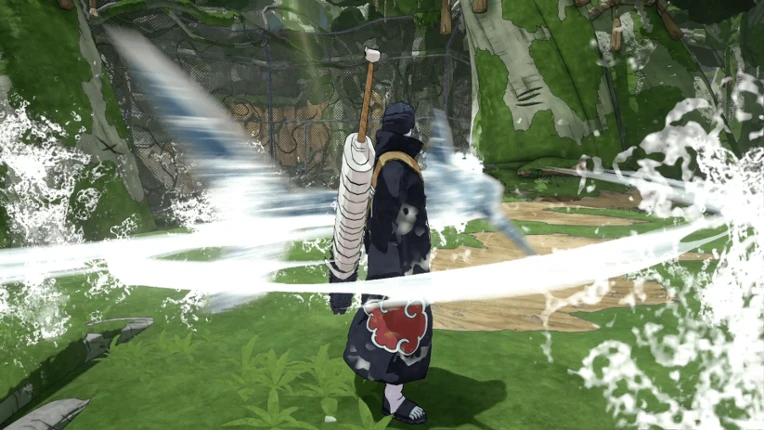
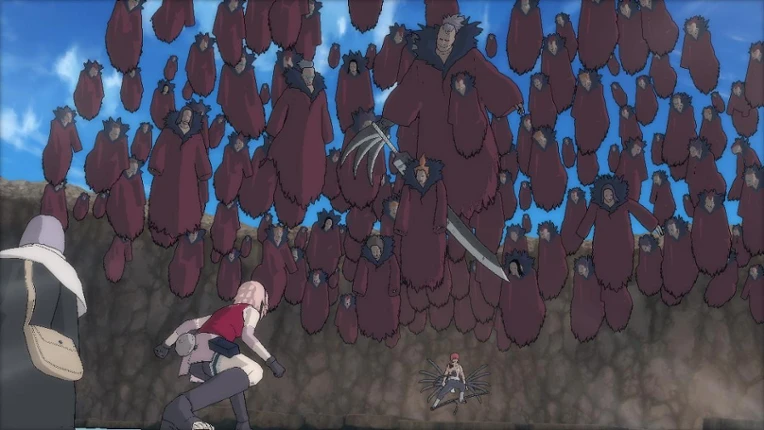
22 View Game 86%Game Brain ScoreMost mentioned positive aspects:story, gameplayMost mentioned negative aspects:grinding, stability86% User Score 34,096 reviewsAnime team-based action game borrowing Destiny's multiplayer progression but emphasizing MOBA-style objective gameplay and ninja combat traditions instead. If you enjoyed this game, see our list of games similar to NARUTO TO BORUTO: Shinobi Striker.View Game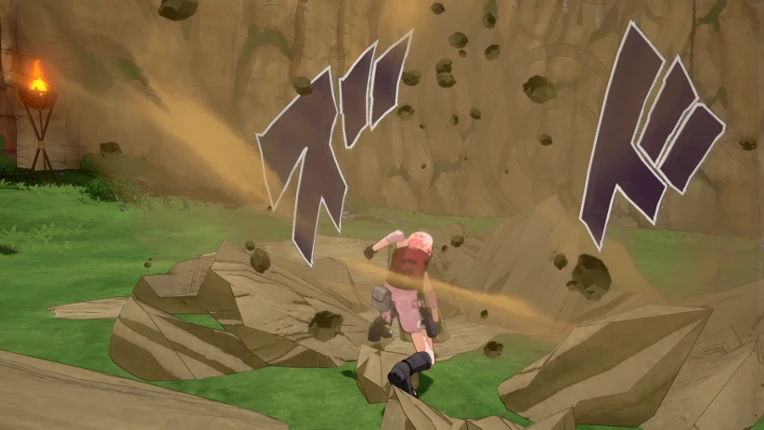
23 View Game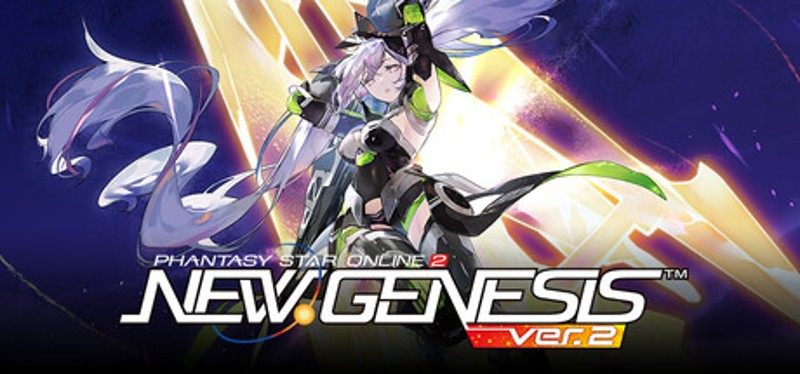 69%Game Brain ScoreMost mentioned positive aspects:story, gameplayMost mentioned negative aspects:grinding, monetization69% User Score 17,657 reviews
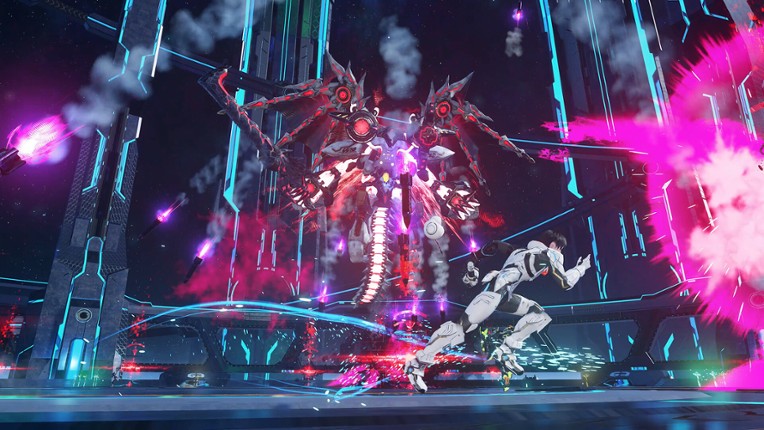
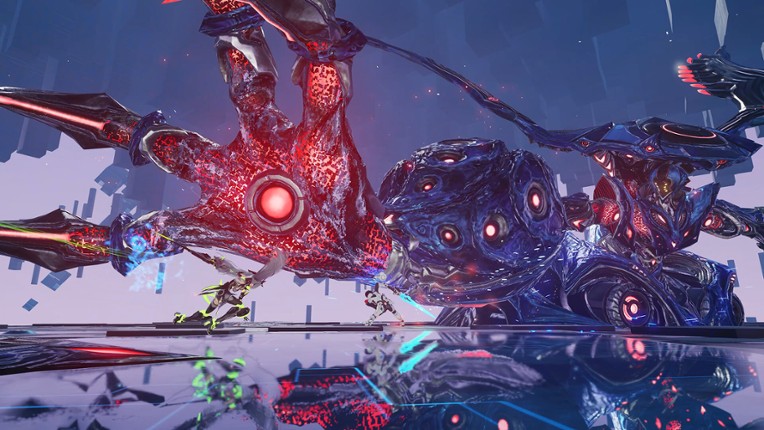
Phantasy Star Online 2 New Genesis, the latest chapter in the Phantasy Star Online 2 series, is here at last! It's time to jump into adventures beyond imagination! This new adventure takes place on a vast open field! Up to 32 people can enjoy the adventure in a new world with beautifully evolved graphics! The simple and intuitive controls developed in the series up to now have also evolved! A n… If you enjoyed this game, see our list of games similar to Phantasy Star Online 2 New Genesis.
View Game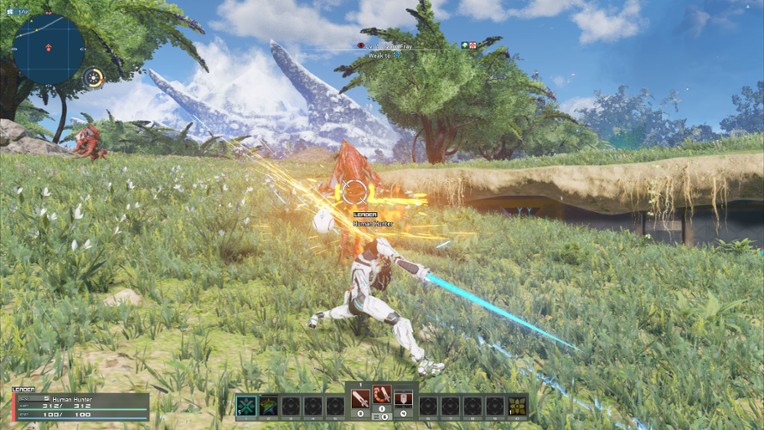
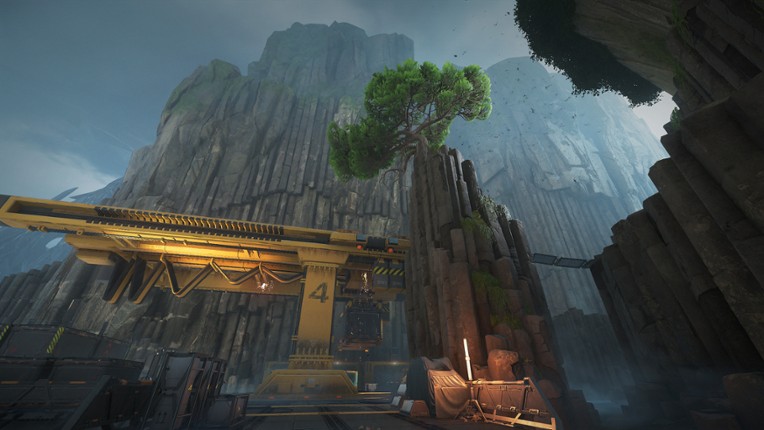
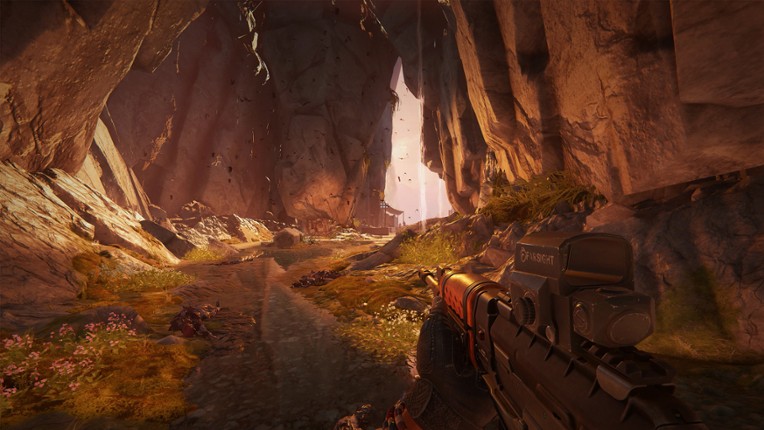
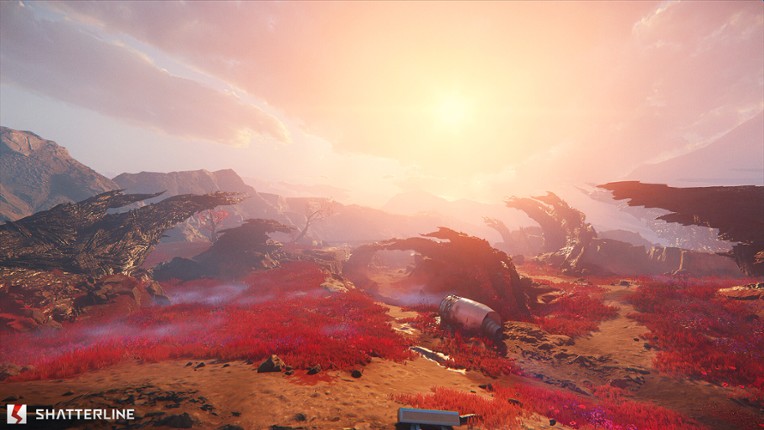
- 70%Game Brain ScoreMost mentioned positive aspects:gameplay, storyMost mentioned negative aspects:grinding, stability70% User Score 17,349 reviewsEarly access hero shooter inheriting Destiny's lore-rich sci-fi but fragmenting into roguelike runs and hero class identities over unified progression. If you enjoyed this game, see our list of games similar to Shatterline.View Game
- 79%Game Brain ScoreMost mentioned positive aspects:gameplay, graphicsMost mentioned negative aspects:monetization, stability81% User Score 150,441 reviewsCritic Score 77%15 reviews
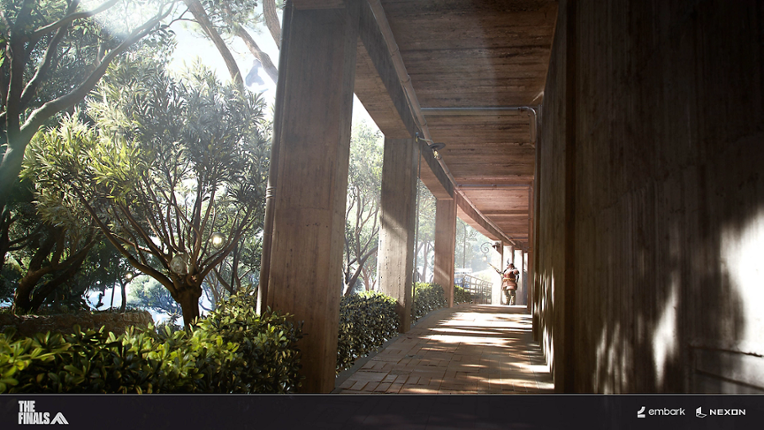
Buy The Finals on PlayStation Store. Dare to compete for fame and fortune in the world's most explosive game show. If you enjoyed this game, see our list of games similar to THE FINALS.
View Game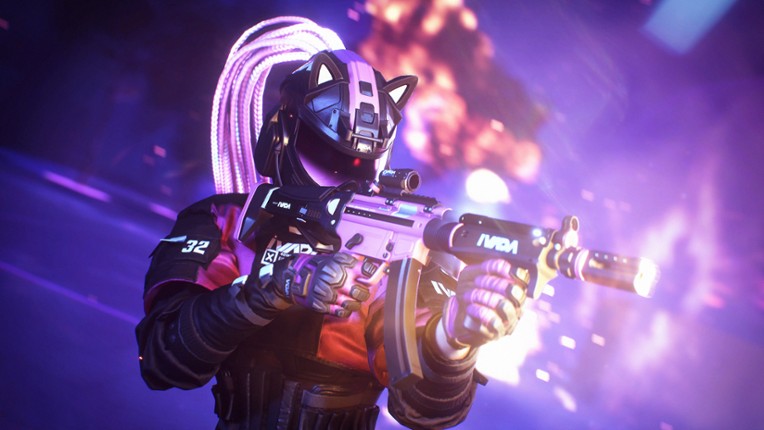

- 75%Game Brain ScoreMost mentioned positive aspects:story, gameplayMost mentioned negative aspects:grinding, monetization75% User Score 18,910 reviews
Neverwinter is a free, action MMORPG based on the acclaimed Dungeons & Dragons fantasy roleplaying game. Epic stories, action combat and classic roleplaying await those heroes courageous enough to enter the fantastic world of Neverwinter! If you enjoyed this game, see our list of games similar to Neverwinter.
View Game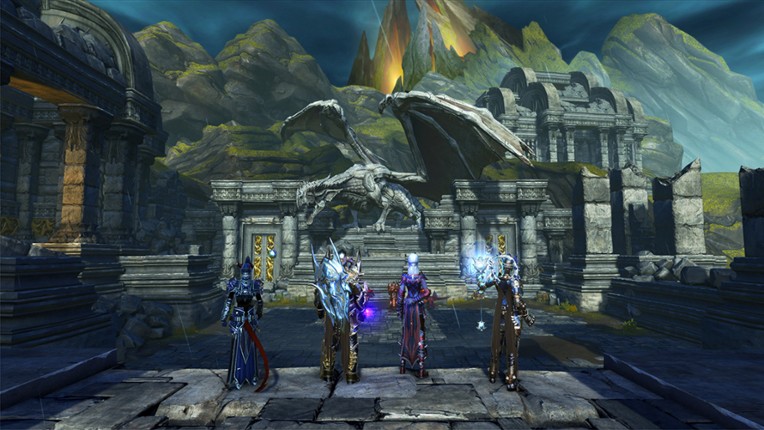
- 80%Game Brain ScoreMost mentioned positive aspects:story, gameplayMost mentioned negative aspects:stability, optimization80% User Score 261,649 reviewsCritic Score 80%16 reviews
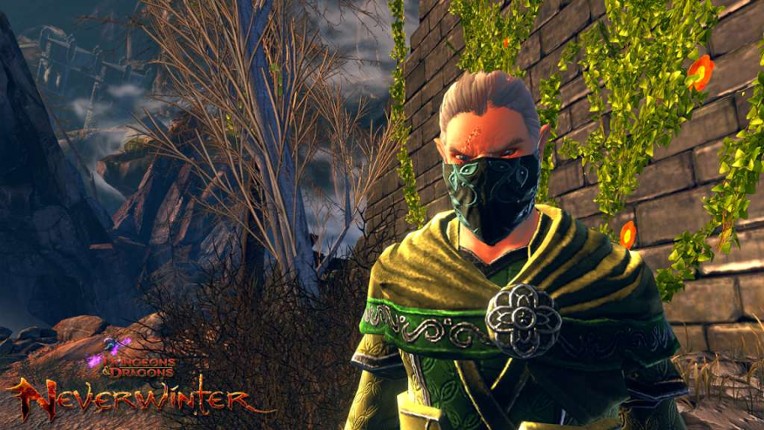
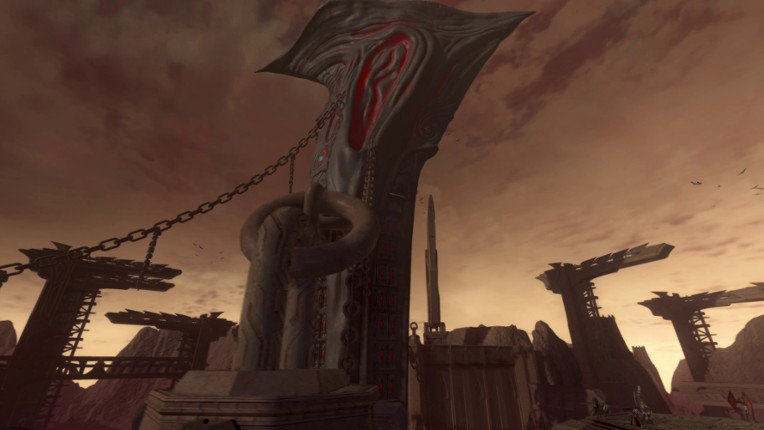
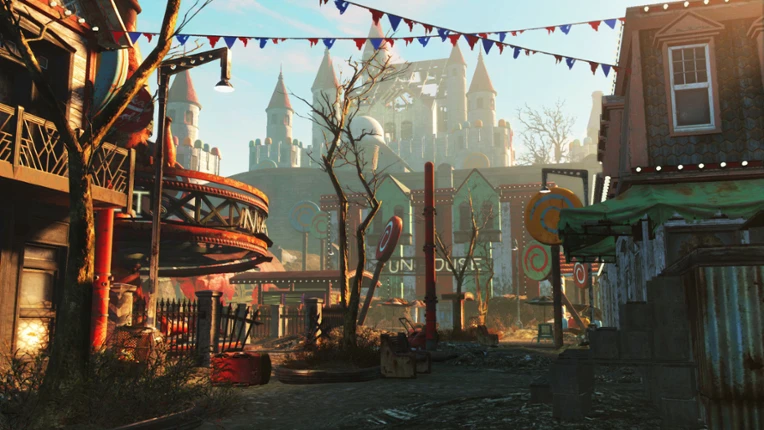
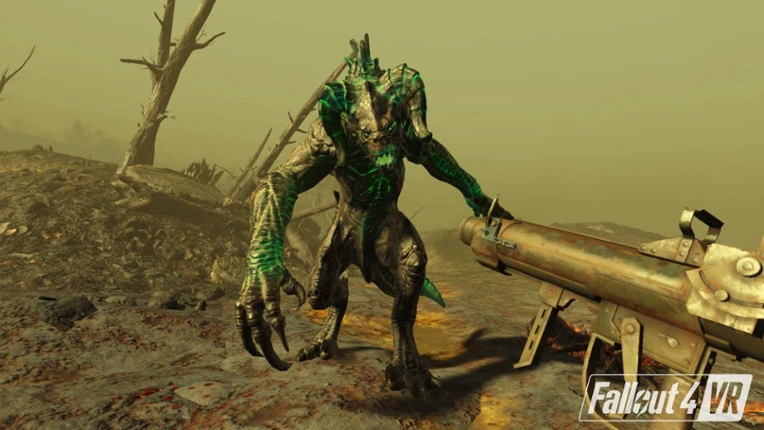
Buy Fallout 4 on PlayStation Store. Explore a vast open world ravaged by nuclear war in this award-winning RPG. If you enjoyed this game, see our list of games similar to Fallout 4.
View Game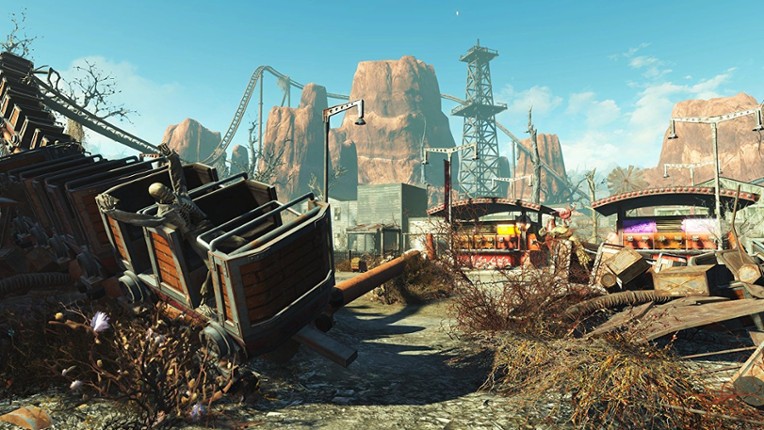
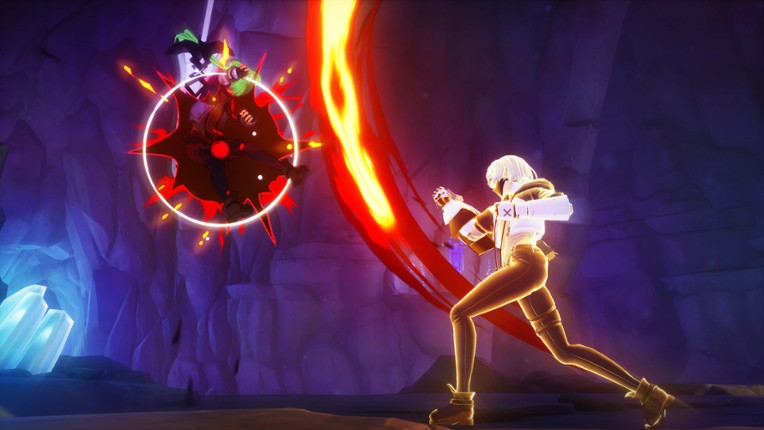
- 58%Game Brain ScoreMost mentioned positive aspects:story, gameplayMost mentioned negative aspects:grinding, monetization58% User Score 12,224 reviewsReplaces Destiny's first-person gunplay with stylish third-person melee combat and anime aesthetics while maintaining free-to-play multiplayer progression. If you enjoyed this game, see our list of games similar to KurtzPel.View Game

- 62%Game Brain ScoreMost mentioned positive aspects:story, gameplayMost mentioned negative aspects:grinding, monetization62% User Score 12,801 reviews
Welcome to MapleStory, the original side-scrolling MMORPG where epic adventure, action and good friends await you. With hundreds of hours of gameplay, this immersive role-playing experience will allow you to unleash your wild side as you create and train a mighty hero, conquer perilous dungeons, overcome terrifying bosses, socialize with your friends and much more. Your MapleStory begins today! If you enjoyed this game, see our list of games similar to MapleStory.
View Game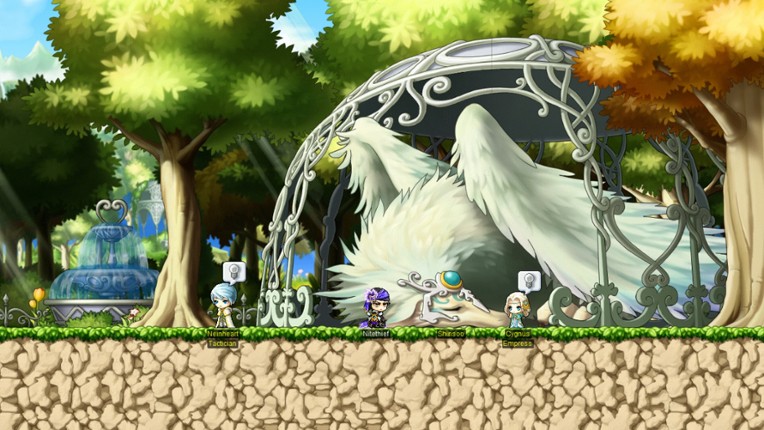
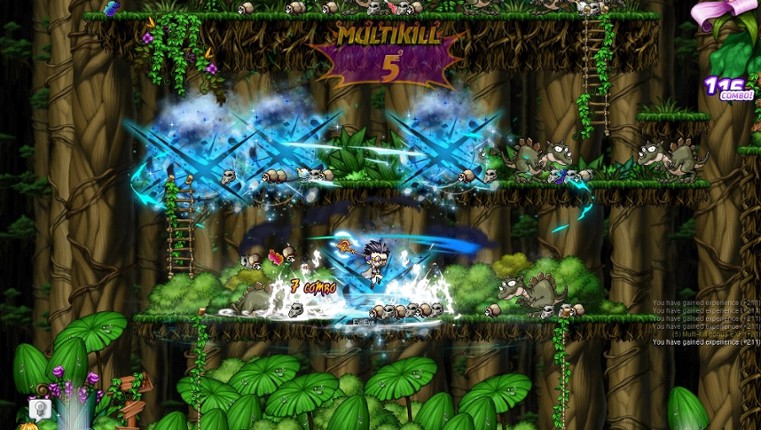

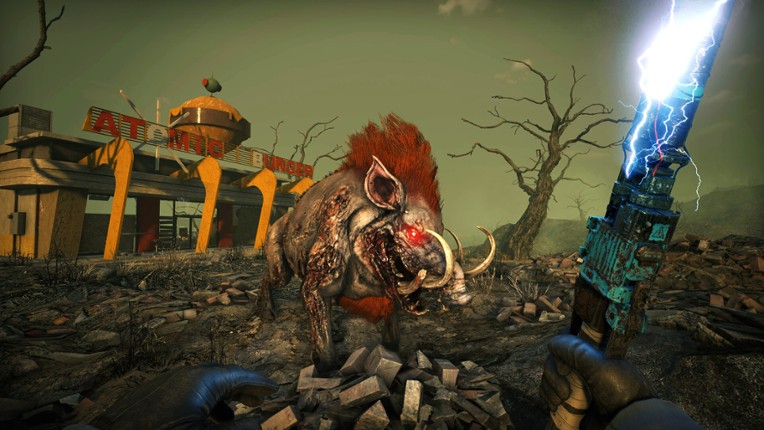
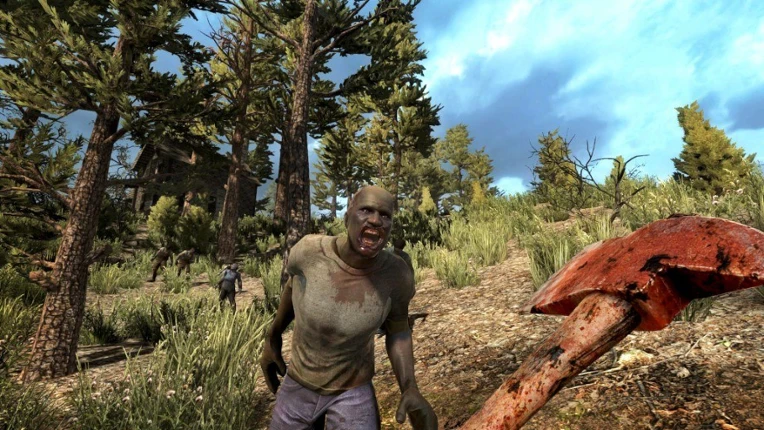
- 62%Game Brain ScoreMost mentioned positive aspects:gameplay, graphicsMost mentioned negative aspects:story, optimization85% User Score 183,471 reviewsCritic Score 40%18 reviewsTrading space-faring heroics for gritty apocalyptic fortification, this experience shifts the focus toward building defenses against persistent, encroaching zombie hordes. If you enjoyed this game, see our list of games similar to 7 Days to Die.View Game
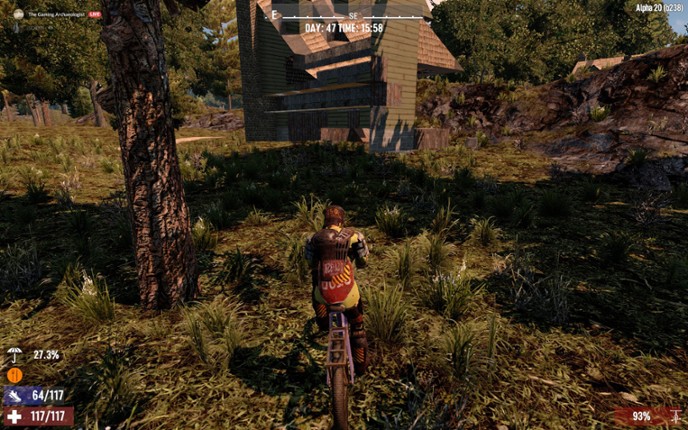
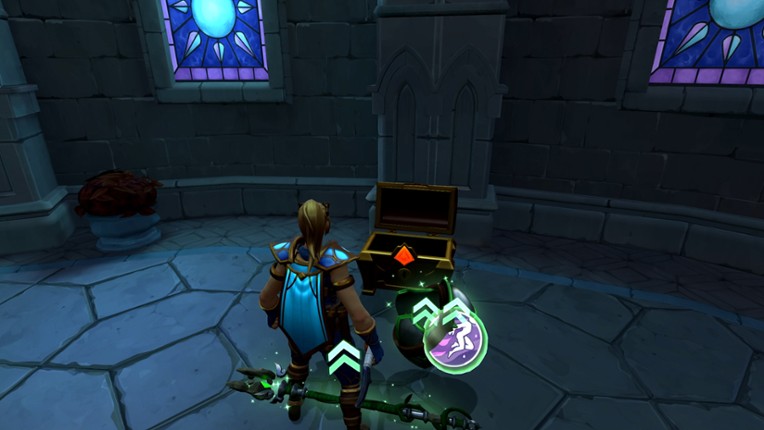
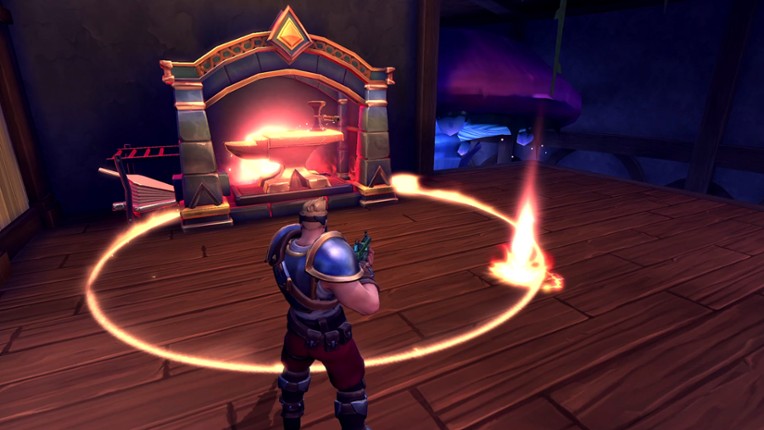
- 74%Game Brain ScoreMost mentioned positive aspects:gameplay, graphicsMost mentioned negative aspects:stability, monetization73% User Score 24,203 reviewsCritic Score 78%1 reviewsRealm Royale Reforged swaps Destiny 2's shooter mechanics for a fantasy battle royale with class-based team play and quicker matches. If you enjoyed this game, see our list of games similar to Realm Royale Reforged.View Game
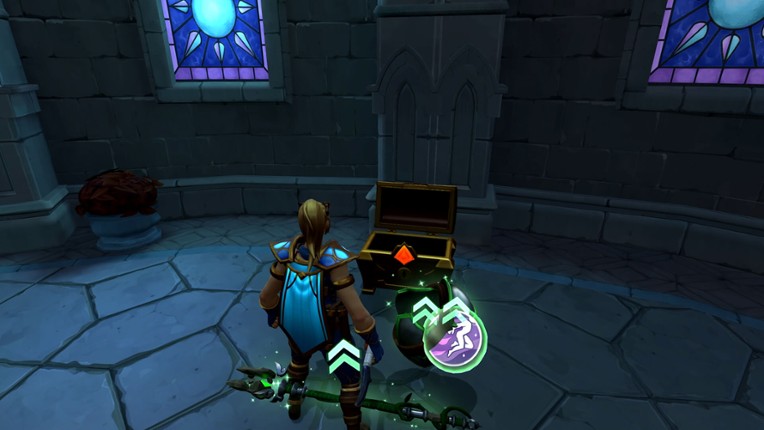
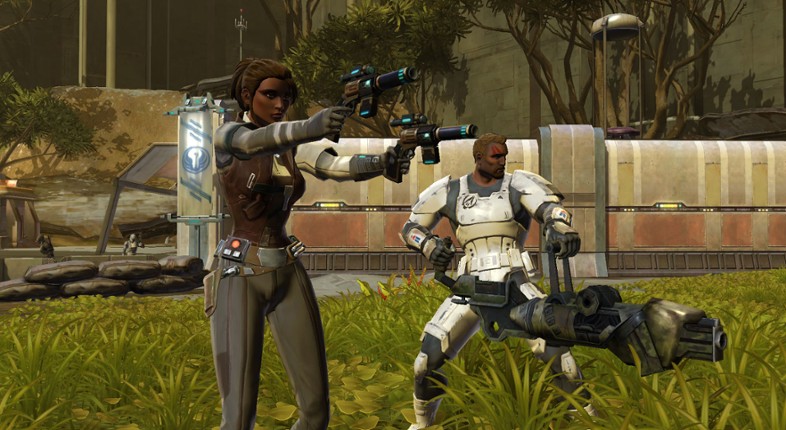
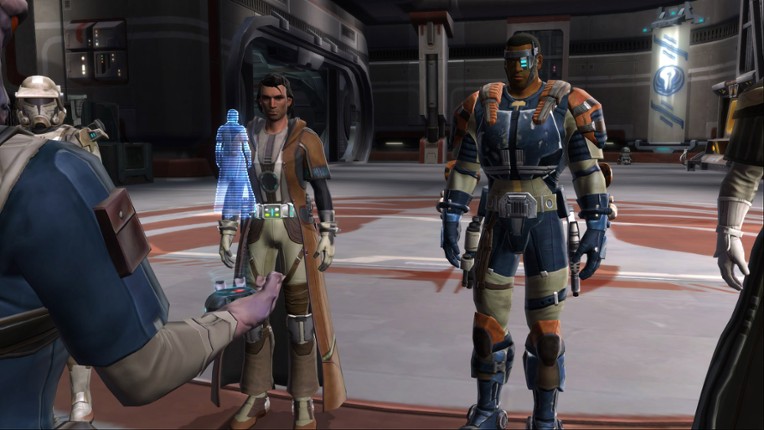
- 90%Game Brain ScoreMost mentioned positive aspects:story, gameplayMost mentioned negative aspects:grinding, monetization90% User Score 49,698 reviewsCritic Score 89%5 reviewsWhile the gameplay loop is less reflexive, this title offers a deeper, dialogue-heavy narrative experience set within the iconic Star Wars universe. If you enjoyed this game, see our list of games similar to Star Wars: The Old Republic.View Game
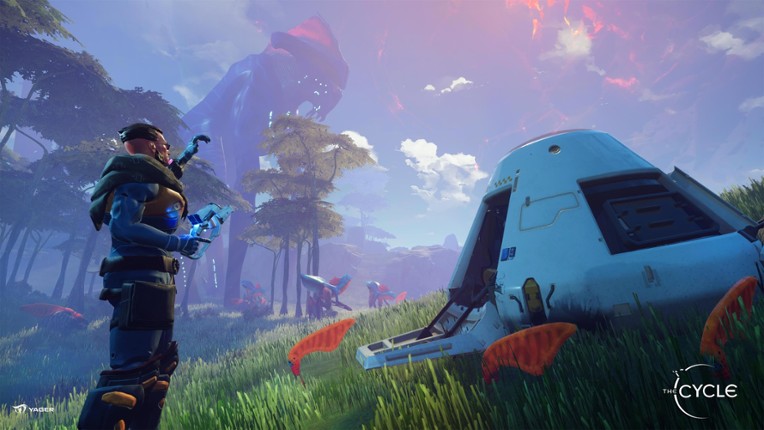
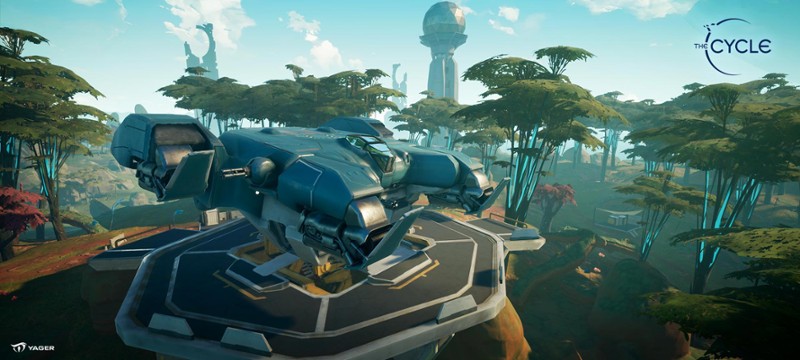
- 64%Game Brain ScoreMost mentioned positive aspects:gameplay, storyMost mentioned negative aspects:stability, grinding67% User Score 25,153 reviewsCritic Score 57%3 reviewsFree-to-play looter shooter with battle royale extraction mechanics and alien worlds instead of Destiny's narrative-driven campaigns. If you enjoyed this game, see our list of games similar to The Cycle.View Game
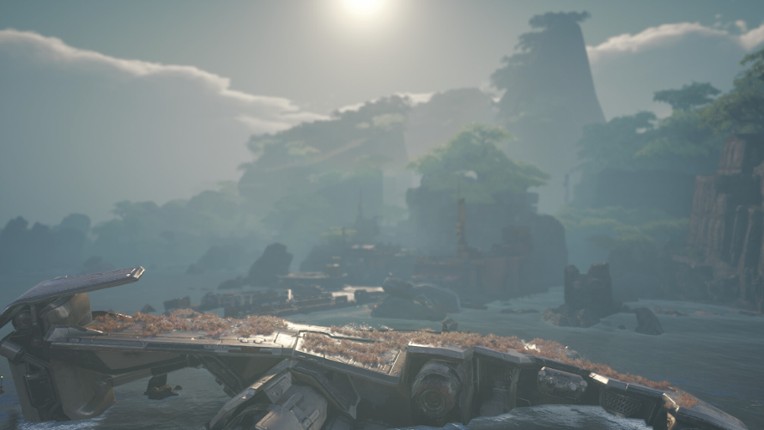
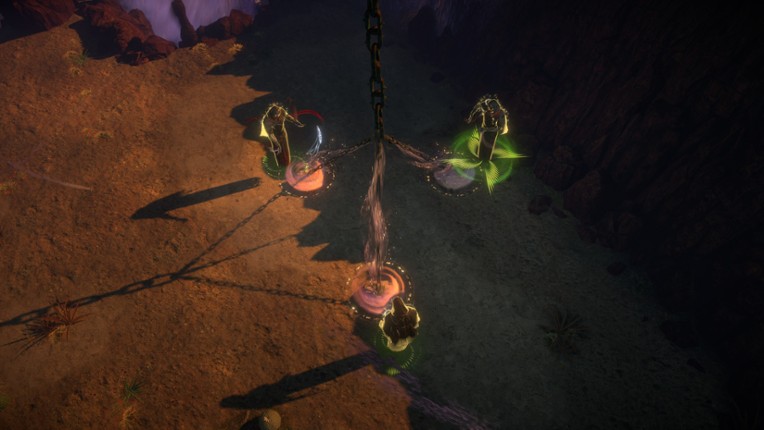
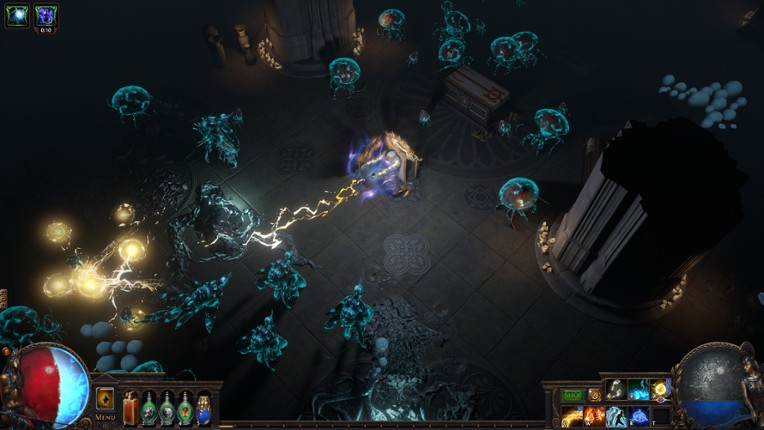
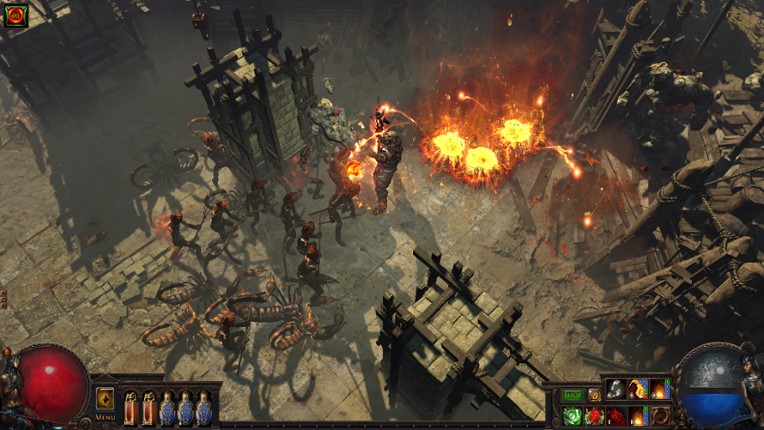
- 85%Game Brain ScoreMost mentioned positive aspects:gameplay, storyMost mentioned negative aspects:grinding, optimization89% User Score 138,617 reviewsCritic Score 78%5 reviewsPath of Exile takes Destiny 2’s loot-driven multiplayer and dark fantasy elements into a complex, isometric action RPG grind. If you enjoyed this game, see our list of games similar to Path of Exile.View Game
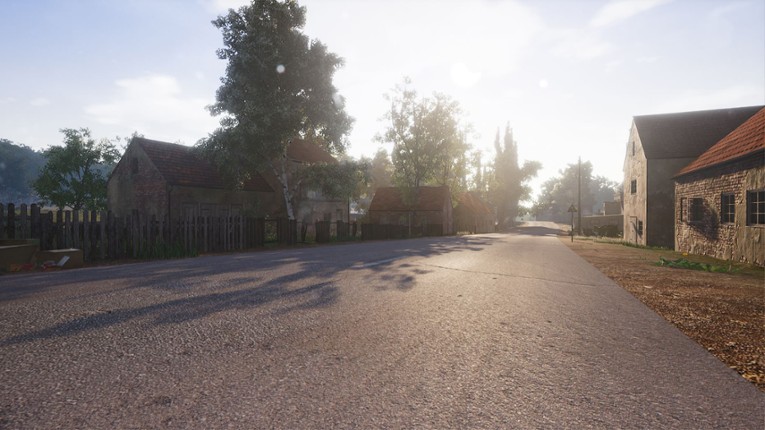
- 73%Game Brain ScoreMost mentioned positive aspects:gameplay, graphicsMost mentioned negative aspects:optimization, stability73% User Score 46,927 reviews
Unreal Drone Racing is an arcade style racing game with drones... and lasers! If you enjoyed this game, see our list of games similar to SCUM.
View Game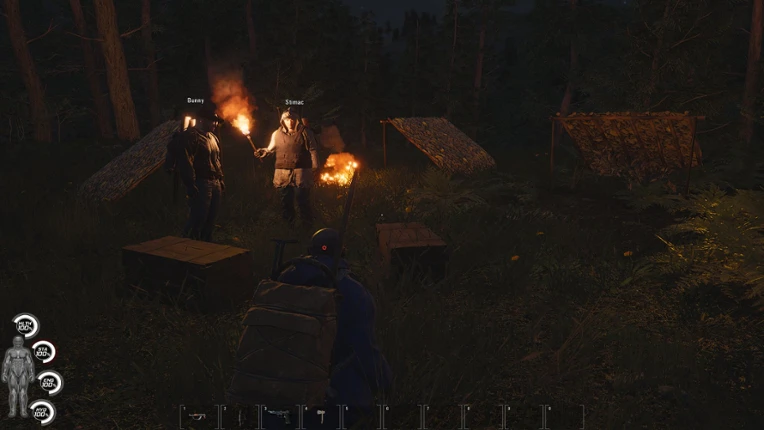
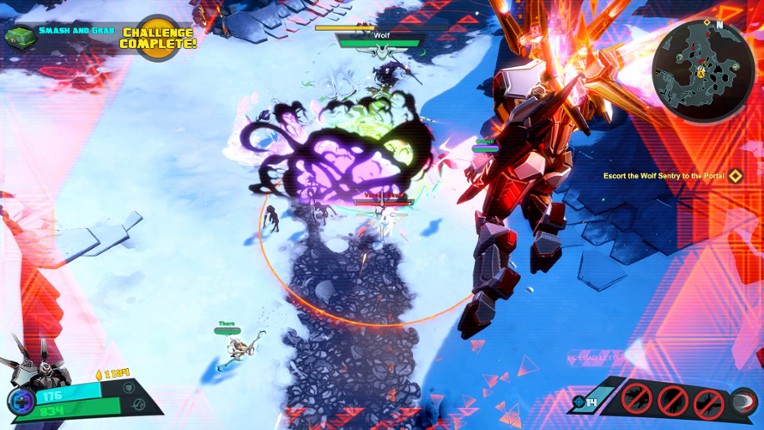
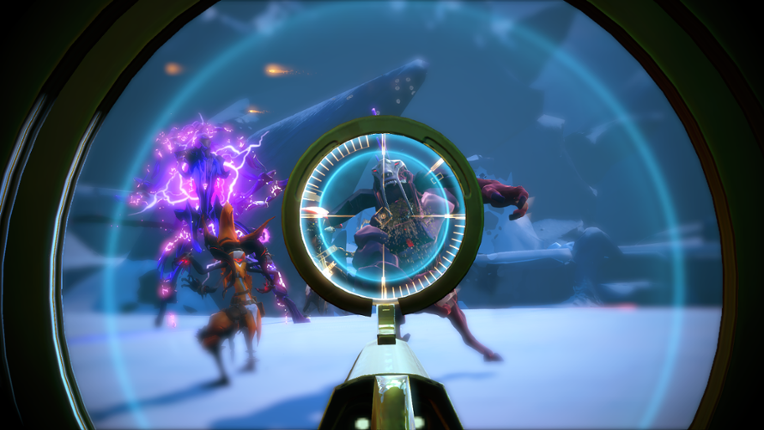
- 66%Game Brain ScoreMost mentioned positive aspects:story, gameplayMost mentioned negative aspects:optimization, monetization63% User Score 6,428 reviewsCritic Score 69%16 reviewsWhile sharing the class-based shooter DNA, this title adopts a chaotic, MOBA-inspired aesthetic that prioritizes humor over epic science fiction storytelling. If you enjoyed this game, see our list of games similar to Battleborn.View Game
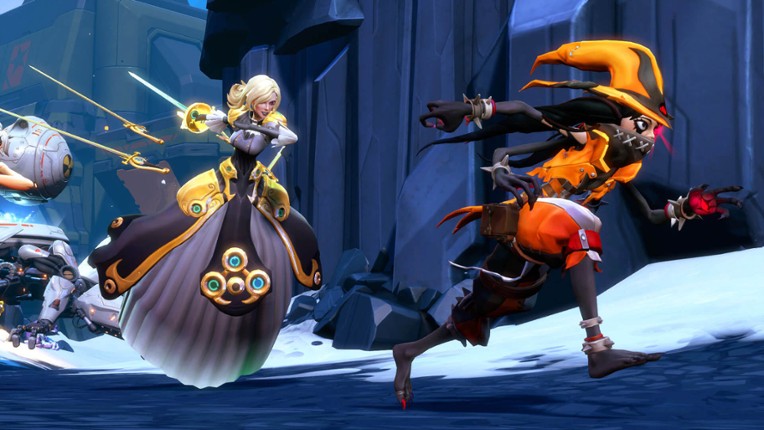
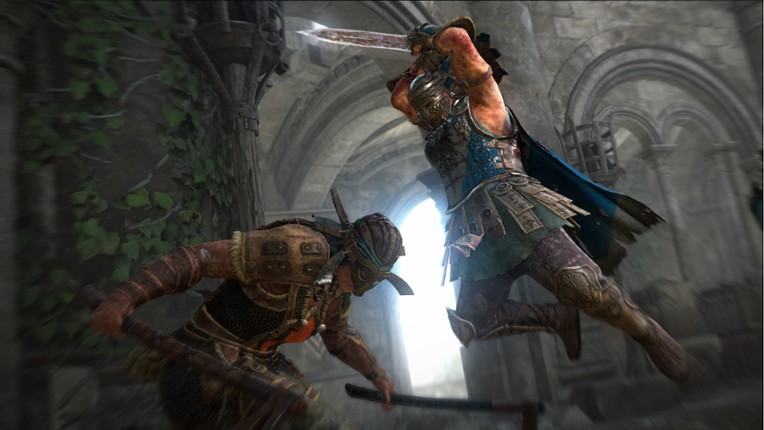
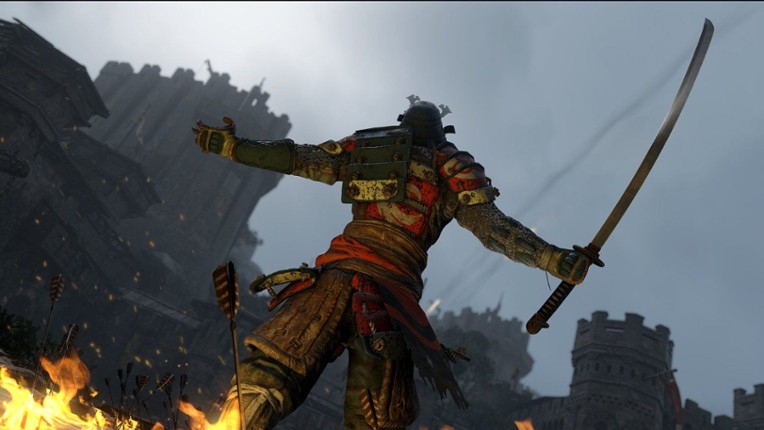
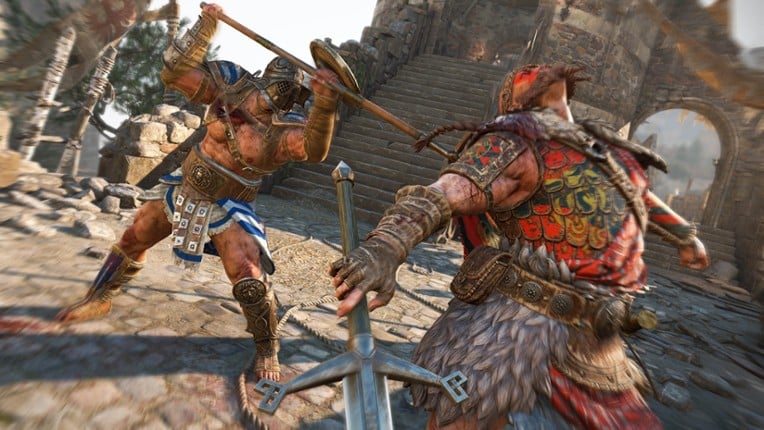
- 73%Game Brain ScoreMost mentioned positive aspects:gameplay, storyMost mentioned negative aspects:monetization, stability70% User Score 97,344 reviewsCritic Score 76%19 reviewsFor those seeking Destiny-style multiplayer intensity, this replaces space exploration with technical, medieval swordplay and high-stakes dueling mechanics. If you enjoyed this game, see our list of games similar to For Honor.View Game
38 View Game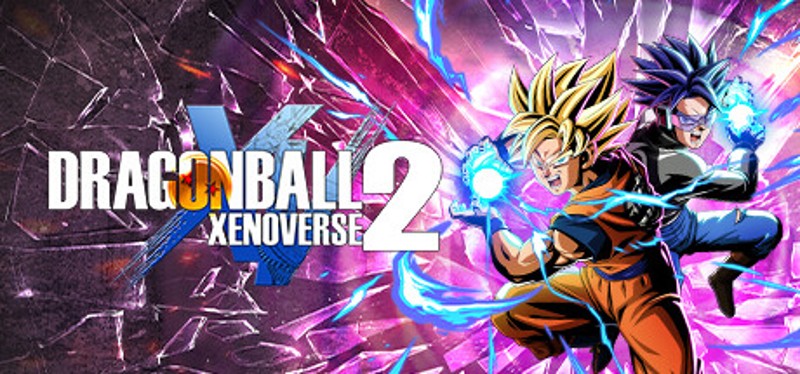 81%Game Brain ScoreMost mentioned positive aspects:story, gameplayMost mentioned negative aspects:grinding, stability89% User Score 23,739 reviewsCritic Score 74%30 reviews
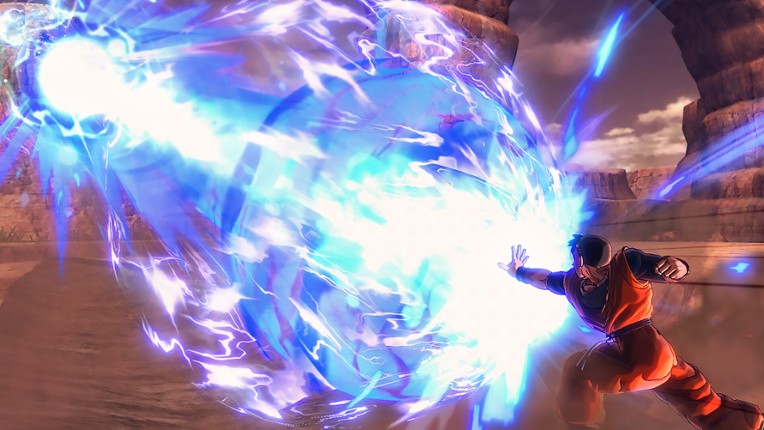
An unprecedented DRAGON BALL experience preserving DRAGON BALL’s history If you enjoyed this game, see our list of games similar to DRAGON BALL XENOVERSE 2.
View Game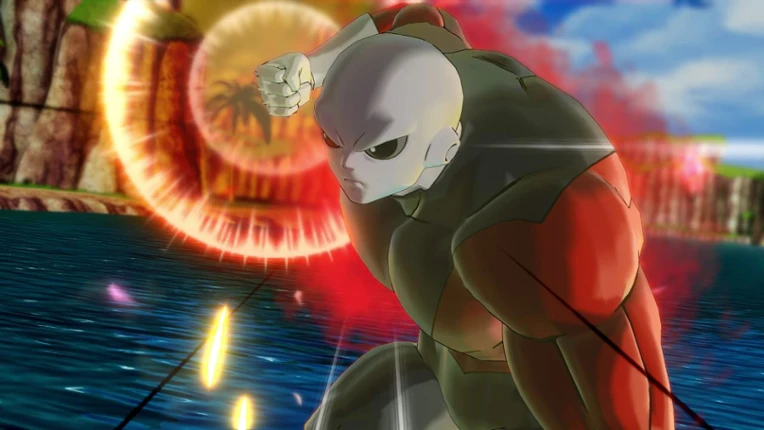

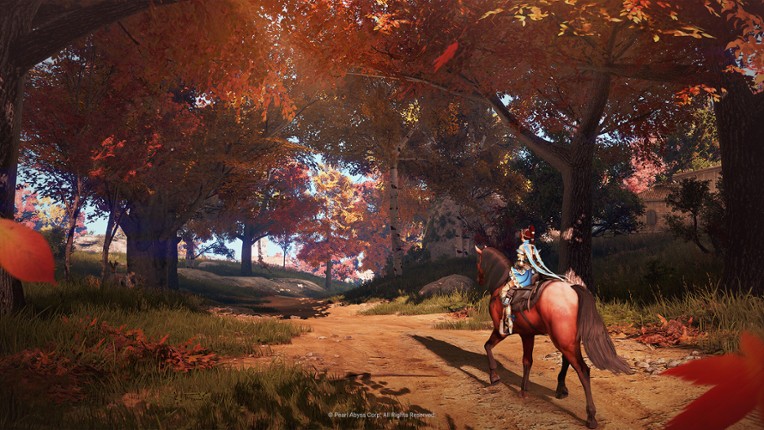
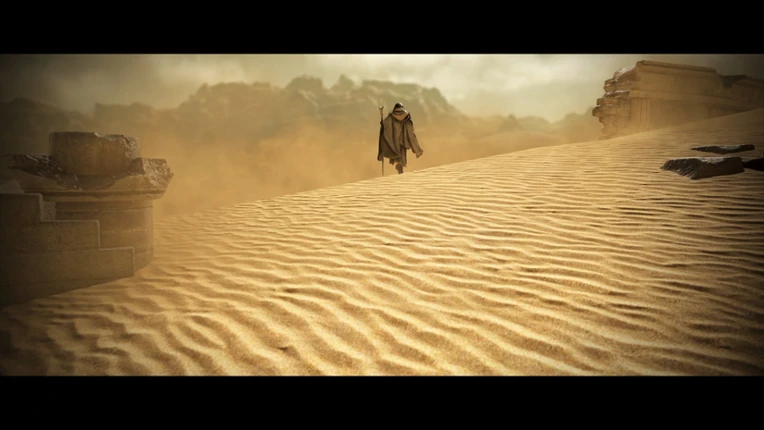
- 66%Game Brain ScoreMost mentioned positive aspects:story, graphicsMost mentioned negative aspects:grinding, monetization73% User Score 66,634 reviewsCritic Score 50%4 reviewsBlack Desert transforms Destiny 2’s shooter focus into a sprawling MMO with intense crafting, trading, and medieval fantasy immersion. If you enjoyed this game, see our list of games similar to Black Desert.View Game

- 86%Game Brain ScoreMost mentioned positive aspects:story, gameplayMost mentioned negative aspects:stability, grinding86% User Score 1,121 reviews
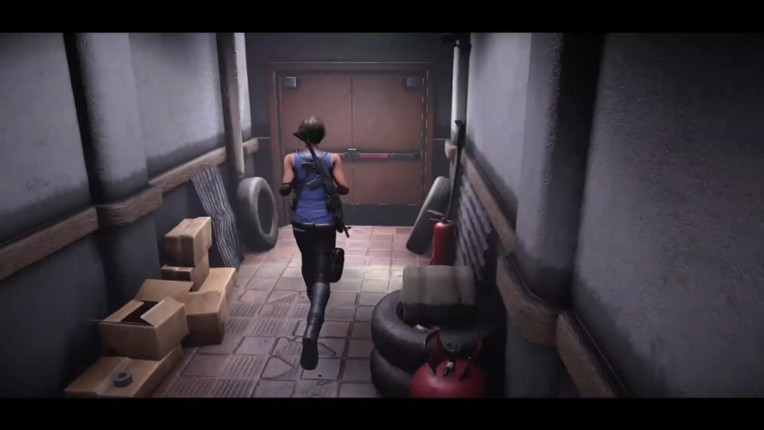
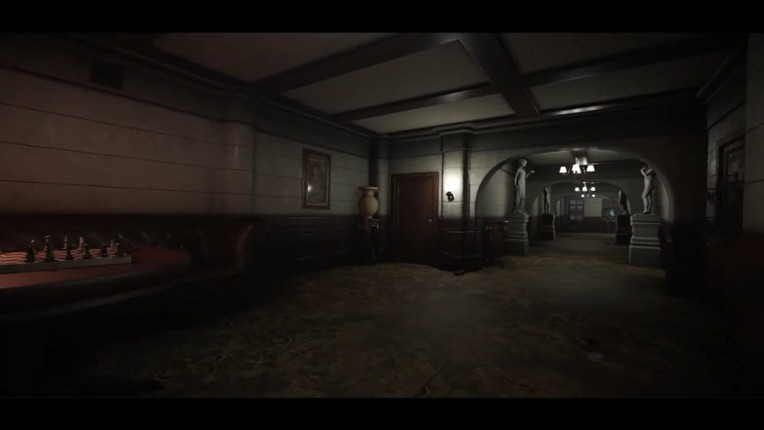
Novarith is an atmospheric third-person survival horror game. Gloomy corridors and lifelike visuals build tension, keeping you on edge with every step. You awaken in an unfamiliar room, realizing that the only way out is to explore the mysterious building filled with secrets and hidden mechanisms. Interactive objects are crucial for survival — from locked doors to concealed devices. Game Features… If you enjoyed this game, see our list of games similar to Novarith.
View Game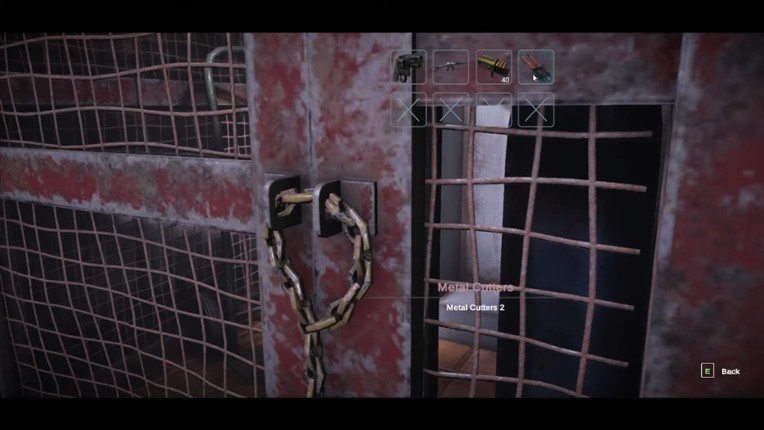
41 View Game 51%Game Brain ScoreMost mentioned positive aspects:gameplay, graphicsMost mentioned negative aspects:story, optimization36% User Score 2,617 reviewsCritic Score 67%11 reviews
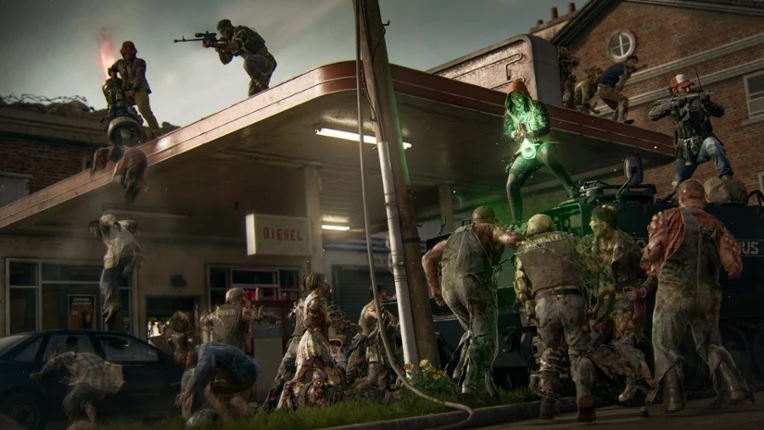
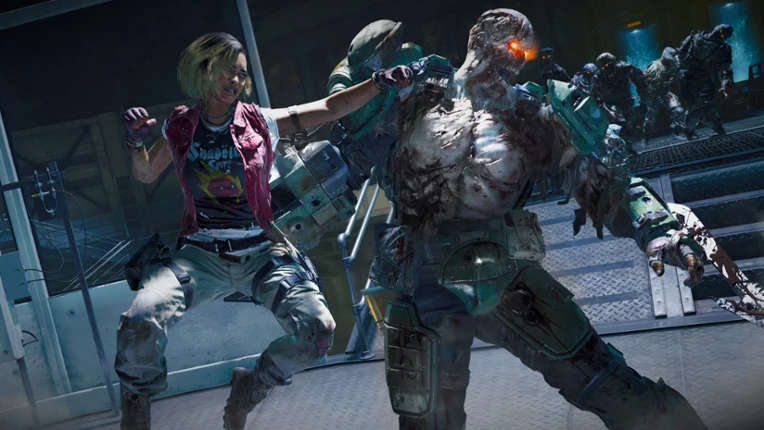
Call of Duty: Black Ops 7 is a first-person shooter set in 2035, co-developed by Treyarch and Raven Software. The game features three main modes: a cooperative campaign playable with up to four players or solo, multiplayer with 6v6 and 20v20 modes, and the round-based Zombies mode. Multiplayer features a perk system split into combat specialties, weapon prestige progression, and scorestreak reward… If you enjoyed this game, see our list of games similar to Call of Duty: Black Ops 7.
View Game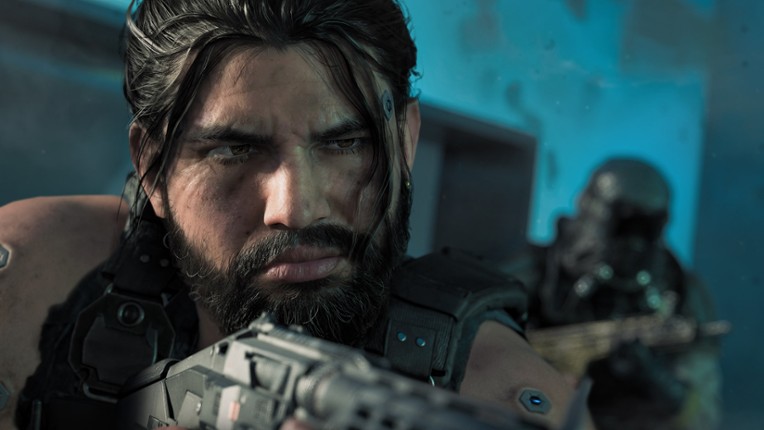
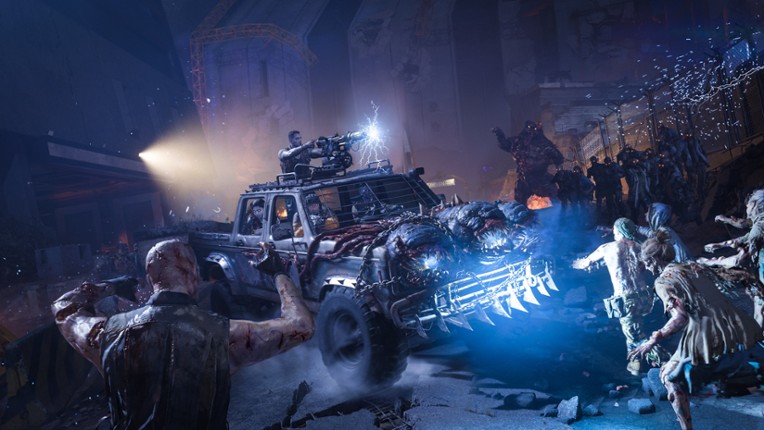
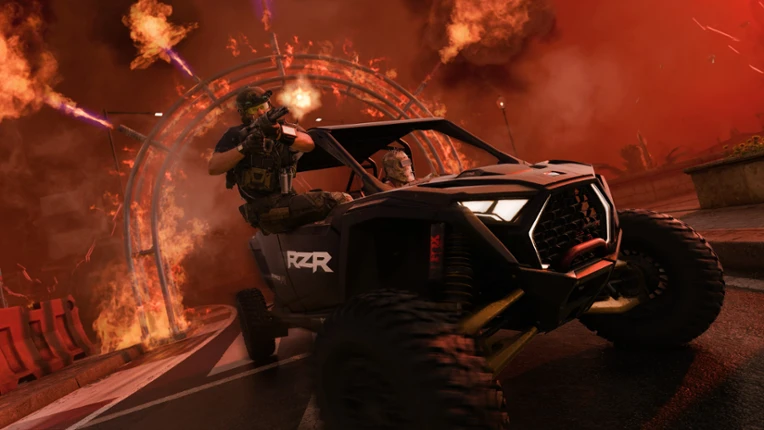
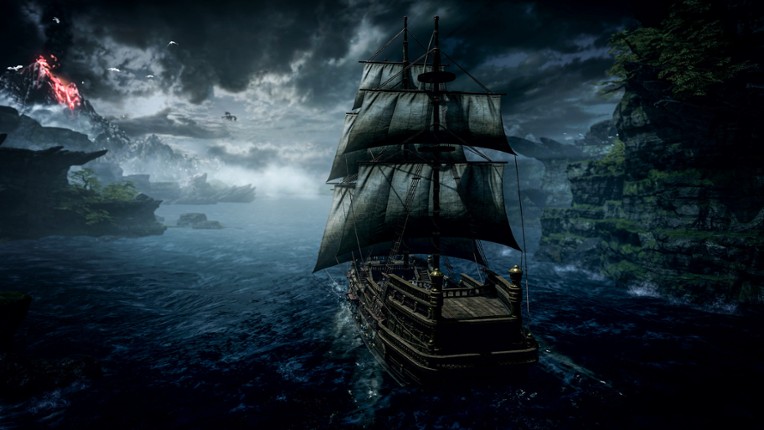
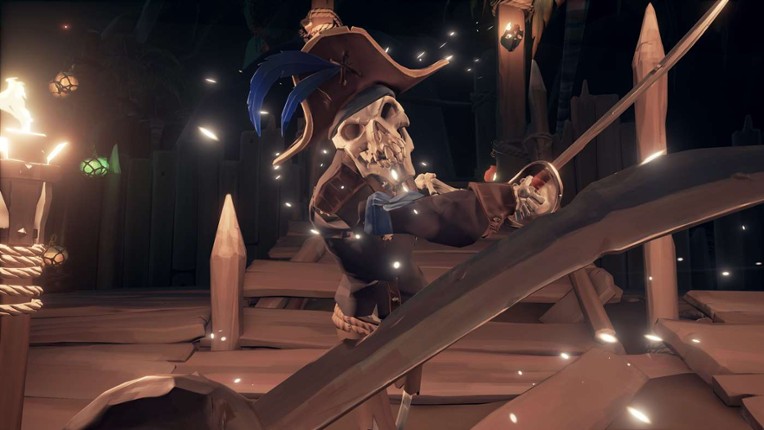
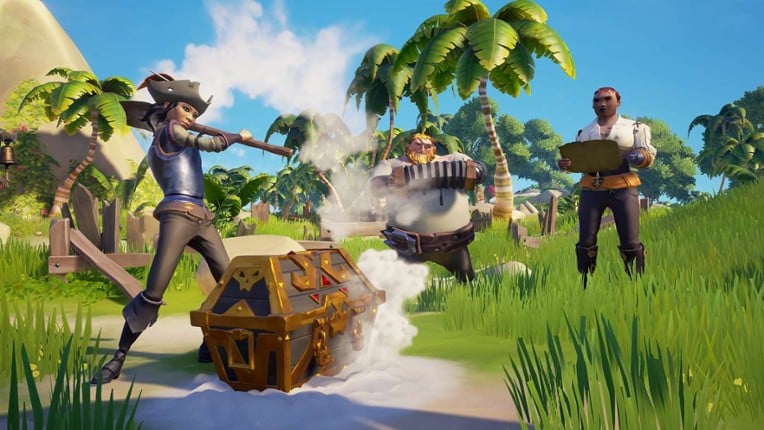
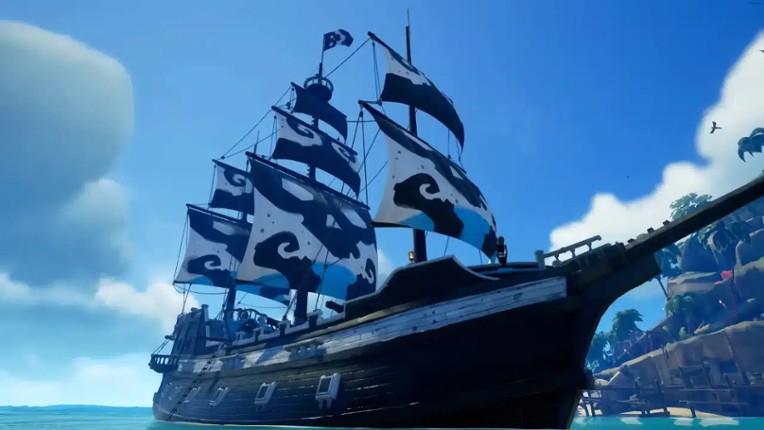
- 80%Game Brain ScoreMost mentioned positive aspects:story, gameplayMost mentioned negative aspects:grinding, stability89% User Score 161,539 reviewsCritic Score 69%8 reviewsSea of Thieves replaces sci-fi gunplay with pirate sailing and naval combat, focusing on lighthearted exploration and player-driven fun. If you enjoyed this game, see our list of games similar to Sea of Thieves.View Game
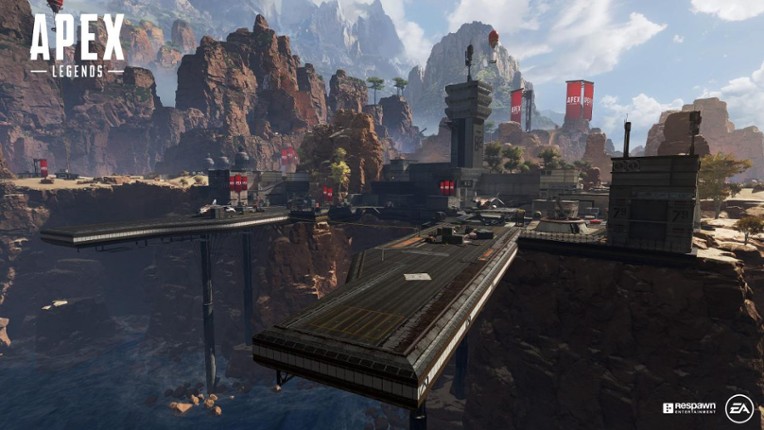
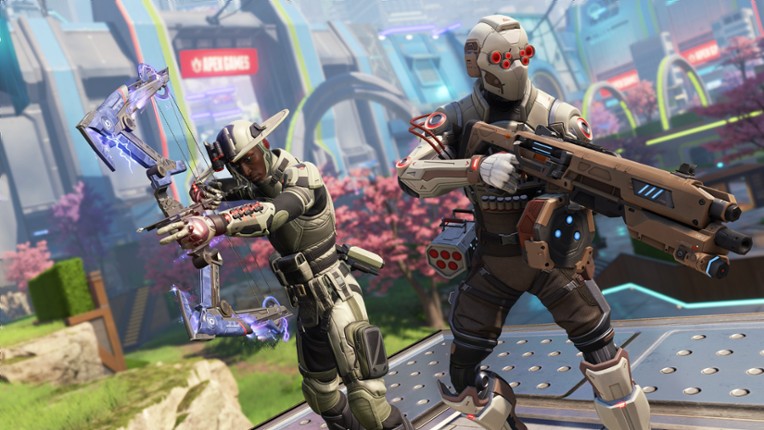
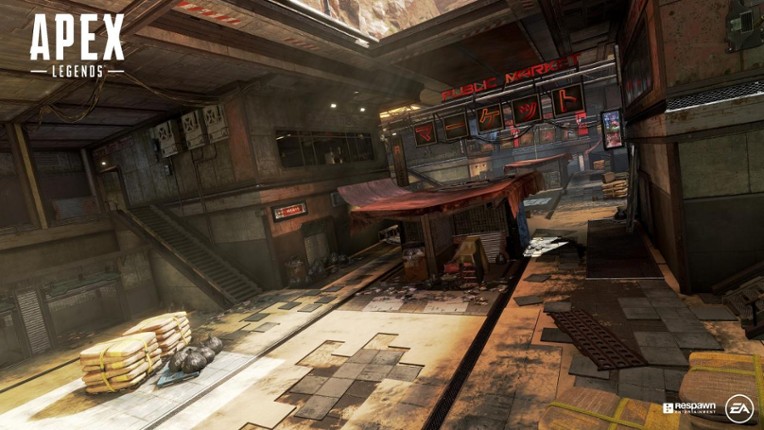
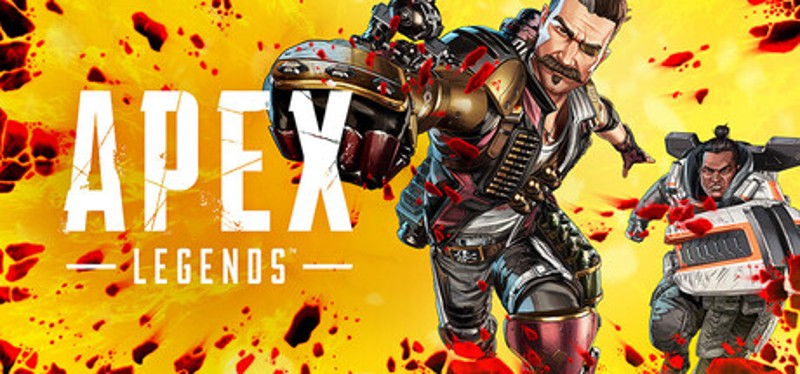
- 79%Game Brain ScoreMost mentioned positive aspects:gameplay, graphicsMost mentioned negative aspects:monetization, stability77% User Score 429,394 reviewsCritic Score 84%3 reviewsSwap complex raid mechanics for the fast-paced, high-mobility Battle Royale loops of this hero shooter, where precise movement defines every encounter. If you enjoyed this game, see our list of games similar to Apex Legends.View Game
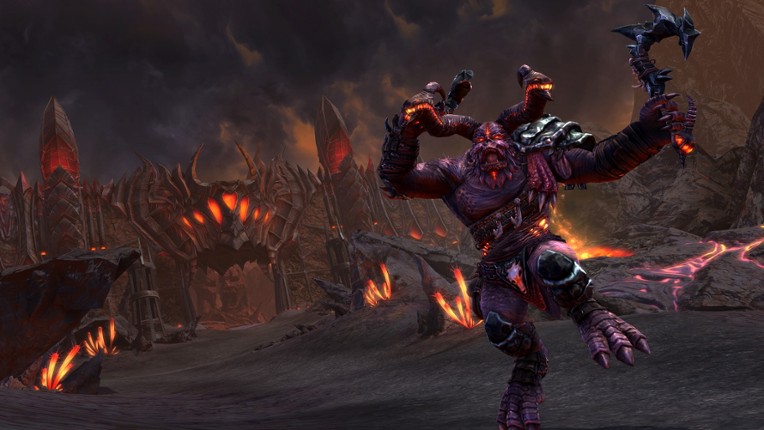
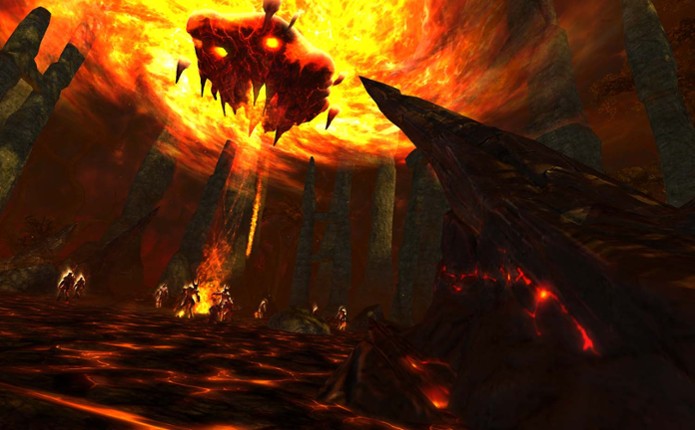
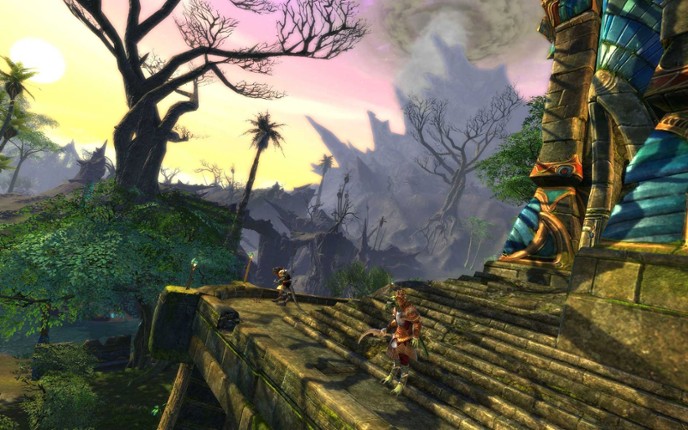
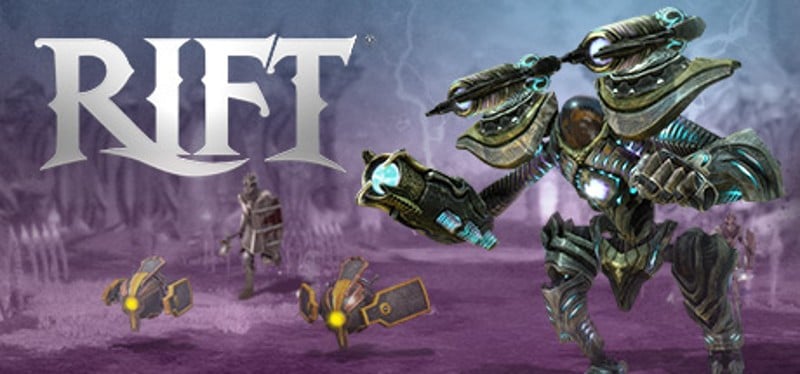
- 76%Game Brain ScoreMost mentioned positive aspects:story, graphicsMost mentioned negative aspects:grinding, monetization74% User Score 7,371 reviewsCritic Score 81%5 reviewsRIFT replaces Destiny 2's sci-fi setting with a fantasy MMO world featuring old-school nostalgia and extensive PvP options. If you enjoyed this game, see our list of games similar to RIFT.View Game
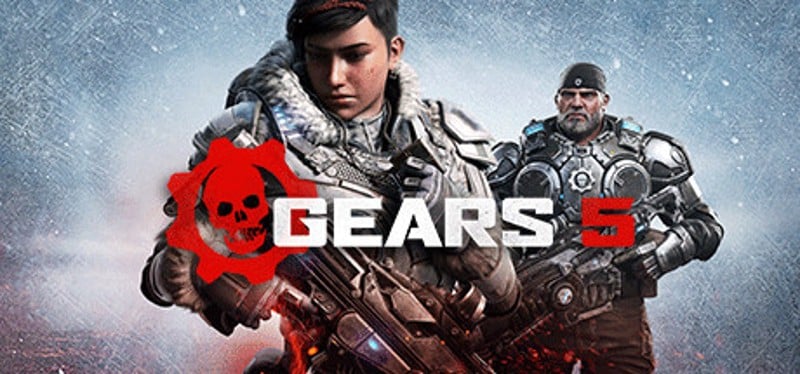
- 80%Game Brain ScoreMost mentioned positive aspects:story, gameplayMost mentioned negative aspects:stability, monetization72% User Score 9,385 reviewsCritic Score 87%12 reviews
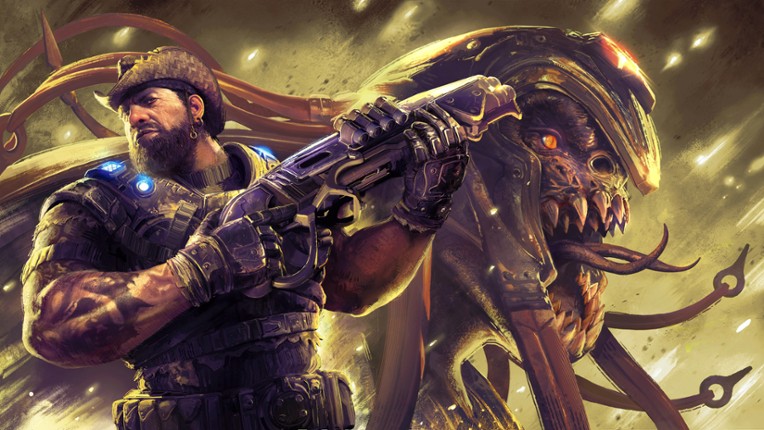
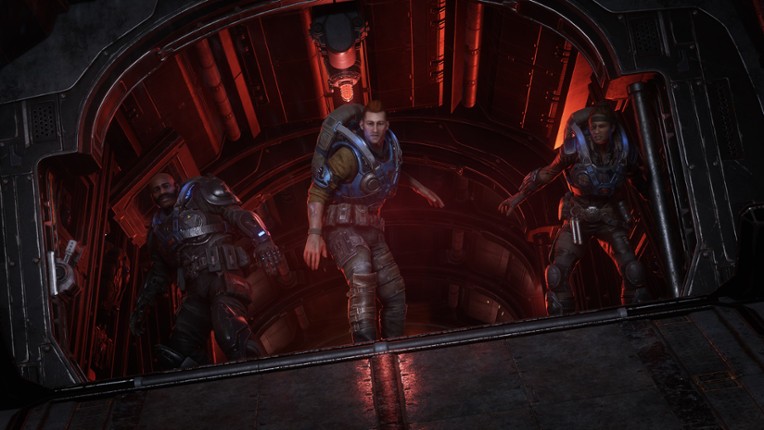
Use Iron to purchase premium customization content and Boost. If you enjoyed this game, see our list of games similar to Gears 5.
View Game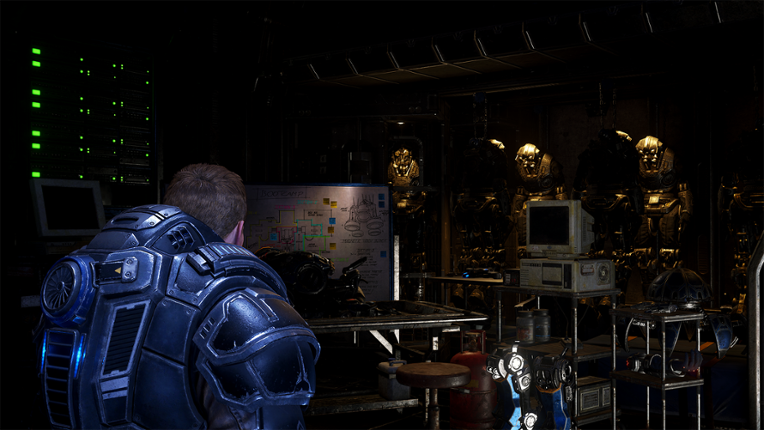
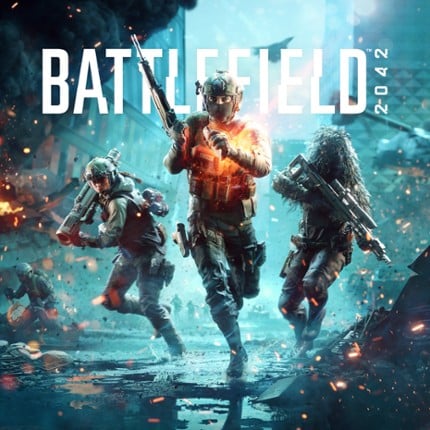
- 56%Game Brain ScoreMost mentioned positive aspects:gameplay, graphicsMost mentioned negative aspects:optimization, stability46% User Score 181,802 reviewsCritic Score 66%11 reviews
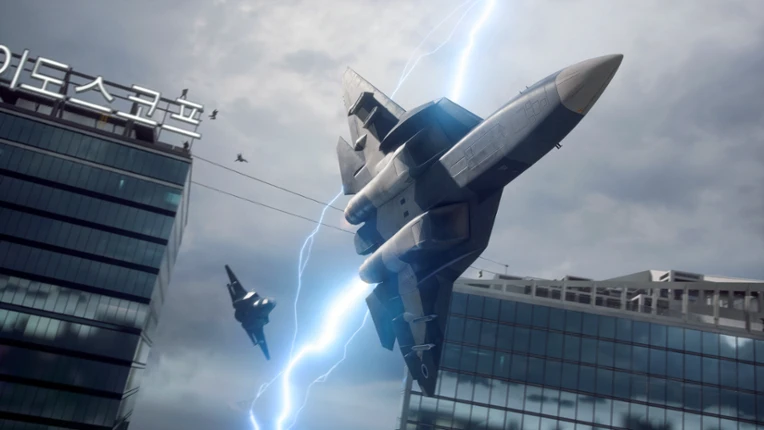
Battlefield 2042 is a first-person shooter that marks the return to the iconic all-out warfare of the franchise. Adapt and overcome in a near-future world transformed by disorder. If you enjoyed this game, see our list of games similar to Battlefield 2042.
View Game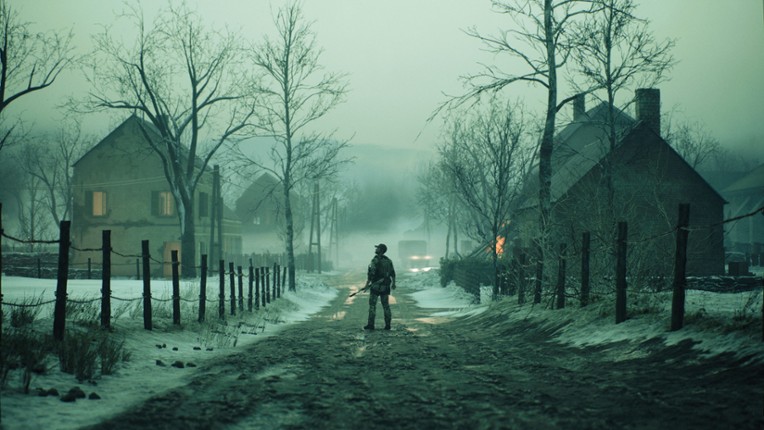
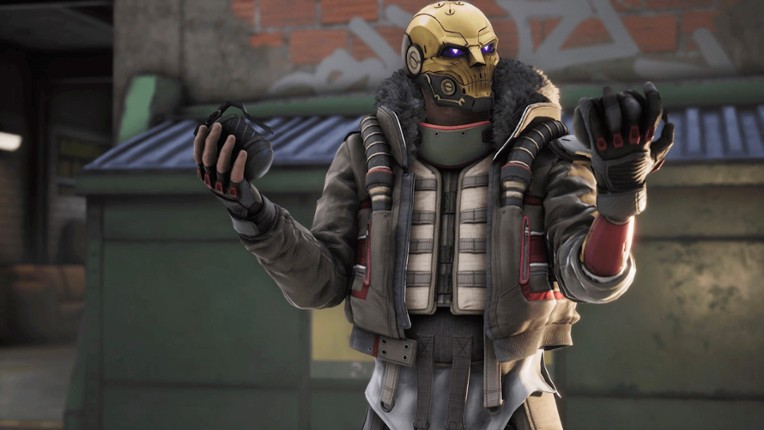
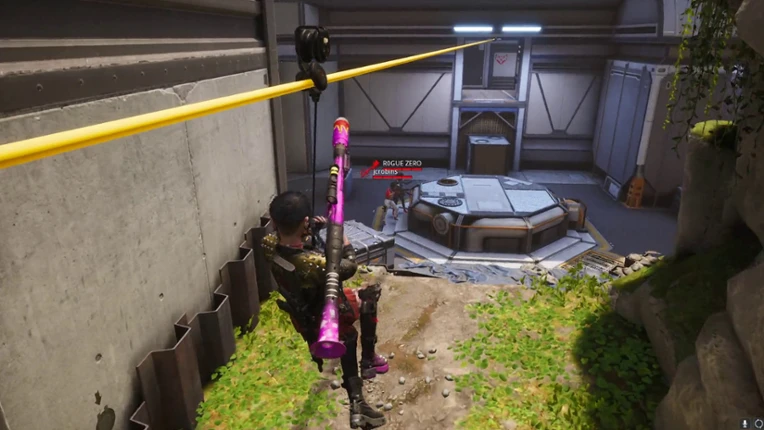
- 77%Game Brain ScoreMost mentioned positive aspects:gameplay, graphicsMost mentioned negative aspects:stability, monetization75% User Score 12,270 reviewsCritic Score 90%1 reviewsLoosely connected to standard shooters, this competitive hero-based experience strips away the expansive lore to focus entirely on tight, round-based tactical encounters. If you enjoyed this game, see our list of games similar to Rogue Company.View Game
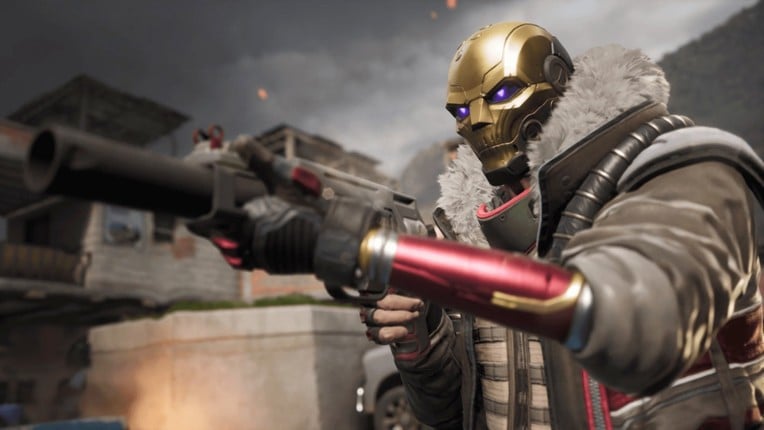
- 55%Game Brain ScoreMost mentioned positive aspects:story, gameplayMost mentioned negative aspects:grinding, stability57% User Score 322 reviewsCritic Score 54%9 reviews
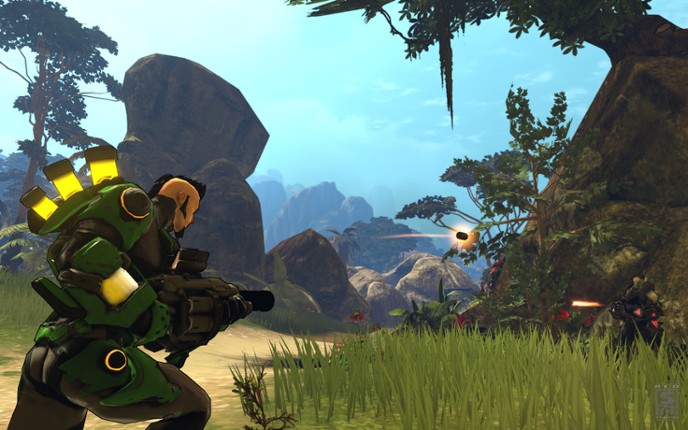
Firefall is a massively multiplayer online team-based action shooter role-playing computer game from Red 5 Studios, a studio founded by Mark Kern. It is currently in its open beta stage and it will attempt to mix elements from the MMORPG and MMOFPS genres when it is released. This game should not be confused with the Macintosh game from Pangea Software that was rereleased as shareware on June 13 … If you enjoyed this game, see our list of games similar to FireFall.
View Game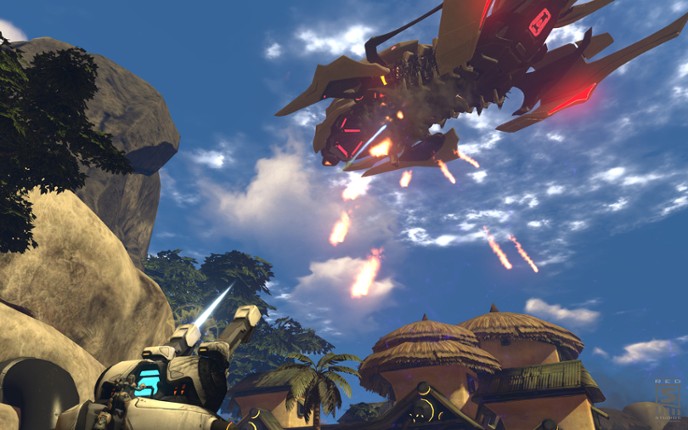
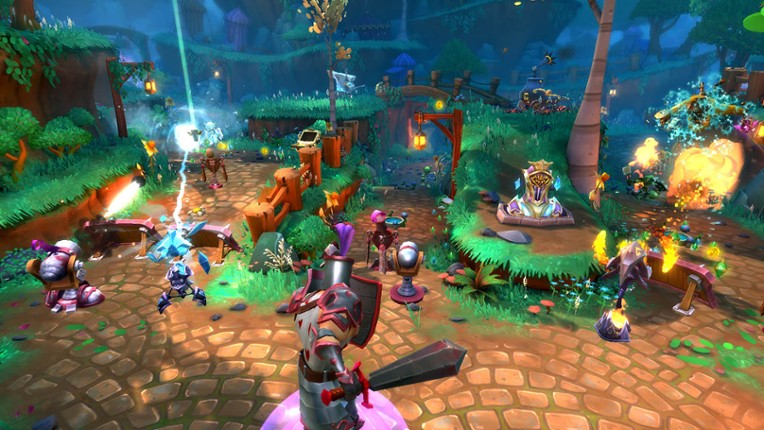
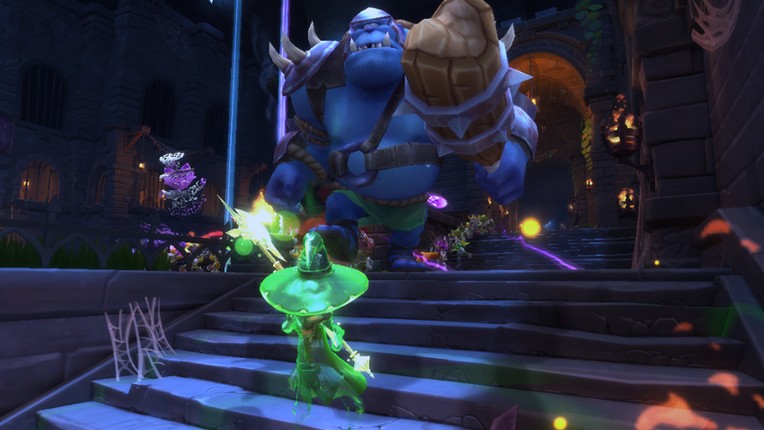
- 74%Game Brain ScoreMost mentioned positive aspects:gameplay, graphicsMost mentioned negative aspects:grinding, monetization74% User Score 13,231 reviewsDungeon Defenders II combines Destiny 2’s co-op action with tower defense strategy and colorful, cartoony fantasy aesthetics. If you enjoyed this game, see our list of games similar to Dungeon Defenders II.View Game
50 View Game 61%Game Brain ScoreMost mentioned positive aspects:story, gameplayMost mentioned negative aspects:optimization, monetization40% User Score 9,289 reviewsCritic Score 82%40 reviews
Forced to go rogue. Hunted from within. This is Call of Duty®: Black Ops 6. Developed by Treyarch and Raven, Black Ops 6 is a spy action thriller set in the early 90s, a period of transition and upheaval in global politics, characterized by the end of the Cold War and the rise of the United States as a single superpower. With a mind-bending narrative, and unbound by the rules of engagement, this … If you enjoyed this game, see our list of games similar to Call of Duty: Black Ops 6.
View Game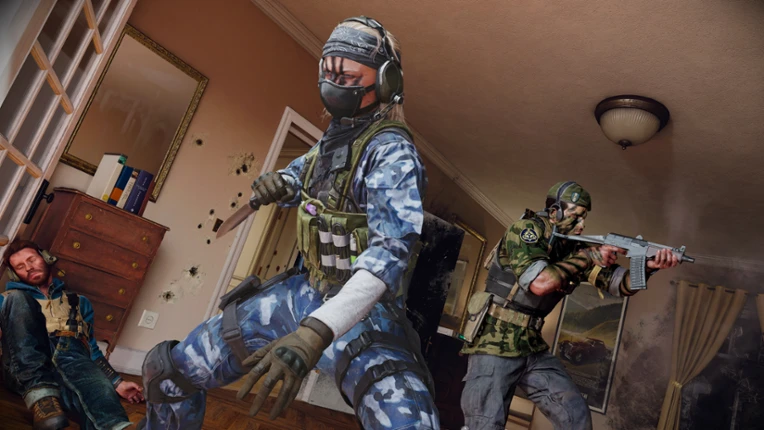


 View Game



















Frequently Asked Questions
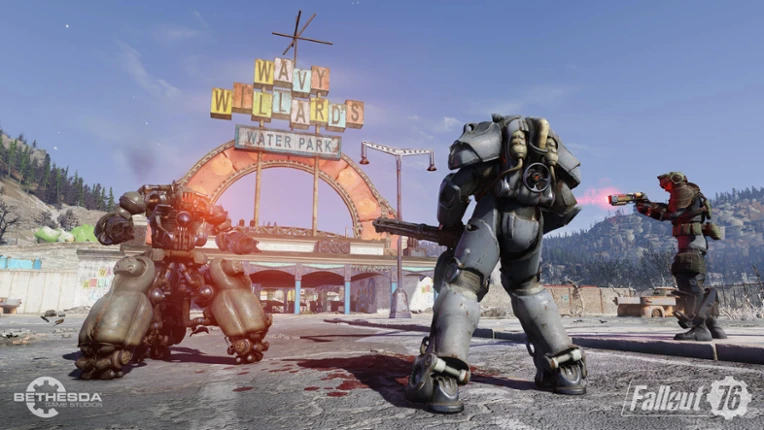
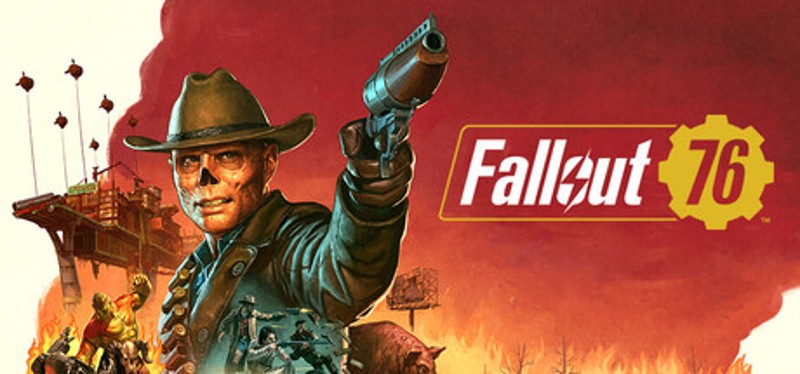
Tom Clancy's The Division 2 is the closest match, offering the same looter-shooter formula with open-world exploration and smooth gunplay. Halo Infinite delivers satisfying first-person combat with a free-to-play model, while Fallout 76 provides co-op exploration in a post-apocalyptic setting with similar progression systems and base building.
Halo Infinite and Destiny 2 itself both offer free-to-play access with optional paid expansions. The Elder Scrolls Online also has a free trial period. These games let you experience core gameplay without upfront costs, though expansions and cosmetics require payment for the full experience.
The Elder Scrolls Online excels with extensive voice acting and immersive questlines across a massive world. FINAL FANTASY XIV Online offers deeply emotional narratives and character development that rival Destiny 2's story evolution. Halo Infinite focuses on cinematic storytelling with Master Chief's journey, while Destiny 2: Forsaken specifically features the emotionally resonant Cayde-6 storyline.
Tom Clancy's The Division 2 emphasizes squad-based co-op missions and open-world exploration with friends. Fallout 76 is built entirely for online co-op survival and team exploration. The Elder Scrolls Online supports group dungeons and raids, while FINAL FANTASY XIV Online features structured raids and dungeons designed for cooperative teamwork.
The Elder Scrolls Online provides unmatched character depth with flexible skill systems and unique build varieties. FINAL FANTASY XIV Online lets you master multiple classes on one character with extensive customization. New World and Conan Exiles also offer robust progression systems where your character build significantly impacts your playstyle and effectiveness in combat.
Halo Infinite features stunning visuals and beautiful environments that enhance immersion. The Elder Scrolls Online delivers gorgeous landscapes across diverse regions. Tom Clancy's The Division 2 combines detailed urban environments with atmospheric post-apocalyptic design. FINAL FANTASY XIV Online creates immersive worlds with compelling visual storytelling that complements its narrative depth.