

Games like Dead by Daylight
If Dead by Daylight has you hooked on its tense cat-and-mouse multiplayer and you're hunting for what to play next, you're in exactly the right place. Games like Dead by Daylight occupy a very specific niche — asymmetric survival horror with team-based PvP, a dark atmosphere, and the kind of replayability that keeps you coming back match after match. The good news: there are some genuinely excellent alternatives worth your time.
What sets Dead by Daylight apart is its asymmetric multiplayer structure — one powerful killer versus a team of survivors scraping for their lives — wrapped in psychological horror aesthetics and a deep progression system. Players keep coming back for the atmosphere, the soundtrack, and the way no two matches feel identical. It rewards stealth, strategy, and nerves of steel in equal measure, delivering emotional highs that few other multiplayer games can match.
What Makes a Good Alternative to Dead by Daylight?
- Asymmetric or team-based PvP — The heart of Dead by Daylight is an uneven power dynamic between players. The best alternatives either replicate this directly or deliver a similarly charged team-versus-team structure where roles feel meaningfully different.
- Survival horror atmosphere — Tension, darkness, and dread aren't just window dressing here — they shape how you play. Alternatives that carry genuine horror tone or psychological pressure hit the same nerve.
- Stealth and strategic play — Dead by Daylight isn't just a brawler; it rewards patience, misdirection, and reading your opponent. Games with stealth mechanics or tactical depth scratch the same itch.
- Strong replayability through varied characters or abilities — A diverse roster with distinct mechanics keeps Dead by Daylight feeling fresh. Alternatives with hero-based systems or class variety offer that same reason to return.
- Multiplayer co-op with online PvP — Whether you're coordinating with friends or going head-to-head, the social layer is central to what makes Dead by Daylight work. Alternatives thrive when they offer that same connected, unpredictable human element.
Top Picks If You Enjoyed Dead by Daylight
Propnight mashes asymmetric horror with Prop Hunt for something genuinely clever. The Texas Chain Saw Massacre delivers the closest match — licensed horror, asymmetric PvP, and a suffocating atmosphere. Last Year offers class-based survivor teamwork against a single killer. For team-based hero gameplay with a competitive edge, Overwatch 2 and Apex Legends both deliver polished rosters and satisfying PvP. Marvel Rivals is worth a look if you want that hero-shooter format with a generous monetization model.
Every recommendation below is ranked by similarity using real player data, so the closest matches to Dead by Daylight appear first. Scroll down to explore the full list and find your next obsession.
- 63%Game Brain ScoreMost mentioned positive aspects:gameplay, graphicsMost mentioned negative aspects:stability, optimization63% User Score 6,263 reviews
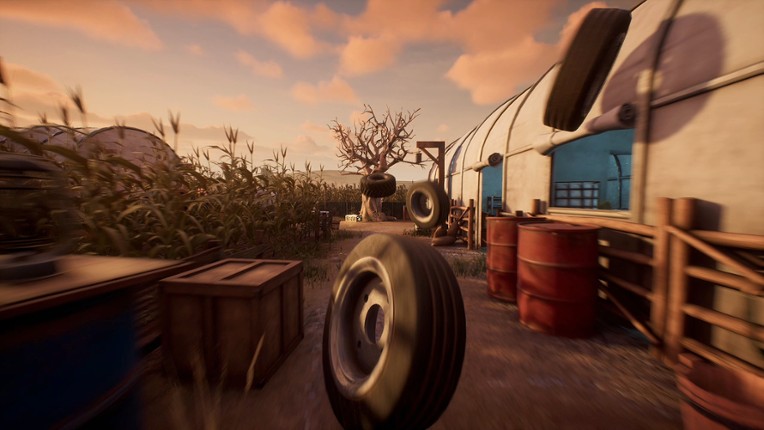
Propnight mirrors Dead by Daylight's core tension: four survivors scrambling to complete objectives while one hunter stalks them in real time. That asymmetrical cat-and-mouse dynamic—where your survival depends on reading the killer's position, managing fear, and coordinating with teammates—translates directly into Propnight's gameplay loop.
Both games layer stealth and PvP strategy on top of survival mechanics. In Dead by Daylight, you hide and repair; in Propnight, you hide as props and complete tasks. The psychological pressure is identical: constant uncertainty about whether you're spotted, paired with the rush of narrowly escaping. This shared tension is why the moment-to-moment gameplay feels familiar to DbD veterans.
Where Propnight pivots is tone. Instead of relentless dread, it leans into comedic absurdity—you're literally a couch or a trash can. This lightness addresses one of Dead by Daylight's friction points: grinding fatigue. Propnight's humor keeps sessions fresher without sacrificing the hunt-or-be-hunted core.
Best for players who crave DbD's asymmetrical multiplayer but need relief from its grim atmosphere—or who want to revisit that same tension through a funhouse mirror.
If you enjoyed this game, see our list of games similar to Propnight.View Game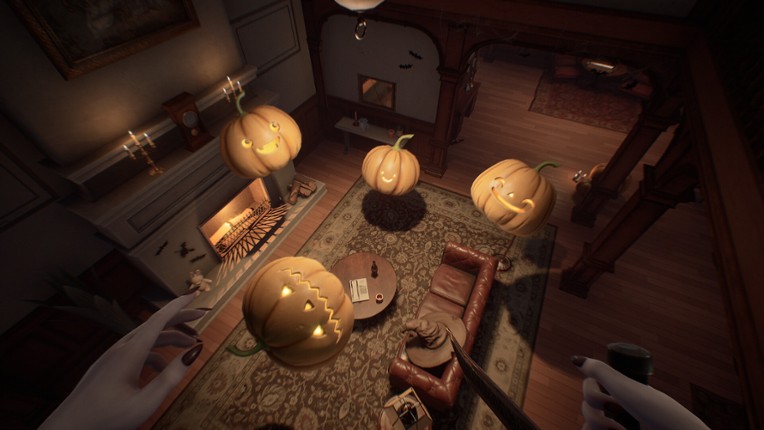
- 78%Game Brain ScoreMost mentioned positive aspects:gameplay, graphicsMost mentioned negative aspects:optimization, monetization78% User Score 280,248 reviews
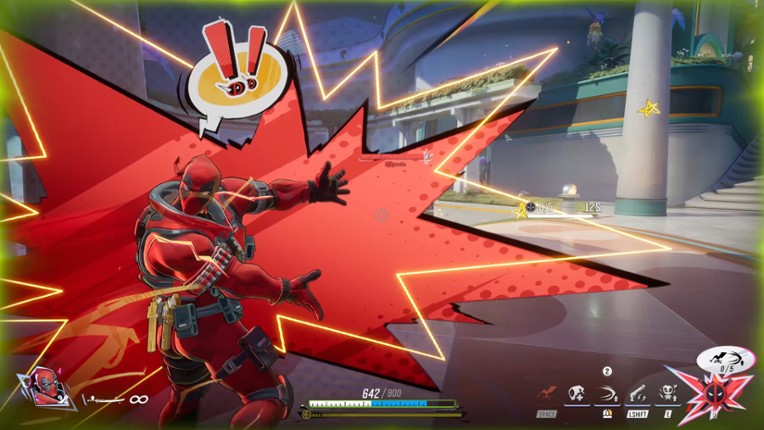
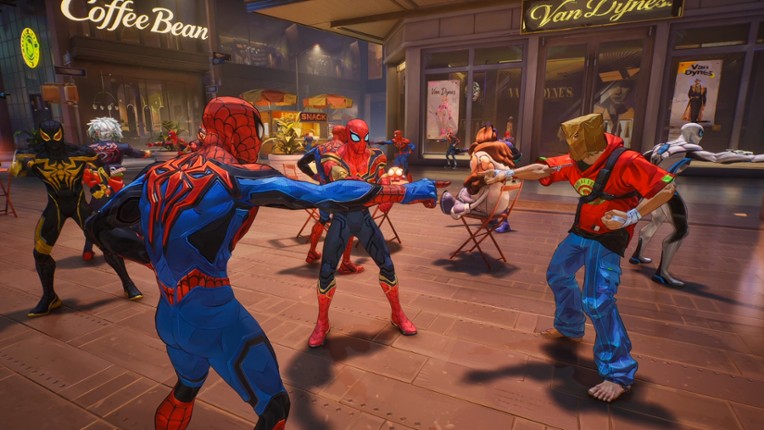
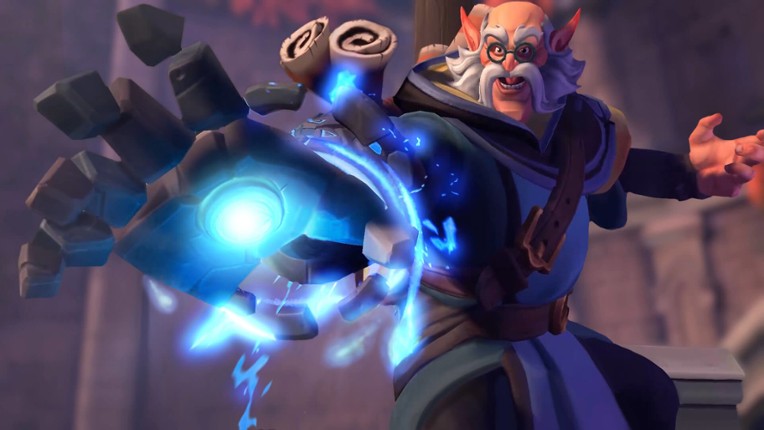
Both titles thrive on the high-tension interplay between distinct character abilities and tight team coordination. In Marvel Rivals, the thrill of coordinating a team-up power mimics the desperate synergy required to finish generators under pressure. This strategic layer ensures that every encounter depends as much on your cooldown management as your reflexes.
You will recognize the asymmetrical feel of mastery, where learning a specific hero's kit provides the same tactical satisfaction as perfecting a new Survivor or Killer. While Dead by Daylight players often struggle with aggressive monetization and a punishing grind, Marvel Rivals offers a more accessible progression model. Characters are unlocked without paywalls, allowing you to focus on competitive growth rather than currency farming.
The psychological tension of outmaneuvering an opponent remains central, though it swaps the Entity's shadows for vibrant, destructible arenas. This shift offers a fresh angle where environmental awareness becomes as vital as tracking a heartbeat. Best for players who value character-driven strategy but want a faster, fairer progression loop.
If you enjoyed this game, see our list of games similar to Marvel Rivals.View Game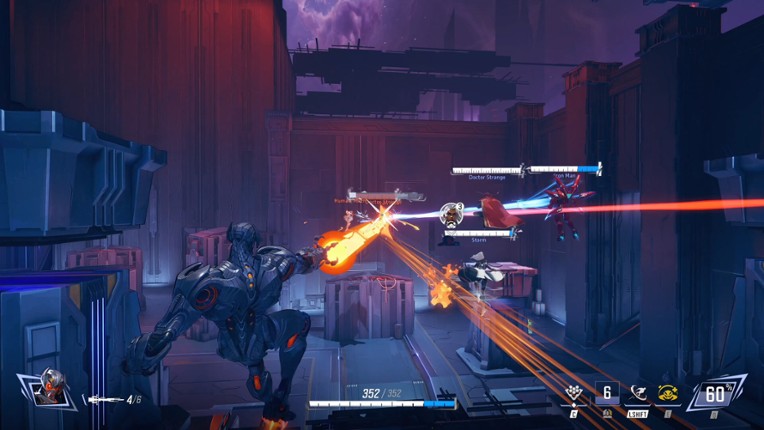
- 74%Game Brain ScoreMost mentioned positive aspects:gameplay, graphicsMost mentioned negative aspects:stability, optimization72% User Score 19,003 reviewsCritic Score 76%37 reviews
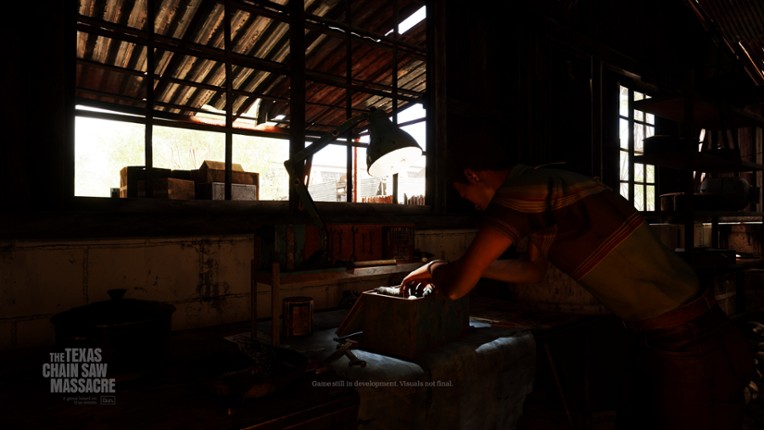
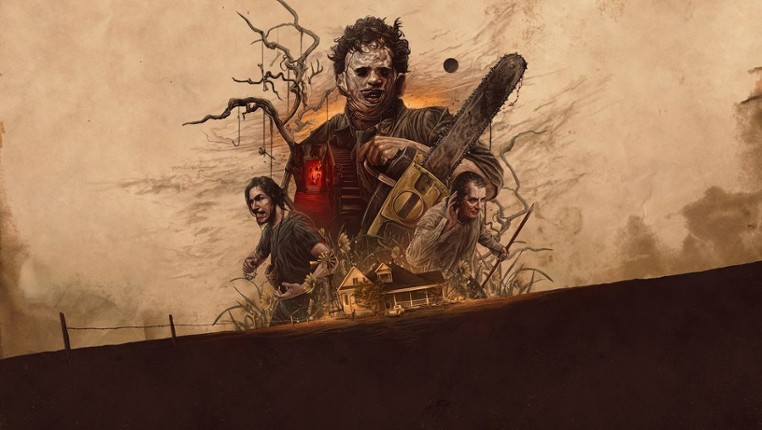
Both games place you in the role of a fragile survivor being systematically hunted by a terrifying, powerful antagonist. In Dead by Daylight, you're evading a supernatural killer across generator-laden trial grounds; in The Texas Chain Saw Massacre, you're desperately escaping Leatherface and his family in a desperate fight for survival. That shared vulnerability creates identical heart-pounding moments where one wrong sound can seal your fate.
The asymmetric co-op structure replicates what makes DbD addictive: you and your team must coordinate, communicate, and sacrifice for each other while the predator picks you off one by one. Unlike DbD's progression-based perks, Texas Chain Saw's skill-based abilities mean your team's success hinges directly on your individual awareness and timing, deepening that satisfying mastery curve. The stealth mechanics mirror DbD's window and pallet play, where knowing when to run versus when to freeze becomes a life-or-death decision every single match.
The key shift is narrative pacing. While DbD offers endless randomized trials, The Texas Chain Saw Massacre weaves iconic horror franchise atmosphere into structured objectives, creating a more cinematic horror experience that trades some replay randomness for story-driven tension. Both share the same criticisms—grinding and occasional bugs—but if you can overlook that, this is a worthy horror detour for players who crave atmospheric dread over mechanical variety.
If you enjoyed this game, see our list of games similar to The Texas Chain Saw Massacre.View Game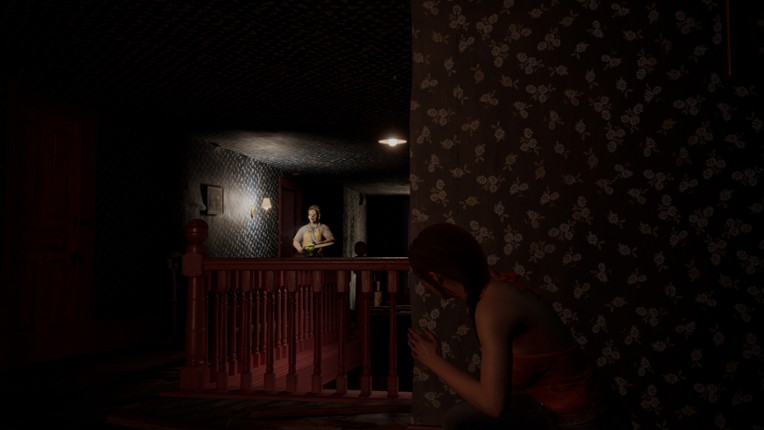
- 79%Game Brain ScoreMost mentioned positive aspects:gameplay, graphicsMost mentioned negative aspects:stability, monetization77% User Score 67,959 reviewsCritic Score 82%5 reviews
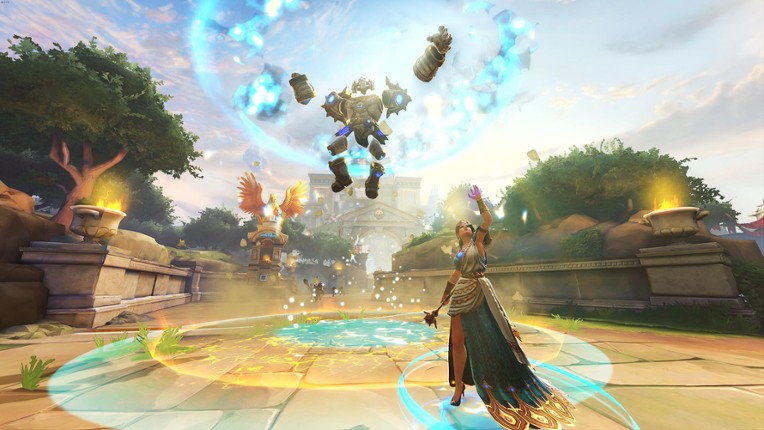
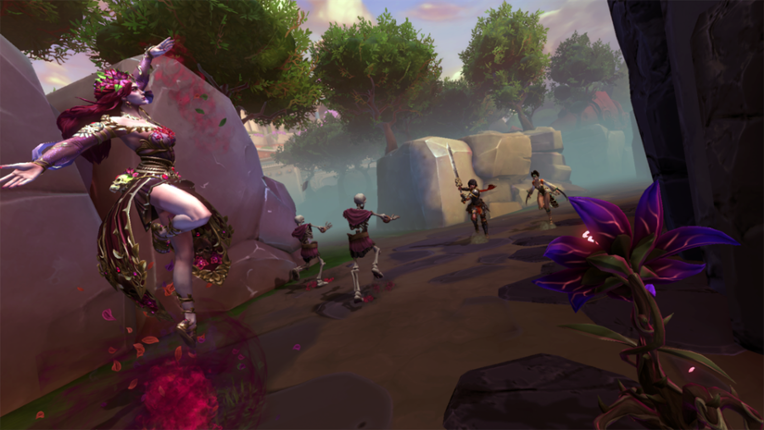
Come with us and leve your mortal world behind. This is SMITE, an online battleground where the Gods of Old wage war in the name of conquest, glory, and most of all, FUN. Whether this is your first Multiplayer Online Battle Arena (MOBA) game or you're a seasoned veteran, the intense action and irreverent mythology of SMITE will make you a believer. If you enjoyed this game, see our list of games similar to Smite.
View Game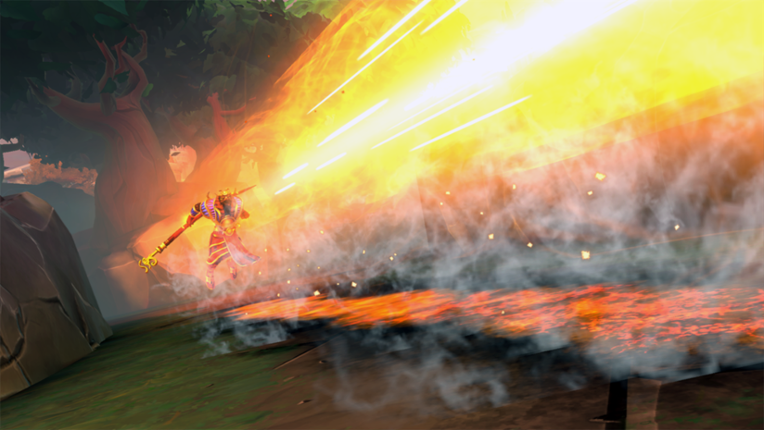
- 79%Game Brain ScoreMost mentioned positive aspects:gameplay, graphicsMost mentioned negative aspects:monetization, stability77% User Score 429,394 reviewsCritic Score 84%3 reviews
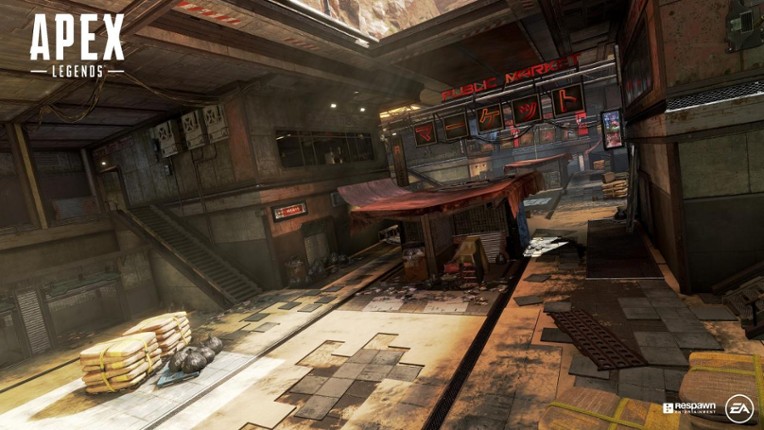
Both Dead by Daylight and Apex Legends emphasize team-based, multiplayer PvP where coordination and unique player roles define success. Apex’s hero shooter mechanics complement this by offering distinct characters with abilities, sharpening strategic diversity.
The shared focus on online co-op and competitive play matters for players seeking intense, social confrontations driven by skill and teamwork.
However, Apex leans into fast-paced, first-person battle royale action with a sci-fi flair, contrasting Dead by Daylight’s tense, third-person horror stealth and evasion.
Pick Apex Legends if you want a tactical team shooter with vibrant characters and quick matches but can tolerate technical issues and a heavy monetization model.
If you enjoyed this game, see our list of games similar to Apex Legends.View Game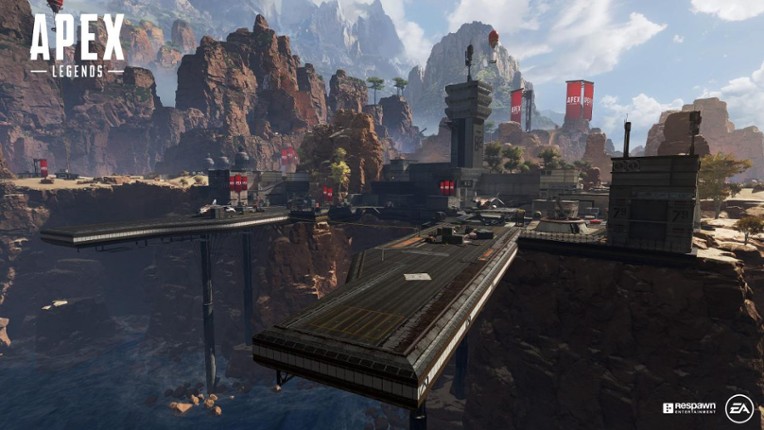
- 55%Game Brain ScoreMost mentioned positive aspects:gameplay, storyMost mentioned negative aspects:monetization, grinding34% User Score 132,714 reviewsCritic Score 76%54 reviews
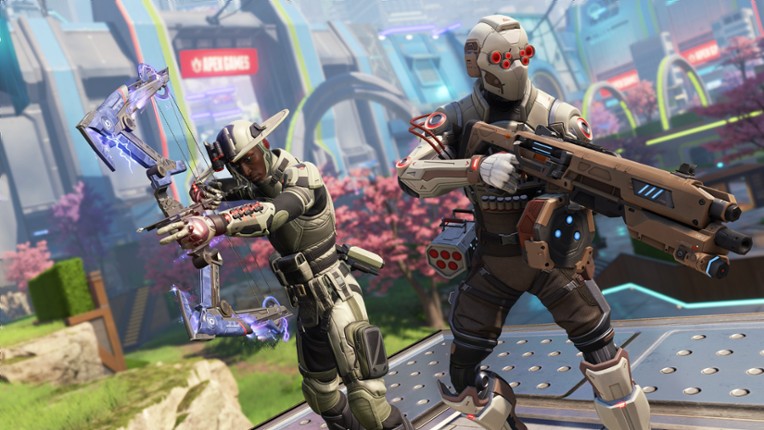
The tension of reading another player's movement — deciding when to push and when to fall back — sits at the heart of both games. In Dead by Daylight, that dynamic plays out in slow, pressure-filled moments of cat and mouse. Overwatch 2 compresses that same read-and-react loop into faster, more explosive team fights, but the underlying skill of anticipating what your opponent will do next transfers directly.
Both games are built around asymmetric role identities — every character brings a distinct toolkit that changes how you engage with the same space. That structure rewards the kind of player who invests in learning one role deeply, the same mastery loop that makes Dead by Daylight's killer mains so dedicated. Team-based coordination also carries real weight in both, where a single misread or miscommunication can flip the outcome.
The shift worth noting: Overwatch 2 trades horror atmosphere for sci-fi spectacle and color, a genuinely different tone rather than a lesser one. If Dead by Daylight's grinding progression has worn you down, Overwatch 2's faster match structure offers a lower time-per-session commitment — though both share a frustrating tendency toward aggressive monetization, so that criticism doesn't disappear.
Best for Dead by Daylight players who thrive on outsmarting opponents in real time and want a faster-paced arena to test those instincts.
If you enjoyed this game, see our list of games similar to Overwatch.View Game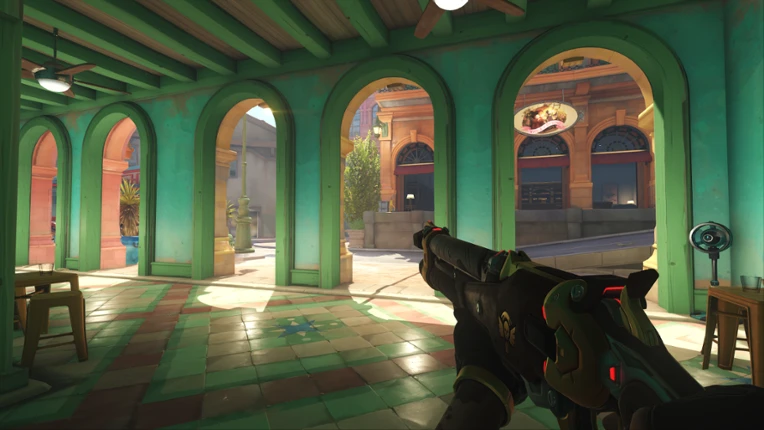
- 63%Game Brain ScoreMost mentioned positive aspects:gameplay, graphicsMost mentioned negative aspects:optimization, stability62% User Score 5,092 reviewsCritic Score 70%1 reviews
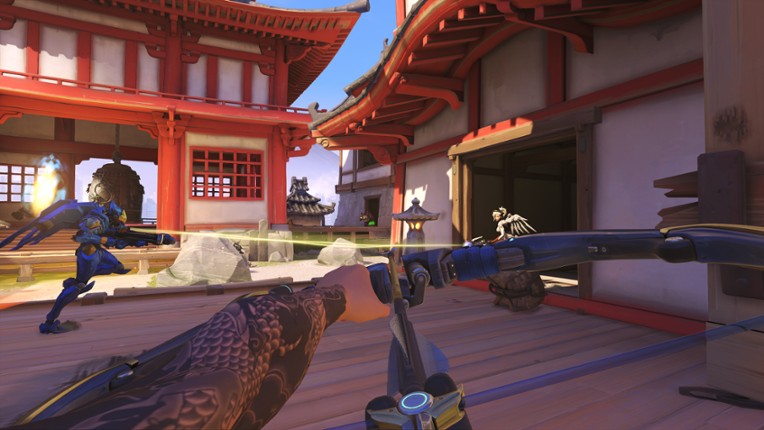
Dead by Daylight players will recognize the tension of reading the killer while coordinating under pressure in Last Year. Both games revolve around tense asymmetric matches where one side hunts and the other survives through stealth, timing, and fast decisions.
The big overlap is the team-based survivor play: you need to split tasks, cover angles, and commit to risky saves because solo mistakes snowball quickly. That creates the same DBD-style push and pull of “help the team now” versus “stay alive long enough to matter,” especially when every sound cue and sightline can give you away.
Last Year adds a fresh tradeoff with class-based loadouts and asynchronous multiplayer, so the survivor side feels more tactical and role-driven than pure hide-and-run play. It also addresses one of Dead by Daylight’s common frustrations by leaning into a more overtly team-centered structure, which gives coordinated groups more to do than simple escape routing.
Best for players who want asymmetric horror with teamwork, pressure, and a sharper strategy layer.
If you enjoyed this game, see our list of games similar to Last Year.View Game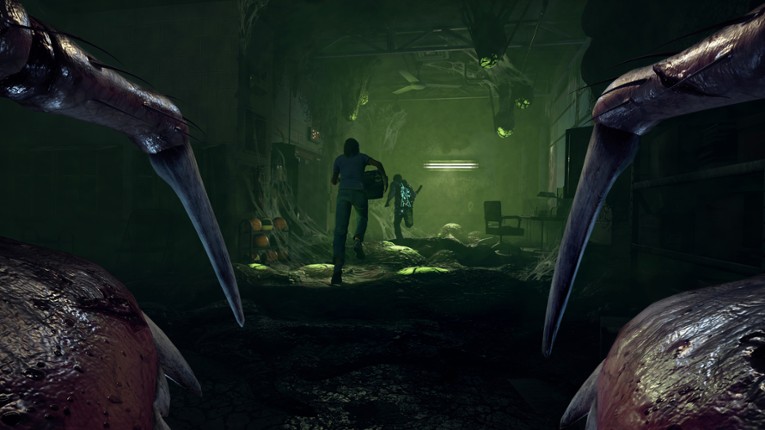
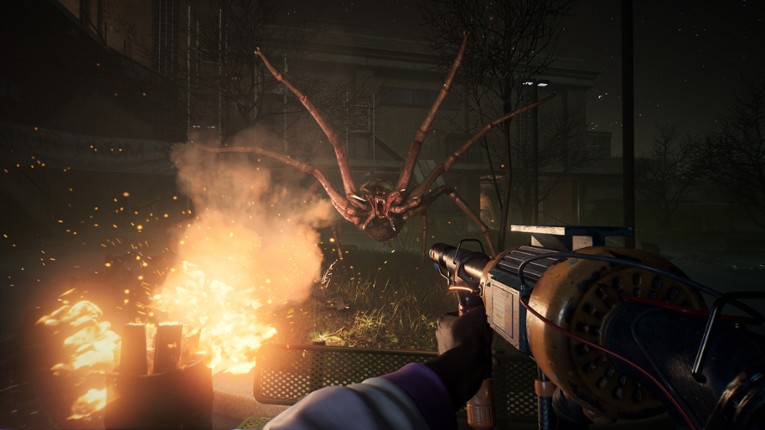
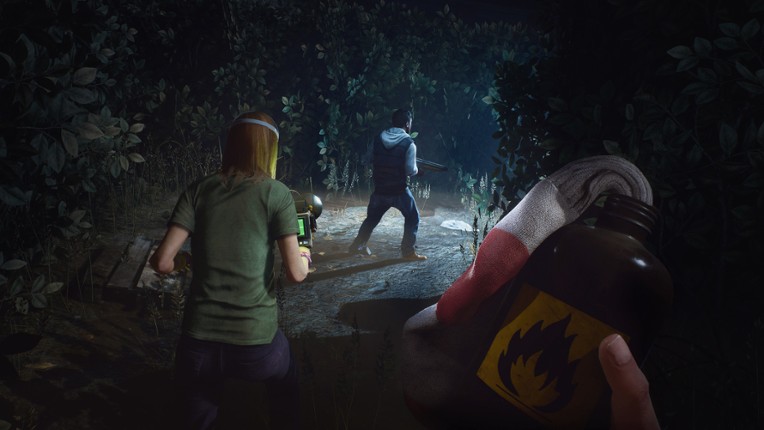
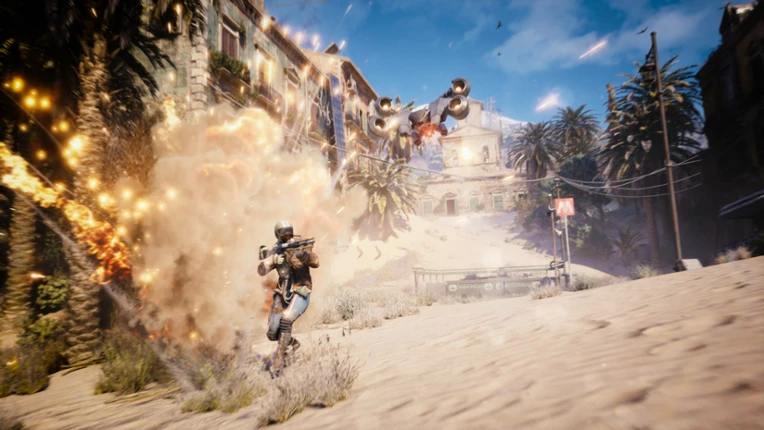
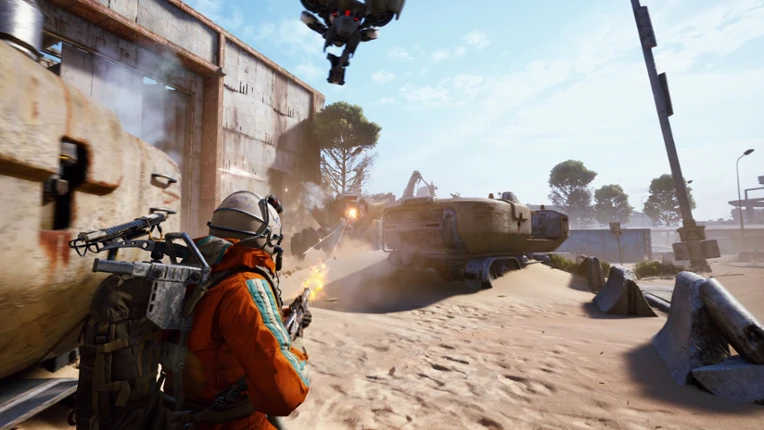
- 82%Game Brain ScoreMost mentioned positive aspects:gameplay, storyMost mentioned negative aspects:grinding, stability82% User Score 247,322 reviewsWhile the connection is loose, those who enjoy asymmetrical tension may appreciate this third-person shooter focusing on cooperative robotic scavenging. If you enjoyed this game, see our list of games similar to ARC Raiders.View Game
- 81%Game Brain ScoreMost mentioned positive aspects:gameplay, graphicsMost mentioned negative aspects:stability, monetization82% User Score 127,445 reviewsCritic Score 80%12 reviews
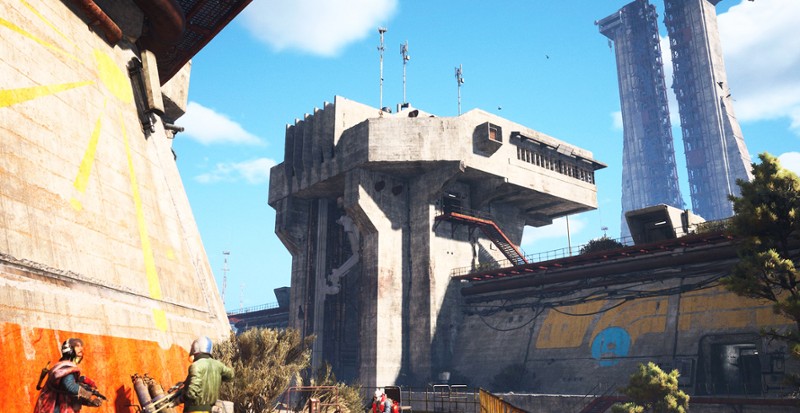
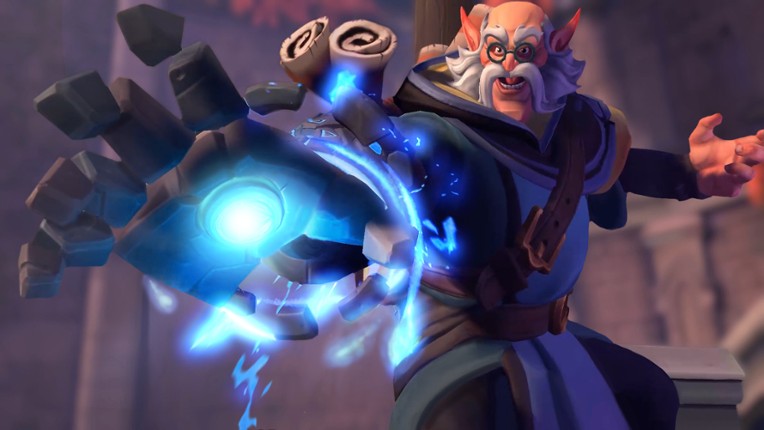
The primary link between these titles is asymmetrical team-based coordination, where mastering specific character roles is the only path to victory. Both games emphasize high-stakes, objective-driven PvP, ensuring that every match demands constant communication with your squad.
You lose the oppressive psychological horror of Dead by Daylight in exchange for the frantic, high-speed combat of a fantasy hero shooter. While Paladins lacks the macabre atmosphere, it mirrors the same frustrating cycle of aggressive monetization and occasional technical instability.
Pick this up if you crave deep mechanical experimentation through diverse character builds but are ready to trade survival-horror tension for fast-paced, lobby-based hero action.
If you enjoyed this game, see our list of games similar to Paladins.View Game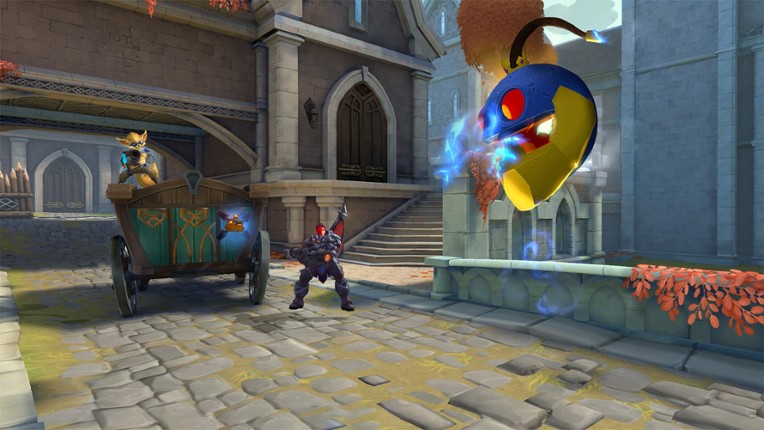
- 87%Game Brain ScoreMost mentioned positive aspects:gameplay, graphicsMost mentioned negative aspects:monetization, story87% User Score 447,024 reviews
Rocket League and Dead by Daylight both center on short, high‑stakes rounds where small teams clash in online PvP. The tight match format forces quick decision‑making and rewards clutch plays, giving each session a “one more game” pull.
Both titles ship with a ranking ladder that fuels persistent progression, and their online co‑op options let friends jump in instantly. This layered grind keeps the competitive loop fresh long after the initial unlock.
Dead by Daylight wraps its tension in horror and asymmetrical roles, whereas Rocket League replaces scares with rocket‑powered car soccer and physics‑driven spectacle.
Pick this up if you crave fast, skill‑based team battles but can live without the psychological horror and 4‑vs‑1 cat‑and‑mouse dynamic.
If you enjoyed this game, see our list of games similar to Rocket League.View Game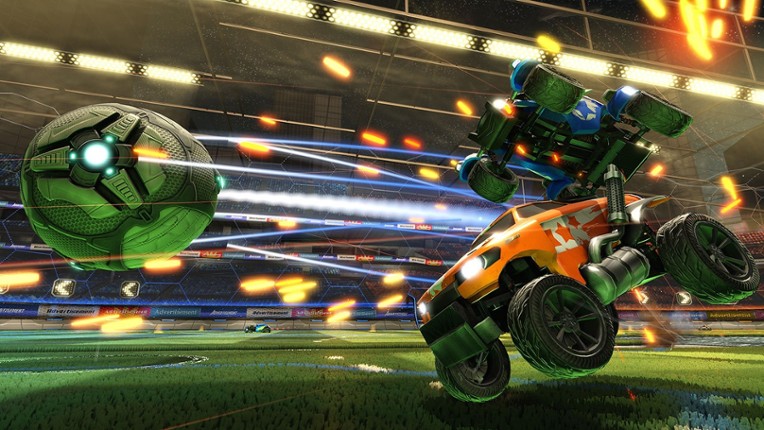


11 View Game
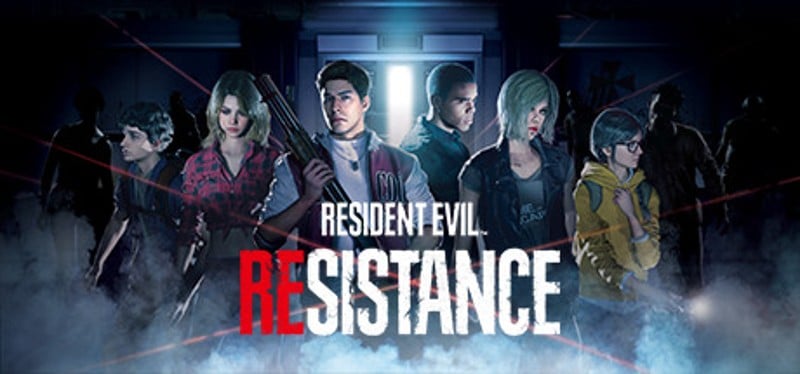
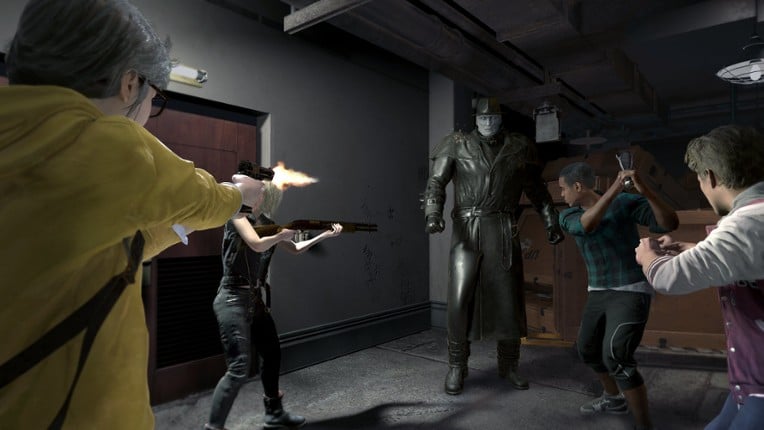 44%Game Brain ScoreMost mentioned positive aspects:gameplay, storyMost mentioned negative aspects:monetization, optimization40% User Score 3,531 reviewsCritic Score 60%2 reviewsResident Evil Resistance swaps DbD's cat‑and‑mouse chase for a mastermind‑controlled trap network, offering a strategic 4v1 puzzle in the RE universe. If you enjoyed this game, see our list of games similar to Resident Evil Resistance.View Game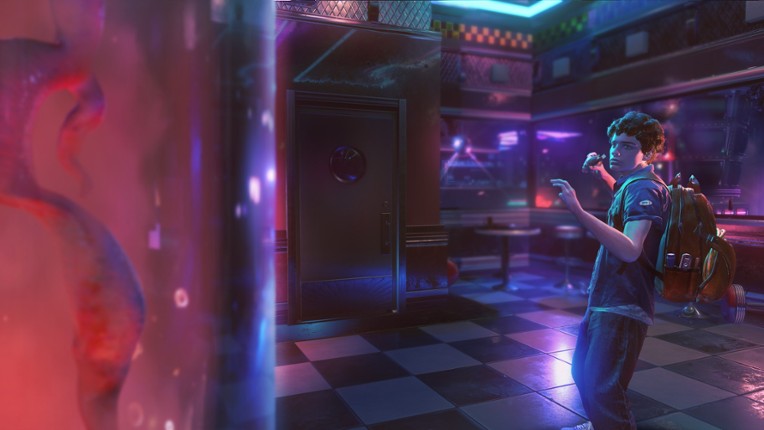
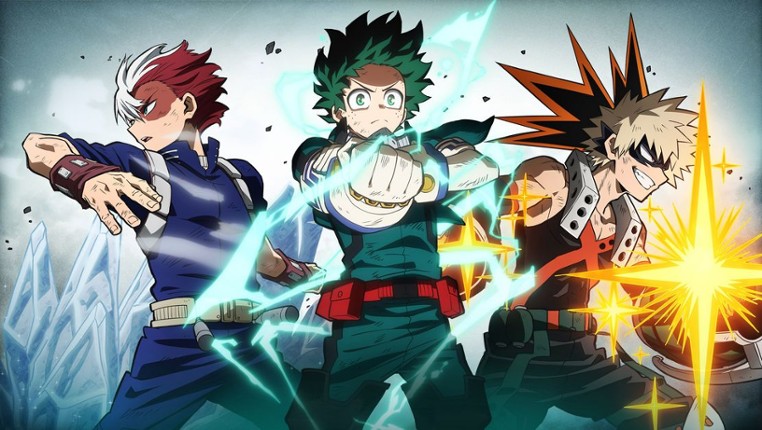
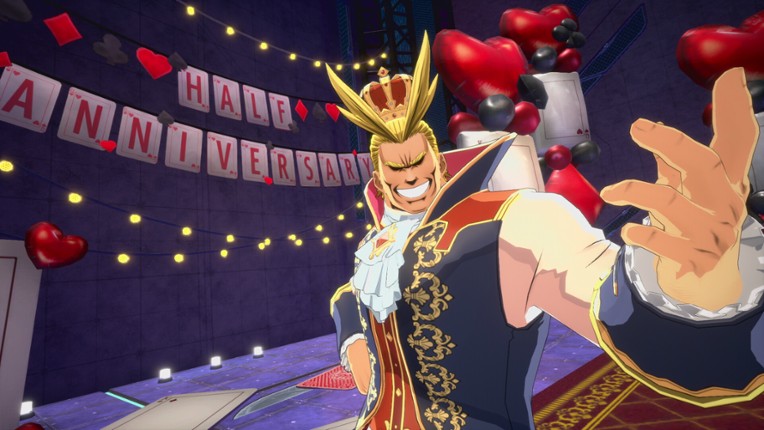
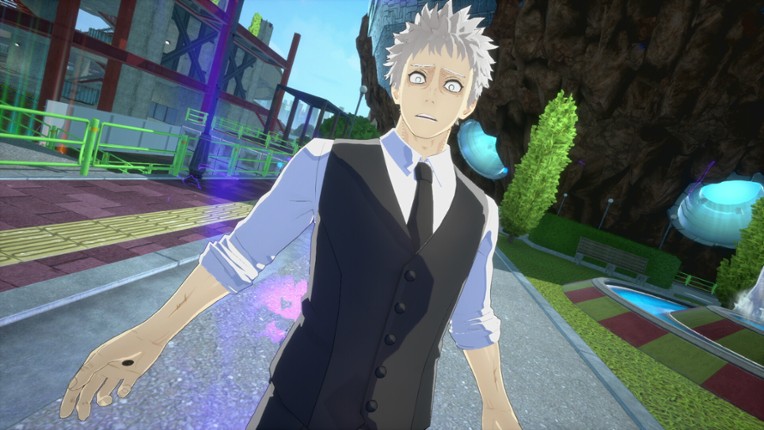
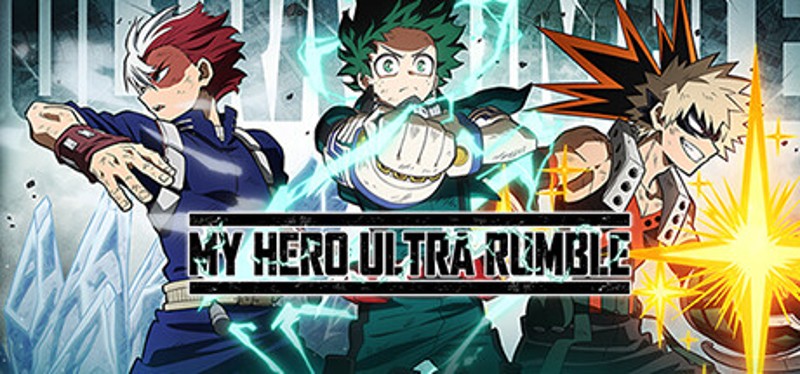
- 67%Game Brain ScoreMost mentioned positive aspects:gameplay, graphicsMost mentioned negative aspects:monetization, grinding67% User Score 12,058 reviewsMY HERO ULTRA RUMBLE swaps terror for vibrant superhero battles, delivering anime‑styled 3D brawls in a colorful battle‑royale format. If you enjoyed this game, see our list of games similar to MY HERO ULTRA RUMBLE.View Game
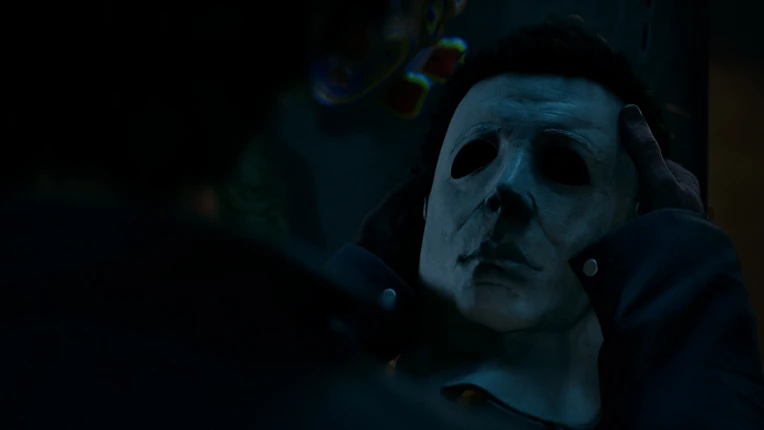
- 69%Game Brain ScoreMost mentioned positive aspects:gameplay, storyMost mentioned negative aspects:optimization, stability69% User Score 9,881 reviews
On Halloween night, 1978, no one is safe from Michael Myers. Become the Boogeyman or fight back against the face of evil itself in Halloween. If you enjoyed this game, see our list of games similar to Halloween.
View Game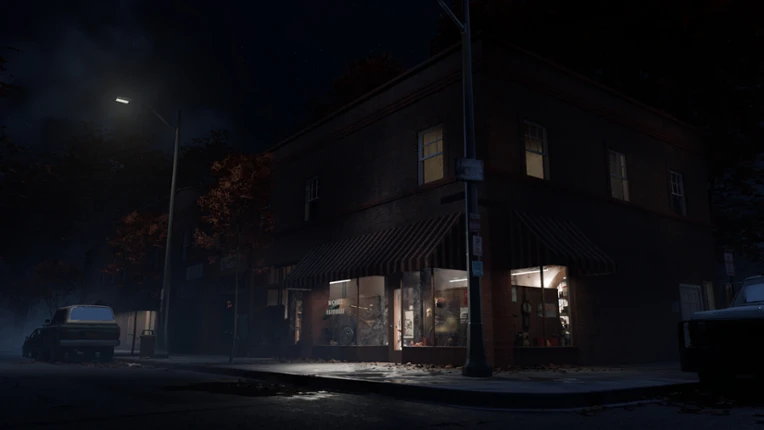
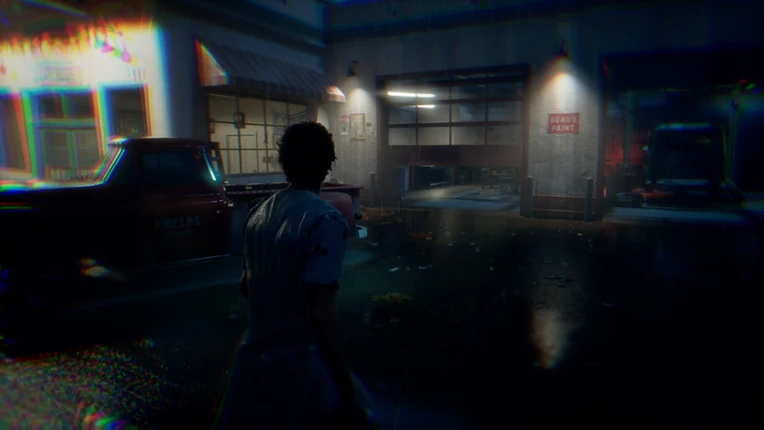
14 View Game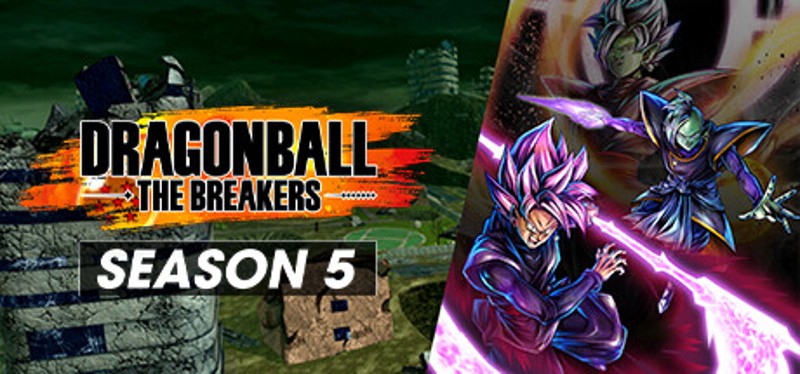 58%Game Brain ScoreMost mentioned positive aspects:gameplay, graphicsMost mentioned negative aspects:monetization, story57% User Score 4,458 reviewsCritic Score 63%2 reviews
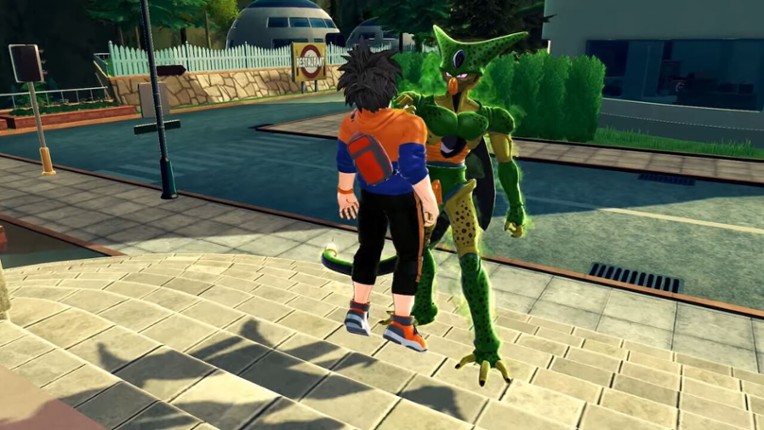
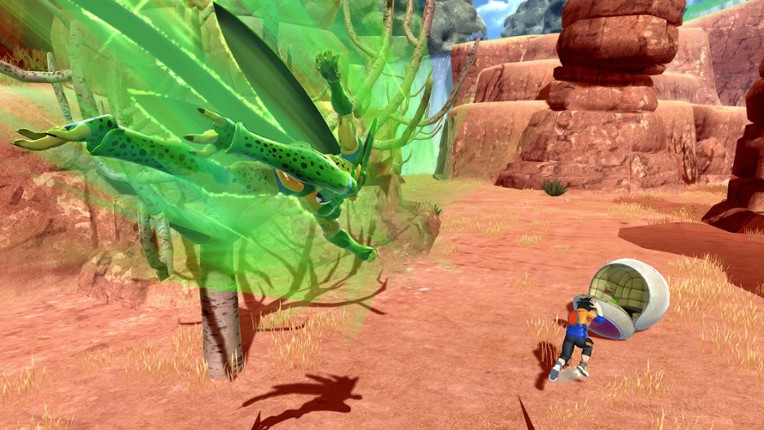
Both games hinge on asymmetrical multiplayer—one player hunts while others survive, creating fundamentally different win conditions that shift dramatically between roles.
Team coordination matters equally in both; solo queue players face punishing matchmaking, making premade groups essential for consistent wins.
The critical difference: Dead by Daylight trades anime spectacle for horror atmosphere, while The Breakers swaps DBD's measured stealth-horror for frantic Dragon Ball action and destruction.
Pick this up if you crave asymmetrical PvP chaos and nostalgia-fueled gameplay, but accept worse stability and a gacha system that makes DBD's monetization look restrained.
If you enjoyed this game, see our list of games similar to DRAGON BALL THE BREAKERS.View Game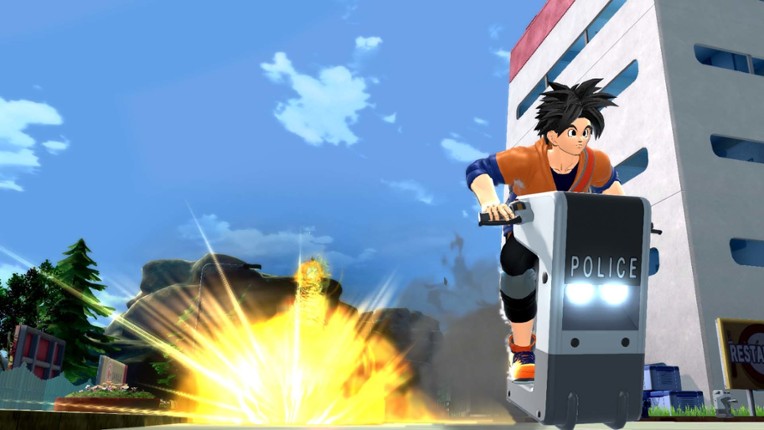
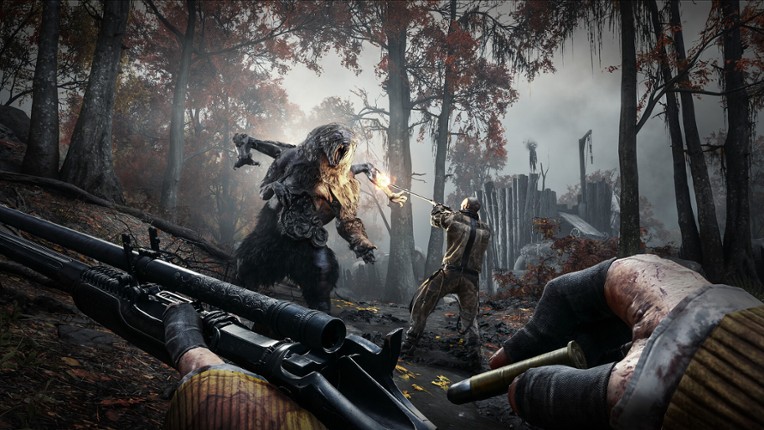
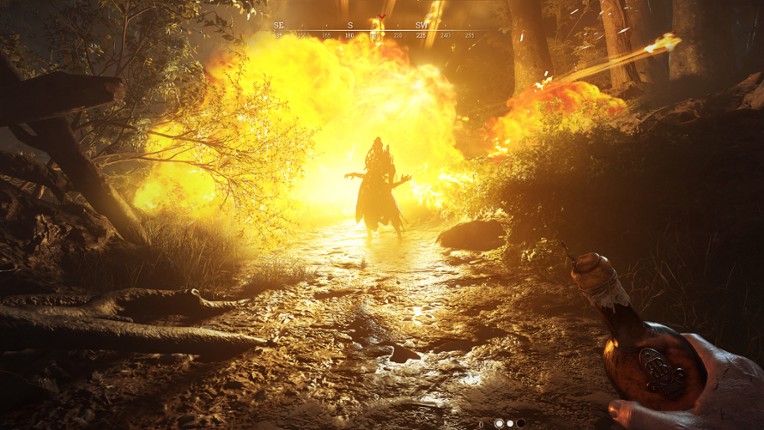
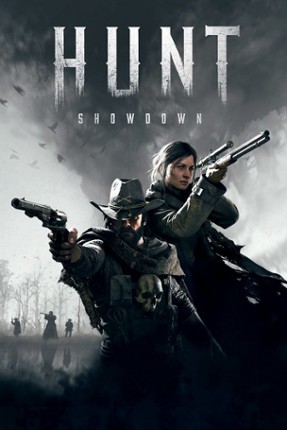
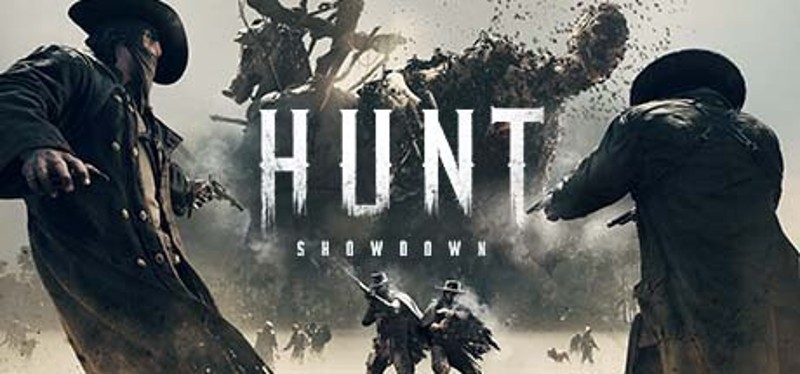
- 76%Game Brain ScoreMost mentioned positive aspects:gameplay, graphicsMost mentioned negative aspects:optimization, stability77% User Score 168,177 reviewsCritic Score 76%24 reviewsUnlike Dead by Daylight, Hunt: Showdown emphasizes slower, methodical PvE monster hunting with a tense extraction loop. If you enjoyed this game, see our list of games similar to Hunt: Showdown.View Game
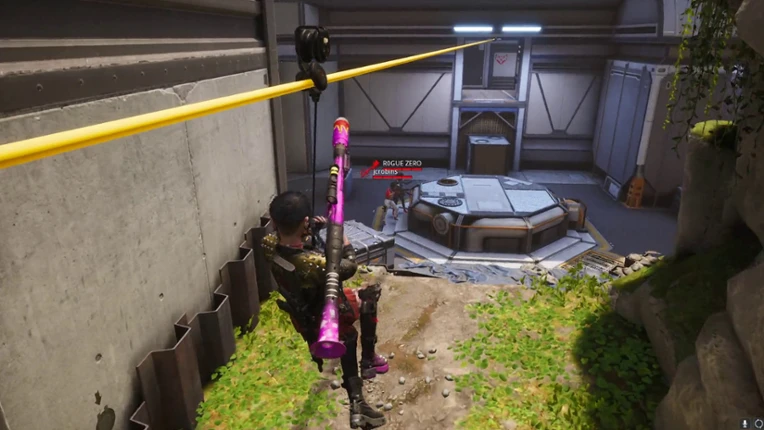
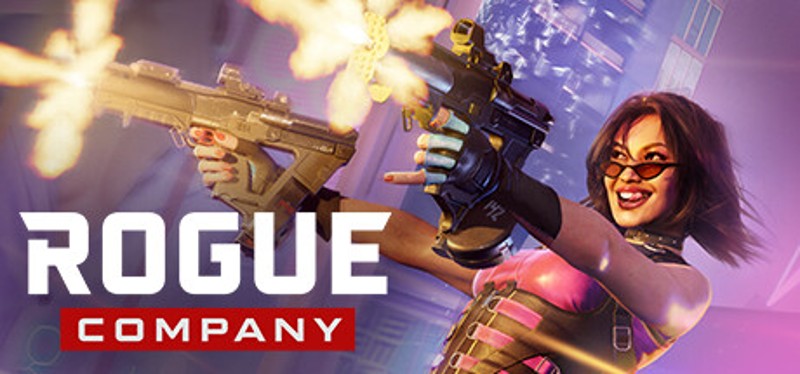
- 77%Game Brain ScoreMost mentioned positive aspects:gameplay, graphicsMost mentioned negative aspects:stability, monetization75% User Score 12,270 reviewsCritic Score 90%1 reviewsWhile Dead by Daylight leans on horror, Rogue Company delivers fast‑paced hero shooter action with classes and objective‑based modes. If you enjoyed this game, see our list of games similar to Rogue Company.View Game
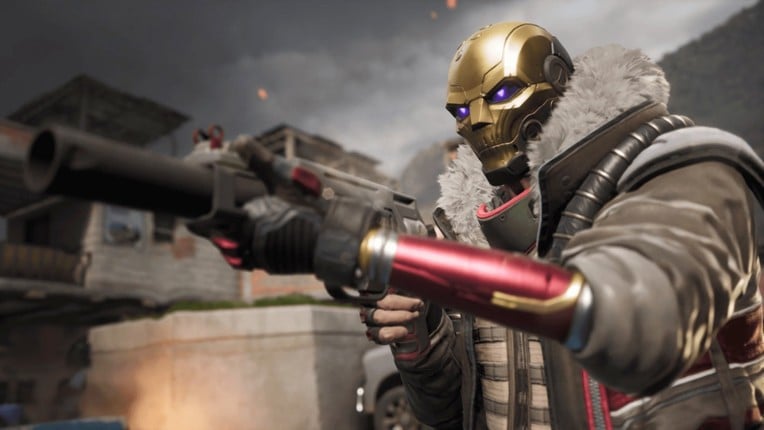
- 79%Game Brain ScoreMost mentioned positive aspects:gameplay, graphicsMost mentioned negative aspects:monetization, stability81% User Score 150,441 reviewsCritic Score 77%15 reviews
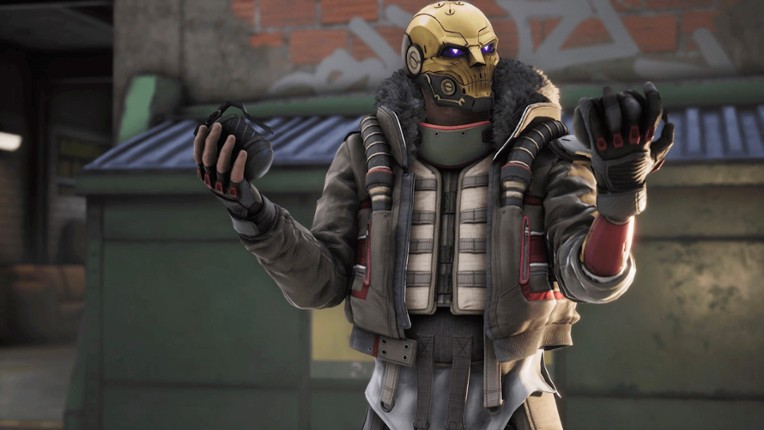
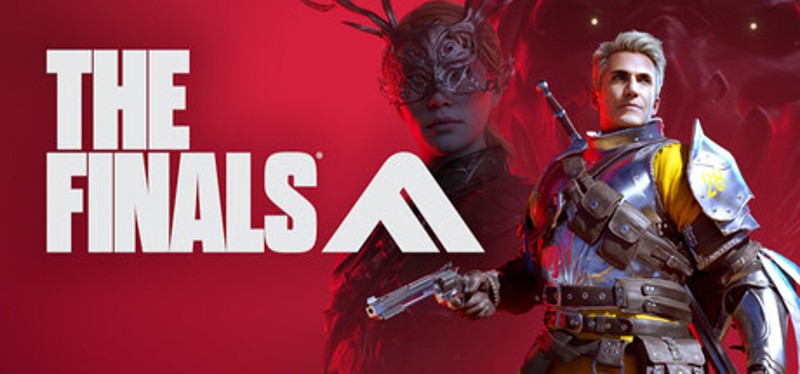
Buy The Finals on PlayStation Store. Dare to compete for fame and fortune in the world's most explosive game show. If you enjoyed this game, see our list of games similar to THE FINALS.
View Game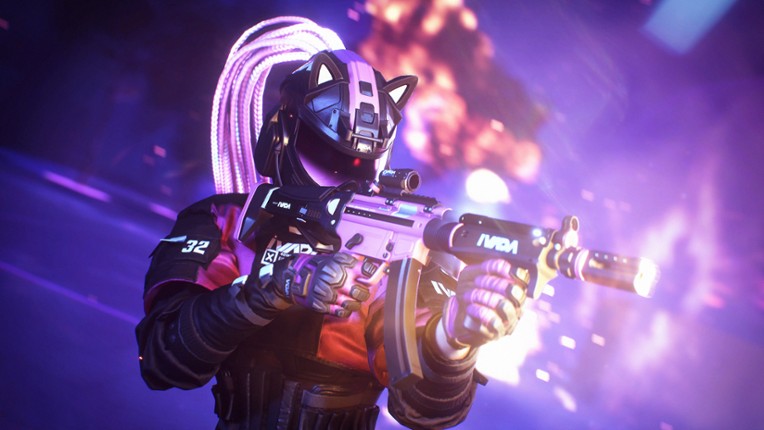

18 View Game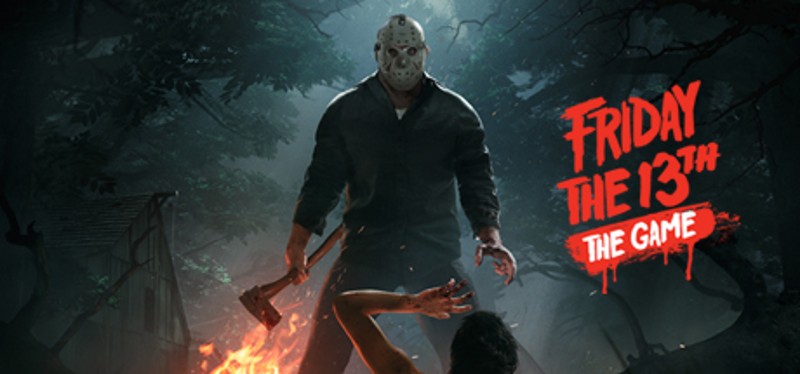 73%Game Brain ScoreMost mentioned positive aspects:gameplay, graphicsMost mentioned negative aspects:stability, grinding76% User Score 19,002 reviewsCritic Score 70%11 reviews
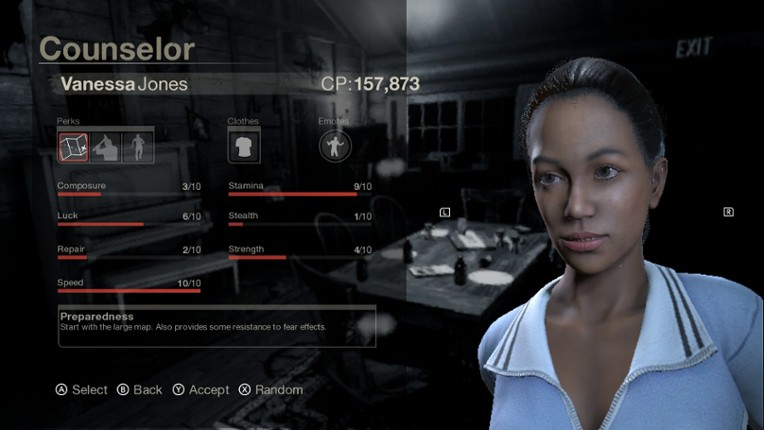
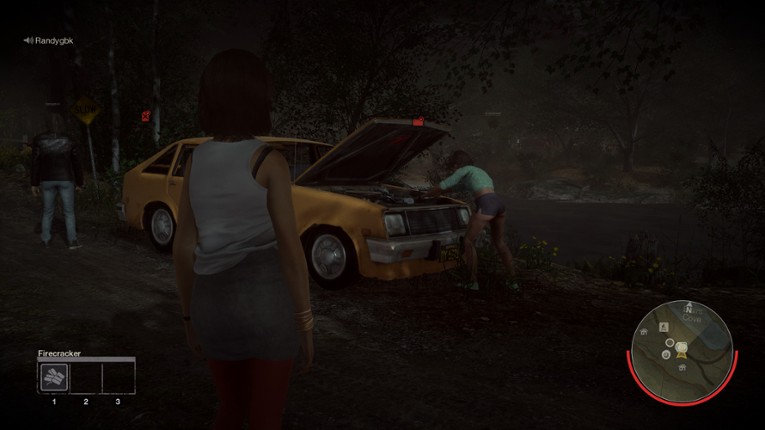
The core asymmetrical cat-and-mouse hunt defines both titles, pitting a lone, overpowered slasher against a squad of desperate survivors. This dynamic creates an immediate high-stakes power imbalance that turns every match into a frantic, nerve-wracking exercise in desperation.
The primary difference lies in the objective design. While Dead by Daylight relies on repetitive generator repairs, Friday the 13th forces players to scavenge for specific map-wide tools like car batteries or fuse boxes to escape.
Pick this up if you want the slasher-flick intensity of Dead by Daylight but prefer sandbox-style objectives over strict, objective-focused loops.
If you enjoyed this game, see our list of games similar to Friday the 13th: The Game.View Game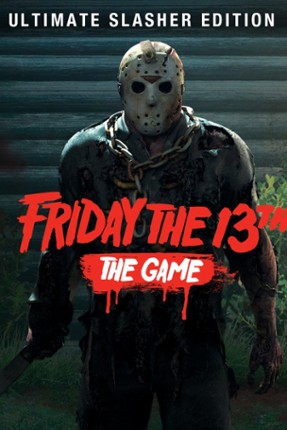
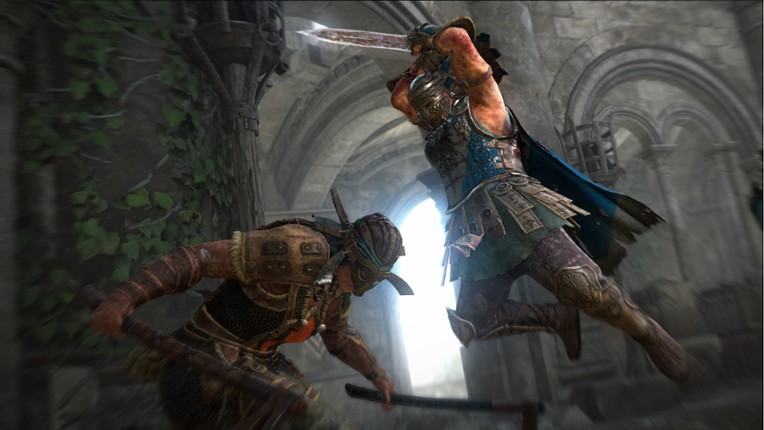
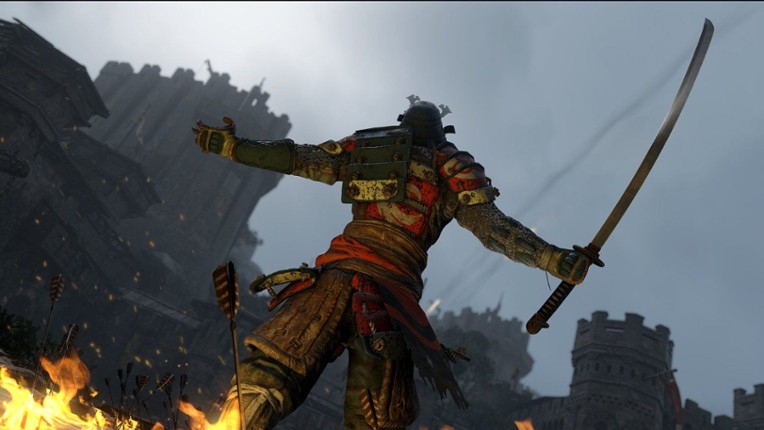
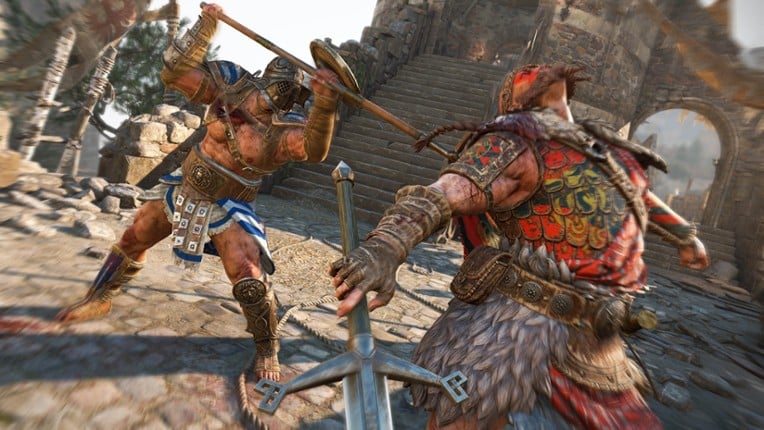
- 73%Game Brain ScoreMost mentioned positive aspects:gameplay, storyMost mentioned negative aspects:monetization, stability70% User Score 97,344 reviewsCritic Score 76%19 reviewsFor Honor abandons horror for gritty melee duels, letting players clash as knights, Vikings, and samurai in a historical warfare arena. If you enjoyed this game, see our list of games similar to For Honor.View Game
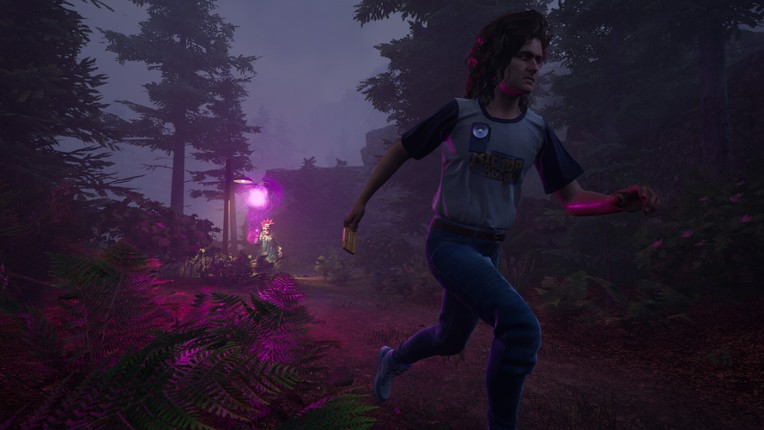
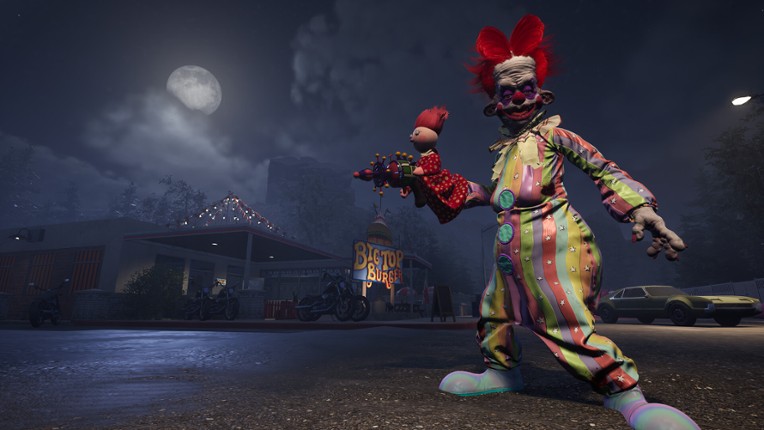
20 View Game 74%Game Brain ScoreMost mentioned positive aspects:gameplay, graphicsMost mentioned negative aspects:stability, optimization76% User Score 5,196 reviewsCritic Score 71%9 reviewsSwaps supernatural killer for campy alien invaders, keeping the asymmetrical multiplayer hunt but leaning hard into B-movie spectacle and dark humor. If you enjoyed this game, see our list of games similar to Killer Klowns from Outer Space: The Game.View Game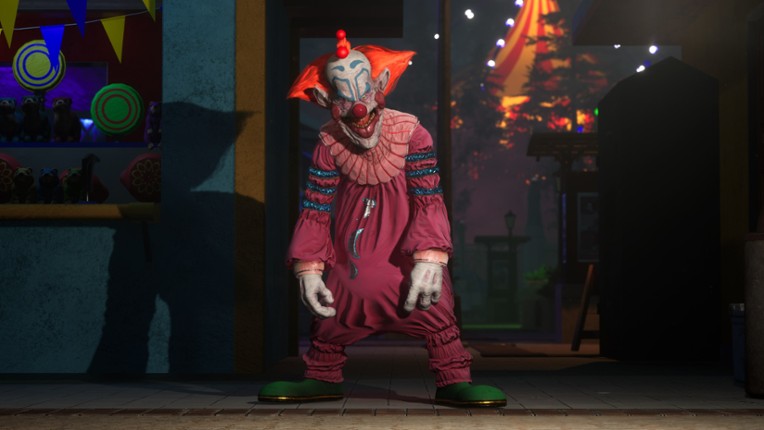
- 89%Game Brain ScoreMost mentioned positive aspects:gameplay, storyMost mentioned negative aspects:grinding, stability94% User Score 47,641 reviewsCritic Score 78%4 reviews
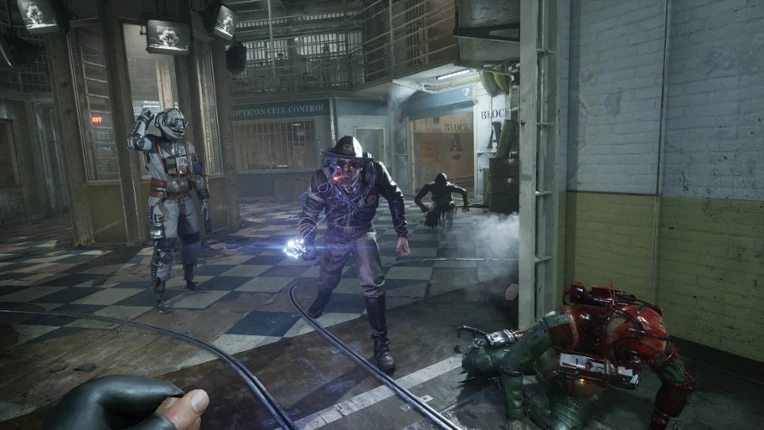
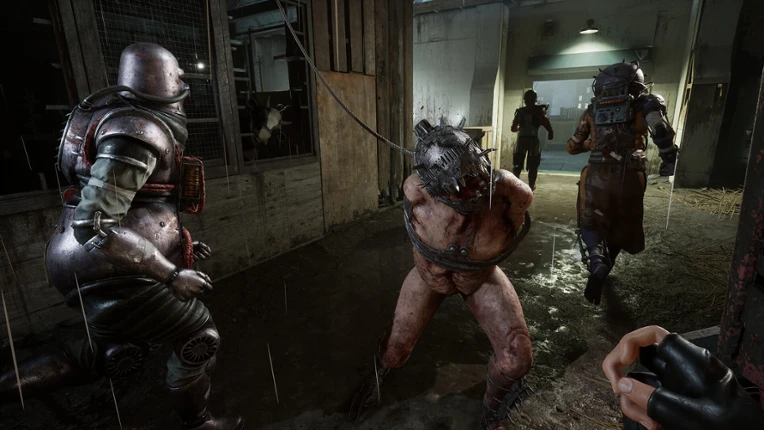
The Outlast Trials is a survival horror game you can play by yourself or with other players online. You'll have to survive the twisted, sadistic and bizarre experiments of the Murkoff Corporation, alone or in a group up to 4 players. If you enjoyed this game, see our list of games similar to The Outlast Trials.
View Game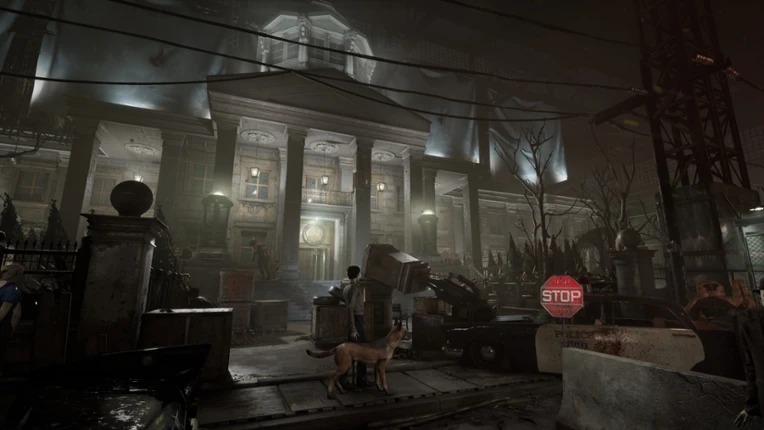
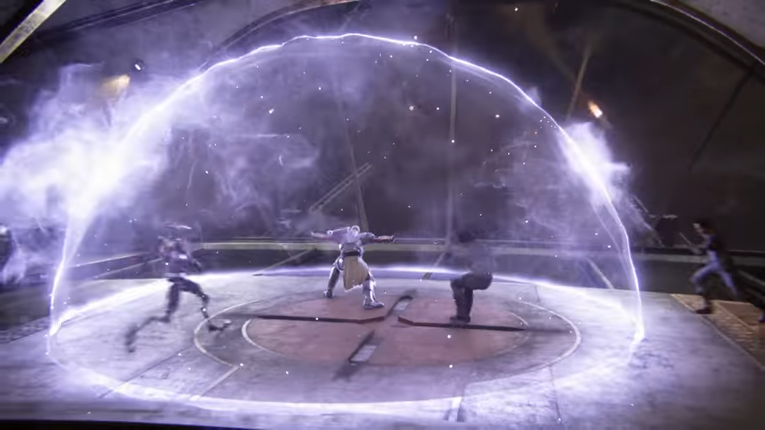
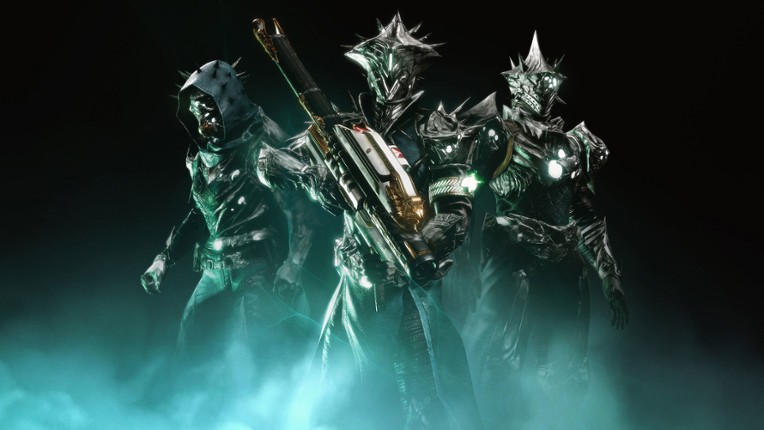
- 78%Game Brain ScoreMost mentioned positive aspects:story, gameplayMost mentioned negative aspects:grinding, monetization78% User Score 373,570 reviewsDestiny 2 replaces horror with sci‑fi saga, mixing RPG progression and co‑op raids in a stylized cosmic universe. If you enjoyed this game, see our list of games similar to Destiny 2.View Game
- 64%Game Brain ScoreMost mentioned positive aspects:gameplay, graphicsMost mentioned negative aspects:monetization, grinding64% User Score 4,935 reviews
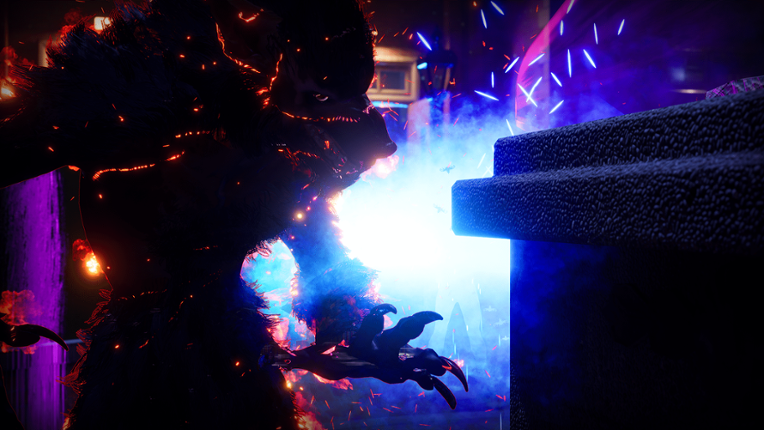
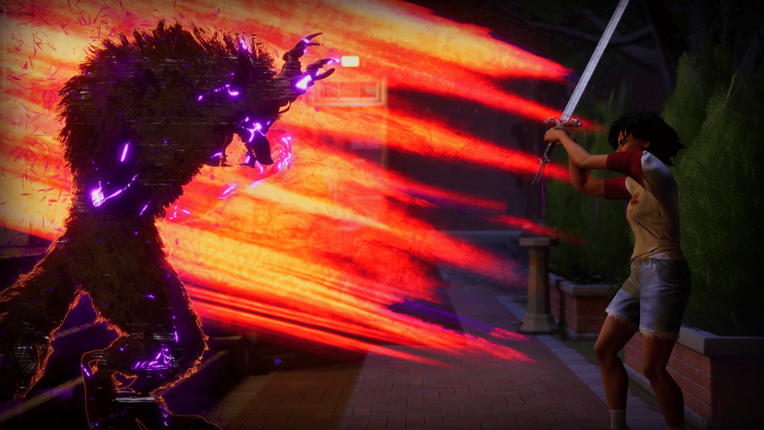
Choose between good and evil and fight for your life in Video Horror Society, a thrilling 4v1 asymmetric action tribute to the 1980s horror era-- where small town teens face off against terrifying monsters brought to life from the aisles of a 1980s video store. If you enjoyed this game, see our list of games similar to Video Horror Society.
View Game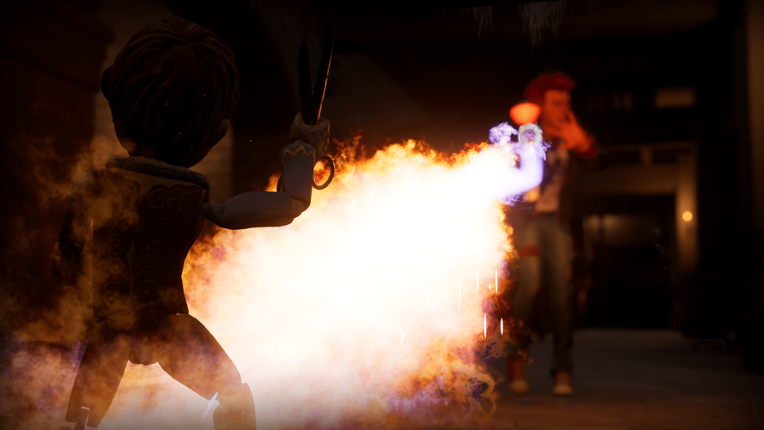
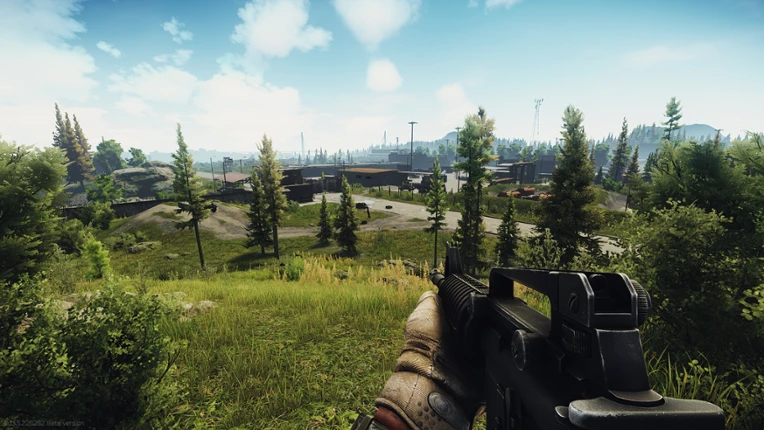
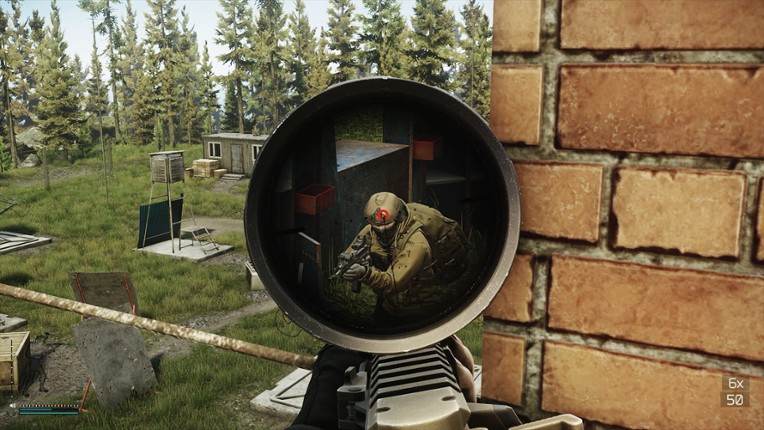
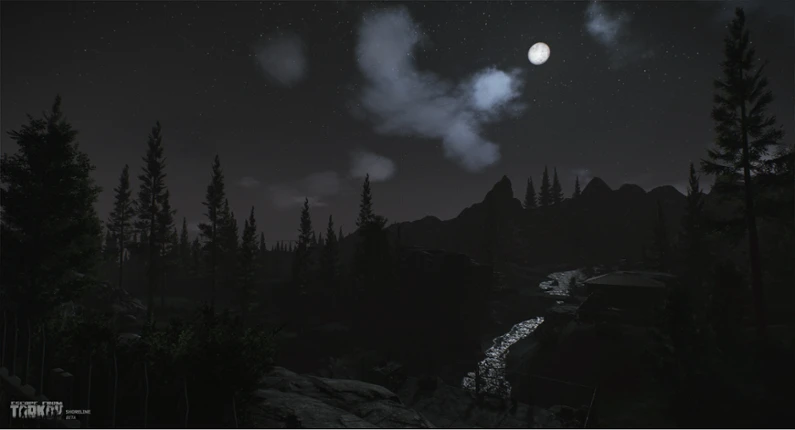
- 65%Game Brain ScoreMost mentioned positive aspects:gameplay, storyMost mentioned negative aspects:optimization, stability63% User Score 14,903 reviewsCritic Score 70%4 reviewsEscape from Tarkov drops the theatrical chase for hyper‑realistic gunfights, demanding meticulous gear management and extraction tactics in a war‑torn setting. If you enjoyed this game, see our list of games similar to Escape from Tarkov.View Game
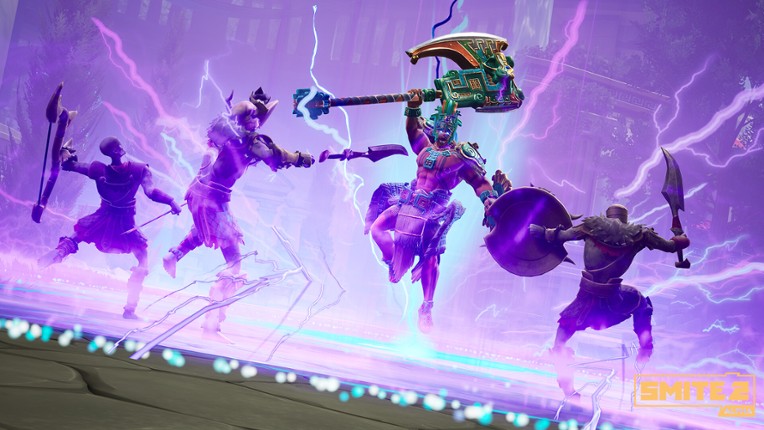
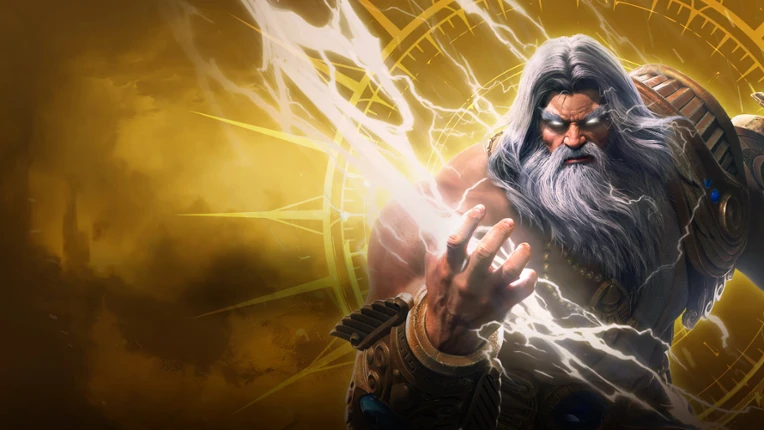
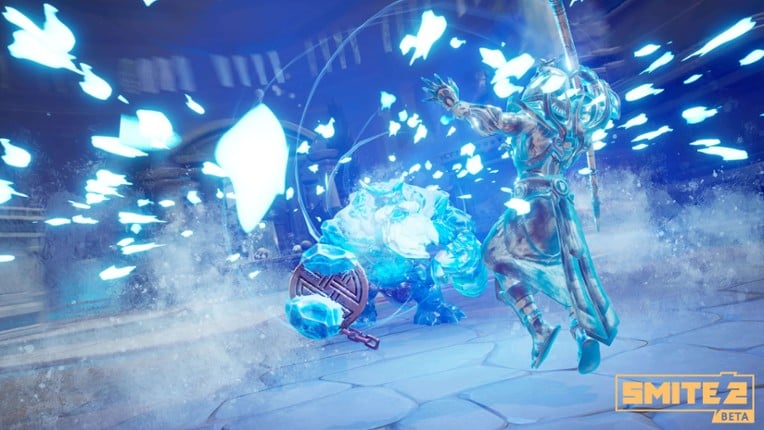
- 54%Game Brain ScoreMost mentioned positive aspects:gameplay, graphicsMost mentioned negative aspects:monetization, optimization54% User Score 14,235 reviewsDiverging from pure survival, this god-based MOBA swaps stealthy tension for high-octane, team-oriented arena combat and divine ability synergies. If you enjoyed this game, see our list of games similar to SMITE 2.View Game
- 73%Game Brain ScoreMost mentioned positive aspects:gameplay, graphicsMost mentioned negative aspects:stability, optimization77% User Score 30,003 reviewsCritic Score 50%1 reviewsDeceit isolates players in a single, claustrophobic map, turning survival into a tense social‑deduction test rather than a chase. If you enjoyed this game, see our list of games similar to Deceit.View Game
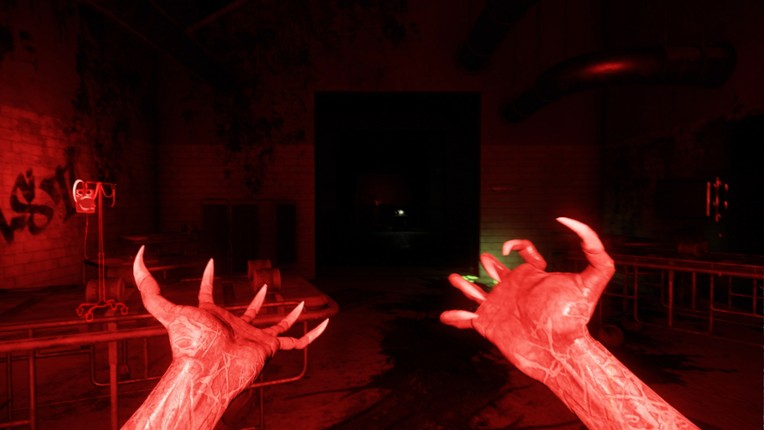
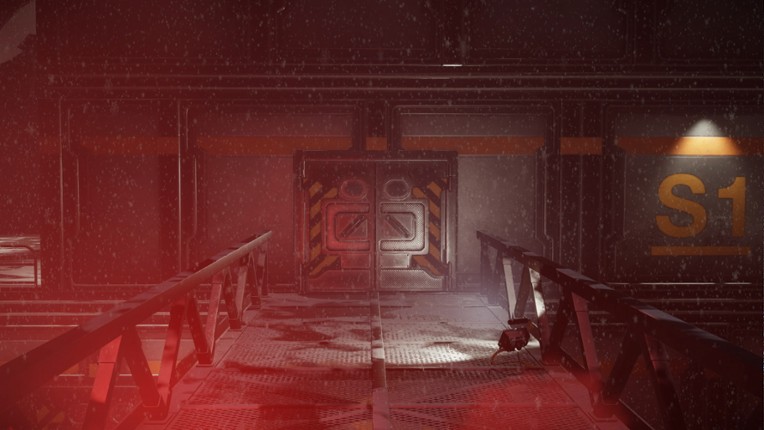
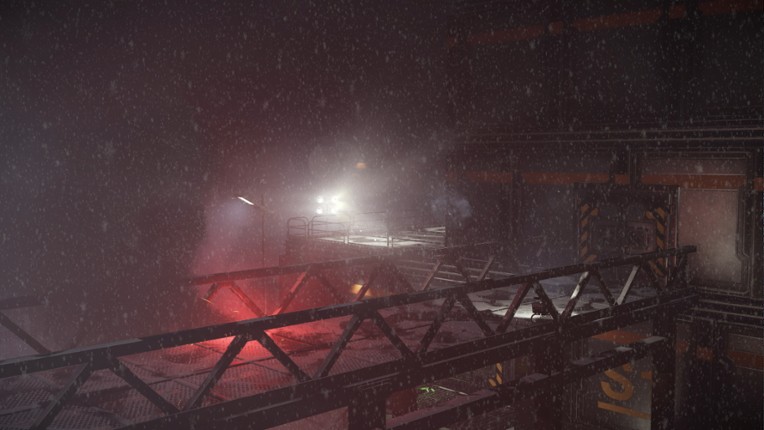
- View Game55%Game Brain ScoreMost mentioned positive aspects:gameplay, graphicsMost mentioned negative aspects:stability, optimization55% User Score 517 reviewsHome Sweet Home: Online merges Thai folklore horror with online co‑op, offering a culturally‑rich, comedic‑tinged chase instead of the classic 4‑vs‑1. If you enjoyed this game, see our list of games similar to Home Sweet Home: Online.
- 64%Game Brain ScoreMost mentioned positive aspects:gameplay, graphicsMost mentioned negative aspects:optimization, stability64% User Score 2,668 reviews
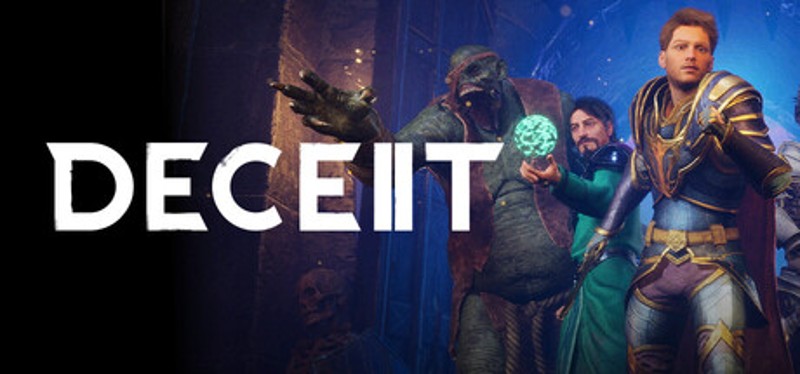
Deceit 2 is an online social deduction horror game. Inspire fear as the Terror, play detective as the Innocent, or create mayhem as the Cursed. Trapped with friends and strangers: who can you trust to help you escape? If you enjoyed this game, see our list of games similar to Deceit 2.
View Game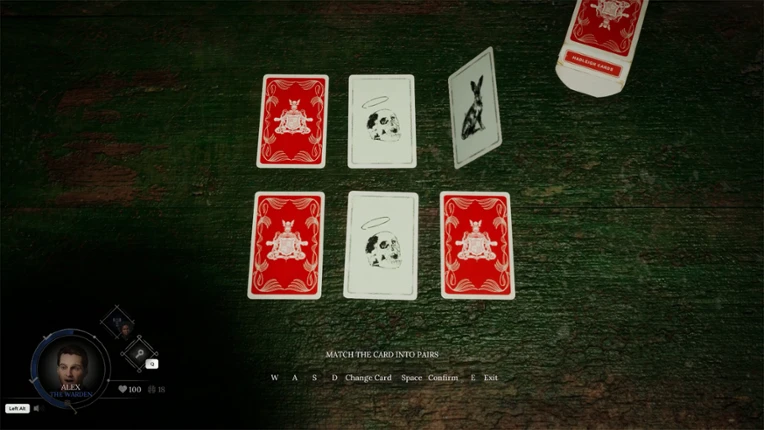
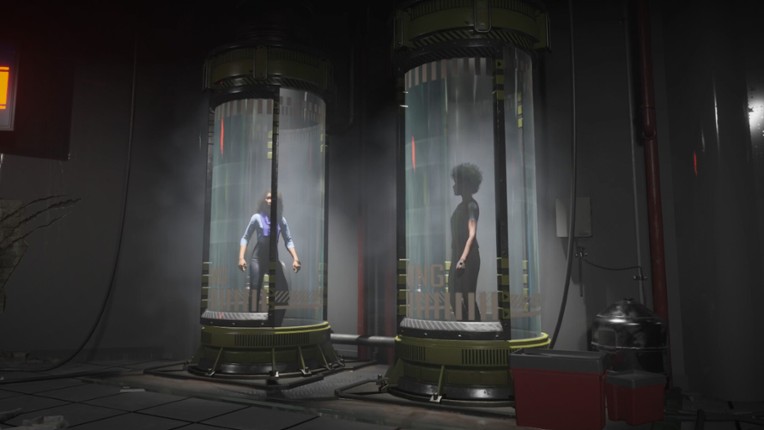
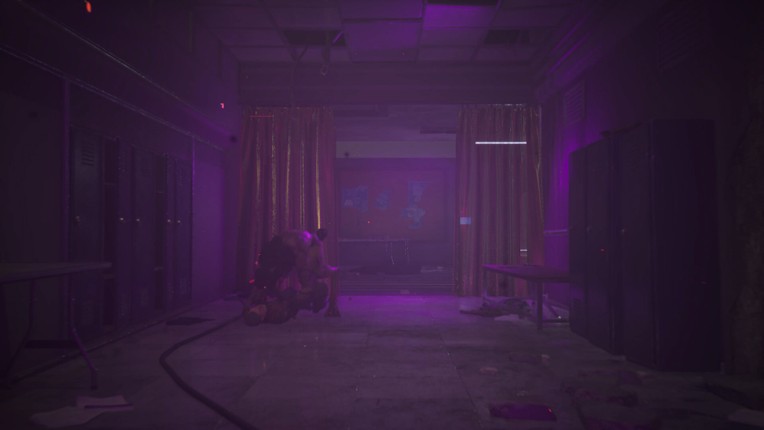
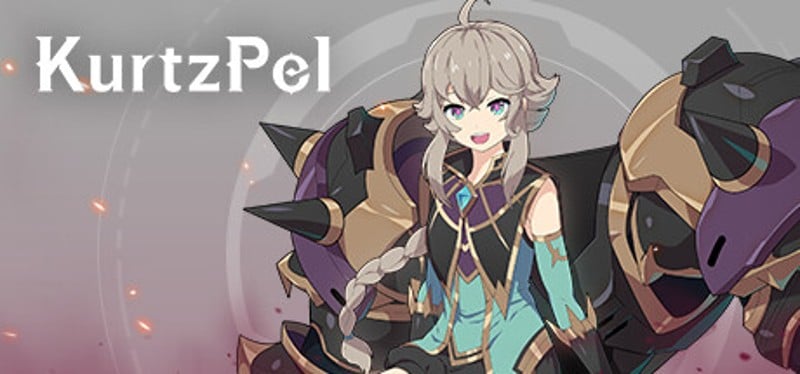
- 58%Game Brain ScoreMost mentioned positive aspects:story, gameplayMost mentioned negative aspects:grinding, monetization58% User Score 12,224 reviewsMirrors the multiplayer backbone and character customization loosely, but pivots to fast-paced anime action combat over methodical cat-and-mouse stalking. If you enjoyed this game, see our list of games similar to KurtzPel.View Game
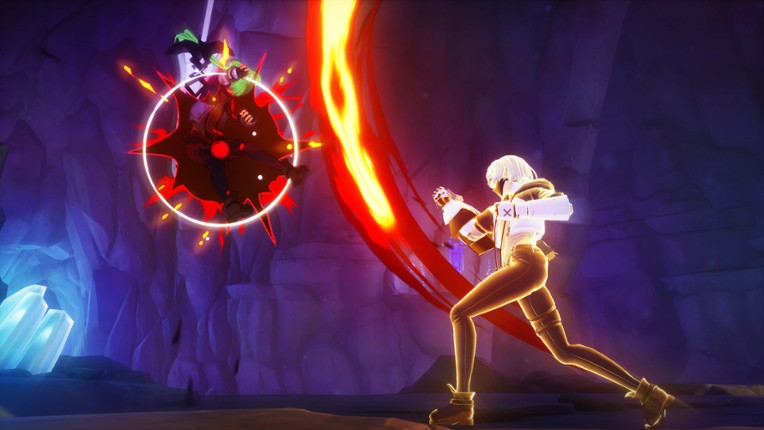
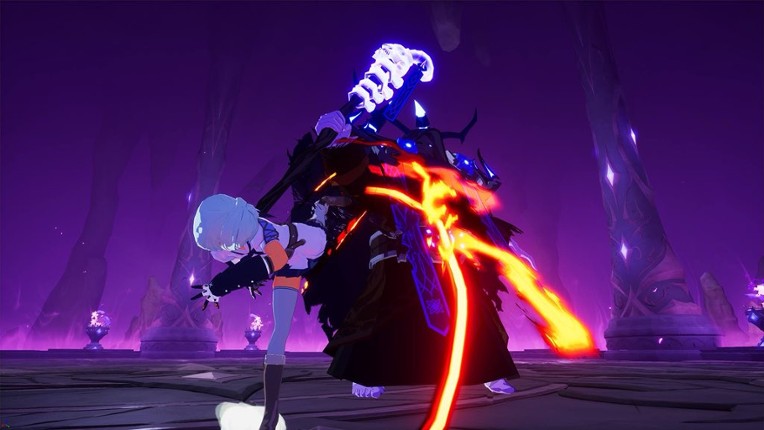

- 56%Game Brain ScoreMost mentioned positive aspects:gameplay, graphicsMost mentioned negative aspects:stability, monetization56% User Score 2,498 reviewsStrips away the iconic slasher framework entirely, anchoring survival horror in domestic spaces with lighter mechanics for newer players. If you enjoyed this game, see our list of games similar to Home Sweet Home: Survive.View Game
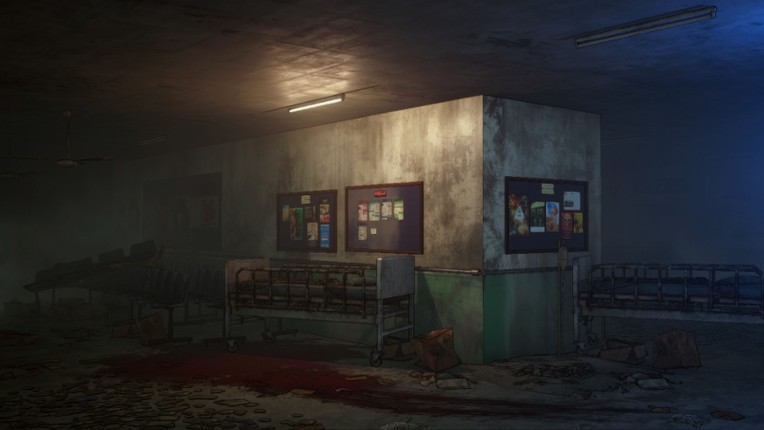
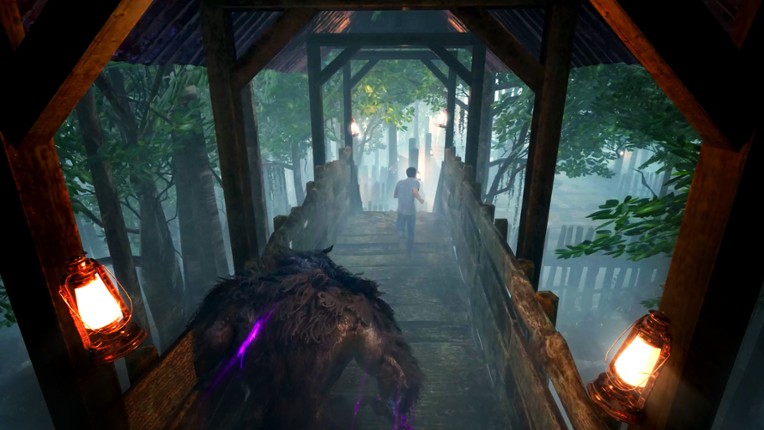
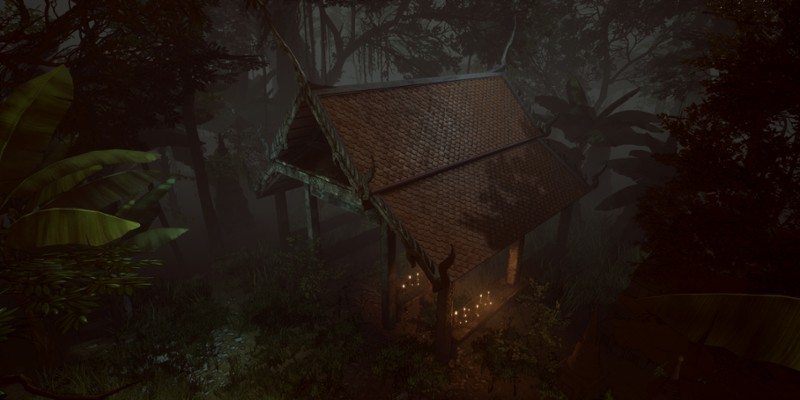
- 62%Game Brain ScoreMost mentioned positive aspects:gameplay, graphicsMost mentioned negative aspects:optimization, monetization57% User Score 7,392 reviewsCritic Score 69%6 reviews
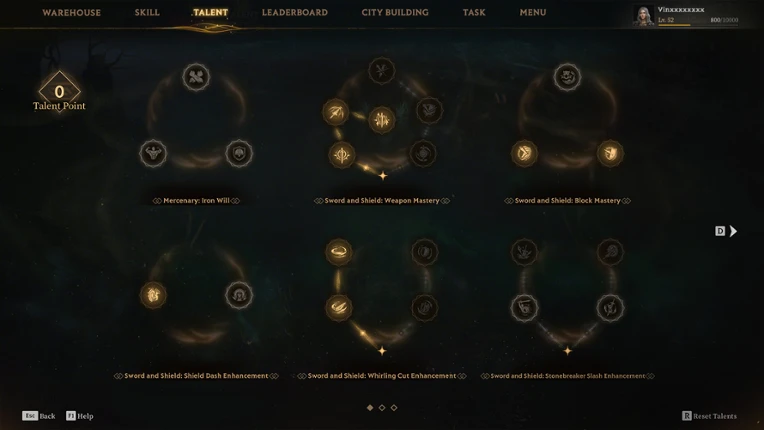
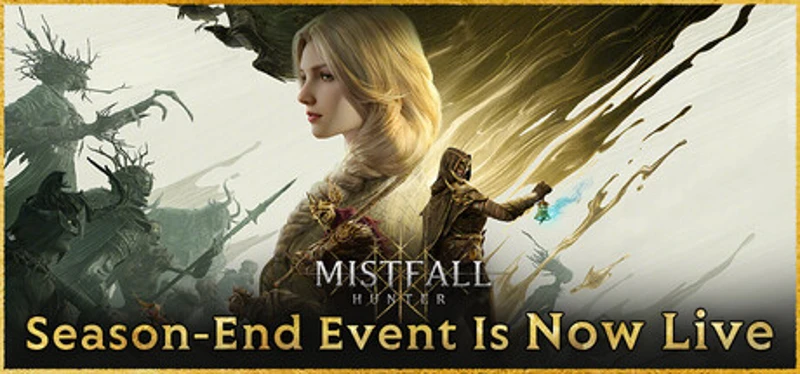
Mistfall Hunter is a dark fantasy extraction ARPG. Combine skills, talents, and gear for each class in thrilling combat! Whether you team up or go solo, one thing remains certain—only by fighting your way through can you return with a full haul. Good luck, Gyldhunter. If you enjoyed this game, see our list of games similar to Mistfall Hunter.
View Game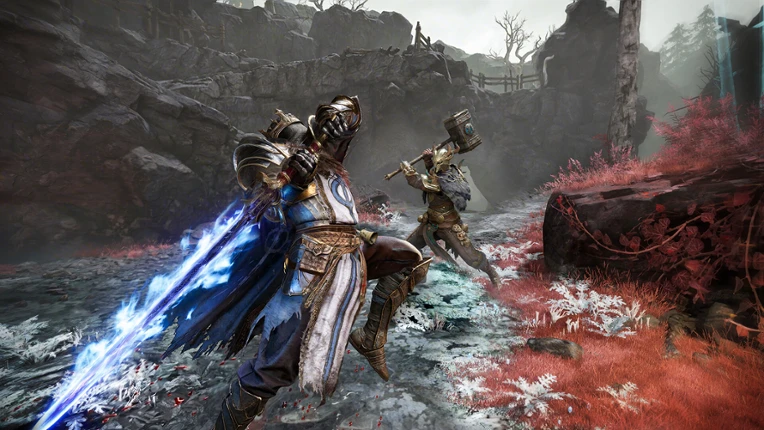
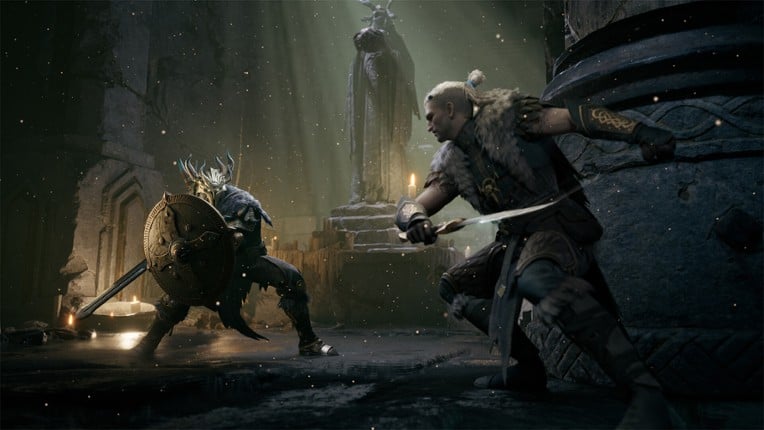
- 83%Game Brain ScoreMost mentioned positive aspects:gameplay, humorMost mentioned negative aspects:story, monetization83% User Score 8,929 reviews
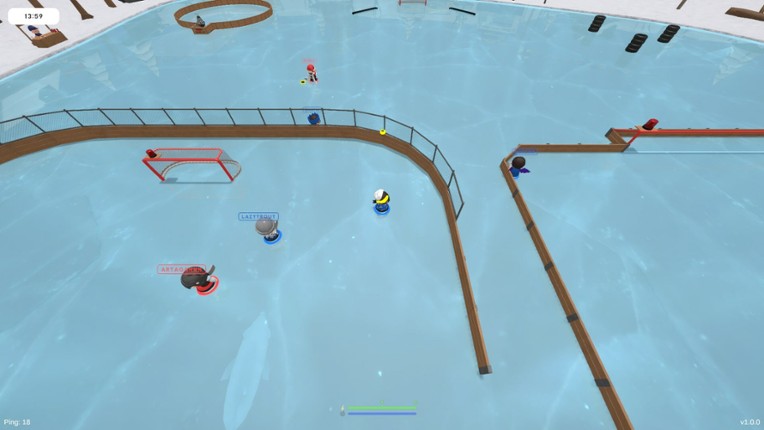
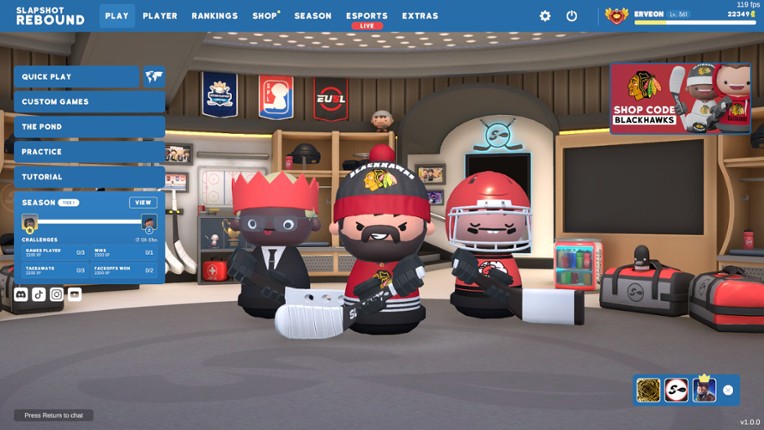
Slapshot Rebound is a physics-based multiplayer game where you play an arcade style match of hockey. No shoot button, no puck glue, no RNG. It’s up to you and your team to take control of the puck, rotate your stick to pass, shoot, outplay your opponents. Score the most goals before time runs out to win. If you enjoyed this game, see our list of games similar to Slapshot: Rebound.
View Game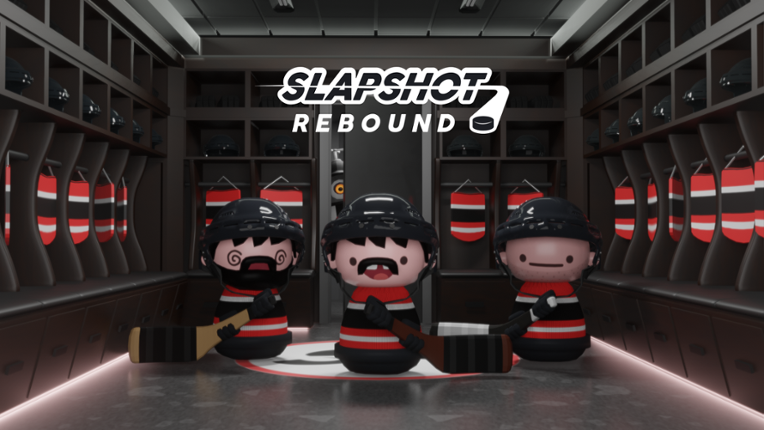
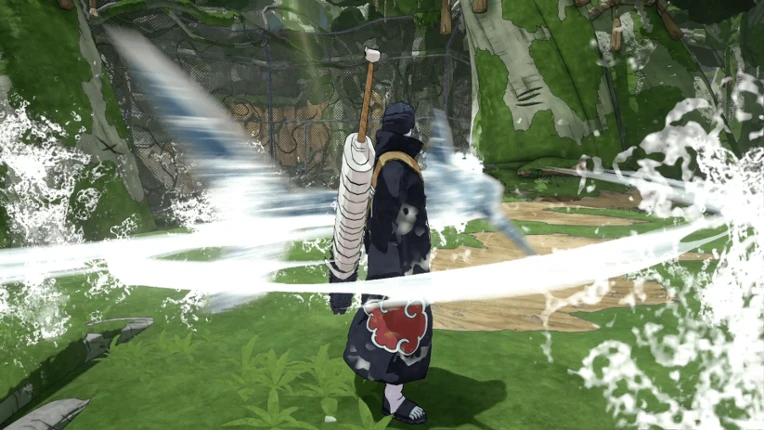
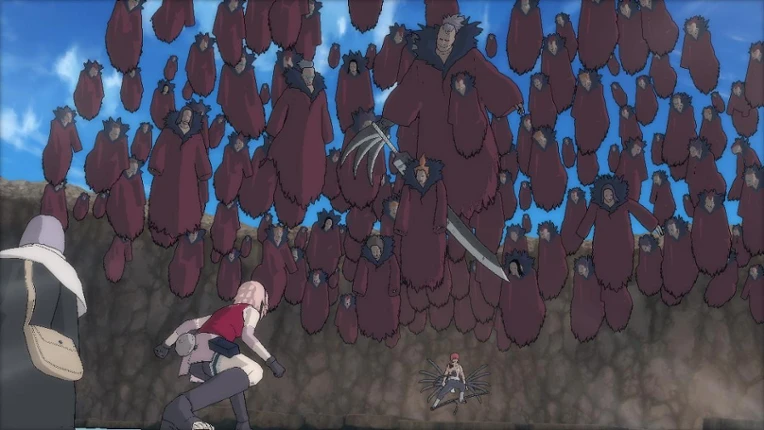
33 View Game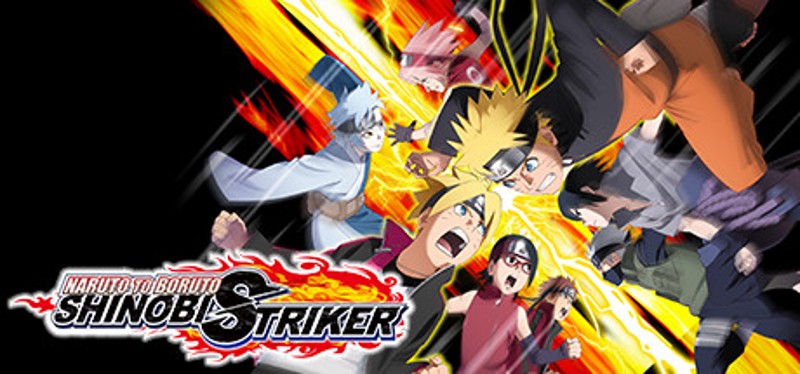 86%Game Brain ScoreMost mentioned positive aspects:story, gameplayMost mentioned negative aspects:grinding, stability86% User Score 34,096 reviewsLoosely connected by team-based multiplayer bones, but replaces asymmetrical stalking with anime sword combat and hero progression systems. If you enjoyed this game, see our list of games similar to NARUTO TO BORUTO: Shinobi Striker.View Game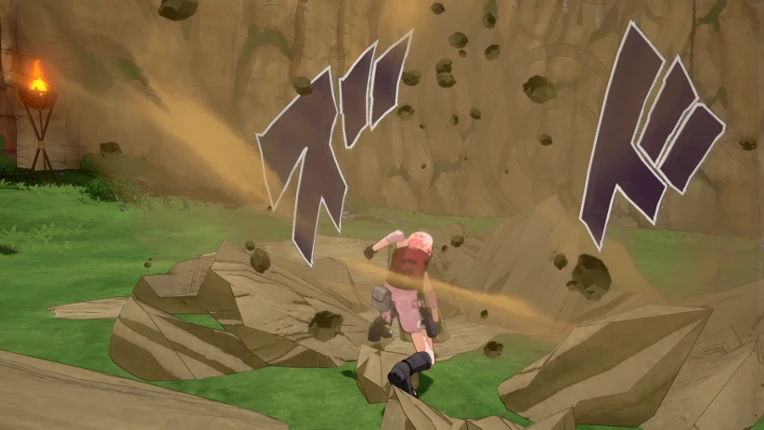
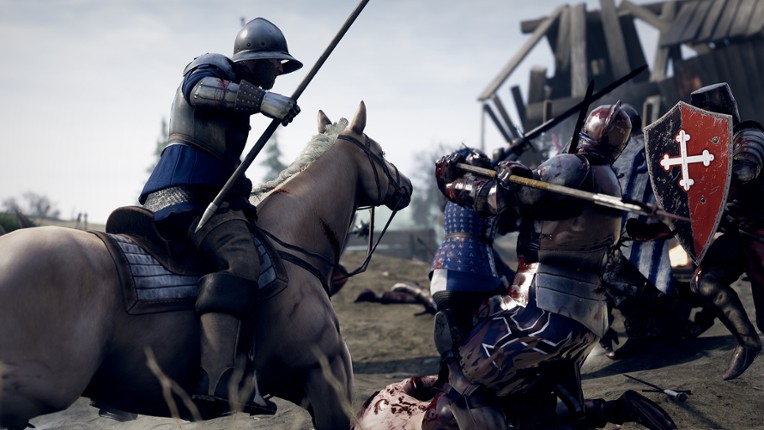
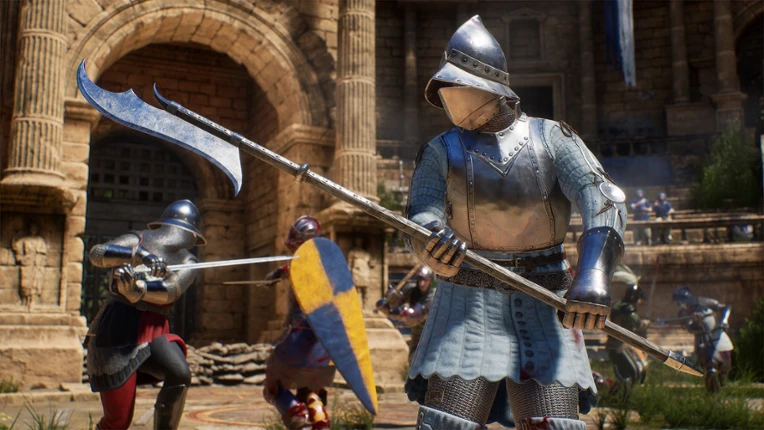
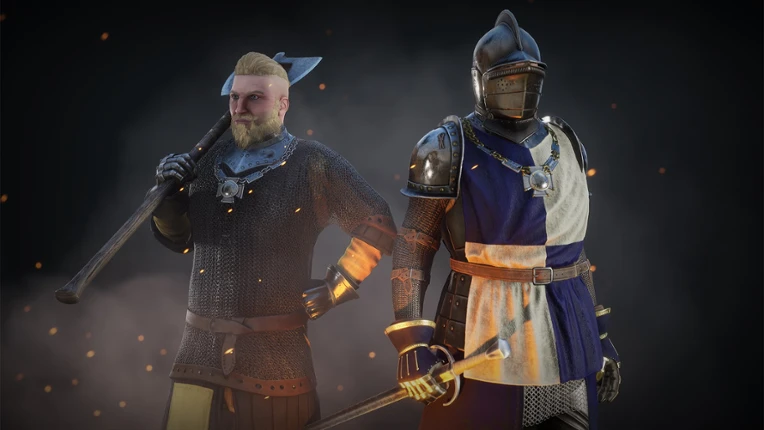
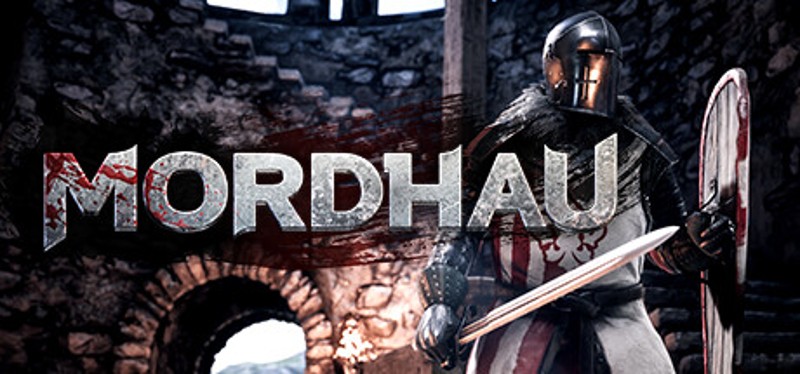
- 81%Game Brain ScoreMost mentioned positive aspects:gameplay, humorMost mentioned negative aspects:stability, story81% User Score 72,090 reviewsEchoes team-based survival and mature competitive tone, but grounds tension in medieval melee combat and swordplay rather than asymmetrical terror. If you enjoyed this game, see our list of games similar to MORDHAU.View Game
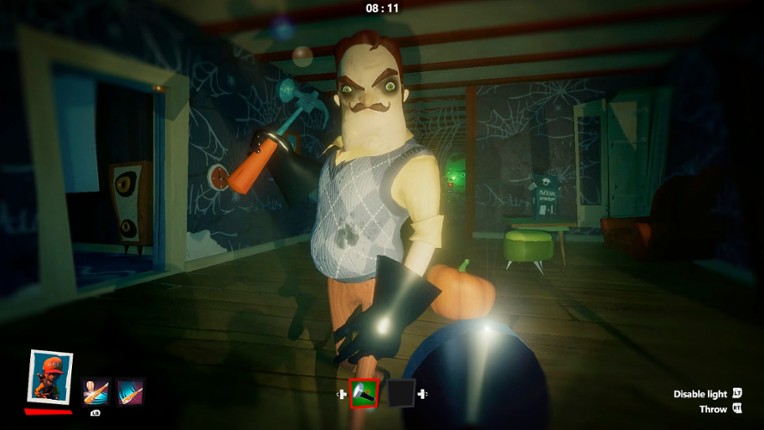
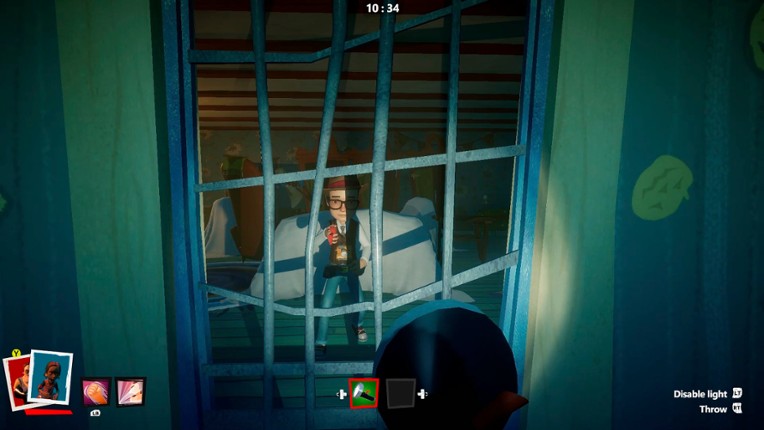
35 View Game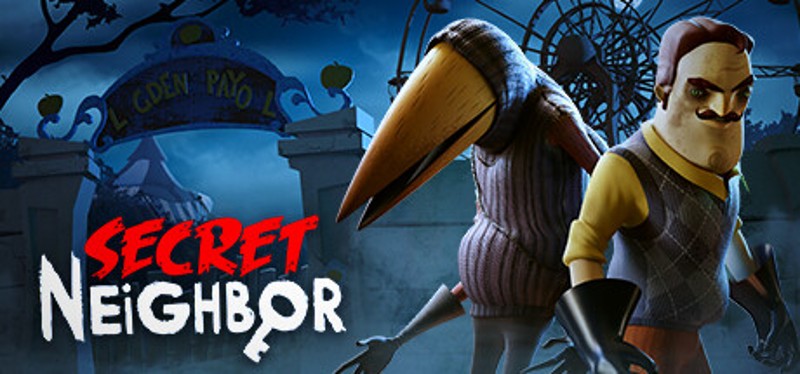 73%Game Brain ScoreMost mentioned positive aspects:gameplay, graphicsMost mentioned negative aspects:stability, story83% User Score 6,314 reviewsCritic Score 47%3 reviewsEmbrace the same hide-and-seek tension through a stylized lens where one player secretly sabotages their team from within the group. If you enjoyed this game, see our list of games similar to Secret Neighbor.View Game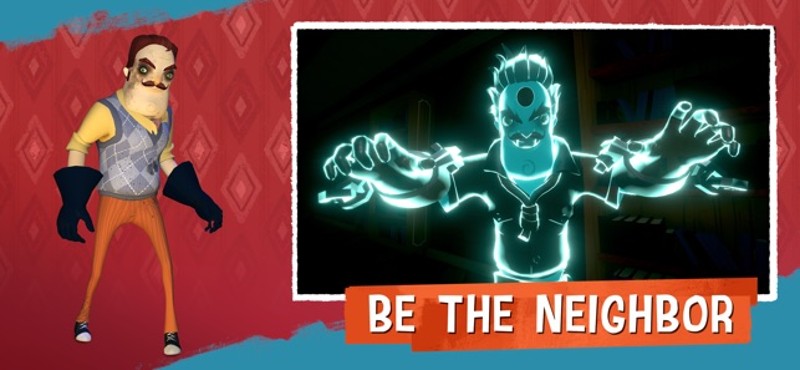
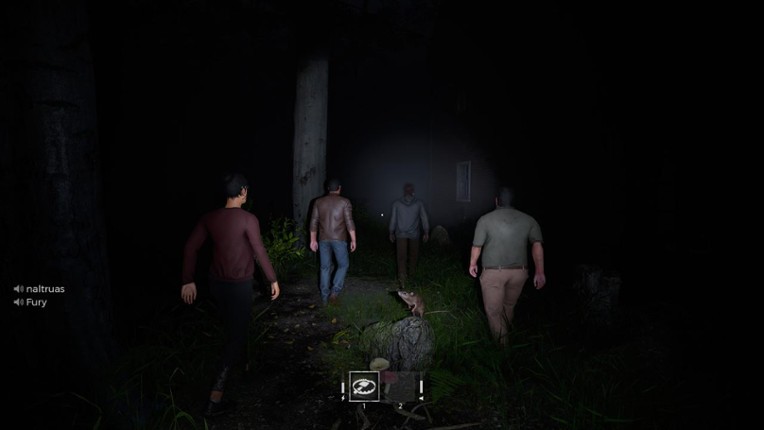
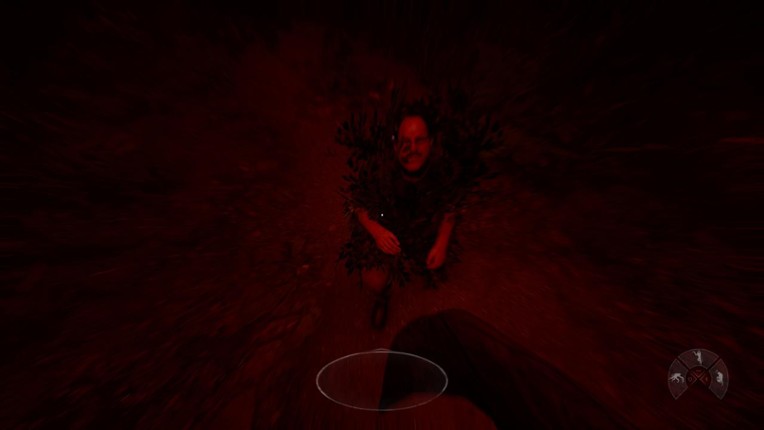
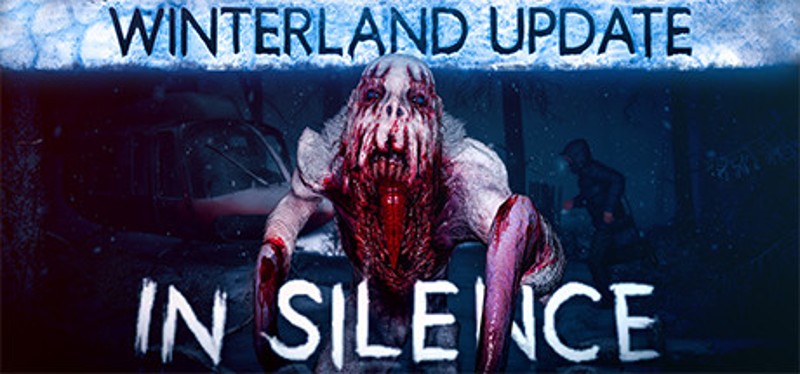
- 75%Game Brain ScoreMost mentioned positive aspects:gameplay, humorMost mentioned negative aspects:stability, story75% User Score 9,219 reviewsClosest spiritual cousin trading the slasher formula for first-person social deduction with psychological dread, delivering similar asymmetrical stalking but through mystery mechanics. If you enjoyed this game, see our list of games similar to In Silence.View Game
37 View Game 61%Game Brain ScoreMost mentioned positive aspects:story, gameplayMost mentioned negative aspects:optimization, monetization40% User Score 9,289 reviewsCritic Score 82%40 reviews
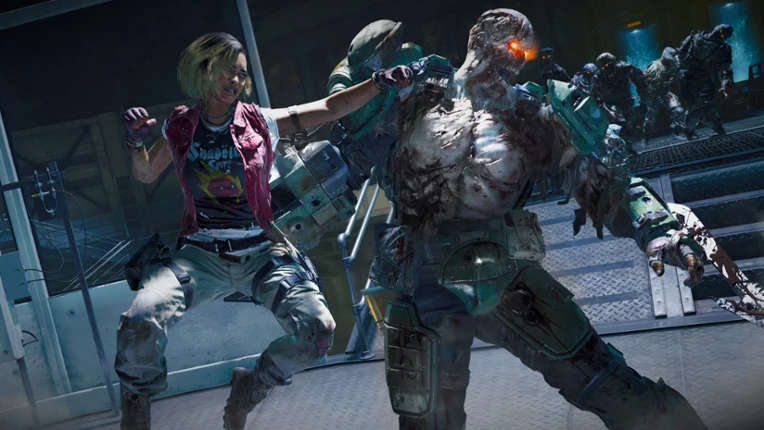
Forced to go rogue. Hunted from within. This is Call of Duty®: Black Ops 6. Developed by Treyarch and Raven, Black Ops 6 is a spy action thriller set in the early 90s, a period of transition and upheaval in global politics, characterized by the end of the Cold War and the rise of the United States as a single superpower. With a mind-bending narrative, and unbound by the rules of engagement, this … If you enjoyed this game, see our list of games similar to Call of Duty: Black Ops 6.
View Game
- 68%Game Brain ScoreMost mentioned positive aspects:gameplay, graphicsMost mentioned negative aspects:optimization, stability68% User Score 1,327 reviews
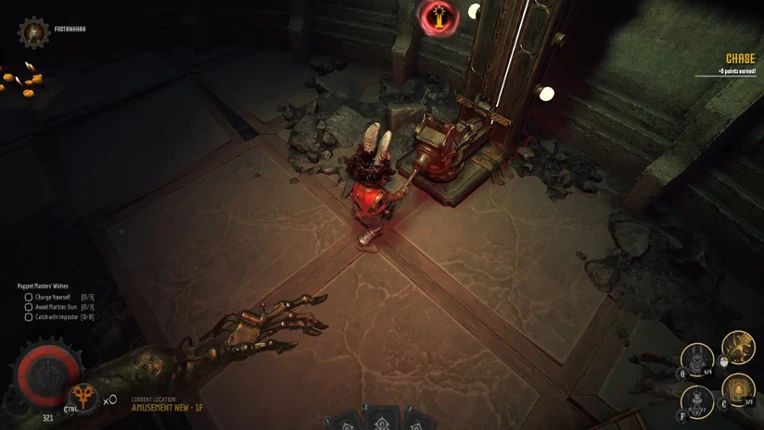
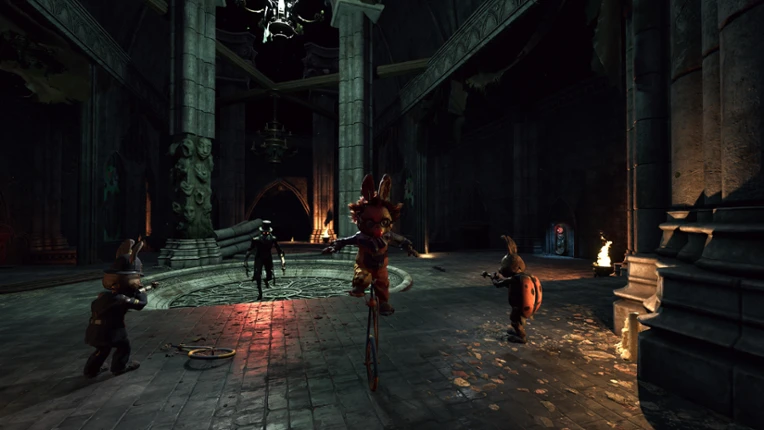
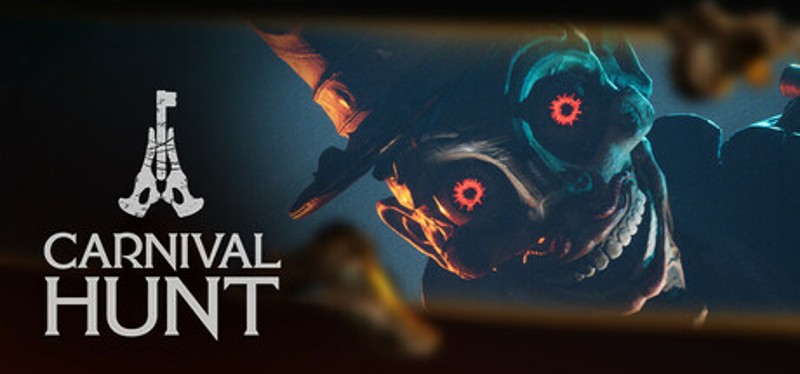
Carnival Hunt is a 5v1 first-person asymmetrical horror game. Five wind-up Bunnies must work together, manage their noisy keys, and find a way to escape an ever-changing carnival world while one player hunts them as the Carnival Monster. If you enjoyed this game, see our list of games similar to Carnival Hunt.
View Game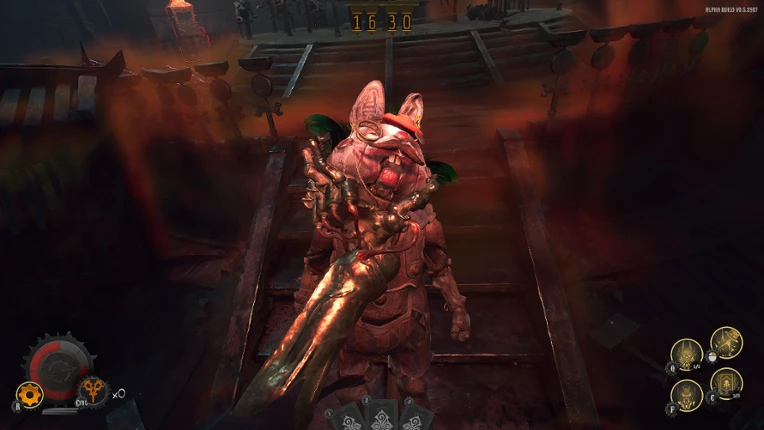
- 66%Game Brain ScoreMost mentioned positive aspects:gameplay, storyMost mentioned negative aspects:grinding, monetization66% User Score 44,543 reviews
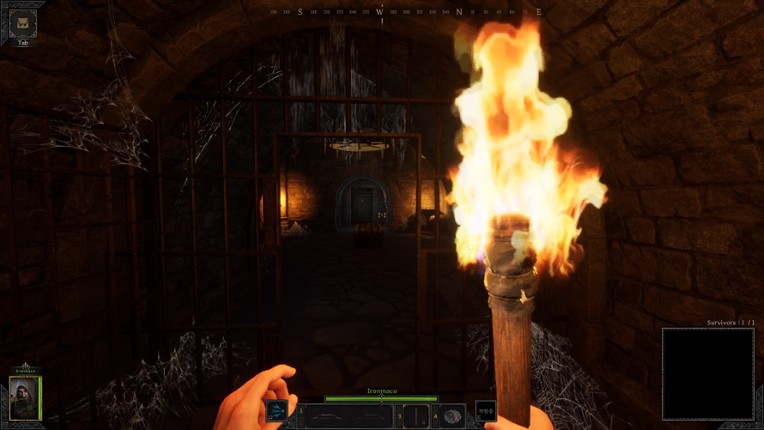
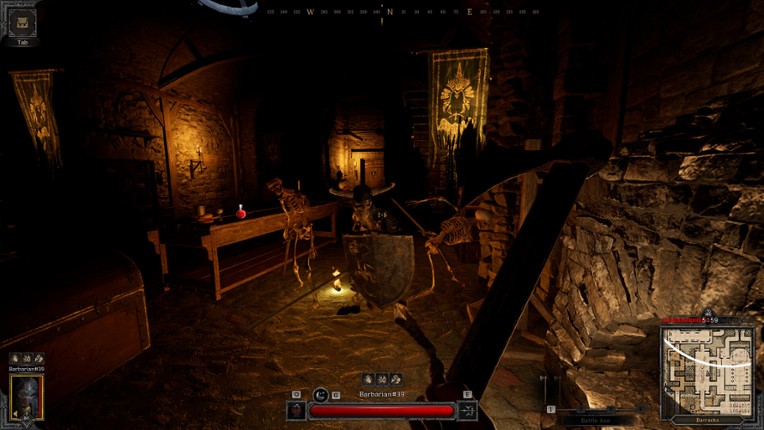
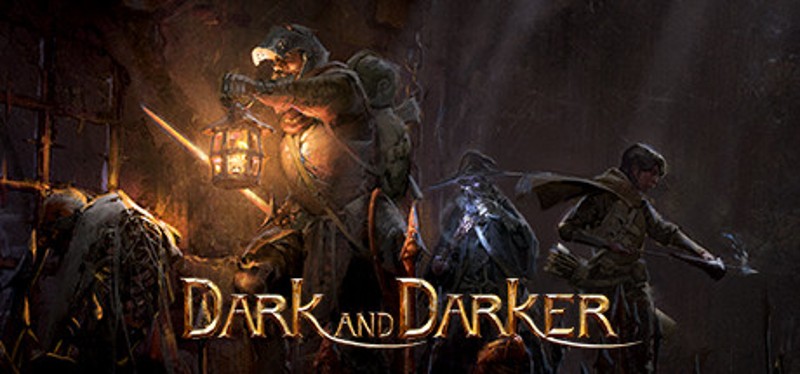
An unforgiving hardcore fantasy FPS dungeon PvPvE adventure. Band together with your friends and use your courage, wits, and cunning to uncover mythical treasures, defeat gruesome monsters, while staying one step ahead of the other devious treasure-hunters. If you enjoyed this game, see our list of games similar to Dark and Darker.
View Game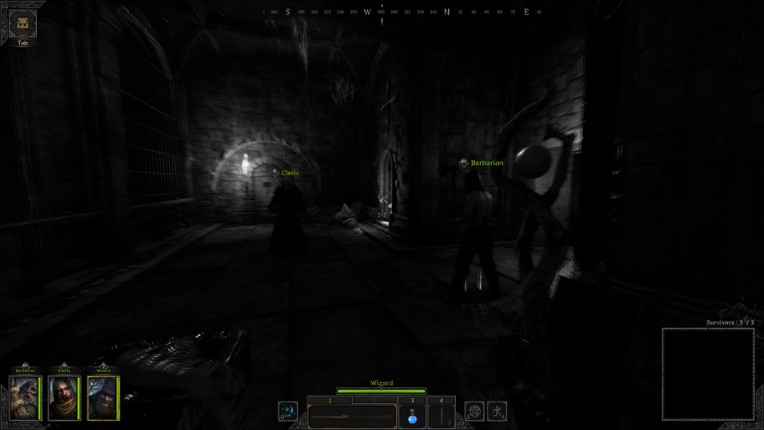
- 56%Game Brain ScoreMost mentioned positive aspects:gameplay, graphicsMost mentioned negative aspects:optimization, stability56% User Score 10,727 reviews
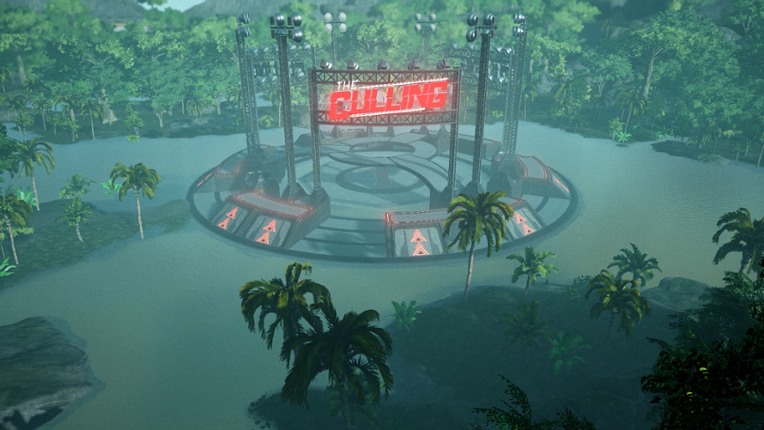
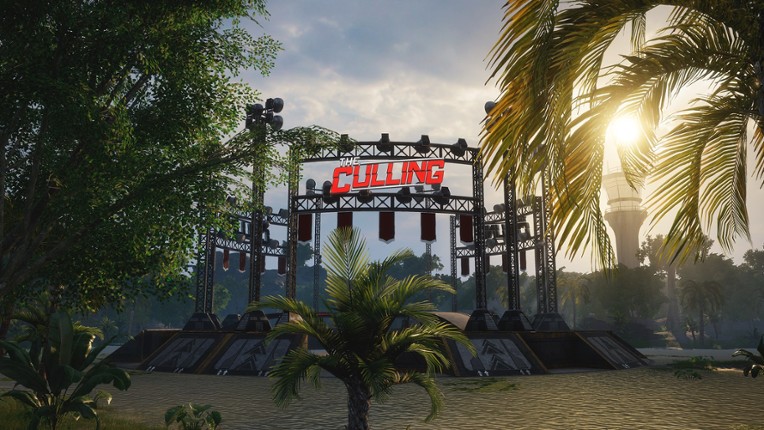
Battle Royale is back! In a remote island paradise, 16 contestants have 25 minutes to explore, scavenge items, craft weapons, build traps, hunt and kill each other. Only one will be crowned the winner, do you have the guts to survive? If you enjoyed this game, see our list of games similar to The Culling.
View Game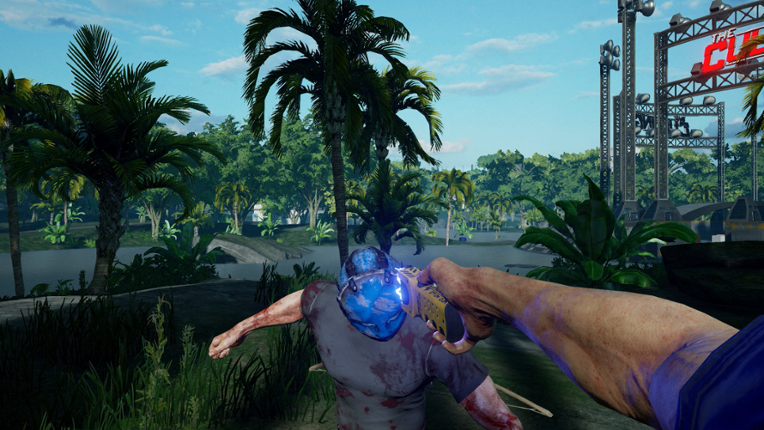
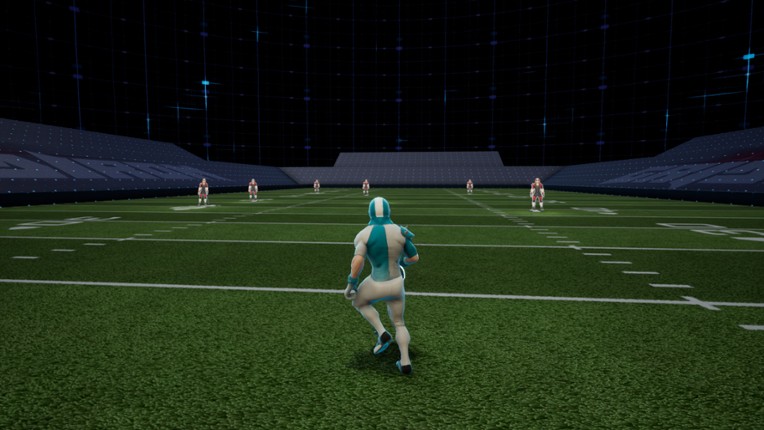
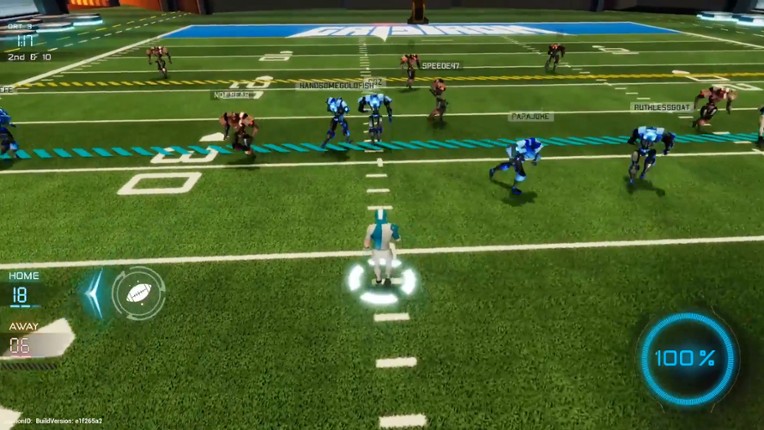
- 79%Game Brain ScoreMost mentioned positive aspects:gameplay, humorMost mentioned negative aspects:stability, monetization79% User Score 1,921 reviewsOffering a distant parallel, this cyberpunk spin on American football replaces the hunter-chase loop with competitive, physics-based, team-oriented sports action. If you enjoyed this game, see our list of games similar to Gridiron.View Game
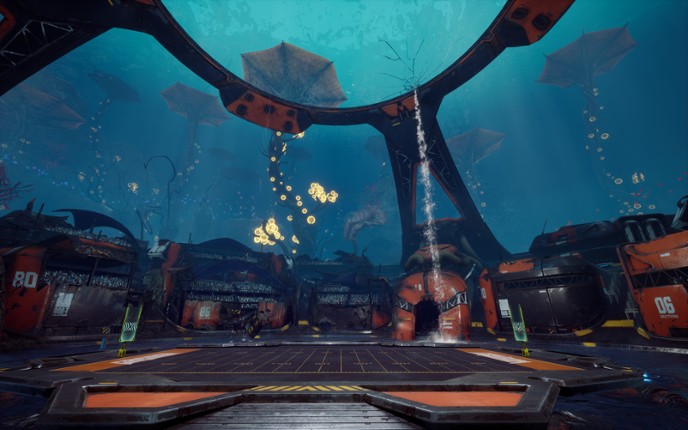
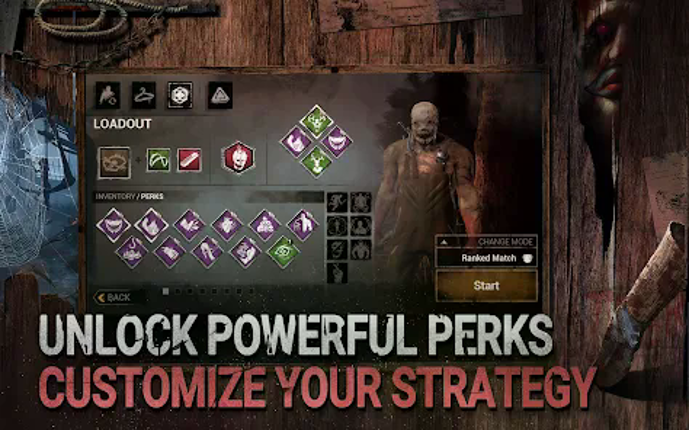
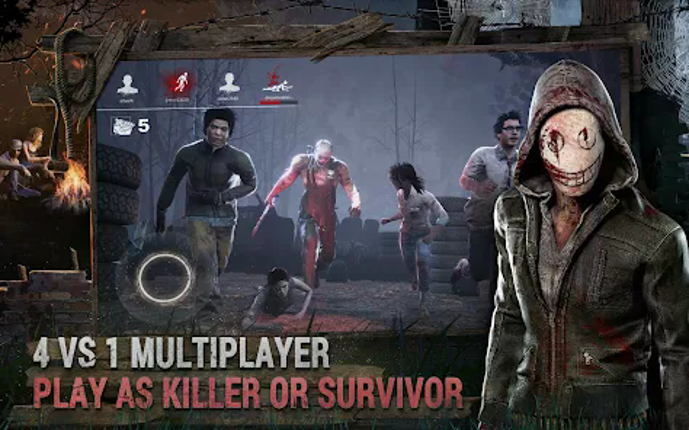
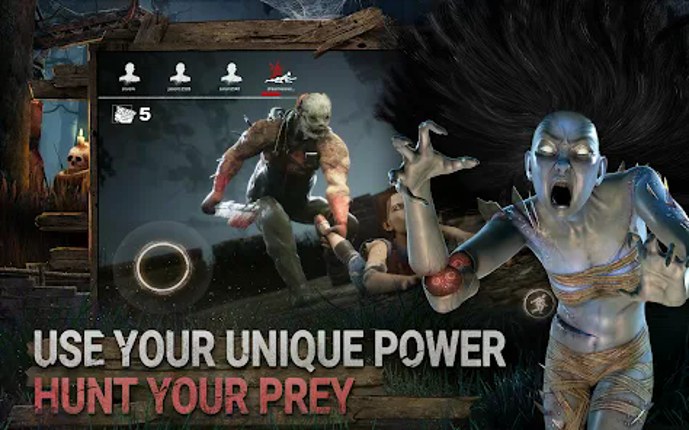
- 61%Game Brain ScoreMost mentioned positive aspects:graphics, gameplayMost mentioned negative aspects:stability, optimization61% User Score 9,998 reviewsTake the core survival horror loop on the go with this dedicated mobile port designed for shorter, touchscreen-optimized trial sessions. If you enjoyed this game, see our list of games similar to Dead by Daylight Mobile.View Game
- 76%Game Brain ScoreMost mentioned positive aspects:gameplay, humorMost mentioned negative aspects:monetization, story74% User Score 75,110 reviewsCritic Score 80%5 reviews
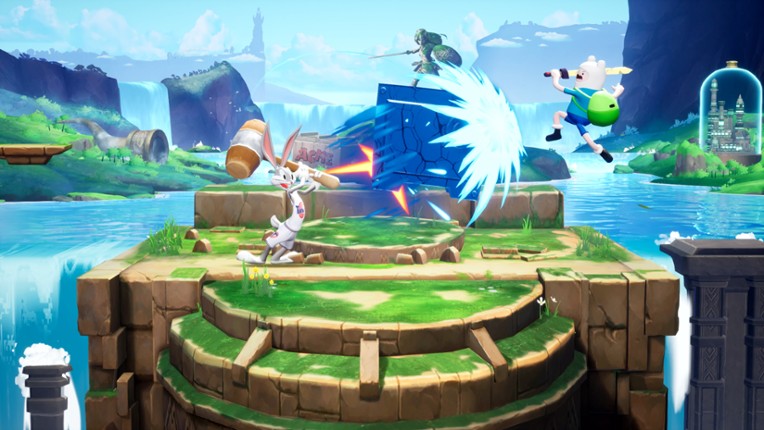
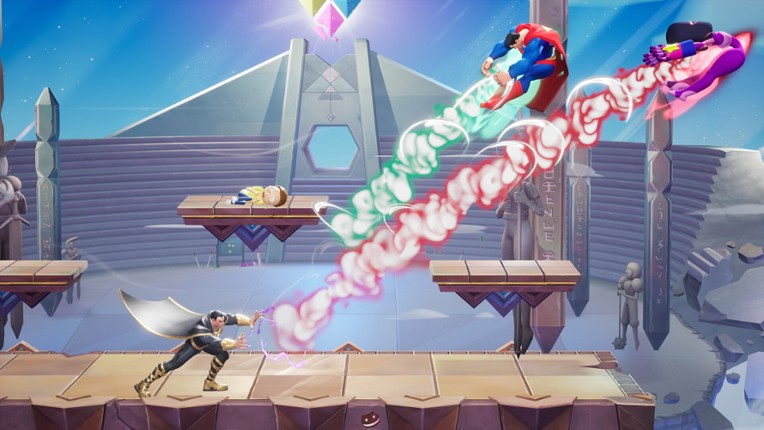
Download MultiVersus free on PlayStation Store. Iconic characters and legendary landscapes collide in this competitive, free-to-play, platform fighter. If you enjoyed this game, see our list of games similar to MultiVersus.
View Game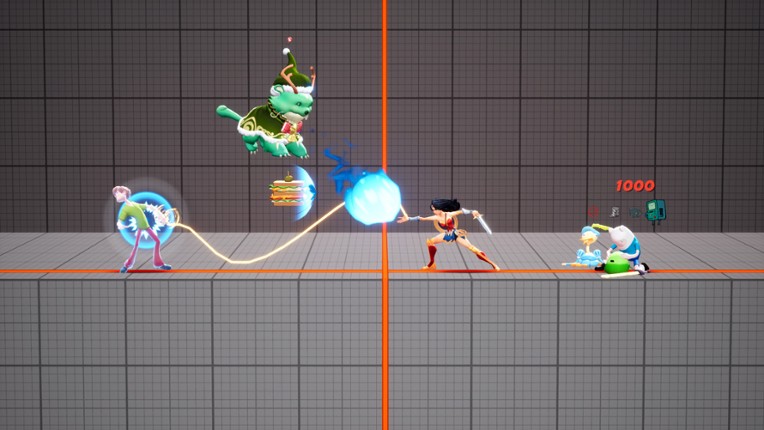
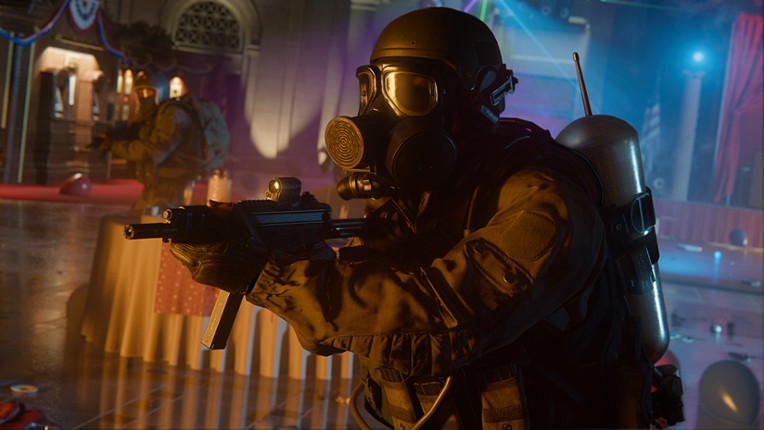
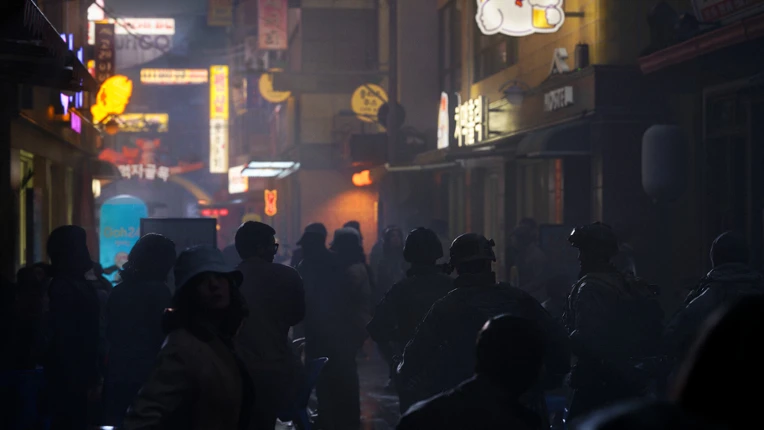
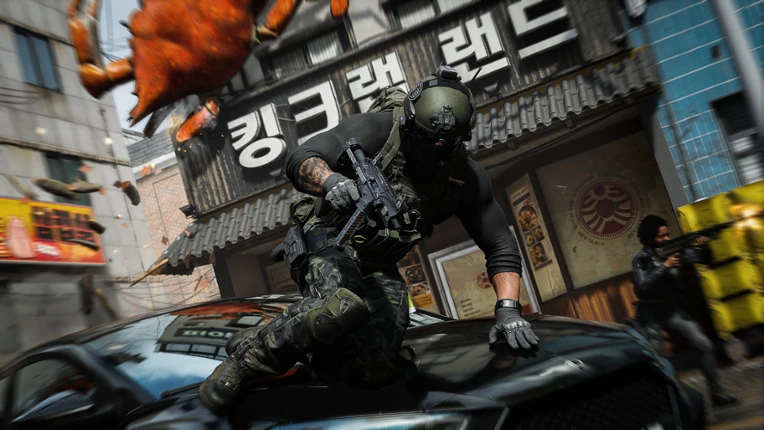
- 58%Game Brain ScoreMost mentioned positive aspects:story, gameplayMost mentioned negative aspects:stability, optimization58% User Score 390,352 reviewsAlthough loosely related, players seeking a departure from supernatural slasher scenarios will find a grounded, cinematic approach to modern military combat. If you enjoyed this game, see our list of games similar to Call of Duty®.View Game
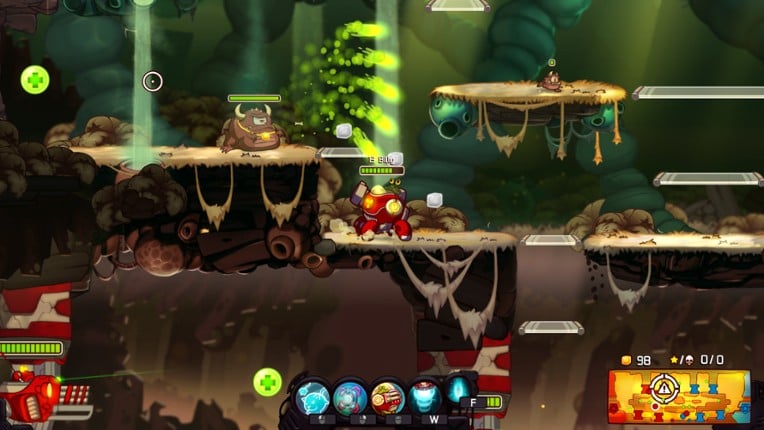
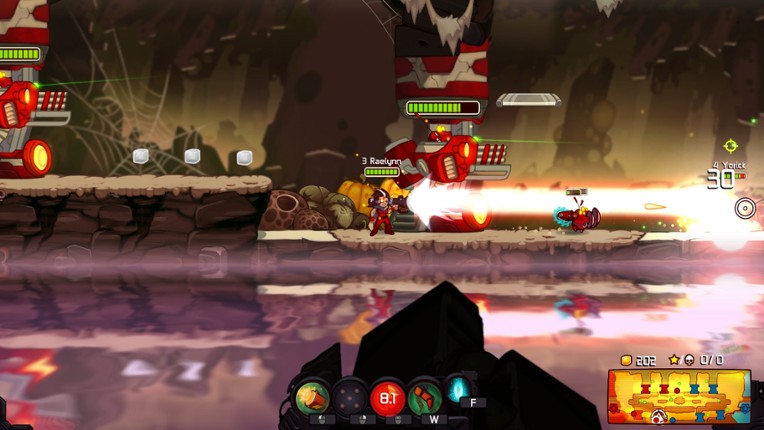
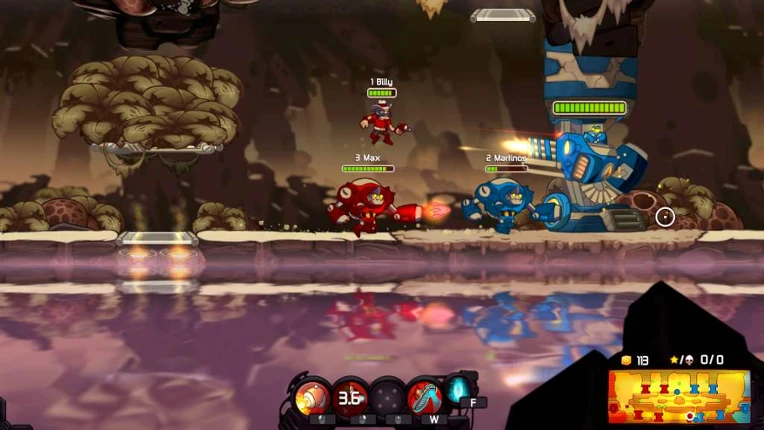
- 82%Game Brain ScoreMost mentioned positive aspects:gameplay, musicMost mentioned negative aspects:grinding, monetization83% User Score 15,333 reviewsCritic Score 79%4 reviewsShares the strategy and trading systems at a distance, but abandons horror entirely for indie sci-fi comedy in a MOBA framework. If you enjoyed this game, see our list of games similar to Awesomenauts.View Game
- 70%Game Brain ScoreMost mentioned positive aspects:gameplay, graphicsMost mentioned negative aspects:grinding, monetization75% User Score 294,199 reviewsCritic Score 66%9 reviews
War Thunder is the most comprehensive free-to-play, cross-platform, MMO military game dedicated to aviation, armored vehicles, and naval craft, from the early 20th century to the most advanced modern combat units. Join now and take part in major battles on land, in the air, and at sea. If you enjoyed this game, see our list of games similar to War Thunder.
View Game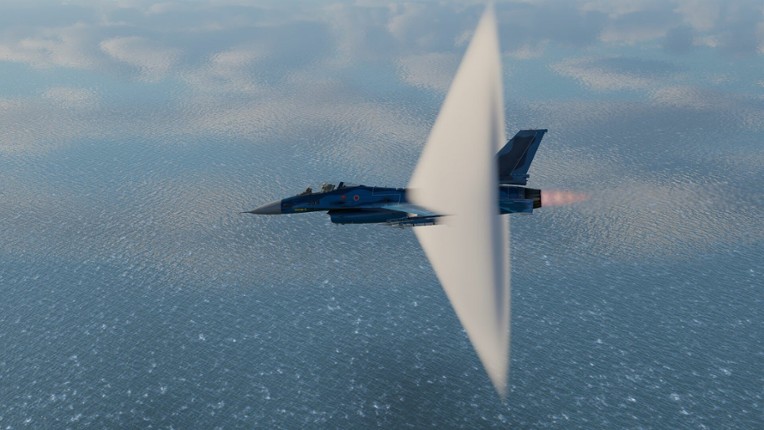

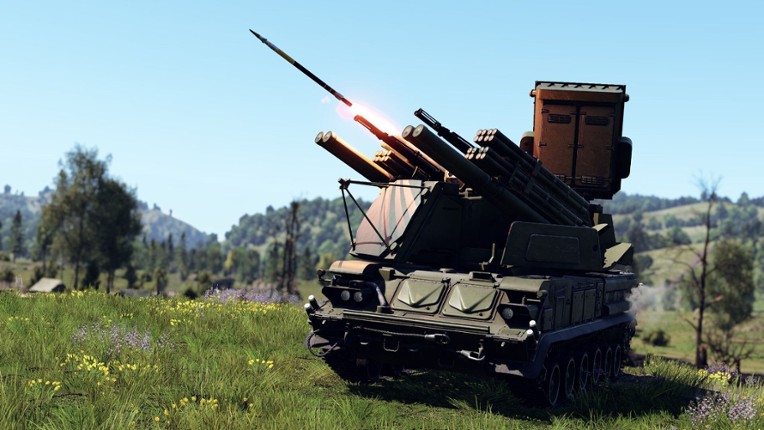
- 88%Game Brain ScoreMost mentioned positive aspects:gameplay, humorMost mentioned negative aspects:stability, story88% User Score 6,400 reviews
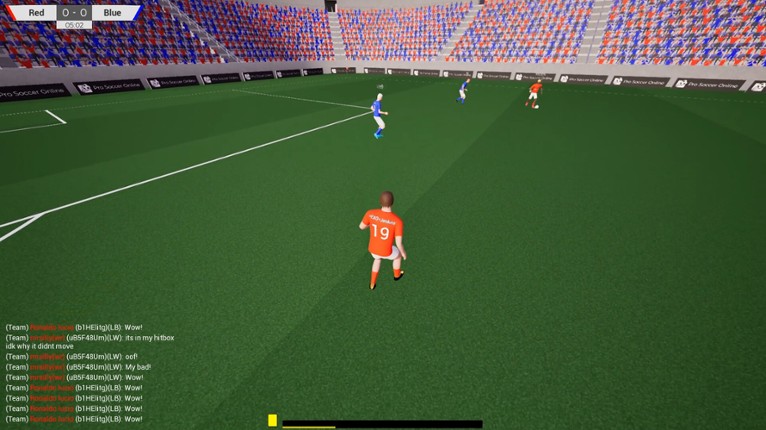
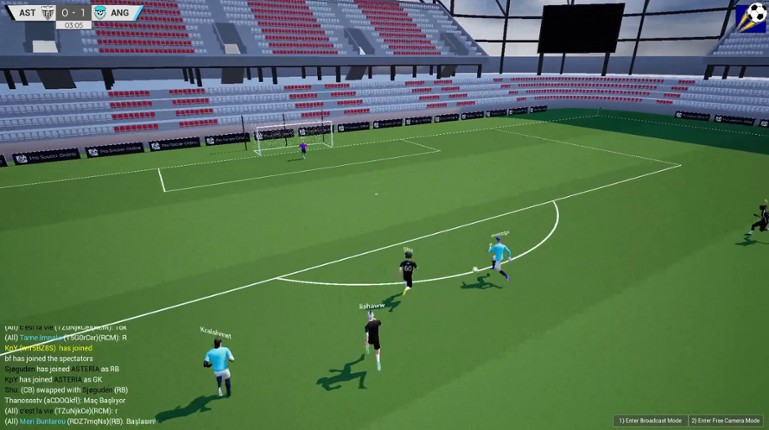
Pro Soccer Online is a 1st/3rd person, highly skill based, online multiplayer soccer game. It offers a sports game experience unlike any other with smooth, physics based, input driven gameplay that is competitive and rewarding with no pay to win mechanics. If you enjoyed this game, see our list of games similar to Pro Soccer Online.
View Game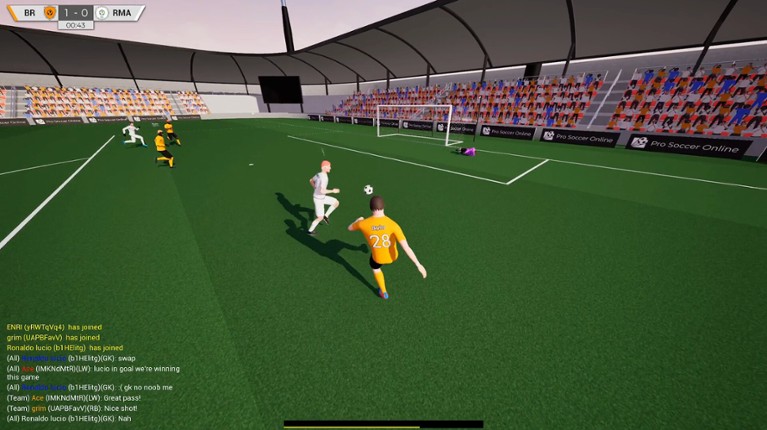
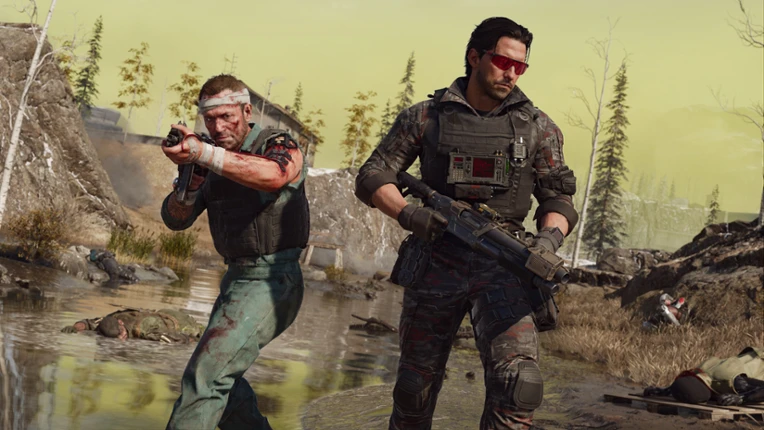
- 54%Game Brain ScoreMost mentioned positive aspects:gameplay, graphicsMost mentioned negative aspects:optimization, stability29% User Score 20,397 reviewsCritic Score 79%15 reviewsMoves away from Dead by Daylight’s psychological horror toward brutal, realistic military combat and large-scale battle royale warfare. If you enjoyed this game, see our list of games similar to Call of Duty: Warzone.View Game
49 View Game 80%Game Brain ScoreMost mentioned positive aspects:gameplay, graphicsMost mentioned negative aspects:stability, music80% User Score 1,511 reviews
Official Monsters & Mortals GameJolt page. A 4 player horror party game created by Glowstick Entertainment. https://store.steampowered.com/app/1266690/Dark_Deception_Monsters__Mortals/ #horror... If you enjoyed this game, see our list of games similar to Dark Deception: Monsters & Mortals.
View Game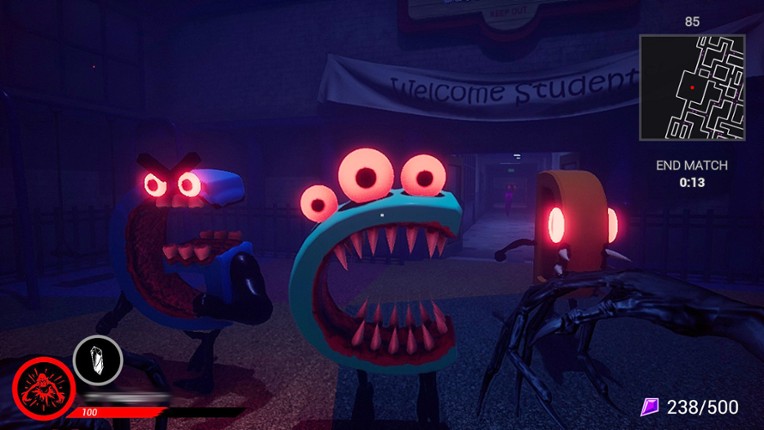
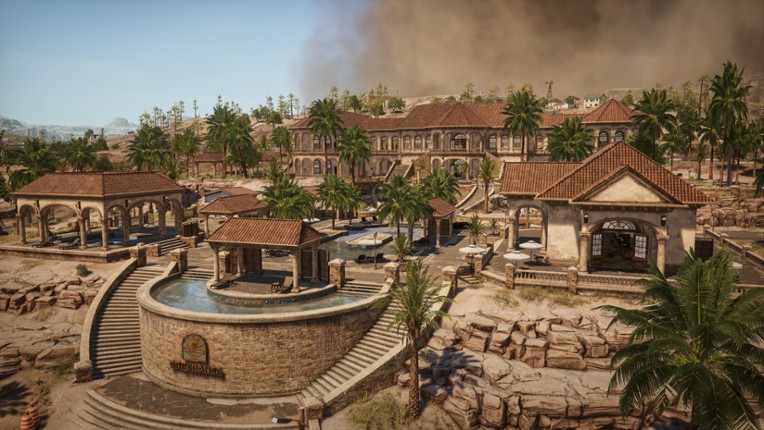
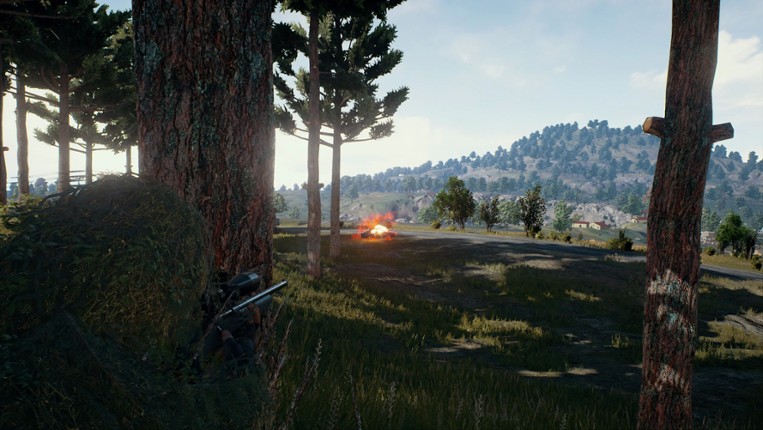
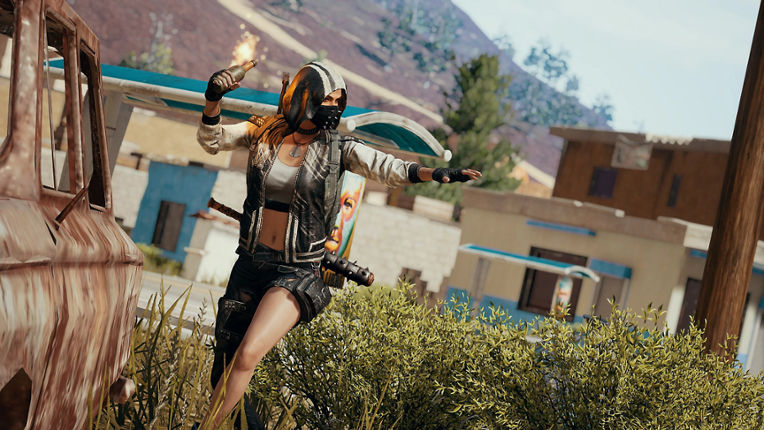
- 71%Game Brain ScoreMost mentioned positive aspects:gameplay, graphicsMost mentioned negative aspects:optimization, stability66% User Score 444,586 reviewsCritic Score 76%12 reviewsPUBG shifts the setting to realistic military combat, offering vast open‑world firefights instead of the supernatural cat‑and‑mouse chase. If you enjoyed this game, see our list of games similar to PUBG: BATTLEGROUNDS.View Game


 View Game
























Frequently Asked Questions
For horror-focused gameplay, try The Texas Chain Saw Massacre, which delivers asymmetrical multiplayer survival with cinematic atmosphere and psychological tension. Last Year offers a unique blend of team-based survival horror with class-based mechanics, while Propnight mixes horror with lighthearted prop-hunting gameplay that's perfect if you want tension without pure dread.
Last Year is completely free-to-play and captures the asymmetrical multiplayer survival formula with strong teamwork mechanics. If you're open to different genres, Apex Legends and Overwatch 2 are also free and offer team-based competitive gameplay with character abilities and replayability, though they lean tactical rather than horror.
The Texas Chain Saw Massacre and Propnight both feature one-versus-many gameplay where a single player hunts a team of survivors. Last Year extends this formula with class-based roles, giving survivors specialized abilities. All three maintain the tension and strategy of Dead by Daylight's core asymmetrical design.
Propnight excels at co-op fun with friends, offering stylized humor and prop-hiding mechanics that encourage cooperation and laughs. Last Year emphasizes teamwork with distinct classmate roles where strategy and communication matter. Both games prioritize the social, cooperative experience while maintaining survival horror elements and replayability.
Overwatch 2 and Apex Legends focus cosmetics-only monetization, letting you earn in-game currency without paywalls for characters. Propnight and Last Year also avoid aggressive progression blocks, though they're smaller titles. All offer better monetization transparency than Dead by Daylight, which is often criticized for grinding.
The Texas Chain Saw Massacre features cinematic presentation with exceptional atmospheric design and psychological horror visuals. Apex Legends offers stunning graphics with vibrant landscapes and detailed character models. Propnight uses appealing stylized visuals that create charm without relying on pure darkness, giving better visual clarity than Dead by Daylight.