

Games like null
There's something addictive about squading up as Jeff the Land Shark, watching Deadpool crack jokes mid-firefight, and pulling off a perfectly timed team-up ability that turns the tide of a match. If that's why you're hooked, you're probably here because you've cleared the roster, hit a ranked wall, or just want more of that same chaotic hero-shooter energy — which is exactly why people search for games like Marvel Rivals in the first place. The good news: that specific blend of comic-book spectacle, destructible arenas, and team-based superpowered combat has plenty of worthy company.
Marvel Rivals works because it fuses third-person hero-shooter mechanics with team-up synergies that reward coordination over solo skill — you're not just picking a favorite character, you're building combos with teammates in real time. The comic-accurate visuals, destructible environments, and irreverent humor give it personality beyond the shooting, while the free-to-play structure keeps the roster growing. Anyone hunting for alternatives is usually chasing that same cocktail: accessible team-based combat, standout character kits, and a game that doesn't take itself too seriously.
What Makes a Good Alternative to Marvel Rivals?
- Hero Shooter Foundations — A roster of characters with distinct abilities and playstyles, not just reskinned guns, is core to what makes Marvel Rivals's combat feel fresh match after match.
- Team-Based Synergy — The best alternatives reward coordinated play, combo abilities, and communication, echoing Marvel Rivals's team-up mechanics that turn solo heroes into a coordinated squad.
- Free-to-Play Accessibility — Low barrier to entry with ongoing content drops keeps the player base active, mirroring how Marvel Rivals continually adds characters and modes at no upfront cost.
- Personality and Humor — Quirky voice lines, larger-than-life character designs, and a lighthearted tone matter as much as mechanics, just like Jeff the Land Shark's charm keeps Marvel Rivals from feeling like a sterile shooter.
- Competitive Depth Without Punishing Grind — Alternatives that balance ranked competitiveness with fair matchmaking address the friction players feel when Marvel Rivals's ranked mode gets lopsided.
Top Picks If You Enjoyed Marvel Rivals
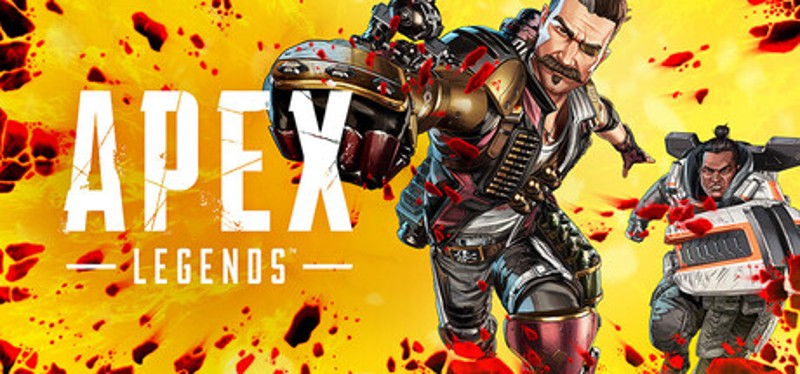
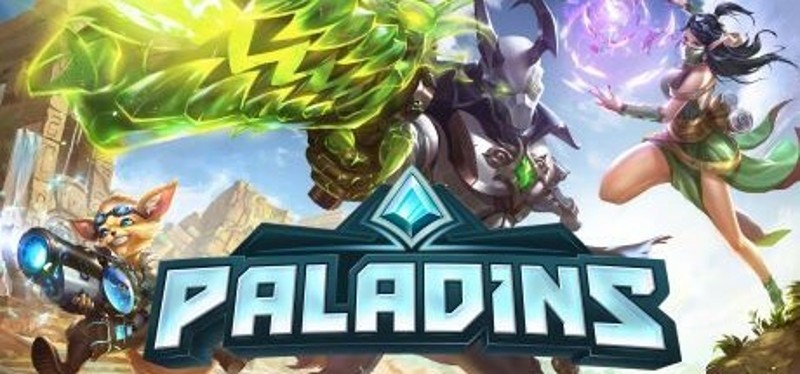
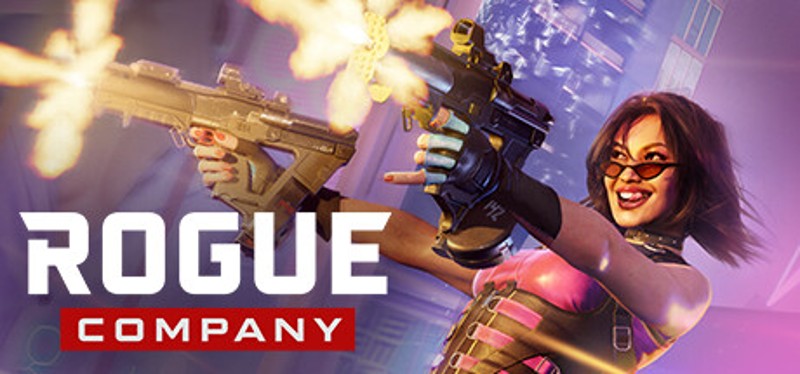
Overwatch delivers the genre-defining hero-shooter formula with polished, well-optimized performance. Apex Legends swaps team-ups for movement-heavy battle royale chaos with witty character banter. Paladins offers nostalgic, customizable hero combat perfect for squad play. Smite reimagines team-based hero combat through a mythological third-person lens. THE FINALS brings destructible arenas and game-show energy to fast-paced team shooting. Rogue Company rounds things out with tactical, character-driven gunplay.
Every game below is ranked by actual similarity to Marvel Rivals, using real player-praised traits and mechanics rather than guesswork. Scroll down to explore the full list of games like Marvel Rivals and find your next obsession.
- 55%Game Brain ScoreMost mentioned positive aspects:gameplay, storyMost mentioned negative aspects:monetization, grinding34% User Score 132,714 reviewsCritic Score 76%54 reviews
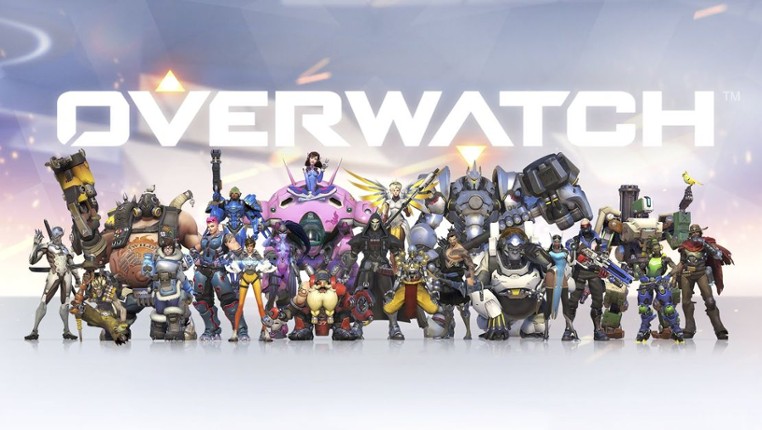
When a tank creates space for a damage hero, teammates collapse on the same target, and a last-second ability turns a lost fight around, Overwatch delivers the same coordination rush Marvel Rivals fans chase. Its hero roster, team roles, PvP objectives, and first- and third-person perspectives support constant swaps and experimentation, while distinct abilities make communication more valuable than simply having the quickest aim.
That structure creates a familiar rhythm: learn a hero’s matchup, combine ultimates, and adapt when the opposing team counters your plan. Overwatch’s colorful, well-optimized presentation is also a practical answer to Marvel Rivals’ frequent frame drops, crashes, and heavy hardware demands, making its fast fights easier to read and sustain.
The fresh angle is a more established, precision-focused competitive ecosystem rather than Rivals’ Marvel spectacle, with character personality and comedy carrying the presentation. Its free-to-play model and matchmaking are not flawless, and its limited PvE offering should not be mistaken for a deep solo campaign. Best for players who want to trade superhero novelty for repeatable team mastery.
If you enjoyed this game, see our list of games similar to Overwatch.View Game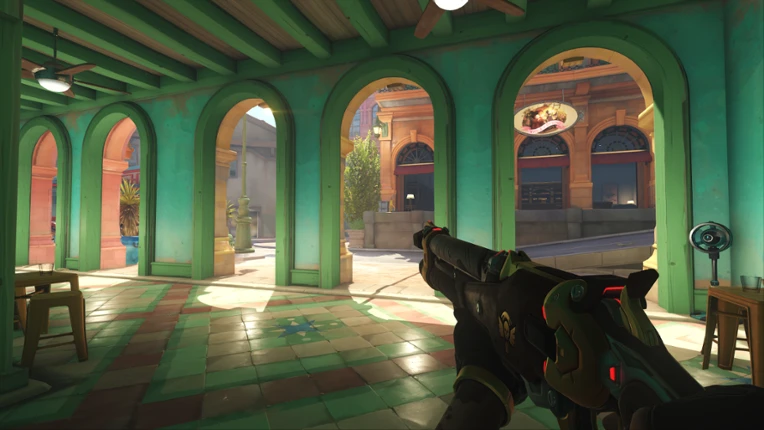
- 79%Game Brain ScoreMost mentioned positive aspects:gameplay, graphicsMost mentioned negative aspects:stability, monetization77% User Score 67,959 reviewsCritic Score 82%5 reviews
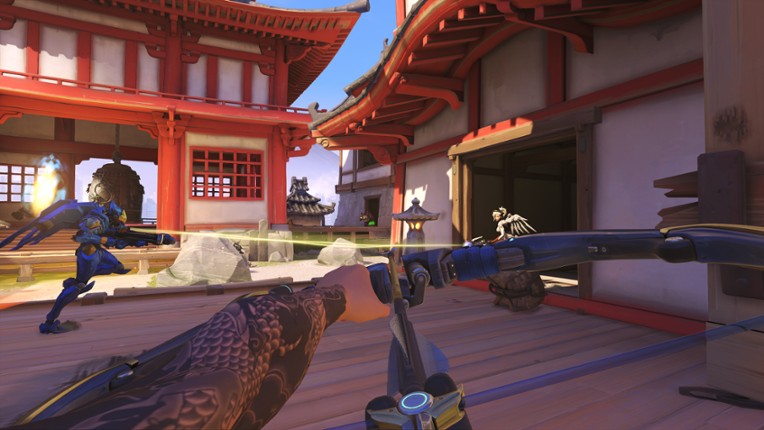
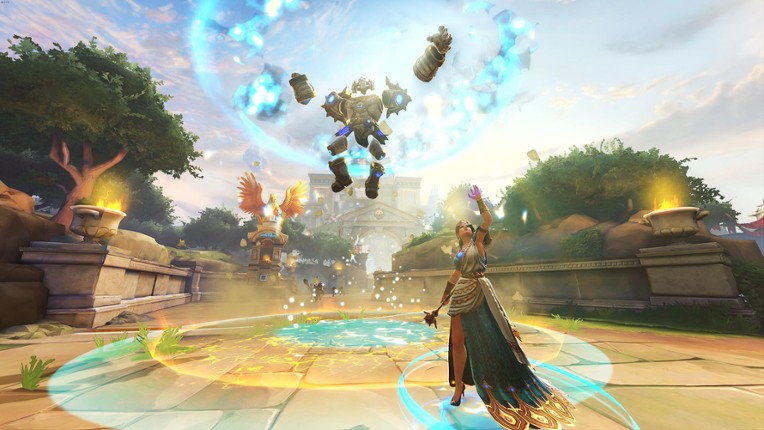
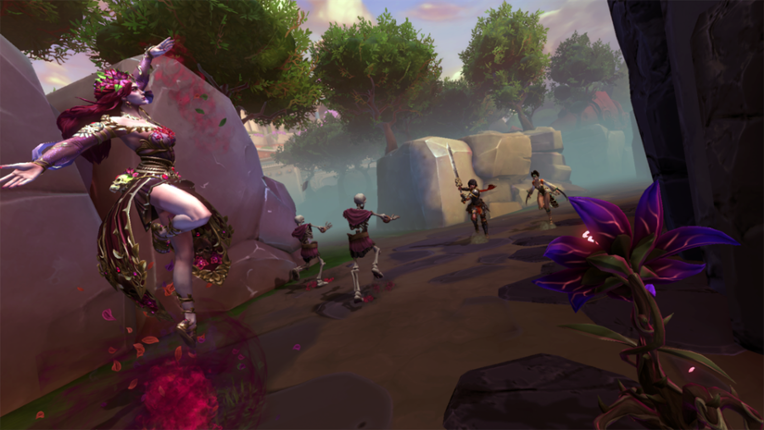
Charging into chaotic 3D arenas where coordinated, character-specific abilities decide the battle anchors both experiences. Instead of a traditional top-down strategy view, Smite puts you directly behind mythological deities, mirroring the tight, over-the-shoulder action of Marvel Rivals' superhero brawls. This active third-person camera forces you to aim your projectile skill-shots and physically dodge incoming attacks, translating the raw mechanical thrill of a hero shooter into a tactical coliseum.
While Marvel Rivals players often grow frustrated with shallow metas and a tedious grind for fresh content, Smite addresses this with an incredibly deep, established roster of over 100 gods. The main tradeoff lies in Smite’s lane-pushing and item-shop mechanics, trading instant team-deathmatch chaos for a more calculated, macro-level strategy. This shift rewards your tactical foresight just as much as your aiming skill.
Best for competitive tacticians who want to graduate from pure twitch-shooters into deeper, map-wide battle logistics.
If you enjoyed this game, see our list of games similar to Smite.View Game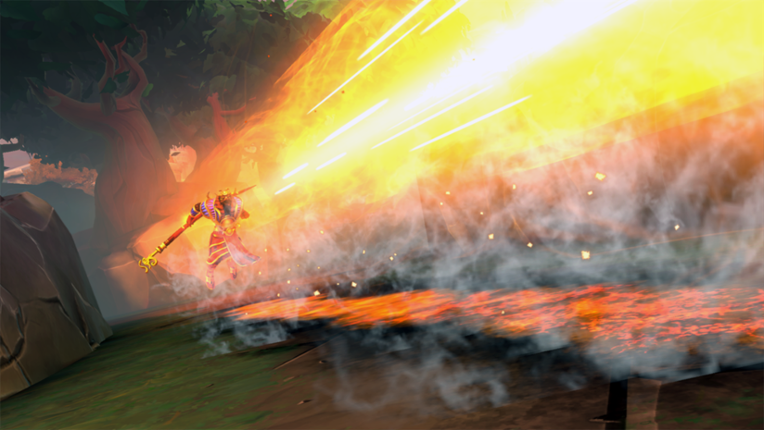
- 79%Game Brain ScoreMost mentioned positive aspects:gameplay, graphicsMost mentioned negative aspects:monetization, stability77% User Score 429,394 reviewsCritic Score 84%3 reviews
Both games nail the rush of coordinating hero abilities with teammates to outmaneuver opponents in real-time combat. That constant exchange of unique character powers feeding into tactical teamwork is where Marvel Rivals and Apex Legends create nearly identical moments of satisfaction—your Duelist's ultimate synergizes with your teammate's setup, just as a Legend's ability chains with another's for a clutch elimination.
The fast-paced, first-person shooter foundation remains consistent between them, rewarding snap reflexes and positioning sense. Both games also lean heavily on witty character personality—Marvel Rivals' Deadpool quips hit the same comedic nerve as Apex's banter, keeping matches lighthearted rather than grim.
Where Apex pivots is its battle royale structure, trading Marvel Rivals' controlled 6v6 arena matches for larger-scale survival with resource scavenging and third-party chaos. This shift actually sidesteps some of Marvel Rivals' matchmaking pain points by emphasizing adaptation over rigid team composition.
Both games share similar monetization frustrations, though Apex's cosmetic grind feels less intrusive once you accept the battle royale's inherent pacing. Best for players craving Marvel Rivals' character-driven gameplay but willing to trade structured teamfighting for unpredictable, map-driven encounters.
If you enjoyed this game, see our list of games similar to Apex Legends.View Game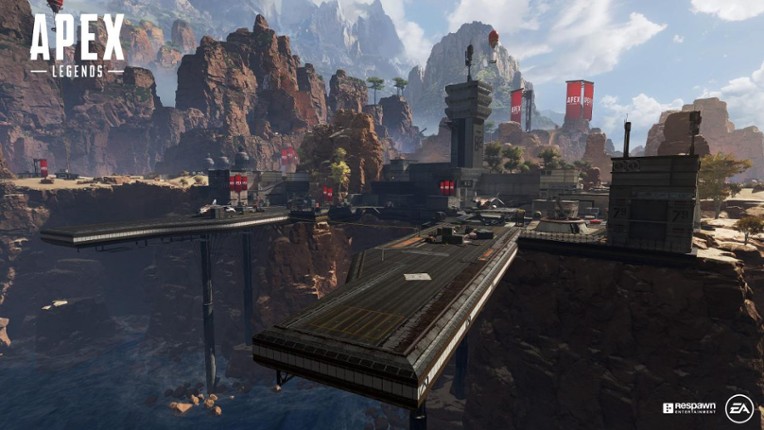
- 81%Game Brain ScoreMost mentioned positive aspects:gameplay, graphicsMost mentioned negative aspects:stability, monetization82% User Score 127,445 reviewsCritic Score 80%12 reviews
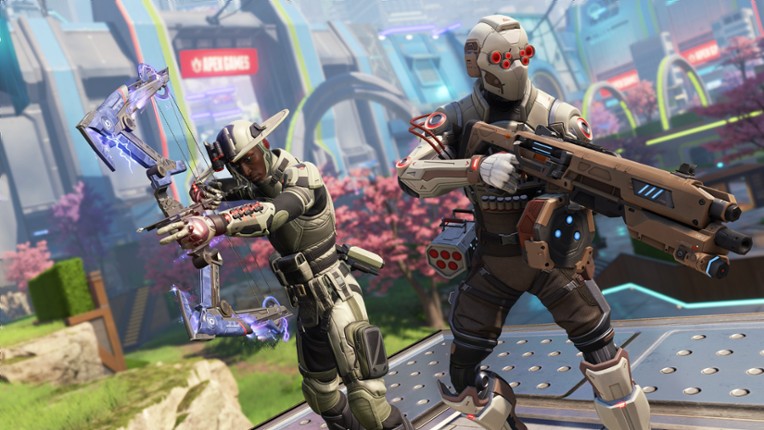
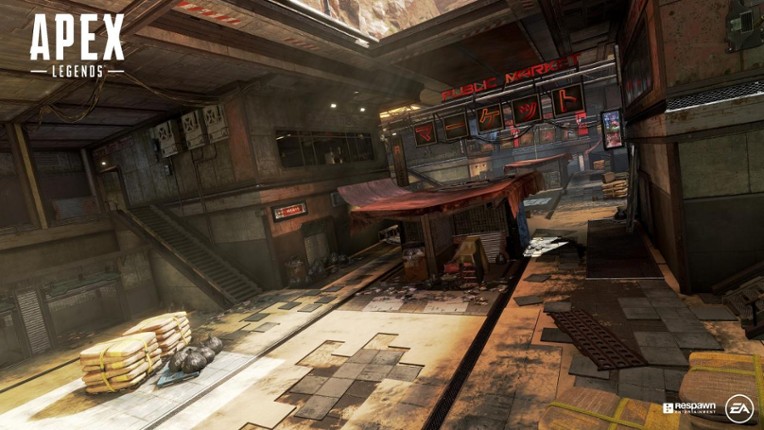
Both games thrive on split-second coordination, where swapping roles mid-match or landing a clutch ultimate can flip the outcome. In Marvel Rivals, team-up abilities create that "aha" moment; Paladins delivers a similar rush through its real-time loadout system, letting you adapt your champion's talents on the fly between rounds to counter enemy compositions. The difference lies in authorship—Paladins trades Marvel's iconic roster for original champions with eccentric backstories, which means you're building fresh favorites instead of reuniting with familiar faces.
If optimization headaches held you back in Rivals, Paladins runs lighter on modest hardware while still delivering that tight, responsive shooting feel. However, Paladins layers in MOBA-style card customization that rewards theorycrafting between matches, a depth Rivals doesn't quite match. The tradeoff: Paladins lacks the blockbuster presentation, offering chunkier, stylized visuals instead of cinematic polish.
Best for players who enjoy squad synergy and experimental builds over lore-driven narratives.
If you enjoyed this game, see our list of games similar to Paladins.View Game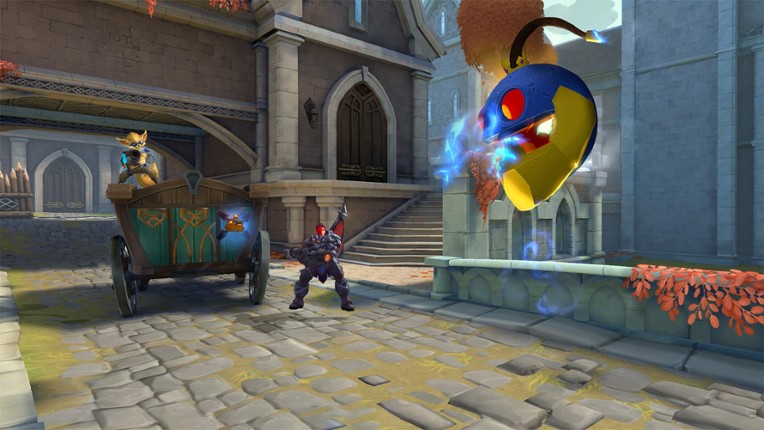
- 75%Game Brain ScoreMost mentioned positive aspects:gameplay, graphicsMost mentioned negative aspects:stability, grinding81% User Score 415,510 reviewsCritic Score 68%7 reviews
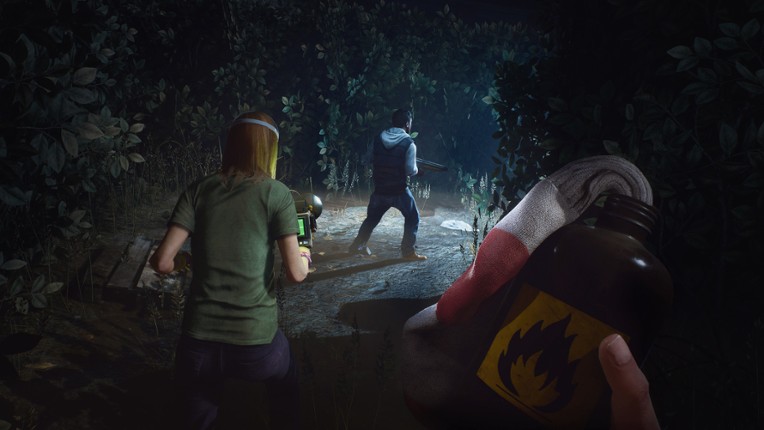
That rush of coordinating with teammates against overwhelming odds — reading enemy positioning, calling out threats, adapting your role mid-match — carries straight over into Dead by Daylight's survivor-vs-killer chaos. Both games thrive on asymmetric tension, where success depends less on raw mechanical skill and more on map awareness, timing, and knowing when to commit or retreat.
The team-based psychology is where the overlap really lands. Rivals players who love the mind-games of predicting an enemy Doctor Strange's portal or a flanking Spider-Man will recognize that same read-and-react tension in DBD's chase sequences, where every decision — vaulting a window, juking a pallet — creates the same adrenaline spike as a clutch team fight.
The key difference: instead of hero-shooter power fantasies, DBD strips things down to survival horror, one flashlight or perk build at a time. It trades spectacle for dread — a compelling swap if Rivals' chaotic visual noise ever feels exhausting.
Notably, DBD's cosmetic-only monetization sidesteps the pay-to-progress frustration many Rivals players cite, since Bloodpoints keep grinding meaningful rather than mandatory.
Best for players who enjoy tense, team-oriented decision-making and want horror-flavored stakes instead of superhero spectacle.
If you enjoyed this game, see our list of games similar to Dead by Daylight.View Game
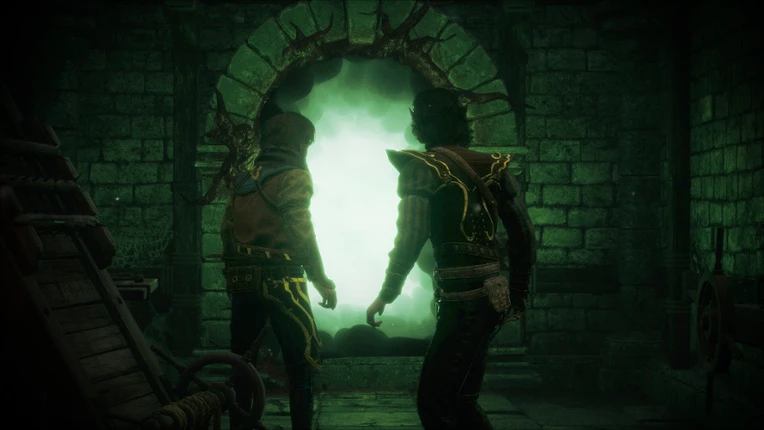
- 77%Game Brain ScoreMost mentioned positive aspects:gameplay, graphicsMost mentioned negative aspects:stability, monetization75% User Score 12,270 reviewsCritic Score 90%1 reviews
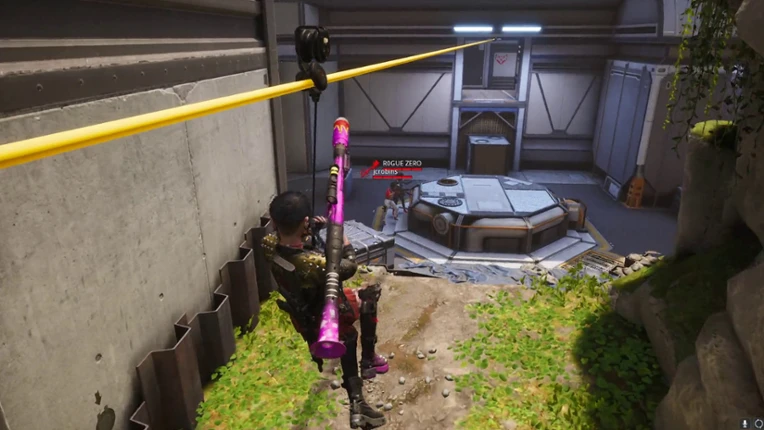
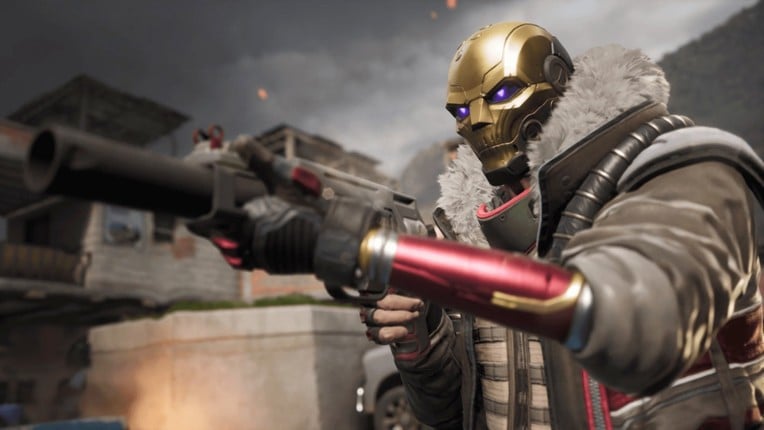
The primary link between Marvel Rivals and Rogue Company is their shared foundation in high-stakes, team-based hero combat. Both titles prioritize roster-based synergies, which keeps team coordination essential for securing victory.
While Marvel Rivals leans into chaotic, ability-heavy destruction, Rogue Company pivots toward tactical, movement-oriented gunplay. You are trading the comic-book spectacle and vertical movement for a more grounded, boots-on-the-ground arcade shooter experience.
Pick this up if you crave competitive team-based hero mechanics but are ready to swap superhuman powers for a tighter, more traditional weapon-focused combat loop.
If you enjoyed this game, see our list of games similar to Rogue Company.View Game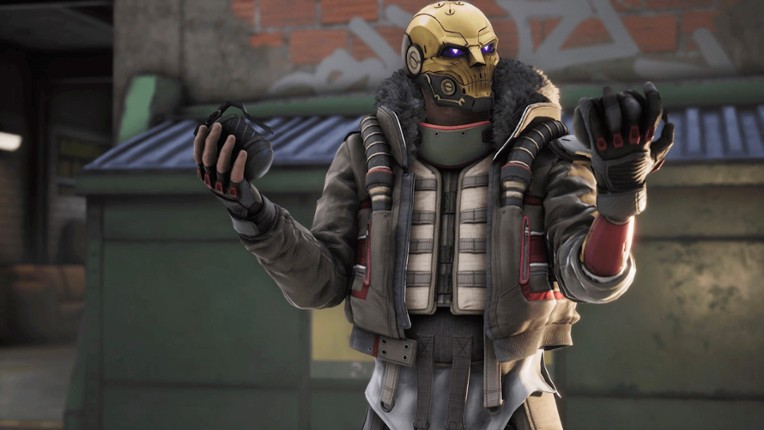
- 67%Game Brain ScoreMost mentioned positive aspects:gameplay, graphicsMost mentioned negative aspects:monetization, grinding67% User Score 12,058 reviews
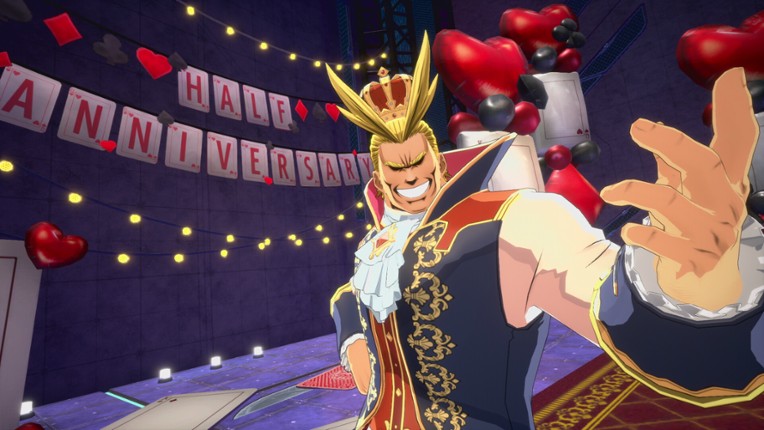
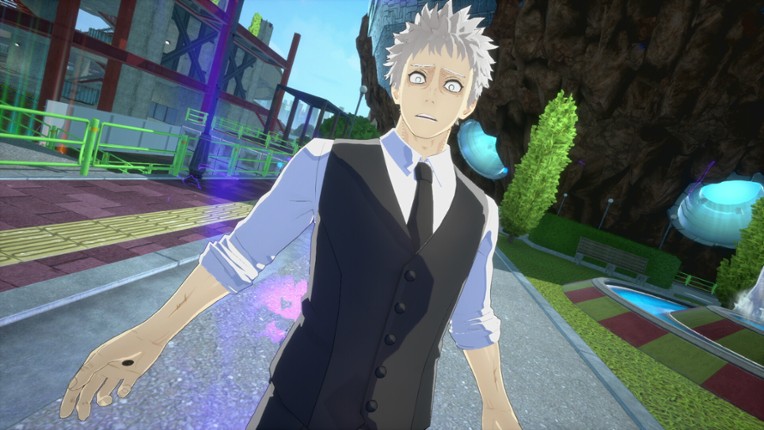
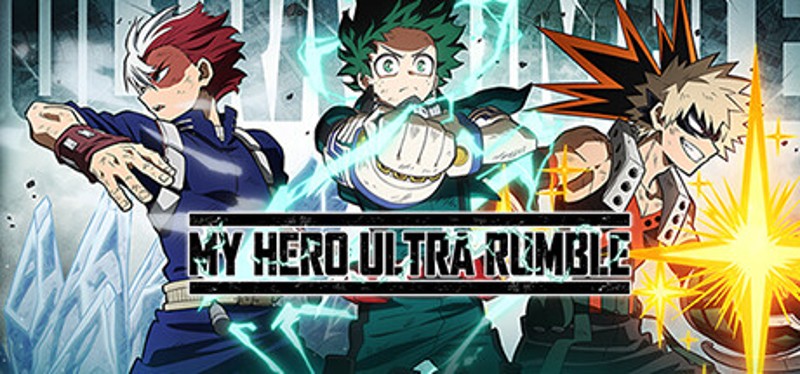
MY HERO ULTRA RUMBLE matches Marvel Rivals best on the core loop: fast, team-based superhero PvP where coordination and character matchup decide fights. That matters because both games reward quick reads, role synergy, and chaotic squad play over solo carry fantasies.
The big difference is presentation and structure: Ultra Rumble leans into battle royale pacing and anime-style combat instead of Marvel Rivals’ more polished hero-shooter brawls. It also carries heavier gacha monetization and a messier balance state, so the grind is harder to ignore.
Pick this up if you want a free-to-play superhero team shooter with constant action and can live without Marvel’s cleaner production values and stronger match flow.
If you enjoyed this game, see our list of games similar to MY HERO ULTRA RUMBLE.View Game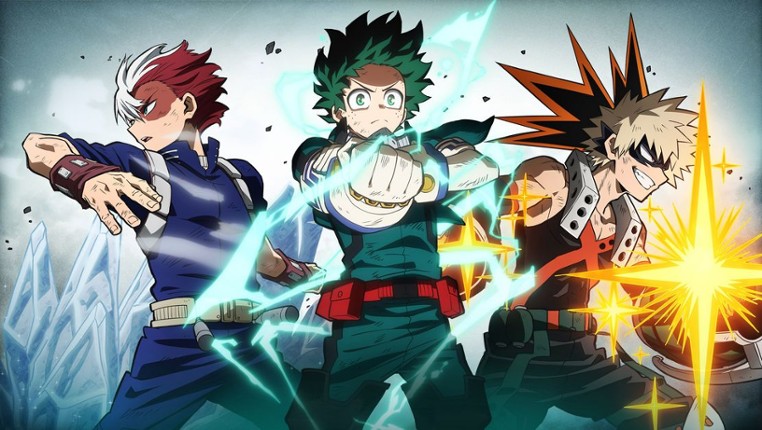
- 79%Game Brain ScoreMost mentioned positive aspects:gameplay, graphicsMost mentioned negative aspects:monetization, stability81% User Score 150,441 reviewsCritic Score 77%15 reviews
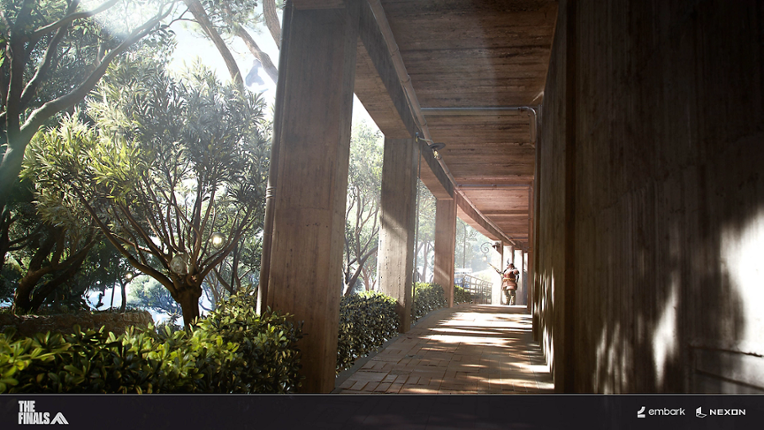
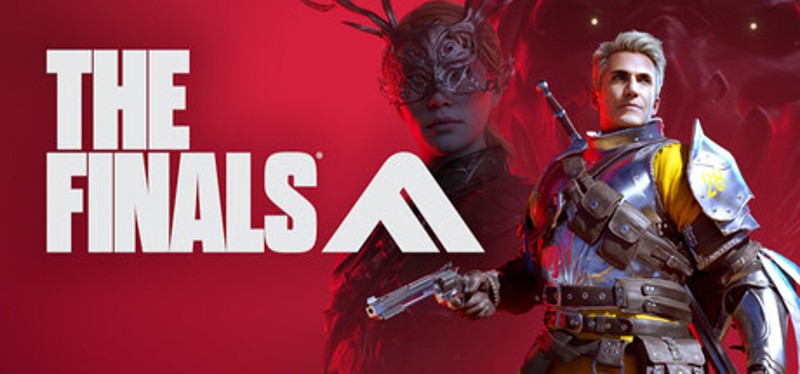
Both games thrive on fast-paced, chaotic team combat where destructible environments force constant tactical adaptation. THE FINALS pushes this further with full physics-driven arenas where every building, floor, and wall becomes a strategic resource. The destruction isn't cosmetic—it reshapes the battlefield mid-fight.
Both are free-to-play competitive multiplayer with low barriers to entry and steep skill ceilings. You get large player pools, quick matchmaking, and that "one more match" hook without paying a dime. The accessibility is genuine, not a trial.
The tradeoff: THE FINALS drops Marvel's iconic superhero roster entirely for anonymous game-show contestants in a fictional TV arena. No Iron Man, no Spider-Man—just pure arena shooter mechanics without IP nostalgia.
Pick this up if you want Marvel Rivals' chaotic team-based shooter feel but can live without superhero skins and universe references. THE FINALS satisfies the gameplay loop while delivering something completely different tonally.
If you enjoyed this game, see our list of games similar to null.View Game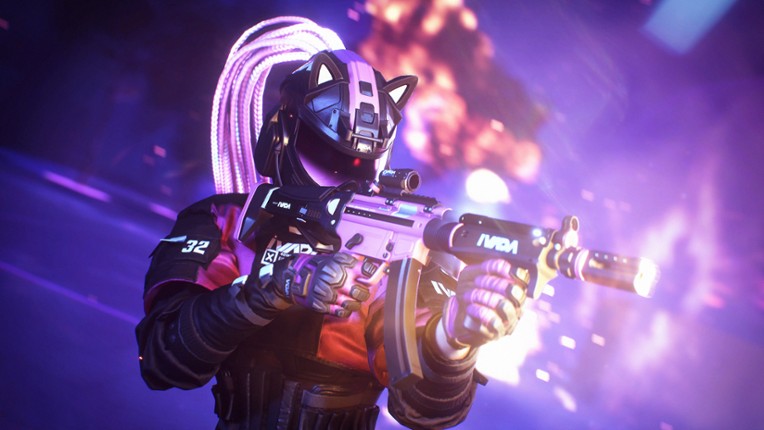

- 77%Game Brain ScoreMost mentioned positive aspects:gameplay, graphicsMost mentioned negative aspects:monetization, story77% User Score 6,503 reviews
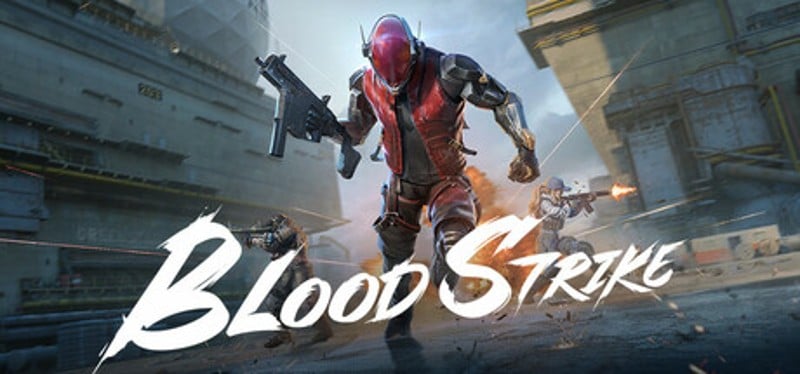
Both games nail hero shooter fundamentals—character-driven team PvP with distinct abilities and roles. This shared DNA makes Marvel Rivals players immediately comfortable with Blood Strike's tactical foundation.
Blood Strike adds Battle Royale modes alongside traditional team fights, expanding scope beyond Marvel Rivals' focused 6v6 format.
The critical difference: Blood Strike runs significantly better on modest hardware, but drowns you in bots at lower ranks and suffers worse monetization predation than Marvel Rivals.
Pick this if you want a lighter performance load and mode variety—but expect less polish, more bot padding, and greedier gacha mechanics.
If you enjoyed this game, see our list of games similar to Blood Strike.View Game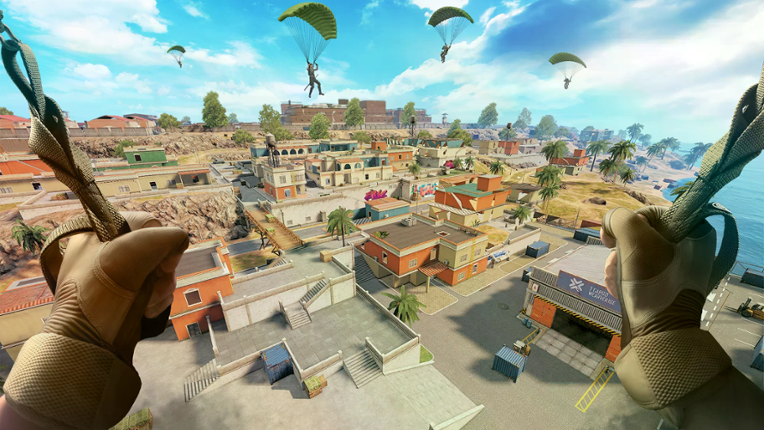
- 63%Game Brain ScoreMost mentioned positive aspects:gameplay, graphicsMost mentioned negative aspects:monetization, story59% User Score 15,343 reviewsCritic Score 80%1 reviews
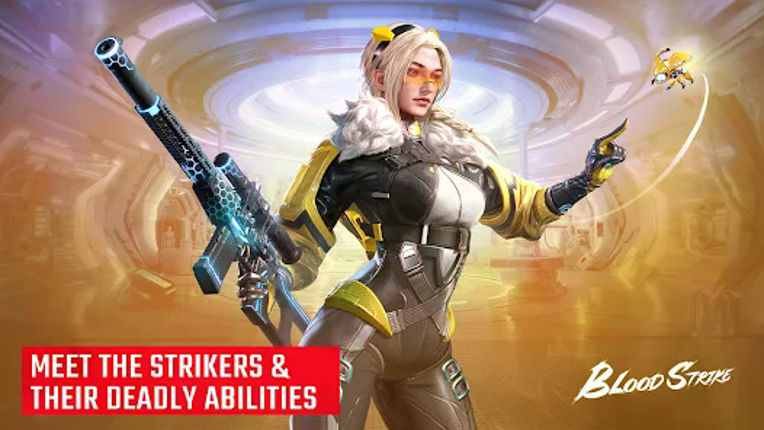
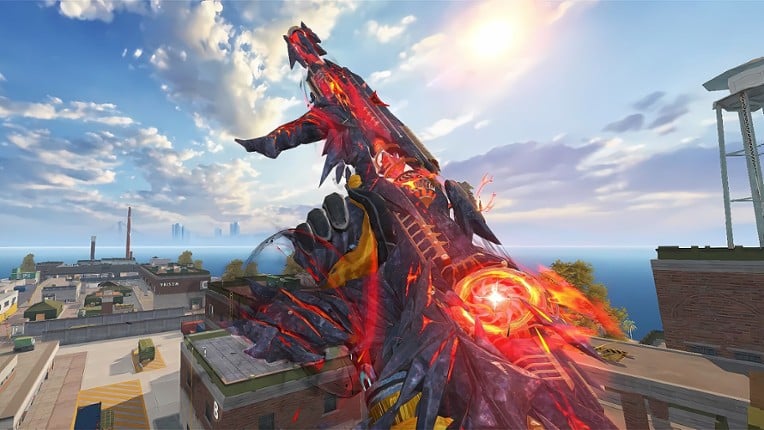
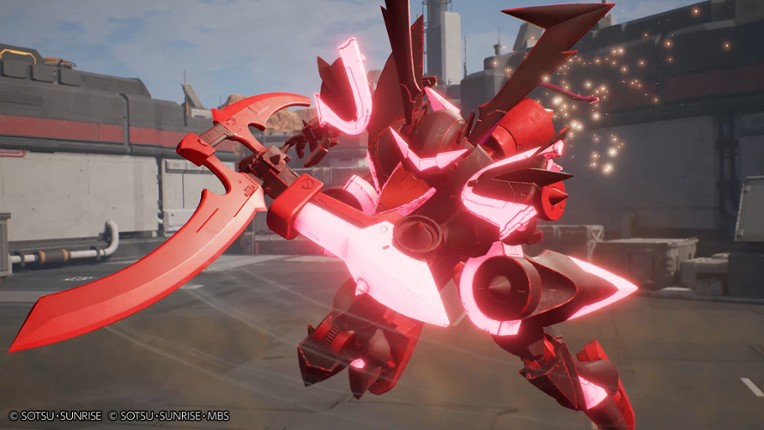
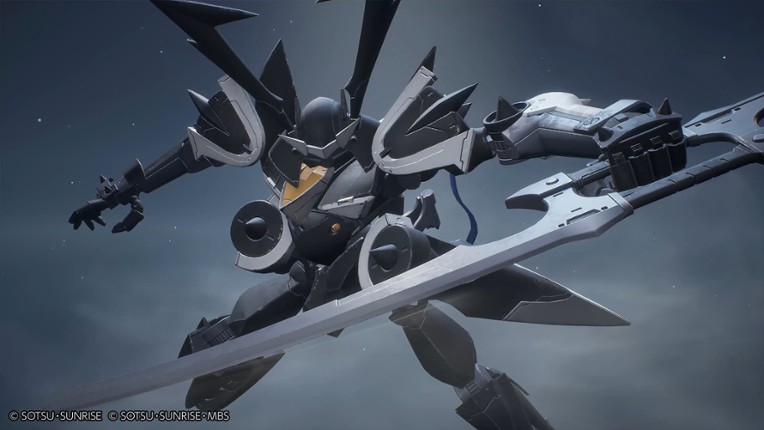
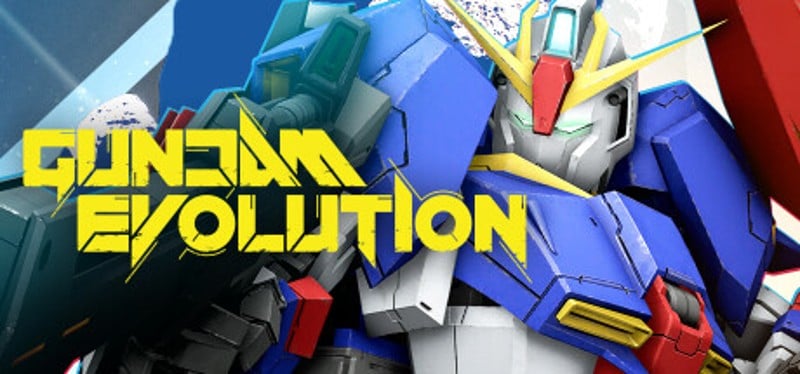
Replaces superhero capes with massive transforming mechs in anime-flavored arenas, delivering heroic shooter chaos through giant robots and explosive weapon loadouts.
If you enjoyed this game, see our list of games similar to GUNDAM EVOLUTION.View Game
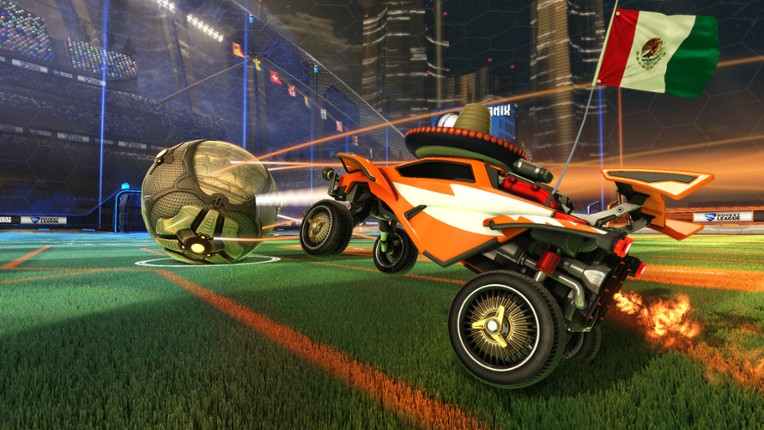
- 87%Game Brain ScoreMost mentioned positive aspects:gameplay, graphicsMost mentioned negative aspects:monetization, story87% User Score 447,024 reviews
The core link between these titles is their ruthless reliance on team-based coordination, where individual mechanical skill is secondary to how you sync with your squad's roles.
Both games prioritize high-velocity movement, ensuring that map positioning is just as vital as your aim or aerial trajectory.
The primary shift is mechanical: you trade Marvel Rivals’ hero-specific ability kits for the physics-driven precision of vehicular soccer. You are swapping character-based power fantasies for pure, skill-indexed vehicular mastery.
Pick this up if you crave intense, high-stakes competitive synergy but want to trade the frustration of hero-balancing patches for a stable, movement-reliant skill ceiling.
If you enjoyed this game, see our list of games similar to Rocket League.View Game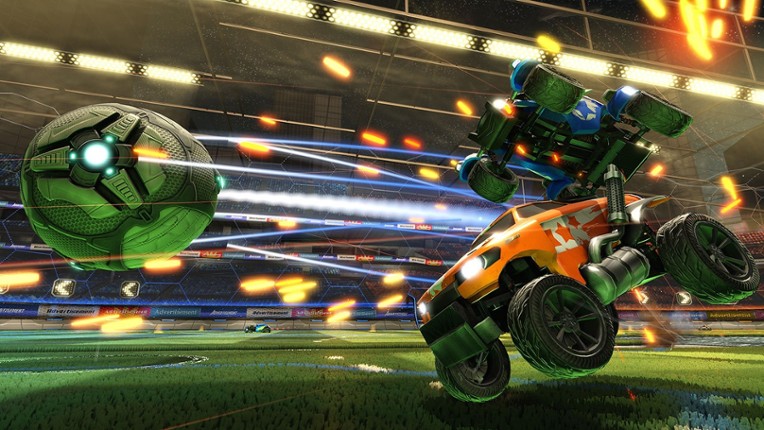
12 View Game 64%Game Brain ScoreMost mentioned positive aspects:gameplay, graphicsMost mentioned negative aspects:monetization, story60% User Score 3,631 reviewsCritic Score 80%1 reviews
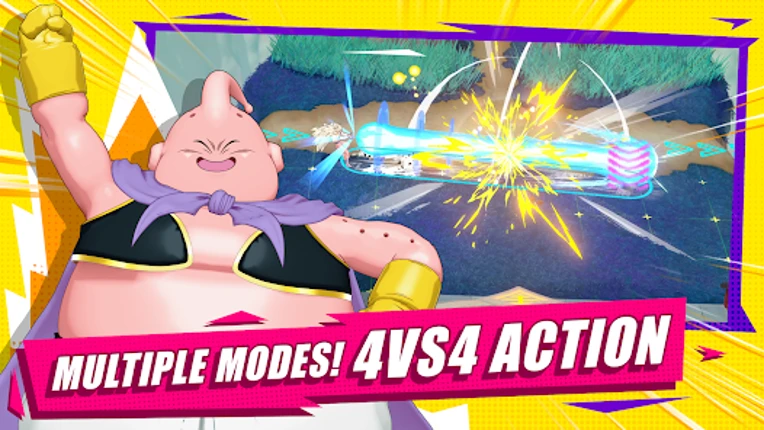
Mashes MOBA tower defense with anime action, offering top-down hero brawls instead of third-person shooter combat for strategic battle enthusiasts.
If you enjoyed this game, see our list of games similar to DRAGON BALL GEKISHIN SQUADRA.View Game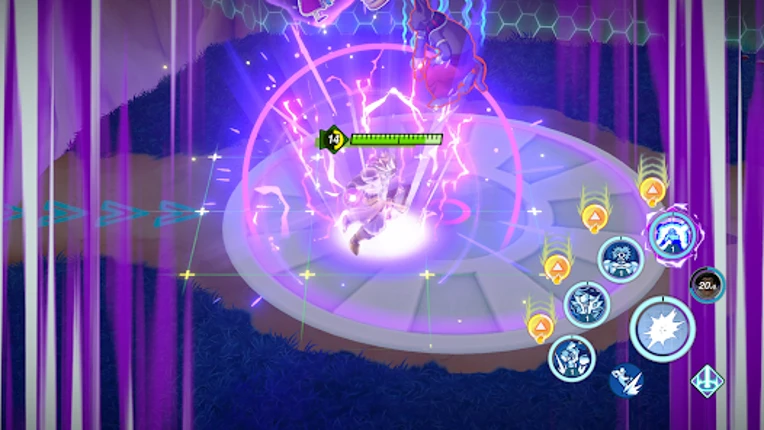
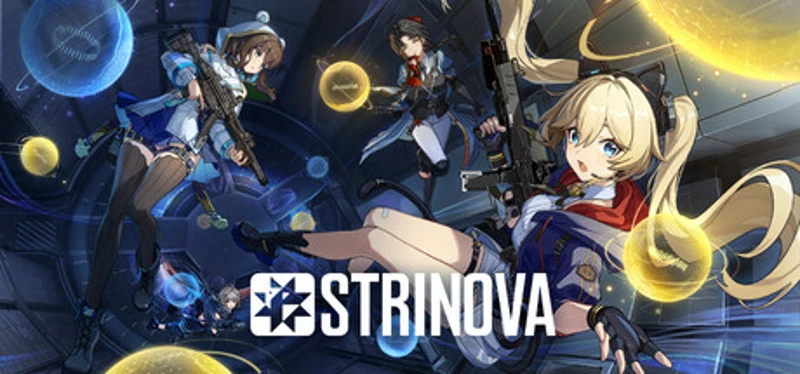
- 78%Game Brain ScoreMost mentioned positive aspects:gameplay, graphicsMost mentioned negative aspects:monetization, grinding78% User Score 10,063 reviews
Swaps vibrant Marvel heroes for stylized 2D anime warfare with wall-running and shape-shifting, appealing to fans wanting fast side-scrolling shooter action.
If you enjoyed this game, see our list of games similar to Strinova.View Game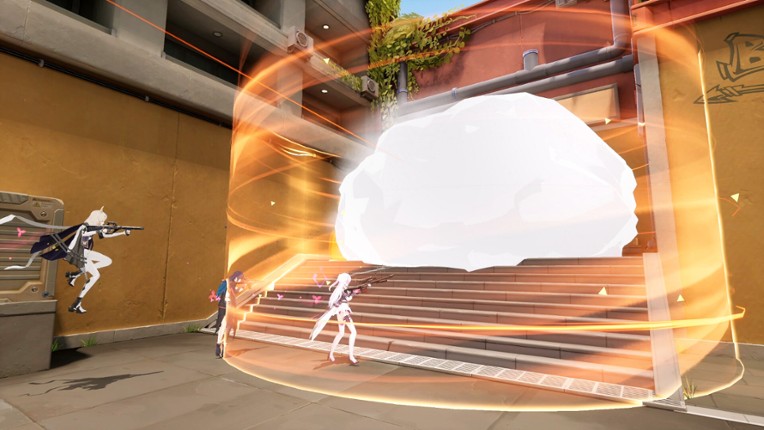
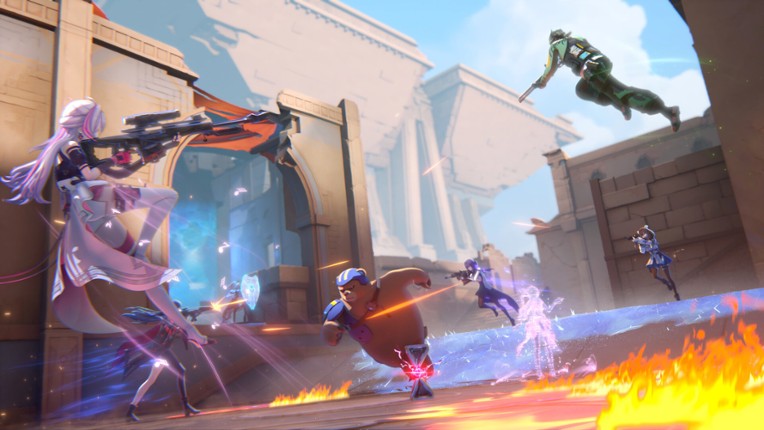
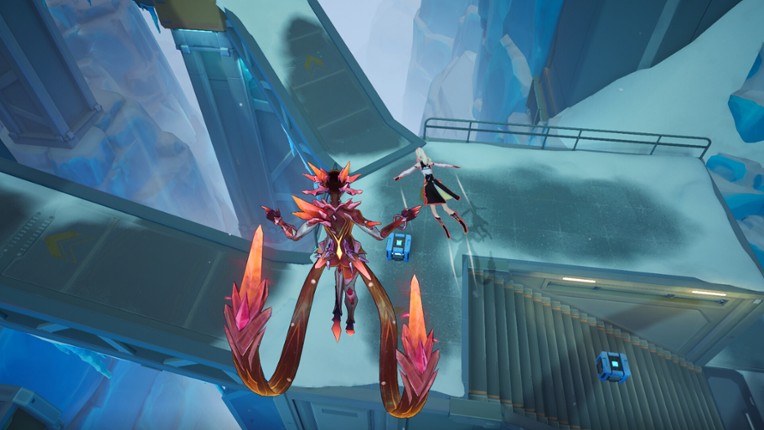
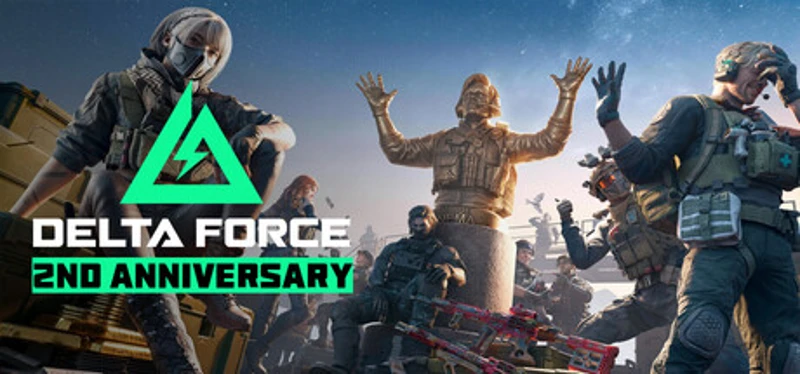
- 65%Game Brain ScoreMost mentioned positive aspects:gameplay, graphicsMost mentioned negative aspects:monetization, stability65% User Score 59,842 reviews
Drops superpowered theatrics for gritty military realism, featuring expansive co-op campaigns and deep gun customization in a hardcore first-person shooter.
If you enjoyed this game, see our list of games similar to Delta Force.View Game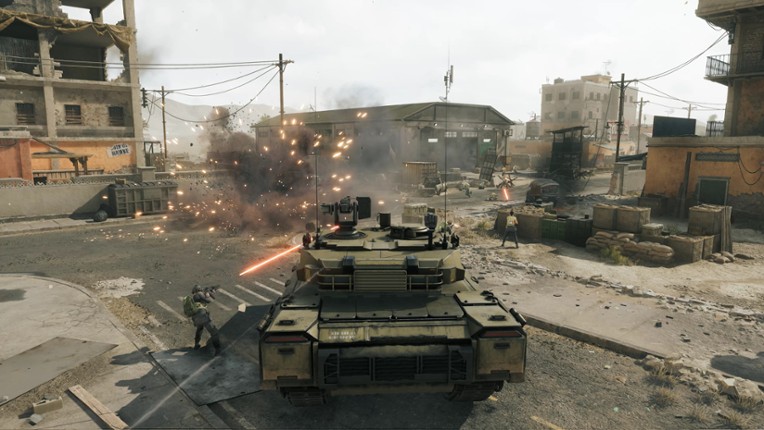
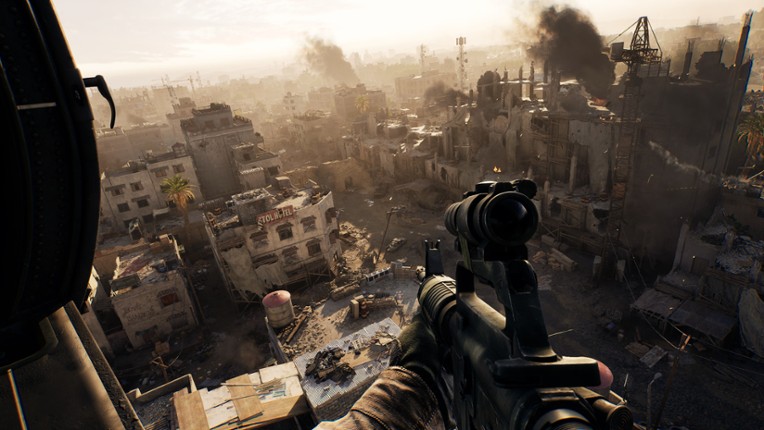
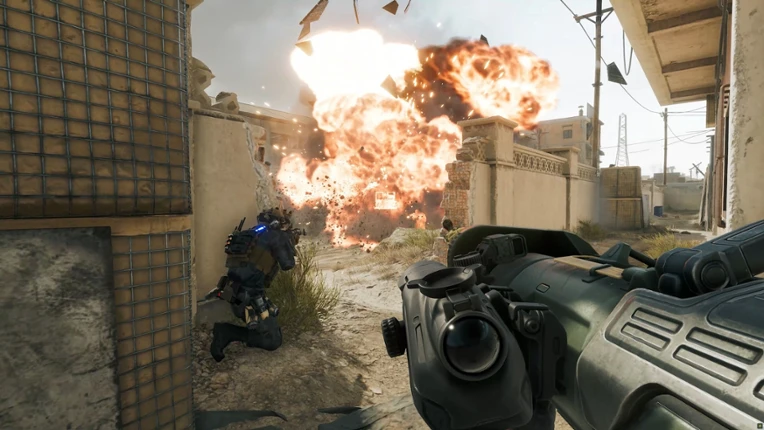
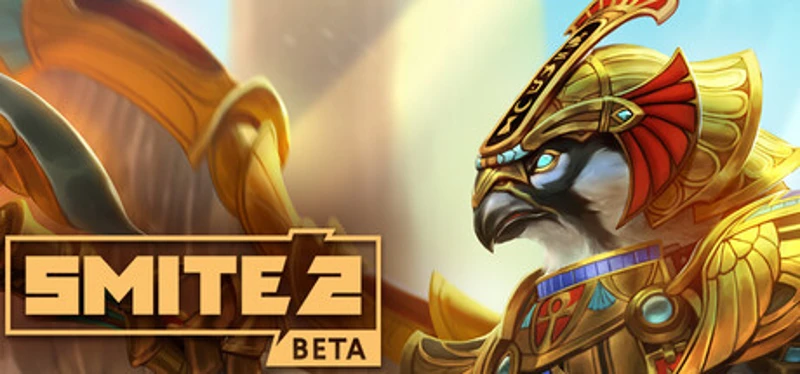
- 54%Game Brain ScoreMost mentioned positive aspects:gameplay, graphicsMost mentioned negative aspects:monetization, optimization54% User Score 14,235 reviews
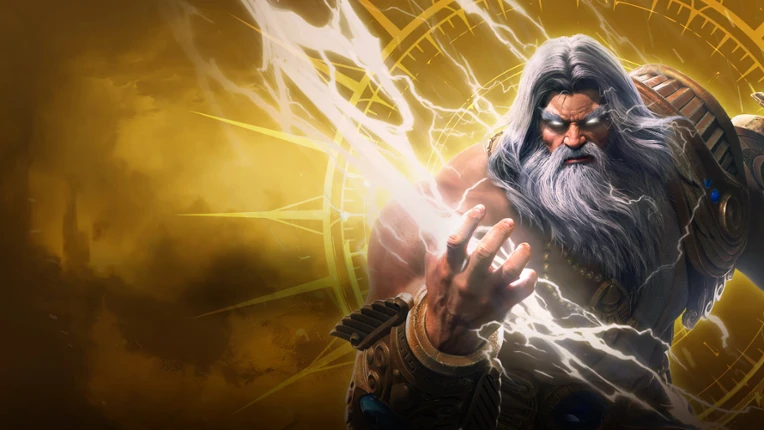
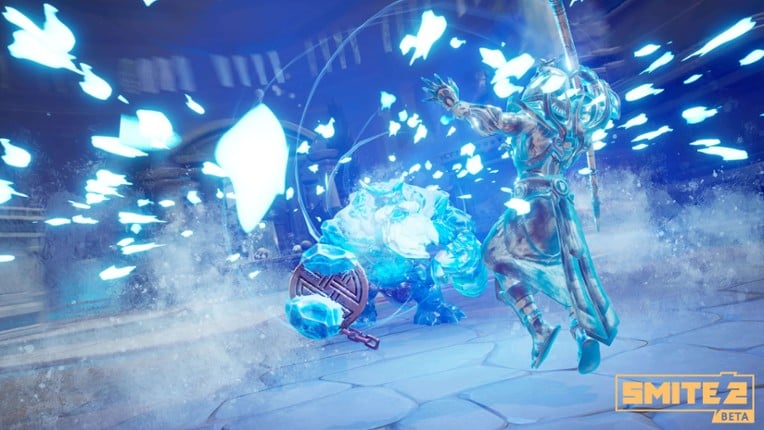
Abandons shooters entirely for mythological gods clashing in third-person MOBA arenas, targeting players craving strategic combat over reflexive shooting.
If you enjoyed this game, see our list of games similar to Smite 2.View Game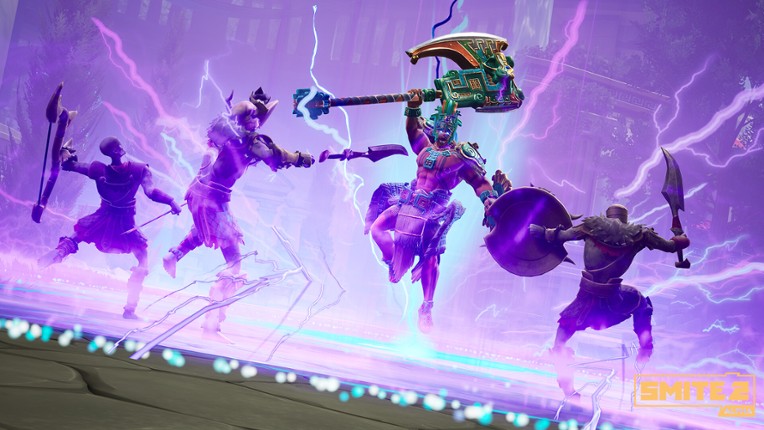
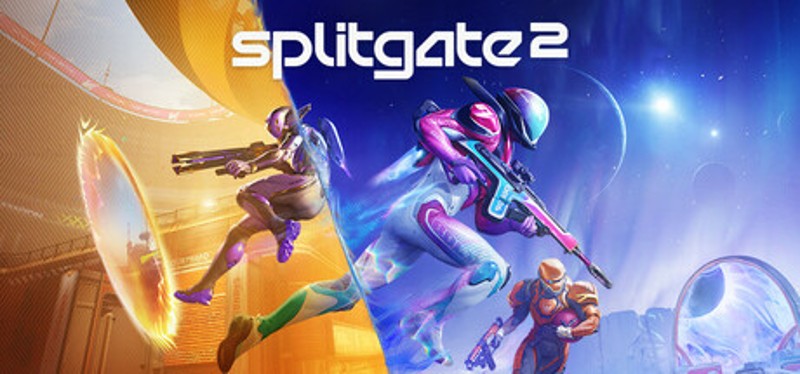
- 66%Game Brain ScoreMost mentioned positive aspects:gameplay, graphicsMost mentioned negative aspects:monetization, stability63% User Score 17,918 reviewsCritic Score 68%8 reviews
Puts a portal gun front and center for fast-paced arena skirmishes, offering sci-fi first-person hero combat without the Marvel universe trappings.
If you enjoyed this game, see our list of games similar to Splitgate 2.View Game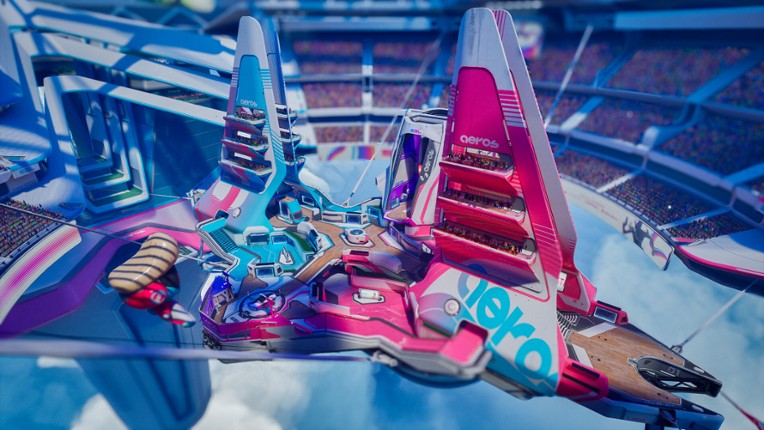
- 62%Game Brain ScoreMost mentioned positive aspects:gameplay, graphicsMost mentioned negative aspects:optimization, monetization57% User Score 7,392 reviewsCritic Score 69%6 reviews
Swaps superhero battles for dark fantasy dungeon crawls with souls-like combat and loot systems, offering third-person RPG exploration instead of shooter thrills.
If you enjoyed this game, see our list of games similar to Mistfall Hunter.View Game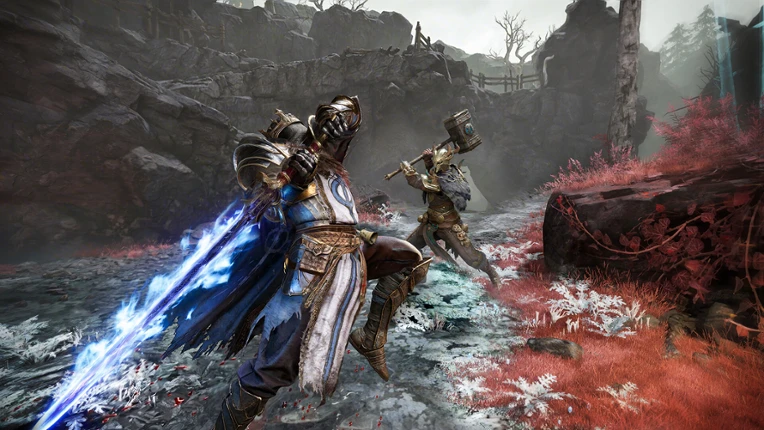
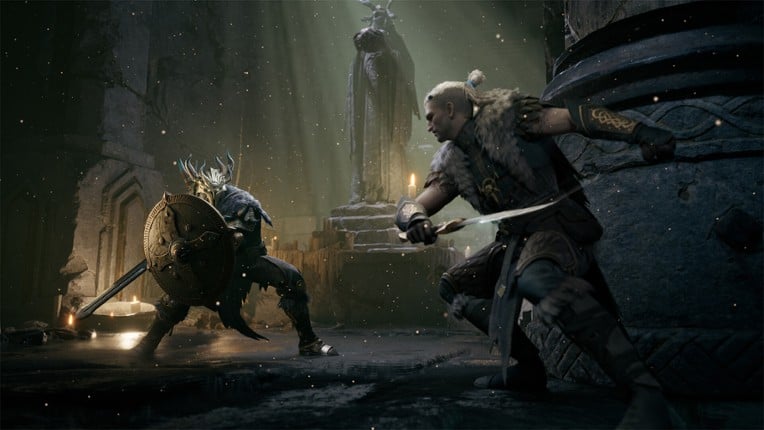
- 63%Game Brain ScoreMost mentioned positive aspects:gameplay, graphicsMost mentioned negative aspects:monetization, optimization63% User Score 4,402 reviews
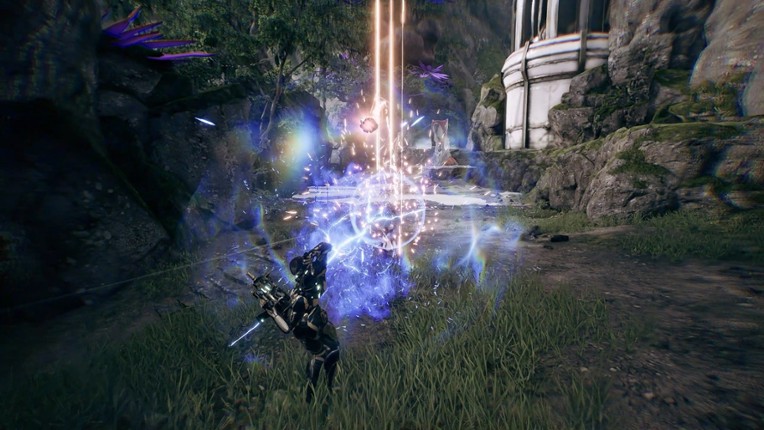
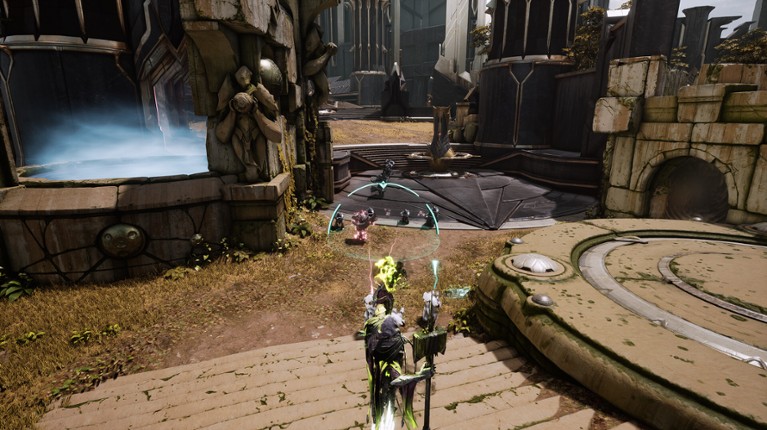
Blends hero shooter dynamics with third-person MOBA strategy, serving sci-fi enthusiasts who prefer cinematic hero combat over comic book branding.
If you enjoyed this game, see our list of games similar to Paragon: The Overprime.View Game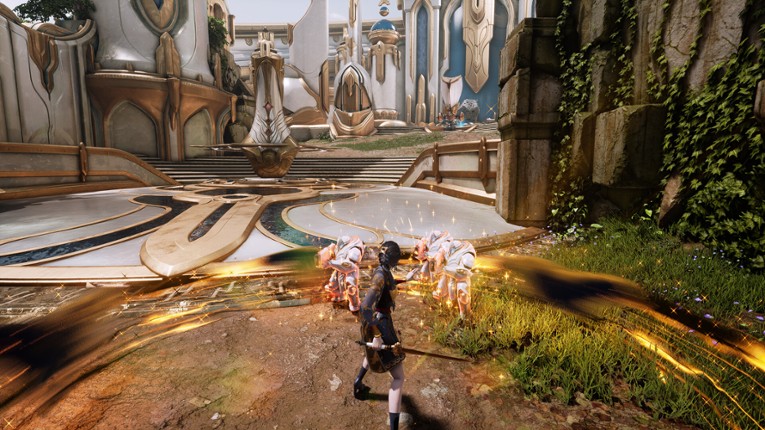
- 75%Game Brain ScoreMost mentioned positive aspects:gameplay, graphicsMost mentioned negative aspects:monetization, grinding75% User Score 21,637 reviews
Crank up the cyberpunk neon with card-based hero abilities and faster rounds, delivering competitive first-person shooting wrapped in erotic futuristic aesthetics.
If you enjoyed this game, see our list of games similar to null.View Game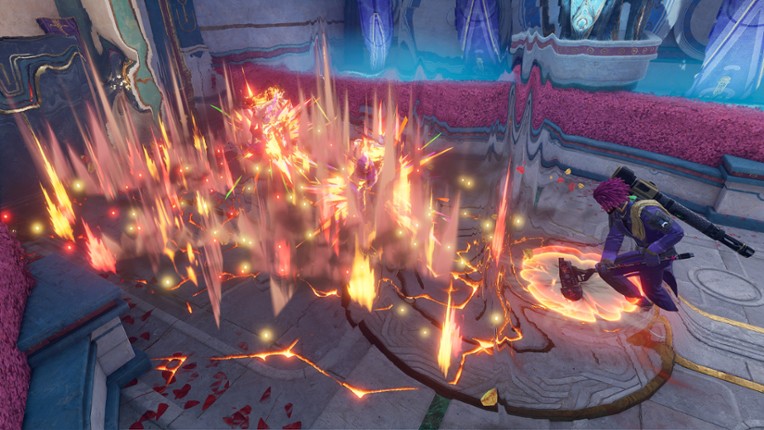
- 76%Game Brain ScoreMost mentioned positive aspects:gameplay, graphicsMost mentioned negative aspects:optimization, stability77% User Score 168,177 reviewsCritic Score 76%24 reviews
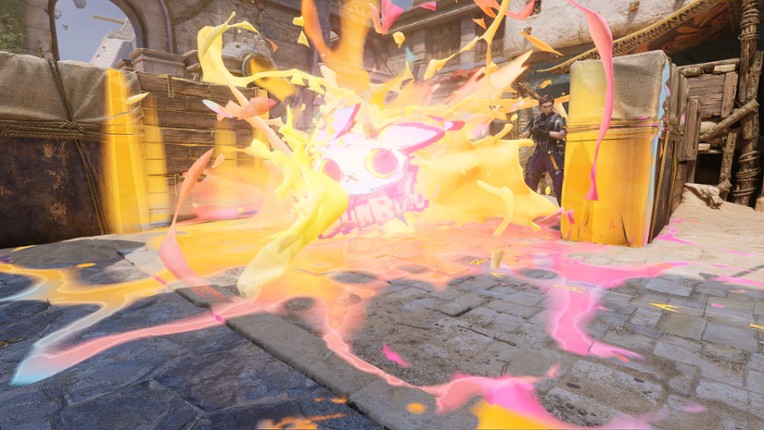
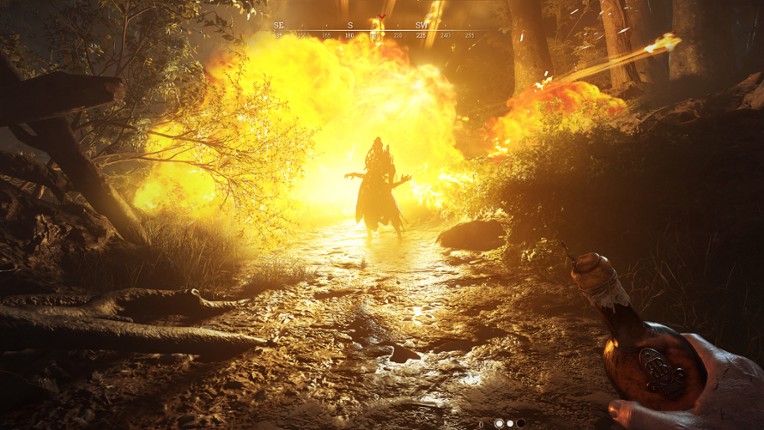
Exchanges colorful hero antics for atmospheric horror survival, pitting teams against monsters and each other in tense first-person PvPvE encounters.
If you enjoyed this game, see our list of games similar to Hunt: Showdown.View Game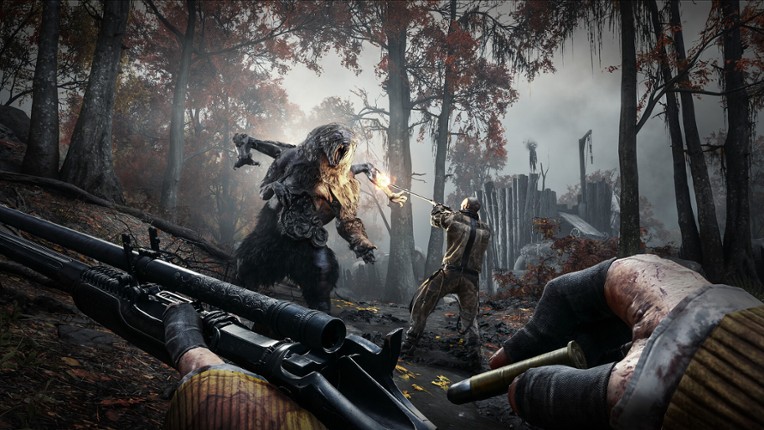
- 82%Game Brain ScoreMost mentioned positive aspects:gameplay, storyMost mentioned negative aspects:grinding, stability82% User Score 247,322 reviews
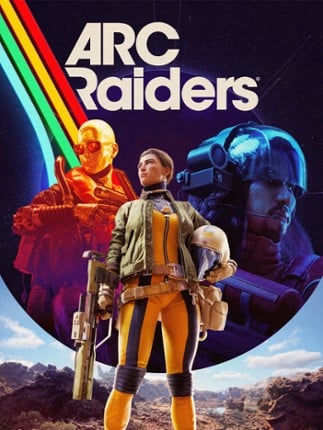
Strips away Marvel's vibrant charm for a grittier sci-fi co-op shooter focused on alien combat and resource survival.
If you enjoyed this game, see our list of games similar to ARC Raiders.View Game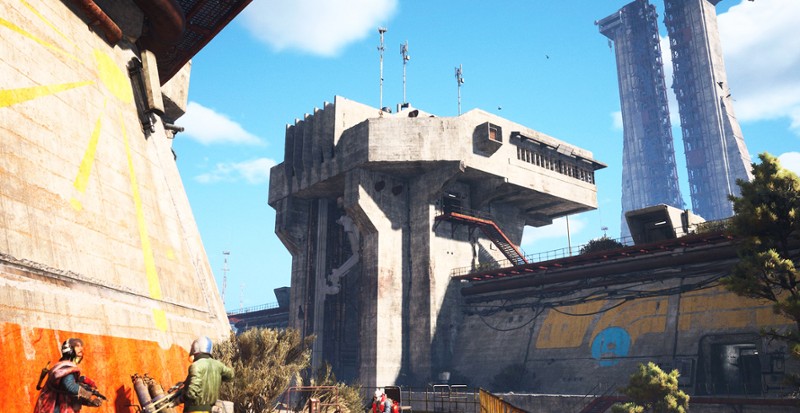
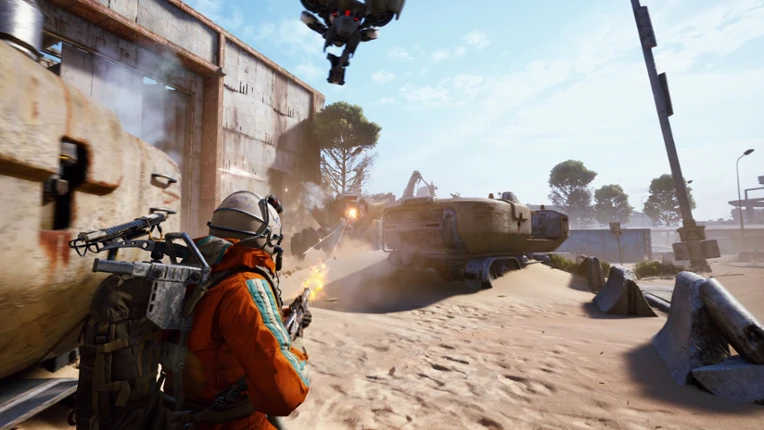
- 58%Game Brain ScoreMost mentioned positive aspects:story, gameplayMost mentioned negative aspects:stability, optimization58% User Score 390,352 reviews
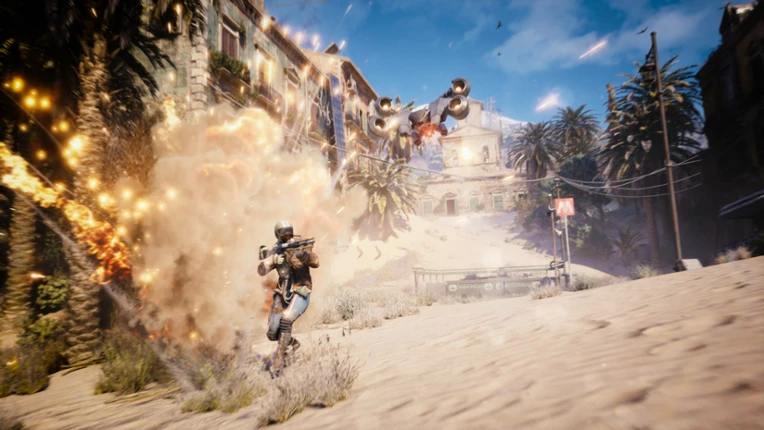
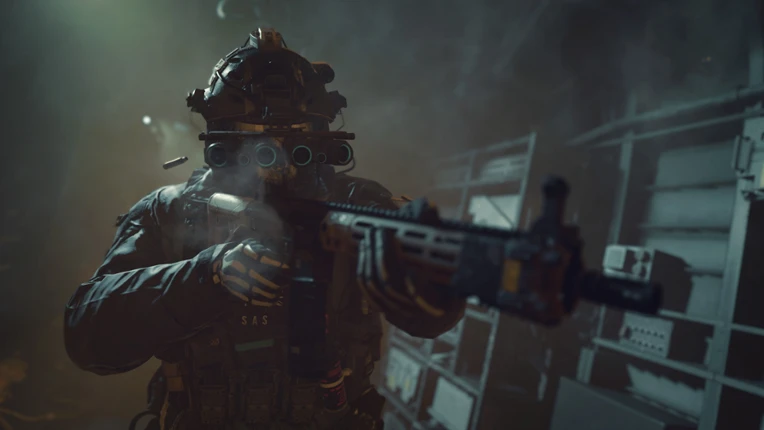
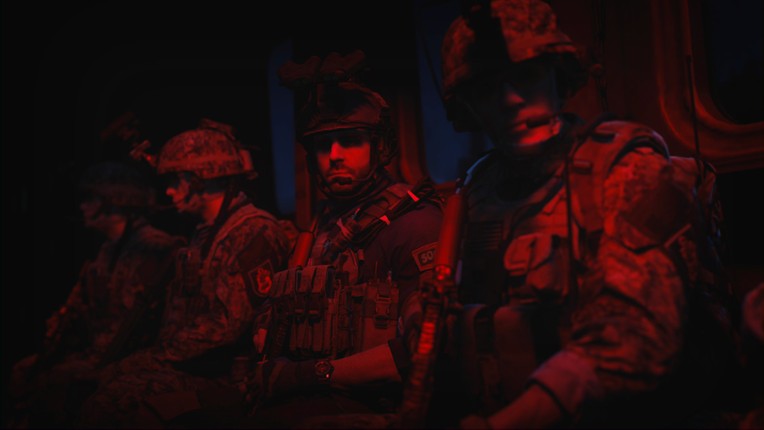
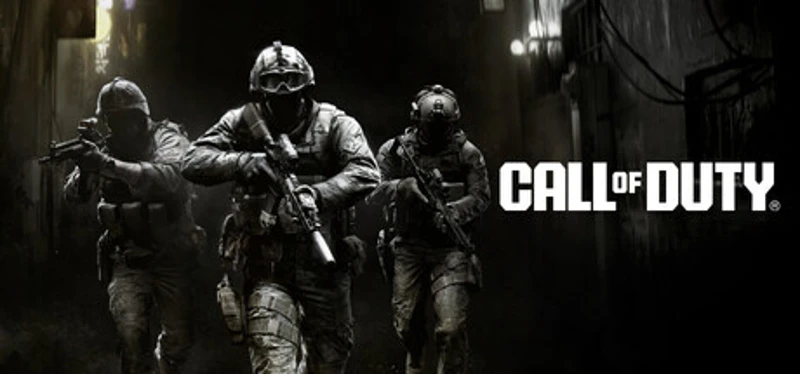
Exchanges Marvel's comic-book heroes for modern military operators, prioritizing tactical realism over superhero spectacle.
If you enjoyed this game, see our list of games similar to Call of Duty®.View Game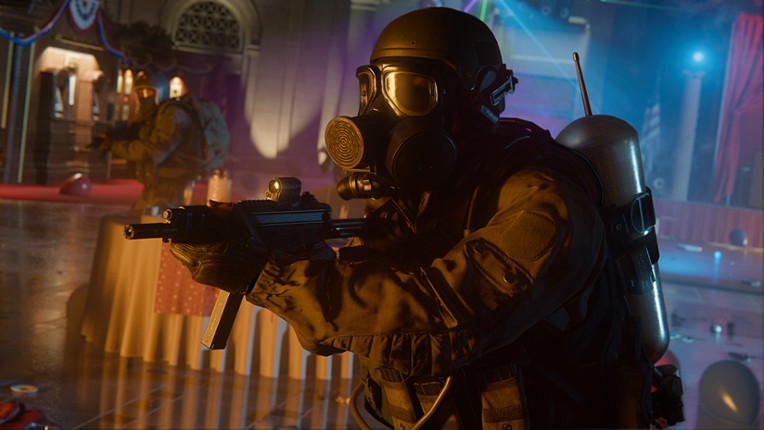

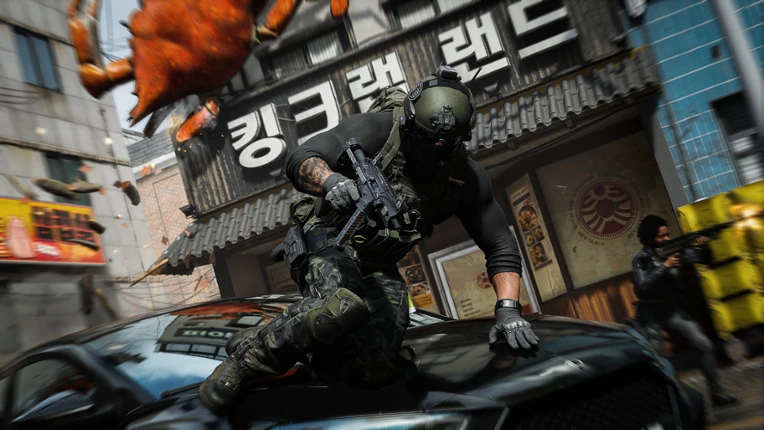
- 82%Game Brain ScoreMost mentioned positive aspects:gameplay, graphicsMost mentioned negative aspects:grinding, optimization81% User Score 12,691 reviewsCritic Score 85%1 reviews
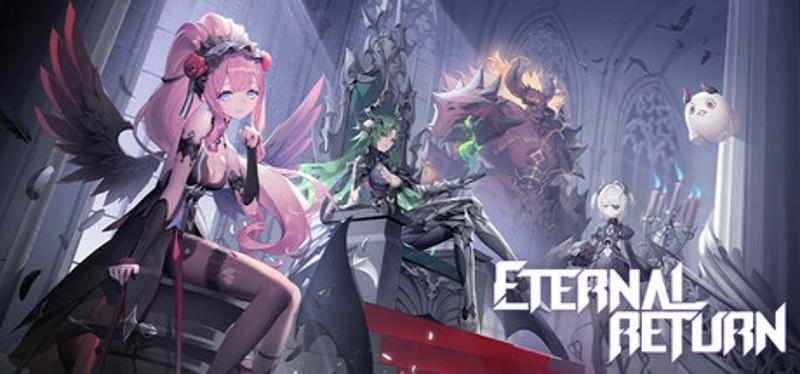
Keeps the free-to-play competitive edge but trades team hero shooters for battle royale chaos with anime styling.
If you enjoyed this game, see our list of games similar to Eternal Return.View Game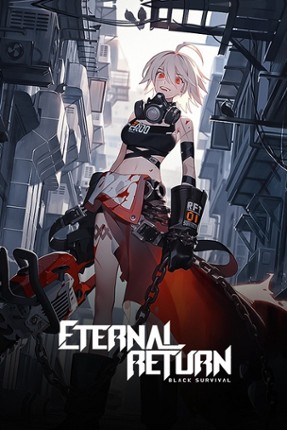
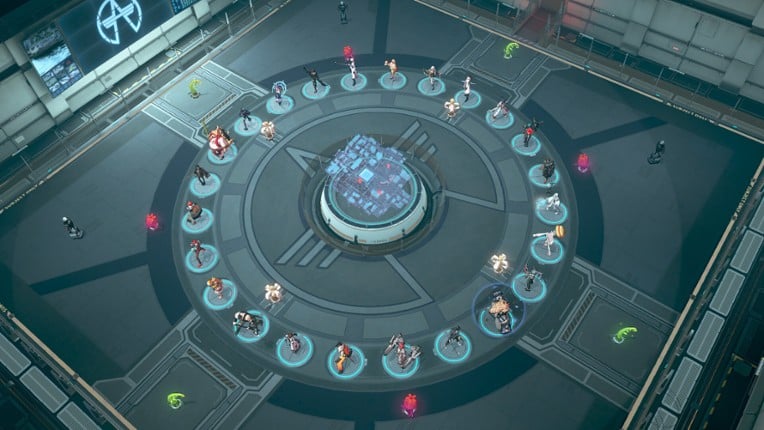
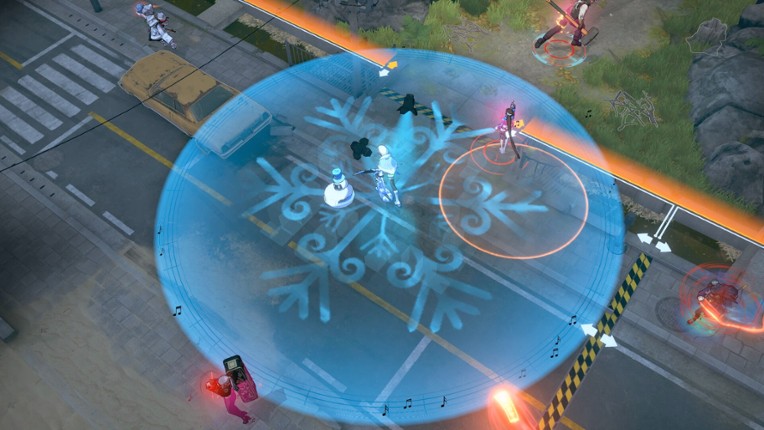
- 85%Game Brain ScoreMost mentioned positive aspects:gameplay, graphicsMost mentioned negative aspects:stability, optimization85% User Score 2,842 reviews
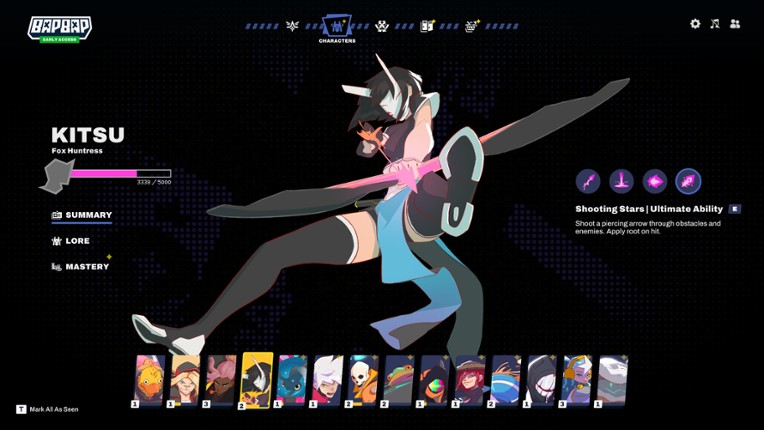
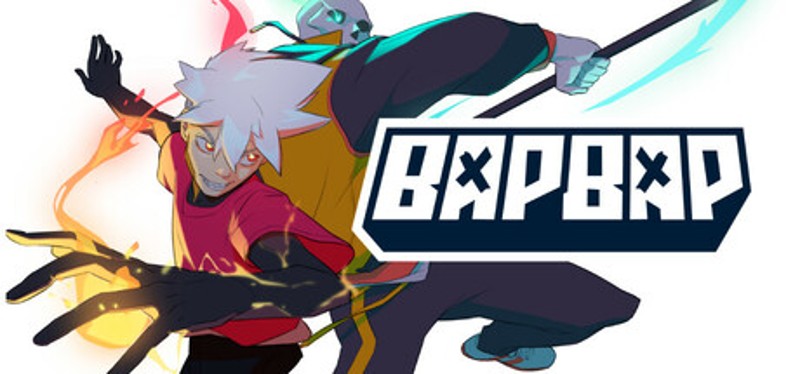
While sharing the team-based chaos, this top-down title replaces traditional shooter mechanics with physics-driven combat and a distinct battle royale structure.
If you enjoyed this game, see our list of games similar to BAPBAP.View Game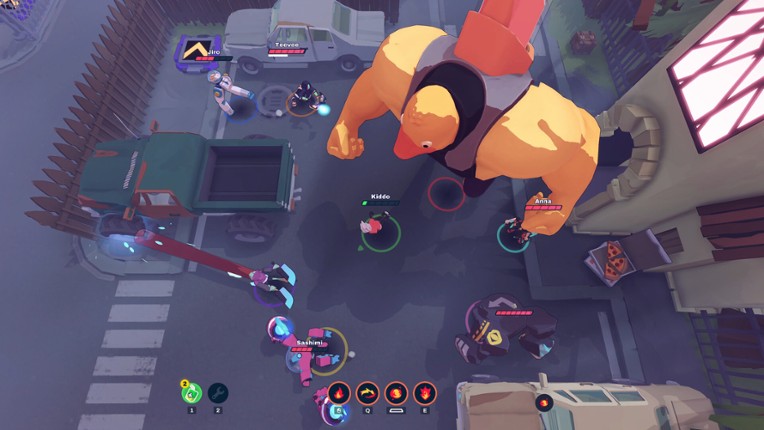
- 58%Game Brain ScoreMost mentioned positive aspects:story, gameplayMost mentioned negative aspects:grinding, monetization58% User Score 12,224 reviews
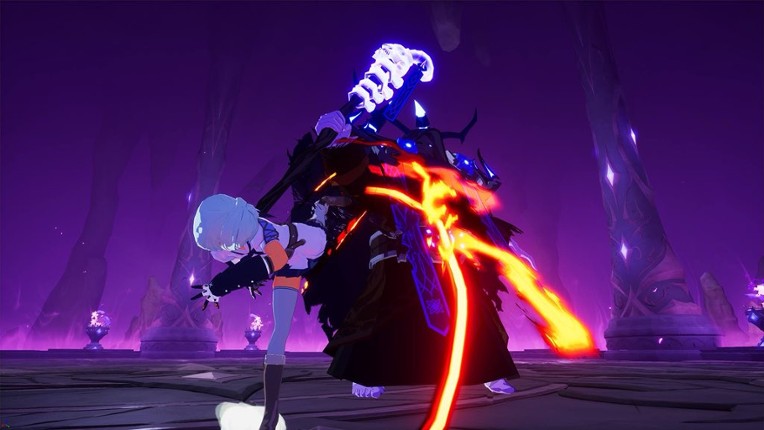
Takes the team-based PvP formula but channels anime fantasy aesthetics and 3D character action combat instead of Marvel's hero shooter simplicity.
If you enjoyed this game, see our list of games similar to null.View Game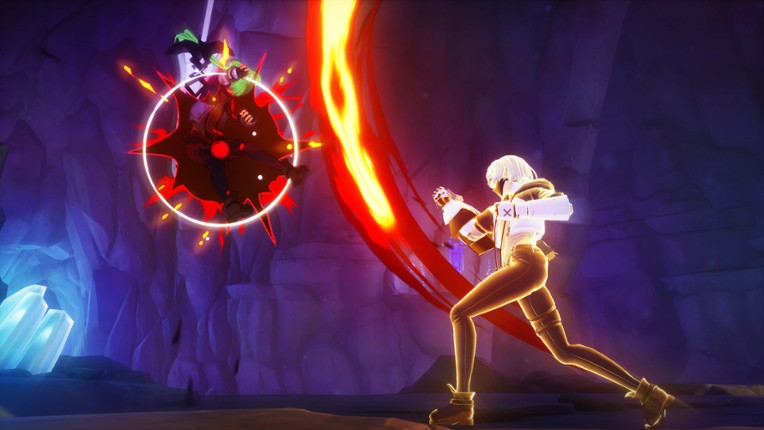

- 68%Game Brain ScoreMost mentioned positive aspects:gameplay, graphicsMost mentioned negative aspects:monetization, story68% User Score 1,488 reviews
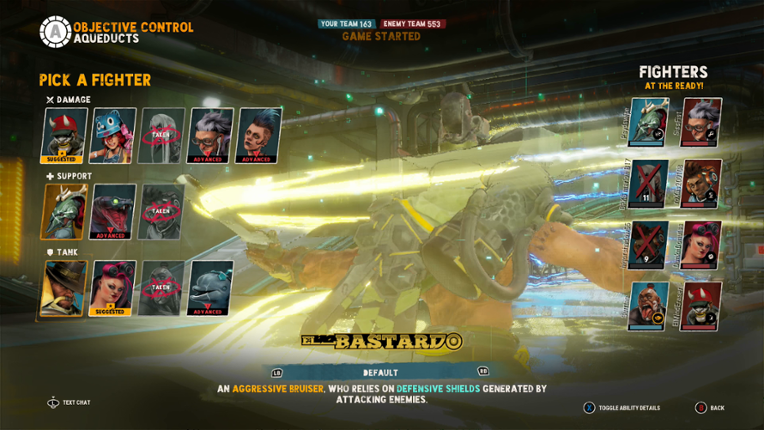
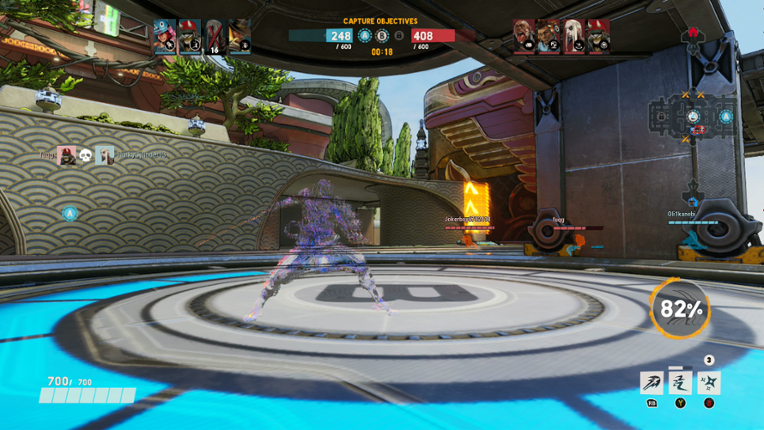
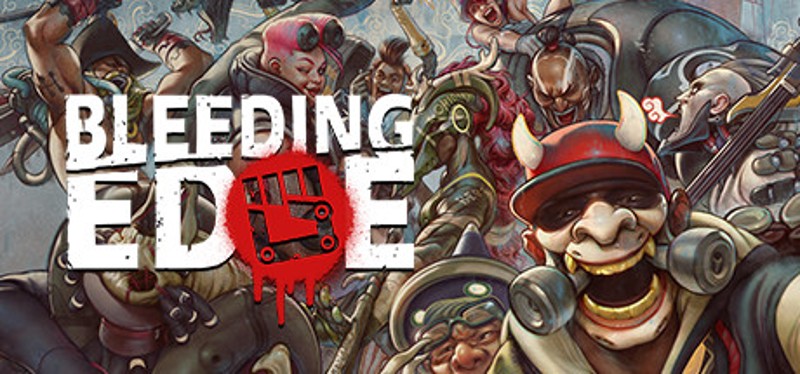
Bridging the gap between MOBA strategy and hero shooting, this cyberpunk title emphasizes objective-based brawling with a grittier, industrial visual design.
If you enjoyed this game, see our list of games similar to Bleeding Edge.View Game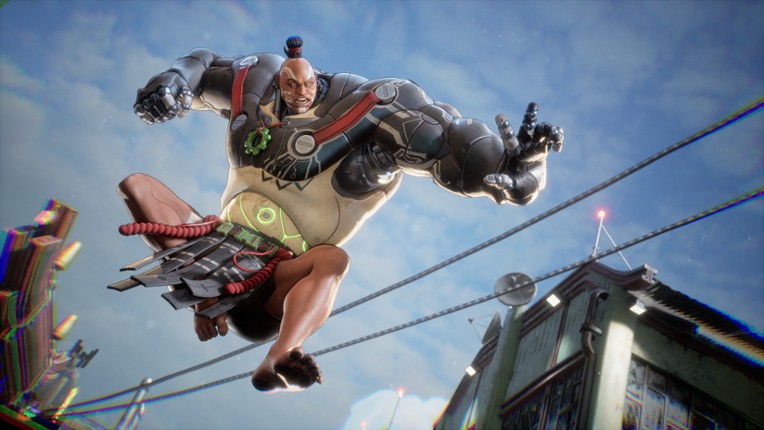
27 View Game 61%Game Brain ScoreMost mentioned positive aspects:story, gameplayMost mentioned negative aspects:optimization, monetization40% User Score 9,289 reviewsCritic Score 82%40 reviews
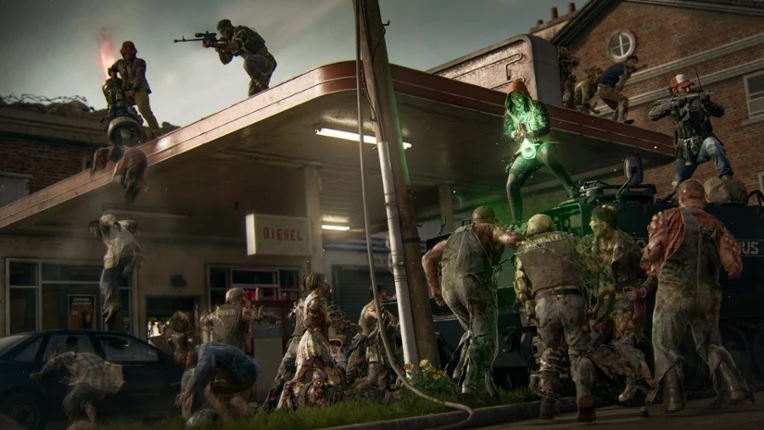
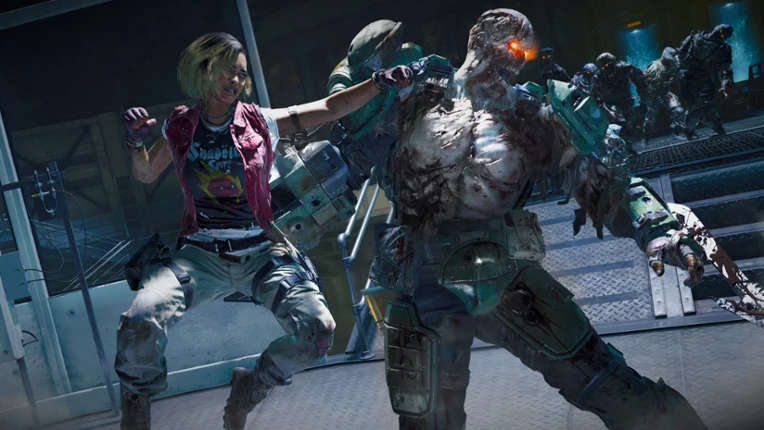
Another Call of Duty iteration offering military multiplayer depth instead of Marvel's accessible hero-driven superhero spectacle.
If you enjoyed this game, see our list of games similar to Call of Duty: Black Ops 6.View Game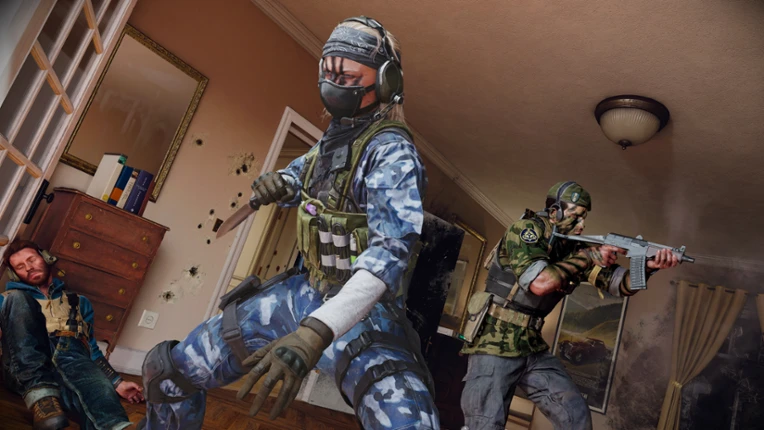
28 View Game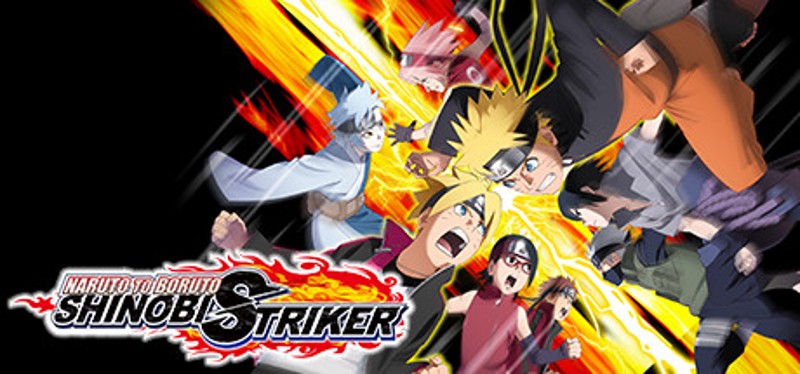 86%Game Brain ScoreMost mentioned positive aspects:story, gameplayMost mentioned negative aspects:grinding, stability86% User Score 34,096 reviews
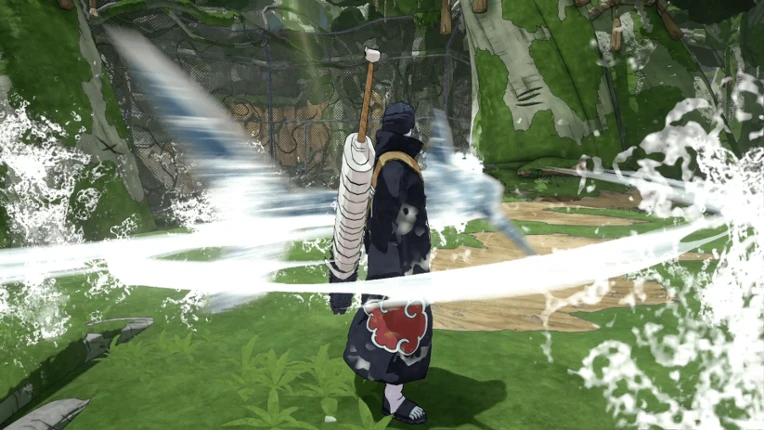
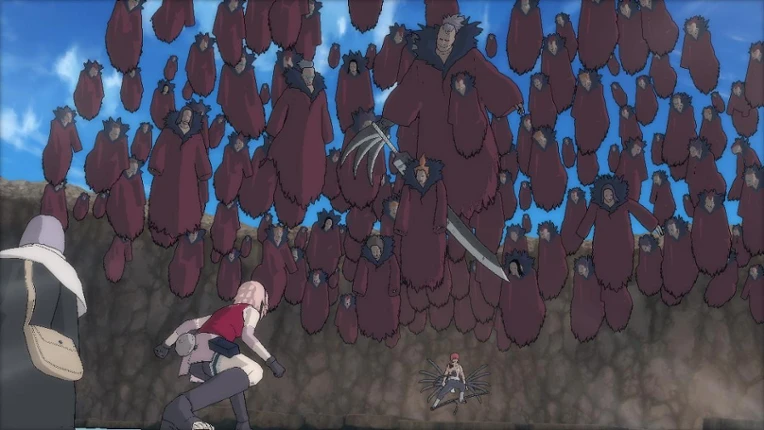
Mirrors the team-based ninja action but replaces Marvel's humor with anime drama and deeper character customization systems.
If you enjoyed this game, see our list of games similar to NARUTO TO BORUTO: Shinobi Striker.View Game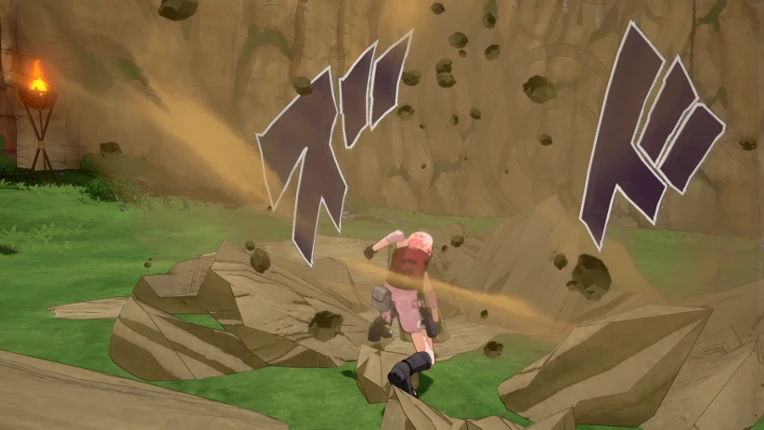
- 66%Game Brain ScoreMost mentioned positive aspects:gameplay, graphicsMost mentioned negative aspects:monetization, grinding65% User Score 3,881 reviewsCritic Score 70%4 reviews
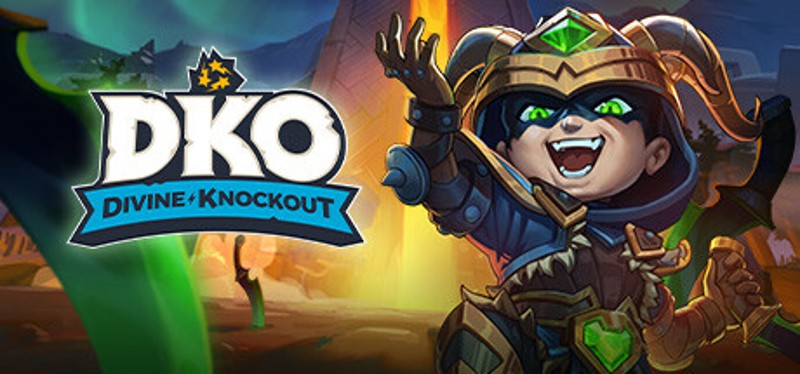
Closest spiritual cousin: a colorful free-to-play hero fighter with mythological characters and the same vibrant, team-focused competitive spirit.
If you enjoyed this game, see our list of games similar to Divine Knockout.View Game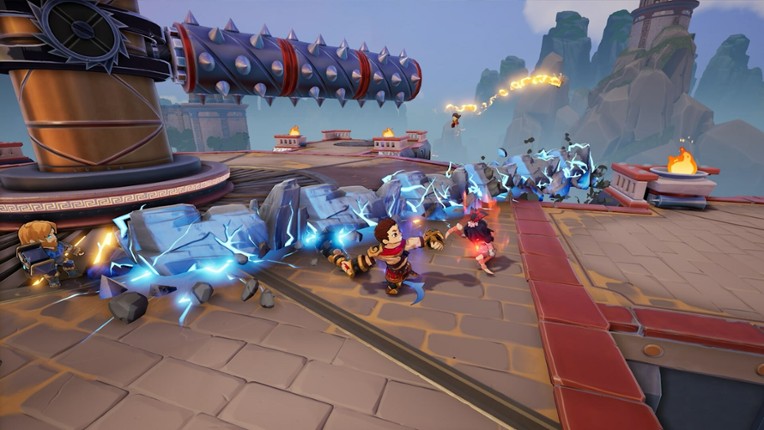
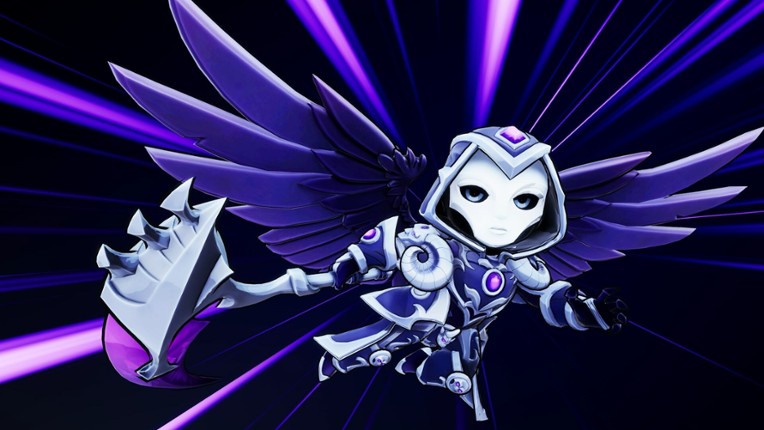
- 70%Game Brain ScoreMost mentioned positive aspects:gameplay, graphicsMost mentioned negative aspects:grinding, monetization75% User Score 294,199 reviewsCritic Score 66%9 reviews
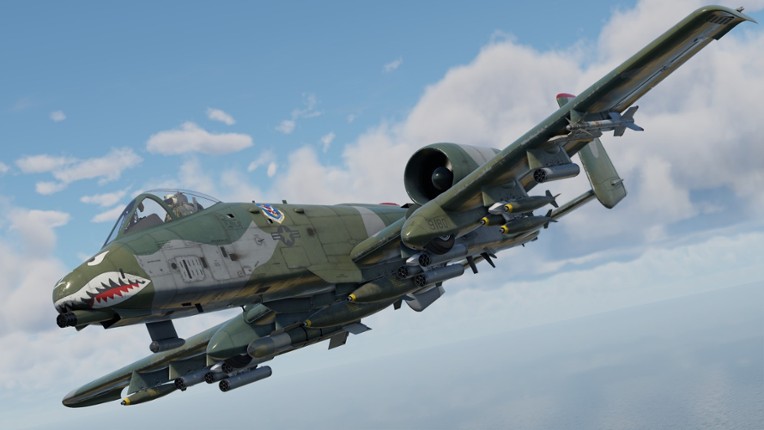
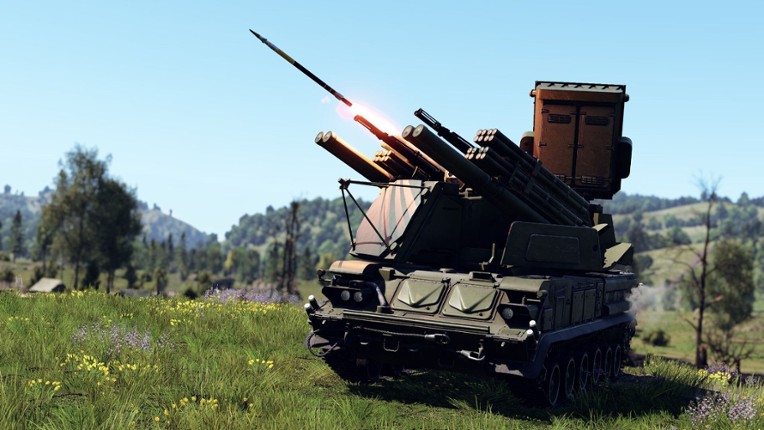
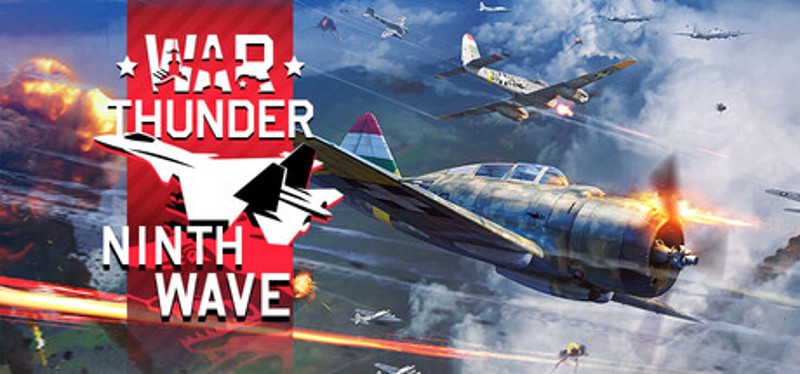
Scales up to massive multiplayer vehicular combat across WWII and modern warfare, sacrificing hero personality for historical authenticity.
If you enjoyed this game, see our list of games similar to null.View Game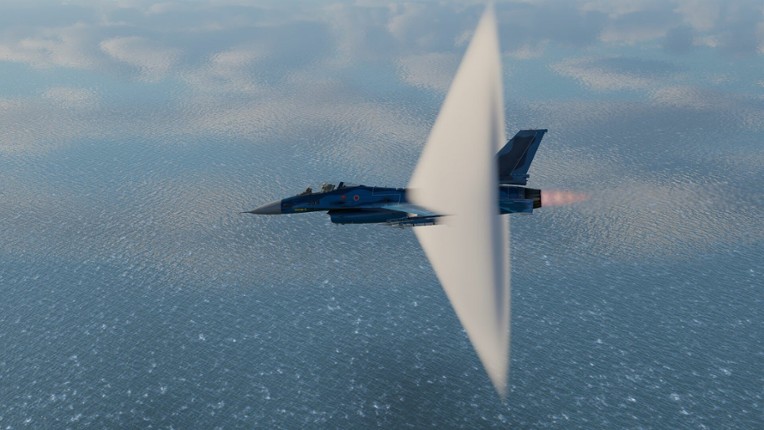
31 View Game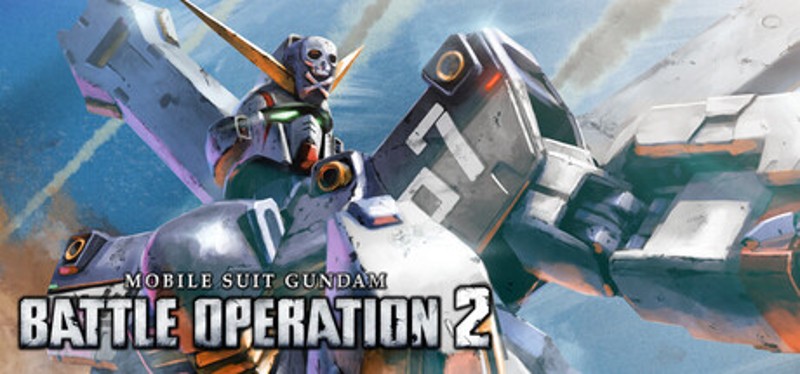 34%Game Brain ScoreMost mentioned positive aspects:gameplay, graphicsMost mentioned negative aspects:optimization, story35% User Score 6,688 reviewsCritic Score 30%1 reviews
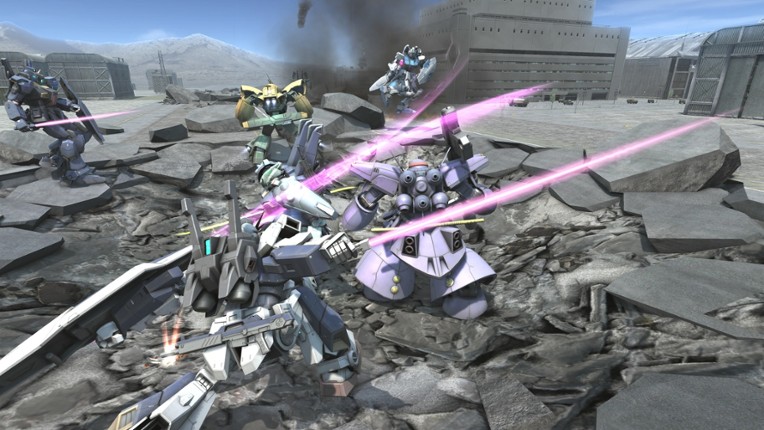
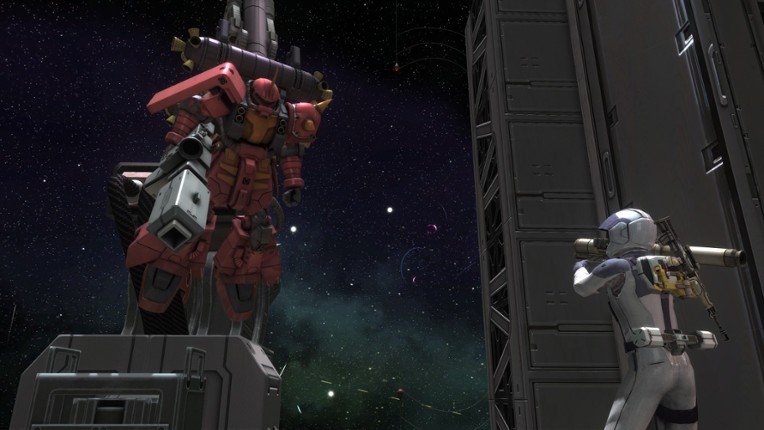
Adapts the team-based competitive structure to giant mecha warfare, blending horror undertones with Marvel Rivals' psychological themes.
If you enjoyed this game, see our list of games similar to MOBILE SUIT GUNDAM BATTLE OPERATION 2.View Game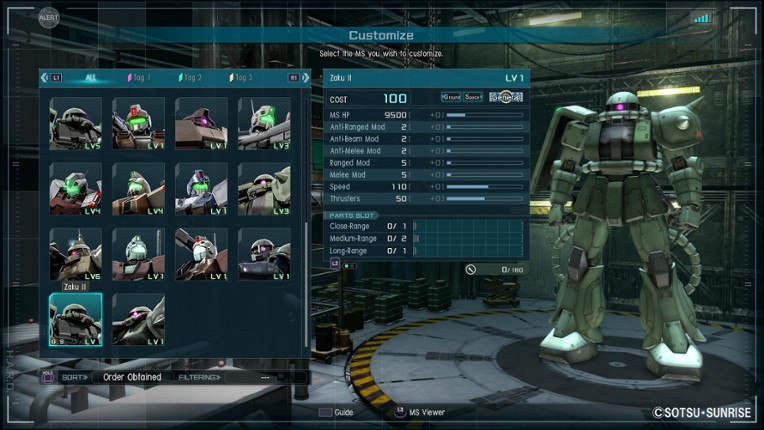
- 56%Game Brain ScoreMost mentioned positive aspects:gameplay, graphicsMost mentioned negative aspects:optimization, monetization56% User Score 4,574 reviews
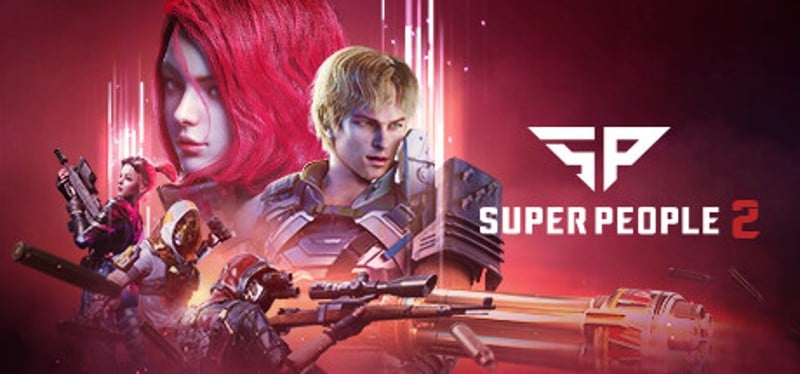
Bridges hero shooters and battle royale with super-powered soldiers, maintaining team strategy but adding elimination-based progression.
If you enjoyed this game, see our list of games similar to Super People.View Game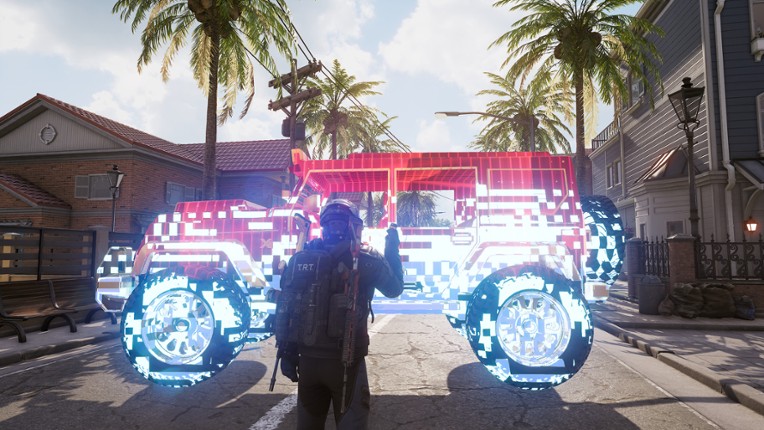

- 76%Game Brain ScoreMost mentioned positive aspects:gameplay, storyMost mentioned negative aspects:monetization, optimization68% User Score 137,967 reviewsCritic Score 84%58 reviews
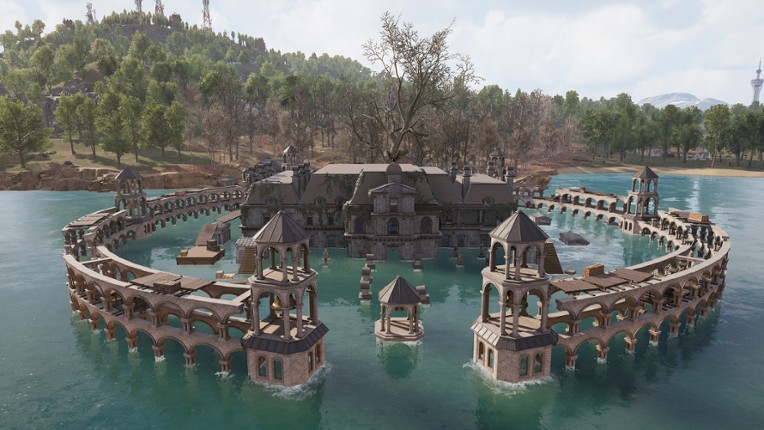
Halo Infinite keeps the online shooter basics, but shifts Marvel Rivals' colorful hero banter into a story-driven, lore-heavy military sci-fi campaign and arena play.
If you enjoyed this game, see our list of games similar to Halo Infinite.View Game
- 63%Game Brain ScoreMost mentioned positive aspects:gameplay, graphicsMost mentioned negative aspects:optimization, stability62% User Score 5,092 reviewsCritic Score 70%1 reviews
Swapping colorful team-up abilities for pure tension, this experience offers a asymmetric horror dynamic that contrasts sharply with the vibrant superhero setting.
If you enjoyed this game, see our list of games similar to Last Year.View Game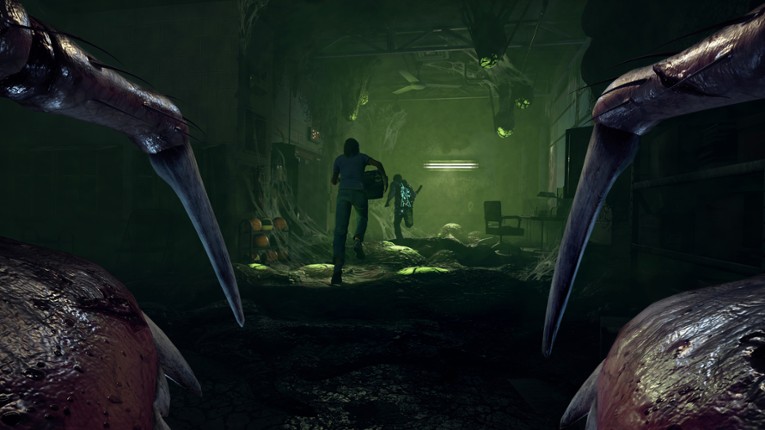
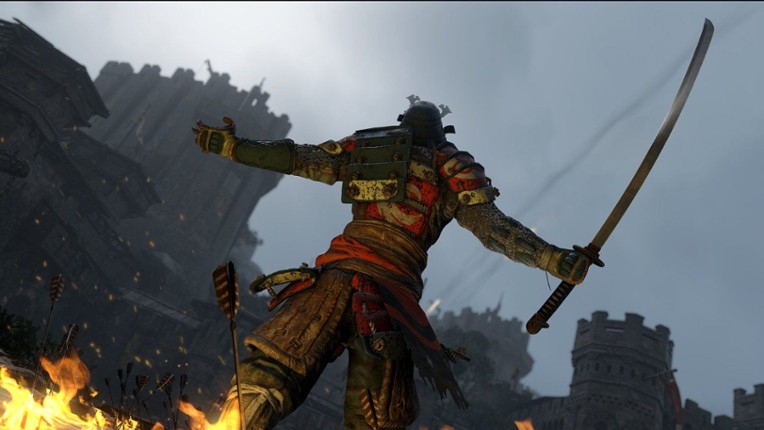
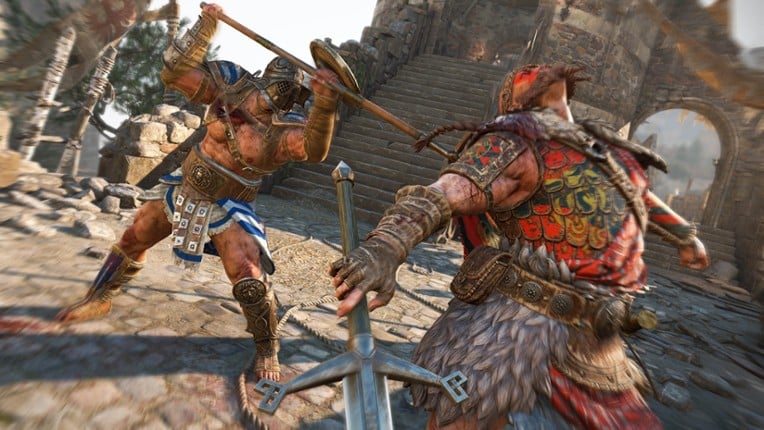
- 73%Game Brain ScoreMost mentioned positive aspects:gameplay, storyMost mentioned negative aspects:monetization, stability70% User Score 97,344 reviewsCritic Score 76%19 reviews
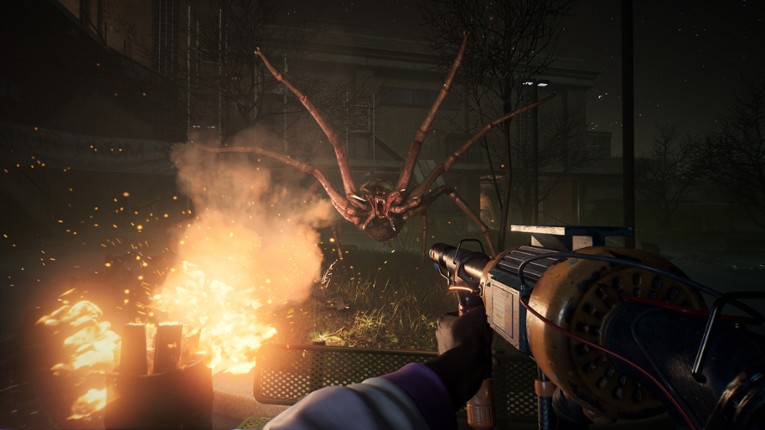
For a slower, more deliberate alternative, this title shifts the focus from superhero gunplay to technical, skill-intensive melee combat and medieval dueling.
If you enjoyed this game, see our list of games similar to For Honor.View Game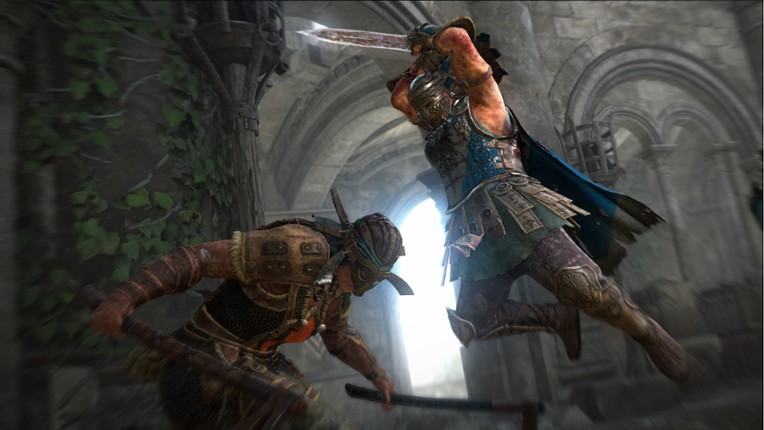
- 76%Game Brain ScoreMost mentioned positive aspects:gameplay, graphicsMost mentioned negative aspects:monetization, stability68% User Score 170,443 reviewsCritic Score 84%42 reviews
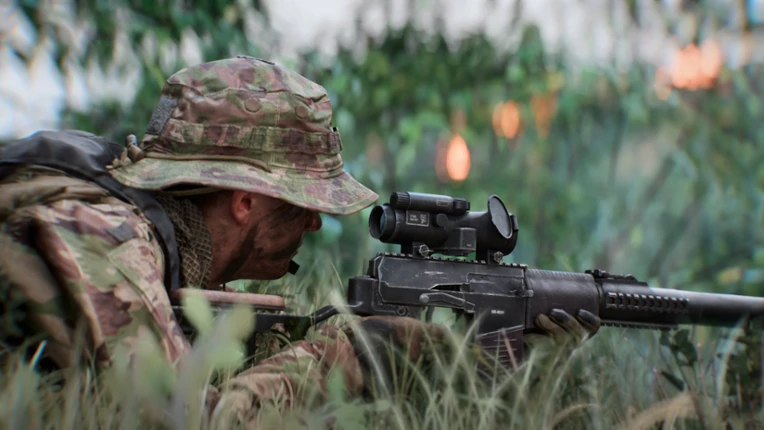
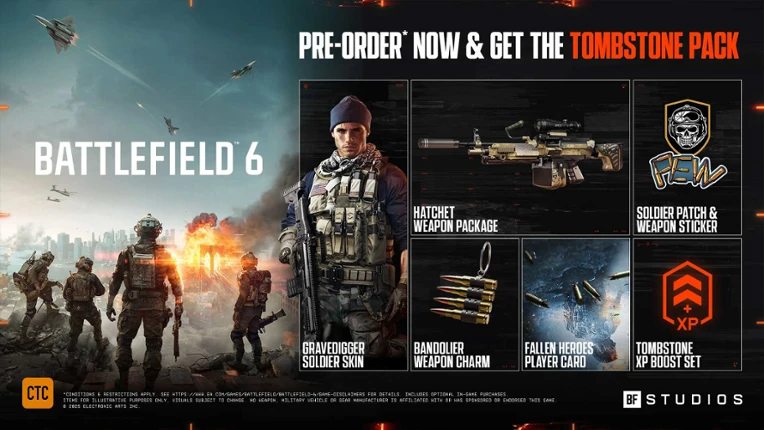
Loosely connected through team-based combat, this grounded military simulation prioritizes realistic firearms over the flamboyant, comic-inspired powers found in Marvel’s universe.
If you enjoyed this game, see our list of games similar to Battlefield 6.View Game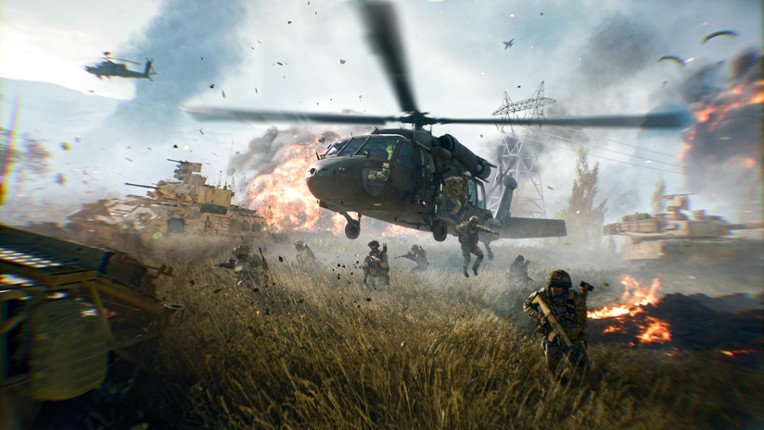
- 76%Game Brain ScoreMost mentioned positive aspects:gameplay, humorMost mentioned negative aspects:monetization, story74% User Score 75,110 reviewsCritic Score 80%5 reviews
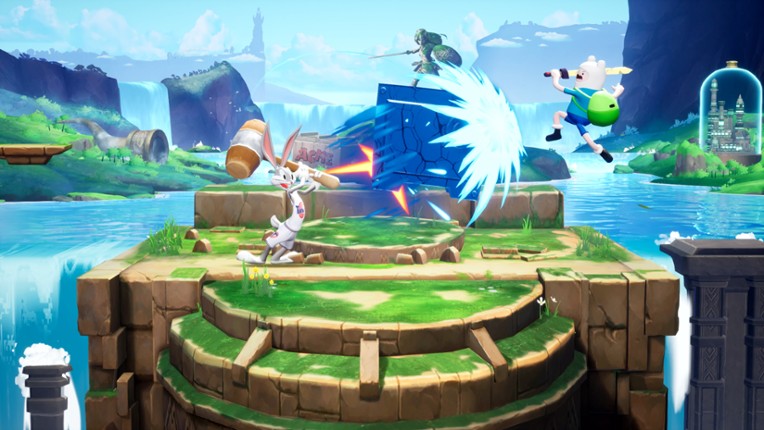
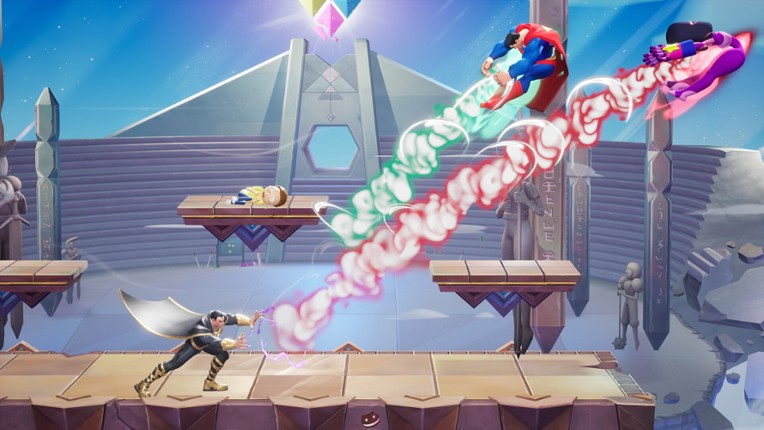
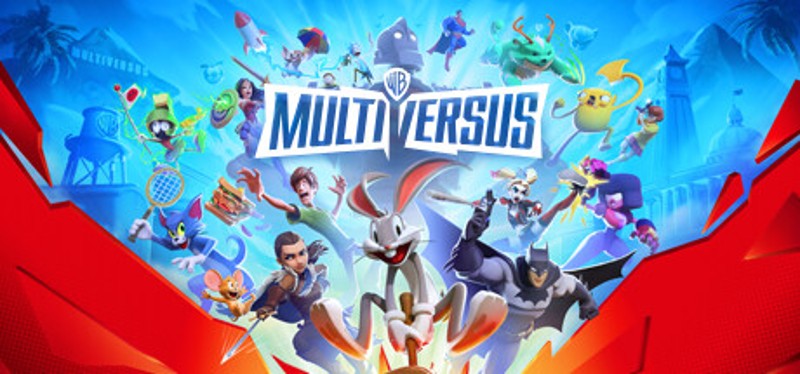
MultiVersus appeals if you enjoy Marvel Rivals' crossover energy, but it turns the action into a 2D fighter built around ring-outs and platforming.
If you enjoyed this game, see our list of games similar to MultiVersus.View Game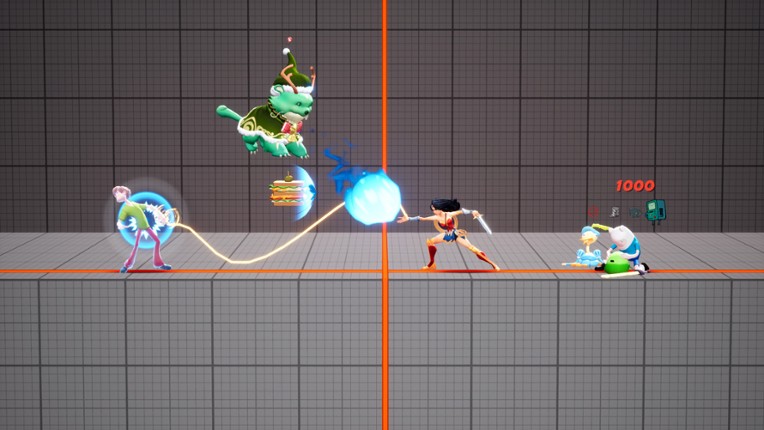
- 87%Game Brain ScoreMost mentioned positive aspects:gameplay, graphicsMost mentioned negative aspects:monetization, stability91% User Score 87,903 reviewsCritic Score 65%1 reviews
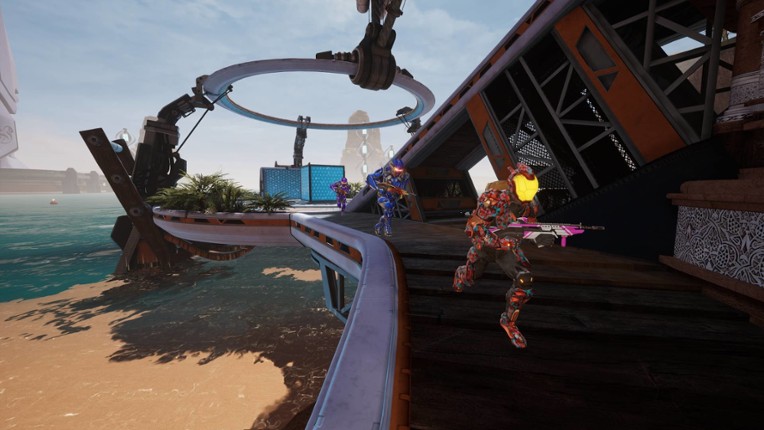
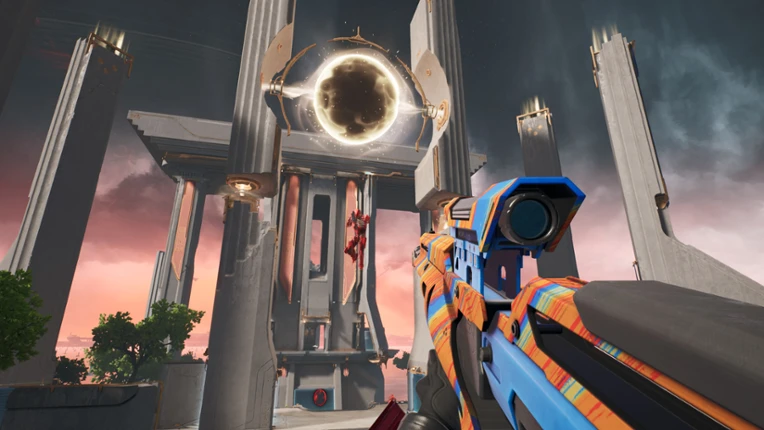
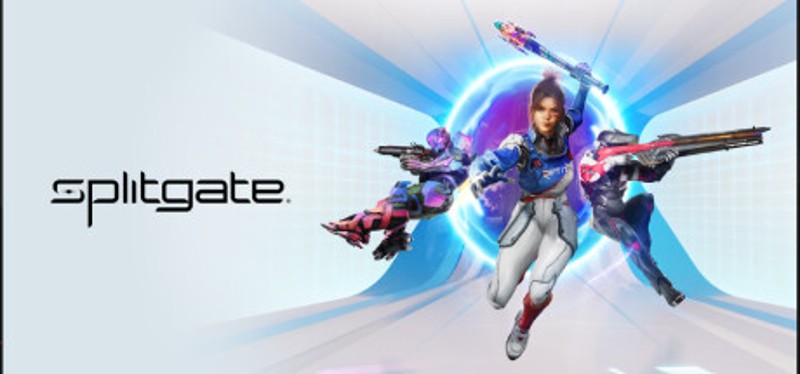
Splitgate is a free-to-play, fast-paced multiplayer shooter that features player-controlled portals. This sci-fi shooter takes the FPS genre to a new dimension with its portal mechanics, delivering high-flying, multi-dimensional combat. Evoking memories of the most revered shooters of the past two decades, Splitgate embraces the classic and familiar feel of close-quarters combat while adding a uni… If you enjoyed this game, see our list of games similar to Splitgate.
View Game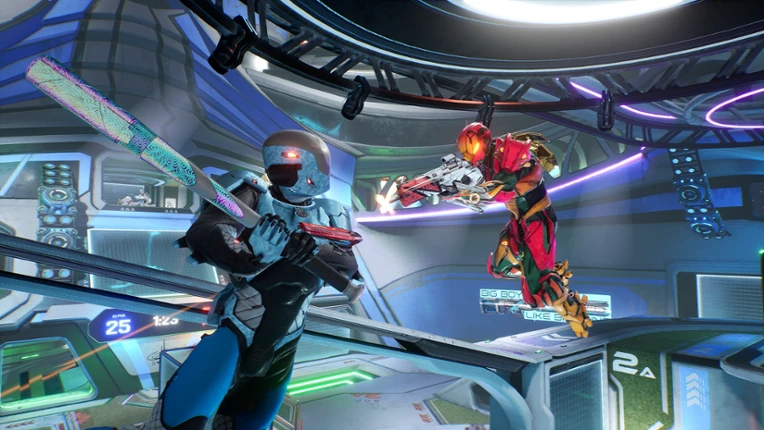
- 60%Game Brain ScoreMost mentioned positive aspects:graphics, gameplayMost mentioned negative aspects:monetization, grinding60% User Score 12,068 reviews
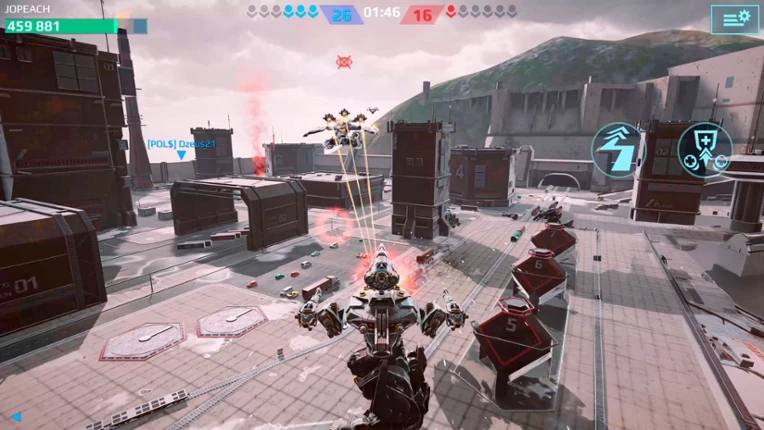
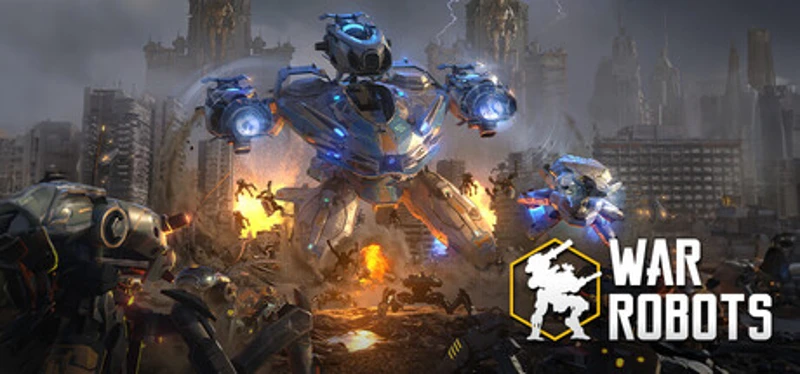
If you want Marvel Rivals' third-person PvP energy in a mech frame, War Robots swaps heroes for customizable battle machines and heavier vehicle combat.
If you enjoyed this game, see our list of games similar to War Robots.View Game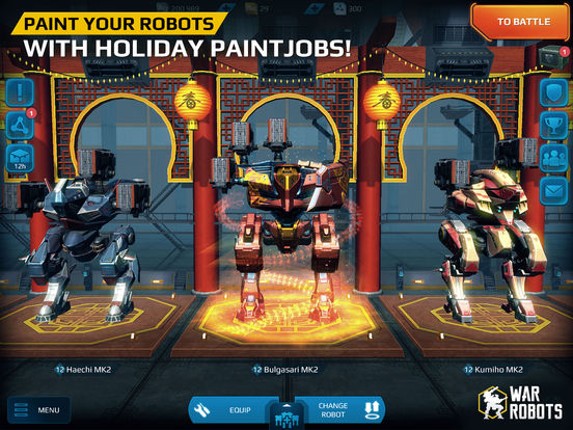
- 51%Game Brain ScoreMost mentioned positive aspects:gameplay, graphicsMost mentioned negative aspects:optimization, grinding47% User Score 28,565 reviewsCritic Score 60%5 reviews
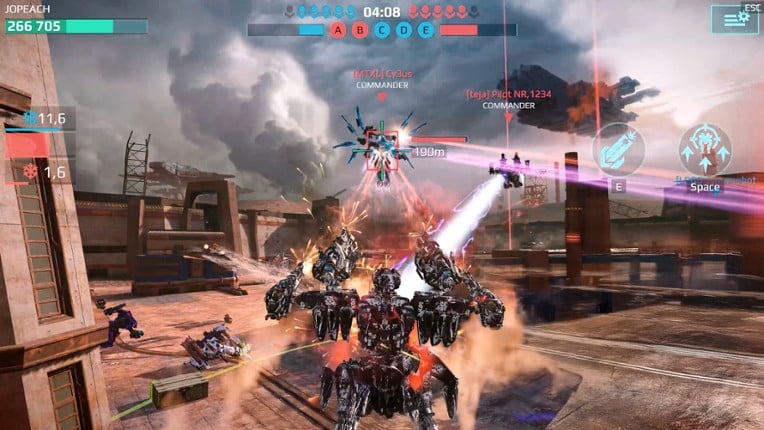
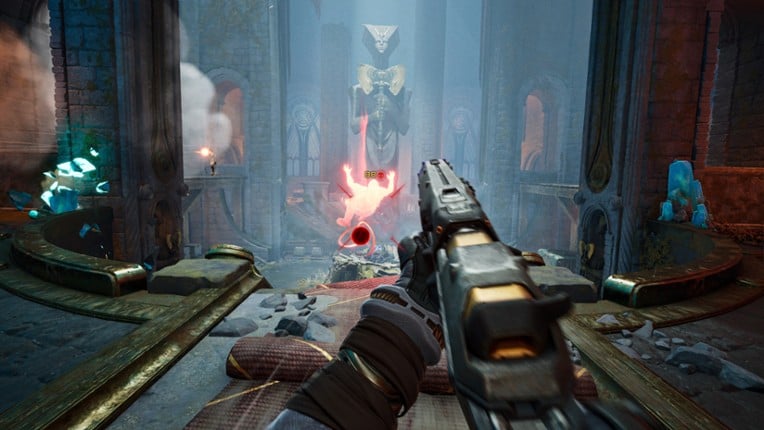
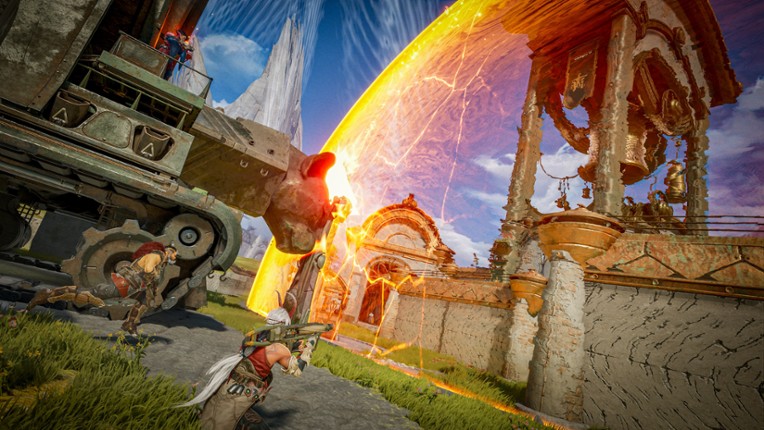
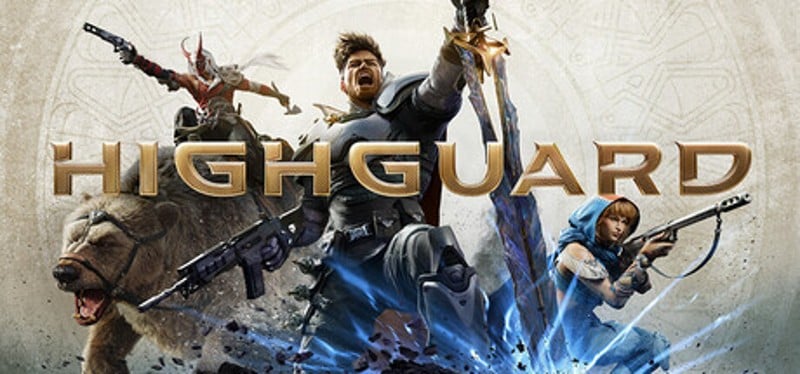
Highguard keeps the squad-based hero-shooter structure, but pushes it into a first-person, supernatural setting with politics and magic layered on top.
If you enjoyed this game, see our list of games similar to Highguard.View Game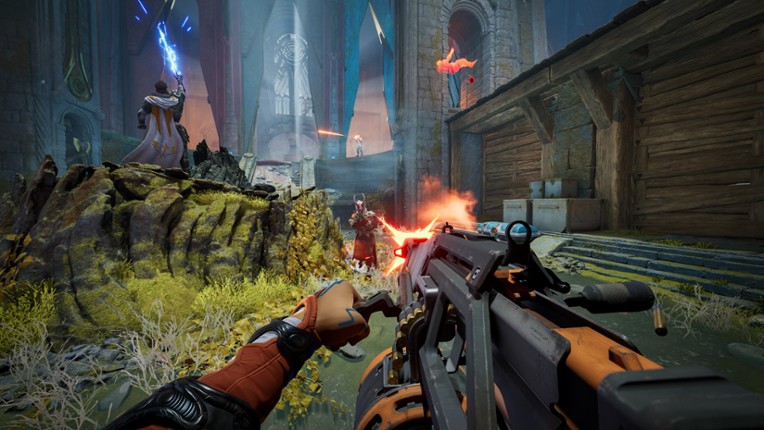
- 85%Game Brain ScoreMost mentioned positive aspects:gameplay, graphicsMost mentioned negative aspects:grinding, monetization85% User Score 13,062 reviews
SUPERVIVE is for players who want Marvel Rivals' team-fight chaos stretched into an early-access battle royale with top-down MOBA systems.
If you enjoyed this game, see our list of games similar to SUPERVIVE.View Game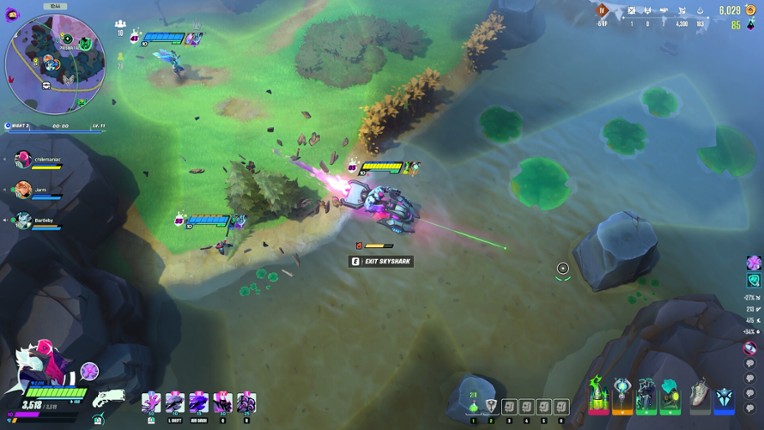
42 View Game 67%Game Brain ScoreMost mentioned positive aspects:story, gameplayMost mentioned negative aspects:stability, optimization60% User Score 130,826 reviewsCritic Score 75%54 reviews
Though the hero shooter connection is loose, this title provides a familiar modern warfare experience for those preferring authentic military gear over caped crusaders.
If you enjoyed this game, see our list of games similar to Call of Duty: Modern Warfare II.View Game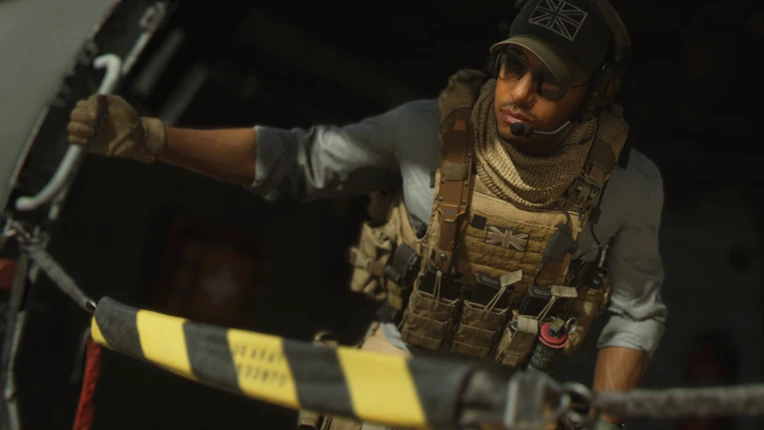
43 View Game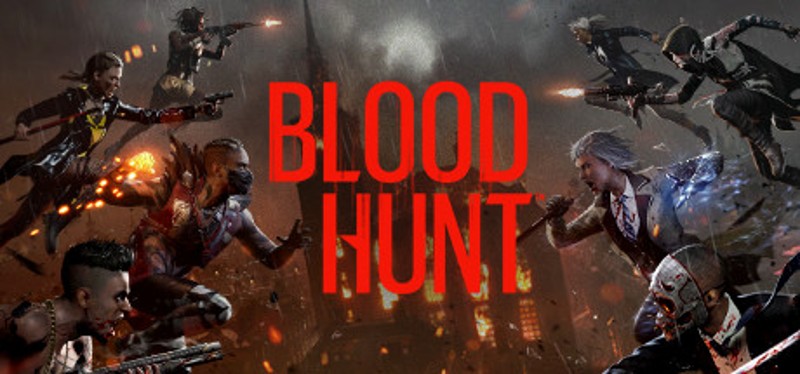 78%Game Brain ScoreMost mentioned positive aspects:gameplay, graphicsMost mentioned negative aspects:optimization, stability77% User Score 26,500 reviewsCritic Score 80%1 reviews
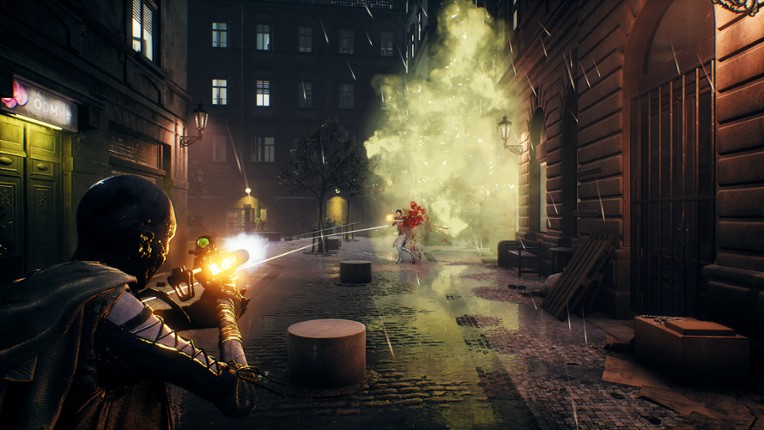
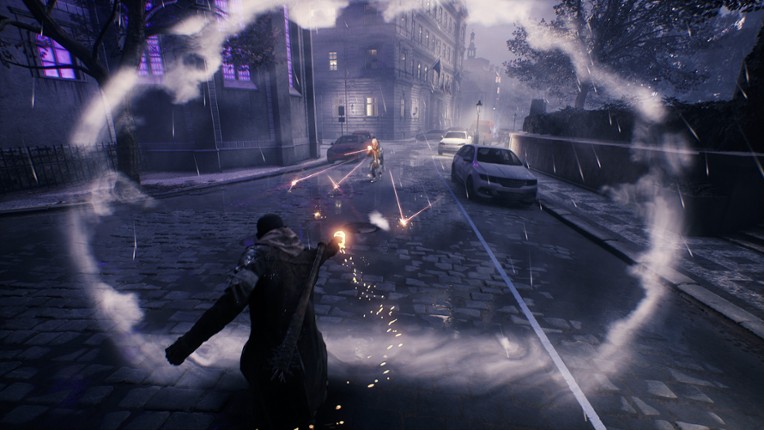
Moving from lighthearted hero antics into a gothic vampire world, this battle royale offers a more somber, parkour-heavy take on third-person competitive action.
If you enjoyed this game, see our list of games similar to Vampire: The Masquerade - Bloodhunt.View Game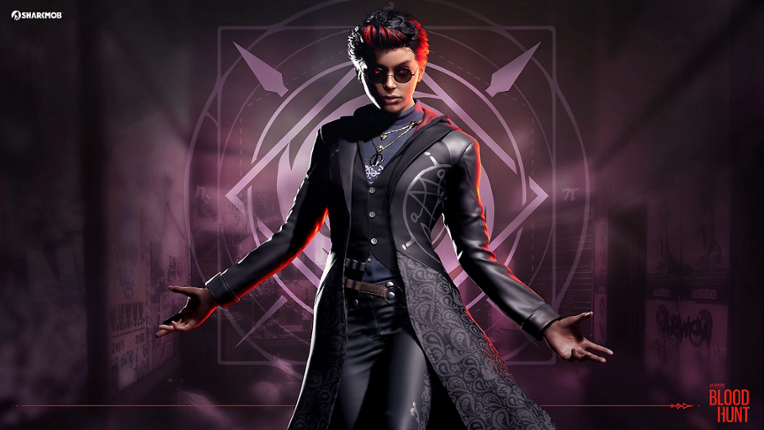
- 53%Game Brain ScoreMost mentioned positive aspects:gameplay, graphicsMost mentioned negative aspects:stability, optimization53% User Score 6,142 reviews
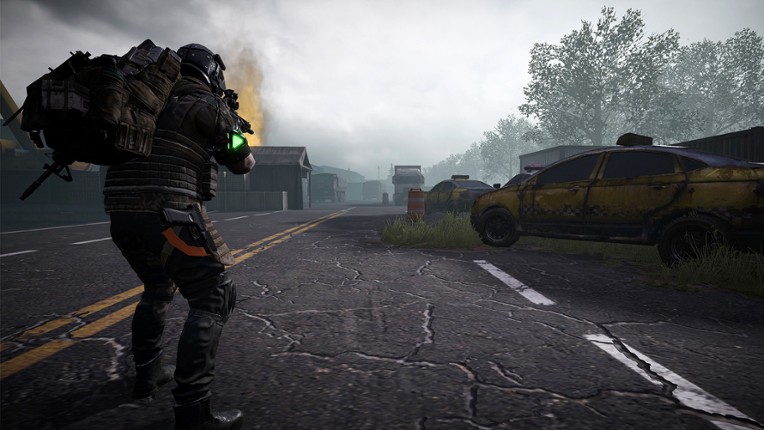
Where Rivals emphasizes hero synergies, this title leans into meticulous weapon customization and a survival-focused extraction loop rather than fast-paced arcade combat.
If you enjoyed this game, see our list of games similar to Lost Light.View Game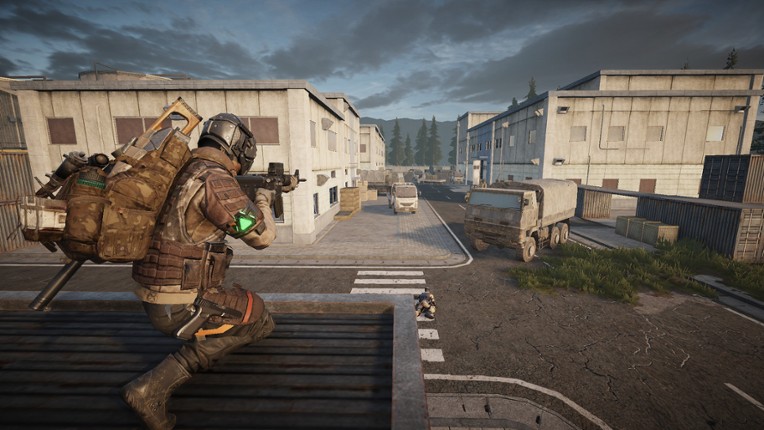
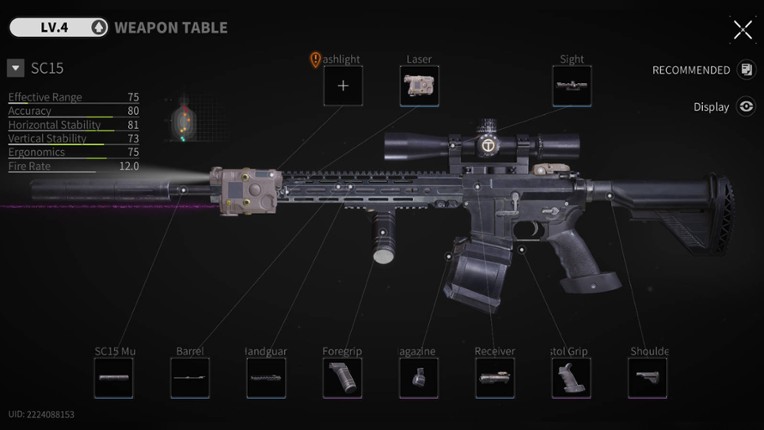
- 68%Game Brain ScoreMost mentioned positive aspects:gameplay, graphicsMost mentioned negative aspects:monetization, stability68% User Score 10,897 reviews
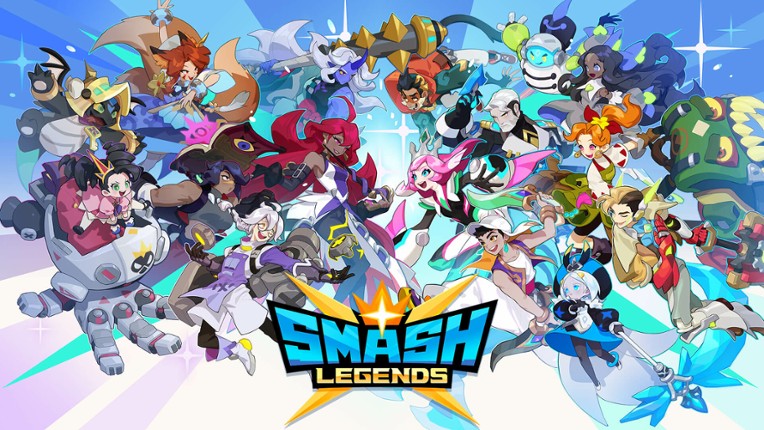
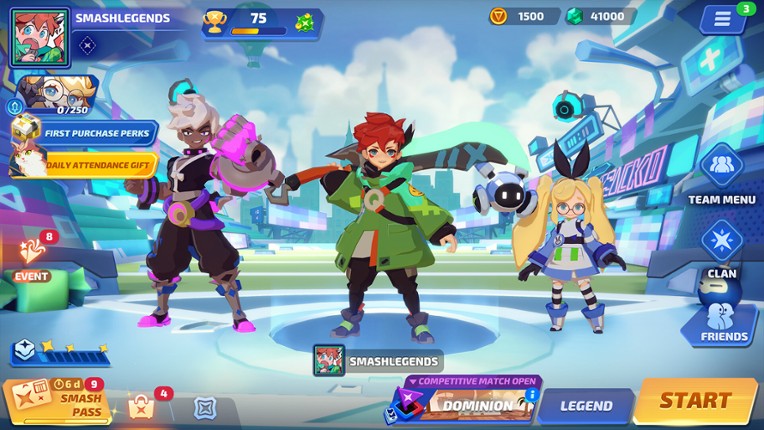
A real-time multiplayer action game, SMASH LEGENDS! If you enjoyed this game, see our list of games similar to SMASH LEGENDS.
View Game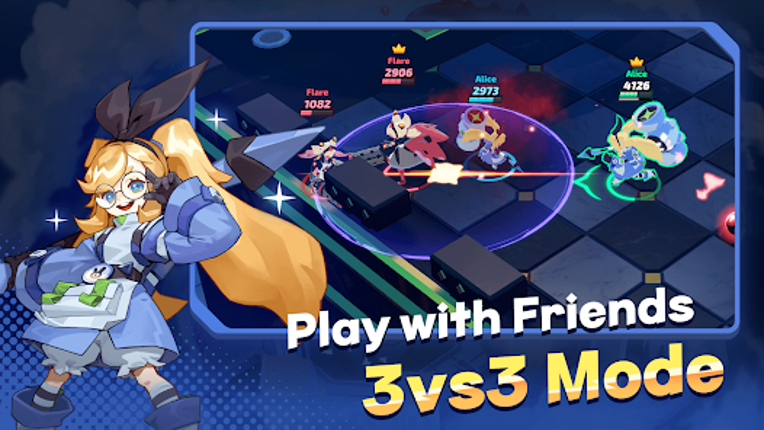
- 71%Game Brain ScoreMost mentioned positive aspects:gameplay, graphicsMost mentioned negative aspects:optimization, stability66% User Score 444,586 reviewsCritic Score 76%12 reviews
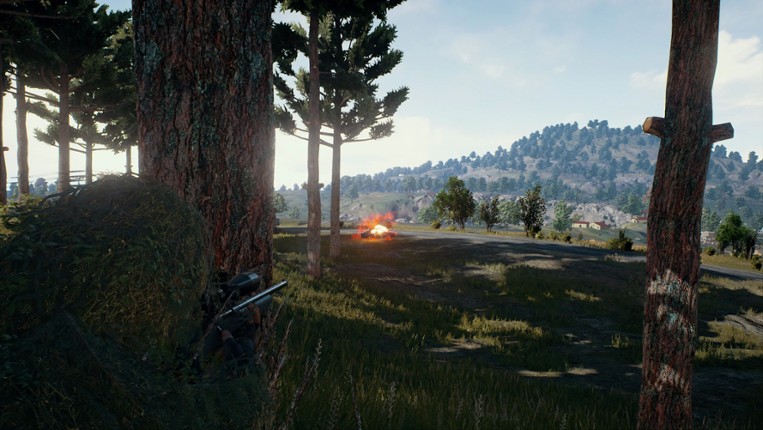
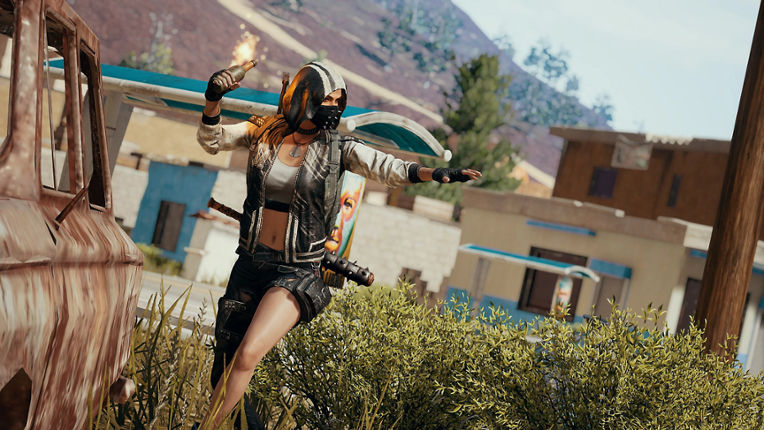
Offering a significantly broader map scale, this survival-oriented battle royale favors slow-burning tactical positioning over the tight, high-energy hero combat seen elsewhere.
If you enjoyed this game, see our list of games similar to PUBG: BATTLEGROUNDS.View Game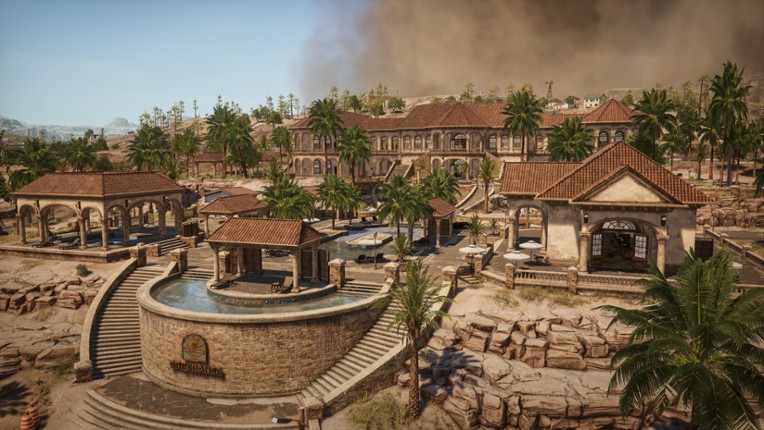
- 75%Game Brain ScoreMost mentioned positive aspects:gameplay, graphicsMost mentioned negative aspects:grinding, monetization75% User Score 23,804 reviews
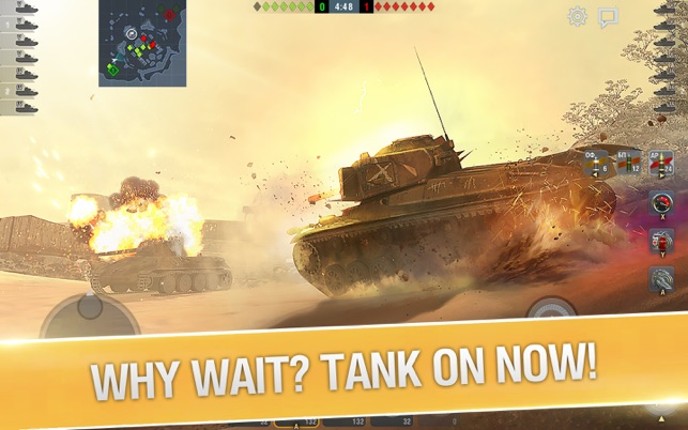
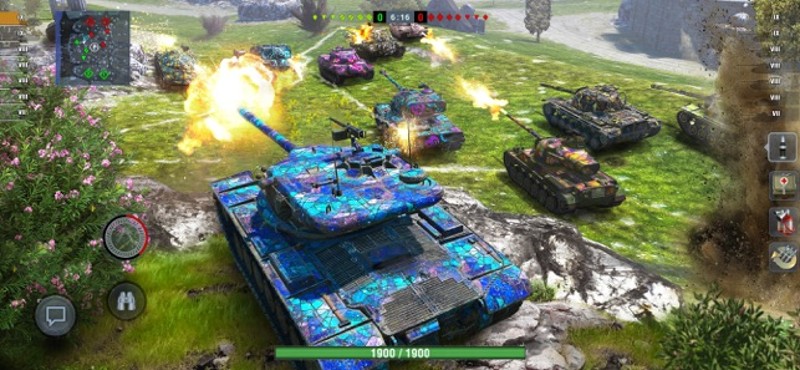
World of Tanks only loosely matches Marvel Rivals, trading comic-book heroes for realistic armored warfare and methodical tank skirmishes.
If you enjoyed this game, see our list of games similar to World of Tanks.View Game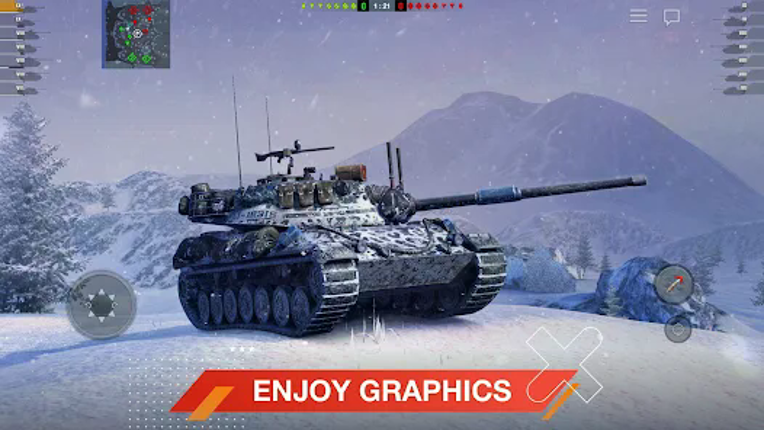
- 84%Game Brain ScoreMost mentioned positive aspects:graphics, gameplayMost mentioned negative aspects:monetization, stability84% User Score 7,055 reviews
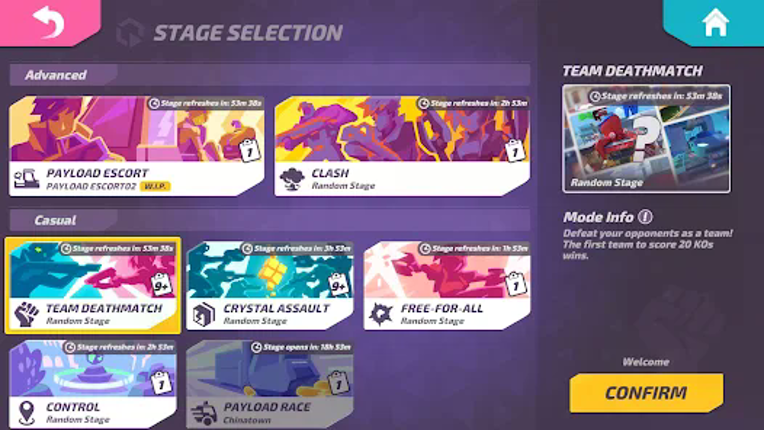
T3 Arena is the closest mobile-style echo here, trimming Marvel Rivals down to compact third-person shooting without the comic-book roster scale.
If you enjoyed this game, see our list of games similar to T3 Arena.View Game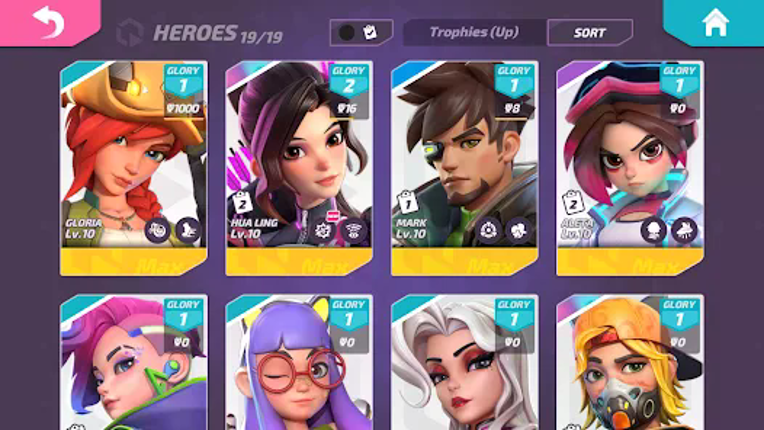
- 78%Game Brain ScoreMost mentioned positive aspects:story, gameplayMost mentioned negative aspects:grinding, monetization78% User Score 373,570 reviews
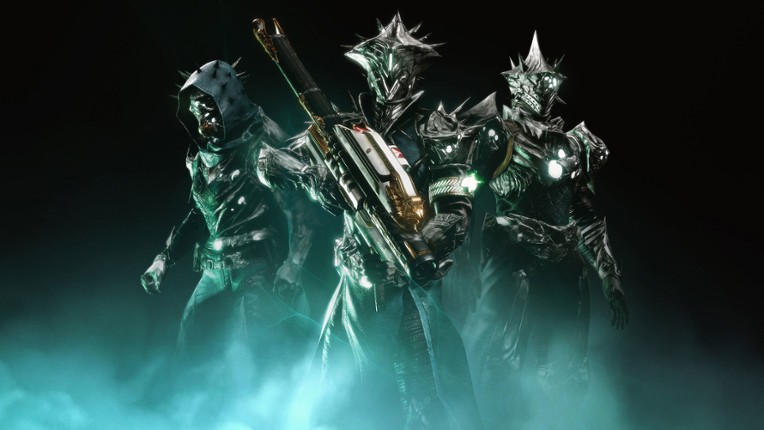
Destiny 2: Launch Edition includes a few preorder bonuses for the base game. If you enjoyed this game, see our list of games similar to Destiny 2.
View Game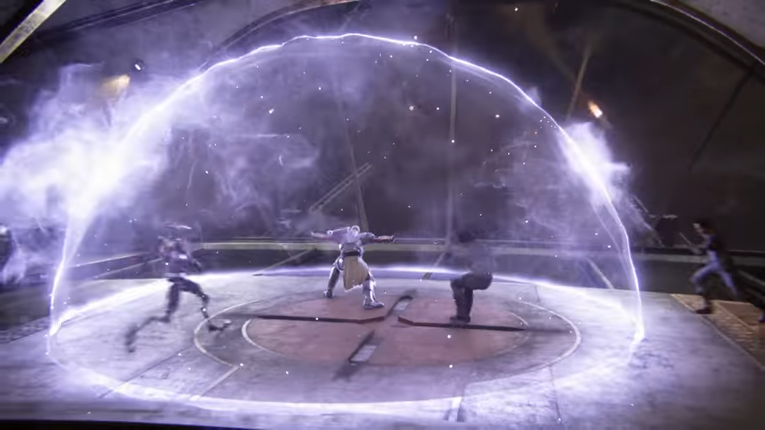
- 54%Game Brain ScoreMost mentioned positive aspects:gameplay, graphicsMost mentioned negative aspects:optimization, stability29% User Score 20,397 reviewsCritic Score 79%15 reviews
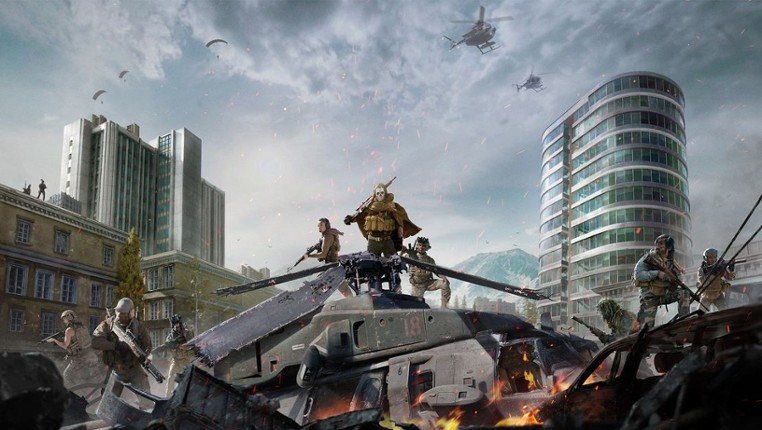
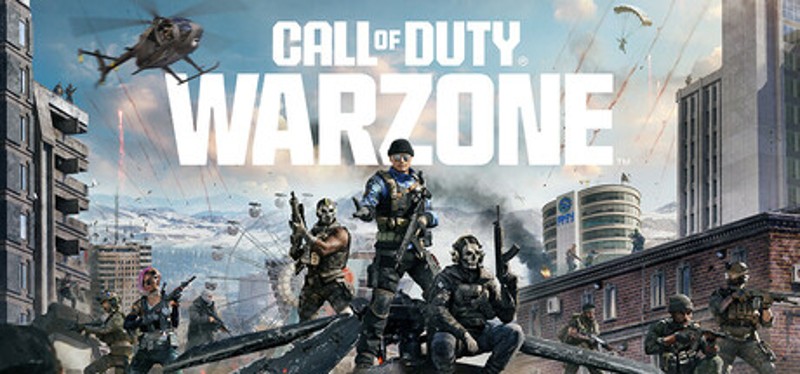
Call of Duty: Warzone is for players who want Marvel Rivals' free-to-play shooter loop redirected into massive military battle royale firefights.
If you enjoyed this game, see our list of games similar to Call of Duty: Warzone.View Game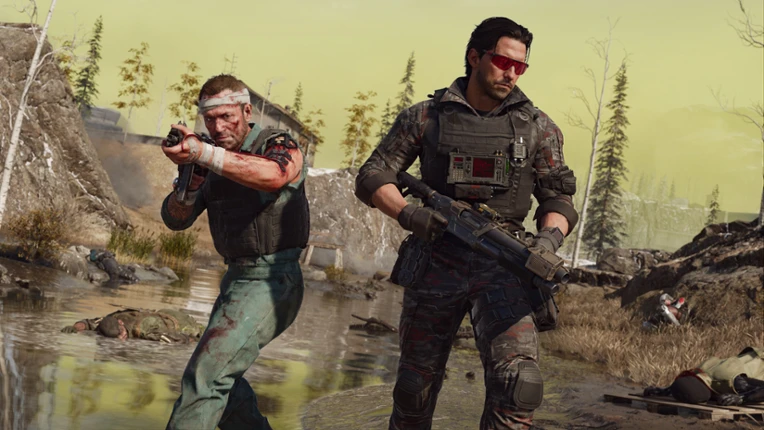


 View Game

















Frequently Asked Questions
Overwatch is the closest match, offering the same fast-paced team-based hero shooter gameplay with vibrant character designs and competitive depth. Paladins provides similar hero mechanics with customizable loadouts, while Apex Legends adds battle royale elements with fluid movement and witty character interactions that match Marvel Rivals' humor.
Yes, all top alternatives are free-to-play: Overwatch, Paladins, Apex Legends, and Rogue Company offer no entry fee with optional cosmetic purchases. MY HERO ULTRA RUMBLE combines free-to-play access with anime-inspired graphics and battle royale gameplay, making it accessible for players seeking similar superhero experiences without upfront costs.
MY HERO ULTRA RUMBLE is the most thematic alternative, featuring My Hero Academia characters in team-based battles with unique superhero abilities. Overwatch delivers similar team coordination through its diverse hero roster and symbiotic gameplay mechanics. Both games emphasize teamwork and character synergy just like Marvel Rivals' core design philosophy.
THE FINALS stands out with fully destructible environments that fundamentally change gameplay strategy and match outcomes. While Overwatch features dynamic map elements and Apex Legends includes interactive environmental hazards, THE FINALS takes environmental destruction furthest, making it ideal for players who love Marvel Rivals' dynamic, destructible world design.
Overwatch matches Marvel Rivals' vibrant, comic book-inspired aesthetic with colorful character designs and well-optimized visuals. MY HERO ULTRA RUMBLE offers anime-inspired cell-shaded graphics equally impressive and stylized. THE FINALS provides cutting-edge destruction physics and detailed environments for players prioritizing visual fidelity and modern graphics technology.
THE FINALS emphasizes gameplay-first design with cosmetic-only purchases. Overwatch offers a cleaner battle pass system compared to Marvel Rivals' multiple currencies. Paladins focuses on character customization through gameplay progression. While all free-to-play games monetize cosmetics, these alternatives generally balance progression rewards better than Marvel Rivals' tedious grinding systems.