


Games like Worldbox
There's something addictive about playing god with a pixelated planet, watching kingdoms rise and fall while you nudge history along — or torch it entirely. If you've burned through hundreds of hours nurturing civilizations and unleashing meteor showers, you're probably hunting for games like Worldbox that scratch the same itch. The good news: a whole cluster of sandbox god-games, colony sims, and procedural world-builders offer that same blend of creation, chaos, and emergent storytelling.
Worldbox works because it fuses god-game omnipotence with life sim detail and sandbox freedom — you're placing biomes and races one moment, then watching AI-driven kingdoms wage war, form alliances, and write their own mythology the next. Its pixel-art charm and procedural generation keep every world different, while the mix of relaxing idle observation and sudden destructive power gives it real emotional range. Players search for alternatives because they want that same push-pull between careful world-building and gleeful chaos.
What Makes a Good Alternative to Worldbox?
- God Game Mechanics — The ability to directly shape terrain, spawn civilizations, or hurl disasters is core to Worldbox's appeal, so alternatives need real hands-on world manipulation, not just passive observation.
- Autonomous AI Civilizations — Watching factions independently trade, fight, and evolve is what makes Worldbox's worlds feel alive; the best substitutes need believable emergent behavior driving the simulation.
- Procedural Generation — No two Worldbox maps play the same, so replayability depends on randomized worlds, races, and events that keep each session fresh.
- Sandbox Freedom with Destruction — Whether it's earthquakes, plagues, or outright deletion, satisfying destruction tools matter as much as creation tools for that god-like power fantasy.
- Humor and Emotional Range — Worldbox balances lighthearted absurdity with surprisingly poignant moments of loss and triumph; alternatives that nail this tonal mix tend to be the most memorable.
Top Picks If You Enjoyed Worldbox
Ages of Conflict: World War Simulator leans into political and military AI simulation with deep customization. WorldBox - Sandbox God Sim is the mobile-friendly sibling with the same creation-and-destruction loop. Spore expands the god-game formula across entire evolutionary and galactic scales. Deisim offers a cozier, mythology-flavored take on guiding civilizations. FantasyMapSimulator delivers customizable political sandboxes, while Teardown satisfies the destruction itch with voxel-based physics chaos.
Every recommendation below is ranked using real player and similarity data, so the closer a game sits to the top, the more it echoes what makes Worldbox special. Scroll down to explore the full list of games like Worldbox and find your next obsession.
- 96%Game Brain ScoreMost mentioned positive aspects:gameplay, graphicsMost mentioned negative aspects:story, grinding96% User Score 4,986 reviews
Drop a few nations into a living map, then watch alliances, rivalries, and sudden wars reshape your carefully arranged world. Ages of Conflict: World War Simulator taps the same god-game pleasure as Worldbox: you set conditions, let artificial intelligence make unpredictable choices, and intervene when history becomes too quiet.
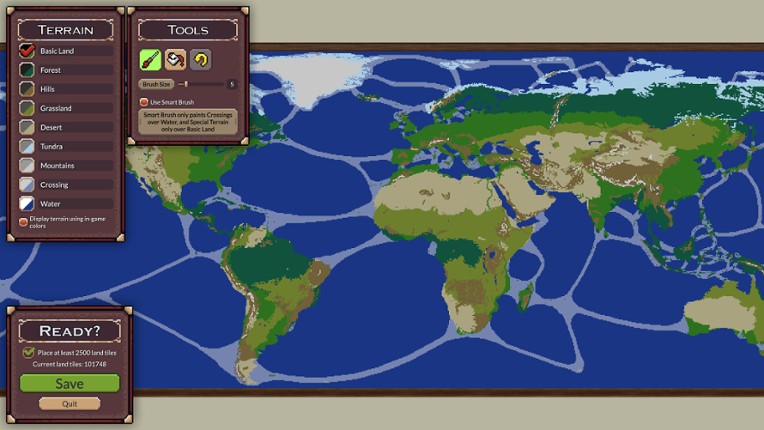
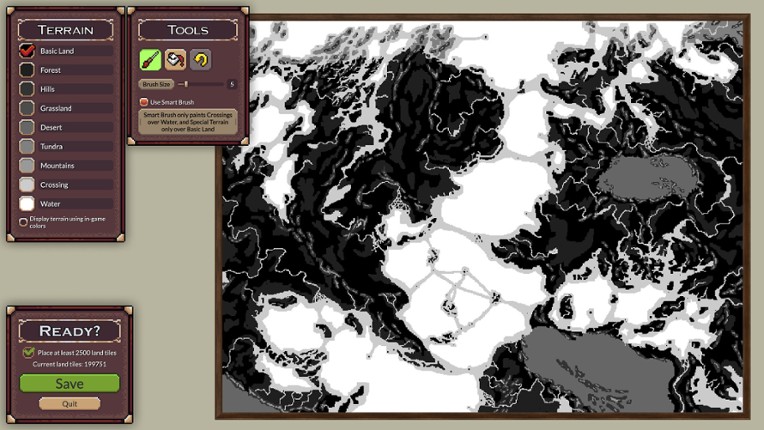
Both games reward sandbox experimentation, political meddling, and replayable “what if?” scenarios rather than a fixed campaign. Ages of Conflict’s map editor and Workshop expand that habit, giving a Worldbox fan more ways to build a premise and observe its consequences; its idler structure also makes watching nations develop part of the entertainment.
The fresh angle is a stronger focus on diplomacy, nation-scale warfare, and alternate-history conflict instead of Worldbox’s character-driven fantasy, building, and destruction. That focus can feel less emotionally rich—and combat may be random or repetitive—but custom maps and frequent updates provide a useful counterpoint to Worldbox’s thin story, turning missing narrative into player-authored history.
Best for Worldbox players who enjoy emergent politics and experimentation more than precise military realism.
If you enjoyed this game, see our list of games similar to Ages of Conflict: World War Simulator.View Game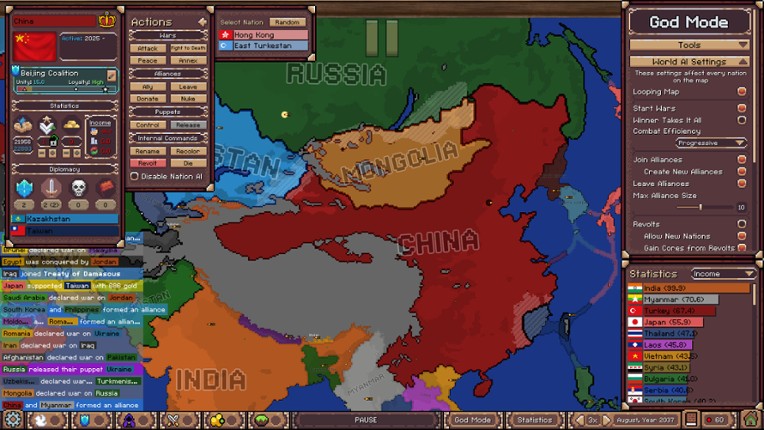
- 88%Game Brain ScoreMost mentioned positive aspects:graphics, gameplayMost mentioned negative aspects:monetization, stability88% User Score 10,000 reviews
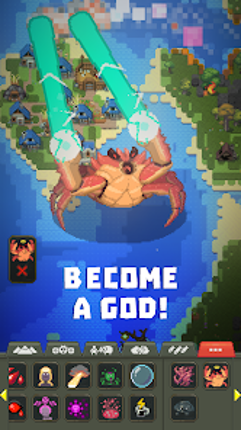
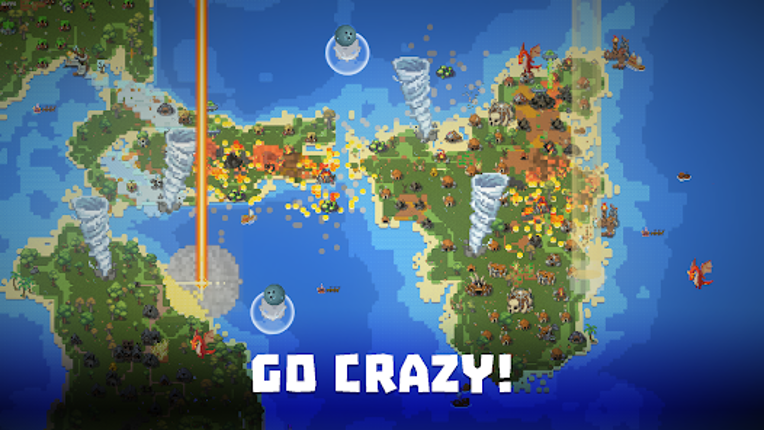
Watching tiny simulated civilizations rise, form nations, and ultimately face your cataclysmic divine intervention is the core joy here. You get to shape geography and manipulate the artificial intelligence of pixelated citizens as they build cultures over virtual years. This hands-on world-weaving creates a familiar sense of godlike power, where watching a nation collapse is just as satisfying as nurturing its growth.
While the original game can sometimes feel like a slow grind, this version offers a more casual, streamlined sandbox designed for quick creation and destruction. It trades deep political simulation for rapid-fire experimentation, though some premium features are gated. This tradeoff bypasses progression hurdles, letting you immediately test chaotic scenarios.
Best for players who prioritize instant, chaotic experimentation over long-term empire management.
If you enjoyed this game, see our list of games similar to WorldBox - Sandbox God Sim.View Game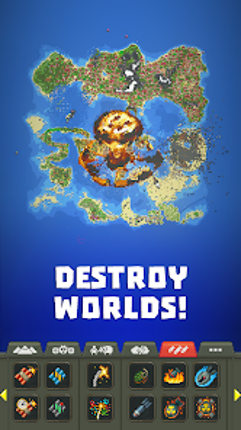
- 92%Game Brain ScoreMost mentioned positive aspects:gameplay, graphicsMost mentioned negative aspects:story, music92% User Score 608 reviews
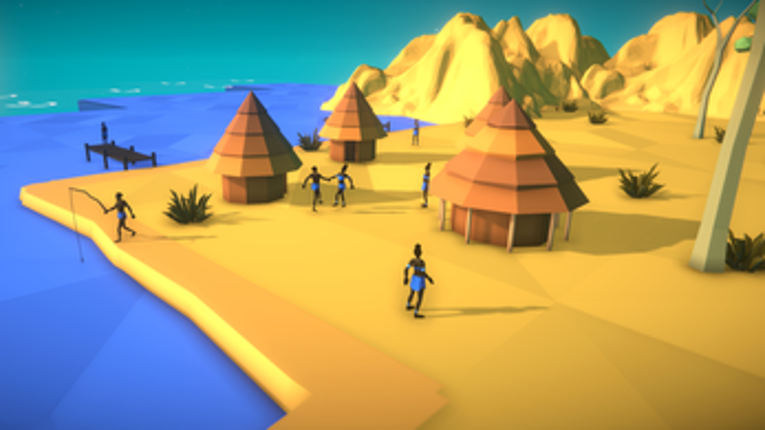
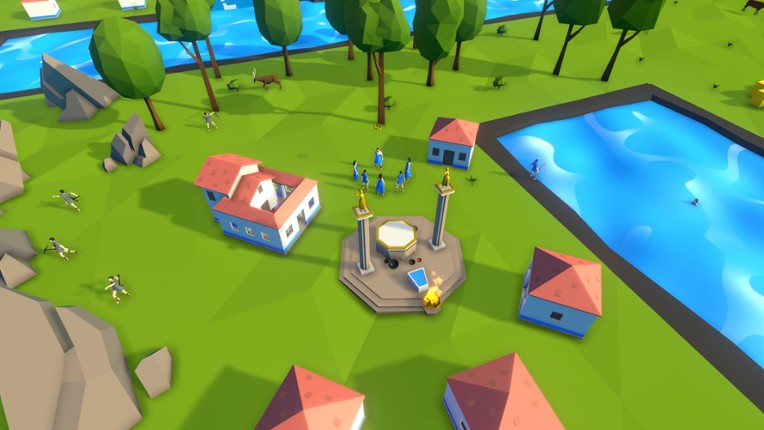
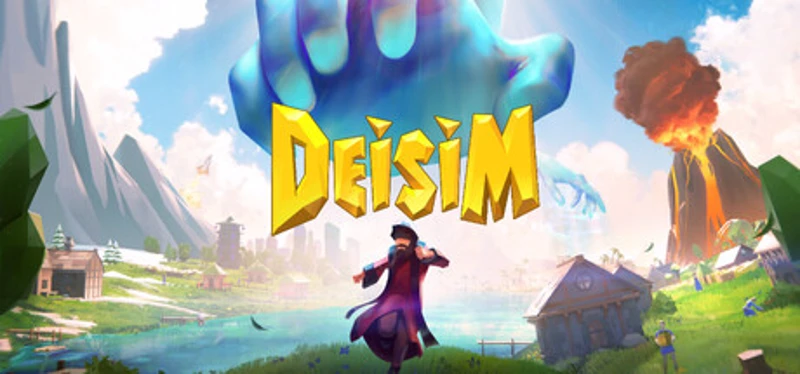
Deisim is the closest VR-flavored match to Worldbox because both are god games where you nudge civilizations, shape land, and then watch societies grow on their own.
It also shares the colony sim and mythology loop, which matters because the appeal is the same: build a world, trigger chaos, and see what your people do next. Deisim is lighter on spectacle and systems than Worldbox, though, with simpler AI, less depth, and a shorter long-term payoff.
Pick this up if you want Worldbox-style sandbox creation and divine meddling but can live without the same level of polish, variety, and destructive chaos.
If you enjoyed this game, see our list of games similar to Deisim.View Game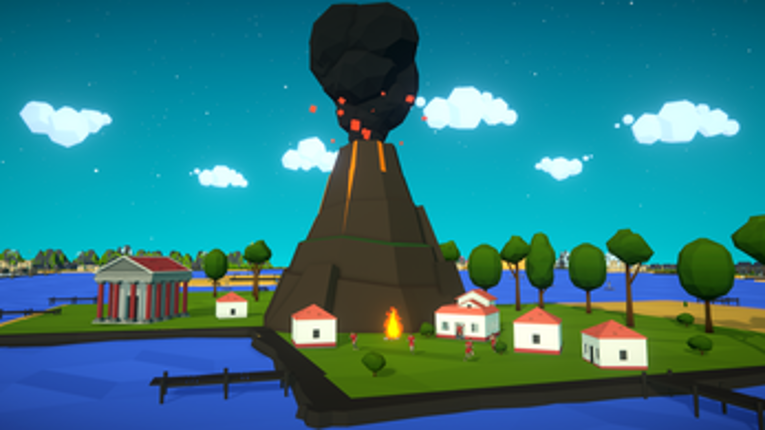
- 88%Game Brain ScoreMost mentioned positive aspects:gameplay, graphicsMost mentioned negative aspects:stability, grinding92% User Score 65,302 reviewsCritic Score 79%5 reviews
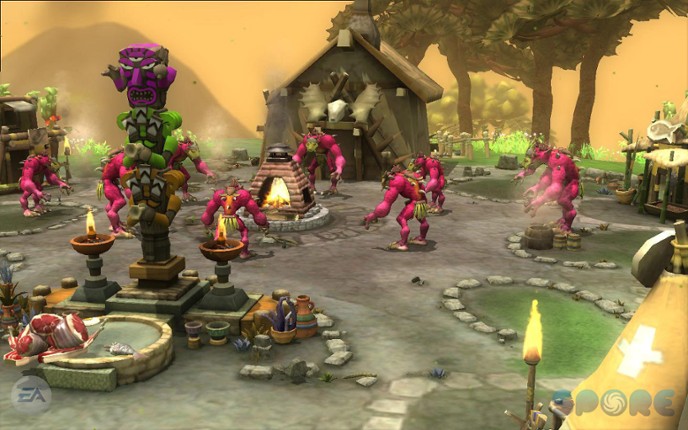
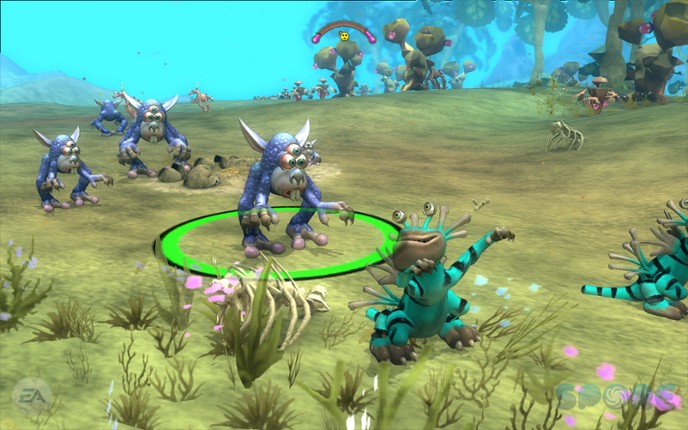
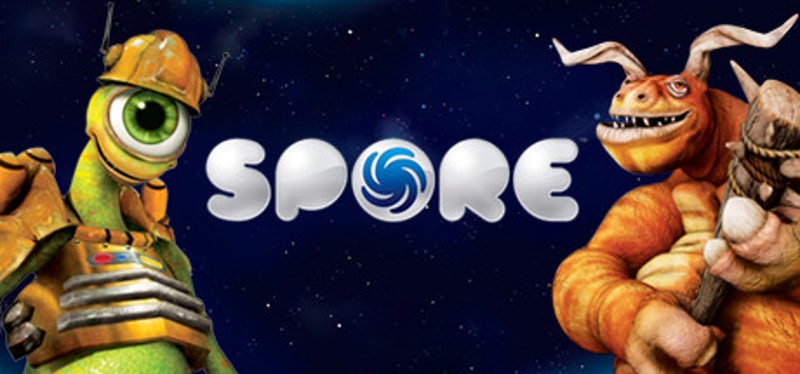
Both games hand you godlike power over evolving civilizations and reward you for watching systems unfold across vast timescales. The core draw—building, managing, and watching your creations thrive or crumble—creates the same meditative pull in Spore as it does in Worldbox.
You'll recognize the colony management loop immediately: balance resources, guide population growth, and respond to environmental pressures. Spore extends this across multiple evolutionary stages, meaning you're essentially playing Worldbox's sandbox repeatedly at different scales—cell to creature to civilization to space empire. This layering prevents the grinding fatigue Worldbox players often hit, since progression feels genuinely fresh each phase.
The humor and emergent storytelling land the same way too. Random creature mutations and AI-driven tribal conflicts generate laugh-out-loud moments without heavy narrative scaffolding, matching Worldbox's tone precisely.
The trade-off: Spore shifts toward real-time action sequences at higher stages, adding combat and exploration that Worldbox sidesteps entirely. Some find this a welcome dynamic shift; others prefer pure sandbox control.
Best for players craving the sandbox-god-game formula with more narrative arc and structural variety, who've felt Worldbox's early-game loop plateau.
If you enjoyed this game, see our list of games similar to Spore.View Game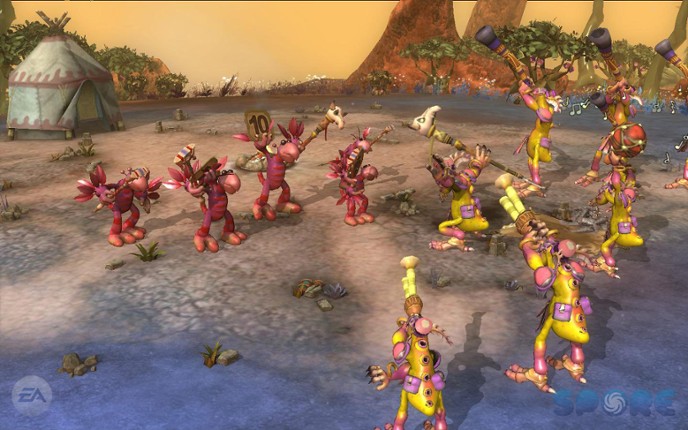
- 94%Game Brain ScoreMost mentioned positive aspects:humor, gameplayMost mentioned negative aspects:story, stability98% User Score 82,889 reviewsCritic Score 75%1 reviews
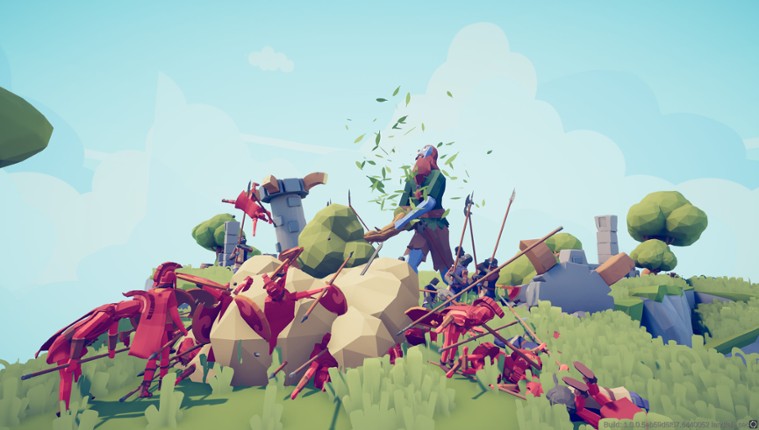
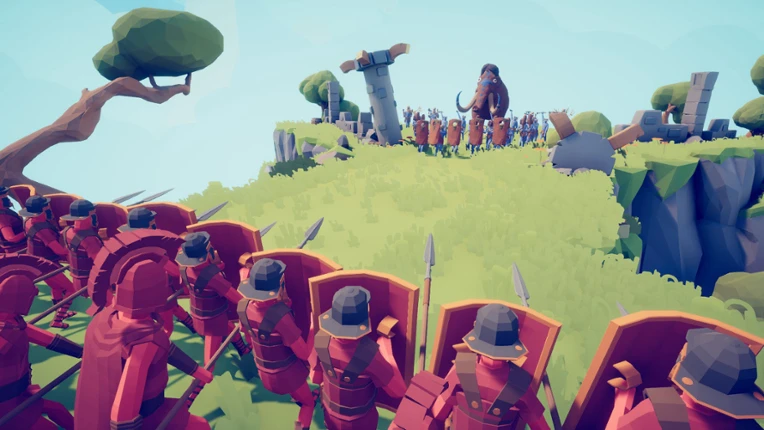
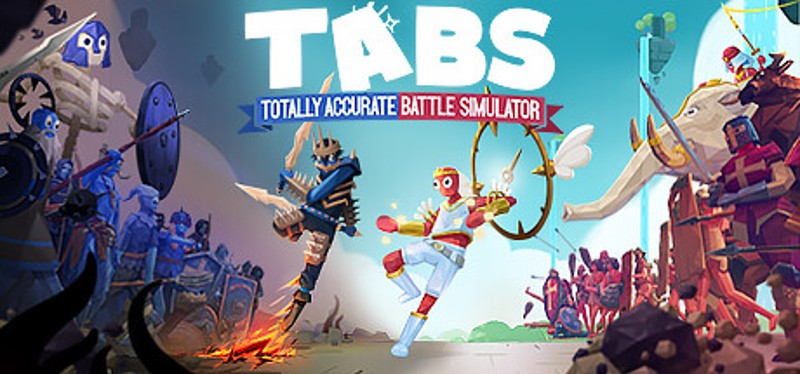
Worldbox veterans will recognize the same "set it and watch it" magic in TABS—the joy of deploying forces and witnessing emergent chaos unfold based on simple systems colliding.
Both titles thrive on sandbox experimentation, letting you throw armies of Romans against Vikings or spawn a clan of bloodthirsty sheep against medieval knights. The historical and fantasy unit rosters create that same "what if?" spark, while the procedurally-driven physics mean no two battles resolve identically, delivering the unpredictable replayability that Worldbox fans crave.
The reason this overlap feels so familiar is that both games let you become a detached deity watching your creations collide—Worldbox through civilizations shaping continents, TABS through absurd armies crashing together. The humor emerges from the same source: watching serious scenarios derail spectacularly.
The key difference is scope and patience. TABS trades Worldbox's long-term civilization building for instant, concentrated spectacle—each battle is a self-contained experiment rather than an ongoing saga.
Best for players who enjoy emergent storytelling and sandbox freedom but prefer quick, physics-driven battles over slow-burn empire management.
If you enjoyed this game, see our list of games similar to Totally Accurate Battle Simulator.View Game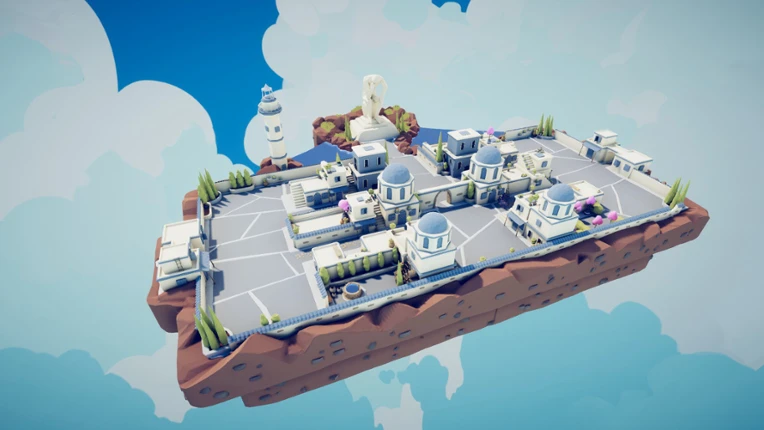
- 89%Game Brain ScoreMost mentioned positive aspects:story, graphicsMost mentioned negative aspects:grinding, stability95% User Score 117,610 reviewsCritic Score 83%24 reviews
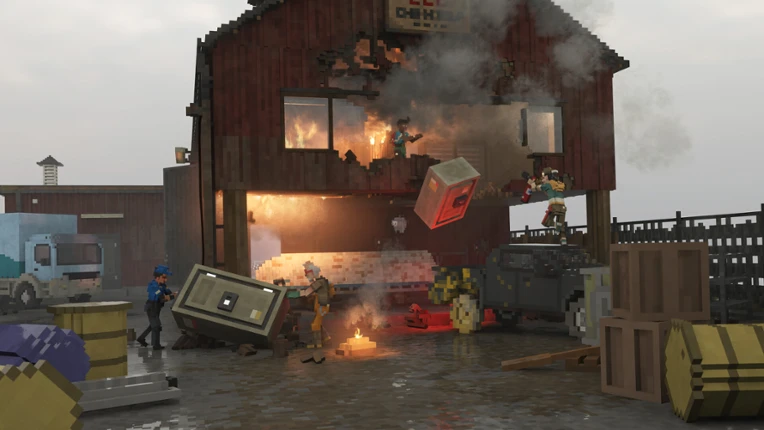
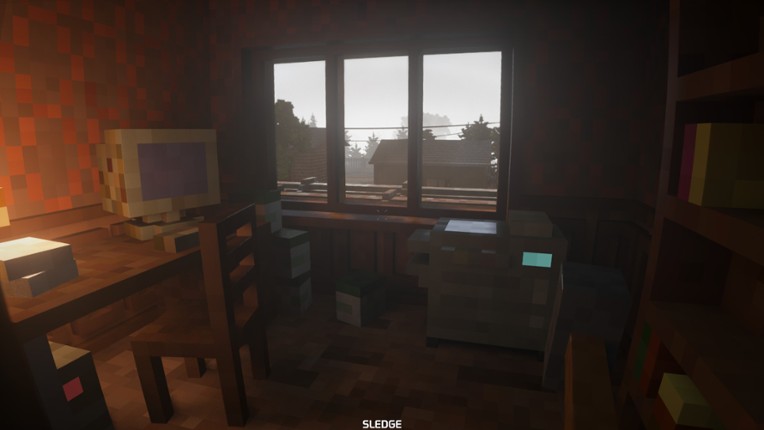
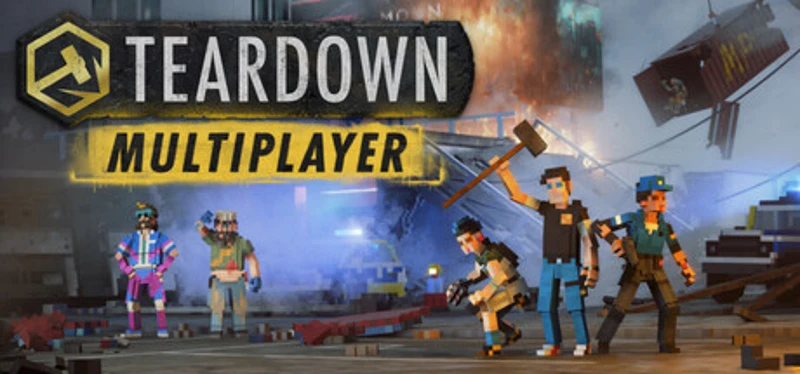
If what hooks you in Worldbox is nudging a system just to watch it unravel, Teardown scratches that same itch from ground level. Instead of playing god over kingdoms, you're planning a heist and demolishing the very structures standing between you and the getaway.
Both games share a genuine destruction-first design — walls, buildings, and terrain react physically rather than through scripted animations, so your creativity directly shapes outcomes. That cause-and-effect sandbox feeling, where chaos feels earned rather than random, is the throughline connecting both experiences.
The shift to first-person voxel physics instead of top-down world simulation is the real tradeoff — you trade omniscient control for hands-on problem solving, planning routes and demolition sequences like puzzles.
Worldbox fans who complain about thin narrative stakes will notice Teardown actually earns praise for its heist story beats, giving destruction some purpose beyond spectacle.
Best for players who love emergent chaos but want tighter, mission-driven pacing instead of open-ended god-game sprawl.
If you enjoyed this game, see our list of games similar to Teardown.View Game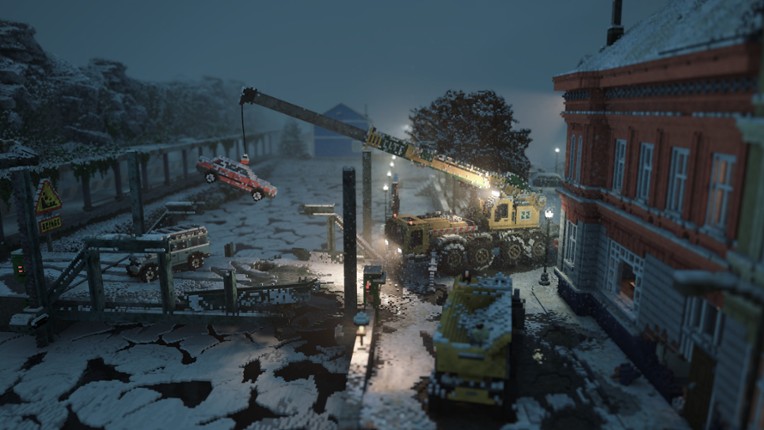
- 89%Game Brain ScoreMost mentioned positive aspects:gameplay, storyMost mentioned negative aspects:grinding, stability89% User Score 1,040 reviews
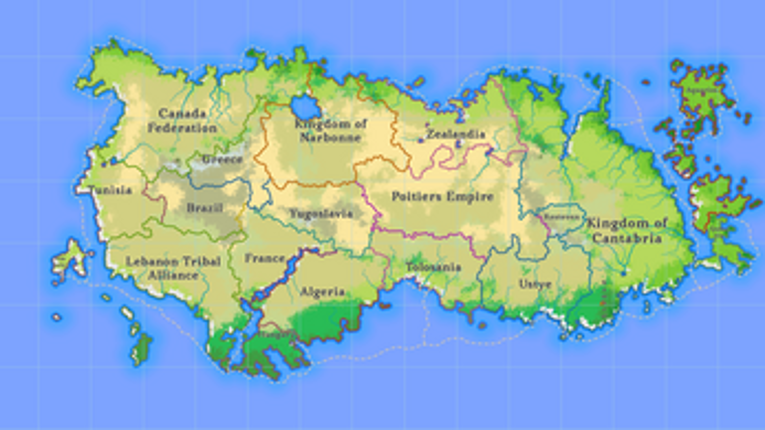
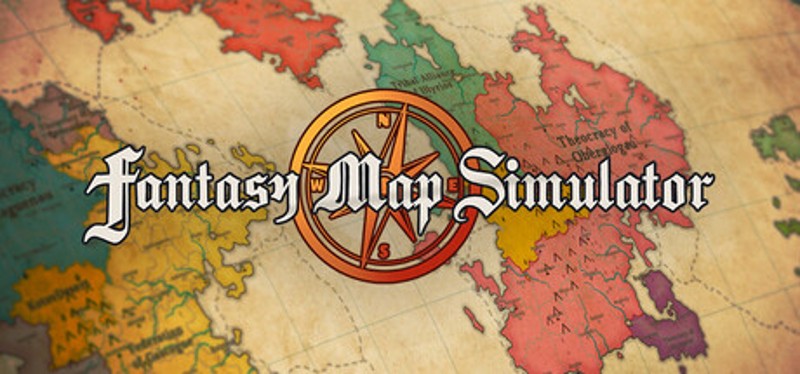
FantasyMapSimulator mirrors Worldbox through its focus on autonomous geopolitical simulation, where AI-driven nations rise, wage war, and collapse without direct player intervention. This hands-off observation is bolstered by the idling mechanics, allowing you to watch sprawling historical narratives unfold passively on your monitor.
The core tradeoff is strategic depth versus polish. While Worldbox offers a fluid, bug-resistant sandbox, FantasyMapSimulator prioritizes complex military and political maneuvering at the cost of a clunky, steep-learning-curve interface.
Pick this up if you crave granular control over wargame scenarios and map aesthetics, but can live without the refined stability and user-friendly experience found in Worldbox.
If you enjoyed this game, see our list of games similar to FantasyMapSimulator.View Game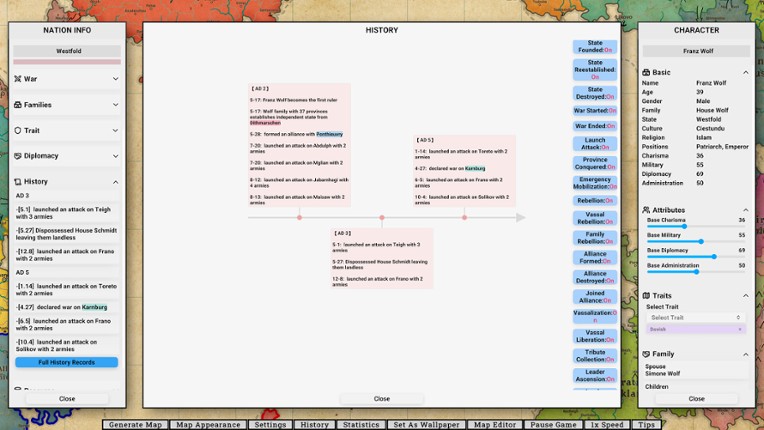
- 94%Game Brain ScoreMost mentioned positive aspects:graphics, gameplayMost mentioned negative aspects:story, stability94% User Score 43,610 reviews
Both games let you build structures and then smash them in a physics sandbox, turning creation into a real-time crash. The connection matters because it delivers the same “what‑if” satisfaction of seeing your designs crumble in real time.
Both are early‑access titles that iterate based on community feedback, keeping the sandbox experience growing and mod‑friendly.
Brick Rigs trades Worldbox’s civilization‑building and emergent storytelling for vehicle‑centric physics and a Lego‑style aesthetic, so you’ll miss gods‑eye politics and narrative progression.
Pick this up if you want deep vehicle‑building and destruction physics but can live without civilization simulation and story depth.
If you enjoyed this game, see our list of games similar to Brick Rigs.View Game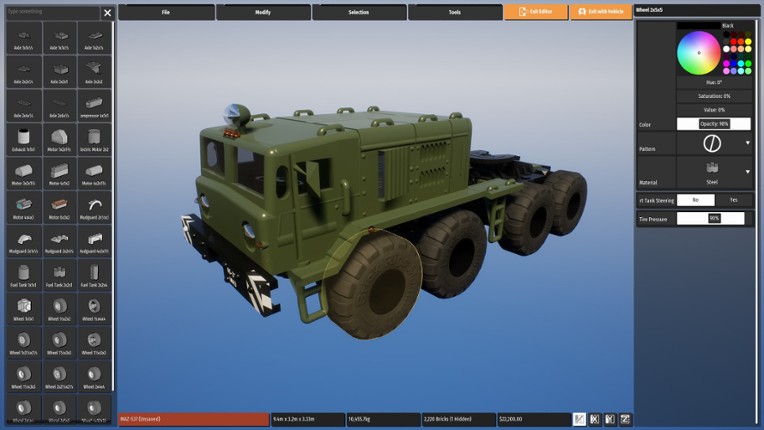

- 91%Game Brain ScoreMost mentioned positive aspects:graphics, storyMost mentioned negative aspects:gameplay, grinding91% User Score 50,535 reviews
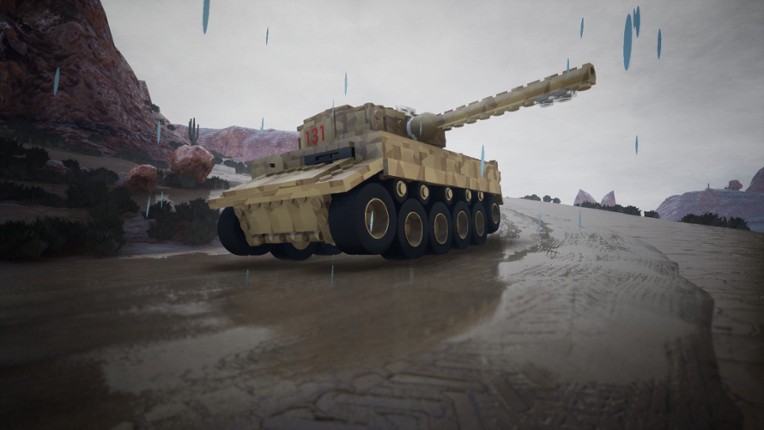
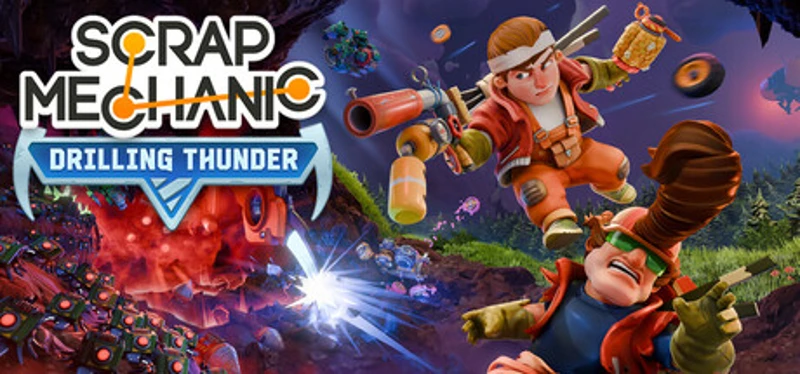
Both games center on creative building in sandbox mode, where experimentation matters more than progression. This is where each game truly shines—Worldbox lets you sculpt civilizations, Scrap Mechanic lets you engineer contraptions.
They share early access jank and grinding pain points, because unfinished games often prioritize sandbox tools over polished survival loops.
The split: Worldbox is god-game strategy with idle mechanics; Scrap Mechanic is physics-based co-op crafting. One watches civilizations rise, the other builds and destroys machines with friends.
Pick Scrap Mechanic if you want multiplayer creativity and hands-on construction, but accept that survival mode is a grind and you'll likely abandon it for Creative.
If you enjoyed this game, see our list of games similar to Scrap Mechanic.View Game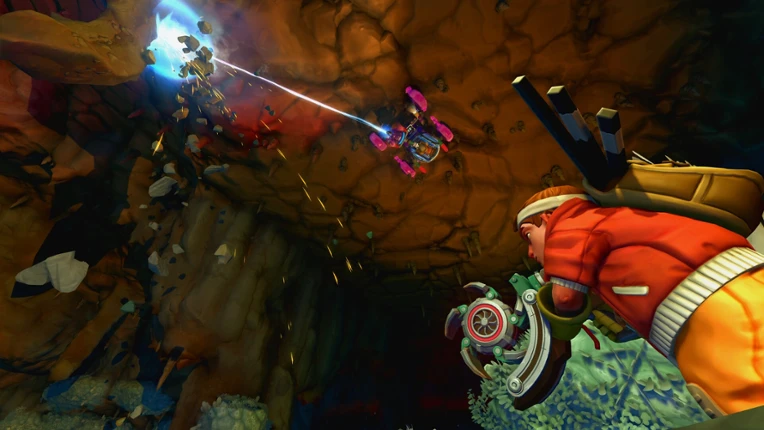
- 91%Game Brain ScoreMost mentioned positive aspects:story, gameplayMost mentioned negative aspects:stability, grinding91% User Score 7,052 reviews
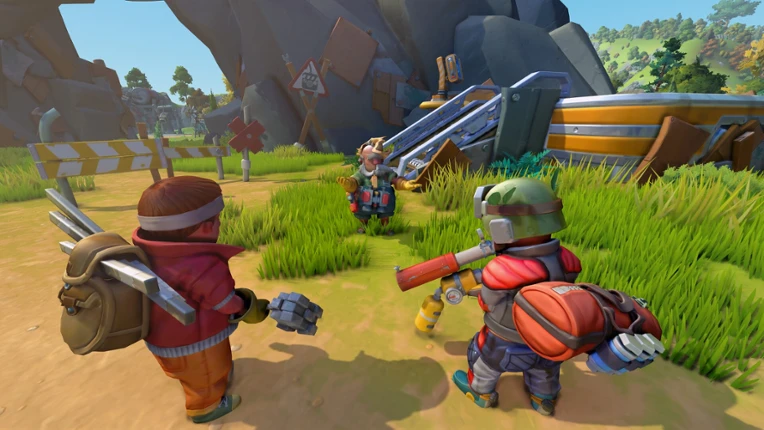
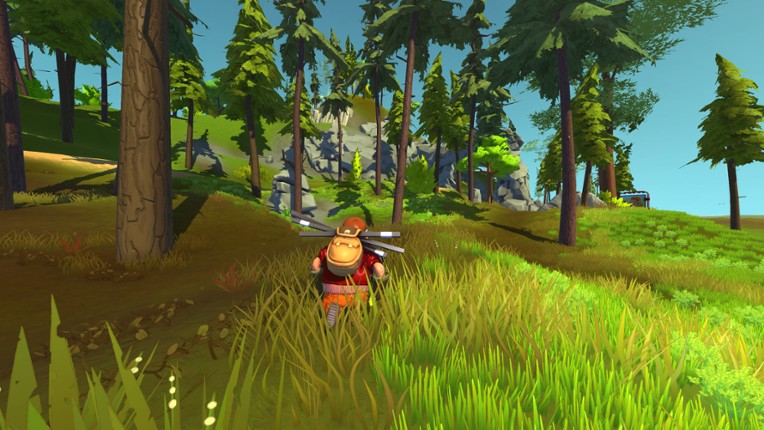
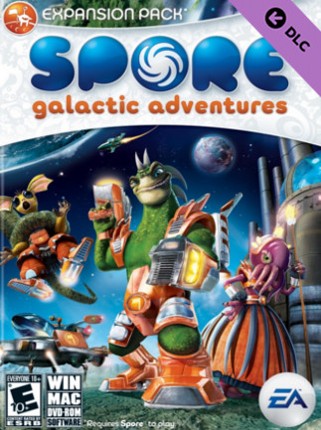
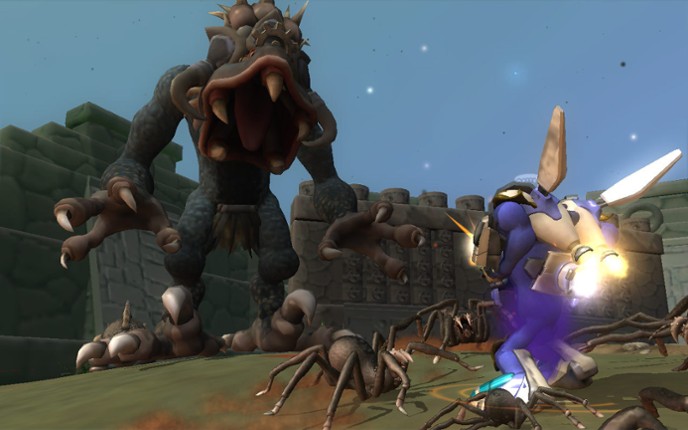
Swaps Worldbox's medieval civilizations for a space-faring creature evolution sandbox with heavier comedic sci-fi flavor.
If you enjoyed this game, see our list of games similar to SPORE™ Galactic Adventures.View Game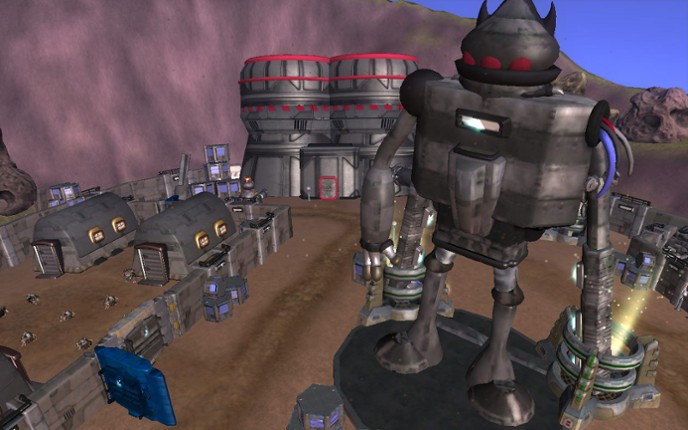
- 95%Game Brain ScoreMost mentioned positive aspects:gameplay, graphicsMost mentioned negative aspects:stability, grinding95% User Score 24,978 reviews
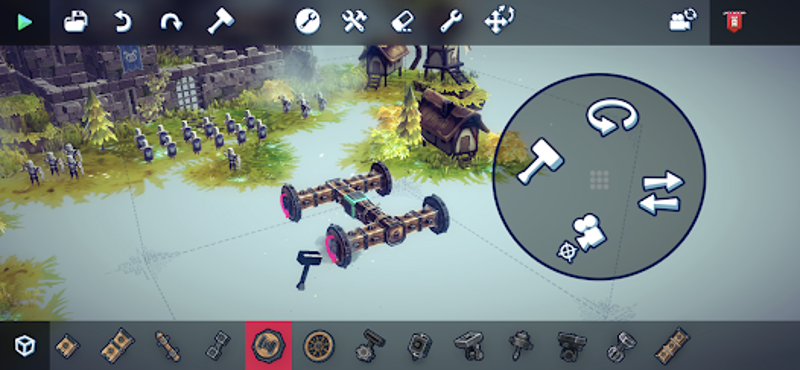
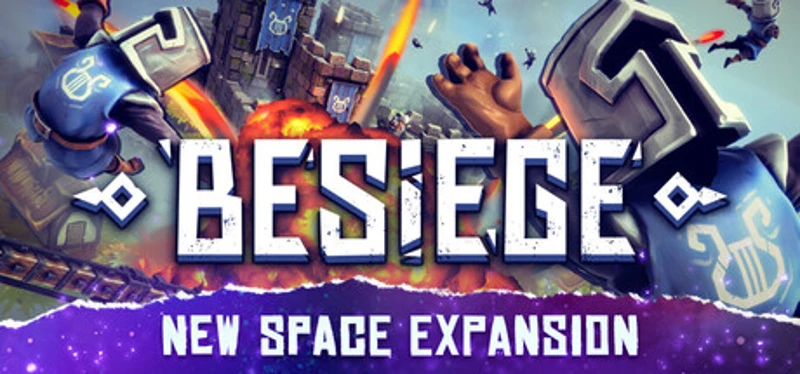
Inherits Worldbox's medieval building and destruction but pivots toward tactical siege warfare and vehicle engineering challenges.
If you enjoyed this game, see our list of games similar to Besiege.View Game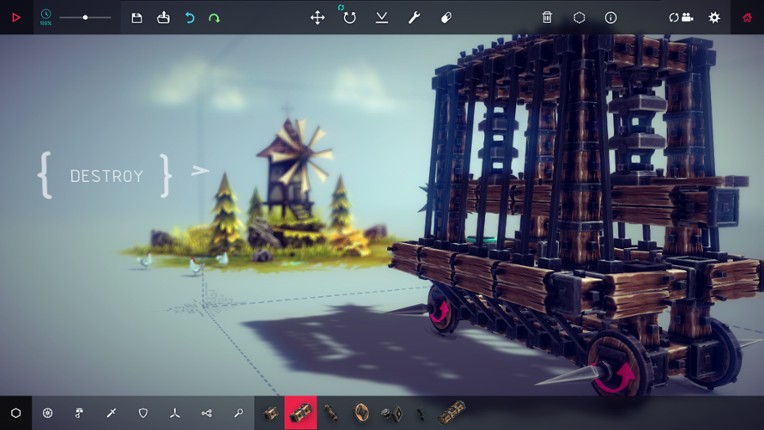
- 85%Game Brain ScoreMost mentioned positive aspects:graphics, gameplayMost mentioned negative aspects:story, stability85% User Score 3,285 reviews
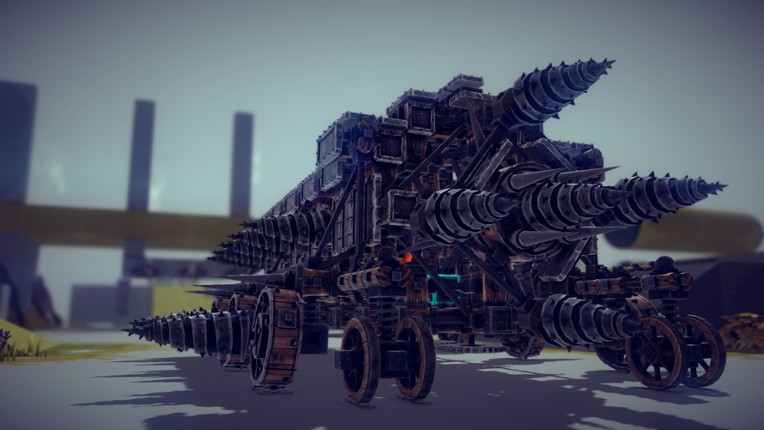
Both games center on the sheer satisfaction of calculated destruction, treating the screen as a violent laboratory where you dictate the collapse of complex systems. You control the catastrophic failure of structures, which provides a visceral, chaotic sandbox experience that rewards experimentation over linear objectives.
While Worldbox focuses on the macro-management of civilizations and fantasy ecosystems, Floating Sandbox zooms in entirely on niche naval engineering and fluid physics. You lose the geopolitical depth of an evolving world, but gain a hyper-focused, technically demanding simulation of maritime structural failure.
Pick this up if you crave granular, physics-based demolition but can live without the overarching world-building and AI-driven politics of a god game.
If you enjoyed this game, see our list of games similar to Floating Sandbox.View Game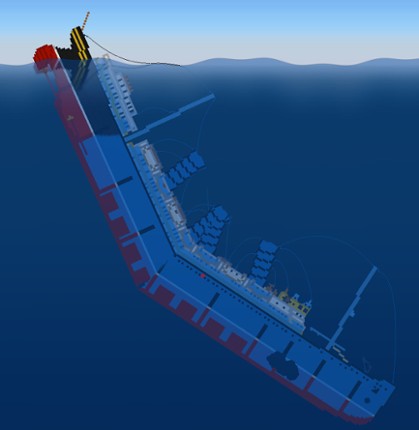


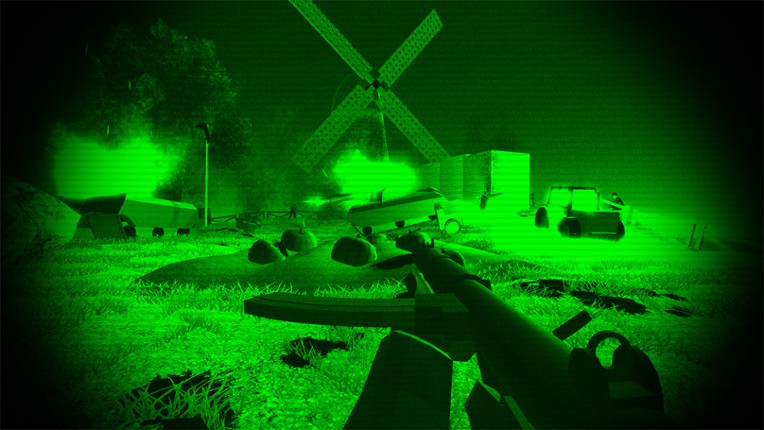
- 97%Game Brain ScoreMost mentioned positive aspects:gameplay, graphicsMost mentioned negative aspects:stability, grinding97% User Score 80,096 reviews
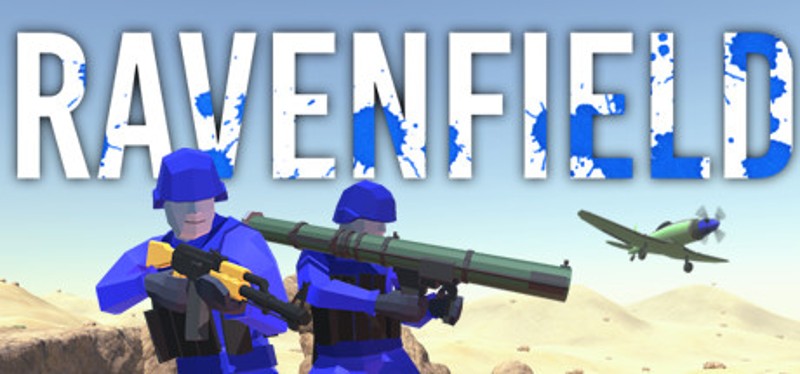
Takes the sandbox flexibility of Worldbox into first-person military skirmishes with procedural AI-driven combat encounters.
If you enjoyed this game, see our list of games similar to Ravenfield.View Game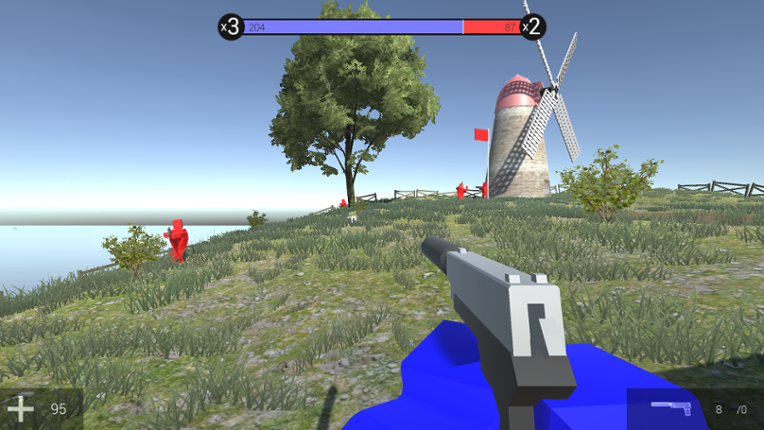
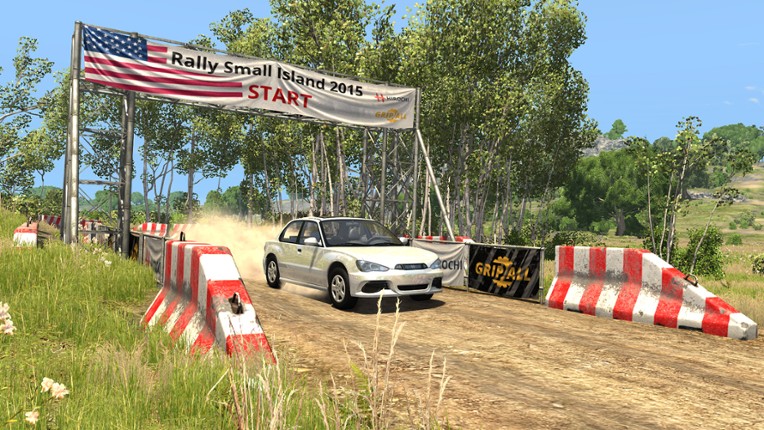
- 98%Game Brain ScoreMost mentioned positive aspects:graphics, gameplayMost mentioned negative aspects:story, stability98% User Score 209,204 reviews
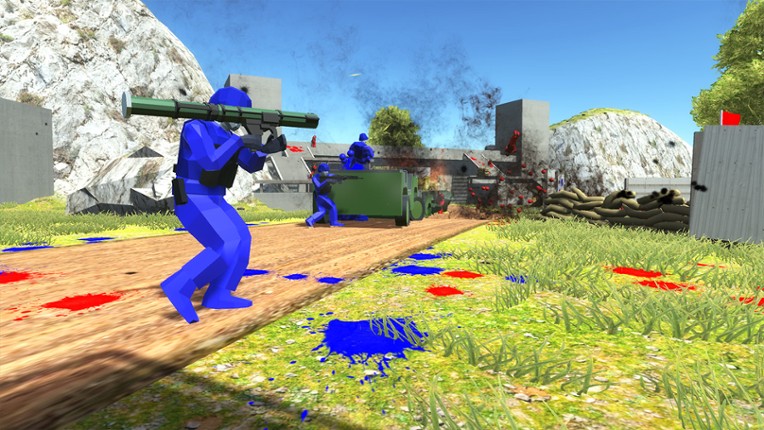
Replaces Worldbox's civilization building with hyper-realistic vehicle physics and destruction in automotive sandbox environments.
If you enjoyed this game, see our list of games similar to BeamNG.drive.View Game

- 87%Game Brain ScoreMost mentioned positive aspects:gameplay, graphicsMost mentioned negative aspects:stability, story87% User Score 9,543 reviews
Channels Worldbox's political intrigue into a grand strategy map painter with turn-based diplomacy and historical warfare.
If you enjoyed this game, see our list of games similar to Age of History II.View Game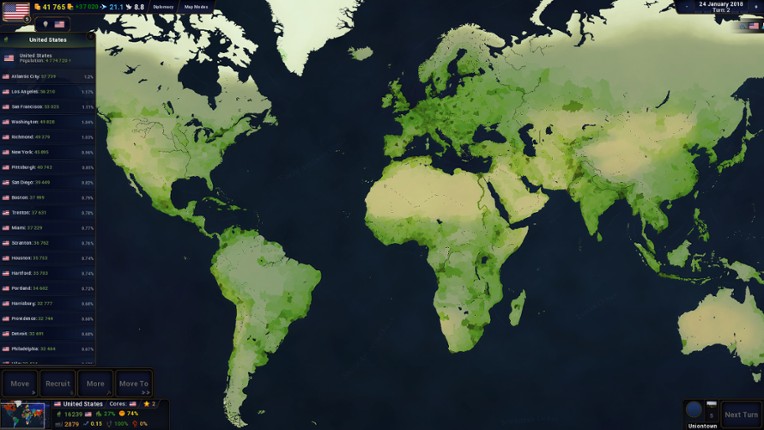
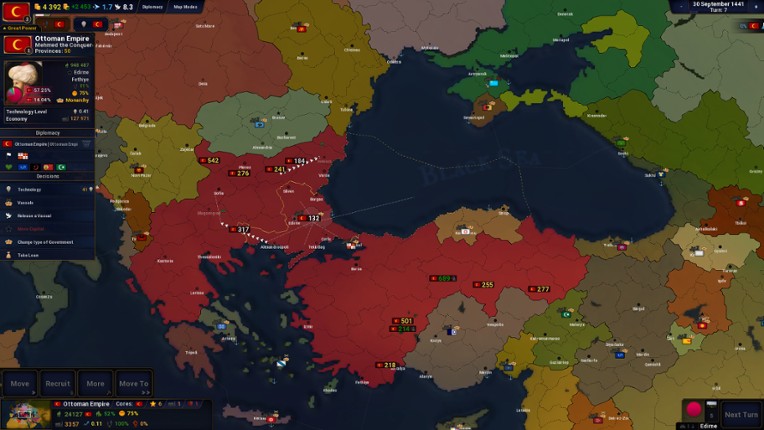
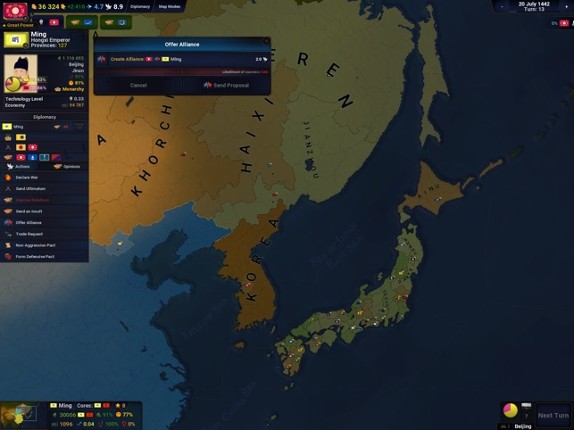
- 90%Game Brain ScoreMost mentioned positive aspects:humor, gameplayMost mentioned negative aspects:story, grinding90% User Score 7,278 reviews
Strips away Worldbox's grand strategy for physics-based ragdoll destruction in a co-op family-friendly playground.
If you enjoyed this game, see our list of games similar to Fun with Ragdolls: The Game.View Game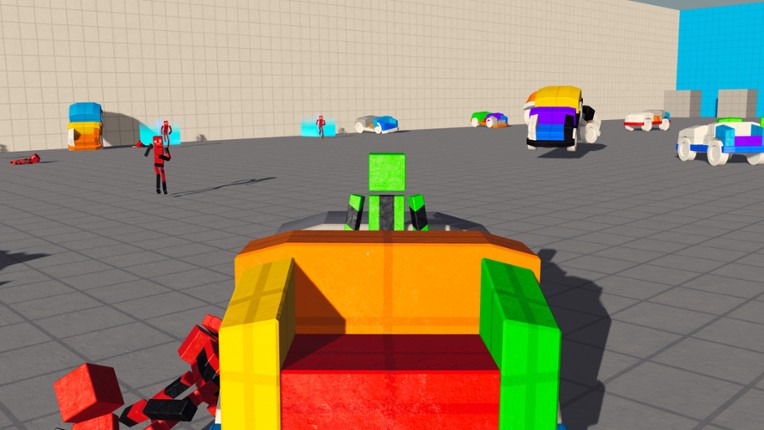
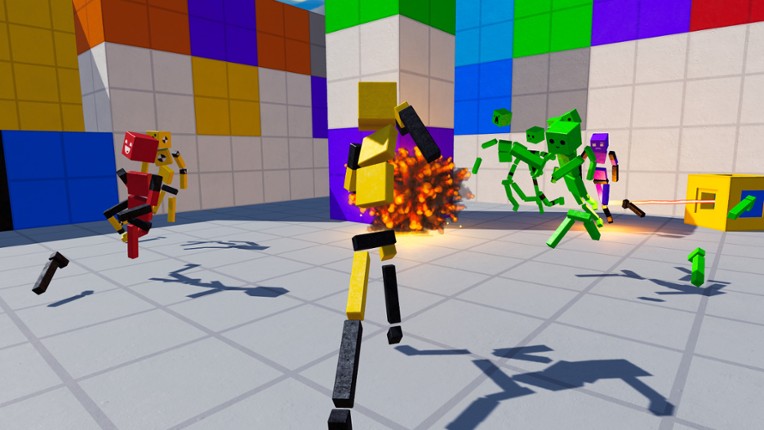
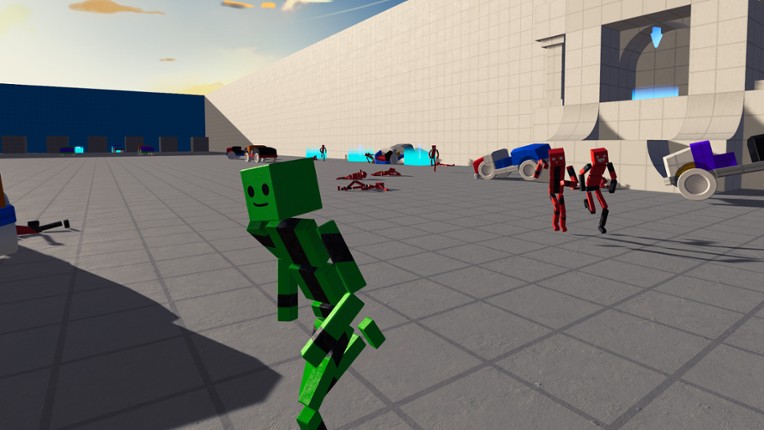
- 98%Game Brain ScoreMost mentioned positive aspects:graphics, gameplayMost mentioned negative aspects:story, music98% User Score 4,458 reviews
Fireworks Mania strips away the political simulation to focus purely on sandbox destruction and physics-based light shows, ideal for players seeking mindless, colorful chaos.
If you enjoyed this game, see our list of games similar to Fireworks Mania.View Game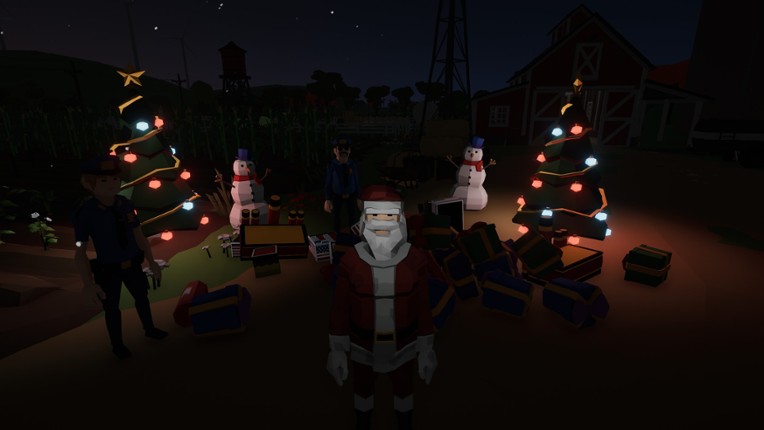
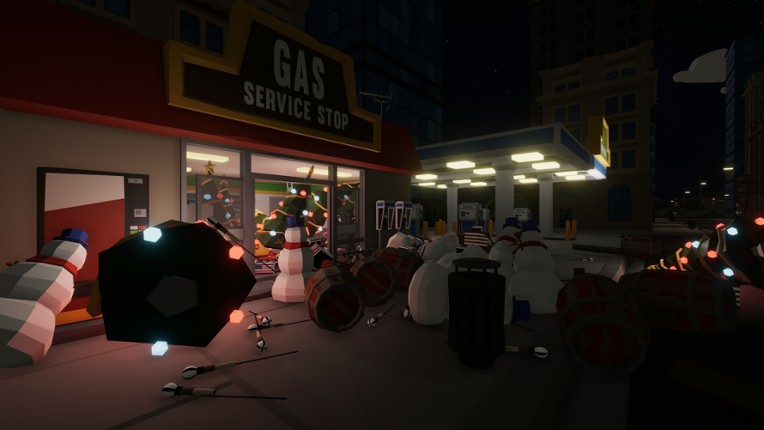

18 View Game 90%Game Brain ScoreMost mentioned positive aspects:gameplay, humorMost mentioned negative aspects:optimization, stability96% User Score 24,592 reviewsCritic Score 70%2 reviews
Shifting the perspective from a top-down deity to a first-person brawler, this chaotic title replaces civilization management with visceral, physics-heavy voxel violence.
If you enjoyed this game, see our list of games similar to Paint the Town Red.View Game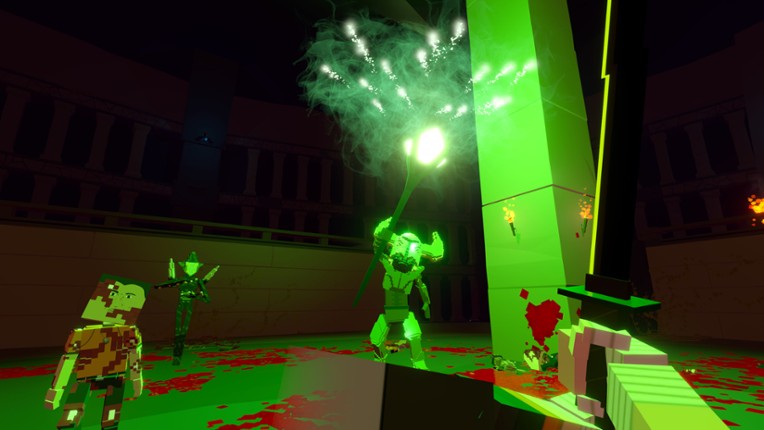
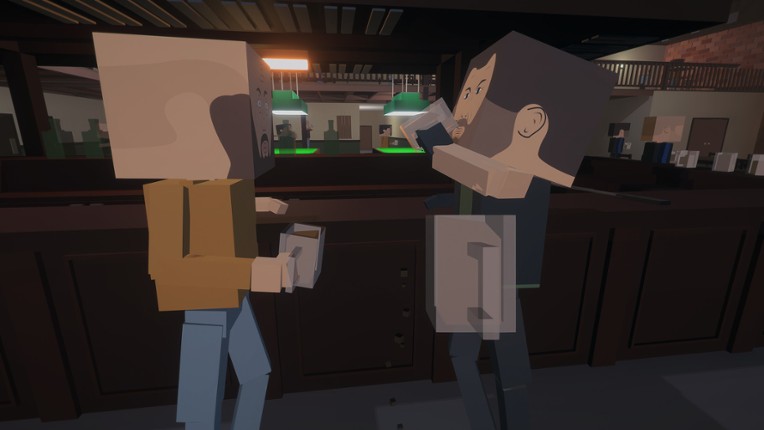
- 95%Game Brain ScoreMost mentioned positive aspects:graphics, gameplayMost mentioned negative aspects:story, grinding95% User Score 704 reviews
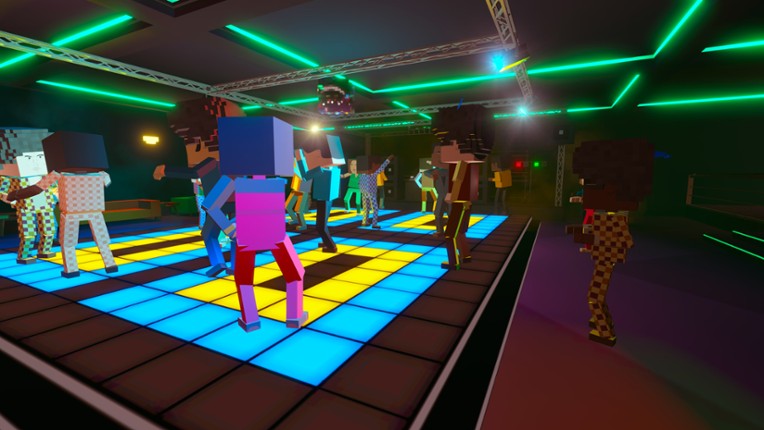
Distills Worldbox's relaxing sandbox design into minimalist 2D particle physics with educational and scientific undertones.
If you enjoyed this game, see our list of games similar to Sandboxels.View Game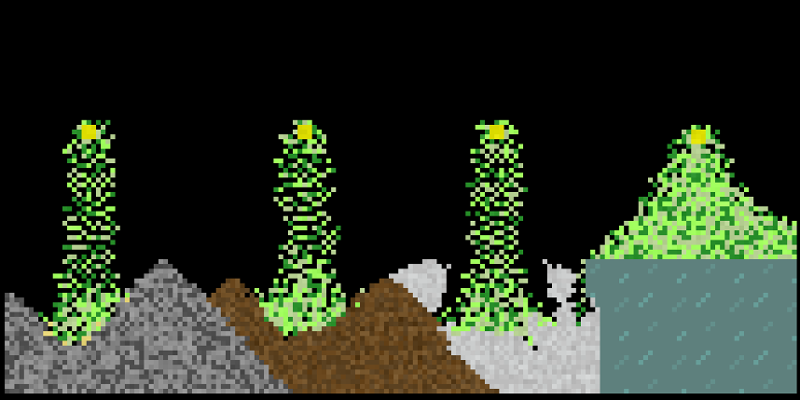
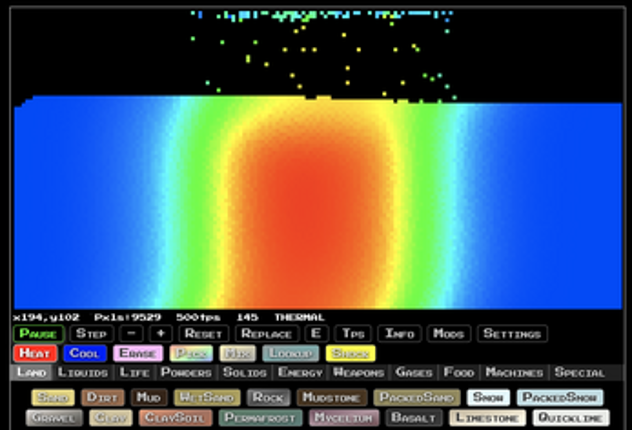
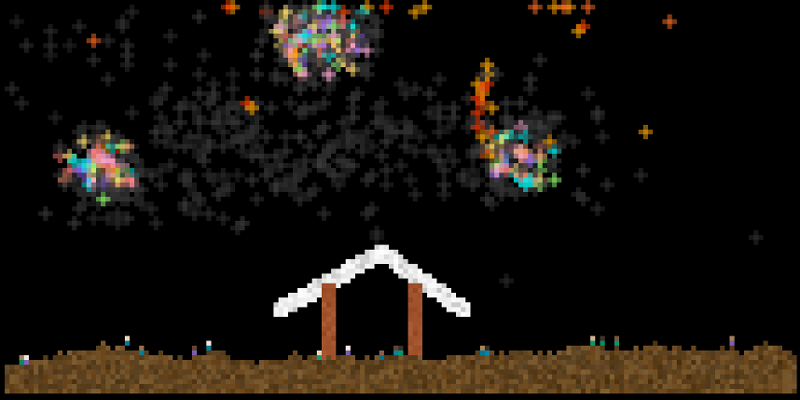
- 72%Game Brain ScoreMost mentioned positive aspects:gameplay, graphicsMost mentioned negative aspects:stability, grinding81% User Score 9,076 reviewsCritic Score 42%2 reviews
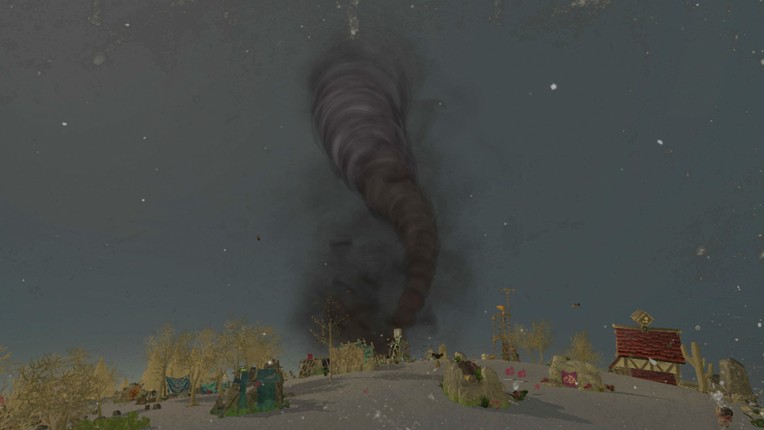
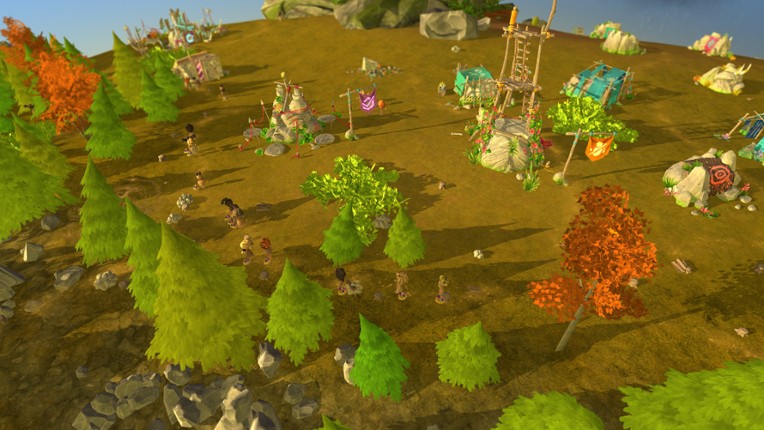
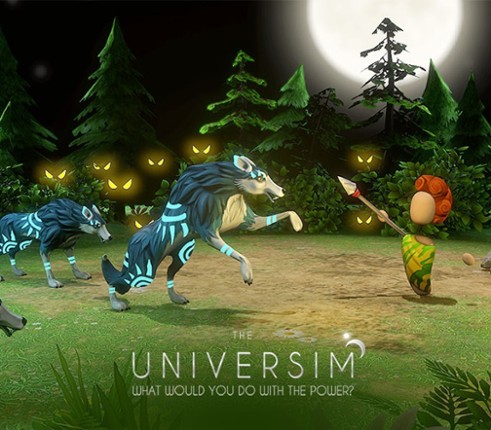
Expands Worldbox's god-game colony management into a procedurally-generated space civilization builder with resource complexity.
If you enjoyed this game, see our list of games similar to The Universim.View Game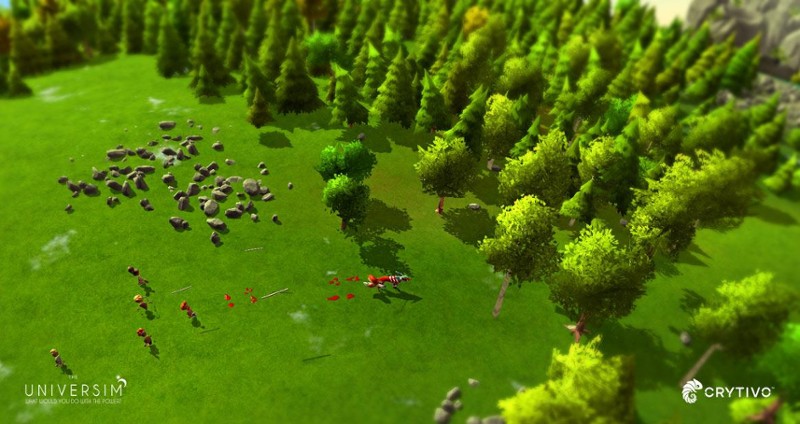
- 96%Game Brain ScoreMost mentioned positive aspects:graphics, musicMost mentioned negative aspects:story, stability96% User Score 15,024 reviews
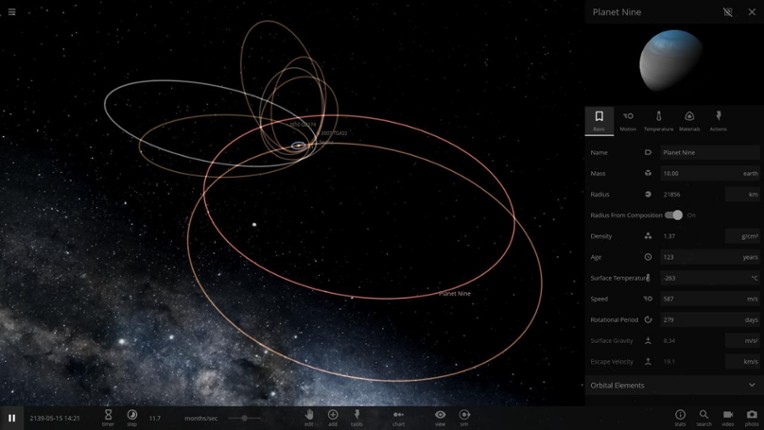
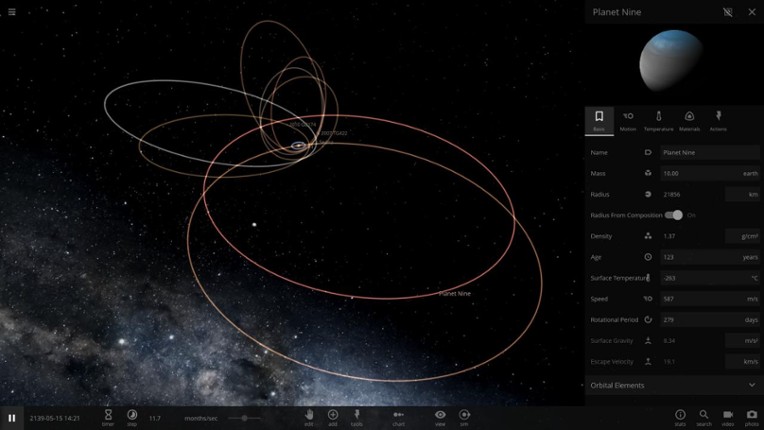
Create and destroy on an unimaginable scale... with a space simulator that merges real-time gravity, climate, collision, and material interactions to reveal the beauty of our universe and the fragility of our planet. Includes VR support for HTC Vive, Oculus Rift+Touch, and Windows Mixed Reality. If you enjoyed this game, see our list of games similar to Universe Sandbox.
View Game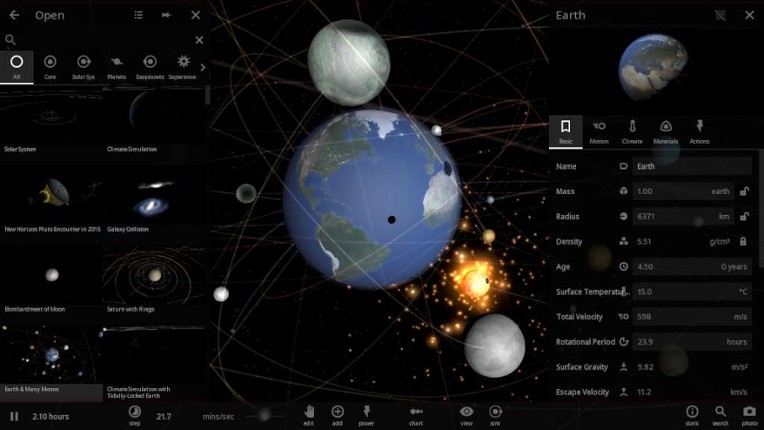
- 71%Game Brain ScoreMost mentioned positive aspects:graphics, gameplayMost mentioned negative aspects:stability, story77% User Score 10,406 reviewsCritic Score 45%1 reviews
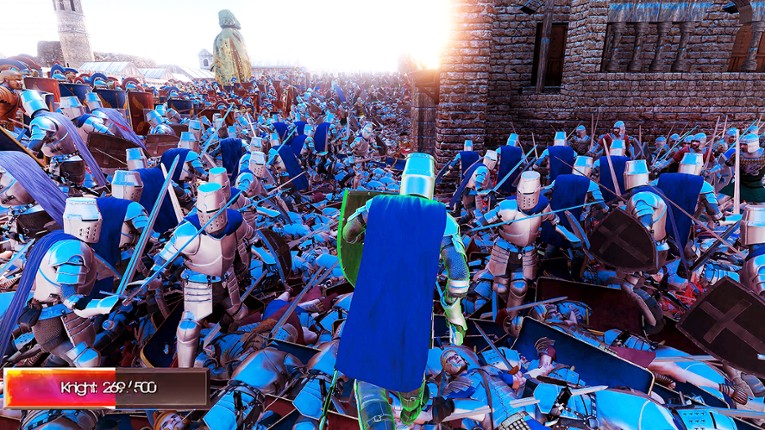
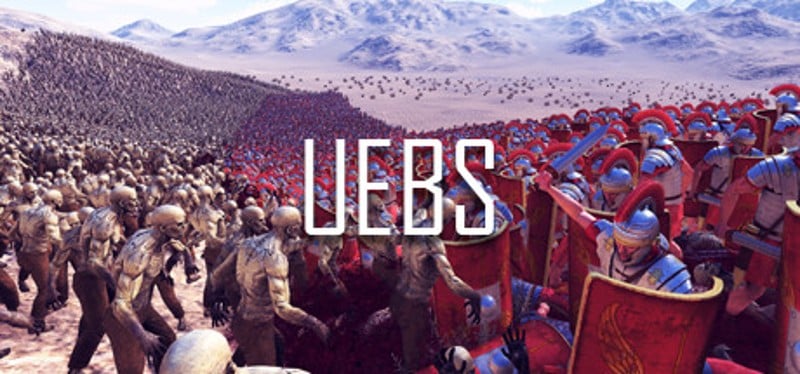
Focusing purely on massive, physics-driven combat encounters, this experience sacrifices procedural growth in favor of seeing how many units can survive one chaotic battle.
If you enjoyed this game, see our list of games similar to Ultimate Epic Battle Simulator.View Game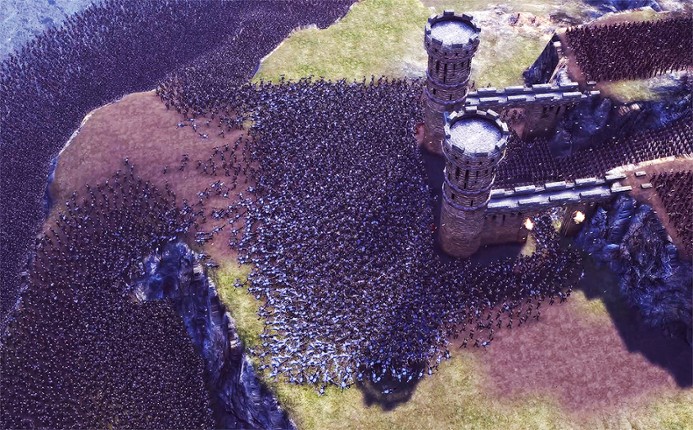

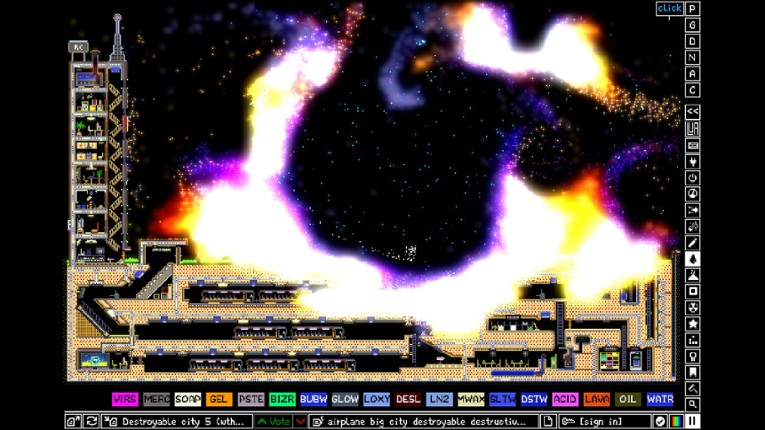
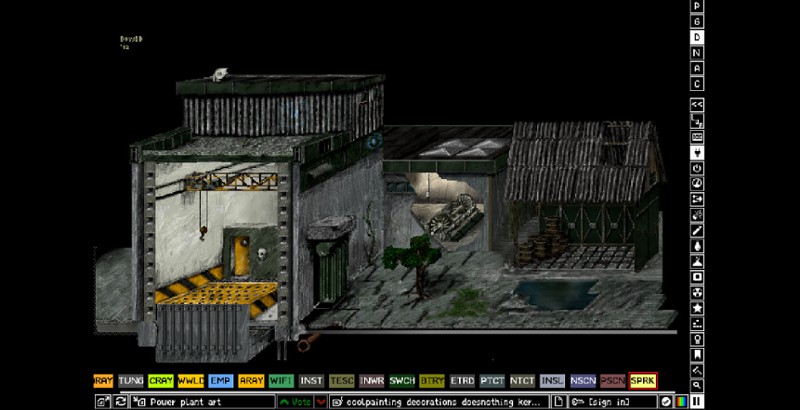
- 98%Game Brain ScoreMost mentioned positive aspects:gameplay, humorMost mentioned negative aspects:story, optimization98% User Score 2,295 reviews
Unleash your inner scientist - and maybe a little chaos - with The Powder Toy! This free particle physics sandbox lets you experiment with hundreds of elements, from fiery explosives to intricate electronics. Simulate real-world phenomena like air pressure, heat, and gravity to create: •High-Powered Explosions: Blow things up in spectacular fashion with meticulously crafted bombs, triggered on y… If you enjoyed this game, see our list of games similar to The Powder Toy.
View Game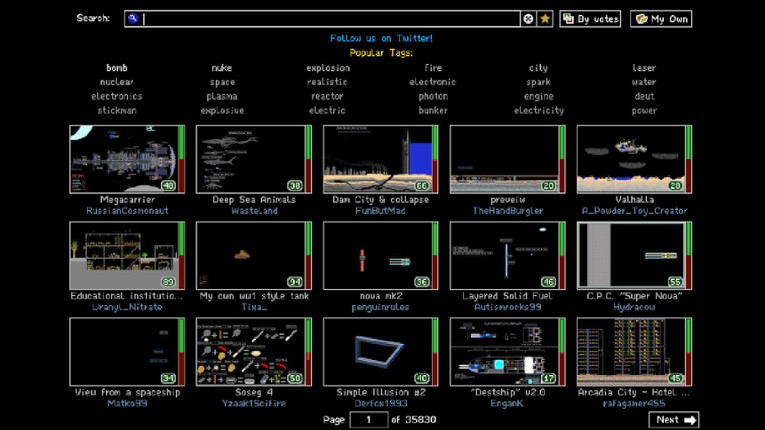
- 62%Game Brain ScoreMost mentioned positive aspects:gameplay, storyMost mentioned negative aspects:grinding, stability62% User Score 1,069 reviews
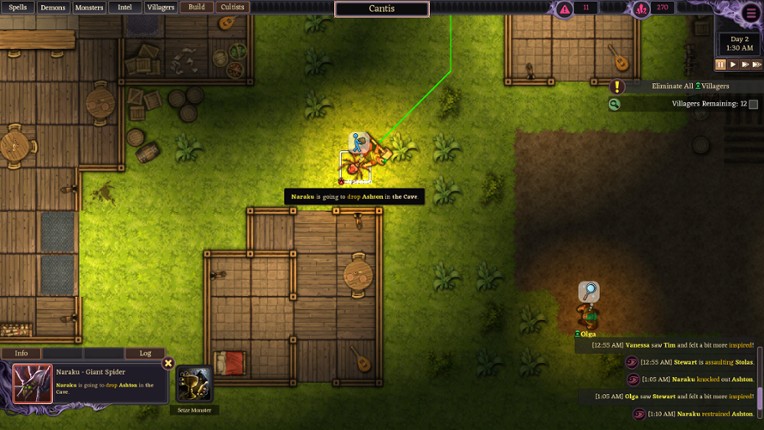
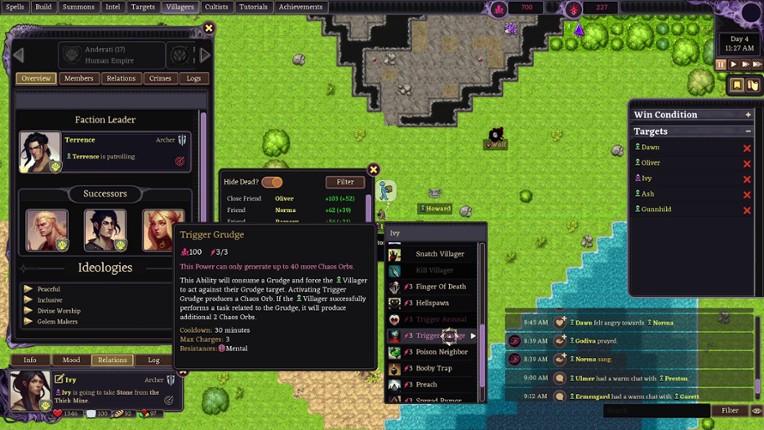
Mirrors Worldbox's medieval colony politics and god-game systems but casts you as a villain architect spreading chaos.
If you enjoyed this game, see our list of games similar to Ruinarch.View Game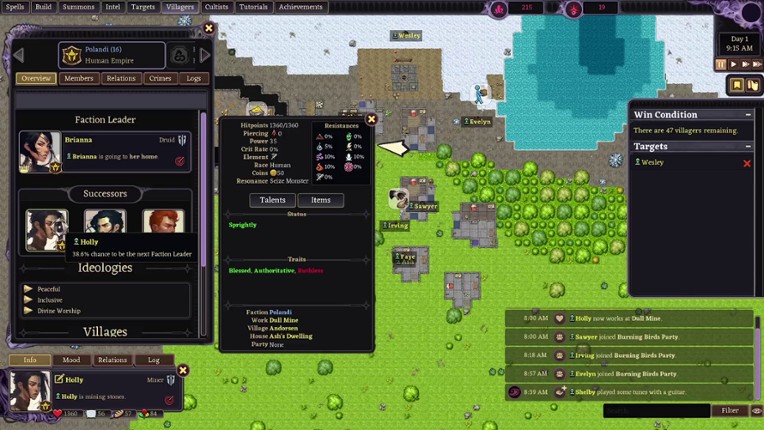
- 91%Game Brain ScoreMost mentioned positive aspects:gameplay, graphicsMost mentioned negative aspects:grinding, stability91% User Score 13,802 reviews
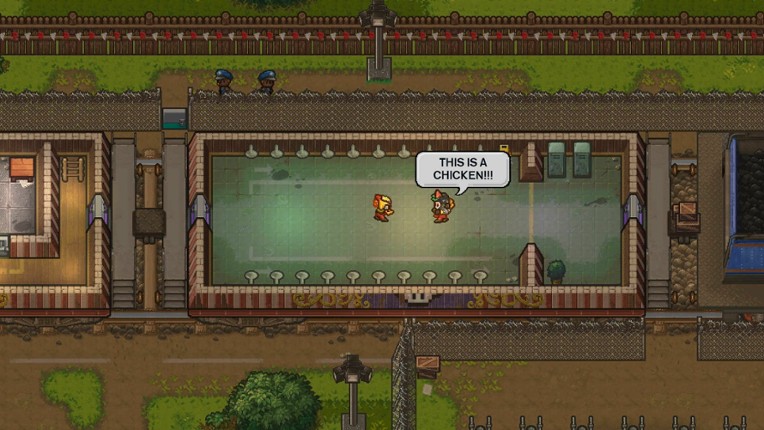
This prison-break experience prioritizes individual character skill and crafting over global population control, providing a contained puzzle-solving loop rather than an open sandbox.
If you enjoyed this game, see our list of games similar to The Escapists 2.View Game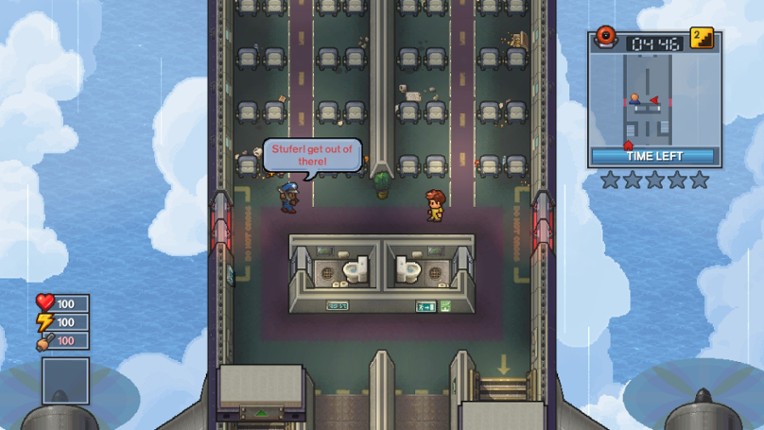
- 80%Game Brain ScoreMost mentioned positive aspects:graphics, gameplayMost mentioned negative aspects:stability, grinding80% User Score 12,761 reviews
Strips Worldbox's civilization scope for survival-driven aquatic ecosystem simulation with minimal mechanics and multiplayer focus.
If you enjoyed this game, see our list of games similar to Feed and Grow: Fish.View Game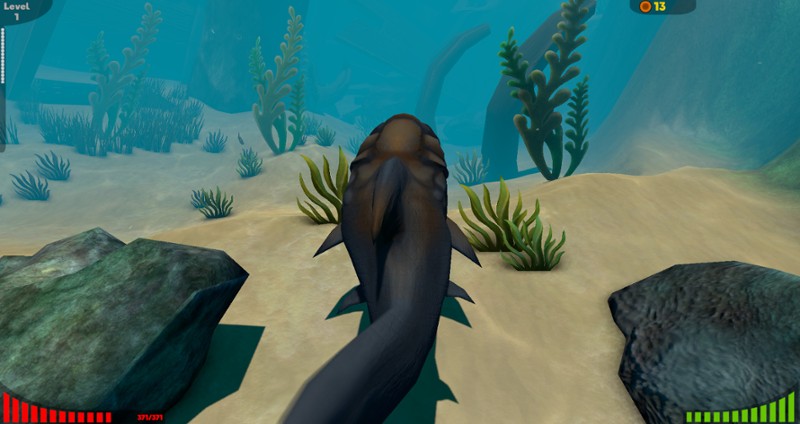
- 94%Game Brain ScoreMost mentioned positive aspects:gameplay, graphicsMost mentioned negative aspects:story, grinding94% User Score 27,090 reviews
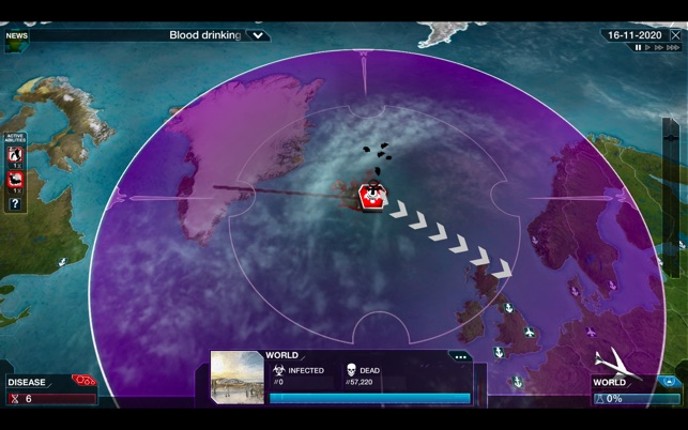
Instead of nurturing a civilization, you act as a malevolent virus, offering a darker, high-stakes tactical challenge distinct from typical creation-based god games.
If you enjoyed this game, see our list of games similar to Plague Inc: Evolved.View Game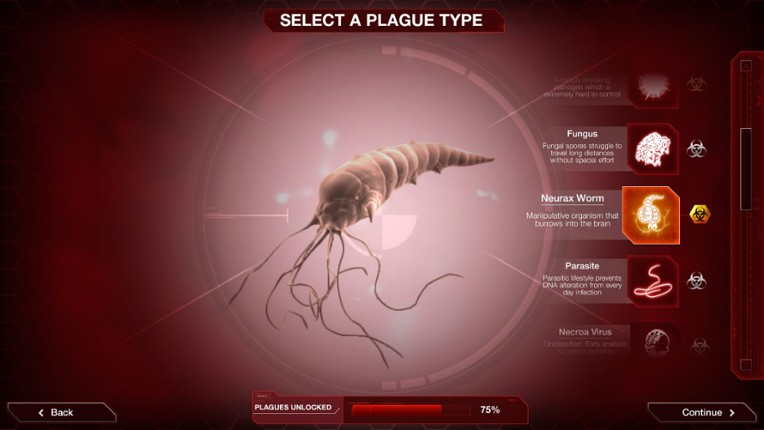

- 90%Game Brain ScoreMost mentioned positive aspects:gameplay, storyMost mentioned negative aspects:stability, grinding90% User Score 63,369 reviewsCritic Score 90%36 reviews
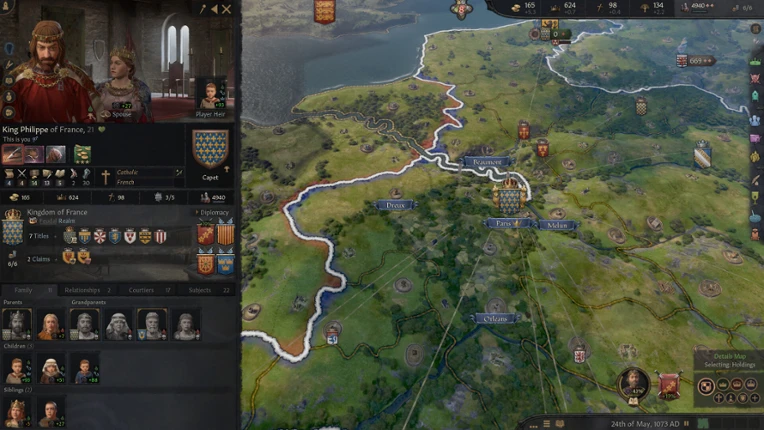
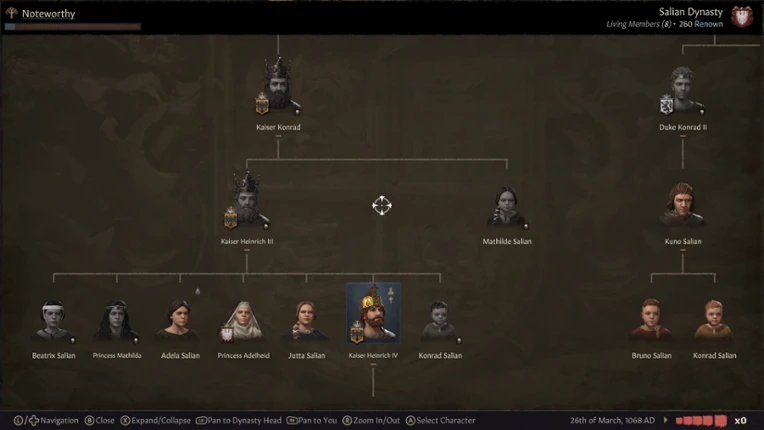
While Worldbox focuses on god-like observation, this title dives into the granular political and dynastic micromanagement of a single medieval noble family.
If you enjoyed this game, see our list of games similar to Crusader Kings III.View Game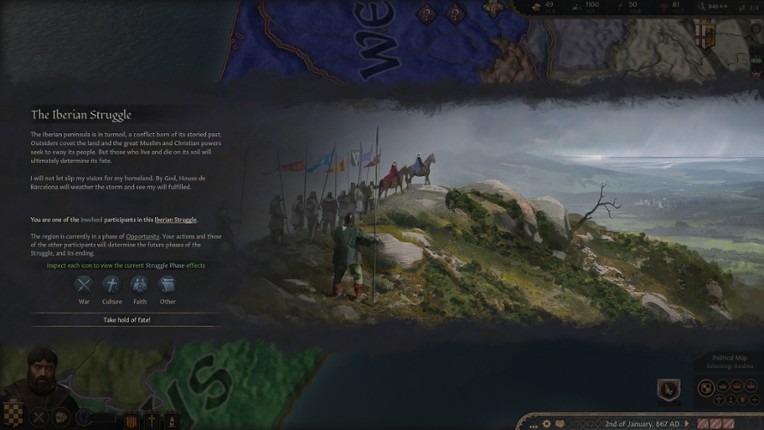
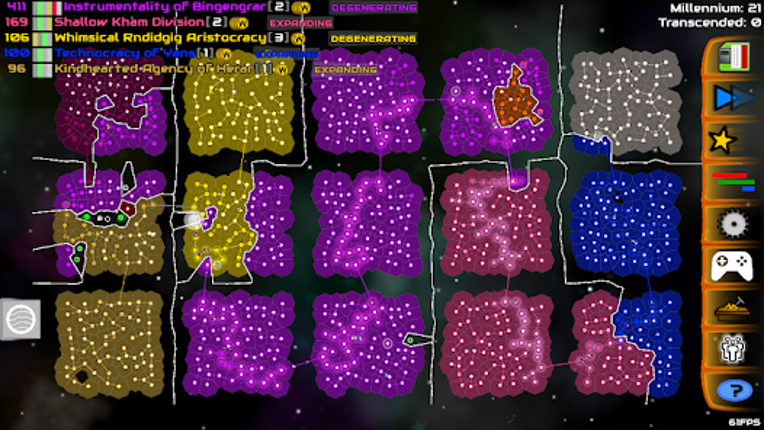
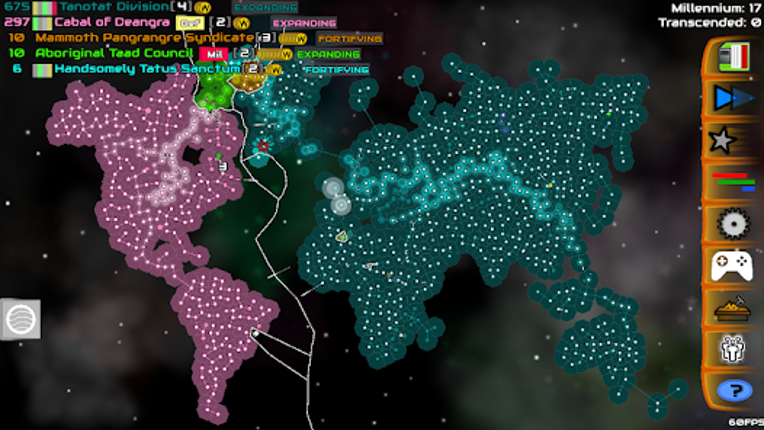
- 87%Game Brain ScoreMost mentioned positive aspects:gameplay, graphicsMost mentioned negative aspects:monetization, story87% User Score 1,317 reviews
Galimulator offers a more abstract, space-faring take on territorial evolution, suited for those who find the UI and scale of typical god games overwhelming.
If you enjoyed this game, see our list of games similar to Galimulator.View Game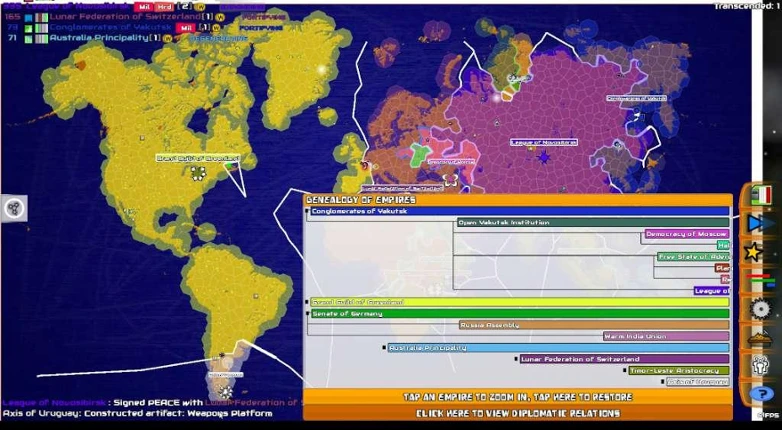
- 97%Game Brain ScoreMost mentioned positive aspects:gameplay, graphicsMost mentioned negative aspects:grinding, stability97% User Score 14,912 reviews
If Worldbox is about watching worlds evolve, Mon Bazou narrows that sandbox into a scrappy rural car-life routine for players who enjoy hands-on chores and driving.
If you enjoyed this game, see our list of games similar to Mon Bazou.View Game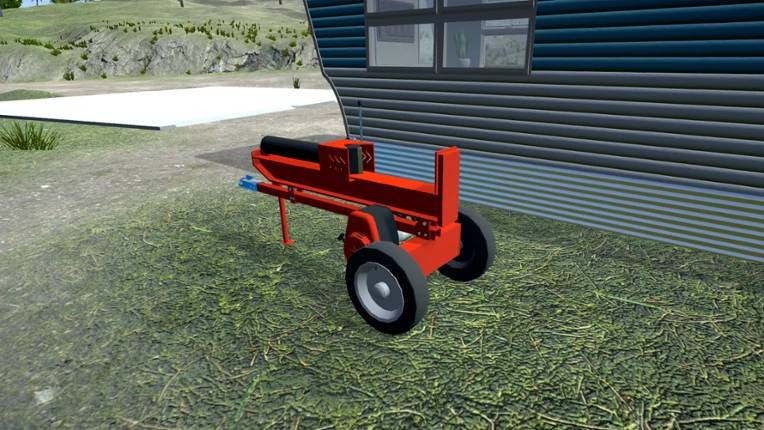

- 89%Game Brain ScoreMost mentioned positive aspects:story, gameplayMost mentioned negative aspects:optimization, stability92% User Score 206,752 reviewsCritic Score 81%3 reviews
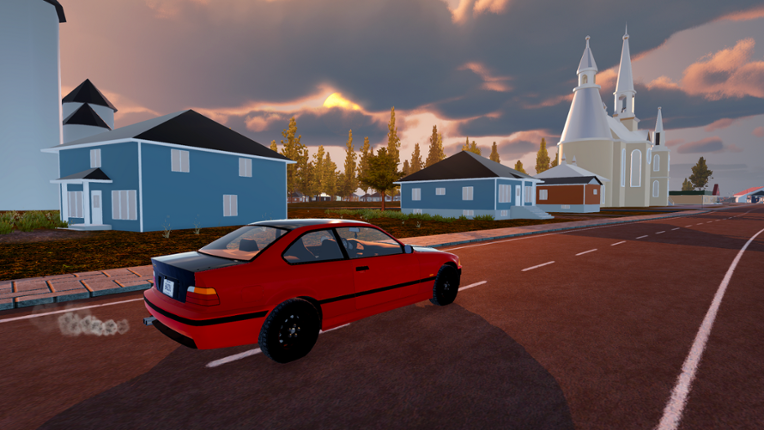
Arma 3 is the roughest fit here, trading Worldbox's playful divinity for realistic military sandbox warfare built for tactical players and modders.
If you enjoyed this game, see our list of games similar to Arma 3.View Game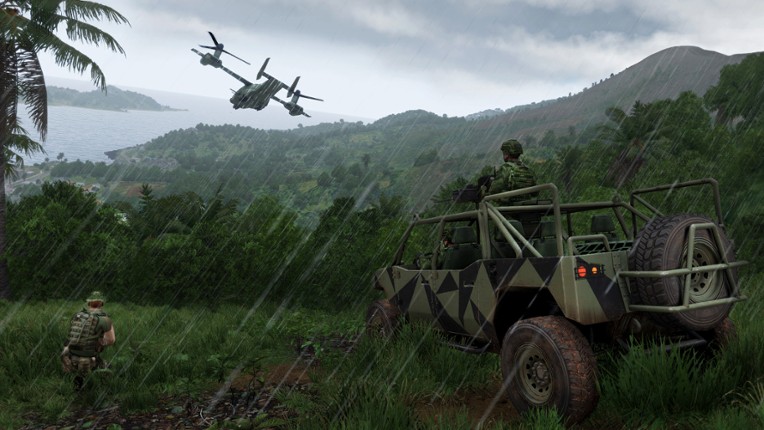

- 95%Game Brain ScoreMost mentioned positive aspects:story, gameplayMost mentioned negative aspects:grinding, stability95% User Score 15,922 reviews
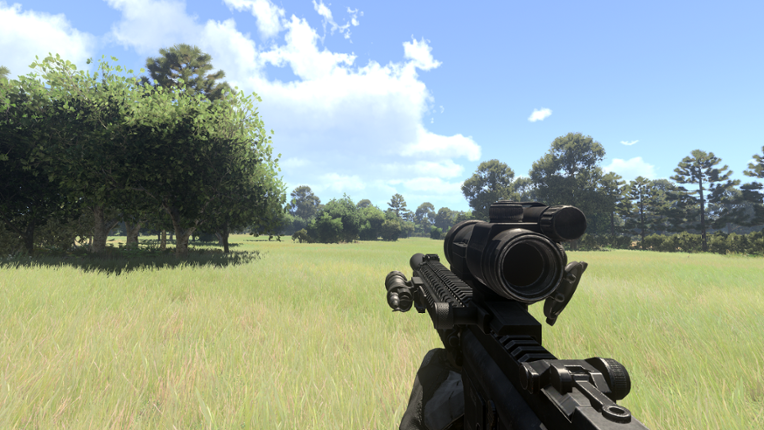
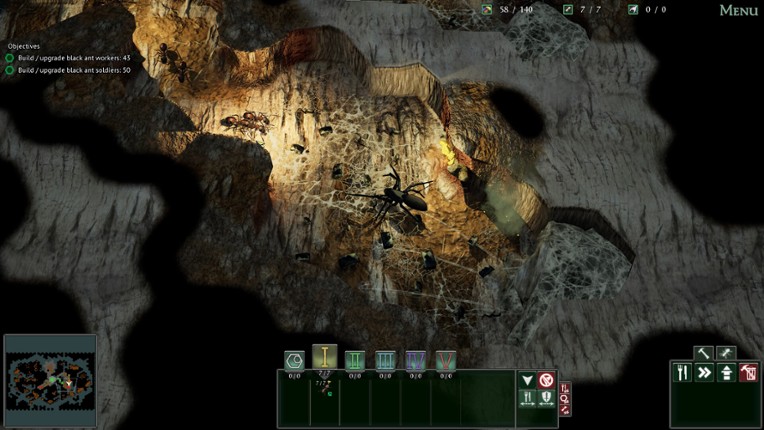
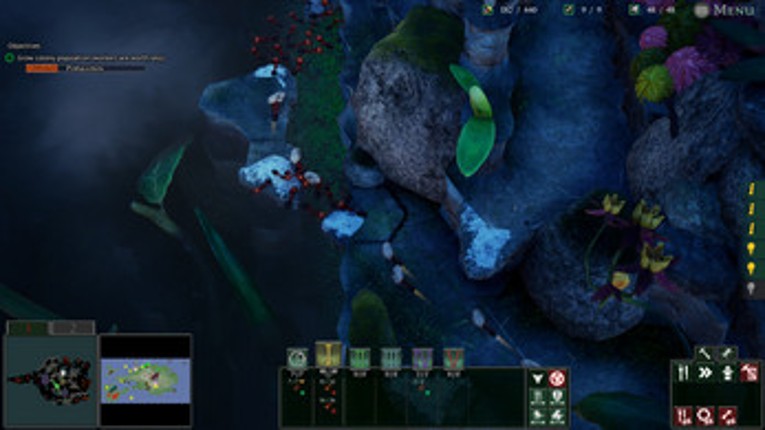
Empires of the Undergrowth replaces medieval kingdoms with ant colonies in an alternate history, offering a ground-level colony sim for fans of historical grand strategy.
If you enjoyed this game, see our list of games similar to Empires of the Undergrowth.View Game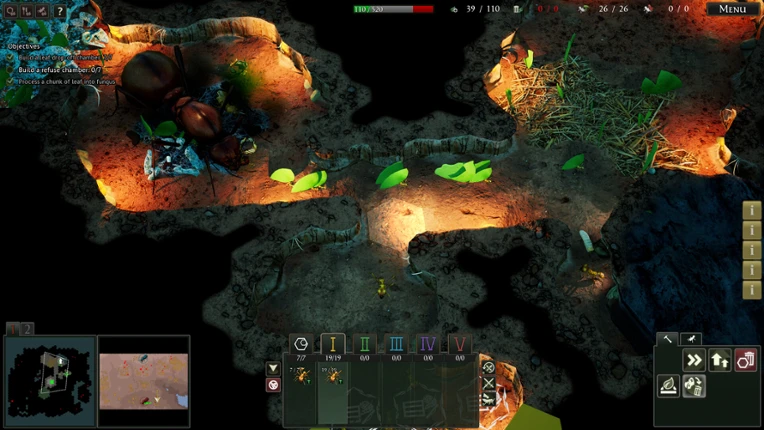
- 97%Game Brain ScoreMost mentioned positive aspects:humor, storyMost mentioned negative aspects:grinding, stability97% User Score 19,152 reviews
Wobbly Life turns the sandbox into a family-friendly physics playground, perfect for groups seeking cooperative chaos instead of serious empire management.
If you enjoyed this game, see our list of games similar to Wobbly Life.View Game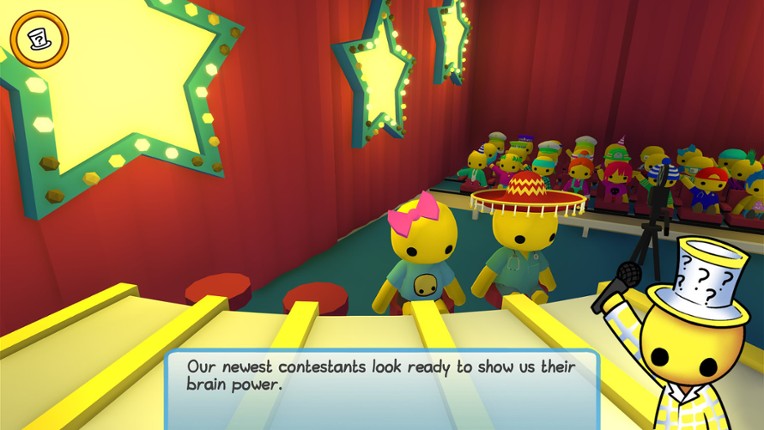
- 91%Game Brain ScoreMost mentioned positive aspects:story, gameplayMost mentioned negative aspects:grinding, stability98% User Score 132,230 reviewsCritic Score 80%5 reviews
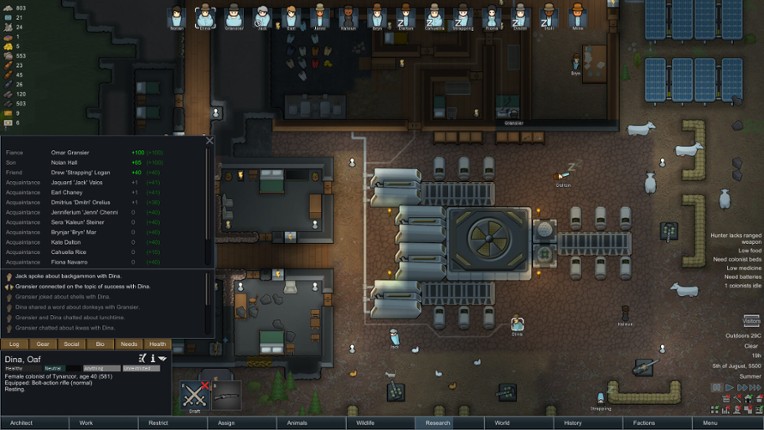
RimWorld takes Worldbox's colony chaos and makes it harsher, deeper, and more story-driven for players who want survival management with cascading crises.
If you enjoyed this game, see our list of games similar to RimWorld.View Game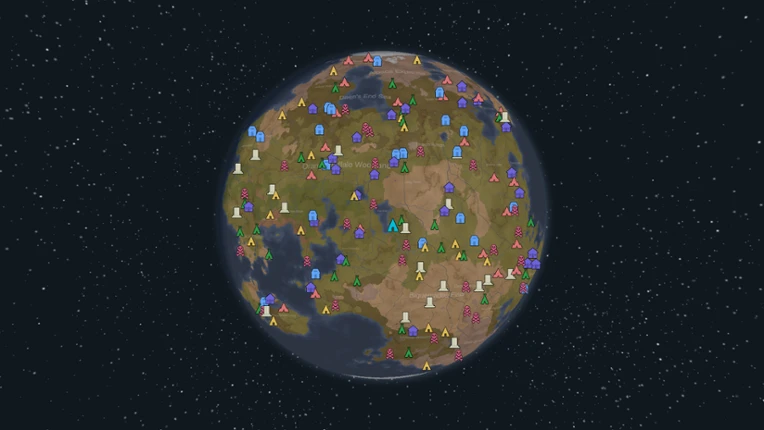
- 84%Game Brain ScoreMost mentioned positive aspects:gameplay, storyMost mentioned negative aspects:stability, grinding89% User Score 32,482 reviewsCritic Score 79%30 reviews
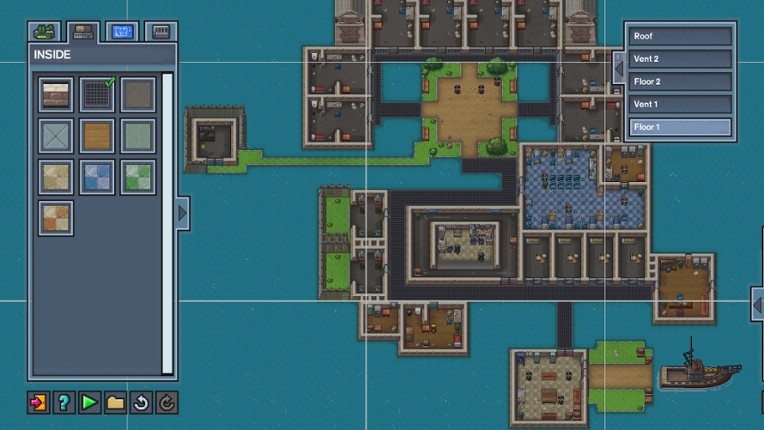
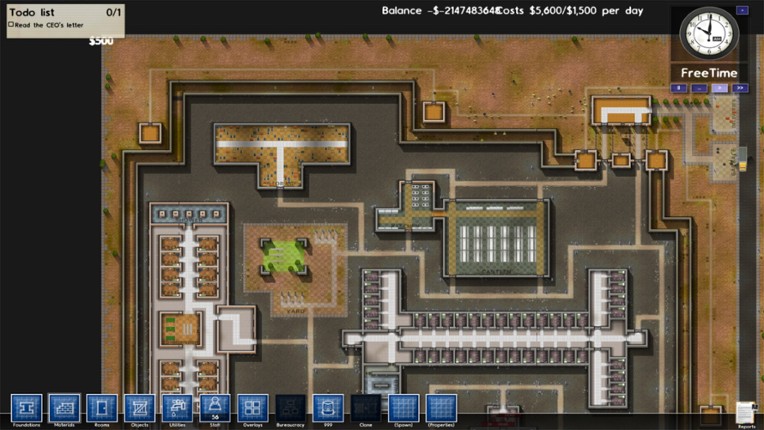
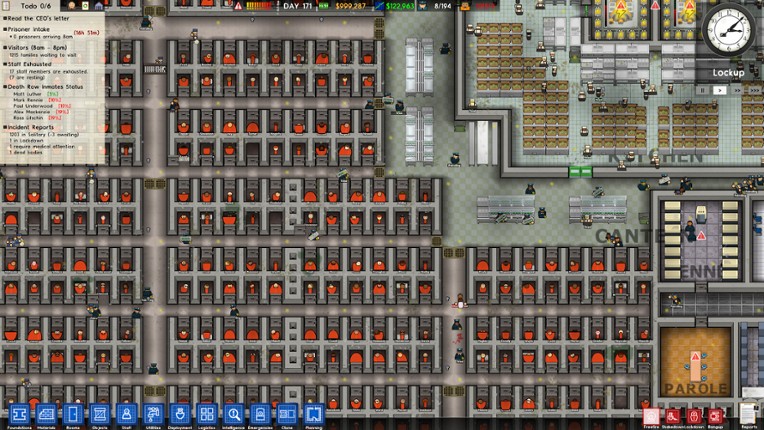
Prison Architect keeps the top-down management angle but swaps mythic sandboxes for tightly planned incarceration logistics and prison problem-solving.
If you enjoyed this game, see our list of games similar to Prison Architect.View Game
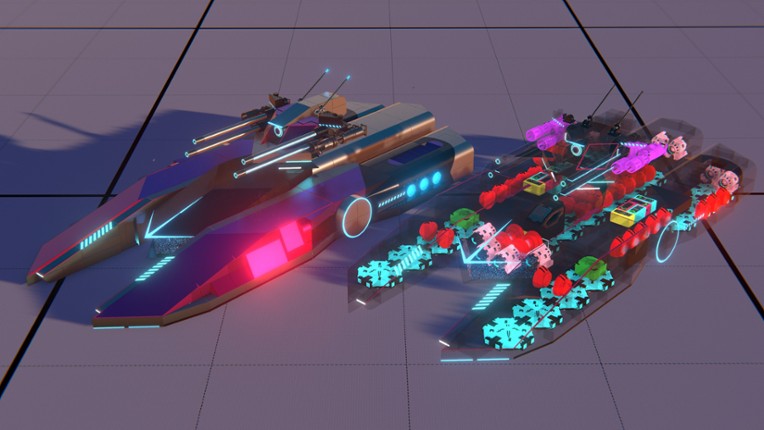
- 92%Game Brain ScoreMost mentioned positive aspects:gameplay, storyMost mentioned negative aspects:stability, grinding92% User Score 24,482 reviews
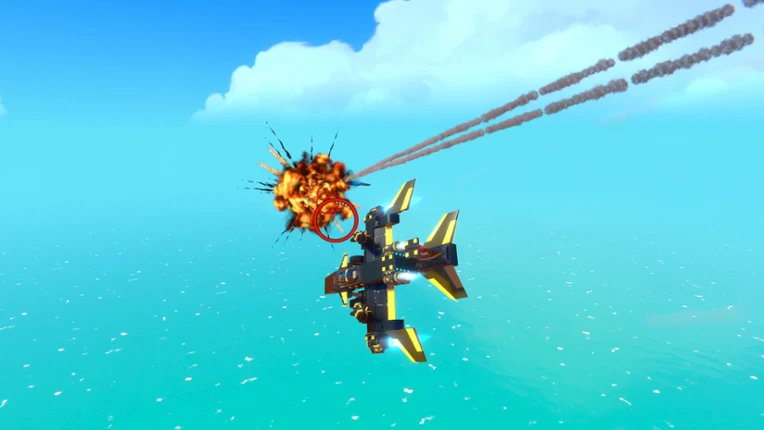
Trailmakers only loosely echoes Worldbox through its building freedom, but it is really for players who prefer engineering vehicles over shaping societies.
If you enjoyed this game, see our list of games similar to Trailmakers.View Game
- 94%Game Brain ScoreMost mentioned positive aspects:humor, gameplayMost mentioned negative aspects:story, grinding98% User Score 17,496 reviewsCritic Score 70%1 reviews
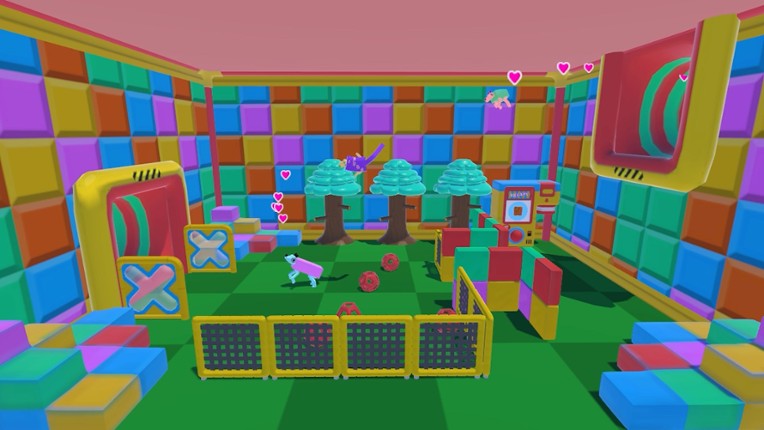
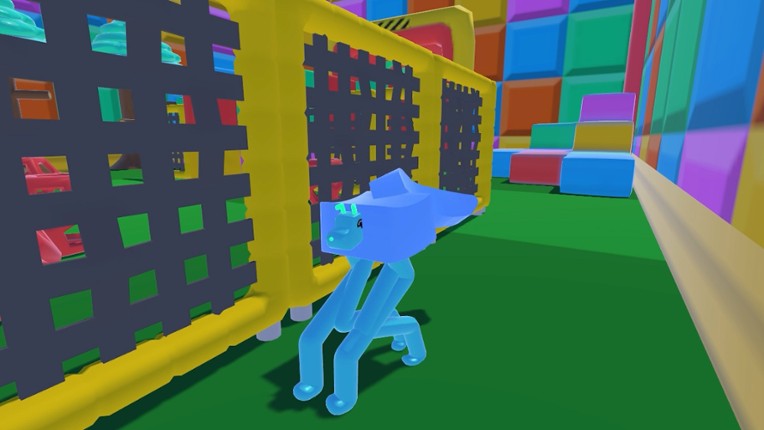
Moving from human kingdoms to evolving mutated canines, this life sim focuses on genetic experimentation and procedural quirky behavior rather than large-scale cultural expansion.
If you enjoyed this game, see our list of games similar to Wobbledogs.View Game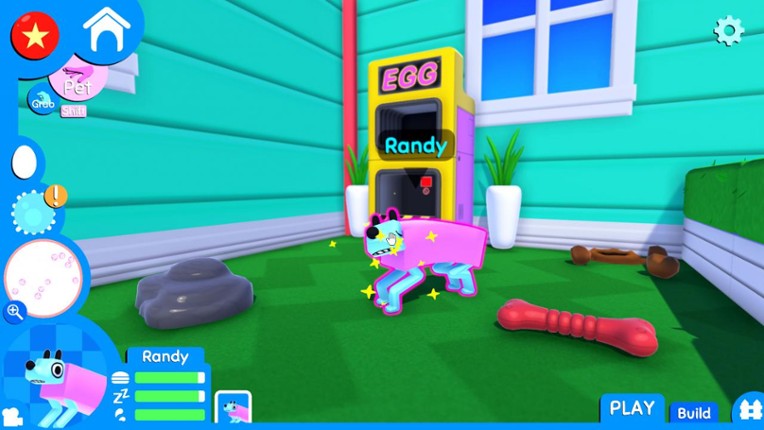
- 97%Game Brain ScoreMost mentioned positive aspects:music, humorMost mentioned negative aspects:story, gameplay97% User Score 3,752 reviews
Instead of kingdoms collapsing, Incredibox turns playful systems into a music toy for people who want creative experimentation and instant audiovisual feedback.
If you enjoyed this game, see our list of games similar to Incredibox.View Game

- 82%Game Brain ScoreMost mentioned positive aspects:story, gameplayMost mentioned negative aspects:grinding, stability93% User Score 24,206 reviewsCritic Score 62%5 reviews
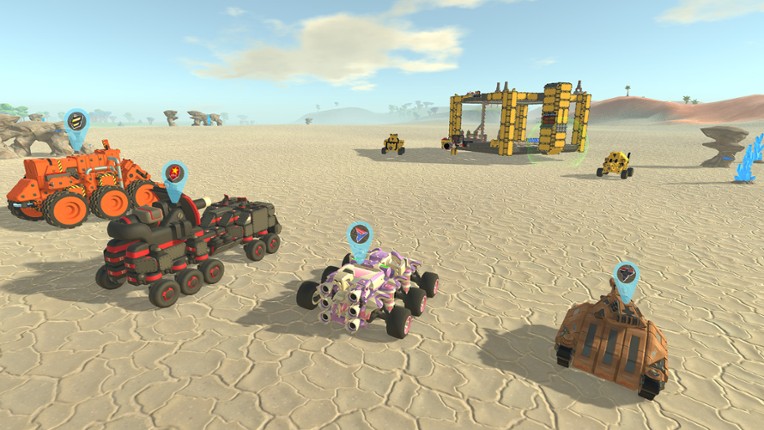
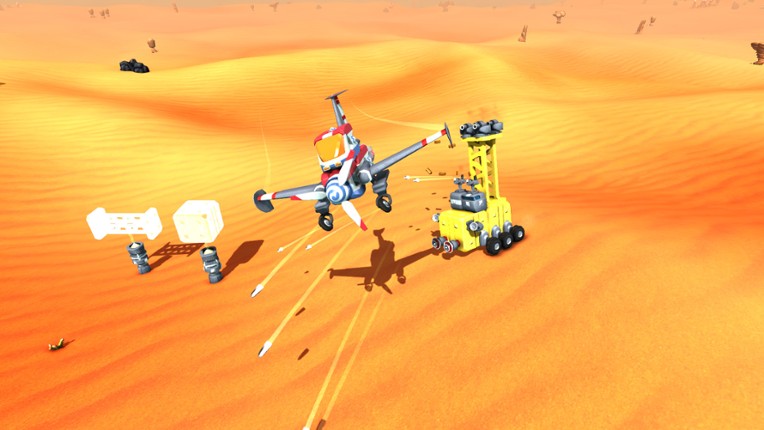
TerraTech channels Worldbox's building freedom into roaming robot vehicles, making it the pick for players who want construction plus combat on the move.
If you enjoyed this game, see our list of games similar to TerraTech.View Game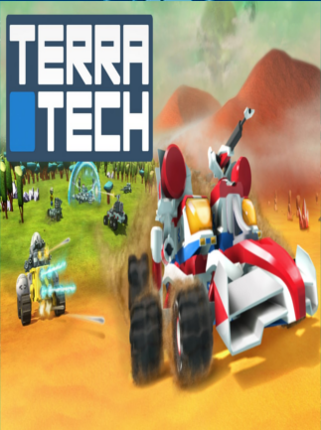
40 View Game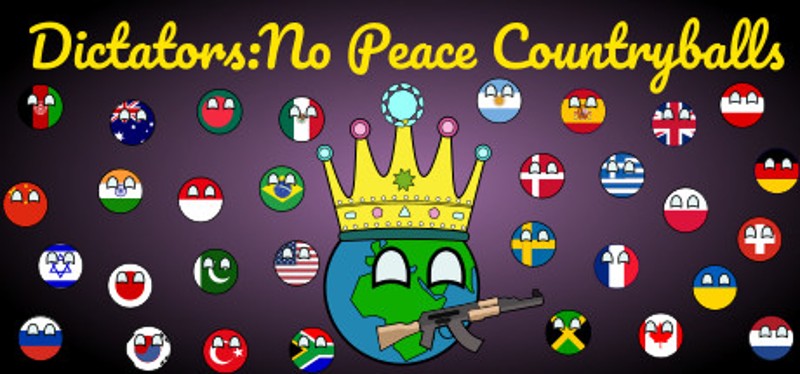 96%Game Brain ScoreMost mentioned positive aspects:gameplay, graphicsMost mentioned negative aspects:story, grinding96% User Score 4,188 reviews
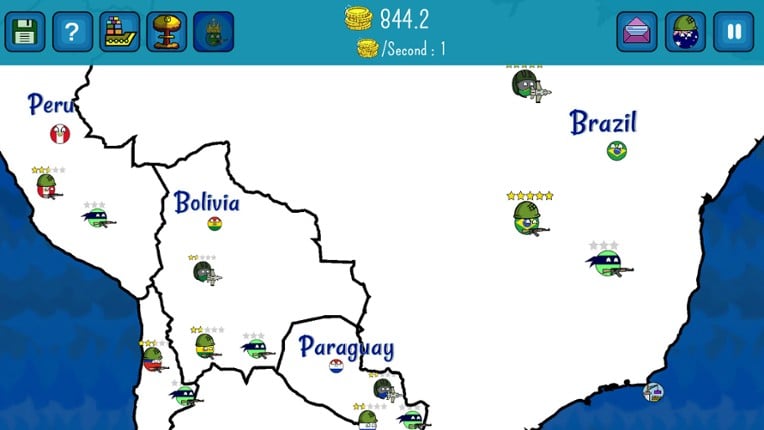
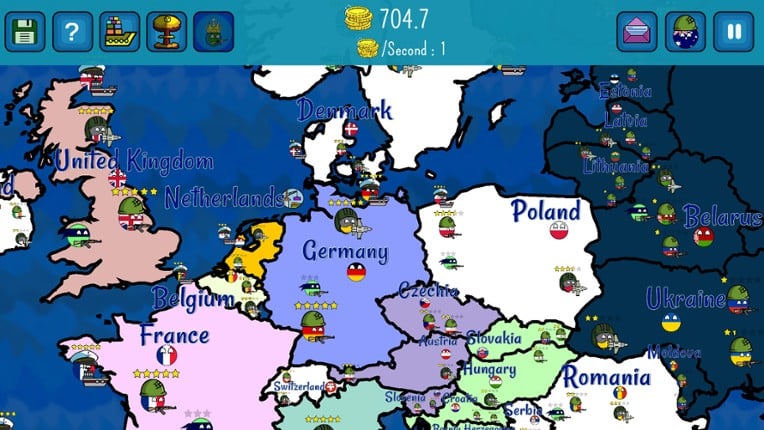
Dictators: No Peace Countryballs only loosely overlaps through nation-scale management, but it suits players who want political satire and meme-driven conquest instead of fantasy simulation.
If you enjoyed this game, see our list of games similar to Dictators:No Peace Countryballs.View Game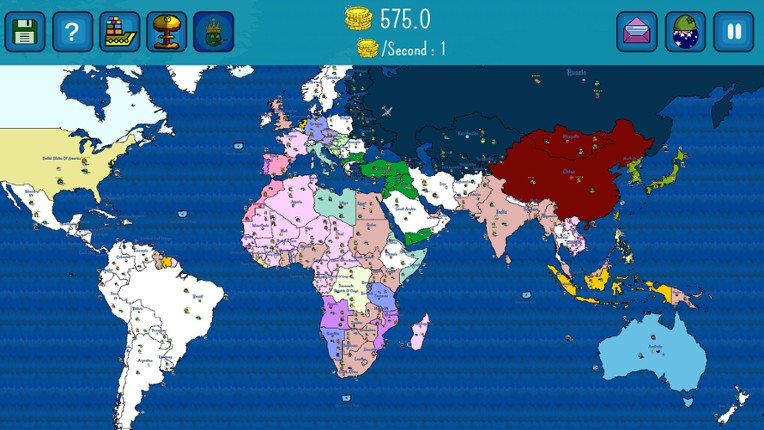
- 84%Game Brain ScoreMost mentioned positive aspects:gameplay, graphicsMost mentioned negative aspects:monetization, grinding84% User Score 7,189 reviews
War Selection broadens Worldbox's civic-scale chaos into a multiplayer historical war strategy game for players who want nations battling in real time.
If you enjoyed this game, see our list of games similar to War Selection.View Game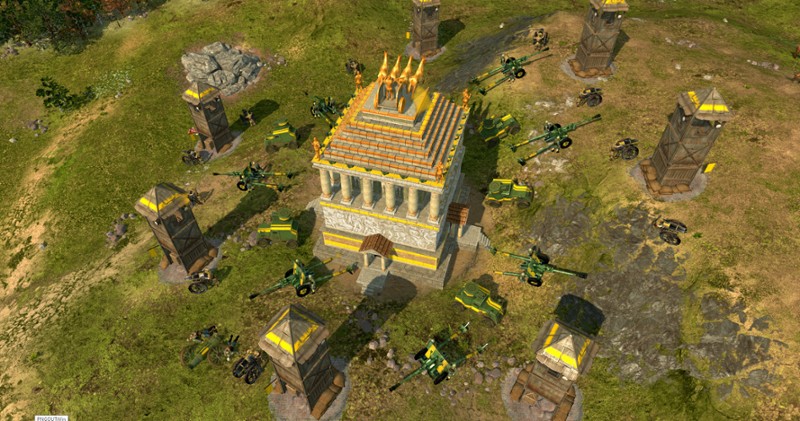
- 96%Game Brain ScoreMost mentioned positive aspects:gameplay, graphicsMost mentioned negative aspects:optimization, stability96% User Score 2,185 reviews
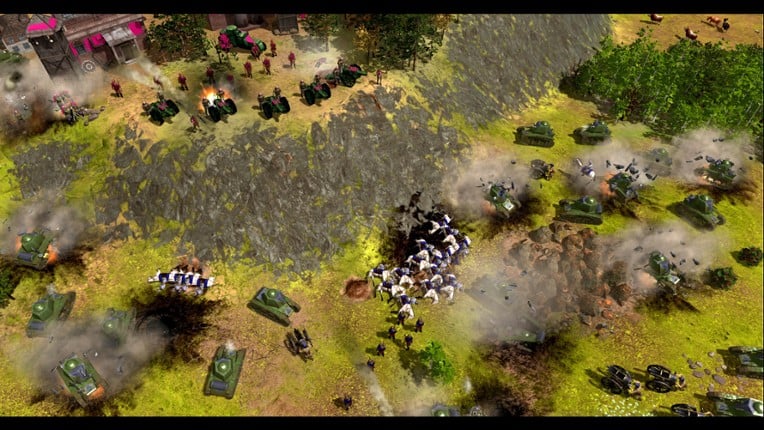
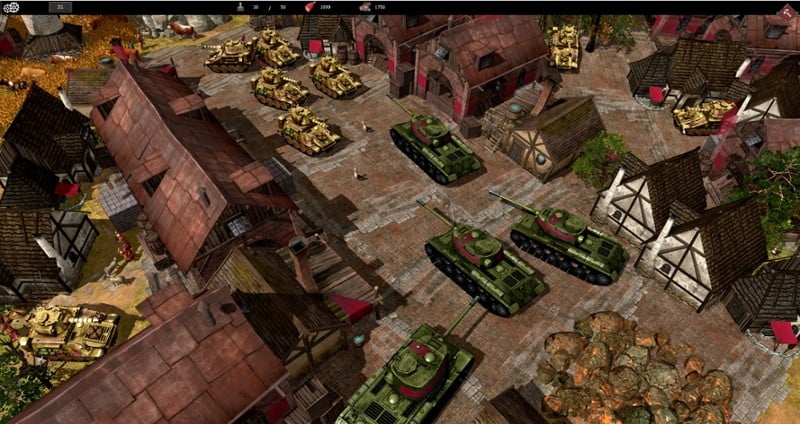
Ancient Warfare 3 shifts the sandbox toward historical combat with pixel-art war machines, targeting players who enjoy building and battling rather than civilization growth.
If you enjoyed this game, see our list of games similar to Ancient Warfare 3.View Game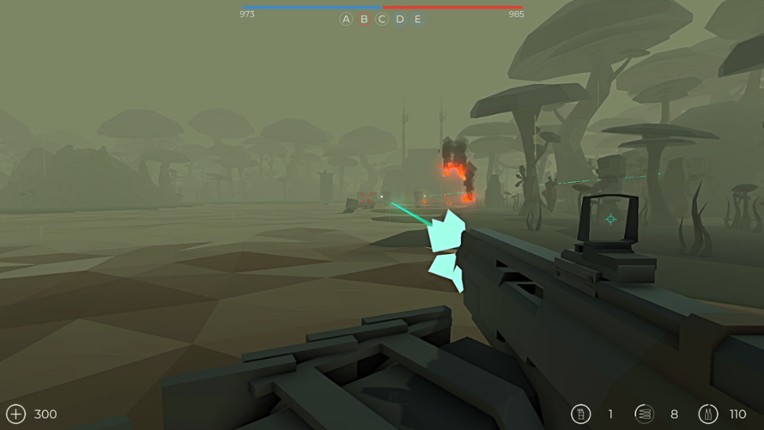
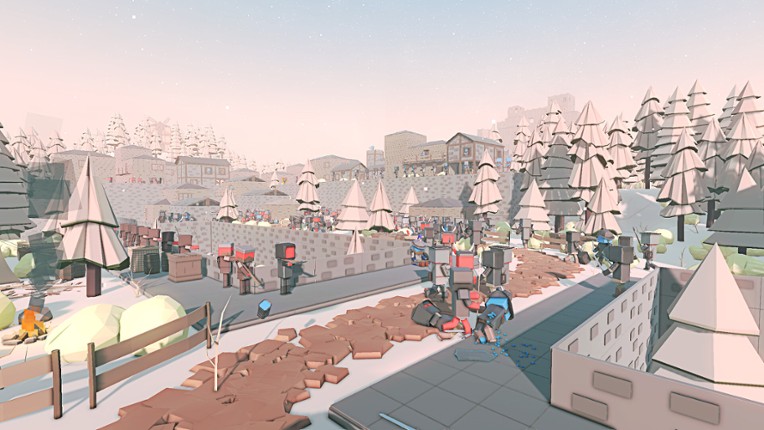
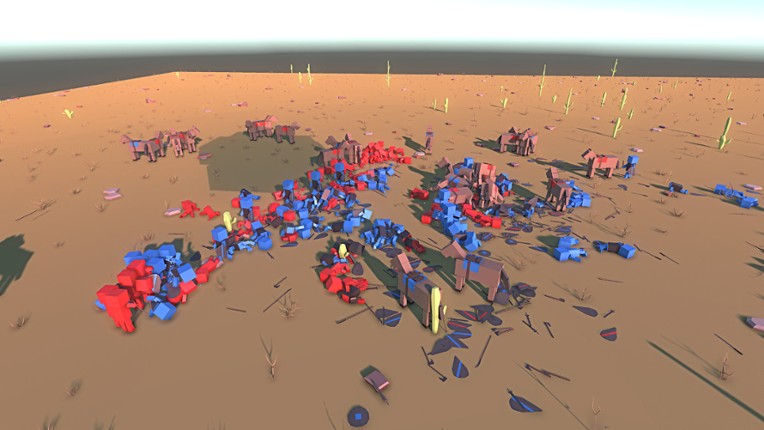
- 88%Game Brain ScoreMost mentioned positive aspects:story, gameplayMost mentioned negative aspects:stability, grinding88% User Score 10,000 reviews
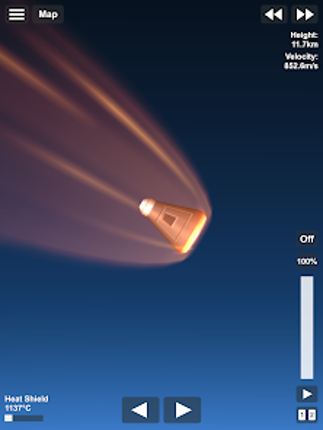
Rocket science made simple! If you enjoyed this game, see our list of games similar to Spaceflight Simulator.
View Game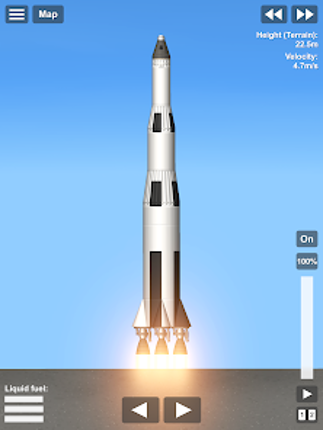
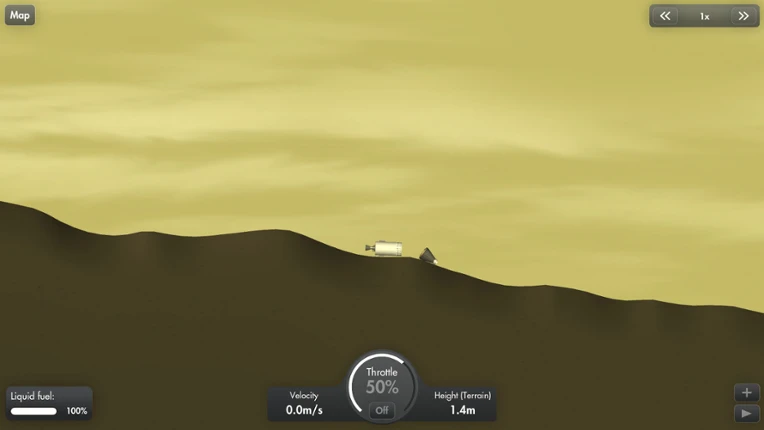
- 93%Game Brain ScoreMost mentioned positive aspects:gameplay, graphicsMost mentioned negative aspects:story, grinding95% User Score 32,120 reviewsCritic Score 87%4 reviews
Timberborn transplants Worldbox's god-game sandbox into a post-apocalyptic voxel world, catering to fans of colony survival and physics-driven engineering.
If you enjoyed this game, see our list of games similar to null.View Game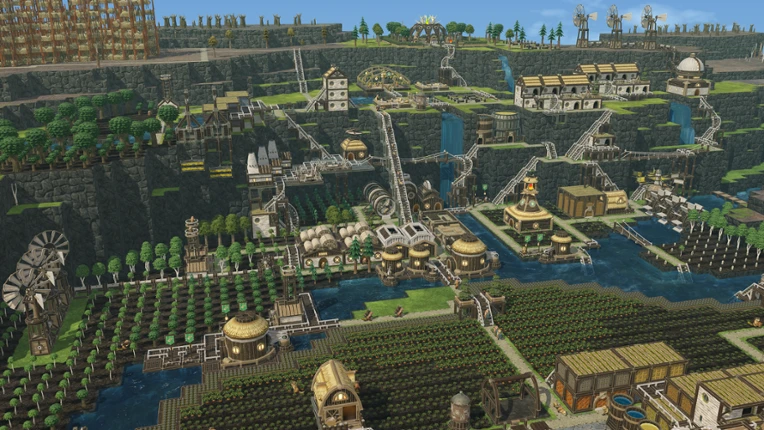
45 View Game 86%Game Brain ScoreMost mentioned positive aspects:gameplay, storyMost mentioned negative aspects:stability, grinding96% User Score 100,614 reviewsCritic Score 77%22 reviews
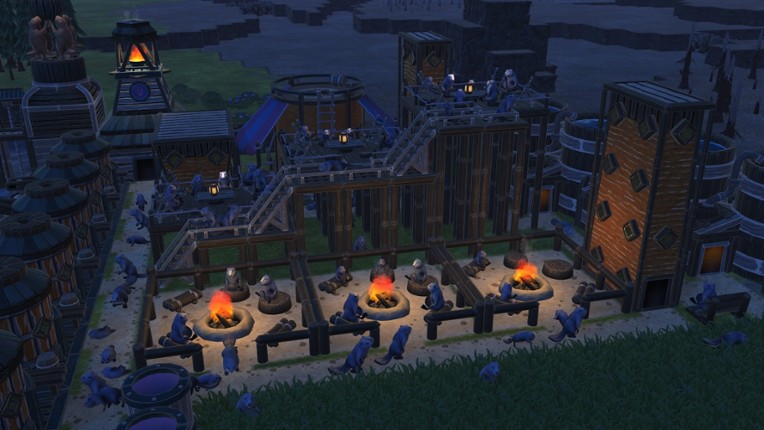
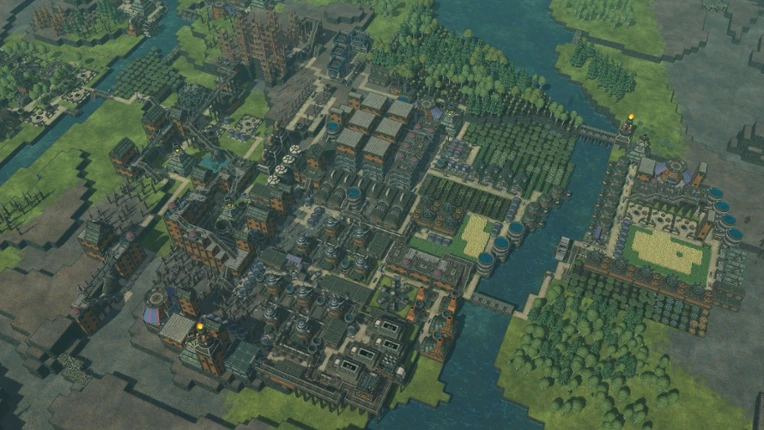
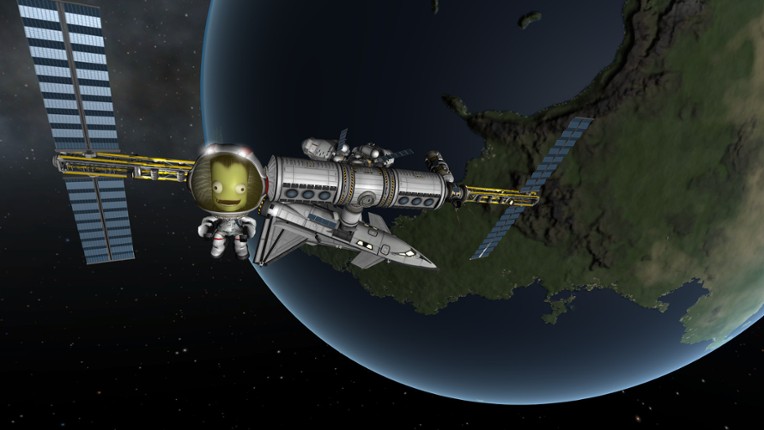
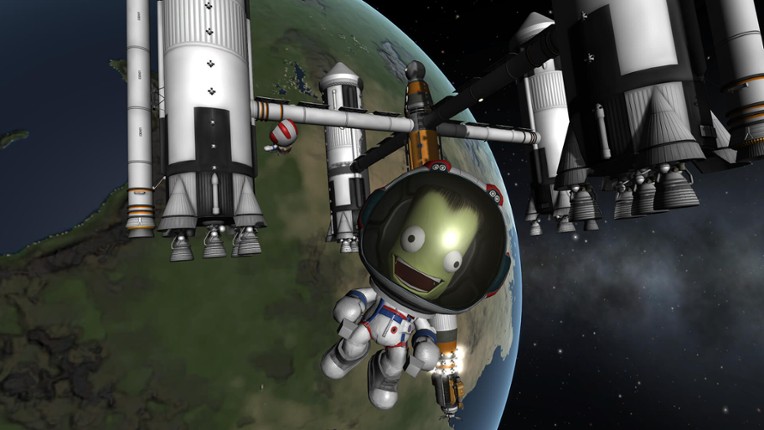
The Kerbal Space Program Enhanced Edition Complete bundle includes the heavily-awarded and ever evolving space simulation game Kerbal Space Program as well as the History and Parts Pack & Breaking Ground expansion for a bundled discount. If you enjoyed this game, see our list of games similar to Kerbal Space Program.
View Game
- 84%Game Brain ScoreMost mentioned positive aspects:graphics, gameplayMost mentioned negative aspects:stability, story84% User Score 7,674 reviews
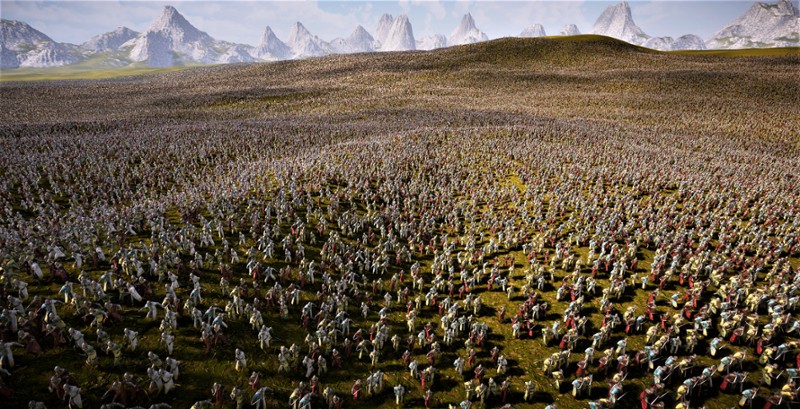
Ultimate Epic Battle Simulator 2 moves the god-game focus to massive AI-driven battles, ideal for players who enjoy watching epic clashes rather than managing settlements.
If you enjoyed this game, see our list of games similar to Ultimate Epic Battle Simulator 2.View Game

- 93%Game Brain ScoreMost mentioned positive aspects:story, gameplayMost mentioned negative aspects:grinding, stability98% User Score 114,792 reviewsCritic Score 78%3 reviews
Slime Rancher replaces Worldbox's detached world management with cozy first-person collecting and ranch upkeep for players who like gentle progression and cute creatures.
If you enjoyed this game, see our list of games similar to Slime Rancher.View Game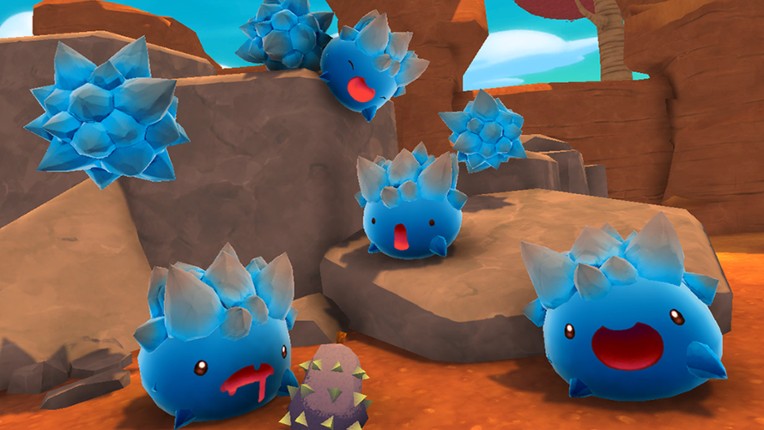

- 97%Game Brain ScoreMost mentioned positive aspects:gameplay, storyMost mentioned negative aspects:stability, grinding97% User Score 86,003 reviews
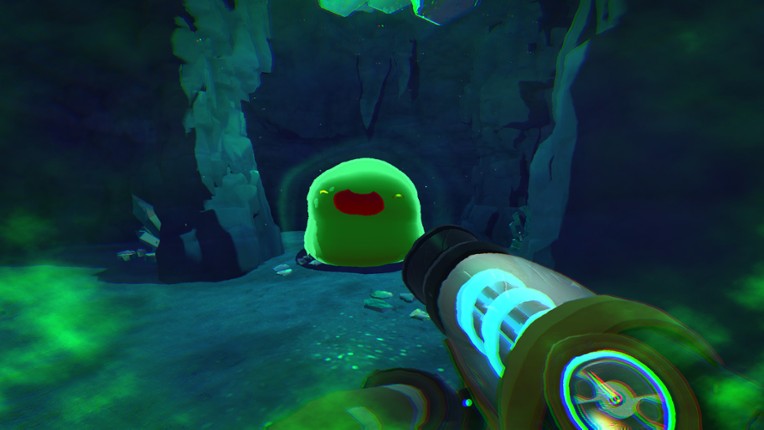
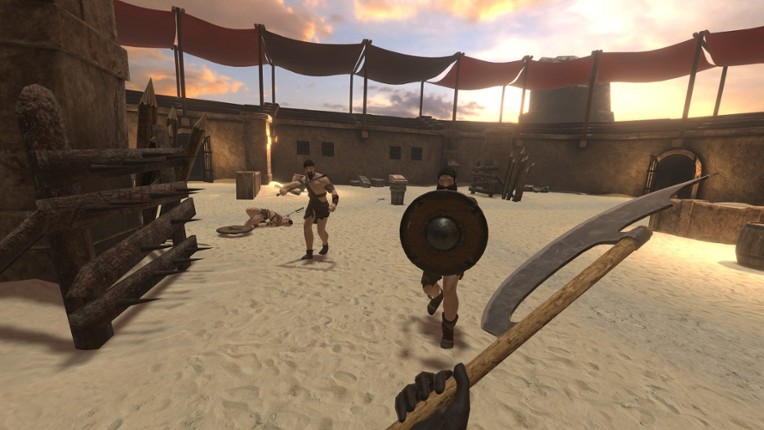
Blade & Sorcery ditches world-building for visceral first-person combat, targeting players who want immersive medieval fighting with physics-based swordplay.
If you enjoyed this game, see our list of games similar to Blade & Sorcery.View Game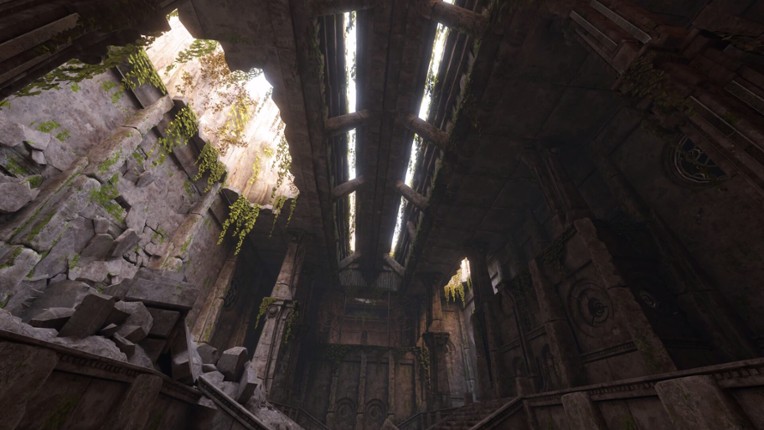
- 88%Game Brain ScoreMost mentioned positive aspects:gameplay, graphicsMost mentioned negative aspects:grinding, stability88% User Score 5,433 reviews
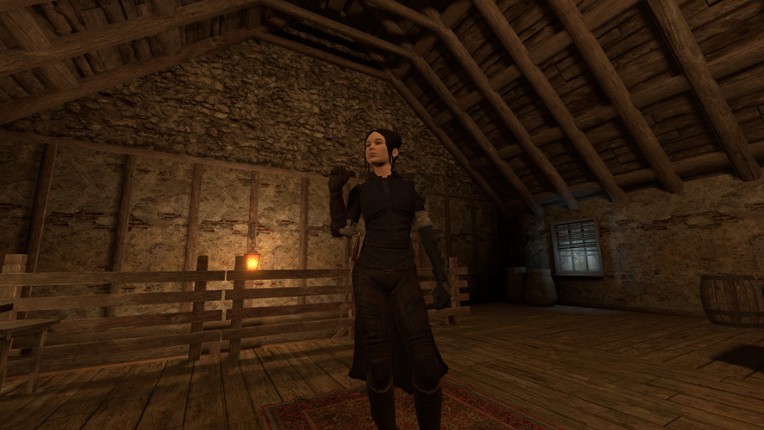
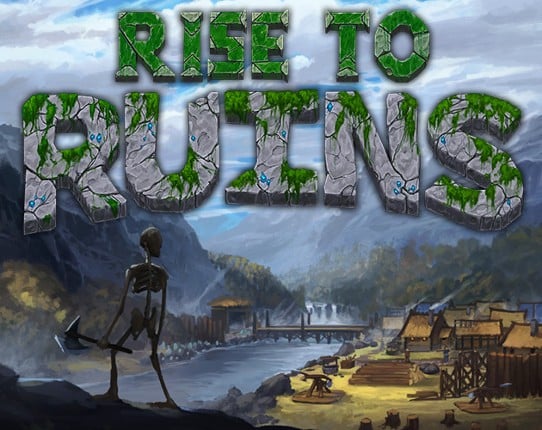
Rise to Ruins mixes Worldbox's god-game sandbox with retro tower-defense roguelike layers, perfect for players craving strategic base-building under constant threat.
If you enjoyed this game, see our list of games similar to Rise to Ruins.View Game
- 85%Game Brain ScoreMost mentioned positive aspects:gameplay, graphicsMost mentioned negative aspects:grinding, stability89% User Score 24,920 reviewsCritic Score 75%4 reviews
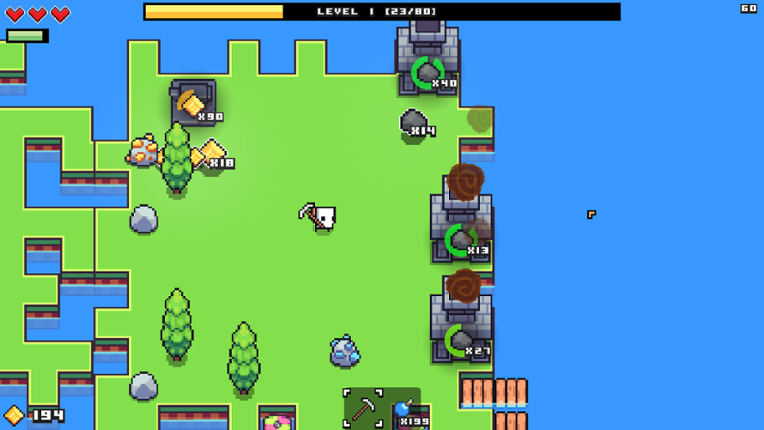
Forager condenses the sandbox into a cozy pixel-art farming adventure, ideal for players who prefer resource gathering over complex civilization simulation.
If you enjoyed this game, see our list of games similar to Forager.View Game



 View Game















































Frequently Asked Questions
Top recommendations include Deisim, which lets you guide civilizations through ages with miracles and interventions, and FantasyMapSimulator, featuring dynamic political and military simulation. Ages of Conflict offers similar sandbox world-building with alternate history scenarios. All three share Worldbox's relaxing god-game mechanics where you watch AI civilizations develop autonomously.
Teardown is available on PC and emphasizes destruction with voxel-based physics in a sandbox environment. Totally Accurate Battle Simulator combines physics-based destruction with hilarious sandbox battles on PC. Both offer the creative destruction and experimentation Worldbox players love, though with different gameplay focuses than pure world simulation.
Ages of Conflict specializes in diplomatic and military simulation where nations interact and battle with full creative freedom. FantasyMapSimulator includes political, military, and cultural dynamics in its world-building. Both games emphasize watching AI factions navigate complex relationships, mirroring Worldbox's political simulation depth with enhanced strategic elements.
Spore is frequently on sale and offers god-game progression from creature evolution to civilization building. Deisim has a free-to-play version alongside premium options. Both provide extensive sandbox creation and world-shaping mechanics without requiring massive investment, making them budget-friendly alternatives to Worldbox's early access pricing.
Totally Accurate Battle Simulator is famous for absurd physics creating hilarious unpredictable outcomes. Brick Rigs combines destruction with comedic physics-based gameplay. Both match Worldbox's humorous tone while emphasizing creative destruction and sandbox experimentation with satisfying, often ridiculous results that keep players laughing.
FantasyMapSimulator features a unique wallpaper mode letting simulations run peacefully as your desktop background. Deisim provides relaxing sandbox gameplay where civilizations evolve autonomously. Both prioritize calming, low-stress simulation like Worldbox's idle mechanics, letting you enjoy world development without pressure or time constraints.