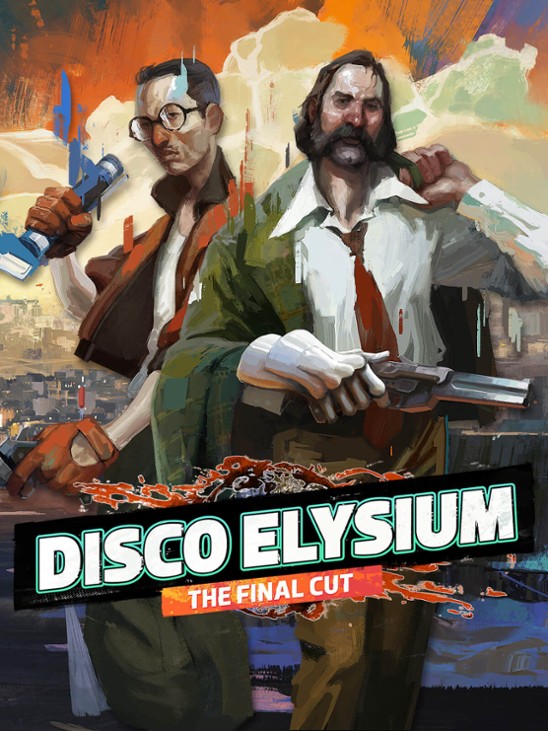


Games like Disco Elysium
If you've spent hours lost in Revachol, interrogating your own psyche alongside a amnesiac detective, you already know there's nothing quite like it — and yet, here you are, searching for games like Disco Elysium. That search makes perfect sense. The combination of deep role-playing, turn-based investigation, and genuinely literary storytelling is rare, but it does exist elsewhere. The good news: there are some remarkable alternatives that scratch that same itch.
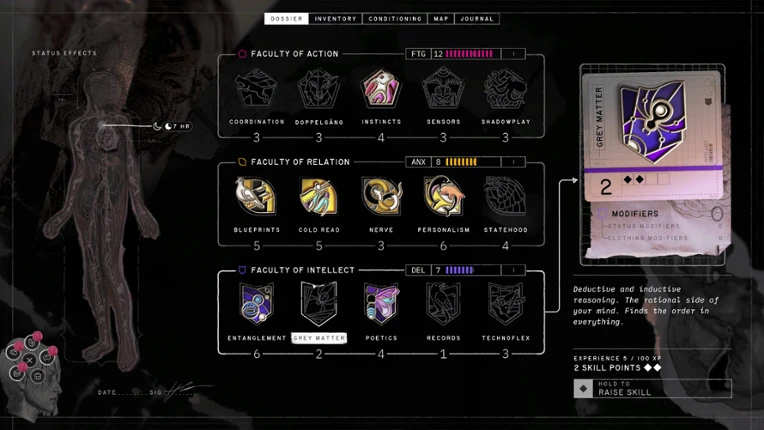
What sets Disco Elysium apart is its refusal to separate mechanics from meaning. Its skill system is the narrative — every stat is a voice in your head, every check a small drama. The mystery and thriller atmosphere, the mordant humor, the emotional depth that creeps up on you without warning — all of it delivered through almost pure text and dialogue rather than combat. Players aren't looking for just another RPG; they're looking for a story that respects their intelligence and reacts to who they choose to be.
What Makes a Good Alternative to Disco Elysium?
- Choices that carry narrative weight — Not just branching paths, but decisions that reshape character, relationships, and world — the kind that make you pause before clicking, just like Disco Elysium's skill checks and dialogue options do.
- Story-rich writing with philosophical depth — Disco Elysium treats politics, identity, and morality as genuine subjects worth exploring. The best alternatives bring that same intellectual honesty to their scripts.
- Atmosphere built from art and soundtrack together — The hand-painted visuals and haunting score aren't decoration; they're mood delivery systems. Alternatives worth your time use their aesthetics the same way.
- Investigation or detective mechanics — Piecing together a mystery through observation, conversation, and deduction is central to Disco Elysium's loop. Games that replicate this give you that same slow-burn satisfaction.
- Emotional replayability through different perspectives — The ability to approach the same story differently — through a different build, background, or set of choices — is what keeps Disco Elysium worth revisiting. Good alternatives offer the same.
Top Picks If You Enjoyed Disco Elysium
Disco Elysium: The Final Cut is the definitive version with expanded content worth revisiting. Pentiment delivers stunning hand-crafted visuals and a murder mystery rooted in rich historical writing. Citizen Sleeper pairs a dice-driven RPG system with deeply humane sci-fi storytelling. The Forgotten City wraps a clever time-loop mystery around philosophical moral dilemmas. The Red Strings Club explores cyberpunk ethics through bartending and sharp, thought-provoking dialogue. Roadwarden builds a surprisingly dense world entirely through text and meaningful choice.
Every recommendation below is ranked by similarity to Disco Elysium using real player data, so the closest matches appear first. Browse the full list to find your next obsession.
- 93%Game Brain ScoreMost mentioned positive aspects:story, gameplayMost mentioned negative aspects:grinding, stability93% User Score 58,300 reviews
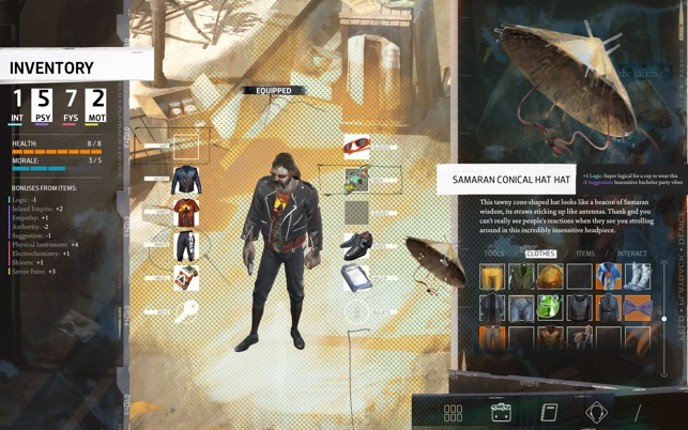
Disco Elysium: The Final Cut deepens the investigative detective work that defined the original—your choices during skill checks don't just succeed or fail, they reshape which story paths remain accessible to you. This creates the same high-stakes decision weight that made the first game's mystery unfold unpredictably across playthroughs.
The intricate skill customization system returns as your primary lever for character expression, letting you roleplay wildly different detectives with genuinely different dialogue options and success rates. Its hand-painted art and haunting soundtrack preserve the atmospheric melancholy that made exploration feel purposeful rather than busywork.
The Final Cut trades some gameplay variety for substantially deeper writing—expect longer stretches of reading and dialogue, with less action to punctuate the pacing. This is the tradeoff for a story that evolved beyond the original's scope.
If grinding and technical roughness frustrated you before, The Final Cut stabilizes performance and removes the original's progression tedium, letting you focus on investigation and roleplay without friction.
Best for players who prize narrative consequences and character expression over traditional adventure-game pacing—those who want their choices to genuinely reshape who their detective becomes.
If you enjoyed this game, see our list of games similar to Disco Elysium: The Final Cut.View Game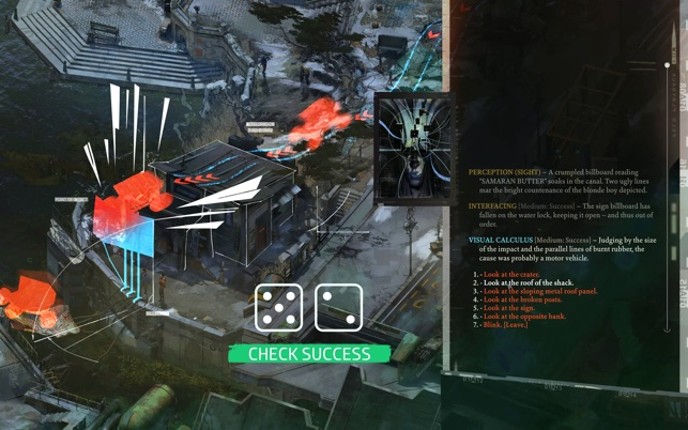
- 90%Game Brain ScoreMost mentioned positive aspects:story, humorMost mentioned negative aspects:grinding, stability95% User Score 7,585 reviewsCritic Score 84%17 reviews
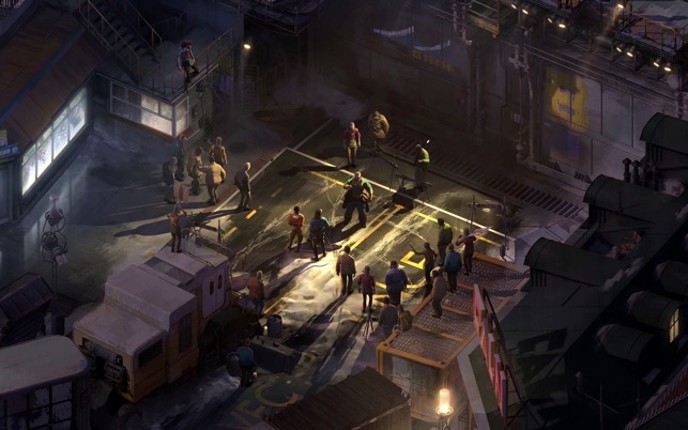
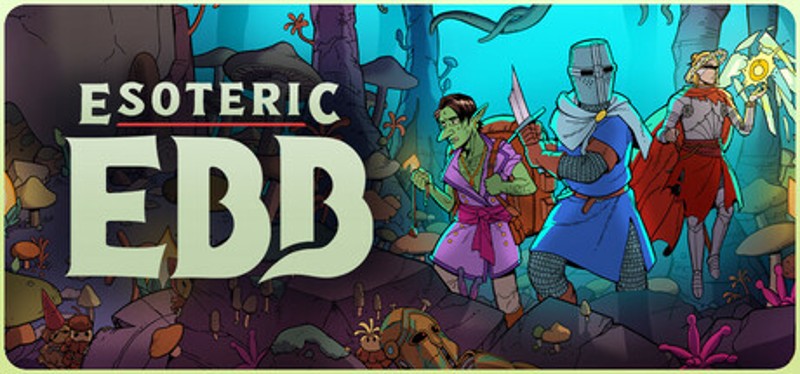
Esoteric Ebb is a single-player CRPG inspired by the freedom of tabletop adventures. Unravel a political conspiracy with your goblin sidekick. Roll dice in tense encounters. Become a cleric of legends or completely ruin the campaign. If you enjoyed this game, see our list of games similar to Esoteric Ebb.
View Game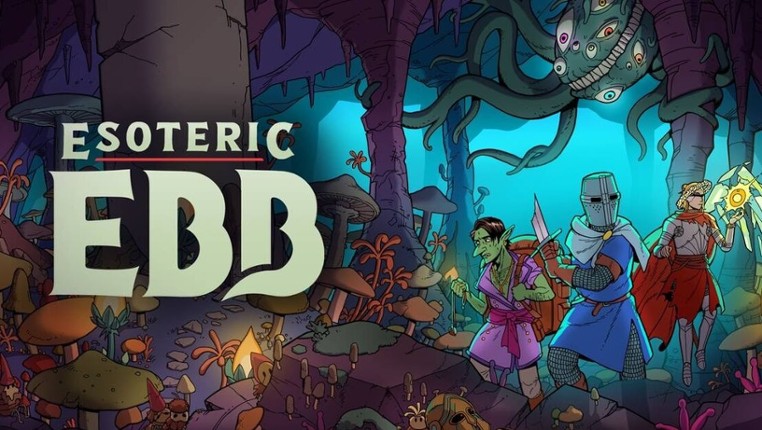
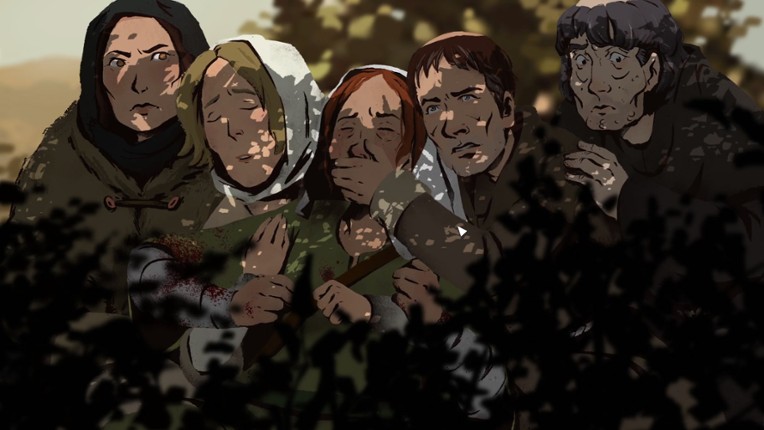
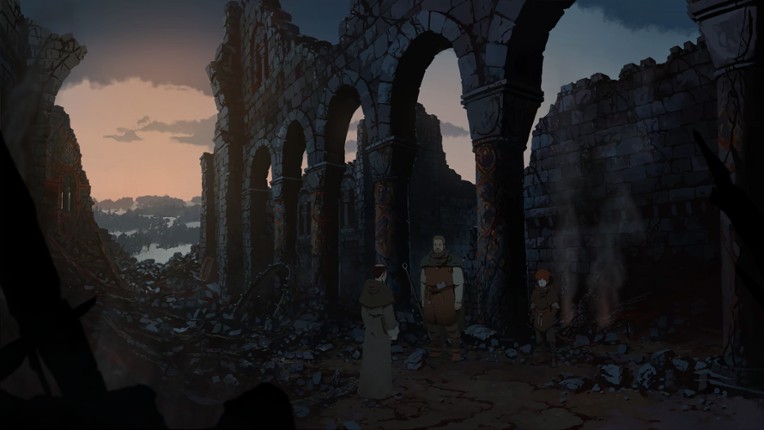
- 89%Game Brain ScoreMost mentioned positive aspects:story, graphicsMost mentioned negative aspects:grinding, stability95% User Score 7,848 reviewsCritic Score 77%4 reviews
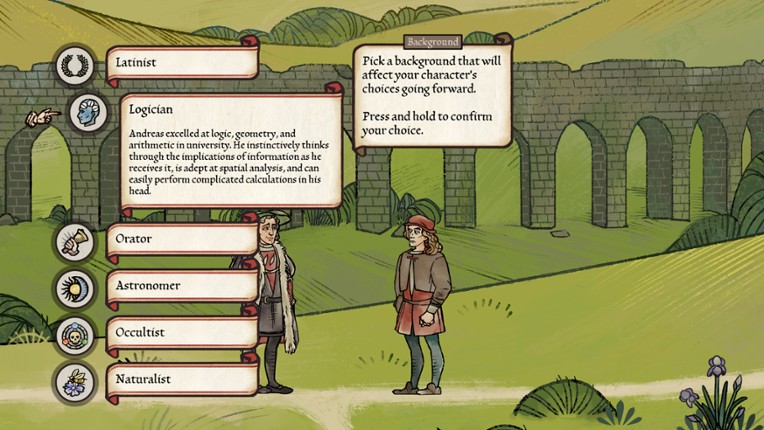
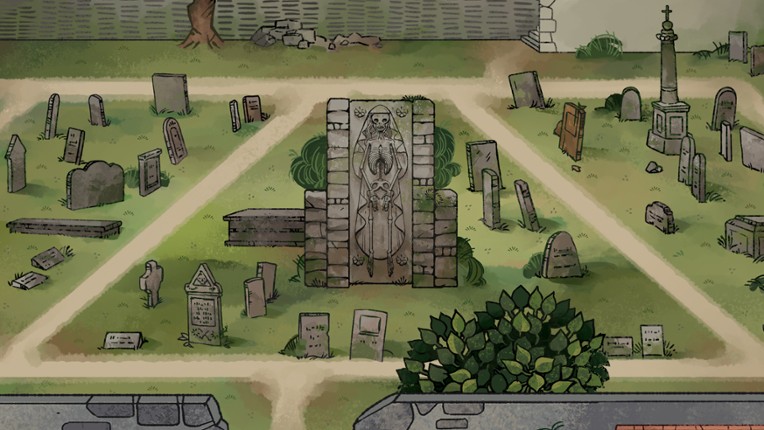
Both games make you work through a mystery by reading people, weighing motives, and committing to choices that can’t be neatly taken back. That creates the same tense, brainy rhythm Disco Elysium fans love: you’re not just following clues, you’re testing theories against messy human behavior.
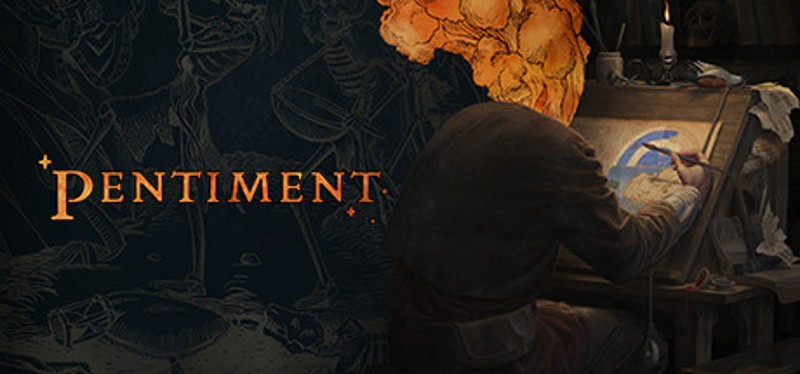
Pentiment also rewards conversation-driven investigation, where the real puzzle is figuring out what matters enough to pursue. Because dialogue choices can close off information, every exchange feels loaded in the same way Disco’s checks and inner debates do, especially when you’re trying to piece together a larger truth from partial evidence.
The biggest tradeoff is that Pentiment swaps Disco’s surreal humor and stat-heavy systems for a slower, more historical, text-first experience. That fresh angle pays off with stronger replay value, since choices reshape how the story unfolds across multiple playthroughs, and it addresses Disco’s common complaint about short-lived momentum by offering a fuller, longer investigation.
Best for players who want consequence, deduction, and character writing over action.
If you enjoyed this game, see our list of games similar to Pentiment.View Game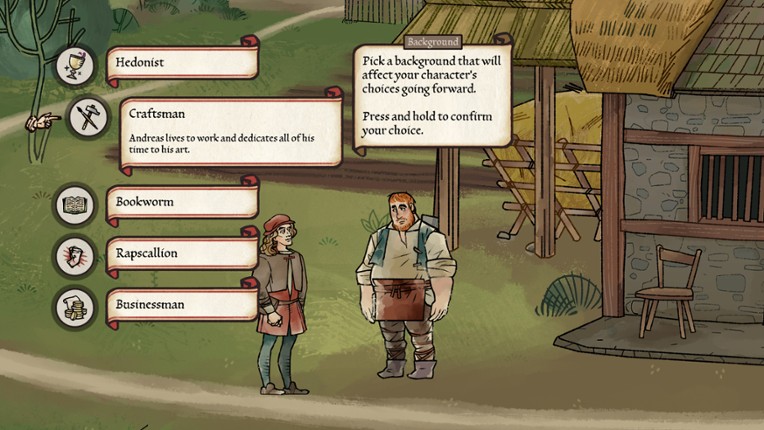
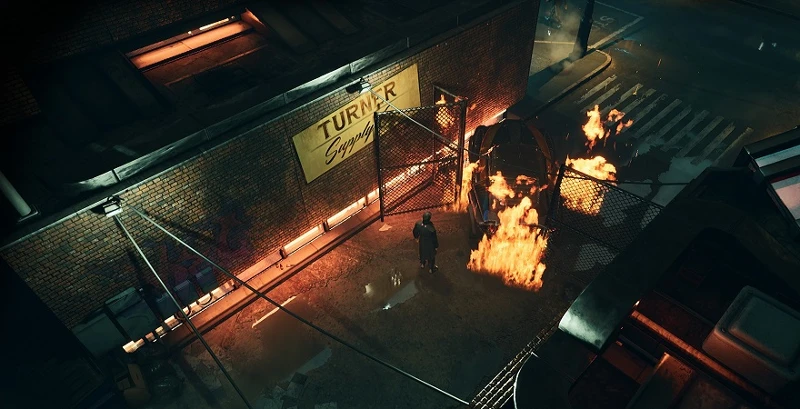
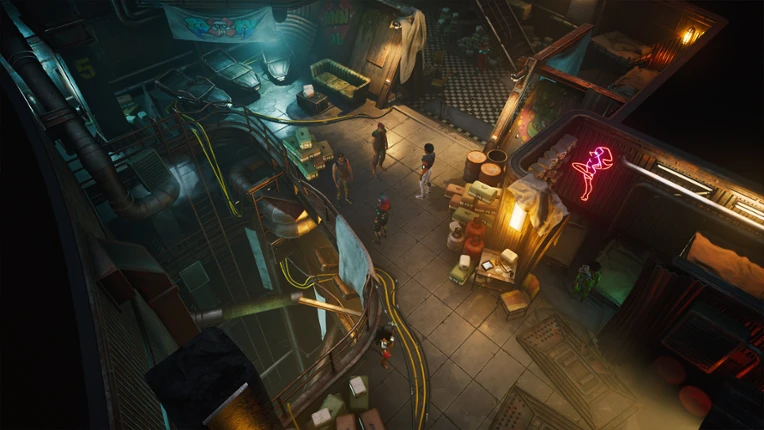
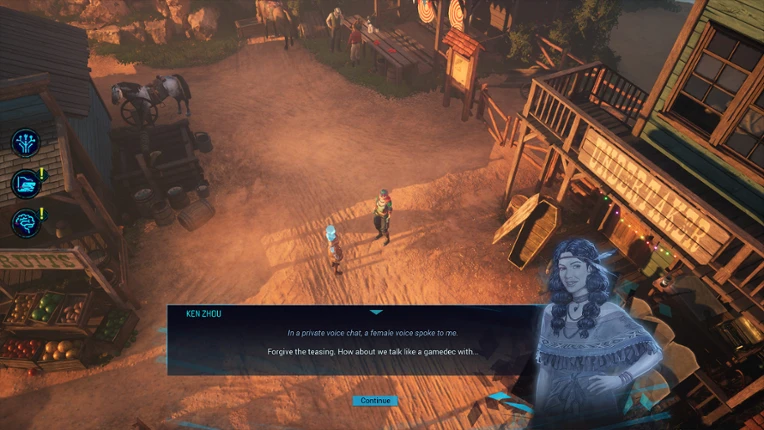
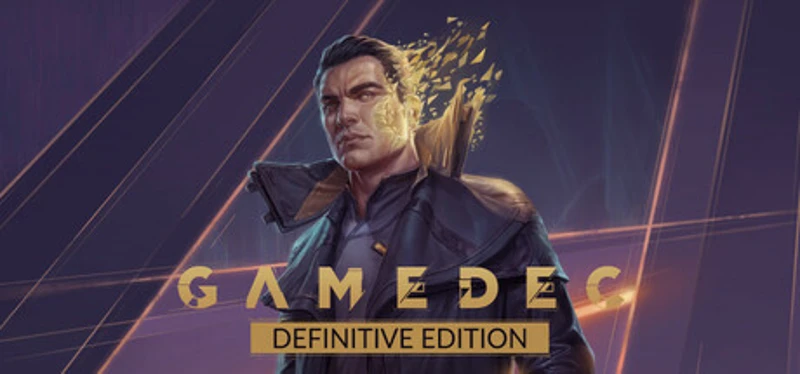
- 73%Game Brain ScoreMost mentioned positive aspects:story, gameplayMost mentioned negative aspects:grinding, stability74% User Score 708 reviewsCritic Score 73%24 reviewsGamedec transplants detective work into a cyberpunk future with text-based cases and isometric visuals, rewarding player deduction through branching narrative paths. If you enjoyed this game, see our list of games similar to Gamedec.View Game
- 92%Game Brain ScoreMost mentioned positive aspects:story, gameplayMost mentioned negative aspects:grinding, stability95% User Score 822 reviewsCritic Score 89%10 reviews
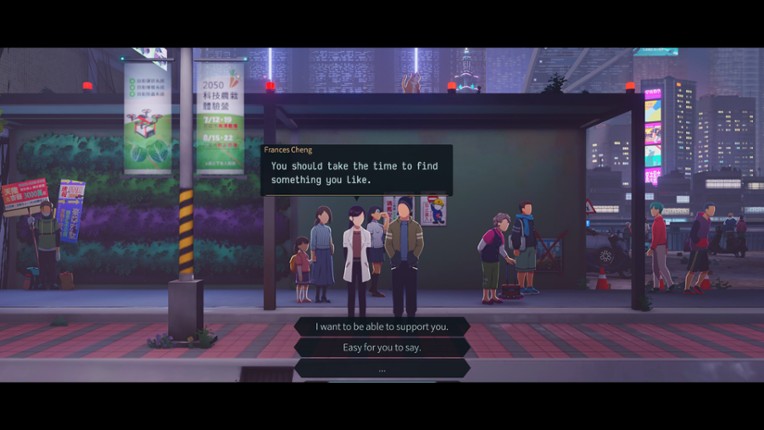
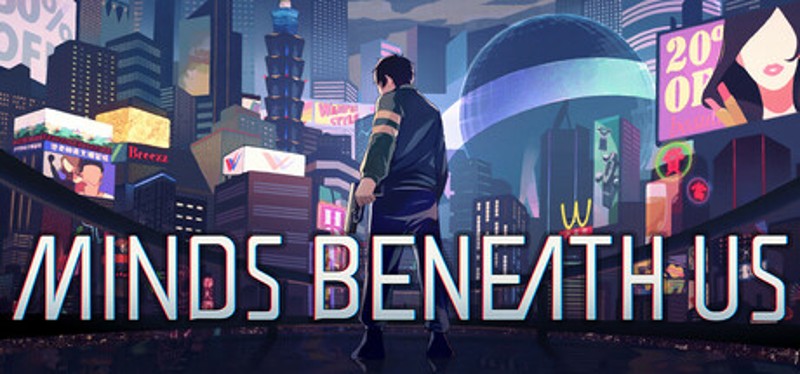
Embark on a thrilling sci-fi journey in a futuristic Asian city with MINDS BENEATH US. In a society fully automated by advanced AI, you find yourself trapped in a foreign body, alongside the subconscious of its original owner. As society evolves, a new industry emerges that replaces the hardware needed to operate AI-automated systems with human brains. Consequently, the most disadvantaged citizens… If you enjoyed this game, see our list of games similar to Minds Beneath Us.
View Game

- 95%Game Brain ScoreMost mentioned positive aspects:story, musicMost mentioned negative aspects:grinding, stability95% User Score 5,758 reviews
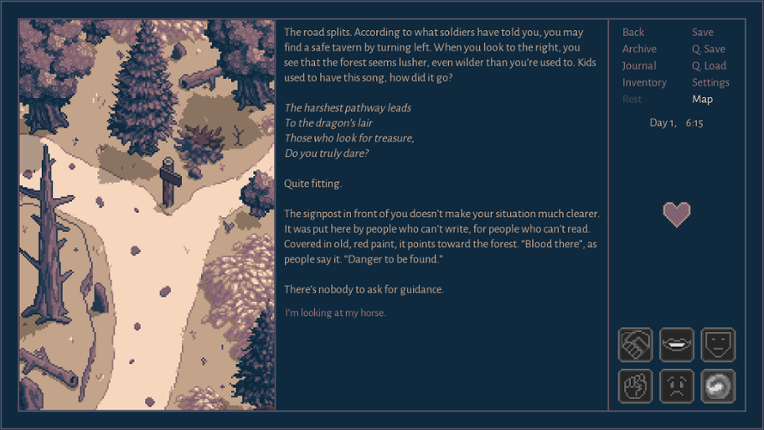
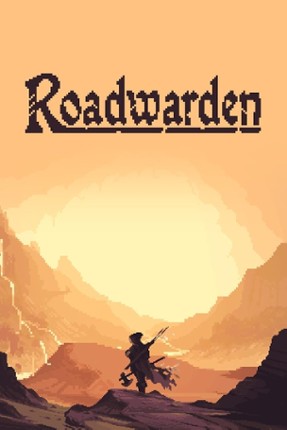
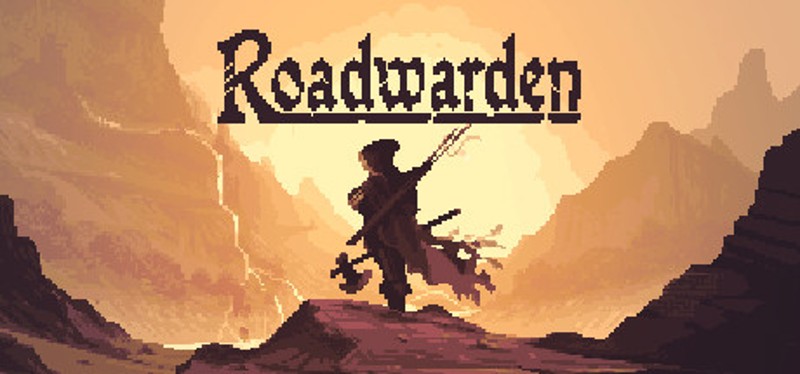
Both center the player's internal voice as a narrative engine—Disco Elysium's Thought Cabinet and Roadwarden's reflective journal—to drive investigation and story.
Both embed a haunting soundtrack that deepens the story's mood, making the atmosphere feel palpable.
Roadwarden trades Disco Elysium's rapid skill checks for a slower, more contemplative pace that rewards patience over urgency.
Pick this up if you want a text‑driven, choice‑rich RPG with deep worldbuilding but can live without the high‑octane action and sardonic humor of Disco Elysium.
If you enjoyed this game, see our list of games similar to Roadwarden.View Game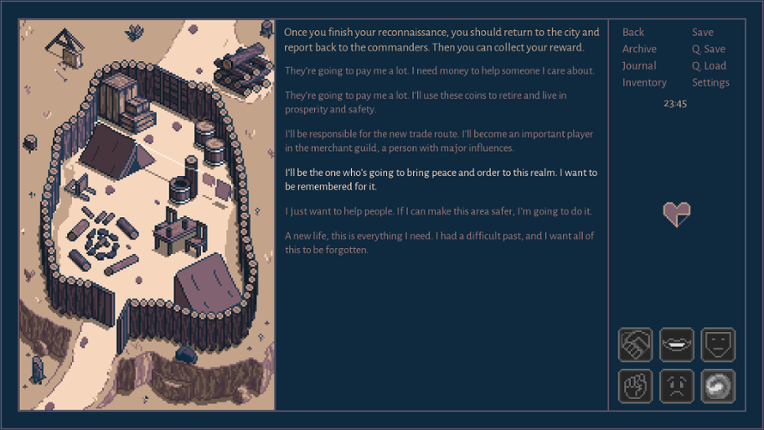
- 90%Game Brain ScoreMost mentioned positive aspects:story, gameplayMost mentioned negative aspects:optimization, grinding96% User Score 8,462 reviewsCritic Score 84%40 reviews
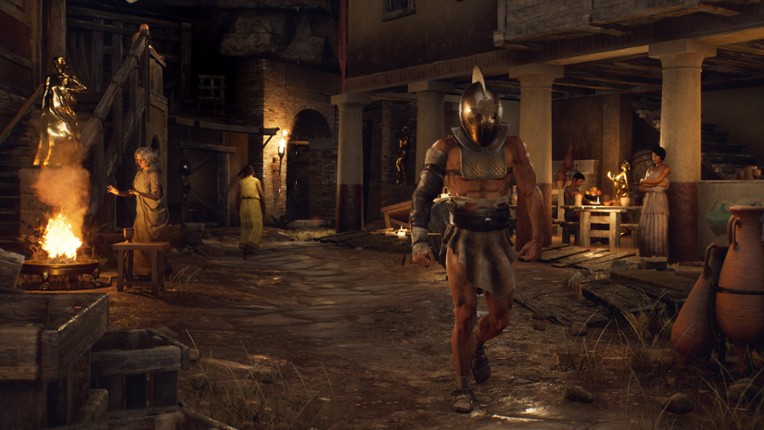
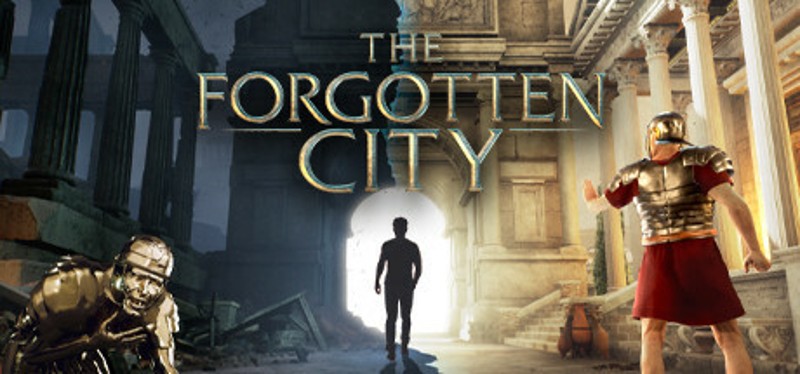
Both games reward you for asking questions and piecing together a mystery through repeated cycles of investigation and dialogue—but The Forgotten City weaponizes this loop itself. Where Disco Elysium asks you to uncover truth through skill checks and conversation choices, The Forgotten City traps you in a time loop that forces you to revisit the same location and NPCs, making each dialogue branch feel like a deliberate choice rather than linear progression.
The investigation framework mirrors Disco Elysium's detective work: talk to everyone, cross-reference clues, and watch how your choices ripple through character relationships. The stellar soundtrack and philosophical depth—questions about morality, consequence, and human nature—hit the same dramatic notes that made Disco Elysium's atmosphere so compelling.
The key tradeoff is scope: The Forgotten City trades Disco Elysium's sprawling urban exploration and skill-driven combat for a tighter, first-person mystery set in ancient Rome. This isn't a weakness if you prize narrative density over exploration—the shorter playtime means less filler and sharper pacing.
Best for players who craved Disco Elysium's detective work and character writing but found the grinding exhausting. If story and dialogue are your priority over open-world freedom, this is a natural next move.
If you enjoyed this game, see our list of games similar to The Forgotten City.View Game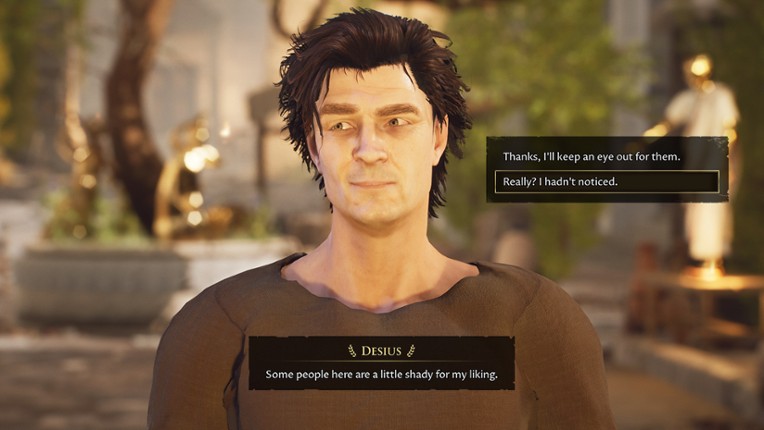
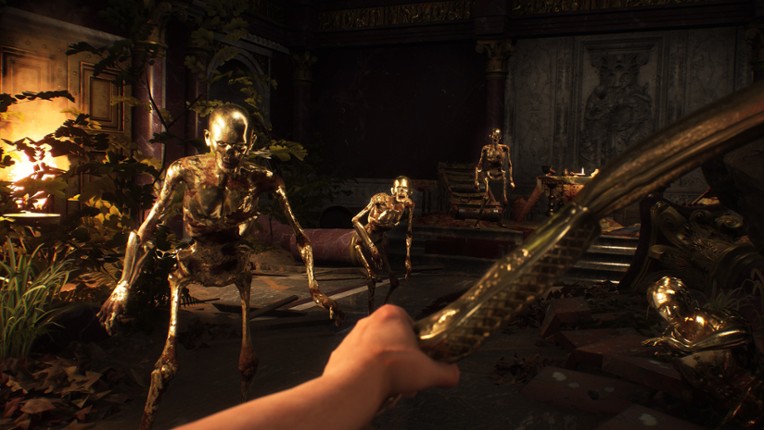
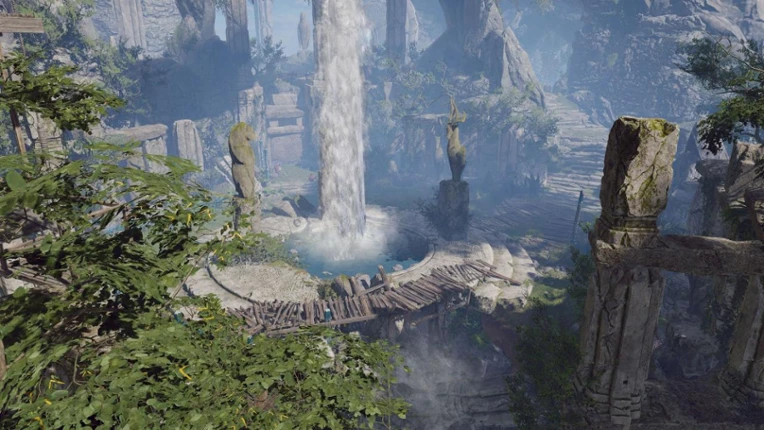
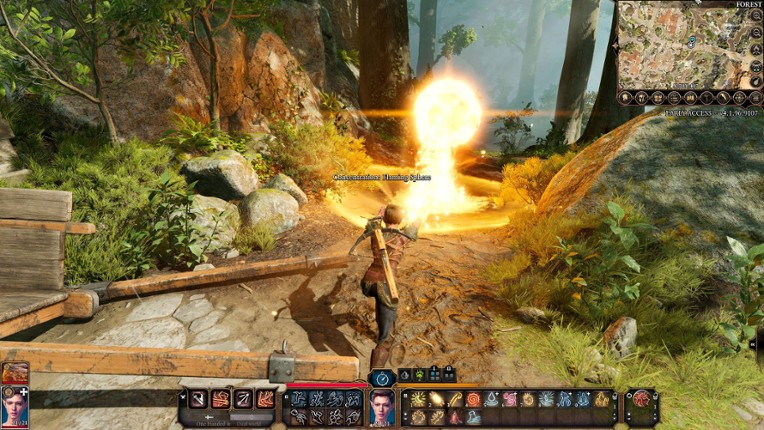
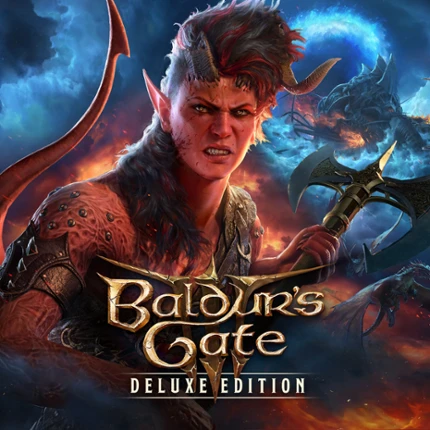
- 96%Game Brain ScoreMost mentioned positive aspects:story, gameplayMost mentioned negative aspects:stability, monetization97% User Score 708,180 reviewsCritic Score 95%69 reviewsBaldur's Gate 3 scales up Elysium's conversation depth into a massive D&D world with multiplayer options, prioritizing character creation and combat over city survival. If you enjoyed this game, see our list of games similar to Baldur's Gate 3.View Game
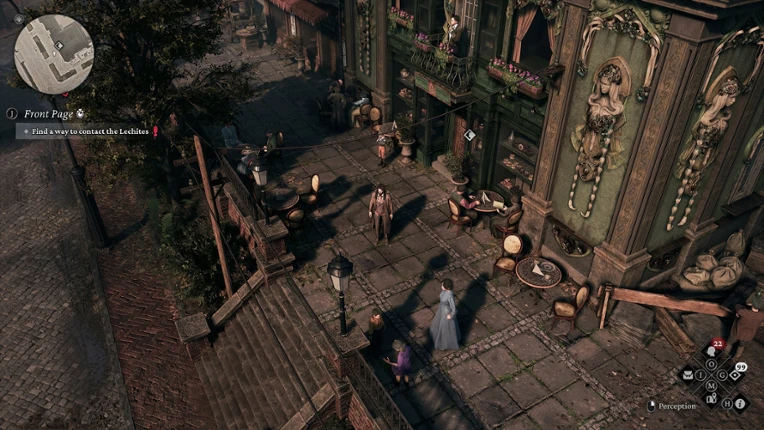
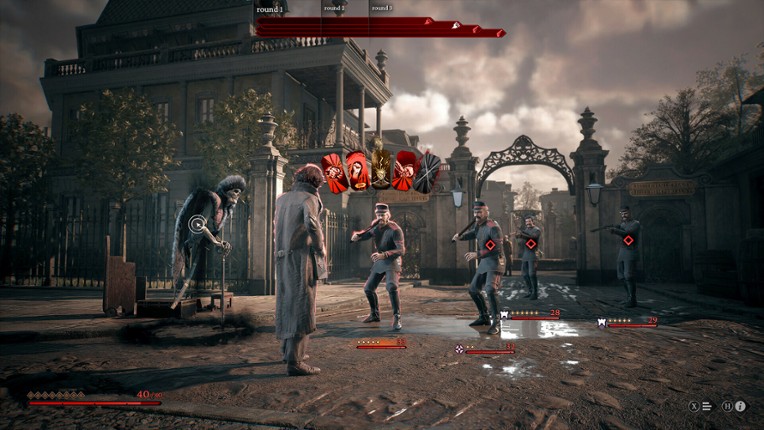
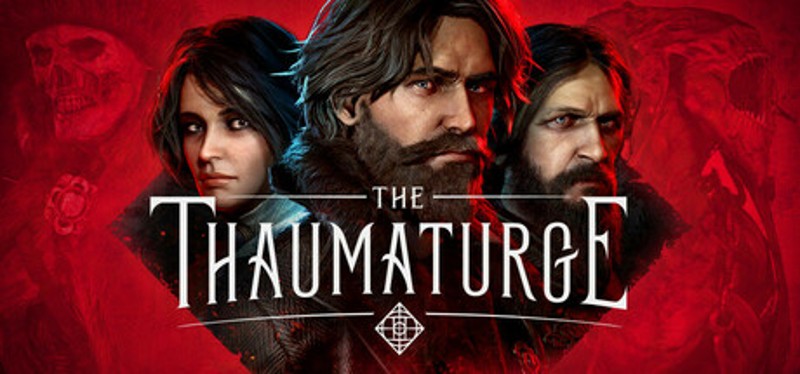
- 81%Game Brain ScoreMost mentioned positive aspects:story, gameplayMost mentioned negative aspects:optimization, grinding83% User Score 2,213 reviewsCritic Score 78%32 reviewsThe Thaumaturge layers demon summoning and turn-based combat onto its detective framework, catering to those who want Elysium's investigation fused with fantasy RPG battles. If you enjoyed this game, see our list of games similar to The Thaumaturge.View Game
10 View Game 79%Game Brain ScoreMost mentioned positive aspects:story, gameplayMost mentioned negative aspects:grinding, stability79% User Score 2,364 reviews
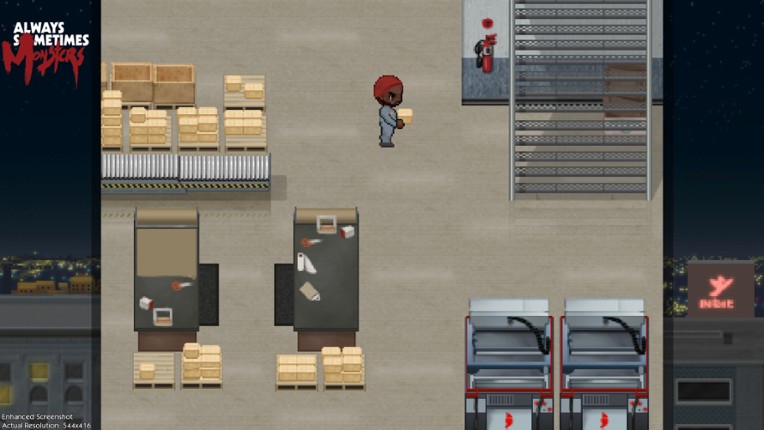
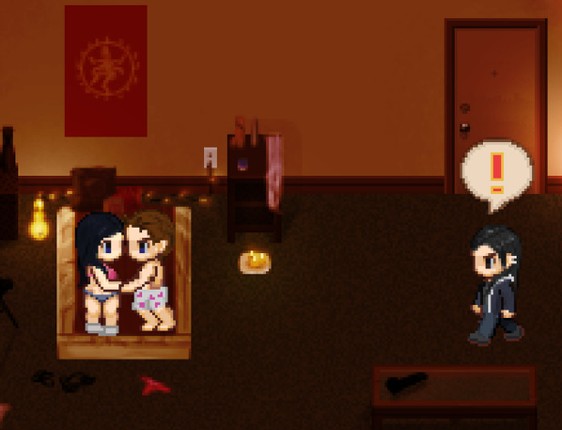
Both titles trap you in the messy aftermath of failure, forcing you to navigate a world that refuses to slow down for your recovery. You will spend your time wrestling with complex moral dilemmas where every choice carries a heavy weight. This creates a familiar sense of desperation, as survival depends on how you balance your ethics against the reality of your immediate needs.
While Disco Elysium focuses on the psyche, this experience centers on interpersonal friction during a grounded journey. The atmospheric soundtrack anchors the emotional highs and lows, much like the melancholic tones of Martinaise. Diverse character selection ensures your identity fundamentally alters how NPCs react to your specific struggle.
A fresh angle here is the reliance on Life Sim mechanics over skill-checks. You must work to fund your progress, which avoids the technical bugs and monetization concerns of larger productions. This turns the simple act of existing into a tangible gameplay loop.
Best for players who prioritize narrative intimacy and moral ambiguity over mechanical mastery.
If you enjoyed this game, see our list of games similar to Always Sometimes Monsters.View Game
- 89%Game Brain ScoreMost mentioned positive aspects:story, gameplayMost mentioned negative aspects:grinding, optimization94% User Score 4,294 reviewsCritic Score 75%3 reviews
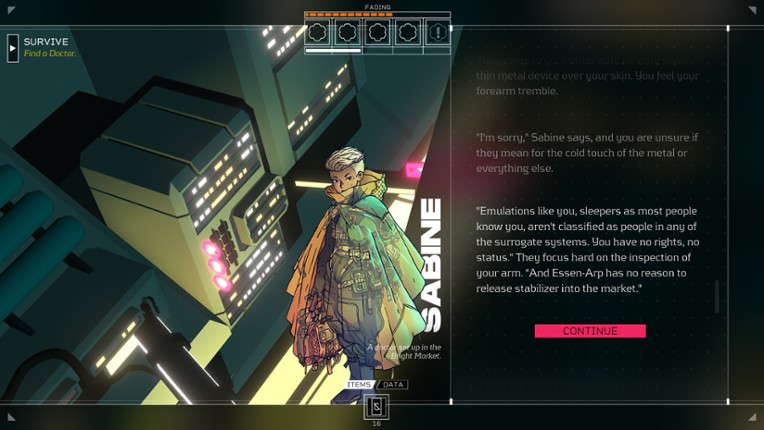
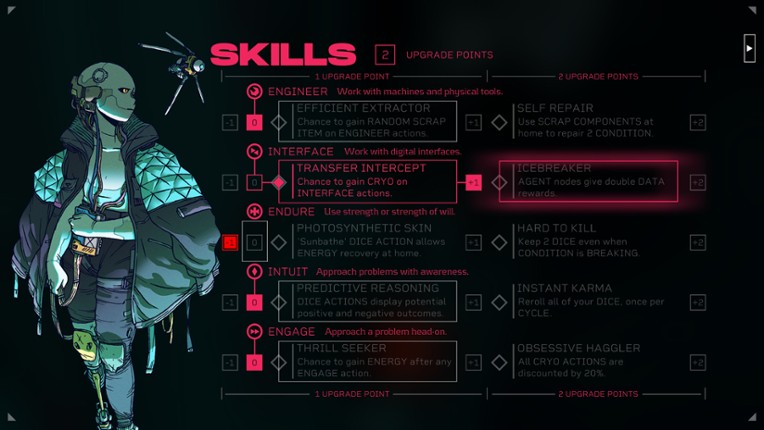
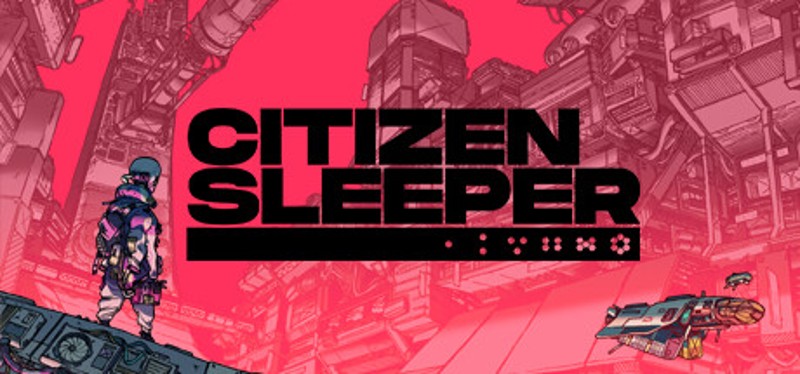
That feeling in Disco Elysium where a single skill check reframes everything you thought you understood about a situation? Citizen Sleeper builds its entire dice system around that same tension. Each cycle, you allocate a limited pool of rolled dice to actions — and watching a low-value die threaten to unravel your plans creates exactly the kind of anxious, consequential decision-making that defines Disco Elysium's skill rolls.
Both games treat character fragility as a storytelling tool, not just a difficulty setting. Your sleeper's degrading body imposes the same creeping dread as Harry Du Bois's collapsing psyche — survival and self-understanding run in parallel. The writing also shares that quality of well-developed NPCs who carry their own agendas, rewarding players who read carefully rather than click through.
The key difference: Citizen Sleeper operates on a tighter, more structured loop with less freeform weirdness than Disco Elysium's sprawling chaos. If Disco Elysium's scope sometimes felt unwieldy, this is a leaner, more controlled experience that doesn't overstay its welcome.
Best for players who read every line of dialogue and care more about who a character is than what they drop.
If you enjoyed this game, see our list of games similar to Citizen Sleeper.View Game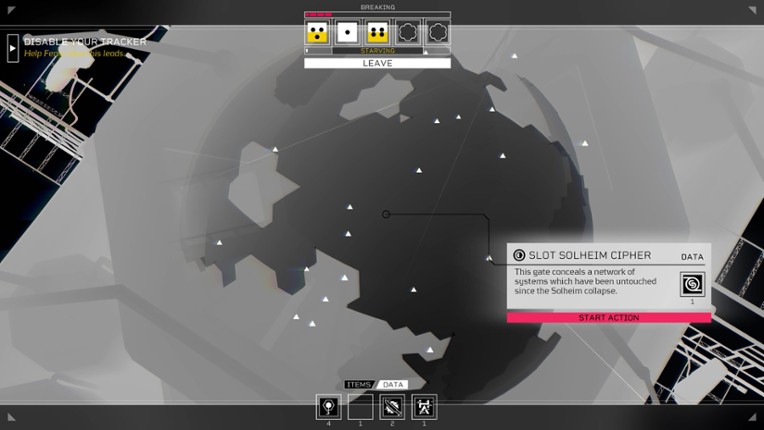
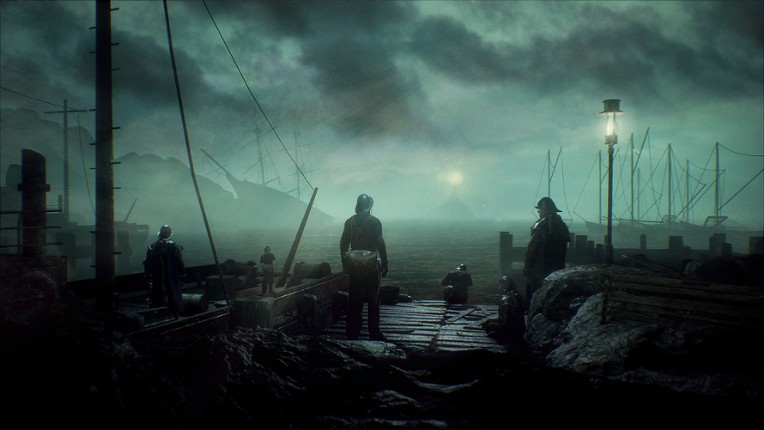
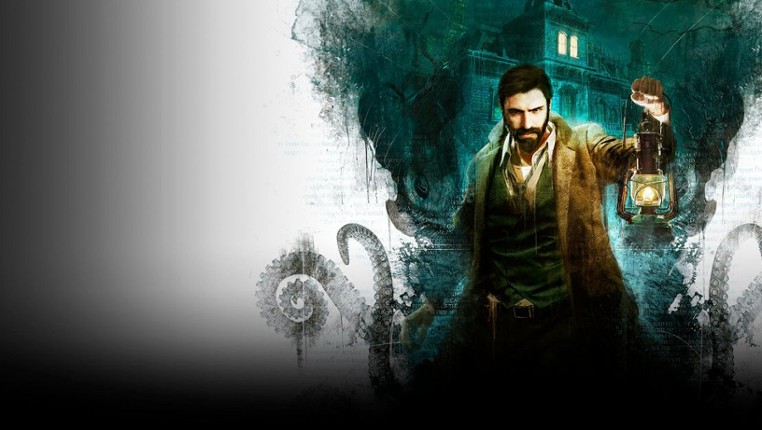
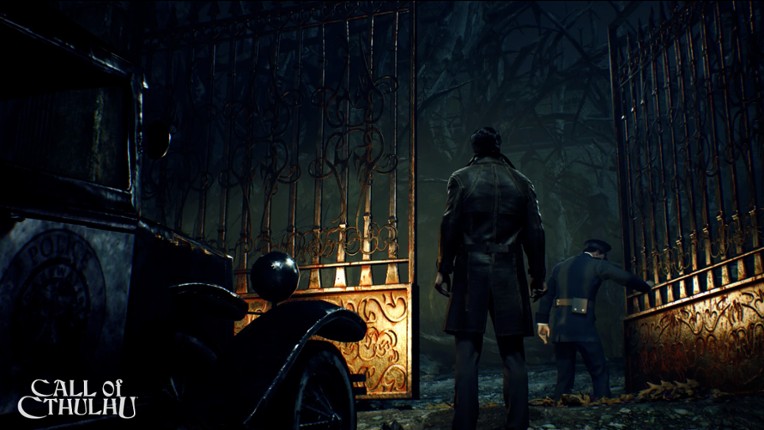
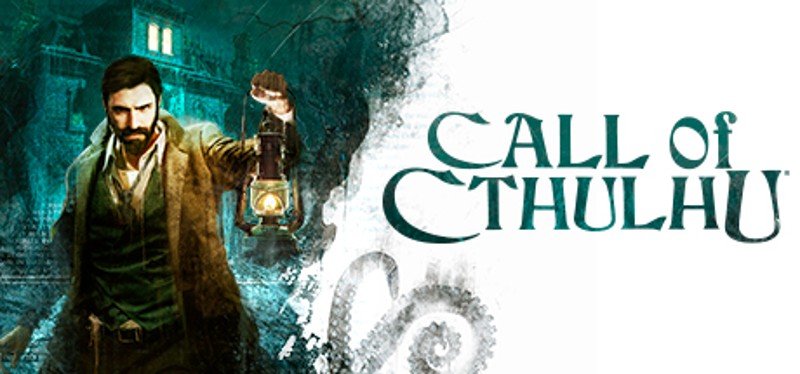
- 73%Game Brain ScoreMost mentioned positive aspects:story, gameplayMost mentioned negative aspects:grinding, stability77% User Score 8,396 reviewsCritic Score 55%1 reviewsKeeps the detective framework and sanity-driven decision-making but leans into cosmic horror and first-person immersion over humor. If you enjoyed this game, see our list of games similar to Call of Cthulhu.View Game
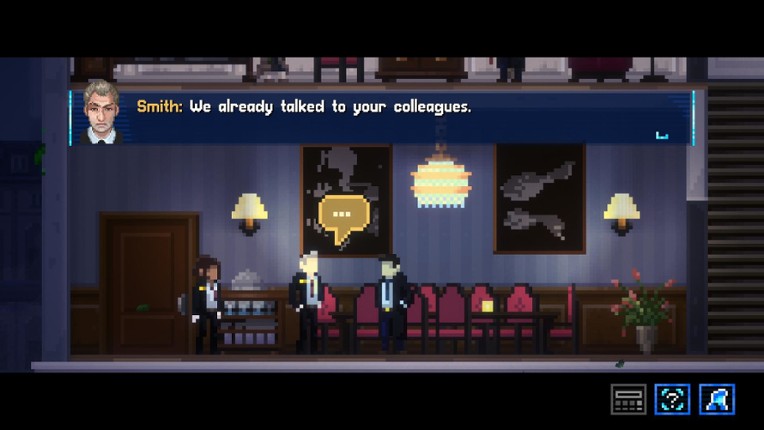
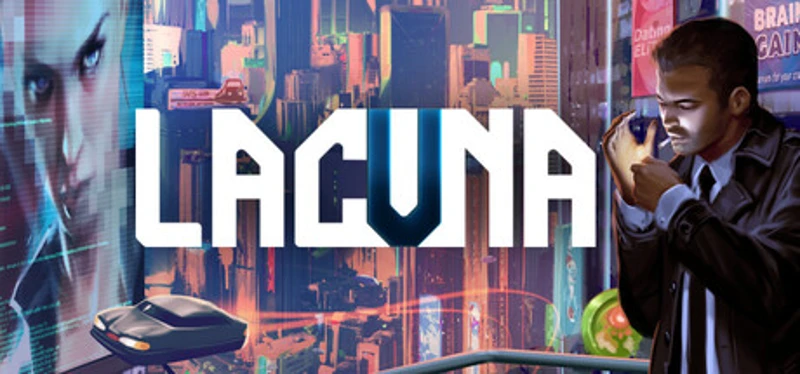
- 89%Game Brain ScoreMost mentioned positive aspects:story, musicMost mentioned negative aspects:grinding, optimization93% User Score 984 reviewsCritic Score 84%8 reviews
The primary link is the deductive investigation loop, which forces you to synthesize scattered testimonies and forensic evidence to construct a definitive narrative conclusion.
This mimics Disco Elysium’s focus on critical reasoning, ensuring your personal interpretation of the facts directly dictates the final outcome. Both games strip away combat to prioritize high-stakes dialogue and observational clarity.
However, Lacuna swaps the philosophical introspection and internal skill-checks for a strictly linear, high-tension noir narrative that lacks manual save points. You lose the open-ended roleplaying freedom, but gain a tightly paced, cinematic mystery.
Pick this up if you crave meticulous detective work but can live without the sprawling, surrealist character-building of a traditional CRPG.
If you enjoyed this game, see our list of games similar to Lacuna.View Game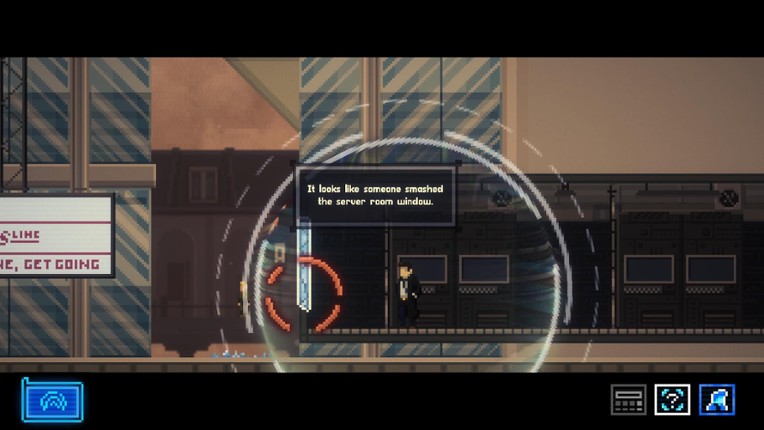
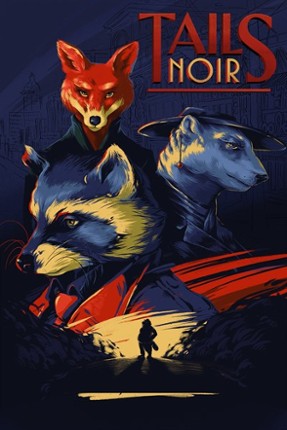
- 68%Game Brain ScoreMost mentioned positive aspects:story, musicMost mentioned negative aspects:replayability, stability65% User Score 2,640 reviewsCritic Score 72%26 reviews
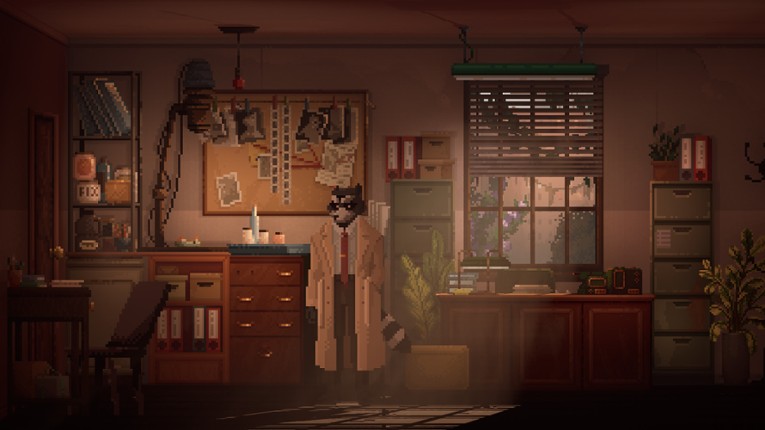
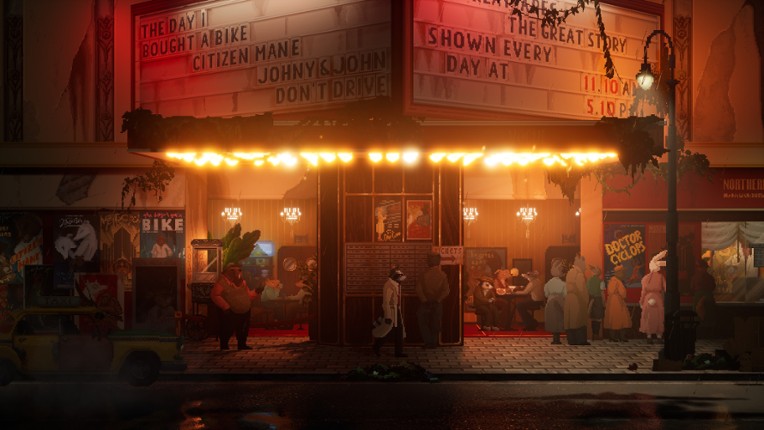
Both games center on detective work through conversation and deduction, where dialogue choices and character interaction drive investigation forward rather than action sequences.
Tails Noir matches Disco Elysium's atmospheric noir aesthetic and stellar soundtrack work, which anchors mood across long narrative stretches.
The critical difference: Tails Noir abandons its detective premise halfway through for sci-fi genre-shifting, while offering minimal mechanical interactivity—it's closer to visual novel than investigative RPG.
Pick this if you crave noir atmosphere and witty writing but accept a looser, more linear structure and a story that prioritizes weirdness over narrative payoff.
If you enjoyed this game, see our list of games similar to Backbone.View Game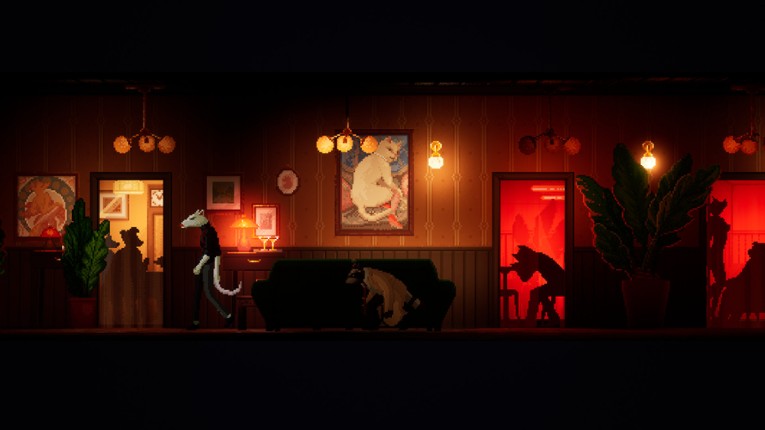
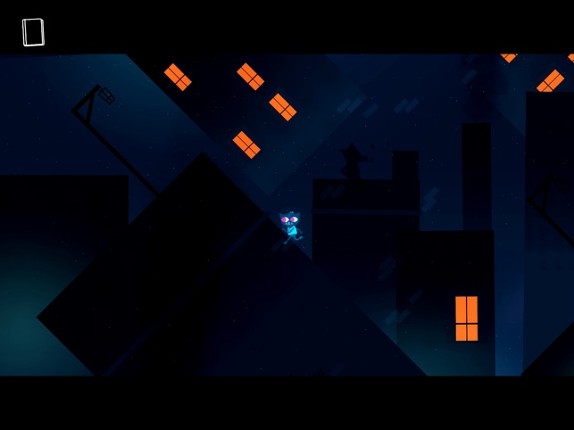
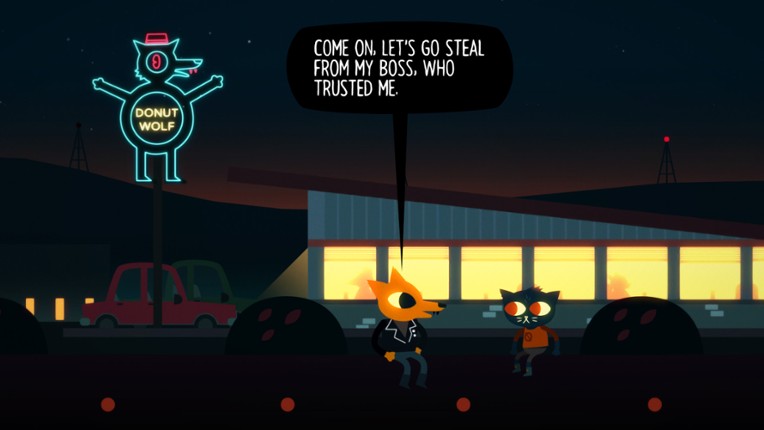
15 View Game 89%Game Brain ScoreMost mentioned positive aspects:story, musicMost mentioned negative aspects:grinding, stability95% User Score 15,259 reviewsCritic Score 83%28 reviewsNight in the Woods trades political theorizing for small-town melancholy and dark comedy, featuring anthropomorphic characters grappling with mental health and stagnation. If you enjoyed this game, see our list of games similar to Night in the Woods.View Game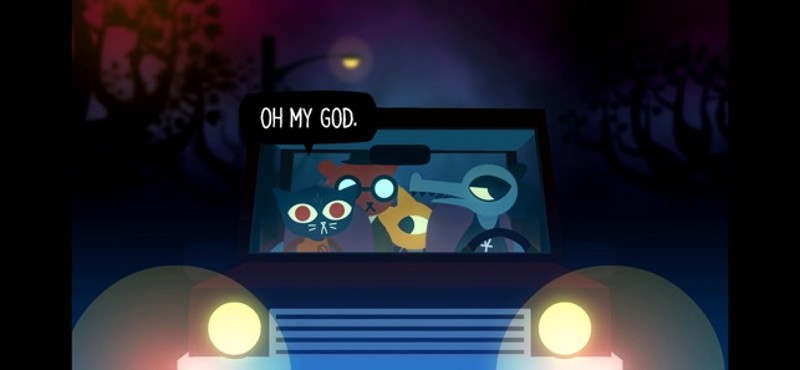
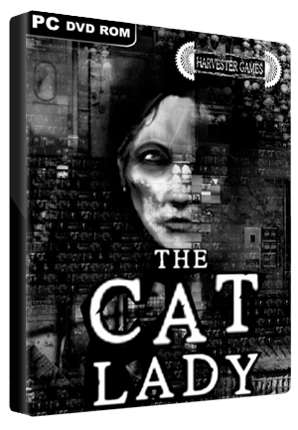
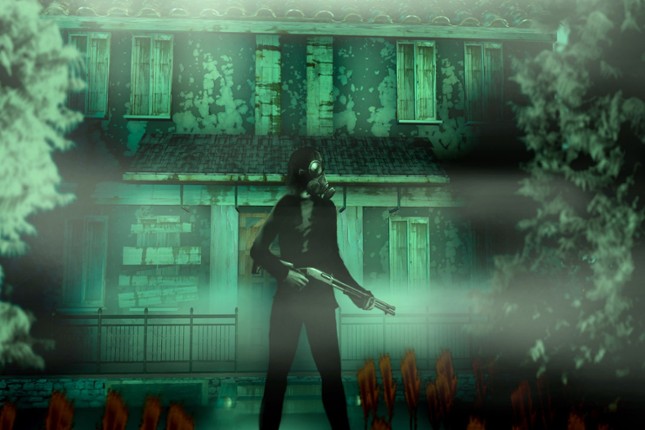
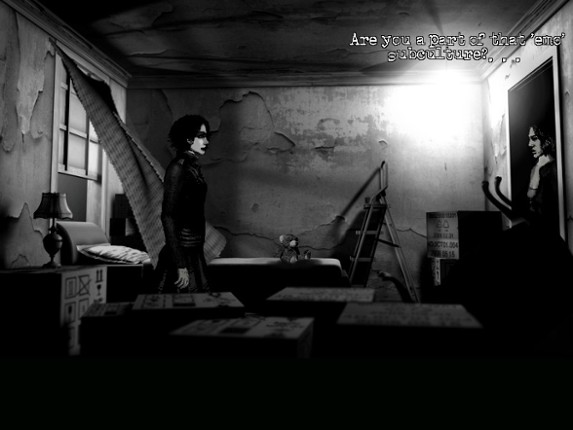
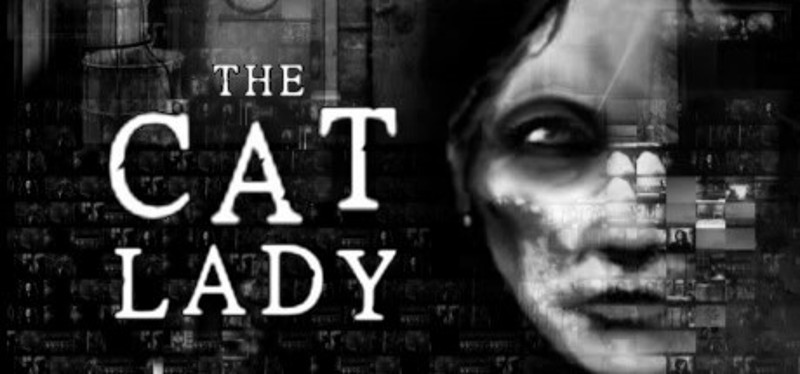
- 93%Game Brain ScoreMost mentioned positive aspects:story, graphicsMost mentioned negative aspects:optimization, stability93% User Score 4,698 reviewsThe Cat Lady ditches dialogue trees and skill checks entirely, delivering a grim psychological horror experience through 2D imagery and unsettling narrative tension. If you enjoyed this game, see our list of games similar to The Cat Lady.View Game
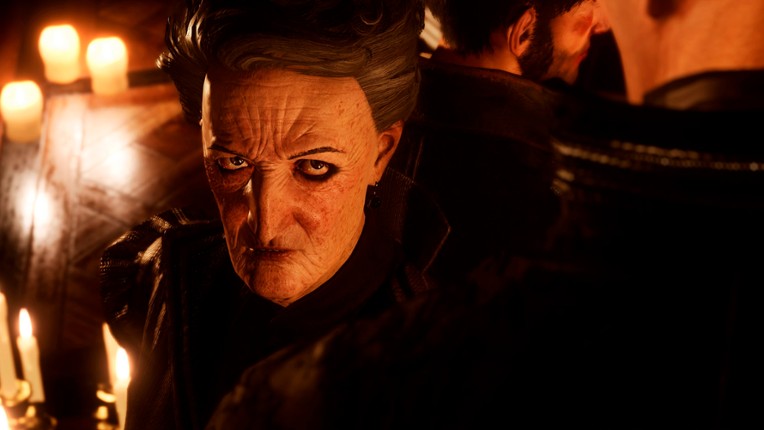
- 77%Game Brain ScoreMost mentioned positive aspects:story, gameplayMost mentioned negative aspects:optimization, grinding80% User Score 3,984 reviewsCritic Score 71%4 reviewsSwaps detective noir for historical conspiracy intrigue, replacing internal monologue with branching dialogue and alliance-building. If you enjoyed this game, see our list of games similar to The Council.View Game

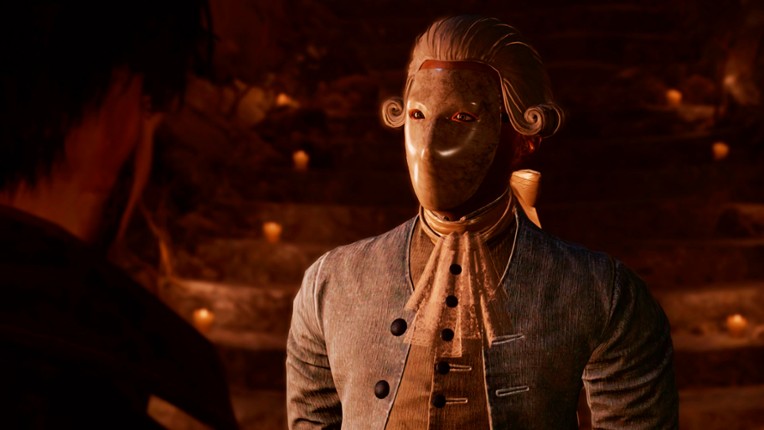
18 View Game 93%Game Brain ScoreMost mentioned positive aspects:story, musicMost mentioned negative aspects:grinding, stability97% User Score 24,873 reviewsCritic Score 89%8 reviewsChallenge the reliability of your own narrator within a meta-fictional, psychological loop that replaces urban detective work with cosmic horror dilemmas. If you enjoyed this game, see our list of games similar to Slay the Princess.View Game
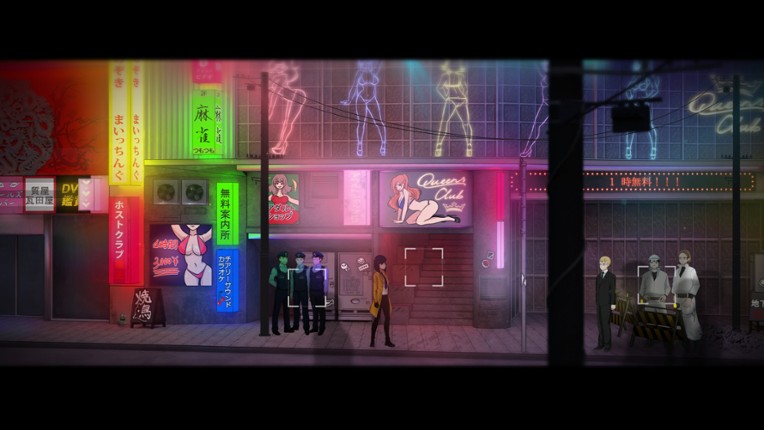
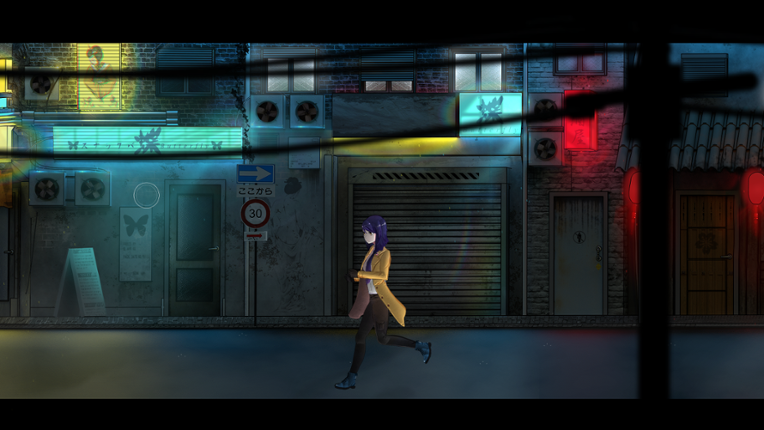
- 75%Game Brain ScoreMost mentioned positive aspects:story, musicMost mentioned negative aspects:stability, grinding84% User Score 791 reviewsCritic Score 56%4 reviewsNavigate the occult underbelly of Japan in a mystery that leans into anime-inspired psychological horror rather than socio-political economic theory. If you enjoyed this game, see our list of games similar to Tokyo Dark.View Game

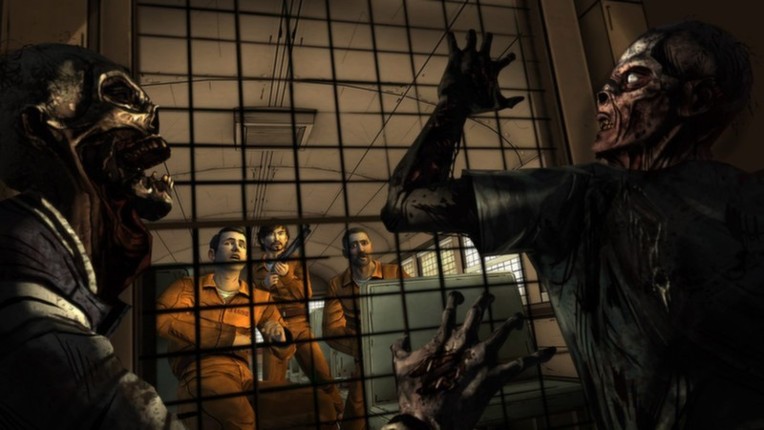
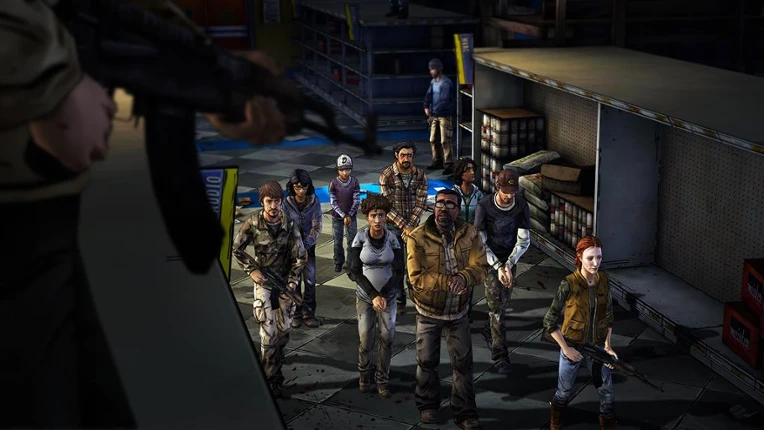
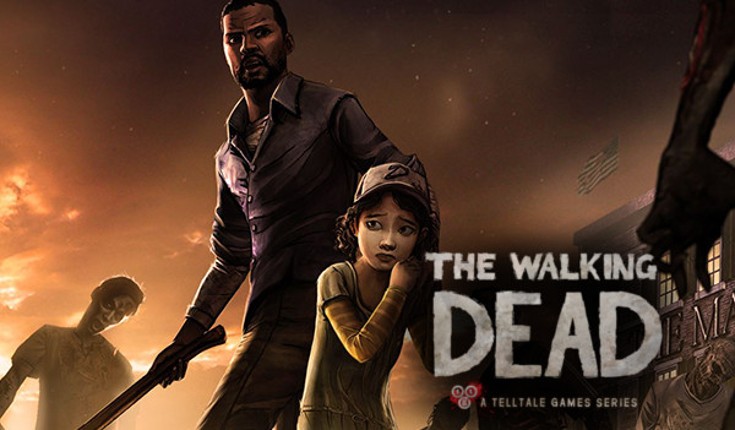
- 94%Game Brain ScoreMost mentioned positive aspects:story, emotionalMost mentioned negative aspects:stability, grinding97% User Score 43,040 reviewsCritic Score 88%6 reviewsDelivers branching dialogue consequences and ensemble drama but prioritizes immediate moral choices over slow-burn investigation. If you enjoyed this game, see our list of games similar to The Walking Dead.View Game
- 80%Game Brain ScoreMost mentioned positive aspects:story, gameplayMost mentioned negative aspects:grinding, stability91% User Score 5,896 reviewsCritic Score 69%28 reviews
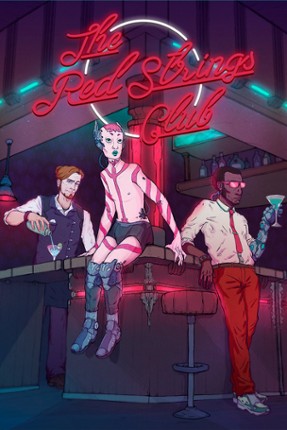
Both The Red Strings Club and Disco Elysium pivot entirely on high-stakes interrogation, forcing you to dismantle a subject’s psyche through precise dialogue choices. This focus on manipulating human behavior creates a profound sense of intellectual agency, as your words carry far more weight than any combat system.
The game mirrors the philosophical density of Elysium, providing a sharp critique of corporate control that demands active critical thought. You aren't just solving a case; you are debating the ethics of human happiness.
However, the experience is strictly linear and brief, stripping away the mechanical sprawl and expansive skill checks found in its predecessor. Pick this up if you crave cynical, character-driven inquiry but can live without a massive world to wander.
If you enjoyed this game, see our list of games similar to The Red Strings Club.View Game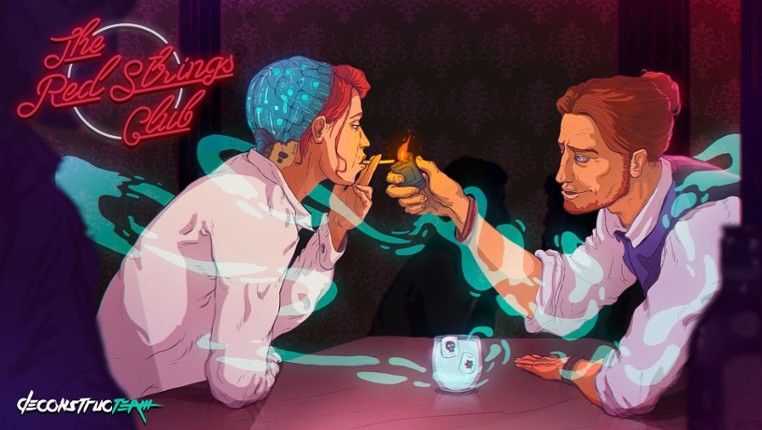
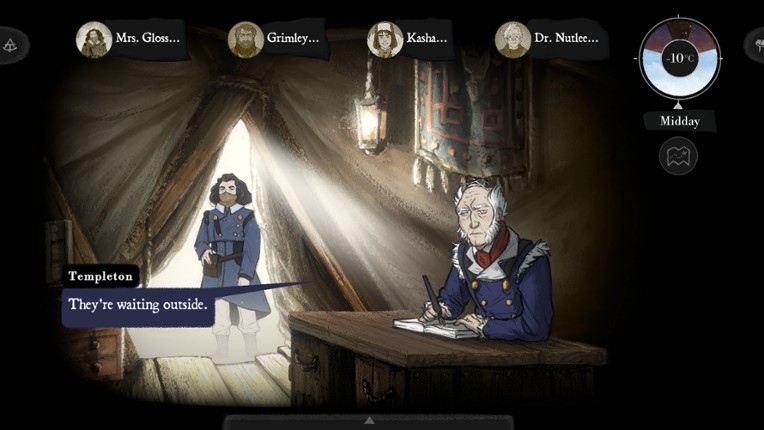
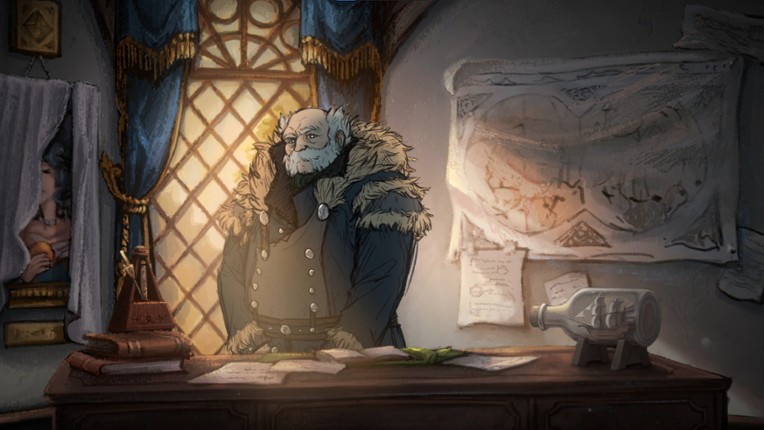
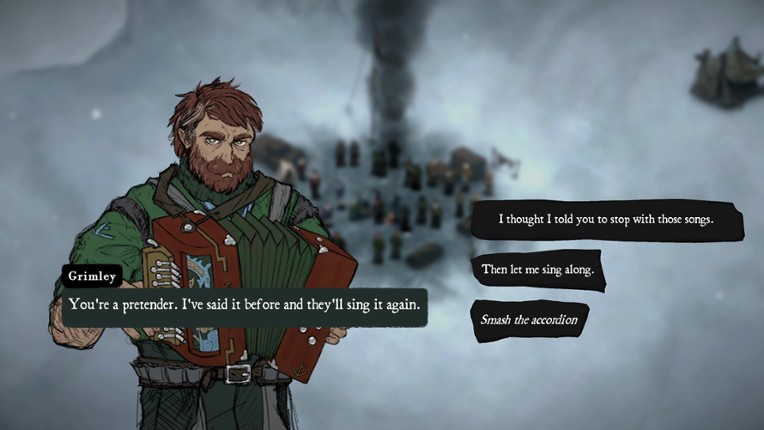
- 85%Game Brain ScoreMost mentioned positive aspects:story, gameplayMost mentioned negative aspects:stability, grinding90% User Score 2,632 reviewsCritic Score 80%10 reviewsEchoes the emotional storytelling and atmospheric dread but strips dialogue and introspection for survival choices in isolation. If you enjoyed this game, see our list of games similar to The Pale Beyond.View Game
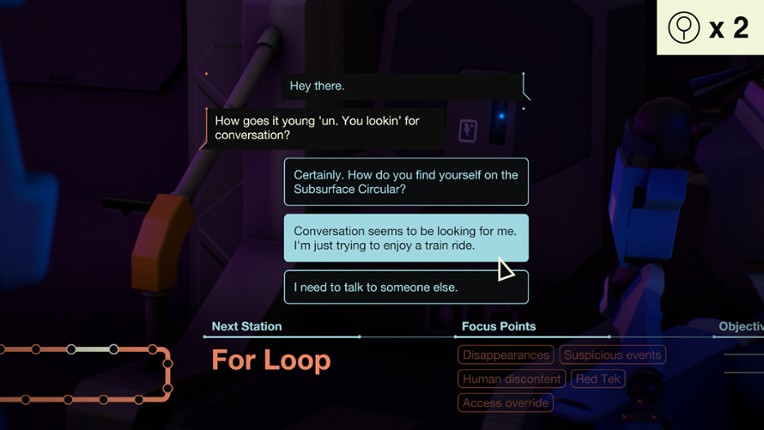
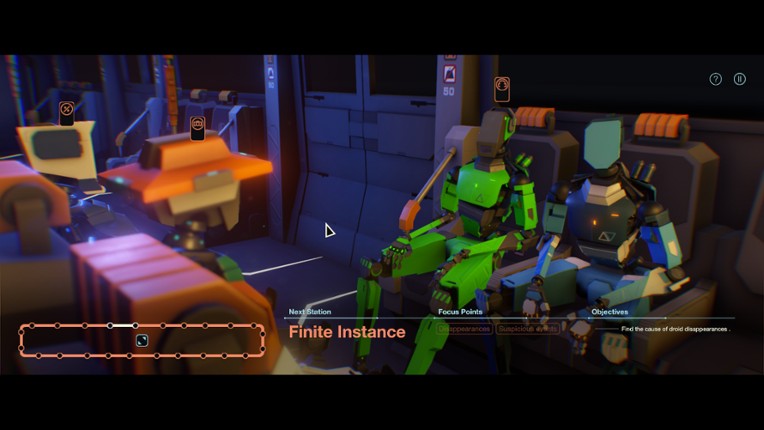
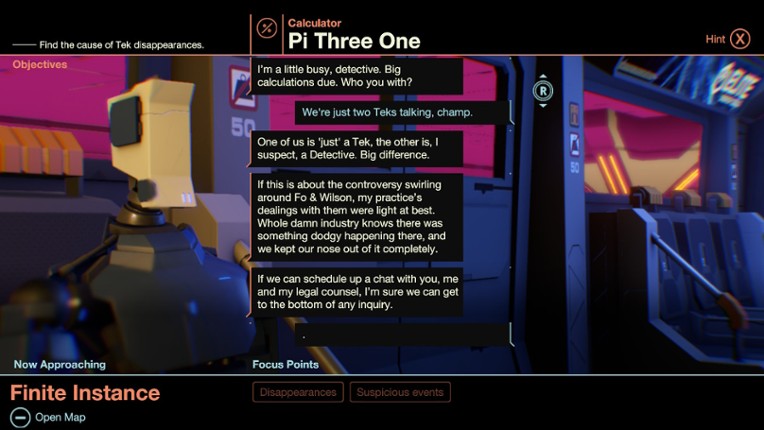
- 95%Game Brain ScoreMost mentioned positive aspects:story, graphicsMost mentioned negative aspects:replayability, grinding95% User Score 2,594 reviewsFocus exclusively on the interrogation and philosophical debate aspects by stripping away the sprawling exploration for a tight, dialogue-driven train ride. If you enjoyed this game, see our list of games similar to Subsurface Circular.View Game
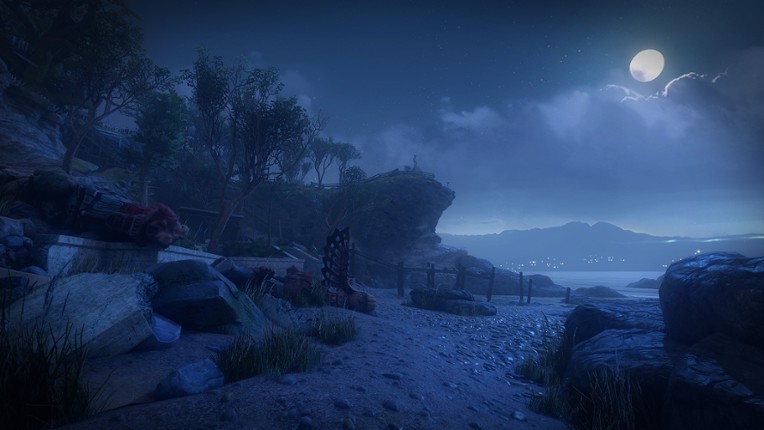
- 94%Game Brain ScoreMost mentioned positive aspects:story, gameplayMost mentioned negative aspects:replayability, grinding94% User Score 18,415 reviewsShares the emotional resonance and gorgeous hand-crafted aesthetic but replaces investigation with quiet exploration and family tragedy. If you enjoyed this game, see our list of games similar to null.View Game
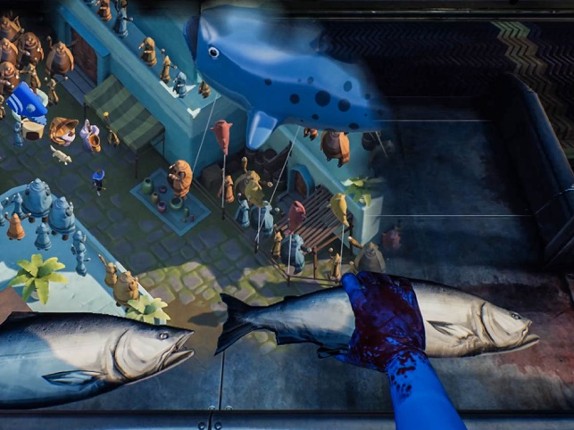
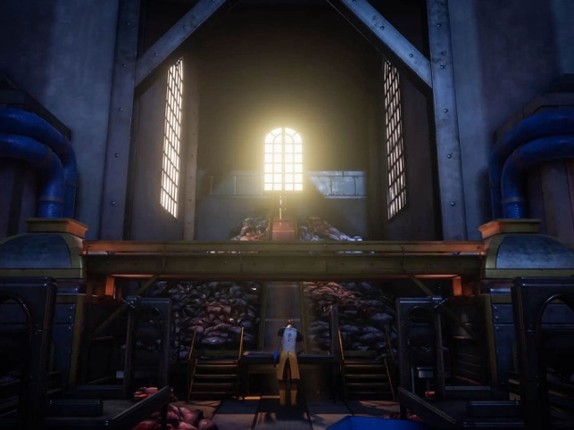
- 63%Game Brain ScoreMost mentioned positive aspects:story, gameplayMost mentioned negative aspects:grinding, stability65% User Score 757 reviewsCritic Score 61%9 reviewsRue Valley uses time loops to explore emotional trauma in a surreal valley setting, offering a more dreamlike and personal narrative experience than Revachol's politics. If you enjoyed this game, see our list of games similar to 懊悔谷.View Game
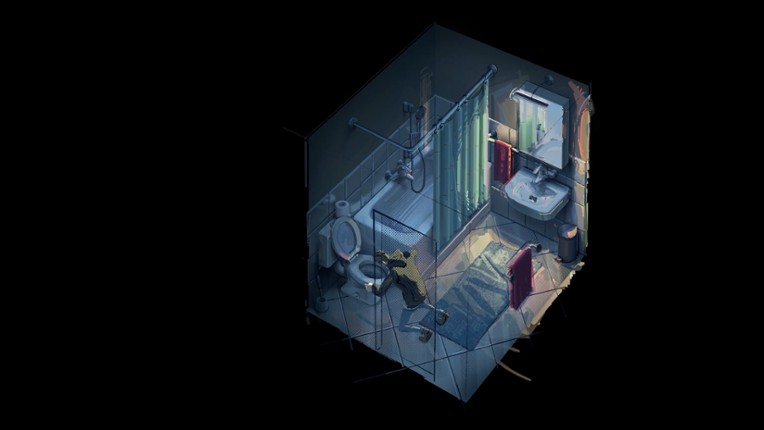
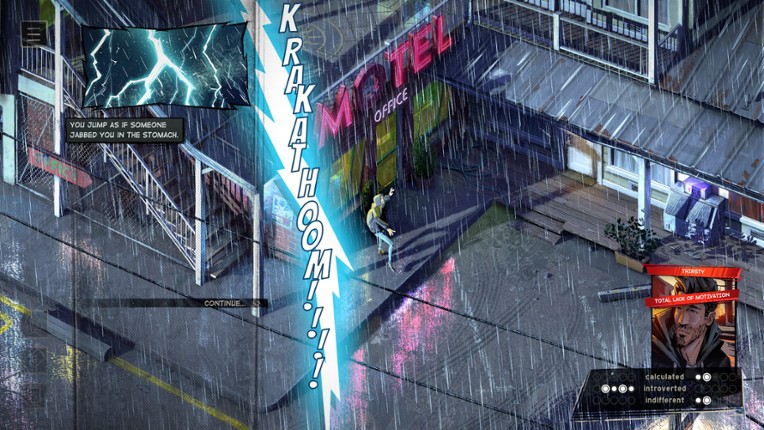
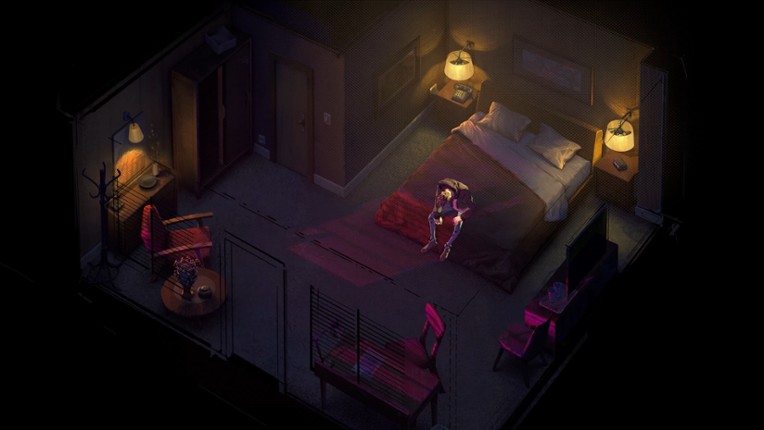
26 View Game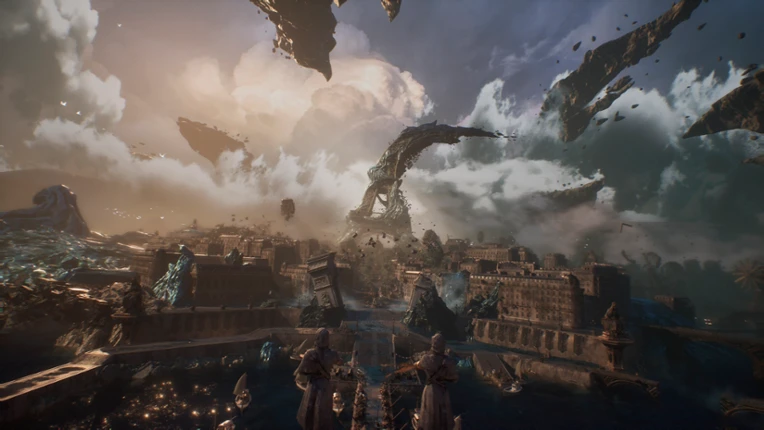
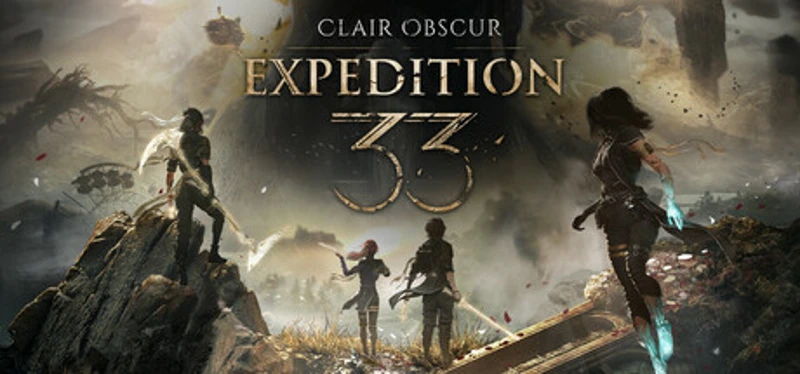
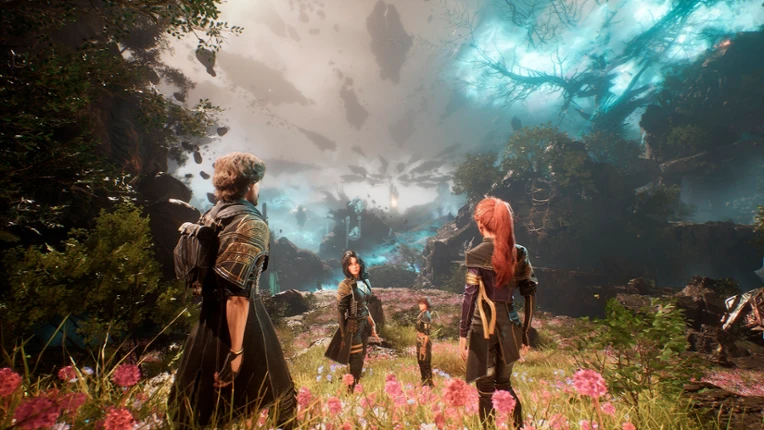 97%Game Brain ScoreMost mentioned positive aspects:story, musicMost mentioned negative aspects:grinding, stability97% User Score 124,463 reviewsThough only loosely related, this epic adventure trades the internal monologue-driven mystery for high-stakes turn-based combat against a fantasy backdrop. If you enjoyed this game, see our list of games similar to Clair Obscur: Expedition 33.View Game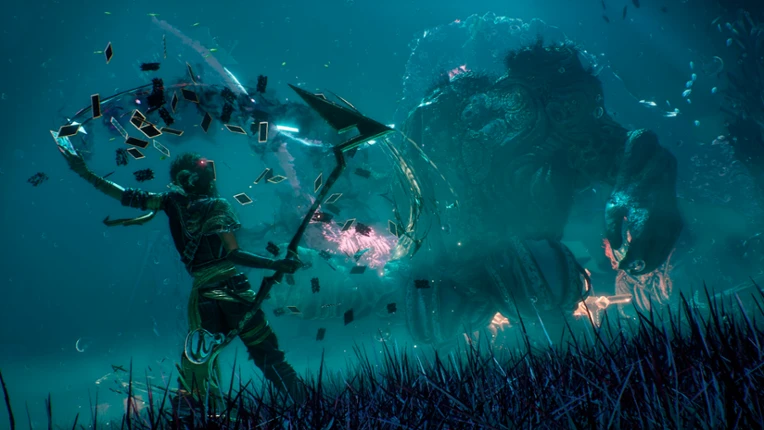
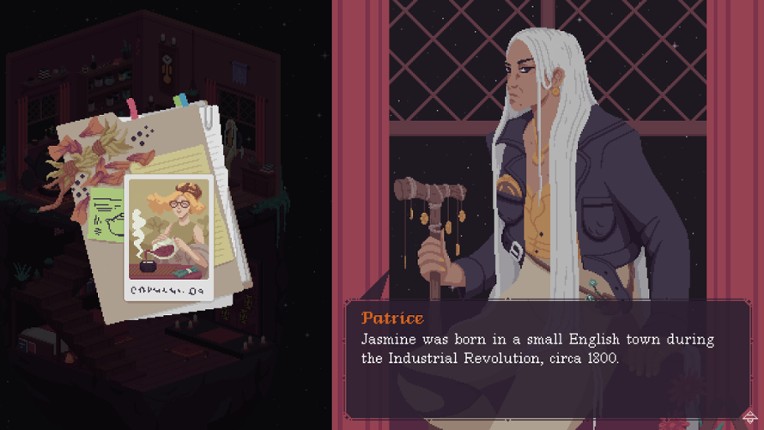
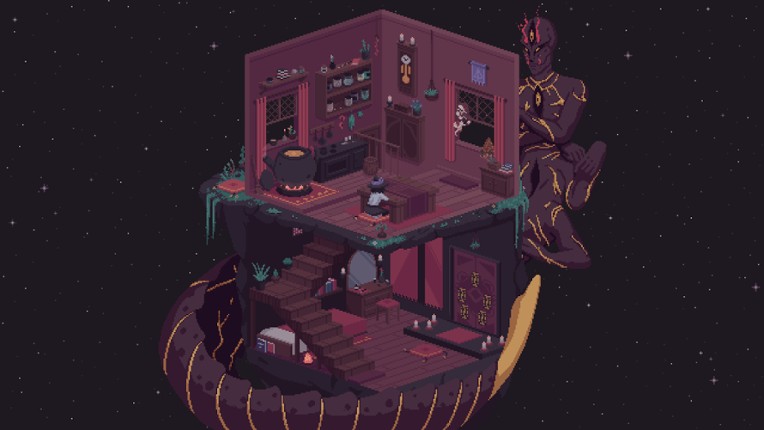
27 View Game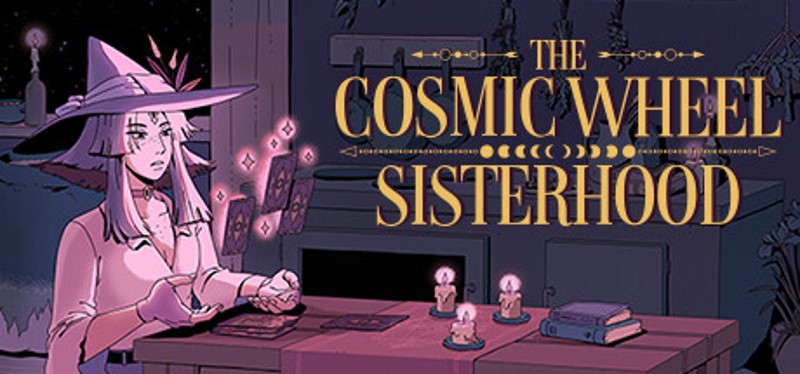 93%Game Brain ScoreMost mentioned positive aspects:story, gameplayMost mentioned negative aspects:grinding, stability95% User Score 3,444 reviewsCritic Score 88%2 reviewsThe Cosmic Wheel Sisterhood swaps Revachol's grime for cozy pixel art and witchcraft, serving players drawn to intimate, magical storytelling over hard-boiled noir. If you enjoyed this game, see our list of games similar to The Cosmic Wheel Sisterhood.View Game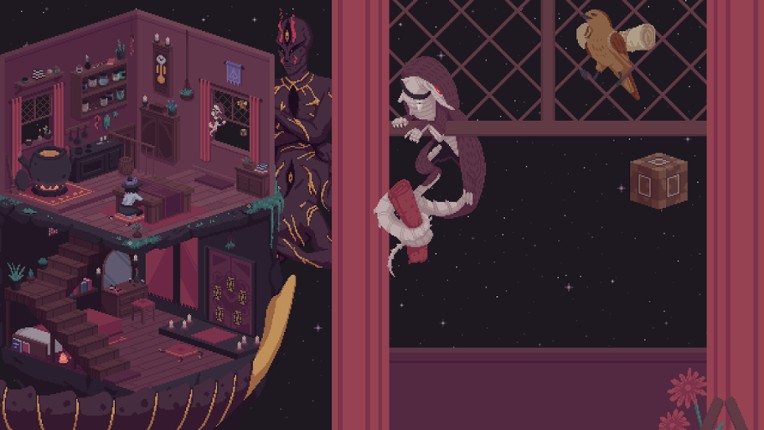
- 78%Game Brain ScoreMost mentioned positive aspects:story, gameplayMost mentioned negative aspects:optimization, grinding92% User Score 5,613 reviewsCritic Score 65%18 reviewsEndure the crushing weight of systemic collapse in a surreal, first-person open world that favors grueling survival mechanics over philosophical dialogue. If you enjoyed this game, see our list of games similar to Pathologic 2.View Game
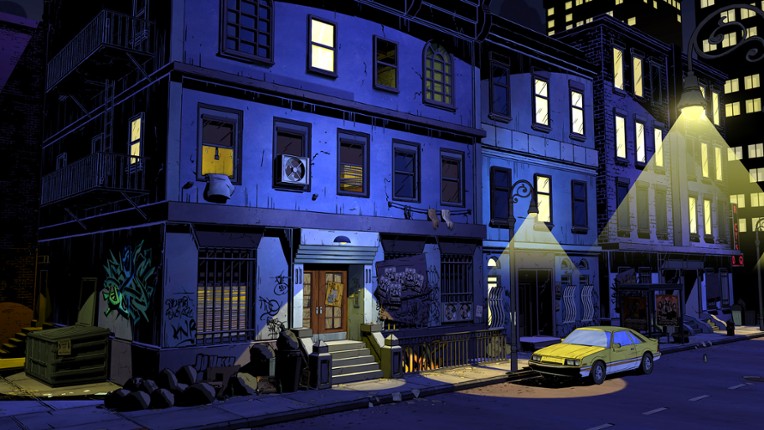
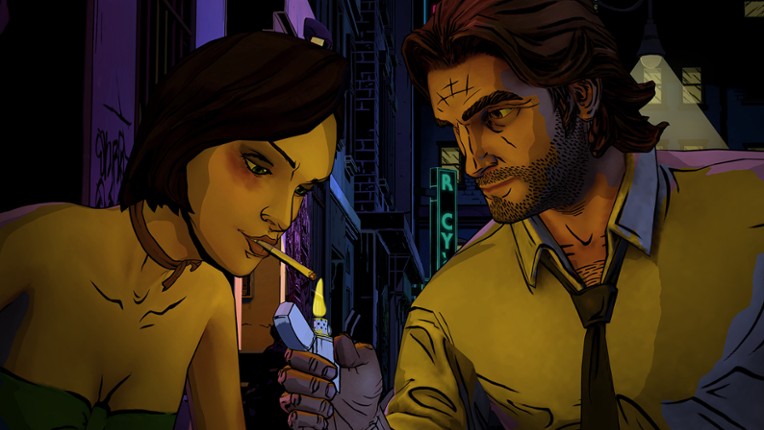
- 91%Game Brain ScoreMost mentioned positive aspects:story, graphicsMost mentioned negative aspects:stability, grinding98% User Score 22,910 reviewsCritic Score 82%8 reviewsPreserves the detective mystery and episodic narrative structure but grounds storytelling in noir comic-book aesthetics with faster action. If you enjoyed this game, see our list of games similar to The Wolf Among Us.View Game
30 View Game 58%Game Brain ScoreMost mentioned positive aspects:story, graphicsMost mentioned negative aspects:gameplay, stability58% User Score 376 reviews
Change the way your heroes look with this pack of 3 alternative outfits for Galeb, Emem and Leysha. If you enjoyed this game, see our list of games similar to Vampire: The Masquerade - Swansong.
View Game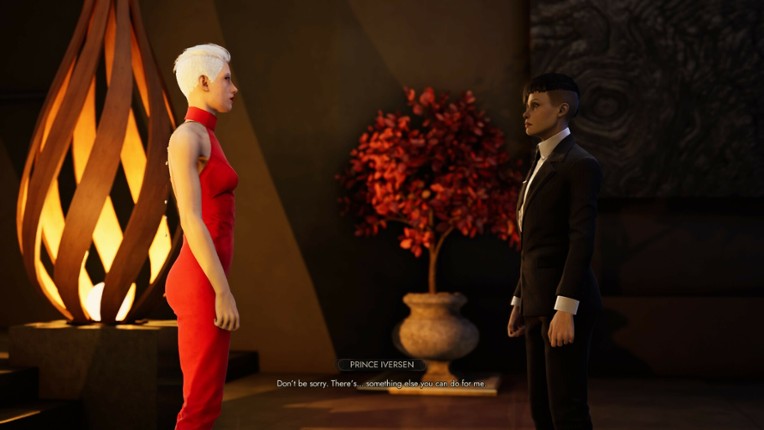
31 View Game 83%Game Brain ScoreMost mentioned positive aspects:story, gameplayMost mentioned negative aspects:stability, monetization83% User Score 482 reviews
From the creators of Disco Elysium comes Zero Parades - the acclaimed espionage RPG, now expanded with the Director’s Cut. You're a brilliant but tormented operant on one final desperate assignment. Prove yourself on the world stage - or blow it all up again. If you enjoyed this game, see our list of games similar to ZERO PARADES: For Dead Spies.
View Game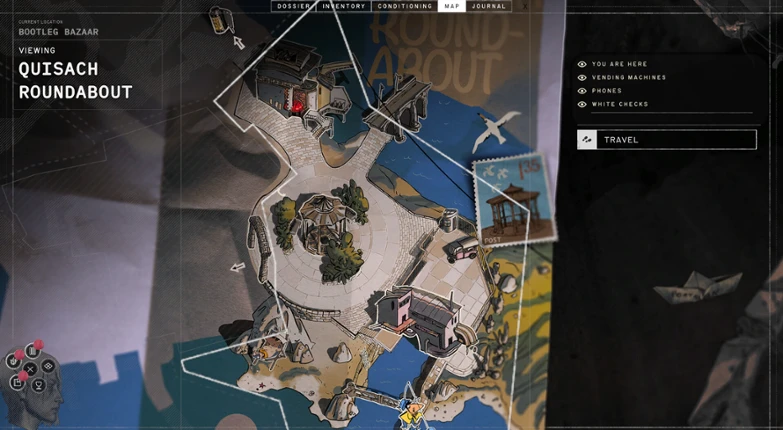
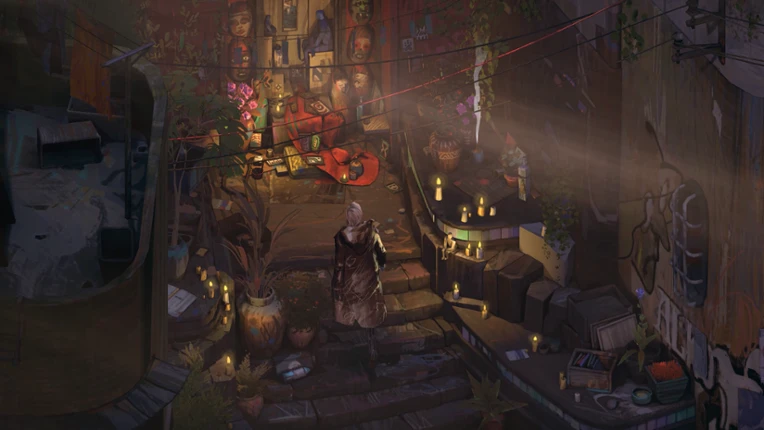
- 79%Game Brain ScoreMost mentioned positive aspects:story, gameplayMost mentioned negative aspects:optimization, replayability82% User Score 3,626 reviewsCritic Score 76%24 reviewsHighlights intense psychological depth and cyberpunk noir settings while introducing fast-paced first-person action with time manipulation. If you enjoyed this game, see our list of games similar to Nobody Wants to Die.View Game
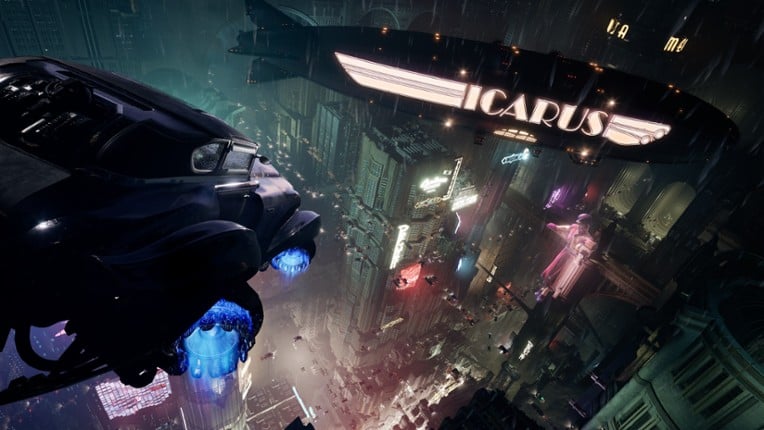
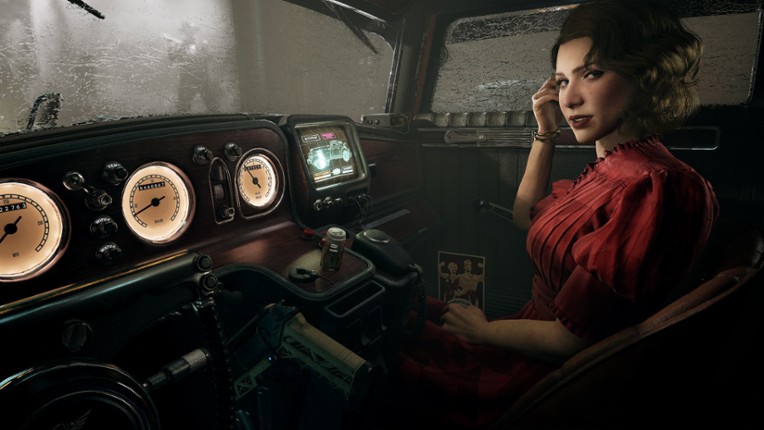
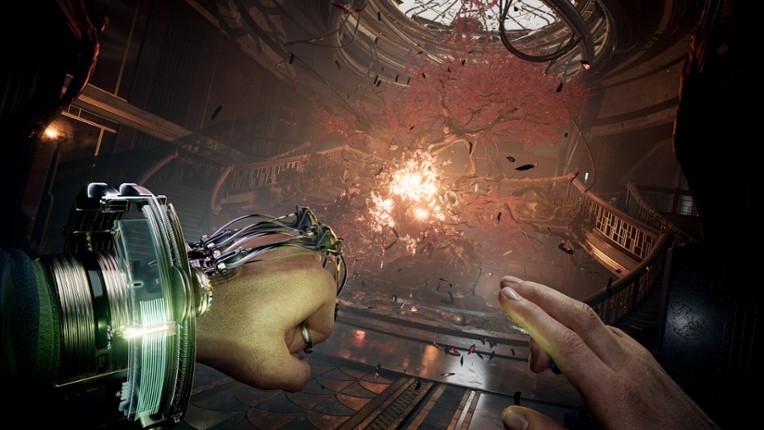
- 95%Game Brain ScoreMost mentioned positive aspects:story, musicMost mentioned negative aspects:stability, grinding95% User Score 75,297 reviews
PURCHASE LIFE IS STRANGE 2 NOW Play Free Reviews and Accolades5/5 "A must-have." - The Examiner 5/5 "Something truly special." - International Business Times "One of the best games I've played in years." - Forbes 10/10 "An impressive coming of age story." - Darkzero 8/10 "Rare and precious." - Edge 8.5/10 "OUTSTANDING." - GameInf… If you enjoyed this game, see our list of games similar to Life is Strange - Episode 1.
View Game
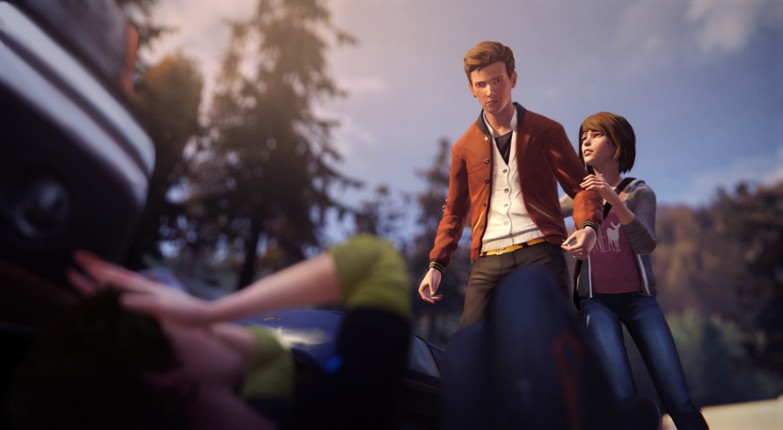
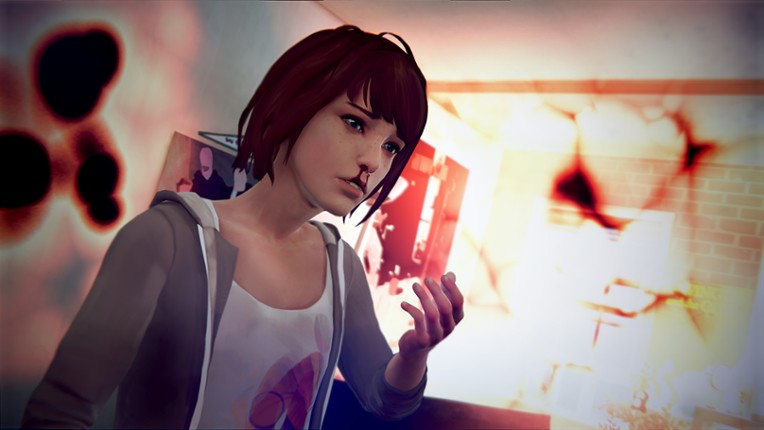
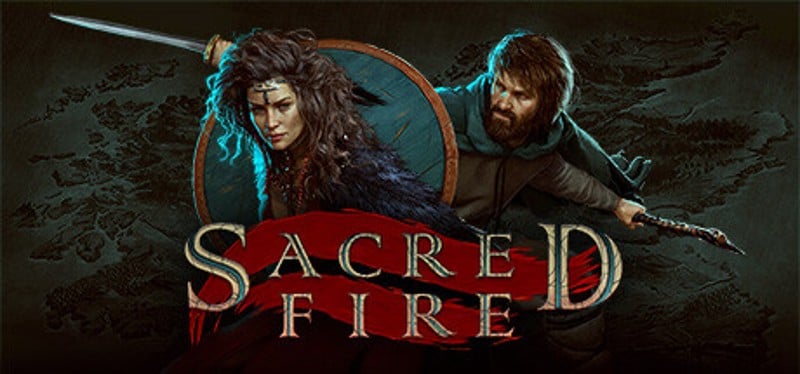
- 95%Game Brain ScoreMost mentioned positive aspects:story, gameplayMost mentioned negative aspects:character development, grinding95% User Score 676 reviewsExplores historical fantasy with tabletop-inspired turn-based choices, trading Disco Elysium's modern drama for medieval intrigue and text-driven gameplay. If you enjoyed this game, see our list of games similar to Sacred Fire.View Game
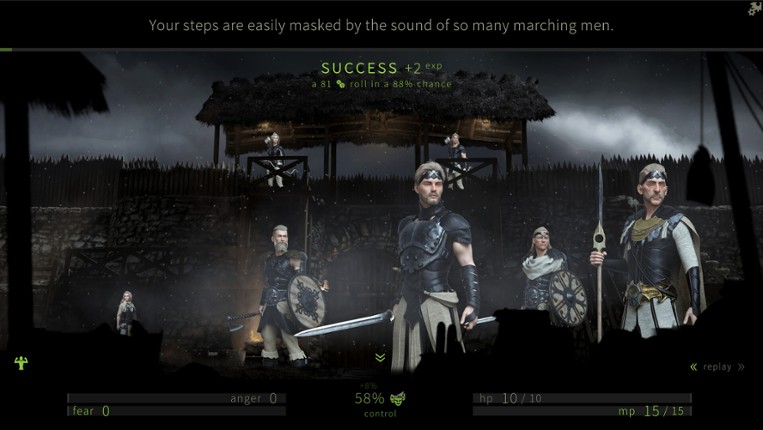
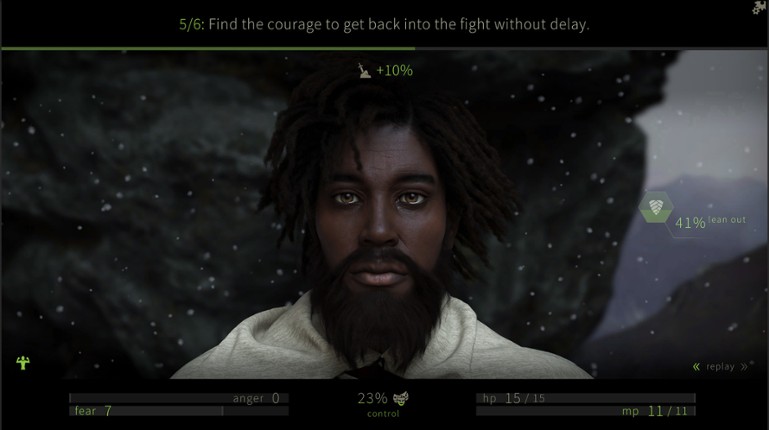
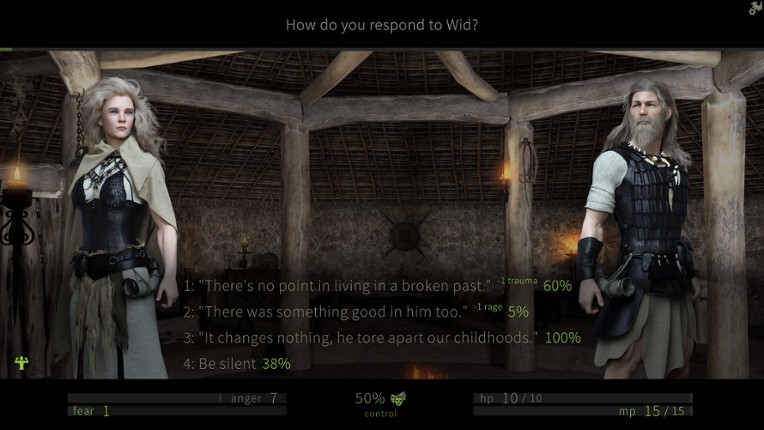
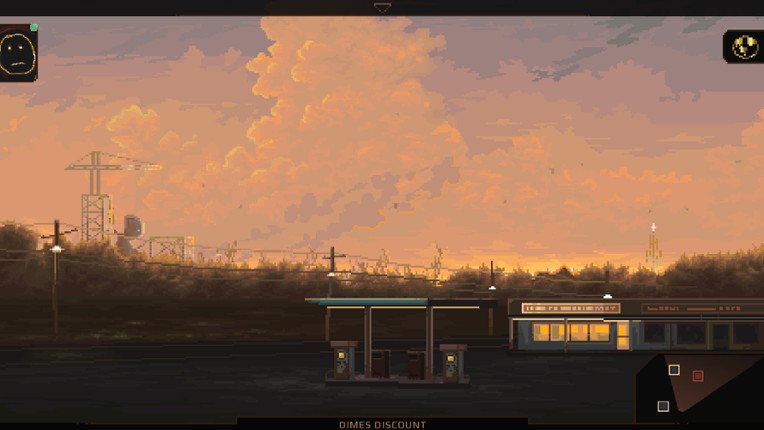
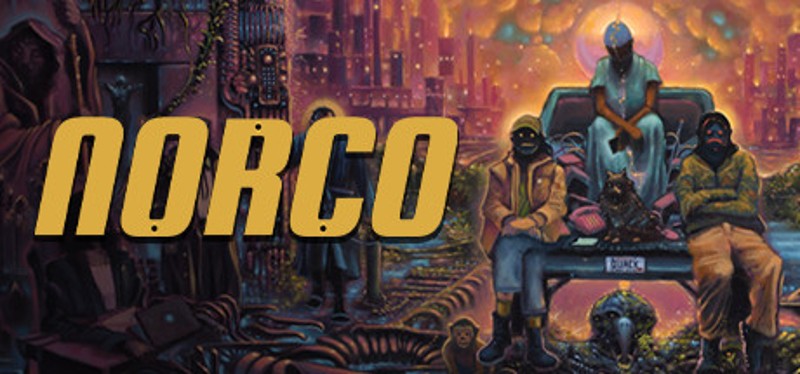
- 89%Game Brain ScoreMost mentioned positive aspects:story, graphicsMost mentioned negative aspects:grinding, replayability94% User Score 1,872 reviewsCritic Score 84%18 reviewsEmbraces surreal, pixel-art storytelling with a strong gothic and conspiracy twist, favoring atmospheric exploration over traditional dialogue systems. If you enjoyed this game, see our list of games similar to NORCO.View Game
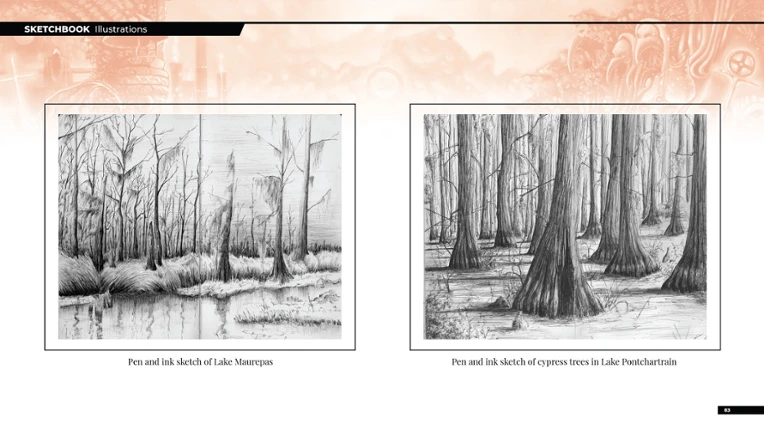
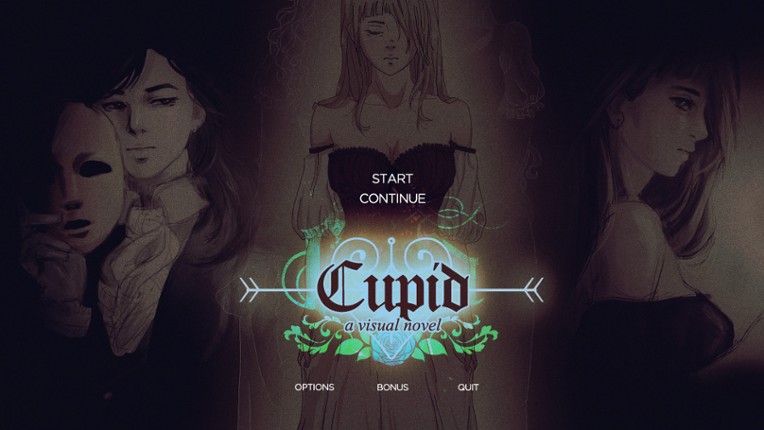
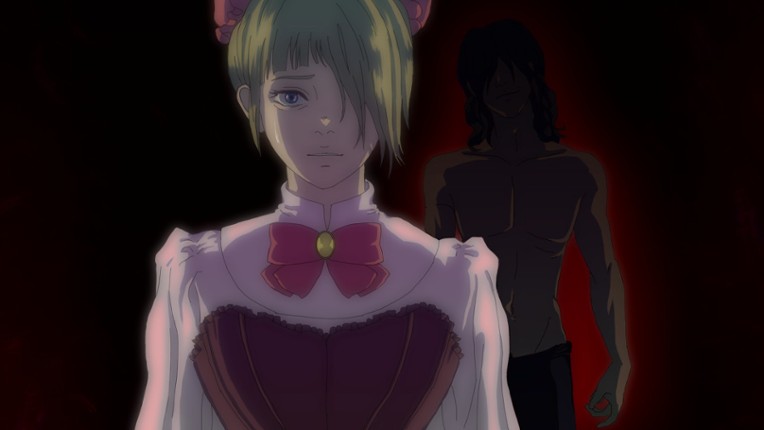
- 88%Game Brain ScoreMost mentioned positive aspects:story, musicMost mentioned negative aspects:grinding, stability88% User Score 983 reviewsWhile sharing the focus on character interaction, this title offers a stripped-down, erotica-focused experience that lacks the complex world-building of an expansive detective RPG. If you enjoyed this game, see our list of games similar to Cupid.View Game

37 View Game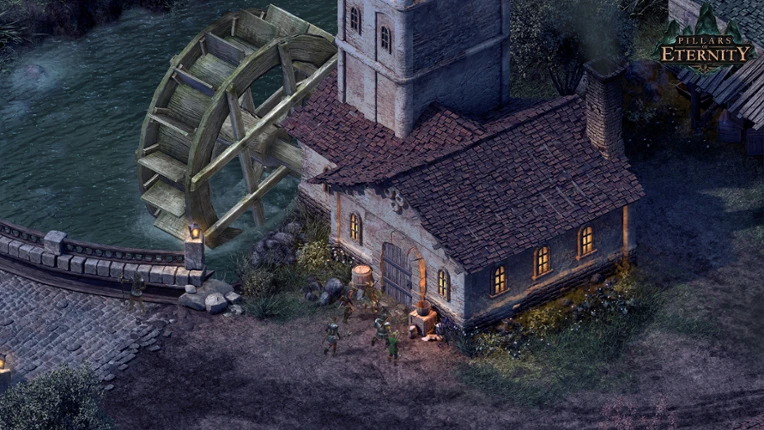
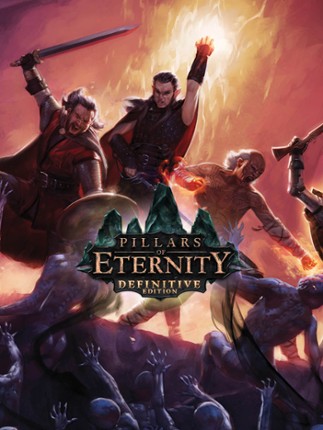
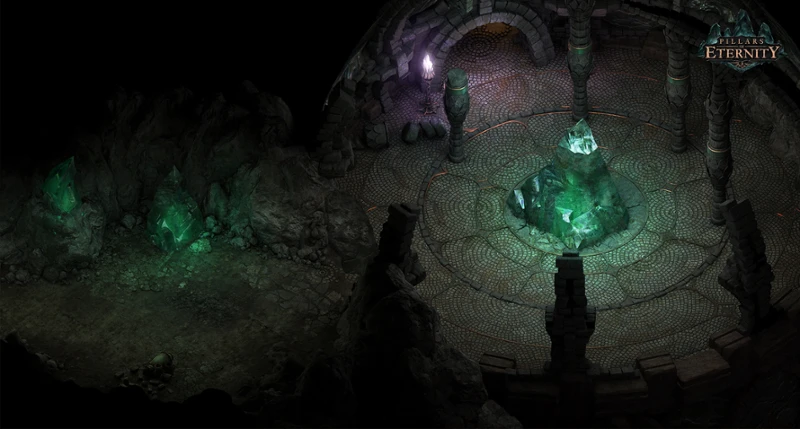 86%Game Brain ScoreMost mentioned positive aspects:story, gameplayMost mentioned negative aspects:grinding, stability87% User Score 19,334 reviewsCritic Score 84%27 reviews
Experience the game that revitalized the classic RPG genre in a complete and definitive package that includes every expansion, bonus, and update, presenting Pillars of Eternity at its best. If you enjoyed this game, see our list of games similar to Pillars of Eternity.
View Game
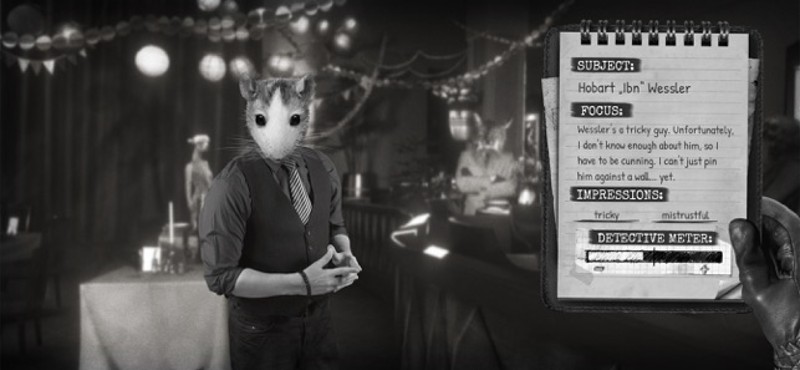
- 94%Game Brain ScoreMost mentioned positive aspects:story, graphicsMost mentioned negative aspects:stability, replayability96% User Score 436 reviewsCritic Score 80%1 reviewsInjects a whimsical noir story filled with witty dialogue and lighter mystery tone, shifting toward more straightforward detective storytelling. If you enjoyed this game, see our list of games similar to Chicken Police.View Game
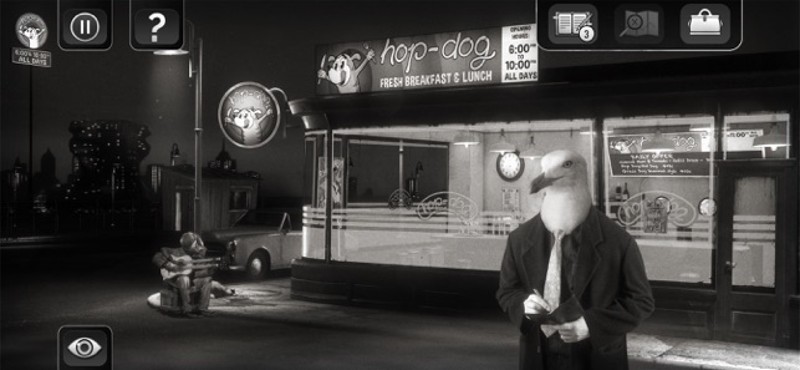

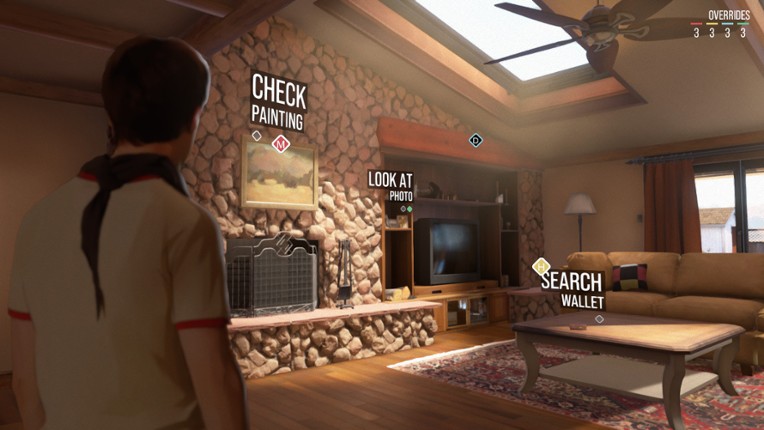
- 85%Game Brain ScoreMost mentioned positive aspects:story, graphicsMost mentioned negative aspects:grinding, stability88% User Score 1,411 reviewsCritic Score 81%41 reviews
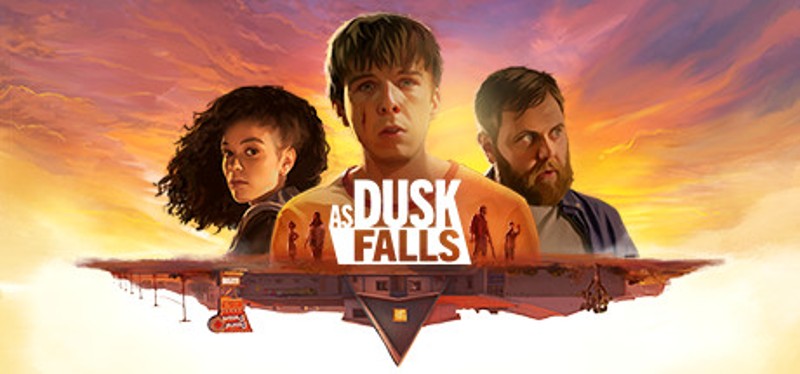
Every Family has Secrets. Every Secret has a Price. If you enjoyed this game, see our list of games similar to As Dusk Falls.
View Game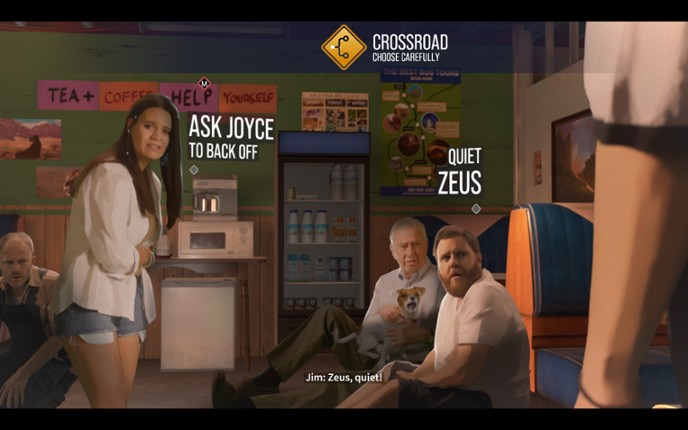
- 92%Game Brain ScoreMost mentioned positive aspects:story, musicMost mentioned negative aspects:replayability, grinding96% User Score 35,756 reviewsCritic Score 83%4 reviews
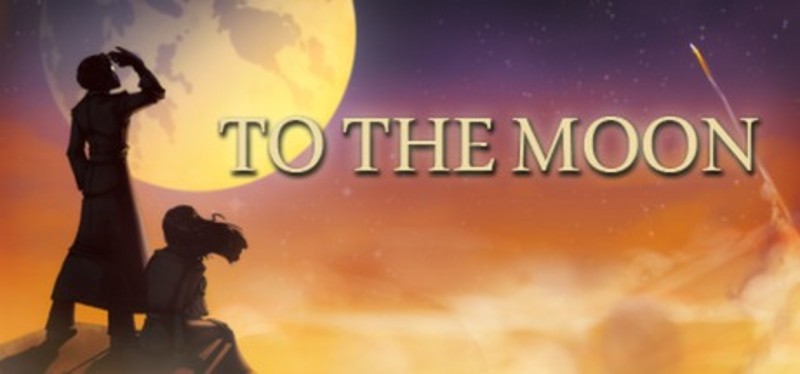
"Then we can always regroup on the moon, silly! " If you enjoyed this game, see our list of games similar to To the Moon.
View Game

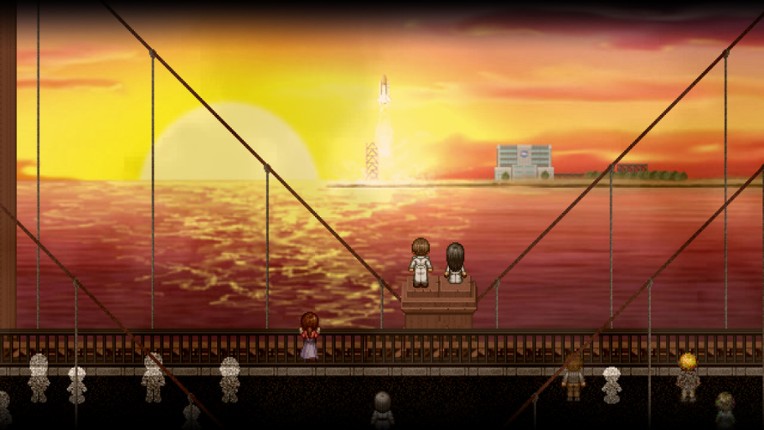
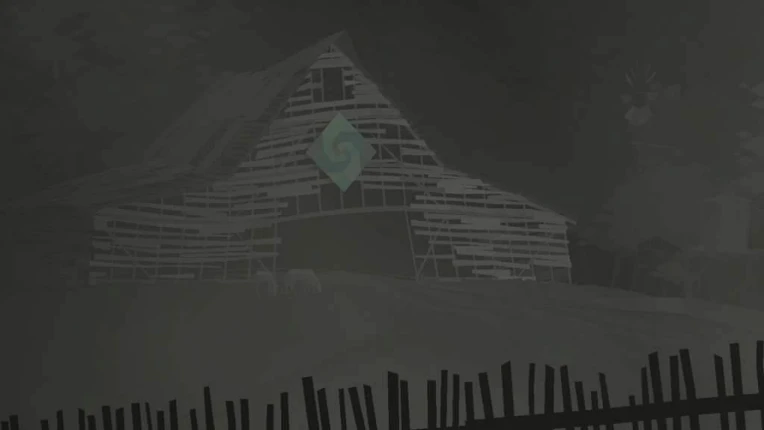
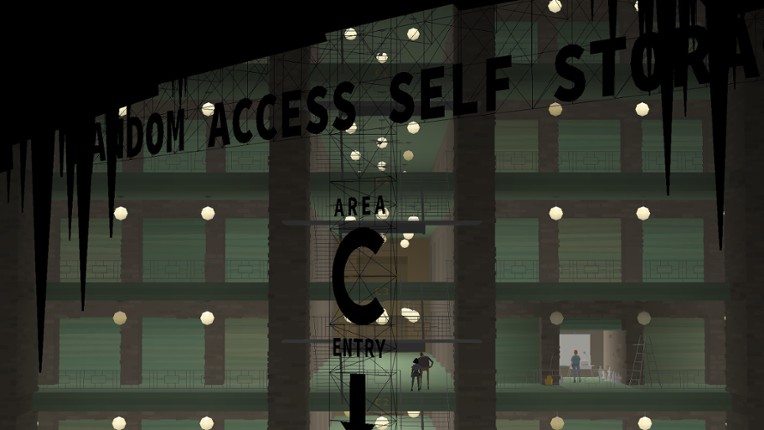
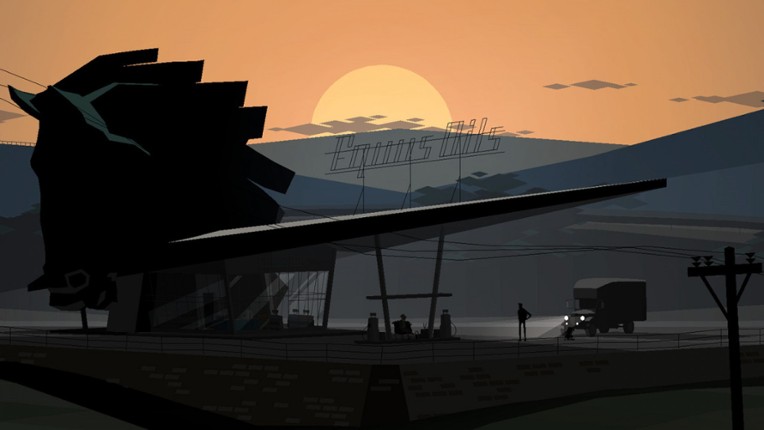
- 84%Game Brain ScoreMost mentioned positive aspects:story, musicMost mentioned negative aspects:grinding, character development81% User Score 3,395 reviewsCritic Score 89%6 reviewsKentucky Route Zero abandons skill checks and inventory puzzles for surreal, text-driven episodes that prioritize poetic atmosphere over traditional gameplay mechanics. If you enjoyed this game, see our list of games similar to Kentucky Route Zero.View Game
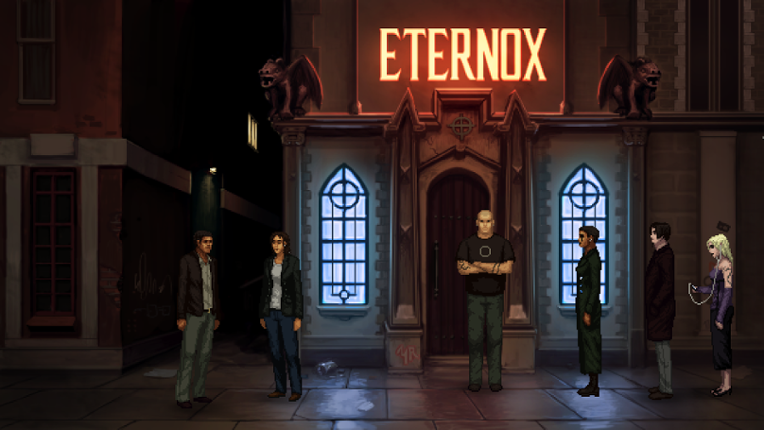
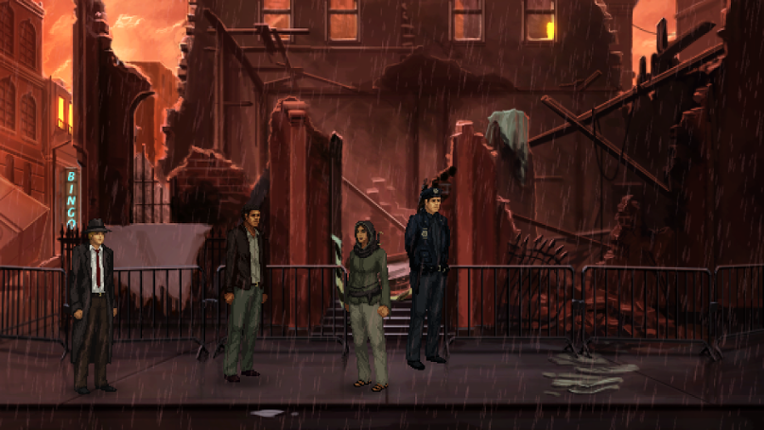
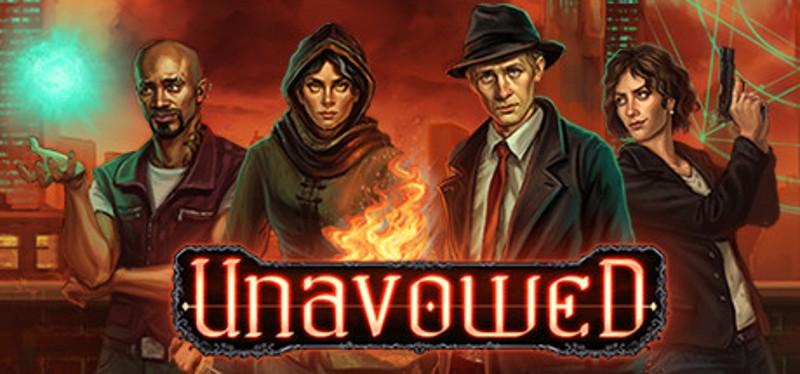
- 93%Game Brain ScoreMost mentioned positive aspects:story, graphicsMost mentioned negative aspects:grinding, stability96% User Score 3,230 reviewsCritic Score 80%1 reviewsBrings supernatural and gothic fantasy elements with pixel graphics and character customization, making investigation more mystical and magic-driven. If you enjoyed this game, see our list of games similar to Unavowed.View Game
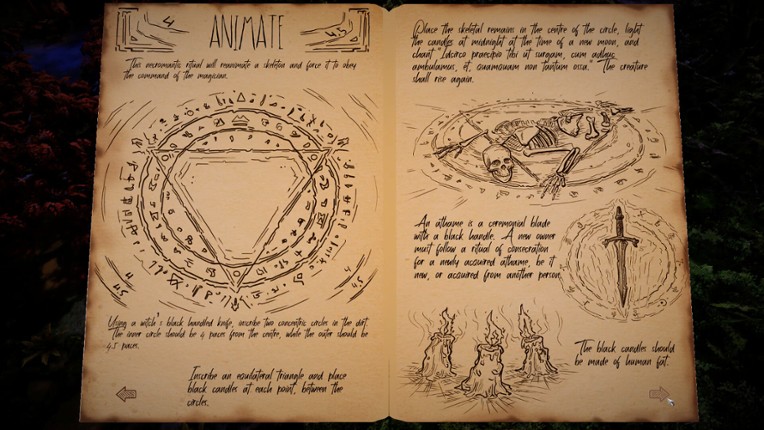
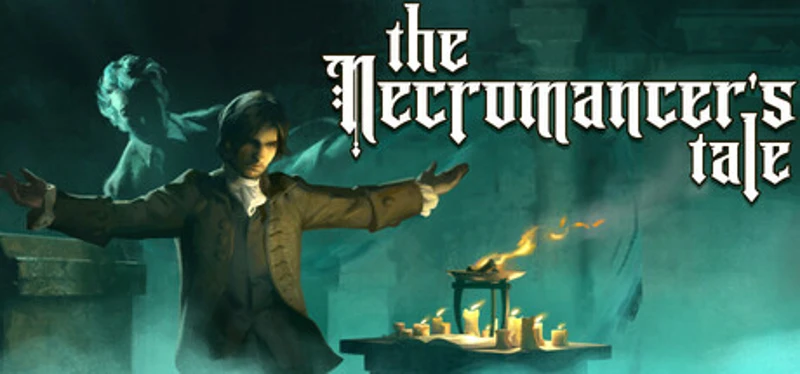
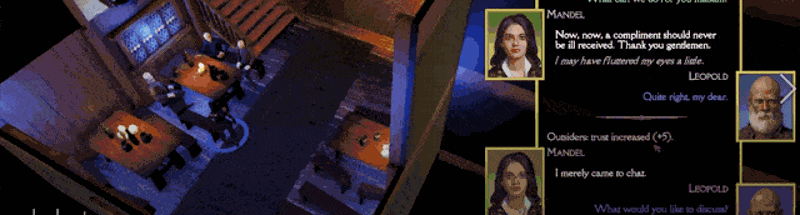
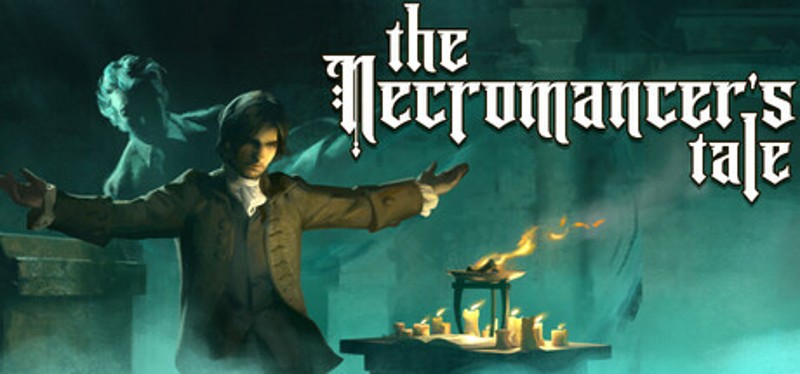
- 92%Game Brain ScoreMost mentioned positive aspects:story, gameplayMost mentioned negative aspects:grinding, stability92% User Score 716 reviewsMaintains turn-based investigation and moral complexity but trades urban grit for gothic fantasy with party-based combat. If you enjoyed this game, see our list of games similar to The Necromancer's Tale.View Game
44 View Game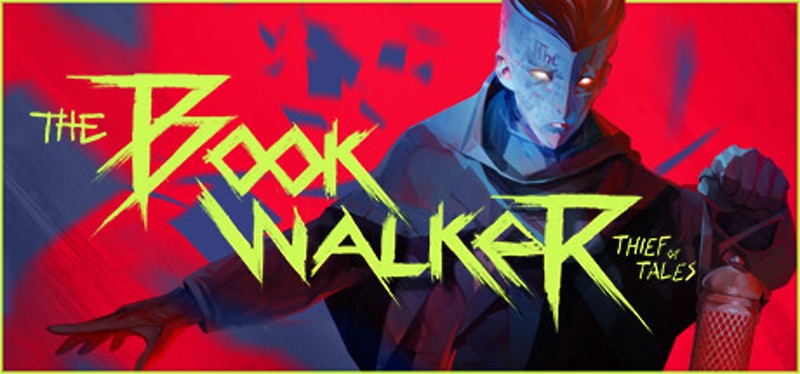 85%Game Brain ScoreMost mentioned positive aspects:story, gameplayMost mentioned negative aspects:replayability, grinding90% User Score 747 reviewsCritic Score 80%8 reviews
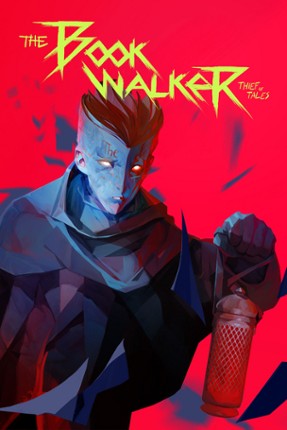
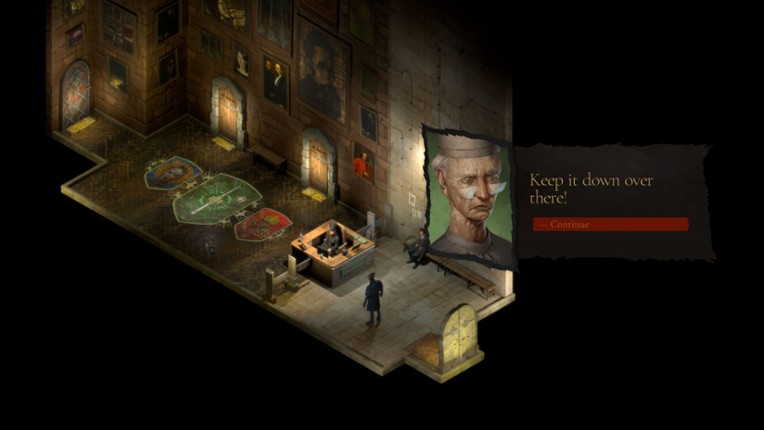
The Bookwalker is a narrative adventure where you play as Etienne Quist, a writer-turned-thief with the ability to dive into books. Use your powers to traverse reality and book worlds, and track and retrieve famous items like Thor's Hammer and the Excalibur in exchange for your creative freedom. If you enjoyed this game, see our list of games similar to The Bookwalker: Thief of Tales.
View Game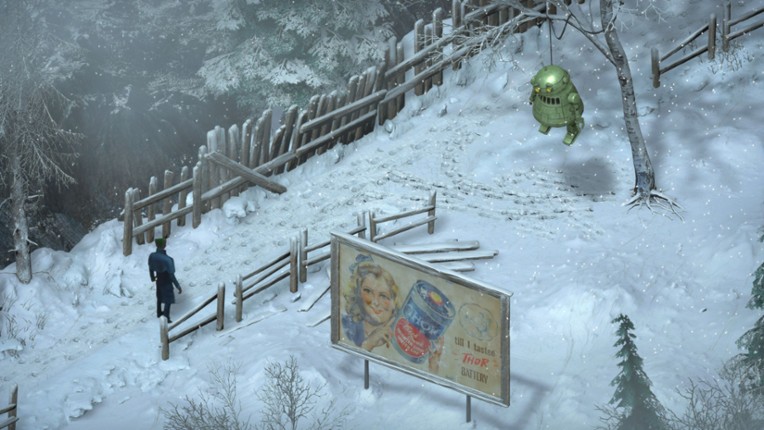
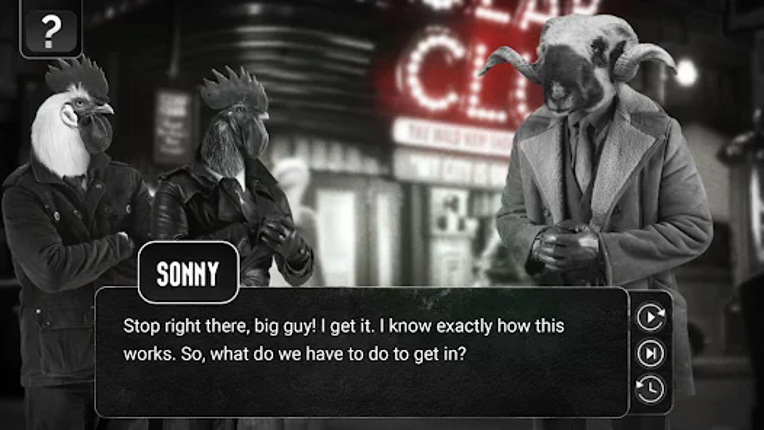
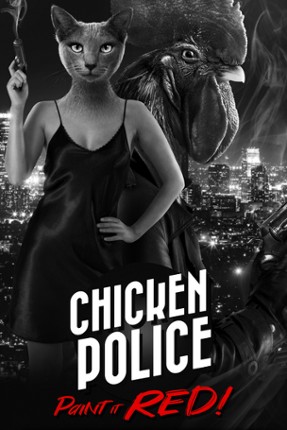
45 View Game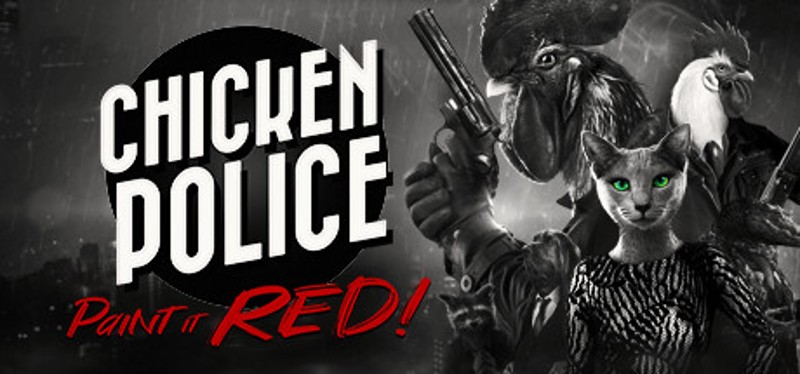 95%Game Brain ScoreMost mentioned positive aspects:story, graphicsMost mentioned negative aspects:replayability, stability95% User Score 1,060 reviewsEmbrace the cynical detective persona in a surreal, anthropomorphic animal world that prioritizes noir investigation mechanics over political introspection. If you enjoyed this game, see our list of games similar to Chicken Police – Paint it RED!.View Game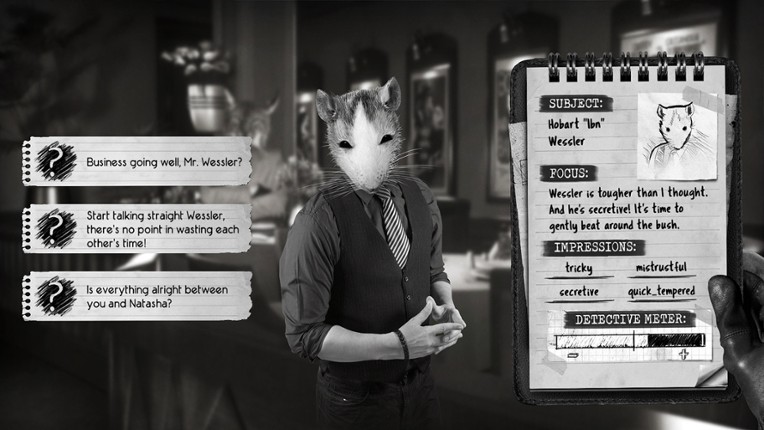

46 View Game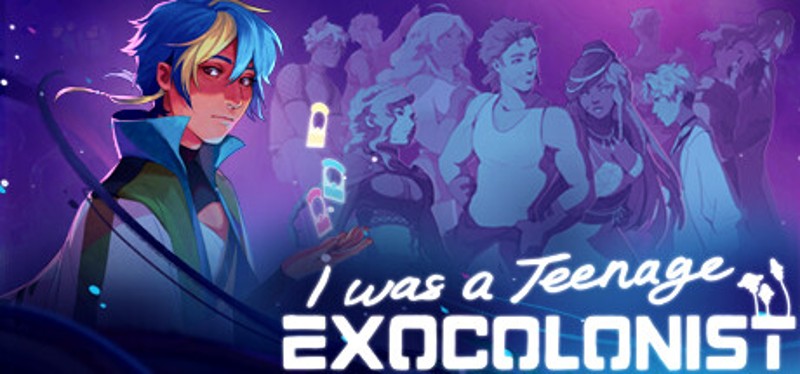 93%Game Brain ScoreMost mentioned positive aspects:story, gameplayMost mentioned negative aspects:grinding, stability97% User Score 5,442 reviewsCritic Score 89%12 reviews
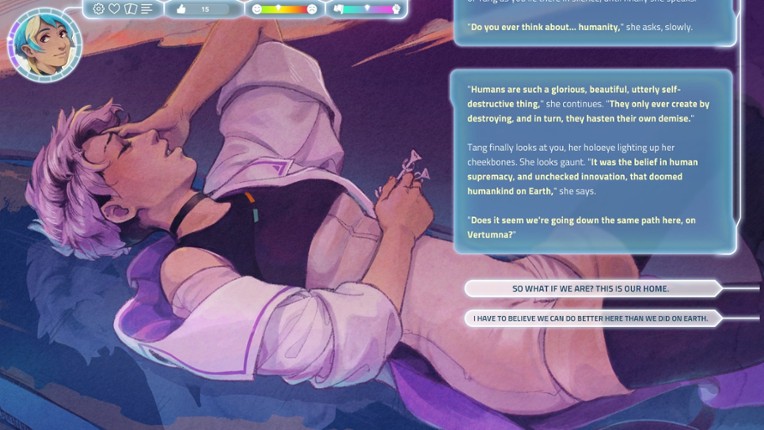
The Choices You Make, Make You If you enjoyed this game, see our list of games similar to I Was a Teenage Exocolonist.
View Game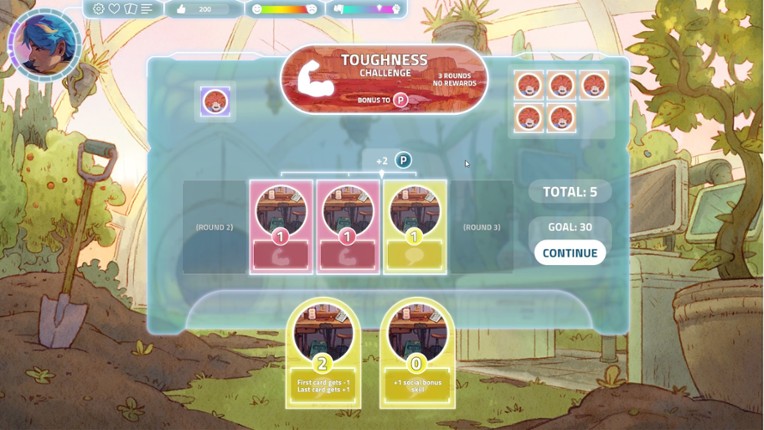
- 88%Game Brain ScoreMost mentioned positive aspects:story, graphicsMost mentioned negative aspects:replayability, stability89% User Score 57,262 reviewsCritic Score 85%4 reviews
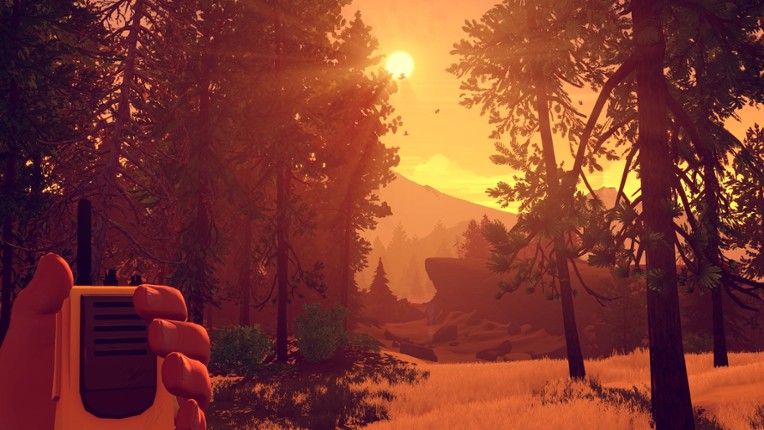
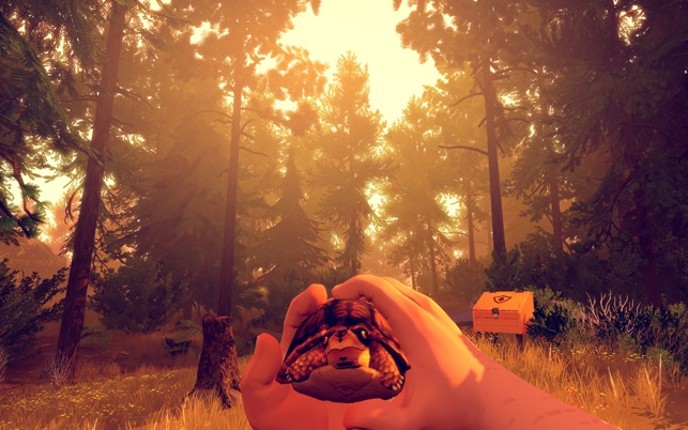
Firewatch is a single-player first-person video game where you, as a man named Henry, explore the Wyoming wilderness after taking a summer job as a fire lookout. What is supposed to be a peaceful respite from your complicated life takes a turn when you start to question some of the things that are happening to you. Your only human connection is over a handheld radio, which you’ll use to speak wit… If you enjoyed this game, see our list of games similar to Firewatch.
View Game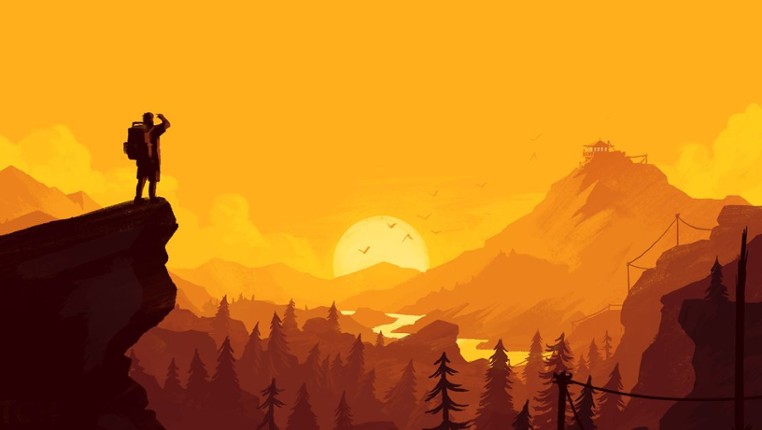
- 82%Game Brain ScoreMost mentioned positive aspects:story, gameplayMost mentioned negative aspects:grinding, stability86% User Score 8,187 reviewsCritic Score 78%28 reviews
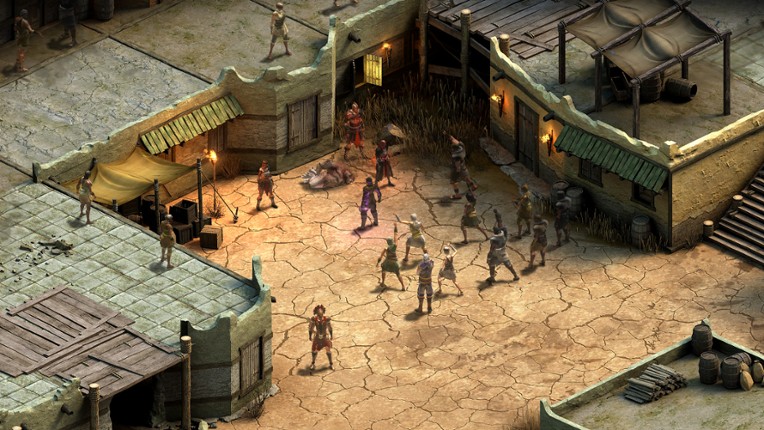
Experience a story-driven RPG where your choices mean all the difference in the world. If you enjoyed this game, see our list of games similar to Tyranny.
View Game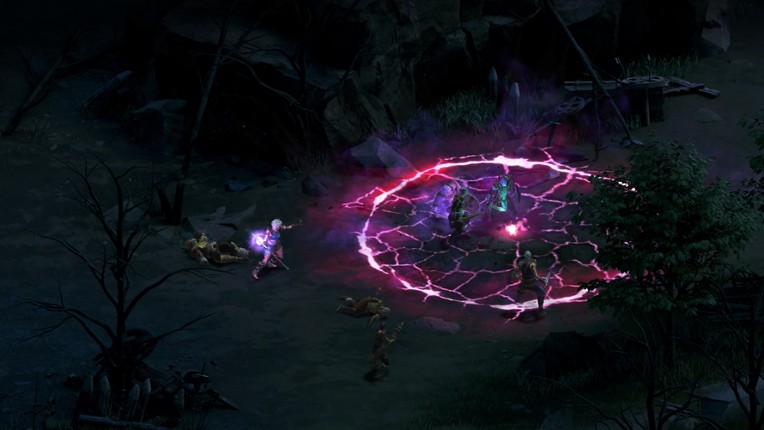
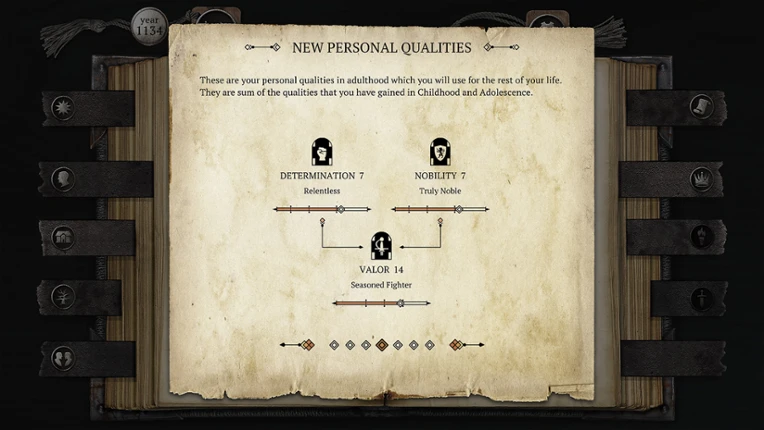
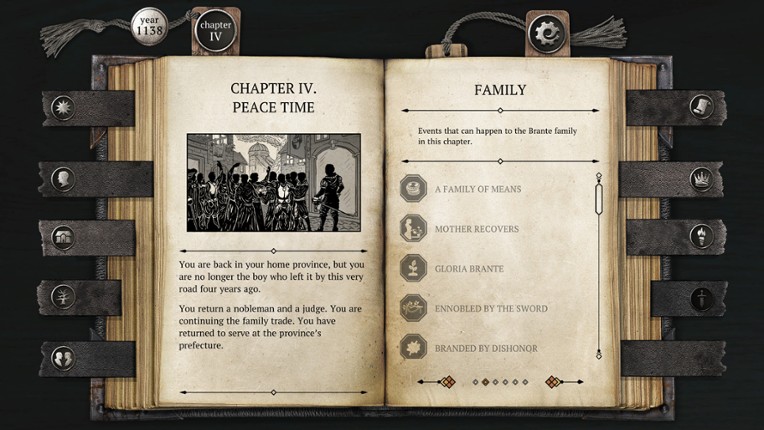
49 View Game 90%Game Brain ScoreMost mentioned positive aspects:story, gameplayMost mentioned negative aspects:grinding, optimization90% User Score 4,546 reviewsOffers a dark medieval tale through rich text and tabletop mechanics, replacing urban mystery with violent political intrigue and replay-driven branching. If you enjoyed this game, see our list of games similar to The Life and Suffering of Sir Brante.View Game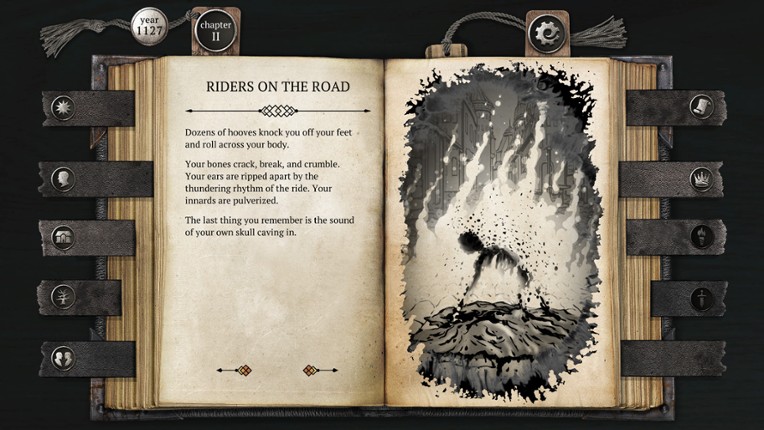
50 View Game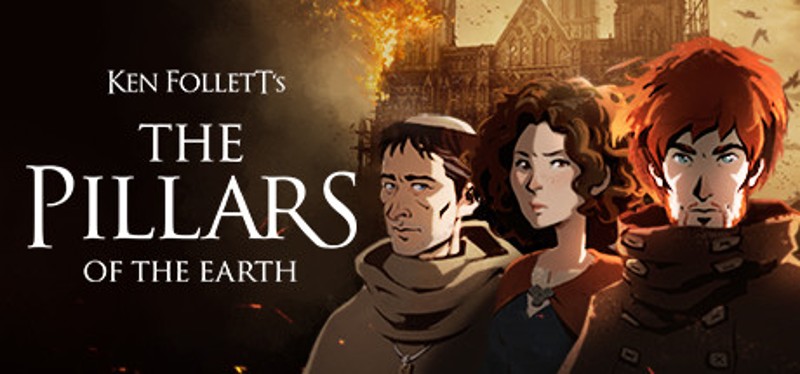 86%Game Brain ScoreMost mentioned positive aspects:story, graphicsMost mentioned negative aspects:grinding, stability93% User Score 2,968 reviewsCritic Score 79%8 reviewsMatches the choice-driven narrative and hand-drawn beauty but transplants you into historical soap opera across multiple timelines rather than one detective. If you enjoyed this game, see our list of games similar to Ken Follett's The Pillars of the Earth.View Game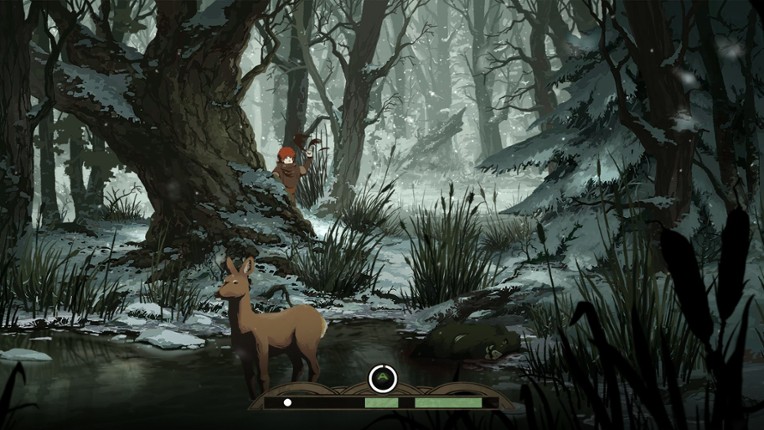


 View Game




















Frequently Asked Questions
Pentiment offers a medieval detective story with exceptional art direction and meaningful choices that rival Disco Elysium's narrative depth. Citizen Sleeper delivers compelling storytelling through a dice-based system, while The Forgotten City combines mystery investigation with time loop mechanics and philosophical themes that echo Disco Elysium's emotional resonance and atmospheric world-building.
Pentiment follows a 16th-century painter solving murders with detective work and rich character interactions. The Forgotten City features investigation mechanics within an ancient Roman time loop setting. Roadwarden incorporates detective gameplay through text-based storytelling with meaningful narrative choices that rival Disco Elysium's investigation-driven approach.
Roadwarden is an indie title priced under typical AAA games, offering text-based detective storytelling with rich world-building. Citizen Sleeper and The Red Strings Club are affordable indie games featuring compelling narratives and atmospheric design similar to Disco Elysium without aggressive monetization practices.
Always Sometimes Monsters excels at presenting moral dilemmas where choices genuinely impact narrative outcomes. The Red Strings Club uses unique mechanics like drink-mixing to influence characters and gather information through player choices. Backbone and Roadwarden also emphasize meaningful decisions that shape story progression and character relationships.
The Red Strings Club explores cyberpunk dystopias challenging players' moral perspectives, while Roadwarden features dark text-based adventure with philosophical depth. Always Sometimes Monsters examines moral dilemmas and life consequences. All share Disco Elysium's maturity in tone and willingness to confront difficult emotional and existential themes through interactive storytelling.
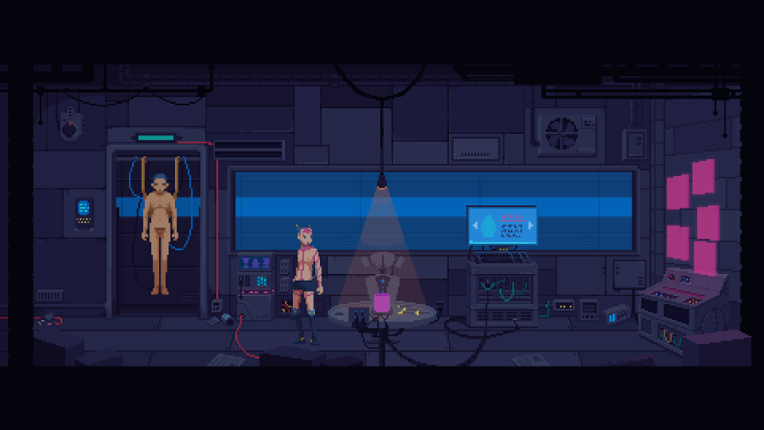
Pentiment features stunning medieval manuscript-style hand-painted art. Backbone and Roadwarden showcase beautiful pixel art creating immersive atmospheres, while The Red Strings Club uses retro pixel graphics with cyberpunk aesthetics. Each prioritizes distinctive visual identity and atmospheric presentation similar to Disco Elysium's celebrated art direction and world design.