

Games like World of Warcraft: Collector's Edition
If World of Warcraft has been your home for countless raids, dungeons, and late-night questing sessions, you already know what a well-crafted massively multiplayer world feels like. Games like World of Warcraft occupy a very specific corner of gaming — open-world fantasy RPGs built around persistent multiplayer, deep character progression, and a living world that rewards both solo adventurers and guild-coordinated teams. The good news: there are genuinely great alternatives worth your time.
What makes World of Warcraft so hard to replace is the particular cocktail it serves: a sprawling open fantasy world, action-driven combat layered over deep RPG systems, and the constant pull of multiplayer — whether that's cooperative dungeon runs or competitive PvP. It's a game that rewards long-term investment in your character while keeping the world itself alive through other players. Anyone searching for something similar is really chasing that blend of scale, social play, and fantasy-flavored progression.
What Makes a Good Alternative to World of Warcraft?
- Massively multiplayer structure — WoW's heartbeat is its shared world. The best alternatives keep that social fabric intact, giving you other real players to cooperate with, compete against, or simply exist alongside.
- Deep character customization and progression — Spec trees, ability loadouts, and gear systems are central to WoW's long-term appeal. Alternatives worth playing give you meaningful choices in how your character grows and how you build your playstyle.
- Open-world fantasy setting — The warfare and fantasy themes aren't just backdrop; they shape every quest, faction, and dungeon. Games that deliver a rich, explorable fantasy world scratch the same itch.
- Cooperative and PvP multiplayer modes — WoW thrives on both sides of the multiplayer coin. Strong alternatives offer co-op content, group challenges, and competitive play that keep the community alive.
- Ongoing content and live-service updates — Part of WoW's staying power is that the world keeps evolving. Alternatives that receive consistent updates and developer support give you a reason to keep logging in.
Top Picks If You Enjoyed World of Warcraft
RIFT stands out with its flexible class-mixing system and dynamic world events that demand player cooperation. EverQuest II delivers a vast lore-rich world with robust crafting and housing on top of classic MMO questing. Mytheon brings a clever deck-building twist to multiplayer RPG combat. Top Heroes scratches the guild-and-alliance itch with strong social and strategic layers. Lost Fairyland: Undawn offers fast-paced class-based MMO gameplay friendly to free-to-play progression.
Every recommendation below is ranked by similarity to World of Warcraft using real player data, so the closest matches appear first. Browse the full list to find your next adventure.
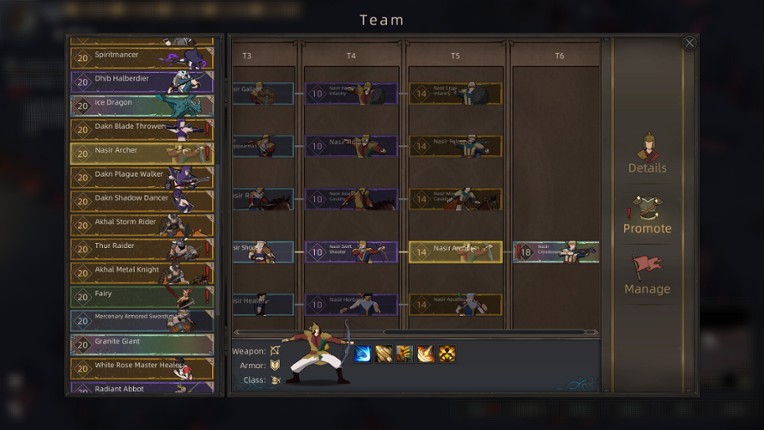
- 77%Game Brain ScoreMost mentioned positive aspects:story, gameplayMost mentioned negative aspects:grinding, stability77% User Score 2,115 reviewsTop-down indie action RPG emphasizing martial arts and factional warfare over traditional dungeon crawling, with mature storytelling grounding its sandbox conflicts. If you enjoyed this game, see our list of games similar to Sands of Salzaar.View Game
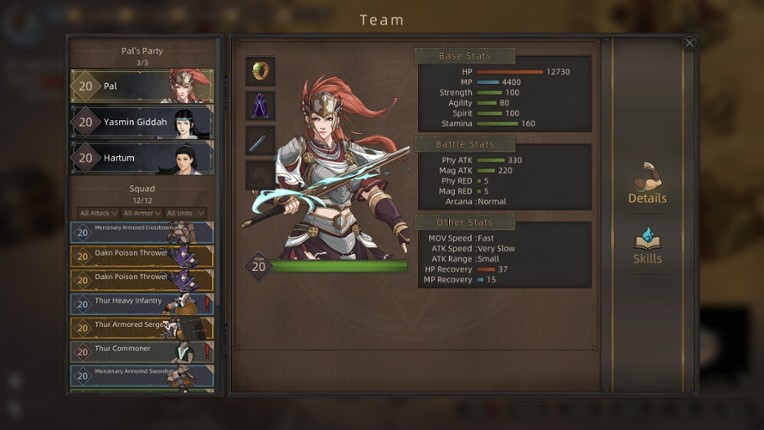
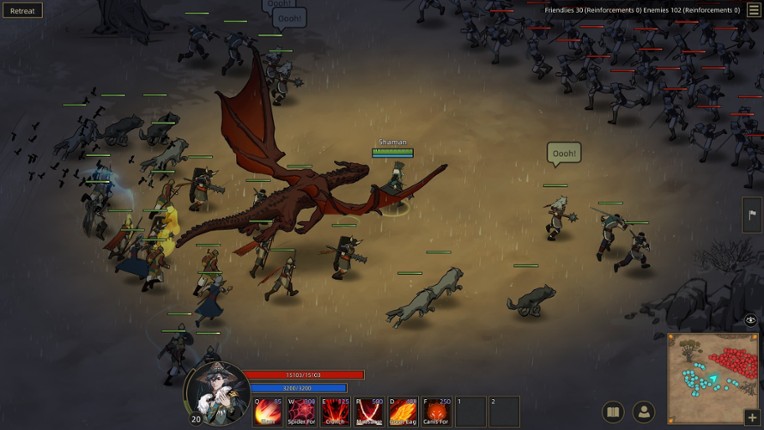
- 89%Game Brain ScoreMost mentioned positive aspects:story, gameplayMost mentioned negative aspects:grinding, stability92% User Score 4,684 reviewsCritic Score 83%4 reviews
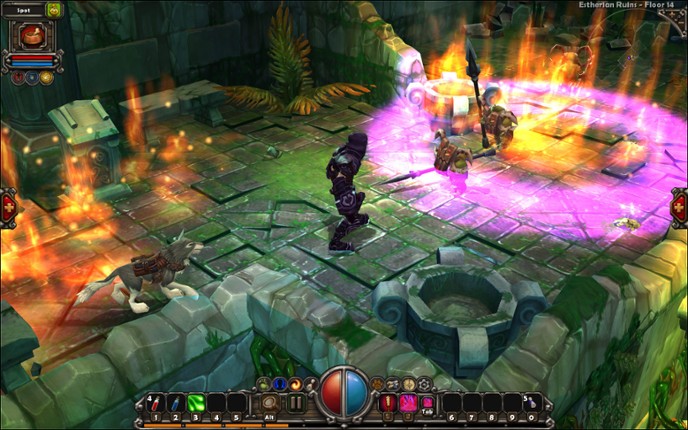
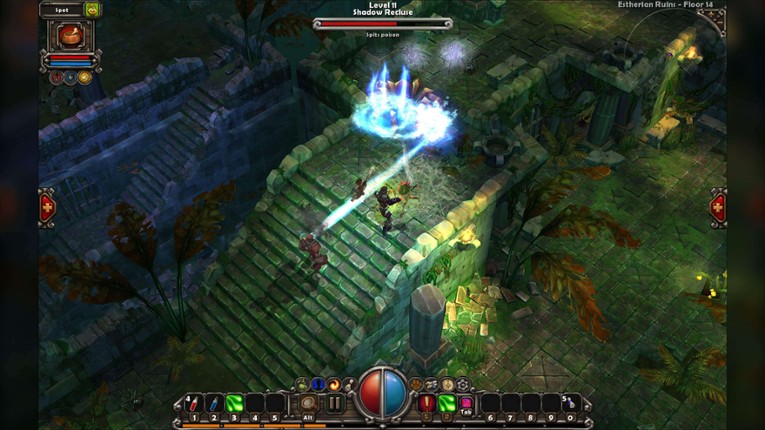
Legions of twisted creatures, emboldened by Ember, have begun to swarm up from the caves below the sleepy enclave of Torchlight. In this critically acclaimed Action-RPG, you’ll choose from three powerful heroes to adventure the depths for endless treasure and glory. Your adventure is unique, through randomly generated environments with new monsters, treasures, puzzles, and items each time. If you enjoyed this game, see our list of games similar to Torchlight.
View Game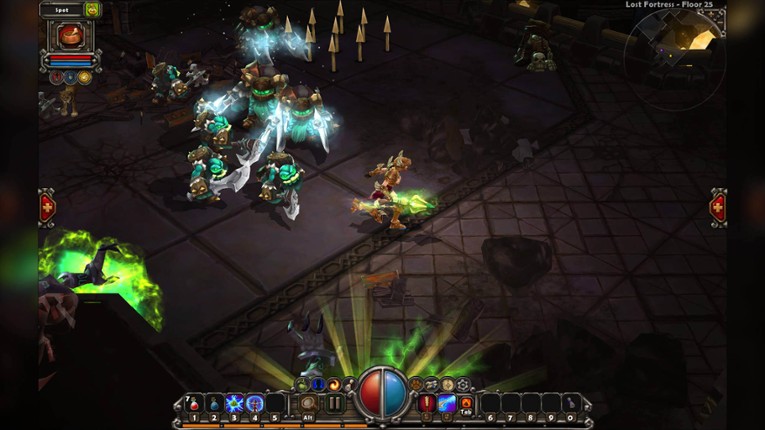
- 81%Game Brain ScoreMost mentioned positive aspects:story, gameplayMost mentioned negative aspects:replayability, grinding84% User Score 55 reviewsCritic Score 69%2 reviews
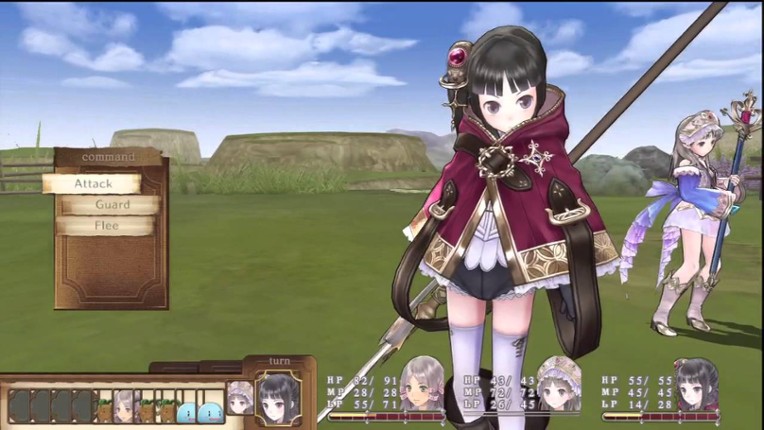
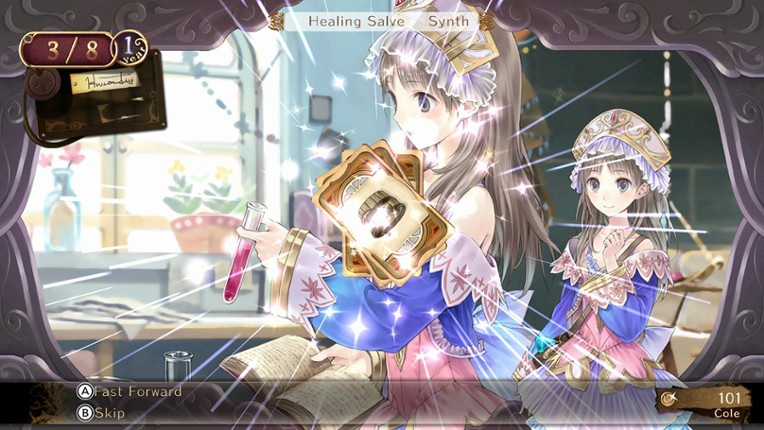
Atelier Totori: The Adventurer of Arland is a Japanese role-playing video game developed by Gust. It takes the series alchemy driven gameplay and expands it towards encouraging exploration and discovery. Atelier Totori is the twelfth installment in the Atelier series, and it continues the series' emphasis on item synthesis. The game is the second in the Arland series and a direct sequel to Atelier… If you enjoyed this game, see our list of games similar to Atelier Totori: The Adventurer of Arland.
View Game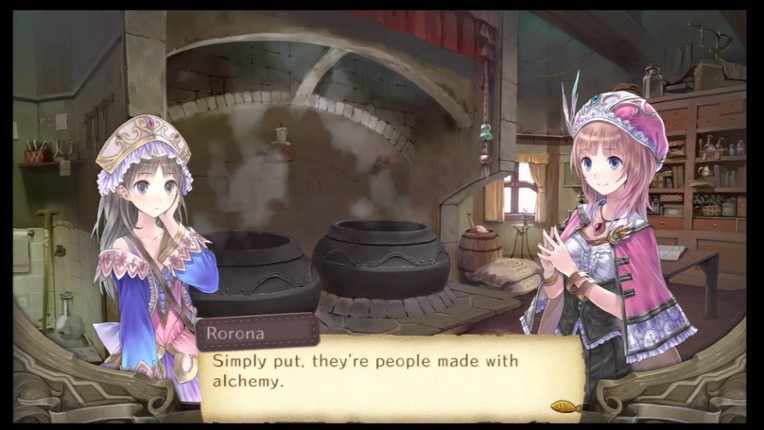
- 88%Game Brain ScoreMost mentioned positive aspects:story, humorMost mentioned negative aspects:grinding, music88% User Score 169 reviews
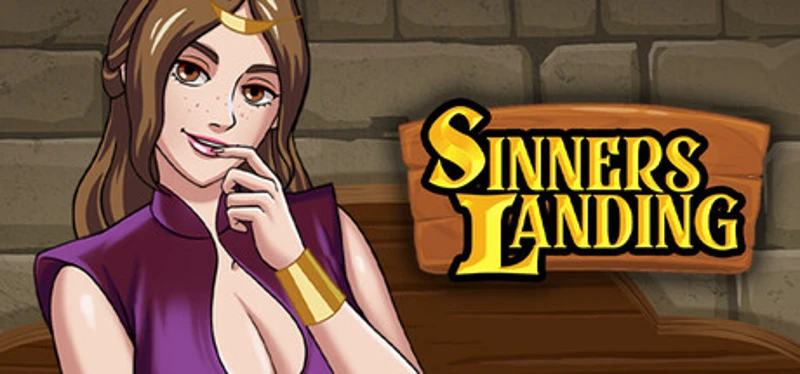
Sinners Landing is an adult-themed, romance-based, dungeon crawling RPG with a card-style battle mechanic. Explore dungeons, slay monsters, get loot, and romance the women of the local town. If you enjoyed this game, see our list of games similar to Sinners Landing.
View Game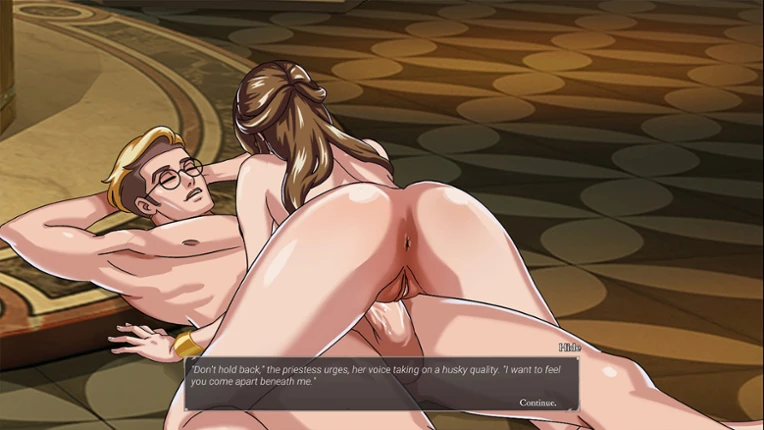
- 55%Game Brain ScoreMost mentioned positive aspects:story, gameplayMost mentioned negative aspects:monetization, grinding55% User Score 96 reviews
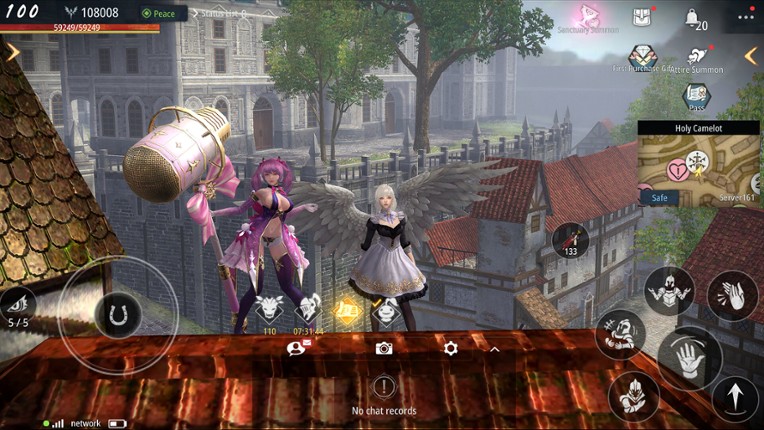
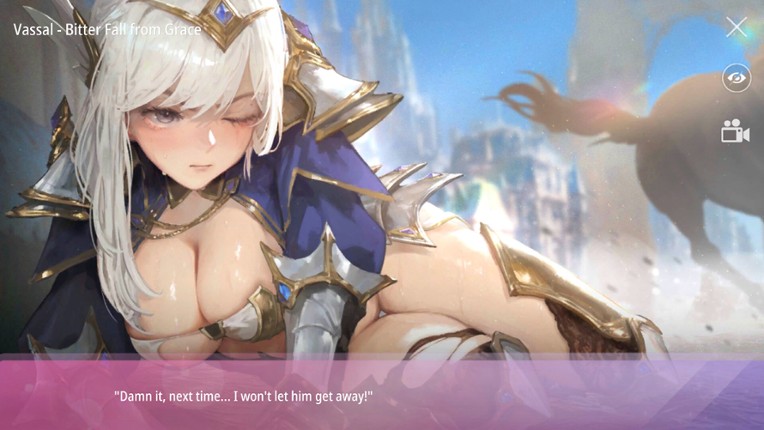
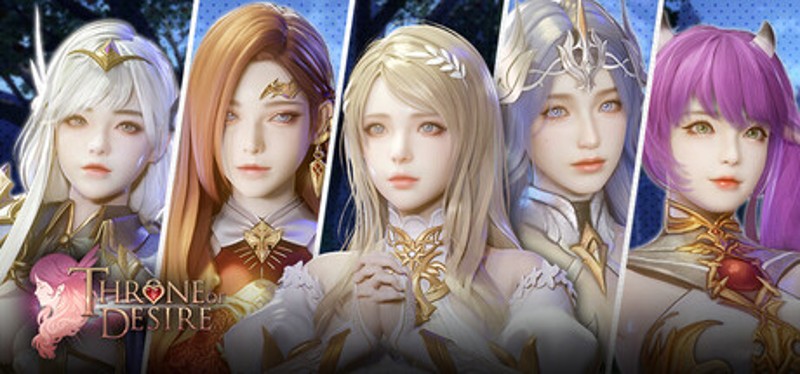
[The First True 3D Open World H-MMORPG] Throne of Desire completely breaks the existing framework of adult mobile games, bidding farewell to traditional "turn-based" and "closed linear stage" gameplay. You will step into this medieval fantasy continent where the sacred and the forbidden intertwine, freely exploring a seamless 3D open world and interacting with other players in… If you enjoyed this game, see our list of games similar to Throne of Desire.
View Game
- 61%Game Brain ScoreMost mentioned positive aspects:story, graphicsMost mentioned negative aspects:grinding, replayability60% User Score 252 reviewsCritic Score 63%6 reviews
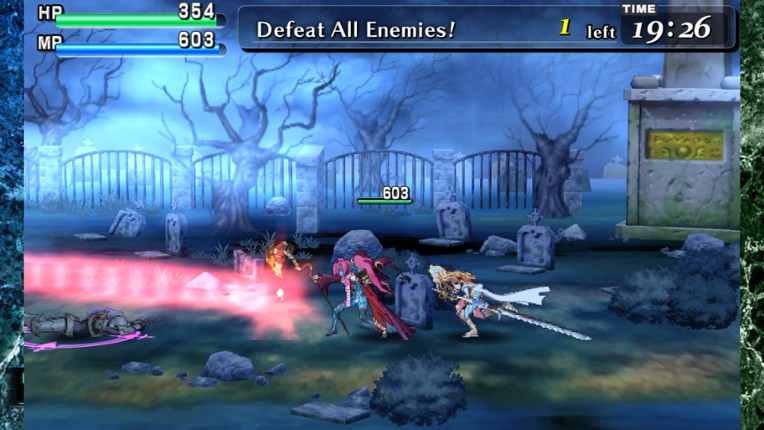
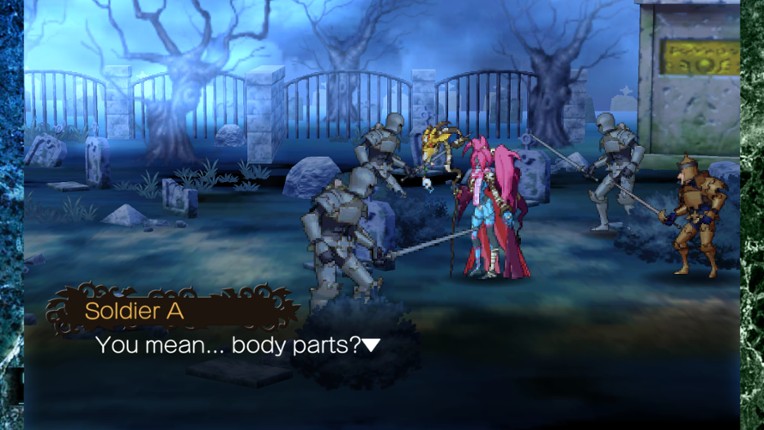
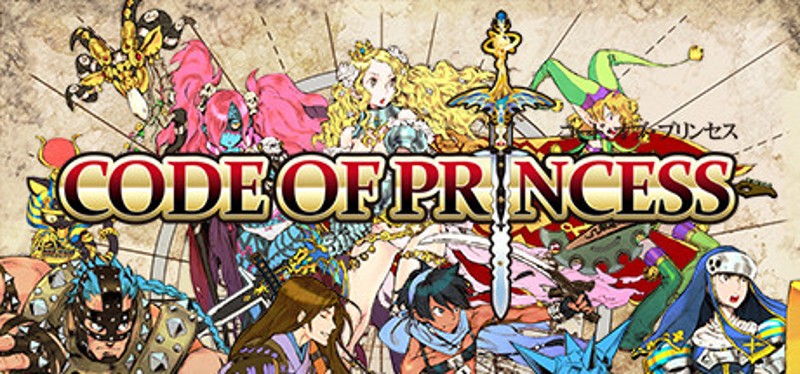
Code of Princess offers players an exciting yet unconventional experience, deftly blending the combo-heavy fighting gameplay of beat ‘em ups with the stat-boosting character customization of RPGs. If you enjoyed this game, see our list of games similar to Code of Princess.
View Game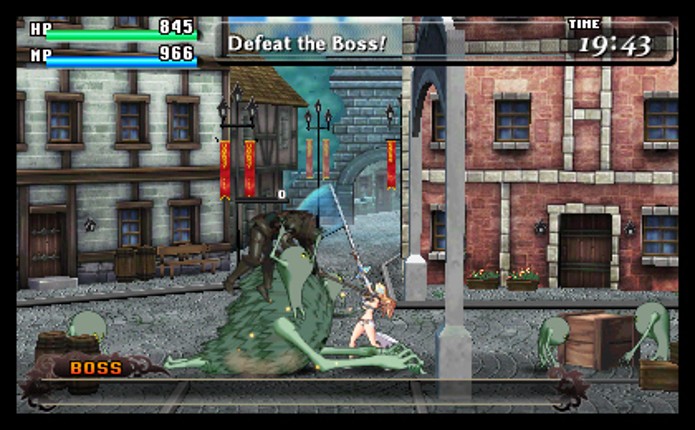
- 67%Game Brain ScoreMost mentioned positive aspects:gameplay, graphicsMost mentioned negative aspects:story, grinding67% User Score 235 reviews
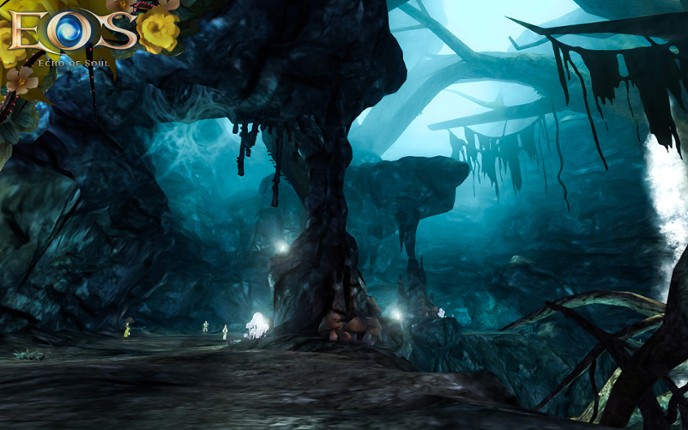
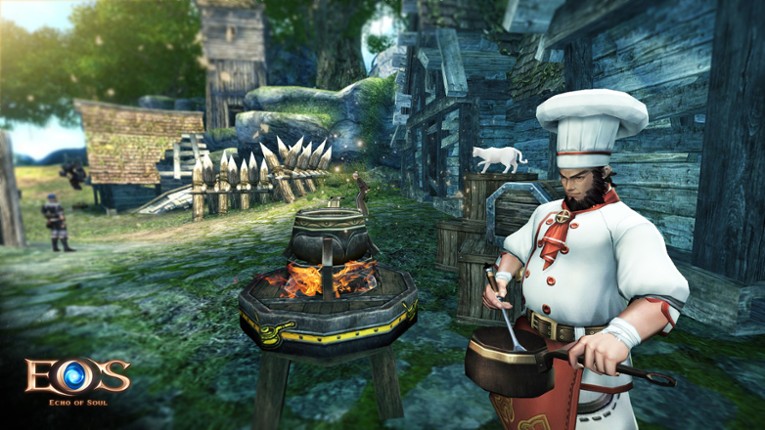
The Wrath of the Goddess expansion is now live! Journey to the mysterious continent of Kharath, where the malevolent sorceress, Naez, is plotting to summon an ancient evil into the mortal realm. The hope of the world lies with you, Soulkeeper... If you enjoyed this game, see our list of games similar to Echo of Soul.
View Game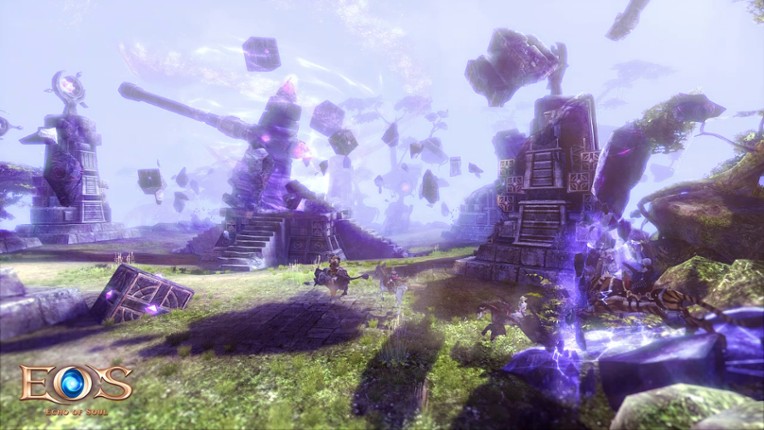
- 69%Game Brain ScoreMost mentioned positive aspects:story, gameplayMost mentioned negative aspects:grinding, atmosphere76% User Score 168 reviewsCritic Score 62%10 reviews
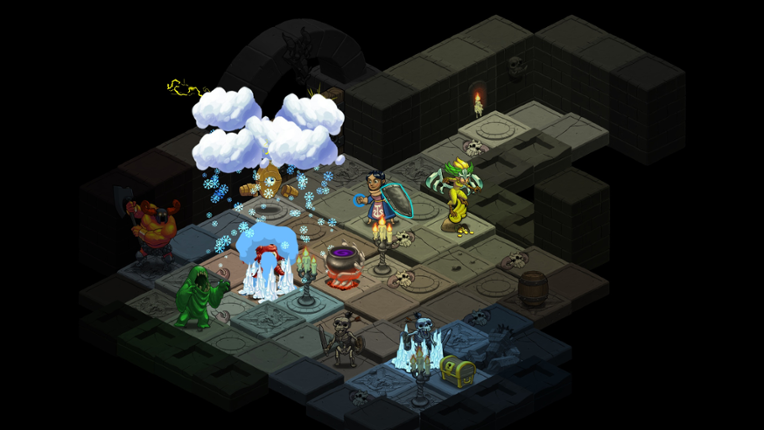
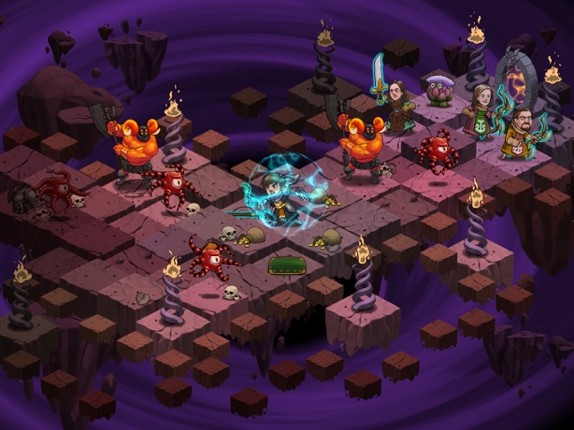
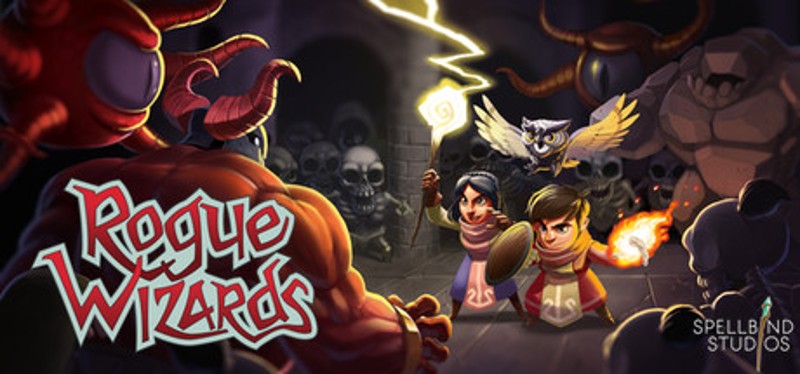
Battle creatures, collect loot, master magic, and build your very own Wizard Tower sanctuary in this rogue-like, dungeon-crawling RPG. If you enjoyed this game, see our list of games similar to Rogue Wizards.
View Game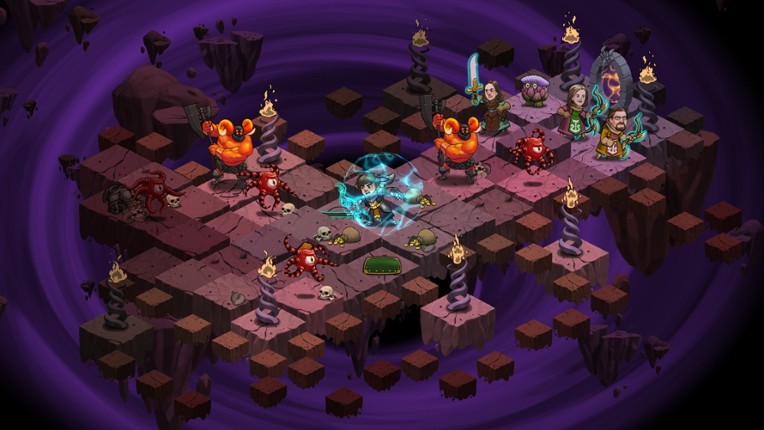
- 74%Game Brain ScoreMost mentioned positive aspects:story, graphicsMost mentioned negative aspects:optimization, grinding74% User Score 296 reviews
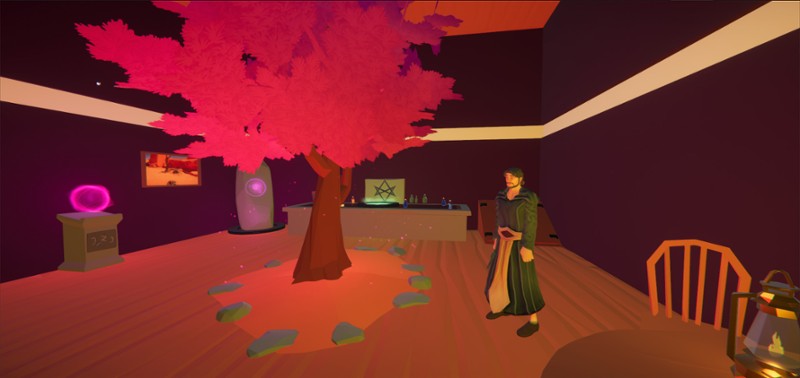
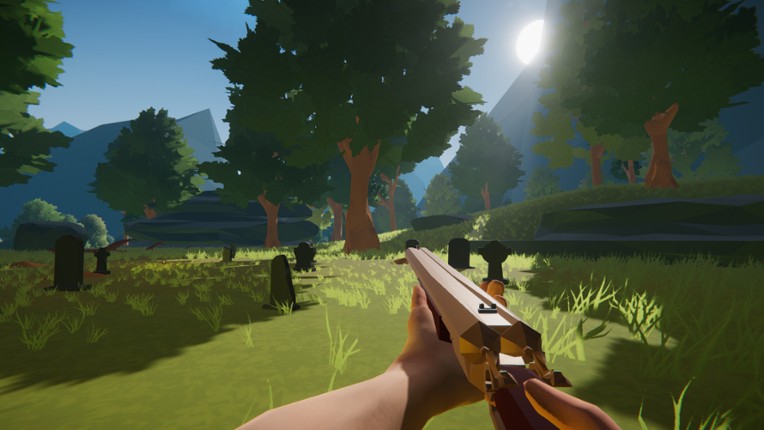
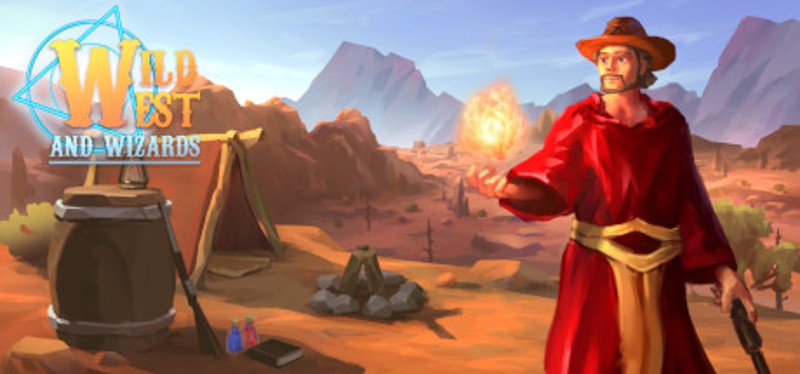
Wild West and Wizards is an open world exploration game with magic and rpg elements set in a re-imagined new frontier. Adventure across the west with a gun in one hand and a spell in the other. Pick a class and explore a world with magic, outlaws, rare loot, mysterious places, and epic quests. If you enjoyed this game, see our list of games similar to Wild West and Wizards.
View Game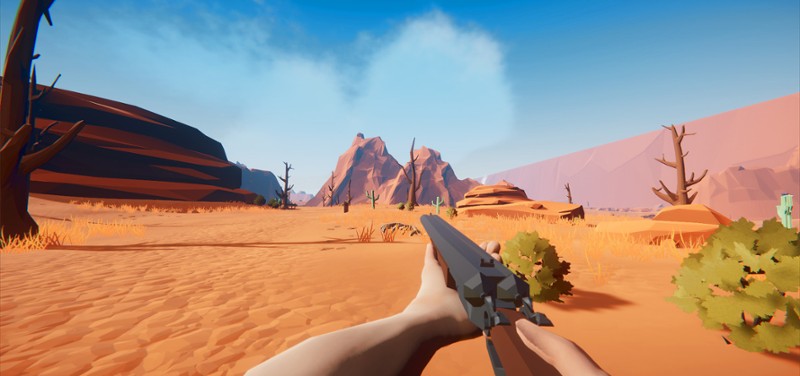
- 78%Game Brain ScoreMost mentioned positive aspects:story, gameplayMost mentioned negative aspects:stability, grinding78% User Score 492 reviews
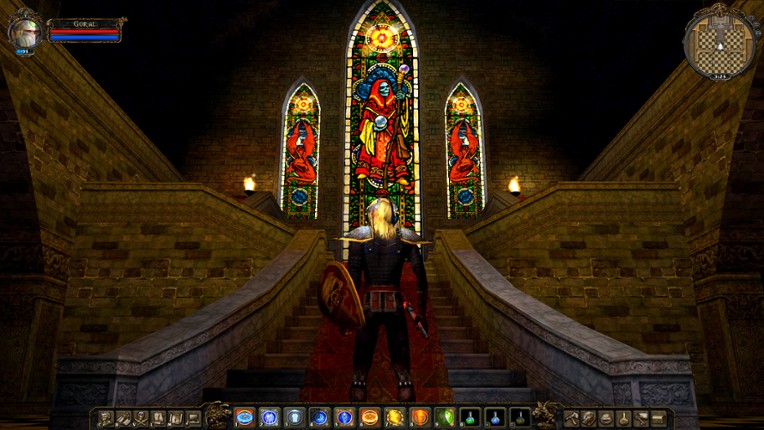
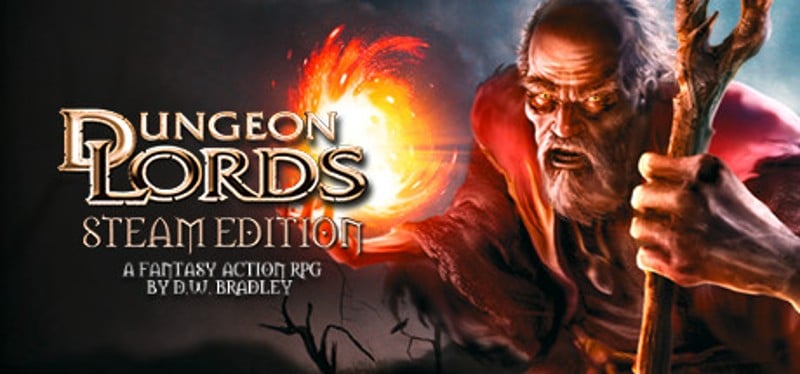
The great wizard Galdryn of the Meadows has been vanquished by a deadly conspiracy within the Circle of Mages. His chief ally, Lord Davenmor, now struggles to save his kingdom from the dark forces of the conspiracy and the onslaught of Lord Barrowgrim’s army of marauders. But there is hope, for according to prophecy a Great Champion shall appear to challenge the evil invaders - the Realm awaits YO… If you enjoyed this game, see our list of games similar to Dungeon Lords.
View Game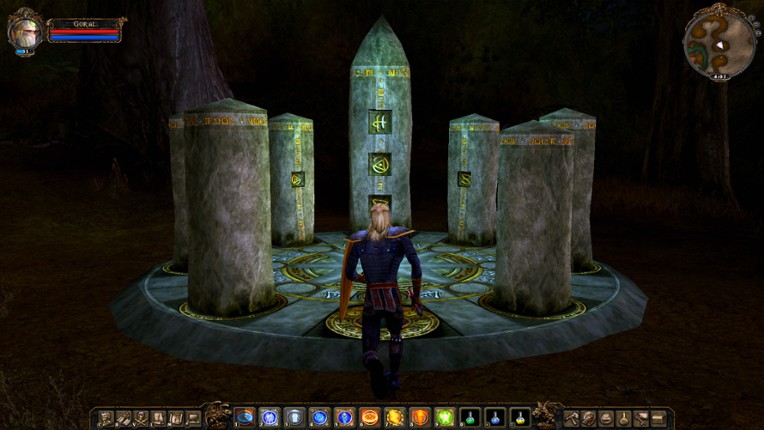
- View Game56%Game Brain ScoreMost mentioned positive aspects:gameplay, storyMost mentioned negative aspects:stability, replayability52% User Score 230 reviewsCritic Score 68%3 reviews
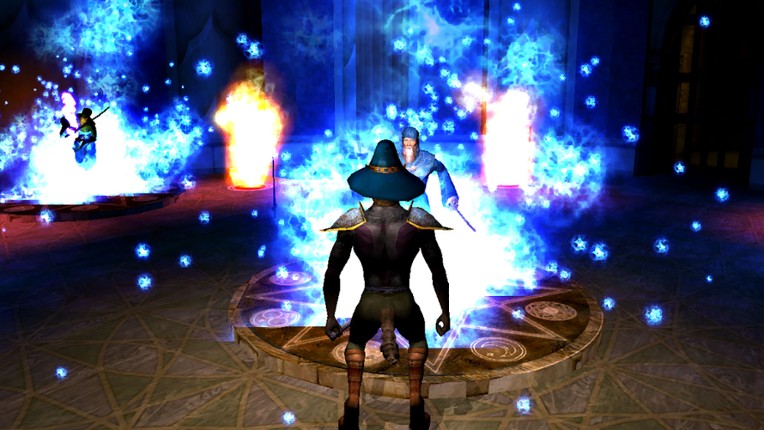
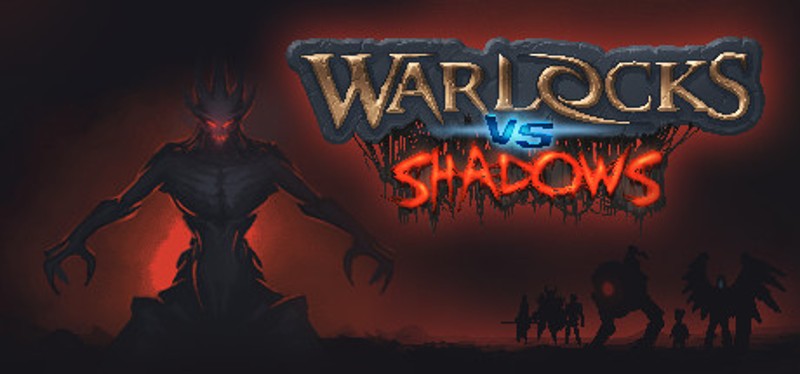
Slay monsters. Defeat epic bosses. Collect magical gear. Become a Warlock and save the universe. If you enjoyed this game, see our list of games similar to Warlocks vs Shadows.
- 88%Game Brain ScoreMost mentioned positive aspects:graphics, storyMost mentioned negative aspects:gameplay, grinding88% User Score 107 reviews
2D souls-like action RPG If you enjoyed this game, see our list of games similar to Watcher Chronicles.
View Game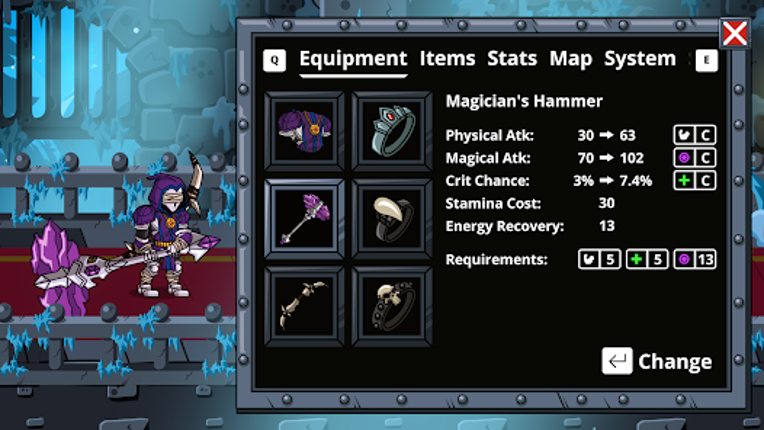
13 View Game 99%Game Brain ScoreMost mentioned positive aspects:story, graphicsMost mentioned negative aspects:grinding, replayability99% User Score 138 reviews
‘SKALD: Against the Black Priory’ is a retro-style RPG set in a grim-dark fantasy world of tragic heroes, violent deaths and Lovecraftian horror. Explore an engaging branching story mixed with exploration and crunchy tactical, turn-based combat that will engage RPG fans, old and new. If you enjoyed this game, see our list of games similar to Skald: Against the Black Priory - the Prologue.
View Game


- 65%Game Brain ScoreMost mentioned positive aspects:graphics, storyMost mentioned negative aspects:gameplay, grinding65% User Score 57 reviews
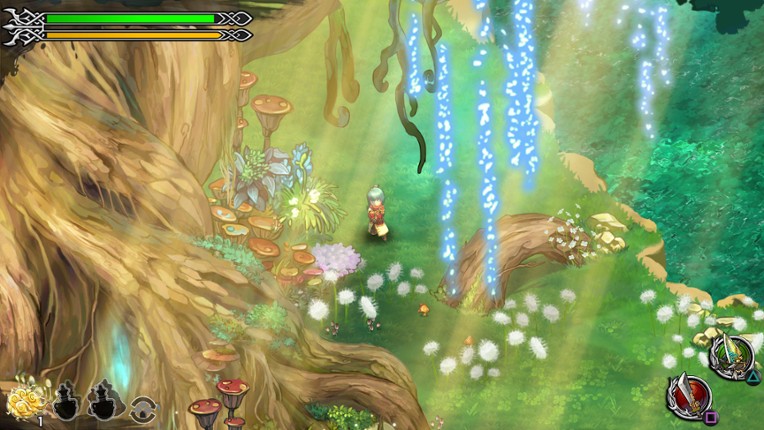
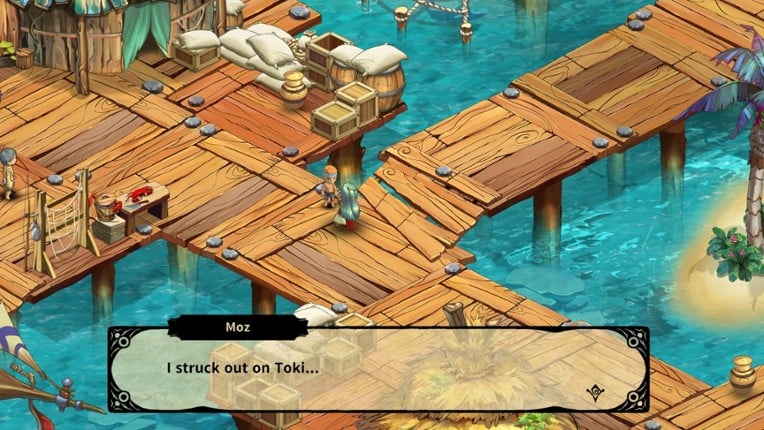
"Action RPG" A genre that defined adventure and represented the childhood of all gamers, revived, redefined, from Japan, on Steam. Goken will bring back everything that was right about gaming in an action packed open world environment and have the old school gamers tremble in nostalgia. If you enjoyed this game, see our list of games similar to GOKEN.
View Game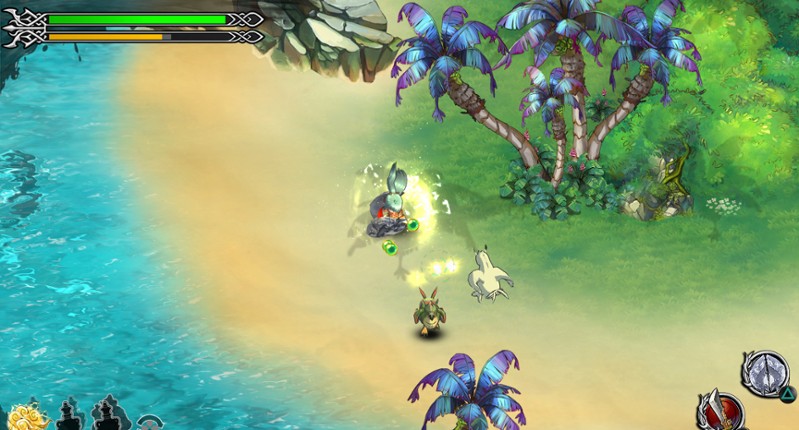
- 66%Game Brain ScoreMost mentioned positive aspects:story, gameplayMost mentioned negative aspects:atmosphere, replayability83% User Score 30 reviews
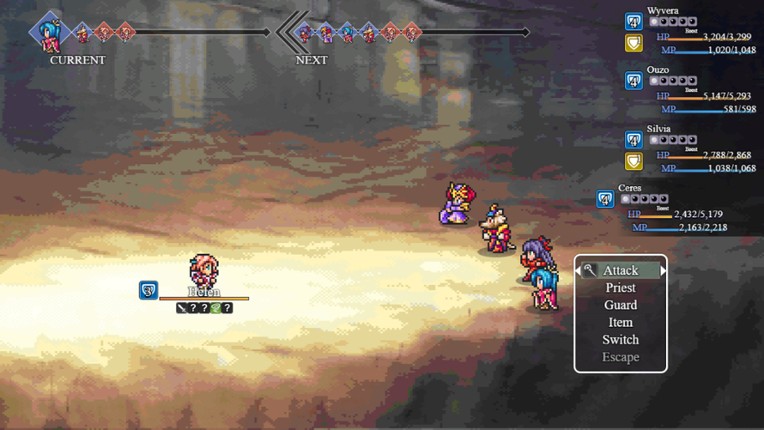
A novel with great RPG turn based battles. A great entry point for newcomers! If you enjoyed this game, see our list of games similar to Clarent Saga: Chronicles.
View Game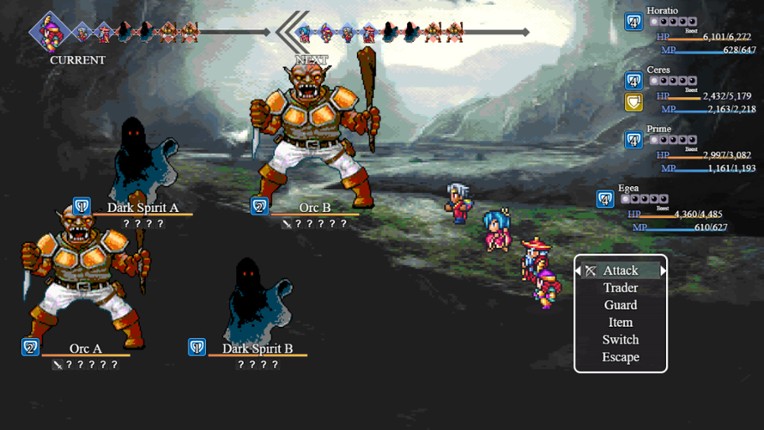
- 61%Game Brain ScoreMost mentioned positive aspects:story, graphicsMost mentioned negative aspects:grinding, music61% User Score 228 reviews
You've crash landed on the planet Titan. Suffering from amnesia and armed with only a basic survival kit you begin exploring the planet looking for any signs of life. Can you craft, build, and survive long enough to discover the secrets of Titan and escape? If you enjoyed this game, see our list of games similar to Surviving Titan.
View Game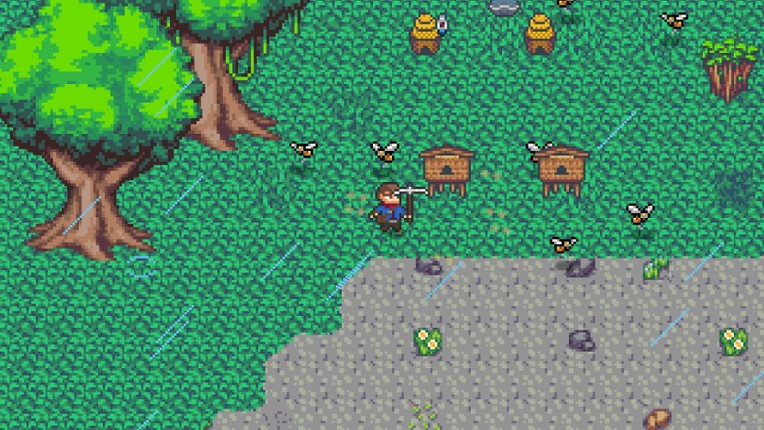
- 78%Game Brain ScoreMost mentioned positive aspects:gameplay, storyMost mentioned negative aspects:optimization, grinding78% User Score 116 reviews
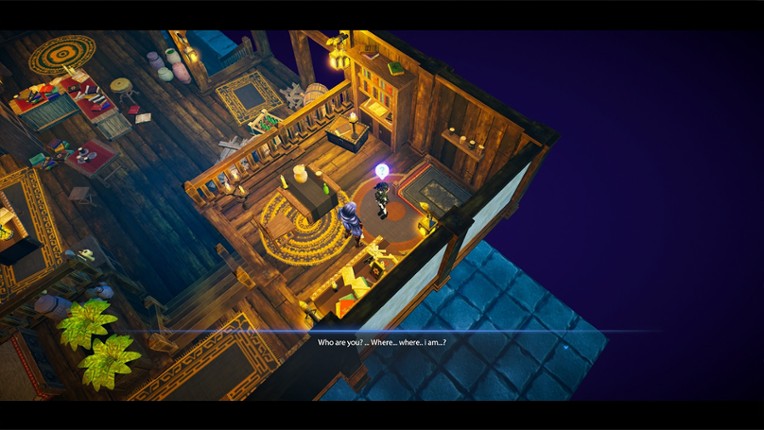
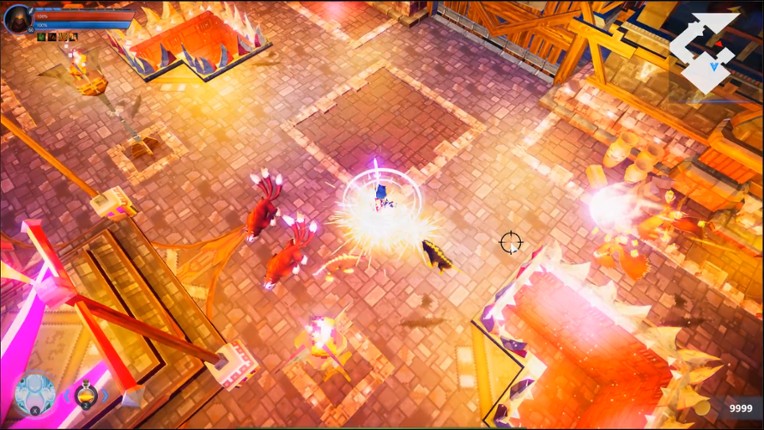
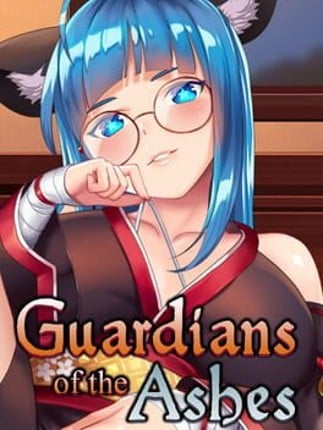
As a rookie female soldier being lost memory. Your are tasked with investigating a group of criminals in the deserted city of Orland and unknowingly discovering a secret ruins underground. And here, you being attacked and chased by demons, things drag on after things ... the true origin of the world gradually reveal... and then, as "The Chosen One" - you have to protect the world. If you enjoyed this game, see our list of games similar to Guardians of the Ashes.
View Game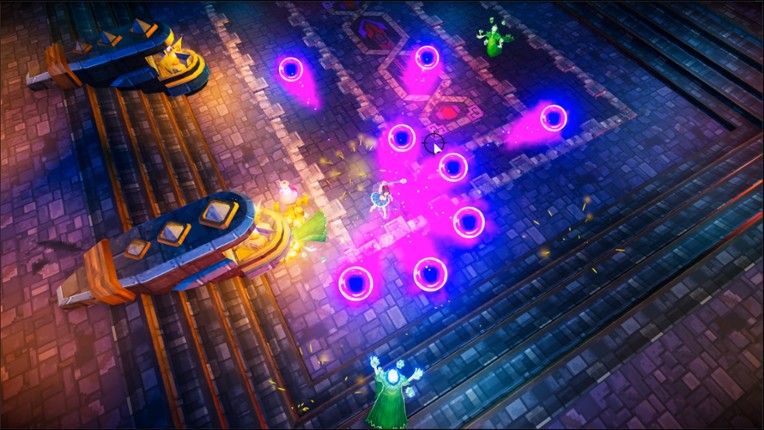
- 85%Game Brain ScoreMost mentioned positive aspects:graphics, storyMost mentioned negative aspects:grinding, replayability85% User Score 127 reviews
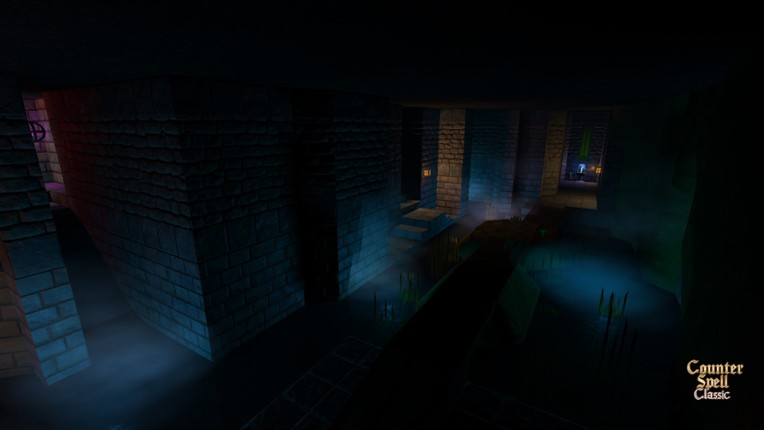
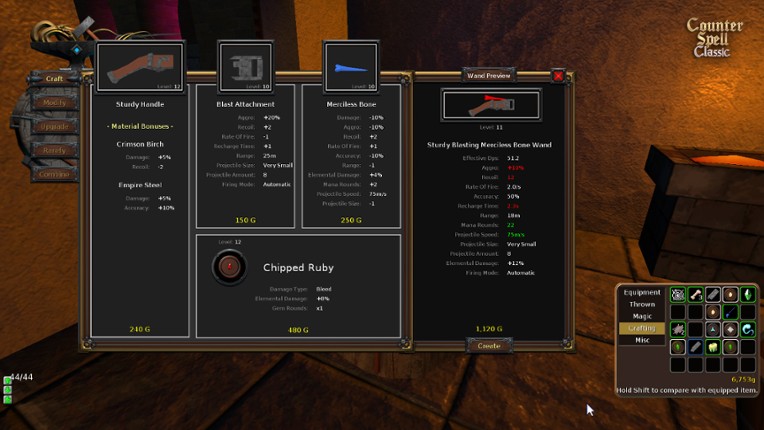
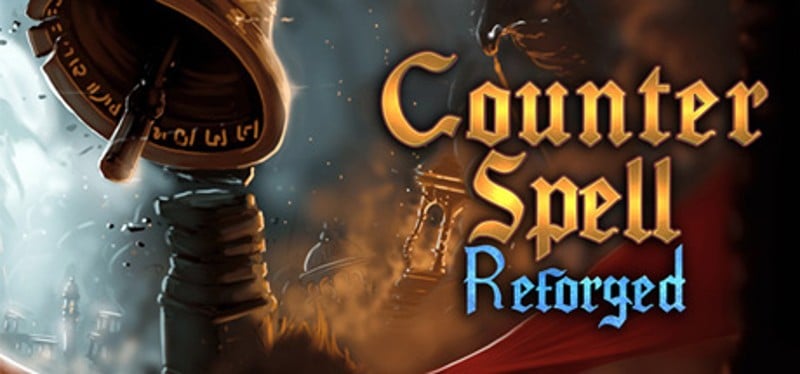
"Counter Spell" combines elements of classic role playing games with modern stealth-based shooters. Single player, multiplayer coop, and competitive multiplayer are all supported with different game modes for each. An open, streaming world makes for an exciting sandbox to adventure in! If you enjoyed this game, see our list of games similar to Counter Spell.
View Game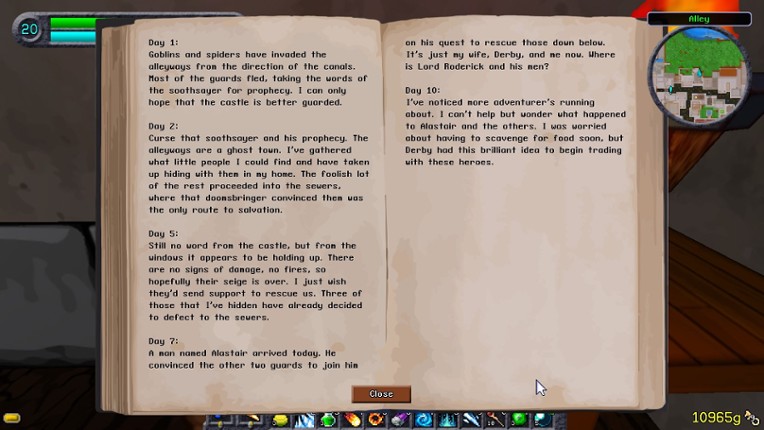
- 64%Game Brain ScoreMost mentioned positive aspects:story, graphicsMost mentioned negative aspects:stability, grinding64% User Score 469 reviews
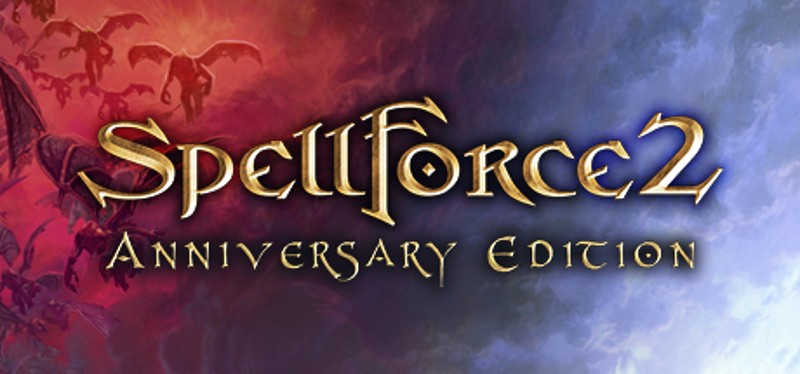
Experience the age of heroes: roleplaying action & realtime strategy in a perfect mix of genres. If you enjoyed this game, see our list of games similar to SpellForce 2: Gold Edition.
View Game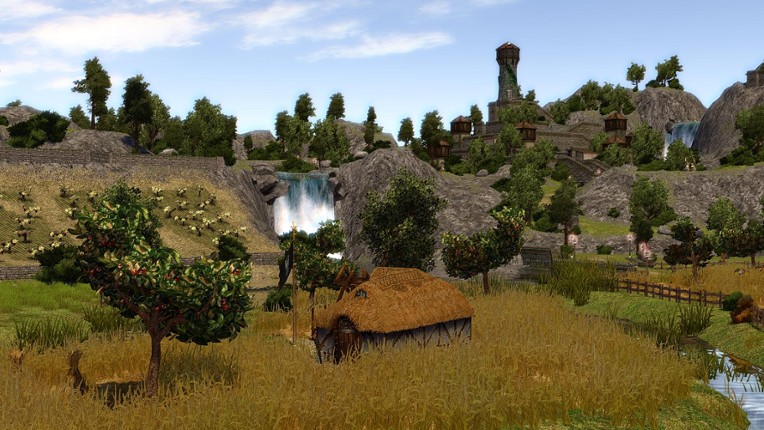
- 51%Game Brain ScoreMost mentioned positive aspects:graphics, storyMost mentioned negative aspects:monetization, grinding51% User Score 1,020 reviews
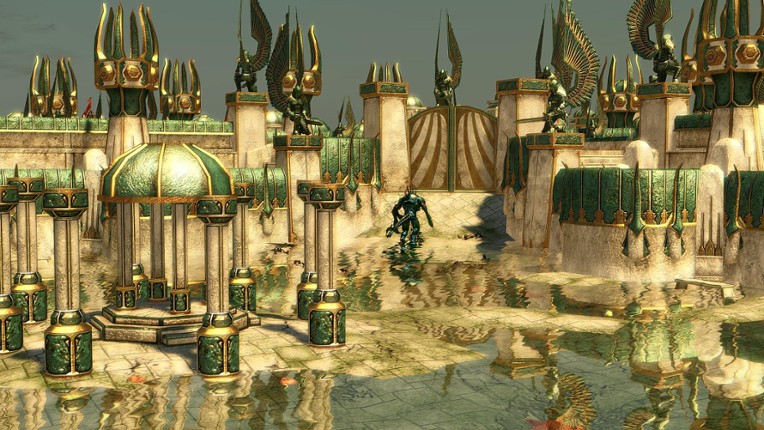
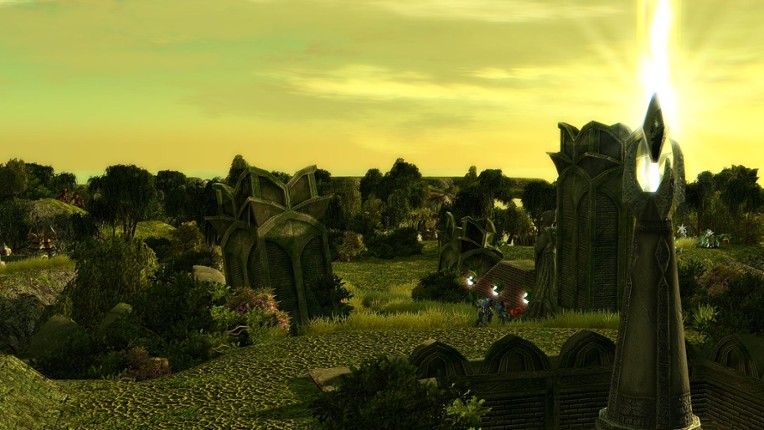
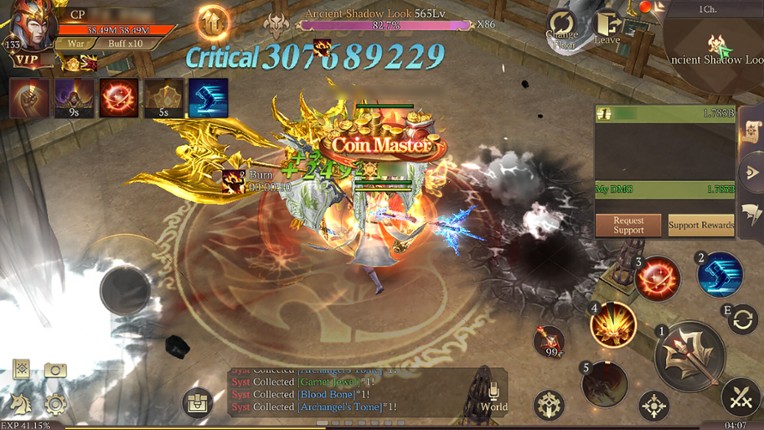
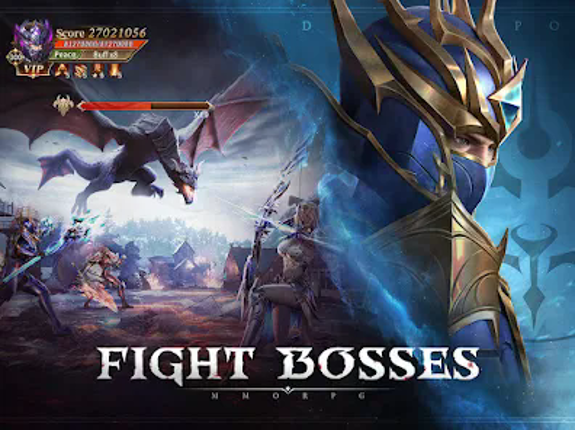
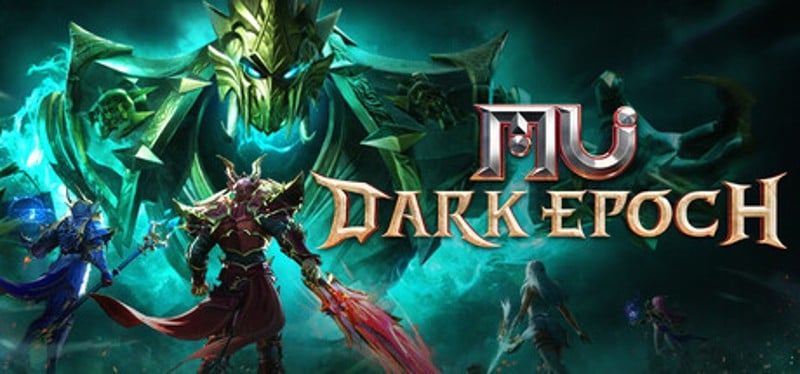
Classic Dark Fantasy MMORPG If you enjoyed this game, see our list of games similar to MU: Dark Epoch.
View Game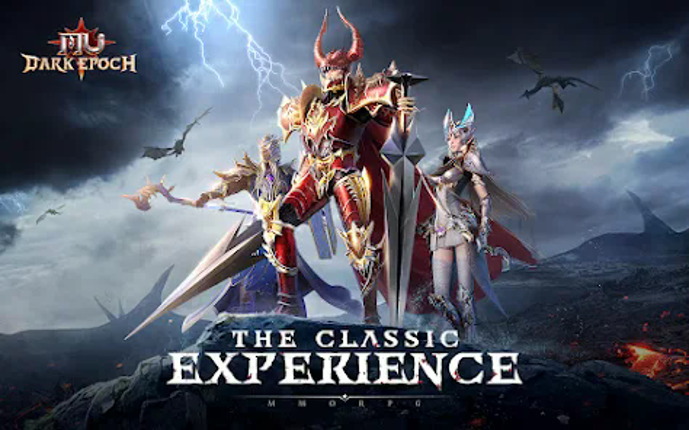
- 59%Game Brain ScoreMost mentioned positive aspects:musicMost mentioned negative aspects:grinding, story78% User Score 27 reviews
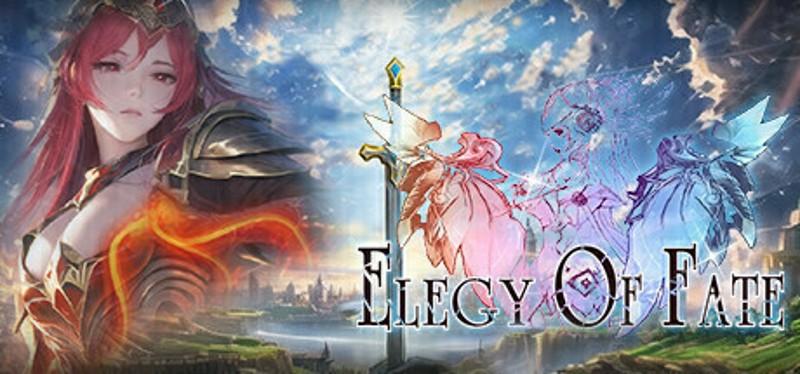
Both games hook players through the same core loop: building characters, grinding for incremental power gains, and experimenting with different stat distributions to find your optimal setup. In World of Warcraft, this manifests through gear optimization and talent trees; in Elegy of Fate, character names directly determine your stats and traits, forcing you to commit to builds thoughtfully.
You'll recognize the multi-system approach to progression—dungeon crawling, quest completion, and layered character customization all feed into a satisfying endgame. The soundtrack and gameplay rhythm evoke classic RPG pacing, offering that same meditative grinding session appeal WoW veterans chase.
The major difference: Elegy of Fate trades WoW's massive multiplayer world for a single-player, indie experience. This means no raid coordination, but also no waiting for group queues—pure character mastery on your own timeline.
The developer's active feedback loop and consistent updates also address what can wear down long-term MMO players: responsiveness to the community without the corporate distance.
Best for players who prioritize character building and grinding satisfaction over competitive multiplayer—those seeking that WoW progression hit in a more contained, developer-responsive package.
If you enjoyed this game, see our list of games similar to Elegy of Fate.View Game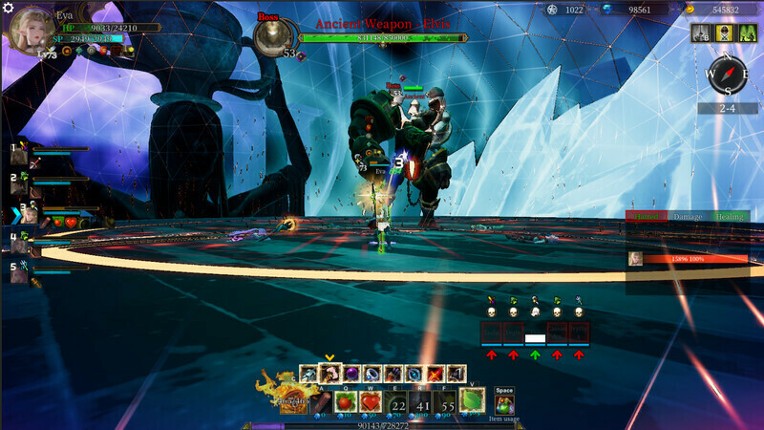

- 89%Game Brain ScoreMost mentioned positive aspects:story, gameplayMost mentioned negative aspects:grinding, stability93% User Score 23,748 reviewsCritic Score 85%10 reviews
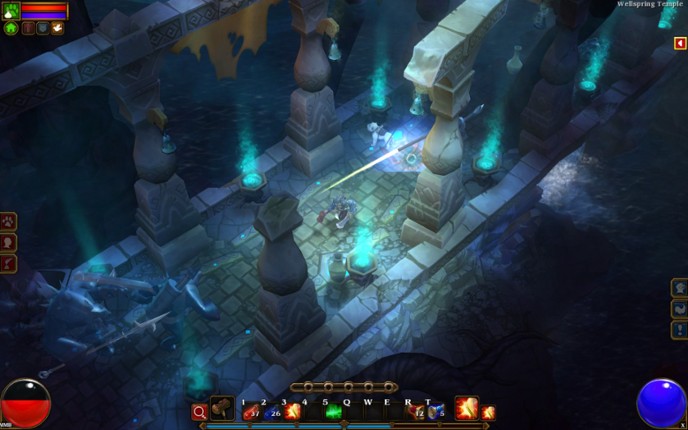
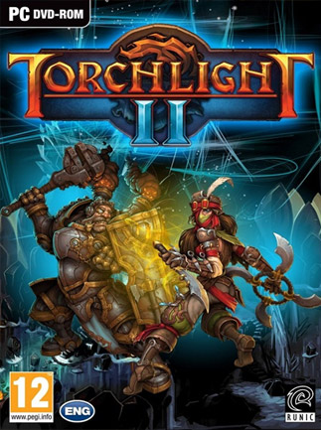
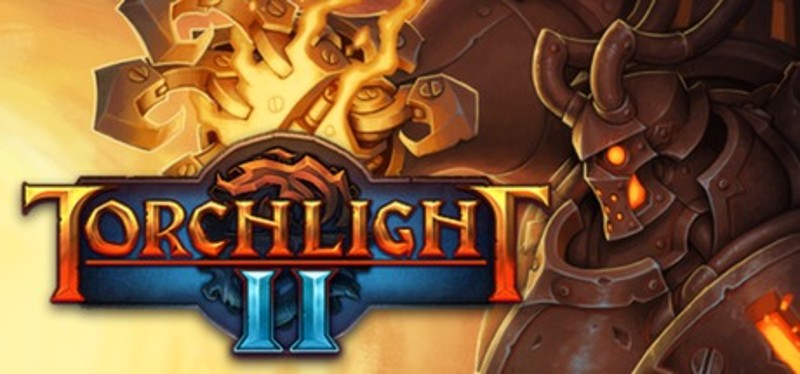
Torchlight II features randomly generated dungeons and numerous types of monsters to fight for loot. Torchlight II is an action RPG as its predecessor, but features overland areas with multiple hub towns, and a longer campaign. Players are able to customize character appearance with choice of sex, face, hair style and hair color. Additionally, several elements from the first game return, such as p… If you enjoyed this game, see our list of games similar to Torchlight II.
View Game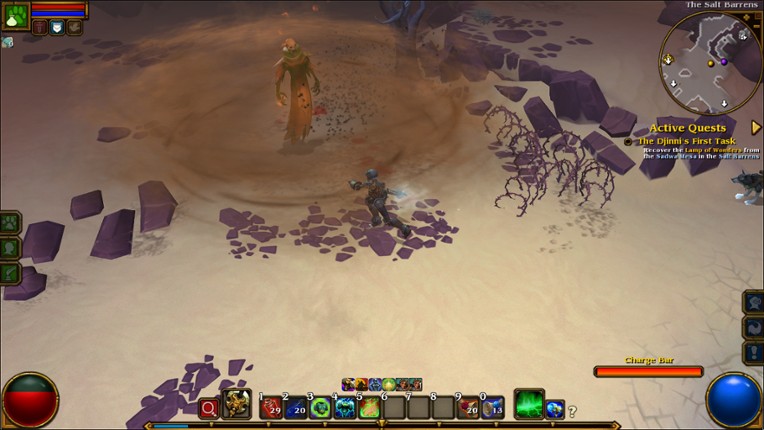
- 82%Game Brain ScoreMost mentioned positive aspects:story, gameplayMost mentioned negative aspects:grinding, character development82% User Score 147 reviews
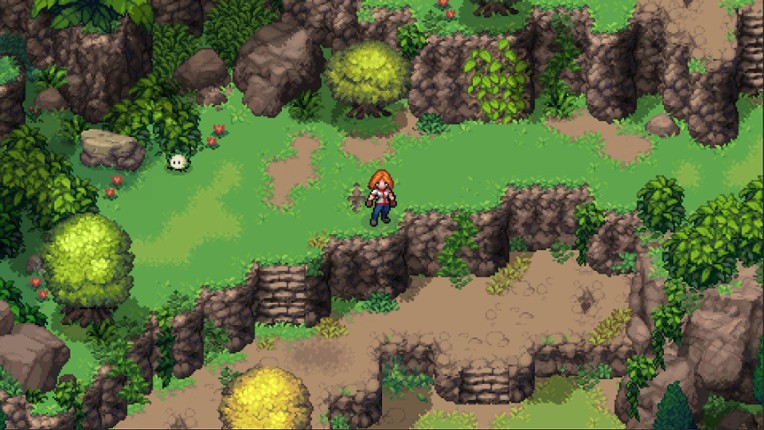
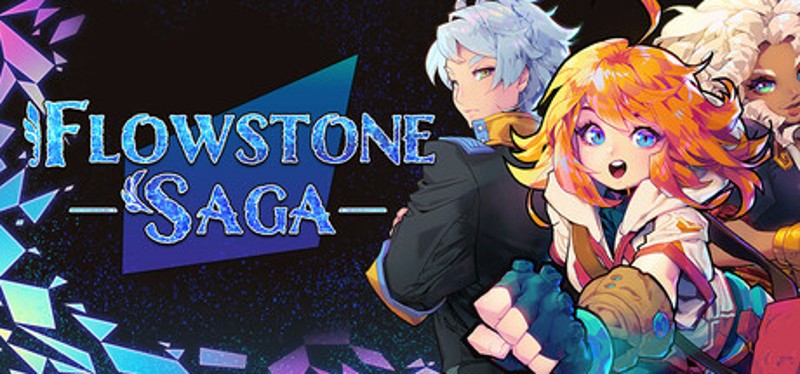
The core link here is quest-driven progression, where you navigate a sprawling fantasy world to level up your character's capabilities. This shared foundation matters because it provides the familiar structure of completing objectives to unlock new tiers of power.
You are trading World of Warcraft’s massive, persistent online landscape for Tetris-infused puzzle combat. While WoW relies on traditional hotbar rotations, Flowstone Saga demands spatial reasoning to execute its party-based abilities.
Pick this up if you want the satisfying loop of RPG character growth, but can live without a massive social infrastructure or a seamless open-world experience.
If you enjoyed this game, see our list of games similar to Flowstone Saga.View Game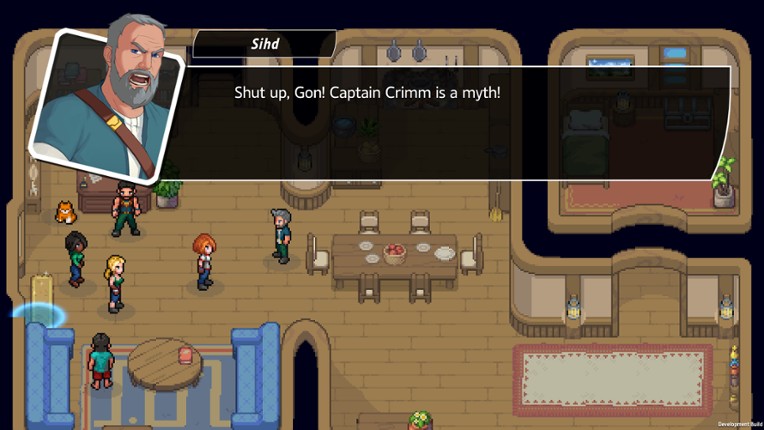
- 82%Game Brain ScoreMost mentioned positive aspects:gameplay, graphicsMost mentioned negative aspects:story, grinding82% User Score 464 reviews
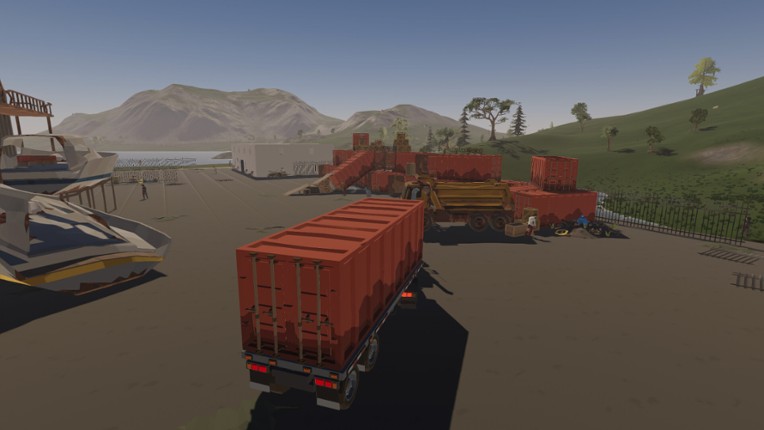
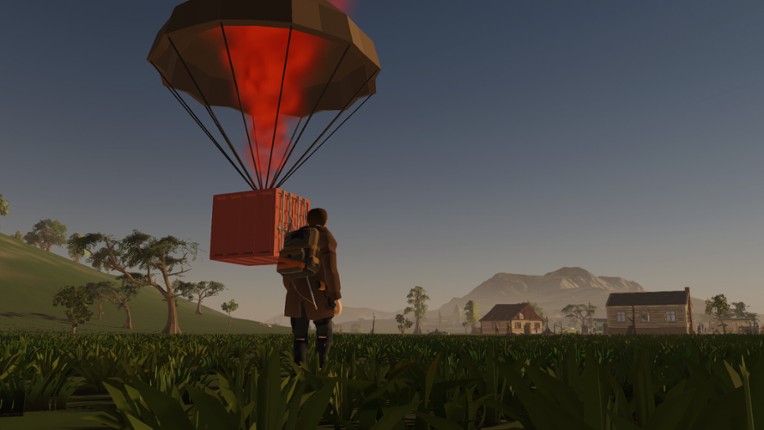
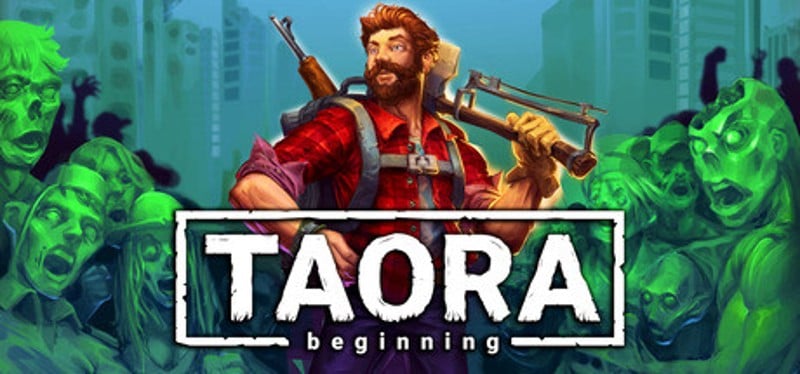
Taora is an island that is infested with zombies and hold many places to explore and loot. You can build your base, craft and upgrade your gear, explore many unique places, loot materials or gears. You can upgrade your vehicle to suit your needs. Upgrade you characters` skills to fit different conditions like hacking electronics, reapiring broken things, healing the wounded or fig… If you enjoyed this game, see our list of games similar to Taora : Beginning.
View Game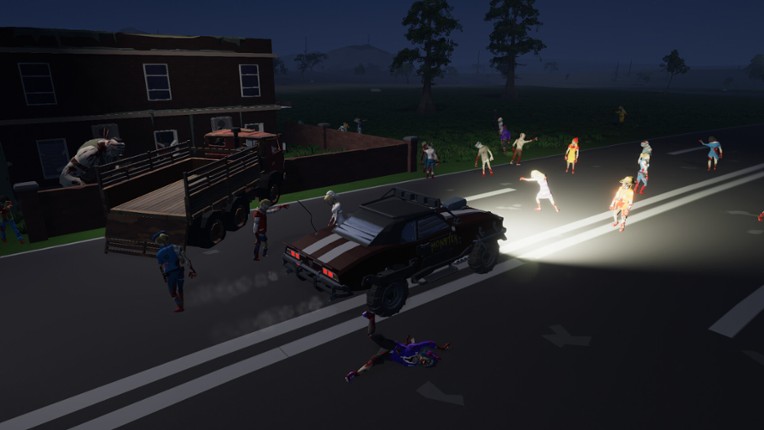
- 67%Game Brain ScoreMost mentioned positive aspects:story, gameplayMost mentioned negative aspects:grinding, monetization67% User Score 987 reviews
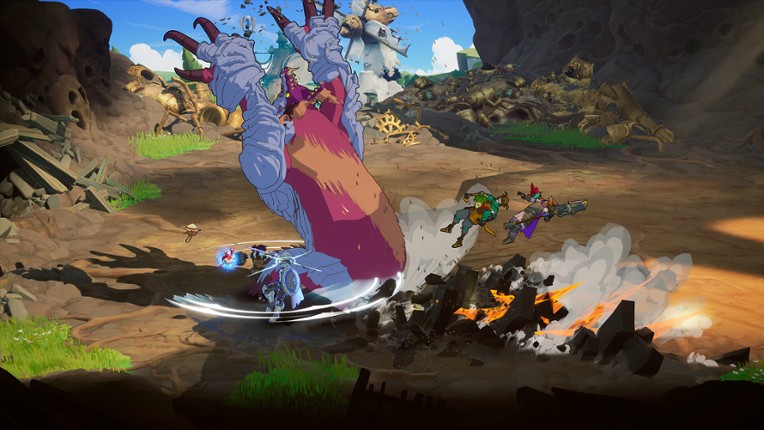
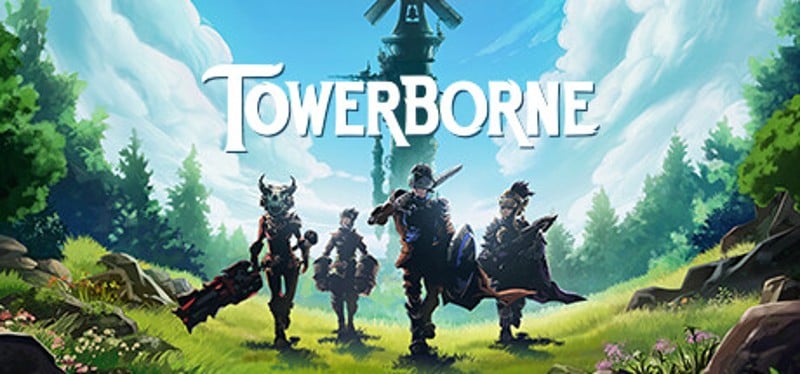
Towerborne is an exciting side-scrolling Action RPG Brawler. As an immortal warrior journey across a crumbling world, uncover the mystery of the fallen City of Numbers, and push back the corruption threatening humanity’s survival. If you enjoyed this game, see our list of games similar to Towerborne.
View Game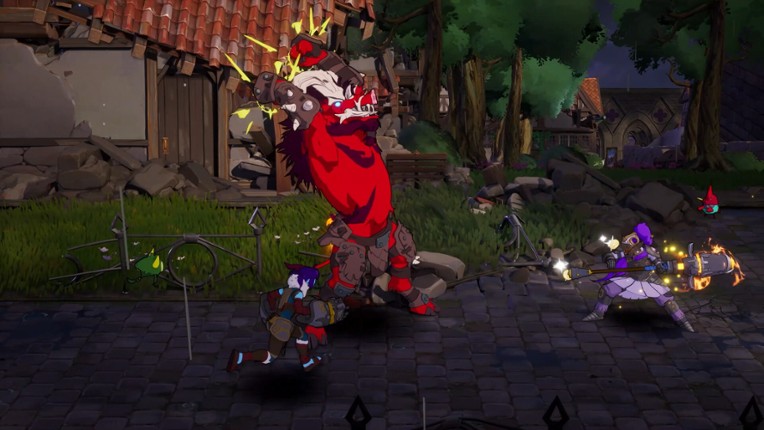
- 75%Game Brain ScoreMost mentioned positive aspects:story, gameplayMost mentioned negative aspects:grinding, monetization75% User Score 18,910 reviews
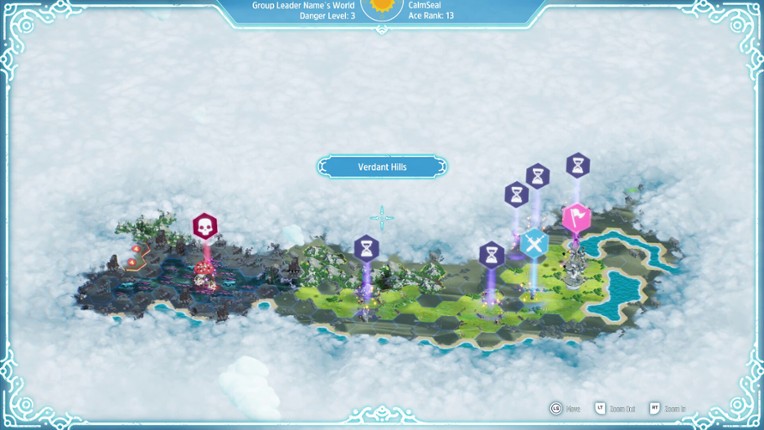
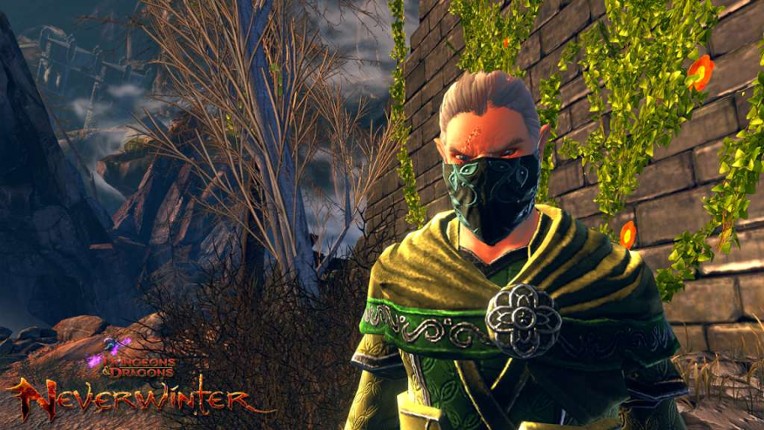
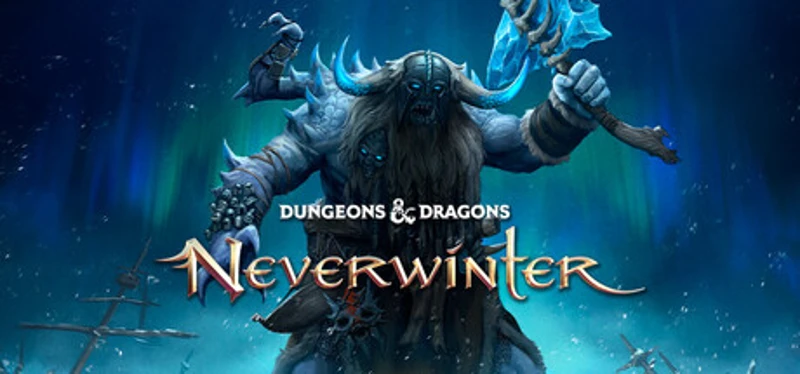
Neverwinter is a free, action MMORPG based on the acclaimed Dungeons & Dragons fantasy roleplaying game. Epic stories, action combat and classic roleplaying await those heroes courageous enough to enter the fantastic world of Neverwinter! If you enjoyed this game, see our list of games similar to Neverwinter.
View Game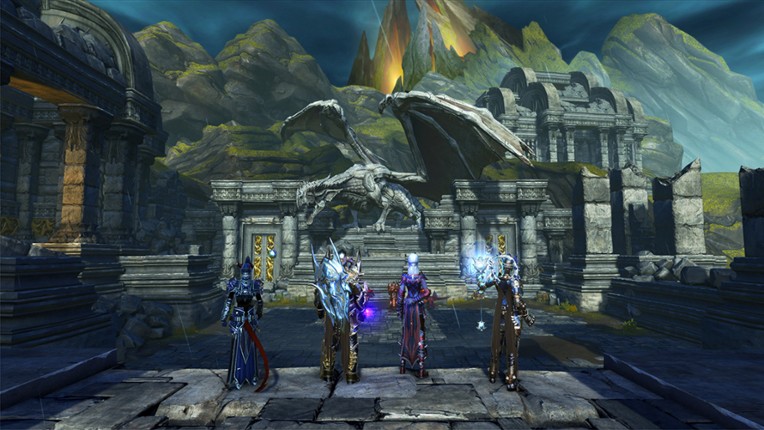
- 74%Game Brain ScoreMost mentioned positive aspects:story, gameplayMost mentioned negative aspects:grinding, optimization83% User Score 6,056 reviewsCritic Score 65%27 reviews
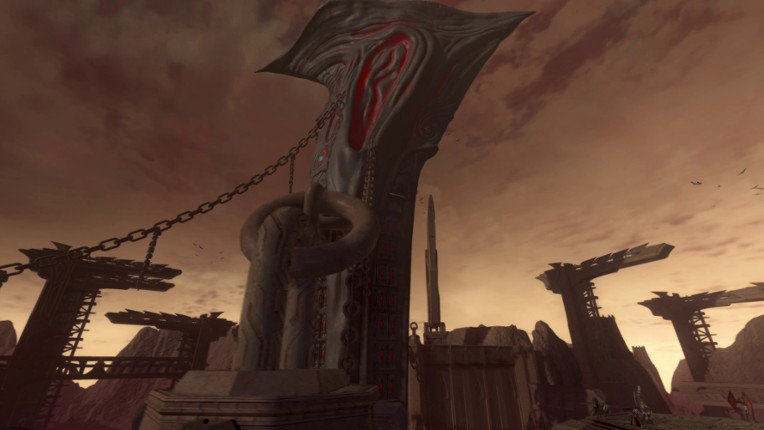
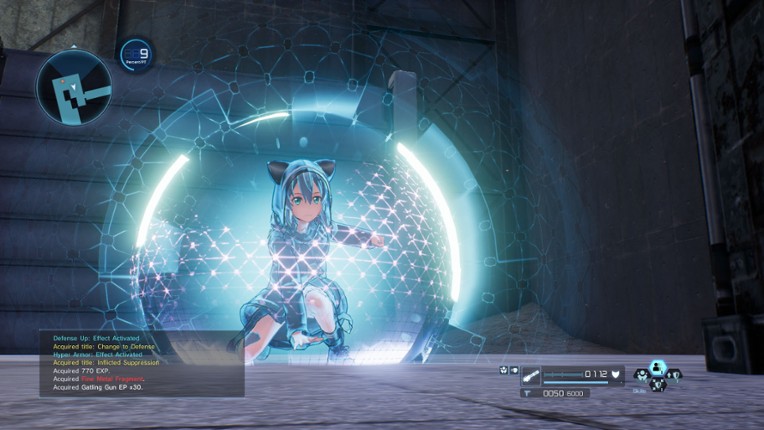
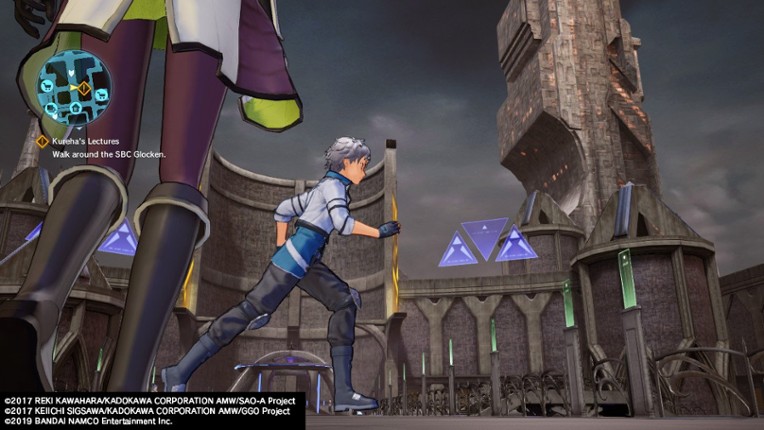
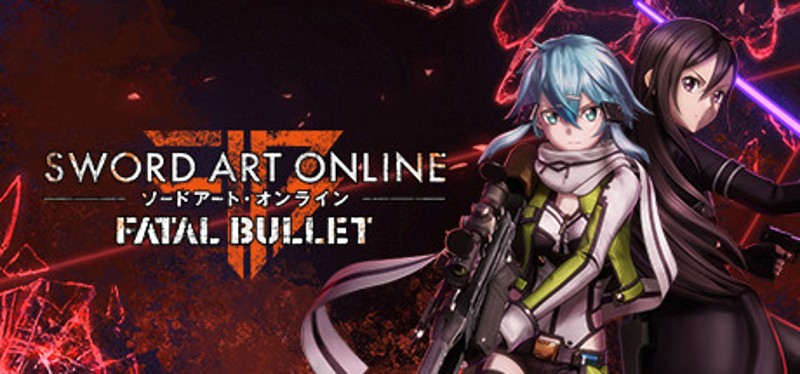
Sword Art Online: Fatal Bullet is a Third Person Shooter Role-Playing Game (TPSRPG), scheduled to be released on February 8, 2018 on the PlayStation 4, XBox One, as well as Personal Computers (PCs) via Steam. The game is being developed by Dimps, based on Unreal Engine 4, and will be set in Gun Gale Online. It will be the first Sword Art Online TPSRPG and the first Sword Art Online game on the XBo… If you enjoyed this game, see our list of games similar to null.
View Game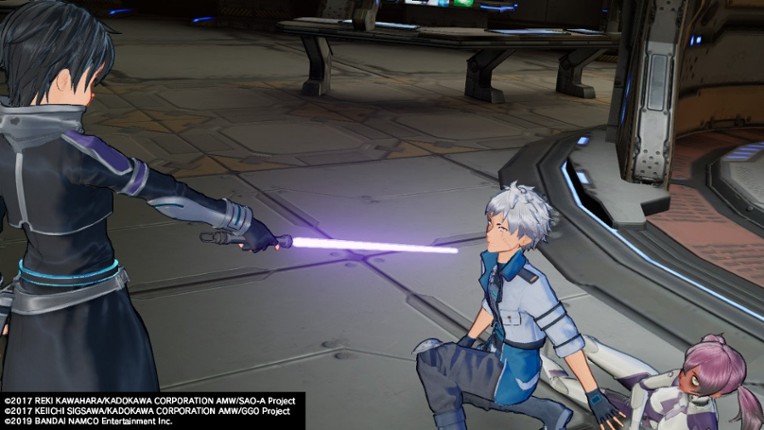
- 69%Game Brain ScoreMost mentioned positive aspects:story, gameplayMost mentioned negative aspects:stability, optimization69% User Score 138 reviewsCritic Score 68%2 reviews
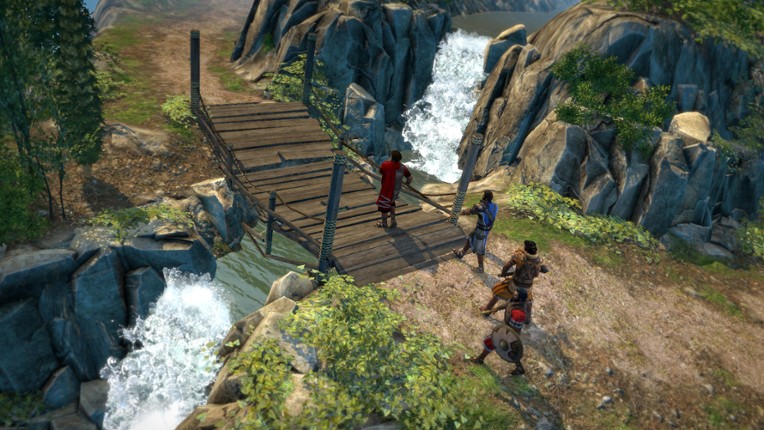
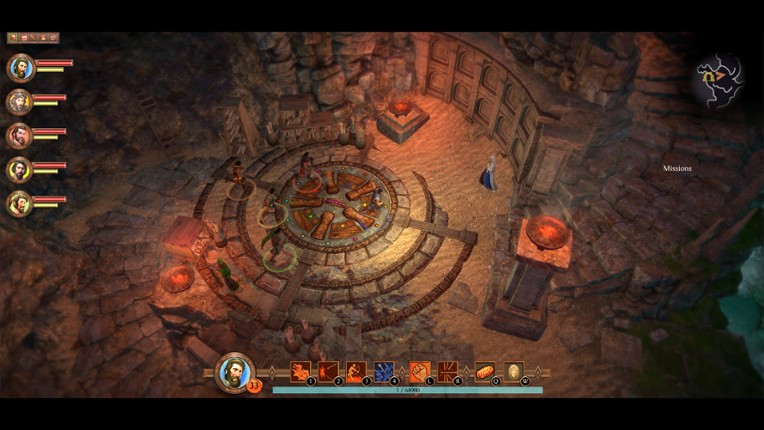
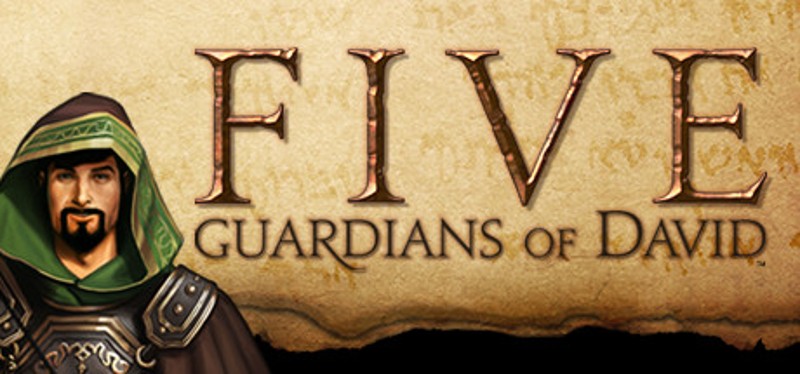
FIVE: Guardians of David is an expansive action-RPG set in the ancient lands of Canaan. Lead and play the five heroes, battling across exotic locations filled with archaic cultures, rich characters, and powerful artifacts. Experience one of the greatest stories ever told in this 11-Act epic. If you enjoyed this game, see our list of games similar to FIVE: Guardians of David.
View Game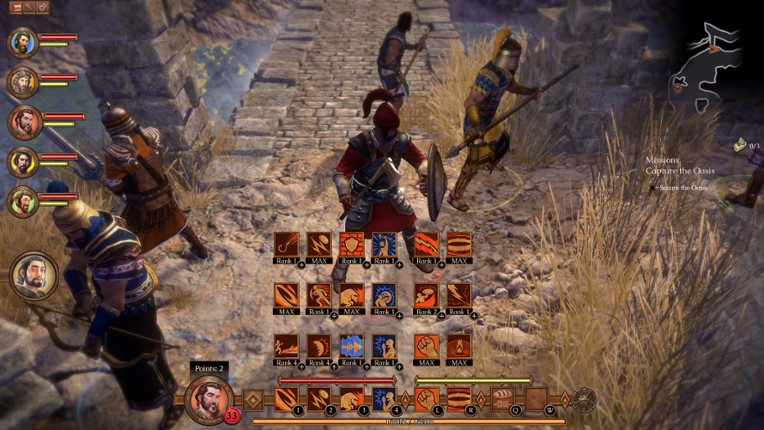
- 77%Game Brain ScoreMost mentioned positive aspects:story, graphicsMost mentioned negative aspects:grinding, stability77% User Score 212 reviews
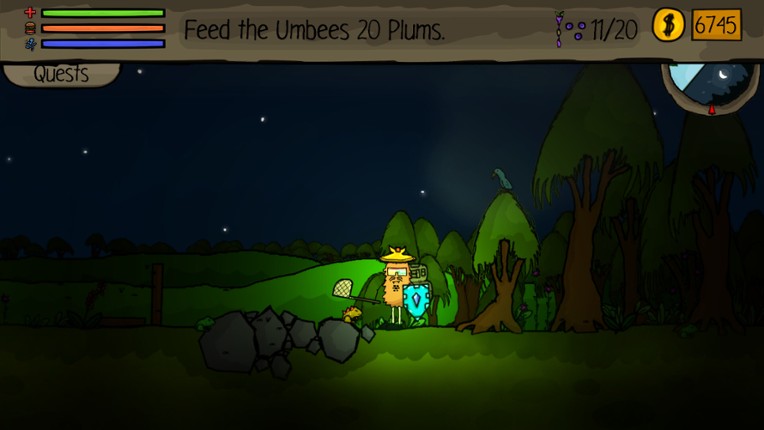
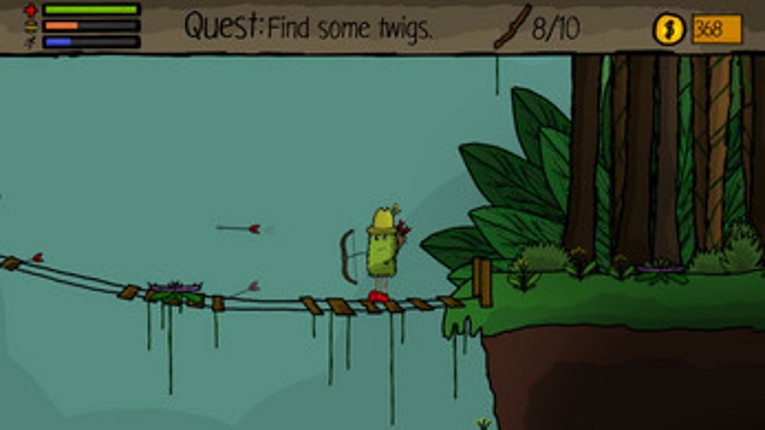
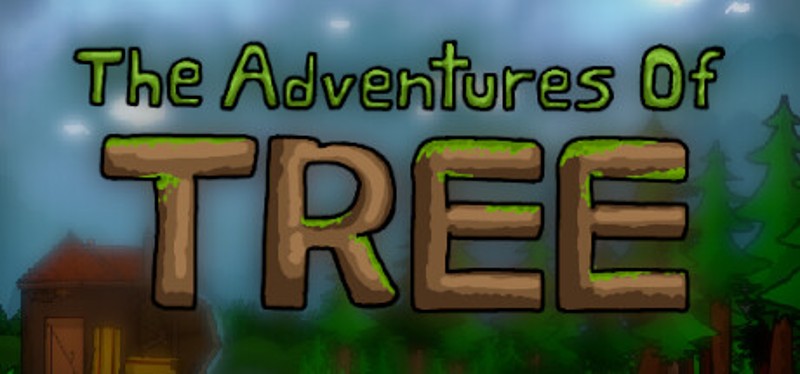
The Adventures of Tree takes you on an open ended adventure to save your fellow species from the evil invaders! Explore the vast open world to discover it's many secrets! With over 30+ hours of gameplay, The Adventures of Tree, is not something you'll want to miss out on! If you enjoyed this game, see our list of games similar to The Adventures of Tree.
View Game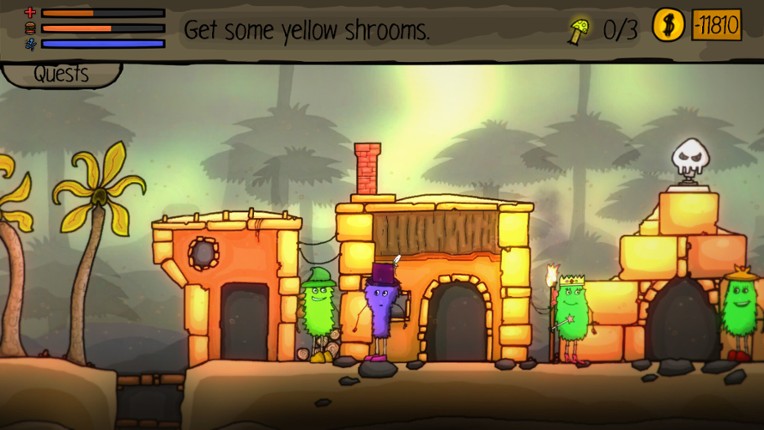
- 78%Game Brain ScoreMost mentioned positive aspects:gameplay, graphicsMost mentioned negative aspects:character development, stability78% User Score 370 reviews
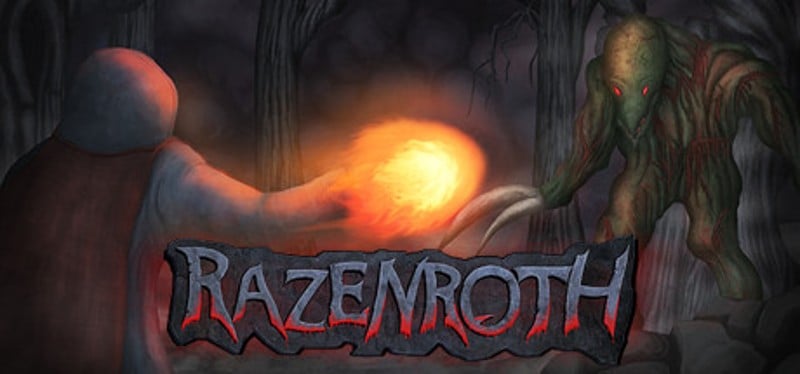
Razenroth is an action shooter with a dark atmosphere, enriched with the elements of roguelike and RPG. All the levels, weather conditions, distribution and quantity of key elements are generated randomly. Thanks to this fact, a single game is different each time. If you enjoyed this game, see our list of games similar to Razenroth.
View Game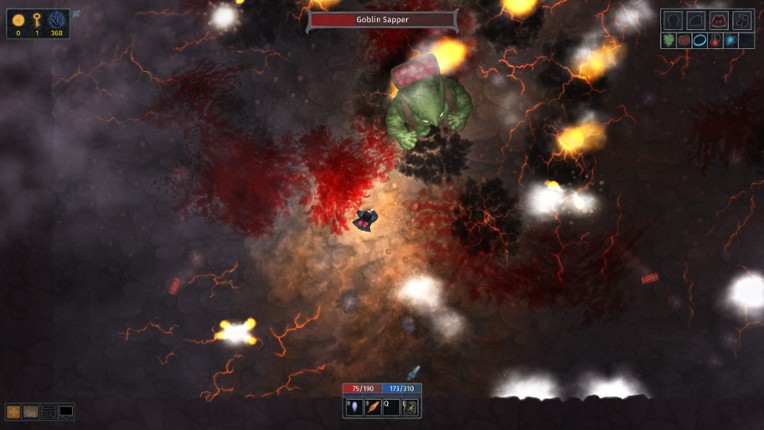
- 58%Game Brain ScoreMost mentioned positive aspects:gameplay, graphicsMost mentioned negative aspects:story, stability51% User Score 9,556 reviewsCritic Score 67%8 reviews
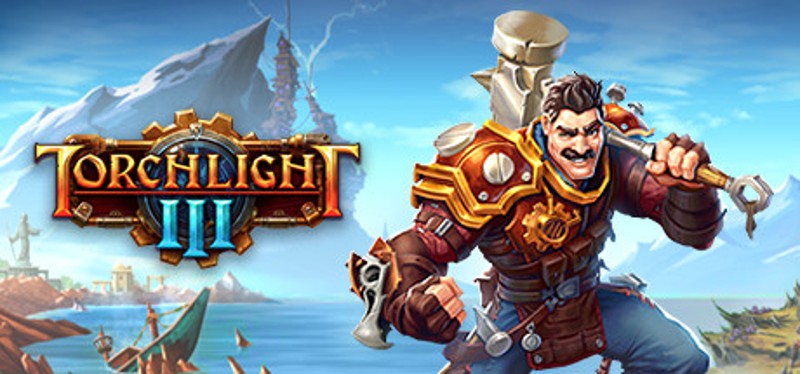
Set in the same beloved universe as Torchlight I and II, this shared-world action-RPG brings back many of the franchise's signature features and mechanics that captured the hearts of ARPG fans around the world. In true Torchlight style, players will team up with friends and devoted pets to hack and slack their way through a vibrant world, discover ancient ruins of lost civilizations and brave dung… If you enjoyed this game, see our list of games similar to Torchlight III.
View Game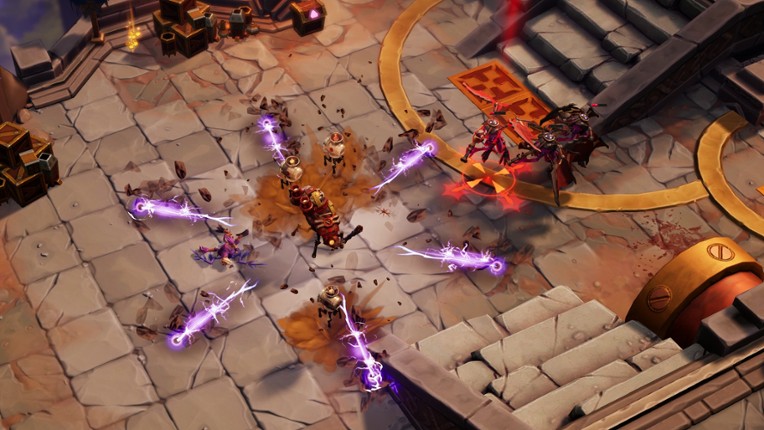
- 96%Game Brain ScoreMost mentioned positive aspects:story, musicMost mentioned negative aspects:grinding, atmosphere96% User Score 442 reviews
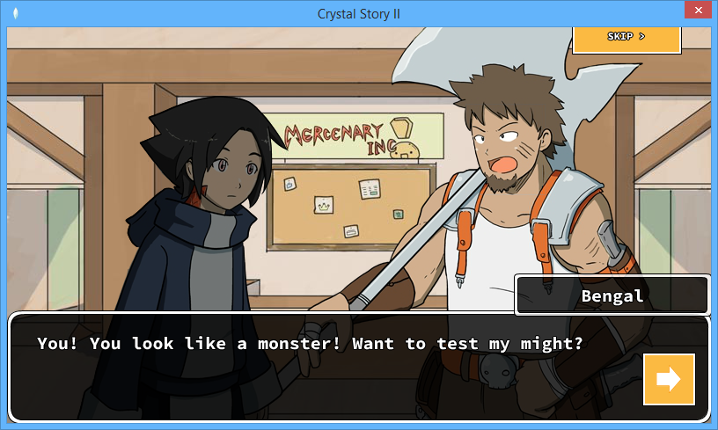
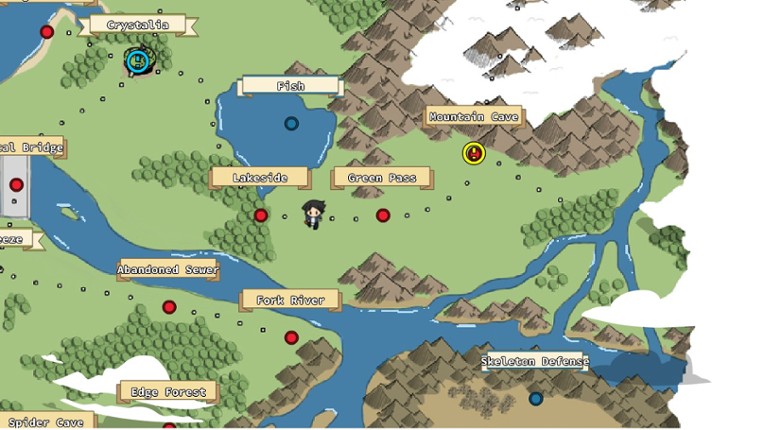
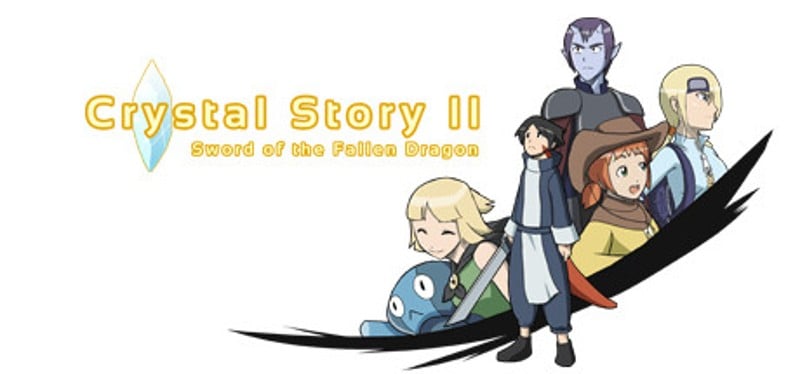
Crystal Story II is a turn-based RPG that follows the story of a young Dragon on his quest to defeat an evil witch. He must seek allies to aid him on his journey and save the world from the oncoming invasion. If you enjoyed this game, see our list of games similar to Crystal Story II.
View Game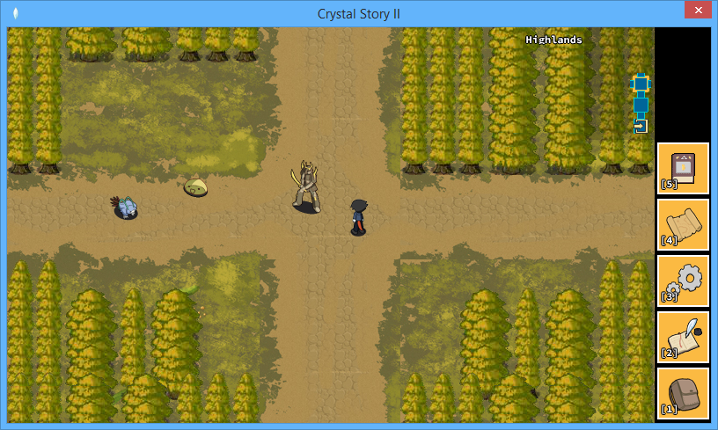
- 71%Game Brain ScoreMost mentioned positive aspects:story, gameplayMost mentioned negative aspects:graphics, grinding71% User Score 503 reviews
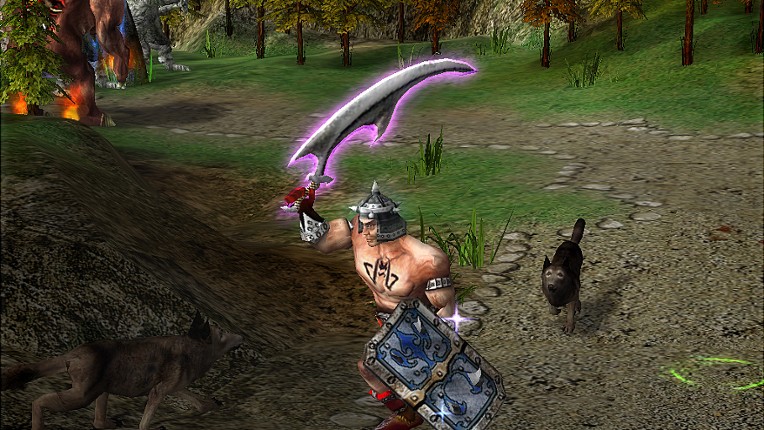
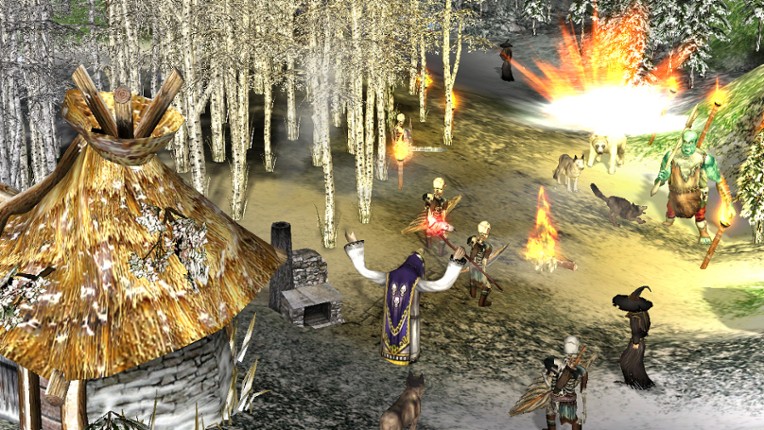
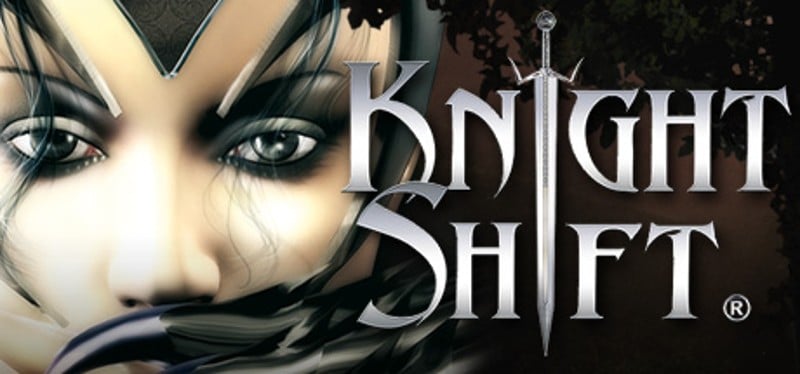
Do you like Real Time Strategy? or are Role Playing Games your preference… Why not try both genres in one? … or even both separately? … In one game: KnightShift! In a mystical world beyond fantasy and imagination, where corruption and disaster go hand in hand, not all is as it seems. A dark adventure begins in the RPG part: divided into eight chapters of dungeons, rare treasures, very strange… If you enjoyed this game, see our list of games similar to KnightShift.
View Game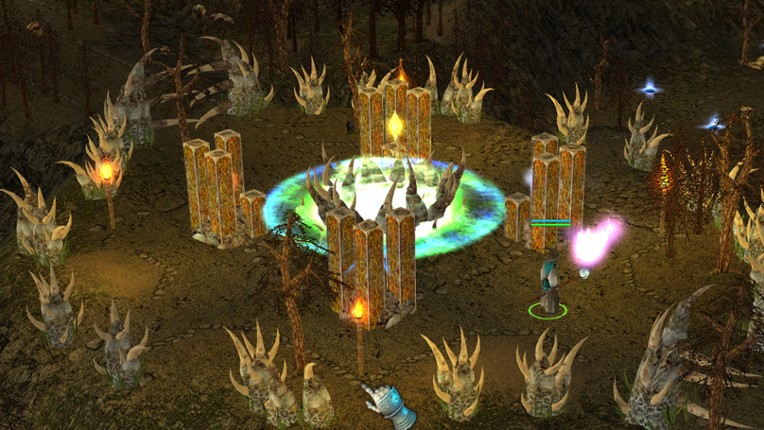
- 74%Game Brain ScoreMost mentioned positive aspects:gameplay, graphicsMost mentioned negative aspects:optimization, grinding75% User Score 137 reviewsCritic Score 69%2 reviews
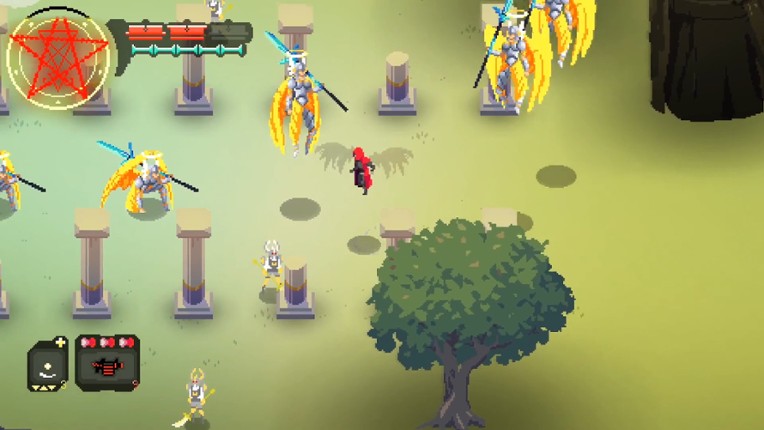
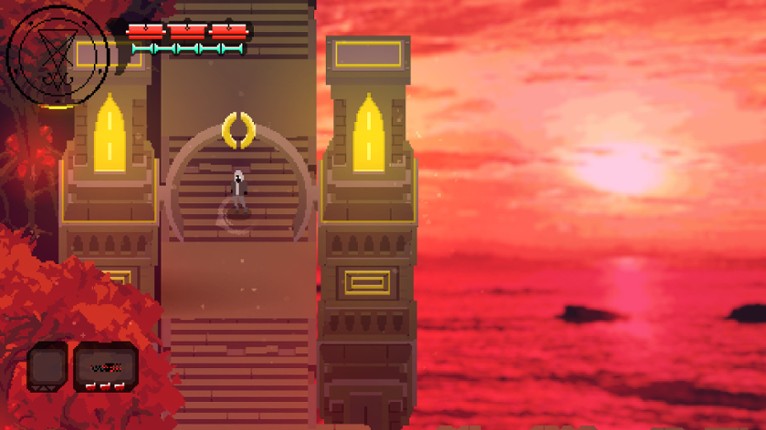
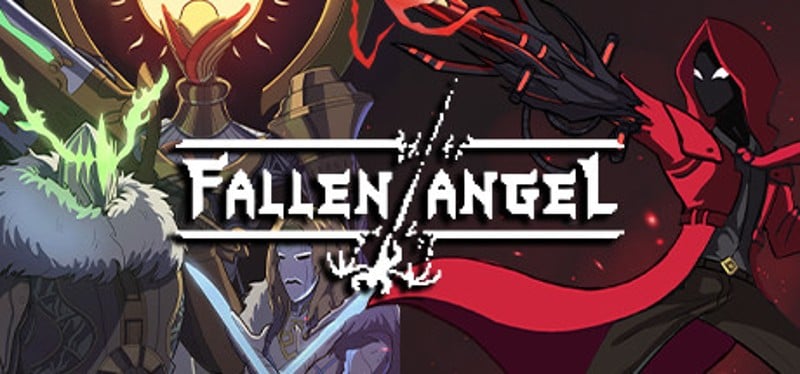
Take the role of Lucifer and explore a twisted version of heaven. Hack and slash through God's army, consume the Archangels' power, and confront your creator. If you enjoyed this game, see our list of games similar to Fallen Angel.
View Game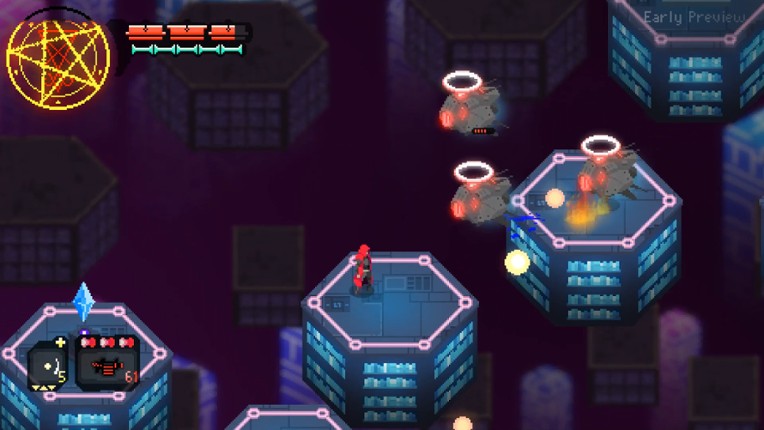
- 35%Game Brain ScoreMost mentioned positive aspects:music, humorMost mentioned negative aspects:story, gameplay35% User Score 371 reviews
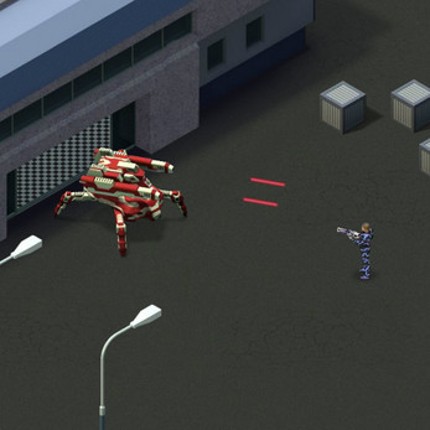
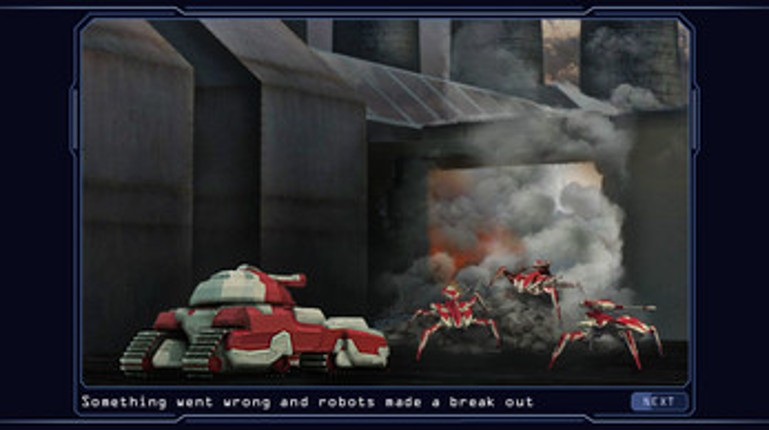
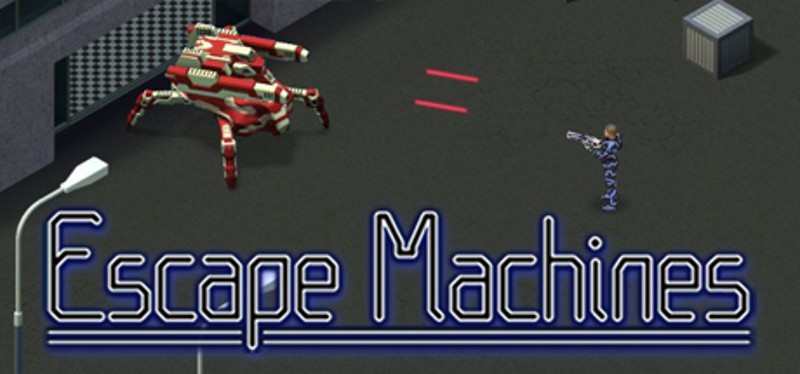
Escape Machines is an addictive Science Fiction single/multi-player/co-op adventure shooter in the near future! Artificial intellect and robots fight against their creators. You must take control of the robots and save people. If you enjoyed this game, see our list of games similar to Escape Machines.
View Game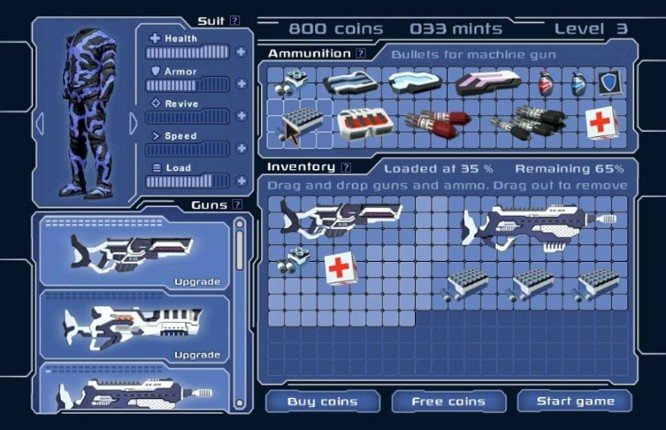
- 53%Game Brain ScoreMost mentioned positive aspects:story, musicMost mentioned negative aspects:grinding, gameplay53% User Score 186 reviews
A revolutionary open world MMORPG with night-time PvP mechanics. Customize your character & enter the world of Sylvenus. Go on quests, find treasure, & party with friends. The sky is the limit. If you enjoyed this game, see our list of games similar to Nightmare.
View Game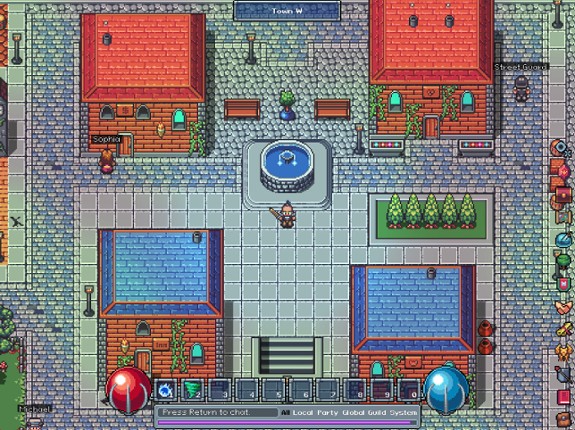
37 View Game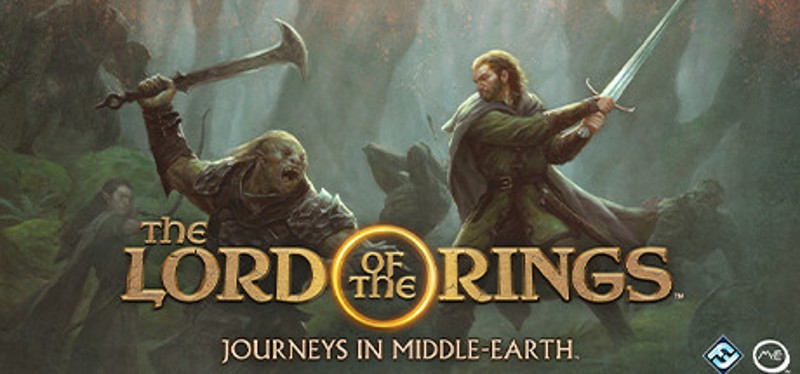 91%Game Brain ScoreMost mentioned positive aspects:story, gameplayMost mentioned negative aspects:optimization, atmosphere91% User Score 380 reviews
Embark on your own adventures in J.R.R. Tolkien's iconic world with The Lord of the Rings: Journeys in Middle-earth, a fully-cooperative board game for one to five players! If you enjoyed this game, see our list of games similar to The Lord of the Rings: Journeys in Middle-earth.
View Game


- 81%Game Brain ScoreMost mentioned positive aspects:story, graphicsMost mentioned negative aspects:stability, grinding81% User Score 1,362 reviews
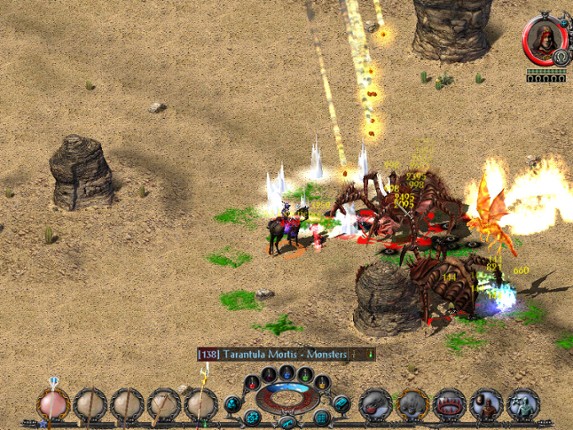
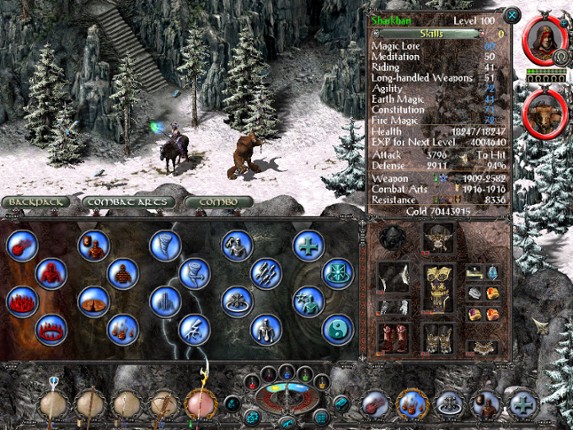
Sacred Gold is the complete Sacred collection in one box, containing the full version of Sacred, winner of the "Best Roleplaying Game 2004" award from PC GAMER, Sacred Plus, and Sacred Underworld. This is the new name in Action-RPGs. Sacred delivers a huge, elaborate world comprising 16 regions beset with heroic quests, battle-hardened warriors, and horrific enemies. Ancaria consists of highly det… If you enjoyed this game, see our list of games similar to Sacred Gold.
View Game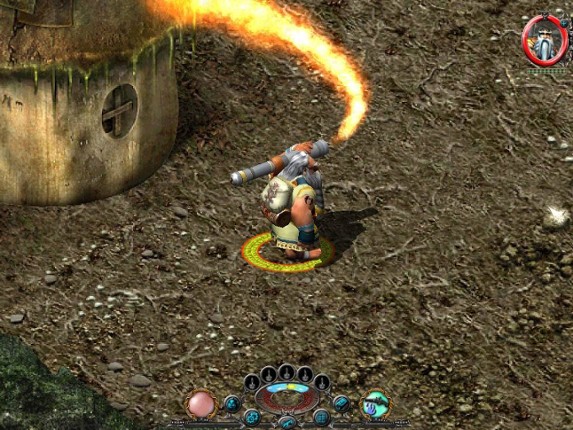
39 View Game 58%Game Brain ScoreMost mentioned positive aspects:story, graphicsMost mentioned negative aspects:stability, grinding63% User Score 60 reviewsCritic Score 53%9 reviews
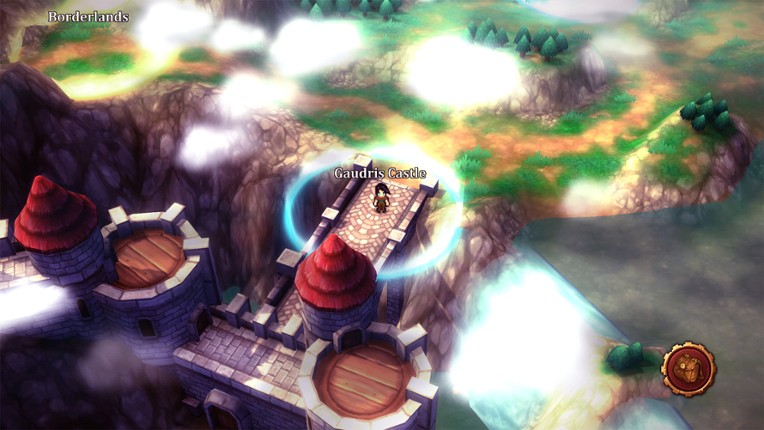
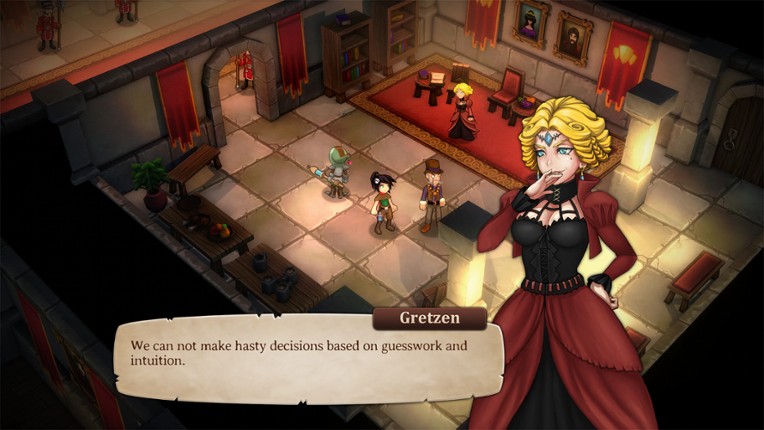
In a world of steampunk and magic you take the role of Gladia, a monster huntress set on a quest to find a cure to the disease that is spreading across Tripudia. Trulon combines adventure RPG elements with a unique card combat system. If you enjoyed this game, see our list of games similar to Trulon: The Shadow Engine.
View Game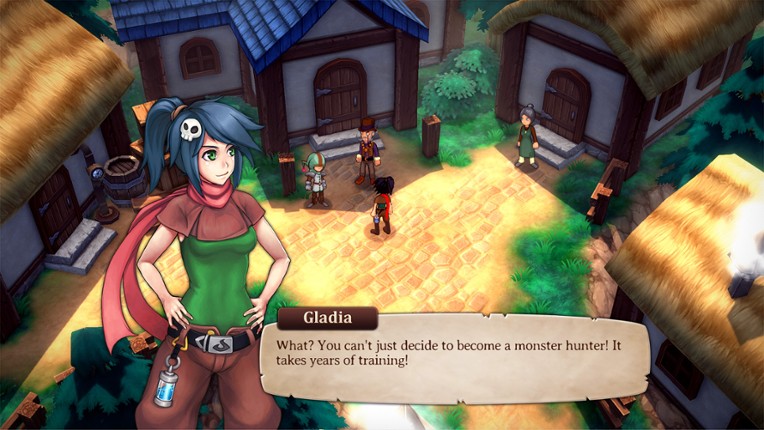
- 70%Game Brain ScoreMost mentioned positive aspects:gameplay, graphicsMost mentioned negative aspects:story, music70% User Score 200 reviews
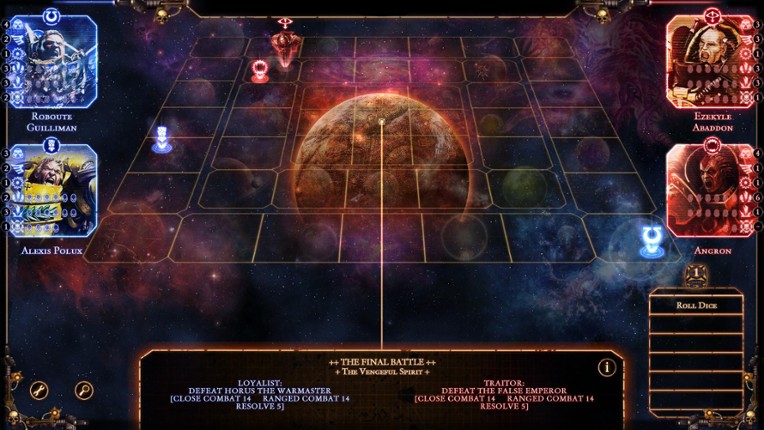
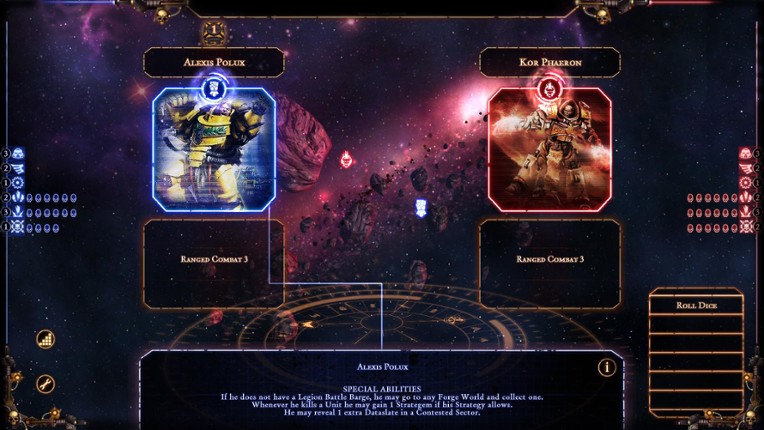
Talisman: The Horus Heresy is a digital board game based on the Talisman rule system and set in the Warhammer 40,000 universe, during the cataclysmic events of the Horus Heresy. Up to four players will be able to take control of one or more of the galaxy's greatest heroes or most notorious villains. Taking the side of either traitor or loyalist, these Warlords will form vast companies of Space Mar… If you enjoyed this game, see our list of games similar to Talisman: The Horus Heresy.
View Game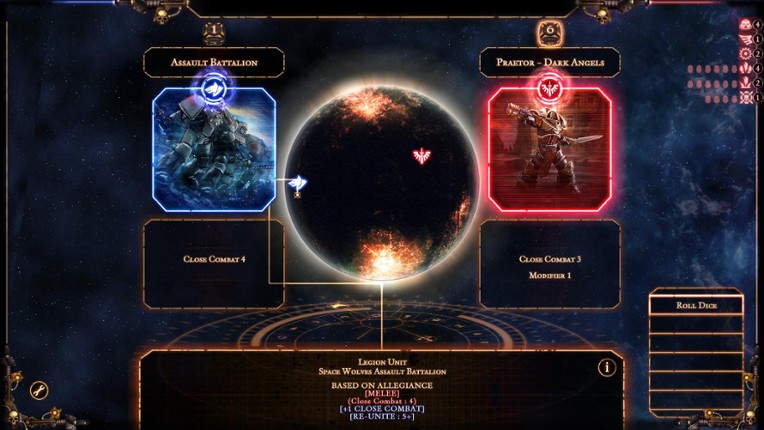
- 85%Game Brain ScoreMost mentioned positive aspects:humor, replayabilityMost mentioned negative aspects:story, grinding85% User Score 145 reviews
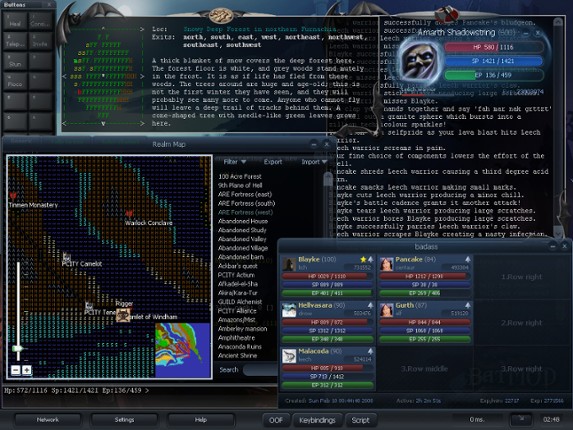
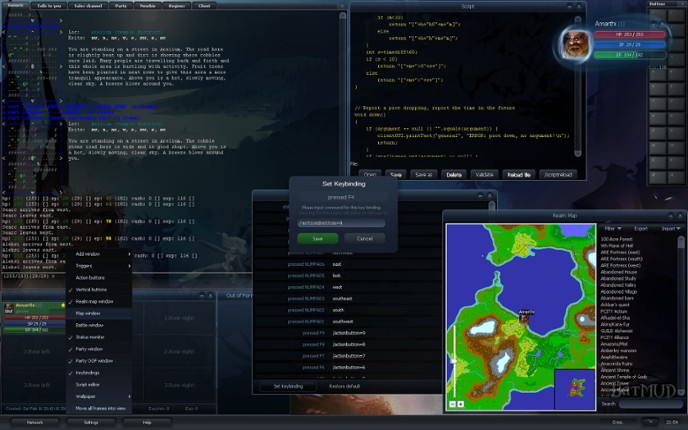
Forge artifacts of power. Sail to faraway lands. Build a city in your name. Establish your legacy. Perish, and be born anew. See guilds fall, races become extinct - or be one to nurture them. Explore the realm and roam free. Hone your craft, by forge or by arcane arts, and empower yourself - or others, for a price. -- BatMUD is a text-based medieval fantasy game with an extremely rich set of… If you enjoyed this game, see our list of games similar to BatMUD.
View Game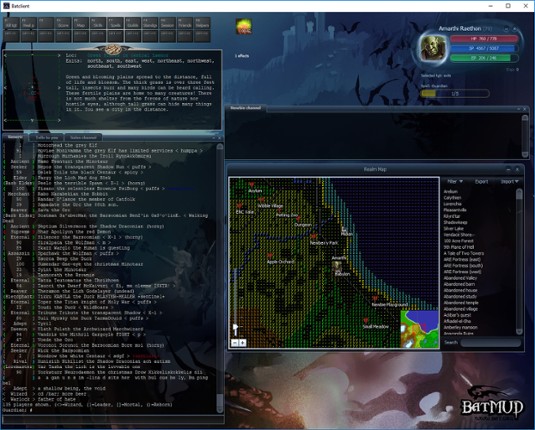
42 View Game 76%Game Brain ScoreMost mentioned positive aspects:story, gameplayMost mentioned negative aspects:stability, grinding80% User Score 4,200 reviewsCritic Score 65%3 reviews
Put on your wide-brimmed hat, grab your weapons and embark on an incredible adventure in the gothic-noir world of Borgovia, where mad science threatens the fragile peace between monster and mortal. Be Van Helsing, monster-hunter extraordinaire and save the day with your charming and beautiful companion, Lady Katarina. Explore the savage wilderness in the mountains and the soot-stained brick distri… If you enjoyed this game, see our list of games similar to The Incredible Adventures of Van Helsing.
View Game


- 80%Game Brain ScoreMost mentioned positive aspects:story, gameplayMost mentioned negative aspects:grinding, optimization84% User Score 14,533 reviewsCritic Score 73%7 reviews
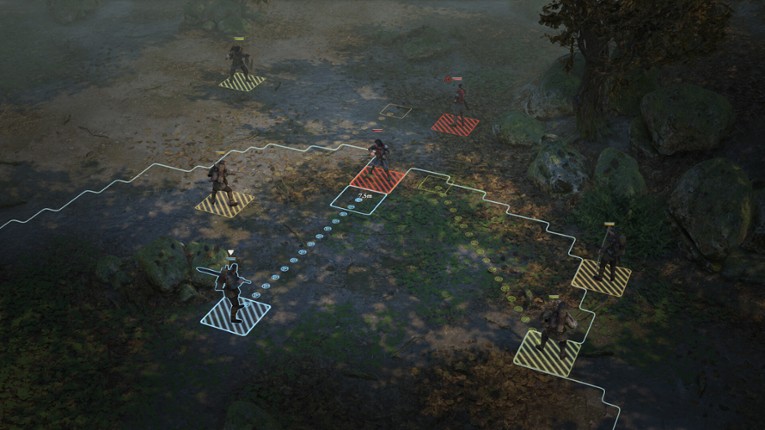
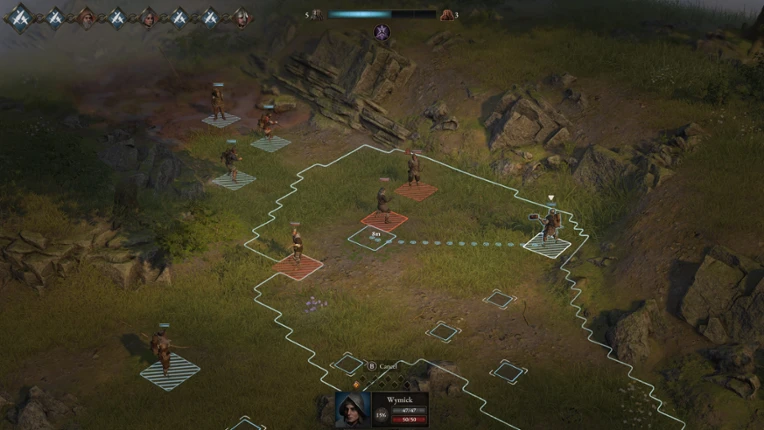
Wartales is an open world RPG in which you lead a group of mercenaries in their search for wealth across a massive medieval universe. Explore the world, recruit companions, collect bounties and unravel the secrets of the tombs of the ancients! If you enjoyed this game, see our list of games similar to Wartales.
View Game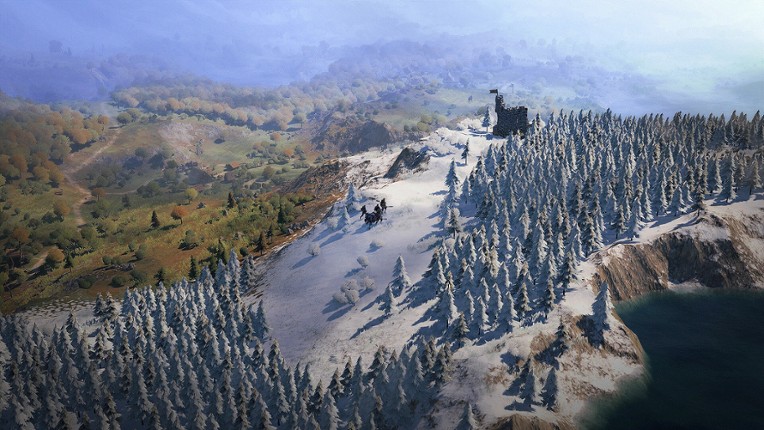
- 79%Game Brain ScoreMost mentioned positive aspects:gameplay, graphicsMost mentioned negative aspects:grinding, stability82% User Score 1,281 reviewsCritic Score 75%12 reviews
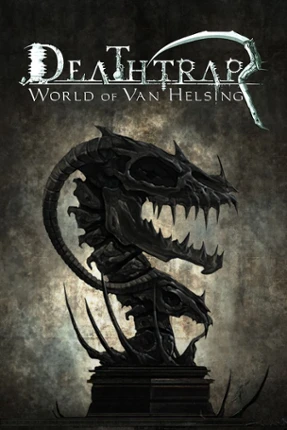
Deathtrap, a tower-defense game with strong action-RPG elements, is avaialble on Steam as an Early Access Game with many exciting features you've been longing to see in this genre. Choose from three game modes (PvP, Single Player and Cooperative Campaign), create your own maps and monsters, share them with your friends and get ready for a game of vicious tricks, killing machines, rotating blad… If you enjoyed this game, see our list of games similar to Deathtrap.
View Game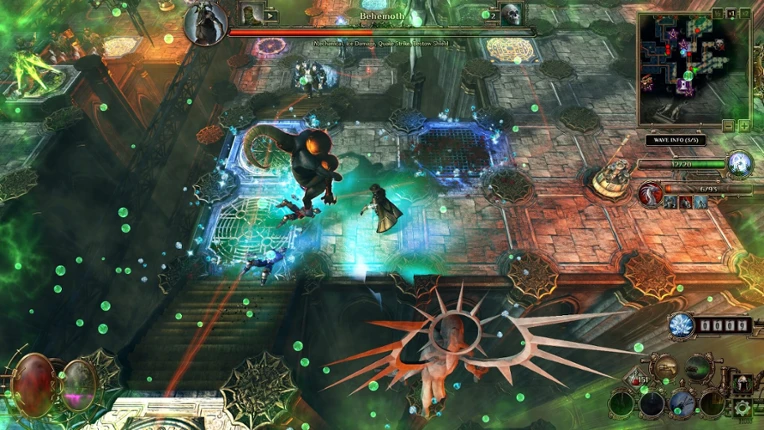
- View Game62%Game Brain ScoreMost mentioned positive aspects:story, graphicsMost mentioned negative aspects:gameplay, stability77% User Score 35 reviewsCritic Score 50%1 reviews
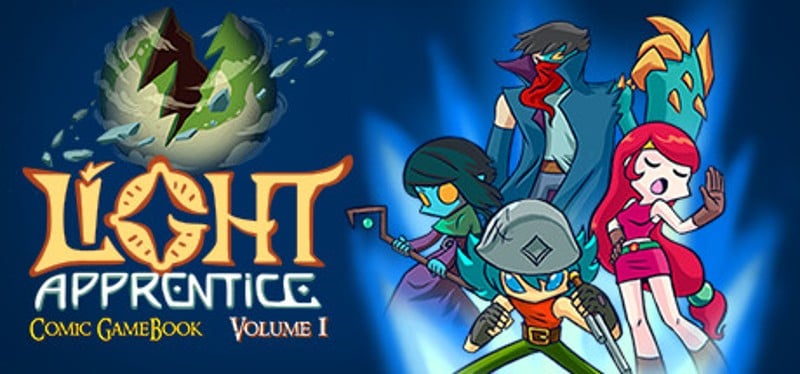
The Comic GameBook in which you make choices and fight/spare your foes in turn-based challenges. Help Nate and his friends on their journey to revitalize the Planet! If you enjoyed this game, see our list of games similar to Light Apprentice.
- View Game76%Game Brain ScoreMost mentioned positive aspects:story, gameplayMost mentioned negative aspects:grinding, monetization82% User Score 506 reviewsCritic Score 68%6 reviews
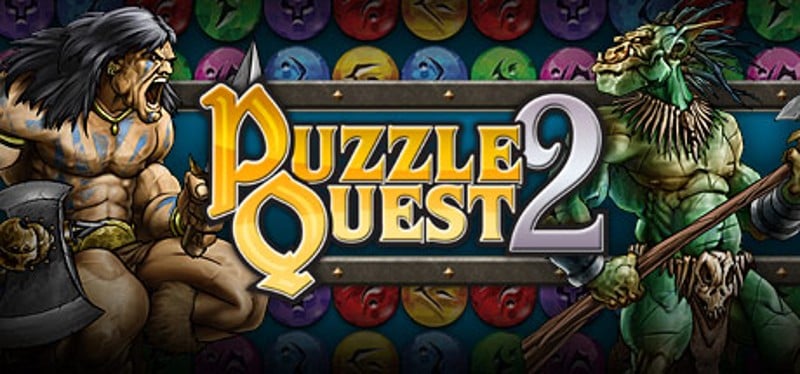
Escape to a puzzle game fantasy world with amazing creatures and weapons! Addicting gameplay blends with immersive roleplaying in this sequel to the award-winning Puzzle Quest! If you enjoyed this game, see our list of games similar to Puzzle Quest 2.
- 86%Game Brain ScoreMost mentioned positive aspects:story, gameplayMost mentioned negative aspects:grinding, optimization91% User Score 14,548 reviewsCritic Score 79%5 reviews
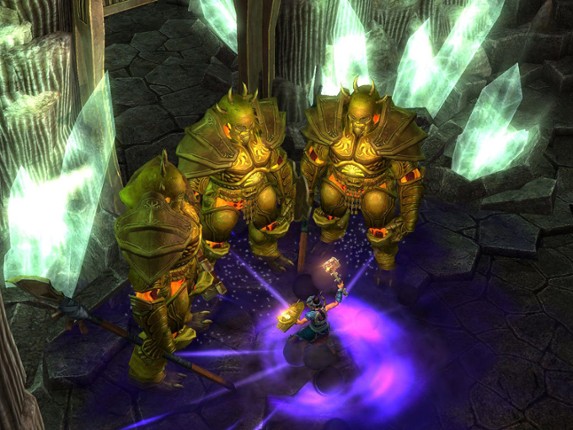
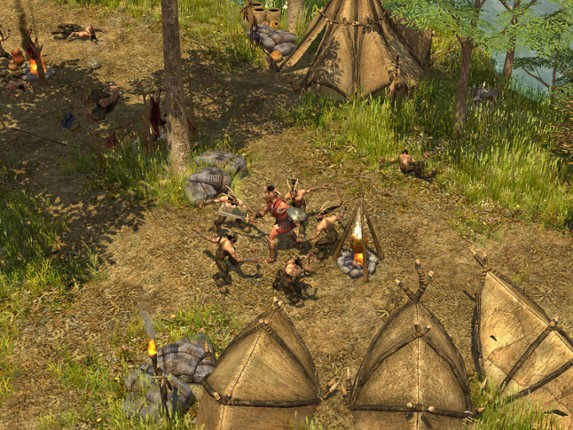
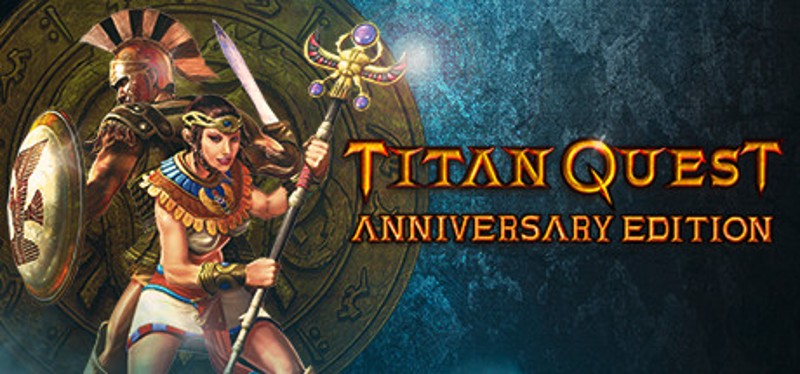
Includes full versions of - Titan Quest. - Titan Quest: Immortal Throne expansion pack. If you enjoyed this game, see our list of games similar to Titan Quest.
View Game
- 56%Game Brain ScoreMost mentioned positive aspects:story, gameplayMost mentioned negative aspects:stability, optimization56% User Score 208 reviews
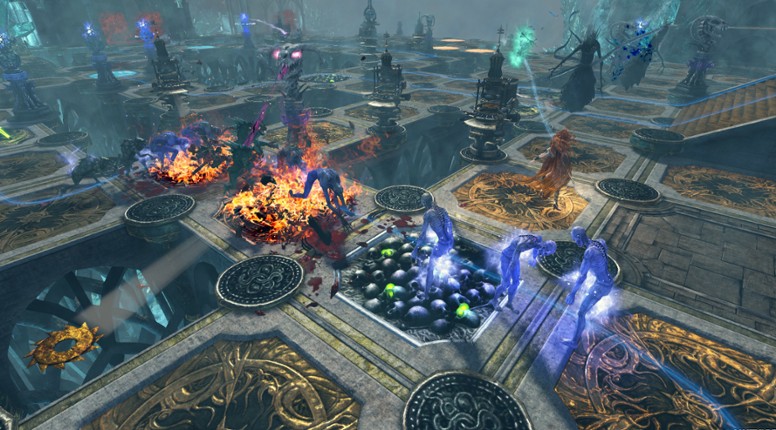
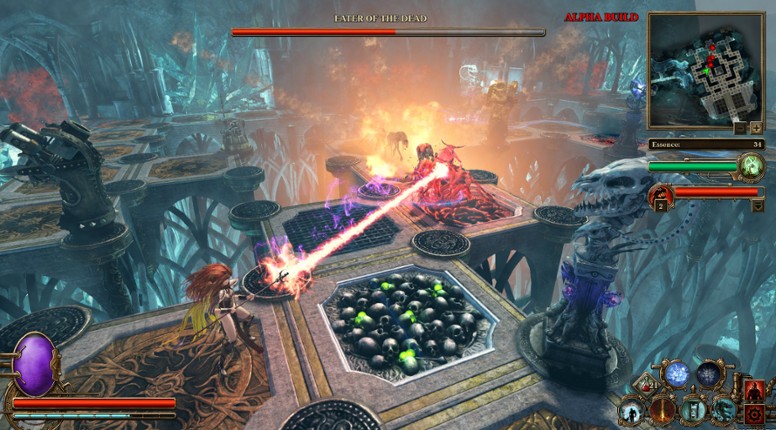
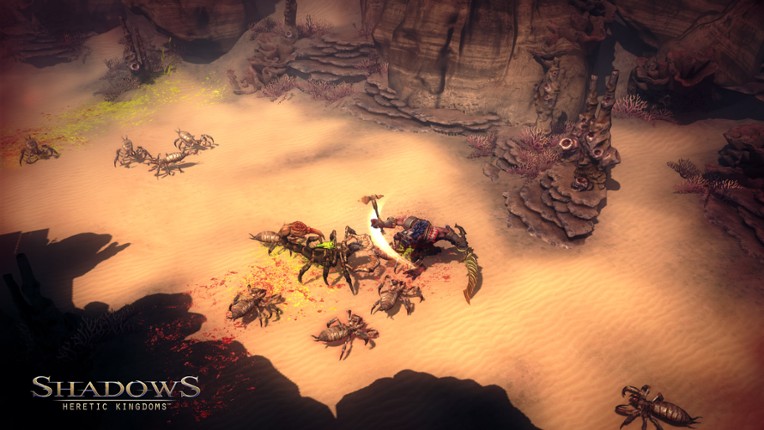
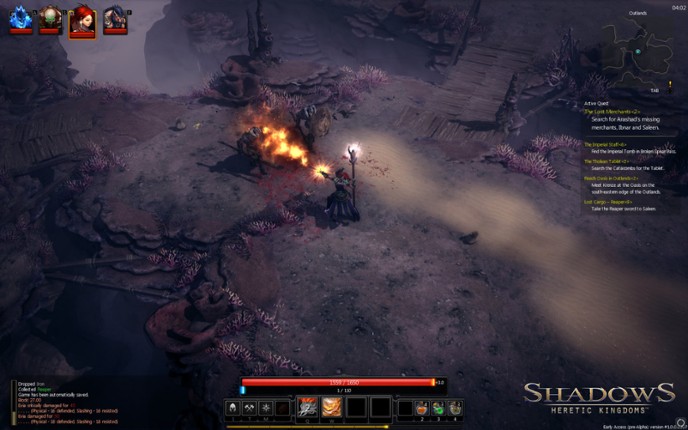
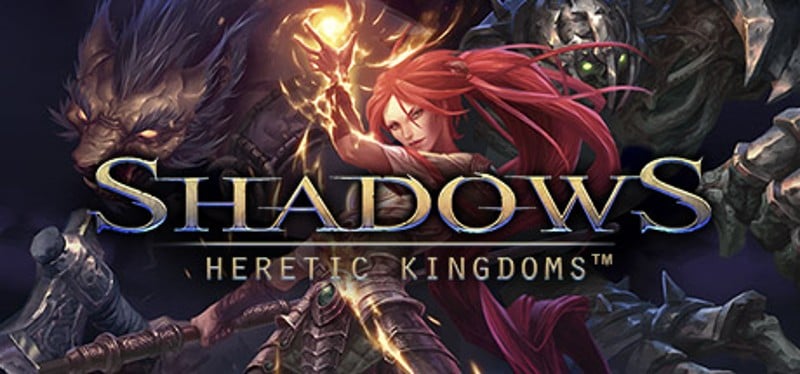
Shadows: Heretic Kingdoms is the next chapter in the Heretic Kingdoms saga and takes place 20 years after the events of Kult: Heretic Kingdoms. It’s an epic adventure with challenging gameplay, a gripping storyline and enchanting graphics. In this isometric action RPG, the player takes on the role of the Devourer, a demon that swallows the souls of the dead and then brings them back into the morta… If you enjoyed this game, see our list of games similar to Shadows: Heretic Kingdoms.
View Game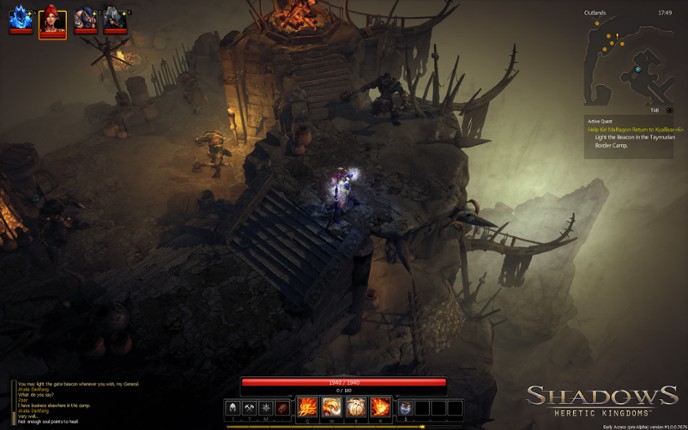
- 60%Game Brain ScoreMost mentioned positive aspects:story, gameplayMost mentioned negative aspects:stability, grinding59% User Score 768 reviewsCritic Score 61%8 reviews
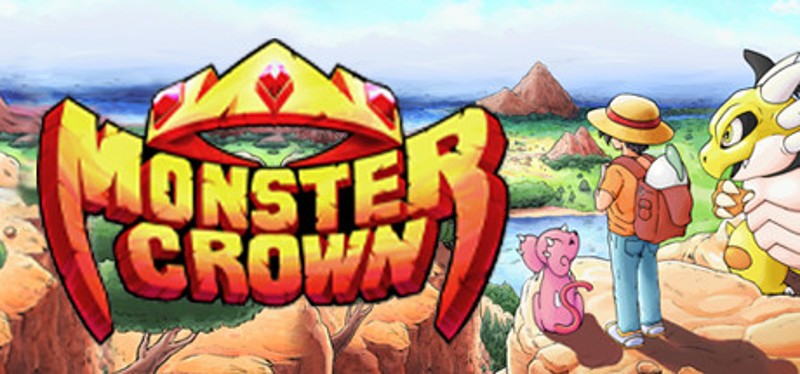
Monster Crown - Dark Monster Catching Game with True Crossbreeds Featuring a brand new dynamic breeding system and a deep story in a world filled to the brim with optional content. Offer contracts to dangerous beasts and breed them to create new species. Travel across Crown Island with your Monsters as you work toward stopping an underground plan to revive the sadistic Philosopher Kings and retur… If you enjoyed this game, see our list of games similar to Monster Crown.
View Game
- 84%Game Brain ScoreMost mentioned positive aspects:music, gameplayMost mentioned negative aspects:grinding, stability86% User Score 361 reviewsCritic Score 82%37 reviews
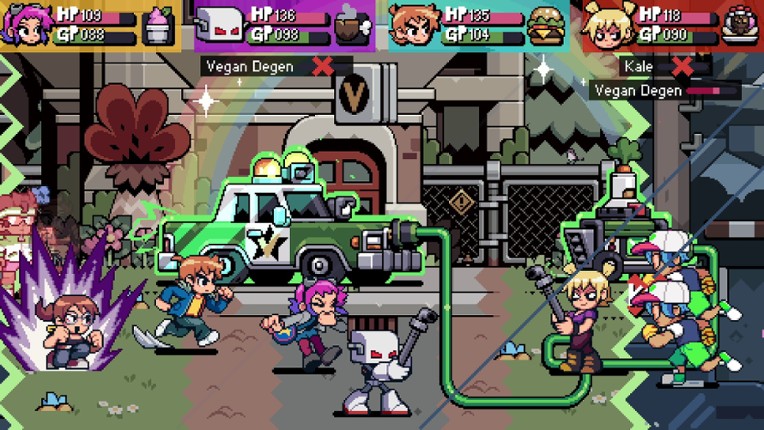
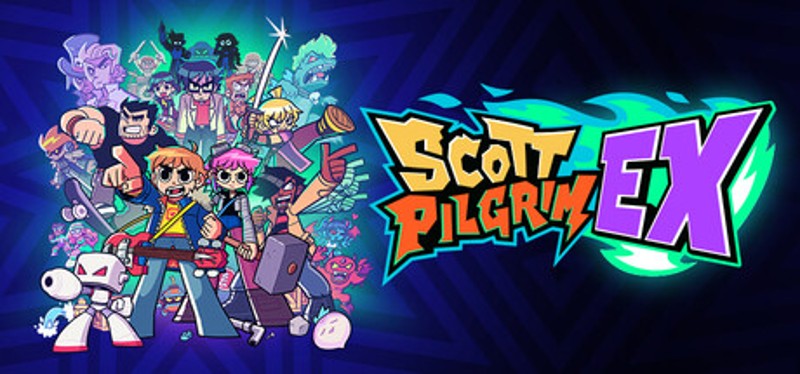
Join Scott Pilgrim and Ramona Flowers in a brand-new brawling adventure across space, time, and the streets of Toronto! If you enjoyed this game, see our list of games similar to Scott Pilgrim EX.
View Game


 View Game





















Frequently Asked Questions
For traditional MMO experiences, RIFT offers dynamic world events and flexible class customization similar to WoW's core design. EverQuest II provides a vast open world with rich lore and robust crafting systems. Both are free-to-play with active multiplayer communities and character progression that MMO veterans will recognize immediately.
RIFT and EverQuest II are completely free-to-play MMOs with optional cosmetics. Lost Fairyland: Undawn and Top Heroes also offer generous free-to-play models with fair progression. All feature multiplayer gameplay, character classes, and questing without requiring a subscription, making them accessible alternatives to WoW.
Mytheon shines for co-op play with strategic deck-building mechanics and cooperative boss fights. Flowstone Saga offers local multiplayer with split-screen support and innovative puzzle-combat blending. Top Heroes emphasizes guild-based cooperation and alliance building, rewarding team coordination and social interaction similar to WoW's group dungeons.
Wildermyth delivers turn-based tactical combat with procedurally generated campaigns and deep character customization. Mytheon combines real-time strategy with card-based deck building for strategic depth. Both offer story-rich experiences with replayability and multiplayer options, providing tactical alternatives to WoW's real-time action combat.
Lost Fairyland: Undawn features stunning modern graphics with fast-paced gameplay and diverse character classes. RIFT maintains beautiful visuals despite its age, with a rich fantasy setting and dynamic world events. EverQuest II offers immersive environments and extensive character customization for players seeking atmospheric fantasy worlds.
Elegy of Fate blends dungeon crawling with extensive character building and grinding mechanics reminiscent of classic RPGs. EverQuest II delivers deep character customization and diverse progression paths. RIFT's flexible specialization system lets players mix abilities freely, offering similar build variety and respec flexibility that WoW players enjoy.