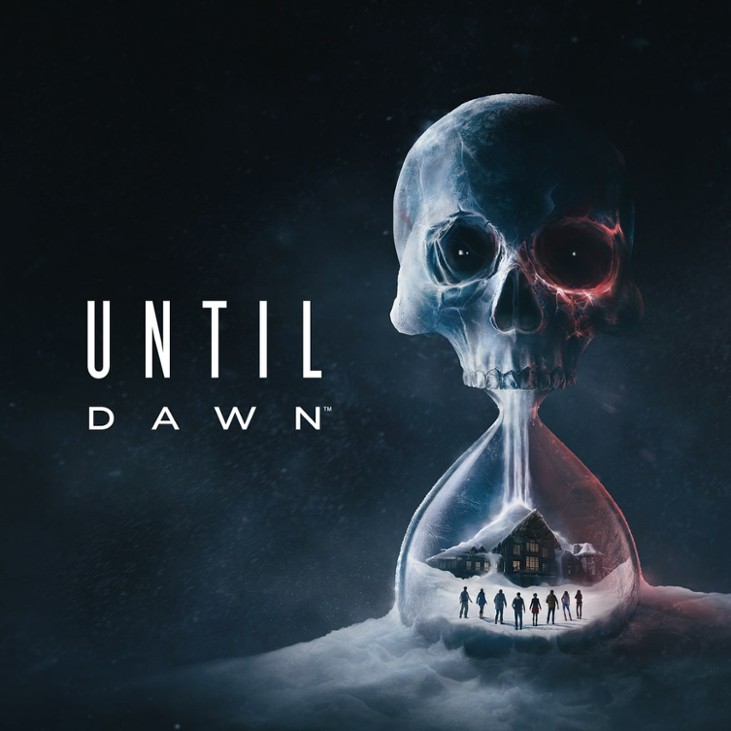
Games like Until Dawn
Looking for games like Until Dawn? If you loved the tension, branching storylines, and cinematic horror of Until Dawn’s remote-mountain nightmare, you’re not alone. Until Dawn redefined interactive horror by making every decision matter — and there are plenty of other games that capture that same mix of suspense, drama, and consequence-driven gameplay.
This page highlights the best games like Until Dawn for players who crave gripping narratives, high-stakes choices, and movie-quality presentation. Whether you enjoy psychological thrillers, supernatural horror, or intense survival stories where characters can live or die based on your actions, you’ll find compelling recommendations below.
What Makes a Great “Until Dawn-Like” Game?
The best games similar to Until Dawn usually share one or more of these elements:
- Choice-driven storytelling — decisions shape the plot and determine who survives.
- Cinematic presentation — strong voice acting, motion capture, and dramatic camera work.
- Horror and suspense — tense atmospheres, jump scares, and slow-building dread.
- Multiple playable characters — shifting perspectives that deepen the story.
- Branching endings — meaningful consequences and replay value.
Below you’ll discover a curated list of the best games like Until Dawn — from interactive dramas to terrifying horror adventures — all designed for players who want their choices to matter.


- View Game93%Game Brain Score93% User Score 103,783 reviews
Only Your Choices Determine Who Survives Eight friends are trapped together on a remote mountain retreat, and they aren’t alone. Gripped by dread, with tensions running high, they must fight through their fear if they all hope to make it through the night in one piece. Play as each of the eight characters and experience fear like you never have before. Every decision you make in your terrifying se… If you enjoyed this game, see our list of games similar to Until Dawn 2015.
- 82%Game Brain ScoreMost mentioned positive aspects:story, graphicsMost mentioned negative aspects:optimization, stability82% User Score 2,450 reviews
When eight friends return to the isolated lodge where two of their group vanished a year prior, fear tightens its icy grip, and their mountain retreat descends into a nightmare with no escape.Face your fears and determine who survives Until Dawn in this seminal horror classic, rebuilt and enhanced for PC. Cult horror rebuilt Immerse yourself in a gripping slasher horror rebuilt from the ground up … If you enjoyed this game, see our list of games similar to Until Dawn.
View Game
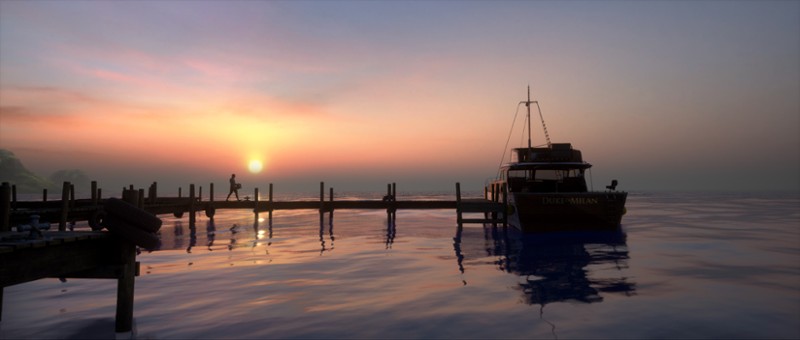
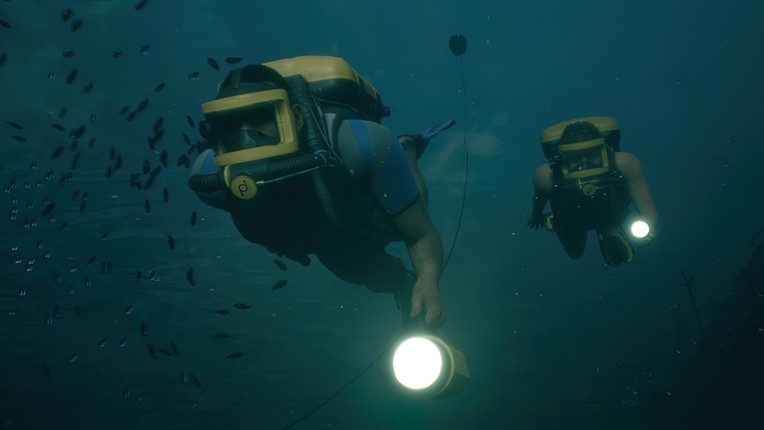
- 72%Game Brain ScoreMost mentioned positive aspects:story, graphicsMost mentioned negative aspects:stability, character development75% User Score 4,847 reviewsCritic Score 70%11 reviewsWhile sharing the same DNA as the original slasher experience, this tighter anthology entry swaps solo play for claustrophobic multiplayer maritime survival. If you enjoyed this game, see our list of games similar to The Dark Pictures Anthology: Man Of Medan.View Game
- 57%Game Brain ScoreMost mentioned positive aspects:story, musicMost mentioned negative aspects:graphics, replayability63% User Score 346 reviewsCritic Score 51%9 reviews
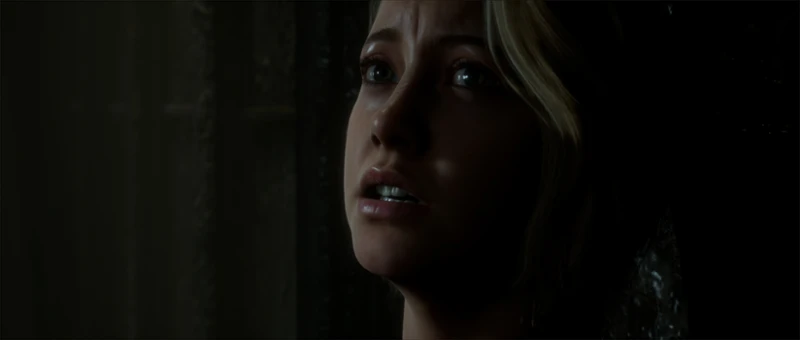
After the unexpected death of a close friend, Kristina returns to her hometown looking for answers, only to unearth a string of dark secrets. I Saw Black Clouds is an interactive psychological thriller with supernatural elements and branching storylines. If you enjoyed this game, see our list of games similar to I Saw Black Clouds.
View Game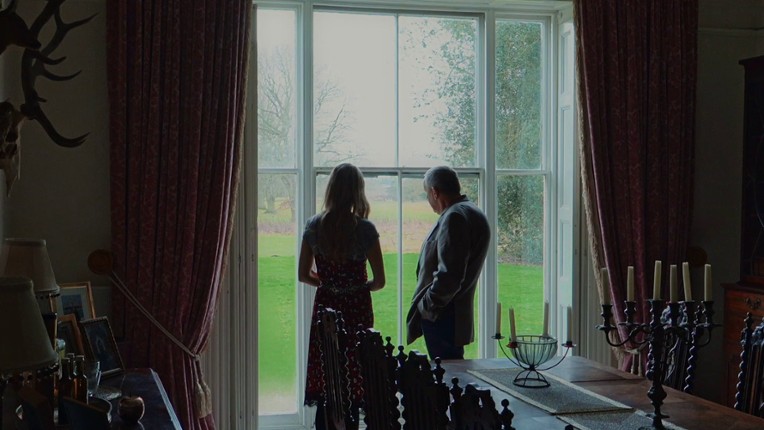
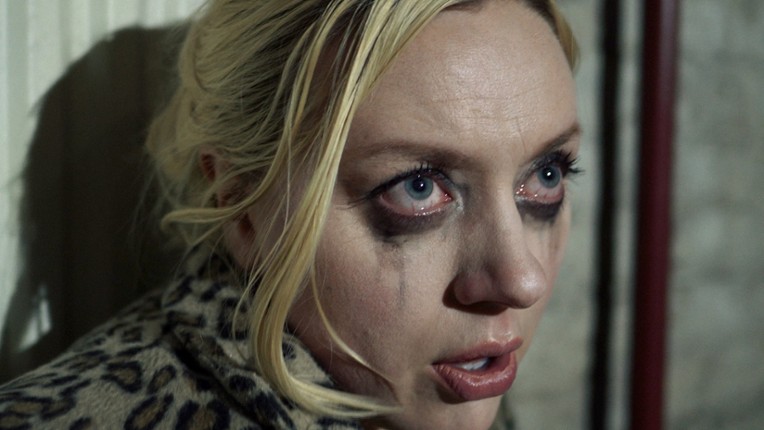
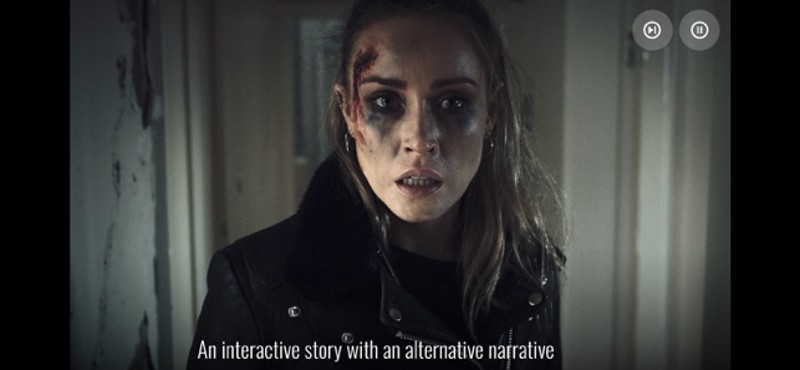
- 81%Game Brain ScoreMost mentioned positive aspects:story, gameplayMost mentioned negative aspects:grinding, stability94% User Score 4,100 reviewsCritic Score 53%4 reviews
A realistic horror experience of exploring a missing woman’s phone. If you enjoyed this game, see our list of games similar to SIMULACRA.
View Game
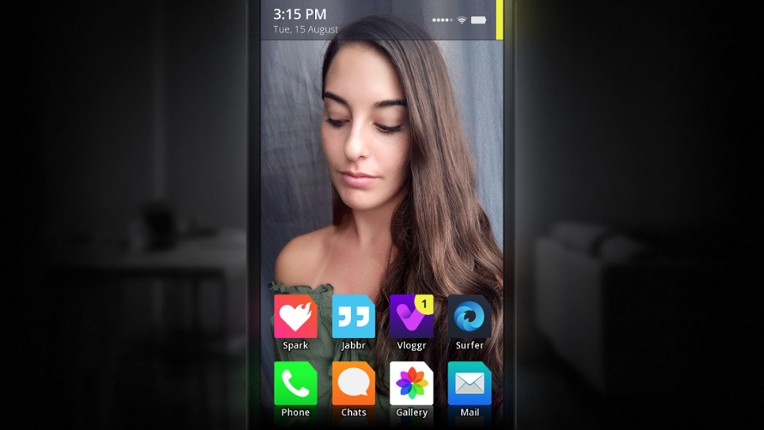
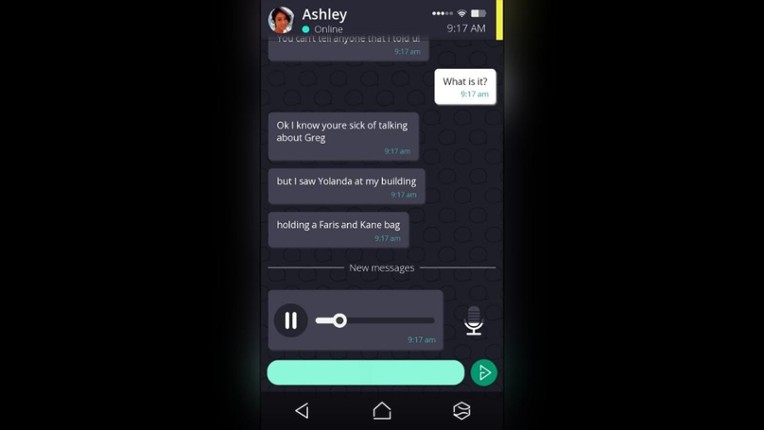
- 82%Game Brain ScoreMost mentioned positive aspects:story, graphicsMost mentioned negative aspects:optimization, stability82% User Score 10,563 reviewsCritic Score 82%5 reviewsExpands choice-driven horror into multiplayer co-op with cinematic quick-time events, bringing a more intense thriller and violence focus. If you enjoyed this game, see our list of games similar to The Quarry.View Game

- 95%Game Brain ScoreMost mentioned positive aspects:story, atmosphereMost mentioned negative aspects:optimization, stability95% User Score 32,387 reviews
Buy Silent Hill 2 on PlayStation Store. Revisit an iconic psychological horror as Silent Hill 2 comes to PlayStation 5. If you enjoyed this game, see our list of games similar to SILENT HILL 2.
View Game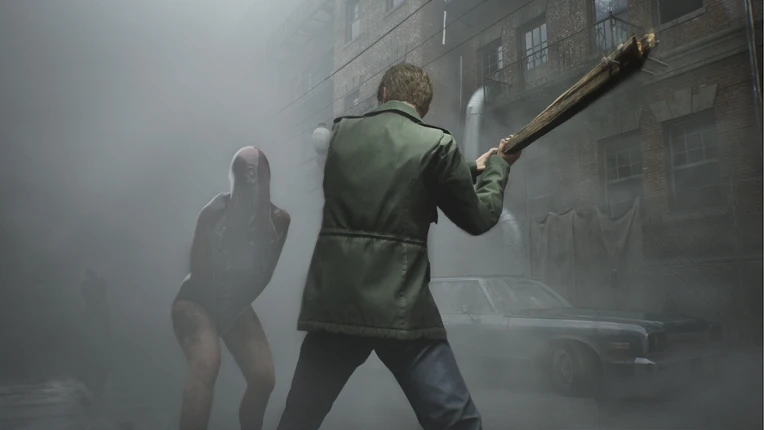
- 47%Game Brain ScoreMost mentioned positive aspects:atmosphere, graphicsMost mentioned negative aspects:story, music47% User Score 76 reviews
Expedition Zero is a survival horror game set in the heart of rural Siberia. Use your engineering skills to confront flesh-eating monsters as the last survivor of a Soviet scientific expedition. If you enjoyed this game, see our list of games similar to Expedition Zero.
View Game
- 58%Game Brain ScoreMost mentioned positive aspects:story, atmosphereMost mentioned negative aspects:gameplay, grinding64% User Score 395 reviewsCritic Score 52%25 reviews
Those Who Remain is a psychological thriller that takes place in Dormont, a small town in the US. Dormont appears to be a regular and typical American town at first glance. However, it is cursed... If you enjoyed this game, see our list of games similar to Those Who Remain.
View Game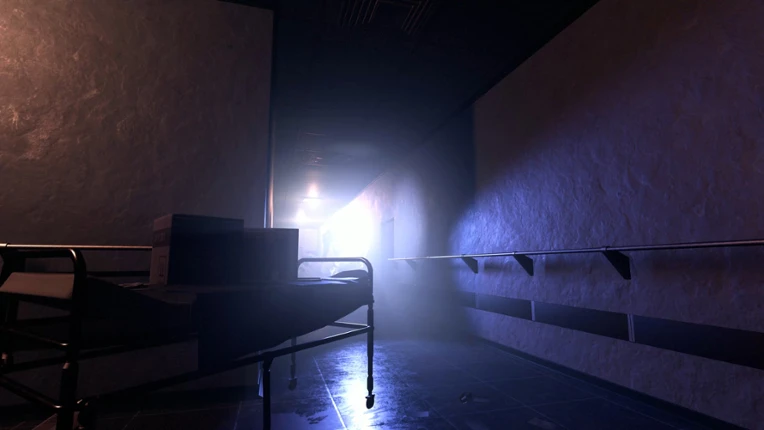
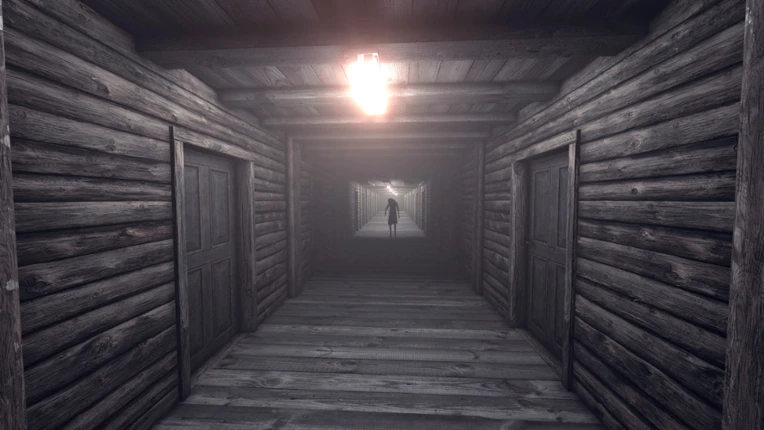
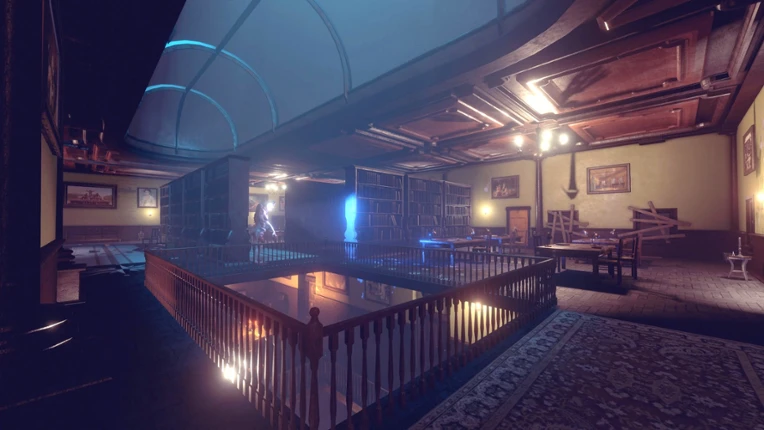
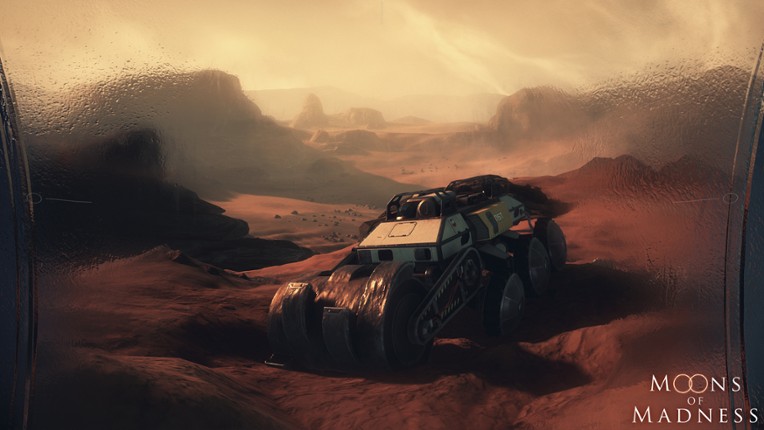
- 72%Game Brain ScoreMost mentioned positive aspects:story, gameplayMost mentioned negative aspects:optimization, grinding77% User Score 2,164 reviewsCritic Score 67%25 reviewsThis first-person space adventure replaces the ensemble cast with an isolated perspective, trading the slasher-movie pacing for a claustrophobic Lovecraftian science-fiction mystery. If you enjoyed this game, see our list of games similar to Moons of Madness.View Game
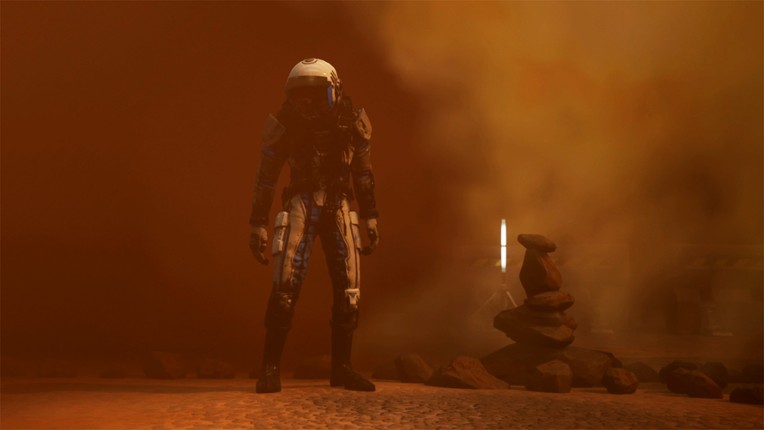
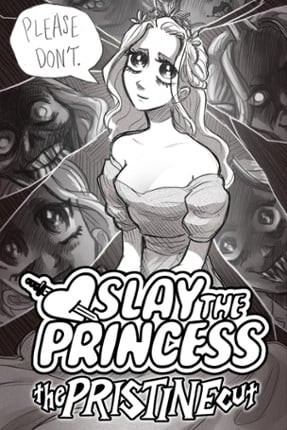
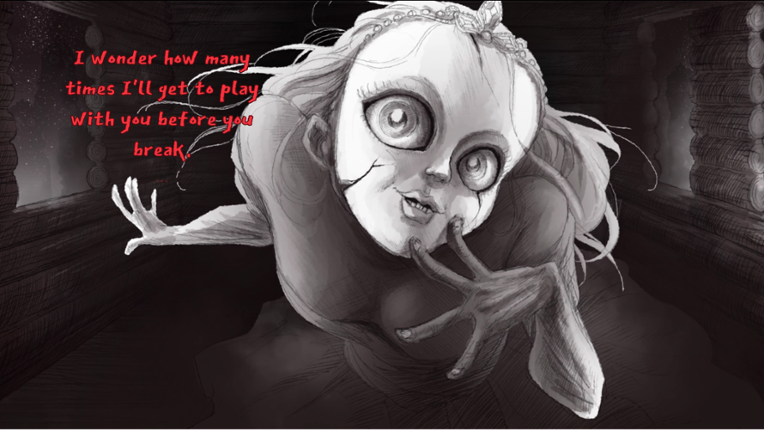
11 View Game 93%Game Brain ScoreMost mentioned positive aspects:story, musicMost mentioned negative aspects:grinding, stability97% User Score 24,873 reviewsCritic Score 89%8 reviewsSlay the Princess injects dark comedy and meta‑narrative into its horror, turning Until Dawn's tense drama into a sardonic, dialogue‑driven experience. If you enjoyed this game, see our list of games similar to Slay the Princess.View Game
- 84%Game Brain ScoreMost mentioned positive aspects:story, atmosphereMost mentioned negative aspects:stability, grinding89% User Score 3,414 reviewsCritic Score 74%4 reviews
Penumbra:Overture is a first person survival horror game, emphasizing on survival and problem solving instead of mindless violence and gore. Played from a first person perspective and powered by a 3D engine utilising cutting edge technology, Penumbra is a substantial advancement of the genre. If you enjoyed this game, see our list of games similar to Penumbra Overture.
View Game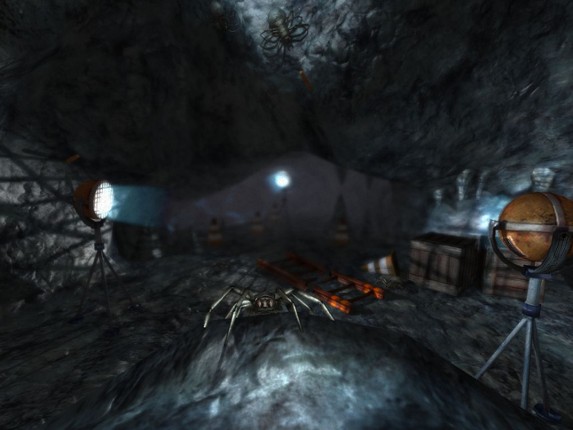
- 94%Game Brain ScoreMost mentioned positive aspects:story, atmosphereMost mentioned negative aspects:grinding, stability94% User Score 10,983 reviews
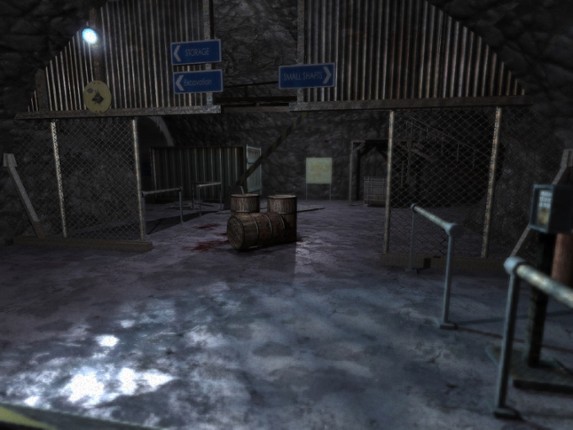
Darkwood is a unforgiving survival horror with a procedurally generated, open world. By blending RPG, roguelike and adventure elements together with a challenging difficulty, Darkwood aims to please players craving for a deep and rewarding experience. The fear of unknown is powerful. Your senses will be deceived by Darkwood's surreal terrors. No answer will be given to you for free, yet somewhere… If you enjoyed this game, see our list of games similar to Darkwood.
View Game
14 View Game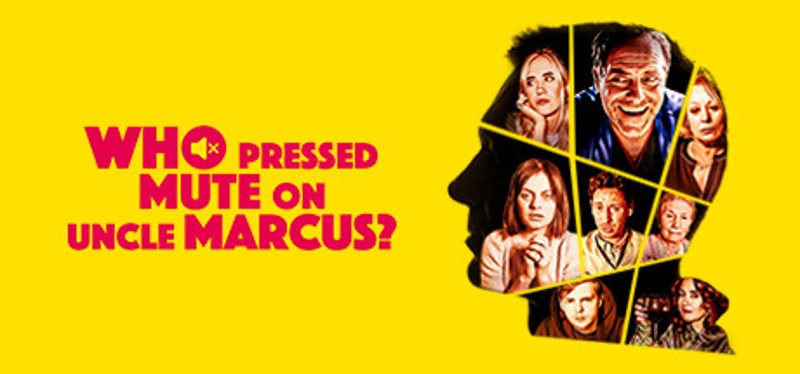 64%Game Brain ScoreMost mentioned positive aspects:story, humorMost mentioned negative aspects:gameplay, grinding63% User Score 593 reviewsCritic Score 68%4 reviews
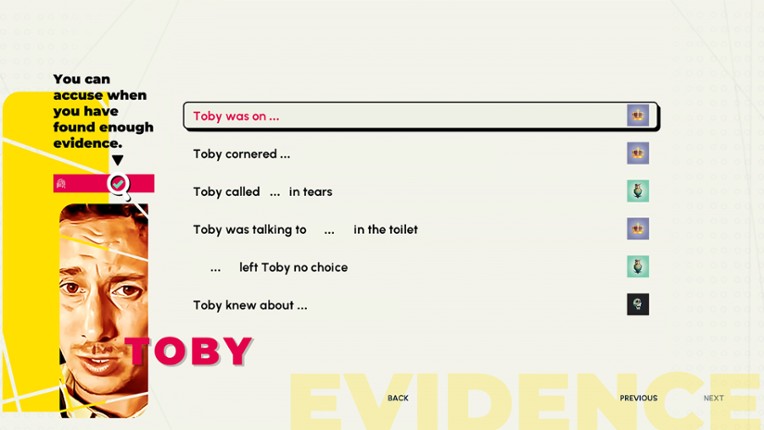
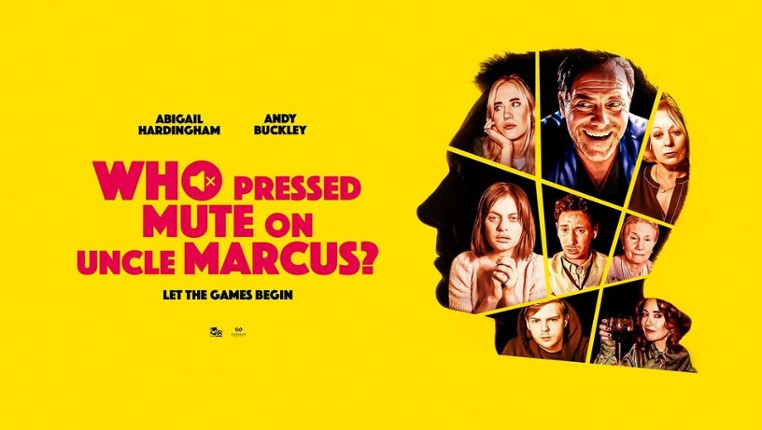
An eccentric FMV murder mystery with a twist: someone has poisoned Uncle Marcus. Uncover the truth in the yearly family quiz and try to save him before it is too late. If you enjoyed this game, see our list of games similar to Who Pressed Mute on Uncle Marcus?.
View Game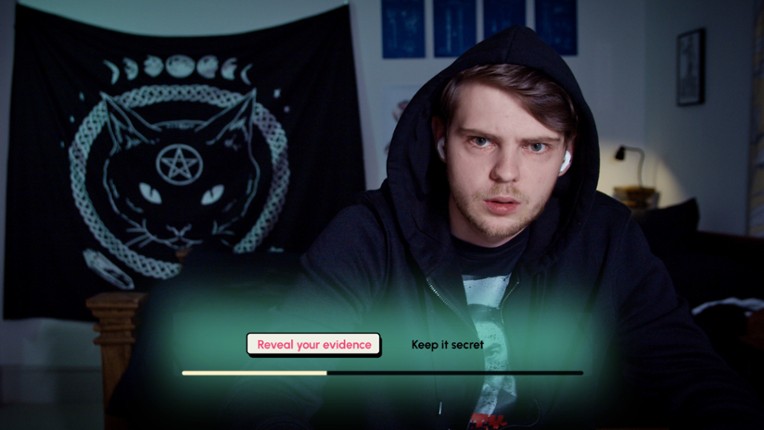
- 78%Game Brain ScoreMost mentioned positive aspects:story, musicMost mentioned negative aspects:gameplay, stability84% User Score 466 reviewsCritic Score 70%6 reviewsInteractive thriller that strips away Until Dawn's horror for intimate psychological drama with branching dialogue and multiple endings. If you enjoyed this game, see our list of games similar to Erica.View Game
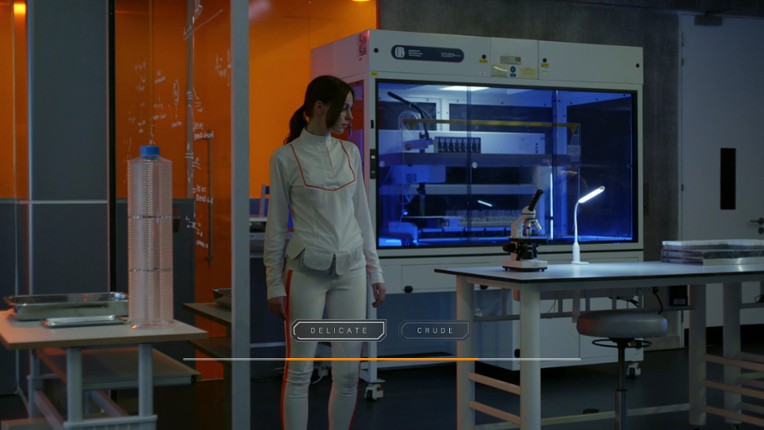
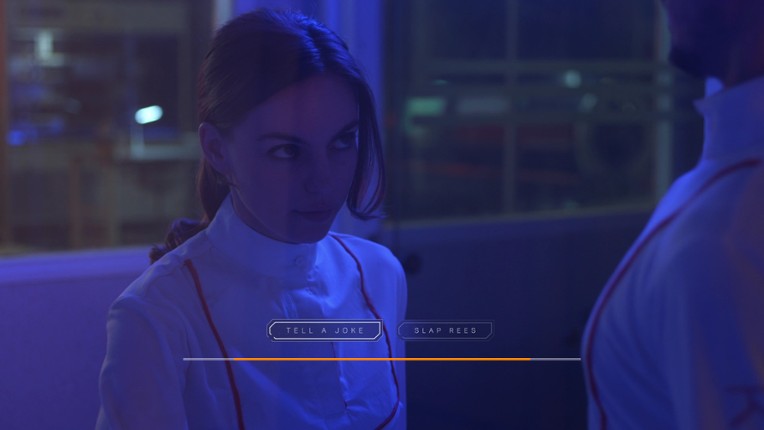
- 73%Game Brain ScoreMost mentioned positive aspects:story, gameplayMost mentioned negative aspects:grinding, stability78% User Score 979 reviewsCritic Score 63%5 reviewsThe Complex pairs sci‑fi intrigue with FMV performances, replacing Until Dawn's teen horror with a laboratory thriller where choices ripple across a tech‑driven narrative. If you enjoyed this game, see our list of games similar to The Complex.View Game
- 92%Game Brain ScoreMost mentioned positive aspects:story, musicMost mentioned negative aspects:gameplay, graphics92% User Score 84 reviews
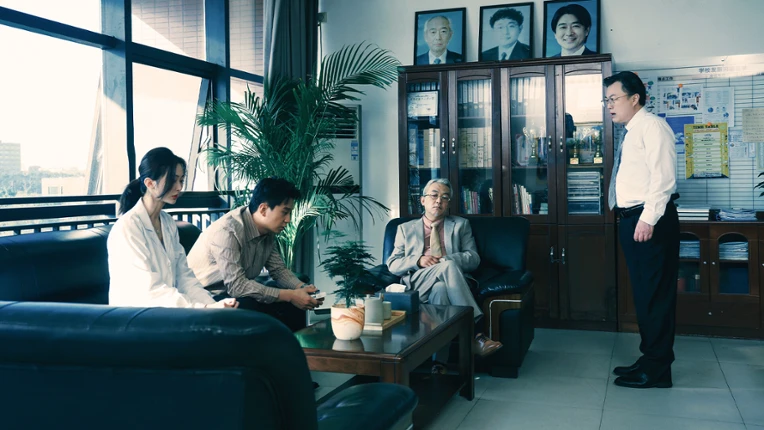
The first revenge-themed game focusing on the theme of anti-bullying in schools, its storyline spans 10 years. With nearly 500 minutes of gameplay, over 100 branching storylines, and 42 endings, we've painted a cruel and dark picture of school life. In the game, every choice can lead you to drastically different truths and consequences—reversals upon reversals. You think you're close to the truth,… If you enjoyed this game, see our list of games similar to Evil School.
View Game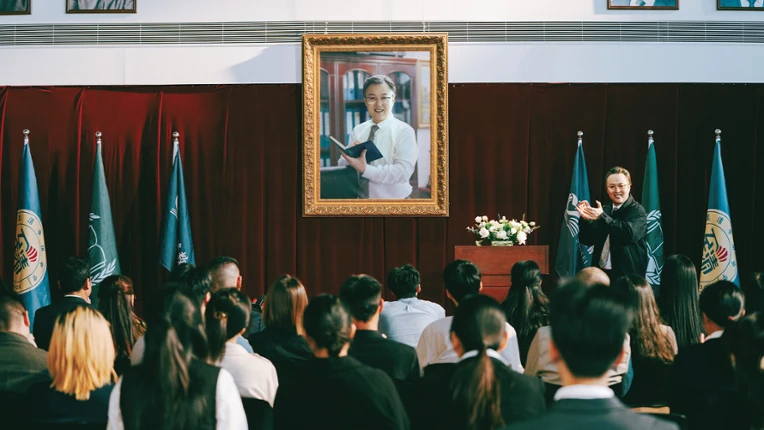
- 75%Game Brain ScoreMost mentioned positive aspects:story, emotionalMost mentioned negative aspects:gameplay, grinding97% User Score 29 reviews
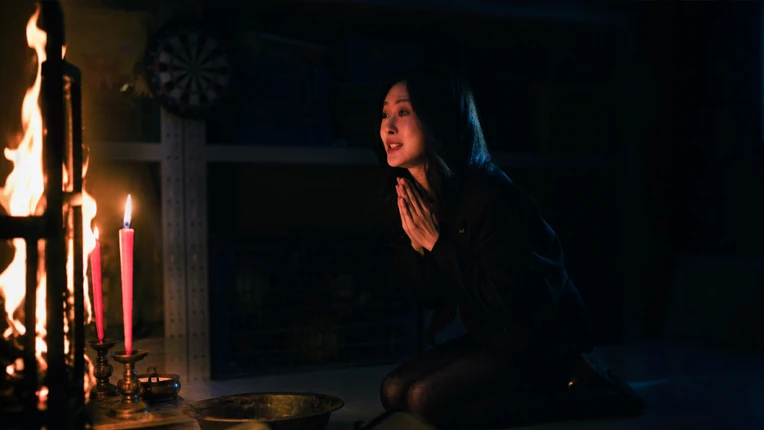
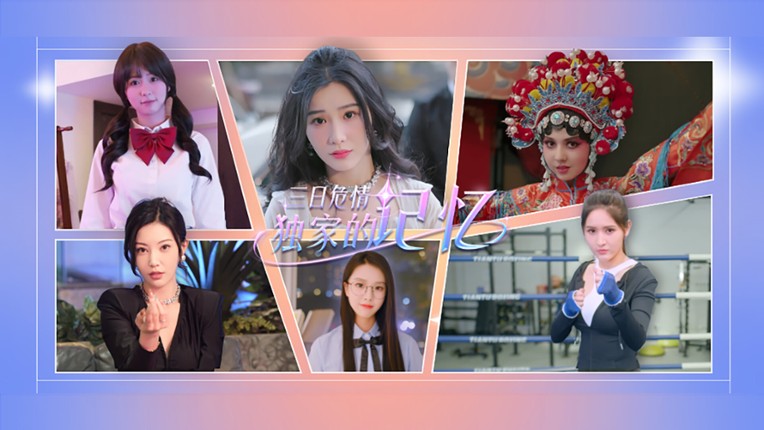
Three Days of Crisis: Exclusive Memories "is a suspenseful love story full dynamic live action interactive video game. The whole game is a process of exploration and puzzle solving, in which you will delve into a complex and mysterious story. Collect clues through interactions with different characters, solve puzzles, and gradually uncover the truth hidden behind them Welcome to join the o… If you enjoyed this game, see our list of games similar to exclusive memory.
View Game

- 83%Game Brain ScoreMost mentioned positive aspects:story, gameplayMost mentioned negative aspects:stability, grinding89% User Score 362 reviewsCritic Score 63%2 reviews
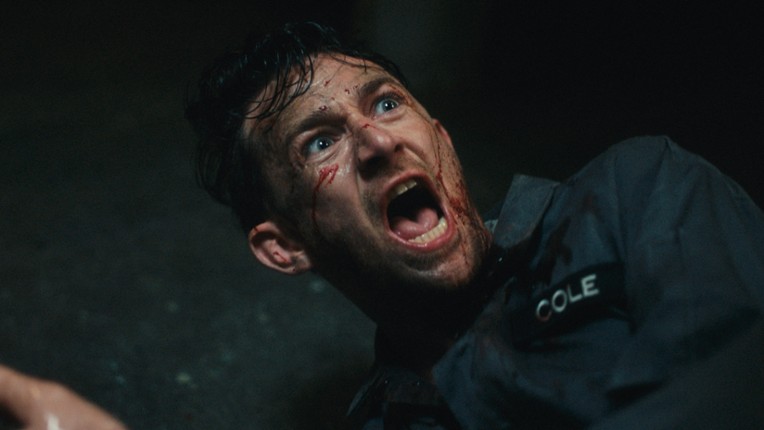
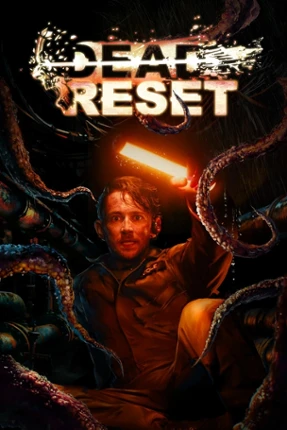
Dead Reset scratches the same itch as Until Dawn when you’re weighing a decision under pressure and waiting to see how badly it changes the next scene. Both games make choice-driven survival the real tension, so every branch feels personal rather than mechanical.
It also leans on strong performances and story-rich, chapter-like pacing, which gives each encounter the same “keep going just one more scene” momentum. That matters because the suspense comes from watching characters react, not from mastering complex systems.
The big difference is the format: Dead Reset trades Until Dawn’s cinematic action for a more FMV-driven, visual-novel style approach. As a fresh angle, that makes it a good pick for players who want the branching drama and horror pressure, but with a more direct, dialogue-first delivery.
It also helps answer a common Until Dawn complaint: it feels short. Dead Reset’s multiple endings and replay focus give you more reasons to revisit outcomes, even if some choices land lightly. Best for players who want narrative horror with branching consequences and strong cast-driven tension.
If you enjoyed this game, see our list of games similar to Dead Reset.View Game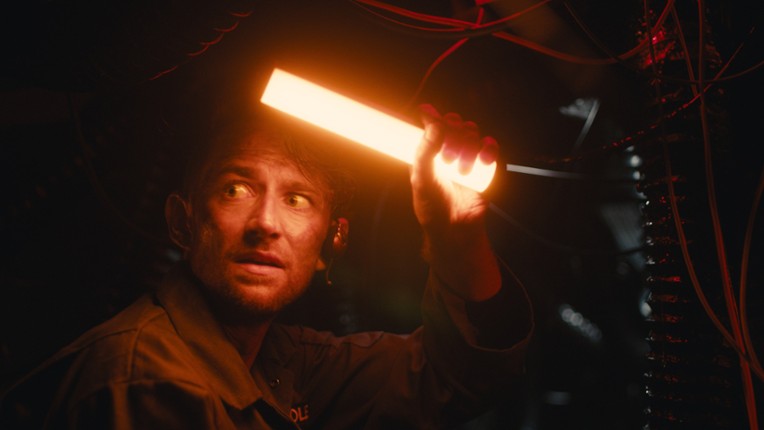
20 View Game 67%Game Brain ScoreMost mentioned positive aspects:story, emotionalMost mentioned negative aspects:music, gameplay95% User Score 21 reviews
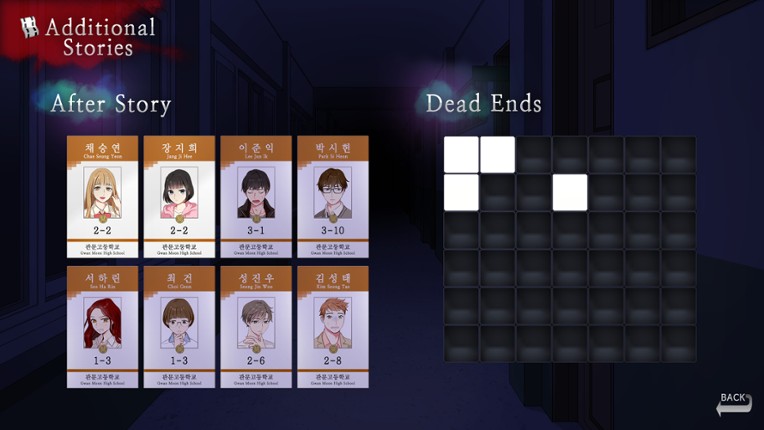
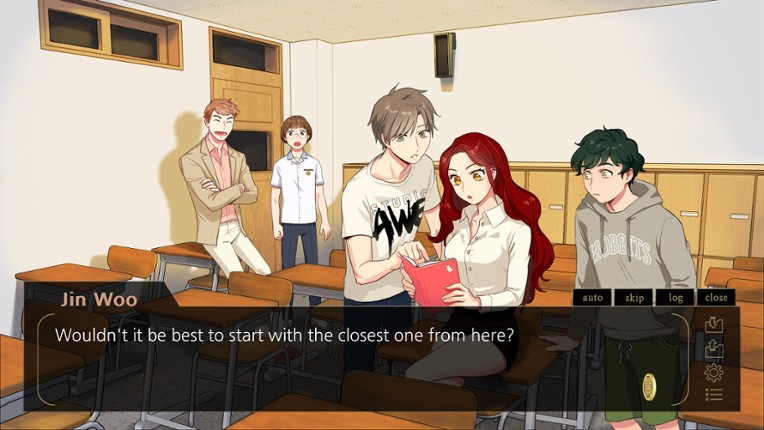
High school students return to school late after hours, each with their own reasons and an ominous feeling. After midnight...the fears deep inside become a reality. If you enjoyed this game, see our list of games similar to Gwan Moon High School: The Ghost Gate.
View Game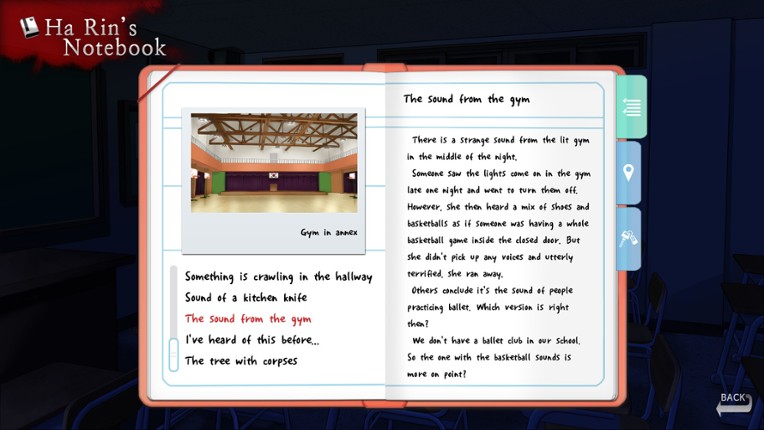
21 View Game
 70%Game Brain ScoreMost mentioned positive aspects:story, gameplayMost mentioned negative aspects:optimization, stability65% User Score 3,643 reviewsCritic Score 77%6 reviews
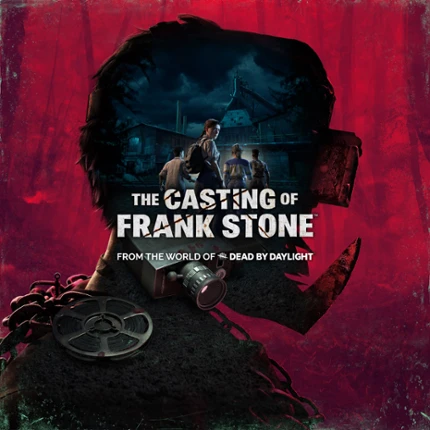
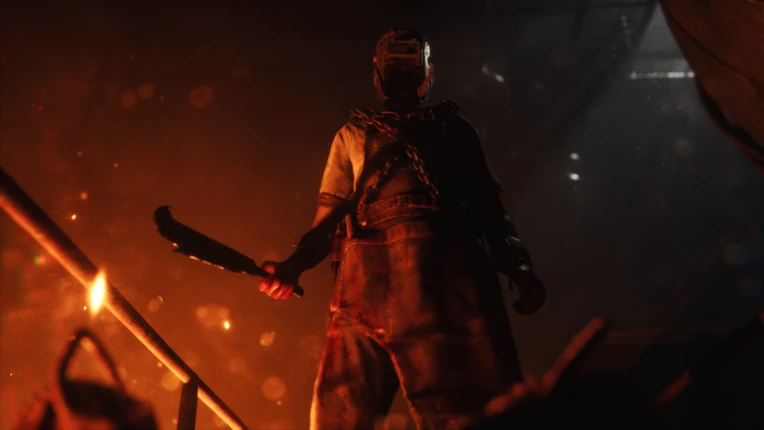
The storytelling prowess of Supermassive Games meets the Dead by Daylight universe in a haunting horror game that won’t soon be forgotten. The shadow of Frank Stone looms over Cedar Hills, a town forever altered by his violent past. As a group of young friends are about to discover, Stone’s blood-soaked legacy cuts deep, leaving scars across families, generations, and the very fabric of reality it… If you enjoyed this game, see our list of games similar to The Casting of Frank Stone.
View Game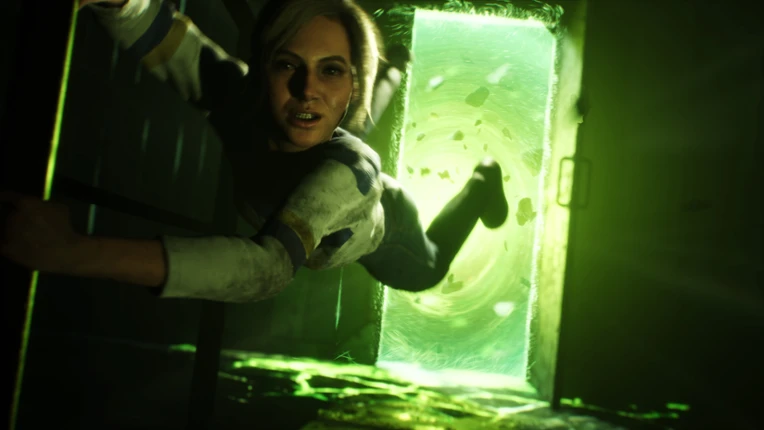
22 View Game 91%Game Brain ScoreMost mentioned positive aspects:story, gameplayMost mentioned negative aspects:grinding91% User Score 182 reviewsPsychological horror investigation that shares Until Dawn's cinematic atmosphere and branching choices but embraces surreal conspiracy and supernatural ambiguity over teen survival. If you enjoyed this game, see our list of games similar to The Bridge Curse 2: The Extrication.View Game
- 82%Game Brain ScoreMost mentioned positive aspects:graphics, gameplayMost mentioned negative aspects:story, monetization82% User Score 368 reviews
Horror game where you need to do different tasks from horror creature received by your phone. And remember: Don't chat with Momo! If you enjoyed this game, see our list of games similar to MOMO.EXE.
View Game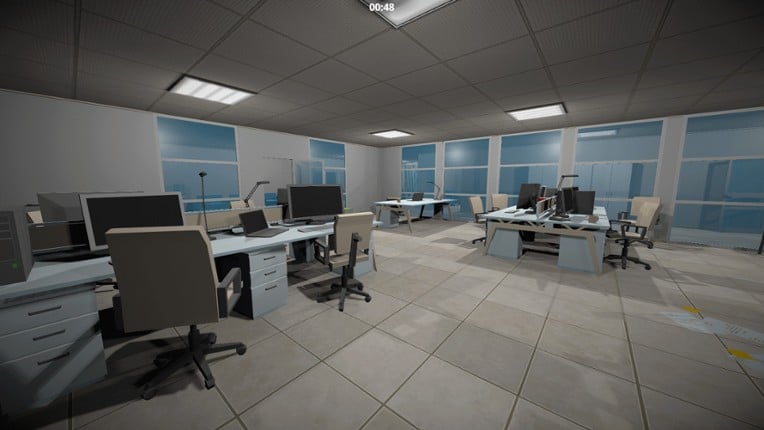
- 82%Game Brain ScoreMost mentioned positive aspects:story, musicMost mentioned negative aspects:gameplay, replayability82% User Score 391 reviews
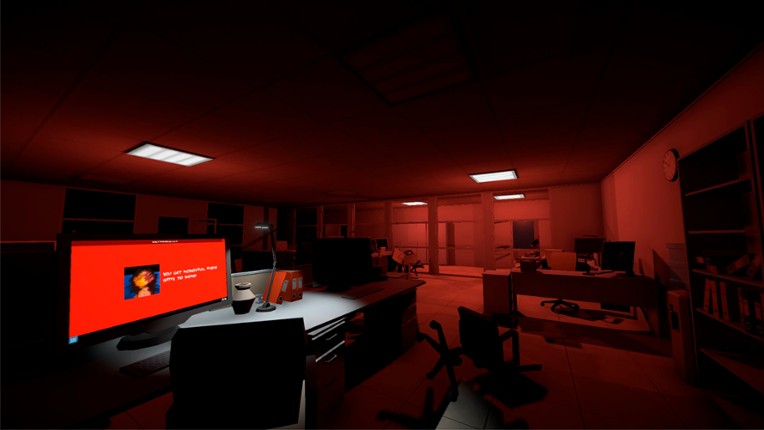
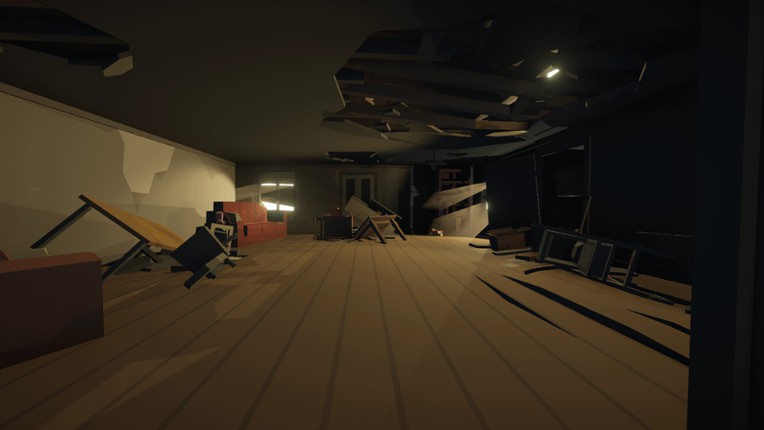
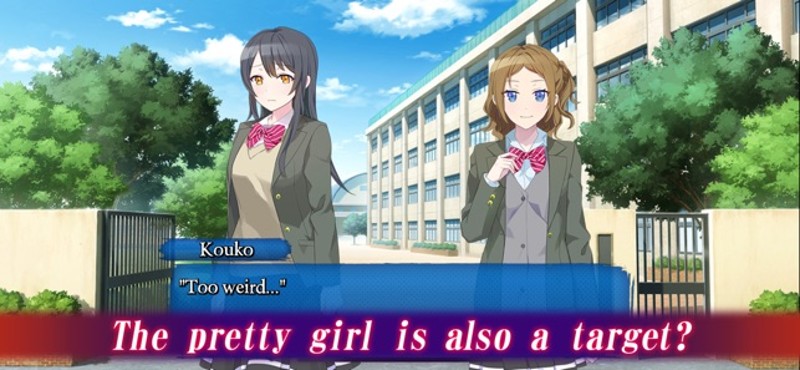
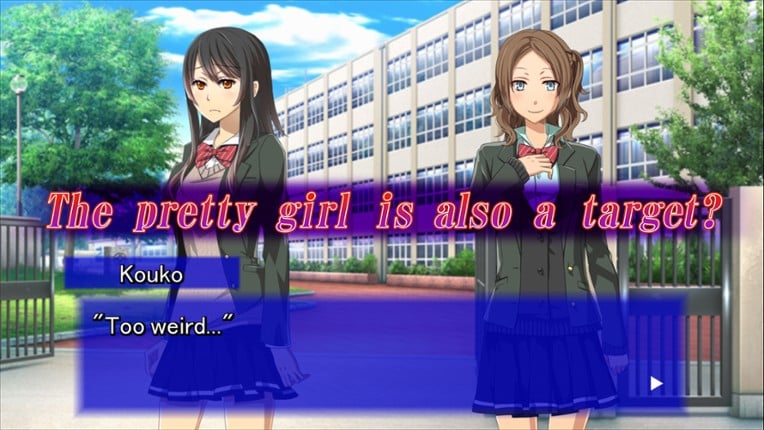
It's rumored that those who play 'Bad End'- a Visual Novel will die in real life if they make the wrong decision in the game itself. If you enjoyed this game, see our list of games similar to BAD END.
View Game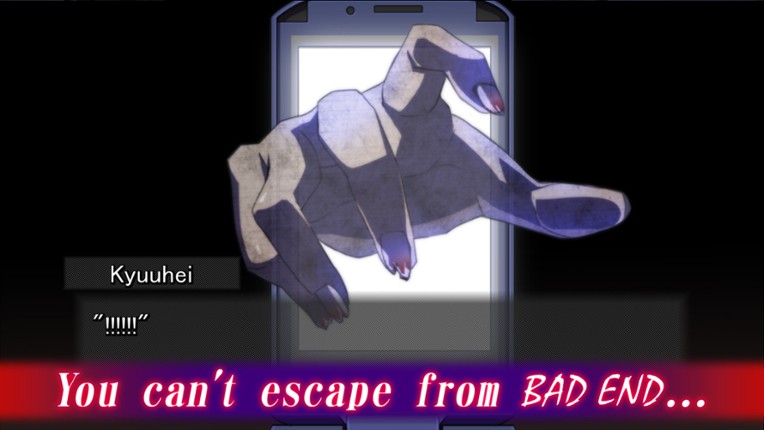
- 89%Game Brain ScoreMost mentioned positive aspects:story, gameplayMost mentioned negative aspects:stability, graphics89% User Score 498 reviews
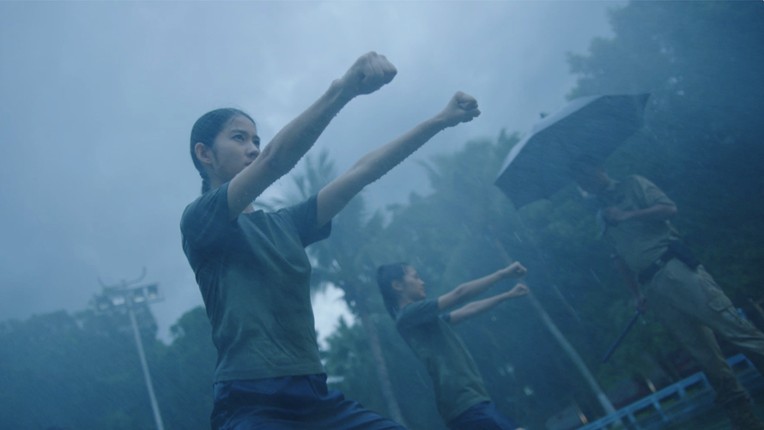
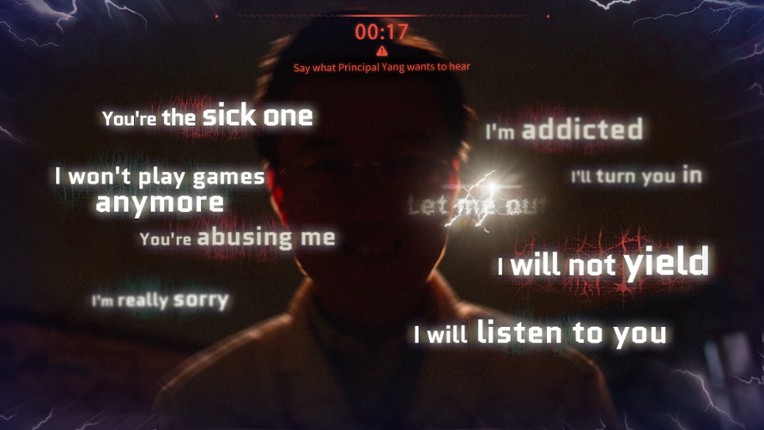
Includes: Base Game Breakout 13 : Fight Complete Edition includes base game Gratitude section (Prologue to Chapter 5) and DLC FIGHT section(Chapter 6 to the ending chapters). Breakout 13 is a thrilling narrative game with interactive cinematic experience. Based on true stories. Breakout 13 takes you on a revealing journey as you attempt to escape from a negligent correctional institute and achieve… If you enjoyed this game, see our list of games similar to Breakout 13.
View Game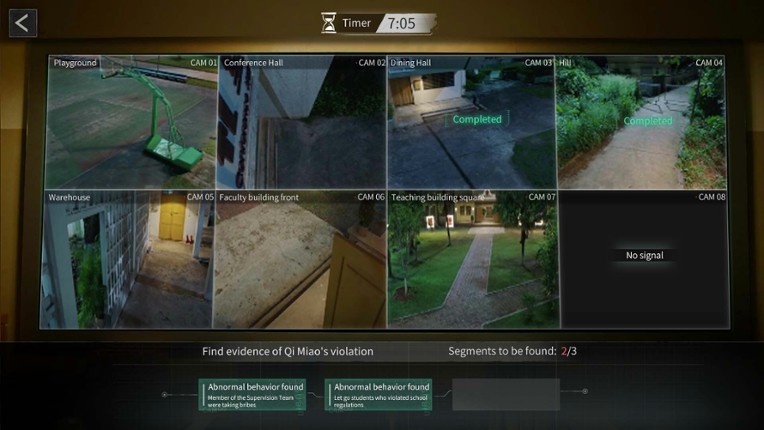
- 85%Game Brain ScoreMost mentioned positive aspects:atmosphere, storyMost mentioned negative aspects:grinding, replayability85% User Score 3,070 reviews
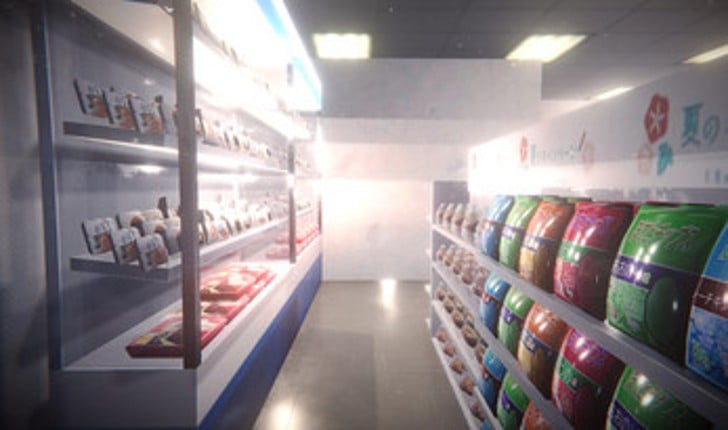
The Convenience Store is a J-horror game about a college girl on a night shift. If you enjoyed this game, see our list of games similar to The Convenience Store.
View Game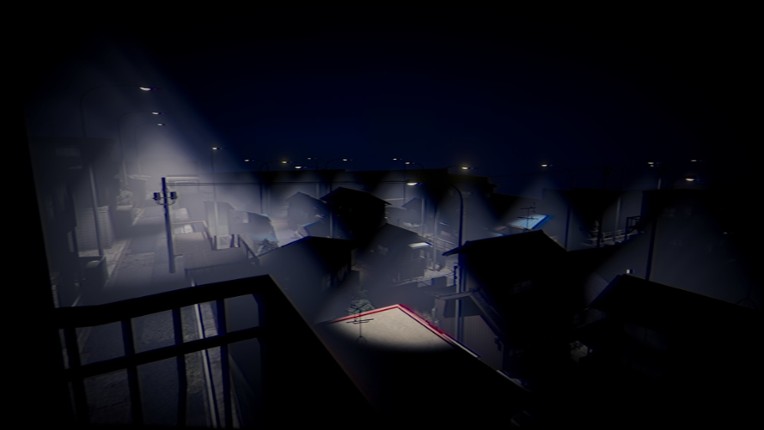
- 89%Game Brain ScoreMost mentioned positive aspects:story, emotionalMost mentioned negative aspects:monetization, stability89% User Score 9,993 reviews
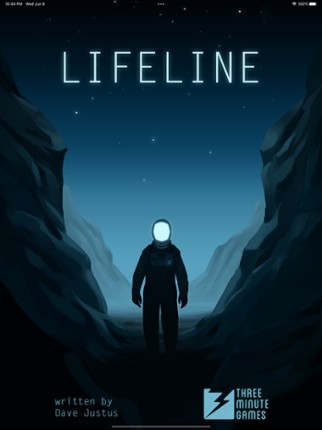
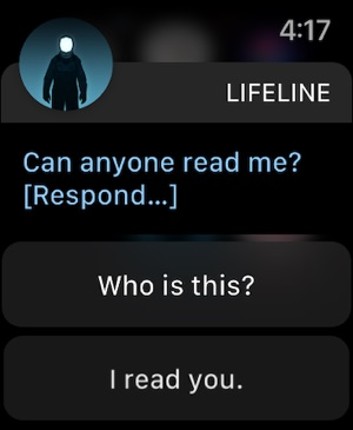
Save Taylor! If you enjoyed this game, see our list of games similar to Lifeline.
View Game
- 93%Game Brain ScoreMost mentioned positive aspects:gameplay, storyMost mentioned negative aspects:stability, optimization93% User Score 2,412 reviews
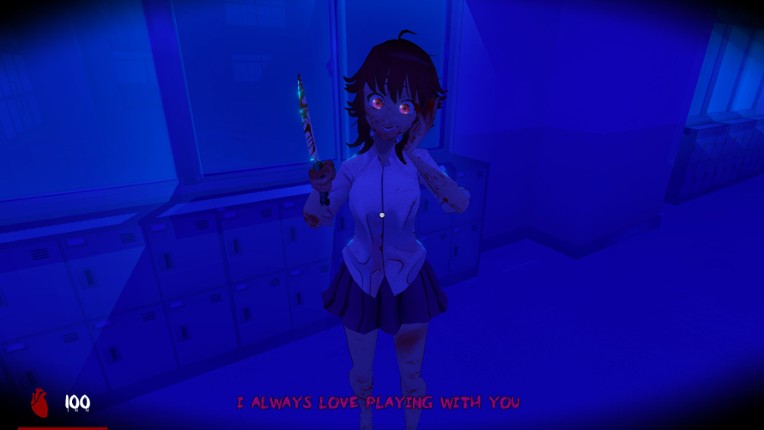
DESCRIPTIONS Saiko No Sutoka is a Horror Survival Game where you as a Protagonist must escape and avoid the crazy yandere girl who wants you dead. The Antagonist, Saiko Chan is a psycho Serial... If you enjoyed this game, see our list of games similar to Saiko no sutoka.
View Game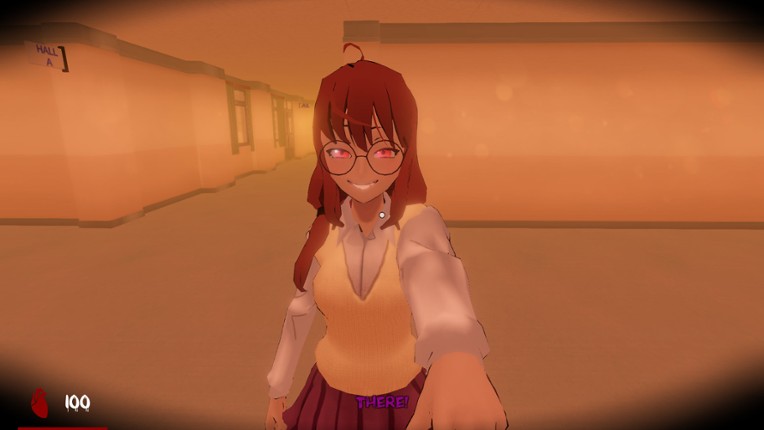
- 77%Game Brain ScoreMost mentioned positive aspects:story, gameplayMost mentioned negative aspects:stability, grinding78% User Score 1,914 reviewsCritic Score 70%1 reviews
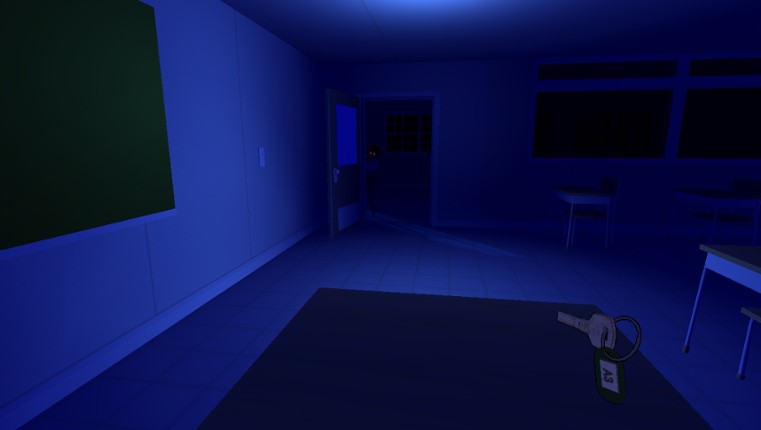
Song of Horror is a psychological horror adventure. Face the manifestations of the Presence, an unpredictable, eldritch AI that reacts to your way of playing: you won't experience two exact gameplays. Death is permanent: you may die, but the horror continues. If you enjoyed this game, see our list of games similar to SONG OF HORROR.
View Game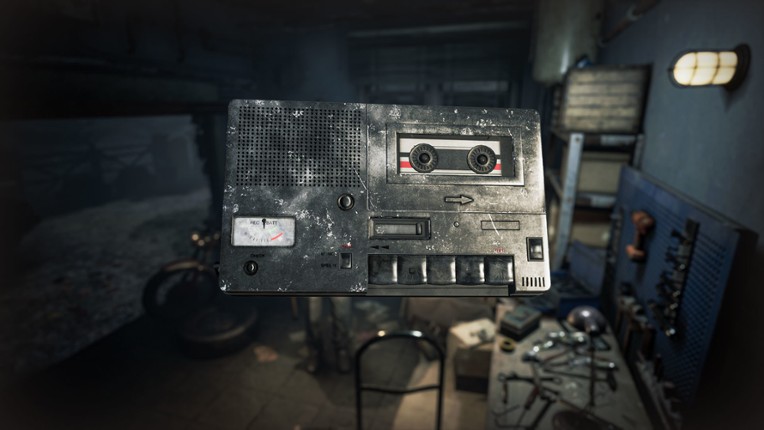
- 88%Game Brain ScoreMost mentioned positive aspects:story, emotionalMost mentioned negative aspects:gameplay, character development88% User Score 172 reviews
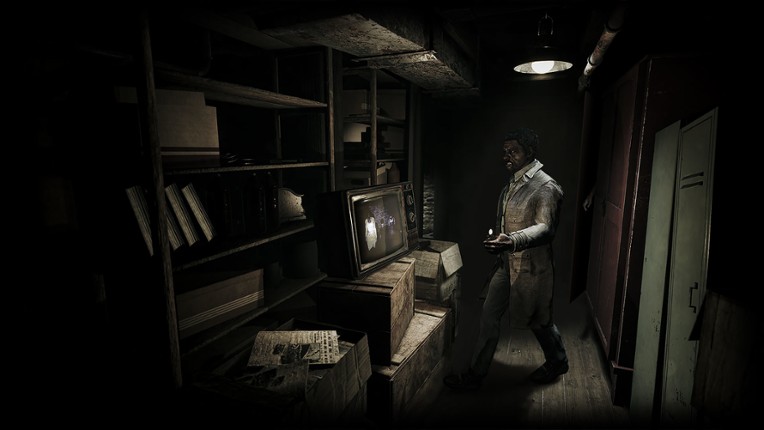
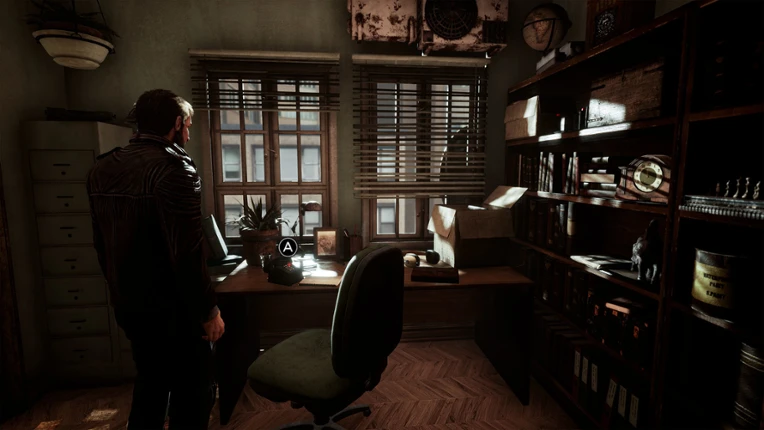
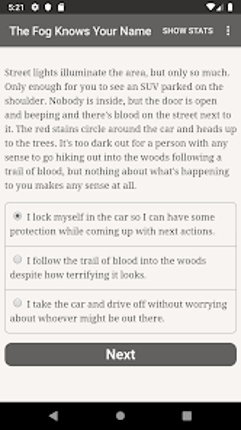
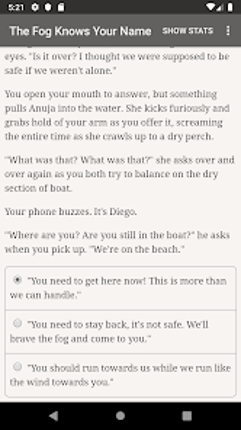
Step into the fog to confront your terror: the evil that hides within. If you enjoyed this game, see our list of games similar to The Fog Knows Your Name.
View Game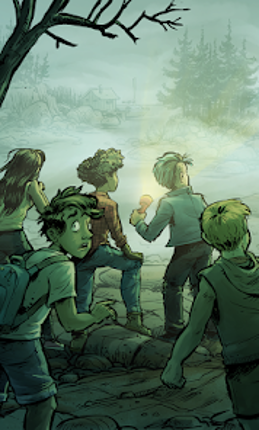
- 75%Game Brain ScoreMost mentioned positive aspects:story, musicMost mentioned negative aspects:grinding, stability85% User Score 2,354 reviewsCritic Score 65%16 reviews
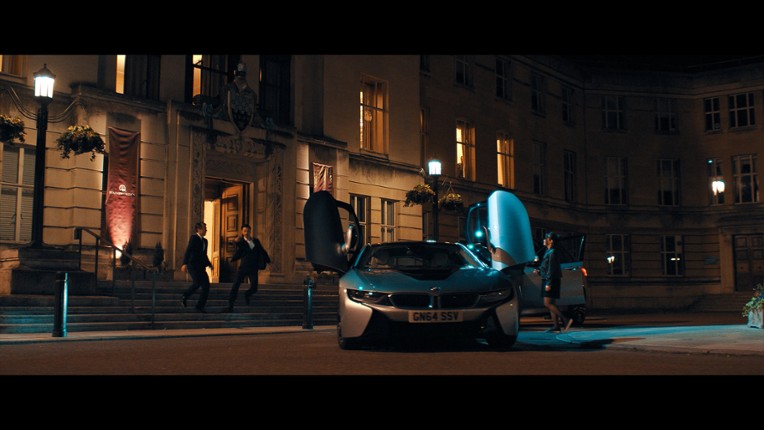
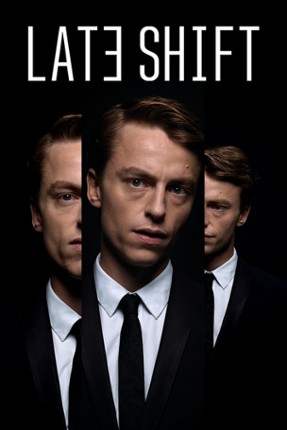
Both games anchor themselves on a single playthrough mechanic: your decisions actively reshape which scenes you see and which characters survive to the next chapter. This creates a fundamentally different experience from linear adventures—you're not just watching a story unfold, you're negotiating branching consequences that feel genuinely consequential.
Late Shift shares Until Dawn's commitment to cinematic presentation and strong ensemble performances, using real actors and high production values to ground tension in character believability. Where Until Dawn delivers horror through atmospheric dread and jump scares, Late Shift pursues it through crime thriller pacing and moral pressure—but the underlying design is identical: watch, choose, witness the fallout.
The key difference: Late Shift strips away quick-time events entirely, replacing action-reflex gameplay with pure dialogue and decision trees. For players frustrated by Until Dawn's occasional QTE dead-ends, this is a trade worth considering.
Best for players who valued Until Dawn's narrative branch structure over its survival mechanics, and who want to experience how story-driven games feel without momentum-breaking button prompts.
If you enjoyed this game, see our list of games similar to Late Shift.View Game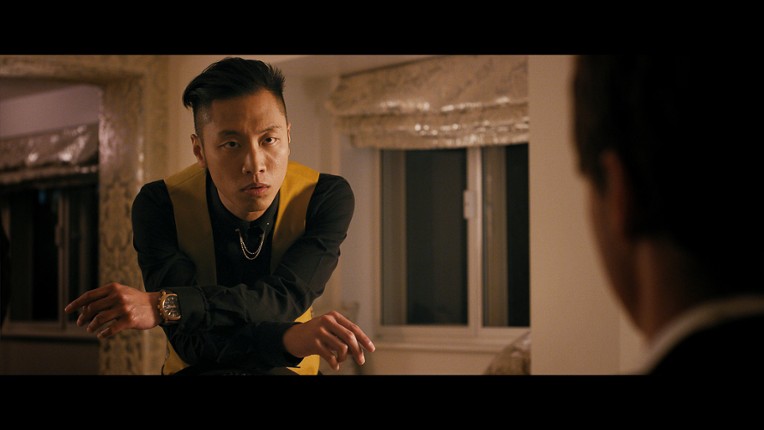
32 View Game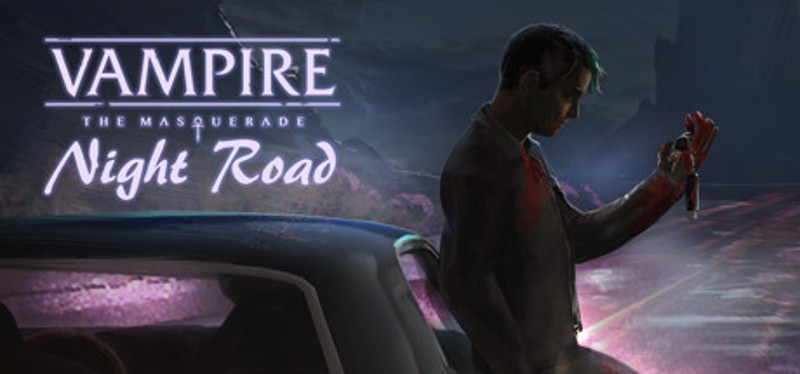 90%Game Brain ScoreMost mentioned positive aspects:story, gameplayMost mentioned negative aspects:grinding, stability90% User Score 928 reviewsLoosely connected through choice-based systems, this tabletop-inspired text adventure focuses on deep supernatural lore and world-building instead of cinematic interactive set pieces. If you enjoyed this game, see our list of games similar to Vampire: The Masquerade — Night Road.View Game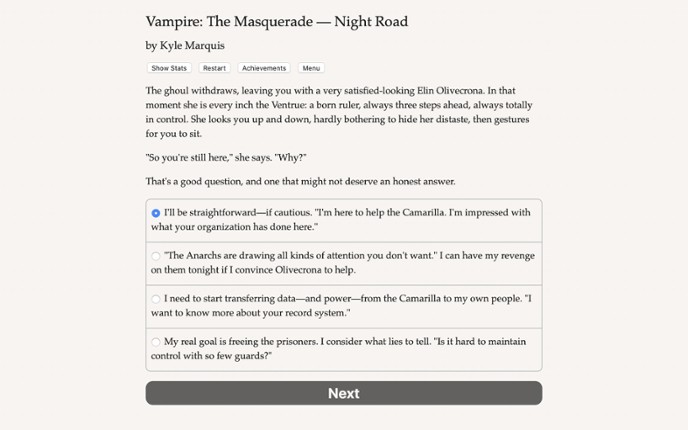
33 View Game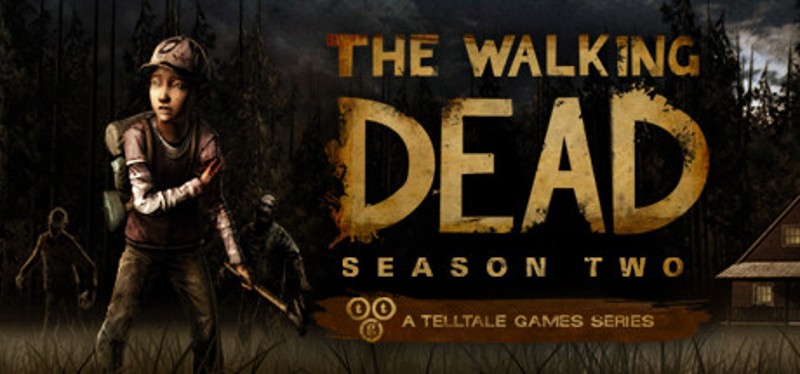 91%Game Brain ScoreMost mentioned positive aspects:story, emotionalMost mentioned negative aspects:stability, grinding96% User Score 15,784 reviewsCritic Score 81%4 reviews
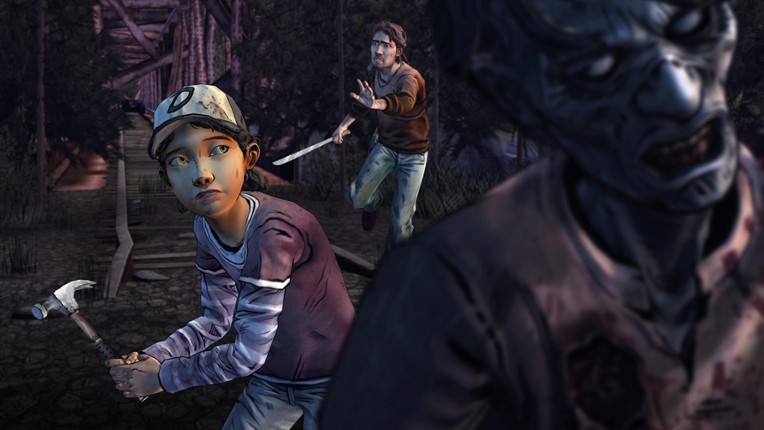
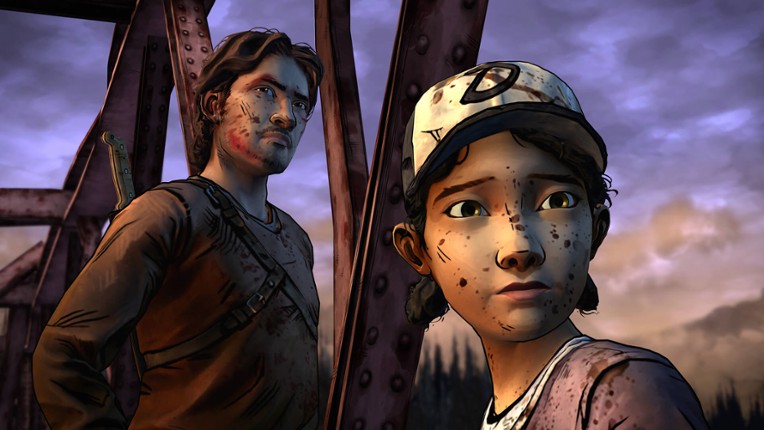
The sequel to 2012's Game of the Year continues the story of Clementine, a young girl orphaned by the undead apocalypse. Left to fend for herself, she has been forced to learn how to survive in an unforgiving world. Experience what it’s like to play as Clementine, meet new survivors, explore new locations and make gruesome decisions in this five-part game series of choice and consequence If you enjoyed this game, see our list of games similar to The Walking Dead: Season Two.
View Game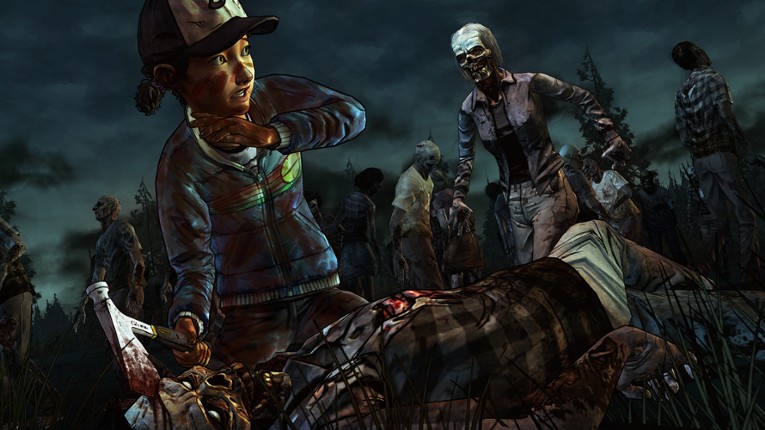
- 76%Game Brain ScoreMost mentioned positive aspects:story, gameplayMost mentioned negative aspects:grinding, optimization78% User Score 196 reviewsCritic Score 73%3 reviews
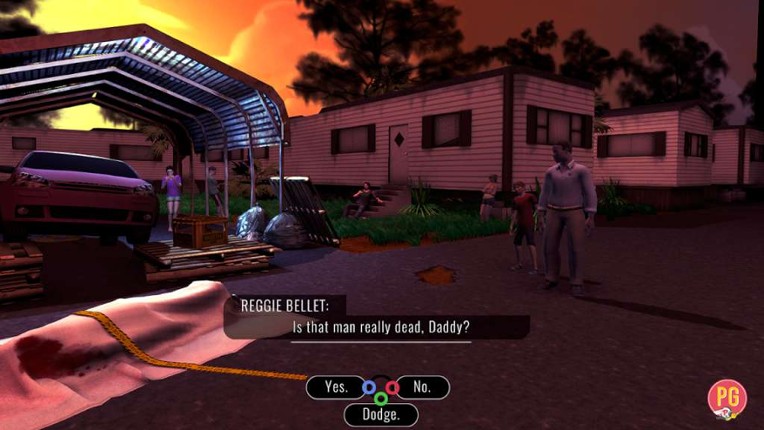
When a washed-up actor hangs himself on location, a spotlight is cast on the backwater Florida town of Cypress Knee. Your screen becomes a stage on which you investigate this mysterious death as three distinct characters. If you enjoyed this game, see our list of games similar to Knee Deep.
View Game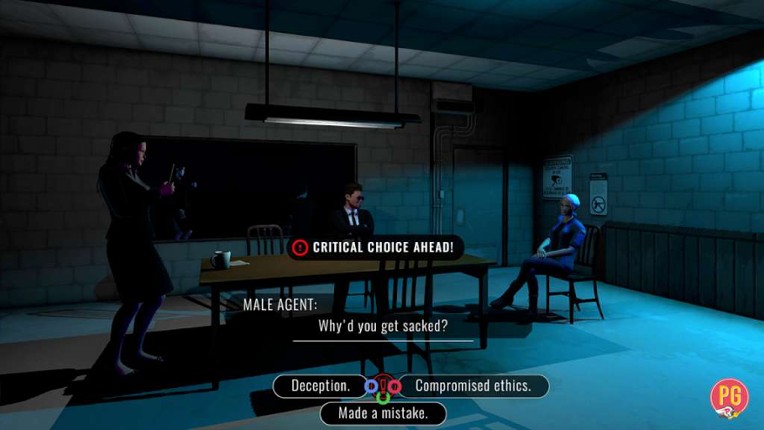

35 View Game 70%Game Brain ScoreMost mentioned positive aspects:story, gameplayMost mentioned negative aspects:stability, grinding70% User Score 5,054 reviews
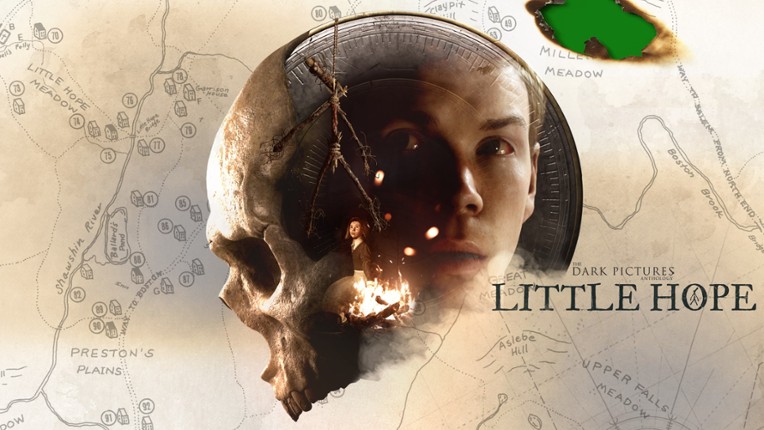
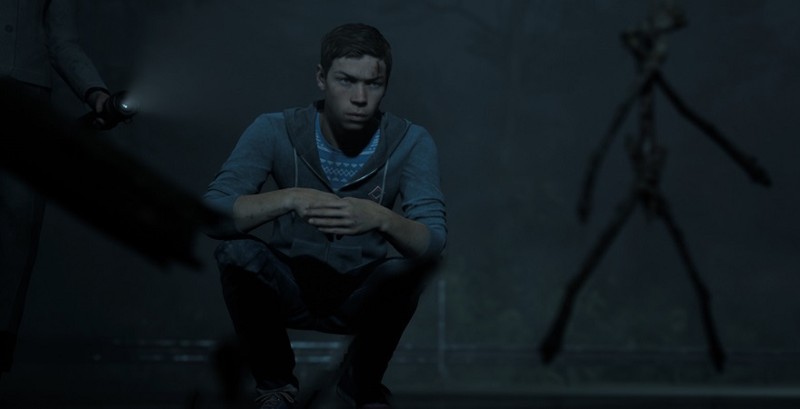
Trapped and isolated in the abandoned town of Little Hope, 4 college students and their teacher must escape the nightmarish apparitions that relentlessly pursue them through an impenetrable fog. If you enjoyed this game, see our list of games similar to The Dark Pictures Anthology: Little Hope.
View Game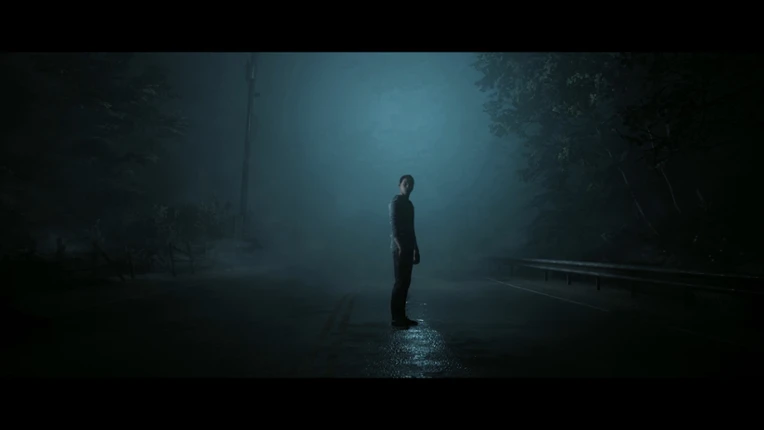
- 96%Game Brain ScoreMost mentioned positive aspects:story, graphicsMost mentioned negative aspects:monetization, stability96% User Score 526 reviews
Tiny Bunny is a non-linear horror visual novel. Those, who have heard the voice of the forest, are beyond help. If you enjoyed this game, see our list of games similar to Tiny Bunny.
View Game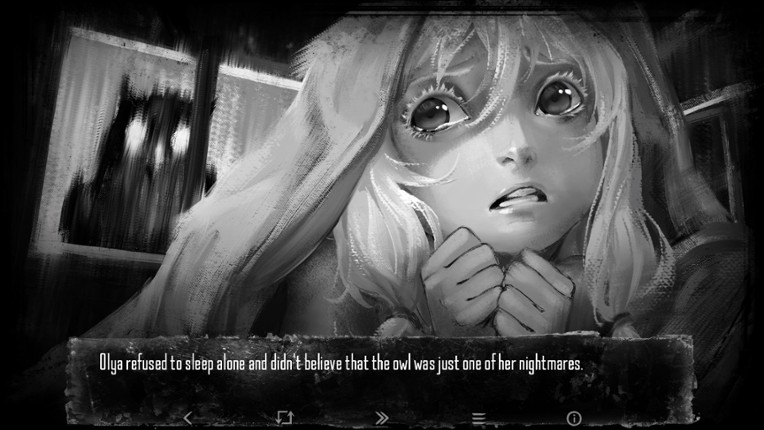
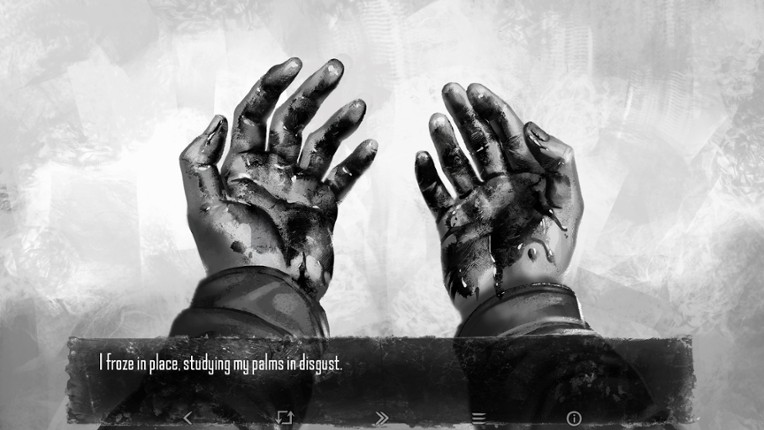
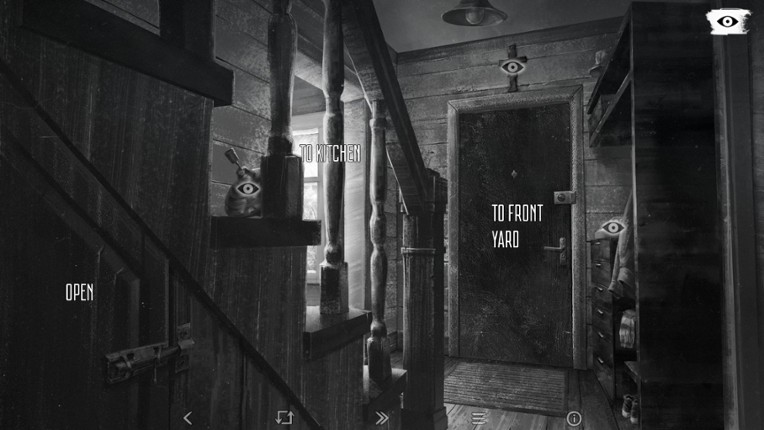
- View Game80%Game Brain ScoreMost mentioned positive aspects:story, graphicsMost mentioned negative aspects:music, gameplay88% User Score 42 reviews
Isabella - Chasing Shadows is an erotic thriller with adult elements. After the death of your fiancée, you’ll try to uncover the city’s darkest secrets. What connection does a ‘High Fashion’ model have to your fiancée’s death and can you protect those you care about? It’s up to you! If you enjoyed this game, see our list of games similar to Isabella: Chasing Shadows.
- 86%Game Brain ScoreMost mentioned positive aspects:story, optimizationMost mentioned negative aspects:music, gameplay91% User Score 45 reviews
An FMV horror-thriller. A famous fitness influencer must fight for survival when she's hunted by killers. Your decisions determine whether she lives or dies. If you enjoyed this game, see our list of games similar to The Run.
View Game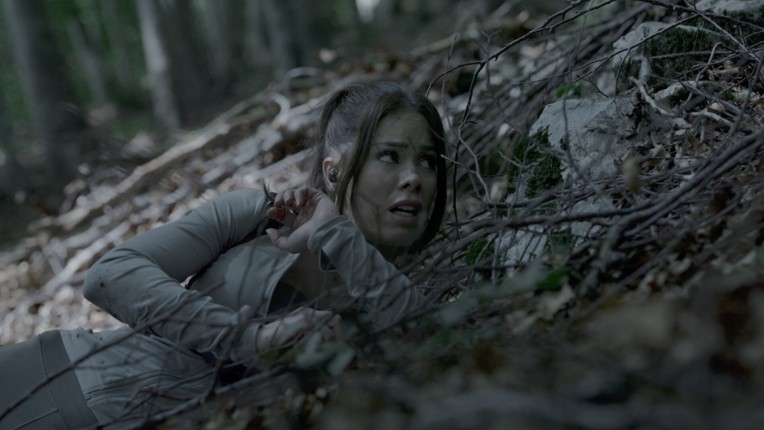
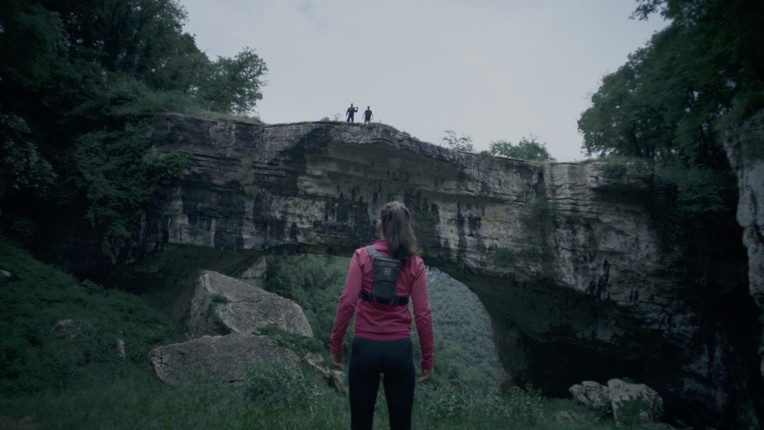
- 79%Game Brain ScoreMost mentioned positive aspects:story, atmosphereMost mentioned negative aspects:gameplay, music79% User Score 96 reviews
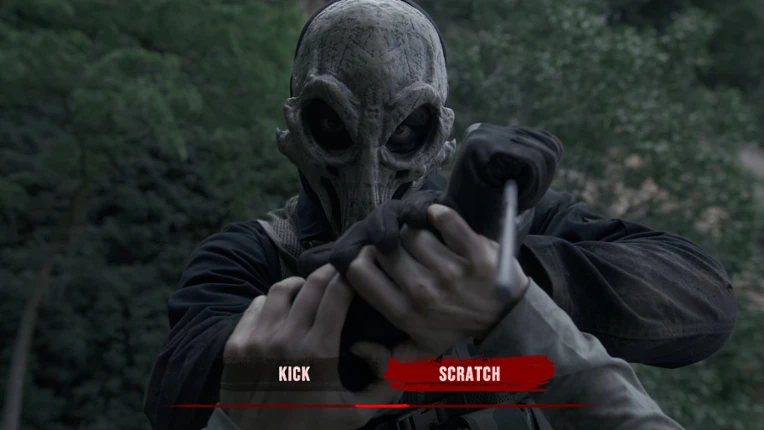
An ill-fated hiking trip into the Black Forest spirals into a chilling fight for survival in this interactive horror adventure. If you enjoyed this game, see our list of games similar to Heart of the Forest.
View Game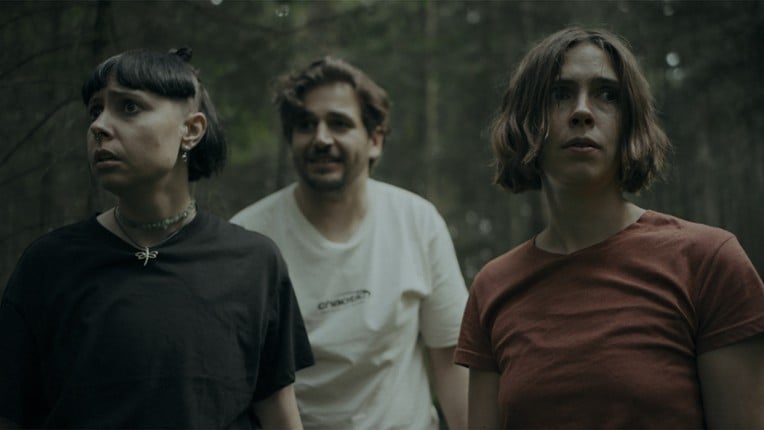
- 93%Game Brain ScoreMost mentioned positive aspects:story, gameplayMost mentioned negative aspects:grinding, stability93% User Score 10,797 reviews
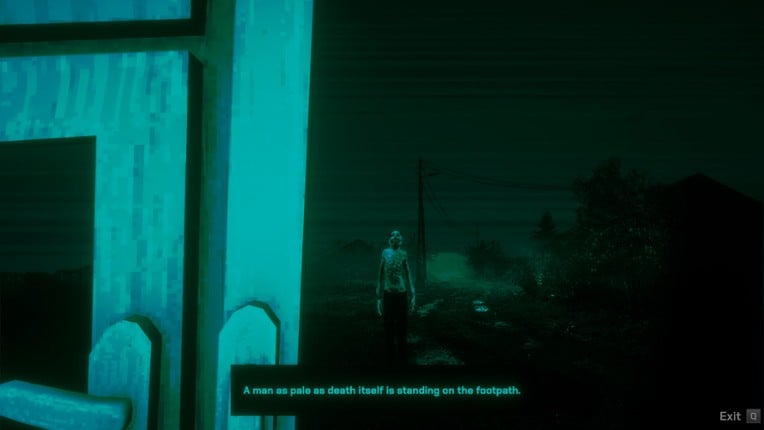
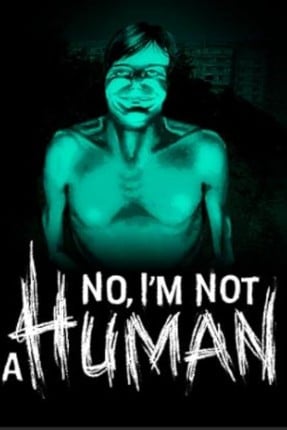
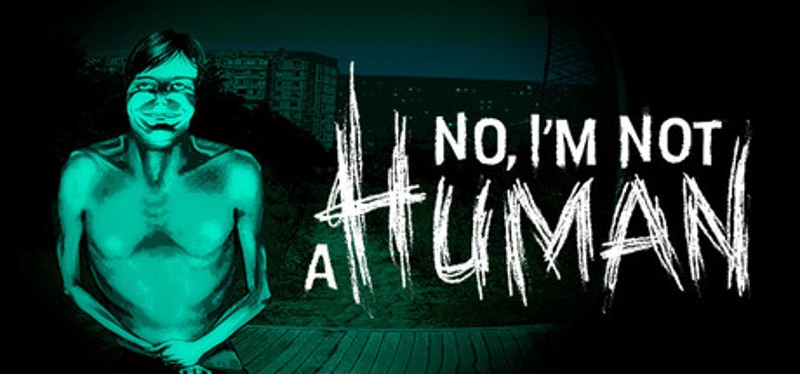
WARNING. Stay inside. Lock your doors. Close the blinds. Only let humans in. Eliminate all Visitors. An anxiety horror about paranoia in the End of Times. If you enjoyed this game, see our list of games similar to No I'm not a Human.
View Game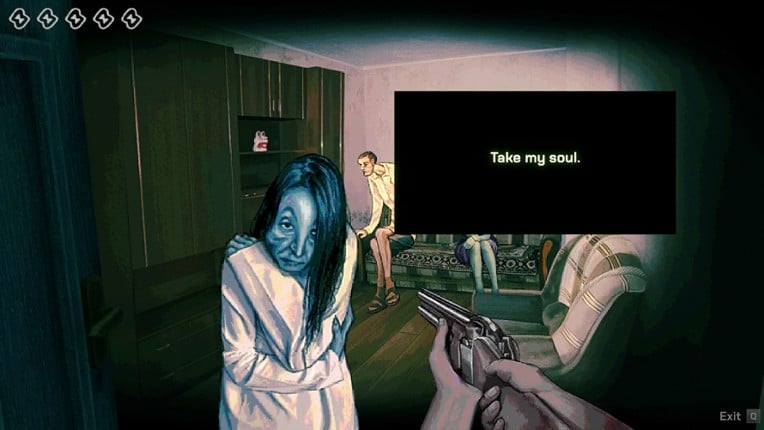
- 92%Game Brain ScoreMost mentioned positive aspects:story, emotionalMost mentioned negative aspects:music, atmosphere92% User Score 1,384 reviews
The fate of Taylor is in your hands - Your choices shape the story as you play! If you enjoyed this game, see our list of games similar to Lifeline: Silent Night.
View Game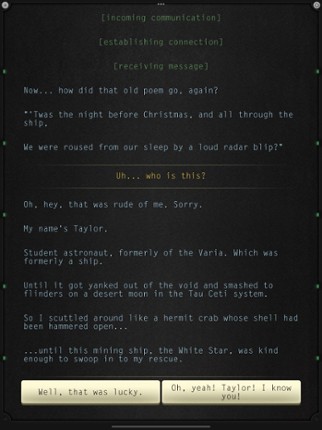
42 View Game 85%Game Brain ScoreMost mentioned positive aspects:story, gameplayMost mentioned negative aspects:grinding, stability89% User Score 420 reviewsCritic Score 70%1 reviews
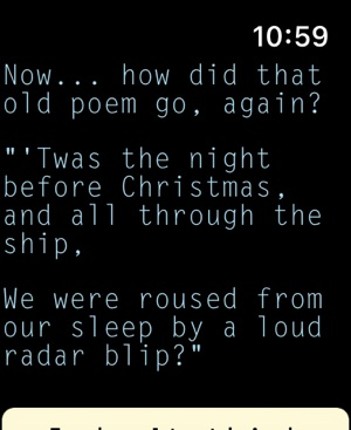
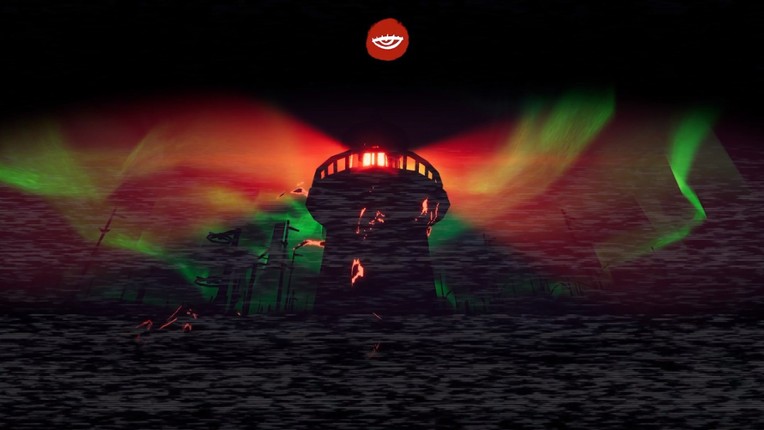
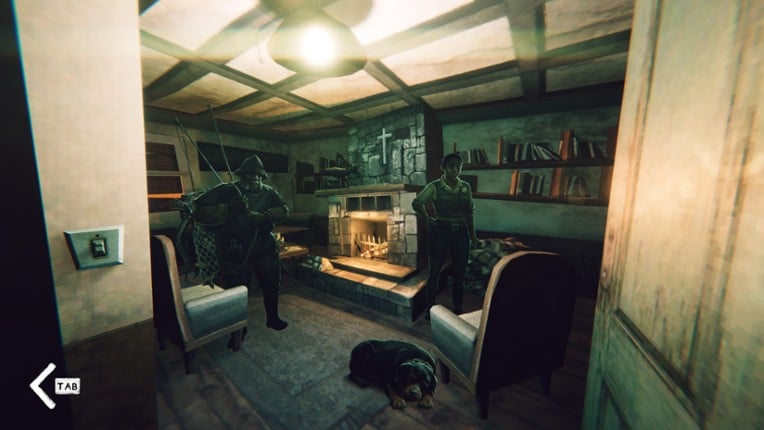
Lovecraft meets Papers, Please. Play as a lighthouse keeper and guide ships safely into the harbor using your radio. Survive the presence of something impossible, and don’t let the shadows consume you! If you enjoyed this game, see our list of games similar to Static Dread: The Lighthouse.
View Game
- 87%Game Brain ScoreMost mentioned positive aspects:story, atmosphereMost mentioned negative aspects:replayability, stability94% User Score 33,296 reviewsCritic Score 80%11 reviews
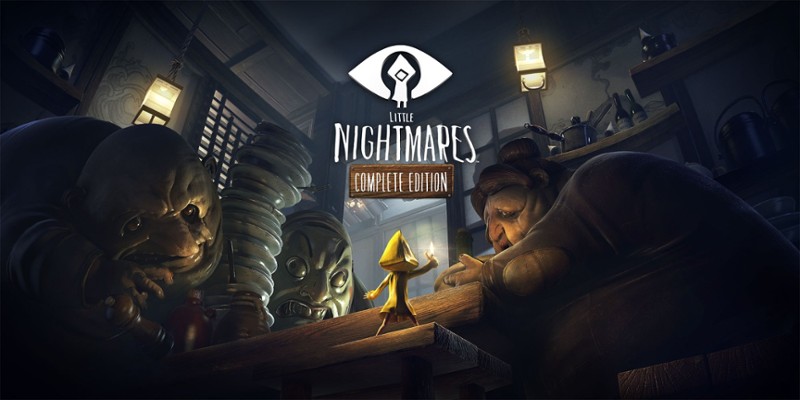
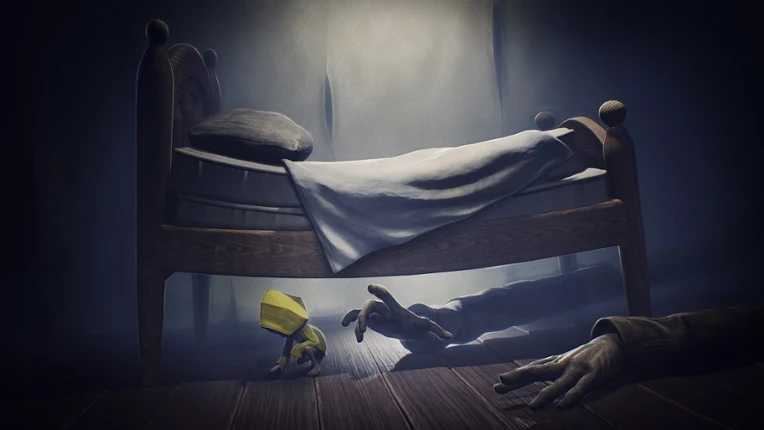
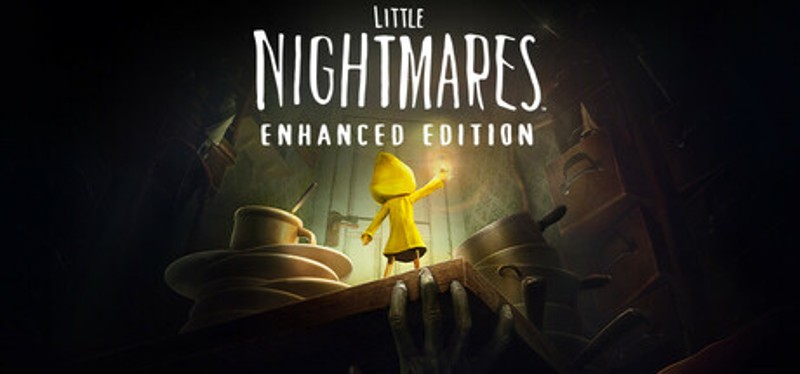
Re-Discover Little Nightmares, now enhanced in stunning 4K and 60 FPS. If you enjoyed this game, see our list of games similar to Little Nightmares.
View Game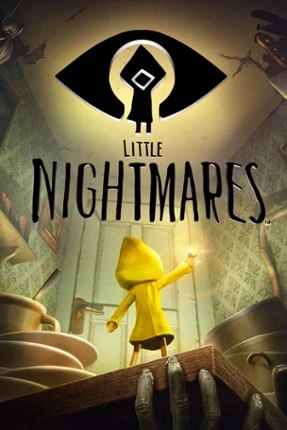
- 86%Game Brain ScoreMost mentioned positive aspects:story, gameplayMost mentioned negative aspects:replayability, stability86% User Score 496 reviews
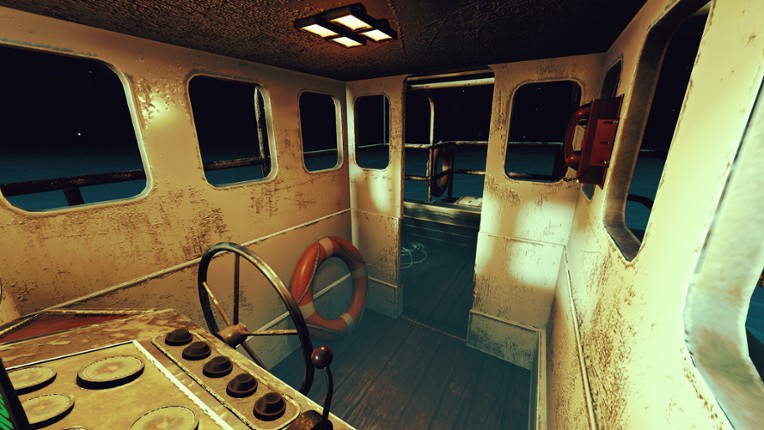
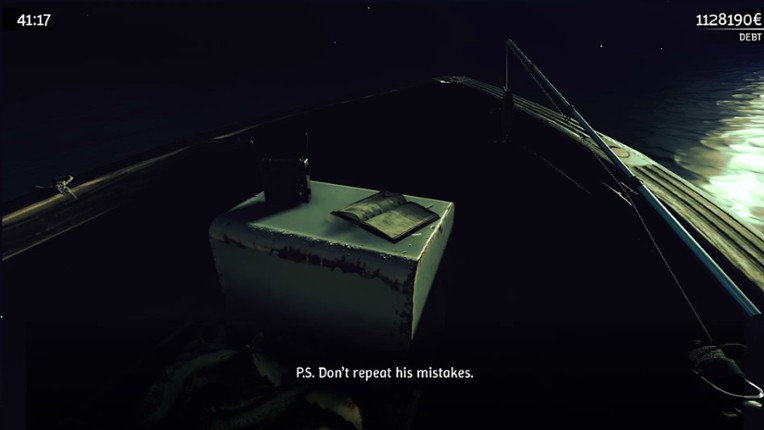
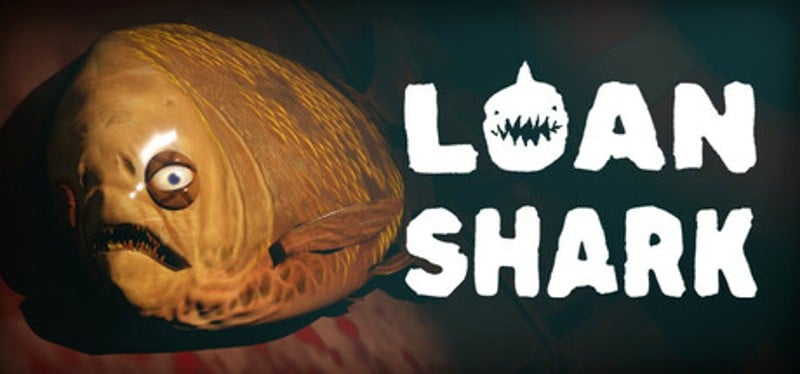
The loan shark is coming for you. Catch enough fish to repay your debt before it is too late. Go fish. If you enjoyed this game, see our list of games similar to Loan Shark.
View Game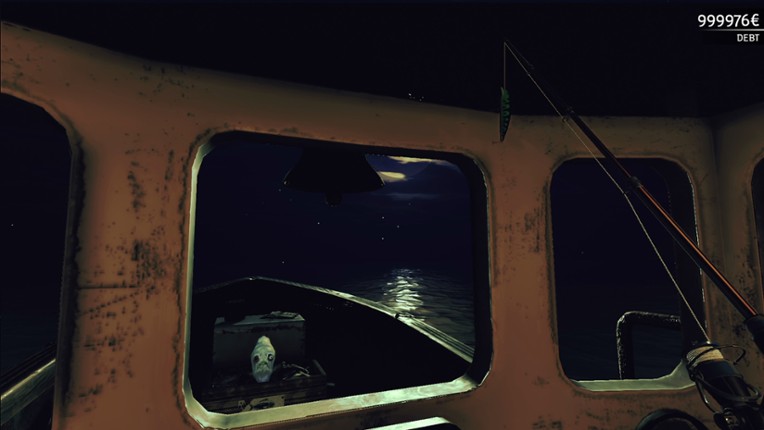
- 94%Game Brain ScoreMost mentioned positive aspects:story, gameplayMost mentioned negative aspects:music, stability97% User Score 260 reviewsCritic Score 80%1 reviews
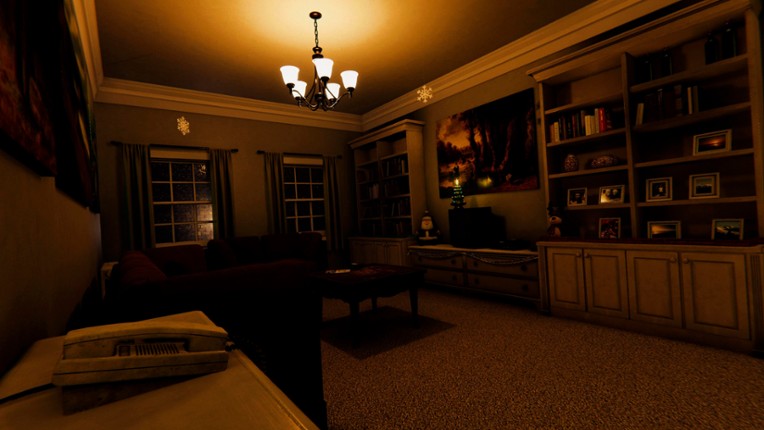
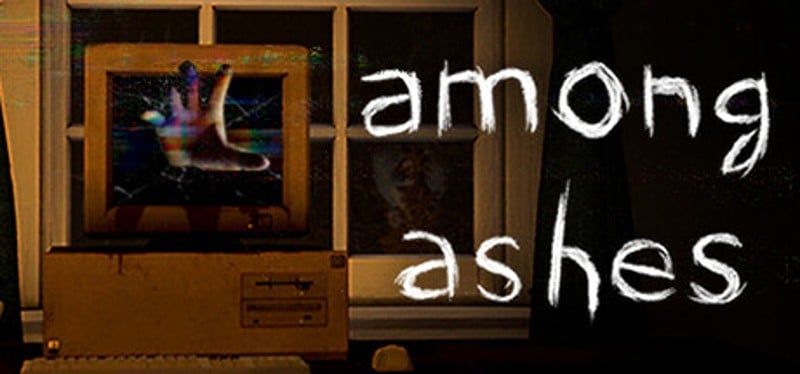
It's the year 2001 and your friend has sent you a link to a game that someone posted online, but as you play you quickly realise that something is terribly wrong. There's a dark presence in this game, and it wants to get out. As you fight nightmarish monsters and solve mind-bending puzzles, the lines between the game and the real world will fade away. Will you survive the night? Whatever you do…… If you enjoyed this game, see our list of games similar to Among Ashes.
View Game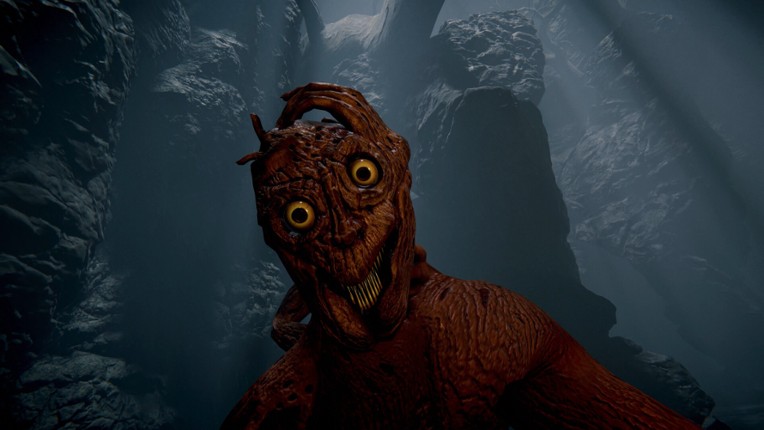
- 63%Game Brain ScoreMost mentioned positive aspects:story, atmosphereMost mentioned negative aspects:gameplay, graphics73% User Score 37 reviews
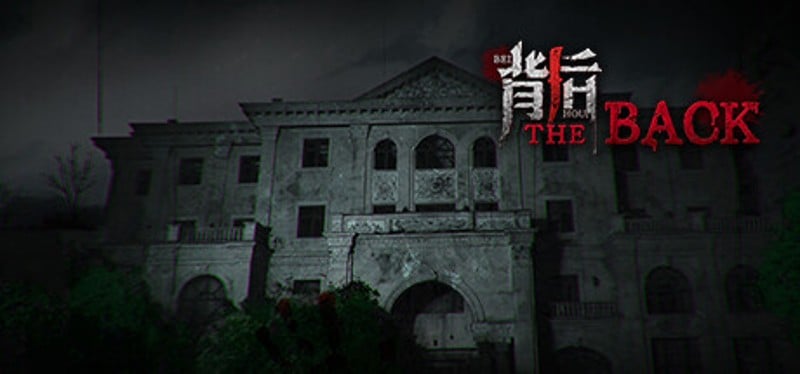
Back is a full-motion live action horror game. Players will take on the role of the “Ren Xing” and experience a suspenseful and bizarre journey in the game. In the game, the player will explore a huge villa. The villa hides a huge conspiracy, players will face different emergencies to choose different ways to respond, and different ways to respond will determine the final outcome. Ren Xing as a re… If you enjoyed this game, see our list of games similar to Back.
View Game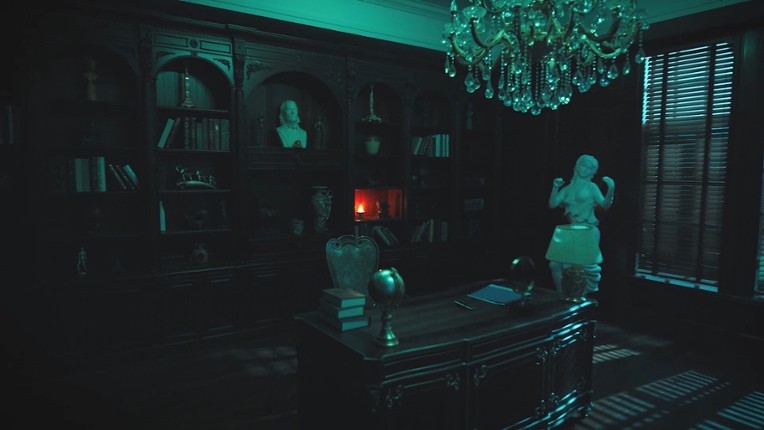
47 View Game
 71%Game Brain ScoreMost mentioned positive aspects:story, graphicsMost mentioned negative aspects:optimization, gameplayCritic Score 71%49 reviews
From the developers of Until Dawn... Enter the world of The Dark Pictures - A series of standalone cinematic horror games. Players will be challenged to explore and uncover each story with the knowledge that all their choices have consequences and all playable characters can live, any and all can die... Man of Medan is the first game in the Dark Pictures anthology, bringing supernatural horror… If you enjoyed this game, see our list of games similar to The Dark Pictures: Man of Medan.
View Game- 80%Game Brain ScoreMost mentioned positive aspects:humor, storyMost mentioned negative aspects:music, grinding89% User Score 2,356 reviewsCritic Score 57%3 reviews
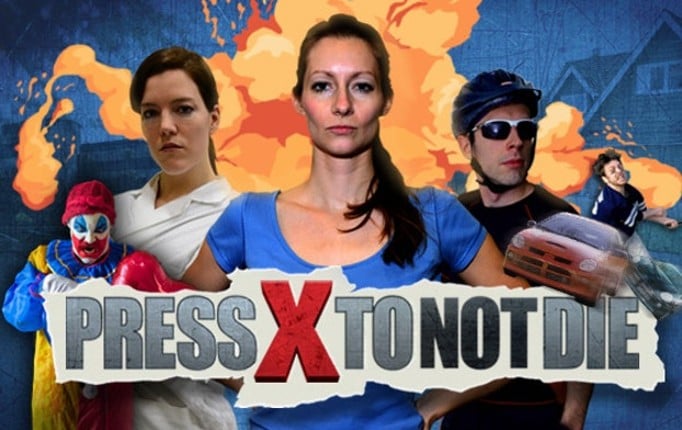
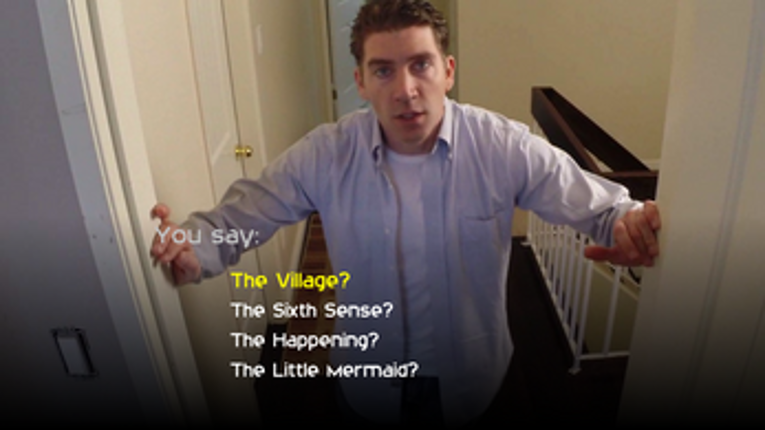
You wake up to find your town in chaos. Everyone has gone crazy and is just attacking each other! A cryptic message is the secret to survival-- Press X to not die! Survive the streets, find your girlfriend, find out what happened, and get the hell out of town in this thrilling live-action interactive movie adventure! If you enjoyed this game, see our list of games similar to Press X to Not Die.
View Game
- 86%Game Brain ScoreMost mentioned positive aspects:story, graphicsMost mentioned negative aspects:monetization, humor86% User Score 3,024 reviews
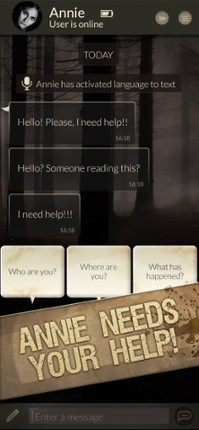
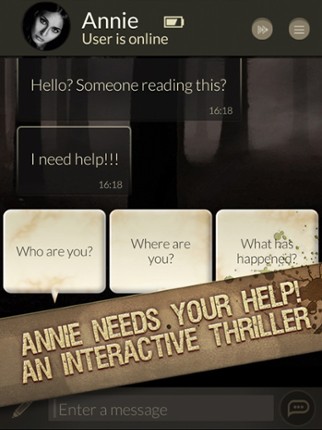
An interactive mystery thriller in the manner of a Messenger App If you enjoyed this game, see our list of games similar to Help Annie.
View Game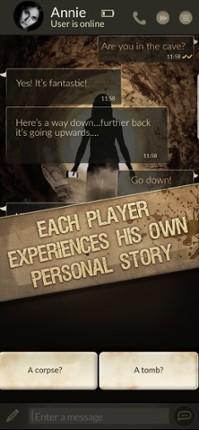
- 74%Game Brain ScoreMost mentioned positive aspects:story, gameplayMost mentioned negative aspects:grinding, stability75% User Score 7,968 reviewsCritic Score 70%4 reviews
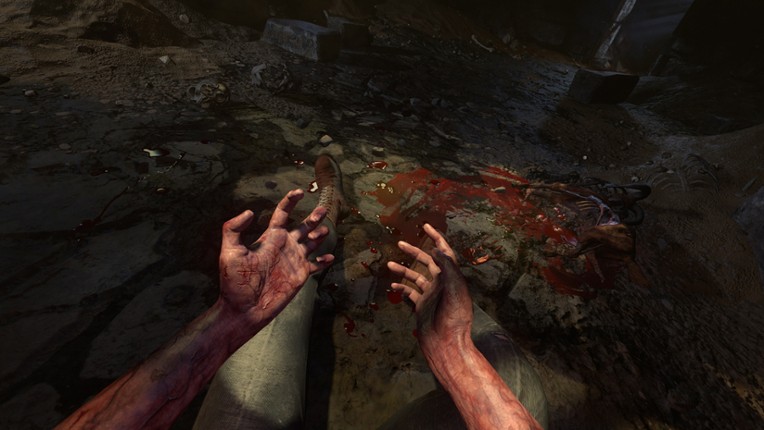
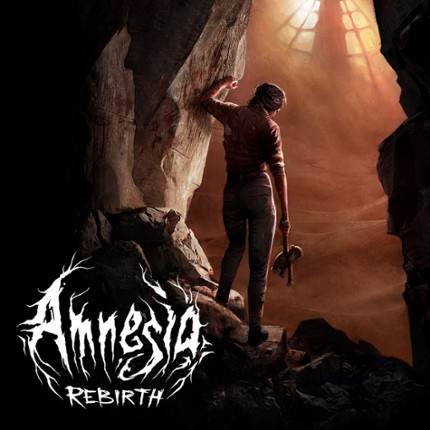
A first-person horror adventure. Uncover your past and survive the Algerian desert. Fear is your enemy; stay calm to not succumb to an illness threatening you and your loved one. Avoid darkness, hide from monsters and solve puzzles. Adventure Mode available for a less scary experience. If you enjoyed this game, see our list of games similar to Amnesia: Rebirth.
View Game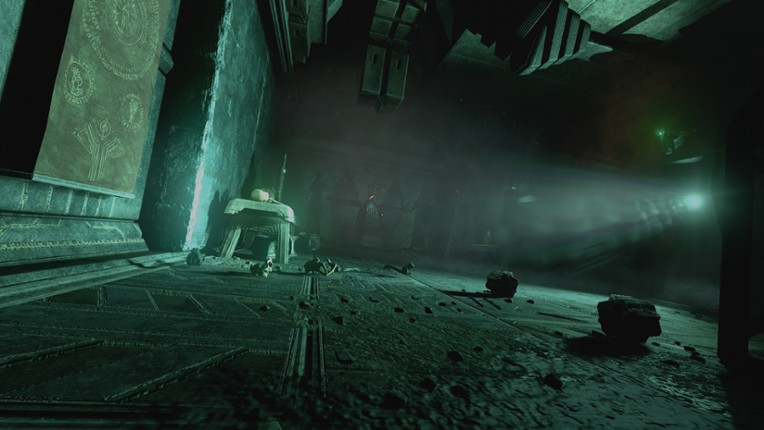


 View Game




















Frequently Asked Questions
The Letter delivers compelling storytelling with well-developed characters whose relationships evolve based on your choices. Late Shift offers cinematic FMV gameplay where your decisions genuinely shape the outcome. The Walking Dead combines emotional depth with choice-driven gameplay. All three prioritize narrative impact similar to Until Dawn's character-focused horror experience.
Lake of Voices is available free-to-play and features a branching narrative with multiple endings, high-quality voice acting, and atmospheric psychological horror. Like Until Dawn, your choices matter and encourage replaying to see different story outcomes. The visual novel format provides that same choice-based storytelling without the survival mechanics.
Late Shift, The Letter, and 1979 Revolution: Black Friday all emphasize meaningful choices that directly impact story outcomes. These games feature multiple endings determined by your decisions, creating high replayability. Unlike Until Dawn's action-horror blend, they're pure narrative experiences where every choice feels consequential and shapes your unique story path.
Mists of Aiden excels with effective jump scares and genuinely creepy environments that build psychological dread. Massacre At The Mirage captures an 80s slasher vibe with impressive sound design. Lake of Voices combines dark psychological horror with atmospheric storytelling. All three match Until Dawn's focus on sustained tension and immersive horror design.
Late Shift and Dead Reset both use full-motion video with real actors and cinematography similar to Until Dawn's presentation style. Late Shift features professional cinematography and acting, while Dead Reset adds practical effects and B-movie charm. Both deliver that cinematic, interactive movie experience Until Dawn pioneered in the horror genre.
The Letter features mature psychological horror with relatable, emotionally complex characters whose arcs change based on your choices. Mists of Aiden combines mature themes with a creepy supernatural story. Dead Reset offers strong cast performances enhancing its dark narrative. All three prioritize character depth alongside horror elements, matching Until Dawn's blend of character-driven drama and genre scares.