STEINS;GATE

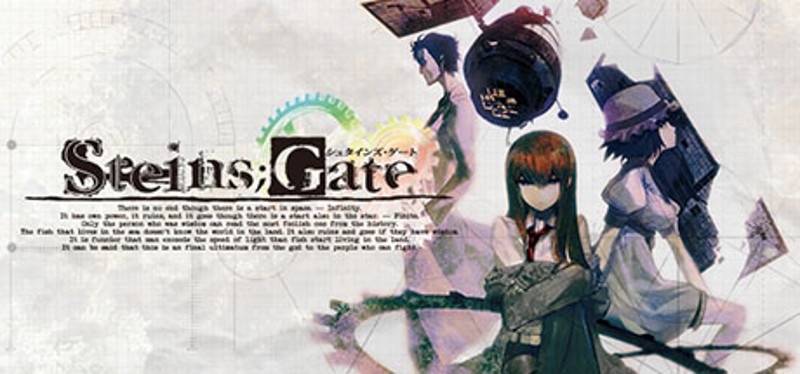
Steins;Gate is one of those stories that comes around once in a blue moon.  Its amazing hook factor coupled with its well fleshed out and engaging characters makes this one of the best science fiction stories of the modern era.
STEINS;GATE Game Cover
91%Game Brain Score
story, music
grinding, replayability
96% User Score Based on 5,188 reviews
Critic Score 80%Based on 9 reviews

Platforms

Playstation 3Xbox 360AndroidPlaystation 4XboxiPhoneWindowsPlayStationPlaystation VitaPCTabletPhoneiPadMobile PlatformPSP
STEINS;GATE Game Cover

About

STEINS;GATE is a single player survival role playing game with fantasy, mystery, anime, historical and others themes. It was developed by MAGES. Inc. and was released on September 8, 2016. It received mostly positive reviews from critics and overwhelmingly positive reviews from players.

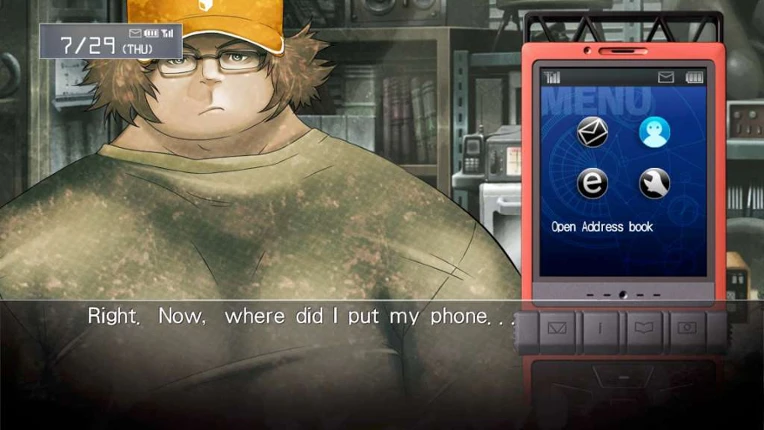
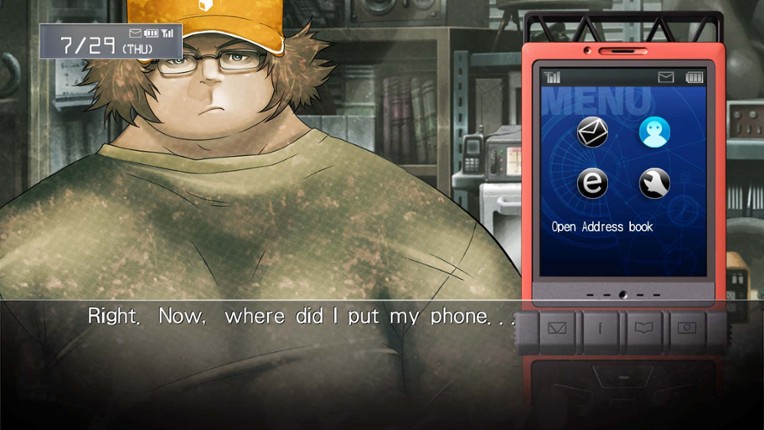
"Steins;Gate" is a single-player historical role-playing game with a unique atmosphere and wholesome story. Its masterful gameplay involves a phone trigger system, where player choices in calls and texts affect the outcome of the plot. This award-winning visual novel is known for its interesting plot, compelling visuals, marvelous soundtrack, and non-linear narrative with multiple endings.

Skip User Reviews

96%
Audience ScoreBased on 5,188 reviews
story1k positive mentions
grinding17 negative mentions

  • Incredible story with emotional depth and well-developed characters that resonate with players.
  • Unique time travel mechanics that are grounded in real scientific concepts, making the narrative compelling.
  • The visual novel format allows for a deeper exploration of characters' thoughts and relationships compared to the anime.
  • The pacing is slow, especially in the first half, which may deter some players from fully engaging with the story.
  • Certain character interactions and humor can feel outdated or uncomfortable, particularly regarding gender identity and relationships.
  • Reaching the true ending often requires a guide, as the necessary choices are not always clear.
  • story
    2,638 mentions Positive Neutral Negative

    The story of "Steins;Gate" is widely praised for its intricate and emotionally resonant narrative centered around time travel, exploring themes of friendship, sacrifice, and the consequences of one's actions. Players are drawn into a slow-burn plot that gradually escalates into a gripping thriller, with well-developed characters and multiple endings that enhance the overall experience. While some find the pacing slow at the beginning, the payoff in character depth and plot twists makes it a compelling journey that resonates long after completion.

    • “Steins;Gate is a masterclass in visual novel storytelling, weaving a rich tapestry of science fiction, suspense, and human emotion that transcends its medium to become one of the most celebrated narratives in gaming.”
    • “The story is amazing, well-structured, and masterfully executed.”
    • “This story is so good it transcends above all the negative aspects.”
    • “The pacing is all over the place: many chapters that should be focused on progressing the story just digress and forget any sense of urgency despite time being the central idea of the story.”
    • “The first half of the story is more or less the cast hanging out while experimenting with time travel and during this half it is a relatively chill game.”
    • “The story starts off slow but the character development is very important.”
  • music
    443 mentions Positive Neutral Negative

    The music in the game has received widespread acclaim for its exceptional quality and emotional resonance, enhancing the overall experience with a diverse range of tracks that perfectly complement the narrative's tone. Many reviewers highlighted the soundtrack's ability to evoke strong feelings during key moments, with specific praise for memorable themes like "Gate of Steiner" and contributions from artists such as Kanako Ito. Overall, the music is considered a standout feature, significantly contributing to the game's immersive atmosphere and storytelling.

    • “The soundtrack is breathtaking, perfectly capturing the story’s emotions and leaving a lasting impression long after the game ends.”
    • “The music hits hard at some points in the game with 'Gate of Steiner' and 'Believe Me'.”
    • “The soundtrack is superbly attuned to the game’s register, supporting tension and tenderness with equal skill.”
    • “Just a story punctuated by solid art and some soul-destroying music.”
    • “The music is repetitive at times and I absolutely hate the cicadas sound effect in the game.”
    • “The music is incredibly generic and fails to set any sort of interesting tone.”
  • emotional
    369 mentions Positive Neutral Negative

    The emotional aspect of "Steins;Gate" is widely praised, with players describing it as a profound and heart-wrenching journey that evokes a range of feelings, from laughter to tears. The narrative intricately weaves themes of love, sacrifice, and the consequences of time travel, leading to impactful character development and emotional payoffs that resonate deeply with players. Many reviewers noted that the slow buildup in the early chapters enhances the emotional weight of the story, making the eventual twists and endings all the more devastating and rewarding.

    • “The way Steins;Gate presents the moral and existential conundrums its characters must grapple with is masterful, and the choices that must be made along the way are heart-wrenchingly painful.”
    • “Steins;Gate is a genre-defining visual novel and a narrative masterpiece that fully earns its reputation for emotional impact.”
    • “The bonds you witness are so strong that the emotional journey, leading to the 'tear-inducing' moments, feels earned and devastatingly profound.”
  • gameplay
    254 mentions Positive Neutral Negative

    The gameplay of *Steins;Gate* is primarily text-based, characteristic of visual novels, with minimal interactive elements centered around a phone mechanic that allows players to send messages and make choices that influence the narrative. While some players appreciate the unique approach to decision-making and the depth of the story, many criticize the lack of traditional gameplay, describing it as more of a reading experience than a game. Overall, the game excels in narrative complexity and character development, but its slow pacing and limited interactivity may not appeal to those seeking more action-driven gameplay.

    • “The time-travel mechanics are brilliantly woven into the story, with each choice carrying weight and sending ripples that can drastically alter the narrative.”
    • “I also loved the phone mechanics - it’s a subtle choice system, very different from the in-your-face decisions of traditional visual novels, and it really made you feel like you were interacting with the world through your own phone.”
    • “The game introduces the concept of 'world lines' and causality through a fictional but convincing scientific framework, using its central mechanic, the d-mail (a system for sending messages to the past), to explore the butterfly effect on both large and intimate scales.”
    • “So yeah, the gameplay of this game is practically non-existent; some may go as far as to say it's not even a game at all.”
    • “Mechanically, the phone trigger system — meant to influence branching paths — is unintuitive and barely explained.”
    • “The gameplay is too simple; you're supposed to read the dialogues and, at times, respond to messages.”
  • graphics
    225 mentions Positive Neutral Negative

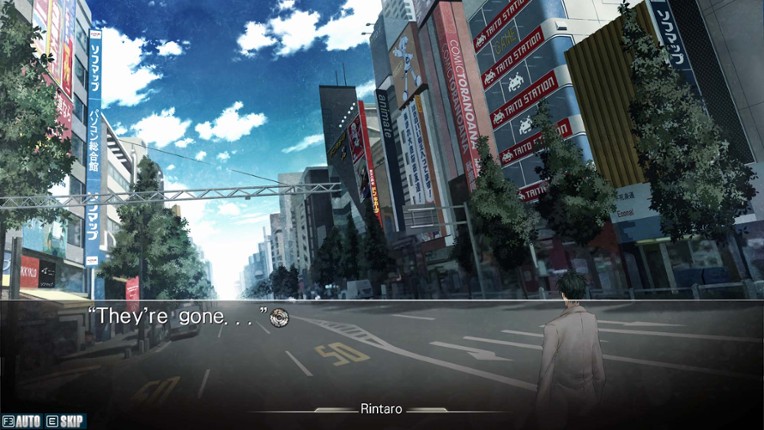
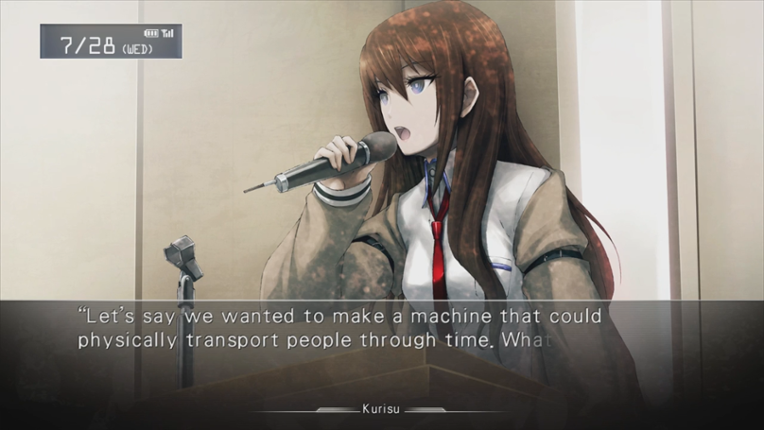
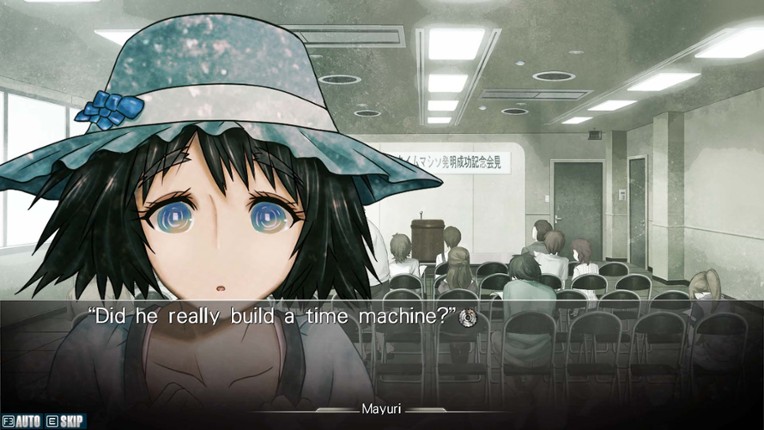
    The graphics of the game are widely praised for their unique and beautiful art style, which enhances the overall atmosphere and storytelling. Many reviewers appreciate the detailed character designs and backgrounds, noting that the visuals contribute significantly to the immersive experience. While some find the art style initially jarring, it ultimately becomes a beloved aspect of the game, with comparisons made to both traditional visual novels and the anime adaptation.

    • “The game's art style is top-notch, combining detailed backgrounds and captivating character designs that perfectly complement the story.”
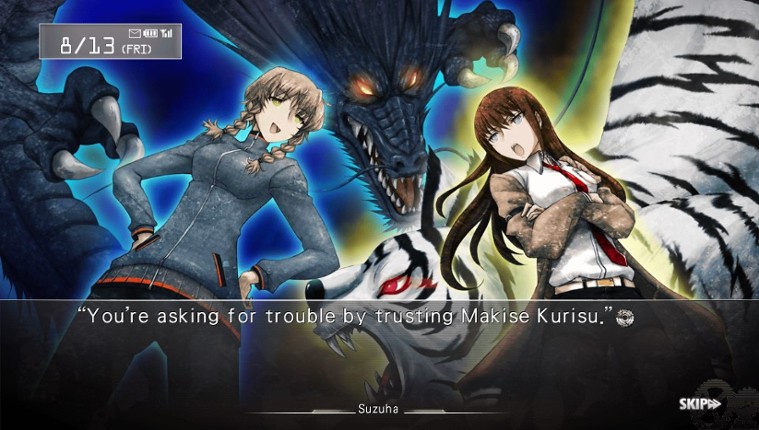
    • “Visually, Steins;Gate utilizes a distinct and atmospheric art style—dark, soft-colored palettes and heavy shading convey a sense of realism tinged with melancholy.”
    • “The art style is beautiful, the voice acting is spot on, and the text feels natural when read.”
    • “The graphics are what you would expect from any manga/anime visual novel type game, no real animations to speak of and the story is presented mostly through audio/text, but if that's the kind of thing that might turn you away from buying this gem, I'd ask you to reconsider - the story here is top shelf and better than most anything being produced in film/television today.”
    • “The art style is somewhat jarring to begin with, with every character being shaded like they're under a tree.”
    • “But the original VN version really is by no means as visually appealing as the anime or the extra version of this, but I personally grew to love the stylized artworks of the characters.”
  • humor
    151 mentions Positive Neutral Negative

    The humor in this visual novel is a blend of clever, heartfelt moments and over-the-top, sometimes cringey anime tropes, resulting in a unique experience that oscillates between laughter and emotional depth. Many players appreciate the sharp dialogue and character dynamics, finding the humor both entertaining and integral to the story, while others note that the reliance on certain clichés may detract from immersion. Overall, the game successfully balances comedic elements with serious themes, making it a memorable and engaging experience.

    • “The humor is genuine and the rhythm of everyday life is perfectly balanced with the future storm of tragedy.”
    • “The dialogue is sharp, often hilarious, and occasionally devastating, capturing both the warmth of friendship and the horror of watching those bonds strain under the weight of time travel’s consequences.”
    • “It's funny yet serious, with impeccable storytelling and immersion.”
    • “The cringey, childish humor and slow-paced opening didn't exactly win me over, but at the same time I found myself largely entertained by the character dynamics and intrigued by how well real-world science concepts were integrated into the fictional time travel plot.”
    • “Beneath all that cringey humor (that somehow grew on me lol) was a cohesive, thought-provoking story that made me feel more emotional than most of the 100+ novels I’ve read (as per my Goodreads shelf).”
    • “The side cast is a mix of unfunny, clichéd anime tropes, with the major actors being a dumb happy-go-lucky girl whose major defining traits are being dumb and happy-go-lucky, a supposedly genius engineer and hacker constantly acting like a dangerous sexual molester, a psychotic super soldier so stupid she’d forget to eat or breathe if you didn’t tell her to, another psychotic super soldier which should solve all the plot within minutes of playing start but there’s another idiot I guess, the genius tough but shy girl that should sound conflicted but actually has an emotional disorder and is just made fun of by everyone else, writer included.”
  • character development
    78 mentions Positive Neutral Negative

    Character development is a standout feature in this visual novel, with many reviewers praising its depth and emotional resonance. The gradual and meaningful growth of characters, particularly the protagonist, enhances player investment in the story, making the eventual outcomes feel satisfying. While some critiques mention pacing issues and filler content, the overall consensus is that the character arcs are well-crafted and integral to the narrative experience.

    • “What I love is the exceptional character development, which is the absolute heart of the experience.”
    • “The character development and emotional build-up are done so well that you truly become invested in every choice and outcome, which makes finally reaching the true ending feel incredibly satisfying.”
    • “The story itself and character development were done with a lot of care, and it shows.”
    • “Granted, the first half of the game can be a little boring to some (especially to those who don't read books that much) as the story focuses heavily on world-building and character development through ways such as meaningless banter between the cast and uneventful situations.”
    • “While the game does have its strong moments, they are unfortunately drowned out by the excessive filler, breaking of characters later in the game, otherwise lacking character development, and ever increasing number of plot holes as the story progresses.”
    • “12 hours in and the story and character development hasn't picked up enough for me.”
  • atmosphere
    38 mentions Positive Neutral Negative

    The atmosphere of the game is widely praised for its immersive quality, enhanced by a distinct art style, engaging soundtrack, and well-crafted dialogue that evoke a range of emotions. Many reviewers note the combination of visual and auditory elements creates a unique and captivating environment, though some feel that changes from the original anime diminish its original sense of loneliness. Overall, the game's atmosphere is considered a key factor in its storytelling and emotional impact, making it a compelling experience for players.

    • “The atmosphere is immersive in a way few narrative games achieve: you quickly stop reading and begin inhabiting a place.”
    • “There is just no way to describe it; the atmosphere of intrigue and raw emotions that ooze from just about every crevice of the game is something that is to be experienced, not described.”
    • “They cut out a lot in elite to appeal to people who have only watched the anime, and it honestly ruins part of the lonely atmosphere from this original version.”
    • “It's fun, but playing it after watching the anime somewhat diminishes the drama and the atmosphere.”
    • “The atmosphere set up by the dialogue, the visuals, and the situation-based music is second to none.”
  • grinding
    19 mentions Positive Neutral Negative

    The grinding aspect of the game is widely criticized for being tedious and overly time-consuming, with players noting that achieving the multiple endings often feels like a chore rather than an engaging experience. While some appreciate the depth of the story and character development that emerges after significant effort, many find the progression slow and frustrating, leading to a sense of burnout. Overall, the grinding is seen as a major drawback that detracts from the enjoyment of the narrative.

    • “It can be a bit grindy sometimes, but the rewards make it worth it.”
    • “You'll need a second life for grinding, but the sense of achievement is incredible.”
    • “There are 6 endings to achieve in this visual novel, it's worth exploring each one, but how you achieve these endings can be very tedious, especially #6. If you decide to go on this journey, you should save every 10 minutes as the minute details you make change which ending you get after 50 hours of playing.”
    • “But the journey to those highs is long, meandering, and too often tedious.”
    • “Getting the true ending is too tedious and none of the alternatives are satisfying in the least; I think the story is more enjoyable as a completely linear experience.”
  • optimization
    18 mentions Positive Neutral Negative

    The optimization of the game has received mixed reviews, with some users praising its smooth performance on devices like the Steam Deck, while others report issues such as battery drain, occasional freezes, and poorly optimized controls for mouse and keyboard. Although the voice acting is highly acclaimed, the overall port from console to PC shows signs of inadequate optimization, affecting user experience.

    • “Steam Deck: near perfect performance.”
    • “It is a game that runs smoothly on my laptop which is built for more of a browsing kind of system.”
    • “Every character's voice is fitting and the actors' performances are worth an award.”
    • “It seems unoptimized (drains my laptop battery faster than far more demanding games), locks up sometimes, and can even freeze on rare occasions, but as long as you save, you shouldn't ever lose more than a few minutes of progress.”
    • “The resolution tops out at 1080p, the menus are obviously not optimized for a mouse and keyboard and the mouse and keyboard controls are wonky to begin with (plus there's a delay in switching between the two), it doesn't alt tab well, etc. all the hallmarks of something that was poorly ported from a console to PC are here.”
    • “The game feels unoptimized overall, leading to performance issues that detract from the experience.”
  • replayability
    17 mentions Positive Neutral Negative

    The game offers significant replayability through its engaging mechanics, such as the d-mail system and branching paths, which encourage players to explore multiple endings and resolve unanswered questions. While some players appreciate the depth and complexity that invites repeated playthroughs, others note that the lengthy nature of the game may deter them from replaying after exhausting all plot lines. Overall, the presence of multiple endings and the ability to skip previously seen dialogue enhance the replay value for those invested in the narrative.

    • “Replay value flows from branching choices and the desire to resolve unanswered questions.”
    • “Several endings make sure there is quite a bit of replayability.”
    • “Great visual novel with loads of content, and several endings for plenty of replayability.”
    • “While it doesn't really matter otherwise, it does affect the replayability since the first half of the story will play the same way no matter what you choose.”
    • “I ended up watching the true ending on YouTube, because there was no way I was playing the whole thing again just because I sent a few 'wrong' SMS. This stuff takes 30+ hours and has no replay value.”
    • “The other potential negative would be replayability, as after completing all the routes, the only reason to play it again would be to re-experience the story, which, while I'm sure many people would enjoy doing this, is definitely not everyone's cup of tea.”
  • monetization
    5 mentions Positive Neutral Negative

    The monetization aspect of the game is heavily influenced by advertisements, with users noting that it serves as a significant promotional tool for brands like Dr. Pepper and microwaves. While some players appreciate the free access to content, such as the anime version on Crunchyroll, others express frustration with the ad interruptions and additional download requirements when changing language settings. Overall, the monetization strategy appears to blend promotional content with gameplay, eliciting mixed reactions from users.

    • “Just a big advertisement for microwaves.”
    • “So I just got tired of it and switched over to the anime version (it's free on Crunchyroll with ads at this time, but many choices as per your preference) that I'm doing much better with personally.”
    • “As for the ads, it is a nice game; however, there is a small bug: each time I change my language setting from Chinese to English, I have to download 1.6 GB.”
  • stability
    4 mentions Positive Neutral Negative

    The game exhibits stability issues, with users reporting occasional crashes and various bugs and glitches, particularly when attempting to achieve the true ending or specific achievements. However, it generally runs well on a range of computer systems.

    • “Runs great on any computer.”
    • “Kind of buggy and crashes sometimes.”
    • “There are certain bugs and glitches if you try to reach the true ending or certain achievements.”
    • “Bugs and glitches.”
Skip Critic Reviews
Skip Game Offers

Buy STEINS;GATE

26h Median play time
28h Average play time
26h Main story
41h Completionist
9-50h Spent by most gamers
*Based on 32 analyzed playthroughs
Skip Videos

Videos

Skip Games Like STEINS;GATE

Games Like STEINS;GATE

STEINS;GATE 0 Image
Life is Strange Image
Disco Elysium: The Final Cut Image
The House in Fata Morgana Image
Anonymous;Code Image
Skip Game News
Skip FAQs

Frequently Asked Questions

STEINS;GATE is a survival role playing game with fantasy, mystery, anime, historical and others themes.

STEINS;GATE is available on PlayStation 4, iPhone, Windows, PC and others.

The main story can be completed in around 26 hours, while the entire game is estimated to take about 41 hours to finish. On average players spend around 28 hours playing STEINS;GATE.

STEINS;GATE was released on September 8, 2016.

STEINS;GATE was developed by MAGES. Inc..

STEINS;GATE has received mostly positive reviews from players and mostly positive reviews from critics. Most players liked this game for its story but disliked it for its grinding.

STEINS;GATE is a single player game.

Similar games include STEINS;GATE 0, Life is Strange, Disco Elysium: The Final Cut, The House in Fata Morgana, Anonymous;Code and others.