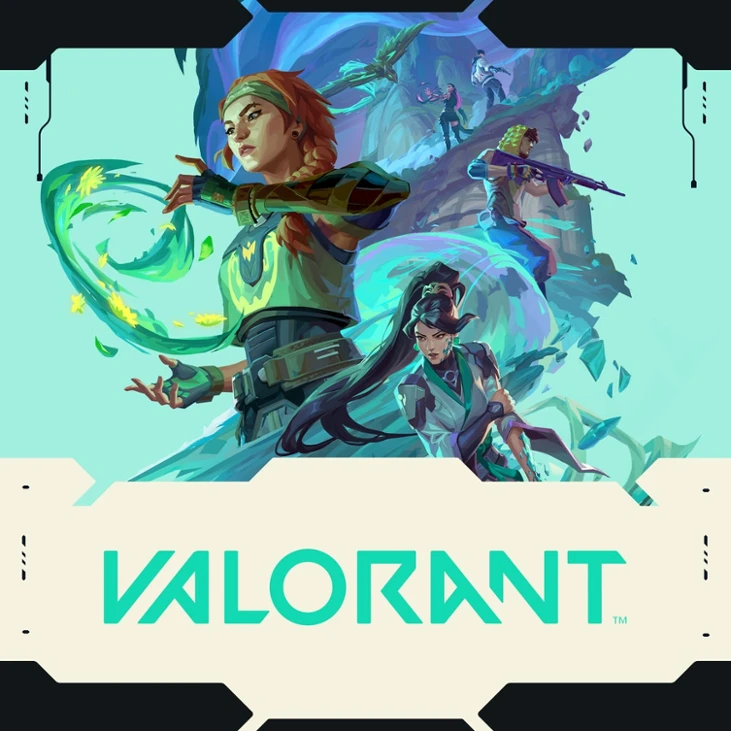


Games like VALORANT
If Valorant has its hooks in you — the tight first-person gunplay, the split-second ability decisions, the one-more-round pull of a well-matched competitive lobby — you're probably craving more of that same feeling. Searching for games like Valorant means you know exactly what you want: a shooter that rewards precision and tactical thinking in equal measure. The good news? There are some genuinely satisfying alternatives worth your time.
What sets Valorant apart is its precise marriage of classic tactical shooter fundamentals with hero-based ability systems. Each round is a micro-strategy puzzle — buy phase decisions, ability timing, site execution — wrapped around gunplay that demands real mechanical skill. The diverse Agent roster means no two players bring identical tools to a fight, yet the game remains readable and learnable. It's a competitive shooter built for players who want depth, not just reflexes.
What Makes a Good Alternative to Valorant?
- High skill ceiling with readable mechanics — Valorant rewards players who put in the time to improve, but its clear design makes progress feel visible. The best alternatives share that same learnable-but-deep quality.
- Tactical decision-making under pressure — Whether it's map control, ability economy, or team coordination, Valorant lives in the space where thinking fast beats just moving fast. Look for games that punish thoughtless play.
- Distinct character or role identity — Valorant's Agent roster gives each player a defined role that shapes team strategy. Alternatives with differentiated hero or class systems scratch the same itch.
- Competitive, team-based structure — The tension of a five-versus-five round where one mistake ends everything is core to Valorant's appeal. Games built around team PvP and asymmetric pressure deliver a similar rush.
- Satisfying gunplay or core combat loop — Valorant's shooting feels deliberate and weighty. Alternatives worth your time should have a combat system that makes every kill feel earned, not accidental.
Top Picks If You Enjoyed Valorant
Due Process offers procedurally generated maps that force fresh tactical planning every match. Secret Ponchos blends shooter and fighting-game DNA with a punishing skill ceiling. Impaler delivers tight, mastery-driven combat in a fast arena format. Samurai GUNN brings that same read-your-opponent intensity to lightning-fast local multiplayer. Cowboy 3030 scratches the hero-shooter itch with a deep progression system and satisfying gunplay.
Every recommendation below is ranked by similarity to Valorant using real player data — so the closest matches appear first. Browse the full list to find your next competitive obsession.
- 77%Game Brain ScoreMost mentioned positive aspects:gameplay, graphicsMost mentioned negative aspects:stability, monetization75% User Score 12,270 reviewsCritic Score 90%1 reviews
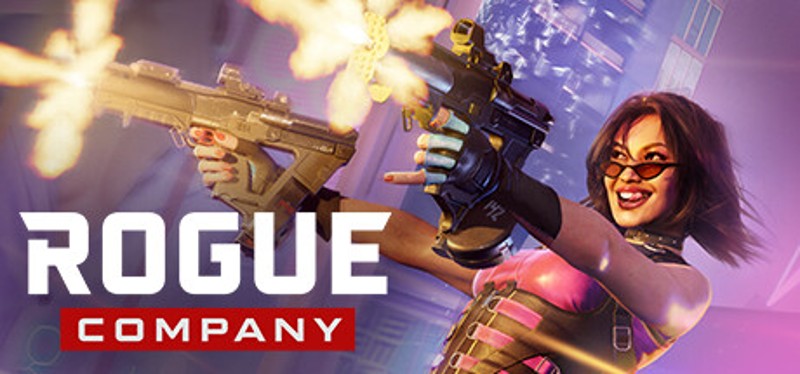
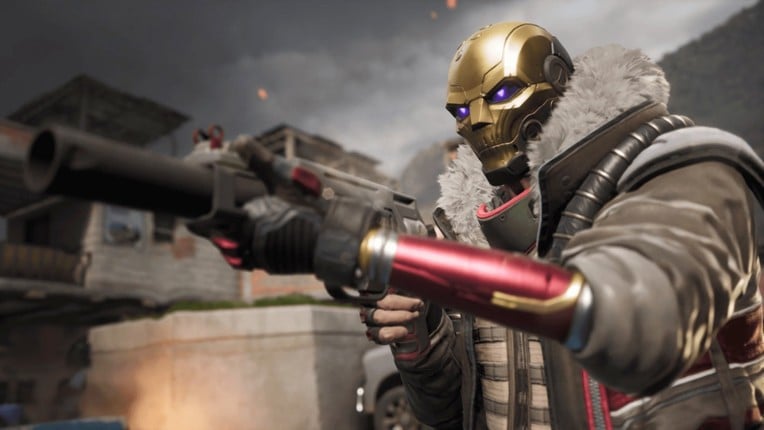
Gear up and drop in to Rogue Company, the third-person tactical action shooter that puts the fate of the world in your hands. Defeat the enemy team in objective and action based game modes featuring exotic locales, thrilling gun-play, and explosions…lots of explosions. Save the day. Look Good. Get Paid. If you enjoyed this game, see our list of games similar to Rogue Company.
View Game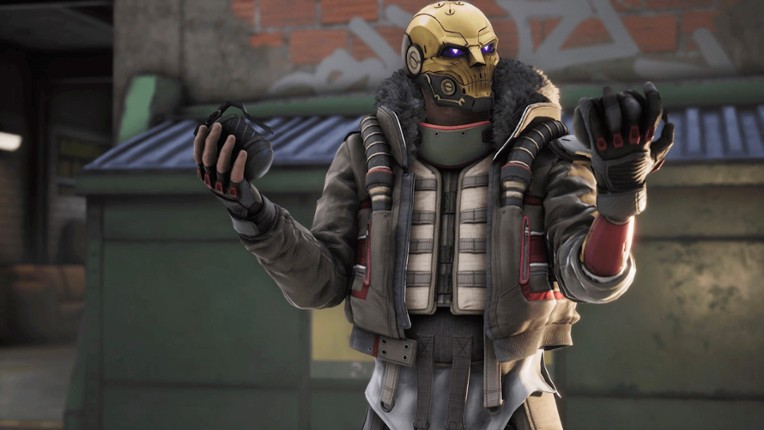
- 80%Game Brain ScoreMost mentioned positive aspects:graphics, gameplayMost mentioned negative aspects:monetization, stability80% User Score 9,997 reviews
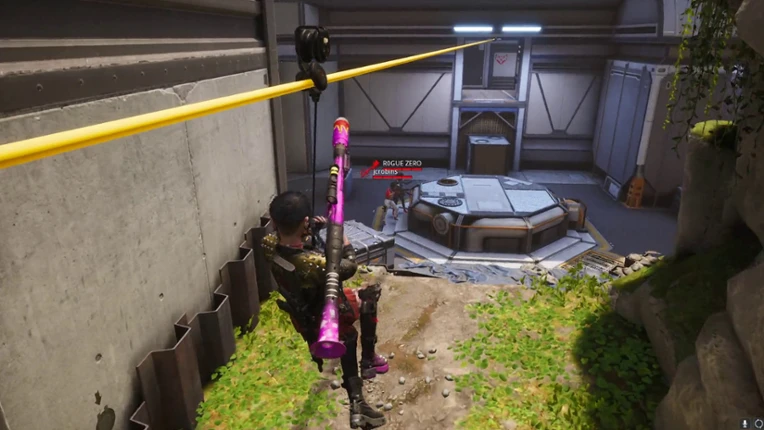
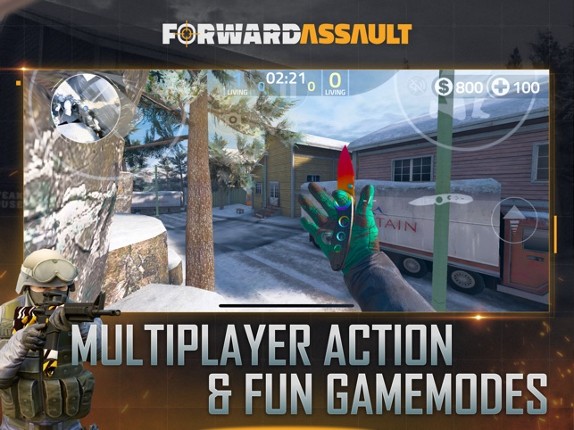
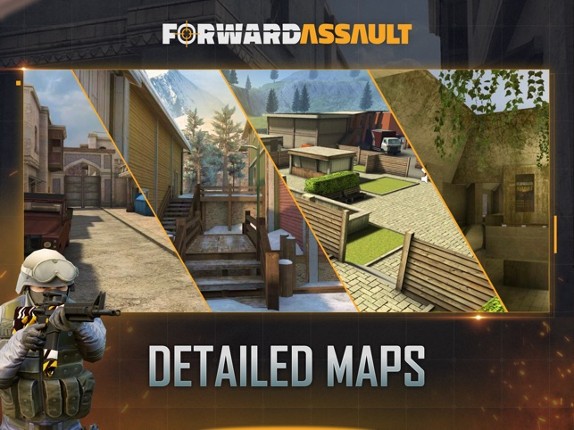
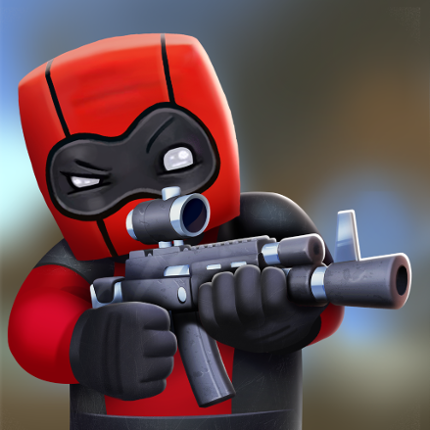
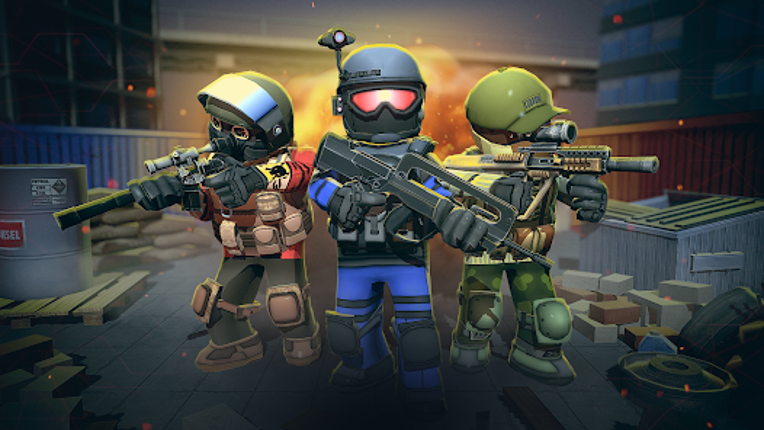
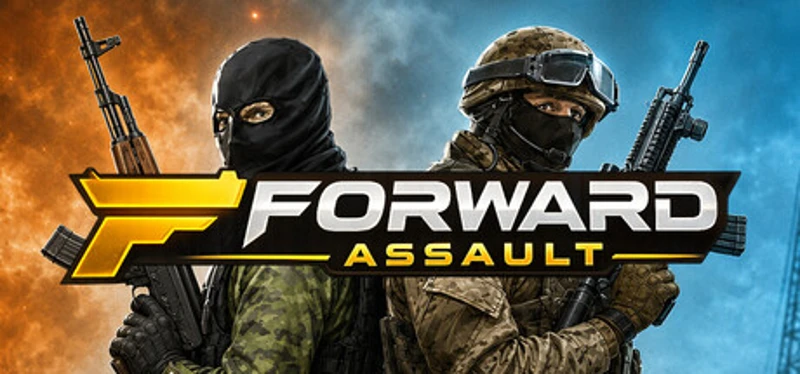
E-Sports Mobile Tactical Shooter with fast team play and great graphics! If you enjoyed this game, see our list of games similar to Forward Assault.
View Game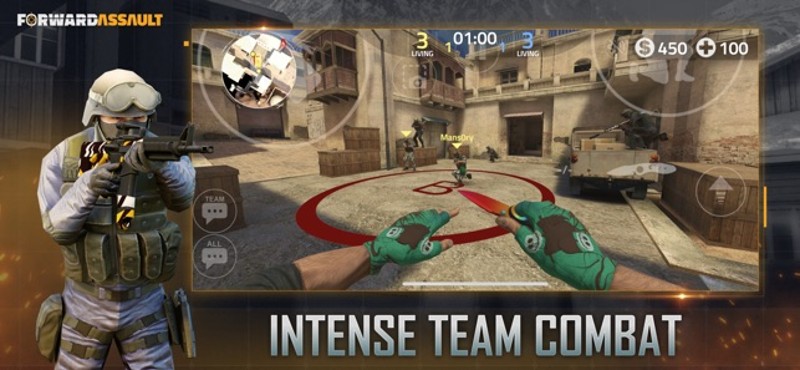
- 81%Game Brain ScoreMost mentioned positive aspects:graphics, gameplayMost mentioned negative aspects:monetization, stability81% User Score 1,180 reviews
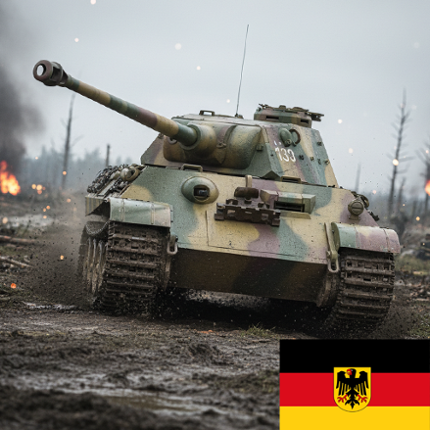
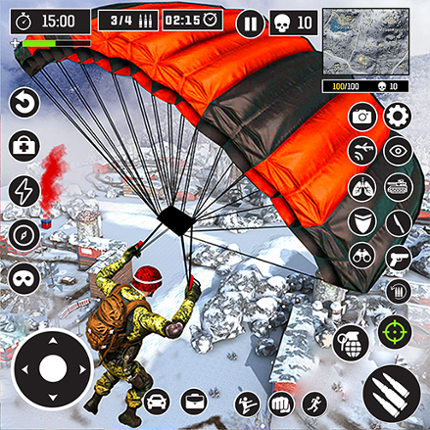
Tank battles online - tanks clash in the ultimate war game you must download now If you enjoyed this game, see our list of games similar to Grand Tanks: War Panzer Game.
View Game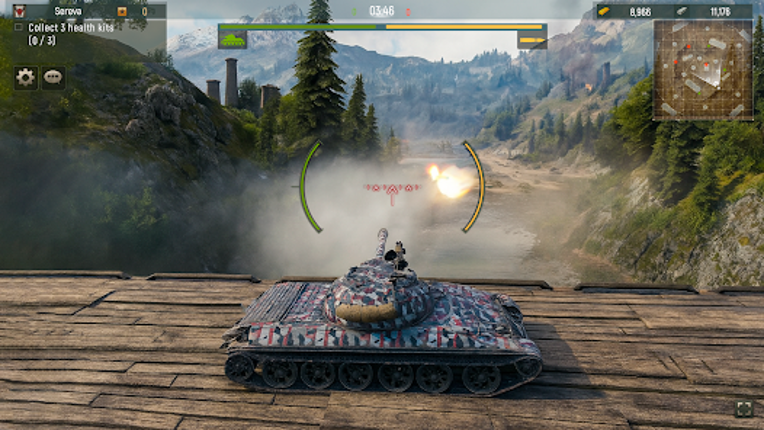
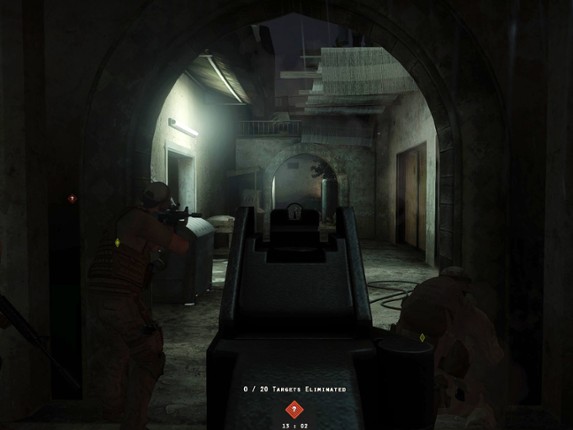
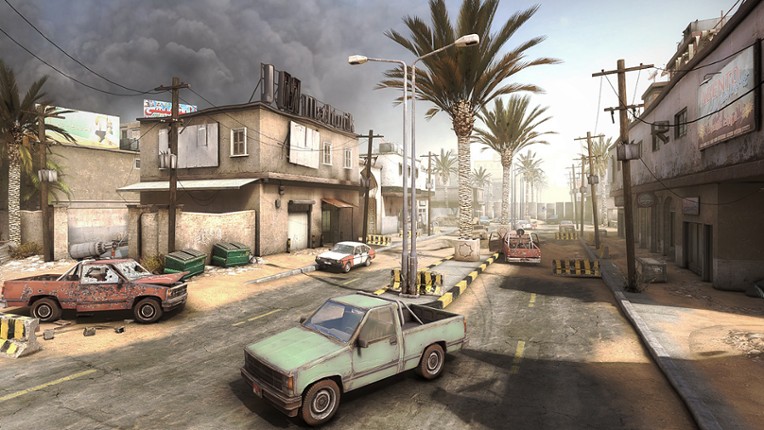
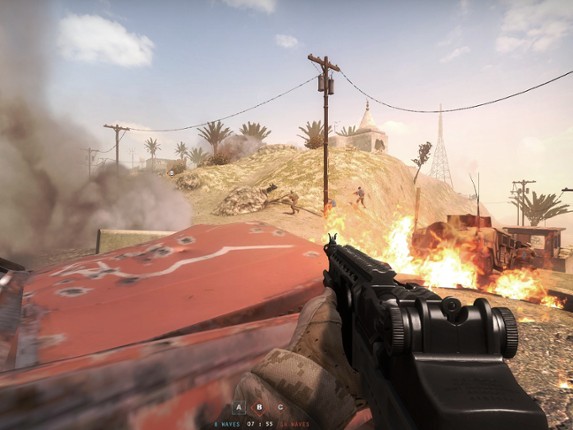
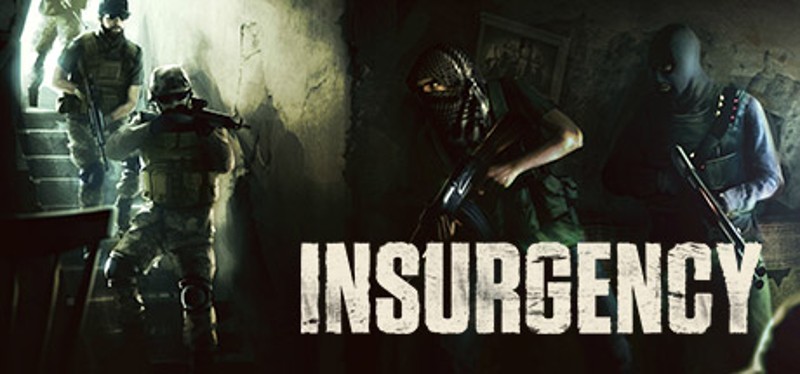
- 92%Game Brain ScoreMost mentioned positive aspects:gameplay, graphicsMost mentioned negative aspects:stability, monetization92% User Score 71,372 reviewsTrades Valorant’s stylized fantasy agents for realistic, gritty military warfare emphasizing immersive, tactical first-person team-based combat. If you enjoyed this game, see our list of games similar to Insurgency.View Game
- 85%Game Brain ScoreMost mentioned positive aspects:graphics, storyMost mentioned negative aspects:monetization, stability85% User Score 9,990 reviews
Spiele online und battle royale spiele. Shooter-spiele zum Spielen mit Freunden If you enjoyed this game, see our list of games similar to Mad GunS - Battle Royale.
View Game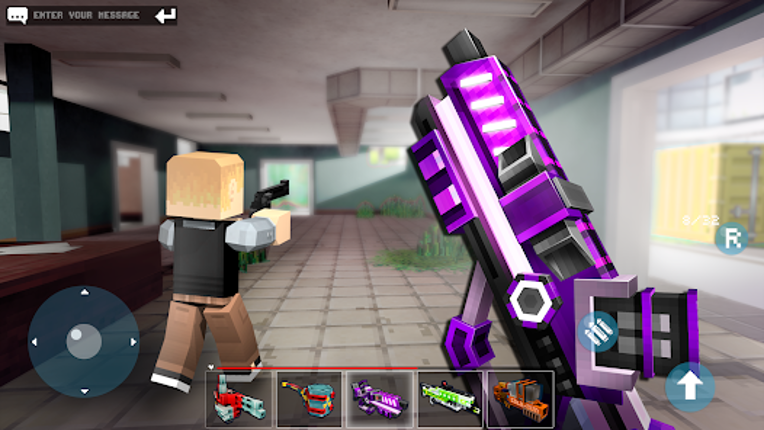
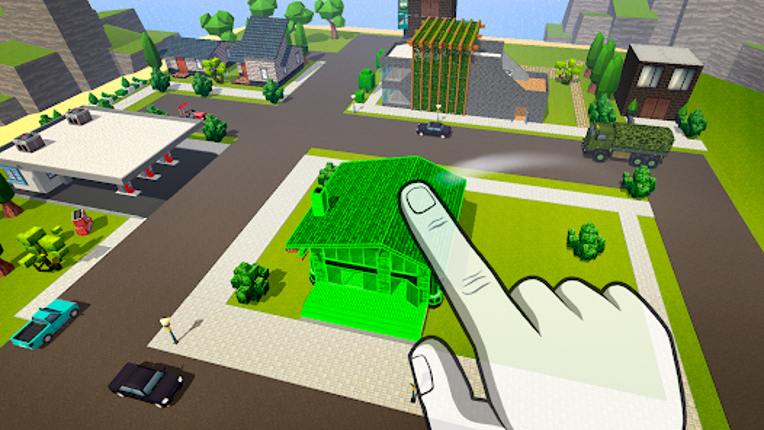
- 63%Game Brain ScoreMost mentioned positive aspects:gameplay, graphicsMost mentioned negative aspects:stability, monetization63% User Score 980 reviews
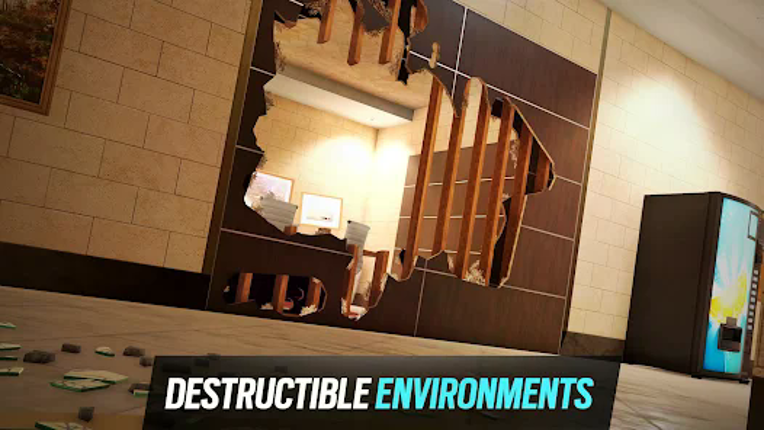
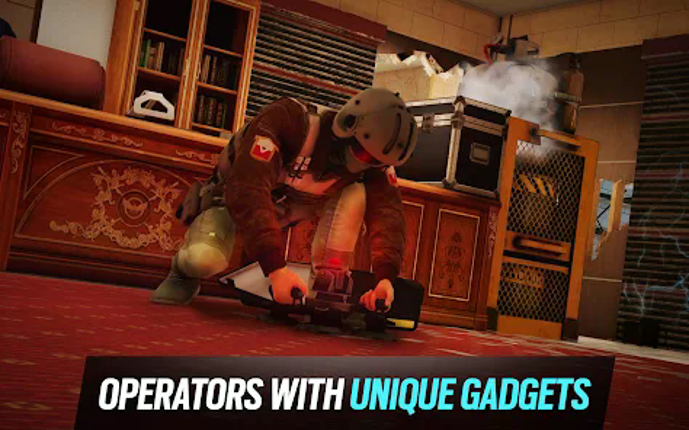
Team up & compete in this multiplayer tactical FPS game with unique Operators If you enjoyed this game, see our list of games similar to Rainbow Six Mobile.
View Game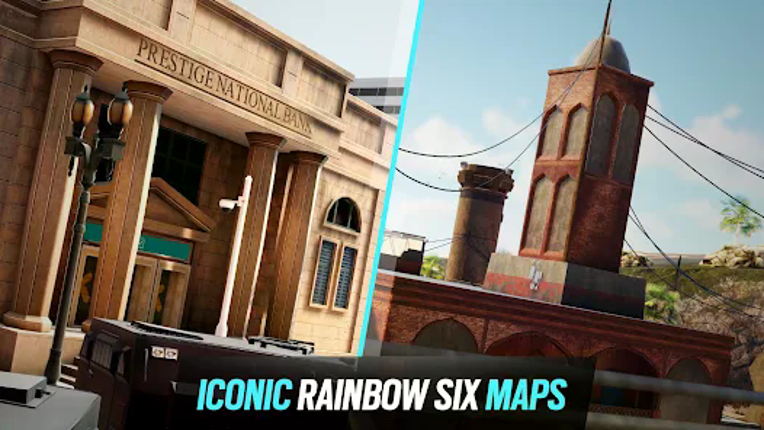
- 64%Game Brain ScoreMost mentioned positive aspects:graphics, gameplayMost mentioned negative aspects:monetization, stability64% User Score 820 reviews
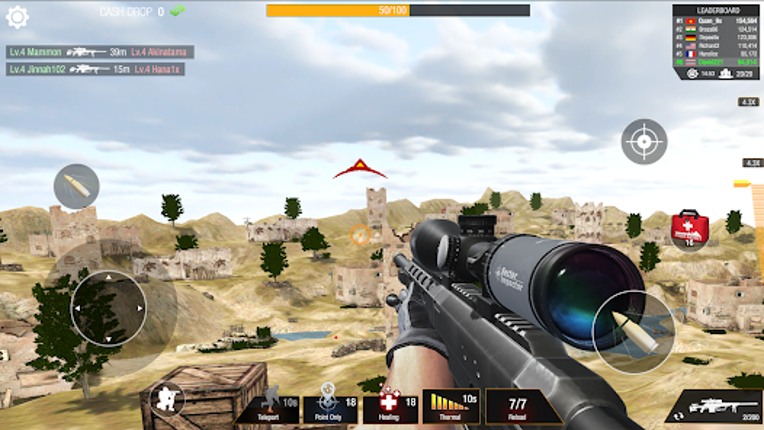
100% Player - 100% Realtime -You will have a lifelike 100% sniper experience If you enjoyed this game, see our list of games similar to Sniper Warrior: PvP Sniper.
View Game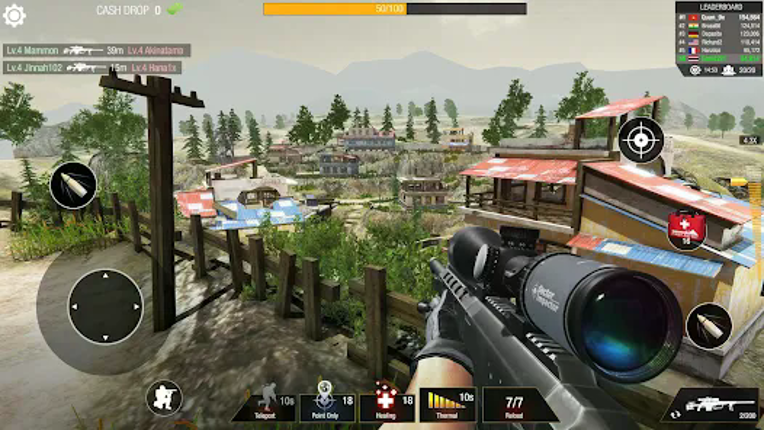
- 73%Game Brain ScoreMost mentioned positive aspects:graphics, gameplayMost mentioned negative aspects:monetization, story73% User Score 820 reviews
Shooting game for action funs with hurricane gameplay If you enjoyed this game, see our list of games similar to Fire Strike - Gun Shooter FPS.
View Game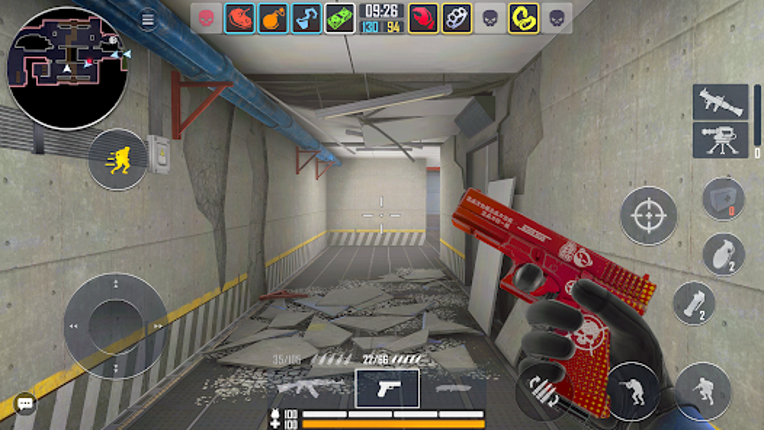
- 77%Game Brain ScoreMost mentioned positive aspects:gameplay, graphicsMost mentioned negative aspects:monetization, story77% User Score 6,503 reviews
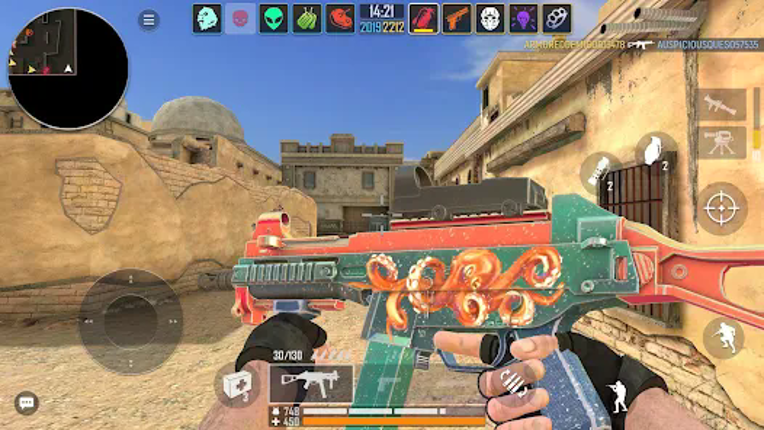
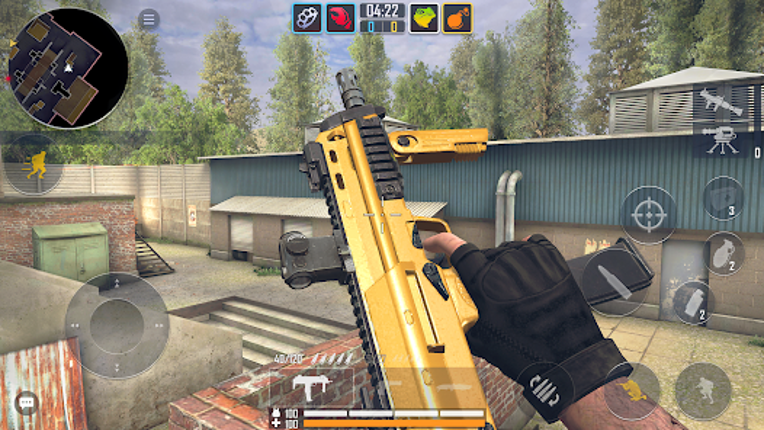
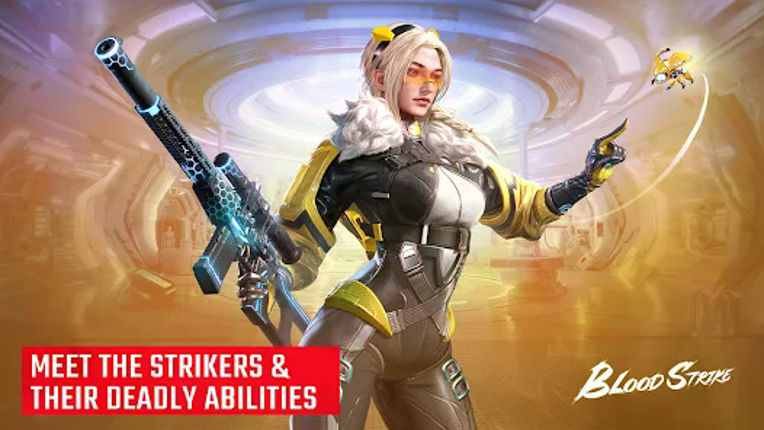
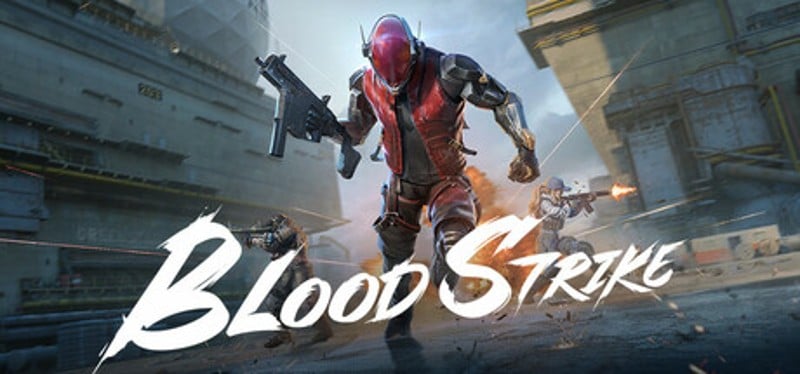
Charge into fast paced combat in modes such as Battle Royale, Squad Fight or Hot Zone alone or with friends. Blood Strike offers a wide range of playable Strikers, each with a unique active and passive ability letting you deploy drones, shield walls and everything in between. Customize your weapons to your liking and get ready to prove that you have what it takes to come out on top! If you enjoyed this game, see our list of games similar to Blood Strike.
View Game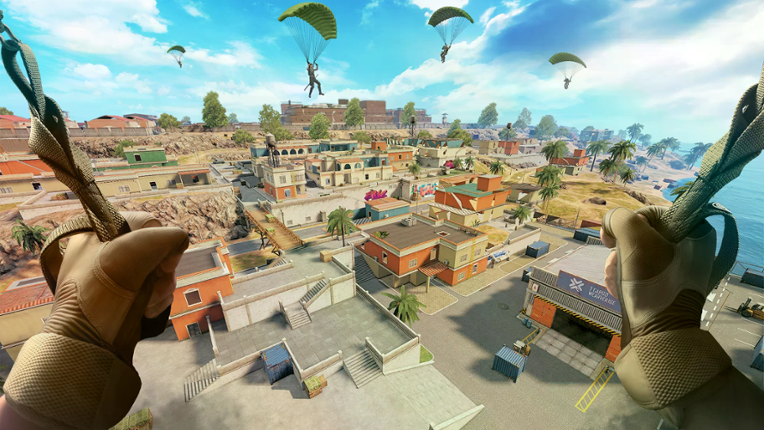
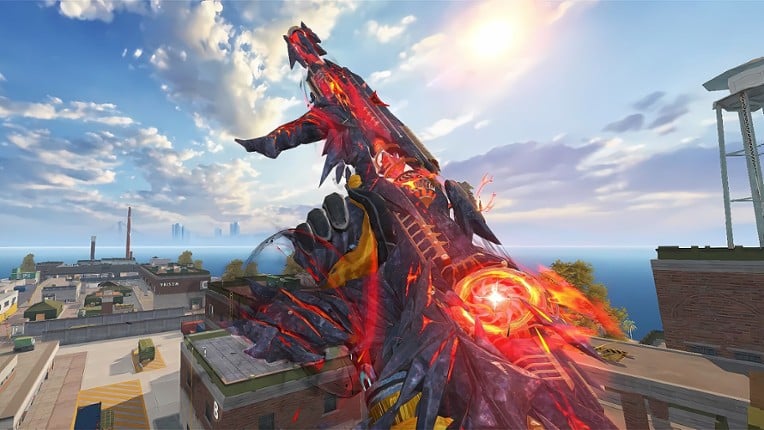
- 58%Game Brain ScoreMost mentioned positive aspects:graphics, musicMost mentioned negative aspects:gameplay, story73% User Score 30 reviews
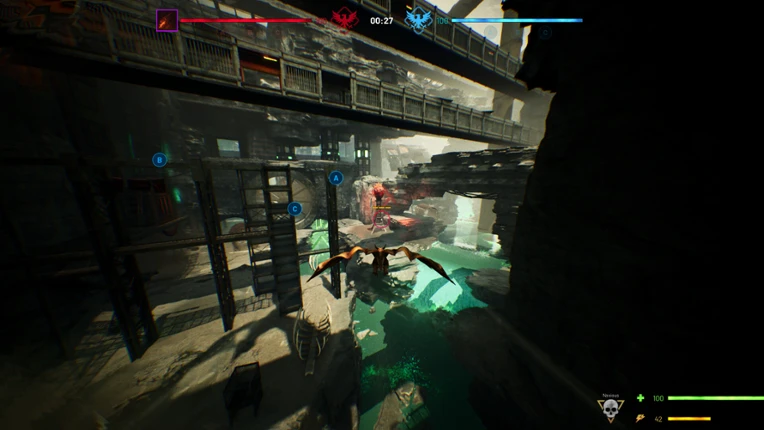
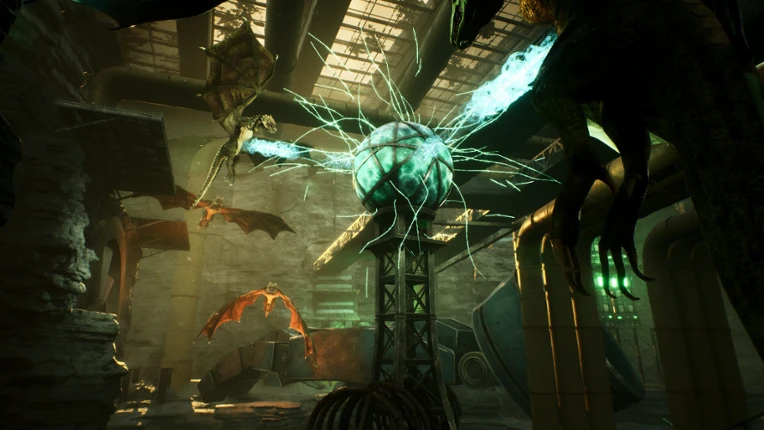
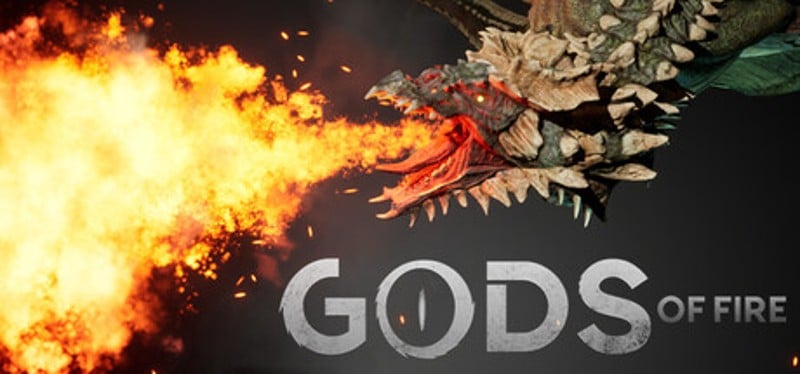
An ancient war, forgotten by time, still rages in the skies as humanity’s greatest mistake echoes across a world of ash and ruin. Humans played with forces they could not control, resurrecting dragons, experimenting on them, and trying to bend them into living weapons — until the dragons rebelled and civilization collapsed, leaving technology to fade into dust. Only the dragons remained. Now, as… If you enjoyed this game, see our list of games similar to Gods Of Fire.
View Game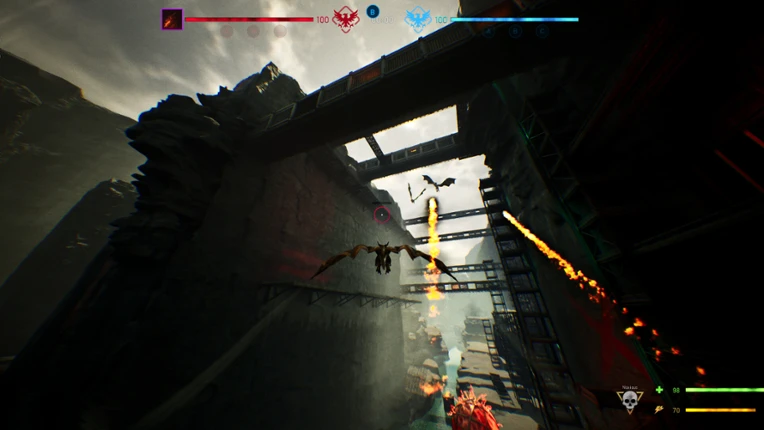
- 84%Game Brain ScoreMost mentioned positive aspects:graphicsMost mentioned negative aspects:gameplay, stability84% User Score 135 reviews
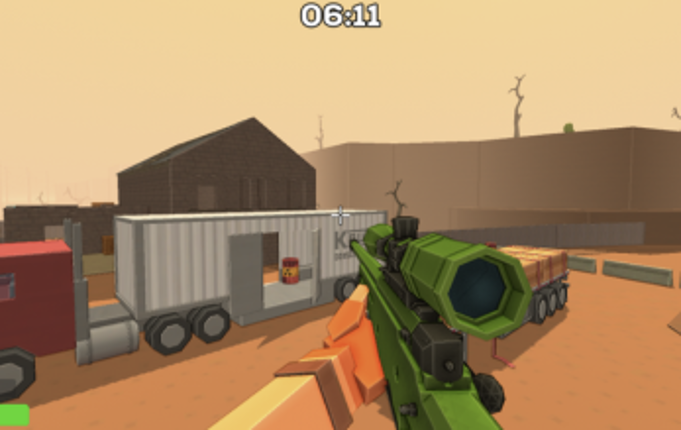
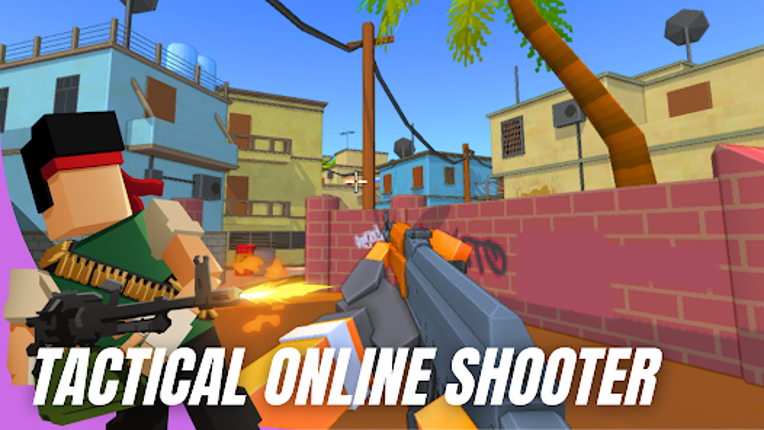
Kour.io is a MULTIPLAYER FIRST-PERSON SHOOTER GAME. Get kills, earn KP, and win! If you enjoyed this game, see our list of games similar to Kour.io.
View Game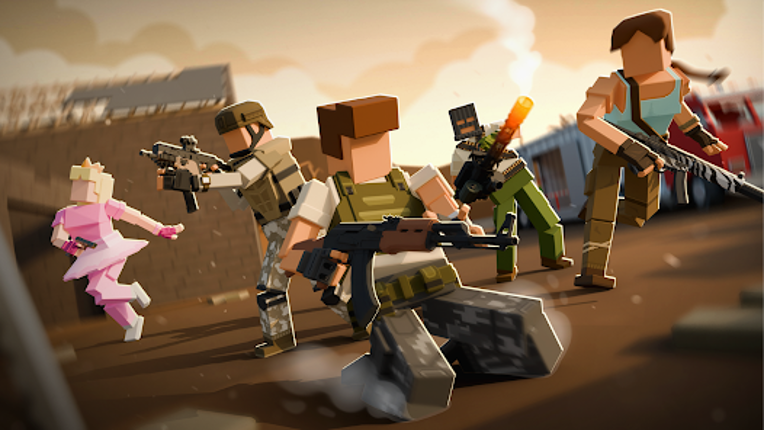
- 86%Game Brain ScoreMost mentioned positive aspects:graphics, storyMost mentioned negative aspects:grinding, stability86% User Score 48,085 reviews
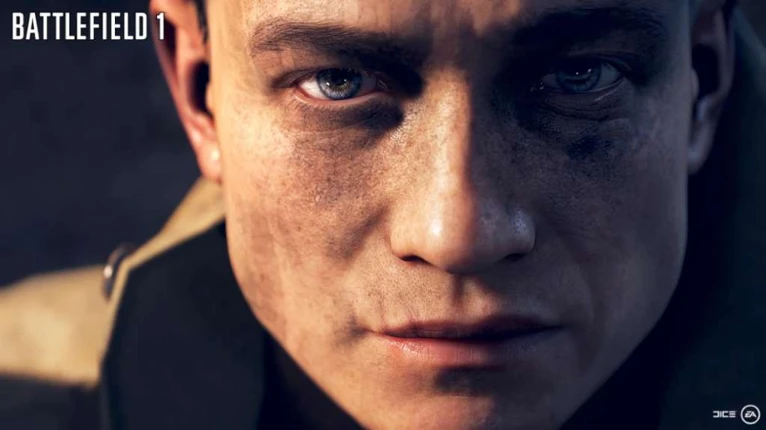
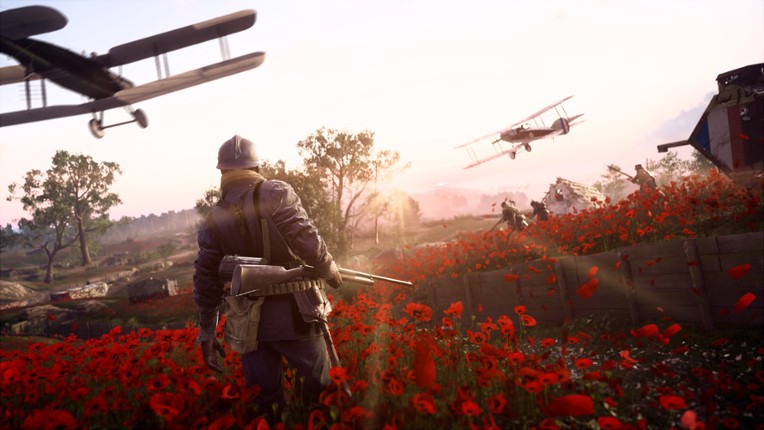
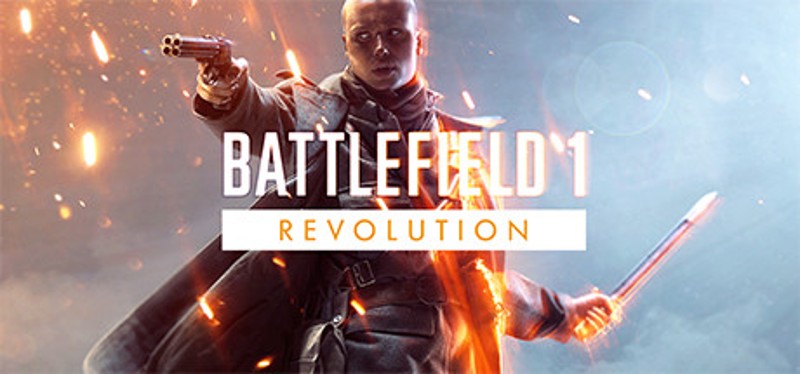
Stand out on the battlefield with Weapon Skins of three rarities: Special, Distinguished, and Legendary. If you're lucky your Battlepack may contain a Vehicle Skin – maybe even one of the coveted "Super Rare" ones. Special melee weapons need to be built, and you'll find the puzzle pieces inside. Collect 'em all, and you'll have a new weapon at your disposal. When you receive a Weapon Skin or an it… If you enjoyed this game, see our list of games similar to Battlefield 1.
View Game
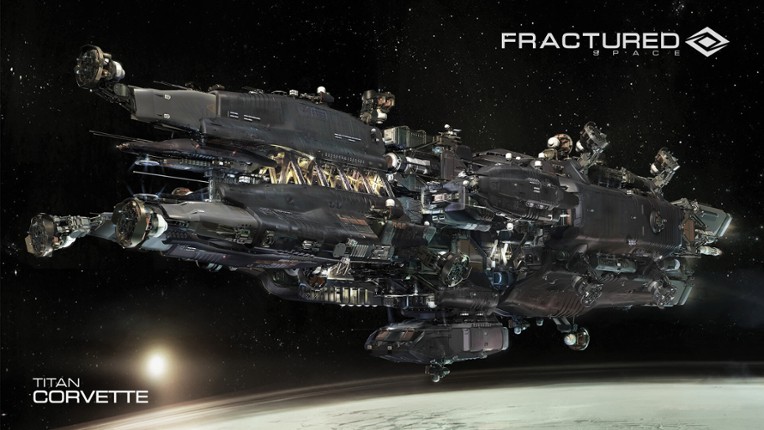
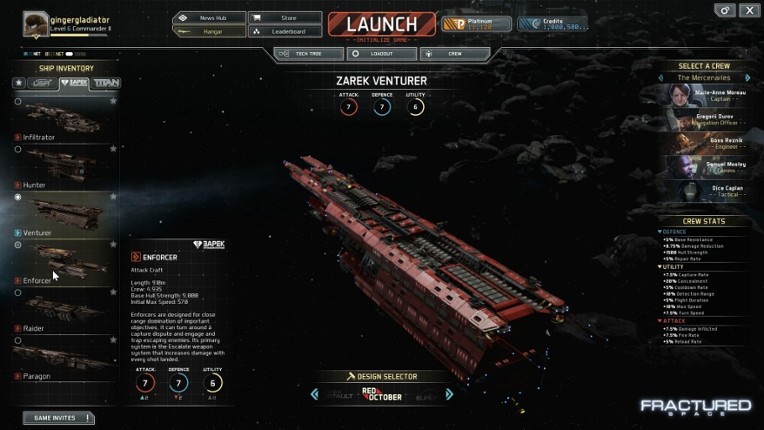
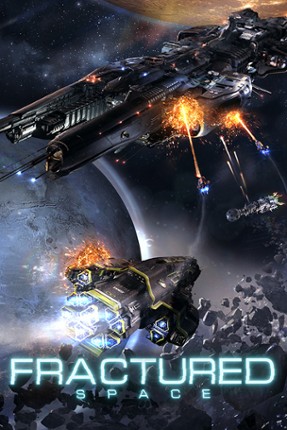
- 76%Game Brain ScoreMost mentioned positive aspects:gameplay, graphicsMost mentioned negative aspects:grinding, story80% User Score 1,152 reviewsCritic Score 72%8 reviewsShifts from Valorant's close-quarters combat to commanding large-scale sci-fi fleet battles with MOBA-style team coordination and strategic depth. If you enjoyed this game, see our list of games similar to Fractured Space.View Game

- 85%Game Brain ScoreMost mentioned positive aspects:graphics, gameplayMost mentioned negative aspects:monetization, stability85% User Score 5,552 reviews
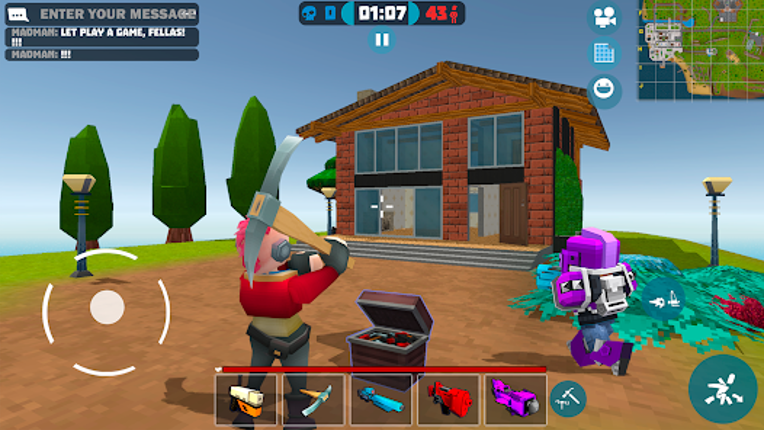
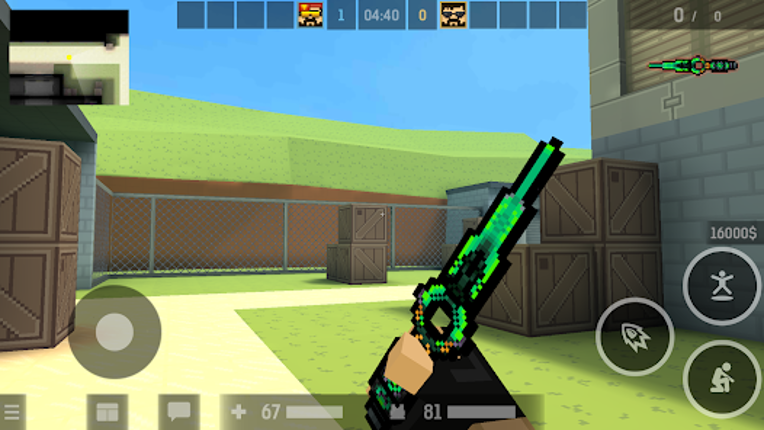
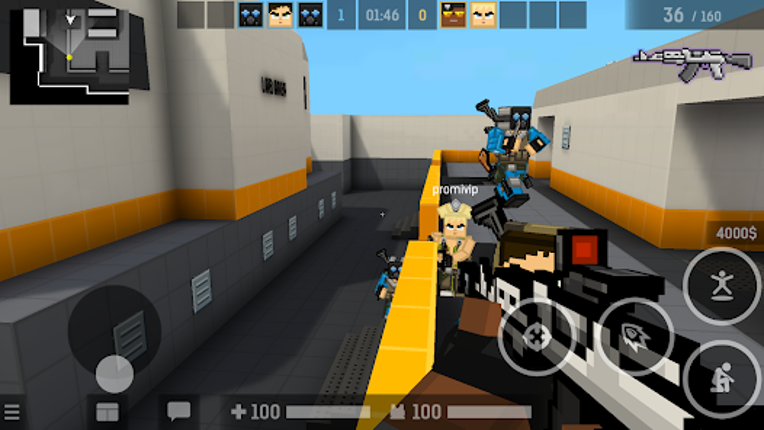
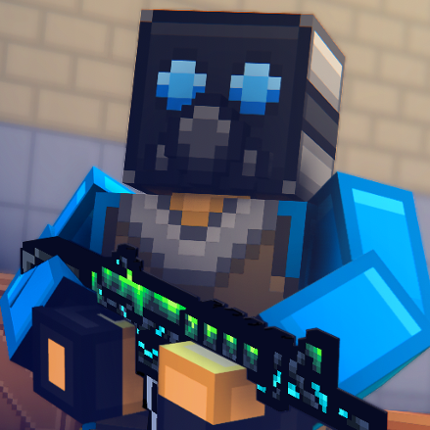
Blocky dynamic multiplayer shooter with a huge arsenal. Join the fun! If you enjoyed this game, see our list of games similar to BLOCKPOST Mobile: PvP FPS.
View Game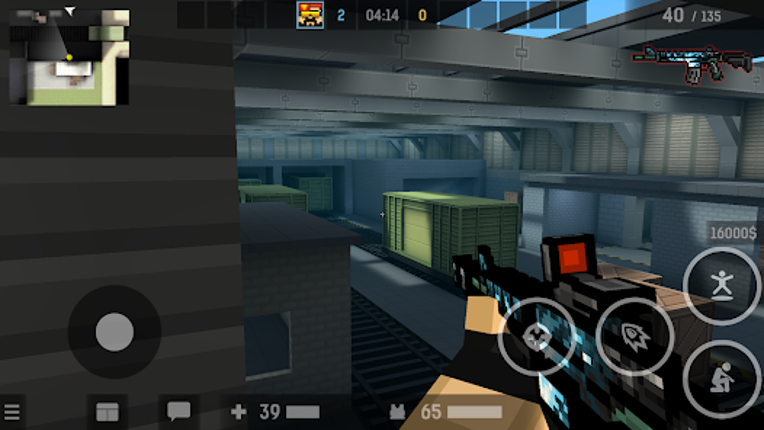
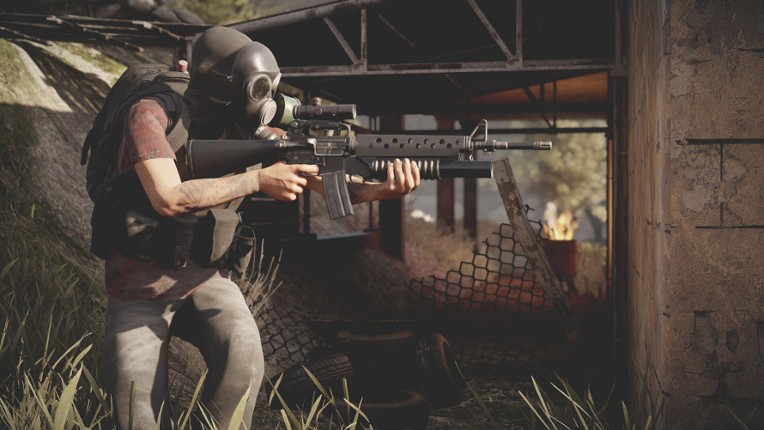
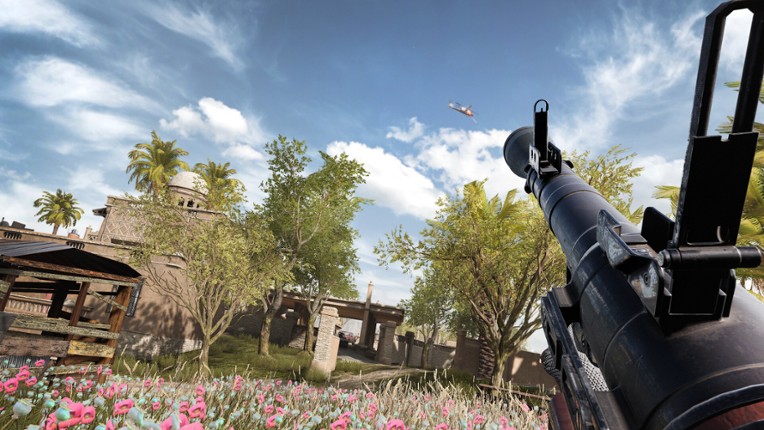
15 View Game 83%Game Brain ScoreMost mentioned positive aspects:gameplay, graphicsMost mentioned negative aspects:optimization, stability87% User Score 110,248 reviewsCritic Score 78%6 reviews
Engage in intense modern firefights in the definitive tactical co-op FPS If you enjoyed this game, see our list of games similar to Insurgency: Sandstorm.
View Game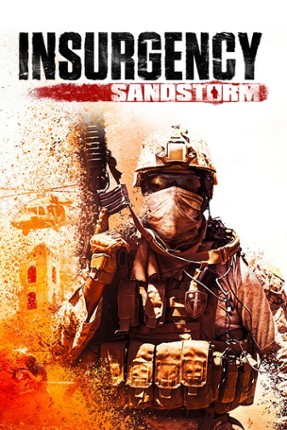
- 71%Game Brain ScoreMost mentioned positive aspects:gameplay, graphicsMost mentioned negative aspects:monetization, story71% User Score 25,453 reviews
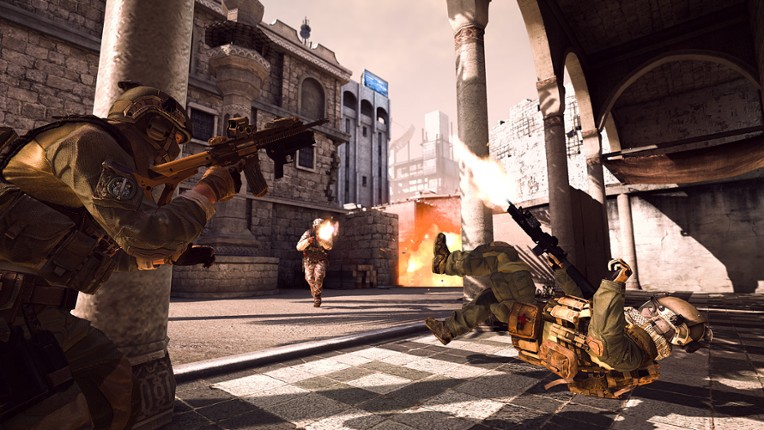
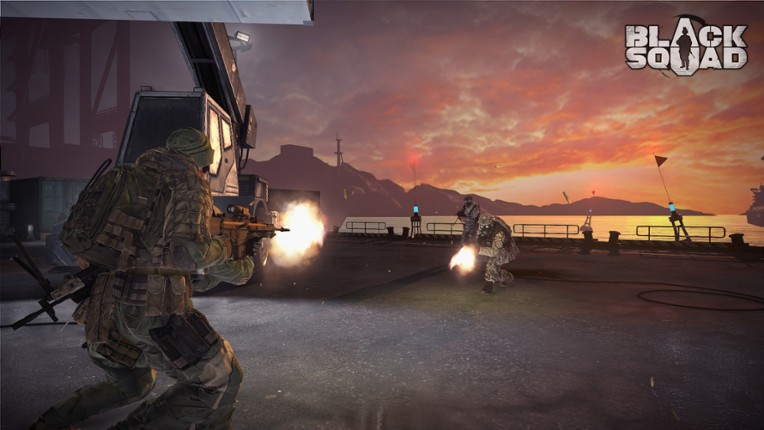
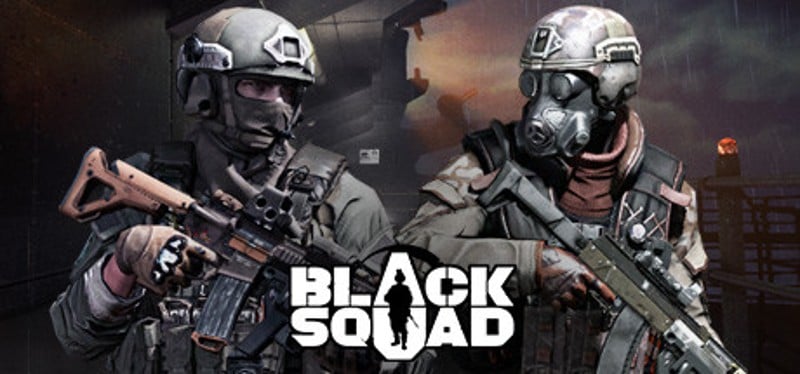
Black Squad is Free to Play first-person-shooter military game, with Battleye support, dedicated servers, great shooting mechanics and amazing netcode. You can experience 10 different modes from classic to massive multi-play modes. And unlock new weapons and characters with currency given to the player after each match. If you enjoyed this game, see our list of games similar to Black Squad.
View Game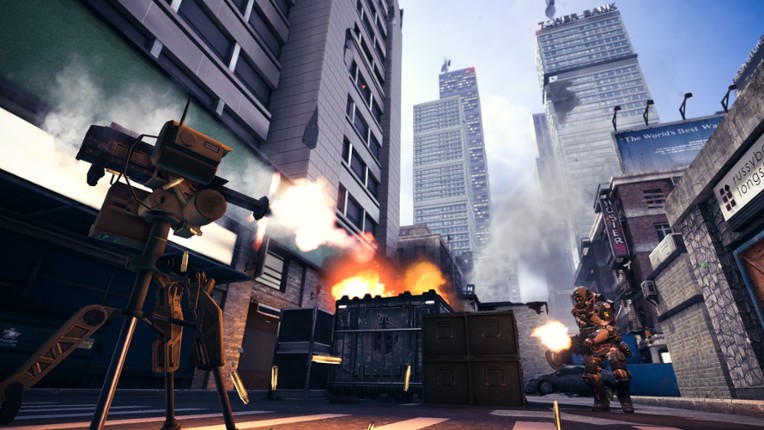
- 85%Game Brain ScoreMost mentioned positive aspects:gameplay, graphicsMost mentioned negative aspects:story, stability89% User Score 4,012 reviewsCritic Score 71%2 reviews
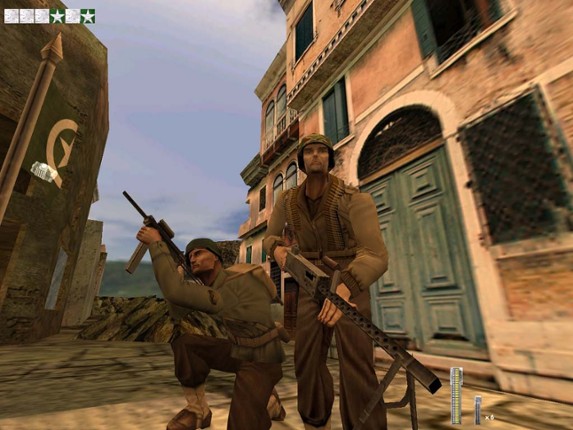
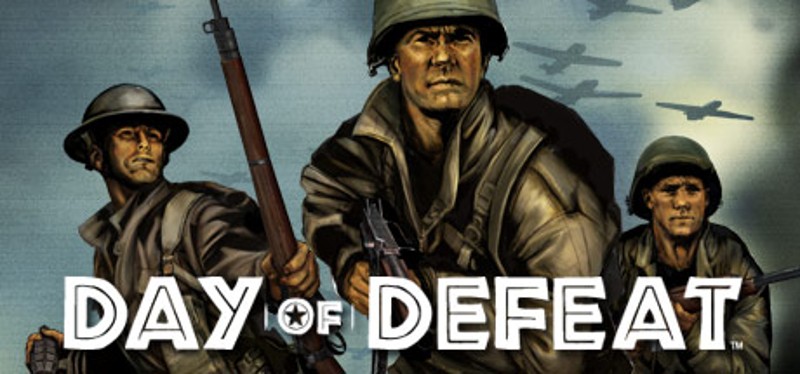
Enlist in an intense brand of Axis vs. Allied teamplay set in the WWII European Theatre of Operations. Players assume the role of light/assault/heavy infantry, sniper or machine-gunner class, each with a unique arsenal of historical weaponry at their disposal. Missions are based on key historical operations. And, as war rages, players must work together with their squad to accomplish a variety of … If you enjoyed this game, see our list of games similar to Day of Defeat.
View Game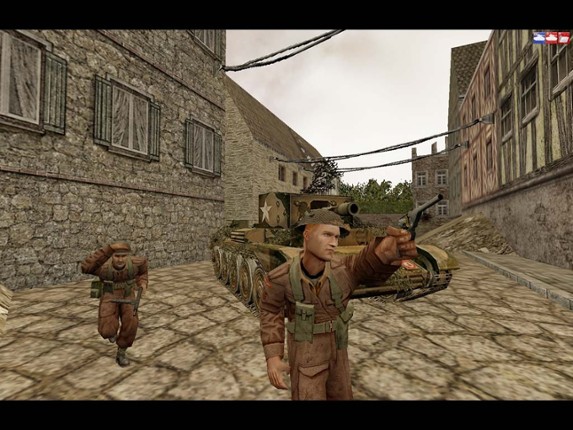
18 View Game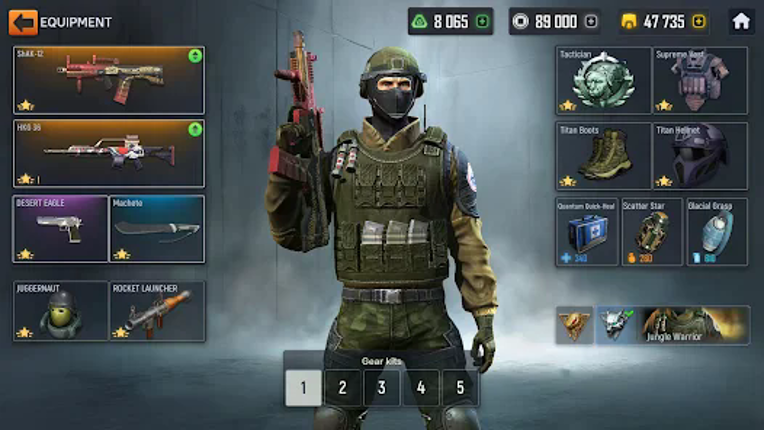
 82%Game Brain ScoreMost mentioned positive aspects:graphics, gameplayMost mentioned negative aspects:monetization, optimization82% User Score 828 reviews
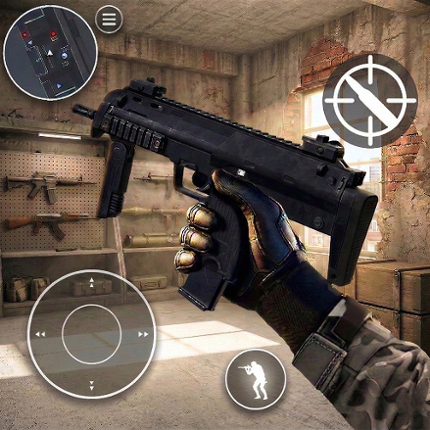
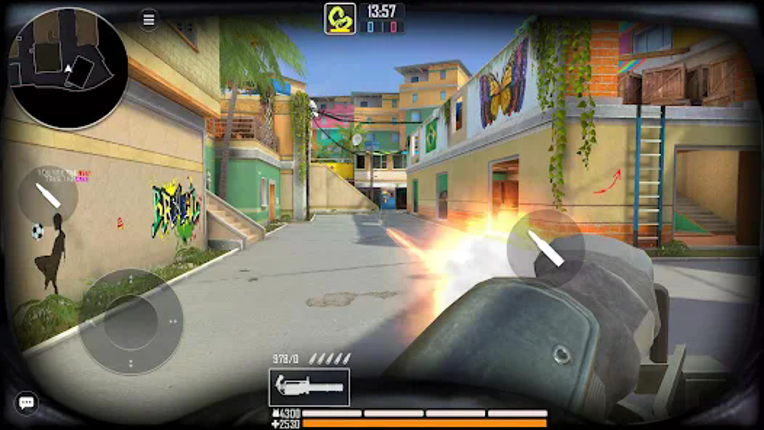
Modern 3D multiplayer online shooter with tons of weapons and thrilling action! If you enjoyed this game, see our list of games similar to Tactical OPS-FPS Shooting Game.
View Game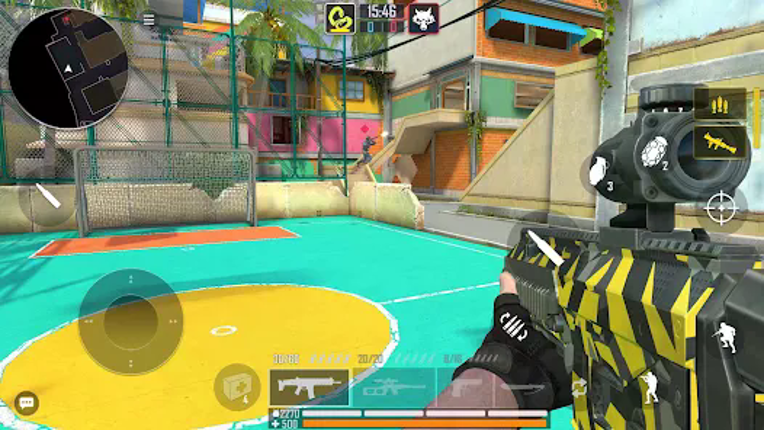
- View Game85%Game Brain ScoreMost mentioned positive aspects:gameplay, graphicsMost mentioned negative aspects:optimization, story85% User Score 186 reviews
The ultimate teamwork multiplayer FPS. Heal your teammates by shooting them. Boost them. Build your defense together. If you enjoyed this game, see our list of games similar to Euro3v3.
20 View Game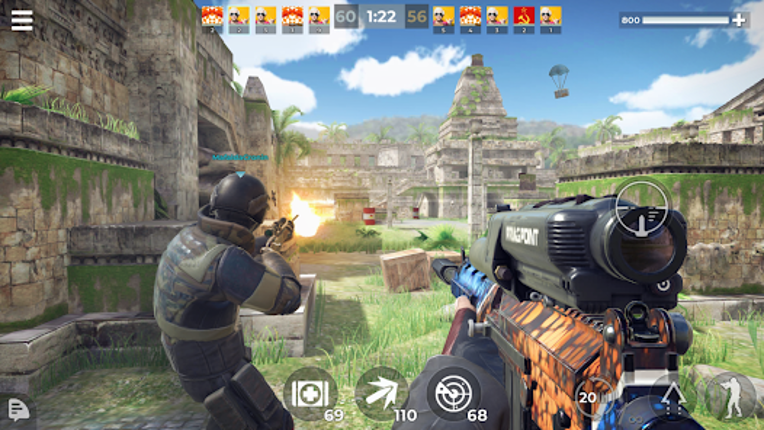
 62%Game Brain ScoreMost mentioned positive aspects:graphics, gameplayMost mentioned negative aspects:monetization, stability62% User Score 1,180 reviews
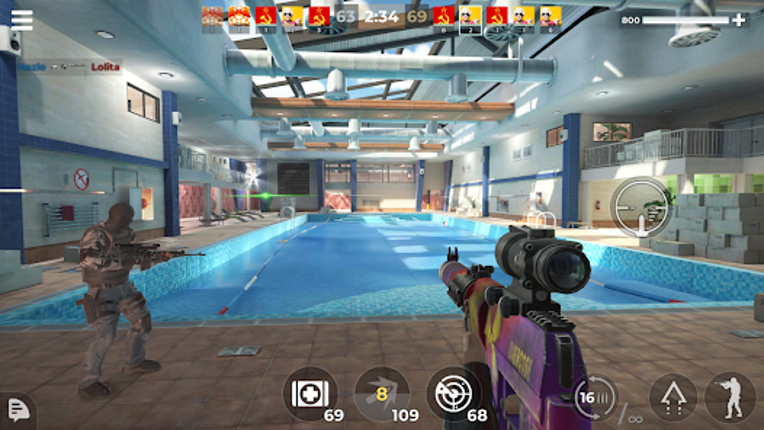
Act like a real sniper and eliminate other riflemen in the FPS shooter! If you enjoyed this game, see our list of games similar to AWP Mode: Online Sniper Action.
View Game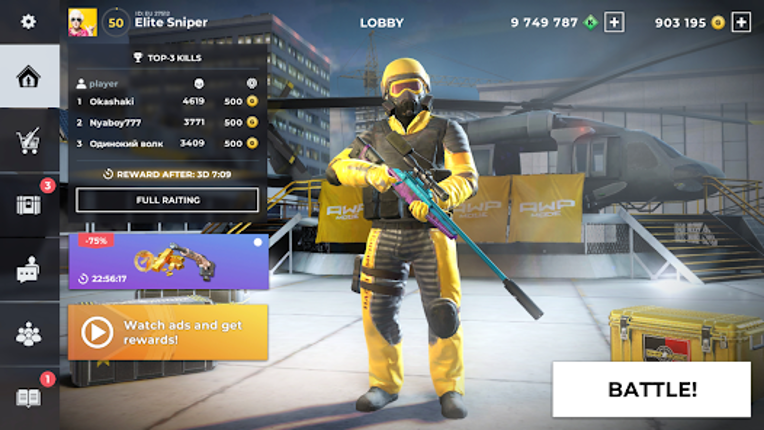
- 73%Game Brain ScoreMost mentioned positive aspects:graphics, gameplayMost mentioned negative aspects:stability, monetization73% User Score 9,998 reviews
Multiplayer first person shooter with realistic maps and lots of customizations If you enjoyed this game, see our list of games similar to Bullet Force.
View Game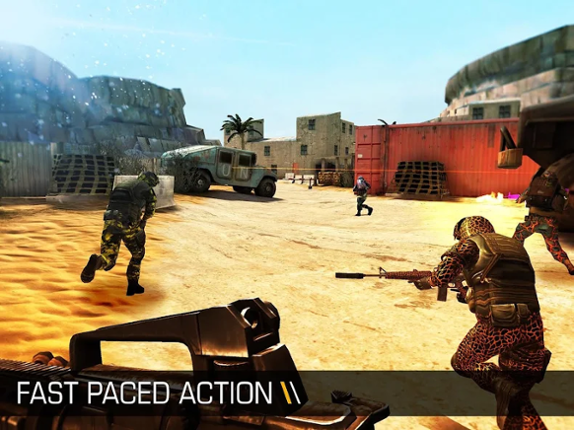
- 75%Game Brain ScoreMost mentioned positive aspects:gameplay, graphicsMost mentioned negative aspects:monetization, grinding75% User Score 21,637 reviews
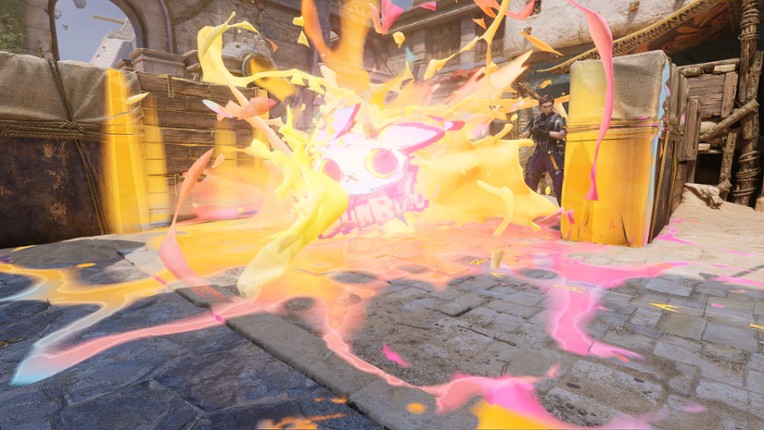
5v5 Rule-Breaking Hero Shooter If you enjoyed this game, see our list of games similar to FragPunk.
View Game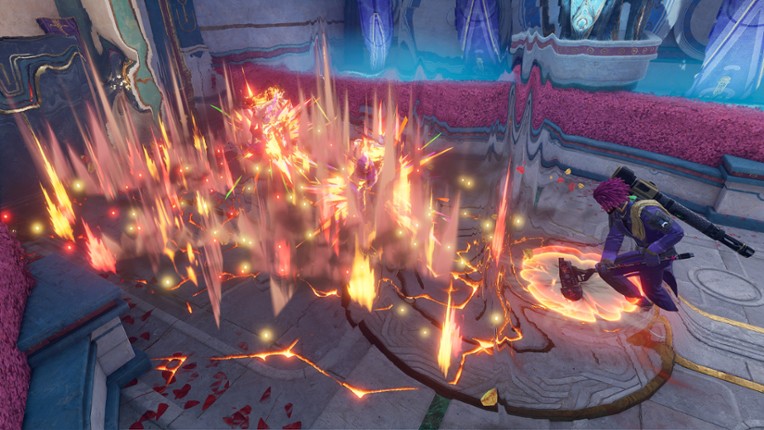
- 56%Game Brain ScoreMost mentioned positive aspects:graphics, gameplayMost mentioned negative aspects:stability, monetization56% User Score 10,000 reviews
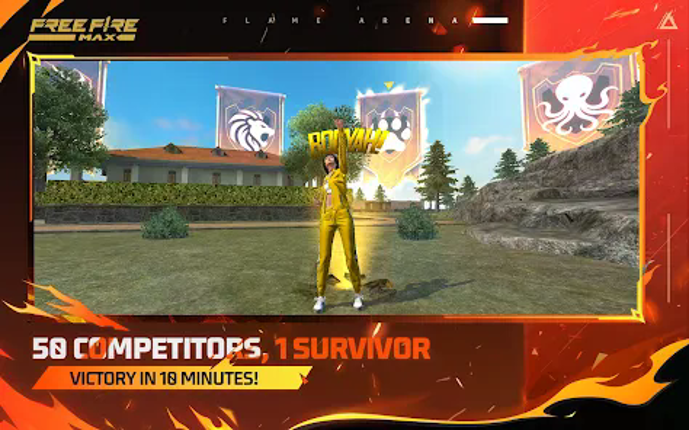
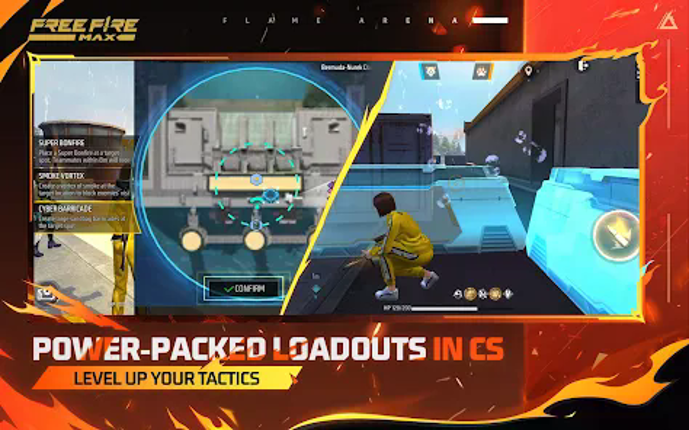
MAX Battle Royale Experience If you enjoyed this game, see our list of games similar to Free Fire MAX.
View Game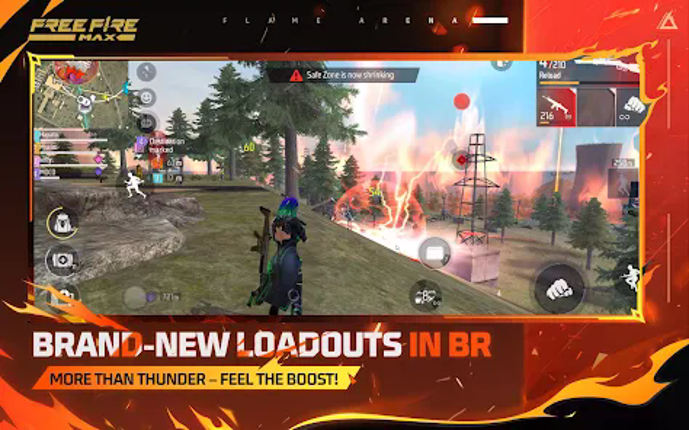
- 85%Game Brain ScoreMost mentioned positive aspects:gameplay, graphicsMost mentioned negative aspects:optimization, stability85% User Score 5,289 reviewsCritic Score 85%2 reviews
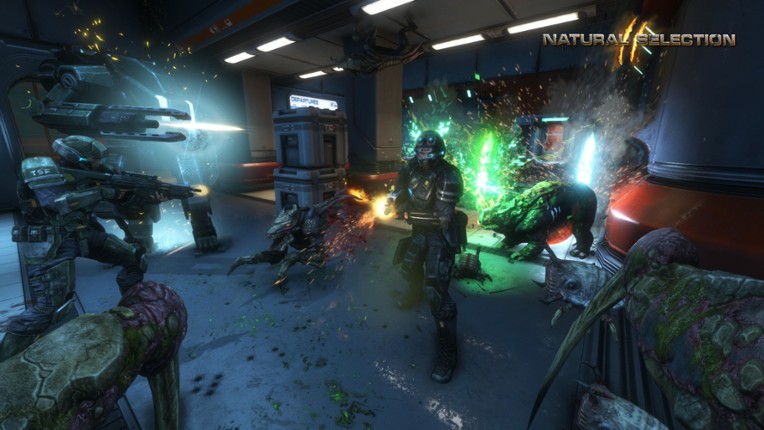
Natural Selection 2 is an immersive, multiplayer shooter that pits aliens against humans in a strategic and action-packed struggle for survival. It seamlessly combines shooter and RTS/strategy gameplay. If you enjoyed this game, see our list of games similar to Natural Selection 2.
View Game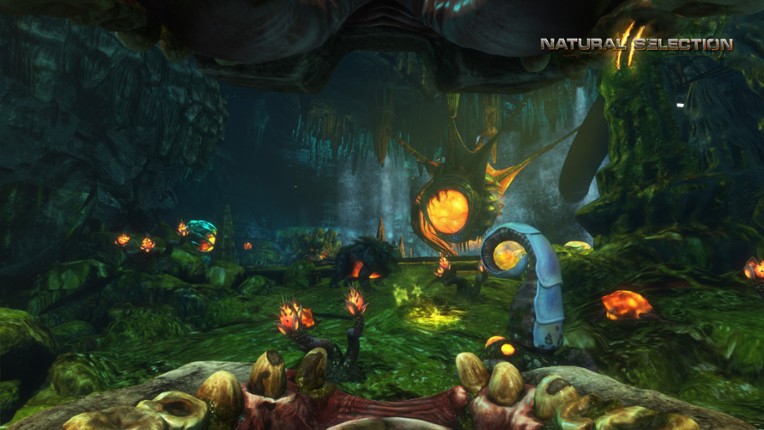
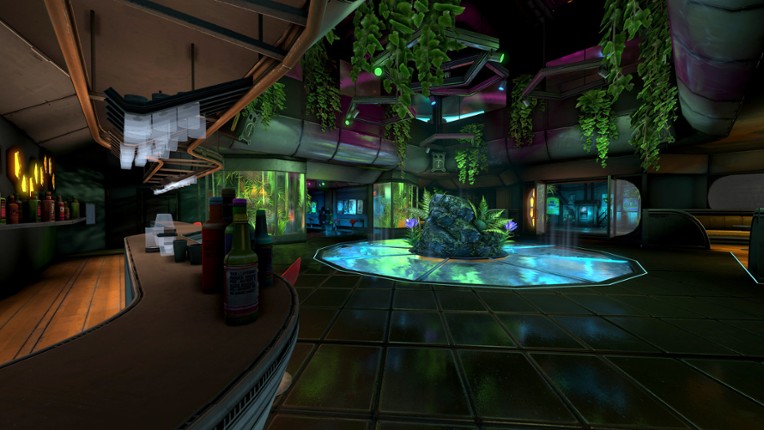
- 90%Game Brain ScoreMost mentioned positive aspects:gameplay, humorMost mentioned negative aspects:story, music90% User Score 7,098 reviews
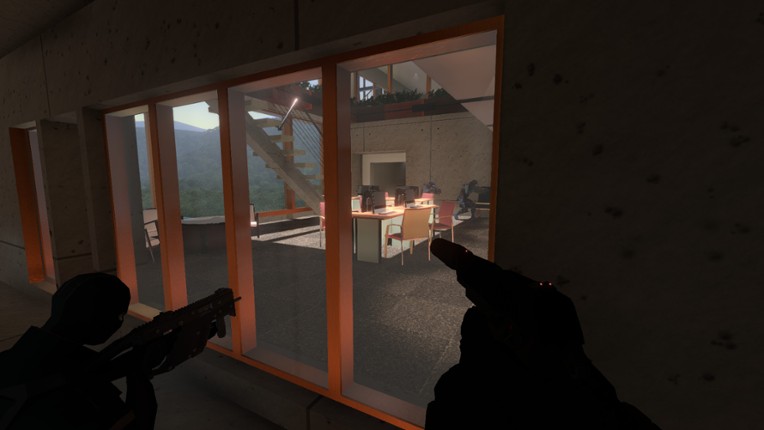
The ultimate spy-vs-guards simulator. Carefully sneak your way to the objective as Intruders or use the wide variety of tactical gadgets to trap your opponents as Guards. Intruder allows for stealth, teamwork, and environmental interactions never before seen in a multiplayer game. If you enjoyed this game, see our list of games similar to Intruder.
View Game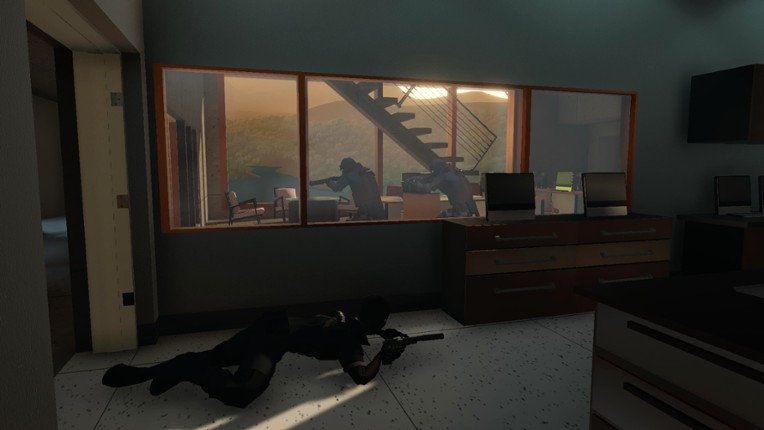
- 83%Game Brain ScoreMost mentioned positive aspects:gameplay, humorMost mentioned negative aspects:graphics, story83% User Score 154 reviews
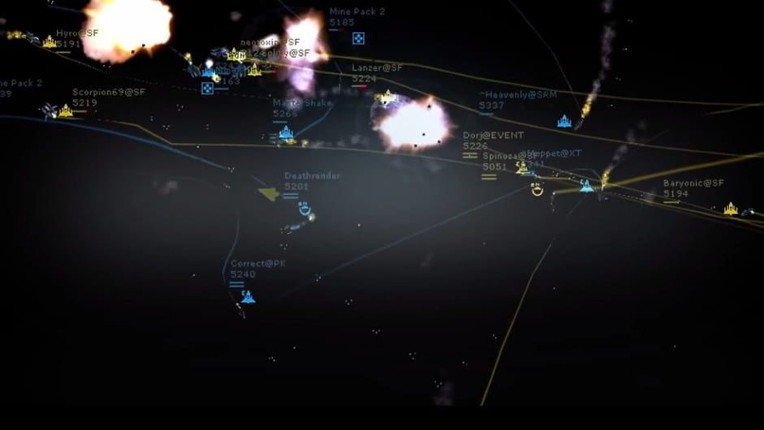
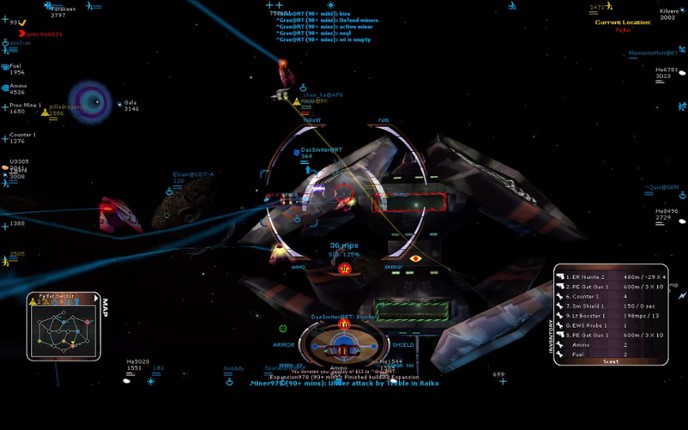
Allegiance is a multiplayer space combat sim originally developed by Microsoft that offers the action of ship-to-ship combat. From small, agile scouts to massive destroyers, you not only fly but also man the turrets. With real-time strategy components such as fully upgradeable tech and massive multiplayer capability, Allegiance stands at the forefront of online interstellar combat. If you enjoyed this game, see our list of games similar to Allegiance.
View Game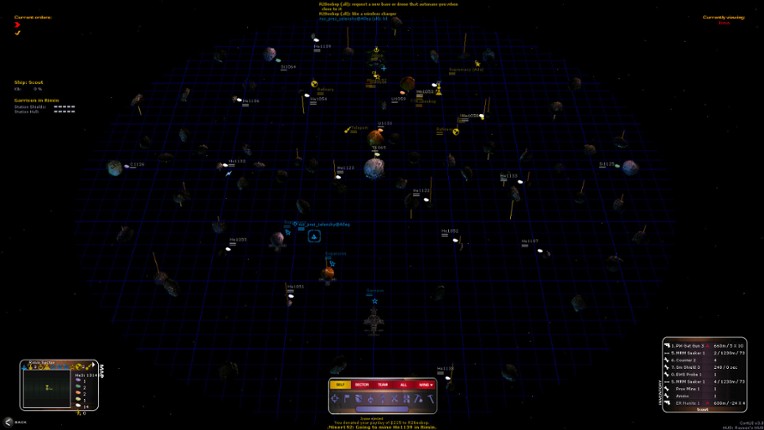
- View Game79%Game Brain ScoreMost mentioned positive aspects:graphics, gameplayMost mentioned negative aspects:monetization, stability79% User Score 10,000 reviews
Online Build Fight Simulator: Building, Aiming & Multiplayer Battle Royale If you enjoyed this game, see our list of games similar to 1v1.LOL.
- 89%Game Brain ScoreMost mentioned positive aspects:graphics, gameplayMost mentioned negative aspects:monetization, stability89% User Score 9,924 reviews
Jump in the fast-paced PvP action — play now and show off your skills! If you enjoyed this game, see our list of games similar to WarFriends: PvP Shooter Game.
View Game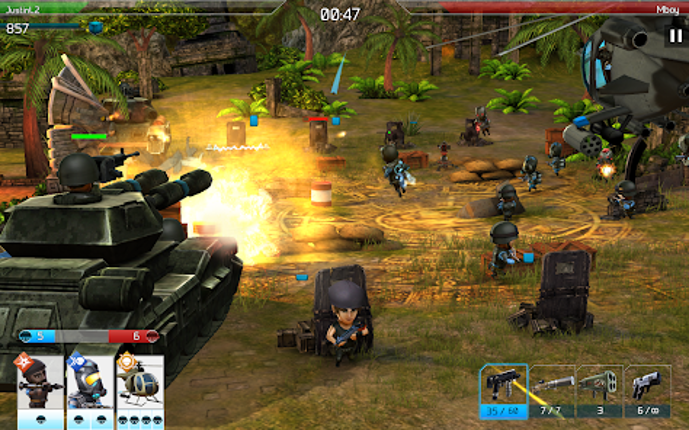
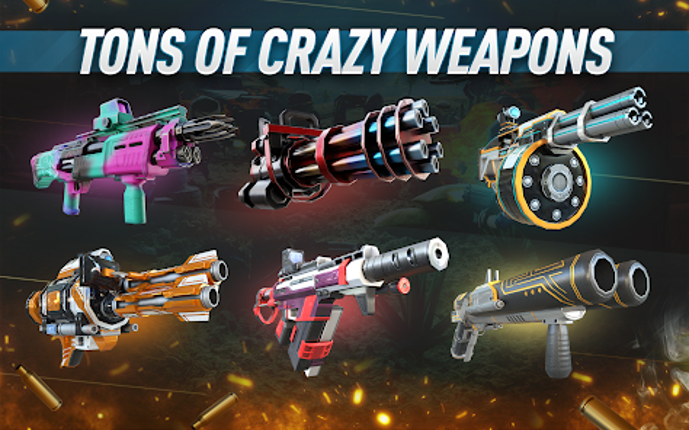
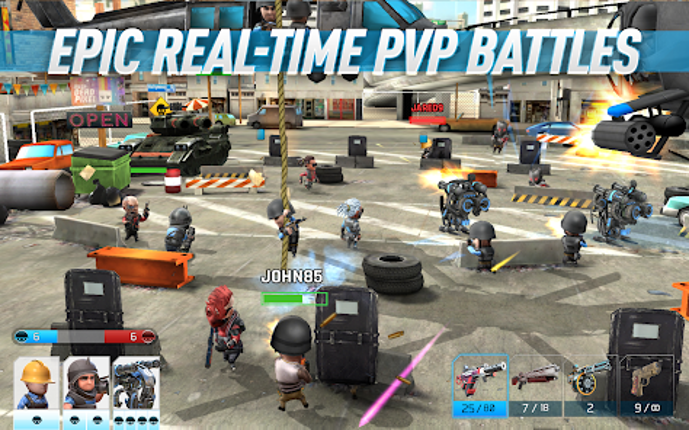
- 87%Game Brain ScoreMost mentioned positive aspects:gameplay, graphicsMost mentioned negative aspects:atmosphere, stability87% User Score 243 reviews
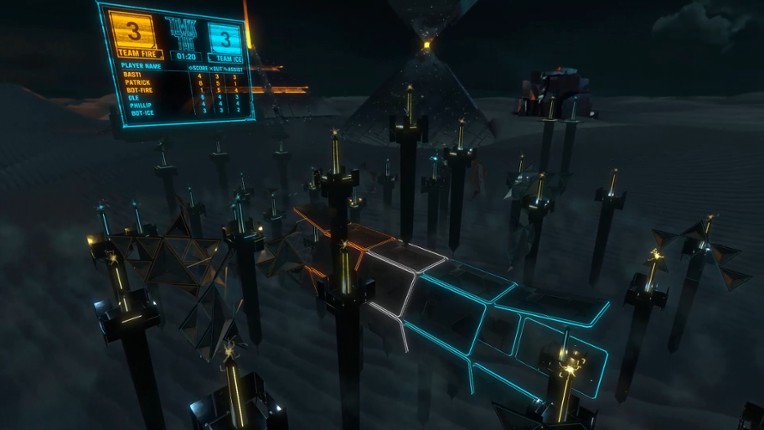
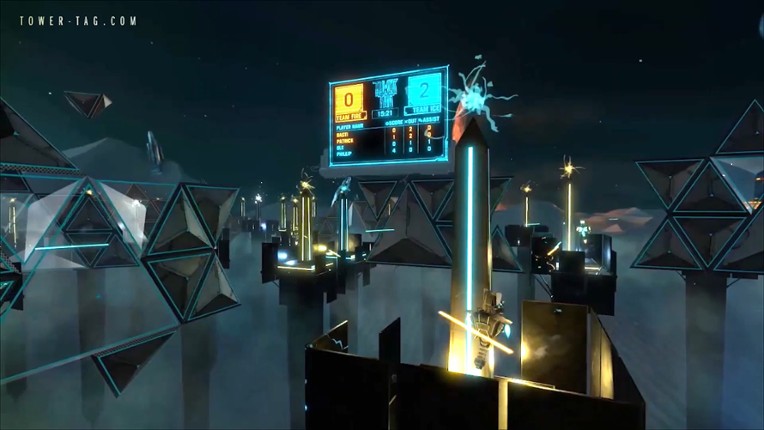
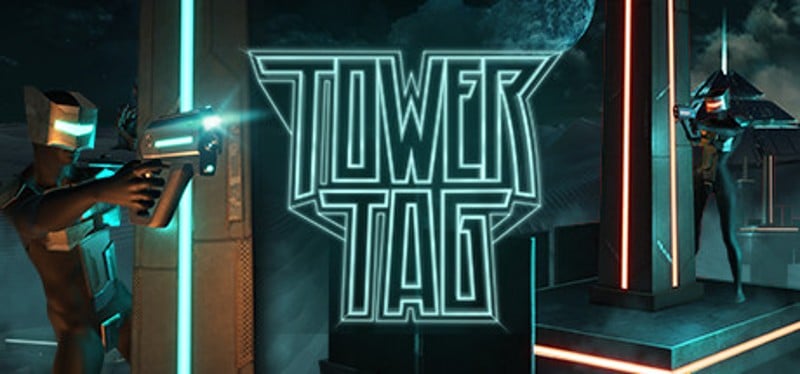
Tower Tag is a hyper-dynamic cyberpunk paintball like PVP shooter with a grappling hook locomotion method that becomes second nature instantly. Conquer as many tower platforms with your team as possible to be able to move quickly across the field and beat your opponents with tactics and surprise. If you enjoyed this game, see our list of games similar to Tower Tag.
View Game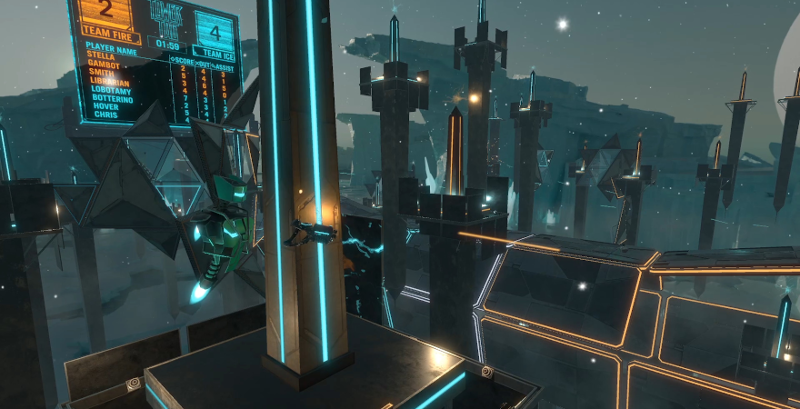
30 View Game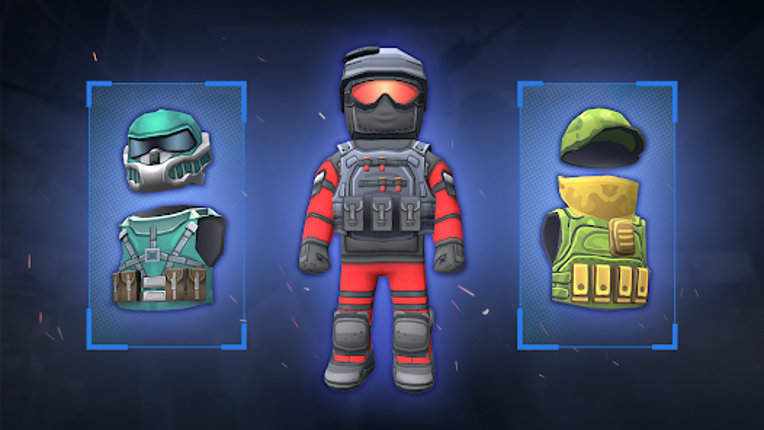
 80%Game Brain ScoreMost mentioned positive aspects:graphics, gameplayMost mentioned negative aspects:monetization, stability80% User Score 10,000 reviews
Online multiplayer shooting games: action PvP shooter. Shoot a gun in FPS games If you enjoyed this game, see our list of games similar to KUBOOM 3D: FPS Shooting Games.
View Game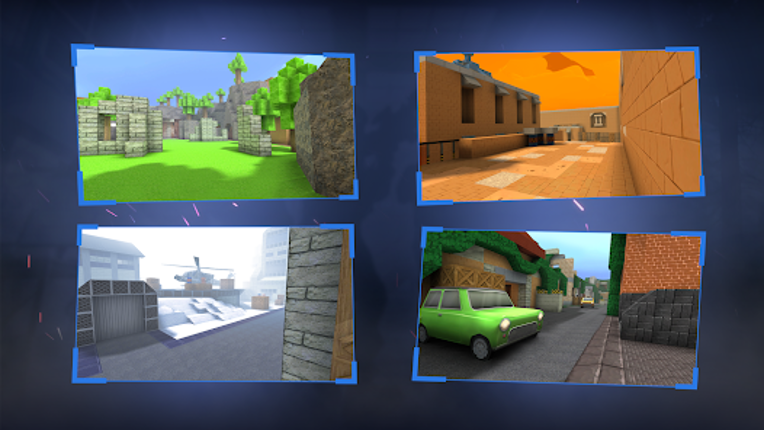
- 93%Game Brain ScoreMost mentioned positive aspects:gameplay, storyMost mentioned negative aspects:stability, grinding95% User Score 34,114 reviewsCritic Score 88%4 reviews
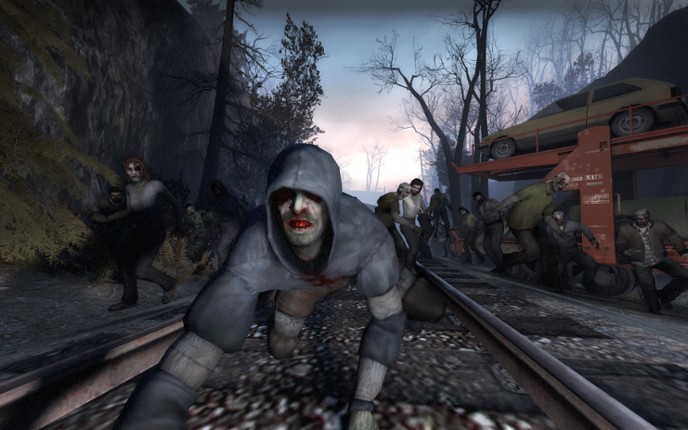
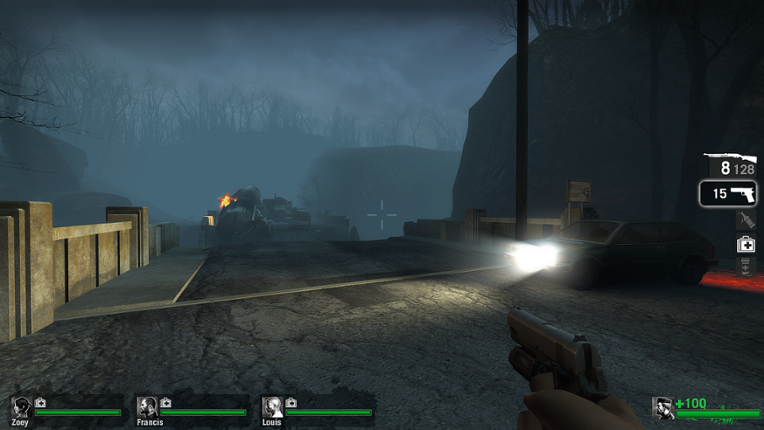
Left 4 Dead is a cooperative first-person shooter set during a zombie outbreak on the East Coast of the United States. Four players control survivors who must fight through hordes of infected humans, creatures transformed by a rabies-like pathogen that causes extreme aggression and loss of higher brain function. Gameplay emphasizes teamwork, with colored outlines showing teammate positions through… If you enjoyed this game, see our list of games similar to Left 4 Dead.
View Game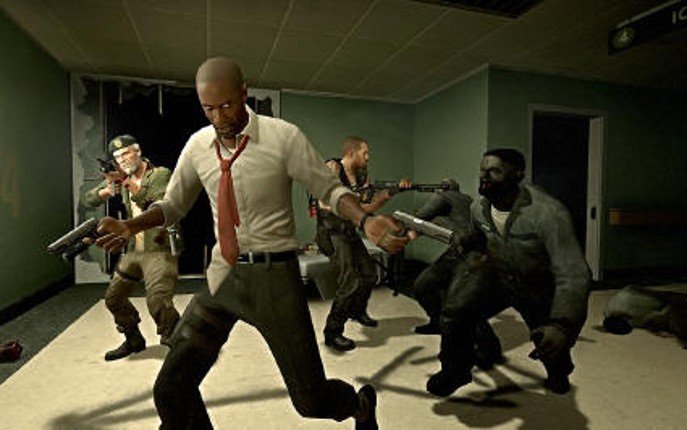
- 60%Game Brain ScoreMost mentioned positive aspects:story, gameplayMost mentioned negative aspects:monetization, grinding62% User Score 29,410 reviewsCritic Score 54%2 reviews
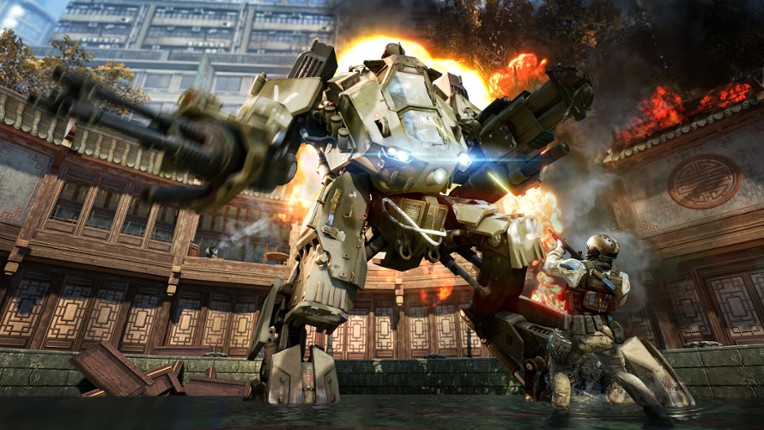
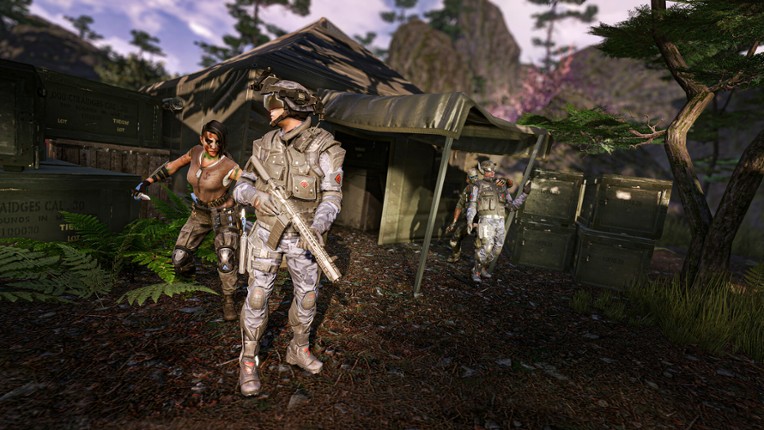
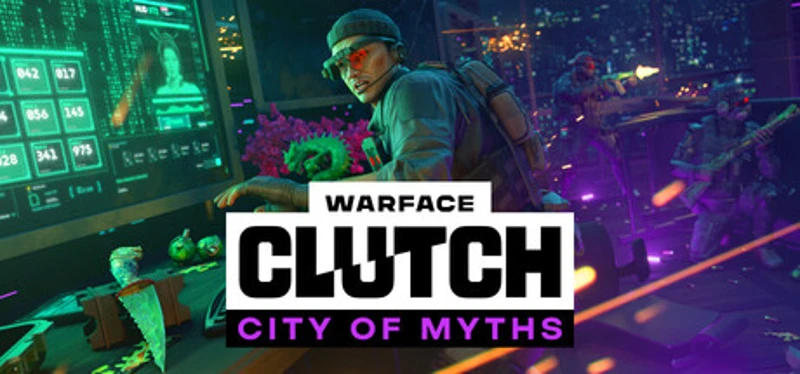
Join a five soldier team and take the fight to Blackwood across the globe. Your team will have to master each class's special abilities in order to come out victorious. Missions and location are renewed on a daily basis and can be played on each difficulty: Regular, Skilled, or Hardcore. If you enjoyed this game, see our list of games similar to Warface: Clutch.
View Game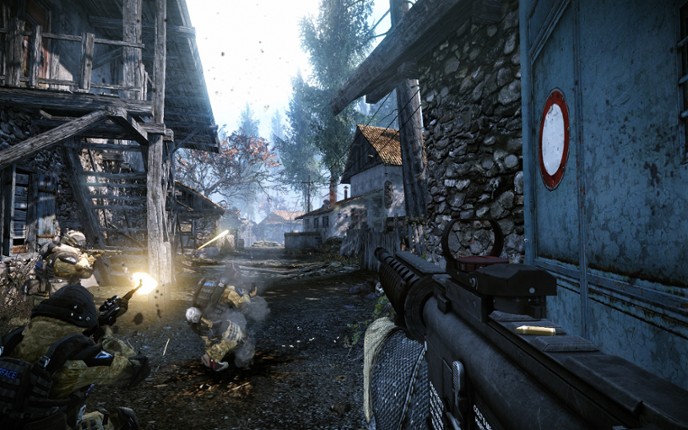
33 View Game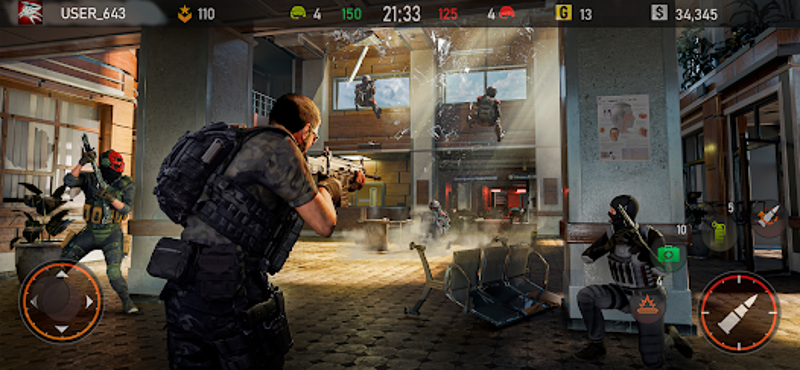
 71%Game Brain ScoreMost mentioned positive aspects:graphics, gameplayMost mentioned negative aspects:monetization, stability71% User Score 660 reviews
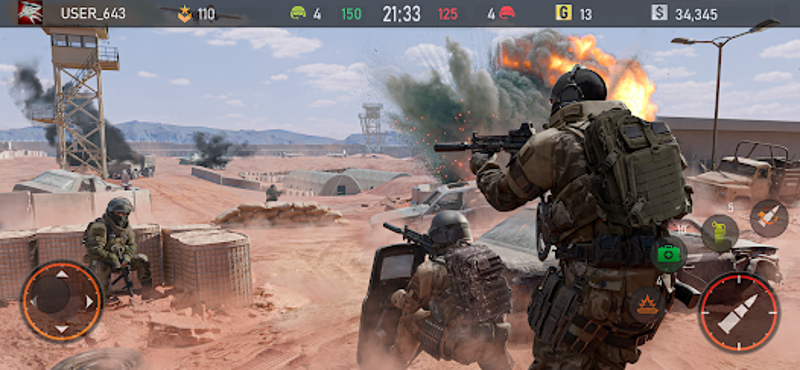
Modern shooter games multiplayer with friends 5vs5 action game with guns and PVP If you enjoyed this game, see our list of games similar to Striker Zone: Gun Shooting FPS.
View Game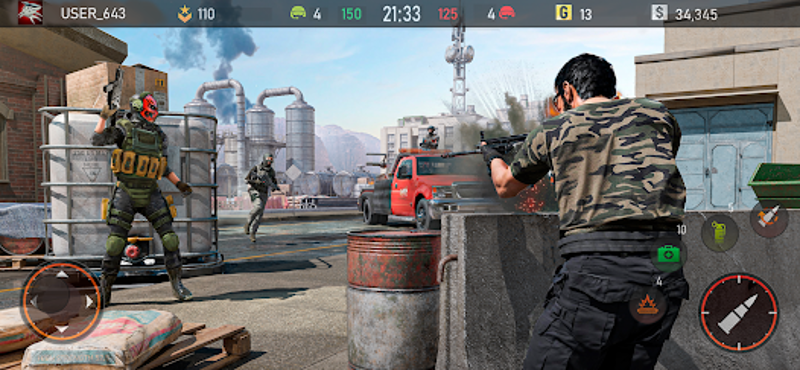
- 64%Game Brain ScoreMost mentioned positive aspects:gameplay, graphicsMost mentioned negative aspects:monetization, music64% User Score 1,385 reviews
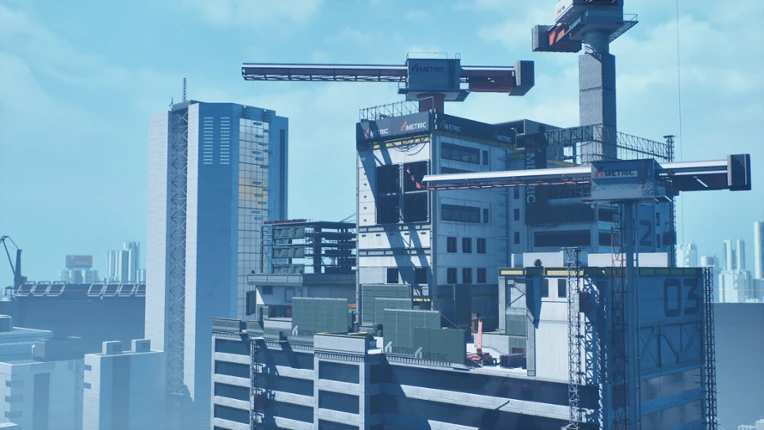
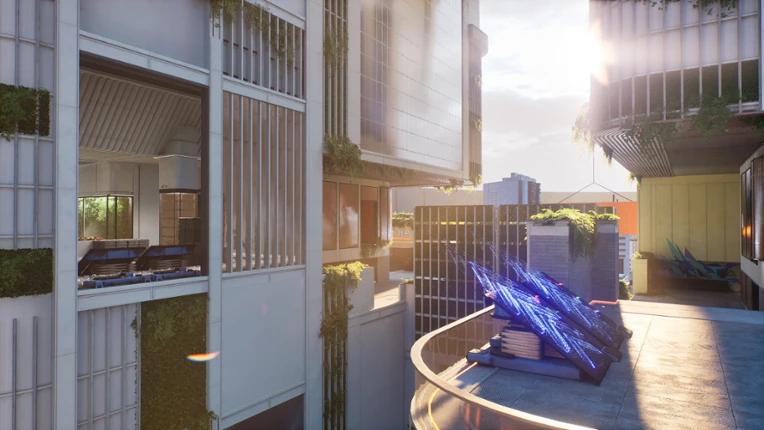
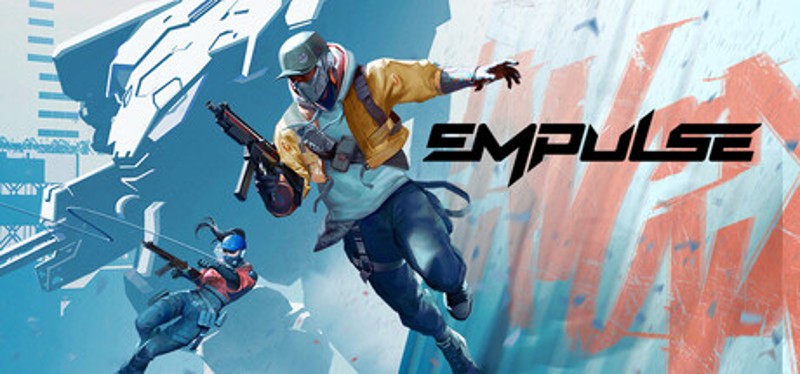
EMPULSE is a fast-paced 6v6 movement shooter. Outmove and outgun your opponents across the post-utopian streets of Freehold. Fight for control of mechs to turn the tide of battle for your Crew. Movement is Freedom In EMPULSE, movement is at the core of every fight. Wallrun forwards and backwards, swing with a grapple hook, launch off Holojumps, and alter surfaces with P.A.I.N.T. bombs to gain tac… If you enjoyed this game, see our list of games similar to EMPULSE.
View Game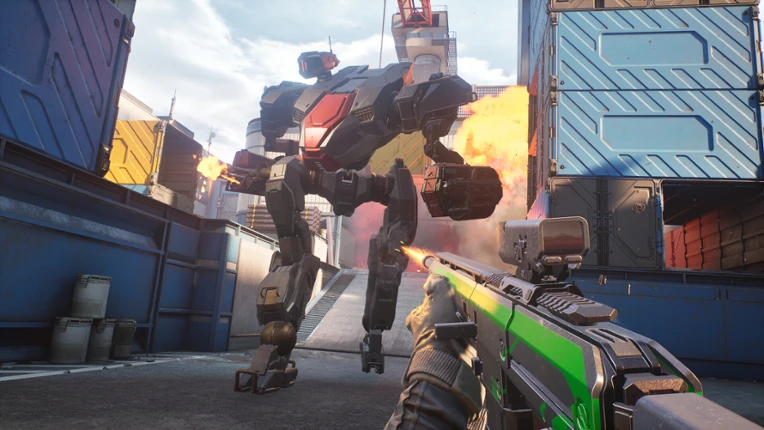
35 View Game

 75%Game Brain ScoreMost mentioned positive aspects:graphics, gameplayMost mentioned negative aspects:monetization, stability75% User Score 780 reviews
Fun 3D FPS Shooting Game with Survival Strike & Online Multiplayer Battle Royale If you enjoyed this game, see our list of games similar to Cops N Robbers:Pixel Craft Gun.
View Game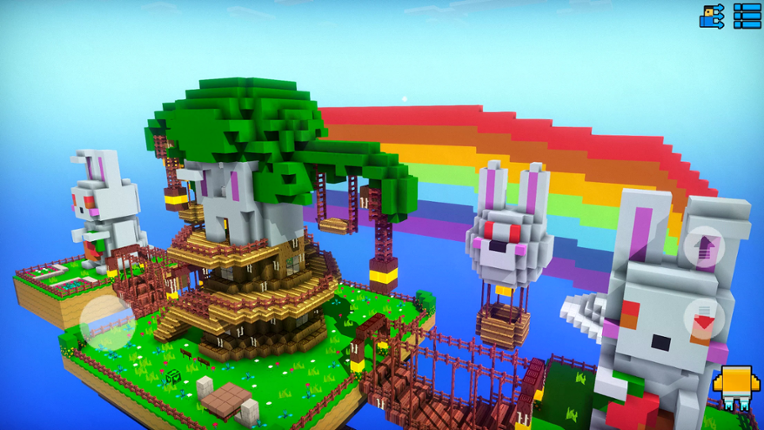
- 58%Game Brain ScoreMost mentioned positive aspects:gameplay, graphicsMost mentioned negative aspects:monetization, grinding58% User Score 710 reviews
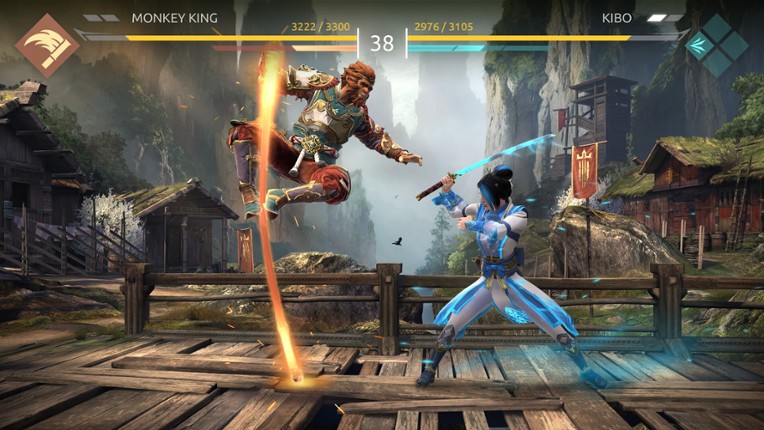
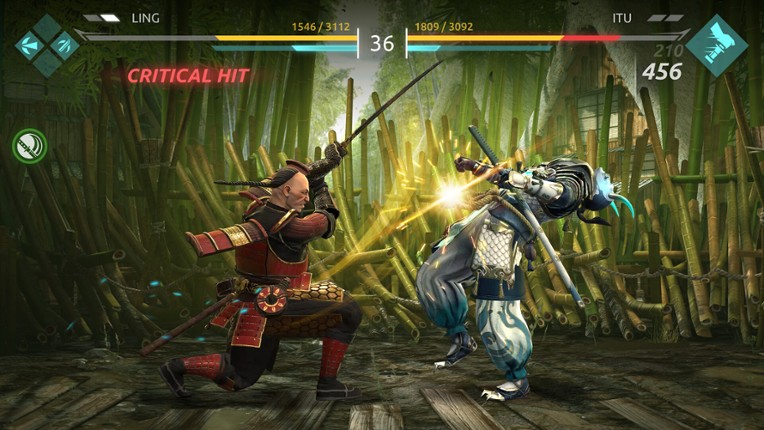
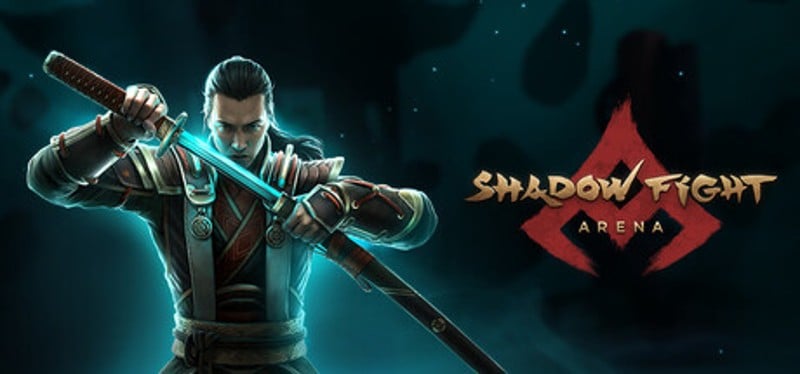
PVP FIGHTSParticipate in exciting ranked fights against other players. Improve your skills, level up your Heroes, and move up the Leaderboard! EXTRAORDINARY HEROESYou will encounter both old friends from the Shadow Fight universe and brand new characters. A charismatic demon, an experienced samurai, a queen of the criminal world, or a shadow bot — every player will find their favorite among doz… If you enjoyed this game, see our list of games similar to Shadow Fight Arena.
View Game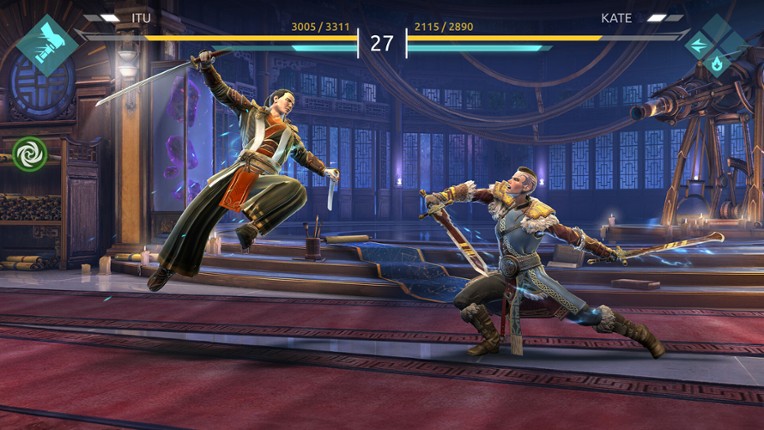
37 View Game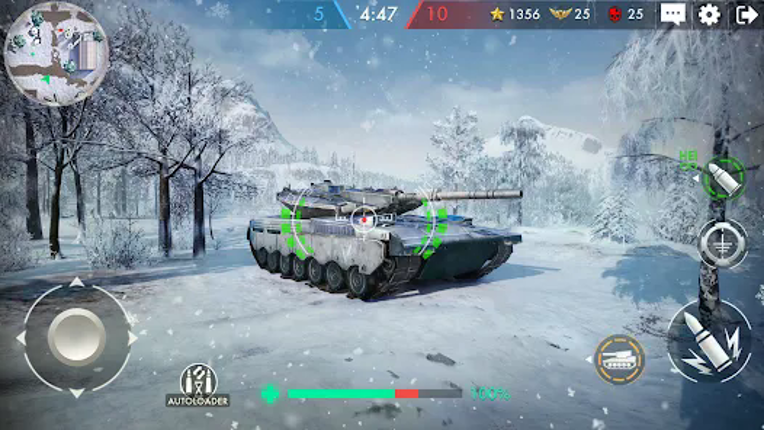
 77%Game Brain Score77% User Score 81,883 reviews
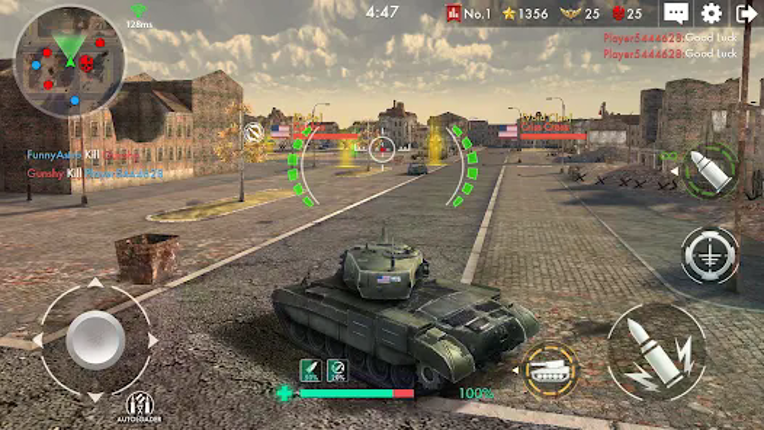
Epic tank games shooting blitz multiplayer battle world of tank strategy war MMO If you enjoyed this game, see our list of games similar to Tank Warfare: PvP Tanks Blitz.
View Game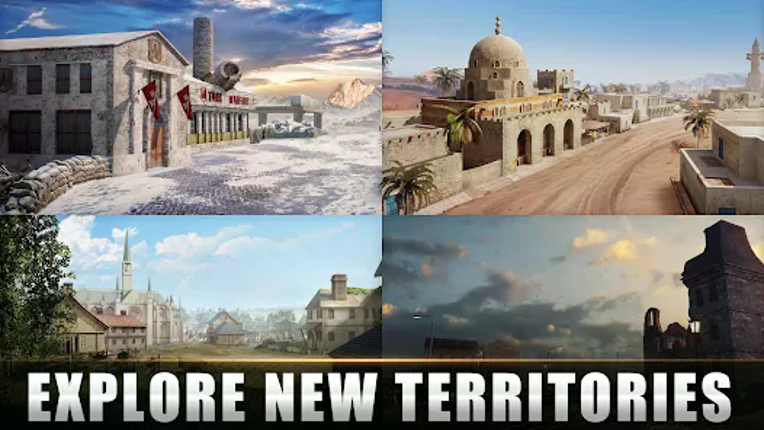
38 View Game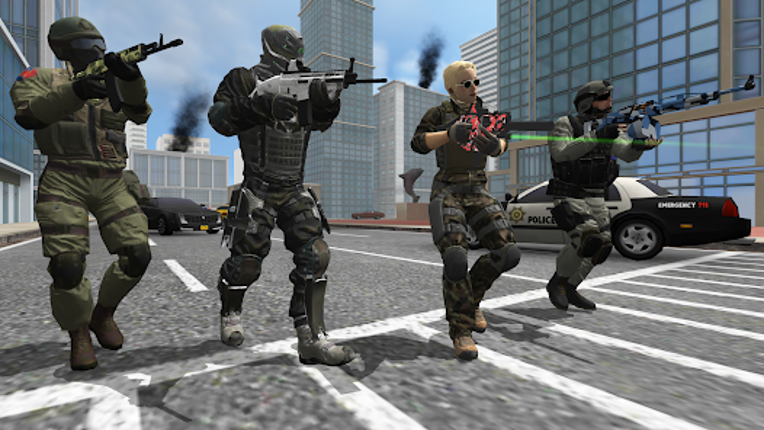
 88%Game Brain ScoreMost mentioned positive aspects:graphics, storyMost mentioned negative aspects:monetization, stability88% User Score 1,060 reviews
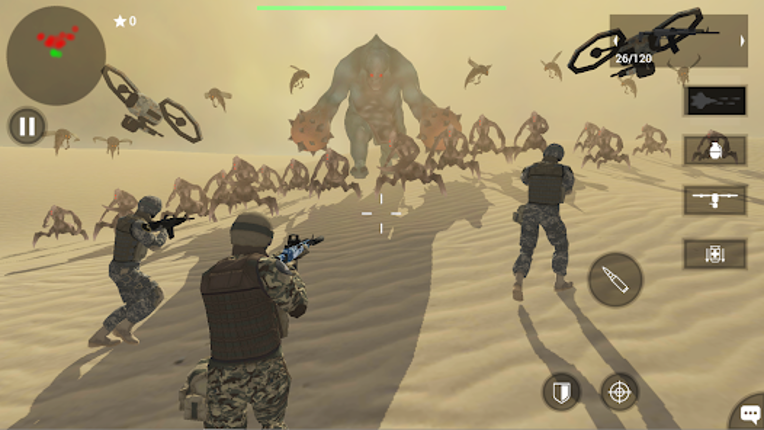
Third-person shooter game about fighting alien invaders. Play online or offline! If you enjoyed this game, see our list of games similar to Planet Protect Squad PvP & PvE.
View Game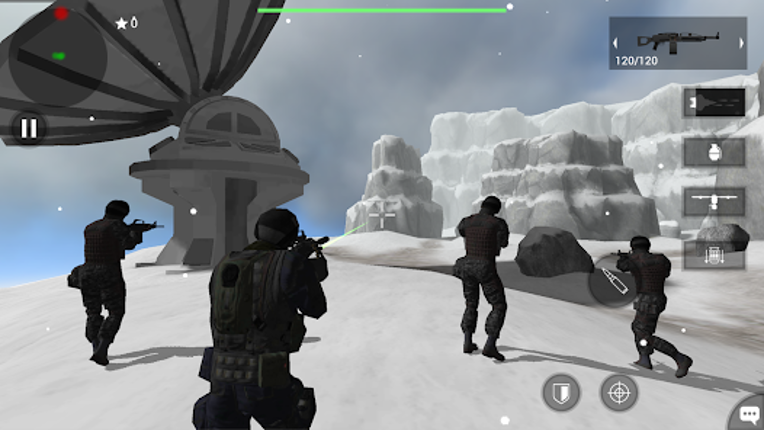
- 93%Game Brain ScoreMost mentioned positive aspects:graphics, storyMost mentioned negative aspects:monetization, stability93% User Score 1,860 reviews
Gun Game: Hero FPS! Battle hordes of enemies to become the ultimate hero! If you enjoyed this game, see our list of games similar to Gun Game: Hero FPS Shooter.
View Game
40 View Game
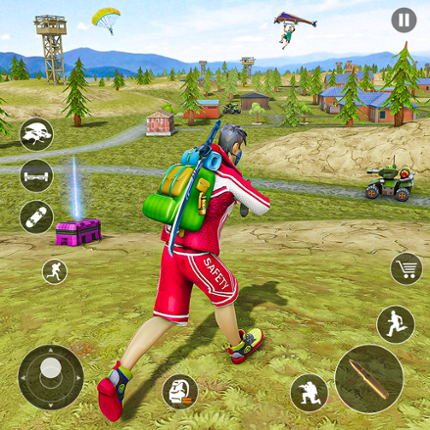
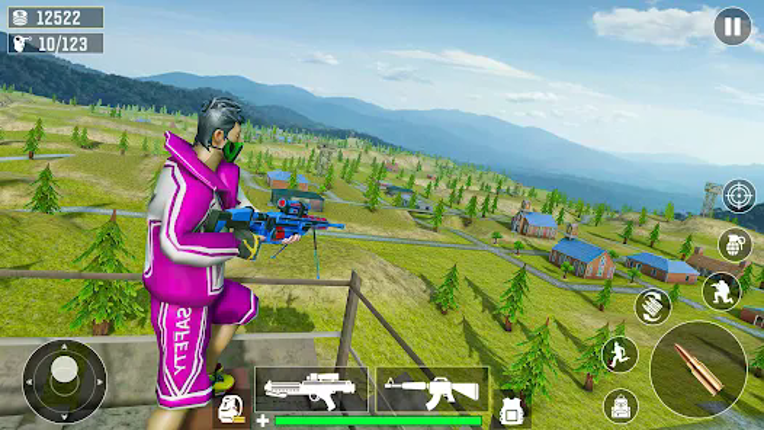 75%Game Brain ScoreMost mentioned positive aspects:graphics, gameplayMost mentioned negative aspects:monetization, stability75% User Score 1,260 reviews
Battle royal Vegas auto theft gangster crime simulator offline games If you enjoyed this game, see our list of games similar to Fire Grand Battle Royale Games.
View Game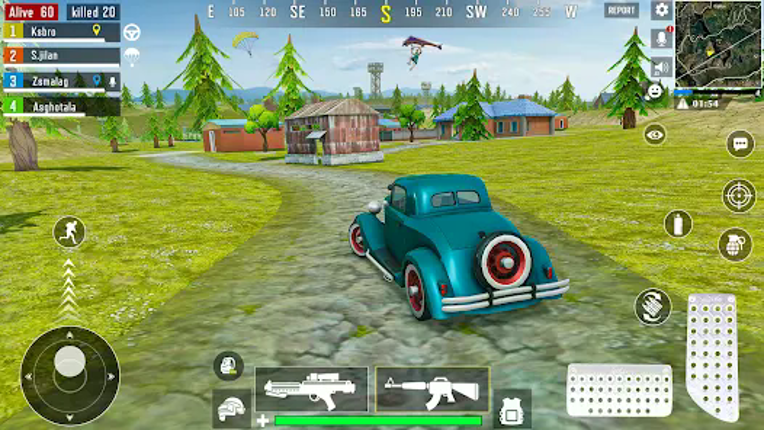
41 View Game

 76%Game Brain ScoreMost mentioned positive aspects:graphics, storyMost mentioned negative aspects:monetization, stability76% User Score 1,220 reviews
PvP, Sniper battles, 3D, Shooting game, FPS Action shooter, Gunsmith, Assassin. If you enjoyed this game, see our list of games similar to Gun Shooting Games Offline FPS.
View Game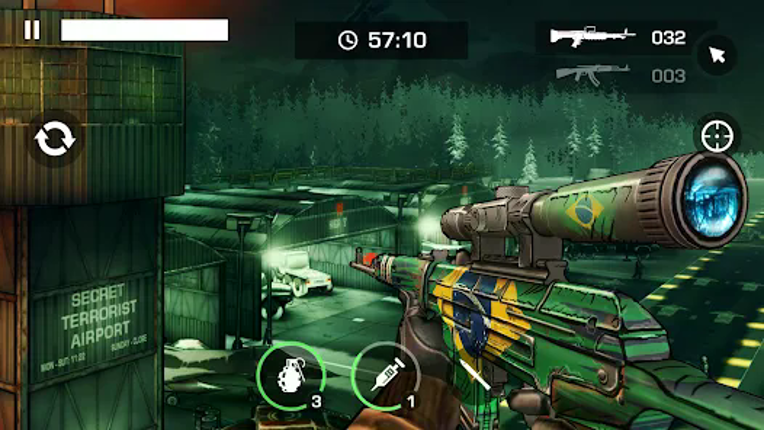
42 View Game
 76%Game Brain ScoreMost mentioned positive aspects:graphics, gameplayMost mentioned negative aspects:monetization, stability76% User Score 780 reviews
Multiplayer shooter! Play with friends and customize your character! If you enjoyed this game, see our list of games similar to Pixel Strike 3D - FPS Gun Game.
View Game
43 View Game
 56%Game Brain ScoreMost mentioned positive aspects:graphics, gameplayMost mentioned negative aspects:monetization, music56% User Score 1,220 reviews
Join in Crisis Action 7th anniversary and get awesome rewards! If you enjoyed this game, see our list of games similar to Crisis Action: 7th Anniversary.
View Game
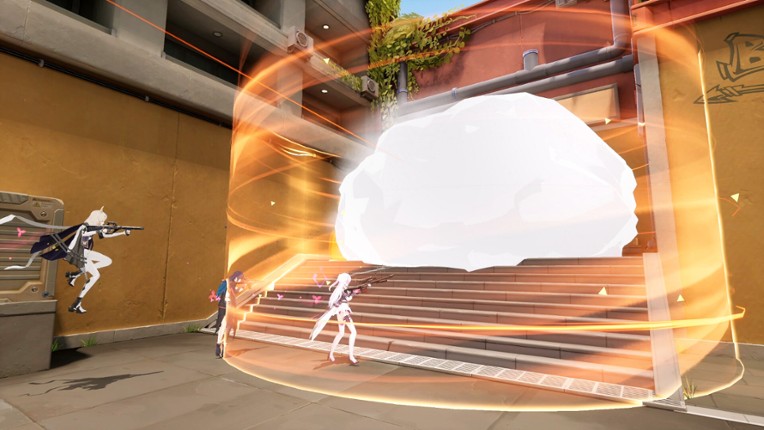
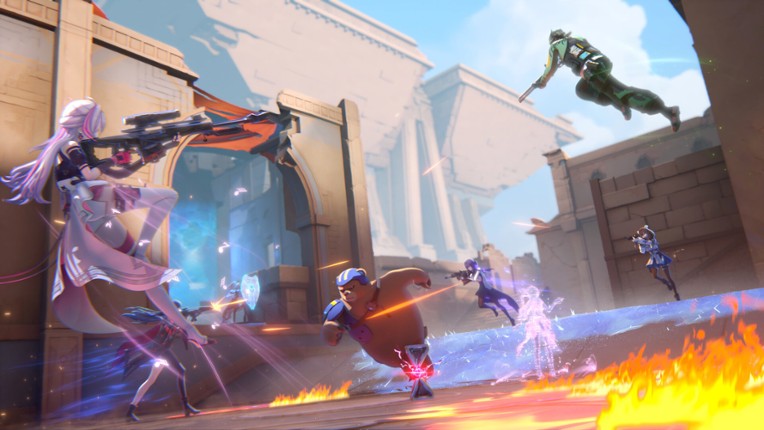
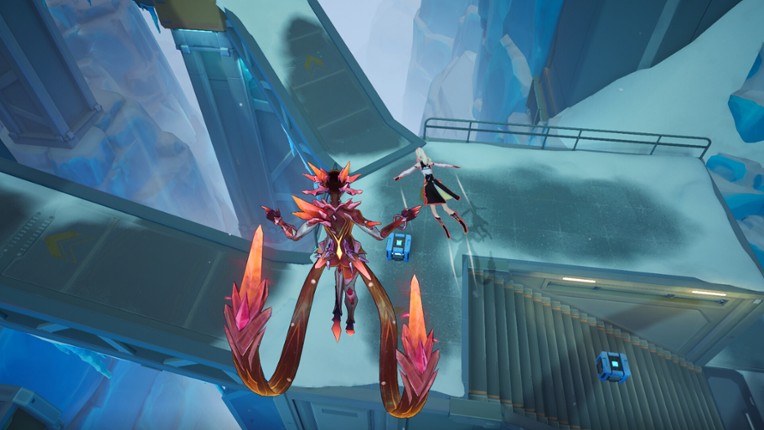
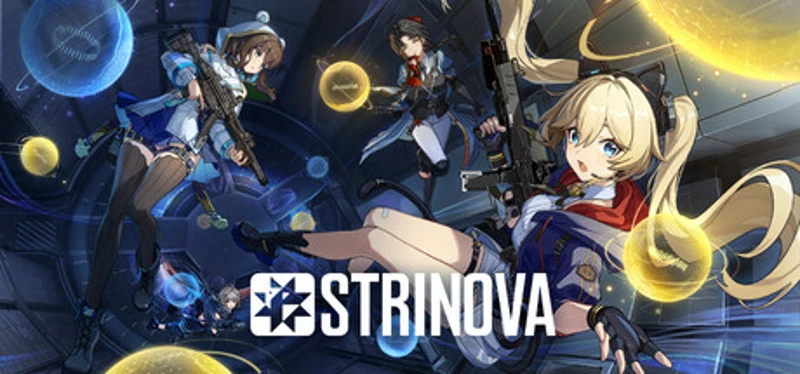
- 78%Game Brain ScoreMost mentioned positive aspects:gameplay, graphicsMost mentioned negative aspects:monetization, grinding78% User Score 10,063 reviewsShifting the perspective to third-person, this hero shooter leans further into anime-styled mobility and distinct character abilities for faster team-based firefights. If you enjoyed this game, see our list of games similar to Strinova.View Game
- 63%Game Brain ScoreMost mentioned positive aspects:gameplay, graphicsMost mentioned negative aspects:monetization, story59% User Score 15,343 reviewsCritic Score 80%1 reviews
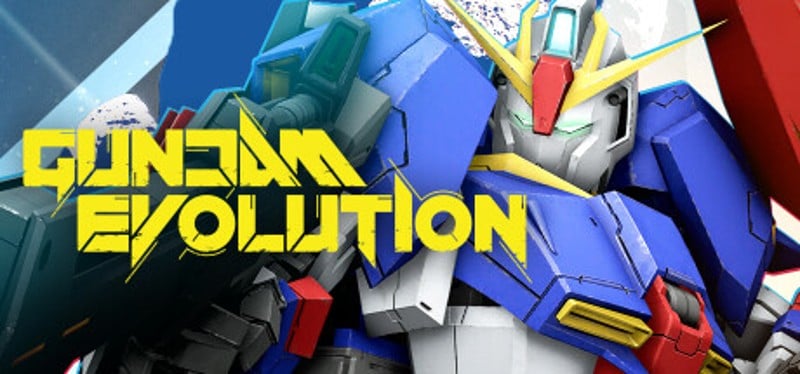
2, 000 EVO Coins that can be used in GUNDAM EVOLUTION. If you enjoyed this game, see our list of games similar to GUNDAM EVOLUTION.
View Game
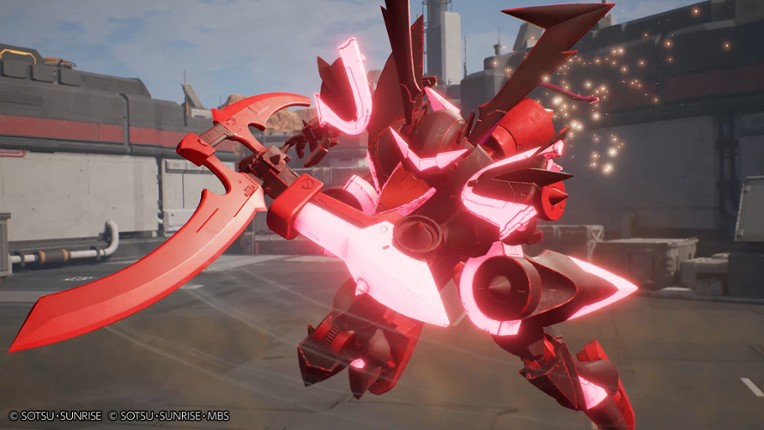
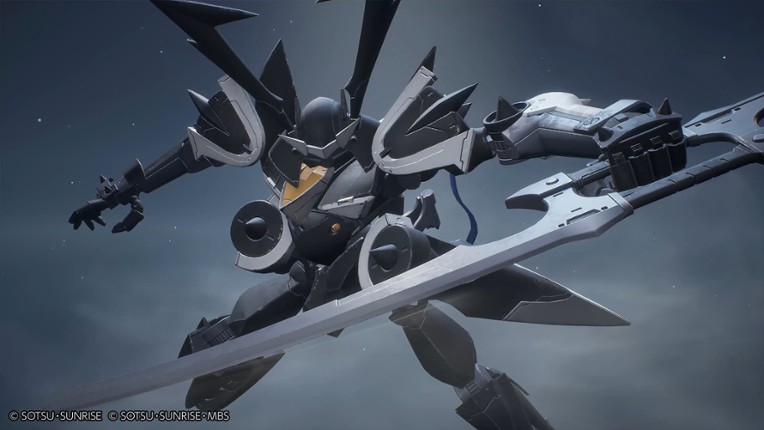
- 80%Game Brain ScoreMost mentioned positive aspects:graphics, storyMost mentioned negative aspects:stability, grinding80% User Score 9,986 reviews
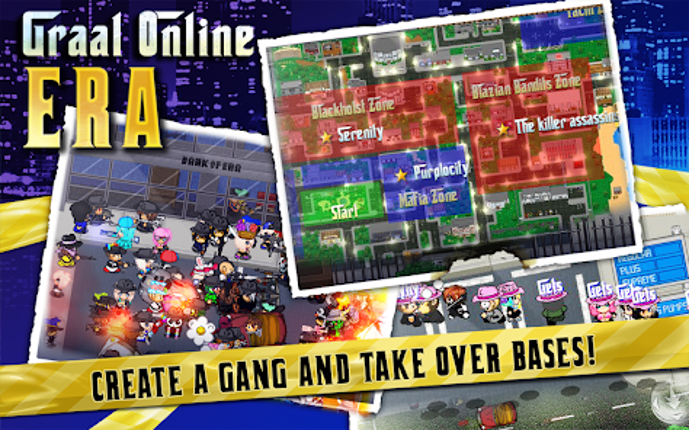
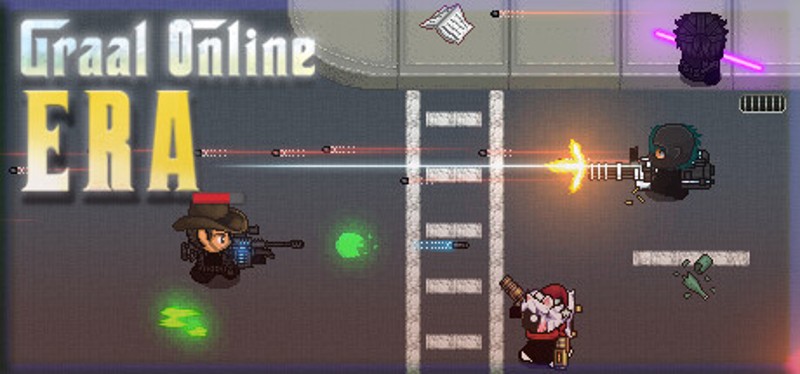
Grab a weapon and come join thousands of players in this massive 2D world! If you enjoyed this game, see our list of games similar to GraalOnline Era.
View Game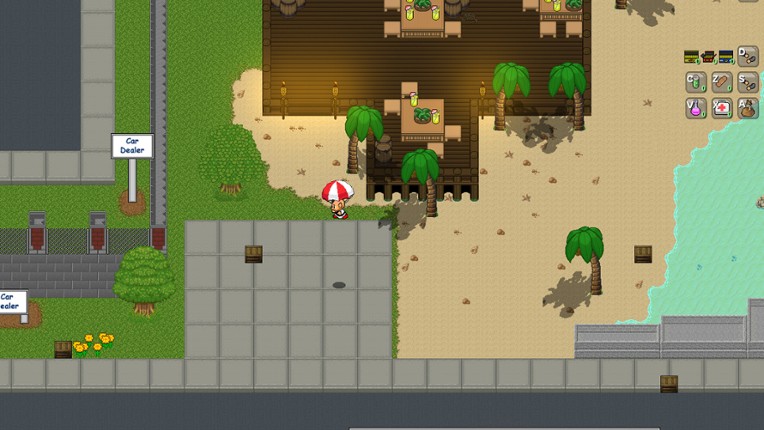
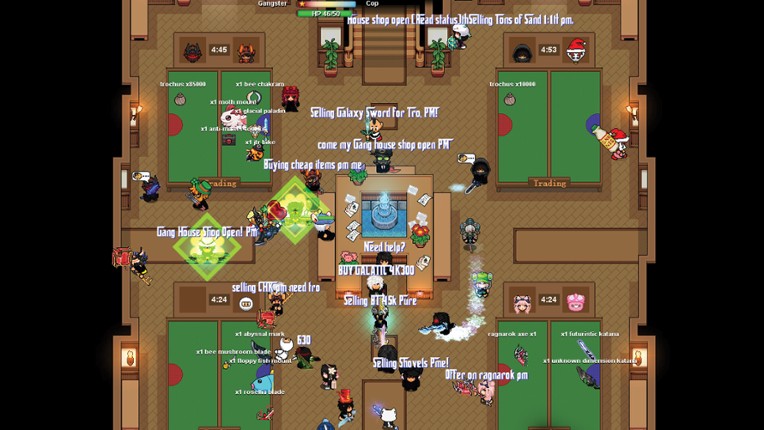
- 42%Game Brain ScoreMost mentioned positive aspects:graphics, gameplayMost mentioned negative aspects:optimization, stability42% User Score 1,494 reviews
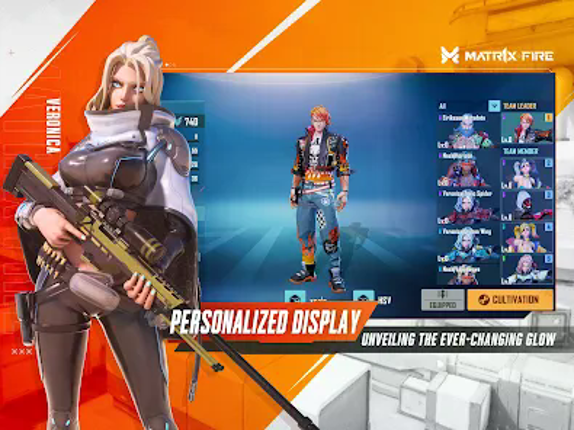
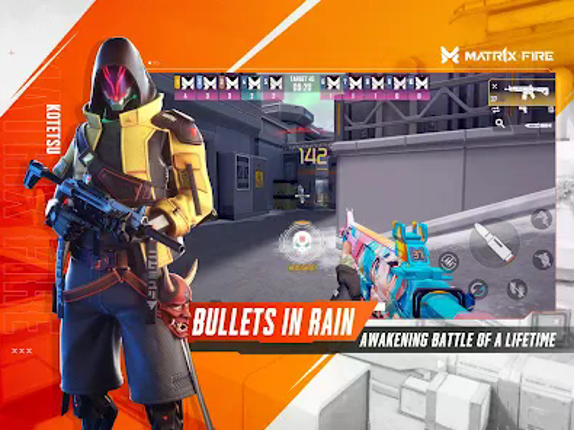
Join MATR1X FIRE for epic 5V5 battles in the ultimate mobile FPS experience. If you enjoyed this game, see our list of games similar to MATR1X FIRE.
View Game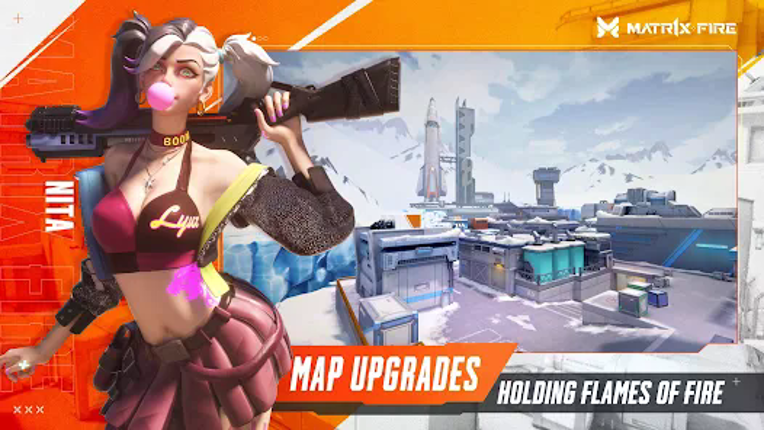
- 87%Game Brain ScoreMost mentioned positive aspects:graphics, gameplayMost mentioned negative aspects:story, grinding95% User Score 42 reviews
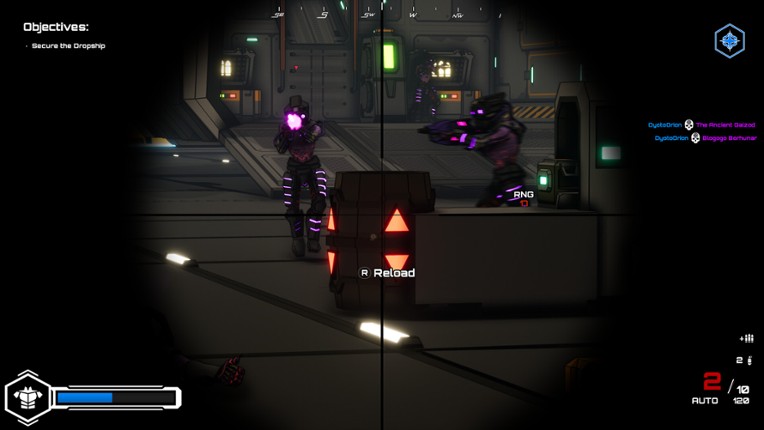
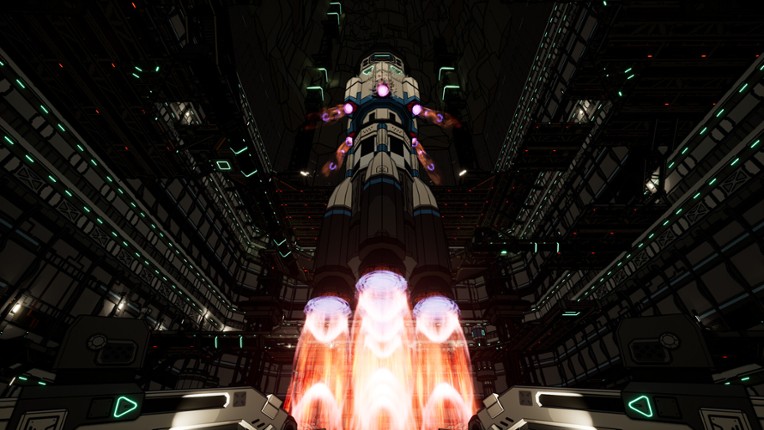
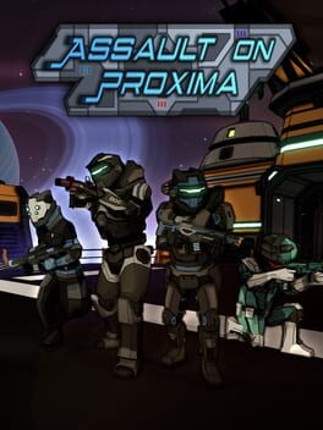
Lock and load with Strike Force Delta in this action-packed sci-fi FPS! Play solo or team up to blast through hordes of Gacrux alien invaders, save humanity’s colonies, and dominate intense PvP showdowns. Gear up, soldier, and get ready to lead the Assault on Proxima! If you enjoyed this game, see our list of games similar to Assault On Proxima.
View Game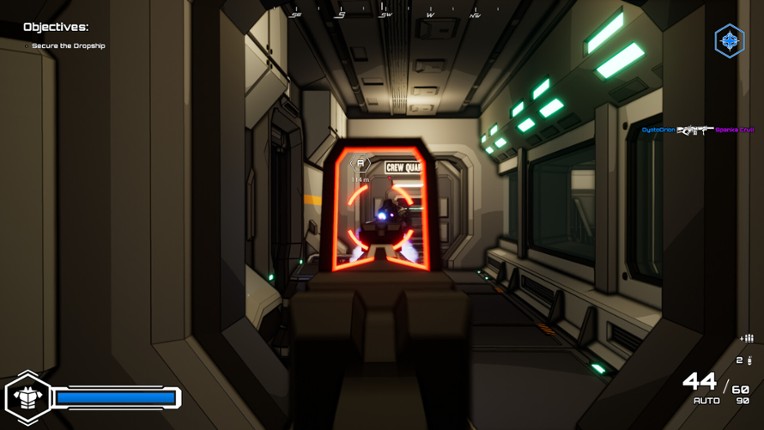
- 78%Game Brain ScoreMost mentioned positive aspects:gameplay, graphicsMost mentioned negative aspects:optimization, story85% User Score 1,174,014 reviewsCritic Score 65%5 reviews
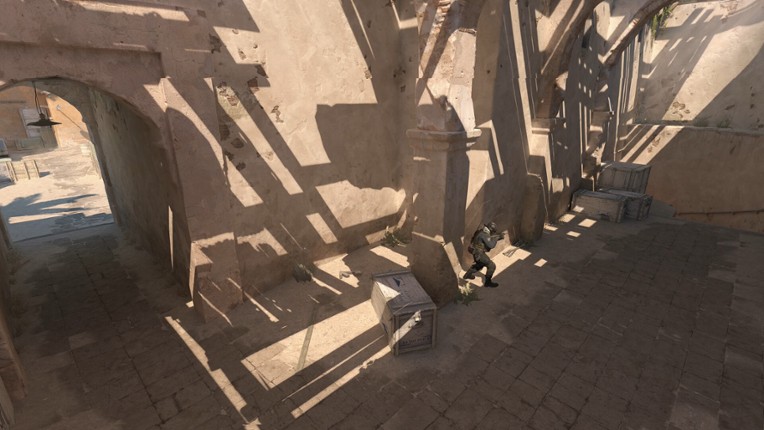
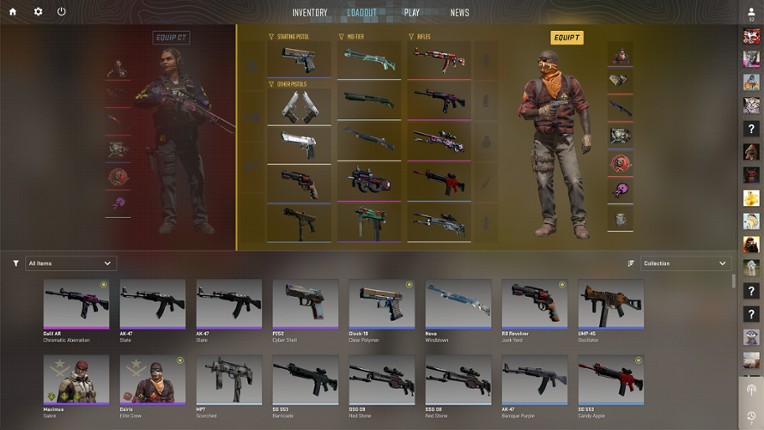
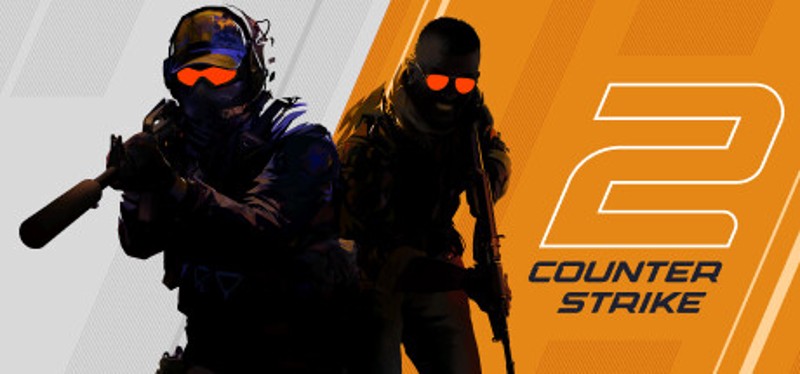
For over two decades, Counter-Strike has offered an elite competitive experience, one shaped by millions of players from across the globe. And now the next chapter in the CS story is about to begin. This is Counter-Strike 2. A free upgrade to CS:GO, Counter-Strike 2 marks the largest technical leap in Counter-Strike’s history. Built on the Source 2 engine, Counter-Strike 2 is modernized with real… If you enjoyed this game, see our list of games similar to Counter-Strike 2.
View Game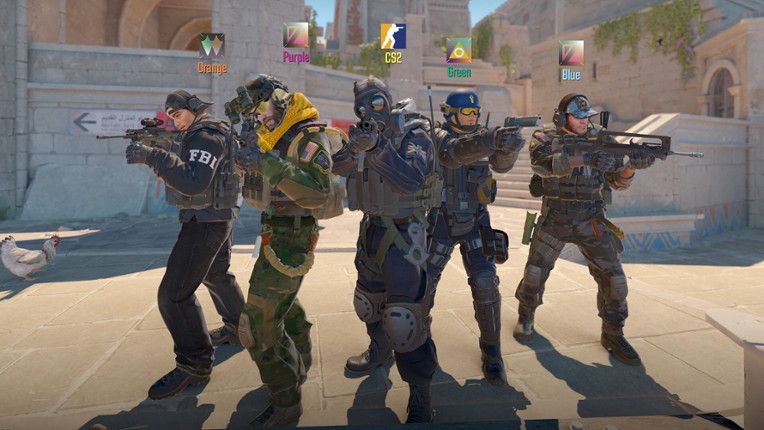
- 83%Game Brain ScoreMost mentioned positive aspects:gameplay, storyMost mentioned negative aspects:graphics, grinding83% User Score 164 reviews
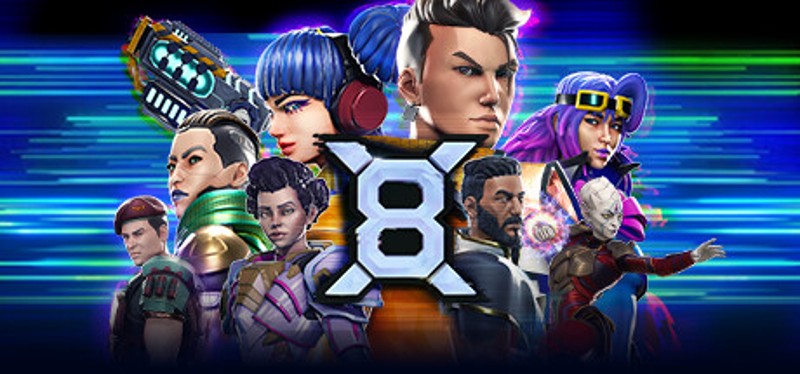
A digital cataclysm has forced a reboot of all contemporary shooters. Heroes from different FPS franchises find themselves crossing paths back to their common ancestor game engine. They will compete to restore their source worlds and each rebuild their path home. If you enjoyed this game, see our list of games similar to X8.
View Game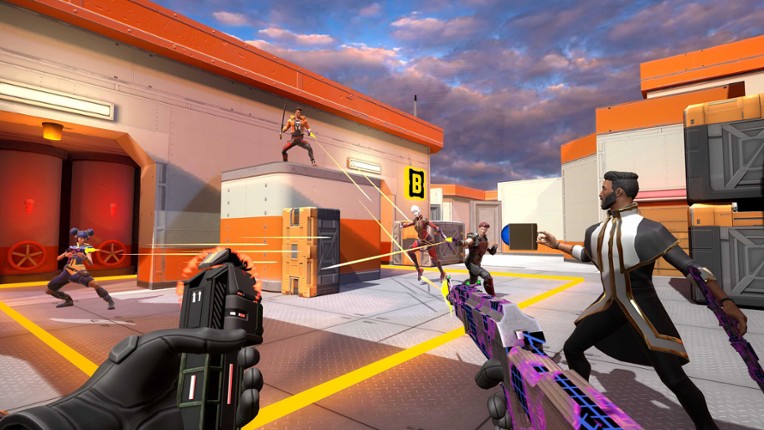


 View Game




















Frequently Asked Questions
If you love Valorant's tactical depth, try Due Process for asymmetrical team-based gameplay with procedural map generation, or Impaler for a hardcore arena shooter experience. Cowboy 3030 offers third-person tactical shooting with roguelike progression and diverse character options that reward strategic experimentation and mastery.
Skillshot City is a free-to-play arena shooter combining top-down mechanics with battle royale elements and a unique zombie respawn system. The active developer regularly updates it with community feedback. While different in perspective, it captures Valorant's competitive spirit and skill-based gameplay at no cost.
Cowboy 3030 features diverse characters with distinct playstyles, similar to Valorant's agent system, paired with satisfying gunplay and a grid-based skill tree. Secret Ponchos combines shooter and fighting game elements with high skill ceilings and character mastery, rewarding players who invest time learning unique abilities.
Sanctum 2 blends tower defense with first-person shooter mechanics in cooperative missions requiring tactical planning. Samurai GUNN excels at local multiplayer combat with intuitive controls and emergent gameplay depth. Both reward teamwork and strategic coordination while being fun for casual play sessions.
Due Process and Secret Ponchos demand mastery of complex mechanics and character systems, similar to Valorant's steep learning curve. Impaler features easy-to-learn gameplay that's genuinely hard to master, with depth through runs and upgrades rewarding dedicated players who practice.
Skillshot City combines roguelite progression with battle royale gameplay for endless replayability. Cowboy 3030 uses procedural generation and a progression system with various weapon variants. Thronefall adds real-time strategy and tower defense elements, offering vastly different content types beyond traditional competitive modes.