

Games like Unpacking
If you've just finished unpacking the last box in Unpacking and found yourself staring at the title screen, reluctant to let go, you already know exactly what you're searching for. Games like Unpacking occupy a wonderfully specific niche — they're relaxing, story-rich, and built around the quiet satisfaction of putting things in their right place. The good news is that several games nail that same feeling, and they're worth every minute.
What makes Unpacking so hard to replace is its precise combination of inventory management, pixel art atmosphere, and wordless storytelling. The core loop is simple — sort and place objects into a living space — but every item doubles as a narrative beat, sketching out a character's entire life through accumulated possessions. It's a cozy puzzle game that doubles as an emotional drama, aimed at players who want to slow down, observe, and feel something without fighting a single enemy.
What Makes a Good Alternative to Unpacking?
- Object-based storytelling — Unpacking tells its story entirely through items, so the best alternatives use possessions, spaces, or environments to reveal character and emotion rather than relying on dialogue alone.
- Satisfying placement and organization mechanics — The tactile pleasure of finding the right spot for every object is central to Unpacking's appeal. Alternatives should offer that same low-stakes, high-reward loop of sorting and arranging.
- Cozy, low-pressure atmosphere — Unpacking never punishes you. The best similar games share that same relaxed pacing, letting players organize and explore at their own speed without timers or fail states.
- Emotional depth beneath a cute exterior — Players praised Unpacking for sneaking genuine emotional weight into cheerful pixel art. Strong alternatives carry that same warmth and use their art style to amplify feeling rather than just decorate it.
- 2D or isometric visual charm — Unpacking's pixel graphics and isometric layouts are part of its identity. Games that share a hand-crafted, detail-rich visual style tend to deliver the same sense of intimacy and discovery.
Top Picks If You Enjoyed Unpacking
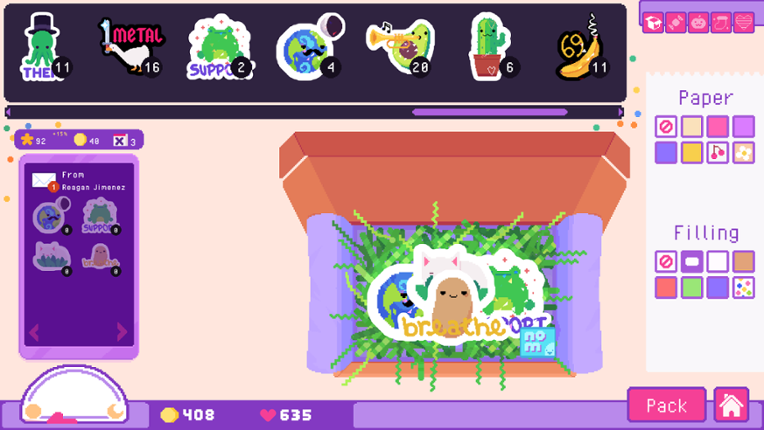
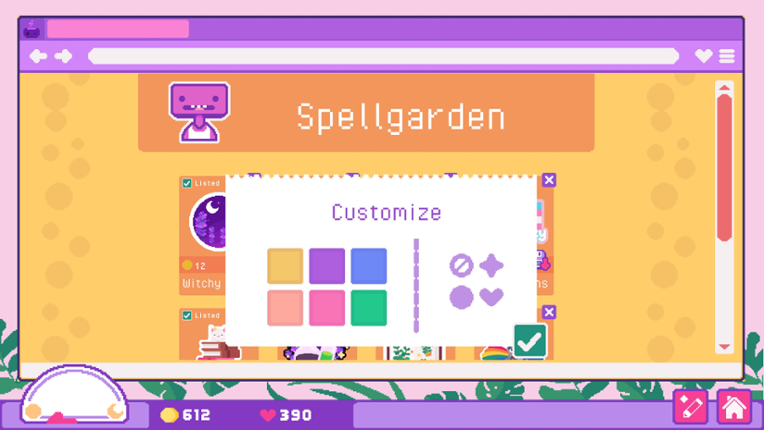
A Little to the Left delivers the same cozy sorting satisfaction with clever hidden-object puzzles. Whisper of the House matches Unpacking's isometric pixel art and story-rich atmosphere almost beat for beat. Organized Inside brings narrative-driven tidying with a charming black cat companion. Assemble with Care swaps boxes for broken objects but keeps the heartfelt storytelling intact. Sticky Business channels the same unhurried, creative energy into a sticker-design shop with surprisingly touching customer vignettes.
Every recommendation below is ranked by similarity using real player data, so the closest matches appear first. Browse the full list to find your next favorite cozy game.
- 84%Game Brain ScoreMost mentioned positive aspects:graphics, musicMost mentioned negative aspects:replayability, grinding93% User Score 12,914 reviewsCritic Score 75%22 reviews
Both games let you inhabit a quiet, methodical space where organizing and arranging objects becomes a form of meditation. In Unpacking, you placed items into rooms; in A Little to the Left, you arrange scattered objects into satisfying configurations. This shift from narrative-driven placement to pure spatial problem-solving creates the same meditative rhythm—that satisfying click when something finally fits.
The hidden object mechanic anchors both experiences, but here it works differently. Rather than hunting for items to use elsewhere, you're spotting what's out of place and correcting it. This inverts the puzzle logic while keeping the same careful, observant mindset that made Unpacking's unpacking so absorbing.
A Little to the Left trades Unpacking's emotional story arc for a lighter, comedy-driven tone centered around a mischievous cat. Where Unpacking unfolded your character's life across moves, this one commits to brevity and charm—making it an ideal palate cleanser if you've already experienced Unpacking's narrative depth.
Best for players who found Unpacking's gameplay loop more rewarding than its plot, and who want that same cozy, low-stakes puzzle-solving without needing emotional weight attached.
If you enjoyed this game, see our list of games similar to A Little to the Left.View Game

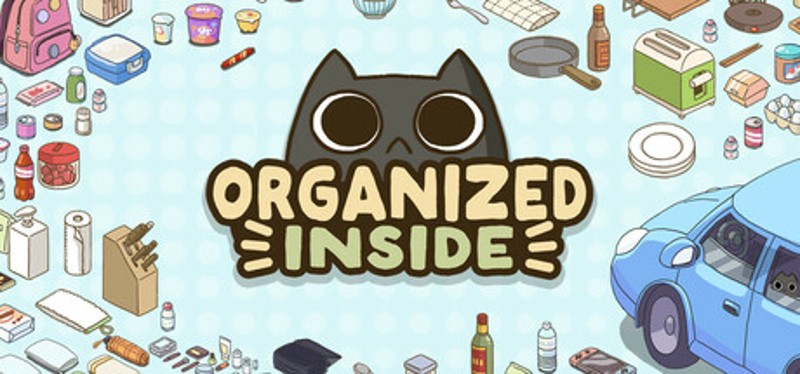
- 96%Game Brain ScoreMost mentioned positive aspects:story, musicMost mentioned negative aspects:atmosphere, grinding96% User Score 927 reviews
Both games tap into the meditative satisfaction of transforming a cluttered room into a curated sanctuary one item at a time. This mechanical focus on spatial organization and 2D aesthetics ensures the same "just one more box" loop that makes tidying feel like a reward. By mapping personal history through physical objects, the gameplay turns simple inventory management into a deep, narrative-driven puzzle.
While Unpacking often demands specific placement to advance, Organized Inside introduces a freedom-centric approach where your aesthetic intuition takes center stage. You will navigate hand-drawn environments alongside a charming black cat, finding homes for items without the pressure of rigid grid constraints. This shift offers a fresh angle for those who want to express their own style rather than solving a fixed environmental riddle.
If you found the progression in Unpacking occasionally felt like a grind, you will appreciate the streamlined, minimalist pacing found here. Best for players who crave artistic autonomy over strict logic.
If you enjoyed this game, see our list of games similar to Organized Inside.View Game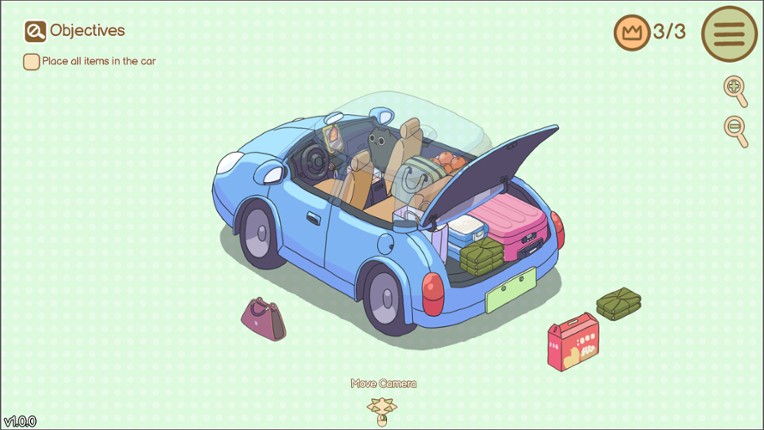
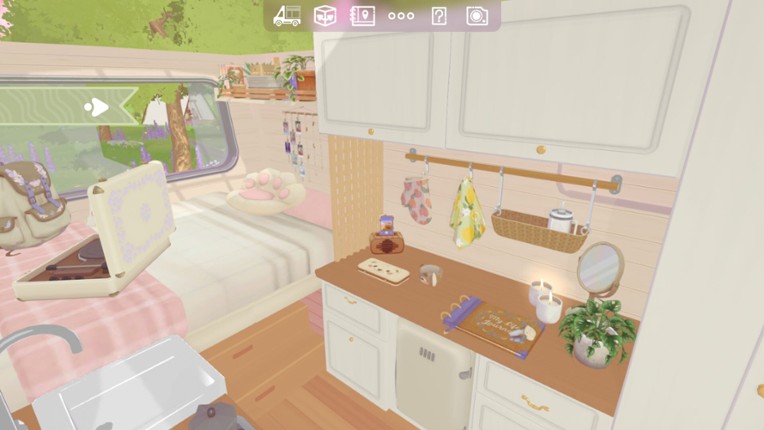
- 93%Game Brain ScoreMost mentioned positive aspects:story, musicMost mentioned negative aspects:stability, grinding93% User Score 894 reviews
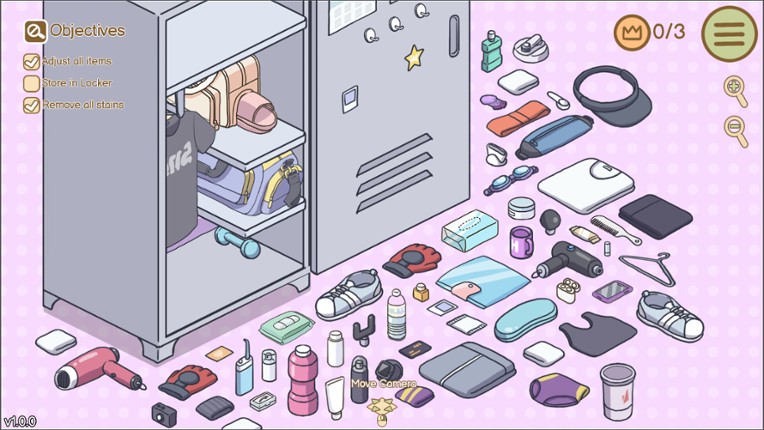
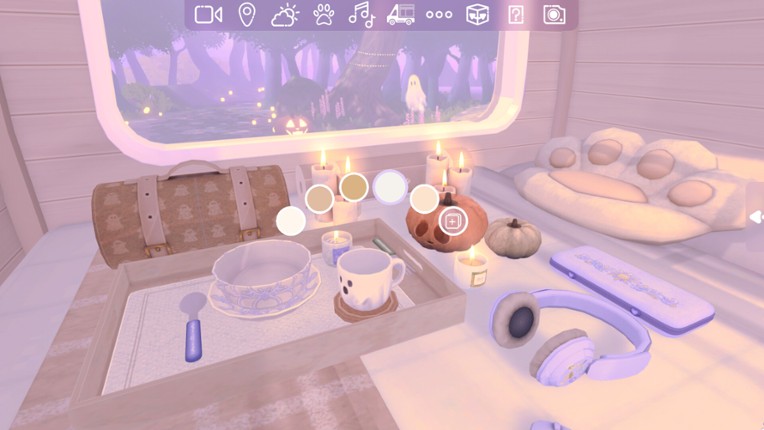
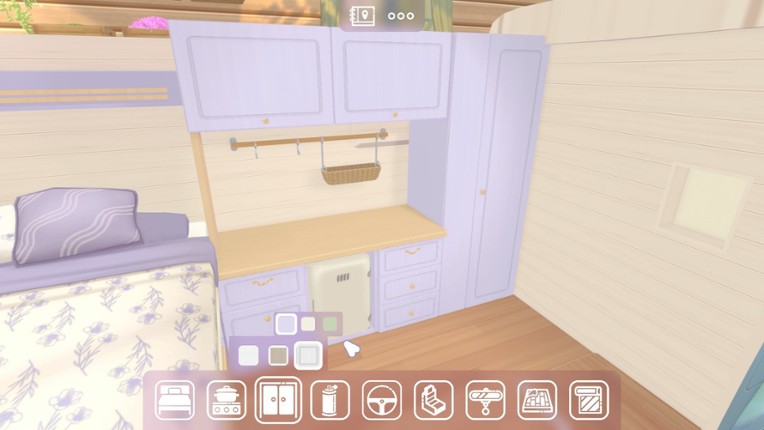
Sorting a small space until every object feels purposeful is the core pleasure here, just as in Unpacking. Camper Van: Make it Home asks you to place, adjust, and reorganize belongings so the space gradually starts to feel lived-in, and that same careful, object-by-object rhythm creates the satisfying “before and after” reveal fans love.
It also leans into hidden-object style observation, cozy life-sim pacing, and gentle environmental storytelling. The reason that works is the same one that makes Unpacking memorable: you learn about the journey through what gets kept, where it fits, and how the van changes around it, so every placement feels like a small narrative decision.
The big difference is the 3D camper-van setting, which adds a fresh spatial puzzle compared with Unpacking’s room-by-room structure. That extra dimension makes the tradeoff about practicality versus aesthetics more immediate, and it also helps address a common complaint about Unpacking by offering more room to tinker rather than rushing you through a short checklist.
Best for players who enjoy calm organization, subtle storytelling, and making a tiny space feel personal.
If you enjoyed this game, see our list of games similar to Camper Van: Make it Home.View Game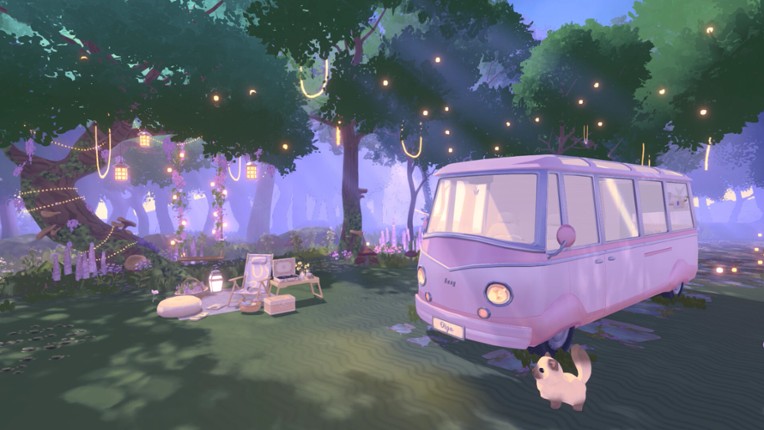
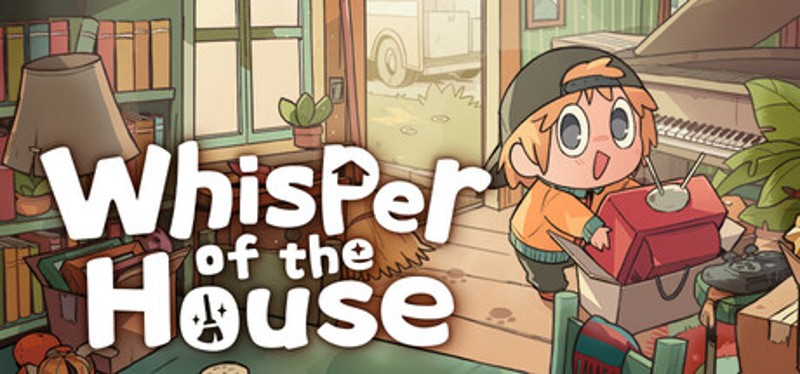
- 96%Game Brain ScoreMost mentioned positive aspects:story, graphicsMost mentioned negative aspects:grinding, stability96% User Score 2,416 reviews
The quiet satisfaction of placing each item exactly where it feels right mirrors the tactile joy of arranging a living space in Unpacking.
Both games share a core loop of sorting and placing objects. Their pixel‑perfect art styles and isometric perspectives reinforce a familiar, hand‑crafted feel. The emphasis on story‑rich environments means every placed item quietly advances the plot, just as Unpacking’s items reveal character.
Unlike Unpacking’s straightforward life‑sim narrative, Whisper of the House weaves a mystery that unravels as you tidy each room, rewarding curiosity with multiple endings.
Whisper sidesteps the aggressive monetization that sometimes weighs down similar games, offering a polished, self‑contained adventure without pressure to spend extra.
Best for players who relish methodical, story‑driven organization and enjoy uncovering secrets while they decorate.
If you enjoyed this game, see our list of games similar to Whisper of the House.View Game
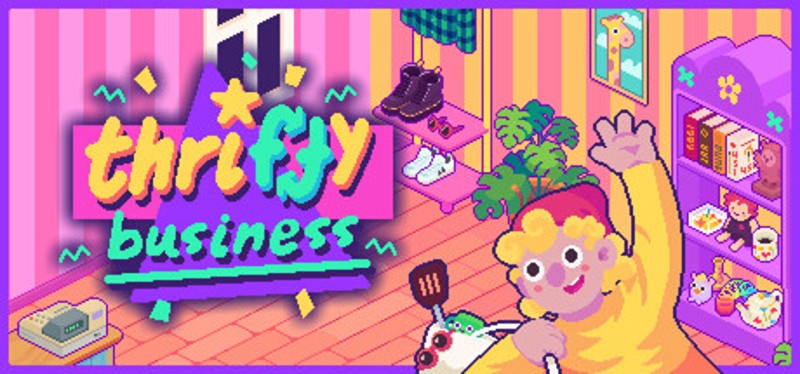
- 92%Game Brain ScoreMost mentioned positive aspects:story, gameplayMost mentioned negative aspects:grinding, stability98% User Score 1,057 reviewsCritic Score 78%4 reviews
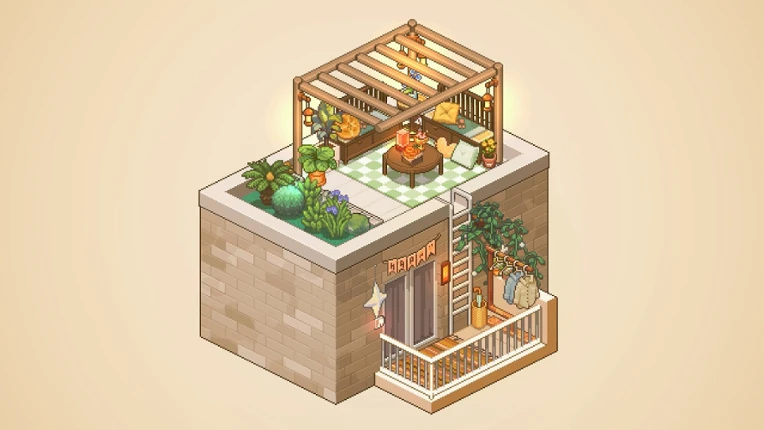
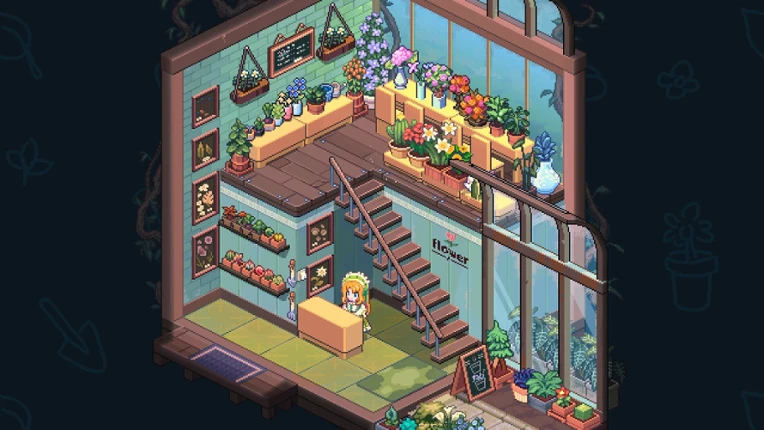
Run your very own thrift shop in this laid-back management sim! If you enjoyed this game, see our list of games similar to Thrifty Business.
View Game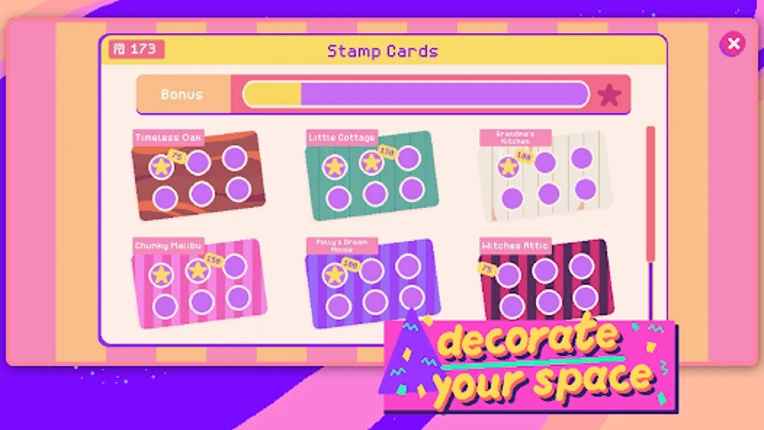
- 88%Game Brain ScoreMost mentioned positive aspects:story, gameplayMost mentioned negative aspects:replayability, grinding90% User Score 5,173 reviewsCritic Score 75%1 reviews
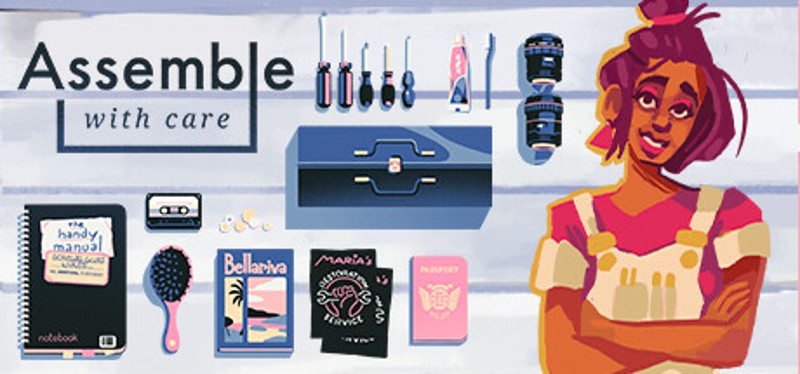
Both Unpacking and Assemble with Care revolve around intimate, tactile interactions that drive emotional storytelling through object management and repair. This hands-on focus emphasizes family connections and personal history, deepening player immersion in the characters’ lives. Their shared atmospheric, calming tone reinforces this narrative intimacy.
The main tradeoff is Assemble with Care’s brevity and simplicity; its short, uncomplicated puzzles lack Unpacking’s layered challenge and depth. Meanwhile, finicky controls may frustrate players used to smooth, deliberate interactions. Assemble with Care feels more like a visual novel with light puzzles than a detailed simulation.
Pick Assemble with Care if you want a warm, concise story with soothing ambiance and can live without Unpacking’s richer gameplay complexity and length. It caters to players valuing narrative and atmosphere over mechanical depth.
If you enjoyed this game, see our list of games similar to Assemble with Care.View Game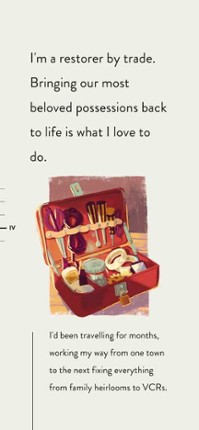

- 86%Game Brain ScoreMost mentioned positive aspects:story, gameplayMost mentioned negative aspects:grinding, optimization95% User Score 5,519 reviewsCritic Score 73%7 reviews
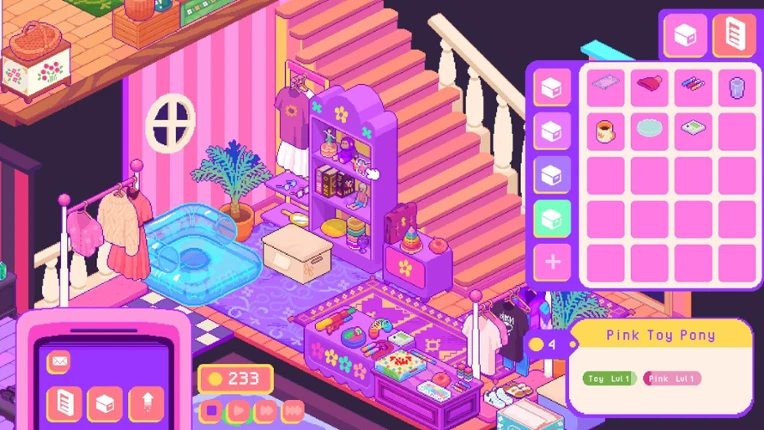
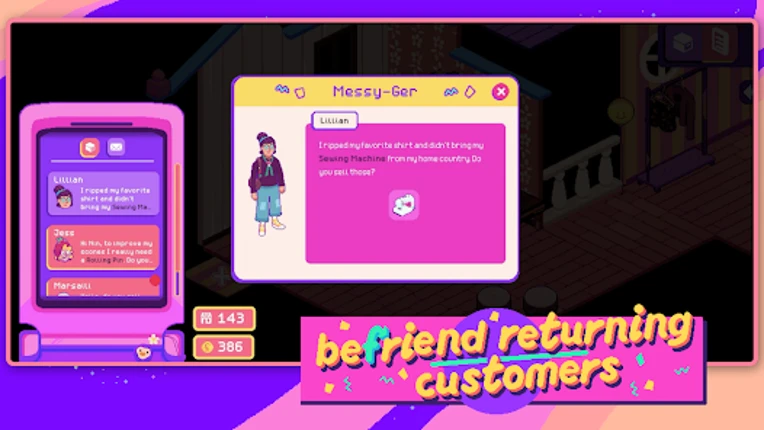
Both games center on the tactile satisfaction of organizing small, personal items to curate a sense of order. You’ll find the same wholesome, low-stakes atmosphere here, which anchors the gameplay in a calming, meditative loop.
While Unpacking uses physical placement to tell a linear life story, Sticky Business shifts the focus toward creative production and shop management. You trade the voyeuristic narrative of home organization for the repetitive, productive loop of running a sticker business.
Pick this up if you crave the cozy, aesthetic satisfaction of arranging objects but can live without a strictly scripted emotional narrative.
If you enjoyed this game, see our list of games similar to Sticky Business.View Game
- 79%Game Brain ScoreMost mentioned positive aspects:graphics, gameplayMost mentioned negative aspects:stability, replayability79% User Score 2,108 reviewsCritic Score 78%7 reviews
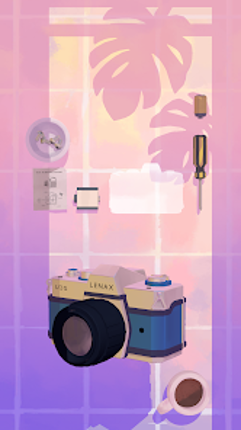
Restore a forgotten neighbourhood through your favourite hobby, one cozy room at a time. In Hozy, clean, paint, and decorate abandoned homes with satisfying mechanics and intuitive controls. Enjoy the little details as you interact with tools, items and furniture to bring each space back to life. If you enjoyed this game, see our list of games similar to Hozy.
View Game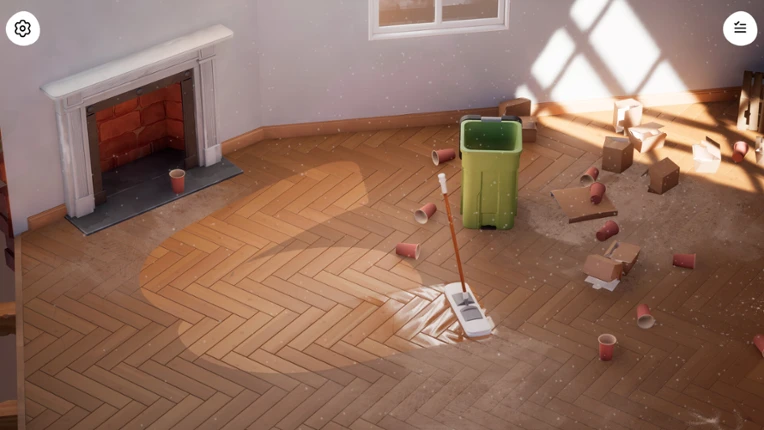

- 89%Game Brain ScoreMost mentioned positive aspects:story, graphicsMost mentioned negative aspects:grinding, optimization98% User Score 4,465 reviewsCritic Score 80%15 reviews
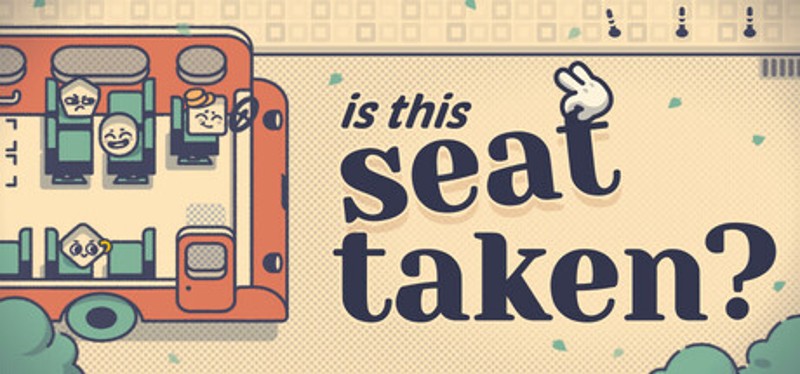
That satisfying instinct to look at a space, read its logic, and place things exactly where they belong? Is This Seat Taken? taps directly into that same player muscle. Instead of arranging belongings into rooms, you're fitting mismatched characters onto benches and chairs — but the core loop of reading a scene and solving it spatially feels immediately familiar.
Both games share a point-and-click puzzle structure wrapped in a warm, colorful aesthetic that makes the challenge feel low-stakes and inviting. The relaxed pacing matters here: neither game rushes you, which means the satisfaction comes from your own logic clicking into place rather than external pressure. That unhurried rhythm is what gives both games their distinct cozy pull.
Where Unpacking leans into quiet emotional storytelling, Is This Seat Taken? trades introspection for lighthearted humor — a lateral shift in tone rather than a step down. It's a breezier experience, built around wit and charm rather than atmosphere.
Best for Unpacking fans who want that same gentle problem-solving headspace but in a shorter, more playful package with a smile attached.
If you enjoyed this game, see our list of games similar to Is This Seat Taken?.View Game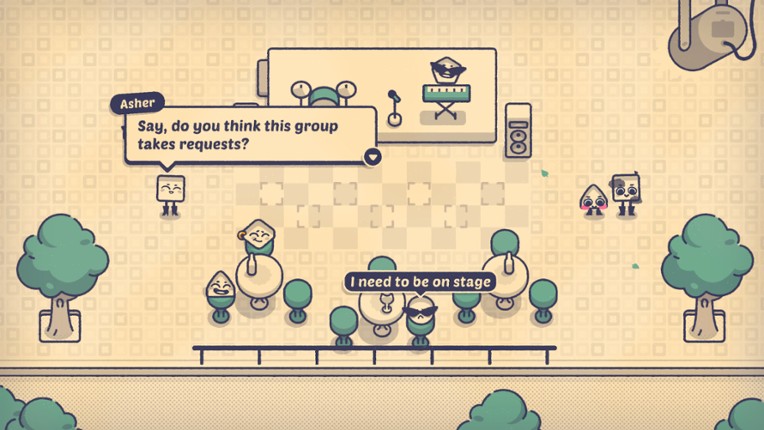
- 84%Game Brain ScoreMost mentioned positive aspects:story, gameplayMost mentioned negative aspects:replayability, grinding86% User Score 4,119 reviewsCritic Score 76%1 reviews
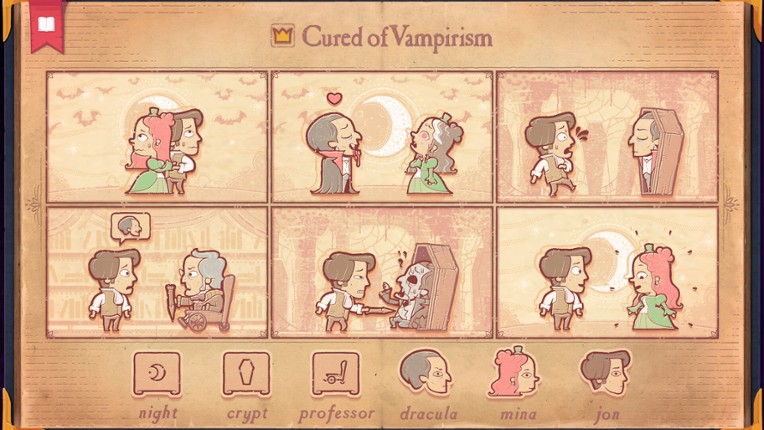
Both games transform storytelling into spatial puzzles—Unpacking arranges belongings to reveal family dynamics, while Storyteller assembles characters into plot frames to solve narrative riddles.
Each title centers LGBTQ+ characters through intimate, character-focused scenes rather than broad mechanics, delivering emotional beats that reward attentive players. Both use a charming 2D aesthetic to make their stories feel like interactive comics.
Storyteller trades Unpacking's leisurely 6-8 hour exploration for a tight 2-4 hour experience with minimal replay value once you crack each puzzle.
Pick this up if you want Unpacking's narrative-crafting magic but can live without its extended runtime and cozy sandbox feel.
If you enjoyed this game, see our list of games similar to Storyteller.View Game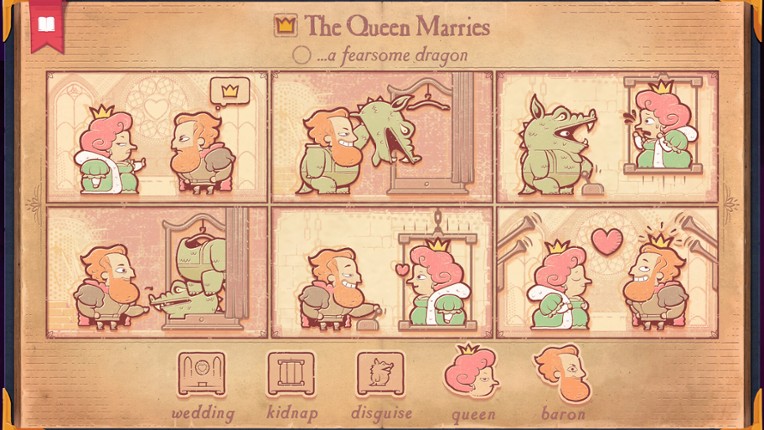

11 View Game 80%Game Brain ScoreMost mentioned positive aspects:story, graphicsMost mentioned negative aspects:replayability, grinding81% User Score 2,468 reviewsCritic Score 79%7 reviews
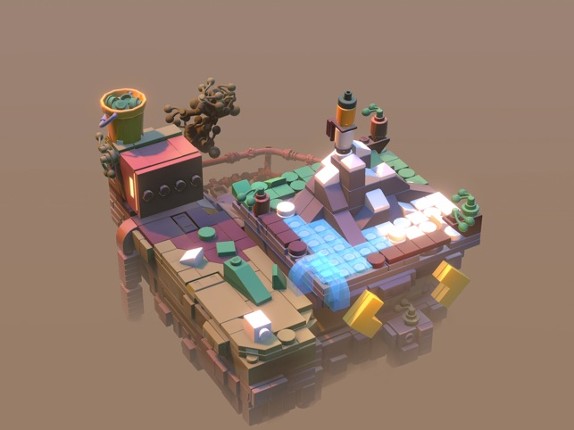
Both games wrap contemplative puzzle-solving in isometric dioramas that reward patient exploration over speed. The emotional storytelling through environmental detail—rather than exposition—creates that same reflective mood.
LEGO Builder's Journey matches Unpacking's cozy, family-friendly atmosphere, which grounds the experience in comfort rather than challenge.
The critical difference: Unpacking unfolds across a narrative arc spanning years, while LEGO Builder's Journey is a compact three-hour meditation that prioritizes visual beauty over narrative depth.
Pick this up if you want zen-like building puzzles with a wordless emotional core, but accept you're paying premium price for a shorter experience than Unpacking delivers.
If you enjoyed this game, see our list of games similar to LEGO Builder's Journey.View Game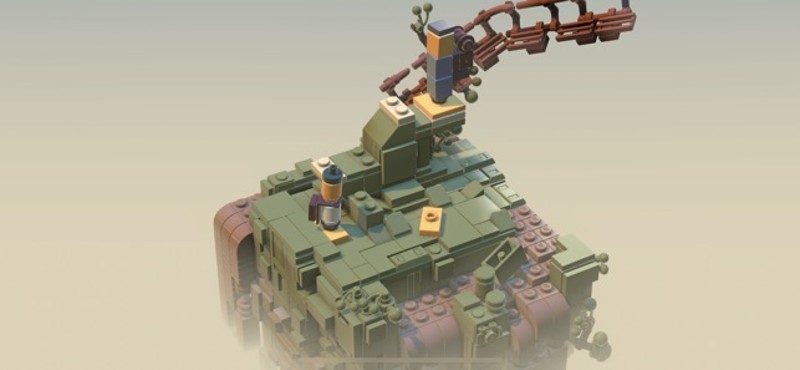
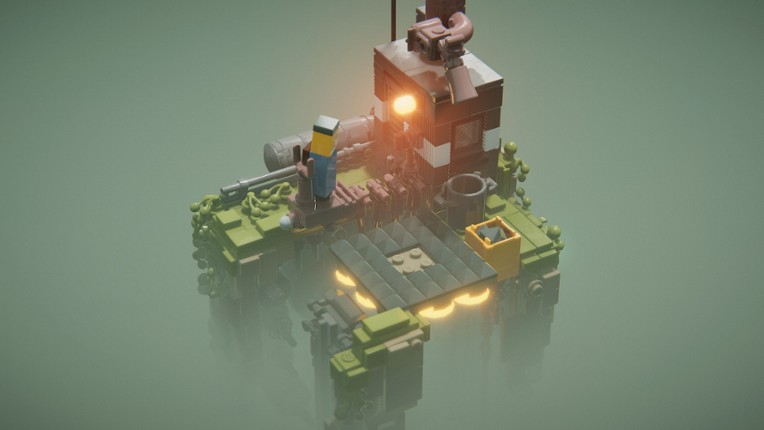
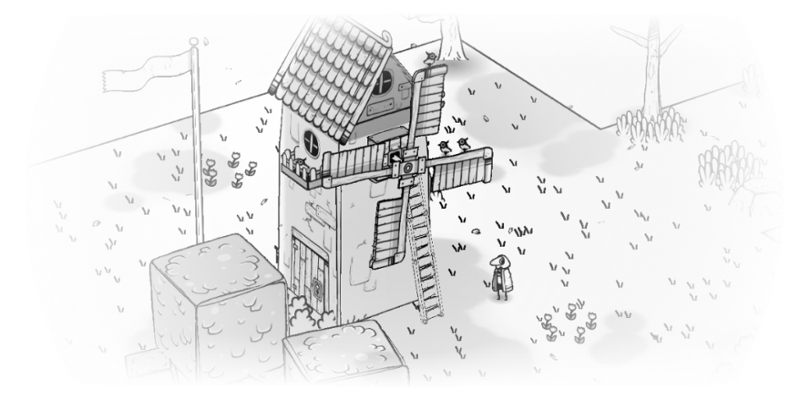
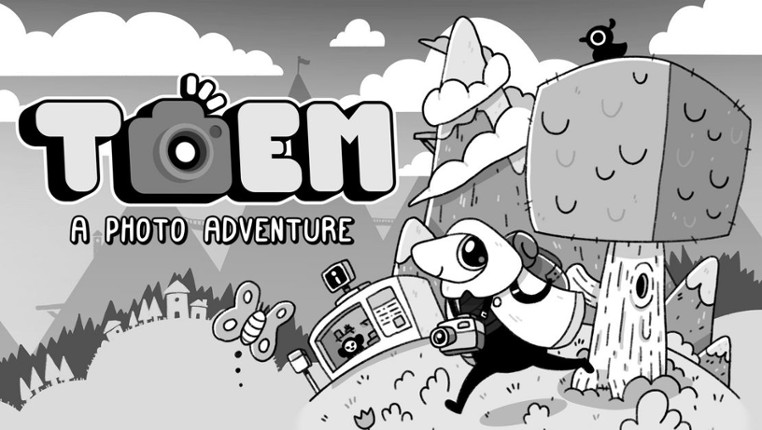
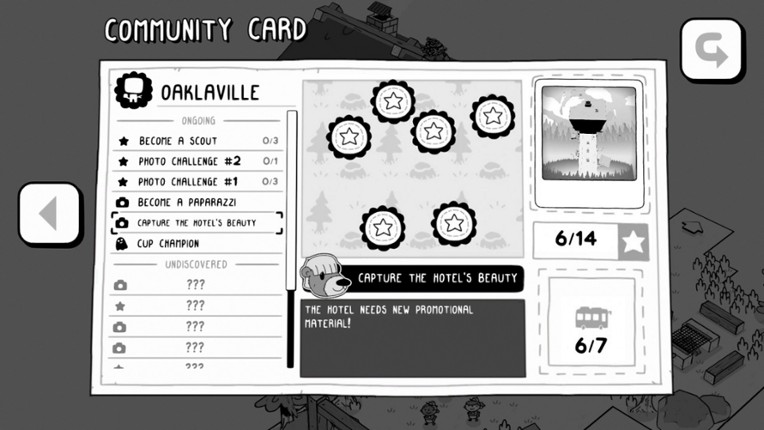
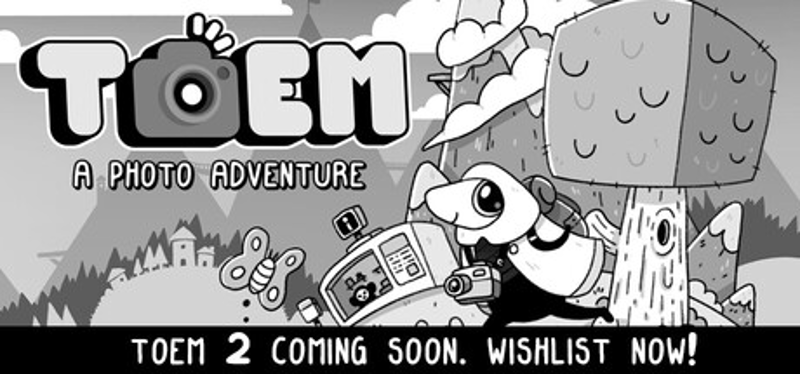
- 99%Game Brain ScoreMost mentioned positive aspects:story, musicMost mentioned negative aspects:grinding, stability99% User Score 4,491 reviewsCritic Score 100%1 reviewsIf you love Unpacking's calming sorting gameplay but prefer a whimsical camera-based adventure, Toem is for you. If you enjoyed this game, see our list of games similar to Toem.View Game
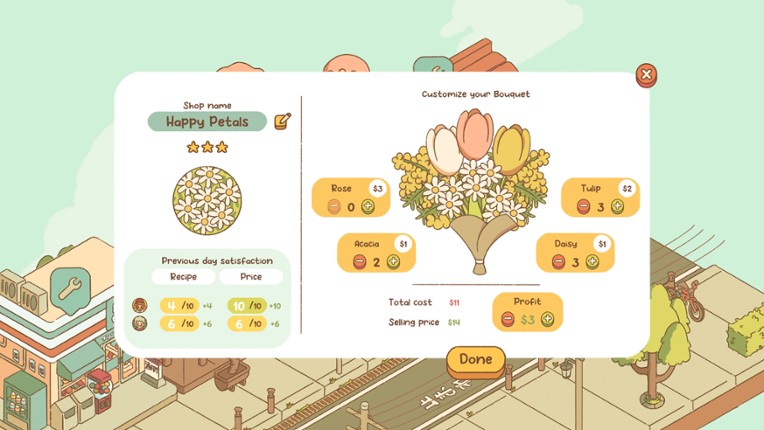
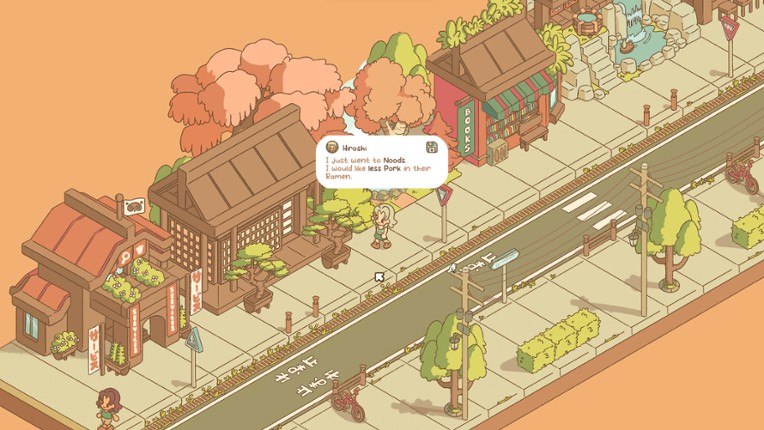
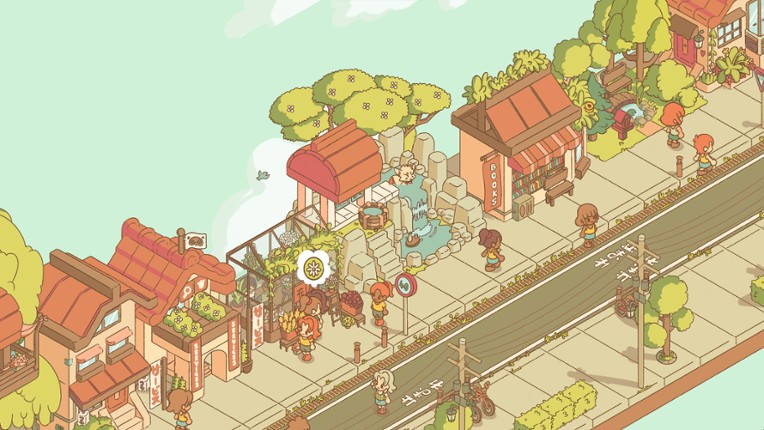
- 98%Game Brain ScoreMost mentioned positive aspects:story, graphicsMost mentioned negative aspects:grinding, monetization98% User Score 5,097 reviewsIf Unpacking's gentle object arrangement appeals but you crave building a thriving street, Minami Lane delivers a cozy management twist. If you enjoyed this game, see our list of games similar to Minami Lane.View Game
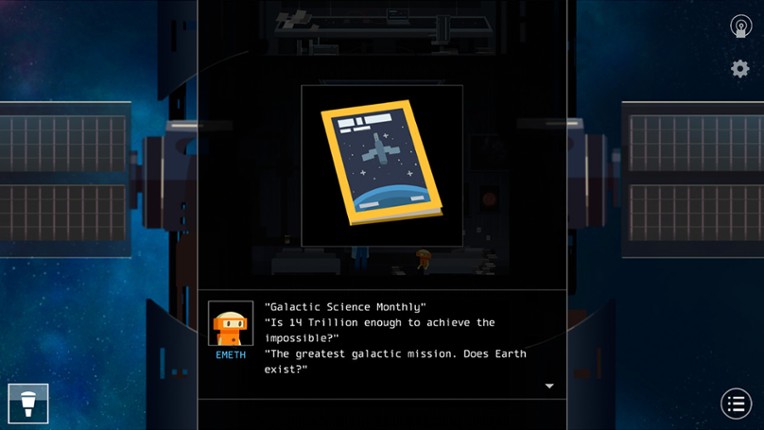
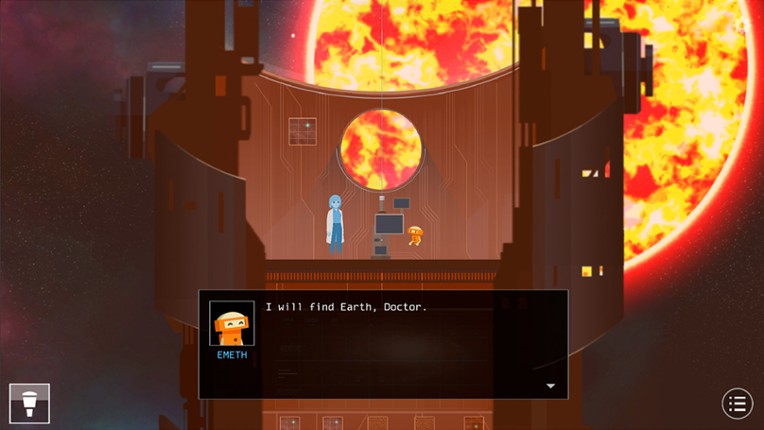
14 View Game 89%Game Brain ScoreMost mentioned positive aspects:story, graphicsMost mentioned negative aspects:monetization, grinding91% User Score 9,956 reviewsCritic Score 80%1 reviewsWhile Unpacking centers on domestic sorting, OPUS sends you on a cosmic search for Earth with a lone female explorer. If you enjoyed this game, see our list of games similar to OPUS: The Day We Found Earth.View Game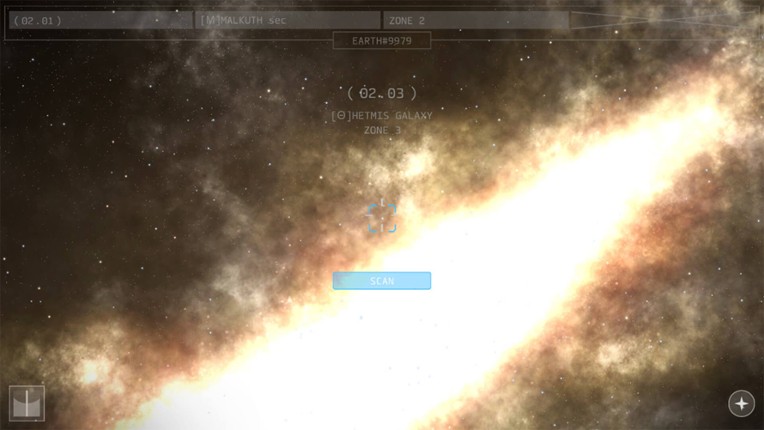
- 95%Game Brain ScoreMost mentioned positive aspects:story, gameplayMost mentioned negative aspects:grinding, stability95% User Score 196 reviews
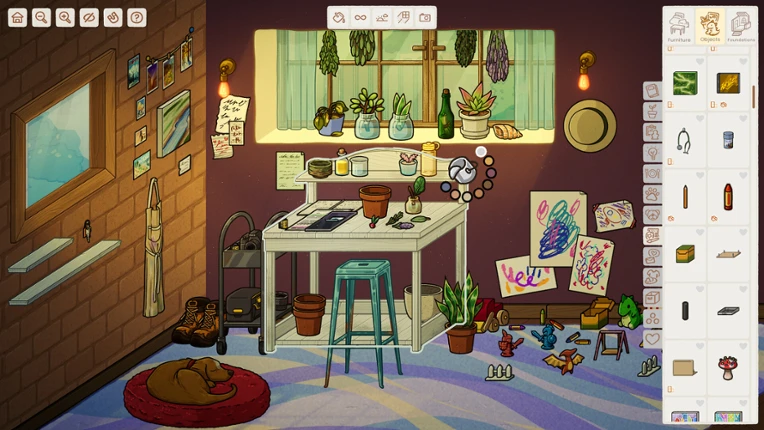
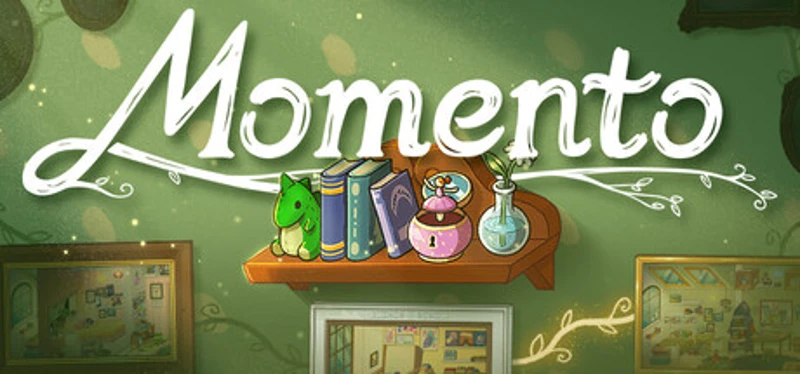
Momento is a cozy room decorator with a twist: the choices you make play out over the course of a lifetime! Decorate your room, choose which items are important to you, and discover how the objects you choose will alter the course of the story, in a winding ode to the power of everyday things. If you enjoyed this game, see our list of games similar to Momento.
View Game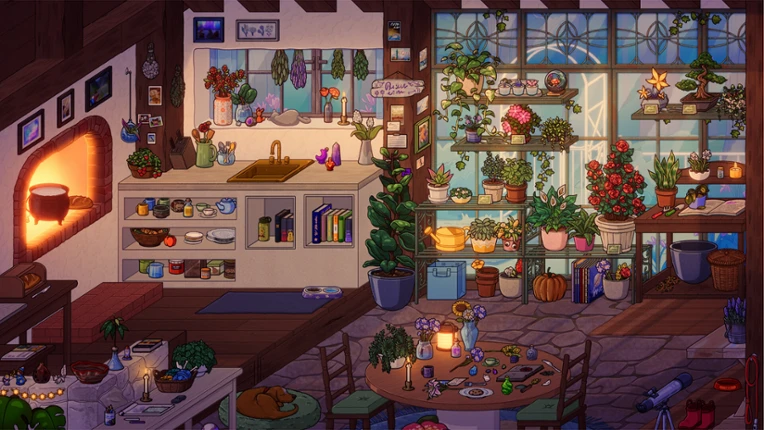
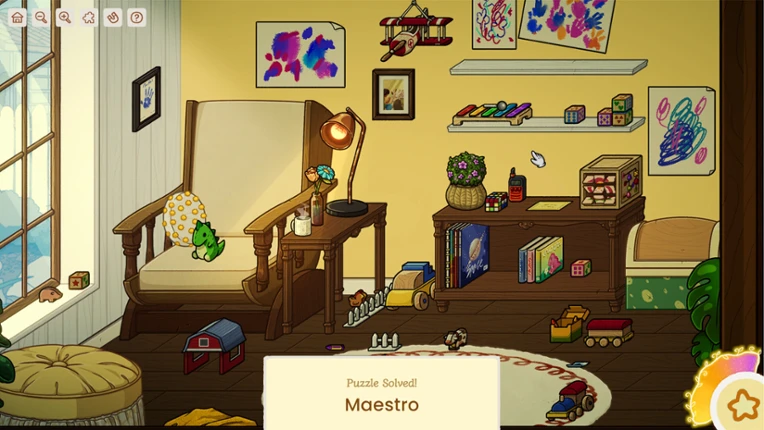
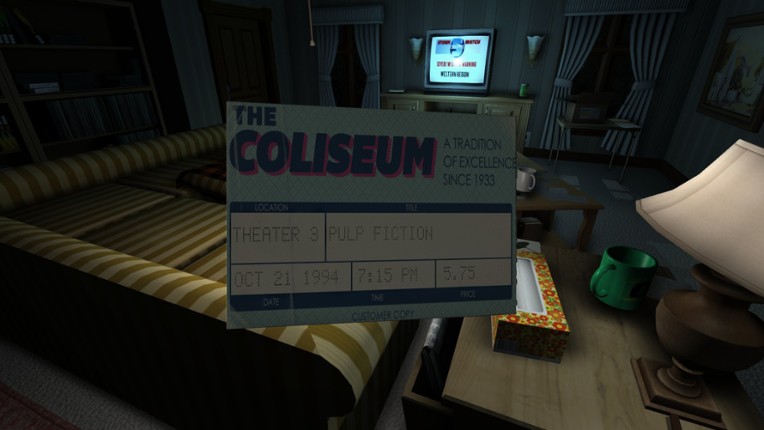
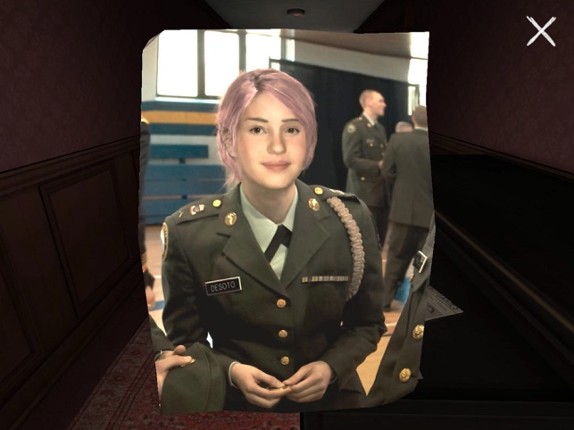
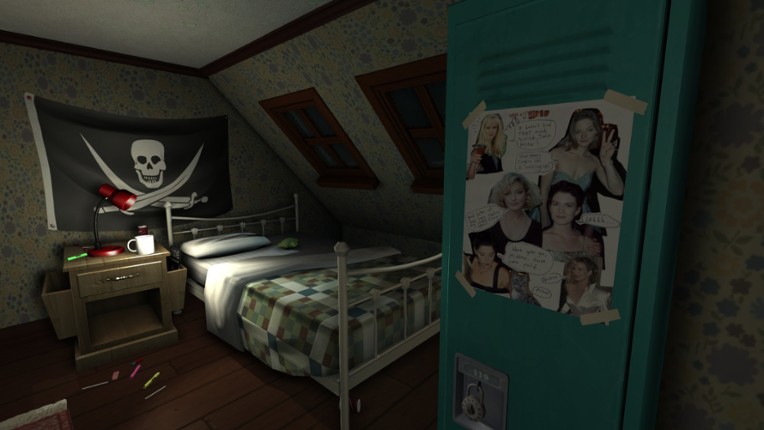
- 82%Game Brain ScoreMost mentioned positive aspects:story, emotionalMost mentioned negative aspects:replayability, optimization77% User Score 20,826 reviewsCritic Score 86%14 reviewsIf you liked Unpacking's personal stories but want a first-person house exploration with an LGBTQ+ twist, Gone Home is for you. If you enjoyed this game, see our list of games similar to Gone Home.View Game
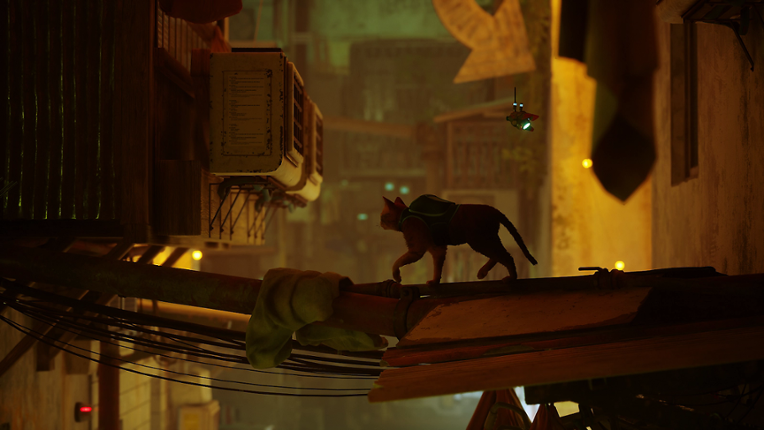
- 95%Game Brain ScoreMost mentioned positive aspects:story, graphicsMost mentioned negative aspects:stability, grinding97% User Score 135,040 reviewsCritic Score 85%1 reviewsSwap the cozy home-organization of Unpacking for a neon-lit cat adventure through a dystopian city in Stray. If you enjoyed this game, see our list of games similar to stray.View Game


- 98%Game Brain ScoreMost mentioned positive aspects:story, gameplayMost mentioned negative aspects:grinding, optimization99% User Score 543 reviewsCritic Score 90%1 reviews
Wilmot Works It Out is a puzzle building game about completing beautiful images and using them to decorate the walls of your house. If you enjoyed this game, see our list of games similar to Wilmot Works It Out.
View Game
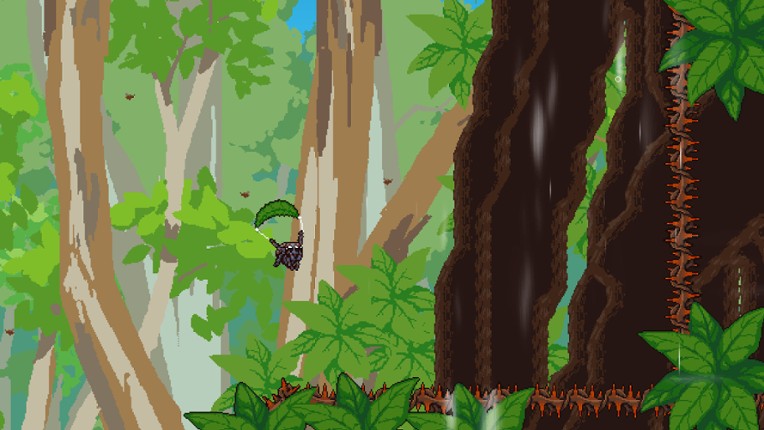
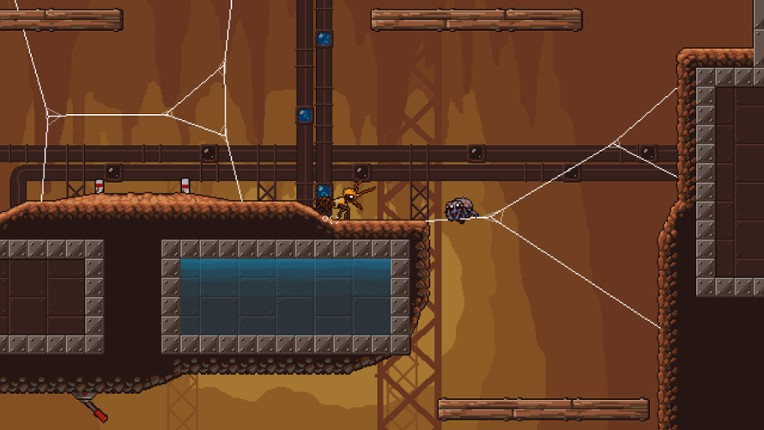
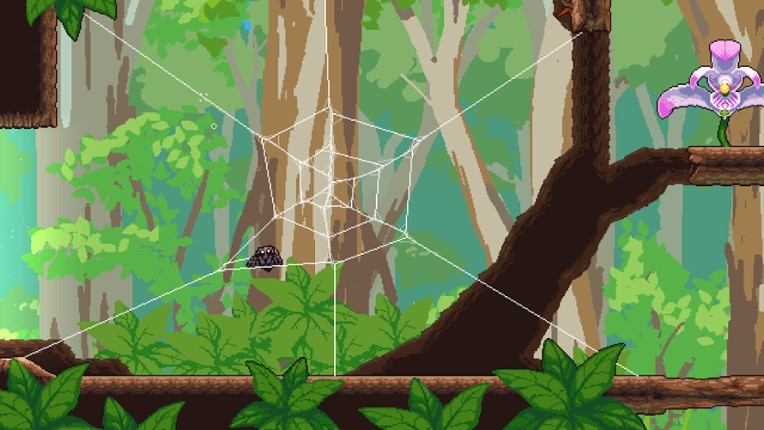
- 92%Game Brain ScoreMost mentioned positive aspects:gameplay, storyMost mentioned negative aspects:grinding, stability97% User Score 12,836 reviewsCritic Score 77%3 reviewsSwap interior design for web-swinging exploration in this charming physics-based adventure that replaces static organization with fluid, insect-inspired movement. If you enjoyed this game, see our list of games similar to Webbed.View Game
- 95%Game Brain ScoreMost mentioned positive aspects:gameplay, graphicsMost mentioned negative aspects:grinding, stability98% User Score 4,013 reviewsCritic Score 80%1 reviews
The core link between these titles is the satisfaction of restoring order to a cluttered environment. Much like organizing a room, clearing oceanic waste provides a tangible, meditative sense of progress that anchors the player's experience.
Where Unpacking focuses on intimate storytelling through inanimate objects, Loddlenaut pivots toward creature care and 3D exploration. You sacrifice the narrative depth of a home-life story for the tactile joy of nurturing alien companions.
Pick this up if you want the calm, cathartic loop of cleaning up messes but don't mind trading personal, story-driven moments for a light, creature-collecting gameplay loop.
If you enjoyed this game, see our list of games similar to Loddlenaut.View Game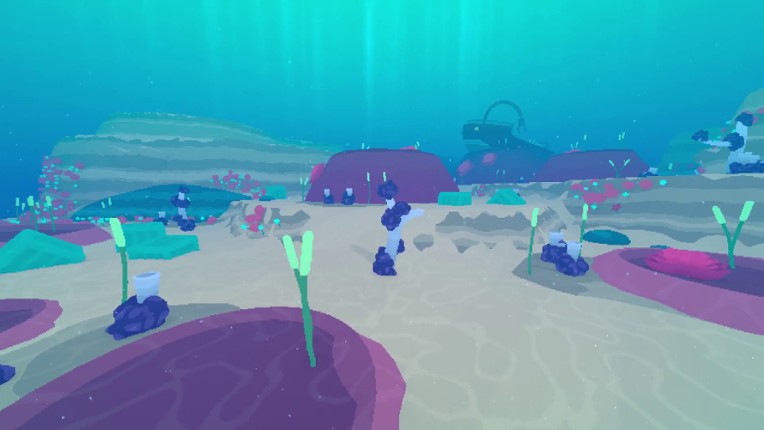
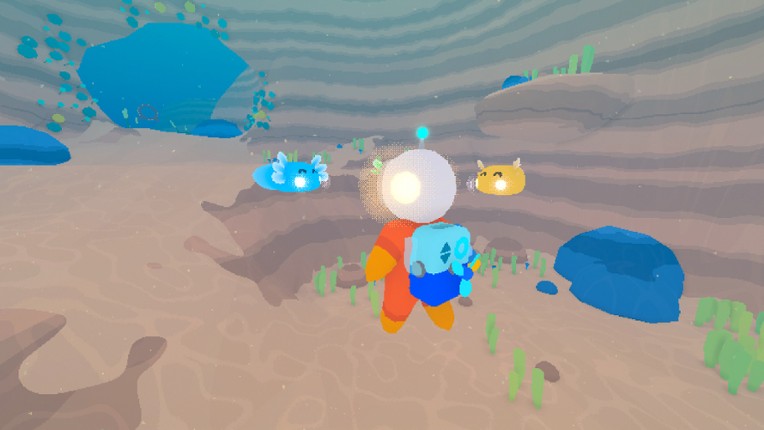

- 93%Game Brain ScoreMost mentioned positive aspects:story, graphicsMost mentioned negative aspects:grinding, stability97% User Score 6,330 reviewsCritic Score 83%3 reviewsTrade the relatable evolution of a life journey for a bittersweet, fable-like experience centered on solving puzzles to find closure. If you enjoyed this game, see our list of games similar to The Last Campfire.View Game

22 View Game 94%Game Brain ScoreMost mentioned positive aspects:music, gameplayMost mentioned negative aspects:grinding, story94% User Score 11,924 reviews
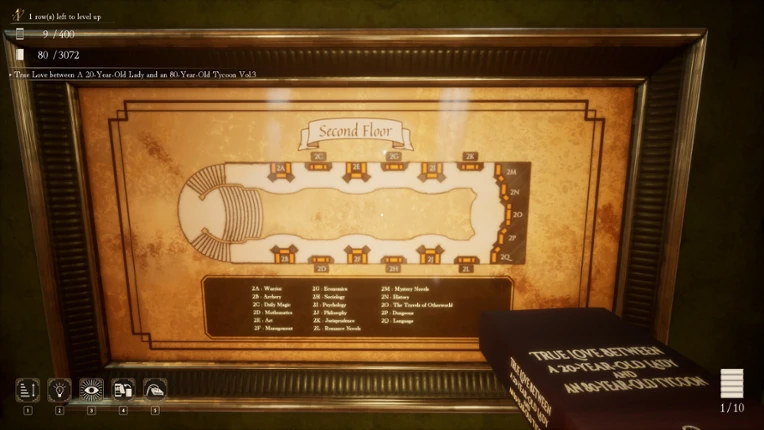
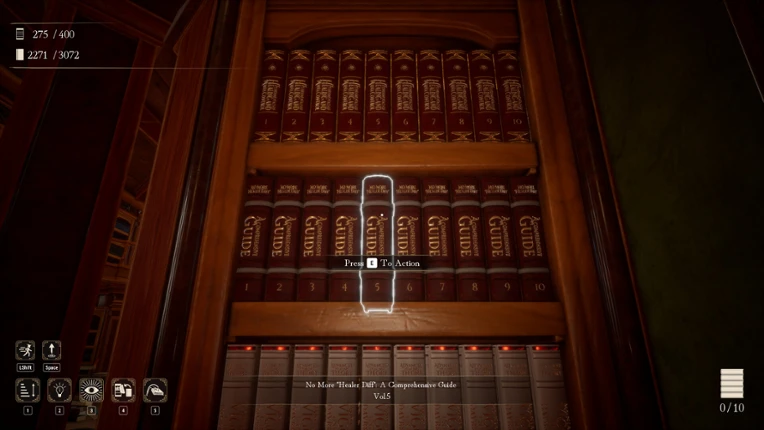
Librarian: Tidy Up the Arcane Library! is a single-player simulation. You need return scattered books to proper places in an Arcane Library. As completed rows of bookshelves, you can learn ability to improve your efficiency. Use your skills and strategies to shelve 3,072 books as quick as you can. If you enjoyed this game, see our list of games similar to Librarian: Tidy Up the Arcane Library!.
View Game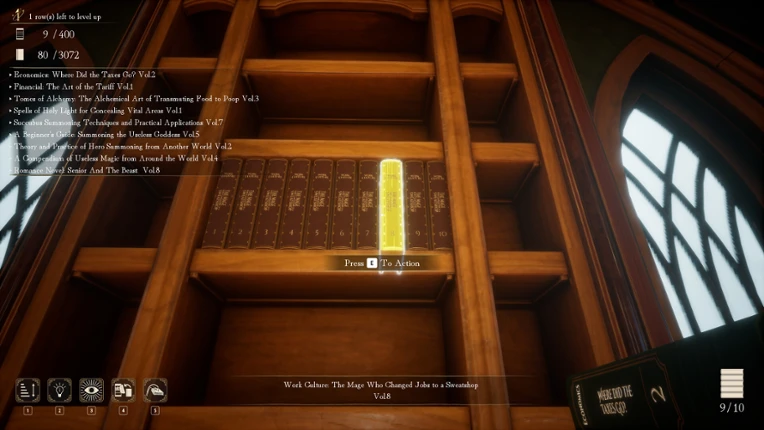
23 View Game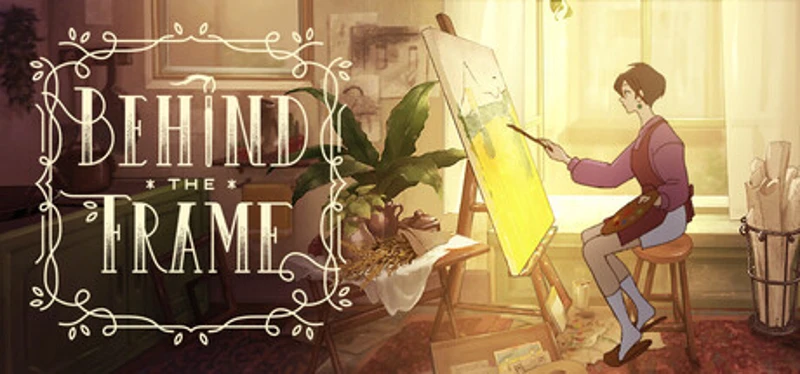 89%Game Brain ScoreMost mentioned positive aspects:story, musicMost mentioned negative aspects:grinding, replayability94% User Score 2,937 reviewsCritic Score 83%8 reviewsSwap Unpacking's domestic sorting for a hand-drawn, cinematic photo quest that tells a touching story through hidden scenes. If you enjoyed this game, see our list of games similar to Behind the Frame: The Finest Scenery.View Game

24 View Game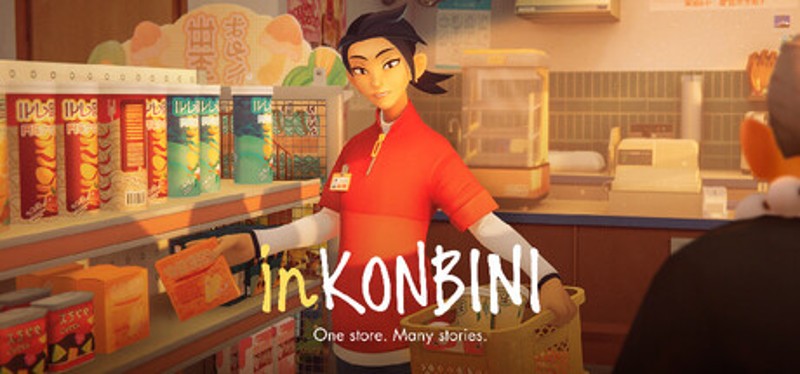 84%Game Brain ScoreMost mentioned positive aspects:story, gameplayMost mentioned negative aspects:replayability, grinding85% User Score 560 reviewsCritic Score 83%5 reviews
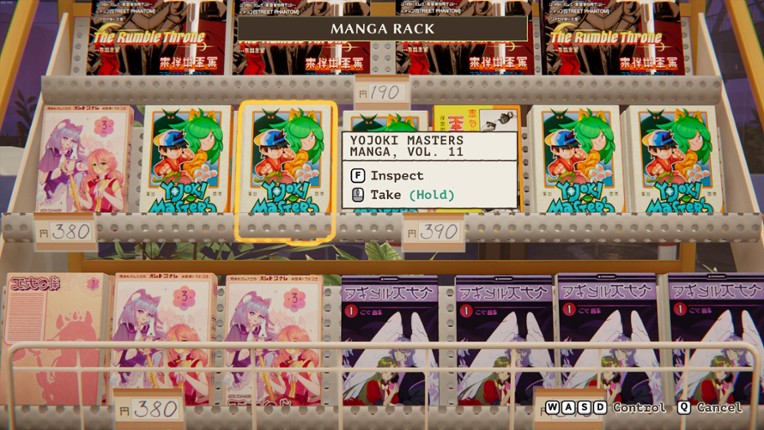
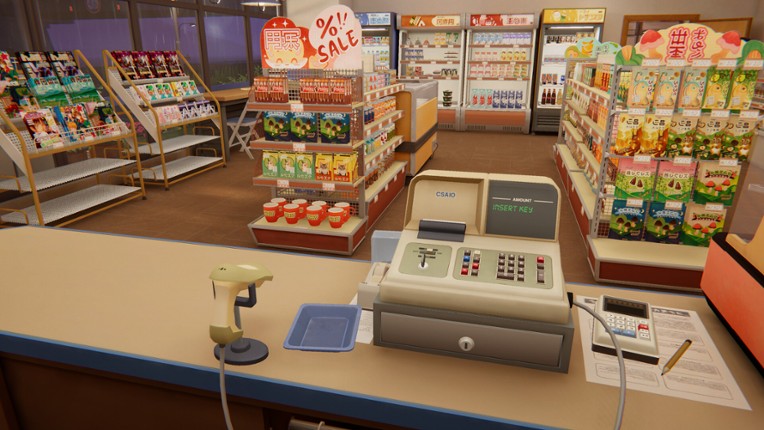
inKONBINI: One Store. Many Stories is a cozy, narrative-driven slice-of-life game with light simulation elements, centered on human connection and everyday moments. Play as Makoto Hayakawa, a college student spending her summer behind the counter of a small-town convenience store, in a colorful world inspired by early 1990s Japan. Your days are shaped by simple, tactile actions. You stock shelve… If you enjoyed this game, see our list of games similar to inKONBINI: One Store. Many Stories.
View Game
- 97%Game Brain ScoreMost mentioned positive aspects:music, graphicsMost mentioned negative aspects:grinding, optimization97% User Score 7,402 reviewsPivot from a sprawling home to a single, automated plot of land where you arrange crops and robots to optimize production efficiency. If you enjoyed this game, see our list of games similar to Rusty's Retirement.View Game
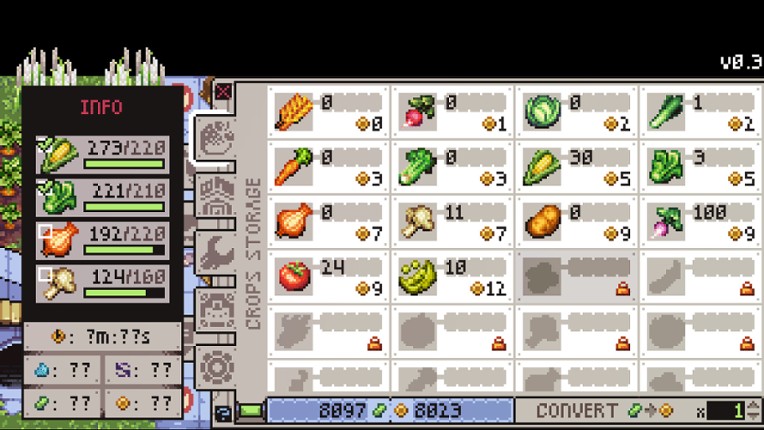
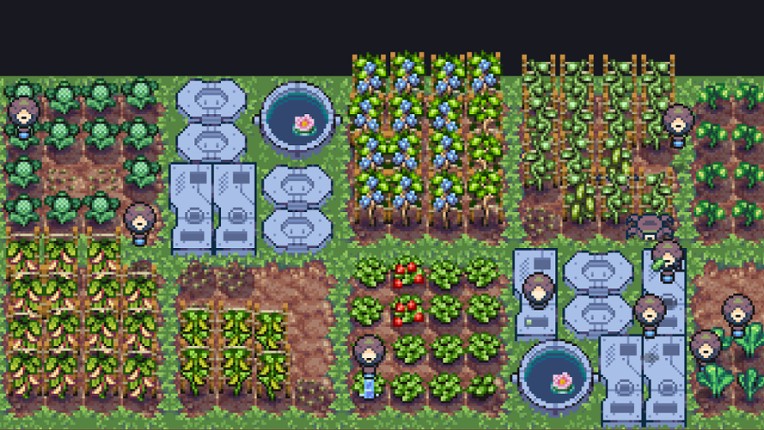
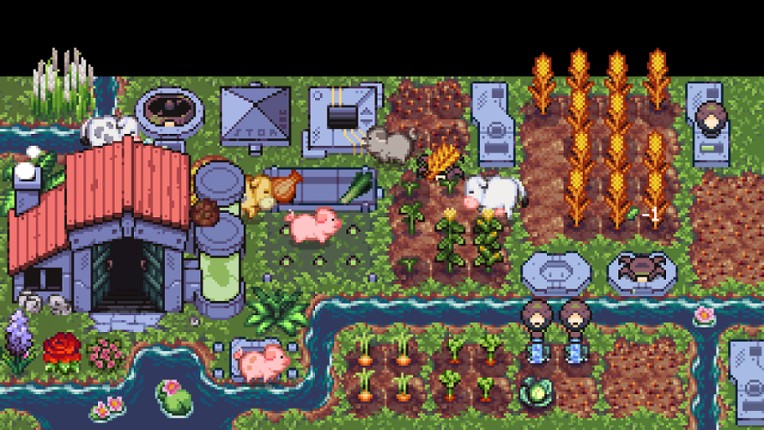
- 98%Game Brain ScoreMost mentioned positive aspects:music, graphicsMost mentioned negative aspects:grinding, story98% User Score 2,162 reviewsIf Unpacking's cozy organization satisfies you, Garden Galaxy adds an idle-building layer, letting you cultivate a galaxy of gardens at a relaxed pace. If you enjoyed this game, see our list of games similar to Garden Galaxy.View Game
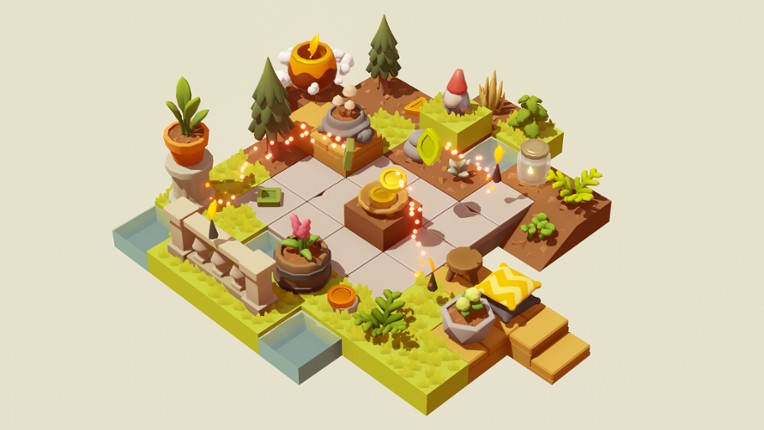
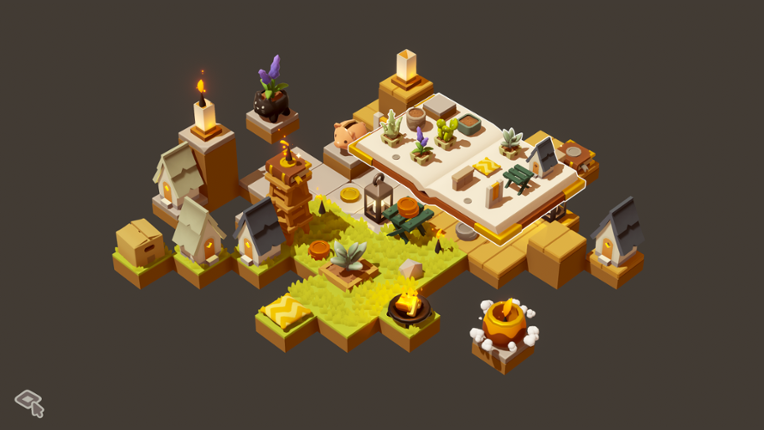
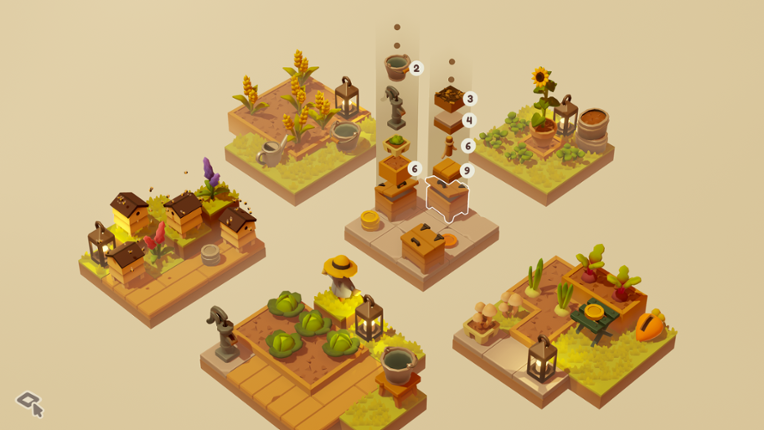
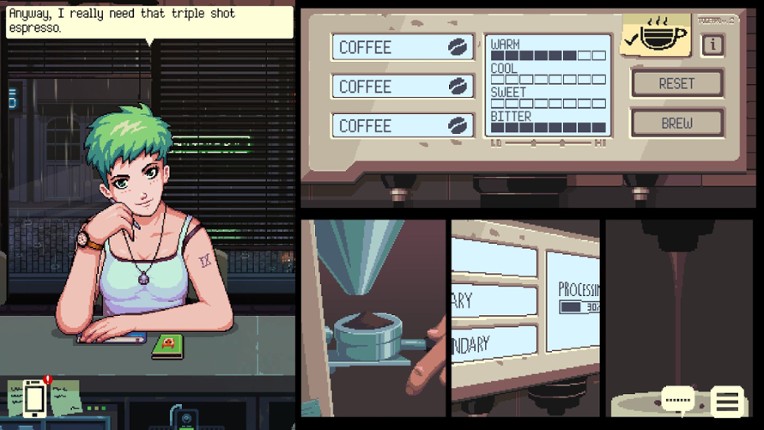
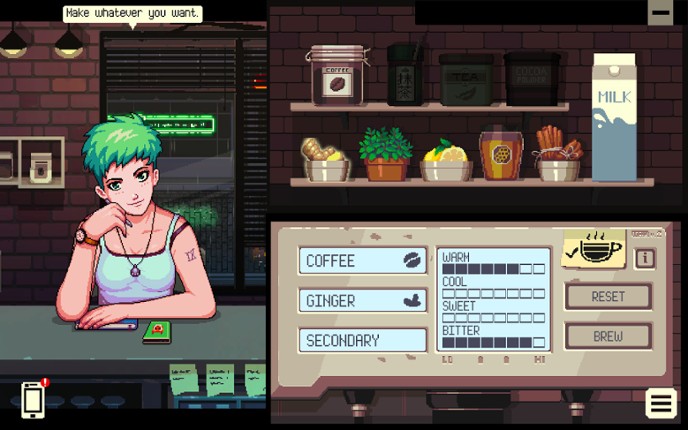
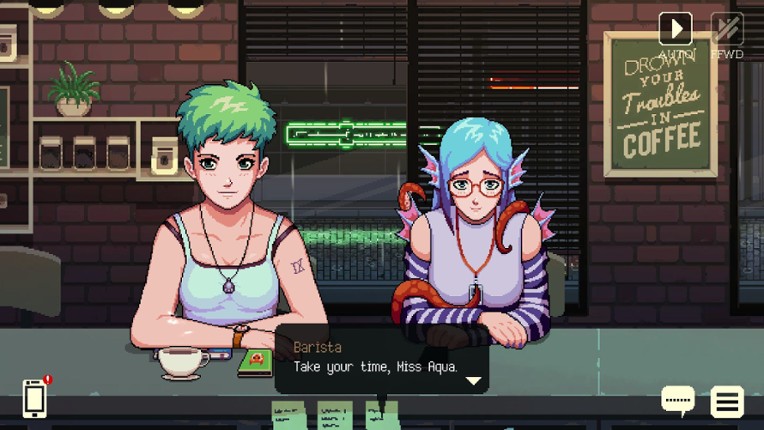
- 91%Game Brain ScoreMost mentioned positive aspects:story, musicMost mentioned negative aspects:grinding, stability95% User Score 7,923 reviewsCritic Score 70%1 reviewsSwap sorting belongings for brewing coffee while listening to stories; Coffee Talk offers a talky, LGBTQ+-rich narrative for fans of Unpacking's atmosphere. If you enjoyed this game, see our list of games similar to Coffee Talk.View Game
- 87%Game Brain ScoreMost mentioned positive aspects:story, gameplayMost mentioned negative aspects:grinding, monetization94% User Score 8,877 reviewsCritic Score 74%5 reviews
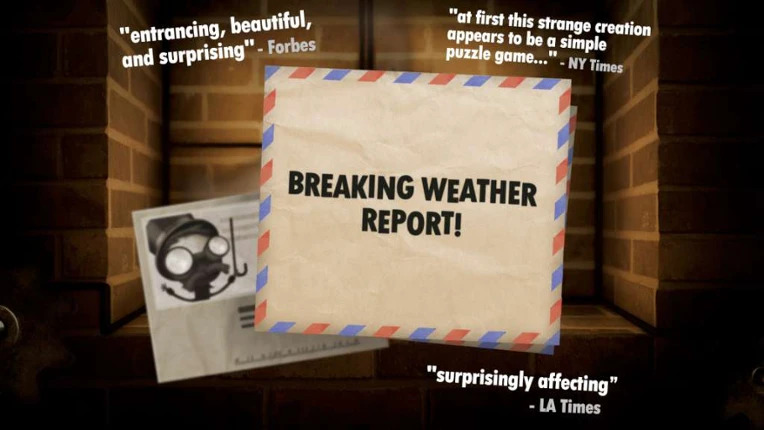
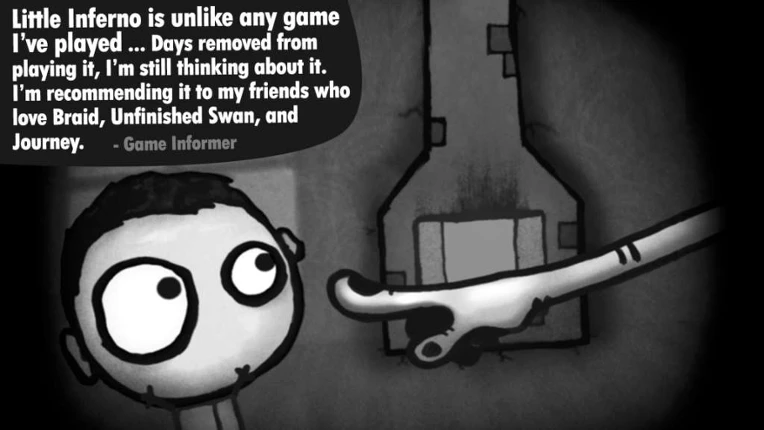
The award winning game where everything burns. If you enjoyed this game, see our list of games similar to Little Inferno.
View Game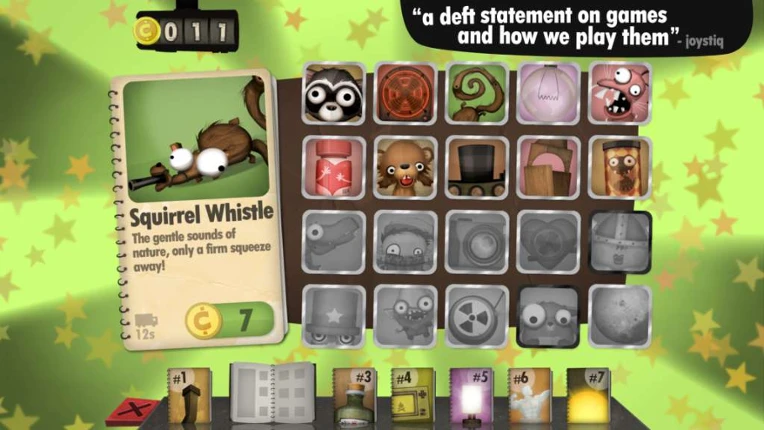
- 89%Game Brain ScoreMost mentioned positive aspects:story, musicMost mentioned negative aspects:stability, atmosphere89% User Score 227 reviews
The August Before is a meditative narrative 3D puzzle about cleaning up, sorting out and packing up your lifebefore moving on. Teenage love, first losses, and notes from friends are scattered in the corners: explore the details of the heroine'slife, pack up the life you will take with you, and say goodbye - if you can. And remember - you can't take the past with you. Pack your life Clean up the r… If you enjoyed this game, see our list of games similar to The August Before.
View Game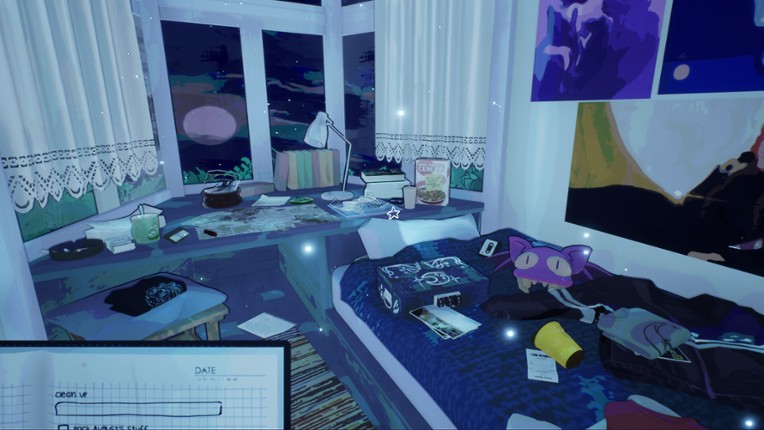
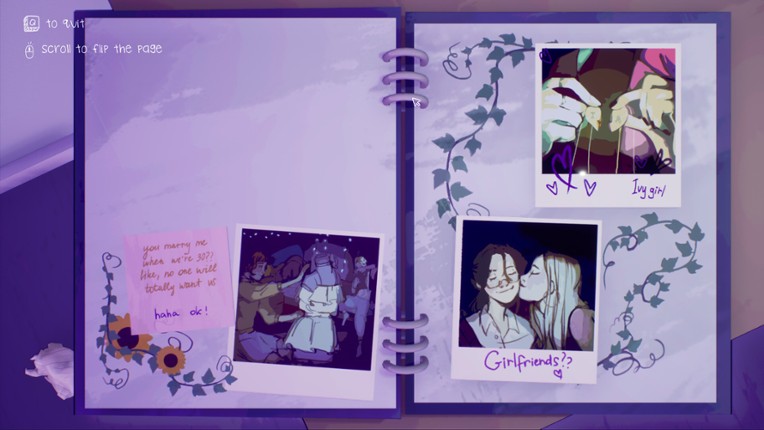
- View Game96%Game Brain ScoreMost mentioned positive aspects:gameplay, graphicsMost mentioned negative aspects:grinding, stability96% User Score 3,323 reviewsMove beyond interior arrangement into a focused, meditative clicker experience where physics and repetition provide a simple, stress-free distraction. If you enjoyed this game, see our list of games similar to Leaf it Alone.
- 98%Game Brain ScoreMost mentioned positive aspects:graphics, musicMost mentioned negative aspects:gameplay, grinding98% User Score 475 reviewsGrow your collection of indoor plants in this cozy, idle-focused experience that emphasizes long-term nurturing over the fleeting thrill of moving house. If you enjoyed this game, see our list of games similar to Plant Therapy.View Game
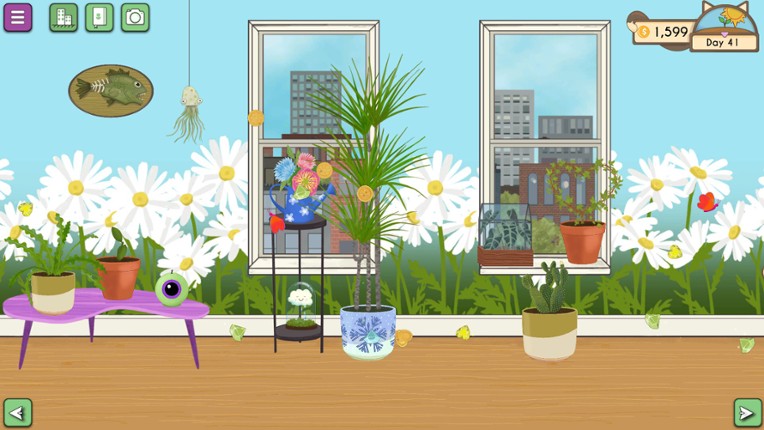
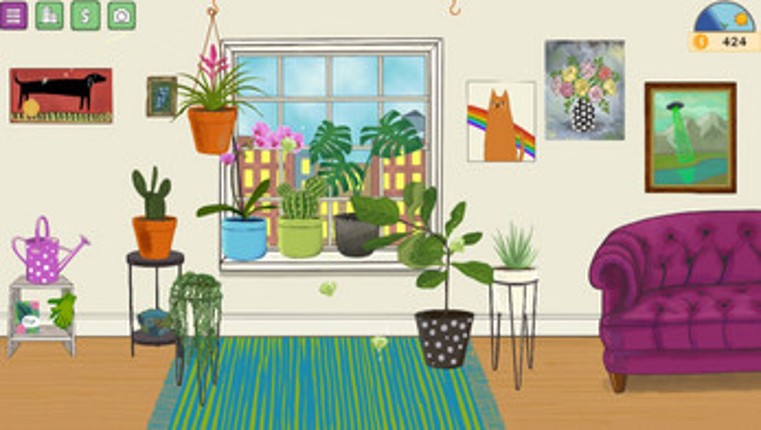
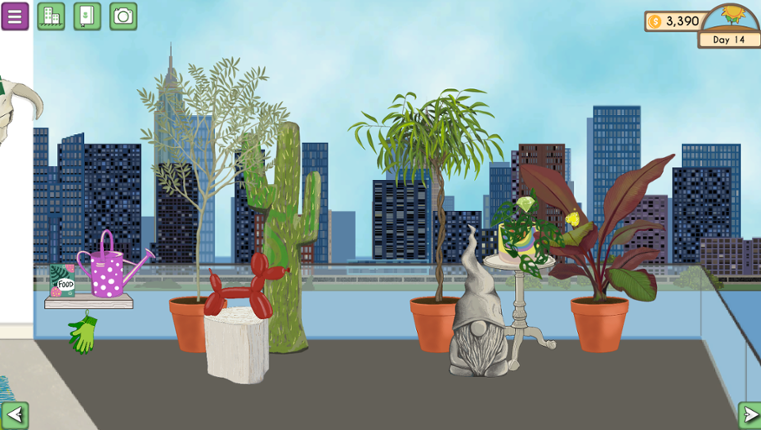
- 95%Game Brain ScoreMost mentioned positive aspects:story, graphicsMost mentioned negative aspects:monetization, stability95% User Score 4,097 reviewsExtracts the hidden-object detective work from Unpacking's DNA but strips away story, music, and emotional resonance for pure puzzle engagement. If you enjoyed this game, see our list of games similar to Stray Cat Doors2.View Game
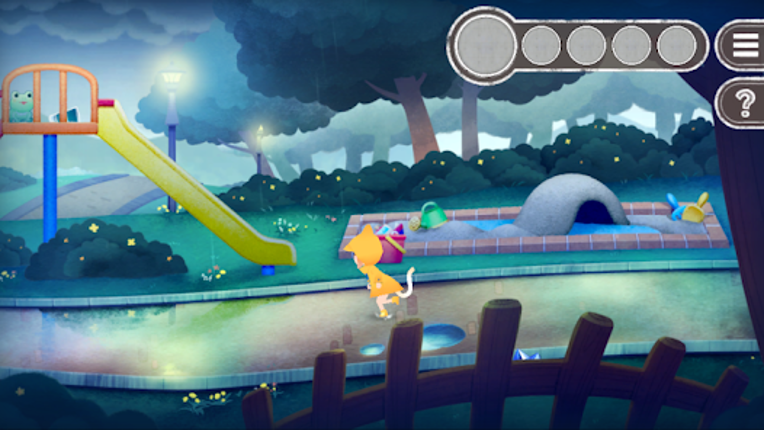
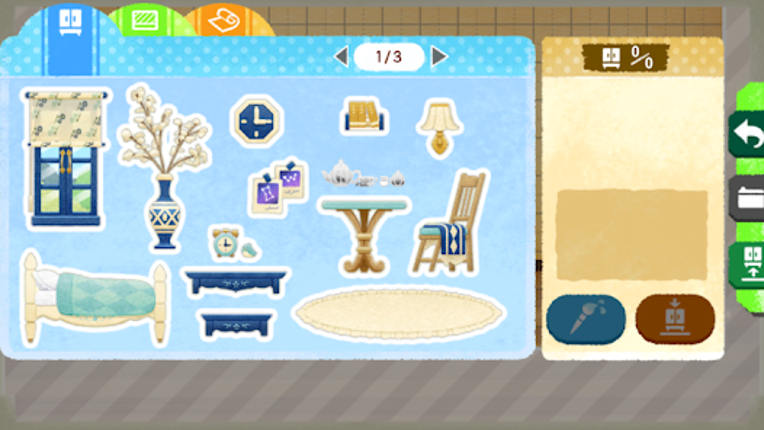
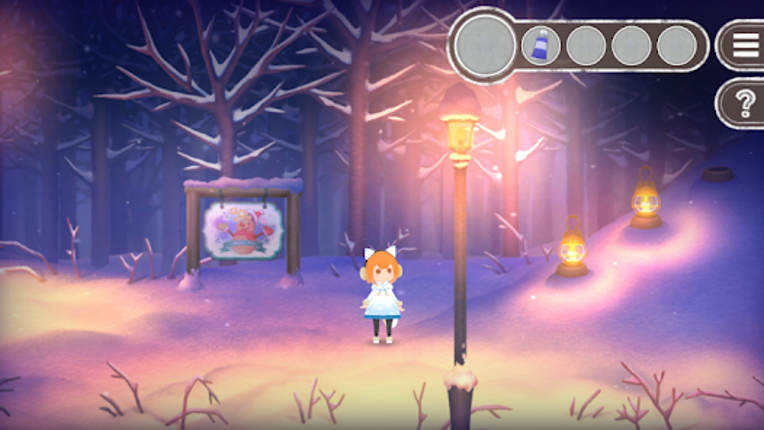
- 93%Game Brain ScoreMost mentioned positive aspects:story, musicMost mentioned negative aspects:grinding, stability93% User Score 4,361 reviewsIf Unpacking's gentle pacing feels too light, Marie's Room offers a short, unsettling first-person mystery set in a single bedroom. If you enjoyed this game, see our list of games similar to Marie's Room.View Game
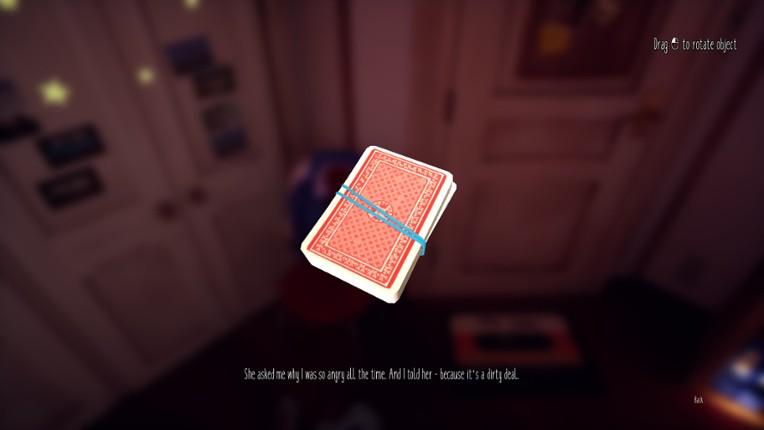
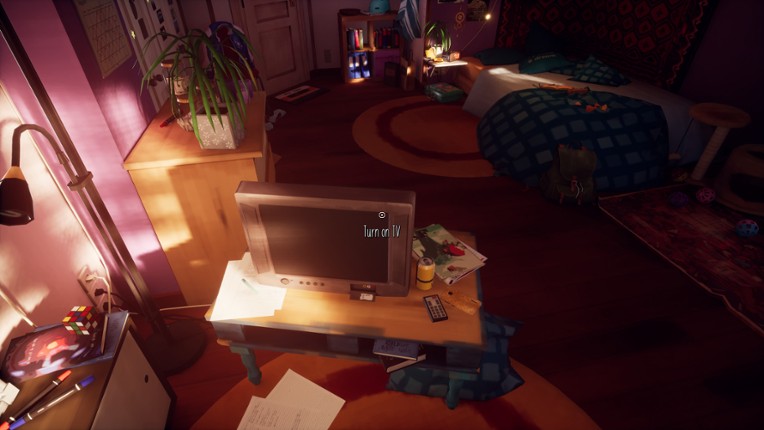

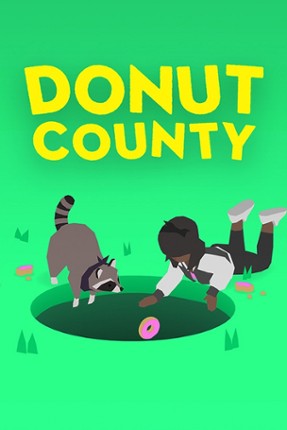
- 90%Game Brain ScoreMost mentioned positive aspects:story, gameplayMost mentioned negative aspects:replayability, grinding90% User Score 4,953 reviewsSwaps organizing spaces for puzzle-solving chaos with the same cozy charm and stellar soundtrack that makes mundane tasks feel magical. If you enjoyed this game, see our list of games similar to Donut County.View Game
- 87%Game Brain ScoreMost mentioned positive aspects:story, graphicsMost mentioned negative aspects:monetization, grinding91% User Score 9,971 reviewsCritic Score 70%1 reviewsMatches Unpacking's hidden-object detective work and time-spanning narrative but wraps them in sci-fi conspiracy and psychological suspense instead. If you enjoyed this game, see our list of games similar to The Silent Age.View Game
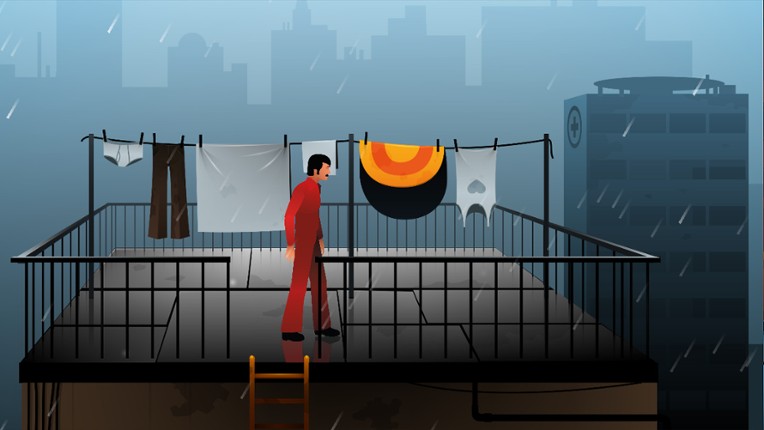
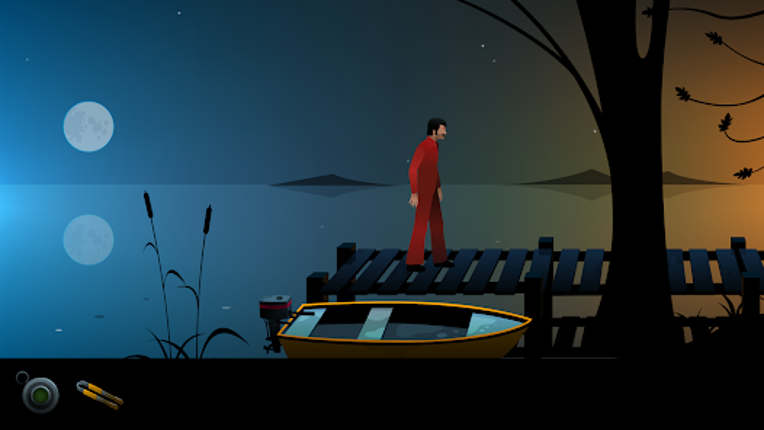

- 94%Game Brain ScoreMost mentioned positive aspects:gameplay, musicMost mentioned negative aspects:story, grinding97% User Score 1,042 reviewsCritic Score 80%1 reviews
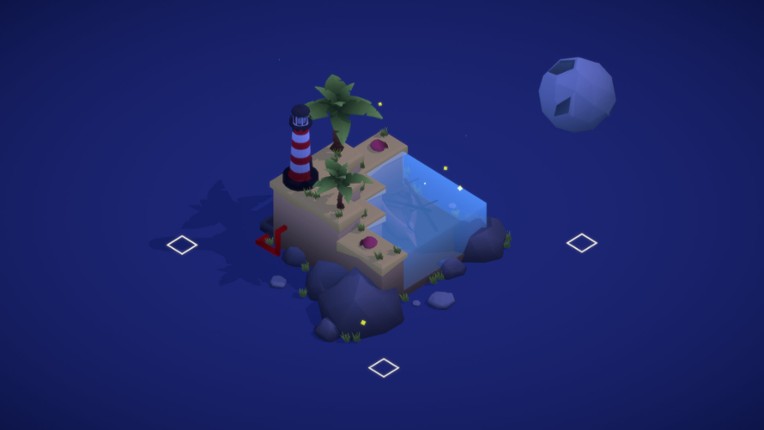
Sizeable is a puzzle/exploration game about shrinking and growing the environment in order to find all the hidden objects that every little diorama hides! If you enjoyed this game, see our list of games similar to Sizeable.
View Game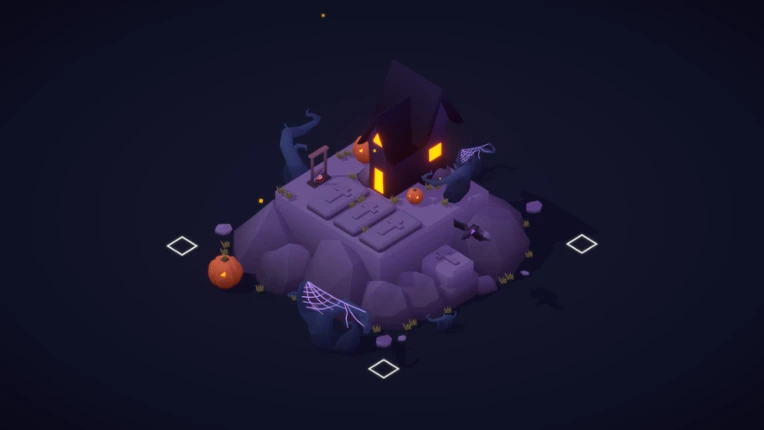
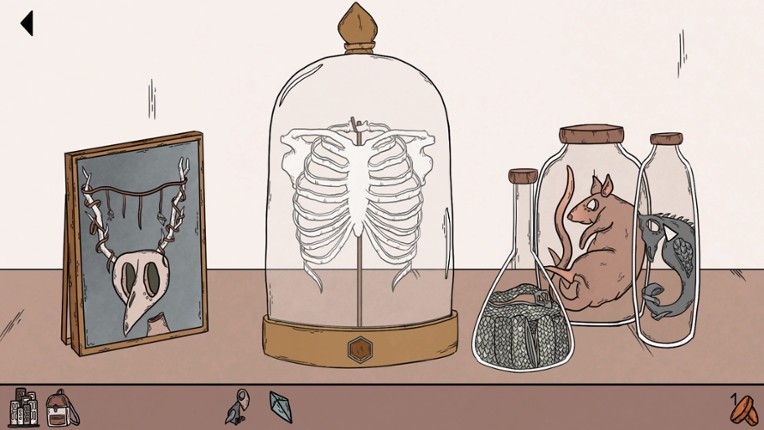
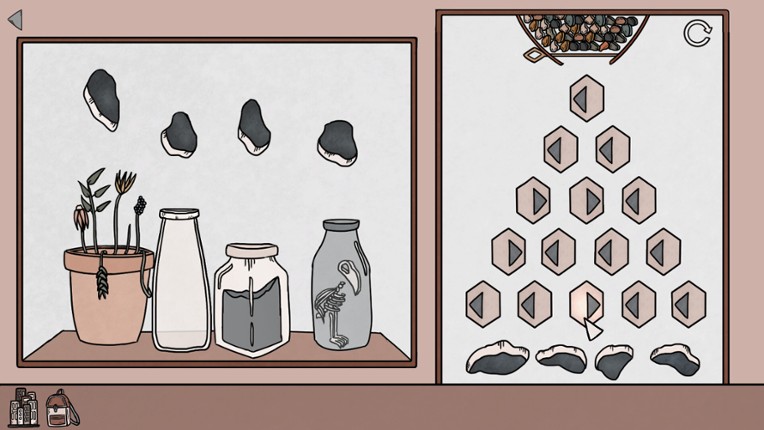
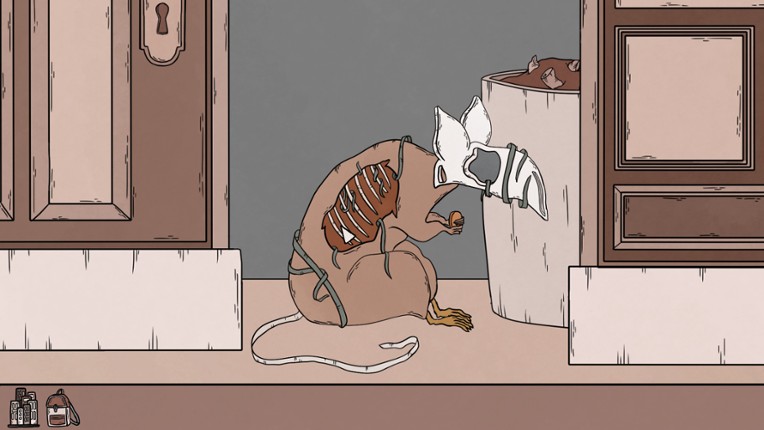
- 89%Game Brain ScoreMost mentioned positive aspects:graphics, musicMost mentioned negative aspects:replayability, grinding97% User Score 3,080 reviewsCritic Score 68%3 reviewsMirrors Unpacking's hidden-object calm with hand-drawn surrealism and psychological weight, trading domestic warmth for unsettling beauty and dread. If you enjoyed this game, see our list of games similar to Birth.View Game
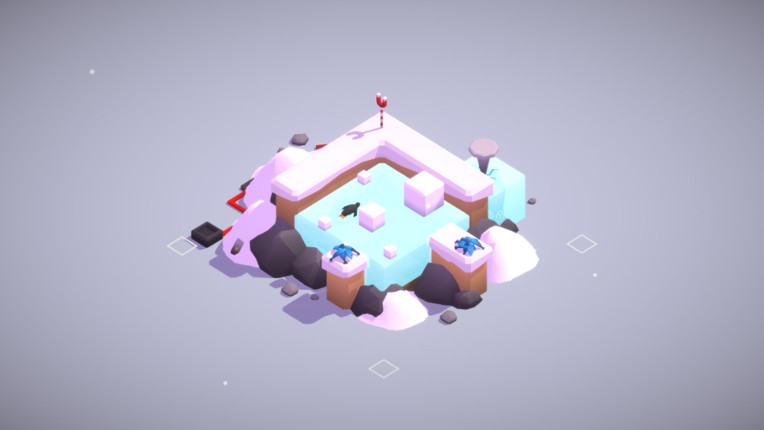
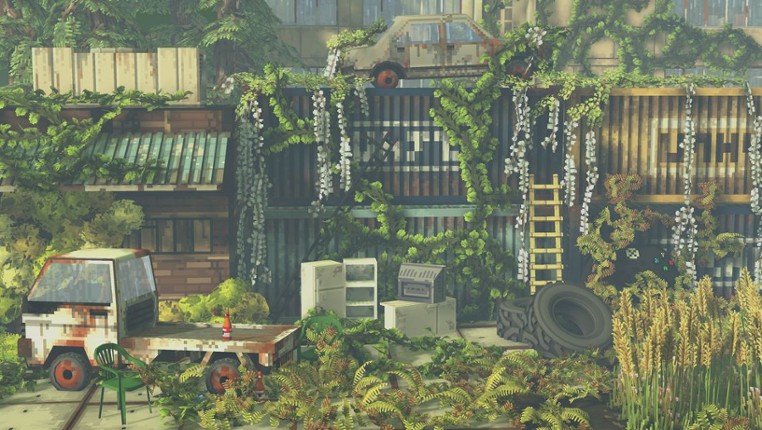
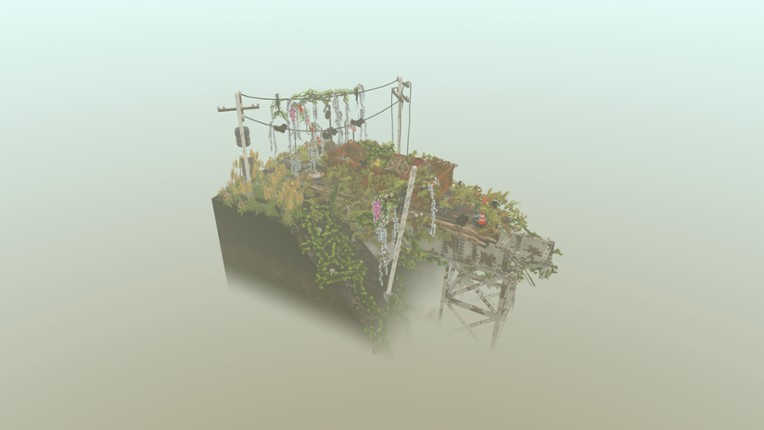
- 92%Game Brain ScoreMost mentioned positive aspects:graphics, gameplayMost mentioned negative aspects:grinding, stability95% User Score 2,530 reviewsCritic Score 82%3 reviewsCaptures Unpacking's meditative building ritual but plants you in post-apocalyptic nature, emphasizing environmental storytelling over personal narrative. If you enjoyed this game, see our list of games similar to Cloud Gardens.View Game

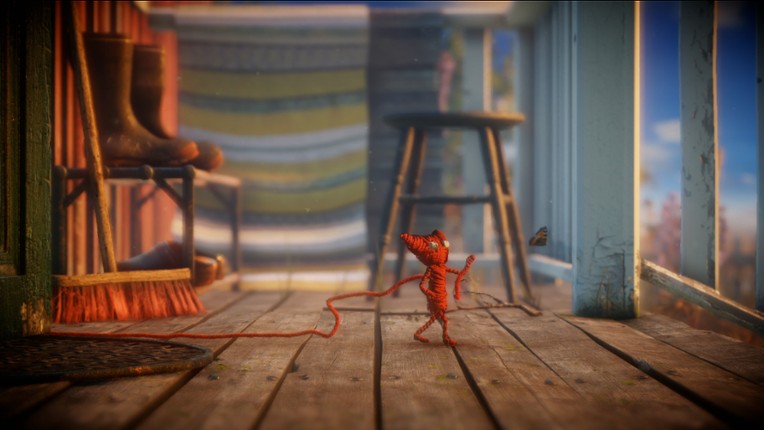
- 81%Game Brain ScoreMost mentioned positive aspects:story, musicMost mentioned negative aspects:grinding, stability87% User Score 2,684 reviewsCritic Score 74%34 reviewsCombines colorful 2D puzzle platforming with physics-driven mechanics, replacing Unpacking’s inventory focus with tactile environmental challenges. If you enjoyed this game, see our list of games similar to Unravel.View Game


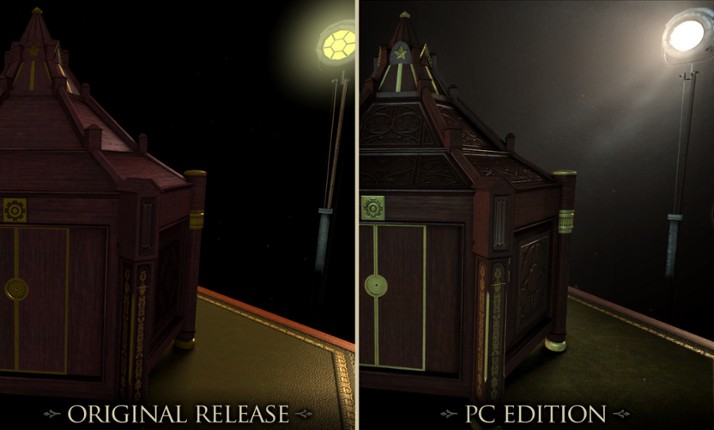
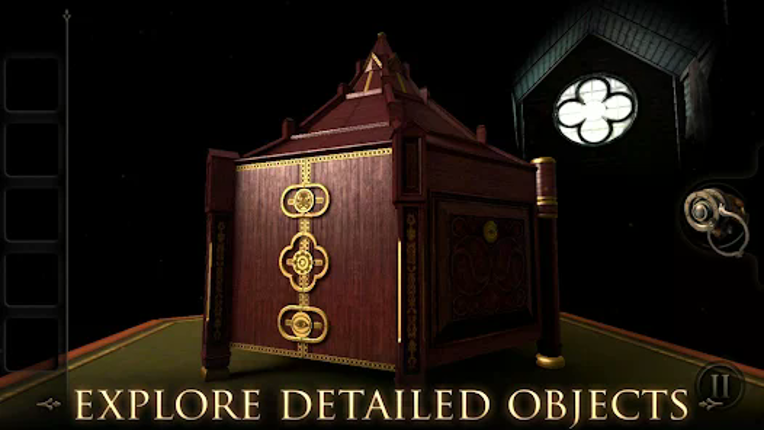
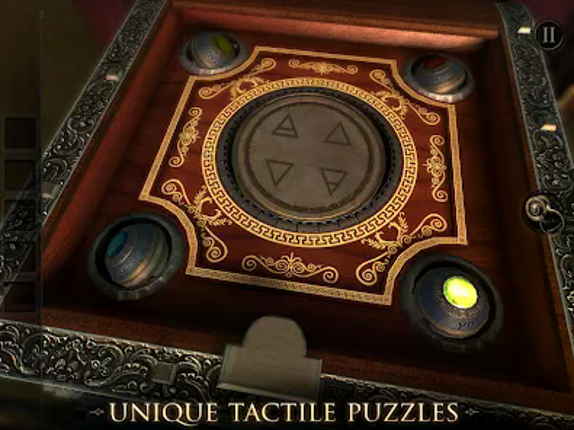
- 79%Game Brain ScoreMost mentioned positive aspects:graphics, storyMost mentioned negative aspects:replayability, grinding97% User Score 24,944 reviewsCritic Score 62%10 reviewsDitch the domestic tranquility for mysterious, tactile puzzle-solving that demands a keener eye for secrets within a dark, mechanical setting. If you enjoyed this game, see our list of games similar to The Room.View Game
41 View Game 88%Game Brain ScoreMost mentioned positive aspects:story, musicMost mentioned negative aspects:replayability, grinding96% User Score 1,426 reviewsCritic Score 80%12 reviews
Love, moving on, letting go, and the joy and pain of everything in between. If you enjoyed this game, see our list of games similar to When The Past Was Around.
View Game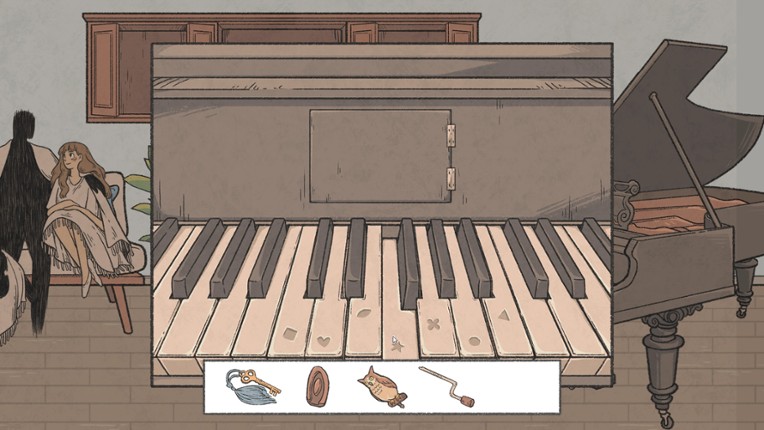
42 View Game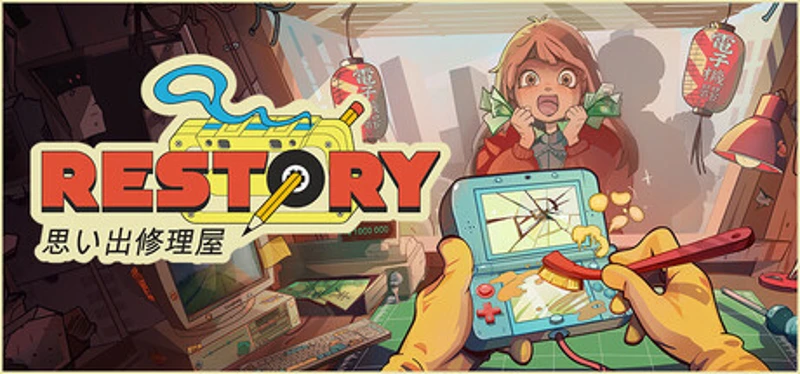 94%Game Brain ScoreMost mentioned positive aspects:story, gameplayMost mentioned negative aspects:grinding, stability95% User Score 5,112 reviewsCritic Score 93%5 reviews
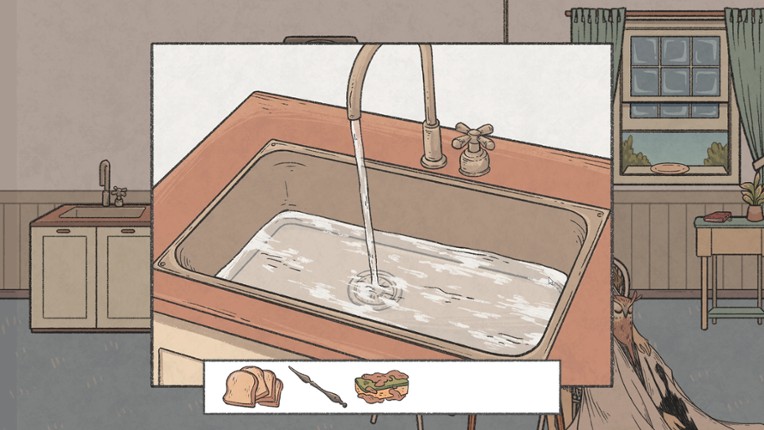
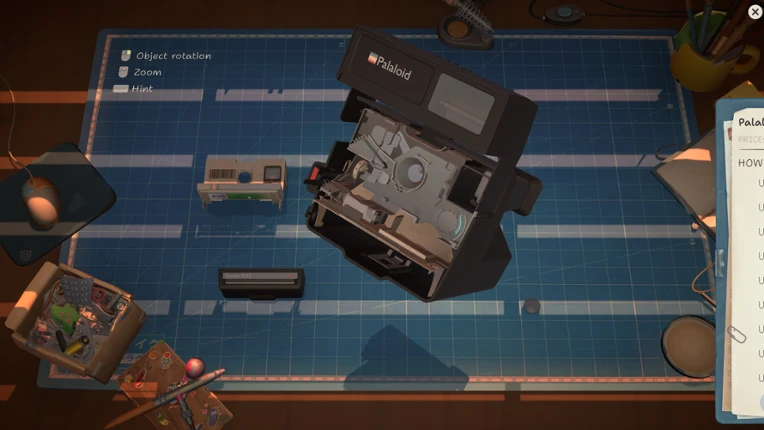
Run a quaint electronics repair shop in mid-2000s Tokyo. Grow your business by carefully restoring iconic video game consoles, cell phones, music players, and other nostalgic devices. Talk to customers, hear their stories, and see how your decisions impact both their lives and your shop. If you enjoyed this game, see our list of games similar to ReStory: Chill Electronics Repairs.
View Game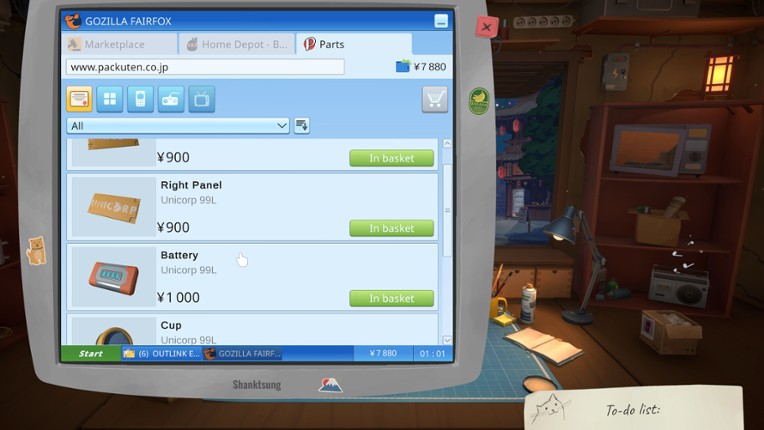
- 91%Game Brain ScoreMost mentioned positive aspects:story, gameplayMost mentioned negative aspects:grinding, stability97% User Score 5,240 reviewsCritic Score 85%12 reviews
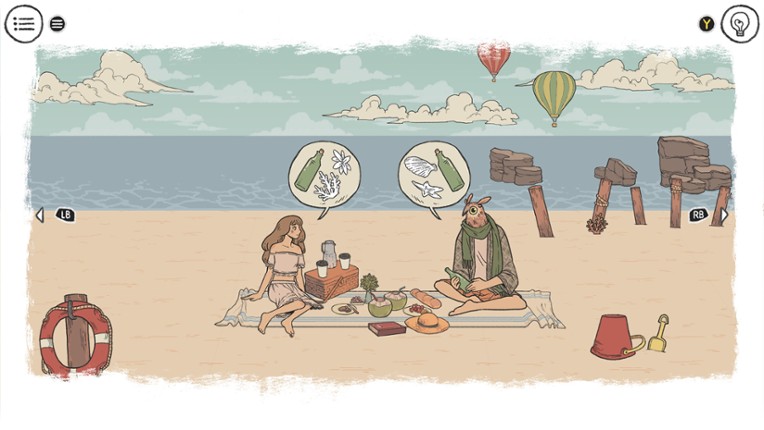
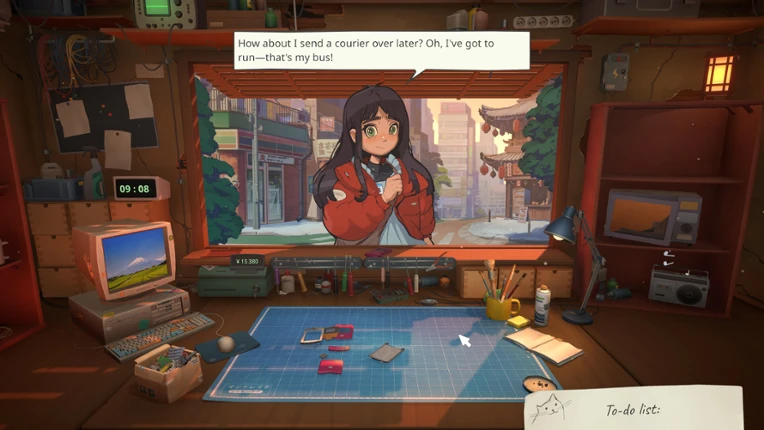
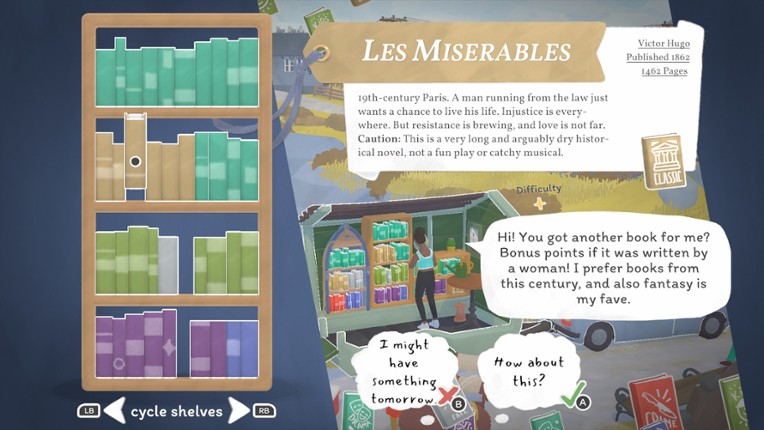
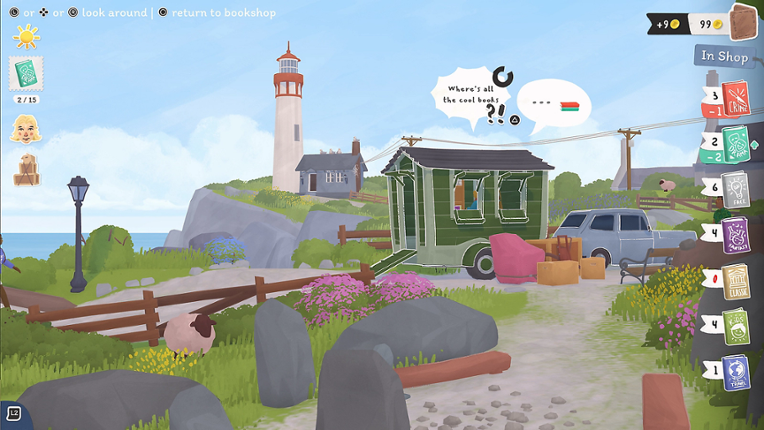
Open a second-hand bookshop by the sea in this narrative management game. If you enjoyed this game, see our list of games similar to Tiny Bookshop.
View Game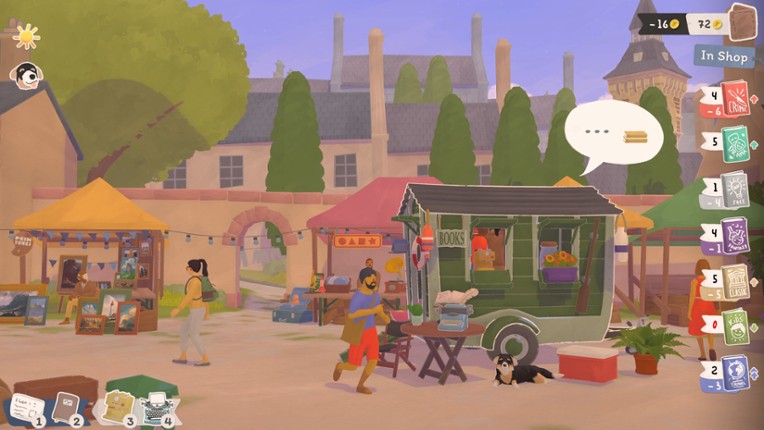
- 91%Game Brain ScoreMost mentioned positive aspects:story, gameplayMost mentioned negative aspects:grinding, replayability98% User Score 386 reviewsCritic Score 81%6 reviews
A Tiny Sticker Tale is a cozy miniature adventure about changing the world, using the power of stickers! If you enjoyed this game, see our list of games similar to A Tiny Sticker Tale.
View Game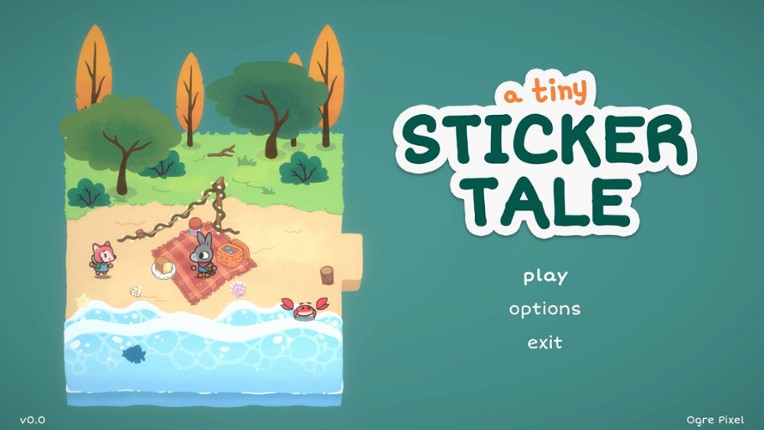

45 View Game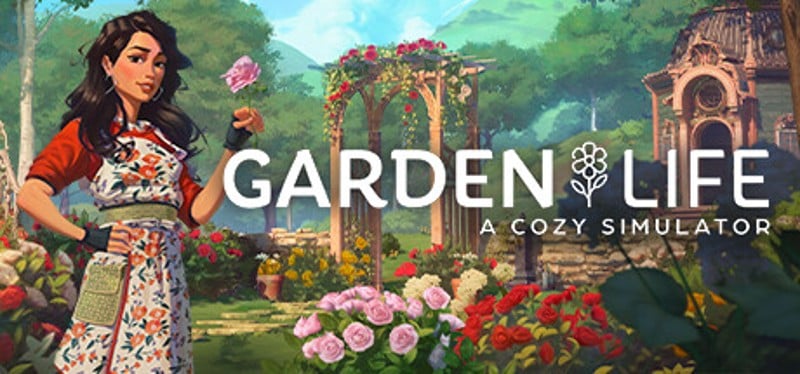 76%Game Brain ScoreMost mentioned positive aspects:story, graphicsMost mentioned negative aspects:grinding, optimization76% User Score 809 reviews
Using appropriate gardening techniques and your creativity, bring an abandoned plot back to life, and experience the joy and peace that cultivating your own garden brings. • ROLL UP YOUR SLEEVES – In Garden Life, there's no miracle solution: your plants will only flourish with dedication, the right tools and appropriate gardening techniques! • DESIGN THE GARDEN OF YOUR DREAMS – Using the gr… If you enjoyed this game, see our list of games similar to Garden Life: A Cozy Simulator.
View Game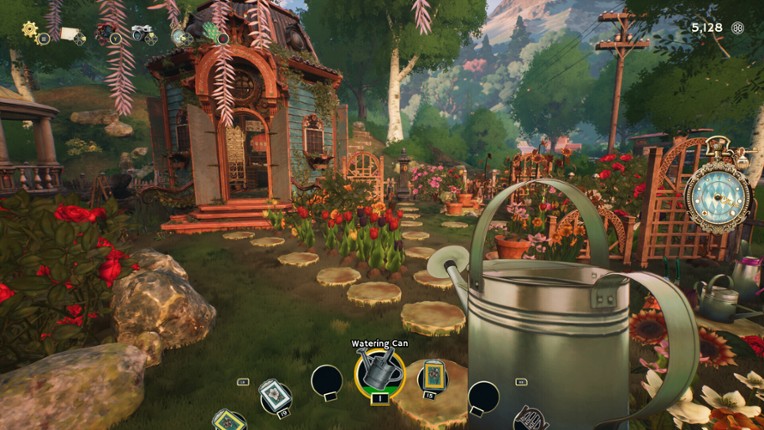
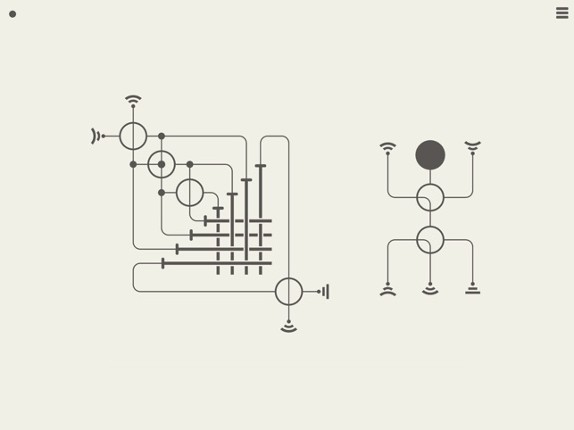
- 97%Game Brain ScoreMost mentioned positive aspects:gameplay, musicMost mentioned negative aspects:replayability, story97% User Score 7,601 reviewsTrade the narrative context of a moving box for pure, abstract logic puzzles that distill the essence of organization into minimalist, geometric connections. If you enjoyed this game, see our list of games similar to Hook.View Game
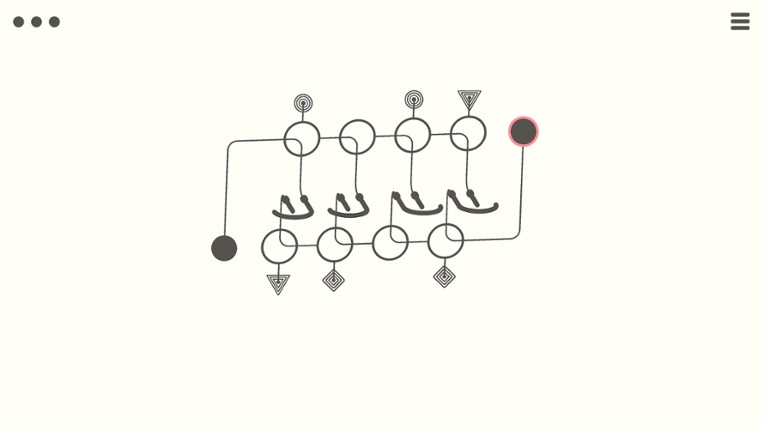
- 97%Game Brain ScoreMost mentioned positive aspects:gameplay, musicMost mentioned negative aspects:replayability, story97% User Score 3,713 reviewsOffers minimalist, casual puzzle play with a stripped-down indie feel that emphasizes simple mechanics over story or atmosphere. If you enjoyed this game, see our list of games similar to Hook.View Game
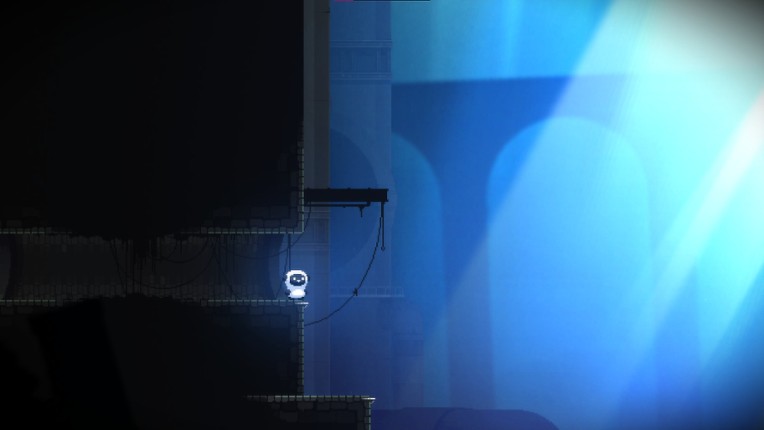
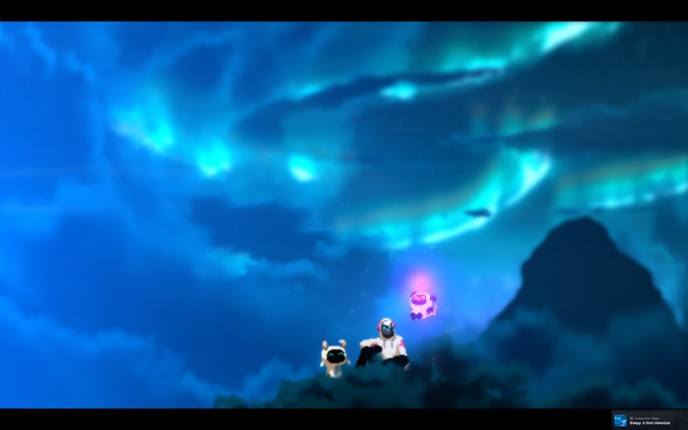
- 99%Game Brain ScoreMost mentioned positive aspects:music, storyMost mentioned negative aspects:optimization, grinding99% User Score 11,429 reviewsTakes Unpacking's cute pixel aesthetic and atmospheric dread, then submerges both in Lovecraftian horror and multiple dark endings. If you enjoyed this game, see our list of games similar to Sheepy: A Short Adventure.View Game

- 80%Game Brain ScoreMost mentioned positive aspects:story, graphicsMost mentioned negative aspects:stability, optimization87% User Score 2,711 reviewsCritic Score 73%23 reviews
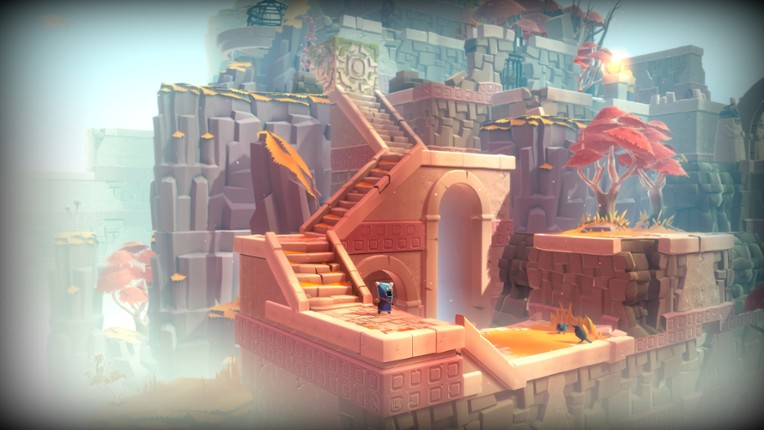
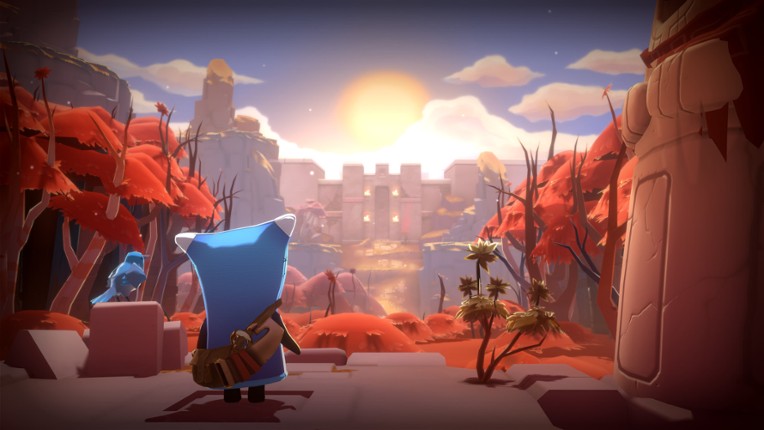
Explore the remains of a fallen world from fascinating perspectives! Slip into the role of different animals to uncover the fate of an ancient world. Dive into deep waters, fly at lofty heights, dig underground as a mole, climb steep cliffs with a mountain goat, and many more! If you enjoyed this game, see our list of games similar to LOST EMBER.
View Game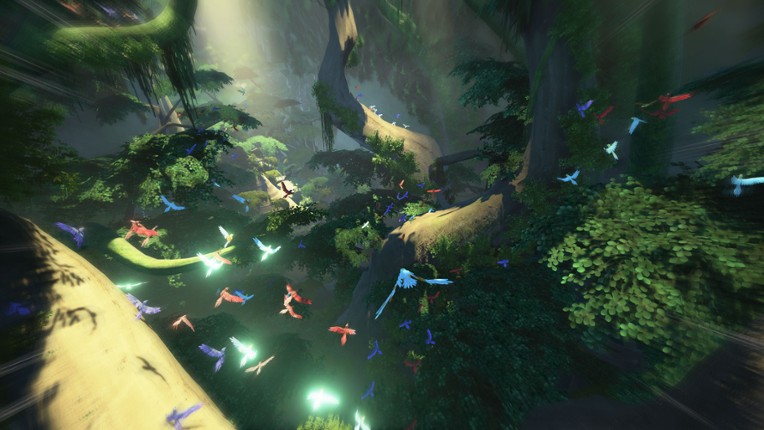


- 89%Game Brain ScoreMost mentioned positive aspects:gameplay, musicMost mentioned negative aspects:grinding, stability89% User Score 605 reviews
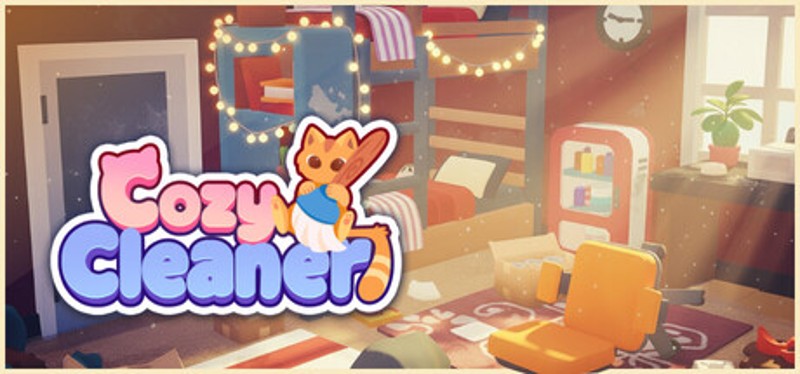
Cozy Cleaner is a relaxing cleaning game where you tidy and organize rooms messed up by playful cats. Pick up clutter, wipe away dirt, and bring order back to every space for a calming, refreshing experience with cozy soundtracks. If you enjoyed this game, see our list of games similar to Cozy Cleaner.
View Game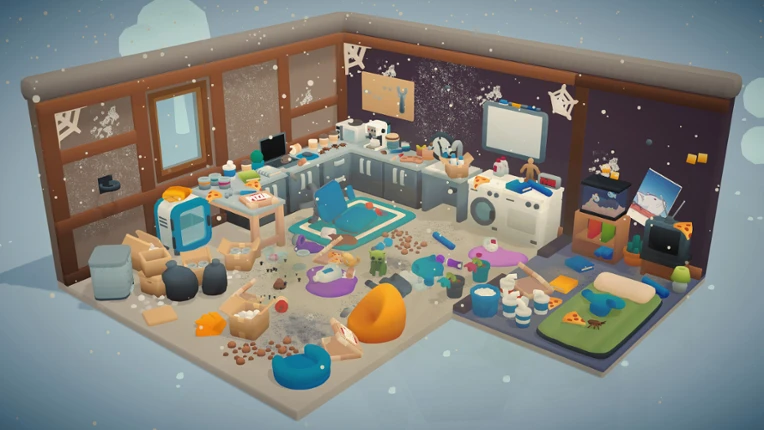


 View Game





































Frequently Asked Questions
Top recommendations include A Little to the Left, a cozy puzzle game with charming pixel art and hidden objects, and Organized Inside, which features satisfying organizing gameplay with a cute art style and heartwarming cat companion. Assemble with Care offers similar relaxing mechanics through repairing objects, while Sticky Business delivers creative design gameplay with touching customer stories and LGBTQ+ representation.
Organized Inside and A Little to the Left excel at soothing organizing gameplay without time pressure. Camper Van: Make it Home lets you customize and organize a camper van interior with creative freedom, while Whisper of the House combines cozy decoration tasks with pixel art charm and atmospheric storytelling. All emphasize pacing at your own rhythm.
Assemble with Care weaves heartwarming narratives about connection and family through repair sequences. Sticky Business features touching customer stories that add emotional resonance, while Organized Inside uses its black cat companion and subtle character development to create depth. Camper Van: Make it Home tells its story through environmental details and personal moments, similar to Unpacking's narrative approach.
Most games similar to Unpacking, including A Little to the Left, Organized Inside, and Assemble with Care, are available on Nintendo Switch and mobile platforms. Sticky Business also released on Switch. Point-and-click and puzzle-focused games adapt well to touchscreen controls, making them ideal for portable play.
While most premium games similar to Unpacking require purchase, checking itch.io and Steam's free section regularly reveals indie titles with comparable mechanics. Many games on this list, like A Little to the Left and Organized Inside, are affordable on Steam sales. Some developers offer free demos to experience their organizing and puzzle gameplay before buying.
Sticky Business explicitly incorporates LGBTQ+ themes and characters throughout its heartwarming narrative, making it a strong match for players seeking diverse representation. Storyteller also features LGBTQ+ content with its choice-driven branching stories and multiple endings, allowing you to shape narrative outcomes reflecting various relationships and identities in creative ways.