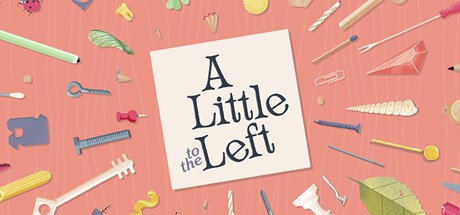


Games like A Little to the Left
There's something deeply satisfying about the tactile, brain-tingling puzzle solving in A Little to the Left, and once you've sorted every drawer and organized every shelf, it's natural to want more. If you're hunting for games like A Little to the Left, you're likely craving that same blend of tidy-up logic puzzles, first-person object manipulation, and cozy, low-stakes charm. The good news: a small but wonderful genre of these organizational puzzle games has grown around exactly this itch, and there are some excellent picks waiting for you below.
What makes A Little to the Left so beloved is its specific fusion of point-and-click puzzle logic with a hidden-object sensibility, wrapped in a hand-drawn, colorful aesthetic that never overstays its welcome. It's short, wholesome, and family-friendly, but the puzzles themselves demand real observational thinking — you're not just clicking randomly, you're figuring out the *one* correct arrangement. Players search for this experience because they want relaxation and mental stimulation simultaneously, without grinding, combat, or pressure.
What Makes a Good Alternative to A Little to the Left?
- Object-sorting or hidden-object mechanics — The core joy of finding where things "click" into place is central to the appeal, so alternatives need satisfying tactile puzzle-solving at their heart.
- Cozy, low-stress atmosphere — No timers, no failure states, no punishing difficulty spikes; the best alternatives prioritize relaxing, wholesome pacing over challenge for challenge's sake.
- Charming hand-drawn or colorful art style — Visual warmth matters here; cute, stylized graphics reinforce the comforting tone that makes these games so replayable.
- Light narrative or emotional undercurrent — Games like this often hide small storytelling touches or character moments within the puzzle mechanics, rewarding attentive players with emotional depth.
- Short, bite-sized sessions — Because these games are linear and casual, alternatives that respect your time with digestible levels tend to match the experience best.
Top Picks If You Enjoyed A Little to the Left
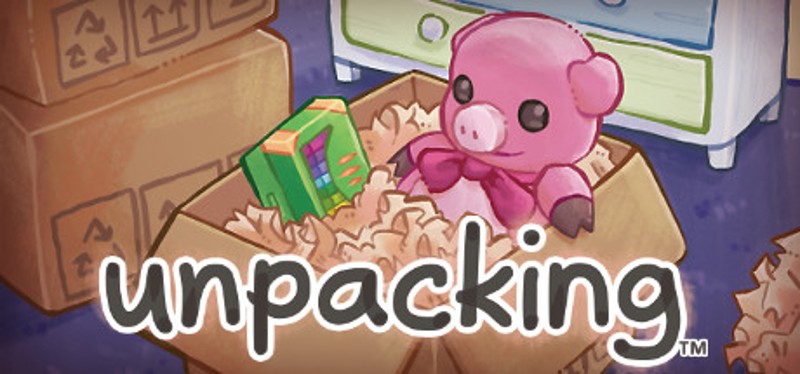
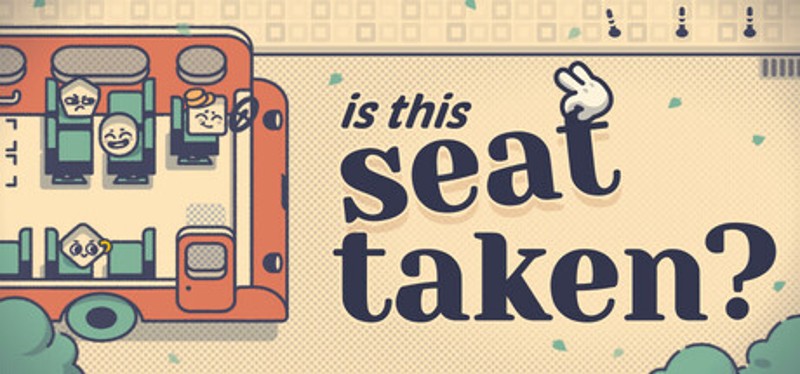
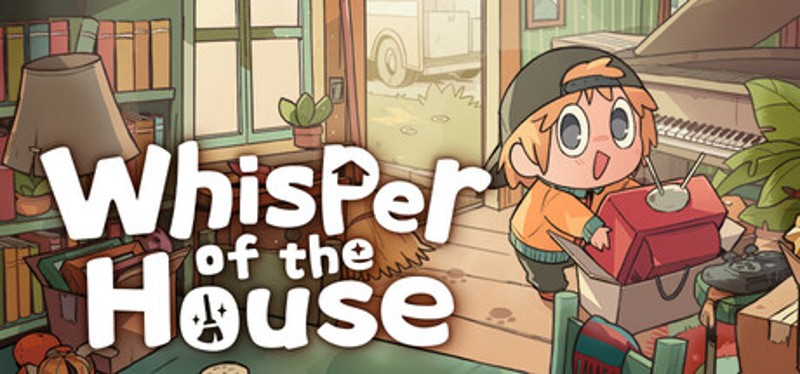
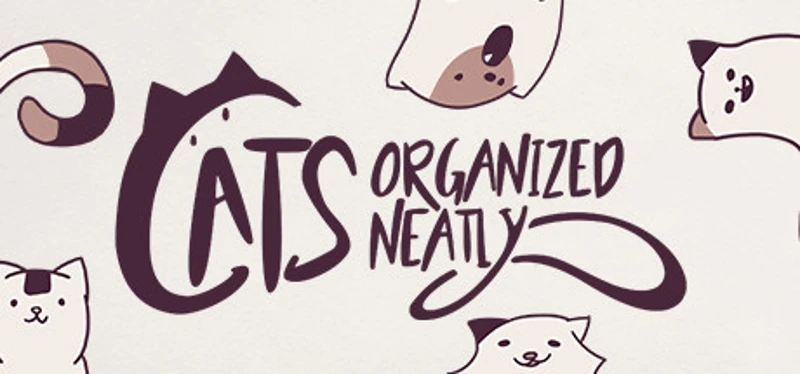
Unpacking nails the meditative organizing loop with genuine emotional storytelling. Organized Inside offers freedom-of-placement puzzles with an adorable cat companion. Is This Seat Taken? delivers charming, logic-driven puzzles with humor baked in. Whisper of the House adds mystery and decorating freedom to its cozy loop, while Cats Organized Neatly turns tidying into a whimsical, meme-friendly board-game puzzle.
Every recommendation below is ranked by genuine similarity to A Little to the Left, using real player and gameplay data rather than guesswork. Scroll down to explore the full list and find your next cozy puzzle obsession.
- 93%Game Brain ScoreMost mentioned positive aspects:story, musicMost mentioned negative aspects:grinding, stability93% User Score 37,130 reviews
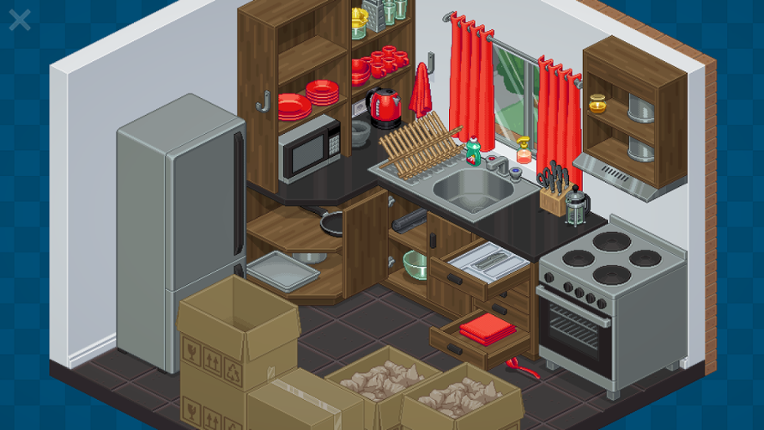
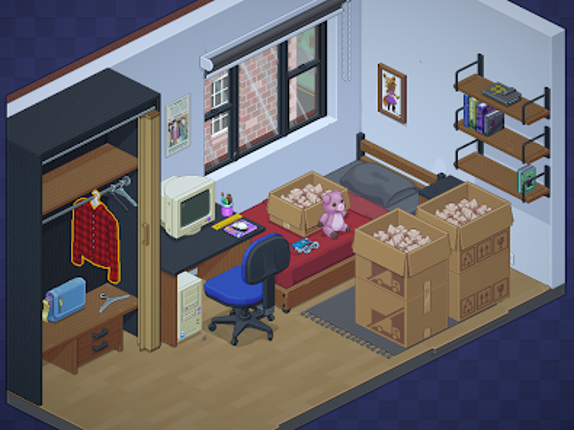
Both games ask you to handle ordinary objects until their placement feels intuitively right, turning small visual decisions into satisfying “click” moments. In Unpacking, sorting belongings into drawers, shelves, and rooms creates the same gentle logic loop as arranging items in A Little to the Left: observation matters more than speed, and a tidy result becomes its own reward.
The overlap extends to its point-and-click interaction, hidden-object touches, colorful 2D presentation, and relaxed single-player rhythm. There is also a comparable sense of discovery, though Unpacking uses each object to reveal a character’s changing life, giving your organizing choices a more emotional context rather than relying chiefly on humor and cats.
That shift is the appealing tradeoff: expect fewer joke-driven puzzles and more inventory management, with a quieter, story-rich angle that makes each move meaningful. The match is a solid 76%, so this is a focused detour rather than a direct replacement—best for players who enjoy cozy visual problem-solving, careful completion, and atmosphere over spectacle.
If you enjoyed this game, see our list of games similar to Unpacking.View Game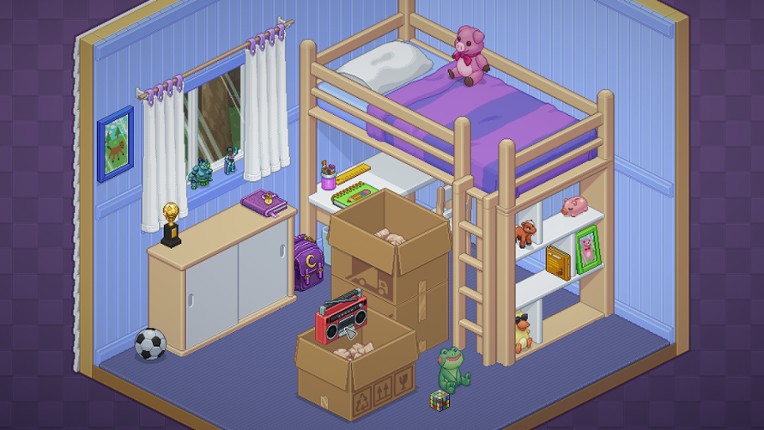
- 96%Game Brain ScoreMost mentioned positive aspects:story, musicMost mentioned negative aspects:atmosphere, grinding96% User Score 927 reviews
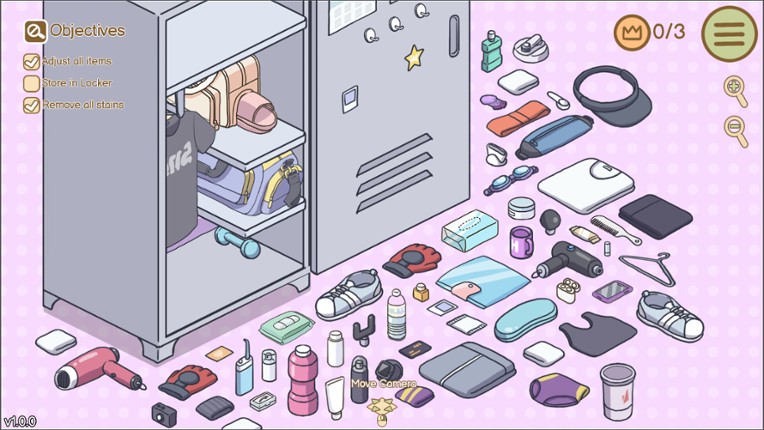
Satisfying the urge to bring order to chaos by meticulously sorting household clutter drives both of these experiences. In Organized Inside, you will find that same comforting dopamine hit of fitting oddly shaped objects into designated spaces. This tactile puzzle-solving is elevated by charming hand-drawn art and a mischievous cat companion that interacts with your progress.
While A Little to the Left occasionally frustrates players with stability bugs or monetization hurdles, this title offers a smooth, self-contained indie experience. Its inclusion of hidden-object challenges means you are not just tidying, but actively uncovering the narrative significance of each item. This gives your sorting a sense of cozy domestic purpose rather than abstract logic.
Instead of strict, single-solution puzzles, you are granted much more creative freedom in item placement. Best for cozy gamers who prioritize relaxed self-expression over rigid, high-stakes brain-teasers.
If you enjoyed this game, see our list of games similar to Organized Inside.View Game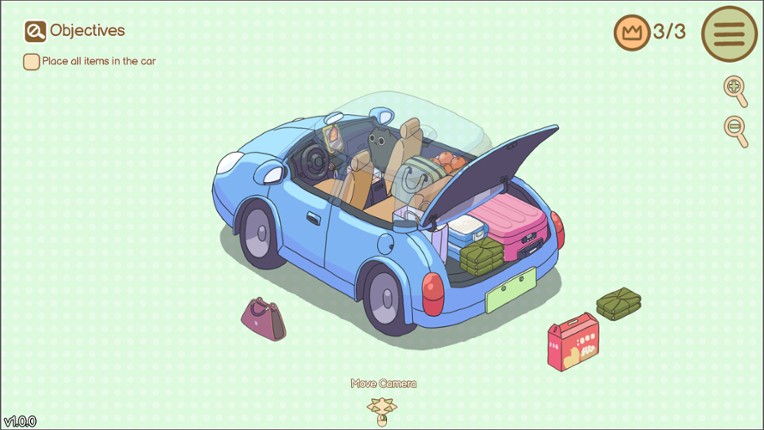
- 89%Game Brain ScoreMost mentioned positive aspects:story, graphicsMost mentioned negative aspects:grinding, optimization98% User Score 4,465 reviewsCritic Score 80%15 reviews
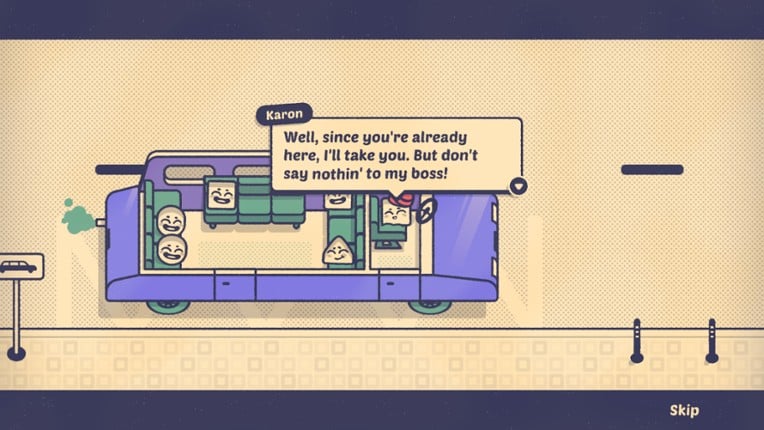
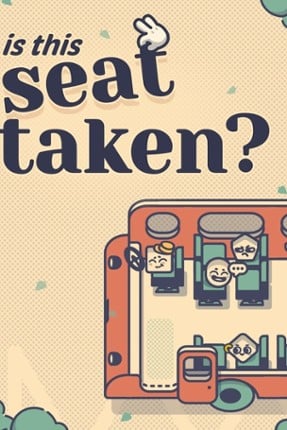
Both games ask you to solve environmental puzzles through patient observation and logical rearrangement—but the real magic is in how they make thinking feel like play. A Little to the Left's satisfaction comes from organizing objects until they "feel right"; Is This Seat Taken? channels that same meditative logic into arranging characters and scenarios, trading objects for people as your puzzle pieces.
The relaxing, low-pressure atmosphere carries over seamlessly. Trading mechanics and colorful 2D art create the same cozy-puzzle rhythm where failure doesn't punish you—it just prompts another attempt. Logic puzzles remain the core hook, but Is This Seat Taken? weaves a light-hearted story through the solving, adding narrative texture to your progress.
Where it diverges: this game embraces character-driven scenarios rather than pure object manipulation, giving each puzzle a small comedic or social context. It's a meaningful shift in flavor rather than a structural departure.
Best for players who loved A Little to the Left's relaxing puzzle-solving but wanted slightly more narrative glue holding the challenges together—without sacrificing that wholesome, thoughtful pacing.
If you enjoyed this game, see our list of games similar to Is This Seat Taken?.View Game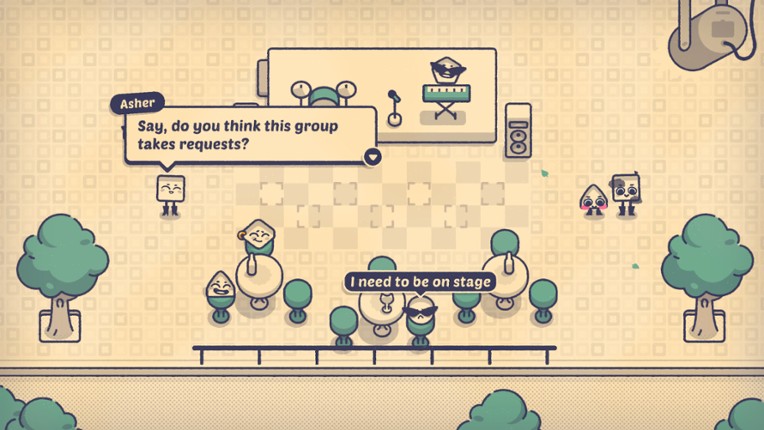
- 96%Game Brain ScoreMost mentioned positive aspects:story, graphicsMost mentioned negative aspects:grinding, stability96% User Score 2,416 reviews
Both games deliver the same quiet satisfaction of turning chaos into order—the moment when scattered items click into their proper places and the screen just feels right. This organizing loop isn't just a mechanic; it's a meditative ritual that rewards patience and attention to detail, creating a shared "flow state" that makes time disappear.
The overlap runs deeper than tidying, though. Whisper of the House borrows A Little to the Left's love of hiding secrets in plain sight, layering hidden-object discovery into its mystery-solving framework. Where A Little to the Left leans into logic puzzles, Whisper of the House substitutes narrative intrigue and home decoration, yet both games share the same fundamental hook: making discovery feel like a gentle reward rather than a frantic search.
The tradeoff is tone. Whisper of the House wraps its organizing gameplay in a mystery narrative and lets you decorate your own spaces—a creative outlet A Little to the Left doesn't offer. This shifts the experience from pure puzzle-solving toward a cozy life-sim vibe that some players may find even more decompressing, though purists who love A Little to the Left's tight puzzle focus might need an adjustment period.
Best for players who want to decompress through gentle problem-solving and appreciate indie games that prioritize atmosphere over intensity.
If you enjoyed this game, see our list of games similar to Whisper of the House.View Game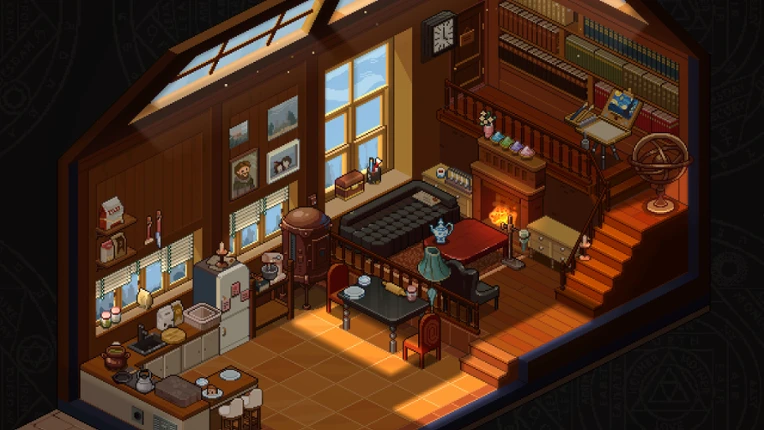
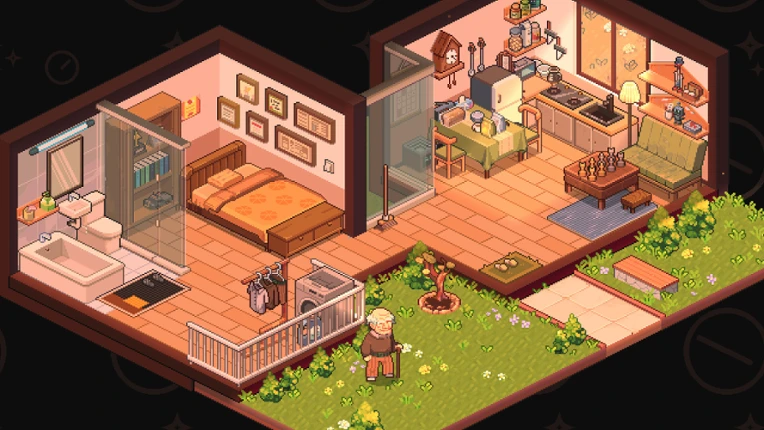
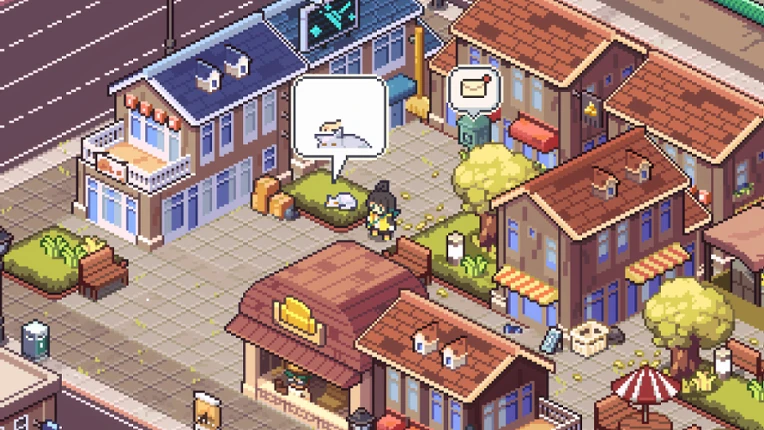
- 92%Game Brain ScoreMost mentioned positive aspects:music, graphicsMost mentioned negative aspects:story, grinding98% User Score 3,772 reviewsCritic Score 70%2 reviews
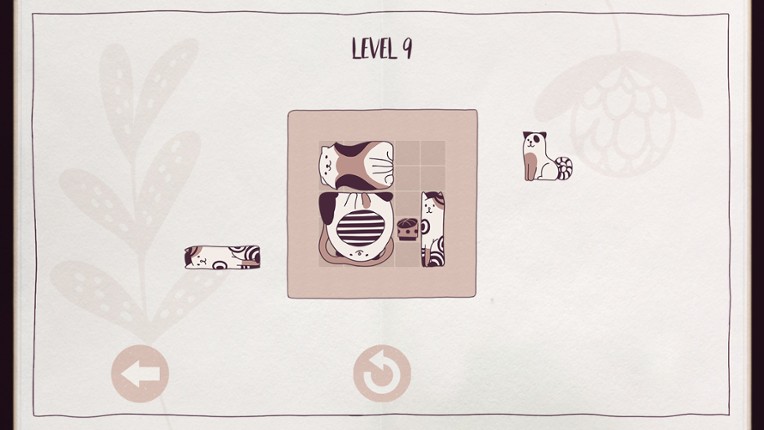
That satisfying moment when scattered objects click into their designated spots? Cats Organized Neatly runs on that exact same itch. You're still arranging pieces until everything fits, just with a feline twist instead of household clutter.
Both games share that meditative, no-fail puzzle structure where the goal is visual harmony rather than speed or precision under pressure. The cat-and-box tessellation here creates the same low-stakes flow state ALTTL fans chase — your brain relaxes because there's no penalty for experimenting until things look right.
Where it diverges is scope: instead of hidden-object discovery across varied mini-scenes, you're working within a tighter puzzle-box format with more replay value per level. If you found ALTTL's short runtime left you wanting more, this delivers additional content density without losing the coziness.
The hand-drawn charm, wholesome humor, and cat-obsessed aesthetic carry over almost one-to-one — this isn't a stretch, it's a natural sibling.
Best for players who want the same tidy-up satisfaction but don't mind trading narrative variety for tighter, repeatable puzzle loops.
If you enjoyed this game, see our list of games similar to Cats Organized Neatly.View Game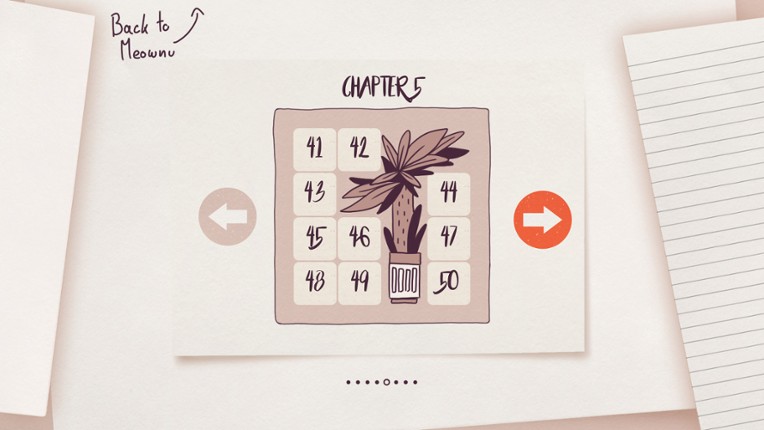
- 84%Game Brain ScoreMost mentioned positive aspects:story, gameplayMost mentioned negative aspects:replayability, grinding86% User Score 4,119 reviewsCritic Score 76%1 reviews
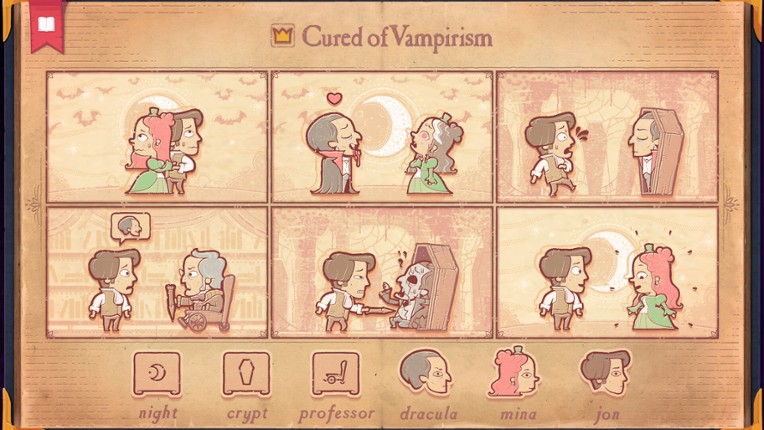
Both games rely on the satisfying tactile sensation of manipulating objects within a self-contained 2D space to solve logic puzzles. This shared point-and-click physicality anchors the experience, turning screen-tapping into a rewarding tactile loop.
While A Little to the Left focuses on meditative organization and spatial symmetry, Storyteller shifts the goal toward narrative construction and cause-and-effect experimentation. You are no longer tidying up; you are actively authoring tiny, humorous tragedies and romances.
Pick this up if you want low-stakes puzzle satisfaction but can live without the precise, organized completionism found in your usual sorting games.
If you enjoyed this game, see our list of games similar to Storyteller.View Game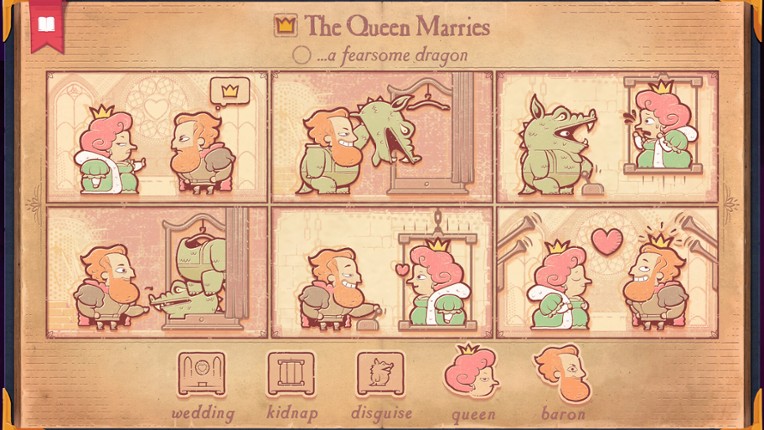
- 80%Game Brain ScoreMost mentioned positive aspects:graphics, gameplayMost mentioned negative aspects:monetization, grinding80% User Score 2,632 reviews
Get aCC_e55 scratches the same itch as A Little to the Left with single-player puzzle-solving that hinges on careful observation and satisfying order.
The overlap in casual, thoughtful puzzle play matters because both games reward patience over reflexes. Here, the cleaner art style and sharp visual presentation do a lot of the heavy lifting.
The tradeoff is simple: Get aCC_e55 leans harder into escape-room challenge and monetization friction, while A Little to the Left is warmer, smoother, and more consistently cozy.
Pick this up if you want brainy, tidy puzzles with a polished look but can live without the softer tone and friction-free flow.
If you enjoyed this game, see our list of games similar to Get aCC_e55.View Game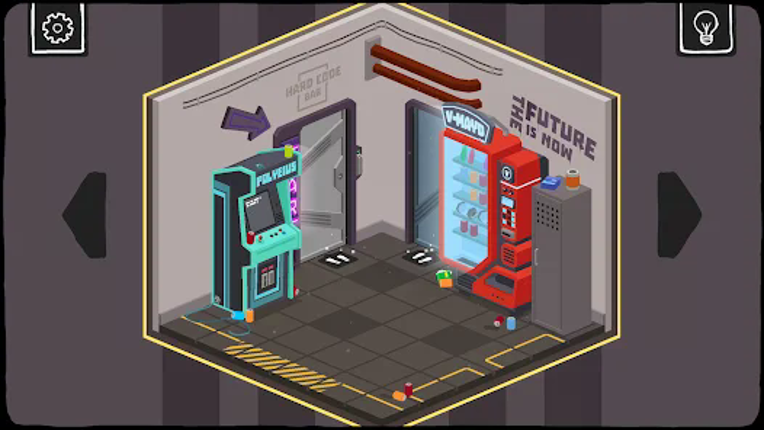
- 89%Game Brain ScoreMost mentioned positive aspects:gameplay, musicMost mentioned negative aspects:grinding, stability89% User Score 605 reviews
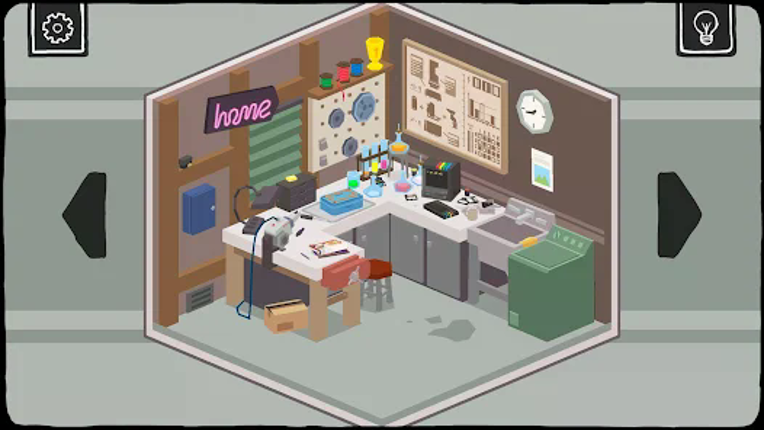
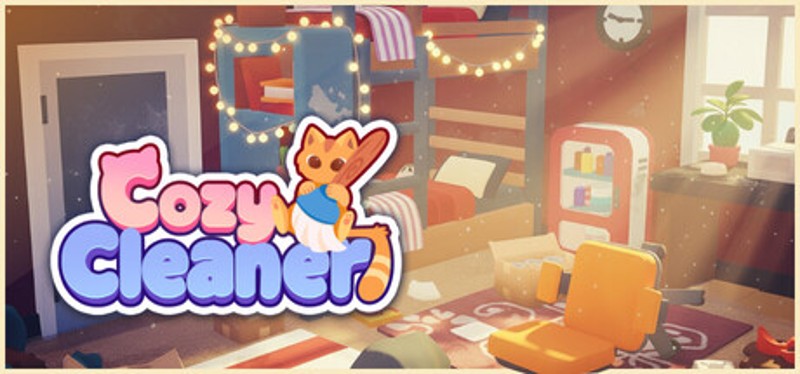
Both games center on satisfying cleaning and organizing mechanics, where tidying spaces becomes genuinely rewarding rather than tedious.
The cozy, wholesome atmosphere—enhanced by adorable cats and stylized visuals—makes both games relaxing escapes from more demanding gameplay.
Cozy Cleaner offers more gameplay depth with upgrades and variety, but A Little to the Left delivers stronger narrative charm and puzzle variety.
Pick this up if you want deeply satisfying cleaning gameplay but can live without the story-driven puzzle depth.
If you enjoyed this game, see our list of games similar to Cozy Cleaner.View Game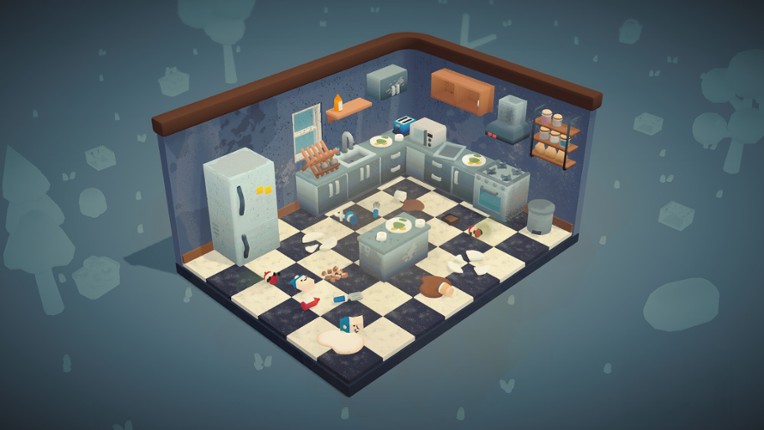
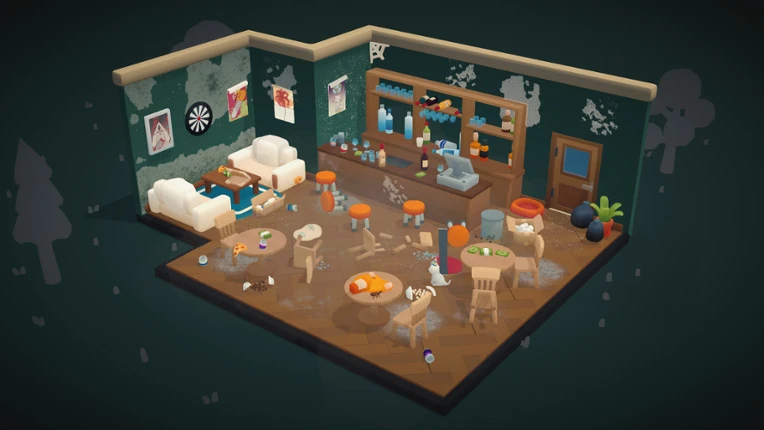
- 99%Game Brain ScoreMost mentioned positive aspects:music, graphicsMost mentioned negative aspects:story, replayability99% User Score 1,654 reviews
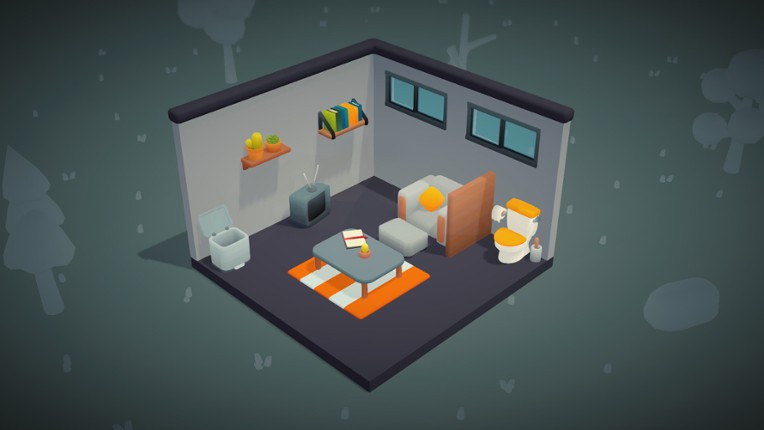
Both games center on arranging and organizing cute cats as a core puzzle loop, where tactile interaction with charming characters drives engagement rather than combat or narrative.
The relaxing atmosphere matters equally in each — puzzle progression rewards patience over reflexes, making both ideal for extended cozy sessions.
The critical difference: A Little to the Left offers polished controls and optional guidance, while Moris Managed Meticulously demands precision clicking and provides no hints, risking frustration despite its charm.
Pick this up if you crave cat-focused puzzle design but can tolerate clunky controls and limited music variety in exchange for genuinely satisfying difficulty scaling.
If you enjoyed this game, see our list of games similar to Moris Managed Meticulously.View Game
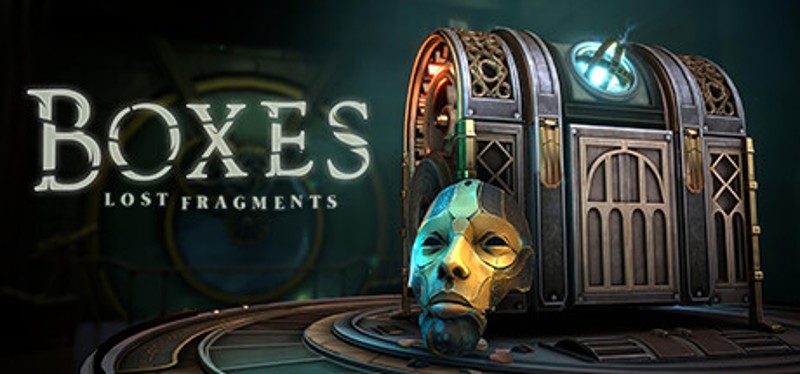
- 92%Game Brain ScoreMost mentioned positive aspects:graphics, storyMost mentioned negative aspects:replayability, grinding92% User Score 2,949 reviews
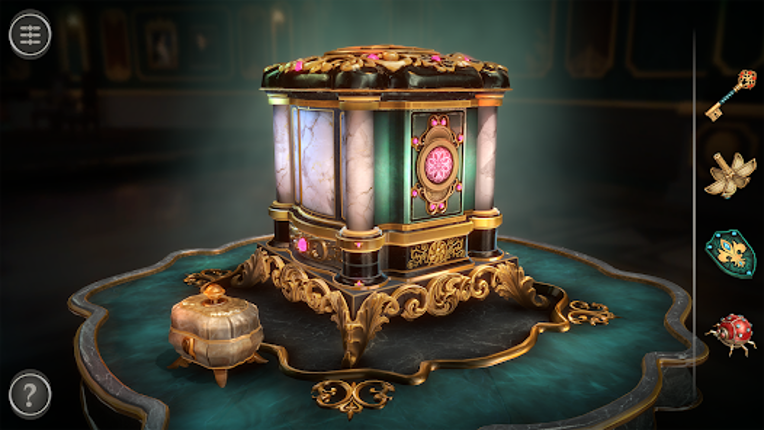
Both games center on the tactile satisfaction of manipulating physical objects to solve intricate, spatial puzzles. This shared focus on hands-on interaction makes them feel like natural kin, ensuring a similar sense of rhythmic flow as you work through each container.
While A Little to the Left emphasizes the zen of household organization, Boxes: Lost Fragments pivots toward theatrical mechanical mystery. You are trading cozy domestic chores for the thrill of uncovering hidden compartments within ornate, clockwork puzzles.
Pick this up if you crave the hands-on puzzle-solving loop of organizing objects but are ready to trade cute, domestic themes for a polished, 3D escape-room aesthetic.
If you enjoyed this game, see our list of games similar to Boxes: Lost Fragments.View Game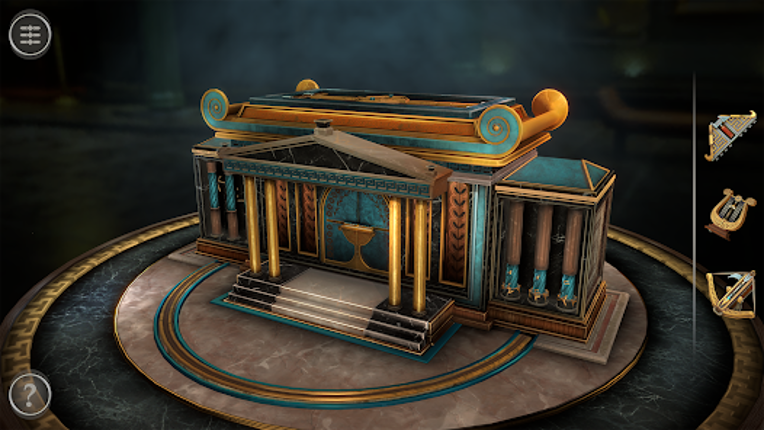
- 96%Game Brain ScoreMost mentioned positive aspects:gameplay, musicMost mentioned negative aspects:grinding, story96% User Score 1,538 reviews
Strips away A Little to the Left's cozy charm for pure minimalist logic puzzles, keeping only the relaxing vibe.
If you enjoyed this game, see our list of games similar to Scalak.View Game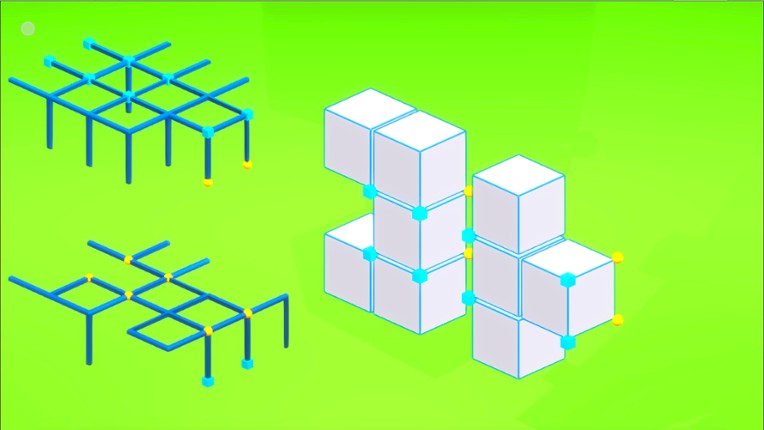


- 94%Game Brain ScoreMost mentioned positive aspects:story, graphicsMost mentioned negative aspects:monetization, grinding94% User Score 1,020 reviews
Challenges you with escalating brain-teasers instead of meditative sorting, sacrificing atmosphere for mental rigor.
If you enjoyed this game, see our list of games similar to IQ Dungeon.View Game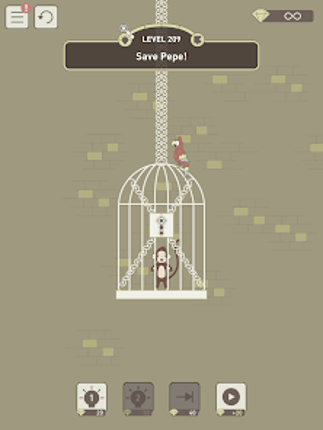
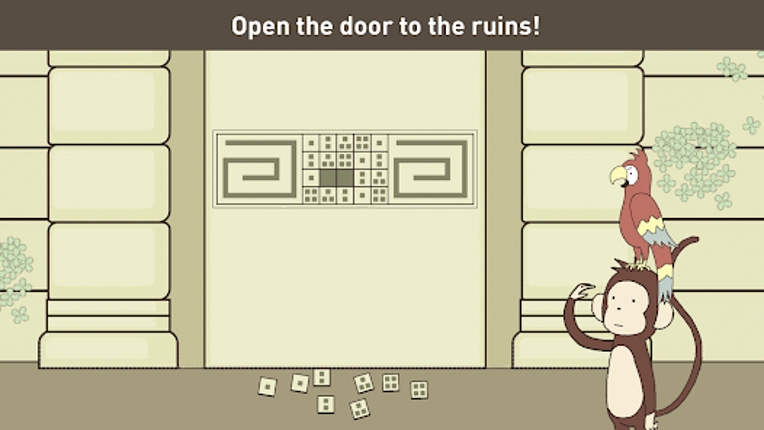
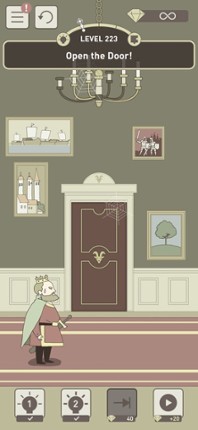
- 94%Game Brain ScoreMost mentioned positive aspects:graphics, storyMost mentioned negative aspects:monetization, music94% User Score 700 reviews
Offers variety through multiple escape scenarios rather than cohesive single experience, trading narrative depth for breadth.
If you enjoyed this game, see our list of games similar to Escape Game Collection.View Game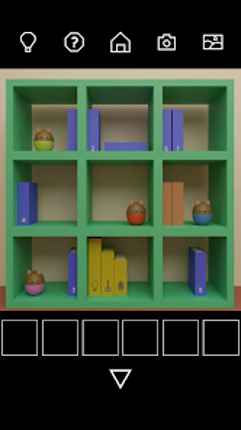
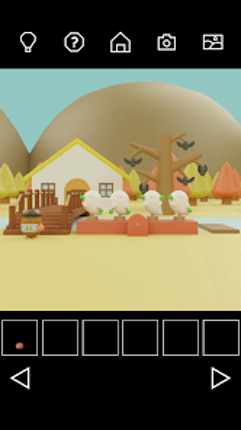
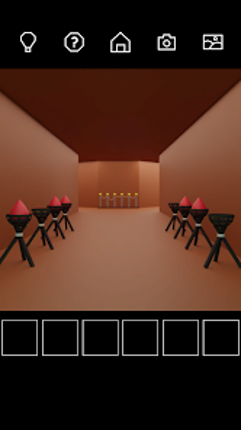
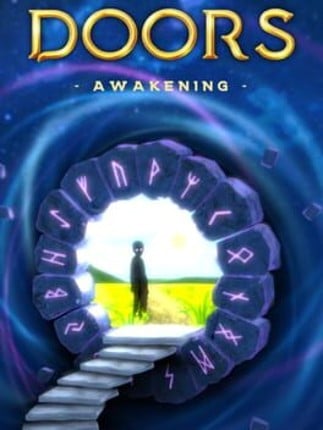
- 85%Game Brain ScoreMost mentioned positive aspects:graphics, storyMost mentioned negative aspects:monetization, replayability85% User Score 4,083 reviews
Replaces gentle organization with mysterious room-escape investigation, maintaining puzzle DNA but amplifying atmospheric tension.
If you enjoyed this game, see our list of games similar to Doors: Awakening.View Game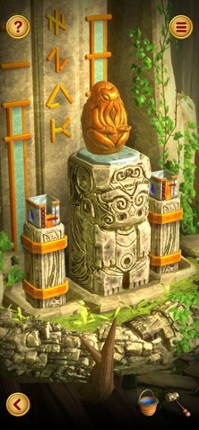
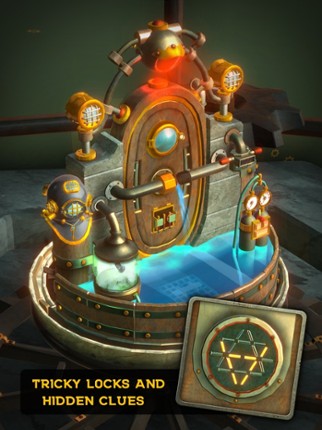
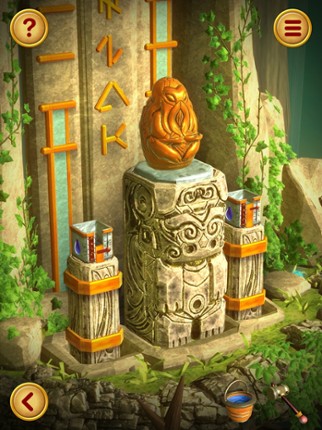
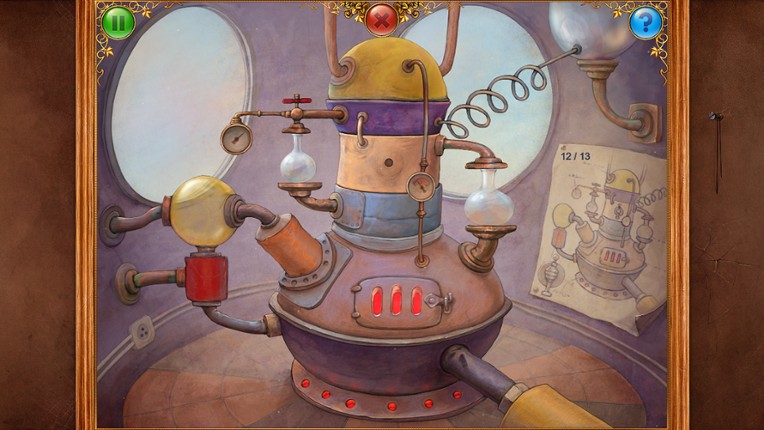
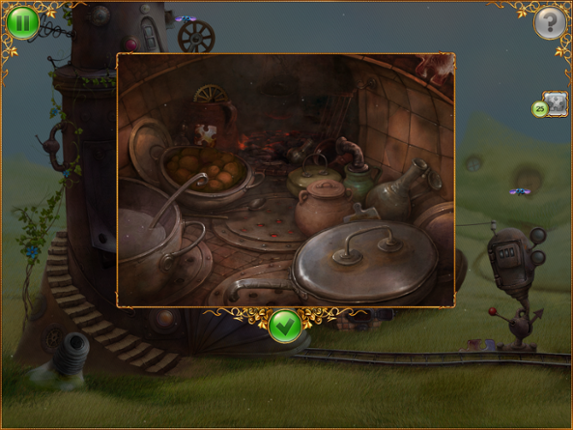
- 83%Game Brain ScoreMost mentioned positive aspects:music, graphicsMost mentioned negative aspects:replayability, grinding85% User Score 2,591 reviewsCritic Score 75%3 reviews
Echoes A Little to the Left's aesthetic and hidden-object DNA but layers in steampunk storytelling and minigame variety.
If you enjoyed this game, see our list of games similar to The Tiny Bang Story.View Game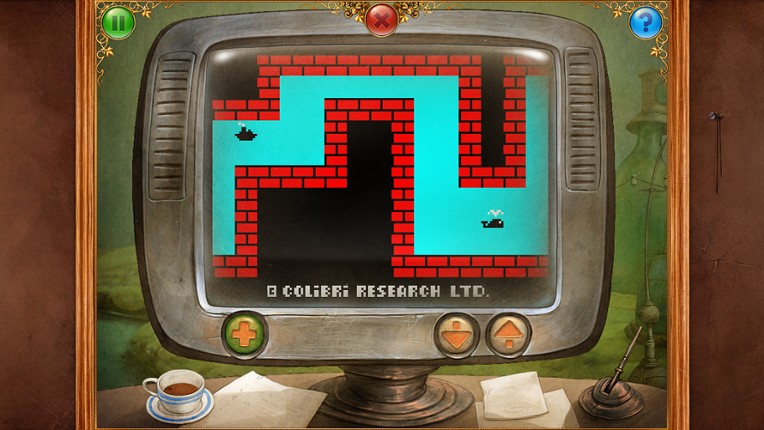
16 View Game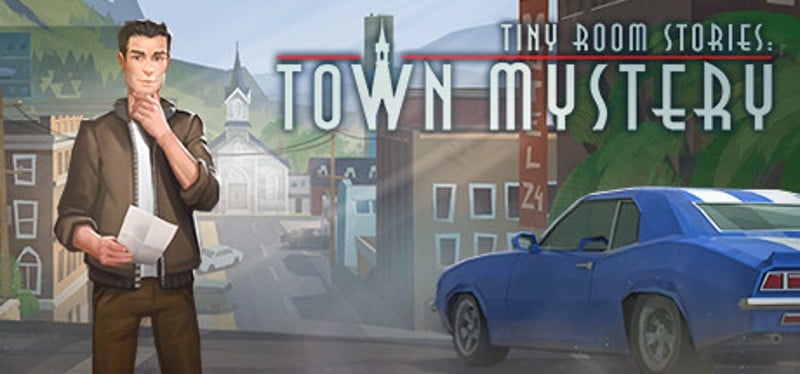 91%Game Brain ScoreMost mentioned positive aspects:story, graphicsMost mentioned negative aspects:monetization, stability91% User Score 10,000 reviews
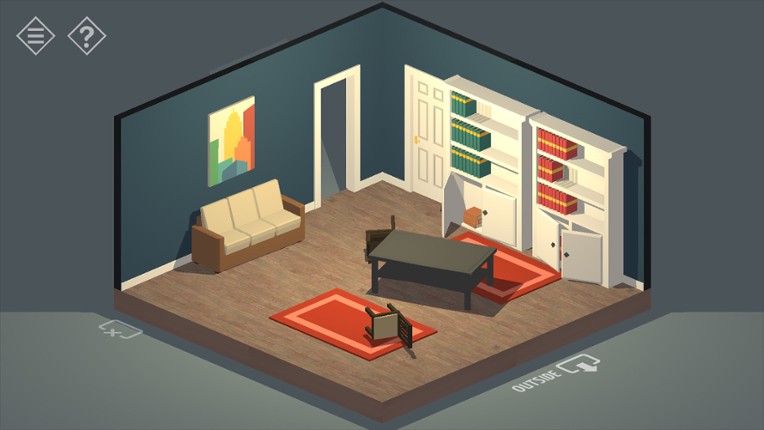
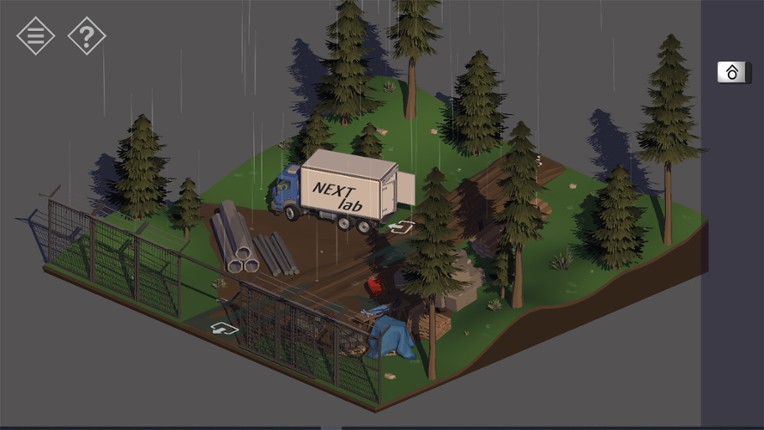
Maintains the hidden-object and trading mechanics but transforms them into a linear detective mystery with isometric perspective.
If you enjoyed this game, see our list of games similar to Tiny Room Stories Town Mystery.View Game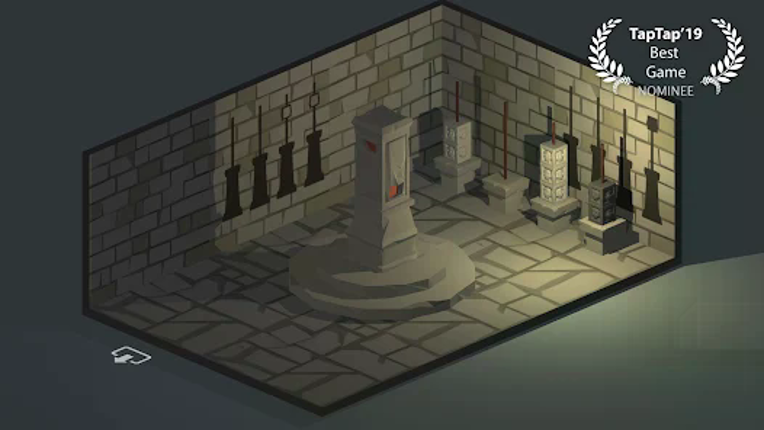
- 99%Game Brain ScoreMost mentioned positive aspects:gameplay, graphicsMost mentioned negative aspects:story, grinding99% User Score 6,546 reviews
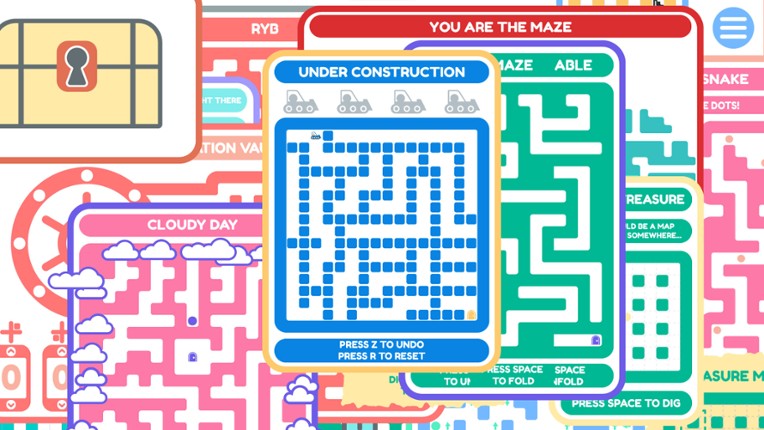
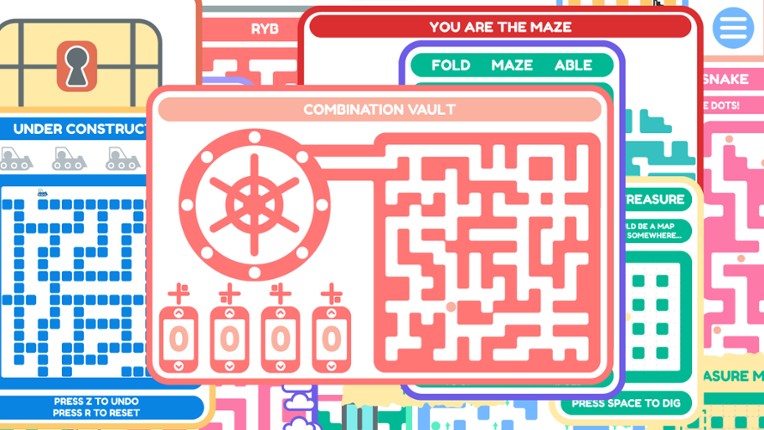
Distills A Little to the Left into its simplest form: abstract mazes stripped of story, cats, and visual storytelling.
If you enjoyed this game, see our list of games similar to 20 Small Mazes.View Game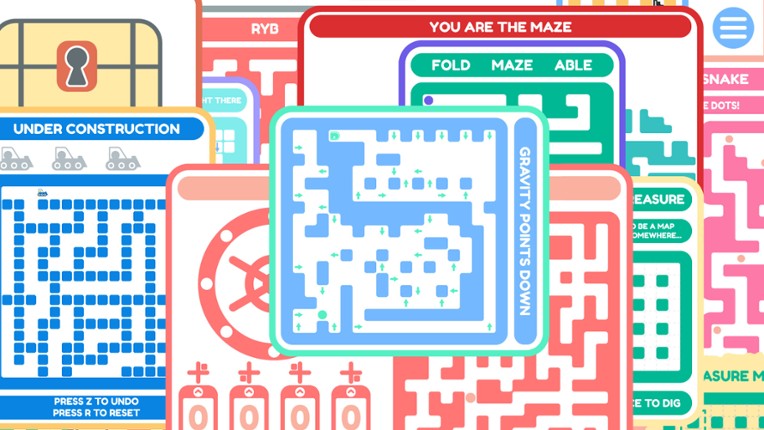
- 94%Game Brain ScoreMost mentioned positive aspects:gameplay, musicMost mentioned negative aspects:story, grinding97% User Score 1,042 reviewsCritic Score 80%1 reviews
Swaps organizing household items for physics-based exploration puzzles, replacing calm sorting with environmental interaction.
If you enjoyed this game, see our list of games similar to Sizeable.View Game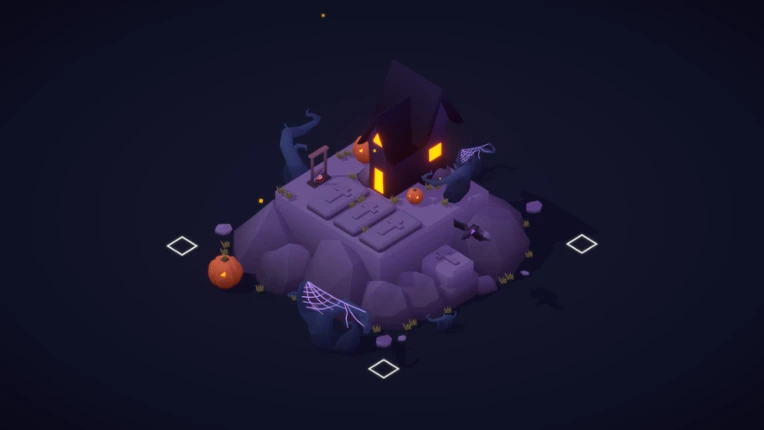

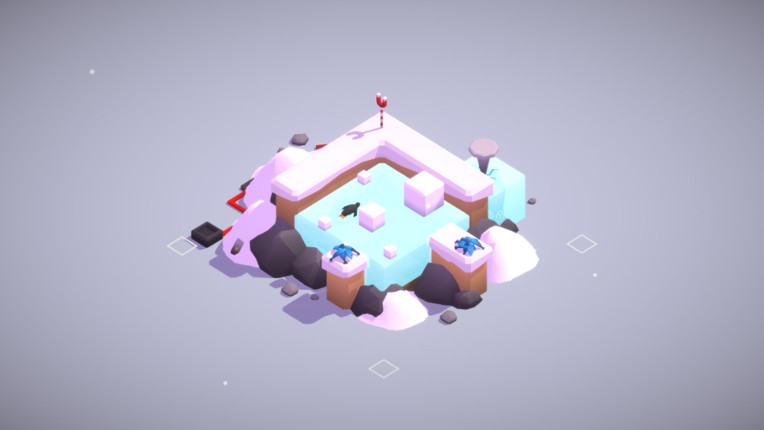
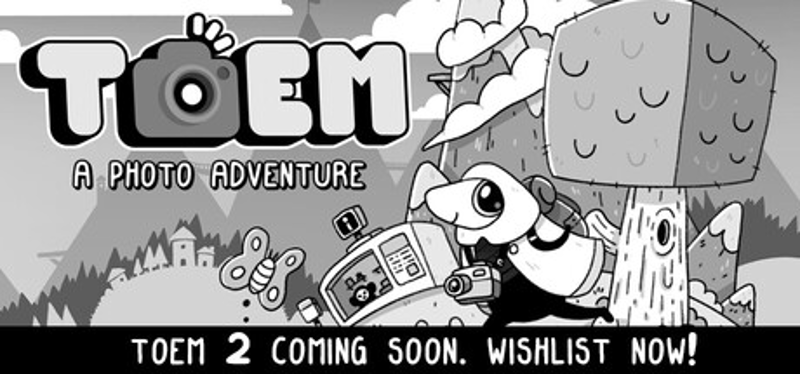
- 99%Game Brain ScoreMost mentioned positive aspects:story, musicMost mentioned negative aspects:grinding, stability99% User Score 4,491 reviewsCritic Score 100%1 reviews
Shares the hand-drawn coziness and hidden-object mechanics but channels them into a wholesome photography adventure.
If you enjoyed this game, see our list of games similar to Toem.View Game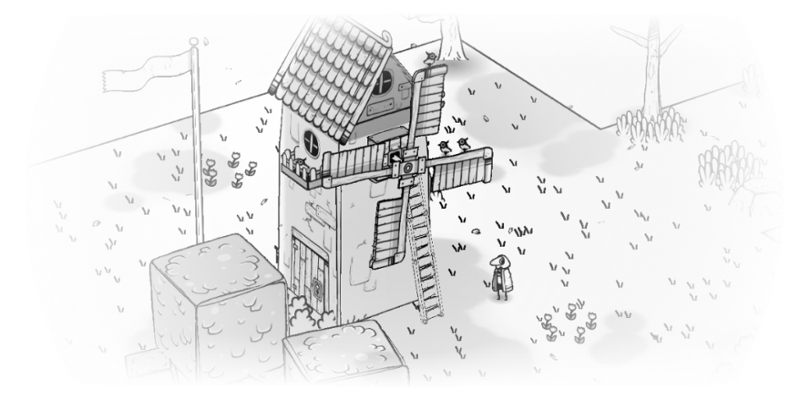
- 95%Game Brain ScoreMost mentioned positive aspects:graphics, musicMost mentioned negative aspects:monetization, stability95% User Score 9,246 reviews
Takes the minimalist puzzle approach further with enigmatic door-opening challenges, removing visual warmth for cryptic atmosphere.
If you enjoyed this game, see our list of games similar to Stray Cat Doors.View Game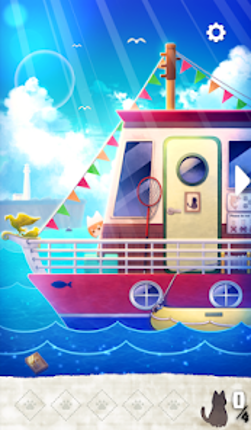
- 98%Game Brain ScoreMost mentioned positive aspects:graphics, musicMost mentioned negative aspects:grinding, monetization98% User Score 1,128 reviews
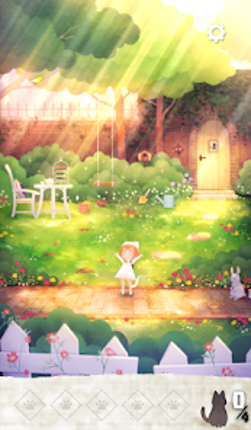
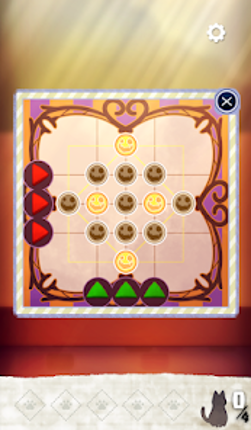
Focuses on mischievous cat-driven slapstick rather than orderly organization, appealing to players who want a chaotic, humorous feline puzzle experience.
If you enjoyed this game, see our list of games similar to Mizi NO!.View Game


- 98%Game Brain ScoreMost mentioned positive aspects:story, graphicsMost mentioned negative aspects:grinding, monetization98% User Score 5,097 reviews
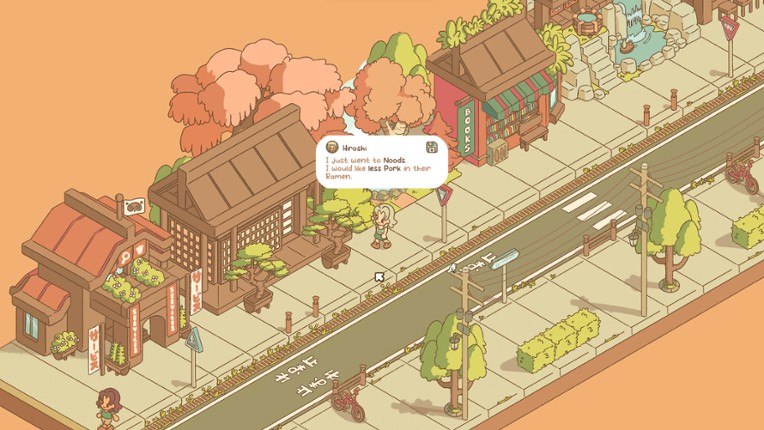
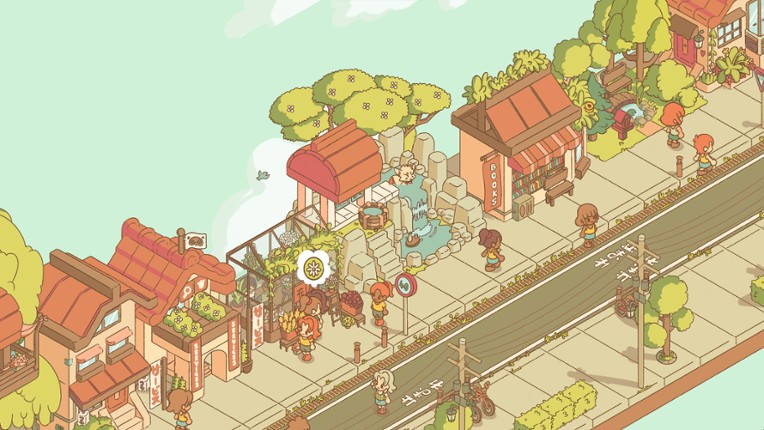
Swaps household tidying for the management of a bustling street, perfect for those who enjoy aesthetic organization within a life sim.
If you enjoyed this game, see our list of games similar to Minami Lane.View Game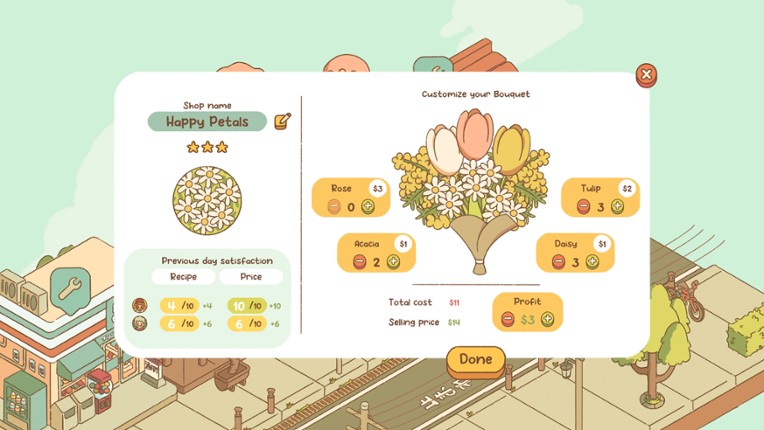
- 89%Game Brain ScoreMost mentioned positive aspects:graphics, gameplayMost mentioned negative aspects:monetization, stability89% User Score 4,528 reviews
Features more traditional, mechanical escape-style room locks instead of sorting tasks, challenging those who prefer standard logic over domestic arranging.
If you enjoyed this game, see our list of games similar to Doors: Origins.View Game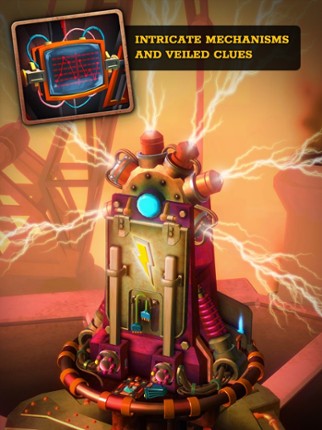
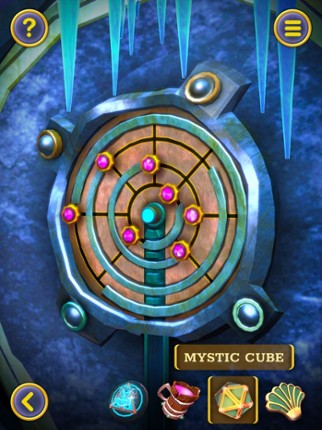
- 79%Game Brain ScoreMost mentioned positive aspects:graphics, storyMost mentioned negative aspects:replayability, grinding97% User Score 24,944 reviewsCritic Score 62%10 reviews
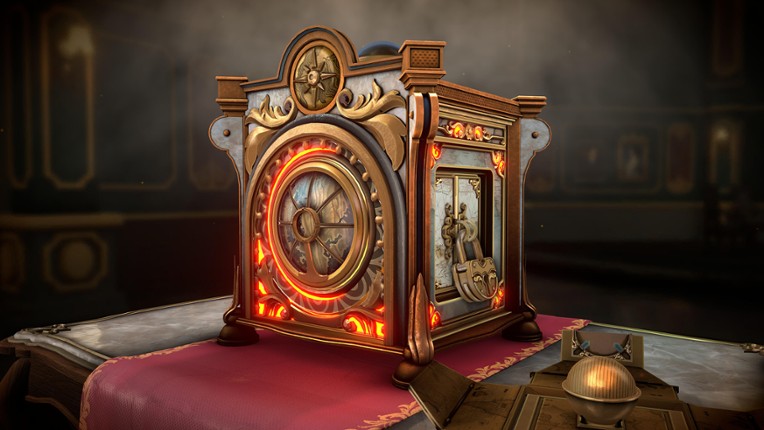
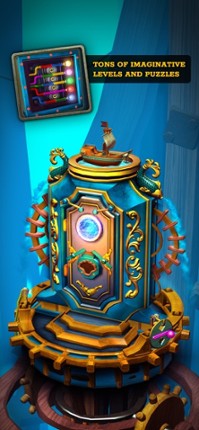
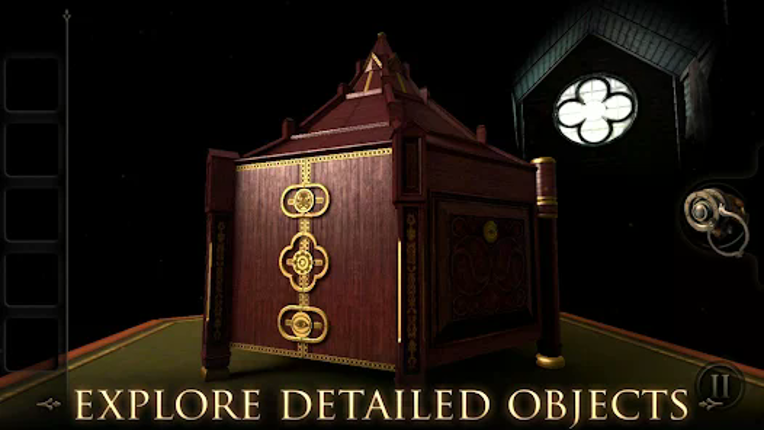
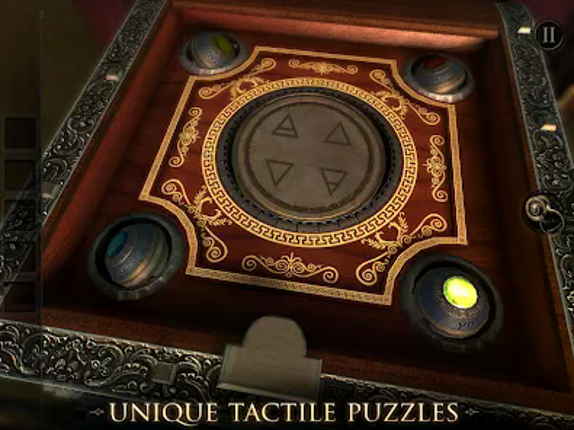
Leans into a cryptic, atmospheric steampunk mystery rather than cozy chores, suited for those seeking a more serious, narrative-driven puzzle hunt.
If you enjoyed this game, see our list of games similar to The Room.View Game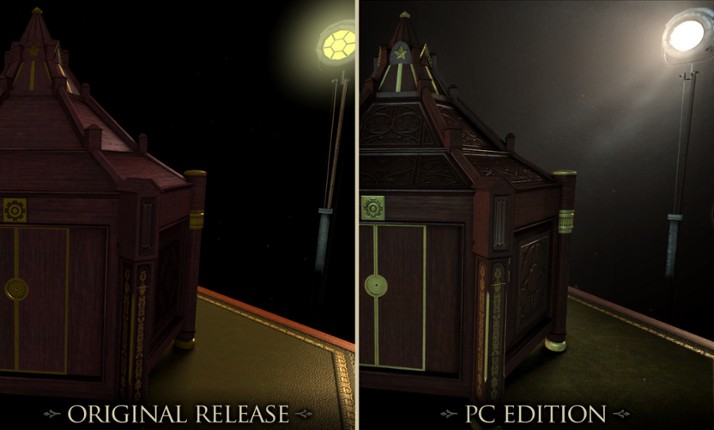
25 View Game 94%Game Brain ScoreMost mentioned positive aspects:music, gameplayMost mentioned negative aspects:grinding, story94% User Score 11,924 reviews
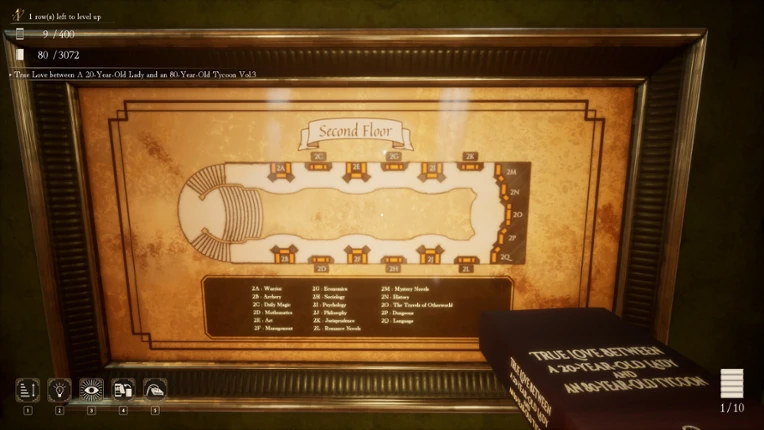
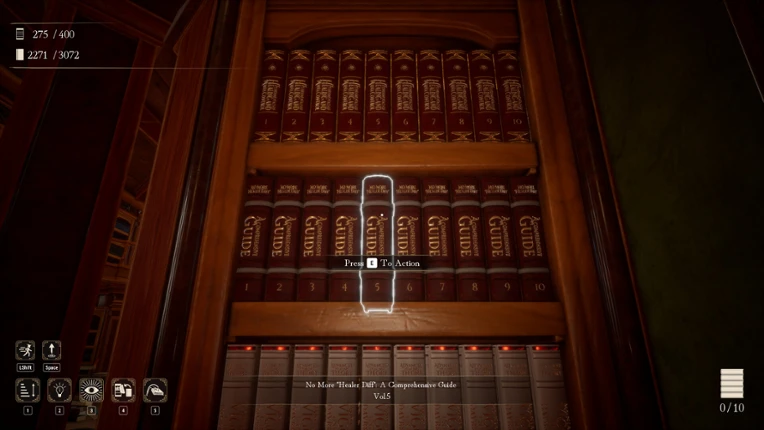
Presents a messy, magical library that requires active cleanup, offering a whimsical 3D twist on the familiar satisfaction of putting items away.
If you enjoyed this game, see our list of games similar to Librarian: Tidy Up the Arcane Library!.View Game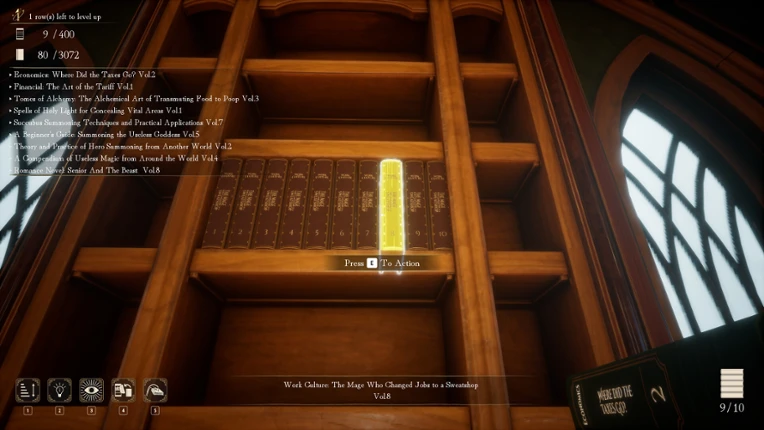
- 79%Game Brain ScoreMost mentioned positive aspects:graphics, gameplayMost mentioned negative aspects:stability, replayability79% User Score 2,108 reviewsCritic Score 78%7 reviews
Builds upon physical spatial placement in 3D, ideal for fans who want more creative freedom and object interaction than fixed linear puzzles.
If you enjoyed this game, see our list of games similar to Hozy.View Game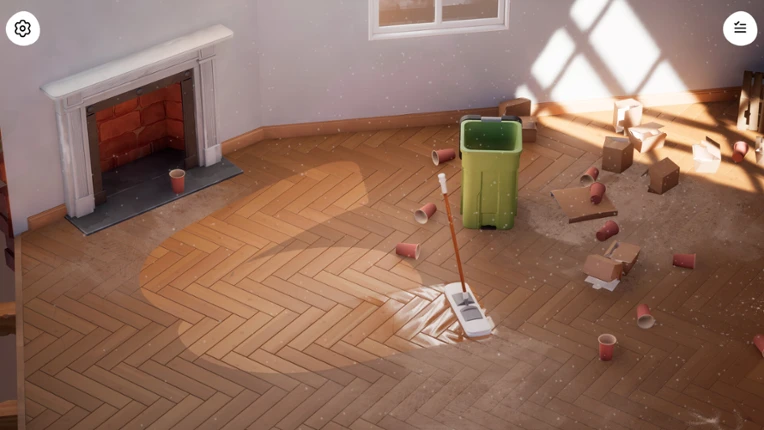

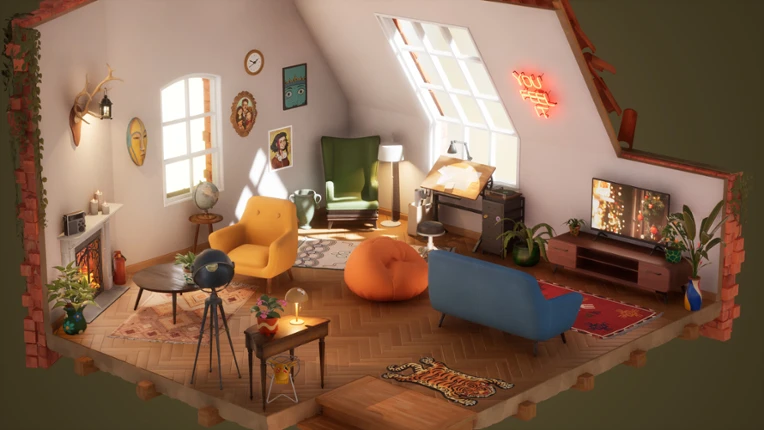
- 97%Game Brain ScoreMost mentioned positive aspects:gameplay, musicMost mentioned negative aspects:replayability, story97% User Score 3,713 reviews
Distills the genre down to pure minimalist geometry, providing a brisk, zen-like alternative for players who find domestic sorting too cluttered.
If you enjoyed this game, see our list of games similar to Hook.View Game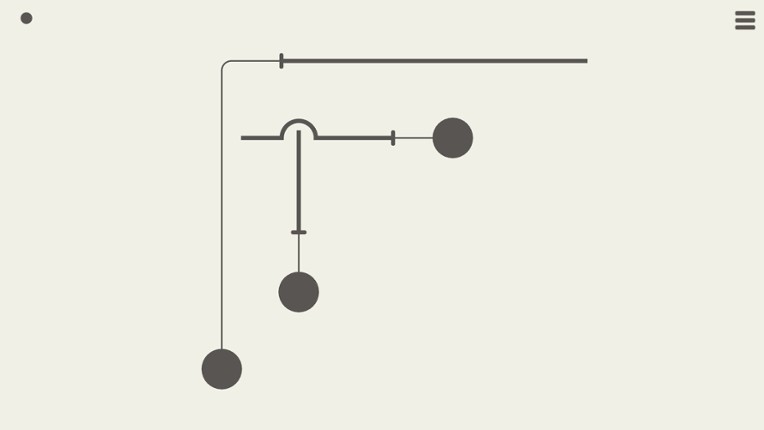
- 94%Game Brain ScoreMost mentioned positive aspects:graphics, storyMost mentioned negative aspects:stability, replayability97% User Score 9,996 reviewsCritic Score 83%2 reviews
Dives deeper into psychological horror and steampunk machinery, catering to fans of intricate puzzles who crave a darker, more unsettling narrative backdrop.
If you enjoyed this game, see our list of games similar to The Room Two.View Game
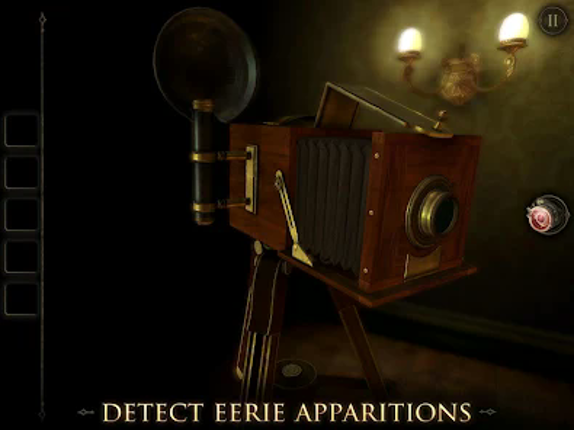
- 86%Game Brain ScoreMost mentioned positive aspects:graphics, storyMost mentioned negative aspects:monetization, stability86% User Score 1,697 reviews
Centers on robotic escape room logic rather than tidy home organization, targeting players who enjoy mechanical problem-solving over domestic tranquility.
If you enjoyed this game, see our list of games similar to Tiny Robots Recharged.View Game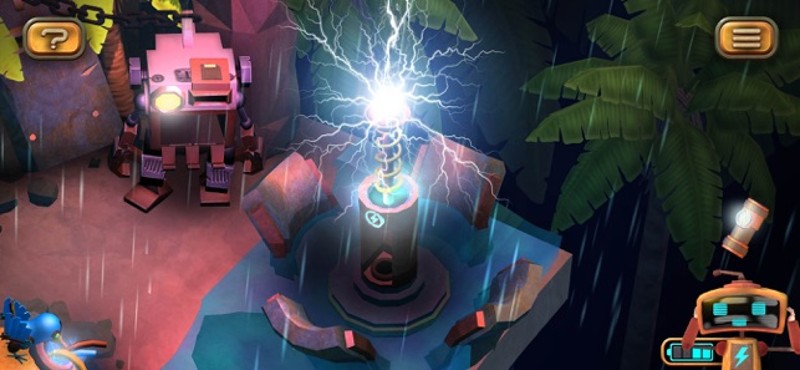
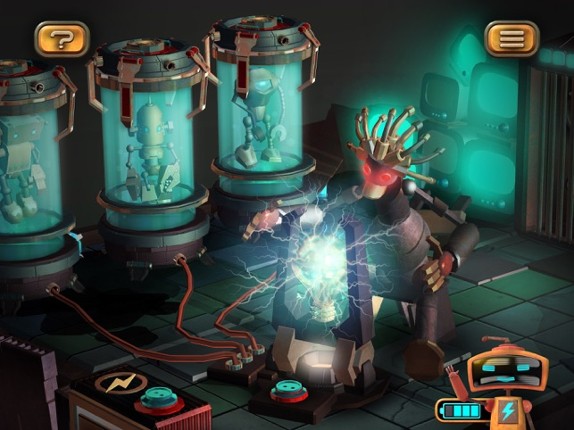

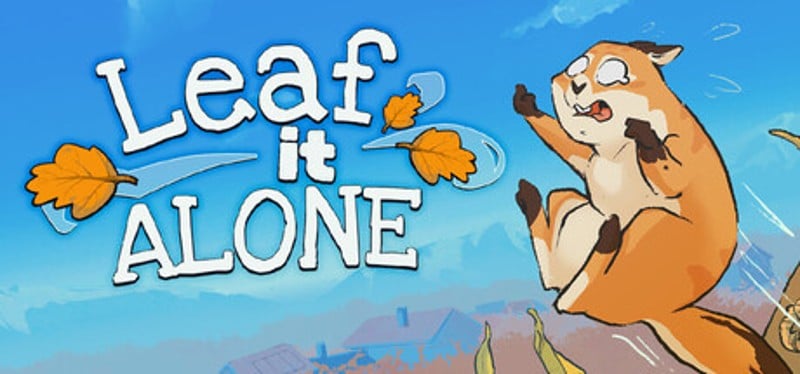
- 96%Game Brain ScoreMost mentioned positive aspects:gameplay, graphicsMost mentioned negative aspects:grinding, stability96% User Score 3,323 reviews
Explores a relaxing 3D forest environment through physical interaction, offering a cozy exploration-based experience for those preferring nature to the living room.
If you enjoyed this game, see our list of games similar to Leaf it Alone.View Game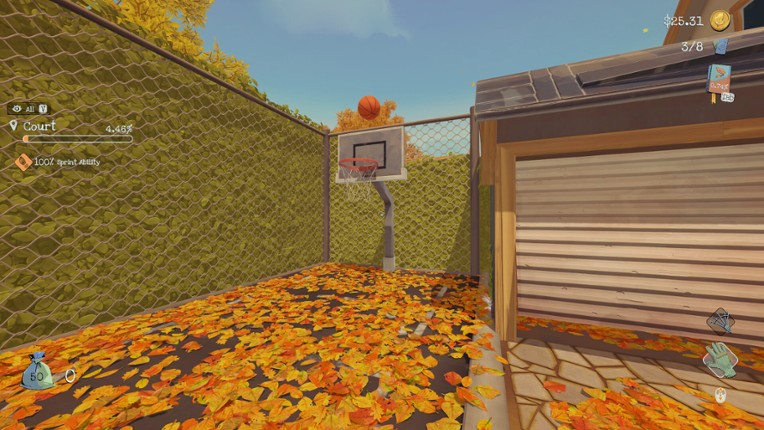
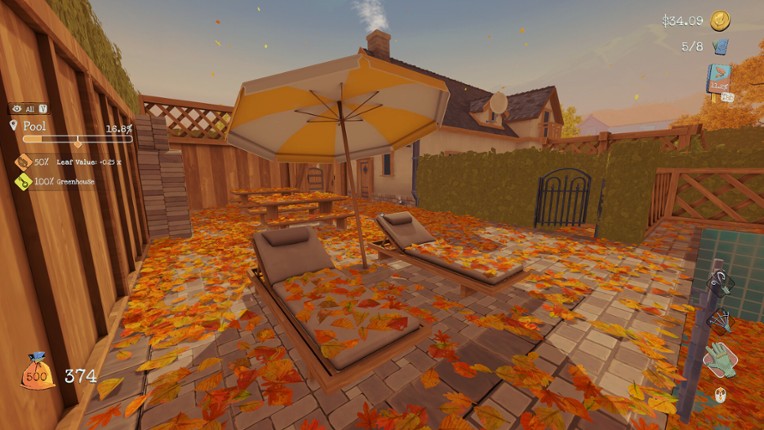
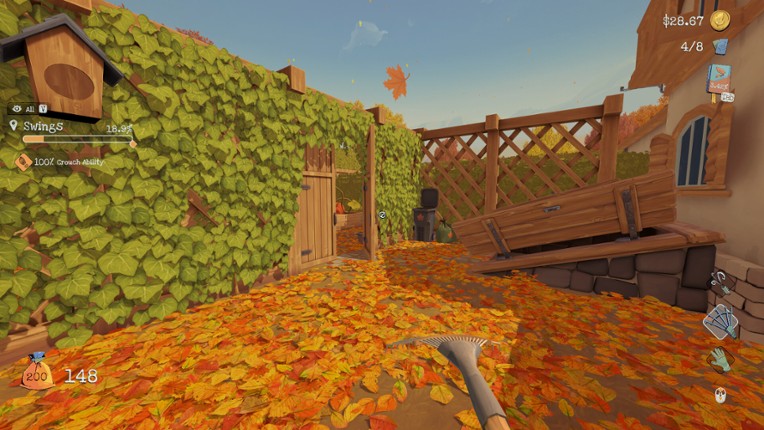
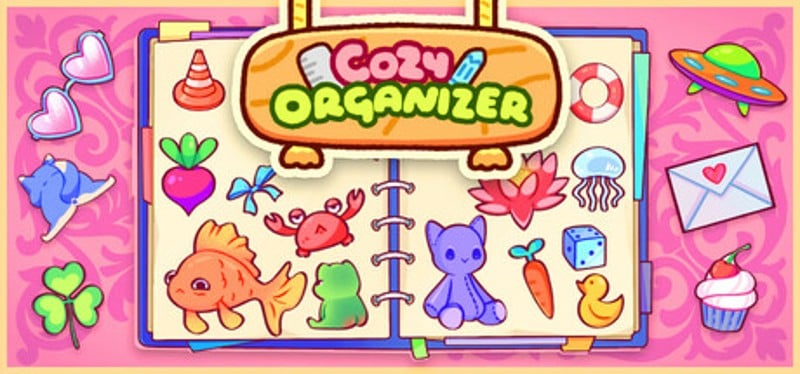
- 63%Game Brain ScoreMost mentioned positive aspects:graphics, gameplayMost mentioned negative aspects:replayability, monetization63% User Score 403 reviews
For players who enjoy tidying puzzles but want a broader cozy organizer, with room-by-room sorting instead of A Little to the Left's tighter household gags.
If you enjoyed this game, see our list of games similar to Cozy Organizer.View Game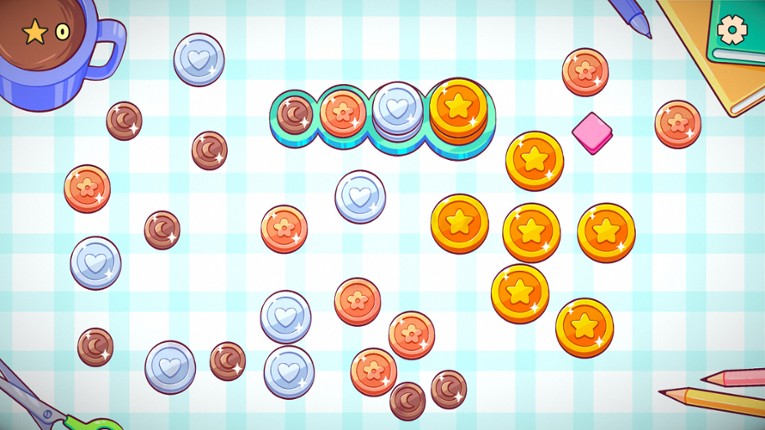
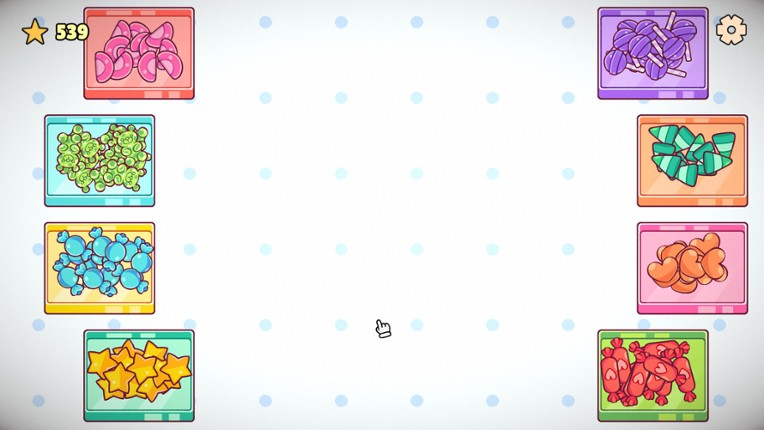
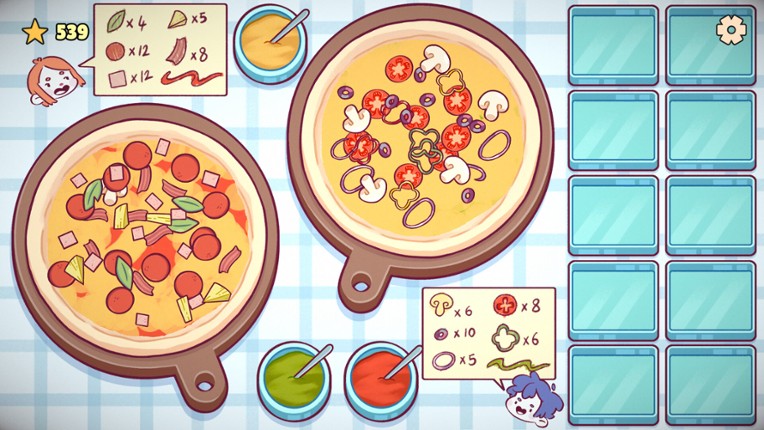
- 97%Game Brain ScoreMost mentioned positive aspects:gameplay, musicMost mentioned negative aspects:replayability, story97% User Score 7,601 reviews
Hook keeps the clean, minimalist puzzle feel but shifts toward abstract, tougher two-dimensional logic for players who want a sterner brain teaser.
If you enjoyed this game, see our list of games similar to Hook.View Game
- 96%Game Brain ScoreMost mentioned positive aspects:graphics, musicMost mentioned negative aspects:monetization, stability96% User Score 1,380 reviews
Boo! is a lighter, educational puzzle detour for kids, trading A Little to the Left's domestic jokes for simple, classroom-friendly logic.
If you enjoyed this game, see our list of games similar to Boo!.View Game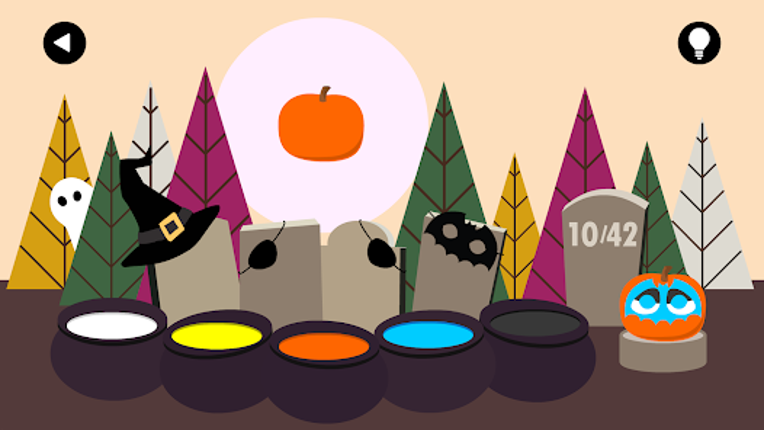
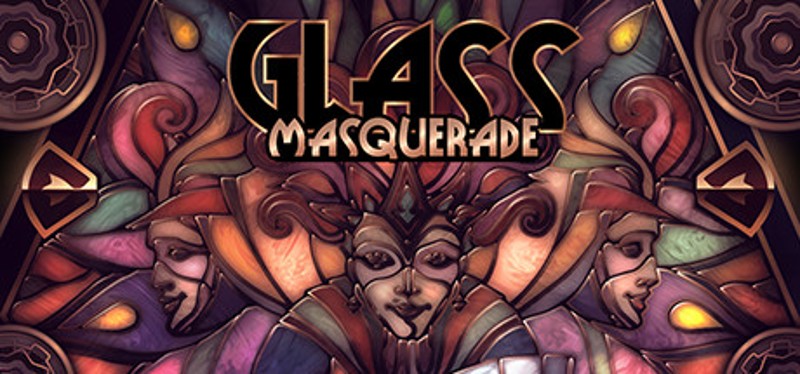
- 92%Game Brain ScoreMost mentioned positive aspects:music, graphicsMost mentioned negative aspects:story, grinding97% User Score 3,258 reviewsCritic Score 75%2 reviews
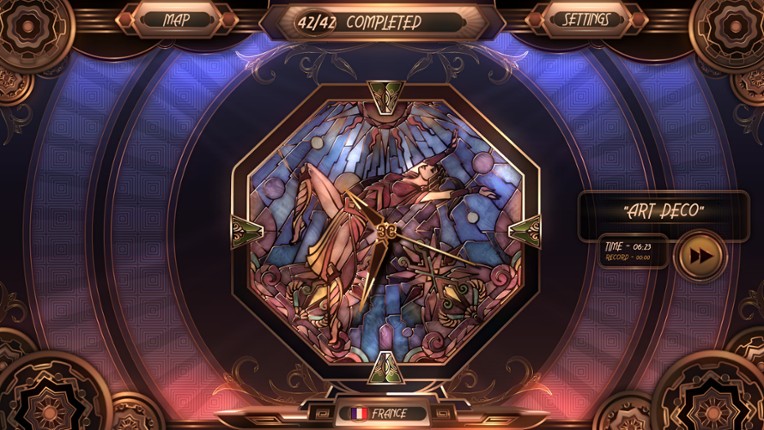
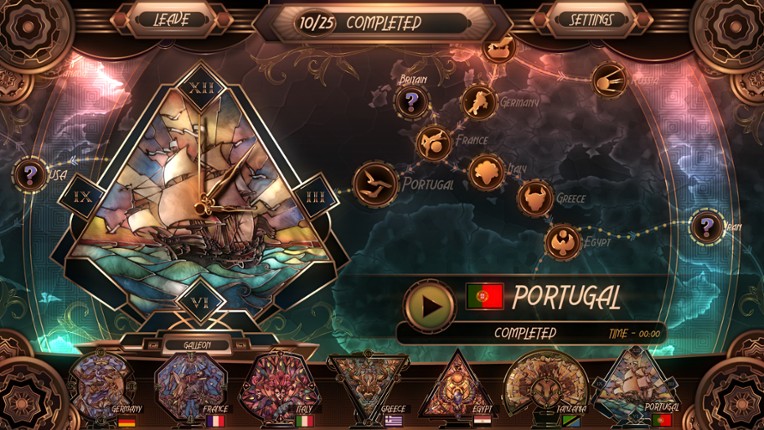
Glass Masquerade swaps the household clutter for stained-glass beauty, suiting anyone who wants a more atmospheric, art-first puzzle flow.
If you enjoyed this game, see our list of games similar to Glass Masquerade.View Game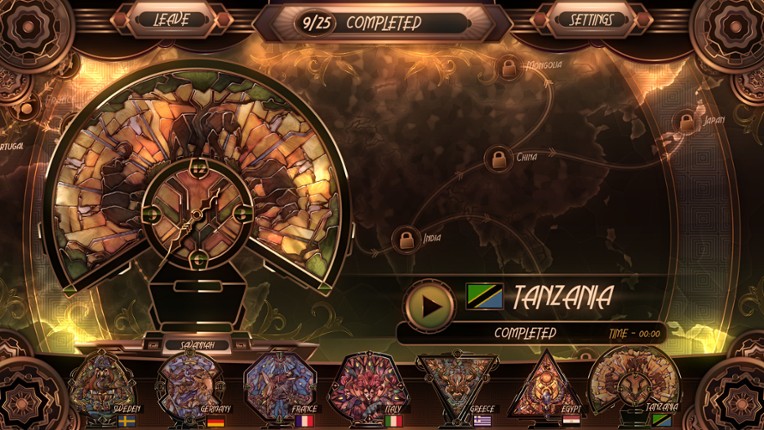
- 86%Game Brain ScoreMost mentioned positive aspects:music, storyMost mentioned negative aspects:grinding, stability94% User Score 1,120 reviewsCritic Score 50%1 reviews
Zenge offers an even more stripped-back, minimalist puzzle experience, best for players who want quiet spatial challenges without the domestic theme.
If you enjoyed this game, see our list of games similar to Zenge.View Game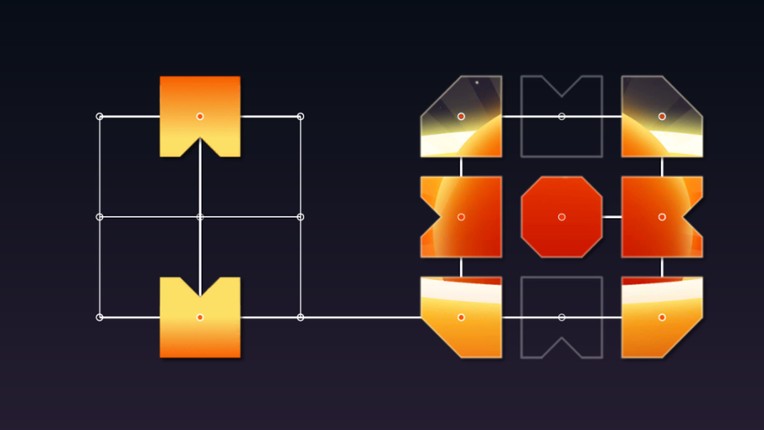
- 90%Game Brain ScoreMost mentioned positive aspects:graphics, gameplayMost mentioned negative aspects:story, grinding95% User Score 9,797 reviewsCritic Score 70%2 reviews
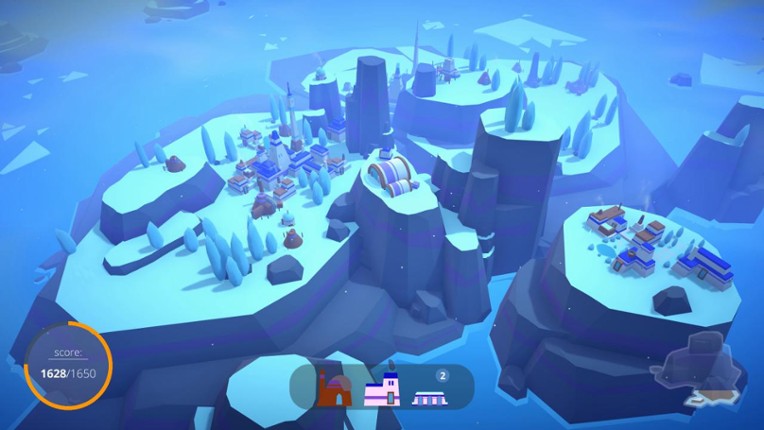
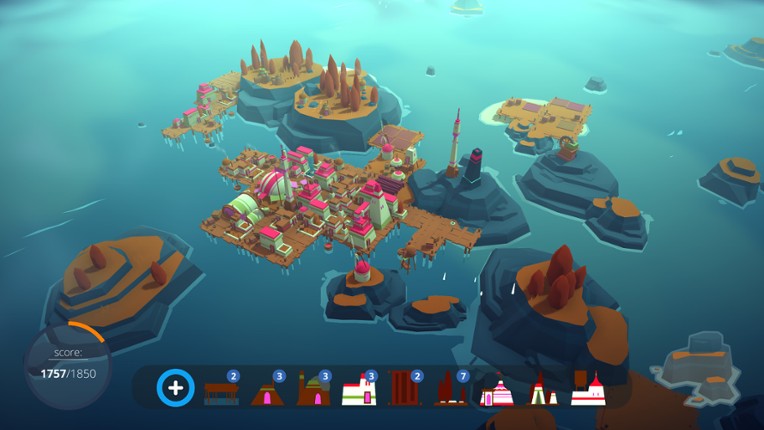
ISLANDERS moves the zen mood into score-driven city building, appealing to fans who want relaxed decisions but a bigger strategic toybox.
If you enjoyed this game, see our list of games similar to ISLANDERS.View Game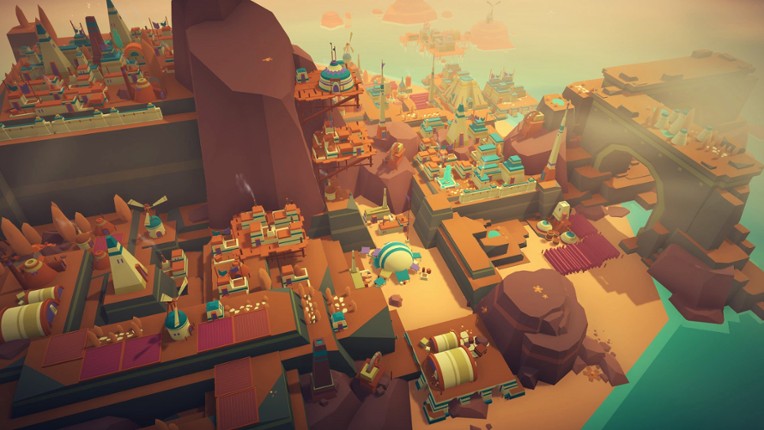
- 90%Game Brain ScoreMost mentioned positive aspects:story, graphicsMost mentioned negative aspects:monetization, stability90% User Score 1,777 reviews
Project Terrarium is a looser fit, but it still serves short logic bites for players who want pure puzzle solving over cozy decoration.
If you enjoyed this game, see our list of games similar to Project Terrarium.View Game
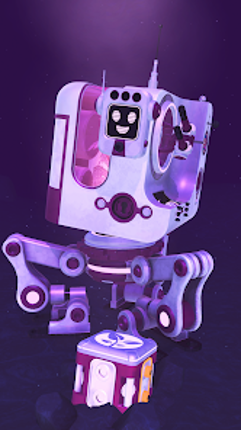
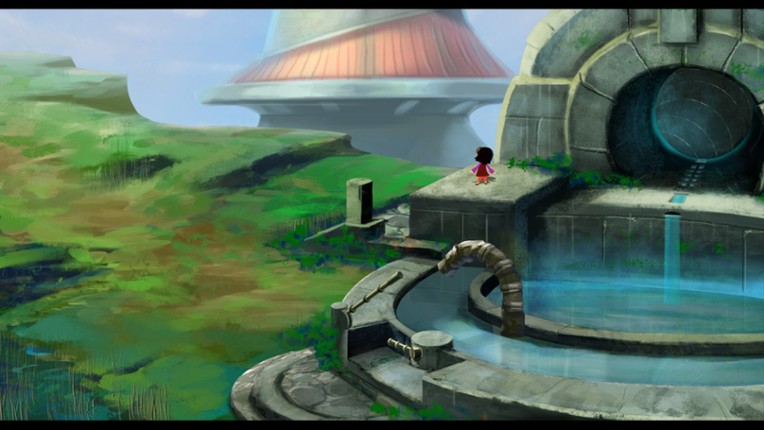
- 71%Game Brain ScoreMost mentioned positive aspects:story, gameplayMost mentioned negative aspects:grinding, replayability71% User Score 431 reviews
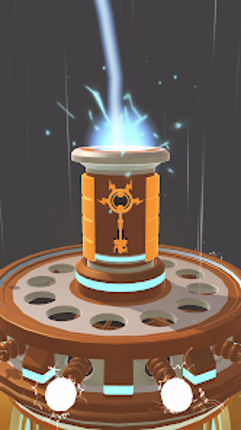
Lilly Looking Through trades domestic tidying for a fantasy point-and-click adventure, aimed at players who want puzzles wrapped in storybook scenes.
If you enjoyed this game, see our list of games similar to Lilly Looking Through.View Game
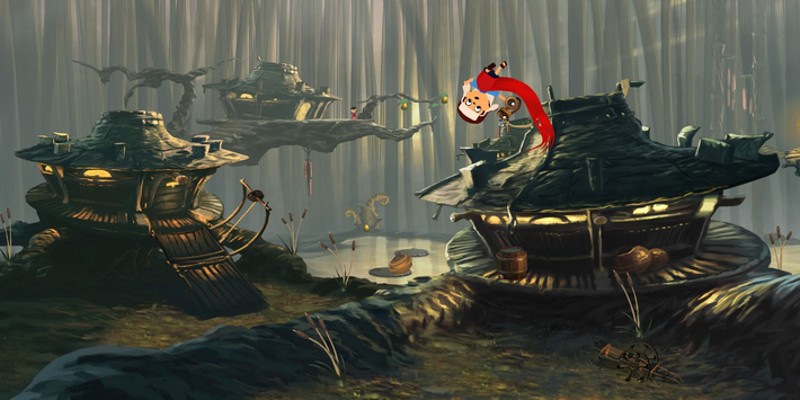
- 95%Game Brain ScoreMost mentioned positive aspects:gameplay, musicMost mentioned negative aspects:grinding, monetization95% User Score 6,990 reviews
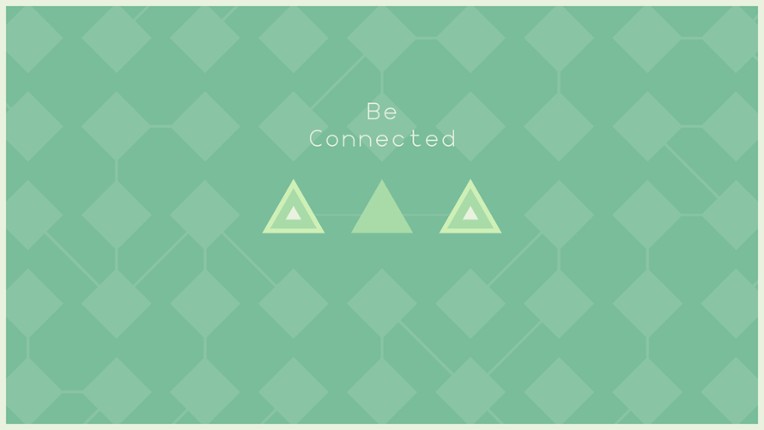
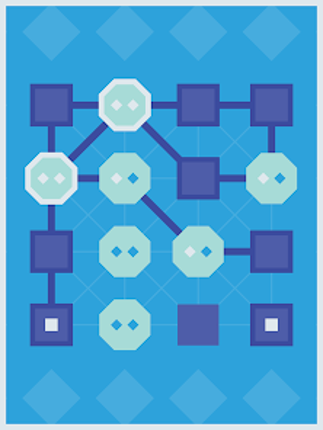
LYNE keeps the soothing pattern-solving, but leans into abstract, procedural grids for players who prefer purity and challenge over playful clutter.
If you enjoyed this game, see our list of games similar to LYNE.View Game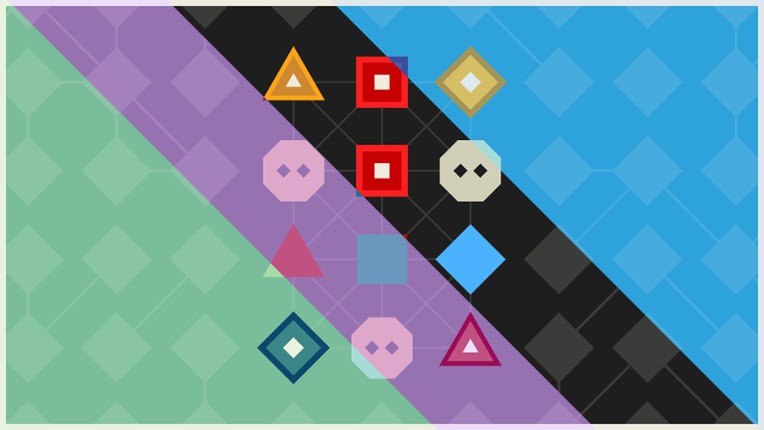
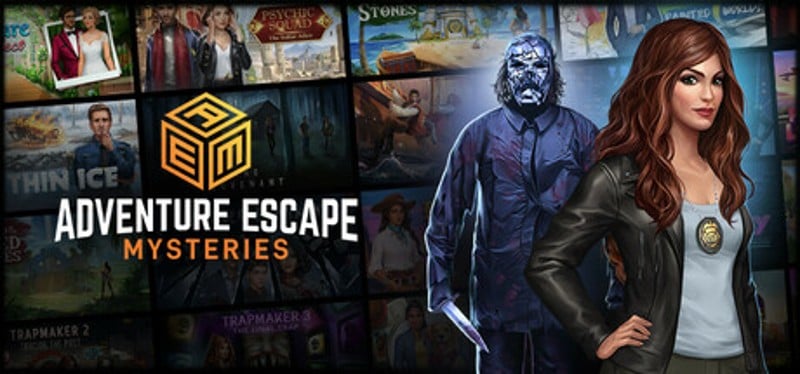
- 87%Game Brain ScoreMost mentioned positive aspects:story, graphicsMost mentioned negative aspects:monetization, gameplay87% User Score 676 reviews
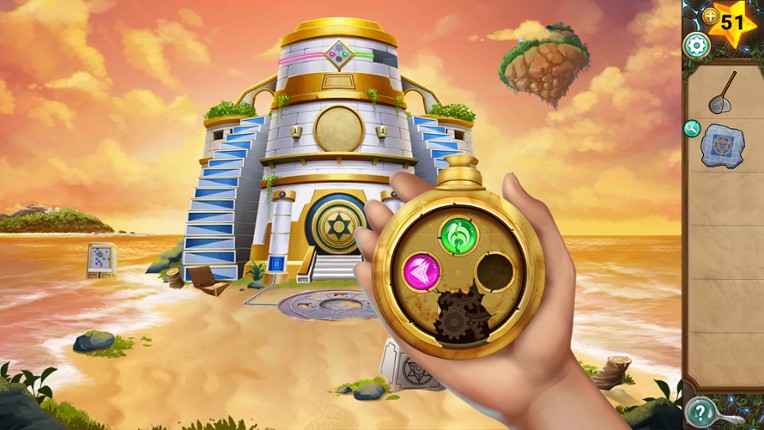
Adventure Escape Mysteries broadens the hidden-object angle into escape-room stories, so it's for players who want plots, mystery, and darker stakes.
If you enjoyed this game, see our list of games similar to Adventure Escape Mysteries.View Game

- 96%Game Brain ScoreMost mentioned positive aspects:graphics, musicMost mentioned negative aspects:stability, replayability96% User Score 829 reviews
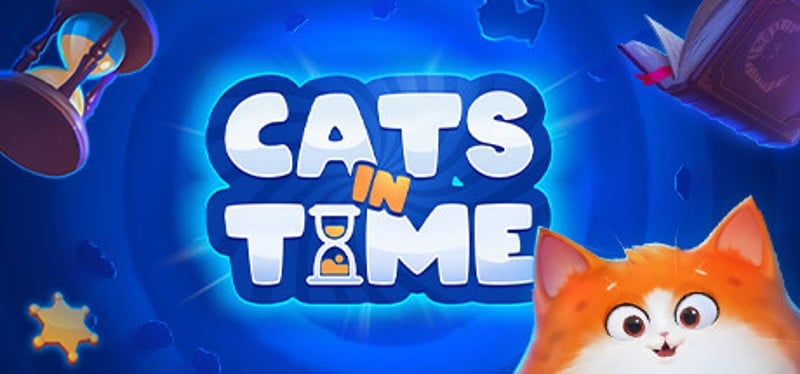
Cats take center stage in a time-traveling adventure with cartoony 3D visuals that replaces A Little to the Left's cozy hand-drawn aesthetic for globe-trotting cat capers.
If you enjoyed this game, see our list of games similar to Cats in Time.View Game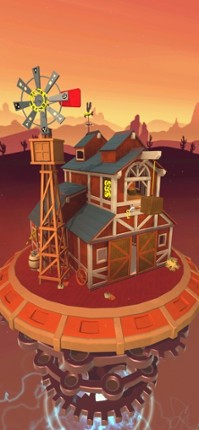

42 View Game

 81%Game Brain ScoreMost mentioned positive aspects:graphics, gameplayMost mentioned negative aspects:monetization, stability81% User Score 1,528 reviews
A stripped-down logic puzzler without A Little to the Left's charming cat companions or whimsical presentation—just pure, no-frills problem-solving.
If you enjoyed this game, see our list of games similar to Cats in Time - Relaxing Puzzle.View Game
- 97%Game Brain ScoreMost mentioned positive aspects:gameplay, musicMost mentioned negative aspects:replayability, grinding97% User Score 1,802 reviews
klocki swaps hand-drawn coziness for geometric minimalism, using abstract shapes and ambient soundtrack to create a meditative puzzle experience unlike A Little to the Left's illustrated world.
If you enjoyed this game, see our list of games similar to klocki.View Game


- 86%Game Brain ScoreMost mentioned positive aspects:graphics, gameplayMost mentioned negative aspects:monetization, music86% User Score 1,900 reviews
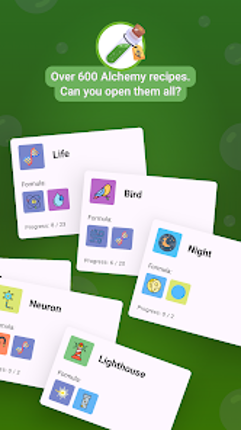
Alchemy Merge brings merging mechanics into the puzzle mix, offering a different kind of problem-solving loop than A Little to the Left's tidying-up puzzles.
If you enjoyed this game, see our list of games similar to Alchemy Merge — Puzzle Game.View Game

- 91%Game Brain ScoreMost mentioned positive aspects:story, graphicsMost mentioned negative aspects:stability, replayability91% User Score 1,923 reviews
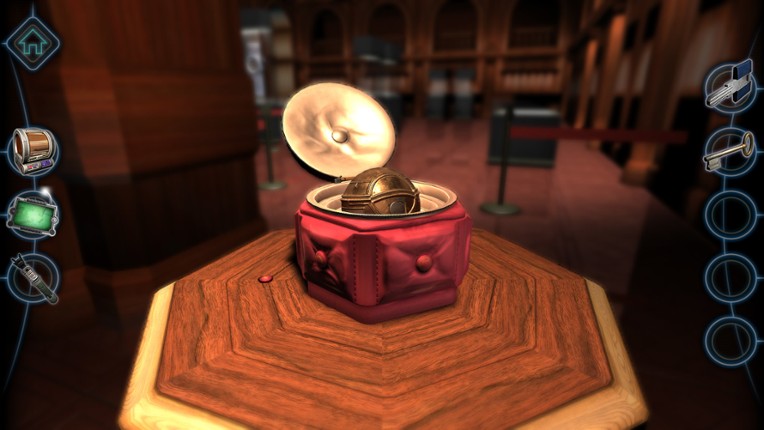
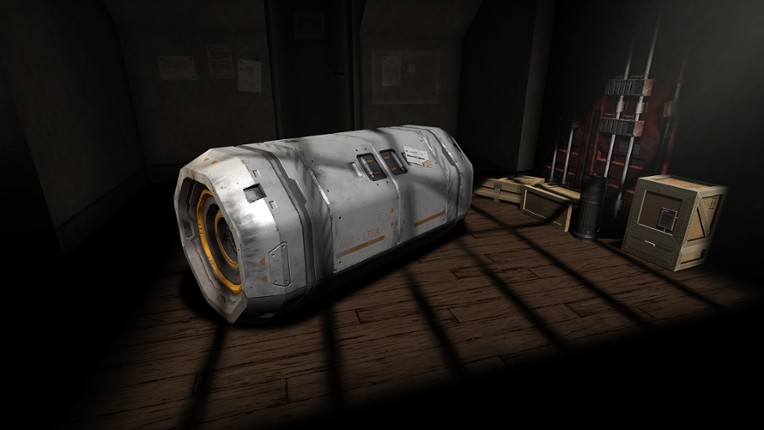
Machinika Museum drops you into a sci-fi museum with first-person exploration and alien mysteries, replacing A Little to the Left's cozy living room for extraterrestrial artifacts.
If you enjoyed this game, see our list of games similar to Machinika Museum.View Game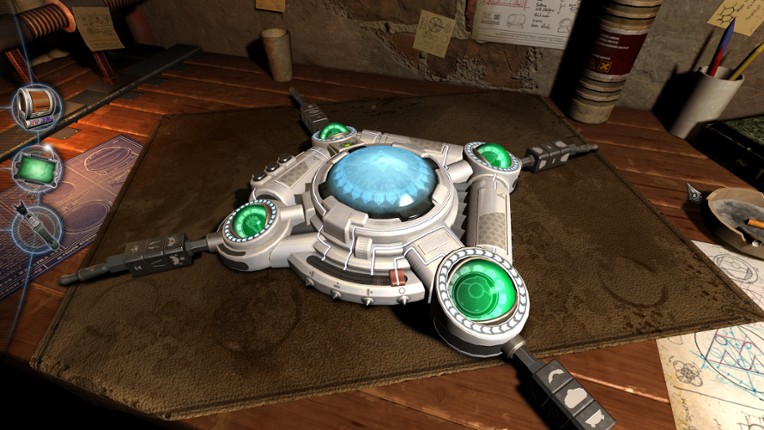
- 92%Game Brain ScoreMost mentioned positive aspects:story, gameplayMost mentioned negative aspects:grinding, stability98% User Score 1,057 reviewsCritic Score 78%4 reviews
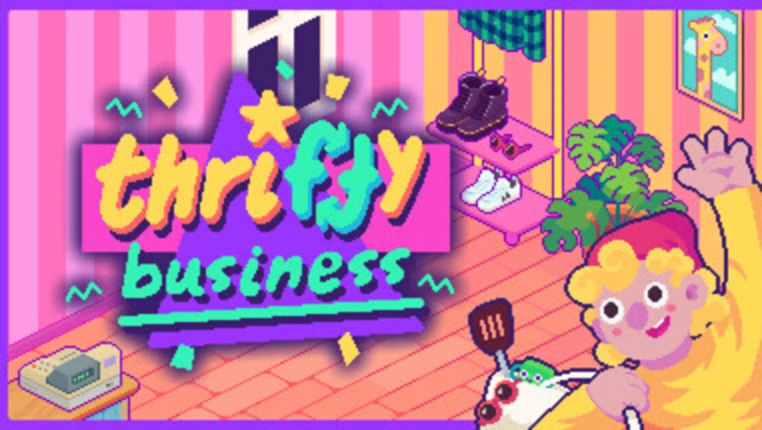
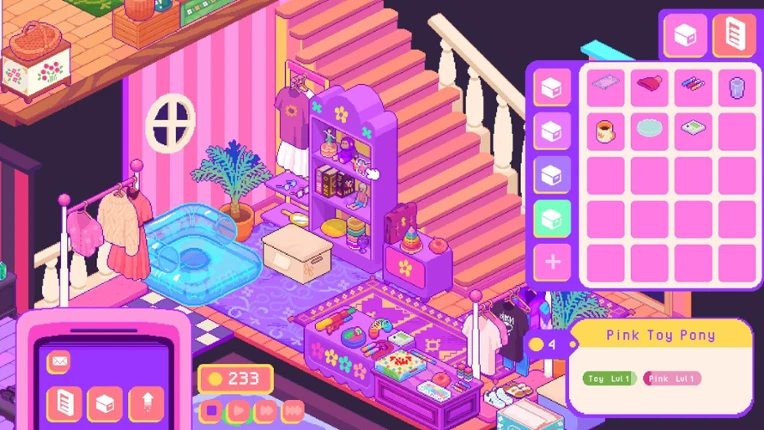
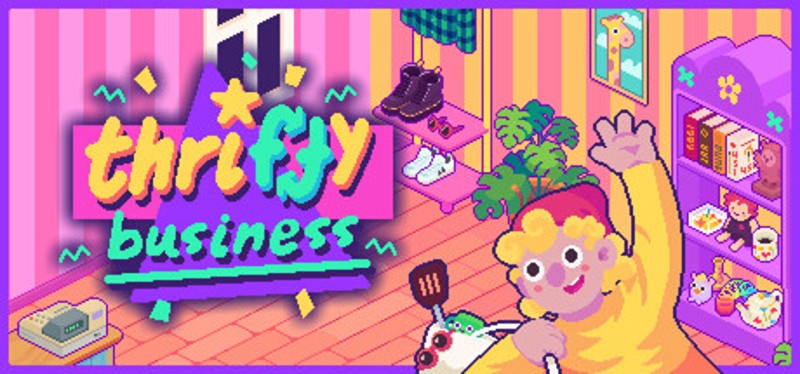
Thrifty Business transforms tidy puzzles into a cozy shop-keeping life sim where you manage inventory and build your business, a major shift from A Little to the Left's pure puzzle focus.
If you enjoyed this game, see our list of games similar to Thrifty Business.View Game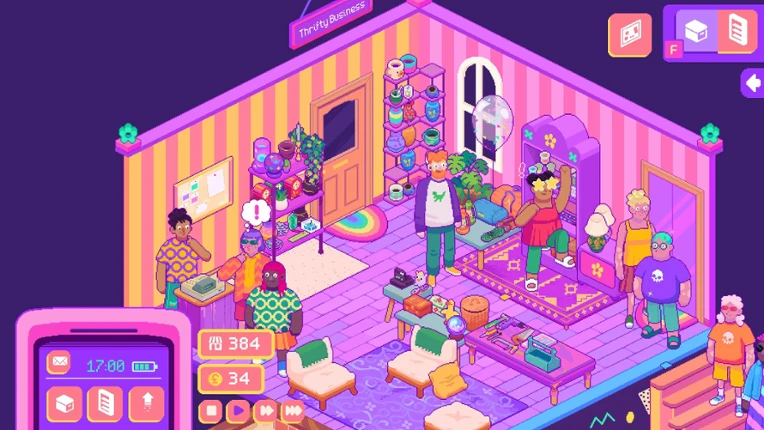
- 94%Game Brain ScoreMost mentioned positive aspects:gameplay, storyMost mentioned negative aspects:stability, grinding94% User Score 11,345 reviews
The Escape Artist serves up surreal first-person puzzles that lean into dreamlike abstraction rather than the relatable household chaos of A Little to the Left.
If you enjoyed this game, see our list of games similar to The Escape Artist.View Game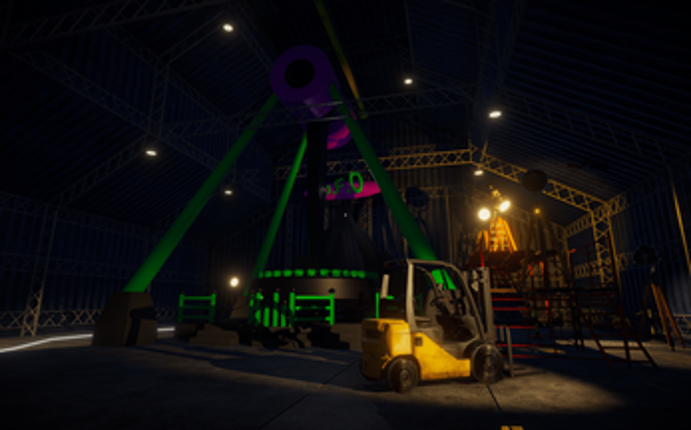
- 90%Game Brain ScoreMost mentioned positive aspects:humor, graphicsMost mentioned negative aspects:story, replayability96% User Score 4,262 reviewsCritic Score 73%3 reviews
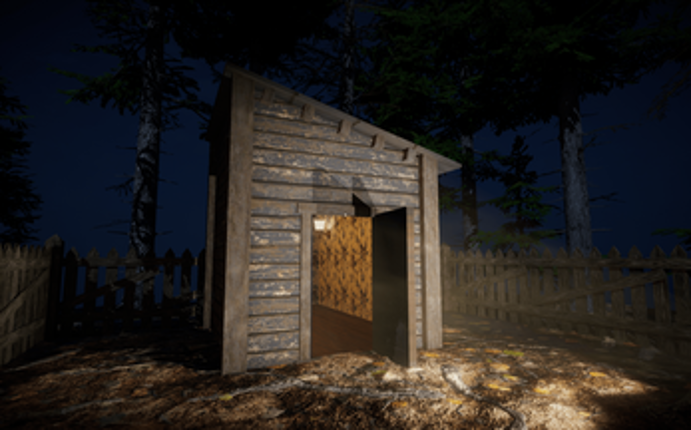
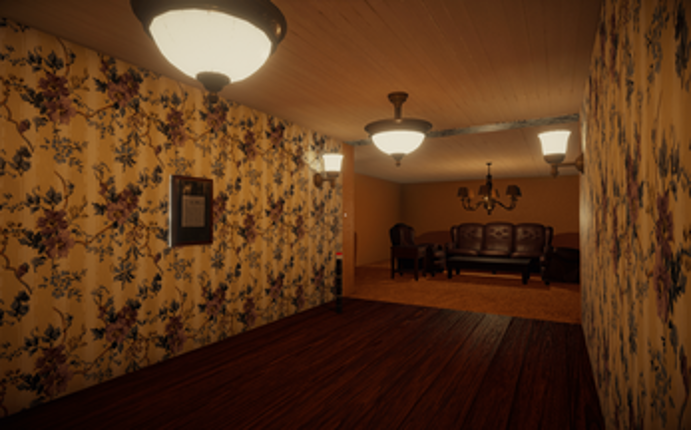
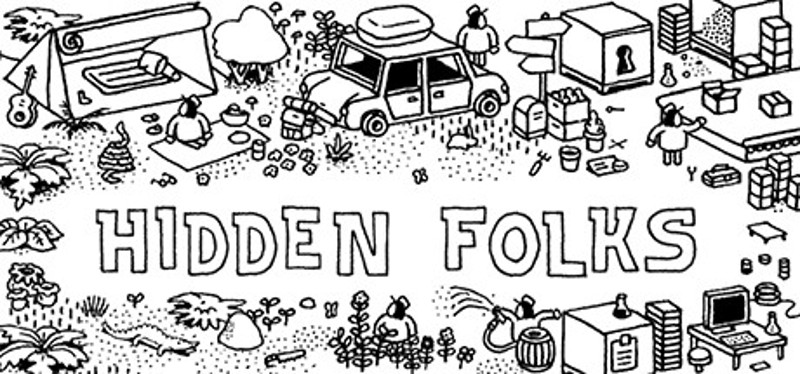
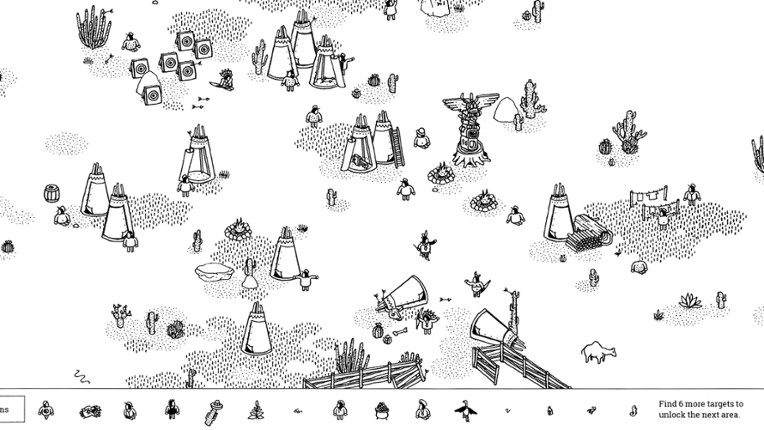
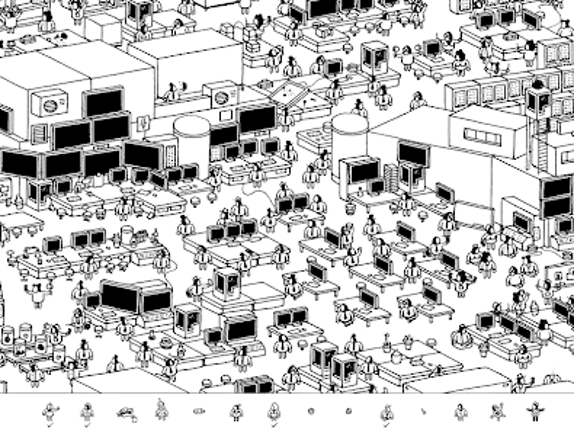
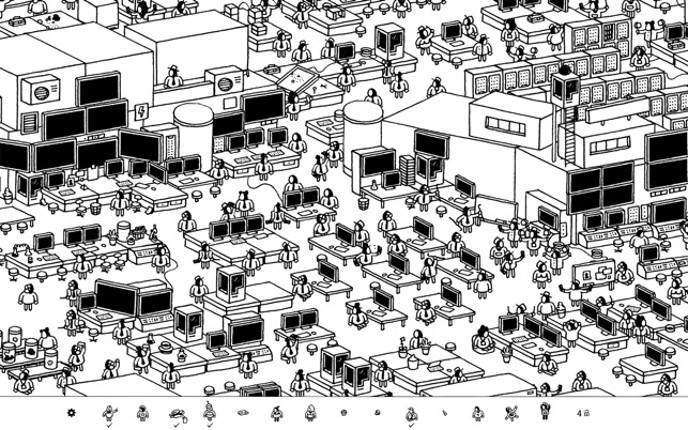
Hidden Folks expands A Little to the Left's hidden object scraps into sprawling comedic dioramas filled with hand-drawn characters and more expansive searching challenges.
If you enjoyed this game, see our list of games similar to Hidden Folks.View Game - 91%Game Brain ScoreMost mentioned positive aspects:music, graphicsMost mentioned negative aspects:grinding, stability95% User Score 7,026 reviewsCritic Score 70%1 reviews
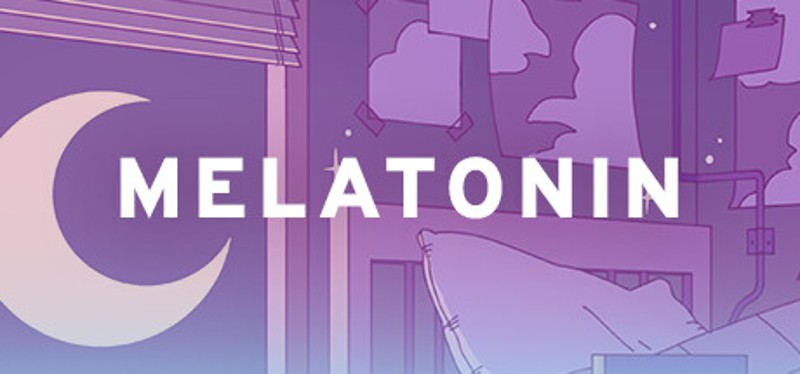
Melatonin syncs puzzles to music with procedurally generated rhythms, offering an entirely different sensory experience compared to A Little to the Left's static, cozy tidying puzzles.
If you enjoyed this game, see our list of games similar to Melatonin.View Game
50 View Game 80%Game Brain ScoreMost mentioned positive aspects:story, graphicsMost mentioned negative aspects:replayability, grinding81% User Score 2,468 reviewsCritic Score 79%7 reviews
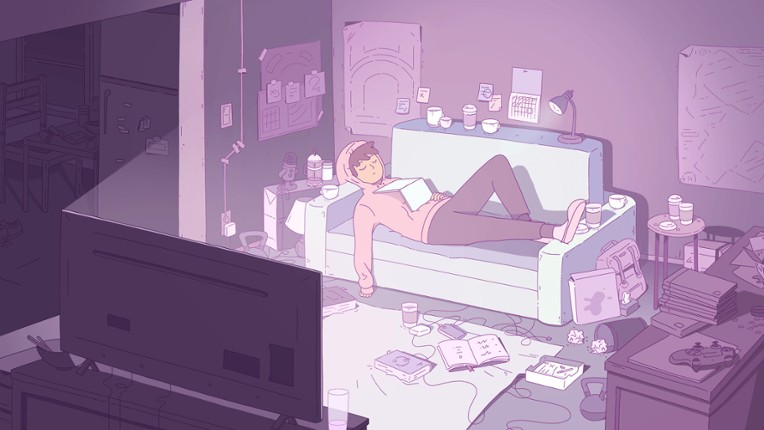
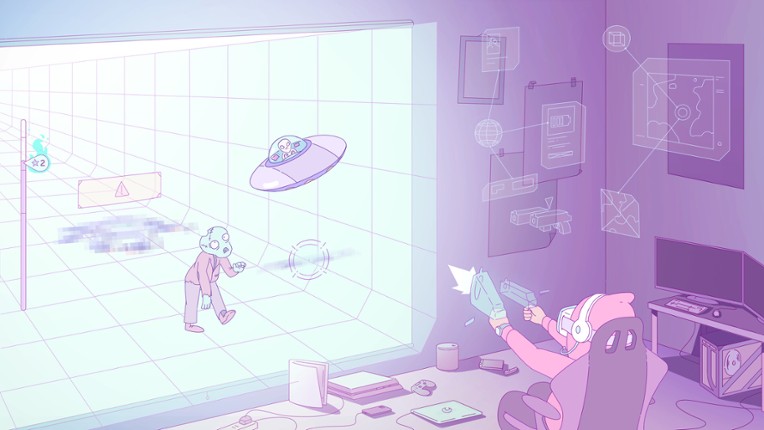
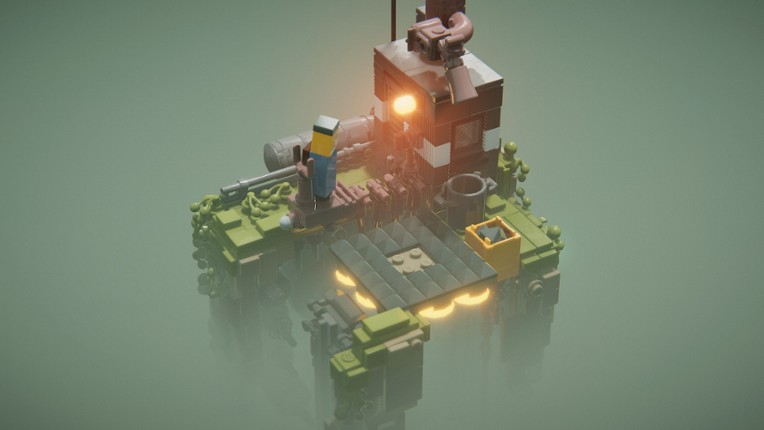
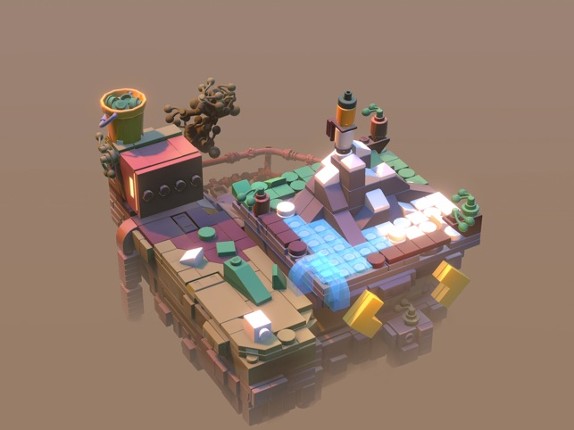
LEGO Builder's Journey trades A Little to the Left's paper clutter for LEGO bricks in an isometric story about construction, adding narrative weight and tactile building satisfaction.
If you enjoyed this game, see our list of games similar to LEGO Builder's Journey.View Game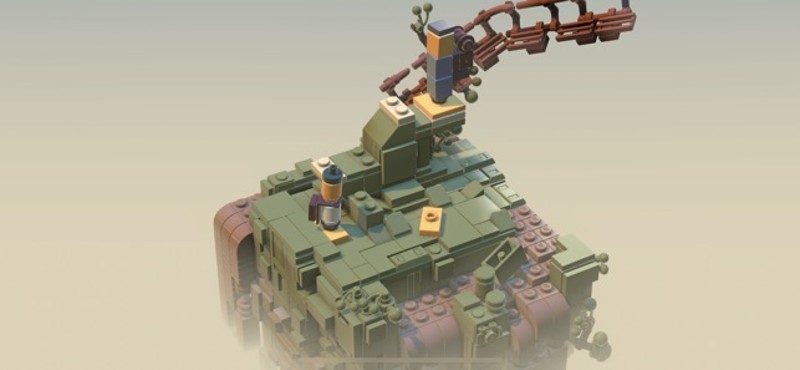


 View Game







































Frequently Asked Questions
The top recommendations are Unpacking, which shares the meditative organizing gameplay and pixel-art charm, Organized Inside for cozy decorating with a cute cat companion, and Cats Organized Neatly, a clever puzzle game featuring adorable felines. Each offers relaxing, story-driven experiences with satisfying visual feedback and wholesome humor similar to A Little to the Left.
Whisper of the House delivers pure decompression through decorating and organizing with creative freedom. Cozy Cleaner offers satisfying cleaning mechanics paired with adorable art. Is This Seat Taken? provides light-hearted puzzle solving without stress. All three prioritize calming, low-pressure gameplay that lets you explore at your own pace while enjoying charming visuals and gentle storytelling.
Is This Seat Taken? features engaging logic puzzles with a cozy atmosphere. Storyteller challenges you with creative puzzle solutions using hand-drawn comic panels. Get aCC_e55 offers escape room-style critical thinking. All three maintain the satisfying problem-solving loop A Little to the Left fans love, with charming art styles and multiple solution paths to encourage experimentation.
While most similar games require purchase, indie titles like Cats Organized Neatly and Organized Inside are affordably priced on Steam and mobile platforms. Many similar games frequently go on sale during Steam events. Check itch.io and indie game platforms for occasional free releases with similar organizing and puzzle mechanics to A Little to the Left's core experience.
Organized Inside stars an adorable cat companion while you organize spaces. Cats Organized Neatly is entirely devoted to arranging feline characters into satisfying patterns. Cozy Cleaner includes cute cats that help guide you through cleaning tasks. These games combine A Little to the Left's organizational satisfaction with charming animal characters that add personality and emotional connection to gameplay.
Unpacking tells a narrative through items you organize across different life chapters. Whisper of the House weaves mysteries and stories throughout its town exploration. Storyteller uses puzzle-solving to reveal humorous and touching narrative moments. Each game pairs A Little to the Left's satisfying mechanics with meaningful character arcs and emotional storytelling that rewards player engagement.