

Games like Rust
If RUST has claimed hundreds of your hours — the frantic scramble for resources at dawn, the paranoia of hearing footsteps near your base, the satisfaction of a well-defended compound — then you already know why players search for games like RUST. That specific cocktail of open-world survival, base building, crafting, and ruthless PvP is hard to replicate, but the good news is that several games come remarkably close.
What sets RUST apart is the tension woven into every decision. It blends first-person shooter mechanics with deep crafting systems, sandbox base building, and emergent player-driven stories inside a post-apocalyptic open world. You're never just surviving against the environment — you're surviving against other players who are just as desperate, creative, and unpredictable as you are. The result is a game where no two sessions play out the same, and every wipe cycle feels like a fresh, brutal chapter.
What Makes a Good Alternative to RUST?
- Open-world survival with crafting and building — The core RUST loop lives in gathering, crafting, and constructing. Alternatives that skip base building miss half the appeal, so the best picks keep that full progression cycle intact.
- Emergent PvP and player-driven conflict — RUST's most memorable moments come from unpredictable human encounters, not scripted events. Strong alternatives put other players at the center of the threat, not just AI enemies.
- Post-apocalyptic or hostile-world atmosphere — The bleak, high-stakes tone matters. Games that capture that sense of a world stripped down to raw survival create the same emotional weight RUST delivers.
- High replayability through emergent systems — RUST's wipe cycle keeps things fresh because the world and meta constantly shift. The best alternatives offer systems that generate new stories rather than following a fixed script.
- Multiplayer-first design with co-op and trading — Whether you're raiding in a squad or brokering an uneasy truce, social mechanics are central to the experience. Alternatives should reward cooperation and betrayal in equal measure.
Top Picks If You Enjoyed RUST
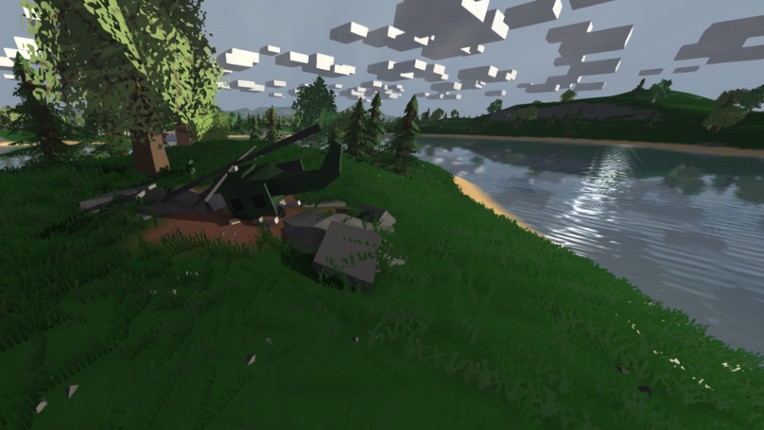
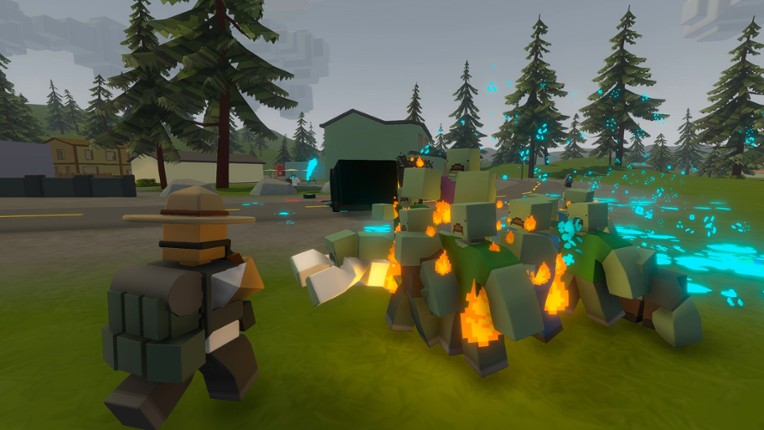
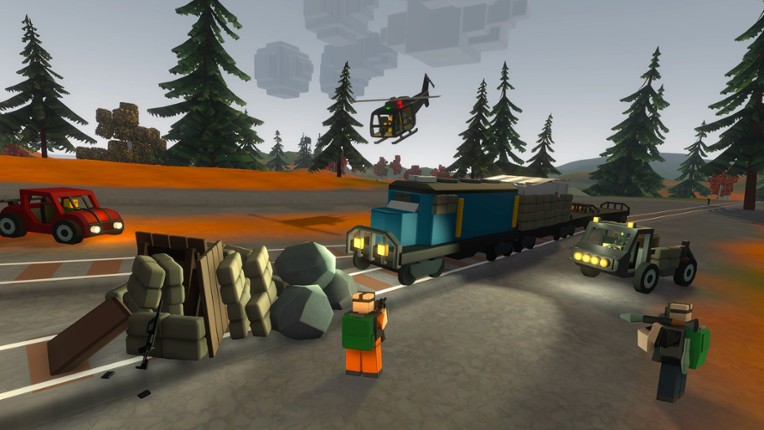
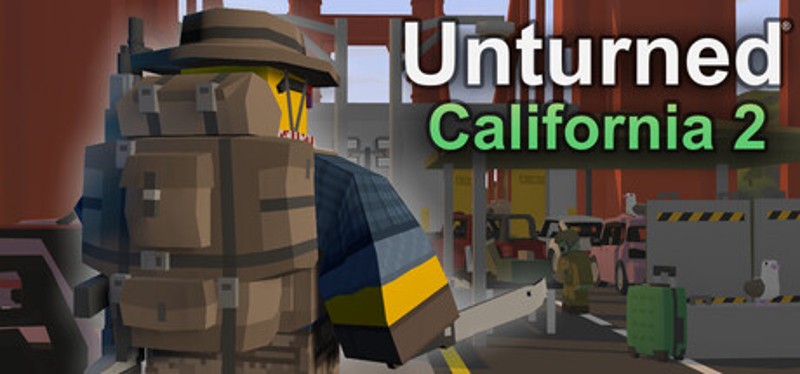
DayZ delivers a bleaker, zombie-infested take on ruthless open-world survival. Hurtworld keeps the crafting and open-world PvP but adds a lighter, cartoonish tone. Unturned is a surprisingly deep free-to-play option with solid multiplayer survival mechanics. Escape from Tarkov strips away base building but cranks the tension of player encounters to an extreme with tactical, realistic gunplay. Reign of Kings shifts the setting to a medieval sandbox but preserves the ruthless survival and building loop RUST fans love.
Every recommendation below is ranked by similarity to RUST using real player data, so the closest matches appear first. Browse the full list to find your next obsession.
- 65%Game Brain ScoreMost mentioned positive aspects:gameplay, graphicsMost mentioned negative aspects:stability, optimization74% User Score 205,833 reviewsCritic Score 20%1 reviews
Both RUST and DayZ thrive on emergent player conflict—the unpredictable tension that erupts when survival needs collide with hostile strangers. In RUST, you raid bases and scavenge for resources while watching your back; in DayZ, you hunt for food and medicine while navigating zombie hordes and deciding whether to trust or betray passing players. This core loop of resource scarcity breeding social friction is what makes each playthrough feel like its own survival story.
The crafting and gear mastery systems overlap directly—both games reward patience and knowledge over reflexes. Learning weapon mechanics, managing inventory weight, and assembling gear from scattered components creates that same satisfying progression where veterans dominate through preparation, not just aim. DayZ pushes this further with illness, wound treatment, and weapon degradation, making every item decision consequential.
Where DayZ diverges is its slower pacing and zombie-focused threat model. Rather than constant PvP raids, you're often fighting starvation and infection as much as other players—a shift that rewards patience and stealth over base-building aggression. This creates a different flavor of tension, but not a weaker one.
If RUST's toxic community frustrates you, DayZ's sandbox offers refuge through modded servers with custom rulesets, directly addressing that pain point. Best for players who value mastery and atmosphere over frequent action bursts.
If you enjoyed this game, see our list of games similar to DayZ.View Game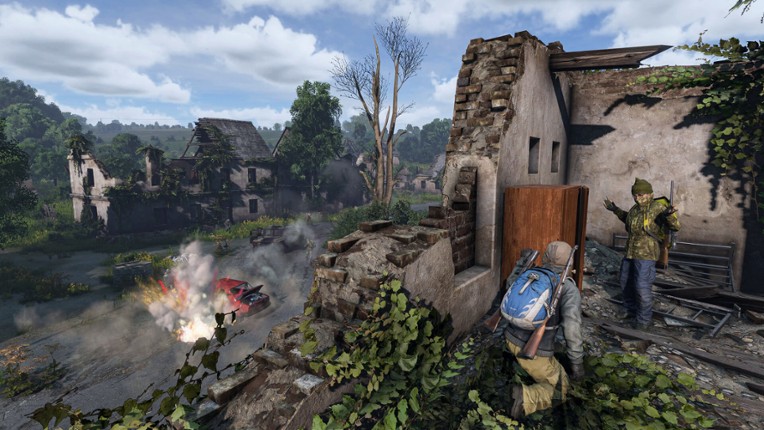
- 63%Game Brain ScoreMost mentioned positive aspects:gameplay, graphicsMost mentioned negative aspects:stability, grinding63% User Score 9,516 reviews
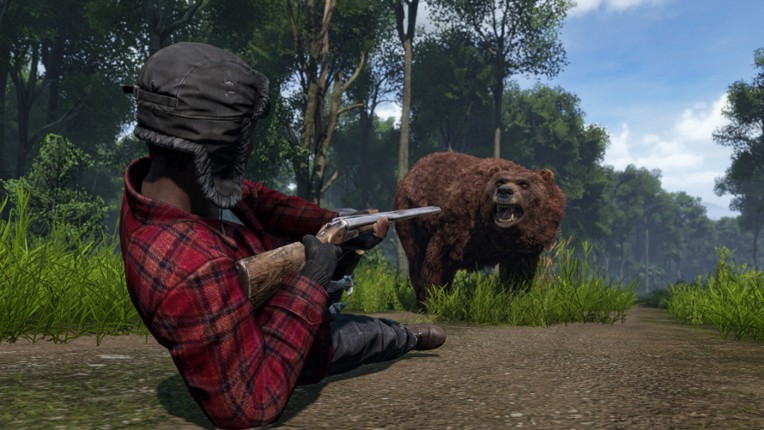
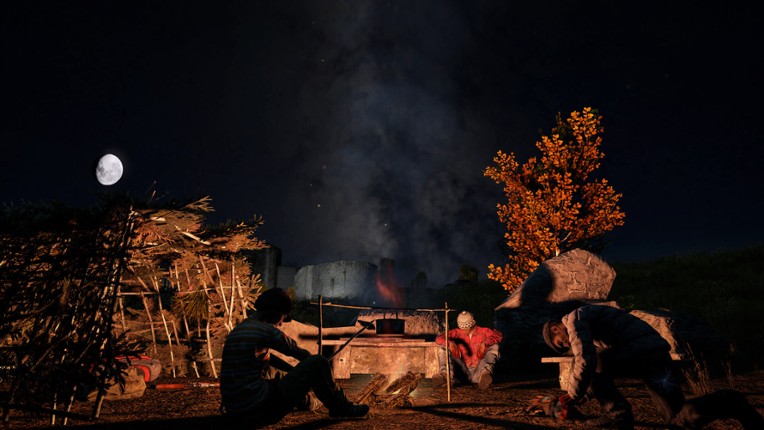
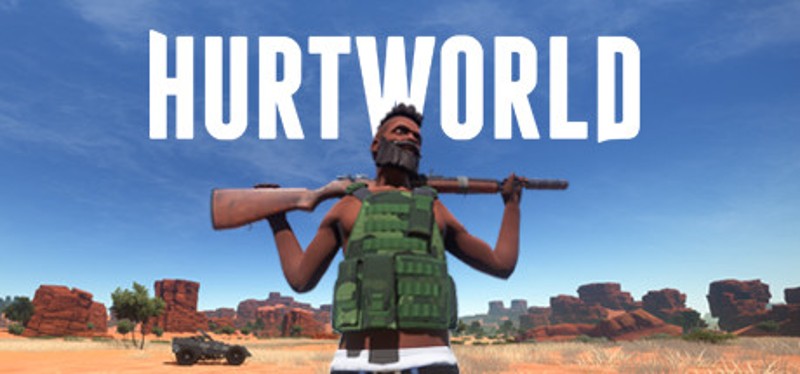
That tense loop of scavenging, fortifying, and staying one step ahead of other players is exactly what Rust fans will recognize in Hurtworld. Both games push you into harsh open-world survival where crafting, base-building, and PvP create stories through conflict rather than script. That mix matters because every run becomes a judgment call: risk the road for better loot, or stay home and harden your defenses.
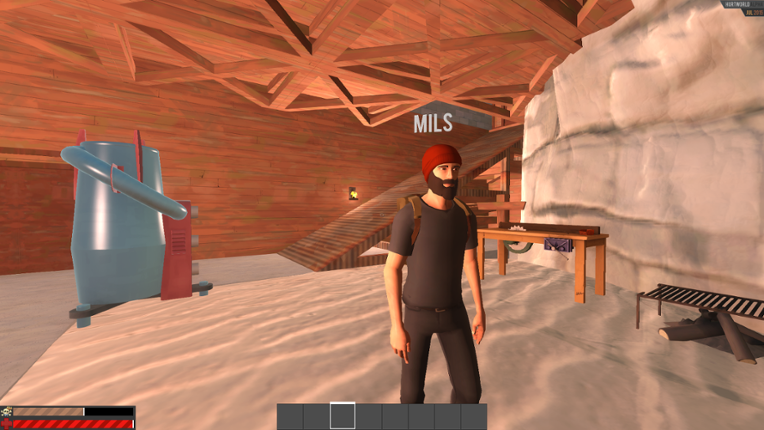
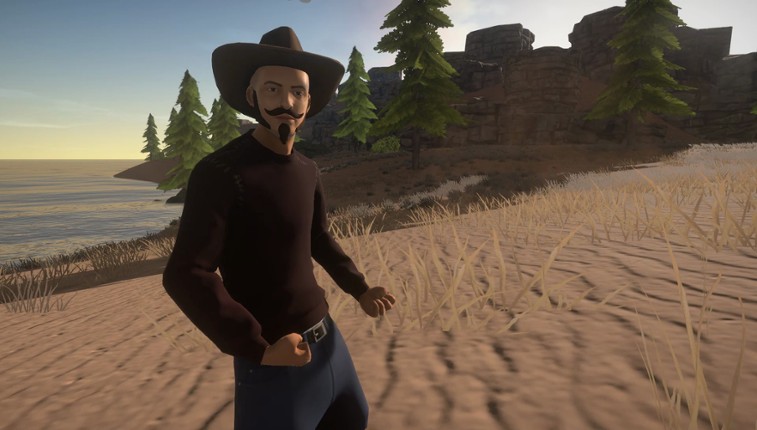
Hurtworld also keeps the first-person survival-craft feel, but wraps it in a lighter, more playful sci-fi tone. That fresh angle makes the grind feel less oppressive while still rewarding the same habits Rust players enjoy — gathering, upgrading, and fighting for territory. It’s a useful tradeoff if you want survival pressure without the constant grimness.
One bonus for Rust players frustrated by stability problems and harsh monetization: Hurtworld’s smaller scale and cartoony presentation can make the experience feel less punishing, even when the systems are demanding. Best for players who want open-ended survival PvP with a bit more humor and less emotional exhaustion.
If you enjoyed this game, see our list of games similar to Hurtworld.View Game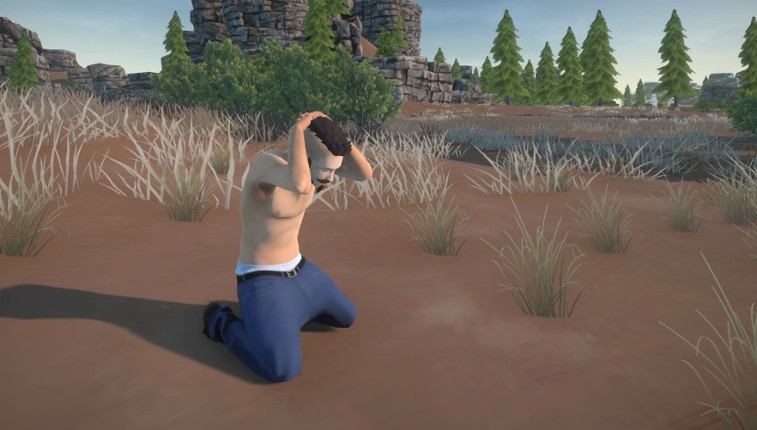
- View Game
- 75%Game Brain ScoreMost mentioned positive aspects:gameplay, humorMost mentioned negative aspects:optimization, grinding75% User Score 1,384 reviews
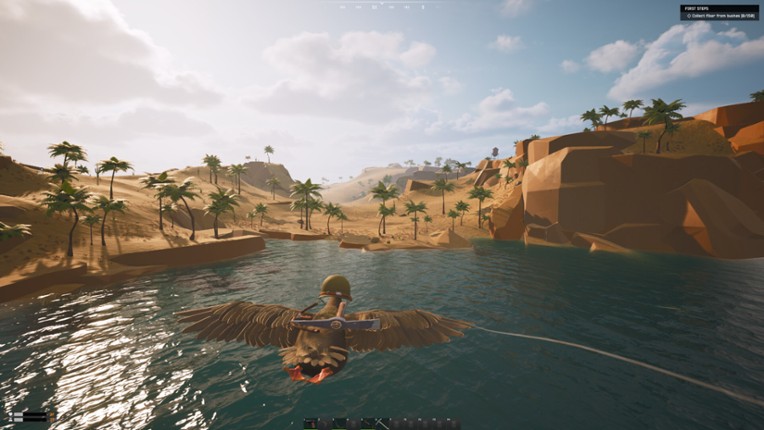
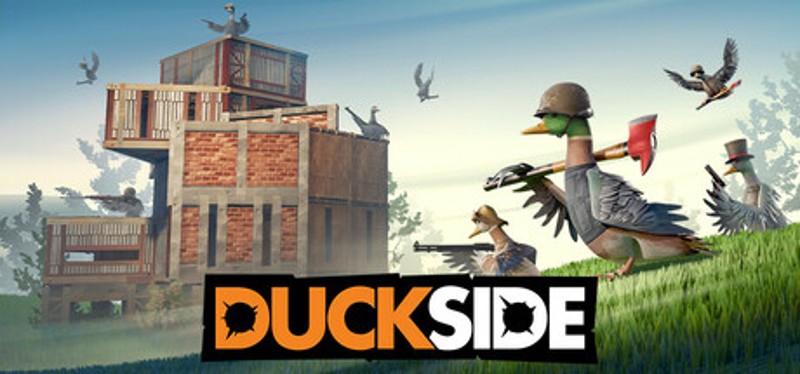
The adrenaline of defending a hand-built fortress against opportunistic neighbors is the heartbeat of DUCKSIDE. You will find the same high-stakes loop of resource gathering and base building that makes every encounter feel like a life-or-death struggle. This shared pressure creates the same emergent narratives where a simple loot run can spiral into a multi-hour vendetta.
A significant shift occurs with the introduction of flight-based combat, which forces you to rethink traditional ground-level strategies. Instead of standard tactical shooters, you are managing aerial momentum and vertical positioning to gain the upper hand. This adds a layer of kinetic freedom that makes the familiar survival grind feel entirely new.
While RUST is often criticized for a predatory monetization model, this indie title offers a humorous, lighthearted atmosphere that prioritizes fun over a "cash grab" feel. It is a solid choice for competitive survivors who value creative movement over gritty realism.
If you enjoyed this game, see our list of games similar to DUCKSIDE.View Game

- 53%Game Brain ScoreMost mentioned positive aspects:gameplay, graphicsMost mentioned negative aspects:stability, optimization53% User Score 15,723 reviews
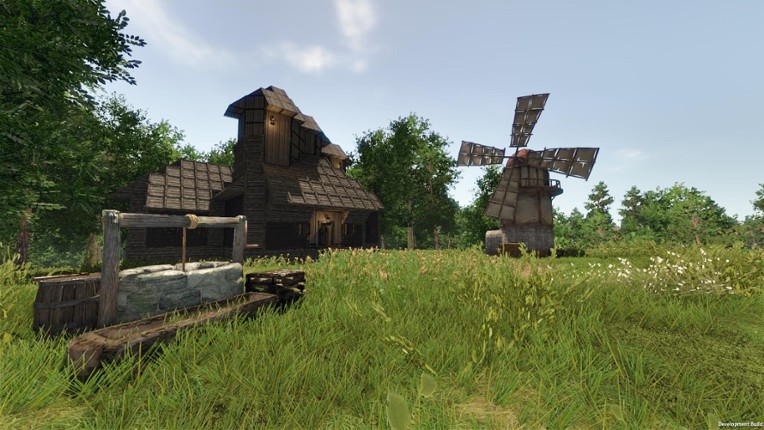
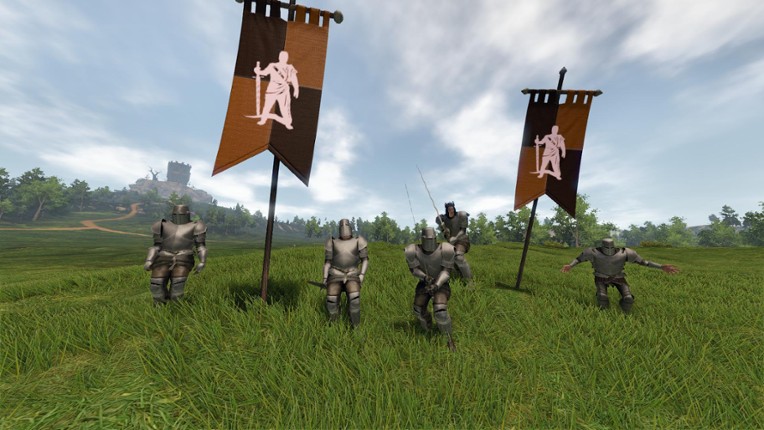
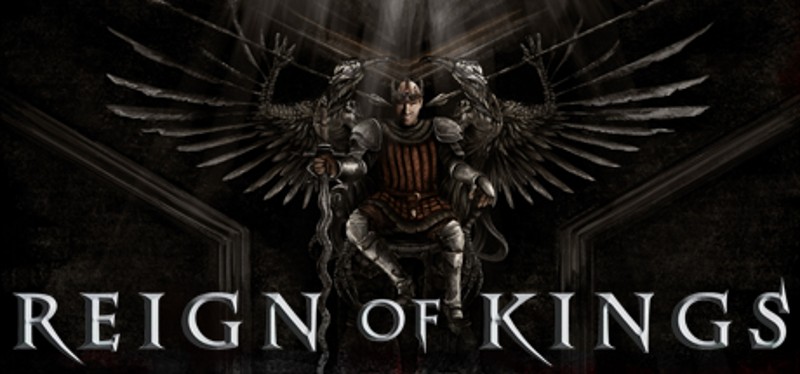
Reign of Kings mirrors the brutal social Darwinism of RUST through its high-stakes, territory-based building system. Your structures are never truly safe, which forces constant vigilance and ruthless resource management.
The combat loop shifts from high-tech firearms to medieval melee, favoring brutal sieges over long-range sniping. This transition demands a more intimate, tactical approach to raiding that changes how you defend your hard-earned progress.
You lose the modern apocalyptic setting in exchange for a dark, low-fantasy aesthetic. Expect more manual labor and clunkier performance than modern survival standards dictate.
Pick this up if you want the punishing politics and base-building anxiety of RUST, but prefer cold steel and castle walls over gunpowder.
If you enjoyed this game, see our list of games similar to Reign Of Kings.View Game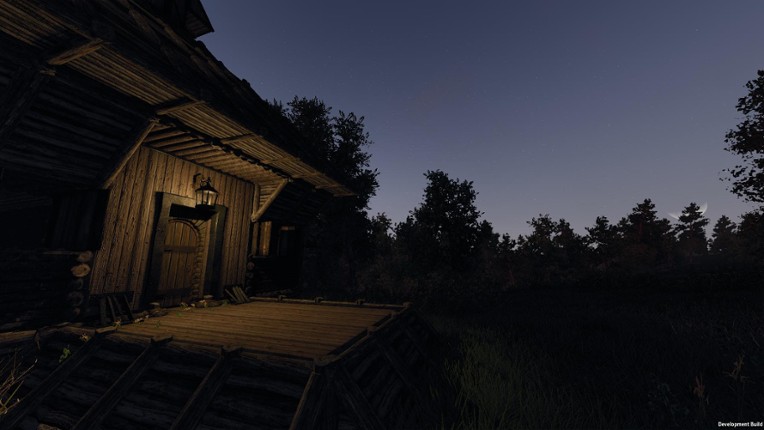
- 82%Game Brain ScoreMost mentioned positive aspects:gameplay, storyMost mentioned negative aspects:grinding, stability82% User Score 247,322 reviews
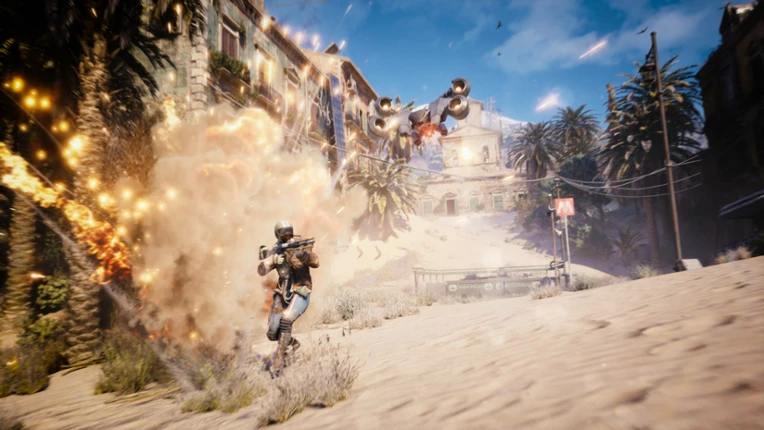
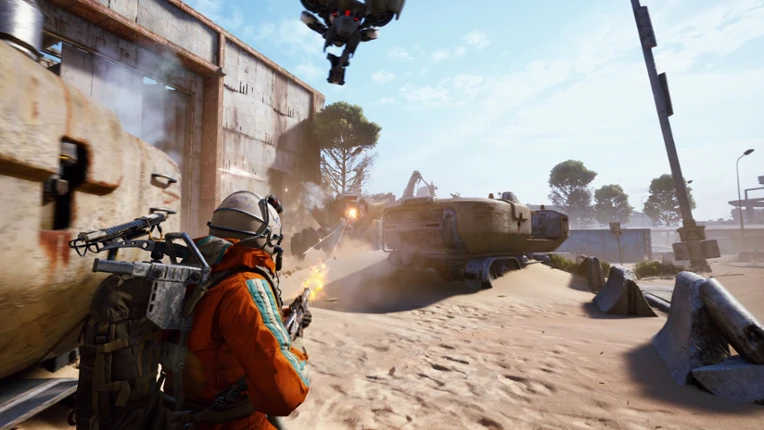
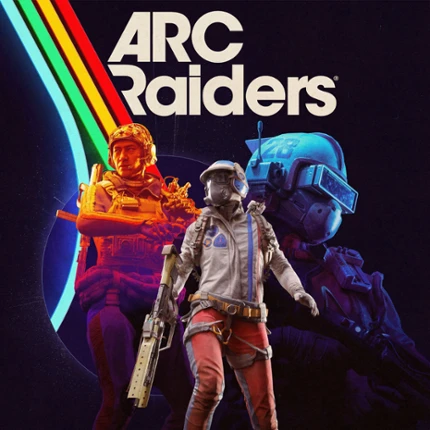
If RUST's crafting loop hooked you, ARC Raiders delivers a similarly obsessive progression system — both games demand resource gathering, base building, and gear optimization as core survival pillars. They also share a post-apocalyptic sandbox where player choices drive emergent stories rather than scripted narratives. The difference is stark: ARC Raiders is third-person sci-fi shooter with smoother performance, while RUST is first-person brutalist survival with a notorious learning curve.
Performance is ARC Raiders' advantage — it's optimized for UE5 stability where RUST frequently crashes and stutters. The tradeoff is a thinner community; Rust's toxicity is infamous, but it also fuels raw, unpredictable PvP encounters that ARC Raiders' matchmaking struggles to replicate. With only 63% overlap, this isn't a straight swap — it's a niche pick for players who want Rust's survival intensity without the technical headaches.
Pick this up if you want deep crafting and survival stakes in a more polished sci-fi wrapper, but can live without Rust's brutal player-driven economy and community drama.
If you enjoyed this game, see our list of games similar to ARC Raiders.View Game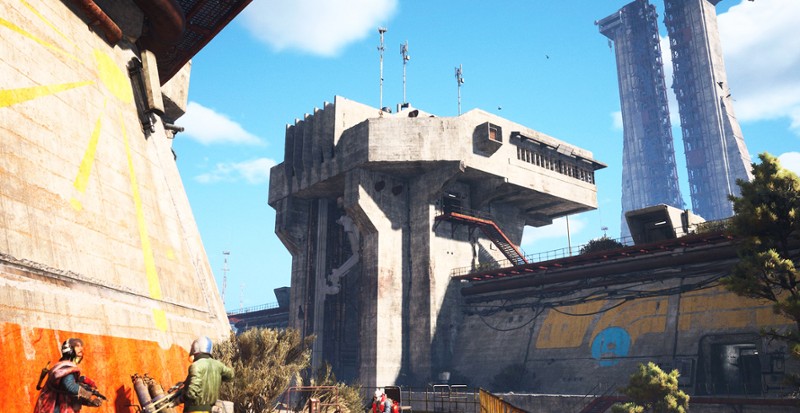
- 32%Game Brain ScoreMost mentioned positive aspects:humor, storyMost mentioned negative aspects:gameplay, graphics32% User Score 11,037 reviews
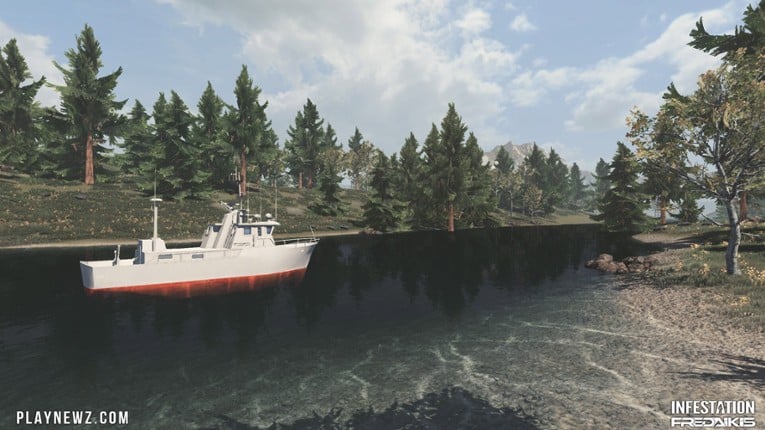
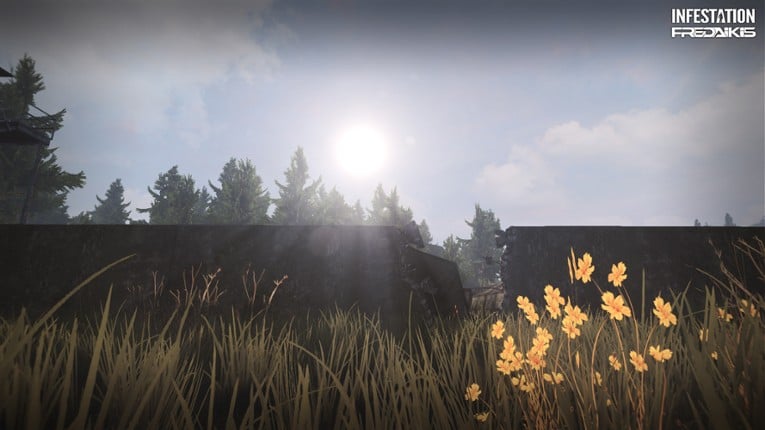
Infestation: Survivor Stories is a zombie survival horror MMO. Based five years in the future following a horrendous viral outbreak of apocalyptic proportions that destroyed 95% of the world’s population, you must survive against all odds. Scavenge, defend yourself, band with others, or die in the process – your life is in your own hands. If you enjoyed this game, see our list of games similar to Infestation: The New Beginning.
View Game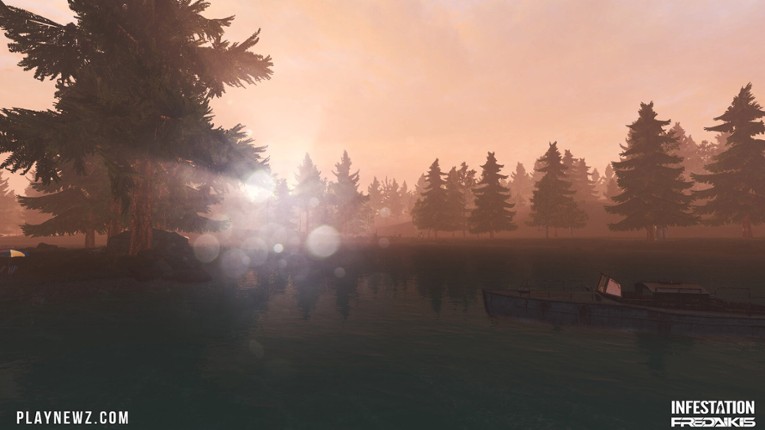
- 65%Game Brain ScoreMost mentioned positive aspects:gameplay, storyMost mentioned negative aspects:optimization, stability63% User Score 14,903 reviewsCritic Score 70%4 reviews
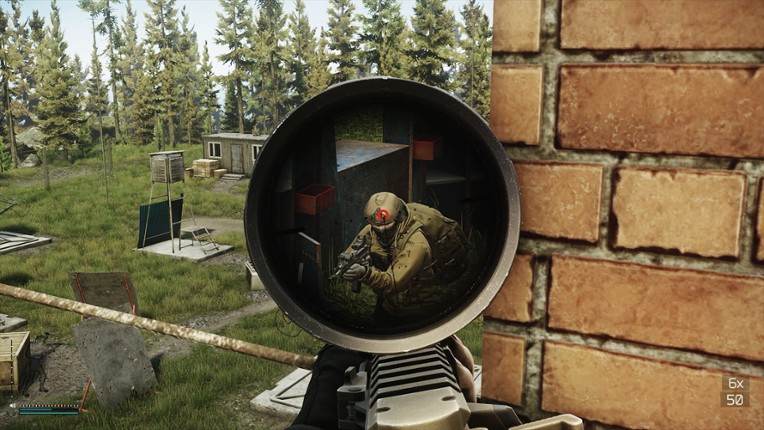
Both Rust and Escape from Tarkov center on survival-driven, first-person gameplay with deep craft and trade systems, demanding high player skill and strategic thinking.
They also emphasize online co-op, which fosters tense alliances and emergent player stories that define each session’s unpredictability.
However, Tarkov’s hyper-realistic gunplay and psychological warfare lean into an intense PvP focus, whereas Rust balances combat with broader base-building and open-world freedom.
Pick Escape from Tarkov if you want tactical realism and punishing combat but can handle a steep learning curve and frustrating optimization; choose Rust for expansive crafting and more versatile survival without obsessing over minute ballistics.
If you enjoyed this game, see our list of games similar to Escape from Tarkov.View Game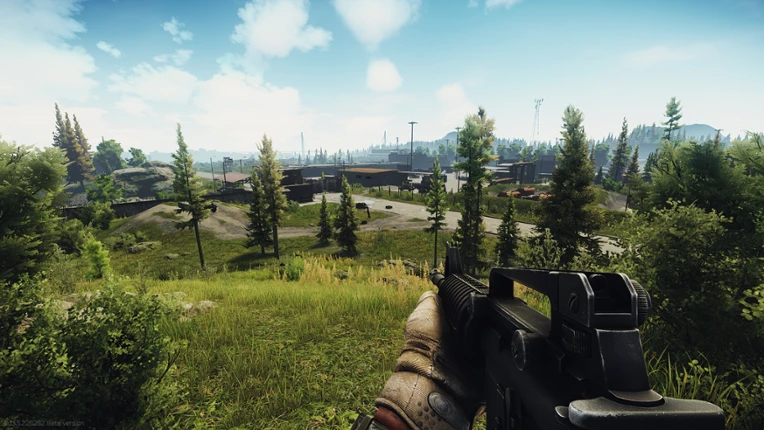
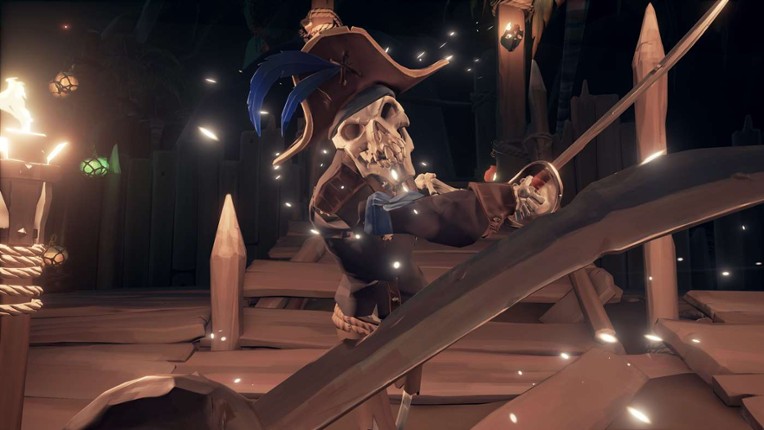
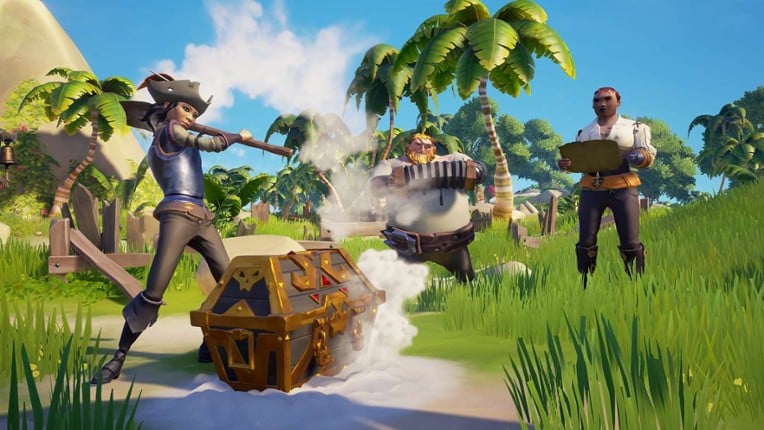
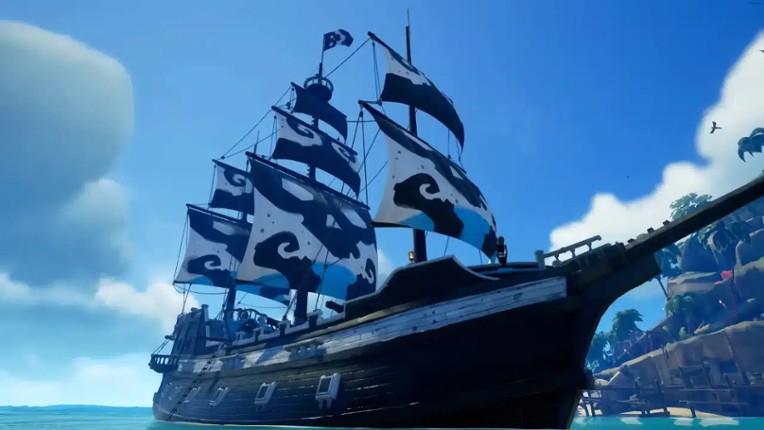
- 80%Game Brain ScoreMost mentioned positive aspects:story, gameplayMost mentioned negative aspects:grinding, stability89% User Score 161,539 reviewsCritic Score 69%8 reviewsShifts survival mechanics into a pirate fantasy with cooperative sailing and treasure hunting, trading RUST's harsh land survival for maritime adventure. If you enjoyed this game, see our list of games similar to Sea of Thieves.View Game
- 56%Game Brain ScoreMost mentioned positive aspects:gameplay, graphicsMost mentioned negative aspects:stability, monetization56% User Score 37,392 reviews
In Just Survive, you’ll have to be cutthroat, resourceful, and alert to protect yourself from zombies, beasts, and the deadliest threat of all – your fellow humans. If you enjoyed this game, see our list of games similar to Just Survive.
View Game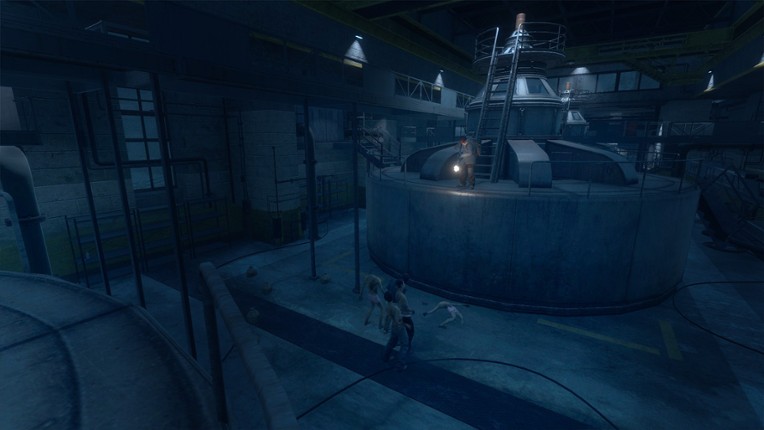
- 78%Game Brain ScoreMost mentioned positive aspects:gameplay, graphicsMost mentioned negative aspects:optimization, story85% User Score 1,174,014 reviewsCritic Score 65%5 reviews
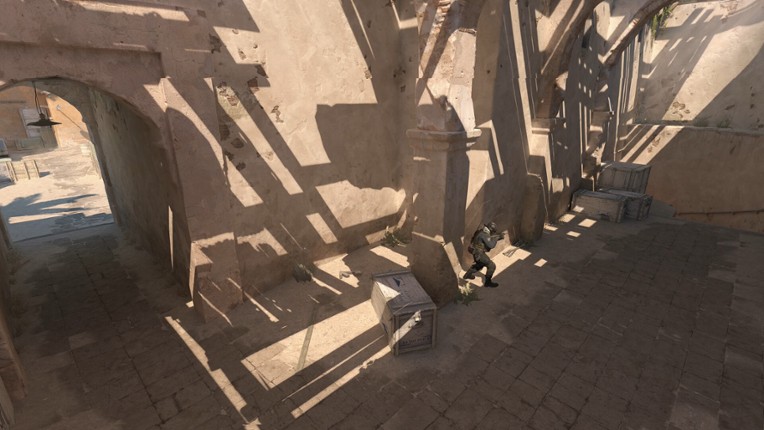
Both games anchor around first-person combat with trading systems that create emergent player economies. This shared layer matters because it rewards experimentation and social interaction beyond pure gunplay.
The critical difference: RUST is open-world survival where you build and scavenge; Counter-Strike 2 is round-based competitive shooters with rigid structure. RUST punishes you for logging off; CS2 resets every match.
Pick Counter-Strike 2 if you want strategic firefights without the survival grind—but expect the same monetization cynicism and technical frustration RUST players already resent.
If you enjoyed this game, see our list of games similar to Counter-Strike 2.View Game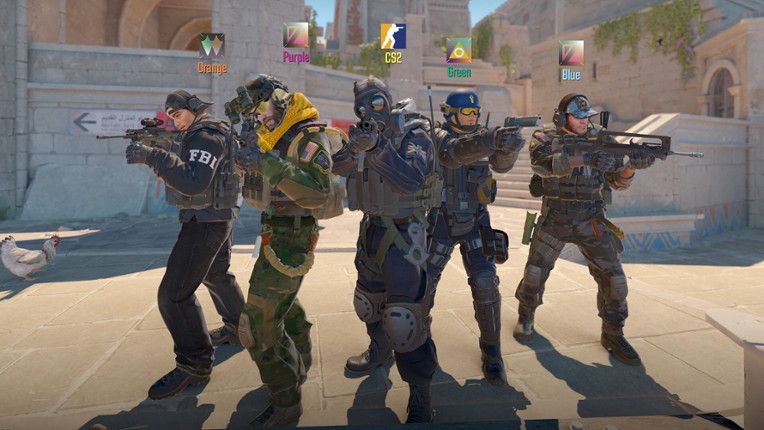
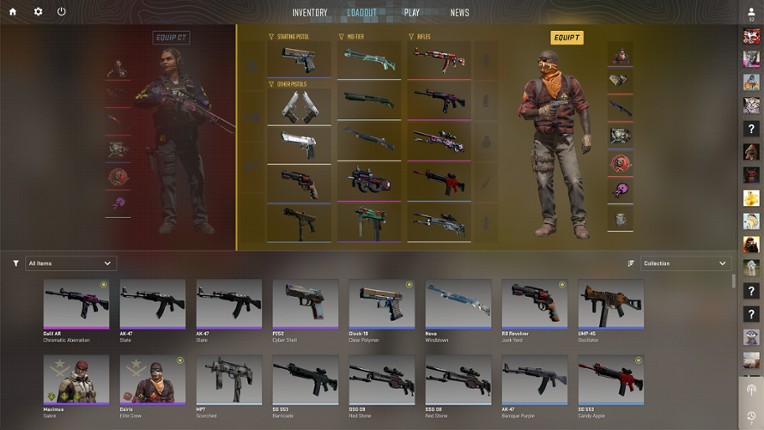
- 55%Game Brain ScoreMost mentioned positive aspects:graphics, gameplayMost mentioned negative aspects:stability, story55% User Score 1,817 reviews
Nomad is a sandbox survival game. Hunt, craft, kill and survive! Find food, drink, weapons, ammo and medical supplies - or craft them! Build a base to protect yourself but also remember to protect the base from raiding players. If you enjoyed this game, see our list of games similar to Nomad.
View Game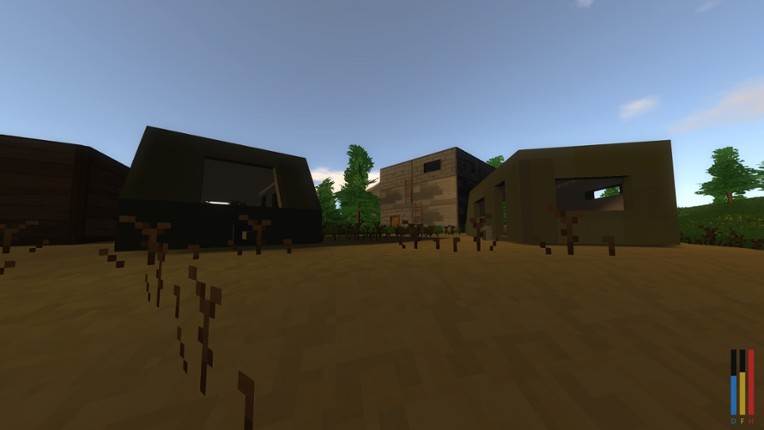
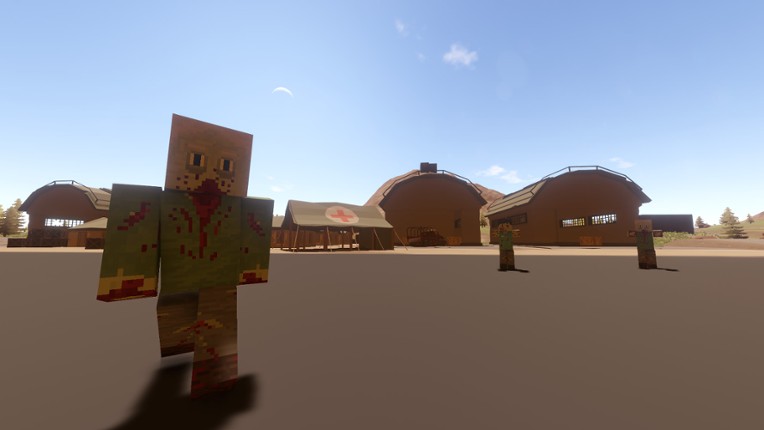
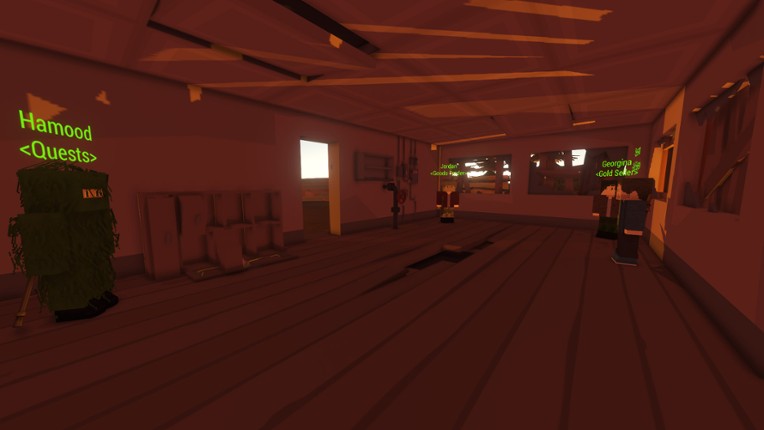
- 73%Game Brain ScoreMost mentioned positive aspects:gameplay, graphicsMost mentioned negative aspects:optimization, stability73% User Score 46,927 reviewsFor players seeking granular realism, this project emphasizes extreme physiological simulation and metabolic tracking far beyond the systems found in standard survival sandboxes. If you enjoyed this game, see our list of games similar to SCUM.View Game
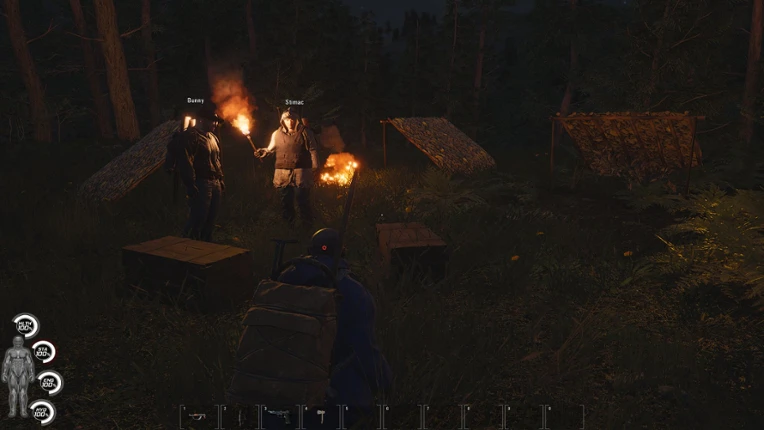
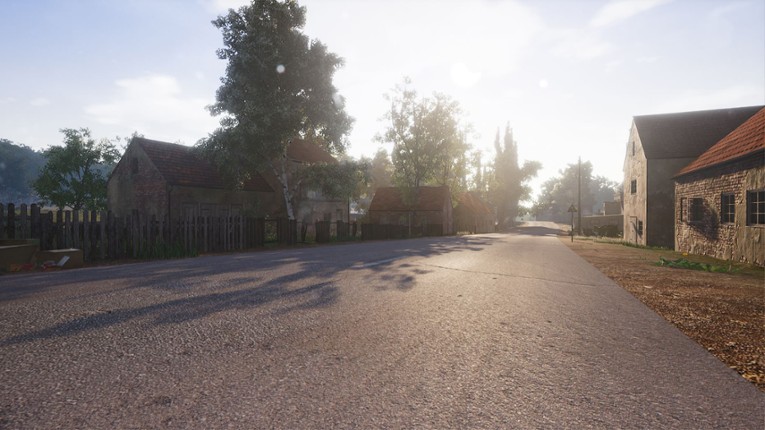
- 70%Game Brain ScoreMost mentioned positive aspects:gameplay, graphicsMost mentioned negative aspects:grinding, monetization75% User Score 294,199 reviewsCritic Score 66%9 reviews
War Thunder is the most comprehensive free-to-play, cross-platform, MMO military game dedicated to aviation, armored vehicles, and naval craft, from the early 20th century to the most advanced modern combat units. Join now and take part in major battles on land, in the air, and at sea. If you enjoyed this game, see our list of games similar to War Thunder.
View Game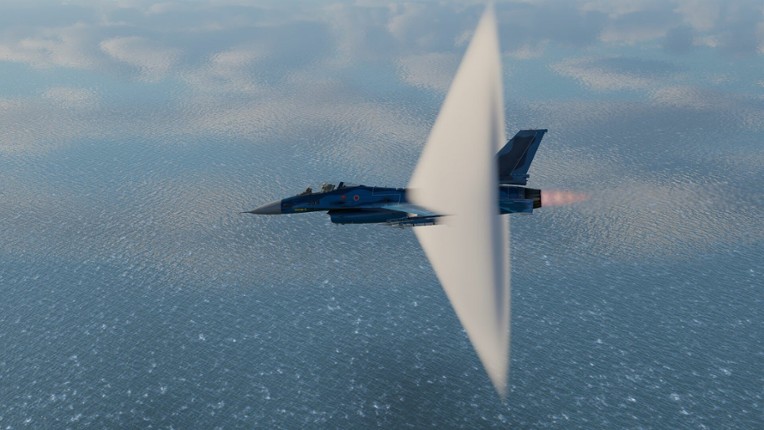
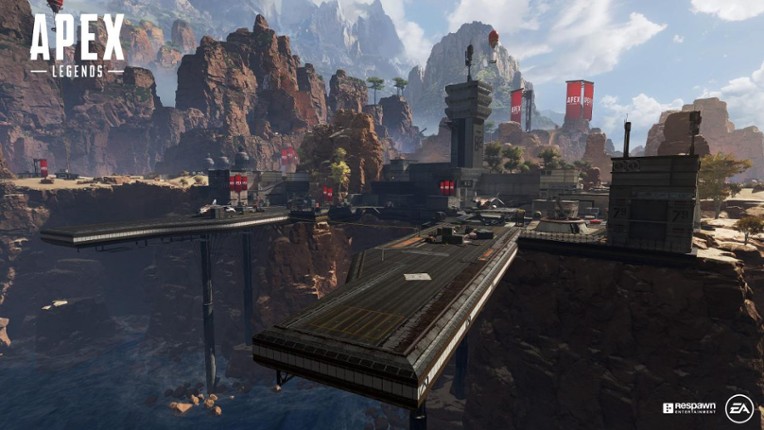
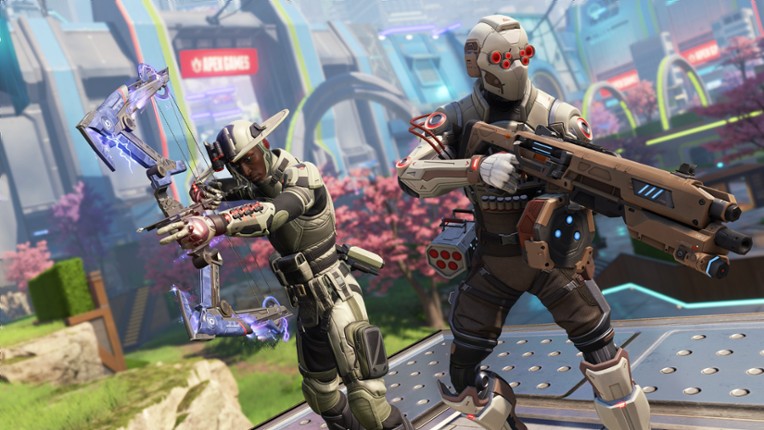
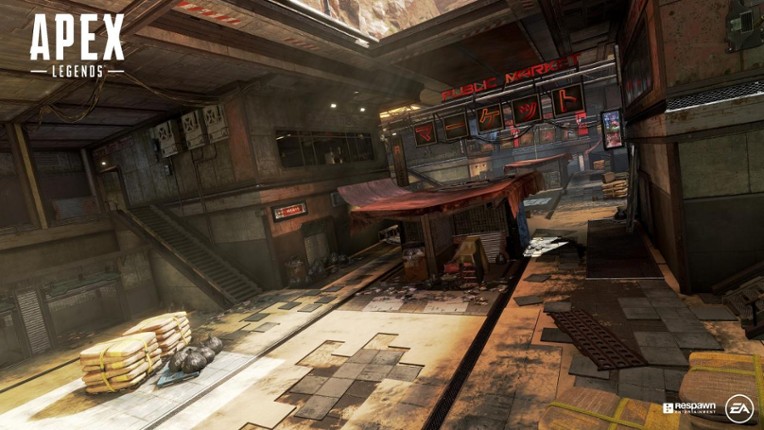
- 79%Game Brain ScoreMost mentioned positive aspects:gameplay, graphicsMost mentioned negative aspects:monetization, stability77% User Score 429,394 reviewsCritic Score 84%3 reviewsTrades RUST's freeform survival for squad-based hero shooter mechanics, but retains loot progression and three-player team coordination. If you enjoyed this game, see our list of games similar to Apex Legends.View Game
- 31%Game Brain ScoreMost mentioned positive aspects:humor, storyMost mentioned negative aspects:graphics, gameplay31% User Score 7,955 reviews
Infestation: Survivor Stories is a zombie survival horror MMO. Based five years in the future following a horrendous viral outbreak of apocalyptic proportions that destroyed 95% of the world’s population, you must survive against all odds. Scavenge, defend yourself, band with others, or die in the process – your life is in your own hands. If you enjoyed this game, see our list of games similar to Infestation: Survivor Stories.
View Game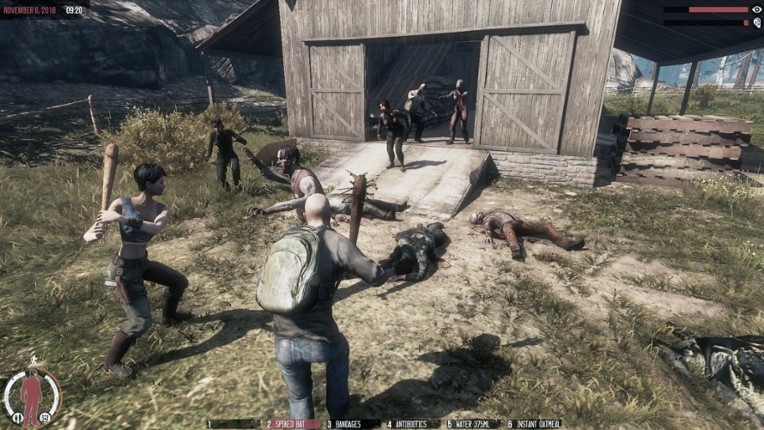
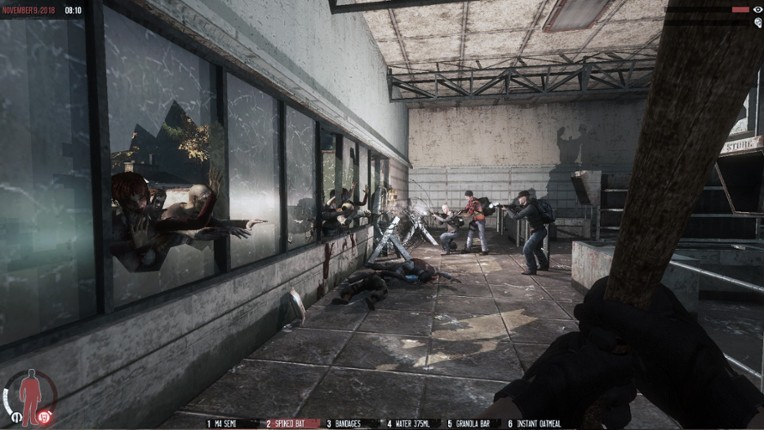
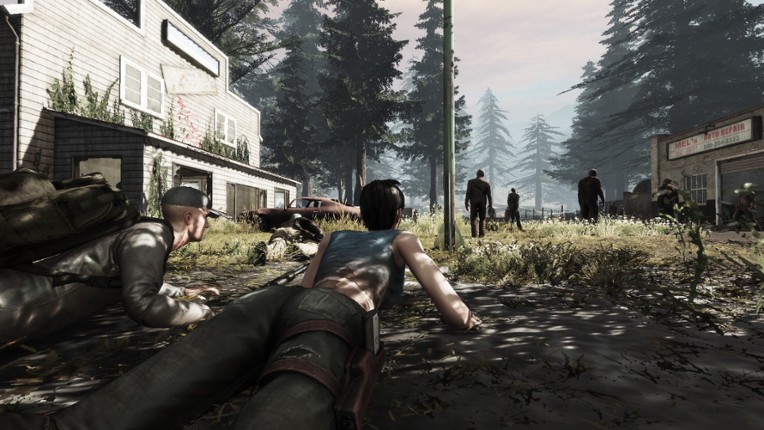
- 64%Game Brain ScoreMost mentioned positive aspects:graphics, gameplayMost mentioned negative aspects:stability, story64% User Score 23,198 reviewsFocused on realistic environments, this game offers a more grounded, gritty take on the zombie apocalypse that emphasizes exploration over complex base engineering. If you enjoyed this game, see our list of games similar to Miscreated.View Game
18 View Game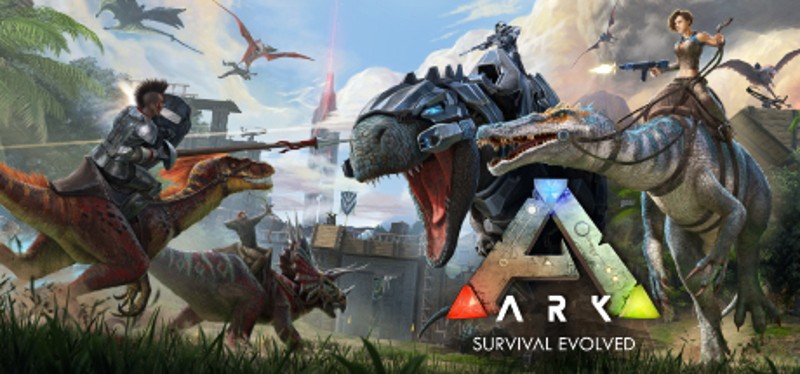 71%Game Brain ScoreMost mentioned positive aspects:graphics, gameplayMost mentioned negative aspects:optimization, stability81% User Score 239,208 reviewsCritic Score 60%17 reviews
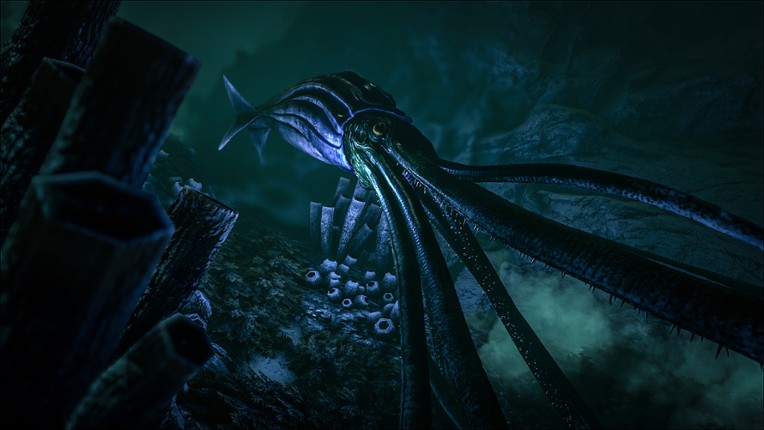
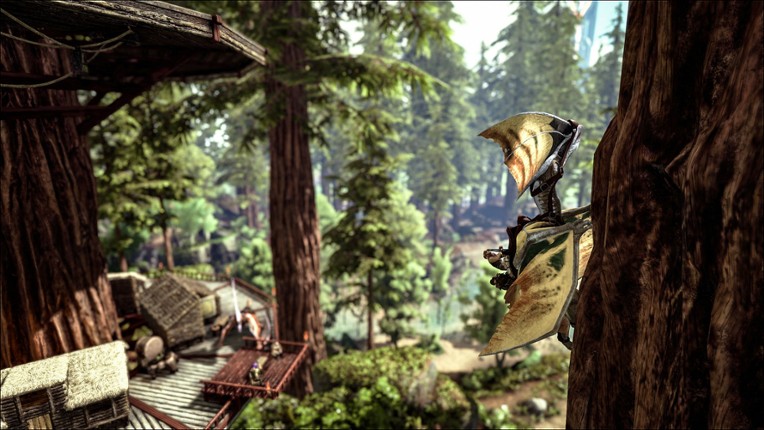
Fight, survive, and tame 80+ dinosaurs in this massive genre-defining game world If you enjoyed this game, see our list of games similar to Ark: Survival Evolved.
View Game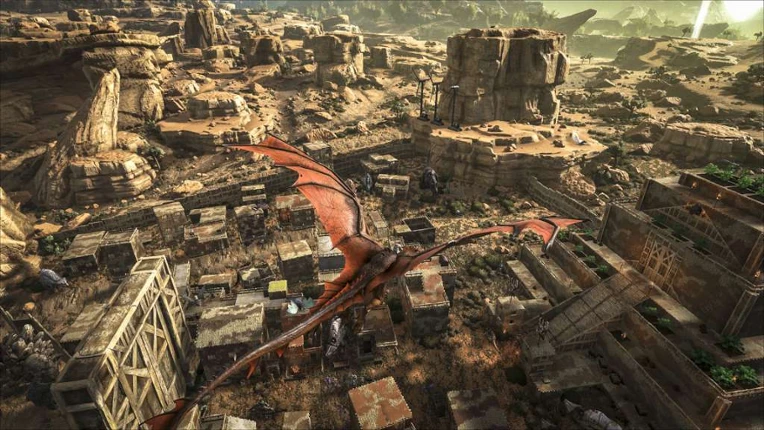
- 84%Game Brain ScoreMost mentioned positive aspects:gameplay, graphicsMost mentioned negative aspects:grinding, stability94% User Score 221,570 reviewsCritic Score 30%1 reviews
Both games demand ruthless, long-term base management to stave off total annihilation. You must fortify your perimeter and hoard resources, which matters because every failure results in a complete, punishing loss of progress.
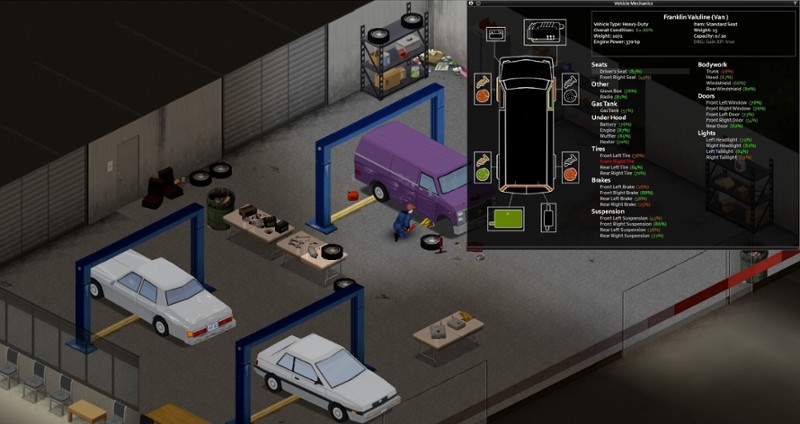
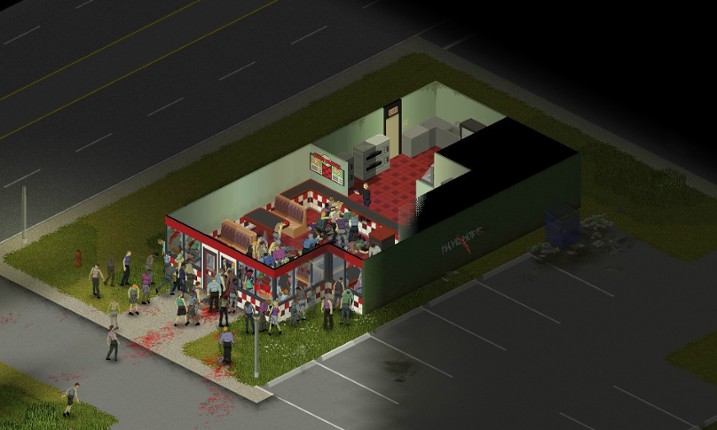
The primary pivot here is perspective: while Rust pushes you into a high-octane, 3D first-person shooter environment, Project Zomboid forces you into a slow, methodical isometric simulation of inevitable death. You trade twitch-reflex combat for deep, granular survival systems like depression, infection, and caloric intake.
Pick this up if you crave Rust’s tension and survival stakes but want a tactical, slow-burn experience that rewards preparation over raw aim.
If you enjoyed this game, see our list of games similar to Project Zomboid.View Game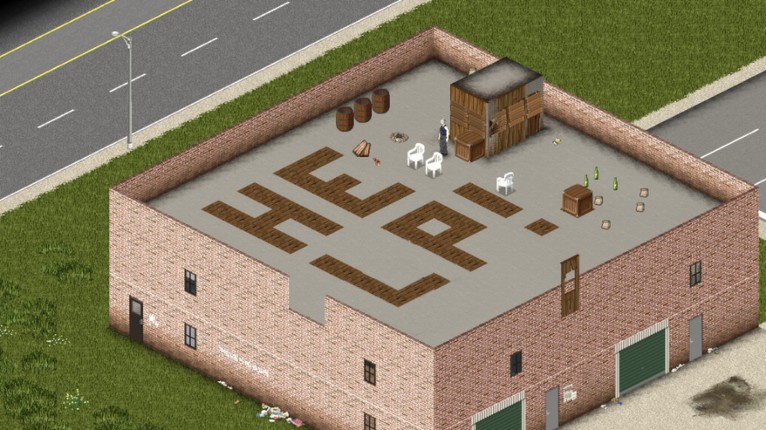
- 94%Game Brain ScoreMost mentioned positive aspects:humor, gameplayMost mentioned negative aspects:grinding, stability94% User Score 101,306 reviews
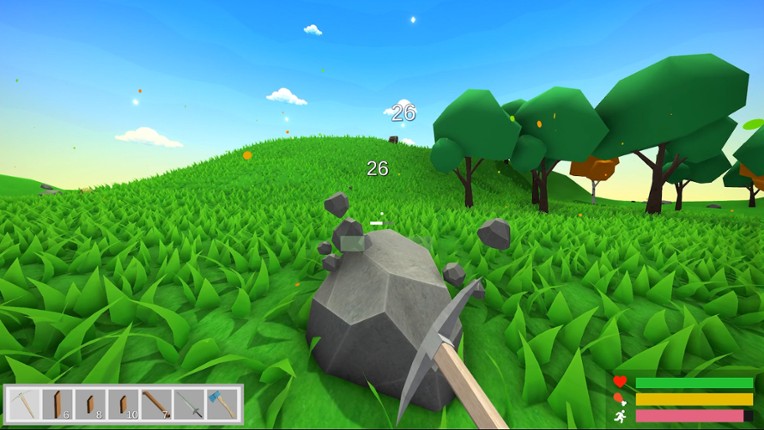
Muck is a survival-roguelike. Collect resources, find items & build a base to survive for as long as you can. If you enjoyed this game, see our list of games similar to Muck.
View Game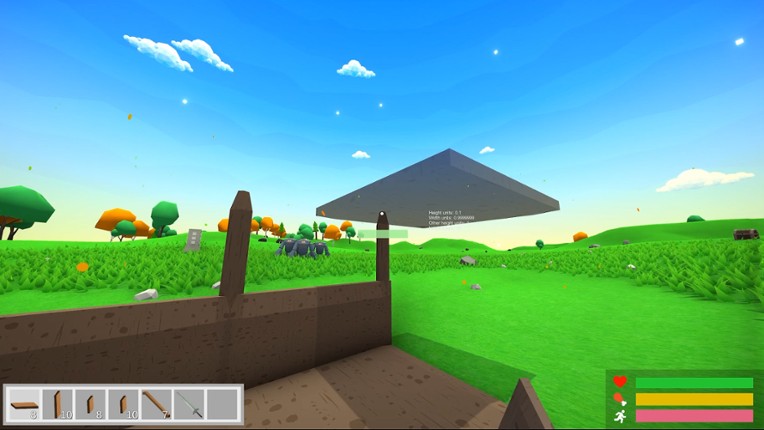
- 75%Game Brain ScoreMost mentioned positive aspects:gameplay, graphicsMost mentioned negative aspects:stability, grinding81% User Score 415,510 reviewsCritic Score 68%7 reviews
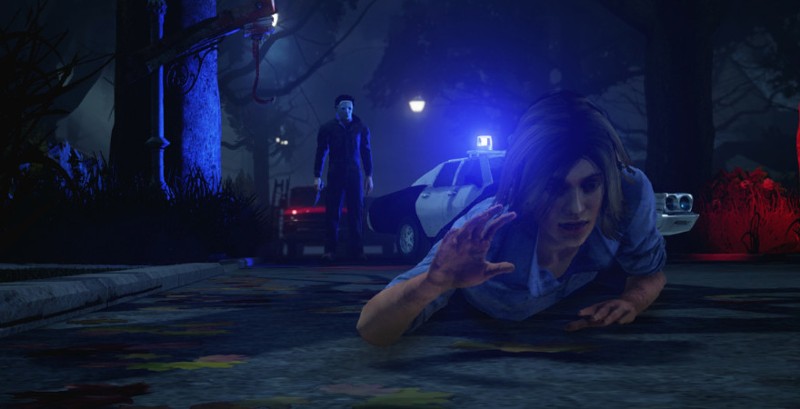
Buy Dead by Daylight on PS4 and PS5. Choose between playing an unstoppable Killer and one of four Survivors trying to evade a gruesome death. If you enjoyed this game, see our list of games similar to Dead by Daylight.
View Game
- 46%Game Brain ScoreMost mentioned positive aspects:gameplay, humorMost mentioned negative aspects:graphics, stability46% User Score 10,810 reviews
Infestation: The New Z is an official re-work of the game Infestation: Survivor Stories, created by new independent developers. Group up with friends and play the best Zombie/PvP MMO experience featuring a wide selection of game modes. Best of all? Its free-to-play! If you enjoyed this game, see our list of games similar to Infestation: The New Z.
View Game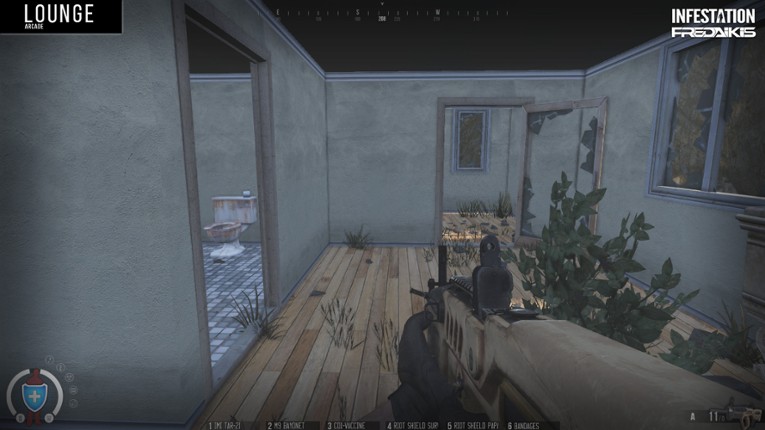
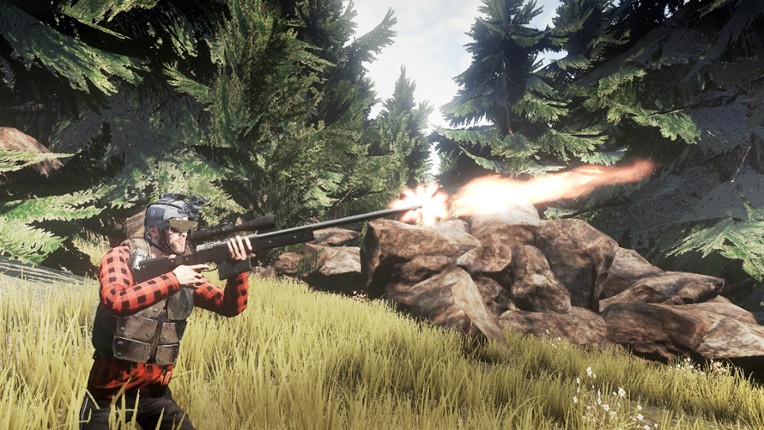
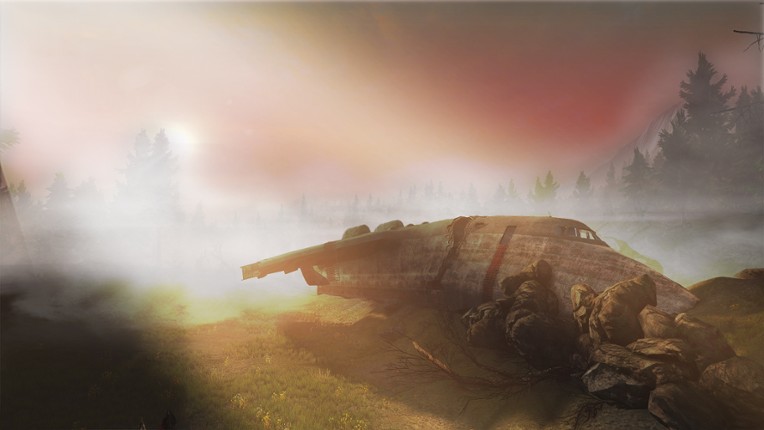
- 55%Game Brain ScoreMost mentioned positive aspects:gameplay, graphicsMost mentioned negative aspects:stability, optimization50% User Score 56,970 reviewsCritic Score 73%2 reviewsBattle royale survival where looting and elimination replace base building, but keeps the intense PvP emergent storytelling RUST players crave. If you enjoyed this game, see our list of games similar to Z1 Battle Royale.View Game
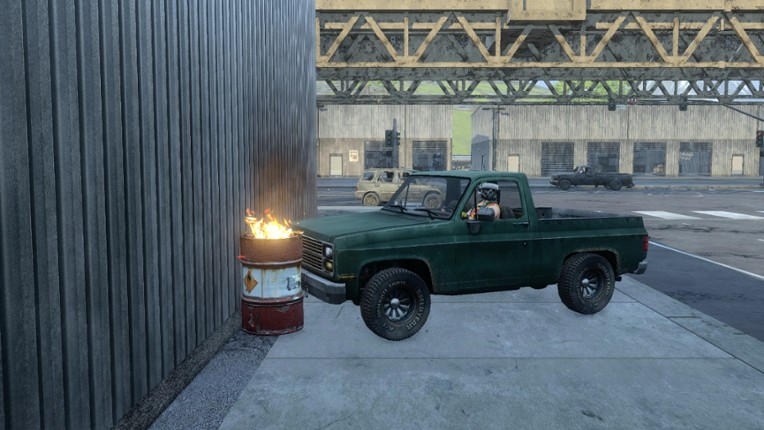
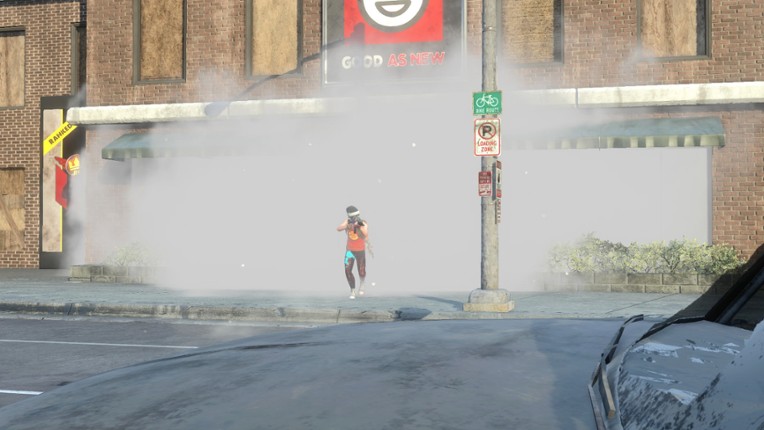
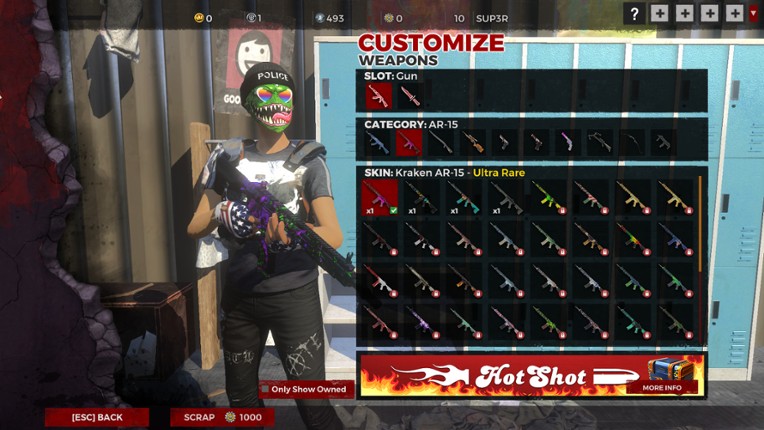
- 66%Game Brain ScoreMost mentioned positive aspects:story, gameplayMost mentioned negative aspects:grinding, optimization66% User Score 3,954 reviewsStripped-down MMO survival closest to RUST's formula but sacrifices building depth for denser PvP zones and faster progression. If you enjoyed this game, see our list of games similar to Will To Live Online.View Game
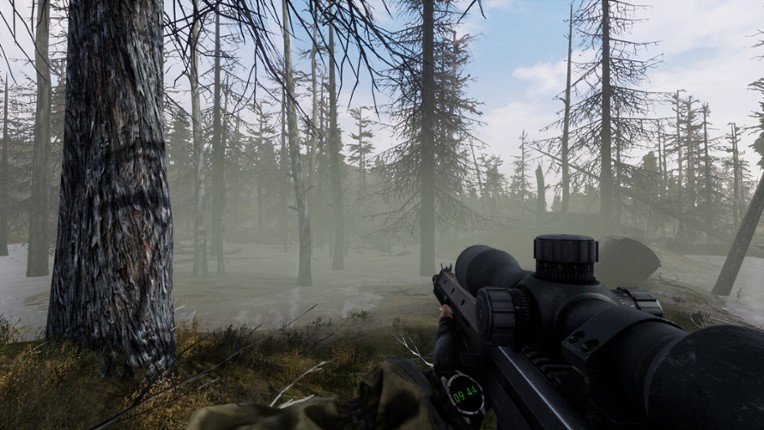
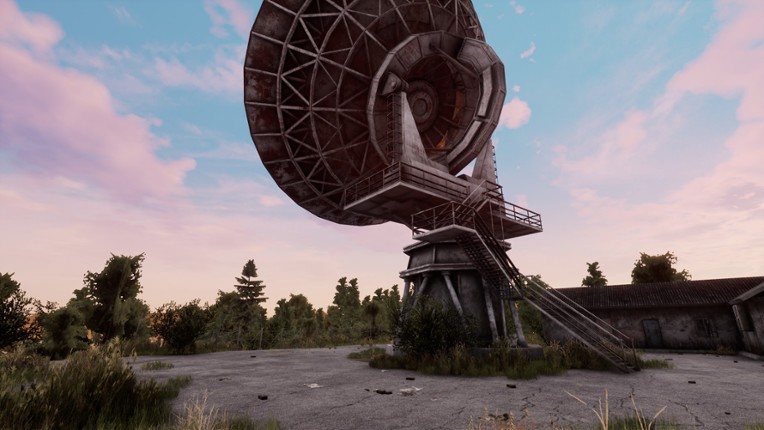
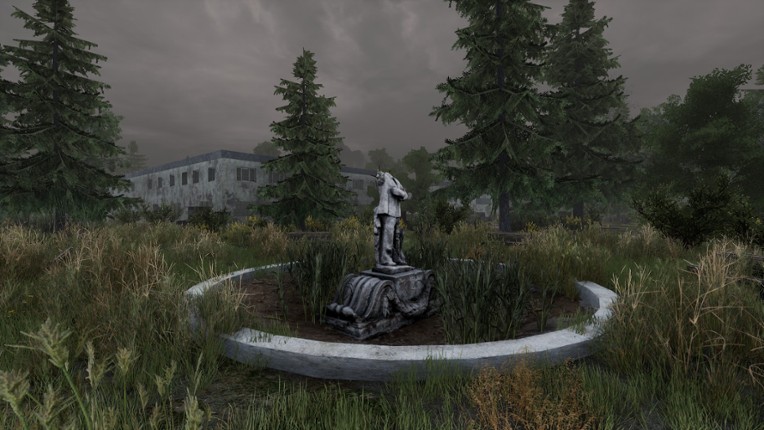
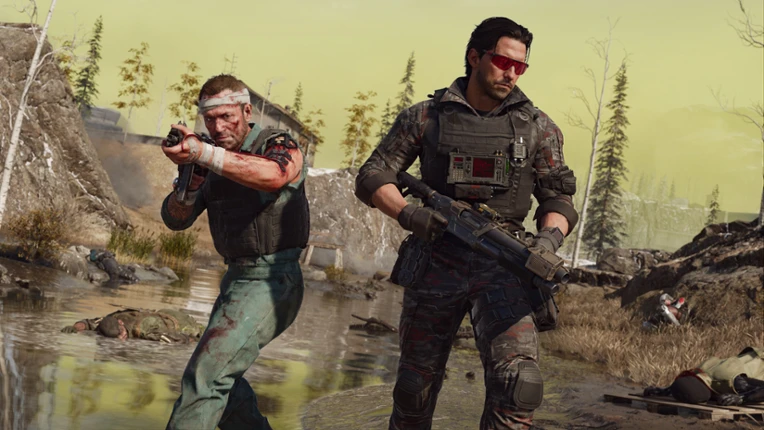
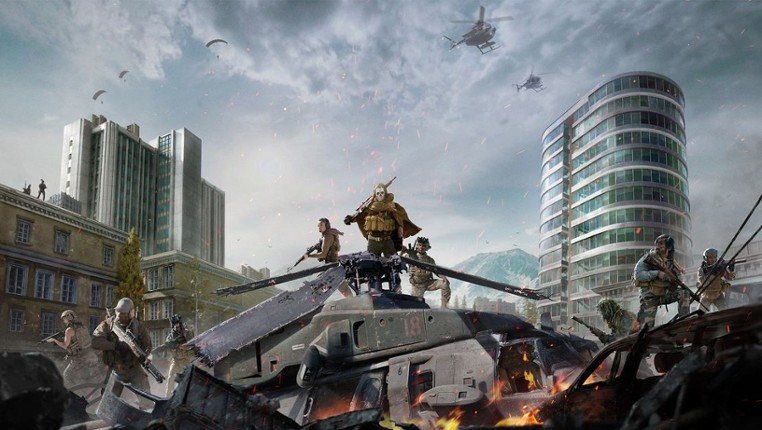
- 54%Game Brain ScoreMost mentioned positive aspects:gameplay, graphicsMost mentioned negative aspects:optimization, stability29% User Score 20,397 reviewsCritic Score 79%15 reviewsMilitary battle royale that captures RUST's survival-under-pressure feeling through shrinking zones rather than environmental resource management. If you enjoyed this game, see our list of games similar to Call of Duty: Warzone.View Game
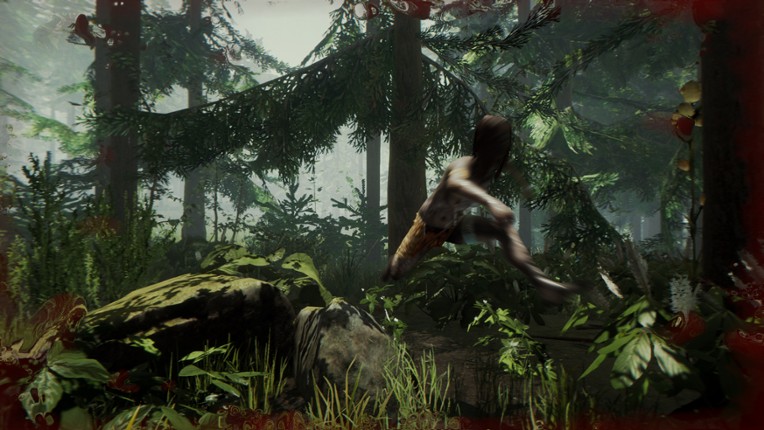
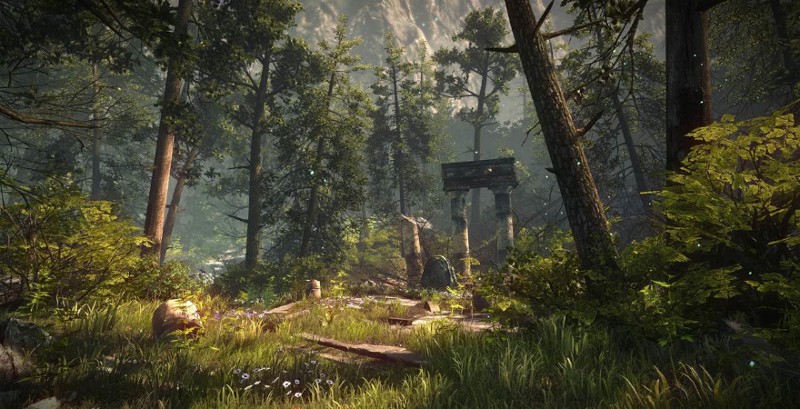
- 94%Game Brain ScoreMost mentioned positive aspects:story, gameplayMost mentioned negative aspects:stability, grinding95% User Score 315,218 reviewsCritic Score 90%1 reviewsCozy co-op survival that keeps crafting and building but replaces player-versus-player tension with creature horror and mystery exploration. If you enjoyed this game, see our list of games similar to The Forest.View Game
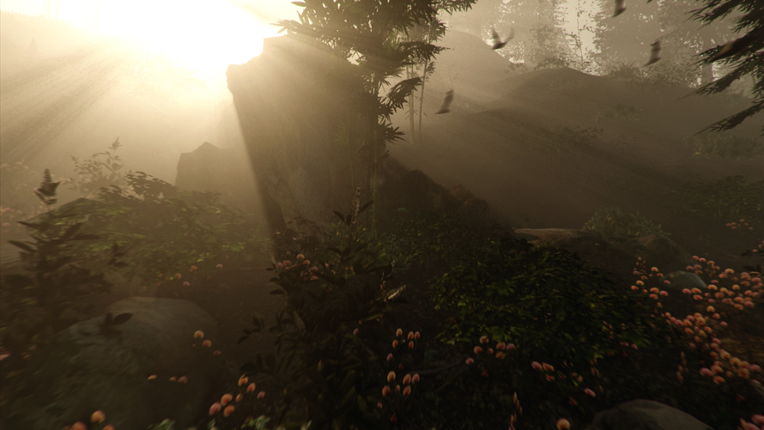
- 87%Game Brain ScoreMost mentioned positive aspects:humor, gameplayMost mentioned negative aspects:stability, grinding87% User Score 5,680 reviewsInstead of strategic base building, this title turns survival into a comedic physics challenge where controlling your character's hands is the primary struggle. If you enjoyed this game, see our list of games similar to Hand Simulator Survival.View Game
- 71%Game Brain ScoreMost mentioned positive aspects:gameplay, graphicsMost mentioned negative aspects:optimization, stability66% User Score 444,586 reviewsCritic Score 76%12 reviews
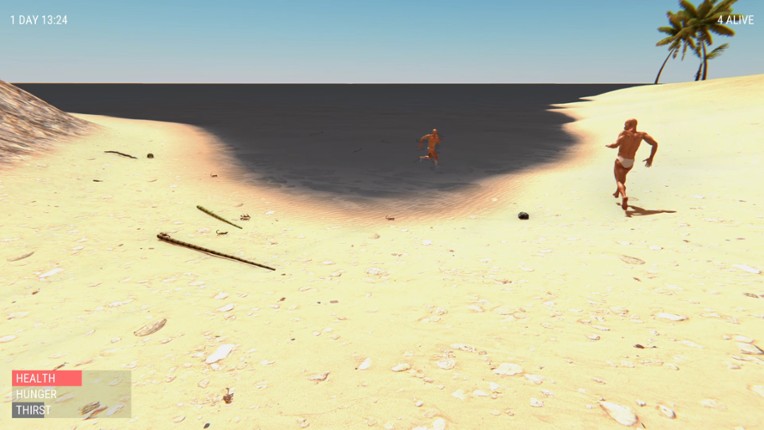
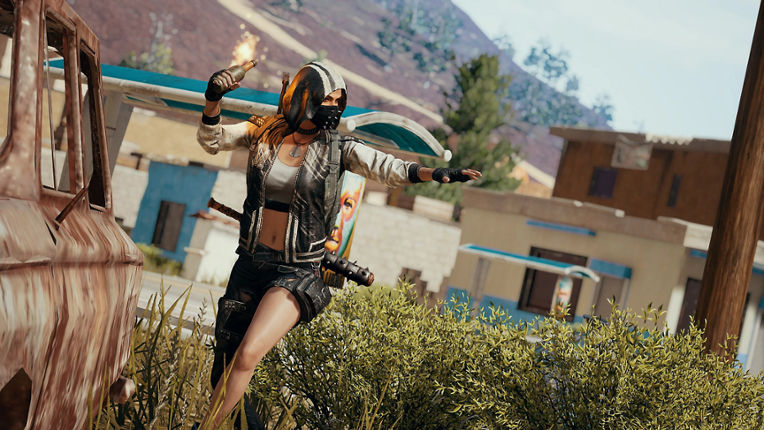
Get PUBG: Battlegrounds on PS4. Fight to be the last player standing in an action-packed battle royale. If you enjoyed this game, see our list of games similar to PUBG: BATTLEGROUNDS.
View Game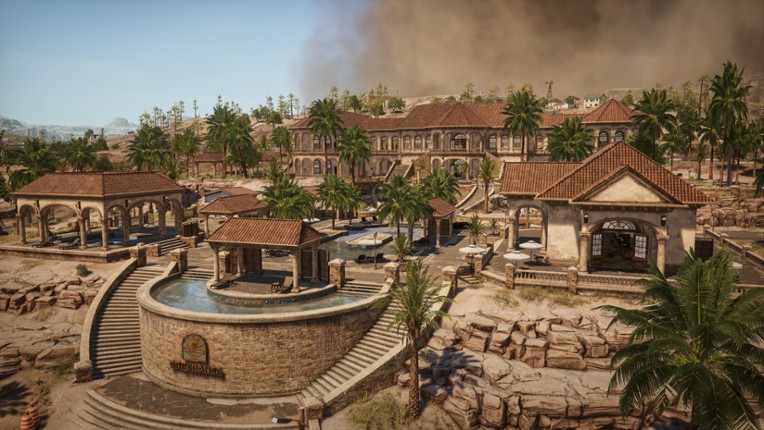
- 87%Game Brain ScoreMost mentioned positive aspects:gameplay, graphicsMost mentioned negative aspects:monetization, story87% User Score 447,024 reviews
Defend the universe (and your goal line) with Vulcan, the most elite sports-craft in the galaxy! If you enjoyed this game, see our list of games similar to Rocket League.
View Game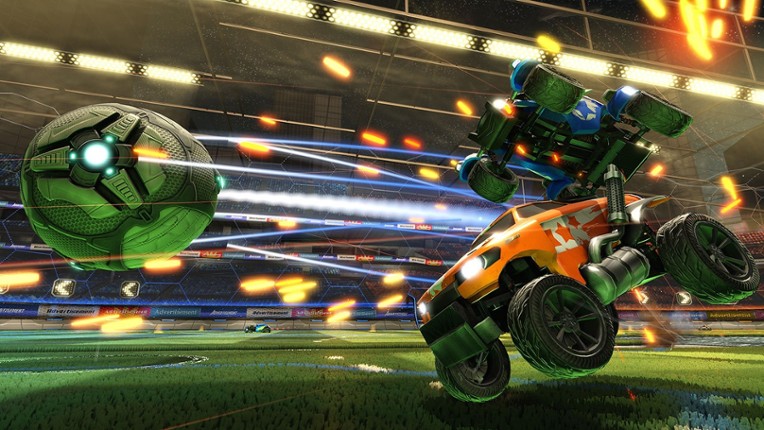


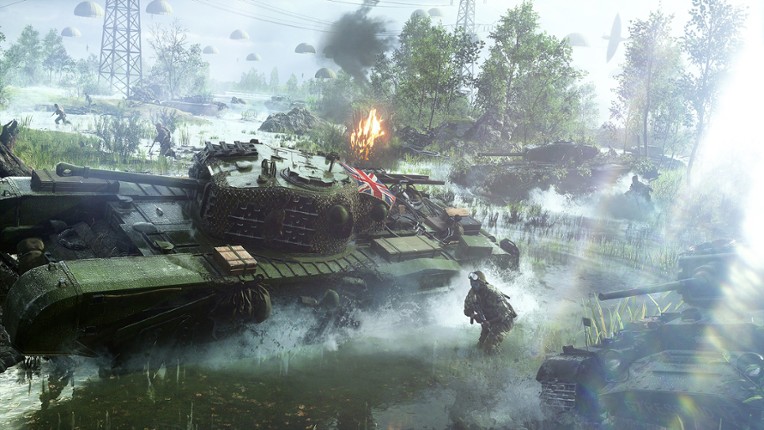
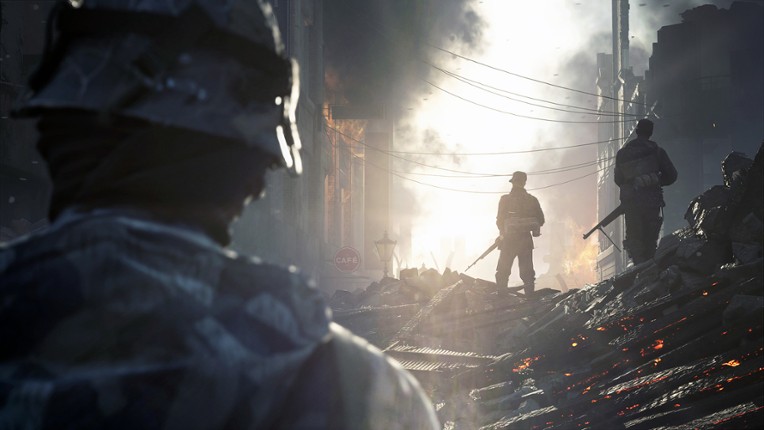
- 74%Game Brain ScoreMost mentioned positive aspects:story, gameplayMost mentioned negative aspects:stability, optimization70% User Score 54,426 reviewsCritic Score 77%48 reviewsDelivers historically grounded warfare with epic battles and mature themes, pivoting from RUST's open world survival to military combat realism. If you enjoyed this game, see our list of games similar to Battlefield V.View Game
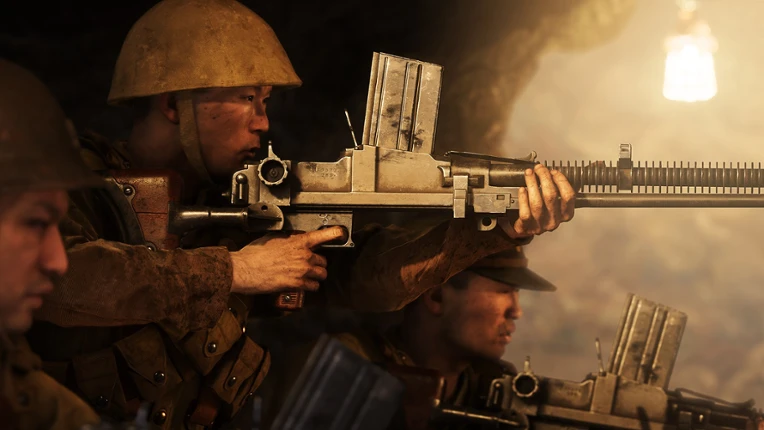
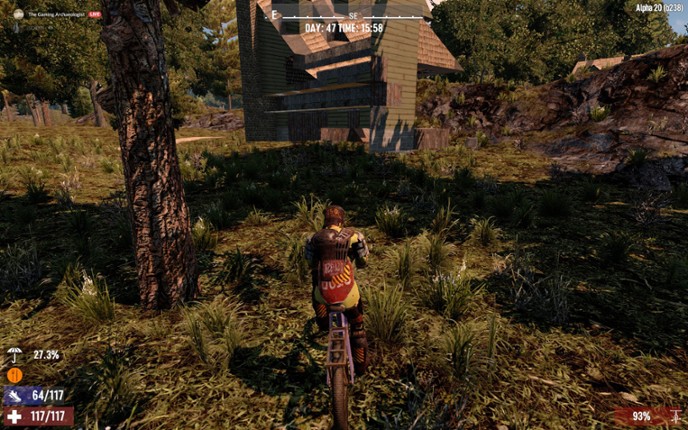
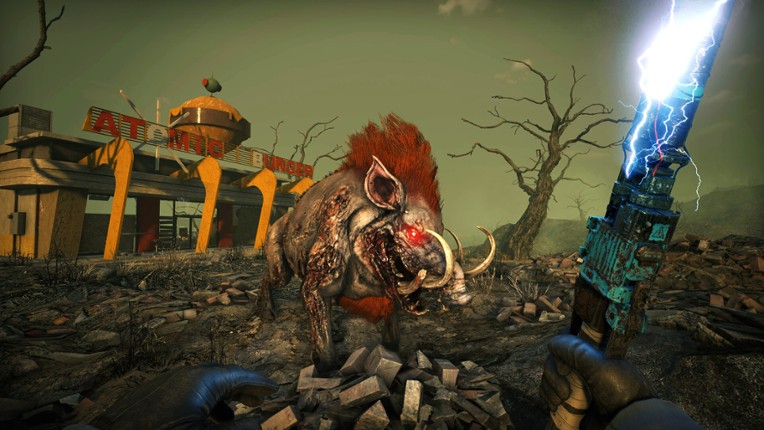
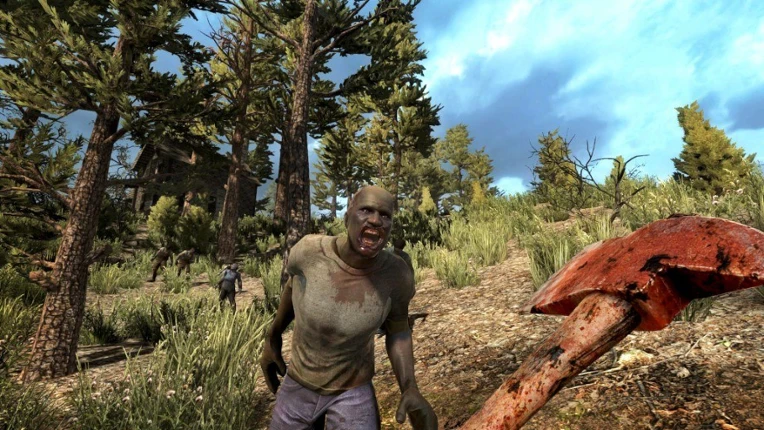
- 62%Game Brain ScoreMost mentioned positive aspects:gameplay, graphicsMost mentioned negative aspects:story, optimization85% User Score 183,471 reviewsCritic Score 40%18 reviewsBuilding on the survival loop, this game replaces Rust's environmental hazards with a voxel-based world defined by intense, nightly zombie siege mechanics. If you enjoyed this game, see our list of games similar to 7 Days to Die.View Game
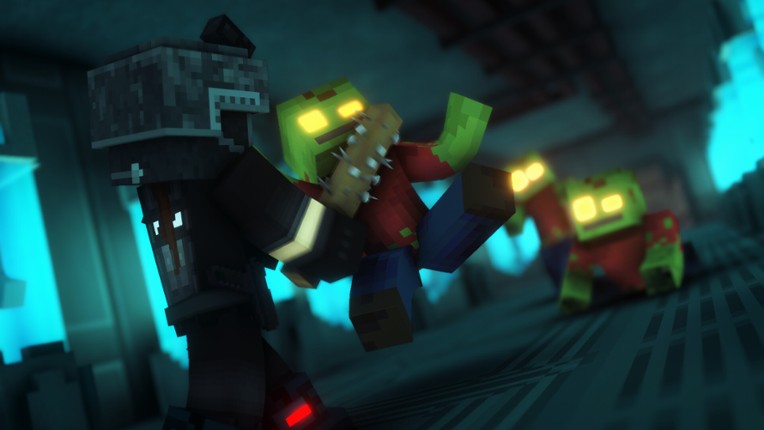
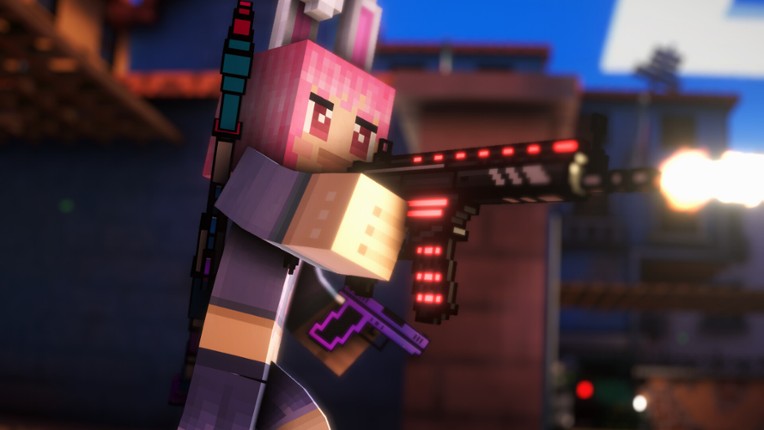
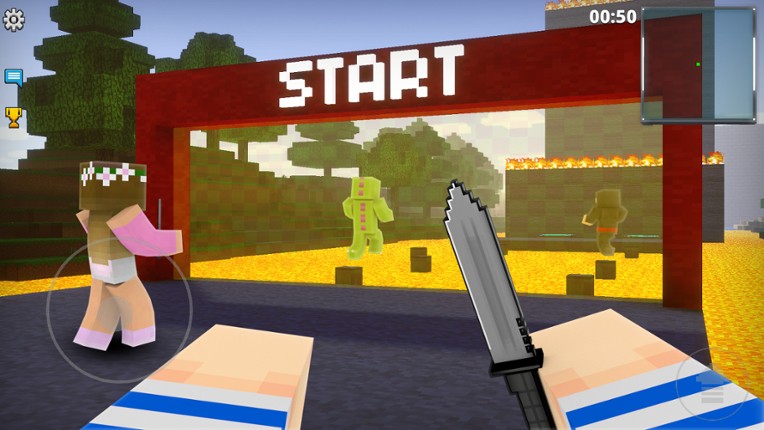
- 72%Game Brain ScoreMost mentioned positive aspects:gameplay, graphicsMost mentioned negative aspects:stability, monetization72% User Score 6,336 reviewsFast-paced pixelated shooter preserves RUST's team combat and customization but eliminates survival systems and base mechanics entirely. If you enjoyed this game, see our list of games similar to Pixel Strike 3D.View Game
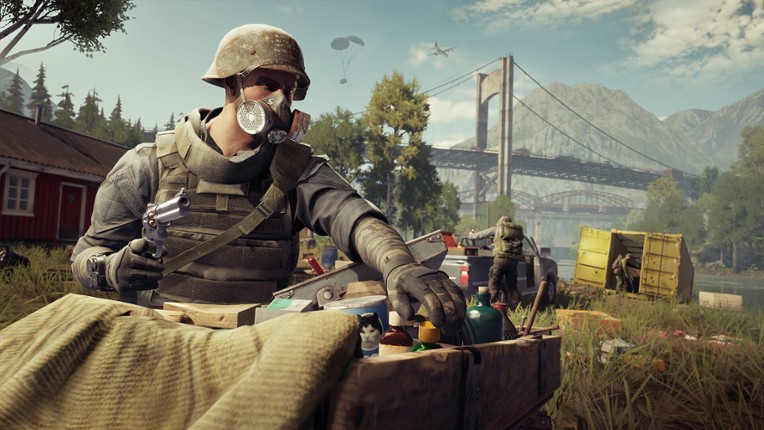
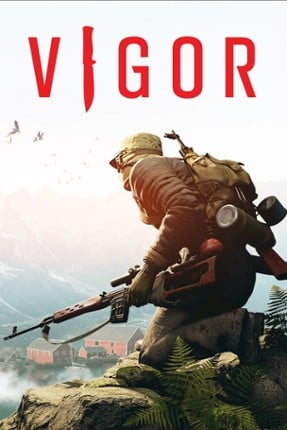
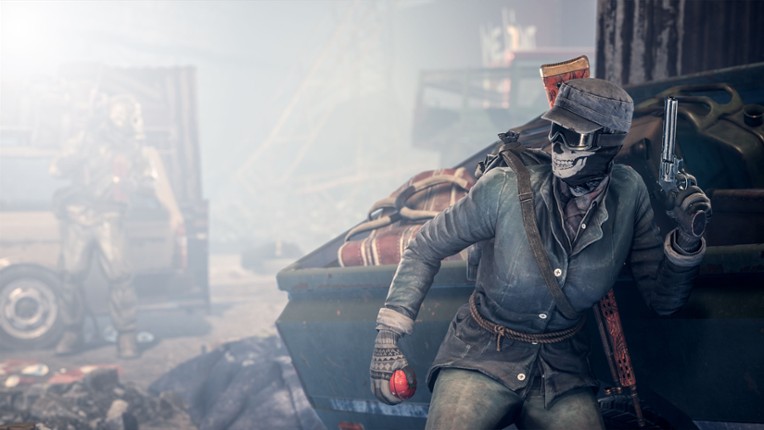
- 44%Game Brain ScoreMost mentioned positive aspects:gameplay, graphicsMost mentioned negative aspects:monetization, story44% User Score 2,497 reviewsCritic Score 40%1 reviewsCold War military survival that emphasizes atmospheric loot raids and defensive outposts over open-world roaming and freeform construction. If you enjoyed this game, see our list of games similar to Vigor.View Game
- 78%Game Brain ScoreMost mentioned positive aspects:gameplay, storyMost mentioned negative aspects:grinding, optimization79% User Score 79,363 reviewsCritic Score 77%6 reviews
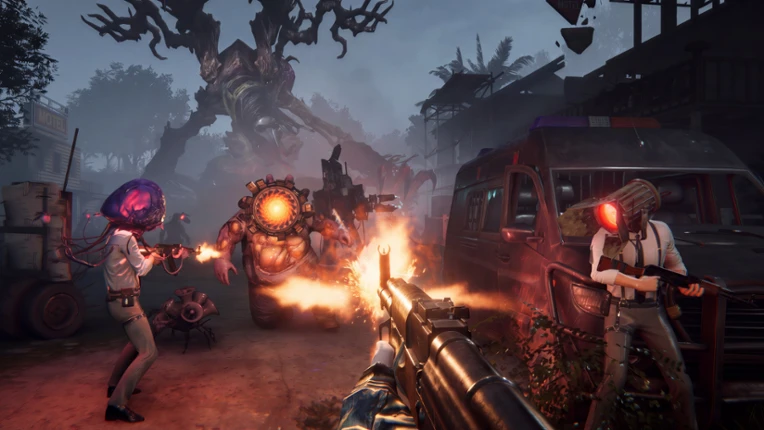
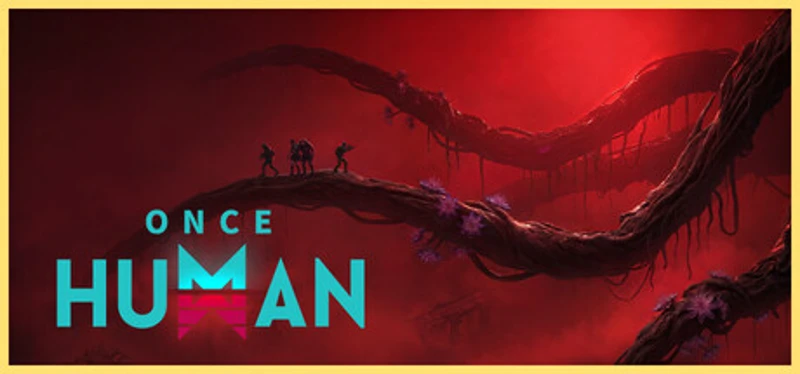
Once Human is a Strange Worlds Survival Game set in a strange, post-apocalyptic future. Unite with friends to fight monstrous enemies, uncover secret plots, compete for resources, and build your own territory. Once, you were merely human. Now, you have the power to remake the world. If you enjoyed this game, see our list of games similar to Once Human.
View Game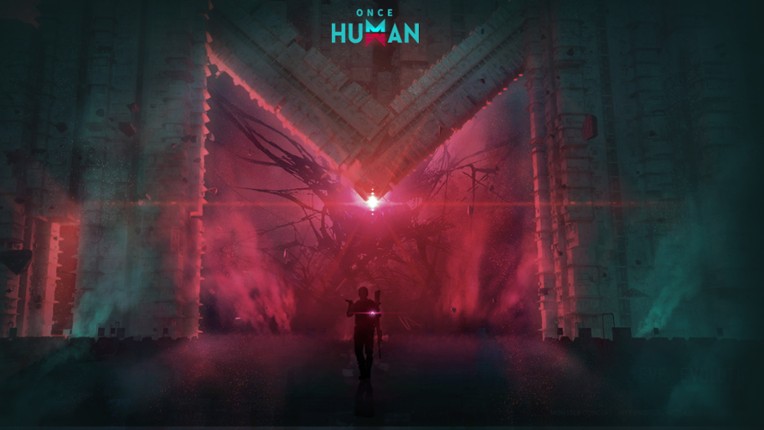
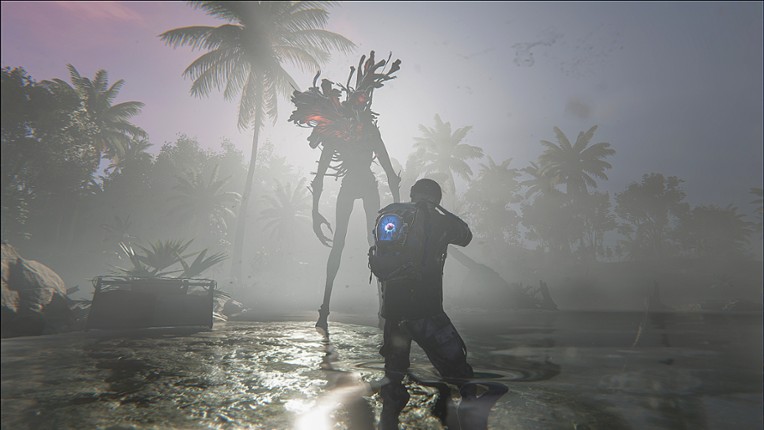
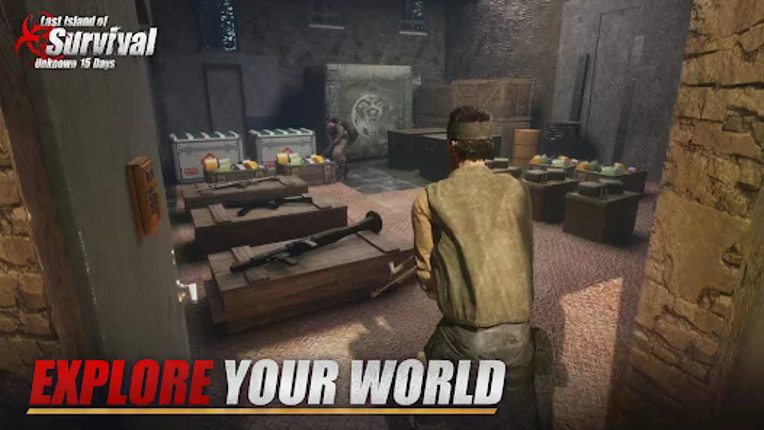
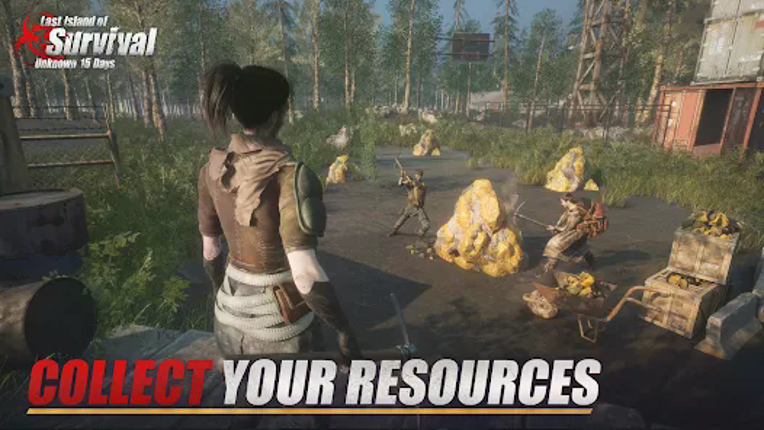
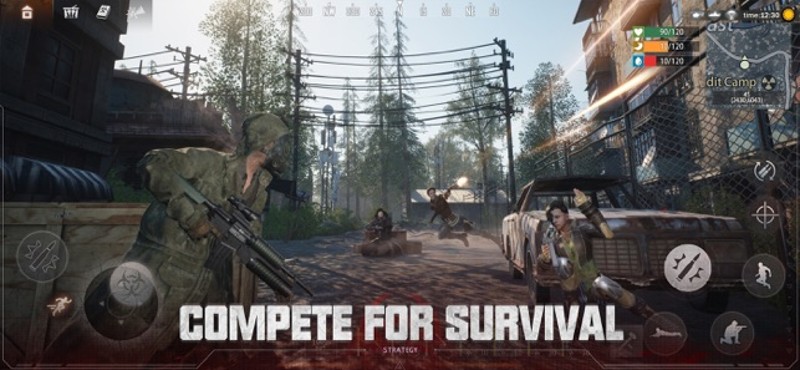
- 54%Game Brain ScoreMost mentioned positive aspects:graphics, gameplayMost mentioned negative aspects:stability, grinding54% User Score 9,993 reviewsFocuses on single-player survival adventure with less emphasis on multiplayer dynamics or crafting complexity found in RUST. If you enjoyed this game, see our list of games similar to Last Island of Survival.View Game
- 78%Game Brain ScoreMost mentioned positive aspects:gameplay, storyMost mentioned negative aspects:monetization, grinding78% User Score 35,039 reviews
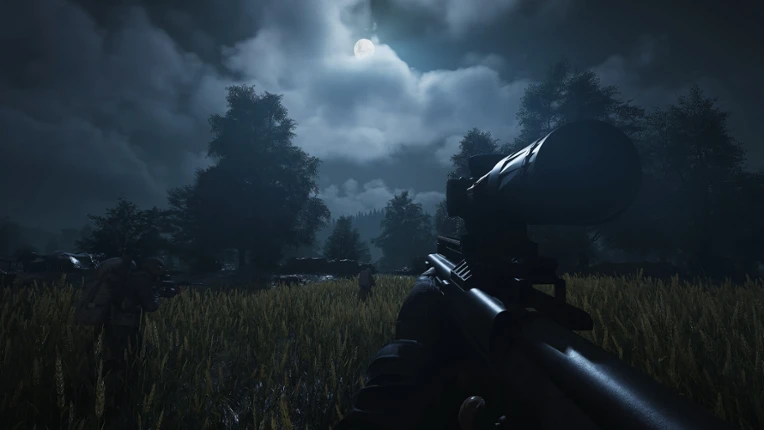
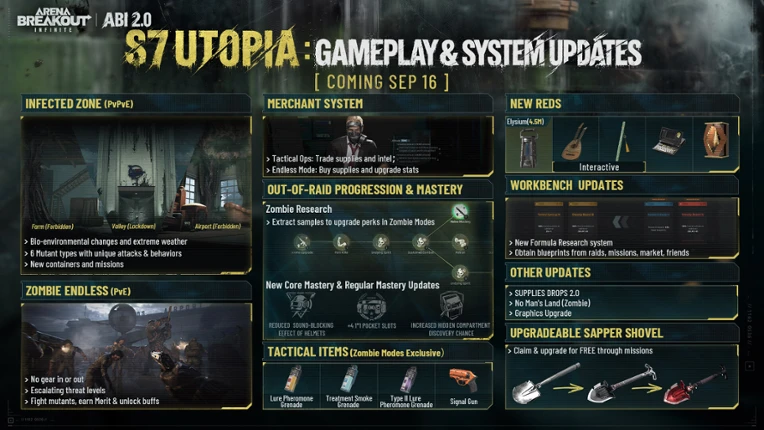
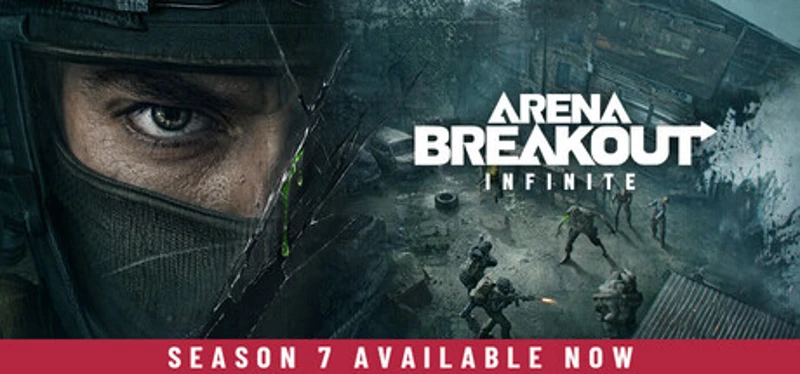
Just Updated Just Updated S7:Utopia stays true to ABI's core PvP tactical extraction experience while expanding its boundaries with brand-new Zombie Modes: Infected Zone(PvPvE)& Zombie Endless(PvE). Major PvP and main mode improvements, new weapons and attachments and deeper progression bring more strategic choices and build possibilities to every raid. Zombie Modes Update -Infected Zone(P… If you enjoyed this game, see our list of games similar to Arena Breakout: Infinite.
View Game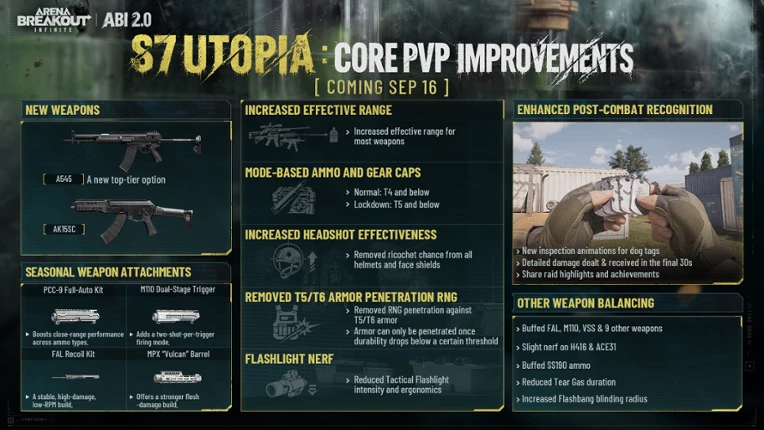
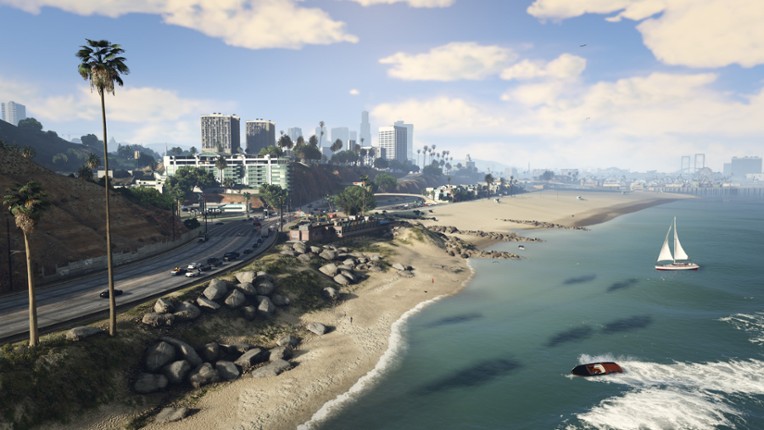
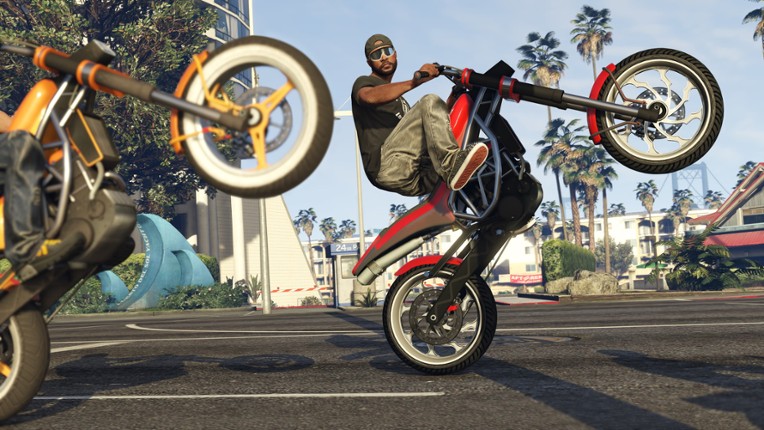
- 88%Game Brain ScoreMost mentioned positive aspects:story, graphicsMost mentioned negative aspects:grinding, stability83% User Score 632,327 reviewsCritic Score 93%42 reviewsSwaps RUST's survival intensity for a sprawling open world crime saga featuring comedy and scripted stories alongside multiplayer chaos. If you enjoyed this game, see our list of games similar to Grand Theft Auto V.View Game

- 63%Game Brain ScoreMost mentioned positive aspects:gameplay, graphicsMost mentioned negative aspects:stability, optimization63% User Score 4,640 reviews
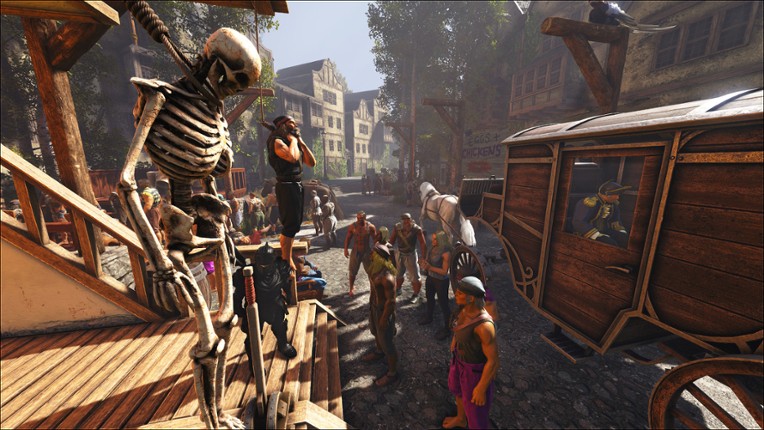
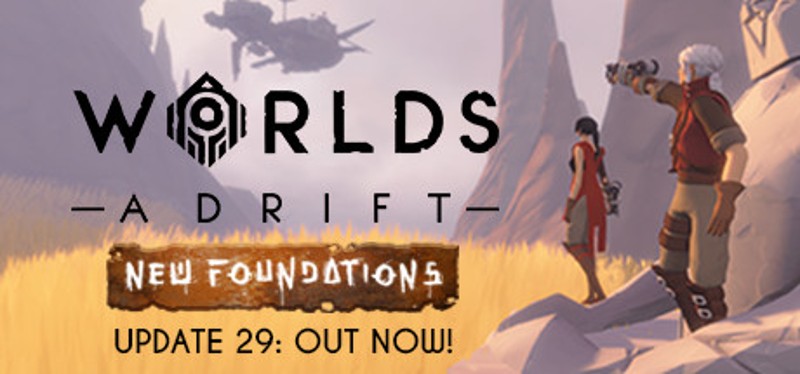
A thousand years ago, a cataclysmic event shattered a world into floating islands scattered across an endless skyline. Civilizations tumbled, societies collapsed, and all seemed lost. From the rubble emerged ragtag bands of nomads, who fly cobbled-together skyships from island to island, scavenging for resources to keep moving. These are the players of Worlds Adrift: Explorers of a new world and … If you enjoyed this game, see our list of games similar to Worlds Adrift.
View Game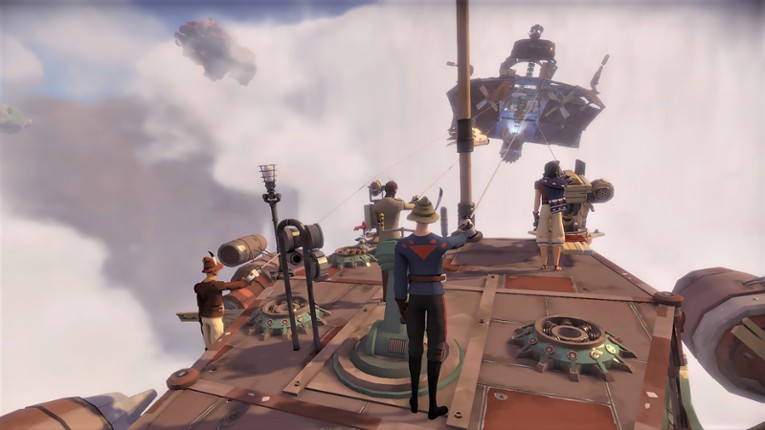
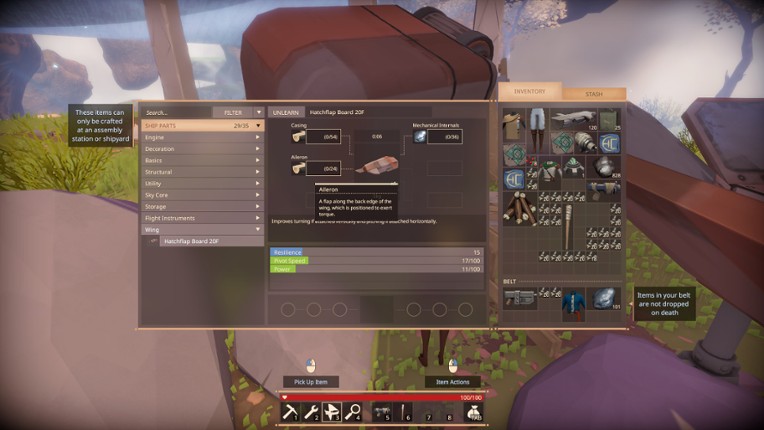
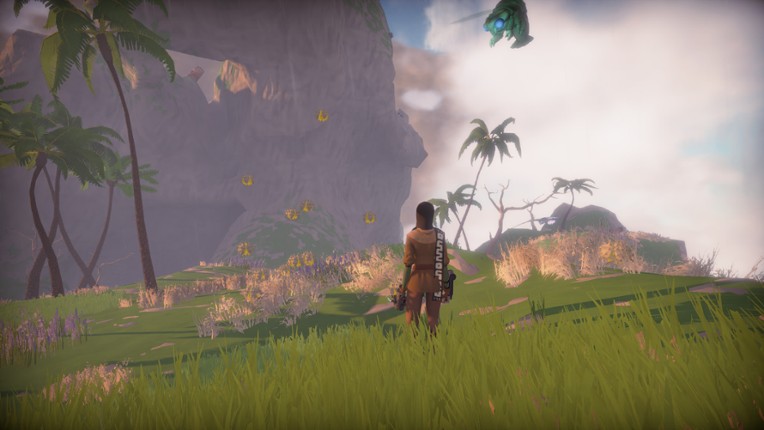
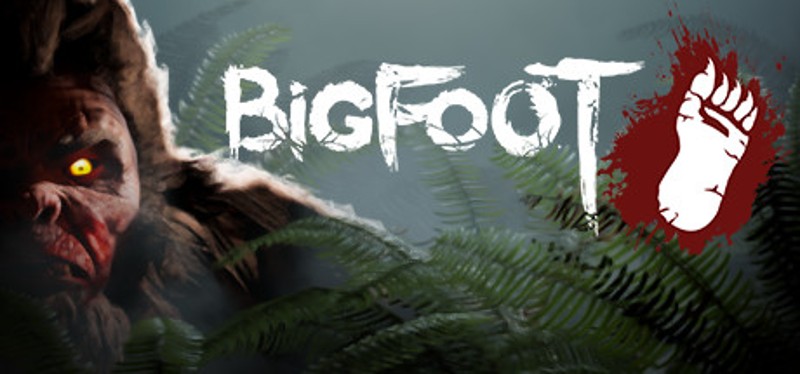
- 84%Game Brain ScoreMost mentioned positive aspects:gameplay, graphicsMost mentioned negative aspects:stability, optimization84% User Score 22,164 reviewsDiverging from open-ended survival, this outing focuses on a tactical, atmospheric manhunt for a cryptid rather than long-term infrastructure development. If you enjoyed this game, see our list of games similar to BIGFOOT.View Game
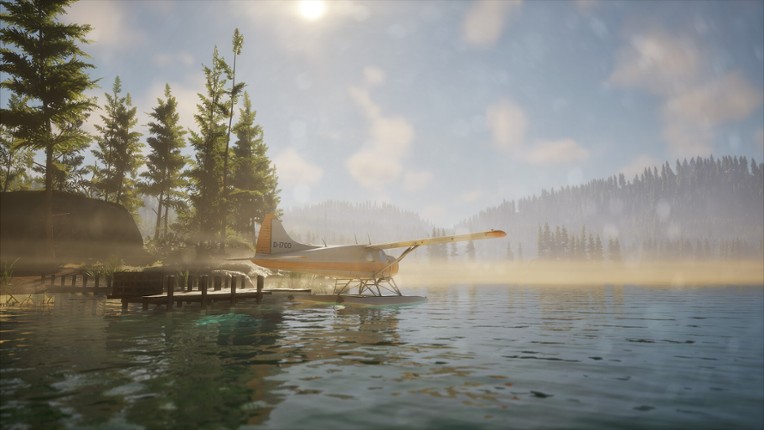
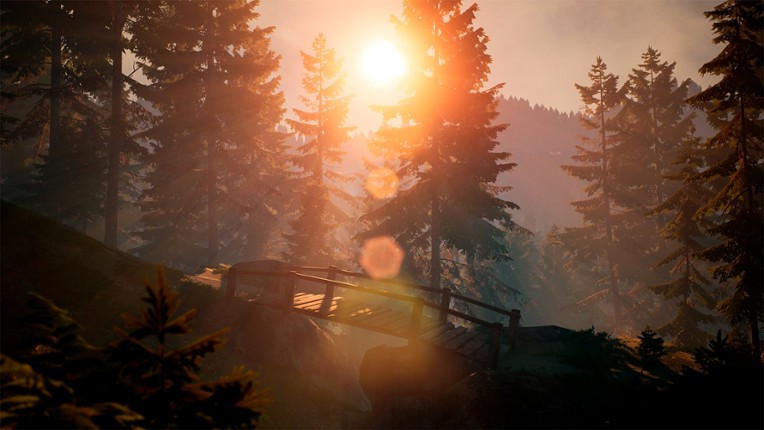
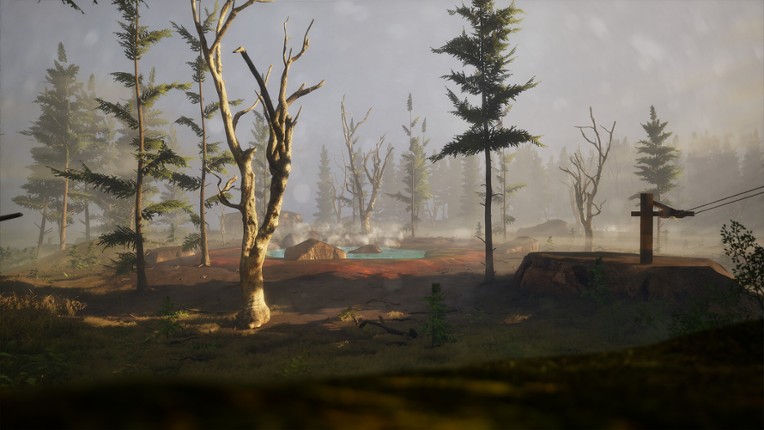
- 76%Game Brain ScoreMost mentioned positive aspects:gameplay, graphicsMost mentioned negative aspects:optimization, stability77% User Score 168,177 reviewsCritic Score 76%24 reviews
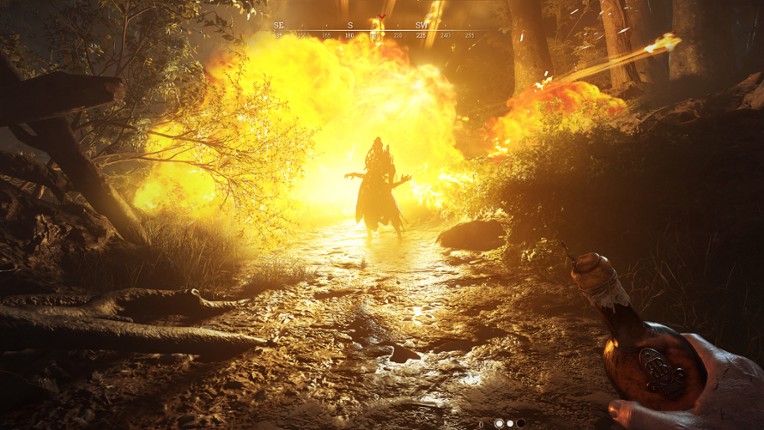
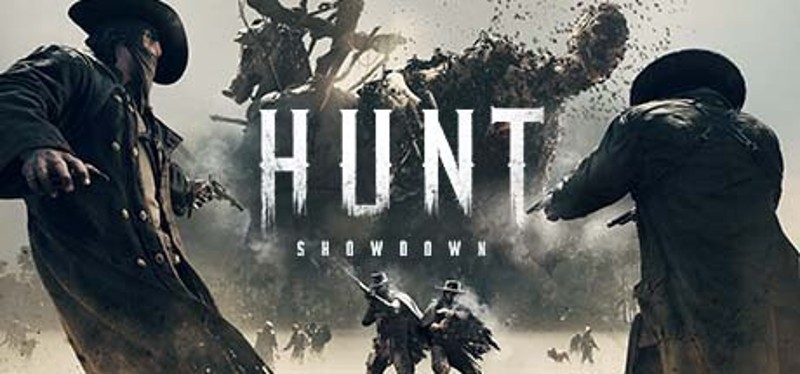
Explore game Hunt: Showdown for console from the official PlayStation website.Check out Hunt: Showdown features, news, videos, screen shots, and buy the game now from PlayStation Store. If you enjoyed this game, see our list of games similar to Hunt: Showdown.
View Game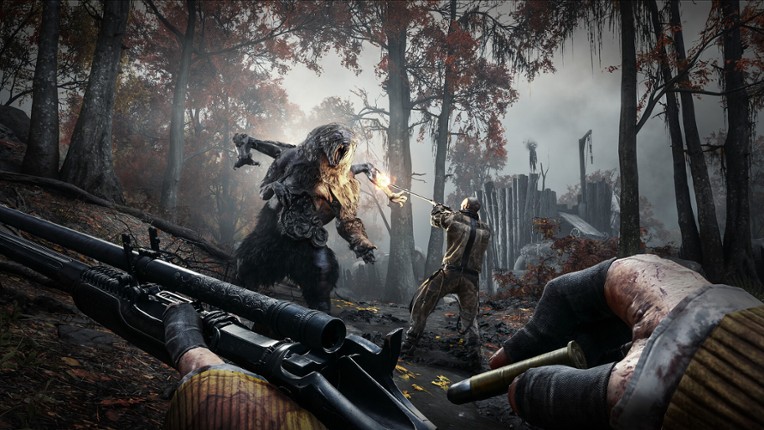
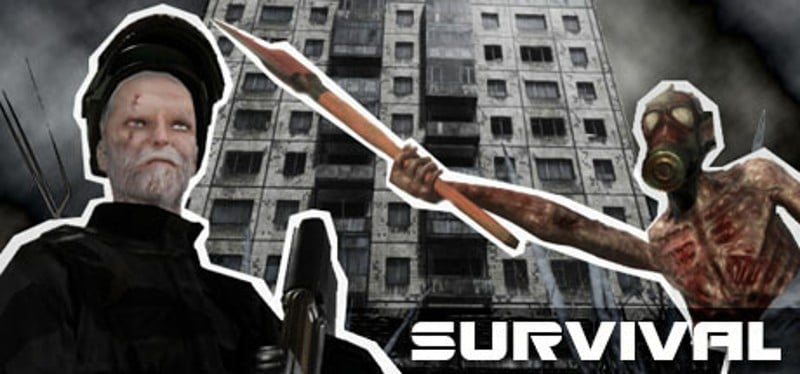
- 48%Game Brain ScoreMost mentioned positive aspects:graphics, gameplayMost mentioned negative aspects:stability, music48% User Score 2,735 reviewsSpiritual indie alternative matching RUST's open-world crafting and base building but expands zombie PvE threats as primary survival challenge. If you enjoyed this game, see our list of games similar to SURVIVAL: Postapocalypse Now.View Game

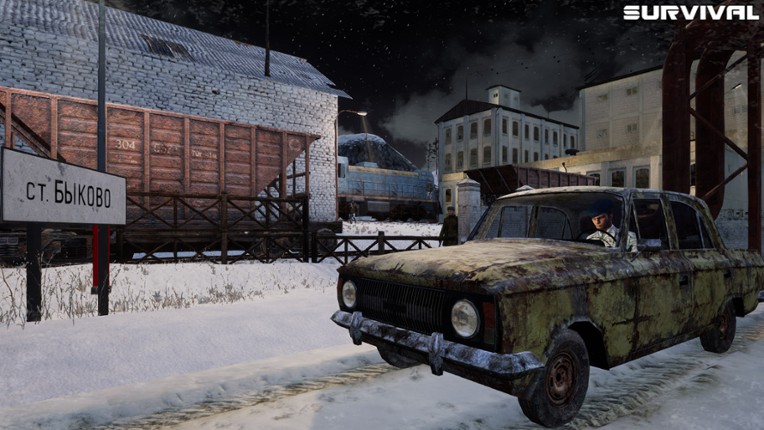
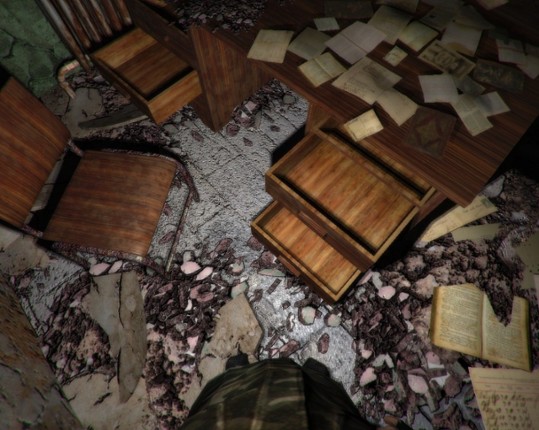
- 70%Game Brain ScoreMost mentioned positive aspects:gameplay, graphicsMost mentioned negative aspects:grinding, story70% User Score 7,408 reviewsThis title serves as a leaner, strictly PvE-focused alternative that centers on deep resource management against hostile AI rather than player-versus-player conflict. If you enjoyed this game, see our list of games similar to Subsistence.View Game
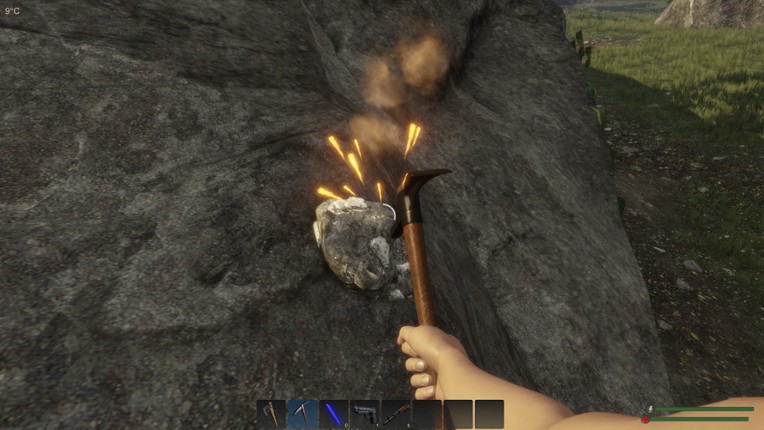
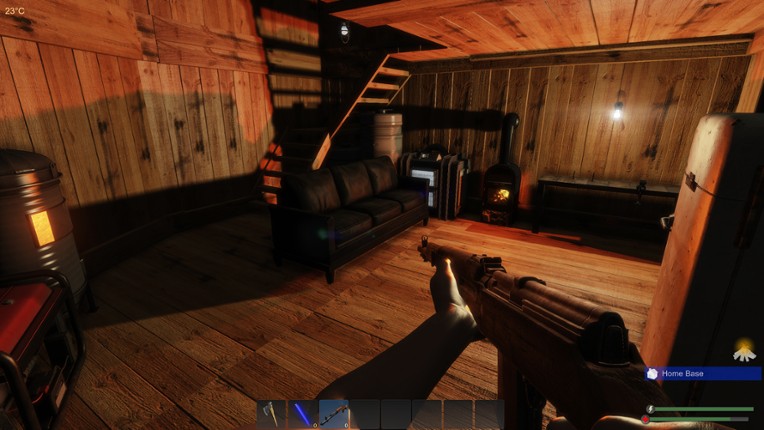
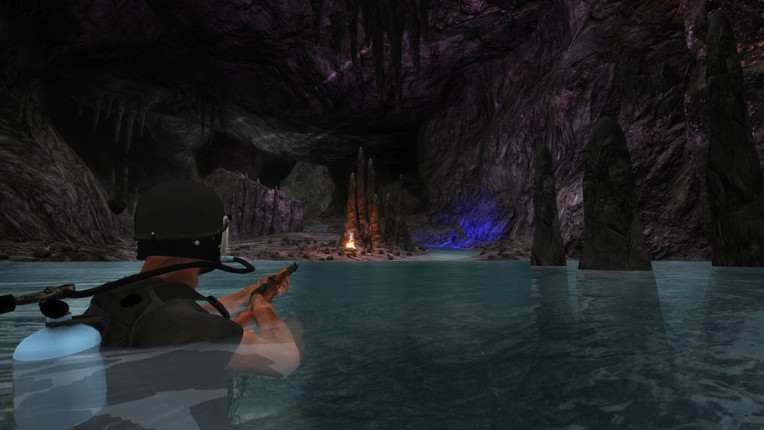
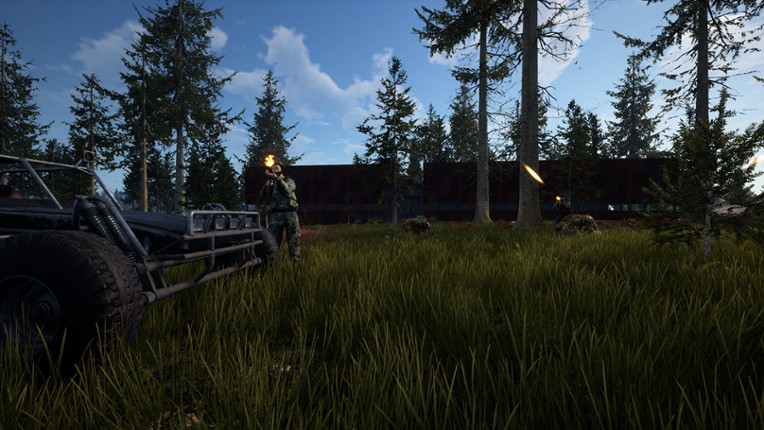
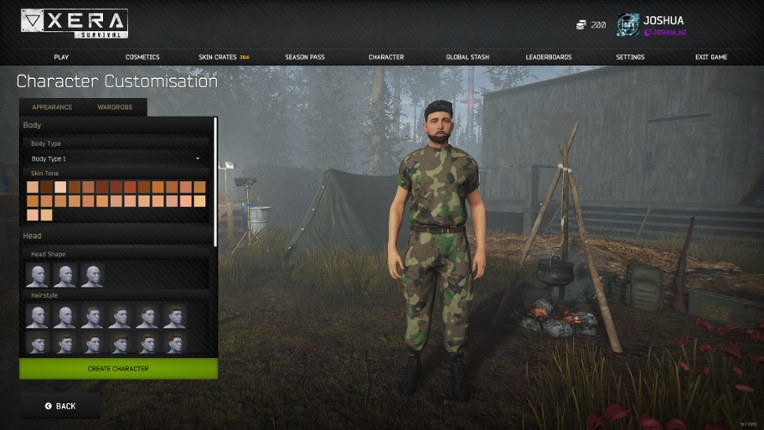
- 65%Game Brain ScoreMost mentioned positive aspects:gameplay, graphicsMost mentioned negative aspects:grinding, stability65% User Score 2,387 reviewsExpanding into a robotics-heavy future, this game provides a more structured loot-and-extract flow compared to the open-ended nature of standard sandbox survival. If you enjoyed this game, see our list of games similar to XERA: Survival.View Game
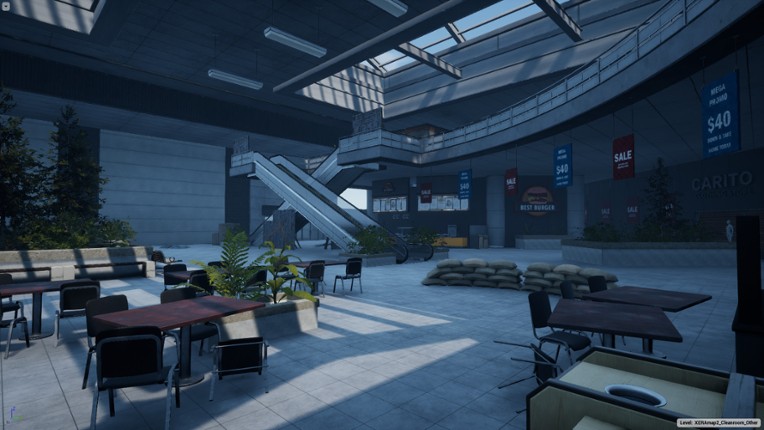
- 67%Game Brain ScoreMost mentioned positive aspects:story, gameplayMost mentioned negative aspects:grinding, monetization67% User Score 17,279 reviews
Stalcraft is a dynamic survival horror MMOFPS set in the open world of the Chernobyl Exclusion Zone. If you enjoyed this game, see our list of games similar to STALZONE.
View Game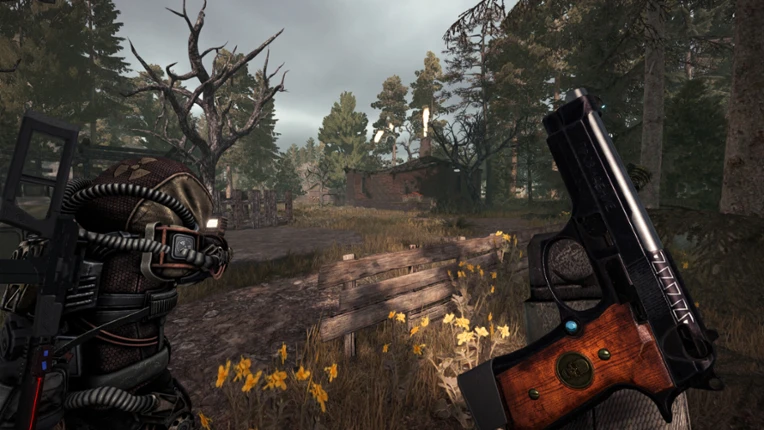
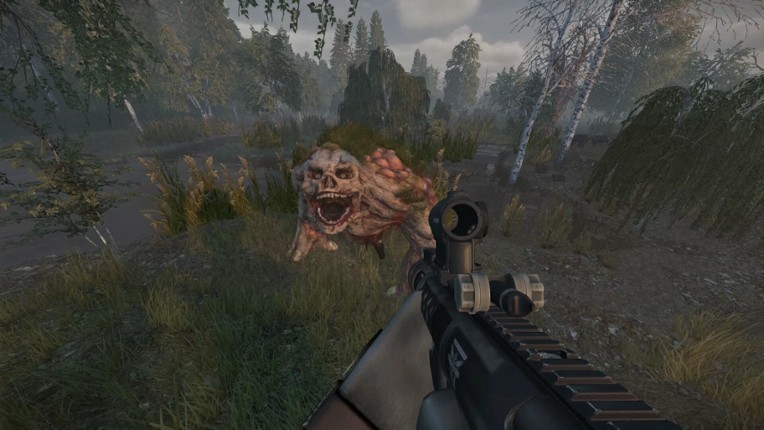
- 55%Game Brain ScoreMost mentioned positive aspects:gameplay, storyMost mentioned negative aspects:monetization, grinding34% User Score 132,714 reviewsCritic Score 76%54 reviewsInjects team-based hero shooter mechanics and fast-paced PvP combat, trading RUST's survival crafting for competitive sci-fi gameplay. If you enjoyed this game, see our list of games similar to Overwatch.View Game
- 79%Game Brain ScoreMost mentioned positive aspects:gameplay, graphicsMost mentioned negative aspects:stability, monetization77% User Score 67,959 reviewsCritic Score 82%5 reviews
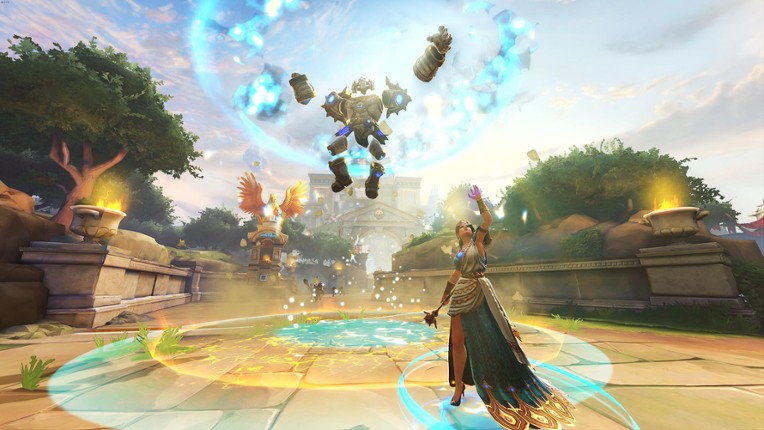
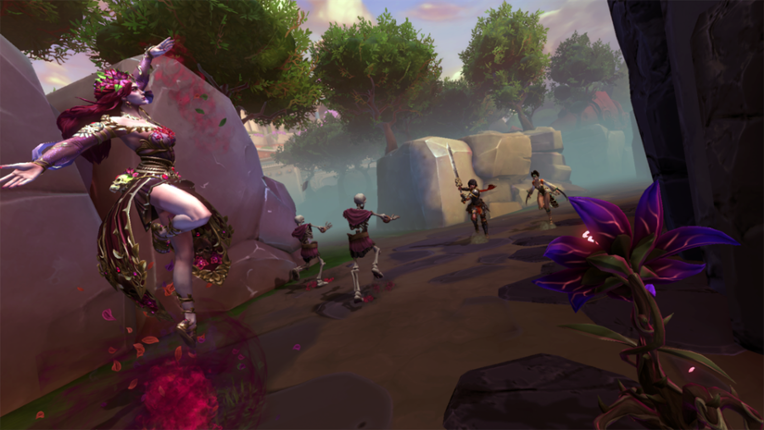
Come with us and leve your mortal world behind. This is SMITE, an online battleground where the Gods of Old wage war in the name of conquest, glory, and most of all, FUN. Whether this is your first Multiplayer Online Battle Arena (MOBA) game or you're a seasoned veteran, the intense action and irreverent mythology of SMITE will make you a believer. If you enjoyed this game, see our list of games similar to Smite.
View Game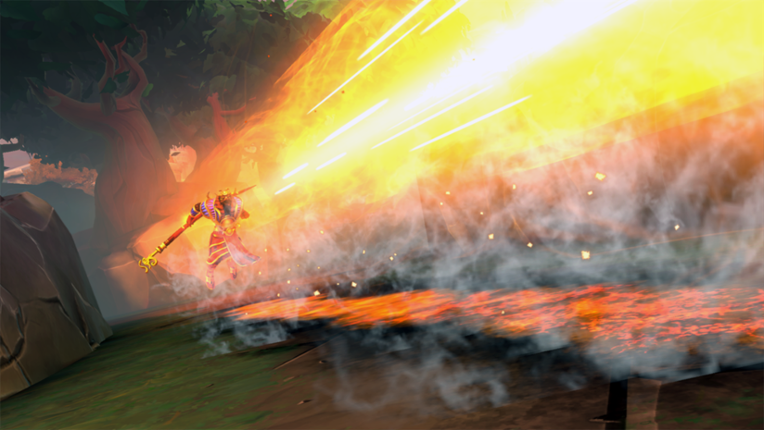
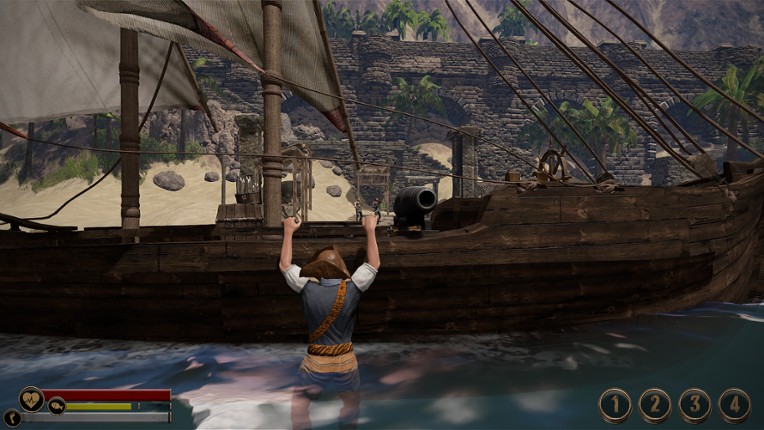
- 60%Game Brain ScoreMost mentioned positive aspects:graphics, gameplayMost mentioned negative aspects:stability, grinding55% User Score 1,329 reviewsCritic Score 85%1 reviewsTrading the modern apocalyptic wasteland for a high-seas adventure, this entry emphasizes pirate-themed naval combat alongside familiar base construction mechanics. If you enjoyed this game, see our list of games similar to Out of Reach.View Game
- 48%Game Brain ScoreMost mentioned positive aspects:gameplay, graphicsMost mentioned negative aspects:stability, optimization48% User Score 39,210 reviews
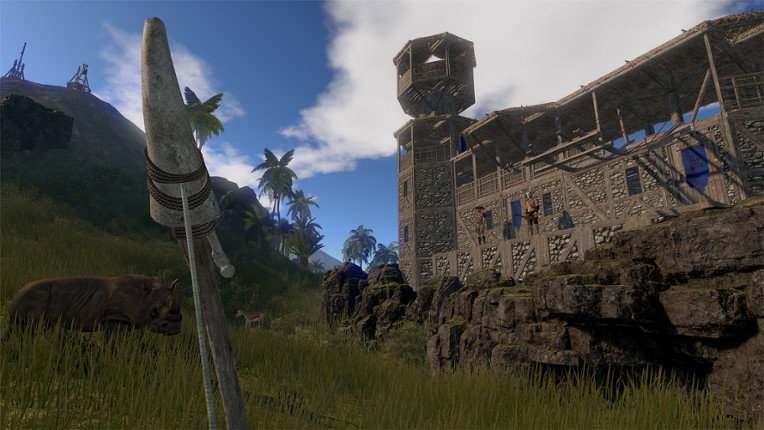
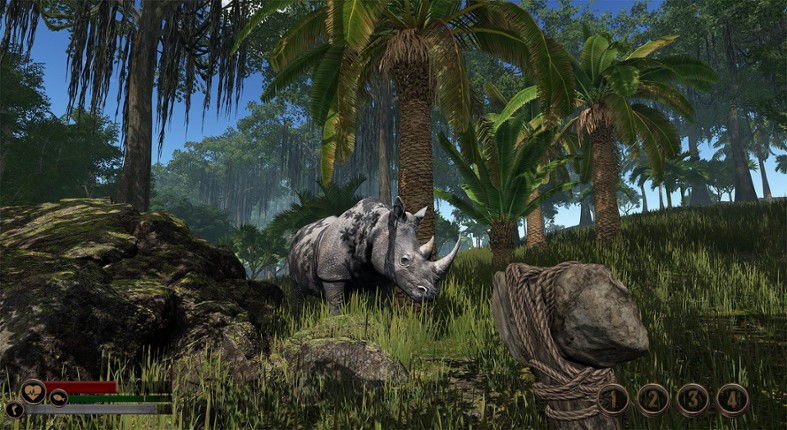
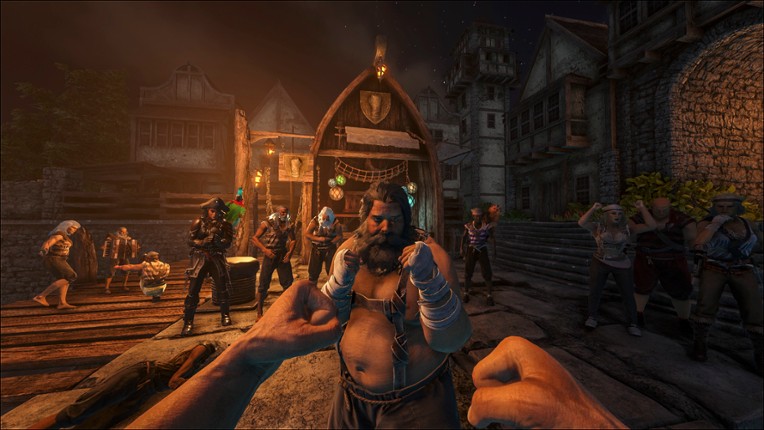
ATLAS: The ultimate survival MMO of unprecedented scale with 40,000+ simultaneous players in the same world. Join an endless adventure of piracy & sailing, exploration & combat, roleplaying & progression, settlement & civilization-building, in one of the largest game worlds ever! Explore, Build, Conquer! A massively multiplayer first-and-third-person fantasy pirate adventure. ATLAS will host up t… If you enjoyed this game, see our list of games similar to ATLAS.
View Game
- 77%Game Brain ScoreMost mentioned positive aspects:gameplay, graphicsMost mentioned negative aspects:stability, monetization75% User Score 12,270 reviewsCritic Score 90%1 reviews
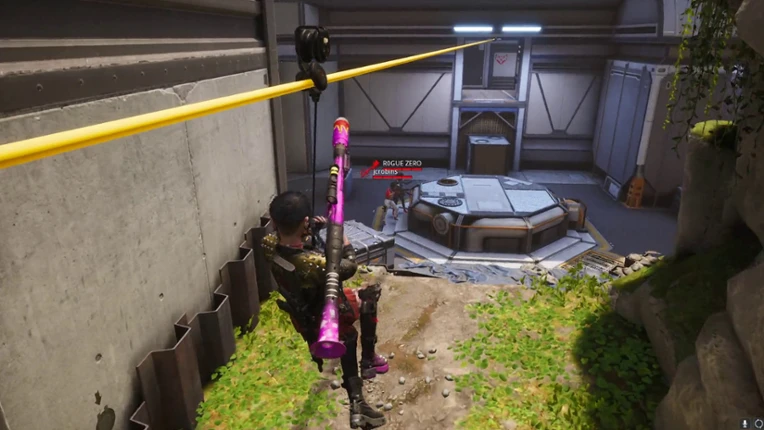
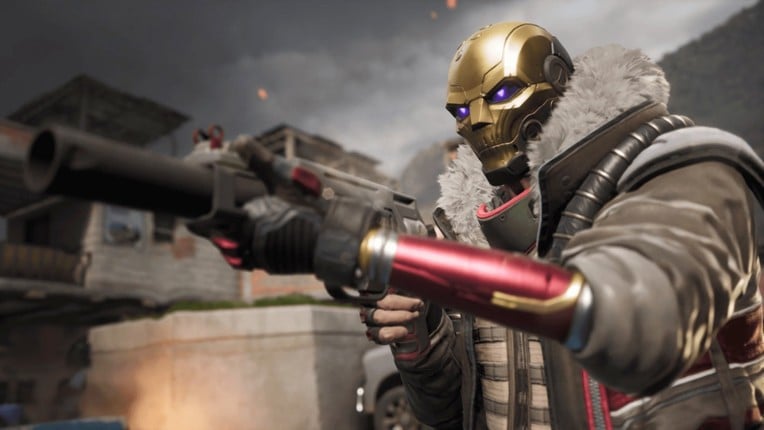
Gear up and drop in to Rogue Company, the third-person tactical action shooter that puts the fate of the world in your hands. Defeat the enemy team in objective and action based game modes featuring exotic locales, thrilling gun-play, and explosions…lots of explosions. Save the day. Look Good. Get Paid. If you enjoyed this game, see our list of games similar to Rogue Company.
View Game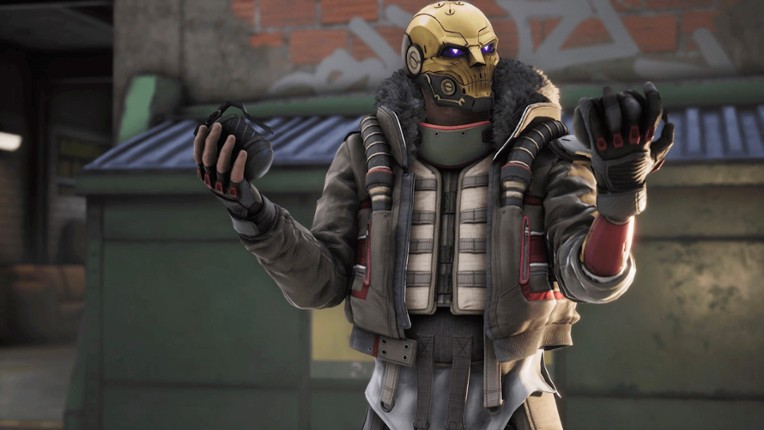
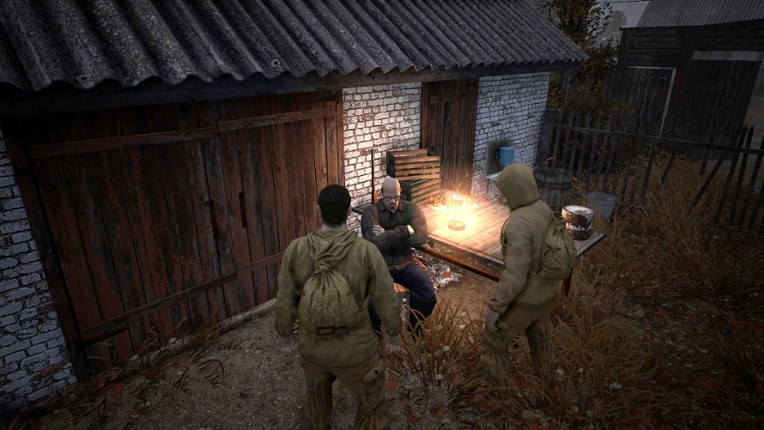
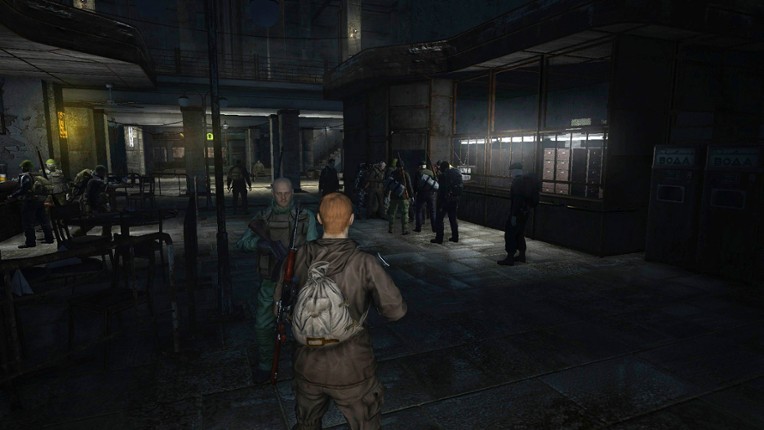
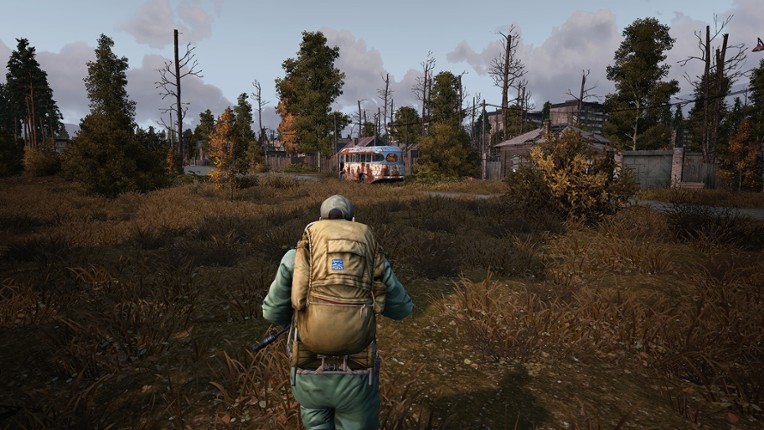
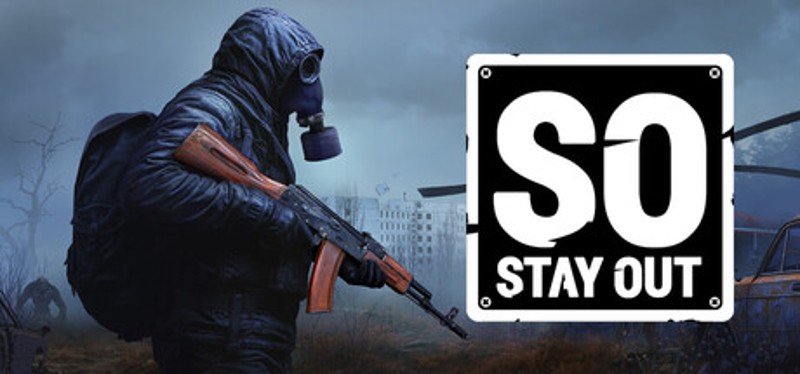
- 62%Game Brain ScoreMost mentioned positive aspects:story, graphicsMost mentioned negative aspects:grinding, stability62% User Score 8,345 reviewsWhile sharing the open-world struggle, this atmospheric experience replaces Rust's player-driven social chaos with a haunting 1990s post-Soviet horror aesthetic. If you enjoyed this game, see our list of games similar to Stay Out.View Game


 View Game





















Frequently Asked Questions
DayZ delivers hardcore survival with realistic mechanics like hunger and sickness. Unturned offers a more accessible zombie survival experience with solid crafting and building. Hurtworld combines intense PvP with survival elements and cartoony aesthetics. All three feature open-world multiplayer and emergent gameplay similar to RUST's core loop.
Unturned is completely free-to-play with well-implemented cosmetic microtransactions that don't affect gameplay. It delivers surprisingly deep survival mechanics, crafting systems, and post-apocalyptic atmosphere without pay-to-win elements. The free model makes it an excellent alternative if you're concerned about RUST's monetization approach.
DayZ excels with complex survival crafting and detailed weapon customization. Reign Of Kings focuses heavily on base building and creative construction in an open-world setting. DUCKSIDE provides satisfying resource gathering and base-building mechanics with a humorous twist. Each offers the creative survival building experience RUST players enjoy.
DUCKSIDE shines in co-op with its vibrant art style and engaging gameplay loop designed for group play. Hurtworld supports cooperative multiplayer with accessible survival mechanics. Escape from Tarkov offers co-op PvE modes and squad-based tactical gameplay. All feature the social, team-focused multiplayer that makes RUST compelling.
ARC Raiders is notably well-optimized on Unreal Engine 5, running smoothly across various hardware without RUST's crash and loading issues. Unturned has simpler graphics but stable performance on lower-end systems. DUCKSIDE maintains solid optimization for multiplayer sessions. These alternatives address RUST's performance problems effectively.
Escape from Tarkov combines survival with hardcore tactical gunplay, realistic ballistics, and extensive weapon customization. DayZ features detailed weapon handling and realistic combat mechanics that reward mastery. ARC Raiders blends PvE and PvP shooting with exceptional sound design. Each delivers the shooting depth RUST players crave.