Metaphor: ReFantazio

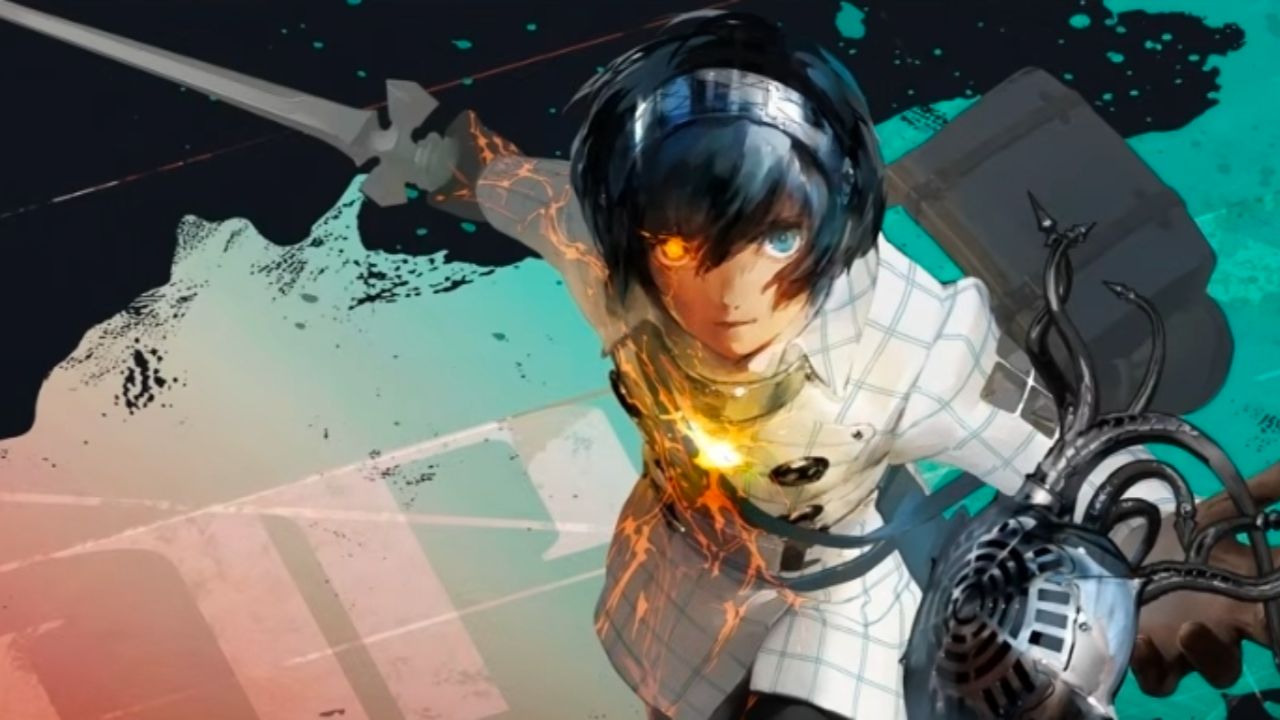
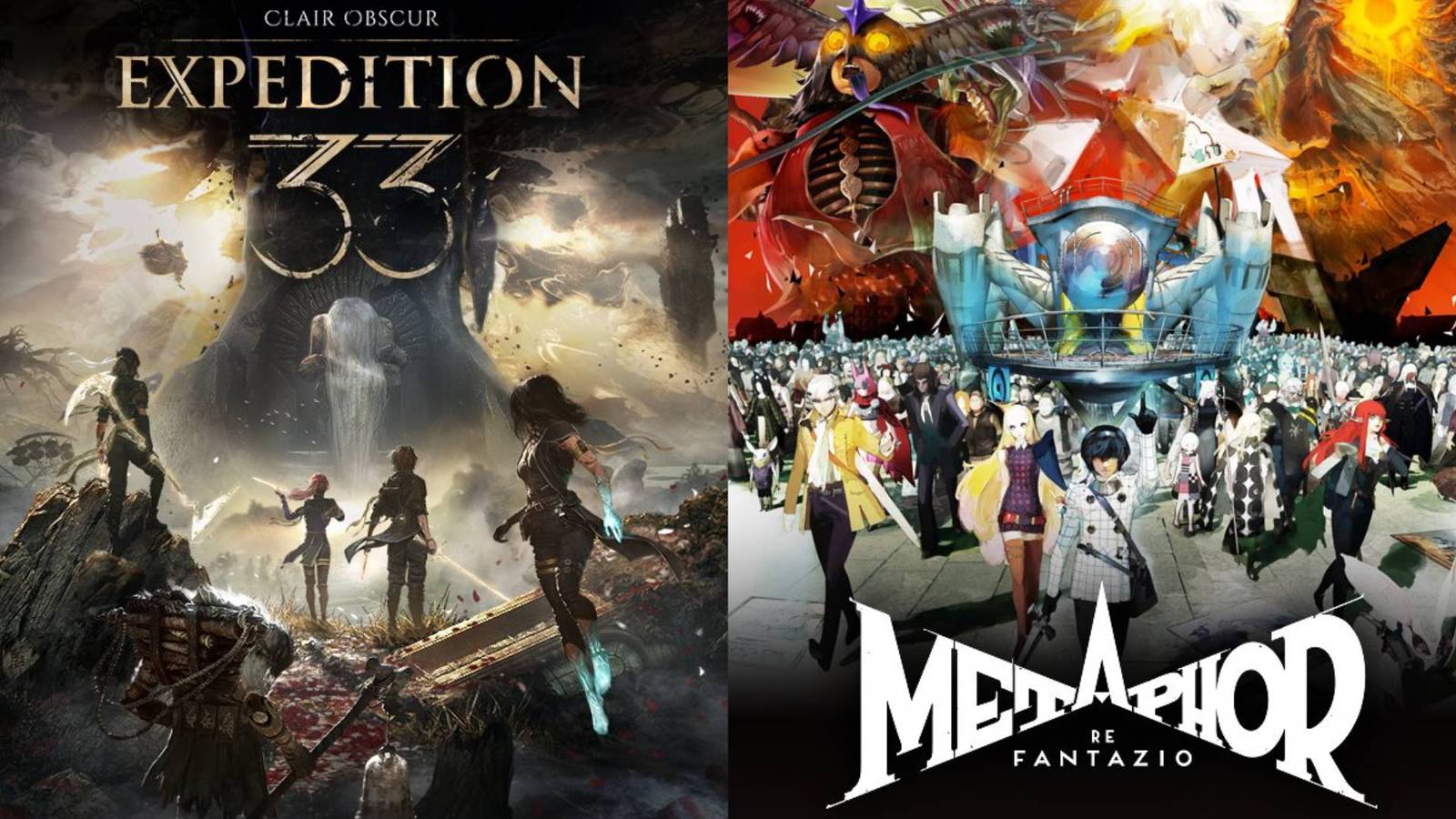
A beautiful, 100-hour-long journey from beginning to end, Metaphor: ReFantazio takes the best elements of Persona 5 and somehow improves on them.
Metaphor: ReFantazio Game Cover
92%Game Brain Score
story, gameplay
grinding, monetization
93% User Score Based on 18,715 reviews
Critic Score 91%Based on 21 reviews

Platforms

Xbox Series X|SPCXbox Game PassPlaystation 5CloudPlaystation 4Xbox Cloud GamingXboxWindowsPlayStation
Metaphor: ReFantazio Game Cover

About

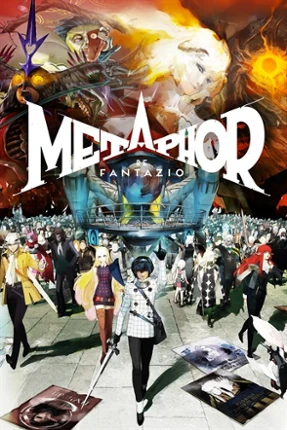
Metaphor: ReFantazio is a single player tactical role playing game with fantasy, anime and dark fantasy themes. It was developed by ATLUS and was released on October 10, 2024. It received very positive reviews from both critics and players.

Celebrate the past 35 years of ATLUS with this special edition, offering bonuses that allow you to delve even deeper into the world of Metaphor: ReFantazio.

Skip User Reviews

93%
Audience ScoreBased on 18,715 reviews
story3.3k positive mentions
grinding777 negative mentions

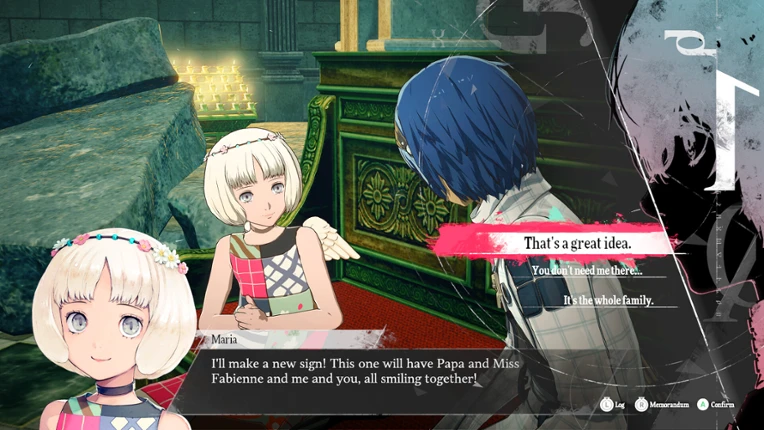
  • Metaphor: Refantazio offers a deeply emotional and heartfelt RPG experience, featuring rich character bonds, mature storytelling, and stirring themes that resonate strongly with players.
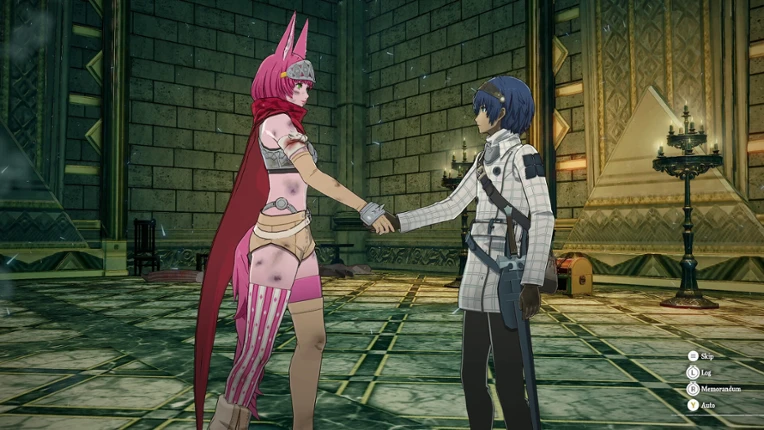
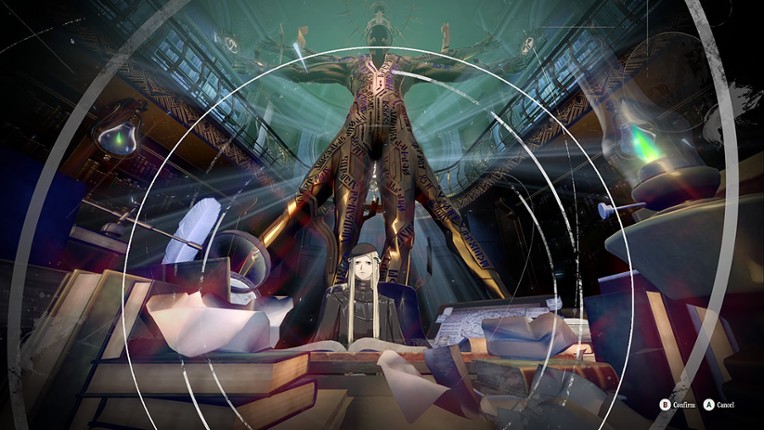
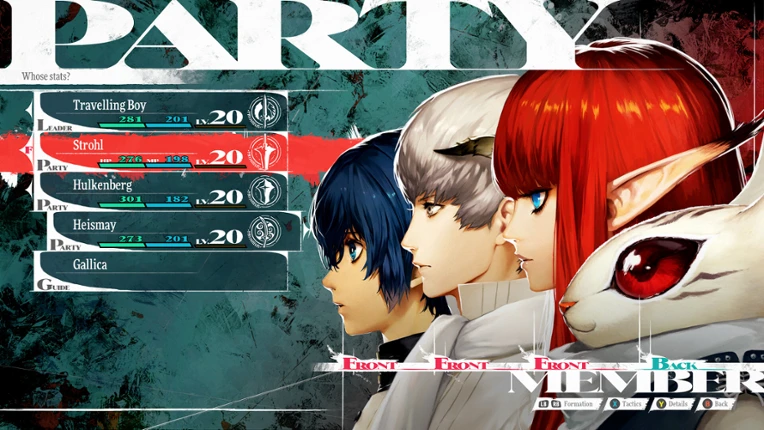
  • The game's distinctive and vibrant art style, inspired by classical artists and featuring strong character designs, greatly enhances immersion and the fantasy political atmosphere.
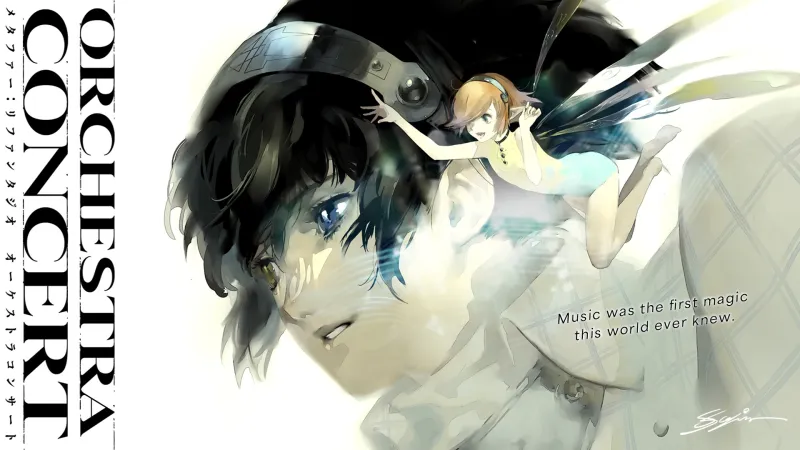
  • The soundtrack, composed by Shoji Meguro, is widely praised for its orchestral and choral compositions that perfectly complement the game's atmosphere and elevate emotional and battle moments.
  • The game's graphical fidelity is outdated and technically subpar for a modern release, with issues like low-resolution textures, poor anti-aliasing, and inconsistent optimization that impact performance on various platforms.
  • Some players find the pacing uneven with forced plot devices, slow and repetitive gameplay segments, tedious grinding, and some character development feeling rushed or incomplete.
  • Technical problems persist for some users, including frame drops, crashes, stutters, and poor performance on certain hardware like the Steam Deck, which detracts from overall playability.
  • story
    8,739 mentions Positive Neutral Negative

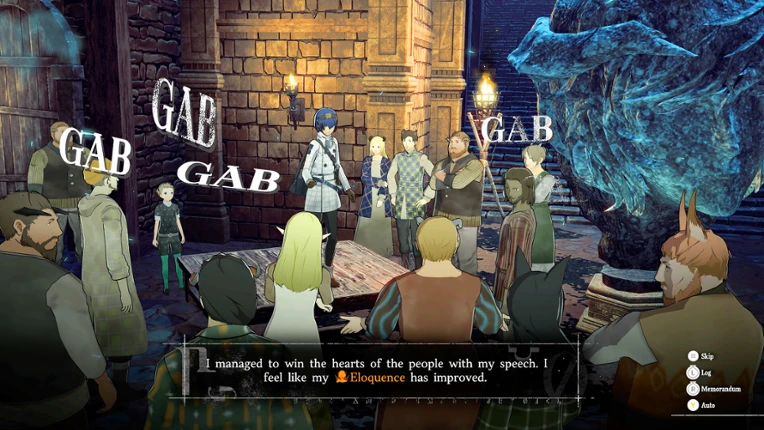
    The story of "Metaphor: Refantazio" is widely praised for its maturity, deep themes involving politics, racism, and social injustice, as well as its engaging character development and memorable villain. While some players find it slow-paced, predictable, or occasionally clichéd, the narrative's emotional depth, rich world-building, and numerous plot twists keep many invested throughout its lengthy runtime. However, criticisms include uneven pacing, forced plot conveniences, and a sometimes cumbersome time-management system that can hinder narrative flow. Overall, the story is regarded as one of Atlus' most ambitious and emotionally impactful works, though its reception varies depending on player expectations and tolerance for its length and style.

    • “Life changing game, at first it might look like a normal RPG but the longer you play and the deeper you dive into the story and characters the more heart touching and the more heavy themes make an appearance.”
    • “Its poignant story and rich, heartfelt character bonds truly let me live inside a hopeful tale that makes fantasy feel real, providing a masterclass in emotional storytelling.”
    • “The story is fantastic, the heroes and villains are well developed, and even some of the NPCs are interesting enough to make you genuinely curious about their stories.”
    • “Primarily from the beginning to the race for the crown, the story has a lot of plot holes, and the writing is extremely forced for certain characters.”
    • “Some characters' motivations are extremely half-assed, and the game likes to throw eight curveballs story-wise and expect you to think they're good when they have extremely predictable endings.”
    • “The story sends you on a wild goose chase for one thing, redirects you to another, puts you back on the same path, and redirects you some more to put you right back on the same path.”
  • gameplay
    3,575 mentions Positive Neutral Negative

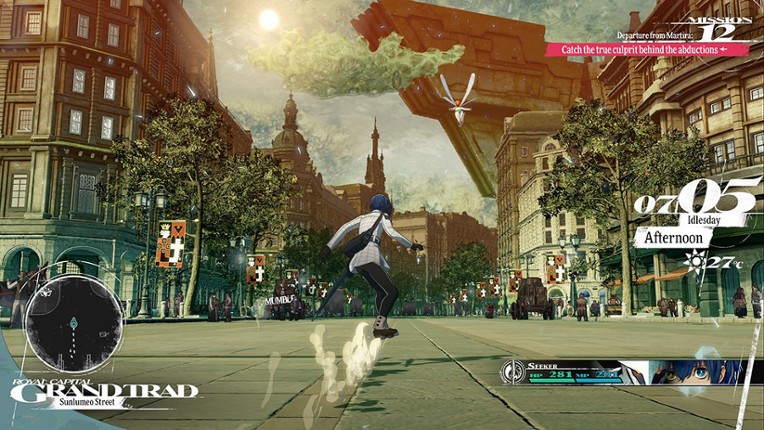
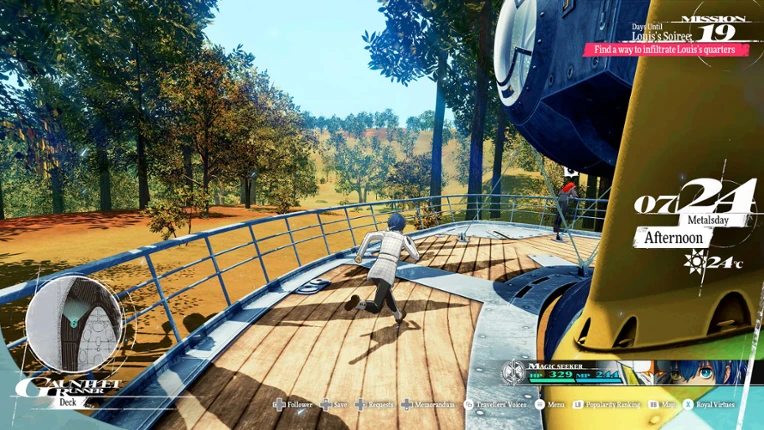
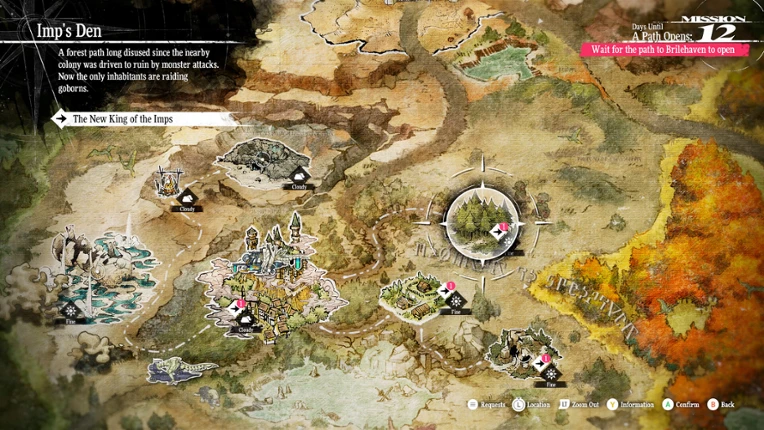
    The gameplay of Metaphor: Refantazio is a refined evolution of Atlus's signature turn-based JRPG mechanics, combining elements from the Persona and Shin Megami Tensei series with innovative additions like the archetype system and overworld combat. It offers a satisfying blend of strategic depth and quality-of-life improvements, balancing exploration, social interaction, and challenging combat, though some players find the calendar/time management mechanics and certain repetitive dungeon designs to be tedious. Overall, the gameplay is widely praised for its addicting combat loop, customization options, and smooth integration of mechanics, making it one of Atlus's best gameplay experiences despite occasional pacing and difficulty spikes.

    • “The gameplay is the saving grace and why I spent 100 hours playing.”
    • “Compared to the persona series, the gameplay is so much deeper and allows for much more strategizing and kit building which I love.”
    • “I love the frontline/backline mechanic in battles, and the new turn icon system (with the half icons) is so fun.”
    • “Canned dialogue, music, assets.... and then I had a soft lock that lost me five hours of gameplay.”
    • “After mid-game the gameplay becomes a chore and most dungeons sucked.”
    • “Gameplay-wise it’s also basically a reskin of the same mechanics every other Atlus game does; the only thing decent this time around were the social links, but even then so many of them felt unlayered and cookie-cutter.”
  • music
    2,914 mentions Positive Neutral Negative

    The music in Metaphor: Refantazio is widely praised for its unique, orchestral, and choral compositions, featuring memorable battle themes with chanting monks that enhance the immersive fantasy setting. Composed by Shoji Meguro, the soundtrack is considered one of the game's standout features, though some players note a lack of variety and overuse of certain tracks, which can lead to repetition. Overall, the soundtrack is hailed as powerful and mood-setting, with many calling it among the best in recent JRPGs, although it may not have the immediate catchiness of the Persona series.

    • “The soundtrack, composed by the legendary Shoji Meguro, perfectly complements the game’s atmosphere, seamlessly transitioning between delicate symphonies and intense battle music.”
    • “The music is absolutely outstanding, it's no surprise that it won 3 game awards.”
    • “Metaphor: Refantazio is peak JRPG excellence - a masterclass in storytelling, combat, and musical direction.”
    • “Also, at some point I read an interview of Shoji Meguro talking about why he had to go all out and "cook" for the soundtrack, so I bought the game expecting to be blown away, only to be met with mediocre high fantasy tracks, ruined by constant auditory assault in the form of a frantic chanting monk in every single track. It makes every battle OST lose any kind of significance really.”
    • “There's no variety and the music that's there is as generic and unmemorable as it can get.”
    • “40 hours of a great JRPG that then just becomes the most boring uninspired slog that Atlus has put out in recent memory, absolutely terrible, terrible soundtrack too. If you go into this game thinking "omg that one battle OST with the dude doing the bardic vocalizations is peak the OST must be good" then you were fooled like I was, that's the only notable song in the entire game.”
  • graphics
    1,663 mentions Positive Neutral Negative

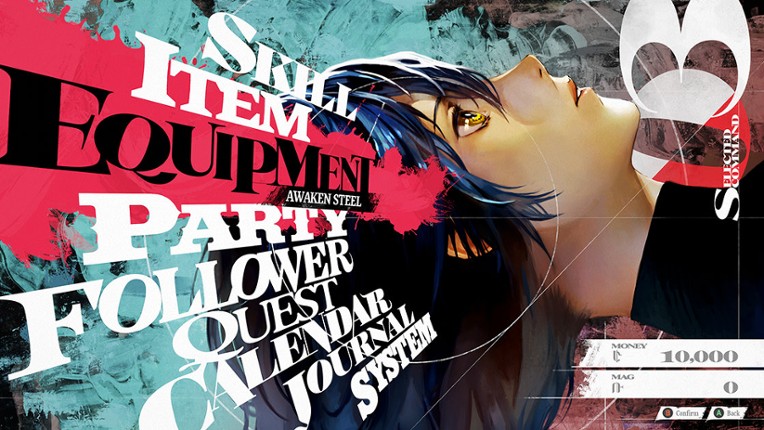
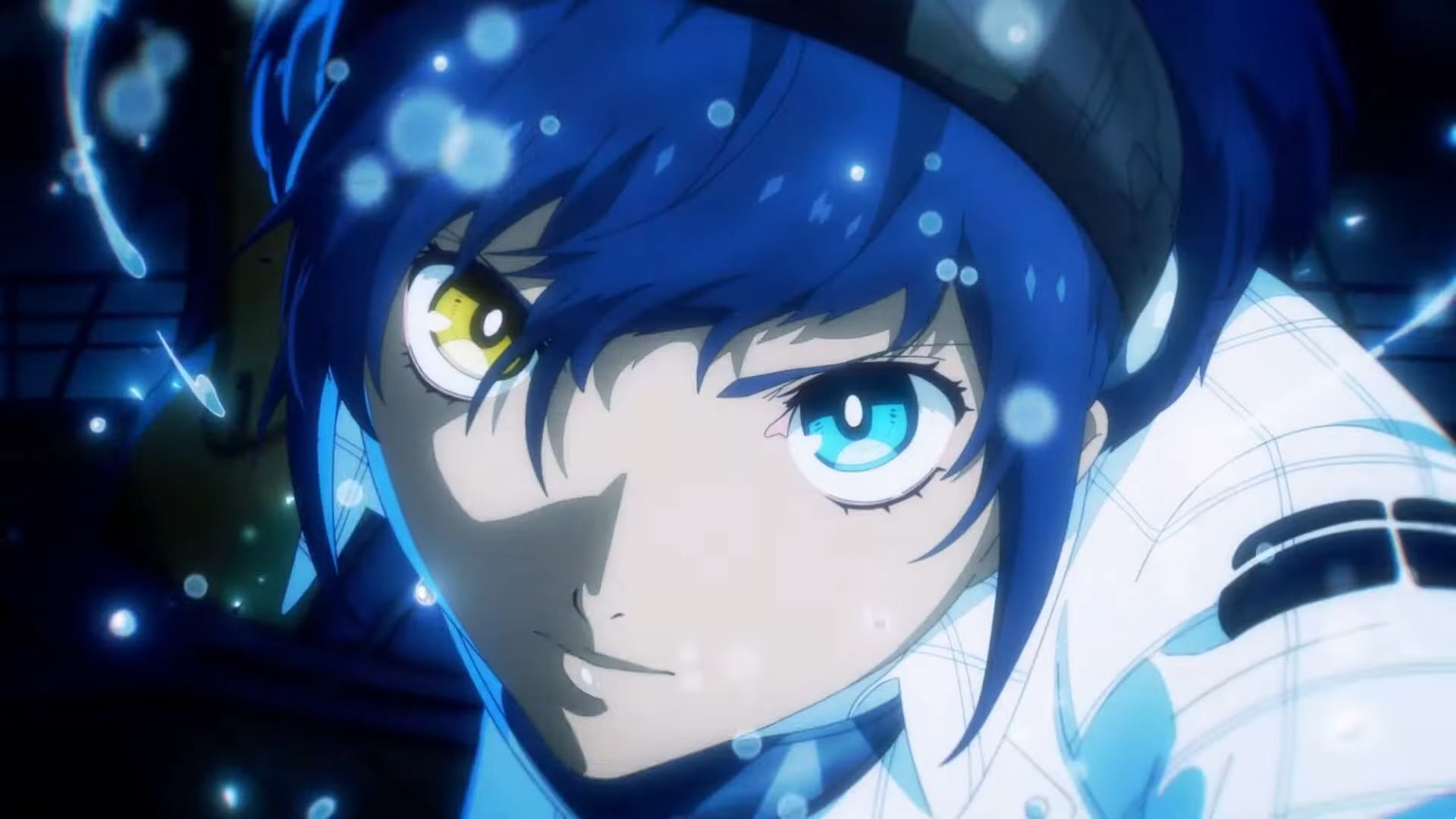
    The game's graphics receive mixed reviews: while the distinctive and vibrant art style, inspired by artists like Hieronymus Bosch and featuring beautifully crafted character designs, menus, and environments, is widely praised for enhancing immersion and storytelling, the technical graphical fidelity is often described as outdated and subpar—comparable to PS3 or early PS4 era—with issues like low-resolution textures, poor anti-aliasing, and inconsistent performance. Despite these shortcomings, the overall visual presentation, including stunning 2D artwork and stylish UI, stands out as a major strength that carries the experience, though some players find the actual 3D graphics and optimization lacking for a 2024 release.

    • “The art style is gorgeous and really brings the world to life.”
    • “The art style goes hard and fits the whole fantasy/political vibe perfectly.”
    • “The visuals and art style are absolutely beautiful, with strong character designs that feel full of personality.”
    • “The default graphic settings make the game look extremely muddy and rough, but even with the graphic settings maxed out, I found the game looked only alright—I expected more from a 2024 Atlus game.”
    • “The graphics are absolutely terrible for a 2024 game; textures are low resolution, aliasing is awful, and the overall graphical fidelity feels like PS3-era; the game does not justify its high price considering this.”
    • “The graphics and display options are very limited and shallow, with poor anti-aliasing, frequent aliasing even at high resolutions, and overall the visuals look dated and unpolished for a modern release.”
  • grinding
    812 mentions Positive Neutral Negative

    Grinding is a significant aspect of the game, often described as necessary, time-consuming, and sometimes tedious, especially in the mid-to-late and endgame stages. While the inclusion of overworld combat allows quicker, less monotonous grinding by enabling players to instantly defeat weaker enemies, many find the archetype leveling and endgame grind particularly demanding. Quality-of-life improvements help mitigate some of the tedium, but the overall grinding can feel overwhelming or off-putting to those averse to extensive repetitive gameplay.

    • “The gameplay was addicting; I couldn't stop grinding even though I'm not usually a grinding player because the progression was so engaging.”
    • “No grinding is necessary if you don't want to, but you can grind to max out your stats and items.”
    • “It's not too grindy unless you want to do some of the side content, and the difficulty is perfect for getting into the SMT games.”
    • “Grinding repeatedly just to progress felt more like a chore than a challenge, and some key characters should have been unlocked earlier to let players fully explore their story and strategy.”
    • “Progression becomes increasingly dependent on repetition and grinding, with several challenges requiring players to repeat activities multiple times just to level up sufficiently for the tougher final chapters.”
    • “Unlocking archetypes and leveling up was extremely tedious doing it one at a time and with barely any animation skips.”
  • emotional
    400 mentions Positive Neutral Negative

    Metaphor: Refantazio delivers a deeply emotional and heartfelt RPG experience, praised for its rich character bonds, touching story arcs, and moments that have moved many players to tears. While some find its emotional impact not as strong or consistent as Atlus’s Persona games, especially due to pacing or side character development, the game is widely celebrated for its sincere storytelling, stirring themes, and memorable, often powerful emotional highs. Its blend of fantasy politics, personal growth, and character-driven narratives creates a compelling and sometimes gut-wrenching journey that resonates strongly with fans seeking meaningful emotional engagement.

    • “Life changing game, at first it might look like a normal RPG but the longer you play and the deeper you dive into the story and characters the more heart touching and the more heavy themes make an appearance.”
    • “Its poignant story and rich, heartfelt character bonds truly let me live inside a hopeful tale that makes fantasy feel real, providing a masterclass in emotional storytelling.”
    • “The ending made me cry tears of joy and sorrow simultaneously, which I didn't think was possible.”
    • “Bad and boring combat with a cop-out and boring story that has the main character go through almost no growth and zero internal struggles.”
    • “Decent gameplay, boring story, boring characters, pure cliché, but not in a good way.”
    • “There's too many words, too much reading; I just want to kill stuff, not read and follow a boring story, so I just skip dialogue anyway.”
  • optimization
    337 mentions Positive Neutral Negative

    Optimization for this game is mixed, with many users reporting poor and inconsistent performance, especially on the Steam Deck and in certain large areas or cutscenes, often requiring mods or graphical downgrades to achieve smooth play. While some high-end PC users experience solid performance, the game suffers from dated graphics, lack of anti-aliasing, and inefficient use of hardware, resulting in frustrating frame drops and stutters. Despite these issues, patches have improved stability since launch, and overall optimization remains a notable weakness compared to the game's strong narrative and design.

    • “Despite the anime art style looking like it should run easily, the optimization just isn't there.”
    • “Finally, optimization for this game feels excellent, super smooth performance and I'm not hitting any CPU bottlenecks or strain even, and I'm on a gaming laptop so CPU thermal performance/optimization is often the limiting factor in pushing games.”
    • “I played this primarily on a handheld PC comparable to the Steam Deck and it ran so smoothly while not having to sacrifice much on the graphics side because of how well optimized it is.”
    • “This game is incredibly poorly optimized.”
    • “The game was badly optimized for the Steam Deck, so even if I'm at low graphics standing still staring at the floor it's 20fps.”
    • “During certain cutscenes, performance plummets from a smooth 60fps to an unplayable 1-2fps, making the experience frustrating and immersion-breaking.”
  • character development
    289 mentions Positive Neutral Negative

    Metaphor: Refantazio generally receives high praise for its memorable and stylish character designs, often regarded as some of Atlus's best work, with creative freedom evident in the fantasy setting. Character development is widely seen as strong, featuring deep, well-written personal stories and meaningful interactions that engage players emotionally, though some reviews note pacing issues or uneven depth among side characters. While comparisons to Persona series arise, opinions vary, with many appreciating the matured and diverse character arcs, though a few critics find certain character writing or designs bland, generic, or inconsistent.

    • “The story for each character was very well written, and in some ways it even felt like a step up from Persona 5 Royal in terms of character development.”
    • “At every turn this game shocked me, hit me with twists and turns and deep character development, I was hooked immediately.”
    • “The character development is top-notch, making you genuinely care about their journeys.”
    • “Plus any and all character development ends when you recruit them, which I solely blame on the bonds/social links.”
    • “The character development aspect also left a lot to be desired, especially the interactions between our team members.”
    • “Our character development especially, I feel, is way too forced and crammed into the late game.”
  • humor
    131 mentions Positive Neutral Negative

    The game's humor is a blend of sharp wit, satirical political commentary, and absurd moments that balance its serious themes, often eliciting genuine laughter and emotional warmth from players. While some find the humor uneven or occasionally cheesy, many praise the clever writing, memorable character banter, and well-timed comedic relief that enhance the overall narrative experience. The humor is generally seen as thoughtful and integrated, avoiding typical genre tropes to deliver a fresh, engaging tone.

    • “After Disco Elysium, finally another masterpiece with great funny writing that is also about politics ”
    • “The section of Protag, Gallica, Leon and Hulkenberg trying to lure out Heismay was absolutely hilarious.”
    • “The banter between the main cast was great and some characters had genuinely funny moments together.”
    • “Bottom line: not racist enough, not sexist enough, not funny enough.”
  • atmosphere
    100 mentions Positive Neutral Negative

    The game's atmosphere is widely praised for its immersive world-building, stunning visuals, and evocative soundtrack, which together create a distinctive and captivating medieval fantasy setting. The music, often highlighted as a standout feature, perfectly complements both quiet exploration and intense battles, enhancing the emotional and narrative depth. While some note occasional repetitiveness or minor pacing issues, overall the atmosphere is considered a core strength that enriches the player experience.

    • “This game feels like a perfect combination of everything Atlus does best: deep storytelling, strong atmosphere, unique world building, and an amazing soundtrack.”
    • “The world feels alive: every NPC has weight, the music and atmosphere are deeply immersive, and the cinematic cutscenes are on par with the best anime productions.”
    • “The soundtrack was out of this world, probably the most important piece in fully submerging you into the atmosphere of the game.”
    • “Persona 5 has more atmosphere, different dungeons, and just more depth; this gets hella repetitive, most dungeons look the same, then again, all these types of games are a waste of your life.”
    • “The class/job/combat mechanics are fine, but with highly constrained map traversal and constant time pressure, I found the overall atmosphere to be claustrophobic.”
    • “It is also unpleasant that in important cutscenes, in particular the 'awakening' of the main characters, half of the atmosphere is lost due to inexpressive music.”
  • replayability
    60 mentions Positive Neutral Negative

    Replayability in this game is mixed, with some praising its deep combat, extensive character builds, and new game+ mode for added value, while others criticize its limited replay incentives, linear story, and lack of substantial NG+ content or branching paths. Although it offers substantial customization and attempts at replay value, many feel that once the initial playthrough is complete, there is little motivation to replay aside from reliving the story or experimenting with minor variations. Overall, replay potential exists but may not satisfy players seeking diverse or meaningful post-game experiences.

    • “Overall, combat feels deep, flexible, and highly replayable.”
    • “It’s an incredibly rewarding experience that solidifies the game’s value and replayability far beyond the main storyline.”
    • “Incredibly replayable due to the amount of builds you can try on your characters and the countless activities available.”
    • “So it's designed that you restart the game at least one time, but the problem is, the game has like zero replay value.”
    • “Replay value: 1/10 - due to being able to have access to all archetypes by all characters at all times sounds great, but offers little reason to replay the game.”
    • “Poor replayability, nothing encourages you to play on a higher difficulty (even my run on regicide just makes mobs stronger for barely any reward).”
  • stability
    48 mentions Positive Neutral Negative

    The game generally runs well across multiple platforms, including the Steam Deck and lower-end PCs, with smooth performance, minimal crashes, and rare bugs. However, some users report occasional frame drops, graphical glitches, and significant instability late in the game or during cutscenes, especially on higher-spec PCs. Overall, while mostly stable and enjoyable, some technical issues persist that may affect the endgame experience for certain players.

    • “On a 3070, SSD, and 32GB RAM (Windows 10), I can run the game at 1080 to 1440 fully maxed with a constant locked 60 FPS; zero crashes, no stutter, very short loading times, and no glitches found.”
    • “My PC is not the best, and I was worried it wouldn't run the game at max graphics with good framerate, but it runs great—much better than Warhammer 40k: Space Marine and many other triple-A titles from this year, which I had to run on lower settings and still experienced FPS drops and stuttering.”
    • “After the demo patches, the game runs great on both my Intel system with 10400F/3060 at 1440p and AMD system with a 5800X3D/3070 at 4K.”
    • “6 months after launch, still so buggy that it’s unplayable.”
    • “Way above the recommended specs, but the game still ran like complete and utter ass with constant freezes and even crashing my whole PC.”
    • “I usually do not give a damn about FPS drops, but here, the game turns into a PowerPoint slideshow with 0.2 FPS whenever there's more than a couple enemies on screen - that is to say, the entire game freezes, and every 5 seconds you get to see the next frame.”
  • monetization
    18 mentions Positive Neutral Negative

    Monetization in this game is highly divisive, with criticism focused on intrusive microtransactions, excessive in-game ads, and a sense of unfinished content suggesting a cash grab approach. However, some appreciate the absence of aggressive monetization tactics like DLC or always-online requirements, viewing the game as a refreshing alternative in a market saturated with predatory practices. Overall, the monetization strategy has left many players frustrated, feeling it undermines the game's potential and quality.

    • “A complete package; no DLC needed, no microtransactions, no treadmill.”
    • “This game is so refreshing in 2024 when every big game release is full of microtransactions and the always-online BS.”
    • “I'm so glad this game won the best RPG, best narrative, and best art direction as this project shows that games are more than monetization or for mindless fun but are art that can be used to fuel and inspire others to make changes.”
    • “Pretty good game, despite its technical shortcomings caused by the dated game engine and cringe microtransactions.”
    • “To me, the reason why this game sucks so badly is probably traced back to those horrible, plague-filled years beginning from 2020 when this game was in development, as it feels totally unfinished in every way and thrown together for a shameless cash grab or tax write-off.”
    • “It’s not an innovative masterpiece; it’s derivative, created by a multi-million dollar company that has been tuning this genre of game for decades, a company notorious for predatory monetization, milking of titles, recycling material, and unfinished releases.”
Skip Critic Reviews
Skip Game Offers

Buy Metaphor: ReFantazio

75h Median play time
84h Average play time
18-100h Spent by most gamers
*Based on 112 analyzed playthroughs
Skip Videos

Videos

Skip Games Like Metaphor: ReFantazio
Skip Game News
Skip FAQs

Frequently Asked Questions

Metaphor: ReFantazio is a tactical role playing game with fantasy, anime and dark fantasy themes.

Metaphor: ReFantazio is available on Xbox Series X|S, PC, PlayStation 5, PlayStation 4 and others.

On average players spend around 84 hours playing Metaphor: ReFantazio.

Metaphor: ReFantazio was released on October 10, 2024.

Metaphor: ReFantazio was developed by ATLUS.

Metaphor: ReFantazio has received very positive reviews from both players and critics. Most players liked Metaphor: ReFantazio for its story but disliked it for its grinding.

Metaphor: ReFantazio is a single player game.

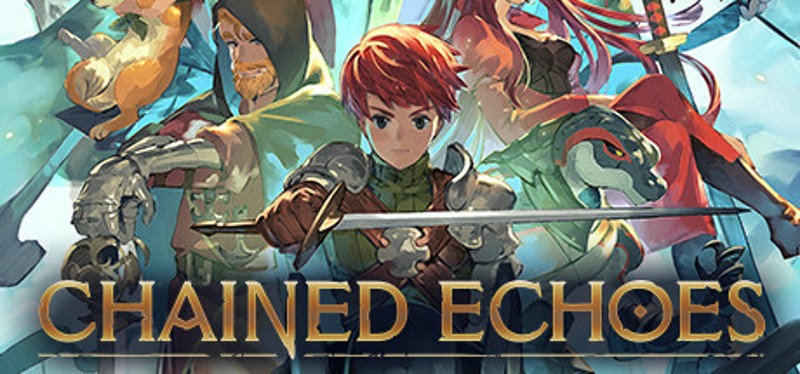
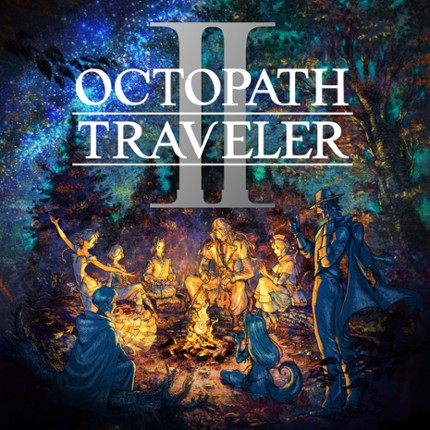
Similar games include Chained Echoes, Octopath Traveler 2, DRAGON QUEST® XI S: Echoes of an Elusive Age™, Octopath Traveler, Bravely Default 2 and others.