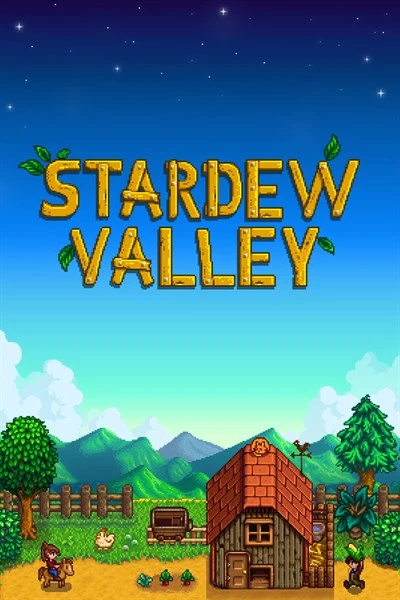


Games like Stardew Valley
Looking for games like Stardew Valley? If you love the blend of farming, exploration, community building, and laid-back progression that made Stardew Valley a modern classic, you’re in the right place. Stardew Valley’s charming pixel world and deep gameplay loop have inspired countless games — from cozy life sims to rich RPG hybrids with farming elements.
This page brings together the top games that capture the joy of tending crops, forming friendships, raising animals, and shaping your own lifestyle. Whether you’re after cozy sandbox experiences, story-driven village life, or immersive management sims with a relaxed pace, these recommendations are perfect for fans of Stardew Valley’s welcoming world.
What Makes a Great “Stardew Valley-Like” Game?
The best games like Stardew Valley typically share one or more of the following qualities:
- Farming & resource management — planting, harvesting, crafting, and optimizing your day.
- Community & character relationships — build friendships, romances, and town ties.
- Exploration & progression — unlock new tools, areas, abilities, or story content.
- Relaxed pacing — enjoy sandbox play without pressure or strict timers.
- Customization — shape your farm, home, and character to your taste.
Below you’ll find a curated selection of the best games like Stardew Valley, ranging from cozy life sims to deep management adventures that scratch the same itch for creative freedom and meaningful progression.
- 93%Game Brain ScoreMost mentioned positive aspects:gameplay, storyMost mentioned negative aspects:grinding, stability93% User Score 18,284 reviews
Both games anchor their appeal in the meditative rhythm of daily routines that compound into long-term progression. In Stardew Valley, you plant crops, tend livestock, and craft—each day feeding into seasonal cycles that reward consistency. Dinkum mirrors this loop with farming, mining, and town-building tasks that feel equally satisfying to check off, creating that same "just one more day" pull.
The cooperative multiplayer experience strengthens this dynamic in Dinkum by letting you share those dailies with a friend. Where Stardew's co-op is optional, Dinkum encourages it as a core way to play, turning grinding into shared, cozy downtime rather than solo obligation.
Dinkum trades Stardew's narrative romance and NPC relationships for Australian frontier character and exploration—a meaningful shift that reframes the sandbox as discovery-driven rather than relationship-driven. If you've exhausted Stardew's story depth, this different flavor justifies another playthrough.
Best for players who prioritize the farming-and-crafting loop over storyline, and who value cooperative sessions where grinding feels less lonely.
If you enjoyed this game, see our list of games similar to Dinkum.View Game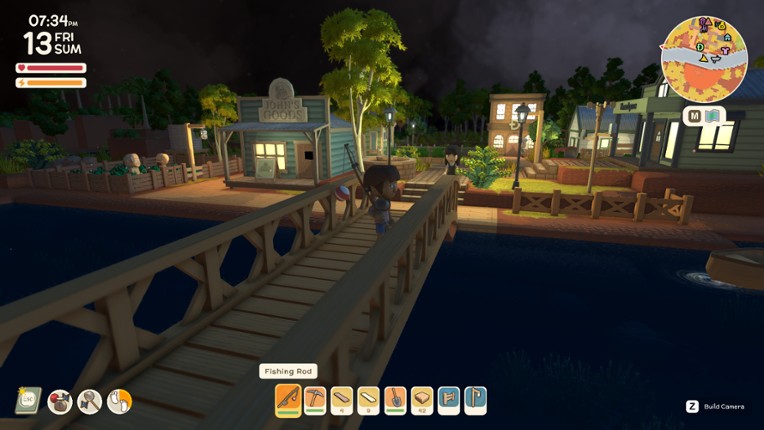
- 86%Game Brain ScoreMost mentioned positive aspects:story, graphicsMost mentioned negative aspects:grinding, stability91% User Score 3,144 reviewsCritic Score 64%1 reviews
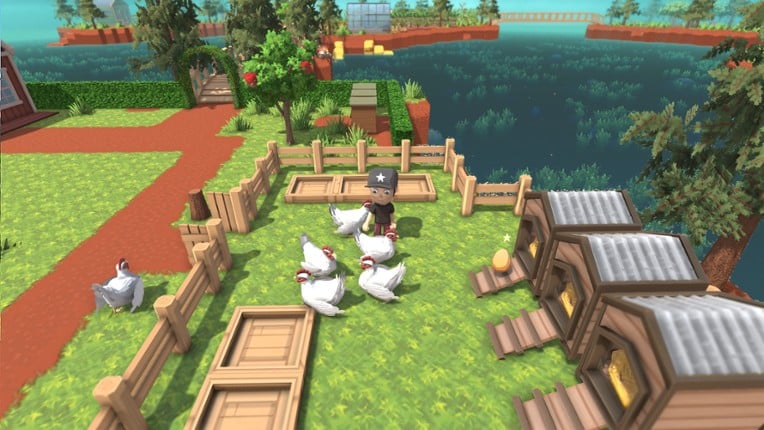
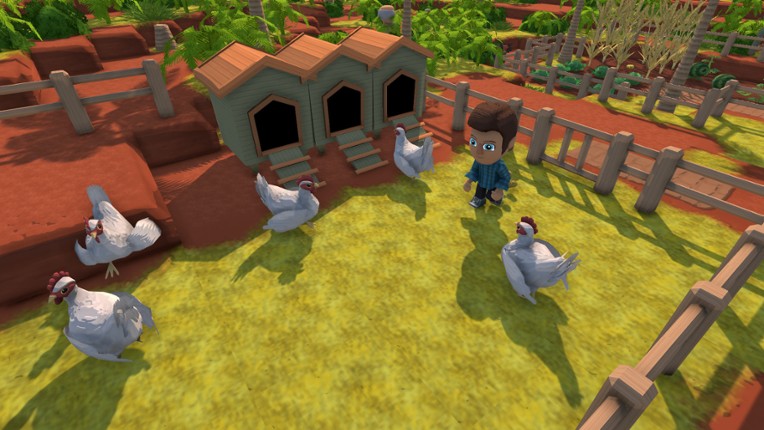
Starting a farm, turning raw materials into upgrades, and watching your little homestead grow one day at a time is the same satisfying loop Stardew Valley fans chase, and Garden Paws delivers it with a lighter, more playful touch. You still spend your time farming, crafting, building, and trading, so the core rhythm of planning your day and making every harvest count feels very familiar.
The biggest overlap is the cozy management pace: you gather resources, complete quests, and expand your space in a way that rewards routine and long-term planning. Because it also supports co-op and online co-op, it captures that shared “one more day” feeling Stardew is known for, just with a more family-friendly, cartoony presentation.
Garden Paws takes a fresh angle by leaning harder into exploration and dungeon diving, so it offers a bit more of a quest-driven adventure tradeoff against Stardew’s town-life focus. That extra structure can also appeal to players who feel Stardew’s late-game grind sometimes stalls, since Garden Paws keeps feeding you new tasks and areas to push into.
Best for Stardew players who want cozy farming with more exploration and a brighter, story-light pace.
If you enjoyed this game, see our list of games similar to Garden Paws.View Game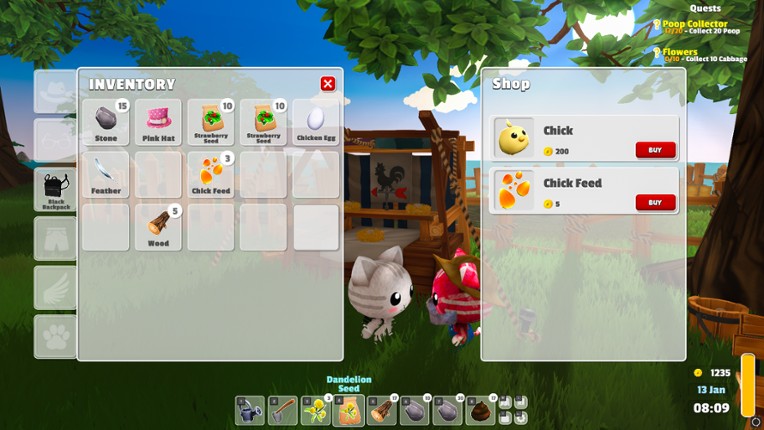
- 75%Game Brain ScoreMost mentioned positive aspects:story, gameplayMost mentioned negative aspects:grinding, replayability94% User Score 9,808 reviewsCritic Score 9%2 reviews
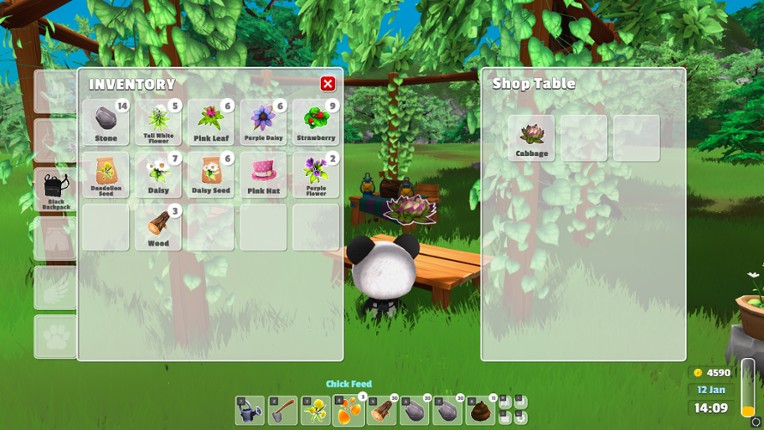
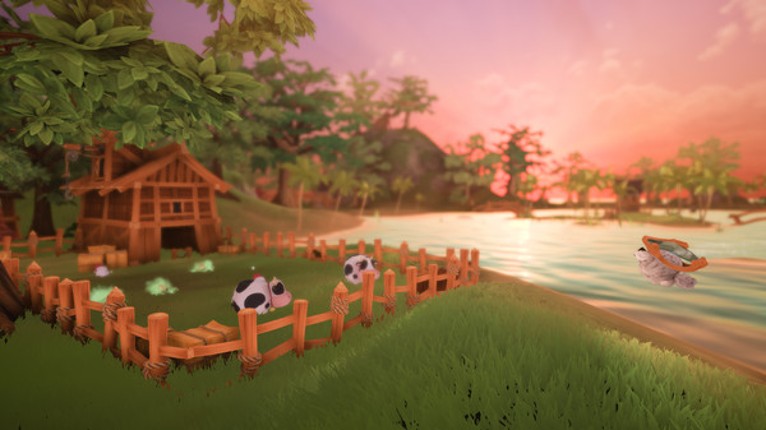
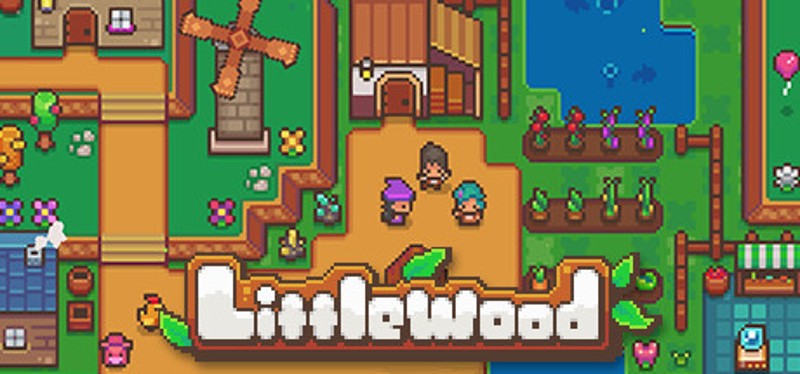
Both games focus on the satisfying loop of restoring a neglected world through manual labor and community building. You will find yourself caught in that "just one more day" cycle as you clear debris, plant crops, and revitalize a fledgling town. This sense of progression turns every small harvest or newly placed building into a meaningful milestone.
Littlewood mirrors the core fishing, crafting, and relationship-building systems that define the Pelican Town experience. The social mechanics create a sense of belonging, making the pixels feel like genuine neighbors rather than static NPCs. Because every interaction contributes to the town's overall level, your social efforts directly translate into tangible world-building progress.
A fresh angle appears in the action-based time system, where the sun only sets once you have exhausted your energy. This trade-off removes the anxiety of rushing home before midnight, offering a reprieve from the rigid daily grind found in more traditional farm simulators. It allows you to focus on the aesthetics of your village without the constant pressure of a ticking clock.
Best for players who prioritize creative town customization and stress-free pacing over deep combat or complex industrial management.
If you enjoyed this game, see our list of games similar to Littlewood.View Game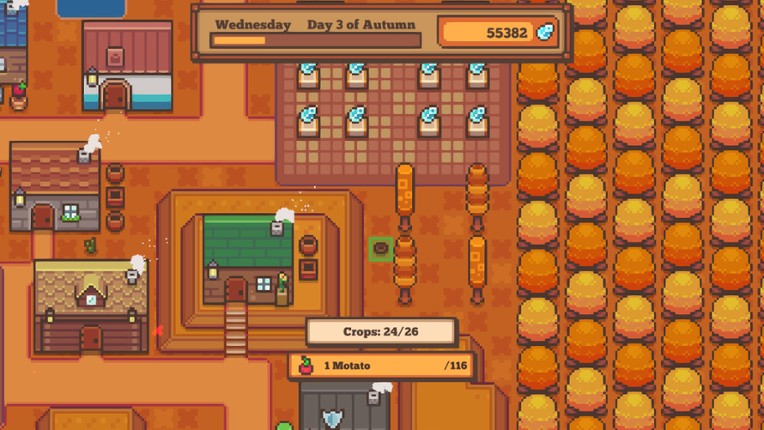
- 93%Game Brain ScoreMost mentioned positive aspects:story, gameplayMost mentioned negative aspects:grinding, stability98% User Score 114,792 reviewsCritic Score 78%3 reviews
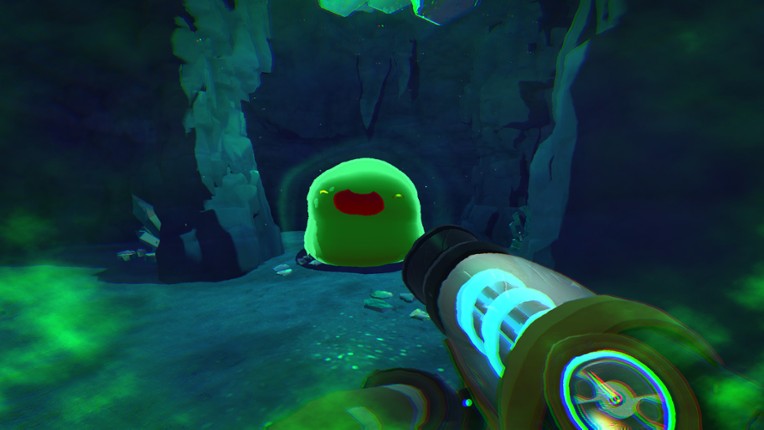
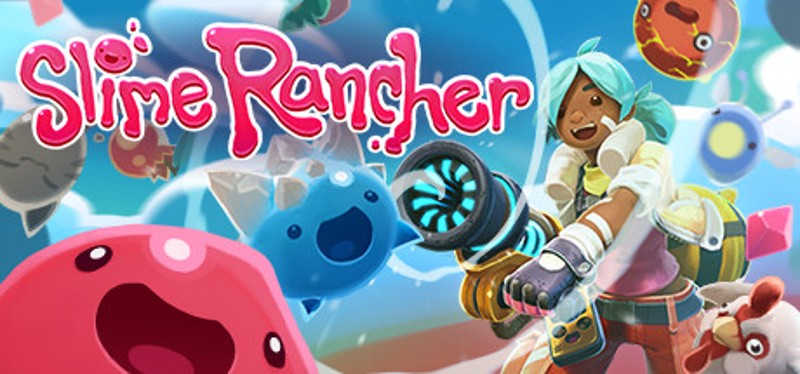
That satisfying loop of tending, collecting, and watching your operation grow is exactly what drives both Stardew Valley and Slime Rancher — just transplanted from a quiet valley to an alien frontier. Managing your ranch, routing resources, and unlocking new areas creates the same "one more day" pull that keeps Stardew players up past midnight.
Both games lean heavily into trading and economy systems, rewarding players who learn the market rather than just grind it. The soundtrack and visual charm do real work here too — in Slime Rancher, the colorful world and bouncy music actively reduce friction, making routine tasks feel like exploration rather than obligation, much the way Stardew's pixel art and score turn farming into something closer to meditation.
The meaningful shift is perspective: Slime Rancher plays in first-person 3D, swapping Stardew's top-down coziness for a more kinetic, spatially active experience. That difference gives the ranch management a fresh physical dimension without losing the underlying satisfaction.
Best for players who love building systems at their own pace and want that same gentle-but-layered management feel in a world that rewards curiosity over efficiency.
If you enjoyed this game, see our list of games similar to Slime Rancher.View Game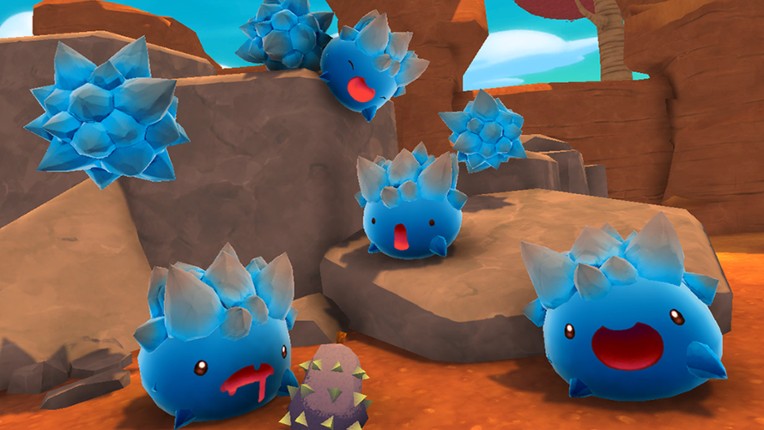

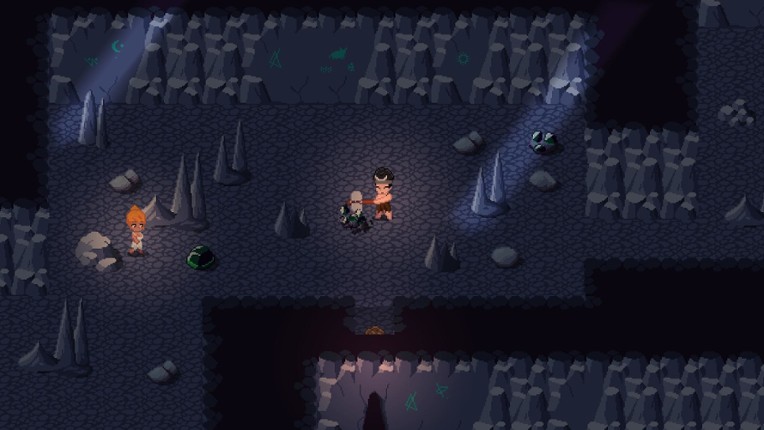
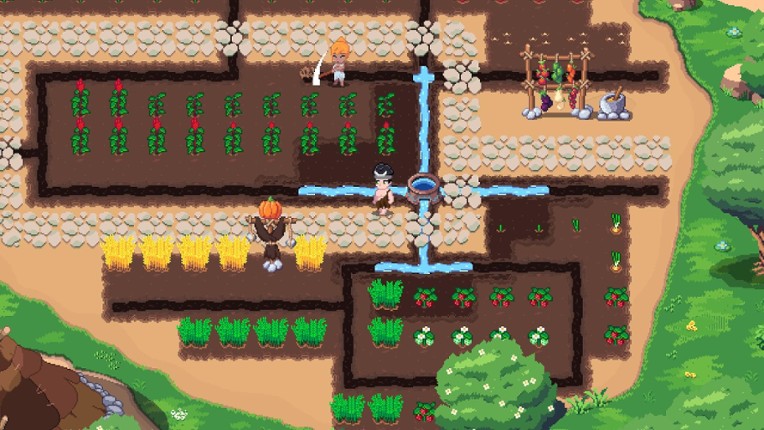
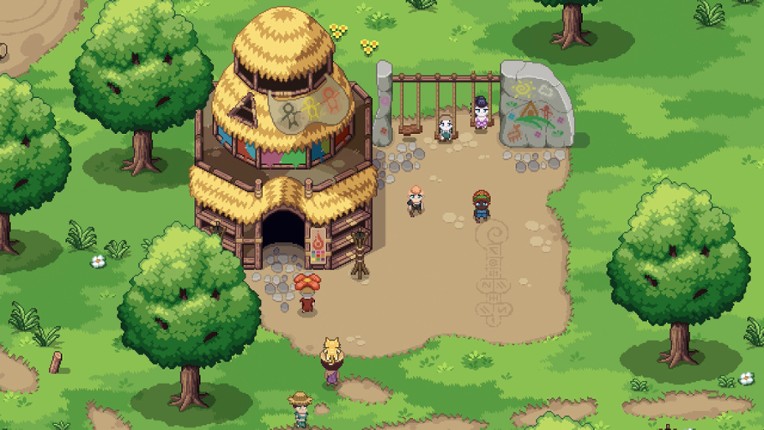
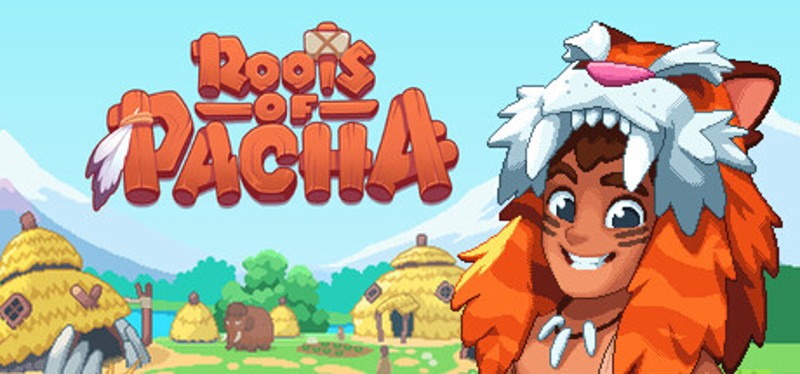
- 90%Game Brain ScoreMost mentioned positive aspects:gameplay, storyMost mentioned negative aspects:grinding, optimization95% User Score 2,884 reviewsCritic Score 82%5 reviewsStrips Stardew to its cooperative farming essence with prehistoric survival stakes, emphasizing co-op collaboration over solo romance and storytelling. If you enjoyed this game, see our list of games similar to Roots of Pacha.View Game
- 85%Game Brain ScoreMost mentioned positive aspects:story, gameplayMost mentioned negative aspects:grinding, stability85% User Score 14,878 reviews
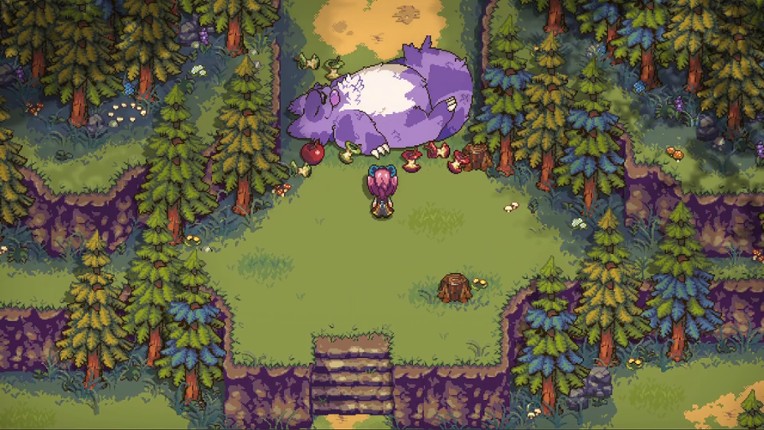
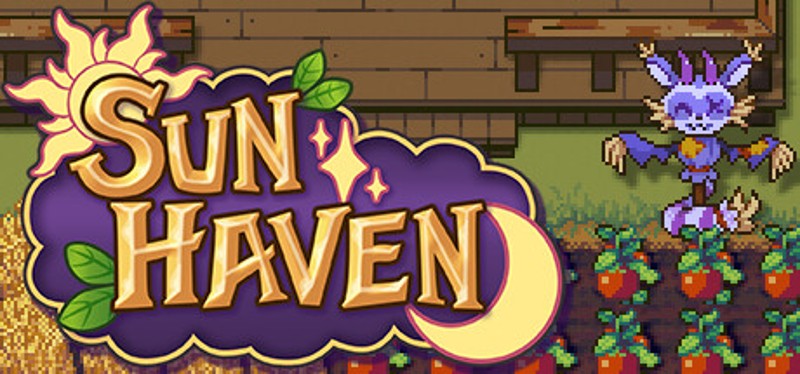
Sun Haven essentially transplants the Stardew Valley gameplay loop into a high-fantasy setting where magic replaces the mundane. You retain the core loop of farming, fishing, and relationship-building, which ensures a familiar sense of progression despite the shift in world-building.
The primary divergence is the RPG intensity; Sun Haven ditches the stamina bar to emphasize dungeon crawling and spellcasting over agricultural optimization. This creates a much faster, combat-heavy pace than the slow-burn management of Pelican Town.
Pick this up if you crave Stardew’s social dynamics and creature comforts but desire a more robust combat-focused progression, provided you can tolerate occasional technical instability and a grindier end-game economy.
If you enjoyed this game, see our list of games similar to Sun Haven.View Game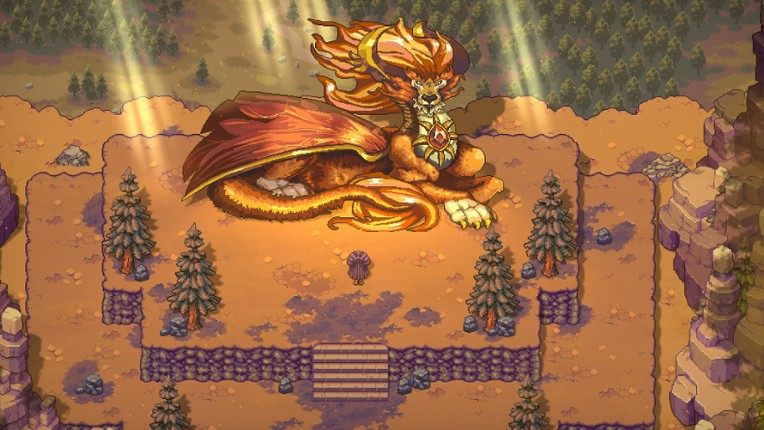
- 82%Game Brain ScoreMost mentioned positive aspects:story, graphicsMost mentioned negative aspects:grinding, stability92% User Score 15,705 reviewsCritic Score 57%3 reviews
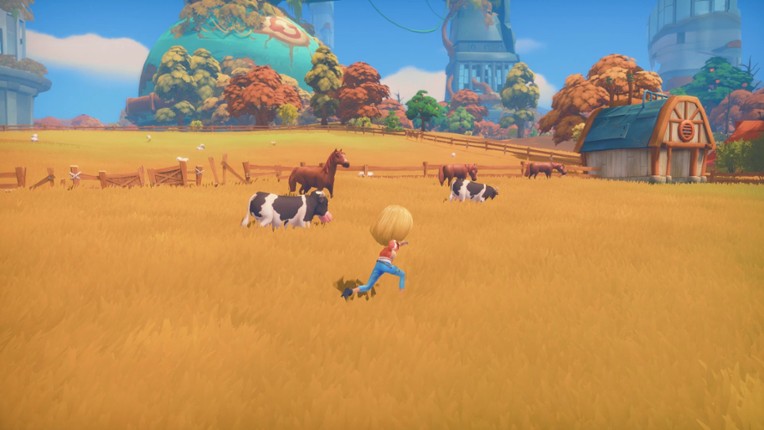
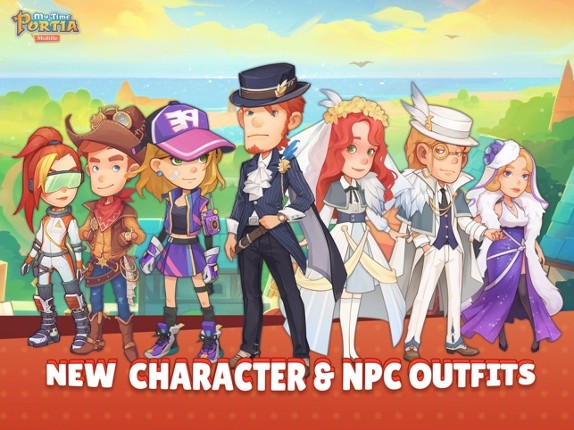
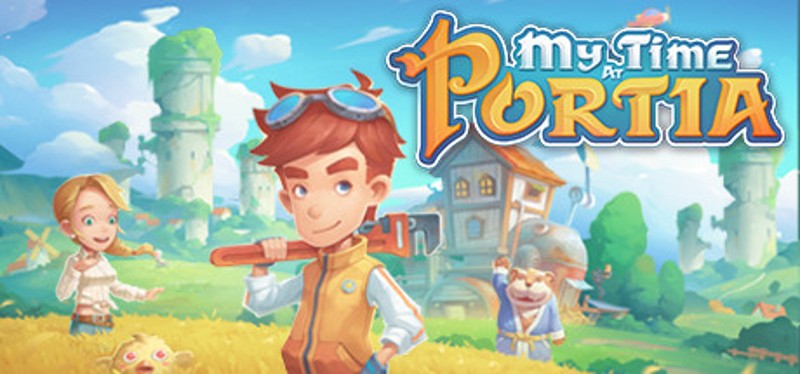
That pull to keep going — one more day on the farm, one more conversation, one more project finished before bed — is exactly what drives My Time At Portia. The loop of gathering resources, building commissioned structures, and deepening relationships with townsfolk mirrors the rhythm that makes Stardew so hard to put down. Both games reward players who find genuine satisfaction in small, daily progress.
The crafting and building systems here carry real weight, because completing workshop commissions for the town creates a tangible sense of contribution that Stardew's farm-building captures so well. Relationship-building is equally central — gifts, conversations, and shared activities deepen NPC bonds in ways that will feel immediately familiar.
The meaningful shift is scale and dimension: Portia opens into a fully 3D open world with combat and exploration, giving the experience more of an action-adventure texture alongside its cozy core.
Players who found Stardew's grind occasionally tedious may still hit similar walls early in Portia — worth knowing before committing. Best for players who want the life-sim comfort loop with more world to physically move through.
If you enjoyed this game, see our list of games similar to My Time At Portia.View Game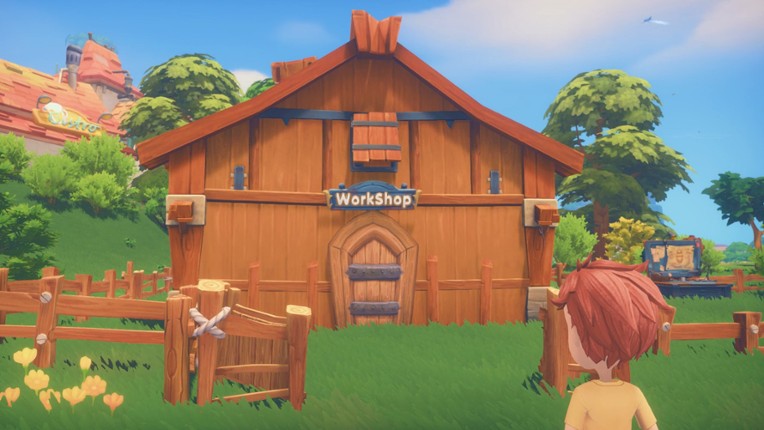
- View Game
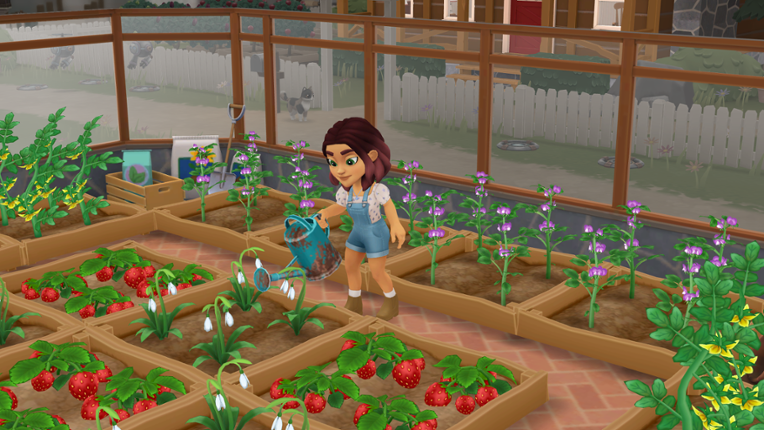
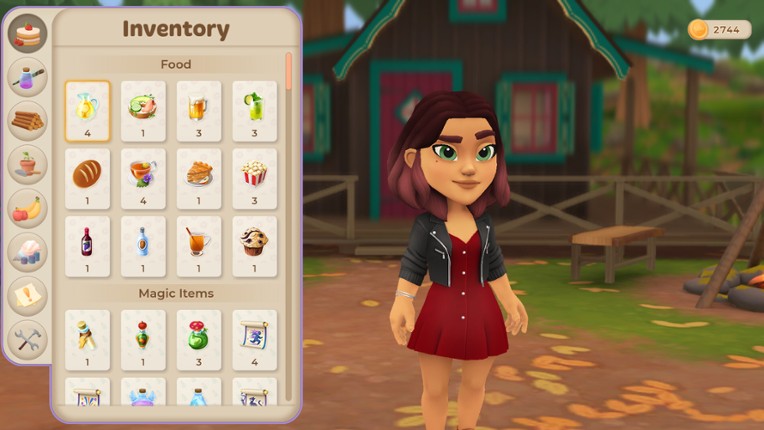
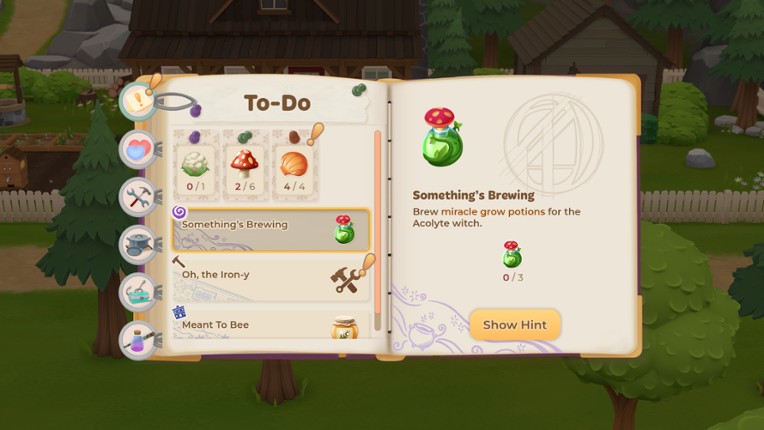
- 90%Game Brain ScoreMost mentioned positive aspects:story, gameplayMost mentioned negative aspects:grinding, stability98% User Score 22,110 reviewsCritic Score 73%4 reviews
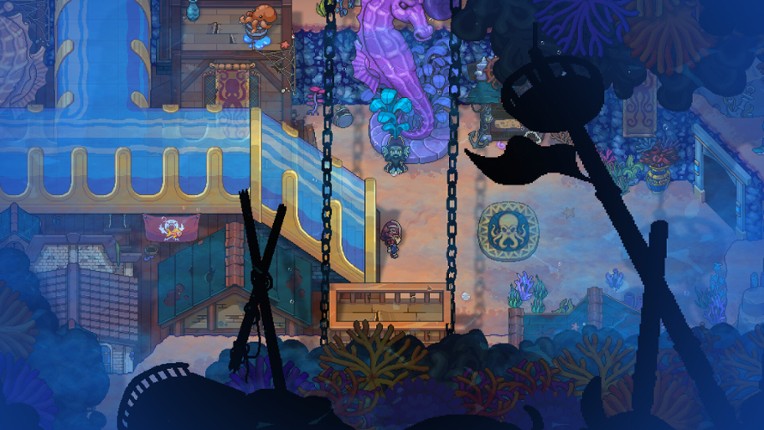
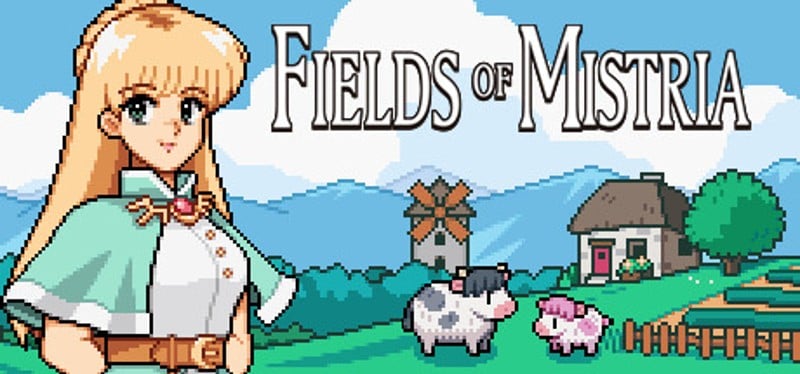
Fields of Mistria captures the exact satisfaction of Stardew Valley’s core farming loop, pairing addictive crop cycles with a highly polished restoration quest. The shared cozy atmosphere shines through its vibrant pixel art, grounding the progression in a world that feels genuinely lived-in.
The primary shift lies in the aesthetic shift from pastoral Western charm to a 90s-inspired anime influence. While Stardew leans into grounded business and humble roots, Mistria emphasizes a whimsical, slightly magical tone.
Pick this up if you crave that familiar rhythm of planting and building but want a fresh art direction and a more stylized social experience. It remains in Early Access, so expect the occasional rough edge compared to a fully finished title.
If you enjoyed this game, see our list of games similar to Fields of Mistria.View Game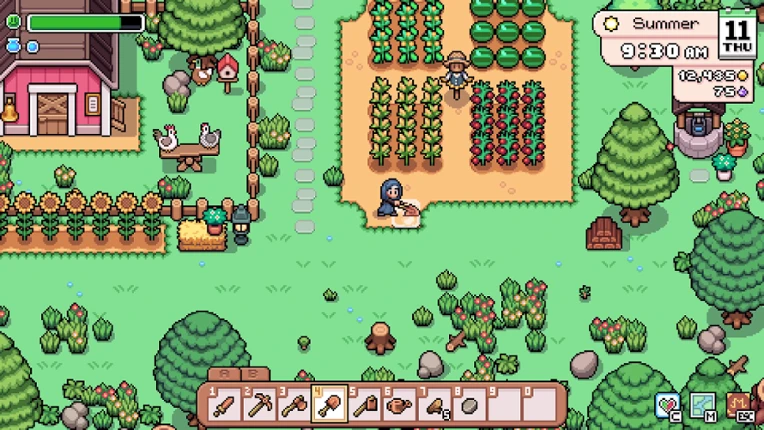
- 79%Game Brain ScoreMost mentioned positive aspects:story, gameplayMost mentioned negative aspects:grinding, stability78% User Score 2,243 reviewsCritic Score 81%5 reviews
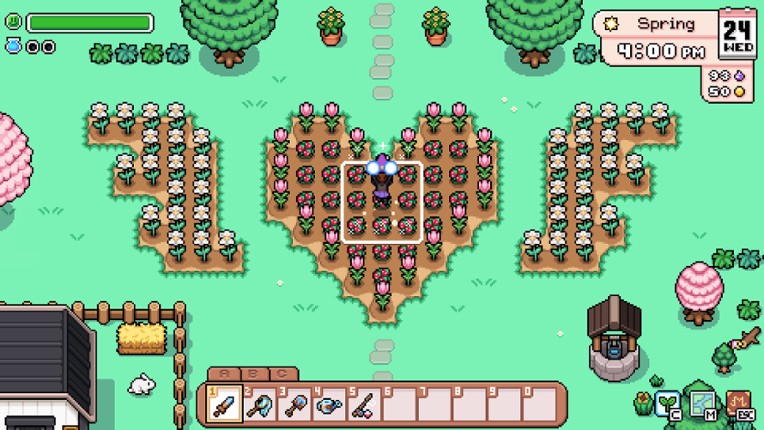
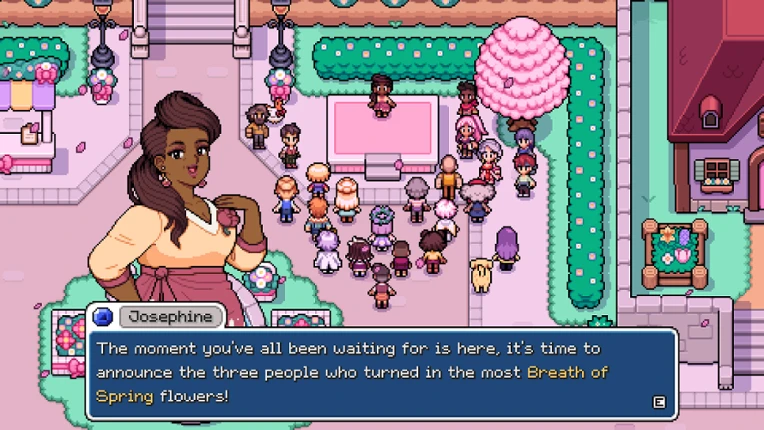
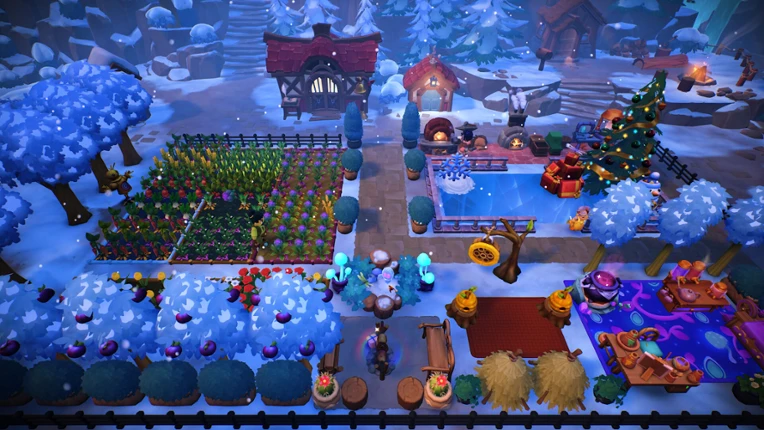
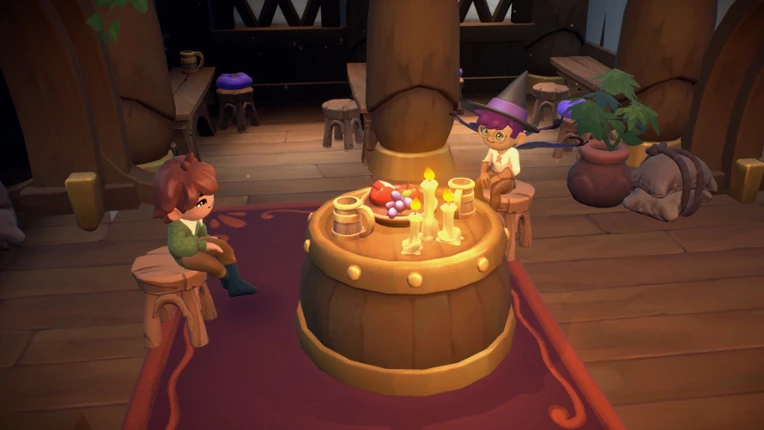
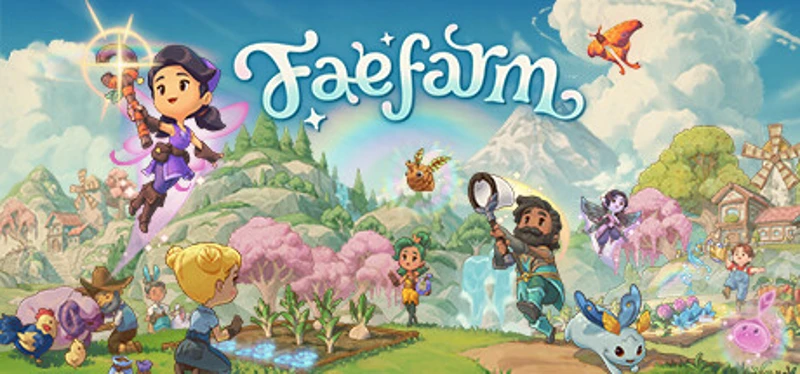
Escape to the world of Fae Farm and create your own cozy home in the enchanted world of Azoria. As you nurture and grow your homestead, you'll get to meet charming characters, foster deep relationships and discover ways to infuse magic into everything you do. Customize your character, master the arts of crafting, cooking, potion-making and discover so much more. Unfold the mysteries of the island… If you enjoyed this game, see our list of games similar to Fae Farm.
View Game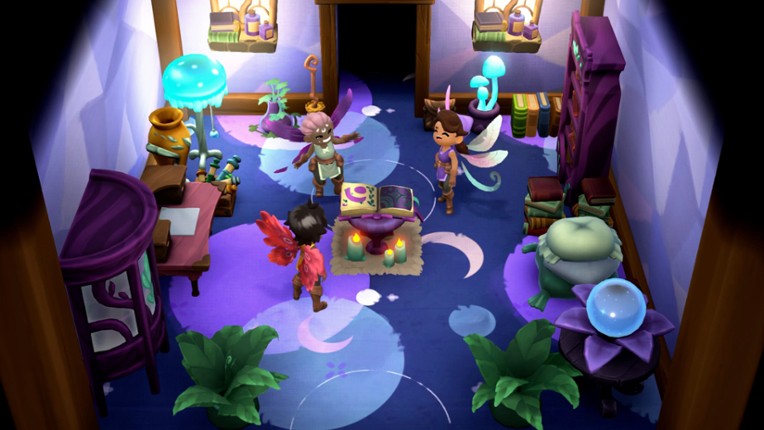
- 85%Game Brain ScoreMost mentioned positive aspects:story, gameplayMost mentioned negative aspects:grinding, stability83% User Score 2,933 reviewsCritic Score 90%5 reviews
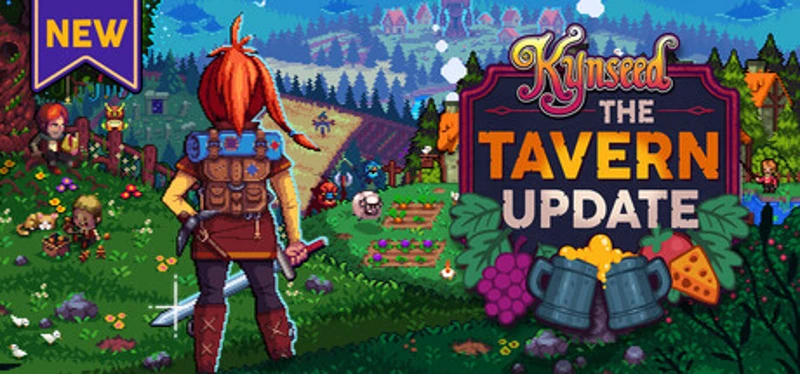
Kynseed shares Stardew Valley’s core farming and crafting loop, delivering familiar management tasks that anchor player progress. Both use pixel graphics to create a quaint 2D world, which enhances immersion through visual nostalgia. This matters because it keeps gameplay accessible while supporting a relaxed pace.
The generational system adds a twist Stardew Valley lacks, allowing skill and item inheritance that deepens long-term strategy. However, Kynseed’s combat and crafting mini-games often frustrate due to poor tutorials and clunky mechanics, a sharp contrast to Stardew’s polished flow. NPC interactions also feel shallow, weakening the emotional resonance central to Stardew’s charm.
Pick Kynseed if you want farming with added adventure and legacy systems but can live without smooth crafting or rich character bonds. It suits players craving a darker, more complex twist on farming sims rather than a seamless cozy experience.
If you enjoyed this game, see our list of games similar to Kynseed.View Game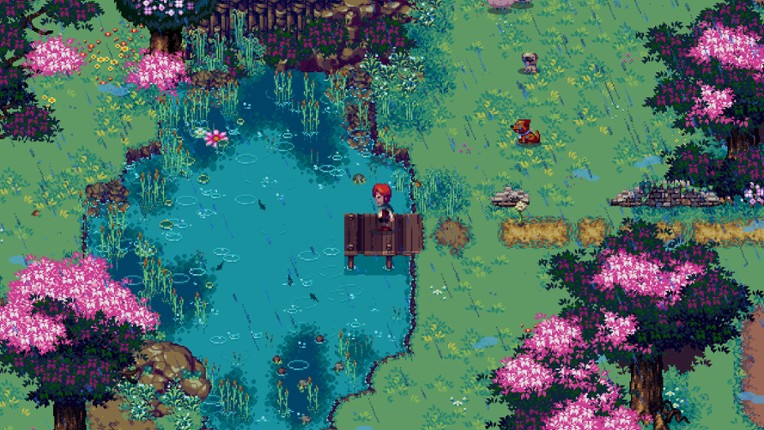

12 View Game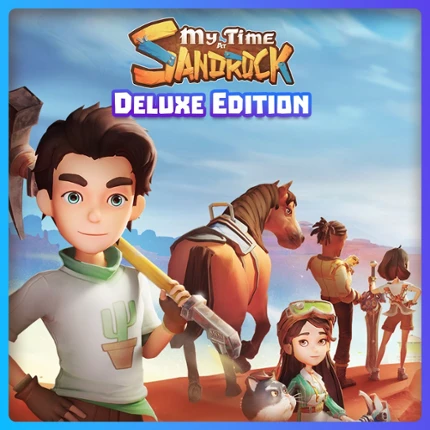 87%Game Brain ScoreMost mentioned positive aspects:story, gameplayMost mentioned negative aspects:grinding, stability94% User Score 10,945 reviewsCritic Score 73%4 reviews
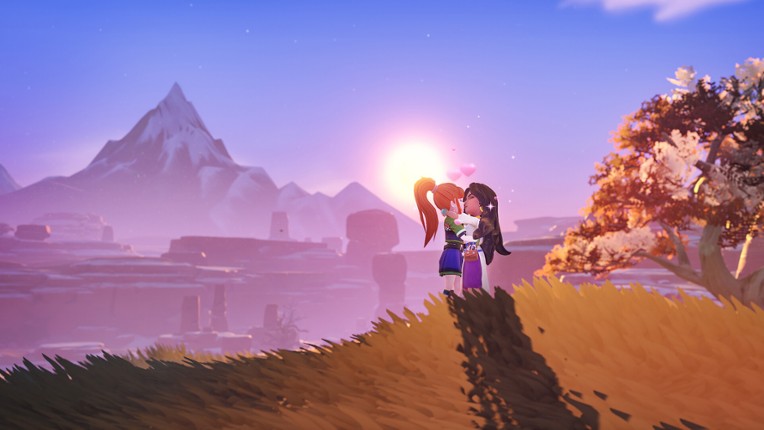
You'll take the role of a fledgling Builder to Sandrock. It’s up to you and your trusty toolset to gather resources, construct machines, and fix up your workshop into a well-oiled production machine, and save the town from the jaws of economic ruin, as well as a few other unexpected complications. If you enjoyed this game, see our list of games similar to My Time at Sandrock.
View Game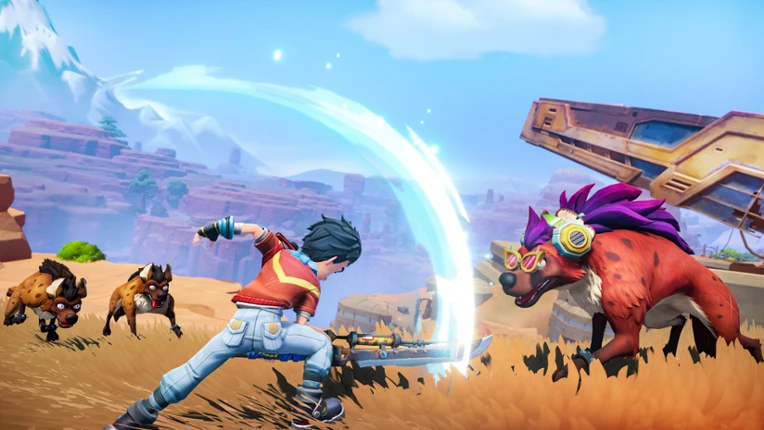
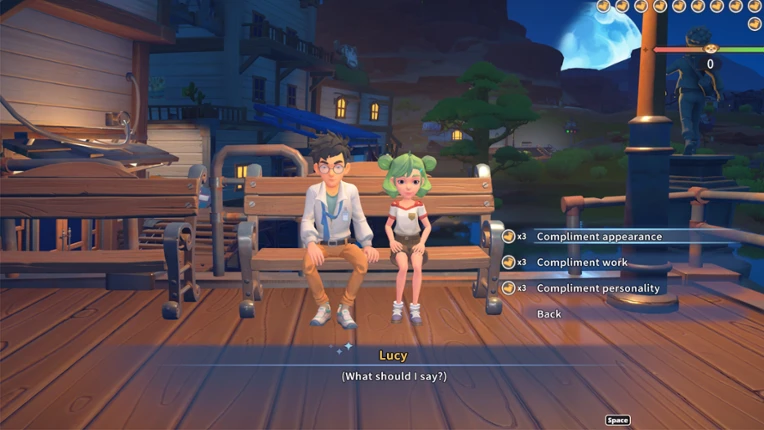
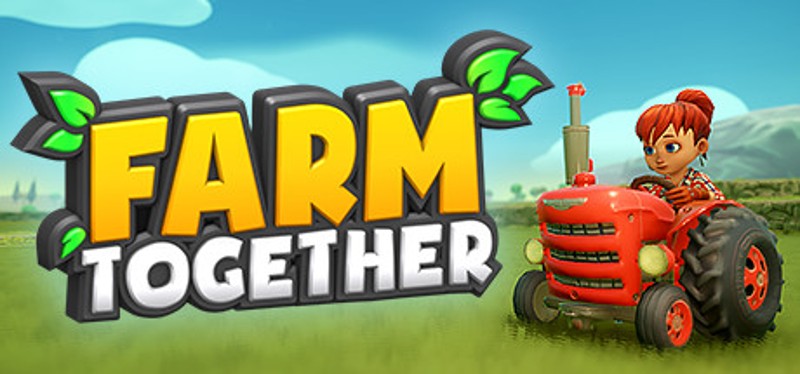
- 89%Game Brain ScoreMost mentioned positive aspects:graphics, gameplayMost mentioned negative aspects:grinding, story93% User Score 9,137 reviewsCritic Score 75%2 reviewsFarm Together streamlines farming into a drop‑in‑co‑op session, letting you and a friend build your plot together without the NPC dialogue or seasonal cycles. If you enjoyed this game, see our list of games similar to Farm Together.View Game
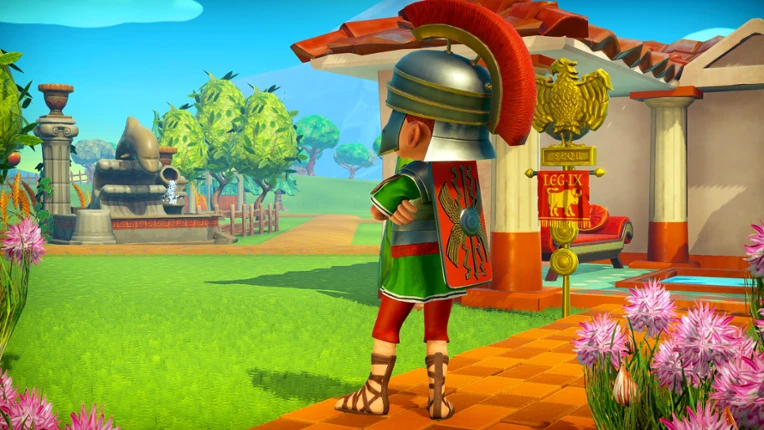
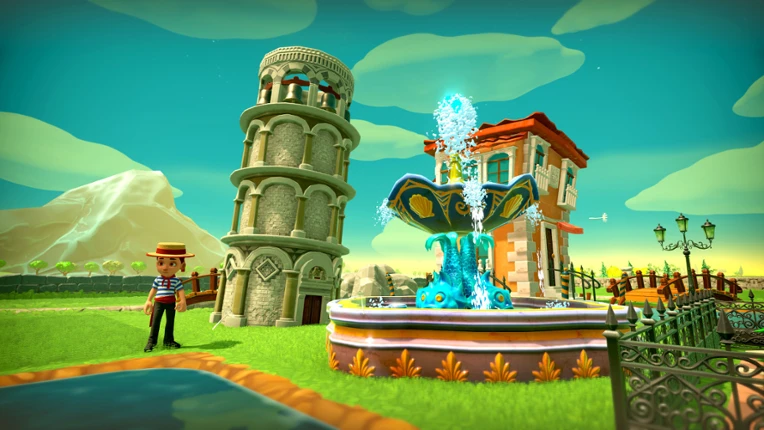
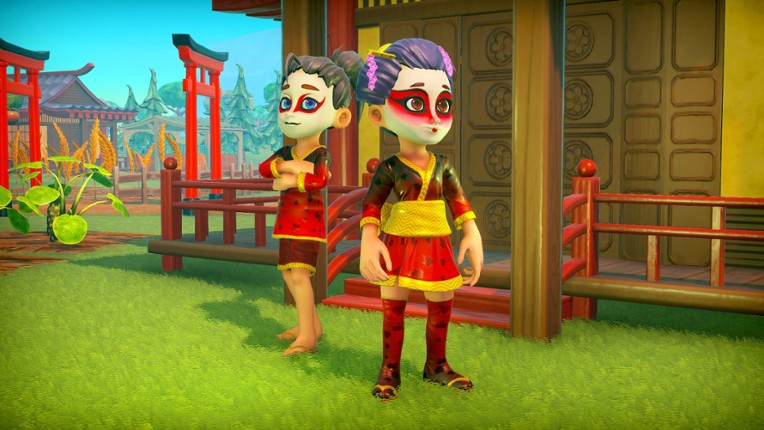
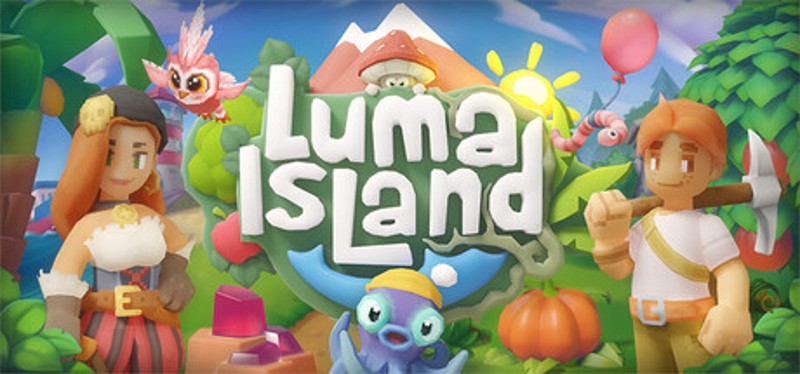
- 87%Game Brain ScoreMost mentioned positive aspects:graphics, storyMost mentioned negative aspects:grinding, character development91% User Score 4,067 reviewsCritic Score 81%5 reviewsLuma Island adds an adventure‑driven island exploration loop to farming, offering 2‑player online co‑op for friends who love exploration. If you enjoyed this game, see our list of games similar to Luma Island.View Game
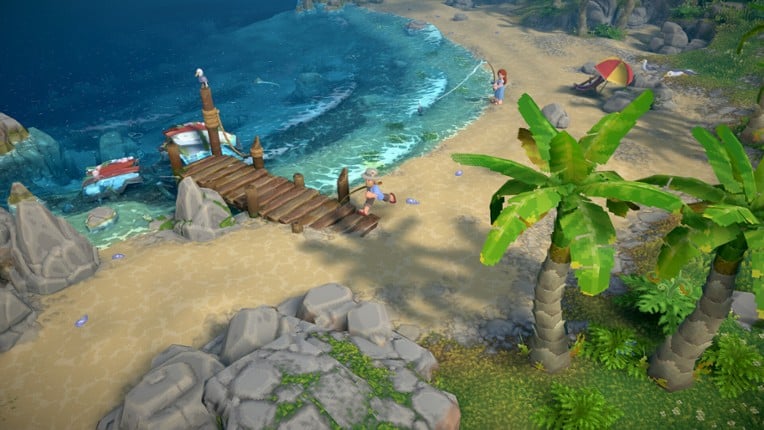
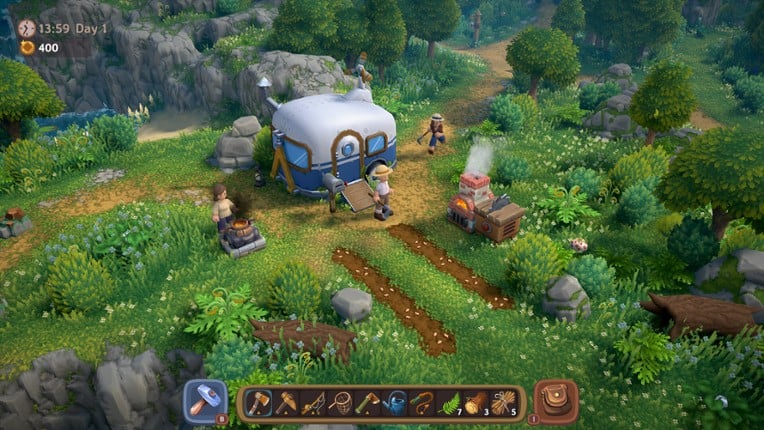
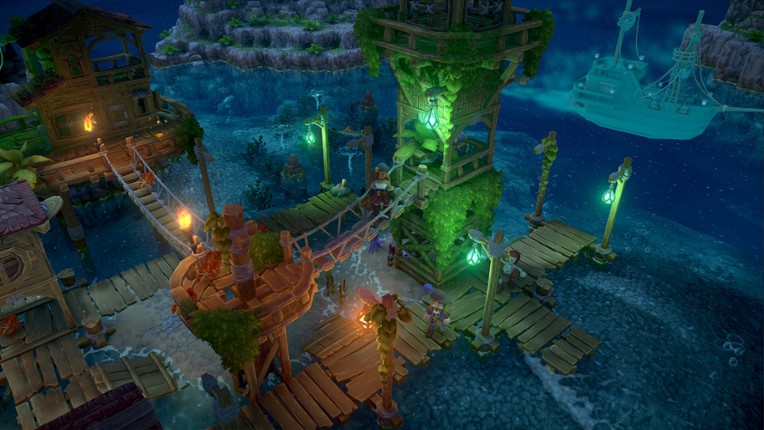
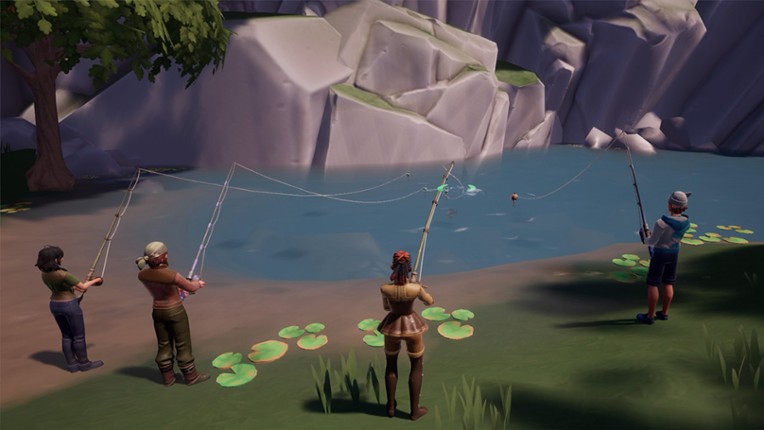
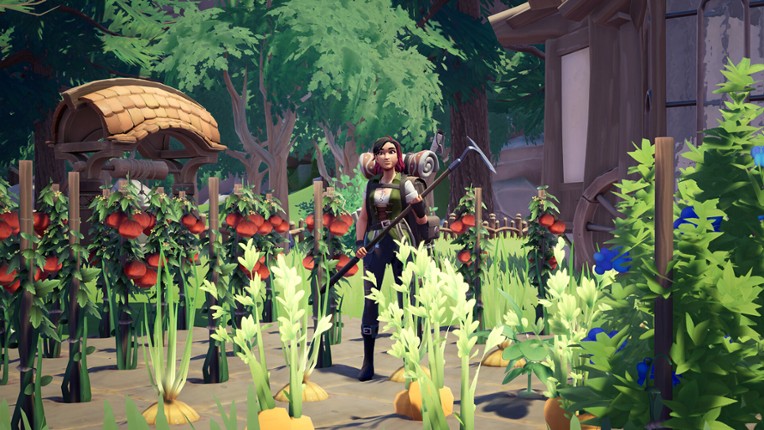
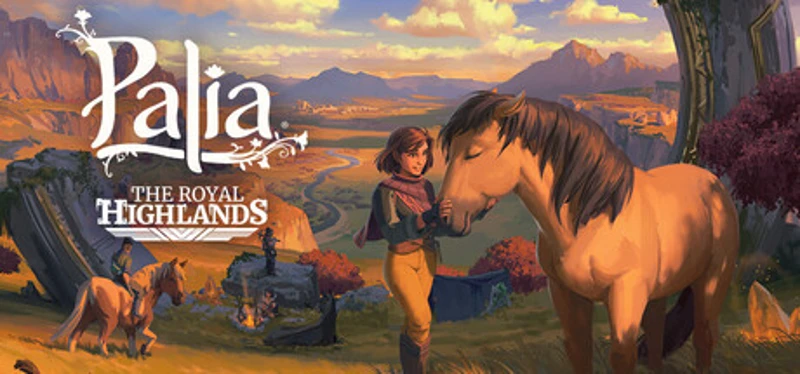
- 89%Game Brain ScoreMost mentioned positive aspects:story, gameplayMost mentioned negative aspects:grinding, stability89% User Score 26,624 reviewsPalia turns the farm into a free‑to‑play MMO world, letting you farm alongside hundreds of players in a cozy, story‑light setting. If you enjoyed this game, see our list of games similar to Palia.View Game
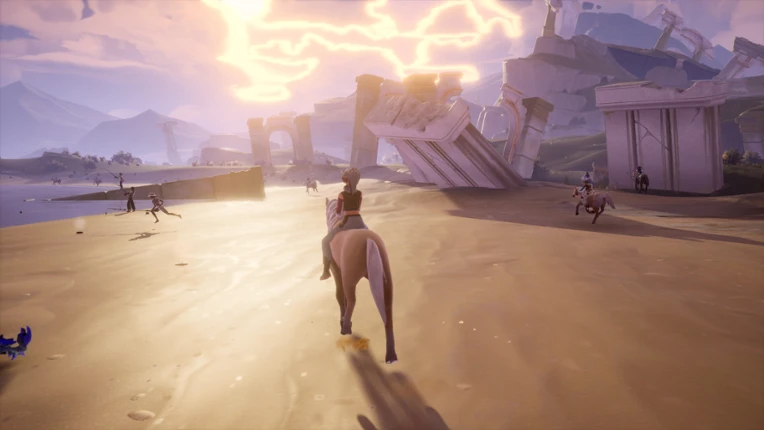
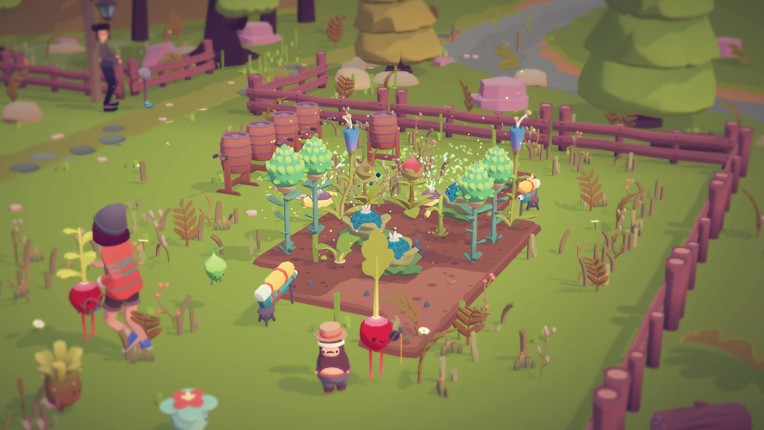
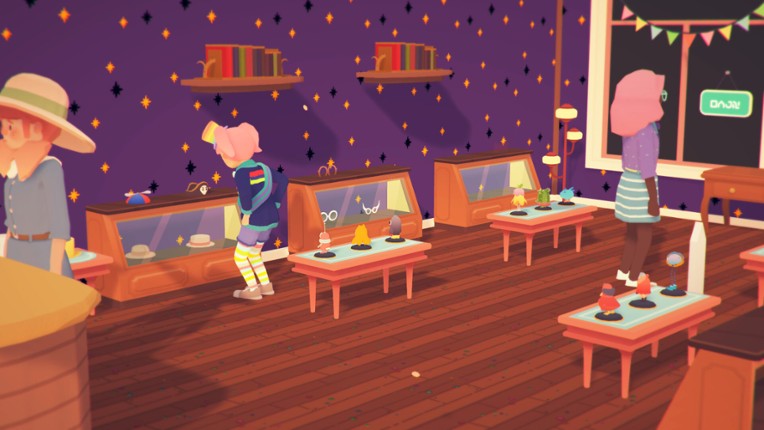
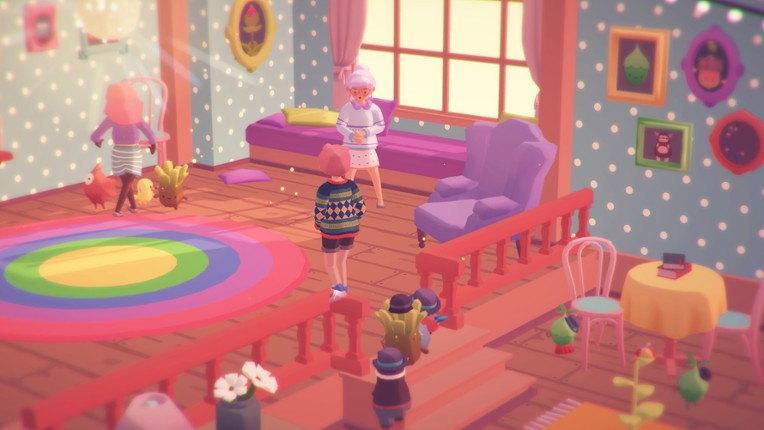
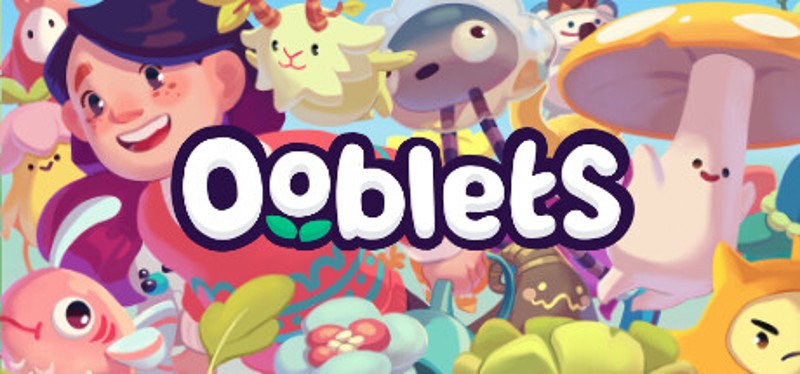
- 82%Game Brain ScoreMost mentioned positive aspects:story, gameplayMost mentioned negative aspects:grinding, replayability92% User Score 1,470 reviewsCritic Score 71%8 reviewsOoblets mixes farming with turn‑based card battles and creature collection, turning the cozy routine into a quirky, party‑based adventure in a vibrant world. If you enjoyed this game, see our list of games similar to Ooblets.View Game
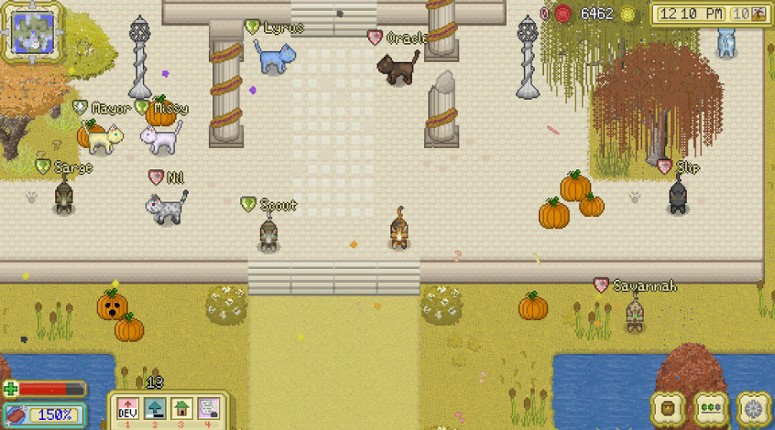
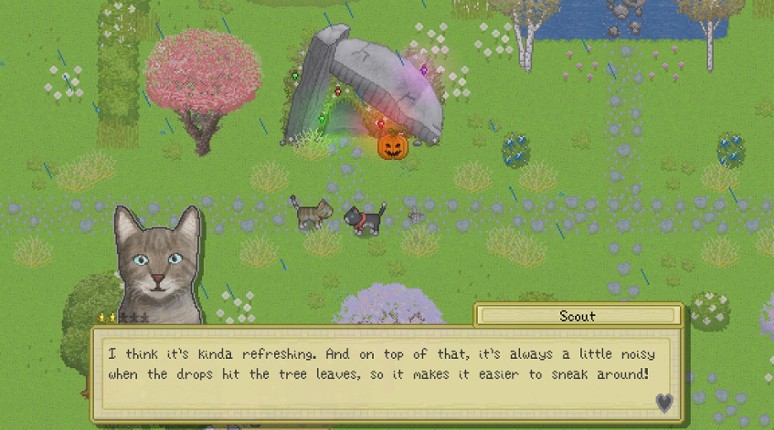
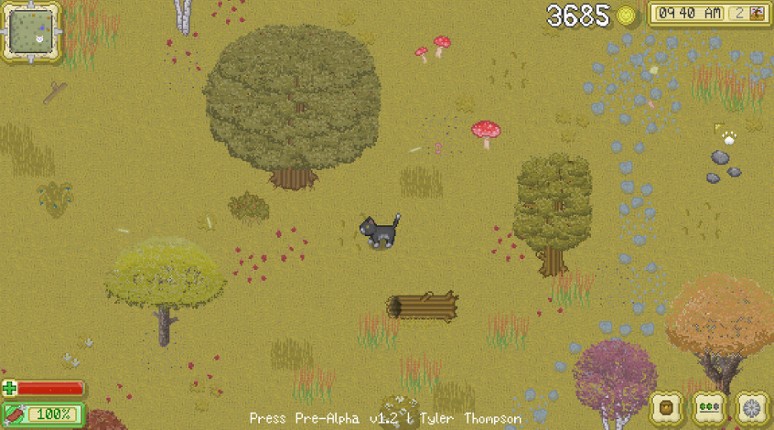
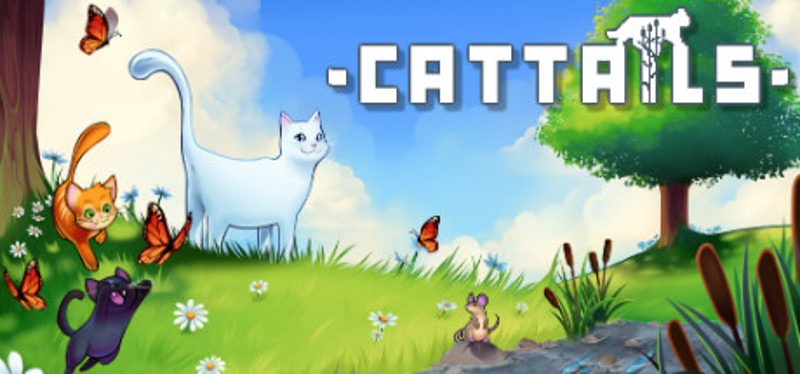
- 96%Game Brain ScoreMost mentioned positive aspects:story, gameplayMost mentioned negative aspects:grinding, stability96% User Score 2,497 reviewsCattails puts you in a colony of cats, swapping Stardew’s crops for hunting, mining, and a vibrant, cat‑centric social simulation. If you enjoyed this game, see our list of games similar to Cattails.View Game
- 87%Game Brain ScoreMost mentioned positive aspects:story, graphicsMost mentioned negative aspects:grinding, stability88% User Score 20,326 reviewsCritic Score 81%1 reviews
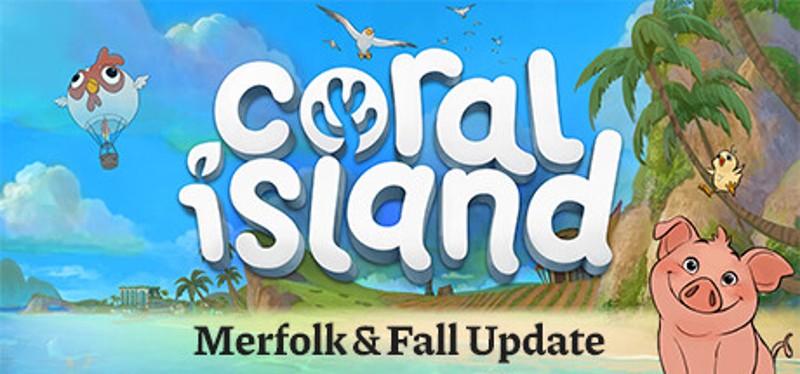
Both games anchor themselves in relaxing farm-life routines with genuine relationship depth. You'll spend seasons planting, fishing, and courting NPCs in nearly identical loops.
Coral Island adds LGBTQ+ romance options that Stardew Valley lacks, which matters if inclusive character representation shapes your playstyle.
The tradeoff: Coral Island is Early Access with acknowledged optimization issues and bugs, whereas Stardew Valley is stable and complete.
Pick this up if you want Stardew's formula with queer representation and can tolerate a rougher technical foundation.
If you enjoyed this game, see our list of games similar to Coral Island.View Game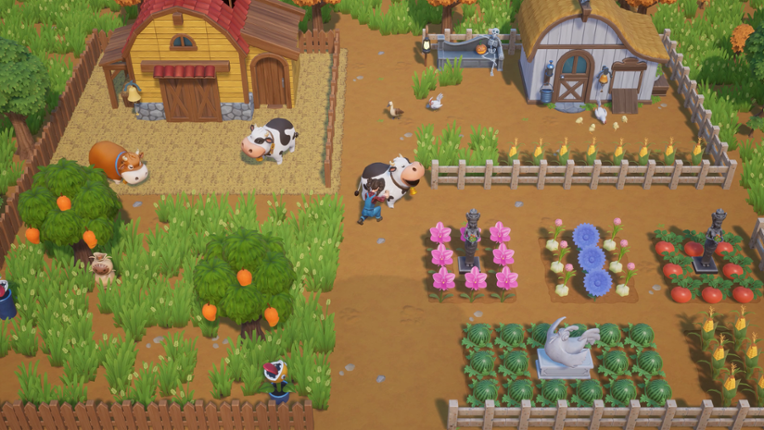
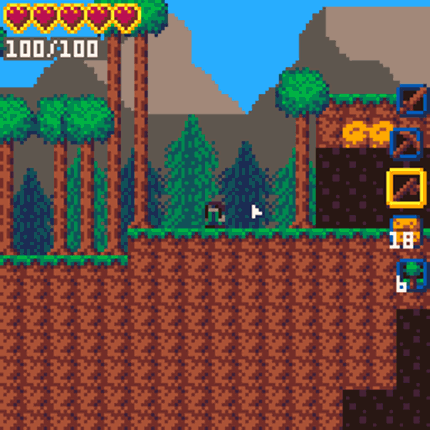
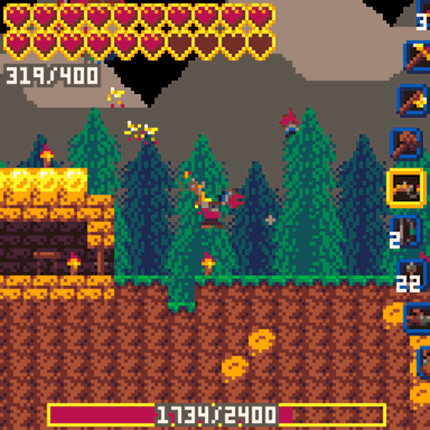
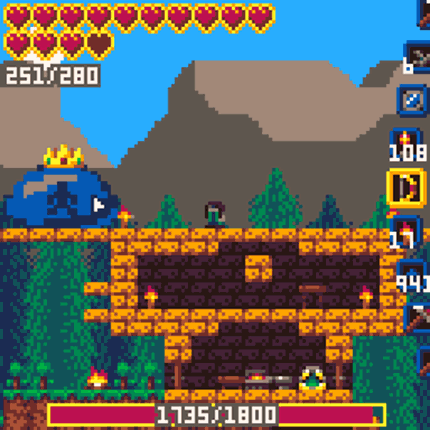
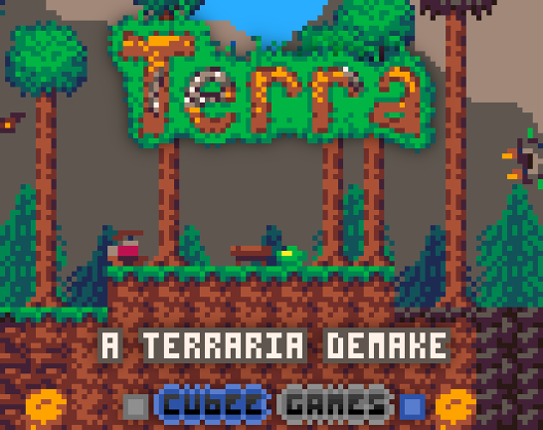
- 98%Game Brain ScoreMost mentioned positive aspects:gameplay, graphicsMost mentioned negative aspects:grinding, stability98% User Score 505,597 reviewsWhile the connection is loose, this minimalist experience strips away the social simulation entirely to focus on raw, block-based survival and pixelated exploration. If you enjoyed this game, see our list of games similar to Terra - A Terraria Demake.View Game
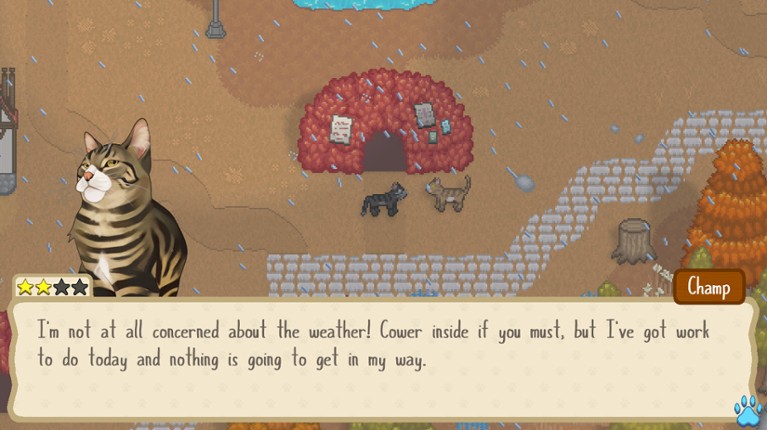
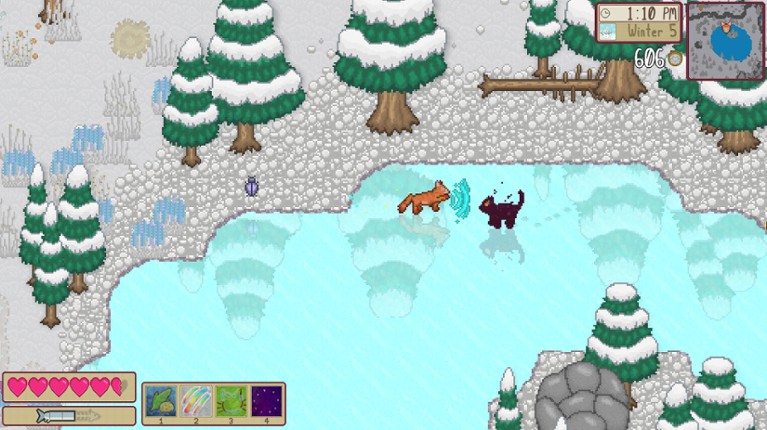
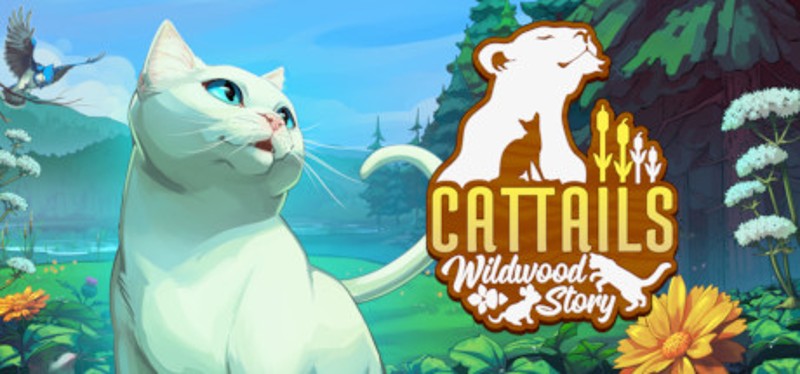
- 98%Game Brain ScoreMost mentioned positive aspects:story, gameplayMost mentioned negative aspects:grinding, optimization98% User Score 1,824 reviewsCattails: Wildwood Story expands the cat colony with base‑building and deeper immersion, delivering a cozy pixel‑art life sim with mining and farming on the side. If you enjoyed this game, see our list of games similar to Cattails: Wildwood Story.View Game
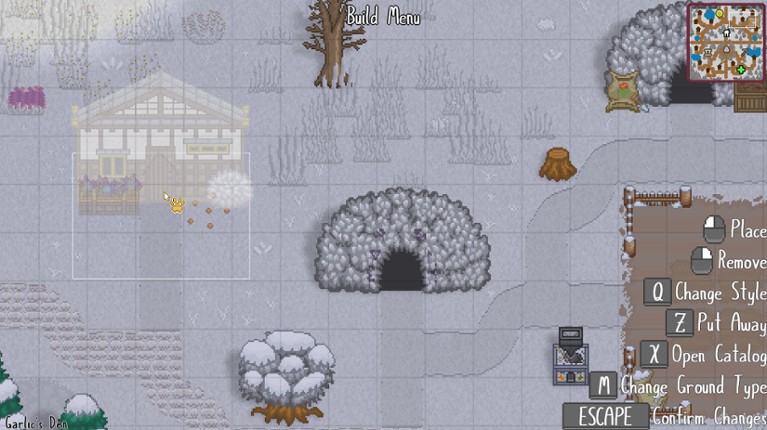
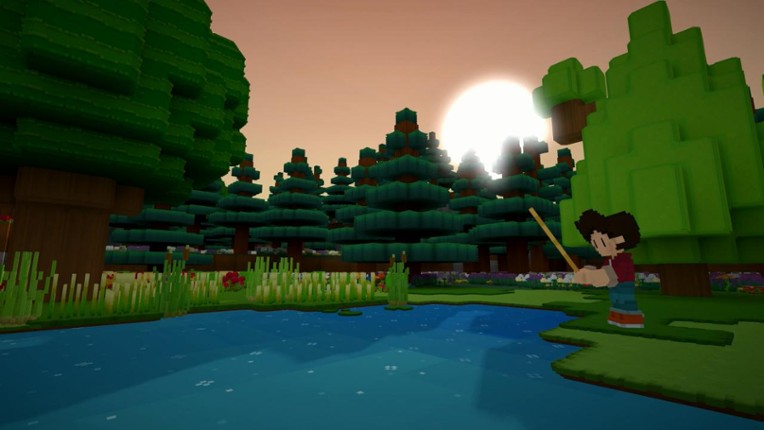
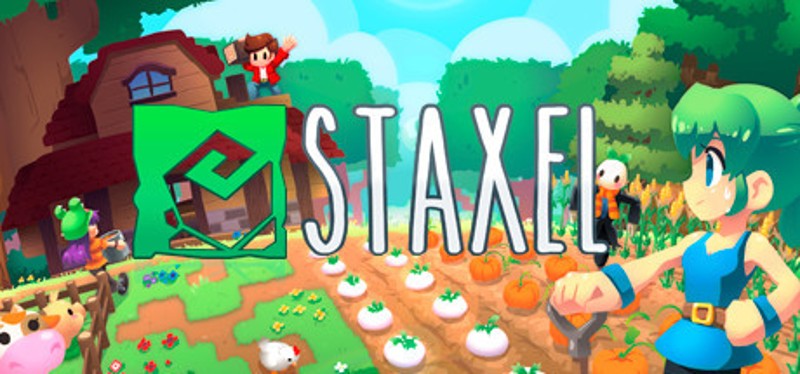
- 72%Game Brain ScoreMost mentioned positive aspects:story, gameplayMost mentioned negative aspects:grinding, stability78% User Score 2,991 reviewsCritic Score 60%4 reviewsStaxel replaces Stardew’s pixel art with voxel visuals, emphasizing sandbox building and farming in a colorful, community‑driven world you can explore together. If you enjoyed this game, see our list of games similar to Staxel.View Game
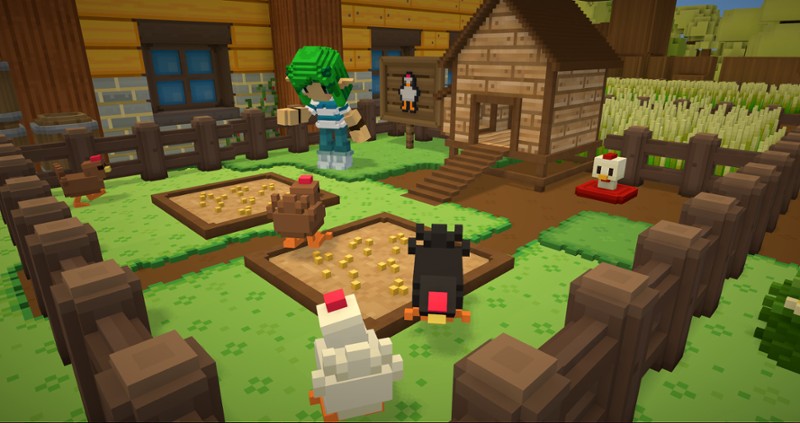
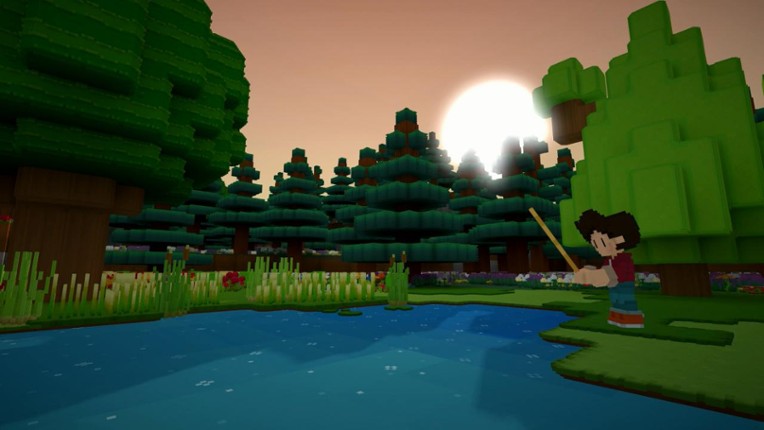
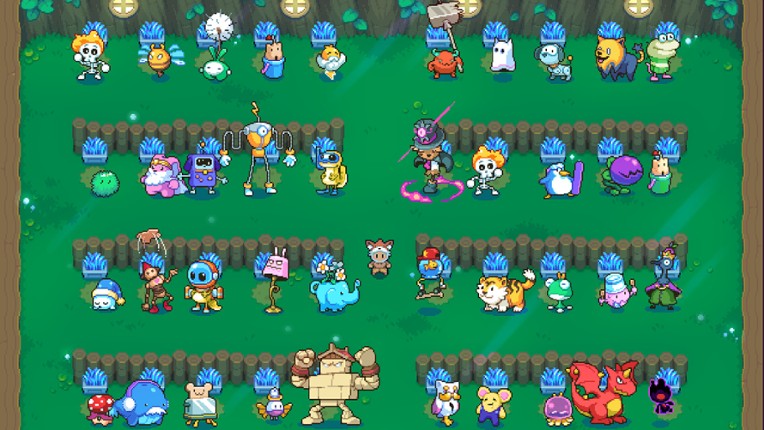
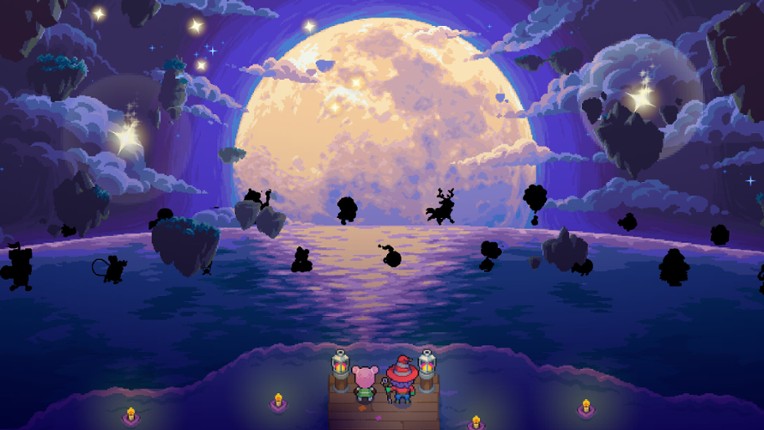
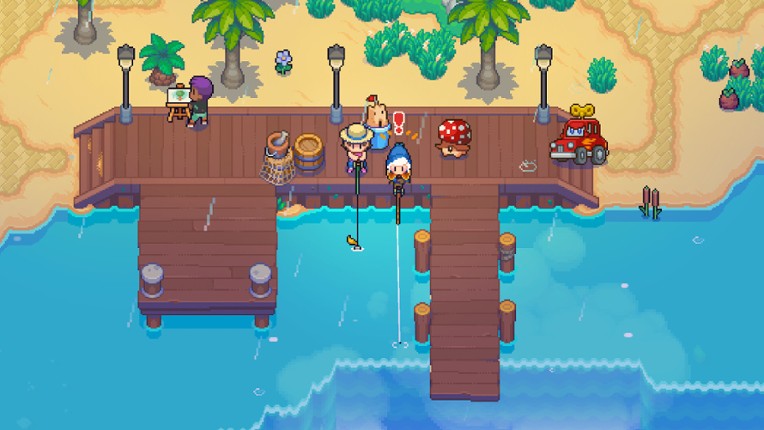
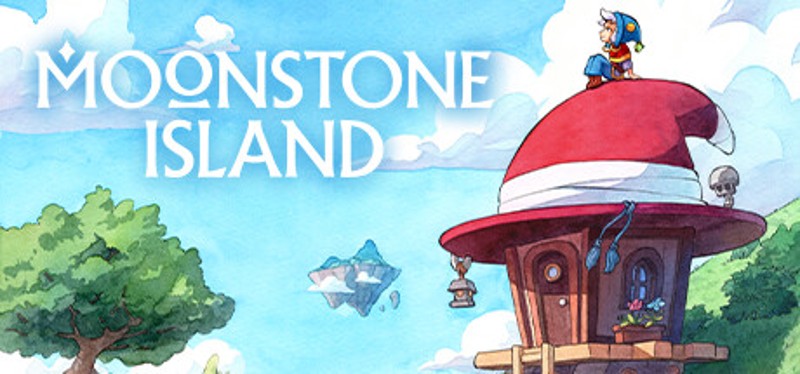
- 85%Game Brain ScoreMost mentioned positive aspects:gameplay, storyMost mentioned negative aspects:grinding, optimization86% User Score 3,323 reviewsCritic Score 83%6 reviewsMoonstone Island blends Stardew‑style farming with deck‑building card battles and creature collection, offering a pixel‑art adventure with strategic depth. If you enjoyed this game, see our list of games similar to Moonstone Island.View Game
- 87%Game Brain ScoreMost mentioned positive aspects:graphics, gameplayMost mentioned negative aspects:story, grinding94% User Score 3,874 reviewsCritic Score 74%5 reviews
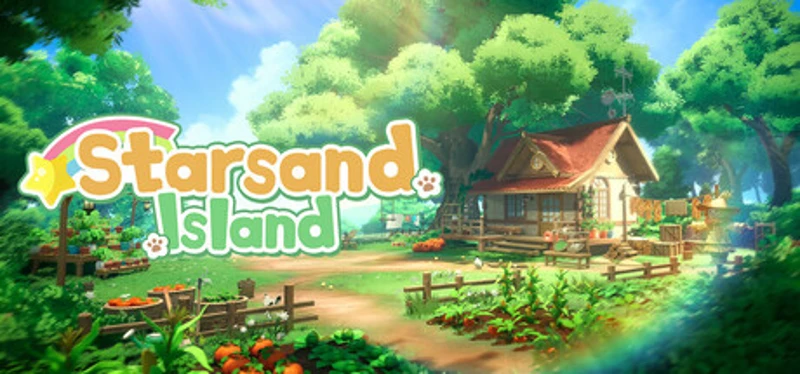
Tired of the city grind? Escape to Starsand Island and embrace the simple joys of country life! Live alongside capybaras, cats, and dogs, reel in a big catch, and explore the enchanting Moonlit Forest. Leave the hustle behind and experience the charm of this seaside paradise. If you enjoyed this game, see our list of games similar to Starsand Island.
View Game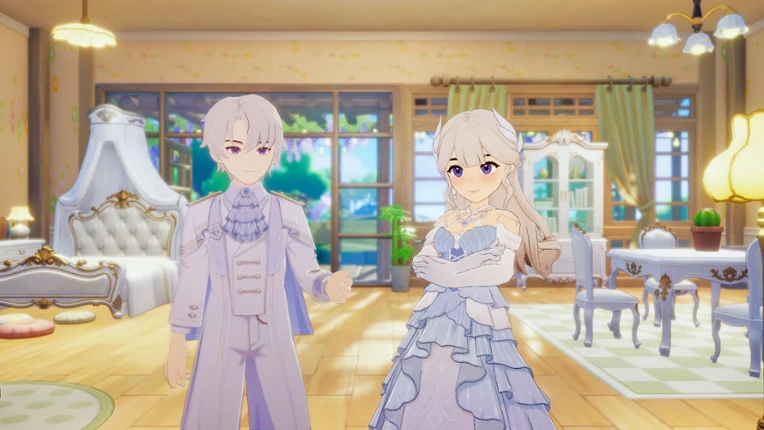

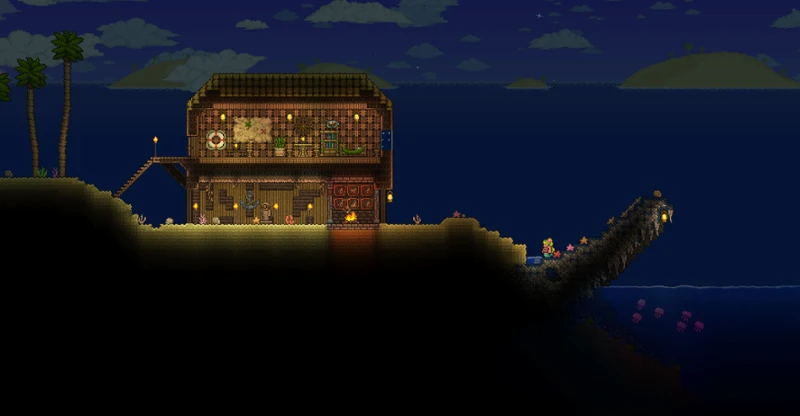
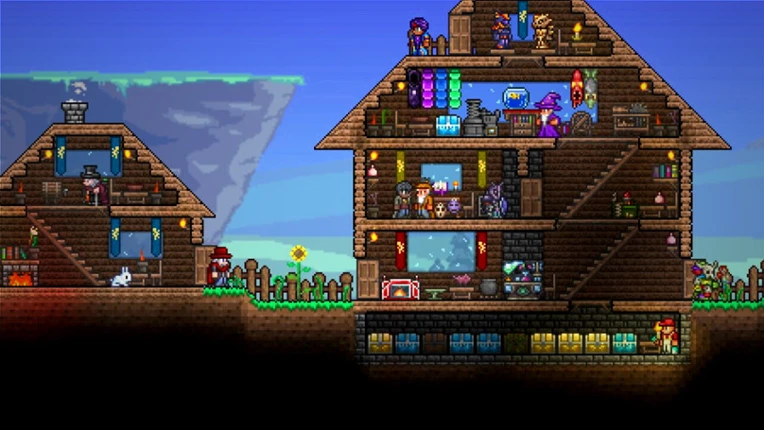
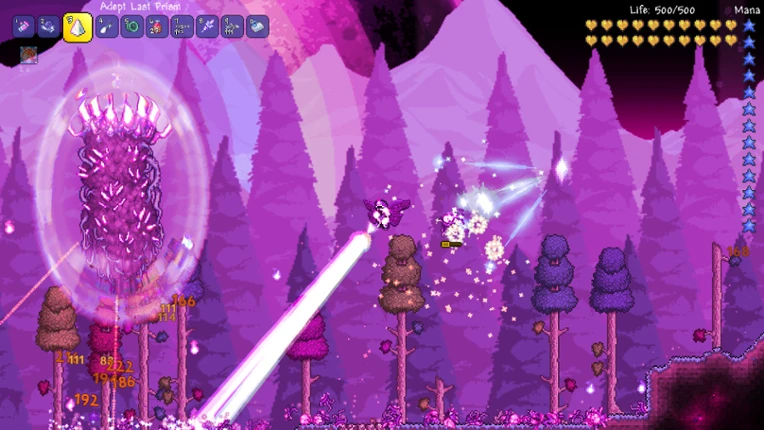
- 84%Game Brain ScoreMost mentioned positive aspects:gameplay, graphicsMost mentioned negative aspects:grinding, stability98% User Score 1,063,956 reviewsCritic Score 70%20 reviewsTakes Stardew's crafting and co-op framework into hostile 2D survival territory with boss combat and atmospheric exploration replacing pastoral relationships. If you enjoyed this game, see our list of games similar to Terraria.View Game
25 View Game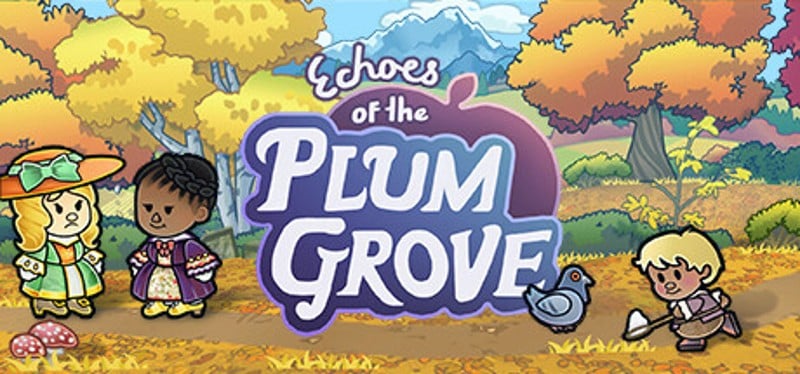 92%Game Brain ScoreMost mentioned positive aspects:graphics, gameplayMost mentioned negative aspects:grinding, stability92% User Score 2,370 reviewsMirrors Stardew's hand-drawn cozy farming but roots it in historical colony building with harder narrative choices and minimal romance options. If you enjoyed this game, see our list of games similar to Echoes of the Plum Grove.View Game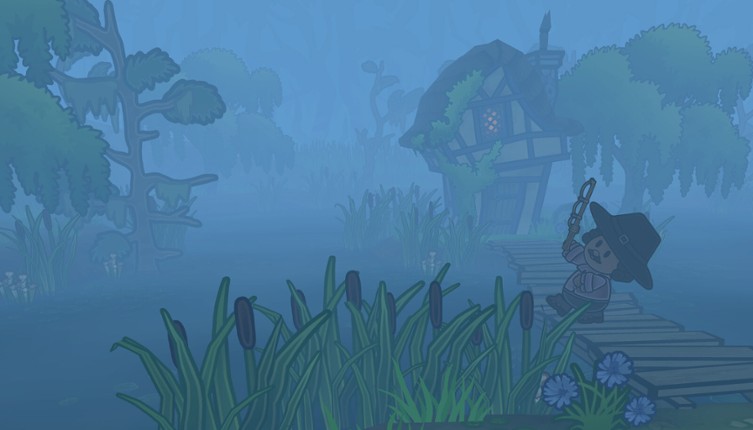
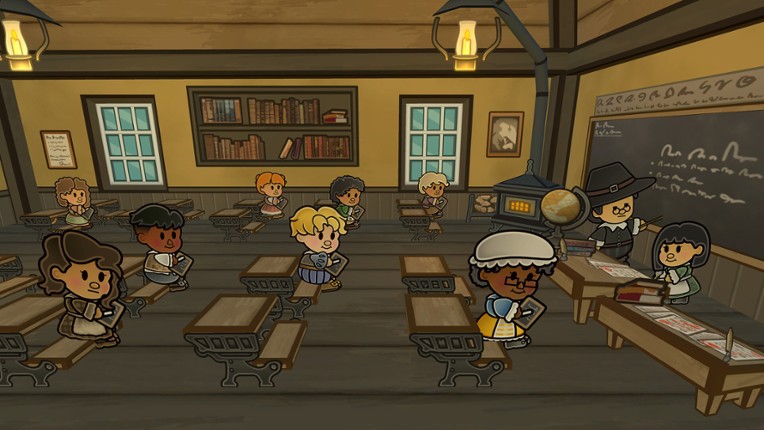
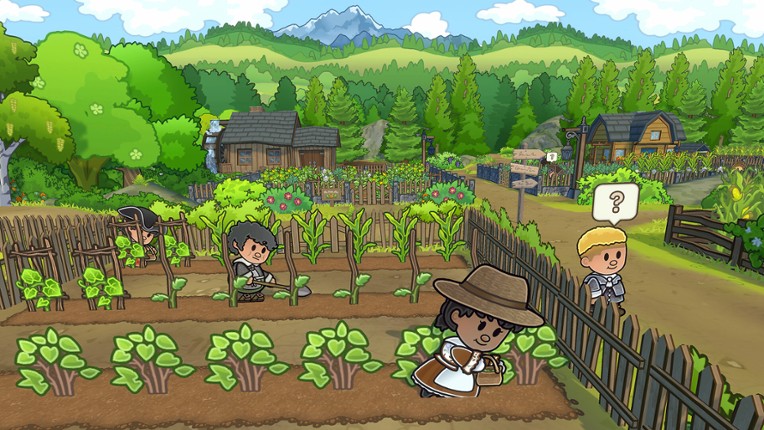
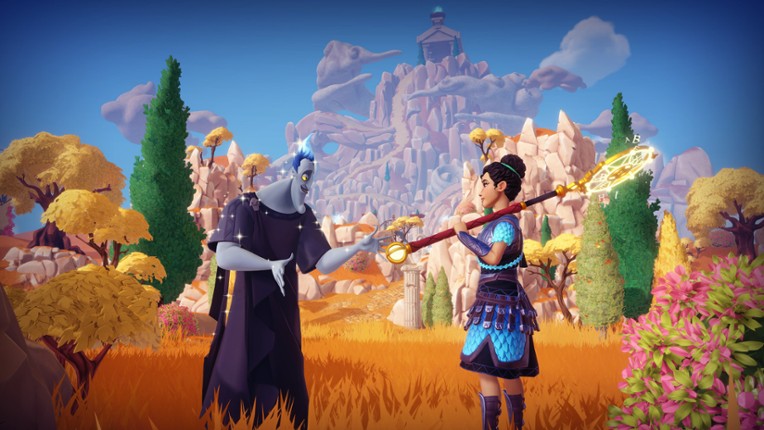
26 View Game 90%Game Brain ScoreMost mentioned positive aspects:story, gameplayMost mentioned negative aspects:grinding, stability90% User Score 23,170 reviewsExpands Stardew's crafting and fishing with Disney character interactions and magic systems, trading indie solitude for IP-driven narrative structure. If you enjoyed this game, see our list of games similar to Disney Dreamlight Valley.View Game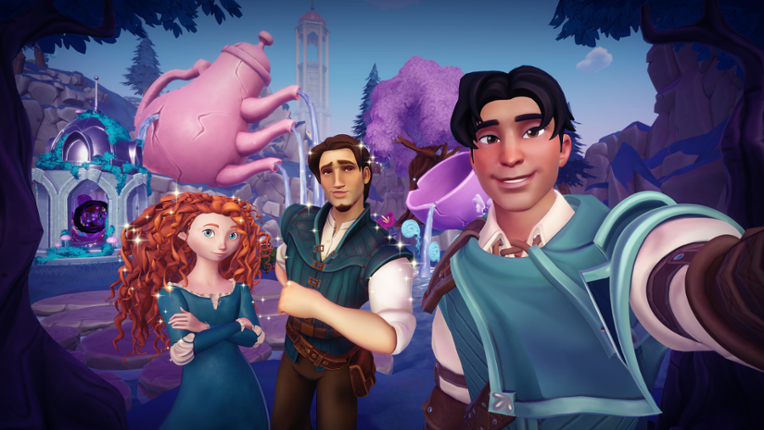
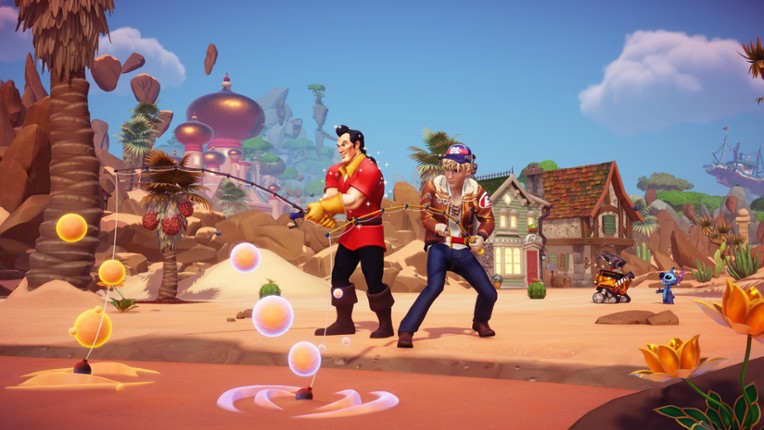
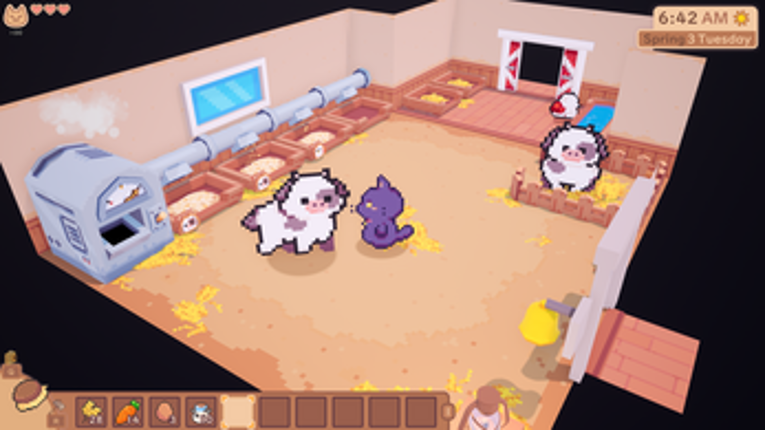
- 97%Game Brain ScoreMost mentioned positive aspects:story, gameplayMost mentioned negative aspects:grinding, stability97% User Score 865 reviewsTrades Stardew's small-town charm for a cat-populated farm in early access, swapping relationship depth with whimsy and 3D colorful aesthetics. If you enjoyed this game, see our list of games similar to Snacko.View Game
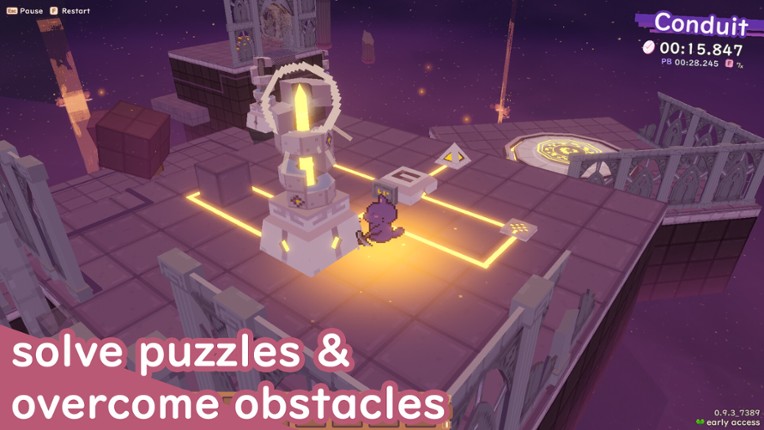
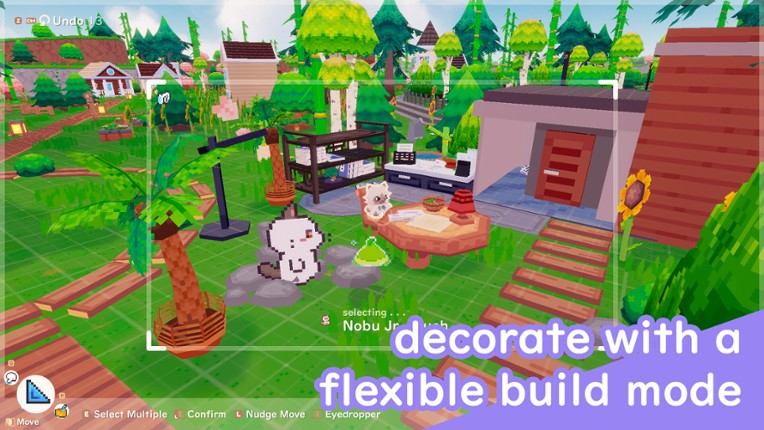
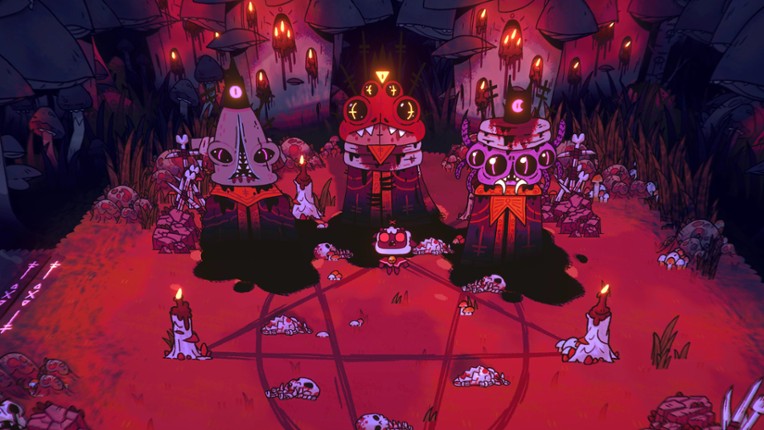
- 93%Game Brain ScoreMost mentioned positive aspects:gameplay, graphicsMost mentioned negative aspects:grinding, stability96% User Score 66,663 reviewsCritic Score 87%5 reviews
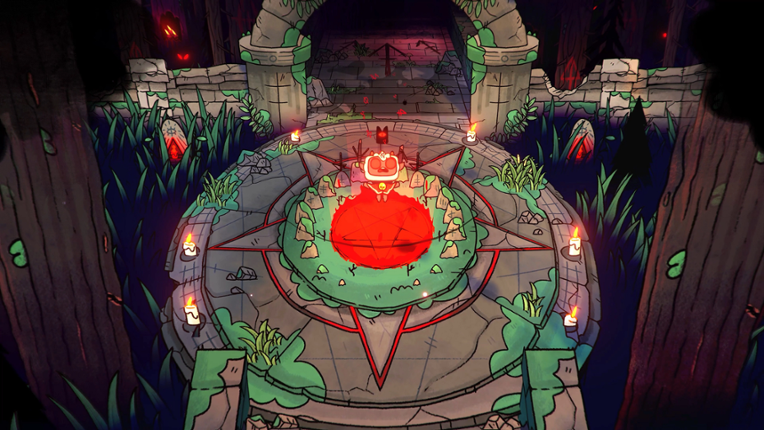
Buy Cult of the Lamb on PlayStation Store. Start a cult, build your flock and explore a mysterious, procedurally generated world. If you enjoyed this game, see our list of games similar to Cult of the Lamb.
View Game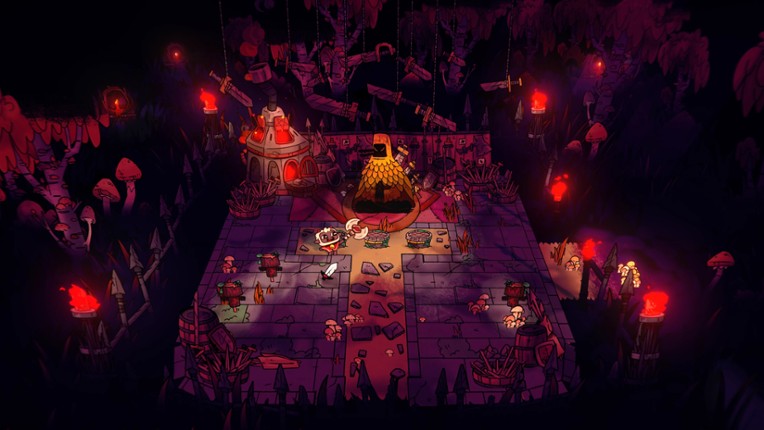
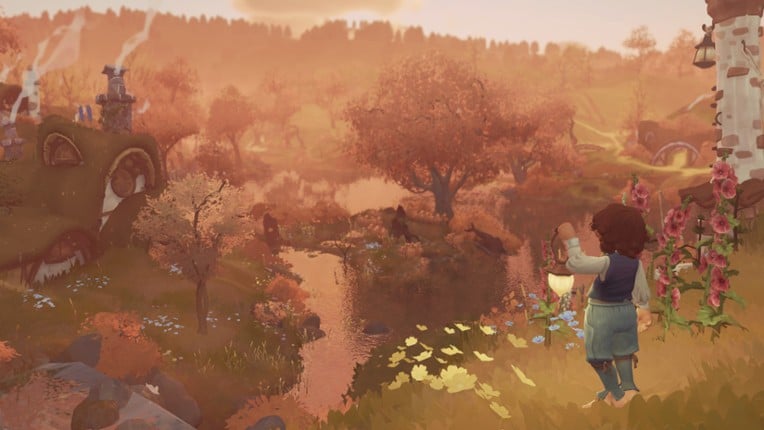
29 View Game 72%Game Brain ScoreMost mentioned positive aspects:story, graphicsMost mentioned negative aspects:grinding, optimization83% User Score 2,586 reviewsCritic Score 61%24 reviewsSharing only a vague thematic heartbeat, this cozy life sim focuses on the gentle, Hobbit-inspired lifestyle of cooking and decorating rather than industrial farming. If you enjoyed this game, see our list of games similar to Tales of the Shire: A The Lord of The Rings Game.View Game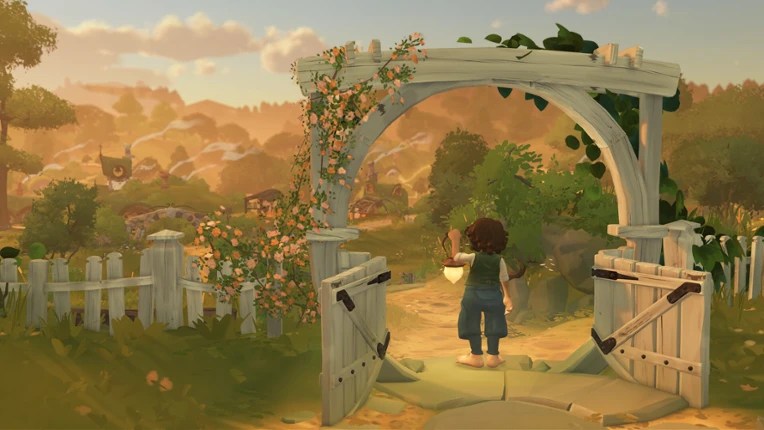
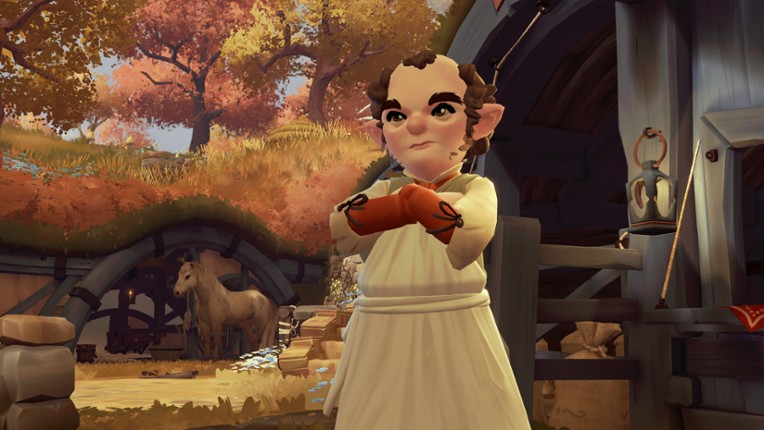
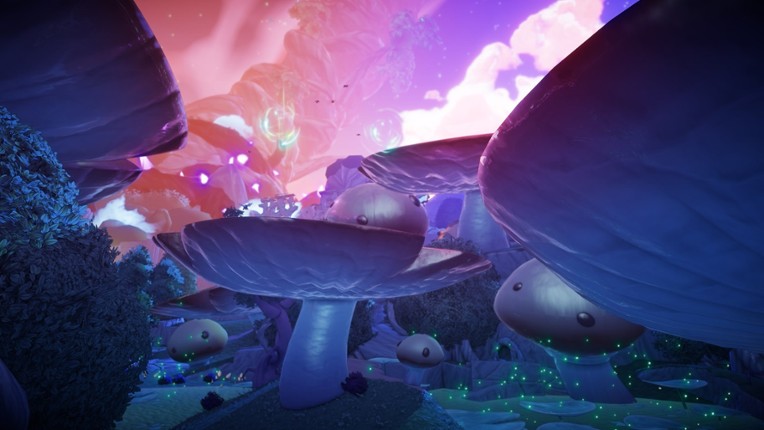
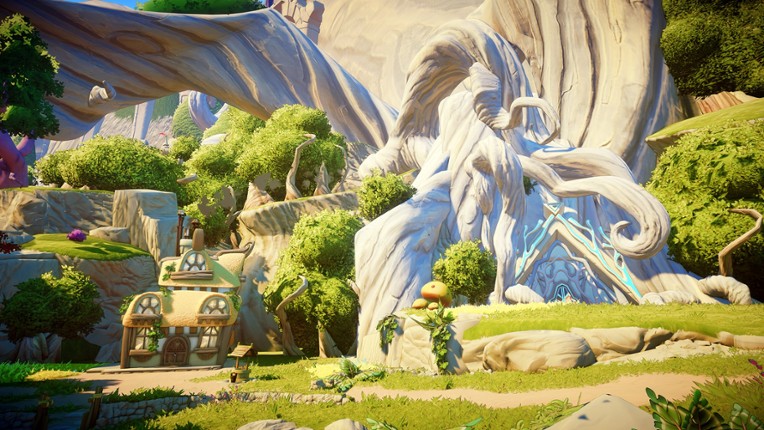
30 View Game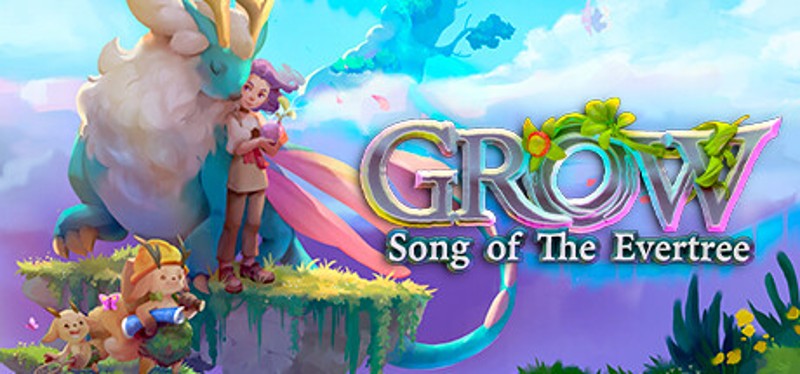 85%Game Brain ScoreMost mentioned positive aspects:story, gameplayMost mentioned negative aspects:grinding, stability83% User Score 1,495 reviewsCritic Score 90%2 reviewsWhile lacking the classic pixel-art charm, this vibrant 3D world emphasizes wholesome magical world-building over the rigorous demands of seasonal crop management. If you enjoyed this game, see our list of games similar to Grow: Song of the Evertree.View Game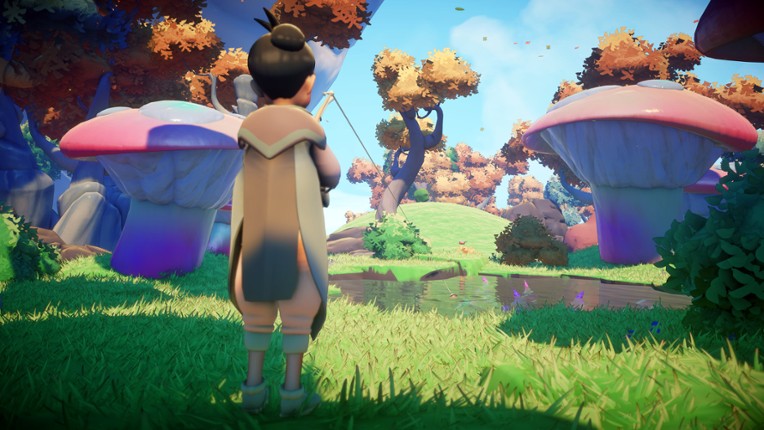
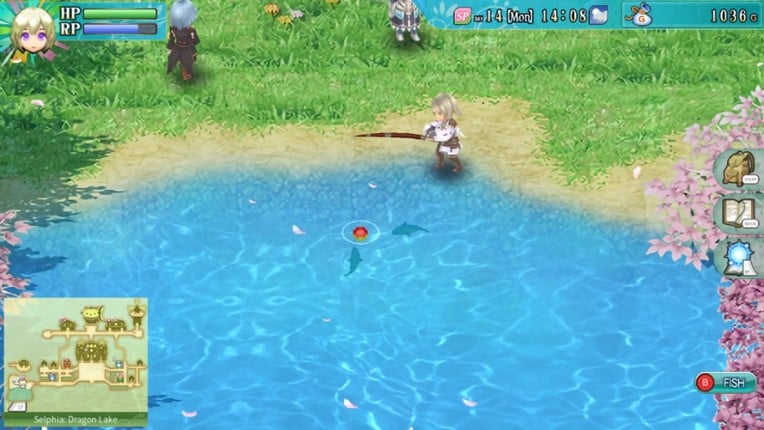
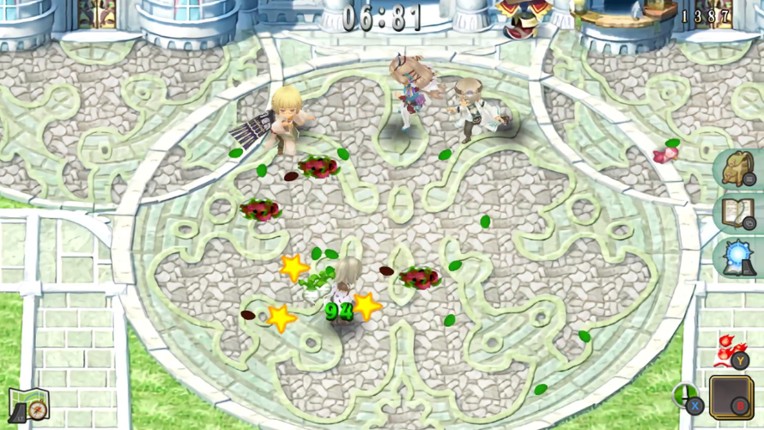
31 View Game 87%Game Brain ScoreMost mentioned positive aspects:story, gameplayMost mentioned negative aspects:grinding, graphics91% User Score 1,538 reviewsCritic Score 82%26 reviewsBorrows Stardew's farming and fishing but wraps them in party-based RPG systems, creature collecting, and anime romance with significantly deeper combat. If you enjoyed this game, see our list of games similar to Rune Factory 4 Special.View Game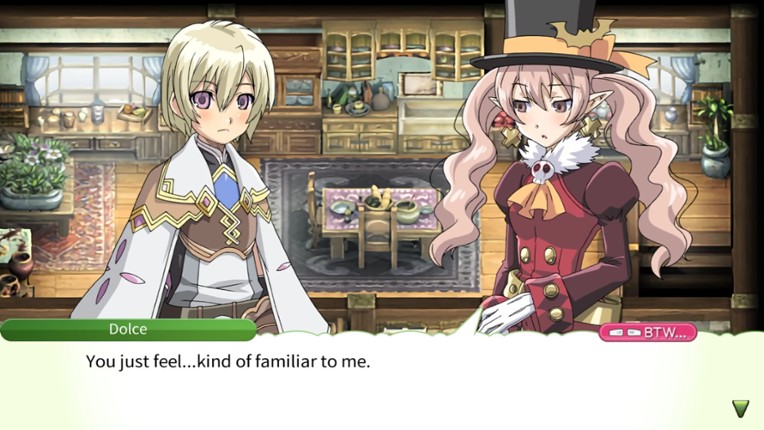
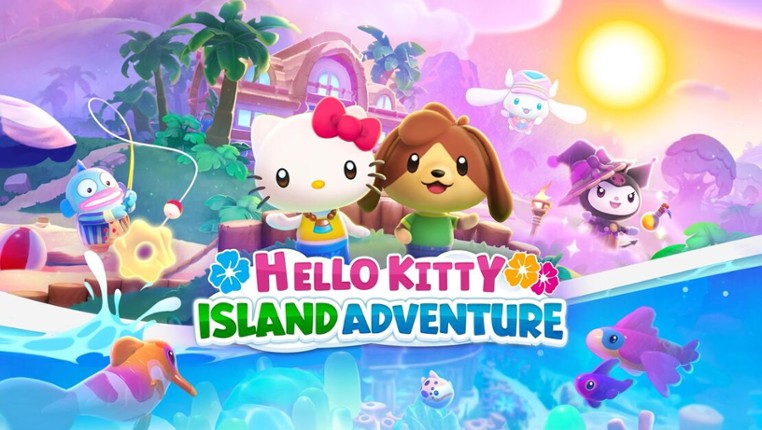
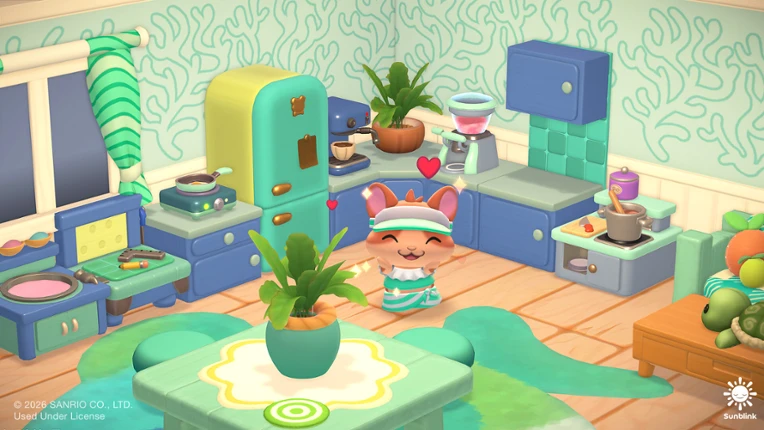
32 View Game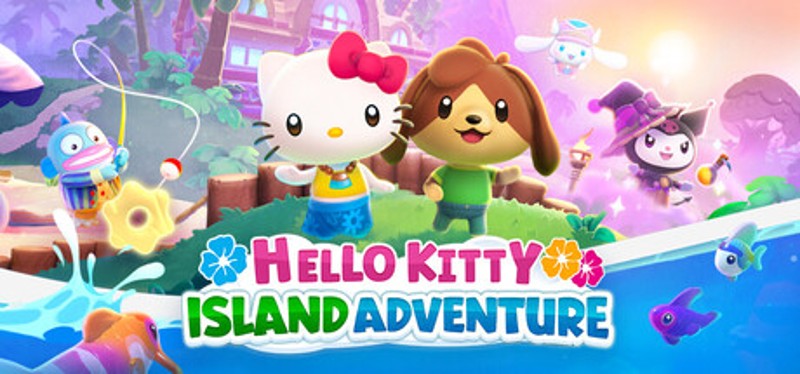 93%Game Brain ScoreMost mentioned positive aspects:story, gameplayMost mentioned negative aspects:grinding, monetization94% User Score 7,600 reviewsCritic Score 90%2 reviewsRecasts Stardew's relaxed farming loop through Hello Kitty's family-friendly lens with stronger co-op focus and isometric cooking-centric gameplay. If you enjoyed this game, see our list of games similar to Hello Kitty Island Adventure.View Game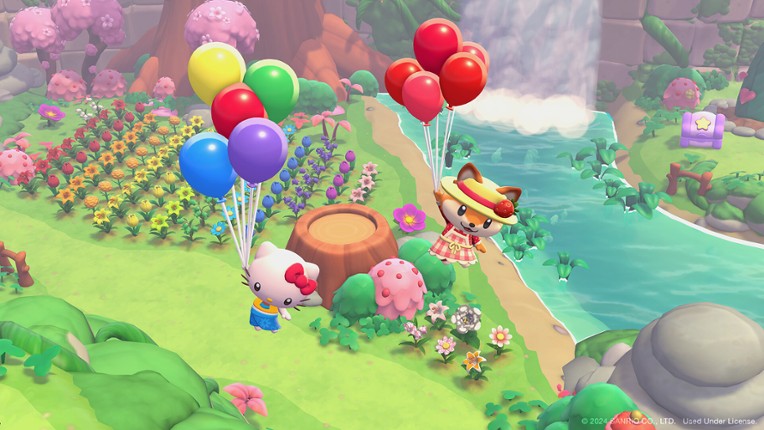
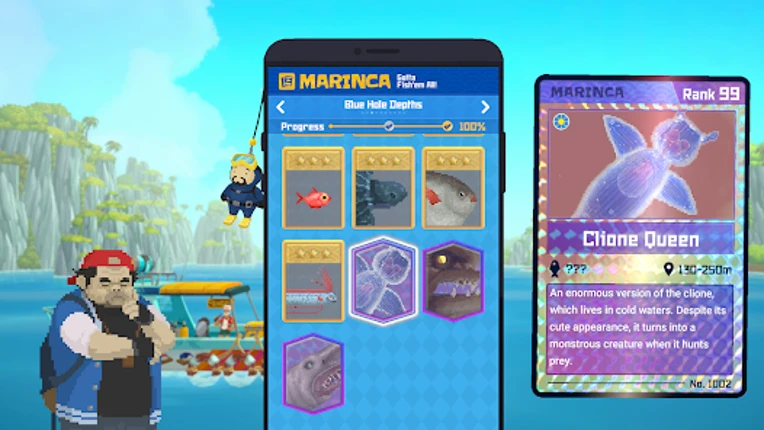
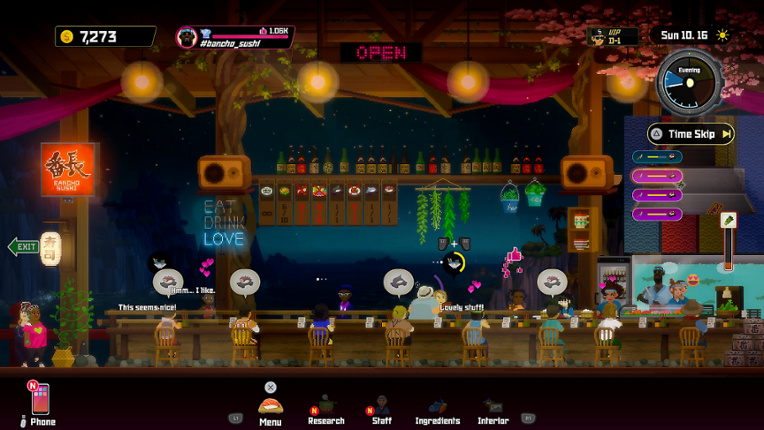
- 96%Game Brain ScoreMost mentioned positive aspects:story, gameplayMost mentioned negative aspects:grinding, stability97% User Score 49,624 reviewsCritic Score 95%1 reviewsSwap the farm for a sushi restaurant by exploring deadly deep-sea zones to catch ingredients for your nightly business, offering a thrill-focused twist. If you enjoyed this game, see our list of games similar to DAVE THE DIVER.View Game

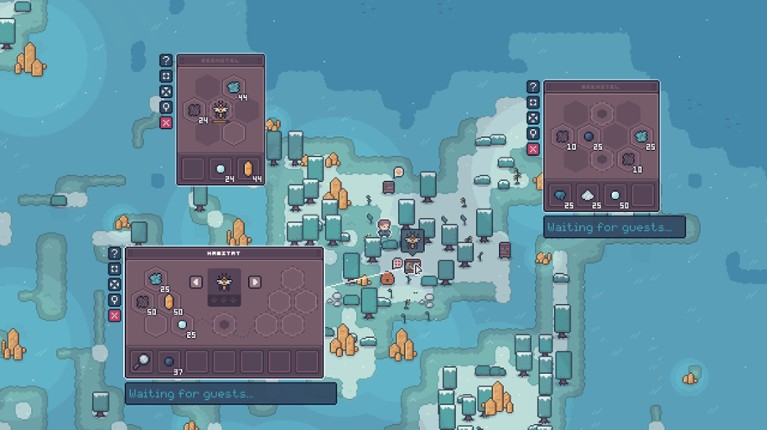
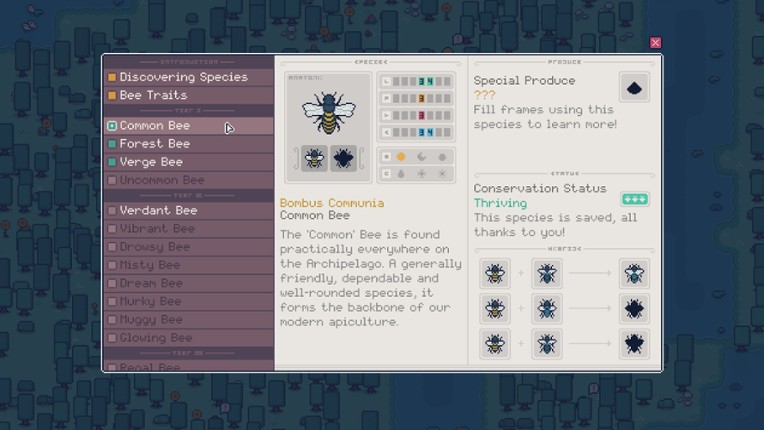
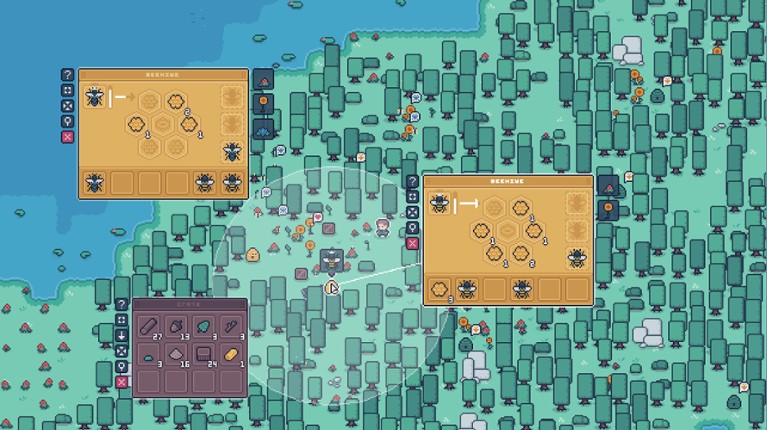
- 87%Game Brain ScoreMost mentioned positive aspects:gameplay, musicMost mentioned negative aspects:grinding, stability93% User Score 1,860 reviewsCritic Score 76%5 reviewsInherits Stardew's trading and relaxing loop through beekeeping and ecosystem management, prioritizing educational gameplay and co-op over romance arcs. If you enjoyed this game, see our list of games similar to APICO.View Game
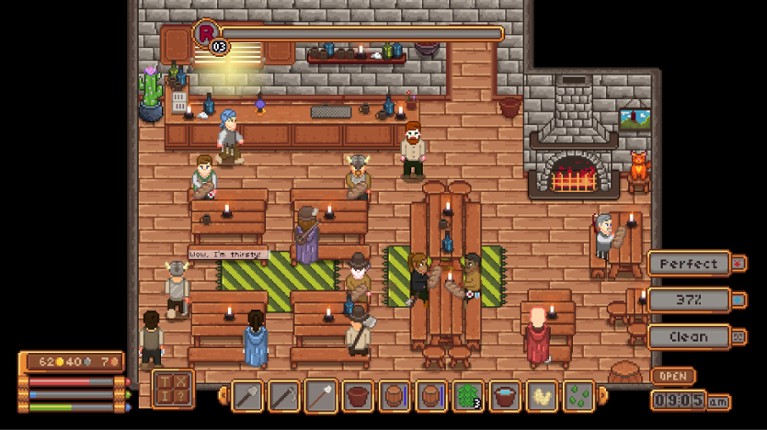
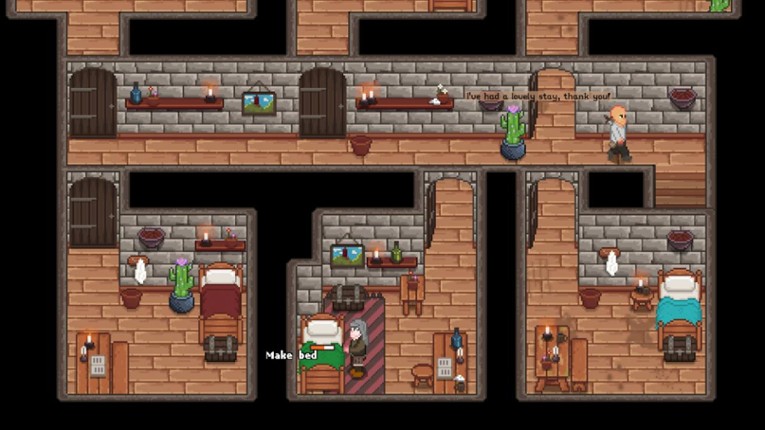
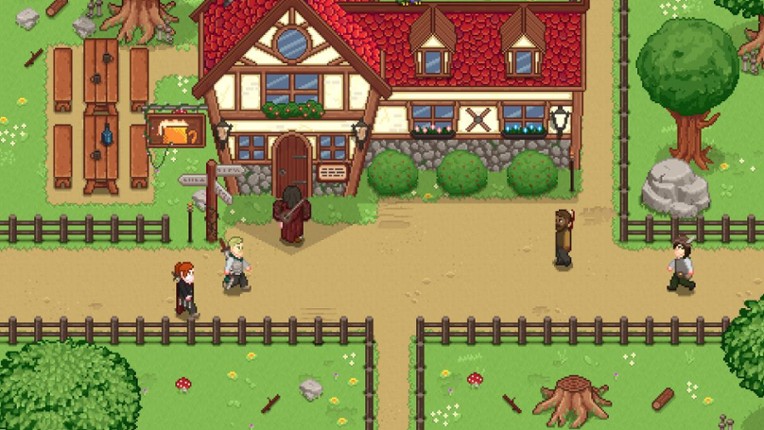
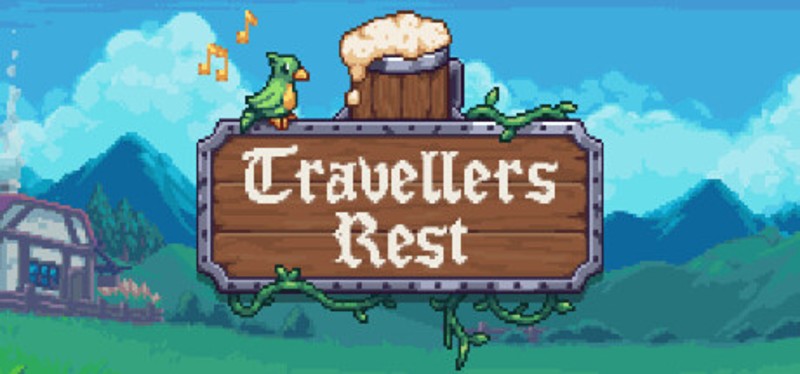
- 89%Game Brain ScoreMost mentioned positive aspects:gameplay, storyMost mentioned negative aspects:grinding, stability89% User Score 9,205 reviewsTrade your private plot of land for a bustling medieval tavern, requiring you to brew ale and manage patrons instead of growing crops. If you enjoyed this game, see our list of games similar to Travellers Rest.View Game
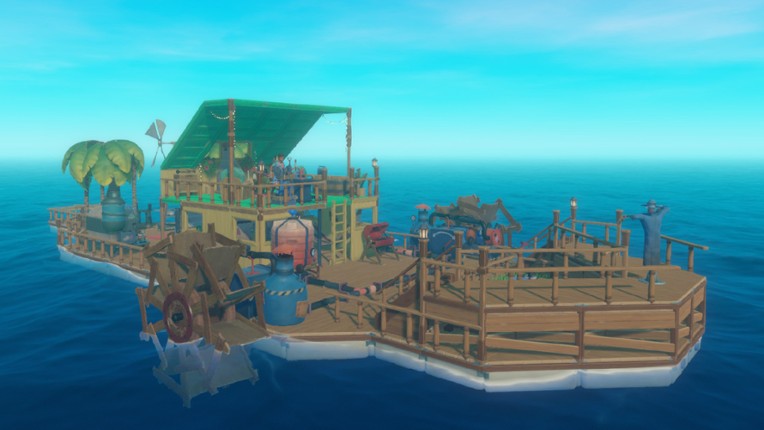
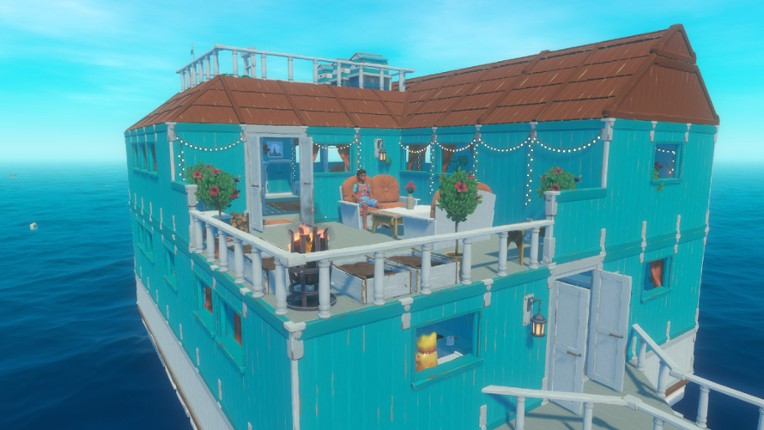
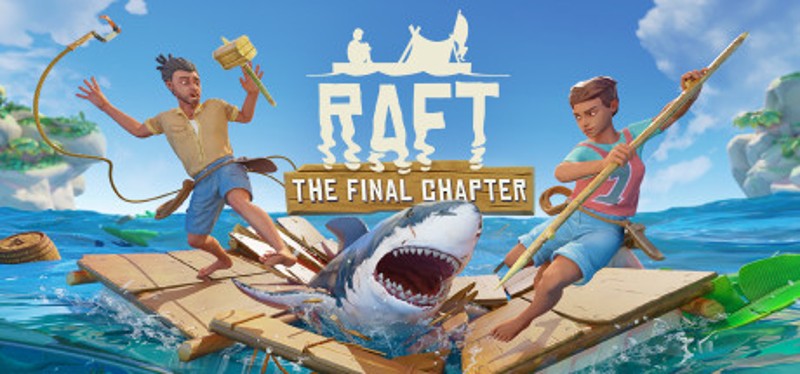
- 90%Game Brain ScoreMost mentioned positive aspects:story, gameplayMost mentioned negative aspects:grinding, stability94% User Score 228,886 reviewsCritic Score 80%3 reviewsRepurposes Stardew's survival crafting and co-op into first-person ocean exploration with persistent base building, trading intimate farm life for open survival. If you enjoyed this game, see our list of games similar to Raft.View Game

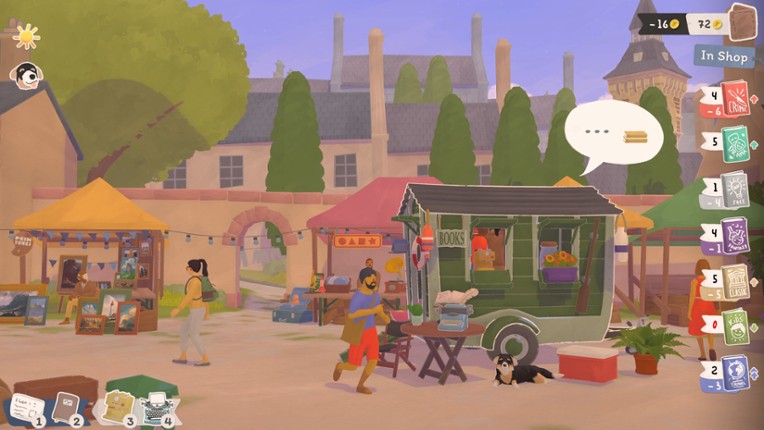
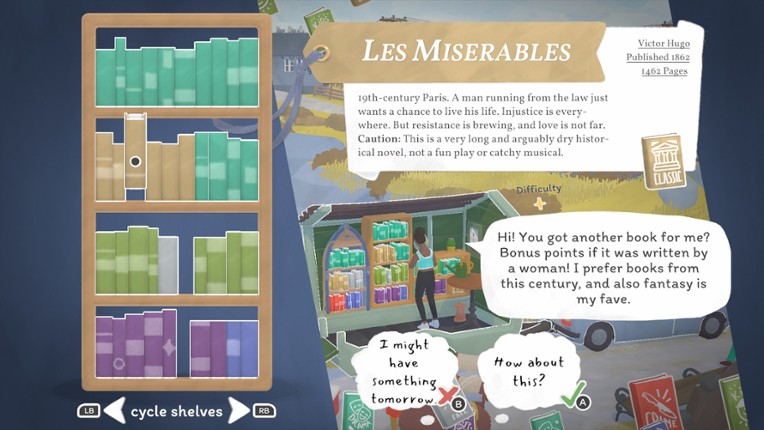
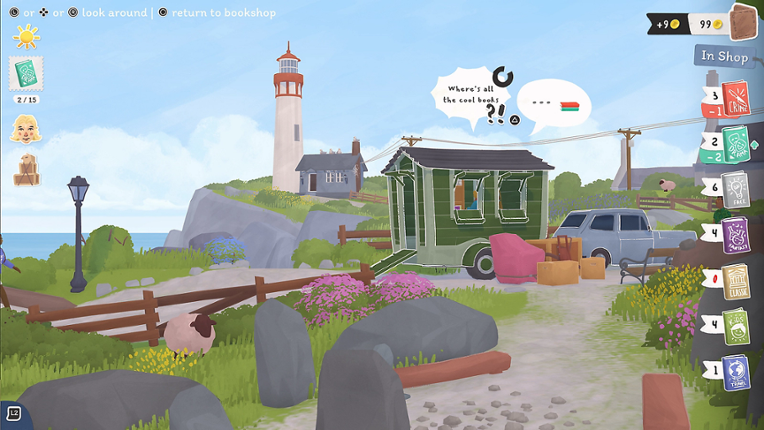
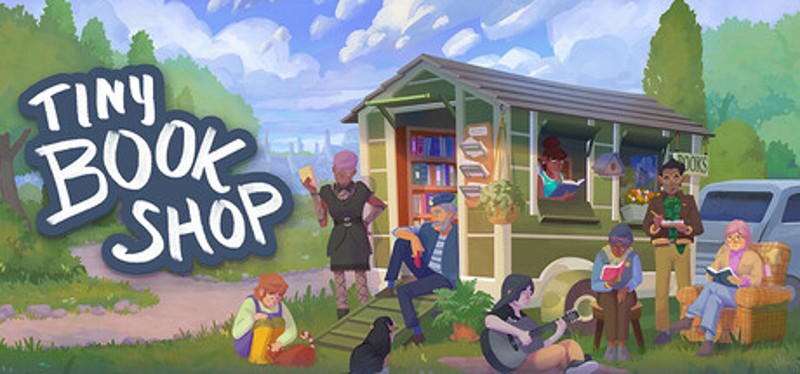
- 91%Game Brain ScoreMost mentioned positive aspects:story, gameplayMost mentioned negative aspects:grinding, stability97% User Score 5,240 reviewsCritic Score 85%12 reviewsNarrows the scope to intimate bookshop management offering choice-driven narrative paths and cozy life sim charm. If you enjoyed this game, see our list of games similar to Tiny Bookshop.View Game
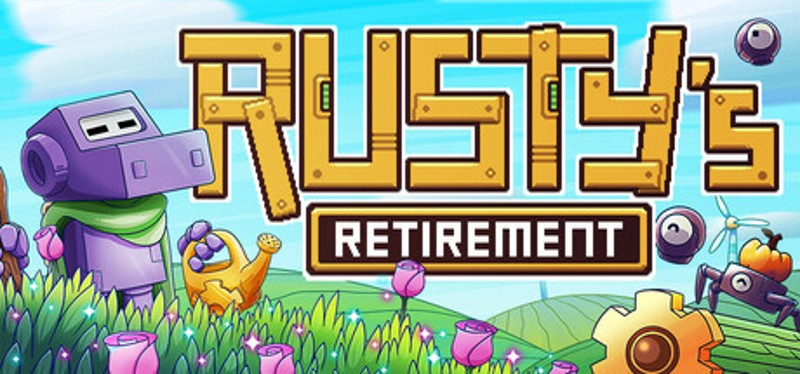
- 97%Game Brain ScoreMost mentioned positive aspects:music, graphicsMost mentioned negative aspects:grinding, optimization97% User Score 7,402 reviewsIf you enjoy passive optimization, this idle title lets you run a sprawling agricultural empire in the background while you focus on other tasks. If you enjoyed this game, see our list of games similar to Rusty's Retirement.View Game
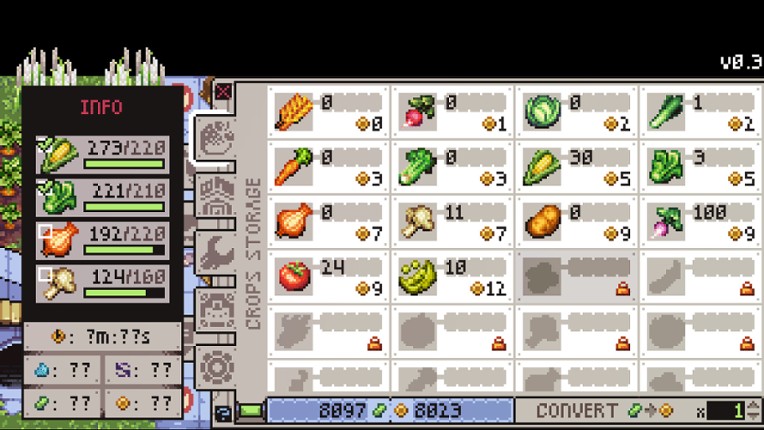
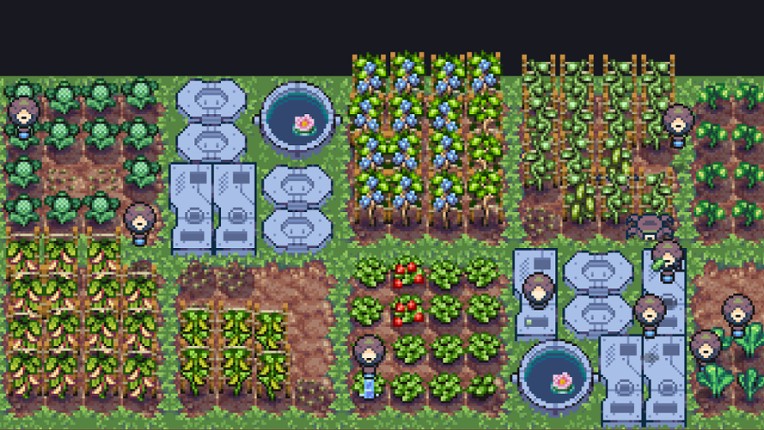
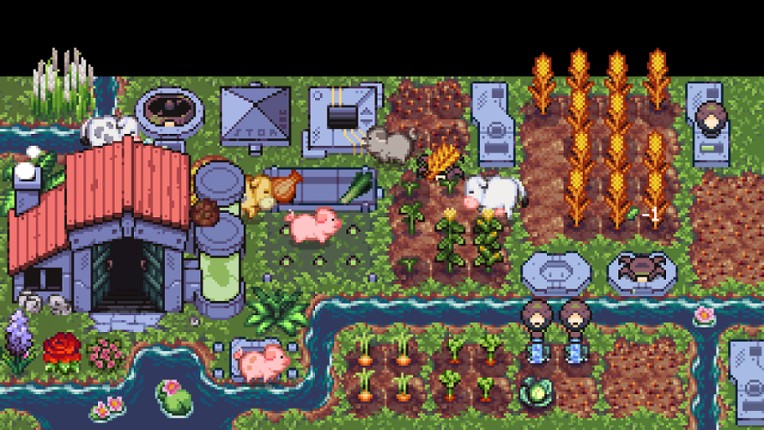
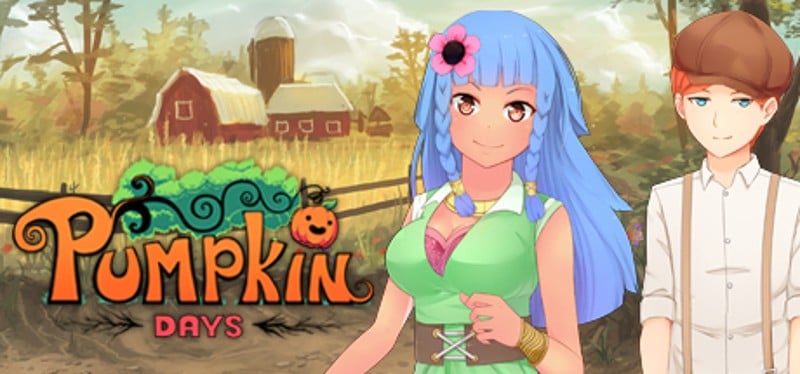
- 80%Game Brain ScoreMost mentioned positive aspects:graphics, storyMost mentioned negative aspects:grinding, stability80% User Score 347 reviewsLoosely echoes Stardew's farming multiplayer but pivots toward adult relationships and PvP competitive modes, abandoning wholesome small-town pacing. If you enjoyed this game, see our list of games similar to Pumpkin Days.View Game
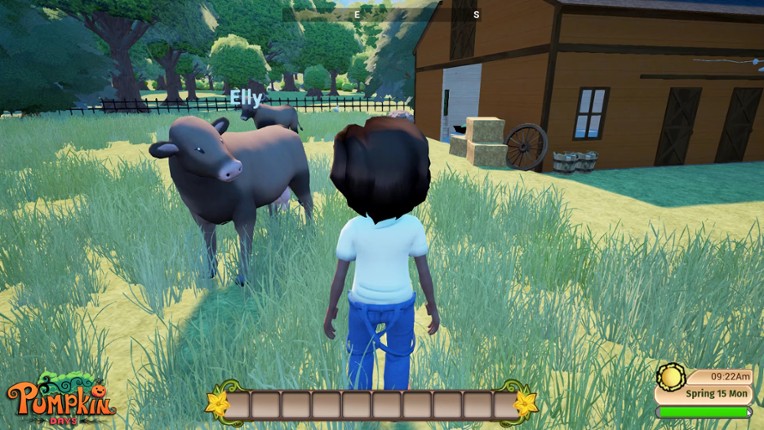
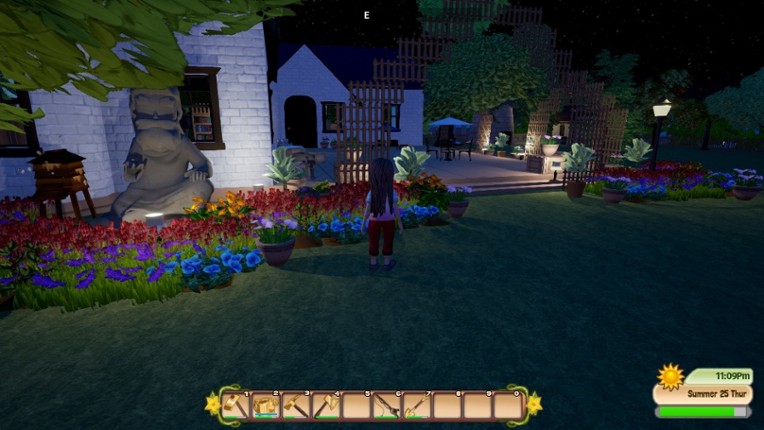
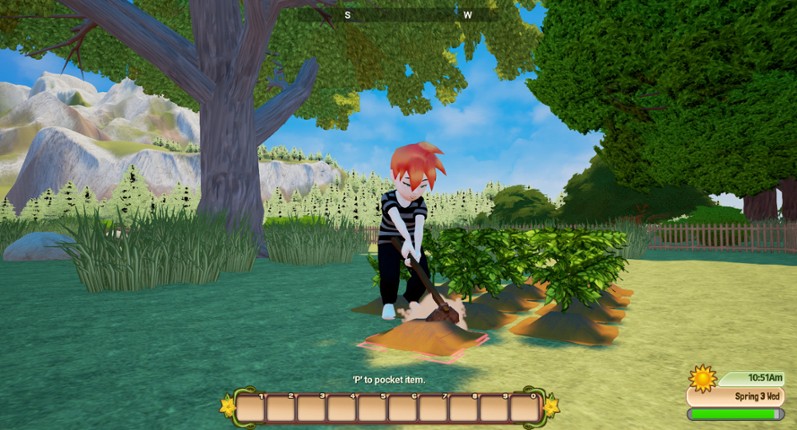
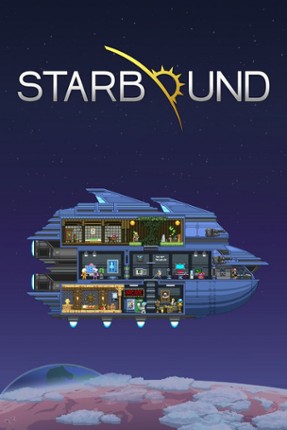
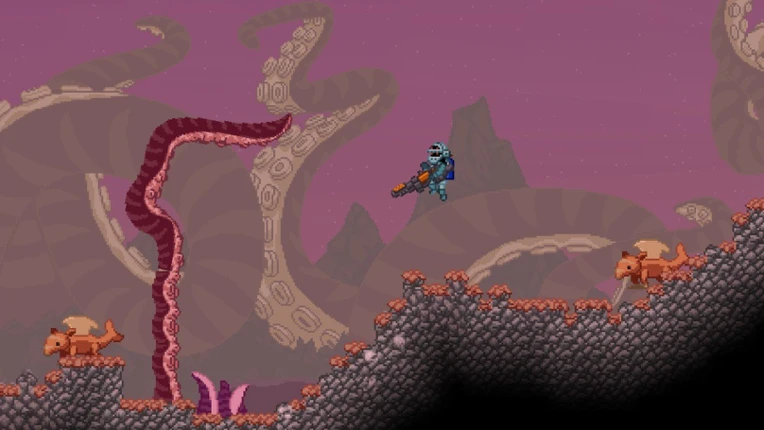
- 86%Game Brain ScoreMost mentioned positive aspects:story, gameplayMost mentioned negative aspects:grinding, optimization89% User Score 101,534 reviewsCritic Score 83%10 reviewsVenturing far beyond the local farm, this space-faring odyssey offers procedural planet exploration and combat-heavy survival against diverse alien threats. If you enjoyed this game, see our list of games similar to Starbound.View Game
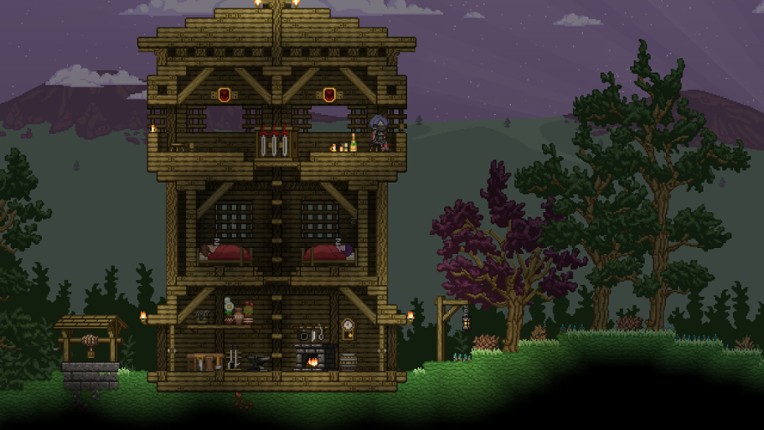
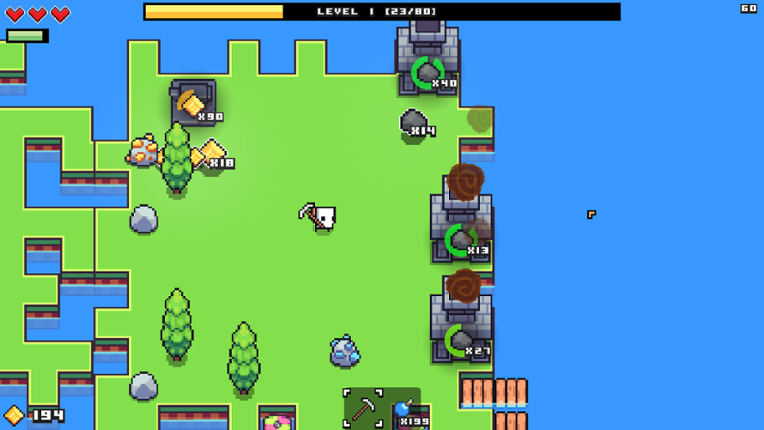
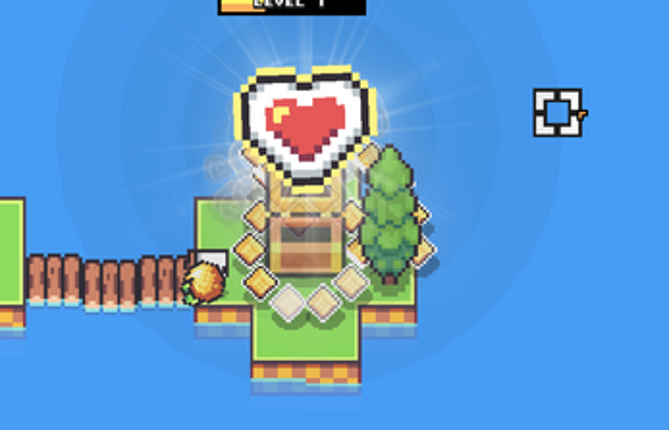
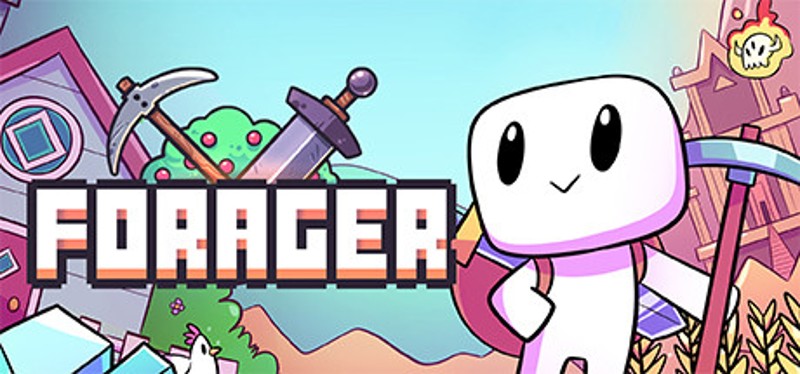
- 85%Game Brain ScoreMost mentioned positive aspects:gameplay, graphicsMost mentioned negative aspects:grinding, stability89% User Score 24,920 reviewsCritic Score 75%4 reviewsThough only distantly related to traditional farming, this title replaces character relationships with an aggressive, rapid-fire cycle of crafting and constant resource expansion. If you enjoyed this game, see our list of games similar to Forager.View Game
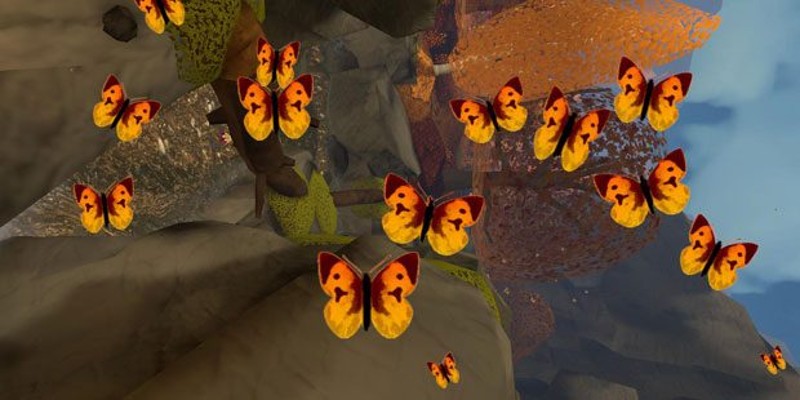
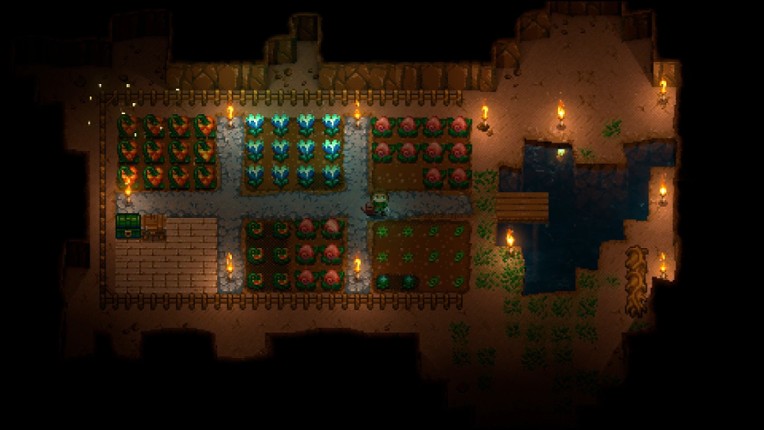
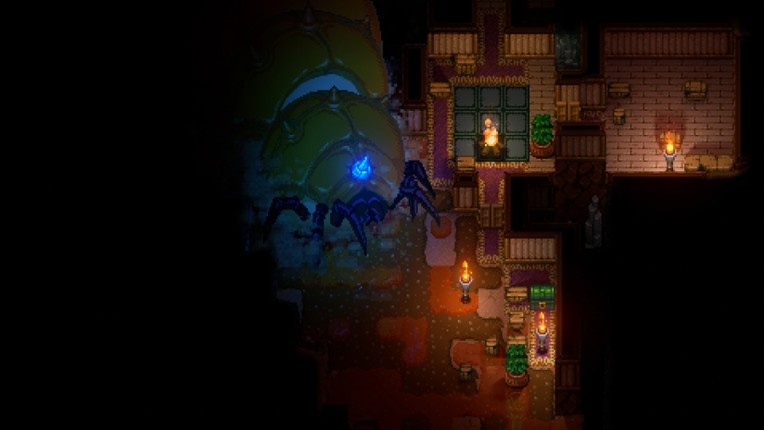
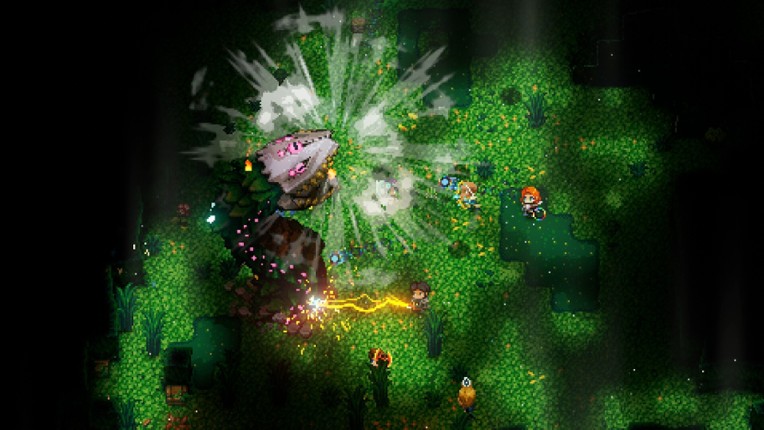
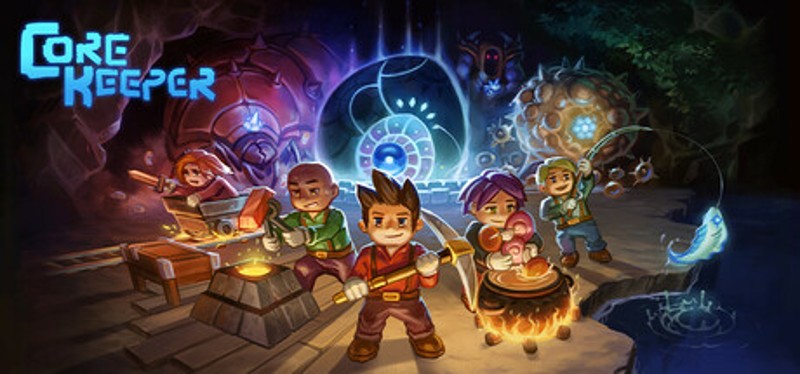
- 93%Game Brain ScoreMost mentioned positive aspects:gameplay, graphicsMost mentioned negative aspects:grinding, optimization95% User Score 31,361 reviewsCritic Score 90%3 reviewsTurns farming into an open-ended 2D pixel exploration with procedurally generated caves and survival crafting challenges. If you enjoyed this game, see our list of games similar to Core Keeper.View Game
- 96%Game Brain ScoreMost mentioned positive aspects:story, gameplayMost mentioned negative aspects:grinding, stability96% User Score 1,432 reviews
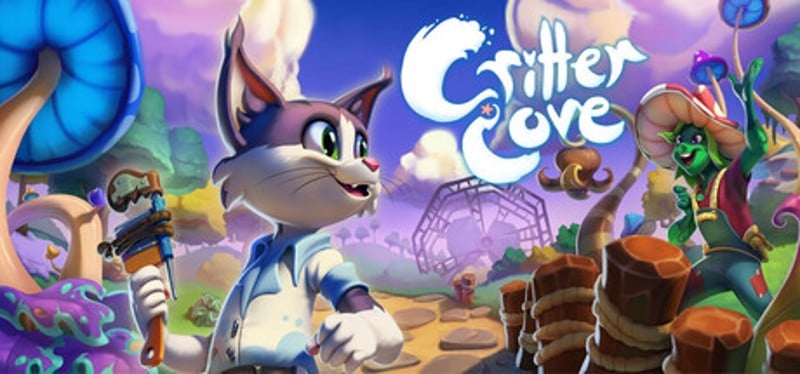
The town of Critter Cove used to attract visitors from all over the world. Now it’s mostly known for dirty streets and trash-strewn beaches. Can you help us turn things around?Critter Cove is a combination life sim and town builder game with a beautiful, handcrafted open world to explore. Attract Tourists to Your Island Spend your doubloons to upgrade buildings and explore the world to discover ne… If you enjoyed this game, see our list of games similar to Critter Cove.
View Game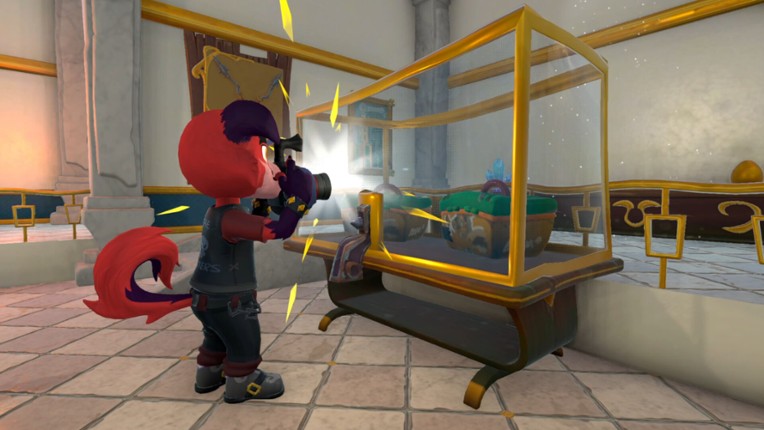
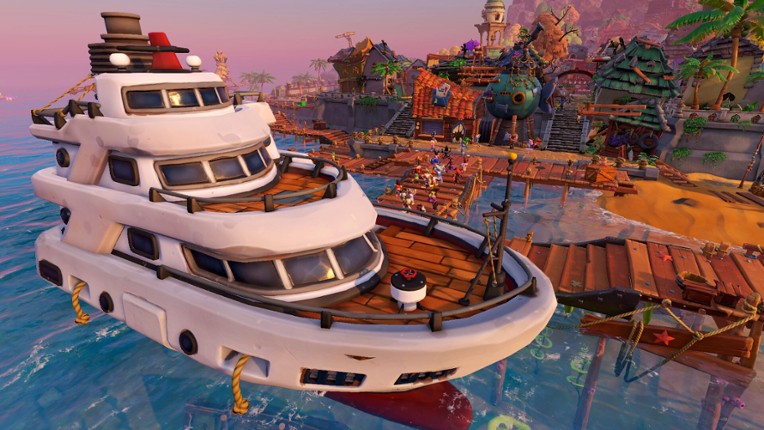
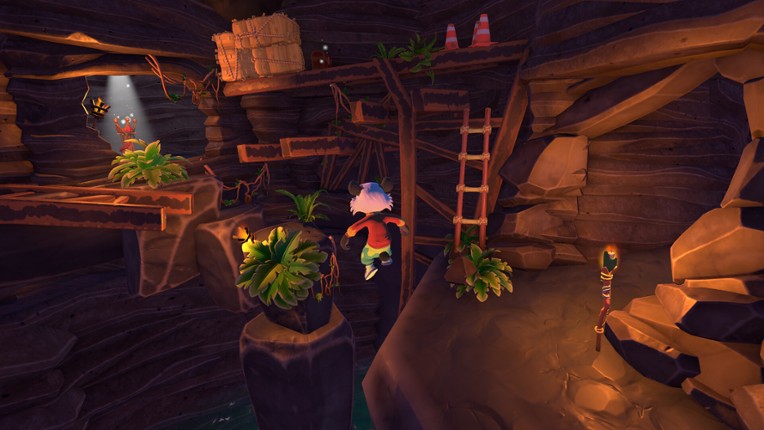
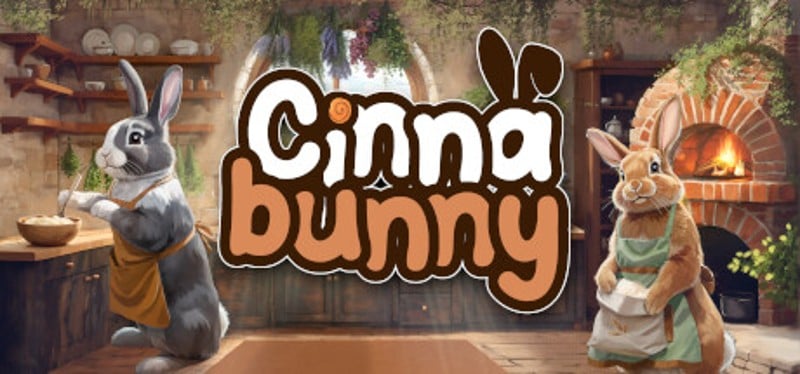
- 97%Game Brain ScoreMost mentioned positive aspects:gameplay, storyMost mentioned negative aspects:grinding, stability97% User Score 479 reviewsThough the farming roots are light, this whimsical co-op adventure prioritizes shared-screen physics and chaotic, task-based gameplay over long-term agricultural planning. If you enjoyed this game, see our list of games similar to Cinnabunny.View Game
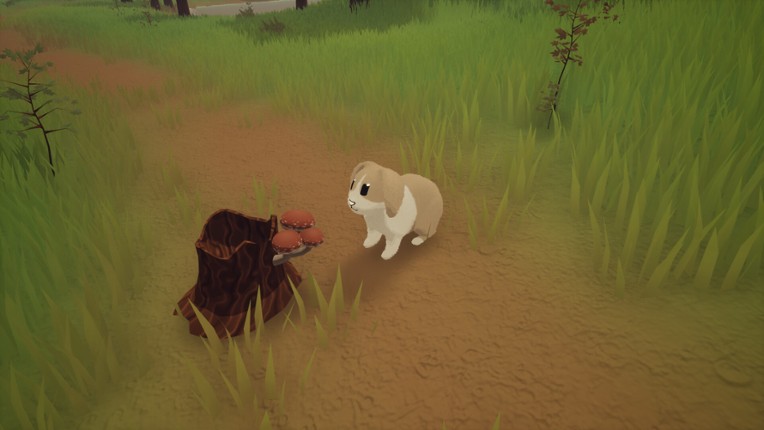
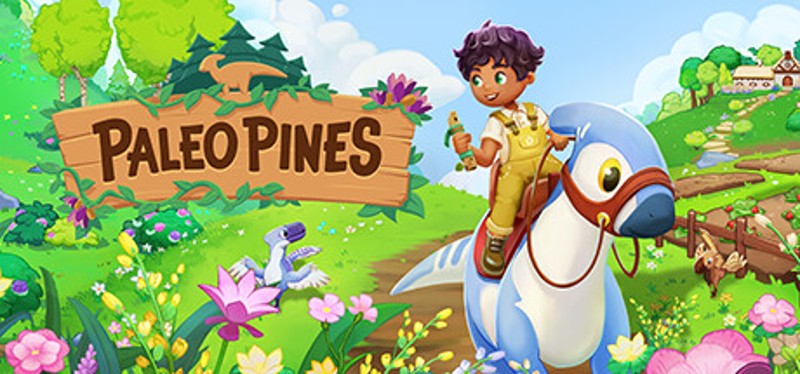
- 79%Game Brain ScoreMost mentioned positive aspects:story, gameplayMost mentioned negative aspects:grinding, stability89% User Score 2,070 reviewsCritic Score 70%11 reviews
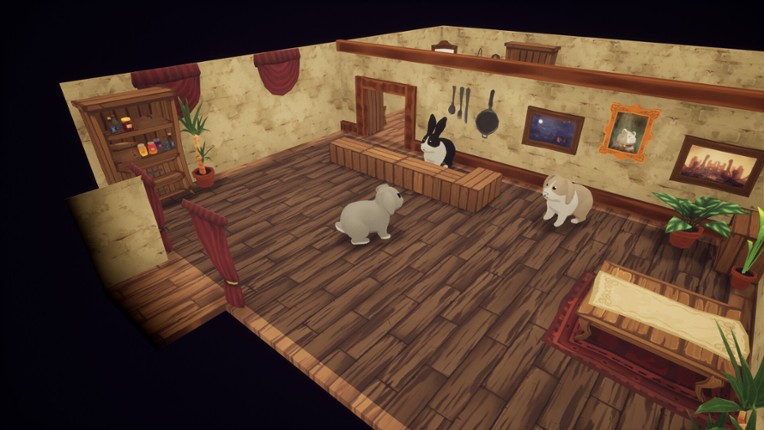
Escape to an island populated with welcoming townsfolk and dozens of friendly dinosaurs. Tame them, care for them, run your ranch, and saddle up your trusted steeds for adventures into the wild countryside! If you enjoyed this game, see our list of games similar to Paleo Pines.
View Game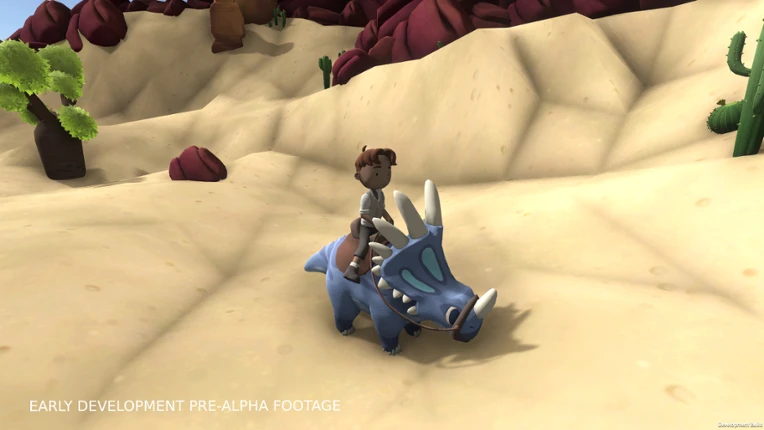
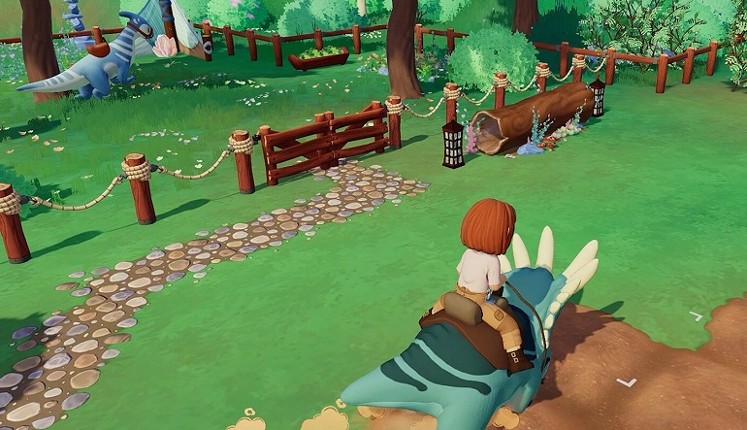
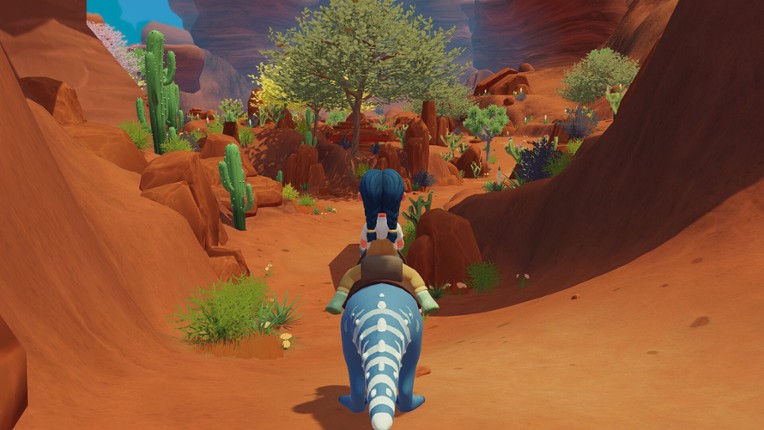
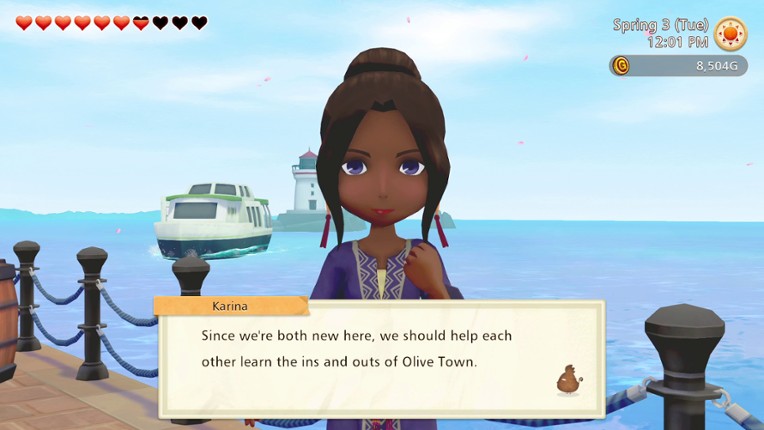
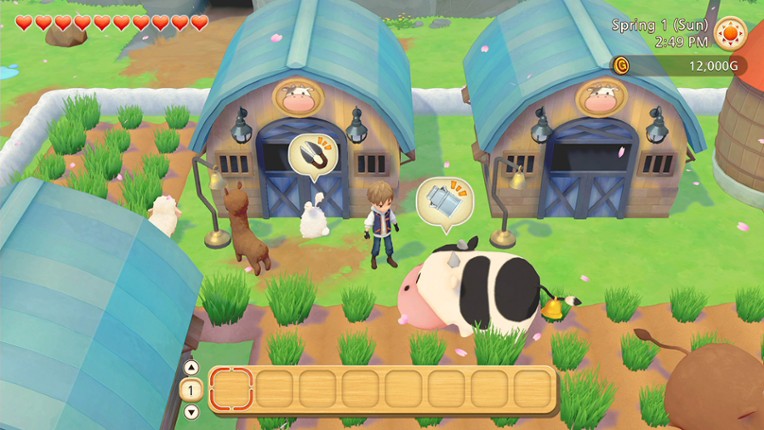
46 View Game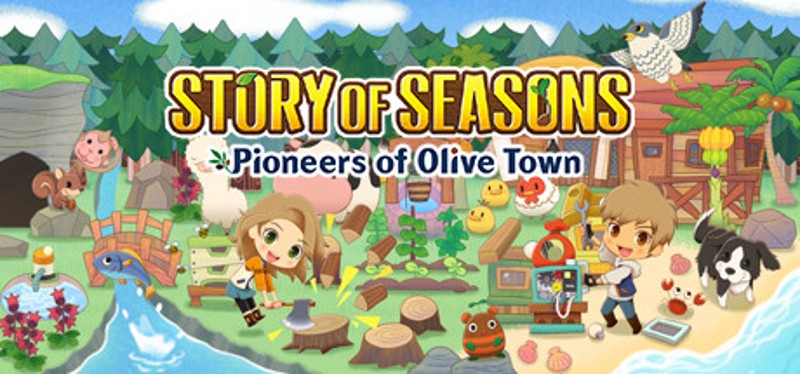 76%Game Brain ScoreMost mentioned positive aspects:story, gameplayMost mentioned negative aspects:grinding, optimization81% User Score 925 reviewsCritic Score 71%39 reviewsFocuses more heavily on nostalgic anime-inspired romance and character customization within a polished 3D farming world suitable for all ages. If you enjoyed this game, see our list of games similar to STORY OF SEASONS: Pioneers of Olive Town.View Game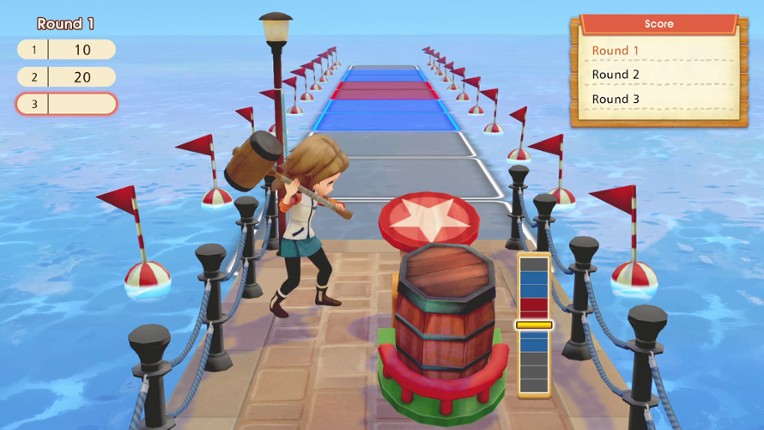
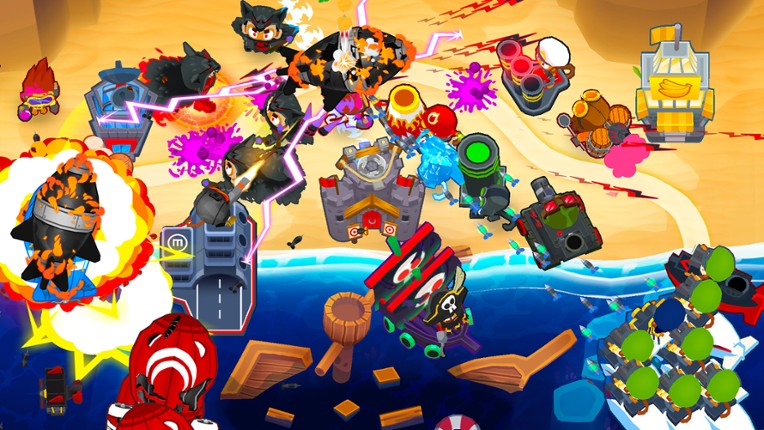
- 97%Game Brain ScoreMost mentioned positive aspects:humor, gameplayMost mentioned negative aspects:monetization, grinding97% User Score 173,121 reviews
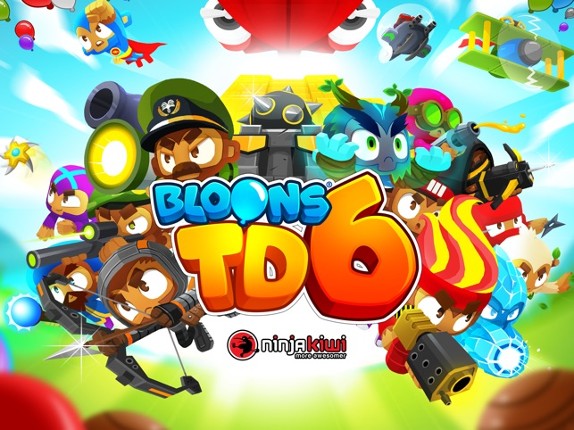
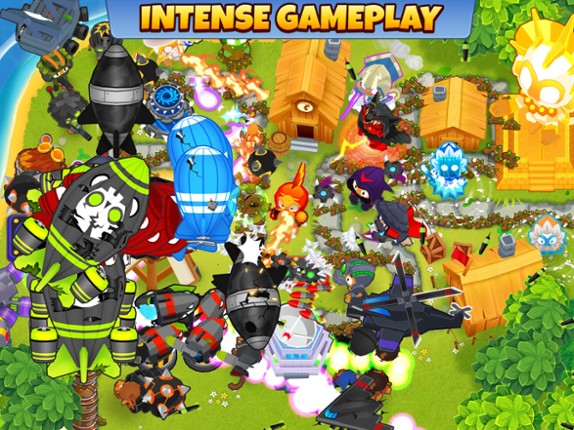
Smash Hit Tower Defense Game If you enjoyed this game, see our list of games similar to Bloons TD 6.
View Game
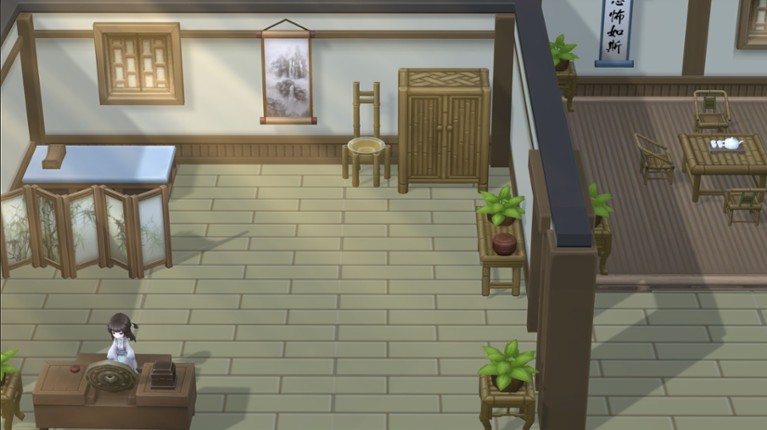
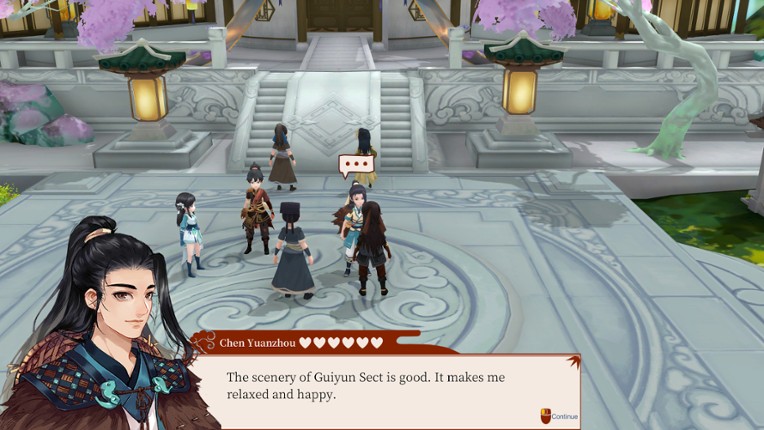
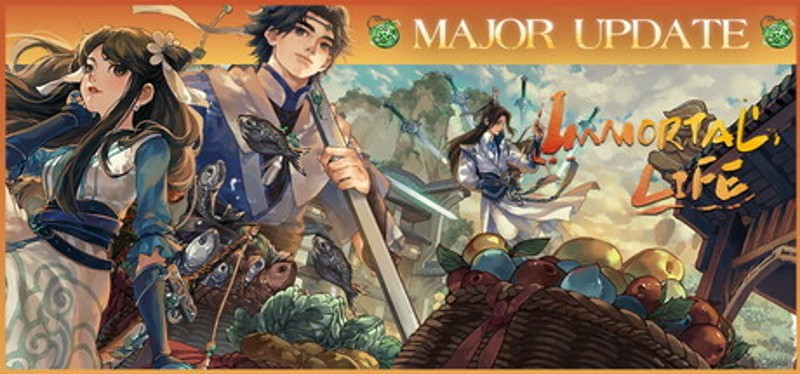
- 92%Game Brain ScoreMost mentioned positive aspects:story, graphicsMost mentioned negative aspects:grinding, stability92% User Score 1,272 reviewsBlends life sim farming with more serious business strategy and RPG drama, offering a grounded economy-driven narrative. If you enjoyed this game, see our list of games similar to Immortal Life.View Game
- 62%Game Brain ScoreMost mentioned positive aspects:gameplay, graphicsMost mentioned negative aspects:story, optimization85% User Score 183,471 reviewsCritic Score 40%18 reviews
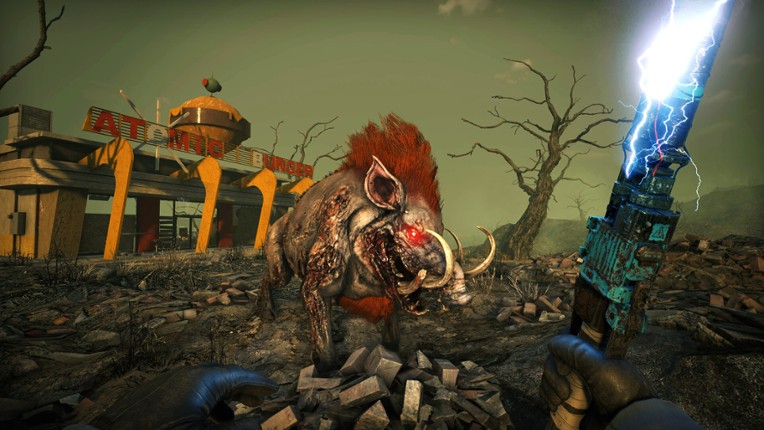
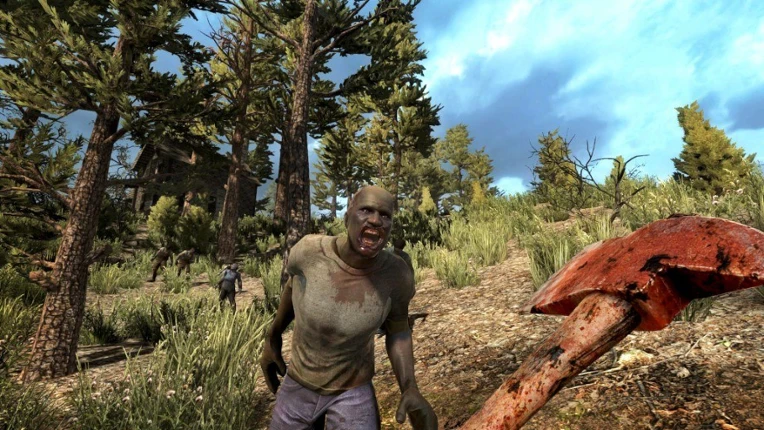
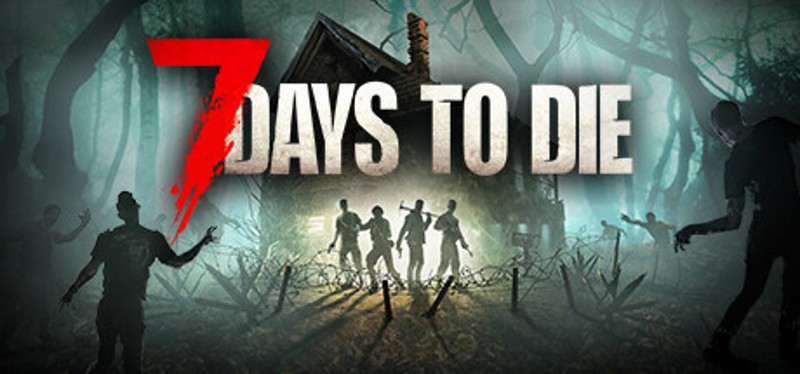
Set in a brutally unforgiving post-apocalyptic world overrun by the undead, 7 Days to Die is an open-world game that is a unique combination of first person shooter, survival horror, tower defense, and role-playing games. It presents combat, crafting, looting, mining, exploration, and character growth, in a way that has seen a rapturous response from fans worldwide. Play the definitive zombie surv… If you enjoyed this game, see our list of games similar to 7 Days to Die.
View Game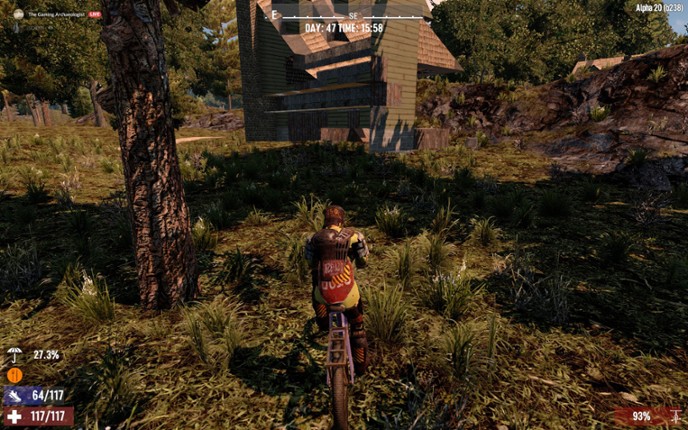
50 View Game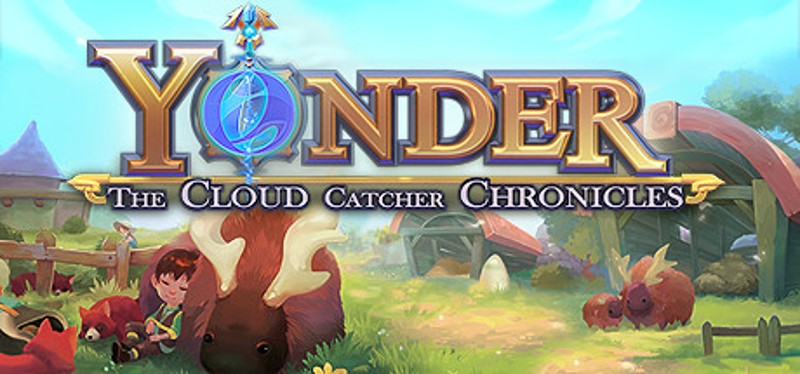 80%Game Brain ScoreMost mentioned positive aspects:story, graphicsMost mentioned negative aspects:grinding, replayability82% User Score 1,690 reviewsCritic Score 70%1 reviews
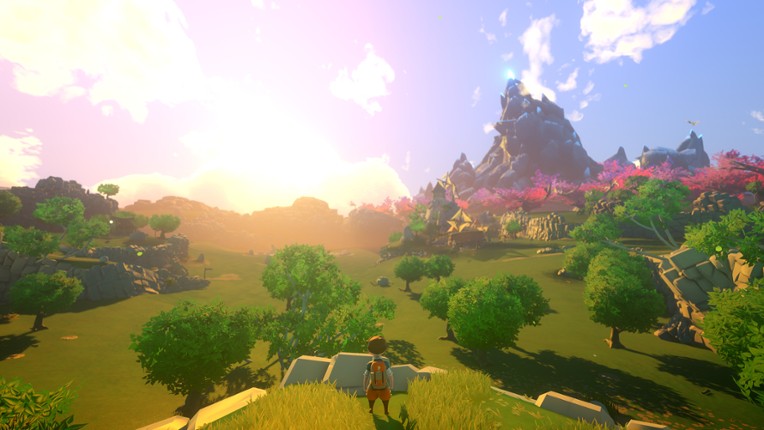
Unwind and enjoy the slow life in Yonder: The Cloud Catcher Chronicles, a relaxing open-world adventure game. Show more If you enjoyed this game, see our list of games similar to Yonder: The Cloud Catcher Chronicles.
View Game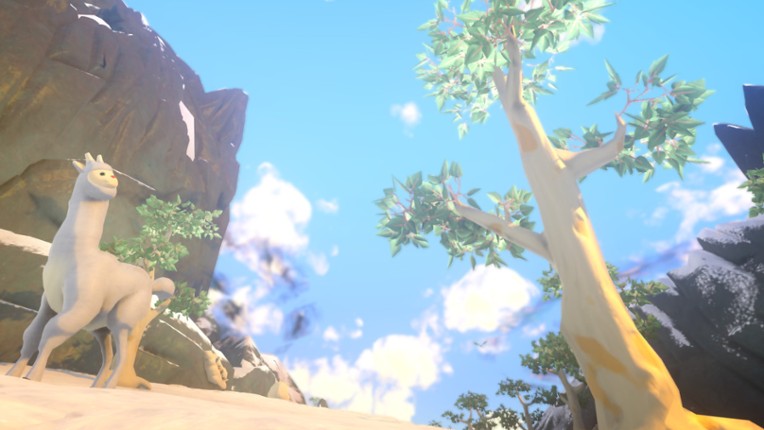



 View Game

















Frequently Asked Questions
Littlewood and Garden Paws excel at stress-free gameplay with charming pixel art and cozy atmospheres. Both feature farming, fishing, and relationship-building without time pressure. Littlewood's unique time mechanic only progresses with your actions, eliminating farming deadlines entirely, while Garden Paws offers vast content including crafting and dungeon exploration in a wholesome, family-friendly setting.
Dinkum and Sun Haven both support online co-op gameplay with relaxing life-sim mechanics. Dinkum features Australian outback farming, mining, and town-building with satisfying progression, while Sun Haven combines farming with RPG elements and magic, letting you and friends farm without stamina restrictions. Garden Paws also includes online co-op with extensive content updates from active developers.
My Time at Portia and Kynseed blend farming with deep crafting systems. My Time at Portia features resource gathering, relationship-building, and a rich storyline with cartoonish visuals and emotional depth. Kynseed adds generational gameplay where you pass skills to children, plus combat and adventure mechanics alongside farming, wrapped in beautiful pixel art with a whimsical soundtrack.
Slime Rancher offers excellent value as an indie game with great gameplay and music. While not free, it's affordably priced and includes exploration, creature management, and trading in a colorful first-person sandbox. Most games like Stardew Valley are indie titles priced $15–25, making them budget-friendly compared to AAA games while delivering comparable content and replayability.
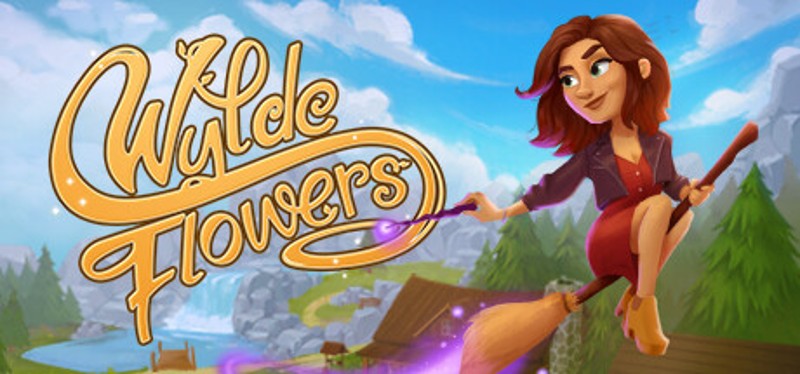
Wylde Flowers stands out with a captivating fully voice-acted story and diverse character representation including LGBTQ+ identities. My Time at Portia features well-developed characters and emotional depth alongside satisfying crafting loops. Sun Haven offers rich storytelling with unique characters and humorous dialogue, blending narrative depth with traditional farming and RPG gameplay.
Kynseed brings a darker, edgier atmosphere while maintaining farming and crafting mechanics. Its generational gameplay and dark thematic elements provide emotional weight beyond typical cozy games. For a different angle, Slime Rancher offers quirky humor and exploration in an adventurous sandbox, providing tonal variety while keeping the relaxing core gameplay loop intact.