- August 12, 2021
- Red Koi Box
- 6h median play time
Faraday Protocol
Faraday Protocol's puzzle mechanics are a perfect match for fans of its spiritual ancestors like Portal, but a rushed story and minimal campaign length make it a tougher sell to anyone who's not an established fan of the genre..
 Faraday Protocol's puzzle mechanics are a perfect match for fans of its spiritual ancestors like Portal, but a rushed story and minimal campaign length make it a tougher sell to anyone who's not an established fan of the genre..


Platforms



 Buy Now

About Faraday Protocol

Faraday Protocol is a single player role playing game with mystery and science fiction themes. It was developed by Red Koi Box and was released on August 12, 2021. It received mostly positive reviews from critics and positive reviews from players.
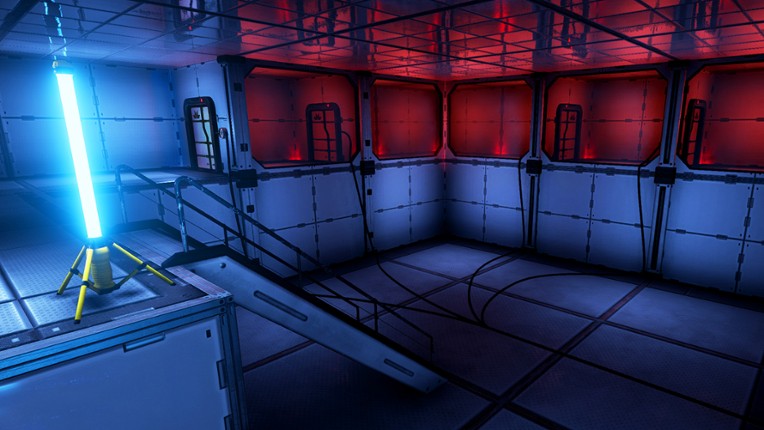
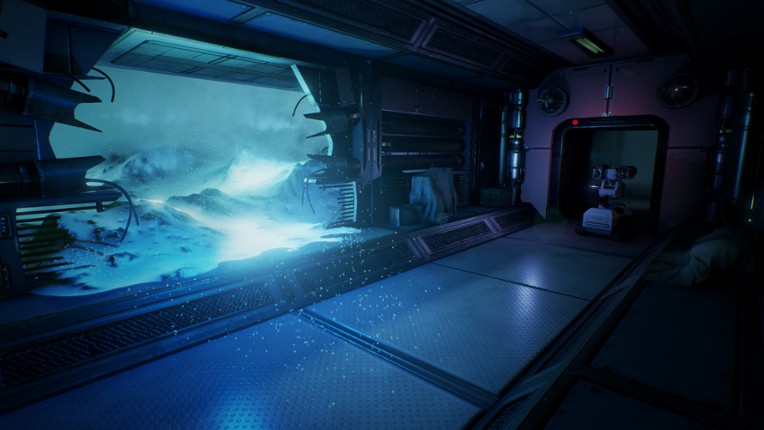
Faraday Protocol is a first-person, story-driven puzzle game that will award you with a solid sense of accomplishment when overcoming its challenges. You are Raug Zeekon, interstellar archeologist from planet Cunor. You have been sent by your company to investigate the source of a mysterious signal coming from an unexplored star system.


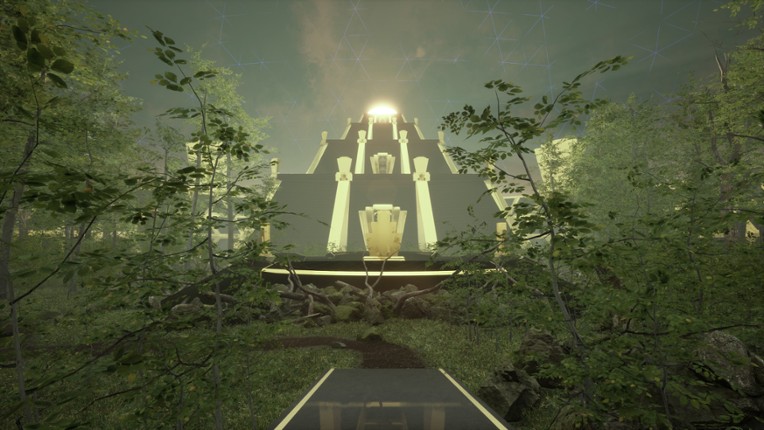
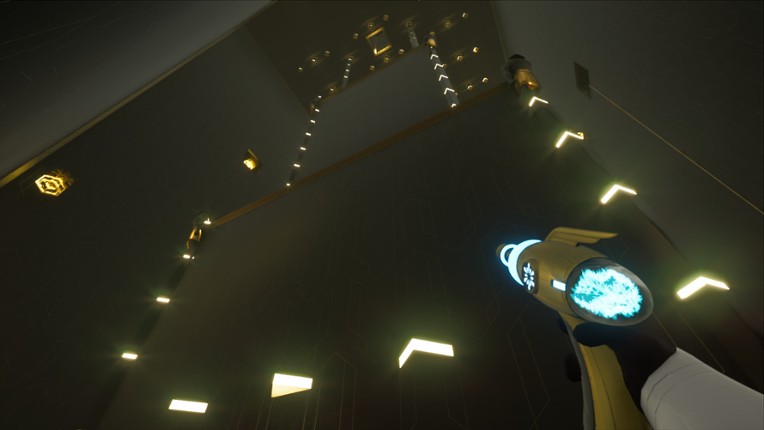
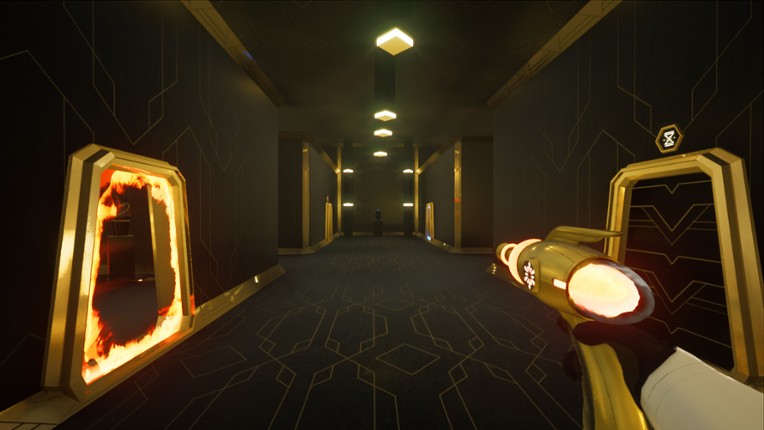

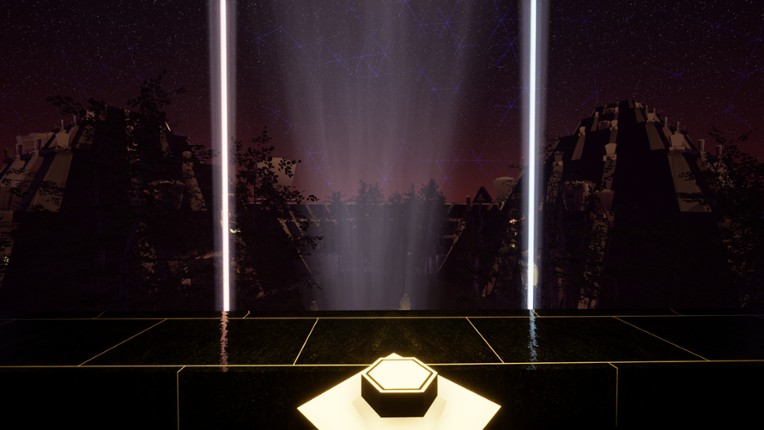
 +6
+6
Games Like Faraday Protocol
Looking for games like Faraday Protocol? Here are top role playing recommendations with a mystery and science fiction focus, selected from player-similarity data — start with The Entropy Centre, Lightmatter or Q.U.B.E: Director's Cut.















Reviews
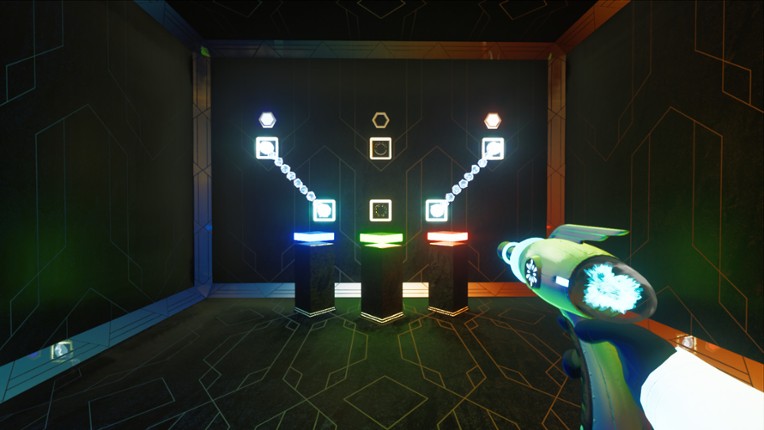
- Engaging first-person puzzle gameplay with unique energy transfer mechanics, appealing to fans of Portal and similar titles.
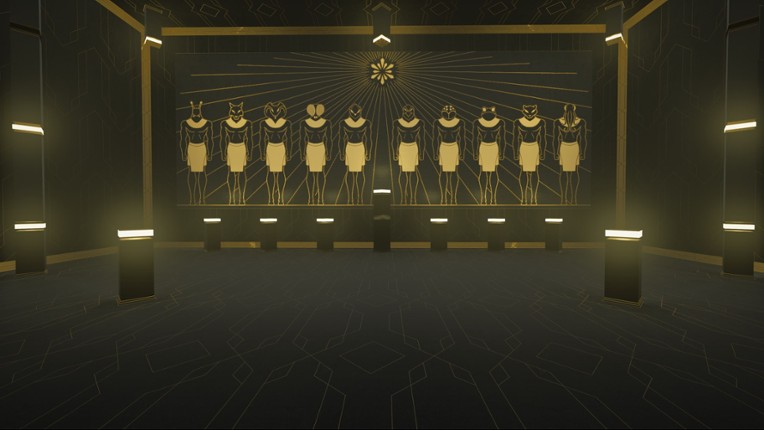
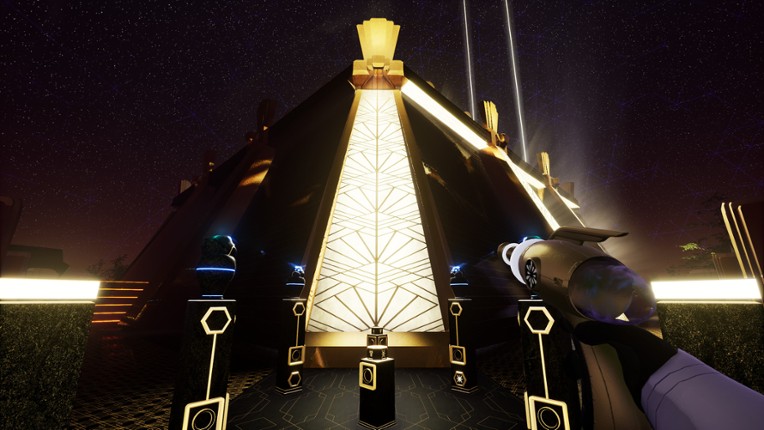
- Distinctive art style combining ancient Egyptian and Art Deco themes, creating an intriguing and atmospheric environment.
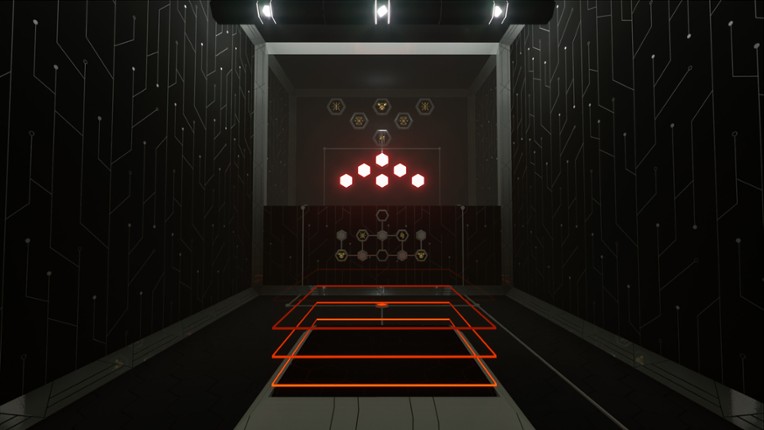
- Puzzles are generally well-designed, providing a satisfying challenge without being overly difficult, suitable for casual and puzzle enthusiasts.
- The story is minimal, vague, and underdeveloped with pacing issues and endings that leave little sense of closure or impact.
- Platforming segments and jumping mechanics are often frustrating due to finicky controls and poor design, detracting from the experience.
- Repetitive puzzle types and lack of variety, along with occasional bugs and visual monotony in level design, make the game feel somewhat short and uneven.
story
55 mentions Positive Neutral NegativeThe story is generally regarded as minimal, rushed, and unmemorable, often described as the game's weakest element with a vague or flat narrative that lacks cohesion and depth. While some find it intriguing or adequate to keep progressing, many feel it pales compared to similar titles, serving mostly as a backdrop to the puzzles rather than a compelling feature. Overall, the story is considered secondary to the gameplay, appealing mainly to players focused on puzzle-solving rather than rich storytelling.
“Also has an interesting story, would recommend if you like puzzles!”
“Amazing mysterious story, amazing voices, characters, story, graphics, level design of every puzzle.”
“The story is also very interesting and very well executed until the very end!”
“In terms of the story, I think this is this game's weakest element.”
“It portrayed itself to me as a story mashed together quickly by a sci-fi fan who loved the alien films, the Halo games, and of course, Portal.”
“The story is just a bit vague and seemingly not well thought out.”


Critic Reviews
Faraday Protocol Review
Faraday Protocol is an interesting first-person puzzle game that has an intriguing storyline and puzzles to challenge your brain. The unique combination of futuristic visuals and Egyptian themed elements creates a mysterious and unique world for you to explore.
80%Review – Faraday Protocol
Faraday Protocol's puzzle mechanics are a perfect match for fans of its spiritual ancestors like Portal, but a rushed story and minimal campaign length make it a tougher sell to anyone who's not an established fan of the genre..
70%Faraday Protocol Review (PS4)
Faraday Protocol checks the most important checkboxes of the genre: easy to learn mechanics, puzzles that become harder and harder, stylish art style and a few collectibles. Still, you cannot help but wonder why you have the feeling that the game is a bit empty. Despite the AI and your limited interaction with it, most of the time you will feel alone, in a world that is so focused on puzzles that it feels synthetic. If you like puzzle games Faraday Protocol is one you do not want to miss. If you are a newcomer to the genre better start somewhere else and circle back later to this game, when you already have some experience. Review code provided by the publisher.
70%

Buy Faraday Protocol
Some of these are affiliate links — if you buy through them, we may earn a commission at no extra cost to you.





Play Times

Videos

Frequently Asked Questions
Faraday Protocol is a role playing game with mystery and science fiction themes. Common tags for Faraday Protocol include first-person, indie, linear, aliens, exploration and others.
Faraday Protocol is available on Nintendo Switch, PlayStation 5, PlayStation 4, Steam Deck and others.
On average players spend around 5 hours playing Faraday Protocol.
Faraday Protocol was released on August 12, 2021.
Faraday Protocol was developed by Red Koi Box.
Faraday Protocol has received mostly positive reviews from players and mostly positive reviews from critics. Most players liked Faraday Protocol for its story but disliked it for its grinding.
Faraday Protocol is a single player game.
Similar games include The Entropy Centre, Lightmatter, Q.U.B.E: Director's Cut, Q.U.B.E. 2, Relicta and others.