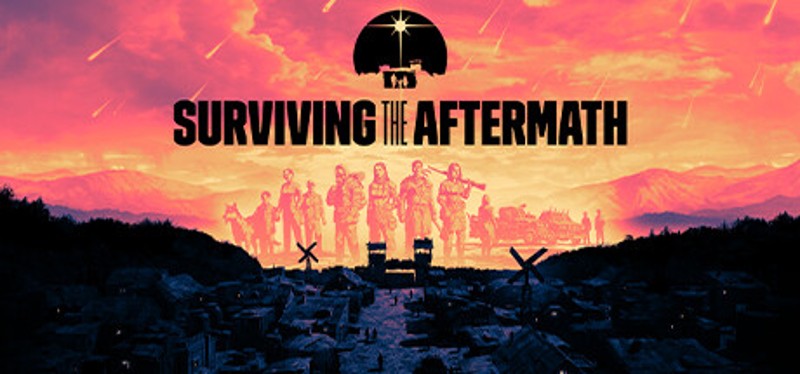
Surviving the Aftermath

Surviving the Aftermath doesn't utilize its dire post-apocalyptic setting as well as it could have, but those looking for an addictive, mechanically dense city builder/management sim will find a lot of enjoyment here.
Surviving the Aftermath Game Cover
70%Game Brain Score
gameplay, story
grinding, optimization
70% User Score Based on 2,564 reviews
Critic Score 70%Based on 4 reviews

Platforms

Nintendo SwitchXbox Series X|SPCPlaystation 4Xbox OneXboxSteam DeckWindowsPlayStation
Surviving the Aftermath Game Cover

About

Surviving the Aftermath is a single player and multiplayer open world city builder game with a post-apocalyptic theme. It was developed by Iceflake Studios and was released on November 16, 2021. It received mostly positive reviews from both critics and players.

Survive and thrive in a post-apocalyptic future - resources are scarce but opportunity calls. Build the ultimate disaster proof colony, protect your colonists and restore civilization to a devastated world. Remember: The end of the world is just the beginning. Build and manage a colony of survivors after a world-ending event. Construct more than 50 unique buildings to handle everything from resour…

Skip User Reviews

70%
Audience ScoreBased on 2,564 reviews
gameplay110 positive mentions
grinding99 negative mentions

  • Addictive and challenging survival city-building gameplay with a rewarding progression system.
  • Varied disasters and random events that keep players engaged and require adaptive strategies.
  • Engaging world map exploration with specialist units adds depth beyond base building and resource management.
  • Excessive micromanagement and inefficient AI task handling lead to tedious gameplay, especially in mid-to-late game.
  • Numerous bugs and technical issues, including pathfinding, resource gathering, and game crashes, detract from experience.
  • Frequent and intrusive notifications without options to disable or manage them become annoying and detract from immersion.
  • gameplay
    435 mentions Positive Neutral Negative

    The gameplay of "Surviving the Aftermath" offers a solid, mechanically dense city-building and survival experience reminiscent of titles like Banished and Frostpunk, with unique elements such as a world map exploration and specialist missions adding depth. While early gameplay is engaging and challenging, many players find it slow-paced, repetitious, and hindered by clunky mechanics, limited tutorials, and occasional bugs, which cause frustration especially in later stages. Overall, it appeals to fans of the genre seeking a post-apocalyptic twist but requires quality-of-life improvements and better pacing to fully realize its potential.

    • “It has the basic city building mechanics of Banished with the occasional "disaster" and the resource management and collection mechanics of Frostpunk.”
    • “The core gameplay revolves around managing resources, expanding your colony, and making tough calls that directly affect your people’s survival.”
    • “It combines city-building mechanics with survival elements, resource management, and exploration in a procedurally generated, often hostile environment.”
    • “If it were to work, this game would need a major story and mechanics overhaul.”
    • “A lot of promising game mechanics ruined by unwritten rules and/or bugs.”
    • “The only reason most of my citizens died is because this game failed to explain its most basic mechanics, seriously what do I do with the heating, I’m sorry this game gets a 2/10 for me”
  • story
    363 mentions Positive Neutral Negative

    The game's story is generally considered thin, slow, and sometimes repetitive, offering only light narrative elements that provide minimal immersion or character development. While there are side quests and a main quest that add some direction, many players find the storyline lacking depth and emotional engagement, with some quests feeling tedious or bugged. Overall, the story is enough to complement the city-building and survival mechanics but does not strongly drive the gameplay or offer significant replay value.

    • “The story unfolds in a way that is both intriguing and immersive, pulling you deeper into the game's world with every mission and objective completed.”
    • “The story offers a well-balanced main quest and lots of side quests that add variety and more fun.”
    • “At the time of this review I just finished the 'main' storyline. I could have beaten it earlier but I really enjoyed the replays as each time you play this game you learn more about how to manage your resources, what to build. It has lots of variety depending on how you set the game up and never plays the same twice.”
    • “The storyline is boring and almost nonexistent.”
    • “The story is very thin and there is very little lore or investment in making this a unique experience.”
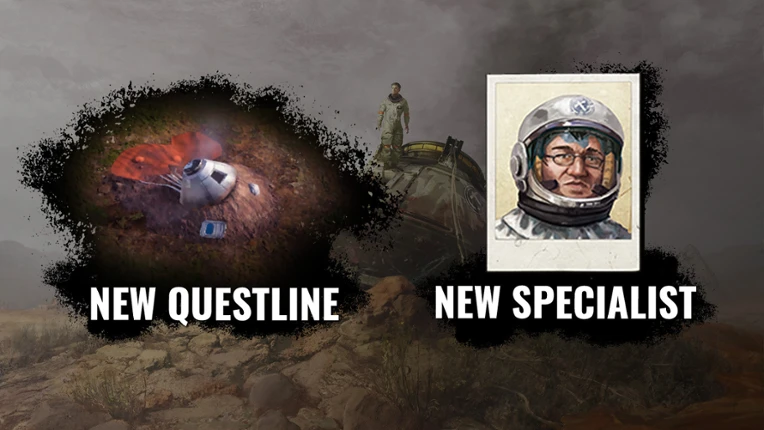
    • “After a few hours of play, everything becomes boring and repetitive, and all you have to do is wait for new specialists to arrive so you can advance in the story.”
  • graphics
    183 mentions Positive Neutral Negative

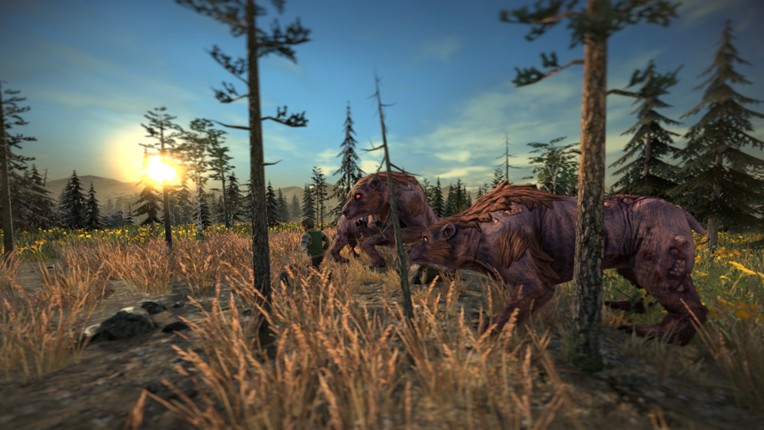
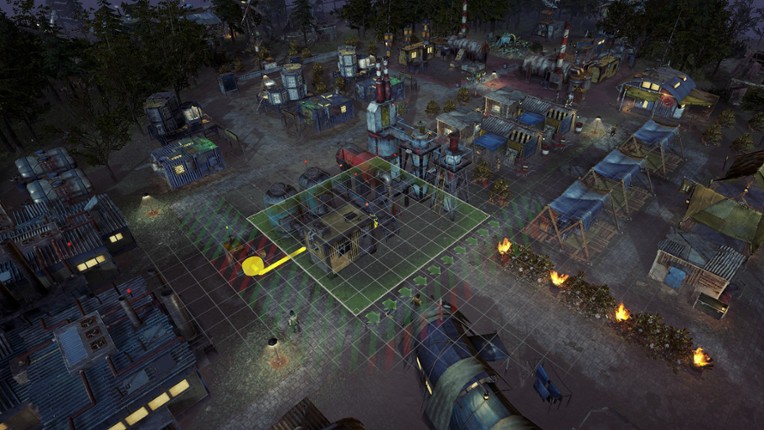
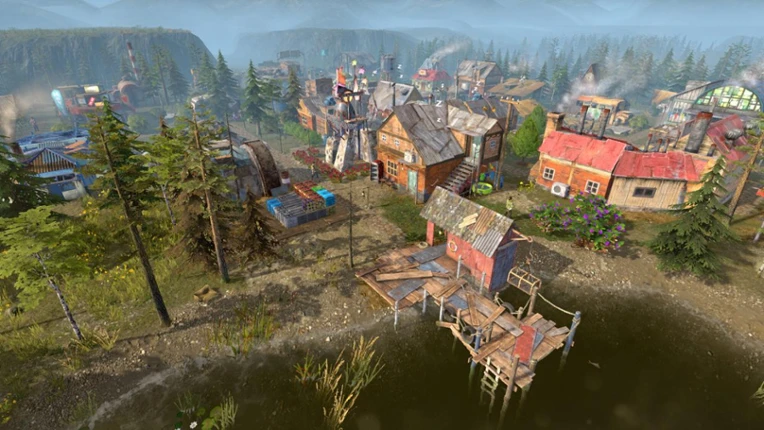
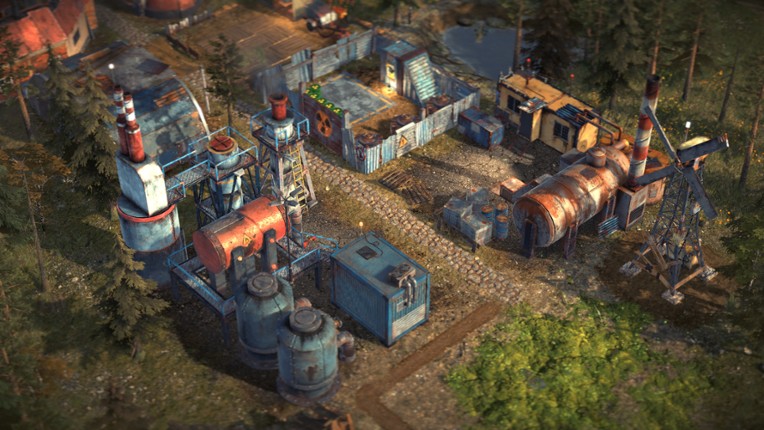
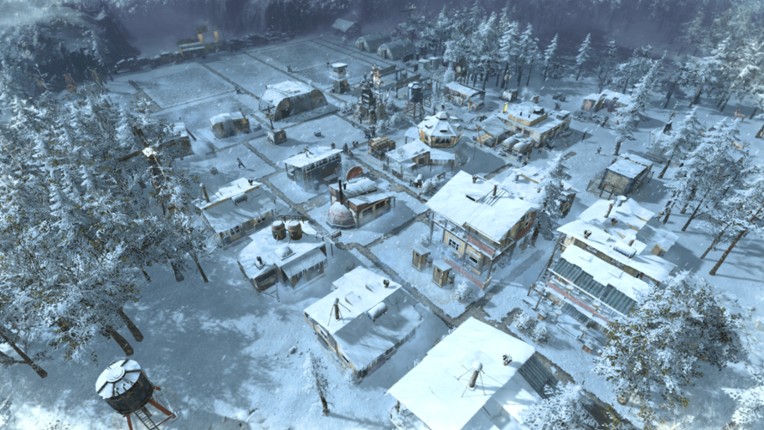
    The graphics of the game receive mixed feedback, often described as stylized and fitting the post-apocalyptic theme but overall dated and lacking in variety and polish. While some praise the art style and atmospheric visuals, many note performance issues, low graphical quality compared to contemporary standards, and repetitive building designs. The visuals support gameplay clarity and mood, but technical limitations and uninspired graphics lessen the immersive experience for some players.

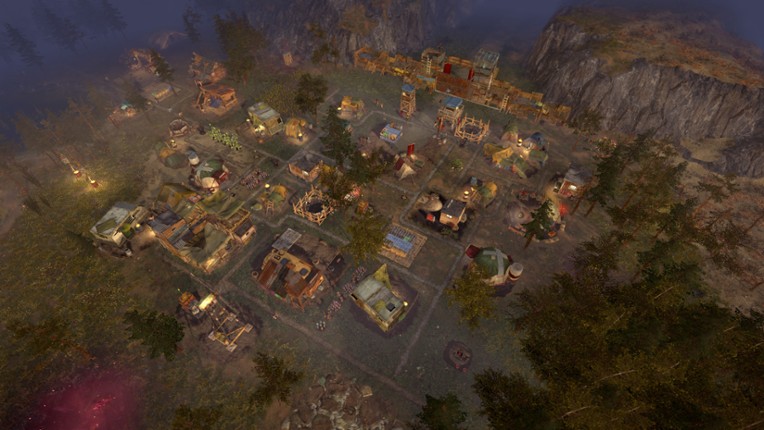
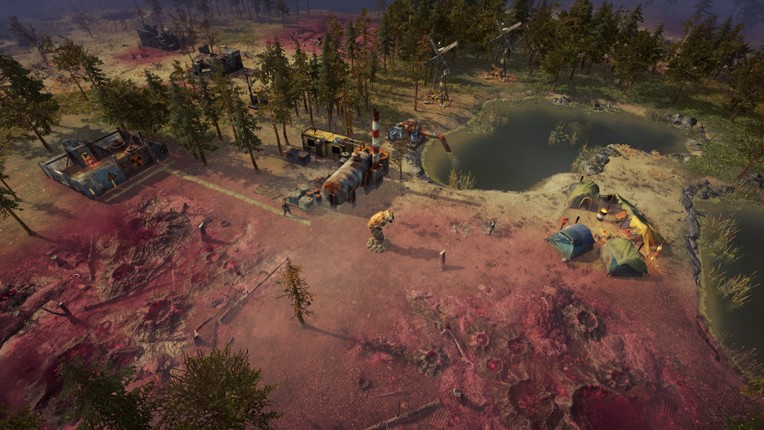
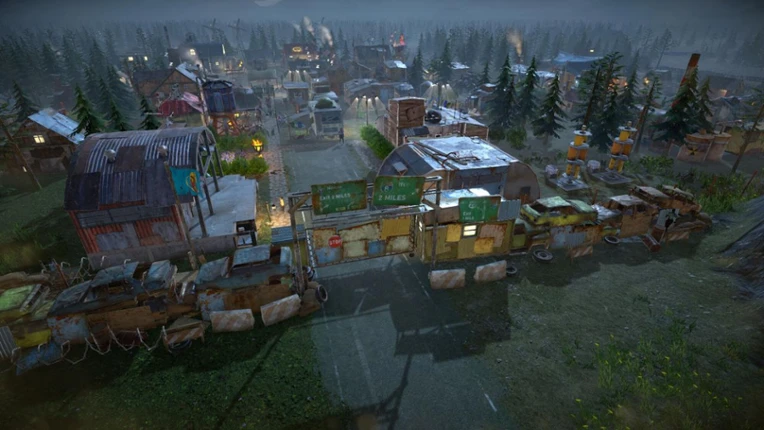
    • “Visually, the game employs an isometric perspective with detailed, stylized graphics that convey the desolation and decay of a world in ruins.”
    • “The art style fits the mood, and the atmosphere keeps you engaged.”
    • “The graphics are great, performance is inexplicably terrible, and the music is pretty good too.”
    • “The graphics are actually quite low for a game in this era.”
    • “Halty performance, except the graphics aren't that good or inspiring, just lots of lines all crammed together on top of each other, predominantly trees swaying, which is unnecessary and doesn't help make the map more readable.”
    • “The graphics are bleaker than a vulture’s tinder profile—your colony’s a monochrome pile of junk, like a landfill threw up on a spreadsheet.”
  • grinding
    101 mentions Positive Neutral Negative

    Grinding in the game is widely criticized as tedious, slow, and overly repetitive, particularly in farming, research, and world map exploration. Progress often feels like a slog due to excessive micromanagement, poor quality-of-life features, and punishing random events, leading to tedious late-game grind with little meaningful engagement. While initial gameplay can be engaging, the heavy grind and repetitive mechanics detract significantly from long-term fun and replayability.

    • “The main loop of expanding the colony, harvesting nearby resources with specialists, and advancing technology is fun and not tedious even though it's a bit repetitive.”
    • “You'll need a lot of time for grinding.”
    • “Research, unfortunately, is tedious at first, not yielding anything if you're unlucky enough not to find research nodes, while useless after you've unlocked everything (though it's unclear how or if you can unlock the highest tier weapons/clothes, maybe you need to trade for a blueprint).”
    • “First you have to research it (more on that later), then find it (because the nearest spawn is always outside your initial scouted area) by placing a scout post far away and hoping you went the right direction, letting a colonist wander past deadly pollution on their daily commute. Then you have to wait for your scrapper to travel long distances to collect it... it's a tedious chore and never brings in a satisfying amount of resources.”
    • “The micromanagement of the colony is also tedious; you can't go off to make some tea without rats or bugs deciding now is a good time to mess with you. Hence, I classify the game as a disaster simulator where you must prepare for disasters and sit ready to handle every situation on the go, even at 3x speed, as the game is extremely slow with bottlenecks in progression.”
  • replayability
    70 mentions Positive Neutral Negative

    Replayability opinions are mixed, with many appreciating the game's strategic variety, deep tech trees, and randomized elements that offer multiple approaches and fresh challenges. However, numerous reviewers note limited replay value after completing main quests, citing repetitive late-game content, lack of lasting creativity, and insufficient variety in side quests. Overall, the game appeals more to fans of the genre seeking a few solid playthroughs rather than those looking for extensive long-term replay.

    • “The freedom to experiment with different strategies—whether focusing on diplomacy, aggressive expansion, or technological dominance—adds significant replay value.”
    • “The tech tree is deep and encourages different approaches depending on your situation, which adds some solid replay value.”
    • “Random encounters and maps and events give this game amazing replayability value.”
    • “Almost complete lack of replayability, uninteresting late game except for achievement hunting.”
    • “Poorly optimized and the game isn't polished as it should be, but there's a lot of content and the pacing is okay from beginning to end; still, I don't see myself coming back to the game, poor replayability and there's not a lot of space to express your creativity.”
    • “Once the primary quests are completed, there really isn't much by way of continuation or replayability, but the journey to victory was worth it.”
  • optimization
    58 mentions Positive Neutral Negative

    Reviews on optimization are mixed but lean negative, with many users reporting poor performance, frequent frame rate drops, stuttering, and lag—especially in late game or on the overworld map—often despite capable hardware. Some praise optimization allowing smooth gameplay even with large populations, but overall the game is criticized for inefficient resource use, graphical blurriness, and technical issues requiring manual tweaks to improve performance. Users hope for significant improvements in optimization in future updates to make the experience more stable and enjoyable.

    • “It's well optimized, and even with almost 200 colonists, I had no FPS drops.”
    • “Fairly easy to grasp most of the controls, great graphics for the type of game it is, wonderful musical score, and great overall performance.”
    • “I stuck it out and at the end of the day the only thing good about the game I would say are the graphics, the optimization letting my computer handle a few hundred colonists, and the narratives that pop up on the screen.”
    • “It isn't stylized in that way either; it's literally poorly optimized, with blurry images and low-resolution sprites.”
    • “Technically speaking, it's a bit of a mess, starting from performance issues – CPU and GPU aren't maxed but FPS rarely goes over 45-50 and is very variable. Also, panning the screen over the edges stops working depending on clicks, requiring alternative methods to fix.”
    • “First and foremost: the game is not optimized at all. Every 5-10 minutes the music clips over itself and everything slowly freezes until pausing for 20 seconds, after which it catches up and works fine again.”
  • music
    56 mentions Positive Neutral Negative

    The music in the game is generally praised for its atmospheric and emotive qualities, often enhancing the post-apocalyptic mood with varied radio stations and thematic soundtracks. Some players find it memorable and powerful, while others consider it repetitive or slightly forgettable after extended play. Despite occasional technical issues and mixed personal tastes, the soundtrack is widely seen as a strong and integral part of the game's ambiance.

    • “The soundtrack blends somber melodies with more urgent tones during raids or critical moments, heightening emotional engagement.”
    • “Excellent soundtracks, implemented like radio channels in the game.”
    • “More importantly (for me) the soundtrack is just about as powerful as any you will ever find.”
    • “The music is alright, but nothing I'll ever want to hear again.”
    • “- There's an option to select a 'radio' but the radio is only one song looped so it's super lame listening to the same thing all game.”
    • “It created such a disconnect for me that I had to turn off the in-game music and play ambient post-apocalypse music from the YouTube channel 'radiostalker,' which salvaged the experience somewhat.”
  • stability
    47 mentions Positive Neutral Negative

    The game suffers from frequent and various bugs, including movement glitches, interface issues, freezes, crashes, and AI problems that impact core mechanics and overall playability. While some improvements and patches have reduced bugs and enhanced stability over time, the experience remains inconsistent, with crashes and frustrating bugs persisting, especially in larger or late-stage gameplay. Early access status contributes to its instability, and further development is needed for a more polished and stable experience.

    • “It's not buggy and never crashes. The gameplay menus are awesome, and the developers are constantly improving and updating the game.”
    • “Once colonies hit a certain size, the game becomes unstable and freezes, crashes, or ceases to respond to interaction while still running.”
    • “The game is not playable after 2 hours of gameplay; survivors and buildings become extremely buggy, people die of starvation despite having tons of food in storage, vital workshops stop producing even when all requirements are met, and resources such as medkits/pills are not used properly when there are many survivors.”
    • “I'm currently 48 in-game days and 55 population into the game, and at a specific point, the game just freezes up where game-time moves but colonists get stuck running in place and I can't open build menus or even the main menu to save and reload.”
  • atmosphere
    23 mentions Positive Neutral Negative

    The game's atmosphere is widely praised for its immersive post-apocalyptic mood, effectively supported by ambient sounds, music, and fitting art style that evoke a sense of desolation and survival. While some find the atmosphere compelling and engaging, others note inconsistencies in art direction and polish compared to similar titles, but overall, it successfully creates a gripping, challenging environment that draws players into rebuilding and enduring in a hostile world.

    • “The art style fits the mood, and the atmosphere keeps you engaged.”
    • “It has just the right variety of resources to manage and stuff to build to keep you occupied throughout, and it does convey that desperate post-apocalyptic atmosphere well enough to make you actually care, and want to rebuild a tiny bit of the lost civilization for your survivors.”
    • “The graphics and music are cool too, very atmospheric for the post apocalypse world, sucks you right in.”
    • “Nothing about this art direction creates an atmosphere of 'a bunch of survivors scraping by in a hostile world'.”
    • “It didn't add to the atmosphere of the game.”
    • “Positive things are graphics, possibility to build so many different buildings and i really like this post apocalyptic atmosphere, what i don't like is music it is really bad also no mini map, world map also feels empty, many characters look same, can't interact with storage's like delete something etc.”
  • humor
    12 mentions Positive Neutral Negative

    The game’s humor is praised for blending dark, absurd, and stereotypical comedic elements that evoke genuine laughter, such as bizarre scenarios with radiation-affected children and the ironic selling of pollution. Players find the colonists' cluelessness and the over-the-top apocalyptic setting both hilarious and engaging, though some feel the story's humor can border on offensive or lacking depth. Overall, the humor adds a unique and entertaining layer to the gameplay experience.

    • “Some of the events in the game are genuinely hilarious and engaging, making the story relatively interesting.”
    • “It was really funny having children run around glowing green from radiation and infected with a virus, then watching them go to sleep on the ground touching other dead bodies before dying.”
    • “I found it hilarious that you can sell your pollution to other towns like any other commodity, and sometimes a town will pay extra and give a reputation boost for it.”
  • emotional
    8 mentions Positive Neutral Negative

    The emotional tone of the game is subtle and atmospheric, enhanced by a soundtrack that shifts to match key moments without delivering an intense emotional arc. Players experience a mix of bleak, often heartbreaking scenarios and dark humor, creating a poignant but restrained emotional impact. However, some users find certain mechanics frustrating enough to detract from emotional engagement, indicating room for improvement.

    • “The soundtrack blends somber melodies with more urgent tones during raids or critical moments, heightening emotional engagement.”
    • “Given its brutal difficulty even on the easier settings, making bad choices like I did can put your town to ruin and cost your town dearly, which made me cry.”
    • “The stories are nice, and some of the little tales of the survivors are heartbreaking.”
  • monetization
    8 mentions Positive Neutral Negative

    Users criticize the monetization of the game as overly greedy, citing frequent DLC releases despite persistent bugs and crashes, unauthorized data collection, and intrusive advertising. Many feel the game prioritizes profit over quality and player experience, comparing it unfavorably to typical Paradox cash-grab practices. Overall, the monetization is seen as exploitative and detrimental to enjoyment.

    • “There's zero greedy monetization!”
    • “Played the beta before the game was released and it didn't crash nearly as much as it has since release. Another greedy cash grab. Paradox DLC template in full effect with this game, pushing out DLC after DLC while the game still has tons of bugs and crashes for no reason. Sad part is I, like most, keep giving this company and these greedy devs money for game after game. I also have this for console and experience the same problems. For a PC Master Race game, there is no excuse for the crashes. Graphics are so-so and there is no modding scene. Just horrible after all this time. Do not waste your money!”
    • “Would be a good game if it didn't fall right into Paradox's monetization scheme.”
    • “Just another Paradox cash grab, low quality, un-fun game made for a quick buck.”
  • character development
    4 mentions Positive Neutral Negative

    Users feel that character development is lacking meaningful narrative, growth, and risk, making characters feel static and unengaging. Games like Crusader Kings and XCOM are praised for deeper, more immersive character progression, while others fall short by treating characters as mere functional elements rather than evolving individuals.

    • “Meanwhile, Crusader Kings II (CKII) and Crusader Kings III (CKIII) dive deeper into dynasty simulations with rich character development, and Surviving Mars offers a fun and imaginative take on the future of Mars colonization.”
    • “If you want us to care about the characters at an individual level, then there really needs to be a narrative, there needs to be growth, there needs to be risk. Reference XCOM for character development if that is the goal; character development without a story, or if specialists really don’t matter, then don’t make them any different than colonists with extra benefits. But as they are now, they are just elements of a non-existent story and they are a constant that never change, and that is boring.”
    • “If you want us to care about the characters at an individual level, then there really needs to be a narrative, there needs to be growth, there needs to be risk. Reference XCOM for character development if the goal is character development without a story. If specialists really don’t matter, then don’t make them any different than colonists with extra benefits. As they are now, they are just elements of a non-existent story, and they are a constant that never change, which is boring.”
Skip Critic Reviews
Skip Game Offers

Buy Surviving the Aftermath

17h Median play time
20h Average play time
7-30h Spent by most gamers
*Based on 44 analyzed playthroughs
Skip Videos

Videos

Skip Games Like Surviving the Aftermath
Skip FAQs

Frequently Asked Questions

Surviving the Aftermath is a open world city builder game with post-apocalyptic theme.

Surviving the Aftermath is available on Nintendo Switch, Xbox Series X|S, PC, PlayStation 4 and others.

On average players spend around 20 hours playing Surviving the Aftermath.

Surviving the Aftermath was released on November 16, 2021.

Surviving the Aftermath was developed by Iceflake Studios.

Surviving the Aftermath has received mostly positive reviews from both players and critics. Most players liked this game for its gameplay but disliked it for its grinding.

Surviving the Aftermath is a single player game with multiplayer support.

Similar games include Endzone: A World Apart, Surviving Mars, Settlement Survival, Kingdoms Reborn, Farthest Frontier and others.