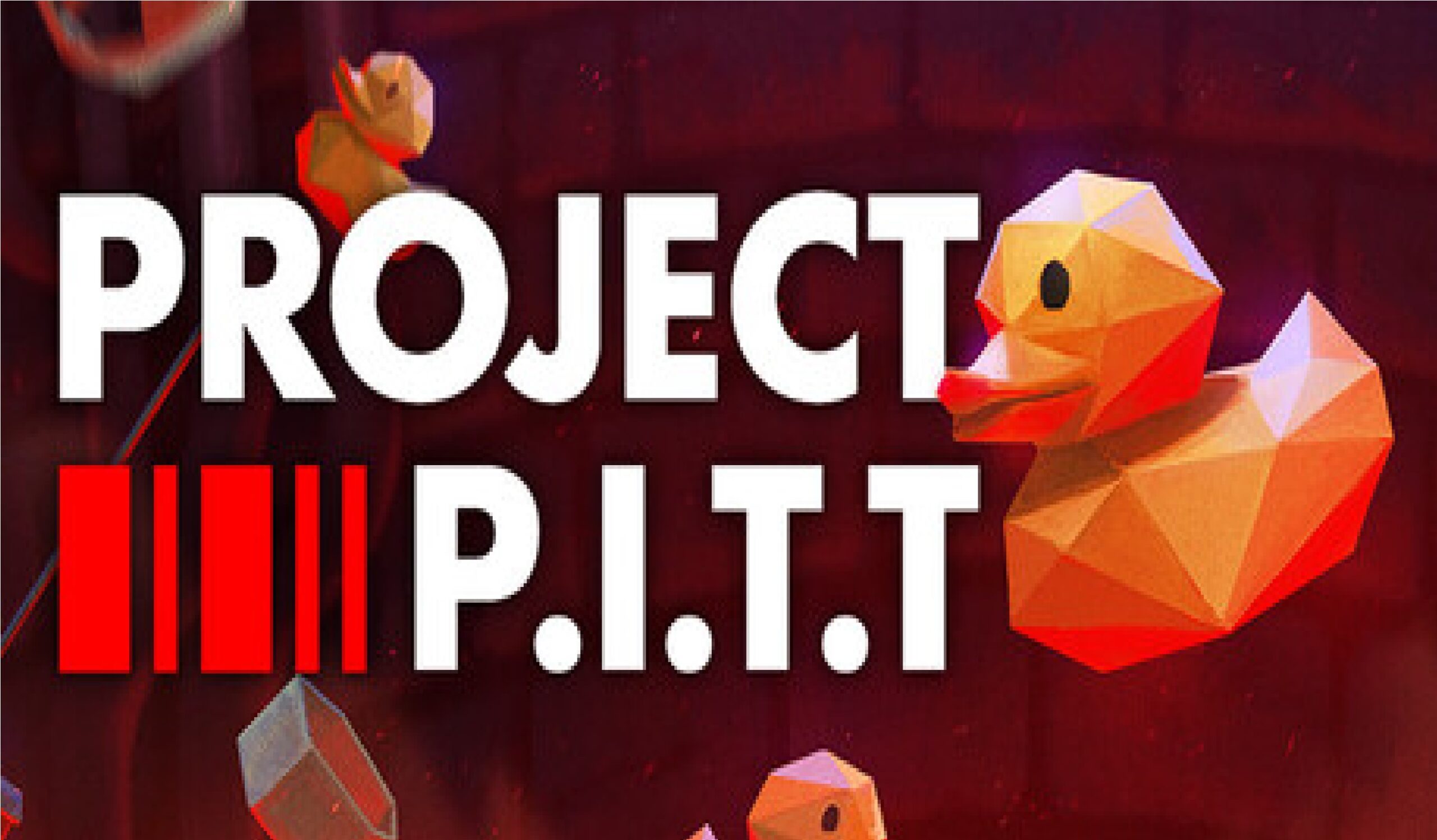
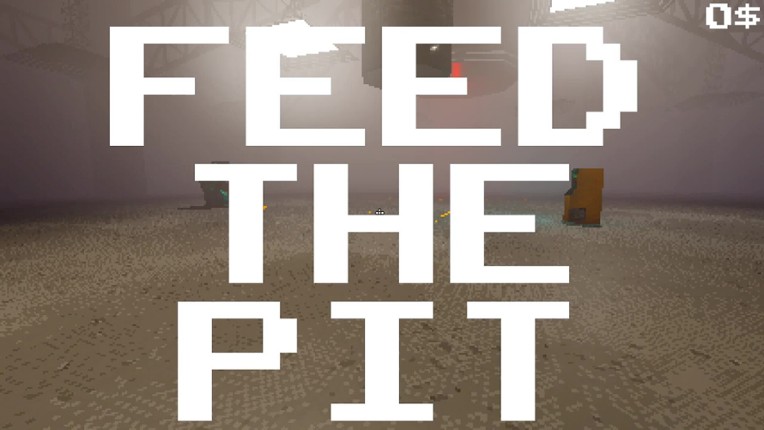
Project P.I.T.T. Game Cover

About Project P.I.T.T.

Project P.I.T.T. is a single player casual simulation game with horror and comedy themes. It was developed by Froke and was released on August 19, 2026. It received positive reviews from players.

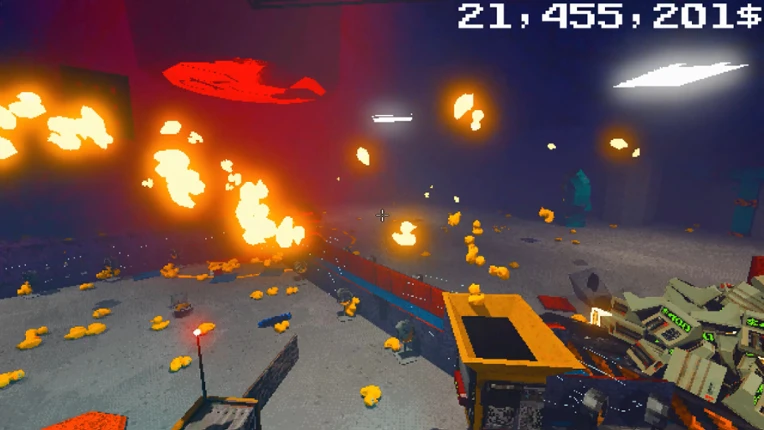
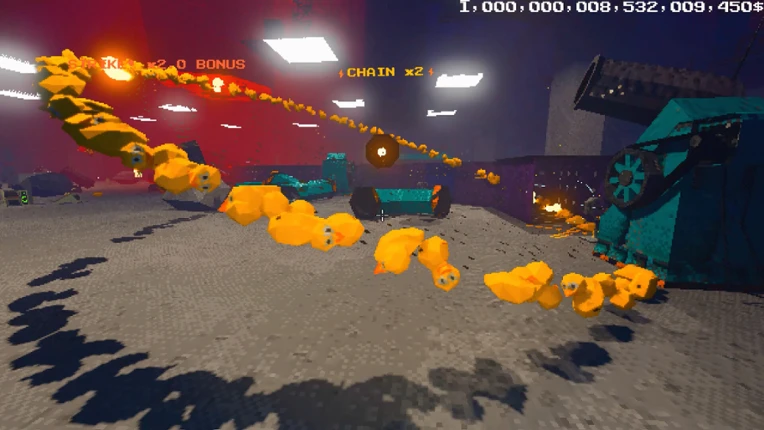
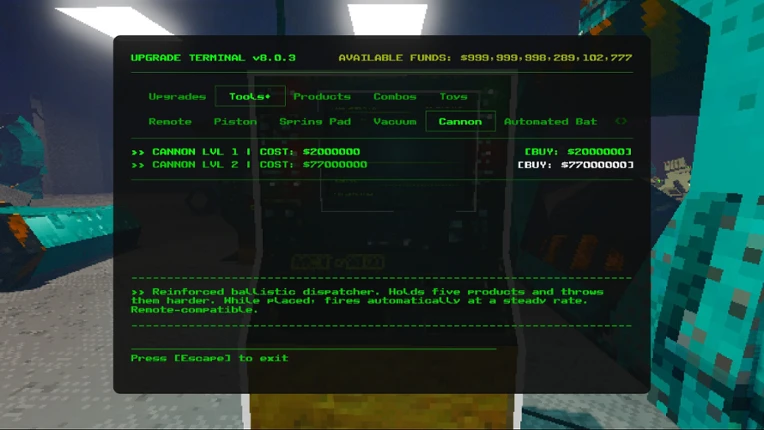
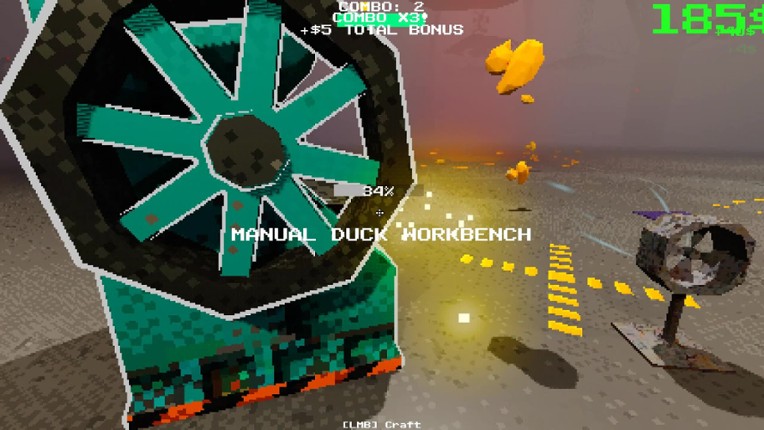
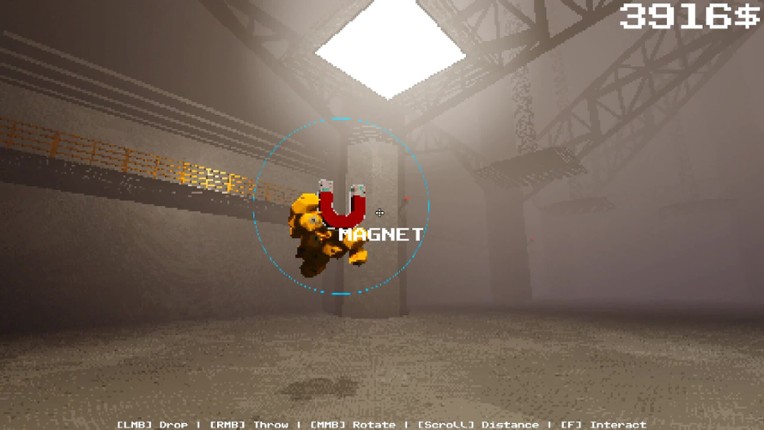
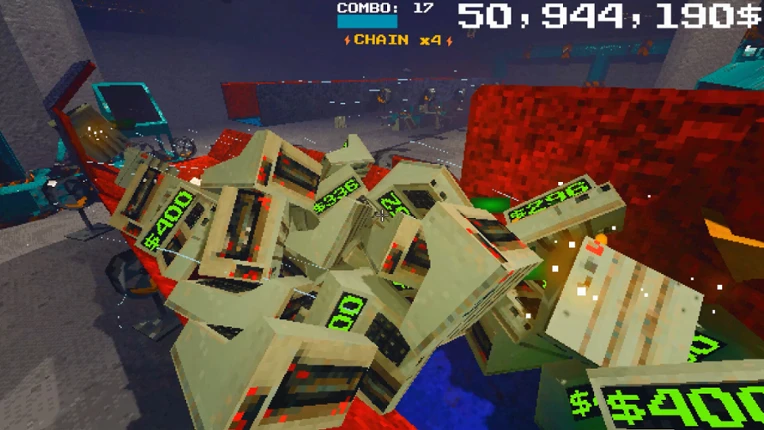
You are a new intern at a company with a very simple task. Craft rubber ducks and feed them to the pit. Feed the Man At the center of the facility waits the Maw – a vast corporate hole with an appetite that only grows larger the more you feed it. Make ducks, throw them in, earn your place. Build Chaotic Contraptions The company is watching. The pit is growing. Ducks will not be enough. Unlock new …
Skip User Reviews

Reviews

82%Audience ScoreBased on 525 reviews
gameplay24 positive mentions
grinding55 negative mentions

  • Addictive and fun incremental factory game with a unique physics-based automation system.
  • Creative freedom and experimentation encouraged, allowing players to build their own contraptions.
  • Engaging atmosphere with dark humor and intriguing environmental storytelling.
  • Building and automation mechanics are clunky, tedious, and require excessive back-and-forth carrying of items.
  • Late game phases cause progression to become frustratingly slow and grind-heavy, with some requiring manual work and rebuilds.
  • Performance issues and bugs persist, including random crashes, item softlocks, and difficulties with the snap-to-grid and physics.
  • gameplay

    70 mentions Positive Neutral Negative
    34% positive mentions, 56% neutral mentions, 10% negative mentions

    The gameplay is an addictive blend of physics-based automation and incremental factory building, praised for its unique mechanics and rewarding puzzle-solving. However, it is often hindered by finicky, frustrating building controls, repetitive grind, and some overlong phases, which can diminish enjoyment and creativity. Overall, while the core loop is engaging and inventive, the execution of construction mechanics and pacing issues hold the experience back for some players.

    • “I enjoyed the mechanics and finding new ways to automate.”
    • “While the premise might draw from classic themes, integrating it so seamlessly into the mechanics of optimization keeps the gameplay endlessly engaging.”
    • “The core gameplay loop is still extremely addictive and stands strong even for all the critiques that I have, I still would highly recommend and you can clearly tell this is someone's passion project that has been lovingly crafted so for 10€ it's a no brainer to get the game, have fun and support this game dev for their future endeavours.”
    • “That is an incredibly lame mechanic because you have no other option to get them to the pit.”
    • “The challenge in factory and incremental games is usually one of planning or strategy, but the main challenge in this game is grappling with the extremely limiting building and carrying mechanics. Friction is necessary in games for them to be fun, but project pit kinda overshoots on what it's going for, and you end up getting tedium, as the most effective way to move an item from somewhere to the pit ends up being a tube of panels with fans along the edges.”
    • “You can build complex setups to transport your items to the pit, but the building mechanics are very finicky, and the snap mechanic frequently refuses to align things where you want them to go.”
  • grinding

    56 mentions Positive Neutral Negative
    2% positive mentions, 0% neutral mentions, 98% negative mentions

    Grinding in this game is widely described as tedious and repetitive, especially from mid to late phases where automation setup and factory building become cumbersome due to single-item handling and micromanagement. While some players enjoy the problem-solving and incremental progression, many find the extended manual effort, particularly in phase 3 and 4 and during anomaly crafting or mining minigames, frustrating and motivation-killing. Overall, the grind slows pacing and detracts from the fun, making progression feel slow and laborious.

    • “I never made it to the end game after an extremely frustrating few hours of attempting to automate phase 4 or do anything to make this phase not 8 hours of manual grinding.”
    • “Automation is near impossible and trying to build anything is extremely tedious.”
    • “The construction time, combined with constantly having to run back and forth to collect one panel at a time, makes the whole process feel unnecessarily tedious.”
  • optimization

    17 mentions Positive Neutral Negative
    29% positive mentions, 53% neutral mentions, 18% negative mentions

    The game's optimization performs well early on and handles moderate activity smoothly, but significant performance drops and graphical issues emerge in later stages with many objects present. While automation and optimization mechanics add engaging depth, the manual building process can feel tedious and impact overall enjoyment. Despite these flaws, the game is generally well-optimized for typical play and recommended for fans of factory and sandbox titles.

    • “Overall the game is great, and while I have a few nitpicks with things like late game performance and the snap placement system for panels, I seriously recommend this game to anyone who has that itch for factory, sandbox, or incremental games.”
    • “It's fairly optimized for the shenanigans I was doing; it has a fun premise and it executes it well while remaining unique and stylish.”
    • “I know physics sandboxes tend to be hit or miss performance-wise, but not on startup or with 10 ducks in the room.”
    • “Graphically, the game also becomes unpleasant to look at when you have too many objects on your map, and the performance can suffer as well.”
    • “The game is alright as an incremental game but it doesn't really incentivize optimization with building and setup when the building aspect feels extremely tedious since you have to place and move panels one at a time by hand.”
  • story

    14 mentions Positive Neutral Negative
    14% positive mentions, 65% neutral mentions, 21% negative mentions

    The story is minimal and largely unexplored, serving more as ambient or environmental storytelling with some social commentary rather than a driving narrative. Players often note a lack of clear progression or compelling plot, with the experience focusing more on atmosphere and mechanics than on a traditional story arc.

    • “You can easily run it in the background while enjoying its nice environment storytelling about the weariness of p.i.t.”
    • “The core experience is exactly as its backstory suggests: you play as the protagonist of the Sisyphus myth, assigned to feed a gigantic maw.”
    • “There's basically no story at all, so there's not much pushing you forward besides unlocking the next upgrade, which goes back to the main problem of those upgrades taking way too long to get.”
    • “For the story part of the game, it didn't really go anywhere after demo section ended, apart from a handful of small bright moments.”
    • “The story by this point while having shown that there is some social commentary and good ideas feels unexplored and doesn't really go anywhere.”
  • humor

    12 mentions Positive Neutral Negative
    100% positive mentions, 0% neutral mentions, 0% negative mentions

    The game's humor is characterized by absurd, quirky elements like feeding rubber ducks into a giant hole, accompanied by amusing item descriptions and playful corporate text that adds a satirical layer. While initially hilarious and enhanced by chaotic physics and unexpected machinery failures, the humor can become repetitive or clash with certain gameplay aspects over time. Overall, the tone blends whimsy and unsettling undertones, creating a unique comedic atmosphere that complements the game's mechanics and setting.

    • “Humorous corporate sludge text guides you to get upgrades and chides you if you jump in the hole yourself.”
    • “Setting up physics-based systems to feed a giant death hole in the floor was great; I had a lot of interesting tools available, and I also liked the humor of the item descriptions.”
    • “It is funny when your machinery works, often even funnier when it fails spectacularly, and intriguing enough to make feeding the maw feel like more than another repetitive workplace obligation.”
  • stability

    12 mentions Positive Neutral Negative
    0% positive mentions, 0% neutral mentions, 100% negative mentions

    The game suffers from frequent bugs, crashes, and inconsistent physics that significantly impact stability and gameplay. Users report issues like glitchy snapping, freezing screens requiring restarts, and buggy late-game mechanics, indicating it was released prematurely without sufficient polish. Overall, stability is a major concern that hampers the player experience.

    • “Barely works, is buggy, constant crashes.”
    • “The screen freezes while I can still hear and move in the background and my only option is to restart.”
    • “Phase 3 is unbearably slow, physics are too inconsistent and buggy for a physics-based idle game, meaning most forms of automation will require occasional fixing.”
  • graphics

    12 mentions Positive Neutral Negative
    33% positive mentions, 42% neutral mentions, 25% negative mentions

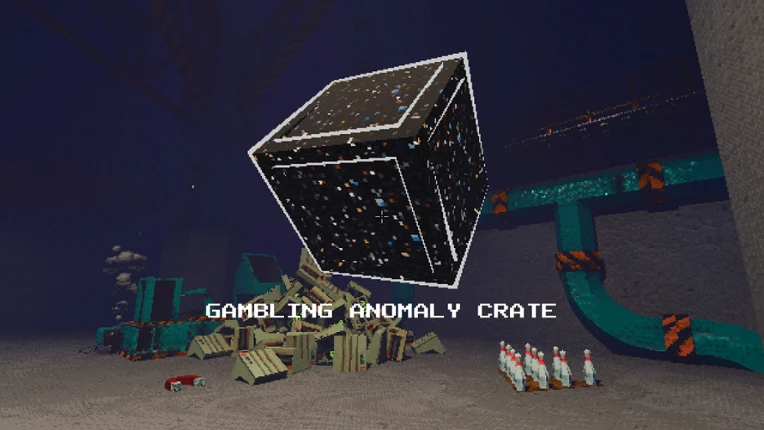
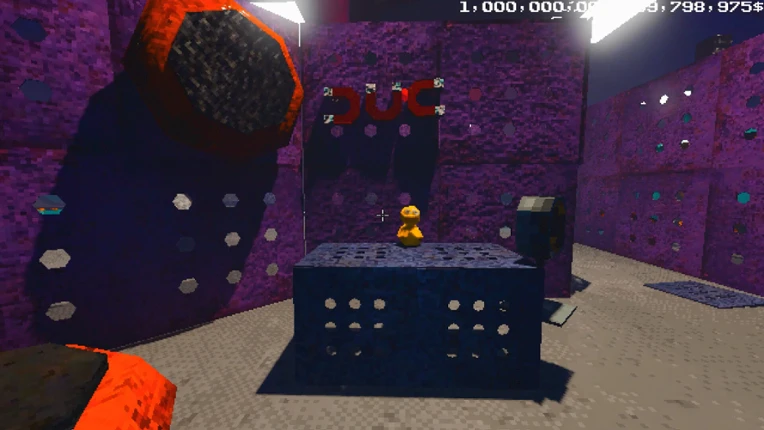
    The game features a deliberately retro, PSX-inspired aesthetic with a distinctive, rough, and stylized art style that evokes early 2000s vibes. Graphics are adjustable for performance on lower-end PCs, though heavy object density can cause lag and visual clutter. While not cutting-edge, the visuals are charming and well-suited to the game's unique atmosphere.

    • “The art style is chef's kiss; that crunchy PSX aesthetic gives major early 2000s vibes, but with more concrete and less color.”
    • “The graphics are retro aesthetic with adjustability if you'd prefer a smoother look (would strongly recommend turning off head bob as soon as you see it in the options).”
    • “The graphics are purposely bad, the game does lag a little if you have too many ducks, and there are absolutely bugs (like how panels fall out of the bottom of the box sometimes and other times do not).”
    • “If you have a potato computer like mine you can run on low graphics, thank god!”
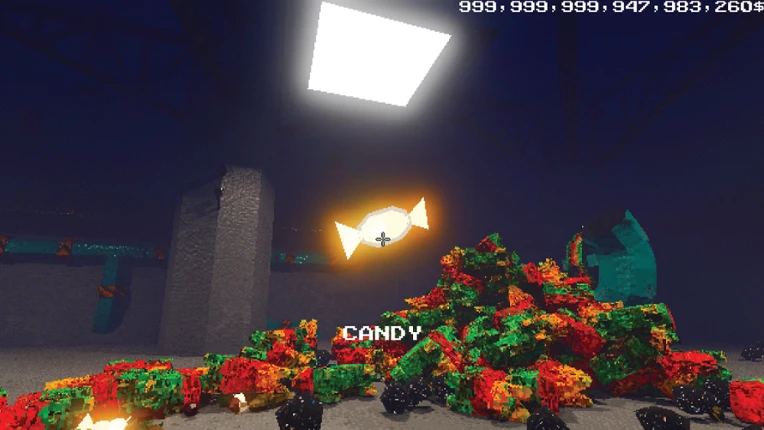
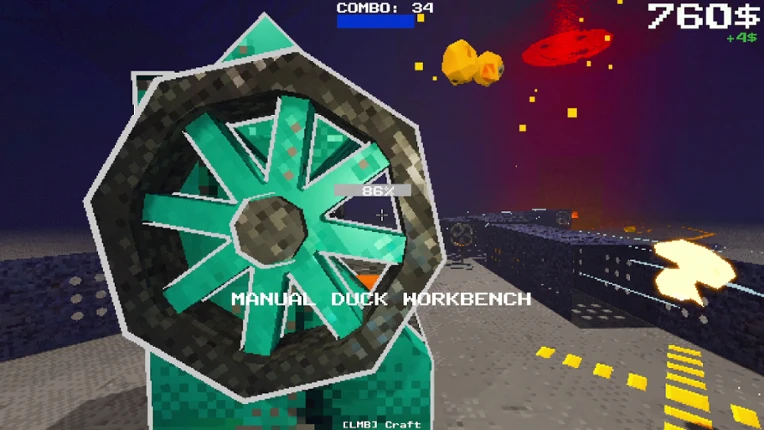
    • “The brutalist facility uses a deliberately retro PSX-inspired aesthetic, combining imposing architecture with rough, stylized visuals.”
  • atmosphere

    10 mentions Positive Neutral Negative
    60% positive mentions, 40% neutral mentions, 0% negative mentions

    The game's atmosphere is widely praised for its depth, creativity, and intriguing secrets, creating an engaging and sometimes unsettling experience. Players appreciate the immersive environment and the sense of discovery, though some note minor issues. Overall, the atmosphere effectively enhances the game's unique tone and storytelling.

    • “I love the atmosphere, the depth, the experience, and especially the freedom and creativity provided with all of the 'off the rails' tools.”
    • “It had great atmosphere, hints of some secrets to be uncovered.”
    • “The maw continuously demands more, production becomes increasingly complicated, and the facility begins revealing an atmosphere suggesting that your employment situation is considerably stranger than it first appeared.”
  • music

    8 mentions Positive Neutral Negative
    50% positive mentions, 12% neutral mentions, 38% negative mentions

    The music is widely praised as the best part of the game, with enjoyable sound design and dynamic tracks that enhance the experience. However, some users find the soundtrack repetitive and would appreciate more variety and options to adjust music volume. Overall, the music is considered a strong and memorable aspect.

    • “The best part of the game was the music.”
    • “The sound design is pleasurable and enjoyable; the music is the best ever.”
    • “The music ramping up is also really fun.”
    • “Ability to change music is needed. The 10-second loop of heavy, grating, noisy music is not really good after a while, so having a few different songs would help. Also, the volume of certain sounds is annoying.”
    • “The soundtrack gets a touch repetitive though still good.”
    • “The 10-second loop of heavy, grating, noisy music becomes irritating after a while; having a variety of songs and adjustable volume settings would improve the experience.”
  • emotional

    1 mentions Positive Neutral Negative
    100% positive mentions, 0% neutral mentions, 0% negative mentions

    Users appreciate the game's emotional engagement, expressing a desire for more achievements that evoke surprise and a sense of progression, such as hidden or accidental rewards that mark meaningful milestones. This reflects a connection to the game’s moments of discovery and accomplishment.

  • replayability

    1 mentions Positive Neutral Negative
    0% positive mentions, 100% neutral mentions, 0% negative mentions

    The recent update has significantly improved the game's replayability, resolving previous issues and making it more enjoyable to play multiple times.

Skip Game Offers

Buy Project P.I.T.T.

Some of these are affiliate links — if you buy through them, we may earn a commission at no extra cost to you.

Play Times

6h Median play time
14h Average play time
6-30h Spent by most gamers
*Based on 3 analyzed playthroughs
Skip Videos

Videos

Skip Game News
Skip FAQs

Frequently Asked Questions

Project P.I.T.T. is a casual simulation game with horror and comedy themes. Common tags for Project P.I.T.T. include first-person, indie, psychological, pixel graphics, relaxing and others.

Project P.I.T.T. is available on PC, Mac OS, Steam Deck, Windows and others.

On average players spend around 14 hours playing Project P.I.T.T..

Project P.I.T.T. was released on August 19, 2026.

Project P.I.T.T. was developed by Froke.

Project P.I.T.T. has received positive reviews from players. Most players liked Project P.I.T.T. for its gameplay but disliked it for its grinding.

Project P.I.T.T. is a single player game.