

If you've sunk hundreds of hours into the Rift and you're searching for games like League of Legends, you already know what you're chasing: a fast-paced MOBA with a deep roster of distinct characters, real-time multiplayer battles, and that addictive competitive loop that keeps pulling you back. Whether you're burned out on the toxicity or just want something fresh, there are genuinely excellent alternatives worth your time.
What makes League of Legends so hard to replace is its specific formula — team-based real-time combat built around champion mastery, where learning dozens of abilities and counters creates a skill ceiling that feels almost endless. The fantasy setting, the free-to-play accessibility, and the thrill of coordinated 5v5 play all feed into a core loop that rewards both individual mechanics and team strategy. Players hunting for similar games are really looking for that same blend of hero variety, competitive depth, and multiplayer chemistry.
Demigod blends MOBA mechanics with RTS-style base upgrades for strategic depth. SUPERVIVE mashes MOBA hero gameplay with battle royale tension brilliantly. Dropzone delivers fast, customizable mech-based competitive matches. Shape of Dreams brings MOBA-style controls into a satisfying co-op roguelite. Warhammer 40,000: Dawn of War II: Retribution offers hero progression and squad tactics with excellent co-op staying power.
Every recommendation below is ranked by similarity to League of Legends using real player data, so the closest matches appear first. Scroll through the full list to find your next favorite.
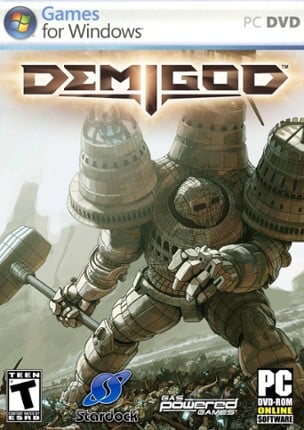
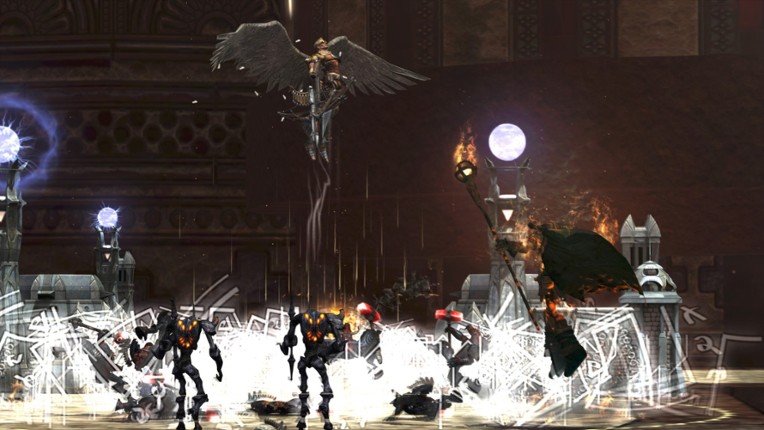
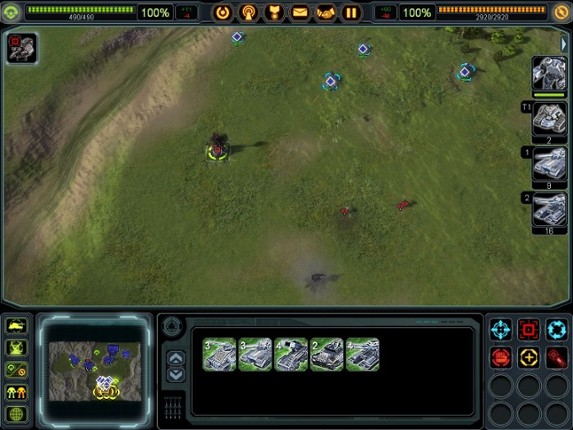
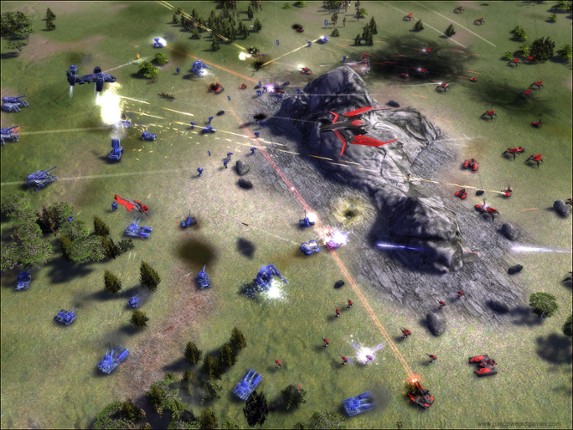
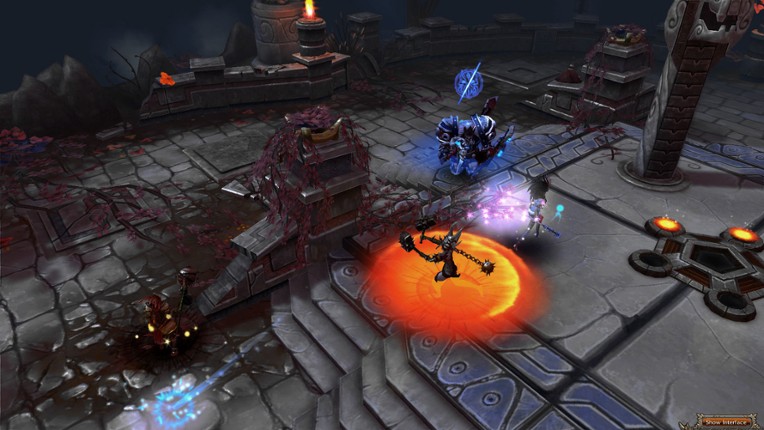
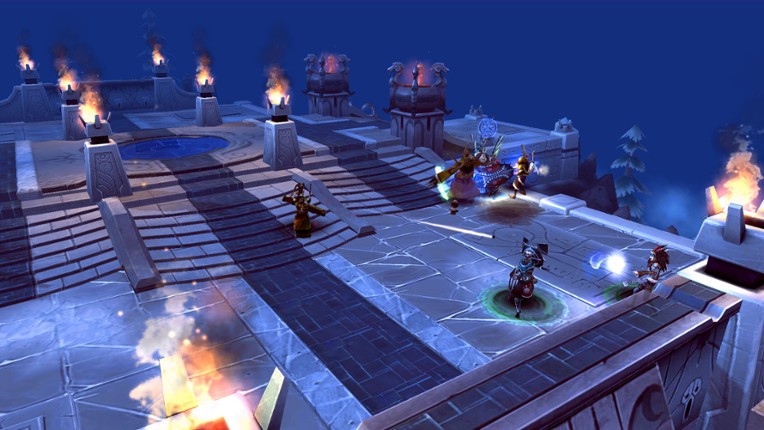
Both League of Legends and Demigod pit you against enemy players in real-time tactical combat where individual character power and team coordination determine victory. That core tension—managing your own hero's strengths while orchestrating group strategy—creates the same moment-to-moment decision-making that LoL players crave.
Demigod mirrors LoL's hero variety system, letting you pick from distinctly different characters with unique playstyles. More importantly, it layers in minion and structure upgrades that give you tangible progression within each match—creating the same feedback loop of incremental power gains that make LoL matches feel rewarding rather than static.
Where Demigod diverges is its hybrid RTS layer: you're not just fighting enemy heroes, you're managing base defenses and tactical positioning in ways that demand more strategic depth than pure MOBA play. This added complexity means longer matches with more moving parts to master.
If League's toxic community has deterred you, Demigod's smaller player base offers a quieter alternative—though you'll trade competitive matchmaking for a more niche experience.
Best for players seeking tactical depth beyond hero mechanics, willing to embrace a smaller ecosystem in exchange for breathing room.
If you enjoyed this game, see our list of games similar to Demigod.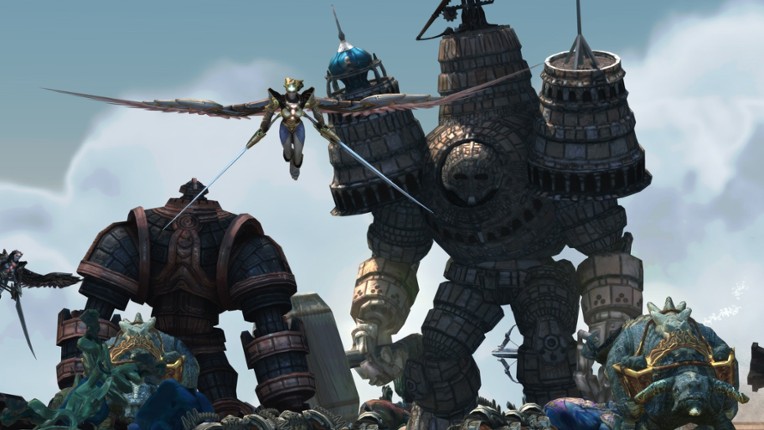
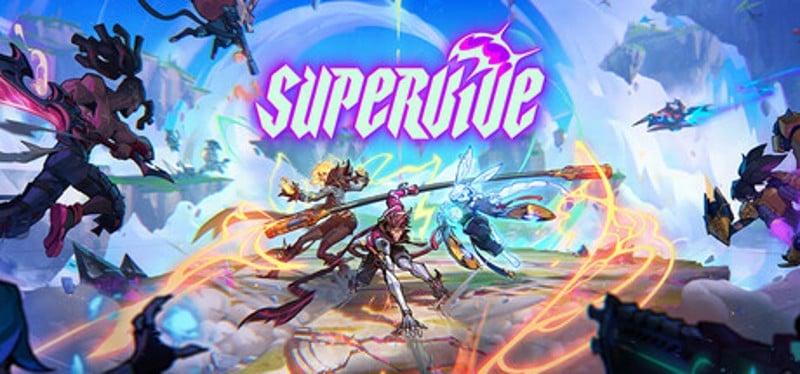
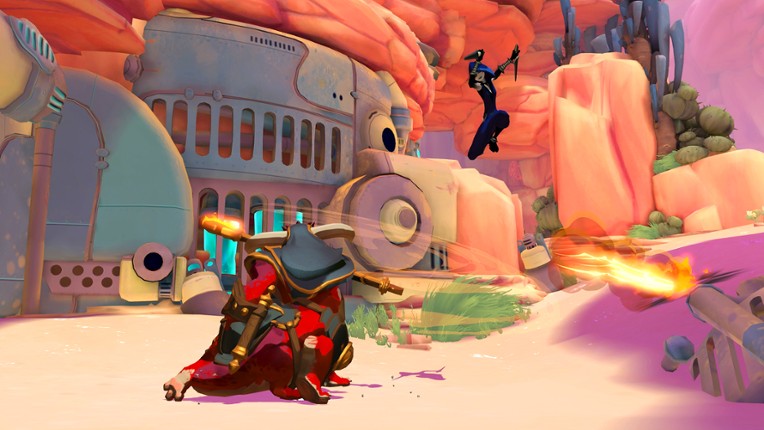
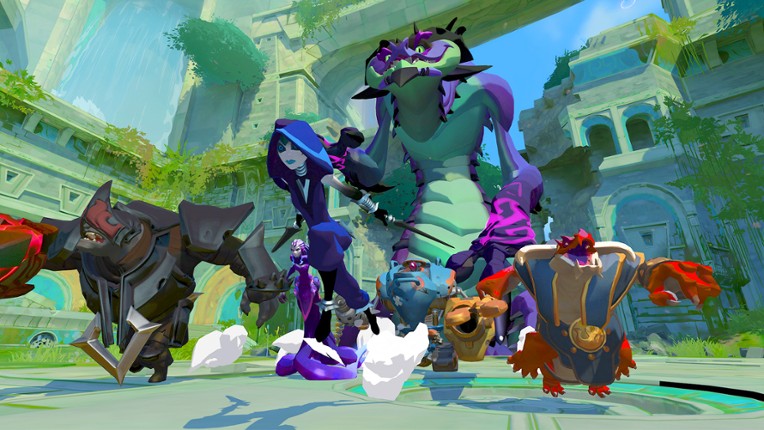
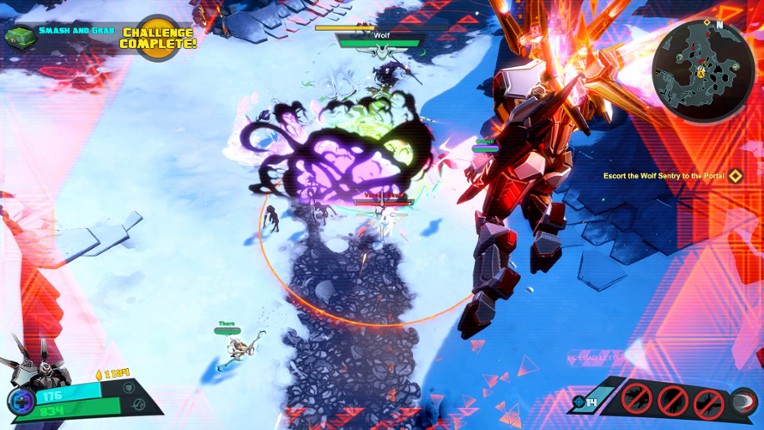
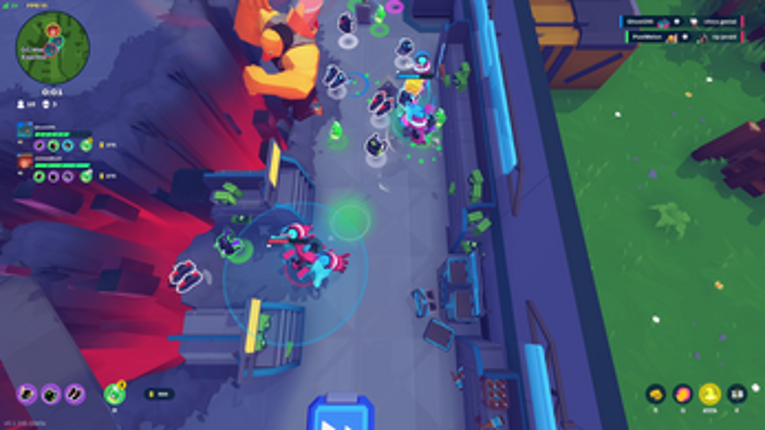
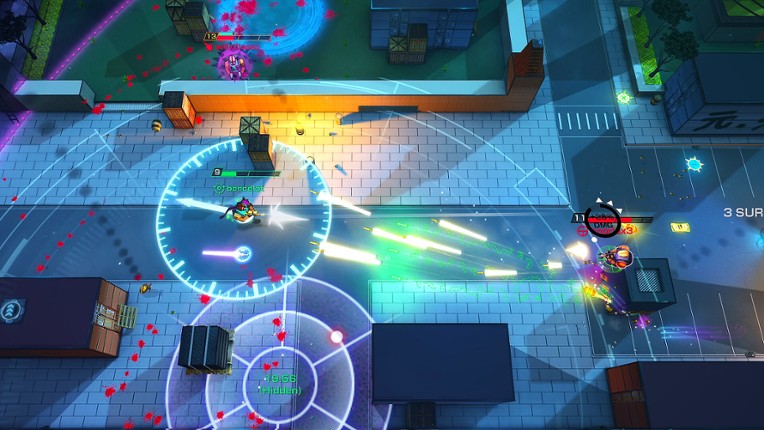
Launching into a match where team coordination, role picks, and clutch fights decide everything will feel familiar to League of Legends fans. SUPERVIVE keeps that class-based, co-op, team-driven pressure, so every push, retreat, and revive feels like a coordinated play rather than a solo queue scramble.
The biggest overlap is the MOBA-style strategy layered onto real-time combat, which gives fights the same “one good decision can swing the whole game” tension LoL players chase. Its blend of hero shooter and battle royale action also rewards champion-style mastery, but with faster movement and more immediate combat payoff. That makes the learning curve feel less gated than LoL’s champion pool and macro-heavy lane phase.
SUPERVIVE also answers one common LoL frustration: newcomer barriers. Because it is free to play and built around shorter, more direct team encounters, you can get into the action without needing to absorb as much map knowledge upfront. The tradeoff is a more chaotic, high-speed battlefield that trades lane control for verticality and spectacle.
Best for players who want teamwork, mastery, and constant fight pressure.
If you enjoyed this game, see our list of games similar to SUPERVIVE.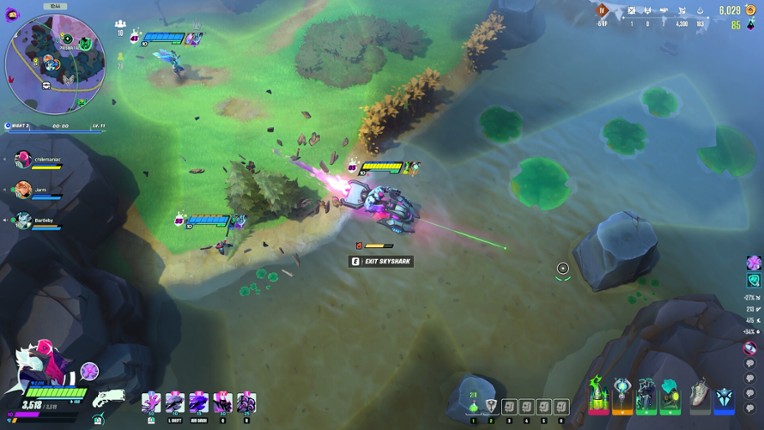
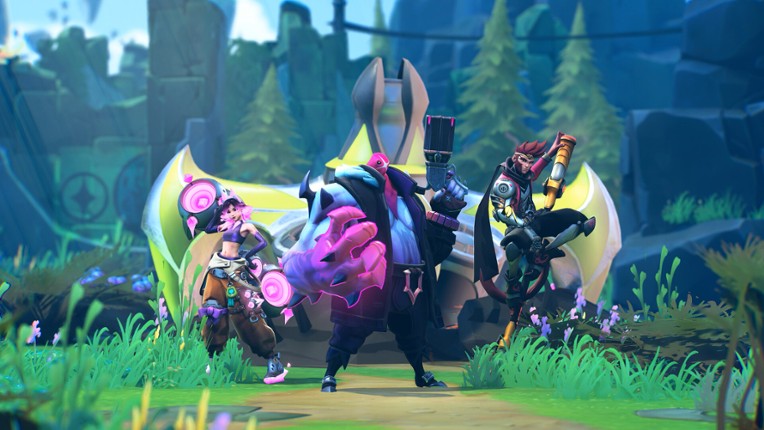
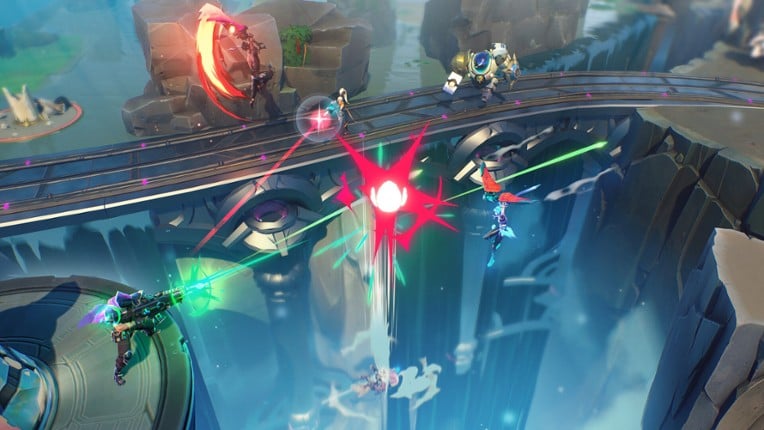
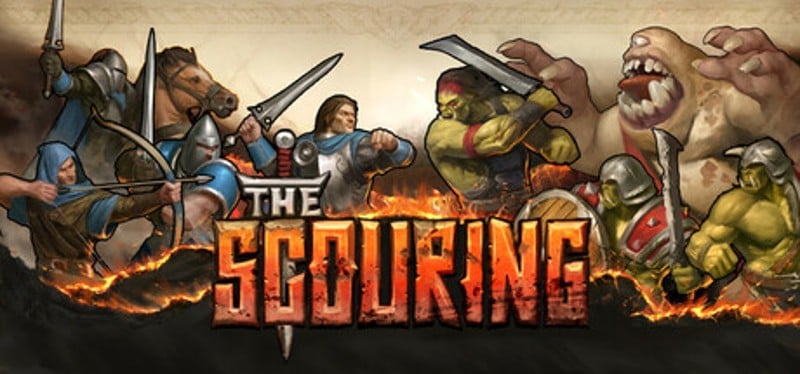
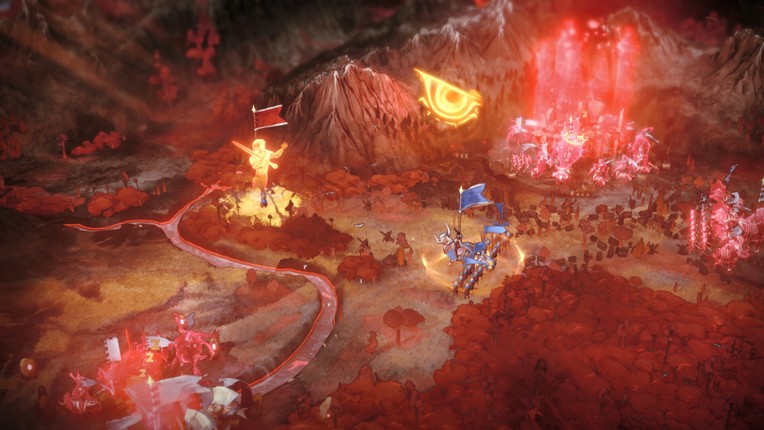
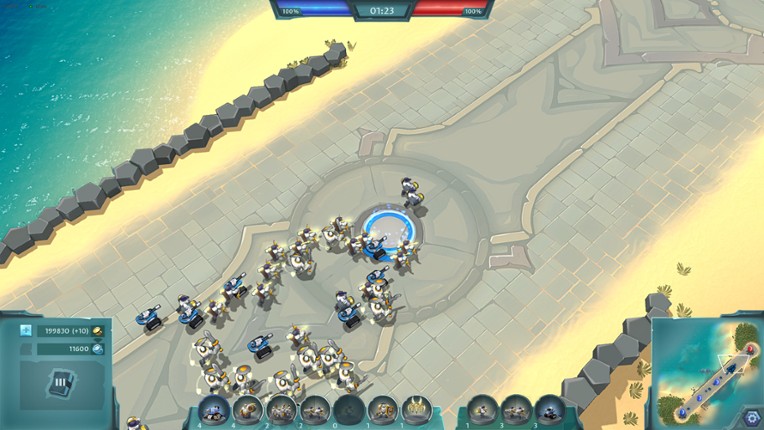
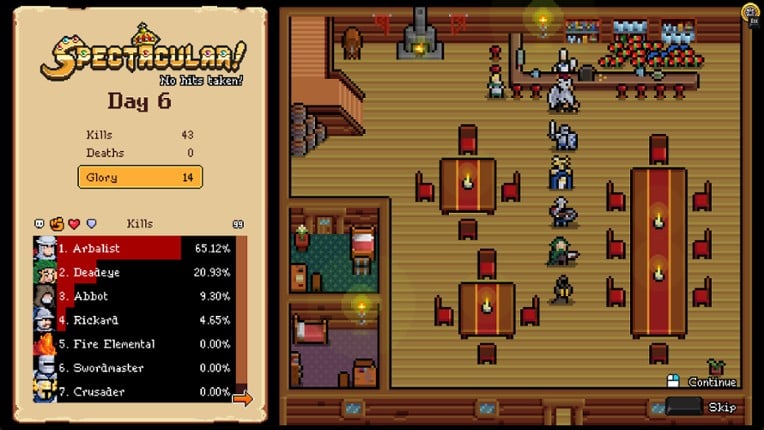
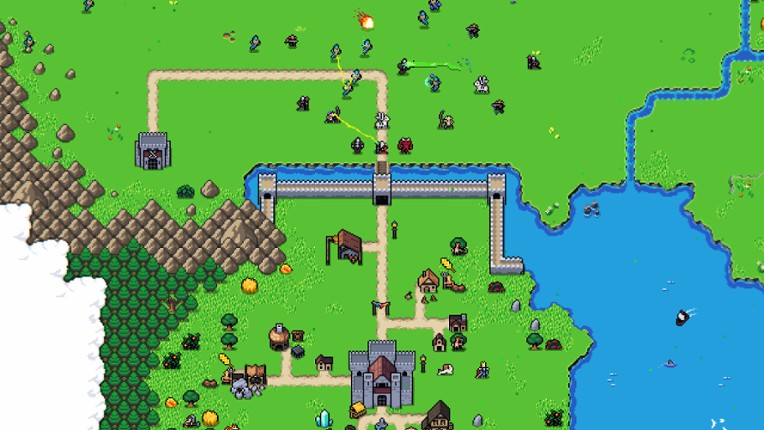
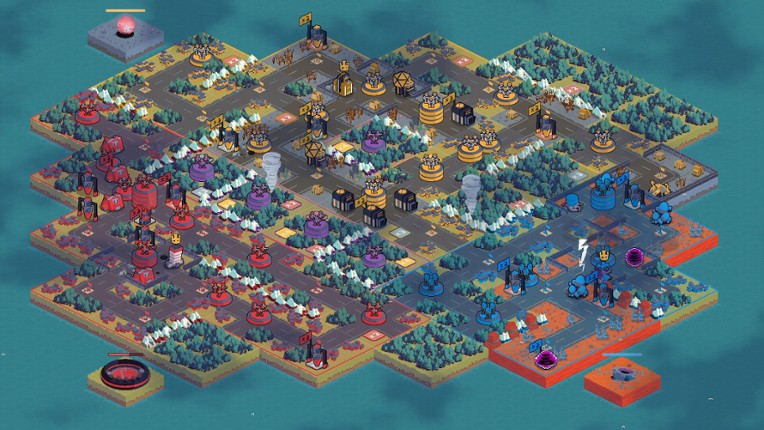
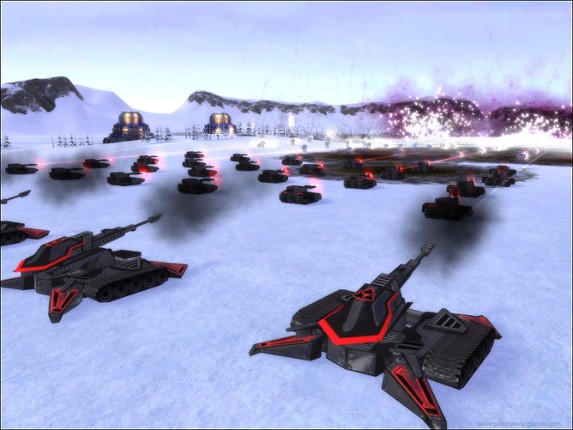
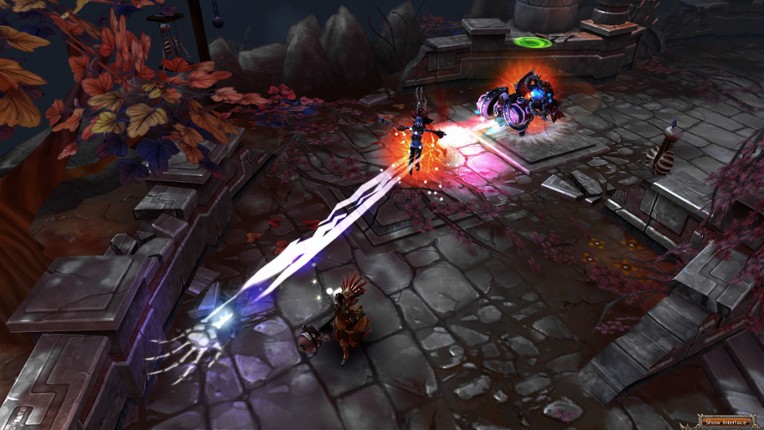
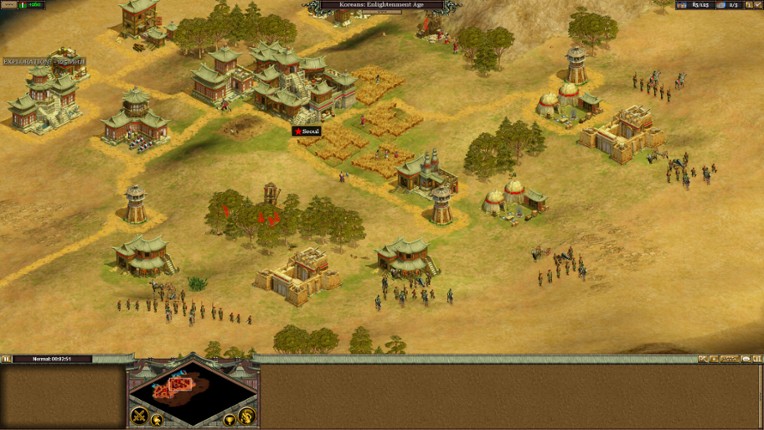
Dominating the battlefield with a high-impact hero provides the same visceral satisfaction as scaling into a late-game carry. The Scouring replicates this through Hero Mode and unit-leveling mechanics, which capture the core loop of earning power through combat. This system creates a familiar "snowball" effect, rewarding tactical aggression with the same palpable stat growth found in a winning lane.
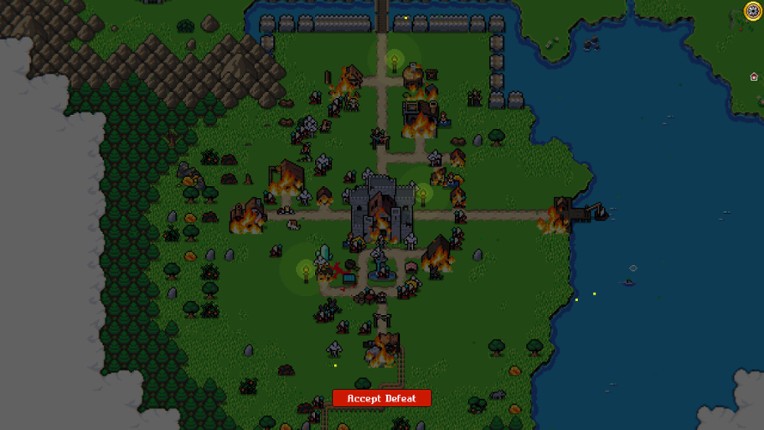
The experience diverges by integrating base construction, forcing you to manage the infrastructure that supports your hero's conquest. This provides a fresh angle where success depends on your fortifications rather than just micro-movements. It offers a dynamic environment that grants you more agency over the map than a traditional three-lane arena.
This title also provides a welcome sanctuary from the notoriously harsh community and steep barriers that often hinder League newcomers. You can master complex magic at your own pace without the pressure of teammate expectations or toxicity. Best for players who want to translate champion mastery into a broader tactical sandbox.
If you enjoyed this game, see our list of games similar to The Scouring.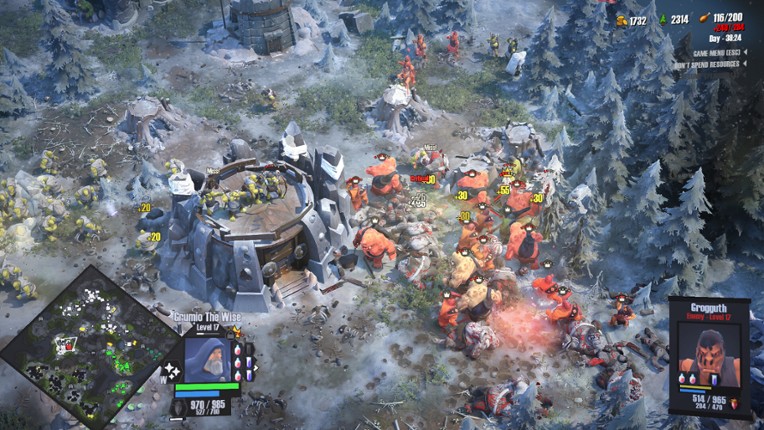

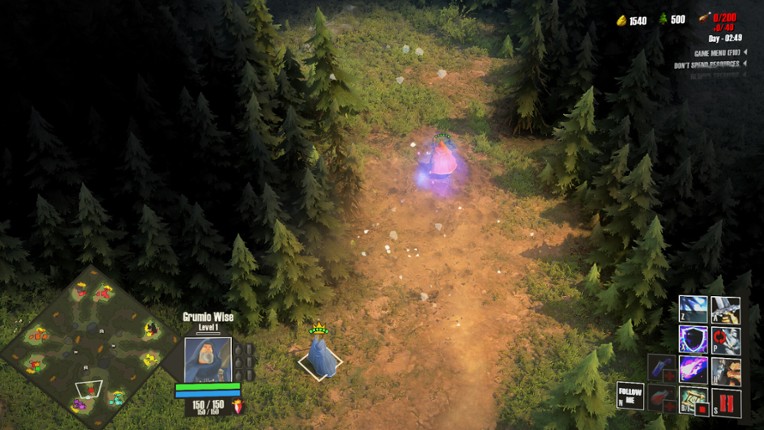
Both games demand precise ability timing and aim, turning each encounter into a micro‑decision battle where a well‑placed skill can flip the tide.
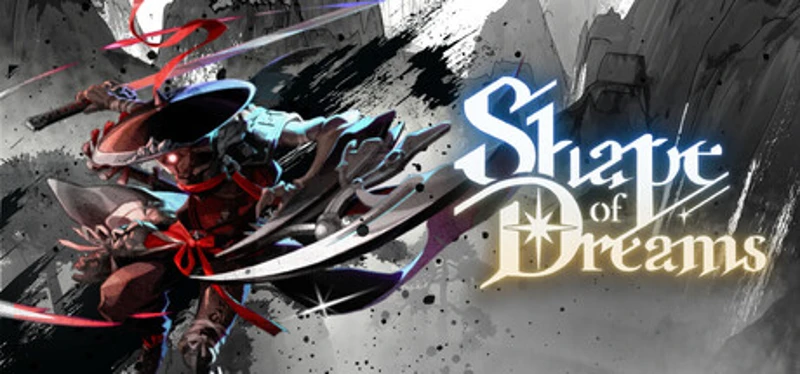
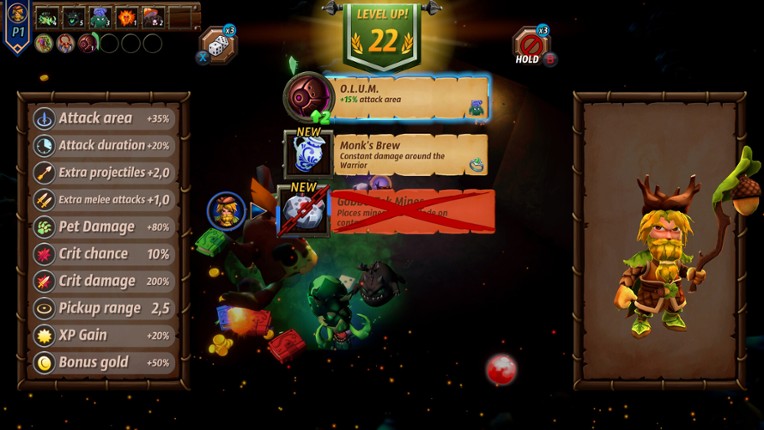
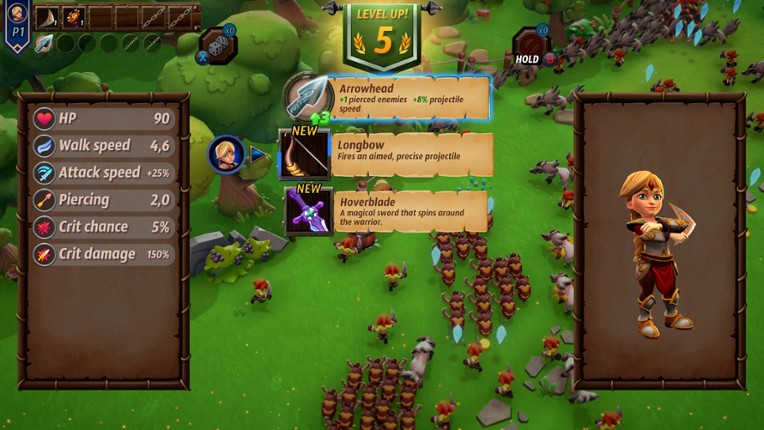
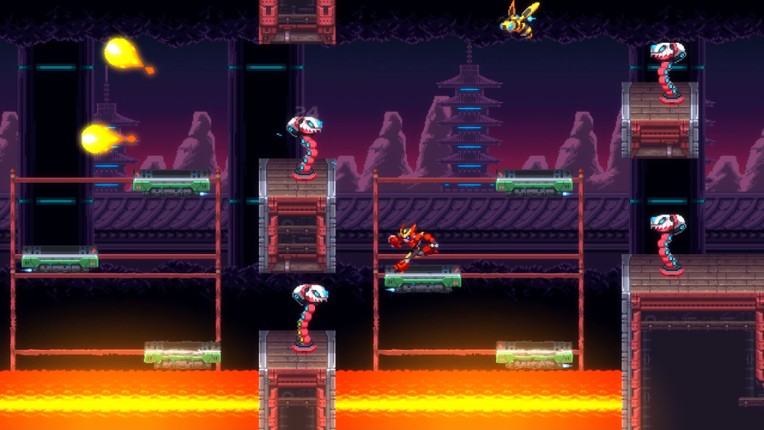
Shape of Dreams carries LoL’s fast‑paced skill‑shot feel into a top‑down roguelite, so the same quick reflexes and positioning adjustments make a perfect ability feel satisfying.
The drop‑in/out co‑op mirrors LoL’s team‑based vibe: you can invite a friend mid‑run, share loot, and coordinate builds without the formality of a pre‑made lobby.
In contrast, Shape of Dreams trades LoL’s persistent champion roster for procedurally generated runs, offering fresh builds each attempt but sacrificing long‑term mastery of a single character.
For players deterred by LoL’s toxic chat and steep learning curve, Shape of Dreams provides a smaller, friendlier community and a gentler onboarding that still challenges later on.
Best for players who love skill‑based combat and thrive on adapting to new challenges each run.
If you enjoyed this game, see our list of games similar to Shape of Dreams.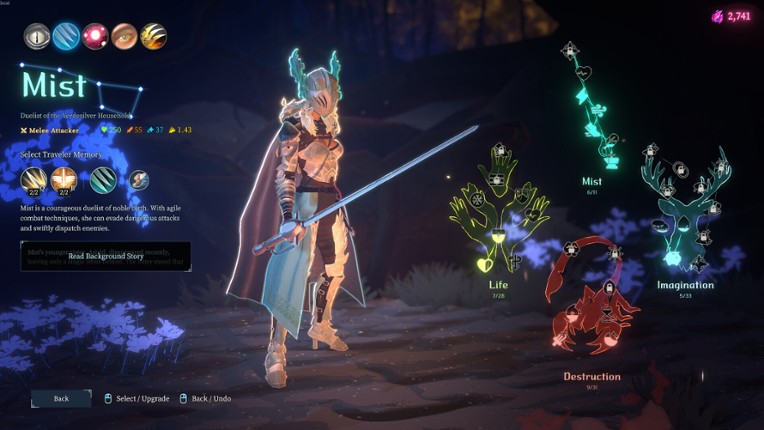
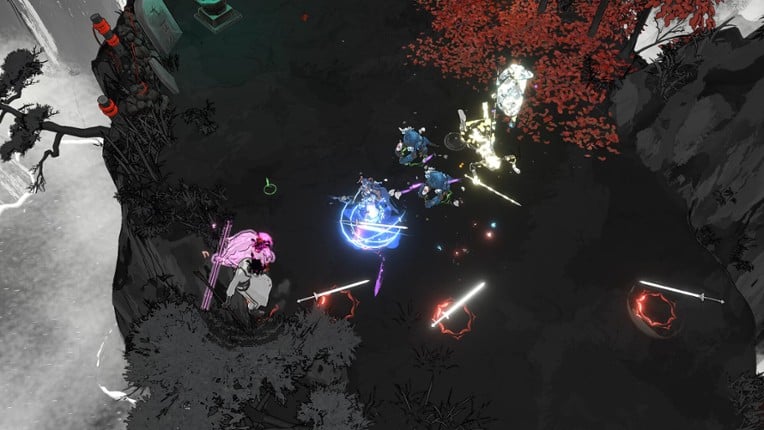
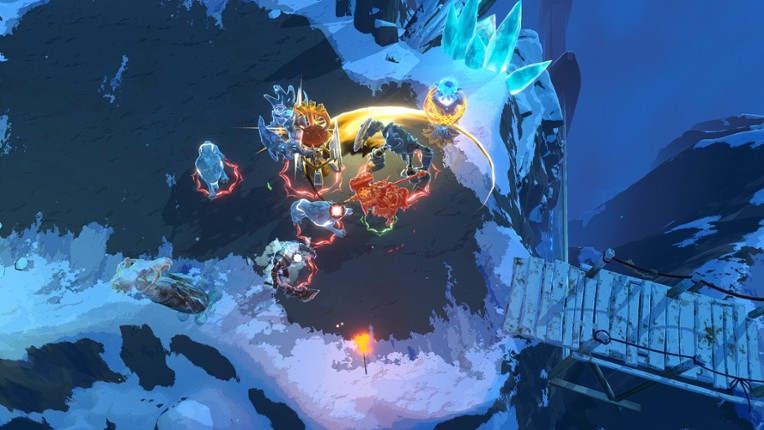
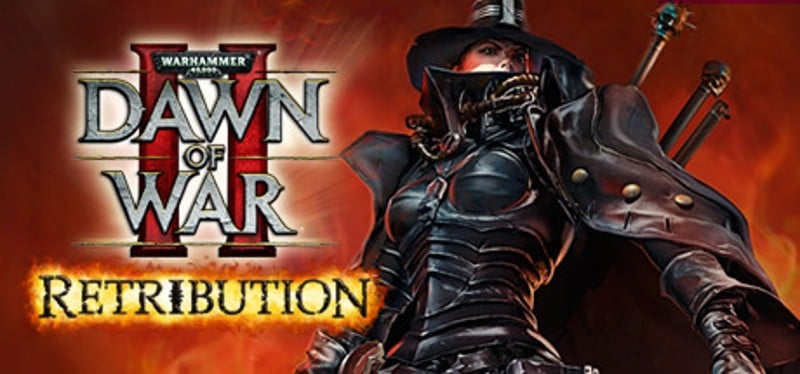
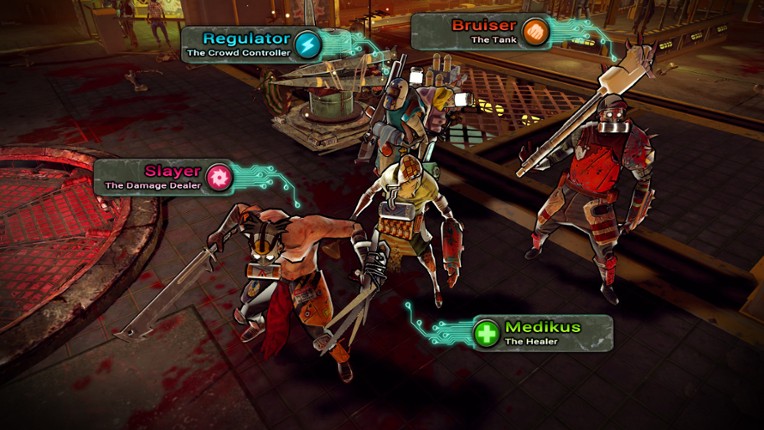
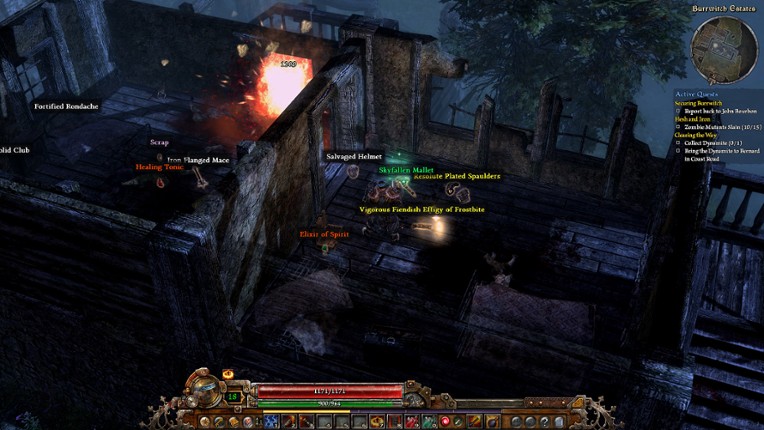
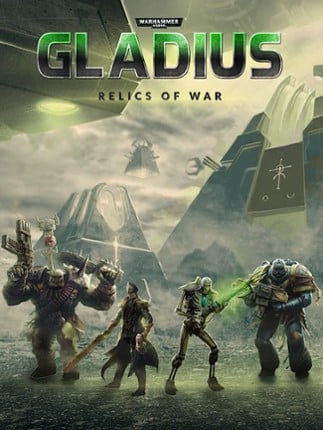
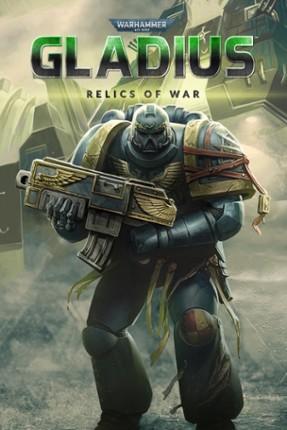
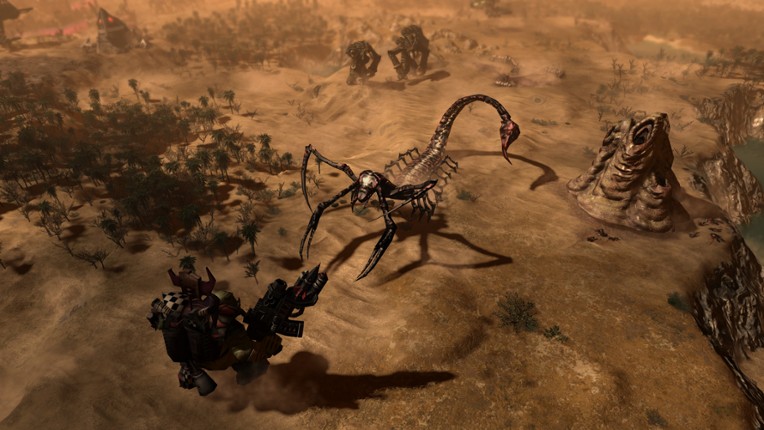
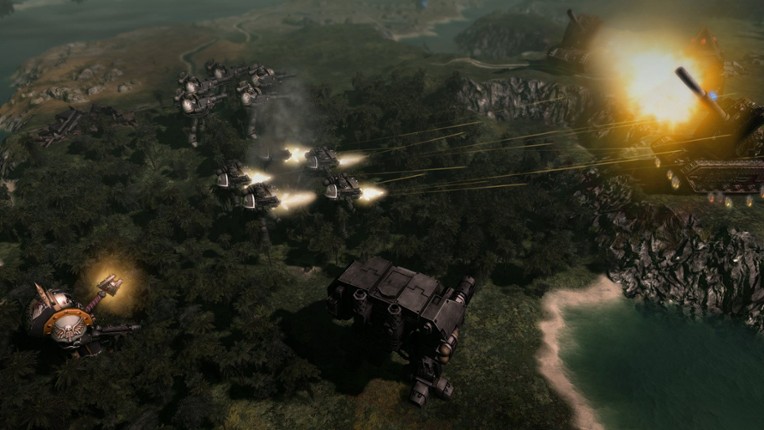
That feeling in League of Legends of coordinating with teammates to outmaneuver opponents in real-time — reading the fight, positioning, reacting — is exactly the loop that drives Dawn of War II: Retribution's Last Stand mode. Three players hold out against escalating waves, each controlling a hero unit with distinct abilities, gear, and a role to fill in the team composition. Because every player's build affects group survivability, the cooperation feels purposeful rather than incidental.
Both games also reward hero mastery and progression, with unit upgrades and equipment choices shaping how your character performs in critical moments. The fast, small-scale squad combat keeps decision-making personal and tactical rather than sprawling — closer to a skirmish than a grand strategy game.
The key tradeoff is scope: League locks you into a 5v5 human battleground, while Retribution wraps that cooperative tension in a science-fantasy campaign across six playable factions. If League's community toxicity has worn you down, Retribution's lower-stakes co-op offers the same competitive teamplay without the matchmaking pressure.
Best for League players who want coordinated, build-focused team combat but are ready to trade the ranked ladder for a grimmer, more atmospheric battlefield.
If you enjoyed this game, see our list of games similar to Warhammer 40,000: Dawn of War II: Retribution.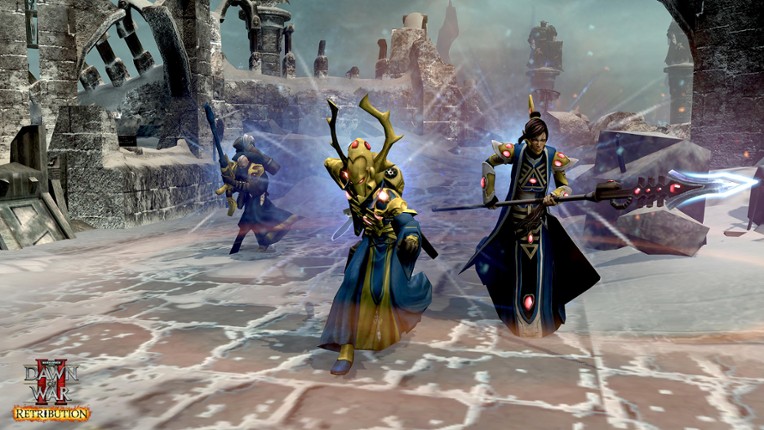
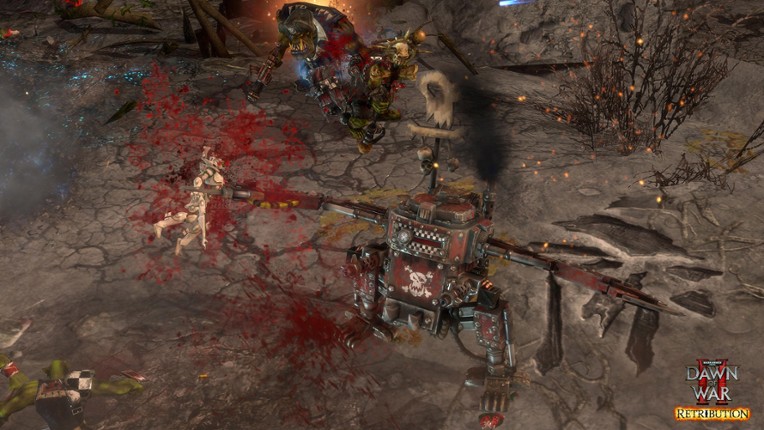
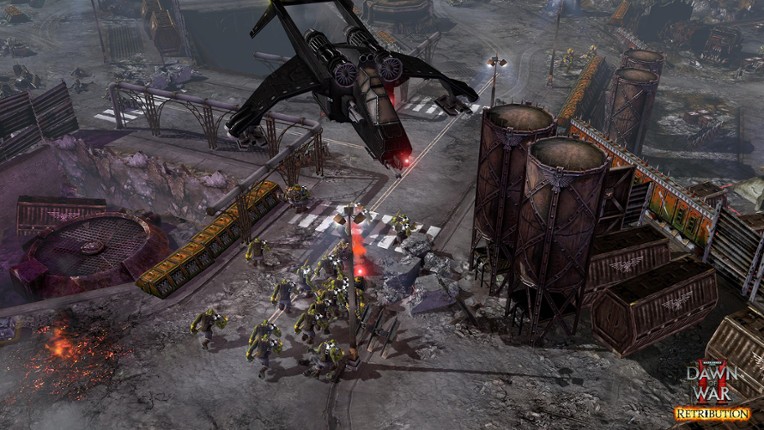
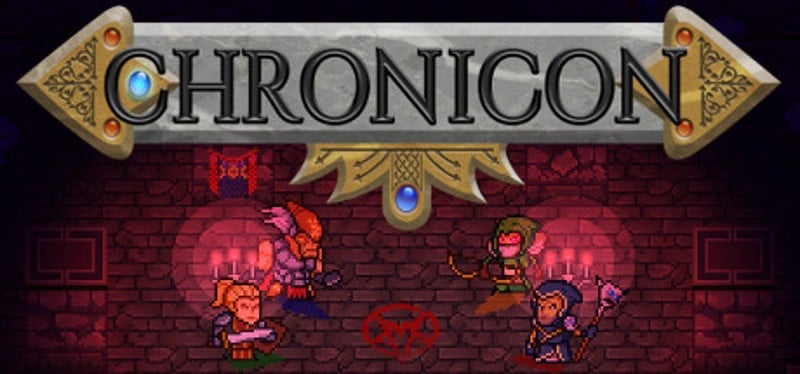
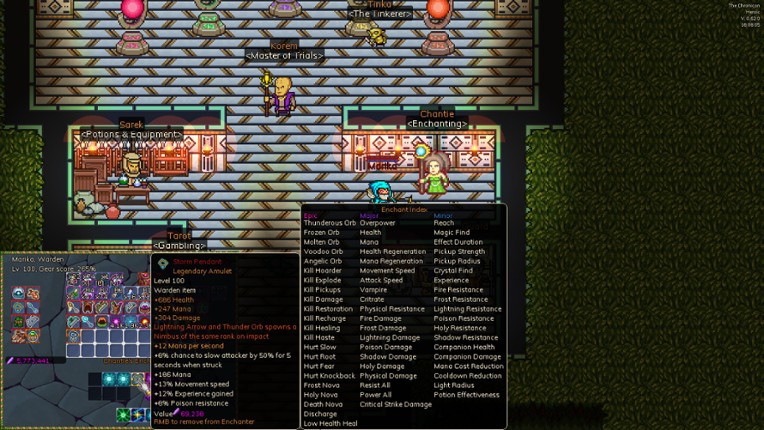
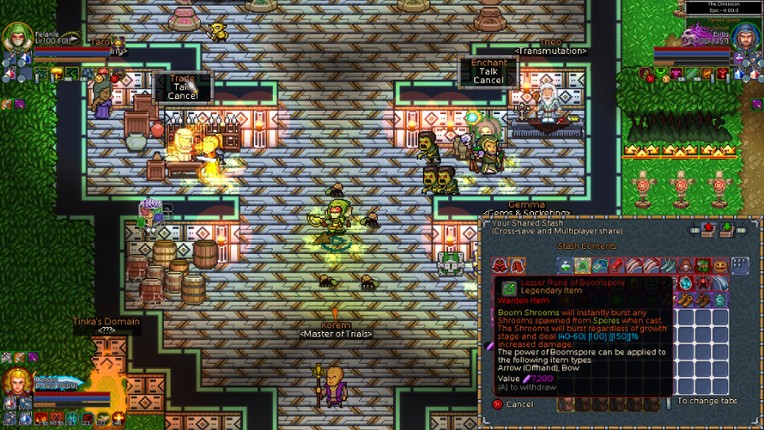
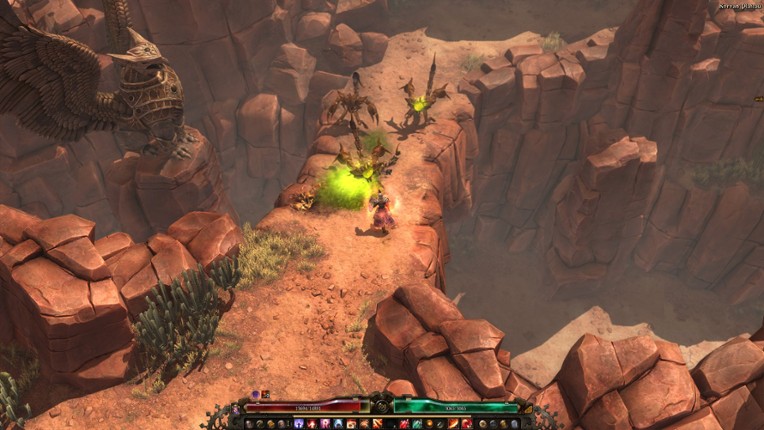
The primary draw for Chronicon is its class-based character progression, mirroring the variety League of Legends players crave through deep, experimentation-heavy build paths.
This matters because the stat-driven power scaling mirrors the satisfaction of turning a champion into an unstoppable force during a late-game carry.
However, you trade the high-stakes competitive tension of a live MOBA for a solo or co-op dungeon crawl focused on loot grinding rather than player-versus-player skill expression.
Pick this up if you want the endless build theory-crafting of League but can live without the toxicity and stress of real-time multiplayer lobbies.
If you enjoyed this game, see our list of games similar to Chronicon.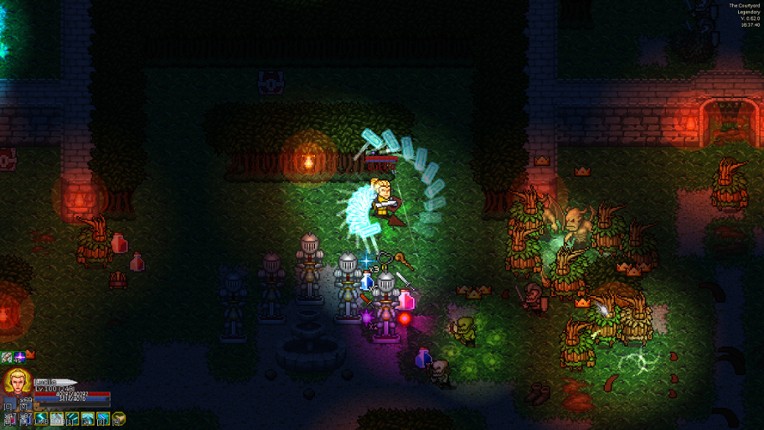
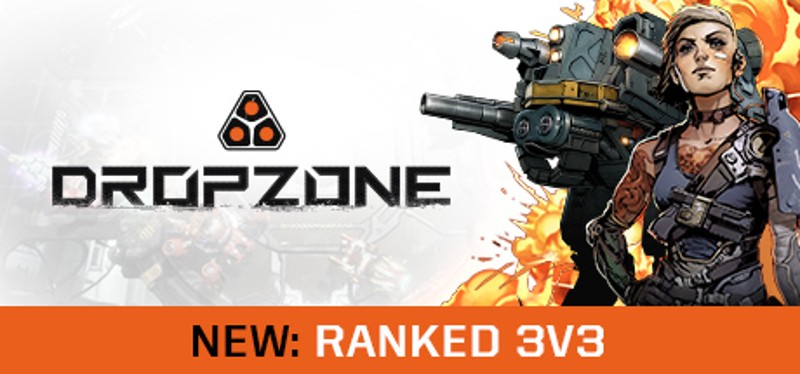
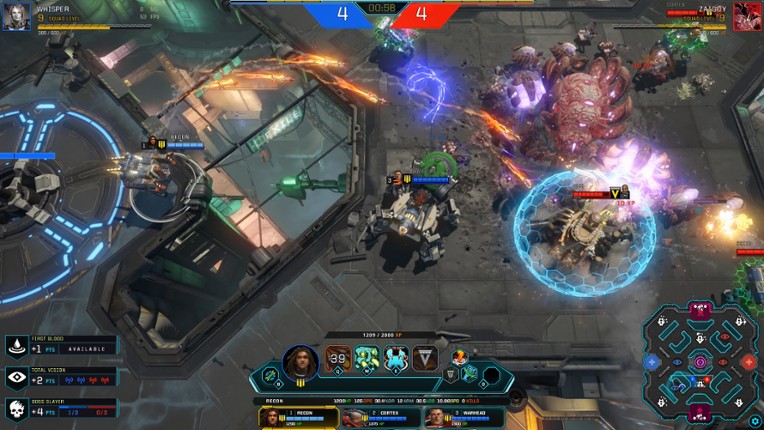
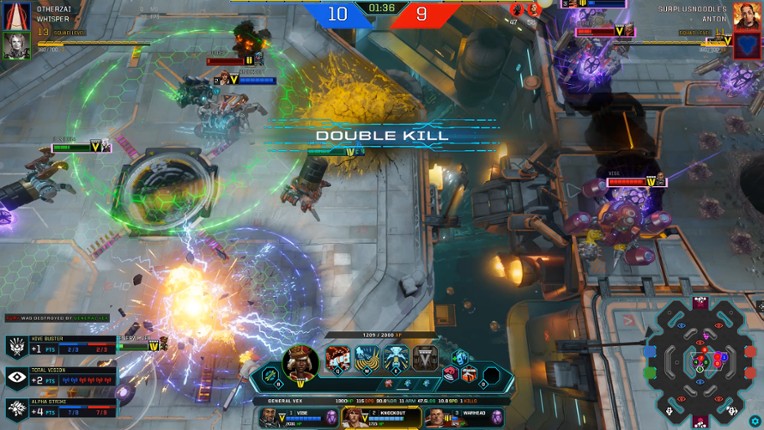
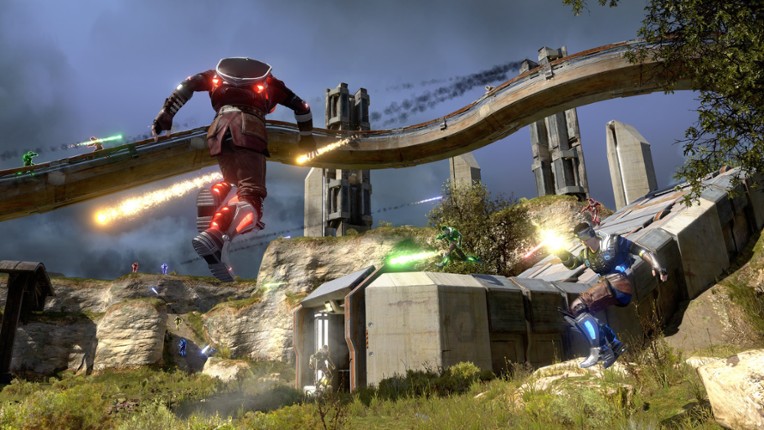
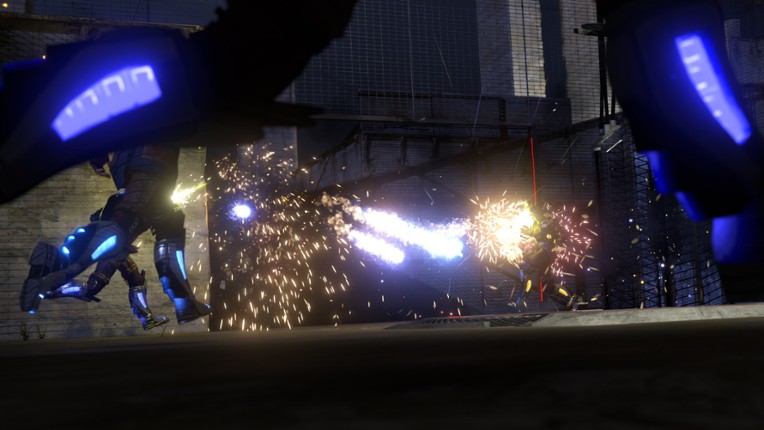
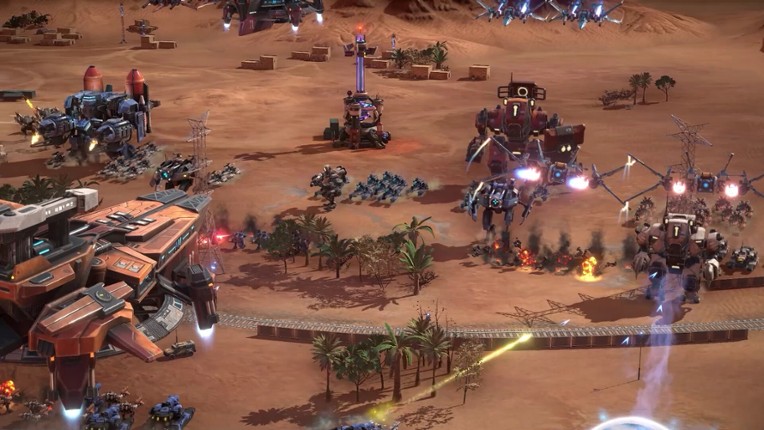
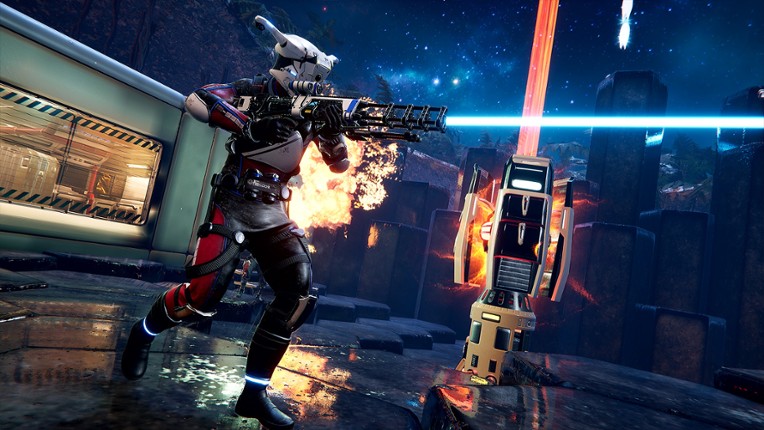
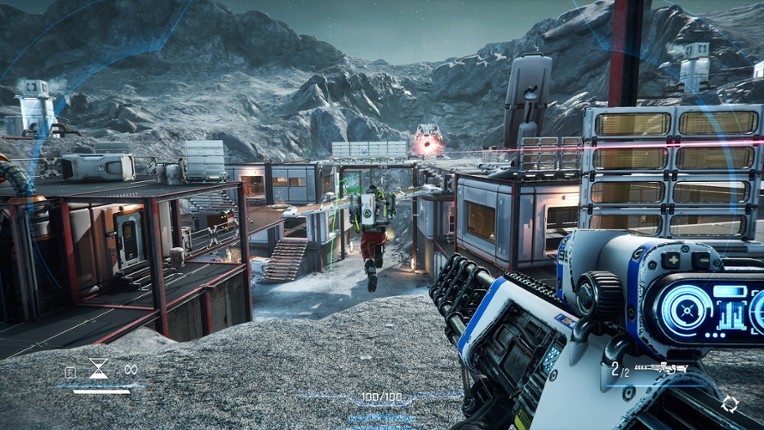
Dropzone shares League of Legends’ core real-time MOBA gameplay, delivering strategic team battles that demand quick thinking and coordinated tactics. Both emphasize 2-player co-op and multiplayer modes, which intensifies the competitive dynamic and player engagement. This shared foundation ensures familiar gameplay pacing and structure.
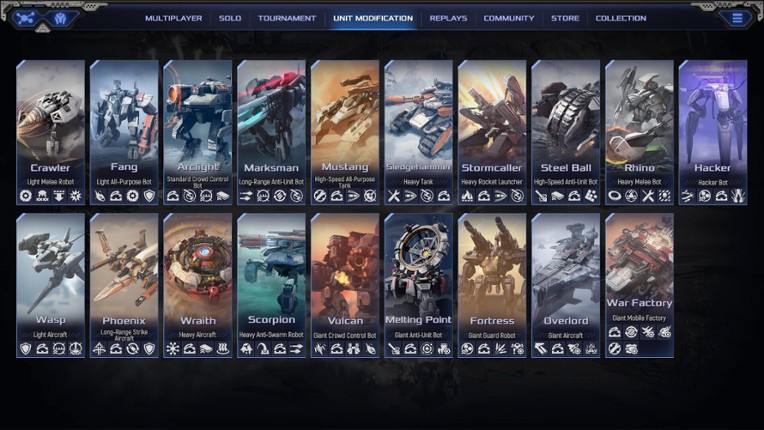
Customization stands out as a key overlap; Dropzone offers deeper mech builds, letting players tailor abilities to their combat style, enhancing strategic variety. However, its smaller player base and pay-to-win monetization undercut the competitive fairness and community scale League of Legends maintains. The lack of a robust narrative also limits long-term attachment for some.
Pick Dropzone if you want a futuristic MOBA with flexible mech customization and faster matches but can tolerate fewer players and a less balanced competitive scene. Avoid it if you need a large, fair, and well-established eSports environment with rich fantasy lore.
If you enjoyed this game, see our list of games similar to Dropzone.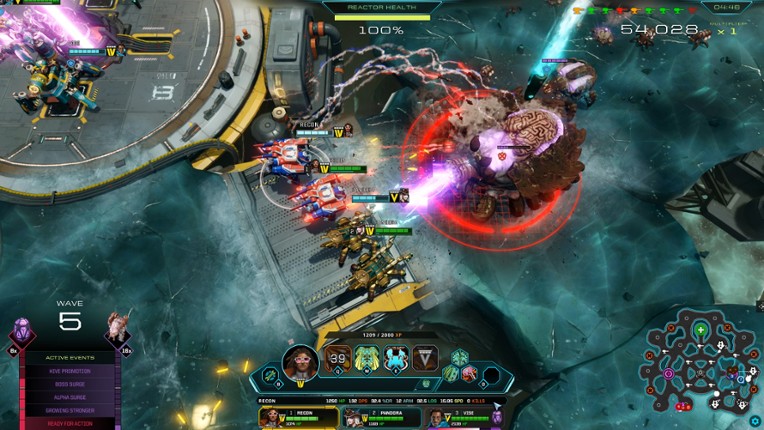
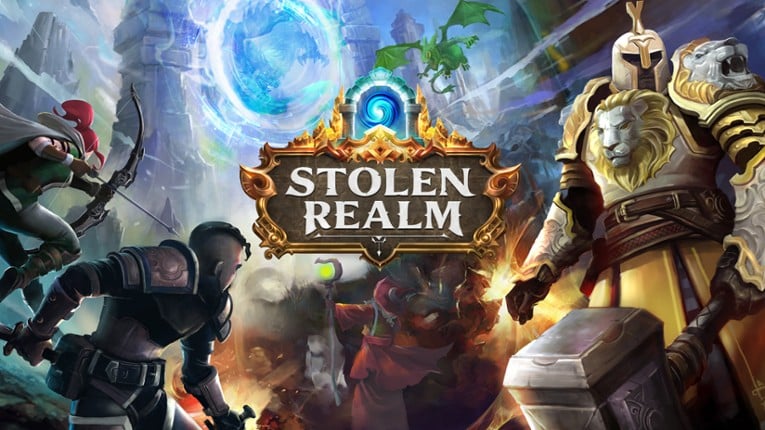
Shared strategic depth: Both games demand coordinated team play and punish poor positioning—League through real-time macro decisions, Stolen Realm through simultaneous-turn tactics that let all players act at once.
Fantasy co-op overlap: Both support 2-player teams in a fantasy setting, letting friends dive into collaborative gameplay with distinct roles.
The tradeoff: League delivers fast, twitchy competitive matches with hundreds of champions; Stolen Realm offers deep character customization in a turn-based tactical framework.
Player-type fit: Pick this up if you want fantasy team-based strategy with customizable parties but can live without the real-time intensity and balance rigor that defines League.
If you enjoyed this game, see our list of games similar to Stolen Realm.
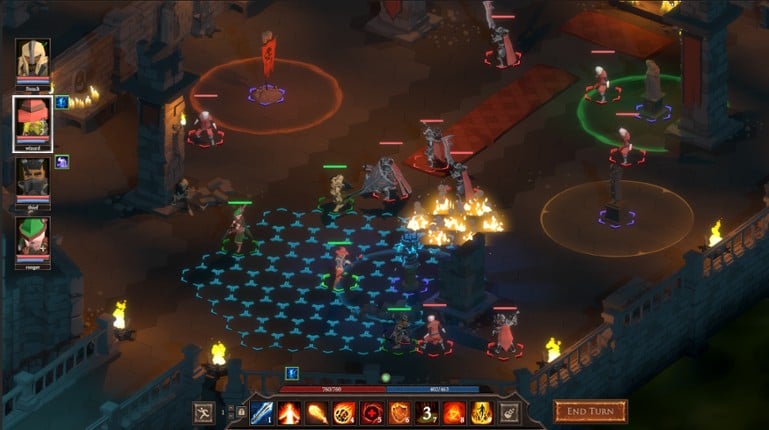
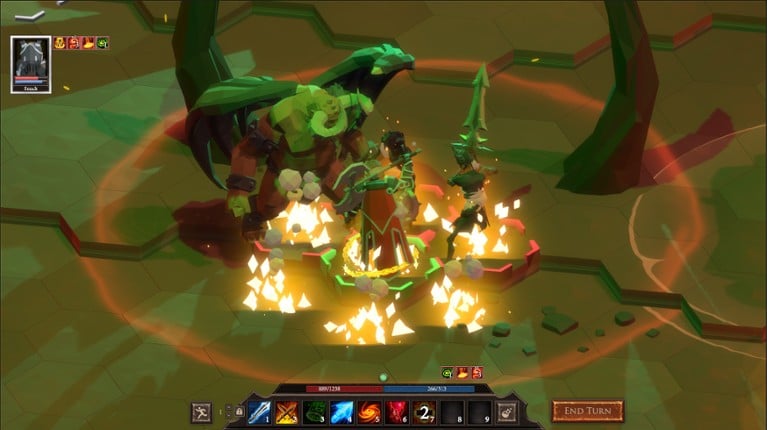
Both games center on multiplayer co-op combat where team composition and strategic positioning matter. This shared DNA makes the core loop feel familiar if you're chasing that collaborative deckbuilding high.
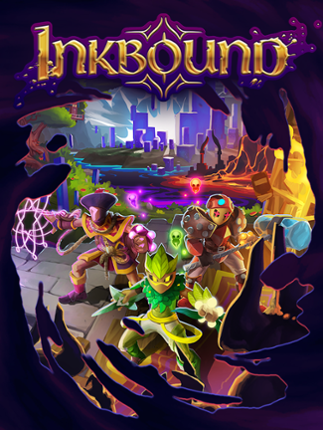
Inkbound also delivers diverse class builds and playstyles, which mirrors League's champion variety—letting you experiment without forcing a single optimal path.
The critical difference: League demands real-time reflexes and macro-level map awareness, while Inkbound strips everything down to turn-based tactical decisions. You're trading twitch skill for deliberation.
Pick Inkbound if you want League's cooperative squad energy and build flexibility but need breathing room to think between turns. Skip it if roguelike repetition and a dormant development cycle sound like dealbreakers.
If you enjoyed this game, see our list of games similar to Inkbound.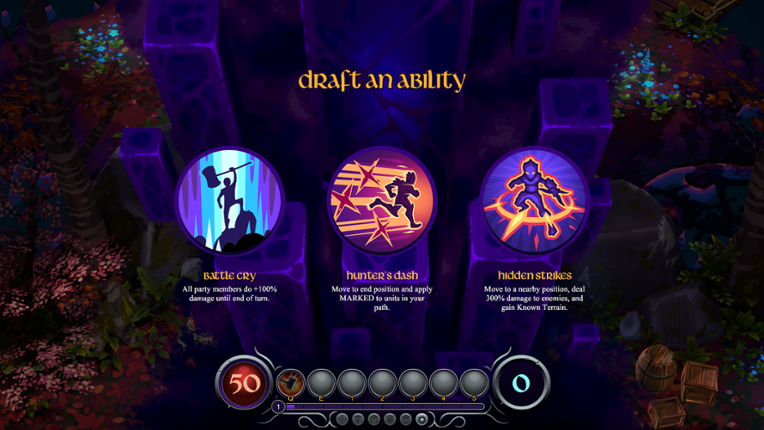
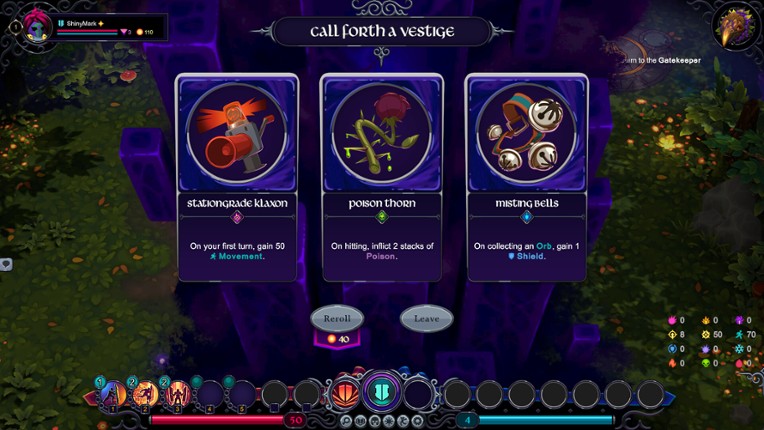
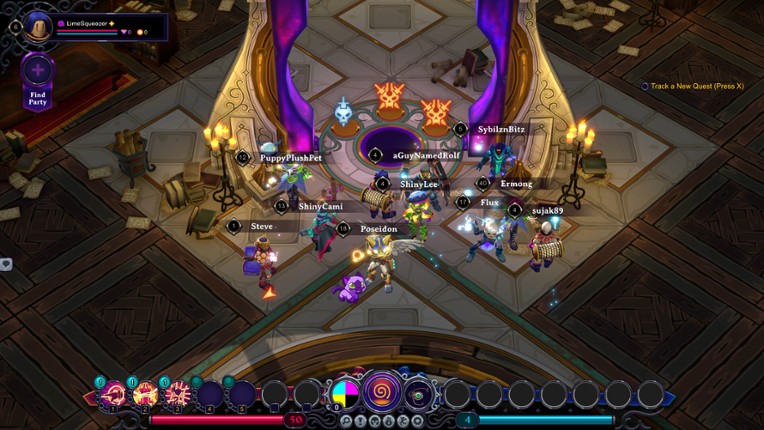
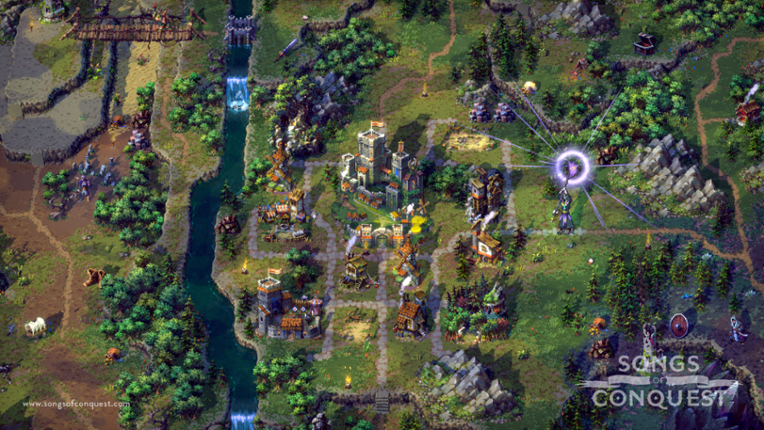
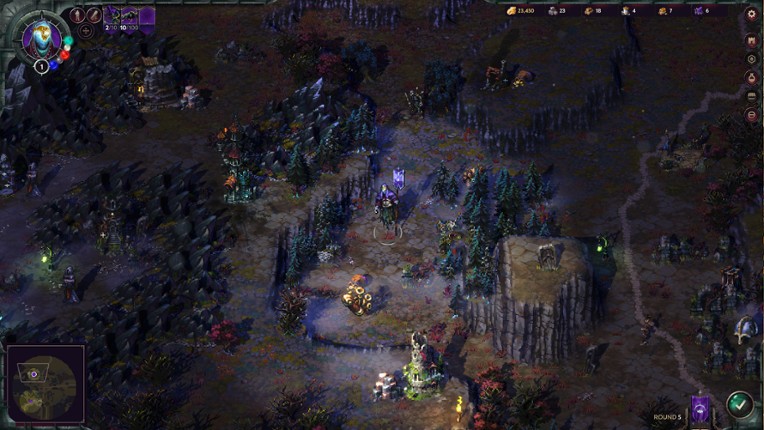
The core link is strategic unit composition, as both games force you to assemble powerful rosters to counter specific enemy threats.
This overlap matters because it demands deep mastery of synergy and counter-picking, which keeps your tactical decision-making sharp across every session.
While League of Legends relies on frantic real-time mechanical execution, Songs of Silence shifts the pressure to deliberate turn-based planning and long-term map control.
Pick this up if you want the intellectual thrill of drafting winning team compositions but can live without the high-stress, real-time dexterity required to win a lane.
If you enjoyed this game, see our list of games similar to Songs of Silence.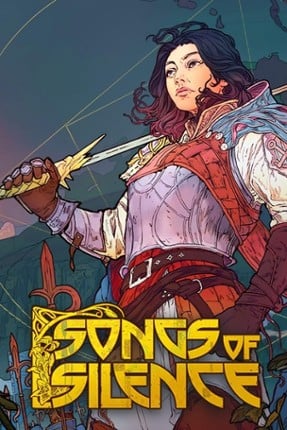


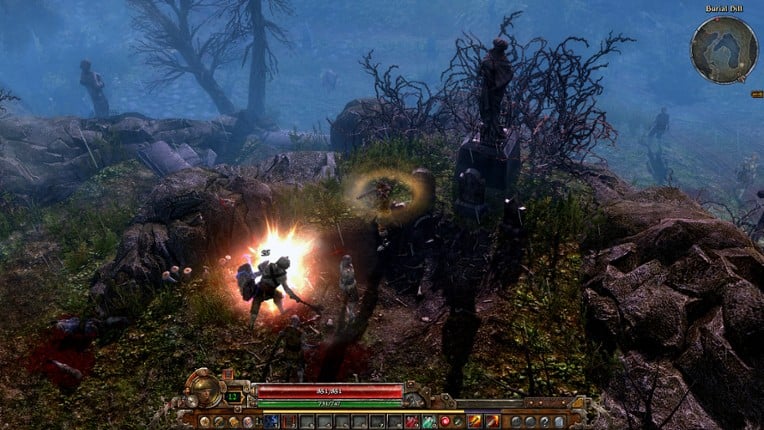
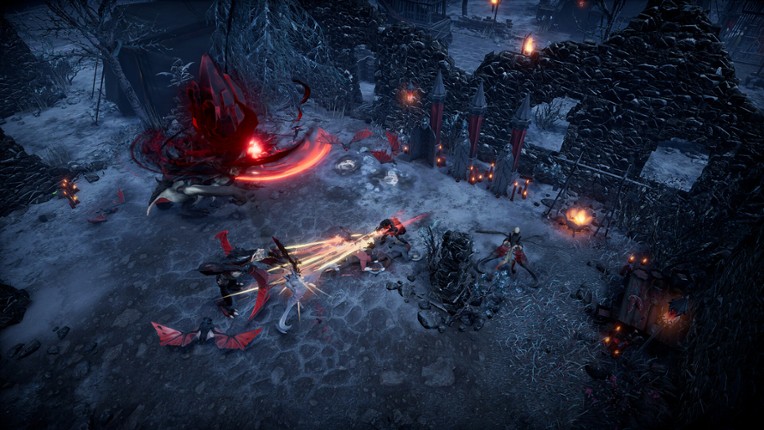
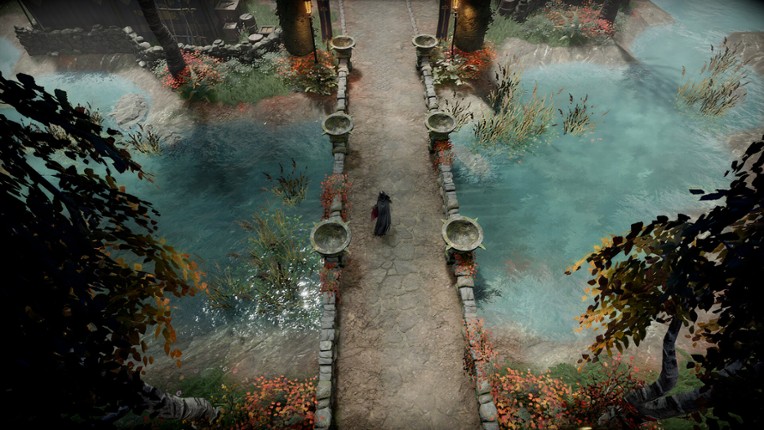
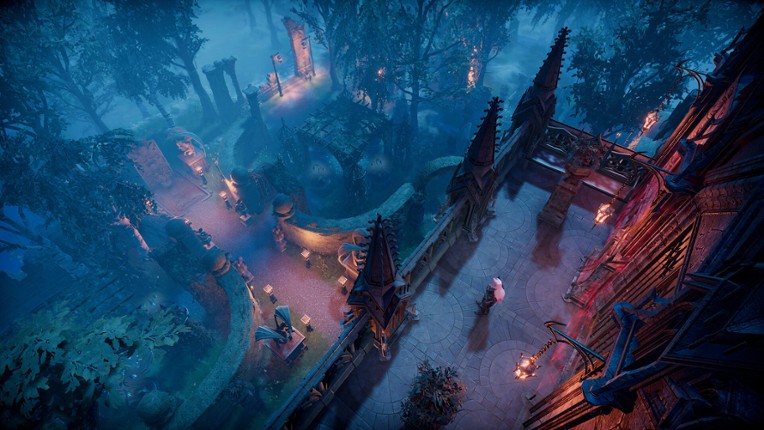
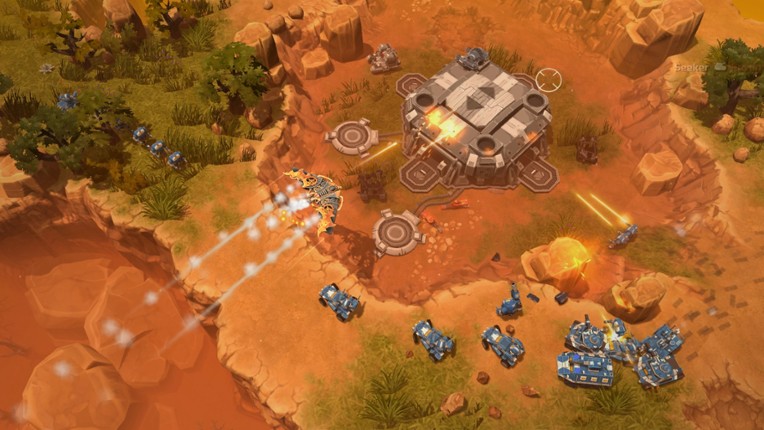
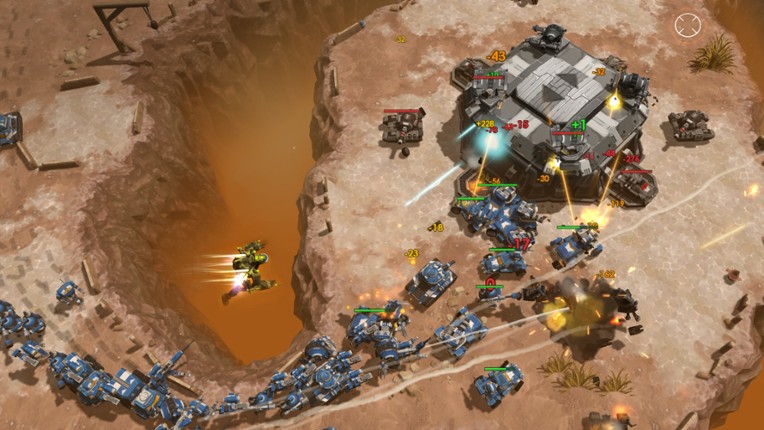
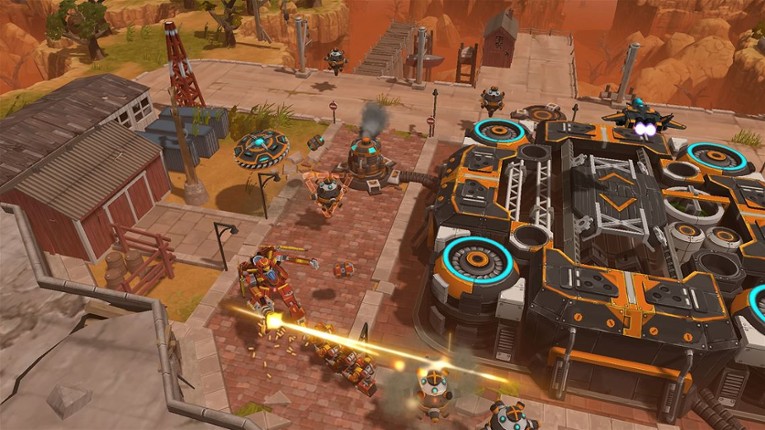
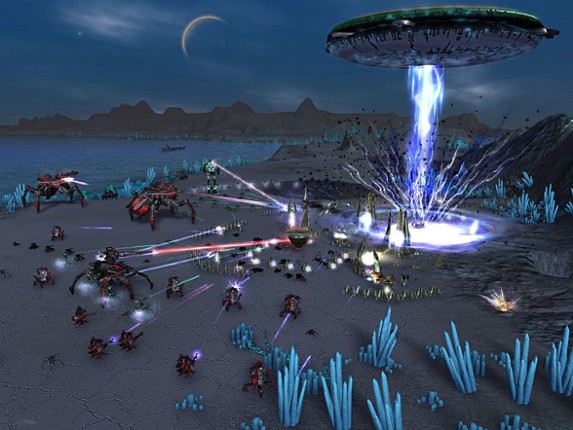
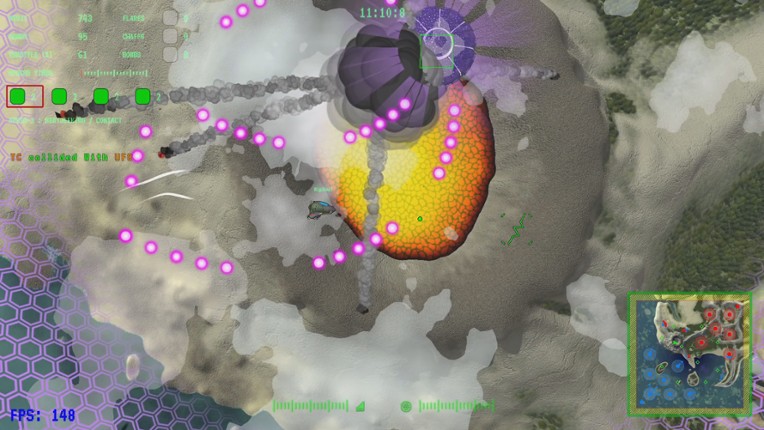
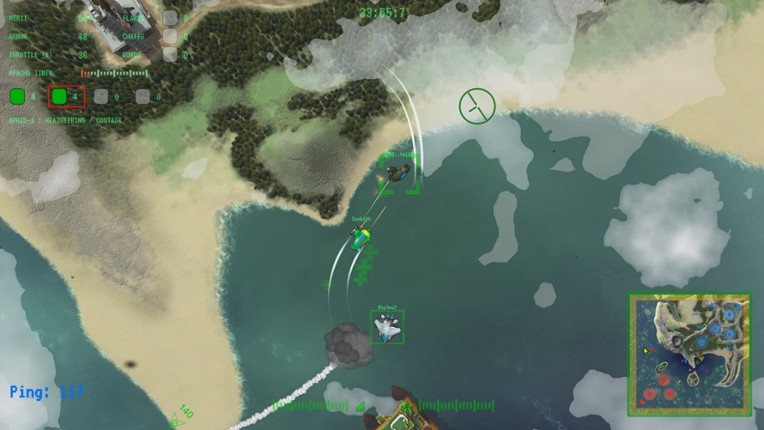

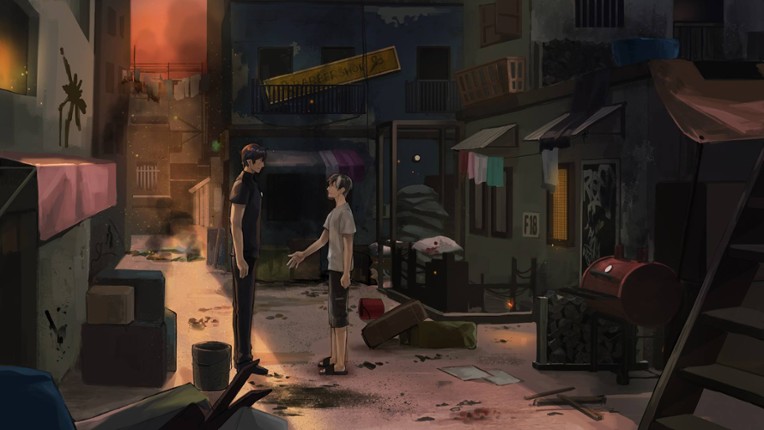
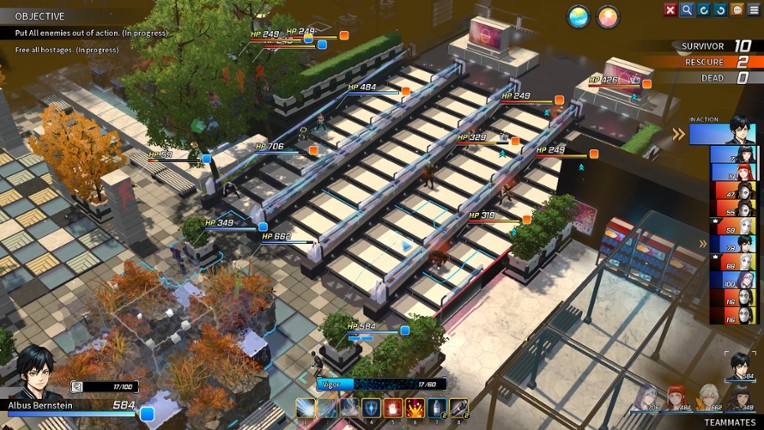


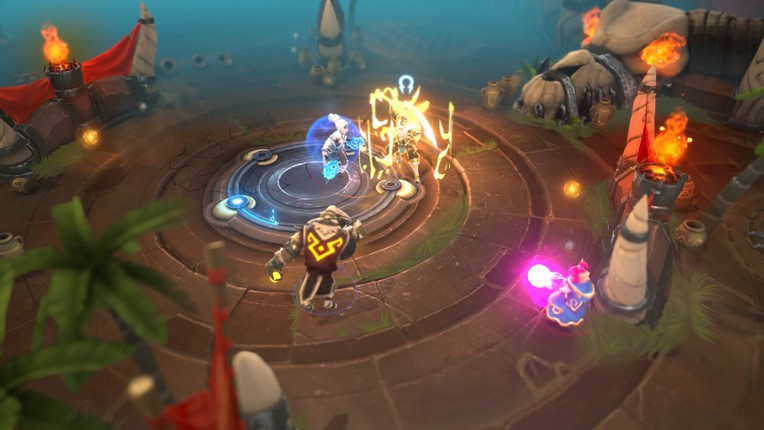
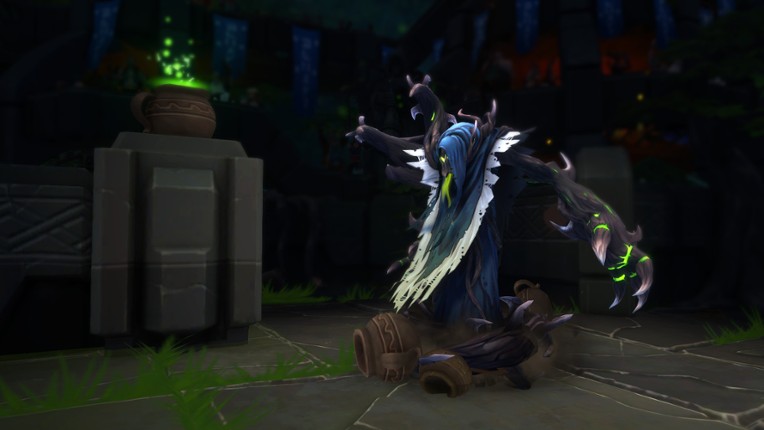
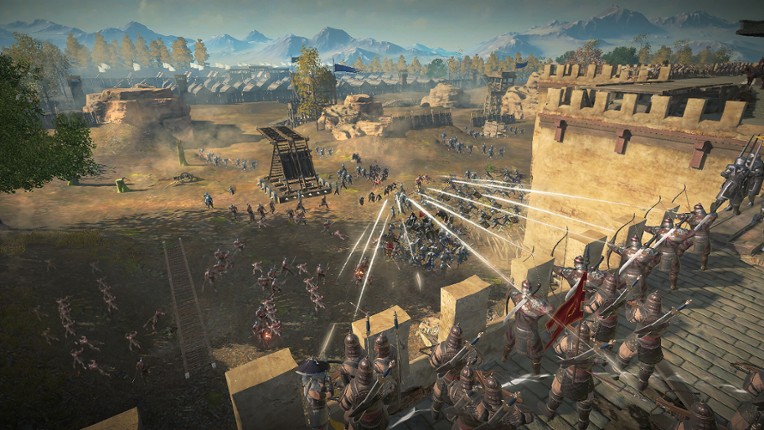
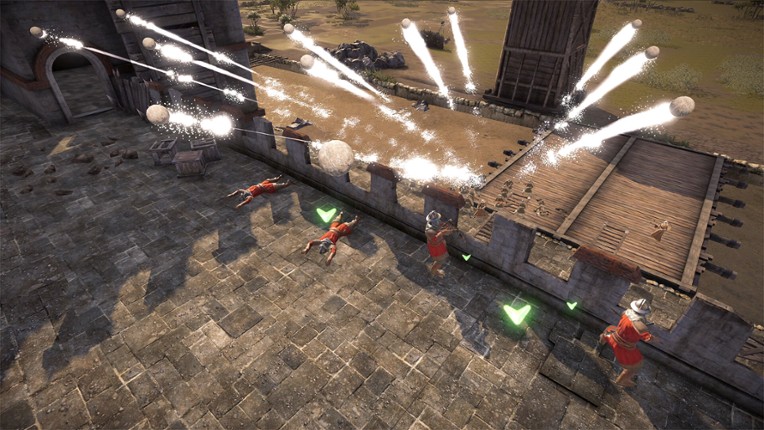
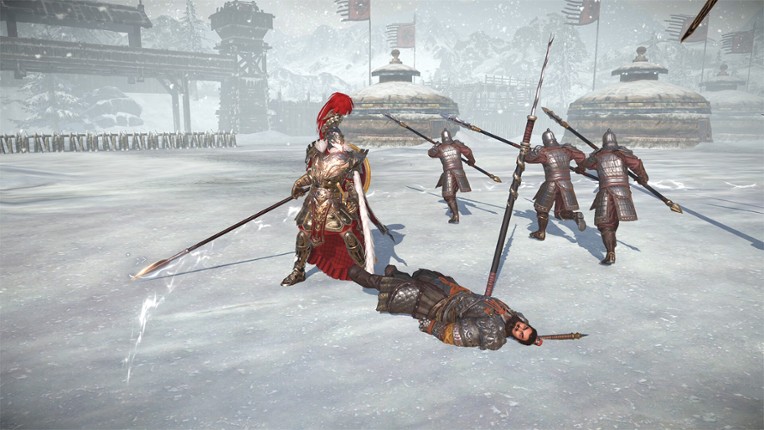
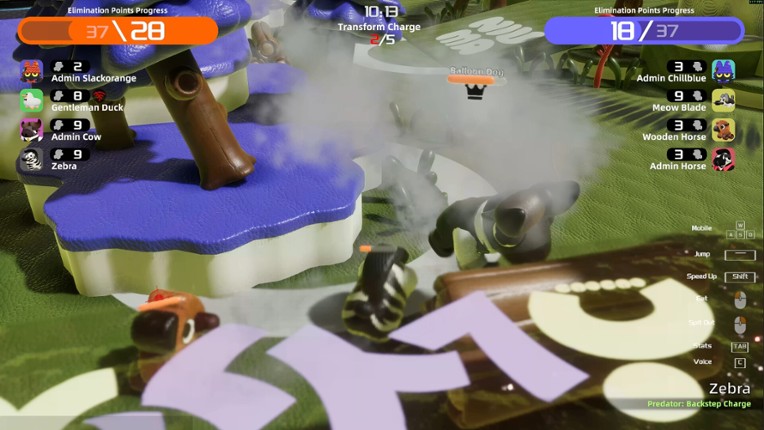
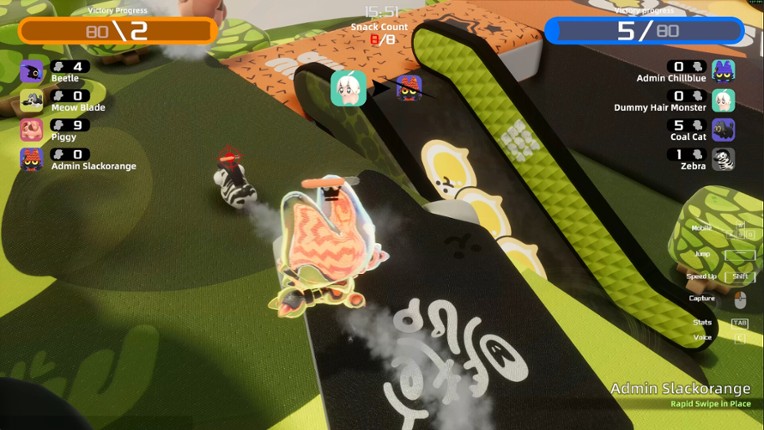

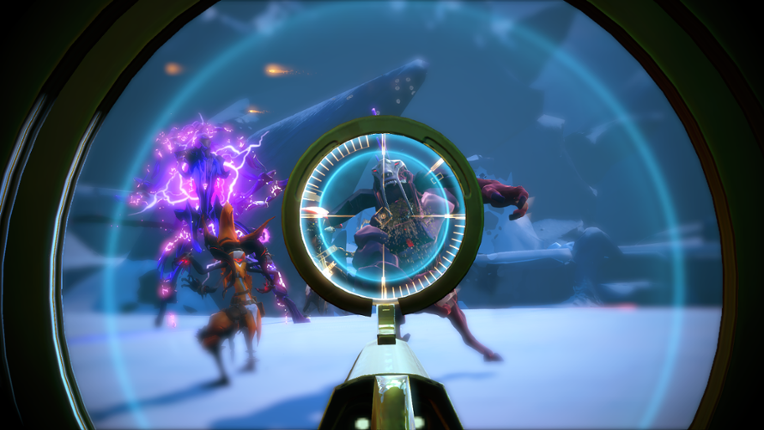
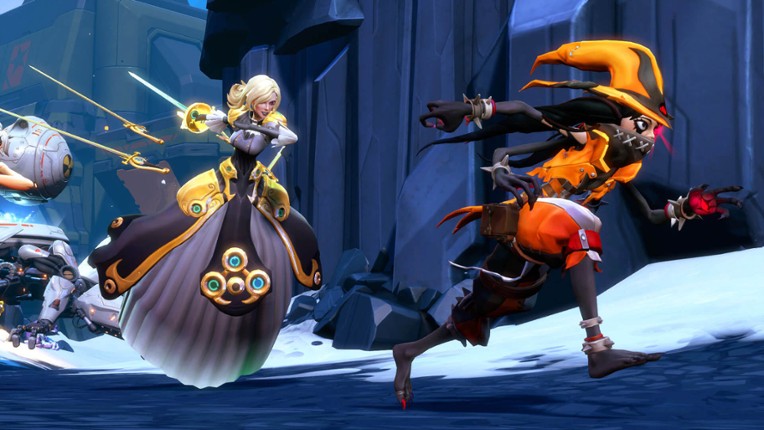
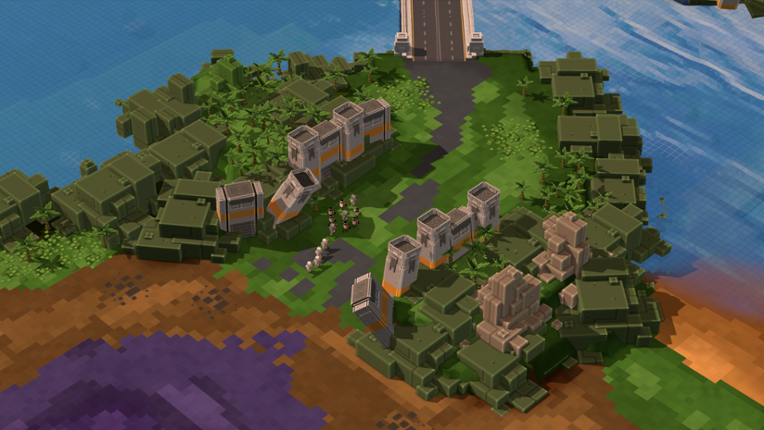
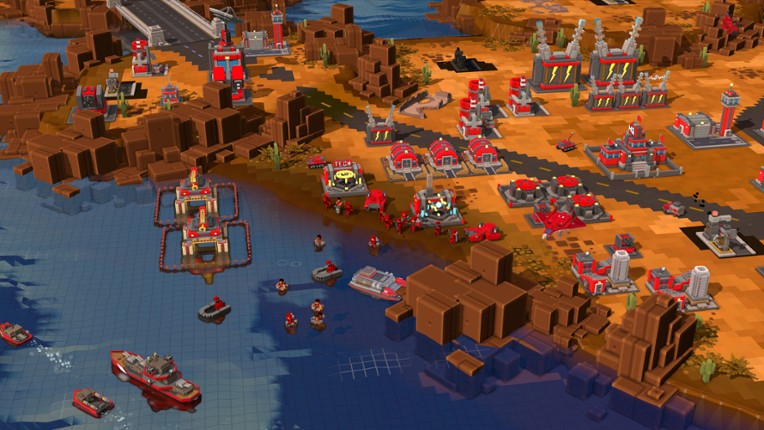

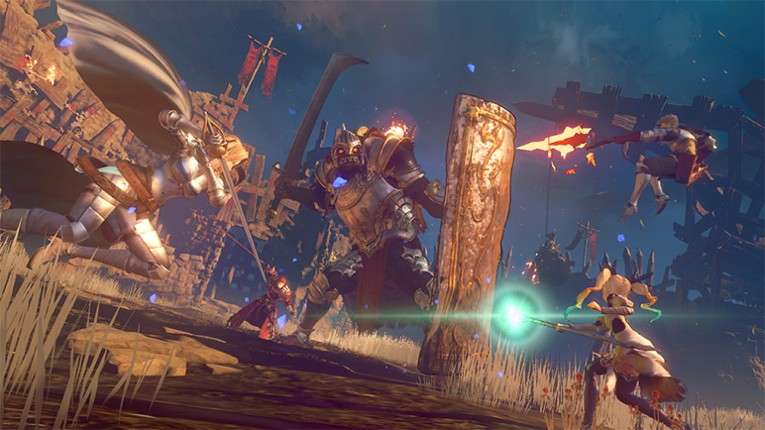
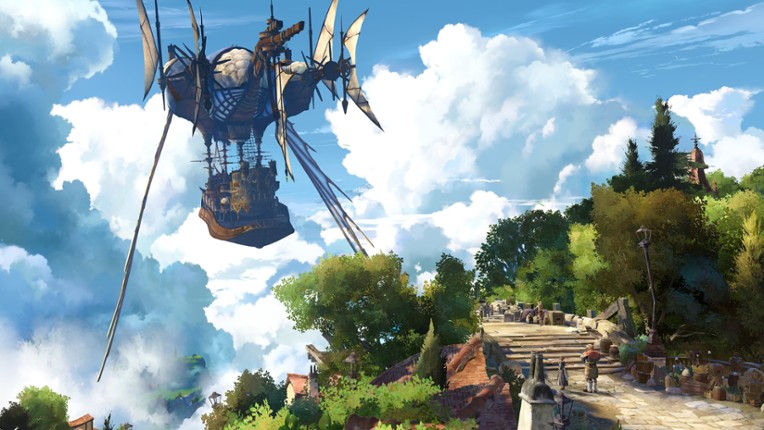
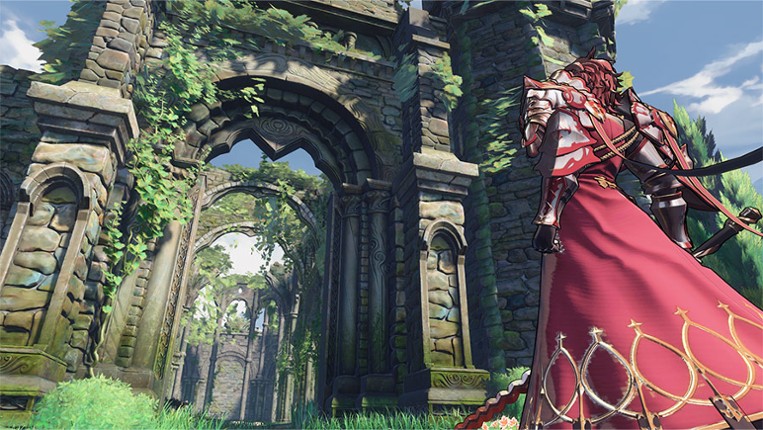
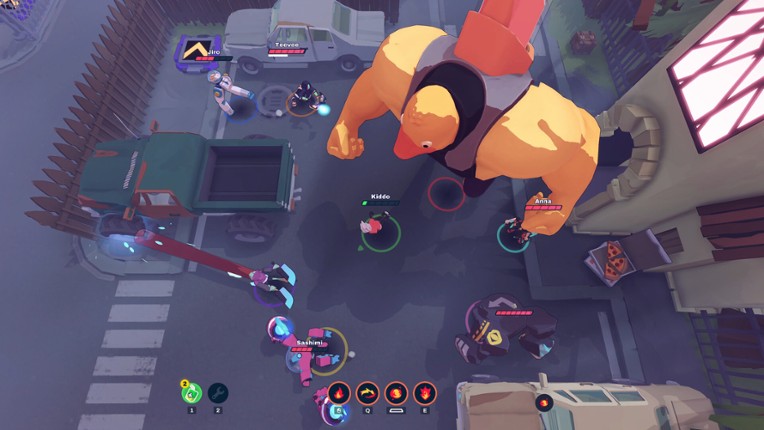





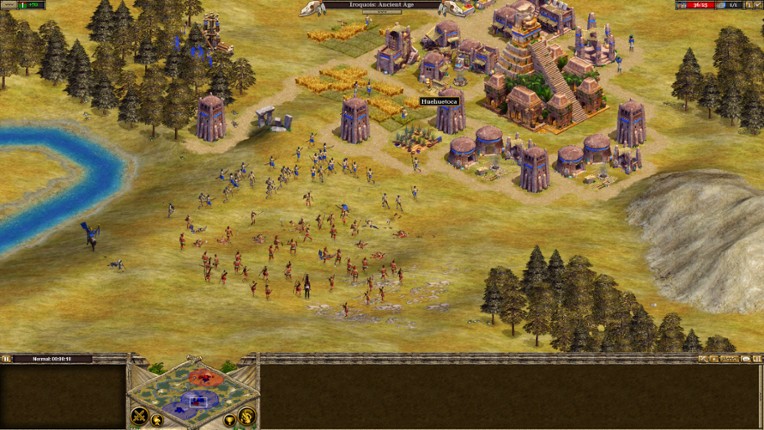

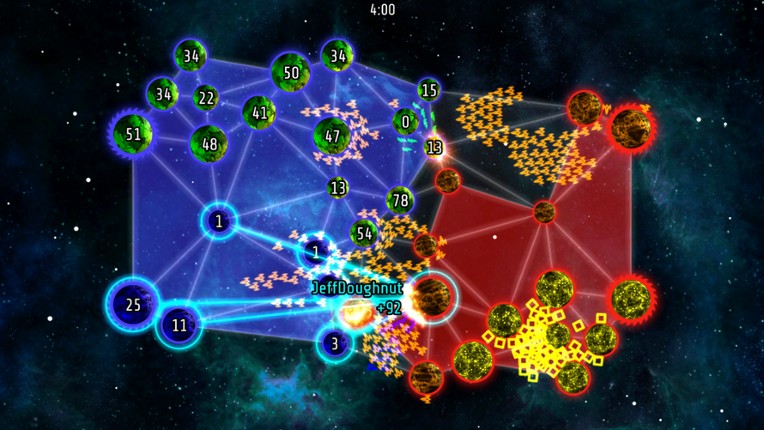


If you love League of Legends' MOBA mechanics, try Demigod for its hero-based strategy with RTS elements, or SUPERVIVE which blends MOBA with battle royale action. Both offer team-based competitive gameplay with diverse character rosters and strategic depth similar to League's champion variety.
SUPERVISE and Dropzone are both free-to-play like League of Legends, offering competitive multiplayer with character customization. Dropzone combines strategy and real-time combat in fast-paced matches perfect for short gaming sessions, making them great free alternatives to League.
For co-op gameplay, Shape of Dreams offers smooth MOBA-inspired combat with drop-in/out co-op for up to four players. Chronicon provides fast-paced co-op action with deep character builds, while Stolen Realm supports up to six players with tactical turn-based combat and shared progression.
Demigod combines MOBA gameplay with real-time strategy by letting you upgrade minions and structures mid-match. The Scouring captures classic RTS feels with MOBA-style hero mode and unit progression, while Warhammer 40,000: Dawn of War II: Retribution blends tactical real-time strategy with RPG hero mechanics.
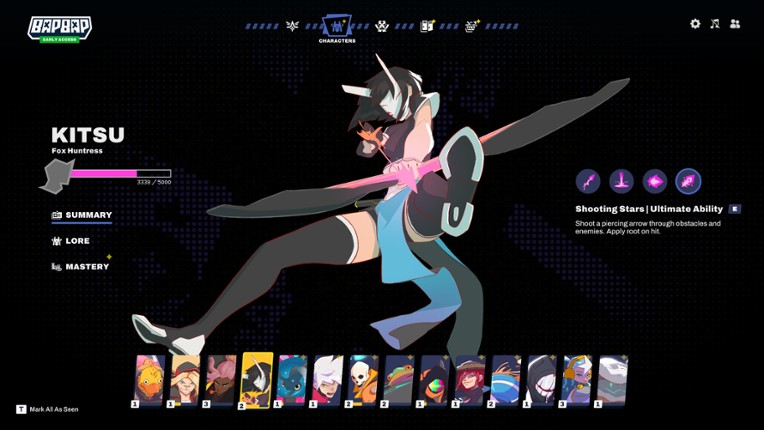
SUPERVIVE features vibrant, memorable character designs with polished graphics and smooth animations. Demigod offers unique mythological characters with diverse playstyles and beautiful art design that still impresses today, while Shape of Dreams provides stylized visuals with deep character customization options.
Shape of Dreams delivers highly addictive roguelite gameplay with a unique build system and satisfying skill-shot combat. Chronicon features a rewarding progression system with high loot drops and fast-paced action, while Demigod ensures each match feels different through diverse character abilities and engaging team-based mechanics.


 View Game