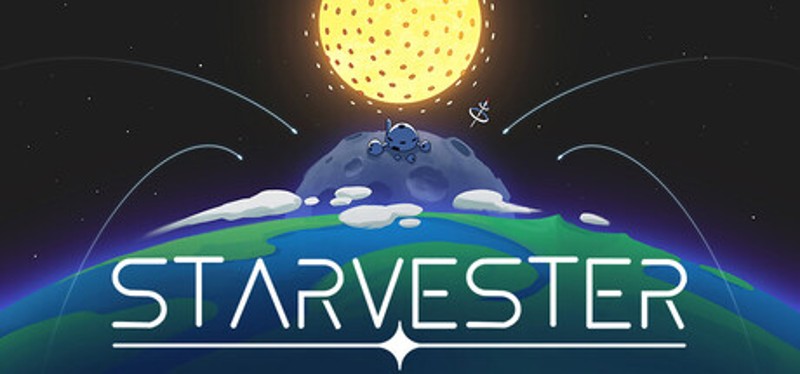
Starvester Game Cover

About Starvester

Starvester is a single player casual management game with economy and science fiction themes. It was developed by Syphono4 and was released on May 29, 2026. It received mostly positive reviews from players.

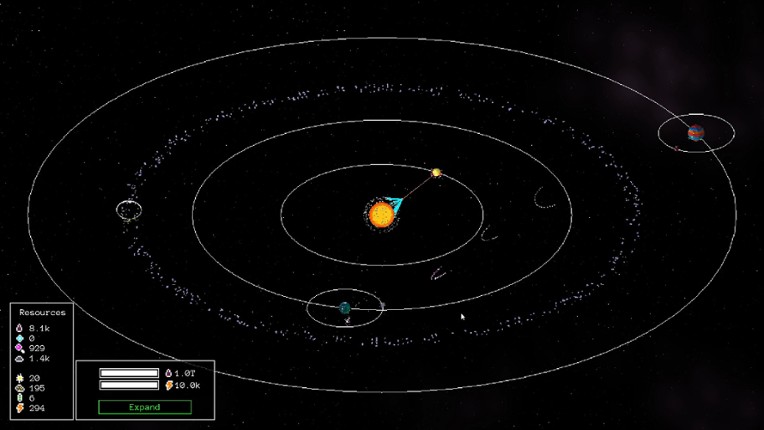
Starvester is a short incremental game about expanding a star-system wide factory to build giant megastructures in space. Deploy drones to automate mining Gather various resources and unlock upgrades Expand your factory and build megastructures. Harvest the power of stars and other celestial bodies! Features: Active incremental progression through resource gathering Tons of upgrades with prestige …
Skip Games Like Starvester

Games Like Starvester

Looking for games like Starvester? Here are top casual management recommendations with a economy and science fiction focus, selected from player-similarity data — start with Particul, Tower Wizard or Incredicer.
Particul Image
Games like Particul
Tower Wizard Image
Games like Tower Wizard
Incredicer Image
Games like Incredicer
Sixty Four Image
Games like Sixty Four
Feed the Reactor Image
Games like Feed the Reactor
Scratchers Image
Games like Scratchers
Zero Stress King: Idle Defense Image
Games like Zero Stress King: Idle Defense
All Hail the Orb Image
Games like All Hail the Orb
Fracture Field Image
Games like Fracture Field
Upload Labs Image
Games like Upload Labs
Skip User Reviews

Reviews

71%Audience ScoreBased on 505 reviews
gameplay29 positive mentions
stability20 negative mentions

  • Engaging and addictive gameplay with a good pace in the early and mid game.
  • Beautiful pixel art and immersive space theme with a relaxing soundtrack.
  • Well-designed progression and prestige systems that offer meaningful upgrades and strategy.
  • Late game becomes slow, grindy, and repetitive with mandatory prestiges causing frequent resets.
  • Numerous bugs and technical issues including resource overflow bugs, disappearing drones, crashing, and save/load problems.
  • Poor UI design, lack of explanations for mechanics, and missing quality of life features hinder gameplay experience.
  • gameplay

    103 mentions Positive Neutral Negative
    28% positive mentions, 68% neutral mentions, 4% negative mentions

    The gameplay of Starvester offers a visually appealing and engaging incremental/idler experience with strategic depth and a steady introduction of new mechanics, especially early on. However, it suffers from poor balancing, unclear or poorly explained mechanics, a frustrating prestige system, UI issues, and endgame stagnation marked by slow progression and timewalls. While fun and addictive initially, many players find the later gameplay repetitive, buggy, and lacking meaningful interaction between mechanics.

    • “At its core, it's a straightforward incremental/idler, but the steady unfolding of new mechanics and ever-larger engineering projects keeps the experience engaging.”
    • “Rather than overwhelming players with excessive complexity, Starvester embraces a clean design philosophy that allows its mechanics to shine through elegant progression, rewarding upgrades, and a strong sense of momentum. This philosophy drives nearly every mechanic and helps maintain engagement throughout the entire experience. Automation lies at the center of the gameplay loop. While the mechanics remain accessible, there is enough depth to encourage optimization and experimentation. The constant stream of improvements creates a powerful sense of momentum that keeps the gameplay engaging. The prestige mechanics add another layer of depth to progression.”
    • “While gameplay is rather basic at its core, Starvester allows players to make several strategic choices throughout each run that change how resources are divided and what goals the player focuses on in each run.”
    • “My main problem is that the prestige mechanic is actively hostile.”
    • “It doesn't seem to be well optimized; the prestige system isn't well balanced and gets frustrating, and there are so many different mechanics that it starts to feel like a chore to figure out how to chain boosters to speed up gathering.”
    • “Gameplay is brought down by an awkward UI with too much micromanagement.”
  • graphics

    55 mentions Positive Neutral Negative
    53% positive mentions, 42% neutral mentions, 5% negative mentions

    The game's graphics feature a charming, minimalist space aesthetic that many find visually pleasing and fitting for its theme, with satisfying animations and effects enhancing the experience. However, some users feel the visuals are too simple or "meh" and wish for more realistic or dynamic enhancements, while others note that bugs and UI shortcomings can detract from the overall enjoyment despite the strong art style.

    • “The visuals are very nice and the sense of progression is rewarding.”
    • “The minimalist approach to visuals helps maintain clarity while still delivering a strong sense of scale as operations grow larger and more impressive.”
    • “Very nice incremental game; the vibes are immaculate, the visuals are pleasing (especially all the materials shooting between the planets), and the noises tickle my brain.”
    • “The graphics are just 'kinda meh' 4/10.”
    • “I love the aesthetic of this game but the graphics alone aren't enough to make it worth playing.”
    • “If you like the mechanics and don't mind a pixel fantasy aesthetic, play Tower Wizard instead and you'll get a much smoother experience.”
  • music

    45 mentions Positive Neutral Negative
    64% positive mentions, 29% neutral mentions, 7% negative mentions

    The music in the game is widely praised for its relaxing, atmospheric, and immersive qualities, complementing the sci-fi theme and visual style effectively. While most find the soundtrack enjoyable and conducive to a chill, flow-state experience, a few critics note issues such as repetition and poorly mixed audio that diminishes some tracks' impact. Overall, the soundtrack is considered a strong asset that enhances gameplay and ambiance.

    • “Ambient music and subtle audio effects create a relaxing environment that complements the progression-focused gameplay.”
    • “The soundtrack encourages concentration and supports the flow-state experience that the game clearly aims to create.”
    • “The art, the theme, the progression, the music, everything is amazing.”
    • “I have one major complaint with this game and it's that the music selected for the game has all been squashed to mono.”
    • “All these lush synthy space songs (licensed songs you can stream online elsewhere) reduced to muddled lifeless versions of themselves.”
    • “The music thing just feels criminal, man.”
  • stability

    20 mentions Positive Neutral Negative
    0% positive mentions, 0% neutral mentions, 100% negative mentions

    The game suffers from frequent bugs and glitches that affect gameplay stability, including issues with numbers, resources, and progression, making it frustrating or even unplayable at times. While some bugs can be temporarily fixed by restarting or are being addressed by the developer, overall stability remains a significant problem impacting the experience.

    • “Literally cannot finish the game as it is broken, buggy and the last resource won't spawn.”
    • “But the game is riddled with bugs and glitches to the point you can't even understand whether it is valid behavior or a bug.”
    • “Also fairly buggy on how certain numbers transfer between planets on upgrading while sometimes outright bugging out on the math for multiplying values gained on silicon and other resources, then doing nothing for the rest of the game at least.”
  • grinding

    16 mentions Positive Neutral Negative
    13% positive mentions, -1% neutral mentions, 88% negative mentions

    Grinding in the game becomes notably tedious and excessive after a few hours, especially in late-game where resource gathering and progression feel slow and repetitive. While some players appreciate the challenge and pacing, many find the grinding exacerbated by confusing mechanics, bugs, and the need to prestige frequently, making progression feel artificially extended. Despite these issues, the core experience is still engaging for those who tolerate the grind.

    • “Grinding is tedious and only becomes bearable with the use of bugs and exploits.”
    • “You'll need a second life for grinding.”
    • “I enjoy a good 'turn off your brain, watch a number go up' game, but this almost immediately turned into a solid wall of grinding.”
    • “The end game was very tedious and slow, previous resources did not matter.”
    • “'Click on 50 asteroids' would be a pointless, tedious task in and of itself, but these asteroids disappear at certain zoom levels and are barely visible from the start because they’re dark green against a black background.”
  • atmosphere

    13 mentions Positive Neutral Negative
    54% positive mentions, 46% neutral mentions, 0% negative mentions

    The atmosphere is consistently praised for its relaxing, immersive quality, enhanced by soothing music and sound design that creates a calming, outer-space spa vibe. Players find it perfect for zoning out or background play, with the blend of visuals and audio effectively drawing them into the experience.

    • “It pulls you into this kind of sustainable outer-space spa atmosphere, and you simply do not want to turn it off.”
    • “Despite its focus on numbers and efficiency, Starvester succeeds in creating a surprisingly relaxing atmosphere.”
    • “Its rewarding progression systems, relaxing atmosphere, and strong sense of scale make it a compelling experience for both genre veterans and newcomers.”
  • optimization

    13 mentions Positive Neutral Negative
    23% positive mentions, 54% neutral mentions, 23% negative mentions

    The game generally runs smoothly and offers engaging optimization mechanics, but suffers from significant performance issues and bugs in the late game, especially around the black hole and dark matter collection. Multiple UI inconsistencies and progression-blocking bugs further hinder the experience, indicating a need for better polish and optimization to handle endgame complexity.

    • “Most of this game is balanced well and runs smoothly until the very last bit of the game, specifically when you reach the black hole and collecting dark matter.”
    • “However while I enjoyed it, the game needs optimization; it is nowhere near what it should be for what it is, it's not Factorio or Satisfactory.”
    • “While the mechanics remain accessible, there is enough depth to encourage optimization and experimentation.”
    • “Way too many progression-locking (or progression-kneecapping) bugs topped off with horrible performance issues in late game that make the game literally unplayable.”
    • “And I really need to know who decided that giving each planet a completely different user interface was a good idea in a game centered on production and optimization.”
    • “Really poorly optimized and buggy beyond belief.”
  • story

    10 mentions Positive Neutral Negative
    20% positive mentions, 50% neutral mentions, 30% negative mentions

    The story is generally minimal and straightforward, fitting for an idle game, but often feels disjointed and lacking depth. While the initial campaign lasts around 11 hours with a definitive ending, there is some post-game content for extended play. Overall, narrative elements are secondary to gameplay and may not fully satisfy players seeking a cohesive or rich storyline.

    • “It took me around 11 hours of casual play to complete the initial story; however, there is a level of post-game content where you can go back and complete the prestige tree for a true 100% playthrough.”
    • “There were some continuity plot problems with the whole 'trade/spice' aspect, but it was nice overall.”
    • “The storyline has a definitive end, at which point it starts completely over.”
    • “Story is super disjointed and sometimes just doesn't make sense.”
    • “There were some continuity plot problems with the whole 'trade/spyce' element.”
  • replayability

    5 mentions Positive Neutral Negative
    60% positive mentions, -20% neutral mentions, 60% negative mentions

    The game's replayability is mixed; while the prestige system adds a rewarding loop that some players find engaging, others feel the progression caps quickly, limiting long-term motivation to continue playing. Overall, it offers moderate replay value but may not sustain interest for all players.

    • “I liked the prestige element for replayability.”
    • “Got to integer cap many times and makes the game so replayable.”
    • “Reminded me of ups, but with much more nicely implemented replayability.”
    • “Not super replayable, so keep that in mind.”
    • “It is an incremental game but lacks replayability or further playing. I have basically maxed all prestige upgrades in 9 hours without the possibility to progress further or buy more boosts.”
    • “Reached the integer cap many times, which affects the game's replayability.”
  • humor

    3 mentions Positive Neutral Negative
    100% positive mentions, 0% neutral mentions, 0% negative mentions

    The humor is charming and adds a lighthearted, referential touch that enhances the relaxing and addictive experience. Users find it amusing and enjoyable, contributing positively to the game's overall appeal.

    • “Funny number go up addicting.”
    • “It’s a relaxing experience with a lot of beauty and charm, owed in part to its not-so-subtle referential humor.”
    • “Funny, that.”
  • monetization

    2 mentions Positive Neutral Negative
    0% positive mentions, 0% neutral mentions, 100% negative mentions

    Users appreciate that the game's advertising is frequent but accurately reflects the gameplay, which helped them decide to make an early purchase. Overall, the monetization approach is seen as fair and transparent.

  • emotional

    2 mentions Positive Neutral Negative
    100% positive mentions, 0% neutral mentions, 0% negative mentions

    The game evokes strong emotional engagement, creating a sense of attachment and tension, especially through its survival and resource management challenges. Players often find themselves deeply invested and anxious, enhancing the immersive experience.

    • “Three hours later I was sitting in complete darkness, dehydrated, emotionally attached to my spaceship, and questioning every life decision that led me to mining alien rocks at 2am.”
    • “Overall: if you enjoy survival games, space games, or emotionally panicking over fuel levels, this is 100% worth trying.”
Skip Game Offers

Buy Starvester

Some of these are affiliate links — if you buy through them, we may earn a commission at no extra cost to you.

Play Times

8h Median play time
12h Average play time
6-28h Spent by most gamers
*Based on 4 analyzed playthroughs
Skip Videos

Videos

Skip Game News
Skip FAQs

Frequently Asked Questions

Starvester is a casual management game with economy and science fiction themes. Common tags for Starvester include relaxing, experimental, building, idler, space and others.

Starvester is available on PC and Windows.

On average players spend around 12 hours playing Starvester.

Starvester was released on May 29, 2026.

Starvester was developed by Syphono4.

Starvester has received mostly positive reviews from players. Most players liked Starvester for its gameplay but disliked it for its stability.

Starvester is a single player game.

Similar games include Particul, Tower Wizard, Incredicer, Sixty Four, Feed the Reactor and others.