Ray Gigant

Solid and definitely has an audience. There could be some hard-to-ignore faults, but the experience is fun.
Ray Gigant Game Cover
65%Game Brain Score
story, gameplay
grinding, character development
62% User Score Based on 63 reviews
Critic Score 70%Based on 8 reviews

Platforms

PCWindowsPlayStationPlaystation Vita
Ray Gigant Game Cover

About

Ray Gigant is a single player role playing game with fantasy and science fiction themes. It was developed by BANDAI NAMCO Entertainment Inc. and was released on August 10, 2016. It received mostly positive reviews from both critics and players.

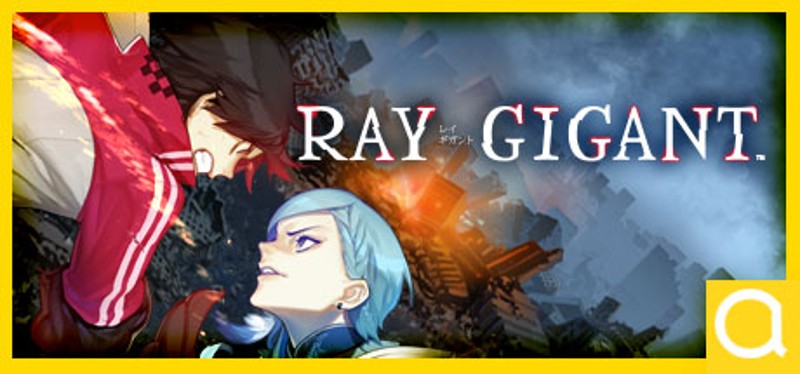
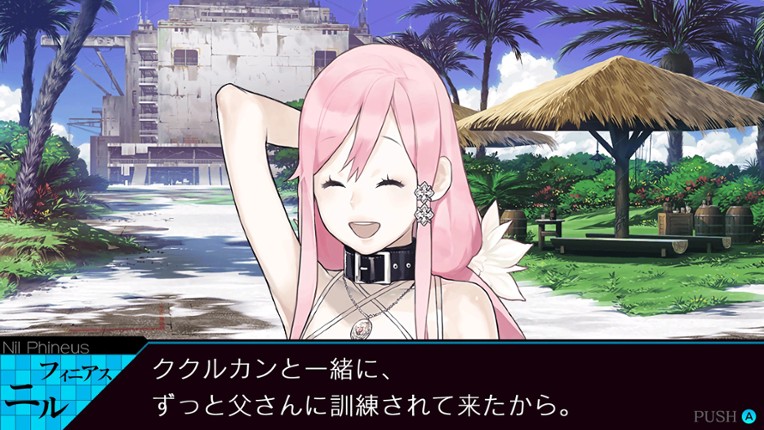
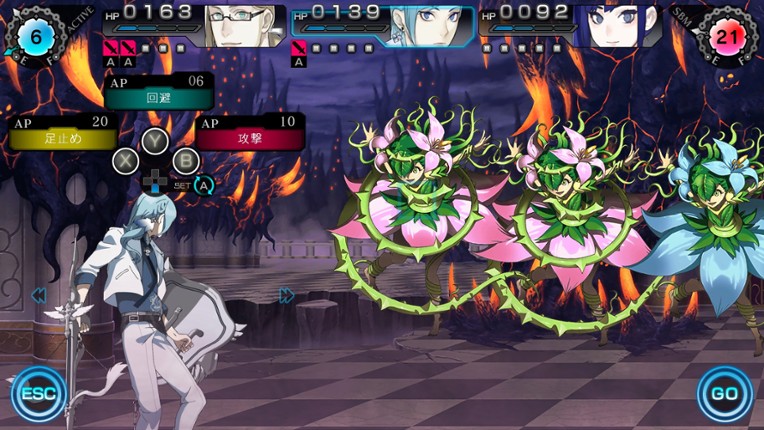
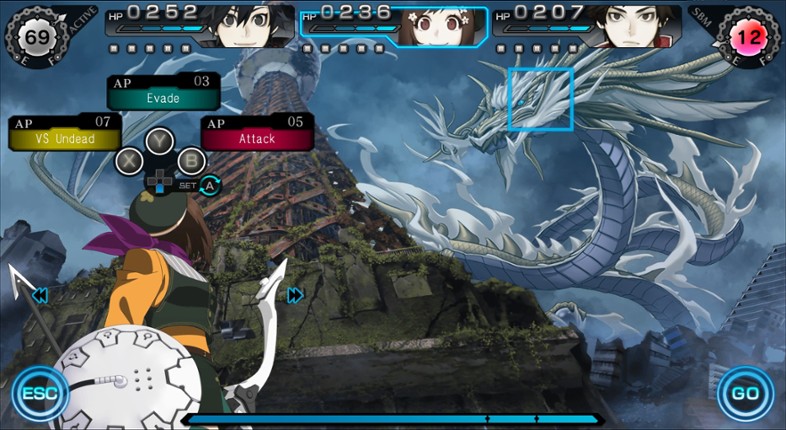
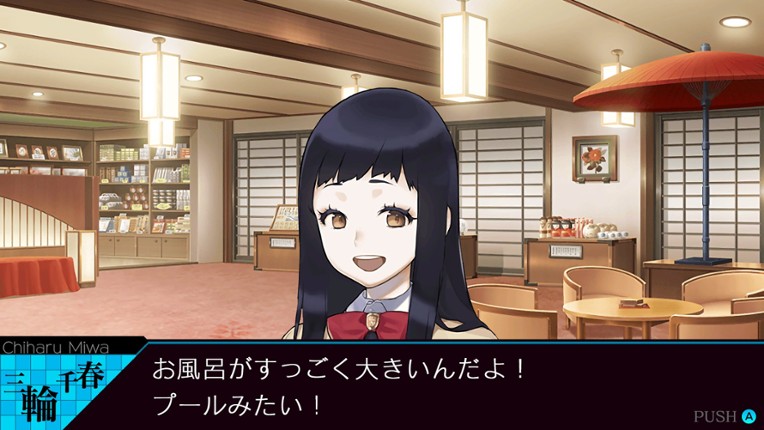
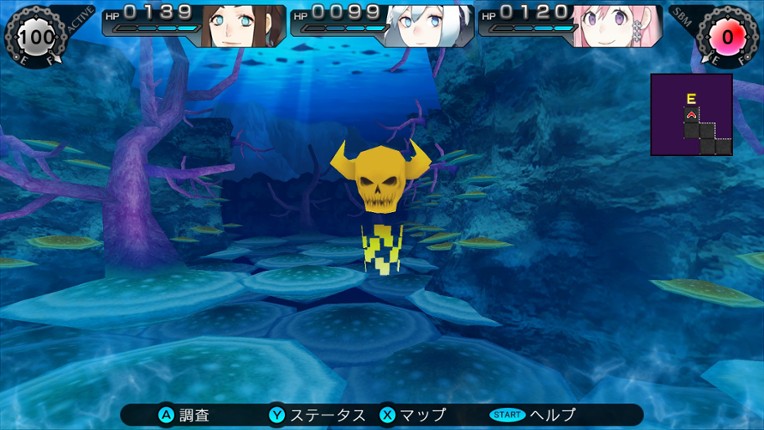
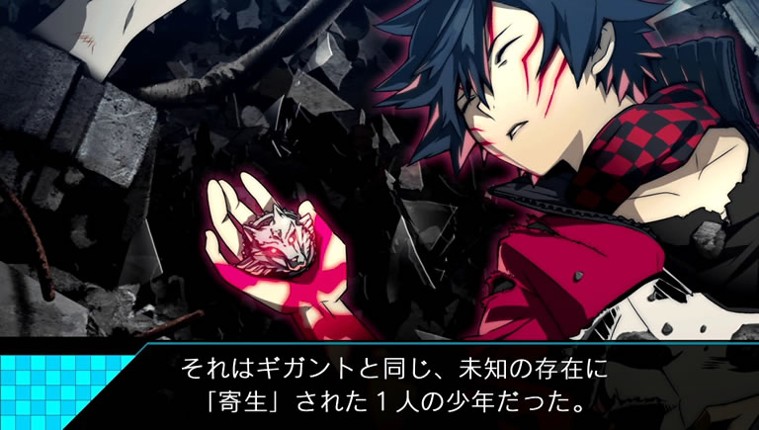
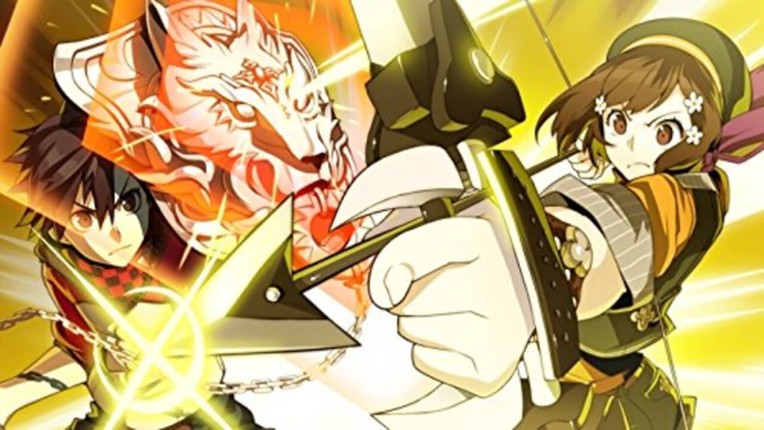
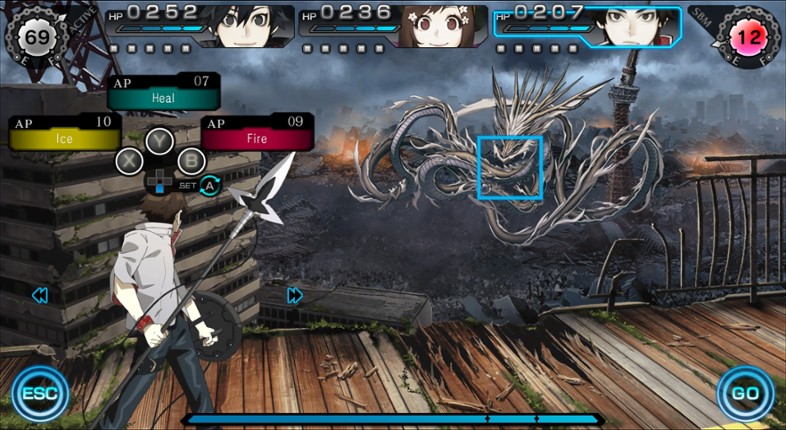
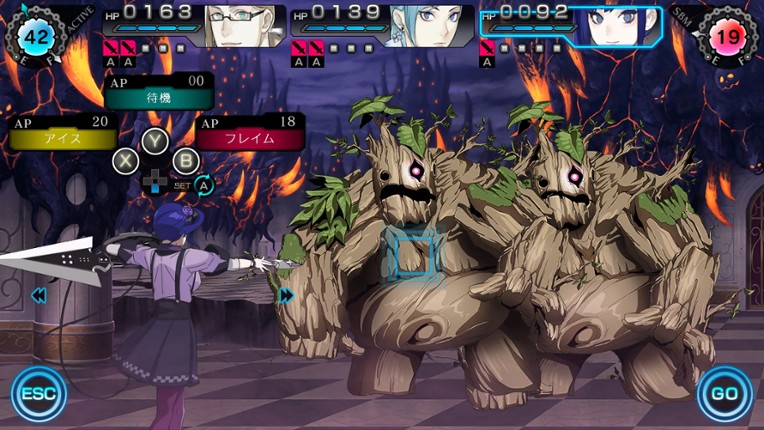
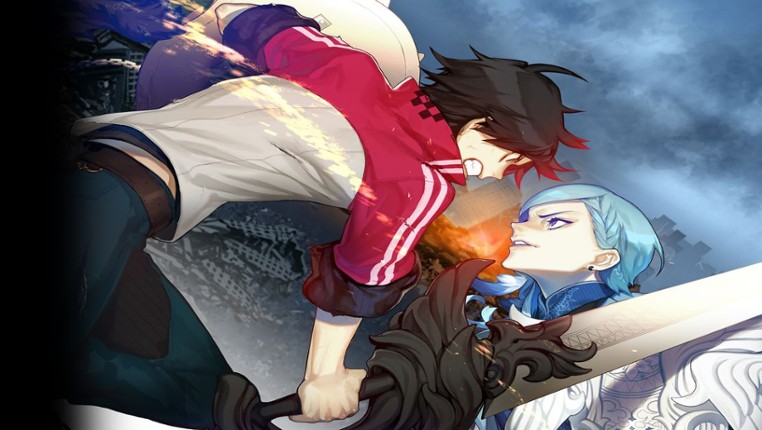
"Ray Gigant" is a dungeon crawler RPG with a focus on Japanese visual novel storytelling, featuring a unique battle system that includes 3-way view fights against massive enemies. The game follows the tales of three different characters: Ichiya, Kyle, and Nil, with each tale presented in a Japanese visual novel style. In the battle system, players will engage in rhythm-based attacks to unleash deadly assaults on giant enemies threatening Earth's major cities.

Skip User Reviews

62%
Audience ScoreBased on 63 reviews
story22 positive mentions
grinding9 negative mentions

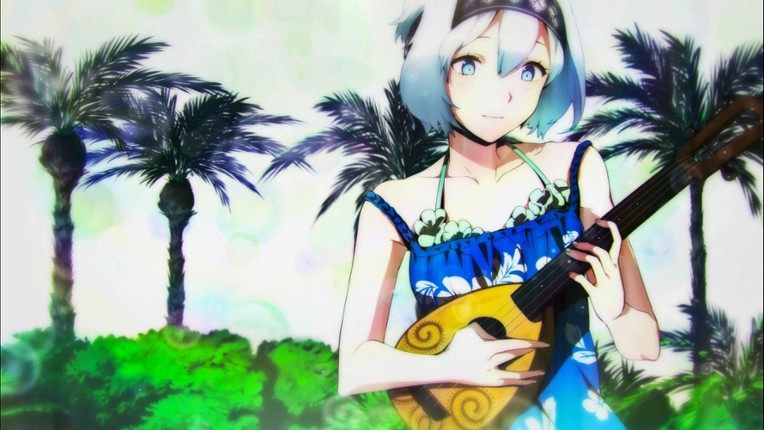
  • The art style and animations are visually appealing, reminiscent of anime, which many players find attractive.
  • The game features a unique battle system that incorporates rhythm mechanics, adding an interesting twist to combat.
  • The story, while somewhat generic, has moments of emotional depth and character development that can engage players.
  • The game suffers from numerous bugs, including broken achievements and crashes, which detract from the overall experience.
  • Dungeon exploration can feel repetitive and uninspired, with many players finding the environments dull and lacking variety.
  • The pacing is heavily skewed towards visual novel elements, leading to long stretches of dialogue that can disrupt the flow of gameplay.
  • story
    79 mentions Positive Neutral Negative

    The story of "Ray Gigant" is generally viewed as a mix of generic shonen tropes and visual novel elements, with a predictable plot and character development that lacks depth. While some players appreciate the likeable characters and emotional moments, many find the narrative tedious and overly drawn out, often overshadowing the gameplay. Overall, the story is considered average, with a few bright spots, but it primarily appeals to those who enjoy anime-style narratives.

    • “The story is nice, lengthy, and is well presented as a visual novel.”
    • “The narrative is not going to be a masterpiece, but the characters are likeable and the narrative is well-written with good story arcs that build up the main heroes of Ray Gigant.”
    • “Ray Gigant has a story that is far more powerful and epic than that of most other dungeon crawler role-playing games.”
    • “The visual novel sections go on for far too long and aren't interesting; I often found myself only half paying attention to the story the longer the game went on.”
    • “The game falls short as both a visual novel (the story isn't that great) and a crawler (the RPG aspects aren't that great).”
    • “The story was uninspired and tropey, and what little character development there was was unsurprising, predictable from the moment you met the character.”
  • gameplay
    35 mentions Positive Neutral Negative

    The gameplay is a mixed experience, with players noting a significant amount of story exposition before engaging in more dynamic dungeon crawling and combat mechanics. While some mechanics, like crafting and the weight system, add depth, the overall gameplay is considered simple and somewhat padded, making it less appealing for those seeking a purely gameplay-focused experience. Despite its flaws, the engaging story and character interactions keep players invested, with many finding enjoyment in the balance between visual novel elements and gameplay.

    • “The story and gameplay are engaging enough to keep me interested, and I am having fun playing this.”
    • “It is fairly relaxing due to the forgiving mechanics and has a nice balance between visual novel story and dungeon crawling gameplay.”
    • “Most of the gameplay is pretty average in terms of dungeon crawling and enemy fights, but it's really worth it when you get to the big kaiju boss fight where everyone in your party is literally fighting from different parts of the city because that's how huge the bosses get.”
    • “Sadly, the gameplay has a lot of padding.”
    • “The first hour of this you'll be spending reading dialog and mechanic explanations.”
    • “The dungeon crawling, or gameplay, feels like it was added so the game wouldn't be labeled as just a visual novel.”
  • music
    22 mentions Positive Neutral Negative

    The music in the game receives mixed reviews, with many praising its variety and quality, ranging from jazz to J-pop, and noting it as a highlight of the experience. However, issues arise with the rhythm mini-game, where the music often fails to sync properly, leading to frustrating gameplay moments. Overall, while the soundtrack is generally well-received, the implementation in certain gameplay elements detracts from the overall enjoyment.

    • “The music is really good and offers a good variety from jazz to J-pop.”
    • “Sound: I feel modern Persona (3, 4, 5) vibes coming from both the soundtrack and overall presentation of the game; some tracks are actually quite funky, others grind your ears quickly, but overall, I'd say it's one of its positive notes.”
    • “When I first played the title on the PlayStation Vita, I was drawn in within the first five minutes by the dark and epic introduction; the music for the introduction and Ichiya’s opening cinematic contributed to it.”
    • “The rhythm game is slow and the music stops halfway through it.”
    • “The FX and music are poor—hell, the music ends before you're finished with slash beat mode: not that you could play that part like a rhythm game in the first place, as the music doesn't sync up with the button presses when it is there.”
    • “I wasn't expecting much, but for what it's worth, each character has his own fixed music for his special move, and the timing is not always on the beat.”
  • graphics
    18 mentions Positive Neutral Negative

    The graphics of the game receive mixed reviews, with many praising the beautiful anime art style, smooth animations, and overall aesthetics, particularly in combat sequences. However, some users report graphical issues, pixelation, and repetitive backgrounds that detract from the experience. While the visuals are generally considered lovely, they may not compensate for gameplay shortcomings, leaving some players feeling that the graphics alone do not elevate the overall enjoyment of the game.

    • “Thumbs up for the visuals.”
    • “The pleasant anime graphics are all over; character, enemies, backgrounds, and combat animations are all good.”
    • “The art style is wonderful, and the fact that some new enemies/bosses speak to you is a welcome quirk.”
    • “It's got some graphical issues and has trouble playing at full screen, which wasn't much of a problem for me since I usually ended up watching other stuff while playing this.”
    • “Very bad graphics, pixelated as hell.”
    • “Combat sprites are finely animated (like Time and Eternity), but the background and dungeon graphics get pretty repetitive.”
  • grinding
    9 mentions Positive Neutral Negative

    Reviews indicate that grinding in the game can be enjoyable in short bursts, but it often feels tedious and repetitive, especially in later stages where it becomes a slog. The lack of an experience system diminishes the rewards of grinding, leading some players to recommend using trainers to bypass it altogether. Overall, while the initial grind may be engaging, it ultimately feels like a padding mechanism due to limited content.

    • “Grinding only sort of rewards you as there is no experience system.”
    • “I'm pretty sure the devs knew they had very little content, so they had to pad it to make the game longer, and that's why it is such a repetitive, grindy game.”
    • “Similarly, the dungeon-diving becomes kind of interesting by the third act, but then it turns into a grindy slog for the ten-floor dungeon that serves as the bonus fourth act.”
  • character development
    7 mentions Positive Neutral Negative

    Character development in Ray Gigant is largely criticized for being nonexistent, with the main character, Ichiya, failing to evolve despite experiencing significant events. Reviewers note that the story is uninspired and predictable, offering little in terms of character growth, which detracts from the overall experience. While the character designs and aesthetics are praised, they do not compensate for the lack of depth in character development.

    • “I like the character designs.”
    • “The aesthetics were lovely; the art style and character design were very good.”
    • “And while the character designs themselves are rather average, the way they're implemented, like a cel-shaded style, allows for some interesting points of view, giving the game a sense of scale that flat sprites could not accomplish.”
    • “Like I said, Ray Gigant had potential; the devs just wasted it and made a very average (at best) game instead that relies on too much time padding and mindless repetition of assets with a weak story and weak characters (and no character development).”
    • “Ichiya, the main character, shows zero character development in the first 20 hours of the game no matter how many things he experiences, ranging from [spoiler] deaths of friends, learning about his family being murdered when he was a kid, to the girl he liked being a spy (and she's also spying on the other group, so she's a spy of a spy who spies the spy).”
    • “The story was uninspired and tropey, and what little character development there was was unsurprising and predictable from the moment you met the character.”
  • humor
    4 mentions Positive Neutral Negative

    The humor in the game is described as a mix of intentional and unintentional elements, with players finding amusement in the awkward implementation of the rhythm mini-game and the odd choice of elevator music, which may serve a comedic purpose. Additionally, the storyline features humorous moments, such as the group's obliviousness to a clear traitor among them, adding a layer of absurdity to the narrative. Overall, the humor is characterized by a blend of quirky choices and situational comedy.

    • “Ah, almost left this part without talking about the rhythm mini-game you have to play whenever you unleash the limit break move. It's kind of out of place, but the best thing is the music ends before the notes do, so you'll be playing without sound for half the time. Hilariously bad implementation.”
    • “I enjoyed much of the soundtrack since I enjoy a mix of modern and ancient Japanese music, but the elevator music in Ichiya’s living space was a bit odd. Perhaps it was there for humor?”
    • “Since the start of the game, you can clearly see a traitor among the group, yet no one ever finds it weird, which I find funny.”
  • monetization
    3 mentions Positive Neutral Negative

    The monetization strategy of the game is perceived as a blatant cash grab, with users expressing that it lacks value and effort, making it unworthy of investment even at discounted prices.

    • “Clearly, this game was intended to be a quick cash grab with minimal effort. It's not worth your time or money, even on sale.”
    • “The monetization strategy is overly aggressive, making it feel like the game is more about extracting money than providing a fun experience.”
    • “I was disappointed to find that many features are locked behind paywalls, which ruins the overall enjoyment of the game.”
Skip Critic Reviews
Skip Game Offers

Buy Ray Gigant

9h Median play time
7h Average play time
1-12h Spent by most gamers
*Based on 2 analyzed playthroughs
Skip Videos

Videos

Skip Games Like Ray Gigant

Games Like Ray Gigant

Stranger of Sword City Image
Edge of Eternity Image
Death end re;Quest Image
Disciples: Liberation Image
LEGRAND LEGACY: Tale of the Fatebounds Image
Skip FAQs

Frequently Asked Questions

Ray Gigant is a role playing game with fantasy and science fiction themes.

Ray Gigant is available on PC, Windows, PlayStation and PlayStation Vita.

On average players spend around 7 hours playing Ray Gigant.

Ray Gigant was released on August 10, 2016.

Ray Gigant was developed by BANDAI NAMCO Entertainment Inc..

Ray Gigant has received mostly positive reviews from both players and critics. Most players liked this game for its story but disliked it for its grinding.

Ray Gigant is a single player game.

Similar games include Stranger of Sword City, Edge of Eternity, Death end re;Quest, Disciples: Liberation, LEGRAND LEGACY: Tale of the Fatebounds and others.