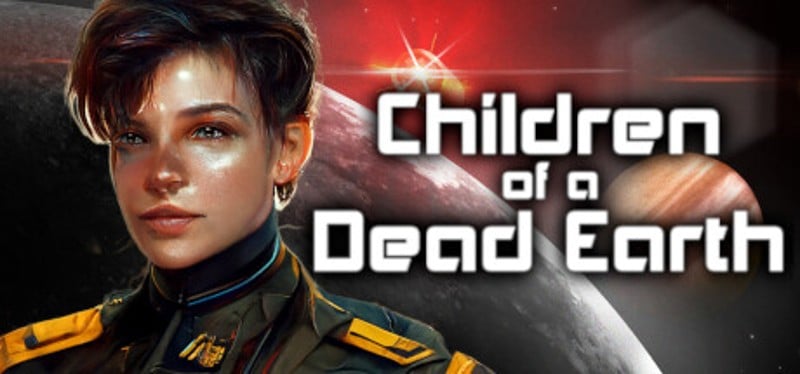
Children of a Dead Earth Game Cover

About

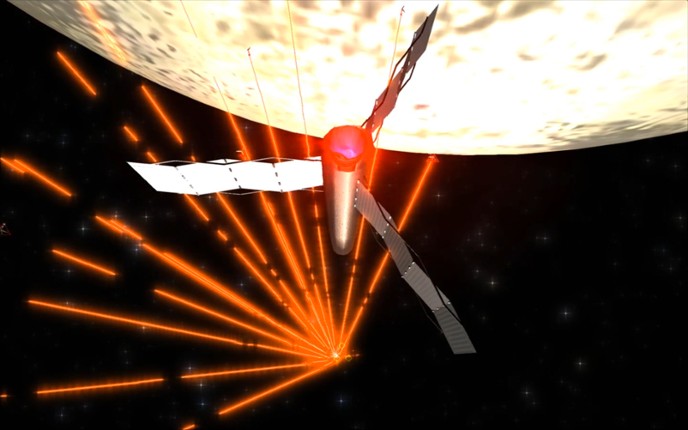
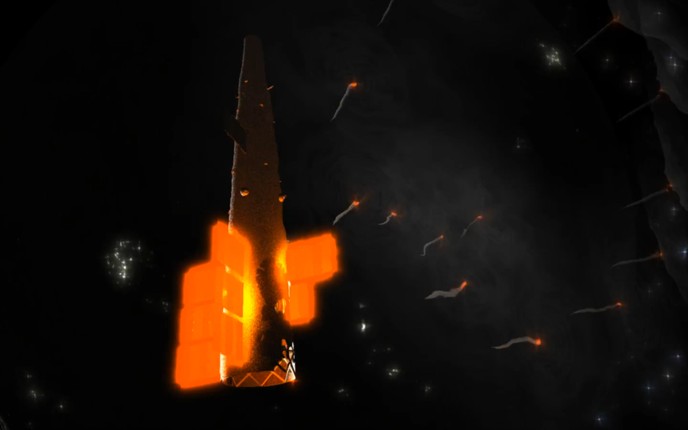
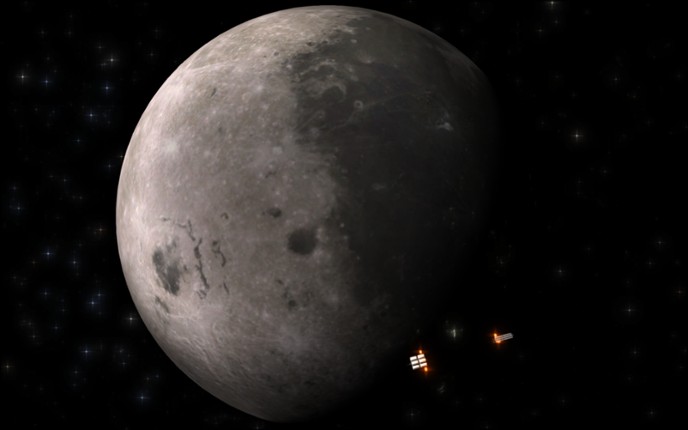
Children of a Dead Earth is a single player real-time strategy game with warfare and science fiction themes. It was developed by Q Switched Productions, LLC and was released on September 23, 2016. It received positive reviews from players.

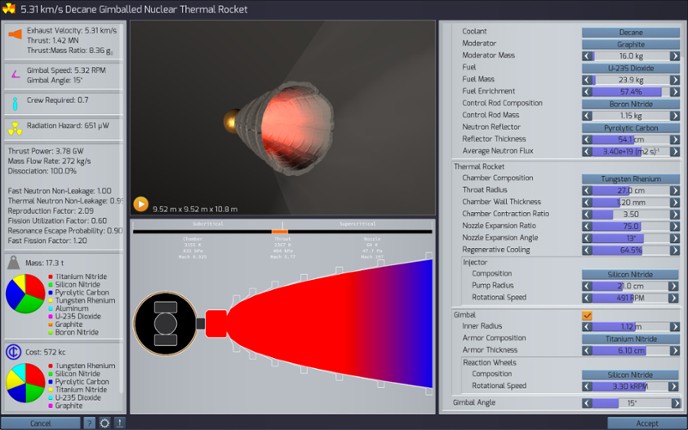
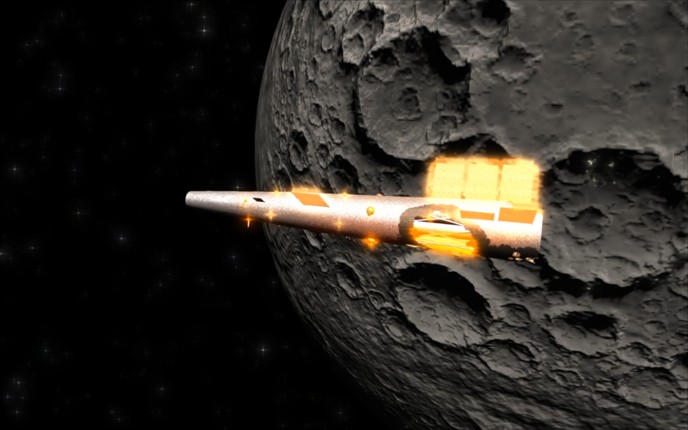
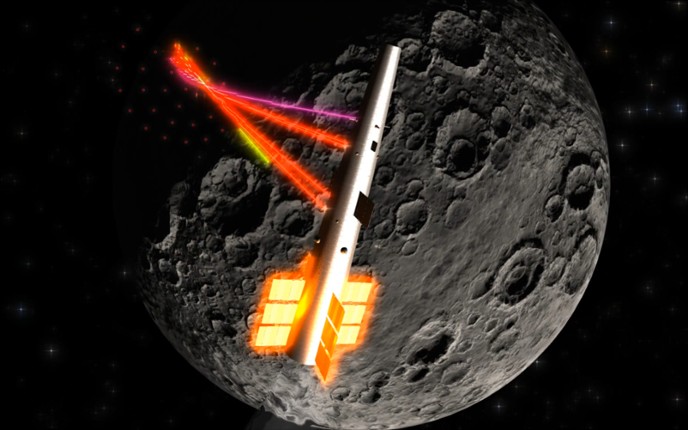
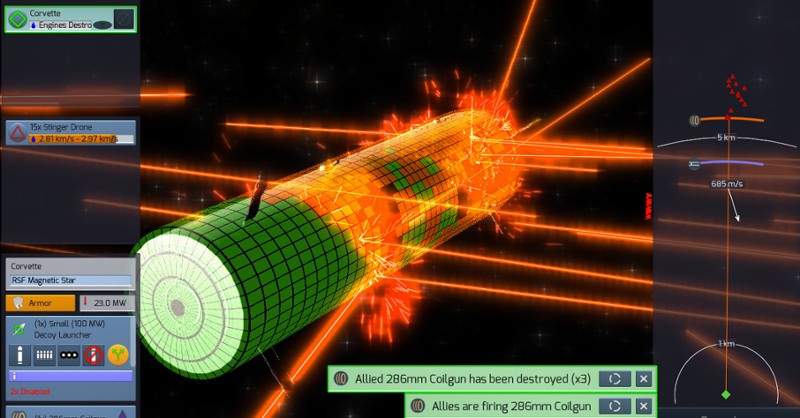
"Children of a Dead Earth" is a challenging and realistic space-based simulation game. Players must manage resources, build and maintain spaceships, and navigate through the solar system while dealing with realistic physics and orbital mechanics. It features detailed spaceship design and combat systems, with a strong emphasis on strategy and tactics. The game allows players to engage in scientifically accurate space travel and colonization, providing a unique and immersive experience.

Skip User Reviews

89%
Audience ScoreBased on 575 reviews
story25 positive mentions
graphics10 negative mentions

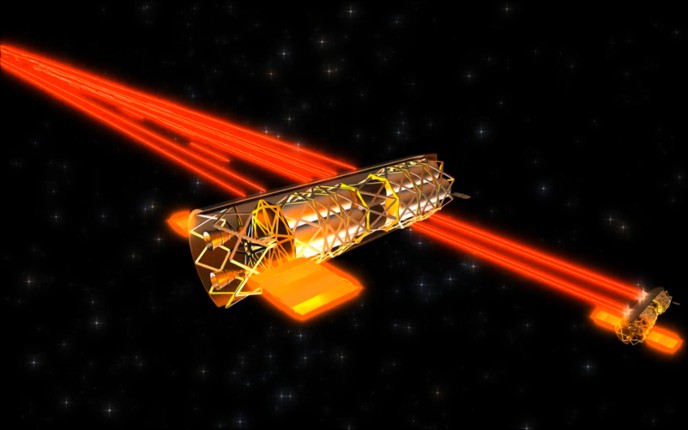
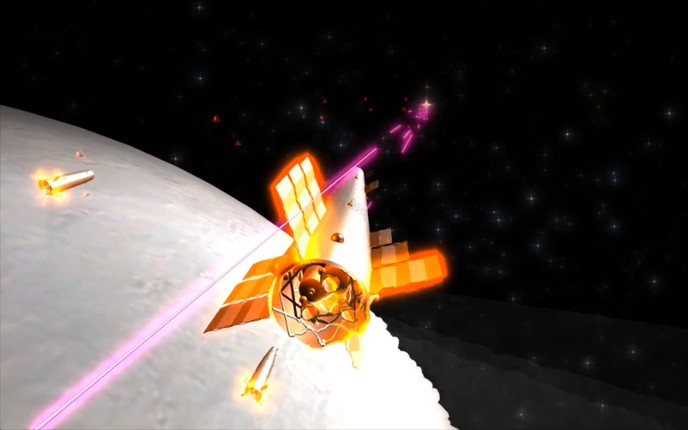
  • Incredibly detailed simulation of realistic space combat, incorporating hard science and physics.
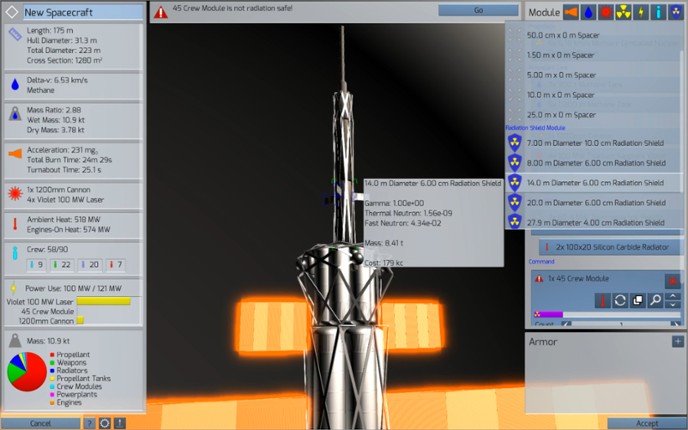
  • Extensive customization options for ships and modules, allowing players to design everything from nuclear reactors to weapons.
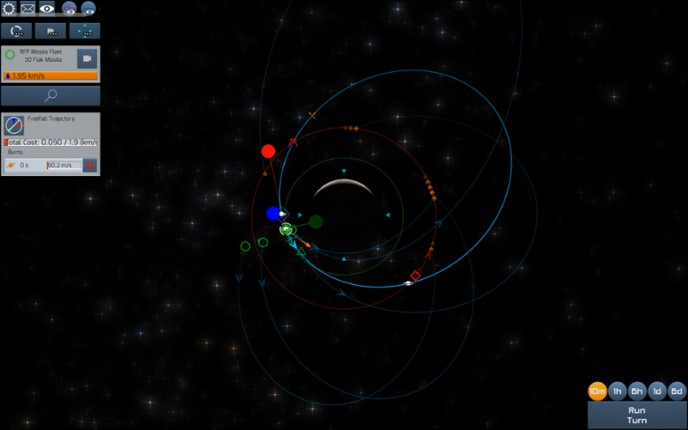
  • Challenging gameplay that rewards strategic thinking and understanding of orbital mechanics.
  • Clunky user interface and controls that can be frustrating, especially for new players.
  • Frequent crashes and performance issues during large battles, making it difficult to enjoy the combat experience.
  • Campaign missions can feel tedious and are often locked behind progress, limiting access to the ship and module design features.
  • story
    199 mentions Positive Neutral Negative

    The game's story is described as a mix of compelling world-building and a somewhat disjointed campaign structure, where missions feel more like isolated puzzles than a cohesive narrative. While some players appreciate the humor and depth of the backstory, others find the plot lacking and the gameplay overly focused on challenging mechanics rather than storytelling. Overall, the narrative serves primarily to facilitate gameplay, with many players expressing a desire for a more engaging and continuous storyline.

    • “The world-building and story are nuanced and reflect a deep understanding of hard science fiction.”
    • “The campaign consists of several challenges that progress a story, making each mission feel unique and engaging.”
    • “The writing for the missions is great and very tongue-in-cheek funny, adding a layer of enjoyment to the gameplay.”
    • “The story is pretty basic, and the setting is kind of meh.”
    • “The big problem with this game is that it has so much unlimited potential, but instead you get a list of what are basically limited puzzle missions where you need to figure out the optimal sequence of actions, be it using specific weapons or launching things in a particular trajectory and time.”
    • “A 'campaign' where there's absolutely no player choice involved between missions is not what I expected.”
  • gameplay
    187 mentions Positive Neutral Negative

    The gameplay in "Children of a Dead Earth" is characterized by its intricate and realistic simulation of orbital mechanics, offering a challenging experience that blends tactical puzzles with space combat. While the mechanics are well-balanced and provide a deep level of customization and strategy, the steep learning curve and sometimes clunky controls can be daunting for players unfamiliar with the concepts of orbital dynamics. Overall, the game is praised for its educational value and unique approach to space warfare, though it may require patience and prior knowledge of physics to fully enjoy.

    • “The mechanics are astonishingly well balanced, despite there never being an intent to make them that way.”
    • “It's a brilliant marriage of simulation and gameplay.”
    • “The gameplay is an emergent experience.”
    • “The gameplay is very difficult and sometimes unintuitive (and it's very easy to screw yourself with slight mistakes) but overall enjoyable.”
    • “The game has its quirks - the orbital mechanics were clearly given less attention than the design and combat mechanics.”
    • “The physics and gameplay is discussed in the blogs and trailers, but the actual reality of the game - an ugly UI and tedious mechanics - is left for the player to discover.”
  • graphics
    72 mentions Positive Neutral Negative

    The graphics of the game are generally described as basic, functional, and lacking in polish, often compared to late 90s standards. While some players appreciate the emphasis on realism and the educational aspects of the simulation, many criticize the visuals as bland and underwhelming, suggesting that they detract from the overall experience. Overall, the game is recommended for those who prioritize gameplay and realism over graphical fidelity.

    • “Although the game is definitely not new, as evidenced by its graphics, its emphasis is absolutely on realism.”
    • “Children of a Dead Earth ditches drama and aesthetic appeal to go for realism, helping us to imagine what space combat would actually be like.”
    • “The graphics very accurately depict the simplicity and form of a vehicle designed for space combat.”
    • “The graphics are bad or middling at best for its time, especially compared to other indie games of its time.”
    • “It's glitchy, has a poor user interface, no help for noobs, and graphics that would be low quality for an Android game.”
    • “Graphically, the game is barebones.”
  • optimization
    28 mentions Positive Neutral Negative

    The game's optimization is widely criticized, with users reporting frequent bugs, poor performance, and crashes, even on lower graphics settings. While the game offers deep customization and engaging mechanics, the underlying code appears to be poorly optimized, leading to significant performance issues that detract from the overall experience. Despite these shortcomings, some players appreciate the niche appeal and ongoing updates aimed at improving stability and performance.

    • “Even with combat, significant emphasis is placed on whether your ships have sufficient delta-v to pursue or avoid your opponent, and whether they are optimized (in terms of armament types, fuel reserve/tankers, etc.) for that particular mission.”
    • “The campaign is pretty nice, and does teach you a lot of orbital mechanics/game skills, but the real fun part is unlocking module design and having access to endless customization and optimization of everything from your railguns/coilguns, power plants, engines, missiles, and everything else!”
    • “And the level of customization available is incredible, with the performance of the custom weapon, reactor, missile, thrusters, etc. determined by equations based on real-world performance of the components and materials.”
    • “The optimization is quite rough; if you click on a missile and watch it explode, the game will crash once all of the other missiles are disabled/destroyed too.”
    • “The game is not optimized much and you will be having problems - the n-body simulator is CPU bound - even with a good computer.”
    • “Despite the low-poly graphics and effectively sprite-based map UI, I frequently encounter performance problems while trying to get from A to B.”
  • music
    23 mentions Positive Neutral Negative

    The music in the game has received a generally positive reception, with many praising the soundtrack for enhancing the atmosphere and providing a fitting backdrop to the gameplay. However, some users noted that the limited number of tracks can lead to repetitiveness, with a few even suggesting that it can be headache-inducing at times. Overall, while the music is appreciated for its quality and thematic relevance, its repetitiveness and limited variety are points of contention.

    • “Killer soundtrack, it scratches that hard-sci-fi itch that I have at the moment in time.”
    • “The soundtrack helps to enhance this atmosphere.”
    • “The soundtrack is nice, it's relaxing enough not to distract you from the game and exciting enough not to feel boring.”
    • “Music (2-3 tracks in total?) is headache-inducing at times and repetitive.”
    • “Not even on par with Pokémon games from 2004; better to just mute the music altogether.”
    • “- Limited soundtrack.”
  • stability
    9 mentions Positive Neutral Negative

    The game's stability is a significant concern, with users reporting frequent freezes, bugs, and performance issues, despite its potential in the space warfare genre. While some players can run it smoothly at high settings, the overall experience is marred by persistent glitches and a lack of polish, rendering it nearly unplayable for many.

    • “The game regularly freezes even though it could run on a Pentium II.”
    • “Surprisingly though, it fails at some very basic stuff and is just very buggy in general.”
    • “Unfortunately it's just too buggy to play as a game, many years after release.”
  • grinding
    9 mentions Positive Neutral Negative

    Players find the grinding aspect of the game to be excessively tedious and frustrating, often leading to breaks from gameplay. Many reviews highlight that a significant portion of the content is locked behind repetitive missions and cumbersome mechanics, such as managing fleets and ship design, which detracts from the overall experience. The repetitive nature of tasks, particularly involving missiles and drones, contributes to a sense of monotony that can diminish enjoyment.

    • “You'll need a second life for grinding.”
    • “That became incredibly tedious and frustrating, leading me to put the game down for a week multiple times.”
    • “90% of content is locked behind playing through very tedious missions.”
    • “Especially tedious are missiles and drones: click the launch button, press back to return to main map, choose your fleet again, again choose appropriate ship, click the launch button, rinse and repeat several times.”
  • humor
    7 mentions Positive Neutral Negative

    The humor in the game is characterized by a mix of tongue-in-cheek writing and absurd scenarios, such as oversized cannons leading to comical failures. Players find enjoyment in the exaggerated mechanics and the irony of their faction's struggles, creating a lighthearted atmosphere despite the game's complex technical challenges. Overall, the humor adds a fun layer to the gameplay experience, making the often frustrating moments more entertaining.

    • “You'll need a PhD in aeronautics and a degree in chemical engineering (especially if you use mods), but hey, you can watch the funny ships shoot each other!”
    • “Making a ship with a 20,000mm cannon and watching it get blown up by a single shot is funny.”
    • “The writing for the missions is great and very tongue-in-cheek funny.”
  • atmosphere
    7 mentions Positive Neutral Negative

    The game's atmosphere is enhanced by its immersive soundtrack and realistic sound design, which reflects the silence of space and the stresses of the environment. Players appreciate the "space commander feeling" and the campaign's effective storytelling, although some note a dry atmosphere and storyline. Overall, the game successfully creates a unique and engaging atmosphere that sets it apart from others in the genre.

    • “The soundtrack helps to enhance this atmosphere.”
    • “I like the atmosphere the game projects.”
    • “The fact that there is no sound in space also adds to the atmosphere, with the only sounds being heard are essentially what the crew would hear, with the groans of the structure stressing from repeated impacts and decompression of the crew module by a puncture.”
    • “Dry atmosphere and storyline.”
    • “Imagine Kerbal but entirely outside the atmosphere, less cutesy and focused on combat, and you have a good idea of what is happening in this game.”
    • “The fact that there is no sound in space also adds to the atmosphere, with the only sounds being heard essentially what the crew would hear, with the groans of the structure stressing from repeated impacts and decompression of the crew module by a puncture.”
  • replayability
    5 mentions Positive Neutral Negative

    The game boasts near-infinite replayability, particularly for players who enjoy exploring different strategies and approaches to missions. As players progress, missions increase in difficulty, while customization options for modules and components further enhance the replay experience. Overall, the combination of varied gameplay and personalization contributes to a highly engaging and replayable experience.

    • “This cycle gives the game an amazing amount of replay value.”
    • “It furthermore offers customization of the modules and components themselves, allowing for an extreme amount of replayability.”
    • “The replay value is essentially equal to the value you have in the first time playing it.”
    • “The missions become more difficult the more you progress, but they also have replay value because you can approach missions in different ways.”
    • “It offers customization of the modules and components themselves, allowing for an extreme amount of replayability.”
Skip Game Offers

Buy Children of a Dead Earth

29h Median play time
23h Average play time
9-36h Spent by most gamers
*Based on 2 analyzed playthroughs
Skip Videos

Videos

Skip Games Like Children of a Dead Earth

Games Like Children of a Dead Earth

NEBULOUS: Fleet Command Image
HighFleet Image
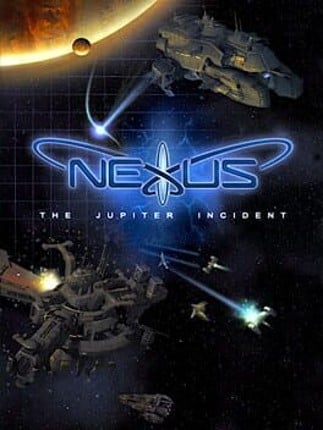
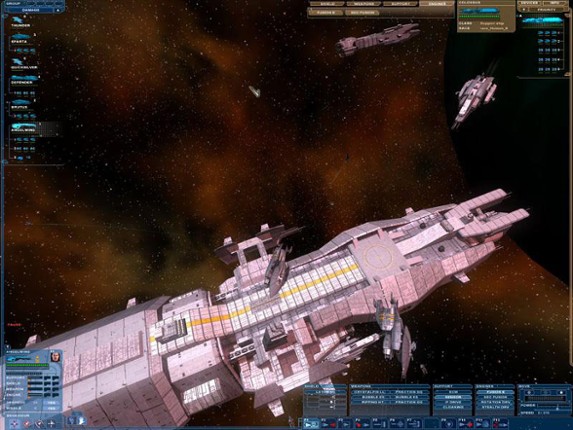
Nexus: The Jupiter Incident ImageNexus: The Jupiter Incident ImageNexus: The Jupiter Incident Image
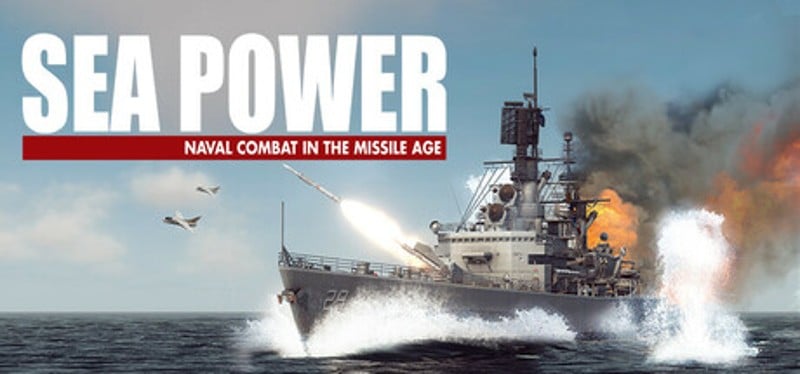
Sea Power : Naval Combat in the Missile Age Image
Cosmoteer Image
Skip FAQs

Frequently Asked Questions

Children of a Dead Earth is a real-time strategy game with warfare and science fiction themes.

Children of a Dead Earth is available on PC, Mac OS and Windows.

On average players spend around 23 hours playing Children of a Dead Earth.

Children of a Dead Earth was released on September 23, 2016.

Children of a Dead Earth was developed by Q Switched Productions, LLC.

Children of a Dead Earth has received positive reviews from players. Most players liked this game for its story but disliked it for its graphics.

Children of a Dead Earth is a single player game.

Similar games include NEBULOUS: Fleet Command, HighFleet, Nexus: The Jupiter Incident, Sea Power : Naval Combat in the Missile Age, Cosmoteer and others.