Wizardry: Labyrinth of Lost Souls

XSEED and ACQUIRE reached back into the past to bring Wizardry: Labyrinth of Lost Souls to modern PCs, but does this dusty dungeon crawler hold up? Our review.
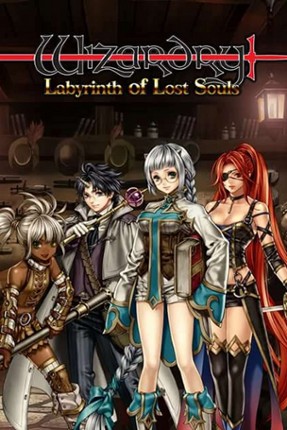
Wizardry: Labyrinth of Lost Souls Game Cover
68%Game Brain Score
story, gameplay
grinding, character development
74% User Score Based on 293 reviews
Critic Score 61%Based on 8 reviews

Platforms

Playstation 3PCWindowsPlayStationPlaystation Vita
Wizardry: Labyrinth of Lost Souls Game Cover

About

Wizardry: Labyrinth of Lost Souls is a single player tactical role playing game with fantasy and anime themes. It was developed by ACQUIRE Corp. and was released on January 15, 2020. It received mostly positive reviews from both critics and players.

The magic torches are lit, the monsters are ravenous, and the kingdom is waiting for a new hero. Experience the legendary Wizardry series’ modern rebirth as you traverse perilous dungeons and take on hordes of fantastic enemies. Are you up to the challenge?
Skip User Reviews

74%
Audience ScoreBased on 293 reviews
story9 positive mentions
grinding35 negative mentions

  • Faithful to classic old-school dungeon crawler mechanics, preserving the challenging and strategic gameplay of early Wizardry titles.
  • Robust character and class customization with diverse strategies enabled by multiclassing and skill use.
  • High replay value with varied dungeons, quests, and a large loot pool appealing to niche fans of hardcore dungeon crawlers.
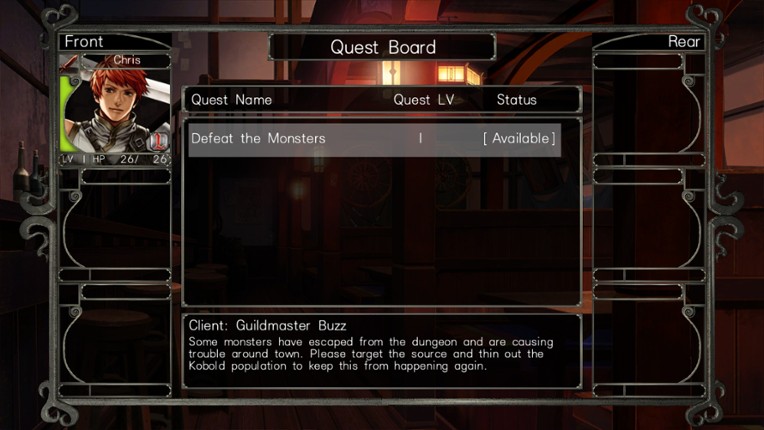
  • Severe usability and user interface issues, including clunky controls on PC, unintuitive menus, and lack of in-game tutorials or guidance.
  • Excessive grind and punishing RNG leading to frustrating difficulty spikes, save scumming requirements, and slow progression.
  • Sparse story, repetitive and uninteresting dungeon design, and limited content variety leading to boredom for players outside the core fanbase.
  • story
    81 mentions Positive Neutral Negative

    The story in this game is minimalistic and often confusing, with vague, broken quests that require tedious backtracking and grinding, making it difficult to progress without external guides. It serves mainly as a backdrop for challenging dungeon-crawling gameplay rather than offering deep narrative or character development. Players seeking rich storytelling or cinematic experiences may find it lacking, while hardcore fans of old-school dungeon crawlers may appreciate its nostalgic, grind-heavy approach.

    • “The story in Wizardry: Labyrinth of Lost Souls is deliberately minimalistic, serving primarily as a backdrop for the player’s adventures.”
    • “You’ll encounter occasional snippets of lore, a few quest-givers, and some minor narrative threads, but the focus remains squarely on exploration and survival rather than character-driven storytelling.”
    • “The DLC story is much more interesting and involving, however, so after you beat the main game, definitely give it a try.”
    • “The quests are bare bones, and the directions are vague to the point of being opaque.”
    • “You can easily explore an entire dungeon only to learn you have to run through it again because a quest demands that you find something somewhere in it with little direction, and you must complete these quest check points in sequence.”
    • “RNG-overladen battles against random numbers of opponents who use random skills for random (like, 1-200 random) amounts of damage (a problem which the permadeath mechanic only aggravates, though the game mercifully allows you to savescum freely); incoherent dungeon design on a level never seen before—Wizardry 1, the game that started the subgenre, was less ugly and baffling; flag-maze quests that force you to blindly wander either previously-cleared floors or the hallowed halls of GameFAQs.”
  • gameplay
    62 mentions Positive Neutral Negative

    Gameplay in Wizardry: Labyrinth of Lost Souls is a faithful, old-school dungeon crawler experience with deep, challenging mechanics reminiscent of classic Wizardry titles, emphasizing slow progression, high risk, and randomness. While it lacks tutorials and clear explanations of many mechanics, requiring trial and error and save-scumming, its addictive core gameplay loop appeals strongly to fans of vintage RPGs who appreciate unforgiving, pure dungeon crawling without modern hand-holding. However, some find its enemy AI simplistic and certain mechanics frustrating or outdated, making it less accessible to newcomers.

    • “The gameplay loop of Wizardry: Labyrinth of Lost Souls is one of slow progression and constant peril.”
    • “The psychological weight of exploration becomes part of the gameplay itself, reminding players that in this world, preparation is everything and mistakes are costly.”
    • “On first impression it may look like a cheap and unpolished dungeon crawler, but in truth it is a real gem for anyone having an itch for a deep old-school party-based dungeon crawler or just anyone craving a mechanically deep dungeon crawler that doesn't hold your hand.”
    • “Lots of mechanics aren't explained; one especially frustrating one is how reviving at the temple reduces the vitality stat by 1.”
    • “Gameplay could be refined and improved also; the enemies are generally pretty dumb, the '1 hp hits' are strange (I guess these are hits deflected or absorbed by armor, and could be indicated as such), and save scumming is mandatory, though could be totally avoided, due to how the stats have a tendency to decrease at random when advancing a level, which is a totally unnecessary mechanic.”
    • “RNG-overladen battles against random numbers of opponents who use random skills for random (like, 1-200 random) amounts of damage (a problem which the permadeath mechanic only aggravates, though the game mercifully allows you to savescum freely); incoherent dungeon design on a level never seen before—Wizardry 1, the game that started the subgenre, was less ugly and baffling; flag-maze quests that force you to blindly wander either previously-cleared floors or the hallowed halls of GameFAQs.”
  • graphics
    53 mentions Positive Neutral Negative

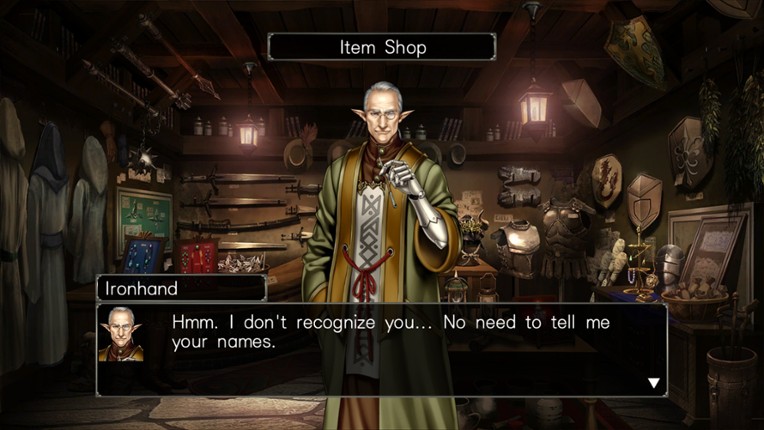
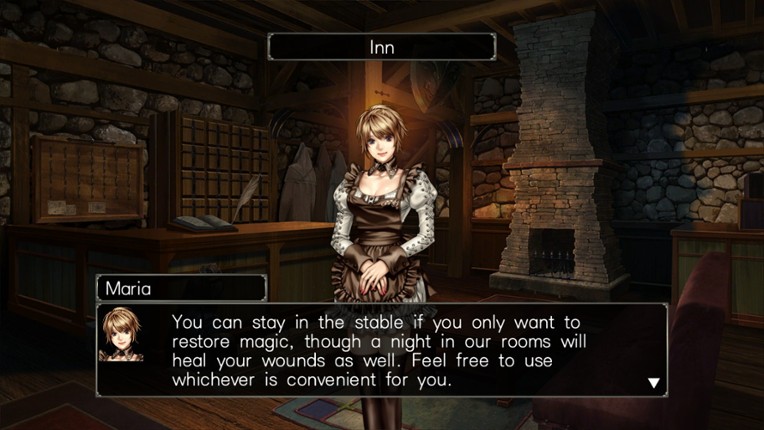
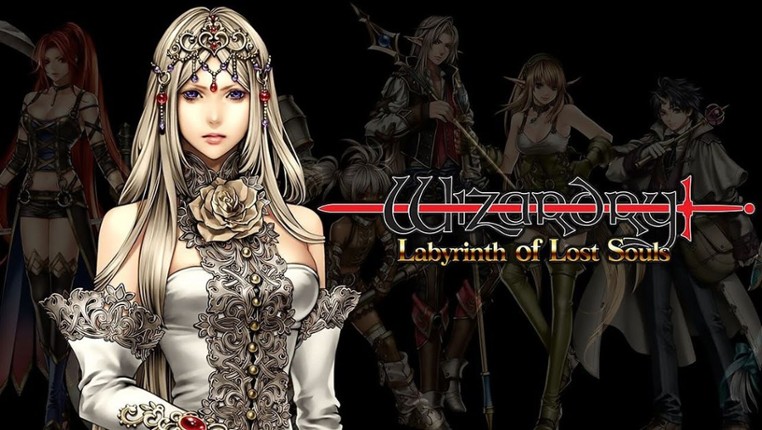
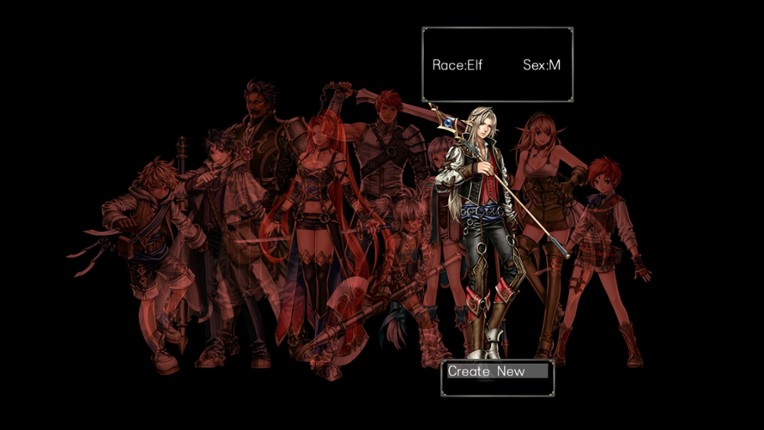
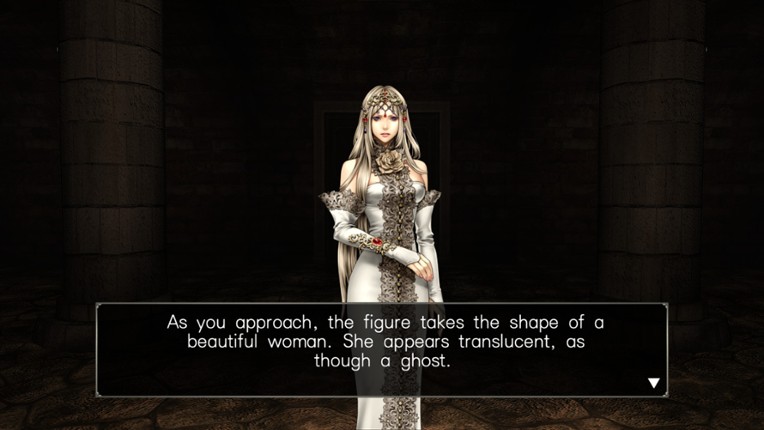
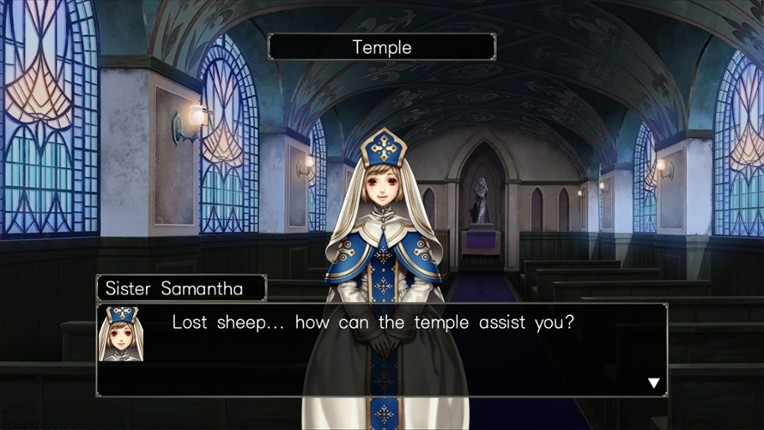
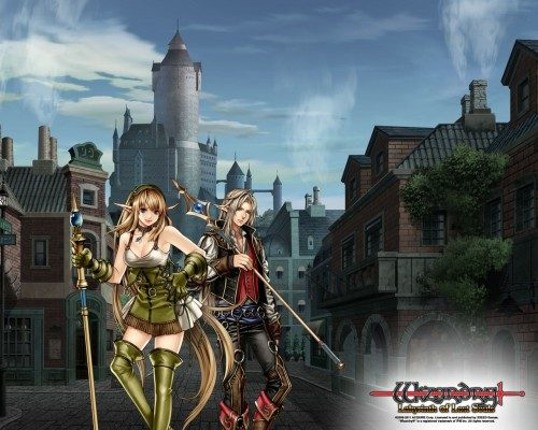
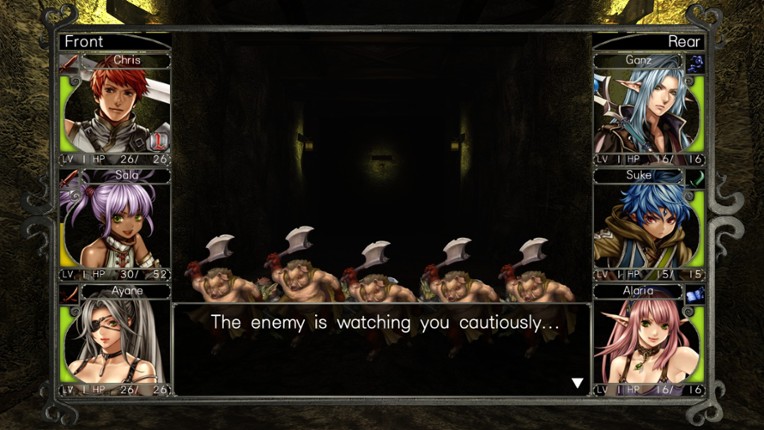
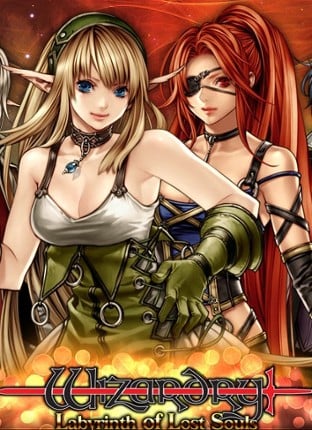
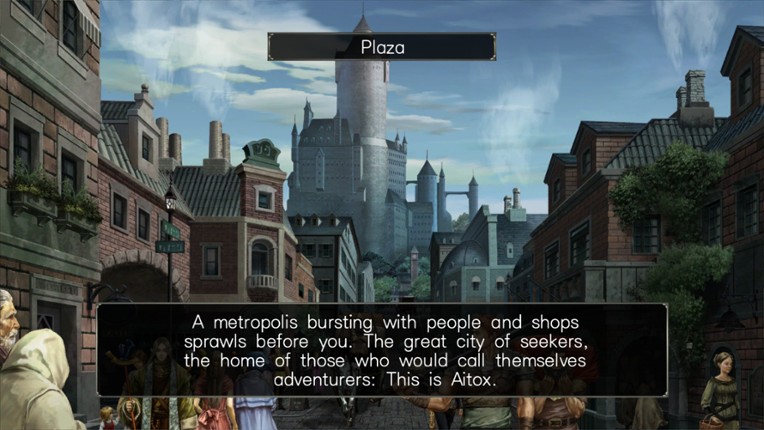
    The graphics are generally praised for their updated, high-resolution anime-inspired art that retains the classic aesthetic of the original Wizardry series while featuring distinct character designs and memorable enemy artwork. However, some players find the anime style off-putting or overly suggestive, and criticize limited character portrait variety. Overall, the visuals are seen as a solid enhancement but not the main draw, especially for those expecting modern graphical sophistication.

    • “Each hero has a distinct personality reflected in their design, and the enemy artwork manages to make even routine encounters feel memorable.”
    • “The graphics have been nicely updated, while still staying true to the original aesthetic, and many of the mechanics remain unchanged.”
    • “Wizardry: Labyrinth of Lost Souls is an RPG that captures the essence of hardcore adventuring during the golden age of gaming in the early 90s, but with great graphics and character design.”
    • “Portraits are very limited, and characters with duplicating graphics are almost bound to be made.”
    • “There’s barely any story; there’re barely any graphics; there’s barely any gameplay; and the controls just suck.”
    • “Graphics old and if you are less than 35 years old, you will likely hate it.”
  • grinding
    35 mentions Positive Neutral Negative

    Grinding is a core and unavoidable part of the game, often involving repetitive leveling, resource gathering, and item farming that can feel tedious and frustrating to many players. While some find the grind addictive and rewarding due to loot drops and strategic party building, others criticize its slow pace, punishing difficulty, and lack of engaging variety, making it best suited for fans who enjoy deep grinding mechanics and patience.

    • “Grinding for resources and experience becomes essential, which can frustrate those seeking constant forward motion.”
    • “The grinding is boring and endless... if you are a fan of the original wizardry games this is more of the same with a facelift.”
    • “Too much focus on grinding and less about actually exploring the dungeon.”
  • music
    11 mentions Positive Neutral Negative

    The music generally complements the game's atmosphere, ranging from quietly mysterious to compelling and enjoyable, with some tracks standing out positively. However, opinions vary, with a few finding the music annoying or repetitive, though the overall sound design is functional and fitting.

    • “The music and sound effects, while sparse, create an atmosphere of quiet danger and mystery.”
    • “The graphics were grainy and the distorted midi music chimed along in the background in that way that only dated games did but there was something compelling about it that kept me playing long into the dark hours of the night; mystery.”
    • “The artwork is wonderful and the music is great!”
    • “Horrible annoying music, nasty interface that could be better suited to a mobile phone.”
    • “The music is actually thumps in some places, but the voices can become a little grating if you're not prepared for repetitive anime shrill.”
    • “The graphics were grainy and the distorted midi music chimed along in the background in that way that only dated games did.”
  • atmosphere
    6 mentions Positive Neutral Negative

    The game excels in creating a tense, immersive atmosphere rooted in quiet danger and mystery, relying on gameplay-driven world-building rather than exposition. Its grimy, oppressive dungeon design and subtle audio effectively evoke a traditional, challenging RPG experience that stands out among modern titles. Fans of atmospheric, challenging dungeon crawlers will find it particularly rewarding.

    • “The emphasis on atmosphere and world-building through gameplay rather than exposition feels true to its heritage, allowing the player’s imagination to fill in the blanks.”
    • “Where the game truly succeeds is in evoking a sense of atmosphere and tension that few modern RPGs manage to achieve.”
    • “Dungeon design feels like it wants to pull you in and drown you, very nice oppressive atmosphere.”
  • replayability
    4 mentions Positive Neutral Negative

    The game offers high replayability through its multiple full dungeons, including DLC content, and a variety of side quests and items, providing ample and satisfying content for extended play. Experienced players of the series will find it as enjoyable as the originals with updated features enhancing playability.

    • “The three full dungeons, including the DLC, provide ample content and a satisfying level of replayability.”
    • “There are a variety of side quests, items, and vast dungeons available, offering high replay value for long play.”
    • “For those who have wizardry experience, it's as enjoyable as the original series with some great updates to make the game more playable.”
  • character development
    3 mentions Positive Neutral Negative

    Character development in the game is minimal to nonexistent, with a sparse narrative style that may not satisfy players seeking deep or cinematic storytelling, though it aligns well with the game's overall tone.

    • “Good character development.”
    • “This sparse narrative approach won’t appeal to everyone, especially those who expect deep character development or cinematic storytelling, but it fits the game’s tone perfectly.”
    • “Character development is nonexistent.”
  • humor
    2 mentions Positive Neutral Negative

    Users find the humor in the game to be situational and unintentional, often stemming from unexpected or ironic moments like defeating the final boss quickly or misleading promotional claims about player control. This creates a comedic contrast between expectations and actual gameplay.

    • “Hilariously, I killed the final boss in 2 hits because of this.”
    • “Also, it's kinda hilarious how this game's description says 'your party, your way' in key features, when it actually takes all of your control out of the game because you have no control over the party.”
  • optimization
    1 mentions Positive Neutral Negative

    The PC version offers enhanced optimization with higher-resolution assets and improved performance, ensuring a smooth experience compared to the console versions.

    • “The PC version elevates the presentation with higher-resolution assets and improved performance, making the transition from console to modern systems smooth.”
  • stability
    1 mentions Positive Neutral Negative

    The game suffers from stability issues, frequently encountering bugs that affect the overall experience.

Skip Critic Reviews
Skip Game Offers

Buy Wizardry: Labyrinth of Lost Souls

32h Median play time
24h Average play time
7-40h Spent by most gamers
*Based on 2 analyzed playthroughs
Skip Videos

Videos

Skip Games Like Wizardry: Labyrinth of Lost Souls
Skip FAQs

Frequently Asked Questions

Wizardry: Labyrinth of Lost Souls is a tactical role playing game with fantasy and anime themes.

Wizardry: Labyrinth of Lost Souls is available on PC, Windows, PlayStation 3, PlayStation and others.

On average players spend around 24 hours playing Wizardry: Labyrinth of Lost Souls.

Wizardry: Labyrinth of Lost Souls was released on January 15, 2020.

Wizardry: Labyrinth of Lost Souls was developed by ACQUIRE Corp..

Wizardry: Labyrinth of Lost Souls has received mostly positive reviews from both players and critics. Most players liked this game for its story but disliked it for its grinding.

Wizardry: Labyrinth of Lost Souls is a single player game.

Similar games include Stranger of Sword City, Elminage Gothic, Wizardry: The Five Ordeals, Legend of Grimrock, Wizardry: Bane of the Cosmic Forge and others.