Trillion: God of Destruction

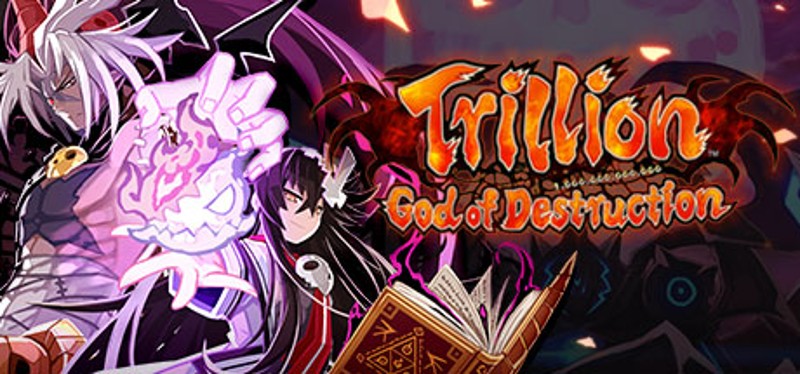
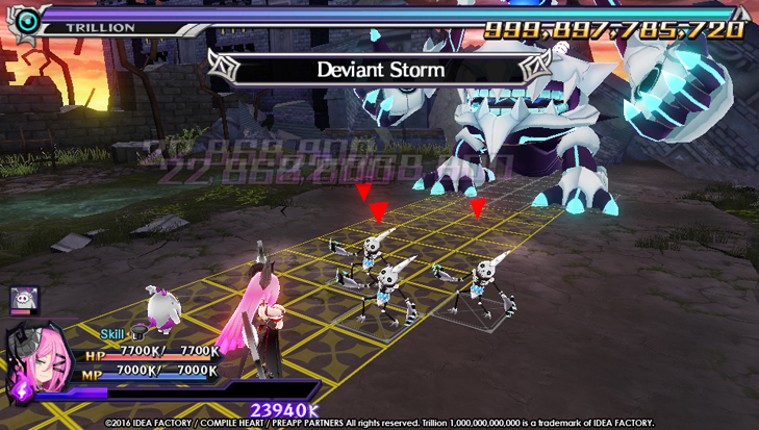
The prospect of facing a trillion HP opponent should be enough to entice you to play the game. After all, who is not hyped to face such an opponent?
Trillion: God of Destruction Game Cover
63%Game Brain Score
story, gameplay
grinding, character development
65% User Score Based on 333 reviews
Critic Score 63%Based on 11 reviews

Platforms

PCWindowsPlayStationPlaystation Vita
Trillion: God of Destruction Game Cover

About

Trillion: God of Destruction is a single player role playing game with fantasy, anime and erotic themes. It was developed by PREAPP PARTNERS and was released on November 7, 2016. It received mostly positive reviews from both critics and players.

Key Features - A TRILLION HP! This big bad boss has 1,000,000,000,000 HP! How you defeat him is up to your individual strategy and training! - 6 Deadly Sins to Love! In between battles, you’ll get some quality alone time with each of your six Overlord Candidates leading your army. Can you have a love story even in war? - Prepare for Battle! While Trillion sleeps, it’s training time! Hit the…
Skip User Reviews

65%
Audience ScoreBased on 333 reviews
story48 positive mentions
grinding27 negative mentions

  • Unique and emotionally impactful storytelling, with well-developed characters that players care about.
  • Distinctive art style combined with great music and solid voice acting enhance immersion.
  • Interesting gameplay mix of time management, RPG elements, and strategic grid-based combat creates a fresh experience.
  • Combat system is repetitive, unbalanced, and can become tedious, with limited variety in skills and strategies.
  • Technical issues such as frequent crashes, freezing, and poor PC port quality hamper playability.
  • Controls and interface are awkward, especially for keyboard/mouse users; lack of proper skip functions and excessive dialog padding slow down progression.
  • story
    139 mentions Positive Neutral Negative

    The story of the game is widely praised for its emotional depth, character-driven narrative, and unique premise involving sacrificial missions against a godlike enemy. While some find it slow or repetitive, many players are moved by the impactful storytelling and strong character development, with multiple endings adding replay value. However, the story's enjoyment can be hampered by lengthy dialogue segments, pacing issues, and a disconnect from the criticized gameplay elements.

    • “That said, of the 221 games I have tossed into my "finished" category on Steam, this is the only one where moments of the story still come back to me with enough emotional impact that I had to take the time out of my day to come back here and write a review.”
    • “Where Trillion truly shines is in its character-driven storytelling.”
    • “I can say without a doubt that, despite its simple story, once you get attached to the characters you constantly feel the desperation of wanting them to stay alive, and knowing that if you had handled things differently maybe you could have succeeded, this is certainly a great element that makes you want to work harder, to maybe win the next time.”
    • “This would not be bad, but the game constantly has story segments that you cannot skip.”
    • “The plot is slightly above average, and the format of the game is unique, but not in all good ways.”
    • “Second, due to 'story reasons', your progress is repeatedly set back.”
  • gameplay
    124 mentions Positive Neutral Negative

    The gameplay in Trillion: God of Destruction is a niche blend of raising sim, visual novel, and roguelike elements featuring strategic, turn-based grid combat and permadeath mechanics. While some appreciate its unique concept and tactical depth, many find the gameplay repetitive, simplistic, and lacking polish, often overshadowed by extensive dialogue and story segments. Overall, it is better suited for players who prioritize narrative and character development over engaging or varied gameplay.

    • “The permadeath mechanic adds real weight to every decision, making victories feel earned and losses genuinely heartbreaking.”
    • “Its emotional narrative, strategic depth, and risk-reward gameplay make it a must-try for fans of unconventional RPGs.”
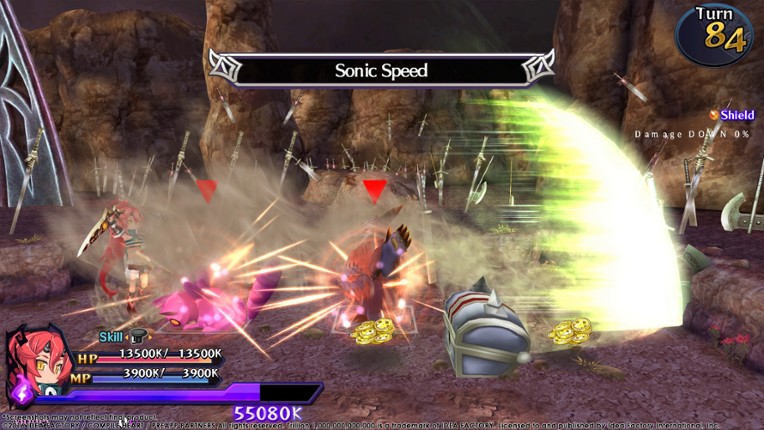
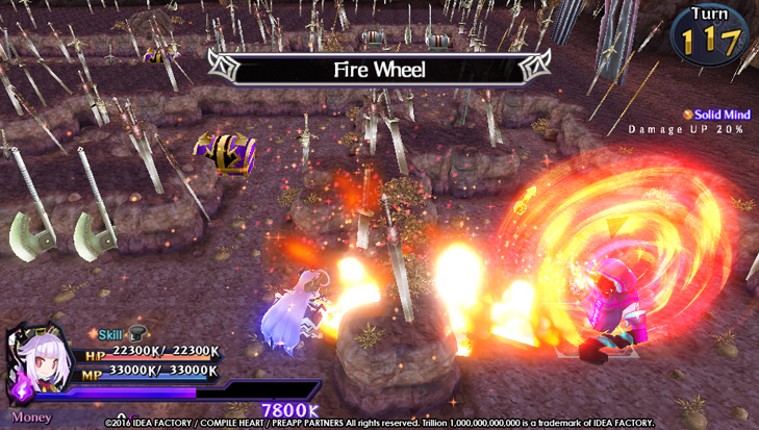
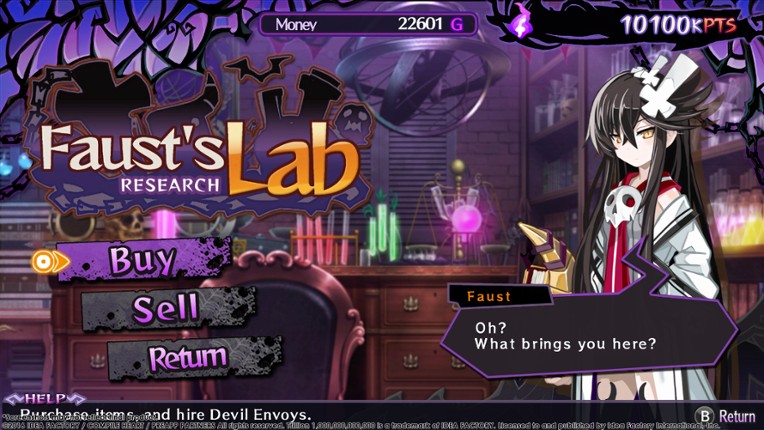
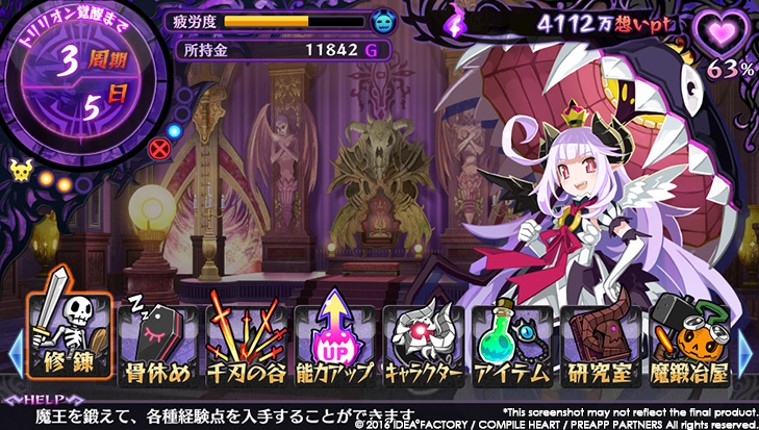
    • “The gameplay involves training/researching in order to defeat one massive boss that runs on positioning-based combat.”
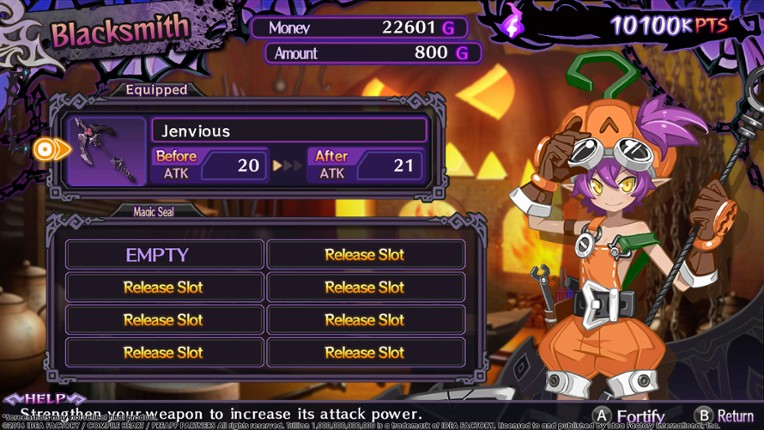
    • “Training cycles and menu navigation dominate much of the gameplay, and while the Valley of Swords dungeon offers some variety, it’s not enough to fully alleviate the grind.”
    • “I'm honestly really disappointed, this game has fun writing like Neptunia, but the gameplay is incredibly boring and barebones. Ninety percent of your time is spent in training menus where you click train, watch a cutscene and you're done. No mini-games or nothing, just 'please raise this arbitrary number so I can gather numbers to raise the arbitrary RPG stat.'”
    • “The gameplay is monotonous and repetitive, and overall unsatisfying.”
  • graphics
    40 mentions Positive Neutral Negative

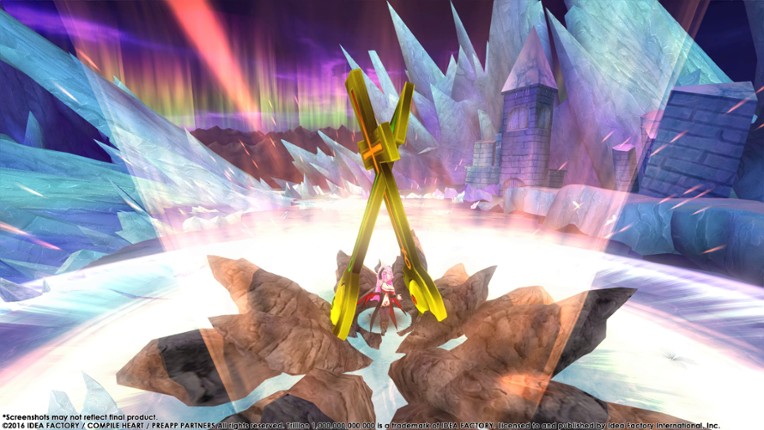
    The game's graphics are praised for their charming, anime-inspired art style and detailed 2D artwork that evoke a Disgaea-like aesthetic, with standout visuals and character designs. However, the 3D environments and animations receive criticism for low fidelity, lack of polish, and minimal graphical options on PC, which somewhat detract from the overall presentation. Despite these flaws, the distinct and appealing artwork is a key highlight that complements the game's dark themes and narrative.

    • “The story, visuals, music and writing are top-notch, with a very disgaea-ish vibe (makes sense since it has some of the disgaea staff).”
    • “Trillion isn't for everyone given some of its rougher qualities, but... if you really want something different: this one's characters, unique (if a bit basic) combat system, gorgeous visuals and music and willingness to take its audience seriously make it hard not to recommend.”
    • “The artwork is fantastic, giving off a disgaea-esque vibe.”
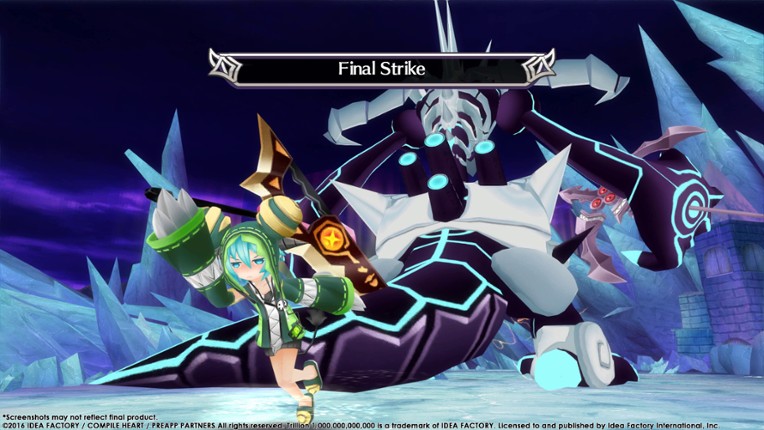
    • “Don’t judge this by that janky 3D graphic.”
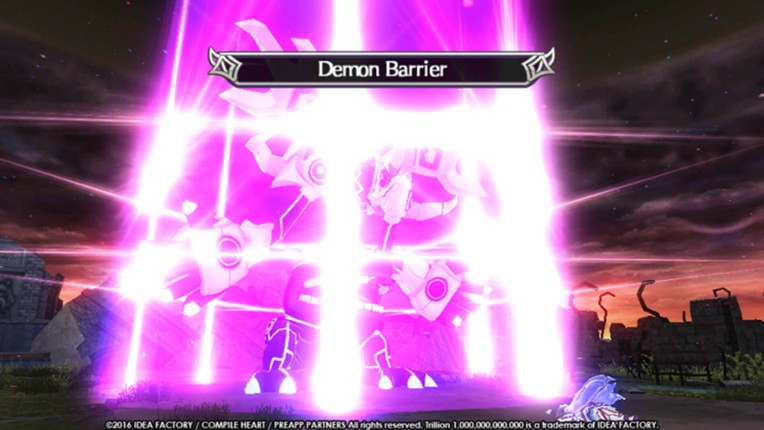
    • “There is no polish whatsoever on the animations, and they even chose to suck all the energy out of climactic 'death attacks' by having them be cutscenes of your character's super-deformed model flying around and collapsing, instead of more artwork.”
    • “Not that graphical tweaks could really fix how abysmal the textures are in the 3D environments...”
  • emotional
    33 mentions Positive Neutral Negative

    Players praise the game for its deeply emotional storytelling, highlighting strong character bonds and heart-wrenching moments that leave a lasting impact. The permadeath mechanic intensifies the emotional weight, making losses truly painful and victories meaningful. Overall, it is recognized as a heartfelt, emotionally challenging experience that resonates strongly with fans of character-driven narratives.

    • “Of the 221 games I have finished on Steam, this is the only one where moments of the story still come back to me with enough emotional impact that I had to take time out of my day to write a review.”
    • “The permadeath mechanic adds real weight to every decision, making victories feel earned and losses genuinely heartbreaking.”
    • “The writing is surprisingly heartfelt, blending humor, tragedy, and camaraderie in a way that keeps players invested.”
  • grinding
    28 mentions Positive Neutral Negative

    Grinding in the game is widely viewed as tedious, repetitive, and slow, with many players finding it a major source of frustration despite occasional strategic depth. While some appreciate the blend of concepts that slightly mitigate the monotony, the overall experience demands significant time and effort, often feeling like an endurance test rather than engaging gameplay. Fans of heavy grind or completionist challenges may find some satisfaction, but for most, the grinding detracts from enjoyment.

    • “The game most likely does this so you can get to know every single general by the time the game ends, and make you feel as if you've sacrificed a bunch of your closest friends for your hard-earned victory, but that doesn't hide the fact that it's still tedious.”
    • “Technicalities aside I also can't recommend this game on the grounds of gameplay, it's tedious and I can only imagine it getting worse if I dedicated more time to this.”
    • “It doesn't take you long, perhaps 2.2 hours, to realise that it is going to take a lot of lives and a lot of grinding (through a single generic dungeon) to achieve victory.”
  • music
    23 mentions Positive Neutral Negative

    The music in the game, primarily composed by Tenpei Sato, is widely praised for its quality and contribution to the atmosphere, especially the intense battle themes. While some find the soundtrack repetitive or less memorable compared to Sato's other works like Disgaea, it generally receives high marks and is considered a standout aspect that enhances the overall experience.

    • “The music is by far the best part of the game, with Trillion's tense battle themes giving even an AAA game a run for its money.”
    • “Absolutely loved the character art, Tenpei Sato's music, and the overall presentation offering something that I really haven't seen anywhere else.”
    • “I give it an 8/10 overall, and a super biased 10/10 if we're rating it solely by the soundtrack (which comes with the deluxe edition, juuuust sayyyin').”
    • “Music is kinda forgettable.”
    • “The soundtrack is very Tenpei Sato (it's pretty awesome), although it seemed to repeat the same 3 or so tracks over and over again for 90% of the interact scenes.”
    • “I feel as if the audio should've been more normalized between voice lines, sound effects, and music.”
  • character development
    13 mentions Positive Neutral Negative

    The game features vibrant and well-crafted character designs that effectively complement each personality, especially through individualized costumes tied to the seven deadly sins. The character development is highlighted by engaging dialogue and storytelling that brings out nuanced traits, adding humor and depth. However, some players find that constant micromanagement can detract from fully enjoying these development aspects.

    • “This is my favorite part of the game, it really serves to flesh out the story and provide character development.”
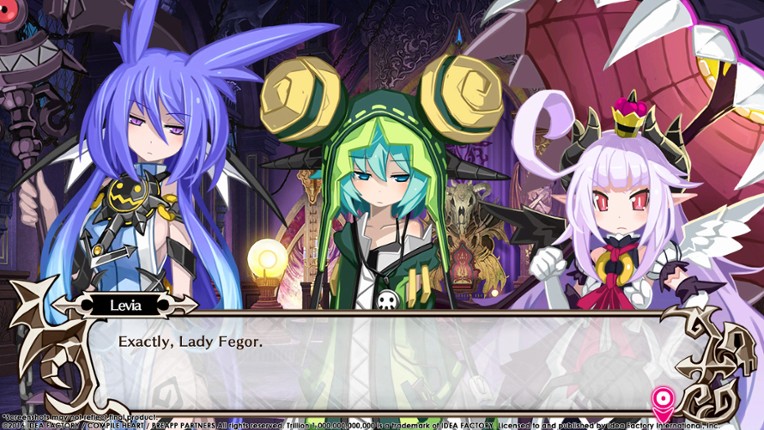
    • “The character development, the dialogue, the circumstances, the occasional hopelessness feeling... oh, and also the overlords personify each of the seven deadly sins, for example, the sin of sloth or envy. You can actually see the characters exhibiting these traits, leading to some humorous situations often.”
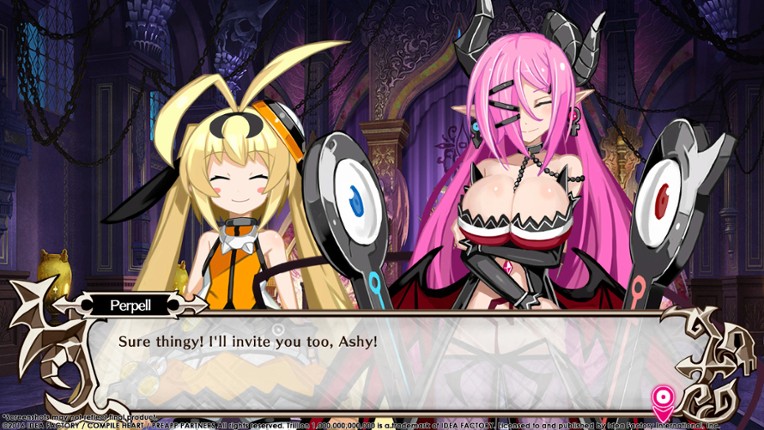
    • “There's a Compile Heart spin on the character designs though—just as with the Neptunia girls, each overlord has individualized costumes that complement their personalities very well.”
    • “I played the game because of the cute character designs, but the whole crying for mercy murderfest is off-putting (again, all offscreen, but there is voiced dialogue, and it's long).”
    • “This would not be a problem if said characters were expendable, boring, and lifeless NPCs; however, here's where the story, or should I say character development, kicks in.”
    • “As for character development, this is a bit of a difficult conversation to have with you, dear reader.”
  • humor
    10 mentions Positive Neutral Negative

    The humor in the game is a well-balanced blend of wit, parody, and heartfelt moments, effectively combining comedy with emotional and serious storytelling. Players appreciate the funny, quirky characters and amusing writing style, which enhances the overall engaging narrative despite occasional drama. The game’s humor is often compared to series like Disgaea and Neptunia, contributing to its charm and appeal.

    • “The writing is surprisingly heartfelt, blending humor, tragedy, and camaraderie in a way that keeps players invested.”
    • “Well, I like the JRPG with a nice funny story and parody.”
    • “It's generally a good game, it's funny and lovely.”
  • stability
    7 mentions Positive Neutral Negative

    The game suffers from frequent freezing and crashing, often interrupting progress and requiring repeated attempts to complete fights. Despite adequate hardware, many players experience significant bugs and stability issues, including slow animations and buggy combat mechanics. Overall, the game's instability greatly detracts from the enjoyment.

    • “I've fought the same fight about 4 times because it freezes so much.”
    • “Even if your computer has more than enough specs for it, the game simply refuses to play and just freezes up.”
    • “Its fun but it freezes far too often; usually Compile Heart and the Fidia company don't have this issue, but this game freezes excessively.”
  • replayability
    5 mentions Positive Neutral Negative

    Replayability receives mixed feedback, with some players appreciating the roguelike and SRPG elements that offer substantial replay value, especially when unlocking multiple character endings. However, others find it somewhat grindy and feel that once key strategies are discovered, the incentive to replay diminishes. Overall, replay value ranges from moderate to good depending on player expectations.

    • “It's a great roguelike + SRPG + sim with great replay value.”
    • “Considering how you'd quite definitely lose at least your first 3 overlords on your first playthrough, there's quite a bit of replayability if you're seeking to unlock every single character ending.”
    • “Replayability is somewhat mixed, considering once you figure out how to get the ending with one of the overlords, you could probably apply that strategy to get the ending with the rest of them.”
    • “So... fun once, but a bit grindy and not a ton of replay value.”
  • optimization
    4 mentions Positive Neutral Negative

    Optimization is generally praised for smooth performance with minimal issues, earning a high rating. However, some users note a lack of clarity regarding controller support and keyboard/mouse optimization, which may affect the gameplay experience. Overall, the game runs well but could improve in communicating control options.

    • “Performance: 10/10”
    • “The main tasks that are used to progress through each day impact various stats and numbers based on performance, and each one has importance.”
    • “I will not recommend this game only because there is no mention that it is a simple port that doesn't care if you have a controller or not. I unfortunately don't have a controller. Many games on the store page mention if a controller is needed or is the primary way of playing, meaning that it is not optimized for keyboard and mouse; this one does not.”
    • “And I got little performance issue.”
  • atmosphere
    3 mentions Positive Neutral Negative

    The atmosphere is marked by a mix of slowed pacing due to pauses, which dampens energy, but is enhanced by a very nice soundtrack that adds depth. Additionally, moments of despair following character defeats contribute to a somber mood.

    • “Very nice soundtrack which greatly enhances the atmosphere.”
    • “The atmosphere of despair after the defeat of another character is deeply felt.”
    • “The pauses bring things to a snail's pace and really affect the energetic atmosphere.”
    • “The pauses bring things to a snail's pace and really kill an energetic atmosphere.”
    • “The atmosphere of despair after the defeat of another character.”
  • monetization
    1 mentions Positive Neutral Negative

    The game's monetization is not heavily emphasized or intrusive, contributing to a unique experience. However, the developers faced challenges in marketing, making the game somewhat of an underappreciated hidden gem.

Skip Critic Reviews
Skip Game Offers

Buy Trillion: God of Destruction

15h Median play time
12h Average play time
5-18h Spent by most gamers
*Based on 2 analyzed playthroughs
Skip Videos

Videos

Skip Games Like Trillion: God of Destruction
Skip FAQs

Frequently Asked Questions

Trillion: God of Destruction is a role playing game with fantasy, anime and erotic themes.

Trillion: God of Destruction is available on PC, Windows, PlayStation and PlayStation Vita.

On average players spend around 12 hours playing Trillion: God of Destruction.

Trillion: God of Destruction was released on November 7, 2016.

Trillion: God of Destruction was developed by PREAPP PARTNERS.

Trillion: God of Destruction has received mostly positive reviews from both players and critics. Most players liked Trillion: God of Destruction for its story but disliked it for its grinding.

Trillion: God of Destruction is a single player game.

Similar games include Agarest: Generations of War, Just Deserts, Death end re;Quest, Lost Eidolons, Conception II: Children of the Seven Stars and others.