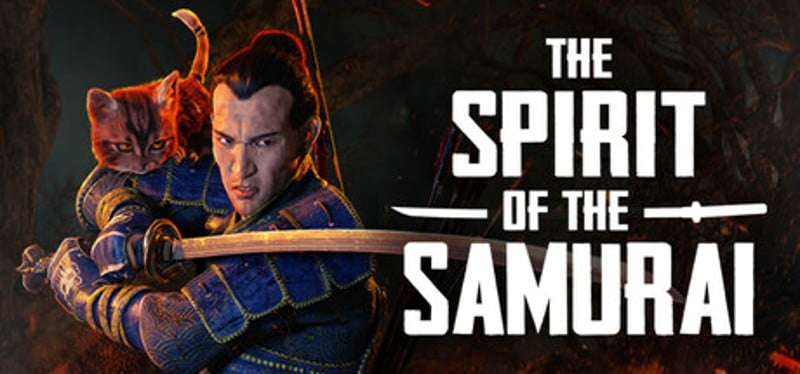
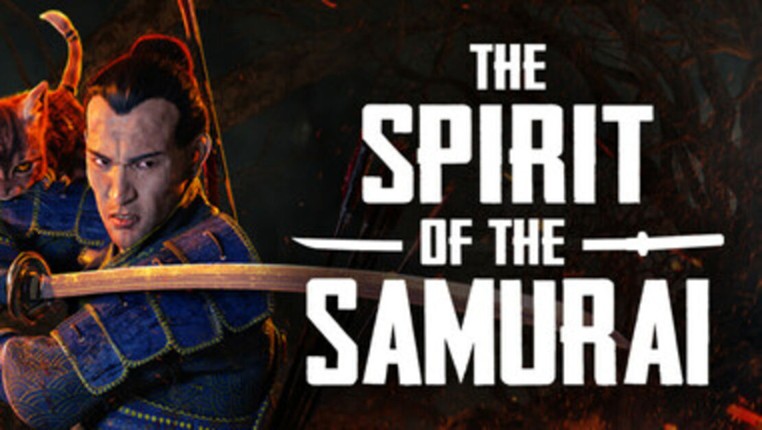
The Spirit of the Samurai Game Cover

About

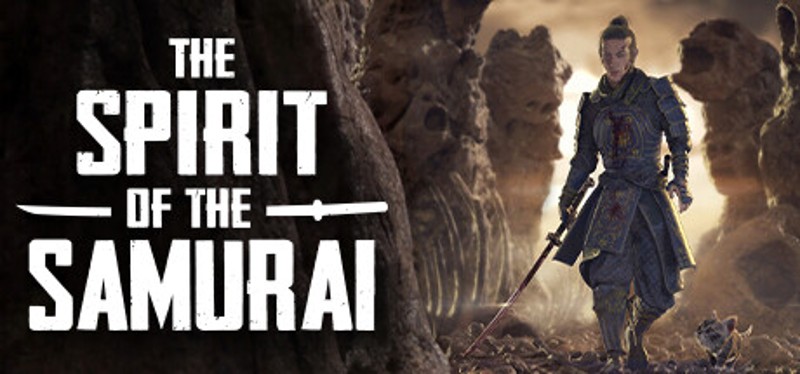
The Spirit of the Samurai is a single player action adventure game. It was developed by Digital Mind Games and was released on December 12, 2024. It received mostly positive reviews from critics and neutral reviews from players.

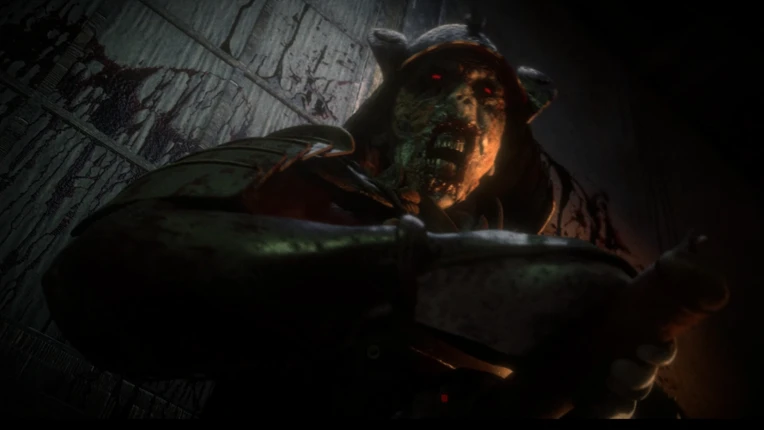
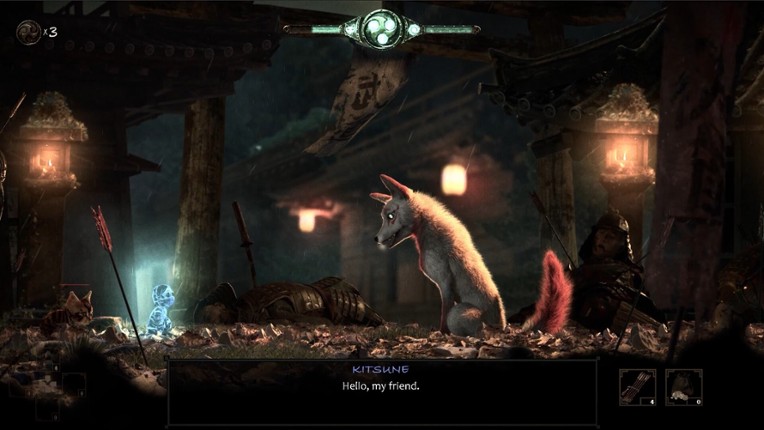
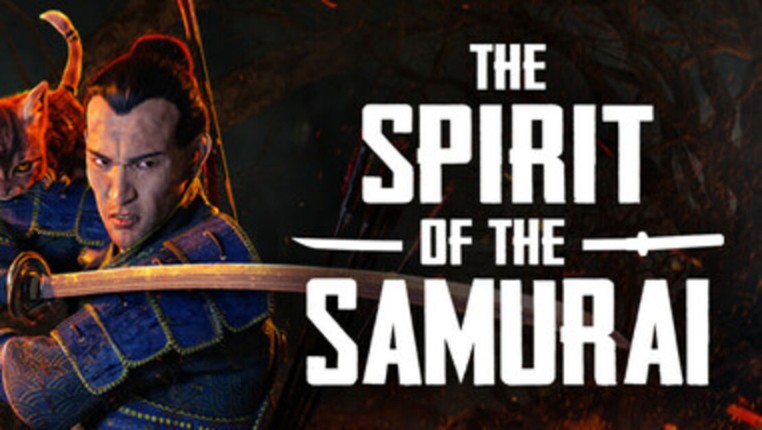
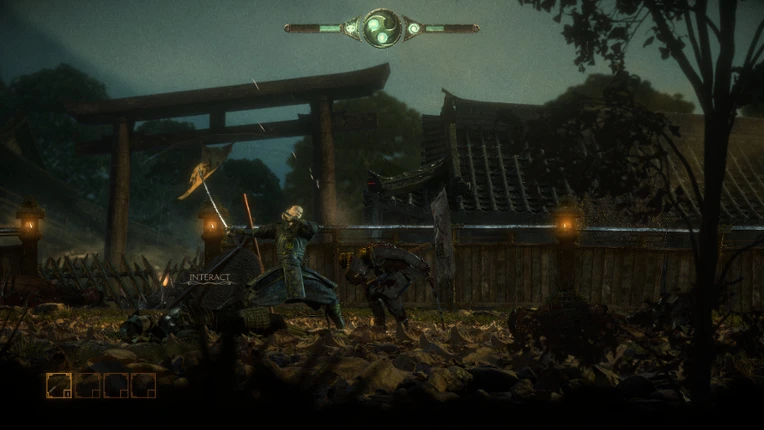
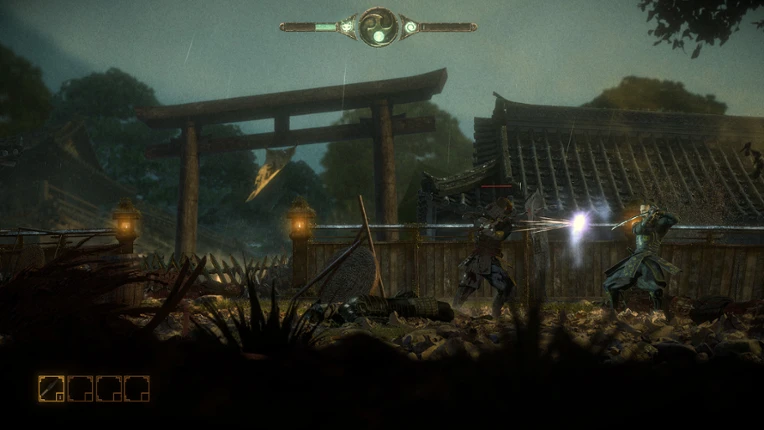
A village in peril. A samurai reanimated. An Oni advancing. Fight an army of undead warriors and Japanese monsters as a human, a Kodama, and a cat in this 2D stop-motion action adventure.
Play Modes
Skip User Reviews

59%
Audience ScoreBased on 150 reviews
graphics36 positive mentions
grinding8 negative mentions

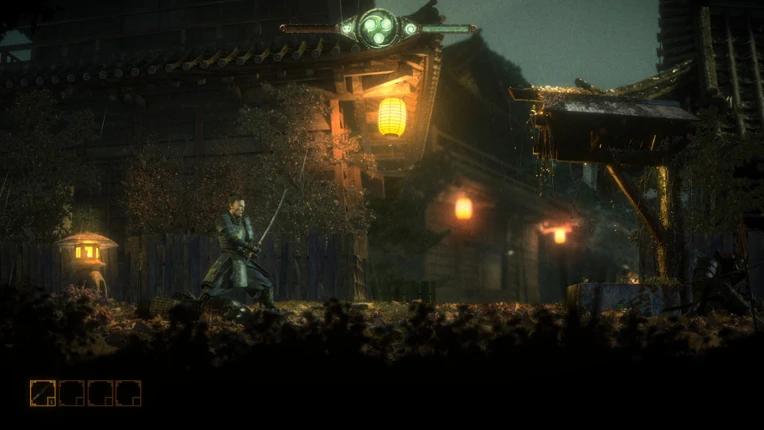
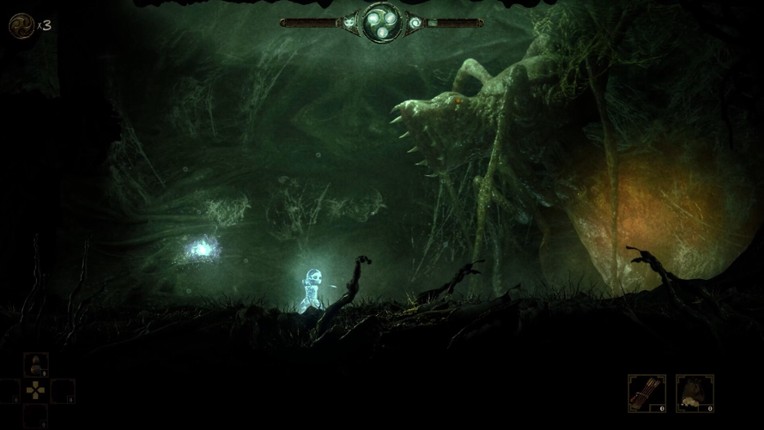
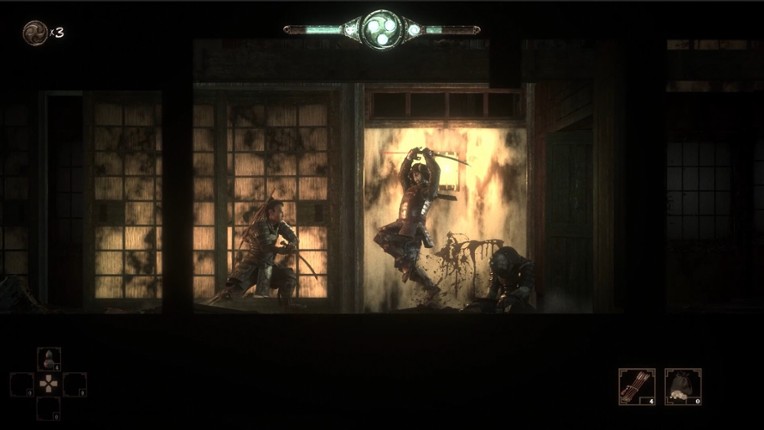
  • The Spirit of the Samurai features stunning visuals and a unique stop-motion art style that immerses players in a beautifully crafted world inspired by Japanese mythology.
  • The combat system allows for a variety of combos and character abilities, providing a level of customization that enhances the gameplay experience.
  • The narrative is engaging, with a blend of tragedy and mysticism that resonates with players, supported by strong character dynamics and environmental storytelling.
  • The gameplay suffers from clunky controls and inconsistent hit detection, leading to frustrating combat experiences and moments where attacks fail to register.
  • Platforming sections are poorly designed, often obscured by foreground elements, making it difficult to navigate and resulting in unfair deaths.
  • Technical issues, including bugs and performance drops, detract from the overall experience, making it feel unpolished and incomplete.
  • graphics
    86 mentions Positive Neutral Negative

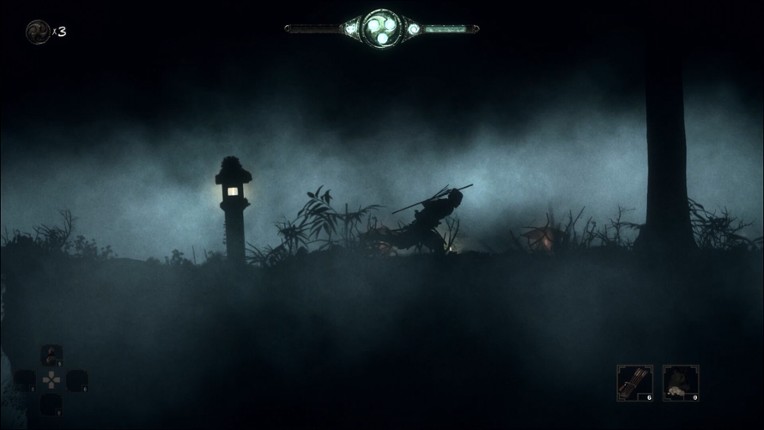
    The graphics of the game have received widespread acclaim for their stunning stop-motion aesthetic and rich atmospheric design, immersing players in a beautifully crafted world inspired by Japanese mythology. Many reviewers highlight the unique visual style as the game's standout feature, often overshadowing gameplay mechanics that some found lacking. Overall, the art direction is praised as a masterclass in presentation, making it one of the most visually distinctive indie titles of the year.

    • “Accompanied by an evocative soundtrack featuring traditional Japanese instrumentation fused with haunting ambient tones, the aesthetic presentation fully immerses players in its mythic setting.”
    • “Many praise its stunning visuals, rich atmosphere, and dedication to Japanese mythology, calling it one of the most visually unique indie titles of its year.”
    • “The spirit of the samurai is the complete package with stunningly original visuals that combine photorealistic assets with a quirky stop-motion feel to create something I have never seen in my 50 years of gaming.”
    • “Despite the art style being the only redeeming factor, it sadly impedes the level clarity.”
    • “All focus was placed on the stop motion visuals which comes at the cost for level design and gameplay, ultimately squandering the effort placed on style.”
    • “The other issue is the animation, the game embraces the stop motion aesthetics, but that has the negative effect of looking like the game is running choppy and it feels like the animation is dropping frames.”
  • gameplay
    83 mentions Positive Neutral Negative

    The gameplay of "The Spirit of the Samurai" is a mixed bag, blending metroidvania elements with action-adventure mechanics, but often falling short in execution. While the artistic presentation and unique combat mechanics are praised, many players report clunky controls, frustrating mechanics, and a lack of polish that detracts from the overall experience. Despite its engaging narrative and beautiful visuals, the gameplay can feel monotonous and unrefined, leading to a frustrating experience for those seeking a well-designed game.

    • “From a gameplay perspective, the spirit of the samurai positions itself between a metroidvania and an action-adventure brawler.”
    • “The spirit of the samurai is a fantastic game—its gameplay is engaging, the soundtrack is beautiful, and the spooky environments are immersive.”
    • “It’s very charming and intriguing in terms of game mechanics (like how character health also serves as stamina or the ability to create your own combo moves), music, and visuals.”
    • “However, despite its artistic excellence, the gameplay sometimes struggles to meet the same level of refinement.”
    • “The game’s best moments are when you're in control of Takeshi, but even then, rough edges like frustrating enemy placements, clunky mechanics, and enemy attack speed/frequency leave little to no time for using potions, all really detract from the experience.”
    • “The gameplay itself is atrocious.”
  • story
    69 mentions Positive Neutral Negative

    The game's story is praised for its artistic depth, emotional resonance, and incorporation of Japanese folklore, though it often relies on environmental storytelling and visual symbolism rather than dialogue. While many players find the narrative engaging and immersive, some criticize its pacing and the lack of character development, suggesting that gameplay mechanics sometimes overshadow the storytelling. Overall, the story is seen as a compelling backdrop that enhances the game's aesthetic, despite some technical shortcomings.

    • “The story unfolds with minimal dialogue, relying instead on environmental storytelling, visual symbolism, and spiritual encounters.”
    • “Its blend of folklore, emotional storytelling, and creative animation techniques make it a rare and admirable entry in the action-adventure genre.”
    • “I loved the stop-motion style, and it's worth highlighting the game's story, which is very well done with Japanese mythological characters.”
    • “Ultimately, I can't recommend it; it just feels too janky and the story too convoluted.”
    • “While the narrative has a few twists, it’s hard to care about the characters or the world, sacrificing storytelling in favor of gameplay.”
    • “Its just a lame samurai game with a non-existing story, clunky and bad boring gameplay and an aesthetic that only carries it through the first half; once you're back to your body, it looks ugly and the same.”
  • atmosphere
    19 mentions Positive Neutral Negative

    The game's atmosphere is widely praised for its stunning visuals and deep immersion, blending elements of Japanese mythology with beautifully crafted environments, such as misty forests and haunted shrines. Players appreciate the dark, moody aesthetic and the captivating music that enhances the experience, although some note that the film grain effect can detract from the overall clarity. Overall, the game's artistic style and atmospheric depth create a unique and engaging journey, making it a standout indie title despite some gameplay shortcomings.

    • “The premise feels like a blend of myth and legend, and from the opening moments, it establishes a world steeped in atmosphere—one that is both sorrowful and otherworldly.”
    • “Each environment—from mist-covered forests and haunted shrines to decaying villages—is carefully framed with atmospheric lighting and cinematic depth.”
    • “For its aesthetics and atmosphere, it could be an indie-horror must-have, but it is not.”
    • “I quite like the dark atmosphere and the developers' rendition of Japanese folklore.”
    • “Sots's stop-motion animation and dark, moody aesthetic create a visually striking atmosphere that really pulls you into its feudal Japanese setting.”
  • optimization
    18 mentions Positive Neutral Negative

    The game's optimization has received mixed reviews, with many players noting significant performance issues, particularly in visually demanding scenarios like heavy fog and fire areas. While some updates have improved performance, players still experience frame drops and lag during extended gameplay, leading to a frustrating experience that detracts from the otherwise engaging story and visuals. Overall, the game's technical shortcomings have left many feeling disappointed, with calls for further optimization before they can fully recommend it.

    • “Performance is also great, no stutters.”
    • “I’m also glad the Steam Deck performance improved and I’ll gladly evaluate it again in the future.”
    • “After an update that improved performance, alongside other quality of life changes, the experience was buttery smooth for the rest of the journey through the game on even the highest quality settings.”
    • “First off, I finished the game after the third big update, and even then, the performance was poor at times (I can remember three parts where it happened, always when the scenario had a heavy fog effect).”
    • “It is very sad that great animations, style, and story had to co-exist with such poor gameplay and optimization.”
    • “A wonderful and gorgeous game, pulled down and dragged through the mud by absolutely unacceptable performance problems.”
  • music
    13 mentions Positive Neutral Negative

    The music in the game is widely praised for its evocative blend of traditional Japanese instrumentation and haunting ambient tones, which effectively immerses players in the mythic setting. Reviewers highlight the soundtrack's ability to enhance both combat intensity and serene exploration, contributing to the overall high-quality aesthetic experience. The combination of beautiful music, sound design, and captivating visuals creates a charming and engaging atmosphere throughout the game.

    • “Accompanied by an evocative soundtrack featuring traditional Japanese instrumentation fused with haunting ambient tones, the aesthetic presentation fully immerses players in its mythic setting.”
    • “From the moment I started playing, the music transported me straight into feudal Japan, blending traditional Japanese instrumentation with haunting, atmospheric melodies.”
    • “The OST perfectly balances moments of intensity during combat with serene, almost meditative pieces when exploring.”
    • “Music/sound design:”
    • “A shame as I really did like the art style a whole lot as well as the music, sound effects, and voice acting.”
    • “It’s very charming and intriguing in terms of game mechanics (like how character health also serves as stamina or the ability to create your own combo moves), music, and visuals.”
  • grinding
    9 mentions Positive Neutral Negative

    Players find the grinding aspect of the game to be tedious and frustrating, particularly after a few hours of play. Many express dissatisfaction with the combat mechanics, which often lead to repetitive and confusing encounters, as well as the lack of meaningful progression options. Tasks like collecting items and fighting enemies in dark environments contribute to a sense of monotony, detracting from the overall enjoyment of the game.

    • “Game switched from pretty fun to tedious at around 3 hours; the underground egg hunt and spider boss just leave me asking why.”
    • “It's much more efficient to just full guard and counterattack for most situations, making most of the fights extremely tedious.”
    • “Having to fight one type of enemy in dark, samey caves where I can barely see the spiders, doing menial tasks like destroying 29 spider eggs just to progress is so boring and tedious, I nearly shut the game off.”
  • stability
    8 mentions Positive Neutral Negative

    The game suffers from significant stability issues, including frequent glitches, soft-locks, and freezes that hinder gameplay. Many users report that these bugs make the game feel unfinished and can disrupt progress, especially when running at higher frame rates. Overall, the stability of the game is a major concern for players.

    • “The game is also quite buggy.”
    • “The game seems unfinished; there are glitches.”
    • “And while all this above is bad, the worst of it is the constant soft-locks or freezes I kept getting.”
  • emotional
    7 mentions Positive Neutral Negative

    The emotional aspect of the game is highlighted by its rich narrative, which intertwines themes of redemption, duty, and companionship through the dynamic relationships between characters like Takeshi, the kodama, and Chisai. The authentic Japanese lore, combined with emotional voice acting and a carefully crafted score, enhances the overall experience, making the journey feel deeply resonant and culturally grounded. This blend of storytelling and creative animation techniques contributes to the game's unique emotional depth within the action-adventure genre.

    • “The dynamic between Takeshi, the Kodama, and Chisai provides both levity and emotional grounding, with their differing personalities reflecting the game’s central themes of redemption, duty, and companionship.”
    • “This narrative approach, while understated, adds emotional resonance and makes the journey feel deeply rooted in cultural authenticity.”
    • “Its blend of folklore, emotional storytelling, and creative animation techniques makes it a rare and admirable entry in the action-adventure genre.”
  • humor
    3 mentions Positive Neutral Negative

    The humor in the game is highlighted as a strong point, particularly in the combat mechanics, which some players find amusing despite occasional frustrations. Overall, it is regarded as a cool indie game that successfully incorporates humor into its design.

    • “The combat is funny—I enjoyed it—but at times it was frustrating.”
    • “Funny thing is, playing poorly designed games actually helps me learn more about myself.”
    • “Anyway, it's a cool indie game, very funny.”
  • character development
    3 mentions Positive Neutral Negative

    Character development is highlighted by stunning aesthetics and beautiful graphics that enhance immersion, although the film grain effect can detract from the overall experience by making visuals appear less clean.

    • “Character designs stand out with beautiful aesthetics, and the atmospheric visuals contribute to the overall immersion.”
    • “+ beautiful graphics and character designs”
    • “Character design”
Skip Critic Reviews

69%Critics’ scoreBased on 1 critic reviews
Skip Game Offers

Buy The Spirit of the Samurai

4h Median play time
4h Average play time
4-4h Spent by most gamers
*Based on 1 analyzed playthroughs
Skip Videos

Videos

Skip Games Like The Spirit of the Samurai
Skip FAQs

Frequently Asked Questions

The Spirit of the Samurai is a action adventure game.

The Spirit of the Samurai is available on PC, Steam Deck and Windows.

On average players spend around 4 hours playing The Spirit of the Samurai.

The Spirit of the Samurai was released on December 12, 2024.

The Spirit of the Samurai was developed by Digital Mind Games.

The Spirit of the Samurai has received mostly positive reviews from players and mostly positive reviews from critics. Most players liked this game for its graphics but disliked it for its optimization.

The Spirit of the Samurai is a single player game.

Similar games include The Last Case of Benedict Fox, Echoes of the End: Enhanced Edition, Enotria: The Last Song, Shattered: Tale of the Forgotten King, Lords of the Fallen and others.