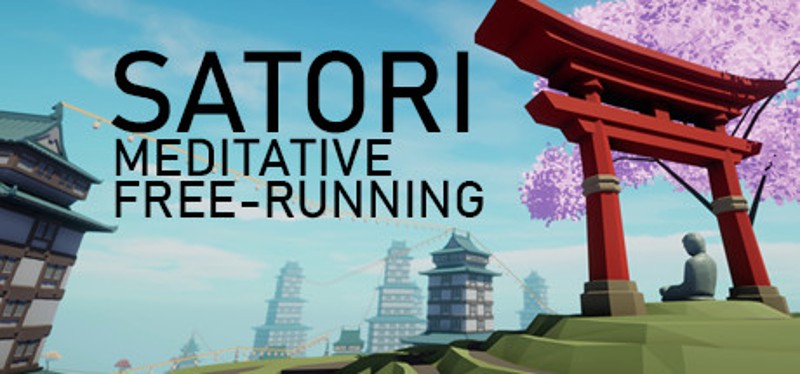
SATORI Game Cover

About

SATORI is a single player open world platformer game. It was developed by Emotion Theory and was released on August 6, 2021. It received mostly positive reviews from players.

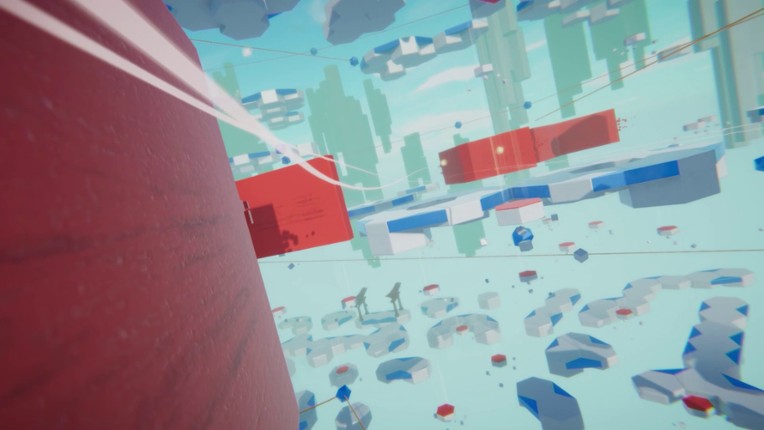
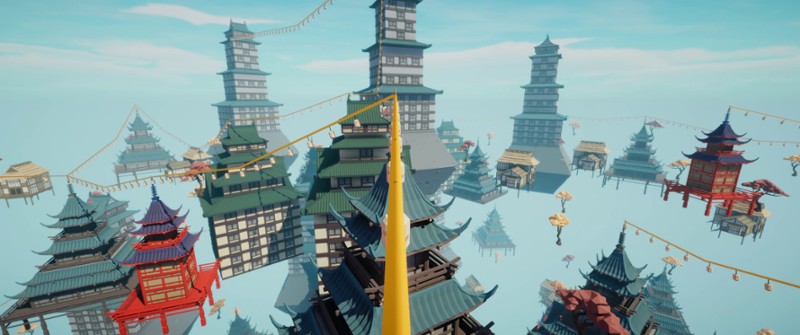
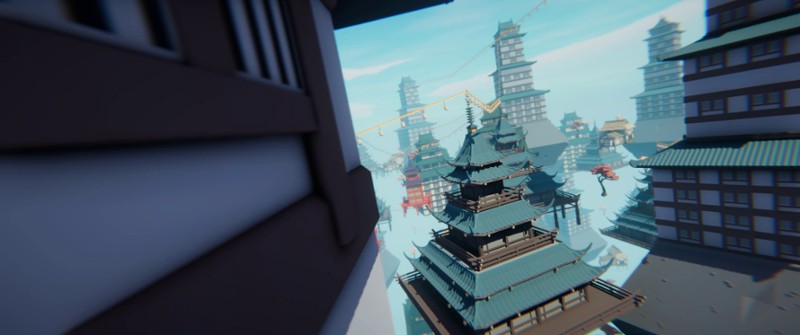
"SATORI is a first-person, flow-inducing parkour game with abilities like wall-running, air-dashing, and grapple-swinging in infinite, procedurally generated open worlds. Experience freedom, power, and the journey to enlightenment while chaining movements, collecting various items, and taking it all in at your own pace. Inspired by top AAA parkour games, SATORI offers stunning visuals, playful learning, and relaxation."

Skip User Reviews

79%
Audience ScoreBased on 34 reviews
gameplay5 positive mentions
grinding2 negative mentions

  • The movement mechanics are fluid and enjoyable, allowing for a fun parkour experience that feels satisfying to master.
  • The game provides a relaxing and meditative atmosphere, making it a great choice for players looking to unwind without the pressure of combat or time limits.
  • The procedural generation offers a fresh experience with each play session, encouraging exploration and experimentation in traversal.
  • The lack of variety in environments and procedural generation leads to repetitive gameplay, with many levels feeling similar and uninspired.
  • The user interface is poorly designed and can be confusing, lacking helpful tooltips and clear information about game mechanics and objectives.
  • There are significant bugs and inconsistencies in controls, particularly with traversal mechanics, which can disrupt the immersive experience.
  • gameplay
    31 mentions Positive Neutral Negative

    The gameplay in Satori emphasizes fluid movement and parkour mechanics, allowing players to traverse levels by collecting orbs while utilizing abilities like dashes and double jumps. While the mechanics are enjoyable and can lead to satisfying movement experiences, some players may find the gameplay repetitive due to a lack of environmental variety and progression depth. Overall, the game offers a calming, meditative experience, though it suffers from inconsistencies in execution and a somewhat chaotic design that can hinder the seamless integration of its mechanics.

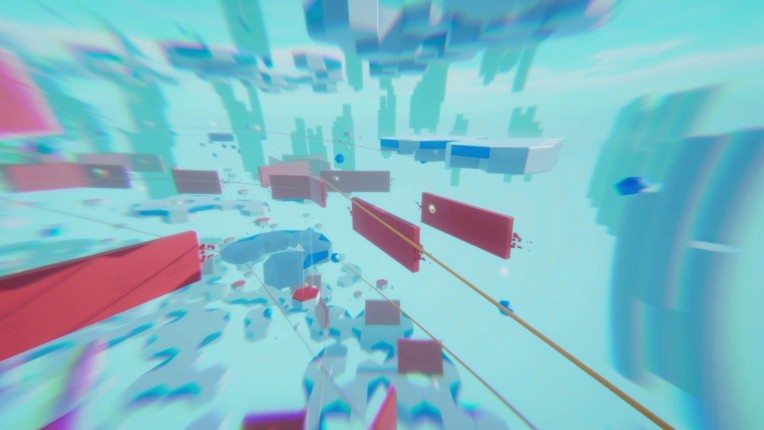
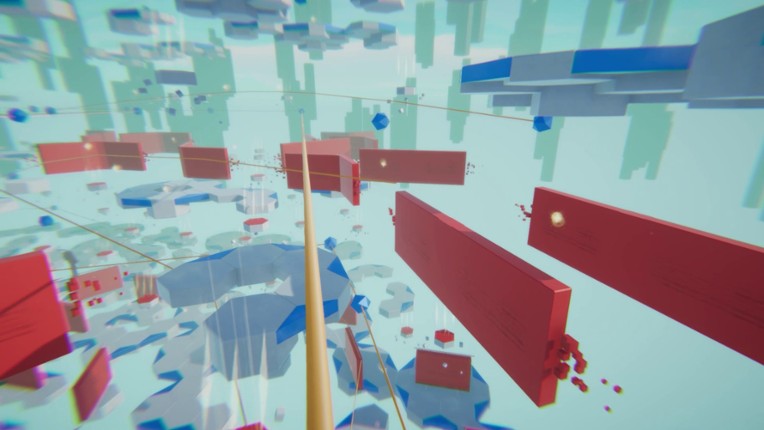
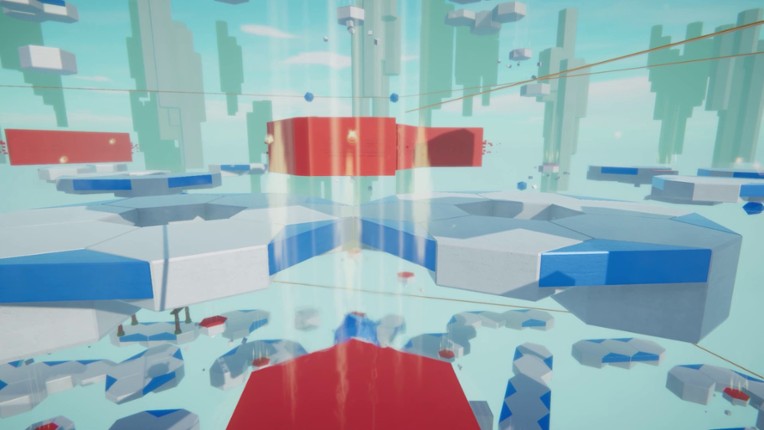
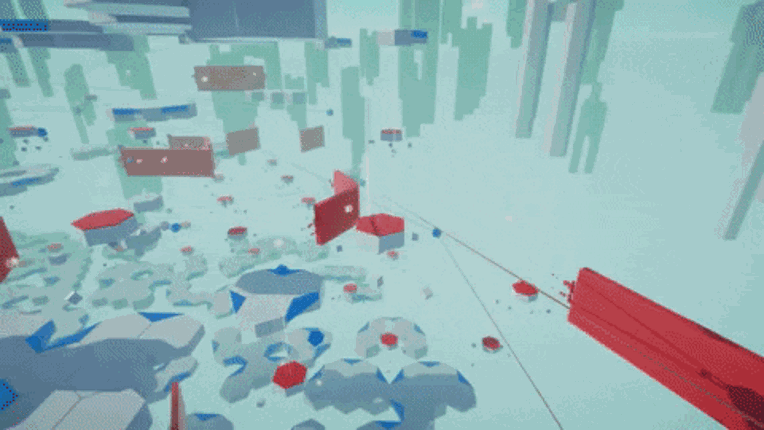
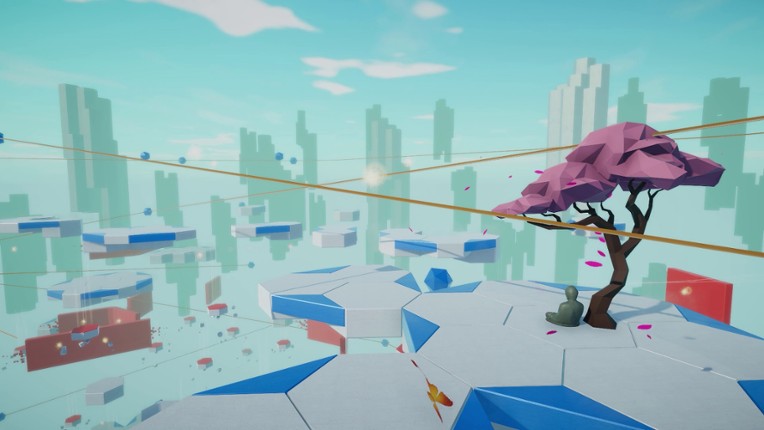
    • “The levels are made of a grey base, floating platforms, and color-coded parkour terrain unique to the mechanics.”
    • “Gameplay consists of collecting 200 orbs to unlock the next generated level by parkouring across the aforementioned terrain.”
    • “The movement and momentum building is a blast to play around with, and I imagine if someone were to master and learn the intricacies of the mechanics, they could make some great clips and have fun speed clearing levels.”
    • “There are however massive gaps between parkour terrain that can result in clunky gameplay, especially when all momentum stops upon touching the grey terrain regardless of your inertia.”
    • “The actual gameplay experience lacks content seen in promotional material, and it lacks a reason to play beyond one level or a reason to return even as a quick load for a meditative experience due to the lack of variation in visuals and object placement.”
    • “The entire game feels like a messy playground with disconnected areas of separate mechanics that you're meant to try and connect yourself, though the effect is subdued because the aforementioned mechanics don't mesh very well together when you actually try to experiment.”
  • graphics
    6 mentions Positive Neutral Negative

    The graphics in Satori are characterized by a bright, minimalistic, and dreamlike aesthetic reminiscent of Mirror's Edge, featuring a limited color palette and industrial environments. However, players criticize the lack of visual variety and procedural generation, noting that the actual game experience falls short of the diverse and engaging content promised in promotional materials. Overall, while the visuals have a certain charm, they do not provide enough variation to sustain long-term interest.

    • “Every level features Mirror's Edge-like industrial aesthetics with color-coded parkour mechanical terrain.”
    • “Still, the visuals hold a certain charm—bright, minimalistic, and dreamlike.”
    • “The art style seems to be inspired by Mirror's Edge with a limited color palette and bright pathways for parkour routes.”
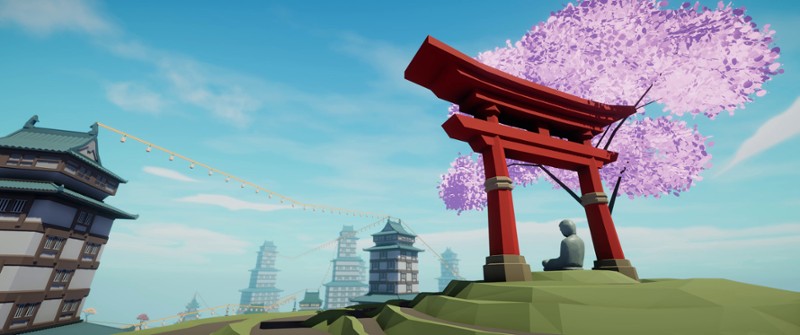
    • “Despite the fun parkour experience, Satori at full price is not worth a recommendation given it lacks any form of variety in the procedural generation of levels. The visuals are unchanging, and the promotional material on the Steam store is outdated and inaccurate, presenting content that is non-existent or extremely rare, such as buildings, torii gates, grass, etc.”
    • “The actual gameplay experience lacks content seen in promotional material, and it lacks a reason to play beyond one level or a reason to return even as a quick load for a meditative experience due to the lack of variation in visuals and object placement.”
    • “The art style seems to be inspired by Mirror's Edge with the limited color palette and bright pathways for parkour routes, but compared to what's in the trailer, the world in the game I experienced was even more limited.”
  • music
    5 mentions Positive Neutral Negative

    The music in the game features a soft, ambient soundtrack that enhances the calming atmosphere and complements gameplay without being intrusive. While it serves as a fantastic background for other activities, some players express a desire for more musical options or the ability to customize the soundtrack. Overall, the music effectively supports the game's vibe but could benefit from additional variety.

    • “This atmosphere is supported by a soft, ambient soundtrack that matches the calming pace of the game and complements the moment-to-moment gameplay without drawing too much attention to itself.”
    • “Fantastic background game for conversations, podcasts, music, etc. Movement is a tiny bit wonky but very fun and satisfying.”
    • “It just needs music.”
    • “More environment types, more collectible types (maybe?), maybe even tricks, some platforming puzzles, multiplayer (though be careful if you decide to implement text or voice chat - a few select assholes could very easily ruin the vibe), a zen soundtrack or the option to load your own music...”
  • emotional
    3 mentions Positive Neutral Negative

    The emotional aspect of the game is characterized by a minimalist design that emphasizes movement and exploration, which may not satisfy players seeking a deeper narrative or emotional engagement. However, for those who appreciate a visually stunning environment and the joy of fluid gameplay, the experience is described as heartfelt and rewarding.

    • “This minimalist approach is intentional—it focuses the player's attention entirely on the act of movement and discovery—but it may leave those who seek a more emotionally driven or plot-heavy experience wanting more.”
    • “For players looking to escape into a visually vibrant world where the main goal is to glide, dash, and soar with grace, Satori is a heartfelt and worthwhile journey.”
  • grinding
    2 mentions Positive Neutral Negative

    Players appreciate the game's responsive movement system, which features a variety of mechanics such as double-jumping, wall-running, grappling, air-dashing, and rail-grinding, enhancing the overall gameplay experience.

  • atmosphere
    1 mentions Positive Neutral Negative

    The game's atmosphere is enhanced by a soft, ambient soundtrack that aligns with its calming pace, effectively complementing the gameplay while remaining unobtrusive.

    • “This atmosphere is supported by a soft, ambient soundtrack that matches the calming pace of the game and complements the moment-to-moment gameplay without drawing too much attention to itself.”
  • story
    1 mentions Positive Neutral Negative

    The game lacks a compelling narrative, with no clear story progression, deep lore, or character interactions to engage players.

    • “There is no overt story driving the player forward, no deep lore to uncover, and no characters to interact with.”
  • stability
    1 mentions Positive Neutral Negative

    Users have reported issues with stability, noting that bounce platforms appear to hover awkwardly above the floor, creating a sense of misplacement. Additionally, some players experienced bugs, such as spawning inside a platform, which negatively impacted their initial gameplay experience.

    • “The bounce platforms hover just barely over the floor, which makes them look misplaced. I'm not sure if this was just for me, but the spawn was inside of a platform, which made the entrance experience feel buggy.”
    • “The game crashes frequently, making it nearly impossible to enjoy the experience without constant interruptions.”
    • “I encountered several glitches that caused my character to get stuck in the environment, ruining the flow of gameplay.”
Skip Game Offers

Buy SATORI

Skip Videos

Videos

Skip Games Like SATORI

Games Like SATORI

Himno Image
Mirror's Edge Catalyst Image
Demon Turf Image
Exo One Image
Project Earth ImageProject Earth ImageProject Earth Image
Skip FAQs

Frequently Asked Questions

SATORI is a open world platformer game.

SATORI is available on PC and Windows.

SATORI was released on August 6, 2021.

SATORI was developed by Emotion Theory.

SATORI has received mostly positive reviews from players. Most players liked this game for its gameplay but disliked it for its graphics.

SATORI is a single player game.

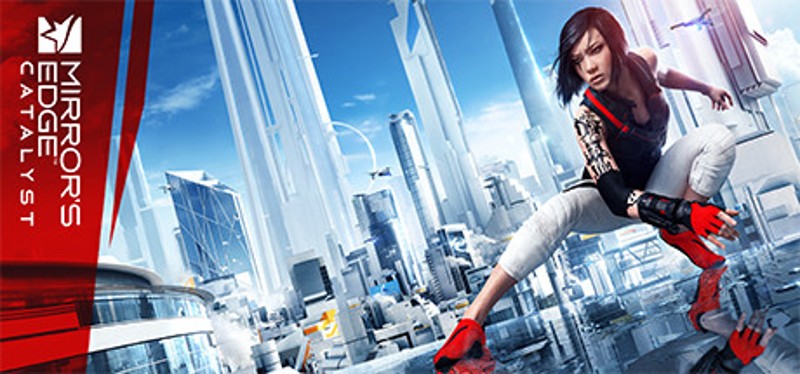
Similar games include Himno, Mirror's Edge Catalyst, Demon Turf, Exo One, Project Earth and others.