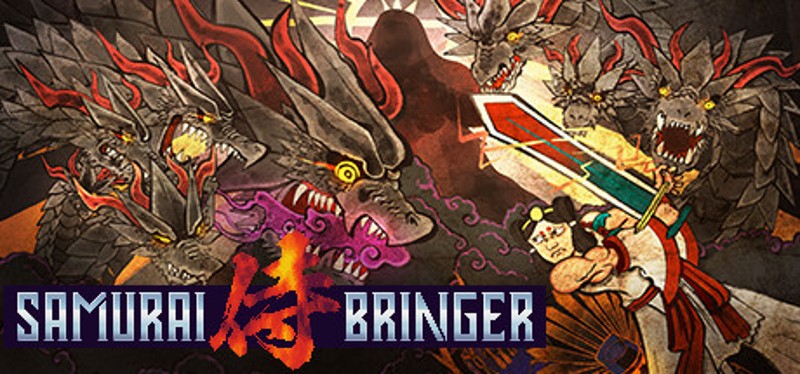
Samurai Bringer Game Cover

About

Samurai Bringer is a single player hack and slash game with a historical theme. It was developed by ALPHAWING Inc. and was released on April 21, 2022. It received positive reviews from players.

Samurai-themed hack n slash roguelite with procedurally generated levels
Skip User Reviews

88%
Audience ScoreBased on 427 reviews
gameplay32 positive mentions
grinding14 negative mentions

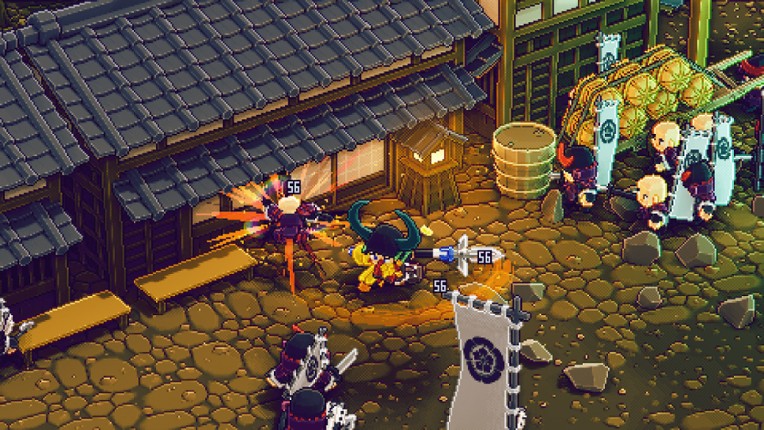
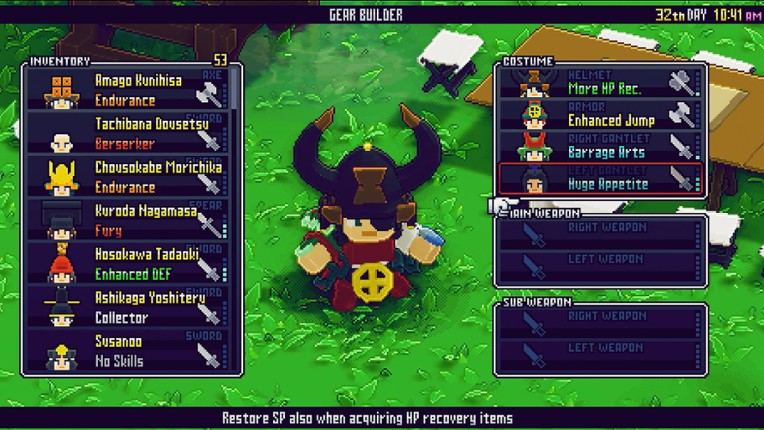
  • Highly customizable combat system with unique move and combo creation using scrolls and skills, offering deep experimentation and personal playstyle.
  • Engaging and satisfying gameplay loop combining roguelite progression with fast-paced musou-style hack-and-slash action.
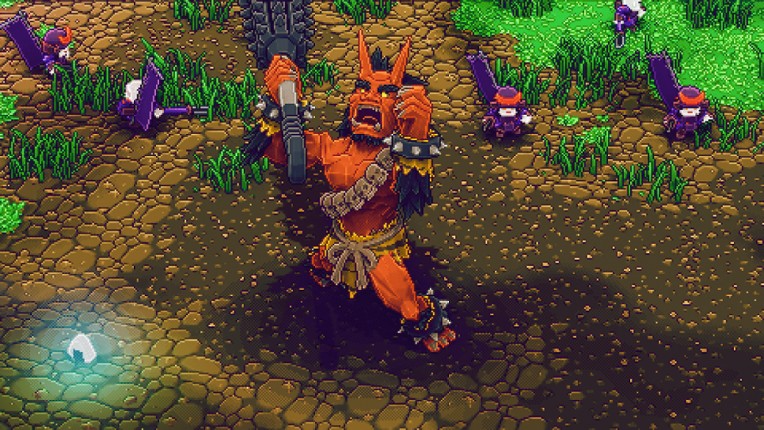
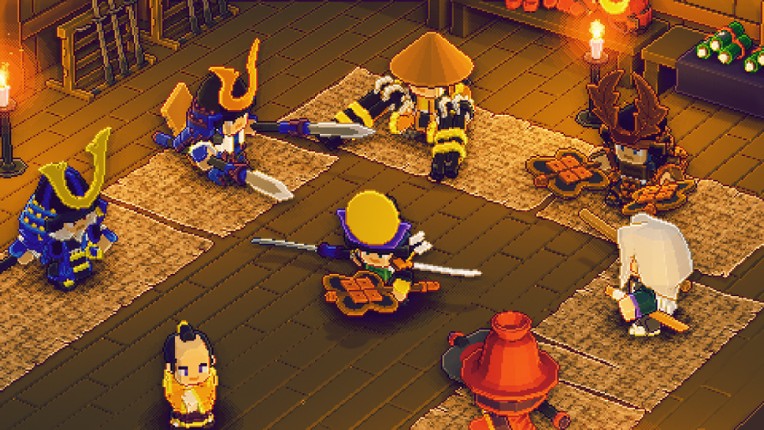
  • Charming retro-inspired art style and sound design with a rich cast of characters based on Japanese history and mythology, providing immersive atmosphere and replay value.
  • Clunky and unintuitive controls with poor default keybindings and lack of convenient customization options, requiring players to rebind controls each run.
  • Unbalanced difficulty curve featuring bullet-sponge bosses, stun-lock mechanics, and sporadic difficulty spikes causing frustration and repetitive grind.
  • Limited endgame content and progression variety leading to repetitive runs and lack of challenge once fully upgraded or after defeating the final boss.
  • gameplay
    89 mentions Positive Neutral Negative

    The gameplay is praised for its unique and satisfying combat mechanics, especially the ability to customize and combine attacks, offering deep experimentation and engaging boss fights. While the core loop is addictive and well-designed with a polished roguelite blend, some find it repetitive after extended play, hampered by clunky controls, limited tutorial explanations, and occasional camera and UI issues. Overall, it delivers a fun, creative experience with room for improved content, balance, and clarity.

    • “Amazing game with unique mechanics, art style, and creative ways to combine attack techniques to fight the samurai. It offers non-stop well-designed levels with normal difficulty, so you won't struggle most of the time.”
    • “Rather than relying on scripted sequences, the game derives its variety from constant mechanical recombination, encouraging players to adapt their approach with each attempt.”
    • “The gameplay is a mix of God Hand (fully customizable combos), Dynasty Warriors (enemy numbers + stun locking the enemy general) with a 'create your own attack' system which makes you the one who decides how strong or fast your attacks are.”
    • “I hate to wiki information about games, and it took me way too long to figure out the mechanics.”
    • “Considering how long winded the tutorial was on basic game mechanics, it's shocking that they didn't explain that you will get stunned if your SP reaches 0, or what the time of day mechanic does.”
    • “The gameplay is a bit clunky feeling, and the skill system although very interesting feels very under-explained and complex for the sake of being complex.”
  • graphics
    69 mentions Positive Neutral Negative

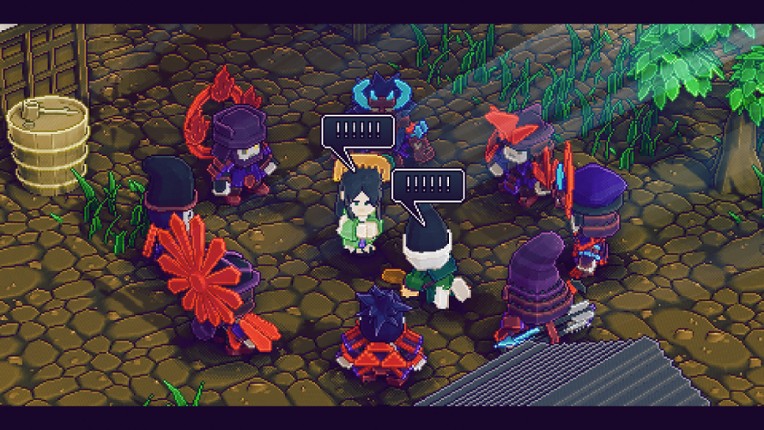
    The graphics of Samurai Bringer are widely praised for their unique, charming, and vibrant retro-inspired pixel and voxel art style, evoking PS1 and classic 16-bit aesthetics with modern clarity. The visuals blend nostalgic appeal with bright, colorful designs that complement the gameplay and atmosphere, making it highly engaging for fans of roguelikes and musou-style games, despite some minor camera or visual clarity issues. Overall, the art style is a standout feature that significantly enhances the game's appeal and identity.

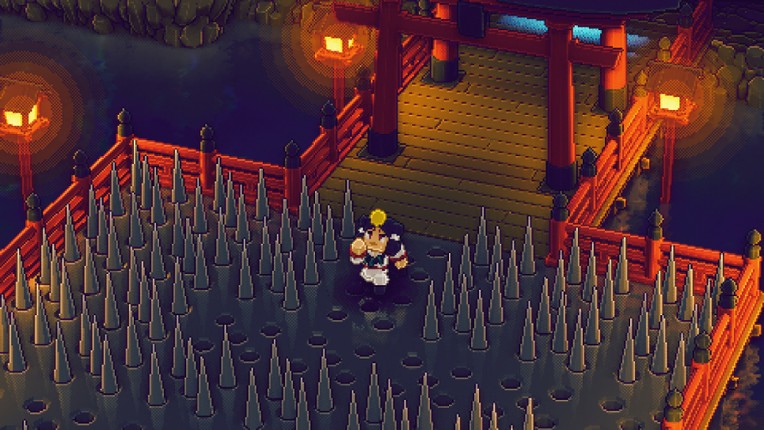
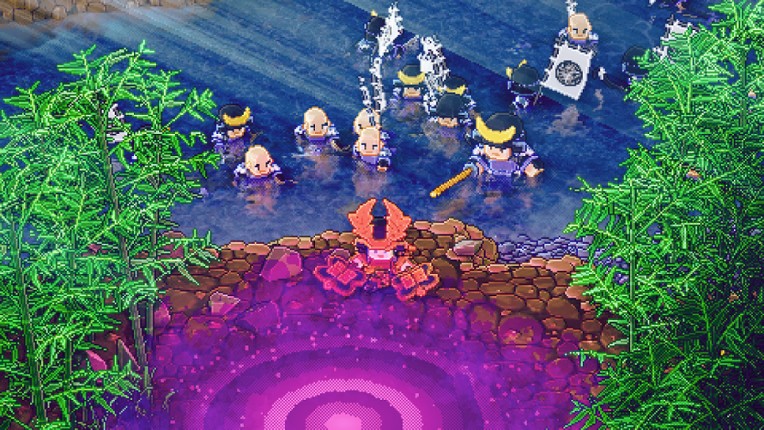
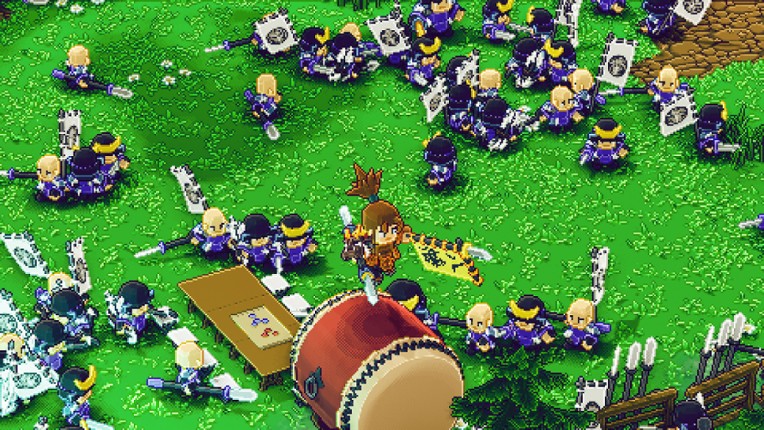
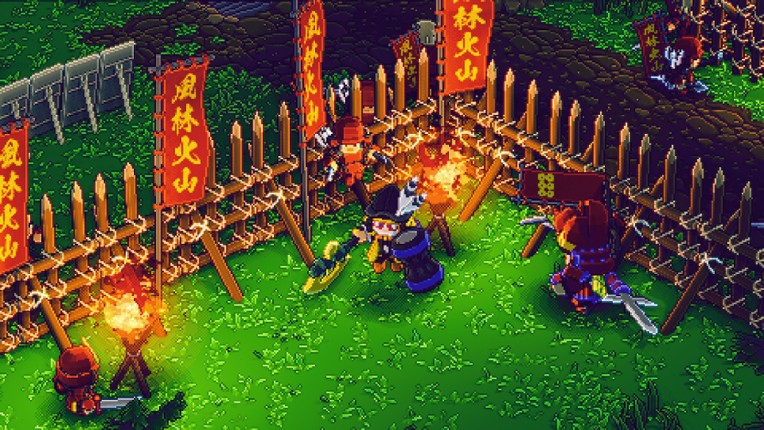
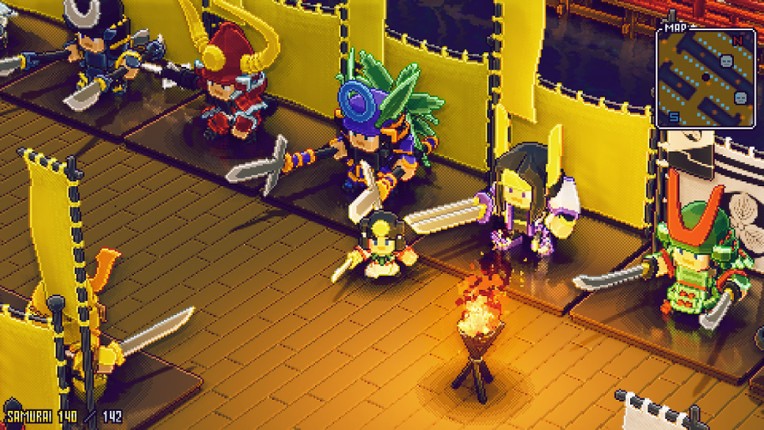
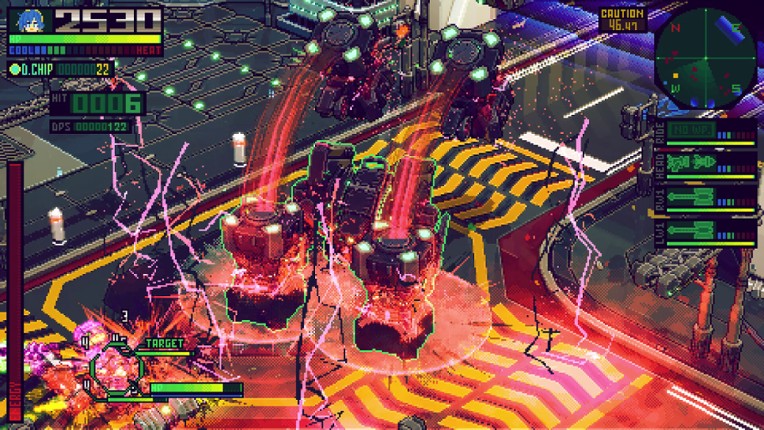
    • “Visually, Samurai Bringer adopts a bright, stylized pixel-art aesthetic that blends retro sensibilities with modern clarity.”
    • “The graphics are bright and vibrant, with a cute deformed design to its characters which highlights their iconic historic and legendary appearances, as well as a really great implementation of a pixel filter to really channel some old-school 16-bit vibes in tandem with the beep boop music and sound effects.”
    • “Musou-esque action with fantastic PlayStation-era visuals and one of deepest, most customizable "combo builder" mechanics I've ever seen in any game.”
    • “The graphics try to be a modern attempt to imitate PS1 era games but it makes everything blend together and hard to see visually, unlike the older games that had less and focused on making enemies and objects stand out to the player.”
    • “The pixel/voxel art style of this game is very pleasing to the eye, though the zoom and camera controls leave a bit to be desired.”
    • “Aside from infrequent minor graphical glitches, the visuals do not really impact gameplay, but the glitches are noticeable.”
  • music
    36 mentions Positive Neutral Negative

    The music in the game is energetic, catchy, and retro-inspired, often enhancing the action and overall experience, but it is frequently described as repetitive, grating, or overwhelming, with some complaints about loud or poorly mixed sound effects and occasional audio glitches. While some players appreciate the nostalgic vibe and enjoy the soundtrack, others recommend muting or adjusting volume due to its intensity or repetitiveness. Overall, the soundtrack adds to the game's charm for many, though audio issues and limited variety detract for others.

    • “Sound design complements this approach with impactful audio cues for attacks and abilities, while the soundtrack maintains an energetic pace that underscores the urgency of each encounter without becoming overwhelming.”
    • “Lovely cutesy polygonal models flying all over the place in swordfighting mayhem and a banger OST set the stage for some of the most memorable and joyous action I have experienced in games for the past few years.”
    • “The music, art, sound and general gameplay are all excellent, and amazing at this price point.”
    • “Music and sound effects are grating beyond anything I've ever heard; seriously, literally mute the entire game and keep it muted forever.”
    • “The audio is so bad... trying to turn off the music alone is not enough to fix the game.”
    • “The only downside is the music and sounds are kind of piercing and I had to turn it way down; they have an old-school sound to them which is cool but with a game where you are bashing hordes of mobs it can be a little overwhelming.”
  • replayability
    17 mentions Positive Neutral Negative

    The game offers strong replayability through its polished roguelite action and customizable movesets, appealing to fans of challenging, strategic gameplay. While many praise its depth and endless replay value, some note that the experience can feel repetitive after extended play, with limited variation in runs. Overall, it provides solid replay appeal, especially considering its price, though additional content could enhance longevity further.

    • “It does not attempt to deliver a sprawling narrative or endless mechanical layers, but instead refines a specific blend of action and roguelite design into a polished, replayable experience.”
    • “This game is astoundingly polished and has a significant amount of depth to it, with nearly endless replay value and cosmetic stuff too.”
    • “Really solid roguelite experience, solid graphics, a lot of replayability, combining moves to make new moves is extremely fun!”
    • “I think both balance (which I'll get to in a second) and replay value suffer due to this decision to let so much carry over.”
    • “Maybe in a few months or even a few years they will add actual sustainable content but currently it is fun for 10 hours and then good to never touch again. I can't see myself touching the game again in the current state it is in; there is zero replayability. Every run starts the same, proceeds the same, and ends the same.”
    • “The systems are smart, the style is awesome, but the balancing and replayability aren't great.”
  • grinding
    14 mentions Positive Neutral Negative

    The game features extensive and often tedious grinding required to progress and unlock powerful abilities, which is exacerbated by sluggish combat and clunky controls. While character customization and move-building are highlights, frequent reassignments after each run and monotonous endgame grinding diminish enjoyment. Overall, grinding feels repetitive and slow-paced, making progression feel like a chore despite some interesting mechanics.

    • “Once your attacks become powerful and you figure out how to speed run the maps and be efficient, you realize there's still so much end-game grinding because you'll never beat the final boss without unlocking even more.”
    • “The only other metric for power is your number of scrolls you can add to each move on your move list, which is limited by grinding (kill 100 enemies, kill 1000 enemies, kill 10,000 enemies, kill 100,000 enemies, kill 100 enemies with a sword, kill 1000 enemies with a sword, kill 100 enemies with a spear, kill 1000 enemies with a spear, etc.) and that just means you can do the moves you want more often or stack more scrolls to increase damage.”
    • “I didn't play much, but the idea seemed cool. However, you play the slowest, clunkiest character ever born in a game where you have to farm enemies to progress. Farming is fine in hack and slash games, but when your character swings and moves at sad speeds, with attacks that can't be canceled or dodged easily, it's hard to enjoy.”
  • story
    10 mentions Positive Neutral Negative

    The story is heavily inspired by Japanese mythology, creating a distinctive atmosphere, but it is generally seen as rushed, minimal, and borderline non-existent, with limited narrative depth. Players often view it more as a backdrop for action and gameplay rather than a rich, immersive plot.

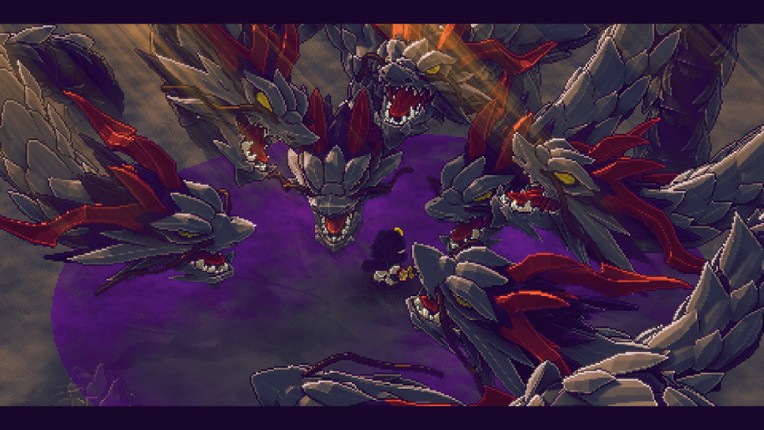
    • “The story draws heavily from Japanese mythology (Susanoo, Asura, Orochi, and the like), which gives it a distinctive atmosphere.”
    • “Art style, graphics, gameplay, and a cute little story to boot!”
    • “Don't let the game's prologue chapter fool you though, the story is borderline nonexistent.”
    • “The story is very rushed; it proceeds very fast and doesn't give you much of a window to take it all in as it charges through dialogue.”
    • “Not really much of a story, but more just a series of randomly generated levels for you to run around in and beat the hell out of little samurai dudes.”
  • stability
    3 mentions Positive Neutral Negative

    The game runs smoothly on both PC and Steam Deck, with only occasional FPS drops during large crowd scenes and minor graphical glitches that do not affect gameplay. Overall, stability is solid and performance remains good.

    • “Runs great on the Steam Deck, although big crowds cause the FPS to dip briefly to 30-40 until enemies clear.”
    • “Zero issues on PC with controller; looks and runs great.”
  • humor
    2 mentions Positive Neutral Negative

    The humor in the game emerges through creative gameplay, especially after building a deck of effects that allows for entertaining and experimental interactions. Players find these moments enjoyable and amusing once they delve deeper into the mechanics.

    • “Funny part is, I didn't discover that you could pause the game completely (without the slow-time ticking while you're in the menus) by pressing [backspace] until I was 10 hours into the game.”
    • “Once you've built up a decent deck of effects you can start doing some really funny stuff, and it's fun experimenting with.”
  • emotional
    2 mentions Positive Neutral Negative

    Players find the emotional engagement limited due to a lack of replayability and sustained content, making the experience enjoyable for a short time but ultimately repetitive and unmemorable. The game’s interesting combat system offers initial excitement, but runs feel too similar, reducing long-term emotional impact.

  • optimization
    2 mentions Positive Neutral Negative

    The game is well-optimized, running smoothly with no performance issues even during intense particle effects, exceeding user expectations.

    • “Zero performance issues on my end, game runs and plays great.”
    • “Performance is great even when I expected it not to be; sometimes the particle effects can get pretty wild.”
  • atmosphere
    1 mentions Positive Neutral Negative

    The game's atmosphere is distinctively enriched by its deep roots in Japanese mythology, featuring elements like Susanoo, Asura, and Orochi, which create an immersive and culturally rich experience.

    • “The story draws heavily from Japanese mythology (Susanoo, Asura, Orochi, and the like), which gives it a distinctive atmosphere.”
  • character development
    1 mentions Positive Neutral Negative

    Character development is present but limited, with puzzle-solving elements adding an engaging dimension to the experience.

Skip Game Offers

Buy Samurai Bringer

11h Median play time
27h Average play time
10-57h Spent by most gamers
*Based on 5 analyzed playthroughs
Skip Videos

Videos

Skip Games Like Samurai Bringer
Skip FAQs

Frequently Asked Questions

Samurai Bringer is a hack and slash game with historical theme.

Samurai Bringer is available on PC, PlayStation 4 and Windows.

On average players spend around 27 hours playing Samurai Bringer.

Samurai Bringer was released on April 21, 2022.

Samurai Bringer was developed by ALPHAWING Inc..

Samurai Bringer has received positive reviews from players. Most players liked Samurai Bringer for its gameplay but disliked it for its grinding.

Samurai Bringer is a single player game.

Similar games include Metal Bringer, UnderMine, Slasher's Keep, Heart&Slash, Crown Trick and others.