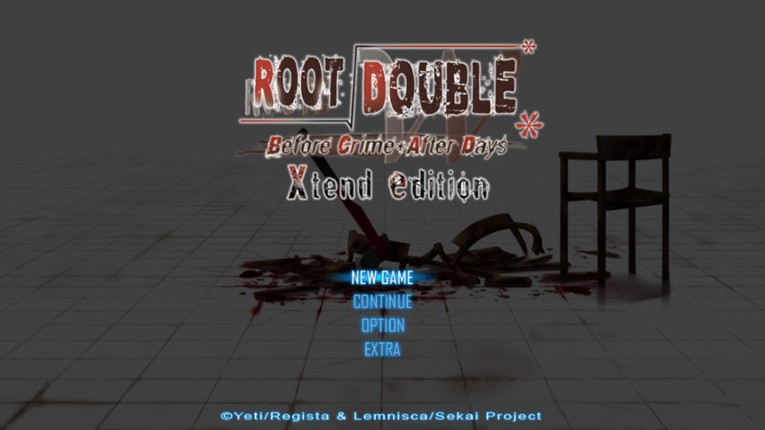
Root Double -Before Crime * After Days- Xtend Edition

Root Double -Before Crime * After Days- Xtend Edition Game Cover
89%Game Brain Score
story, music
grinding, replayability
89% User Score Based on 352 reviews

Platforms

PCWindows
Root Double -Before Crime * After Days- Xtend Edition Game Cover

About

Root Double -Before Crime * After Days- Xtend Edition is a single player action game. It was developed by Regista and was released on April 27, 2016. It received positive reviews from players.

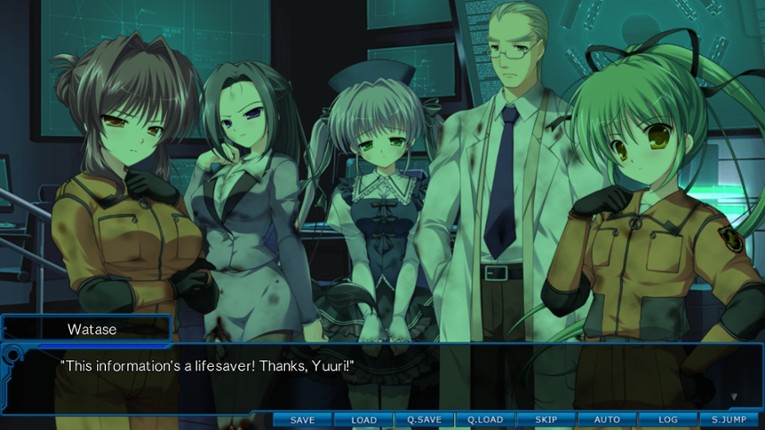
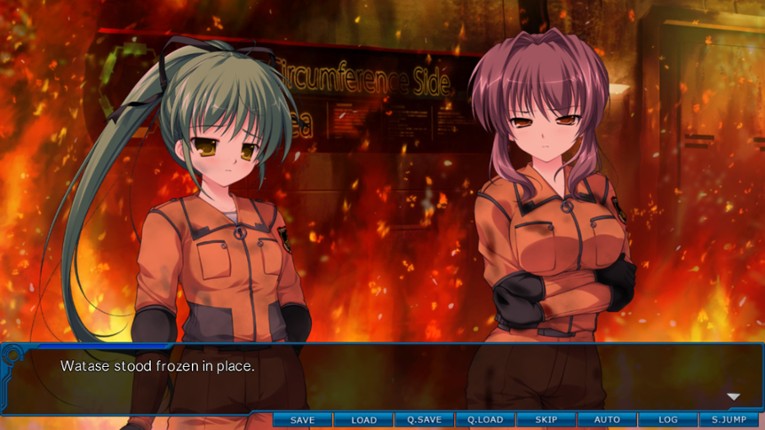
The year is 2030. Business is as usual in the isolated research city of Rokumei–that is until several explosions suddenly go off in the nuclear research facility known as “LABO.” The city sends in “Sirius,” an elite rescue squad, to deal with the situation. But the situation only gets worse when LABO’s nuclear reactor melts down, sending the facility into lockdown–with members of Sirius and surviv…
Genres & Tags
Play Modes
Skip User Reviews

89%
Audience ScoreBased on 352 reviews
story153 positive mentions
grinding9 negative mentions

  • Deep and engaging sci-fi mystery storyline with well-developed characters and thrilling plot twists.
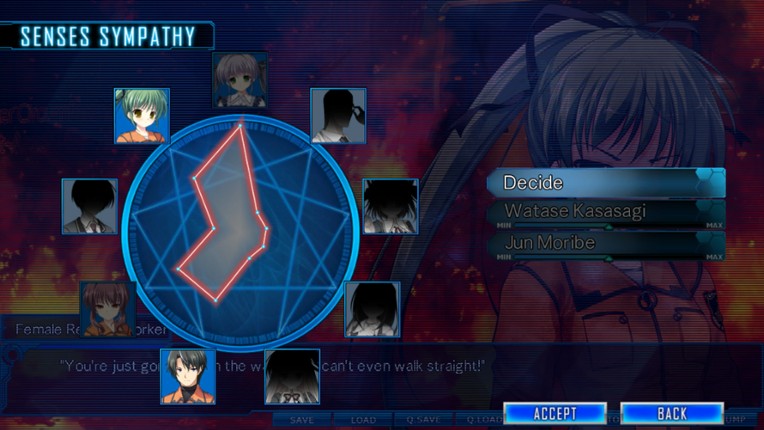
  • Unique and immersive decision-making system (Senses Sympathy System) that ties into the narrative.
  • High production values including strong Japanese voice acting, fitting soundtrack, quality art and visuals.
  • Multiple perspectives and routes that offer a rich and interconnected storytelling experience.
  • Long gameplay offering dozens of hours of suspense, drama, and character exploration.
  • Pacing issues with slow and sometimes tedious sections, especially in Route B and parts of Route D.
  • Frequent repetition of scenes and flashbacks that can make the story drag and feel bloated.
  • Confusing choice system that may require a guide due to unclear consequences and complex Senses Sympathy mechanics.
  • Lengthy text with large amounts of exposition can be exhausting for some players.
  • Some characters and tropes (e.g. high school slice-of-life elements) may not appeal to all players.
  • Xtend episodes largely reuse content and add little new story, often seen as filler or fluff.
  • story
    596 mentions Positive Neutral Negative

    Root Double features a complex, multi-perspective sci-fi mystery centered on nine characters trapped in a nuclear facility, with intertwined routes revealing deep character backstories and plot twists. While the story is praised for its intricate, well-foreshadowed narrative and emotional depth, it suffers from uneven pacing, with route B often considered slow and filled with repetitive flashbacks that may frustrate some players. Overall, it's a richly detailed, character-driven visual novel that rewards patient readers interested in unraveling layered mysteries and multiple endings.

    • “Root double has an excellent story, great presentation and sounds (with pretty nice sound design as well) and some of the best characters I think I have ever seen in a visual novel.”
    • “Not only is the story filled with many heart-pounding and emotional moments from start to finish, but the world, story and characters are all extremely fleshed out and detailed while remaining coherent, and are all tied together by the end to make for one of the most satisfying and 'complete' stories I've experienced.”
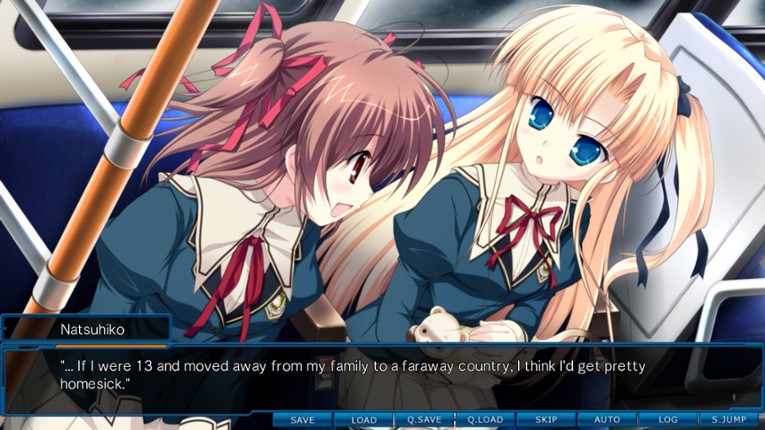
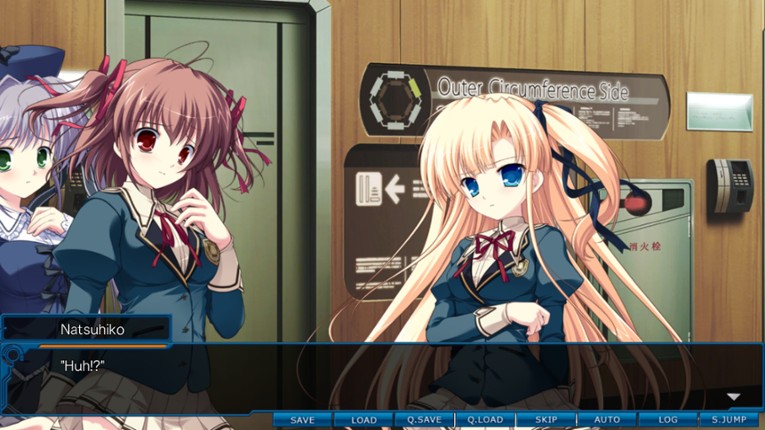
    • “Root double tells a story divided in four parts, through the viewpoints of two protagonists: Watase, the firefighter, and Natsuhiko, a high school student capable of using ESP powers like telepathy and such. Each and every character gets a good deal of development as the story progresses, making it a tale about its characters as much as about the overarching survival situation and the many mysteries surrounding it.”
    • “Route b has zero suspense and is mostly a slice-of-life story that focuses on worldbuilding, which kills the pacing set by route a.”
    • “The story has a lot of unnecessary repetition with flashbacks and recaps of scenes seen multiple times, making it tiresome and disrupting the flow.”
    • “Many plot twists are obvious or pointless, often caused by misunderstandings and immature character decisions, which weakens the overall story impact.”
  • music
    82 mentions Positive Neutral Negative

    The music in the visual novel is generally well-composed, fitting the atmosphere and enhancing emotional impact, with several standout tracks praised for their quality and character representation. However, many note the soundtrack's limited variety and repetitiveness over the game's long duration, making it occasionally forgettable despite its high production value. Overall, the music effectively supports the story and mood, though some players wished for a broader, more memorable score.

    • “I'm not sure I'd recommend this VN to everyone, as it took me quite a lot of time, but if you want a good story and a banger soundtrack, Root Double is definitely what you're looking for.”
    • “All the characters have their own personalities, the visuals and sprites are great, the soundtrack is just fitting, and the localization does justice.”
    • “The music is quite well-composed, fitting well to the surrounding context and displaying a wide variety in terms of mood and instrumentation.”
    • “The ost was pretty forgettable and frankly annoying, considering there's only 33 songs for a 50+ hour visual novel.”
    • “My second complaint lies with the music: there is simply not enough music for a 45-60 hour visual novel.”
    • “Next complaint would be the soundtrack, it doesn’t do the visual novel justice at all.”
  • gameplay
    48 mentions Positive Neutral Negative

    The gameplay of this visual novel centers on a unique "Senses Sympathy System" (SSS) that replaces traditional choices with sliders reflecting trust in characters, which some find innovative but ultimately unintuitive and loosely applied. While the game offers over 50 hours of narrative-driven experience with minimal interactive elements typical of the genre, its pacing, heavy exposition, and confusing mechanics can detract from player engagement. Nonetheless, many appreciate the integration of gameplay with story themes, even if the system's impact feels inconsistent or cumbersome.

    • “If you mess up there's usually a hint explaining why - although there is an imperceptible time mechanic in route A that just makes no sense if you hit it.”
    • “During the gameplay you will have to make a choice how much you trust each character and this choice will affect the direction of the game.”
    • “A special mention goes to the sympathy system that replaces canonical choice system with bars with which the reader can adjust his own attitude and feelings towards the characters. Although it may seem dull later on (most of the time on BC route and later), it fits so well in the story in many ways. I think it is such a brilliant gameplay choice; I cannot label whomever thought of it other than a genius.”
    • “Overall, I liked this visual novel but it can be difficult to recommend due to some of its pacing and annoying gameplay.”
    • “The classic definition of a heartbreaker: an otherwise good visual novel ruined by an over-engineered and confusing gameplay mechanic known as the 'senses sympathy system'.”
    • “Skipping to any lines, skipping to each choice, great backlog, etc. The unfortunate thing is that the SSS is a ridiculously unintuitive system and largely fails as a comprehensive choice mechanic.”
  • graphics
    46 mentions Positive Neutral Negative

    The graphics in this visual novel are generally praised for their crisp, detailed character sprites, unique CGs, and fitting art style that enhances the serious narrative despite its moe anime aesthetic, which may not appeal to everyone. Visual and special effects, along with coherent backgrounds, contribute effectively to immersion and atmosphere. However, some users find the art style generic or inconsistent with the game's tone, and certain scenes or character designs can appear derivative or less impactful.

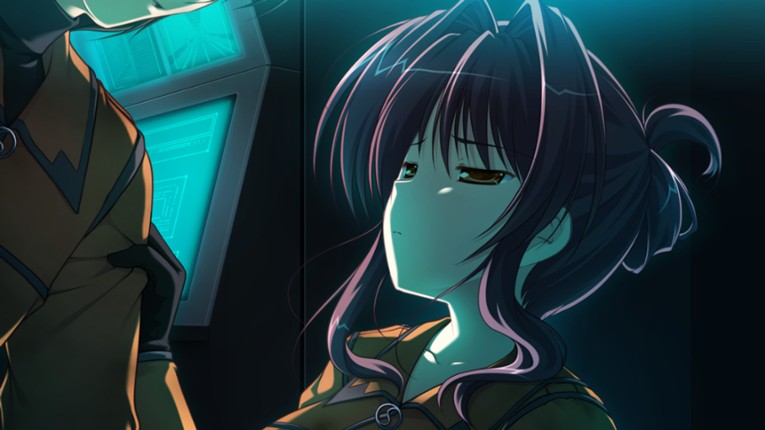
    • “Although character design is rather generic, visuals in general are solid with good special effects and a lot of crisp, well-made CGs that give more depth to the story.”
    • “In typical fashion, most of the game is flat character sprites that go through variations to express their current mood against static backgrounds, but the visuals are nice and crisp and there are dozens of unique CGs to convey important scenes.”
    • “Scene transitions, music (some of the unnerving tracks are extremely effective), text effects, graphical effects, etc. all used very well, better than most translated visual novels.”
    • “I'm not a fan of the character art style nor the backgrounds.”
    • “Even though the visuals are nice, the entire experience lacks impact and ends up being boring.”
    • “Though personally I wish they used a different approach for the art style since it's a more 'serious' type of visual novel.”
  • emotional
    35 mentions Positive Neutral Negative

    The game delivers a compelling emotional experience with many heartwarming, thrilling, and dramatic moments that resonate deeply, often evoking tears and strong empathy for well-developed characters. While it may not reach the emotional heights of classics like 999 or Steins;Gate, its layered sci-fi story and detailed characterization create a satisfying, intense emotional rollercoaster worth experiencing. Some pacing and route inconsistencies slightly detract but do not overshadow the game's overall heartfelt impact.

    • “Thrilling story with a lot of emotional moments where you yourself start to wonder if you're a psychic with "empathy" powers.”
    • “Despite all that, I'd say the story came together really well, removing all the burning questions I had in my mind and coming up with some rather amazing twists and more emotional moments (not gonna lie, I nearly teared up several times).”
    • “All in all, I feel Root Double is an example of a very well-rounded story: it's got plenty of action, mystery, tension, and drama through its thrilling survival situation, though through it all, it never loses sight of its characters, and manages to be sentimental and heartwarming as well.”
  • character development
    20 mentions Positive Neutral Negative

    Character development in Root b is deliberate and impactful, with even slow-paced, slice-of-life segments contributing meaningfully to both character growth and the plot. While some may find the early pacing slow and character designs generic or polarizing, the overall depth, multiple endings, and memorable traits create a compelling and well-executed narrative that rewards patient players.

    • “Everyone's character development is meaningful and has a huge impact on the story and the other characters, which is rare to see but very much appreciated.”
    • “The story itself is well-written, with interesting twists, character development, and lots of endings—39 (bad, normal, good)—with an impressively executed final route.”
    • “Unlike a lot of other visual novels, route B "slice-of-life" mundanity actually serves a purpose and plays an integral role in both character development as well as furthering the plot.”
    • “I'm not sure why the first 20+ hours of character development didn't do anything for me (probably because it wasn't too great at the start), but if you feel the same don't worry the meat doesn't even begin until the second half.”
    • “This can lead to you missing extra character interactions that are sometimes humorous, sometimes important to character development.”
    • “Although character design is rather generic, visuals in general are solid with good special effects and a lot of crisp, well-made CGs that give more depth to the story.”
  • atmosphere
    14 mentions Positive Neutral Negative

    The atmosphere is generally praised for its immersive music, art, and intense emotional tone, especially in the early parts, effectively conveying suspense, fear, and mystery. However, many note that inconsistent pacing—particularly excessive flashbacks in later sections—and a slow mid-game detract from maintaining a consistent and engaging atmosphere throughout. The contrast between routes and use of music and visuals help create distinct moods, enhancing the overall experience despite some narrative pacing flaws.

    • “I was absolutely entranced for the first 10 hours of this novel, the game follows a group of people all vying to survive in an underground facility full of mysteries. The writing was phenomenal; you could really feel the suffocating atmosphere, the fear and despair slowly seeping into the survivors.”
    • “The music and graphics add together to create the perfect atmosphere, and everything grows more and more intense as you get deeper into the plot.”
    • “Unlike ever17, the pacing is generally great (with the exception of route B), providing a constant atmosphere of suspense and mystery as the many plot threads unravel bit by bit.”
    • “I was absolutely entranced for the first 10 hours of this novel, following a group of people all vying to survive in an underground facility full of mysteries. The writing was phenomenal, and you could really feel the suffocating atmosphere, the fear and despair slowly seeping into the survivors. However, all of that fell apart in the remaining two-thirds of the game. From there on, the writing became very sloppy, and there was never a consistent atmosphere due to the constant flip-flopping between flashbacks. The latter two-thirds of the novel are almost entirely retold through flashbacks.”
    • “The only interesting thing that stood out to me was how different Side A and Side B are in terms of atmosphere.”
    • “Majority of bad endings aren't important, but they end quickly in a narrative impasse after wrong choices, which could be viewed as a way to create an atmosphere of danger.”
  • grinding
    9 mentions Positive Neutral Negative

    Grinding in the game is often described as tedious and repetitive, particularly due to extensive flashbacks and the need to adjust the SSS system for different endings, which can feel frustrating on multiple playthroughs. However, some players find that this grind reveals hidden story elements and answers, making it somewhat worthwhile despite the boredom. Overall, the grinding detracts from pacing and engagement, especially in sections focusing on less compelling characters.

    • “My biggest complaint was the grinding required to get all scenes, etc. As much as it's tempting to ignore this, it did reveal some interesting parts I'd missed and answered questions I had with the story.”
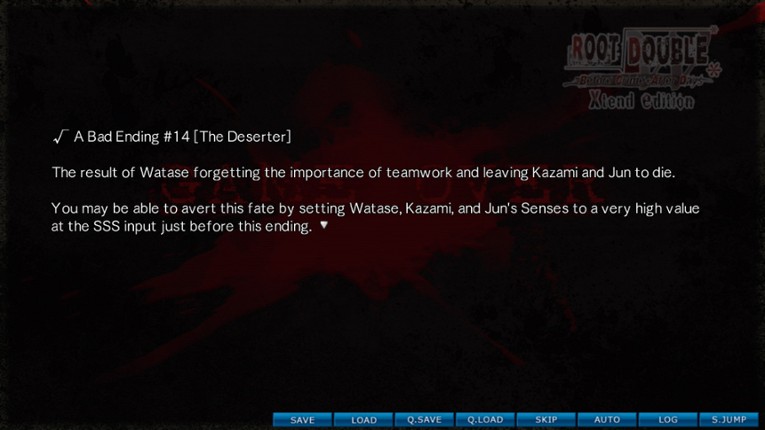
    • “My only complaint about the SSS system is that it can be a little tedious when you're trying to get different endings. For example, there are certain parts in the game where if you set your SSS a certain way in a branch, you'll be locked out of certain endings. On my first playthrough I wasn't bothered by it much, but on my next playthroughs I found myself figuring out the important branches that lead you to certain endings when adjusted properly.”
    • “The flashbacks themselves are often incredibly tedious as many of the characters' lives intersect, so in some cases you end up watching the same scene from 3 different angles.”
  • humor
    3 mentions Positive Neutral Negative

    The humor in the game is appreciated for its clever use of contemporary memes and amusing character moments, such as unexpected feats of strength. However, some humorous interactions may be easily missed, despite their importance to character development.

    • “I would prefer this timeline compared to ours to be honest; projecting zoomer memes onto unknowing people is funny and similar to lab disasters compared to Black Mesa.”
    • “The fact that she casually did push-ups when bored in her bedroom to become as strong as adult men was hilarious.”
    • “This can lead to you missing extra character interactions that are sometimes humorous, sometimes important to character development.”
  • optimization
    2 mentions Positive Neutral Negative

    The optimization of Root Double is generally adequate, with visuals and sound effects performing their roles satisfactorily despite occasional awkward scenes. Voice acting stands out as a strong point, enhancing key moments, though some performances lack impact.

  • replayability
    2 mentions Positive Neutral Negative

    Replayability varies between entries, with some users finding limited replay value, while others appreciate the high replayability of visual novels due to multiple branching "what-if" scenarios.

    • “The visual novel's replayability is pretty high as there are a lot of what-ifs.”
    • “Not really a lot of replayability”
  • stability
    1 mentions Positive Neutral Negative

    The game’s stability is somewhat affected by buggy touch controls, which is understandable given its age. Overall, it may experience occasional control issues but remains reasonably stable.

Skip Game Offers

Buy Root Double -Before Crime * After Days- Xtend Edition

50h Median play time
46h Average play time
50-50h Spent by most gamers
*Based on 7 analyzed playthroughs
Skip Videos

Videos

Skip Games Like Root Double -Before Crime * After Days- Xtend Edition
Skip FAQs

Frequently Asked Questions

Root Double -Before Crime * After Days- Xtend Edition is a action game.

Root Double -Before Crime * After Days- Xtend Edition is available on PC and Windows.

On average players spend around 46 hours playing Root Double -Before Crime * After Days- Xtend Edition.

Root Double -Before Crime * After Days- Xtend Edition was released on April 27, 2016.

Root Double -Before Crime * After Days- Xtend Edition was developed by Regista.

Root Double -Before Crime * After Days- Xtend Edition has received positive reviews from players. Most players liked this game for its story but disliked it for its grinding.

Root Double -Before Crime * After Days- Xtend Edition is a single player game.

Similar games include Chains of Reality, Envy the Dead, God Syndrome, Dystopia Girls : Countdown, UR CHIMERIC SAI and others.