Realms of Arkania: Blade of Destiny

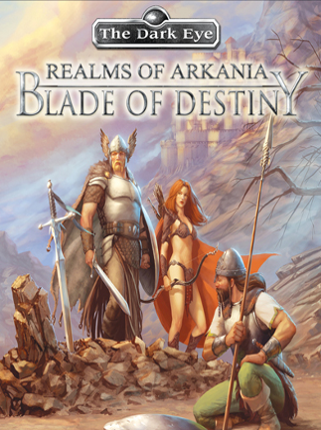
Realms of Arkania: Blade of Destiny Game Cover
55%Game Brain Score
story, atmosphere
music, gameplay
55% User Score Based on 60 reviews

Platforms

LinuxPCMac OSAmigaWindowsMs Dos
Realms of Arkania: Blade of Destiny Game Cover

About

Realms of Arkania: Blade of Destiny is a single player role playing game with a fantasy theme. It was developed by attic Entertainment Software GmbH and was released on January 9, 2014. It received neutral reviews from players.

An epic RPG based on the popular German paper & pencil series, "Das Schwarze Auge" (The Dark Eye). Games that draw you in so deeply that the hours slip by like minutes. The atmospheric old-school feel, interesting game system and character development are fun, but the real strength of this games lies in their cool dungeons, which are chock full of tricks, traps, puzzles, and side events to keep yo…

Skip User Reviews

55%
Audience ScoreBased on 60 reviews
story5 positive mentions
music4 negative mentions

  • Deep and authentic RPG mechanics closely emulating the original pen-and-paper system, with extensive character creation and tactical turn-based combat.
  • Rich and immersive world offering semi-open exploration, survival management (hunger, fatigue, weather), and a non-linear quest structure fostering a strong sense of adventure.
  • Highly rewarding experience for devoted fans of classic, hardcore CRPGs who appreciate complexity, strategic depth, and old-school challenge.
  • Dated graphics and user interface that are clunky, unintuitive, and difficult to navigate, with poorly designed menus and lack of in-game guidance or tutorials.
  • Repetitive and low-quality music soundtrack, with no option to disable it; English version suffers from poor localization and many bugs and glitches coexist.
  • Steep learning curve and tedious micromanagement, including slow combat, confusing exploration due to uniform environments, missing modern conveniences like auto-mapping and quest tracking.
  • story
    21 mentions Positive Neutral Negative

    The story in Blade of Destiny is straightforward but deeply immersive, emphasizing a player-driven epic journey rather than cinematic storytelling. It intertwines a main quest with numerous side quests and emergent events, creating a complex, old-school RPG experience that appeals to hardcore and veteran players despite occasional unfinished quests and bugs. The narrative depth is complemented by meticulous simulation elements, offering a challenging adventure that demands strategic planning and adaptation.

    • “While the plot might appear straightforward, the game’s execution is anything but.”
    • “Narratively, Blade of Destiny does not aim for cinematic storytelling but rather the feeling of an epic journey shaped by the player’s will.”
    • “The main story—the search for the blade of destiny—is a loose thread that ties together a vast number of side quests, random encounters, and emergent events.”
    • “There are so many things wrong with this game, like unfinished dead-end side quests such as the sea chart scroll, boats in one of the dungeons that always lead to your death, or a glitch that can be abused to make the game super easy.”
    • “You'll be drawn into quest lines that never actually start or go anywhere.”
    • “You are first plopped in a temple with a full party but without any kind of introduction about your goals or background story, only a random guy's conquests and death shown in a slow and irrelevant slideshow after a long credits list.”
  • music
    14 mentions Positive Neutral Negative

    The game's music receives mixed feedback, with the English version's MIDI soundtrack widely criticized as low quality and repetitive, causing irritation and detracting from immersion. In contrast, the German CD version's atmospheric audio is praised for its charm and ability to enhance exploration, though accessing it requires workarounds that come with trade-offs. Overall, the soundtrack's impact varies significantly depending on the version played.

    • “The atmospheric music, sparse though it is, provides moments of tension and wonder that enrich the sense of exploration.”
    • “The atmospheric soundtrack literally takes you back to childhood.”
    • “German CD version had absolutely brilliant CDDA music, while English CD version was exactly the same as the floppy one and only had crappy MIDI.”
    • “The English version's music is absolutely atrocious.”
    • “Same thing for the unbearably repetitive music loop.”
    • “The music skips and overall the whole computer seems to lag from the game.”
  • gameplay
    12 mentions Positive Neutral Negative

    The gameplay is characterized by intricate, hardcore mechanics and a unique system that includes both positive and negative character stats, offering an engaging but old-school experience. It features grid-based dungeon crawling with isometric battles, which can be frustrating and cumbersome without the accompanying manual. Despite some technical issues like lag, fans of classic RPGs will appreciate its depth and complexity compared to simpler contemporaries.

    • “The 'classic' edition available on Steam preserves the original version almost exactly as it was, complete with its intricate mechanics, rigid systems, and interface limitations.”
    • “Hardcore and old-school gamers will likely find it to be an engaging story with mechanics they may not be used to.”
    • “RoA uses an unusual character system where you don't just get 7 positive stats (strength, dexterity, wisdom, etc.), but also 7 negative stats (superstition, claustrophobia, curiosity, acrophobia, avarice, necrophobia, violent temper), all with direct effects on gameplay.”
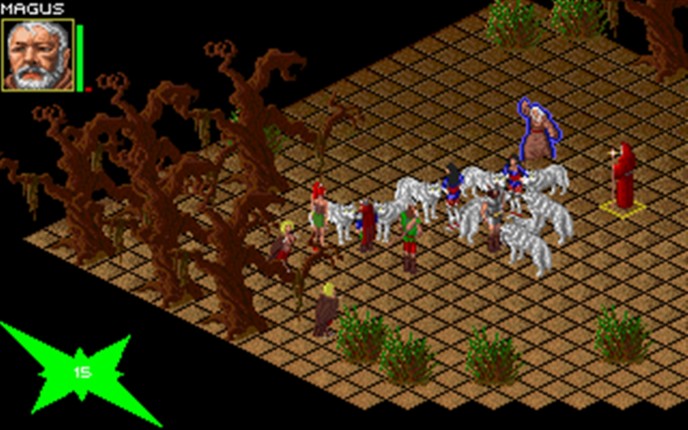
    • “A simple dungeon exploration (the main gameplay is pretty much a typical grid-based dungeon crawler with isometric battles, which isn't the most common thing to see in the genre) can become a huge pain in the neck.”
    • “Can't even get to the actual gameplay.”
    • “The game lags horribly after just 5-10 minutes of gameplay.”
  • graphics
    12 mentions Positive Neutral Negative

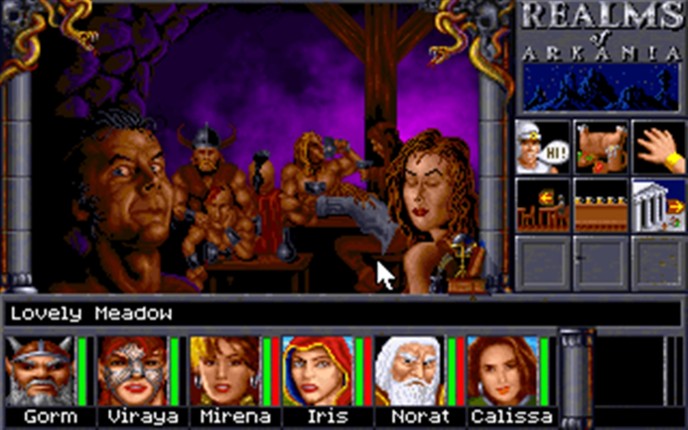
    The graphics are outdated and basic by modern standards, reflecting early 90s PC RPG limitations, with repetitive visuals and some technical shortcomings. However, despite their simplicity and lack of polish, the graphics do not detract significantly from the game's immersive world and storytelling. Fans of classic RPGs who can overlook the dated visuals will find the experience rewarding.

    • “This was one of the first PC RPGs with hardcore mechanics and decent graphics (along with Darklands and Wizardry 7, also published in 1992).”
    • “If you like RPGs and don't mind the graphics, this is a game you should try.”
    • “The graphics are basic, but they are without doubt not the worst feature of the game.”
    • “A nice combat system dragged down by the lack of diagonal attacks, city and dungeon graphics that were already outdated by the time of its original release, a large number of unmarked useless skills and spells, bad music quality in the English version, and some tedious bugs in certain dungeons lower the fun a little (or require looking for mods and other fixes), but the flow of the storytelling is actually the best of this still very fun to play trilogy.”
    • “The game is very rough around the edges with stiff controls, repetitive graphics and micromanagement and instant kill death-traps; and yet the world of Aventuria is fun to explore and ROA is one of the few game series that tried to get the pen and paper rules as closely as possible onto the screen.”
    • “I believe the earlier Wizardry games (which I have not played) had quite complicated mechanics but the graphics are poor from screenshots I have looked at (e.g. maximum of 16 colors EGA for Wizardry 6).”
  • grinding
    5 mentions Positive Neutral Negative

    Grinding in the game is often seen as tedious due to frequent micromanagement, random encounters, and unmarked or useless skills, which can disrupt the gameplay flow. However, some improvements were made in the sequel to address these issues, enhancing the overall experience despite lingering drawbacks.

    • “While this level of micromanagement adds authenticity to its tabletop inspiration, it can also disrupt momentum and make grinding or random encounters feel tedious.”
    • “Having played Star Trail for a few hours, I'm glad to say that many of these issues, and plenty of ones I didn't even get around to, like the tedious combat, were addressed for the sequel.”
    • “Cards farming 10/10”
  • atmosphere
    4 mentions Positive Neutral Negative

    The game's atmosphere is praised for its evocative, nostalgic soundtrack and its ability to create moments of tension and wonder, enhancing the sense of exploration. It captures the unique mood of early role-playing games, making it a standout feature that players highly appreciate.

    • “The atmospheric music, sparse though it is, provides moments of tension and wonder that enrich the sense of exploration.”
    • “The atmospheric soundtrack literally takes you back to childhood.”
    • “Not only is it the very first computer game based on The Dark Eye, it also comes with that unique atmosphere of the early role-playing games.”
  • emotional
    1 mentions Positive Neutral Negative

    The game's emotional depth is highlighted by immersive side activities like rescuing caravans, managing disease outbreaks, and defending against bandits, which create engaging and impactful experiences beyond the main storyline.

  • character development
    1 mentions Positive Neutral Negative

    The game features well-developed character development, complemented by an engaging and immersive world.

    • “Well-developed character development and an interesting world.”
  • replayability
    1 mentions Positive Neutral Negative

    The game offers good replayability, encouraging players to return and experience it multiple times.

Skip Game Offers

Buy Realms of Arkania: Blade of Destiny

Skip Videos

Videos

Skip Games Like Realms of Arkania: Blade of Destiny
Skip FAQs

Frequently Asked Questions

Realms of Arkania: Blade of Destiny is a role playing game with fantasy theme.

Realms of Arkania: Blade of Destiny is available on PC, Mac OS, Windows, Linux and others.

Realms of Arkania: Blade of Destiny was released on January 9, 2014.

Realms of Arkania: Blade of Destiny was developed by attic Entertainment Software GmbH.

Realms of Arkania: Blade of Destiny has received neutral reviews from players. Most players liked this game for its story but disliked it for its music.

Realms of Arkania: Blade of Destiny is a single player game.

Similar games include Realms of Arkania 1 - Blade of Destiny Classic, Lords of Xulima, Elminage Gothic, The Elder Scrolls III: Morrowind, Drakensang and others.