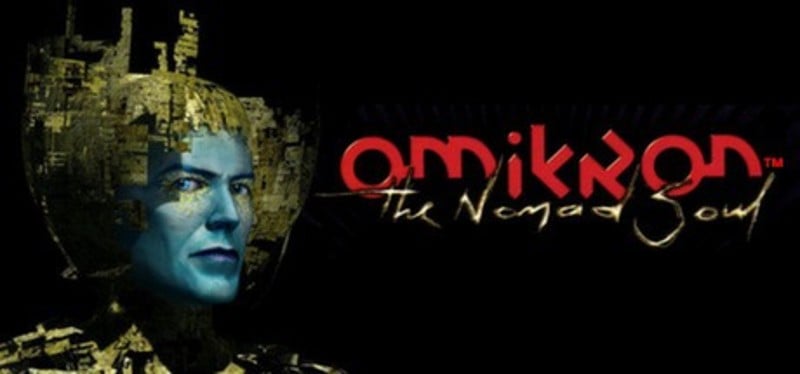
Omikron: The Nomad Soul Game Cover

About

Omikron: The Nomad Soul is a single player role playing game. It was developed by Quantic Dream and was released on September 26, 2013. It received mostly positive reviews from players.

"I have many things to tell you and very little time… I come from a universe parallel to yours. My world is desperately in need of your help. Only YOU can save us." Responding to the desperate pleas of a mysterious character from another dimension, your soul must enter the dark and futuristic city of Omikron. This heralds the beginning of an epic adventure through an increasingly strange…

Genres & Tags
Play Modes
Skip User Reviews

65%
Audience ScoreBased on 465 reviews
story70 positive mentions
stability8 negative mentions

  • Ambitious and unique blend of multiple gameplay genres including adventure, first-person shooter, and fighting, with a compelling sci-fi narrative.
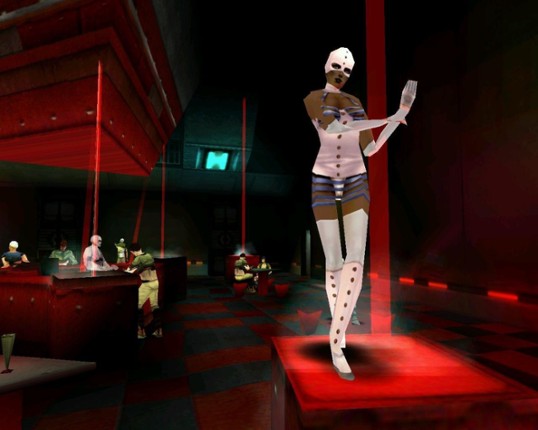
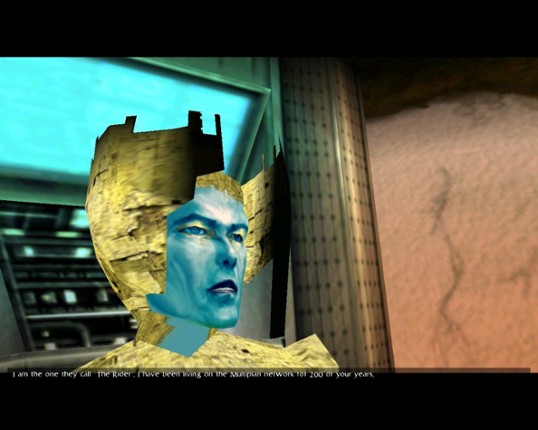
  • Immersive and richly detailed open-world city with a cyberpunk atmosphere enhanced by a memorable soundtrack composed by David Bowie.
  • Innovative soul-transfer mechanic allowing players to inhabit multiple characters with distinct abilities, adding depth to exploration and story progression.
  • Outdated and clunky controls that vary across gameplay modes, causing frustration and steep learning curve for modern players.
  • Technical issues including frequent crashes, limited save system requiring consumable items, and poor optimization on modern PCs.
  • Inconsistent and underdeveloped combat mechanics, particularly in FPS and fighting segments, which disrupt gameplay flow and challenge enjoyment.
  • story
    186 mentions Positive Neutral Negative

    The story of the game is ambitious and original, blending sci-fi, spirituality, and meta-narrative elements with a deep, immersive cyberpunk world, often praised for its complexity and atmosphere (enhanced by David Bowie's involvement). However, it is also criticized for being convoluted, overly reliant on exposition-heavy dialogue, occasionally incoherent, and hindered by clunky gameplay and poor pacing that dulls its impact as it progresses. Overall, the narrative rewards patient players who appreciate its unique approach, despite rough execution and confusing mission design.

    • “The graphics, detailed environments, and complex storyline all come together to create an immersive and engaging experience.”
    • “Omikron: The Nomad Soul has a very in-depth plot and constantly tries to break the fourth wall to convince you that your soul has been trapped inside the world of Omikron, with a compelling antagonist, the demon known as Astaroth.”
    • “Exploring through a rich and futuristic city, you will uncover a compelling storyline that mixes both sci-fi and spirituality into a dramatic experience that will make you wish for more once it is over.”
    • “The story is incoherent and is loosely tied together with painful exposition.”
    • “Characters are one dimensional and never change or grow throughout the story, and many of them seem to only exist for the sole purpose of explaining plot concepts.”
    • “The story seems like it could have been okay, but with controls like these it simply doesn't stand up to the countless modern games you could be spending your time and money on.”
  • music
    139 mentions Positive Neutral Negative

    The soundtrack of the game, prominently featuring David Bowie's original songs and collaborations, is widely praised for its haunting, futuristic, and atmospheric quality, significantly enhancing the game's immersive cyberpunk setting. Bowie's involvement—through vocals, character portrayal, and music composition—is considered a standout and often the game's strongest asset, though some critique exists about repetitive or mismatched tracks outside of his contributions. Overall, the music is regarded as a major highlight that adds depth and charm to the experience, even when other game elements falter.

    • “This sense of strangeness is amplified by the game’s soundtrack, which features music composed in collaboration with David Bowie.”
    • “His influence is felt not only in the music but also in the tone of the world, lending Omikron an otherworldly, melancholic atmosphere that remains one of its strongest assets.”
    • “From the very beginning, the game draws you in with Bowie's haunting vocals on the theme song, 'New Angels of Promise.' As you navigate through the futuristic city of Omikron, Bowie's music is seamlessly woven into the game's soundtrack.”
    • “The game is pain, music cuts out in some dialogue scenes creating an unintentional creepy atmosphere to only then blast loud music a second later, so don't play with headphones.”
    • “- Music (especially in action-scenes) consists of annoying short-looping music samples.”
    • “The game has a bemusingly good (the contributions of David Bowie and the main menu theme) and then, just simply, a really terrible soundtrack, with odd noises (listen to the Omikron training room theme if you don't believe me).”
  • gameplay
    128 mentions Positive Neutral Negative

    The gameplay of Omikron is ambitious and innovative for its time, blending multiple genres including third-person adventure, first-person shooter, and fighting mechanics, along with a unique reincarnation system. However, it is widely described as clunky, unpolished, and inconsistent, with awkward controls and uneven quality across different gameplay styles, which can be frustrating and disorienting for players. Despite its mechanical flaws, the game’s rich narrative and experimental design offer a compelling, if challenging, experience for those willing to tolerate its dated and rough gameplay elements.

    • “Even decades after its release, Omikron remains striking not because of technical polish or mechanical refinement, but because of how boldly it reaches beyond genre boundaries in pursuit of something deeply immersive and conceptually strange.”
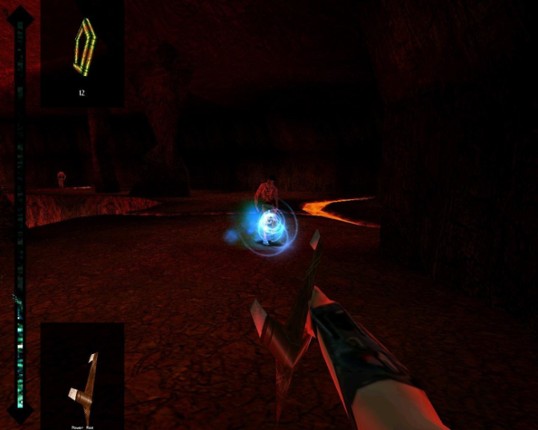
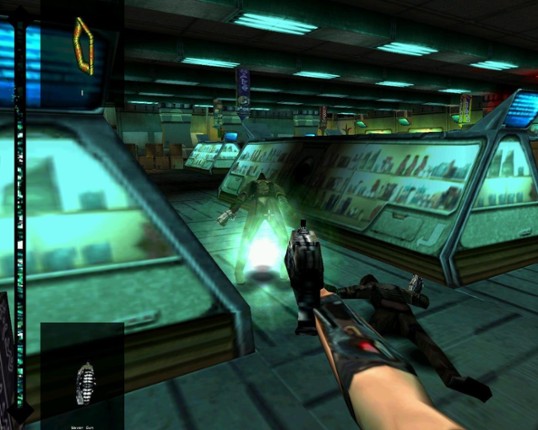
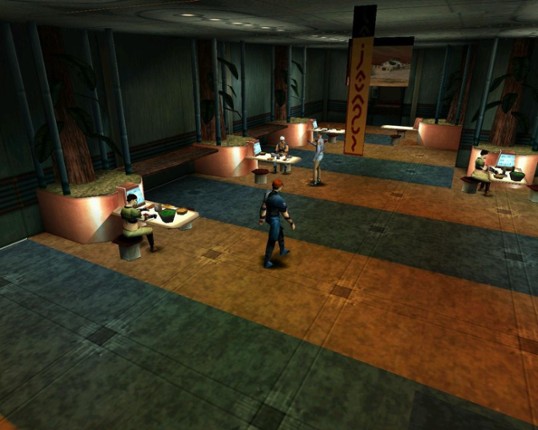
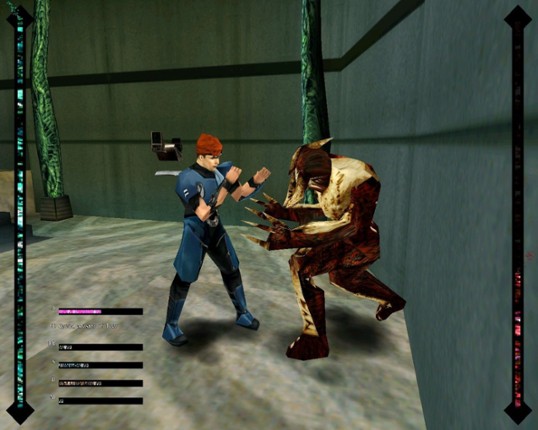
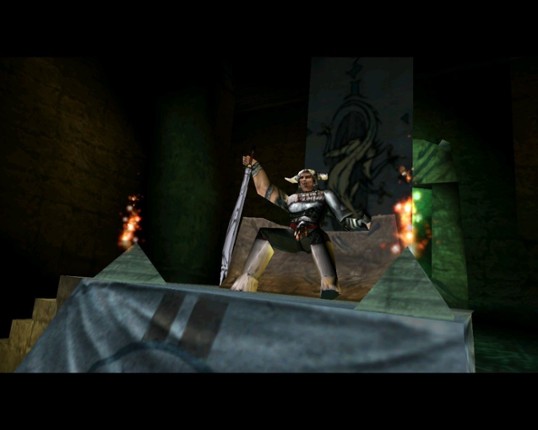
    • “The gameplay flips (often without notice) between third person exploration, first person shooting, and complex fighting sequences.”
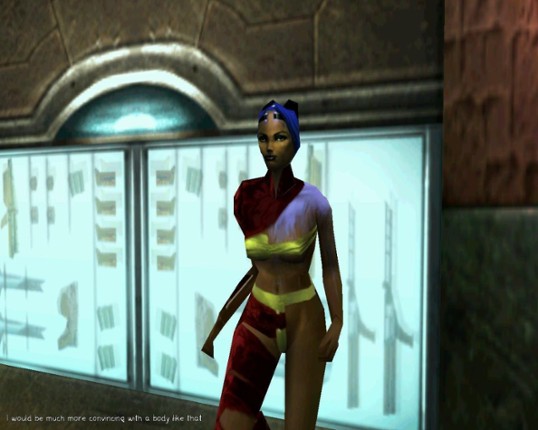
    • “A significant mechanic in this game is that you can choose to reincarnate into other people, leaving your previous body behind and taking on a new character with different stats.”
    • “Combat mechanics are serviceable but rudimentary, lacking the responsiveness and depth seen in games dedicated to those genres.”
    • “I spent most of my playtime wandering aimlessly, without a clear indication of my objectives, and I actively loathed the combat, particularly when the final boss arbitrarily changes all of the combat mechanics for whatever reason!”
    • “Lastly the gameplay this game has is just....my gosh so terrible, it's not optimized for any set of controls and this game literally mixes in Tekken style fighting mechanics (which don't work well at all and the AI is pro level on all difficulties at random fights) and FPS moments that just make the game even worse.”
  • graphics
    69 mentions Positive Neutral Negative

    The graphics of the game are notably dated by modern standards but were impressive and fitting for its 1999 release, featuring a distinctive cyberpunk and surreal art style. While some find the visuals nostalgic and atmospheric, others cite issues with poor design choices and blending colors that can hinder gameplay. Overall, the graphics contribute to a unique aesthetic that, despite aging, still supports the game's immersive world and story.

    • “The graphics, detailed environments, and complex storyline all come together to create an immersive and engaging experience.”
    • “However, the art direction still carries a distinct identity, blending cyberpunk aesthetics with surreal, almost dreamlike elements.”
    • “Graphically the fidelity has not held up well over the years, but taking in the voracity of its design, here is a piece of art that will leave a lasting impression in the hearts and minds of players for generations.”
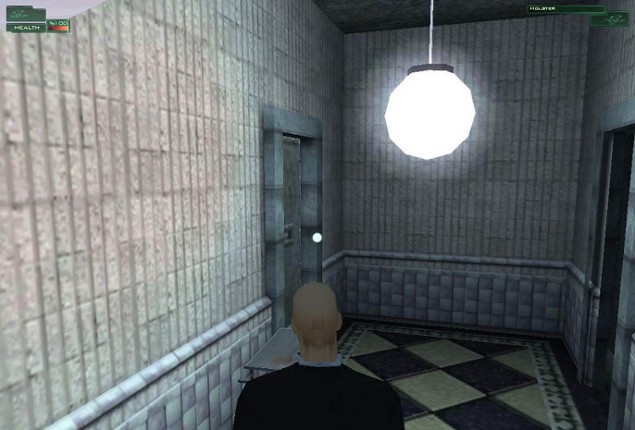
    • “Halls in buildings are designed to confuse you and make you miss doors/openings, which are already difficult to see due to the poor graphics and colors that blend together.”
    • “The gameplay isn't fun, the story isn't engaging, the graphics (something I pretty much never get hung up on) and sound have dated so poorly due to their strange art style and direction - when I looked at some of the characters and environments I genuinely obtained a headache.”
    • “The controls are a nightmare to set up how you want them, the interface is pretty bad, and the graphics and voice acting just show how far things have come in the last couple of decades.”
  • atmosphere
    21 mentions Positive Neutral Negative

    The game is widely praised for its rich, cyberpunk-inspired atmosphere that blends futuristic and melancholic tones, enhanced by a strong, memorable soundtrack featuring David Bowie. Its immersive city design and distinctive districts contribute to a surreal and nostalgic experience, though some areas are viewed as less engaging. Overall, the atmosphere stands out as one of the game's strongest and most memorable elements.

    • “His influence is felt not only in the music but also in the tone of the world, lending Omikron an otherworldly, melancholic atmosphere that remains one of its strongest assets.”
    • “The game is extremely good minus the terrible control scheme, with a Blade Runner-esque cyberpunk setting and intriguing storyline, plus an extremely awesome soundtrack by David Bowie. It's an ambitious game for its time with a fantastic atmosphere.”
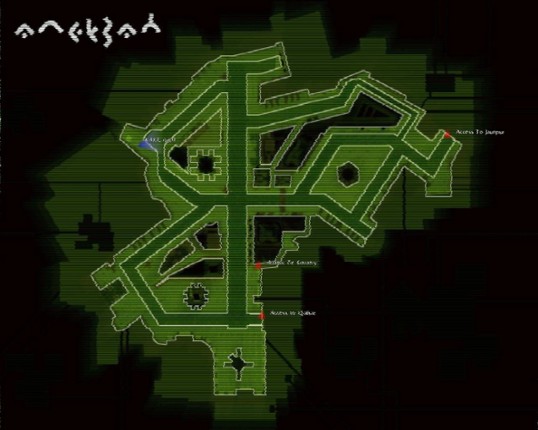
    • “Furthermore, the way the districts look contributes greatly to the game’s cyberpunk atmosphere.”
    • “The game is painful; music cuts out in some dialogue scenes, creating an unintentional creepy atmosphere, only to then blast loud music a second later. So don't play with headphones.”
    • “All of this may have been excusable if the atmosphere of the game kept up with what it established previously... but to be frank, the other districts in the game felt, in a word, boring compared to Anekbah (the first district you find yourself in), which, at least for me, set an engaging, dark cyberpunk mystery-investigation standard.”
    • “I hope David Cage returns to this title, reimagines it on a new engine with technology that suits its atmosphere, as well as Exodus, along with a third entry to complete it as a trilogy.”
  • stability
    8 mentions Positive Neutral Negative

    The game suffers from frequent freezes, numerous glitches—some game-breaking—and limited save points, making progression difficult and occasionally impossible without exploits. Stability issues are common, especially in shooting levels and boss battles, resulting in crashes and a frustrating experience.

    • “The shooting levels are full of glitches, including game-breaking ones in the boss battle beyond Commandant Gandhar's office and in the Tetra Trust base.”
    • “The game freezes very frequently and it doesn't have many save opportunities.”
    • “Game is prone to glitches; I have crashed multiple times, including right after the most difficult FPS section in the factory.”
  • optimization
    5 mentions Positive Neutral Negative

    The game suffers from poor optimization, leading to crashes and performance issues unless run in compatibility mode. Its control schemes are clunky and not well suited to the mixed gameplay styles, further impacting the overall experience.

    • “For me, the game runs totally fine if you execute it in Windows XP compatibility mode, with no crashes and no poor performance.”
    • “Not even David Bowie saved this game; it is poorly optimized.”
    • “The gameplay is terrible, not optimized for any set of controls, mixing Tekken-style fighting mechanics that don't work well and FPS moments that make the game even worse.”
    • “The AI is pro level on all difficulties at random fights, contributing to poor optimization.”
  • humor
    4 mentions Positive Neutral Negative

    The humor in the game is largely unintentional, leading to moments that are more amusing for their awkwardness than their wit. While featuring ambitious elements and celebrity involvement, the comedic execution often falls flat, resulting in laughable but poorly delivered content. Fans of quirky, confusing storytelling may find entertainment in its awkward charm.

    • “It carries itself like a revelation for video games that you should feel privileged to play, but it's so unintentionally funny through its conceit that you'll likely struggle to take anything seriously.”
    • “This talented but greatly humble superstar with smart sense of humor and always ten steps ahead of many other celebrities; also produced ten original songs and spent two weeks in Paris for design sessions.”
    • “Check this game out if you love seeing and hearing David Bowie, but also love laughing at David Cage's confusing stories and inability to make likable characters.”
  • grinding
    4 mentions Positive Neutral Negative

    Grinding in the game can be tedious, especially towards the end where the final boss becomes significantly harder and requires careful resource management. Additionally, the inability to access collected items late in the game adds to the frustration. While the open world offers exploration, it lacks engaging activities outside the main story, contributing to repetitive gameplay.

    • “The final boss is tedious and annoying; when you get him down to 50% HP, he goes into turbo mode. Don't forget to have some extra HP kits.”
    • “The last boss is tedious and nearly impossible to beat because he is much faster and it's impossible to get away without taking damage. Also, the game doesn't let you take your items in the last 2 hours, so I was unable to use the medkits I gathered throughout the game.”
    • “The open world is interesting to explore, though it can get a bit tedious since there isn't much to do outside the main story.”
  • emotional
    3 mentions Positive Neutral Negative

    The emotional impact of Omikron is deeply influenced by David Bowie's unique vision, creating a world with strong emotional resonance. While the soundtrack may not sound remarkable on its own, it effectively evokes moments of genuine feeling, including instances of heartfelt sadness.

    • “I cried a few times listening to that.”
    • “There's no question that the purity of vision afforded by the influence of the incomparable David Bowie is a driving force in the emotional tangibility of this world.”
  • monetization
    1 mentions Positive Neutral Negative

    The monetization aspect is marked by futuristic, in-world advertisements that enhance the immersive living city atmosphere, though specific details on pricing or pay models are not mentioned.

  • replayability
    1 mentions Positive Neutral Negative

    The game's replayability is somewhat impacted by its PC port, as cumbersome controls initially hinder the experience; however, reassigning controls improves playability and enjoyment, though it may make the game slightly easier.

Skip Game Offers

Buy Omikron: The Nomad Soul

18h Median play time
15h Average play time
10-28h Spent by most gamers
*Based on 7 analyzed playthroughs
Skip Games Like Omikron: The Nomad Soul
Skip FAQs

Frequently Asked Questions

Omikron: The Nomad Soul is a role playing game.

Omikron: The Nomad Soul is available on PC and Windows.

On average players spend around 15 hours playing Omikron: The Nomad Soul.

Omikron: The Nomad Soul was released on September 26, 2013.

Omikron: The Nomad Soul was developed by Quantic Dream.

Omikron: The Nomad Soul has received mostly positive reviews from players. Most players liked Omikron: The Nomad Soul for its story but disliked it for its stability.

Omikron: The Nomad Soul is a single player game.

Similar games include Dreamfall: The Longest Journey, Fallout, Hitman: Codename 47, Psychonauts, Beyond Good & Evil and others.