Monochrome Mobius: Rights and Wrongs Forgotten

Monochrome Mobius: Rights and Wrongs Forgotten lays a solid foundation, but its many flaws make it a game that is likely to only be welcomed by die-hard Utawarerumono fans.
Monochrome Mobius: Rights and Wrongs Forgotten Game Cover
76%Game Brain Score
story, gameplay
grinding, optimization
87% User Score Based on 224 reviews
Critic Score 63%Based on 8 reviews

Platforms

PCPlaystation 5Playstation 4Steam DeckWindowsPlayStation
Monochrome Mobius: Rights and Wrongs Forgotten Game Cover

About

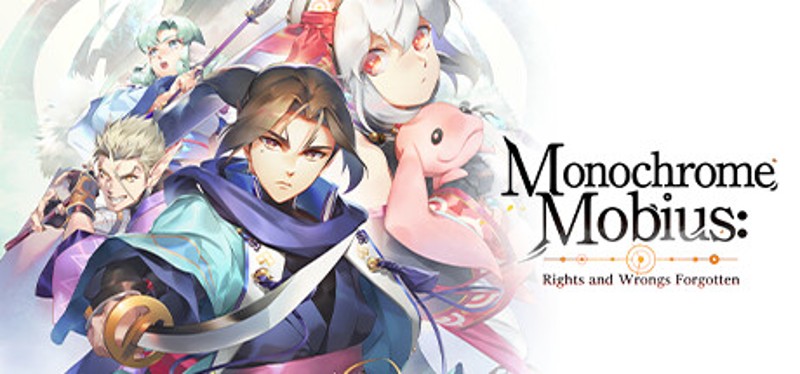
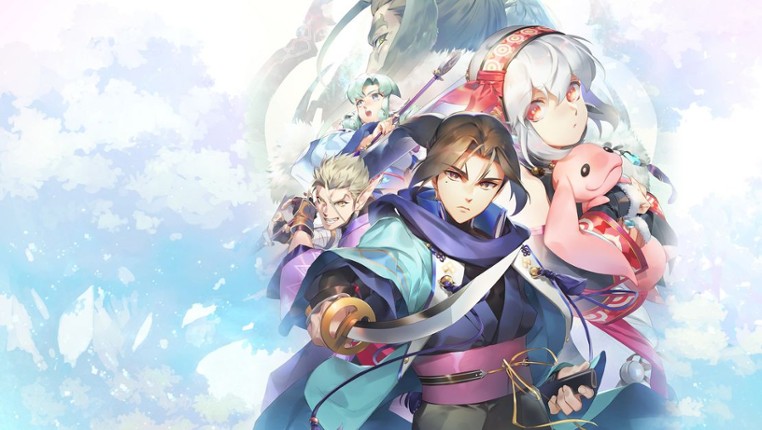
Monochrome Mobius: Rights and Wrongs Forgotten is a single player tactical role playing game with fantasy, drama, anime and science fiction themes. It was developed by AQUAPLUS and was released on November 16, 2022. It received mostly positive reviews from critics and positive reviews from players.

A new RPG from veteran studio Aquaplus, commemorating 20 years of the multi-media Utawarerumono series. This is the story of a man who will be sung about in legends.
Skip User Reviews

87%
Audience ScoreBased on 224 reviews
story77 positive mentions
grinding20 negative mentions

  • Engaging story and strong character development, especially appealing to fans of the Utawarerumono series.
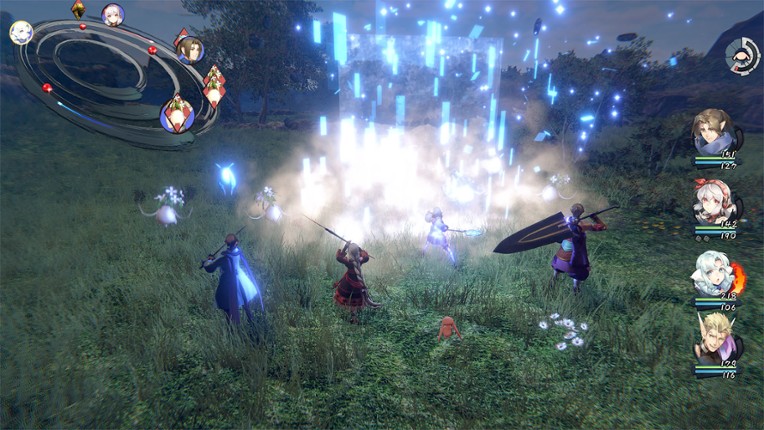
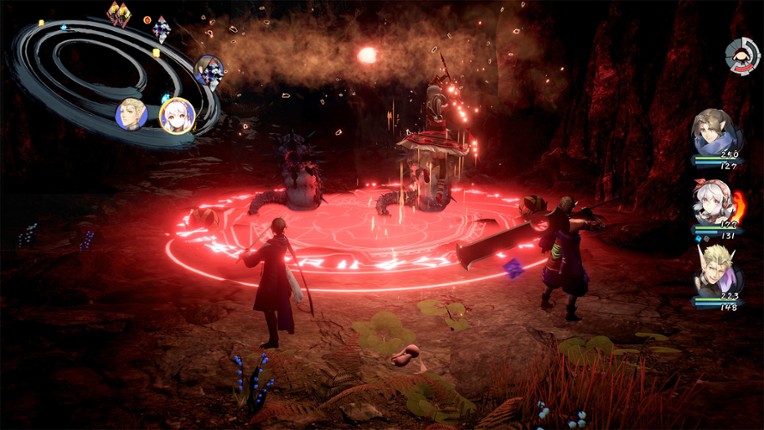
  • Unique turn-based combat system with the action ring mechanic adds a fresh twist to classic JRPG gameplay.
  • Beautiful soundtrack and voice acting that enhance the immersive narrative experience.
  • Graphical and animation quality are inconsistent, with low-poly NPC models and stiff character animations.
  • Gameplay can be repetitive and grind-heavy, with difficulty spikes and some clunky mechanics like the stamina gauge and slow pacing.
  • Technical issues at launch including bugs, poor PC optimization, missing text, and a lack of quality-of-life features.
  • story
    278 mentions Positive Neutral Negative

    The story of Monochrome Mobius is generally praised for its deep connection to the larger Utawarerumono lore, offering strong character development and emotional, engaging moments that enrich the series' universe. However, as a prequel, it is seen as somewhat slower paced and less impactful on its own, often requiring familiarity with previous titles for full appreciation. Fans of the series find it rewarding despite pacing issues and an incomplete narrative that hints at a continuation, while newcomers might find the story uneven and occasionally bogged down by gameplay.

    • “Monochrome Mobius: Rights and Wrongs Forgotten is a must-play for fans of the Utawarerumono series and those who are looking to get into a classic JRPG with a stellar story, turn-based gameplay, and a fantastic OST.”
    • “It's got nuanced character development, great writing, great music, and I think it's accessible as its own story but also contributes a lot to the series' overarching lore.”
    • “The abundant references, seeing young but familiar faces and new faces/art for the character names we've only heard of from the past games, recognizing towns/battlefields from past games mapped out to be able to explore freely, the way they still incorporate visual novel aspects, the outstanding music, great voice acting, and many other smaller details on top of the main story knowing that it occurs before MOD, all these things kept me excited throughout the game enough to forgive the cons of it.”
    • “Basically every playable part of the game feels like it's getting between me and the story.”
    • “The pretty okay combat is surrounded by a punishingly boring story (20 hours in and we're doing a 'clear out the gambling den' mission as part of the critical path mere hours away from the unsatisfying ending), at least up until the final act, where you will be expected to know everything about the lore of Utawarerumono if you want to understand what's going on.”
    • “All it did was introduce way too much downtime in between character moments and plot developments, courtesy of token JRPG things like grinding for EXP and running through big, empty maps, etc. Contrast this to the previous Utawarerumono games, where we constantly got gut-bustingly hilarious and compelling character interactions and worldbuilding every minute.”
  • gameplay
    125 mentions Positive Neutral Negative

    The gameplay is a fairly standard turn-based JRPG with some unique mechanics like the turn wheel and action ring, which add modest strategic depth but are often seen as underdeveloped or clunky. While competent and occasionally enjoyable, many reviewers find it simplistic, grind-heavy, and less engaging compared to previous series entries, with pacing and balance issues that sometimes detract from the overall experience. Fans primarily appreciate the strong story and characters, viewing the gameplay as serviceable but not the game's highlight.

    • “The gameplay itself, while mostly a simple run-of-the-mill turn-based JRPG experience, the turn wheel and how buffs, debuffs, and turn order played into it was a fun spicing up of the formula.”
    • “The playable characters have well-designed and unique abilities, kits, and mechanics that make them feel different from each other.”
    • “The combat has its own unique core mechanic when it comes to the turn order system that's interesting.”
    • “The gameplay is shallow, boring, and only serves to pad out game time in between story beats.”
    • “In short, it's a great story (as usual), ruined by absolutely horrible, dumpster-tier gameplay.”
    • “The jrpg elements are the same; like most games they tried to introduce a mechanic to spice things up a little bit with the 'turn wheel', but it's clunky, half-baked, and doesn't really add much to the gameplay.”
  • graphics
    52 mentions Positive Neutral Negative

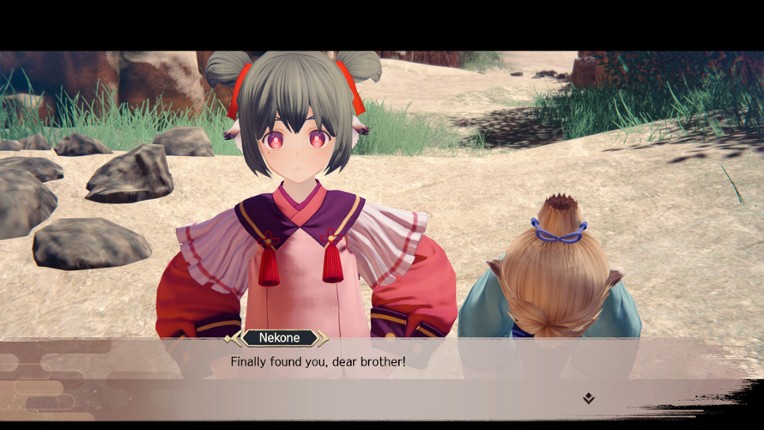
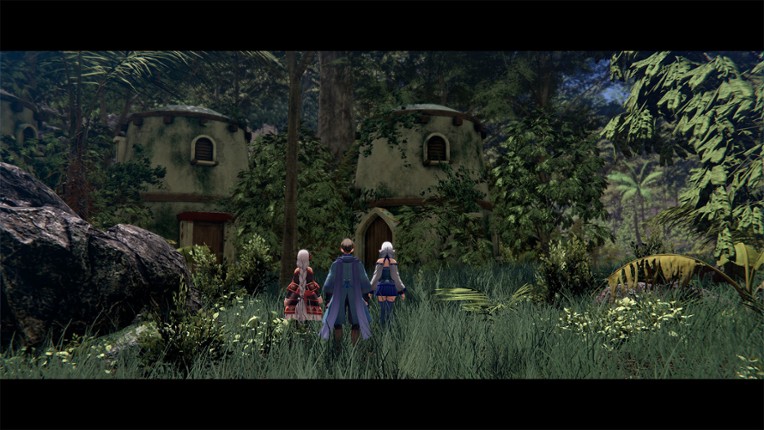
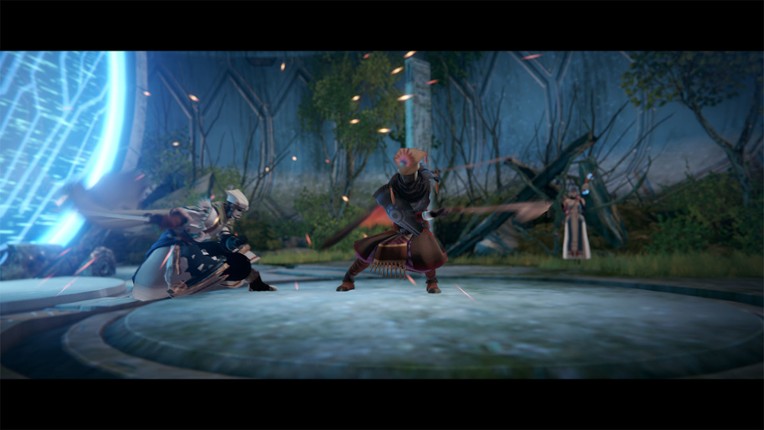
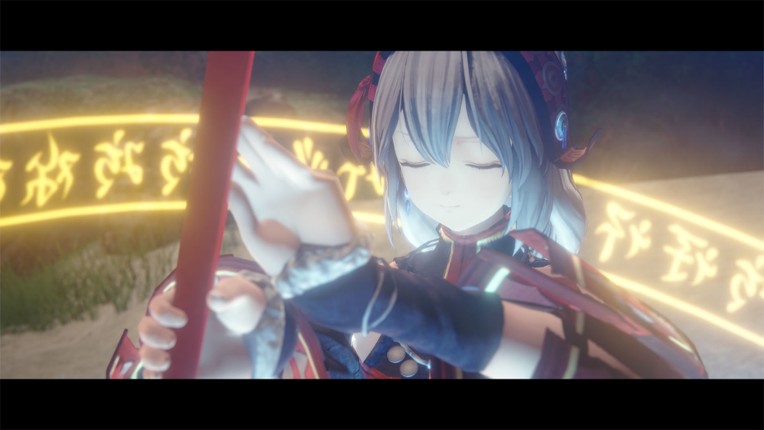
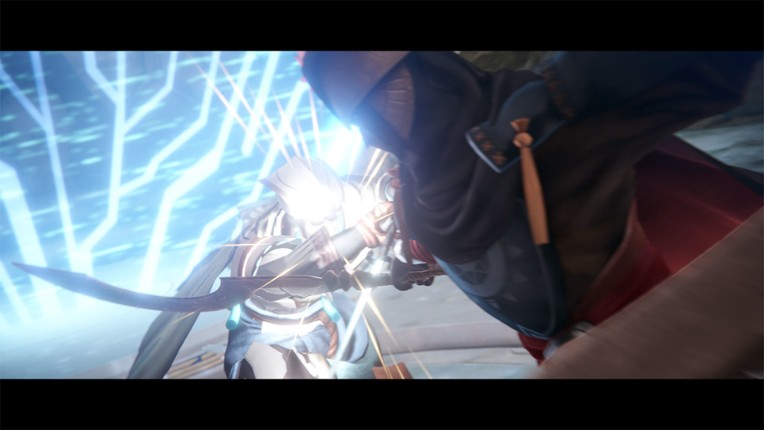
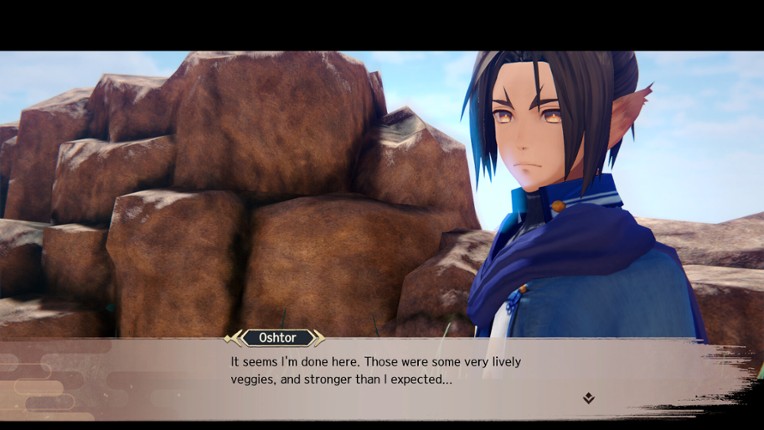
    The graphics of the game are generally described as modest and reminiscent of PS2 to early PS3-era 3D JRPGs, with some praising the anime-style artwork and scenery as visually appealing despite technical limitations. While the visuals are adequate and sometimes impressive in cutscenes, many note a lack of polish, bland character models, limited graphical settings, and occasional bugs, which may not meet expectations for a 2022 release. Overall, the graphics serve the game’s purpose but are considered average, especially when compared to bigger-budget titles.

    • “Visuals of environments look stunning.”
    • “The artwork is gorgeous, and the PC models and scenery look great.”
    • “I know the graphics are nothing special compared to bigger budget games, but mostly they serve the purpose well and at times the scenery and some of the creatures looked really impressive to me.”
    • “Graphics are typical Utawarerumono, kinda ethereal, bright, basically it looks good to my eyes, but it's not all that impressive.”
    • “The game is quite ugly for me; as their first JRPG, it could be forgiven, but for a 2022 game, it's really ugly. The character models lack charm, facial expressions are bland, graphics are poor, and the map is bland.”
    • “The environment lacks effects and polish; no advanced graphic settings, lack of conversation with NPCs, no mouse support for keyboard users, etc.”
  • music
    45 mentions Positive Neutral Negative

    The music in the game is widely praised for its quality, with many highlighting its beauty, emotional impact, and contribution to world-building, though some find it less outstanding compared to the original trilogy. The soundtrack offers memorable tracks that fit the game's atmosphere and are enhanced by effective use of ambient and diegetic sounds during exploration. While generally strong, a few reviews mention occasional repetitiveness or missed emotional cues in certain scenes.

    • “The abundant references, seeing young but familiar faces (& new faces/art for the character names we've only heard of from the past games), recognizing towns/battlefields from past games mapped out to be able to explore freely, the way they still incorporate visual novel aspects, the outstanding music, great voice acting (they have Char Aznable's voice actor!), and many other smaller details on top of the main story knowing that it occurs before MOD, all these things kept me excited throughout the game enough to forgive the cons of it.”
    • “Music: 9/10 - as always, the music is beautiful and plays a pivotal role in the world-building of the series.”
    • “Sure the music is great (as usual for the franchise), but actually exploring the world feels so convincing with the diegetic sounds of wind as you cross treacherous heights, the cooing of birds and ooh-ing of monkeys as you walk through the jungle, and the chittering of angry insects behind the walls of the caves.”
    • “The OST is not up to par, a big miss considering how exceptional the trilogy's is.”
    • “My only complaint is that some scenes that are meant to be emotionally heavy fail to reach their intended heights due to choice of music.”
    • “The soundtrack is a little more hit or miss compared to the Utaware trilogy where the OST really shines throughout.”
  • grinding
    20 mentions Positive Neutral Negative

    Grinding in the game is a significant and often time-consuming aspect, with players frequently needing to level up extensively to overcome challenges, which can make later gameplay trivial and reduce difficulty. While some appreciate grinding for materials and story progression, others find the downtime between plot moments and combat tedious, though recent updates have lessened the grind. The fast-kills system and adjustable difficulty help mitigate grinding fatigue, but it remains a core part of the experience that can impact pacing and engagement.

    • “It feels like you need no skill, just pure grinding to get high enough numbers to beat the enemy.”
    • “Level grinding is very tedious and only gives you a marginal increase in performance.”
    • “I found myself underleveled before the final boss even though I completed 20 sidequests; I don't think it was a good decision given how tedious the fights are in the long run.”
  • emotional
    12 mentions Positive Neutral Negative

    The game delivers a powerful and emotionally resonant narrative filled with charming characters and touching moments that evoke tears and excitement. While some scenes may fall short due to music choices or pacing, the story's depth, fascinating background, and blend of serious and lighthearted elements create a compelling and heartfelt experience. Fans of the series appreciate its emotional weight and strong character interactions despite occasional narrative lulls.

    • “However, Monochrome oozes with decades of experience in crafting heartfelt stories, compelling narratives, and a cast brimming with charming characters.”
    • “There were also plenty of emotional moments that brought a tear to my eyes watching certain scenes play out.”
    • “Seeing these sides of the cast is invaluable; this story is powerful, emotional, and too exciting to miss out on.”
    • “The pretty okay combat is surrounded by a punishingly boring story. After 20 hours, you're doing a 'clear out the gambling den' mission as part of the critical path, mere hours away from an unsatisfying ending. Up until the final act, you will be expected to know everything about the lore of Utawarerumono to understand what's going on.”
  • humor
    12 mentions Positive Neutral Negative

    The humor in the game is generally praised for being engaging and varied, eliciting genuine laughter and emotional responses through witty dialogue, funny character interactions, and voice actors' comments. While some comedic moments, like the "bro down" between certain characters, can feel repetitive or less effective, overall the game balances humor with drama well, enhancing the storytelling experience. Fans of the series appreciate the mix of funny, intriguing, and heartfelt scenes that contribute to a memorable JRPG.

    • “Man, just like with Utawarerumono, they had me smiling ear to ear in one moment, laughing out loud in the next, pumping my fist in excitement in another, and ugly crying and jaw dropping by the end.”
    • “They were practically tripping over one another to make some kind of funny joke or interesting observation whenever they encountered something new or unexpected.”
    • “When I played Mask of Deception and Truth, I laughed my ass off during the funny parts, and genuinely felt sad during the sad parts.”
  • optimization
    12 mentions Positive Neutral Negative

    The game initially suffered from significant performance and optimization issues, including stuttering, bugs, and frame rate drops in certain areas, especially on PC. Although patches have improved stability over time, some zones still experience lag and slowdowns, affecting gameplay smoothness. Optimization varies by hardware, with high-end setups running well while others face persistent performance problems.

    • “The game had performance issues at launch, but patches over the next couple of years have made it run pretty well now.”
    • “The townspeople are very low quality models, but I got used to it; I'm guessing it helps with performance in big cities later on.”
    • “On my high-end PC with an RTX 3080, the game runs perfectly fine without stutter or other problems, indicating good optimization on powerful hardware.”
    • “The game seems pretty unoptimized; without a semi-fix from the forums, just being in some zones causes stuttering so bad it can induce headaches.”
    • “I only had this problem with one area, but the PC port isn't exactly optimized, causing extreme lag that can make the game unplayable.”
    • “Ran into major and minor bugs and glitches, including visual freezing and audio stuttering in cutscenes, a ladder animation that wouldn't end, and getting stuck on the ladder causing the game to hardlock and require a force close.”
  • character development
    9 mentions Positive Neutral Negative

    The game is consistently praised for its strong and nuanced character development, which is enhanced by excellent writing, music, and iconic character designs. While some find the story's impact lessened due to spoilers, the character arcs and world-building remain standout elements that contribute significantly to the game's depth and appeal.

    • “Aquaplus's strength lies in their story and character development, and this one clearly shows it.”
    • “The technical aspect may indicate a tight budget, but the story, character development, and soundtrack are top notch.”
    • “It's got nuanced character development, great writing, great music, and I think it's accessible as its own story while also contributing a lot to the series' overarching lore.”
    • “The character developments, deaths, and all that stuff are already spoiled for me, so I really struggled to find any reason to subject myself to another 30 hours of JRPG gameplay for some story that won't even matter by the time the events of UTA 2 happen.”
    • “Her character design is probably the worst out of them all in terms of uncanny valley.”
    • “Aquaplus' game strength is their story and character developments; this one shows its weaknesses.”
  • stability
    4 mentions Positive Neutral Negative

    Stability is mixed, with some users encountering significant bugs, glitches, and hardlocks, while others report smooth performance without issues. Despite occasional stuttering and missing features, the game runs well on certain platforms and shows promise for a first JRPG release from a visual novel studio.

    • “It was remarkably bug-free for a visual novel studio's first time releasing a JRPG.”
    • “It ran without a hitch on Linux, looks great, runs great, sounds great, feels great.”
    • “Could use a few quality of life improvements, like being able to skip battle animations or give up during battle.”
    • “Ran into major and minor bugs and glitches, from cutscenes visually freezing and audibly stuttering to a ladder animation not ending, and the game hardlocking and requiring a force close.”
    • “60 dollars for nothing but glitches and English text is completely missing with just empty speech bubbles appearing.”
  • atmosphere
    2 mentions Positive Neutral Negative

    The atmosphere is largely enhanced by a diverse range of emotional and thematic music, including upbeat, sad, techno, and traditional styles, though some tracks come across as amateurish and poorly orchestrated. Overall, the soundtrack contributes positively but inconsistently to the game's mood.

    • “Mostly, it adds to the atmosphere and emotion, enhancing the overall experience.”
    • “Plenty of upbeat, sad, emotional, atmospheric, techno, and traditional themes that enrich the game's ambiance.”
Skip Critic Reviews
Skip Game Offers

Buy Monochrome Mobius: Rights and Wrongs Forgotten

44h Median play time
35h Average play time
7-54h Spent by most gamers
*Based on 6 analyzed playthroughs
Skip Videos

Videos

Skip Games Like Monochrome Mobius: Rights and Wrongs Forgotten
Skip FAQs

Frequently Asked Questions

Monochrome Mobius: Rights and Wrongs Forgotten is a tactical role playing game with fantasy, drama, anime and science fiction themes.

Monochrome Mobius: Rights and Wrongs Forgotten is available on PC, PlayStation 5, PlayStation 4, Steam Deck and others.

On average players spend around 35 hours playing Monochrome Mobius: Rights and Wrongs Forgotten.

Monochrome Mobius: Rights and Wrongs Forgotten was released on November 16, 2022.

Monochrome Mobius: Rights and Wrongs Forgotten was developed by AQUAPLUS.

Monochrome Mobius: Rights and Wrongs Forgotten has received mostly positive reviews from players and mostly positive reviews from critics. Most players liked Monochrome Mobius: Rights and Wrongs Forgotten for its story but disliked it for its grinding.

Monochrome Mobius: Rights and Wrongs Forgotten is a single player game.

Similar games include Eiyuden Chronicle: Hundred Heroes, Utawarerumono: Mask of Deception, Utawarerumono: Prelude to the Fallen, Trails in the Sky 1st Chapter, The Legend of Heroes: Trails in the Sky SC and others.