KUNAI

If you like the genre, you’ll like Kunai. If you don’t, this won’t be the one to convince you otherwise, but it’s got a great aesthetic and some real bright spots just the same.
KUNAI Game Cover
76%Game Brain Score
gameplay, story
stability, grinding
78% User Score Based on 248 reviews
Critic Score 70%Based on 2 reviews

Platforms

Nintendo SwitchPCSteam DeckWindows
KUNAI Game Cover

About

KUNAI is a single player open world hack and slash game with fantasy and post-apocalyptic themes. It was developed by TurtleBlaze and was released on February 6, 2020. It received mostly positive reviews from both critics and players.

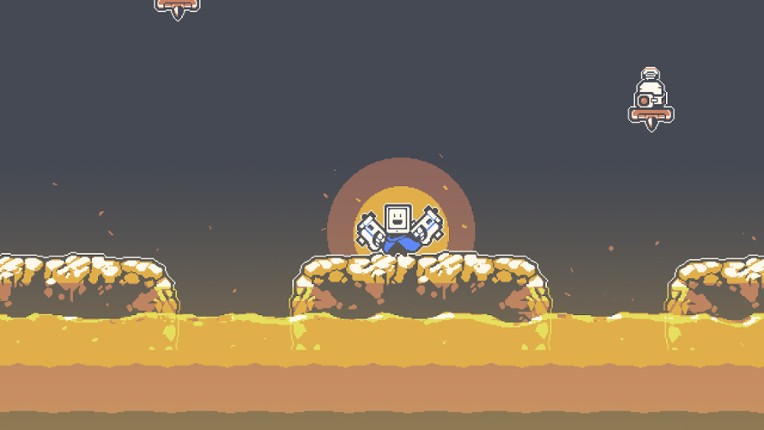
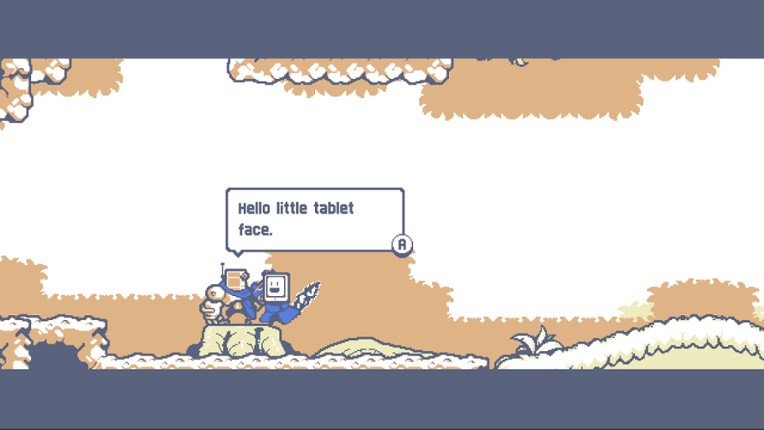
In Kunai, you take control of Tabby the tablet. An elite kunai wielding robot fused with ancient warrior souls.
Skip User Reviews

78%
Audience ScoreBased on 248 reviews
gameplay25 positive mentions
stability4 negative mentions

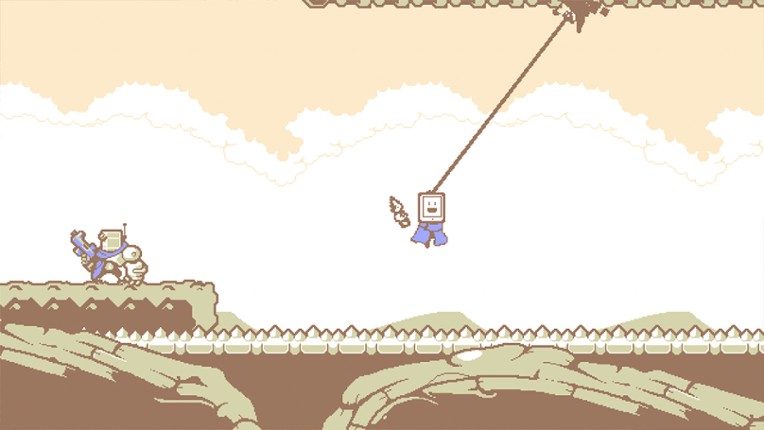
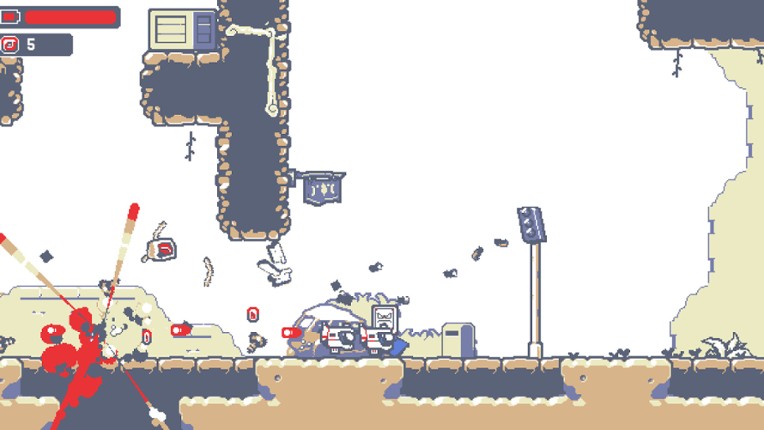
  • The game features fluid, responsive, and satisfying movement mechanics centered around the dual kunai grappling hook system, making traversal exciting and engaging.
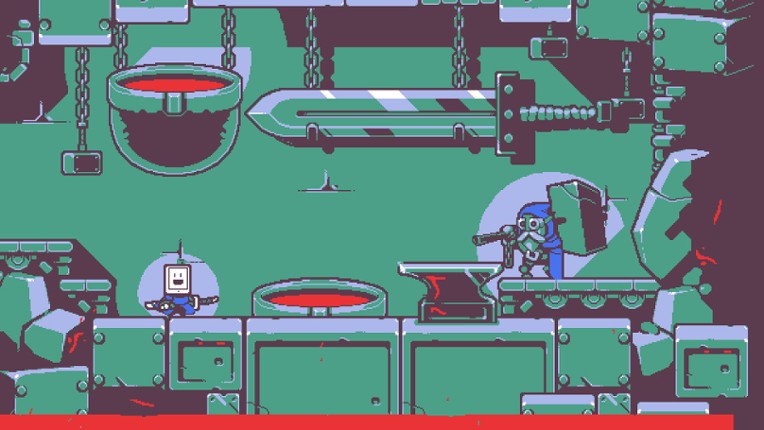
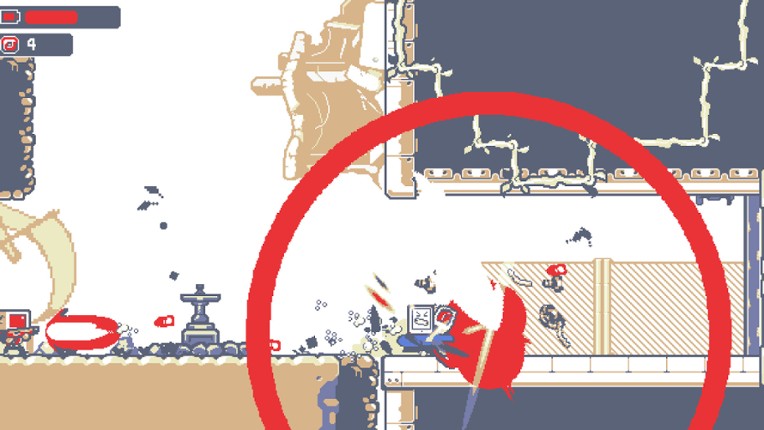
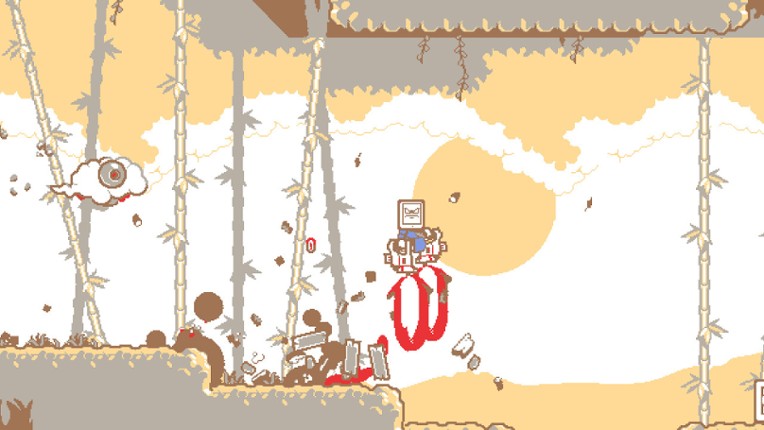
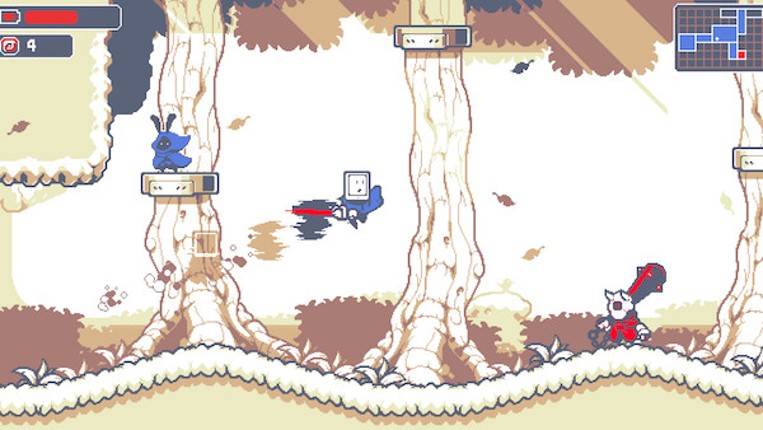
  • It has a distinctive and charming pixel art style with expressive character animations and a fitting, catchy soundtrack that enhances the atmosphere.
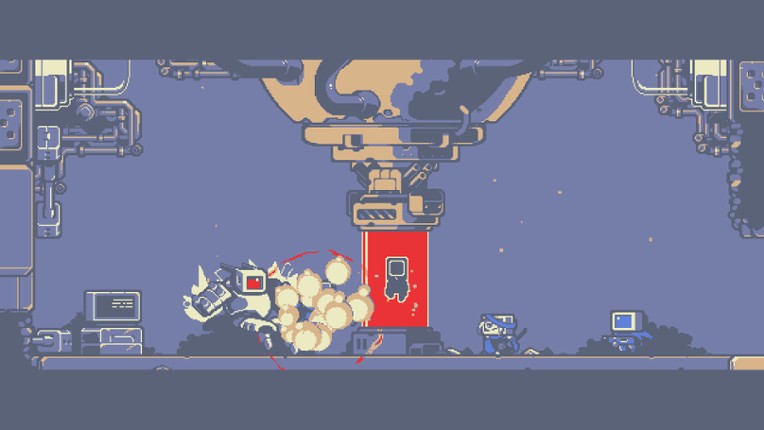
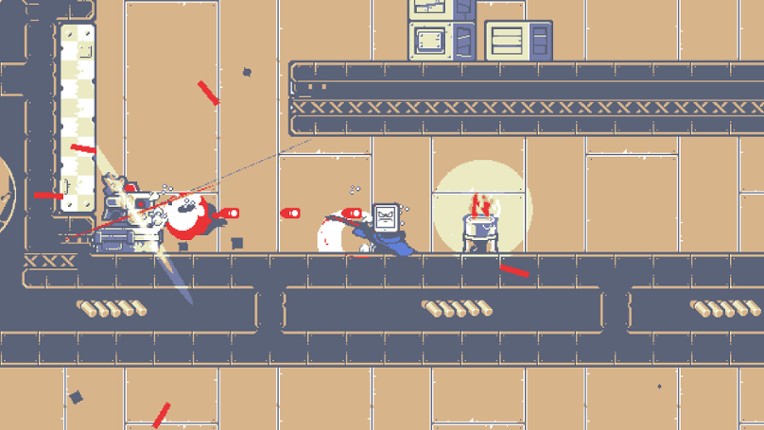
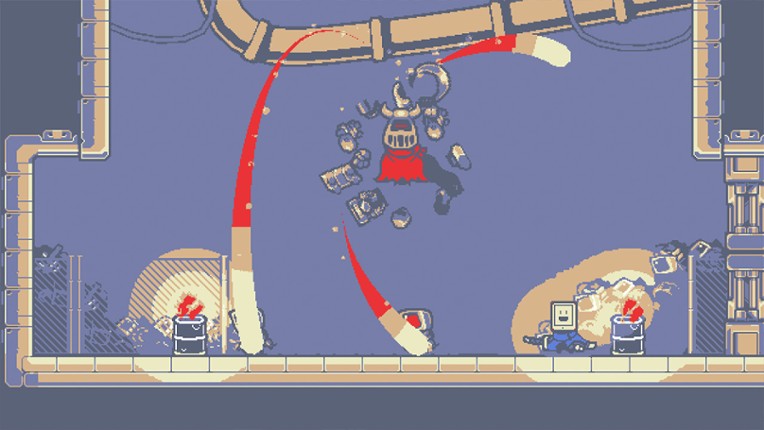
  • Combat is straightforward and integrates well with movement, with a variety of weapons and interesting boss fights that provide a fun challenge.
  • Kunai is relatively short and can feel overly linear with limited backtracking and no fast travel, making exploration and completionist goals tedious.
  • The platforming and combat controls can be clunky or imprecise at times, particularly with the kunai aiming angles and recoil mechanics, leading to frustration in some sections.
  • Certain boss fights, especially the final boss, have been criticized for unfair difficulty spikes, lack of checkpoints, and design issues that disrupt the game's otherwise smooth flow.
  • gameplay
    87 mentions Positive Neutral Negative

    Kunai's gameplay is defined by its unique kunai grappling mechanic, which offers fluid, momentum-driven traversal and platforming that many find exhilarating and well-implemented. While the movement and controls are generally tight and responsive, some players find combat less satisfying due to recoil effects and occasional mechanical clunkiness, and a few elements like collectible hats add little value. Overall, it's praised as a polished, fast-paced metroidvania with creative movement, though its short length and some design inconsistencies limit its full potential.

    • “Rather than relying on narrative depth, Kunai thrives on its mechanical precision and kinetic design, turning traversal into an art form and combat into a seamless extension of motion.”
    • “Every input feels immediate, every movement intentional, and the momentum-driven gameplay delivers a sense of exhilaration that few platformers manage to replicate.”
    • “The gameplay is fast-paced and delightful, the kunai grapple feels wonderful when traversing, and the game is packed to the brim with metroidvania secrets.”
    • “The charge attack takes all the gameplay away from you by auto-aiming at every enemy.”
    • “Gameplay itself is uninspired, controller handling and feel is a little floaty but it "works", putting this slightly above most 2D retro pixel garbage, but being close to the top of the pile of garbage doesn't change the smell.”
    • “I'd expect to be zipping along levels and using this mechanic to out-maneuver foes - alas, the fixed 45 degree angles of the kunai ropes and awkward swing motion made this feature clunky. I also found that the grapple was obstructed by too many surface types to be a fun method of travel.”
  • story
    61 mentions Positive Neutral Negative

    The story of the game is generally viewed as straightforward, light, and often underdeveloped, serving mostly as background flavor rather than a compelling narrative driver. While some players appreciate its quirky humor and consistent tone, many find it shallow, with an unremarkable plot and abrupt ending that leaves the world feeling insufficiently explored. Overall, the story complements the gameplay without overshadowing it but misses an opportunity for deeper world-building and engagement.

    • “The storytelling approach fits the game’s pace perfectly—short, snappy, and never in the way of the core gameplay loop.”
    • “The premise of the story centers around your controllable character, lovingly called “Tabby”, who escapes a facility, and is then deemed to be the one and only “chosen one” from prophecy, who can set things right and get the world back in order.”
    • “The theme of an apocalyptic future with a tablet robot (that is extremely expressive) that acts like a 1980s kung-fu action hero when wielding his weapons is hilarious, and while the story felt arcade-like more so than deep (the game does have an interesting premise, but the lore is not that deep), I still went away appreciating it as it stayed consistent.”
    • “The biggest criticism I'd have of Kunai is that at times it can be pretty basic when it comes to metroidvanias and that the story isn't very well explained, which makes the ending come out of nowhere.”
    • “The real missed opportunity with Kunai is the story; there is just enough structure to the world and nothing more.”
    • “The story is very boring and doesn't build up excitement, so that you want to see what comes next; every single monologue of NPCs is completely useless and doesn't tell any lore.”
  • graphics
    56 mentions Positive Neutral Negative

    The graphics of Kunai feature a distinctive, minimalist pixel-art style with a limited color palette that evokes nostalgia while delivering a polished and unique aesthetic. While many praise its charming, expressive visuals and smooth animations, some critics find the pixel art outdated, occasionally cluttered, or lacking variety across environments. Overall, the art style is a strong point that complements the gameplay, though it may not appeal to those seeking contemporary or highly detailed graphics.

    • “The world is rendered in a minimalist pixel-art style that evokes nostalgia while maintaining a modern sense of polish.”
    • “Otherwise a lot of fun and the visuals are amazing!”
    • “Beautiful pixel art style, satisfying and smooth movement, and great combat.”
    • “Music is bad, after 2 hours I just muted the damn thing, graphics are trash, try to read the game when 20 things are happening at the same time, you can't even see what is on the screen.”
    • “A choice was made to use obsolete, decades old retro pixel "art" as a substitute for contemporary PC graphics.”
    • “There's no option to change the resolution and no useful graphics tweaks.”
  • music
    54 mentions Positive Neutral Negative

    The music in the game is frequently praised for its catchy, energetic, and atmospheric qualities, often complementing the pixel art and gameplay fluidity with a blend of synths and percussion. While some find it memorable and a standout feature, others feel the soundtrack can become repetitive or unremarkable over extended play. Overall, the soundtrack adds significant heart and style, enhancing the game's presentation and mood.

    • “The soundtrack complements the visual style perfectly with its blend of futuristic synths and driving percussion, creating a rhythm that matches the fluidity of the gameplay.”
    • “The soundtrack is excellent and really helps set the mood.”
    • “Kunai is a seriously fun metroidvania/platformer hybrid with unique gameplay and music that sets it apart from its peers.”
    • “Music is bad, after 2 hours I just muted the damn thing.”
    • “Bad music, terrible writing, controls are often frustrating.”
    • “The combat music is one and the same throughout the entire game.”
  • humor
    15 mentions Positive Neutral Negative

    The game's humor is consistently playful, quirky, and charming, enhancing the immersive, lighthearted atmosphere without breaking it. While the story can be unremarkable or cringe at times, the witty dialogue, expressive characters, and humorous moments add significant charm, making the experience enjoyable and fun. Overall, the humor complements the fast-paced gameplay and unique style, contributing to a memorable metroidvania adventure.

    • “The humor lands in a way that never breaks immersion; instead, it adds to the charm of a world that feels both desolate and oddly cheerful.”
    • “The style and dialogue are so playful with a strong sense of humor throughout.”
    • “No bugs that I came across and the boss battles are so funny, great job to the dev team helping me pass time during this quarantine.”
  • emotional
    6 mentions Positive Neutral Negative

    The emotional experience with the game is mixed, featuring frustration due to slow updates, tedious hidden area hunts, and a sudden, anticlimactic ending. However, some players still find it enjoyable for a wholesome and nostalgic experience despite these drawbacks.

    • “Made me feel like I'm using ninja rope in old Worms games.”
    • “Anyways, the extremely sudden credits roll with the reused track made me feel like I was giving too long of a speech at the Oscars.”
    • “I would highly recommend this game to anyone looking for a wholesome good time.”
  • stability
    4 mentions Positive Neutral Negative

    The game experiences some bugs and occasional glitches, but generally maintains a stable 60fps with no crashes or game-breaking issues, providing a smooth gameplay experience overall.

    • “This game is too buggy and not designed thoughtfully”
    • “Very buggy but a very good game”
  • optimization
    4 mentions Positive Neutral Negative

    The game is well-optimized, delivering smooth performance even on low-spec hardware with no reported bugs. Additionally, it features an in-game system for upgrading weapons, enhancing overall gameplay efficiency.

    • “Performance on low spec hardware - awesome.”
    • “Performance is great, and there's no bugs that I encountered so it's a well polished game.”
    • “I had no issues with the performance at all.”
  • grinding
    4 mentions Positive Neutral Negative

    Grinding in the game is often tedious due to repetitive enemies and large, empty environments lacking fast travel, making exploration and finding hidden items feel monotonous. However, varied enemy design helps maintain some engagement despite the grind.

    • “The whole world is big empty spaces, and the lack of fast travel makes traversing the environments tedious.”
    • “Even then, finding those cosmetics is more tedious than anything else since there's rarely any indications pointing towards hidden rooms.”
    • “The enemies are nice and varied to keep you on your toes, but sometimes can be a tad bit tedious in my eyes.”
  • atmosphere
    3 mentions Positive Neutral Negative

    The game's atmosphere is defined by its distinct color palettes, which create strong visual contrast and clear navigation, while the music subtly enhances the environments without being particularly memorable. Overall, the atmosphere is effective but somewhat understated.

    • “Each area uses limited color palettes—muted blues, bright yellows, and harsh reds—to establish its atmosphere, creating strong visual contrast and a crisp readability that makes navigation intuitive.”
    • “The music was lovely and enhanced the atmosphere of the environments.”
  • replayability
    3 mentions Positive Neutral Negative

    The game offers an enjoyable experience of around 9-10 hours but lacks substantial replayability or end-game content to encourage multiple playthroughs.

    • “It's good but doesn't really have much replayability.”
    • “This would add some replayability or end-game content to the game.”
    • “I really enjoyed my 9-10 hours playing this, but I'm not sure how much replayability it has.”
  • character development
    3 mentions Positive Neutral Negative

    The character development is highlighted by solid, distinct, and easily identifiable designs, combining charming pixel art with smooth animations like tweening and physics for added realism. Overall, the characters are visually appealing and well-crafted.

    • “The character designs are pretty solid, with distinct and easy to identify characters to meet.”
    • “Some of the character designs indeed seem to be using pixel art, but the objects such as cloth and hand movements appear to be using tweening and physics quite nicely.”
    • “Lovely pixel art and adorable character designs.”
  • monetization
    1 mentions Positive Neutral Negative

    Users criticize the game's monetization as exploitative, perceiving it primarily as a cash grab that insults the player base.

Skip Critic Reviews
Skip Game Offers

Buy KUNAI

7h Median play time
7h Average play time
7-7h Spent by most gamers
*Based on 1 analyzed playthroughs
Skip Videos

Videos

Skip Games Like KUNAI
Skip FAQs

Frequently Asked Questions

KUNAI is a open world hack and slash game with fantasy and post-apocalyptic themes.

KUNAI is available on Nintendo Switch, PC, Steam Deck and Windows.

On average players spend around 7 hours playing KUNAI.

KUNAI was released on February 6, 2020.

KUNAI was developed by TurtleBlaze.

KUNAI has received mostly positive reviews from both players and critics. Most players liked this game for its gameplay but disliked it for its stability.

KUNAI is a single player game.

Similar games include Constance, HAAK, Gato Roboto, Haiku, the Robot, Momodora: Reverie Under The Moonlight and others.