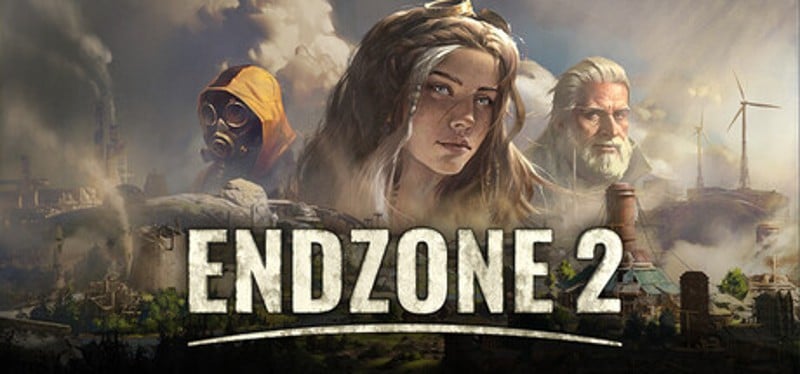
Endzone 2 Game Cover

About

Endzone 2 is a single player open world city builder game with economy and post-apocalyptic themes. It was developed by Gentlymad Studios and was released on July 24, 2025. It received mostly positive reviews from players.

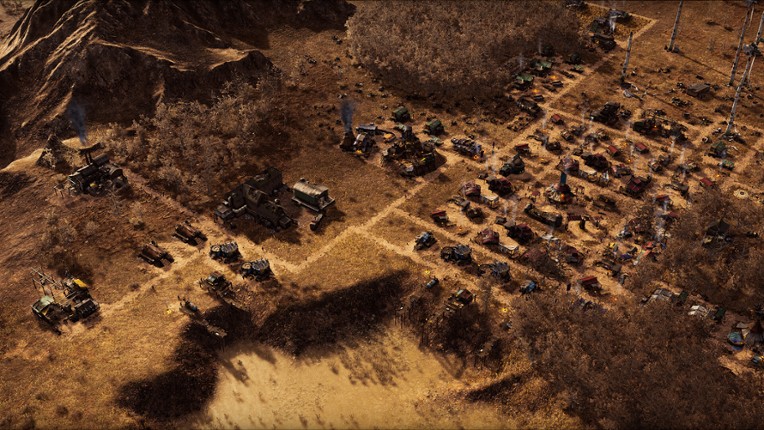
Endzone 2 is a post-apocalyptic survival colony builder, where you embark to secure humanities survival after a cataclysmic disaster. Discover and repopulate the last habitable grounds, while the survival of your people hinges on your wits, foresight, and resilience in a harsh and unforgiving world.

Skip User Reviews

65%Audience ScoreBased on 375 reviews
gameplay24 positive mentions
grinding27 negative mentions

  • Offers a complex and layered post-apocalyptic city-building experience with multiple interconnected settlements requiring strategic resource management and logistics.
  • Engaging expedition system allows active exploration and looting with vehicle control and puzzles, adding variety to gameplay.
  • Good foundation with potential; steady updates and committed developers aiming to improve and expand the game.
  • Game suffers from bugs, crashes, and performance issues that disrupt gameplay.
  • Overcomplicated and tedious management of multiple settlements and manual transport logistics can become frustrating and grindy.
  • Visual and UI design problems such as muted color palette, indistinguishable buildings, poor voice acting, and difficult interface navigation hinder player experience.
  • gameplay

    118 mentions Positive Neutral Negative

    Endzone 2 expands on its predecessor with deeper, more layered city-building and survival mechanics, including multi-settlement management, exploration, and resource logistics reminiscent of the Anno series. While the expedition and vehicle exploration mechanics add variety, some players find them repetitive or tedious, and the simplification of core survival and colony-building elements has divided opinions. Overall, it offers a solid and evolving strategic sandbox experience, though pacing issues and a muted visual style may hinder long-term engagement for some.

    • “Endzone 2 is a post-apocalyptic city-building survival game that ambitiously expands upon the foundation set by its predecessor, offering a more complex and layered gameplay experience.”
    • “It retains many of Endzone 1's features, such as freely allocated population, exploration mechanics, radiation distribution and protection, a complex power system, droughts and polluted rain, childbirth and education, and so on.”
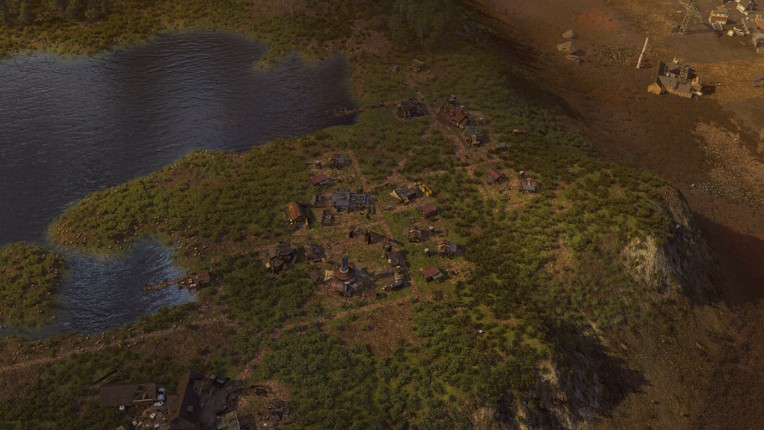
    • “I especially like the multiple settlement style gameplay where each zone provides key resources required to build a new society.”
    • “The pacing drags at times, and some systems—particularly the expedition mechanics—can feel like busywork when the novelty wears off.”
    • “The new mechanics on managing multiple settlements becomes downright tedious after not very long.”
    • “I was incredibly disappointed to find out that the 'new direction' that they went with the sequel involved stripping away the many layers of depth and detail that the predecessor had in favor of a more simplistic gameplay loop, which has made the game feel very shallow.”
  • graphics

    43 mentions Positive Neutral Negative

    The graphics in Endzone 2 present a mixed picture: while some praise its gritty, realistic art style that effectively conveys the post-apocalyptic atmosphere, others find the visuals dated, muted, and sometimes chaotic or unclear, detracting from gameplay. The sequel shows some graphical improvements over the original but lacks a significant breakthrough, with optimization and clarity issues noted across various reviews. Overall, the art direction is appreciated, but technical execution and visual sharpness still need refinement.

    • “I loved the first game for its atmosphere and its gritty, immersive visuals—which, frankly, I found better than the look of Endzone 2.”
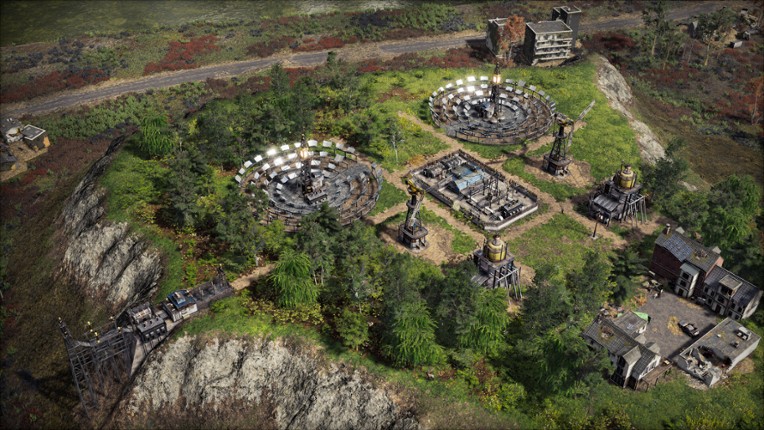
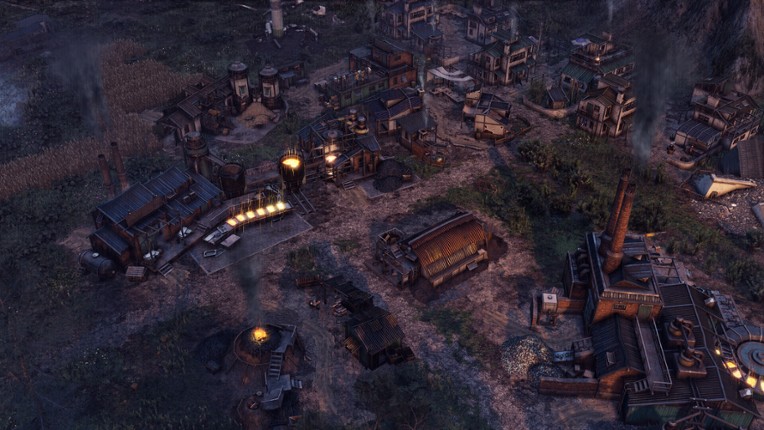
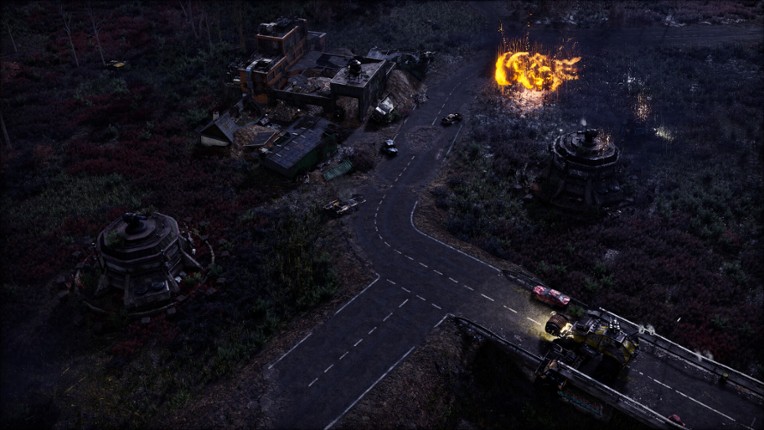
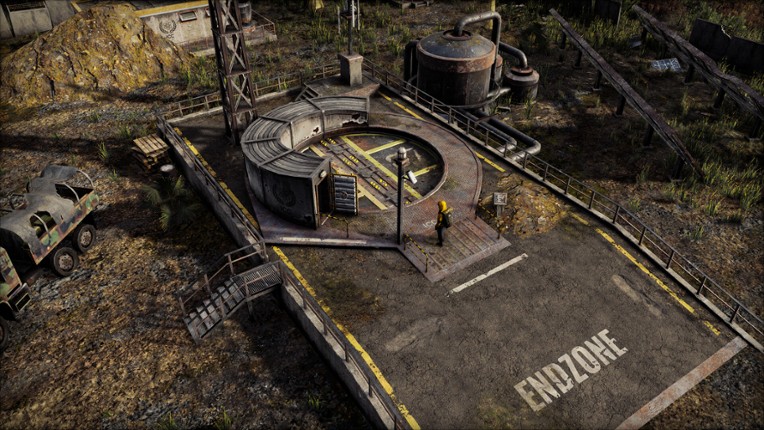
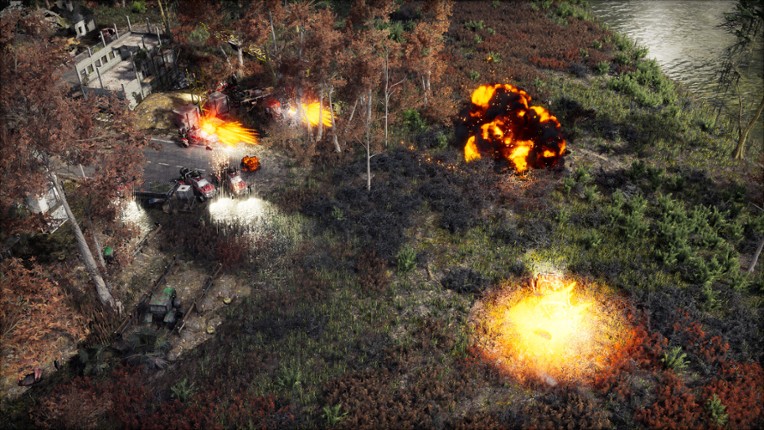
    • “Graphically, Endzone 2 embraces a gritty, realistic art style that effectively conveys the desolation of its world.”
    • “A city builder with the aesthetics of Endzone, also they improved the graphics and general art of some stuff and I loved that.”
    • “The graphics are not that great; it feels like they could have made more progress from the first game.”
    • “Even at high resolutions, the anti-aliasing—both in static and dynamic visuals—appears poorly implemented.”
    • “Ironically, the muted colors make it incredibly hard to see no matter the graphics settings.”
  • grinding

    28 mentions Positive Neutral Negative

    Grinding in the game is widely seen as tedious and time-consuming, especially due to manual micromanagement, limited automation, and repetitive exploration tasks like expeditions. Managing multiple settlements and resource farming become increasingly monotonous, with key mechanics often feeling like slow, repetitive chores rather than engaging gameplay. While some appreciate the variety added by vehicle exploration, overall the grinding detracts from immersion and enjoyment.

    • “There are not enough automation provided makes this a tedious game to play when you have multiple settlements.”
    • “Each settlement is managed separately and their statuses cannot be viewed simultaneously, making them more tedious to manage.”
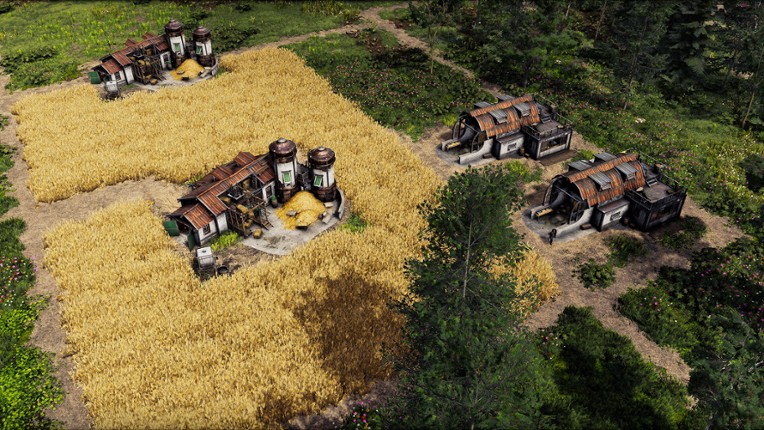
    • “[I need bricks → I need brick production house → I need to research that → I need clay → I need clay farming thing → I need to research that → I accidentally built something on the only spot clay can be farmed → I need to check my vehicle → it's at an expedition → where was I again with the bricks? Wait I need iron soon? How do I - and then I closed the game.]”
    • “You have to take your little van over to random points of interest around the map, run around them to 'loot' a random pitiful amount of resources, and when you complete enough of it you get your one research point; the POIs are repetitive, and it feels tedious to say the least.”
  • story

    22 mentions Positive Neutral Negative

    The story is widely criticized for being minimal, poorly developed, and lacking engaging narrative or character depth, with many players finding missions hastily designed and repetitive. Unlike its predecessor, the sequel offers little compelling world-building or lore, leading to a less immersive experience. While some appreciate potential future content additions, the current lack of a strong story detracts significantly from the game's appeal.

    • “The story mode was what kept me playing the first game and sets it apart from other mind numbing city builders.”
    • “Bottom line this is fun so far, and is a decent sequel, hope it gets better as it finishes, the story gets deeper and stays challenging into late game.”
    • “Finally, new side missions and points of interest will be added to the title to enrich the game further, as the game doesn't have scenarios yet.”
    • “The demo had another aspect that could have differentiated it and gave it some flavour, distinct area housing, but they did away with that, so now it's basically Endzone 1 but boring and without any story whatsoever, and now you can't even tell one building from the next.”
    • “The only downsides are that its plot is even worse than Endzone 1's, and the new mechanics are largely copied from Anno, simply repurposed, lacking its own unique new gameplay.”
    • “It has some graphic issues that need to be fixed, but my main reason for not recommending this game at this time is lack of story.”
  • music

    20 mentions Positive Neutral Negative

    The music in the game receives mixed feedback, with some praising the catchy and beautiful soundtrack, especially the intro and specific songs, while others find it monotonous, repetitive, and even headache-inducing. Despite the divided opinions, the soundtrack and sound design are generally appreciated by a portion of players.

    • “The soundtrack and voice acting are spot-on and truly impressive.”
    • “Game trailers songs and OST are great.”
    • “That down by the riverside song at the beginning of the game is chef's kiss.”
    • “Last nail in the coffin: terrible soundtrack.”
    • “The in-game soundtrack is monotonous.”
    • “Voice acting is wooden, resource reallocation is grindy and soundtrack is repetitive and subpar.”
  • optimization

    13 mentions Positive Neutral Negative

    The game’s optimization remains similar to its predecessor, with notable performance drops such as low frame rates, longer load times, and pathfinding issues, especially as settlements grow complex. Graphics settings have limited impact on performance, and players often experience chugging with high populations and multiple zones. While some tedious tasks have been improved, the game still requires significant optimization updates to enhance playability, particularly on less powerful PCs.

    • “Personally, I'm glad that numerous tedious tasks that you had to do manually in the first game were removed or optimized.”
    • “Right now it has some minor issues concerning loading performance but I discovered nothing major yet.”
    • “Some performance issues and long load times might affect players with less beefy PCs – but I'm guessing this can be easily resolved.”
    • “Performance-wise, the game occasionally suffers from pathfinding issues and longer load times, particularly as settlements grow larger and more complex, which can disrupt the otherwise tense and immersive experience.”
    • “The sore point, unfortunately, as befits games of the time and strategy, is the optimization. Most of the gameplay runs around 30fps on the lowest settings.”
    • “Optimization is needed for sure. Changing the graphics settings doesn't seem to help, and the game tends to chug when you have multiple zones and a high population. The game also doesn't look very graphically demanding, yet performance issues persist.”
  • stability

    12 mentions Positive Neutral Negative

    Stability reviews for the game are mixed, with some users reporting bugs, rushed launch issues, and a need for further polish in UI and controls, while others praise its smooth performance, lack of crashes, and generally bug-free experience. Performance can dip in larger settlements, but overall the game runs well and provides a stable base for future content updates.

    • “They took the concepts that worked (most of them) and expanded or polished them, they added some new things I didn't even know I needed, and they did it in a very bug-free and easy to dive into package.”
    • “I have had zero issues so far and the game looks good and runs great.”
    • “Game runs great, very detailed and can't wait for more content to release over time.”
    • “Endzone 2 had a lot of potential, but it is buggy and abandoned by the developers.”
    • “Game is still buggy and was rushed to 1.0.”
    • “Optimization is needed for sure; changing the graphics settings doesn't seem to help, and the game tends to chug when you have multiple zones and a high population. Although this is expected in these types of games, the game doesn't look very graphically demanding. However, I never ran into any game freezes or crashes.”
  • atmosphere

    9 mentions Positive Neutral Negative

    The atmosphere in the game is generally praised for its immersive, gritty, and tense post-apocalyptic world, with detailed visuals that enhance the bleak yet engaging environment. However, some users feel that once the city stabilizes, the atmosphere diminishes, becoming more about managing numbers than experiencing life, leading to a less appealing and lifeless feel. Overall, it maintains the charm and mood of the first game, especially for fans of methodical survival and base-building.

    • “The atmosphere is thick with tension as each season and weather event poses new threats.”
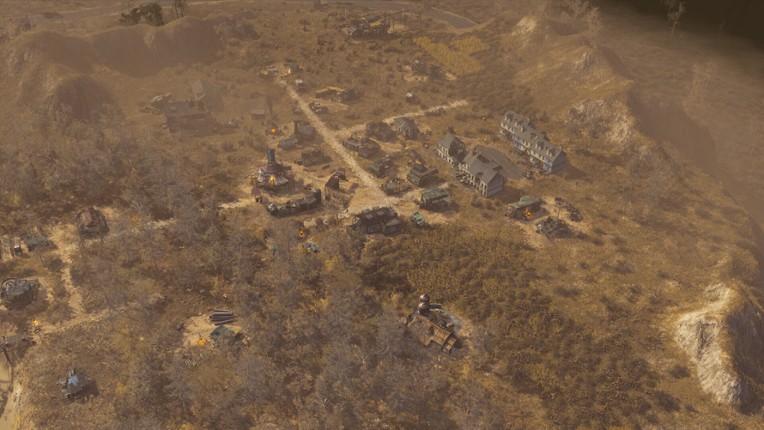
    • “The level of detail in the buildings and landscapes is impressive, with ruined structures, exaggerated forests, and running rivers all contributing to a bleak but exciting atmosphere.”
    • “I loved the first game for its atmosphere and its gritty, immersive visuals—which, frankly, I found better than the look of Endzone 2.”
    • “There is no atmosphere to smooth the ultra sharpness of the endless entropy - and the colors are brutal and way over-saturated.”
    • “When your city reaches a point where it's running smoothly, the game no longer provides any sense of comfort or visual appeal. There are no city atmospheres or additional interactive details; the entire game experience becomes a matter of merely maintaining data balance. There are no citizens, no life, everything is just numbers and data arithmetic, and you feel like a caretaker.”
    • “The level of detail in the buildings and landscapes is impressive, with ruined structures, exaggerated forests, and running rivers all contributing to a bleak, but exciting atmosphere.”
  • replayability

    8 mentions Positive Neutral Negative

    Replayability in the game is generally seen as a strong point due to its layered systems, interconnected settlements, and evolving mechanics, which offer depth and reward thoughtful play. However, some players note repetitive expeditions and lack of dynamic threats like zombie attacks, which may reduce long-term engagement for certain audiences. Overall, it offers good replay value, though pacing and challenge could improve to enhance sustained interest.

    • “Its layered systems and interconnected settlements provide depth and replayability, rewarding patience and thoughtful decision-making.”
    • “Released (sadly still) in early access on Steam on August 26 by Gentlymad Studios and published by Assemble Entertainment, it promises to broadly evolve the city-building and survival mechanics that fans of the first game appreciated, while introducing new elements aimed at enhancing the depth and replayability of the experience.”
    • “Mid game felt a little slow and the game didn't feel very challenging, it's still lacking in those aspects, but overall great game, it's fun as it is and has good replayability.”
    • “The expeditions are repeated, so there is zero replay value.”
    • “Looks replayable but most players may not like the lack of zombies or other communities making war on you - that hasn't happened, at least yet.”
    • “Released (sadly still) in early access on Steam on August 26 by Gentlymad Studios and published by Assemble Entertainment, it promises to broadly evolve the city-building and survival mechanics that fans of the first game appreciated, while of course introducing new elements aimed at enhancing the depth and replayability of the experience.”
  • monetization

    3 mentions Positive Neutral Negative

    Users find the game's approach to resource gathering and settlements interesting but are uncertain about its long-term value and impact on monetization. They note the potential for trading between multiple settlements but suggest the game could benefit from more advertising to highlight its quality.

  • character development

    1 mentions Positive Neutral Negative

    The game features minimal character development, relying on emergent gameplay to allow players to craft their own stories rather than providing a strong, guided narrative or deep character arcs.

Skip Game Offers

Buy Endzone 2

11h Median play time
31h Average play time
6-40h Spent by most gamers
*Based on 6 analyzed playthroughs
Skip Videos

Videos

Skip Games Like Endzone 2
Skip FAQs

Frequently Asked Questions

Endzone 2 is a open world city builder game with economy and post-apocalyptic themes.

Endzone 2 is available on PC and Windows.

On average players spend around 31 hours playing Endzone 2.

Endzone 2 was released on July 24, 2025.

Endzone 2 was developed by Gentlymad Studios.

Endzone 2 has received mostly positive reviews from players. Most players liked Endzone 2 for its gameplay but disliked it for its grinding.

Endzone 2 is a single player game.

Similar games include Endzone: A World Apart, New Cycle, Settlement Survival, Surviving the Aftermath, Aquatico and others.