Cities in Motion

A transitory pleasure that polishes up nice. But it lacks variety and competition, and is just a little bit too difficult.
Cities in Motion Game Cover
72%Game Brain Score
graphics, story
optimization, monetization
73% User Score Based on 516 reviews
Critic Score 67%Based on 1 reviews

Platforms

LinuxPCMac OSWindows
Cities in Motion Game Cover

About

Cities in Motion is a single player economy strategy game with economy and business themes. It was developed by Colossal Order and was released on February 22, 2011. It received mostly positive reviews from both critics and players.

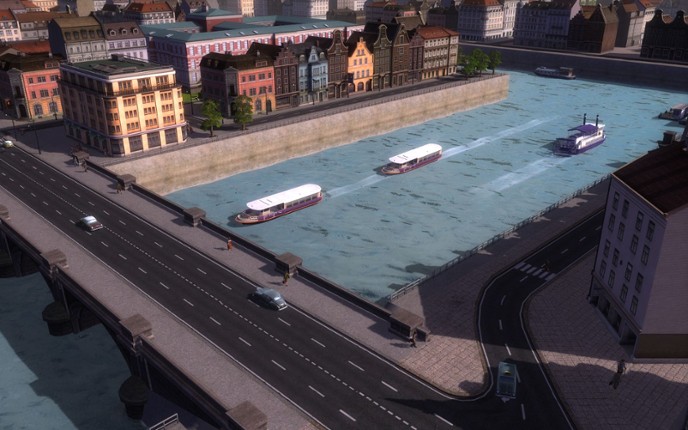
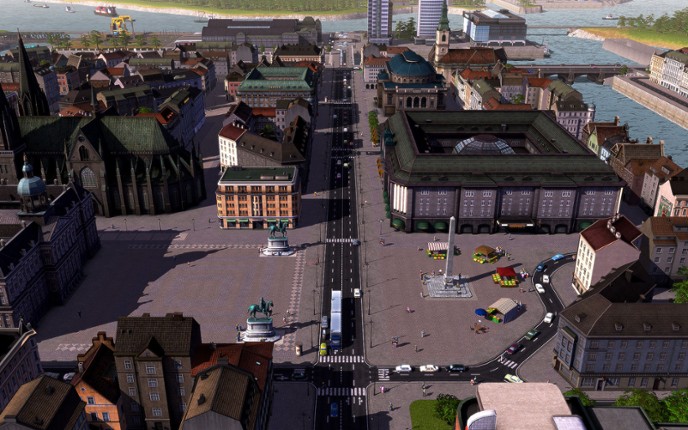
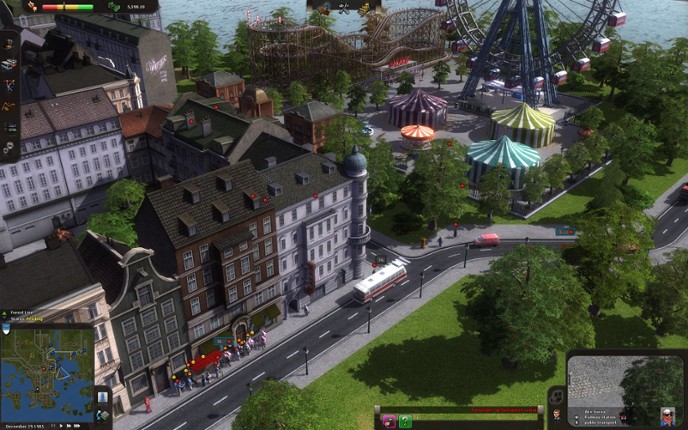
Rendered in rich detail, four of the world’s greatest cities - Vienna, Helsinki, Berlin, and Amsterdam - await the steady hand of a planner to manage their transportation needs in Cities in Motion. Overseeing the changing needs of people from 1920 to 2020, it’s up to you to manage everything from buses, trams and subway trains to maximize profits while pleasing commuters.
Skip User Reviews

73%
Audience ScoreBased on 516 reviews
graphics33 positive mentions
optimization6 negative mentions

  • Detailed and realistic simulation of public transport networks including buses, trams, metro, ferries, and helicopters.
  • Dynamic passenger simulation with citizens following daily routines leading to emergent rush hours and complex logistics challenges.
  • Engaging and addictive for fans of transit management and business simulation with a variety of scenarios and sandbox mode.
  • Steep learning curve with insufficient tutorial and guidance causing frustration for new players.
  • Traffic and economic simulation flaws leading to frequent gridlocks, breakdowns, and difficulty in making profits.
  • Outdated and occasionally buggy game engine resulting in crashes, low performance, and some awkward mechanics (e.g., vehicle capacities, line building).
  • graphics
    51 mentions Positive Neutral Negative

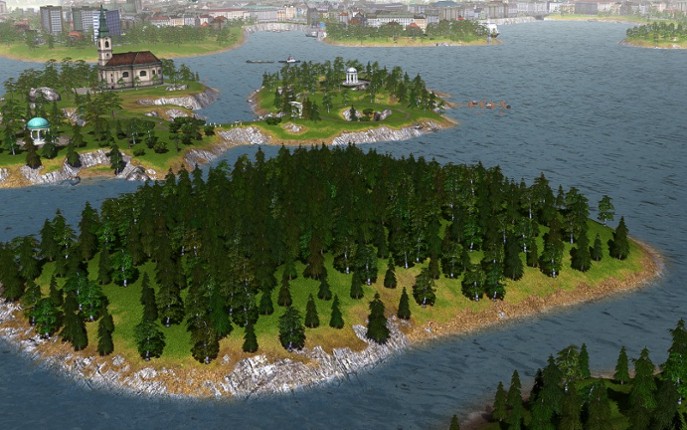
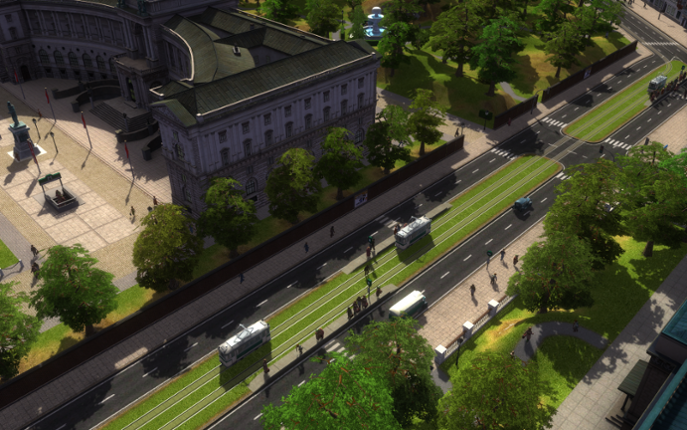
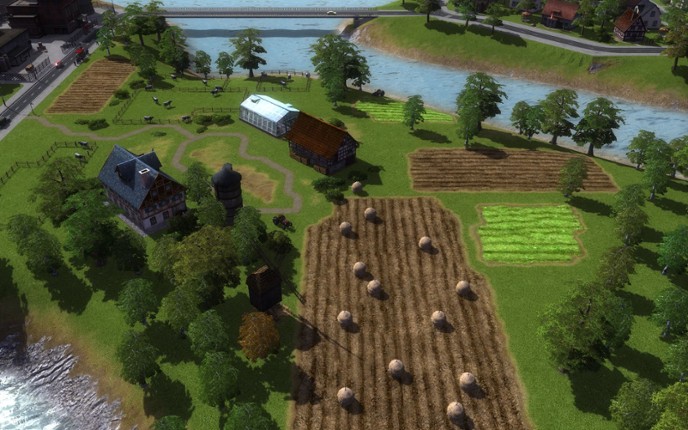
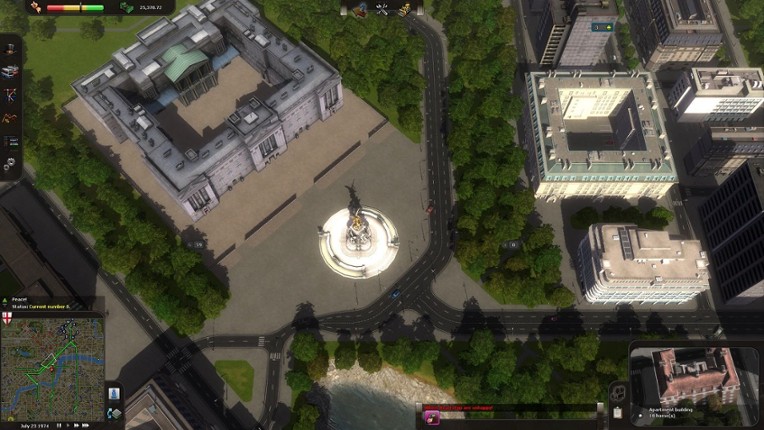
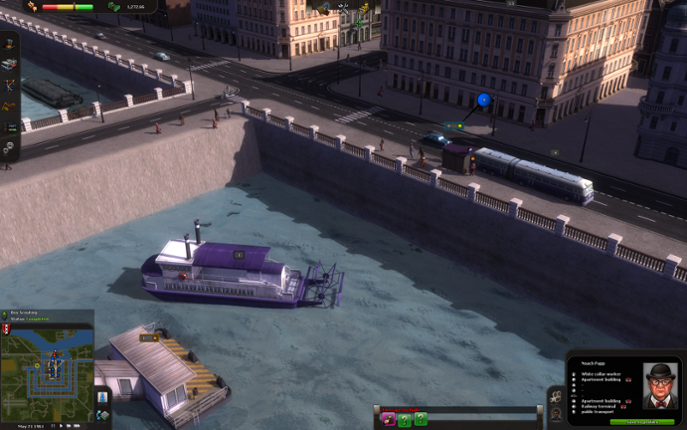
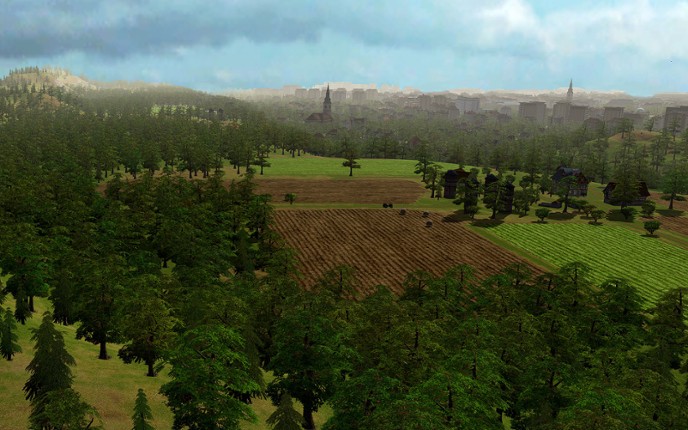
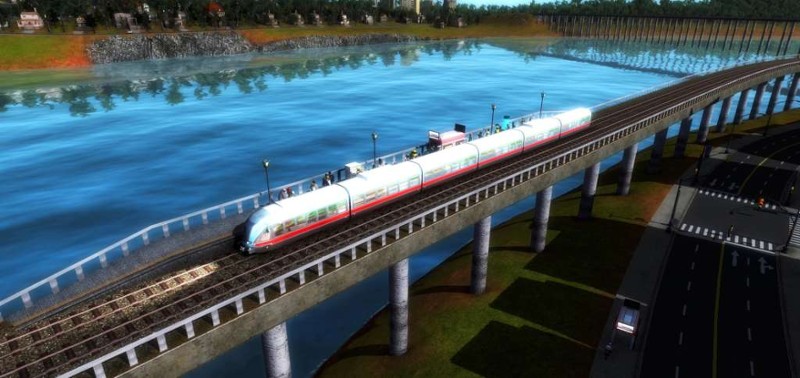
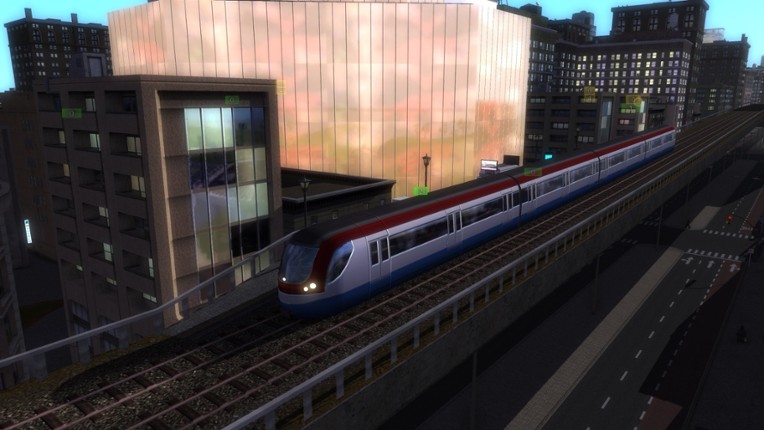
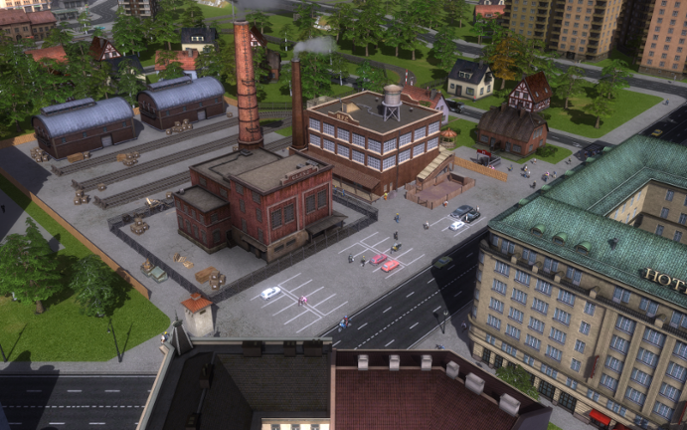
    The graphics are widely praised for their detailed and vibrant cityscapes, realism, and longevity, remaining impressive even years after release. While generally considered solid and visually appealing with immersive animations, some users noted occasional frame rate drops and that the visuals, though good, are not cutting-edge by modern standards. Overall, the game's graphics enhance the gameplay experience and are a standout feature appreciated by fans of transport simulation.

    • “Both the graphics and the sound design of the game are well made, with nice visuals being complemented by a good soundtrack.”
    • “The graphics are great, and you even see people wandering around, getting on and off your vehicles, as well as going underground to get onboard one of your metro trains.”
    • “Graphics are very detailed, I've spent at least 40-50% of my playtime doing nothing but watching my trains and trams going around town, picking up passengers, fighting their way through the (sometimes intense) car traffic and all the other little things you can observe.”
    • “Low quality graphics, plot and role play.”
    • “The graphics in the game are not the best and there are some slowdowns too but being able to see individuals waiting at the stops as well as seeing your vehicles moving around the city from the game's top down view is certainly quite mesmerizing.”
    • “Also the graphics are ugly, the music probably causes cancer and the gameplay is narcotic.”
  • story
    47 mentions Positive Neutral Negative

    The story-driven campaign features a series of mission-based scenarios set in a few European cities, providing structured objectives and rewards to guide player progression. While missions are varied and detailed, some players find the tasks repetitive, occasionally illogical, and the writing childish or low quality. Overall, the campaign offers a decent paced narrative with interesting historical details but limited freedom and some frustrating mission design choices.

    • “The main campaign consists of 12 missions called scenarios, each set in one of four cities: Amsterdam, Berlin, Helsinki, or Vienna.”
    • “Every little detail is simulated, from the kinds of aircraft you see flying by being appropriate to the time period, to each character having a whole story when clicked on.”
    • “Unlike some similar games, it's also very well paced and structured - you get a regular stream of missions like a casino owner who wants to bring in tourists, or even a secret agent who needs some changes to your network.”
    • “Also the quests, rather than helping you learn the game and make profit by creating logical lines, often do the exact opposite, forcing you to create routes that make no sense and are sure to cost money.”
    • “The scenarios are really boring with bad missions, e.g., long bus or tram routes that ruin your reputation if you don't close them immediately after completing.”
    • “Missions are silly with writing that feels childish.”
  • gameplay
    45 mentions Positive Neutral Negative

    The gameplay centers on designing and managing complex public transportation networks with a mix of straightforward mechanics and deeper strategic elements like transfer hubs and vehicle frequency. While engaging and challenging for fans of serious management sims, it can feel repetitive and lacks broader city-building integration, with some interface and mechanical quirks that may steepen the learning curve. Overall, it offers satisfying, immersive gameplay once mastered, though improvements were made in its sequel.

    • “The core gameplay revolves around designing and maintaining public transportation networks that evolve alongside growing cities.”
    • “While basic mechanics are straightforward, true mastery requires understanding subtler concepts such as transfer hubs, line spacing, vehicle frequency, and cost-to-capacity balance.”
    • “The game has a simple tutorial to get you used to the gameplay, and it provides a nice selection of maps to play on, whether for the campaign or sandbox modes.”
    • “However, because it does not incorporate broader city management systems, the gameplay loop remains largely unchanged from start to finish.”
    • “The interface isn't really that helpful and most of the game mechanics are either really broken or just didn't work at all.”
    • “The maps are well done, the vehicles look ok, but the gameplay is terrible.”
  • optimization
    12 mentions Positive Neutral Negative

    Optimization in the game is generally poor, with significant performance issues on mid-to-low-end PCs and large, developed cities causing slowdowns even on high-end systems due to limited multi-core support. While useful analytical tools are provided, players often rely on trial and error to optimize routes. Despite these technical shortcomings, the gameplay remains engaging and enjoyable.

    • “A poorly designed route can quickly become overcrowded or unprofitable, while a well-optimized network can smoothly carry thousands of passengers and generate steady income.”
    • “Cities in Motion has some very helpful information overlays for the city, as well as useful graphs and charts of your company's performance at all levels.”
    • “But none of these comments are game breaking; it is still a very fun game where you need some trial and error to find out what is the most optimized transportation network.”
    • “The optimization for this game is horrendous and if you have a mid-end to low-end PC, avoid it.”
    • “It's a CPU-hungry game, so at times the performance isn't great.”
    • “The biggest issue by far is technical—the game is not optimized well, and games in large cities with developed transport systems slow down to a crawl even on my top-of-the-line PC.”
  • music
    11 mentions Positive Neutral Negative

    The game's music is generally praised for its relaxing and enjoyable soundtrack that complements the visuals and adds to the immersive experience. However, some users found the music repetitive or bothersome, especially as it plays even when turned off in settings. Overall, the soundtrack is seen as a strong point, enhancing the game’s realism and atmosphere.

    • “Both the graphics and the sound design of the game are well made, with nice visuals complemented by a good soundtrack.”
    • “The sound design is exactly what you're expecting, with pleasing jingles and chimes over a mostly relaxed soundtrack.”
    • “The graphics are beautiful, the music is peaceful, and it is a relaxing game to play.”
    • “Turned off music in the settings, but the menu music plays anyway.”
    • “I don't even play it; the music is bad and the controls make it bad.”
    • “Also, the graphics are ugly, the music probably causes cancer, and the gameplay is narcotic.”
  • monetization
    7 mentions Positive Neutral Negative

    The monetization aspect is praised for its detailed economic simulation, allowing players to manage wages, loans, advertising, ticket prices, and vehicle line control strategically to ensure profitability. Success requires careful planning and adapting to changing city economics, with loan management and advertising choices playing crucial roles. Overall, the monetization system is deep and realistic, rewarding thoughtful business decisions.

    • “Add to that your control over wages, ticket prices, and advertising, plus a full economic model for the city that can change the business landscape during recessions and crises, and you may very well have trouble grasping why you're not making any money.”
    • “Of stops on the streets and bustling office condos, public stores, churches, etc., running the company most efficiently and effectively, while making all the earnings to pay for your company's survival, employees' wages, capital expansions like better comfy bus/train stops and tracks laying, repairs and maintenance costs, advertising and promotion, etc. Throat-cutting competitors and loan-sharks can sink you down quickly if you mismanage consistently.”
    • “In this game, you can't randomly build anything and expect to make a profit, you have to inspect which kind of people will use your service, where they want to go, plan your routes so the vehicles can travel faster, which bank you'll get loan, which kind of advertisement you'll use and how long. It also has a single-player campaign with mission-based scenario alongside sandbox mode and map editor.”
  • stability
    7 mentions Positive Neutral Negative

    The game suffers from frequent bugs and stability issues, including a problematic user interface and gameplay glitches like rapid city gridlock. While not critically broken, these stability problems detract from the overall experience and may frustrate players expecting a polished product.

    • “I was expecting a lot from this game (since it's the same developer as CS). The graphics are not bad, but the user interface was terrible and buggy!”
    • “Don't buy if you're about to; it is very old but still buggy.”
    • “Looks good, but at launch has been pretty buggy, with cities rapidly deteriorating into gridlock - making subways one of your only viable options.”
  • humor
    5 mentions Positive Neutral Negative

    The humor in the game is widely praised for being simple, entertaining, and genuinely funny. Players enjoy the amusing chaos and quirky missions, even when they involve unconventional or non-profitable strategies. Overall, the humor adds a lighthearted and enjoyable layer to the gameplay experience.

    • “So simple and so funny.”
    • “There are so many different ways to approach things to produce the best results, but before you can get there, the chaos that ensues is rather entertaining and hilarious at the same time.”
    • “Funny but true.”
  • replayability
    4 mentions Positive Neutral Negative

    The game offers good replayability, especially appreciated through creating complex metro systems, though it may not have extreme replay value on its own. Additionally, community mods significantly enhance replayability, making it highly recommended for repeated play.

    • “Highly replayable and highly recommended.”
    • “There are also some great mods out there that add a ton of replayability to the game.”
    • “I enjoyed it; it does not have extreme replayability, but I did enjoy making complicated metro systems.”
  • grinding
    3 mentions Positive Neutral Negative

    Grinding in the game is characterized by tedious and excessive micromanagement, particularly involving economic tasks like adjusting wages and fares, which often feels unrewarding and tiresome. Overall, this leads to a repetitive experience that lacks creativity and becomes frustrating over time.

    • “So, take SimCity, remove all the creativity, swap putting down buildings and parks for bus stops and train stations, and add more tedious economic micromanagement.”
    • “Even extreme micromanaging is not enough to make money, as toying with wages, fares, and maintenance costs is tedious and doesn't yield any significant results.”
    • “Decent game but is tedious and becomes tiresome.”
  • atmosphere
    2 mentions Positive Neutral Negative

    The game is praised for its exceptional atmosphere, featuring visually appealing cities and an engaging ambiance that surpasses similar titles, making it a highly enjoyable experience.

    • “It's not got the features or flexibility of CIM2 but what it does have is a much better atmosphere, prettier cities, and it's just a much more fun game.”
    • “Cities in Motion has one of the greatest atmospheres I've ever seen.”
Skip Critic Reviews
Skip Game Offers

Buy Cities in Motion

22h Median play time
33h Average play time
3-100h Spent by most gamers
*Based on 4 analyzed playthroughs
Skip Videos

Videos

Skip Games Like Cities in Motion

Games Like Cities in Motion

Skip FAQs

Frequently Asked Questions

Cities in Motion is a economy strategy game with economy and business themes.

Cities in Motion is available on PC, Mac OS, Windows and Linux.

On average players spend around 33 hours playing Cities in Motion.

Cities in Motion was released on February 22, 2011.

Cities in Motion was developed by Colossal Order.

Cities in Motion has received mostly positive reviews from both players and critics. Most players liked this game for its graphics but disliked it for its optimization.

Cities in Motion is a single player game.

Similar games include Cities in Motion 2, Transport Fever, Transport Fever 2, Train Fever, Railway Empire and others.