

If Monster Hunter has earned a permanent spot in your rotation, you already know what makes it special — and you're probably hungry for more. Searching for games like Monster Hunter means you're after that specific blend of role-playing depth, cooperative play, and tabletop-style strategy that the series delivers so well. The good news: there are genuinely great alternatives worth your time.
Monster Hunter sits at a rare intersection of mechanics: it's a co-op RPG built around the tabletop sensibility of shared decision-making, two-player collaboration, and systems that reward mastery over time. Whether you're playing alongside a friend or methodically working through a challenge solo, the game's appeal comes from its structured cooperative loop and the role-playing layer that gives every session meaning. Players who love it aren't just chasing action — they're chasing systems that feel purposeful together.
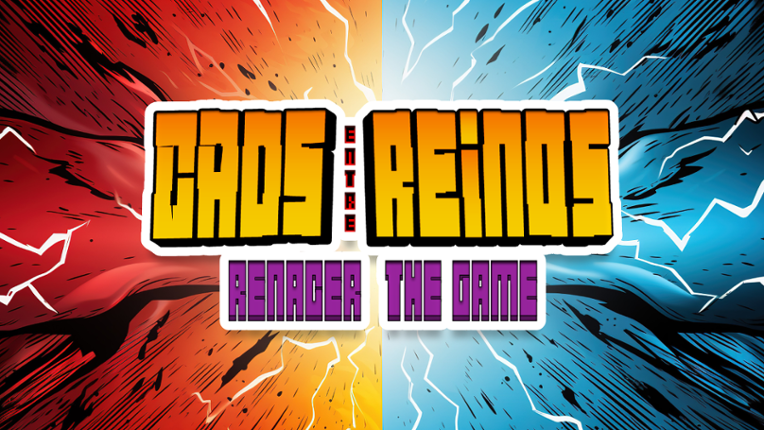
Firelights and Let's Jam! are the closest matches, sharing the exact co-op, two-player, tabletop RPG formula. CAOS ENTRE REINOS: RENACER THE GAME brings a multi-player RPG adventure angle worth exploring. For solo RPG depth with indie creativity, Al Margen de la Humanidad offers dragons and robots in a single-player format. Talin - The adventure behind the story rounds things out with tactical turn-based JRPG combat for strategy-minded players.
Every recommendation below is ranked by similarity using real player and mechanic data, so the closest matches appear first. Browse the full list to find exactly what fits your playstyle.
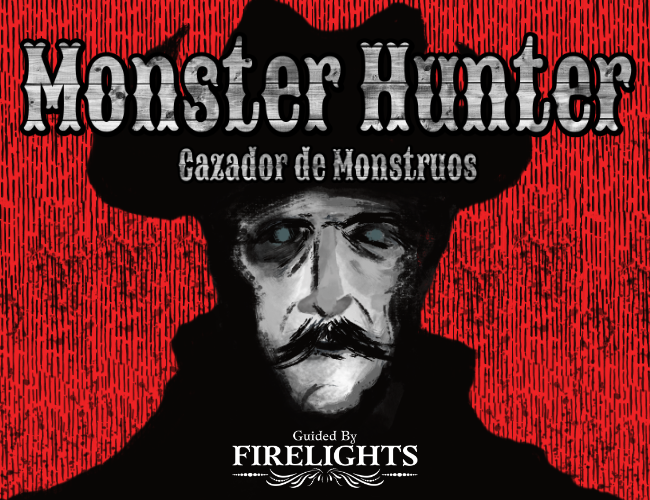
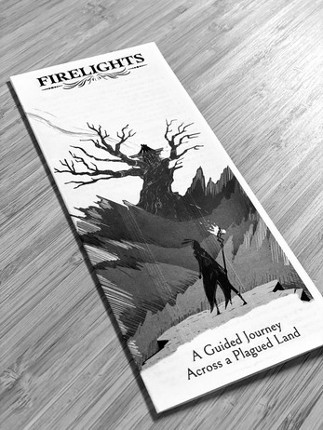
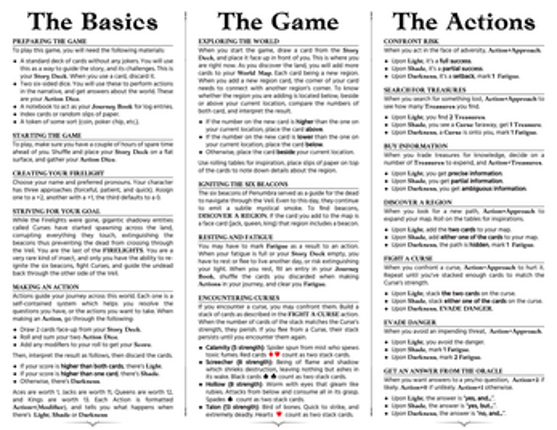
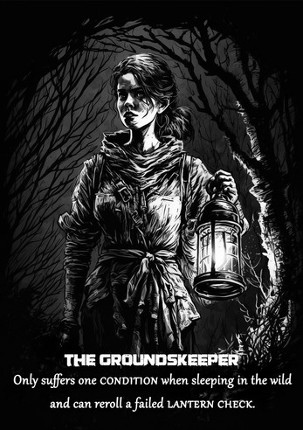
Both Monster Hunter and Firelights center on cooperative tension—you and a partner face mounting danger together, where individual mistakes ripple across the shared battlefield. This creates the same rhythm of risk assessment and mutual reliance that makes Monster Hunter's hunts feel consequential.
The dice-driven challenge system in Firelights mirrors Monster Hunter's pattern-learning loop. You're not grinding stats to trivialize encounters; you're adapting tactics mid-conflict, reading what the dice reveal, and adjusting your next move. Both demand active problem-solving rather than passive number scaling.
Where Firelights diverges is in scope and pacing. Monster Hunter builds toward epic, multi-phase showdowns; Firelights operates in tighter, more intimate encounters with shadow and firelight as core tension rather than armor upgrades and weapon trees. It's lean storytelling instead of systemic depth.
Best for players who value the cooperative decision-making at Monster Hunter's heart—the split-second calls and partner synergy—over its gear-crafting apparatus. If you hunt for the hunt itself, not the loot cycle, Firelights offers that same adrenaline on a tabletop canvas.
If you enjoyed this game, see our list of games similar to Firelights.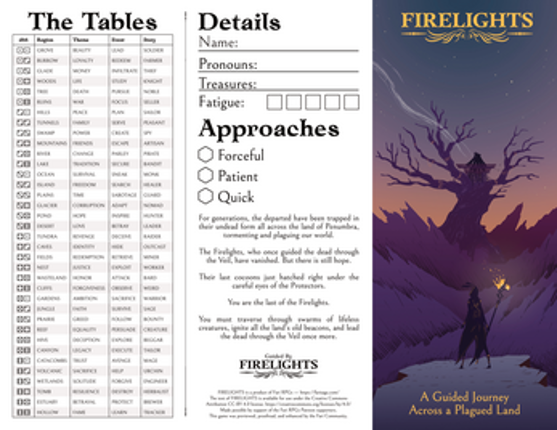
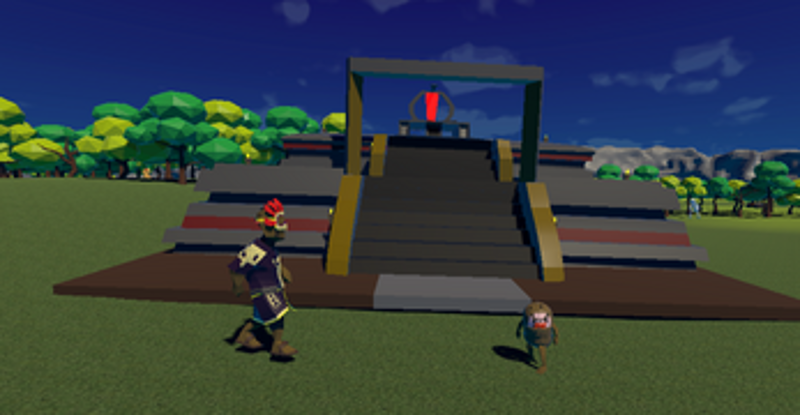
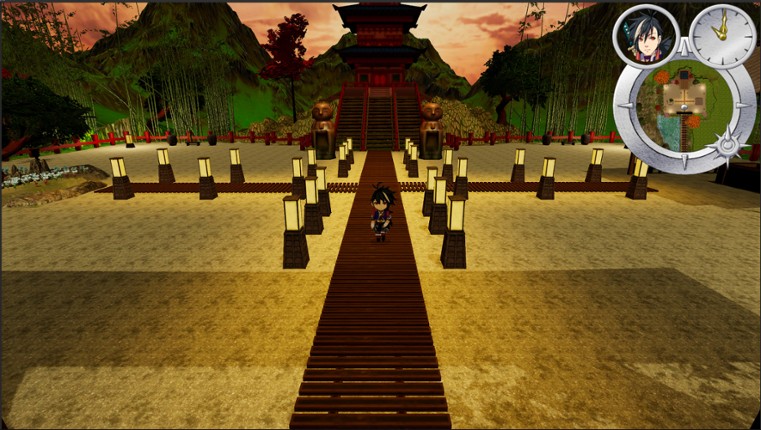
Monster Hunter fans who enjoy organizing a hunt with another player and reading the battlefield as a team will find a familiar rhythm here. CAOS ENTRE REINOS: RENACER THE GAME centers on role-playing choices, cooperative play, and moment-to-moment teamwork, so every session still feels like coordinating actions and adapting together.
The overlap is strongest in the shared sense of progression through action and strategy: you are not just watching events unfold, you are shaping them through player decisions. That matters because the game’s multiplayer structure encourages the same kind of communication and shared problem-solving that makes Monster Hunter’s co-op so rewarding. Its fantasy setting also gives those tactical sessions a more storybook, tabletop-flavored atmosphere.
The big difference is the tradeoff: instead of Monster Hunter’s hunt-and-craft loop, this leans more toward roleplay-driven adventure and a lighter indie presentation in 3D. That makes it a fresher pick for players who want cooperation and character expression without being locked into a pure monster-boss grind.
Best for players who want co-op teamwork with more roleplay flair than grind.
If you enjoyed this game, see our list of games similar to CAOS ENTRE REINOS: RENACER THE GAME.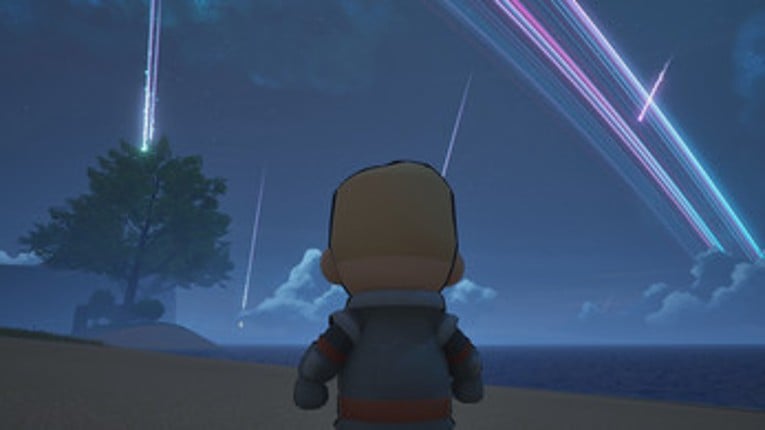
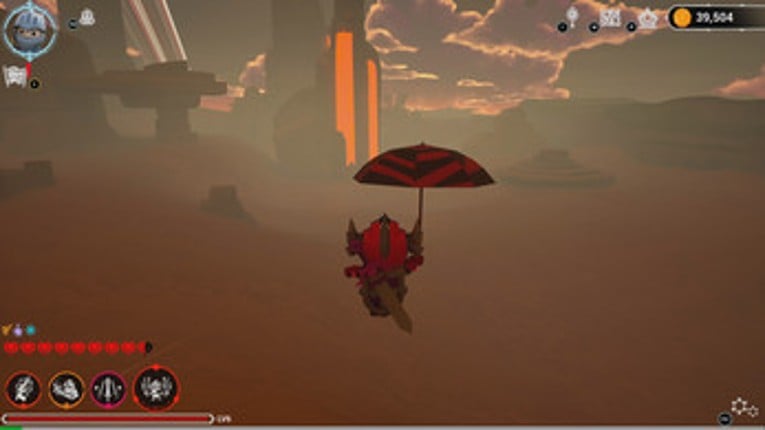
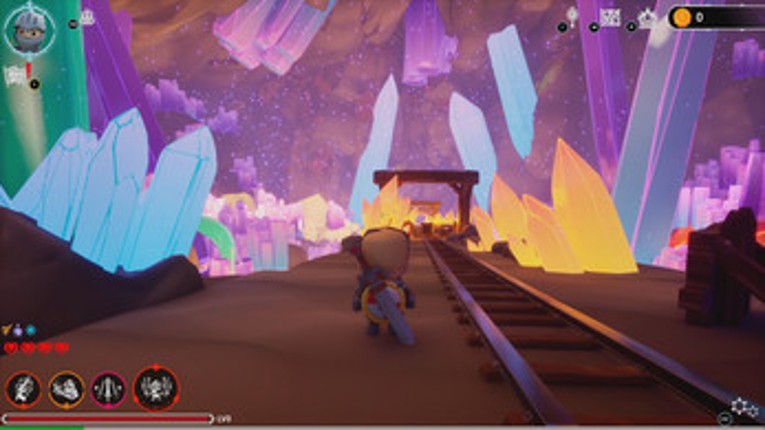
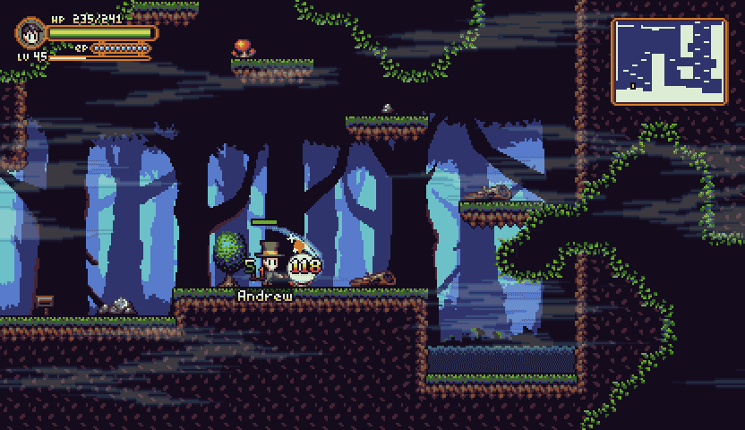
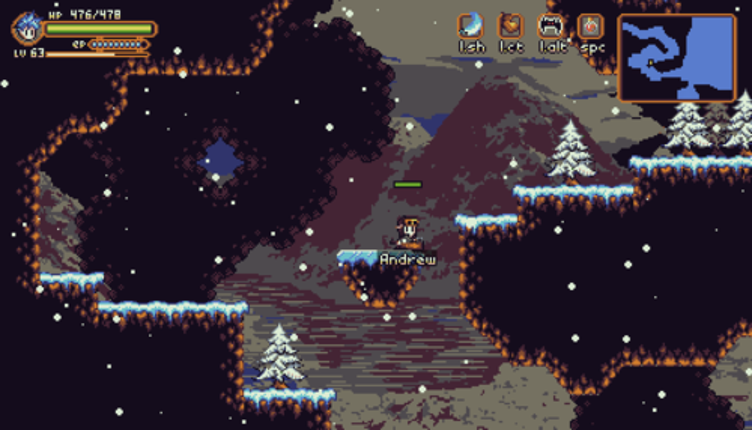
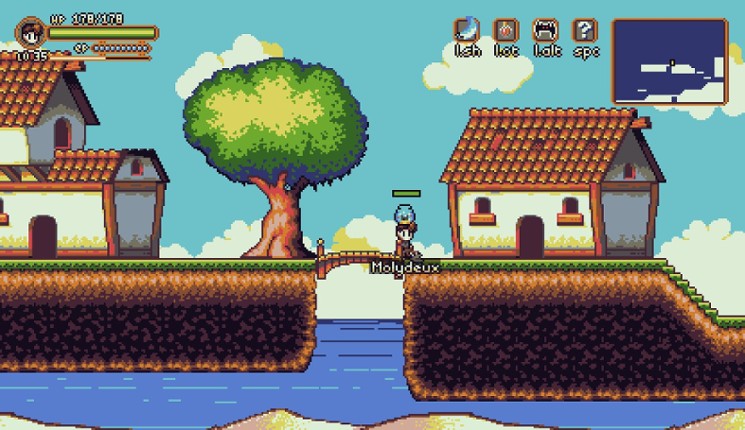
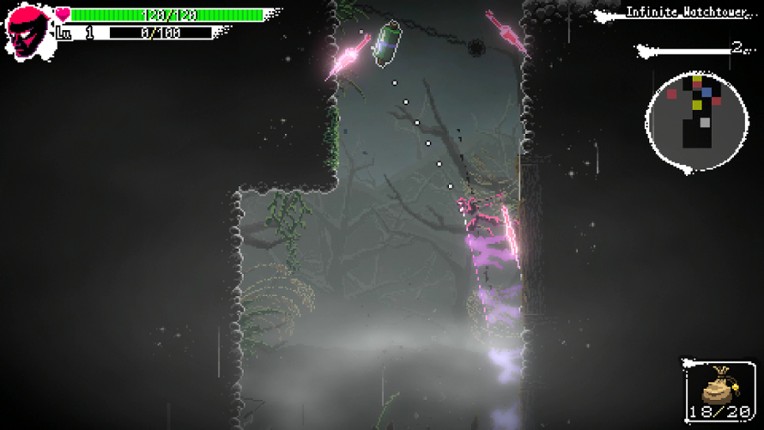
Preparing your gear before a dangerous encounter is a core ritual in Monster Hunter; LUMINAR mirrors that ritual by letting you outfit your character with a variety of equipment and abilities before venturing into the wild.
The game hides its monsters in shadowy corners of an open world, rewarding careful observation and exploration just as the tracker system does in Monster Hunter.
Combat feels tense and punishing, requiring you to read enemy tells and react quickly, a rhythm that captures the same “dance of danger” you love in high‑stakes hunts.
Unlike the co‑op focus of Monster Hunter, LUMINAR is a single‑player indie title with retro pixel art, offering a more intimate, self‑paced experience without the need to coordinate with others.
Best for hunters who savor methodical preparation and environmental puzzle‑solving but are looking for a solo, nostalgic adventure.
If you enjoyed this game, see our list of games similar to LUMINAR - RPG - NUEVA VERSIÓN: 1.0.2 VIDEOJUÉGO DE: PC EN: ESPAÑOL.That tension of weighing risk against reward — committing to a big action when failure could hurt the whole team — sits at the heart of both Monster Hunter and Let's Jam!. Both games are built around 2-player co-op where coordinated decision-making matters, and both lean into tabletop roleplay mechanics including dice rolls that keep outcomes uncertain and consequential.
The dice-and-action system in Let's Jam! creates a familiar loop: you assess danger, choose your move, and live with the result together — much like reading a monster's patterns and committing to a coordinated strike. That shared rhythm of challenge, action, and consequence will feel instinctively natural to Monster Hunter players.
Where things diverge is tone and pacing — Let's Jam! trades large-scale hunts for a more intimate, firelight roleplay atmosphere that slows the experience down into something more conversational and story-driven.
At roughly 29% overlap, this is a tangential recommendation rather than a direct substitute. Best for Monster Hunter fans who want to bring the co-op chemistry to a table with more narrative breathing room.
If you enjoyed this game, see our list of games similar to Let's Jam!.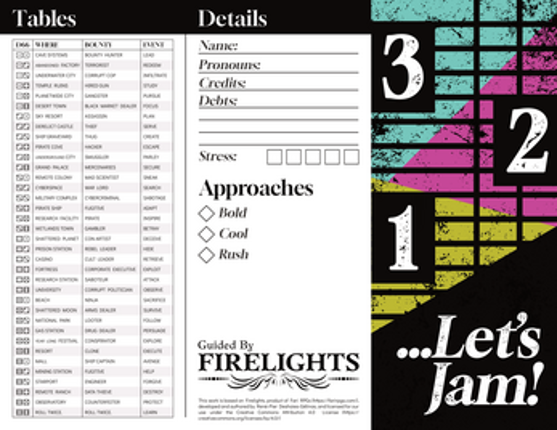
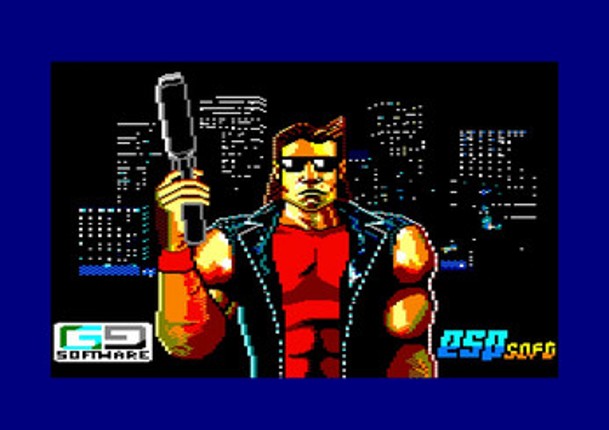
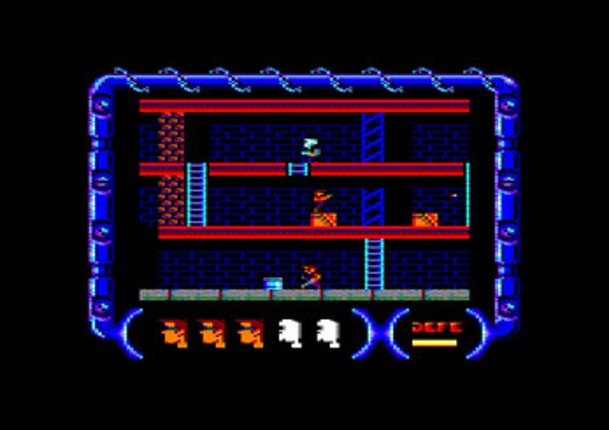
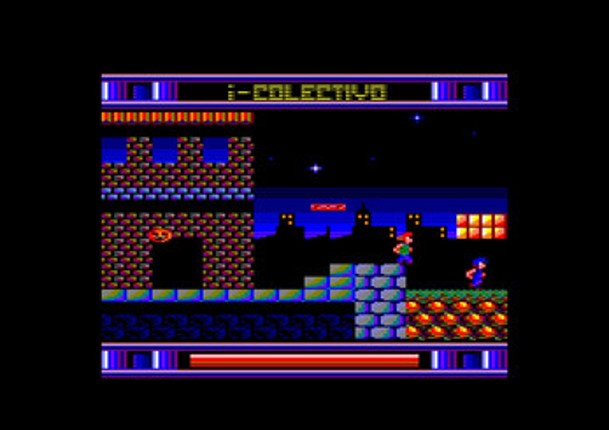
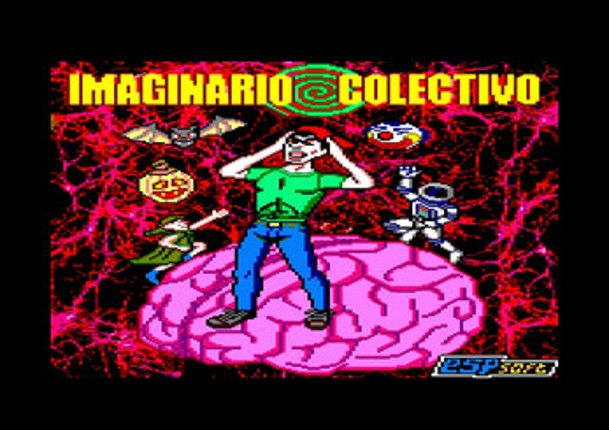
Team CONCEPT, IDEA AND PROGRAM: ggGRAPHICS: gg and LitosLOADING SCREEN: 6128SOUND & FX: McKlainTESTING AND IDEAS: gg, 6128, Litos, MiguelSky, McKlainCOVER ILLUSTRATION: 6128 J. T. Gamber es un ex-soldado. Fue miembro de las fuerzas especiales, pero no es un héroe de guerra, no tiene condecoraciones y su nombre nunca figuró en lista alguna de candidatos a tener en cuenta para ocupar un lugar destac… If you enjoyed this game, see our list of games similar to La Guerra de Gamber (Amstrad CPC).


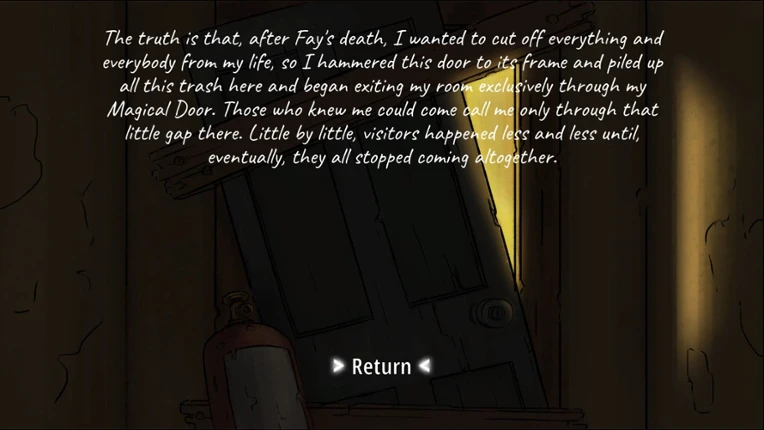
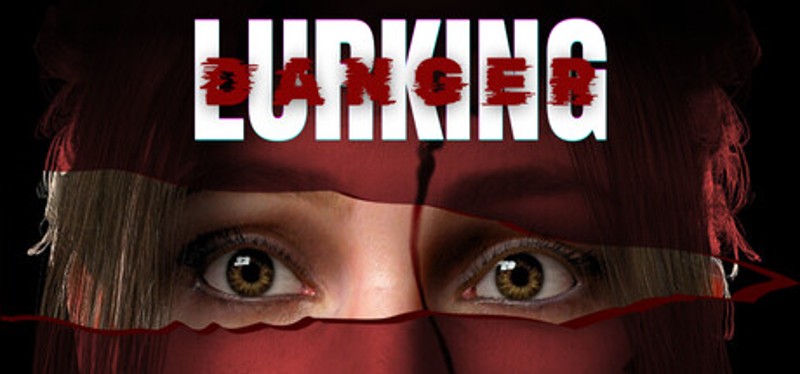
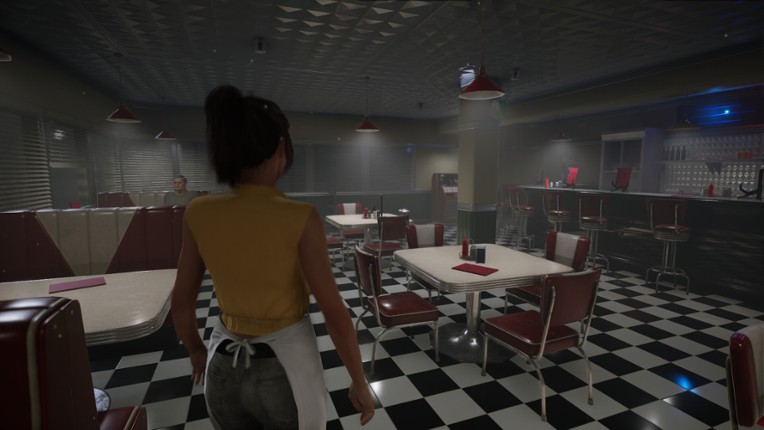
Game Overview:Step into the unsettling world of Lurking Danger, a survival horror game that will push you to the edge of sanity. You play as Elena, a young waitress at a seemingly ordinary diner. But when Emily, a regular customer, mysteriously disappears, her routine life takes a terrifying turn. Determined to find out what happened, Elena, alongside her coworker Regina, soon finds herself trapp… If you enjoyed this game, see our list of games similar to Lurking Danger.
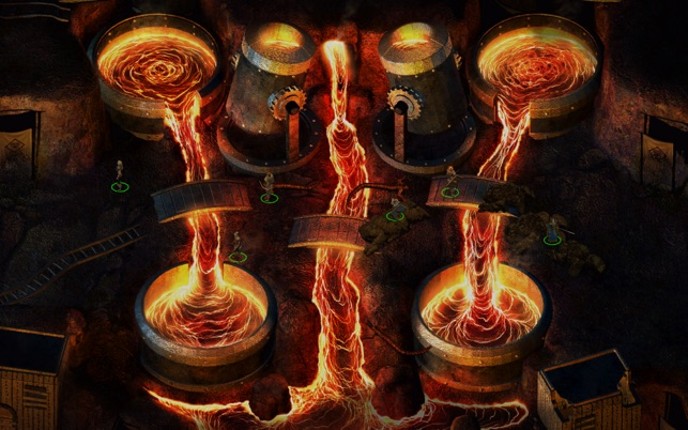
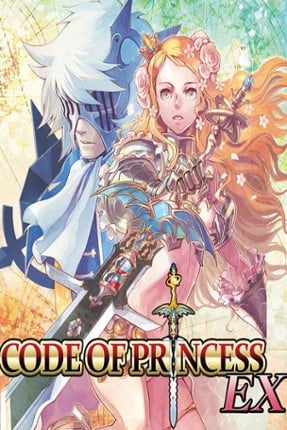
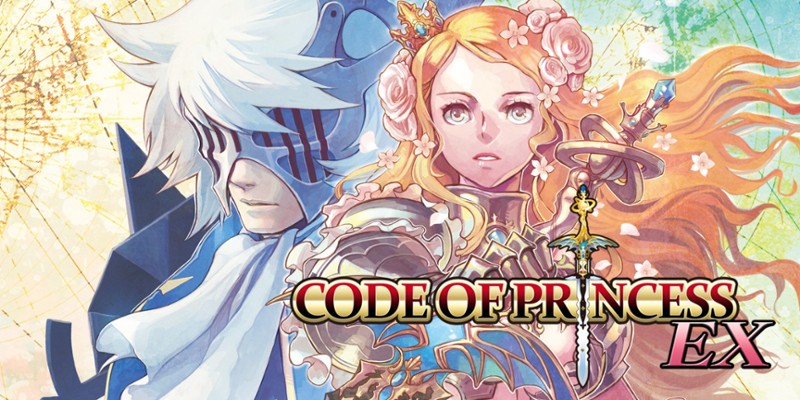
Both games lean on action-heavy combat with character variety, letting you pick different fighters and engage enemies directly. This foundation matters because it creates that satisfying loop of learning movesets and mastering positioning.
Code of Princess strips away Monster Hunter's cooperative structure entirely—it's purely single-player, which fundamentally changes pacing and stakes. Where Monster Hunter demands teamwork and coordination, this is solo progression with optional local/online multiplayer tacked on.
Pick this up if you want fast-paced, character-driven combat but don't need the depth that comes from hunting mechanics and collaborative boss design.
If you enjoyed this game, see our list of games similar to Code of Princess EX.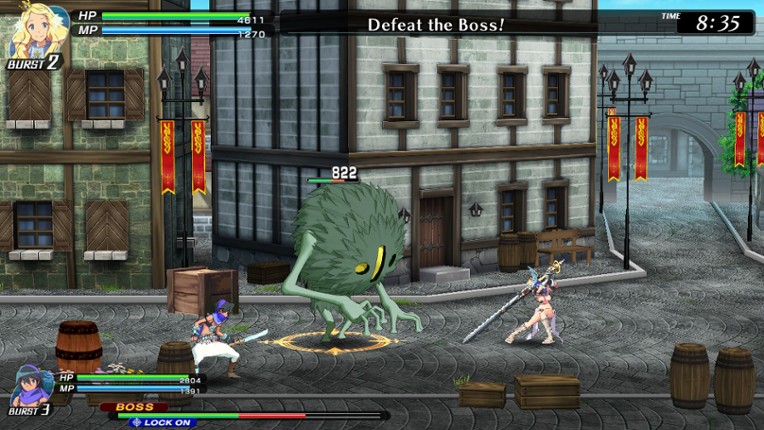
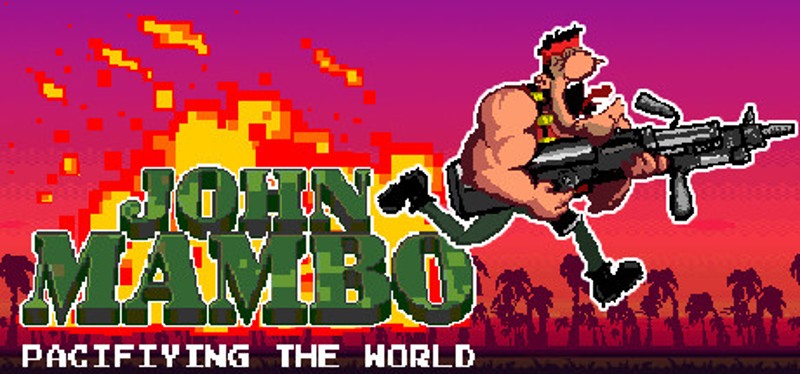
John Mambo is a frenetic Retro Arcade Game with an isometric top down view. Meet John, a one man army, crazy enough to embark on a dangerous mission in the heart of a jungle all by himself... If you enjoyed this game, see our list of games similar to John Mambo.
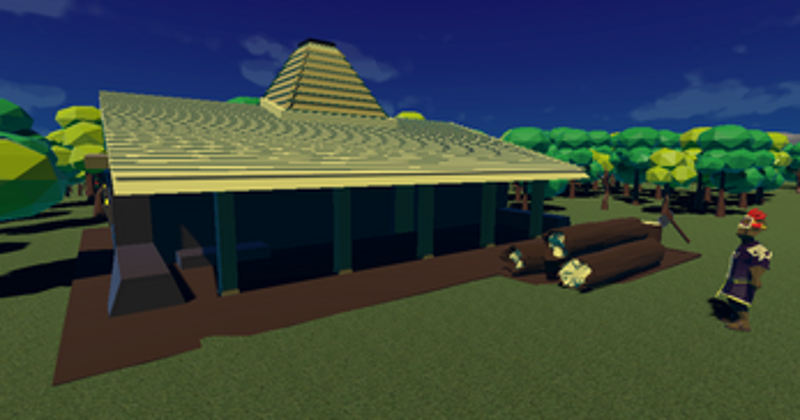
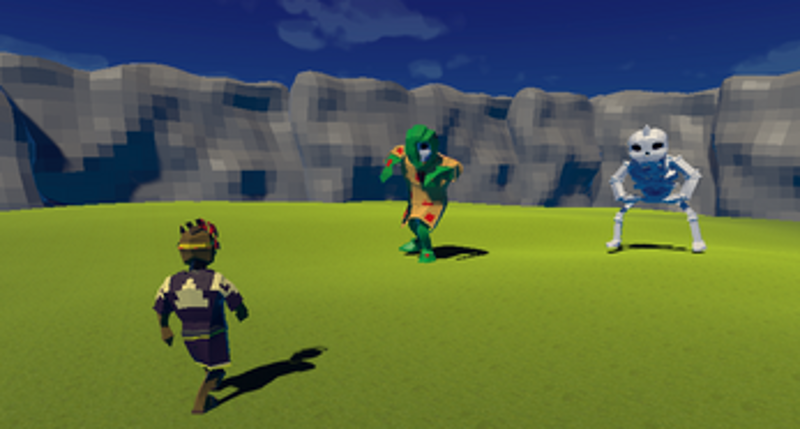
--INTRODUCTION-- Shoot enemy hordes with a varied arsenal, move in vehicles of different types or face the challenges on a Mech armed to the teeth, this is Stick Survivor. It combines Action-RPG and decision mechanics with an intense and dark story, added to a Twin-Stick Shooter with arsenal more than enough, giving it that touch of frenetic action. --STORY-- This story is not about the adven… If you enjoyed this game, see our list of games similar to Stick Survivors (Demo).
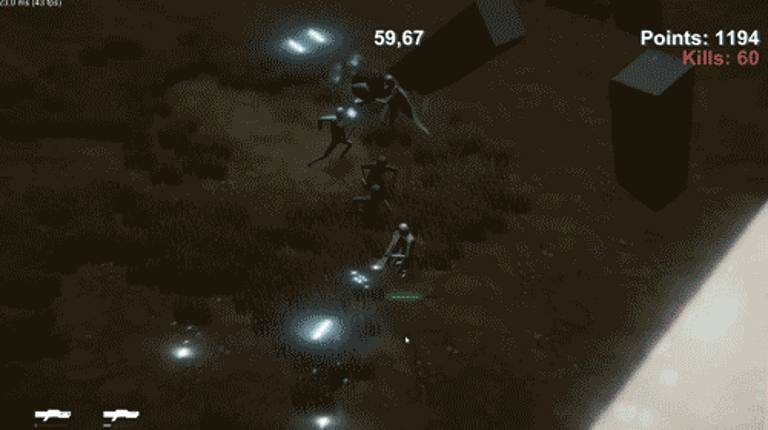
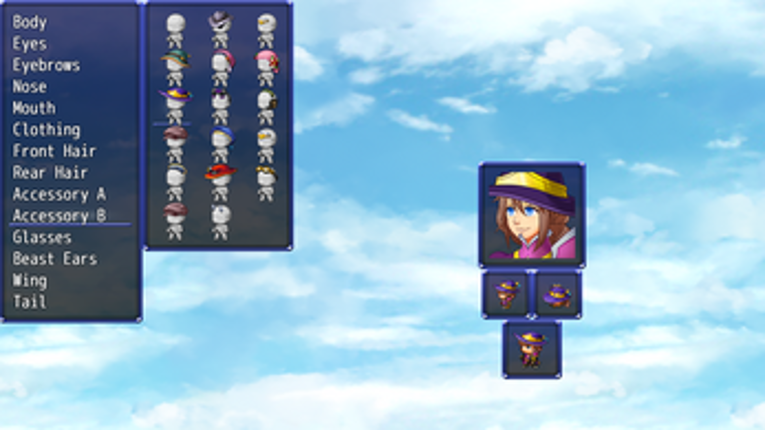
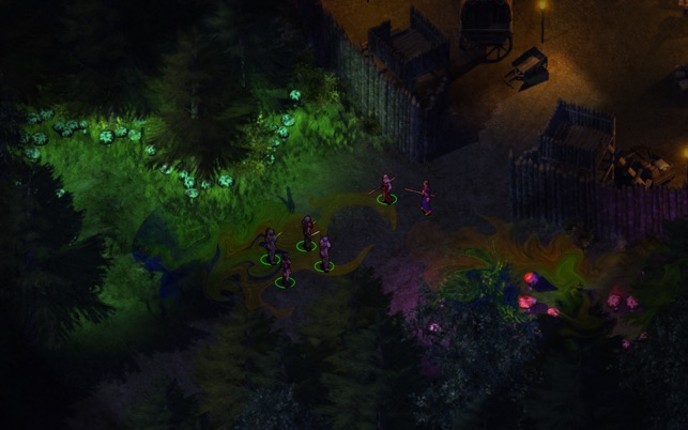
Heroes of Umbra is a 2D side-scrolling online RPG in-progress that plays similar to side-scrolling RPGs like MapleStory and Castlevania. Whether you’re on an Android device, a desktop computer, or the OUYA console, online play is platform-agnostic. You can connect and play with your friends anywhere with Internet access, or just solo single-player if you can’t get (or don’t want to be) online. Th… If you enjoyed this game, see our list of games similar to Heroes of Umbra.

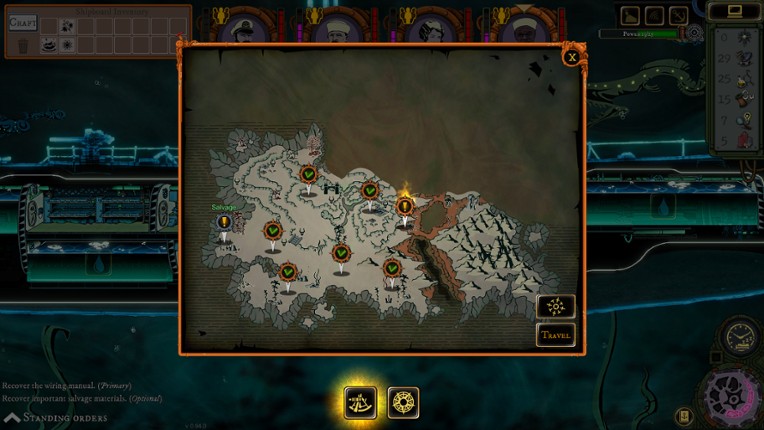
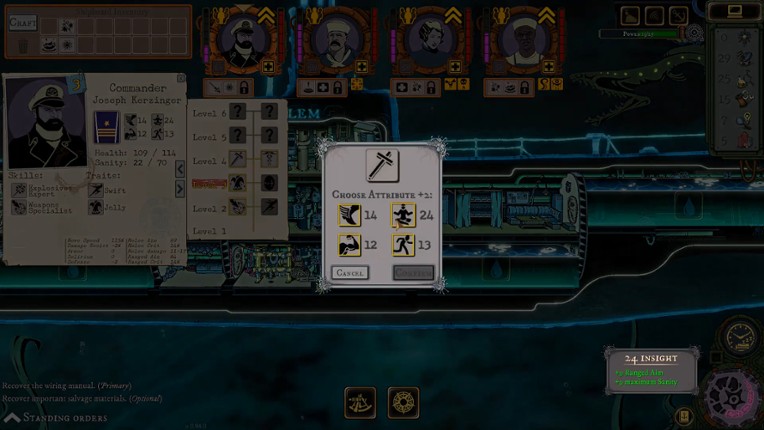
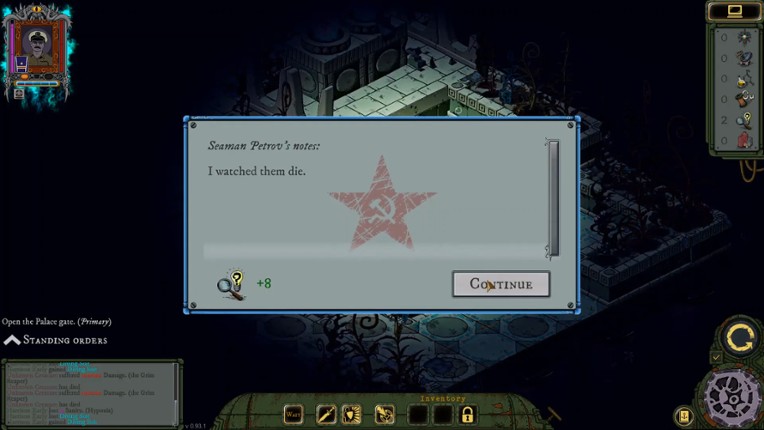
Stirring Abyss is an indie tactical squad-based game with strong RPG elements in which you uncover the ancient mysteries of the depths depicted in the classic vein of Lovecraftian horror. If you enjoyed this game, see our list of games similar to Stirring Abyss.
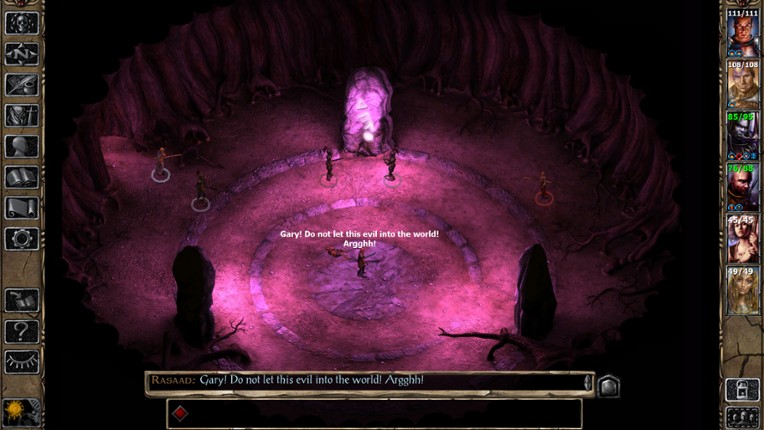
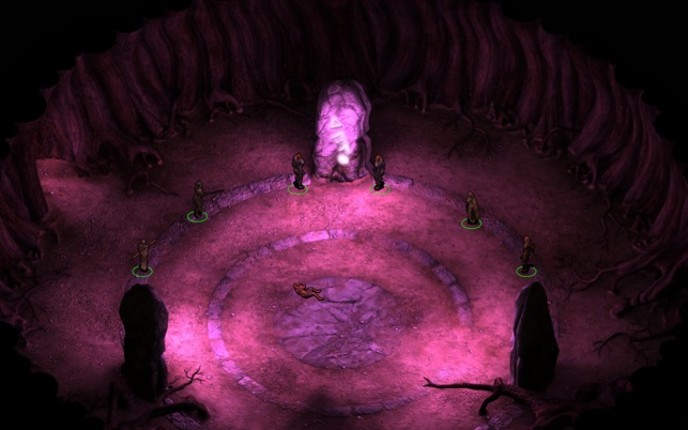
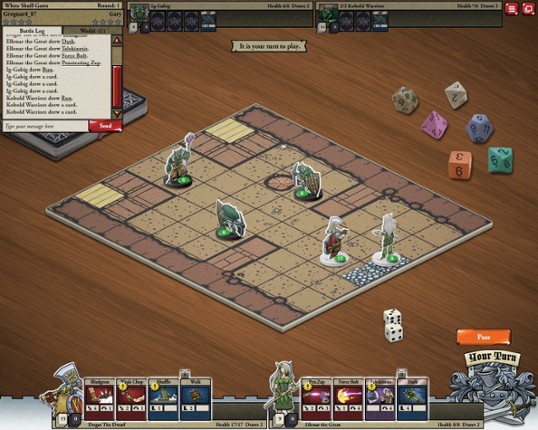
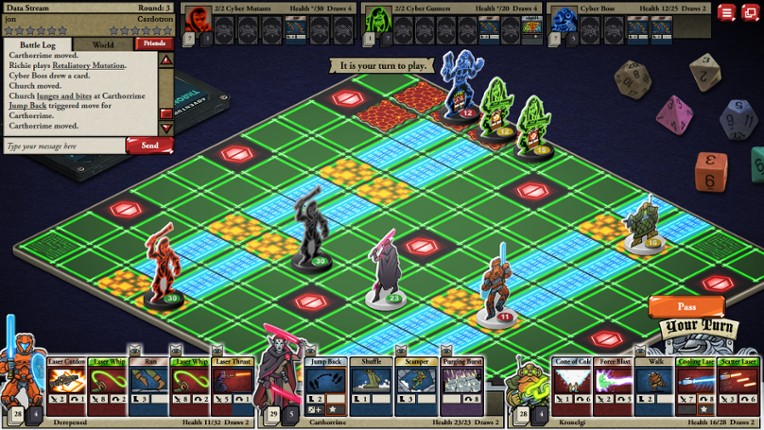
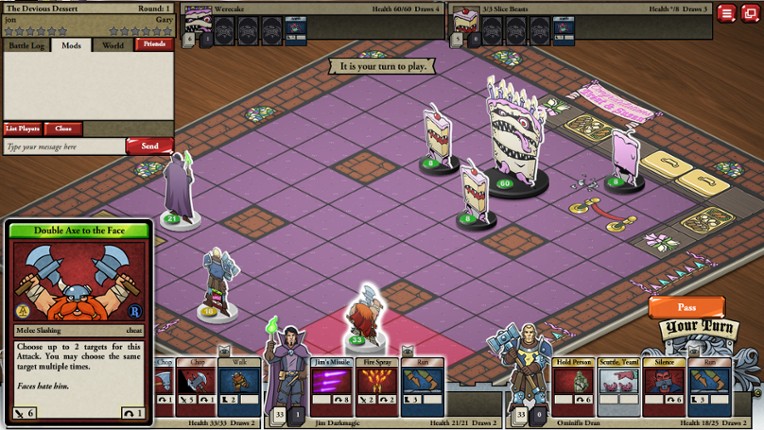
Welcome, bold adventurer! Card Hunter is an online collectible card game which blends together card play, deck building, tactical combat and fantasy role-playing in a way you've never seen before. Grab your cards, miniatures, dice and snacks, then journey to a new world of adventure on the tabletop of your Game Master, Gary. If you enjoyed this game, see our list of games similar to Card Hunter.
Add Full Game to your Wishlist Join Our Discord About the GameEternal Hope: Prologue is a free standalone version of the game, which features the first act of Ti'bi's journey. "Perhaps you’d be willing to go to the end of the world for your beloved, but would you go beyond it?" On Eternal Hope you'll follow the story of Ti'bi, a lonely boy who lost the love of his life. Embark on a… If you enjoyed this game, see our list of games similar to Eternal Hope: Prologue.
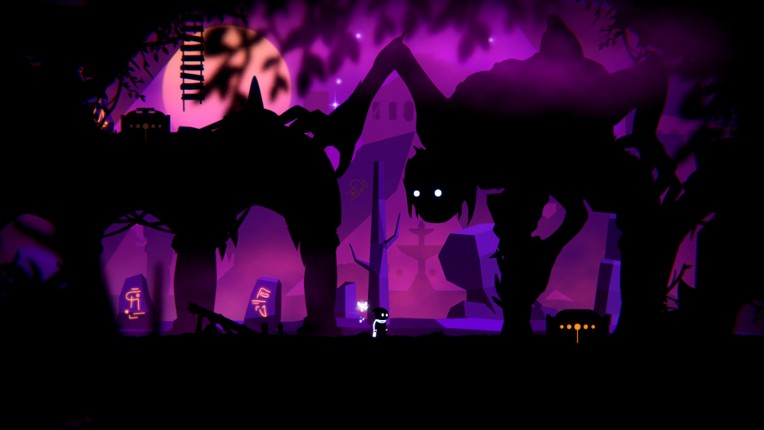
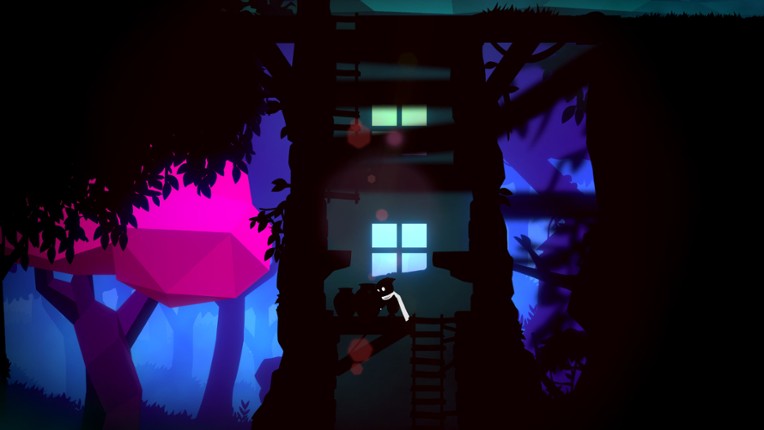
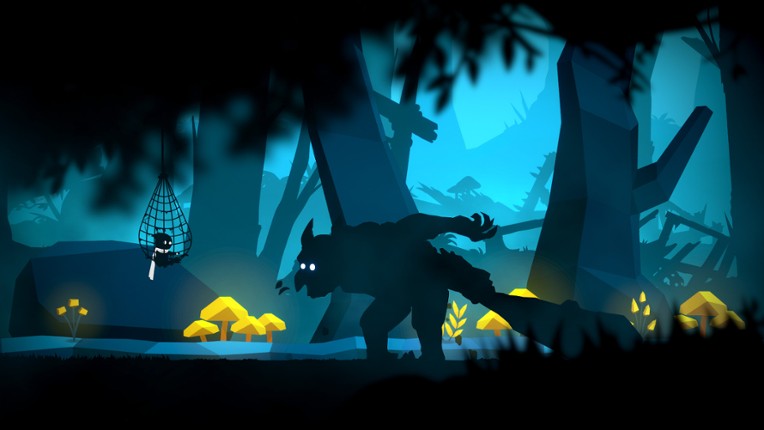
Both games reward players who dig for hidden secrets and face tough encounters that demand preparation and thoughtful gear selection.
The focus on hidden shadowed areas matters because it pushes you to think before you act, not just react.
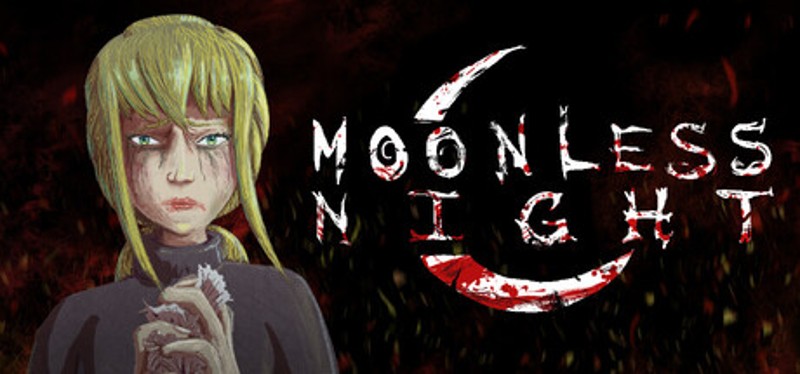
Monster Hunter provides a full co‑op hunting experience, while Noche sin Luna delivers a single‑player psychological horror dungeon crawl.
Pick this up if you crave a dark, story‑rich solo mystery with pixel‑art horror but can live without large‑scale monster battles and multiplayer.
If you enjoyed this game, see our list of games similar to Noche sin Luna.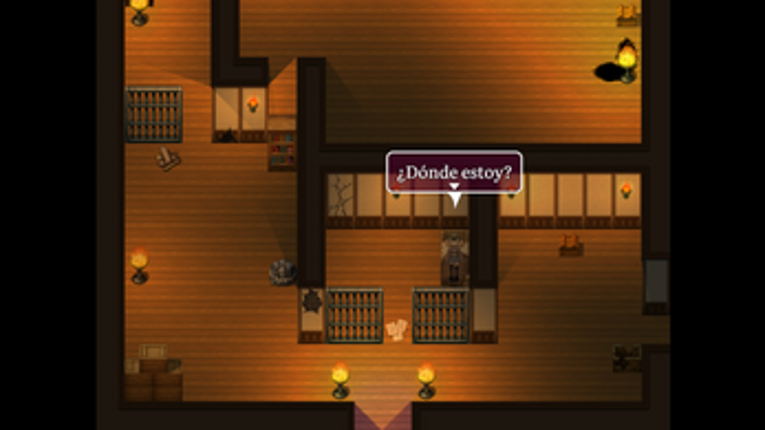
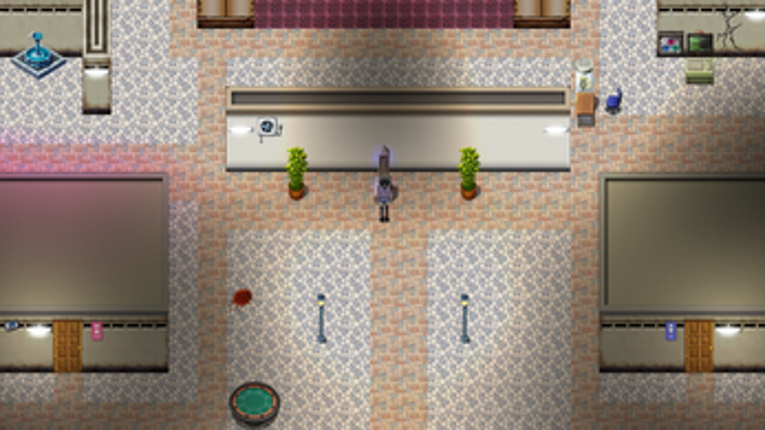
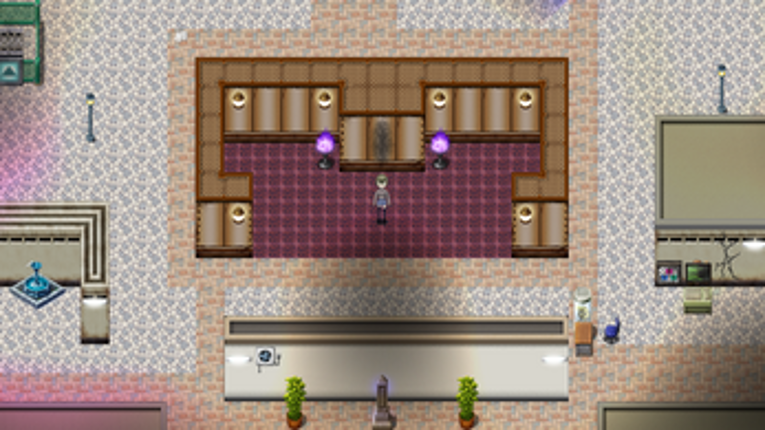
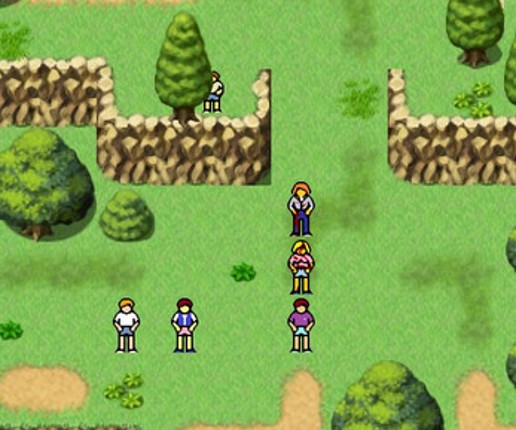
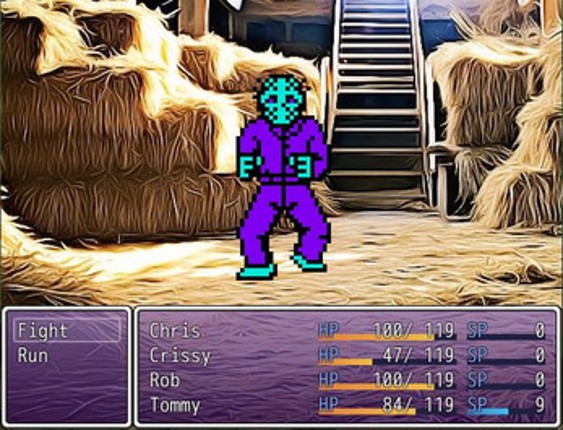

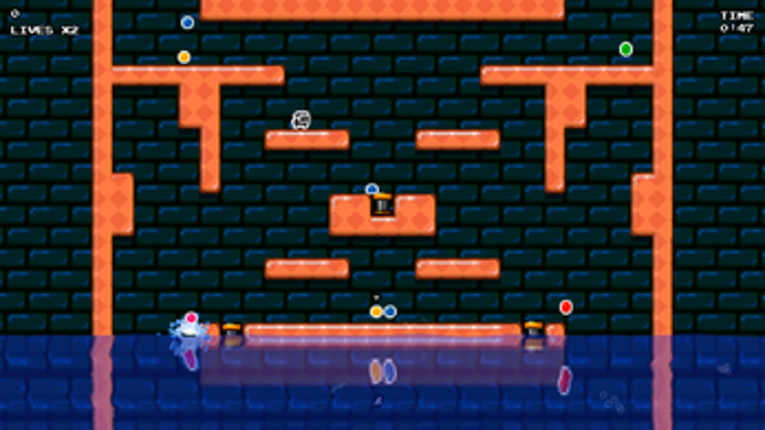
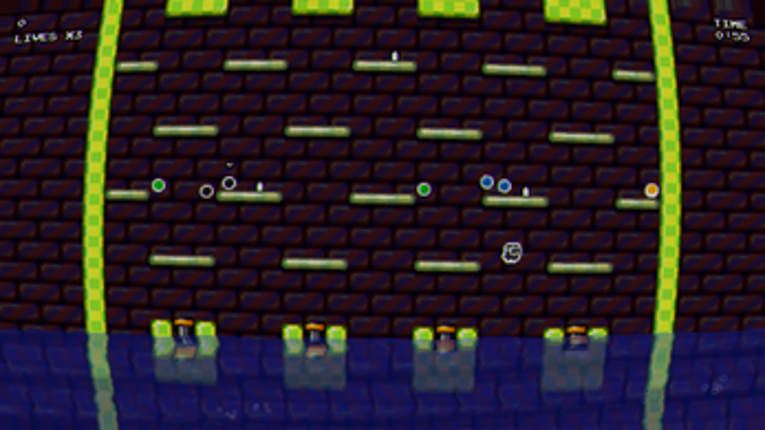
Story/Sinopsis The Light of this place is fading. Only traces remain of what was once an enormous source of pure light. When the fragments of light are separated, they become a living creature driven only by the desire to come together again, and restore the source that has been broken. -- La Luz de este lugar se está extinguiendo. Sólo quedan vestigios de lo que una vez fue una fuente de luz pura… If you enjoyed this game, see our list of games similar to Into The Dusk.
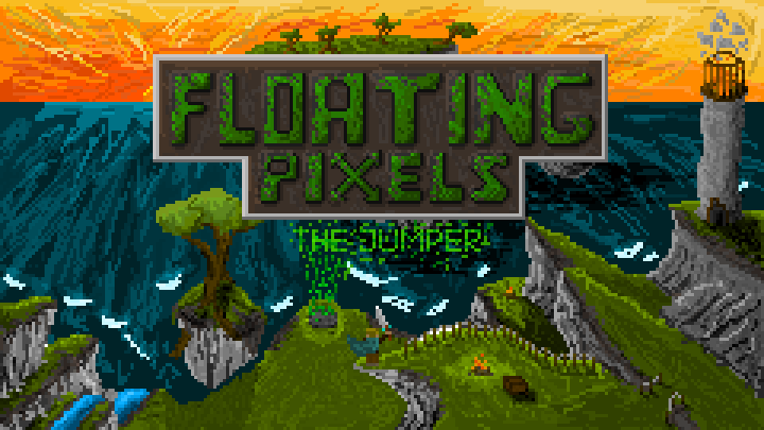
Both Monster Hunter and Floating Pixels: The Jumper demand precise player skill in overcoming challenging monsters, creating a tense, rewarding combat experience. Floating Pixels offers a similarly brutal difficulty curve that tests player patience and strategy, which matters for fans craving relentless challenge.
The key difference is Floating Pixels is a single-player 2D platformer with a strong narrative focus, while Monster Hunter centers on cooperative tabletop play with a broader social dynamic. This shift changes how players engage with threats and progression fundamentally.
Pick Floating Pixels if you want relentless solo combat trials wrapped in story and exploration but can forgo Monster Hunter’s cooperative, social hunting experience.
If you enjoyed this game, see our list of games similar to Floating Pixels: The Jumper.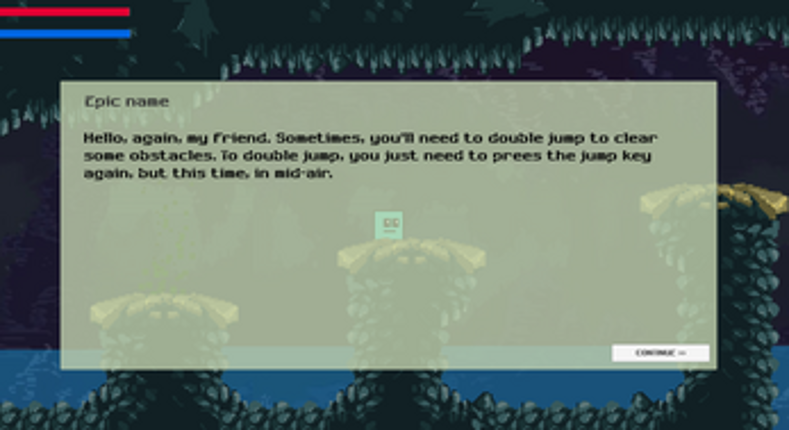
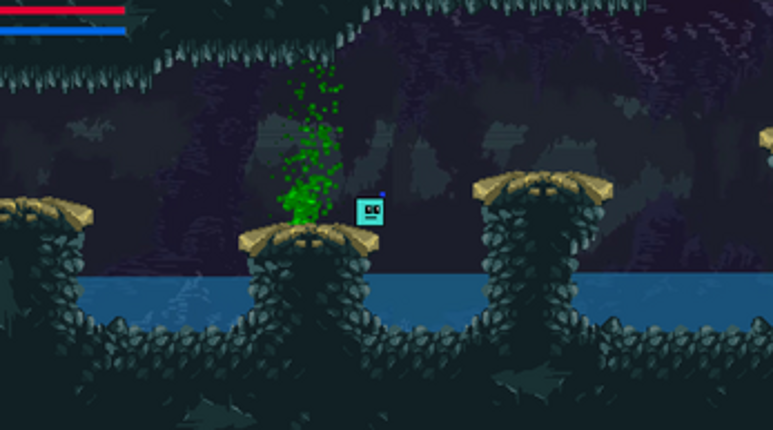
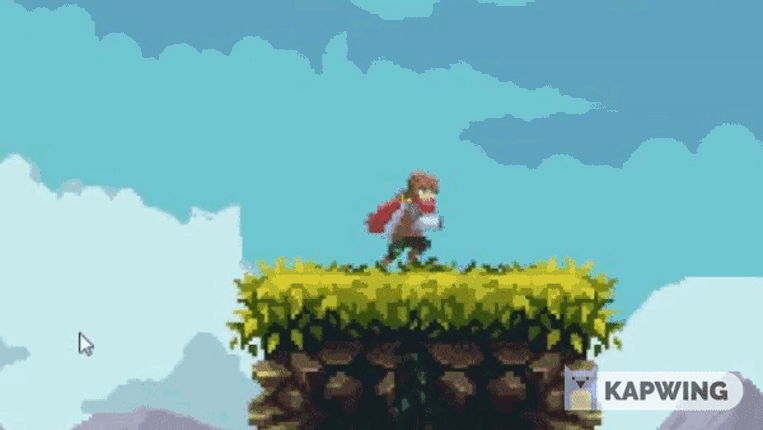
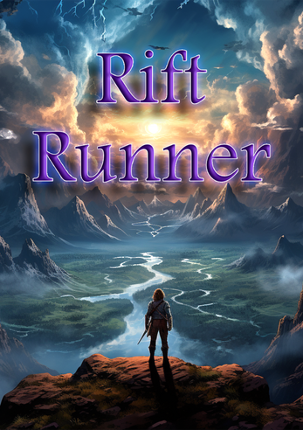
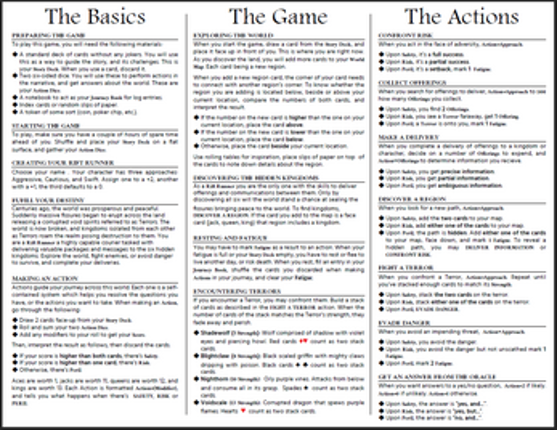
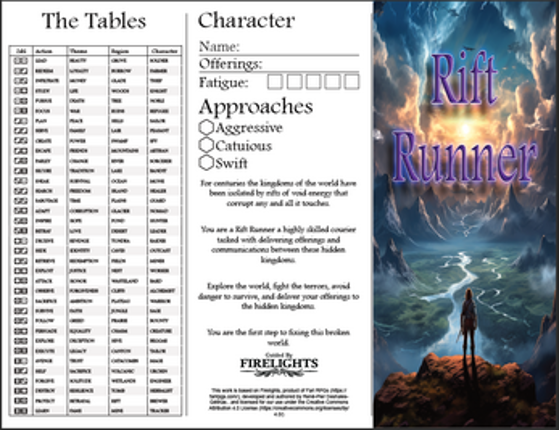
Rift Runner is a solo journaling RPG that aims for the player to craft fascinating stories of exploration and conflict. To play all you need is a deck of standard playing cards, two six-sided dice, a journal, something to write with, and a token to represent where you are in the world. The World: Centuries ago, the world was connected and whole with six prosperous kingdoms. Then suddenly massiv… If you enjoyed this game, see our list of games similar to Rift Runner.
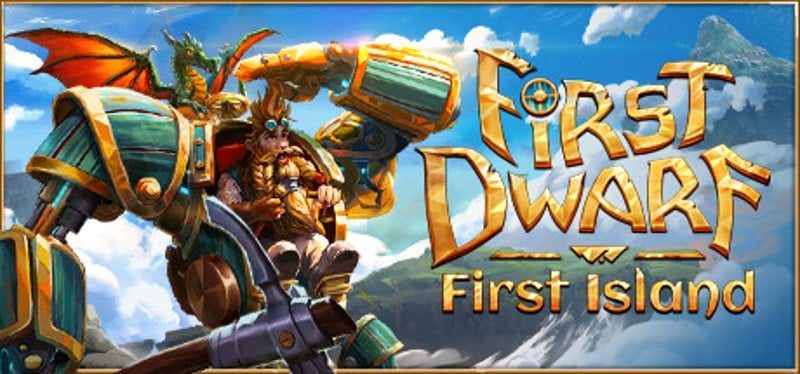
FREE PROLOGUE! Hop on the mech and find a new home for your dwarven people! Build a base, defend your colony and explore the floating islands of the fantasy world of Driftland in this immersive action RPG! And that’s only the beginning… If you enjoyed this game, see our list of games similar to First Dwarf: Prologue - First Island.
Vitalis is a TTRPG-inspired survival Roguelike where you try to escape an occult forest. Cast your die to move, fight, and flee. Scale your character, collect items, and weapons. Do whatever it takes to survive. Whether overcoming threats, or run away to fight another day. If you enjoyed this game, see our list of games similar to Vitalis.
Horror is a test of your logic in the face of primal fear. You are unarmed. You are vulnerable. All you have is a flashlight with a dying battery and your intellect. If you enjoyed this game, see our list of games similar to Horror.
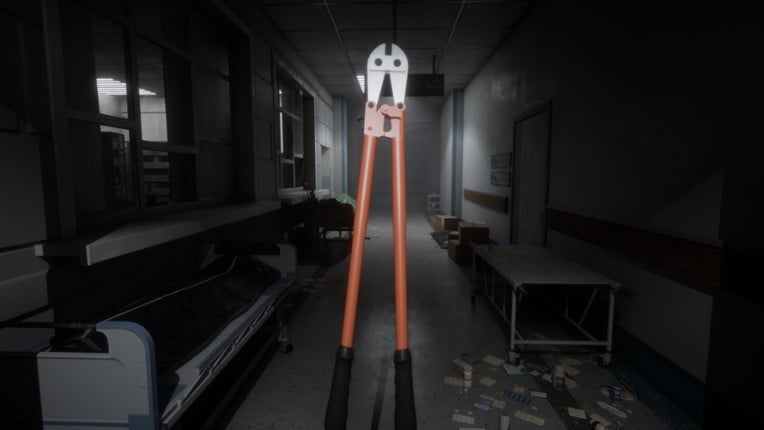
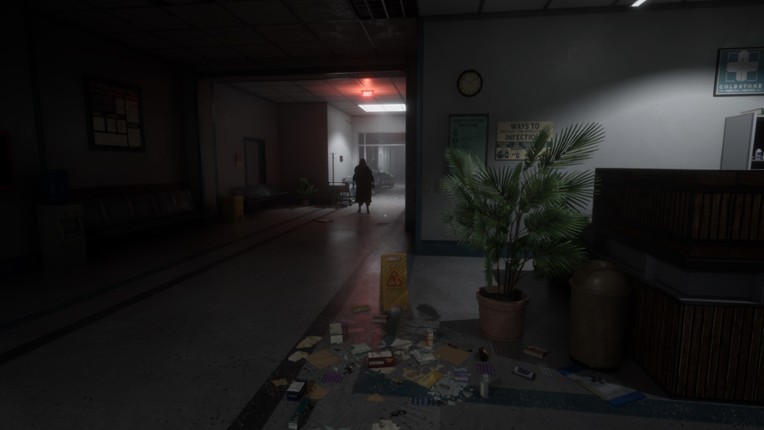
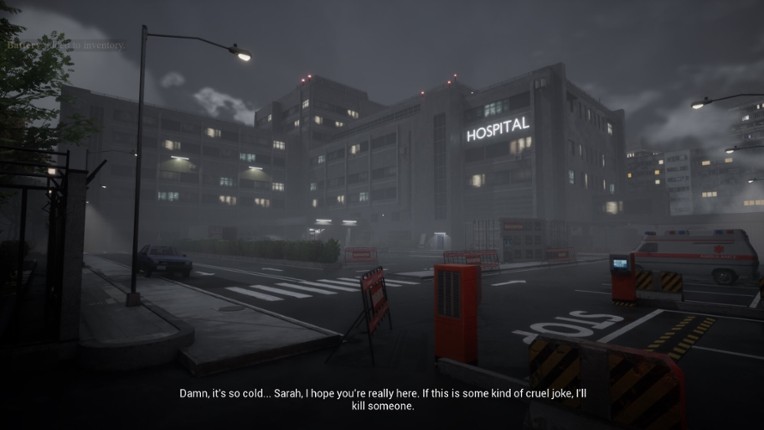
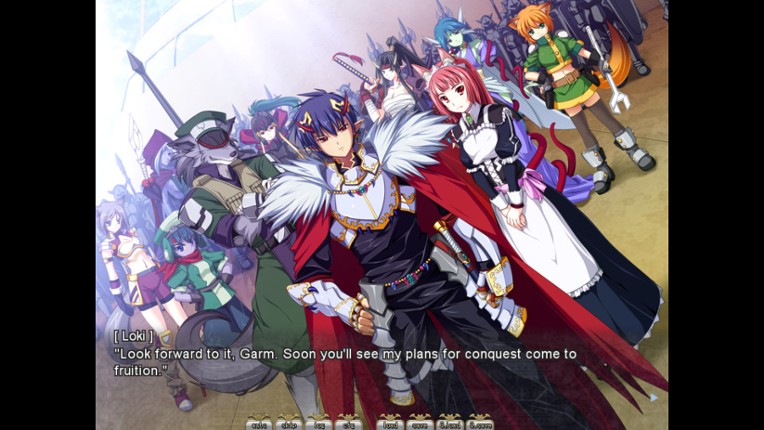
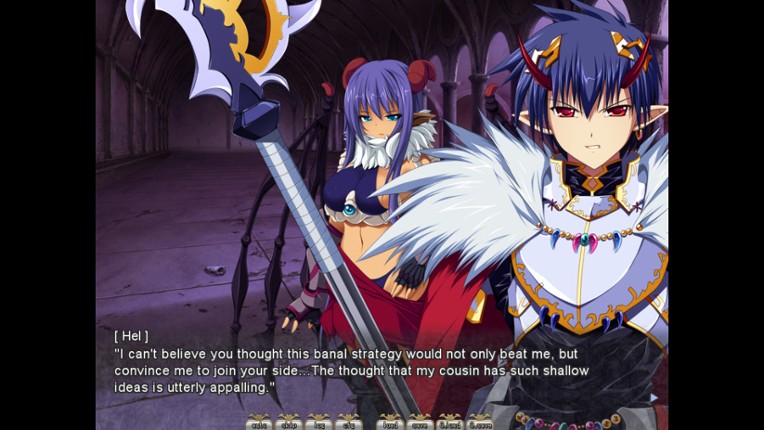
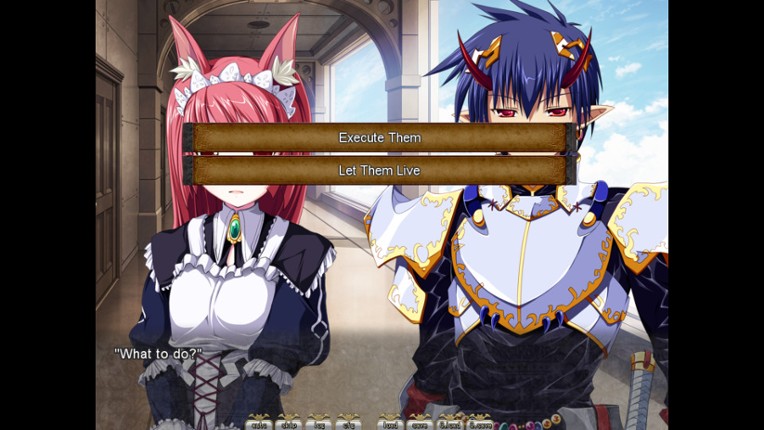
En un tiempo pasado, compartían todo: poder, territorios, lacayos y hasta una íntima cueva con vista a su reino conquistado para el verano. Ella, una poderosa hechicera muy temida en todos los planos astrales y líneas temporales, capaz de invocar orbes oscuros y convertir a quien la contradiga en cenizas. Él, un guerrero legendario, conquistador de reinos que jamás tuvo que limpiar sus armaduras o… If you enjoyed this game, see our list of games similar to Ex vs Ex.
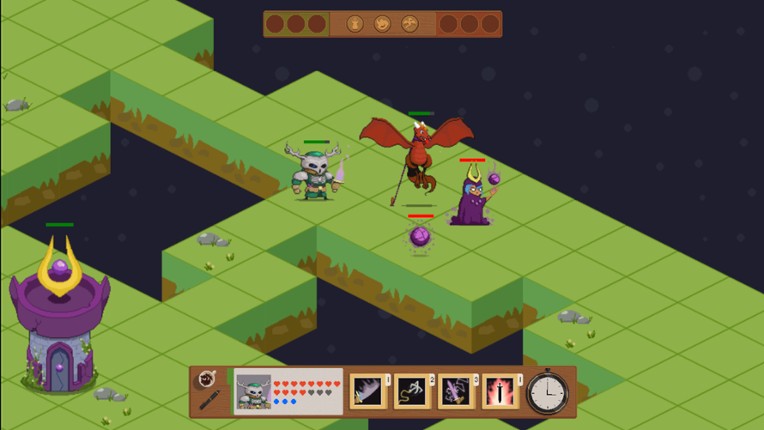
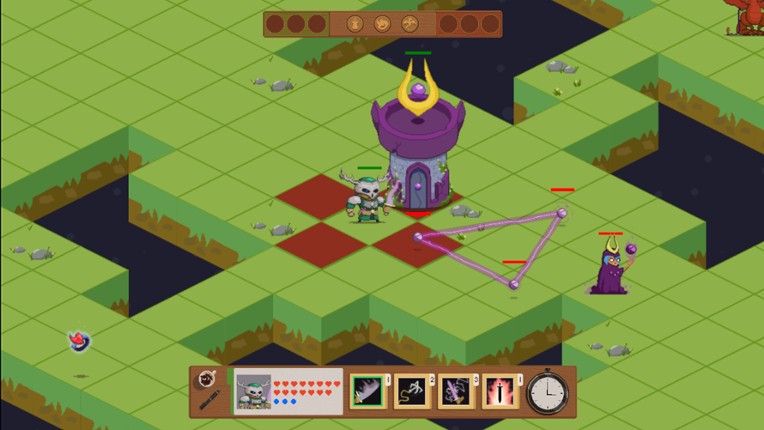
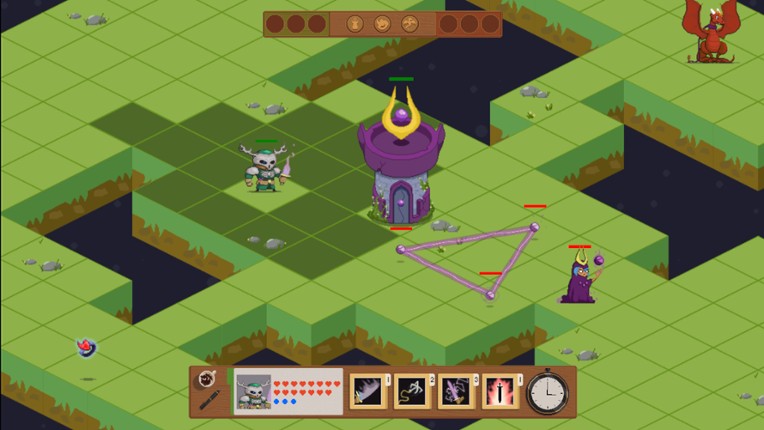
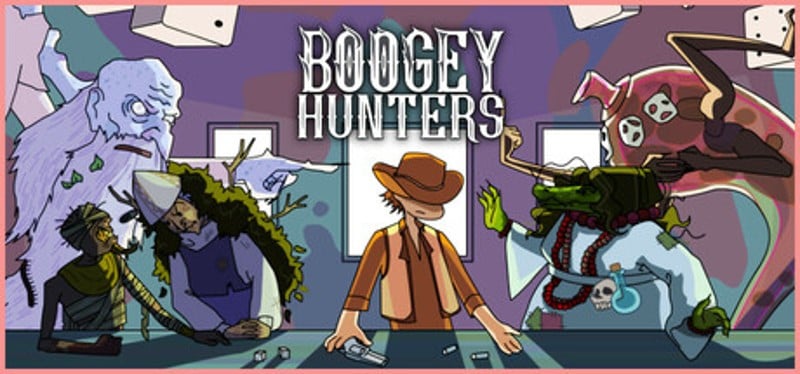
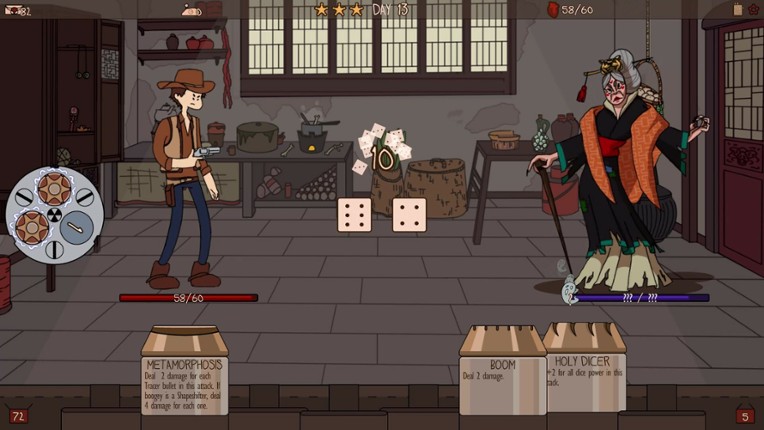
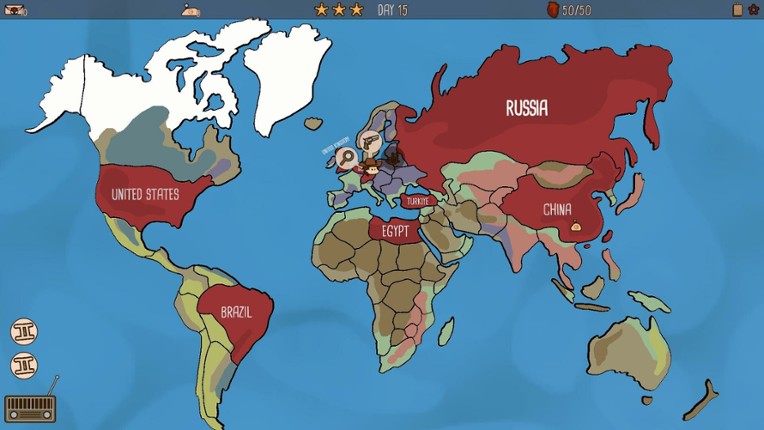
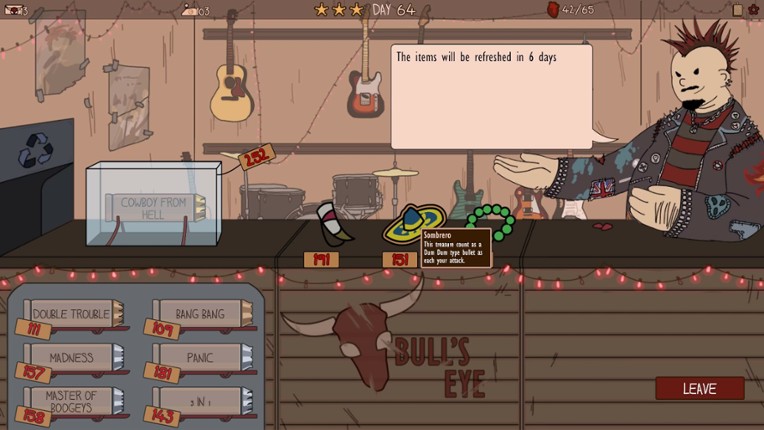
Boogey Hunters is a strategic ammo-building game where you travel the world hunting mythical creatures from different folklore. Plan your moves carefully, combine bullets to unleash powerful moves, battle terrifying boogies, and save the world in the shortest day possible! If you enjoyed this game, see our list of games similar to Boogey Hunters.
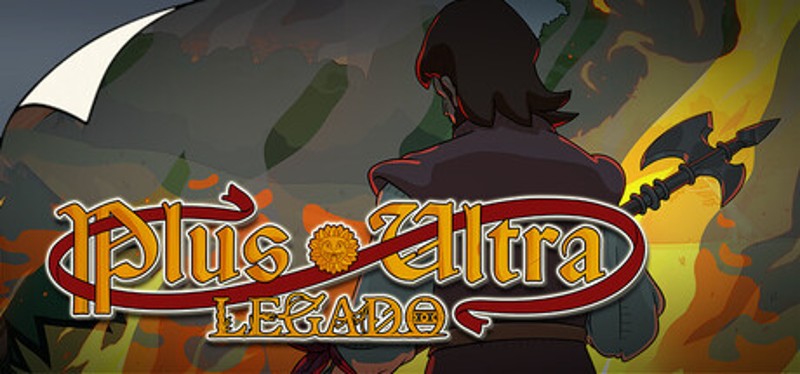
Explore a vast, colorful world in this 2D hand-drawn Metroidvania set during the Age of Discoveries. Grab your halberd and become a hero amid the storm! If you enjoyed this game, see our list of games similar to Plus Ultra: Legado.
¡Bienvenido a Blocks – El Desafío Definitivo de Puzzles! Welcome to Blocks – The Ultimate Puzzle Challenge! Spanish /English ------------------- S P A N I S H I N F O -------------- ¿Estás listo para sumergirte en un mundo donde cada movimiento cuenta y tu capacidad estratégica se pone a prueba al máximo? Blocks no es solo un juego; es un emocionante ejercicio mental que llevará tus habi… If you enjoyed this game, see our list of games similar to Blocks Challenger.
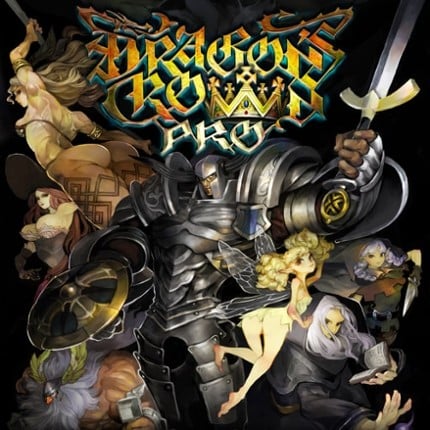
Buy Dragon's Crown Pro on PlayStation Store. Explore a winding dungeon with new adventures at every turn in this classic side-scrolling beat ‘em up. If you enjoyed this game, see our list of games similar to Dragon's Crown Pro.
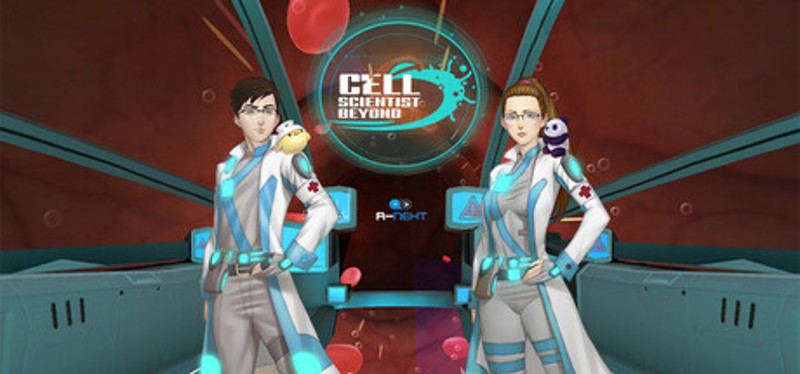
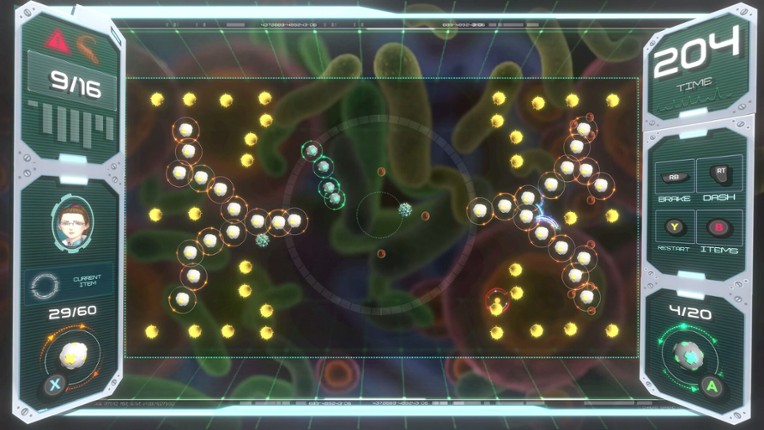
Unleash your puzzle-solving skills in a thrilling sci-fi adventure across 50 levels with intuitive gameplay mechanics (in single or local multiplayer modes!) as you battle the Chaga virus with your nano ships and the enigmatic Pollito & Xiang Xiang robots by your side to save this futuristic world If you enjoyed this game, see our list of games similar to Cell Scientist: Beyond.


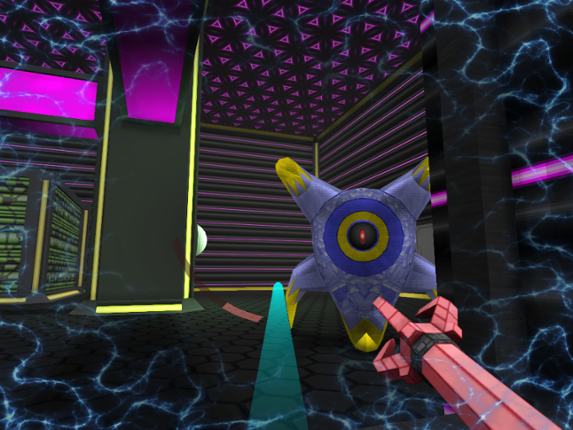
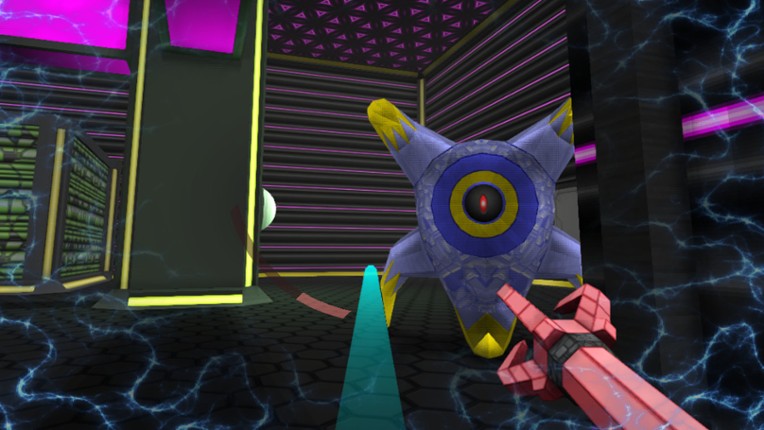
Sneak & battle your way through a procedurally generated mothership in this stealth action RPG! Supports user content & the Oculus Rift! 4089 takes many of the things you loved from 3079 & 3089, like character customization via stat points, grappling hooks, special powers, building options, futuristic settings, random enemies, weapons, and environments. Then, it presents itself in a much more foc… If you enjoyed this game, see our list of games similar to 4089: Ghost Within.
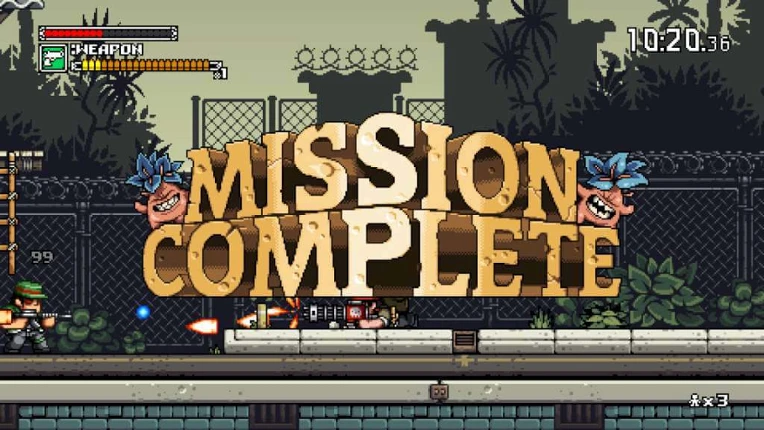
In this frantic 2D action game, you are part of the Mercenary Kings, the most skilled team of warriors-for-hire on Earth, but when your comrades have fallen and the fearsome forces of CLAW have seized an island-wide top secret Laboratory Base, you must do what it takes to stop them. But you're not going in unprepared! Your back-up is made of a crew of rogue geniuses and experts of their field! Ab… If you enjoyed this game, see our list of games similar to Mercenary Kings.
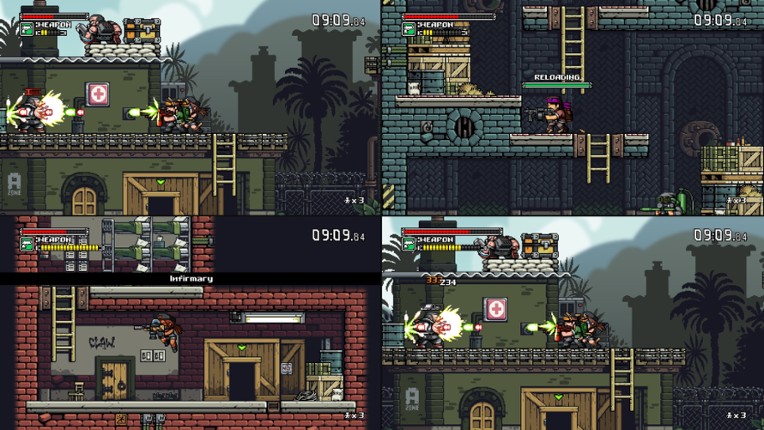
Unleash the power and speed of the Ninja in an ultrafast Roguelite that will leave you dead and wanting more. Ninja or Die is a singleplayer challenge with a rare offering: hardcore action and simple controls. If you enjoyed this game, see our list of games similar to Ninja or Die.
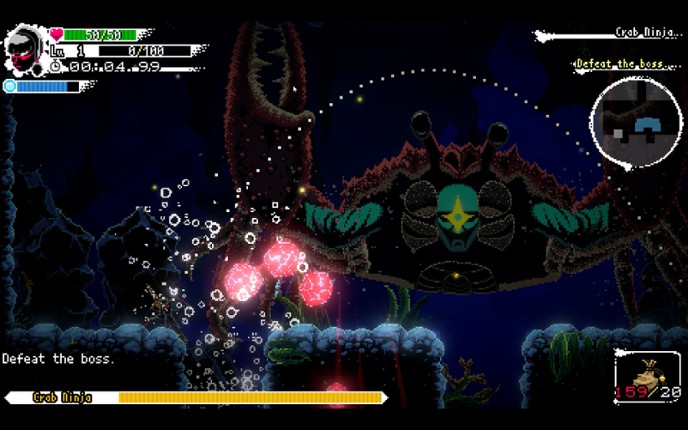
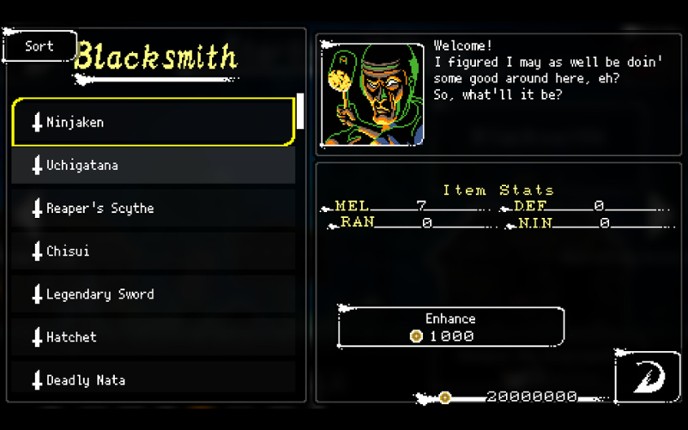
Unexplored 2: The Wayfarer's Legacy is a roguelite action-RPG and prodigious sequel to the critically acclaimed indie gem, Unexplored. Leave the Dungeon of Doom behind and venture into a vast, wondrous world as you embark on a heroic quest to destroy the mysterious Staff of Yendor. If you enjoyed this game, see our list of games similar to Unexplored 2: The Wayfarer's Legacy.
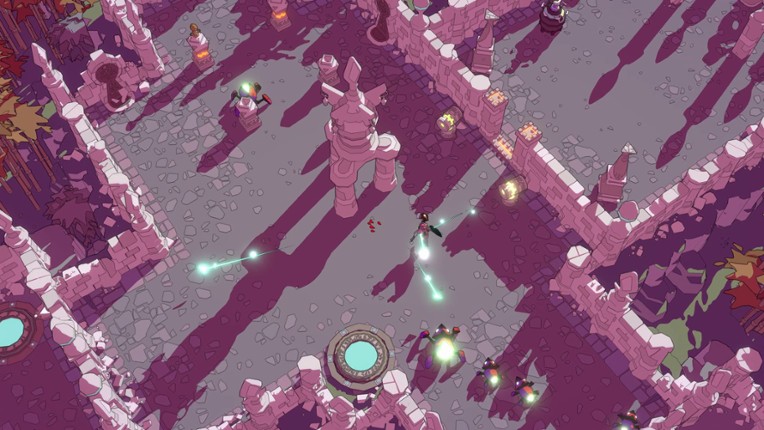
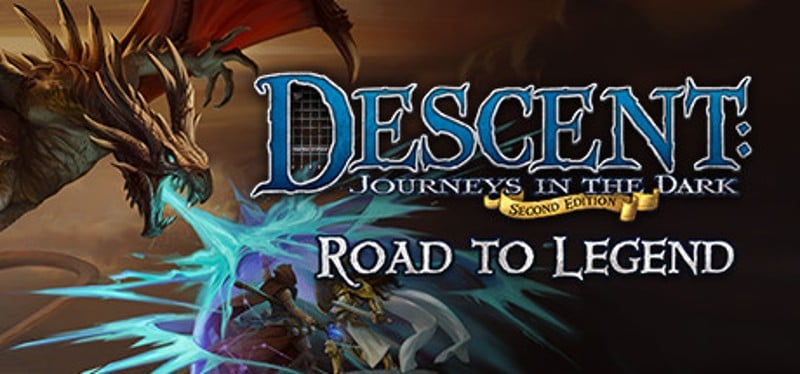
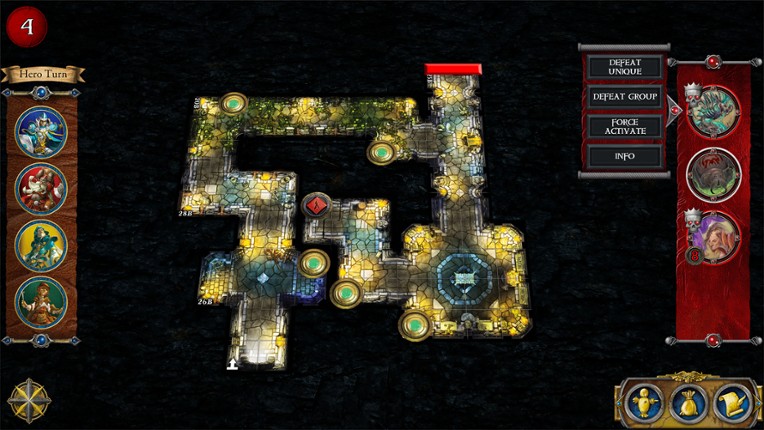
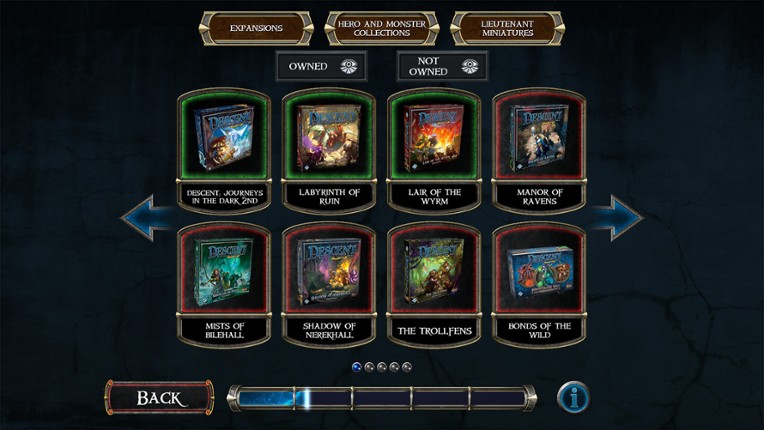
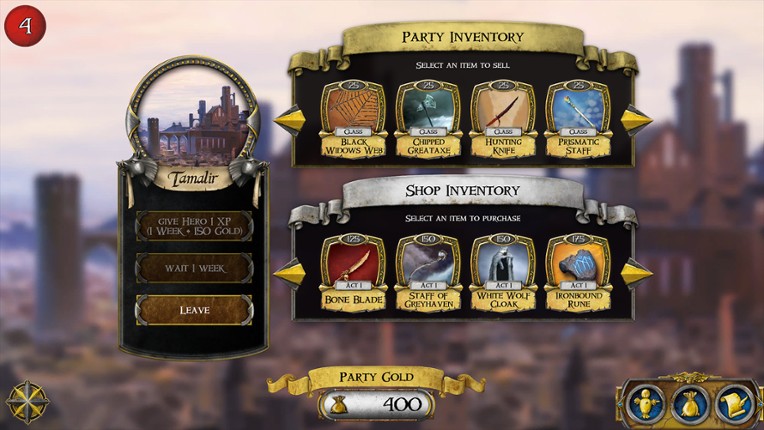
Road to Legend is a companion app for the Descent: Journeys in the Dark 2nd edition board game. When you play with Road to Legend, the app assumes the role of the overlord player, controlling monsters and inviting you to explore the dungeon in entirely new and unexpected ways. If you enjoyed this game, see our list of games similar to Descent: Road to Legend.

Top recommendations include Firelights for its identical cooperative tabletop mechanics, Let's Jam! for similar 2-player co-op gameplay, and CAOS ENTRE REINOS: RENACER THE GAME for its multiplayer RPG adventure experience. Each offers engaging role-playing with collaborative elements that Monster Hunter fans appreciate.
Firelights and Let's Jam! both deliver the exact 2-player co-op tabletop experience you're looking for. CAOS ENTRE REINOS: RENACER THE GAME offers multiplayer-focused RPG action if you prefer a more dynamic adventure. All three prioritize cooperative gameplay similar to Monster Hunter's social elements.
Firelights matches Monster Hunter's 2-player co-op tabletop format perfectly. Let's Jam! provides an alternative with the same core cooperative tabletop design. Both games emphasize collaborative role-playing sessions, making them ideal if you specifically enjoy Monster Hunter's tabletop and co-op combination.
Al Margen de la Humanidad and LUMINAR - RPG are indie titles offering RPG experiences without major studio budgets. Talin - The adventure behind the story provides turn-based tactical RPG gameplay as an indie alternative. These games deliver role-playing depth comparable to Monster Hunter at lower cost.
Firelights is the closest match, offering identical 2-player co-op tabletop mechanics. Let's Jam! also emphasizes the tabletop experience with cooperative role-playing focus. If you love Monster Hunter's tabletop format, these two are essential choices for that specific gaming style and social experience.
CAOS ENTRE REINOS: RENACER THE GAME combines RPG with adventure in a 3D multiplayer setting. Talin - The adventure behind the story blends turn-based tactical RPG with story-driven adventure. LUMINAR - RPG offers open-world exploration with indie charm, all providing the adventurous scope Monster Hunter fans enjoy.

 View Game