The Wandering Village

In the end, The Wandering Village succeeds more often than not. It blends charming visuals with a creative concept and heartfelt mechanics, even if some of its systems feel half-baked. With a few improvements to building flexibility, pacing, and clearer UI, it could grow into something even more special. As it stands, this is a lovely game that rewards patience and empathy, and is best enjoyed with a relaxed mindset and a soft spot for massive creatures with big sleepy eyes.
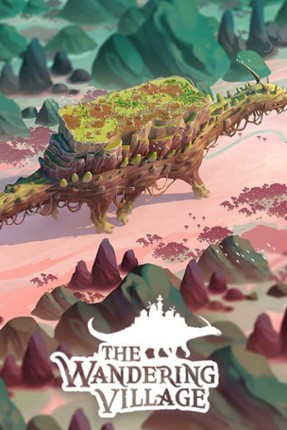
The Wandering Village Game Cover
86%Game Brain Score
Most mentioned positive aspects:gameplay, story
Most mentioned negative aspects:grinding, stability
93% User Score Based on 4,294 reviews
Critic Score 77%Based on 7 reviews

Platforms

Nintendo SwitchPlaystation 5Playstation 4Xbox Cloud GamingXboxSteam DeckWindowsPlayStationLinuxXbox Series X|SPCCloudMac OSXbox One
The Wandering Village Game Cover

About The Wandering Village

The Wandering Village is a single player survival city builder game with fantasy, post-apocalyptic and science fiction themes. It was developed by Stray Fawn Studio and was released on July 17, 2025. It received mostly positive reviews from critics and very positive reviews from players.

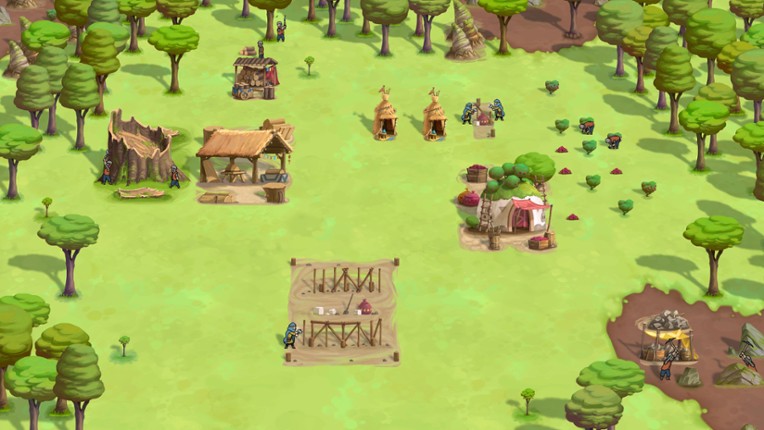
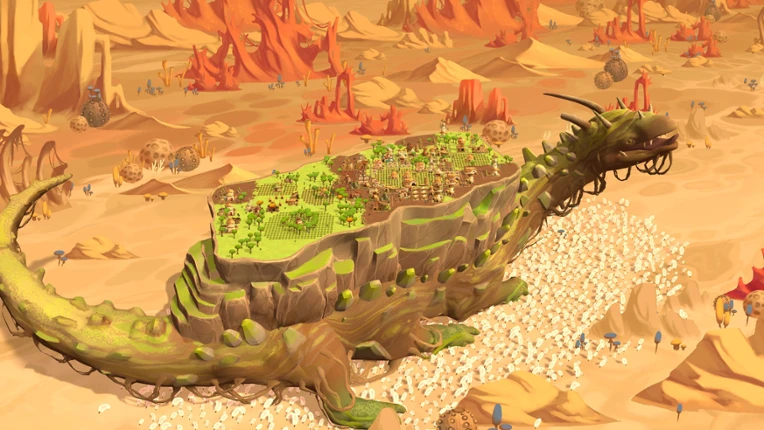
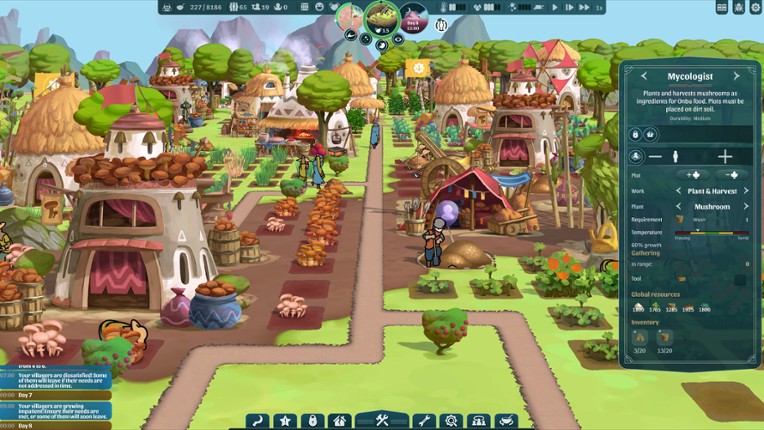
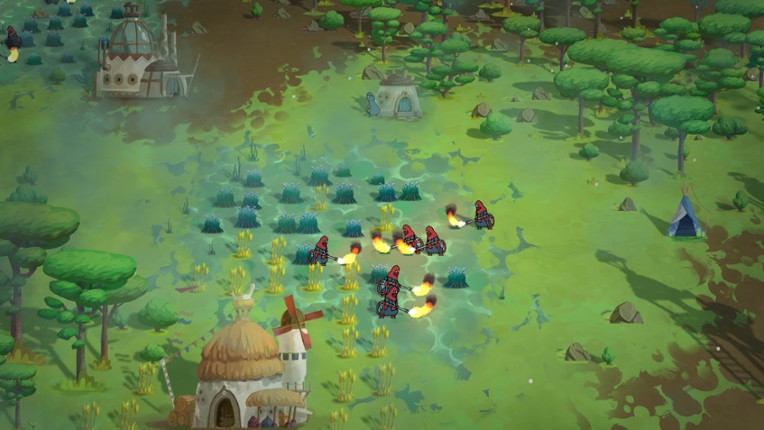
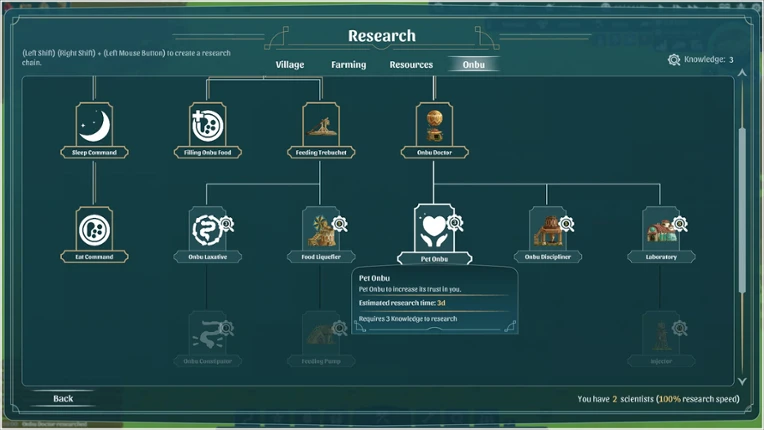
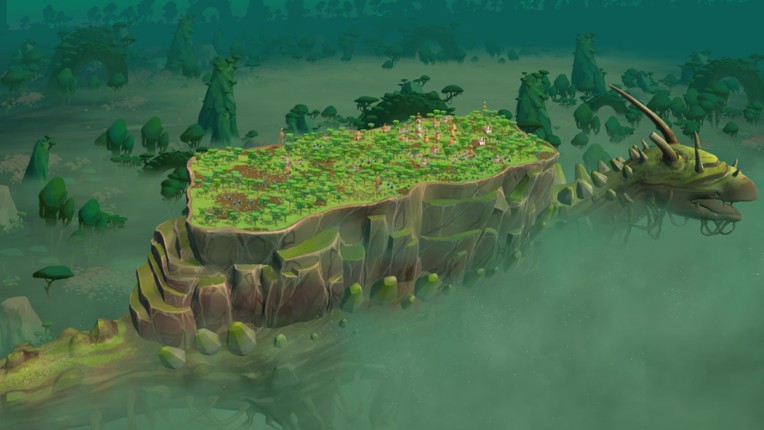
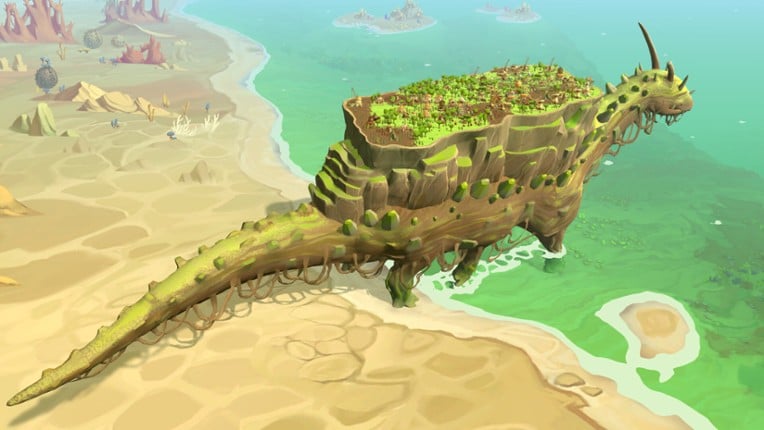
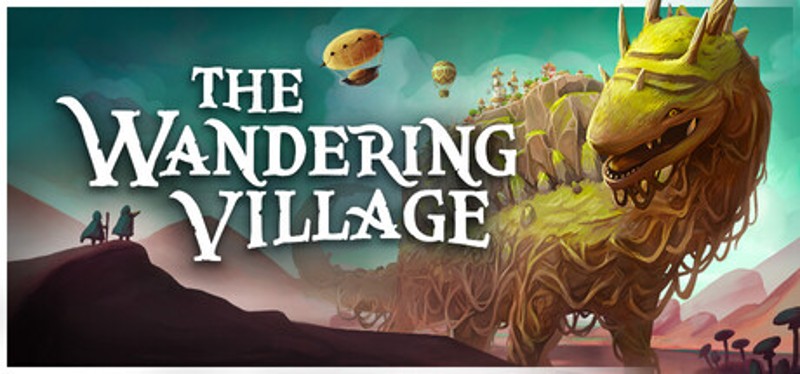
The Wandering Village is a city-building simulation game with survival and rogue-like elements. Build a village on the back of a giant, wandering creature, farm crops and forage resources to keep your villagers alive and form a symbiotic relationship with your giant host to survive together in a hostile, yet beautiful post-apocalyptic world.
Skip Games Like The Wandering Village

Games Like The Wandering Village

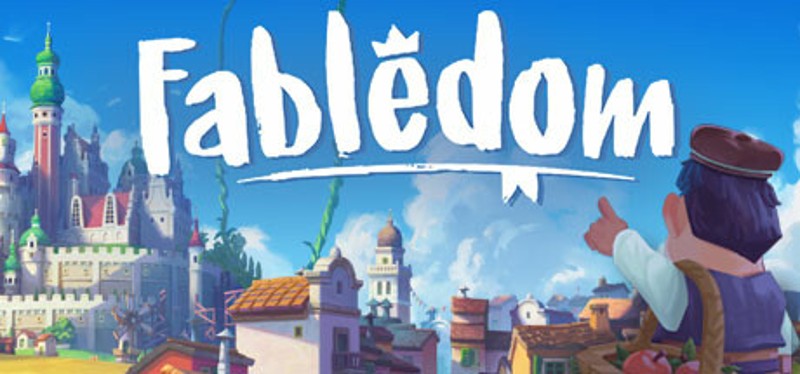
Looking for games like The Wandering Village? Here are top survival city builder recommendations with a fantasy, post-apocalyptic and science fiction focus, selected from player-similarity data — start with Fabledom, Timberborn or Flotsam.
Skip User Reviews

Reviews

93%Audience ScoreBased on 4,294 reviews
gameplay304 positive mentions
grinding90 negative mentions

  • Unique and charming concept of building a village on the back of a giant creature with dynamic biomes and challenges.
  • Beautiful, Studio Ghibli-inspired art style and soundtrack that create a calming and immersive atmosphere.
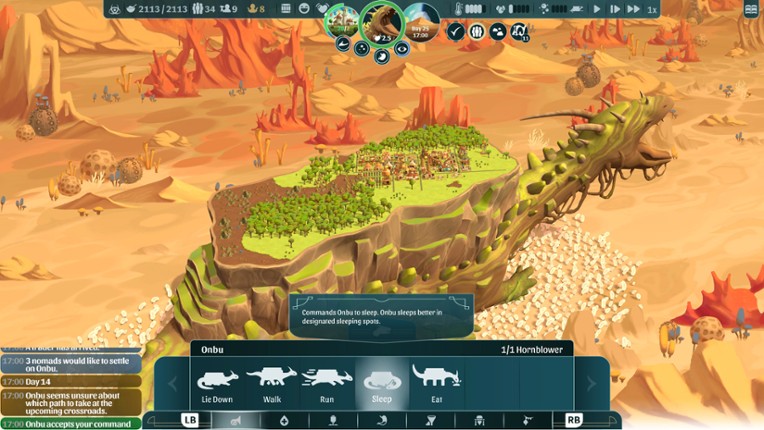
  • Engaging and accessible city-building gameplay that balances resource management, village needs, and Onbu's health.
  • Meaningful story mode that adds emotional depth and motivation to the gameplay.
  • Good replayability through challenge modes and procedural biome variations.
  • Developer actively supports the game with updates and listens to community feedback.
  • Extensive micromanagement required, especially when switching farming production between biomes, which can become tedious.
  • Lack of quality-of-life features such as building rotation, multi-selection, clearer resource tracking, and more intuitive UI.
  • Some players find the story writing weak or the narrative pacing slow and unsettling.
  • Villager AI and resource hauling can be inefficient and frustrating.
  • Limited city-building space and repetitive gameplay in late game reduce long-term replayability for some.
  • Certain mechanics, like Onbu trust and some quests involving hurting the creature, feel opaque or uncomfortable for players.
  • gameplay

    727 mentions Positive Neutral Negative
    42% positive mentions, 54% neutral mentions, 4% negative mentions

    The gameplay of "The Wandering Village" is generally praised for its charming and unique premise of managing a city on the back of a giant creature, blending city-building with resource management and survival elements. Players enjoy the intuitive mechanics, engaging core loop, and the dynamic challenges posed by changing biomes and the creature’s well-being, though some find certain systems like the trust mechanic, feeding, and micromanagement cumbersome or underdeveloped. While the game offers a relaxing yet strategic experience suitable for both casual and more engaged players, its limited depth, occasional repetitiveness, and relatively short content may reduce long-term replayability for some.

    • “The core gameplay is interesting enough on its own, and the experience is further elevated by incredibly good looking graphics.”
    • “The gameplay is your basic city builder/survival with a post-apocalyptic twist and fresh game mechanics.”
    • “Gameplay revolves around your 'ride'.”
    • “The fact that there is no multi-select for harvesting, poor building movement (they should all be permitted to move and you should be able to scroll the map when moving a building), confusing or unintuitive feeding mechanics, and the inability to rotate buildings when placing them is nearly unacceptable.”
    • “The trust system is totally jank and functions off of an invisible modifier that seems to reassign itself at random, and the novelty of choosing where to go and managing your onbu's health, sleepiness, and hunger wears off when you realize that this mechanic absolutely does not need your input as a player to function.”
    • “The gimmick of building a city on the back of the six-legged turtle is a fun idea, but it really has almost no actual gameplay impact - the world map seems interesting at first, but it serves no real purpose and doesn't really add much to the game due to everything being so random and repetitive.”
  • story

    686 mentions Positive Neutral Negative
    32% positive mentions, 63% neutral mentions, 5% negative mentions

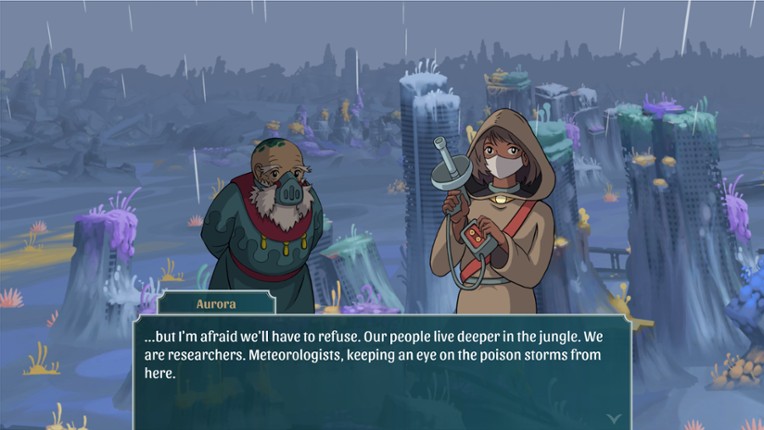
    The story in "The Wandering Village" is generally praised for its charming, Ghibli-inspired art style and heartfelt, environmentally themed narrative that adds meaningful context to the gameplay. While some find it simple, short, or occasionally rushed with basic quests serving as tutorial-like progression, many appreciate its emotional moments and the way it motivates players through a blend of survival, exploration, and village management. However, a few reviewers feel the story is shallow, repetitive, or underdeveloped, noting that more depth, side quests, and a stronger narrative framework could enhance long-term engagement.

    • “The story mode took around 20 hours for me, though I was taking my time quite a bit with the mechanics. My first playthrough of the story mode took about 20 hours and culminated in a thrilling final mission that genuinely rewarded the careful planning I'd put in throughout the journey.”
    • “The story mode is beautiful and feels like I'm playing through a Miyazaki movie in both look and plot themes. It has a whole Ghibli-like animation for the opening theme, and a storyline.”
    • “The story is simple yet compelling, and I grew very attached to 'Onbu' (the giant creature you're on). The story is wholesome and heartwarming, perfectly paced to guide the player nicely through the mechanics of the game.”
    • “The story is very open ended and again lazily crafted with poor dialogue, poor quests and poor system management.”
    • “The story is the worst part of this game.”
    • “The story plot also moves way too slow and it's easy to get stuck if you accidentally miss something and the game doesn't give many hints you're close to missing it.”
  • graphics

    671 mentions Positive Neutral Negative
    61% positive mentions, 38% neutral mentions, 1% negative mentions

    The graphics of the game are widely praised for their charming, hand-drawn, Ghibli-inspired art style that blends 2D sprites with 3D environments, creating a unique, cozy, and visually appealing atmosphere. The visuals are described as beautiful, whimsical, and soothing, with detailed animations and vibrant biomes that enhance immersion without demanding high system resources. While some note minor stylistic clashes or simplicity, the overall aesthetic significantly contributes to the game's relaxing yet engaging experience.

    • “The graphics are beautiful between the simple city designs, the detailed onbu and terrain, and the overworld full of points of interest and the anticipation of what you're going to jaunt into next.”
    • “The graphics and art style in this game are absolutely breathtaking.”
    • “The art style is highly reminiscent of Studio Ghibli's film "Nausicaä of the Valley of the Wind." The controls are already fantastic for an early access game, and I will be playing this on console when it's released.”
    • “The 2D map graphics, the static assets like the stockpile that don't change based on what's in them, and aren't dynamic, no building rotation.”
    • “Graphics - bad (in this picture the game eats resources like Fallout 4), optimization - very bad.”
    • “I have to confess that the graphic of 2D and 3D together did make me avoid it for so long.”
  • music

    313 mentions Positive Neutral Negative
    65% positive mentions, 34% neutral mentions, 1% negative mentions

    The game's music is widely praised for its beautiful, calming, and immersive quality, often compared to Studio Ghibli soundtracks and praised for fitting the game's biomes and atmosphere. While some note the soundtrack can be repetitive or lacking variety, the overall soundtrack enhances the relaxing and engaging experience, complementing the art style and gameplay effectively. Many players find the music memorable, emotionally resonant, and a major highlight of the game.

    • “The art style, music, and overall pace was engaging without being overly stressful.”
    • “The music and art style are incredible, giving off strong "studio ghibli" vibes that make the experience immersive and relaxing, even when the stakes are high.”
    • “Beautiful illustration and a compelling soundtrack frame this game perfectly.”
    • “Also, while the "tribal" music from the title screen is a very catchy composition, it does not match the rest of the game and feels very out of place.”
    • “However, the music under normal conditions (especially the first 'temperate' biome) sounds monotonous and steady, easily causing drowsiness.”
    • “4.2 / 10 soundtrack (there are a few tracks, but for the playtime it takes for one playthrough I would like to hear a higher variety of tracks to avoid hearing the same over and over).”
  • grinding

    93 mentions Positive Neutral Negative
    1% positive mentions, 2% neutral mentions, 97% negative mentions

    Grinding in the game is frequently described as tedious and repetitive, especially in later stages involving resource gathering, farming, and managing worker assignments. While the farming and city-building mechanics are deep and strategic, the lack of automation and micro-management demands can make progression feel slow and sometimes frustrating. However, some players appreciate this challenging grind as part of the experience, though improvements in automation and quality-of-life features would reduce the repetitiveness.

    • “You'll need a second life for grinding.”
    • “The gameplay itself is very grindy, just churning resources to get the next thing in the tech tree, not very fun.”
    • “No real end game yet - feels like you are spending the first 100 days setting up an infrastructure grinding stone into slabs, wood into planks, sand into glass, iron into metal, herbs into meds, etc. and then nothing.”
    • “You can assign workers to different jobs and buildings, and unemployed workers will supposedly follow the generic orders you give to harvest, build, transport, etc. but there is no broad overview for your worker placement, so when your village grows in population size, it again becomes extremely tedious trying to figure out where your workers are assigned, which ones can be unassigned, etc. all you can see is a total number of employed vs unemployed, which isn't helpful when you need to make large decisions or rearrange worker assignments on a larger scale.”
  • replayability

    91 mentions Positive Neutral Negative
    24% positive mentions, 66% neutral mentions, 10% negative mentions

    Replayability in this game is generally seen as moderate, boosted by customizable difficulty modifiers, randomized maps, and challenge modes that add unique challenges and unpredictability. While some players find the initial story and gameplay engaging, many note that once the core mechanics are mastered, the game becomes fairly linear and lacks long-term replay value, though ongoing updates and planned content expansions show promise for enhancing replayability in the future.

    • “With the incorporation of a challenge system to make the game harder for skilled players, Wandering Village has hours of replayability to keep players interested no matter the skill level.”
    • “The pathways are fully randomized and no two runs are the same, making this very replayable far past the initial story.”
    • “Replayability is strong thanks to procedural biome variations and the unpredictable nature of Onbu’s journeys.”
    • “My only complaint is there isn't much replay value.”
    • “The game isn't bad, but for 25 bucks I didn't even get 7 hours out of it and it's a game with almost 0 replayability, unless you want to go for the limiting achievements.”
    • “For a management/building game, 5-6 hours of play with no replay value is a nightmare.”
  • emotional

    79 mentions Positive Neutral Negative
    100% positive mentions, 0% neutral mentions, 0% negative mentions

    The game delivers a deeply emotional and heartwarming experience, with players forming strong attachments to the onbu creature and its survival. Its story, though short and simple, is impactful and often evokes tears, blending charm, tragedy, and wholesomeness seamlessly. This unique combination of emotional storytelling, thoughtful worldbuilding, and calming gameplay sets it apart as a touching and memorable city-builder.

    • “This game is alternately adorable and tragic and horrific and heartwarming.”
    • “It’s rare for a city builder to make you emotionally attached to something that is essentially part of the map, but here it works beautifully—you will end up caring about him more than you expect.”
    • “The wandering village is one of the most rewarding and emotionally resonant city-building experiences I’ve had in many years.”
  • atmosphere

    54 mentions Positive Neutral Negative
    48% positive mentions, 46% neutral mentions, 6% negative mentions

    The game is widely praised for its rich, calming, and immersive atmosphere, blending cozy yet dystopian visuals with soothing music and hand-drawn art reminiscent of Ghibli films. Its unique worldbuilding and emotional sound design create a relaxing yet emotionally engaging experience that enhances player connection. This tranquil, thoughtful ambiance makes it stand out as a slow-paced, charming city-builder that appeals to players seeking a meditative and captivating environment.

    • “While mostly being atmospheric and calm, it hits just the right amount of suspense at times to make future calm streaks feel earned.”
    • “The music, led by evocative human vocals, creates a calm but emotional atmosphere that lingers.”
    • “Hand-drawn visuals, smooth animations, and a beautifully composed soundtrack give the game a calm but immersive atmosphere.”
    • “The atmosphere is implacable.”
    • “Don't let the smooth art style and vibrant atmosphere fool you.”
    • “While the game shines in creativity and atmosphere, there are moments where its pacing can feel slow, especially for players accustomed to faster city-builders.”
  • optimization

    25 mentions Positive Neutral Negative
    28% positive mentions, 60% neutral mentions, 12% negative mentions

    Optimization is generally strong, with smooth performance, high frame rates, and stable gameplay even on higher settings and the Steam Deck, though some minor stutters occur during auto-saving. While the game offers satisfying optimization opportunities in layout and resource management, logistics and AI task optimization could use improvement. The developers appear committed to ongoing optimization updates, enhancing user experience further over time.

    • “Performance is great - 110fps at 4k max settings, no crashes or bugs.”
    • “For anyone wondering about handheld play: the performance is rock solid on the Steam Deck.”
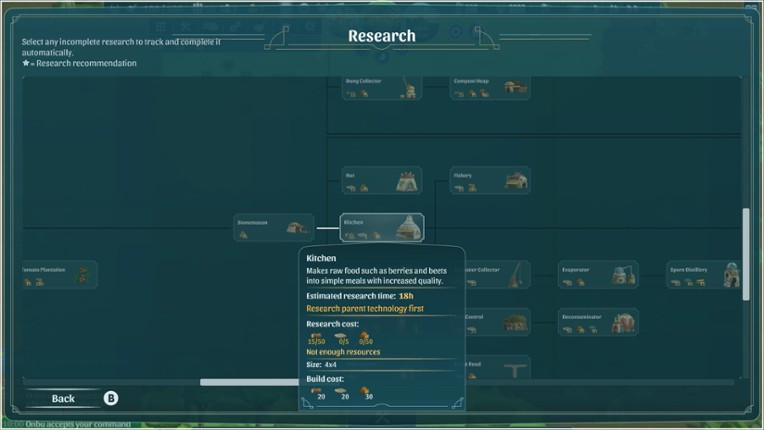
    • “The gameplay loop is methodical and calming, with a well-paced tech tree that continues to offer new tools and optimizations well into the late game.”
    • “Graphics are poor and optimization is very bad; in this screenshot, the game consumes resources like Fallout 4.”
    • “There's also absolutely no task optimization.”
    • “Basically, the only optimization you can do is building placement and creating stone paths so the villagers walk slightly faster.”
  • stability

    13 mentions Positive Neutral Negative
    31% positive mentions, 0% neutral mentions, 69% negative mentions

    The game is generally stable and runs smoothly, with many users reporting few to no bugs or glitches. While some minor issues like stuck scavenger huts and occasional glitches are noted, overall it is well-polished for an early access title and offers a pleasant, bug-free experience for most players.

    • “It's very bug free for an early access game and has really beautiful artwork.”
    • “A fun and mostly chill indie title that's already well polished for early access, everything works and runs great.”
    • “However, specifically from my play through, completely bug free, gorgeous artstyle, adorable characters, very easy to grasp concept in terms of city-building games, and is delightfully unique with onbu adding a variety of clever mechanics you won't find anywhere else.”
    • “Can't recommend it though because it is still buggy (scavenger huts get stuck prior to completion and can't be cancelled or removed), and needs some quality of life and difficulty balancing improvements.”
    • “Some stupid glitches that annoy the heck out of me but it's an addictive game.”
    • “The game offers some nice graphics and a nice aesthetic, although some ugly glitches here and there, it is pleasant all the same.”
  • humor

    9 mentions Positive Neutral Negative
    89% positive mentions, 11% neutral mentions, 0% negative mentions

    Users find the game's humor charming and enjoyable, highlighting funny and unexpected in-game moments such as quirky character behaviors and amusing gameplay scenarios. The humor complements the art style and adds a lighthearted, entertaining element to the experience.

    • “On the other hand, me and grumpygramps angry teddy bear man being the last two standing is definitely realistic and a funny image.”
    • “It was quite funny: I played the tutorial on my first playthrough, my Onbu walked through poison, I had poisoned plants and villagers and then all my buildings started to collapse.”
    • “Also despite being early, I've already had a funny moment with Onbu where he decided to go to sleep in a poison spore cloud... I'm looking forward to more adventures!”
  • character development

    3 mentions Positive Neutral Negative
    67% positive mentions, 33% neutral mentions, 0% negative mentions

    Character development is generally praised for its strong storytelling and tasteful character design, though some users criticize the use of the "women in refrigerators" trope as a clichéd and problematic plot device.

    • “Amazing game, good storytelling, awesome character design.”
    • “The character design and the world design are tasteful.”
  • monetization

    2 mentions Positive Neutral Negative
    50% positive mentions, 0% neutral mentions, 50% negative mentions

    The game features a well-designed monetization approach with no in-game purchases, providing an enjoyable village building experience without pay-to-win elements.

    • “A truly enjoyable village building game with no in-game purchases and well thought out.”
Skip Critic Reviews
Skip Game Offers

Buy The Wandering Village

Some of these are affiliate links — if you buy through them, we may earn a commission at no extra cost to you.
Play Times

11h Median play time
43h Average play time
6-20h Spent by most gamers
*Based on 46 analyzed playthroughs
Skip Videos

Videos

Skip Game News
Skip FAQs

Frequently Asked Questions

The Wandering Village is a survival city builder game with fantasy, post-apocalyptic and science fiction themes. Common tags for The Wandering Village include indie, trading, colony sim, exploration, gaming and others.

The Wandering Village is available on Nintendo Switch, PlayStation 5, PlayStation 4, Steam Deck and others.

On average players spend around 43 hours playing The Wandering Village.

The Wandering Village was released on July 17, 2025.

The Wandering Village was developed by Stray Fawn Studio.

The Wandering Village has received mostly positive reviews from players and mostly positive reviews from critics. Most players liked The Wandering Village for its gameplay but disliked it for its grinding.

The Wandering Village is a single player game.

Similar games include Fabledom, Timberborn, Flotsam, Airborne Kingdom, Havendock and others.